

Ahsan_ BTC
19.5k 投稿

Ahsan_ BTC
 厳選トピック確認済
報告
ユーザーをブロック
“Hunting entries. Protecting capital
1.3K+ フォロー
30.4K+ フォロワー
30.5K+ いいね
投稿
すべて
引用
ライブ
·
--

記事
ハロウィンがやってきました。今年は、いつもとは違う視点から不気味な季節を眺めています——それは暗号資産について調べ始めたばかりの頃、何もかもが少し謎めいて感じられました。新しいコインや技術、急激な価格変動など、理解できないことがたくさんありました。ある意味、暗号資産はハロウィンを思い起こさせます。次のドアの向こうに何が待っているか、誰にもわからないのです。👻
だからこそ、Binanceのハロウィンキャンペーンに興味を惹かれます。ハロウィンの楽しく創造的な一面と、変化の速い暗号資産の世界が一つになっているからです。
私にとってハロウィンは、仮装やカボチャ、怖い話だけではありません。創造性を楽しむ日でもあります。ハロウィンの何にワクワクするかは、人それぞれです。暗号資産コミュニティでも、考え方や戦略、意見は人によって異なります。トレードに注力する人もいれば、Web3を探求する人、新しいブロックチェーンプロジェクトについて学ぶのを楽しむ人もいます。
ハロウィンがやってきました。今年は、いつもとは違う視点から不気味な季節を眺めています——それは
暗号資産について調べ始めたばかりの頃、何もかもが少し謎めいて感じられました。新しいコインや技術、急激な価格変動など、理解できないことがたくさんありました。ある意味、暗号資産はハロウィンを思い起こさせます。次のドアの向こうに何が待っているか、誰にもわからないのです。👻
だからこそ、Binanceのハロウィンキャンペーンに興味を惹かれます。ハロウィンの楽しく創造的な一面と、変化の速い暗号資産の世界が一つになっているからです。
私にとってハロウィンは、仮装やカボチャ、怖い話だけではありません。創造性を楽しむ日でもあります。ハロウィンの何にワクワクするかは、人それぞれです。暗号資産コミュニティでも、考え方や戦略、意見は人によって異なります。トレードに注力する人もいれば、Web3を探求する人、新しいブロックチェーンプロジェクトについて学ぶのを楽しむ人もいます。
だからこそ、Binanceのハロウィンキャンペーンに興味を惹かれます。ハロウィンの楽しく創造的な一面と、変化の速い暗号資産の世界が一つになっているからです。
私にとってハロウィンは、仮装やカボチャ、怖い話だけではありません。創造性を楽しむ日でもあります。ハロウィンの何にワクワクするかは、人それぞれです。暗号資産コミュニティでも、考え方や戦略、意見は人によって異なります。トレードに注力する人もいれば、Web3を探求する人、新しいブロックチェーンプロジェクトについて学ぶのを楽しむ人もいます。
13
14
581
·
--
ブリッシュ
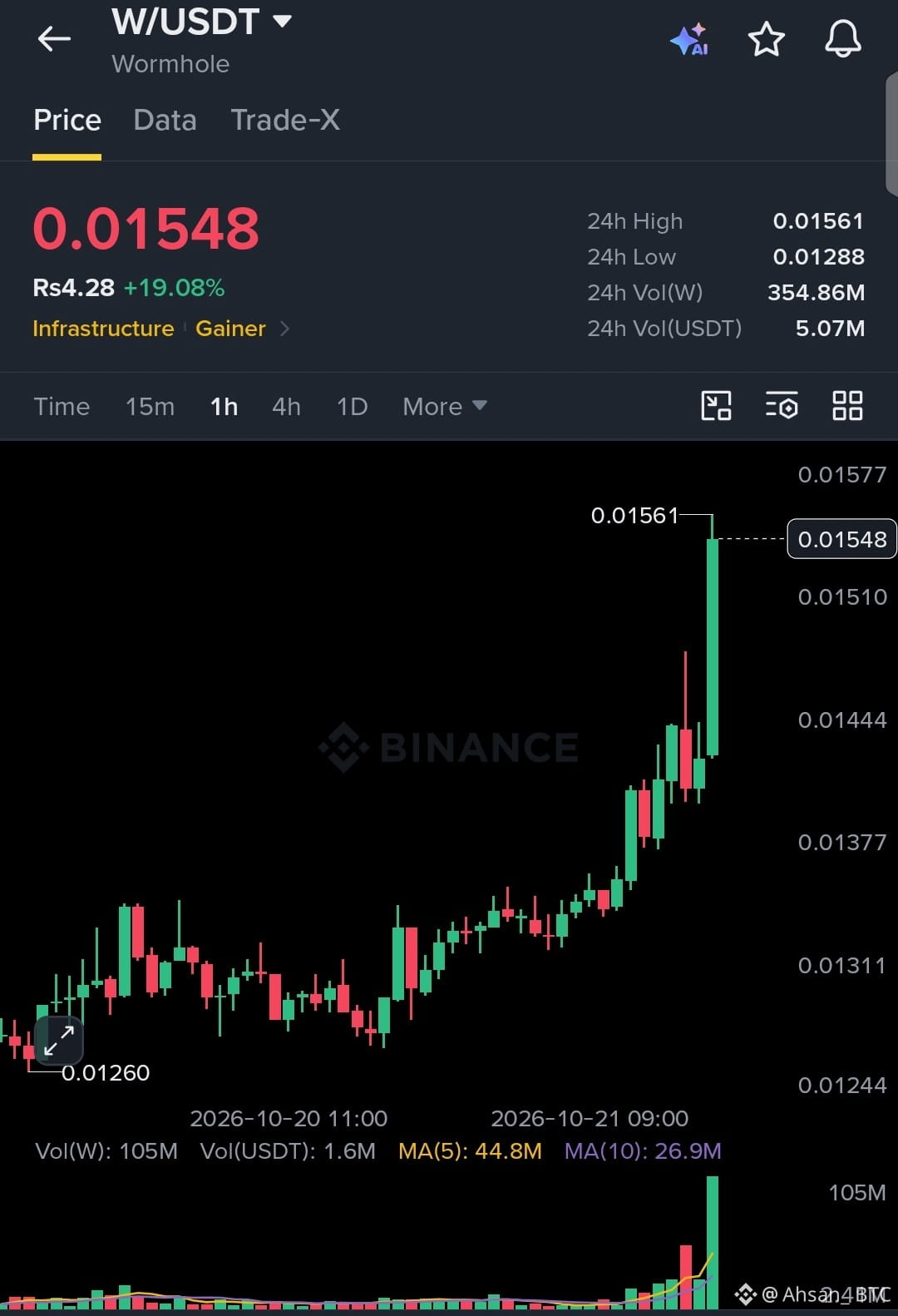
🚨 $W / USDT:+19%のパラボリック・ブレイクアウト – モメンタム点火! 🚨
$W (Wormhole)が急騰し、**+19%**(約$0.0154)上昇。24時間高値の$0.01561に迫っています。1時間足チャートは典型的な強気ブレイクアウトを示しており、緩やかな上昇から垂直方向への急拡大に移行しています。戦略的な分析はこちら👇
🛡️ プロジェクト:Wormholeは、主要なクロスチェーン相互運用プロトコルです。EthereumやSolanaなどの価値の高いブロックチェーンを接続し、最近ではWormhole QueriesとGatewayにも事業を拡大。Web3の中核インフラとしての地位をさらに確立しています。
📉 テクニカル分析(1時間足):
· チャート構造:強い上昇基調。狭いレンジでの持ち合いを上抜け、現在は大きな陽線が続いています。
· サポート:$0.0144~$0.0145(ブレイクアウト直後の押し目確認ゾーン)。主要な構造的サポートは$0.0137です。
· レジスタンス:$0.0156(24時間高値)。ここを明確に上抜ければ、価格発見局面に入る可能性があります。
· 出来高:直近のローソク足で出来高が急増(105M W)。5MAも急角度で上向きに交差しており、買いの勢いの強さを裏付けています。
🎯 トレードプラン(ロング):
· エントリー:$0.0145~$0.0152(15分足での小幅な押し目を狙います。1時間足のローソク足が付けた最高値でFOMO買いしないでください)。
· TP1:$0.0165(心理的な上値目標)。
· TP2:$0.0175 🚀
· 損切り:$0.0139 🛑(直前の持ち合いレンジを下抜けると、目先の上昇モメンタムが無効になります)。
· リスクリワード比:~1:2
🔮 見通しとセンチメント:
· 短期:純粋なモメンタム狙いです。ブレイクアウトを狙うトレーダーが活発に動いています。$0.0156を突破して維持できれば、上昇継続が期待されます。ただし、パラボリックな値動きでは価格の空白が生じやすく、$0.0140まで一気に下ヒゲを付ける可能性も十分あります。
· プロトレーダーのヒント:現在は上値抵抗線付近で取引されているため、1時間足が$0.0156を上回って確定するのを待つか、押し目を拾うために$0.0145付近に指値買い注文を設定する方法があります。やみくもに追いかけないでください。
⚠️ リスクに関する注意:インフラ系トークンも、ブレイクアウト時には非常に大きく変動することがあります。市場全体が急落すれば、この銘柄も大きな影響を受けます。必ず厳格な損切りを設定し、ポジションサイズを管理してください。これは投資助言ではありません。ご自身で調査してください(DYOR)。💡
$W
{spot}(WUSDT)
🚨 $W / USDT:+19%のパラボリック・ブレイクアウト – モメンタム点火! 🚨
$W (Wormhole)が急騰し、**+19%**(約$0.0154)上昇。24時間高値の$0.01561に迫っています。1時間足チャートは典型的な強気ブレイクアウトを示しており、緩やかな上昇から垂直方向への急拡大に移行しています。戦略的な分析はこちら👇
🛡️ プロジェクト:Wormholeは、主要なクロスチェーン相互運用プロトコルです。EthereumやSolanaなどの価値の高いブロックチェーンを接続し、最近ではWormhole QueriesとGatewayにも事業を拡大。Web3の中核インフラとしての地位をさらに確立しています。
📉 テクニカル分析(1時間足):
· チャート構造:強い上昇基調。狭いレンジでの持ち合いを上抜け、現在は大きな陽線が続いています。
· サポート:$0.0144~$0.0145(ブレイクアウト直後の押し目確認ゾーン)。主要な構造的サポートは$0.0137です。
· レジスタンス:$0.0156(24時間高値)。ここを明確に上抜ければ、価格発見局面に入る可能性があります。
· 出来高:直近のローソク足で出来高が急増(105M W)。5MAも急角度で上向きに交差しており、買いの勢いの強さを裏付けています。
🎯 トレードプラン(ロング):
· エントリー:$0.0145~$0.0152(15分足での小幅な押し目を狙います。1時間足のローソク足が付けた最高値でFOMO買いしないでください)。
· TP1:$0.0165(心理的な上値目標)。
· TP2:$0.0175 🚀
· 損切り:$0.0139 🛑(直前の持ち合いレンジを下抜けると、目先の上昇モメンタムが無効になります)。
· リスクリワード比:~1:2
🔮 見通しとセンチメント:
· 短期:純粋なモメンタム狙いです。ブレイクアウトを狙うトレーダーが活発に動いています。$0.0156を突破して維持できれば、上昇継続が期待されます。ただし、パラボリックな値動きでは価格の空白が生じやすく、$0.0140まで一気に下ヒゲを付ける可能性も十分あります。
· プロトレーダーのヒント:現在は上値抵抗線付近で取引されているため、1時間足が$0.0156を上回って確定するのを待つか、押し目を拾うために$0.0145付近に指値買い注文を設定する方法があります。やみくもに追いかけないでください。
⚠️ リスクに関する注意:インフラ系トークンも、ブレイクアウト時には非常に大きく変動することがあります。市場全体が急落すれば、この銘柄も大きな影響を受けます。必ず厳格な損切りを設定し、ポジションサイズを管理してください。これは投資助言ではありません。ご自身で調査してください(DYOR)。💡
$W
$W (Wormhole)が急騰し、**+19%**(約$0.0154)上昇。24時間高値の$0.01561に迫っています。1時間足チャートは典型的な強気ブレイクアウトを示しており、緩やかな上昇から垂直方向への急拡大に移行しています。戦略的な分析はこちら👇
🛡️ プロジェクト:Wormholeは、主要なクロスチェーン相互運用プロトコルです。EthereumやSolanaなどの価値の高いブロックチェーンを接続し、最近ではWormhole QueriesとGatewayにも事業を拡大。Web3の中核インフラとしての地位をさらに確立しています。
📉 テクニカル分析(1時間足):
· チャート構造:強い上昇基調。狭いレンジでの持ち合いを上抜け、現在は大きな陽線が続いています。
· サポート:$0.0144~$0.0145(ブレイクアウト直後の押し目確認ゾーン)。主要な構造的サポートは$0.0137です。
· レジスタンス:$0.0156(24時間高値)。ここを明確に上抜ければ、価格発見局面に入る可能性があります。
· 出来高:直近のローソク足で出来高が急増(105M W)。5MAも急角度で上向きに交差しており、買いの勢いの強さを裏付けています。
🎯 トレードプラン(ロング):
· エントリー:$0.0145~$0.0152(15分足での小幅な押し目を狙います。1時間足のローソク足が付けた最高値でFOMO買いしないでください)。
· TP1:$0.0165(心理的な上値目標)。
· TP2:$0.0175 🚀
· 損切り:$0.0139 🛑(直前の持ち合いレンジを下抜けると、目先の上昇モメンタムが無効になります)。
· リスクリワード比:~1:2
🔮 見通しとセンチメント:
· 短期:純粋なモメンタム狙いです。ブレイクアウトを狙うトレーダーが活発に動いています。$0.0156を突破して維持できれば、上昇継続が期待されます。ただし、パラボリックな値動きでは価格の空白が生じやすく、$0.0140まで一気に下ヒゲを付ける可能性も十分あります。
· プロトレーダーのヒント:現在は上値抵抗線付近で取引されているため、1時間足が$0.0156を上回って確定するのを待つか、押し目を拾うために$0.0145付近に指値買い注文を設定する方法があります。やみくもに追いかけないでください。
⚠️ リスクに関する注意:インフラ系トークンも、ブレイクアウト時には非常に大きく変動することがあります。市場全体が急落すれば、この銘柄も大きな影響を受けます。必ず厳格な損切りを設定し、ポジションサイズを管理してください。これは投資助言ではありません。ご自身で調査してください(DYOR)。💡
$W
1
255
·
--
ブリッシュ
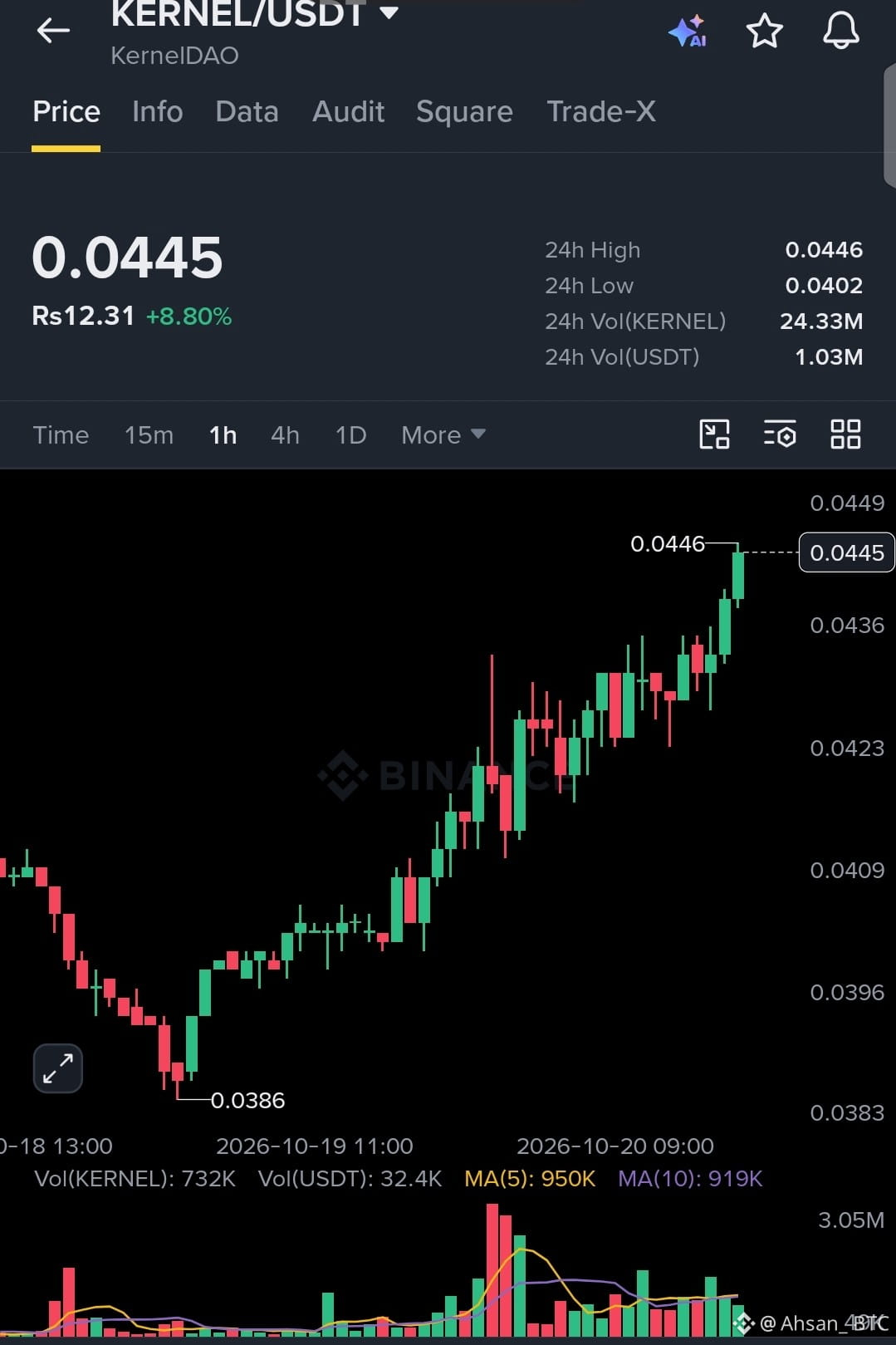
🚨 $KERNEL / USDT:着実に上昇中 – 直近高値をブレイクアウト! 🚨
Kernelは目覚ましい相対的な強さを見せており、**+8.8%**(約$0.0445)上昇。現在、24時間高値の$0.0446にちょうど到達しています。今日見られたような急騰とは異なり、このチャートではより健全で明確な上昇トレンドが形成されています。戦略的な分析はこちらです👇
🛡️ プロジェクト概要:KernelDAOはBNB Chain上のリステーキングプロトコルです。ユーザーはBNBやその他のLSTをリステーキングして、さまざまなDeFi・インフラプロジェクトに共有セキュリティを提供し、その見返りとして追加利回りを得られます。
📉 テクニカル分析(1時間足):
· チャート構造:強気。直近安値の$0.0386以降、高値と安値を切り上げる典型的な値動きが見られます。
· トレンド:価格は移動平均線(MA5とMA10)に沿って推移し、動的なサポートとして機能しています。
· サポート:$0.0430~$0.0435(目先の押し目ゾーン)。主要な構造的サポートは$0.0400です。
· レジスタンス:$0.0446(現在の24時間高値)。ここを明確に上抜ければ、価格発見の局面に入る可能性があります。
🎯 取引プラン(ロング):
· エントリー:$0.0435~$0.0445(現在のレンジ、または15分足など短い時間足で小幅な押し目を狙う)。
· TP1:$0.0460(心理的な節目を意識した上値目標)。
· TP2:$0.0480 🚀
· 損切り:$0.0415 🛑(直近の持ち合いと移動平均線の密集帯をわずかに下回る水準)。
· リスクリワード比:およそ1:2(トレンド継続を狙う取引として良好な比率)。
🔮 今後の見通しとセンチメント:
· 短期見通し:出来高は安定しており、買い手にとって好材料です。一時的な急騰に伴う長いヒゲではないことを示しています。市場全体が底堅く推移すれば、$0.0446を上抜ける可能性は十分にあります。
· プロトレーダーのヒント:今エントリーすると、レジスタンスに向かって買うことになります。最も安全なのは、ブレイクアウトを確認するために1時間足のローソク足が$0.0446を上回って確定するのを待つか、$0.0430へのリテストで買うことです。
⚠️ リスクに関する注意:小型のインフラ系トークンは非常に高いボラティリティを伴う場合があります。$KERNEL が$0.0430のサポートを割り込めば、上昇の勢いが失速する可能性があります。損切りを設定せずに取引しないでください。リスクを管理しましょう。これは投資助言ではありません。必ずご自身で調査してください。💡
$KERNEL
{spot}(KERNELUSDT)
#ElicePlunges33%InKoreanIPODebut
🚨 $KERNEL / USDT:着実に上昇中 – 直近高値をブレイクアウト! 🚨
Kernelは目覚ましい相対的な強さを見せており、**+8.8%**(約$0.0445)上昇。現在、24時間高値の$0.0446にちょうど到達しています。今日見られたような急騰とは異なり、このチャートではより健全で明確な上昇トレンドが形成されています。戦略的な分析はこちらです👇
🛡️ プロジェクト概要:KernelDAOはBNB Chain上のリステーキングプロトコルです。ユーザーはBNBやその他のLSTをリステーキングして、さまざまなDeFi・インフラプロジェクトに共有セキュリティを提供し、その見返りとして追加利回りを得られます。
📉 テクニカル分析(1時間足):
· チャート構造:強気。直近安値の$0.0386以降、高値と安値を切り上げる典型的な値動きが見られます。
· トレンド:価格は移動平均線(MA5とMA10)に沿って推移し、動的なサポートとして機能しています。
· サポート:$0.0430~$0.0435(目先の押し目ゾーン)。主要な構造的サポートは$0.0400です。
· レジスタンス:$0.0446(現在の24時間高値)。ここを明確に上抜ければ、価格発見の局面に入る可能性があります。
🎯 取引プラン(ロング):
· エントリー:$0.0435~$0.0445(現在のレンジ、または15分足など短い時間足で小幅な押し目を狙う)。
· TP1:$0.0460(心理的な節目を意識した上値目標)。
· TP2:$0.0480 🚀
· 損切り:$0.0415 🛑(直近の持ち合いと移動平均線の密集帯をわずかに下回る水準)。
· リスクリワード比:およそ1:2(トレンド継続を狙う取引として良好な比率)。
🔮 今後の見通しとセンチメント:
· 短期見通し:出来高は安定しており、買い手にとって好材料です。一時的な急騰に伴う長いヒゲではないことを示しています。市場全体が底堅く推移すれば、$0.0446を上抜ける可能性は十分にあります。
· プロトレーダーのヒント:今エントリーすると、レジスタンスに向かって買うことになります。最も安全なのは、ブレイクアウトを確認するために1時間足のローソク足が$0.0446を上回って確定するのを待つか、$0.0430へのリテストで買うことです。
⚠️ リスクに関する注意:小型のインフラ系トークンは非常に高いボラティリティを伴う場合があります。$KERNEL が$0.0430のサポートを割り込めば、上昇の勢いが失速する可能性があります。損切りを設定せずに取引しないでください。リスクを管理しましょう。これは投資助言ではありません。必ずご自身で調査してください。💡
$KERNEL
#ElicePlunges33%InKoreanIPODebut
Kernelは目覚ましい相対的な強さを見せており、**+8.8%**(約$0.0445)上昇。現在、24時間高値の$0.0446にちょうど到達しています。今日見られたような急騰とは異なり、このチャートではより健全で明確な上昇トレンドが形成されています。戦略的な分析はこちらです👇
🛡️ プロジェクト概要:KernelDAOはBNB Chain上のリステーキングプロトコルです。ユーザーはBNBやその他のLSTをリステーキングして、さまざまなDeFi・インフラプロジェクトに共有セキュリティを提供し、その見返りとして追加利回りを得られます。
📉 テクニカル分析(1時間足):
· チャート構造:強気。直近安値の$0.0386以降、高値と安値を切り上げる典型的な値動きが見られます。
· トレンド:価格は移動平均線(MA5とMA10)に沿って推移し、動的なサポートとして機能しています。
· サポート:$0.0430~$0.0435(目先の押し目ゾーン)。主要な構造的サポートは$0.0400です。
· レジスタンス:$0.0446(現在の24時間高値)。ここを明確に上抜ければ、価格発見の局面に入る可能性があります。
🎯 取引プラン(ロング):
· エントリー:$0.0435~$0.0445(現在のレンジ、または15分足など短い時間足で小幅な押し目を狙う)。
· TP1:$0.0460(心理的な節目を意識した上値目標)。
· TP2:$0.0480 🚀
· 損切り:$0.0415 🛑(直近の持ち合いと移動平均線の密集帯をわずかに下回る水準)。
· リスクリワード比:およそ1:2(トレンド継続を狙う取引として良好な比率)。
🔮 今後の見通しとセンチメント:
· 短期見通し:出来高は安定しており、買い手にとって好材料です。一時的な急騰に伴う長いヒゲではないことを示しています。市場全体が底堅く推移すれば、$0.0446を上抜ける可能性は十分にあります。
· プロトレーダーのヒント:今エントリーすると、レジスタンスに向かって買うことになります。最も安全なのは、ブレイクアウトを確認するために1時間足のローソク足が$0.0446を上回って確定するのを待つか、$0.0430へのリテストで買うことです。
⚠️ リスクに関する注意:小型のインフラ系トークンは非常に高いボラティリティを伴う場合があります。$KERNEL が$0.0430のサポートを割り込めば、上昇の勢いが失速する可能性があります。損切りを設定せずに取引しないでください。リスクを管理しましょう。これは投資助言ではありません。必ずご自身で調査してください。💡
$KERNEL
#ElicePlunges33%InKoreanIPODebut
112
·
--
ブリッシュ
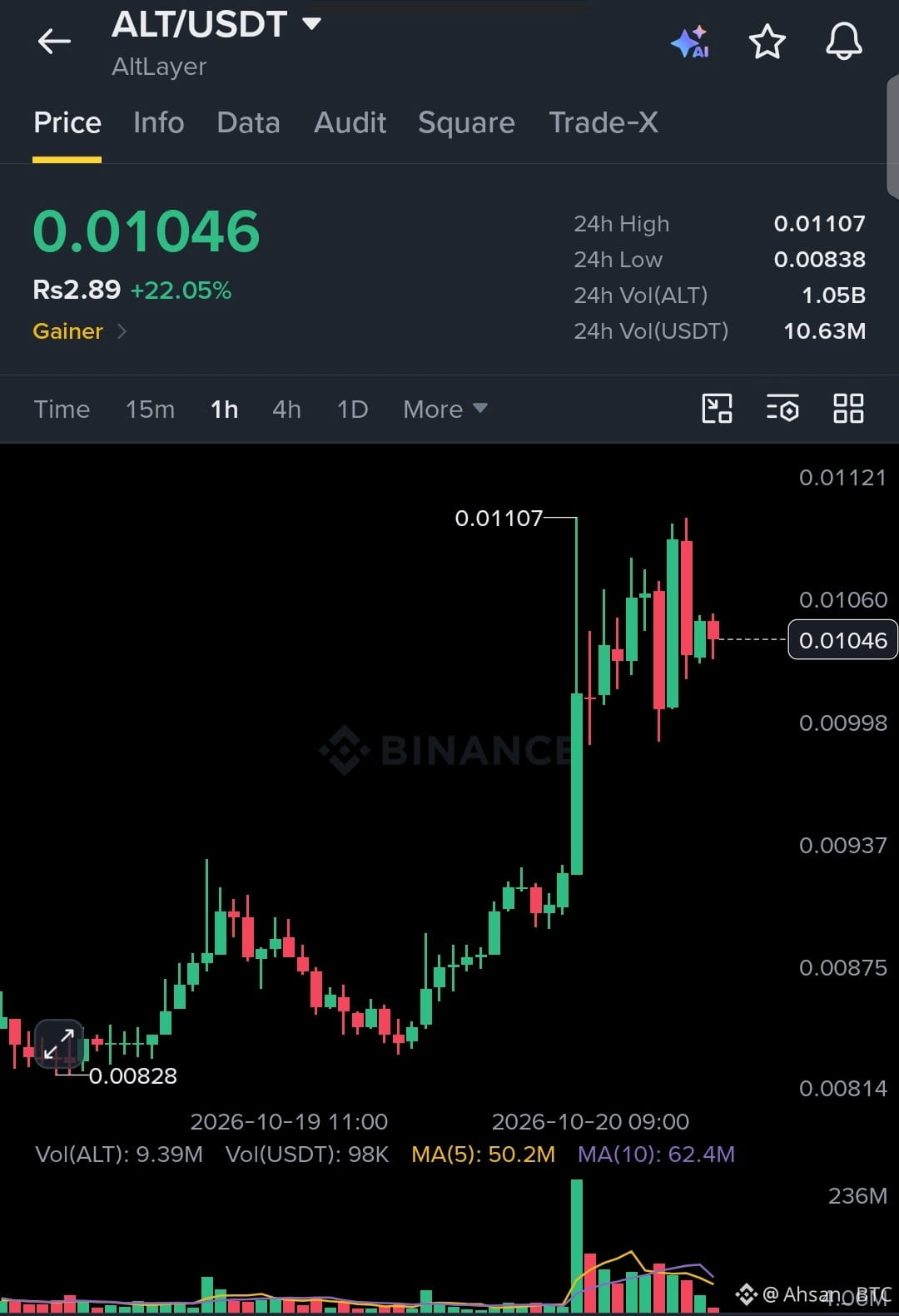
🚨 $ALT / USDT: +22% ブレイクアウト – リテストに注目! 🚨
$ALT は上昇中。$0.0083から$0.01107への力強い上昇の後、約$0.0104で**+22%**となっています。1時間足チャートでは、教科書どおりのブレイクアウトとリテストが進行中です。簡単な戦略分析はこちら👇
📉 テクニカル分析(1時間足):
· チャート構造:強気。価格はレジスタンスを突破し、現在は重要な$0.0100を上回って横ばいで推移しています。
· サポート:$0.0098~$0.0100(チャート構造を維持するには、この水準を保つ必要があります)。
· レジスタンス:**$0.0111**(24時間高値)、次に$0.0120。
🎯 取引プラン(ロング):
· エントリー:$0.0102~$0.0105(サポートを確認するため、1時間足の終値に注目)。
· TP1:$0.0111
· TP2:$0.0120 🚀
· 損切り:$0.0098 🛑
· リスクリワード比:約1:2
🔮 見通し:出来高は堅調(1.05B ALT)で、実際の関心の高さを示しています。$0.0100のリテストを維持できれば、もう一段の上昇が期待できます。
⚠️ リスク:ボラティリティが高いです。$0.0098を下抜けると、このセットアップは崩れます。FOMOで飛び乗らず、リテストを待ちましょう。投資助言ではありません。💡
$ALT
{spot}(ALTUSDT)
#ElicePlunges33%InKoreanIPODebut
🚨 $ALT / USDT: +22% ブレイクアウト – リテストに注目! 🚨
$ALT は上昇中。$0.0083から$0.01107への力強い上昇の後、約$0.0104で**+22%**となっています。1時間足チャートでは、教科書どおりのブレイクアウトとリテストが進行中です。簡単な戦略分析はこちら👇
📉 テクニカル分析(1時間足):
· チャート構造:強気。価格はレジスタンスを突破し、現在は重要な$0.0100を上回って横ばいで推移しています。
· サポート:$0.0098~$0.0100(チャート構造を維持するには、この水準を保つ必要があります)。
· レジスタンス:**$0.0111**(24時間高値)、次に$0.0120。
🎯 取引プラン(ロング):
· エントリー:$0.0102~$0.0105(サポートを確認するため、1時間足の終値に注目)。
· TP1:$0.0111
· TP2:$0.0120 🚀
· 損切り:$0.0098 🛑
· リスクリワード比:約1:2
🔮 見通し:出来高は堅調(1.05B ALT)で、実際の関心の高さを示しています。$0.0100のリテストを維持できれば、もう一段の上昇が期待できます。
⚠️ リスク:ボラティリティが高いです。$0.0098を下抜けると、このセットアップは崩れます。FOMOで飛び乗らず、リテストを待ちましょう。投資助言ではありません。💡
$ALT
#ElicePlunges33%InKoreanIPODebut
$ALT は上昇中。$0.0083から$0.01107への力強い上昇の後、約$0.0104で**+22%**となっています。1時間足チャートでは、教科書どおりのブレイクアウトとリテストが進行中です。簡単な戦略分析はこちら👇
📉 テクニカル分析(1時間足):
· チャート構造:強気。価格はレジスタンスを突破し、現在は重要な$0.0100を上回って横ばいで推移しています。
· サポート:$0.0098~$0.0100(チャート構造を維持するには、この水準を保つ必要があります)。
· レジスタンス:**$0.0111**(24時間高値)、次に$0.0120。
🎯 取引プラン(ロング):
· エントリー:$0.0102~$0.0105(サポートを確認するため、1時間足の終値に注目)。
· TP1:$0.0111
· TP2:$0.0120 🚀
· 損切り:$0.0098 🛑
· リスクリワード比:約1:2
🔮 見通し:出来高は堅調(1.05B ALT)で、実際の関心の高さを示しています。$0.0100のリテストを維持できれば、もう一段の上昇が期待できます。
⚠️ リスク:ボラティリティが高いです。$0.0098を下抜けると、このセットアップは崩れます。FOMOで飛び乗らず、リテストを待ちましょう。投資助言ではありません。💡
$ALT
#ElicePlunges33%InKoreanIPODebut
1
148
·
--
ブリッシュ
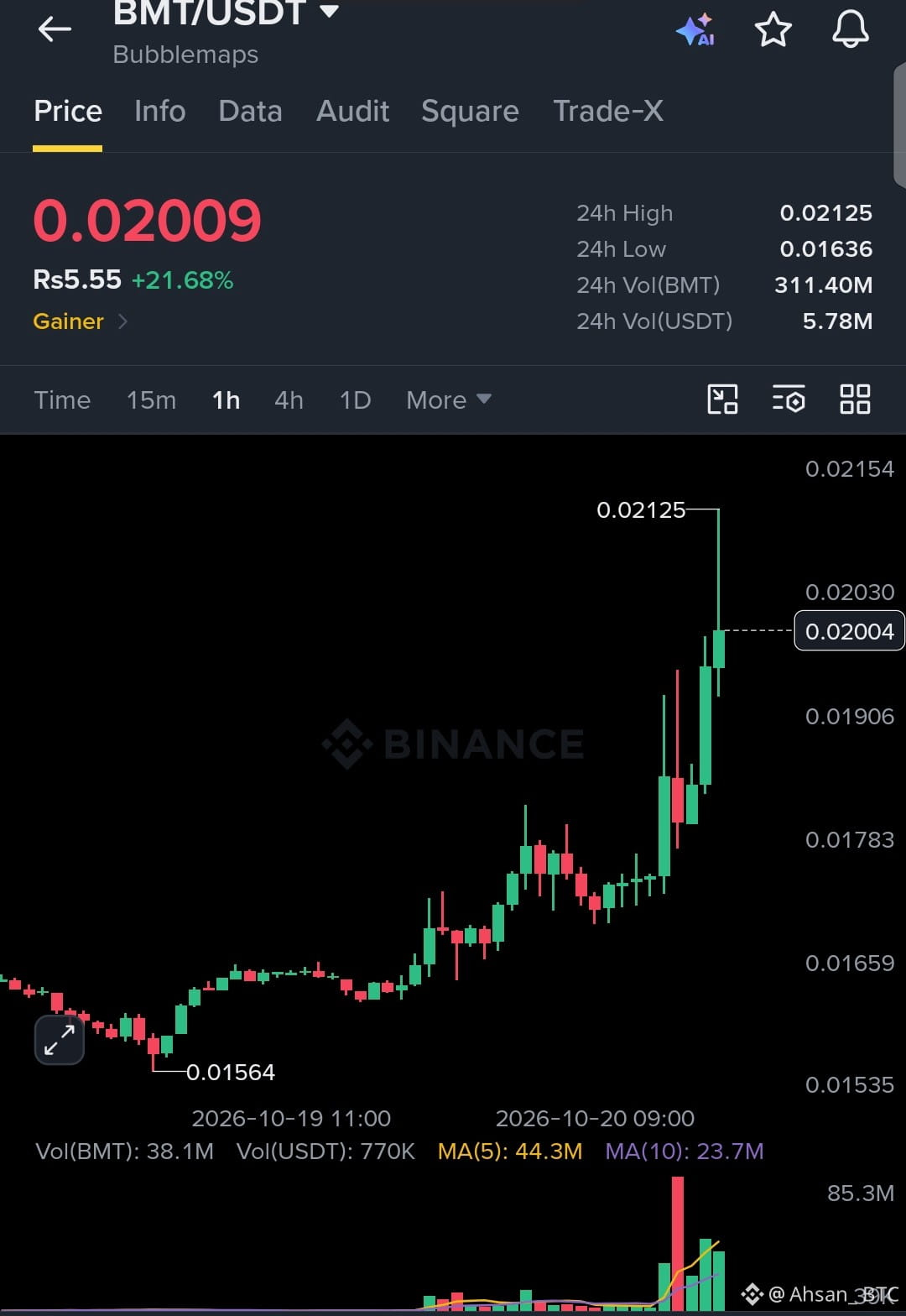
🚨 $BMT / USDT: +21% 急騰ブレイクアウト – 追いかける?それとも逆張り? 🚨
$BMT は垂直に上昇し、$0.0156から$0.02125の高値まで急騰した後、**+21.6%**(約$0.0200)となっています。出来高も急増中です。戦略の要点を手短にまとめます👇
📉 テクニカル分析(1時間足):
· 値動き:強気のブレイクアウト。直近高値を更新中。
· サポート:$0.0190~$0.0195(勢いを維持するには、この水準を保つ必要があります)。
· レジスタンス:**$0.0212**(24時間高値)、次は$0.0230。
🎯 トレードプラン(ロング):
· エントリー:$0.0195~$0.0200(ブレイクアウトゾーンへのリテストを待つ)。
· TP1:$0.0212
· TP2:$0.0230 🚀
· 損切り:$0.0185 🛑
· リスクリワード比:約1:2
🔮 見通し:出来高の急増(3億1100万超)は実需を裏付けていますが、垂直的な上昇のため、急な押し戻しが起きる可能性は非常に高いです。高値でFOMO買いしないようにしましょう。
⚠️ リスク:ボラティリティの高い小型銘柄です。ポジションサイズを厳格に管理してください。投資助言ではありません。💡
$BMT
{spot}(BMTUSDT)
#KOSPIFallsMoreThan2%
🚨 $BMT / USDT: +21% 急騰ブレイクアウト – 追いかける?それとも逆張り? 🚨
$BMT は垂直に上昇し、$0.0156から$0.02125の高値まで急騰した後、**+21.6%**(約$0.0200)となっています。出来高も急増中です。戦略の要点を手短にまとめます👇
📉 テクニカル分析(1時間足):
· 値動き:強気のブレイクアウト。直近高値を更新中。
· サポート:$0.0190~$0.0195(勢いを維持するには、この水準を保つ必要があります)。
· レジスタンス:**$0.0212**(24時間高値)、次は$0.0230。
🎯 トレードプラン(ロング):
· エントリー:$0.0195~$0.0200(ブレイクアウトゾーンへのリテストを待つ)。
· TP1:$0.0212
· TP2:$0.0230 🚀
· 損切り:$0.0185 🛑
· リスクリワード比:約1:2
🔮 見通し:出来高の急増(3億1100万超)は実需を裏付けていますが、垂直的な上昇のため、急な押し戻しが起きる可能性は非常に高いです。高値でFOMO買いしないようにしましょう。
⚠️ リスク:ボラティリティの高い小型銘柄です。ポジションサイズを厳格に管理してください。投資助言ではありません。💡
$BMT
#KOSPIFallsMoreThan2%
$BMT は垂直に上昇し、$0.0156から$0.02125の高値まで急騰した後、**+21.6%**(約$0.0200)となっています。出来高も急増中です。戦略の要点を手短にまとめます👇
📉 テクニカル分析(1時間足):
· 値動き:強気のブレイクアウト。直近高値を更新中。
· サポート:$0.0190~$0.0195(勢いを維持するには、この水準を保つ必要があります)。
· レジスタンス:**$0.0212**(24時間高値)、次は$0.0230。
🎯 トレードプラン(ロング):
· エントリー:$0.0195~$0.0200(ブレイクアウトゾーンへのリテストを待つ)。
· TP1:$0.0212
· TP2:$0.0230 🚀
· 損切り:$0.0185 🛑
· リスクリワード比:約1:2
🔮 見通し:出来高の急増(3億1100万超)は実需を裏付けていますが、垂直的な上昇のため、急な押し戻しが起きる可能性は非常に高いです。高値でFOMO買いしないようにしましょう。
⚠️ リスク:ボラティリティの高い小型銘柄です。ポジションサイズを厳格に管理してください。投資助言ではありません。💡
$BMT
#KOSPIFallsMoreThan2%
92
·
--
ブリッシュ
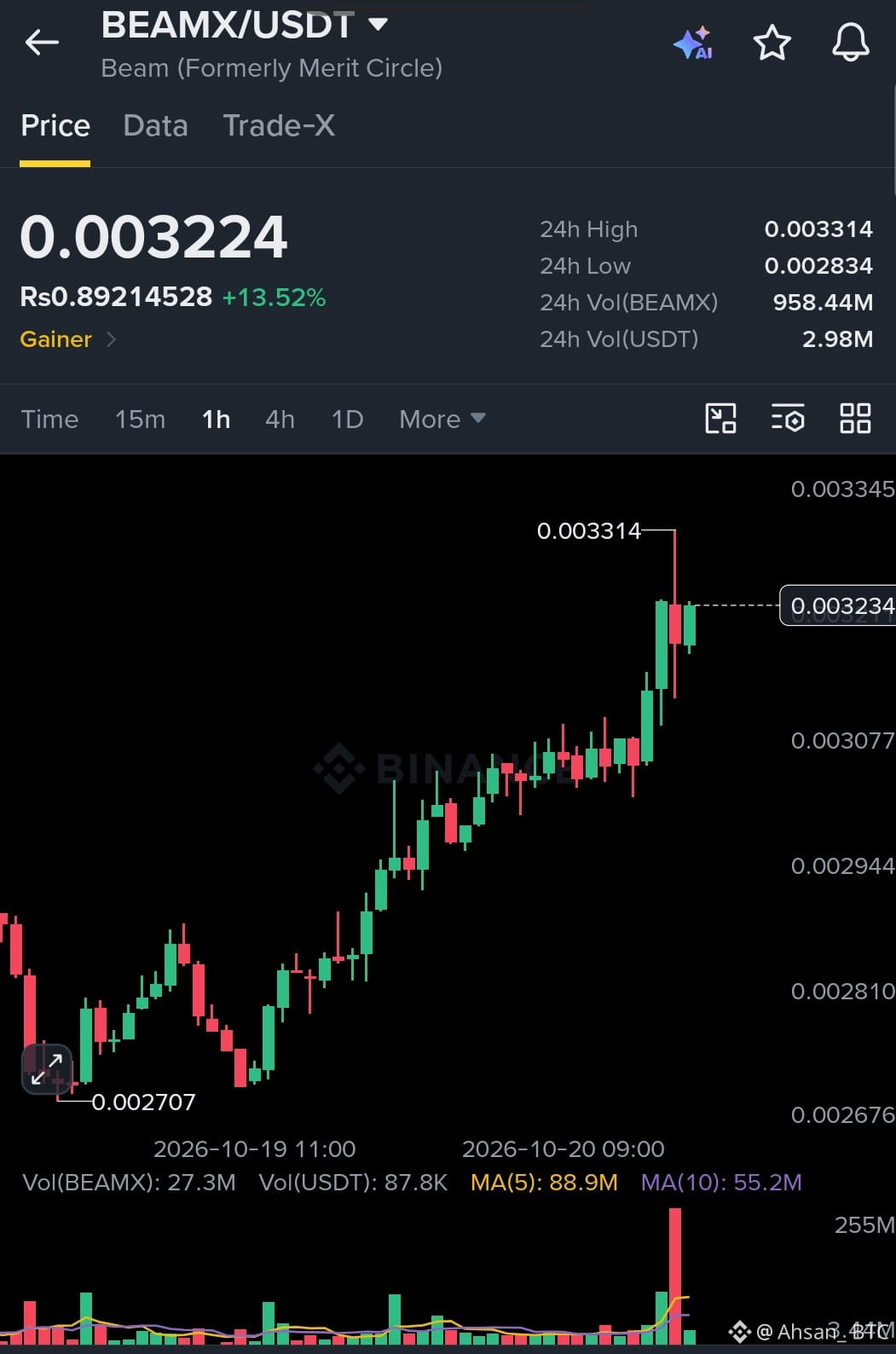
$BEAMX — 取引セットアップ
📈 強気の勢い:BEAMXは約$0.003224で、13.52%上昇しています。1時間足チャートでは、高出来高を伴う明確な高値切り上げの構造と、直近のブレイクアウトが見られます。
- サポート:$0.00307–$0.00315
- レジスタンス:$0.00331–$0.00335
- トレンド:強気
- パターン:ブレイクアウト+高値切り上げ
- モメンタム:強い。押し目でのエントリーが望ましい
🎯 取引プラン
- EP:$0.00315–$0.00324
- TP1:$0.00335
- TP2:$0.00350
- TP3:$0.00370
- SL:$0.00302
- リスクリワード比:~1:2–1:4
🚀 見通し:$0.00307を維持できれば、強気の構造は保たれます。$0.00335を明確に上抜ければ、$0.00350–$0.00370に向けてさらに上昇する可能性があります。
⚠️ リスク:ボラティリティが高いため、ブレイクアウトを追いかけるのは避け、ポジションサイズを慎重に管理してください。投資助言ではありません。
$BEAMX
{spot}(BEAMXUSDT)
#SwitzerlandApprovesFirstBitcoinETF #KOSPIFallsMoreThan2%
$BEAMX — 取引セットアップ
📈 強気の勢い:BEAMXは約$0.003224で、13.52%上昇しています。1時間足チャートでは、高出来高を伴う明確な高値切り上げの構造と、直近のブレイクアウトが見られます。
- サポート:$0.00307–$0.00315
- レジスタンス:$0.00331–$0.00335
- トレンド:強気
- パターン:ブレイクアウト+高値切り上げ
- モメンタム:強い。押し目でのエントリーが望ましい
🎯 取引プラン
- EP:$0.00315–$0.00324
- TP1:$0.00335
- TP2:$0.00350
- TP3:$0.00370
- SL:$0.00302
- リスクリワード比:~1:2–1:4
🚀 見通し:$0.00307を維持できれば、強気の構造は保たれます。$0.00335を明確に上抜ければ、$0.00350–$0.00370に向けてさらに上昇する可能性があります。
⚠️ リスク:ボラティリティが高いため、ブレイクアウトを追いかけるのは避け、ポジションサイズを慎重に管理してください。投資助言ではありません。
$BEAMX
#SwitzerlandApprovesFirstBitcoinETF #KOSPIFallsMoreThan2%
📈 強気の勢い:BEAMXは約$0.003224で、13.52%上昇しています。1時間足チャートでは、高出来高を伴う明確な高値切り上げの構造と、直近のブレイクアウトが見られます。
- サポート:$0.00307–$0.00315
- レジスタンス:$0.00331–$0.00335
- トレンド:強気
- パターン:ブレイクアウト+高値切り上げ
- モメンタム:強い。押し目でのエントリーが望ましい
🎯 取引プラン
- EP:$0.00315–$0.00324
- TP1:$0.00335
- TP2:$0.00350
- TP3:$0.00370
- SL:$0.00302
- リスクリワード比:~1:2–1:4
🚀 見通し:$0.00307を維持できれば、強気の構造は保たれます。$0.00335を明確に上抜ければ、$0.00350–$0.00370に向けてさらに上昇する可能性があります。
⚠️ リスク:ボラティリティが高いため、ブレイクアウトを追いかけるのは避け、ポジションサイズを慎重に管理してください。投資助言ではありません。
$BEAMX
#SwitzerlandApprovesFirstBitcoinETF #KOSPIFallsMoreThan2%
159
·
--
ブリッシュ
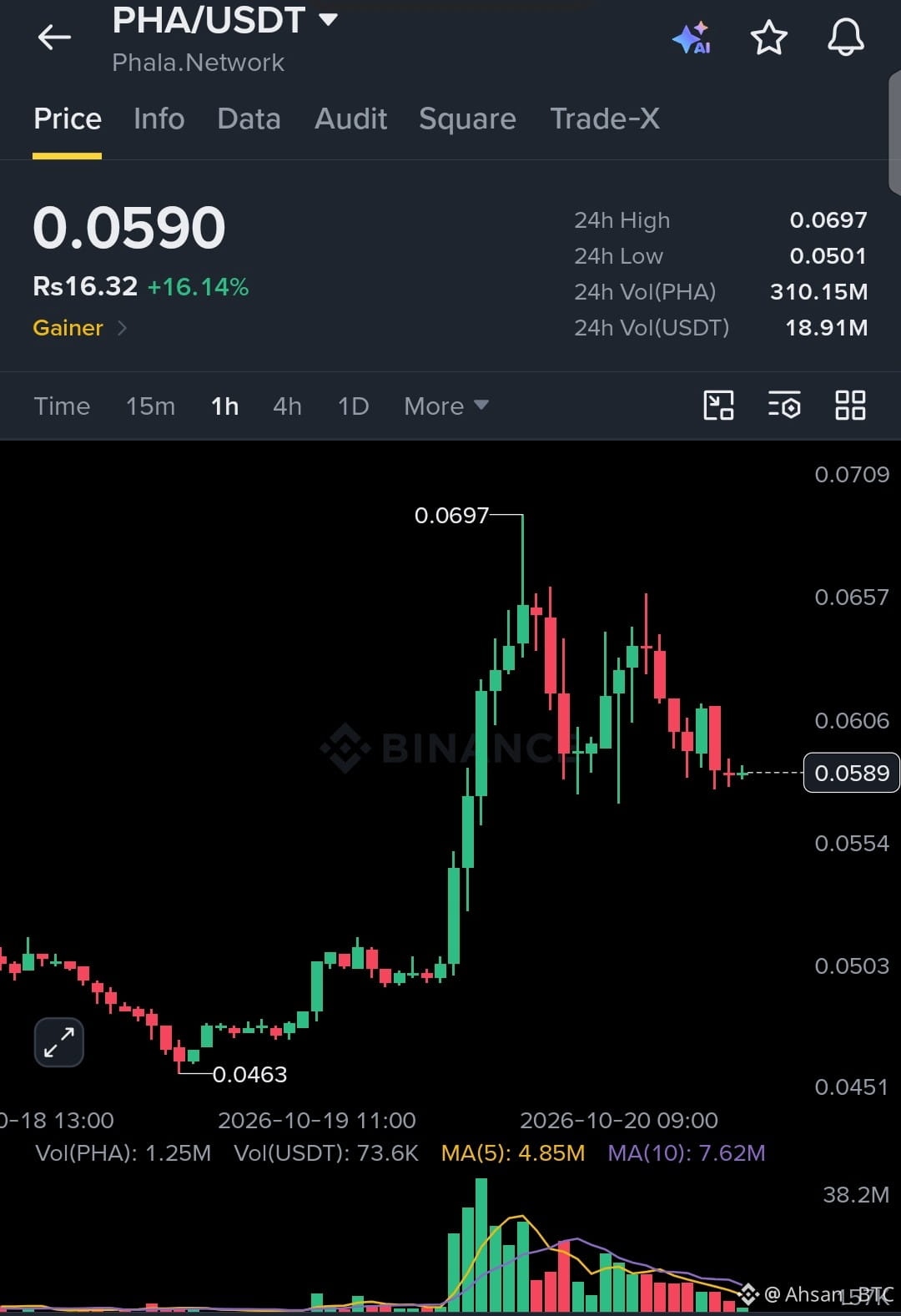
$PHA / USDT:急騰後の押し目と再テストのセットアップ!
$PHA は、$0.0697まで大きく上ヒゲを伸ばした後、**+16%**上昇しています(現在約$0.0590)。1時間足チャートはまさに高ボラティリティ。戦略を解説します👇
🛡️ プロジェクト:Phala Networkは、機密コンピューティング・クラウドです。AI + DePINの有望銘柄で、TEEを通じてAIデータをプライベートに保ちます。
📉 テクニカル分析(1時間足):
· トレンド:急反落後の調整局面。
· サポート:$0.0585~$0.0590(ここを維持することが必須!)
· レジスタンス:$0.0645、その次は24時間高値の$0.0697。
· 出来高:減少中。初動の買い熱は冷めつつあり、値動きの荒い展開が予想されます。
🎯 トレードプラン(ロング):
· エントリー:$0.0585~$0.0595(サポートを確認するため、1時間足の終値を待ちましょう)。
· 利確1:$0.0640 🎯
· 利確2:$0.0690 🎯
· 損切り:$0.0565 🛑(この水準を下回るとセットアップは無効)。
· リスクリワード比:約1:2.5
🔮 見通し:短期的には値動きが荒くなりそうです。上昇に飛び乗らないようにしましょう。長期的には、この$0.05~$0.06のゾーンは、機密AIのテーマに投資するうえで優れた買い集めエリアです。
⚠️ リスク警告:小型銘柄で、ボラティリティが高いです!損切りを設定せずに取引しないでください。ご自身で調査してください(DYOR)。
$PHA
{spot}(PHAUSDT)
#SwitzerlandApprovesFirstBitcoinETF
$PHA / USDT:急騰後の押し目と再テストのセットアップ!
$PHA は、$0.0697まで大きく上ヒゲを伸ばした後、**+16%**上昇しています(現在約$0.0590)。1時間足チャートはまさに高ボラティリティ。戦略を解説します👇
🛡️ プロジェクト:Phala Networkは、機密コンピューティング・クラウドです。AI + DePINの有望銘柄で、TEEを通じてAIデータをプライベートに保ちます。
📉 テクニカル分析(1時間足):
· トレンド:急反落後の調整局面。
· サポート:$0.0585~$0.0590(ここを維持することが必須!)
· レジスタンス:$0.0645、その次は24時間高値の$0.0697。
· 出来高:減少中。初動の買い熱は冷めつつあり、値動きの荒い展開が予想されます。
🎯 トレードプラン(ロング):
· エントリー:$0.0585~$0.0595(サポートを確認するため、1時間足の終値を待ちましょう)。
· 利確1:$0.0640 🎯
· 利確2:$0.0690 🎯
· 損切り:$0.0565 🛑(この水準を下回るとセットアップは無効)。
· リスクリワード比:約1:2.5
🔮 見通し:短期的には値動きが荒くなりそうです。上昇に飛び乗らないようにしましょう。長期的には、この$0.05~$0.06のゾーンは、機密AIのテーマに投資するうえで優れた買い集めエリアです。
⚠️ リスク警告:小型銘柄で、ボラティリティが高いです!損切りを設定せずに取引しないでください。ご自身で調査してください(DYOR)。
$PHA
#SwitzerlandApprovesFirstBitcoinETF
$PHA は、$0.0697まで大きく上ヒゲを伸ばした後、**+16%**上昇しています(現在約$0.0590)。1時間足チャートはまさに高ボラティリティ。戦略を解説します👇
🛡️ プロジェクト:Phala Networkは、機密コンピューティング・クラウドです。AI + DePINの有望銘柄で、TEEを通じてAIデータをプライベートに保ちます。
📉 テクニカル分析(1時間足):
· トレンド:急反落後の調整局面。
· サポート:$0.0585~$0.0590(ここを維持することが必須!)
· レジスタンス:$0.0645、その次は24時間高値の$0.0697。
· 出来高:減少中。初動の買い熱は冷めつつあり、値動きの荒い展開が予想されます。
🎯 トレードプラン(ロング):
· エントリー:$0.0585~$0.0595(サポートを確認するため、1時間足の終値を待ちましょう)。
· 利確1:$0.0640 🎯
· 利確2:$0.0690 🎯
· 損切り:$0.0565 🛑(この水準を下回るとセットアップは無効)。
· リスクリワード比:約1:2.5
🔮 見通し:短期的には値動きが荒くなりそうです。上昇に飛び乗らないようにしましょう。長期的には、この$0.05~$0.06のゾーンは、機密AIのテーマに投資するうえで優れた買い集めエリアです。
⚠️ リスク警告:小型銘柄で、ボラティリティが高いです!損切りを設定せずに取引しないでください。ご自身で調査してください(DYOR)。
$PHA
#SwitzerlandApprovesFirstBitcoinETF
190
·
--
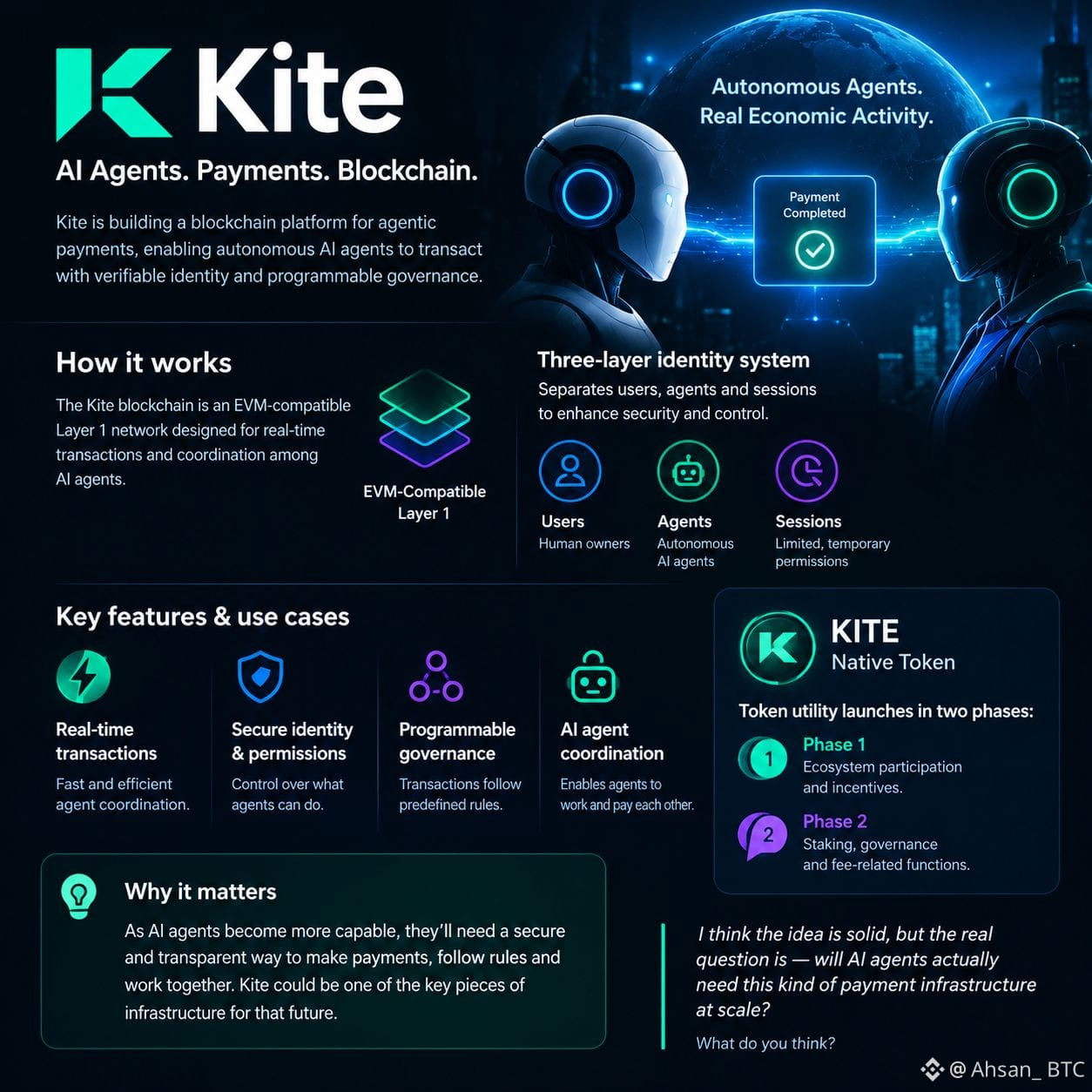
Kiteについて調べていて、特に注目しているのは、AIエージェントが自律的に決済を行うことに焦点を当てている点です。
Kiteは、AIエージェント間のリアルタイム取引と連携を実現するために構築された、EVM互換のレイヤー1です。3層のアイデンティティシステムによってユーザー、エージェント、セッションを分離し、エージェントに対して、より管理しやすく検証可能な権限を与えます。
ネイティブトークンのKITEは、まずエコシステムへの参加やインセンティブに活用され、ステーキング、ガバナンス、手数料関連のユーティリティは、後に導入される予定です。
私が興味深いと思うのは、AIエージェントが大規模にこの種の決済インフラを本当に必要とするのか、という点です。技術には期待が持てますが、実際に普及するかどうかが本当の試金石となるでしょう。
Kiteについてどう思いますか?
@GoKiteAI #KiteBBW $KITE
{spot}(KITEUSDT)
Kiteについて調べていて、特に注目しているのは、AIエージェントが自律的に決済を行うことに焦点を当てている点です。
Kiteは、AIエージェント間のリアルタイム取引と連携を実現するために構築された、EVM互換のレイヤー1です。3層のアイデンティティシステムによってユーザー、エージェント、セッションを分離し、エージェントに対して、より管理しやすく検証可能な権限を与えます。
ネイティブトークンのKITEは、まずエコシステムへの参加やインセンティブに活用され、ステーキング、ガバナンス、手数料関連のユーティリティは、後に導入される予定です。
私が興味深いと思うのは、AIエージェントが大規模にこの種の決済インフラを本当に必要とするのか、という点です。技術には期待が持てますが、実際に普及するかどうかが本当の試金石となるでしょう。
Kiteについてどう思いますか?
@KITE AI 中文 #KiteBBW $KITE
Kiteは、AIエージェント間のリアルタイム取引と連携を実現するために構築された、EVM互換のレイヤー1です。3層のアイデンティティシステムによってユーザー、エージェント、セッションを分離し、エージェントに対して、より管理しやすく検証可能な権限を与えます。
ネイティブトークンのKITEは、まずエコシステムへの参加やインセンティブに活用され、ステーキング、ガバナンス、手数料関連のユーティリティは、後に導入される予定です。
私が興味深いと思うのは、AIエージェントが大規模にこの種の決済インフラを本当に必要とするのか、という点です。技術には期待が持てますが、実際に普及するかどうかが本当の試金石となるでしょう。
Kiteについてどう思いますか?
@KITE AI 中文 #KiteBBW $KITE
11
13
226
·
--
ブリッシュ
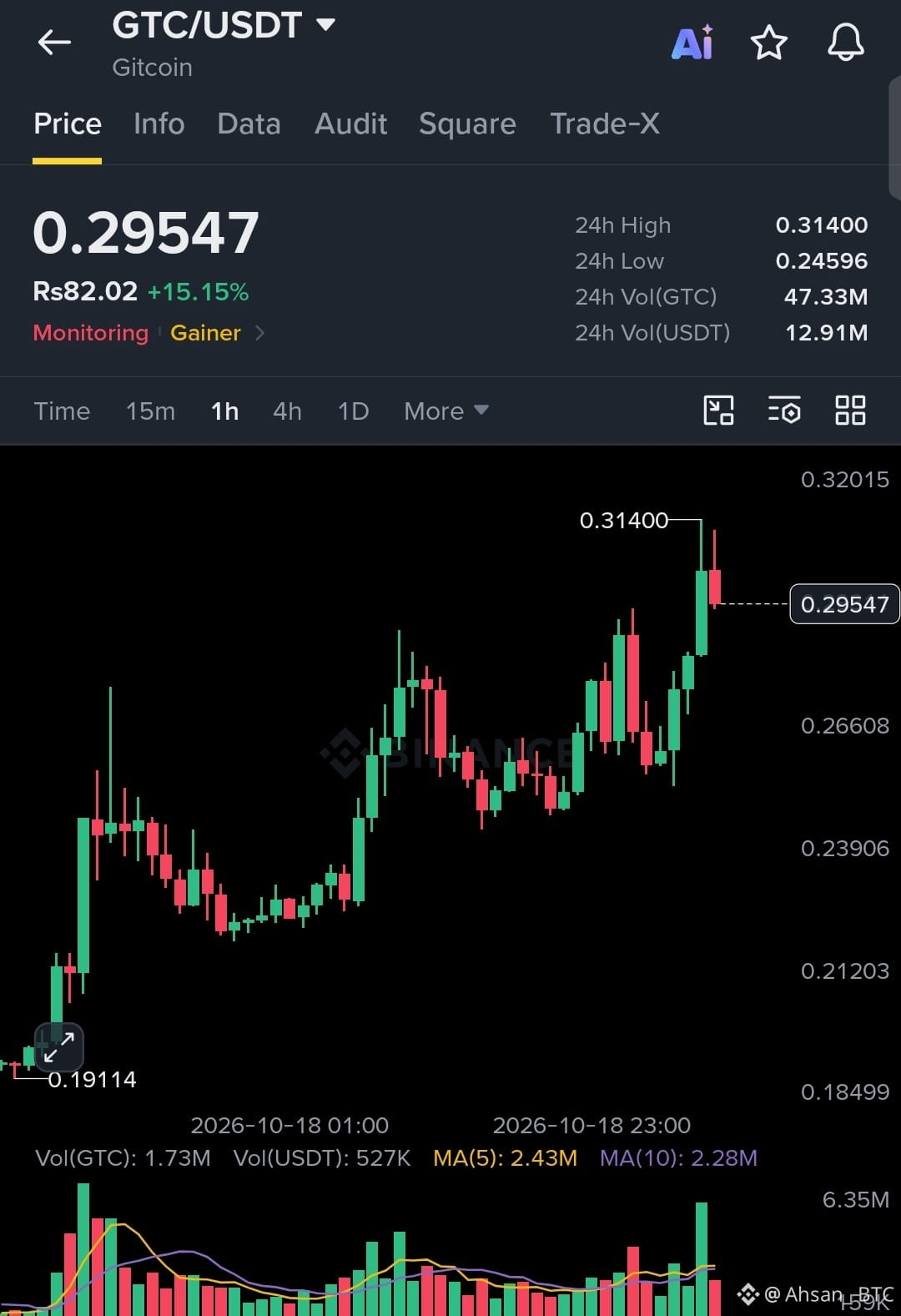
$GTC — 取引セットアップ
📈 強い上昇モメンタム:GTCは約$0.2955で取引されており、15.15%上昇しています。1時間足チャートでは高値を切り上げ、出来高も大きく増加しており、直近では$0.3140に到達しました。
- サポート:$0.280~$0.290
- レジスタンス:$0.314~$0.320
- トレンド:強気
- パターン:ブレイクアウト+高値切り上げ
- モメンタム:強い。エントリー前の押し目に注意
🎯 取引プラン
- EP:$0.285~$0.298
- TP1:$0.314
- TP2:$0.330
- TP3:$0.350
- SL:$0.272
- リスクリワード比:およそ1:2~1:4
🚀 見通し:$0.280を上回って推移すれば、強気のチャート構造は維持されます。$0.314を明確に上抜ければ、次の上昇は$0.33~$0.35に向けて加速する可能性があります。
⚠️ リスク:ボラティリティが高いため、適切なポジションサイズを設定し、損切り価格を明確にしてください。これは投資助言ではありません。
$GTC
{spot}(GTCUSDT)
#KOSPIOpens3.17%Lower
$GTC — 取引セットアップ
📈 強い上昇モメンタム:GTCは約$0.2955で取引されており、15.15%上昇しています。1時間足チャートでは高値を切り上げ、出来高も大きく増加しており、直近では$0.3140に到達しました。
- サポート:$0.280~$0.290
- レジスタンス:$0.314~$0.320
- トレンド:強気
- パターン:ブレイクアウト+高値切り上げ
- モメンタム:強い。エントリー前の押し目に注意
🎯 取引プラン
- EP:$0.285~$0.298
- TP1:$0.314
- TP2:$0.330
- TP3:$0.350
- SL:$0.272
- リスクリワード比:およそ1:2~1:4
🚀 見通し:$0.280を上回って推移すれば、強気のチャート構造は維持されます。$0.314を明確に上抜ければ、次の上昇は$0.33~$0.35に向けて加速する可能性があります。
⚠️ リスク:ボラティリティが高いため、適切なポジションサイズを設定し、損切り価格を明確にしてください。これは投資助言ではありません。
$GTC
#KOSPIOpens3.17%Lower
📈 強い上昇モメンタム:GTCは約$0.2955で取引されており、15.15%上昇しています。1時間足チャートでは高値を切り上げ、出来高も大きく増加しており、直近では$0.3140に到達しました。
- サポート:$0.280~$0.290
- レジスタンス:$0.314~$0.320
- トレンド:強気
- パターン:ブレイクアウト+高値切り上げ
- モメンタム:強い。エントリー前の押し目に注意
🎯 取引プラン
- EP:$0.285~$0.298
- TP1:$0.314
- TP2:$0.330
- TP3:$0.350
- SL:$0.272
- リスクリワード比:およそ1:2~1:4
🚀 見通し:$0.280を上回って推移すれば、強気のチャート構造は維持されます。$0.314を明確に上抜ければ、次の上昇は$0.33~$0.35に向けて加速する可能性があります。
⚠️ リスク:ボラティリティが高いため、適切なポジションサイズを設定し、損切り価格を明確にしてください。これは投資助言ではありません。
$GTC
#KOSPIOpens3.17%Lower
1
96
·
--
ブリッシュ
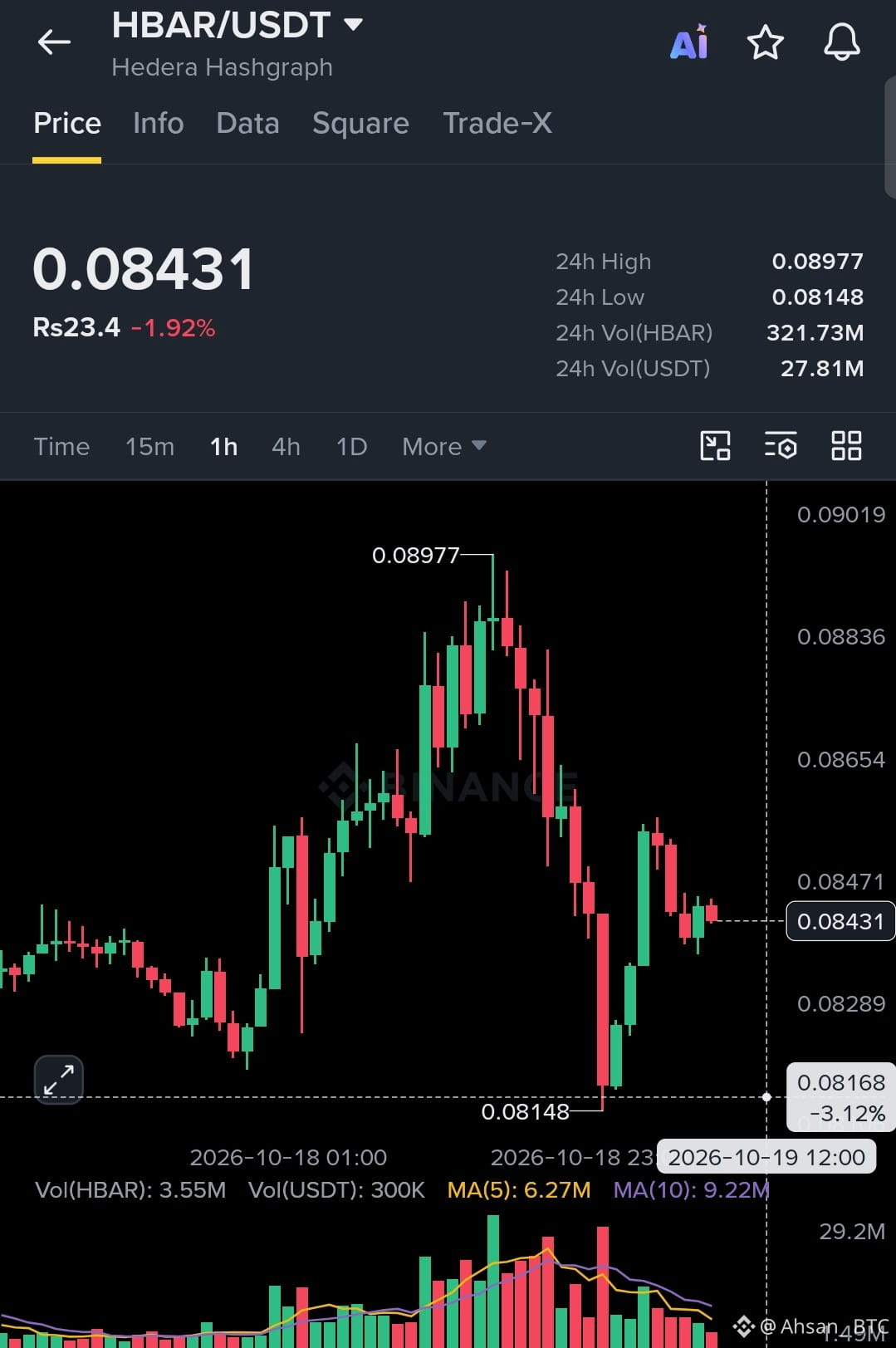
$HBAR — 取引設定
📊 HBARは現在約$0.0843です。1時間足チャートでは、$0.08977から急落した後、$0.08148から反発しています。価格は反発後、現在は持ち合いとなっています。
- サポート:$0.0815~$0.0830
- レジスタンス:$0.0865~$0.0880
- トレンド:短期的には回復傾向、全体的な勢いは依然として慎重
- パターン:反発+持ち合い
🎯 取引計画
- エントリー価格(EP):$0.0830~$0.0845
- 利確目標1(TP1):$0.0865
- 利確目標2(TP2):$0.0880
- 利確目標3(TP3):$0.0900
- 損切り(SL):$0.0808
- リスクリワード比(R:R):約1:2~1:4
🚀 見通し:$0.0815を維持すれば、回復シナリオは有効です。$0.0880を上抜ければ、$0.0900以上を再び試す可能性があります。
⚠️ リスク:暗号資産は価格変動が非常に大きいものです。適切なポジションサイズを設定し、明確な損切りラインを設けてください。これは金融アドバイスではありません。
$HBAR
{spot}(HBARUSDT)
#DeepSeekReleasesUpdatedAIModel
$HBAR — 取引設定
📊 HBARは現在約$0.0843です。1時間足チャートでは、$0.08977から急落した後、$0.08148から反発しています。価格は反発後、現在は持ち合いとなっています。
- サポート:$0.0815~$0.0830
- レジスタンス:$0.0865~$0.0880
- トレンド:短期的には回復傾向、全体的な勢いは依然として慎重
- パターン:反発+持ち合い
🎯 取引計画
- エントリー価格(EP):$0.0830~$0.0845
- 利確目標1(TP1):$0.0865
- 利確目標2(TP2):$0.0880
- 利確目標3(TP3):$0.0900
- 損切り(SL):$0.0808
- リスクリワード比(R:R):約1:2~1:4
🚀 見通し:$0.0815を維持すれば、回復シナリオは有効です。$0.0880を上抜ければ、$0.0900以上を再び試す可能性があります。
⚠️ リスク:暗号資産は価格変動が非常に大きいものです。適切なポジションサイズを設定し、明確な損切りラインを設けてください。これは金融アドバイスではありません。
$HBAR
#DeepSeekReleasesUpdatedAIModel
📊 HBARは現在約$0.0843です。1時間足チャートでは、$0.08977から急落した後、$0.08148から反発しています。価格は反発後、現在は持ち合いとなっています。
- サポート:$0.0815~$0.0830
- レジスタンス:$0.0865~$0.0880
- トレンド:短期的には回復傾向、全体的な勢いは依然として慎重
- パターン:反発+持ち合い
🎯 取引計画
- エントリー価格(EP):$0.0830~$0.0845
- 利確目標1(TP1):$0.0865
- 利確目標2(TP2):$0.0880
- 利確目標3(TP3):$0.0900
- 損切り(SL):$0.0808
- リスクリワード比(R:R):約1:2~1:4
🚀 見通し:$0.0815を維持すれば、回復シナリオは有効です。$0.0880を上抜ければ、$0.0900以上を再び試す可能性があります。
⚠️ リスク:暗号資産は価格変動が非常に大きいものです。適切なポジションサイズを設定し、明確な損切りラインを設けてください。これは金融アドバイスではありません。
$HBAR
#DeepSeekReleasesUpdatedAIModel
130
·
--
ブリッシュ
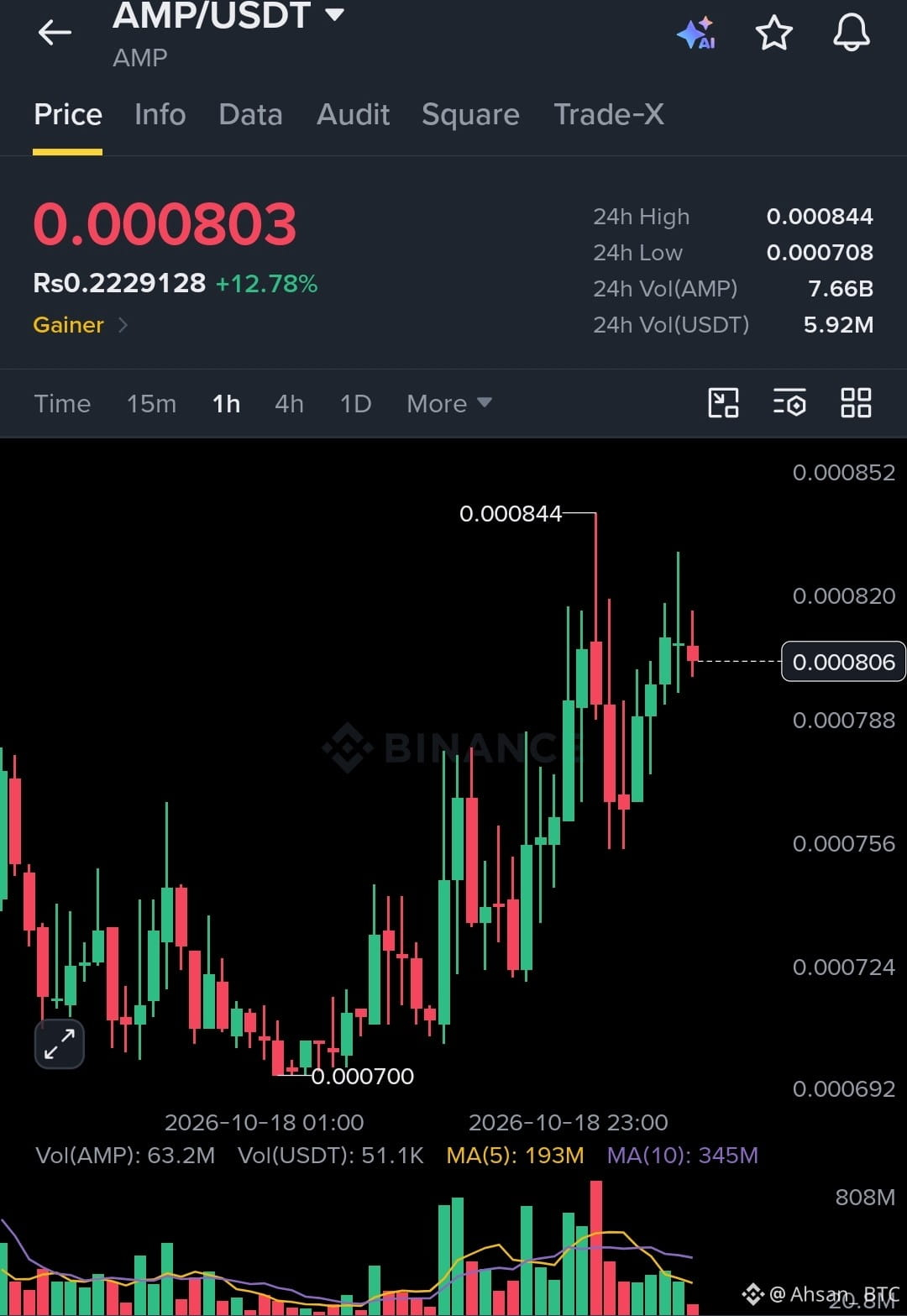
$AMP — 取引セットアップ
📈 強気の勢い:AMPは約$0.000803で、12.78%上昇しています。1時間足チャートでは高値と安値を切り上げており、出来高も強く、上昇を支えています。
- サポート:$0.000780–$0.000790
- レジスタンス:$0.000820–$0.000844
- トレンド:強気
- パターン:高値切り上げのブレイクアウト構造
- モメンタム:強い。エントリー前に持ち合いとなるか注視
🎯 取引計画
- EP:$0.000790–$0.000805
- TP1:$0.000825
- TP2:$0.000845
- TP3:$0.000880
- SL:$0.000765
- リスクリワード比:約1:2~1:4
🚀 見通し:$0.000780を維持できれば、強気の構造は保たれます。$0.000844を明確に上抜ければ、次の上昇局面に入る可能性があります。
⚠️ リスク:暗号資産は価格変動が非常に大きいです。ポジションサイズを適切に管理し、損切り注文を設定してください。これは金融アドバイスではありません。
$AMP
{spot}(AMPUSDT)
#GrayscaleAndRepublicLaunchThreeCryptoFunds
$AMP — 取引セットアップ
📈 強気の勢い:AMPは約$0.000803で、12.78%上昇しています。1時間足チャートでは高値と安値を切り上げており、出来高も強く、上昇を支えています。
- サポート:$0.000780–$0.000790
- レジスタンス:$0.000820–$0.000844
- トレンド:強気
- パターン:高値切り上げのブレイクアウト構造
- モメンタム:強い。エントリー前に持ち合いとなるか注視
🎯 取引計画
- EP:$0.000790–$0.000805
- TP1:$0.000825
- TP2:$0.000845
- TP3:$0.000880
- SL:$0.000765
- リスクリワード比:約1:2~1:4
🚀 見通し:$0.000780を維持できれば、強気の構造は保たれます。$0.000844を明確に上抜ければ、次の上昇局面に入る可能性があります。
⚠️ リスク:暗号資産は価格変動が非常に大きいです。ポジションサイズを適切に管理し、損切り注文を設定してください。これは金融アドバイスではありません。
$AMP
#GrayscaleAndRepublicLaunchThreeCryptoFunds
📈 強気の勢い:AMPは約$0.000803で、12.78%上昇しています。1時間足チャートでは高値と安値を切り上げており、出来高も強く、上昇を支えています。
- サポート:$0.000780–$0.000790
- レジスタンス:$0.000820–$0.000844
- トレンド:強気
- パターン:高値切り上げのブレイクアウト構造
- モメンタム:強い。エントリー前に持ち合いとなるか注視
🎯 取引計画
- EP:$0.000790–$0.000805
- TP1:$0.000825
- TP2:$0.000845
- TP3:$0.000880
- SL:$0.000765
- リスクリワード比:約1:2~1:4
🚀 見通し:$0.000780を維持できれば、強気の構造は保たれます。$0.000844を明確に上抜ければ、次の上昇局面に入る可能性があります。
⚠️ リスク:暗号資産は価格変動が非常に大きいです。ポジションサイズを適切に管理し、損切り注文を設定してください。これは金融アドバイスではありません。
$AMP
#GrayscaleAndRepublicLaunchThreeCryptoFunds
87
·
--
ブリッシュ
Nillion:暗号化オンチェーン市場の未来
Nillionは、ブロックチェーンとAI向けのプライバシー重視型インフラを構築しています。機密データを不必要に公開することなく、アプリケーションがそのデータを保存・計算できるようにします。
中核製品のCovenantsは、あらかじめ定められた条件が満たされたときに開示できる、暗号化された指示を導入します。これにより、プライベートな取引戦略、封印入札オークション、条件付き決済、AIエージェントに新たな可能性が広がります。
🌙 最初のリリース段階であるDuskは、CovenantsをEthereumに導入することに重点を置いています。ロードマップには、メインネットのインフラ、Blacklightノードへの参加、開発者がプライバシーを保護するアプリケーションを構築するためのツールが含まれています。
🔐 なぜ重要なのでしょうか?
• 機密性の高い取引指示を保護する。
• 機密データが時期尚早に公開されるのを防ぐ。
• より高度なオンチェーンアプリケーションを実現する。
• AIエージェントや暗号化市場の可能性を広げる。
Nillionのビジョンは野心的ですが、本当の試金石は普及です。開発者の活動状況、Covenantsの実行成功、ネットワークのセキュリティ、分散性、持続可能なトークンエコノミクスが、長期的な進展を測る重要な指標となるでしょう。
この技術には期待が寄せられていますが、初期の展開が商業的な成功や将来のトークン価格を保証するものではありません。
Nillionの次の章は、暗号化計算を現実世界で役立つものにすることです。
#nil $NIL @nillionnetwork
Nillion:暗号化オンチェーン市場の未来
Nillionは、ブロックチェーンとAI向けのプライバシー重視型インフラを構築しています。機密データを不必要に公開することなく、アプリケーションがそのデータを保存・計算できるようにします。
中核製品のCovenantsは、あらかじめ定められた条件が満たされたときに開示できる、暗号化された指示を導入します。これにより、プライベートな取引戦略、封印入札オークション、条件付き決済、AIエージェントに新たな可能性が広がります。
🌙 最初のリリース段階であるDuskは、CovenantsをEthereumに導入することに重点を置いています。ロードマップには、メインネットのインフラ、Blacklightノードへの参加、開発者がプライバシーを保護するアプリケーションを構築するためのツールが含まれています。
🔐 なぜ重要なのでしょうか?
• 機密性の高い取引指示を保護する。
• 機密データが時期尚早に公開されるのを防ぐ。
• より高度なオンチェーンアプリケーションを実現する。
• AIエージェントや暗号化市場の可能性を広げる。
Nillionのビジョンは野心的ですが、本当の試金石は普及です。開発者の活動状況、Covenantsの実行成功、ネットワークのセキュリティ、分散性、持続可能なトークンエコノミクスが、長期的な進展を測る重要な指標となるでしょう。
この技術には期待が寄せられていますが、初期の展開が商業的な成功や将来のトークン価格を保証するものではありません。
Nillionの次の章は、暗号化計算を現実世界で役立つものにすることです。
#nil $NIL @Nillion
Nillionは、ブロックチェーンとAI向けのプライバシー重視型インフラを構築しています。機密データを不必要に公開することなく、アプリケーションがそのデータを保存・計算できるようにします。
中核製品のCovenantsは、あらかじめ定められた条件が満たされたときに開示できる、暗号化された指示を導入します。これにより、プライベートな取引戦略、封印入札オークション、条件付き決済、AIエージェントに新たな可能性が広がります。
🌙 最初のリリース段階であるDuskは、CovenantsをEthereumに導入することに重点を置いています。ロードマップには、メインネットのインフラ、Blacklightノードへの参加、開発者がプライバシーを保護するアプリケーションを構築するためのツールが含まれています。
🔐 なぜ重要なのでしょうか?
• 機密性の高い取引指示を保護する。
• 機密データが時期尚早に公開されるのを防ぐ。
• より高度なオンチェーンアプリケーションを実現する。
• AIエージェントや暗号化市場の可能性を広げる。
Nillionのビジョンは野心的ですが、本当の試金石は普及です。開発者の活動状況、Covenantsの実行成功、ネットワークのセキュリティ、分散性、持続可能なトークンエコノミクスが、長期的な進展を測る重要な指標となるでしょう。
この技術には期待が寄せられていますが、初期の展開が商業的な成功や将来のトークン価格を保証するものではありません。
Nillionの次の章は、暗号化計算を現実世界で役立つものにすることです。
#nil $NIL @Nillion
21
24
687
ログインして、さらにコンテンツを読む
厳選トピックで世界の暗号資産トレーダーの仲間入り
⚡️ 暗号資産に関する最新かつ有益な情報が見つかります。
💬 世界最大の暗号資産取引所から信頼されています。
👍 認証を受けたクリエイターから、有益なインサイトを得られます。
メール / 電話番号