

Jens_
8.5k 投稿

Jens_
 厳選トピック確認済+
報告
ユーザーをブロック
Gas fees don't scare me. stay close to @jens_connect on X
取引を発注
高頻度トレーダー
4.9年
357 フォロー
38.7K+ フォロワー
46.0K+ いいね
投稿
ポートフォリオ
すべて
引用
動画
ライブ
PINNED
·
--
Jens_
·
--
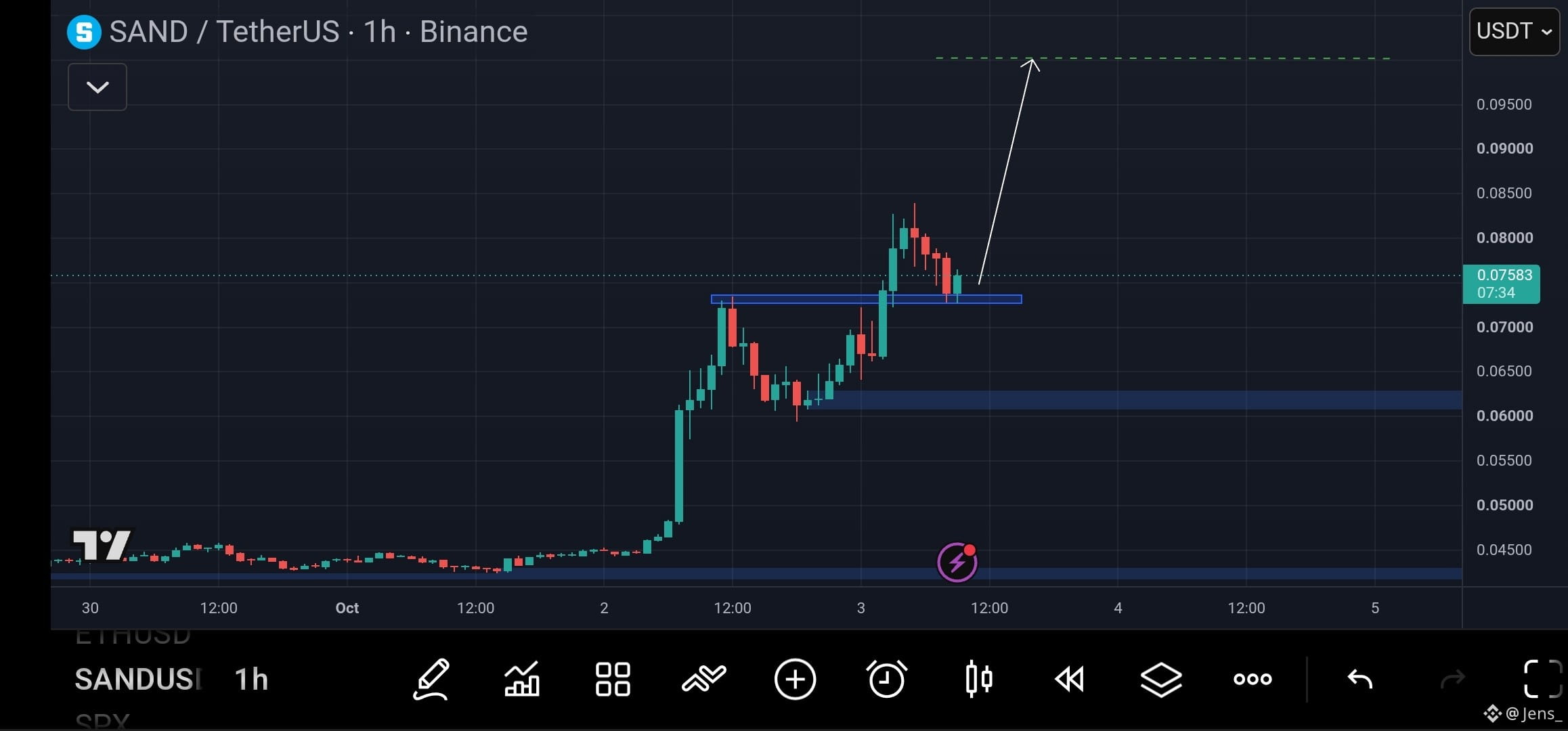
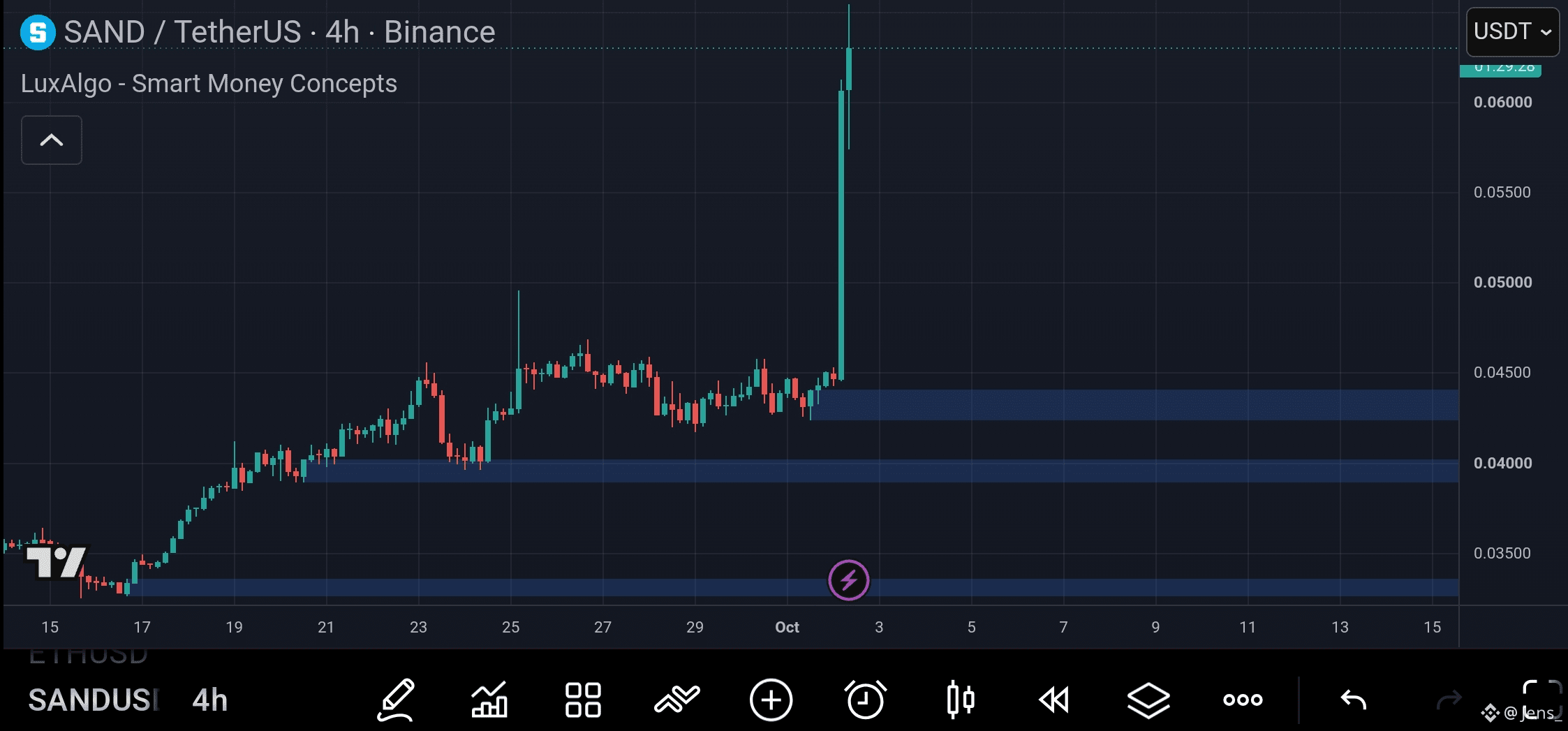
$SAND このチャートは、0.060を上抜けた後に強気の動きに見えます。
0.060を維持できればブレイクアウトが強化されます。これを失うと、0.050が視野に入り、さらに深いサポートは0.0425〜0.0440あたりです。
見解:勢いは強いですが、追いかける前に確定した終値とリテストを待ちます。
免責:自己責任でお願いします。金融助言ではありません。
#sand #crypto #Binance
0.060を維持できればブレイクアウトが強化されます。これを失うと、0.050が視野に入り、さらに深いサポートは0.0425〜0.0440あたりです。
見解:勢いは強いですが、追いかける前に確定した終値とリテストを待ちます。
免責:自己責任でお願いします。金融助言ではありません。
#sand #crypto #Binance
23
21
4.1k
·
--
Jens_
·
--
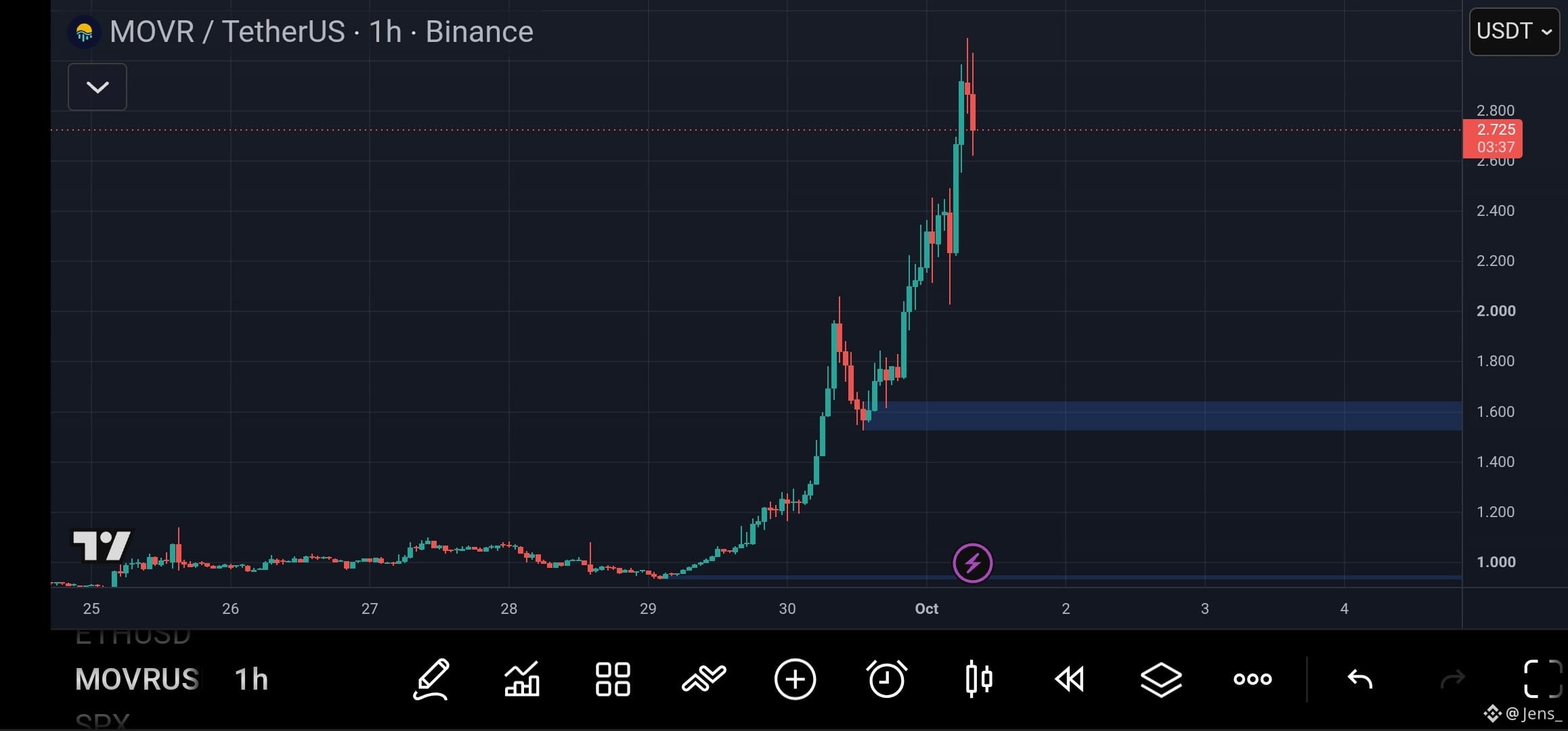
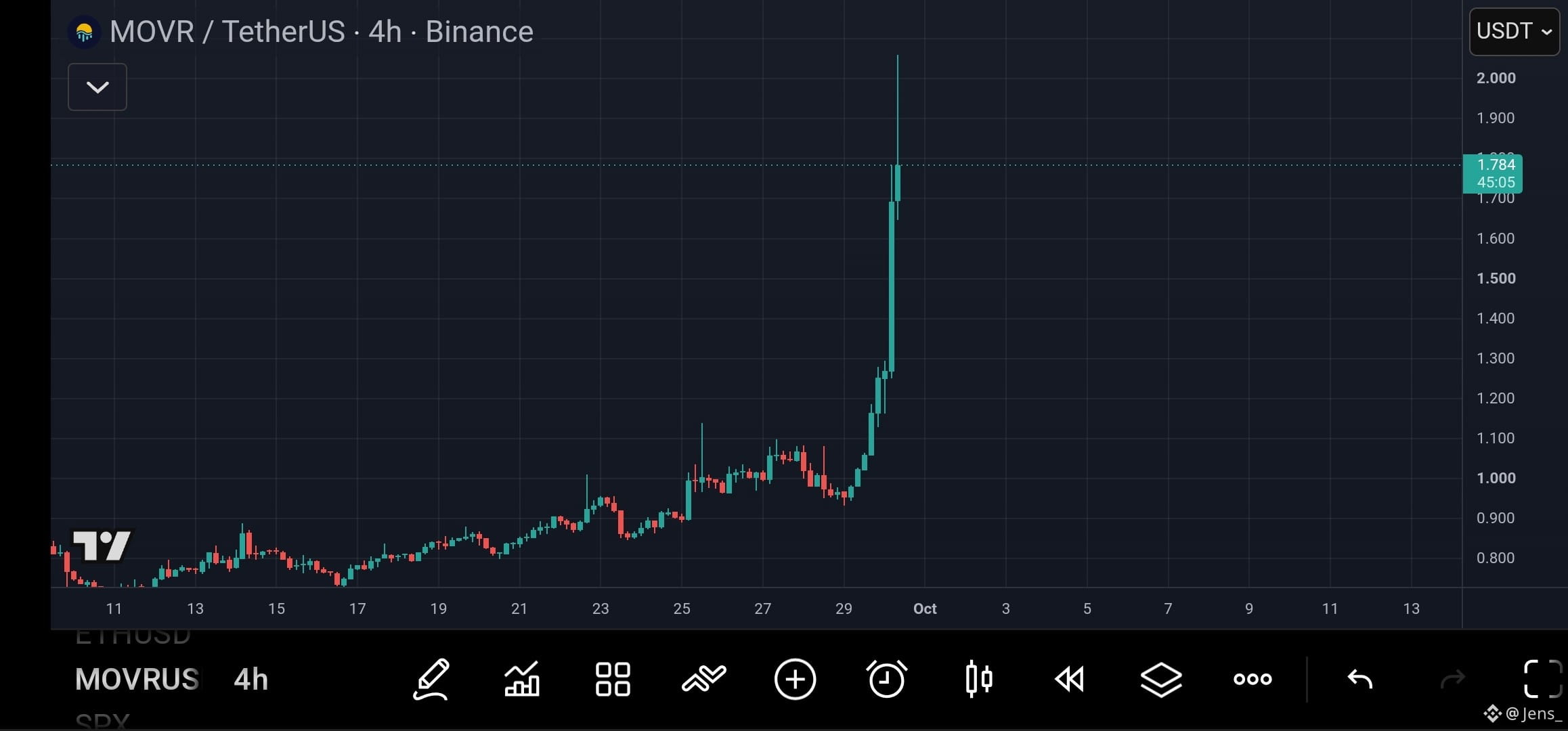
$MOVR は深刻な強さを示しています。
ブレイクアウトは$1.30を上回って加速し、$2.00を超えた後、$1.78に向けて押し戻されました。
見通し:モメンタムは強気のままですが、値動きはやや過熱しています。$1.65〜$1.70を維持できれば、次の挑戦として$1.90〜$2.00方向を狙う余地が生まれます。
追いかけるよりも、健全な再テストを望みます。
#movr #crypto #Binance
ブレイクアウトは$1.30を上回って加速し、$2.00を超えた後、$1.78に向けて押し戻されました。
見通し:モメンタムは強気のままですが、値動きはやや過熱しています。$1.65〜$1.70を維持できれば、次の挑戦として$1.90〜$2.00方向を狙う余地が生まれます。
追いかけるよりも、健全な再テストを望みます。
#movr #crypto #Binance
27
23
4.9k
·
--
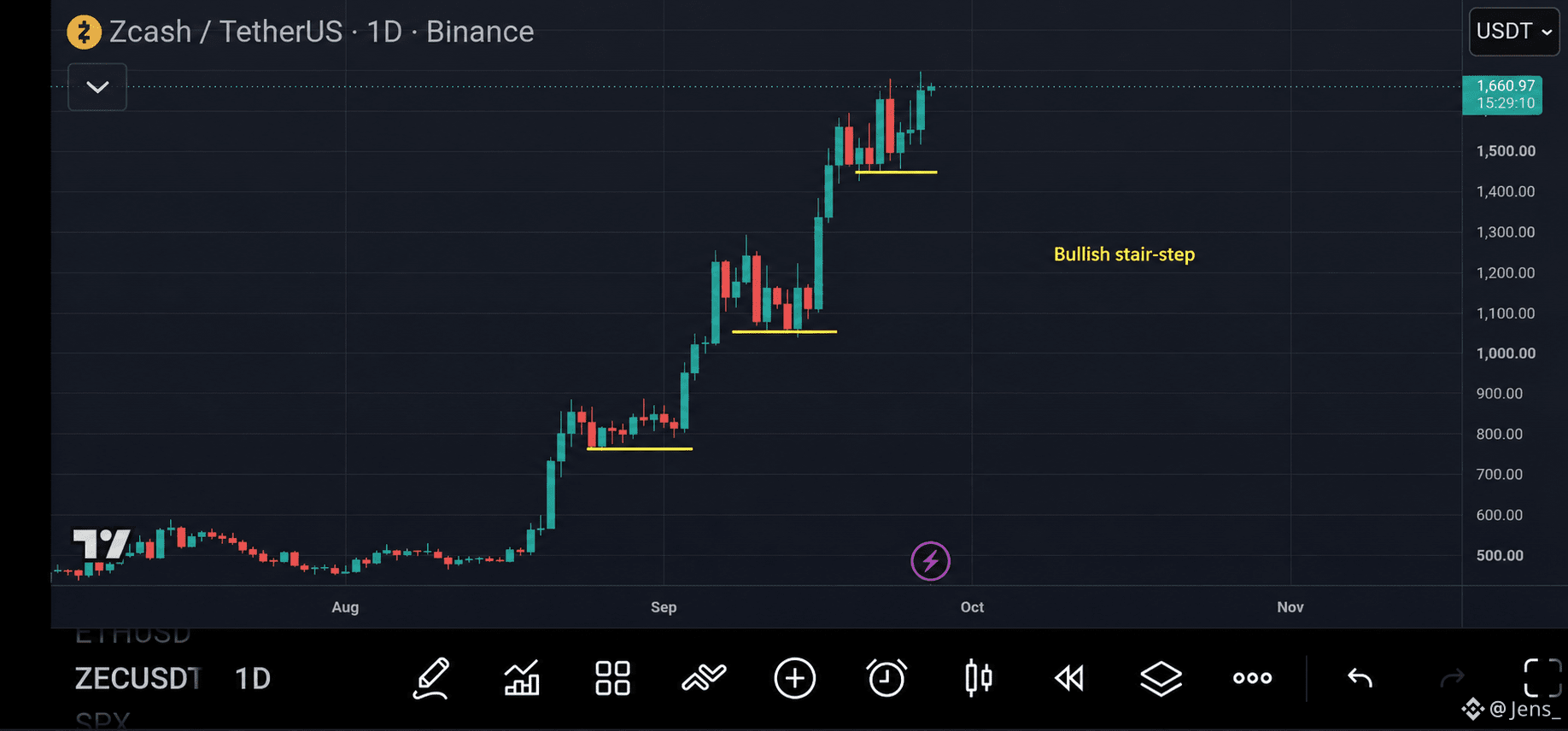
$ZEC は一歩ずつ着実に上昇しています。
日足チャートは強気の階段状(ステップ)構造を示しています。強い上昇→短い値固め→さらにもう一段上へ、という流れです。
このチャートでは次を注視しています:• 直近のサポートゾーンとして$1,450〜$1,500。• 次のブレイクアウトのテストとして$1,680〜$1,700。
最新のサポートが維持されている限り、私の見通しは強気のままです。$1,450を下回る日足終値は、その構造を弱めることになります。
勢いは強いですが、この上昇を追いかけるよりも、きれいなリテストを待ちたいです。
投資助言ではありません。
#zec #zcash #crypto #Binance
$ZEC は一歩ずつ着実に上昇しています。
日足チャートは強気の階段状(ステップ)構造を示しています。強い上昇→短い値固め→さらにもう一段上へ、という流れです。
このチャートでは次を注視しています:• 直近のサポートゾーンとして$1,450〜$1,500。• 次のブレイクアウトのテストとして$1,680〜$1,700。
最新のサポートが維持されている限り、私の見通しは強気のままです。$1,450を下回る日足終値は、その構造を弱めることになります。
勢いは強いですが、この上昇を追いかけるよりも、きれいなリテストを待ちたいです。
投資助言ではありません。
#zec #zcash #crypto #Binance
日足チャートは強気の階段状(ステップ)構造を示しています。強い上昇→短い値固め→さらにもう一段上へ、という流れです。
このチャートでは次を注視しています:• 直近のサポートゾーンとして$1,450〜$1,500。• 次のブレイクアウトのテストとして$1,680〜$1,700。
最新のサポートが維持されている限り、私の見通しは強気のままです。$1,450を下回る日足終値は、その構造を弱めることになります。
勢いは強いですが、この上昇を追いかけるよりも、きれいなリテストを待ちたいです。
投資助言ではありません。
#zec #zcash #crypto #Binance
36
1
28
7.8k
·
--
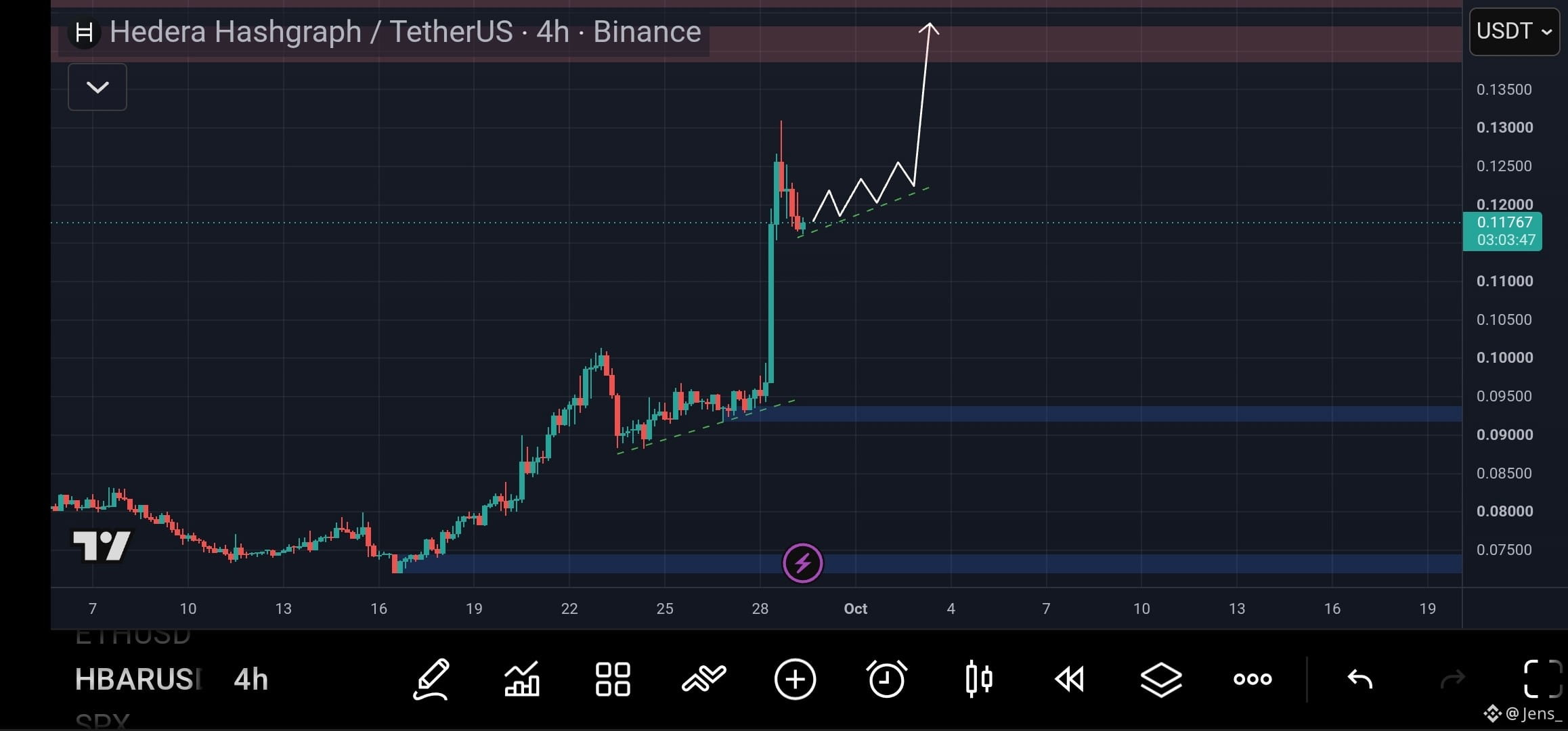
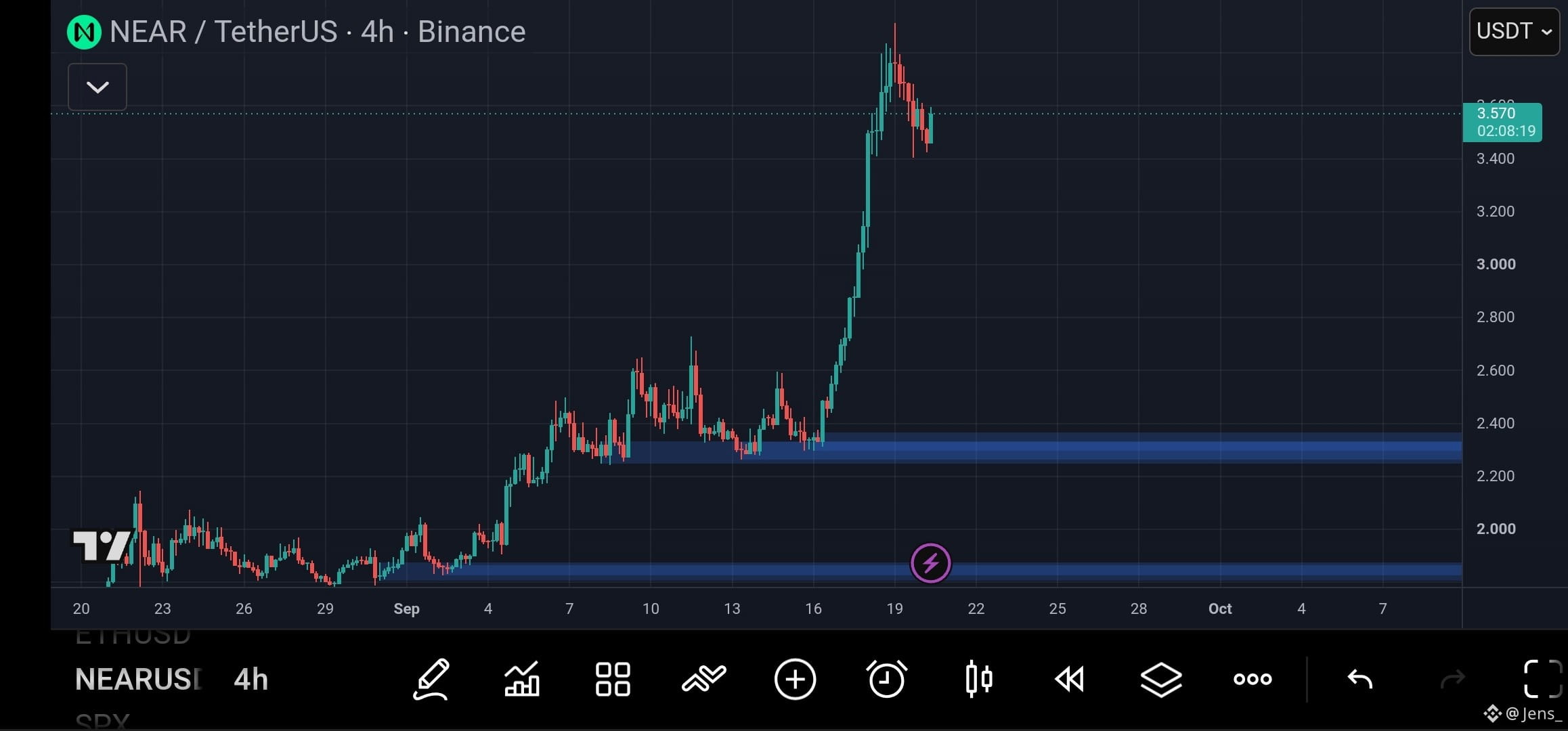
$NEAR は強い上昇の後に押し戻されています 👀
このチャートでは、$2.30のベースから$3.90へ向かって上昇した後、現在$3.57あたりです。
$3.40〜$3.45の間のサポートを見ています。ここを維持して$3.65〜$3.70を取り戻せれば、$3.85〜$3.90への次のテストが見えてきます。
$3.40を下回って終値がつくと、この構えは弱まり、次に注目すべきエリアは$3.20になります。
足元のサポートが保たれている限りは強気です。この動きを追いかける前に確認を待ちます。
#Near #nearprotocol #crypto #Binance
$NEAR は強い上昇の後に押し戻されています 👀
このチャートでは、$2.30のベースから$3.90へ向かって上昇した後、現在$3.57あたりです。
$3.40〜$3.45の間のサポートを見ています。ここを維持して$3.65〜$3.70を取り戻せれば、$3.85〜$3.90への次のテストが見えてきます。
$3.40を下回って終値がつくと、この構えは弱まり、次に注目すべきエリアは$3.20になります。
足元のサポートが保たれている限りは強気です。この動きを追いかける前に確認を待ちます。
#Near #nearprotocol #crypto #Binance
このチャートでは、$2.30のベースから$3.90へ向かって上昇した後、現在$3.57あたりです。
$3.40〜$3.45の間のサポートを見ています。ここを維持して$3.65〜$3.70を取り戻せれば、$3.85〜$3.90への次のテストが見えてきます。
$3.40を下回って終値がつくと、この構えは弱まり、次に注目すべきエリアは$3.20になります。
足元のサポートが保たれている限りは強気です。この動きを追いかける前に確認を待ちます。
#Near #nearprotocol #crypto #Binance
46
57
25.5k
·
--
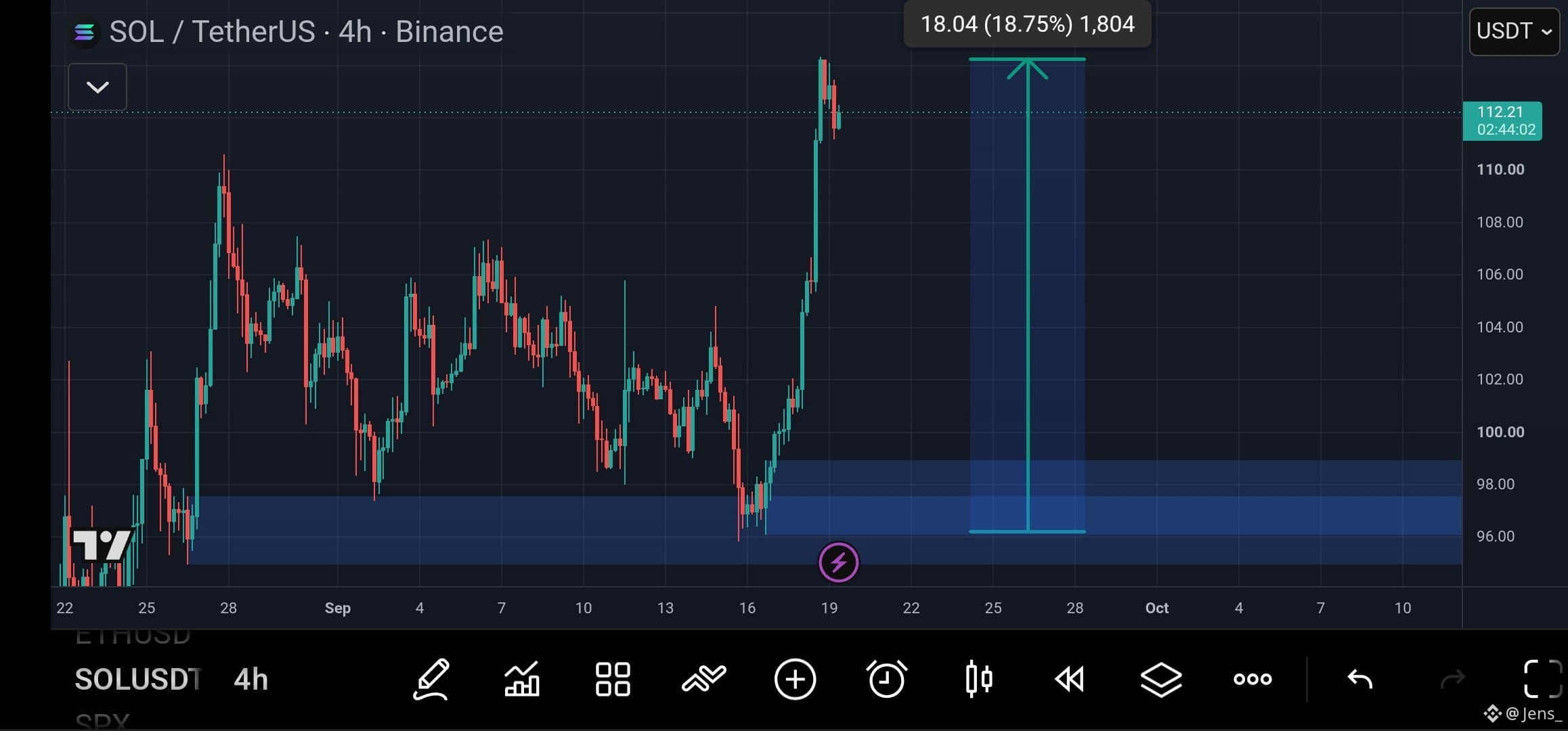
$SOL は、$96〜$99の需要ゾーンで反応した後、強い4Hブレイクアウトを達成しました。
価格はほぼ19%上昇し、現在は$112前後で取引されています。次に注目しているのは$113〜$114です。
私の見立ては明確に強気です。$SOL が$108〜$110を上回って維持している限り、買い手が主導権を握り、モメンタムも強い状態が続くと予想します。$106を下回って戻る動きがあれば、このシナリオは弱まります。
#SOLJumpsAbout10% #SOL #Crypto #Binance
$SOL は、$96〜$99の需要ゾーンで反応した後、強い4Hブレイクアウトを達成しました。
価格はほぼ19%上昇し、現在は$112前後で取引されています。次に注目しているのは$113〜$114です。
私の見立ては明確に強気です。$SOL が$108〜$110を上回って維持している限り、買い手が主導権を握り、モメンタムも強い状態が続くと予想します。$106を下回って戻る動きがあれば、このシナリオは弱まります。
#SOLJumpsAbout10% #SOL #Crypto #Binance
価格はほぼ19%上昇し、現在は$112前後で取引されています。次に注目しているのは$113〜$114です。
私の見立ては明確に強気です。$SOL が$108〜$110を上回って維持している限り、買い手が主導権を握り、モメンタムも強い状態が続くと予想します。$106を下回って戻る動きがあれば、このシナリオは弱まります。
#SOLJumpsAbout10% #SOL #Crypto #Binance
32
51
18.3k
·
--
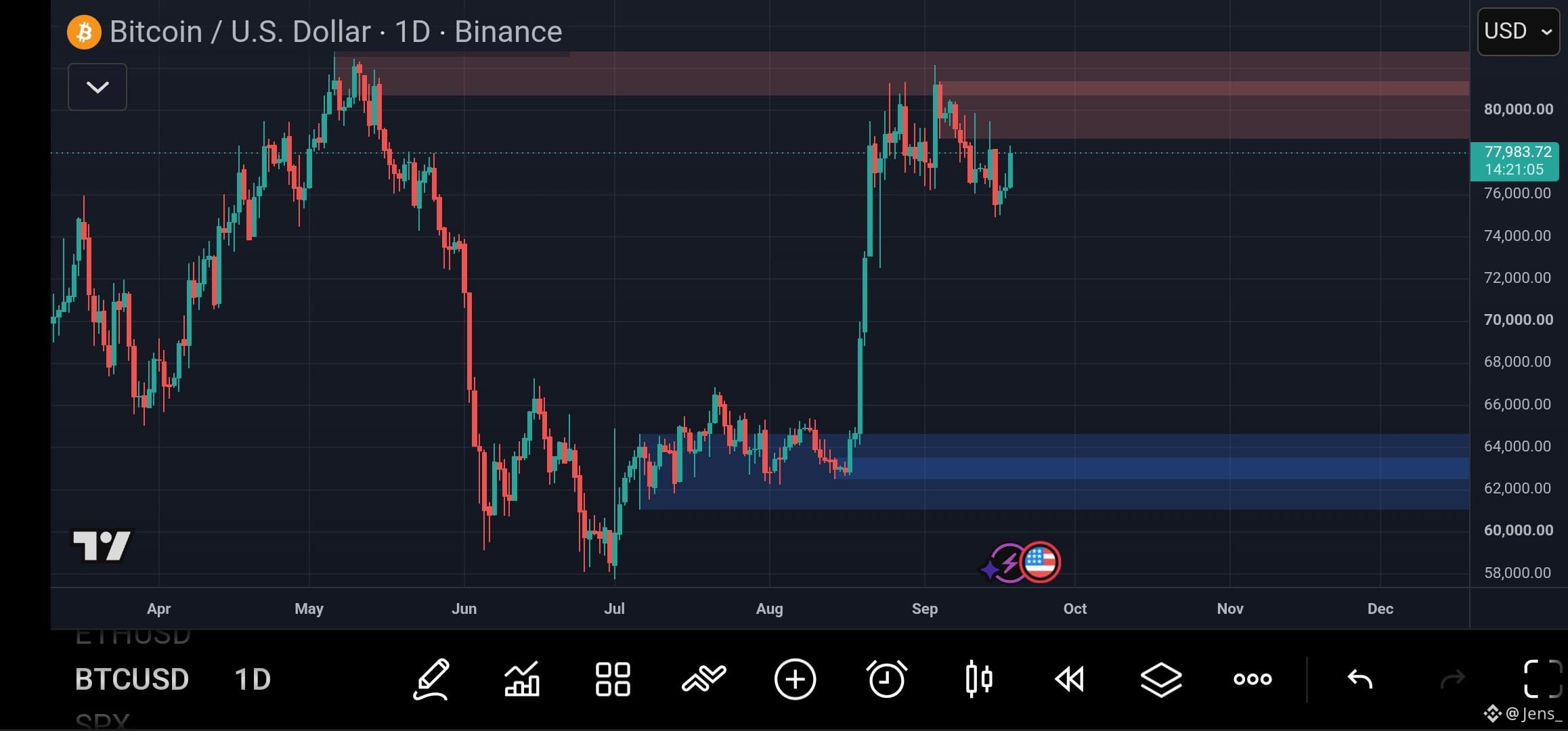
$BTC は約78K付近で推移しており、79K〜82Kが依然として主要なレジスタンス・ゾーンとして機能しています。
日足で$82Kを上抜けて終値確定すれば、さらなる上昇余地が確認される可能性があります。一方で拒否反応が出ると、価格は$75K〜$76Kのサポート方向へ戻るかもしれません。
私は、$BTC がサポートを維持している間は慎重に強気です。
#bitcoin #BTC #Crypto #BTCAnalysis
$BTC は約78K付近で推移しており、79K〜82Kが依然として主要なレジスタンス・ゾーンとして機能しています。
日足で$82Kを上抜けて終値確定すれば、さらなる上昇余地が確認される可能性があります。一方で拒否反応が出ると、価格は$75K〜$76Kのサポート方向へ戻るかもしれません。
私は、$BTC がサポートを維持している間は慎重に強気です。
#bitcoin #BTC #Crypto #BTCAnalysis
日足で$82Kを上抜けて終値確定すれば、さらなる上昇余地が確認される可能性があります。一方で拒否反応が出ると、価格は$75K〜$76Kのサポート方向へ戻るかもしれません。
私は、$BTC がサポートを維持している間は慎重に強気です。
#bitcoin #BTC #Crypto #BTCAnalysis
25
28
4.6k
·
--
本人確認中
🇺🇸 連邦準備制度(FRB)が2023年以来初めて利上げ
FRBは全会一致で25ベーシスポイントの利上げを承認し、指標となるレンジを3.75%〜4.00%に引き上げました。
トランプ大統領が中央銀行トップに指名したケビン・ウォーシュが、利下げを繰り返し求める大統領の要請にもかかわらず、この決定の議長を務めました。ウォーシュは、物価の粘り強さが引き締め政策の理由だと述べました。
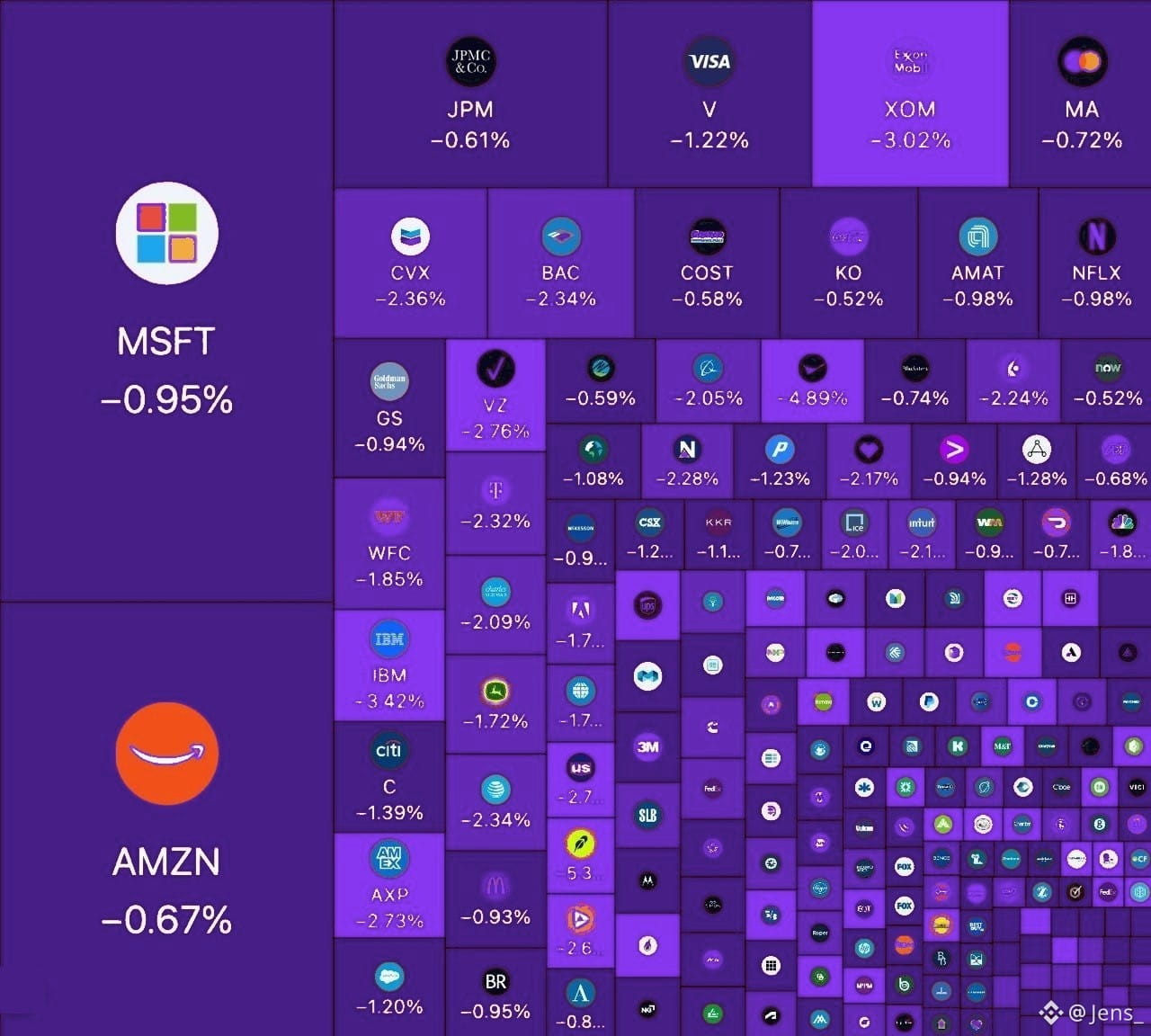
米国株は、この決定とウォーシュの発言を受けて下落し、FRBはさらなる増加の可能性があることを示唆しました。
正確性に関する注記:パウエルの議長としての任期は期限切れとなっていました。解任されたわけではありません。25分で、主張されている「4900億ドルの市場損失」を独自に検証することはできませんでした。
🇺🇸 連邦準備制度(FRB)が2023年以来初めて利上げ
FRBは全会一致で25ベーシスポイントの利上げを承認し、指標となるレンジを3.75%〜4.00%に引き上げました。
トランプ大統領が中央銀行トップに指名したケビン・ウォーシュが、利下げを繰り返し求める大統領の要請にもかかわらず、この決定の議長を務めました。ウォーシュは、物価の粘り強さが引き締め政策の理由だと述べました。
米国株は、この決定とウォーシュの発言を受けて下落し、FRBはさらなる増加の可能性があることを示唆しました。
正確性に関する注記:パウエルの議長としての任期は期限切れとなっていました。解任されたわけではありません。25分で、主張されている「4900億ドルの市場損失」を独自に検証することはできませんでした。
FRBは全会一致で25ベーシスポイントの利上げを承認し、指標となるレンジを3.75%〜4.00%に引き上げました。
トランプ大統領が中央銀行トップに指名したケビン・ウォーシュが、利下げを繰り返し求める大統領の要請にもかかわらず、この決定の議長を務めました。ウォーシュは、物価の粘り強さが引き締め政策の理由だと述べました。
米国株は、この決定とウォーシュの発言を受けて下落し、FRBはさらなる増加の可能性があることを示唆しました。
正確性に関する注記:パウエルの議長としての任期は期限切れとなっていました。解任されたわけではありません。25分で、主張されている「4900億ドルの市場損失」を独自に検証することはできませんでした。
5
10
4k
·
--
買いが直近のブレイクアウトを守り続ける中、$LSK に向けた勢いが急速に高まっています。
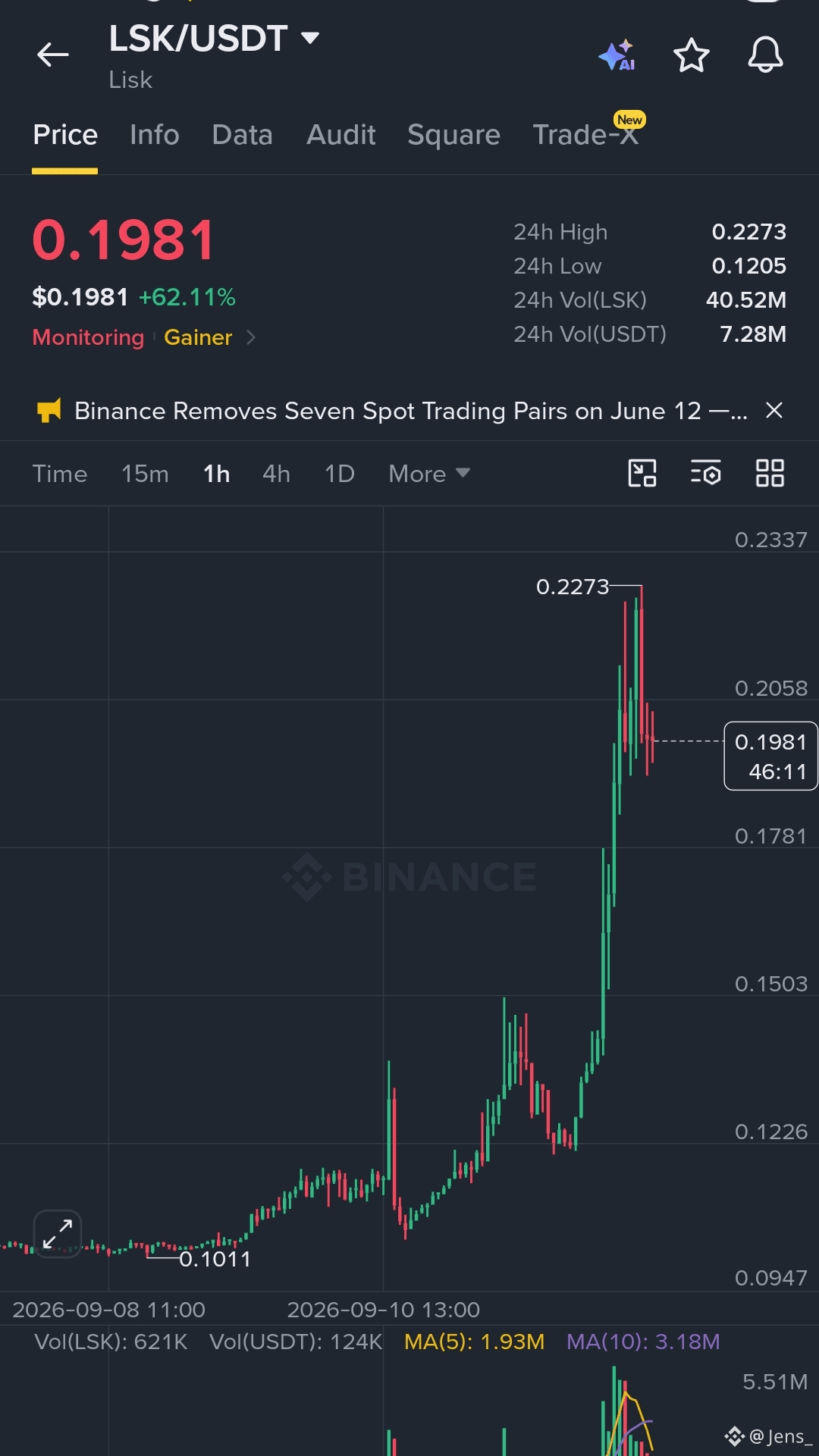
価格は$0.1781の水準を上抜け、一時$0.2273の24時間高値まで到達した後、$0.1981付近へ押し戻されました。LSKがブレイクアウトゾーン上で維持されている限り、構造は強気のままです。
この動きの間、出来高は急激に拡大し、強い参加が確認できましたが、今後も追随が続くかどうかが重要です。買い手が主導権を保ち、価格が$0.1781をきれいに上回って維持されるなら、勢いは再び加速する可能性があります。
次に注目すべき主要水準は、直近の$0.2273高値です。成功したリテストと、再びの出来高の増加があれば、強気の構造はさらに強まるかもしれません。
この局面は別の力強い拡大に備えている可能性があるため、$LSK には注意を払うべきです。
#BinanceSquareFamily
買いが直近のブレイクアウトを守り続ける中、$LSK に向けた勢いが急速に高まっています。
価格は$0.1781の水準を上抜け、一時$0.2273の24時間高値まで到達した後、$0.1981付近へ押し戻されました。LSKがブレイクアウトゾーン上で維持されている限り、構造は強気のままです。
この動きの間、出来高は急激に拡大し、強い参加が確認できましたが、今後も追随が続くかどうかが重要です。買い手が主導権を保ち、価格が$0.1781をきれいに上回って維持されるなら、勢いは再び加速する可能性があります。
次に注目すべき主要水準は、直近の$0.2273高値です。成功したリテストと、再びの出来高の増加があれば、強気の構造はさらに強まるかもしれません。
この局面は別の力強い拡大に備えている可能性があるため、$LSK には注意を払うべきです。
#BinanceSquareFamily
価格は$0.1781の水準を上抜け、一時$0.2273の24時間高値まで到達した後、$0.1981付近へ押し戻されました。LSKがブレイクアウトゾーン上で維持されている限り、構造は強気のままです。
この動きの間、出来高は急激に拡大し、強い参加が確認できましたが、今後も追随が続くかどうかが重要です。買い手が主導権を保ち、価格が$0.1781をきれいに上回って維持されるなら、勢いは再び加速する可能性があります。
次に注目すべき主要水準は、直近の$0.2273高値です。成功したリテストと、再びの出来高の増加があれば、強気の構造はさらに強まるかもしれません。
この局面は別の力強い拡大に備えている可能性があるため、$LSK には注意を払うべきです。
#BinanceSquareFamily
1
3
547
·
--
速報:スポット型ビットコインETFが2日間で1億6600万ドル売却。
8万ドルでの足踏みか、それともトレンドの全面反転か?
速報:スポット型ビットコインETFが2日間で1億6600万ドル売却。
8万ドルでの足踏みか、それともトレンドの全面反転か?
8万ドルでの足踏みか、それともトレンドの全面反転か?

2
195
ログインして、さらにコンテンツを読む
厳選トピックで世界の暗号資産トレーダーの仲間入り
⚡️ 暗号資産に関する最新かつ有益な情報が見つかります。
💬 世界最大の暗号資産取引所から信頼されています。
👍 認証を受けたクリエイターから、有益なインサイトを得られます。
メール / 電話番号
トレンドトピック
ZcashETFPostsFirstWeeklyOutflow$93.6M
閲覧回数 33,809
98人が討論中
#ZcashETFPostsFirstWeeklyOutflow$93.6M
🚨🚨🚨🚨🚨🚨🚨🚨🚨🚨🚨🚨🚨🚨✅ 🚨 ZCASH ETFの資金フローが初めてマイナスに転じる!📉
$ZEC は、機関投資家の資金フローに大きな変化が起きているようで、Zcashの投資商品は8月のローンチ以来初めてとなる週次のネット・アウトフローを記録しました。
ファンドフローのデータによると、直近の週は約$93.6MがZcash商品から引き出され、同時にZECの値動きも大きく冷え込みました。
📊 何が起きた?
• 週次のZcash ETFのアウトフロー:$93.6M
• 9月30日のデイリー・アウトフロー:$30.25M
• ZCSHはこれまで1週間で約$98.2Mを集めていた
• ZECは約$1,300で取引中
• 最近の高値:約$1,690
• 週次の下落:およそ17%超
🔍 注目すべき水準
🟢 サポート:$1,280〜$1,300
🔴 レジスタンス:$1,450〜$1,500
重要なポイントは、$1,300のあたりが維持されて、新たな買い手を引きつけられるかどうかです。
機関投資家のフローも同様に重要です。安定したプラスの流入が戻れば、信頼の再燃を示唆する一方、アウトフローが続けば$ZEC への圧力が続く可能性があります。
👀 これはZECの大幅な上昇(急騰)の後の単なる利益確定なのか、それとも買い手が戻ってくる前に、さらに深い押しが見られるのでしょうか?
下にあなたの見解をシェアしてください。👇
#Zcash #ZEC #ZcashETF #Crypto
#analysis
owhggwiohsjowve
·いいね:0件
·閲覧回数 152
GreekPoliceBustCryptoScamRingArrest17
閲覧回数 69,893
672人が討論中
BitcoinRejectedAt$87K
閲覧回数 119,027
156人が討論中