

javid bnb
2.8K+ フォロー
1.0K+ フォロワー
123 いいね
投稿
すべて
引用
ライブ

PINNED
翻訳参照

Life is Race
·
--
$MMT こちらで大きなギフトを受け取ろう 🎁🎁🎁🎁🎁🧧🧧🧧🧧🧧✅✅✅✅✅
翻訳参照
Mr Rehan BNB
·
--
NVDLUSDTの次の動きは?
翻訳参照

Crypto-Capital
·
--
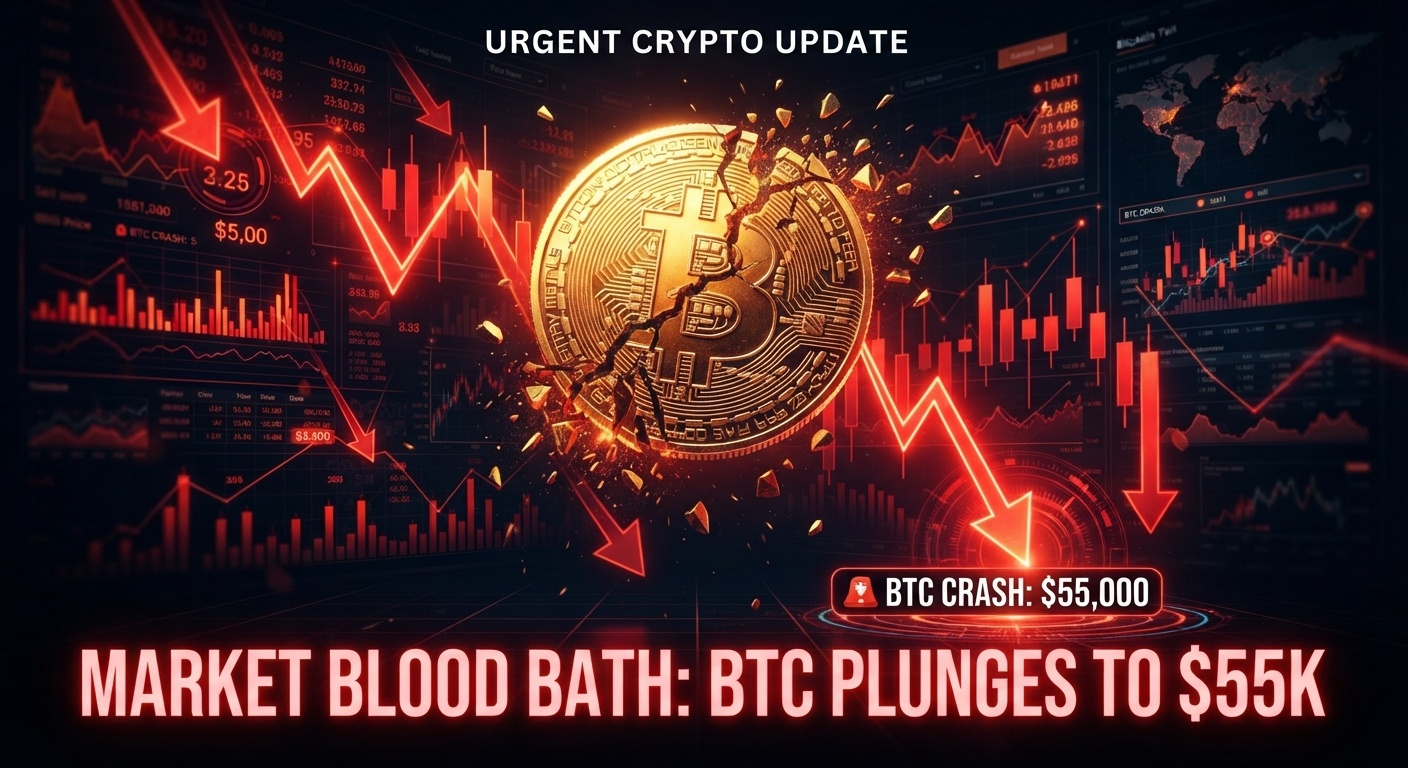
2026年11月、ビットコインは市場で急落し、2年ぶりの安値となる約55,130ドルまで値を下げました。この突然の売りによって、24時間以内に25億ドルを超えるレバレッジを利用した暗号資産ポジションが清算され、市場心理は極度の恐怖に陥りました。暴落の引き金となった主な要因には、ビットコインETFからの機関投資家による大規模な資金流出、広範なマクロ経済の圧力、ウォール街のテクノロジー株やAI関連株の急激な下落などがありました。57,700ドル前後の重要なサポート水準を割り込んだことで、世界各地の取引所でパニック売りが急速に広がりました。最終的に、この急落によりビットコインは2024年9月以来の安値を記録し、デジタル資産市場に内在する激しい価格変動が浮き彫りになりました。
$BTC
$BTC
翻訳参照


AloNe72
·
--
[リプレイ] 🎙️ BUY IN DEEEEP SALE IN HIGH
02 時間 32 分 01 秒 · リスナー数:365人
翻訳参照


Binance TG Community
·
--
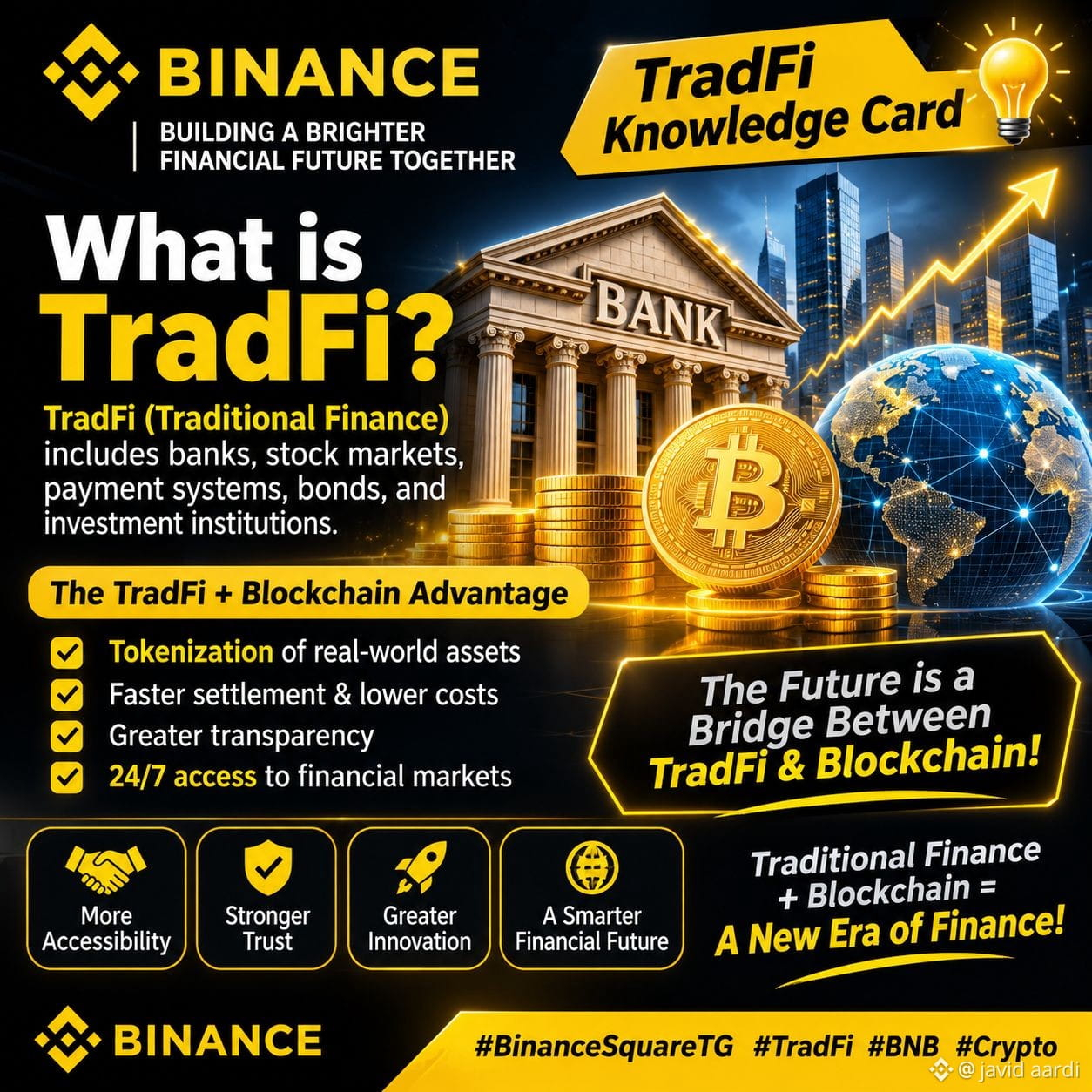
TradFIの知識カード💛をデザインして、1,000 USDCの賞金を山分けしよう。
🔸 @Binance TG Community (Square)をフォロー
🔸 @Binance Blockchain Week (Square)をフォロー
🔸 🏷️ Squareで💛#BinanceSquareTG を使ってBinanceブランドのTradFI知識カードを作成し、別途投稿してください。いいね+リポスト
🔸 投稿にTradFIトークンのティッカーを追加してください(例:$BNB )
🔸 アンケートに回答:here
🔸 次回のライブ配信を登録:here
📅 キャンペーン期間:2026年11月24日 10:00 UTC~2026年12月4日 17:00 UTC。
🔸 @Binance TG Community (Square)をフォロー
🔸 @Binance Blockchain Week (Square)をフォロー
🔸 🏷️ Squareで💛#BinanceSquareTG を使ってBinanceブランドのTradFI知識カードを作成し、別途投稿してください。いいね+リポスト
🔸 投稿にTradFIトークンのティッカーを追加してください(例:$BNB )
🔸 アンケートに回答:here
🔸 次回のライブ配信を登録:here
📅 キャンペーン期間:2026年11月24日 10:00 UTC~2026年12月4日 17:00 UTC。
翻訳参照

Elena神话MUA
·
--
#感恩节交易周开启,市场能否迎来修复性反弹? 新しい一日、皆さんのローソク足が陽線続きで、保有資産が安定しますように。市場には強気相場も弱気相場もありますが、勝敗を決めるのは心の持ち方です。上がっても欲張らず、下がっても恐れず、高値を追わず、資金を一度に大きく投じず、焦らず自分のチャンスを待ちましょう。エアドロップがたくさん当たり、ギフトが途切れることなく、財布がいつも満たされ、資産が少しずつ増えますように。皆さんが無理のない範囲で、理性的に参加し、毎日成果を得て、一歩ずつ自由へ近づけますように!$BNB

翻訳参照
CryptoPulse_313
·
--
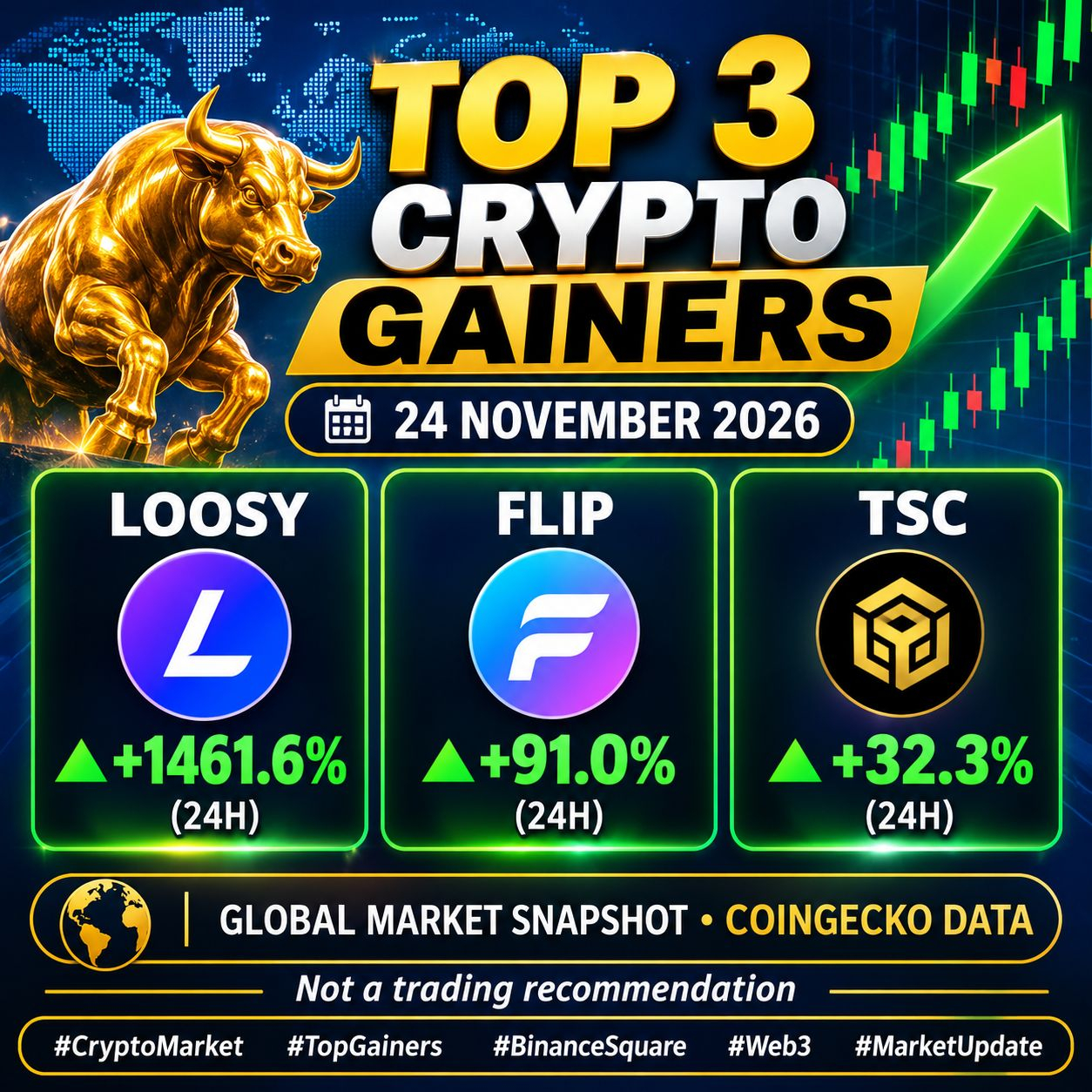
ブリッシュ🚀 暗号資産の値上がり率トップ3 — 2026年11月24日
今日の暗号資産市場では、驚くような値動きが見られます!🔥
最新のCoinGeckoデータによる、過去24時間の値上がり率トップ3はこちらです。
🥇 LOOSY: +1461.6%
🥈 FLIP: +91.0%
🥉 TSC: +32.3%
📊 市場インサイト:こうした急激な価格変動は、暗号資産市場の変動の大きさと、状況が急速に変化する性質を浮き彫りにしています。
⚠️ これらは世界市場での値上がり銘柄であり、Binanceへの上場や取引可能であることを示すものではありません。金融上の判断を行う前に、必ずリアルタイムの市場データをご確認ください。
最新情報を把握し、規律を保ち、市場の動向を追いましょう!
#CryptoMarket #TopGainers #BinanceSquare #Web3 #MarketUpdate
翻訳参照

Mahi_玛希BNB
·
--
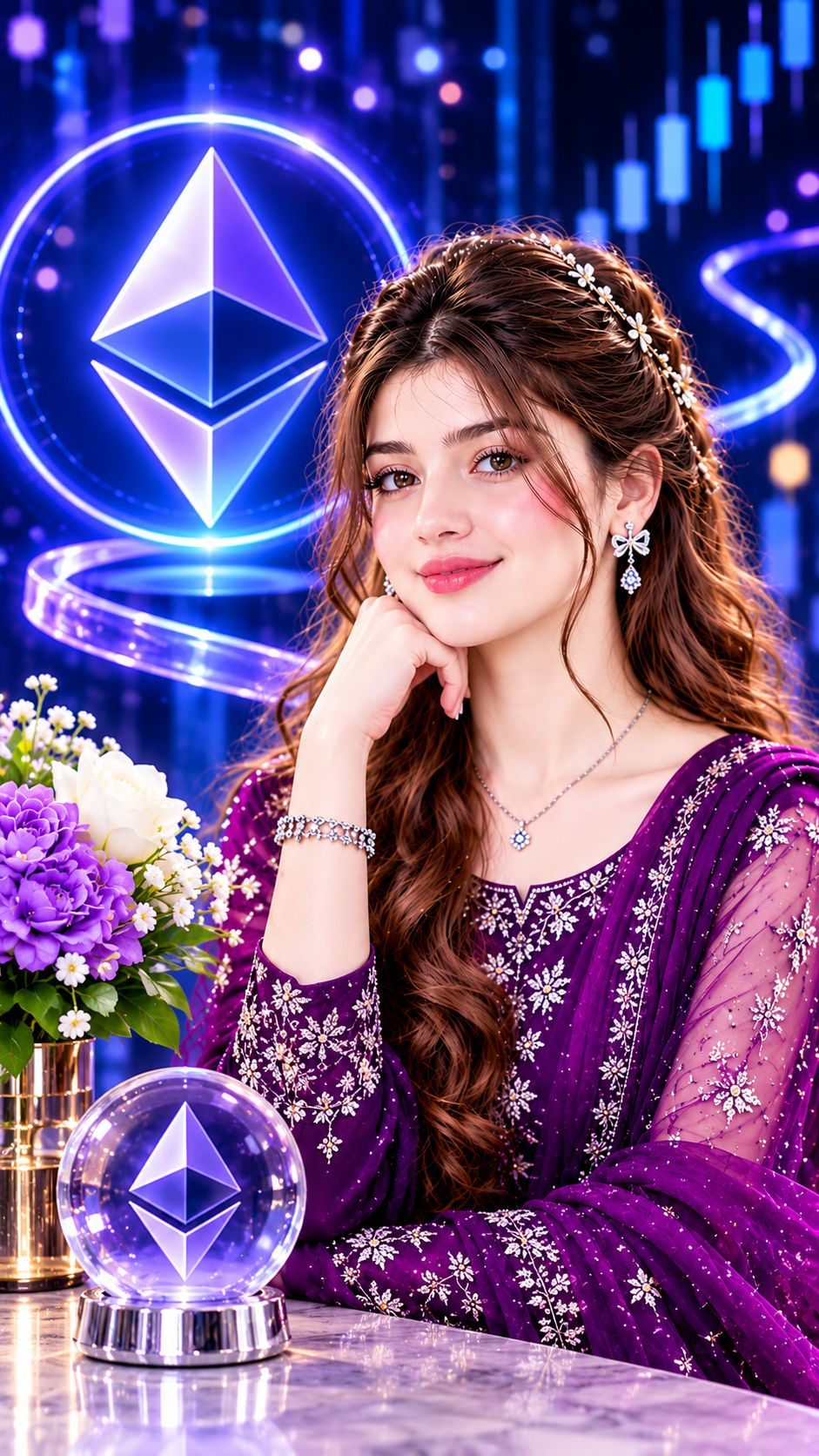
ブリッシュEthereumは単なる暗号資産ではありません。進化を続けるブロックチェーンの世界で、その存在感を高め続けています。⚡
DeFi、スマートコントラクト、デジタルアプリケーションの革新により、ETHは今後も注目に値するプロジェクトの一つです。Ethereumの歩みは、まだ続いています!
$ETH $BTC $BNB $SOL $XRP
#Ethereum #ETH #CryptoCommunity #blockchain #CryptoMarketMoves
DeFi、スマートコントラクト、デジタルアプリケーションの革新により、ETHは今後も注目に値するプロジェクトの一つです。Ethereumの歩みは、まだ続いています!
$ETH $BTC $BNB $SOL $XRP
#Ethereum #ETH #CryptoCommunity #blockchain #CryptoMarketMoves
翻訳参照
king Gulfam
·
--
ブリッシュ#FUTUESTRADING
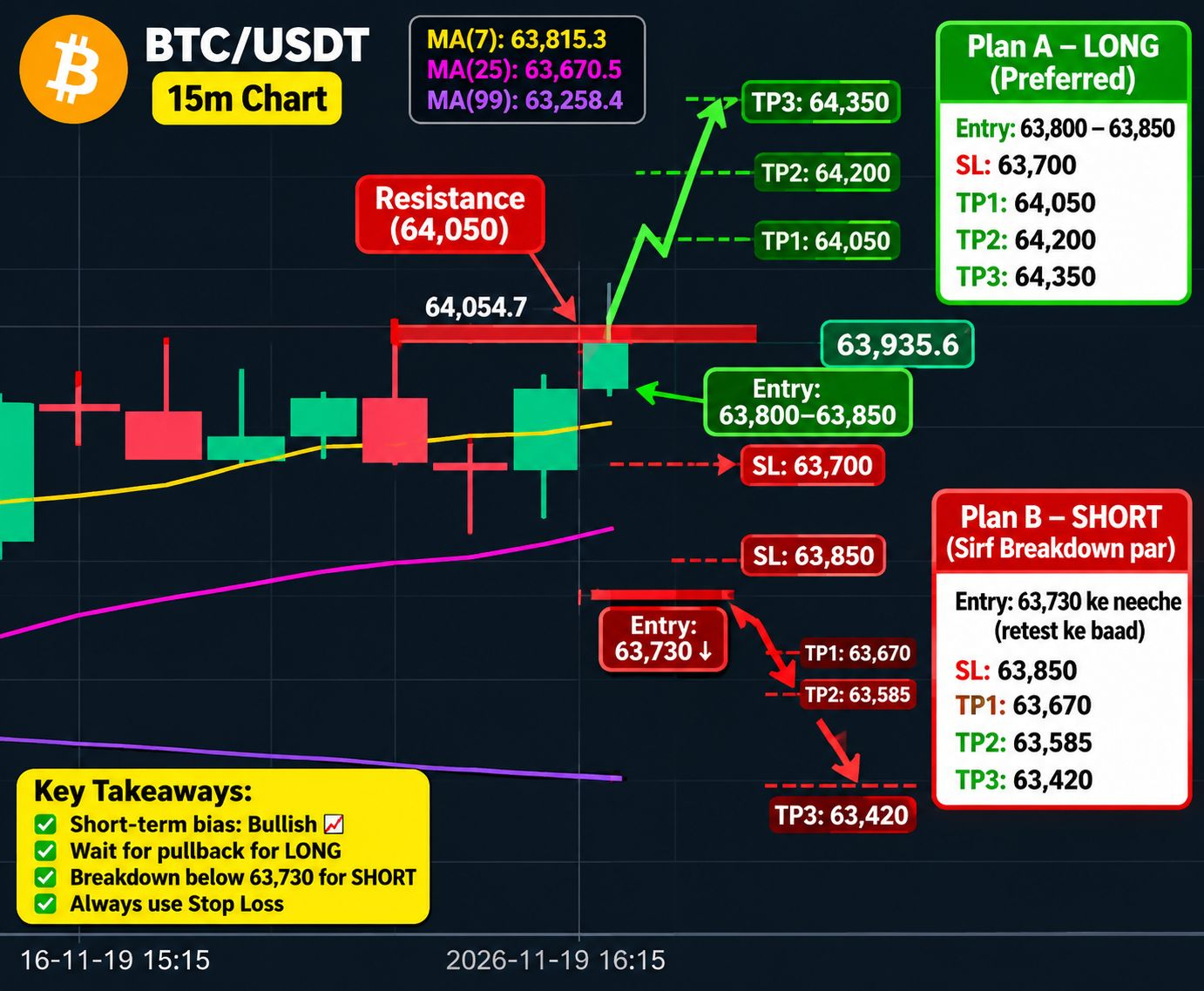
BTC/USDT チャート分析
📈 取引戦略
プランA — ロング(優先)
エントリー:63,800~63,850(押し目の確認後)
損切り:63,700
TP1:64,050
TP2:64,200
TP3:64,350
$BTC $BNB $ETH
プランB — ショート(ブレイクダウン後のみ)
エントリー:ブレイクダウン後、リテストを確認してから63,730未満
損切り:63,850
TP1:63,670
TP2:63,585
TP3:63,420
BTC/USDT チャート分析
📈 取引戦略
プランA — ロング(優先)
エントリー:63,800~63,850(押し目の確認後)
損切り:63,700
TP1:64,050
TP2:64,200
TP3:64,350
$BTC $BNB $ETH
プランB — ショート(ブレイクダウン後のみ)
エントリー:ブレイクダウン後、リテストを確認してから63,730未満
損切り:63,850
TP1:63,670
TP2:63,585
TP3:63,420
翻訳参照
引用されたコンテンツは削除されました
翻訳参照
引用されたコンテンツは削除されました
翻訳参照

XY学仪-神话MUA
·
--
[リプレイ] 🎙️ コインがずっと下がってるね。さあさあ、話そう!
02 時間 03 分 02 秒 · リスナー数:873人
翻訳参照
引用されたコンテンツは削除されました
翻訳参照

Sara_ k
·
--
暗号資産を眠らせないで、#BinanceEarnで毎日報酬を獲得し、手軽に保有資産を増やしましょう
.
claim here 🧧🧧🧧🧧🧧🧧🧧👈
.
claim here 🧧🧧🧧🧧🧧🧧🧧👈

翻訳参照

Gie Alzam
·
--
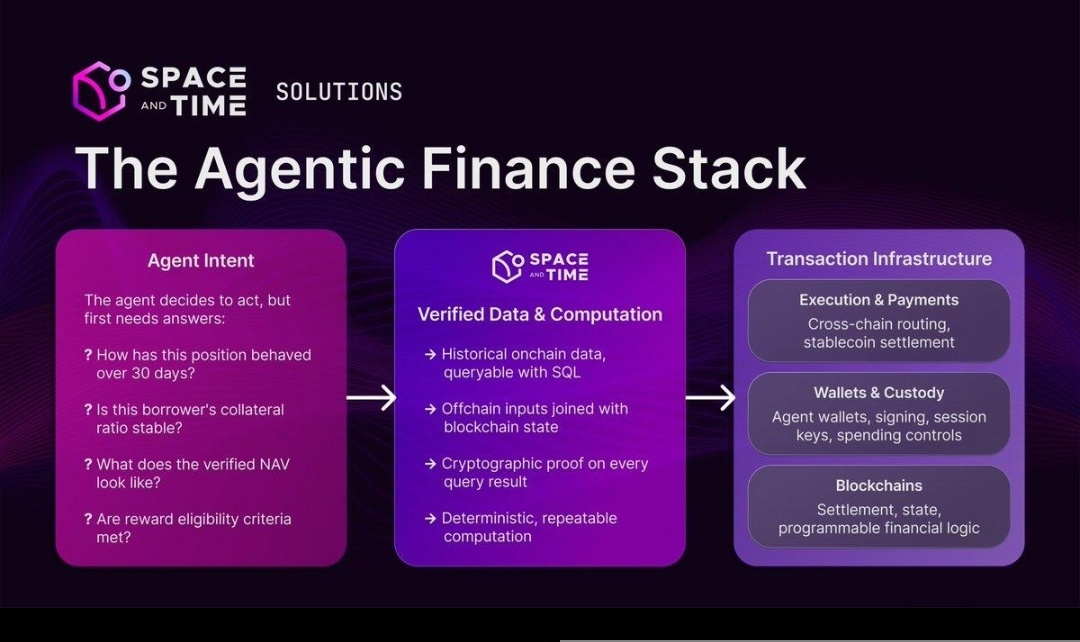
AI Can Analyze Data, But Can It Prove Where That Data Comes From?
AI is getting smarter every day. It can analyze information, recognize patterns, and generate answers in seconds. But there's one thing I think we shouldn't overlook: how reliable is the data behind those answers?
An AI system can produce a very convincing response, but convincing doesn't always mean correct. If the data it relies on is incomplete, outdated, or inaccurate, the analysis can lead to the wrong conclusions.
This is where Space and Time ($SXT) becomes interesting.
Space and Time is building infrastructure that connects onchain and offchain data, making it useful for applications that need access to large amounts of information.
One of its key technologies is Proof of SQL, which uses zero-knowledge proofs to verify that SQL queries were executed correctly against cryptographically committed data.
Why does this matter for AI?
Imagine an AI application analyzing blockchain activity, financial records, or tokenized assets. It needs reliable data to produce meaningful insights. With Space and Time, applications can query different datasets and generate results accompanied by cryptographic proofs of computation.
That doesn't mean AI suddenly becomes error-free. A proof that a query was executed correctly does not guarantee that the original data is true or complete. Data sources still need to be reliable.
And I think that's an important distinction.
The future of AI isn't just about building bigger models or making them respond faster. It's also about making the information behind their decisions more transparent and verifiable.
That's why Space and Time deserves attention. Not because it can solve every AI problem, but because verifiable data and computation can become an important part of building more trustworthy AI applications.
#sxt $SXT @SpaceandTime
翻訳参照

bape社区-菜园儿
·
--
価値を見極め、相場のサイクルを乗り越える。時間を味方に、複利を答えに。🤟🤟🤟
持ち株を守り抜き、花が咲くのを待てますように。
弱気相場でも焦らず、強気相場でも高値を追わず、長期的なリターンを得られますように。💗💗💗
持ち株を守り抜き、花が咲くのを待てますように。
弱気相場でも焦らず、強気相場でも高値を追わず、長期的なリターンを得られますように。💗💗💗


ログインして、さらにコンテンツを読む