
J A S M I N E
5.1k 投稿

J A S M I N E
報告
ユーザーをブロック
取引を発注
低高頻度トレーダー
4.3年
155 フォロー
4.4K+ フォロワー
9.3K+ いいね
投稿
ポートフォリオ
すべて
引用
動画
PINNED
2025年市場予測: 🔥🚀🚀
🚀 ビットコイン (BTC): $125,000
🚀 イーサリアム (ETH): $9,000
🚀 カルダノ (ADA): $4.00
🚀 ポリゴン (MATIC): $3.50
🚀 アバランチ (AVAX): $180
🚀 ポルカドット (DOT): $25
🚀 シバ犬 (SHIB): $0.000015
🚀 アービトラム (ARB): $10
🚀 デセントラランド (MANA): $6
🚀 トランプコイン (TRUMP): $0.9
🚀 ソラナ (SOL): $300
#バイナンス上場投票 $BTC
2025年市場予測: 🔥🚀🚀
🚀 ビットコイン (BTC): $125,000
🚀 イーサリアム (ETH): $9,000
🚀 カルダノ (ADA): $4.00
🚀 ポリゴン (MATIC): $3.50
🚀 アバランチ (AVAX): $180
🚀 ポルカドット (DOT): $25
🚀 シバ犬 (SHIB): $0.000015
🚀 アービトラム (ARB): $10
🚀 デセントラランド (MANA): $6
🚀 トランプコイン (TRUMP): $0.9
🚀 ソラナ (SOL): $300
#バイナンス上場投票 $BTC
🚀 ビットコイン (BTC): $125,000
🚀 イーサリアム (ETH): $9,000
🚀 カルダノ (ADA): $4.00
🚀 ポリゴン (MATIC): $3.50
🚀 アバランチ (AVAX): $180
🚀 ポルカドット (DOT): $25
🚀 シバ犬 (SHIB): $0.000015
🚀 アービトラム (ARB): $10
🚀 デセントラランド (MANA): $6
🚀 トランプコイン (TRUMP): $0.9
🚀 ソラナ (SOL): $300
#バイナンス上場投票 $BTC
120
83
353
454.6k
PINNED
$SHIB HIBのバーナーストラテジーは🔥です!主な事実:
1. ヴィタリック・ブテリンが2021年に410T $SHIB を焼却しました。
2. Shibariumは取引ごとに$SHIB を焼却します。
3. 日々の焼却:数百万から数十億のトークン。
購入ゾーン:
- $0.00001-$0.000015 (蓄積)
- $0.000025-$0.00003 (勢い)
長期的な上昇の可能性がありますが、$0.01には99%の供給削減が必要です。ディップを購入しますか、それともさらに焼却を待ちますか?
$SHIB HIBのバーナーストラテジーは🔥です!主な事実:
1. ヴィタリック・ブテリンが2021年に410T $SHIB を焼却しました。
2. Shibariumは取引ごとに$SHIB を焼却します。
3. 日々の焼却:数百万から数十億のトークン。
購入ゾーン:
- $0.00001-$0.000015 (蓄積)
- $0.000025-$0.00003 (勢い)
長期的な上昇の可能性がありますが、$0.01には99%の供給削減が必要です。ディップを購入しますか、それともさらに焼却を待ちますか?
1. ヴィタリック・ブテリンが2021年に410T $SHIB を焼却しました。
2. Shibariumは取引ごとに$SHIB を焼却します。
3. 日々の焼却:数百万から数十億のトークン。
購入ゾーン:
- $0.00001-$0.000015 (蓄積)
- $0.000025-$0.00003 (勢い)
長期的な上昇の可能性がありますが、$0.01には99%の供給削減が必要です。ディップを購入しますか、それともさらに焼却を待ちますか?


29
20
150
79.9k
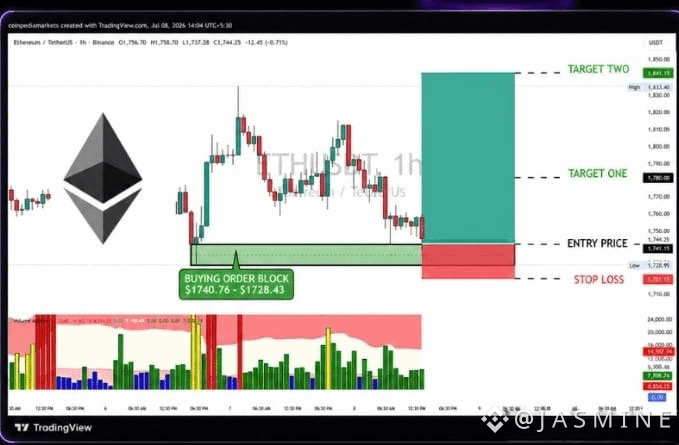
$ETH はチャート上で最も重要なレベルの1つを静かに維持しています。
価格は引き続き$1,740の需要ゾーンを守り続けており、現在は$1,744あたりで取引されています――下落のたびに買い手が入ってきている兆候です。
次に私が注目している重要なレベルは$1,721です。これが維持される限り、この構造は非常に興味深いままです。
#Write2Earn
$ETH はチャート上で最も重要なレベルの1つを静かに維持しています。
価格は引き続き$1,740の需要ゾーンを守り続けており、現在は$1,744あたりで取引されています――下落のたびに買い手が入ってきている兆候です。
次に私が注目している重要なレベルは$1,721です。これが維持される限り、この構造は非常に興味深いままです。
#Write2Earn
価格は引き続き$1,740の需要ゾーンを守り続けており、現在は$1,744あたりで取引されています――下落のたびに買い手が入ってきている兆候です。
次に私が注目している重要なレベルは$1,721です。これが維持される限り、この構造は非常に興味深いままです。
#Write2Earn
1
129
アンソロピックは、AlphaFoldの創設に携わった考えの一人であるジョン・ガンバー氏を、Google DeepMindから採用した。
アンソロピックは、AlphaFoldの創設に携わった考えの一人であるジョン・ガンバー氏を、Google DeepMindから採用した。

1
177
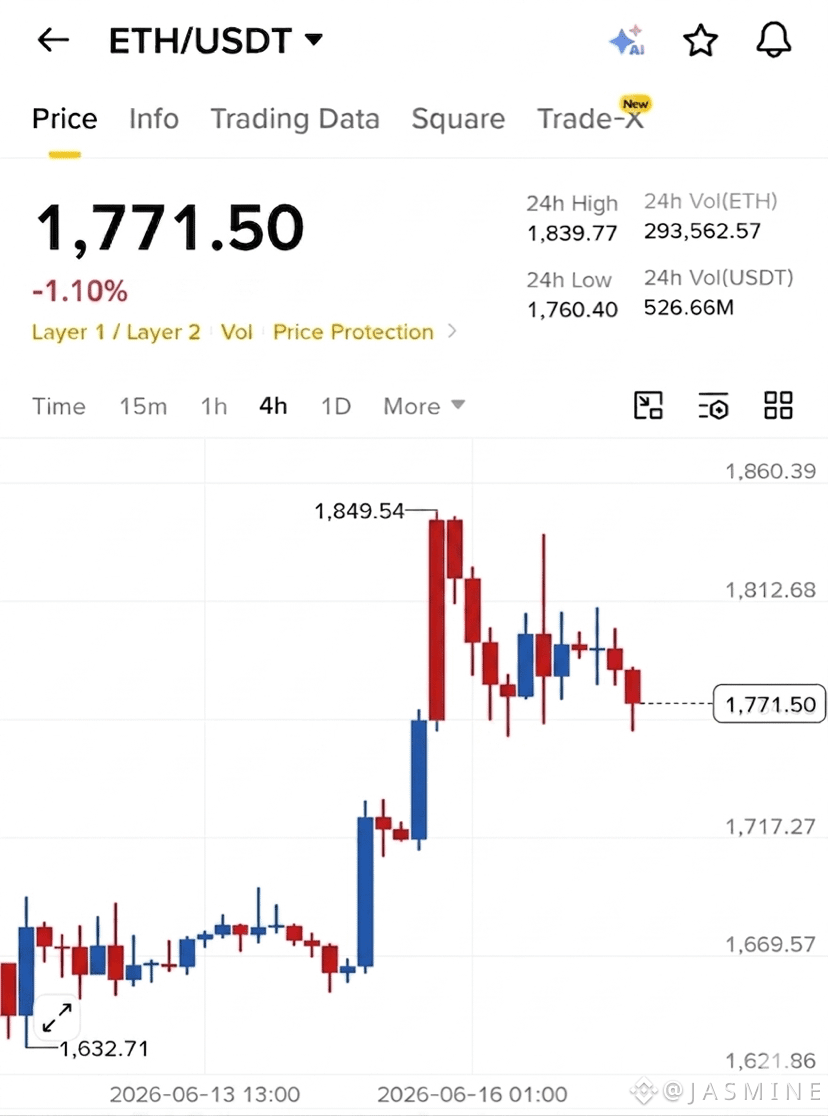
イーサリアムは最近、激しい動きが続いています。しばらく安定していた後、市場は突然急騰し、$ETH が抵抗を突破して、1,600台中盤から1,849.54近くのピークまで上昇しました。鋭いグリーンのキャンドルは、強力なブレイクアウトの動きを示しています。
現在、価格は少し冷却しており、1,771.50付近で取引されていて、過去数時間で約1.10%下落しています。24時間安値の1,760.40のすぐ上をうろうろしており、高値は1,839.77に達しました。
24時間の取引量は5億2600万USDTを超えており、活動は依然として活発です。さて、ここでの重要な質問は、これが次の上昇に向けた健康的なプルバックなのか、それとも深い修正の始まりなのかということです。
イーサリアムは最近、激しい動きが続いています。しばらく安定していた後、市場は突然急騰し、$ETH が抵抗を突破して、1,600台中盤から1,849.54近くのピークまで上昇しました。鋭いグリーンのキャンドルは、強力なブレイクアウトの動きを示しています。
現在、価格は少し冷却しており、1,771.50付近で取引されていて、過去数時間で約1.10%下落しています。24時間安値の1,760.40のすぐ上をうろうろしており、高値は1,839.77に達しました。
24時間の取引量は5億2600万USDTを超えており、活動は依然として活発です。さて、ここでの重要な質問は、これが次の上昇に向けた健康的なプルバックなのか、それとも深い修正の始まりなのかということです。
現在、価格は少し冷却しており、1,771.50付近で取引されていて、過去数時間で約1.10%下落しています。24時間安値の1,760.40のすぐ上をうろうろしており、高値は1,839.77に達しました。
24時間の取引量は5億2600万USDTを超えており、活動は依然として活発です。さて、ここでの重要な質問は、これが次の上昇に向けた健康的なプルバックなのか、それとも深い修正の始まりなのかということです。
1
127
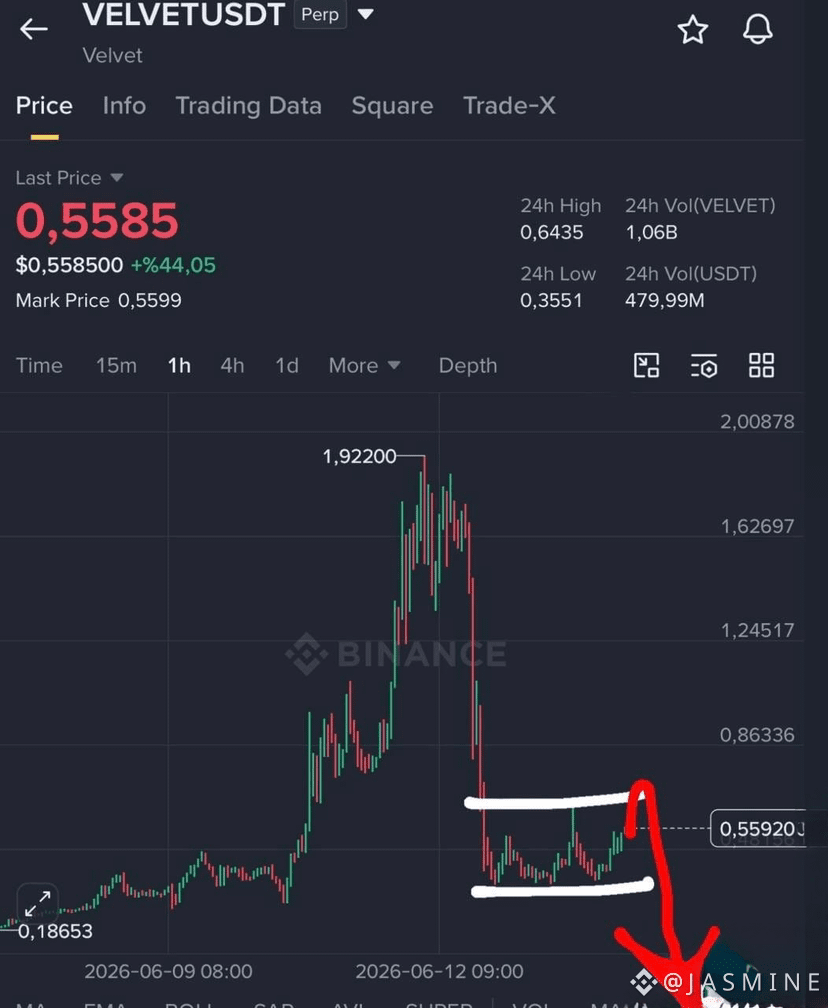
. $VELVET は昨日80%急落した後に$0.55まで戻してきたが、これは単なるデッドキャットバウンスの可能性もある。多くの保有者は、より強い回復をまだ待っている。DYOR.
. $VELVET は昨日80%急落した後に$0.55まで戻してきたが、これは単なるデッドキャットバウンスの可能性もある。多くの保有者は、より強い回復をまだ待っている。DYOR.
189
報告によると、AnthropicはMythosというAIモデルを公開リリースする準備を進めているとのことです。このモデルは以前、オープンデプロイメントにはあまりにも高度すぎると考えられていました。
このシステムは、重要なソフトウェアの脆弱性を発見し、完全なサイバー攻撃チェーンを自律的に構築する能力を持っていると言われています。
これまで、アクセスはApple、Google、Microsoft、JPMorgan Chase、NVIDIAなどの主要なパートナーの選ばれたグループに制限されていたと報じられています。
情報筋によると、追加の安全対策が整い次第、より広範なリリースが検討されているそうです。
もし正確であれば、かつて公に使用するにはリスクが高すぎると見なされていたAIモデルが、間もなく広く利用できるようになるかもしれません。
報告によると、AnthropicはMythosというAIモデルを公開リリースする準備を進めているとのことです。このモデルは以前、オープンデプロイメントにはあまりにも高度すぎると考えられていました。
このシステムは、重要なソフトウェアの脆弱性を発見し、完全なサイバー攻撃チェーンを自律的に構築する能力を持っていると言われています。
これまで、アクセスはApple、Google、Microsoft、JPMorgan Chase、NVIDIAなどの主要なパートナーの選ばれたグループに制限されていたと報じられています。
情報筋によると、追加の安全対策が整い次第、より広範なリリースが検討されているそうです。
もし正確であれば、かつて公に使用するにはリスクが高すぎると見なされていたAIモデルが、間もなく広く利用できるようになるかもしれません。
このシステムは、重要なソフトウェアの脆弱性を発見し、完全なサイバー攻撃チェーンを自律的に構築する能力を持っていると言われています。
これまで、アクセスはApple、Google、Microsoft、JPMorgan Chase、NVIDIAなどの主要なパートナーの選ばれたグループに制限されていたと報じられています。
情報筋によると、追加の安全対策が整い次第、より広範なリリースが検討されているそうです。
もし正確であれば、かつて公に使用するにはリスクが高すぎると見なされていたAIモデルが、間もなく広く利用できるようになるかもしれません。

2
130
$SOL はもう単なるコインじゃない…
それ自体が独自のエコシステムになりつつある 🔥
高速な取引
本物の採用のエネルギー
そして毎日、新たなビルダーたちが流れ込んでくる大きな波
今は静かな蓄積フェーズみたいに感じる…そして$SOL が動くとき、それはゆっくりとは動かない ✨
$SOL はもう単なるコインじゃない…
それ自体が独自のエコシステムになりつつある 🔥
高速な取引
本物の採用のエネルギー
そして毎日、新たなビルダーたちが流れ込んでくる大きな波
今は静かな蓄積フェーズみたいに感じる…そして$SOL が動くとき、それはゆっくりとは動かない ✨
それ自体が独自のエコシステムになりつつある 🔥
高速な取引
本物の採用のエネルギー
そして毎日、新たなビルダーたちが流れ込んでくる大きな波
今は静かな蓄積フェーズみたいに感じる…そして$SOL が動くとき、それはゆっくりとは動かない ✨
1
143
真実の決済:AI+クリプト基盤に欠けているレイヤーほとんどの現代的なデジタルシステムでは、これまで主に「帰属」に焦点が当てられてきました。つまり、誰が何を、いつ、どのように貢献したかを追跡することです。しかし、帰属情報だけでは、生成されつつあるAIとブロックチェーン主導のエコシステムの複雑さを十分に捉えきれません。
本当の課題は、システム同士が意見を食い違わせるところから始まります。
AIエージェント、分散型ネットワーク、自律実行レイヤーがより深く相互に結びつくにつれ、矛盾は避けられなくなります。同じデータを異なるモデルが異なる解釈をする可能性があります。エージェントは相反する結論に至ることがあります。実行環境は、タイミング、入力、または部分的な情報に基づいて、異なる結果を生み出し得ます。
真実の決済:AI+クリプト基盤に欠けているレイヤー
ほとんどの現代的なデジタルシステムでは、これまで主に「帰属」に焦点が当てられてきました。つまり、誰が何を、いつ、どのように貢献したかを追跡することです。しかし、帰属情報だけでは、生成されつつあるAIとブロックチェーン主導のエコシステムの複雑さを十分に捉えきれません。
本当の課題は、システム同士が意見を食い違わせるところから始まります。
AIエージェント、分散型ネットワーク、自律実行レイヤーがより深く相互に結びつくにつれ、矛盾は避けられなくなります。同じデータを異なるモデルが異なる解釈をする可能性があります。エージェントは相反する結論に至ることがあります。実行環境は、タイミング、入力、または部分的な情報に基づいて、異なる結果を生み出し得ます。
本当の課題は、システム同士が意見を食い違わせるところから始まります。
AIエージェント、分散型ネットワーク、自律実行レイヤーがより深く相互に結びつくにつれ、矛盾は避けられなくなります。同じデータを異なるモデルが異なる解釈をする可能性があります。エージェントは相反する結論に至ることがあります。実行環境は、タイミング、入力、または部分的な情報に基づいて、異なる結果を生み出し得ます。
1
120
帰属は主な問題ではありません。
本当の課題は、異なるシステムが「実際に何が起きたのか」について合意できないところから始まります。
AI×暗号資産インフラにおいて、真の価値は単に貢献を追跡することだけでは生まれません。エージェント、モデル、そして現実世界の結果の間で生じる、相反する出力を突き合わせて整合させるところにあります。
なぜなら、意思決定、お金、実行が関わるようになると、「証明」それ自体だけでは不十分だからです。
必要なのは、真実を確定するためのレイヤーです。
そこにこそ、真の需要が生まれます。
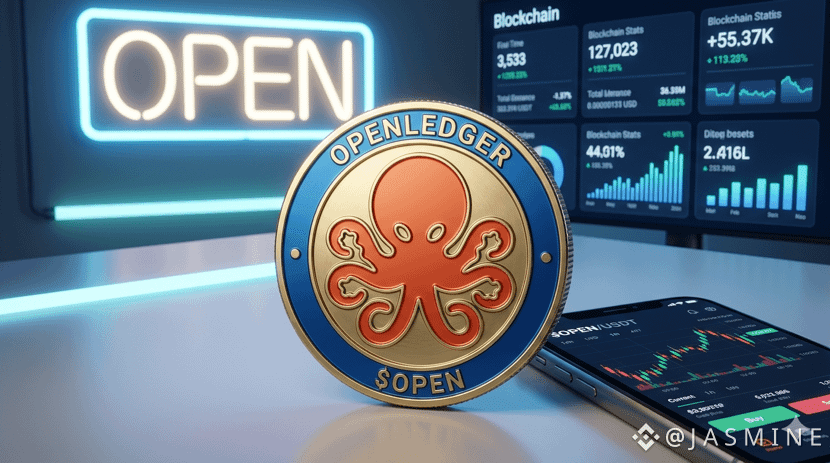
$OPEN @Openledger #OpenLedger
帰属は主な問題ではありません。
本当の課題は、異なるシステムが「実際に何が起きたのか」について合意できないところから始まります。
AI×暗号資産インフラにおいて、真の価値は単に貢献を追跡することだけでは生まれません。エージェント、モデル、そして現実世界の結果の間で生じる、相反する出力を突き合わせて整合させるところにあります。
なぜなら、意思決定、お金、実行が関わるようになると、「証明」それ自体だけでは不十分だからです。
必要なのは、真実を確定するためのレイヤーです。
そこにこそ、真の需要が生まれます。
$OPEN @OpenLedger #OpenLedger
本当の課題は、異なるシステムが「実際に何が起きたのか」について合意できないところから始まります。
AI×暗号資産インフラにおいて、真の価値は単に貢献を追跡することだけでは生まれません。エージェント、モデル、そして現実世界の結果の間で生じる、相反する出力を突き合わせて整合させるところにあります。
なぜなら、意思決定、お金、実行が関わるようになると、「証明」それ自体だけでは不十分だからです。
必要なのは、真実を確定するためのレイヤーです。
そこにこそ、真の需要が生まれます。
$OPEN @OpenLedger #OpenLedger
1
143
公式の$PENGU バリデーターが100K $SOL ステークを超えた👀
コミュニティはどんどん成長中。
信頼はどんどん構築されている。
そして、$PENGU の周りのモメンタムはますます大きくなっている。
エコシステムにとっての大きなマイルストーン。
公式の$PENGU バリデーターが100K $SOL ステークを超えた👀
コミュニティはどんどん成長中。
信頼はどんどん構築されている。
そして、$PENGU の周りのモメンタムはますます大きくなっている。
エコシステムにとっての大きなマイルストーン。
コミュニティはどんどん成長中。
信頼はどんどん構築されている。
そして、$PENGU の周りのモメンタムはますます大きくなっている。
エコシステムにとっての大きなマイルストーン。

230
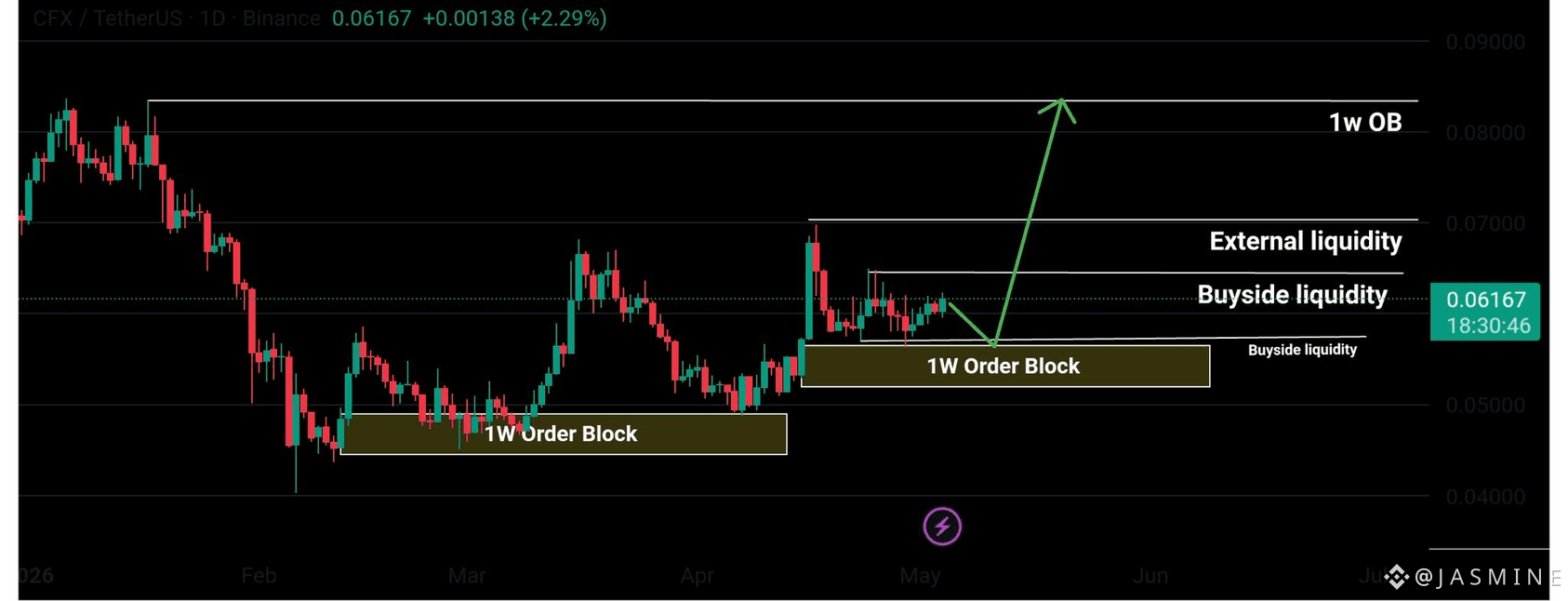
📈 $CFX / USDTの見通し
価格は重要な1Wオーダーブロックサポートの上にあり、次の動きの前にバイサイドの流動性をキャッチするために少し下がる可能性があります。
このレベルが保持される場合、上昇の流動性に注目です。
サポート: $0.055
ターゲット: $0.065 → $0.070
📈 $CFX / USDTの見通し
価格は重要な1Wオーダーブロックサポートの上にあり、次の動きの前にバイサイドの流動性をキャッチするために少し下がる可能性があります。
このレベルが保持される場合、上昇の流動性に注目です。
サポート: $0.055
ターゲット: $0.065 → $0.070
価格は重要な1Wオーダーブロックサポートの上にあり、次の動きの前にバイサイドの流動性をキャッチするために少し下がる可能性があります。
このレベルが保持される場合、上昇の流動性に注目です。
サポート: $0.055
ターゲット: $0.065 → $0.070
421
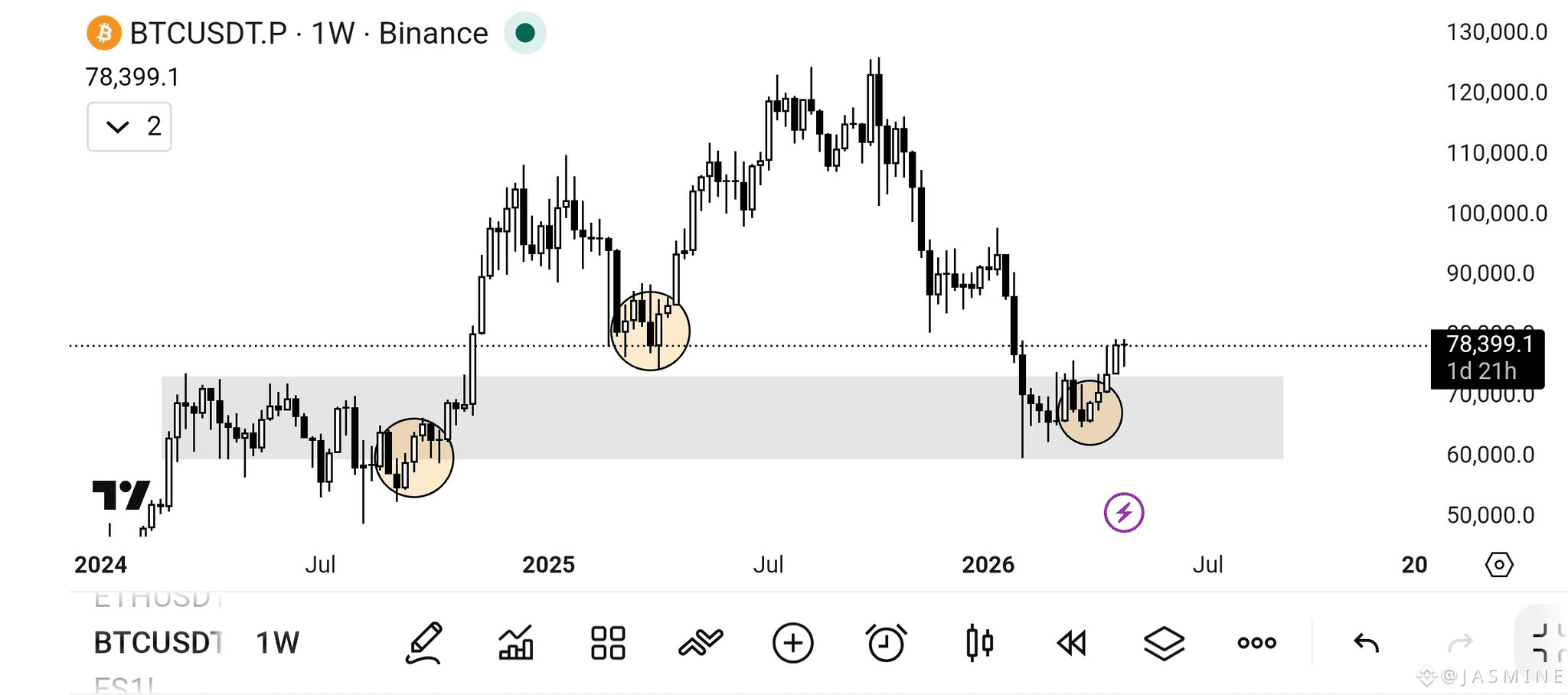
$BTC は100Kに向けてスキューズの準備が整っているようだ。✍️
歴史的に、週次のエンガルフィングバイが約20–30%の上昇をもたらしてきた。
注目すべき低いTFの売りゾーン:
83.5K • 86K • 88K • 92.5K
ここでのポジショニング — $TAO、$DOGE 、$LTC & $ASTER をスタッキング中
$BTC は100Kに向けてスキューズの準備が整っているようだ。✍️
歴史的に、週次のエンガルフィングバイが約20–30%の上昇をもたらしてきた。
注目すべき低いTFの売りゾーン:
83.5K • 86K • 88K • 92.5K
ここでのポジショニング — $TAO、$DOGE 、$LTC & $ASTER をスタッキング中
歴史的に、週次のエンガルフィングバイが約20–30%の上昇をもたらしてきた。
注目すべき低いTFの売りゾーン:
83.5K • 86K • 88K • 92.5K
ここでのポジショニング — $TAO、$DOGE 、$LTC & $ASTER をスタッキング中
3
535
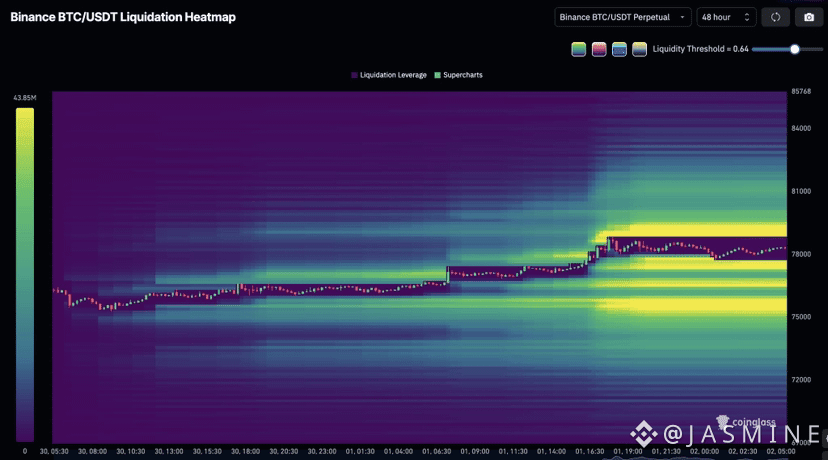
$BTC は現在、2つの重要な流動性ゾーンの間でレンジを形成しています。
市場メーカーは明らかにストップがどこに積まれているかを把握しています。
本当のトレンドが始まる前に、片方が最初に掃かれる可能性が高いです。
#Write2Earn
$BTC は現在、2つの重要な流動性ゾーンの間でレンジを形成しています。
市場メーカーは明らかにストップがどこに積まれているかを把握しています。
本当のトレンドが始まる前に、片方が最初に掃かれる可能性が高いです。
#Write2Earn
市場メーカーは明らかにストップがどこに積まれているかを把握しています。
本当のトレンドが始まる前に、片方が最初に掃かれる可能性が高いです。
#Write2Earn
35

$PEPE は再び目を覚ました…ここは人々が通常 traps にかかる場所だ👀
その動きは速かった。ためらいなし、ただのストレートプッシュ — すぐに注目を引き戻すような動きだ。
でも少しズームインしてみて…こういった動きはクリーンなエントリーをほとんど与えない。決断を強いる、快適さではない。
ここで保持されれば:
モメンタムが延びる可能性がある。ミームエネルギー + 群衆の流れ = 鋭い上昇ムーブ。
もしスタリルし始めたら:
そこで物事がすぐにひっくり返る可能性がある…そして遅れたエントリーはトップを持たされることになる。
このスパイクを追いかけるつもりはない。まずは強さを証明してほしい。
正直に言って —
$PEPE に入るつもりか、シェイクアウトを待つつもりか?👀
#Write2Earn
$PEPE は再び目を覚ました…ここは人々が通常 traps にかかる場所だ👀
その動きは速かった。ためらいなし、ただのストレートプッシュ — すぐに注目を引き戻すような動きだ。
でも少しズームインしてみて…こういった動きはクリーンなエントリーをほとんど与えない。決断を強いる、快適さではない。
ここで保持されれば:
モメンタムが延びる可能性がある。ミームエネルギー + 群衆の流れ = 鋭い上昇ムーブ。
もしスタリルし始めたら:
そこで物事がすぐにひっくり返る可能性がある…そして遅れたエントリーはトップを持たされることになる。
このスパイクを追いかけるつもりはない。まずは強さを証明してほしい。
正直に言って —
$PEPE に入るつもりか、シェイクアウトを待つつもりか?👀
#Write2Earn
その動きは速かった。ためらいなし、ただのストレートプッシュ — すぐに注目を引き戻すような動きだ。
でも少しズームインしてみて…こういった動きはクリーンなエントリーをほとんど与えない。決断を強いる、快適さではない。
ここで保持されれば:
モメンタムが延びる可能性がある。ミームエネルギー + 群衆の流れ = 鋭い上昇ムーブ。
もしスタリルし始めたら:
そこで物事がすぐにひっくり返る可能性がある…そして遅れたエントリーはトップを持たされることになる。
このスパイクを追いかけるつもりはない。まずは強さを証明してほしい。
正直に言って —
$PEPE に入るつもりか、シェイクアウトを待つつもりか?👀
#Write2Earn
34
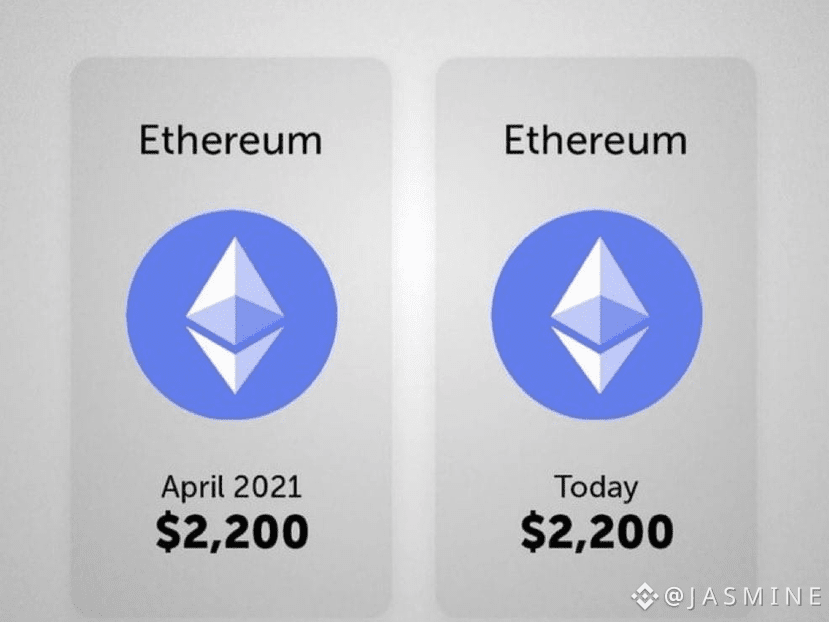
これを待って5年…そしてついに落ちてきたのがこれ?
すべての盛り上がり。すべての忍耐。
今ここにある — 生々しく、ゴチャゴチャしていて、みんなを分断している。
ある人はこれを瞬間と呼んでいる。
他の人は?ただの失望だ。
中立はなし — ただのノイズ、熱、そして炎の中のタイムライン🔥
$ETH #Write2Earn
これを待って5年…そしてついに落ちてきたのがこれ?
すべての盛り上がり。すべての忍耐。
今ここにある — 生々しく、ゴチャゴチャしていて、みんなを分断している。
ある人はこれを瞬間と呼んでいる。
他の人は?ただの失望だ。
中立はなし — ただのノイズ、熱、そして炎の中のタイムライン🔥
$ETH #Write2Earn
すべての盛り上がり。すべての忍耐。
今ここにある — 生々しく、ゴチャゴチャしていて、みんなを分断している。
ある人はこれを瞬間と呼んでいる。
他の人は?ただの失望だ。
中立はなし — ただのノイズ、熱、そして炎の中のタイムライン🔥
$ETH #Write2Earn
1
26
ログインして、さらにコンテンツを読む
厳選トピックで世界の暗号資産トレーダーの仲間入り
⚡️ 暗号資産に関する最新かつ有益な情報が見つかります。
💬 世界最大の暗号資産取引所から信頼されています。
👍 認証を受けたクリエイターから、有益なインサイトを得られます。
メール / 電話番号
トレンドトピック
FedRateWatch
閲覧回数 133,331
850人が討論中
トレンドハッシュタグキャンペーンで「シェア&ウィン」交通(トラフィック)報酬を獲得しよう
✨トピック:FOMC 9月、「次のFRBの一手」は?
👉参加方法:
ハッシュタグ #FedRateWatch を付けて短い投稿または記事を投稿してください
以下の観点に基づいてコンテンツを作成してください:
- 8月のコアCPIは前月比0.3%上昇し、今週の25bp利上げの確率は現在約90%です。今週、利上げはあると思いますか?それは一時的なものですか、それともより長い利上げサイクルの始まりでしょうか?
- 利上げが実施された場合、BTC、テック株、ゴールドはどのように動きますか?強気(ブル)か弱気(ベア)か?
- 次の取引はどう計画していますか?取引共有ウィジェットを使って、BTC、株、またはゴールドの取引/保有を共有してください。
⏰キャンペーン期間:
- 2026-09-15 11:00 - 2026-09-17 3:00 UTC
🎁報酬:
- 上記のガイドラインを満たし、かつ100語を超える適格な投稿は審査され、抽選で500〜3,000ビューのランダムなトラフィック増加が付与される場合があります。投稿が選ばれた場合、フィードの事務局から通知が届きます。
- 記事がBinance Square Officialで特集されるチャンス
投稿のアイデアが必要ですか?トピックページ #FedRateWatch へアクセスするか、 Square Guide on How to Post for Better Reach をご覧ください。
Binance Square Official
·いいね:188件
·閲覧回数 315.4k
BitcoinReboundsTo$79K
閲覧回数 41,724
322人が討論中
StrategyMarketCapPassesFord
閲覧回数 154
42人が討論中