

W A R D A N
4k 投稿

W A R D A N
報告
ユーザーをブロック
332 フォロー
20.1K+ フォロワー
11.0K+ いいね
投稿
すべて
引用
動画
ライブ
·
--
$ZEC で私の目を引いた最初のポイントは、最近の強さそのものではありませんでした。問題は、その強さが“どこで”起きているかです。
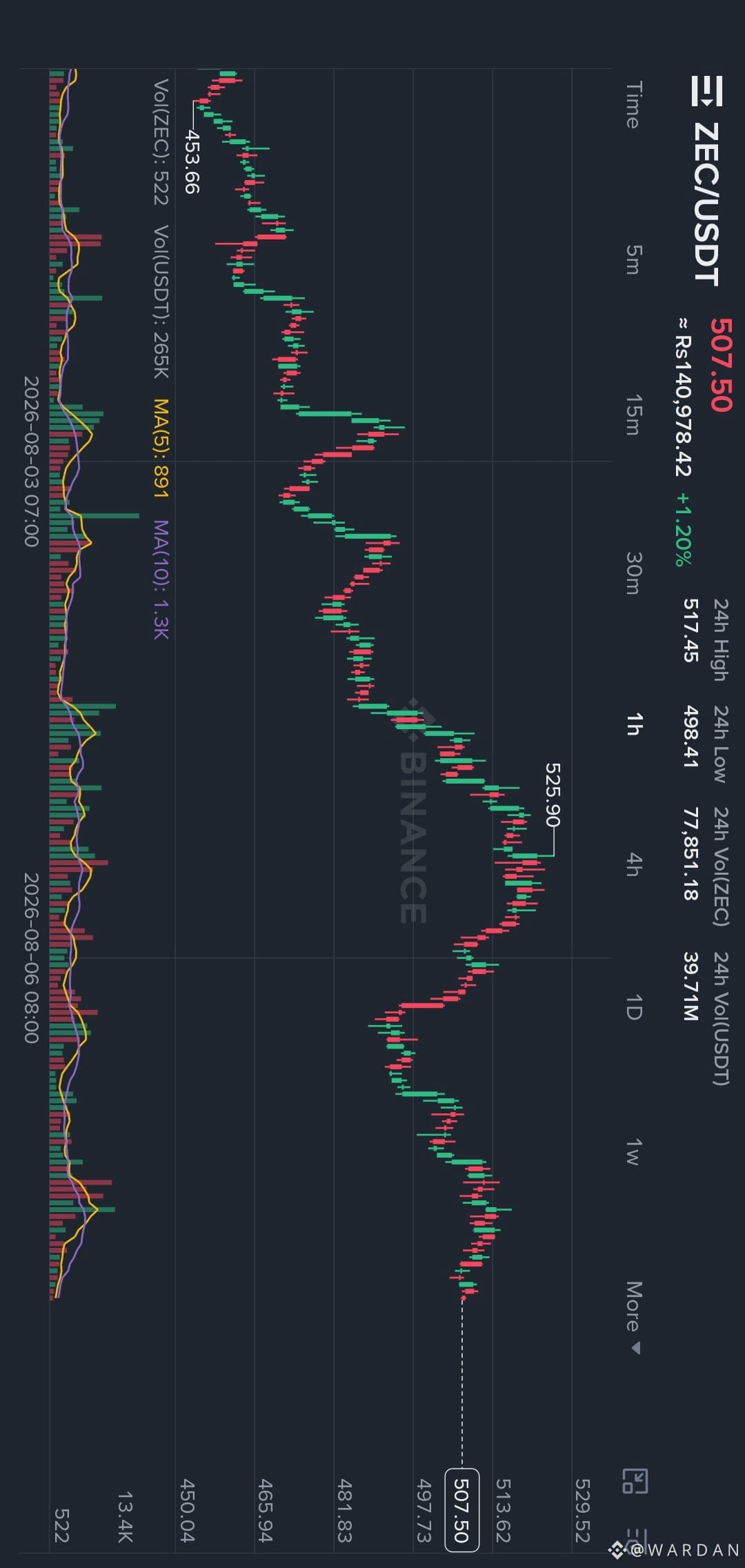
ZECはより広い7日間の期間でBTCを上回るパフォーマンスを見せており、さらにオープン・インタレスト(OI)も上昇しています。紙の上では、それは新規参加のように見えます。ですが、価格は依然として$525.70前後の重要なレジスタンス・エリアの下に位置していて、現在の出来高もその動きを「確定したブレイクアウト」とみなすほど十分に拡大していません。
これで取引は完全に変わります。
ZECがBTCより強く見えるからといって買うだけだと、市場が実際により高い価格を受け入れられることをまだ証明していない段階で参入することになります。レジスタンスの下でOIが上昇することはブレイクアウトを支えることもありますが、買い手が突破できずに失速すると「閉じ込められたポジション」を生むこともあります。
私にとってよりクリーンなのは、忍耐です。
もしZECが$525.70を明確に上回って“本当の受け入れ”を得られるなら、いったんそのエリアに戻ってサポートとして維持できるはずです。そうなればブレイクアウトの見方はずっと面白くなります。リテストでの強い15分足/1時間足の反応は、最初の緑のローソクを追いかけるよりも良い確認材料になります。
逆に、~$498のあたりを失うと強気の構造が弱まり、市場がまだ準備できていないことを示唆します。
なので私の現在の見立ては、条件付きの強気です。「ZECがポンプする」ことが根拠ではありません。リスクを取る前に、価格が何を証明する必要があるかを正確に分かっていることが肝です。
では、$525.70を上抜けた最初のブレイクアウトを信じますか?それとも、そのレベルがリテスト後に生き残って“本当の受け入れ”だと判断できるまで待ちますか?
$ZEC $BTC #cryptotrading #zec
{spot}(ZECUSDT)
$ZEC で私の目を引いた最初のポイントは、最近の強さそのものではありませんでした。問題は、その強さが“どこで”起きているかです。
ZECはより広い7日間の期間でBTCを上回るパフォーマンスを見せており、さらにオープン・インタレスト(OI)も上昇しています。紙の上では、それは新規参加のように見えます。ですが、価格は依然として$525.70前後の重要なレジスタンス・エリアの下に位置していて、現在の出来高もその動きを「確定したブレイクアウト」とみなすほど十分に拡大していません。
これで取引は完全に変わります。
ZECがBTCより強く見えるからといって買うだけだと、市場が実際により高い価格を受け入れられることをまだ証明していない段階で参入することになります。レジスタンスの下でOIが上昇することはブレイクアウトを支えることもありますが、買い手が突破できずに失速すると「閉じ込められたポジション」を生むこともあります。
私にとってよりクリーンなのは、忍耐です。
もしZECが$525.70を明確に上回って“本当の受け入れ”を得られるなら、いったんそのエリアに戻ってサポートとして維持できるはずです。そうなればブレイクアウトの見方はずっと面白くなります。リテストでの強い15分足/1時間足の反応は、最初の緑のローソクを追いかけるよりも良い確認材料になります。
逆に、~$498のあたりを失うと強気の構造が弱まり、市場がまだ準備できていないことを示唆します。
なので私の現在の見立ては、条件付きの強気です。「ZECがポンプする」ことが根拠ではありません。リスクを取る前に、価格が何を証明する必要があるかを正確に分かっていることが肝です。
では、$525.70を上抜けた最初のブレイクアウトを信じますか?それとも、そのレベルがリテスト後に生き残って“本当の受け入れ”だと判断できるまで待ちますか?
$ZEC $BTC #cryptotrading #zec
ZECはより広い7日間の期間でBTCを上回るパフォーマンスを見せており、さらにオープン・インタレスト(OI)も上昇しています。紙の上では、それは新規参加のように見えます。ですが、価格は依然として$525.70前後の重要なレジスタンス・エリアの下に位置していて、現在の出来高もその動きを「確定したブレイクアウト」とみなすほど十分に拡大していません。
これで取引は完全に変わります。
ZECがBTCより強く見えるからといって買うだけだと、市場が実際により高い価格を受け入れられることをまだ証明していない段階で参入することになります。レジスタンスの下でOIが上昇することはブレイクアウトを支えることもありますが、買い手が突破できずに失速すると「閉じ込められたポジション」を生むこともあります。
私にとってよりクリーンなのは、忍耐です。
もしZECが$525.70を明確に上回って“本当の受け入れ”を得られるなら、いったんそのエリアに戻ってサポートとして維持できるはずです。そうなればブレイクアウトの見方はずっと面白くなります。リテストでの強い15分足/1時間足の反応は、最初の緑のローソクを追いかけるよりも良い確認材料になります。
逆に、~$498のあたりを失うと強気の構造が弱まり、市場がまだ準備できていないことを示唆します。
なので私の現在の見立ては、条件付きの強気です。「ZECがポンプする」ことが根拠ではありません。リスクを取る前に、価格が何を証明する必要があるかを正確に分かっていることが肝です。
では、$525.70を上抜けた最初のブレイクアウトを信じますか?それとも、そのレベルがリテスト後に生き残って“本当の受け入れ”だと判断できるまで待ちますか?
$ZEC $BTC #cryptotrading #zec
167
·
--
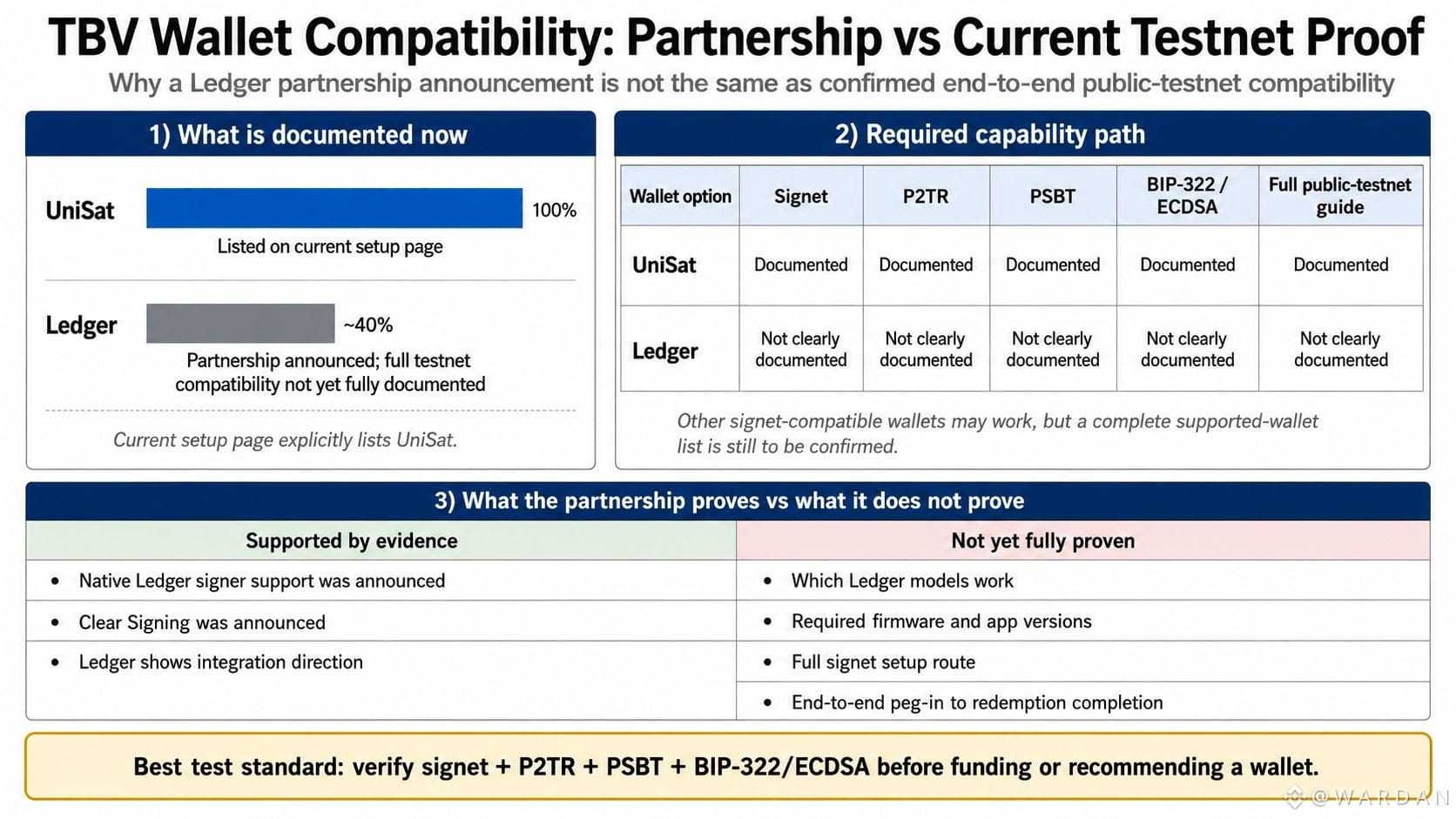
Ledgerのパートナーシップにより、BabylonのTrustless Bitcoin Vaults(TBV)が、より幅広いハードウェアウォレットの利用者にも対応できるように見えました。しかし、ライブのテストネット手順は、より正確な実態を語っています。
現時点では、セットアップページにUniSatが掲載されており、ウォレットで4つの特定のことを行う必要があります。Bitcoin signetに接続すること、Taproot P2TRアドレスを生成すること、PSBTに署名すること、そしてBIP-322またはECDSAメッセージ署名によって認証することです。
ここが私が省けないと感じた詳細です。
ウォレットはビットコインを安全に保管できても、後になってTBVのフローが失敗することがあります。signet BTCを受け取れても、ポータル認証、PSBTの承認、peg-in、またはアクティベーションで止まってしまうかもしれません。発表された提携は方向性を示しますが、必ずしも現在の完全な互換性を意味するわけではありません。
私は、「Ledgerは@babylonlabs_io と互換性がない」とは結論づけません。単にドキュメントが製品に追いついていないだけの可能性があります。また、signetに対応している他のウォレットはすでに機能しているかもしれません。ただし、入手できる証拠だけでは、どのLedgerモデル、ファームウェアのバージョン、署名方法、または接続パスが、パブリック・テストネットのライフサイクル全体を完了できるかはまだ証明されていません。
これは、互換性が「簡単なステップ」の後に失敗することがあるため重要です。テストBTCを受け取れることは、そのアドレスが機能することを示すにすぎません。ウォレットが認証できること、必要なトランザクション一式に署名できること、そしてライフサイクルを完了できることまでは証明しません。テスターにとって、このギャップは後になって、有望な提携を紛らわしいサポート問題に変えてしまうことがあります。
$BABY のテストネットでは、有用な基準は提携ロゴではありません。必要な能力パスを正常に完了したかどうかです。
資金提供や推奨を行う前に、セットアップが、signet、P2TR、PSBT署名、そしてBIP-322またはECDSAメッセージ署名を正確にサポートしていることを確認してください。さらに、peg-in、アクティベーション、借り入れ、返済、そして償還(redeemption)を実際に完了できるかも確認します。
これは、「アクセス可能だと発表すること」と「アクセスがエンドツーエンドで実際に機能すること」の違いです。#baby
Ledgerのパートナーシップにより、BabylonのTrustless Bitcoin Vaults(TBV)が、より幅広いハードウェアウォレットの利用者にも対応できるように見えました。しかし、ライブのテストネット手順は、より正確な実態を語っています。
現時点では、セットアップページにUniSatが掲載されており、ウォレットで4つの特定のことを行う必要があります。Bitcoin signetに接続すること、Taproot P2TRアドレスを生成すること、PSBTに署名すること、そしてBIP-322またはECDSAメッセージ署名によって認証することです。
ここが私が省けないと感じた詳細です。
ウォレットはビットコインを安全に保管できても、後になってTBVのフローが失敗することがあります。signet BTCを受け取れても、ポータル認証、PSBTの承認、peg-in、またはアクティベーションで止まってしまうかもしれません。発表された提携は方向性を示しますが、必ずしも現在の完全な互換性を意味するわけではありません。
私は、「Ledgerは@BabylonLabs_io と互換性がない」とは結論づけません。単にドキュメントが製品に追いついていないだけの可能性があります。また、signetに対応している他のウォレットはすでに機能しているかもしれません。ただし、入手できる証拠だけでは、どのLedgerモデル、ファームウェアのバージョン、署名方法、または接続パスが、パブリック・テストネットのライフサイクル全体を完了できるかはまだ証明されていません。
これは、互換性が「簡単なステップ」の後に失敗することがあるため重要です。テストBTCを受け取れることは、そのアドレスが機能することを示すにすぎません。ウォレットが認証できること、必要なトランザクション一式に署名できること、そしてライフサイクルを完了できることまでは証明しません。テスターにとって、このギャップは後になって、有望な提携を紛らわしいサポート問題に変えてしまうことがあります。
$BABY のテストネットでは、有用な基準は提携ロゴではありません。必要な能力パスを正常に完了したかどうかです。
資金提供や推奨を行う前に、セットアップが、signet、P2TR、PSBT署名、そしてBIP-322またはECDSAメッセージ署名を正確にサポートしていることを確認してください。さらに、peg-in、アクティベーション、借り入れ、返済、そして償還(redeemption)を実際に完了できるかも確認します。
これは、「アクセス可能だと発表すること」と「アクセスがエンドツーエンドで実際に機能すること」の違いです。#baby
現時点では、セットアップページにUniSatが掲載されており、ウォレットで4つの特定のことを行う必要があります。Bitcoin signetに接続すること、Taproot P2TRアドレスを生成すること、PSBTに署名すること、そしてBIP-322またはECDSAメッセージ署名によって認証することです。
ここが私が省けないと感じた詳細です。
ウォレットはビットコインを安全に保管できても、後になってTBVのフローが失敗することがあります。signet BTCを受け取れても、ポータル認証、PSBTの承認、peg-in、またはアクティベーションで止まってしまうかもしれません。発表された提携は方向性を示しますが、必ずしも現在の完全な互換性を意味するわけではありません。
私は、「Ledgerは@BabylonLabs_io と互換性がない」とは結論づけません。単にドキュメントが製品に追いついていないだけの可能性があります。また、signetに対応している他のウォレットはすでに機能しているかもしれません。ただし、入手できる証拠だけでは、どのLedgerモデル、ファームウェアのバージョン、署名方法、または接続パスが、パブリック・テストネットのライフサイクル全体を完了できるかはまだ証明されていません。
これは、互換性が「簡単なステップ」の後に失敗することがあるため重要です。テストBTCを受け取れることは、そのアドレスが機能することを示すにすぎません。ウォレットが認証できること、必要なトランザクション一式に署名できること、そしてライフサイクルを完了できることまでは証明しません。テスターにとって、このギャップは後になって、有望な提携を紛らわしいサポート問題に変えてしまうことがあります。
$BABY のテストネットでは、有用な基準は提携ロゴではありません。必要な能力パスを正常に完了したかどうかです。
資金提供や推奨を行う前に、セットアップが、signet、P2TR、PSBT署名、そしてBIP-322またはECDSAメッセージ署名を正確にサポートしていることを確認してください。さらに、peg-in、アクティベーション、借り入れ、返済、そして償還(redeemption)を実際に完了できるかも確認します。
これは、「アクセス可能だと発表すること」と「アクセスがエンドツーエンドで実際に機能すること」の違いです。#baby
1
142
·
--
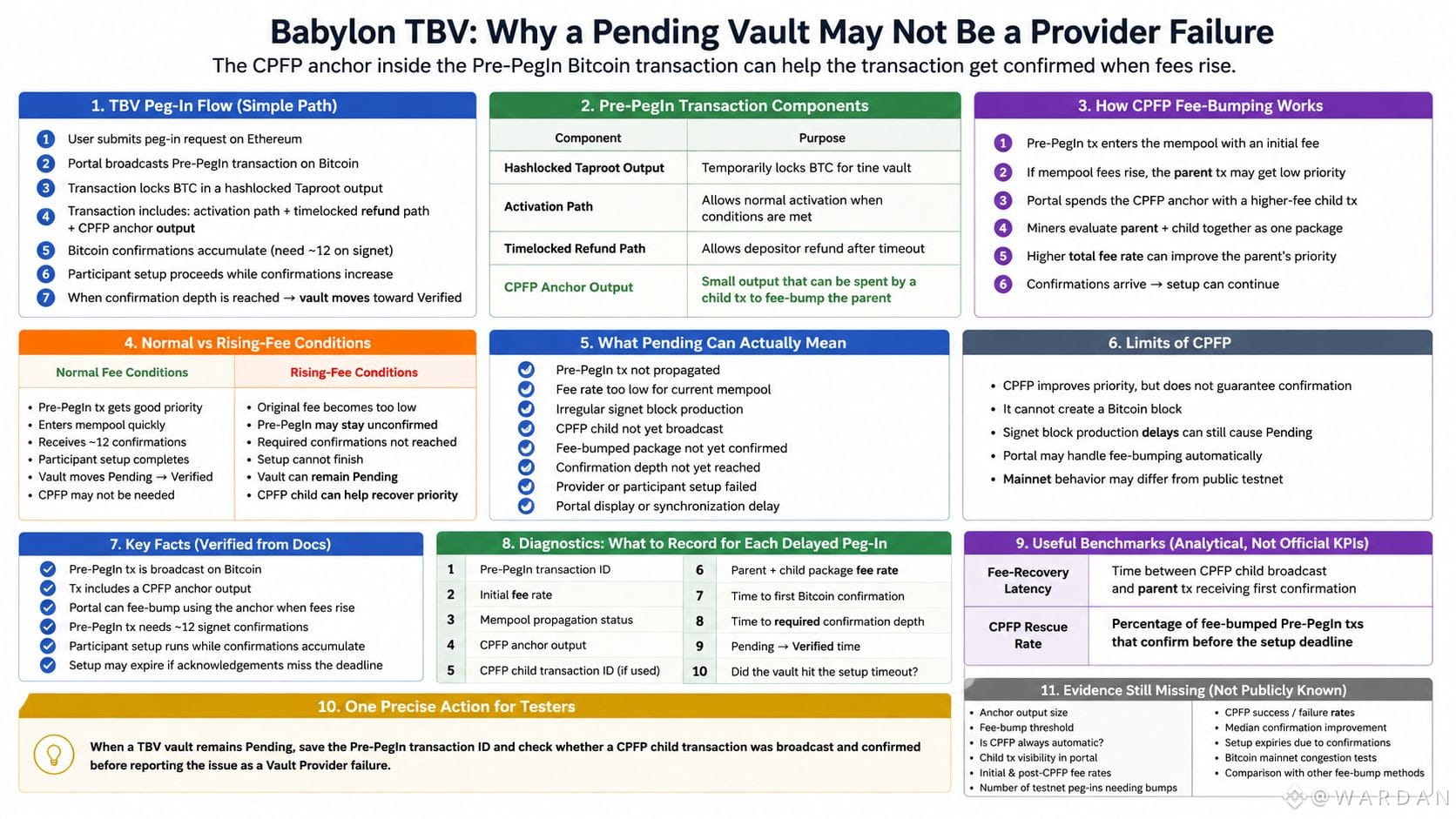
私が気づいたのは、BabylonのTrustless Bitcoin Vaults(TBV)における「Pending」ステータスが、Vault Providerの障害を自動的に指しているわけではないということです。
ペグインは、セットアップを前に進めるために約12回のサイネト確認が必要となるPre-PegInのビットコイントランザクションから始まります。そのトランザクションの中には、小さなChild Pays for Parent、いわゆるCPFPのアンカーがあります。メンプール手数料が上がって親の手数料が低すぎる状態になると、高い手数料の子がアンカーを使って支払うことができ、マイナーは2つの取引を1つのパッケージとして判断し、親の確認優先度が改善される可能性があります。
この点が診断を変えます。Ethereum側の要求が有効で、プロトコル参加者が準備できているとしても、ビットコインの資金投入トランザクションはまだ十分な優先度を待っているかもしれません。そのため「Pending」は、取引手数料の問題、符号付き(サイネト)ブロックの遅延の不規則さ、あるいは実際のセットアップ障害を隠してしまう可能性があります。表示される状態だけでは、どれが起きたのかは判断できません。
CPFPは保証ではありません。新しいブロックを作り出すことはできませんし、ポータルの正確な手数料上乗せ(fee-bump)方針が公開されているわけでもありません。それでも、プロバイダーを責める前に、テスターがビットコイン側で具体的な確認を行えるようになります。
@babylonlabs_io $BABY のテストネットでは、バル トがPendingのままの場合、Pre-PegInトランザクションIDを保存してください。「CPFPの子」がブロードキャストされたか、また「my provider failed(私のプロバイダーが失敗した)」と報告する前に親パッケージが確認されたかを確認します。この1つの詳細が、曖昧なフィードバックを、ペグインが実際にどこで止まったのか、そして最初に注意すべきシステムの層はどこか、という役に立つ診断に変えてくれます。 #baby
私が気づいたのは、BabylonのTrustless Bitcoin Vaults(TBV)における「Pending」ステータスが、Vault Providerの障害を自動的に指しているわけではないということです。
ペグインは、セットアップを前に進めるために約12回のサイネト確認が必要となるPre-PegInのビットコイントランザクションから始まります。そのトランザクションの中には、小さなChild Pays for Parent、いわゆるCPFPのアンカーがあります。メンプール手数料が上がって親の手数料が低すぎる状態になると、高い手数料の子がアンカーを使って支払うことができ、マイナーは2つの取引を1つのパッケージとして判断し、親の確認優先度が改善される可能性があります。
この点が診断を変えます。Ethereum側の要求が有効で、プロトコル参加者が準備できているとしても、ビットコインの資金投入トランザクションはまだ十分な優先度を待っているかもしれません。そのため「Pending」は、取引手数料の問題、符号付き(サイネト)ブロックの遅延の不規則さ、あるいは実際のセットアップ障害を隠してしまう可能性があります。表示される状態だけでは、どれが起きたのかは判断できません。
CPFPは保証ではありません。新しいブロックを作り出すことはできませんし、ポータルの正確な手数料上乗せ(fee-bump)方針が公開されているわけでもありません。それでも、プロバイダーを責める前に、テスターがビットコイン側で具体的な確認を行えるようになります。
@BabylonLabs_io $BABY のテストネットでは、バル トがPendingのままの場合、Pre-PegInトランザクションIDを保存してください。「CPFPの子」がブロードキャストされたか、また「my provider failed(私のプロバイダーが失敗した)」と報告する前に親パッケージが確認されたかを確認します。この1つの詳細が、曖昧なフィードバックを、ペグインが実際にどこで止まったのか、そして最初に注意すべきシステムの層はどこか、という役に立つ診断に変えてくれます。 #baby
ペグインは、セットアップを前に進めるために約12回のサイネト確認が必要となるPre-PegInのビットコイントランザクションから始まります。そのトランザクションの中には、小さなChild Pays for Parent、いわゆるCPFPのアンカーがあります。メンプール手数料が上がって親の手数料が低すぎる状態になると、高い手数料の子がアンカーを使って支払うことができ、マイナーは2つの取引を1つのパッケージとして判断し、親の確認優先度が改善される可能性があります。
この点が診断を変えます。Ethereum側の要求が有効で、プロトコル参加者が準備できているとしても、ビットコインの資金投入トランザクションはまだ十分な優先度を待っているかもしれません。そのため「Pending」は、取引手数料の問題、符号付き(サイネト)ブロックの遅延の不規則さ、あるいは実際のセットアップ障害を隠してしまう可能性があります。表示される状態だけでは、どれが起きたのかは判断できません。
CPFPは保証ではありません。新しいブロックを作り出すことはできませんし、ポータルの正確な手数料上乗せ(fee-bump)方針が公開されているわけでもありません。それでも、プロバイダーを責める前に、テスターがビットコイン側で具体的な確認を行えるようになります。
@BabylonLabs_io $BABY のテストネットでは、バル トがPendingのままの場合、Pre-PegInトランザクションIDを保存してください。「CPFPの子」がブロードキャストされたか、また「my provider failed(私のプロバイダーが失敗した)」と報告する前に親パッケージが確認されたかを確認します。この1つの詳細が、曖昧なフィードバックを、ペグインが実際にどこで止まったのか、そして最初に注意すべきシステムの層はどこか、という役に立つ診断に変えてくれます。 #baby
2
154
·
--
Babylonのトラストレスなビットコイン・ボールト(TBV)の読み方を変えることになった詳細は、「ネイティブBTC担保」が“1 BTCの価格がローン全体を説明する”ように聞こえることです。しかし実際には、清算はそれほど単純には動きません。
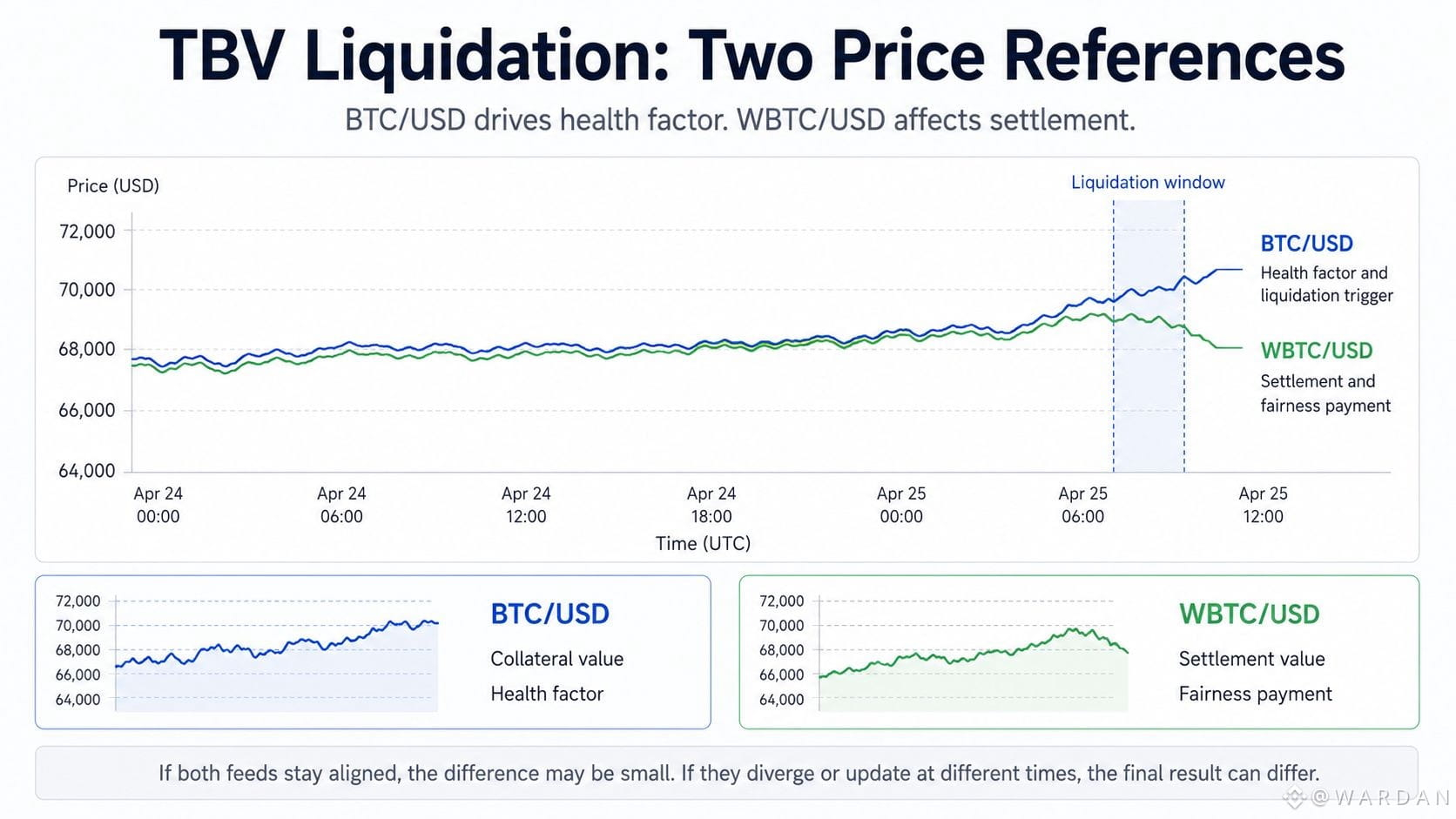
BTC/USDを用いてネイティブBTC担保の価値を算出し、ヘルスファクターを計算して、いつポジションを清算できるかを判断します。ですが、イーサリアム側の決済ではWBTCが使われるため、WBTC/USDも決済とフェアネス・ペイメントの計算に入ってきます。
これにより重要な分岐が生まれます。1つのフィードが清算のトリガーを助ける一方で、別のフィードがトリガー後に何が起きるかの価格を決めるのを助けます。
BTC/USDとWBTC/USDが常に新鮮で、かつ密接に連動しているなら、その差は小さすぎて問題にならない可能性があります。しかし、フィードの更新時刻が異なったり、WBTC/USDがBTC/USDから離れたりすると、ある参照を使ってポジションが不健全と判断される一方で、決済は別の参照を使って計算されることがあります。
これは、@babylonlabs_io が預託者の担保としてラップドBTCを使っているという意味ではありません。BTCはボールトの中でネイティブのまま残ります。つまり、ネイティブの保管と決済の価格付けは別レイヤーであり、BTC価格だけでは清算結果の全てを説明できないかもしれない、ということです。この区別が最も重要になるのはストレス下です。タイミングのギャップが、借り手にとって経済的に見えるようになるからです。
$BABY のテストネットでは、最も役立つ確認はシンプルです。清算を見直す際に、BTC/USDとWBTC/USDの両方の値と、それぞれの更新時刻を記録します。役立つ分析上のベンチマークは、公式なBabylonのKPIというわけではありませんが、BTC–WBTCオラクルのベーシスであり、2つのフィードが同じ経済ストーリーを語っているかどうかを見る手段になります。#baby
Babylonのトラストレスなビットコイン・ボールト(TBV)の読み方を変えることになった詳細は、「ネイティブBTC担保」が“1 BTCの価格がローン全体を説明する”ように聞こえることです。しかし実際には、清算はそれほど単純には動きません。
BTC/USDを用いてネイティブBTC担保の価値を算出し、ヘルスファクターを計算して、いつポジションを清算できるかを判断します。ですが、イーサリアム側の決済ではWBTCが使われるため、WBTC/USDも決済とフェアネス・ペイメントの計算に入ってきます。
これにより重要な分岐が生まれます。1つのフィードが清算のトリガーを助ける一方で、別のフィードがトリガー後に何が起きるかの価格を決めるのを助けます。
BTC/USDとWBTC/USDが常に新鮮で、かつ密接に連動しているなら、その差は小さすぎて問題にならない可能性があります。しかし、フィードの更新時刻が異なったり、WBTC/USDがBTC/USDから離れたりすると、ある参照を使ってポジションが不健全と判断される一方で、決済は別の参照を使って計算されることがあります。
これは、@BabylonLabs_io が預託者の担保としてラップドBTCを使っているという意味ではありません。BTCはボールトの中でネイティブのまま残ります。つまり、ネイティブの保管と決済の価格付けは別レイヤーであり、BTC価格だけでは清算結果の全てを説明できないかもしれない、ということです。この区別が最も重要になるのはストレス下です。タイミングのギャップが、借り手にとって経済的に見えるようになるからです。
$BABY のテストネットでは、最も役立つ確認はシンプルです。清算を見直す際に、BTC/USDとWBTC/USDの両方の値と、それぞれの更新時刻を記録します。役立つ分析上のベンチマークは、公式なBabylonのKPIというわけではありませんが、BTC–WBTCオラクルのベーシスであり、2つのフィードが同じ経済ストーリーを語っているかどうかを見る手段になります。#baby
BTC/USDを用いてネイティブBTC担保の価値を算出し、ヘルスファクターを計算して、いつポジションを清算できるかを判断します。ですが、イーサリアム側の決済ではWBTCが使われるため、WBTC/USDも決済とフェアネス・ペイメントの計算に入ってきます。
これにより重要な分岐が生まれます。1つのフィードが清算のトリガーを助ける一方で、別のフィードがトリガー後に何が起きるかの価格を決めるのを助けます。
BTC/USDとWBTC/USDが常に新鮮で、かつ密接に連動しているなら、その差は小さすぎて問題にならない可能性があります。しかし、フィードの更新時刻が異なったり、WBTC/USDがBTC/USDから離れたりすると、ある参照を使ってポジションが不健全と判断される一方で、決済は別の参照を使って計算されることがあります。
これは、@BabylonLabs_io が預託者の担保としてラップドBTCを使っているという意味ではありません。BTCはボールトの中でネイティブのまま残ります。つまり、ネイティブの保管と決済の価格付けは別レイヤーであり、BTC価格だけでは清算結果の全てを説明できないかもしれない、ということです。この区別が最も重要になるのはストレス下です。タイミングのギャップが、借り手にとって経済的に見えるようになるからです。
$BABY のテストネットでは、最も役立つ確認はシンプルです。清算を見直す際に、BTC/USDとWBTC/USDの両方の値と、それぞれの更新時刻を記録します。役立つ分析上のベンチマークは、公式なBabylonのKPIというわけではありませんが、BTC–WBTCオラクルのベーシスであり、2つのフィードが同じ経済ストーリーを語っているかどうかを見る手段になります。#baby
3
1
154
·
--
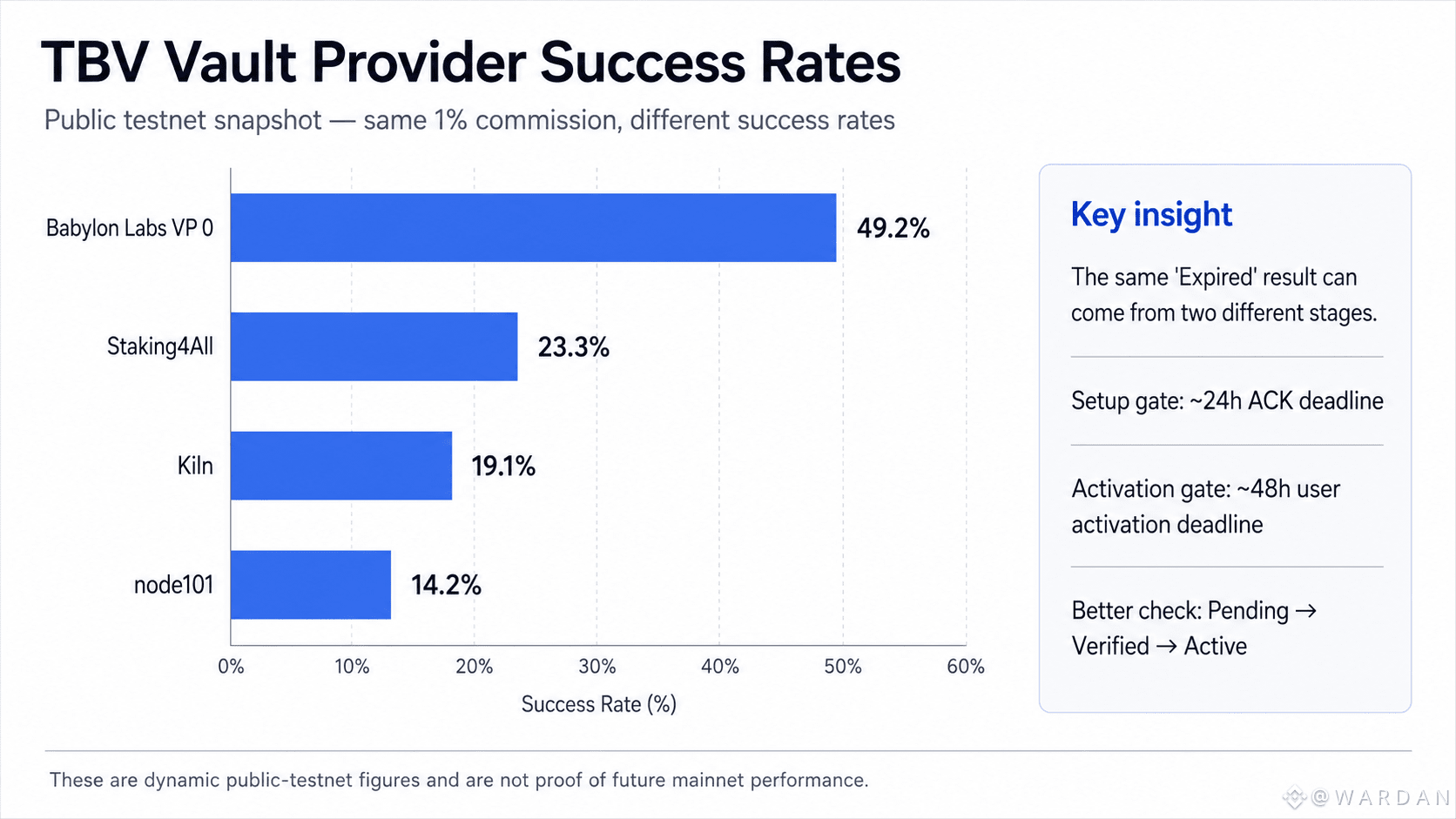
BabylonのTrustless Bitcoin Vaults(TBV)テストネットで私の目を引いたのは、4つのVault Providerのページが同じ1%のコミッションを表示していたのに、成功率が14.2%から49.2%まで幅があった点です。最初は順位づけのように見えました。しかし仕組みのせいで、私はそれを別の見方で読み直すことになりました。これらは変化するテストネットの数値なので、メインネットの信頼性について結論を出すためではなく、質問の材料として使うべきだと考えます。
VaultはPendingからVerifiedへ移行する必要があります。この段階では、Vault Providerとオペレーターが24時間以内にセットアップと承認(acknowledgements)を完了しなければなりません。その後、預け手(depositor)は、vaultがActiveになれるようにするため、だいたい48時間以内にEthereum上で起動(activation)のシークレットを開示する必要があります。
どちらかのゲートを逃すと、最終ラベルは同じになる可能性があります:Expired。
見落とせないのはこの点です。1つの見出しの成功率は、2つの出来事を混ぜてしまうことがあります。1つは、Verifiedになる前のセットアップや調整の問題を反映しているかもしれません。もう1つは、準備できたvaultを受け取ったものの起動(activation)を完了しなかったユーザーを反映しているかもしれません。つまり、割合にはプロバイダーのシグナルが含まれる可能性はありますが、各失効(expiry)を誰が引き起こしたのかまでは示しません。
@babylonlabs_io $BABY のテストネットについては、段階ベースのファネルでより良い確認ができると考えます。具体的には、どれだけのリクエストがVerifiedに到達したか、そしてVerifiedになったvaultのうちどれだけがActiveに到達したか、です。これらは提案される指標であり、公式のBabylon KPIではありません。
TBVをテストする際は、プロバイダー、到達した最高ステート、起動が試みられたかどうか、そして最終結果を記録してください。「私のvaultはPendingのままだった」や「Verifiedには到達したが起動はしなかった」といった情報のほうが、「自分のプロバイダーが失敗した」とだけ言うよりも、より良いフィードバックになります。#baby
BabylonのTrustless Bitcoin Vaults(TBV)テストネットで私の目を引いたのは、4つのVault Providerのページが同じ1%のコミッションを表示していたのに、成功率が14.2%から49.2%まで幅があった点です。最初は順位づけのように見えました。しかし仕組みのせいで、私はそれを別の見方で読み直すことになりました。これらは変化するテストネットの数値なので、メインネットの信頼性について結論を出すためではなく、質問の材料として使うべきだと考えます。
VaultはPendingからVerifiedへ移行する必要があります。この段階では、Vault Providerとオペレーターが24時間以内にセットアップと承認(acknowledgements)を完了しなければなりません。その後、預け手(depositor)は、vaultがActiveになれるようにするため、だいたい48時間以内にEthereum上で起動(activation)のシークレットを開示する必要があります。
どちらかのゲートを逃すと、最終ラベルは同じになる可能性があります:Expired。
見落とせないのはこの点です。1つの見出しの成功率は、2つの出来事を混ぜてしまうことがあります。1つは、Verifiedになる前のセットアップや調整の問題を反映しているかもしれません。もう1つは、準備できたvaultを受け取ったものの起動(activation)を完了しなかったユーザーを反映しているかもしれません。つまり、割合にはプロバイダーのシグナルが含まれる可能性はありますが、各失効(expiry)を誰が引き起こしたのかまでは示しません。
@BabylonLabs_io $BABY のテストネットについては、段階ベースのファネルでより良い確認ができると考えます。具体的には、どれだけのリクエストがVerifiedに到達したか、そしてVerifiedになったvaultのうちどれだけがActiveに到達したか、です。これらは提案される指標であり、公式のBabylon KPIではありません。
TBVをテストする際は、プロバイダー、到達した最高ステート、起動が試みられたかどうか、そして最終結果を記録してください。「私のvaultはPendingのままだった」や「Verifiedには到達したが起動はしなかった」といった情報のほうが、「自分のプロバイダーが失敗した」とだけ言うよりも、より良いフィードバックになります。#baby
VaultはPendingからVerifiedへ移行する必要があります。この段階では、Vault Providerとオペレーターが24時間以内にセットアップと承認(acknowledgements)を完了しなければなりません。その後、預け手(depositor)は、vaultがActiveになれるようにするため、だいたい48時間以内にEthereum上で起動(activation)のシークレットを開示する必要があります。
どちらかのゲートを逃すと、最終ラベルは同じになる可能性があります:Expired。
見落とせないのはこの点です。1つの見出しの成功率は、2つの出来事を混ぜてしまうことがあります。1つは、Verifiedになる前のセットアップや調整の問題を反映しているかもしれません。もう1つは、準備できたvaultを受け取ったものの起動(activation)を完了しなかったユーザーを反映しているかもしれません。つまり、割合にはプロバイダーのシグナルが含まれる可能性はありますが、各失効(expiry)を誰が引き起こしたのかまでは示しません。
@BabylonLabs_io $BABY のテストネットについては、段階ベースのファネルでより良い確認ができると考えます。具体的には、どれだけのリクエストがVerifiedに到達したか、そしてVerifiedになったvaultのうちどれだけがActiveに到達したか、です。これらは提案される指標であり、公式のBabylon KPIではありません。
TBVをテストする際は、プロバイダー、到達した最高ステート、起動が試みられたかどうか、そして最終結果を記録してください。「私のvaultはPendingのままだった」や「Verifiedには到達したが起動はしなかった」といった情報のほうが、「自分のプロバイダーが失敗した」とだけ言うよりも、より良いフィードバックになります。#baby
1
116
·
--
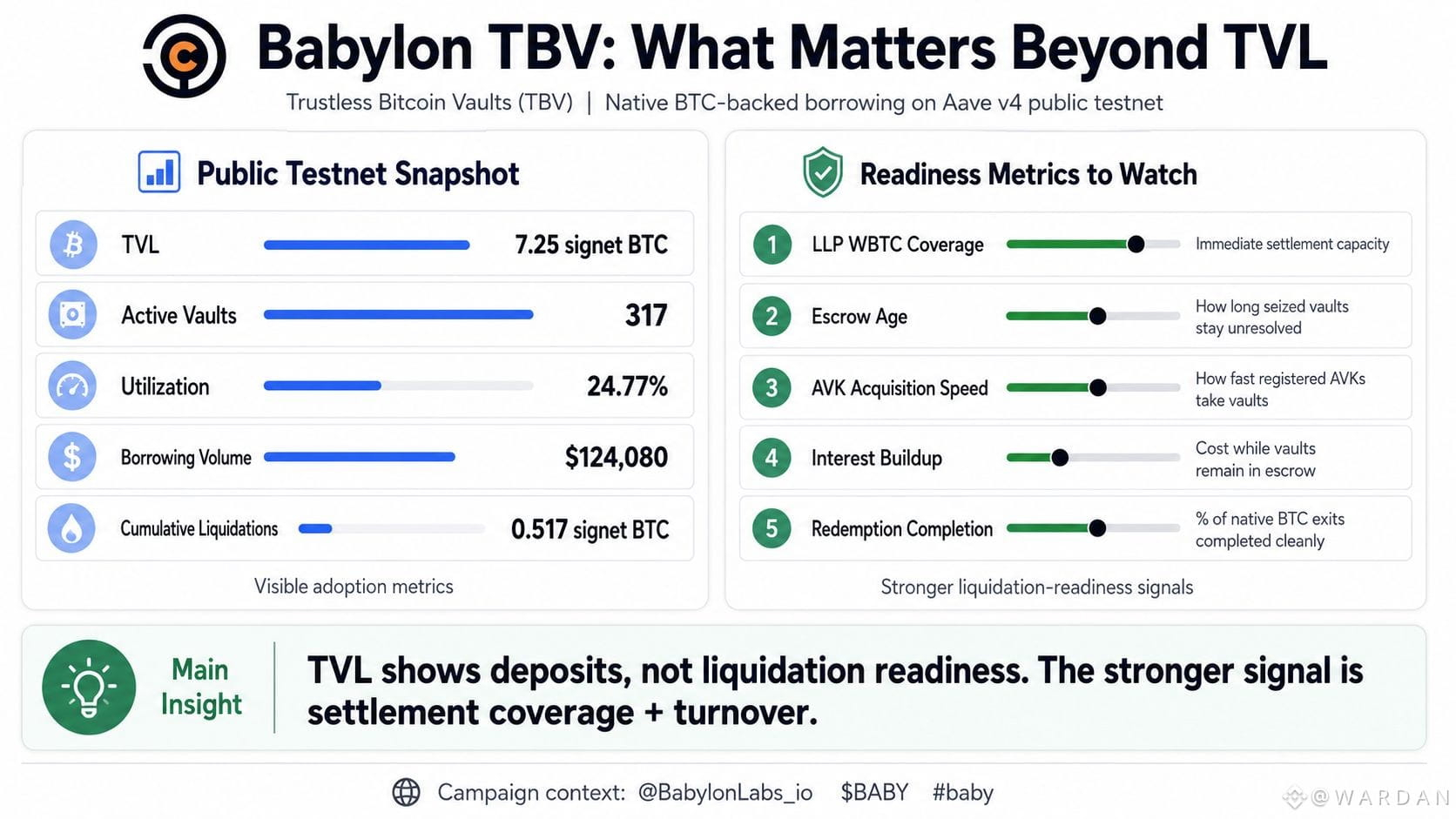
私がバビロンのテストネットの読み方を変えるのは、「permissionless(許可不要)」という言葉です。
Trustless Bitcoin Vaults(TBV)では、ネイティブBTCを担保にしたAave v4ポジションが健全でなくなったとき、誰でもLLPの清算(liquidation)ルートを起動できます。しかし、そのオープンな起動は最初のステップにすぎません。清算者はただちにWBTCを受け取る一方、押収されたビットコイン・ヴォールトはエスクローに移されます。すると、登録済みのAVKがそのヴォールトを取得し、より遅いビットコイン側の償還(redemption)経路を完了する必要があります。
この違いは重要です。「許可不要の清算」が、すべての段階が同じ主体に対して開放されていることを意味するわけではないからです。イーサリアム側の呼び出しはオープンですが、最終的なネイティブBTCの決済は、登録された役割、利用可能なヴォールトのデータ、そして機能する証明(proof)とチャレンジ(challenge)経路に依存します。
私は、これはそれ自体として欠陥だとは見ていません。分割は、TBVがユーザーにBTCをラップしたり、ビットコインから移したりさせずにAaveに高速な決済を与えるための、まさにその設計なのかもしれません。ただし、それによって「テストされるべきもの」が変わります。
有用なテストネットの問いは、清算を呼び出せるかどうかだけではありません。エスクローされたヴォールトを十分な独立したAVKが引き継ぎ、迅速に処理して、遅延が積み重なっていかない形で償還まで完了できるかどうかです。
@babylonlabs_io について、健全なシステムのより強い証明は、完全な権限マップと、クリーンなエンドツーエンド決済データです。誰が起動できるのか、誰がWBTCを拠出するのか、誰がヴォールトを取得するのか、そしてネイティブBTCがクリアされるまでにどれくらい時間がかかるのか。
それが、$BABY と#baby の読者が、設計が「最初のトランザクションだけ」ではなく実際にオープンなままでいるかどうかを判断できるレベルです。
私がバビロンのテストネットの読み方を変えるのは、「permissionless(許可不要)」という言葉です。
Trustless Bitcoin Vaults(TBV)では、ネイティブBTCを担保にしたAave v4ポジションが健全でなくなったとき、誰でもLLPの清算(liquidation)ルートを起動できます。しかし、そのオープンな起動は最初のステップにすぎません。清算者はただちにWBTCを受け取る一方、押収されたビットコイン・ヴォールトはエスクローに移されます。すると、登録済みのAVKがそのヴォールトを取得し、より遅いビットコイン側の償還(redemption)経路を完了する必要があります。
この違いは重要です。「許可不要の清算」が、すべての段階が同じ主体に対して開放されていることを意味するわけではないからです。イーサリアム側の呼び出しはオープンですが、最終的なネイティブBTCの決済は、登録された役割、利用可能なヴォールトのデータ、そして機能する証明(proof)とチャレンジ(challenge)経路に依存します。
私は、これはそれ自体として欠陥だとは見ていません。分割は、TBVがユーザーにBTCをラップしたり、ビットコインから移したりさせずにAaveに高速な決済を与えるための、まさにその設計なのかもしれません。ただし、それによって「テストされるべきもの」が変わります。
有用なテストネットの問いは、清算を呼び出せるかどうかだけではありません。エスクローされたヴォールトを十分な独立したAVKが引き継ぎ、迅速に処理して、遅延が積み重なっていかない形で償還まで完了できるかどうかです。
@BabylonLabs_io について、健全なシステムのより強い証明は、完全な権限マップと、クリーンなエンドツーエンド決済データです。誰が起動できるのか、誰がWBTCを拠出するのか、誰がヴォールトを取得するのか、そしてネイティブBTCがクリアされるまでにどれくらい時間がかかるのか。
それが、$BABY と#baby の読者が、設計が「最初のトランザクションだけ」ではなく実際にオープンなままでいるかどうかを判断できるレベルです。
Trustless Bitcoin Vaults(TBV)では、ネイティブBTCを担保にしたAave v4ポジションが健全でなくなったとき、誰でもLLPの清算(liquidation)ルートを起動できます。しかし、そのオープンな起動は最初のステップにすぎません。清算者はただちにWBTCを受け取る一方、押収されたビットコイン・ヴォールトはエスクローに移されます。すると、登録済みのAVKがそのヴォールトを取得し、より遅いビットコイン側の償還(redemption)経路を完了する必要があります。
この違いは重要です。「許可不要の清算」が、すべての段階が同じ主体に対して開放されていることを意味するわけではないからです。イーサリアム側の呼び出しはオープンですが、最終的なネイティブBTCの決済は、登録された役割、利用可能なヴォールトのデータ、そして機能する証明(proof)とチャレンジ(challenge)経路に依存します。
私は、これはそれ自体として欠陥だとは見ていません。分割は、TBVがユーザーにBTCをラップしたり、ビットコインから移したりさせずにAaveに高速な決済を与えるための、まさにその設計なのかもしれません。ただし、それによって「テストされるべきもの」が変わります。
有用なテストネットの問いは、清算を呼び出せるかどうかだけではありません。エスクローされたヴォールトを十分な独立したAVKが引き継ぎ、迅速に処理して、遅延が積み重なっていかない形で償還まで完了できるかどうかです。
@BabylonLabs_io について、健全なシステムのより強い証明は、完全な権限マップと、クリーンなエンドツーエンド決済データです。誰が起動できるのか、誰がWBTCを拠出するのか、誰がヴォールトを取得するのか、そしてネイティブBTCがクリアされるまでにどれくらい時間がかかるのか。
それが、$BABY と#baby の読者が、設計が「最初のトランザクションだけ」ではなく実際にオープンなままでいるかどうかを判断できるレベルです。
1
136
·
--
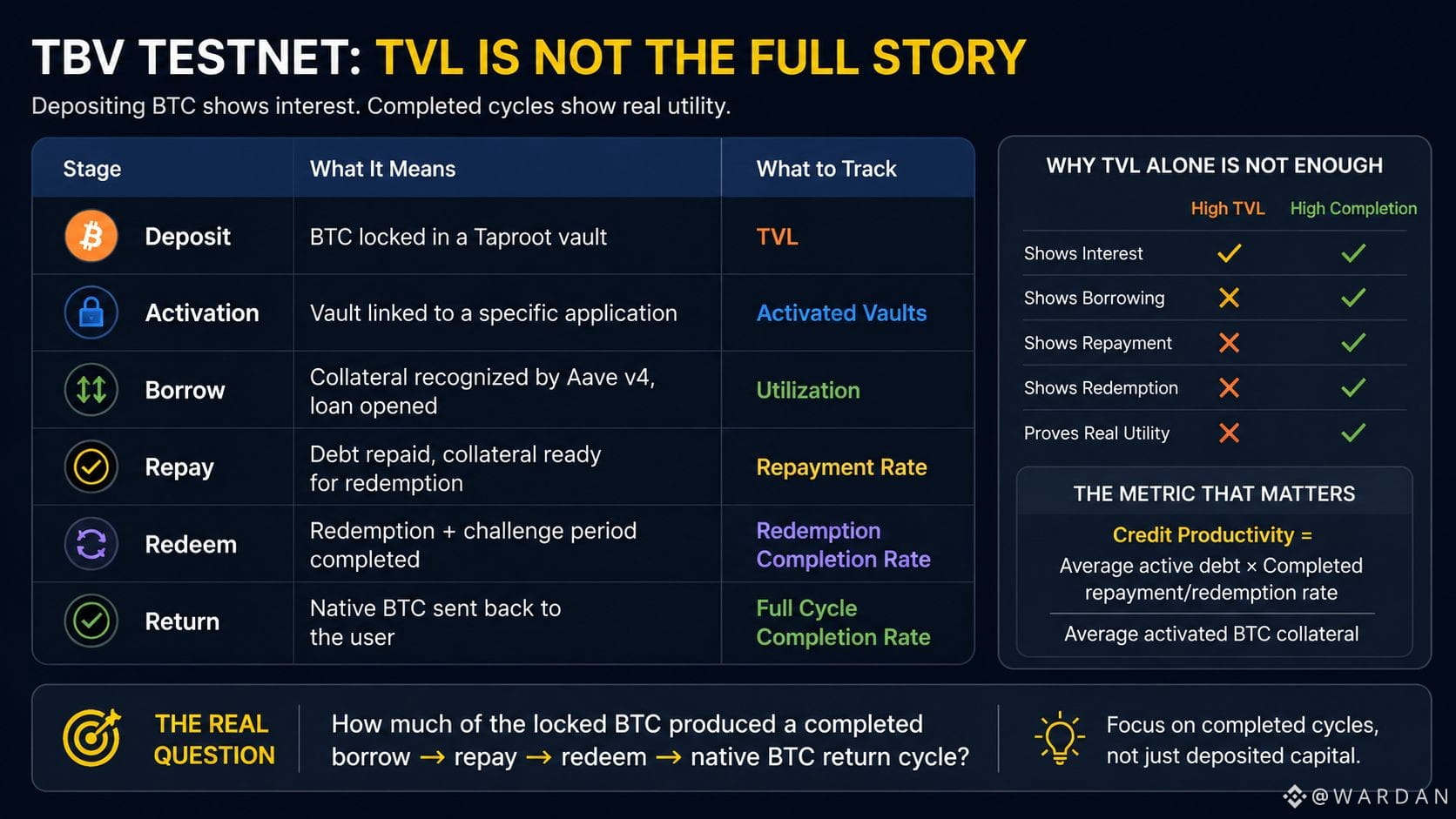
最初に目を引いたダッシュボード上の数字はTVLでしたが、TBVのフローによって「その数字が本当に何を証明できるのか」を問い直すことになりました。
BabylonのTrustless Bitcoin Vaults(TBV)では、入金はBTCが担保の状態に到達したことを示すだけです。最初から最後まで、借り入れシステム全体が実際に機能したことまでは示しません。さらに、貸金庫は起動され、Aave v4を通じて借り入れに使われ、返済され、償還(redemption)を経て、最終的にチャレンジ手続きの後でネイティブBTCが返還される必要があります。
だからこそ、利用率(utilization)と完了したローン・サイクルこそが、より強いテストだと考えます。TVLは、多くの貸金庫がローンを開始しないまま終わったり、返済の前に停止したり、最終的な償還の前で詰まったりしていても上昇し得ます。公開エクスプローラーはすでにTVLと利用率を分けて表示しており、これは重要な手がかりです。ロックされた担保と、有用な信用(クレジット)は同じ結果ではありません。さらに、現状の公開テストネット条件下で、早期の関心(early interest)と、実際のエンドツーエンド性能をより明確に切り分ける方法も、テスターにとって分かりやすくなります。
より良いテストネットの問いは、「どれだけのBTCが入ったか?」だけではありません。 「そのBTCのうち、完了した借り入れ・返済・償還サイクルを生み出したのはどれだけか?」です。
ユーザーにとっては、役に立つフィードバックの見え方が変わります。強いテストレポートでは、貸金庫が起動したかどうか、借り入れが機能したか、返済がどう振る舞ったか、償還にどれくらい時間がかかったか、そして不明瞭な手順や失敗状態なくネイティブBTCが返ってきたかを記すべきです。
TVLは参加を示すため、やはり重要です。しかし、信用の全パスが信頼できることまでは証明できません。@babylonlabs_io に関しては、より強いシグナルは「いくつの貸金庫が旅の全行程を完了したか」であり、「いくつが単に入ってきたか」ではありません。
ネイティブなビットコイン担保による借り入れが、実用的に役立つ段階に近づいているかどうかを判断する際に、私が注目するのはまさにこの指標です。$BABY #baby
最初に目を引いたダッシュボード上の数字はTVLでしたが、TBVのフローによって「その数字が本当に何を証明できるのか」を問い直すことになりました。
BabylonのTrustless Bitcoin Vaults(TBV)では、入金はBTCが担保の状態に到達したことを示すだけです。最初から最後まで、借り入れシステム全体が実際に機能したことまでは示しません。さらに、貸金庫は起動され、Aave v4を通じて借り入れに使われ、返済され、償還(redemption)を経て、最終的にチャレンジ手続きの後でネイティブBTCが返還される必要があります。
だからこそ、利用率(utilization)と完了したローン・サイクルこそが、より強いテストだと考えます。TVLは、多くの貸金庫がローンを開始しないまま終わったり、返済の前に停止したり、最終的な償還の前で詰まったりしていても上昇し得ます。公開エクスプローラーはすでにTVLと利用率を分けて表示しており、これは重要な手がかりです。ロックされた担保と、有用な信用(クレジット)は同じ結果ではありません。さらに、現状の公開テストネット条件下で、早期の関心(early interest)と、実際のエンドツーエンド性能をより明確に切り分ける方法も、テスターにとって分かりやすくなります。
より良いテストネットの問いは、「どれだけのBTCが入ったか?」だけではありません。 「そのBTCのうち、完了した借り入れ・返済・償還サイクルを生み出したのはどれだけか?」です。
ユーザーにとっては、役に立つフィードバックの見え方が変わります。強いテストレポートでは、貸金庫が起動したかどうか、借り入れが機能したか、返済がどう振る舞ったか、償還にどれくらい時間がかかったか、そして不明瞭な手順や失敗状態なくネイティブBTCが返ってきたかを記すべきです。
TVLは参加を示すため、やはり重要です。しかし、信用の全パスが信頼できることまでは証明できません。@BabylonLabs_io に関しては、より強いシグナルは「いくつの貸金庫が旅の全行程を完了したか」であり、「いくつが単に入ってきたか」ではありません。
ネイティブなビットコイン担保による借り入れが、実用的に役立つ段階に近づいているかどうかを判断する際に、私が注目するのはまさにこの指標です。$BABY #baby
BabylonのTrustless Bitcoin Vaults(TBV)では、入金はBTCが担保の状態に到達したことを示すだけです。最初から最後まで、借り入れシステム全体が実際に機能したことまでは示しません。さらに、貸金庫は起動され、Aave v4を通じて借り入れに使われ、返済され、償還(redemption)を経て、最終的にチャレンジ手続きの後でネイティブBTCが返還される必要があります。
だからこそ、利用率(utilization)と完了したローン・サイクルこそが、より強いテストだと考えます。TVLは、多くの貸金庫がローンを開始しないまま終わったり、返済の前に停止したり、最終的な償還の前で詰まったりしていても上昇し得ます。公開エクスプローラーはすでにTVLと利用率を分けて表示しており、これは重要な手がかりです。ロックされた担保と、有用な信用(クレジット)は同じ結果ではありません。さらに、現状の公開テストネット条件下で、早期の関心(early interest)と、実際のエンドツーエンド性能をより明確に切り分ける方法も、テスターにとって分かりやすくなります。
より良いテストネットの問いは、「どれだけのBTCが入ったか?」だけではありません。 「そのBTCのうち、完了した借り入れ・返済・償還サイクルを生み出したのはどれだけか?」です。
ユーザーにとっては、役に立つフィードバックの見え方が変わります。強いテストレポートでは、貸金庫が起動したかどうか、借り入れが機能したか、返済がどう振る舞ったか、償還にどれくらい時間がかかったか、そして不明瞭な手順や失敗状態なくネイティブBTCが返ってきたかを記すべきです。
TVLは参加を示すため、やはり重要です。しかし、信用の全パスが信頼できることまでは証明できません。@BabylonLabs_io に関しては、より強いシグナルは「いくつの貸金庫が旅の全行程を完了したか」であり、「いくつが単に入ってきたか」ではありません。
ネイティブなビットコイン担保による借り入れが、実用的に役立つ段階に近づいているかどうかを判断する際に、私が注目するのはまさにこの指標です。$BABY #baby
1
1
124
·
--
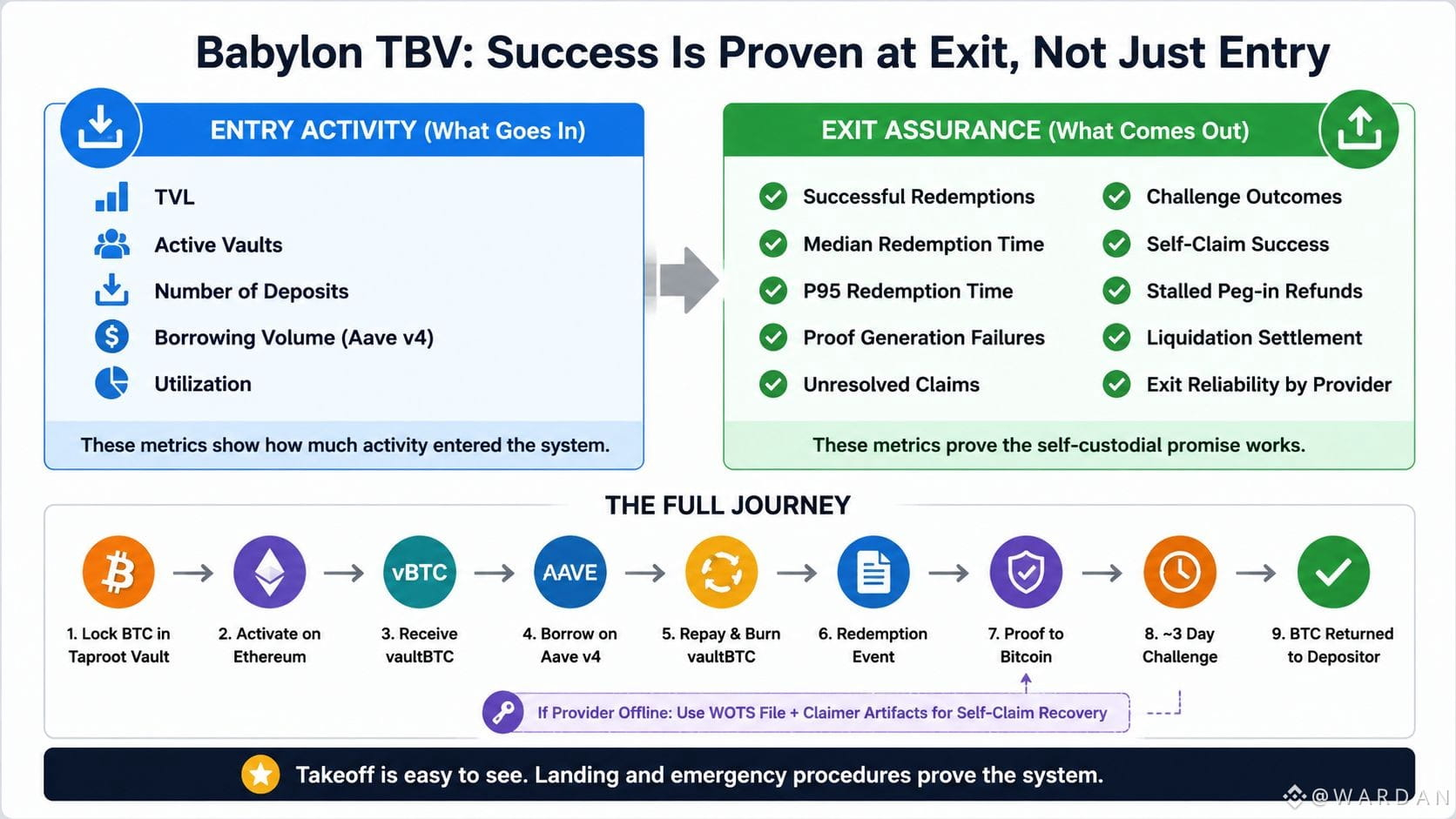
バビロンの信託なしのビットコイン・ボールト(TBV)に対する私の見方を変えるのは、自己保管が「ビットコインの鍵を持つこと」で終わらない点です。
現在の設計では、最も強力なフォールバックも、ボールトをセットアップする際に作成されるリカバリーファイルに依存します。ボールト・プロバイダーが出金を開始しない場合、預託者は、すでに承認されたビットコインの請求(クレーム)経路を使うために、WOTSファイルとローカル・クレイマーの成果物が必要になるかもしれません。
この点が重要なのは、ボールトが後から単に新しい支払い経路を作成できないからです。有効なビットコインの支出経路は事前にコミットされます。つまりユーザーのコントロールは、鍵を所有することだけではありません。フォールバック経路を利用可能にするファイルを保持することでもあるのです。
ビットコインの鍵は署名権限を守り、これらの成果物は、事前に組み立てられたリカバリー手順を継続するために必要なデータを保持します。両者は同じ問題の異なる部分を解決します。
私は、TBVが自己保管ではないことの証明だとは読みません。より完全な形の自己保管、つまり「鍵の管理」だけでなく「リカバリーに備えること」を含む自己保管だと捉えます。
テストネット利用者にとって役立つ確認はシンプルです。ボールトが作成され、借り入れが機能したことを確認するだけでは不十分です。WOTSファイルとクレイマーの成果物がダウンロードされ、安全にバックアップされ、必要になったときに復元できることも確認してください。
それが、@babylonlabs_io の現在の$BABY テストネットで私は無視しない点です。本当のリカバリーの問いは「誰が鍵を持っているか?」だけではありません。「通常のプロバイダーがオフラインのとき、所有者はフォールバック経路を使えるのか?」#baby
バビロンの信託なしのビットコイン・ボールト(TBV)に対する私の見方を変えるのは、自己保管が「ビットコインの鍵を持つこと」で終わらない点です。
現在の設計では、最も強力なフォールバックも、ボールトをセットアップする際に作成されるリカバリーファイルに依存します。ボールト・プロバイダーが出金を開始しない場合、預託者は、すでに承認されたビットコインの請求(クレーム)経路を使うために、WOTSファイルとローカル・クレイマーの成果物が必要になるかもしれません。
この点が重要なのは、ボールトが後から単に新しい支払い経路を作成できないからです。有効なビットコインの支出経路は事前にコミットされます。つまりユーザーのコントロールは、鍵を所有することだけではありません。フォールバック経路を利用可能にするファイルを保持することでもあるのです。
ビットコインの鍵は署名権限を守り、これらの成果物は、事前に組み立てられたリカバリー手順を継続するために必要なデータを保持します。両者は同じ問題の異なる部分を解決します。
私は、TBVが自己保管ではないことの証明だとは読みません。より完全な形の自己保管、つまり「鍵の管理」だけでなく「リカバリーに備えること」を含む自己保管だと捉えます。
テストネット利用者にとって役立つ確認はシンプルです。ボールトが作成され、借り入れが機能したことを確認するだけでは不十分です。WOTSファイルとクレイマーの成果物がダウンロードされ、安全にバックアップされ、必要になったときに復元できることも確認してください。
それが、@BabylonLabs_io の現在の$BABY テストネットで私は無視しない点です。本当のリカバリーの問いは「誰が鍵を持っているか?」だけではありません。「通常のプロバイダーがオフラインのとき、所有者はフォールバック経路を使えるのか?」#baby
現在の設計では、最も強力なフォールバックも、ボールトをセットアップする際に作成されるリカバリーファイルに依存します。ボールト・プロバイダーが出金を開始しない場合、預託者は、すでに承認されたビットコインの請求(クレーム)経路を使うために、WOTSファイルとローカル・クレイマーの成果物が必要になるかもしれません。
この点が重要なのは、ボールトが後から単に新しい支払い経路を作成できないからです。有効なビットコインの支出経路は事前にコミットされます。つまりユーザーのコントロールは、鍵を所有することだけではありません。フォールバック経路を利用可能にするファイルを保持することでもあるのです。
ビットコインの鍵は署名権限を守り、これらの成果物は、事前に組み立てられたリカバリー手順を継続するために必要なデータを保持します。両者は同じ問題の異なる部分を解決します。
私は、TBVが自己保管ではないことの証明だとは読みません。より完全な形の自己保管、つまり「鍵の管理」だけでなく「リカバリーに備えること」を含む自己保管だと捉えます。
テストネット利用者にとって役立つ確認はシンプルです。ボールトが作成され、借り入れが機能したことを確認するだけでは不十分です。WOTSファイルとクレイマーの成果物がダウンロードされ、安全にバックアップされ、必要になったときに復元できることも確認してください。
それが、@BabylonLabs_io の現在の$BABY テストネットで私は無視しない点です。本当のリカバリーの問いは「誰が鍵を持っているか?」だけではありません。「通常のプロバイダーがオフラインのとき、所有者はフォールバック経路を使えるのか?」#baby
1
134
·
--
バビロンの切り裂くようなフローを「証明」から「ビットコインの決済」まで追っていくと、際立って見える一点があります。それは、暗号学的な証拠は、経済的な強制(エンフォースメント)とは同じではないということです。
本当のリスクは、仮想化(イコヴォケーション)が証明できるかどうかではありません。問題は、その証明が、抑止力を保つのに十分な速さで「確定したビットコイン取引」として成立するかどうかです。
バビロンの設計では、Extractable One-Time Signatures(EOTS)によって、競合するブロックに署名した終局性プロバイダを暴くことができます。しかし、BTC Staking Monitor は、違反を検知し、利用可能な鍵素材を抽出し、スラッシング(制裁)経路を起動し、そしてビットコインに取り込まれるのを待つ必要があります。
私は、ここで多くの人が「トラストレス(信頼不要)」の意味を過大評価しているのだと思います。自己管理型のBTCステーキングでは、ビットコインのブリッジやラップの必要性はなくなりますが、それでも運用上の活性(ライヴネス)は不要になりません。監視役はオンラインに留まり、正しいイベントをインデックスし、適切に行動し、混雑時にはブロック取り込みの競争に勝ち取らなければなりません。
ですから、バビロンのセキュリティを「イコヴォケーションの証拠が存在するかどうか」だけで判断すべきではありません。ストレス下での「証拠から強制までの遅延(レイテンシ)」全体を見届けるべきです。
重要なのは主に2つの計測です。検知されたイコヴォケーションから確定したスラッシュまでに必要な、ビットコイン・ブロックの中央値、そして12ブロック後もまだスラッシュされていない、証明可能なケースの数です。確認が2ブロック以内に収まり、有効なケースが未解決のまま残らないなら、強制経路はその役割を果たしています。遅延が続くなら、暗号が機能していても、抑止の主張は弱まります。
@babylonlabs_io および $BABY への私の示唆は単純です。トラストレス・ボルト(トラストレス・ヴォールト)のセキュリティは、「証明がどれだけ速く罰へ変わるか」で測るべきです。#BABY
バビロンの切り裂くようなフローを「証明」から「ビットコインの決済」まで追っていくと、際立って見える一点があります。それは、暗号学的な証拠は、経済的な強制(エンフォースメント)とは同じではないということです。
本当のリスクは、仮想化(イコヴォケーション)が証明できるかどうかではありません。問題は、その証明が、抑止力を保つのに十分な速さで「確定したビットコイン取引」として成立するかどうかです。
バビロンの設計では、Extractable One-Time Signatures(EOTS)によって、競合するブロックに署名した終局性プロバイダを暴くことができます。しかし、BTC Staking Monitor は、違反を検知し、利用可能な鍵素材を抽出し、スラッシング(制裁)経路を起動し、そしてビットコインに取り込まれるのを待つ必要があります。
私は、ここで多くの人が「トラストレス(信頼不要)」の意味を過大評価しているのだと思います。自己管理型のBTCステーキングでは、ビットコインのブリッジやラップの必要性はなくなりますが、それでも運用上の活性(ライヴネス)は不要になりません。監視役はオンラインに留まり、正しいイベントをインデックスし、適切に行動し、混雑時にはブロック取り込みの競争に勝ち取らなければなりません。
ですから、バビロンのセキュリティを「イコヴォケーションの証拠が存在するかどうか」だけで判断すべきではありません。ストレス下での「証拠から強制までの遅延(レイテンシ)」全体を見届けるべきです。
重要なのは主に2つの計測です。検知されたイコヴォケーションから確定したスラッシュまでに必要な、ビットコイン・ブロックの中央値、そして12ブロック後もまだスラッシュされていない、証明可能なケースの数です。確認が2ブロック以内に収まり、有効なケースが未解決のまま残らないなら、強制経路はその役割を果たしています。遅延が続くなら、暗号が機能していても、抑止の主張は弱まります。
@BabylonLabs_io および $BABY への私の示唆は単純です。トラストレス・ボルト(トラストレス・ヴォールト)のセキュリティは、「証明がどれだけ速く罰へ変わるか」で測るべきです。#BABY
本当のリスクは、仮想化(イコヴォケーション)が証明できるかどうかではありません。問題は、その証明が、抑止力を保つのに十分な速さで「確定したビットコイン取引」として成立するかどうかです。
バビロンの設計では、Extractable One-Time Signatures(EOTS)によって、競合するブロックに署名した終局性プロバイダを暴くことができます。しかし、BTC Staking Monitor は、違反を検知し、利用可能な鍵素材を抽出し、スラッシング(制裁)経路を起動し、そしてビットコインに取り込まれるのを待つ必要があります。
私は、ここで多くの人が「トラストレス(信頼不要)」の意味を過大評価しているのだと思います。自己管理型のBTCステーキングでは、ビットコインのブリッジやラップの必要性はなくなりますが、それでも運用上の活性(ライヴネス)は不要になりません。監視役はオンラインに留まり、正しいイベントをインデックスし、適切に行動し、混雑時にはブロック取り込みの競争に勝ち取らなければなりません。
ですから、バビロンのセキュリティを「イコヴォケーションの証拠が存在するかどうか」だけで判断すべきではありません。ストレス下での「証拠から強制までの遅延(レイテンシ)」全体を見届けるべきです。
重要なのは主に2つの計測です。検知されたイコヴォケーションから確定したスラッシュまでに必要な、ビットコイン・ブロックの中央値、そして12ブロック後もまだスラッシュされていない、証明可能なケースの数です。確認が2ブロック以内に収まり、有効なケースが未解決のまま残らないなら、強制経路はその役割を果たしています。遅延が続くなら、暗号が機能していても、抑止の主張は弱まります。
@BabylonLabs_io および $BABY への私の示唆は単純です。トラストレス・ボルト(トラストレス・ヴォールト)のセキュリティは、「証明がどれだけ速く罰へ変わるか」で測るべきです。#BABY
Median slash latency
67%
Number of detected offenses
0%
Total BTC staked
33%
Finality provider count
0%
3 投票 • 投票は終了しました
2
1
162
·
--
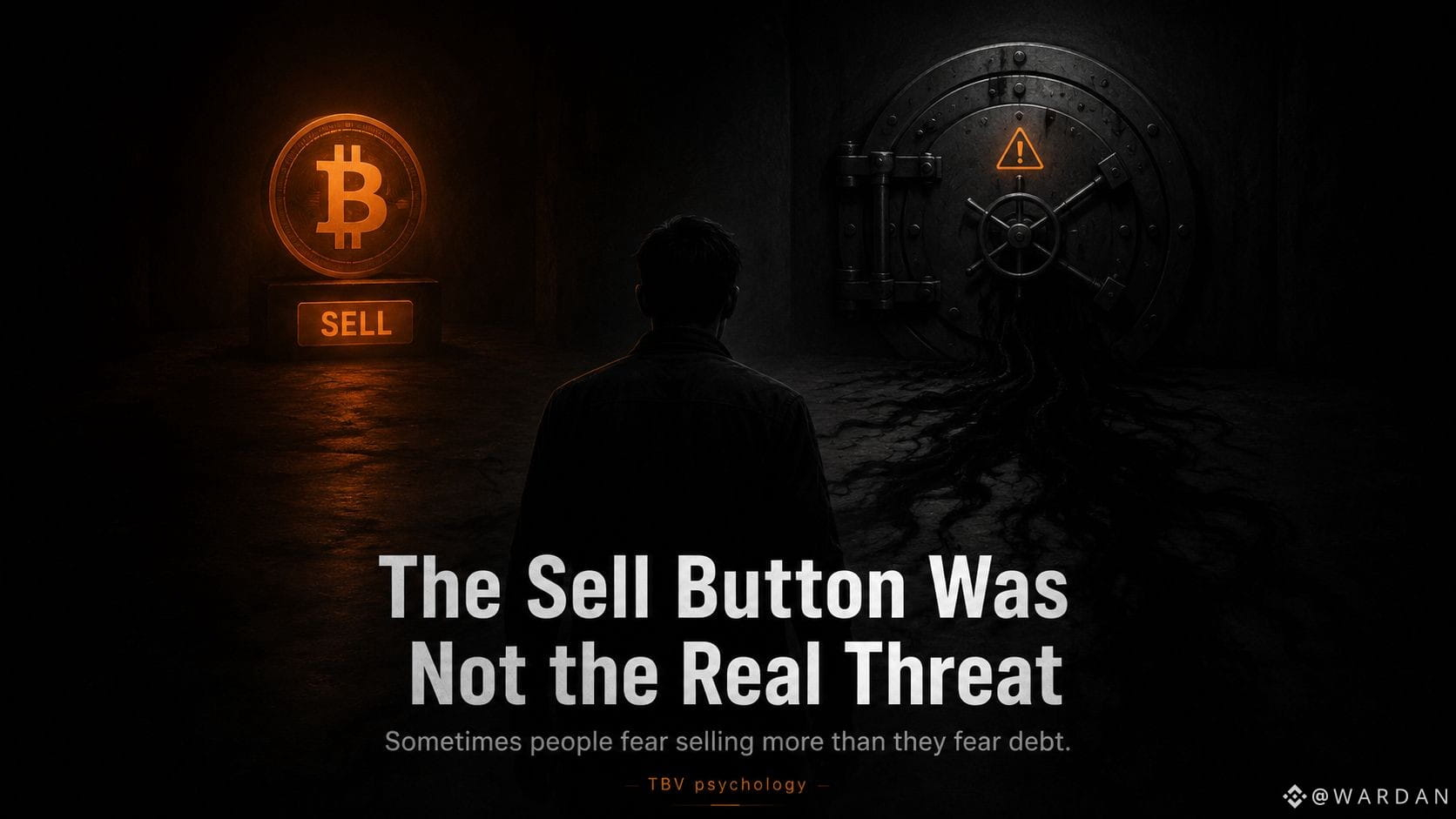
「売る」ボタンは本当の脅威ではなかった
私はビットコイン保有者が、売るボタンをまるで落とし穴のように見つめるのを思い出す。彼の手は画面へ伸びたが、そのまま止まった。部屋は静かだったが、彼の頭の中はうるさかった。彼はビットコインを全部必要としていたわけではない。必要なのは現金の一部だけだ。それでも売ることは、将来の一部を削り取るように感じられた。だから彼は、痛みが少なそうな選択をした。BTCを保ち、金庫に入れ、そこに対して借り入れる。
最初は、その動きは賢く見えた。ビットコインはまだそこにある。価格は上がり得る。手元には現金もある。失われたものは何もないように思えた。だが、そこで心理がより暗くなる。
人は、見える損失を隠れたリスクより恐れることが多い。売却は、瞬時に傷を作る。残高は減り、コインは去り、決断が現実になる。借金は、アクセスできること、選択できること、そして時間があることという“装い”をまとって届くので、柔らかく感じられる。だが危険が消えたわけではない。形を変えただけだ。
TBVのような仕組みなら、ラップ(ラップトークン)化の前にネイティブBTCが借り入れポジションを支えることを可能にし、いくつかの古い制限を減らせるかもしれない。しかし市場リスクは取り除けない。利息は増える。ビットコインは下がり得る。弱いポジションは、保有者が自分にこう言い聞かせる間に、清算に近づいていく。「まだ自分はBTCを持っている」
ここがひねりだ。人が借り入れるのは、借金のほうが安全だからではない。売ることのほうが、より痛いから借りるのだ。
学ぶべき本当の教訓は「借りないこと」ではない。どんなポジションを開く前にも、もっと難しい質問をすることだ。—私は借金を道具として使っているのか、それとも、下すのが怖い決断から逃れるために使っているのか?
金庫は、今日ビットコインが売られることから守るかもしれない。だが、明日それを失うことから保有者を守れるとは限らない。
🤯
@babylonlabs_io $BABY #baby
{spot}(BABYUSDT)
「売る」ボタンは本当の脅威ではなかった
私はビットコイン保有者が、売るボタンをまるで落とし穴のように見つめるのを思い出す。彼の手は画面へ伸びたが、そのまま止まった。部屋は静かだったが、彼の頭の中はうるさかった。彼はビットコインを全部必要としていたわけではない。必要なのは現金の一部だけだ。それでも売ることは、将来の一部を削り取るように感じられた。だから彼は、痛みが少なそうな選択をした。BTCを保ち、金庫に入れ、そこに対して借り入れる。
最初は、その動きは賢く見えた。ビットコインはまだそこにある。価格は上がり得る。手元には現金もある。失われたものは何もないように思えた。だが、そこで心理がより暗くなる。
人は、見える損失を隠れたリスクより恐れることが多い。売却は、瞬時に傷を作る。残高は減り、コインは去り、決断が現実になる。借金は、アクセスできること、選択できること、そして時間があることという“装い”をまとって届くので、柔らかく感じられる。だが危険が消えたわけではない。形を変えただけだ。
TBVのような仕組みなら、ラップ(ラップトークン)化の前にネイティブBTCが借り入れポジションを支えることを可能にし、いくつかの古い制限を減らせるかもしれない。しかし市場リスクは取り除けない。利息は増える。ビットコインは下がり得る。弱いポジションは、保有者が自分にこう言い聞かせる間に、清算に近づいていく。「まだ自分はBTCを持っている」
ここがひねりだ。人が借り入れるのは、借金のほうが安全だからではない。売ることのほうが、より痛いから借りるのだ。
学ぶべき本当の教訓は「借りないこと」ではない。どんなポジションを開く前にも、もっと難しい質問をすることだ。—私は借金を道具として使っているのか、それとも、下すのが怖い決断から逃れるために使っているのか?
金庫は、今日ビットコインが売られることから守るかもしれない。だが、明日それを失うことから保有者を守れるとは限らない。
🤯
@BabylonLabs_io $BABY #baby
私はビットコイン保有者が、売るボタンをまるで落とし穴のように見つめるのを思い出す。彼の手は画面へ伸びたが、そのまま止まった。部屋は静かだったが、彼の頭の中はうるさかった。彼はビットコインを全部必要としていたわけではない。必要なのは現金の一部だけだ。それでも売ることは、将来の一部を削り取るように感じられた。だから彼は、痛みが少なそうな選択をした。BTCを保ち、金庫に入れ、そこに対して借り入れる。
最初は、その動きは賢く見えた。ビットコインはまだそこにある。価格は上がり得る。手元には現金もある。失われたものは何もないように思えた。だが、そこで心理がより暗くなる。
人は、見える損失を隠れたリスクより恐れることが多い。売却は、瞬時に傷を作る。残高は減り、コインは去り、決断が現実になる。借金は、アクセスできること、選択できること、そして時間があることという“装い”をまとって届くので、柔らかく感じられる。だが危険が消えたわけではない。形を変えただけだ。
TBVのような仕組みなら、ラップ(ラップトークン)化の前にネイティブBTCが借り入れポジションを支えることを可能にし、いくつかの古い制限を減らせるかもしれない。しかし市場リスクは取り除けない。利息は増える。ビットコインは下がり得る。弱いポジションは、保有者が自分にこう言い聞かせる間に、清算に近づいていく。「まだ自分はBTCを持っている」
ここがひねりだ。人が借り入れるのは、借金のほうが安全だからではない。売ることのほうが、より痛いから借りるのだ。
学ぶべき本当の教訓は「借りないこと」ではない。どんなポジションを開く前にも、もっと難しい質問をすることだ。—私は借金を道具として使っているのか、それとも、下すのが怖い決断から逃れるために使っているのか?
金庫は、今日ビットコインが売られることから守るかもしれない。だが、明日それを失うことから保有者を守れるとは限らない。
🤯
@BabylonLabs_io $BABY #baby
114
·
--
リスクエンジンは、危険を正しく検知できていても失敗することがあります。
それが、@NewtonProtocol l と $NEWT に対する、気まずいテストです。
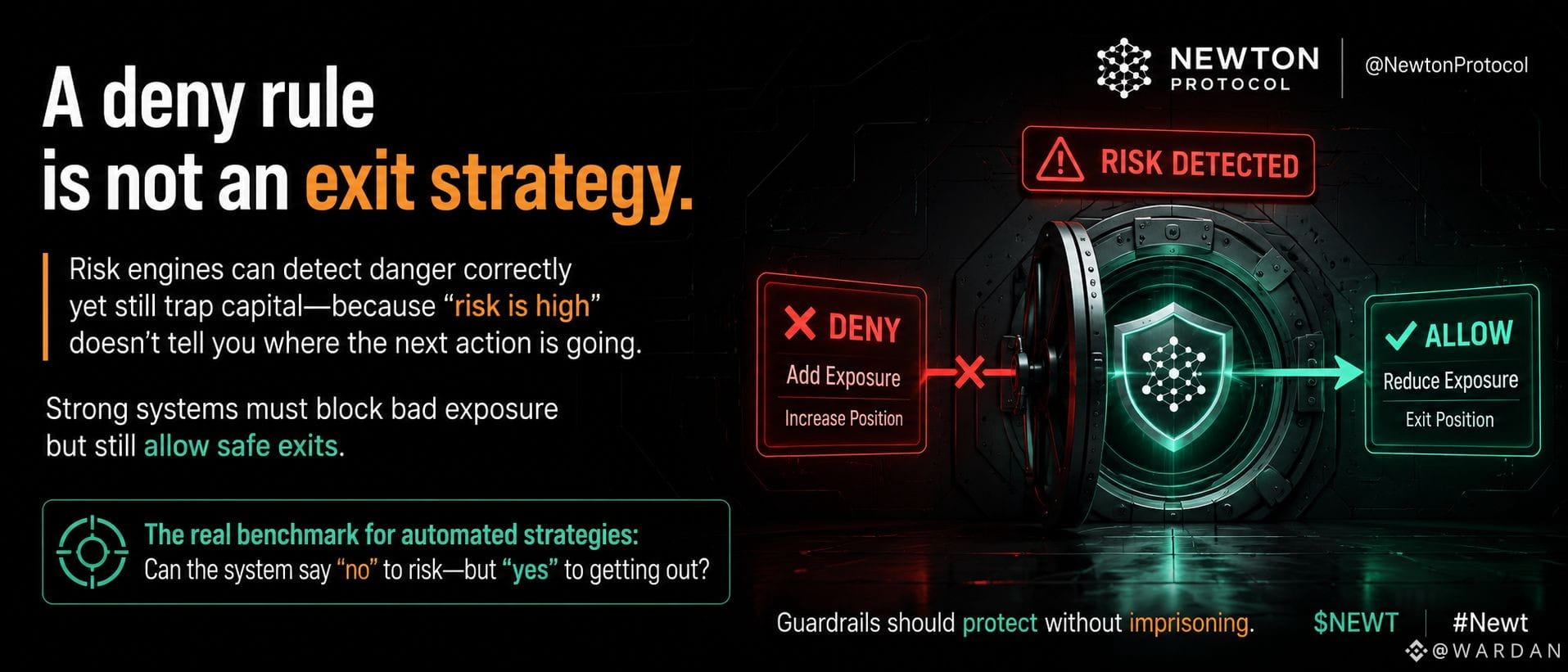
たとえば、金庫がデペッグや下落(ドローダウン)の閾値に当たったとします。ポリシーはリスクを認識し、取引の拒否を開始します。結構なことです。しかし本当の問題は、「エクスポージャーを増やす行動」と「それを減らす行動」を区別できるかどうかです。
なぜなら「リスクが高い」というのは、あくまで現在の状態の説明にすぎず、次の取引が金庫をどこへ連れていくのかは教えてくれないからです。
乱暴な拒否ルールは、両方向を塞いでしまいます。
その結果、奇妙な故障モードが生まれます。システムは危険を認識し、書かれたとおりにルールを厳密に適用するのに、それでも資本が、本来守るために設計された条件の内側に閉じ込められてしまうのです。
だから、自動化された戦略にとっては、生のリスク検知よりも「行動の方向」が重要になります。
ポリシーレイヤーは、いま何が間違っているのかだけでなく、提案された意図によってポジションが安全になるのか悪くなるのかを評価しなければなりません。デペッグ中にエクスポージャーを追加することと、そのエクスポージャーから退出することが、同じリスクフラグの下で行われるからといって、同じ答えが返ってくるべきではありません。
拒否ルールは、出口戦略ではありません。
ニュートンにとって、より難しいベンチマークは、「ポリシーが『ノー』と言えるか」の確実性ではありません。彼らがこう言えるかどうかです。つまり「このリスクを追加することはできない。だが、ここから離れて(持ち出して)出ることはできる」と。
その区別が、プログラマブルなガードレールが本当の制度的なリスク管理になるのか、単に非常に効率のよいロックにとどまるのかを決めるかもしれません。
#Newt
リスクエンジンは、危険を正しく検知できていても失敗することがあります。
それが、@NewtonProtocol l と $NEWT に対する、気まずいテストです。
たとえば、金庫がデペッグや下落(ドローダウン)の閾値に当たったとします。ポリシーはリスクを認識し、取引の拒否を開始します。結構なことです。しかし本当の問題は、「エクスポージャーを増やす行動」と「それを減らす行動」を区別できるかどうかです。
なぜなら「リスクが高い」というのは、あくまで現在の状態の説明にすぎず、次の取引が金庫をどこへ連れていくのかは教えてくれないからです。
乱暴な拒否ルールは、両方向を塞いでしまいます。
その結果、奇妙な故障モードが生まれます。システムは危険を認識し、書かれたとおりにルールを厳密に適用するのに、それでも資本が、本来守るために設計された条件の内側に閉じ込められてしまうのです。
だから、自動化された戦略にとっては、生のリスク検知よりも「行動の方向」が重要になります。
ポリシーレイヤーは、いま何が間違っているのかだけでなく、提案された意図によってポジションが安全になるのか悪くなるのかを評価しなければなりません。デペッグ中にエクスポージャーを追加することと、そのエクスポージャーから退出することが、同じリスクフラグの下で行われるからといって、同じ答えが返ってくるべきではありません。
拒否ルールは、出口戦略ではありません。
ニュートンにとって、より難しいベンチマークは、「ポリシーが『ノー』と言えるか」の確実性ではありません。彼らがこう言えるかどうかです。つまり「このリスクを追加することはできない。だが、ここから離れて(持ち出して)出ることはできる」と。
その区別が、プログラマブルなガードレールが本当の制度的なリスク管理になるのか、単に非常に効率のよいロックにとどまるのかを決めるかもしれません。
#Newt
それが、@NewtonProtocol l と $NEWT に対する、気まずいテストです。
たとえば、金庫がデペッグや下落(ドローダウン)の閾値に当たったとします。ポリシーはリスクを認識し、取引の拒否を開始します。結構なことです。しかし本当の問題は、「エクスポージャーを増やす行動」と「それを減らす行動」を区別できるかどうかです。
なぜなら「リスクが高い」というのは、あくまで現在の状態の説明にすぎず、次の取引が金庫をどこへ連れていくのかは教えてくれないからです。
乱暴な拒否ルールは、両方向を塞いでしまいます。
その結果、奇妙な故障モードが生まれます。システムは危険を認識し、書かれたとおりにルールを厳密に適用するのに、それでも資本が、本来守るために設計された条件の内側に閉じ込められてしまうのです。
だから、自動化された戦略にとっては、生のリスク検知よりも「行動の方向」が重要になります。
ポリシーレイヤーは、いま何が間違っているのかだけでなく、提案された意図によってポジションが安全になるのか悪くなるのかを評価しなければなりません。デペッグ中にエクスポージャーを追加することと、そのエクスポージャーから退出することが、同じリスクフラグの下で行われるからといって、同じ答えが返ってくるべきではありません。
拒否ルールは、出口戦略ではありません。
ニュートンにとって、より難しいベンチマークは、「ポリシーが『ノー』と言えるか」の確実性ではありません。彼らがこう言えるかどうかです。つまり「このリスクを追加することはできない。だが、ここから離れて(持ち出して)出ることはできる」と。
その区別が、プログラマブルなガードレールが本当の制度的なリスク管理になるのか、単に非常に効率のよいロックにとどまるのかを決めるかもしれません。
#Newt
2
1
110
·
--
記事
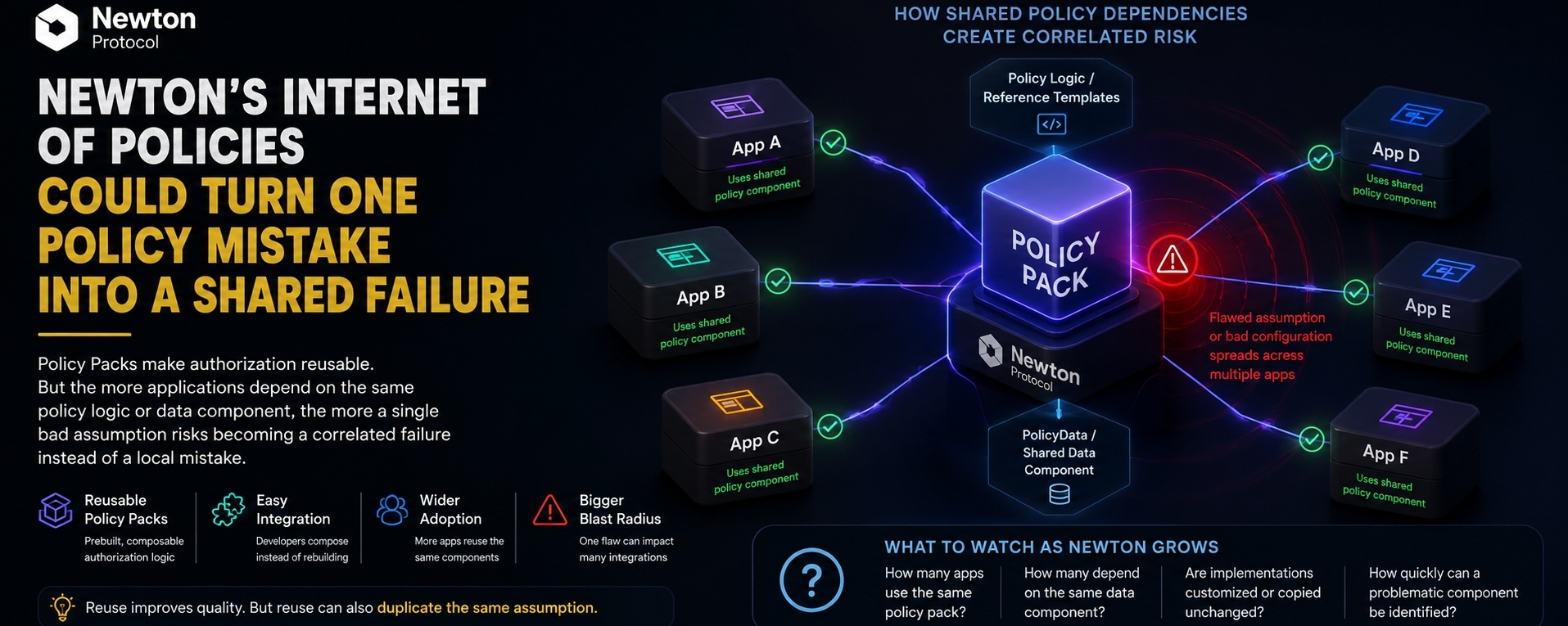
Newton の Policy Packs は、それを使うアプリよりも重要になるかもしれないニュートンが私の足を止めさせたのは失敗ではありませんでした。利便性です。Policy Packs が役に立つのは、ビルダーが毎回同じ認可ロジックを再作成する必要がないからです。動作するポリシーのコンポーネントは、再利用したり、他のコンポーネントと組み合わせたりして、新しいアプリケーションに組み込むことができます。開発者の観点からすると、それこそが良いインフラが果たすべきことです。
しかし、利便性は振る舞いを変えてしまいます。
開発者がすでに動くコンポーネントを見つけると、多くの人はそれを選びます。時間を節約でき、自分たちのエンジニアリング作業を減らせ、すでに存在する制御を作り直すことを避けられるからです。人気のあるパックは、誰かが「標準にする」と正式に決めなくても、ゆっくりと標準的な選択肢になっていくことがあります。
Newton の Policy Packs は、それを使うアプリよりも重要になるかもしれない
ニュートンが私の足を止めさせたのは失敗ではありませんでした。利便性です。Policy Packs が役に立つのは、ビルダーが毎回同じ認可ロジックを再作成する必要がないからです。動作するポリシーのコンポーネントは、再利用したり、他のコンポーネントと組み合わせたりして、新しいアプリケーションに組み込むことができます。開発者の観点からすると、それこそが良いインフラが果たすべきことです。
しかし、利便性は振る舞いを変えてしまいます。
開発者がすでに動くコンポーネントを見つけると、多くの人はそれを選びます。時間を節約でき、自分たちのエンジニアリング作業を減らせ、すでに存在する制御を作り直すことを避けられるからです。人気のあるパックは、誰かが「標準にする」と正式に決めなくても、ゆっくりと標準的な選択肢になっていくことがあります。
しかし、利便性は振る舞いを変えてしまいます。
開発者がすでに動くコンポーネントを見つけると、多くの人はそれを選びます。時間を節約でき、自分たちのエンジニアリング作業を減らせ、すでに存在する制御を作り直すことを避けられるからです。人気のあるパックは、誰かが「標準にする」と正式に決めなくても、ゆっくりと標準的な選択肢になっていくことがあります。
4
1
204
·
--
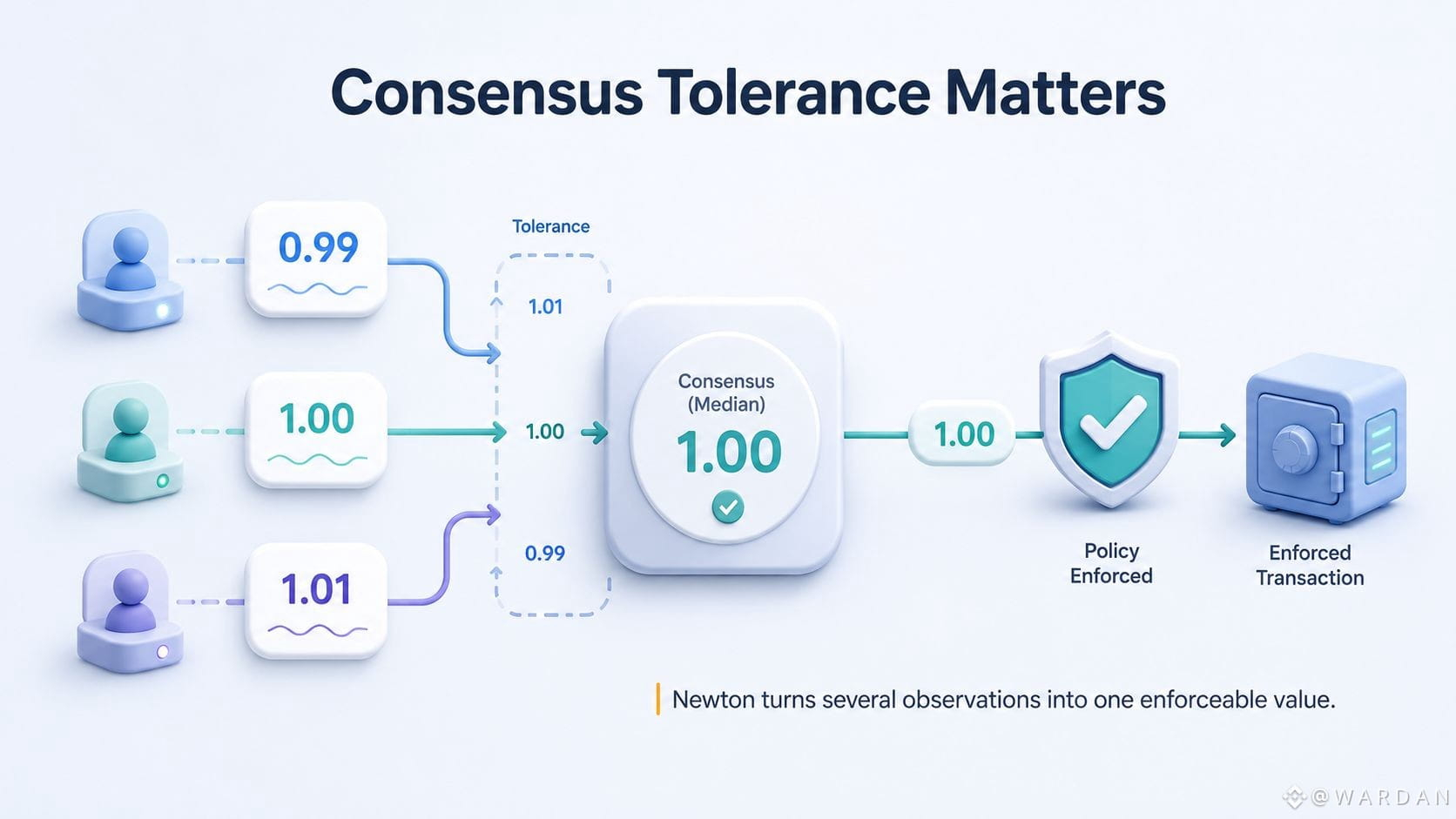
明日の朝、ニュートンのコンセンサスフローを見直しているとき、3つの異なる(わずかに違う)価格の読み取りを並べて書きました。最初は、その差は通常の市場ノイズだと考えました。しかし、ニュートンがそれらの読み取りを1つの中央値に変換した瞬間から、政策の「正確」な閾値が、思ったほど単純ではないように見え始めました。
ニュートンのオペレーターは、異なる数値を取得する可能性があります。ゲートウェイは中央値を計算し、読み取りが設定された許容差の範囲内に収まっているかを確認したうえで、評価のために政策に対して1つの共有値を渡します。これにより、遅延したり異常だったりする1つの読み取りが判断を支配してしまうのを防げます。
この設計は有用ですが、許容差は、金庫のルールが狭い価格、リスク、レバレッジ、またはデペッグ境界の近くにある場合に重要になります。その状況では、結果は政策に書き込まれた閾値だけでなく、中央値を作る前にニュートンがどれほどの不一致を許容するかにも左右されます。
これは、ニュートンのドキュメントにあるデフォルトの10%がすべての稼働中の政策で使われていること、または現在の認可が不正確であることを証明するものではありません。許容差は設定可能で、その範囲外の値は、受け入れられるのではなくコンセンサスに失敗することがあります。
私は、ニュートンの政策を「どのオラクルがデータを供給しているか」だけで判断したくありません。さらに、オペレーター同士の読み取りがどれほど異なったのか、どの許容差が選ばれたのか、そして最終的な中央値が政策の限界にどれほど近づいたのかも知りたいです。中央値のコンセンサスが役立つのは、許容される不一致が、保護されている資金の感度(揺れやすさ)に見合っている場合に限られます。
@NewtonProtocol $NEWT #Newt
明日の朝、ニュートンのコンセンサスフローを見直しているとき、3つの異なる(わずかに違う)価格の読み取りを並べて書きました。最初は、その差は通常の市場ノイズだと考えました。しかし、ニュートンがそれらの読み取りを1つの中央値に変換した瞬間から、政策の「正確」な閾値が、思ったほど単純ではないように見え始めました。
ニュートンのオペレーターは、異なる数値を取得する可能性があります。ゲートウェイは中央値を計算し、読み取りが設定された許容差の範囲内に収まっているかを確認したうえで、評価のために政策に対して1つの共有値を渡します。これにより、遅延したり異常だったりする1つの読み取りが判断を支配してしまうのを防げます。
この設計は有用ですが、許容差は、金庫のルールが狭い価格、リスク、レバレッジ、またはデペッグ境界の近くにある場合に重要になります。その状況では、結果は政策に書き込まれた閾値だけでなく、中央値を作る前にニュートンがどれほどの不一致を許容するかにも左右されます。
これは、ニュートンのドキュメントにあるデフォルトの10%がすべての稼働中の政策で使われていること、または現在の認可が不正確であることを証明するものではありません。許容差は設定可能で、その範囲外の値は、受け入れられるのではなくコンセンサスに失敗することがあります。
私は、ニュートンの政策を「どのオラクルがデータを供給しているか」だけで判断したくありません。さらに、オペレーター同士の読み取りがどれほど異なったのか、どの許容差が選ばれたのか、そして最終的な中央値が政策の限界にどれほど近づいたのかも知りたいです。中央値のコンセンサスが役立つのは、許容される不一致が、保護されている資金の感度(揺れやすさ)に見合っている場合に限られます。
@NewtonProtocol $NEWT #Newt
ニュートンのオペレーターは、異なる数値を取得する可能性があります。ゲートウェイは中央値を計算し、読み取りが設定された許容差の範囲内に収まっているかを確認したうえで、評価のために政策に対して1つの共有値を渡します。これにより、遅延したり異常だったりする1つの読み取りが判断を支配してしまうのを防げます。
この設計は有用ですが、許容差は、金庫のルールが狭い価格、リスク、レバレッジ、またはデペッグ境界の近くにある場合に重要になります。その状況では、結果は政策に書き込まれた閾値だけでなく、中央値を作る前にニュートンがどれほどの不一致を許容するかにも左右されます。
これは、ニュートンのドキュメントにあるデフォルトの10%がすべての稼働中の政策で使われていること、または現在の認可が不正確であることを証明するものではありません。許容差は設定可能で、その範囲外の値は、受け入れられるのではなくコンセンサスに失敗することがあります。
私は、ニュートンの政策を「どのオラクルがデータを供給しているか」だけで判断したくありません。さらに、オペレーター同士の読み取りがどれほど異なったのか、どの許容差が選ばれたのか、そして最終的な中央値が政策の限界にどれほど近づいたのかも知りたいです。中央値のコンセンサスが役立つのは、許容される不一致が、保護されている資金の感度(揺れやすさ)に見合っている場合に限られます。
@NewtonProtocol $NEWT #Newt
4
1
103
·
--
記事
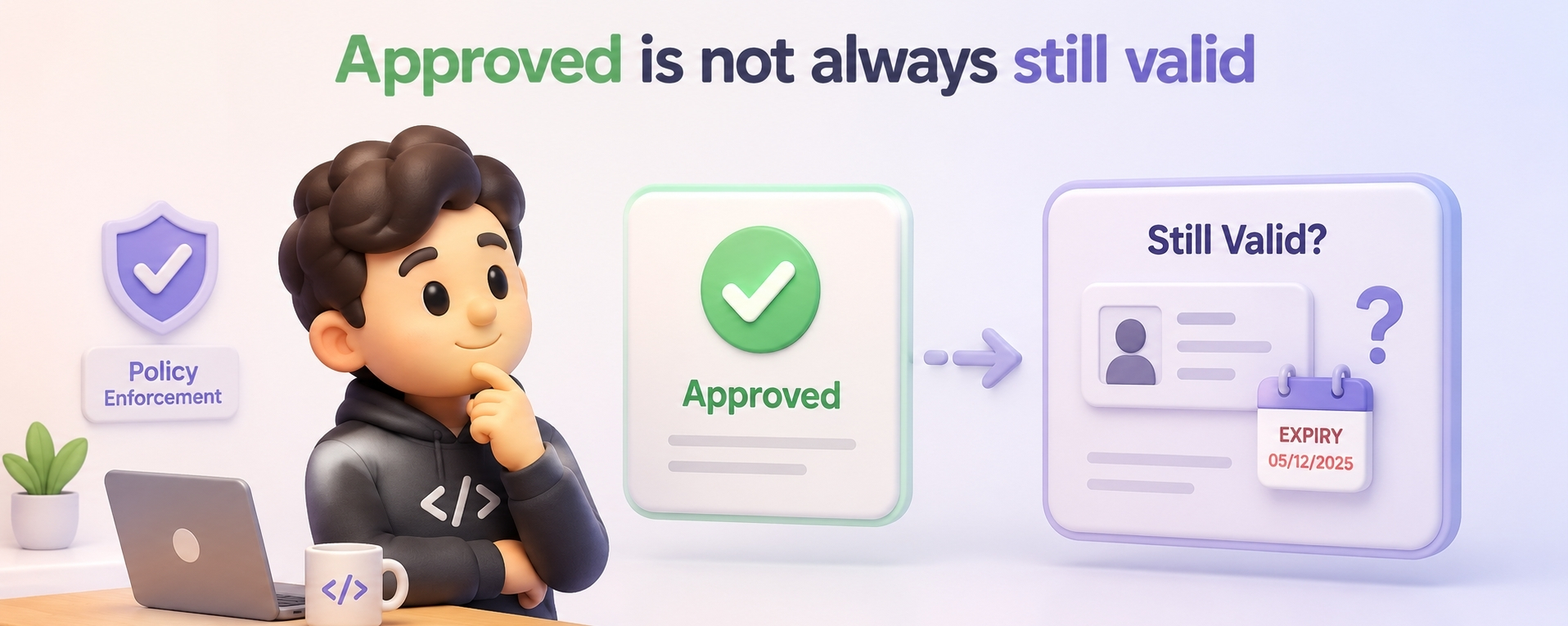
ニュートンのKYCは、IDがまだ有効であることを証明せずに「承認済み」であることを示せる私が3つのニュートンのアイデンティティ(恒等式)チェックをメモに書き写していたとき、それらの違いがようやくはっきりしました。1つは、ユーザーが承認されていたかどうかを確認していました。別の1つは、ドキュメントが期限切れになっていないかどうかを確認していました。3つ目は、ドキュメントを最低限の期間だけ有効に保つことを要求できました。
最初、これらは同じ質問を別の言い方で尋ねているだけだと考えていました。違います。
ニュートンは、check_approved()、not_expired()、valid_for() をポリシー開発者向けの別々のツールとして公開しています。開発者は、保護されたアクションをユーザーが実行できる前に満たすべき条件をどれにするかを決めます。
ニュートンのKYCは、IDがまだ有効であることを証明せずに「承認済み」であることを示せる
私が3つのニュートンのアイデンティティ(恒等式)チェックをメモに書き写していたとき、それらの違いがようやくはっきりしました。1つは、ユーザーが承認されていたかどうかを確認していました。別の1つは、ドキュメントが期限切れになっていないかどうかを確認していました。3つ目は、ドキュメントを最低限の期間だけ有効に保つことを要求できました。
最初、これらは同じ質問を別の言い方で尋ねているだけだと考えていました。違います。
ニュートンは、check_approved()、not_expired()、valid_for() をポリシー開発者向けの別々のツールとして公開しています。開発者は、保護されたアクションをユーザーが実行できる前に満たすべき条件をどれにするかを決めます。
最初、これらは同じ質問を別の言い方で尋ねているだけだと考えていました。違います。
ニュートンは、check_approved()、not_expired()、valid_for() をポリシー開発者向けの別々のツールとして公開しています。開発者は、保護されたアクションをユーザーが実行できる前に満たすべき条件をどれにするかを決めます。
7
4
150
·
--
ニュートンの統合は、アプリ全体が保護されていることを意味しない
私はニュートンのスマートコントラクト統合フローを調べていたとき、セキュリティ主張の理解が大きく変わる些細な点に気づきました。
ニュートンは、プロジェクトが統合しただけでアプリ全体を自動的に保護するわけではありません。
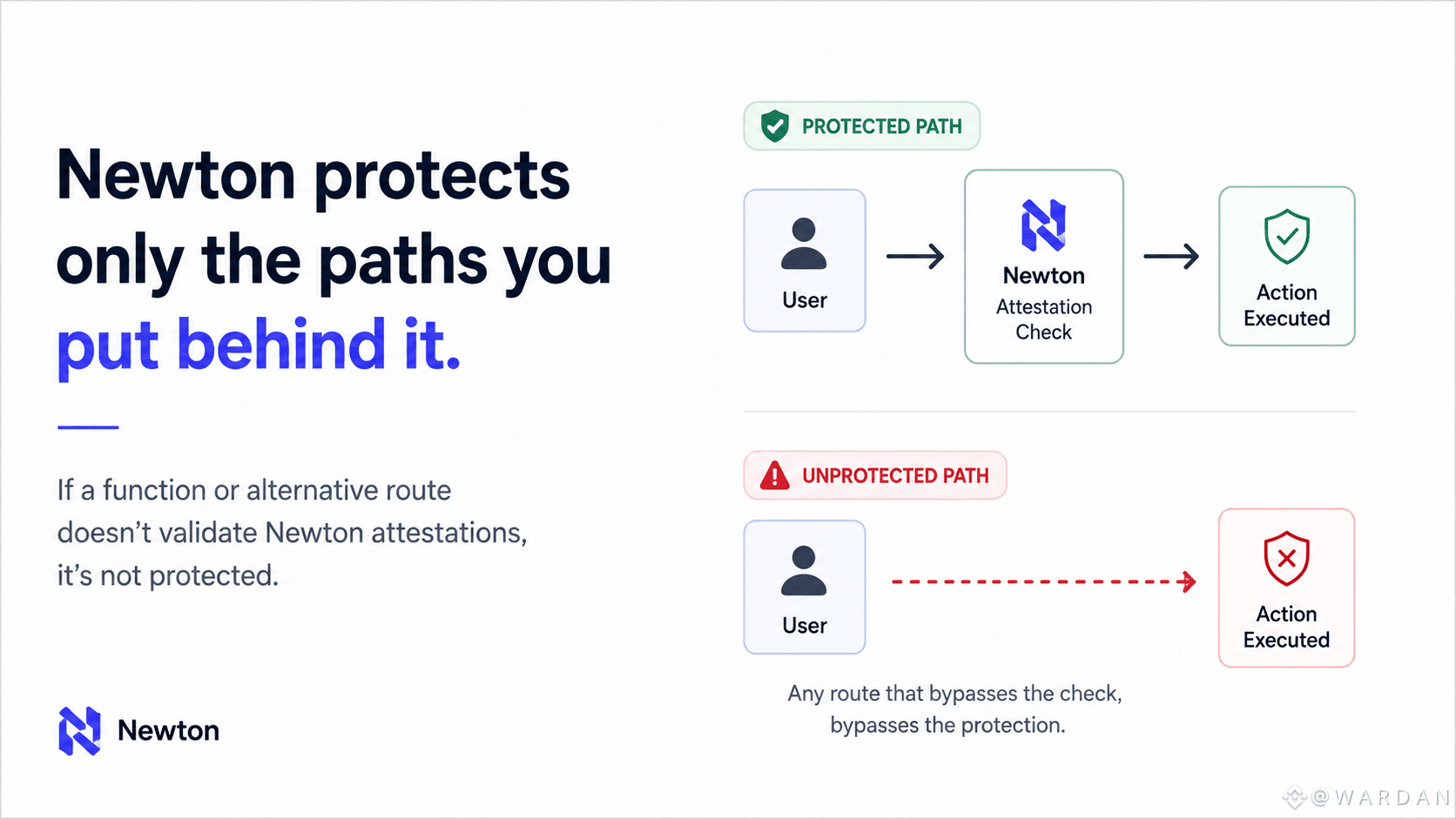
開発者は、ニュートンのアテステーション(認証)チェックを、各重要な関数の中に配置しなければなりません。そのチェックは、資金が移動される前、またはメインのアクションが実行される前に行われる必要があります。さらに、その承認が呼び出されている「まさにその関数」に紐づいていることも確認しなければなりません。
これは技術的な細部に聞こえるかもしれませんが、実際の意味はシンプルです。
あるアプリが主要な引き出し関数をニュートンで保護していても、別の関数が同じ資金を別ルートで動かせる可能性があります。ニュートンのオペレーターは毎回正しくポリシーを評価できたとしても、その2つ目のルートが保護の外側に置かれているかもしれません。
なぜニュートンが開発者にこの柔軟性を与えているのかも理解できます。アプリはそれぞれ動作が異なります。すべての小さな関数に承認チェックを強制すると、コストが増え、統合が不必要に複雑になる恐れがあります。
しかし、この柔軟性があることで、「ニュートンと統合済み」という言葉がそれだけではあまり役に立たなくなります。
それは、1つのアクションが保護されていることを意味するかもしれません。最重要なアクションの多くが保護されていることを意味するかもしれません。あるいは、同じ経済的結果を生み出し得るすべてのルートが保護されていることを意味するのかもしれません。これらは完全に別のレベルのセキュリティです。
だからこそ、発表された統合の数だけでニュートンの導入を判断することはしません。
もっと実用的な指標を探します。つまり、どのアクションがニュートンによるバリデーションを必要とするのか、そして別のコードパスがそれと同じ結果に到達できる可能性があるかどうかを、関数レベルで明確に示した監査です。
ニュートンは、アクションがポリシーに従っているかどうかを検証できます。
そして最終的に、開発者がその検証を「強制的に受ける」アクションを決めます。
@NewtonProtocol $NEWT #Newt
ニュートンの統合は、アプリ全体が保護されていることを意味しない
私はニュートンのスマートコントラクト統合フローを調べていたとき、セキュリティ主張の理解が大きく変わる些細な点に気づきました。
ニュートンは、プロジェクトが統合しただけでアプリ全体を自動的に保護するわけではありません。
開発者は、ニュートンのアテステーション(認証)チェックを、各重要な関数の中に配置しなければなりません。そのチェックは、資金が移動される前、またはメインのアクションが実行される前に行われる必要があります。さらに、その承認が呼び出されている「まさにその関数」に紐づいていることも確認しなければなりません。
これは技術的な細部に聞こえるかもしれませんが、実際の意味はシンプルです。
あるアプリが主要な引き出し関数をニュートンで保護していても、別の関数が同じ資金を別ルートで動かせる可能性があります。ニュートンのオペレーターは毎回正しくポリシーを評価できたとしても、その2つ目のルートが保護の外側に置かれているかもしれません。
なぜニュートンが開発者にこの柔軟性を与えているのかも理解できます。アプリはそれぞれ動作が異なります。すべての小さな関数に承認チェックを強制すると、コストが増え、統合が不必要に複雑になる恐れがあります。
しかし、この柔軟性があることで、「ニュートンと統合済み」という言葉がそれだけではあまり役に立たなくなります。
それは、1つのアクションが保護されていることを意味するかもしれません。最重要なアクションの多くが保護されていることを意味するかもしれません。あるいは、同じ経済的結果を生み出し得るすべてのルートが保護されていることを意味するのかもしれません。これらは完全に別のレベルのセキュリティです。
だからこそ、発表された統合の数だけでニュートンの導入を判断することはしません。
もっと実用的な指標を探します。つまり、どのアクションがニュートンによるバリデーションを必要とするのか、そして別のコードパスがそれと同じ結果に到達できる可能性があるかどうかを、関数レベルで明確に示した監査です。
ニュートンは、アクションがポリシーに従っているかどうかを検証できます。
そして最終的に、開発者がその検証を「強制的に受ける」アクションを決めます。
@NewtonProtocol $NEWT #Newt
私はニュートンのスマートコントラクト統合フローを調べていたとき、セキュリティ主張の理解が大きく変わる些細な点に気づきました。
ニュートンは、プロジェクトが統合しただけでアプリ全体を自動的に保護するわけではありません。
開発者は、ニュートンのアテステーション(認証)チェックを、各重要な関数の中に配置しなければなりません。そのチェックは、資金が移動される前、またはメインのアクションが実行される前に行われる必要があります。さらに、その承認が呼び出されている「まさにその関数」に紐づいていることも確認しなければなりません。
これは技術的な細部に聞こえるかもしれませんが、実際の意味はシンプルです。
あるアプリが主要な引き出し関数をニュートンで保護していても、別の関数が同じ資金を別ルートで動かせる可能性があります。ニュートンのオペレーターは毎回正しくポリシーを評価できたとしても、その2つ目のルートが保護の外側に置かれているかもしれません。
なぜニュートンが開発者にこの柔軟性を与えているのかも理解できます。アプリはそれぞれ動作が異なります。すべての小さな関数に承認チェックを強制すると、コストが増え、統合が不必要に複雑になる恐れがあります。
しかし、この柔軟性があることで、「ニュートンと統合済み」という言葉がそれだけではあまり役に立たなくなります。
それは、1つのアクションが保護されていることを意味するかもしれません。最重要なアクションの多くが保護されていることを意味するかもしれません。あるいは、同じ経済的結果を生み出し得るすべてのルートが保護されていることを意味するのかもしれません。これらは完全に別のレベルのセキュリティです。
だからこそ、発表された統合の数だけでニュートンの導入を判断することはしません。
もっと実用的な指標を探します。つまり、どのアクションがニュートンによるバリデーションを必要とするのか、そして別のコードパスがそれと同じ結果に到達できる可能性があるかどうかを、関数レベルで明確に示した監査です。
ニュートンは、アクションがポリシーに従っているかどうかを検証できます。
そして最終的に、開発者がその検証を「強制的に受ける」アクションを決めます。
@NewtonProtocol $NEWT #Newt
4
4
195
·
--
記事
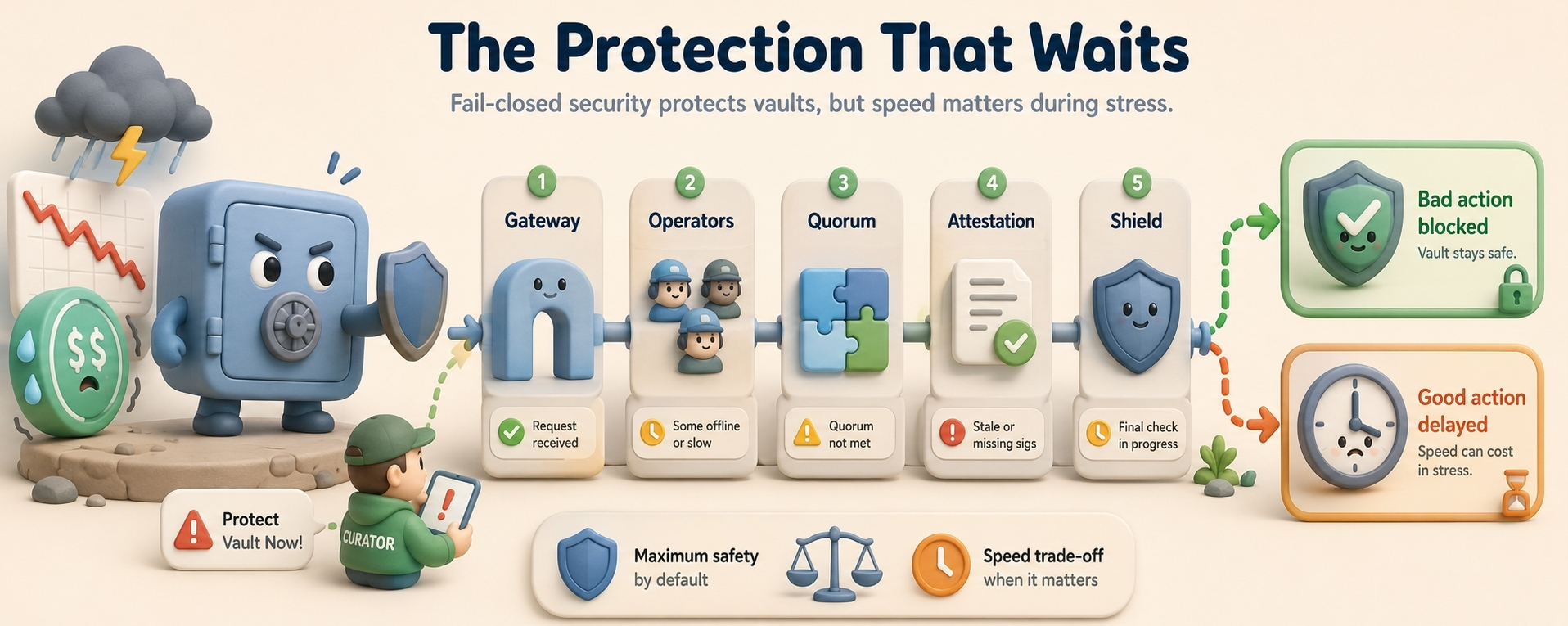
待ち構える保護:なぜNewtonの本当のセキュリティテストは、金庫が最もスピードを要するときに起きるのか今の午後、私はブラウザのタブを2つ並べて開いていた。左にはNewton Protocolのマーケティングページがあり、「あらかじめ定義されたルールを破ることで、金庫(vault)マネージャが失敗するのを止める」と約束していた。右には、ずっと見直したかったVaultKitの技術ドキュメントがあった。マーケティングは、実行可能な保護と自動化された安全性について語っていた。一方ドキュメントは、まったく別のことを語っていた。私は「fail-closed」という文言に辿り着いたところでスクロールを止めた。VaultKitによれば、オペレーターのクォーラムに到達できない場合、アテステーション(承認)が期限切れになる場合、またはShieldのバリデーションに失敗した場合、金庫のアクションは転送されない。システムは、ポリシーが破られたときだけでなく、認可の仕組みそのものが完了できないときにも、取引を停止する。
待ち構える保護:なぜNewtonの本当のセキュリティテストは、金庫が最もスピードを要するときに起きるのか
今の午後、私はブラウザのタブを2つ並べて開いていた。左にはNewton Protocolのマーケティングページがあり、「あらかじめ定義されたルールを破ることで、金庫(vault)マネージャが失敗するのを止める」と約束していた。右には、ずっと見直したかったVaultKitの技術ドキュメントがあった。マーケティングは、実行可能な保護と自動化された安全性について語っていた。一方ドキュメントは、まったく別のことを語っていた。私は「fail-closed」という文言に辿り着いたところでスクロールを止めた。VaultKitによれば、オペレーターのクォーラムに到達できない場合、アテステーション(承認)が期限切れになる場合、またはShieldのバリデーションに失敗した場合、金庫のアクションは転送されない。システムは、ポリシーが破られたときだけでなく、認可の仕組みそのものが完了できないときにも、取引を停止する。
4
3
202
·
--
多くのAIオートメーションプロジェクトは、どれだけ速く実行できるかで評価されがちだと気づきました。ですが、ユーザーが自動化されたシステムが実際に何をしたのか確認できない場合、スピードの価値は薄れてしまいます。
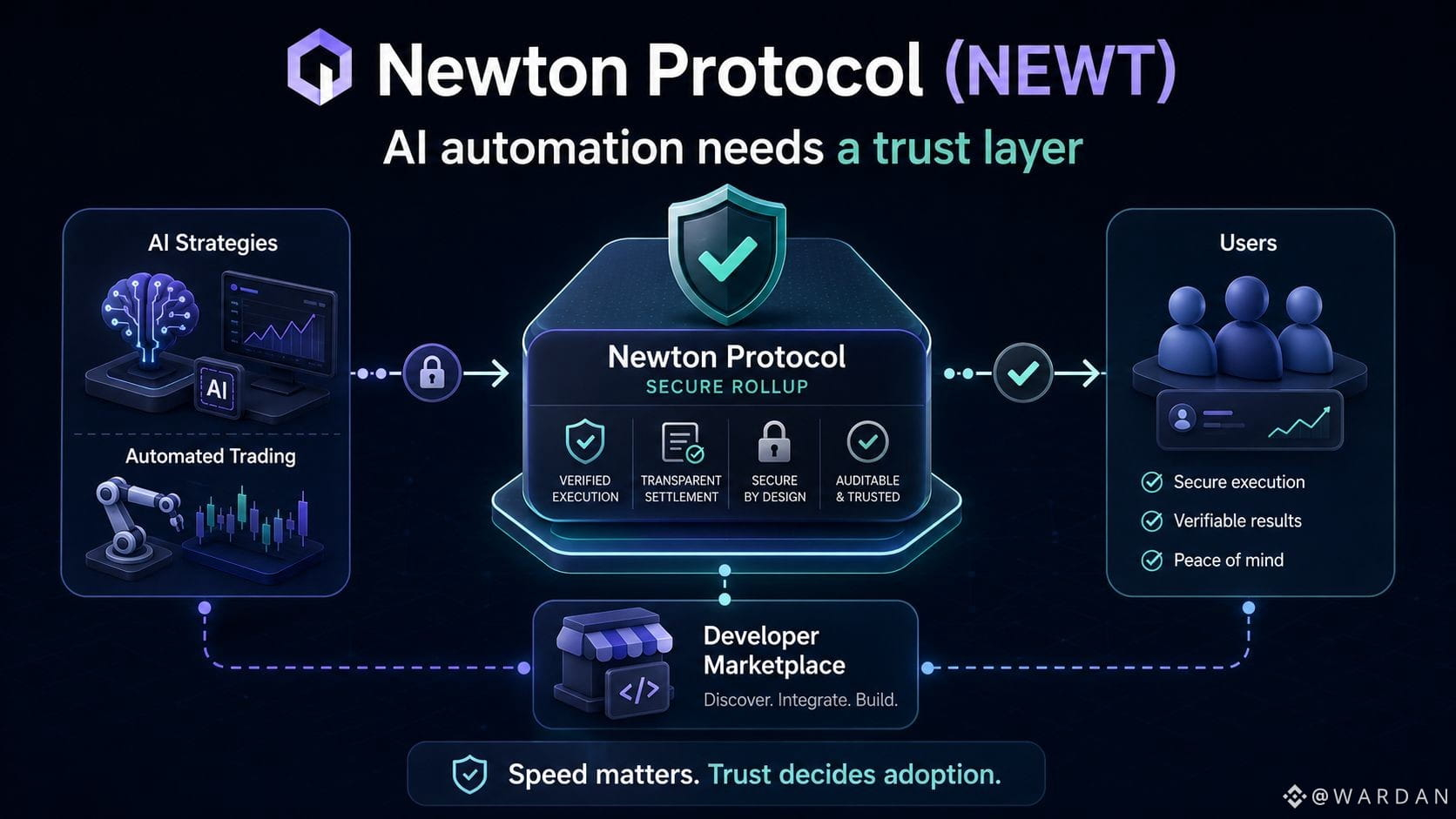
そこで、Newton Protocolのセキュア・ロールアップという発想が意味を持ちます。単にAI主導の戦略や自動売買を可能にすることが本質ではありません。より明確なセキュリティと検証条件のもとで、自動化されたアクションが動作できる実行レイヤーを作ることが重要なのです。
これは、オートメーションが利便性だけでなく距離感も高めるからこそ重要です。システムが私たちの代わりに下す意思決定が増えるほど、何かがうまくいかなかった場所を見つけるのが難しくなります。指示が正しく守られたのか、期待とは違う結果が出たときに誰を信頼すべきなのかを、気づきにくくなるのです。
Newtonの開発者マーケットプレイスは、利用可能なAIツールの数を増やせるかもしれませんが、ツールが増えただけでは普及は生まれません。ユーザーは、これらのツールが確実に実行され、安全に連携し、自分が検証できる形で結果を生み出すことへの信頼を、依然として必要とします。盲目的に受け入れるのではなく、確認できることが求められます。
Newton Protocolの本当の普及テストは、そこにどれだけの自動化戦略を構築できるかではありません。ユーザーが最終的に、それらの戦略に重要なアクションを委ねることで、より安心できると感じられるかどうかです。
AIはより速く判断できます。人々がそれを判断し続けることを許すかどうかは、信頼によって決まります。
@NewtonProtocol $NEWT #Newt
{spot}(NEWTUSDT)
多くのAIオートメーションプロジェクトは、どれだけ速く実行できるかで評価されがちだと気づきました。ですが、ユーザーが自動化されたシステムが実際に何をしたのか確認できない場合、スピードの価値は薄れてしまいます。
そこで、Newton Protocolのセキュア・ロールアップという発想が意味を持ちます。単にAI主導の戦略や自動売買を可能にすることが本質ではありません。より明確なセキュリティと検証条件のもとで、自動化されたアクションが動作できる実行レイヤーを作ることが重要なのです。
これは、オートメーションが利便性だけでなく距離感も高めるからこそ重要です。システムが私たちの代わりに下す意思決定が増えるほど、何かがうまくいかなかった場所を見つけるのが難しくなります。指示が正しく守られたのか、期待とは違う結果が出たときに誰を信頼すべきなのかを、気づきにくくなるのです。
Newtonの開発者マーケットプレイスは、利用可能なAIツールの数を増やせるかもしれませんが、ツールが増えただけでは普及は生まれません。ユーザーは、これらのツールが確実に実行され、安全に連携し、自分が検証できる形で結果を生み出すことへの信頼を、依然として必要とします。盲目的に受け入れるのではなく、確認できることが求められます。
Newton Protocolの本当の普及テストは、そこにどれだけの自動化戦略を構築できるかではありません。ユーザーが最終的に、それらの戦略に重要なアクションを委ねることで、より安心できると感じられるかどうかです。
AIはより速く判断できます。人々がそれを判断し続けることを許すかどうかは、信頼によって決まります。
@NewtonProtocol $NEWT #Newt
そこで、Newton Protocolのセキュア・ロールアップという発想が意味を持ちます。単にAI主導の戦略や自動売買を可能にすることが本質ではありません。より明確なセキュリティと検証条件のもとで、自動化されたアクションが動作できる実行レイヤーを作ることが重要なのです。
これは、オートメーションが利便性だけでなく距離感も高めるからこそ重要です。システムが私たちの代わりに下す意思決定が増えるほど、何かがうまくいかなかった場所を見つけるのが難しくなります。指示が正しく守られたのか、期待とは違う結果が出たときに誰を信頼すべきなのかを、気づきにくくなるのです。
Newtonの開発者マーケットプレイスは、利用可能なAIツールの数を増やせるかもしれませんが、ツールが増えただけでは普及は生まれません。ユーザーは、これらのツールが確実に実行され、安全に連携し、自分が検証できる形で結果を生み出すことへの信頼を、依然として必要とします。盲目的に受け入れるのではなく、確認できることが求められます。
Newton Protocolの本当の普及テストは、そこにどれだけの自動化戦略を構築できるかではありません。ユーザーが最終的に、それらの戦略に重要なアクションを委ねることで、より安心できると感じられるかどうかです。
AIはより速く判断できます。人々がそれを判断し続けることを許すかどうかは、信頼によって決まります。
@NewtonProtocol $NEWT #Newt
1
1
162
·
--
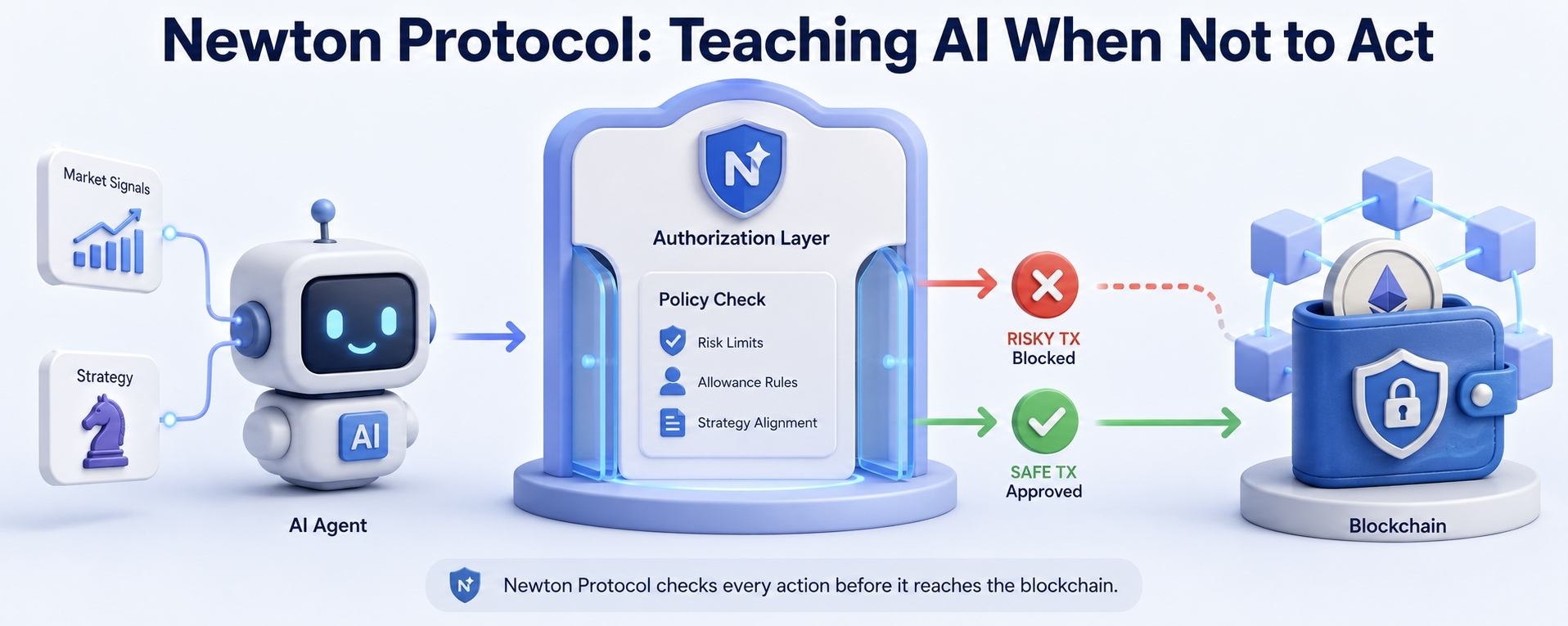
記事
Newton ProtocolがAIにとって最も難しい仕事は「行動しない」ことを教えることAI駆動の暗号プロジェクトを学べば学ぶほど、エージェントがより速く取引できる、より多くのデータをスキャンできる、あるいは眠らずにウォレットを管理できるといった“約束”には、以前ほど感心しなくなっていきます。ソフトウェアが意思決定を自動化できることは、もう分かっています。私が何度も立ち返ってしまうのは、もっと居心地の悪い質問です――エージェントが本物のお金で間違った判断をしたら、どうなるのでしょうか?
その問いは、ニュートン・プロトコルを見始めるきっかけの作り方を変えてくれました。
最初は、ニュートンはおなじみのAIの語り口にうまく当てはまっているように見えます。自律的な戦略、取引の自動化、そして開発者がエージェントを作って配布できるマーケットプレイスを支えています。ですが、システムで最も重要なのはエージェントそのものではないと思っています。私が惹かれるのは、エージェントの意図と最終的な取引の間にある“何か”です。
Newton ProtocolがAIにとって最も難しい仕事は「行動しない」ことを教えること
AI駆動の暗号プロジェクトを学べば学ぶほど、エージェントがより速く取引できる、より多くのデータをスキャンできる、あるいは眠らずにウォレットを管理できるといった“約束”には、以前ほど感心しなくなっていきます。ソフトウェアが意思決定を自動化できることは、もう分かっています。私が何度も立ち返ってしまうのは、もっと居心地の悪い質問です――エージェントが本物のお金で間違った判断をしたら、どうなるのでしょうか?
その問いは、ニュートン・プロトコルを見始めるきっかけの作り方を変えてくれました。
最初は、ニュートンはおなじみのAIの語り口にうまく当てはまっているように見えます。自律的な戦略、取引の自動化、そして開発者がエージェントを作って配布できるマーケットプレイスを支えています。ですが、システムで最も重要なのはエージェントそのものではないと思っています。私が惹かれるのは、エージェントの意図と最終的な取引の間にある“何か”です。
その問いは、ニュートン・プロトコルを見始めるきっかけの作り方を変えてくれました。
最初は、ニュートンはおなじみのAIの語り口にうまく当てはまっているように見えます。自律的な戦略、取引の自動化、そして開発者がエージェントを作って配布できるマーケットプレイスを支えています。ですが、システムで最も重要なのはエージェントそのものではないと思っています。私が惹かれるのは、エージェントの意図と最終的な取引の間にある“何か”です。
3
2
153
·
--
私は、暗号資産における“本当のAIの問い”は「もっと上手く取引できるか?」ではないと思い始めています。
「それは、行動する前に信頼できるのか?」です。
ニュートン・プロトコルが注目に値するのは、その点です。AIエージェントは、戦略の自動化、取引、開発者ツールなどを実行できると強力に見えるかもしれませんが、DeFiでは“パワー”だけでは不十分です。ひとつ間違った権限、曖昧な操作、あるいは盲目的な実行が、自動化をリスクへと変えてしまうことがあります。
ニュートンのより強い発想は、自動化の背後にある“制御レイヤー”です。AIにより駆動されるアクションが、実際のオンチェーン価値に触れる前に、ユーザーには、信頼できるほど明確なルール、上限、そして権限の境界が必要です。
それが、AI暗号資産を見る別の切り口です。
価値は、エージェントを単に賢くすることだけではありません。価値は、彼らの行動をより安全にし、検証可能にし、そして悪用されにくくすることにあります。
私にとって、$NEWT は単なるAIの物語ではありません。自動化されたDeFiに対する信頼のテストです。
なぜなら長期的には、ユーザーは最も先進的に聞こえるAIを採用しないかもしれないからです。
彼らは、安全に制御できるAIを採用するでしょう。
@NewtonProtocol $NEWT #Newt
{spot}(NEWTUSDT)
私は、暗号資産における“本当のAIの問い”は「もっと上手く取引できるか?」ではないと思い始めています。
「それは、行動する前に信頼できるのか?」です。
ニュートン・プロトコルが注目に値するのは、その点です。AIエージェントは、戦略の自動化、取引、開発者ツールなどを実行できると強力に見えるかもしれませんが、DeFiでは“パワー”だけでは不十分です。ひとつ間違った権限、曖昧な操作、あるいは盲目的な実行が、自動化をリスクへと変えてしまうことがあります。
ニュートンのより強い発想は、自動化の背後にある“制御レイヤー”です。AIにより駆動されるアクションが、実際のオンチェーン価値に触れる前に、ユーザーには、信頼できるほど明確なルール、上限、そして権限の境界が必要です。
それが、AI暗号資産を見る別の切り口です。
価値は、エージェントを単に賢くすることだけではありません。価値は、彼らの行動をより安全にし、検証可能にし、そして悪用されにくくすることにあります。
私にとって、$NEWT は単なるAIの物語ではありません。自動化されたDeFiに対する信頼のテストです。
なぜなら長期的には、ユーザーは最も先進的に聞こえるAIを採用しないかもしれないからです。
彼らは、安全に制御できるAIを採用するでしょう。
@NewtonProtocol $NEWT #Newt
「それは、行動する前に信頼できるのか?」です。
ニュートン・プロトコルが注目に値するのは、その点です。AIエージェントは、戦略の自動化、取引、開発者ツールなどを実行できると強力に見えるかもしれませんが、DeFiでは“パワー”だけでは不十分です。ひとつ間違った権限、曖昧な操作、あるいは盲目的な実行が、自動化をリスクへと変えてしまうことがあります。
ニュートンのより強い発想は、自動化の背後にある“制御レイヤー”です。AIにより駆動されるアクションが、実際のオンチェーン価値に触れる前に、ユーザーには、信頼できるほど明確なルール、上限、そして権限の境界が必要です。
それが、AI暗号資産を見る別の切り口です。
価値は、エージェントを単に賢くすることだけではありません。価値は、彼らの行動をより安全にし、検証可能にし、そして悪用されにくくすることにあります。
私にとって、$NEWT は単なるAIの物語ではありません。自動化されたDeFiに対する信頼のテストです。
なぜなら長期的には、ユーザーは最も先進的に聞こえるAIを採用しないかもしれないからです。
彼らは、安全に制御できるAIを採用するでしょう。
@NewtonProtocol $NEWT #Newt

219
·
--

記事
Newton Protocolの本当の試練はAIのスピードではなく、AIのコントロールである私は、ニュートン・プロトコルをめぐる本当の問いは、「AIが人間より速く取引できるかどうか」ではないと思います。自動化が素早く動けることはすでに分かっています。難しいのは、何ができて何ができないかを明確に制御する仕組みがないまま、AIエージェントにお金を任せるべきかどうかです。暗号資産では、間違った行動は小さなミスのまま留まりません。取引として記録され、損失になったり、あるいは永久的なオンチェーン記録として残ることがあります。
そこでニュートン・プロトコルが面白くなります。表面的には、自動化された戦略、取引エージェント、開発者向けのマーケットプレイスを軸にした、別のAIおよび暗号資産プロジェクトのように見えます。しかし、より深い発想は単なる自動化ではありません。より深い発想は「許可」です。ニュートンは、とてもシンプルで重大な問題に答えようとしています。つまり、AIエージェントがユーザーの代わりに行動するなら、その行動が本当に許可されているのかを誰が確認するのか、という問題です。
Newton Protocolの本当の試練はAIのスピードではなく、AIのコントロールである
私は、ニュートン・プロトコルをめぐる本当の問いは、「AIが人間より速く取引できるかどうか」ではないと思います。自動化が素早く動けることはすでに分かっています。難しいのは、何ができて何ができないかを明確に制御する仕組みがないまま、AIエージェントにお金を任せるべきかどうかです。暗号資産では、間違った行動は小さなミスのまま留まりません。取引として記録され、損失になったり、あるいは永久的なオンチェーン記録として残ることがあります。
そこでニュートン・プロトコルが面白くなります。表面的には、自動化された戦略、取引エージェント、開発者向けのマーケットプレイスを軸にした、別のAIおよび暗号資産プロジェクトのように見えます。しかし、より深い発想は単なる自動化ではありません。より深い発想は「許可」です。ニュートンは、とてもシンプルで重大な問題に答えようとしています。つまり、AIエージェントがユーザーの代わりに行動するなら、その行動が本当に許可されているのかを誰が確認するのか、という問題です。
そこでニュートン・プロトコルが面白くなります。表面的には、自動化された戦略、取引エージェント、開発者向けのマーケットプレイスを軸にした、別のAIおよび暗号資産プロジェクトのように見えます。しかし、より深い発想は単なる自動化ではありません。より深い発想は「許可」です。ニュートンは、とてもシンプルで重大な問題に答えようとしています。つまり、AIエージェントがユーザーの代わりに行動するなら、その行動が本当に許可されているのかを誰が確認するのか、という問題です。
195
ログインして、さらにコンテンツを読む
厳選トピックで世界の暗号資産トレーダーの仲間入り
⚡️ 暗号資産に関する最新かつ有益な情報が見つかります。
💬 世界最大の暗号資産取引所から信頼されています。
👍 認証を受けたクリエイターから、有益なインサイトを得られます。
メール / 電話番号
トレンドトピック
MetaMaskExitsLidoValidatorsAfterSecurityIncident
閲覧回数 11,266
344人が討論中
🚨 メタマスク、セキュリティ侵害後にETHバリデータの一部を非カストディアル・ステーキング運用から開始して退出させた
MetaMaskによると、継続中のセキュリティ侵害が同社のインフラの一部に影響し、非カストディアルのステーキング運用で影響を受けたバリデータをプロアクティブに退出させる必要があるとのことです。同社はこれまでのところ、MetaMaskウォレットに対する差し迫った脅威は見つかっていないとしています。
重要なポイントは?
これらのバリデータはLidoのステーキングに紐づいており、退出プロセスによって調査が続く間、一時的にステーキングからETHが外れる可能性があります。Lido関連の報道によれば、完全な退出・引き出し・再入のサイクルには最大で約45日かかる可能性があるとされています。
つまり、市場は次の2点を切り分けるべきです。
ウォレット利用者が「現在、直ちにリスクにさらされている」と告げられているわけではない。
しかし、バリデータのインフラは明らかに緊急退出を引き起こすほど重大だった。
そして、イーサリアム最大級のウォレットブランドの1つが予防措置としてバリデータを引き揚げ始めたとなれば、トレーダーは注意を払います。
セキュリティインシデントは、盗まれた資金がなくても市場を動かし得る。
時には、反応そのものがシグナルです。👀
$ETH $LDO
#metamaskexitslidovalidatorsaftersecurityincident
KimHotbae
·いいね:0件
·閲覧回数 2.4k
MicronBeatsEarningsLiftsGuidance
閲覧回数 11,342
307人が討論中
CFTCSubmitsTwoEventContractRulesToWhiteHouse
閲覧回数 10,603
300人が討論中