

Jackson Liam
19.6k 投稿

Jackson Liam
 厳選トピック確認済+
報告
ユーザーをブロック
Blockchain Storyteller • Exposing hidden gems • Riding every wave with precision
取引を発注
高頻度トレーダー
2年
80 フォロー
43.2K+ フォロワー
53.6K+ いいね
投稿
ポートフォリオ
すべて
引用
ライブ
·
--
ブリッシュ
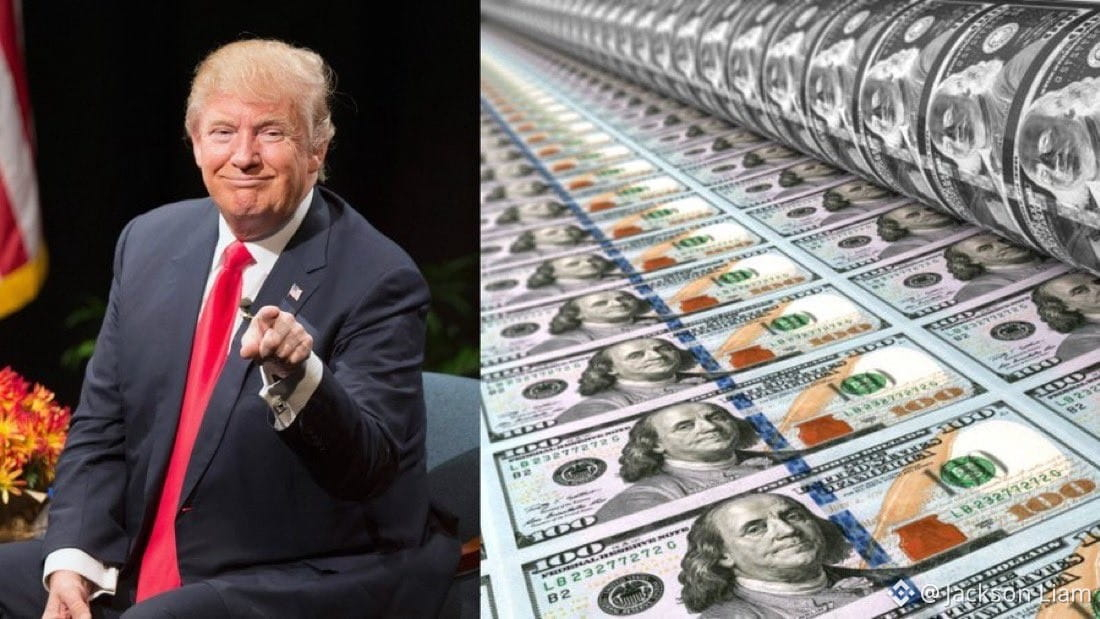
🚨緊急速報:トランプの5,000ドル配当が市場に大きな衝撃波を与える可能性 🇺🇸
トランプ大統領は、中間選挙で共和党が下院と上院の両方を制した場合、米国の成人全員が5,000ドルの「トランプ配当」を受け取れる可能性があると述べています。
それは約240〜245 MILLION人の成人です。
💰 想定される総コスト:約1.2 TRILLIONドル
トランプ氏は、この資金は米国経済の強さや関税収入から拠出できる可能性があると言っていますが、それでも議会の承認が必要な計画です。
そしてここからが、市場的に面白いところ…
1.2Tドルの現金投入は、支出の増加、流動性の増加、そしてリスク資産に流れ込む資金の増加につながる可能性があります。
暗号資産(クリプト)のトレーダーはすでに注視しています。
仮にその資金のごく一部でも株へ流れ込めば――ビットコインや暗号資産は…
🔥 流動性に深刻なショックが起きる可能性があります。
最大の疑問は今:
これは実際に政策になるのか?そして、その資金はどこから出てくるのか?
🚨緊急速報:トランプの5,000ドル配当が市場に大きな衝撃波を与える可能性 🇺🇸
トランプ大統領は、中間選挙で共和党が下院と上院の両方を制した場合、米国の成人全員が5,000ドルの「トランプ配当」を受け取れる可能性があると述べています。
それは約240〜245 MILLION人の成人です。
💰 想定される総コスト:約1.2 TRILLIONドル
トランプ氏は、この資金は米国経済の強さや関税収入から拠出できる可能性があると言っていますが、それでも議会の承認が必要な計画です。
そしてここからが、市場的に面白いところ…
1.2Tドルの現金投入は、支出の増加、流動性の増加、そしてリスク資産に流れ込む資金の増加につながる可能性があります。
暗号資産(クリプト)のトレーダーはすでに注視しています。
仮にその資金のごく一部でも株へ流れ込めば――ビットコインや暗号資産は…
🔥 流動性に深刻なショックが起きる可能性があります。
最大の疑問は今:
これは実際に政策になるのか?そして、その資金はどこから出てくるのか?
トランプ大統領は、中間選挙で共和党が下院と上院の両方を制した場合、米国の成人全員が5,000ドルの「トランプ配当」を受け取れる可能性があると述べています。
それは約240〜245 MILLION人の成人です。
💰 想定される総コスト:約1.2 TRILLIONドル
トランプ氏は、この資金は米国経済の強さや関税収入から拠出できる可能性があると言っていますが、それでも議会の承認が必要な計画です。
そしてここからが、市場的に面白いところ…
1.2Tドルの現金投入は、支出の増加、流動性の増加、そしてリスク資産に流れ込む資金の増加につながる可能性があります。
暗号資産(クリプト)のトレーダーはすでに注視しています。
仮にその資金のごく一部でも株へ流れ込めば――ビットコインや暗号資産は…
🔥 流動性に深刻なショックが起きる可能性があります。
最大の疑問は今:
これは実際に政策になるのか?そして、その資金はどこから出てくるのか?
2
915
·
--
ブリッシュ
SAND
勢いを伴う強いブレイクアウトが継続しています。急な値動きの後は、上のローソクを追いかけず、サポートへのコントロールされた押し目を狙いましょう。
買いゾーン:0.0745–0.0765
TP1:0.0815
TP2:0.0860
TP3:0.0920
SL:0.0705
EP:0.0745–0.0765
TP:0.0815 / 0.0860 / 0.0920
SL:0.0705
ブレイクアウトは強いものの、ボラティリティが極端です。エントリー前にリテストでの確認を待ってください。
いこう $SAND
{future}(SANDUSDT)
$MAGMA
{future}(MAGMAUSDT)
$VELVET
{future}(VELVETUSDT)
SAND
勢いを伴う強いブレイクアウトが継続しています。急な値動きの後は、上のローソクを追いかけず、サポートへのコントロールされた押し目を狙いましょう。
買いゾーン:0.0745–0.0765
TP1:0.0815
TP2:0.0860
TP3:0.0920
SL:0.0705
EP:0.0745–0.0765
TP:0.0815 / 0.0860 / 0.0920
SL:0.0705
ブレイクアウトは強いものの、ボラティリティが極端です。エントリー前にリテストでの確認を待ってください。
いこう $SAND
$MAGMA
$VELVET
勢いを伴う強いブレイクアウトが継続しています。急な値動きの後は、上のローソクを追いかけず、サポートへのコントロールされた押し目を狙いましょう。
買いゾーン:0.0745–0.0765
TP1:0.0815
TP2:0.0860
TP3:0.0920
SL:0.0705
EP:0.0745–0.0765
TP:0.0815 / 0.0860 / 0.0920
SL:0.0705
ブレイクアウトは強いものの、ボラティリティが極端です。エントリー前にリテストでの確認を待ってください。
いこう $SAND
$MAGMA
$VELVET
Bullish — $0.09+ next
Neutral — Needs a retest
Bearish — Pullback coming
6 残り時間
1
3.4k
·
--
ブリッシュ
🇺🇸🚨 速報:トランプ氏は、CNNによると、元SEC委員長のジェイ・クレイトン氏をホワイトハウスの新たな「AI czar(AI担当特使)」に指名する見通しだ。
クレイトン氏は現在、国家情報長官を務めており、トランプ氏の最初の任期中にSECを率いた経歴がある。
今回の人事は、ホワイトハウスが新たな「AI Force(AI部隊)」を立ち上げる準備を進める中で、人工知能におけるアメリカの競争力を高め、最先端を維持しようとしていることに伴うものだ。
トランプ氏は、AI政策を導くことに加え、米国が業界の歩みを止めないようにする人物を望むと述べている。
クレイトン氏はAIについて、大きな機会であると同時に潜在的な脅威でもあるとし、「手綱(腕)をしっかり取る(get its arms around it)」必要があると語っている。
ホワイトハウスは、現時点でこの任命を公式に確認していない。
もし正式に確認されれば、クレイトン氏は間もなく、米国がAIへの取り組み、規制、国家安全保障、そして中国との競争においてどのような方針を取るかを形作る上で大きな役割を担う可能性がある。
🇺🇸🚨 速報:トランプ氏は、CNNによると、元SEC委員長のジェイ・クレイトン氏をホワイトハウスの新たな「AI czar(AI担当特使)」に指名する見通しだ。
クレイトン氏は現在、国家情報長官を務めており、トランプ氏の最初の任期中にSECを率いた経歴がある。
今回の人事は、ホワイトハウスが新たな「AI Force(AI部隊)」を立ち上げる準備を進める中で、人工知能におけるアメリカの競争力を高め、最先端を維持しようとしていることに伴うものだ。
トランプ氏は、AI政策を導くことに加え、米国が業界の歩みを止めないようにする人物を望むと述べている。
クレイトン氏はAIについて、大きな機会であると同時に潜在的な脅威でもあるとし、「手綱(腕)をしっかり取る(get its arms around it)」必要があると語っている。
ホワイトハウスは、現時点でこの任命を公式に確認していない。
もし正式に確認されれば、クレイトン氏は間もなく、米国がAIへの取り組み、規制、国家安全保障、そして中国との競争においてどのような方針を取るかを形作る上で大きな役割を担う可能性がある。
クレイトン氏は現在、国家情報長官を務めており、トランプ氏の最初の任期中にSECを率いた経歴がある。
今回の人事は、ホワイトハウスが新たな「AI Force(AI部隊)」を立ち上げる準備を進める中で、人工知能におけるアメリカの競争力を高め、最先端を維持しようとしていることに伴うものだ。
トランプ氏は、AI政策を導くことに加え、米国が業界の歩みを止めないようにする人物を望むと述べている。
クレイトン氏はAIについて、大きな機会であると同時に潜在的な脅威でもあるとし、「手綱(腕)をしっかり取る(get its arms around it)」必要があると語っている。
ホワイトハウスは、現時点でこの任命を公式に確認していない。
もし正式に確認されれば、クレイトン氏は間もなく、米国がAIへの取り組み、規制、国家安全保障、そして中国との競争においてどのような方針を取るかを形作る上で大きな役割を担う可能性がある。


3
366
·
--
ブリッシュ
一部該当
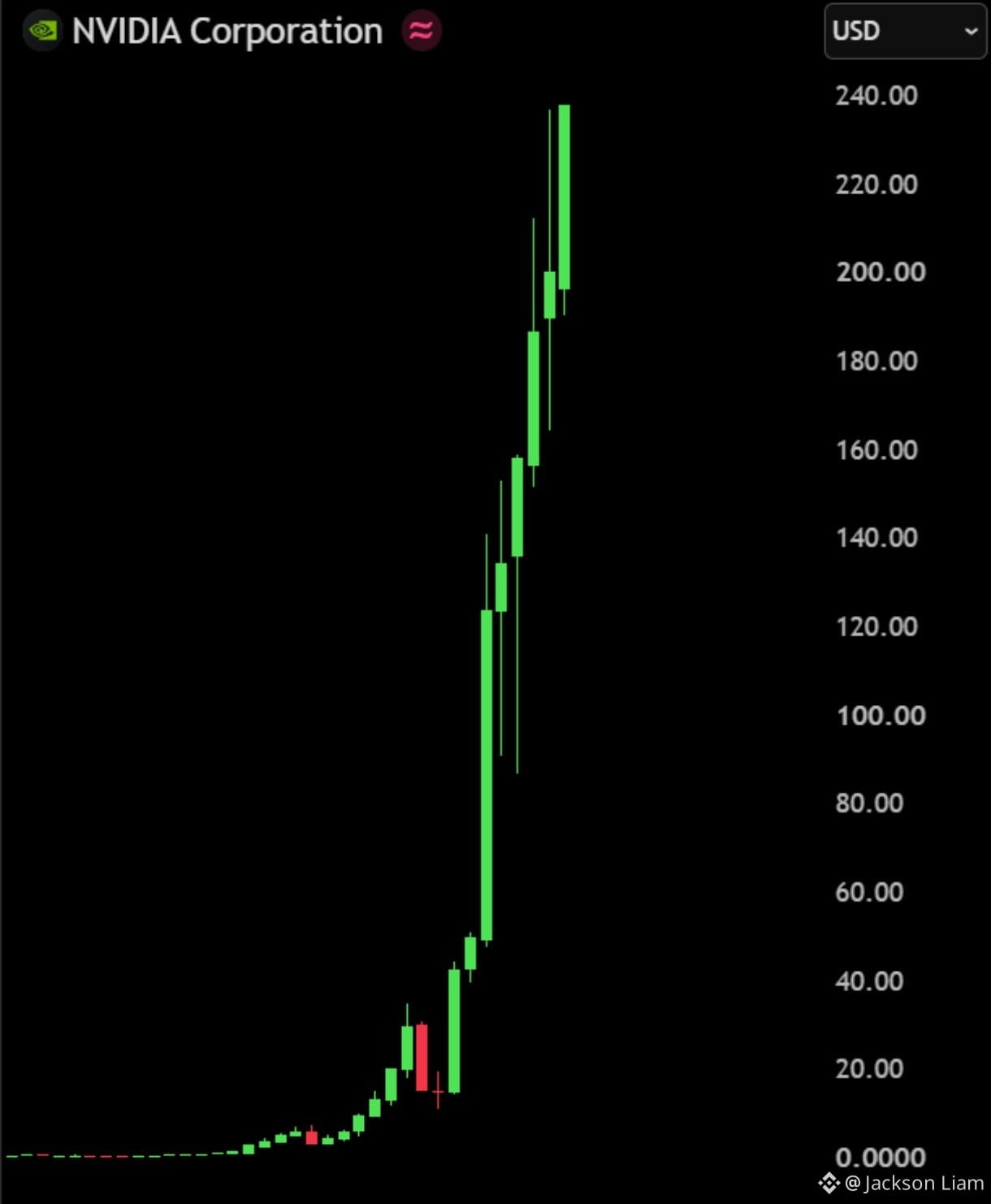
🚨 緊急速報:NVIDIAが史上最高値を更新! 🚀
IPOから今日まで、$NVDA は驚異的な上昇をもたらし、947,000%以上の利益を実現しています。
そして一番クレイジーなのはここ:
もし2008年にNVIDIAへ10,000ドル投資して、そのまま保有し続けていたら、今日その投資額は約1,600万ドルになるはずです。 🤯
AI、GPU、データセンター、そしてたゆまぬ成長の年月が、NVIDIAを「チップ企業」から市場史上でも最大級の勝者の一つへと押し上げました。
$10K → $16M。
これは、大きなトレンドを早期に掴み、長期保有できたときの、長期複利がどんな姿になり得るかを示しています。
NVIDIAの歩みは、「優れた会社+大きな技術の転換+時間」がどれほど強力になり得るかを思い出させてくれます。
$SAND
{future}(SANDUSDT)
$MAGMA
{future}(MAGMAUSDT)
{future}(NVDAUSDT)
🚨 緊急速報:NVIDIAが史上最高値を更新! 🚀
IPOから今日まで、$NVDA は驚異的な上昇をもたらし、947,000%以上の利益を実現しています。
そして一番クレイジーなのはここ:
もし2008年にNVIDIAへ10,000ドル投資して、そのまま保有し続けていたら、今日その投資額は約1,600万ドルになるはずです。 🤯
AI、GPU、データセンター、そしてたゆまぬ成長の年月が、NVIDIAを「チップ企業」から市場史上でも最大級の勝者の一つへと押し上げました。
$10K → $16M。
これは、大きなトレンドを早期に掴み、長期保有できたときの、長期複利がどんな姿になり得るかを示しています。
NVIDIAの歩みは、「優れた会社+大きな技術の転換+時間」がどれほど強力になり得るかを思い出させてくれます。
$SAND
$MAGMA
IPOから今日まで、$NVDA は驚異的な上昇をもたらし、947,000%以上の利益を実現しています。
そして一番クレイジーなのはここ:
もし2008年にNVIDIAへ10,000ドル投資して、そのまま保有し続けていたら、今日その投資額は約1,600万ドルになるはずです。 🤯
AI、GPU、データセンター、そしてたゆまぬ成長の年月が、NVIDIAを「チップ企業」から市場史上でも最大級の勝者の一つへと押し上げました。
$10K → $16M。
これは、大きなトレンドを早期に掴み、長期保有できたときの、長期複利がどんな姿になり得るかを示しています。
NVIDIAの歩みは、「優れた会社+大きな技術の転換+時間」がどれほど強力になり得るかを思い出させてくれます。
$SAND
$MAGMA

1
2
862
·
--
ブリッシュ
翻訳参照
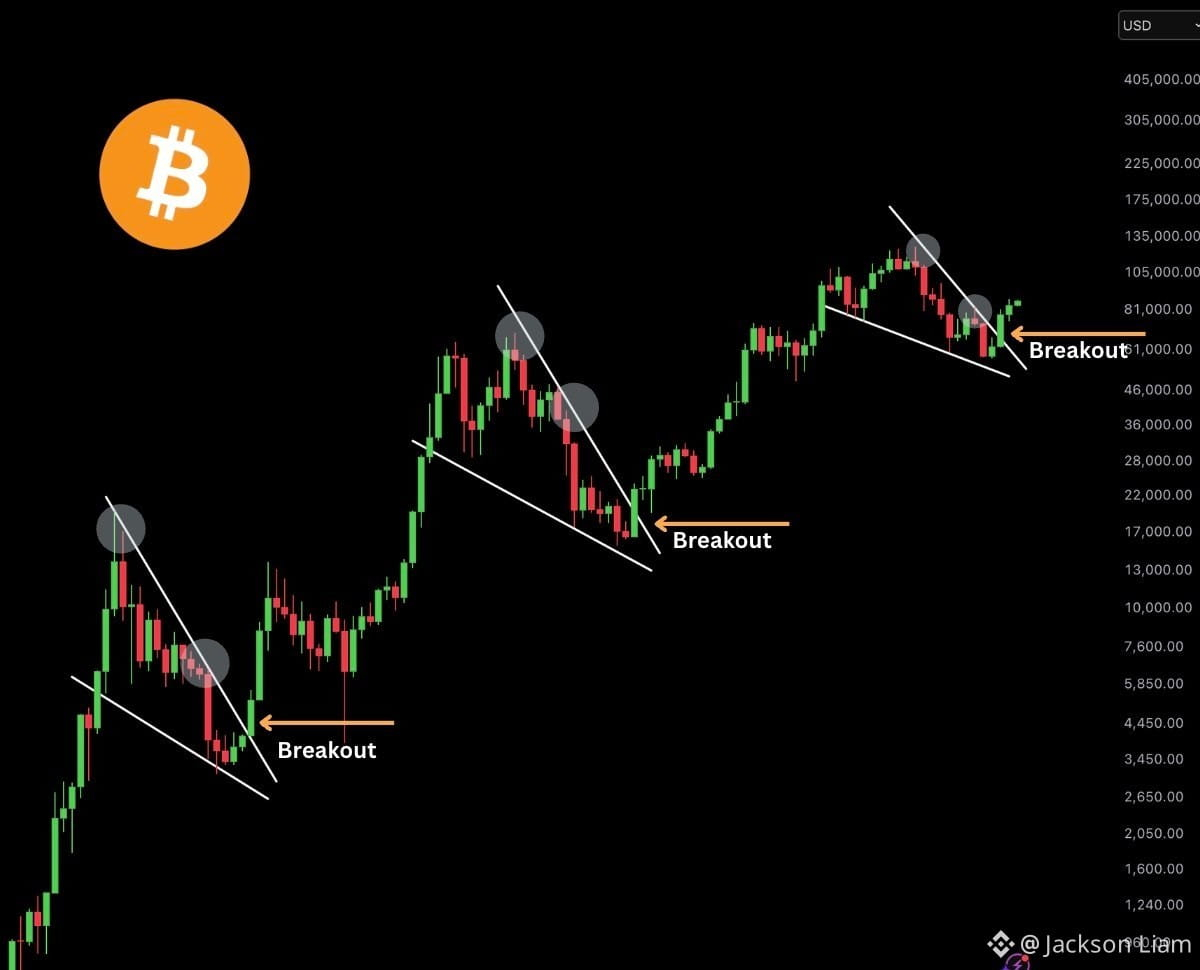
🚨 BITCOIN MAY BE SHOWING THE SAME SIGNAL AGAIN.
Every time Bitcoin has broken above its monthly bear market structure, it has marked a major shift in trend.
And now, we’re seeing that same breakout setup appear again.
This isn’t just another move on the chart.
If history rhymes, breaking above this structure could mean Bitcoin is moving from a long period of weakness into a new bullish phase.
The key now is confirmation.
If $BTC can hold above the breakout zone on the monthly timeframe, the signal becomes much more interesting.
One thing is clear:
The bears are losing control.
And Bitcoin may be preparing for its next major move. 🚀
🚨 BITCOIN MAY BE SHOWING THE SAME SIGNAL AGAIN.
Every time Bitcoin has broken above its monthly bear market structure, it has marked a major shift in trend.
And now, we’re seeing that same breakout setup appear again.
This isn’t just another move on the chart.
If history rhymes, breaking above this structure could mean Bitcoin is moving from a long period of weakness into a new bullish phase.
The key now is confirmation.
If $BTC can hold above the breakout zone on the monthly timeframe, the signal becomes much more interesting.
One thing is clear:
The bears are losing control.
And Bitcoin may be preparing for its next major move. 🚀
Every time Bitcoin has broken above its monthly bear market structure, it has marked a major shift in trend.
And now, we’re seeing that same breakout setup appear again.
This isn’t just another move on the chart.
If history rhymes, breaking above this structure could mean Bitcoin is moving from a long period of weakness into a new bullish phase.
The key now is confirmation.
If $BTC can hold above the breakout zone on the monthly timeframe, the signal becomes much more interesting.
One thing is clear:
The bears are losing control.
And Bitcoin may be preparing for its next major move. 🚀
1
155
·
--
ブリッシュ
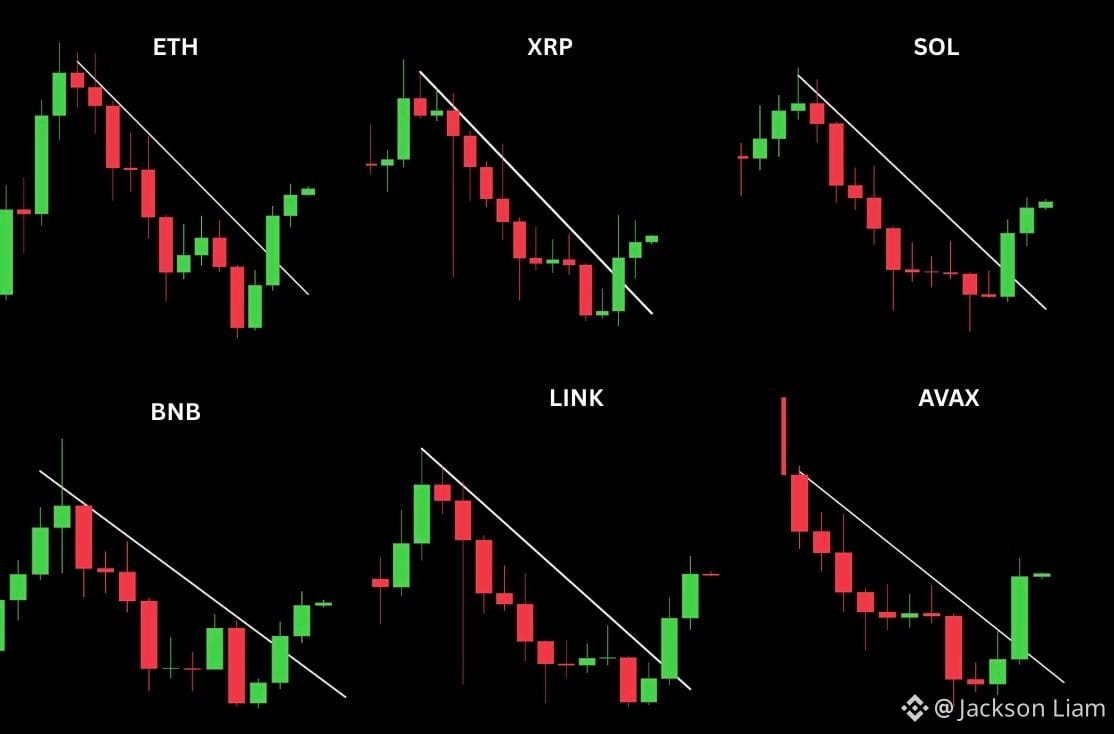
🚀 アルトコインが9月を“圧倒的な強さ”で締めくくった!
9月は正式に終わり、アルトコインは深刻な勢いをもって10月へ突入しています。
そして来るのは「アップトーバー(Uptober)」だ。👀
この強さが続くなら、10月にはさらに大きな値動き、新たなブレイク、そしてアルトコイン市場での多くのチャンスが訪れるかもしれません。
仕組みはシンプルです。勢いはここにある、市場の自信は高まっており、トレーダーたちは次の上昇局面を注意深く見ています。
9月が合図をくれました。
さあ、10月に何が起きるか見ていきましょう。🔥
より大きな値動き。より大きなチャンス。より大きなアップトーバー。🚀
🚀 アルトコインが9月を“圧倒的な強さ”で締めくくった!
9月は正式に終わり、アルトコインは深刻な勢いをもって10月へ突入しています。
そして来るのは「アップトーバー(Uptober)」だ。👀
この強さが続くなら、10月にはさらに大きな値動き、新たなブレイク、そしてアルトコイン市場での多くのチャンスが訪れるかもしれません。
仕組みはシンプルです。勢いはここにある、市場の自信は高まっており、トレーダーたちは次の上昇局面を注意深く見ています。
9月が合図をくれました。
さあ、10月に何が起きるか見ていきましょう。🔥
より大きな値動き。より大きなチャンス。より大きなアップトーバー。🚀
9月は正式に終わり、アルトコインは深刻な勢いをもって10月へ突入しています。
そして来るのは「アップトーバー(Uptober)」だ。👀
この強さが続くなら、10月にはさらに大きな値動き、新たなブレイク、そしてアルトコイン市場での多くのチャンスが訪れるかもしれません。
仕組みはシンプルです。勢いはここにある、市場の自信は高まっており、トレーダーたちは次の上昇局面を注意深く見ています。
9月が合図をくれました。
さあ、10月に何が起きるか見ていきましょう。🔥
より大きな値動き。より大きなチャンス。より大きなアップトーバー。🚀
1
267
·
--
ブリッシュ
MOVR
2.00を大きな勢いで回復した後、ブレイクアウトが勢いよく進行中です。
買いゾーン:2.05〜2.20
EP:2.15
TP1:2.45
TP2:2.70
TP3:3.00
SL:1.90
勢いは2.00のエリア上で強気のままです。2.45を明確にブレイクしてホールドできれば、次の上昇局面に繋がる可能性があります。
いきましょう $MOVR
{future}(MOVRUSDT)
$US
{future}(USUSDT)
$AGT
{future}(AGTUSDT)
MOVR
2.00を大きな勢いで回復した後、ブレイクアウトが勢いよく進行中です。
買いゾーン:2.05〜2.20
EP:2.15
TP1:2.45
TP2:2.70
TP3:3.00
SL:1.90
勢いは2.00のエリア上で強気のままです。2.45を明確にブレイクしてホールドできれば、次の上昇局面に繋がる可能性があります。
いきましょう $MOVR
$US
$AGT
2.00を大きな勢いで回復した後、ブレイクアウトが勢いよく進行中です。
買いゾーン:2.05〜2.20
EP:2.15
TP1:2.45
TP2:2.70
TP3:3.00
SL:1.90
勢いは2.00のエリア上で強気のままです。2.45を明確にブレイクしてホールドできれば、次の上昇局面に繋がる可能性があります。
いきましょう $MOVR
$US
$AGT
A) $2.50–$2.70
27%
B) $2.70–$3.00
24%
C) $3.00
39%
Pullback before another leg up
10%
119 投票 • 投票は終了しました
3
2
3.4k
·
--
ブリッシュ
🚨 緊急速報: ビットコインが$85,000に到達! ₿
BTCは暗号資産の勢いが高まる中、重要な$85Kの水準を取り戻しました。
🔥 ビットコインは現在、$85K近辺で取引中
📈 BTCは最近$86Kを上抜け
💰 第3四半期の上昇は40%超
🏦 強いETF資金の流入が反発を後押し
⚠️ しかし、米国債利回りの上昇が依然として大きなリスク
$85Kを巡る攻防が激化しています。👀
🚨 緊急速報: ビットコインが$85,000に到達! ₿
BTCは暗号資産の勢いが高まる中、重要な$85Kの水準を取り戻しました。
🔥 ビットコインは現在、$85K近辺で取引中
📈 BTCは最近$86Kを上抜け
💰 第3四半期の上昇は40%超
🏦 強いETF資金の流入が反発を後押し
⚠️ しかし、米国債利回りの上昇が依然として大きなリスク
$85Kを巡る攻防が激化しています。👀
BTCは暗号資産の勢いが高まる中、重要な$85Kの水準を取り戻しました。
🔥 ビットコインは現在、$85K近辺で取引中
📈 BTCは最近$86Kを上抜け
💰 第3四半期の上昇は40%超
🏦 強いETF資金の流入が反発を後押し
⚠️ しかし、米国債利回りの上昇が依然として大きなリスク
$85Kを巡る攻防が激化しています。👀
5
2
624
·
--
ブリッシュ
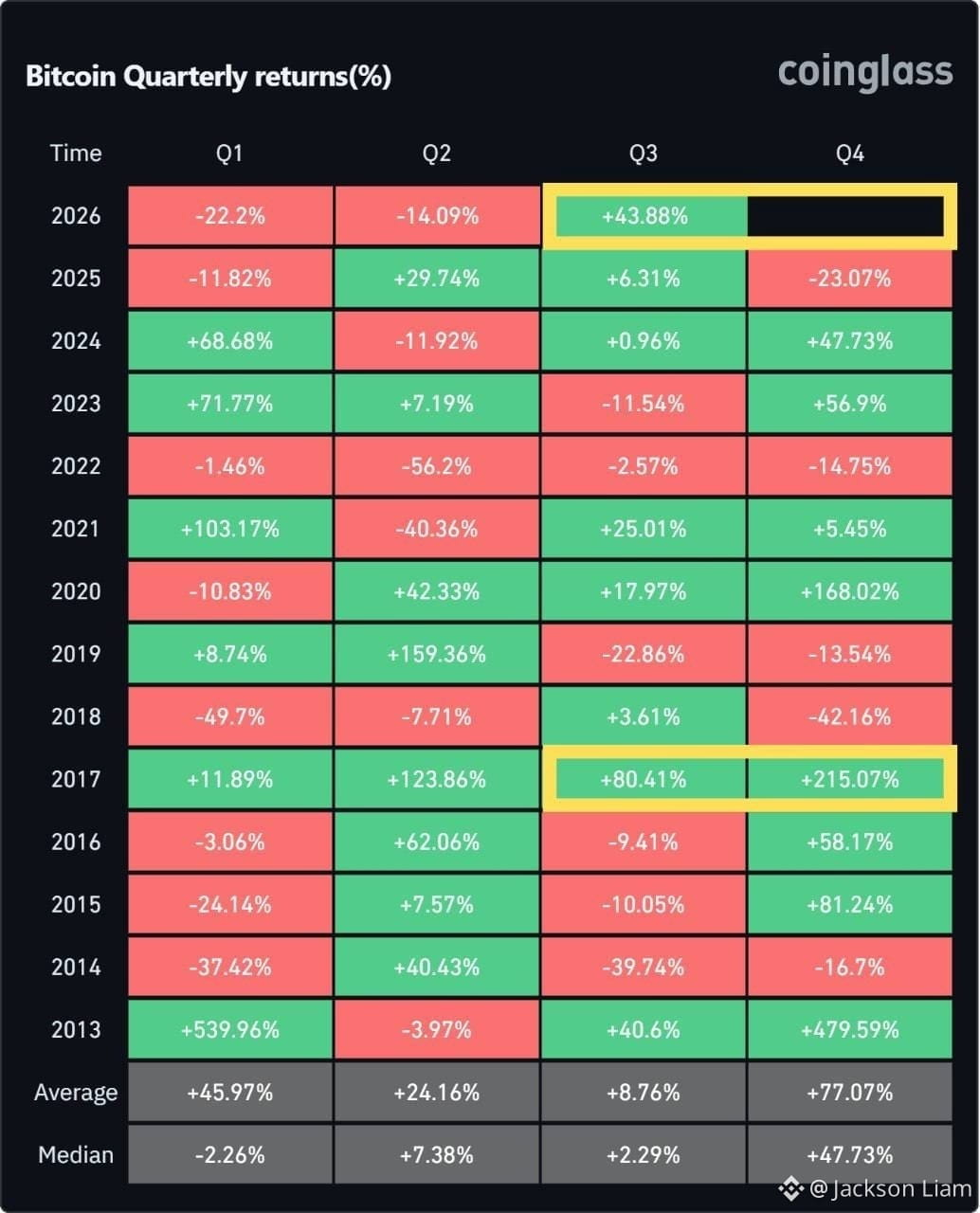
🚨 $BTC がこれまでで2番目に強いQ3を“ただいま”更新しました。
ビットコインはQ3でおよそ43%上昇――2017年だけがそれを上回っていました。
そしてここからが面白いところです:
🔥 Q4は歴史的にビットコインの最強の四半期
🔥 2017年のQ4ではBTCが200%以上急騰
🔥 Q4は過去に平均で約77%のリターンをもたらしてきた
同じ季節性のパターンが再び見えてきています。
大きなQ3の後、注目は今やQ4へ。👀
歴史がまた繰り返されるのでしょうか?
🚨 $BTC がこれまでで2番目に強いQ3を“ただいま”更新しました。
ビットコインはQ3でおよそ43%上昇――2017年だけがそれを上回っていました。
そしてここからが面白いところです:
🔥 Q4は歴史的にビットコインの最強の四半期
🔥 2017年のQ4ではBTCが200%以上急騰
🔥 Q4は過去に平均で約77%のリターンをもたらしてきた
同じ季節性のパターンが再び見えてきています。
大きなQ3の後、注目は今やQ4へ。👀
歴史がまた繰り返されるのでしょうか?
ビットコインはQ3でおよそ43%上昇――2017年だけがそれを上回っていました。
そしてここからが面白いところです:
🔥 Q4は歴史的にビットコインの最強の四半期
🔥 2017年のQ4ではBTCが200%以上急騰
🔥 Q4は過去に平均で約77%のリターンをもたらしてきた
同じ季節性のパターンが再び見えてきています。
大きなQ3の後、注目は今やQ4へ。👀
歴史がまた繰り返されるのでしょうか?
3
273
·
--
ブリッシュ
翻訳参照
🚨 JUST IN: TOM LEE SAYS CRYPTO HAS ENTERED A “BULL MARKET.”
Tom Lee is turning bullish on crypto.
He says the market has officially entered a new bull phase, signaling that the recent weakness could be giving way to a much bigger move higher.
His view comes as investors watch Bitcoin and the broader crypto market for signs of renewed momentum.
If this cycle is really getting started, the big question now is how far the next move can go. 👀
Crypto bulls are back in the game.
🚨 JUST IN: TOM LEE SAYS CRYPTO HAS ENTERED A “BULL MARKET.”
Tom Lee is turning bullish on crypto.
He says the market has officially entered a new bull phase, signaling that the recent weakness could be giving way to a much bigger move higher.
His view comes as investors watch Bitcoin and the broader crypto market for signs of renewed momentum.
If this cycle is really getting started, the big question now is how far the next move can go. 👀
Crypto bulls are back in the game.
Tom Lee is turning bullish on crypto.
He says the market has officially entered a new bull phase, signaling that the recent weakness could be giving way to a much bigger move higher.
His view comes as investors watch Bitcoin and the broader crypto market for signs of renewed momentum.
If this cycle is really getting started, the big question now is how far the next move can go. 👀
Crypto bulls are back in the game.

7
1
1
562
·
--
ブリッシュ
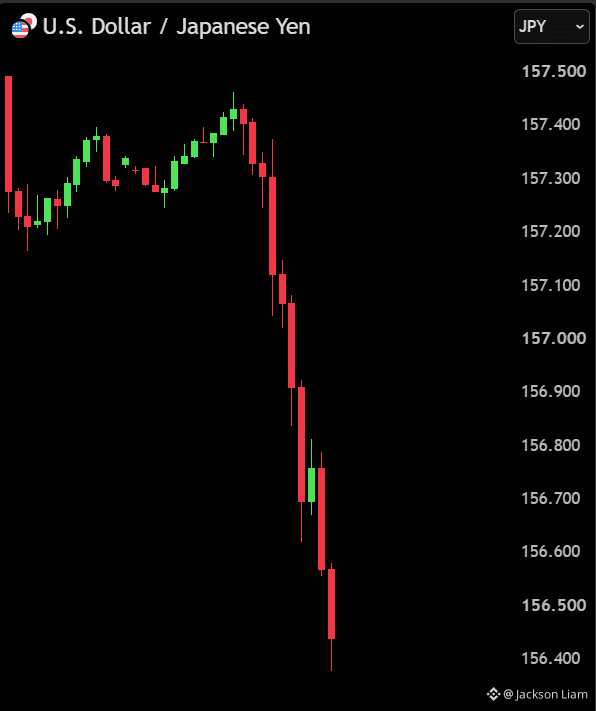
🚨速報:円が急騰—USD/JPYが156.5を下回る
日本円が、複数の要因が同時にドルを圧迫する中で、鋭い反発を見せています。
🇯🇵 1. 鉱工業生産が弱い
日本の鉱工業データが軟調で、直近での追加利上げ(BOJ)への期待は後退したものの、円は依然として別の要因で支えられています。
⚠️ 2. 市場介入への懸念が再燃
日本の財務大臣は円安を問題だとし、米国との為替協力を一段と強める方針を確認しました。さらに当局者は、市場に対してメッセージを真剣に受け止めるよう警告しており、介入懸念を生かしたままです。
📊 3. 月末+期末のフロー
投資家が期末に向けてポジションを調整することで、ポートフォリオの組み替えが円への追加需要を生み出しています。
🇺🇸 4. 次の大きな引き金は米国指標
トレーダーは、ADP雇用統計とPCEインフレデータを前に、一部のドルポジションを縮小しています。強いデータならFRBの利上げ見通しが再び強まり得る一方、弱い数字ならドルへの圧力がさらに高まる可能性があります。
結局どうなる?
USD/JPYは圧迫される一方で、円が突然注目の的に。
次の一手は非常に値動きが荒くなるかもしれません。
🚨速報:円が急騰—USD/JPYが156.5を下回る
日本円が、複数の要因が同時にドルを圧迫する中で、鋭い反発を見せています。
🇯🇵 1. 鉱工業生産が弱い
日本の鉱工業データが軟調で、直近での追加利上げ(BOJ)への期待は後退したものの、円は依然として別の要因で支えられています。
⚠️ 2. 市場介入への懸念が再燃
日本の財務大臣は円安を問題だとし、米国との為替協力を一段と強める方針を確認しました。さらに当局者は、市場に対してメッセージを真剣に受け止めるよう警告しており、介入懸念を生かしたままです。
📊 3. 月末+期末のフロー
投資家が期末に向けてポジションを調整することで、ポートフォリオの組み替えが円への追加需要を生み出しています。
🇺🇸 4. 次の大きな引き金は米国指標
トレーダーは、ADP雇用統計とPCEインフレデータを前に、一部のドルポジションを縮小しています。強いデータならFRBの利上げ見通しが再び強まり得る一方、弱い数字ならドルへの圧力がさらに高まる可能性があります。
結局どうなる?
USD/JPYは圧迫される一方で、円が突然注目の的に。
次の一手は非常に値動きが荒くなるかもしれません。
日本円が、複数の要因が同時にドルを圧迫する中で、鋭い反発を見せています。
🇯🇵 1. 鉱工業生産が弱い
日本の鉱工業データが軟調で、直近での追加利上げ(BOJ)への期待は後退したものの、円は依然として別の要因で支えられています。
⚠️ 2. 市場介入への懸念が再燃
日本の財務大臣は円安を問題だとし、米国との為替協力を一段と強める方針を確認しました。さらに当局者は、市場に対してメッセージを真剣に受け止めるよう警告しており、介入懸念を生かしたままです。
📊 3. 月末+期末のフロー
投資家が期末に向けてポジションを調整することで、ポートフォリオの組み替えが円への追加需要を生み出しています。
🇺🇸 4. 次の大きな引き金は米国指標
トレーダーは、ADP雇用統計とPCEインフレデータを前に、一部のドルポジションを縮小しています。強いデータならFRBの利上げ見通しが再び強まり得る一方、弱い数字ならドルへの圧力がさらに高まる可能性があります。
結局どうなる?
USD/JPYは圧迫される一方で、円が突然注目の的に。
次の一手は非常に値動きが荒くなるかもしれません。
2
445
·
--
ブリッシュ
EARNINGS SEASON IS ABOUT TO TEST THE MARKET 🚨
市場は成長、堅調な需要、そして粘り強い企業利益を織り込んでいます。
しかし今、企業はそれを証明しなければなりません。
投資家は、決算が予想を上回ったか下回ったかだけを見ているわけではありません。
彼らが注目するのは次の点です:
💰 売上成長
📈 利益率
👀 今後の見通し(ガイダンス)
🏦 消費需要
⚙️ 設備投資・事業支出
🌍 グローバルなリスク
📉 コスト負担の圧力
そしてここからが面白いところです:
会社は決算を上回っても、期待が高すぎた場合には株価が下がることがあります。
一方で、予想を下回っても、経営陣がより強いガイダンスを示せば上昇することもあります。
だからこそ、この決算シーズンは大きなチャンスを生む可能性がある一方で、つらいサプライズももたらすかもしれません。
1つの見出しが株を動かす。
大規模な決算の波が、特定のセクター全体を動かす。
数字が、マーケットの楽観が本物の事業成長によって裏付けられているかどうかを教えてくれるのは、もうすぐです。
#EarningsSeason
EARNINGS SEASON IS ABOUT TO TEST THE MARKET 🚨
市場は成長、堅調な需要、そして粘り強い企業利益を織り込んでいます。
しかし今、企業はそれを証明しなければなりません。
投資家は、決算が予想を上回ったか下回ったかだけを見ているわけではありません。
彼らが注目するのは次の点です:
💰 売上成長
📈 利益率
👀 今後の見通し(ガイダンス)
🏦 消費需要
⚙️ 設備投資・事業支出
🌍 グローバルなリスク
📉 コスト負担の圧力
そしてここからが面白いところです:
会社は決算を上回っても、期待が高すぎた場合には株価が下がることがあります。
一方で、予想を下回っても、経営陣がより強いガイダンスを示せば上昇することもあります。
だからこそ、この決算シーズンは大きなチャンスを生む可能性がある一方で、つらいサプライズももたらすかもしれません。
1つの見出しが株を動かす。
大規模な決算の波が、特定のセクター全体を動かす。
数字が、マーケットの楽観が本物の事業成長によって裏付けられているかどうかを教えてくれるのは、もうすぐです。
#EarningsSeason
市場は成長、堅調な需要、そして粘り強い企業利益を織り込んでいます。
しかし今、企業はそれを証明しなければなりません。
投資家は、決算が予想を上回ったか下回ったかだけを見ているわけではありません。
彼らが注目するのは次の点です:
💰 売上成長
📈 利益率
👀 今後の見通し(ガイダンス)
🏦 消費需要
⚙️ 設備投資・事業支出
🌍 グローバルなリスク
📉 コスト負担の圧力
そしてここからが面白いところです:
会社は決算を上回っても、期待が高すぎた場合には株価が下がることがあります。
一方で、予想を下回っても、経営陣がより強いガイダンスを示せば上昇することもあります。
だからこそ、この決算シーズンは大きなチャンスを生む可能性がある一方で、つらいサプライズももたらすかもしれません。
1つの見出しが株を動かす。
大規模な決算の波が、特定のセクター全体を動かす。
数字が、マーケットの楽観が本物の事業成長によって裏付けられているかどうかを教えてくれるのは、もうすぐです。
#EarningsSeason

2
233
·
--
ブリッシュ
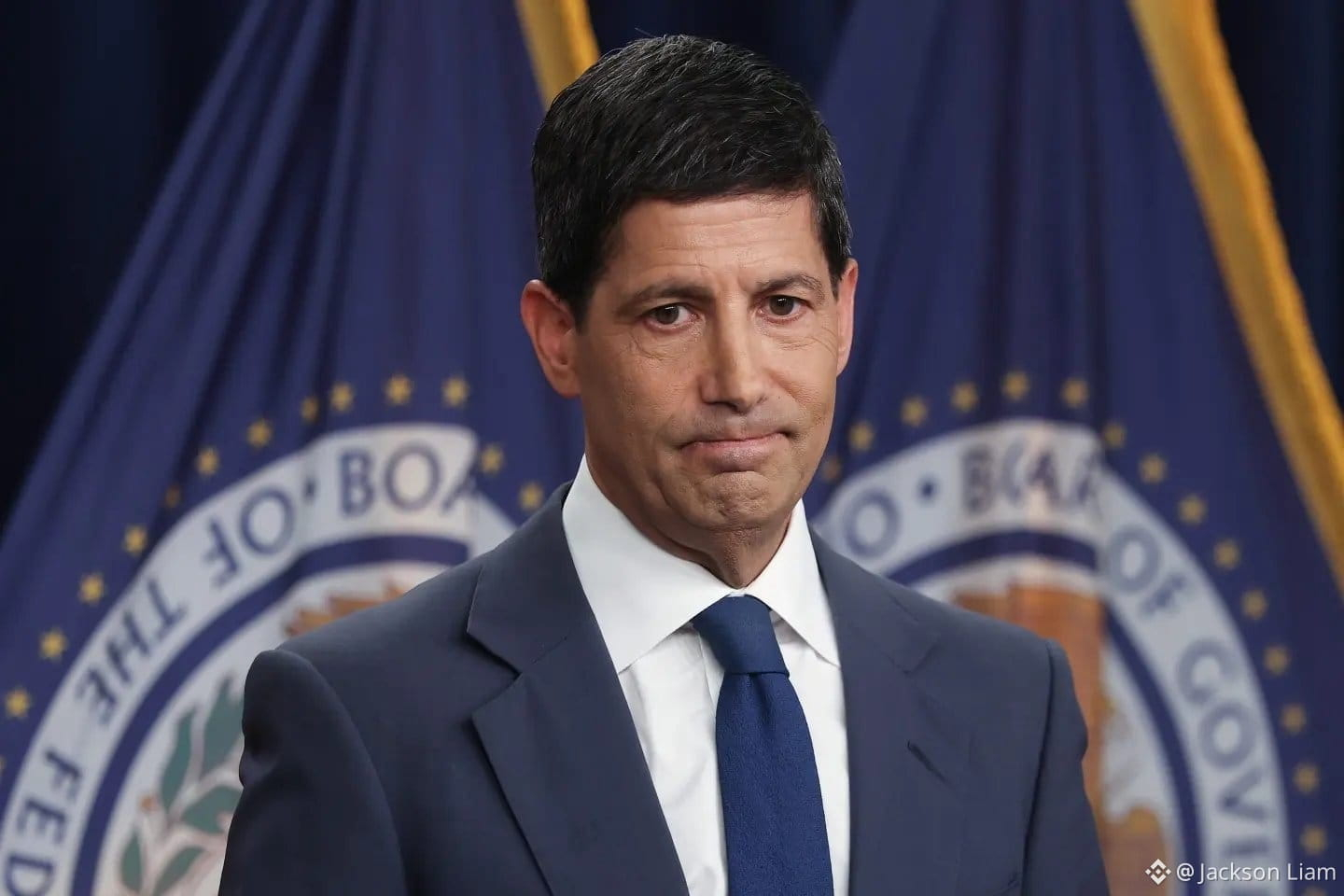
🚨 FRB(米連邦準備制度)が再び注目を集める。
本日の米国データは、市場に次の一手――利上げか据え置きか――の新たな手掛かりを与え得る。
🏠 ケース・シラー住宅価格
🧠 消費者信頼感
💼 雇用動態調査(JOLTS)求人件数
その後に、より大きなイベントが控えている:FRB当局者の発言。ボウマン、バール、グールズビー、ムサレム、ウィリアムズ、ウォーラーはいずれも予定に入っており、トレーダーには掘り下げるべきコメントが十分にある。
核心の疑問はシンプルだ:
米国経済は、FRBが強硬姿勢を保てるほどまだ十分に強いのか?それとも亀裂が見え始めているのか?
雇用の強さ+しっかりした価格なら、利上げ期待を生かし続けられる可能性がある。
弱い信頼感+軟調な労働データなら、市場をより慎重なFRBへと傾けるかもしれない。
どちらにせよ、ボラティリティ(変動性)は急に高まる可能性がある。
データが出る。FRBが話す。市場が反応する。備えを怠らないで。
🚨 FRB(米連邦準備制度)が再び注目を集める。
本日の米国データは、市場に次の一手――利上げか据え置きか――の新たな手掛かりを与え得る。
🏠 ケース・シラー住宅価格
🧠 消費者信頼感
💼 雇用動態調査(JOLTS)求人件数
その後に、より大きなイベントが控えている:FRB当局者の発言。ボウマン、バール、グールズビー、ムサレム、ウィリアムズ、ウォーラーはいずれも予定に入っており、トレーダーには掘り下げるべきコメントが十分にある。
核心の疑問はシンプルだ:
米国経済は、FRBが強硬姿勢を保てるほどまだ十分に強いのか?それとも亀裂が見え始めているのか?
雇用の強さ+しっかりした価格なら、利上げ期待を生かし続けられる可能性がある。
弱い信頼感+軟調な労働データなら、市場をより慎重なFRBへと傾けるかもしれない。
どちらにせよ、ボラティリティ(変動性)は急に高まる可能性がある。
データが出る。FRBが話す。市場が反応する。備えを怠らないで。
本日の米国データは、市場に次の一手――利上げか据え置きか――の新たな手掛かりを与え得る。
🏠 ケース・シラー住宅価格
🧠 消費者信頼感
💼 雇用動態調査(JOLTS)求人件数
その後に、より大きなイベントが控えている:FRB当局者の発言。ボウマン、バール、グールズビー、ムサレム、ウィリアムズ、ウォーラーはいずれも予定に入っており、トレーダーには掘り下げるべきコメントが十分にある。
核心の疑問はシンプルだ:
米国経済は、FRBが強硬姿勢を保てるほどまだ十分に強いのか?それとも亀裂が見え始めているのか?
雇用の強さ+しっかりした価格なら、利上げ期待を生かし続けられる可能性がある。
弱い信頼感+軟調な労働データなら、市場をより慎重なFRBへと傾けるかもしれない。
どちらにせよ、ボラティリティ(変動性)は急に高まる可能性がある。
データが出る。FRBが話す。市場が反応する。備えを怠らないで。
1
2
179
·
--
ブリッシュ
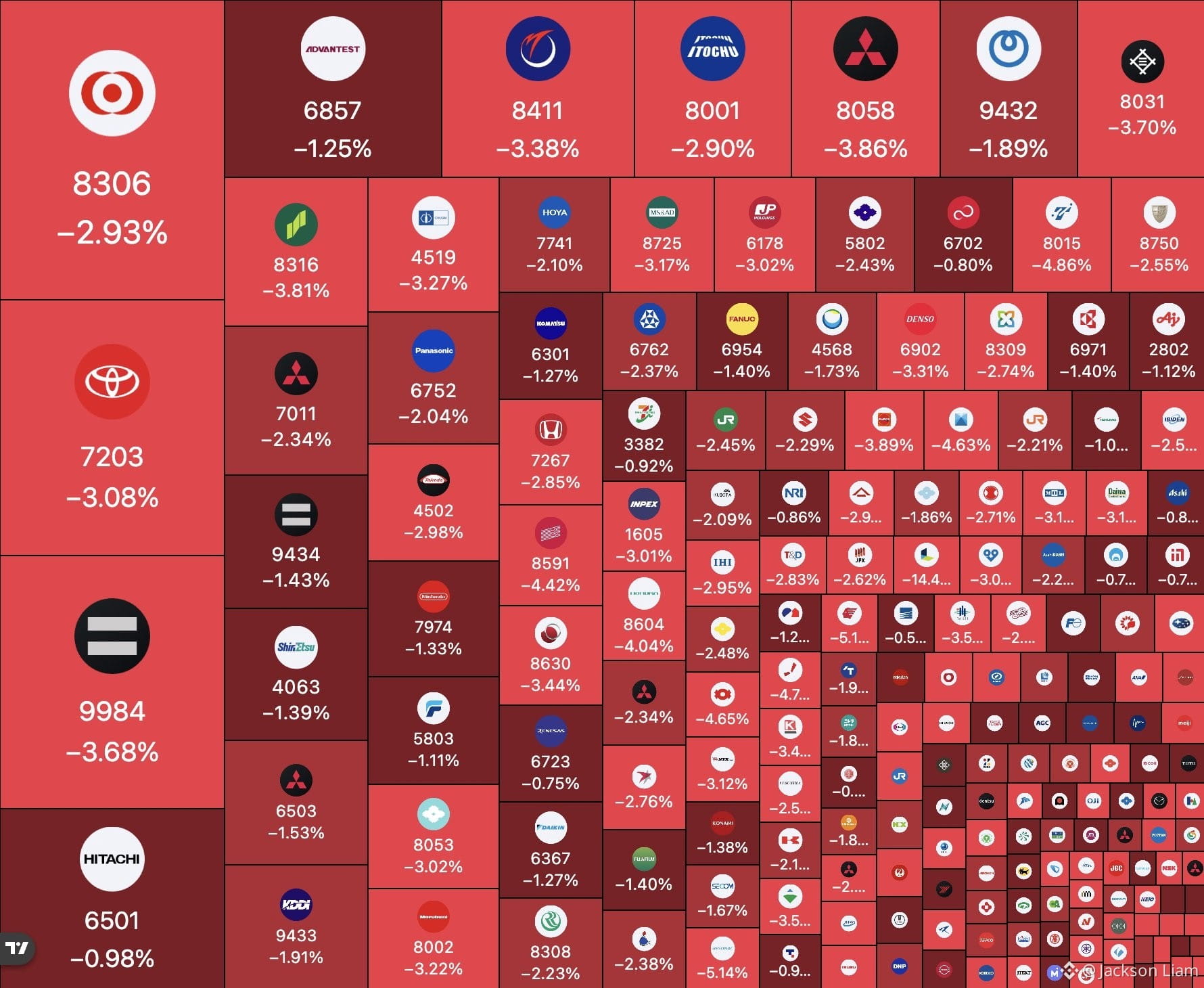
🚨 日本株が大きく打撃を受けています!
日経平均が約1.5%下落する中、時価総額で1兆7700億円(1,120億ドル)以上が消し飛びました。
今回の売りは、世界的に国債利回りが急上昇し、原油価格も上昇していることが背景です。インフレへの不安と、金利上昇への警戒が改めて強まっています。
日本でも同様の圧力がかかっており、市場が直近で堅調だったことを受け、投資家が株を投げ売りしています。
これは日本だけの話ではありません…
利回り上昇+原油上昇+地政学的緊張=世界の市場で投資家の警戒感が高まっています。
リスク回避モードが戻ってきました。
大きな疑問は今これです:これは単なる急な調整なのか、それとももっと大きな流れの始まりなのか?🔥
🚨 日本株が大きく打撃を受けています!
日経平均が約1.5%下落する中、時価総額で1兆7700億円(1,120億ドル)以上が消し飛びました。
今回の売りは、世界的に国債利回りが急上昇し、原油価格も上昇していることが背景です。インフレへの不安と、金利上昇への警戒が改めて強まっています。
日本でも同様の圧力がかかっており、市場が直近で堅調だったことを受け、投資家が株を投げ売りしています。
これは日本だけの話ではありません…
利回り上昇+原油上昇+地政学的緊張=世界の市場で投資家の警戒感が高まっています。
リスク回避モードが戻ってきました。
大きな疑問は今これです:これは単なる急な調整なのか、それとももっと大きな流れの始まりなのか?🔥
日経平均が約1.5%下落する中、時価総額で1兆7700億円(1,120億ドル)以上が消し飛びました。
今回の売りは、世界的に国債利回りが急上昇し、原油価格も上昇していることが背景です。インフレへの不安と、金利上昇への警戒が改めて強まっています。
日本でも同様の圧力がかかっており、市場が直近で堅調だったことを受け、投資家が株を投げ売りしています。
これは日本だけの話ではありません…
利回り上昇+原油上昇+地政学的緊張=世界の市場で投資家の警戒感が高まっています。
リスク回避モードが戻ってきました。
大きな疑問は今これです:これは単なる急な調整なのか、それとももっと大きな流れの始まりなのか?🔥
2
321
·
--
ブリッシュ
翻訳参照
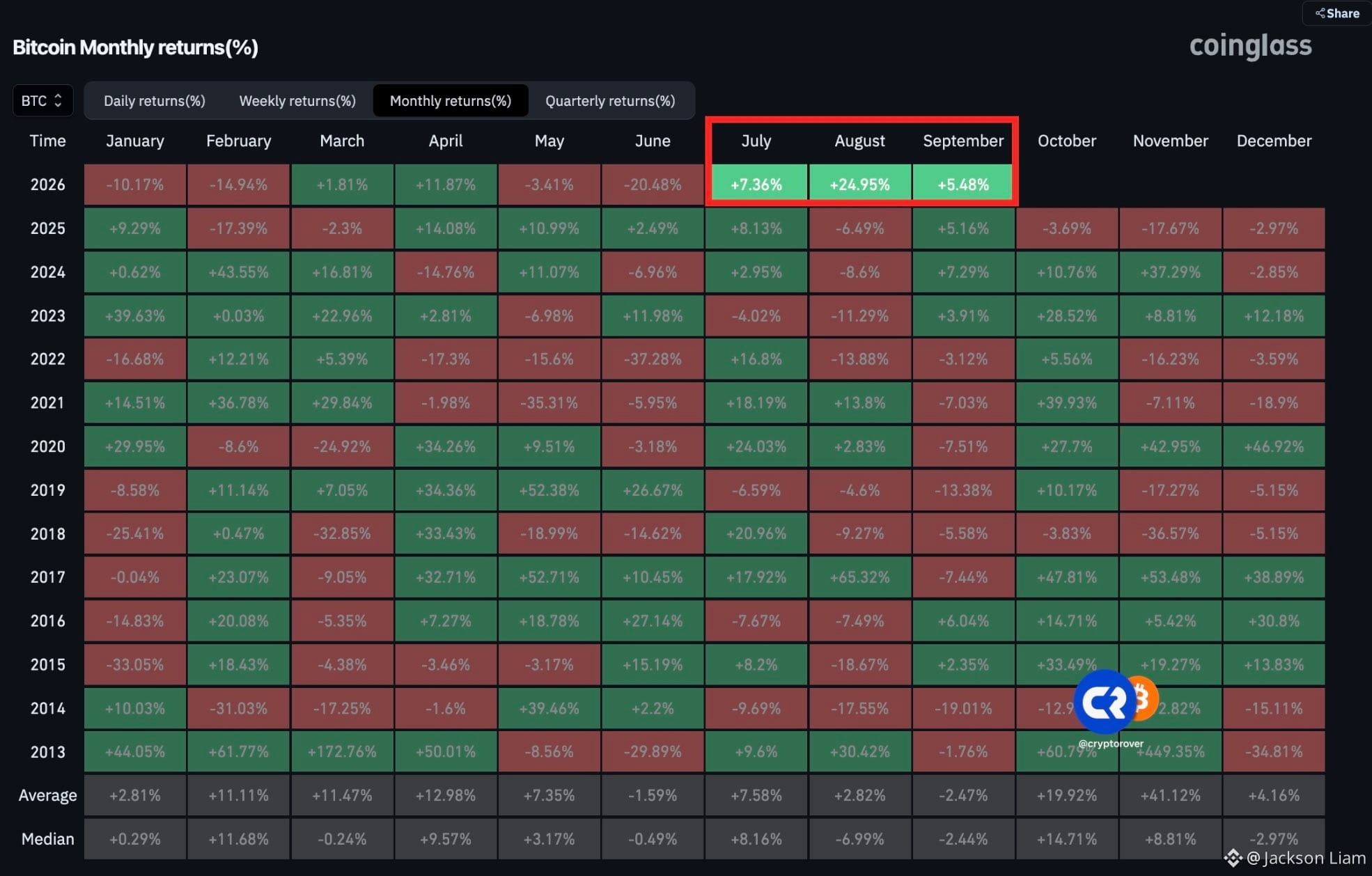
🟢 BITCOIN IS ABOUT TO CLOSE 3 GREEN MONTHS IN A ROW.
And that’s a big deal.
Bitcoin has stayed strong through the last three monthly candles, showing buyers are still stepping in instead of letting the market break down.
Historically, a 3-month green streak is rare during major bear markets.
But here’s the important part:
🚨 It doesn’t mean Bitcoin can’t dump. 🚨 It doesn’t guarantee a new all-time high. 🚨 It does show that the market structure is behaving differently from a typical prolonged bear phase.
Three green monthly candles = momentum is building.
If Bitcoin closes September in green, the real question becomes:
Can the bulls turn this strength into a bigger breakout?
The next monthly candle could be VERY important. 👀
🟢 BITCOIN IS ABOUT TO CLOSE 3 GREEN MONTHS IN A ROW.
And that’s a big deal.
Bitcoin has stayed strong through the last three monthly candles, showing buyers are still stepping in instead of letting the market break down.
Historically, a 3-month green streak is rare during major bear markets.
But here’s the important part:
🚨 It doesn’t mean Bitcoin can’t dump. 🚨 It doesn’t guarantee a new all-time high. 🚨 It does show that the market structure is behaving differently from a typical prolonged bear phase.
Three green monthly candles = momentum is building.
If Bitcoin closes September in green, the real question becomes:
Can the bulls turn this strength into a bigger breakout?
The next monthly candle could be VERY important. 👀
And that’s a big deal.
Bitcoin has stayed strong through the last three monthly candles, showing buyers are still stepping in instead of letting the market break down.
Historically, a 3-month green streak is rare during major bear markets.
But here’s the important part:
🚨 It doesn’t mean Bitcoin can’t dump. 🚨 It doesn’t guarantee a new all-time high. 🚨 It does show that the market structure is behaving differently from a typical prolonged bear phase.
Three green monthly candles = momentum is building.
If Bitcoin closes September in green, the real question becomes:
Can the bulls turn this strength into a bigger breakout?
The next monthly candle could be VERY important. 👀
8
2
555
·
--
記事
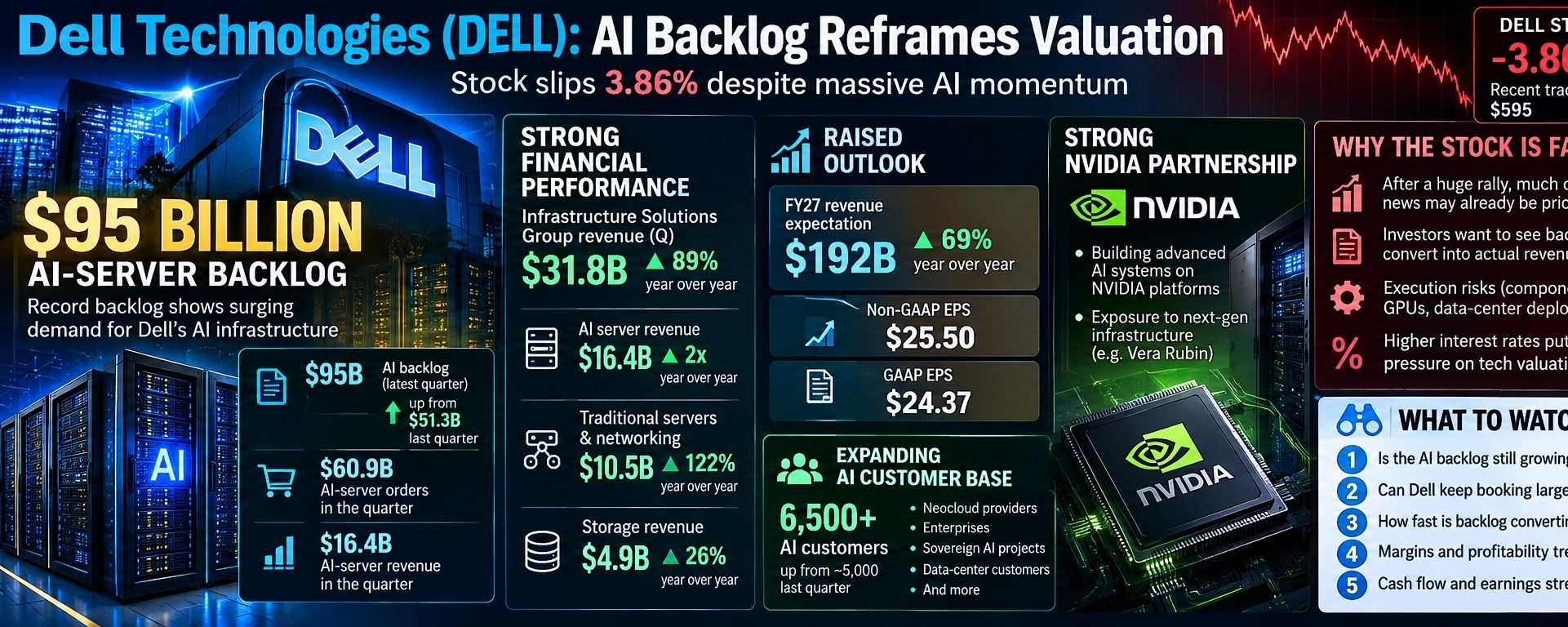
Dell Technologies(DELL):950億ドルのAIバックログが物語を変えているデル・テクノロジーズはもはやPCやサーバーの会社だけではありません。
同社が巨額の950億ドル規模のAIサーバーのバックログを明らかにした一方で、株価が先日3.86%下落していたため、これは無視しにくくなっています。
下落局面が興味深いのは、デルの基礎となるAI事業が逆方向に動いているからです。受注は急増し、売上は伸びており、経営陣は通期見通しを引き上げました。
では、なぜ株価が下落しているのでしょうか?
大きな上昇ラリーの後、投資家は「デルがAIの恩恵を受けるのかどうか」をもう問わなくなりました。今は「同社の将来の成長が、すでに株価に織り込まれているのか」を問うているのです。
Dell Technologies(DELL):950億ドルのAIバックログが物語を変えている
デル・テクノロジーズはもはやPCやサーバーの会社だけではありません。
同社が巨額の950億ドル規模のAIサーバーのバックログを明らかにした一方で、株価が先日3.86%下落していたため、これは無視しにくくなっています。
下落局面が興味深いのは、デルの基礎となるAI事業が逆方向に動いているからです。受注は急増し、売上は伸びており、経営陣は通期見通しを引き上げました。
では、なぜ株価が下落しているのでしょうか?
大きな上昇ラリーの後、投資家は「デルがAIの恩恵を受けるのかどうか」をもう問わなくなりました。今は「同社の将来の成長が、すでに株価に織り込まれているのか」を問うているのです。
同社が巨額の950億ドル規模のAIサーバーのバックログを明らかにした一方で、株価が先日3.86%下落していたため、これは無視しにくくなっています。
下落局面が興味深いのは、デルの基礎となるAI事業が逆方向に動いているからです。受注は急増し、売上は伸びており、経営陣は通期見通しを引き上げました。
では、なぜ株価が下落しているのでしょうか?
大きな上昇ラリーの後、投資家は「デルがAIの恩恵を受けるのかどうか」をもう問わなくなりました。今は「同社の将来の成長が、すでに株価に織り込まれているのか」を問うているのです。
7
2
472
·
--
ブリッシュ
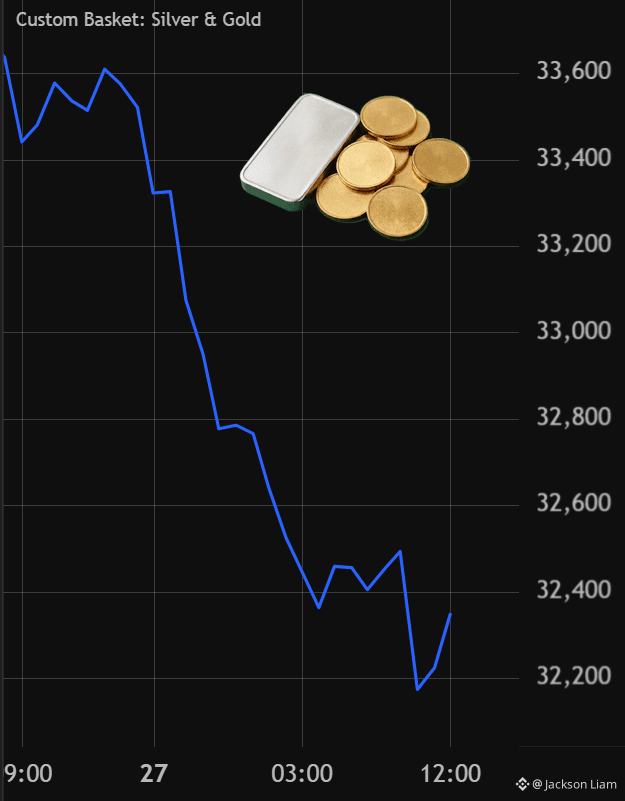
🚨速報:金と銀が大幅な打撃を受けました。
本日、時価総額の合計で1兆ドルが消失しました。
これはビットコインの時価総額全体の約60%に相当します。
よく考えてみてください。
これほど大きな市場なら、1日で数百億ドル規模が動くこともあります。しかも、ビットコインは依然として、伝統的な価値の保存手段に比べればまだ比較的小さいです。
私たちはまだ非常に初期です。👀
$XAU $XAG
🚨速報:金と銀が大幅な打撃を受けました。
本日、時価総額の合計で1兆ドルが消失しました。
これはビットコインの時価総額全体の約60%に相当します。
よく考えてみてください。
これほど大きな市場なら、1日で数百億ドル規模が動くこともあります。しかも、ビットコインは依然として、伝統的な価値の保存手段に比べればまだ比較的小さいです。
私たちはまだ非常に初期です。👀
$XAU $XAG
本日、時価総額の合計で1兆ドルが消失しました。
これはビットコインの時価総額全体の約60%に相当します。
よく考えてみてください。
これほど大きな市場なら、1日で数百億ドル規模が動くこともあります。しかも、ビットコインは依然として、伝統的な価値の保存手段に比べればまだ比較的小さいです。
私たちはまだ非常に初期です。👀
$XAU $XAG
9
1
645
·
--
ブリッシュ
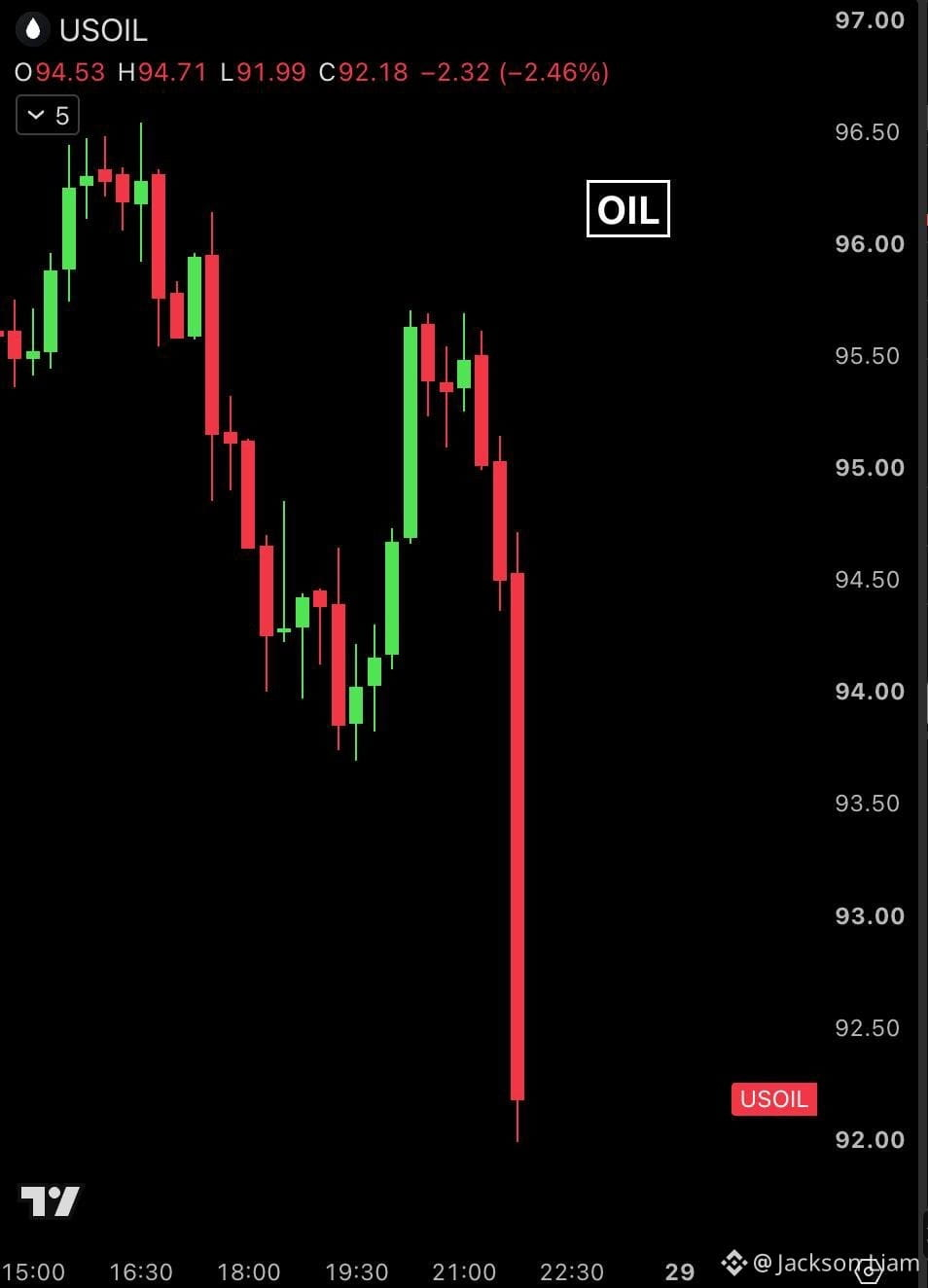
🚨 緊急速報:イラン制裁の緩和が近づく可能性
トランプは、テヘランが米国の核要求に応じるなら、制裁を緩和しイランの資産凍結を解除する用意があると報じられている。
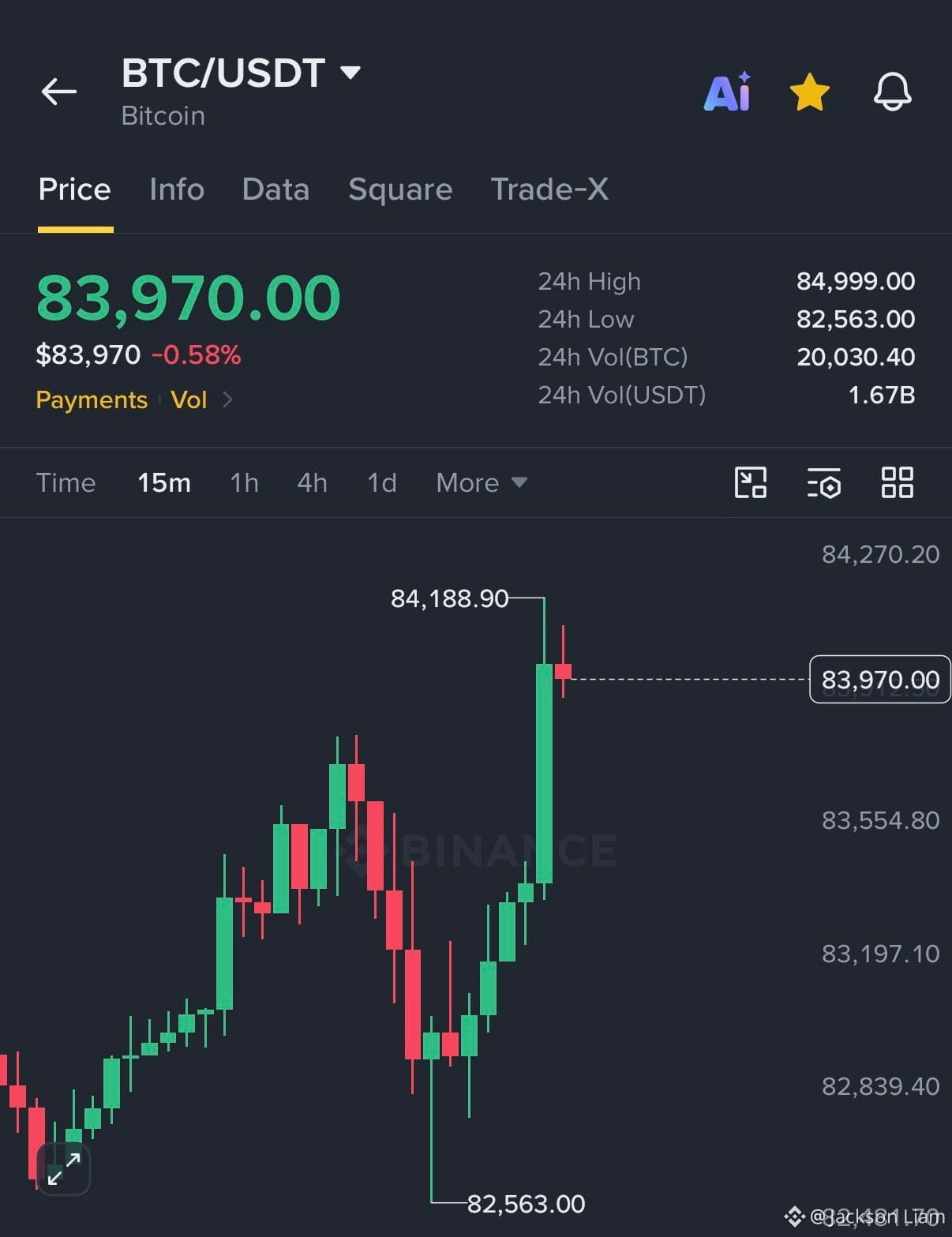
市場の反応は素早かった ⚡
🛢️ 石油は地政学的リスクの上乗せが薄れると、わずか30分で約4%下落した。
₿ ビットコインも回復を開始した。トレーダーが潜在的な緊張緩和を織り込んだからだ。
重要なのは今:交渉が実際の合意につながるかどうか。
🚨 緊急速報:イラン制裁の緩和が近づく可能性
トランプは、テヘランが米国の核要求に応じるなら、制裁を緩和しイランの資産凍結を解除する用意があると報じられている。
市場の反応は素早かった ⚡
🛢️ 石油は地政学的リスクの上乗せが薄れると、わずか30分で約4%下落した。
₿ ビットコインも回復を開始した。トレーダーが潜在的な緊張緩和を織り込んだからだ。
重要なのは今:交渉が実際の合意につながるかどうか。
トランプは、テヘランが米国の核要求に応じるなら、制裁を緩和しイランの資産凍結を解除する用意があると報じられている。
市場の反応は素早かった ⚡
🛢️ 石油は地政学的リスクの上乗せが薄れると、わずか30分で約4%下落した。
₿ ビットコインも回復を開始した。トレーダーが潜在的な緊張緩和を織り込んだからだ。
重要なのは今:交渉が実際の合意につながるかどうか。
1
387
·
--
ブリッシュ
QNT — 爆発的なブレイクアウトが進行中。
価格が100台から195まで急騰し、今はスパイクを追いかけるのではなく、制御されたリテストを探している状況です。
買いゾーン:155〜165
EP:160
TP1:180
TP2:195
TP3:215
SL:147
195を上抜けると、モメンタムが加速する可能性があります。
155〜165が4Hで維持されれば、セットアップは建設的なままです。
$QNT
{future}(QNTUSDT)
$Q
{future}(QUSDT)
$SOON
{future}(SOONUSDT)
QNT — 爆発的なブレイクアウトが進行中。
価格が100台から195まで急騰し、今はスパイクを追いかけるのではなく、制御されたリテストを探している状況です。
買いゾーン:155〜165
EP:160
TP1:180
TP2:195
TP3:215
SL:147
195を上抜けると、モメンタムが加速する可能性があります。
155〜165が4Hで維持されれば、セットアップは建設的なままです。
$QNT
$Q
$SOON
価格が100台から195まで急騰し、今はスパイクを追いかけるのではなく、制御されたリテストを探している状況です。
買いゾーン:155〜165
EP:160
TP1:180
TP2:195
TP3:215
SL:147
195を上抜けると、モメンタムが加速する可能性があります。
155〜165が4Hで維持されれば、セットアップは建設的なままです。
$QNT
$Q
$SOON
Breakout
25%
Pullback
60%
Staying out
15%
20 投票 • 投票は終了しました
5
3
2.1k
·
--
ブリッシュ
レア
0.0130のエリアからの大規模な拡大後、ブレイクアウトの勢いが加熱してきています。価格は0.02244の高値を押し付けているため、ポイントはブレイクアウト・ゾーンを維持することです。
買いゾーン:0.02000–0.02120
TP1:0.02380
TP2:0.02650
TP3:0.03000
SL:0.01840
EP:0.02000–0.02120
TP:0.02380 / 0.02650 / 0.03000
SL:0.01840
クリーンな手順:0.0200を上抜けてからのリテスト(再確認)。もし0.0184が割れたら、このセットアップは無効です。
$RARE
{spot}(RAREUSDT)
$ARK
{future}(ARKUSDT)
$PHA
{future}(PHAUSDT)
レア
0.0130のエリアからの大規模な拡大後、ブレイクアウトの勢いが加熱してきています。価格は0.02244の高値を押し付けているため、ポイントはブレイクアウト・ゾーンを維持することです。
買いゾーン:0.02000–0.02120
TP1:0.02380
TP2:0.02650
TP3:0.03000
SL:0.01840
EP:0.02000–0.02120
TP:0.02380 / 0.02650 / 0.03000
SL:0.01840
クリーンな手順:0.0200を上抜けてからのリテスト(再確認)。もし0.0184が割れたら、このセットアップは無効です。
$RARE
$ARK
$PHA
0.0130のエリアからの大規模な拡大後、ブレイクアウトの勢いが加熱してきています。価格は0.02244の高値を押し付けているため、ポイントはブレイクアウト・ゾーンを維持することです。
買いゾーン:0.02000–0.02120
TP1:0.02380
TP2:0.02650
TP3:0.03000
SL:0.01840
EP:0.02000–0.02120
TP:0.02380 / 0.02650 / 0.03000
SL:0.01840
クリーンな手順:0.0200を上抜けてからのリテスト(再確認)。もし0.0184が割れたら、このセットアップは無効です。
$RARE
$ARK
$PHA
YES — Buying the breakout
40%
NO — Waiting for a pullback
60%
5 投票 • 投票は終了しました
4
4
751
ログインして、さらにコンテンツを読む
厳選トピックで世界の暗号資産トレーダーの仲間入り
⚡️ 暗号資産に関する最新かつ有益な情報が見つかります。
💬 世界最大の暗号資産取引所から信頼されています。
👍 認証を受けたクリエイターから、有益なインサイトを得られます。
メール / 電話番号
トレンドトピック
ZcashETFPostsFirstWeeklyOutflow$93.6M
閲覧回数 35,557
101人が討論中
#ZcashETFPostsFirstWeeklyOutflow$93.6M
🚨🚨🚨🚨🚨🚨🚨🚨🚨🚨🚨🚨🚨🚨✅ 🚨 ZCASH ETFの資金フローが初めてマイナスに転じる!📉
$ZEC は、機関投資家の資金フローに大きな変化が起きているようで、Zcashの投資商品は8月のローンチ以来初めてとなる週次のネット・アウトフローを記録しました。
ファンドフローのデータによると、直近の週は約$93.6MがZcash商品から引き出され、同時にZECの値動きも大きく冷え込みました。
📊 何が起きた?
• 週次のZcash ETFのアウトフロー:$93.6M
• 9月30日のデイリー・アウトフロー:$30.25M
• ZCSHはこれまで1週間で約$98.2Mを集めていた
• ZECは約$1,300で取引中
• 最近の高値:約$1,690
• 週次の下落:およそ17%超
🔍 注目すべき水準
🟢 サポート:$1,280〜$1,300
🔴 レジスタンス:$1,450〜$1,500
重要なポイントは、$1,300のあたりが維持されて、新たな買い手を引きつけられるかどうかです。
機関投資家のフローも同様に重要です。安定したプラスの流入が戻れば、信頼の再燃を示唆する一方、アウトフローが続けば$ZEC への圧力が続く可能性があります。
👀 これはZECの大幅な上昇(急騰)の後の単なる利益確定なのか、それとも買い手が戻ってくる前に、さらに深い押しが見られるのでしょうか?
下にあなたの見解をシェアしてください。👇
#Zcash #ZEC #ZcashETF #Crypto
#analysis
owhggwiohsjowve
·いいね:0件
·閲覧回数 164
GreekPoliceBustCryptoScamRingArrest17
閲覧回数 78,116
695人が討論中
BitcoinRejectedAt$87K
閲覧回数 123,109
160人が討論中