

S T E P H E N
19.2k 投稿

S T E P H E N
 厳選トピック確認済
報告
ユーザーをブロック
📊 Crypto enthusiast focused on trends and discoveries
取引を発注
高頻度トレーダー
1.7年
22 フォロー
35.8K フォロワー
29.6K+ いいね
投稿
ポートフォリオ
すべて
引用
ライブ
記事
翻訳参照
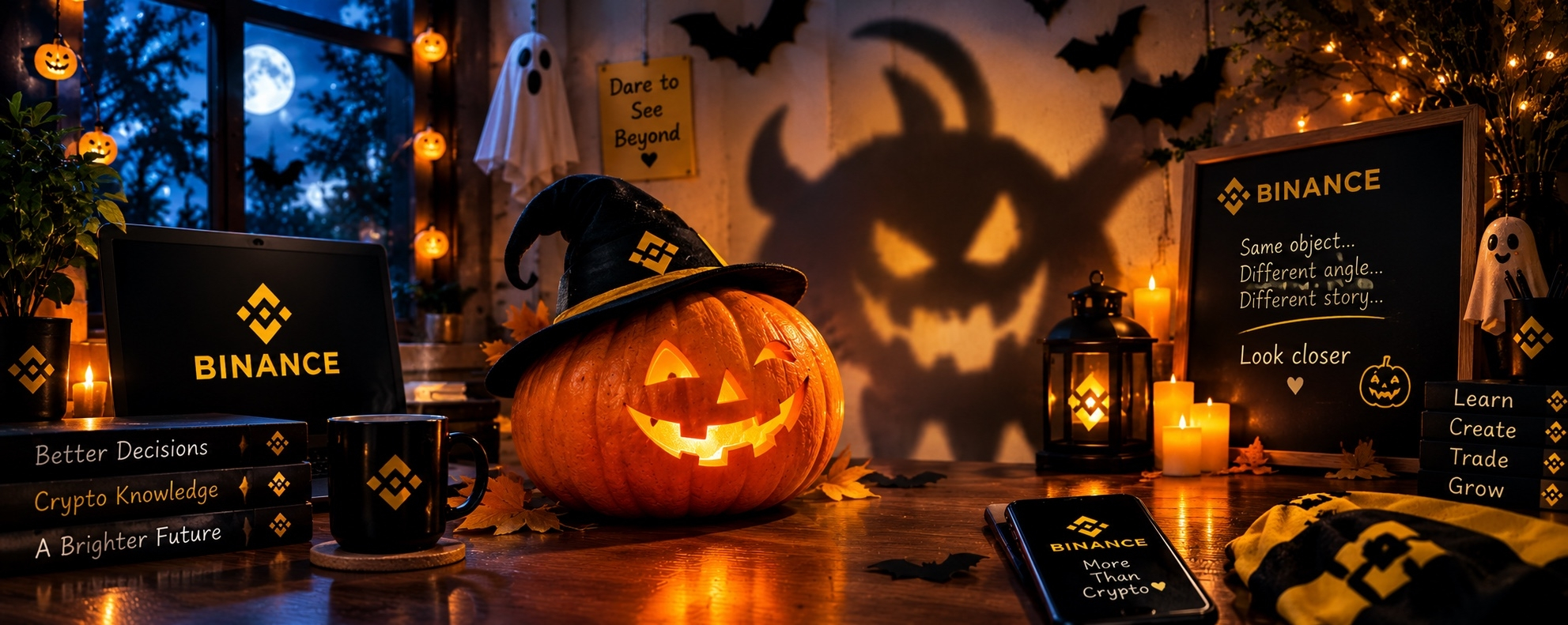
THE SHADOW BEHIND THE PUMPKIN: A HALLOWEEN STORY ABOUT WHAT WE DON’T SEESometimes, the things that frighten us are not what they appear to be.
This Halloween, I imagined a simple experiment with a pumpkin, a desk lamp, and a dark room. What began as a spooky decoration became an interesting reminder about imagination, perception, and the importance of looking beyond first impressions.
🕯️ When an Ordinary Room Became Mysterious
Imagine a Halloween room decorated with paper bats, tiny orange lights, and a smiling pumpkin sitting on a wooden table. A small Binance-yellow detail adds a bright touch to the dark decorations.
Everything looks cheerful until the room becomes darker.
The lamp casts a long shadow across the wall. Suddenly, the pumpkin’s familiar smile looks frightening, and the paper bats appear much larger than they really are.
Nothing has changed in the room. Only the lighting is different.
Yet the entire atmosphere feels mysterious.
That is what makes this idea interesting: our minds do more than simply observe things. We interpret what we see, connect it with our expectations, and sometimes turn uncertainty into fear.
🎃 The Pumpkin’s Little Secret
In my imagined story, I move the lamp to another side of the table.
The frightening shadow becomes smaller. The mysterious shape disappears, revealing nothing more than an ordinary pumpkin and a wall.
I change the angle again, and a completely different shadow appears.
The pumpkin has not changed. My perspective has.
I love this idea because it turns an ordinary decoration into a small mystery. One person might see a monster, another might see a funny shape, and someone else might immediately understand the trick.
The best part is that everyone gets to discover the explanation for themselves.
Sometimes, the most memorable Halloween surprise is not what we see first. It is what we discover when we look again.
👻 A Lesson Beyond Halloween
This simple scene reminds me of something that happens in everyday life.
We often form opinions before we have enough information. A confusing message can create a misunderstanding, while an unexpected event can make us assume the worst.
But uncertainty does not automatically mean danger, and a convincing first impression is not always the complete picture.
Instead of asking, “What is that frightening thing?” we can ask, “What is creating that shadow?”
That small change encourages curiosity instead of immediate judgment.
For me, this is the real message behind the pumpkin story: sometimes, we do not need a different situation. We need a different perspective.
💛 Adding a Binance Touch
For my imagined Halloween setup, I would combine an orange pumpkin, handmade black bats, a warm desk lamp, and a clearly visible Binance-branded item.
I would keep the decorations simple and let the pumpkin’s unusual shadow become the main attraction. The Binance-yellow accent would create a striking contrast against the dark background.
My goal would be to create an original scene that makes people pause while scrolling through Binance Square and wonder how an ordinary decoration produced such an unexpected effect.
Creativity does not always require expensive equipment or complicated designs. Sometimes, thoughtful composition and a fresh idea are enough to make something memorable.
That is the kind of content I enjoy creating: something entertaining on the surface, with a meaningful idea behind it.
🦇 One Pumpkin, Different Perspectives
As midnight approaches in my imagined Halloween scene, I switch on the main light.
The shadows disappear. The bats become ordinary paper decorations, and the mysterious shape returns to being a pumpkin’s shadow.
Nothing supernatural happened, yet the experience remains memorable because it changed what I expected to see.
Perhaps that is the real magic of Halloween: the opportunity to transform ordinary objects into extraordinary experiences through imagination.
This year, I would rather create something that makes people curious than something that simply tries to scare them.
A little creativity can change an ordinary object. A different perspective can change an entire story. And sometimes, the simplest ideas leave the strongest impressions.
Now I want to ask the Binance Square community:
If you saw a mysterious shadow in a dark Halloween room, what would you do first?
Run away before it gets closer!
Turn on the light and investigate.
Take a photo because it might become the perfect Halloween post! 📸🎃
Share your choice in the comments!
Wishing the Binance community a Halloween filled with creativity, curiosity, and unexpected discoveries. 💛🖤🎃
#SEAPumpkinFrenzy #Halloween #binance
$IRYS
$DOS
{future}(DOSUSDT)
$BEB
{spot}(BEBUSDT)
THE SHADOW BEHIND THE PUMPKIN: A HALLOWEEN STORY ABOUT WHAT WE DON’T SEE
Sometimes, the things that frighten us are not what they appear to be.
This Halloween, I imagined a simple experiment with a pumpkin, a desk lamp, and a dark room. What began as a spooky decoration became an interesting reminder about imagination, perception, and the importance of looking beyond first impressions.
🕯️ When an Ordinary Room Became Mysterious
Imagine a Halloween room decorated with paper bats, tiny orange lights, and a smiling pumpkin sitting on a wooden table. A small Binance-yellow detail adds a bright touch to the dark decorations.
Everything looks cheerful until the room becomes darker.
The lamp casts a long shadow across the wall. Suddenly, the pumpkin’s familiar smile looks frightening, and the paper bats appear much larger than they really are.
Nothing has changed in the room. Only the lighting is different.
Yet the entire atmosphere feels mysterious.
That is what makes this idea interesting: our minds do more than simply observe things. We interpret what we see, connect it with our expectations, and sometimes turn uncertainty into fear.
🎃 The Pumpkin’s Little Secret
In my imagined story, I move the lamp to another side of the table.
The frightening shadow becomes smaller. The mysterious shape disappears, revealing nothing more than an ordinary pumpkin and a wall.
I change the angle again, and a completely different shadow appears.
The pumpkin has not changed. My perspective has.
I love this idea because it turns an ordinary decoration into a small mystery. One person might see a monster, another might see a funny shape, and someone else might immediately understand the trick.
The best part is that everyone gets to discover the explanation for themselves.
Sometimes, the most memorable Halloween surprise is not what we see first. It is what we discover when we look again.
👻 A Lesson Beyond Halloween
This simple scene reminds me of something that happens in everyday life.
We often form opinions before we have enough information. A confusing message can create a misunderstanding, while an unexpected event can make us assume the worst.
But uncertainty does not automatically mean danger, and a convincing first impression is not always the complete picture.
Instead of asking, “What is that frightening thing?” we can ask, “What is creating that shadow?”
That small change encourages curiosity instead of immediate judgment.
For me, this is the real message behind the pumpkin story: sometimes, we do not need a different situation. We need a different perspective.
💛 Adding a Binance Touch
For my imagined Halloween setup, I would combine an orange pumpkin, handmade black bats, a warm desk lamp, and a clearly visible Binance-branded item.
I would keep the decorations simple and let the pumpkin’s unusual shadow become the main attraction. The Binance-yellow accent would create a striking contrast against the dark background.
My goal would be to create an original scene that makes people pause while scrolling through Binance Square and wonder how an ordinary decoration produced such an unexpected effect.
Creativity does not always require expensive equipment or complicated designs. Sometimes, thoughtful composition and a fresh idea are enough to make something memorable.
That is the kind of content I enjoy creating: something entertaining on the surface, with a meaningful idea behind it.
🦇 One Pumpkin, Different Perspectives
As midnight approaches in my imagined Halloween scene, I switch on the main light.
The shadows disappear. The bats become ordinary paper decorations, and the mysterious shape returns to being a pumpkin’s shadow.
Nothing supernatural happened, yet the experience remains memorable because it changed what I expected to see.
Perhaps that is the real magic of Halloween: the opportunity to transform ordinary objects into extraordinary experiences through imagination.
This year, I would rather create something that makes people curious than something that simply tries to scare them.
A little creativity can change an ordinary object. A different perspective can change an entire story. And sometimes, the simplest ideas leave the strongest impressions.
Now I want to ask the Binance Square community:
If you saw a mysterious shadow in a dark Halloween room, what would you do first?
Run away before it gets closer!
Turn on the light and investigate.
Take a photo because it might become the perfect Halloween post! 📸🎃
Share your choice in the comments!
Wishing the Binance community a Halloween filled with creativity, curiosity, and unexpected discoveries. 💛🖤🎃
#SEAPumpkinFrenzy #Halloween #binance
$IRYS
$DOS
$BEB
This Halloween, I imagined a simple experiment with a pumpkin, a desk lamp, and a dark room. What began as a spooky decoration became an interesting reminder about imagination, perception, and the importance of looking beyond first impressions.
🕯️ When an Ordinary Room Became Mysterious
Imagine a Halloween room decorated with paper bats, tiny orange lights, and a smiling pumpkin sitting on a wooden table. A small Binance-yellow detail adds a bright touch to the dark decorations.
Everything looks cheerful until the room becomes darker.
The lamp casts a long shadow across the wall. Suddenly, the pumpkin’s familiar smile looks frightening, and the paper bats appear much larger than they really are.
Nothing has changed in the room. Only the lighting is different.
Yet the entire atmosphere feels mysterious.
That is what makes this idea interesting: our minds do more than simply observe things. We interpret what we see, connect it with our expectations, and sometimes turn uncertainty into fear.
🎃 The Pumpkin’s Little Secret
In my imagined story, I move the lamp to another side of the table.
The frightening shadow becomes smaller. The mysterious shape disappears, revealing nothing more than an ordinary pumpkin and a wall.
I change the angle again, and a completely different shadow appears.
The pumpkin has not changed. My perspective has.
I love this idea because it turns an ordinary decoration into a small mystery. One person might see a monster, another might see a funny shape, and someone else might immediately understand the trick.
The best part is that everyone gets to discover the explanation for themselves.
Sometimes, the most memorable Halloween surprise is not what we see first. It is what we discover when we look again.
👻 A Lesson Beyond Halloween
This simple scene reminds me of something that happens in everyday life.
We often form opinions before we have enough information. A confusing message can create a misunderstanding, while an unexpected event can make us assume the worst.
But uncertainty does not automatically mean danger, and a convincing first impression is not always the complete picture.
Instead of asking, “What is that frightening thing?” we can ask, “What is creating that shadow?”
That small change encourages curiosity instead of immediate judgment.
For me, this is the real message behind the pumpkin story: sometimes, we do not need a different situation. We need a different perspective.
💛 Adding a Binance Touch
For my imagined Halloween setup, I would combine an orange pumpkin, handmade black bats, a warm desk lamp, and a clearly visible Binance-branded item.
I would keep the decorations simple and let the pumpkin’s unusual shadow become the main attraction. The Binance-yellow accent would create a striking contrast against the dark background.
My goal would be to create an original scene that makes people pause while scrolling through Binance Square and wonder how an ordinary decoration produced such an unexpected effect.
Creativity does not always require expensive equipment or complicated designs. Sometimes, thoughtful composition and a fresh idea are enough to make something memorable.
That is the kind of content I enjoy creating: something entertaining on the surface, with a meaningful idea behind it.
🦇 One Pumpkin, Different Perspectives
As midnight approaches in my imagined Halloween scene, I switch on the main light.
The shadows disappear. The bats become ordinary paper decorations, and the mysterious shape returns to being a pumpkin’s shadow.
Nothing supernatural happened, yet the experience remains memorable because it changed what I expected to see.
Perhaps that is the real magic of Halloween: the opportunity to transform ordinary objects into extraordinary experiences through imagination.
This year, I would rather create something that makes people curious than something that simply tries to scare them.
A little creativity can change an ordinary object. A different perspective can change an entire story. And sometimes, the simplest ideas leave the strongest impressions.
Now I want to ask the Binance Square community:
If you saw a mysterious shadow in a dark Halloween room, what would you do first?
Run away before it gets closer!
Turn on the light and investigate.
Take a photo because it might become the perfect Halloween post! 📸🎃
Share your choice in the comments!
Wishing the Binance community a Halloween filled with creativity, curiosity, and unexpected discoveries. 💛🖤🎃
#SEAPumpkinFrenzy #Halloween #binance
$IRYS
$DOS
$BEB
9
8
639
Binance Pick シーズン1がもうすぐ始まります!🟡
予測を楽しむこのコンペティションで、毎日のタスクをこなし、スコアを獲得しながら、自分の予測力を試すのが楽しみです。ランキングも加わり、継続的な参加や賢い判断が結果を左右するかもしれません。
シーズン1がどう展開するのか、楽しみです!🚀@BinancePk
#BinancePick #BinanceSquare #Crypto
Binance Pick シーズン1がもうすぐ始まります!🟡
予測を楽しむこのコンペティションで、毎日のタスクをこなし、スコアを獲得しながら、自分の予測力を試すのが楽しみです。ランキングも加わり、継続的な参加や賢い判断が結果を左右するかもしれません。
シーズン1がどう展開するのか、楽しみです!🚀@Binance Pakistan
#BinancePick #BinanceSquare #Crypto
予測を楽しむこのコンペティションで、毎日のタスクをこなし、スコアを獲得しながら、自分の予測力を試すのが楽しみです。ランキングも加わり、継続的な参加や賢い判断が結果を左右するかもしれません。
シーズン1がどう展開するのか、楽しみです!🚀@Binance Pakistan
#BinancePick #BinanceSquare #Crypto
1
126
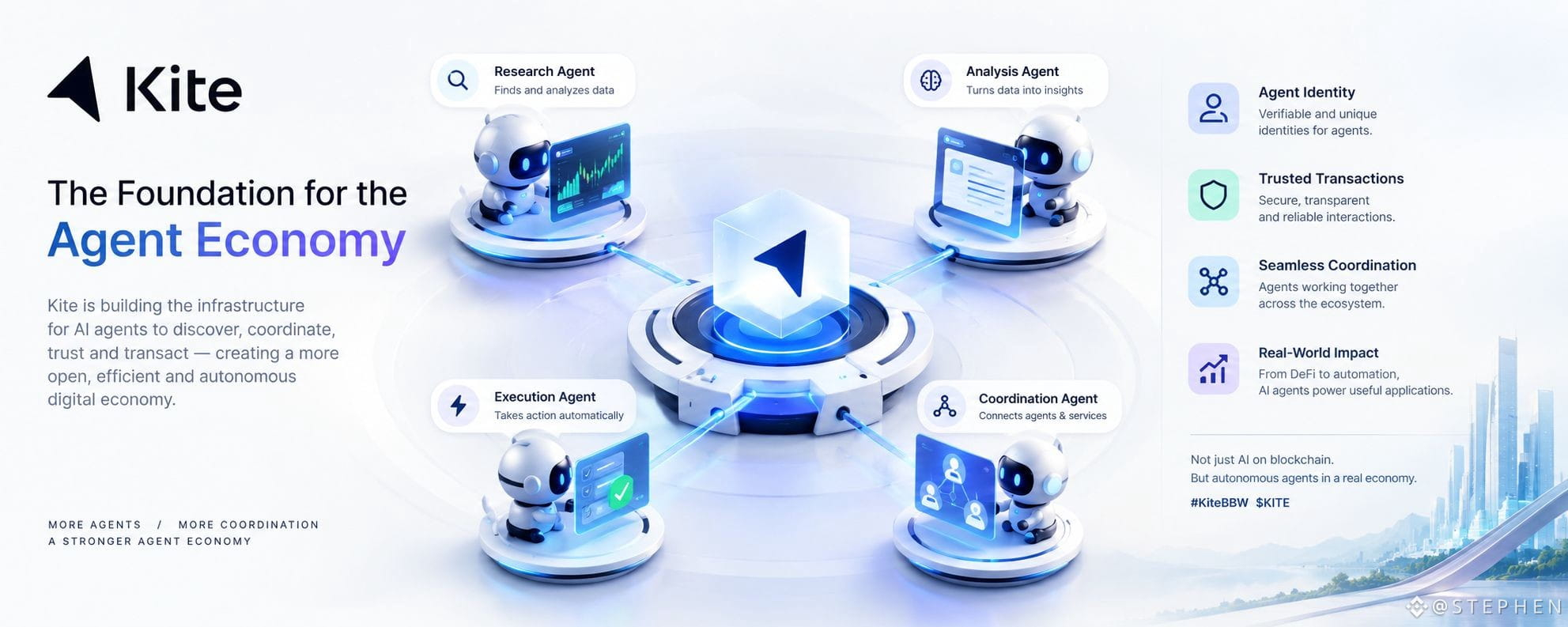
AI経済の次の段階で問われるのは、AIモデルがどれほど賢くなれるかではなく、AIエージェントがどれほど効果的に連携できるかもしれません。
ここで注目に値するのがKiteです。
AIエージェントが単純なアシスタントからタスクを完了できるシステムへと進化するにつれ、新たな課題が生まれています。エージェントはどのようにサービスを見つけ、ほかのエージェントと連携し、信頼を築き、手作業を減らしながら経済活動に参加できるのでしょうか?
Kiteは、連携、アイデンティティ、取引を通じて、AIエージェントがより自律的に活動できる、エージェント中心の経済の実現を目指しています。
あるエージェントが市場を調査し、別のエージェントが入手可能な情報を分析し、さらにもう1つのエージェントがあらかじめ定められたルールに基づいてタスクを実行する未来を想像してみてください。このエコシステムを拡大するには、エージェントには知能だけでなく、ほかのエージェントやサービスとやり取りするための信頼できる手段も必要です。
ただし、普及の鍵を握るのは実用的な実行力です。注目度だけでなく、セキュリティ、検証可能なやり取り、透明性の高いコスト、そして実際の需要がはるかに重要になります。本当の試金石は、開発者が有用なアプリケーションを構築できるか、そしてそれらが持続可能な活動を生み出せるかどうかです。
エージェント経済が注目に値するのは、まさにそのためです。単にAIをブロックチェーンに載せるのではなく、自律型ソフトウェアが、より優れた連携と説明責任のもとでデジタル市場に参加する方法を探ることに可能性があります。
Kiteのエコシステムがどのように発展し、AIエージェントの能力向上とともにどのような実社会のアプリケーションが生まれるのか、特に関心があります。
エージェント経済はまだ発展の途上にあり、今日構築されるインフラが、明日これらのシステムがどのように連携するかを形作る可能性があります。
普及を最も後押しするのは何だと思いますか?エージェントのアイデンティティ、信頼できる取引、それともシームレスな連携でしょうか?
#KiteBBW $KITE @GoKiteAI
{spot}(KITEUSDT)
AI経済の次の段階で問われるのは、AIモデルがどれほど賢くなれるかではなく、AIエージェントがどれほど効果的に連携できるかもしれません。
ここで注目に値するのがKiteです。
AIエージェントが単純なアシスタントからタスクを完了できるシステムへと進化するにつれ、新たな課題が生まれています。エージェントはどのようにサービスを見つけ、ほかのエージェントと連携し、信頼を築き、手作業を減らしながら経済活動に参加できるのでしょうか?
Kiteは、連携、アイデンティティ、取引を通じて、AIエージェントがより自律的に活動できる、エージェント中心の経済の実現を目指しています。
あるエージェントが市場を調査し、別のエージェントが入手可能な情報を分析し、さらにもう1つのエージェントがあらかじめ定められたルールに基づいてタスクを実行する未来を想像してみてください。このエコシステムを拡大するには、エージェントには知能だけでなく、ほかのエージェントやサービスとやり取りするための信頼できる手段も必要です。
ただし、普及の鍵を握るのは実用的な実行力です。注目度だけでなく、セキュリティ、検証可能なやり取り、透明性の高いコスト、そして実際の需要がはるかに重要になります。本当の試金石は、開発者が有用なアプリケーションを構築できるか、そしてそれらが持続可能な活動を生み出せるかどうかです。
エージェント経済が注目に値するのは、まさにそのためです。単にAIをブロックチェーンに載せるのではなく、自律型ソフトウェアが、より優れた連携と説明責任のもとでデジタル市場に参加する方法を探ることに可能性があります。
Kiteのエコシステムがどのように発展し、AIエージェントの能力向上とともにどのような実社会のアプリケーションが生まれるのか、特に関心があります。
エージェント経済はまだ発展の途上にあり、今日構築されるインフラが、明日これらのシステムがどのように連携するかを形作る可能性があります。
普及を最も後押しするのは何だと思いますか?エージェントのアイデンティティ、信頼できる取引、それともシームレスな連携でしょうか?
#KiteBBW $KITE @KITE AI 中文
ここで注目に値するのがKiteです。
AIエージェントが単純なアシスタントからタスクを完了できるシステムへと進化するにつれ、新たな課題が生まれています。エージェントはどのようにサービスを見つけ、ほかのエージェントと連携し、信頼を築き、手作業を減らしながら経済活動に参加できるのでしょうか?
Kiteは、連携、アイデンティティ、取引を通じて、AIエージェントがより自律的に活動できる、エージェント中心の経済の実現を目指しています。
あるエージェントが市場を調査し、別のエージェントが入手可能な情報を分析し、さらにもう1つのエージェントがあらかじめ定められたルールに基づいてタスクを実行する未来を想像してみてください。このエコシステムを拡大するには、エージェントには知能だけでなく、ほかのエージェントやサービスとやり取りするための信頼できる手段も必要です。
ただし、普及の鍵を握るのは実用的な実行力です。注目度だけでなく、セキュリティ、検証可能なやり取り、透明性の高いコスト、そして実際の需要がはるかに重要になります。本当の試金石は、開発者が有用なアプリケーションを構築できるか、そしてそれらが持続可能な活動を生み出せるかどうかです。
エージェント経済が注目に値するのは、まさにそのためです。単にAIをブロックチェーンに載せるのではなく、自律型ソフトウェアが、より優れた連携と説明責任のもとでデジタル市場に参加する方法を探ることに可能性があります。
Kiteのエコシステムがどのように発展し、AIエージェントの能力向上とともにどのような実社会のアプリケーションが生まれるのか、特に関心があります。
エージェント経済はまだ発展の途上にあり、今日構築されるインフラが、明日これらのシステムがどのように連携するかを形作る可能性があります。
普及を最も後押しするのは何だと思いますか?エージェントのアイデンティティ、信頼できる取引、それともシームレスな連携でしょうか?
#KiteBBW $KITE @KITE AI 中文
2
240
本人確認中
#CPIWatch 9月のCPIは原油と米国債を揺るがすか?
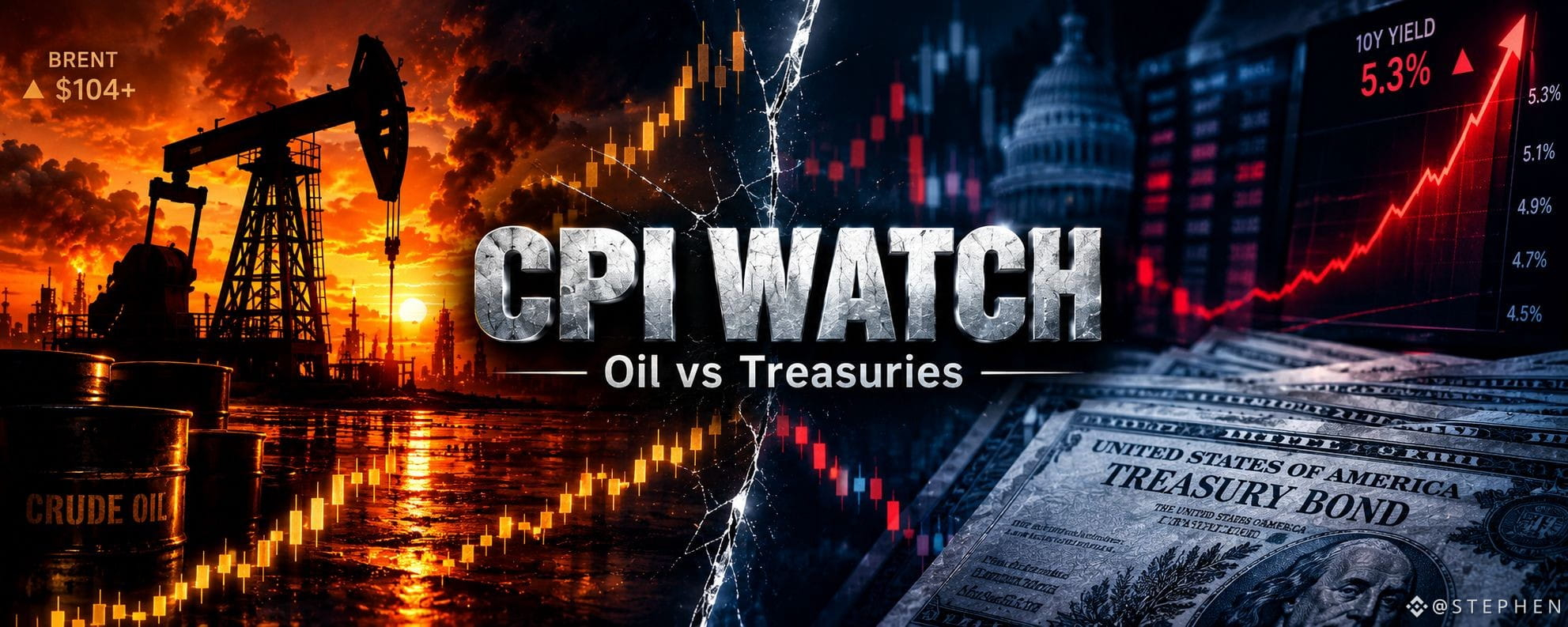
9月のCPIが明日発表されます。今回は実際に重要な結果になりそうです。市場予想では、総合インフレ率は前年比3.4%から約3.6〜3.7%に上昇し、その要因はほぼ全面的にエネルギー価格になると見られています。フーシ派によるサウジアラビアのリヤド空港への攻撃や、ホルムズ海峡でのタンカー攻撃を受け、今月初めに原油価格が5%超上昇した後も、ブレント原油は1バレル104ドルを上回っています。
私の見立てでは、総合指数は強い数字になるでしょう。ただ、コアCPIも同じくらい注視しています。コアは前月比0.2%まで実際に鈍化すると予想されており、エネルギー価格のショックはまだ幅広い財やサービスに波及していないことを示しています。コアが落ち着いたままなら、FRBは10月に金利を据え置く可能性が高いでしょう。市場が織り込む10月28日の会合での利上げ確率はわずか19%で、12月の利上げ観測は85%近くに達しています。
米国債については、10年債利回りは先週、24年ぶりの高水準となる5.365%から低下し、現在は5.199%です。総合CPIが強い数字になれば、利回りは再び高値に向かい、TMFUSDTの重しとなる可能性があります。私はこの動きを追いかけるつもりはありません。先回りするより、実際の発表を見てから反応したいです。原油については、BZUSDTの小さなロングポジションを保有し、直近のサポートを下回る水準にタイトなストップを置いています。エネルギーは単独で総合CPIを動かし得る唯一の項目であり、地政学リスクプレミアムもなお高まっているため、発表前に原油が落ち着くとは思いません。
私の方針は、発表までは原油のロングを維持し、米国債は数字が出るまでポジションを取らず、方向を予想するのではなくデータに判断を委ねることです。あなたはどうしますか?原油ロング、米国債ショート、それとも様子見ですか?CPIやマクロ取引の分析をもっと見たい方は、ぜひフォローしてください。
#CPIWatch 9月のCPIは原油と米国債を揺るがすか?
9月のCPIが明日発表されます。今回は実際に重要な結果になりそうです。市場予想では、総合インフレ率は前年比3.4%から約3.6〜3.7%に上昇し、その要因はほぼ全面的にエネルギー価格になると見られています。フーシ派によるサウジアラビアのリヤド空港への攻撃や、ホルムズ海峡でのタンカー攻撃を受け、今月初めに原油価格が5%超上昇した後も、ブレント原油は1バレル104ドルを上回っています。
私の見立てでは、総合指数は強い数字になるでしょう。ただ、コアCPIも同じくらい注視しています。コアは前月比0.2%まで実際に鈍化すると予想されており、エネルギー価格のショックはまだ幅広い財やサービスに波及していないことを示しています。コアが落ち着いたままなら、FRBは10月に金利を据え置く可能性が高いでしょう。市場が織り込む10月28日の会合での利上げ確率はわずか19%で、12月の利上げ観測は85%近くに達しています。
米国債については、10年債利回りは先週、24年ぶりの高水準となる5.365%から低下し、現在は5.199%です。総合CPIが強い数字になれば、利回りは再び高値に向かい、TMFUSDTの重しとなる可能性があります。私はこの動きを追いかけるつもりはありません。先回りするより、実際の発表を見てから反応したいです。原油については、BZUSDTの小さなロングポジションを保有し、直近のサポートを下回る水準にタイトなストップを置いています。エネルギーは単独で総合CPIを動かし得る唯一の項目であり、地政学リスクプレミアムもなお高まっているため、発表前に原油が落ち着くとは思いません。
私の方針は、発表までは原油のロングを維持し、米国債は数字が出るまでポジションを取らず、方向を予想するのではなくデータに判断を委ねることです。あなたはどうしますか?原油ロング、米国債ショート、それとも様子見ですか?CPIやマクロ取引の分析をもっと見たい方は、ぜひフォローしてください。
9月のCPIが明日発表されます。今回は実際に重要な結果になりそうです。市場予想では、総合インフレ率は前年比3.4%から約3.6〜3.7%に上昇し、その要因はほぼ全面的にエネルギー価格になると見られています。フーシ派によるサウジアラビアのリヤド空港への攻撃や、ホルムズ海峡でのタンカー攻撃を受け、今月初めに原油価格が5%超上昇した後も、ブレント原油は1バレル104ドルを上回っています。
私の見立てでは、総合指数は強い数字になるでしょう。ただ、コアCPIも同じくらい注視しています。コアは前月比0.2%まで実際に鈍化すると予想されており、エネルギー価格のショックはまだ幅広い財やサービスに波及していないことを示しています。コアが落ち着いたままなら、FRBは10月に金利を据え置く可能性が高いでしょう。市場が織り込む10月28日の会合での利上げ確率はわずか19%で、12月の利上げ観測は85%近くに達しています。
米国債については、10年債利回りは先週、24年ぶりの高水準となる5.365%から低下し、現在は5.199%です。総合CPIが強い数字になれば、利回りは再び高値に向かい、TMFUSDTの重しとなる可能性があります。私はこの動きを追いかけるつもりはありません。先回りするより、実際の発表を見てから反応したいです。原油については、BZUSDTの小さなロングポジションを保有し、直近のサポートを下回る水準にタイトなストップを置いています。エネルギーは単独で総合CPIを動かし得る唯一の項目であり、地政学リスクプレミアムもなお高まっているため、発表前に原油が落ち着くとは思いません。
私の方針は、発表までは原油のロングを維持し、米国債は数字が出るまでポジションを取らず、方向を予想するのではなくデータに判断を委ねることです。あなたはどうしますか?原油ロング、米国債ショート、それとも様子見ですか?CPIやマクロ取引の分析をもっと見たい方は、ぜひフォローしてください。
1.2k
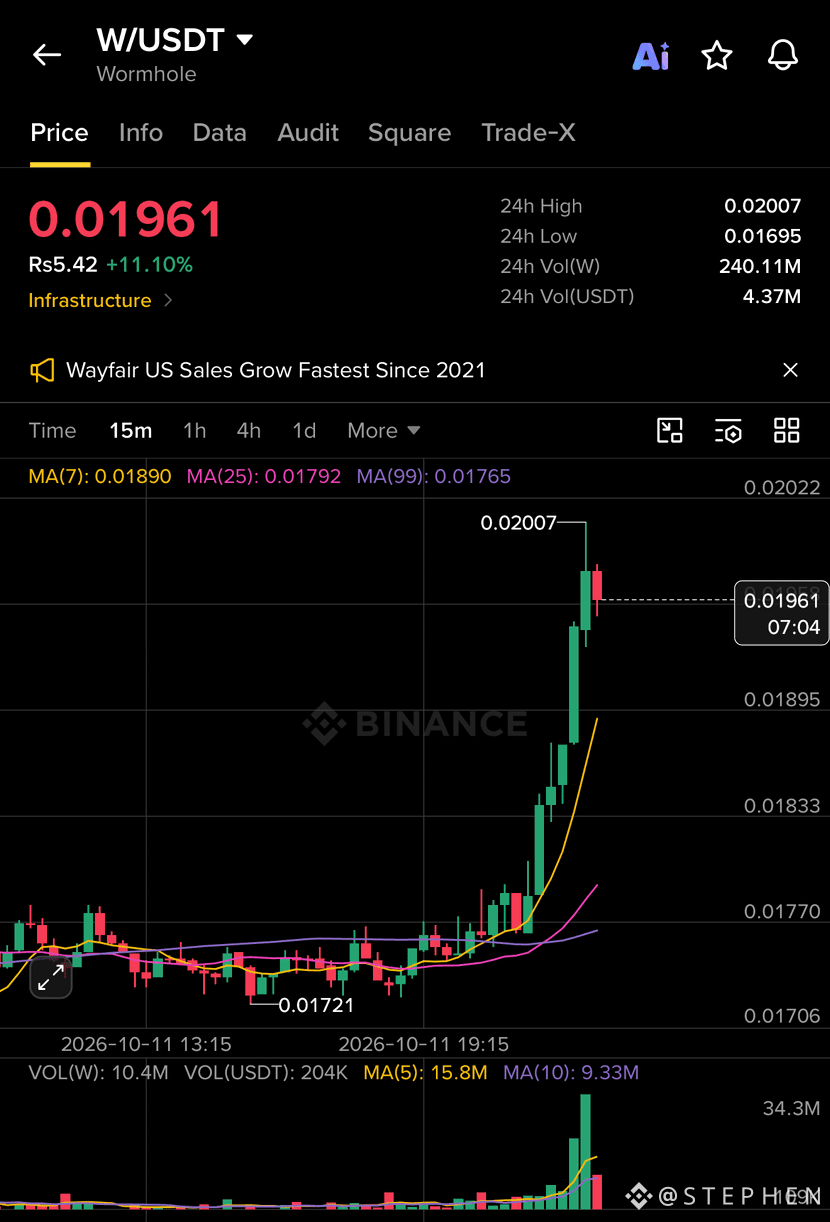
🚀 $Wormholeは重要なレジスタンスゾーンに近づいています!
Wormholeは直近のレンジを上抜けた後、強い上昇モメンタムを示しています。今、注目が集まっているのは$0.020の水準です。
🎯 目標価格候補:
• $0.0205
• $0.0215
• $0.0230
📊 重要なサポート:$0.0165~$0.0170
$0.020~$0.0203を明確に上抜ければ、$Wはさらに高い水準を目指す可能性があります。ただし、上抜けに失敗した場合は、$0.018付近まで反落する可能性があります。
取引を行う前に、ブレイクアウトが確認されるのを見極めましょう。👀
{spot}(WUSDT)
🚀 $Wormholeは重要なレジスタンスゾーンに近づいています!
Wormholeは直近のレンジを上抜けた後、強い上昇モメンタムを示しています。今、注目が集まっているのは$0.020の水準です。
🎯 目標価格候補:
• $0.0205
• $0.0215
• $0.0230
📊 重要なサポート:$0.0165~$0.0170
$0.020~$0.0203を明確に上抜ければ、$Wはさらに高い水準を目指す可能性があります。ただし、上抜けに失敗した場合は、$0.018付近まで反落する可能性があります。
取引を行う前に、ブレイクアウトが確認されるのを見極めましょう。👀
Wormholeは直近のレンジを上抜けた後、強い上昇モメンタムを示しています。今、注目が集まっているのは$0.020の水準です。
🎯 目標価格候補:
• $0.0205
• $0.0215
• $0.0230
📊 重要なサポート:$0.0165~$0.0170
$0.020~$0.0203を明確に上抜ければ、$Wはさらに高い水準を目指す可能性があります。ただし、上抜けに失敗した場合は、$0.018付近まで反落する可能性があります。
取引を行う前に、ブレイクアウトが確認されるのを見極めましょう。👀
487
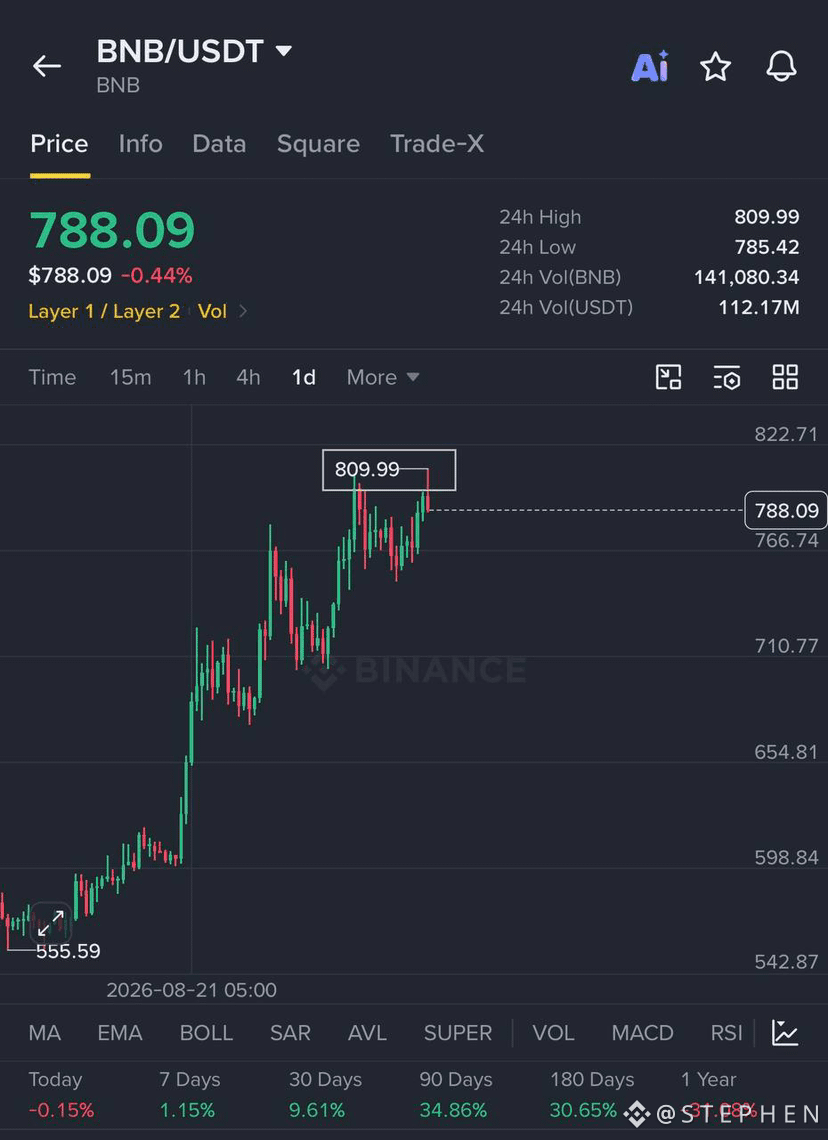
🚨 $BNB がついに800ドル突破——BNBの新たな資金循環の始まりかもしれない
BNBが800ドルを上回り、約8カ月ぶりの高値を記録しました。さらに重要なのは、資金がBNB Chainのエコシステムへ戻りつつあるように見えることです。
エコシステムの動向を注意深く見ています。
BNB Chainに流動性が入り始めると、トレーダーがよりリスクの高い領域へと移るなかで、エコシステム内の小型・中型トークンが急速に上昇することがあります。
注目リスト:
$TUT • $MUBARAK • $BANANAS31 • $BROCCOLI714 • $CAKE • $XVS
大切なのは、単にBNBが上昇するかどうかではなく、エコシステム内の流動性も追随するかどうかです。
BNBが800ドル付近を維持し、勢いが続けば、今後数日でBNB Chainトークンへの資金循環が大きく強まる可能性があります。
アルトシーズン到来を断言しているわけではありません。
注目しているのは、BNBに特化したシーズンです。🔥
ご自身で調査し、リスクを管理しましょう。
🚨 $BNB がついに800ドル突破——BNBの新たな資金循環の始まりかもしれない
BNBが800ドルを上回り、約8カ月ぶりの高値を記録しました。さらに重要なのは、資金がBNB Chainのエコシステムへ戻りつつあるように見えることです。
エコシステムの動向を注意深く見ています。
BNB Chainに流動性が入り始めると、トレーダーがよりリスクの高い領域へと移るなかで、エコシステム内の小型・中型トークンが急速に上昇することがあります。
注目リスト:
$TUT • $MUBARAK • $BANANAS31 • $BROCCOLI714 • $CAKE • $XVS
大切なのは、単にBNBが上昇するかどうかではなく、エコシステム内の流動性も追随するかどうかです。
BNBが800ドル付近を維持し、勢いが続けば、今後数日でBNB Chainトークンへの資金循環が大きく強まる可能性があります。
アルトシーズン到来を断言しているわけではありません。
注目しているのは、BNBに特化したシーズンです。🔥
ご自身で調査し、リスクを管理しましょう。
BNBが800ドルを上回り、約8カ月ぶりの高値を記録しました。さらに重要なのは、資金がBNB Chainのエコシステムへ戻りつつあるように見えることです。
エコシステムの動向を注意深く見ています。
BNB Chainに流動性が入り始めると、トレーダーがよりリスクの高い領域へと移るなかで、エコシステム内の小型・中型トークンが急速に上昇することがあります。
注目リスト:
$TUT • $MUBARAK • $BANANAS31 • $BROCCOLI714 • $CAKE • $XVS
大切なのは、単にBNBが上昇するかどうかではなく、エコシステム内の流動性も追随するかどうかです。
BNBが800ドル付近を維持し、勢いが続けば、今後数日でBNB Chainトークンへの資金循環が大きく強まる可能性があります。
アルトシーズン到来を断言しているわけではありません。
注目しているのは、BNBに特化したシーズンです。🔥
ご自身で調査し、リスクを管理しましょう。
663
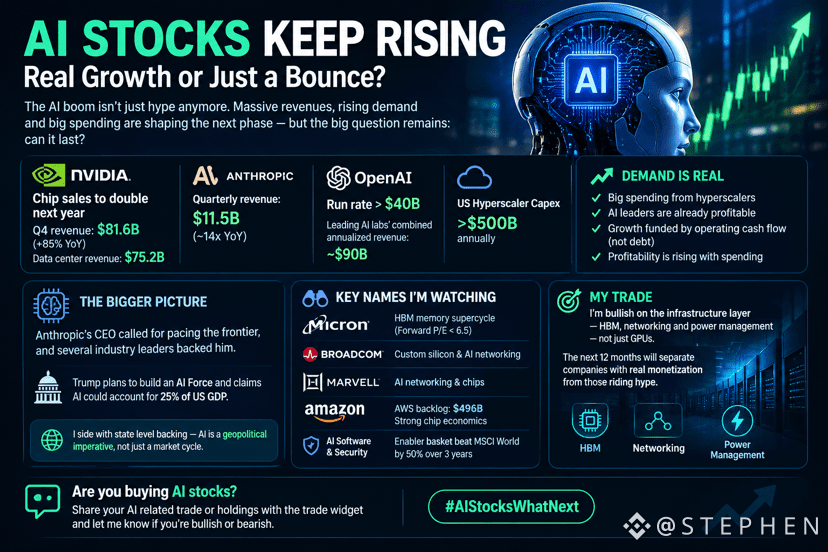
AI株は上昇を続けていますが、大きな疑問は、この上昇が本当の成長なのか、それとも単なるリバウンドなのかという点です。
Nvidiaは巨大なAI需要を引き続き見込んでいます。一方で、AnthropicやOpenAIのような企業は、数十億ドル規模の売上を生み出しています。同時に、米国のハイパースケーラーはAIインフラに数千億ドル規模の投資を行っており、計算リソース(コンピュート)需要がまだ強いことを示しています。
このサイクルが興味深いのは、AIのリーダー企業が売上を伸ばしているだけでなく、多くが強いキャッシュフローを生み出しながらAI投資を拡大していることです。
Nvidia以外では、Micron、Broadcom、Marvell、そしてAmazonを注視しています。特にHBMメモリ、カスタムシリコン、AIネットワーキング、クラウド・インフラに注目しています。
私はGPUだけでなく、AIインフラ層に焦点を当てています。今後12か月で、本当にAIの収益化ができている企業と、単に“話題”の恩恵を受けているだけの企業が明らかになるかもしれません。
AI株について強気ですか、それとも弱気ですか?あなたのAI関連の取引や保有、そして注目している銘柄を教えてください。
#AIStocksWhatNext
$MUBARAK
{future}(MUBARAKUSDT)
$AGT
{future}(AGTUSDT)
$KERNEL
{future}(KERNELUSDT)
AI株は上昇を続けていますが、大きな疑問は、この上昇が本当の成長なのか、それとも単なるリバウンドなのかという点です。
Nvidiaは巨大なAI需要を引き続き見込んでいます。一方で、AnthropicやOpenAIのような企業は、数十億ドル規模の売上を生み出しています。同時に、米国のハイパースケーラーはAIインフラに数千億ドル規模の投資を行っており、計算リソース(コンピュート)需要がまだ強いことを示しています。
このサイクルが興味深いのは、AIのリーダー企業が売上を伸ばしているだけでなく、多くが強いキャッシュフローを生み出しながらAI投資を拡大していることです。
Nvidia以外では、Micron、Broadcom、Marvell、そしてAmazonを注視しています。特にHBMメモリ、カスタムシリコン、AIネットワーキング、クラウド・インフラに注目しています。
私はGPUだけでなく、AIインフラ層に焦点を当てています。今後12か月で、本当にAIの収益化ができている企業と、単に“話題”の恩恵を受けているだけの企業が明らかになるかもしれません。
AI株について強気ですか、それとも弱気ですか?あなたのAI関連の取引や保有、そして注目している銘柄を教えてください。
#AIStocksWhatNext
$MUBARAK
$AGT
$KERNEL
Nvidiaは巨大なAI需要を引き続き見込んでいます。一方で、AnthropicやOpenAIのような企業は、数十億ドル規模の売上を生み出しています。同時に、米国のハイパースケーラーはAIインフラに数千億ドル規模の投資を行っており、計算リソース(コンピュート)需要がまだ強いことを示しています。
このサイクルが興味深いのは、AIのリーダー企業が売上を伸ばしているだけでなく、多くが強いキャッシュフローを生み出しながらAI投資を拡大していることです。
Nvidia以外では、Micron、Broadcom、Marvell、そしてAmazonを注視しています。特にHBMメモリ、カスタムシリコン、AIネットワーキング、クラウド・インフラに注目しています。
私はGPUだけでなく、AIインフラ層に焦点を当てています。今後12か月で、本当にAIの収益化ができている企業と、単に“話題”の恩恵を受けているだけの企業が明らかになるかもしれません。
AI株について強気ですか、それとも弱気ですか?あなたのAI関連の取引や保有、そして注目している銘柄を教えてください。
#AIStocksWhatNext
$MUBARAK
$AGT
$KERNEL
1
128
💰$DOGE ショートの即時セットアップ 🔴
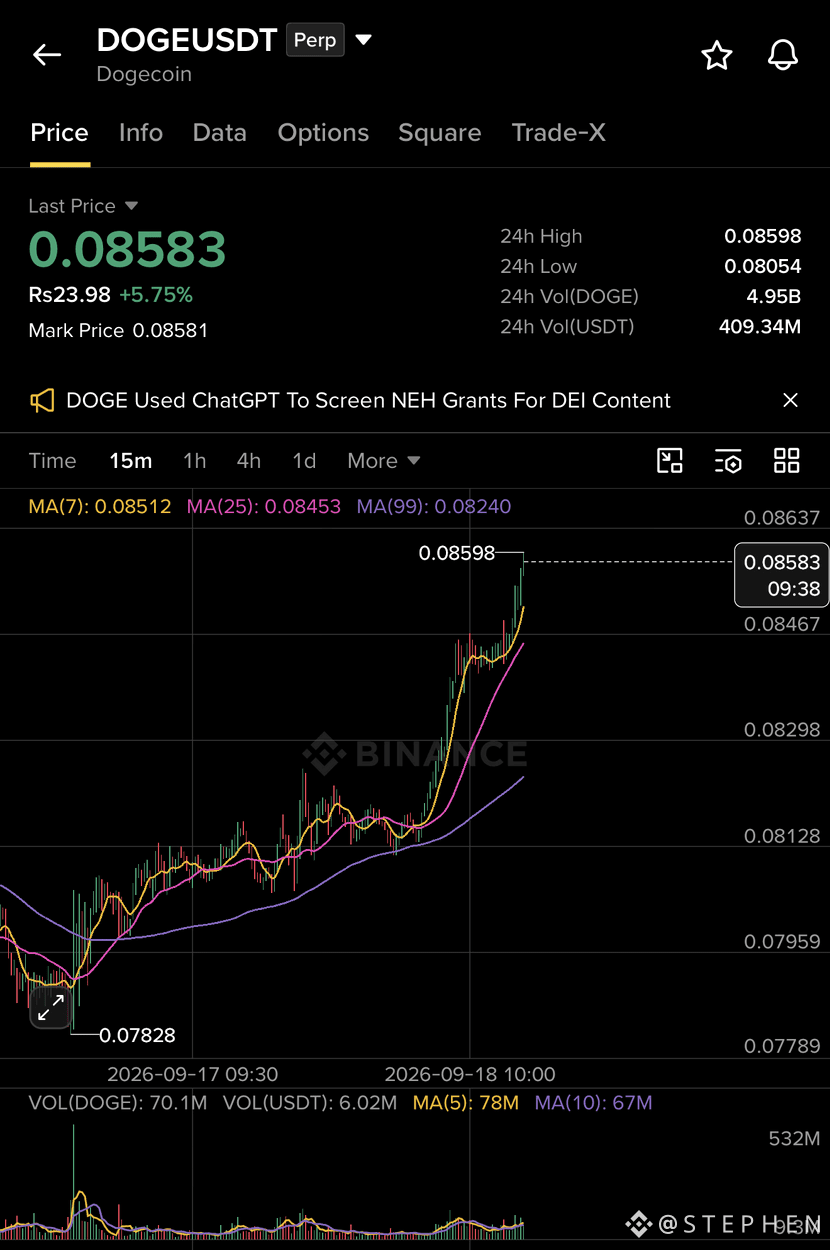
$DOGE は、$0.08584付近で約$133Kのショート取引量スパイクが発生しており、目立った売り圧力が見られます。現在の価格付近で売り手が積極化しており、短期の構造に圧力がかかっています。
ショートゾーン: $0.0855 – $0.0862
🎯 TP1: $0.0845
🎯 TP2: $0.0832
🎯 TP3: $0.0818
🛑 SL: $0.0875
もし$DOGE が$0.0862を取り戻せなければ、売り手が主導権を握ったままになる可能性があります。$0.0845を下抜けると、次の下方向の目標に向けて道が開けるかもしれません。
取引グレード: 🔴 A- セットアップ
建玉サイズは管理し、SLを遵守してください。
{future}(DOGEUSDT)
💰$DOGE ショートの即時セットアップ 🔴
$DOGE は、$0.08584付近で約$133Kのショート取引量スパイクが発生しており、目立った売り圧力が見られます。現在の価格付近で売り手が積極化しており、短期の構造に圧力がかかっています。
ショートゾーン: $0.0855 – $0.0862
🎯 TP1: $0.0845
🎯 TP2: $0.0832
🎯 TP3: $0.0818
🛑 SL: $0.0875
もし$DOGE が$0.0862を取り戻せなければ、売り手が主導権を握ったままになる可能性があります。$0.0845を下抜けると、次の下方向の目標に向けて道が開けるかもしれません。
取引グレード: 🔴 A- セットアップ
建玉サイズは管理し、SLを遵守してください。
$DOGE は、$0.08584付近で約$133Kのショート取引量スパイクが発生しており、目立った売り圧力が見られます。現在の価格付近で売り手が積極化しており、短期の構造に圧力がかかっています。
ショートゾーン: $0.0855 – $0.0862
🎯 TP1: $0.0845
🎯 TP2: $0.0832
🎯 TP3: $0.0818
🛑 SL: $0.0875
もし$DOGE が$0.0862を取り戻せなければ、売り手が主導権を握ったままになる可能性があります。$0.0845を下抜けると、次の下方向の目標に向けて道が開けるかもしれません。
取引グレード: 🔴 A- セットアップ
建玉サイズは管理し、SLを遵守してください。
2
222
🚀 $SYN は超スピードで動いてる!
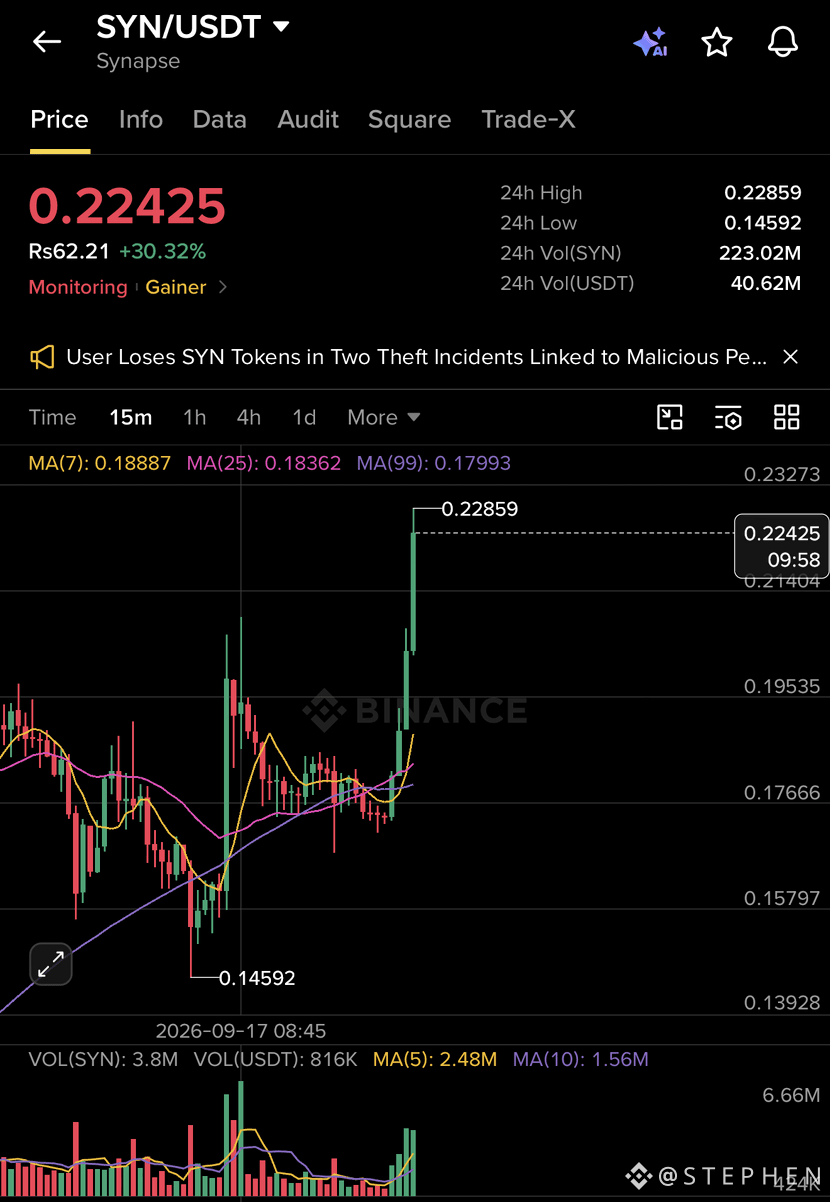
シナプスが$0.20のゾーンを上抜け、その勢いで新高値$0.22859まで押し上げられました。しかも、強い出来高がこの上昇を後押ししています。
📍 現在:$0.22425
🎯 レジスタンス:$0.228〜$0.233
🟢 サポート:$0.195〜$0.205
🔥 $0.233を上抜けてホールドできれば → モメンタムが続く可能性
⚠️ 急な+30%の上昇の後は、押し目(リトレースメント)が起こり得ます。リスク管理を慎重に。
$SYN の強気勢は目を覚ました。🐂🔥
{future}(SYNUSDT)
🚀 $SYN は超スピードで動いてる!
シナプスが$0.20のゾーンを上抜け、その勢いで新高値$0.22859まで押し上げられました。しかも、強い出来高がこの上昇を後押ししています。
📍 現在:$0.22425
🎯 レジスタンス:$0.228〜$0.233
🟢 サポート:$0.195〜$0.205
🔥 $0.233を上抜けてホールドできれば → モメンタムが続く可能性
⚠️ 急な+30%の上昇の後は、押し目(リトレースメント)が起こり得ます。リスク管理を慎重に。
$SYN の強気勢は目を覚ました。🐂🔥
シナプスが$0.20のゾーンを上抜け、その勢いで新高値$0.22859まで押し上げられました。しかも、強い出来高がこの上昇を後押ししています。
📍 現在:$0.22425
🎯 レジスタンス:$0.228〜$0.233
🟢 サポート:$0.195〜$0.205
🔥 $0.233を上抜けてホールドできれば → モメンタムが続く可能性
⚠️ 急な+30%の上昇の後は、押し目(リトレースメント)が起こり得ます。リスク管理を慎重に。
$SYN の強気勢は目を覚ました。🐂🔥
1
269
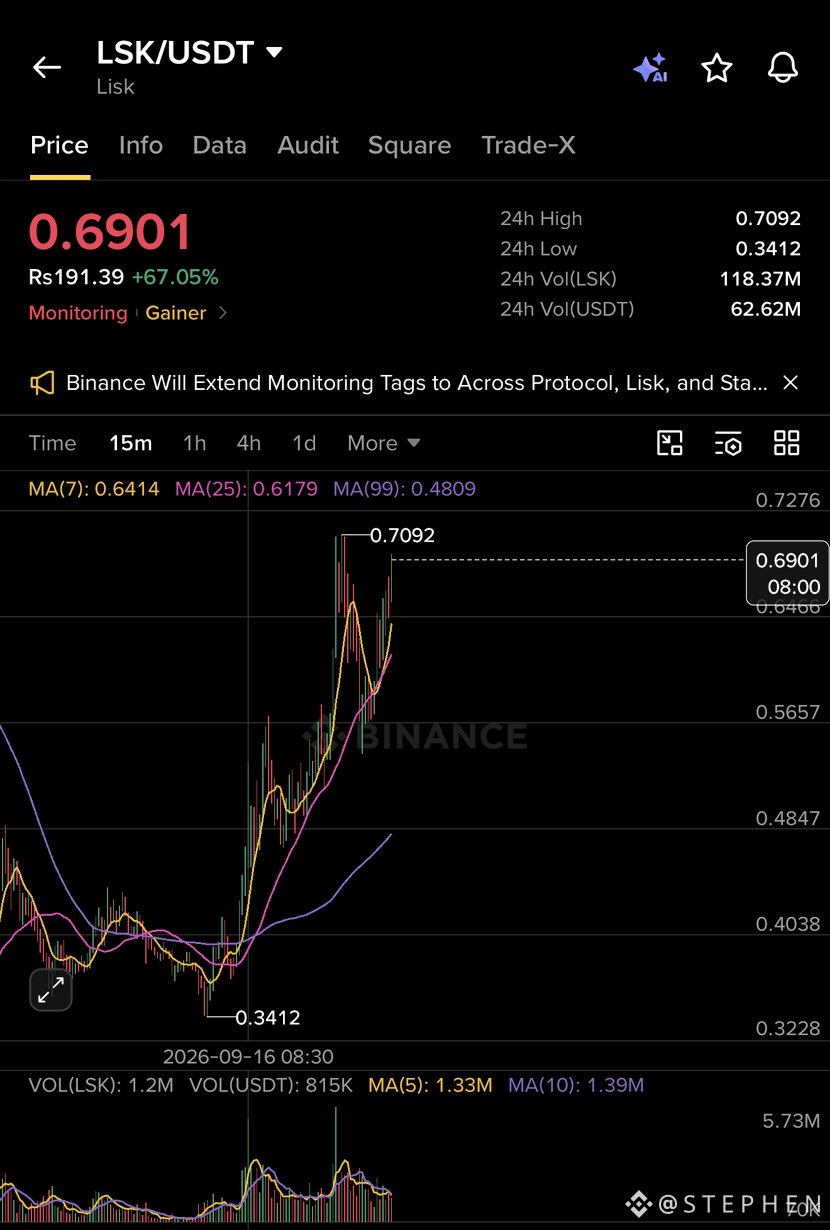
🚀 $LSK はFASTで動いています!
Liskは$0.34ゾーンから押し上げられ、$0.7092まで上昇し、強いモメンタムと出来高を示しています。
📍 現在:$0.6901
🎯 レジスタンス:$0.709–$0.728
🟢 サポート:$0.64–$0.66
🔥 $0.71を超えてブレイク&ホールド → モメンタムが続く可能性
⚠️ +67%の上昇の後は、ボラティリティが高くなることがあります — 慎重にリスク管理をしてください。
$LSK の強気派は目を覚ましています。🐂🔥
{future}(LSKUSDT)
🚀 $LSK はFASTで動いています!
Liskは$0.34ゾーンから押し上げられ、$0.7092まで上昇し、強いモメンタムと出来高を示しています。
📍 現在:$0.6901
🎯 レジスタンス:$0.709–$0.728
🟢 サポート:$0.64–$0.66
🔥 $0.71を超えてブレイク&ホールド → モメンタムが続く可能性
⚠️ +67%の上昇の後は、ボラティリティが高くなることがあります — 慎重にリスク管理をしてください。
$LSK の強気派は目を覚ましています。🐂🔥
Liskは$0.34ゾーンから押し上げられ、$0.7092まで上昇し、強いモメンタムと出来高を示しています。
📍 現在:$0.6901
🎯 レジスタンス:$0.709–$0.728
🟢 サポート:$0.64–$0.66
🔥 $0.71を超えてブレイク&ホールド → モメンタムが続く可能性
⚠️ +67%の上昇の後は、ボラティリティが高くなることがあります — 慎重にリスク管理をしてください。
$LSK の強気派は目を覚ましています。🐂🔥
1
210
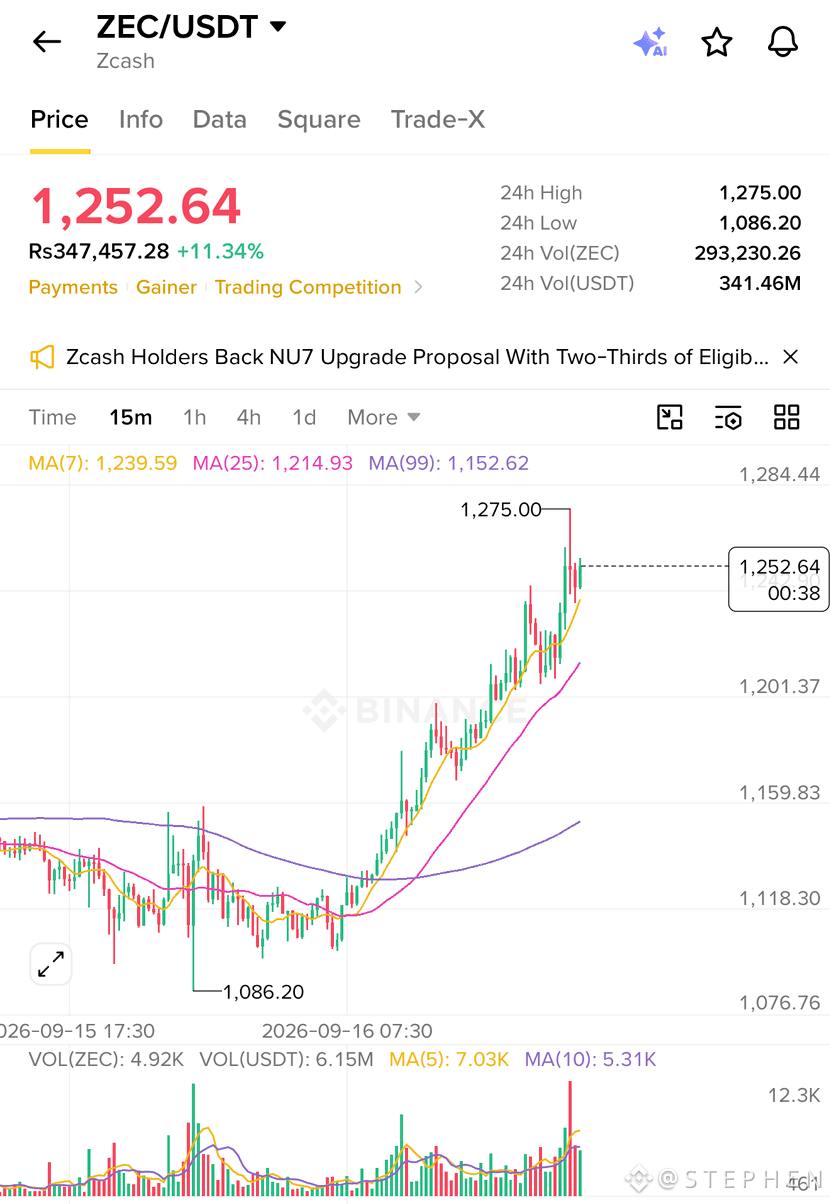
🚀 $ZEC は猛スピードで動いています!
Zcashは$1,200のゾーンを取り戻した後、買い手が強い勢いを見せており、上昇を押し進めています。
📍 現在: 約$1,230
🎯 レジスタンス: $1,250〜$1,300
🔥 $1,300を超えてブレイク&ホールド → モメンタムが続く可能性
⚠️ 急な値動きの後は押し目(プルバック)が起こり得ます — リスク管理を慎重に。
$ZEC の強気勢は起きています。🐂🔥
{future}(ZECUSDT)
🚀 $ZEC は猛スピードで動いています!
Zcashは$1,200のゾーンを取り戻した後、買い手が強い勢いを見せており、上昇を押し進めています。
📍 現在: 約$1,230
🎯 レジスタンス: $1,250〜$1,300
🔥 $1,300を超えてブレイク&ホールド → モメンタムが続く可能性
⚠️ 急な値動きの後は押し目(プルバック)が起こり得ます — リスク管理を慎重に。
$ZEC の強気勢は起きています。🐂🔥
Zcashは$1,200のゾーンを取り戻した後、買い手が強い勢いを見せており、上昇を押し進めています。
📍 現在: 約$1,230
🎯 レジスタンス: $1,250〜$1,300
🔥 $1,300を超えてブレイク&ホールド → モメンタムが続く可能性
⚠️ 急な値動きの後は押し目(プルバック)が起こり得ます — リスク管理を慎重に。
$ZEC の強気勢は起きています。🐂🔥
194
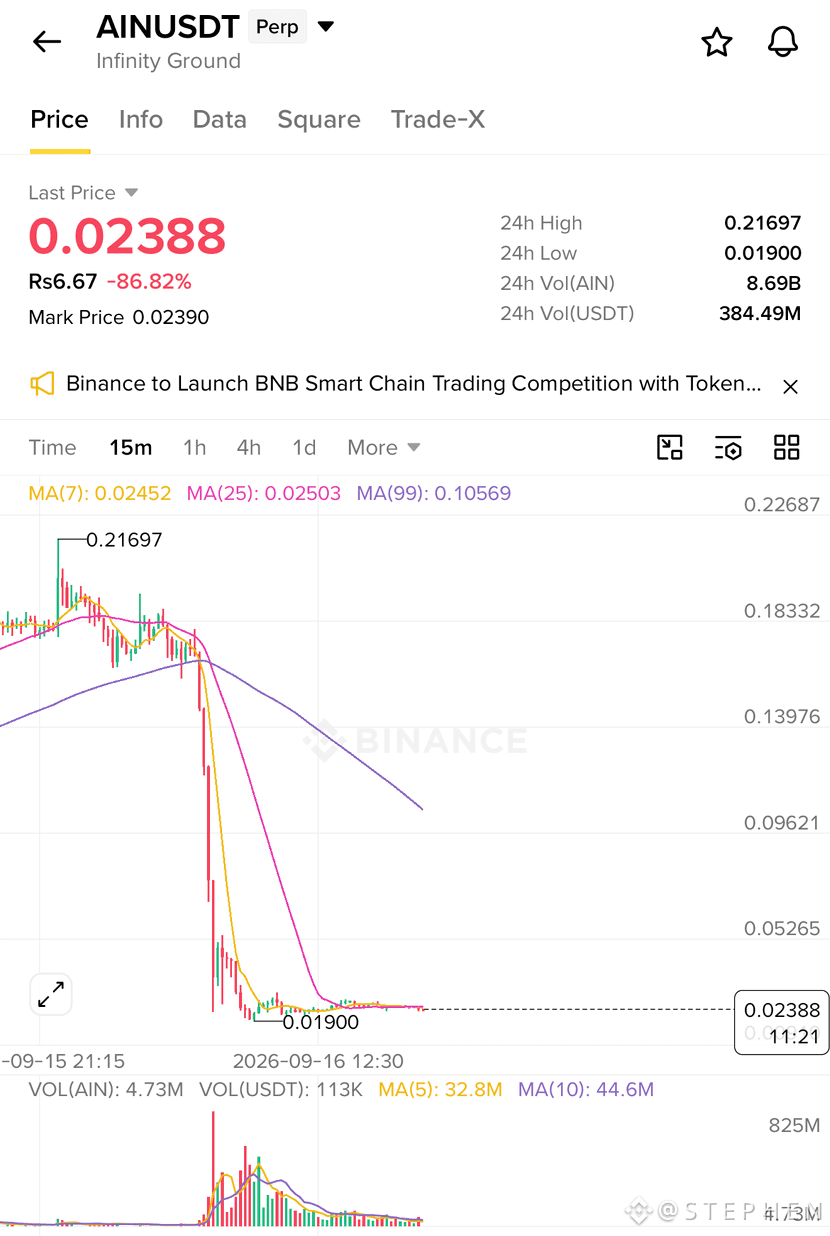
🚨 $AIN は危険なゾーンにいます!
$AIN は$0.21697 → $0.01900からの大規模な売りが発生しましたが、現在は$0.0239付近で安定しようとしています。
📍 現在: $0.02388
🟢 サポート: $0.0190
🔑 レジスタンス: $0.0245–$0.0250
📈 $0.025を上回って奪還できれば、短期的な強さを示唆する可能性があります。
最初の投げ売り後、出来高は大幅に落ち着いているため、ここでの確認が重要です。
$AIN を注意深く監視しています。 👀🔥
{future}(AINUSDT)
🚨 $AIN は危険なゾーンにいます!
$AIN は$0.21697 → $0.01900からの大規模な売りが発生しましたが、現在は$0.0239付近で安定しようとしています。
📍 現在: $0.02388
🟢 サポート: $0.0190
🔑 レジスタンス: $0.0245–$0.0250
📈 $0.025を上回って奪還できれば、短期的な強さを示唆する可能性があります。
最初の投げ売り後、出来高は大幅に落ち着いているため、ここでの確認が重要です。
$AIN を注意深く監視しています。 👀🔥
$AIN は$0.21697 → $0.01900からの大規模な売りが発生しましたが、現在は$0.0239付近で安定しようとしています。
📍 現在: $0.02388
🟢 サポート: $0.0190
🔑 レジスタンス: $0.0245–$0.0250
📈 $0.025を上回って奪還できれば、短期的な強さを示唆する可能性があります。
最初の投げ売り後、出来高は大幅に落ち着いているため、ここでの確認が重要です。
$AIN を注意深く監視しています。 👀🔥
316
·
--
弱気相場
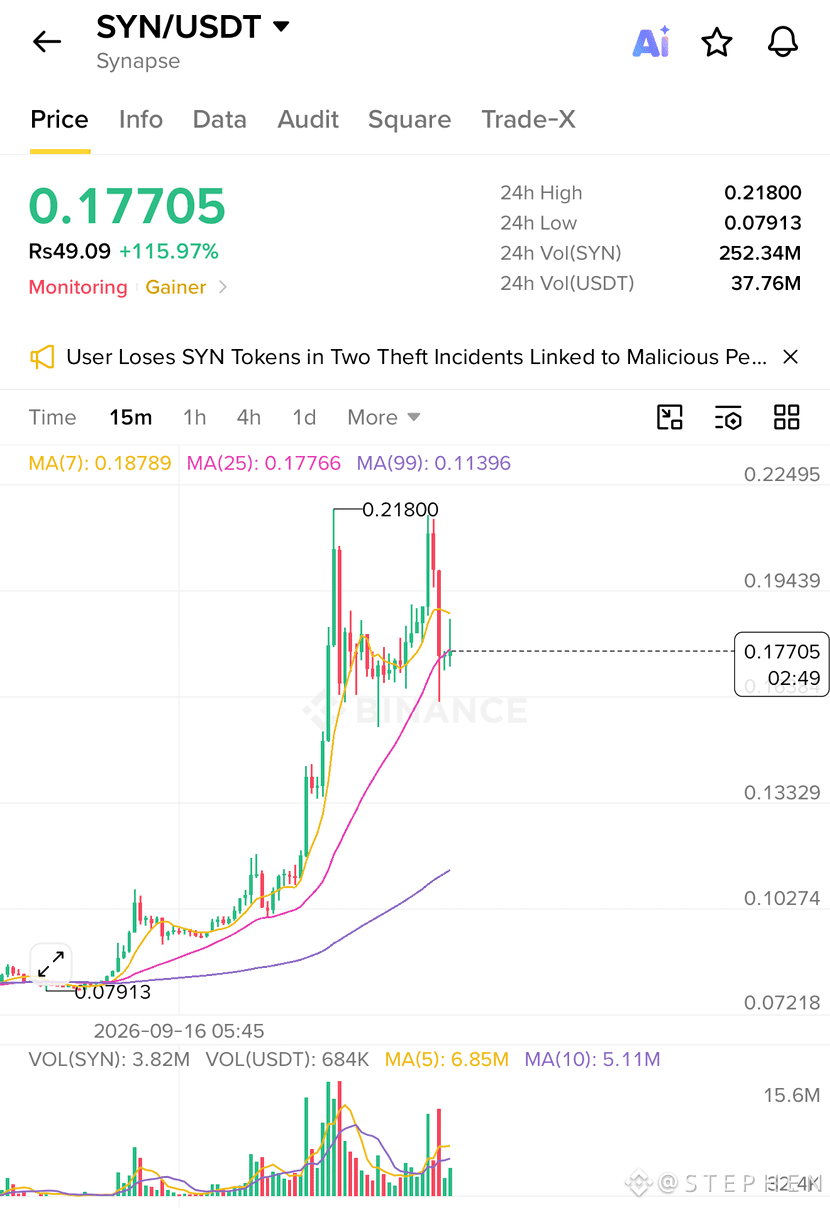
🚨 $SYN は重大な勢いを見せています!
シナプスが $0.079 → $0.218 へ急騰し、大きな値動きを強い出来高で記録しました。
📍 現在: $0.177
🎯 レジスタンス: $0.194–$0.218
🟢 重要なサポート: $0.177
🔥 $0.177 を上回って維持できれば、強気の構造を保てる可能性があります。
+115%の上昇の後でボラティリティは高い—リスク管理を慎重に。
$SYN の買い手はまだ減速していません。 🐂🔥
🚨 $SYN は重大な勢いを見せています!
シナプスが $0.079 → $0.218 へ急騰し、大きな値動きを強い出来高で記録しました。
📍 現在: $0.177
🎯 レジスタンス: $0.194–$0.218
🟢 重要なサポート: $0.177
🔥 $0.177 を上回って維持できれば、強気の構造を保てる可能性があります。
+115%の上昇の後でボラティリティは高い—リスク管理を慎重に。
$SYN の買い手はまだ減速していません。 🐂🔥
シナプスが $0.079 → $0.218 へ急騰し、大きな値動きを強い出来高で記録しました。
📍 現在: $0.177
🎯 レジスタンス: $0.194–$0.218
🟢 重要なサポート: $0.177
🔥 $0.177 を上回って維持できれば、強気の構造を保てる可能性があります。
+115%の上昇の後でボラティリティは高い—リスク管理を慎重に。
$SYN の買い手はまだ減速していません。 🐂🔥
164
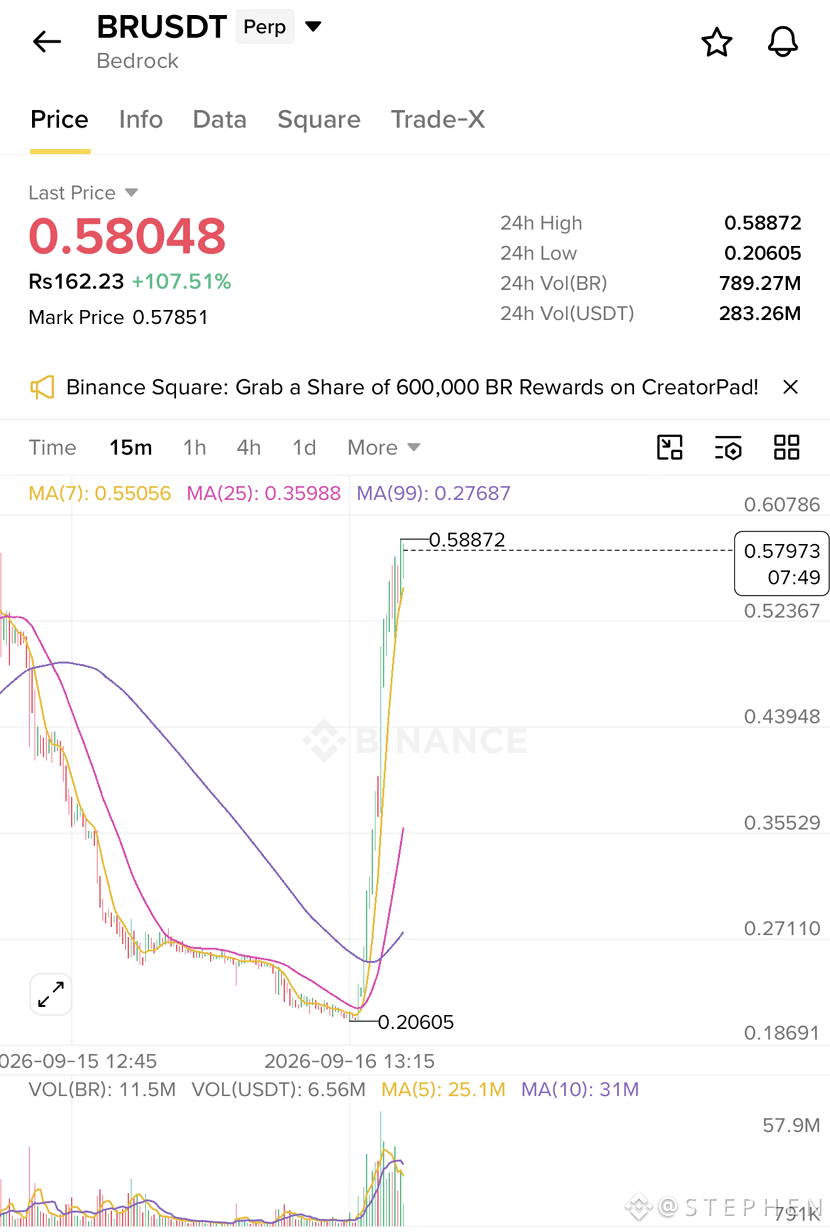
🚀 $BR is moving FAST!
Bedrockが$0.20のゾーンをブレイクし、強い出来高を伴って$0.5887まで押し上げられました。
📍 現在値: $0.58
🎯 レジスタンス: $0.588–$0.60
🔥 $0.60を上抜けてホールド → モメンタムが続く可能性
⚠️ これほど急な値動きの後は、押し目が入ることがあります — リスク管理を慎重に。
$BR bullsは目を覚ましています。 🐂🔥
🚀 $BR is moving FAST!
Bedrockが$0.20のゾーンをブレイクし、強い出来高を伴って$0.5887まで押し上げられました。
📍 現在値: $0.58
🎯 レジスタンス: $0.588–$0.60
🔥 $0.60を上抜けてホールド → モメンタムが続く可能性
⚠️ これほど急な値動きの後は、押し目が入ることがあります — リスク管理を慎重に。
$BR bullsは目を覚ましています。 🐂🔥
Bedrockが$0.20のゾーンをブレイクし、強い出来高を伴って$0.5887まで押し上げられました。
📍 現在値: $0.58
🎯 レジスタンス: $0.588–$0.60
🔥 $0.60を上抜けてホールド → モメンタムが続く可能性
⚠️ これほど急な値動きの後は、押し目が入ることがあります — リスク管理を慎重に。
$BR bullsは目を覚ましています。 🐂🔥
326
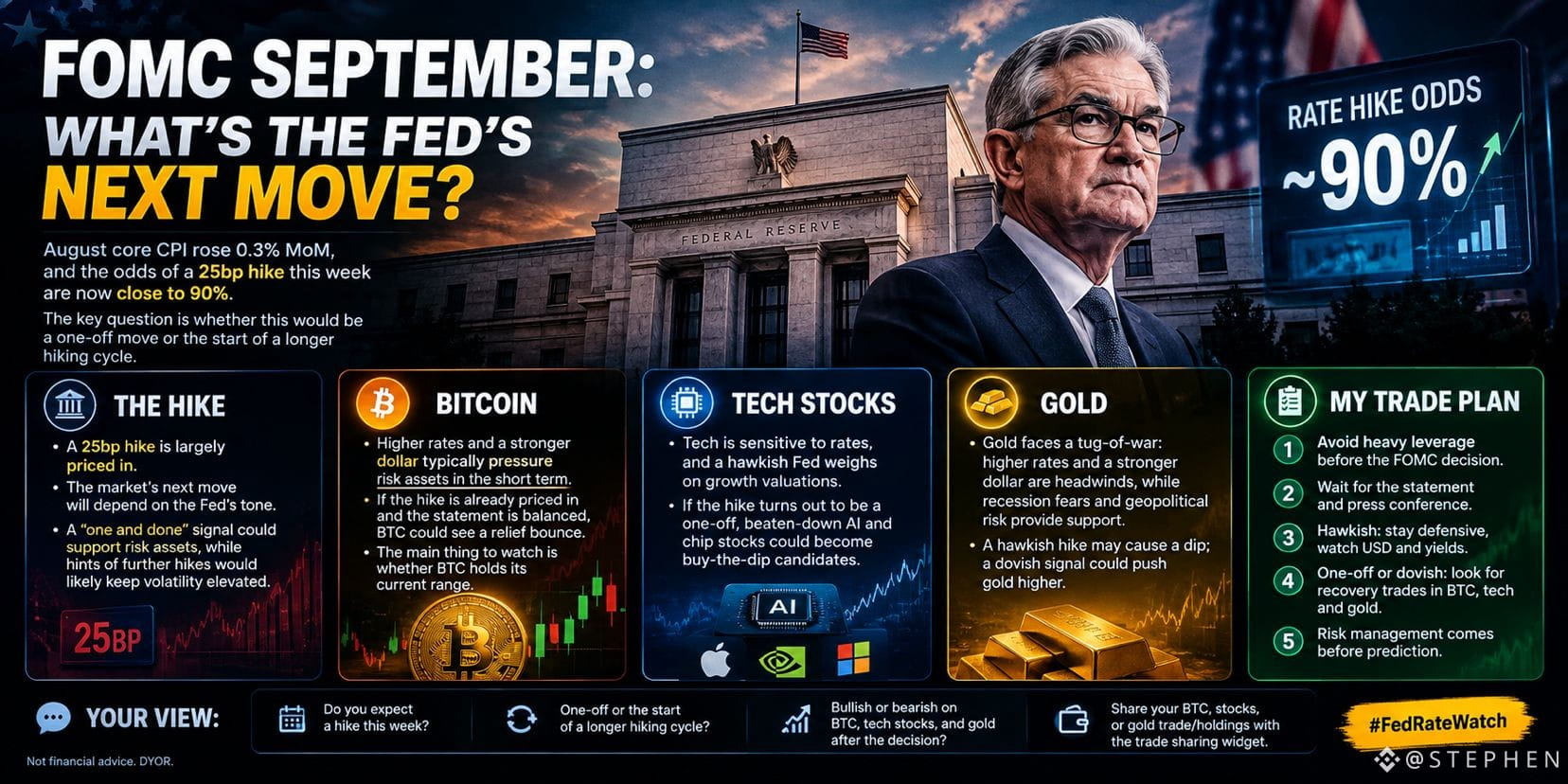
FOMC 9月:FRBの次の一手は?
8月のコアCPIは前月比0.3%上昇し、今週の25bp利上げの確率は現在約90%にまで達しています。焦点は、それが一度限りの動きなのか、より長い利上げサイクルの始まりなのかです。
利上げ
25bpの利上げは概ね織り込まれています。市場の次の動きは、FRBのトーン次第です。「一回限り」のシグナルはリスク資産を支える可能性がありますが、追加利上げを示唆するようなら、ボラティリティ(変動性)は高止まりしやすいでしょう。
ビットコイン
金利上昇と強いドルは、短期的には通常リスク資産の重しになります。ただし、すでに利上げが織り込まれていて声明がバランス型なら、BTCは安心感からリバウンドする可能性があります。最重要なのは、BTCが現在のレンジを維持できるかどうかです。
テック株
テックは金利に敏感で、タカ派的なFRBは成長株のバリュエーションに逆風です。もし利上げが一回限りに終わると分かれば、下落を受けたAIや半導体関連株は「押し目買い」の候補になり得ます。
金(ゴールド)
金は綱引き状態です。金利上昇と強いドルは逆風ですが、景気後退への懸念や地政学リスクが下支えになります。タカ派的な利上げは下落(押し)を招くかもしれませんが、ハト派的なシグナルなら金は上昇しやすいでしょう。
私の取引プラン
FOMC決定前に過度なレバレッジは避ける。
声明と記者会見を待つ。
タカ派:防御的に、USDと利回りを注視。
一回限り、またはハト派:BTC、テック、金で回復(リカバリー)狙い。
予測よりもリスク管理が先。
あなたの見解:
今週利上げがあると予想しますか?
一回限り、それともより長い利上げサイクルの始まり?
決定後のBTC、テック株、金は強気(ブル)ですか、それとも弱気(ベア)ですか?
トレード共有ウィジェットで、BTC・株・金の取引/保有を共有してください。
#FedRateWatch
※投資助言ではありません。自己調査(DYOR)を。
$SAGA
{future}(SAGAUSDT)
$AKE
{future}(AKEUSDT)
$BR
{future}(BRUSDT)
FOMC 9月:FRBの次の一手は?
8月のコアCPIは前月比0.3%上昇し、今週の25bp利上げの確率は現在約90%にまで達しています。焦点は、それが一度限りの動きなのか、より長い利上げサイクルの始まりなのかです。
利上げ
25bpの利上げは概ね織り込まれています。市場の次の動きは、FRBのトーン次第です。「一回限り」のシグナルはリスク資産を支える可能性がありますが、追加利上げを示唆するようなら、ボラティリティ(変動性)は高止まりしやすいでしょう。
ビットコイン
金利上昇と強いドルは、短期的には通常リスク資産の重しになります。ただし、すでに利上げが織り込まれていて声明がバランス型なら、BTCは安心感からリバウンドする可能性があります。最重要なのは、BTCが現在のレンジを維持できるかどうかです。
テック株
テックは金利に敏感で、タカ派的なFRBは成長株のバリュエーションに逆風です。もし利上げが一回限りに終わると分かれば、下落を受けたAIや半導体関連株は「押し目買い」の候補になり得ます。
金(ゴールド)
金は綱引き状態です。金利上昇と強いドルは逆風ですが、景気後退への懸念や地政学リスクが下支えになります。タカ派的な利上げは下落(押し)を招くかもしれませんが、ハト派的なシグナルなら金は上昇しやすいでしょう。
私の取引プラン
FOMC決定前に過度なレバレッジは避ける。
声明と記者会見を待つ。
タカ派:防御的に、USDと利回りを注視。
一回限り、またはハト派:BTC、テック、金で回復(リカバリー)狙い。
予測よりもリスク管理が先。
あなたの見解:
今週利上げがあると予想しますか?
一回限り、それともより長い利上げサイクルの始まり?
決定後のBTC、テック株、金は強気(ブル)ですか、それとも弱気(ベア)ですか?
トレード共有ウィジェットで、BTC・株・金の取引/保有を共有してください。
#FedRateWatch
※投資助言ではありません。自己調査(DYOR)を。
$SAGA
$AKE
$BR
8月のコアCPIは前月比0.3%上昇し、今週の25bp利上げの確率は現在約90%にまで達しています。焦点は、それが一度限りの動きなのか、より長い利上げサイクルの始まりなのかです。
利上げ
25bpの利上げは概ね織り込まれています。市場の次の動きは、FRBのトーン次第です。「一回限り」のシグナルはリスク資産を支える可能性がありますが、追加利上げを示唆するようなら、ボラティリティ(変動性)は高止まりしやすいでしょう。
ビットコイン
金利上昇と強いドルは、短期的には通常リスク資産の重しになります。ただし、すでに利上げが織り込まれていて声明がバランス型なら、BTCは安心感からリバウンドする可能性があります。最重要なのは、BTCが現在のレンジを維持できるかどうかです。
テック株
テックは金利に敏感で、タカ派的なFRBは成長株のバリュエーションに逆風です。もし利上げが一回限りに終わると分かれば、下落を受けたAIや半導体関連株は「押し目買い」の候補になり得ます。
金(ゴールド)
金は綱引き状態です。金利上昇と強いドルは逆風ですが、景気後退への懸念や地政学リスクが下支えになります。タカ派的な利上げは下落(押し)を招くかもしれませんが、ハト派的なシグナルなら金は上昇しやすいでしょう。
私の取引プラン
FOMC決定前に過度なレバレッジは避ける。
声明と記者会見を待つ。
タカ派:防御的に、USDと利回りを注視。
一回限り、またはハト派:BTC、テック、金で回復(リカバリー)狙い。
予測よりもリスク管理が先。
あなたの見解:
今週利上げがあると予想しますか?
一回限り、それともより長い利上げサイクルの始まり?
決定後のBTC、テック株、金は強気(ブル)ですか、それとも弱気(ベア)ですか?
トレード共有ウィジェットで、BTC・株・金の取引/保有を共有してください。
#FedRateWatch
※投資助言ではありません。自己調査(DYOR)を。
$SAGA
$AKE
$BR
12
12
285
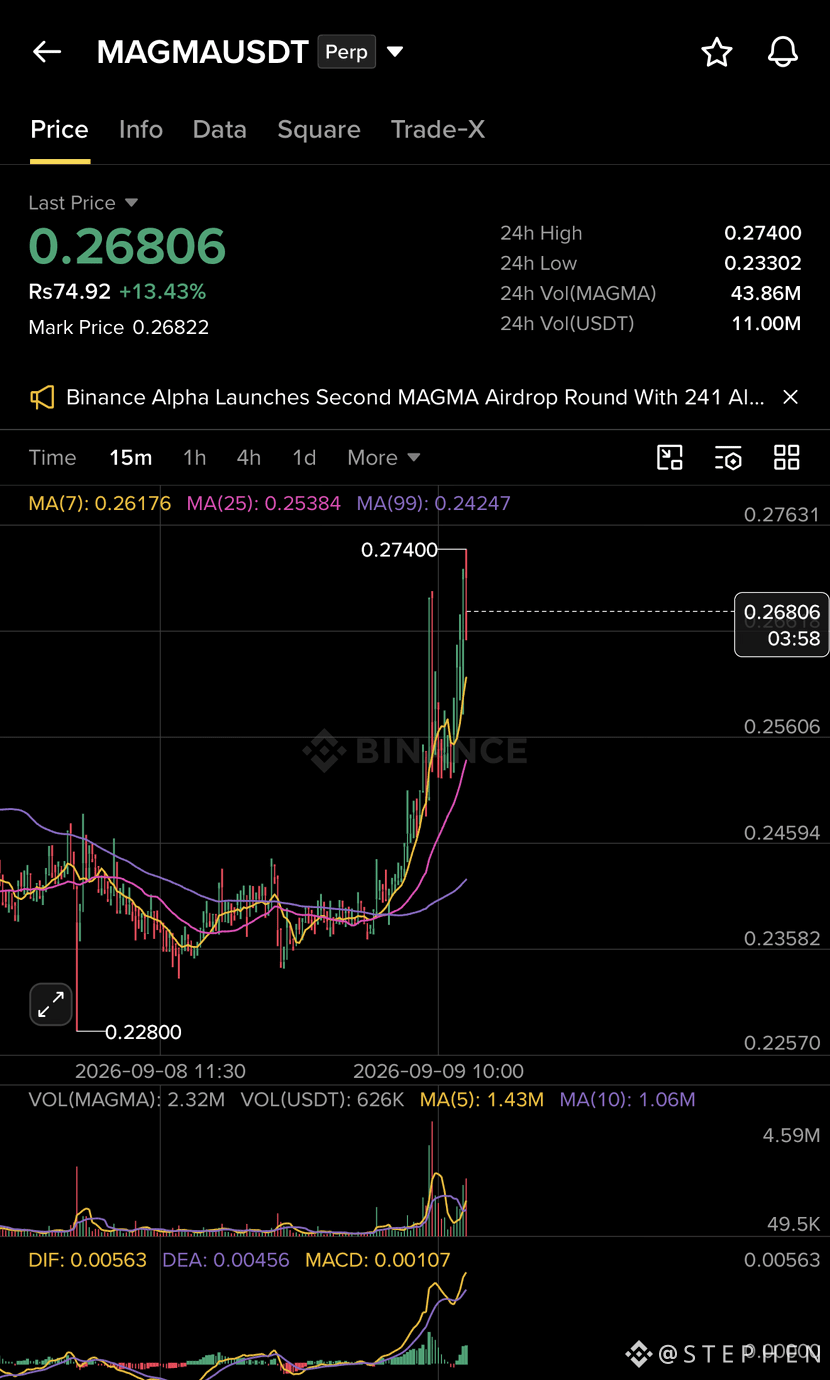
🟢 $MAGMA — ロングセットアップ
$MAGMA は、$0.20–$0.22の基盤を防衛した後、強い回復を見せています。価格は再び$0.265付近まで戻っており、長い揉み合いの後で勢いが改善しています。
重要なブレイクアウトゾーンは$0.38–$0.40です。そこをきれいに上抜ければ、より大きな強気の継続が確認される可能性があります。
📍 エントリー: $0.255–$0.275
🎯 TP1: $0.30
🎯 TP2: $0.35
🎯 TP3: $0.40
🛑 SL: $0.235
$0.20–$0.22のサポートが維持されている間は強気です。
{future}(MAGMAUSDT)
🟢 $MAGMA — ロングセットアップ
$MAGMA は、$0.20–$0.22の基盤を防衛した後、強い回復を見せています。価格は再び$0.265付近まで戻っており、長い揉み合いの後で勢いが改善しています。
重要なブレイクアウトゾーンは$0.38–$0.40です。そこをきれいに上抜ければ、より大きな強気の継続が確認される可能性があります。
📍 エントリー: $0.255–$0.275
🎯 TP1: $0.30
🎯 TP2: $0.35
🎯 TP3: $0.40
🛑 SL: $0.235
$0.20–$0.22のサポートが維持されている間は強気です。
$MAGMA は、$0.20–$0.22の基盤を防衛した後、強い回復を見せています。価格は再び$0.265付近まで戻っており、長い揉み合いの後で勢いが改善しています。
重要なブレイクアウトゾーンは$0.38–$0.40です。そこをきれいに上抜ければ、より大きな強気の継続が確認される可能性があります。
📍 エントリー: $0.255–$0.275
🎯 TP1: $0.30
🎯 TP2: $0.35
🎯 TP3: $0.40
🛑 SL: $0.235
$0.20–$0.22のサポートが維持されている間は強気です。
102
ログインして、さらにコンテンツを読む
厳選トピックで世界の暗号資産トレーダーの仲間入り
⚡️ 暗号資産に関する最新かつ有益な情報が見つかります。
💬 世界最大の暗号資産取引所から信頼されています。
👍 認証を受けたクリエイターから、有益なインサイトを得られます。
メール / 電話番号