
ILIQ69
208 投稿

ILIQ69
39 フォロー
54 フォロワー
240 いいね
投稿
固定の借入金利は、ポジション全体の結果が自動的に固定されることを意味しません。この区別は、利回りのある担保が登場するとより明確になります。
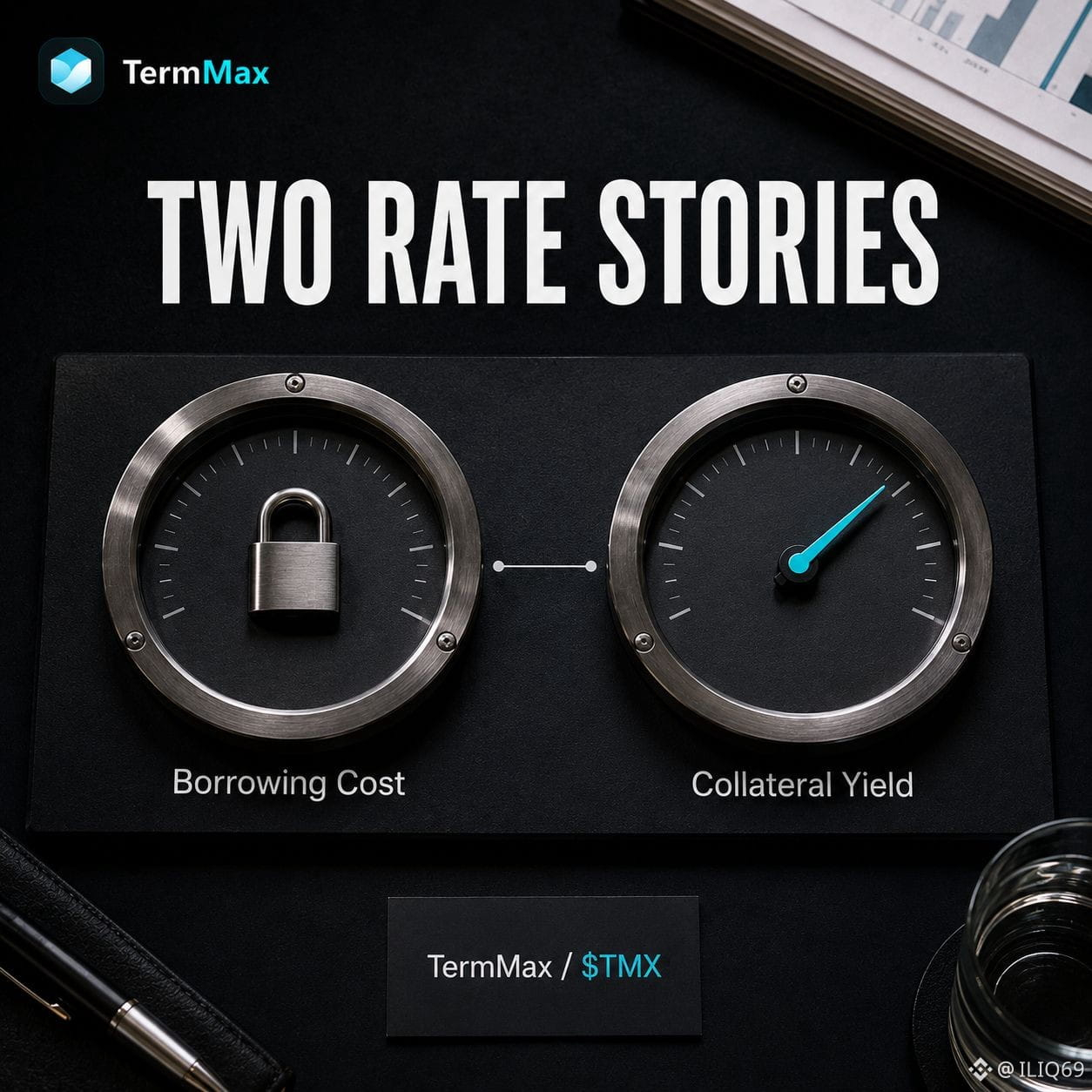
TermMax のドキュメントでは、借入金利は固定のままでも、担保から得られる収入はその担保が何であるかによって変わりうるとされています。PT のような固定金利の資産は固定収益になり得ますが、変動利回りの担保は市場に合わせて動き続けます。
そこで、ポジションを 2 つの問いに分けるべきだと考えます。すなわち、借入の既知のコストはいくらか、そしてロックした資産のリターンはどのように振る舞うのか、という点です。両方を「固定」と呼んでしまうと、まだ変わり得る部分が見えなくなります。
利回りのあるポジションを評価するとき、最初にどちらの部分を分けますか?
@TermMax #TermMax
TermMax のドキュメントでは、借入金利は固定のままでも、担保から得られる収入はその担保が何であるかによって変わりうるとされています。PT のような固定金利の資産は固定収益になり得ますが、変動利回りの担保は市場に合わせて動き続けます。
そこで、ポジションを 2 つの問いに分けるべきだと考えます。すなわち、借入の既知のコストはいくらか、そしてロックした資産のリターンはどのように振る舞うのか、という点です。両方を「固定」と呼んでしまうと、まだ変わり得る部分が見えなくなります。
利回りのあるポジションを評価するとき、最初にどちらの部分を分けますか?
@TermMax #TermMax
Borrowing cost
0%
Collateral yield
0%
LTV risk
0%
All three together
0%
0 投票 • 投票は終了しました
@TermMax のFTとXTの構造は、最初は技術的だと感じました。そこで、頭の中で略語を暗記するのをやめ、より単純な考え方に切り替えました。
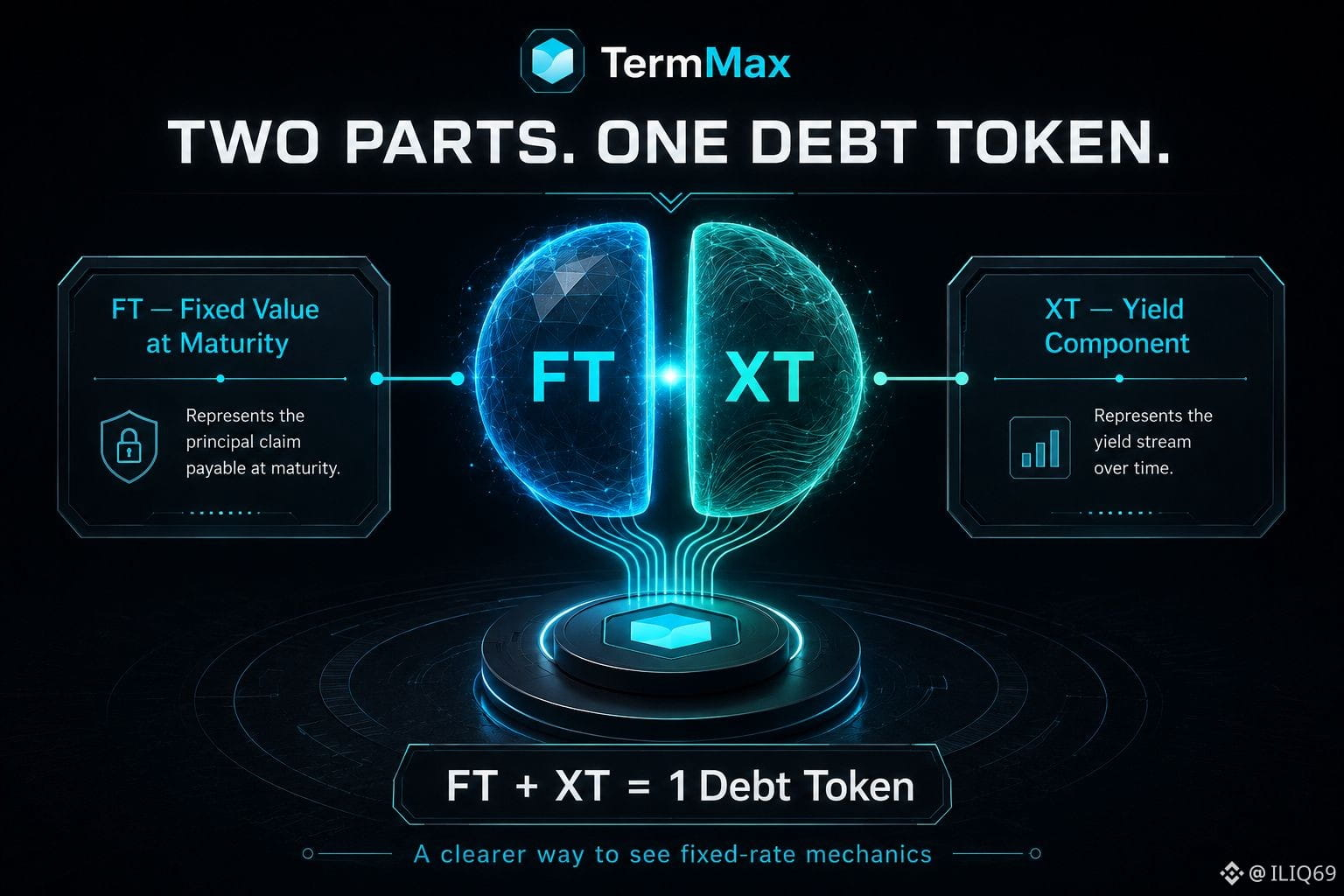
1つの負債トークンは、2つの接続された部品として表せます。FT + XTです。FTは満期時の固定値の請求権を担い、XTは満期前にその値のもう一方を表します。これらが合わさって、元の負債トークンがまるごと成り立ちます。
すべてを1つのブラックボックスの残高の中に隠すのではなく、経済性を見える化するシステムが好きです。これはリスクをなくしたり、「簡単な儲け」みたいにプロセスを容易にしたりはしませんが、固定利回りと借入コストがどう形成されるのかを、貸し手と借り手がより明確に理解できるようになります。
FT + XTモデルのどの部分を、実例を使って説明してほしいですか?
@TermMax #TermMax
1つの負債トークンは、2つの接続された部品として表せます。FT + XTです。FTは満期時の固定値の請求権を担い、XTは満期前にその値のもう一方を表します。これらが合わさって、元の負債トークンがまるごと成り立ちます。
すべてを1つのブラックボックスの残高の中に隠すのではなく、経済性を見える化するシステムが好きです。これはリスクをなくしたり、「簡単な儲け」みたいにプロセスを容易にしたりはしませんが、固定利回りと借入コストがどう形成されるのかを、貸し手と借り手がより明確に理解できるようになります。
FT + XTモデルのどの部分を、実例を使って説明してほしいですか?
@TermMax #TermMax
How FT earns yield
0%
What XT represents
0%
Why they equal one asset
0%
The borrower flow
0%
0 投票 • 投票は終了しました
購入前に理解しておきたい取引の一部は、出口(イグジット)への道筋です。
バイナンスは、対象となるユーザーは、サポートされている直接株と、対応するbStockを1:1の比率で、転換手数料なしで相互に変換できると説明しています。また、企業行動(コーポレートアクション)の処理やメンテナンスのために、転換を一時的に停止できるとも記載されています。これは役に立ちますが、細部を見過ごす理由にはなりません。
私にとっての実務上の要点はシンプルです。私は、ポジションをすでに作った後ではなく、必要になる前に、適格性(eligibility)、商品の条件(product terms)、そして運用上のタイミング(operational timing)を確認したいのです。さらに、bStockは直接の株式保有ではなく証明書(certificate)構造なので、どんな変換計画を立てるにしても、その時点で自分が何を保有しているのかを理解しておくべきです。
それはトレーディングの中で一番ワクワクする部分ではないかもしれませんが、残りの部分をより意図的に感じさせてくれるのは、その部分です。
bStockを購入する前に、転換と適格性のルールを確認してみませんか?
#bstockscis @BinanceCIS #bStocksCIS $EWYB
バイナンスは、対象となるユーザーは、サポートされている直接株と、対応するbStockを1:1の比率で、転換手数料なしで相互に変換できると説明しています。また、企業行動(コーポレートアクション)の処理やメンテナンスのために、転換を一時的に停止できるとも記載されています。これは役に立ちますが、細部を見過ごす理由にはなりません。
私にとっての実務上の要点はシンプルです。私は、ポジションをすでに作った後ではなく、必要になる前に、適格性(eligibility)、商品の条件(product terms)、そして運用上のタイミング(operational timing)を確認したいのです。さらに、bStockは直接の株式保有ではなく証明書(certificate)構造なので、どんな変換計画を立てるにしても、その時点で自分が何を保有しているのかを理解しておくべきです。
それはトレーディングの中で一番ワクワクする部分ではないかもしれませんが、残りの部分をより意図的に感じさせてくれるのは、その部分です。
bStockを購入する前に、転換と適格性のルールを確認してみませんか?
#bstockscis @BinanceCIS #bStocksCIS $EWYB

Always before buying
50%
Only for a large position
0%
Only when I need it
50%
I did not know this existed
0%
2 投票 • 投票は終了しました
@TermMax 利子のことを考えていたら、DeFiの借り入れは小さな事業の予算を立てるようなものだと感じました。私はある程度のコストなら受け入れられますが、計画自体は同じままでコストだけが動いてしまうものは扱いづらいです。
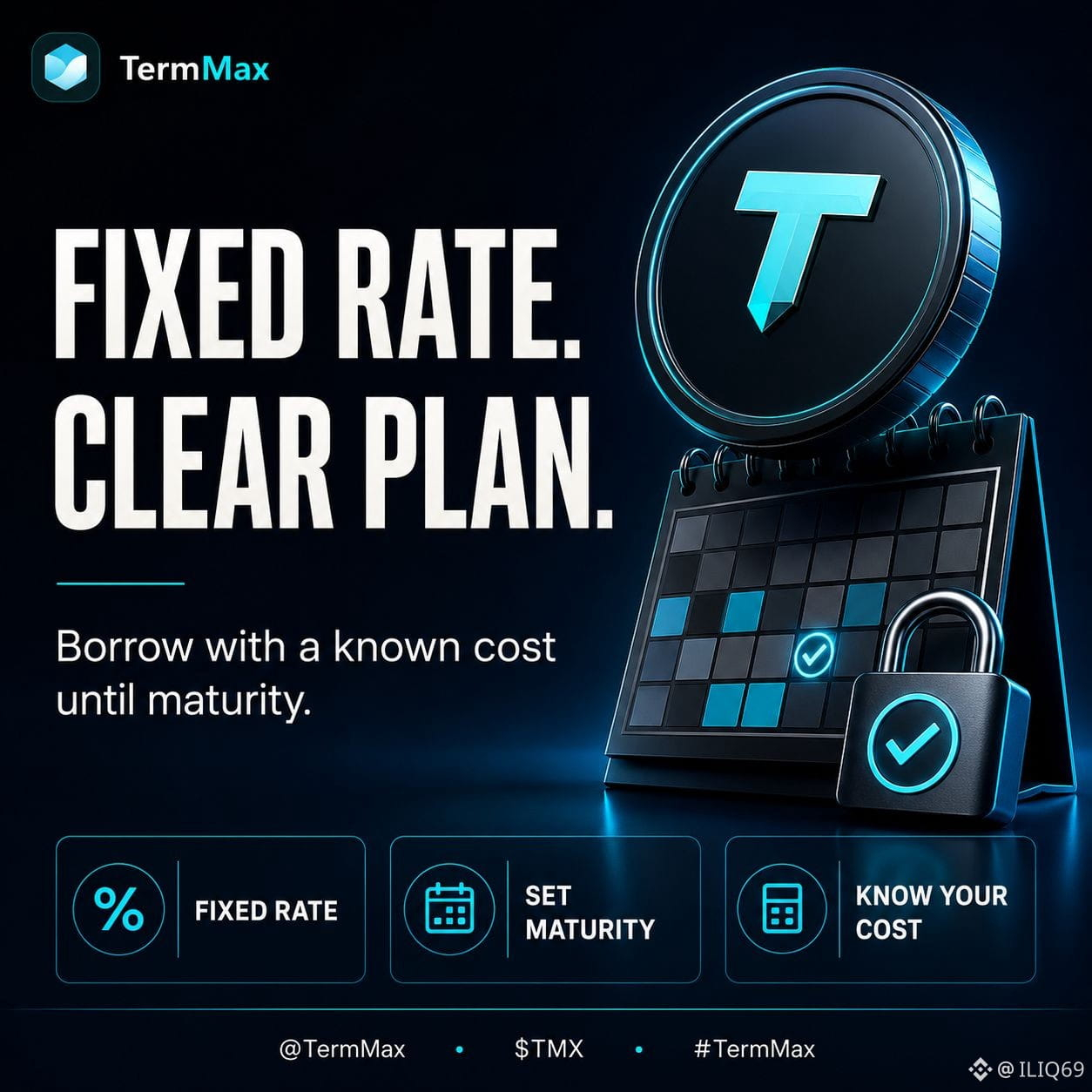
固定金利で満期も固定なら、最初から問いは分かっています。つまり、この借り入れコストは、私が買おうとしている時間に見合うのか? これは、APYウィジェットを約束のように扱うよりも、より正直な考え方だと思います。
それでもトレードオフは重要です。後で変動金利が下がれば、固定金利のほうが魅力が薄く見えることもありますし、担保もあなたに不利に動く可能性があります。とはいえ、毎日ダッシュボードを更新し続けるのではなく、意図した決断をすることが目的なら、不確実性の少なさには価値があります。
借り入れであなたをより助けるのは、分かっている金利か、それとも最大限の柔軟性のどちらでしょう?
@TermMax #TermMax
固定金利で満期も固定なら、最初から問いは分かっています。つまり、この借り入れコストは、私が買おうとしている時間に見合うのか? これは、APYウィジェットを約束のように扱うよりも、より正直な考え方だと思います。
それでもトレードオフは重要です。後で変動金利が下がれば、固定金利のほうが魅力が薄く見えることもありますし、担保もあなたに不利に動く可能性があります。とはいえ、毎日ダッシュボードを更新し続けるのではなく、意図した決断をすることが目的なら、不確実性の少なさには価値があります。
借り入れであなたをより助けるのは、分かっている金利か、それとも最大限の柔軟性のどちらでしょう?
@TermMax #TermMax
A known rate
0%
Maximum flexibility
0%
A mix of both
0%
Not borrowing now
0%
0 投票 • 投票は終了しました
bStocksには、あまり十分に語られていない有益な緊張感があります。それは、市場は24/7で開いている一方で、 underlying(発行元の)企業は、通常の決算・報告カレンダーに沿って事業ストーリーを伝えるという点です。
$NVDAB では、Binance Spot上の価格はいつでも動き得ます。しかし、真剣な調査プロセスには、企業の結果、ガイダンス、プロダクト・サイクル、顧客需要、そしてリスクといった情報がなお必要です。ライブチャートは注目が変化したことを示せますが、ビジネス上の前提(投資仮説)が改善したかどうかまでは説明できません。
そこで私は、2つの作業を分けようとしています。1つ目は市場を見ること。もう1つは企業を読むことです。前者は速くて感情的で、後者はより遅く、そして通常はより役に立ちます。
その違いが、私にとって24/7のアクセスが24/7のノイズにならない理由です。
企業が決算を公表したとき、あなたは最初に何を読みますか?
#bstockscis @BinanceCIS #bStocksCIS $NVDAB
$NVDAB では、Binance Spot上の価格はいつでも動き得ます。しかし、真剣な調査プロセスには、企業の結果、ガイダンス、プロダクト・サイクル、顧客需要、そしてリスクといった情報がなお必要です。ライブチャートは注目が変化したことを示せますが、ビジネス上の前提(投資仮説)が改善したかどうかまでは説明できません。
そこで私は、2つの作業を分けようとしています。1つ目は市場を見ること。もう1つは企業を読むことです。前者は速くて感情的で、後者はより遅く、そして通常はより役に立ちます。
その違いが、私にとって24/7のアクセスが24/7のノイズにならない理由です。
企業が決算を公表したとき、あなたは最初に何を読みますか?
#bstockscis @BinanceCIS #bStocksCIS $NVDAB

Revenue and earnings
100%
Forward guidance
0%
Management commentary
0%
I wait for analysis
0%
1 投票 • 投票は終了しました
私が築こうとしている「退屈な(あえて意図的に退屈にする)一つの取引習慣」は、次のことを混同しないことです。市場が開いていることを、取引が自動的に良い判断だと見なさない。
$SPCXB は Binance のスポットで24時間いつでも取引できます。これは、従来の取引所が閉まっているときに特に役立ちます。ですが「取引可能」ということは、「成行注文で慌てて飛び込むべきだ」と同じではありません。入る前に、ライブの注文板を見て、自分が支払ってもよい最大価格を決め、感情が勝つ前にポジションのサイズを決めます。
これは SpaceX に関する予測ではありません。24/7 のあらゆる資産に対する実行ルールです。便利さで準備がより整うべきであって、衝動的になるべきではありません。
避けたくなる最良の取引は、真夜中にチャートが面白そうに見えて、実際にはほとんどしてしまった取引かもしれません。
いつでも開いている市場を取引するとき、あなたを最も助けてくれるのはどんなルールですか?
#bstockscis @BinanceCIS #bStocksCIS $SPCXB
$SPCXB は Binance のスポットで24時間いつでも取引できます。これは、従来の取引所が閉まっているときに特に役立ちます。ですが「取引可能」ということは、「成行注文で慌てて飛び込むべきだ」と同じではありません。入る前に、ライブの注文板を見て、自分が支払ってもよい最大価格を決め、感情が勝つ前にポジションのサイズを決めます。
これは SpaceX に関する予測ではありません。24/7 のあらゆる資産に対する実行ルールです。便利さで準備がより整うべきであって、衝動的になるべきではありません。
避けたくなる最良の取引は、真夜中にチャートが面白そうに見えて、実際にはほとんどしてしまった取引かもしれません。
いつでも開いている市場を取引するとき、あなたを最も助けてくれるのはどんなルールですか?
#bstockscis @BinanceCIS #bStocksCIS $SPCXB

Use limit orders
0%
Check the order book
67%
Set a position size first
0%
Wait for the main session
33%
3 投票 • 投票は終了しました
確認済み
簡単なAIの物語は「最速のチップを設計する会社を買え」です。$ASMLB は別の問いを投げかけます。そもそも、先進的なチップを製造するのに役立つ装置を作っているのは誰なのか?
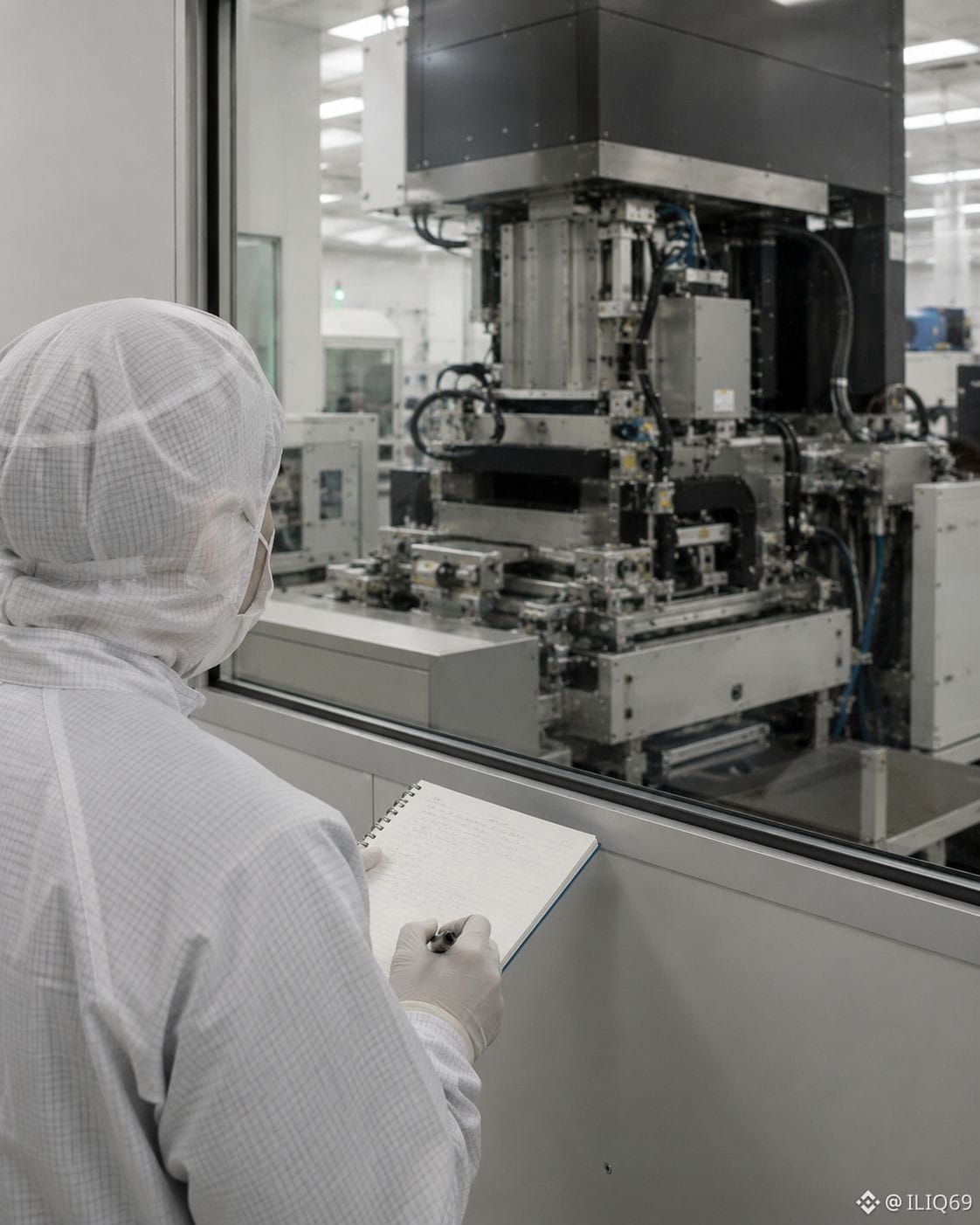
ASMLは、リソグラフィー(微細加工)装置を設計・製造しているほか、製造現場でチップメーカーが使用するソフトウェアやサービスも提供しています。つまり、その事業は、なじみのある消費者向けテックの見出しよりもさらに上流に位置します。
また、私が調べる内容も変わります。次のスマホの発売を、論文全体の主張(スローガン)にすることはしません。顧客の設備投資、製造ロードマップ、顧客が装置を受け取り、複雑な機器を効果的に使えているかどうかを見ます。
これは、どちらかの立場が他より優れているという主張ではありません。「半導体」は非常に異なる事業の連鎖であり、それぞれが独自のボトルネックを抱えている、という注意喚起です。
チップ・エコシステムの中で、あなたが最も関心を持つのはどの部分ですか?
#bstockscis @BinanceCIS #bStocksCIS $ASMLB
ASMLは、リソグラフィー(微細加工)装置を設計・製造しているほか、製造現場でチップメーカーが使用するソフトウェアやサービスも提供しています。つまり、その事業は、なじみのある消費者向けテックの見出しよりもさらに上流に位置します。
また、私が調べる内容も変わります。次のスマホの発売を、論文全体の主張(スローガン)にすることはしません。顧客の設備投資、製造ロードマップ、顧客が装置を受け取り、複雑な機器を効果的に使えているかどうかを見ます。
これは、どちらかの立場が他より優れているという主張ではありません。「半導体」は非常に異なる事業の連鎖であり、それぞれが独自のボトルネックを抱えている、という注意喚起です。
チップ・エコシステムの中で、あなたが最も関心を持つのはどの部分ですか?
#bstockscis @BinanceCIS #bStocksCIS $ASMLB
Chip design
29%
Manufacturing equipment
0%
Memory and storage
28%
Servers and systems
43%
7 投票 • 投票は終了しました
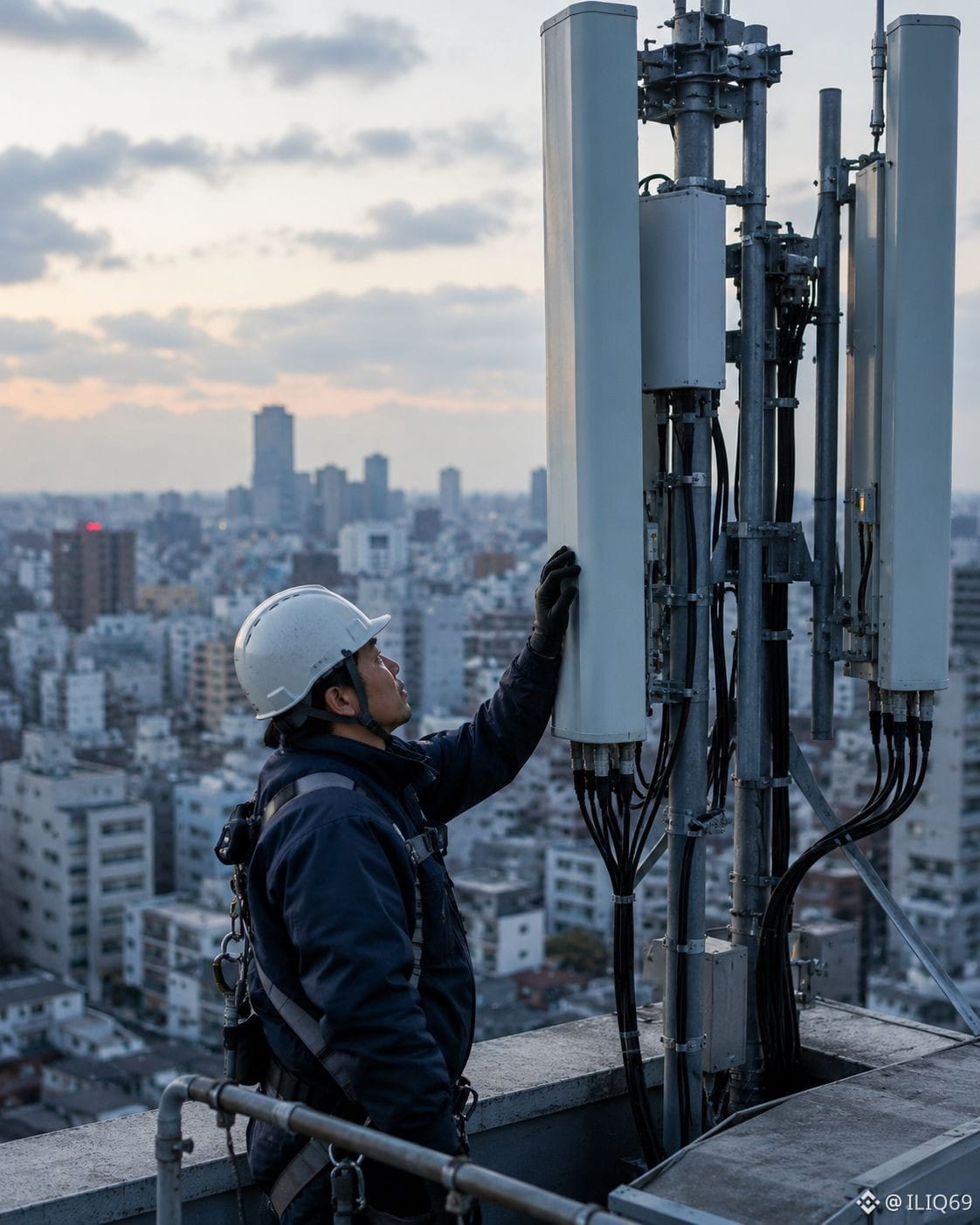
ノキアという言葉を見かけると、最初に思い浮かぶのは今でも昔の携帯電話です。だからこそ、$NOKB は役立つ調査課題になるのです。
ノキアは、自社をモバイル、固定、クラウドの各ネットワークにまたがって事業を行うB2Bテクノロジー企業だと説明しています。顧客には通信事業者や企業が含まれます。つまり、すばやい消費者向けのプロダクト物語では、実際のビジネスの視点を見落としてしまうのです。
このティッカーを調べるなら、懐かしさよりも、ネットワーク投資のサイクル、顧客との契約、技術標準、そしてインフラへの支出がどのように成果へ結びつくのかといった点を重視します。バイラルなガジェット発売の話よりは静かなストーリーですが、始めるべき場所としてはずっと正確です。
教訓はシンプルです。馴染みのあるブランドで取引を始める前に、同社が今日実際に何を売っているのかを問いましょう。
$NOKB を調べるとき、最初に何を確認しますか?
@BinanceCIS #bStocksCIS #bstockscis
ノキアは、自社をモバイル、固定、クラウドの各ネットワークにまたがって事業を行うB2Bテクノロジー企業だと説明しています。顧客には通信事業者や企業が含まれます。つまり、すばやい消費者向けのプロダクト物語では、実際のビジネスの視点を見落としてしまうのです。
このティッカーを調べるなら、懐かしさよりも、ネットワーク投資のサイクル、顧客との契約、技術標準、そしてインフラへの支出がどのように成果へ結びつくのかといった点を重視します。バイラルなガジェット発売の話よりは静かなストーリーですが、始めるべき場所としてはずっと正確です。
教訓はシンプルです。馴染みのあるブランドで取引を始める前に、同社が今日実際に何を売っているのかを問いましょう。
$NOKB を調べるとき、最初に何を確認しますか?
@BinanceCIS #bStocksCIS #bstockscis
Network customers
25%
5G and cloud strategy
50%
Financial results
0%
Competitive landscape
25%
4 投票 • 投票は終了しました
確認済み
私が $INTCB を調べていて一番好きなのは、「チップ企業」というラベルを捨てざるを得なくなる点です。あまりに曖昧で、役に立ちません。
Intel は、プロセッサーや関連する半導体ソリューションを設計して販売するプロダクト事業を報告しています。また、外部顧客にサービスを提供することを目指す製造・サービス事業として Intel Foundry もあります。これらはつながっていますが、必要な根拠(見どころ)が異なります。
プロダクト側では、需要や競争力を見ていくでしょう。ファウンドリ側では、製造実行(マニュファクチャリング・エクセキューション)、顧客の信頼、そして外部需要が実際に育っているかどうかを問いかけます。これら両方を単に「AI エクスポージャー」と呼ぶのは、説明以上に隠してしまいます。
これが私の好きな bStock の調査タイプです。予測ではなく、そのティッカーが何を表しているのかをより良い地図にしてくれる。
あなたは、まず $INTCB のどの話から調べますか?
#bstockscis @BinanceCIS #bStocksCIS $INTCB
Intel は、プロセッサーや関連する半導体ソリューションを設計して販売するプロダクト事業を報告しています。また、外部顧客にサービスを提供することを目指す製造・サービス事業として Intel Foundry もあります。これらはつながっていますが、必要な根拠(見どころ)が異なります。
プロダクト側では、需要や競争力を見ていくでしょう。ファウンドリ側では、製造実行(マニュファクチャリング・エクセキューション)、顧客の信頼、そして外部需要が実際に育っているかどうかを問いかけます。これら両方を単に「AI エクスポージャー」と呼ぶのは、説明以上に隠してしまいます。
これが私の好きな bStock の調査タイプです。予測ではなく、そのティッカーが何を表しているのかをより良い地図にしてくれる。
あなたは、まず $INTCB のどの話から調べますか?
#bstockscis @BinanceCIS #bStocksCIS $INTCB

Consumer and data-center chips
25%
Intel Foundry
0%
Manufacturing execution
25%
All of the above
50%
4 投票 • 投票は終了しました
確認済み
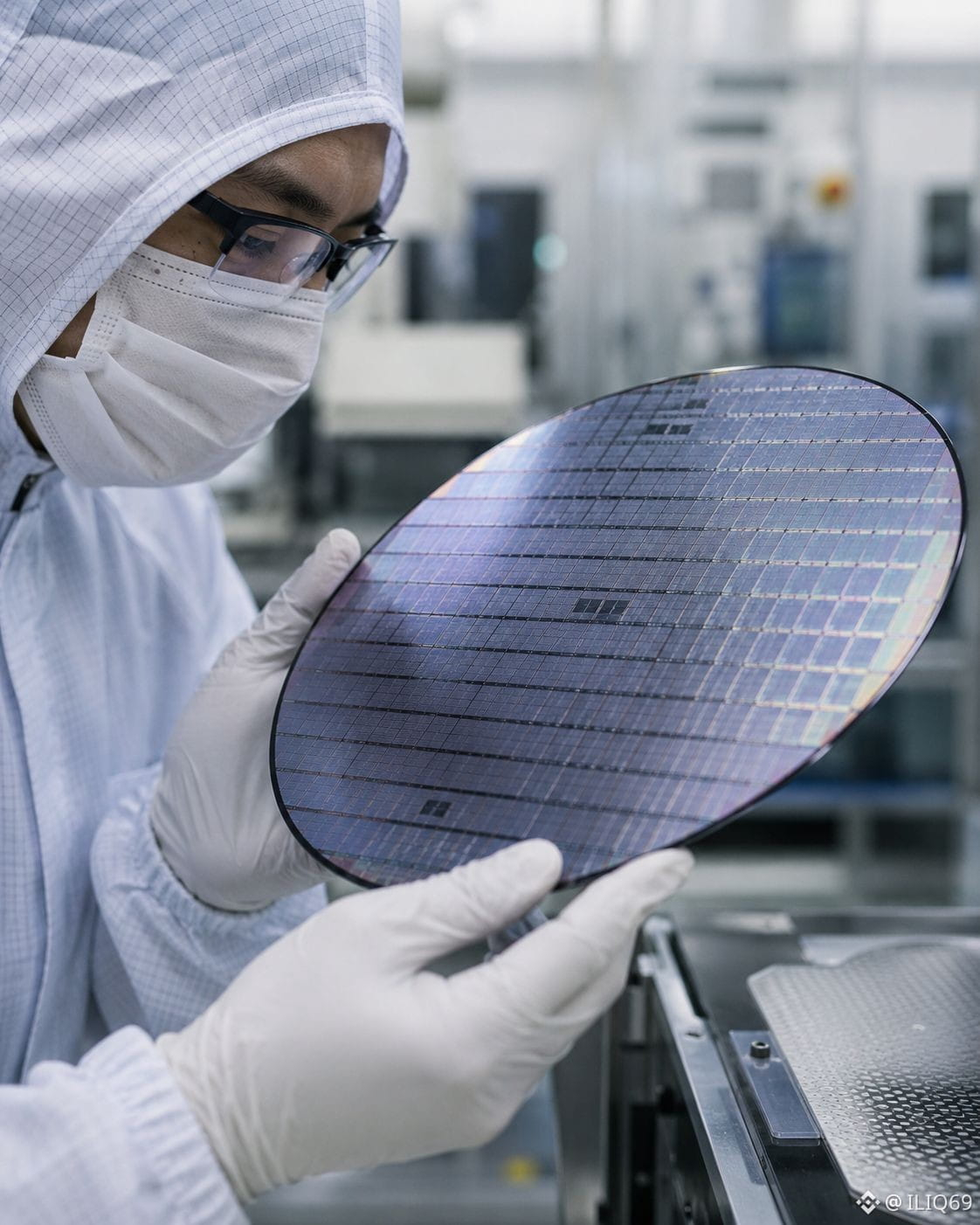
AIの議論は通常、計算を行うチップから始まります。私は、データをシステム内で動かし続けるために使われるメモリにも、より注意を払うようになりました。
Micron社自身の製品ラインにはDRAM、NAND、NORのメモリおよびストレージ製品が含まれます。だからといって、「$MUB 」が“AI関連の取引”への近道になるわけではありません。むしろ、より明確な研究課題が見えてきます――この会社が実際にどの部分の計算スタックに曝されているのか、そして需要がより良いビジネス成果につながるために何がうまくいく必要があるのか、という点です。
この違いは重要です。AIに関する強い見出しは、あるセクター全体を押し上げることがあります。一方で、メモリの経済性は、供給、製品ミックス、顧客需要、そして実行(テキューション)に左右される場合があります。
ですから私は、AIの見出しのそばに表示されているという理由だけでティッカーを買うよりも、まずこの会社がシステムの中で担う役割を理解したいのです。
$MUB を見る前に、まず何を調べますか?
@BinanceCIS #bStocksCIS #bstockscis
Micron社自身の製品ラインにはDRAM、NAND、NORのメモリおよびストレージ製品が含まれます。だからといって、「$MUB 」が“AI関連の取引”への近道になるわけではありません。むしろ、より明確な研究課題が見えてきます――この会社が実際にどの部分の計算スタックに曝されているのか、そして需要がより良いビジネス成果につながるために何がうまくいく必要があるのか、という点です。
この違いは重要です。AIに関する強い見出しは、あるセクター全体を押し上げることがあります。一方で、メモリの経済性は、供給、製品ミックス、顧客需要、そして実行(テキューション)に左右される場合があります。
ですから私は、AIの見出しのそばに表示されているという理由だけでティッカーを買うよりも、まずこの会社がシステムの中で担う役割を理解したいのです。
$MUB を見る前に、まず何を調べますか?
@BinanceCIS #bStocksCIS #bstockscis
Memory product mix
50%
Demand outlook
25%
Supply conditions
0%
Earnings report
25%
4 投票 • 投票は終了しました
「ステーブルコイン」という名前は、危険な思考の近道を生みかねません。
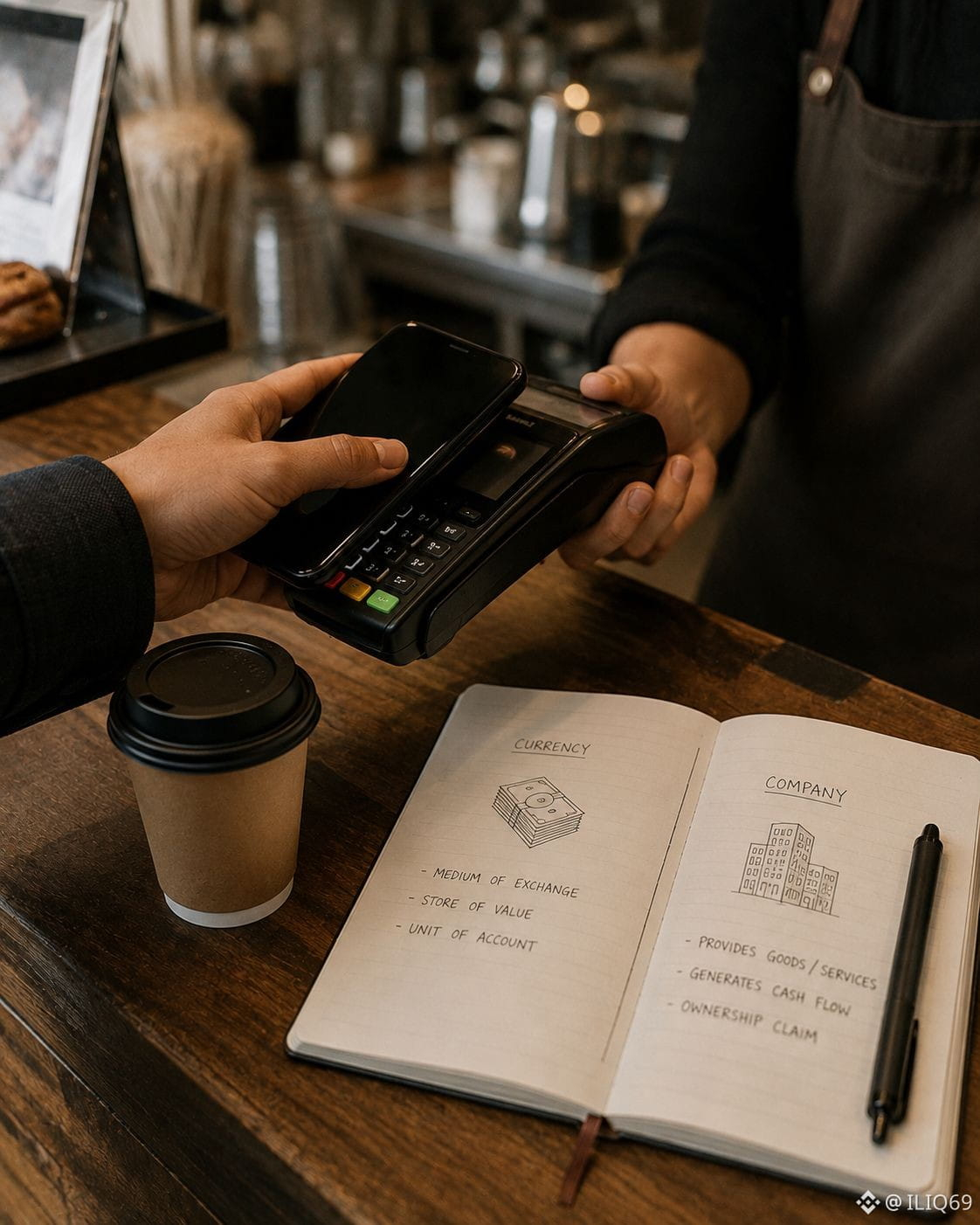
USDCは1ドルとのペッグを維持するよう設計されています。$CRCLB は、bStockの仕組みを通じてサークル社へのエクスポージャーです。これらはまったく別のものです。ひとつは価格を安定させることを目的としていますが、もうひとつは株式(エクイティ)連動型の金融商品であり、その価値は会社の収益モデル、導入(アダプション)、競争、規制、経費、市場の期待などに反応し得ます。
だからこそ、私は$CRCLB を「USDCの安全なバージョン」などとは決して呼びません。意味のあるつながりは、価格の安定ではなく、サークルがステーブルコインやブロックチェーンを基盤にした金融サービスのインフラを運営している点です。
私にとっての本当の問いは、ウォレットの中でそのステーブルコインを使うかどうかではなく、そのビジネスがどのようにお金を稼ぎ、成長し、支出しているかを理解できているかどうかです。
$CRCLB について、あなたなら最初にどのビジネスの推進要因を調べますか?
@BinanceCIS #bStocksCIS #bstockscis
USDCは1ドルとのペッグを維持するよう設計されています。$CRCLB は、bStockの仕組みを通じてサークル社へのエクスポージャーです。これらはまったく別のものです。ひとつは価格を安定させることを目的としていますが、もうひとつは株式(エクイティ)連動型の金融商品であり、その価値は会社の収益モデル、導入(アダプション)、競争、規制、経費、市場の期待などに反応し得ます。
だからこそ、私は$CRCLB を「USDCの安全なバージョン」などとは決して呼びません。意味のあるつながりは、価格の安定ではなく、サークルがステーブルコインやブロックチェーンを基盤にした金融サービスのインフラを運営している点です。
私にとっての本当の問いは、ウォレットの中でそのステーブルコインを使うかどうかではなく、そのビジネスがどのようにお金を稼ぎ、成長し、支出しているかを理解できているかどうかです。
$CRCLB について、あなたなら最初にどのビジネスの推進要因を調べますか?
@BinanceCIS #bStocksCIS #bstockscis
USDC adoption
43%
Reserve income
14%
Regulation
29%
Competition
14%
7 投票 • 投票は終了しました
確認済み
すべてのティッカーが、1つの会社のように調査されるべきだとは限りません。$EWYB はその良い教訓です。
ベースとなる EWY ファンドは、韓国の株式の指数を追跡するよう設計されています。なので問題は「このチャートが好きか?」だけではありません。さらに、「この1つのポジションで、どの国・どのセクター・どんな通貨エクスポージャー・どの企業グループを選んでいるのか?」という点が問われます。
「どのETFも自動的に分散されている」と呼ぶよりも、こちらのほうがより正直な気がします。バスケット(複数銘柄の詰め合わせ)には多くの企業を入れられても、特定の市場の規制、輸出サイクル、技術の比率、そして投資家心理といったものに、その市場としての影響を受ける可能性があります。
暗号資産ネイティブのポートフォリオにとっては、ここが面白いです。つまり、有名な名前を選ぶ話から、あえて国の見通しを取る話へと会話が変わるからです。それは非常に別の意思決定です。
それでも、1社を深く調べたいですか?それとも $EWYB で国のバスケット視点を取りますか?
@BinanceCIS #bStocksCIS $EWYB
ベースとなる EWY ファンドは、韓国の株式の指数を追跡するよう設計されています。なので問題は「このチャートが好きか?」だけではありません。さらに、「この1つのポジションで、どの国・どのセクター・どんな通貨エクスポージャー・どの企業グループを選んでいるのか?」という点が問われます。
「どのETFも自動的に分散されている」と呼ぶよりも、こちらのほうがより正直な気がします。バスケット(複数銘柄の詰め合わせ)には多くの企業を入れられても、特定の市場の規制、輸出サイクル、技術の比率、そして投資家心理といったものに、その市場としての影響を受ける可能性があります。
暗号資産ネイティブのポートフォリオにとっては、ここが面白いです。つまり、有名な名前を選ぶ話から、あえて国の見通しを取る話へと会話が変わるからです。それは非常に別の意思決定です。
それでも、1社を深く調べたいですか?それとも $EWYB で国のバスケット視点を取りますか?
@BinanceCIS #bStocksCIS $EWYB

One company deeply
0%
Country basket
75%
Mix of both
25%
Still learning ETFs
0%
4 投票 • 投票は終了しました
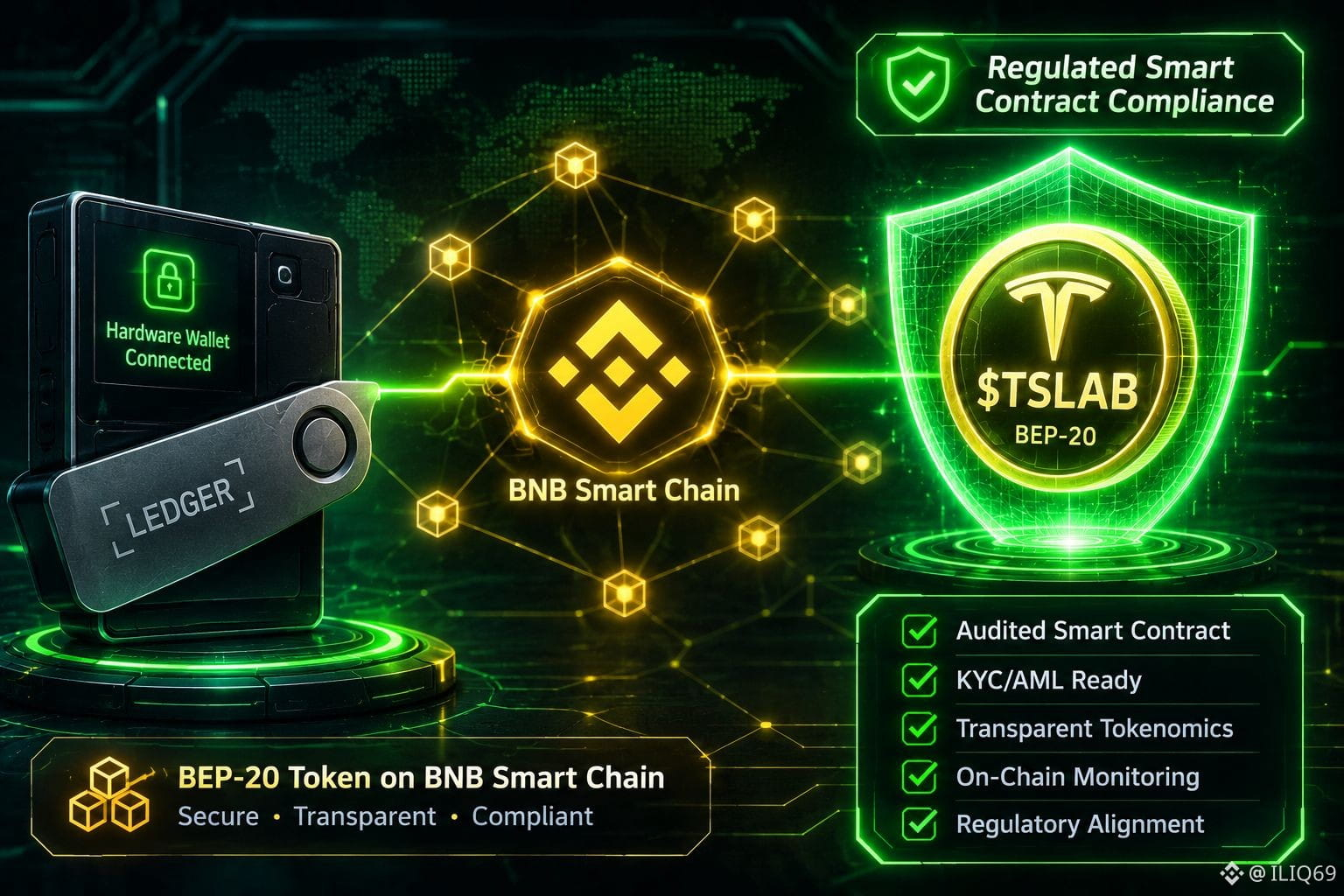
昨日、標準的な暗号資産のように動くはずだと思い、$TSLAB のポジションを個人のBNB Smart Chainウォレットに引き出しました。私は間違っていました。なぜそうなるのかを理解することは、RWAを取引するすべての人にとって重要です。
株式は、ADGM/FSRAの規制のもとでBTech HoldingsがBEP-20トークンとして発行しています。秘密鍵を保持していることでユーザーが管理するカストディは得られますが、基盤となるスマートコントラクトは規制に基づく譲渡の制御を保持しています。
もしアドレスがコンプライアンス、制裁、または地理的制限と矛盾する場合、コントラクトは譲渡を制限したり凍結したりできます。
実務的にいうと:
1️⃣ 秘密鍵の管理:あなたが署名とウォレットの保管(カストディ)を所有します。 2️⃣ 規制された境界:発行者がオンチェーン上で法令遵守を執行します。
3️⃣ ハイブリッドな安全性:許可不要の匿名性はありませんが、ブロックチェーン上の持ち運びは得られます。
これは「伝統的な株式」でもなく、「純粋なDeFiトークン」でもありません。公開インフラ上で動く、規制された有価証券です。
あなたはbStocksを自己カストディのウォレットで保有するのが良いですか?それともBinance上で直接保有するのが良いですか? @BinanceCIS #bStocksCIS $TSLAB
株式は、ADGM/FSRAの規制のもとでBTech HoldingsがBEP-20トークンとして発行しています。秘密鍵を保持していることでユーザーが管理するカストディは得られますが、基盤となるスマートコントラクトは規制に基づく譲渡の制御を保持しています。
もしアドレスがコンプライアンス、制裁、または地理的制限と矛盾する場合、コントラクトは譲渡を制限したり凍結したりできます。
実務的にいうと:
1️⃣ 秘密鍵の管理:あなたが署名とウォレットの保管(カストディ)を所有します。 2️⃣ 規制された境界:発行者がオンチェーン上で法令遵守を執行します。
3️⃣ ハイブリッドな安全性:許可不要の匿名性はありませんが、ブロックチェーン上の持ち運びは得られます。
これは「伝統的な株式」でもなく、「純粋なDeFiトークン」でもありません。公開インフラ上で動く、規制された有価証券です。
あなたはbStocksを自己カストディのウォレットで保有するのが良いですか?それともBinance上で直接保有するのが良いですか? @BinanceCIS #bStocksCIS $TSLAB
Self-custody (BNB Chain)
50%
Directly on Binance Spot
33%
I use both methods
17%
6 投票 • 投票は終了しました
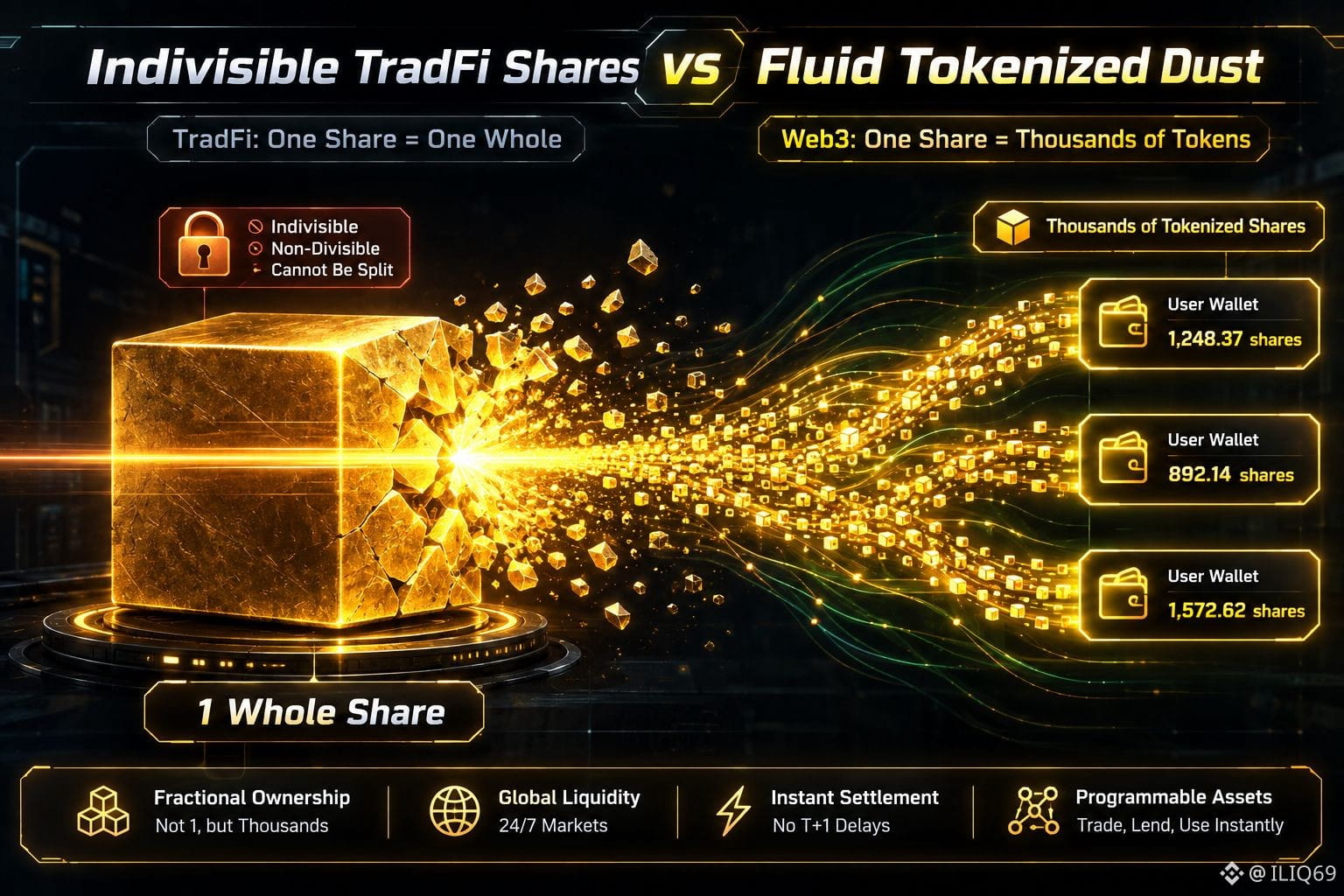
分数株(フラクショナル・シェア)の概念は、従来のカストディアンにとって常に数学的な頭痛の種でした。あなたはネイティブにAppleの株式の0.015を保有することはできません。従来の台帳は、丸ごとの分割不可能な単位で構築されています。これは絶対的な整数システムです。にもかかわらず、bStocksの注文板を見てください。$NVDAB からマイクロ分数まで、正確なUSDT金額を投入できます。これは単なるUIのトリックではなく、大規模なプーリング(集約)操作です。アブダビにある基盤のカストディアンがこれらの分数需要を集約し、全株を安全な金庫で保管し、ブロックチェーン上で分割可能なトークンを発行します。これにより、硬直した従来の株式を流動的で分割可能な暗号の流動性へと実質的に変えてしまうのです。これは建築(アーキテクチャ)の見事なアービトラージです。ERC-20トークンの資本効率と、レガシー資産の規制上の裏付けを組み合わせています。しかし技術的な疑問が生まれます:「ダスト(端数)」はどうなるのか?何千人ものユーザーが1株の0.0001を保有するなら、カストディアンは、オンチェーンの断片化とオフチェーンの“丸ごと”の間で、本質的に連続的なバランス調整を行っているのと同じです。これは小口投資家の資本効率を大幅に引き上げるアップグレードですが、中間業者の計算に対する絶対的な信頼が必要になります。追加のアーキテクチャ詳細は @BinanceCIS #bStocksCIS
確認済み
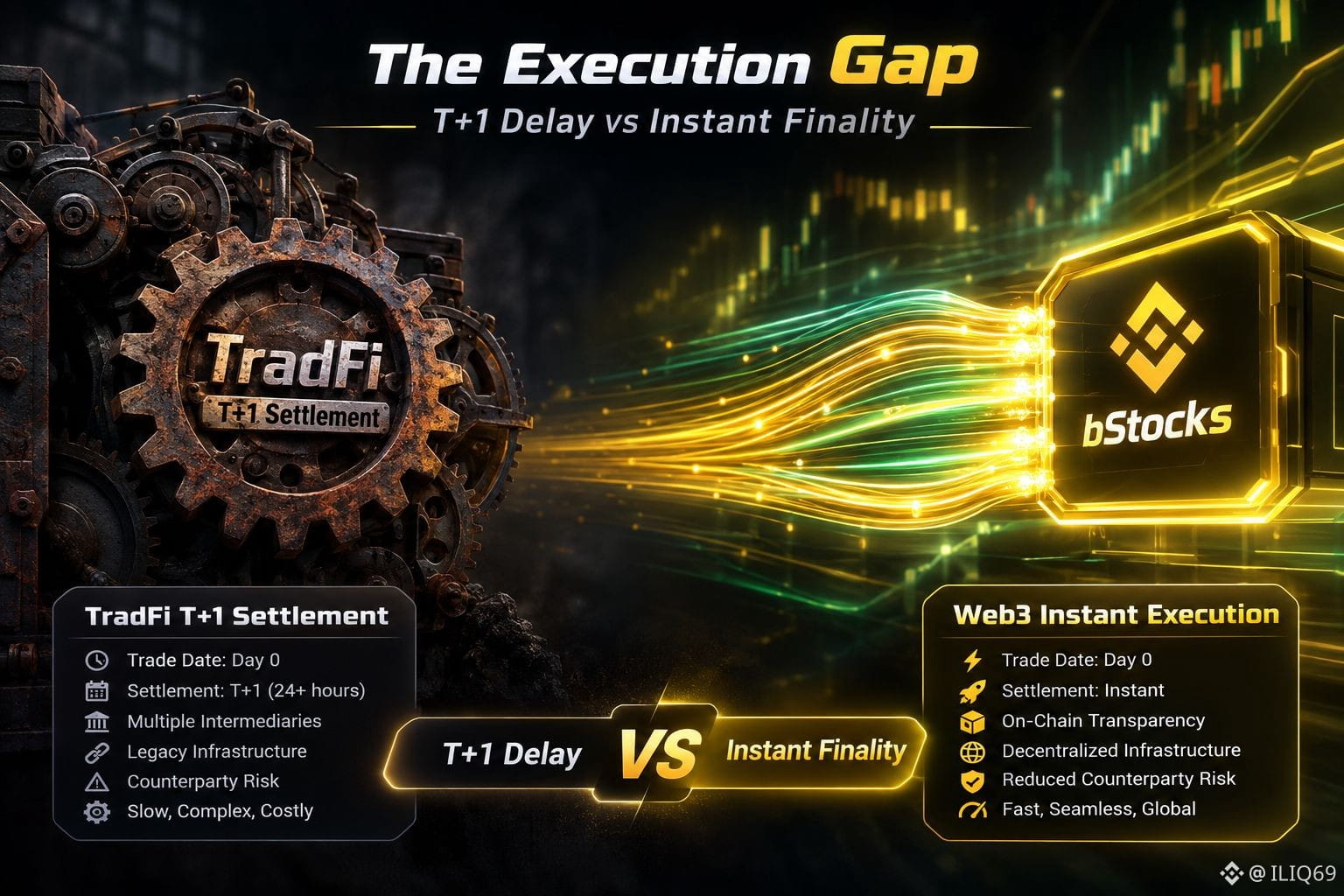
トークン化された株式における実際の実行(決済)がどのように機能しているのかを調べ始めたところ、Web3のスピードとTradFi(伝統的金融)のアーキテクチャの間にある根本的な衝突が浮かび上がりました。従来の金融では、株を買うとブローカーが書類を実際に決済・処理するまでT+1日かかります。これは非常に硬直的で、規制の厳しい官僚的プロセスです。暗号資産はそうではありません。ブロックチェーンの状態は即座に変化します。設計上、私たちは購入をクリックした瞬間に完全な最終確定を期待しています。これにより、2つの世界をまたぐ際に大きなUXのハードルが生まれます。BinanceはbStocksでこの問題を解決しています。$TSLAB で購入すると、ダッシュボードは即座に残高を反映します。しかし裏側では、彼らは古いTradFiの決済レイヤーを暗号資産のスピードで動かすよう無理にでも動作させています。交換所は基本的に、あなたの瞬時のUSDT控除と、ADGMにある委託保管(カストディ)の遅れて動く保管庫(バルブ)の間に時間差リスクを吸収し、バッファとして機能します。これは実に興味深い回避策で、BTech Holdingsが単に株を暗号資産に移植しているだけではないことを示しています。彼らは、レガシー市場にWeb3の“せっかちな”基盤レイヤーへの適応を強いているのです。でも疑問に思うのは、レガシー市場が閉じている一方で、暗号資産の流動性プールはまだ稼働している場合、システムは極端なボラティリティをどのように扱うのかという点です。ネイティブ暗号の純粋なスピードは、カストディによる裏付けに伴う運用上の摩擦を上回るのでしょうか?@BinanceCIS #bStocksCIS でメカニズムを深掘りします。
確認済み
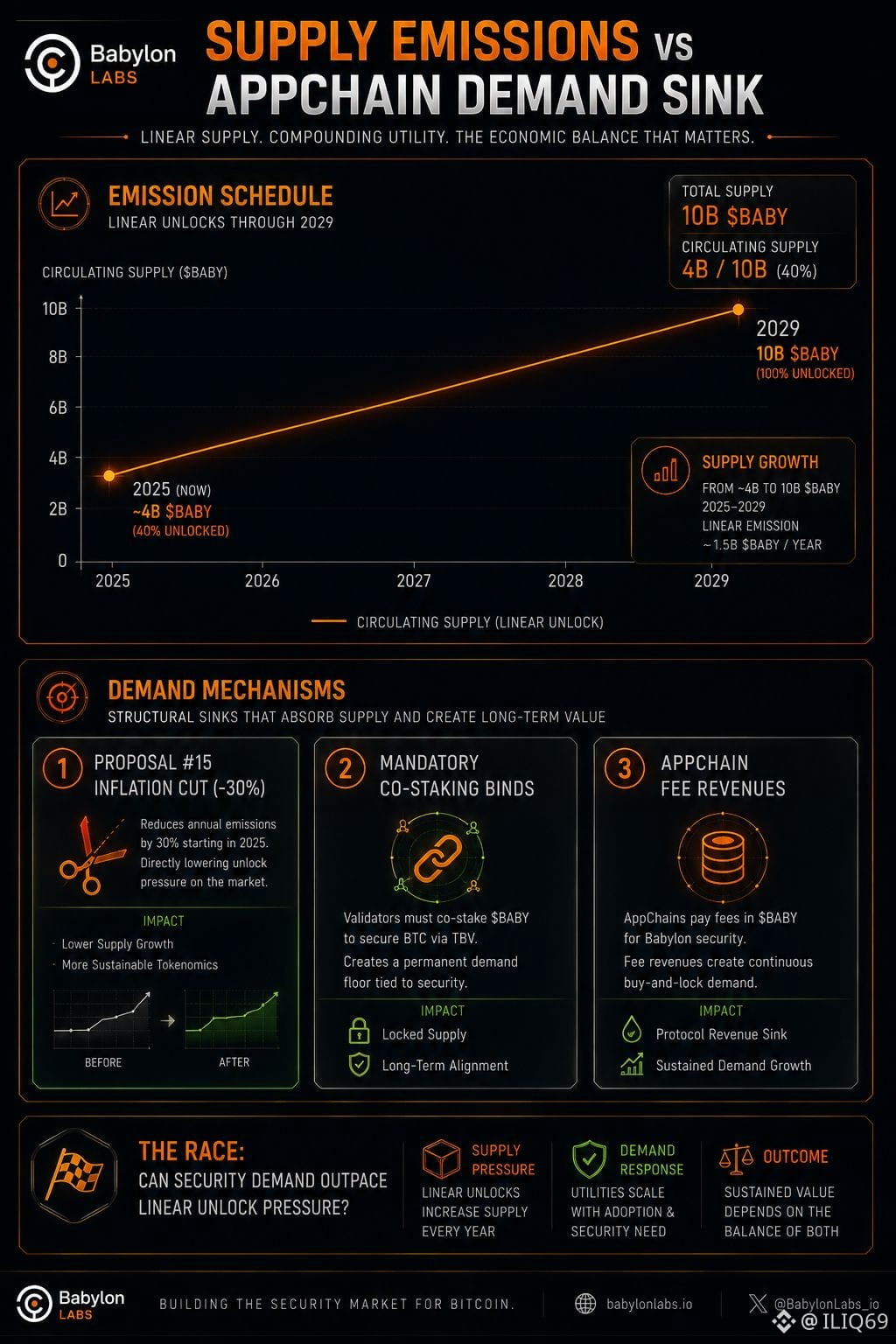
今後数年の間に「$BABY 」の供給ダイナミクスを整理していたところ、現在の価格の動きが、より明確な構造的な文脈の中で捉えられるようになりました。
流通供給は総キャップの10 Billionのうち約4 Billionトークンに位置しています。月次の直線的なアンロックが2029年まで続くため、市場が継続的に消化しなければならない供給の放出(エミッション)が恒常的に発生しています。チャートを初期の高値から下方に見ると80%以上下落しているので、プロトコルの内部で何かが壊れているのだと考えたくなります。
しかし、実際のインフラを見ると別の話になります。プロトコルはコンシューマチェーンをオンボーディングしており、さらにコ・ステーキング能力を拡張しています。根本的な緊張関係は「ネイティブBTCのステーキングが機能するかどうか」ではなく、「実行速度(execution velocity)」にあります。新しいAppChainsは、月次アンロックのスケジュールを上回るトークン・シンク需要を生み出すために、Babylonのセキュリティを十分な速さで採用できるでしょうか?
現時点では、BTCステーカーは利回りを積み上げている一方で、$BABY の保有者はインフレのカーブを受けています。提案#15は、インフレを30%削減し、BTC-$BABY のコ・ステーキングを有効化することで、この問題の是正に向けて一歩を踏み出しました。しかし、コンシューマチェーンからの手数料収益が大きくスケールするまで、直線的なエミッションとトークン需要の間にある距離こそが、価格発見における主戦場のまま残ります。
@BabylonLabs_io #baby
流通供給は総キャップの10 Billionのうち約4 Billionトークンに位置しています。月次の直線的なアンロックが2029年まで続くため、市場が継続的に消化しなければならない供給の放出(エミッション)が恒常的に発生しています。チャートを初期の高値から下方に見ると80%以上下落しているので、プロトコルの内部で何かが壊れているのだと考えたくなります。
しかし、実際のインフラを見ると別の話になります。プロトコルはコンシューマチェーンをオンボーディングしており、さらにコ・ステーキング能力を拡張しています。根本的な緊張関係は「ネイティブBTCのステーキングが機能するかどうか」ではなく、「実行速度(execution velocity)」にあります。新しいAppChainsは、月次アンロックのスケジュールを上回るトークン・シンク需要を生み出すために、Babylonのセキュリティを十分な速さで採用できるでしょうか?
現時点では、BTCステーカーは利回りを積み上げている一方で、$BABY の保有者はインフレのカーブを受けています。提案#15は、インフレを30%削減し、BTC-$BABY のコ・ステーキングを有効化することで、この問題の是正に向けて一歩を踏み出しました。しかし、コンシューマチェーンからの手数料収益が大きくスケールするまで、直線的なエミッションとトークン需要の間にある距離こそが、価格発見における主戦場のまま残ります。
@BabylonLabs_io #baby
確認済み
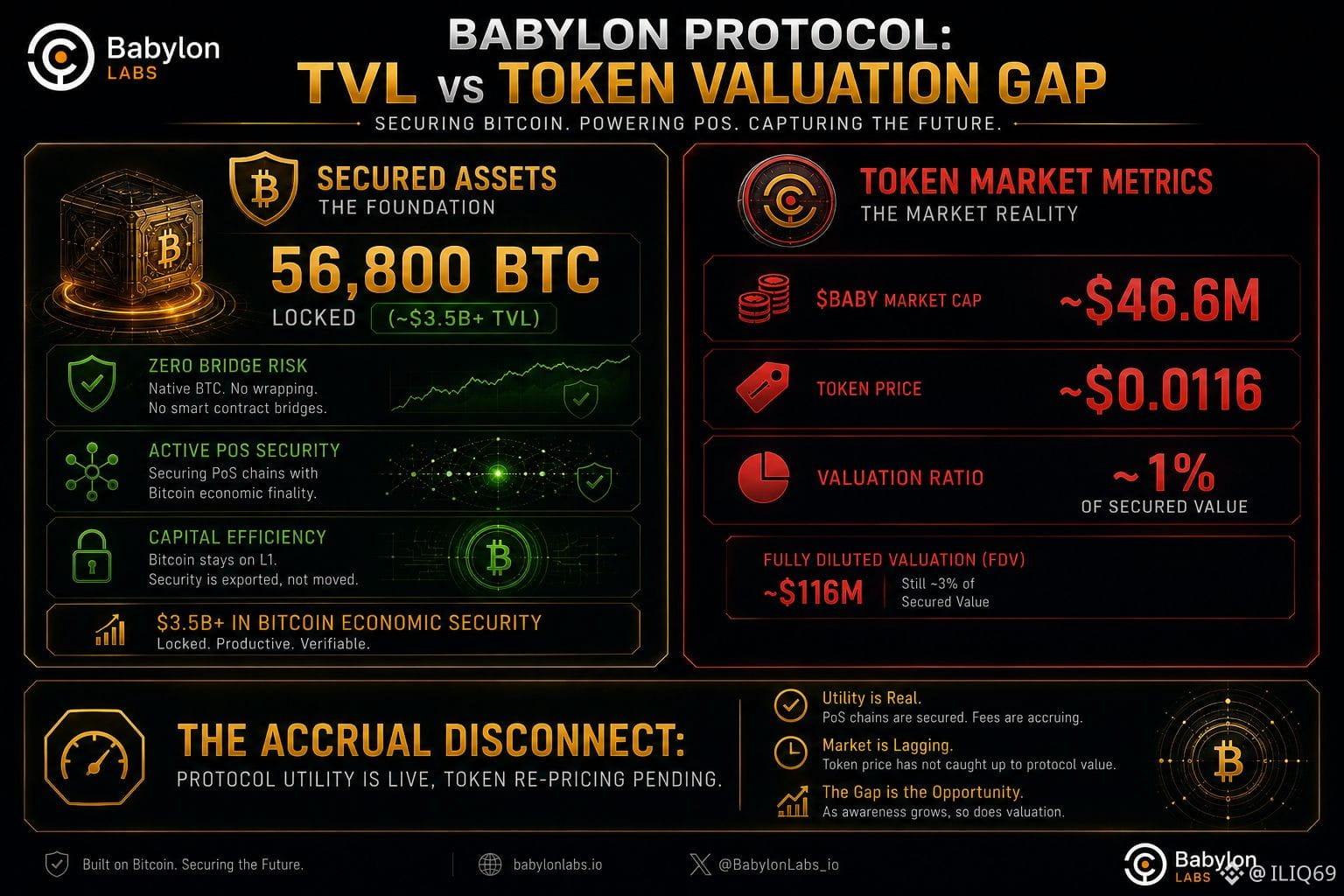
今日、DefiLlamaと価格チャートを行ったり来たりしていると、ある特定の数字の不一致があるだけで、ほぼ目が離せなくなります。
現在、@BabylonLabs_io のトラストレス・ビットコイン・ボールト(Bitcoin Vaults)が、約56,800 BTCを保有しています。これは、L1上に直接ロックされた実質の自己管理型(非カストディ)ビットコインで、実に35億ドル超相当です。外部のPoSネットワークに対し、積極的にセキュリティを提供しています。この技術は広告どおりに機能しており、ブリッジなし、ラップ資産なし、取引相手(カウンターパーティ)の脆弱性もゼロです。
次に、$BABY の値動きを見てください。トークンは約0.011ドル付近で取引されており、時価総額はおよそ46.6Mドルにあります。数十億ドル規模のセキュリティレイヤーから価値を取り込み、統治するはずのこのトークンが、セキュリティが確保している価値のわずか1%にも満たない水準で取引されています。
これはボールトの失敗ではありません。価値の蓄積が遅れているだけです。BTCの預け入れ者は、今日、ネイティブのセキュリティと利回りを得ています。一方で、トークン保有者は、需要の受け皿となる仕組み――たとえばコ・ステーキング要件や手数料分配モジュール――がそのギャップを埋めるまで、初期の構造的な供給を吸収しています。
ダッシュボードの燃料計が0のままなのに、高性能エンジンがきれいに動いているのを見ているような感覚です。市場が単に、このセキュリティのプリミティブを誤評価しているのか、それとも、価値の取り込みにはTVLに追いつくまで常に数か月かかるのか、気になってしまいます。
@BabylonLabs_io $BABY #baby
現在、@BabylonLabs_io のトラストレス・ビットコイン・ボールト(Bitcoin Vaults)が、約56,800 BTCを保有しています。これは、L1上に直接ロックされた実質の自己管理型(非カストディ)ビットコインで、実に35億ドル超相当です。外部のPoSネットワークに対し、積極的にセキュリティを提供しています。この技術は広告どおりに機能しており、ブリッジなし、ラップ資産なし、取引相手(カウンターパーティ)の脆弱性もゼロです。
次に、$BABY の値動きを見てください。トークンは約0.011ドル付近で取引されており、時価総額はおよそ46.6Mドルにあります。数十億ドル規模のセキュリティレイヤーから価値を取り込み、統治するはずのこのトークンが、セキュリティが確保している価値のわずか1%にも満たない水準で取引されています。
これはボールトの失敗ではありません。価値の蓄積が遅れているだけです。BTCの預け入れ者は、今日、ネイティブのセキュリティと利回りを得ています。一方で、トークン保有者は、需要の受け皿となる仕組み――たとえばコ・ステーキング要件や手数料分配モジュール――がそのギャップを埋めるまで、初期の構造的な供給を吸収しています。
ダッシュボードの燃料計が0のままなのに、高性能エンジンがきれいに動いているのを見ているような感覚です。市場が単に、このセキュリティのプリミティブを誤評価しているのか、それとも、価値の取り込みにはTVLに追いつくまで常に数か月かかるのか、気になってしまいます。
@BabylonLabs_io $BABY #baby
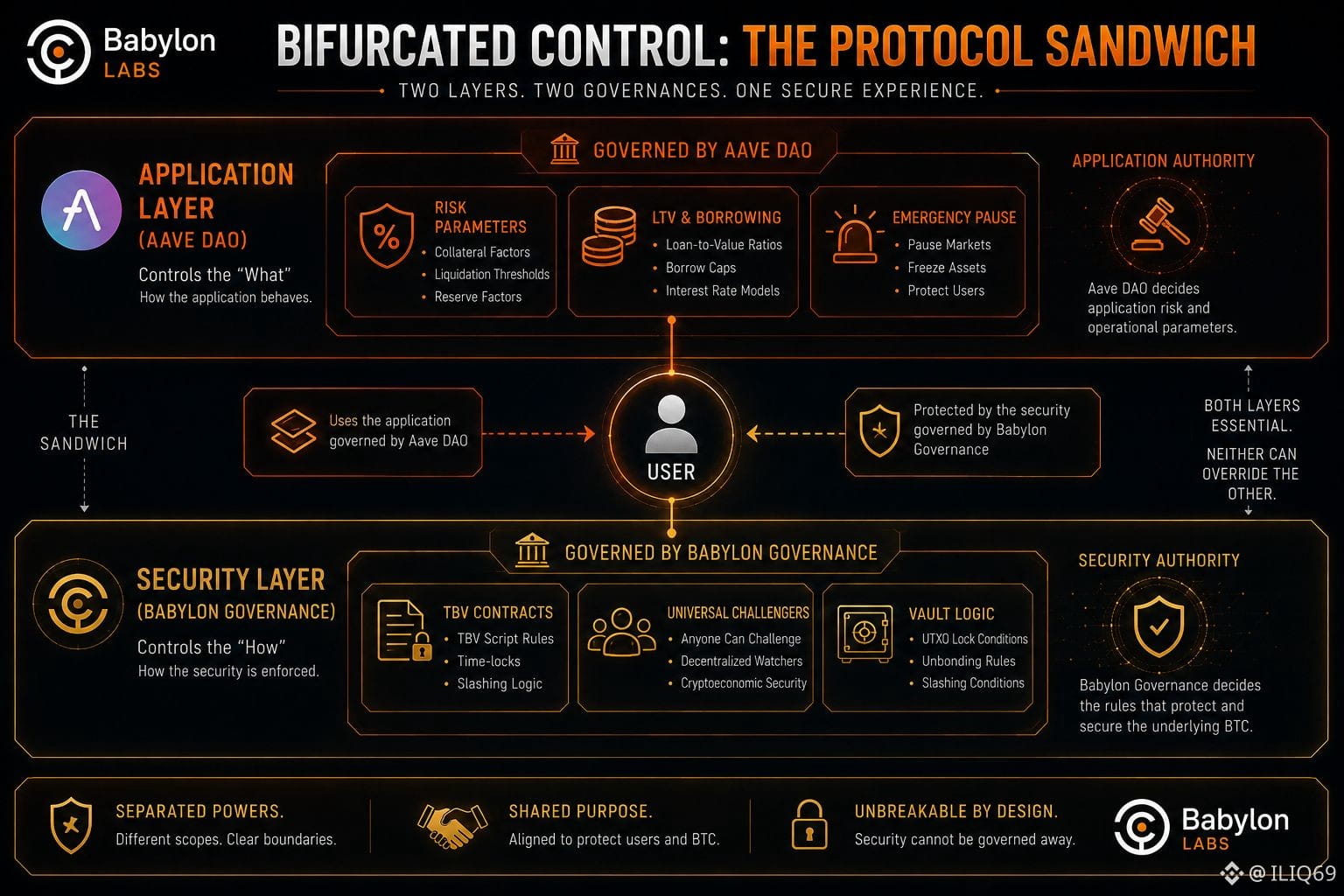
異なるDAO間のガバナンス・インタラクションを観察することで、@BabylonLabs_io 統合により、クロスチェーンの管理がどれほど複雑化していくのかが正確に明らかになります。私たちはしばしばTBVを単一のプロダクトとして語りますが、実際には制御が二分された「プロトコル・サンドイッチ」です。
たとえばBTCを預けてAave v4統合で借り入れる場合、あなたはまったく別の2つの主権的なエンティティの影響下にあります。Babylonのガバナンス表現は、コアのTBVプロトコル、統合コントラクト、そして許可制のアクター(ArbitrageursやUniversal Challengersなど)の追加を制御します。
しかし、Aave DAOはSpokesとV4 Hubについて絶対的な支配権を保持しています。彼らはリスクパラメータ、Loan-to-Value(LTV)比率、Hubの流動性の割り当てを決定し、借り入れ側の緊急停止/フリーズのスイッチも持っています。
つまり、真の分散化とは単にノードの数の話ではなく、ガバナンス領域が重なり合うことこそが本質なのです。もし$BABY のアーキテクチャが完璧に機能していても、無関係な市場のパニックを理由にAave DAOが借り入れSpokeを凍結するよう投票すれば、ユーザー体験はそれでもなお破壊されます。信頼不要な担保と、主観的なアプリケーション・ガバナンスが交差します。
エンドユーザーにとって、どのガバナンス・レイヤーが最もリスクを負っていますか?
#baby
たとえばBTCを預けてAave v4統合で借り入れる場合、あなたはまったく別の2つの主権的なエンティティの影響下にあります。Babylonのガバナンス表現は、コアのTBVプロトコル、統合コントラクト、そして許可制のアクター(ArbitrageursやUniversal Challengersなど)の追加を制御します。
しかし、Aave DAOはSpokesとV4 Hubについて絶対的な支配権を保持しています。彼らはリスクパラメータ、Loan-to-Value(LTV)比率、Hubの流動性の割り当てを決定し、借り入れ側の緊急停止/フリーズのスイッチも持っています。
つまり、真の分散化とは単にノードの数の話ではなく、ガバナンス領域が重なり合うことこそが本質なのです。もし$BABY のアーキテクチャが完璧に機能していても、無関係な市場のパニックを理由にAave DAOが借り入れSpokeを凍結するよう投票すれば、ユーザー体験はそれでもなお破壊されます。信頼不要な担保と、主観的なアプリケーション・ガバナンスが交差します。
エンドユーザーにとって、どのガバナンス・レイヤーが最もリスクを負っていますか?
#baby
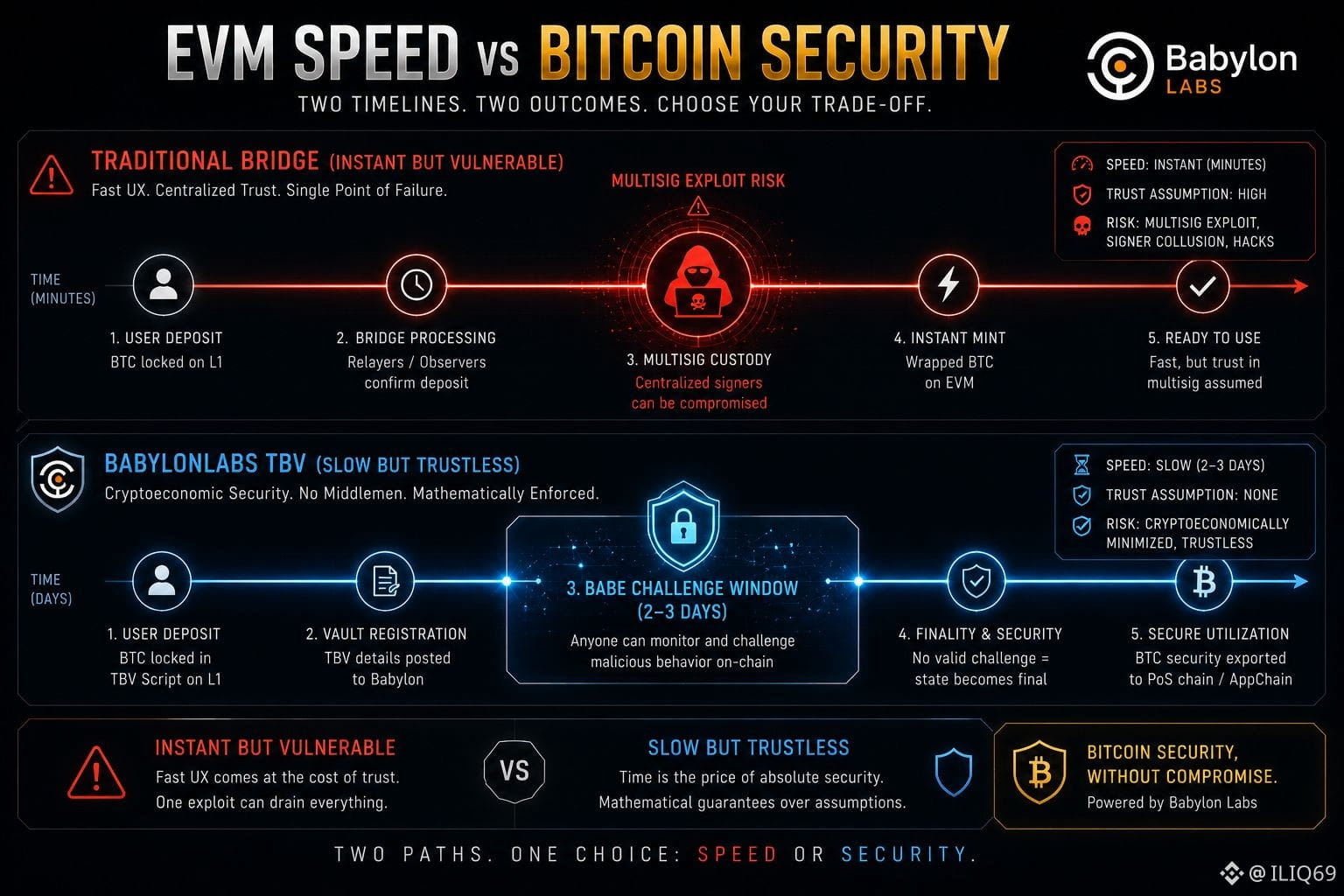
TBVプロトコルにおけるクロスチェーンの状態遷移を分析するのに少し時間を費やしました。特に、システムが集中型のマルチシグやブリッジのバリデータ集合に依存せずに、不正なバウチャ(vault)償還をどのように防いでいるかです。答えはBABEベースのチャレンジ手順であり、流動性のタイムフレームの考え方を完全に作り変えます。
Aave v4でステーブルコインのローンを返済してネイティブのビットコインをアンロックしたい場合、償還は瞬時には行われません。請求(claim)が提出され、その後「フロードプルーフ・ウィンドウ(fraud-proof window)」が開きます。およそ2〜3日間、許可されたUniversal ChallengersとArbitrageursがチェーンを監視します。請求が無効なら、それをブロックします。チャレンジが行われずにウィンドウ期間が過ぎれば、ビットコインはあなたに返されます。
EVMロールアップによって、サブ秒のファイナリティと即時の出金を期待するよう条件付けされてきました。@BabylonLabs_io は、ビットコインL1における信頼不要の暗号学的セキュリティには実際の時間が必要だと受け入れさせます。数学をだますことはできず、チャレンジ・ウィンドウを急かすこともできません。
つまり、$BABY における資本効率は、従来のDeFiとはまったく別のものになります。数分でチェーン間に流動性を瞬間的に流すことに慣れたトレーダーは、忍耐を学ばなければなりません。セキュリティはもはやスマートコントラクト監査だけで測られるものではなく、日単位で測られるのです。
完全に信頼不要の出金のために、あなたはどれくらい待つ用意がありますか?
#baby
Aave v4でステーブルコインのローンを返済してネイティブのビットコインをアンロックしたい場合、償還は瞬時には行われません。請求(claim)が提出され、その後「フロードプルーフ・ウィンドウ(fraud-proof window)」が開きます。およそ2〜3日間、許可されたUniversal ChallengersとArbitrageursがチェーンを監視します。請求が無効なら、それをブロックします。チャレンジが行われずにウィンドウ期間が過ぎれば、ビットコインはあなたに返されます。
EVMロールアップによって、サブ秒のファイナリティと即時の出金を期待するよう条件付けされてきました。@BabylonLabs_io は、ビットコインL1における信頼不要の暗号学的セキュリティには実際の時間が必要だと受け入れさせます。数学をだますことはできず、チャレンジ・ウィンドウを急かすこともできません。
つまり、$BABY における資本効率は、従来のDeFiとはまったく別のものになります。数分でチェーン間に流動性を瞬間的に流すことに慣れたトレーダーは、忍耐を学ばなければなりません。セキュリティはもはやスマートコントラクト監査だけで測られるものではなく、日単位で測られるのです。
完全に信頼不要の出金のために、あなたはどれくらい待つ用意がありますか?
#baby
確認済み
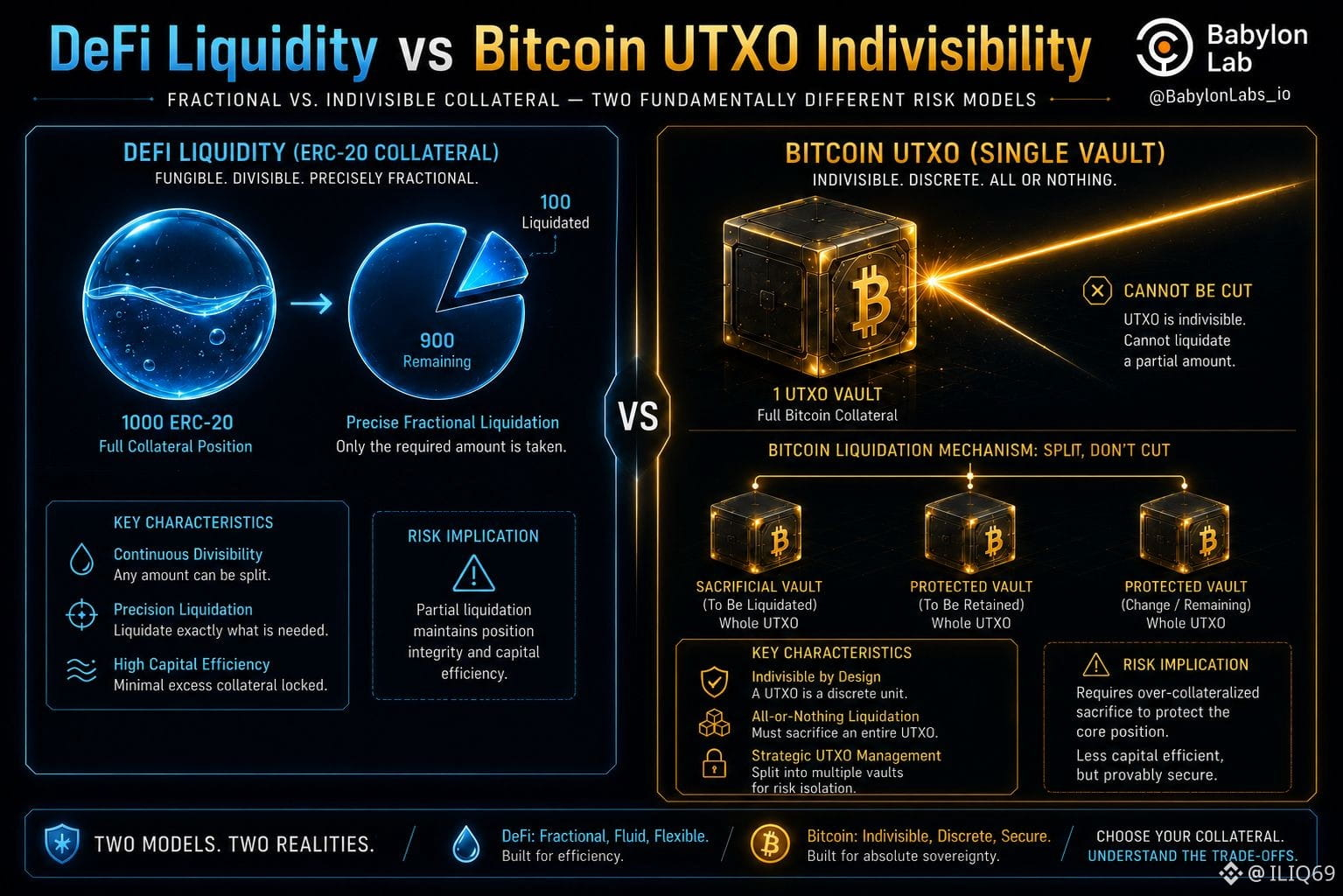
@BabylonLabs_io TBV の testnet 上で、清算が実際にどのように機能するのかを調べ始めたところ、EVM とビットコインのアーキテクチャの間に根本的な衝突があることが浮き彫りになりました。従来の DeFi では、ローンが健全性を失った場合、清算業者があなたの ERC-20 コラテラルの一部の割合を単純に押さえます。これは非常に流動的で、数学的なヘアカットです。
しかしビットコインはそういう仕組みではありません。Trustless Bitcoin Vault は単一のビットコイン UTXO です。設計上、UTXO は完全に不可分であり、部分的にだけ償還・差し押さえされることはなく、常に全体としてのみ償還または押収されます。これがクロスチェーン借入に対する大きな UX とアーキテクチャ上のハードルを生みます。
プロトコルはこれを、預託者にあらかじめ BTC を複数のバル トに分割させることで解決します。ダッシュボードは本質的に「生贄のバル ト」と「保護バル ト」を作ることを強制します。清算イベントが起きた場合、プロトコルはあらかじめ定められた順序で債務がカバーされるまで丸ごとのバル トを取り込み、余剰分は WBTC で返します。
$BABY が単にイーサリアムのロジックをビットコインへ移植しているだけではないことを証明する、実に興味深い回避策です。つまり、DeFi にビットコインの硬くて安全なベースレイヤーへ適応を強いているのです。とはいえ、単一のコラテラル残高ではなく、何十もの分割された UTXO バル トを管理することに、機関投資家の借り手はどう反応するのでしょうか。ネイティブ BTC の純粋なセキュリティが、不可分バル トの運用上の摩擦に勝るのでしょうか?
#baby
しかしビットコインはそういう仕組みではありません。Trustless Bitcoin Vault は単一のビットコイン UTXO です。設計上、UTXO は完全に不可分であり、部分的にだけ償還・差し押さえされることはなく、常に全体としてのみ償還または押収されます。これがクロスチェーン借入に対する大きな UX とアーキテクチャ上のハードルを生みます。
プロトコルはこれを、預託者にあらかじめ BTC を複数のバル トに分割させることで解決します。ダッシュボードは本質的に「生贄のバル ト」と「保護バル ト」を作ることを強制します。清算イベントが起きた場合、プロトコルはあらかじめ定められた順序で債務がカバーされるまで丸ごとのバル トを取り込み、余剰分は WBTC で返します。
$BABY が単にイーサリアムのロジックをビットコインへ移植しているだけではないことを証明する、実に興味深い回避策です。つまり、DeFi にビットコインの硬くて安全なベースレイヤーへ適応を強いているのです。とはいえ、単一のコラテラル残高ではなく、何十もの分割された UTXO バル トを管理することに、機関投資家の借り手はどう反応するのでしょうか。ネイティブ BTC の純粋なセキュリティが、不可分バル トの運用上の摩擦に勝るのでしょうか?
#baby
ログインして、さらにコンテンツを読む