

BlueTokenCapital
15.4k 投稿

BlueTokenCapital
報告
ユーザーをブロック
Less hype. More research. Hunting alpha through data, narratives, and on-chain signals.
取引を発注

BTCホルダー
超高頻度トレーダー
5.5年
513 フォロー
6.6K+ フォロワー
31.1K+ いいね
投稿
ポートフォリオ
すべて
引用
動画
ライブ
PINNED
記事
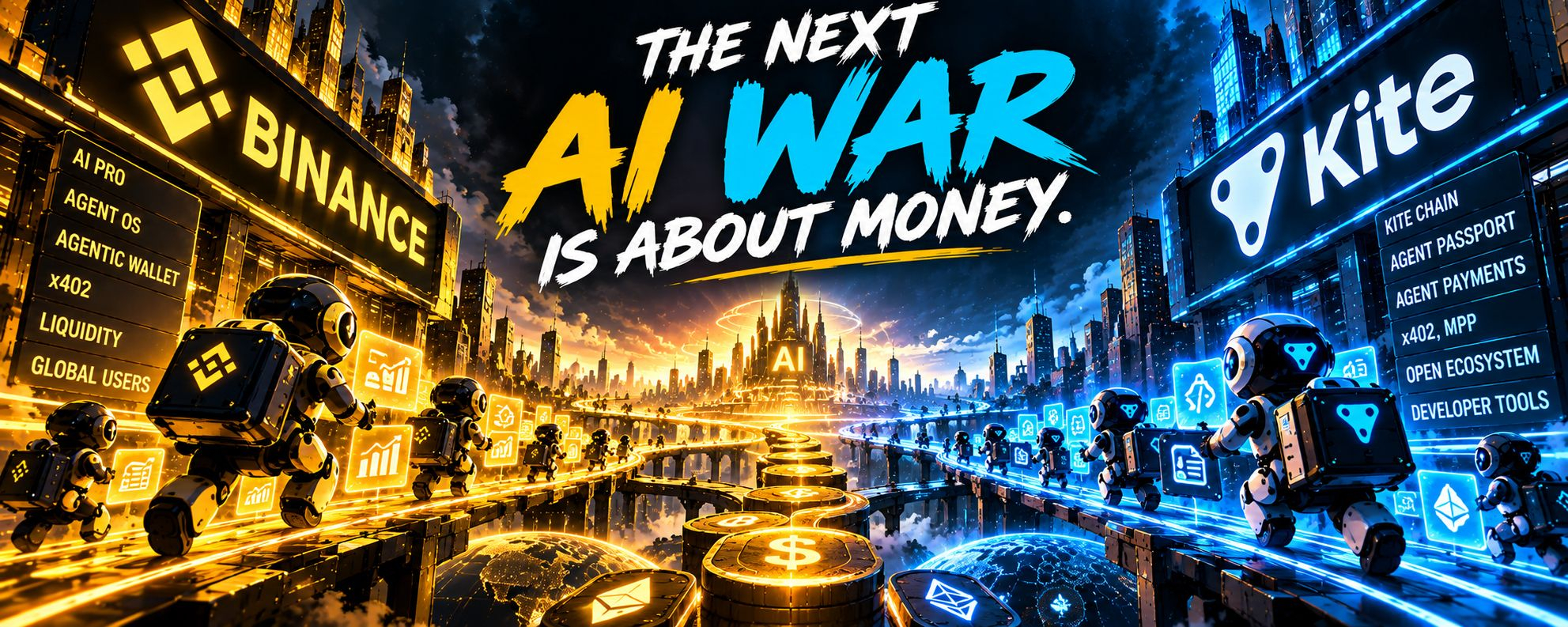
BINANCEとKITEが仕掛ける、より大きなAIゲーム次なるAI戦争の争点は、お金です。
Binance、Kite、そしてエージェント経済をめぐる主導権争い。
市場はAIについて、間違った問いを投げかけていると思います。
誰もが知りたがっているのは、どのモデルがより賢いのか、どのエージェントがより速く動くのか、そして次世代AIをどの企業が支配するのかです。
でも、まったく違うインターネットを想像してみてください。
何百万ものAIエージェントがデータを購入し、計算資源を借り、APIの利用料を支払い、ほかのエージェントを雇い、人間がすべての取引を承認するのを待つことなく、ワークフロー全体を完了させているのです。
BINANCEとKITEが仕掛ける、より大きなAIゲーム
次なるAI戦争の争点は、お金です。
Binance、Kite、そしてエージェント経済をめぐる主導権争い。
市場はAIについて、間違った問いを投げかけていると思います。
誰もが知りたがっているのは、どのモデルがより賢いのか、どのエージェントがより速く動くのか、そして次世代AIをどの企業が支配するのかです。
でも、まったく違うインターネットを想像してみてください。
何百万ものAIエージェントがデータを購入し、計算資源を借り、APIの利用料を支払い、ほかのエージェントを雇い、人間がすべての取引を承認するのを待つことなく、ワークフロー全体を完了させているのです。
Binance、Kite、そしてエージェント経済をめぐる主導権争い。
市場はAIについて、間違った問いを投げかけていると思います。
誰もが知りたがっているのは、どのモデルがより賢いのか、どのエージェントがより速く動くのか、そして次世代AIをどの企業が支配するのかです。
でも、まったく違うインターネットを想像してみてください。
何百万ものAIエージェントがデータを購入し、計算資源を借り、APIの利用料を支払い、ほかのエージェントを雇い、人間がすべての取引を承認するのを待つことなく、ワークフロー全体を完了させているのです。
16
16
3k


Binance TG Community
·
--
Binance Square 中秋節キャンペーン当選者リスト
🎂 Binanceユーザーの皆様、Binance Squareの月餅作りキャンペーンにご参加いただき、ありがとうございました!🎉 皆様の創造性あふれる素晴らしいケーキのデザインのおかげで、お祝いがさらに特別なものになりました。💛 🏆 当選者250名が発表されました!当選された皆様、おめでとうございます。また、ご参加いただき、創造性を共有してくださった皆様に心より感謝いたします!🥳
報酬は本発表から10日以内に配布されます。
以下からSquareのユーザー名をご確認ください:
@Cripp
@CazadorSobresRojos
@OlexanderL
@MariiaL
報酬は本発表から10日以内に配布されます。
以下からSquareのユーザー名をご確認ください:
@Cripp
@CazadorSobresRojos
@OlexanderL
@MariiaL

2
105
翻訳参照
🥇 VÀNG SẮP ĐẢO CHIỀU HAY CHỈ LÀ CÚ HỒI ĐỂ BÁN TIẾP?
Phe LONG đang chờ cú bật, phe SHORT vẫn chưa chịu buông. 👀
Nếu là bạn, bạn chọn hướng nào?
🟢 LONG — bắt nhịp hồi
🔴 SHORT — theo xu hướng giảm
#XAUUSD #Gold #Trading
🥇 VÀNG SẮP ĐẢO CHIỀU HAY CHỈ LÀ CÚ HỒI ĐỂ BÁN TIẾP?
Phe LONG đang chờ cú bật, phe SHORT vẫn chưa chịu buông. 👀
Nếu là bạn, bạn chọn hướng nào?
🟢 LONG — bắt nhịp hồi
🔴 SHORT — theo xu hướng giảm
#XAUUSD #Gold #Trading
Phe LONG đang chờ cú bật, phe SHORT vẫn chưa chịu buông. 👀
Nếu là bạn, bạn chọn hướng nào?
🟢 LONG — bắt nhịp hồi
🔴 SHORT — theo xu hướng giảm
#XAUUSD #Gold #Trading
1
671
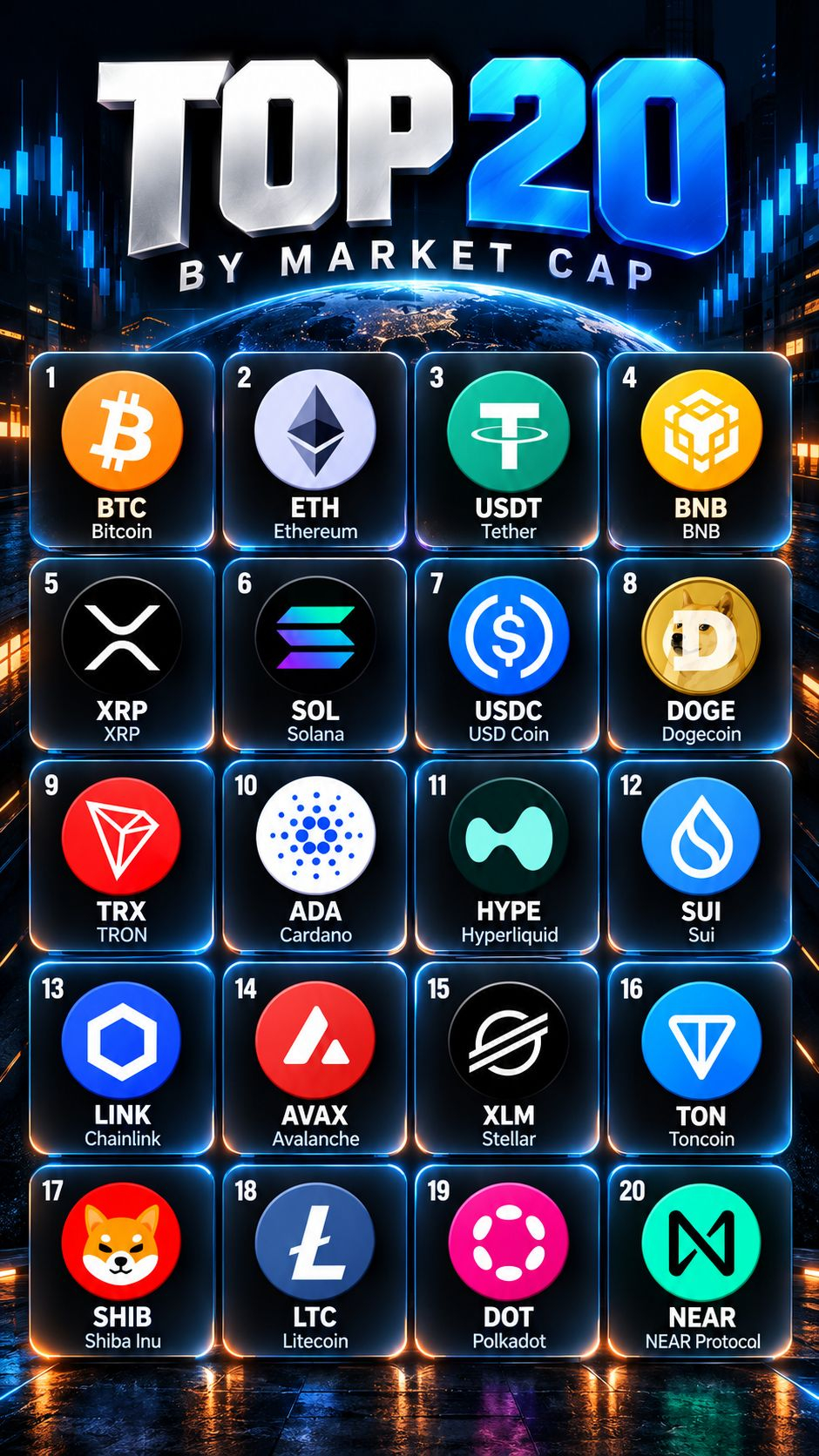

NEAR/USDT — まだ売り方が優勢? 🔻
NEARがレジスタンスゾーンまで戻したものの、上抜けできない場合はショート目線です。4時間足の下落構造を優先し、サポート付近での追随売りは避けます。
📍 エントリー: $4.50–4.53
🎯 TP1: $4.40 | TP2: $4.30
🛑 SL: $4.60
条件: エントリーゾーンで反落したことを15分足/1時間足のローソク足で確認してから待ちます。価格が$4.60を上抜けた場合、このシナリオは無効です。
確認がなければ、エントリーしません。価格水準は参考シナリオです。取引前にBinanceのチャートで確認してください。
#NEAR #NEARProtocol #CryptoTrading
NEAR/USDT — まだ売り方が優勢? 🔻
NEARがレジスタンスゾーンまで戻したものの、上抜けできない場合はショート目線です。4時間足の下落構造を優先し、サポート付近での追随売りは避けます。
📍 エントリー: $4.50–4.53
🎯 TP1: $4.40 | TP2: $4.30
🛑 SL: $4.60
条件: エントリーゾーンで反落したことを15分足/1時間足のローソク足で確認してから待ちます。価格が$4.60を上抜けた場合、このシナリオは無効です。
確認がなければ、エントリーしません。価格水準は参考シナリオです。取引前にBinanceのチャートで確認してください。
#NEAR #NEARProtocol #CryptoTrading
NEARがレジスタンスゾーンまで戻したものの、上抜けできない場合はショート目線です。4時間足の下落構造を優先し、サポート付近での追随売りは避けます。
📍 エントリー: $4.50–4.53
🎯 TP1: $4.40 | TP2: $4.30
🛑 SL: $4.60
条件: エントリーゾーンで反落したことを15分足/1時間足のローソク足で確認してから待ちます。価格が$4.60を上抜けた場合、このシナリオは無効です。
確認がなければ、エントリーしません。価格水準は参考シナリオです。取引前にBinanceのチャートで確認してください。
#NEAR #NEARProtocol #CryptoTrading
2
367
BNBはブレイクアウト水準の$750に迫っています。⚡
4時間足のローソク足が$752を上回って確定し、リテストに成功したらロングを検討します。
🎯 エントリー: $750–752
TP1: $760 | TP2: $777
🛑 SL: $735
ブレイクアウトしなければ、エントリーしません。FOMOに判断を委ねないでください。
#BNB #Binance #CryptoTrading
BNBはブレイクアウト水準の$750に迫っています。⚡
4時間足のローソク足が$752を上回って確定し、リテストに成功したらロングを検討します。
🎯 エントリー: $750–752
TP1: $760 | TP2: $777
🛑 SL: $735
ブレイクアウトしなければ、エントリーしません。FOMOに判断を委ねないでください。
#BNB #Binance #CryptoTrading
4時間足のローソク足が$752を上回って確定し、リテストに成功したらロングを検討します。
🎯 エントリー: $750–752
TP1: $760 | TP2: $777
🛑 SL: $735
ブレイクアウトしなければ、エントリーしません。FOMOに判断を委ねないでください。
#BNB #Binance #CryptoTrading
2
267
ZECは重要な分岐点に差しかかっています。⚡
LONG寄りですが、4時間足で$1,247のブレイクアウトが確認された場合に限ります。
🎯 TP1: $1,288 | TP2: $1,335
🛑 SL: $1,205
高値を追いかけないこと。確認を待ってから行動しましょう。
#ZEC #Zcash #CryptoTrading
ZECは重要な分岐点に差しかかっています。⚡
LONG寄りですが、4時間足で$1,247のブレイクアウトが確認された場合に限ります。
🎯 TP1: $1,288 | TP2: $1,335
🛑 SL: $1,205
高値を追いかけないこと。確認を待ってから行動しましょう。
#ZEC #Zcash #CryptoTrading
LONG寄りですが、4時間足で$1,247のブレイクアウトが確認された場合に限ります。
🎯 TP1: $1,288 | TP2: $1,335
🛑 SL: $1,205
高値を追いかけないこと。確認を待ってから行動しましょう。
#ZEC #Zcash #CryptoTrading
4
2.1k


👀 この7銘柄のうち、どのコインを保有してる?
ZECは上昇、IRYSは約50%下落——まさにごちそうを楽しむ人がいれば、請求書を払う人もいる相場。💀
保有中のティッカーをコメントして、ポートフォリオがまだ生きてたらいいねしてね!🔥
#Crypto #Altcoins #BinanceSquare
👀 この7銘柄のうち、どのコインを保有してる?
ZECは上昇、IRYSは約50%下落——まさにごちそうを楽しむ人がいれば、請求書を払う人もいる相場。💀
保有中のティッカーをコメントして、ポートフォリオがまだ生きてたらいいねしてね!🔥
#Crypto #Altcoins #BinanceSquare
ZECは上昇、IRYSは約50%下落——まさにごちそうを楽しむ人がいれば、請求書を払う人もいる相場。💀
保有中のティッカーをコメントして、ポートフォリオがまだ生きてたらいいねしてね!🔥
#Crypto #Altcoins #BinanceSquare
1
1.2k

·
--
弱気相場
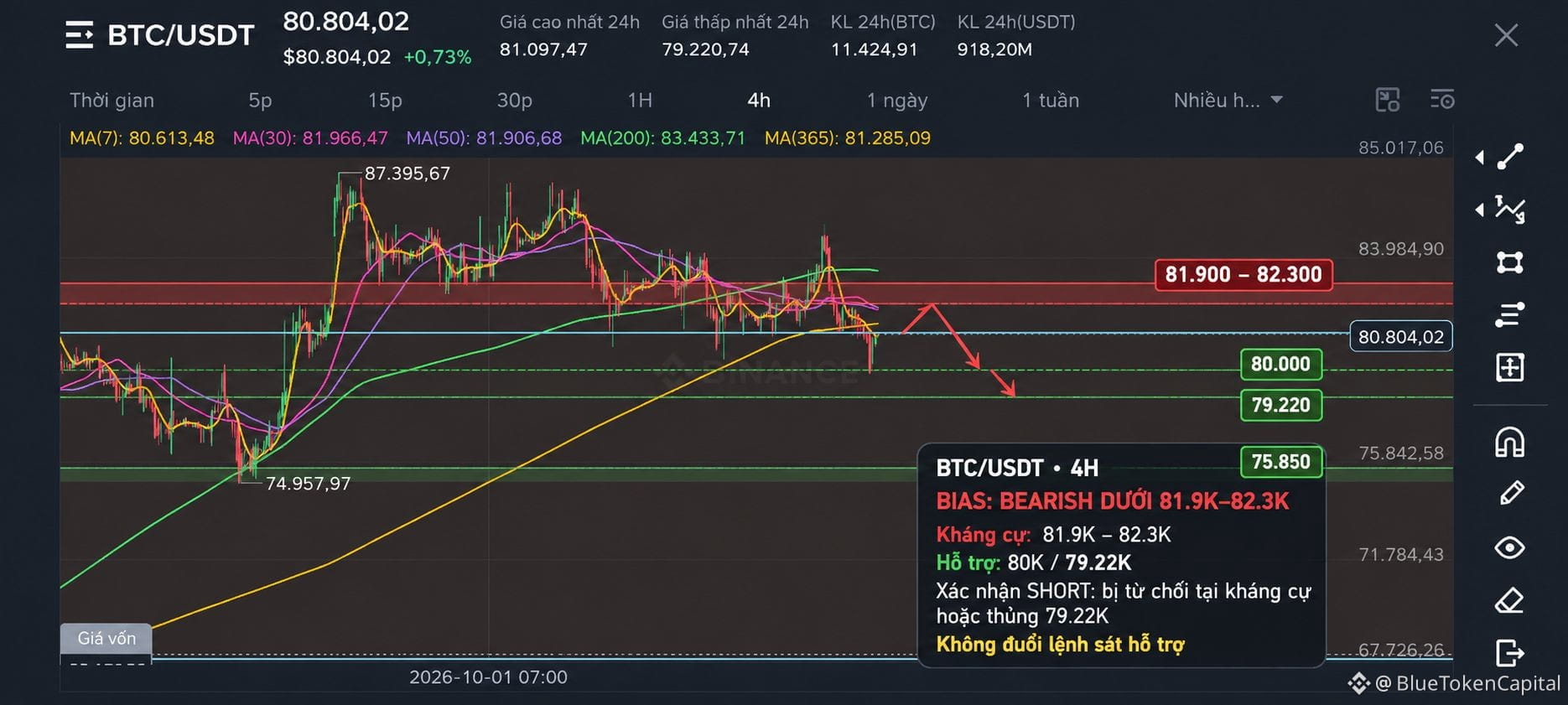
BTC/USDT:強気派は82.3Kを奪還せよ!
4時間足でBTCは$80,804。価格はMA30($81,966)、MA50($81,906)、MA365($81,285)を下回っています。短期的な相場構造は依然として売り方優勢です。
🔴 バイアス:弱気 — 戻りでのショートを優先
エントリー:$81,200–81,800
TP1:$80,000
📌 確認シナリオ:
BTCがレジスタンスゾーンまで戻した後に反落する、または確認足を伴って$79,220を下抜けること。価格がサポート付近まで下落した後に、追いかけてショートしないでください。
$BTC
{future}(BTCUSDT)
BTC/USDT:強気派は82.3Kを奪還せよ!
4時間足でBTCは$80,804。価格はMA30($81,966)、MA50($81,906)、MA365($81,285)を下回っています。短期的な相場構造は依然として売り方優勢です。
🔴 バイアス:弱気 — 戻りでのショートを優先
エントリー:$81,200–81,800
TP1:$80,000
📌 確認シナリオ:
BTCがレジスタンスゾーンまで戻した後に反落する、または確認足を伴って$79,220を下抜けること。価格がサポート付近まで下落した後に、追いかけてショートしないでください。
$BTC
4時間足でBTCは$80,804。価格はMA30($81,966)、MA50($81,906)、MA365($81,285)を下回っています。短期的な相場構造は依然として売り方優勢です。
🔴 バイアス:弱気 — 戻りでのショートを優先
エントリー:$81,200–81,800
TP1:$80,000
📌 確認シナリオ:
BTCがレジスタンスゾーンまで戻した後に反落する、または確認足を伴って$79,220を下抜けること。価格がサポート付近まで下落した後に、追いかけてショートしないでください。
$BTC
2
425
·
--
ブリッシュ
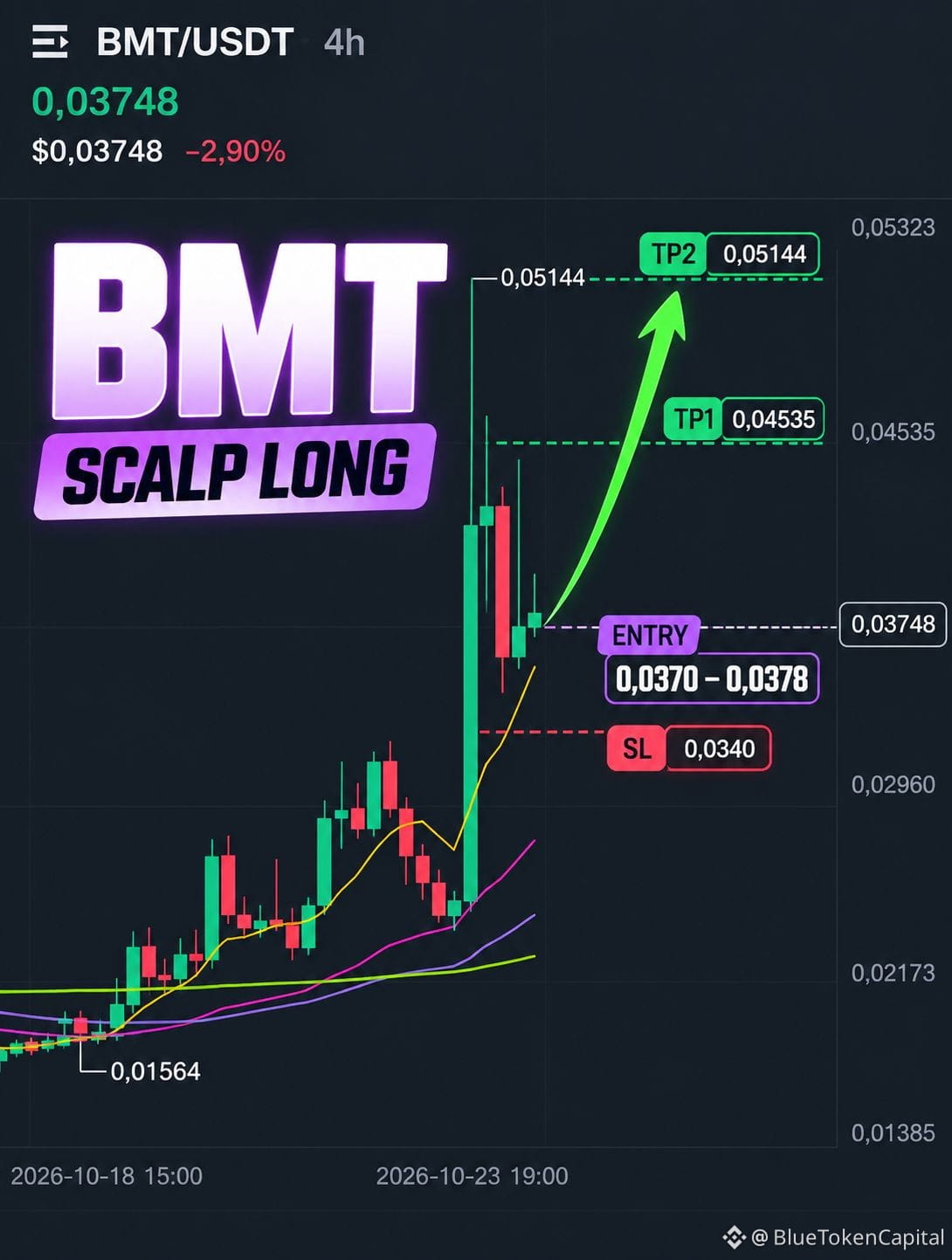
🔥 BMT — ナラティブが注目を集める中、4Hトレンドに沿って取引
🧩 ナラティブ:Bubblemapsはオンチェーンデータの分析を支援し、ウォレット間のつながりやトークン供給の集中度を明らかにします。
📈 トレンドに沿ったロング戦略
- エントリー:$0,0227–$0,0230 — ブレイクアウトとリテストの成功を待つ。
- TP1:$0,0240
- TP2:$0,0250
- SL:$0,0218
⚠️ 4H足で上昇構造が確認された場合にのみ有効化。価格がブレイクアウト水準を維持できなければ、セットアップを見送り、FOMOで高値を追わないこと。
私の見解:ナラティブが注目を集める可能性はありますが、トレンドが続くかどうかを決めるのは、資金流入と価格構造です。
#BMT #Crypto $BMT
{future}(BMTUSDT)
🔥 BMT — ナラティブが注目を集める中、4Hトレンドに沿って取引
🧩 ナラティブ:Bubblemapsはオンチェーンデータの分析を支援し、ウォレット間のつながりやトークン供給の集中度を明らかにします。
📈 トレンドに沿ったロング戦略
- エントリー:$0,0227–$0,0230 — ブレイクアウトとリテストの成功を待つ。
- TP1:$0,0240
- TP2:$0,0250
- SL:$0,0218
⚠️ 4H足で上昇構造が確認された場合にのみ有効化。価格がブレイクアウト水準を維持できなければ、セットアップを見送り、FOMOで高値を追わないこと。
私の見解:ナラティブが注目を集める可能性はありますが、トレンドが続くかどうかを決めるのは、資金流入と価格構造です。
#BMT #Crypto $BMT
🧩 ナラティブ:Bubblemapsはオンチェーンデータの分析を支援し、ウォレット間のつながりやトークン供給の集中度を明らかにします。
📈 トレンドに沿ったロング戦略
- エントリー:$0,0227–$0,0230 — ブレイクアウトとリテストの成功を待つ。
- TP1:$0,0240
- TP2:$0,0250
- SL:$0,0218
⚠️ 4H足で上昇構造が確認された場合にのみ有効化。価格がブレイクアウト水準を維持できなければ、セットアップを見送り、FOMOで高値を追わないこと。
私の見解:ナラティブが注目を集める可能性はありますが、トレンドが続くかどうかを決めるのは、資金流入と価格構造です。
#BMT #Crypto $BMT
1
452
🚨 ETH ETF:資金フローが警告していることとは?
過去30日間、ETH ETFの資金フローはほとんどが流出超過でした。+440万ドルの流入があった日が1日だけでは、反転を確認するには不十分です。
📉 トレンドに沿ったセットアップ — 4時間足
* 🔴 サポートを割り込み、リテストに失敗して下落トレンドが続く場合は、SHORTを優先。
* 🟢 レジスタンスを上抜け、上昇基調を維持し、反転が確認された場合は、LONGを検討。
* ⚠️ 明確なシグナルがなければ様子見。落ちてくるナイフをつかまないようにしましょう。
ETHはこのまま下落すると思いますか?それとも資金フローはまもなく反転するでしょうか? 👀
#ETH #Ethereum #ETF
🚨 ETH ETF:資金フローが警告していることとは?
過去30日間、ETH ETFの資金フローはほとんどが流出超過でした。+440万ドルの流入があった日が1日だけでは、反転を確認するには不十分です。
📉 トレンドに沿ったセットアップ — 4時間足
* 🔴 サポートを割り込み、リテストに失敗して下落トレンドが続く場合は、SHORTを優先。
* 🟢 レジスタンスを上抜け、上昇基調を維持し、反転が確認された場合は、LONGを検討。
* ⚠️ 明確なシグナルがなければ様子見。落ちてくるナイフをつかまないようにしましょう。
ETHはこのまま下落すると思いますか?それとも資金フローはまもなく反転するでしょうか? 👀
#ETH #Ethereum #ETF
過去30日間、ETH ETFの資金フローはほとんどが流出超過でした。+440万ドルの流入があった日が1日だけでは、反転を確認するには不十分です。
📉 トレンドに沿ったセットアップ — 4時間足
* 🔴 サポートを割り込み、リテストに失敗して下落トレンドが続く場合は、SHORTを優先。
* 🟢 レジスタンスを上抜け、上昇基調を維持し、反転が確認された場合は、LONGを検討。
* ⚠️ 明確なシグナルがなければ様子見。落ちてくるナイフをつかまないようにしましょう。
ETHはこのまま下落すると思いますか?それとも資金フローはまもなく反転するでしょうか? 👀
#ETH #Ethereum #ETF
2
3
380
·
--
弱気相場
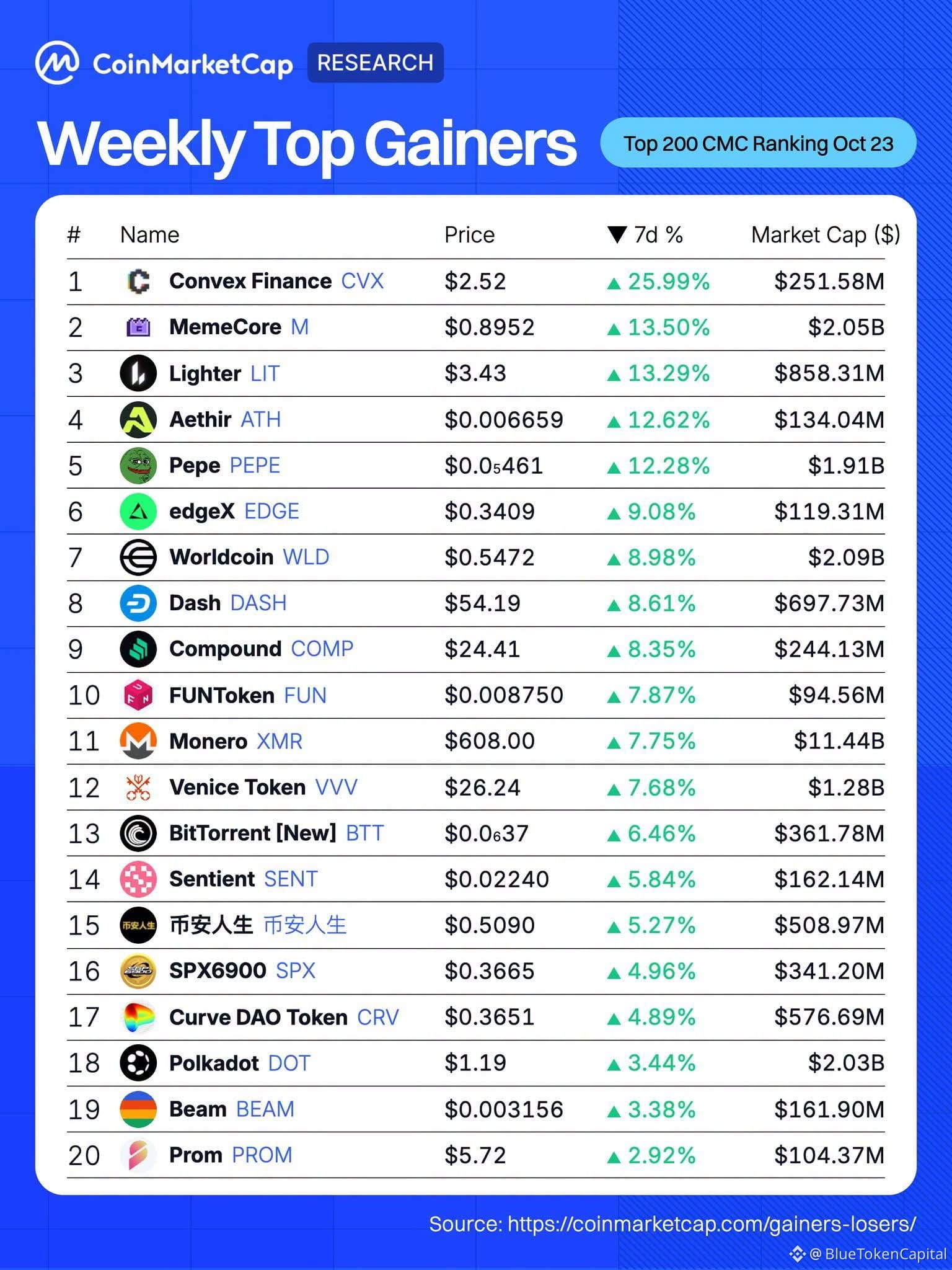
🚀 アルトコインが復活しつつありますが、アルトシーズンが戻ってきたとは限りません!
週間上昇率ではCVXが+25.99%で首位、続いてMemeCoreが+13.50%、Lighterが+13.29%でした。
注目すべきは、XMR、DASH、ZEC関連のナラティブ、そしてDeFiコインが再び注目を集めていることです。ただし、1週間の上昇だけでは、資金が市場全体に広がっている証拠にはなりません。
私の見解:これをアルトシーズンだと決めつけるのはまだ早いです。資金が一部の個別銘柄に集中しているだけなら、局所的な反発にすぎない可能性があります。👀
#Altseason #Altcoins #CryptoMarket
🚀 アルトコインが復活しつつありますが、アルトシーズンが戻ってきたとは限りません!
週間上昇率ではCVXが+25.99%で首位、続いてMemeCoreが+13.50%、Lighterが+13.29%でした。
注目すべきは、XMR、DASH、ZEC関連のナラティブ、そしてDeFiコインが再び注目を集めていることです。ただし、1週間の上昇だけでは、資金が市場全体に広がっている証拠にはなりません。
私の見解:これをアルトシーズンだと決めつけるのはまだ早いです。資金が一部の個別銘柄に集中しているだけなら、局所的な反発にすぎない可能性があります。👀
#Altseason #Altcoins #CryptoMarket
週間上昇率ではCVXが+25.99%で首位、続いてMemeCoreが+13.50%、Lighterが+13.29%でした。
注目すべきは、XMR、DASH、ZEC関連のナラティブ、そしてDeFiコインが再び注目を集めていることです。ただし、1週間の上昇だけでは、資金が市場全体に広がっている証拠にはなりません。
私の見解:これをアルトシーズンだと決めつけるのはまだ早いです。資金が一部の個別銘柄に集中しているだけなら、局所的な反発にすぎない可能性があります。👀
#Altseason #Altcoins #CryptoMarket
1
625

🐕 この中の犬系ミームコイン、買ったことある?
人生が変わるほど儲けた人もいれば、含み損を抱えて泣き叫ぶホルダーを生んだコインもある。💀
どれに全力投資した?今も保有中?それとも全部売っちゃった?👀
#Memecoin #DogCoins #CryptoVietnam
🐕 この中の犬系ミームコイン、買ったことある?
人生が変わるほど儲けた人もいれば、含み損を抱えて泣き叫ぶホルダーを生んだコインもある。💀
どれに全力投資した?今も保有中?それとも全部売っちゃった?👀
#Memecoin #DogCoins #CryptoVietnam
人生が変わるほど儲けた人もいれば、含み損を抱えて泣き叫ぶホルダーを生んだコインもある。💀
どれに全力投資した?今も保有中?それとも全部売っちゃった?👀
#Memecoin #DogCoins #CryptoVietnam
2
3
503
⚡ $ZEC — プライバシー+量子耐性のストーリー
Zcashには現在、プライバシー、量子耐性、そして11月に予定されているNU7アップグレードという3つのカタリストがあります。
📊 見通し:中期は強気、短期は慎重。
🎯 エントリー:サポートを維持するなら$1,170–1,185。予備の買いゾーンは$1,120–1,140。ブレイクアウトは、4時間足が$1,250を上回って確定し、リテストに成功した場合のみ検討。
🛑 $1,140を下回った場合:上昇シナリオを再検討。
強いストーリーがあるからといって、価格上昇が確実とは限りません。あなたは積み立てますか、それともさらに深い調整を待ちますか?
#ZEC #Zcash #Crypto
⚡ $ZEC — プライバシー+量子耐性のストーリー
Zcashには現在、プライバシー、量子耐性、そして11月に予定されているNU7アップグレードという3つのカタリストがあります。
📊 見通し:中期は強気、短期は慎重。
🎯 エントリー:サポートを維持するなら$1,170–1,185。予備の買いゾーンは$1,120–1,140。ブレイクアウトは、4時間足が$1,250を上回って確定し、リテストに成功した場合のみ検討。
🛑 $1,140を下回った場合:上昇シナリオを再検討。
強いストーリーがあるからといって、価格上昇が確実とは限りません。あなたは積み立てますか、それともさらに深い調整を待ちますか?
#ZEC #Zcash #Crypto
Zcashには現在、プライバシー、量子耐性、そして11月に予定されているNU7アップグレードという3つのカタリストがあります。
📊 見通し:中期は強気、短期は慎重。
🎯 エントリー:サポートを維持するなら$1,170–1,185。予備の買いゾーンは$1,120–1,140。ブレイクアウトは、4時間足が$1,250を上回って確定し、リテストに成功した場合のみ検討。
🛑 $1,140を下回った場合:上昇シナリオを再検討。
強いストーリーがあるからといって、価格上昇が確実とは限りません。あなたは積み立てますか、それともさらに深い調整を待ちますか?
#ZEC #Zcash #Crypto
3
1.2k
ログインして、さらにコンテンツを読む
厳選トピックで世界の暗号資産トレーダーの仲間入り
⚡️ 暗号資産に関する最新かつ有益な情報が見つかります。
💬 世界最大の暗号資産取引所から信頼されています。
👍 認証を受けたクリエイターから、有益なインサイトを得られます。
メール / 電話番号