
crypto_hng
2.7k 投稿
crypto_hng
報告
ユーザーをブロック
"Decoding liquidity games for the 10% who win. | Alpha drops for those who tip & level up."
0 フォロー
1.3K+ フォロワー
4.9K+ いいね
投稿
すべて
引用
動画
·
--
30
·
--
🚨 90%のトレーダーが仮想通貨でお金を失います。
市場が不公平だからではなく…
動きの後に反応するからです。
今のビットコインを見てください。
市場が静かになると、ほとんどの人が興味を失います。
しかし、歴史的に見て、これは賢いお金が準備をするフェーズです。
もし勢いが戻れば、次の動きは多くのトレーダーを驚かせるかもしれません。
そして、イーサリアムがトレンドに従えば、再び強い市場活動を見ることができるでしょう。
質問はシンプルです:
👉 あなたは早めにポジショニングしていますか…
それとも市場に確認を待っていますか?
あなたの答えを下に書いてください 👇
#ビットコイン #仮想通貨 #トレーディング #Binance
🚨 90%のトレーダーが仮想通貨でお金を失います。
市場が不公平だからではなく…
動きの後に反応するからです。
今のビットコインを見てください。
市場が静かになると、ほとんどの人が興味を失います。
しかし、歴史的に見て、これは賢いお金が準備をするフェーズです。
もし勢いが戻れば、次の動きは多くのトレーダーを驚かせるかもしれません。
そして、イーサリアムがトレンドに従えば、再び強い市場活動を見ることができるでしょう。
質問はシンプルです:
👉 あなたは早めにポジショニングしていますか…
それとも市場に確認を待っていますか?
あなたの答えを下に書いてください 👇
#ビットコイン #仮想通貨 #トレーディング #Binance
市場が不公平だからではなく…
動きの後に反応するからです。
今のビットコインを見てください。
市場が静かになると、ほとんどの人が興味を失います。
しかし、歴史的に見て、これは賢いお金が準備をするフェーズです。
もし勢いが戻れば、次の動きは多くのトレーダーを驚かせるかもしれません。
そして、イーサリアムがトレンドに従えば、再び強い市場活動を見ることができるでしょう。
質問はシンプルです:
👉 あなたは早めにポジショニングしていますか…
それとも市場に確認を待っていますか?
あなたの答えを下に書いてください 👇
#ビットコイン #仮想通貨 #トレーディング #Binance
56
·
--
⚠️ ビットコインのために大きなことが起こるかもしれません。
ほとんどのトレーダーは市場を見守っていますが…
大きな動きの前に何が起こるかを理解している人は非常に少ないです。
現在、ビットコインは最近の高値の上に流動性が構築されている間、統合されています。
歴史的に、このタイプの構造はしばしばモメンタムが戻ると強力なブレイクアウトにつながります。
同時に、イーサリアムも強さを示しており、もしBTCがブレイクアウトすればその動きに続く可能性があります。
スマートマネーは通常、市場が退屈に見えるときに蓄積します。
しかし、ここでの本当の質問は…
👉 あなたは今蓄積していますか、それとも確認を待っていますか?
市場を正しく読み取るのは誰か見てみましょう。
#Bitcoin #Crypto #Binance #BTC
⚠️ ビットコインのために大きなことが起こるかもしれません。
ほとんどのトレーダーは市場を見守っていますが…
大きな動きの前に何が起こるかを理解している人は非常に少ないです。
現在、ビットコインは最近の高値の上に流動性が構築されている間、統合されています。
歴史的に、このタイプの構造はしばしばモメンタムが戻ると強力なブレイクアウトにつながります。
同時に、イーサリアムも強さを示しており、もしBTCがブレイクアウトすればその動きに続く可能性があります。
スマートマネーは通常、市場が退屈に見えるときに蓄積します。
しかし、ここでの本当の質問は…
👉 あなたは今蓄積していますか、それとも確認を待っていますか?
市場を正しく読み取るのは誰か見てみましょう。
#Bitcoin #Crypto #Binance #BTC
ほとんどのトレーダーは市場を見守っていますが…
大きな動きの前に何が起こるかを理解している人は非常に少ないです。
現在、ビットコインは最近の高値の上に流動性が構築されている間、統合されています。
歴史的に、このタイプの構造はしばしばモメンタムが戻ると強力なブレイクアウトにつながります。
同時に、イーサリアムも強さを示しており、もしBTCがブレイクアウトすればその動きに続く可能性があります。
スマートマネーは通常、市場が退屈に見えるときに蓄積します。
しかし、ここでの本当の質問は…
👉 あなたは今蓄積していますか、それとも確認を待っていますか?
市場を正しく読み取るのは誰か見てみましょう。
#Bitcoin #Crypto #Binance #BTC
2
2
154
·
--
市場における最も誤解されている真実の一つ:
ほとんどの利益はごく少数の動きから生まれます。
最後の暗号サイクルでは、実際に重要だったラリーはわずか数回でした。残りは切り替え、統合、または下落トレンドでした。
これらの主要な動きのいずれかを逃すと、長期的なパフォーマンスが劇的に変わります。
これは暗号に特有のことではありません。
株式市場では、調査によると、1年間に10回の最高の市場の日を逃すだけで、総リターンのかなりの部分を失うことが示されています。
市場はパレートのダイナミクスに従います:
• 少数の時間が大多数の結果を生み出します。
それにもかかわらず、多くのトレーダーは市場に対して毎日が同等の努力、リスク、信念に値すると考えます。
そうではありません。
本当のスキルは、より多くの取引を行うことではなく、条件が意味のあるエクスポージャーを正当化する時を知ることです。
素晴らしい機会は稀です。
高い信念の環境はさらに稀です。
つまり、実際の優位性は知性や予測ではないことが多いのです。
それは規律、忍耐、そして選択性です。
時には平均的な取引結果の数ヶ月が、市場の条件が整ったときの1回のタイミングの良い取引によって覆されることがあります。
これが市場が常に機能してきた方法です。
せっかちな人は、すべてのローソク足から機会を引き出そうとします。
忍耐強い人は、市場が非対称性を示すのを待ちます。
そしてそれが起こると、彼らは決定的に行動します。
目標は常に行動することではありません。
市場が最終的に重要になるときに備えることです。
市場における最も誤解されている真実の一つ:
ほとんどの利益はごく少数の動きから生まれます。
最後の暗号サイクルでは、実際に重要だったラリーはわずか数回でした。残りは切り替え、統合、または下落トレンドでした。
これらの主要な動きのいずれかを逃すと、長期的なパフォーマンスが劇的に変わります。
これは暗号に特有のことではありません。
株式市場では、調査によると、1年間に10回の最高の市場の日を逃すだけで、総リターンのかなりの部分を失うことが示されています。
市場はパレートのダイナミクスに従います:
• 少数の時間が大多数の結果を生み出します。
それにもかかわらず、多くのトレーダーは市場に対して毎日が同等の努力、リスク、信念に値すると考えます。
そうではありません。
本当のスキルは、より多くの取引を行うことではなく、条件が意味のあるエクスポージャーを正当化する時を知ることです。
素晴らしい機会は稀です。
高い信念の環境はさらに稀です。
つまり、実際の優位性は知性や予測ではないことが多いのです。
それは規律、忍耐、そして選択性です。
時には平均的な取引結果の数ヶ月が、市場の条件が整ったときの1回のタイミングの良い取引によって覆されることがあります。
これが市場が常に機能してきた方法です。
せっかちな人は、すべてのローソク足から機会を引き出そうとします。
忍耐強い人は、市場が非対称性を示すのを待ちます。
そしてそれが起こると、彼らは決定的に行動します。
目標は常に行動することではありません。
市場が最終的に重要になるときに備えることです。
ほとんどの利益はごく少数の動きから生まれます。
最後の暗号サイクルでは、実際に重要だったラリーはわずか数回でした。残りは切り替え、統合、または下落トレンドでした。
これらの主要な動きのいずれかを逃すと、長期的なパフォーマンスが劇的に変わります。
これは暗号に特有のことではありません。
株式市場では、調査によると、1年間に10回の最高の市場の日を逃すだけで、総リターンのかなりの部分を失うことが示されています。
市場はパレートのダイナミクスに従います:
• 少数の時間が大多数の結果を生み出します。
それにもかかわらず、多くのトレーダーは市場に対して毎日が同等の努力、リスク、信念に値すると考えます。
そうではありません。
本当のスキルは、より多くの取引を行うことではなく、条件が意味のあるエクスポージャーを正当化する時を知ることです。
素晴らしい機会は稀です。
高い信念の環境はさらに稀です。
つまり、実際の優位性は知性や予測ではないことが多いのです。
それは規律、忍耐、そして選択性です。
時には平均的な取引結果の数ヶ月が、市場の条件が整ったときの1回のタイミングの良い取引によって覆されることがあります。
これが市場が常に機能してきた方法です。
せっかちな人は、すべてのローソク足から機会を引き出そうとします。
忍耐強い人は、市場が非対称性を示すのを待ちます。
そしてそれが起こると、彼らは決定的に行動します。
目標は常に行動することではありません。
市場が最終的に重要になるときに備えることです。
2
143
·
--
大学の学位のようにトレーディングを扱うのはやめましょう。
あなたは5年間勉強するためにここにいるわけではありません。
あなたは証明書を集めるためにここにいるわけではありません。
あなたはモデルを実行し、報酬を得るためにここにいます。
モデルを学び、バックテストを行い、ライブに移行しましょう。
トレーディングをビジネスのように扱えば、それに見合った報酬を得られます。
大学の学位のようにトレーディングを扱うのはやめましょう。
あなたは5年間勉強するためにここにいるわけではありません。
あなたは証明書を集めるためにここにいるわけではありません。
あなたはモデルを実行し、報酬を得るためにここにいます。
モデルを学び、バックテストを行い、ライブに移行しましょう。
トレーディングをビジネスのように扱えば、それに見合った報酬を得られます。
あなたは5年間勉強するためにここにいるわけではありません。
あなたは証明書を集めるためにここにいるわけではありません。
あなたはモデルを実行し、報酬を得るためにここにいます。
モデルを学び、バックテストを行い、ライブに移行しましょう。
トレーディングをビジネスのように扱えば、それに見合った報酬を得られます。
1
157
·
--
あなたの人生で最も重要な決断はキャリアではありません。
それは、あなたが人生を共にする相手を選ぶことです。
仕事を変えることができます。
キャリアを転換することができます。
必要なだけ何度でも専門的にやり直すことができます。
しかし、あなたが人生を共にする人は、他のほとんどすべてを形作ります。
あなたの日々のエネルギー、あなたの習慣、あなたの心の平和、あなたの子供たちの特性。
支え合うパートナーはあなたの強さを倍増させ、有害なパートナーはあなたのストレスを倍増させます。
世界で最高の仕事を持っていても、家が重く感じるなら、毎日がより重く感じ、外での成功は自分の家の中の苦しみを決して補うことはありません。
キャリアを選ぶよりも、パートナーをより慎重に選びましょう。
なぜなら、一方はあなたの収入に影響を与え、もう一方はあなたの人生全体に影響を与えるからです。
あなたの人生で最も重要な決断はキャリアではありません。
それは、あなたが人生を共にする相手を選ぶことです。
仕事を変えることができます。
キャリアを転換することができます。
必要なだけ何度でも専門的にやり直すことができます。
しかし、あなたが人生を共にする人は、他のほとんどすべてを形作ります。
あなたの日々のエネルギー、あなたの習慣、あなたの心の平和、あなたの子供たちの特性。
支え合うパートナーはあなたの強さを倍増させ、有害なパートナーはあなたのストレスを倍増させます。
世界で最高の仕事を持っていても、家が重く感じるなら、毎日がより重く感じ、外での成功は自分の家の中の苦しみを決して補うことはありません。
キャリアを選ぶよりも、パートナーをより慎重に選びましょう。
なぜなら、一方はあなたの収入に影響を与え、もう一方はあなたの人生全体に影響を与えるからです。
それは、あなたが人生を共にする相手を選ぶことです。
仕事を変えることができます。
キャリアを転換することができます。
必要なだけ何度でも専門的にやり直すことができます。
しかし、あなたが人生を共にする人は、他のほとんどすべてを形作ります。
あなたの日々のエネルギー、あなたの習慣、あなたの心の平和、あなたの子供たちの特性。
支え合うパートナーはあなたの強さを倍増させ、有害なパートナーはあなたのストレスを倍増させます。
世界で最高の仕事を持っていても、家が重く感じるなら、毎日がより重く感じ、外での成功は自分の家の中の苦しみを決して補うことはありません。
キャリアを選ぶよりも、パートナーをより慎重に選びましょう。
なぜなら、一方はあなたの収入に影響を与え、もう一方はあなたの人生全体に影響を与えるからです。
1
114
·
--
大多数の人はこれを読むべきです。
取引で最も難しいことの1つは、自分の人生に適した戦略を見つけることです。
ソーシャルメディアでは、すべてが速くて簡単に見えます。
“3時間で+15%。”
“兄弟、私は4Hをスキャルプして、このスーパー・バリスティック戦略で20RRのトレードを終えました。”
たぶんそれは真実で、時にはそうですが、ほとんど誰もその背後にある本当のコストについて話しません。
私たちは速度に取り憑かれた世界に生きています。
速い結果、瞬時の満足、素早いお金、そしてLTF取引はその物語にぴったり合います。
それはお金を稼ぐ最も速い方法のように見えます。
しかし、そのライフスタイルの本当のコストは何ですか?
私たちは非常に単純な理由で取引を始めます:
自由。
もっと多くの時間。
もっと柔軟性。
家族、友人、そして実際に重要なことのためのもっと多くの存在。
しかし、もし私たちがチャートに張り付いたまま、毎回のティックを見て、1日7~8時間画面の前に座っているなら…
私たちは自由を買っているのではなく、ただ別の形の奴隷制に名前を付け直しているだけです。
そして明確にするために:LTFの取引に何も問題はありません、私もそれをしますが、私にとっては常にゲームの小さな部分であり続けるでしょう。
コアは常に次のようになります:HTF + スイングポジション + 忍耐。
なぜなら、そのアプローチは市場のすべての動きをキャッチするよりも重要なことをすることを可能にするからです。
それは私が自分の人生を生きることを可能にします。
はい、時には退屈かもしれません。
はい、忍耐が必要です。
はい、時には最良の決定は単に待つことです。
しかし、そこから明確さが生まれます。
そして、もしあなたがその忍耐を育むことができれば、他の人がノイズを追い求めている間に冷静に保つことができれば、真に重要な瞬間を待つことができれば… そうすれば、取引はあなたが鎖に繋がれている画面ではなくなります。
それはあなたの人生のために機能する道具になります、それに対してではなく。
大多数はそれを決して理解しないでしょう。
大多数の人はこれを読むべきです。
取引で最も難しいことの1つは、自分の人生に適した戦略を見つけることです。
ソーシャルメディアでは、すべてが速くて簡単に見えます。
“3時間で+15%。”
“兄弟、私は4Hをスキャルプして、このスーパー・バリスティック戦略で20RRのトレードを終えました。”
たぶんそれは真実で、時にはそうですが、ほとんど誰もその背後にある本当のコストについて話しません。
私たちは速度に取り憑かれた世界に生きています。
速い結果、瞬時の満足、素早いお金、そしてLTF取引はその物語にぴったり合います。
それはお金を稼ぐ最も速い方法のように見えます。
しかし、そのライフスタイルの本当のコストは何ですか?
私たちは非常に単純な理由で取引を始めます:
自由。
もっと多くの時間。
もっと柔軟性。
家族、友人、そして実際に重要なことのためのもっと多くの存在。
しかし、もし私たちがチャートに張り付いたまま、毎回のティックを見て、1日7~8時間画面の前に座っているなら…
私たちは自由を買っているのではなく、ただ別の形の奴隷制に名前を付け直しているだけです。
そして明確にするために:LTFの取引に何も問題はありません、私もそれをしますが、私にとっては常にゲームの小さな部分であり続けるでしょう。
コアは常に次のようになります:HTF + スイングポジション + 忍耐。
なぜなら、そのアプローチは市場のすべての動きをキャッチするよりも重要なことをすることを可能にするからです。
それは私が自分の人生を生きることを可能にします。
はい、時には退屈かもしれません。
はい、忍耐が必要です。
はい、時には最良の決定は単に待つことです。
しかし、そこから明確さが生まれます。
そして、もしあなたがその忍耐を育むことができれば、他の人がノイズを追い求めている間に冷静に保つことができれば、真に重要な瞬間を待つことができれば… そうすれば、取引はあなたが鎖に繋がれている画面ではなくなります。
それはあなたの人生のために機能する道具になります、それに対してではなく。
大多数はそれを決して理解しないでしょう。
取引で最も難しいことの1つは、自分の人生に適した戦略を見つけることです。
ソーシャルメディアでは、すべてが速くて簡単に見えます。
“3時間で+15%。”
“兄弟、私は4Hをスキャルプして、このスーパー・バリスティック戦略で20RRのトレードを終えました。”
たぶんそれは真実で、時にはそうですが、ほとんど誰もその背後にある本当のコストについて話しません。
私たちは速度に取り憑かれた世界に生きています。
速い結果、瞬時の満足、素早いお金、そしてLTF取引はその物語にぴったり合います。
それはお金を稼ぐ最も速い方法のように見えます。
しかし、そのライフスタイルの本当のコストは何ですか?
私たちは非常に単純な理由で取引を始めます:
自由。
もっと多くの時間。
もっと柔軟性。
家族、友人、そして実際に重要なことのためのもっと多くの存在。
しかし、もし私たちがチャートに張り付いたまま、毎回のティックを見て、1日7~8時間画面の前に座っているなら…
私たちは自由を買っているのではなく、ただ別の形の奴隷制に名前を付け直しているだけです。
そして明確にするために:LTFの取引に何も問題はありません、私もそれをしますが、私にとっては常にゲームの小さな部分であり続けるでしょう。
コアは常に次のようになります:HTF + スイングポジション + 忍耐。
なぜなら、そのアプローチは市場のすべての動きをキャッチするよりも重要なことをすることを可能にするからです。
それは私が自分の人生を生きることを可能にします。
はい、時には退屈かもしれません。
はい、忍耐が必要です。
はい、時には最良の決定は単に待つことです。
しかし、そこから明確さが生まれます。
そして、もしあなたがその忍耐を育むことができれば、他の人がノイズを追い求めている間に冷静に保つことができれば、真に重要な瞬間を待つことができれば… そうすれば、取引はあなたが鎖に繋がれている画面ではなくなります。
それはあなたの人生のために機能する道具になります、それに対してではなく。
大多数はそれを決して理解しないでしょう。
3
142
·
--
取引は簡単です:
1. 損失を切る
2. 勝者に勝たせる
ほとんどのトレーダーは逆のことをするため失敗します。
取引は簡単です:
1. 損失を切る
2. 勝者に勝たせる
ほとんどのトレーダーは逆のことをするため失敗します。
1. 損失を切る
2. 勝者に勝たせる
ほとんどのトレーダーは逆のことをするため失敗します。
21
·
--
マインドセットは間違いなく出発点です。心をより大きな可能性を見るように訓練すると、そのビジョンに沿った決定を下し始めます。
マインドセットは間違いなく出発点です。心をより大きな可能性を見るように訓練すると、そのビジョンに沿った決定を下し始めます。
58
·
--
ほとんどの人は早すぎる段階で諦めてしまう。ほとんどの人はすぐにパニックになってしまう。ほとんどの人は十分に長く一貫性を保つことができない。
もしあなたが十分に長くゲームに留まり、一貫して投資し続けるなら、最終的に数学は機能する。
ほとんどの人は早すぎる段階で諦めてしまう。ほとんどの人はすぐにパニックになってしまう。ほとんどの人は十分に長く一貫性を保つことができない。
もしあなたが十分に長くゲームに留まり、一貫して投資し続けるなら、最終的に数学は機能する。
もしあなたが十分に長くゲームに留まり、一貫して投資し続けるなら、最終的に数学は機能する。
128
·
--
一般的ではない意見:ほとんどのトレーダーは戦略の問題を抱えていません。彼らは忍耐の問題を抱えています。
彼らはスキルを築く前に富を求めます。彼らは時間を記録する前に自信を求めます。彼らはプロセスを得る前に勝利を求めます。
スキル → 規律 → 一貫性 → 正確さ → 自信 → 富。その順番で。常にその順番で。ステップを飛ばすトレーダーは、飛ばさなかったトレーダーを資金提供している人たちです。
一般的ではない意見:ほとんどのトレーダーは戦略の問題を抱えていません。彼らは忍耐の問題を抱えています。
彼らはスキルを築く前に富を求めます。彼らは時間を記録する前に自信を求めます。彼らはプロセスを得る前に勝利を求めます。
スキル → 規律 → 一貫性 → 正確さ → 自信 → 富。その順番で。常にその順番で。ステップを飛ばすトレーダーは、飛ばさなかったトレーダーを資金提供している人たちです。
彼らはスキルを築く前に富を求めます。彼らは時間を記録する前に自信を求めます。彼らはプロセスを得る前に勝利を求めます。
スキル → 規律 → 一貫性 → 正確さ → 自信 → 富。その順番で。常にその順番で。ステップを飛ばすトレーダーは、飛ばさなかったトレーダーを資金提供している人たちです。
48
·
--
人々は結果を早く求めるために負けてしまいますが、人生は長いです。
彼らは数ヶ月後に辞めてしまったり、いくつかの挫折の後に方向を変えたり、単にもっと時間が必要なものを放棄したりします。
勝つ人々は必ずしも最も才能のある人々ではなく、結果が追いつくまで長く留まる人々です。
人々は結果を早く求めるために負けてしまいますが、人生は長いです。
彼らは数ヶ月後に辞めてしまったり、いくつかの挫折の後に方向を変えたり、単にもっと時間が必要なものを放棄したりします。
勝つ人々は必ずしも最も才能のある人々ではなく、結果が追いつくまで長く留まる人々です。
彼らは数ヶ月後に辞めてしまったり、いくつかの挫折の後に方向を変えたり、単にもっと時間が必要なものを放棄したりします。
勝つ人々は必ずしも最も才能のある人々ではなく、結果が追いつくまで長く留まる人々です。
140
·
--
取引は3つのことに集約されます
利益を得る能力
確信を持つ能力
最初の計画を守る能力&感情的にならないこと
これをマスターすれば、成功がついてくるでしょう
取引は3つのことに集約されます
利益を得る能力
確信を持つ能力
最初の計画を守る能力&感情的にならないこと
これをマスターすれば、成功がついてくるでしょう
利益を得る能力
確信を持つ能力
最初の計画を守る能力&感情的にならないこと
これをマスターすれば、成功がついてくるでしょう
42
·
--
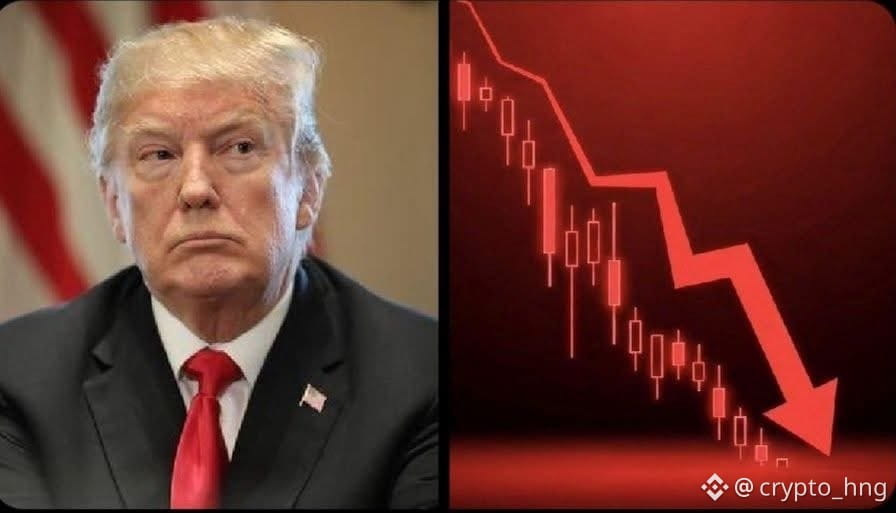
🚨あなたが30歳未満なら、今は家を買わないでください。理由は次のとおりです。
ステップ 1: アメリカはイランと戦争を始めました。トランプはそれが5週間続く可能性があると言っていますが、もっと長引く可能性があると警告しています。
ステップ 2: イランはホルムズ海峡を閉鎖しました。世界の石油の20%が現在ブロックされています。
ステップ 3: 石油価格は$90/バレルを超えて急騰しています。$120以上に向かっています。もしかしたら$150かもしれません。
ステップ 4: 石油が上がると、すべてが上がります。ガス。食料。輸送。建設資材。すべてです。
ステップ 5: インフレが戻ってきます。イングランド銀行の利下げの可能性はすでに80%から29%に崩壊しました、たった1週間で。
ステップ 6: インフレが戻ると、中央銀行は金利を下げることができません。彼らは金利を上げるかもしれません。
ステップ 7: 高い金利 = 高いモーゲージ金利。7%?8%?もしかしたらもっと高くなるかもしれません。
ステップ 8: 高いモーゲージ金利 = 人々は支払いをすることができません。強制的な売り手が市場に殺到します。
ステップ 9: 4日間で$4兆がすでに世界の株式市場から消えました。人々は市場の崩壊で頭金を失っています。
ステップ 10: 韓国の株式市場は-8%で崩壊し、サーキットブレーカーが作動しました。日本は-6%。ダウは1,200ポイント下落しました。
ステップ 11: 株が崩壊すると、解雇が続きます。テクノロジー。金融。不動産。建設。すべてです。
ステップ 12: 7%のモーゲージをかろうじて支払っている解雇された人々は?彼らは売ります。どんな価格でも。
ステップ 13: 住宅在庫が急増します。価格が下落します。20%?30%?いくつかの市場では—50%。
これはまさに2008年に起こったことです。
石油の急騰 → インフレ → 金利の引き上げ → 株の崩壊 → 解雇 → 住宅の崩壊。
同じシーケンスが今まさに展開されています。ステップバイステップ。リアルタイムで。
現金があれば、それを保持してください。あなたの人生で最大の購入機会は12〜24ヶ月先です。
もしあなたがちょうど頂点でモーゲージにサインしたなら?申し訳ありません。
これは恐怖ではありません。これは数学です。
🚨あなたが30歳未満なら、今は家を買わないでください。理由は次のとおりです。
ステップ 1: アメリカはイランと戦争を始めました。トランプはそれが5週間続く可能性があると言っていますが、もっと長引く可能性があると警告しています。
ステップ 2: イランはホルムズ海峡を閉鎖しました。世界の石油の20%が現在ブロックされています。
ステップ 3: 石油価格は$90/バレルを超えて急騰しています。$120以上に向かっています。もしかしたら$150かもしれません。
ステップ 4: 石油が上がると、すべてが上がります。ガス。食料。輸送。建設資材。すべてです。
ステップ 5: インフレが戻ってきます。イングランド銀行の利下げの可能性はすでに80%から29%に崩壊しました、たった1週間で。
ステップ 6: インフレが戻ると、中央銀行は金利を下げることができません。彼らは金利を上げるかもしれません。
ステップ 7: 高い金利 = 高いモーゲージ金利。7%?8%?もしかしたらもっと高くなるかもしれません。
ステップ 8: 高いモーゲージ金利 = 人々は支払いをすることができません。強制的な売り手が市場に殺到します。
ステップ 9: 4日間で$4兆がすでに世界の株式市場から消えました。人々は市場の崩壊で頭金を失っています。
ステップ 10: 韓国の株式市場は-8%で崩壊し、サーキットブレーカーが作動しました。日本は-6%。ダウは1,200ポイント下落しました。
ステップ 11: 株が崩壊すると、解雇が続きます。テクノロジー。金融。不動産。建設。すべてです。
ステップ 12: 7%のモーゲージをかろうじて支払っている解雇された人々は?彼らは売ります。どんな価格でも。
ステップ 13: 住宅在庫が急増します。価格が下落します。20%?30%?いくつかの市場では—50%。
これはまさに2008年に起こったことです。
石油の急騰 → インフレ → 金利の引き上げ → 株の崩壊 → 解雇 → 住宅の崩壊。
同じシーケンスが今まさに展開されています。ステップバイステップ。リアルタイムで。
現金があれば、それを保持してください。あなたの人生で最大の購入機会は12〜24ヶ月先です。
もしあなたがちょうど頂点でモーゲージにサインしたなら?申し訳ありません。
これは恐怖ではありません。これは数学です。
ステップ 1: アメリカはイランと戦争を始めました。トランプはそれが5週間続く可能性があると言っていますが、もっと長引く可能性があると警告しています。
ステップ 2: イランはホルムズ海峡を閉鎖しました。世界の石油の20%が現在ブロックされています。
ステップ 3: 石油価格は$90/バレルを超えて急騰しています。$120以上に向かっています。もしかしたら$150かもしれません。
ステップ 4: 石油が上がると、すべてが上がります。ガス。食料。輸送。建設資材。すべてです。
ステップ 5: インフレが戻ってきます。イングランド銀行の利下げの可能性はすでに80%から29%に崩壊しました、たった1週間で。
ステップ 6: インフレが戻ると、中央銀行は金利を下げることができません。彼らは金利を上げるかもしれません。
ステップ 7: 高い金利 = 高いモーゲージ金利。7%?8%?もしかしたらもっと高くなるかもしれません。
ステップ 8: 高いモーゲージ金利 = 人々は支払いをすることができません。強制的な売り手が市場に殺到します。
ステップ 9: 4日間で$4兆がすでに世界の株式市場から消えました。人々は市場の崩壊で頭金を失っています。
ステップ 10: 韓国の株式市場は-8%で崩壊し、サーキットブレーカーが作動しました。日本は-6%。ダウは1,200ポイント下落しました。
ステップ 11: 株が崩壊すると、解雇が続きます。テクノロジー。金融。不動産。建設。すべてです。
ステップ 12: 7%のモーゲージをかろうじて支払っている解雇された人々は?彼らは売ります。どんな価格でも。
ステップ 13: 住宅在庫が急増します。価格が下落します。20%?30%?いくつかの市場では—50%。
これはまさに2008年に起こったことです。
石油の急騰 → インフレ → 金利の引き上げ → 株の崩壊 → 解雇 → 住宅の崩壊。
同じシーケンスが今まさに展開されています。ステップバイステップ。リアルタイムで。
現金があれば、それを保持してください。あなたの人生で最大の購入機会は12〜24ヶ月先です。
もしあなたがちょうど頂点でモーゲージにサインしたなら?申し訳ありません。
これは恐怖ではありません。これは数学です。
17
·
--
記事
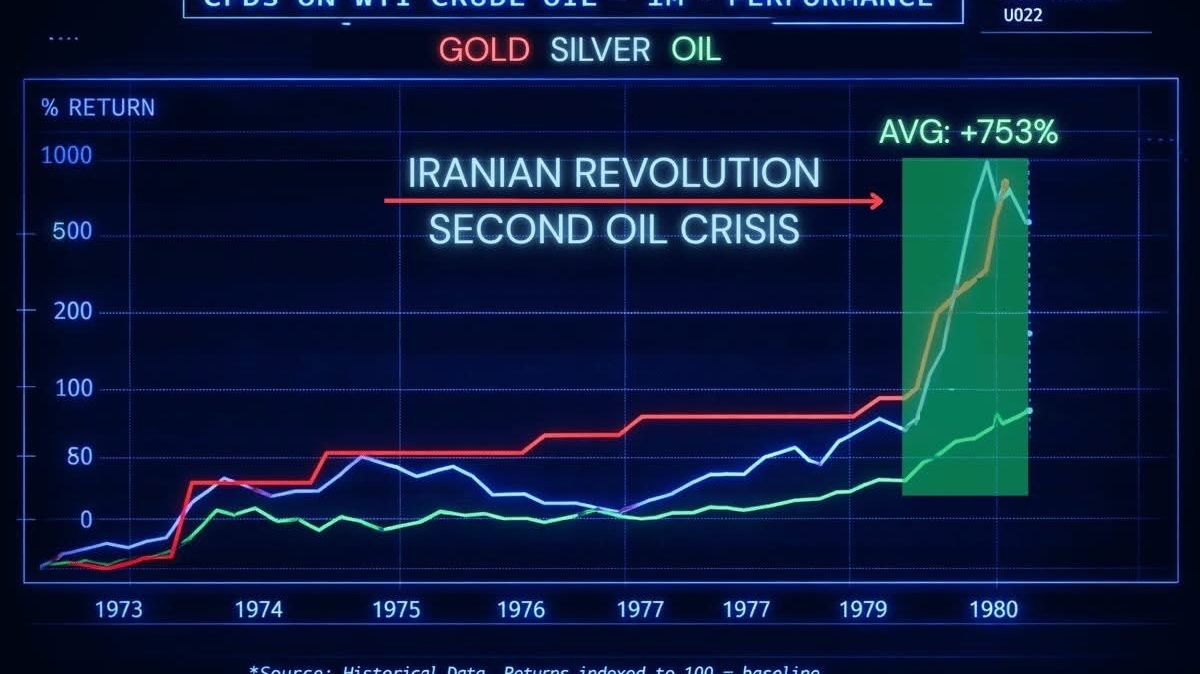
誰もがこれから起きることに備えていません。🚨 誰もがこれから起きることに備えていません。
このチャートを見てください。
1979年の第二次石油危機の際の金、銀、石油です。
現在の米国・イランの状況が同じような動きを生み出せないと思うなら
あなたは完全に間違っています。
これを簡単な言葉で説明させてください。
1979年には、市場は「戦争の見出し」だけを価格にしていませんでした。
それは石油ショックの価格でした。
それはインフレーションショックの価格でした。
それはシステム全体にわたる信頼の完全なリセットを価格にしました。
そして、それが始まると、動きは非常に速く激しくなりました。
石油は、いくつかの恐ろしい見出しの後に上昇しただけではありませんでした。
誰もがこれから起きることに備えていません。
🚨 誰もがこれから起きることに備えていません。
このチャートを見てください。
1979年の第二次石油危機の際の金、銀、石油です。
現在の米国・イランの状況が同じような動きを生み出せないと思うなら
あなたは完全に間違っています。
これを簡単な言葉で説明させてください。
1979年には、市場は「戦争の見出し」だけを価格にしていませんでした。
それは石油ショックの価格でした。
それはインフレーションショックの価格でした。
それはシステム全体にわたる信頼の完全なリセットを価格にしました。
そして、それが始まると、動きは非常に速く激しくなりました。
石油は、いくつかの恐ろしい見出しの後に上昇しただけではありませんでした。
このチャートを見てください。
1979年の第二次石油危機の際の金、銀、石油です。
現在の米国・イランの状況が同じような動きを生み出せないと思うなら
あなたは完全に間違っています。
これを簡単な言葉で説明させてください。
1979年には、市場は「戦争の見出し」だけを価格にしていませんでした。
それは石油ショックの価格でした。
それはインフレーションショックの価格でした。
それはシステム全体にわたる信頼の完全なリセットを価格にしました。
そして、それが始まると、動きは非常に速く激しくなりました。
石油は、いくつかの恐ろしい見出しの後に上昇しただけではありませんでした。
12
·
--
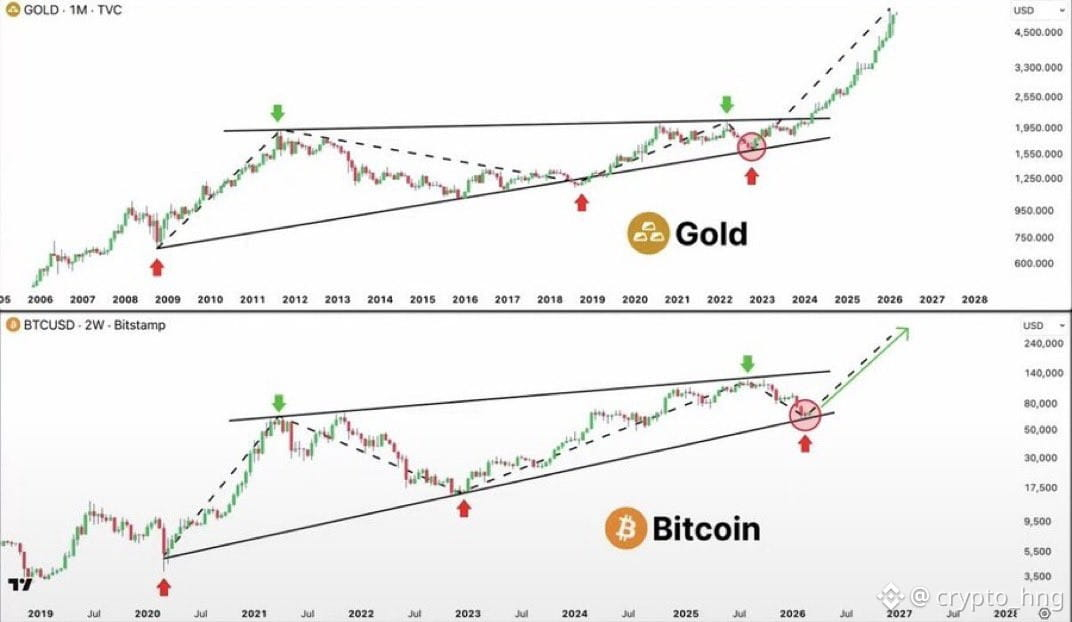
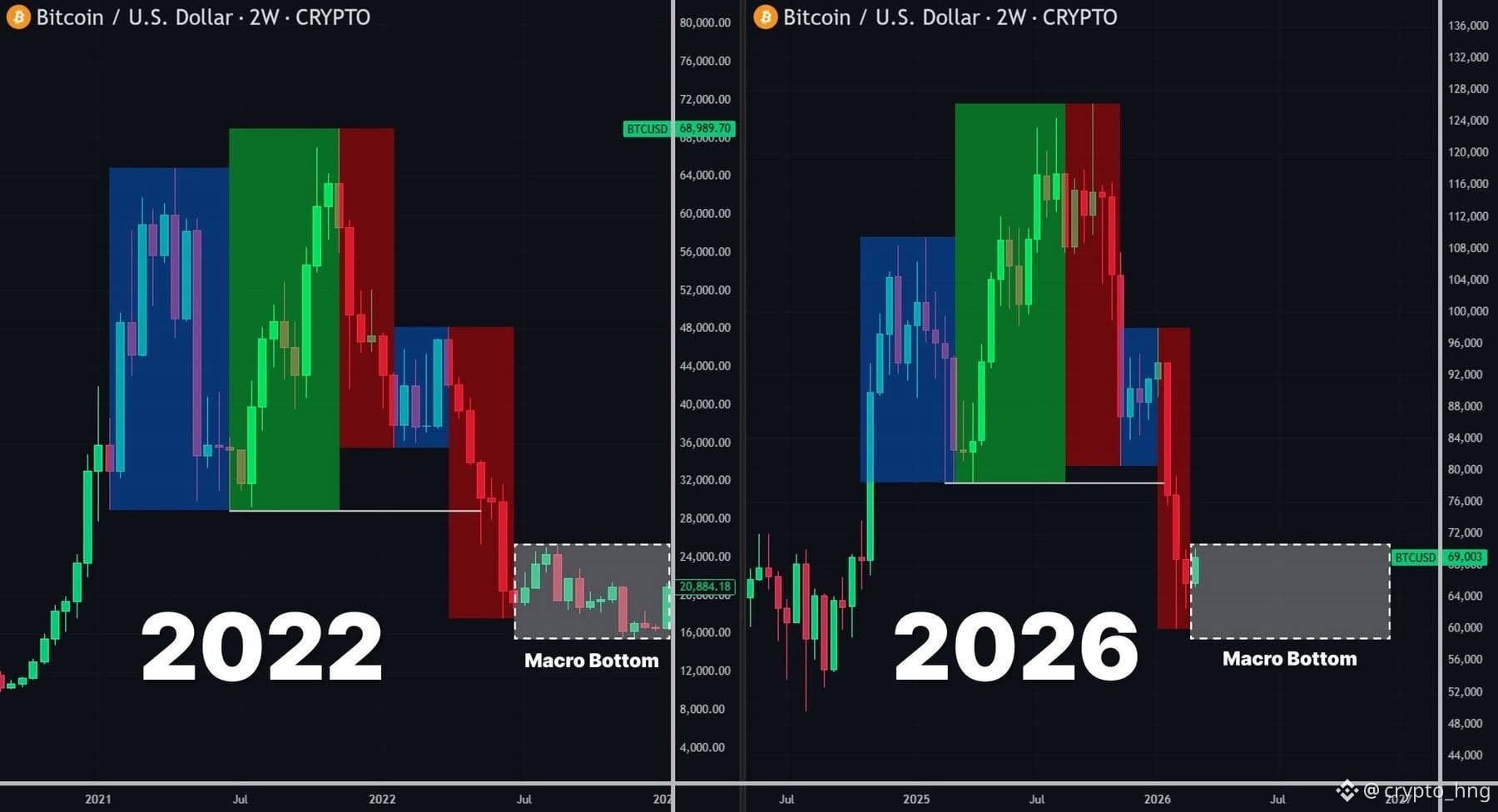
🚨 BTCは同じパターンを繰り返す
簡単です:
レンジ -> ブレイクアウト -> ブルトラップ -> マクロボトム
> 2022 -> 完了
> 2026 -> 読み込み中
あなたはまだこのサイクルが異なると思っていますか?
🚨 BTCは同じパターンを繰り返す
簡単です:
レンジ -> ブレイクアウト -> ブルトラップ -> マクロボトム
> 2022 -> 完了
> 2026 -> 読み込み中
あなたはまだこのサイクルが異なると思っていますか?
簡単です:
レンジ -> ブレイクアウト -> ブルトラップ -> マクロボトム
> 2022 -> 完了
> 2026 -> 読み込み中
あなたはまだこのサイクルが異なると思っていますか?
10
ログインして、さらにコンテンツを読む
厳選トピックで世界の暗号資産トレーダーの仲間入り
⚡️ 暗号資産に関する最新かつ有益な情報が見つかります。
💬 世界最大の暗号資産取引所から信頼されています。
👍 認証を受けたクリエイターから、有益なインサイトを得られます。
メール / 電話番号
トレンドトピック
FedRateWatch
閲覧回数 1.5M
6,795人が討論中
トレンドハッシュタグキャンペーンで「シェア&ウィン」交通(トラフィック)報酬を獲得しよう
✨トピック:FOMC 9月、「次のFRBの一手」は?
👉参加方法:
ハッシュタグ #FedRateWatch を付けて短い投稿または記事を投稿してください
以下の観点に基づいてコンテンツを作成してください:
- 8月のコアCPIは前月比0.3%上昇し、今週の25bp利上げの確率は現在約90%です。今週、利上げはあると思いますか?それは一時的なものですか、それともより長い利上げサイクルの始まりでしょうか?
- 利上げが実施された場合、BTC、テック株、ゴールドはどのように動きますか?強気(ブル)か弱気(ベア)か?
- 次の取引はどう計画していますか?取引共有ウィジェットを使って、BTC、株、またはゴールドの取引/保有を共有してください。
⏰キャンペーン期間:
- 2026-09-15 11:00 - 2026-09-17 3:00 UTC
🎁報酬:
- 上記のガイドラインを満たし、かつ100語を超える適格な投稿は審査され、抽選で500〜3,000ビューのランダムなトラフィック増加が付与される場合があります。投稿が選ばれた場合、フィードの事務局から通知が届きます。
- 記事がBinance Square Officialで特集されるチャンス
投稿のアイデアが必要ですか?トピックページ #FedRateWatch へアクセスするか、 Square Guide on How to Post for Better Reach をご覧ください。
Binance Square Official
·いいね:650件
·閲覧回数 1.7M
ZcashRises6%
閲覧回数 56,474
677人が討論中
XRPSinks10%
閲覧回数 37,711
441人が討論中