Binance Square

Hassan Cryptoo

Blockchain Enthusiast & Web3 Researcher || Future Trader & Scalper || Crypto Educator & Content Creator || #HassanCryptoo || X: @hassancryptoo
超高頻度トレーダー
2.5年
108 フォロー
8.9K+ フォロワー
7.5K+ いいね
362 共有
投稿
·
--
翻訳参照
For Builders: Who Need Speed Why the SVM on Fogo Matters Fogo is not another Ethereum killer or a Solana fork chasing the same generic throughput crown. It is in fact a precision engineered settlement layer where the Solana Virtual Machine (SVM) is finally paired with infrastructure that treats latency as the primary constraint not an afterthought. The SVM delivers a familiar battle tested execution environment and indeed your existing Solana programs deploy with zero code modification. But on Fogo that same bytecode runs atop a stack designed from the physical layer up for determinism. Fogo achieves approximately 40ms block times and 1.3 second finality. It is indeed profound for a DeFi trading application. 40ms is the difference between a user landing a fill at a quoted price and suffering slippage on the next block. This is not about theoretical max TPS it is about latency predictability during peak congestion. The architecture achieves this through a single canonical Firedancer client a deliberate trade off that prioritizes performance maximalism over client diversity. Validators are further optimized through geographic zoning a follow the sun model that aligns physical node location with trading hours to shave milliseconds off cross border settlement. What truly differentiates the SVM on Fogo however is Fogo Sessions. This chain primitive introduces time bound scope limited permissions enabling users to interact with dApps through a single signature. The implication is profound. Gasless transactions and a "no‑approve" UX that finally abstracts away wallet friction. For a trading platform this collapses the user journey from seven clicks to two. With $1.18M TVL and 589 TPS sustained the network is truly already demonstrating utility based liquidity not speculative hype. The curated validator set just seven active nodes ensures quality over quantity minimizing MEV attack surfaces. The SVM you already know running on hardware and a consensus model that finally treats time as the scarce resource that it truly is. @fogo | #fogo | $FOGO
For Builders: Who Need Speed Why the SVM on Fogo Matters

Fogo is not another Ethereum killer or a Solana fork chasing the same generic throughput crown. It is in fact a precision engineered settlement layer where the Solana Virtual Machine (SVM) is finally paired with infrastructure that treats latency as the primary constraint not an afterthought.

The SVM delivers a familiar battle tested execution environment and indeed your existing Solana programs deploy with zero code modification. But on Fogo that same bytecode runs atop a stack designed from the physical layer up for determinism.

Fogo achieves approximately 40ms block times and 1.3 second finality. It is indeed profound for a DeFi trading application. 40ms is the difference between a user landing a fill at a quoted price and suffering slippage on the next block. This is not about theoretical max TPS it is about latency predictability during peak congestion.

The architecture achieves this through a single canonical Firedancer client a deliberate trade off that prioritizes performance maximalism over client diversity. Validators are further optimized through geographic zoning a follow the sun model that aligns physical node location with trading hours to shave milliseconds off cross border settlement.

What truly differentiates the SVM on Fogo however is Fogo Sessions. This chain primitive introduces time bound scope limited permissions enabling users to interact with dApps through a single signature. The implication is profound. Gasless transactions and a "no‑approve" UX that finally abstracts away wallet friction. For a trading platform this collapses the user journey from seven clicks to two.

With $1.18M TVL and 589 TPS sustained the network is truly already demonstrating utility based liquidity not speculative hype. The curated validator set just seven active nodes ensures quality over quantity minimizing MEV attack surfaces.

The SVM you already know running on hardware and a consensus model that finally treats time as the scarce resource that it truly is.

@Fogo Official | #fogo | $FOGO
翻訳参照
FOGO: Redefining On-Chain Trading Speed with Its SVM ArchitectureIn an industry where blockchains measure their virility in TPS wars and marketing decks, FOGO arrives with a fundamentally different proposition. It is not building for the widest possible audience; it is building for the most demanding one, the institutional trader who currently views most L1s as unusable due to latency jitter and unpredictable finality. While the market spent 2025 celebrating modular rollups and AI integration, the underlying infrastructure for high frequency finance remained stuck in a compromise, speed or decentralization, but never both. FOGO's bet is that this compromise was always false. Phase Change: From General Purpose to Specialized Execution: The Solana Virtual Machine (SVM) has proven itself as the only production grade execution environment capable of handling sustained throughput above 1,000 TPS without collapsing into chaos. However, FOGO's insight, which is backed by a founding team with roots in Jump Crypto and traditional finance, is that SVM compatibility is merely the entry ticket. The real differentiation lies in what you strip away and what you harden. FOGO does not run a generic validator set scattered across hobbyists' basements. Its "Multi-Local Consensus" model strategically colocates validators in Tokyo, placing them proximate to major liquidity hubs and exchange matching engines. This is not centralization for convenience; it is physics optimization. Light travels at a fixed speed, and when you are competing with traditional HFT firms operating at microsecond latencies, sending packets halfway around the planet is not decentralization; it is self sabotage. The architecture employs Jump Crypto's Firedancer client in its purest form, not the Frankenstein hybrid versions running elsewhere. Written in C rather than Rust, Firedancer eliminates the scheduler bottlenecks that plague other SVM implementations. The result is block times of 40 milliseconds and finality at 1.3 seconds. In practice, this means that a trader executing a liquidation arbitrage on FOGO experiences settlement confirmation before a Solana user's wallet even finishes signing the transaction. The Mechanical Difference: What 40ms Actually Enables: Let us now translate these specs into something more tangible. Ethereum's 12 second block times create an environment where oracle updates (Pyth's 400ms cadence notwithstanding) become stale before they are even actionable. Even Solana's 400ms slots introduce enough variance that sophisticated players deploy co located infrastructure to front run retail orders. FOGO compresses this latency window down to below human perception. Consider a typical perpetual swap liquidation cascade. On most chains, the delay between the price feed update, the margin check, and the position closure allows solvent traders to bid on liquidation discounts. Some argue that this is a feature, but it is one that creates measurable inefficiency. FOGO's architecture, combined with native price feed integration (likely via Pyth's low latency oracle network), aims to make liquidations feel deterministic. The smart contract evaluates, the position closes, and the collateral transfers, all within the same sub second window. The upshot of this is significant. Market makers can quote tighter spreads. Arbitrage bots compete on strategy rather than on geographic proximity to validators. And the end user, whether retail or institution, experiences fills that feel like they are from a centralized exchange, without ever surrendering self custody. The Data Reality: On Chain Metrics versus Marketing Claims Following its mainnet launch on January 13, 2026, FOGO's on chain activity offers a preliminary test of its thesis. As of February 13, 2026, the network has processed 8.25 billion transactions since genesis. That figure alone signals something unusual; this is not a ghost chain with 50 wallet to wallet transfers padded into the count. The 24 hour TPS average sits at 589, with block times consistently reported at 40.02 ms on Fogoscan. The validator set remains curated at 7 active nodes, a number that will certainly raise eyebrows among decentralization purists. However, FOGO's defense, as articulated in its community documentation, is that security in a high frequency trading context means something different than it does in a store of value settlement layer. With 716 million FOGO staked, which is roughly 19% of the circulating supply, the economic security backing these seven nodes is non trivial. Even more telling is the Total Value Locked, which stands at $1.18 million, up 3% in 24 hours. For a chain that is barely a month old, this indicates genuine liquidity migration, not just activity from airdrop farmers. Protocols like Ambient (formerly Ambient Finance) are already building on FOGO, with founder Douglas Colkitt directly involved in the network's design. The Tokenomics Architecture: Performance Without Compromise. FOGO's token model rejects the "fee discount" cliche and instead aligns incentives around network throughput. The total supply is fixed at 10 billion FOGO, with 3.77 billion currently circulating, which represents 37.7% unlocked. The fully diluted valuation sits at $212.85 million against a market cap of $80.73 million. This ratio implies that market expectations of significant user adoption exist before dilution pressure intensified. It is important to note that FOGO cancelled a $20 million presale in late 2025, redirecting those tokens to a community airdrop and burning 2% of the genesis supply. This was not merely altruism; it was a strategic recognition that institutional traders will not enter a network where insiders hold overhang risk. The next unlock event on September 26, 2026, will release 1.54 billion tokens, or 15.5% of supply, to advisors. The market will watch precisely to see whether this creates selling pressure or gets absorbed by genuine network usage. The Fogo Sessions Innovation: Removing Friction. Perhaps the most ignored feature in FOGO's stack is "Fogo Sessions", a mechanism that allows users to authorize time bound permissions for dApps. Consider the current state of affairs. A trader spots an opportunity, prepares three transactions, and then spends 15 seconds clicking through wallet approvals. In a volatile market, those 15 seconds represent the difference between successful execution and painful liquidation. Fogo Sessions enables a dApp to execute multiple transactions on a user's behalf within a defined session window, without requiring per transaction signing. The technical implementation utilizes a new transaction type called fee payer unsigned, which permits gas payments in tokens other than the native asset. This means that a trader holding a specific altcoin can execute complex strategies without ever needing to acquire FOGO for fees. It is a user experience improvement that sounds minor until you have missed a trade simply because you needed to swap for gas. In summary, FOGO faces what I will call the Prover's Dilemma. It must demonstrate that specialized L1s can capture enough volume to sustain their security budgets, even while the general purpose chains continue to absorb broader ecosystem growth. The early data suggests that the thesis is worth taking seriously. Eight billion transactions in a month is not wash trading; it is organic test volume from developers and early adopters who are stress testing the 40ms claim. The curated validator set, while controversial, delivers on its latency promise. And the tokenomics, particularly the cancelled presale and the extended team vesting, signal strong alignment with the institutional traders that FOGO hopes to attract. Whether it succeeds depends not on TPS wars, but on whether traders actually value deterministic execution enough to move their liquidity. The next six months, leading into the September unlock, will ultimately tell that story. by Hassan Cryptoo @fogo | #fogo | $FOGO

FOGO: Redefining On-Chain Trading Speed with Its SVM Architecture

In an industry where blockchains measure their virility in TPS wars and marketing decks, FOGO arrives with a fundamentally different proposition. It is not building for the widest possible audience; it is building for the most demanding one, the institutional trader who currently views most L1s as unusable due to latency jitter and unpredictable finality. While the market spent 2025 celebrating modular rollups and AI integration, the underlying infrastructure for high frequency finance remained stuck in a compromise, speed or decentralization, but never both. FOGO's bet is that this compromise was always false.
Phase Change: From General Purpose to Specialized Execution:
The Solana Virtual Machine (SVM) has proven itself as the only production grade execution environment capable of handling sustained throughput above 1,000 TPS without collapsing into chaos. However, FOGO's insight, which is backed by a founding team with roots in Jump Crypto and traditional finance, is that SVM compatibility is merely the entry ticket. The real differentiation lies in what you strip away and what you harden.
FOGO does not run a generic validator set scattered across hobbyists' basements. Its "Multi-Local Consensus" model strategically colocates validators in Tokyo, placing them proximate to major liquidity hubs and exchange matching engines. This is not centralization for convenience; it is physics optimization. Light travels at a fixed speed, and when you are competing with traditional HFT firms operating at microsecond latencies, sending packets halfway around the planet is not decentralization; it is self sabotage.
The architecture employs Jump Crypto's Firedancer client in its purest form, not the Frankenstein hybrid versions running elsewhere. Written in C rather than Rust, Firedancer eliminates the scheduler bottlenecks that plague other SVM implementations. The result is block times of 40 milliseconds and finality at 1.3 seconds. In practice, this means that a trader executing a liquidation arbitrage on FOGO experiences settlement confirmation before a Solana user's wallet even finishes signing the transaction.

The Mechanical Difference: What 40ms Actually Enables:
Let us now translate these specs into something more tangible.
Ethereum's 12 second block times create an environment where oracle updates (Pyth's 400ms cadence notwithstanding) become stale before they are even actionable. Even Solana's 400ms slots introduce enough variance that sophisticated players deploy co located infrastructure to front run retail orders. FOGO compresses this latency window down to below human perception.
Consider a typical perpetual swap liquidation cascade. On most chains, the delay between the price feed update, the margin check, and the position closure allows solvent traders to bid on liquidation discounts. Some argue that this is a feature, but it is one that creates measurable inefficiency. FOGO's architecture, combined with native price feed integration (likely via Pyth's low latency oracle network), aims to make liquidations feel deterministic. The smart contract evaluates, the position closes, and the collateral transfers, all within the same sub second window.
The upshot of this is significant. Market makers can quote tighter spreads. Arbitrage bots compete on strategy rather than on geographic proximity to validators. And the end user, whether retail or institution, experiences fills that feel like they are from a centralized exchange, without ever surrendering self custody.
The Data Reality: On Chain Metrics versus Marketing Claims
Following its mainnet launch on January 13, 2026, FOGO's on chain activity offers a preliminary test of its thesis.
As of February 13, 2026, the network has processed 8.25 billion transactions since genesis. That figure alone signals something unusual; this is not a ghost chain with 50 wallet to wallet transfers padded into the count. The 24 hour TPS average sits at 589, with block times consistently reported at 40.02 ms on Fogoscan.
The validator set remains curated at 7 active nodes, a number that will certainly raise eyebrows among decentralization purists. However, FOGO's defense, as articulated in its community documentation, is that security in a high frequency trading context means something different than it does in a store of value settlement layer. With 716 million FOGO staked, which is roughly 19% of the circulating supply, the economic security backing these seven nodes is non trivial.
Even more telling is the Total Value Locked, which stands at $1.18 million, up 3% in 24 hours. For a chain that is barely a month old, this indicates genuine liquidity migration, not just activity from airdrop farmers. Protocols like Ambient (formerly Ambient Finance) are already building on FOGO, with founder Douglas Colkitt directly involved in the network's design.
The Tokenomics Architecture: Performance Without Compromise.
FOGO's token model rejects the "fee discount" cliche and instead aligns incentives around network throughput.
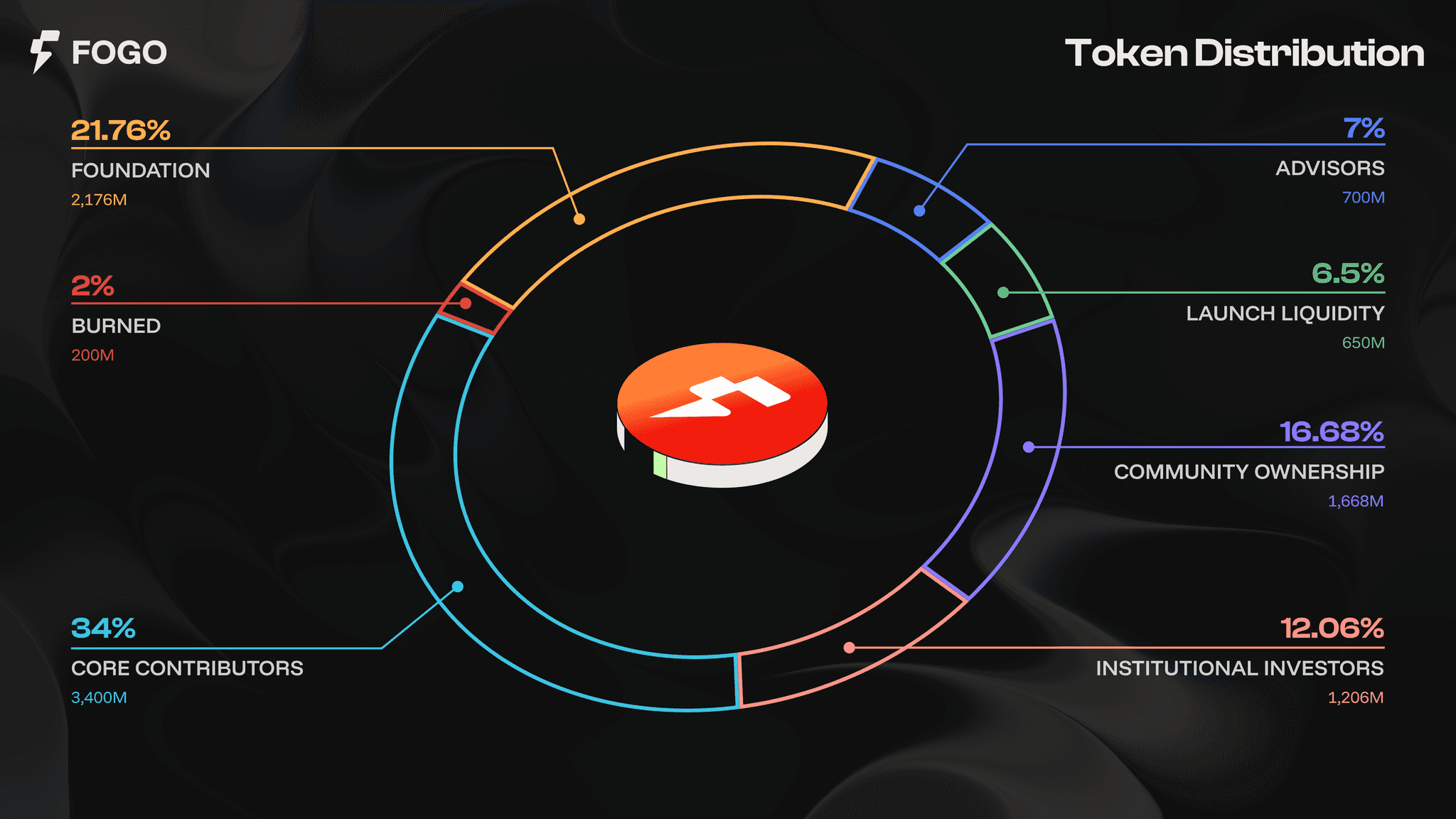
The total supply is fixed at 10 billion FOGO, with 3.77 billion currently circulating, which represents 37.7% unlocked. The fully diluted valuation sits at $212.85 million against a market cap of $80.73 million. This ratio implies that market expectations of significant user adoption exist before dilution pressure intensified.
It is important to note that FOGO cancelled a $20 million presale in late 2025, redirecting those tokens to a community airdrop and burning 2% of the genesis supply. This was not merely altruism; it was a strategic recognition that institutional traders will not enter a network where insiders hold overhang risk. The next unlock event on September 26, 2026, will release 1.54 billion tokens, or 15.5% of supply, to advisors. The market will watch precisely to see whether this creates selling pressure or gets absorbed by genuine network usage.

The Fogo Sessions Innovation: Removing Friction.
Perhaps the most ignored feature in FOGO's stack is "Fogo Sessions", a mechanism that allows users to authorize time bound permissions for dApps.
Consider the current state of affairs. A trader spots an opportunity, prepares three transactions, and then spends 15 seconds clicking through wallet approvals. In a volatile market, those 15 seconds represent the difference between successful execution and painful liquidation. Fogo Sessions enables a dApp to execute multiple transactions on a user's behalf within a defined session window, without requiring per transaction signing.
The technical implementation utilizes a new transaction type called fee payer unsigned, which permits gas payments in tokens other than the native asset. This means that a trader holding a specific altcoin can execute complex strategies without ever needing to acquire FOGO for fees. It is a user experience improvement that sounds minor until you have missed a trade simply because you needed to swap for gas.
In summary, FOGO faces what I will call the Prover's Dilemma. It must demonstrate that specialized L1s can capture enough volume to sustain their security budgets, even while the general purpose chains continue to absorb broader ecosystem growth.
The early data suggests that the thesis is worth taking seriously. Eight billion transactions in a month is not wash trading; it is organic test volume from developers and early adopters who are stress testing the 40ms claim. The curated validator set, while controversial, delivers on its latency promise. And the tokenomics, particularly the cancelled presale and the extended team vesting, signal strong alignment with the institutional traders that FOGO hopes to attract.
Whether it succeeds depends not on TPS wars, but on whether traders actually value deterministic execution enough to move their liquidity. The next six months, leading into the September unlock, will ultimately tell that story.
by Hassan Cryptoo
@Fogo Official | #fogo | $FOGO
📚 今日の名言 "ブロックチェーンでは、真実はコンセンサスアルゴリズムです" #QuoteByHassanCryptoo #HassanCryptoo
📚 今日の名言

"ブロックチェーンでは、真実はコンセンサスアルゴリズムです"

#QuoteByHassanCryptoo #HassanCryptoo
ビットコイン "グーグル検索" 急増 📈 2026年2月初旬にビットコインの検索関心が12ヶ月の最高値に達したとGoogleトレンドによると報告されています。この急増は、BTCが5日間で$81,500から$60,000近くに下落した後に起こり、2024年10月以来の最低値です。 #NewsByHassanCryptoo #HassanCryptoo
ビットコイン "グーグル検索" 急増 📈

2026年2月初旬にビットコインの検索関心が12ヶ月の最高値に達したとGoogleトレンドによると報告されています。この急増は、BTCが5日間で$81,500から$60,000近くに下落した後に起こり、2024年10月以来の最低値です。

#NewsByHassanCryptoo #HassanCryptoo
トレーダーたちはビットコインが新たなATHを達成することを期待していましたが、BTCは60kに下落しました😂
Plasmaの規制へのステップ:どのように機関の問題を解決するか私は、規制に関する会話が通常、ため息から始まるのを観察してきました。それは静けさの中でも聞こえます。誰かが背もたれに寄りかかり、「イノベーションが遅れている」と何かを言い、話題は静かに消えていきます。その反応は何年も前から存在しており、私もそれを共有していました。しかし最近では、それが意味を持つのかどうか、私はあまり確信が持てません。特に、私がヨーロッパで起こっていることや、Plasma Networkのようなネットワークがどのように動こうとしているのかを見るときはなおさらです。 今、暗号通貨が望んでいることとその行動との間には奇妙なギャップがあります。誰もが機関について話しますが、それはまるで神話の生き物のようです。年金基金。銀行。大規模な決済処理業者。しかし、ほとんどのプロジェクトは、そうしたプレーヤーが後で何とか適応するべきだかのように、システムを設計しています。その緊張感は不快です。それはしばらく続いています。

Plasmaの規制へのステップ:どのように機関の問題を解決するか

私は、規制に関する会話が通常、ため息から始まるのを観察してきました。それは静けさの中でも聞こえます。誰かが背もたれに寄りかかり、「イノベーションが遅れている」と何かを言い、話題は静かに消えていきます。その反応は何年も前から存在しており、私もそれを共有していました。しかし最近では、それが意味を持つのかどうか、私はあまり確信が持てません。特に、私がヨーロッパで起こっていることや、Plasma Networkのようなネットワークがどのように動こうとしているのかを見るときはなおさらです。
今、暗号通貨が望んでいることとその行動との間には奇妙なギャップがあります。誰もが機関について話しますが、それはまるで神話の生き物のようです。年金基金。銀行。大規模な決済処理業者。しかし、ほとんどのプロジェクトは、そうしたプレーヤーが後で何とか適応するべきだかのように、システムを設計しています。その緊張感は不快です。それはしばらく続いています。
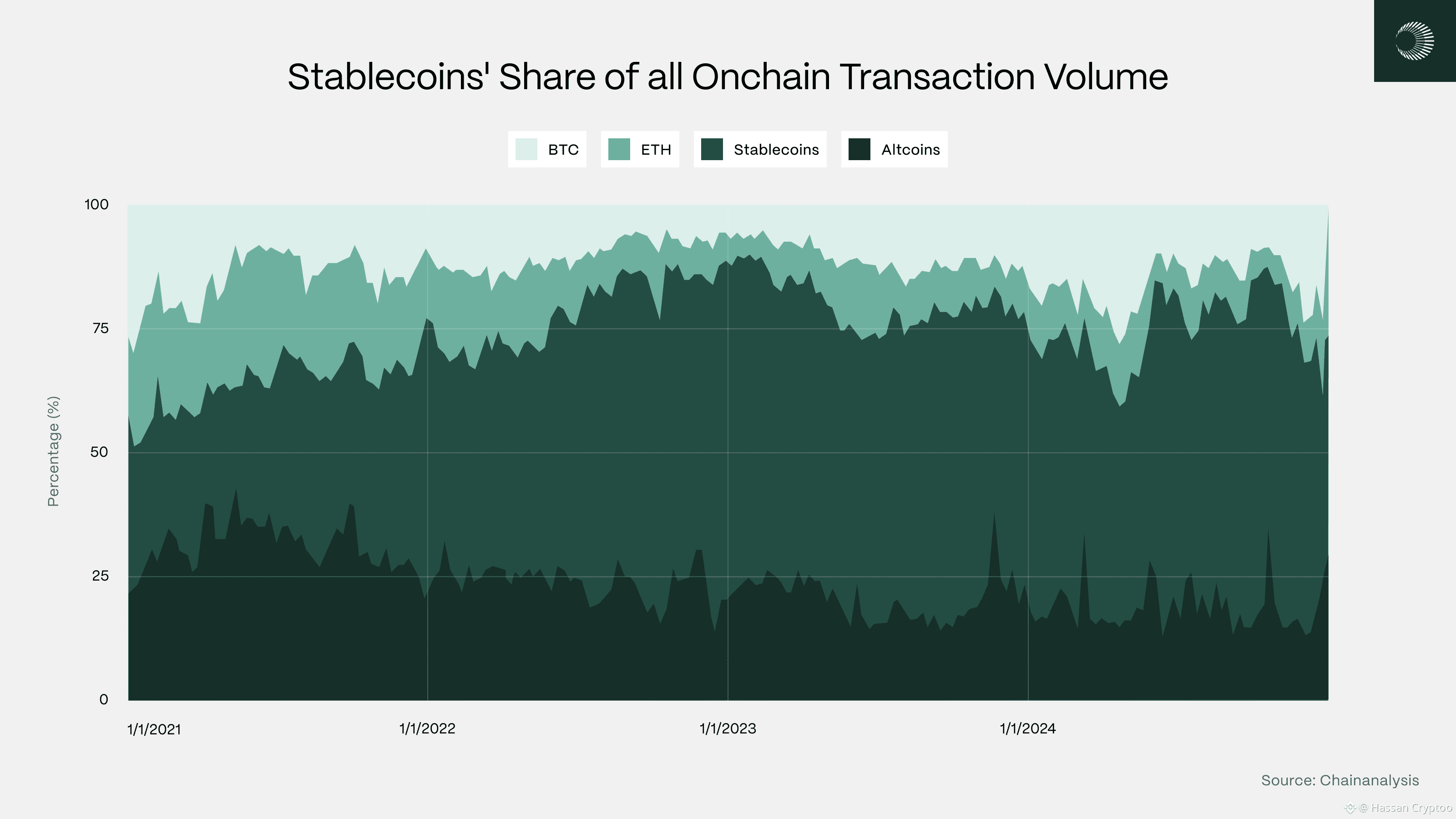
ステーブルコインのユーティリティは、高ボリュームの小売回廊と機関決済レールの間で分裂しています。これにより、インフラのギャップが生じ、一方に最適化されたネットワークはもう一方にサービスを提供することは稀です。プラズマは、一般的な目的のチェーンではなく、この分岐のために正確に構築された中立的で専門的な決済インフラとして自らを位置づけています。その主張は、持続可能な価値は、すべての人に対してすべてであることからではなく、単一の重要な資産クラスのための決定的な台帳であることから蓄積されるというものです。 ご覧の通り、プラズマのデザインは制約の研究です。それは「イーサリアムの競合者」ではなく、ステーブルコイン中心の決済レイヤーです。ガスレスUSDT転送やステーブルコイン建て手数料のようなコアイノベーションは、高成長市場における小売採用を悩ませるネイティブトークンのボラティリティ摩擦を排除します。ビットコインに基づくセキュリティモデルとプラズマBFTによるサブ秒のトランザクション確定性を利用することで、ブロックチェーンは機関グレードの決済システムに要求される中立性と回復力のあるインフラを提供します。この二重焦点のデザインの成功は、その測定可能な牽引力に明らかです:日々のトランザクション処理は一貫して1億4700万を超えています。合計で31億ドルのロックされた価値(TVL)は、この専門的なユーティリティレイヤーの周りに資本が決定的に統合されつつあることをさらに確認しています。 したがって、基本的な戦略的前提は結論的に見えます。投機的な物語を追い求める風景の中で、プラズマはトランザクションの遍在性を選択します。その成功はトークンの投機に依存するのではなく、世界中でドル建ての価値を移動するために最も使用され、したがって最も価値のあるネットワークになることにかかっています。プロジェクトや投資家にとっては、新しいものの hype を追い求めるか、必須のユーティリティの上に構築するかという基本的な選択を提供します。 @Plasma | #Plasma | $XPL
ステーブルコインのユーティリティは、高ボリュームの小売回廊と機関決済レールの間で分裂しています。これにより、インフラのギャップが生じ、一方に最適化されたネットワークはもう一方にサービスを提供することは稀です。プラズマは、一般的な目的のチェーンではなく、この分岐のために正確に構築された中立的で専門的な決済インフラとして自らを位置づけています。その主張は、持続可能な価値は、すべての人に対してすべてであることからではなく、単一の重要な資産クラスのための決定的な台帳であることから蓄積されるというものです。

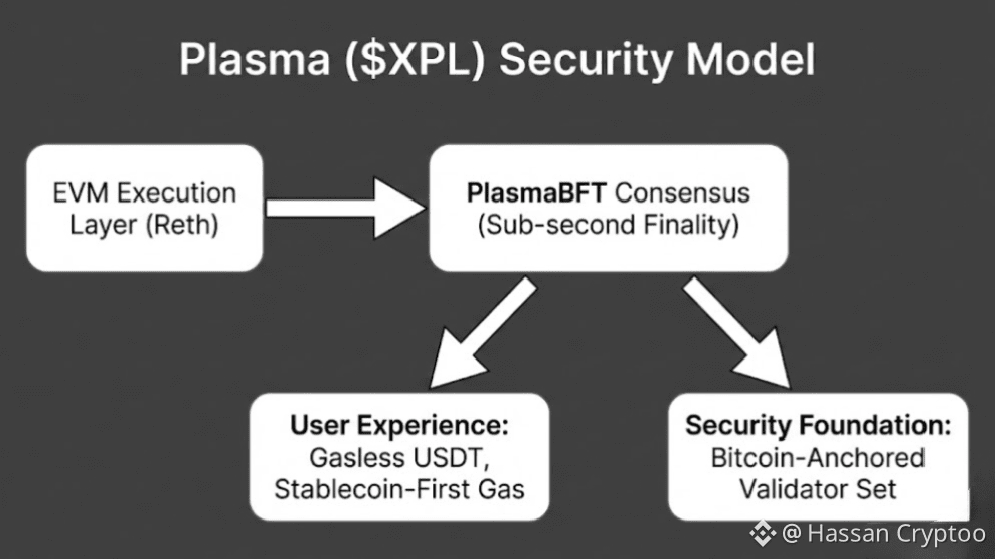
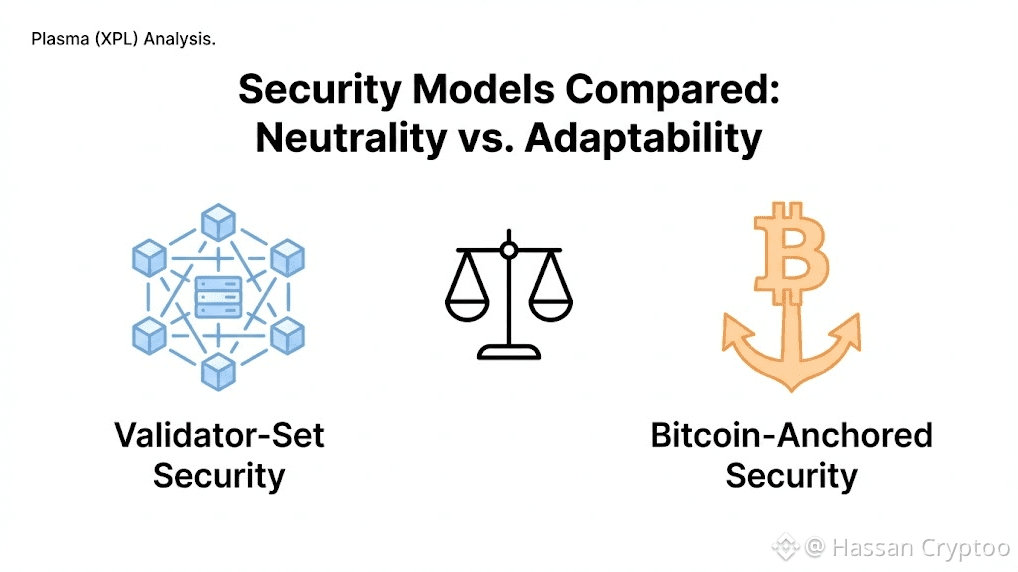
ご覧の通り、プラズマのデザインは制約の研究です。それは「イーサリアムの競合者」ではなく、ステーブルコイン中心の決済レイヤーです。ガスレスUSDT転送やステーブルコイン建て手数料のようなコアイノベーションは、高成長市場における小売採用を悩ませるネイティブトークンのボラティリティ摩擦を排除します。ビットコインに基づくセキュリティモデルとプラズマBFTによるサブ秒のトランザクション確定性を利用することで、ブロックチェーンは機関グレードの決済システムに要求される中立性と回復力のあるインフラを提供します。この二重焦点のデザインの成功は、その測定可能な牽引力に明らかです:日々のトランザクション処理は一貫して1億4700万を超えています。合計で31億ドルのロックされた価値(TVL)は、この専門的なユーティリティレイヤーの周りに資本が決定的に統合されつつあることをさらに確認しています。

したがって、基本的な戦略的前提は結論的に見えます。投機的な物語を追い求める風景の中で、プラズマはトランザクションの遍在性を選択します。その成功はトークンの投機に依存するのではなく、世界中でドル建ての価値を移動するために最も使用され、したがって最も価値のあるネットワークになることにかかっています。プロジェクトや投資家にとっては、新しいものの hype を追い求めるか、必須のユーティリティの上に構築するかという基本的な選択を提供します。

@Plasma | #Plasma | $XPL
親愛なる #Traders $AVAAI の価格は$0.01023に上昇し、$62.95Mの堅実なボリュームに支えられています。 これはトップゲイナーであり、過去24時間で27.56%上昇しています。 コインがこのように急騰し、健全なボリュームを伴うときは、コインの強い取引活動とブルの支配を示します。 トレーダーの皆さん、$0.01085を注意深く見てください。堅実なボリュームでのブレイクアウトは、価格をさらに押し上げる可能性があります。 常に自分で調査してください。資本を守り、ステップインする前に常にリスクを計算してください。 #AVAAI #topgainer #AnalysisByHassanCryptoo #HassanCryptoo
親愛なる #Traders

$AVAAI の価格は$0.01023に上昇し、$62.95Mの堅実なボリュームに支えられています。
これはトップゲイナーであり、過去24時間で27.56%上昇しています。

コインがこのように急騰し、健全なボリュームを伴うときは、コインの強い取引活動とブルの支配を示します。

トレーダーの皆さん、$0.01085を注意深く見てください。堅実なボリュームでのブレイクアウトは、価格をさらに押し上げる可能性があります。

常に自分で調査してください。資本を守り、ステップインする前に常にリスクを計算してください。

#AVAAI #topgainer #AnalysisByHassanCryptoo #HassanCryptoo
プラズマは、別の汎用のレイヤー1になろうとしているわけではありません。 それは、現在はそれに適した道路では移動できない、1600億ドルの資産クラスであるステーブルコインのための専用の高速道路を構築しています。 完全なEVM互換性のためにRethをフォークするという技術的選択は、既存のdAppsが簡単に移行できることを意味しますが、真の革新は、経済的なレイヤーにあります。ガスのないUSDT転送やステーブルコインファーストのガス価格設定といった機能は、単なる便利さではなく、ステーブルコインをネイティブな経済単位にするためにスクリプトをひっくり返します。私の彼らのアプローチのレビューは、これが実質的に、現実世界の決済アプリケーションのための障壁を大幅に低下させる可能性があることを示唆しています。ビットコインのプルーフ・オブ・ワークを使用してプラズマのブロックを確定させる予定のビットコインに基づくセキュリティは、その整合性がしばしば疑問視されるエコシステムにおける中立性を狙った巧妙な試みです。高い採用市場における小売ユーザーやブロックチェーンベースの金融を探求する機関にとって、プラズマは特定の、成長するニーズに対する焦点を絞った答えを提供します。 @Plasma | #Plasma | $XPL
プラズマは、別の汎用のレイヤー1になろうとしているわけではありません。

それは、現在はそれに適した道路では移動できない、1600億ドルの資産クラスであるステーブルコインのための専用の高速道路を構築しています。

完全なEVM互換性のためにRethをフォークするという技術的選択は、既存のdAppsが簡単に移行できることを意味しますが、真の革新は、経済的なレイヤーにあります。ガスのないUSDT転送やステーブルコインファーストのガス価格設定といった機能は、単なる便利さではなく、ステーブルコインをネイティブな経済単位にするためにスクリプトをひっくり返します。私の彼らのアプローチのレビューは、これが実質的に、現実世界の決済アプリケーションのための障壁を大幅に低下させる可能性があることを示唆しています。ビットコインのプルーフ・オブ・ワークを使用してプラズマのブロックを確定させる予定のビットコインに基づくセキュリティは、その整合性がしばしば疑問視されるエコシステムにおける中立性を狙った巧妙な試みです。高い採用市場における小売ユーザーやブロックチェーンベースの金融を探求する機関にとって、プラズマは特定の、成長するニーズに対する焦点を絞った答えを提供します。

@Plasma | #Plasma | $XPL
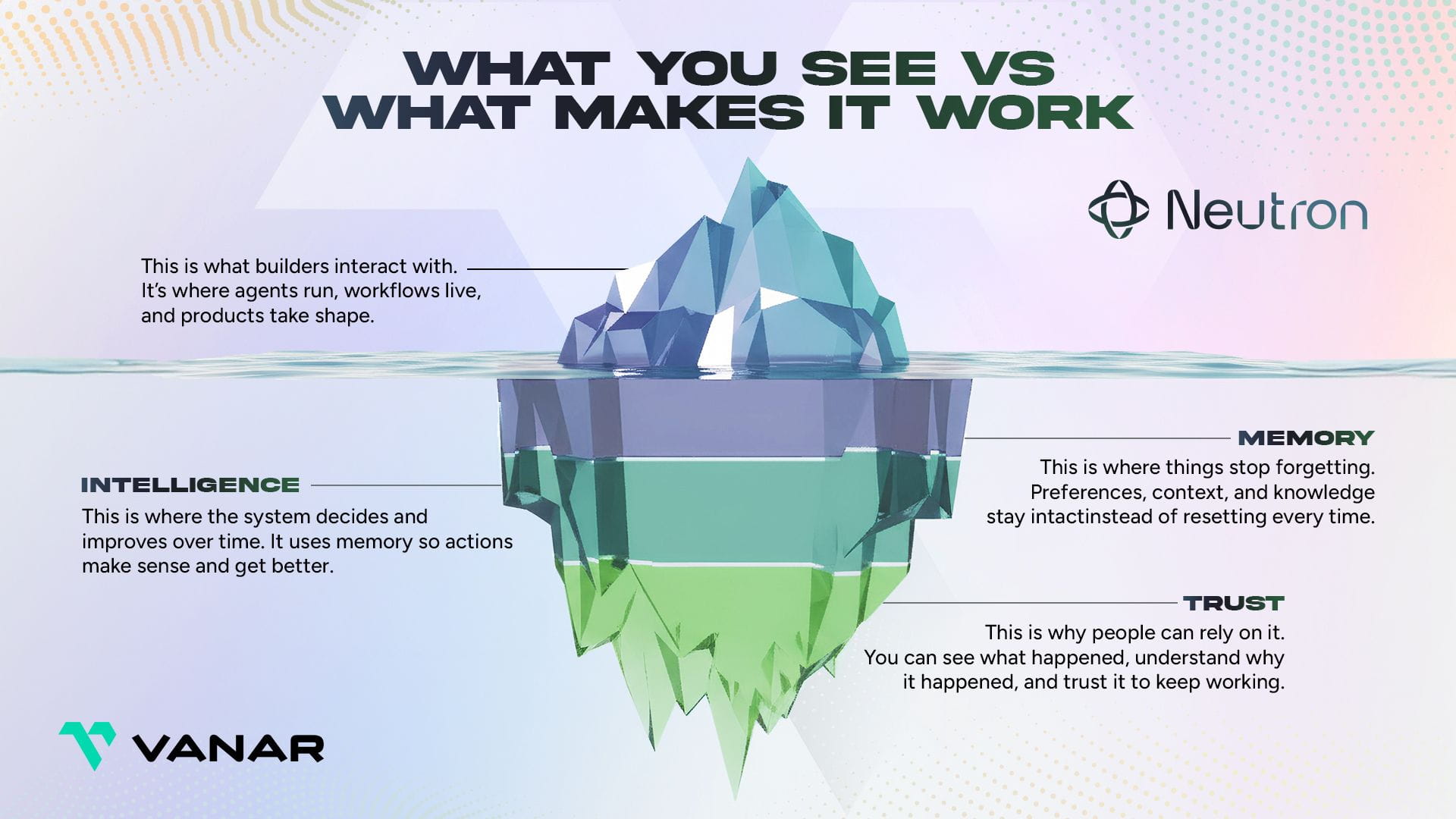
ブロックスペース以上: Vanarのライブ製品がそのAIビジョンを証明する方法私たちは、新しいブロックチェーンが単に安価なブロックスペースや迅速なトランザクションを提供することで成功できるポイントを過ぎました。特にAIの要求により、物語は変わりました。本当の質問はもはや仮説的な技術仕様についてではなく、今日実際に機能するものについてです。AIエージェントが記憶し、推論し、自律的に行動する必要があるとき、チェーンは何をするのでしょうか。私のVanar Chainのレビューは、その答えがロードマップの約束ではなく、これらのタスクをすでに処理しているライブ製品のセットであることを示唆しています。これは、会話をマーケティングからメカニクスに移動させます。

ブロックスペース以上: Vanarのライブ製品がそのAIビジョンを証明する方法

私たちは、新しいブロックチェーンが単に安価なブロックスペースや迅速なトランザクションを提供することで成功できるポイントを過ぎました。特にAIの要求により、物語は変わりました。本当の質問はもはや仮説的な技術仕様についてではなく、今日実際に機能するものについてです。AIエージェントが記憶し、推論し、自律的に行動する必要があるとき、チェーンは何をするのでしょうか。私のVanar Chainのレビューは、その答えがロードマップの約束ではなく、これらのタスクをすでに処理しているライブ製品のセットであることを示唆しています。これは、会話をマーケティングからメカニクスに移動させます。
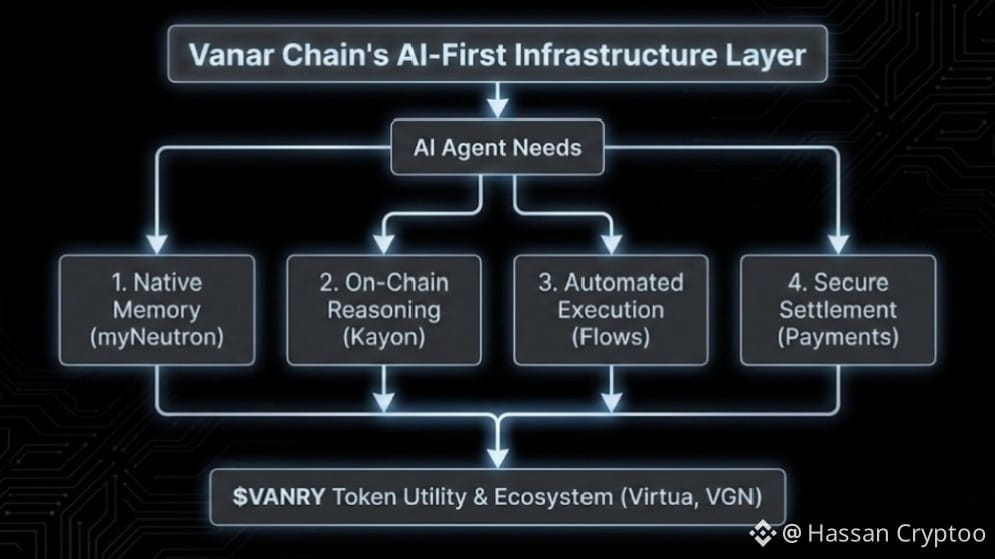
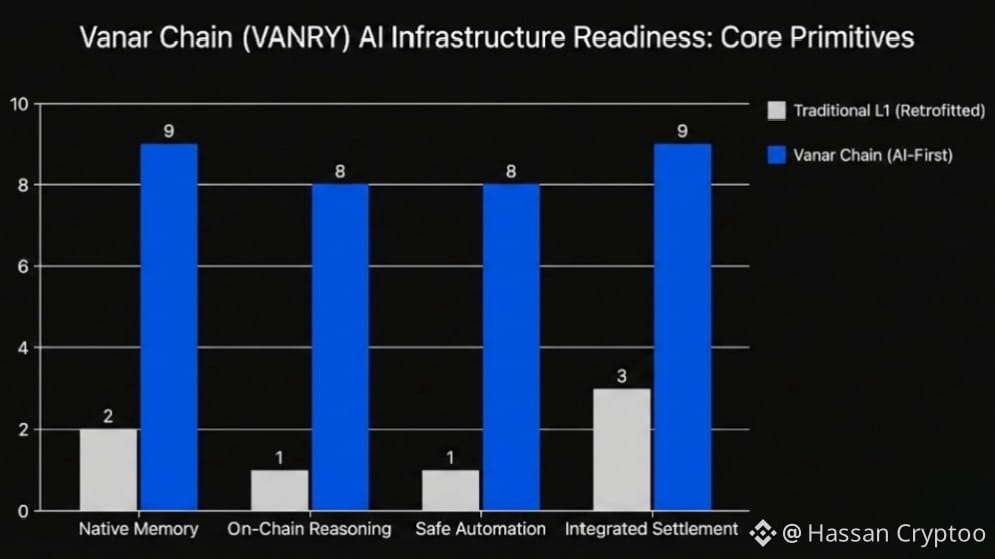
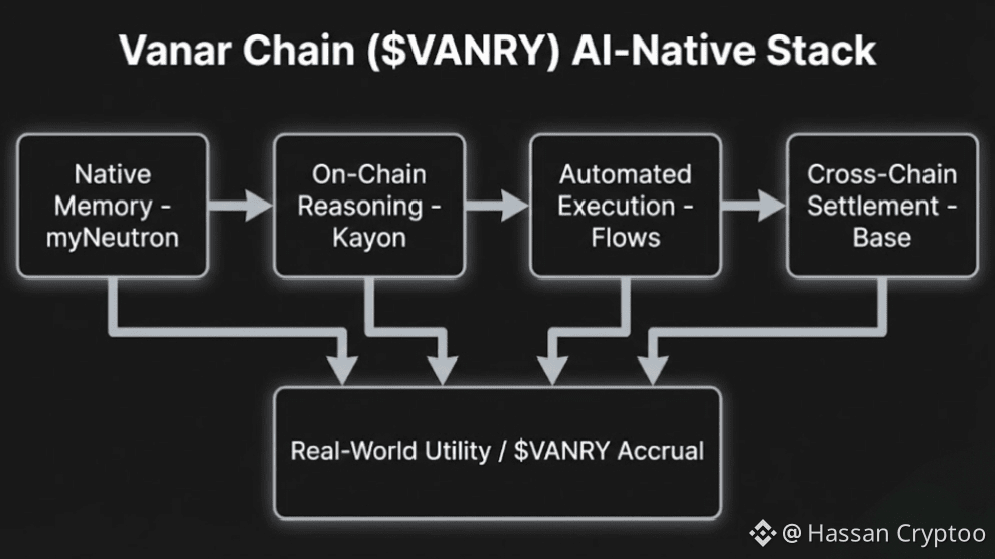
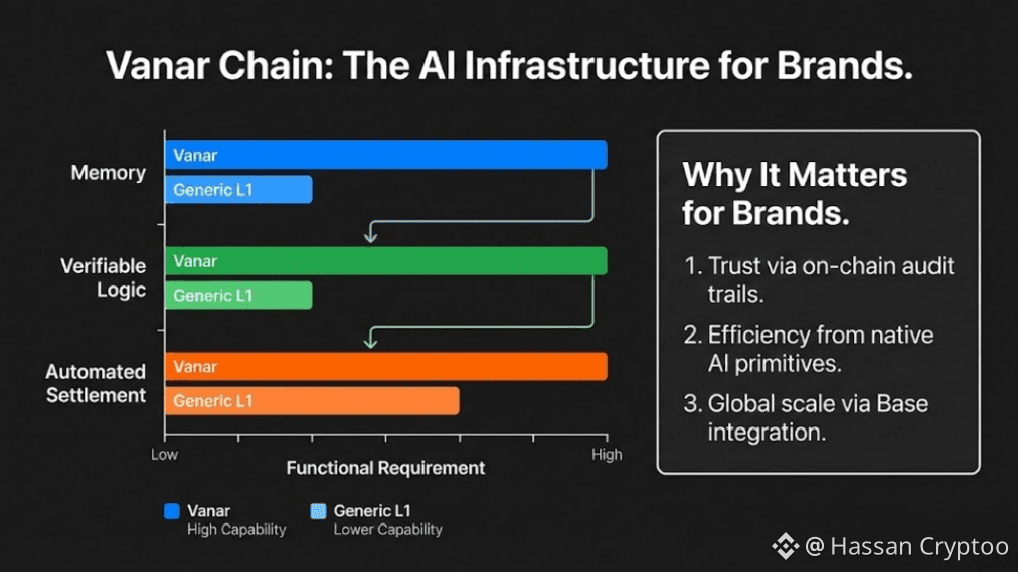
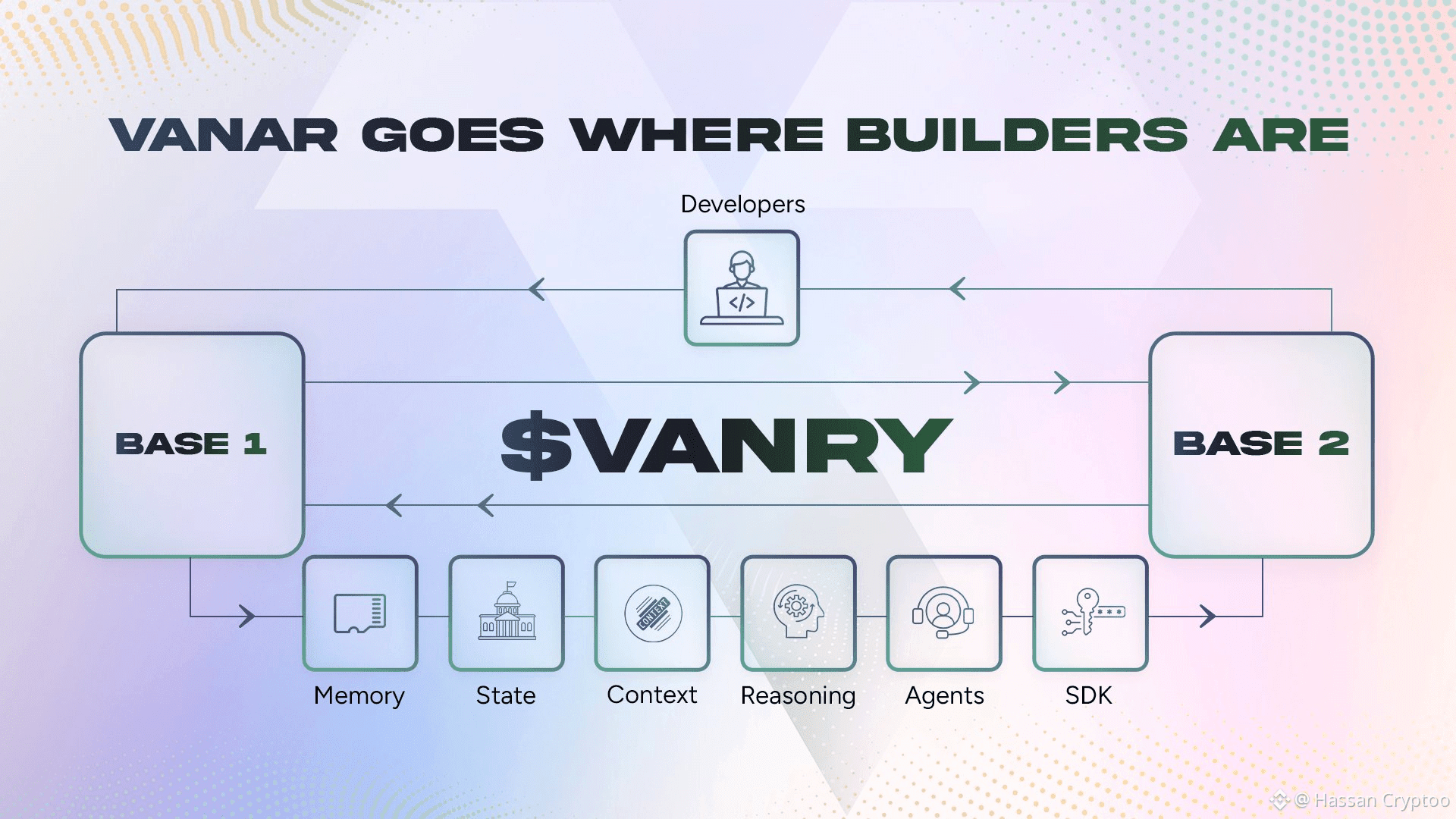
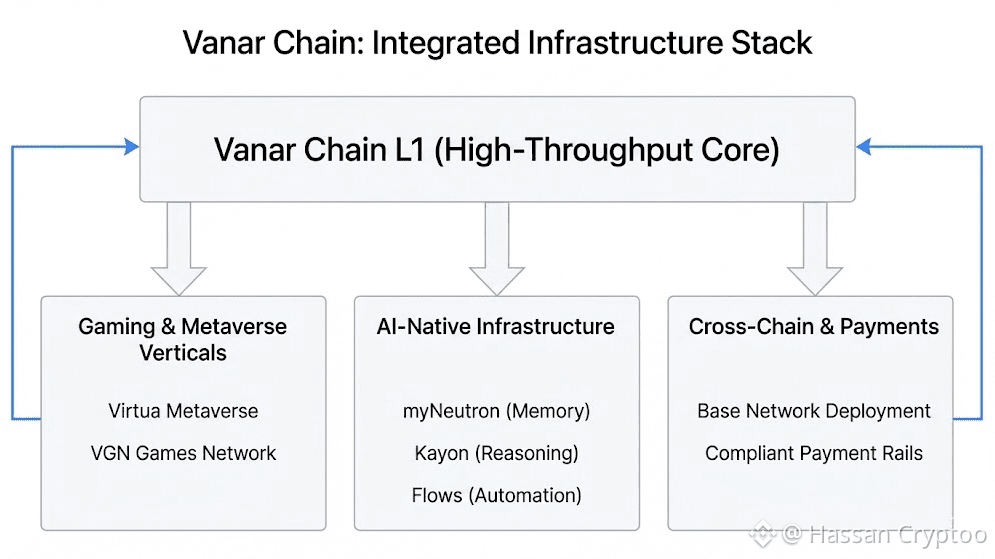
多くのブロックチェーンはAIについて語りますが、Vanar Chainはそれをゼロから構築しています。違いは単なるスピードだけでなく、アーキテクチャの意図です。彼らのホワイトペーパーや、myNeutronメモリプロトコルのようなライブ製品は、ネイティブのオンチェーン推論と自動実行を基本レイヤーの要件と見なしており、将来の機能ではありません。このAIファーストデザインは、ゲームやブランドの経験を持つ彼らのチームが「次の30億」ユーザーのために構築することを呼んでいます。最近、彼らのXアカウントで発表されたBaseとの統合は、この準備されたインフラストラクチャを大規模な既存の開発者ベースに拡張し、孤立したテスト環境を超えて進んでいます。$VANRY トークンは、このリアルな製品のエコシステムを支え、Virtuaメタバースを含みます。技術的アプローチを見直すと、AIエージェントの実際のニーズ、メモリ、説明可能な行動、安全な決済を解決することに焦点を当てていることがわかり、物語主導の投機よりも実質的に感じられます。これは、チェーンとそれに伴うトークンを、現実世界の採用からの持続的なユーティリティの周りに位置付けています。 @Vanar | #vanar | $VANRY
多くのブロックチェーンはAIについて語りますが、Vanar Chainはそれをゼロから構築しています。違いは単なるスピードだけでなく、アーキテクチャの意図です。彼らのホワイトペーパーや、myNeutronメモリプロトコルのようなライブ製品は、ネイティブのオンチェーン推論と自動実行を基本レイヤーの要件と見なしており、将来の機能ではありません。このAIファーストデザインは、ゲームやブランドの経験を持つ彼らのチームが「次の30億」ユーザーのために構築することを呼んでいます。最近、彼らのXアカウントで発表されたBaseとの統合は、この準備されたインフラストラクチャを大規模な既存の開発者ベースに拡張し、孤立したテスト環境を超えて進んでいます。$VANRY トークンは、このリアルな製品のエコシステムを支え、Virtuaメタバースを含みます。技術的アプローチを見直すと、AIエージェントの実際のニーズ、メモリ、説明可能な行動、安全な決済を解決することに焦点を当てていることがわかり、物語主導の投機よりも実質的に感じられます。これは、チェーンとそれに伴うトークンを、現実世界の採用からの持続的なユーティリティの周りに位置付けています。

@Vanar | #vanar | $VANRY
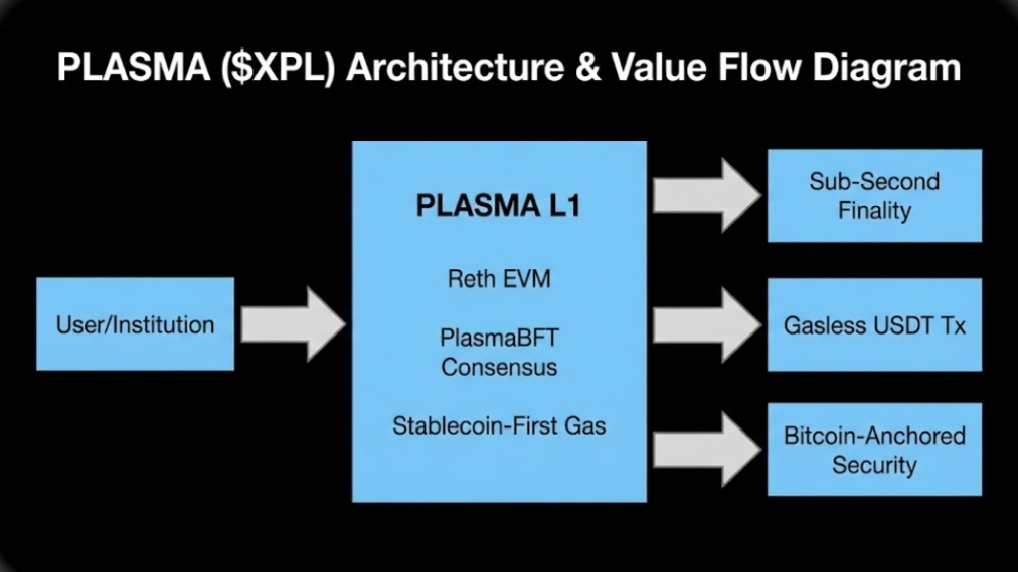
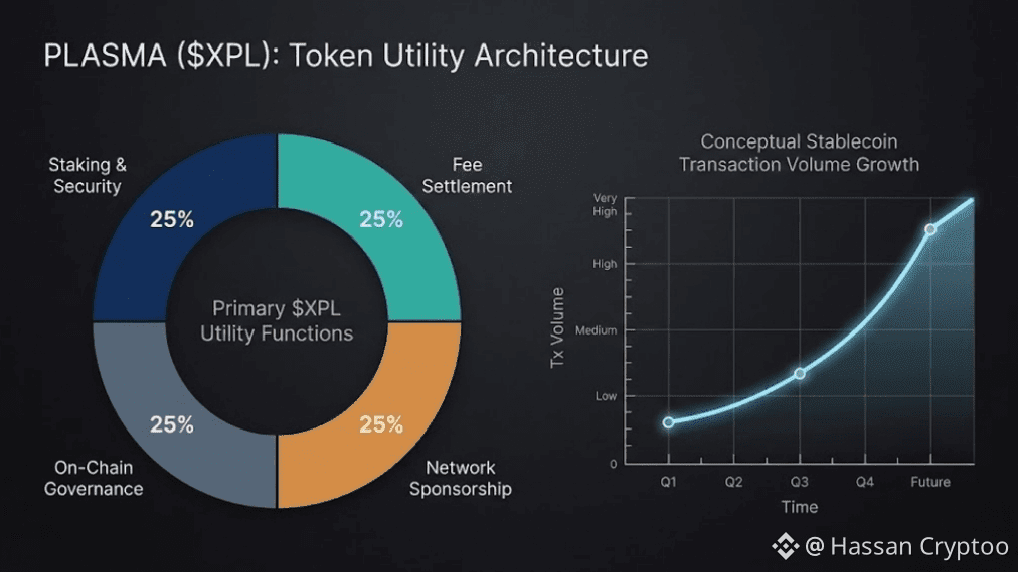
ステーブルコインが取引を支配していますが、真にそれらのために構築されたブロックチェーンは存在しません。プラズマ($XPL)は、ベースレイヤー自体を再考します。これはEVM互換のL1ですが、そのコアイノベーションはステーブルコインファーストのアーキテクチャです。これは、USDTのためのガスレス転送や、取引手数料を使用しているステーブルコインで支払うことができるユニークなシステムのような機能を意味します。これにより、他の場所で一般的なネイティブトークンのボラティリティの摩擦が排除されます。ご覧の通り、これはユーザー体験の根本的な変化です。コンセンサスメカニズムであるPlasmaBFTは、サブ秒の確定性のために設計されており、真剣な支払いフローに必要な決済速度に直接対応しています。要するに、これは金融の現実世界のために構築されています。セキュリティは、分散型のバリデータセットを通じてビットコインによって確保されており、スタンドアロンのチェーンが達成しようとするニュートラリティを目指しています。彼らの技術文書のレビューは、理論的な最大TPSよりも実用的なユーティリティに明確に焦点を当てています。正直なところ、このアプローチは非常に現実的に見えます。ロードマップは、高い採用地域での小売ユーザーのオンボーディングと、ブロックチェーンベースの支払いレールを検討している機関の両方を優先しています。これはただの別のチェーンではなく、実際に動く資産クラスのための専門的なインフラストラクチャです。 @Plasma | #Plasma | $XPL
ステーブルコインが取引を支配していますが、真にそれらのために構築されたブロックチェーンは存在しません。プラズマ($XPL )は、ベースレイヤー自体を再考します。これはEVM互換のL1ですが、そのコアイノベーションはステーブルコインファーストのアーキテクチャです。これは、USDTのためのガスレス転送や、取引手数料を使用しているステーブルコインで支払うことができるユニークなシステムのような機能を意味します。これにより、他の場所で一般的なネイティブトークンのボラティリティの摩擦が排除されます。ご覧の通り、これはユーザー体験の根本的な変化です。コンセンサスメカニズムであるPlasmaBFTは、サブ秒の確定性のために設計されており、真剣な支払いフローに必要な決済速度に直接対応しています。要するに、これは金融の現実世界のために構築されています。セキュリティは、分散型のバリデータセットを通じてビットコインによって確保されており、スタンドアロンのチェーンが達成しようとするニュートラリティを目指しています。彼らの技術文書のレビューは、理論的な最大TPSよりも実用的なユーティリティに明確に焦点を当てています。正直なところ、このアプローチは非常に現実的に見えます。ロードマップは、高い採用地域での小売ユーザーのオンボーディングと、ブロックチェーンベースの支払いレールを検討している機関の両方を優先しています。これはただの別のチェーンではなく、実際に動く資産クラスのための専門的なインフラストラクチャです。

@Plasma | #Plasma | $XPL
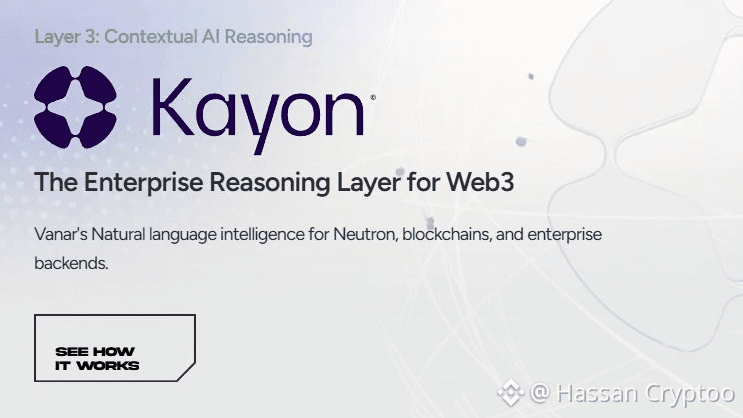
Kayonとオンチェーン推論:Vanar ChainにおけるAIの決定を透明にするAIへの信頼は、決定の瞬間にしばしば崩れます。出力や推奨、場合によっては実行された取引を得ますが、モデルがそこに至るまでの道筋は閉じられた本のようです。この「ブラックボックス」問題は単なる学術的なものではなく、高リスクや金融環境における自律エージェントの展開に対する実際の障壁です。見えないものを監査することはできません。Vanar Chainのこのアプローチは、Kayonという製品を通じて、AIを不透明な機能として扱うのではなく、検査可能な推論のためのネイティブレイヤーを構築することに焦点を移します。これはブロックチェーン上でAIモデルを実行することではありません。これは、AIの思考プロセスのための検証可能な台帳としてチェーン自体を作ることに関するものです。

Kayonとオンチェーン推論:Vanar ChainにおけるAIの決定を透明にする

AIへの信頼は、決定の瞬間にしばしば崩れます。出力や推奨、場合によっては実行された取引を得ますが、モデルがそこに至るまでの道筋は閉じられた本のようです。この「ブラックボックス」問題は単なる学術的なものではなく、高リスクや金融環境における自律エージェントの展開に対する実際の障壁です。見えないものを監査することはできません。Vanar Chainのこのアプローチは、Kayonという製品を通じて、AIを不透明な機能として扱うのではなく、検査可能な推論のためのネイティブレイヤーを構築することに焦点を移します。これはブロックチェーン上でAIモデルを実行することではありません。これは、AIの思考プロセスのための検証可能な台帳としてチェーン自体を作ることに関するものです。
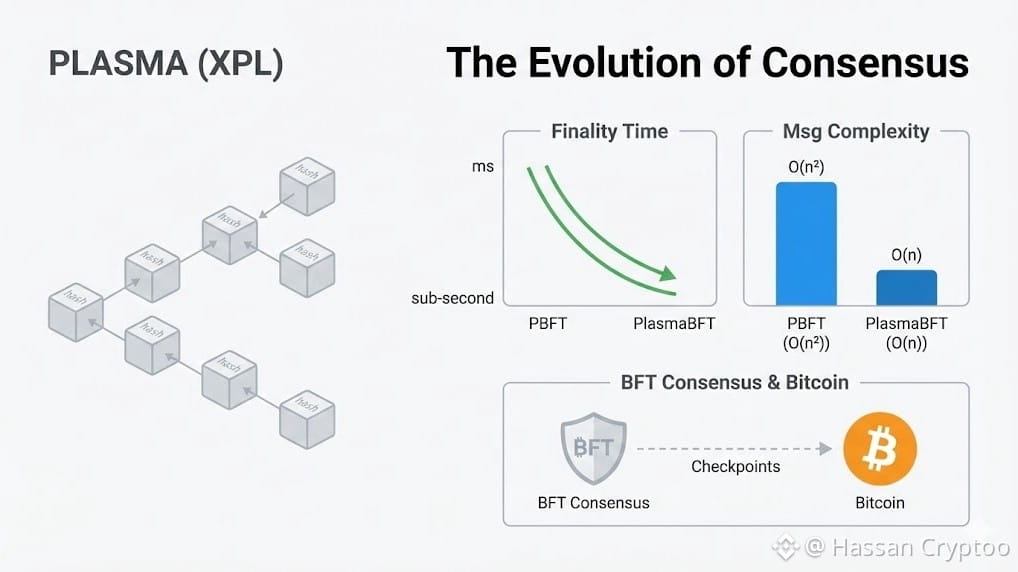
コンセンサスの進化、BFTファミリープロトコルの文脈におけるPlasmaBFT私たちはしばしば、シャーディングや並列実行を通じてブロックチェーンのスケーリングについて話しますが、実際のボトルネック、すべてのトランザクションの静かなアンカーポイントはコンセンサスです。それは何が起こったのか、どの順序で起こったのかを決定するプロトコルであり、その設計はチェーンの速度、安全性、最終性を決定します。1990年代の古典的な実用的ビザンチンフォールトトレランス(PBFT)から、今日のチェーンを支える現代のバリアントへの旅は、トレードオフを洗練させる物語です。私の技術的な風景のレビューは、PLASMAの実装であるPlasmaBFTがこの進化の中で単に一方を選ぶのではなく、高性能のBFTコアとビットコインに基づくセキュリティのフォールバックを組み合わせることで道を統合しようとしていることを示しています。これにより、ステーブルコインのための中立的な決済レイヤーになるという明確なプロファイルが作成されます。

コンセンサスの進化、BFTファミリープロトコルの文脈におけるPlasmaBFT

私たちはしばしば、シャーディングや並列実行を通じてブロックチェーンのスケーリングについて話しますが、実際のボトルネック、すべてのトランザクションの静かなアンカーポイントはコンセンサスです。それは何が起こったのか、どの順序で起こったのかを決定するプロトコルであり、その設計はチェーンの速度、安全性、最終性を決定します。1990年代の古典的な実用的ビザンチンフォールトトレランス(PBFT)から、今日のチェーンを支える現代のバリアントへの旅は、トレードオフを洗練させる物語です。私の技術的な風景のレビューは、PLASMAの実装であるPlasmaBFTがこの進化の中で単に一方を選ぶのではなく、高性能のBFTコアとビットコインに基づくセキュリティのフォールバックを組み合わせることで道を統合しようとしていることを示しています。これにより、ステーブルコインのための中立的な決済レイヤーになるという明確なプロファイルが作成されます。
Plasma | $XPL は、ステーブルコインを単なる資産としてではなく、全体のブロックチェーンの基盤レイヤーとして捉えています。これは、Rethを介して完全なEVM互換性を持つようにゼロから構築されており、開発者は既存のツールを移行できます。一方、PlasmaBFTコンセンサスはサブ秒の最終性を目指しており、これは支払いにとって重要です。異なる点は、ステーブルコインをファーストクラスの市民として扱う方法です。ガスレスのUSDT転送や、使用しているステーブルコインで取引手数料を支払うオプションなどの機能は、実際の摩擦に対する直接的な解決策です。彼らの技術文書に対する私のレビューは、中立的で検閲耐性のある決済レイヤーの作成に明確に焦点が当てられており、ビットコインのセキュリティによって支えられ、高い採用地域の小売ユーザーや機関の両方にアピールできる可能性があります。 @Plasma | #Plasma | $XPL
Plasma | $XPL は、ステーブルコインを単なる資産としてではなく、全体のブロックチェーンの基盤レイヤーとして捉えています。これは、Rethを介して完全なEVM互換性を持つようにゼロから構築されており、開発者は既存のツールを移行できます。一方、PlasmaBFTコンセンサスはサブ秒の最終性を目指しており、これは支払いにとって重要です。異なる点は、ステーブルコインをファーストクラスの市民として扱う方法です。ガスレスのUSDT転送や、使用しているステーブルコインで取引手数料を支払うオプションなどの機能は、実際の摩擦に対する直接的な解決策です。彼らの技術文書に対する私のレビューは、中立的で検閲耐性のある決済レイヤーの作成に明確に焦点が当てられており、ビットコインのセキュリティによって支えられ、高い採用地域の小売ユーザーや機関の両方にアピールできる可能性があります。

@Plasma | #Plasma | $XPL
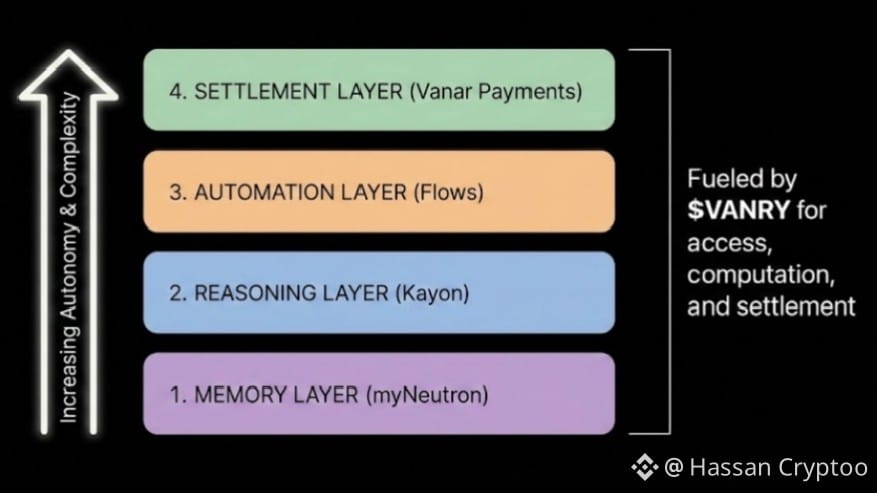
ほとんどの新しいレイヤー1のブロックチェーンは、後で追加できる機能として人工知能(AI)について語ります。Vanar Chainのアプローチは、その技術文書と2025年3月のインフラストラクチャロードマップに詳述されており、根本的に異なります。AIエージェントが実際に必要とするもののために、最初から構築されています。問題はブロックスペースの不足ではなく、ほとんどのチェーンがシンプルなトランザクションのための基盤を提供していることであり、ネイティブメモリ、チェーン上の推論、自動実行を必要とするシステムには適していません。興味深いのは、Vanarがこれをホワイトペーパーの概念ではなく、実際の製品で示していることです。myNeutronエージェントは永続的なチェーン上のメモリを提供し、Kayonは検証可能な推論を可能にし、Flowsは安全な自動化を実現します。これにより、AIが取引するだけでなく、機能的でAIネイティブなシステムの使用に価値が結びつく完全な環境が作られます。$VANRY トークンにとって、これは意味します。新しいチェーンが単に速度を上げるだけでは、AI時代は古いモデルへの段階的な改善ではなく、実証された統合インフラストラクチャを要求するため、苦労するでしょう。 @Vanar | #vanar | $VANRY
ほとんどの新しいレイヤー1のブロックチェーンは、後で追加できる機能として人工知能(AI)について語ります。Vanar Chainのアプローチは、その技術文書と2025年3月のインフラストラクチャロードマップに詳述されており、根本的に異なります。AIエージェントが実際に必要とするもののために、最初から構築されています。問題はブロックスペースの不足ではなく、ほとんどのチェーンがシンプルなトランザクションのための基盤を提供していることであり、ネイティブメモリ、チェーン上の推論、自動実行を必要とするシステムには適していません。興味深いのは、Vanarがこれをホワイトペーパーの概念ではなく、実際の製品で示していることです。myNeutronエージェントは永続的なチェーン上のメモリを提供し、Kayonは検証可能な推論を可能にし、Flowsは安全な自動化を実現します。これにより、AIが取引するだけでなく、機能的でAIネイティブなシステムの使用に価値が結びつく完全な環境が作られます。$VANRY トークンにとって、これは意味します。新しいチェーンが単に速度を上げるだけでは、AI時代は古いモデルへの段階的な改善ではなく、実証された統合インフラストラクチャを要求するため、苦労するでしょう。

@Vanar | #vanar | $VANRY
Vanar Chainのアプローチは、AIを機能ではなく基盤レイヤーとして扱うことで際立っています。彼らの技術文書をレビューすると、AIエージェントが実際に必要とするもの、コンテキストのためのネイティブメモリ、検証可能な決定のためのチェーン上の推論、および自律的決済のための組み込みの支払いレールに焦点を当てた設計が示されています。これは、単にAIタスクのために高いスループットを提供するチェーンとは異なります。myNeutronやKayonのような製品は、すでにVanar上で稼働しており、メモリと論理演算をチェーン上で処理することでこれを示しています。2025年2月に彼らのXアカウントで発表された「Base」チェーンとの統合は、このアクセシビリティを大規模なユーザーに拡大します。VANRYコインは、単なる投機的なナarrativesではなく、実際のエージェント活動から保たれたユーティリティを持っています。 @Vanar | #vanar | $XPL
Vanar Chainのアプローチは、AIを機能ではなく基盤レイヤーとして扱うことで際立っています。彼らの技術文書をレビューすると、AIエージェントが実際に必要とするもの、コンテキストのためのネイティブメモリ、検証可能な決定のためのチェーン上の推論、および自律的決済のための組み込みの支払いレールに焦点を当てた設計が示されています。これは、単にAIタスクのために高いスループットを提供するチェーンとは異なります。myNeutronやKayonのような製品は、すでにVanar上で稼働しており、メモリと論理演算をチェーン上で処理することでこれを示しています。2025年2月に彼らのXアカウントで発表された「Base」チェーンとの統合は、このアクセシビリティを大規模なユーザーに拡大します。VANRYコインは、単なる投機的なナarrativesではなく、実際のエージェント活動から保たれたユーティリティを持っています。

@Vanar | #vanar | $XPL
PLASMAのサブセカンドファイナリティの説明:グローバル決済のためのスピード即時のグローバルマネーの約束は、常に決済レイヤーの現実にぶつかってきました。従来のシステムは数日かかります。現在のブロックチェーンインフラの中で一般的な問題は、確率的な最終性への依存です。この特性は本質的に必須の遅延を課し、複数のネットワーク確認を集めるために数分を要します。支払いアプリケーションでは、この待機時間は小さな迷惑から重要な障害に変わります。 "テキストメッセージのように速く動けないデジタルドルに何の価値があるのか?"

PLASMAのサブセカンドファイナリティの説明:グローバル決済のためのスピード

即時のグローバルマネーの約束は、常に決済レイヤーの現実にぶつかってきました。従来のシステムは数日かかります。現在のブロックチェーンインフラの中で一般的な問題は、確率的な最終性への依存です。この特性は本質的に必須の遅延を課し、複数のネットワーク確認を集めるために数分を要します。支払いアプリケーションでは、この待機時間は小さな迷惑から重要な障害に変わります。
"テキストメッセージのように速く動けないデジタルドルに何の価値があるのか?"
プレイヤーからエージェントへ: Vanar Chainが人間だけでなくAIユーザーのために設計している方法私たちは、部屋にいる人々のためにブロックチェーンを構築し続けていますが、次のユーザーはまったく人間ではないことを忘れています。それはAIエージェントであり、予算内で自律的に行動するソフトウェアの一部であり、目標を持ち、世界と相互作用する必要があります。これは遠いサイエンスフィクションのトロープではなく、採用における論理的な次のステップであり、全く異なるインフラストラクチャのマインドセットを要求します。今日のほとんどのチェーンは、馬のために車を設計するようなもので、トランザクション速度やTPSの最適化を行っていますが、新しいドライバーは従来の意味で手や目を持っていません。私がVanar Chainに見ているのは、意図的であり、おそらく必要なピボットです。これは、もう一つの高速L1を作ることではなく、自律的なAIがネイティブに生活し、推論し、取引できる最初の環境を構築することに関するものです。これにより、全体の価値提案が投機的な資産から不可欠なユーティリティへとシフトします。

プレイヤーからエージェントへ: Vanar Chainが人間だけでなくAIユーザーのために設計している方法

私たちは、部屋にいる人々のためにブロックチェーンを構築し続けていますが、次のユーザーはまったく人間ではないことを忘れています。それはAIエージェントであり、予算内で自律的に行動するソフトウェアの一部であり、目標を持ち、世界と相互作用する必要があります。これは遠いサイエンスフィクションのトロープではなく、採用における論理的な次のステップであり、全く異なるインフラストラクチャのマインドセットを要求します。今日のほとんどのチェーンは、馬のために車を設計するようなもので、トランザクション速度やTPSの最適化を行っていますが、新しいドライバーは従来の意味で手や目を持っていません。私がVanar Chainに見ているのは、意図的であり、おそらく必要なピボットです。これは、もう一つの高速L1を作ることではなく、自律的なAIがネイティブに生活し、推論し、取引できる最初の環境を構築することに関するものです。これにより、全体の価値提案が投機的な資産から不可欠なユーティリティへとシフトします。
スケーリングに関するナarrativeは、純粋なスループットから特定の高価値ユースケースの構築へとシフトしました。Plasma | $XPLは、安定したコインのための決定的な決済レイヤーになることを目的とした単一の目的の周りにその全Layer 1を設計することでこれを実行しています。それは誰にでもすべてであることを試みているわけではありません。完全なEVM互換性を組み合わせることで、彼らはEthereumのRust実装であるRethを使用し、PlasmaBFTとして知られるコンセンサスメカニズムを用いて、サブセカンドの確定性を約束し、チェーンは本当にスピードと相互運用性、現実の支払いの要求に応じて構築されています。この焦点を具体的にするのは、USDTのためのガスなしの転送や、ターゲット資産の摩擦を直接減少させる「ステーブルコインファースト」のガスモデルのような機能です。彼らの技術文書で言及されているビットコインに基づくセキュリティの計画的な統合は、この金融レールレイヤーの中立性と検閲耐性を借りるための思慮深い試みです。彼らのロードマップのレビューによると、このプロジェクトは具体的な問題をターゲットにしており、暗号ネイティブの決済の効率と、ボラティリティの高い地域の小売ユーザー及び機関の支払いフローが必要とする安定性を橋渡ししています。 @Plasma | #Plasma | $XPL
スケーリングに関するナarrativeは、純粋なスループットから特定の高価値ユースケースの構築へとシフトしました。Plasma | $XPL は、安定したコインのための決定的な決済レイヤーになることを目的とした単一の目的の周りにその全Layer 1を設計することでこれを実行しています。それは誰にでもすべてであることを試みているわけではありません。完全なEVM互換性を組み合わせることで、彼らはEthereumのRust実装であるRethを使用し、PlasmaBFTとして知られるコンセンサスメカニズムを用いて、サブセカンドの確定性を約束し、チェーンは本当にスピードと相互運用性、現実の支払いの要求に応じて構築されています。この焦点を具体的にするのは、USDTのためのガスなしの転送や、ターゲット資産の摩擦を直接減少させる「ステーブルコインファースト」のガスモデルのような機能です。彼らの技術文書で言及されているビットコインに基づくセキュリティの計画的な統合は、この金融レールレイヤーの中立性と検閲耐性を借りるための思慮深い試みです。彼らのロードマップのレビューによると、このプロジェクトは具体的な問題をターゲットにしており、暗号ネイティブの決済の効率と、ボラティリティの高い地域の小売ユーザー及び機関の支払いフローが必要とする安定性を橋渡ししています。

@Plasma | #Plasma | $XPL
さらにコンテンツを探すには、ログインしてください
暗号資産関連最新ニュース総まとめ
⚡️ 暗号資産に関する最新のディスカッションに参加
💬 お気に入りのクリエイターと交流
👍 興味のあるコンテンツがきっと見つかります
メール / 電話番号
サイトマップ
Cookieの設定
プラットフォーム利用規約