
MarketWolfX
523 投稿

MarketWolfX
報告
ユーザーをブロック
Everything Interesting. Nothing Ordinary.
高頻度トレーダー
2.4年
5 フォロー
159 フォロワー
730 いいね
投稿
すべて
引用
動画
·
--
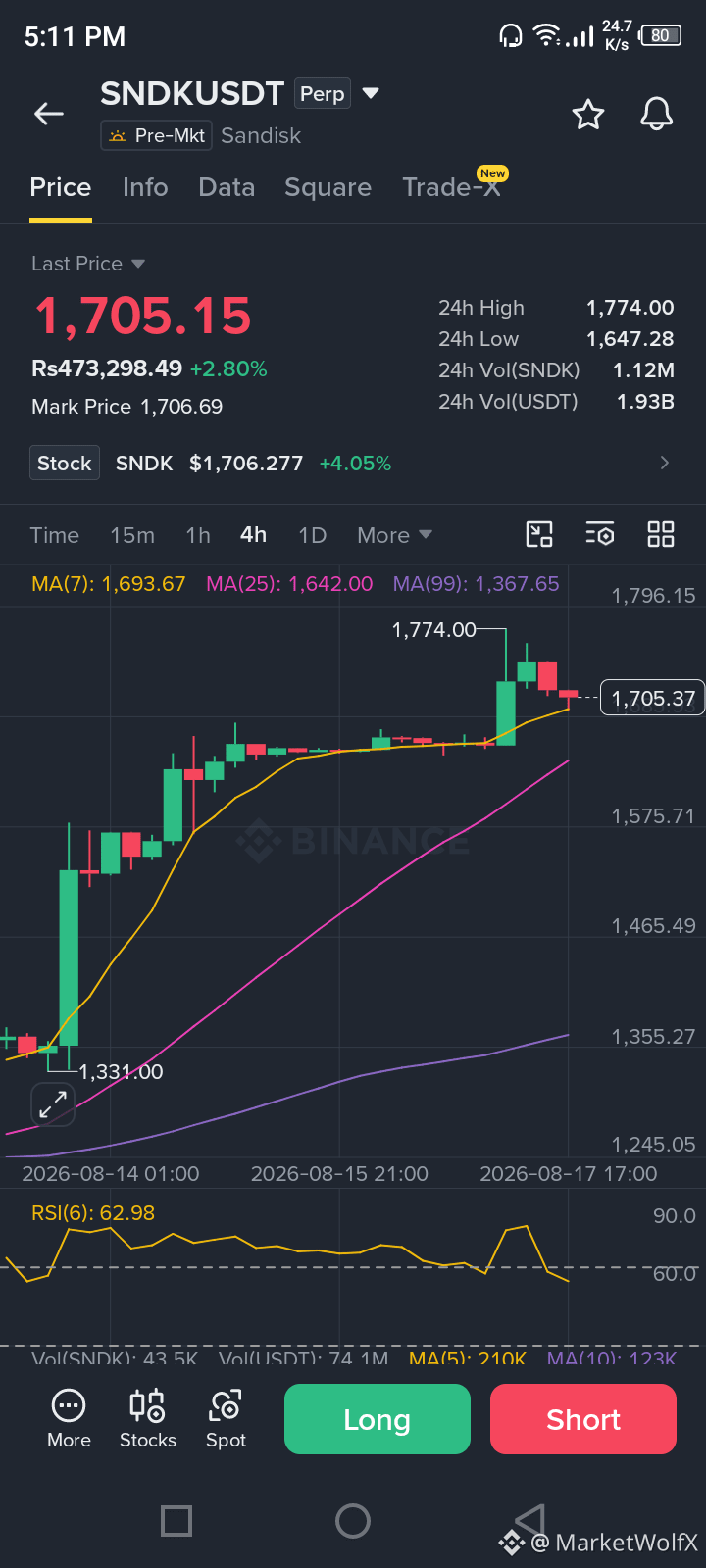
$SNDK /USDT
エントリー: 1690–1700
TP1: 1735
TP2: 1770
TP3: 1810
SL: 1655
{future}(SNDKUSDT)
$SNDK /USDT
エントリー: 1690–1700
TP1: 1735
TP2: 1770
TP3: 1810
SL: 1655
エントリー: 1690–1700
TP1: 1735
TP2: 1770
TP3: 1810
SL: 1655
225
·
--
戦争が激化する中、ウクライナがロシアに対する最大級のドローン攻撃を実施2026年8月16日 速報
ウクライナは、ロシアに対して報告されているものとしては最大級の対空攻撃を実施し、数百機のドローンが国内各地の地域を標的にした。モスクワ州を含む。ロシア当局は全国でウクライナのドローン822機を迎撃したとし、そのうち約600機がモスクワに向けられていたと述べた。一方、地域当局者は死者、負傷、そして被害を報告した。
モスクワ州では特に活発な動きが見られた。ポドリスク近郊でロシアの電子商取引大手ワイルドベリーズが所有する倉庫で火災が発生したほか、当局は、より広い地域で83歳の男性が死亡し、ほかにも複数の人が負傷したと報告した。攻撃の規模は、戦争が始まって以来、モスクワ周辺に対するウクライナの最も重要な攻撃の一つであることを示している。
戦争が激化する中、ウクライナがロシアに対する最大級のドローン攻撃を実施
2026年8月16日 速報
ウクライナは、ロシアに対して報告されているものとしては最大級の対空攻撃を実施し、数百機のドローンが国内各地の地域を標的にした。モスクワ州を含む。ロシア当局は全国でウクライナのドローン822機を迎撃したとし、そのうち約600機がモスクワに向けられていたと述べた。一方、地域当局者は死者、負傷、そして被害を報告した。
モスクワ州では特に活発な動きが見られた。ポドリスク近郊でロシアの電子商取引大手ワイルドベリーズが所有する倉庫で火災が発生したほか、当局は、より広い地域で83歳の男性が死亡し、ほかにも複数の人が負傷したと報告した。攻撃の規模は、戦争が始まって以来、モスクワ周辺に対するウクライナの最も重要な攻撃の一つであることを示している。
ウクライナは、ロシアに対して報告されているものとしては最大級の対空攻撃を実施し、数百機のドローンが国内各地の地域を標的にした。モスクワ州を含む。ロシア当局は全国でウクライナのドローン822機を迎撃したとし、そのうち約600機がモスクワに向けられていたと述べた。一方、地域当局者は死者、負傷、そして被害を報告した。
モスクワ州では特に活発な動きが見られた。ポドリスク近郊でロシアの電子商取引大手ワイルドベリーズが所有する倉庫で火災が発生したほか、当局は、より広い地域で83歳の男性が死亡し、ほかにも複数の人が負傷したと報告した。攻撃の規模は、戦争が始まって以来、モスクワ周辺に対するウクライナの最も重要な攻撃の一つであることを示している。
455
·
--
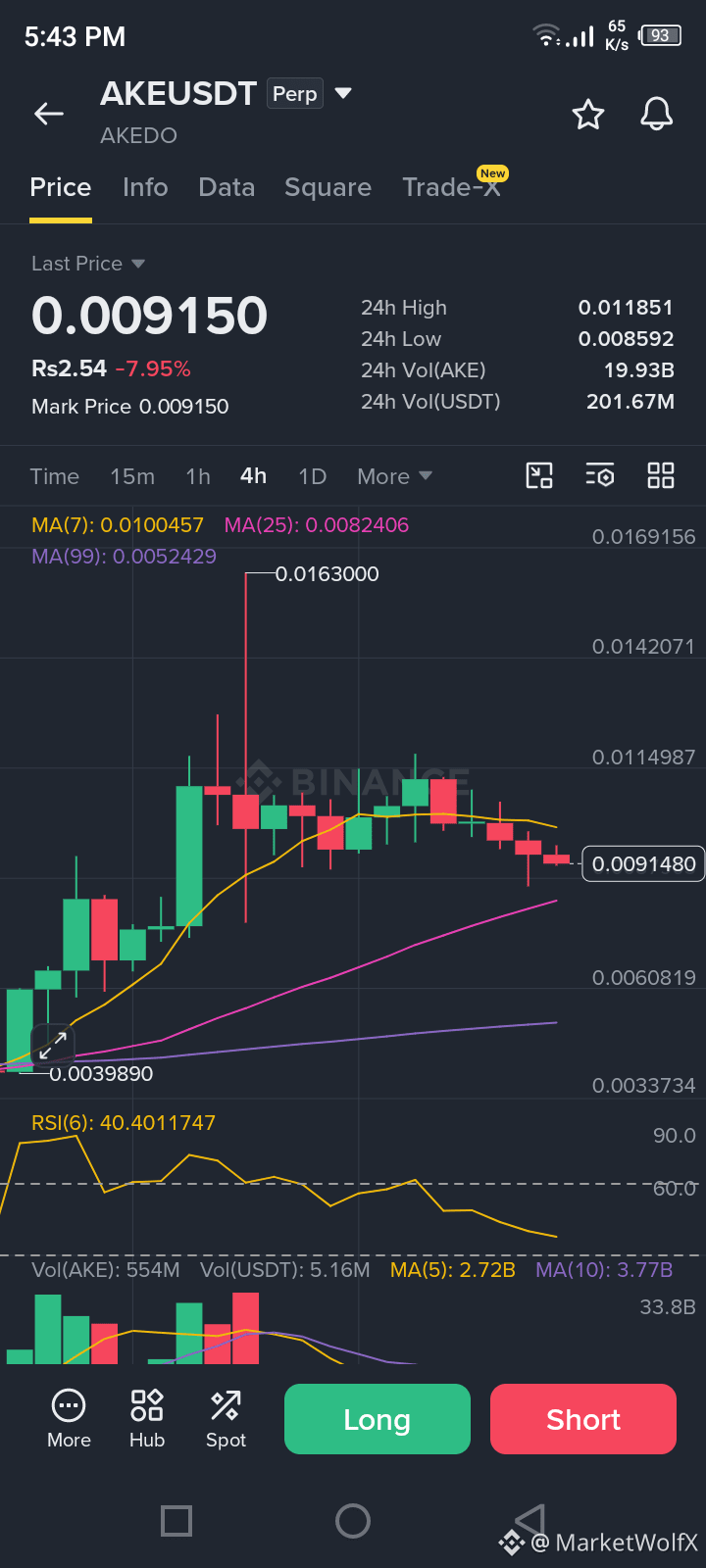
$AKE /USDT
エントリー: 0.00915〜0.00930
TP1: 0.00875
TP2: 0.00835
TP3: 0.00790
SL: 0.00985
{future}(AKEUSDT)
$AKE /USDT
エントリー: 0.00915〜0.00930
TP1: 0.00875
TP2: 0.00835
TP3: 0.00790
SL: 0.00985
エントリー: 0.00915〜0.00930
TP1: 0.00875
TP2: 0.00835
TP3: 0.00790
SL: 0.00985
105
·
--
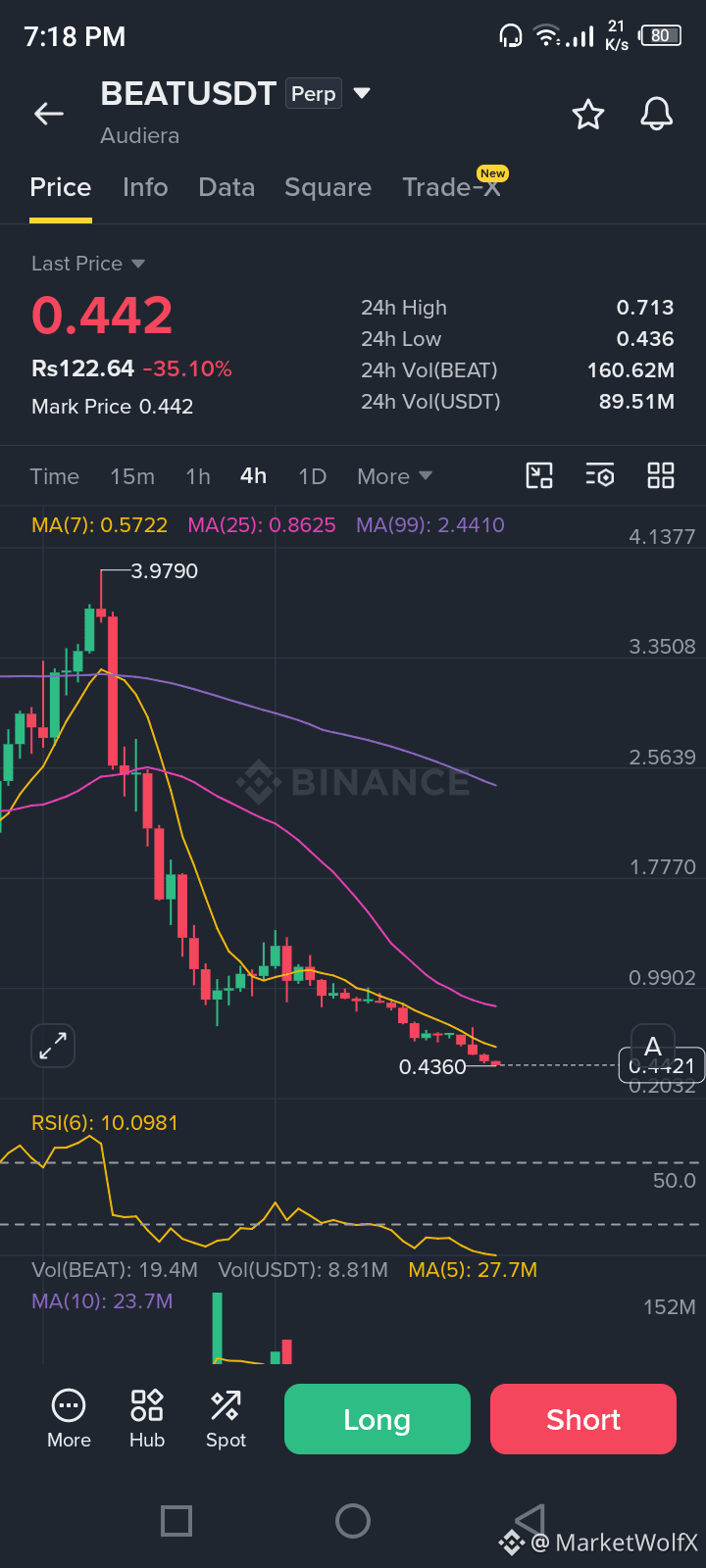
$BEAT /USDT
エントリー: 0.4420–0.4480
TP1: 0.4750
TP2: 0.5200
TP3: 0.5800
SL: 0.4200
{future}(BEATUSDT)
$BEAT /USDT
エントリー: 0.4420–0.4480
TP1: 0.4750
TP2: 0.5200
TP3: 0.5800
SL: 0.4200
エントリー: 0.4420–0.4480
TP1: 0.4750
TP2: 0.5200
TP3: 0.5800
SL: 0.4200
444
·
--
本人確認中
AKEDOは8月21日に21.3億トークンをアンロック予定AKEDOは8月21日に予定されている主要なトークン・アンロックに接近しており、約21.3億トークンが流通に入る予定です。このイベントは、トレーダーが利用可能な供給の大幅な増加がもたらす潜在的な影響を評価する中で、AKEDOにとって重要な短期の触媒になり得ます。
大規模なトークン・アンロックは、受領者が利益確定を選択する場合、新たに解放されたトークンが売り圧力を高め得るため、しばしばボラティリティを高めます。ただし、実際の市場への影響は、誰がトークンを受け取るのか、アンロックの条件がどのようなものか、そして需要が追加供給を吸収するのに十分強いかどうかによって決まります。
AKEDOは8月21日に21.3億トークンをアンロック予定
AKEDOは8月21日に予定されている主要なトークン・アンロックに接近しており、約21.3億トークンが流通に入る予定です。このイベントは、トレーダーが利用可能な供給の大幅な増加がもたらす潜在的な影響を評価する中で、AKEDOにとって重要な短期の触媒になり得ます。
大規模なトークン・アンロックは、受領者が利益確定を選択する場合、新たに解放されたトークンが売り圧力を高め得るため、しばしばボラティリティを高めます。ただし、実際の市場への影響は、誰がトークンを受け取るのか、アンロックの条件がどのようなものか、そして需要が追加供給を吸収するのに十分強いかどうかによって決まります。
大規模なトークン・アンロックは、受領者が利益確定を選択する場合、新たに解放されたトークンが売り圧力を高め得るため、しばしばボラティリティを高めます。ただし、実際の市場への影響は、誰がトークンを受け取るのか、アンロックの条件がどのようなものか、そして需要が追加供給を吸収するのに十分強いかどうかによって決まります。
129
·
--
ブリッシュ
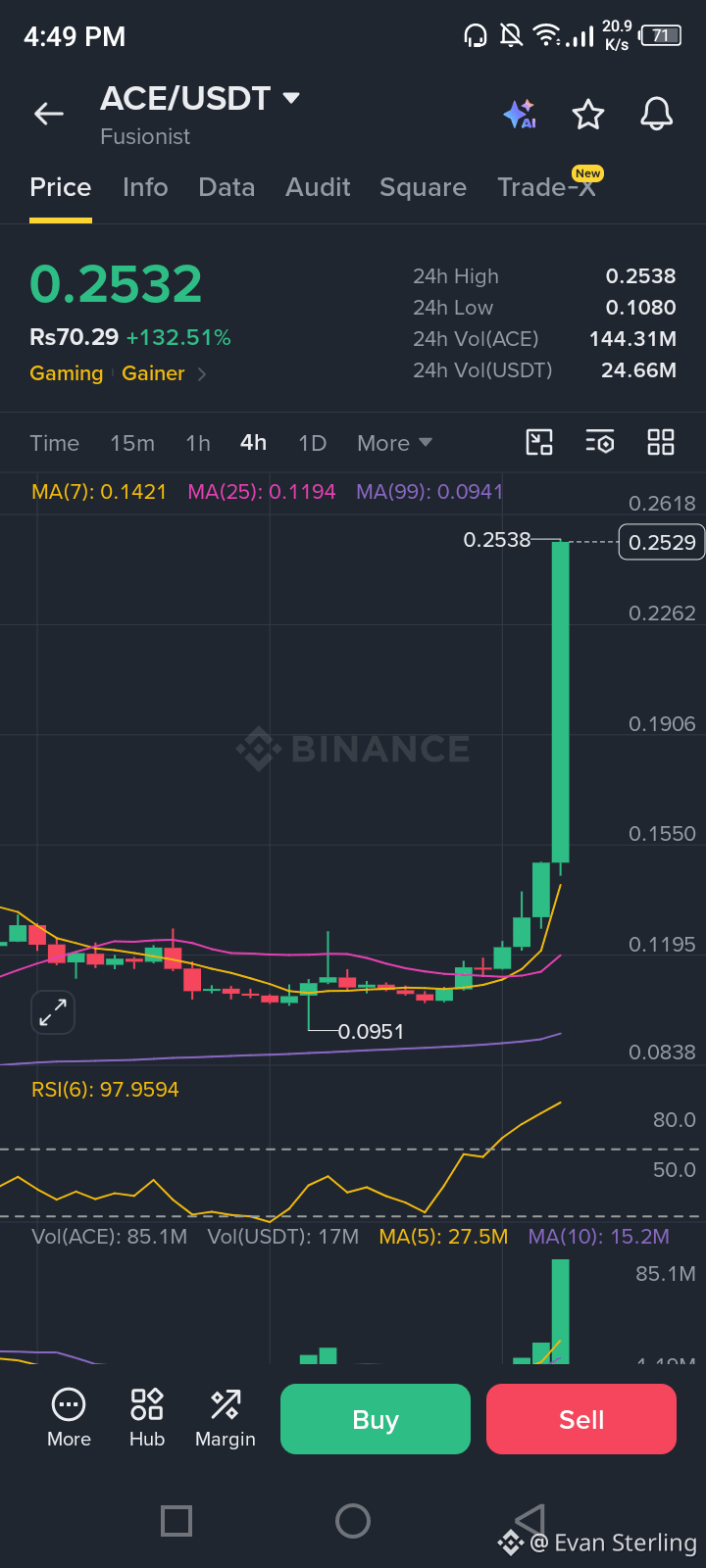
$ACE /USDT
エントリー: 0.2250〜0.2320
TP1: 0.2500
TP2: 0.2620
TP3: 0.2850
SL: 0.2080
{future}(ACEUSDT)
$ACE /USDT
エントリー: 0.2250〜0.2320
TP1: 0.2500
TP2: 0.2620
TP3: 0.2850
SL: 0.2080
エントリー: 0.2250〜0.2320
TP1: 0.2500
TP2: 0.2620
TP3: 0.2850
SL: 0.2080
2
102
·
--
本人確認中
XRPスポットETFは日次で純流入2250万ドルを記録XRPの現物上場投資信託(ETF)は、日次の純流入が約225万ドルに達し、デジタル資産への規制されたエクスポージャーに対する投資家の関心が再燃していることを示しています。この動きは、暗号資産市場における機関投資家の参入が、変動性が続くなかで引き続き注視されていることを背景にしています。
ETFへの資金流入は、基礎となる資産を保有する投資商品に資本が流入していることを反映するため、投資家のポジショニングの重要な指標としてしばしば見なされます。最近のデータでは、XRP ETFの取引活動は流入と流出の間を急速に移行し得ることが示されており、単一の取引セッションよりも継続的な需要のほうが重要になります。
XRPスポットETFは日次で純流入2250万ドルを記録
XRPの現物上場投資信託(ETF)は、日次の純流入が約225万ドルに達し、デジタル資産への規制されたエクスポージャーに対する投資家の関心が再燃していることを示しています。この動きは、暗号資産市場における機関投資家の参入が、変動性が続くなかで引き続き注視されていることを背景にしています。
ETFへの資金流入は、基礎となる資産を保有する投資商品に資本が流入していることを反映するため、投資家のポジショニングの重要な指標としてしばしば見なされます。最近のデータでは、XRP ETFの取引活動は流入と流出の間を急速に移行し得ることが示されており、単一の取引セッションよりも継続的な需要のほうが重要になります。
ETFへの資金流入は、基礎となる資産を保有する投資商品に資本が流入していることを反映するため、投資家のポジショニングの重要な指標としてしばしば見なされます。最近のデータでは、XRP ETFの取引活動は流入と流出の間を急速に移行し得ることが示されており、単一の取引セッションよりも継続的な需要のほうが重要になります。
105
·
--
ガザ外交のためカイロにクシュナーが来訪する見通し米中東担当の特使ジャレッド・クシュナーは、ワシントンがガザ和平構想の次の段階を前進させようとする中で、来週、同地域を訪問する見通しだ。報道によれば、クシュナーはイスラエルとエジプトを訪れ、仲介プロセスに関与する関係者と協議する予定とされている。
予定されているカイロでの会合には、エジプト、カタール、トルコからの仲介者が関与する見通しであり、交渉を前に進めるうえでの地域協力の重要性が浮き彫りになる。議論は、ガザの将来の統治、治安体制、復興に焦点を当てたより広範なロードマップの実施に向けた取り組みが強まる中で行われる。
ガザ外交のためカイロにクシュナーが来訪する見通し
米中東担当の特使ジャレッド・クシュナーは、ワシントンがガザ和平構想の次の段階を前進させようとする中で、来週、同地域を訪問する見通しだ。報道によれば、クシュナーはイスラエルとエジプトを訪れ、仲介プロセスに関与する関係者と協議する予定とされている。
予定されているカイロでの会合には、エジプト、カタール、トルコからの仲介者が関与する見通しであり、交渉を前に進めるうえでの地域協力の重要性が浮き彫りになる。議論は、ガザの将来の統治、治安体制、復興に焦点を当てたより広範なロードマップの実施に向けた取り組みが強まる中で行われる。
予定されているカイロでの会合には、エジプト、カタール、トルコからの仲介者が関与する見通しであり、交渉を前に進めるうえでの地域協力の重要性が浮き彫りになる。議論は、ガザの将来の統治、治安体制、復興に焦点を当てたより広範なロードマップの実施に向けた取り組みが強まる中で行われる。
301
·
--
本人確認中
グールズビー氏、インフレ2%への回帰の道筋を見通すシカゴ連邦準備銀行総裁オースタン・グールズビー氏は、最近のデータが改善の兆しを示しているとして、米国のインフレがFRBの2%目標に戻ることを引き続き期待していると語った。
グールズビー氏は、最新のインフレ指標が「やや改善した」と述べつつ、インフレは政策当局が許容できる水準を依然として上回っていると強調した。イラン紛争に関連している関税や高止まりする原油価格が、これらの影響が持続すればディスインフレ(物価沈静化)のプロセスを複雑にし得る要因だと指摘した。
グールズビー氏、インフレ2%への回帰の道筋を見通す
シカゴ連邦準備銀行総裁オースタン・グールズビー氏は、最近のデータが改善の兆しを示しているとして、米国のインフレがFRBの2%目標に戻ることを引き続き期待していると語った。
グールズビー氏は、最新のインフレ指標が「やや改善した」と述べつつ、インフレは政策当局が許容できる水準を依然として上回っていると強調した。イラン紛争に関連している関税や高止まりする原油価格が、これらの影響が持続すればディスインフレ(物価沈静化)のプロセスを複雑にし得る要因だと指摘した。
グールズビー氏は、最新のインフレ指標が「やや改善した」と述べつつ、インフレは政策当局が許容できる水準を依然として上回っていると強調した。イラン紛争に関連している関税や高止まりする原油価格が、これらの影響が持続すればディスインフレ(物価沈静化)のプロセスを複雑にし得る要因だと指摘した。
215
·
--
ファラージの「80%超」得票見通し、クラックトン補欠選挙の市場で急落クラックトン補欠選挙におけるナイジェル・ファラージのパフォーマンスに関する見通しは、大きく変化している。彼が得票の80%超を獲得するという予想は、最近の市場動向で18%下落し、今後の見込みが後退した。
有権者が投票所へ向かうなか、この変更は非常に異例の選挙で生じている。ファラージは依然として明確な本命だが、いくつかの主要政党が候補者を擁立しないと決めたことにより、出馬者は過去最多の34人を集めている。
最近の世論調査でも、ファラージが議席を十分に押さえる可能性が高いことが示唆されている。ただし、得票80%超を達成するには、通常の選挙での勝利よりもはるかに強いパフォーマンスが必要となる。最近のサーベーション調査では、支持は73%だった。
ファラージの「80%超」得票見通し、クラックトン補欠選挙の市場で急落
クラックトン補欠選挙におけるナイジェル・ファラージのパフォーマンスに関する見通しは、大きく変化している。彼が得票の80%超を獲得するという予想は、最近の市場動向で18%下落し、今後の見込みが後退した。
有権者が投票所へ向かうなか、この変更は非常に異例の選挙で生じている。ファラージは依然として明確な本命だが、いくつかの主要政党が候補者を擁立しないと決めたことにより、出馬者は過去最多の34人を集めている。
最近の世論調査でも、ファラージが議席を十分に押さえる可能性が高いことが示唆されている。ただし、得票80%超を達成するには、通常の選挙での勝利よりもはるかに強いパフォーマンスが必要となる。最近のサーベーション調査では、支持は73%だった。
有権者が投票所へ向かうなか、この変更は非常に異例の選挙で生じている。ファラージは依然として明確な本命だが、いくつかの主要政党が候補者を擁立しないと決めたことにより、出馬者は過去最多の34人を集めている。
最近の世論調査でも、ファラージが議席を十分に押さえる可能性が高いことが示唆されている。ただし、得票80%超を達成するには、通常の選挙での勝利よりもはるかに強いパフォーマンスが必要となる。最近のサーベーション調査では、支持は73%だった。
307
·
--
本人確認中
フィッチ、関税がコア財のインフレを押し上げる一方で消費者への影響は限定的と指摘関税は米国でコア財のインフレに上向きの圧力をかけているが、消費者に届く価格の上昇幅は、多くのエコノミストが予想していたよりもこれまでのところ穏やかだ。
フィッチのアナリストは、関税の影響は財の価格においてすでに見て取れる一方で、企業や輸入業者は追加コストの一部を吸収しており、負担の全てを直接消費者に転嫁しているわけではないようだと述べた。これにより、全体としてのインフレへの影響はより抑えられた形になっている。
転嫁が遅れていることで、家計や政策当局には一定の安心材料となる可能性があるが、さらなる物価上昇のリスクをなくすわけではない。FRBの研究も、関税の影響はコア財に強く集中しており、価格調整のタイミングは業種ごとに異なることを示唆している。
フィッチ、関税がコア財のインフレを押し上げる一方で消費者への影響は限定的と指摘
関税は米国でコア財のインフレに上向きの圧力をかけているが、消費者に届く価格の上昇幅は、多くのエコノミストが予想していたよりもこれまでのところ穏やかだ。
フィッチのアナリストは、関税の影響は財の価格においてすでに見て取れる一方で、企業や輸入業者は追加コストの一部を吸収しており、負担の全てを直接消費者に転嫁しているわけではないようだと述べた。これにより、全体としてのインフレへの影響はより抑えられた形になっている。
転嫁が遅れていることで、家計や政策当局には一定の安心材料となる可能性があるが、さらなる物価上昇のリスクをなくすわけではない。FRBの研究も、関税の影響はコア財に強く集中しており、価格調整のタイミングは業種ごとに異なることを示唆している。
フィッチのアナリストは、関税の影響は財の価格においてすでに見て取れる一方で、企業や輸入業者は追加コストの一部を吸収しており、負担の全てを直接消費者に転嫁しているわけではないようだと述べた。これにより、全体としてのインフレへの影響はより抑えられた形になっている。
転嫁が遅れていることで、家計や政策当局には一定の安心材料となる可能性があるが、さらなる物価上昇のリスクをなくすわけではない。FRBの研究も、関税の影響はコア財に強く集中しており、価格調整のタイミングは業種ごとに異なることを示唆している。
412
ログインして、さらにコンテンツを読む
厳選トピックで世界の暗号資産トレーダーの仲間入り
⚡️ 暗号資産に関する最新かつ有益な情報が見つかります。
💬 世界最大の暗号資産取引所から信頼されています。
👍 認証を受けたクリエイターから、有益なインサイトを得られます。
メール / 電話番号
トレンドトピック
AIStocksWhatNext
閲覧回数 667,937
4,966人が討論中
注目ハッシュタグキャンペーンでトラフィック報酬を「シェア&ウィン」しよう
✨トピック:AI株が上昇し続ける中、ほかにどんな投資チャンスが残っている?
👉参加方法:
ハッシュタグ #AIStocksWhatNext を付けて短い投稿または記事を公開する
強気か弱気かを共有し、AI株の保有または取引を投稿してください—取引ウィジェットを使うと資格を得やすくなる可能性があります。
データやチャートを共有し、AI生成画像を避けることで、投稿をさらに強化できます。
✍️以下の切り口を参考にコンテンツを作成してください:
- Nvidiaは来年のチップ販売が倍増すると述べ、主要なAI企業は記録的な売上を更新し続けています。これを支える計算コストはそれだけでも驚異的です。本当にAI需要は伸びているのか? そして、それはどれくらい続くのでしょうか?AI株は全体的に上昇中。これは本物のブレイクアウトなのか、それとも短期的な戻りなのか?
- 産業のリーダーたちはAI開発のペースを落とすよう求めています。一方でトランプは「AIフォース」を構築する計画で、AIが将来的に米国のGDPの25%を占める可能性があると主張しています。あなたはどちら側ですか? AI株に対する州レベルの後押しは長期的な勝利になりますか?
- あなたはAI株を買っていますか? 取引/保有を、取引シェアリングウィジェットで共有してください。
⏰キャンペーン期間:
- 2026-09-22 7:00 - 2026-09-24 4:00(UTC)
🎁報酬:
- 上記のガイドラインを満たし、100語を超える適格投稿は審査され、ランダムなトラフィックブースト(500〜3,000ビュー)が付与される場合があります。投稿が選ばれた場合は、フィード担当者から通知が届きます。
- Binance Square Officialに記事が掲載されるチャンス
投稿のアイデアが必要ですか? トピックページ #AIStocksWhatNext または Square Guide on How to Post for Better Reach をご覧ください。
Binance Square Official
·いいね:492件
·閲覧回数 1.3M
21SharesLaunchesEuropesFirstZcashETP
閲覧回数 13,519
460人が討論中
CardanoJoinsX402PaymentStandard
閲覧回数 9,676
358人が討論中