
H A R E E M
7.9k 投稿

H A R E E M
 厳選トピック確認済
報告
ユーザーをブロック
184 フォロー
30.5K+ フォロワー
10.6K+ いいね
投稿
すべて
引用
ライブ
·
--
翻訳参照
#dusk $DUSK @Dusk_Foundation
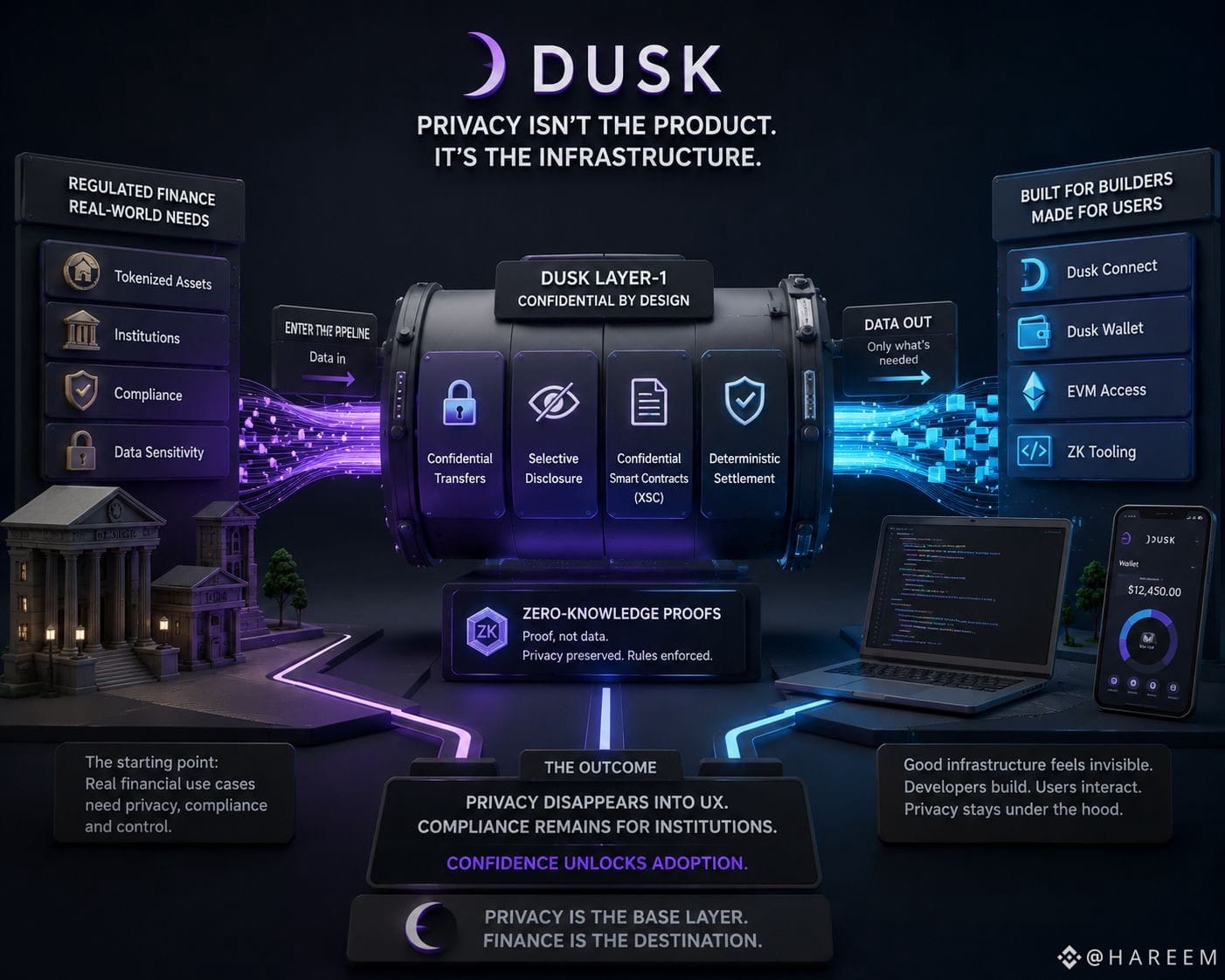
I keep coming back to one question with Dusk: is privacy really the product, or is it the condition that lets financial products exist onchain?
That distinction matters. Dusk is built around regulated assets, selective disclosure and confidential contracts, but the signal I find more interesting is happening around the edges. Dusk Connect and the new wallet are reducing dApp friction, while recent developer work has tightened zk tooling and EVM testing. To me, that looks less like a privacy showcase and more like an attempt to turn difficult cryptography into usable financial infrastructure.
I’ve seen privacy projects solve the hard technical problem, then struggle with the boring one: getting people to use it.
I’m not convinced Dusk has solved adoption. The test is whether confidentiality disappears into UX while compliance stays visible to institutions.
When that happens, privacy stops being the headline. It becomes infrastructure. That’s what I’m watching.
#dusk $DUSK @Dusk
I keep coming back to one question with Dusk: is privacy really the product, or is it the condition that lets financial products exist onchain?
That distinction matters. Dusk is built around regulated assets, selective disclosure and confidential contracts, but the signal I find more interesting is happening around the edges. Dusk Connect and the new wallet are reducing dApp friction, while recent developer work has tightened zk tooling and EVM testing. To me, that looks less like a privacy showcase and more like an attempt to turn difficult cryptography into usable financial infrastructure.
I’ve seen privacy projects solve the hard technical problem, then struggle with the boring one: getting people to use it.
I’m not convinced Dusk has solved adoption. The test is whether confidentiality disappears into UX while compliance stays visible to institutions.
When that happens, privacy stops being the headline. It becomes infrastructure. That’s what I’m watching.
I keep coming back to one question with Dusk: is privacy really the product, or is it the condition that lets financial products exist onchain?
That distinction matters. Dusk is built around regulated assets, selective disclosure and confidential contracts, but the signal I find more interesting is happening around the edges. Dusk Connect and the new wallet are reducing dApp friction, while recent developer work has tightened zk tooling and EVM testing. To me, that looks less like a privacy showcase and more like an attempt to turn difficult cryptography into usable financial infrastructure.
I’ve seen privacy projects solve the hard technical problem, then struggle with the boring one: getting people to use it.
I’m not convinced Dusk has solved adoption. The test is whether confidentiality disappears into UX while compliance stays visible to institutions.
When that happens, privacy stops being the headline. It becomes infrastructure. That’s what I’m watching.
233
·
--
ブリッシュ
翻訳参照
#dusk $DUSK @Dusk_Foundation
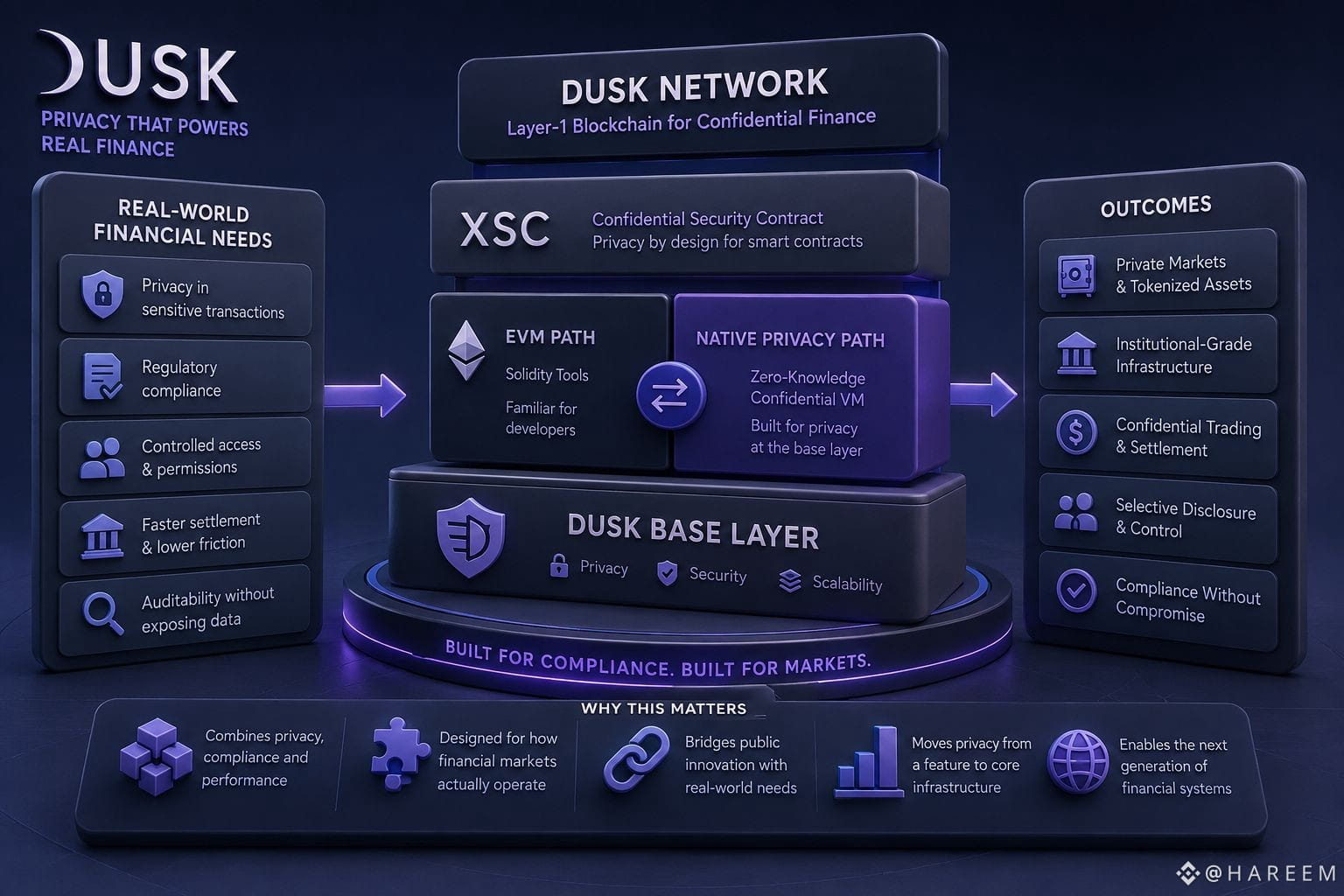
I've started looking at Dusk less as a “privacy chain” and more as a test of whether financial markets actually need a different blockchain design.
What caught my attention is the direction of the stack. Dusk now has an EVM route for familiar Solidity tooling, while its native VM handles privacy and zero-knowledge flows. At the same time, recent work is leaning harder into regulated securities, private-market financing, trading and settlement. That combination matters more to me than the privacy label itself.
I've seen plenty of chains add privacy, tokenization, or compliance narratives after the fact. The harder problem is making those pieces work together without recreating the same fragmented workflow institutions already use.
Dusk seems to be targeting that gap: eligibility, controlled transfers, selective disclosure and settlement living closer together. I'm still cautious, especially after every cycle has produced another “institutional blockchain” story.
But maybe the useful question isn't whether Dusk can make assets private. It's whether it can remove enough operational friction that financial firms prefer using it. That's the part I’ll be watching.
#dusk $DUSK @Dusk
I've started looking at Dusk less as a “privacy chain” and more as a test of whether financial markets actually need a different blockchain design.
What caught my attention is the direction of the stack. Dusk now has an EVM route for familiar Solidity tooling, while its native VM handles privacy and zero-knowledge flows. At the same time, recent work is leaning harder into regulated securities, private-market financing, trading and settlement. That combination matters more to me than the privacy label itself.
I've seen plenty of chains add privacy, tokenization, or compliance narratives after the fact. The harder problem is making those pieces work together without recreating the same fragmented workflow institutions already use.
Dusk seems to be targeting that gap: eligibility, controlled transfers, selective disclosure and settlement living closer together. I'm still cautious, especially after every cycle has produced another “institutional blockchain” story.
But maybe the useful question isn't whether Dusk can make assets private. It's whether it can remove enough operational friction that financial firms prefer using it. That's the part I’ll be watching.
I've started looking at Dusk less as a “privacy chain” and more as a test of whether financial markets actually need a different blockchain design.
What caught my attention is the direction of the stack. Dusk now has an EVM route for familiar Solidity tooling, while its native VM handles privacy and zero-knowledge flows. At the same time, recent work is leaning harder into regulated securities, private-market financing, trading and settlement. That combination matters more to me than the privacy label itself.
I've seen plenty of chains add privacy, tokenization, or compliance narratives after the fact. The harder problem is making those pieces work together without recreating the same fragmented workflow institutions already use.
Dusk seems to be targeting that gap: eligibility, controlled transfers, selective disclosure and settlement living closer together. I'm still cautious, especially after every cycle has produced another “institutional blockchain” story.
But maybe the useful question isn't whether Dusk can make assets private. It's whether it can remove enough operational friction that financial firms prefer using it. That's the part I’ll be watching.
1
2
134
·
--
翻訳参照
#dusk $DUSK @Dusk_Foundation
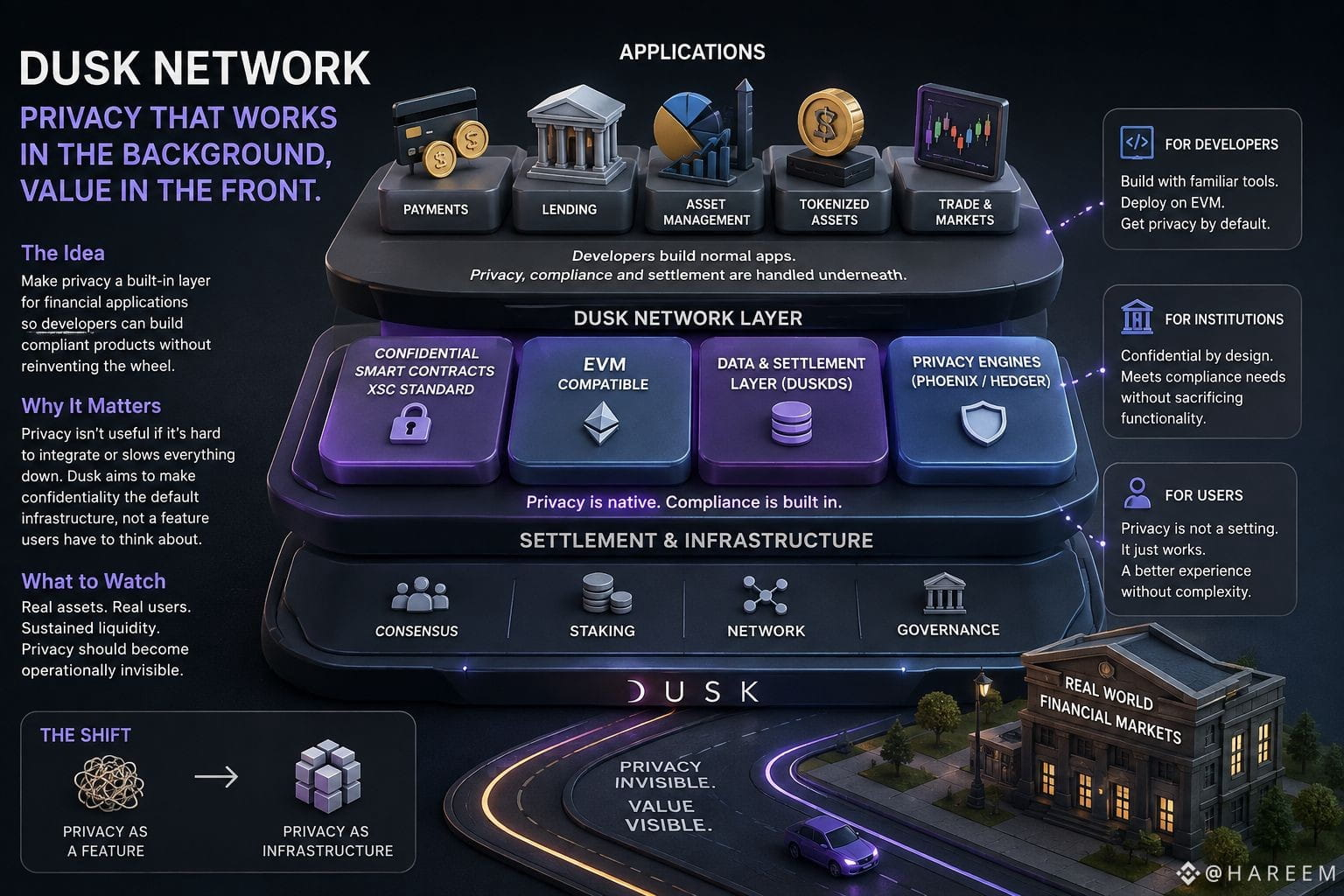
I keep coming back to one question with Dusk: does privacy actually become useful when nobody has to think about it?
That feels more important to me than the usual “privacy blockchain” label. Dusk is building around confidential smart contracts, EVM compatibility, its own settlement architecture, and infrastructure aimed at tokenized financial assets. The recent ecosystem activity around wallets, trading infrastructure and EVM tooling makes that direction easier to see.
But I’ve watched enough cycles to know that good architecture alone doesn’t create a market. The real test is whether developers can build regulated financial products without treating privacy as a separate engineering headache.
That’s where Dusk gets interesting to me. If confidentiality becomes something applications simply inherit from the underlying network, rather than a feature users have to actively choose, the value proposition changes.
I’m not ready to call that proven. Liquidity, users and sustained application activity still matter more than technical diagrams.
But I think the right thing to watch isn’t how loudly Dusk talks about privacy. It’s whether privacy quietly becomes part of the workflow.
#dusk $DUSK @Dusk
I keep coming back to one question with Dusk: does privacy actually become useful when nobody has to think about it?
That feels more important to me than the usual “privacy blockchain” label. Dusk is building around confidential smart contracts, EVM compatibility, its own settlement architecture, and infrastructure aimed at tokenized financial assets. The recent ecosystem activity around wallets, trading infrastructure and EVM tooling makes that direction easier to see.
But I’ve watched enough cycles to know that good architecture alone doesn’t create a market. The real test is whether developers can build regulated financial products without treating privacy as a separate engineering headache.
That’s where Dusk gets interesting to me. If confidentiality becomes something applications simply inherit from the underlying network, rather than a feature users have to actively choose, the value proposition changes.
I’m not ready to call that proven. Liquidity, users and sustained application activity still matter more than technical diagrams.
But I think the right thing to watch isn’t how loudly Dusk talks about privacy. It’s whether privacy quietly becomes part of the workflow.
I keep coming back to one question with Dusk: does privacy actually become useful when nobody has to think about it?
That feels more important to me than the usual “privacy blockchain” label. Dusk is building around confidential smart contracts, EVM compatibility, its own settlement architecture, and infrastructure aimed at tokenized financial assets. The recent ecosystem activity around wallets, trading infrastructure and EVM tooling makes that direction easier to see.
But I’ve watched enough cycles to know that good architecture alone doesn’t create a market. The real test is whether developers can build regulated financial products without treating privacy as a separate engineering headache.
That’s where Dusk gets interesting to me. If confidentiality becomes something applications simply inherit from the underlying network, rather than a feature users have to actively choose, the value proposition changes.
I’m not ready to call that proven. Liquidity, users and sustained application activity still matter more than technical diagrams.
But I think the right thing to watch isn’t how loudly Dusk talks about privacy. It’s whether privacy quietly becomes part of the workflow.
3
3
132
·
--
翻訳参照
#dusk $DUSK @Dusk_Foundation
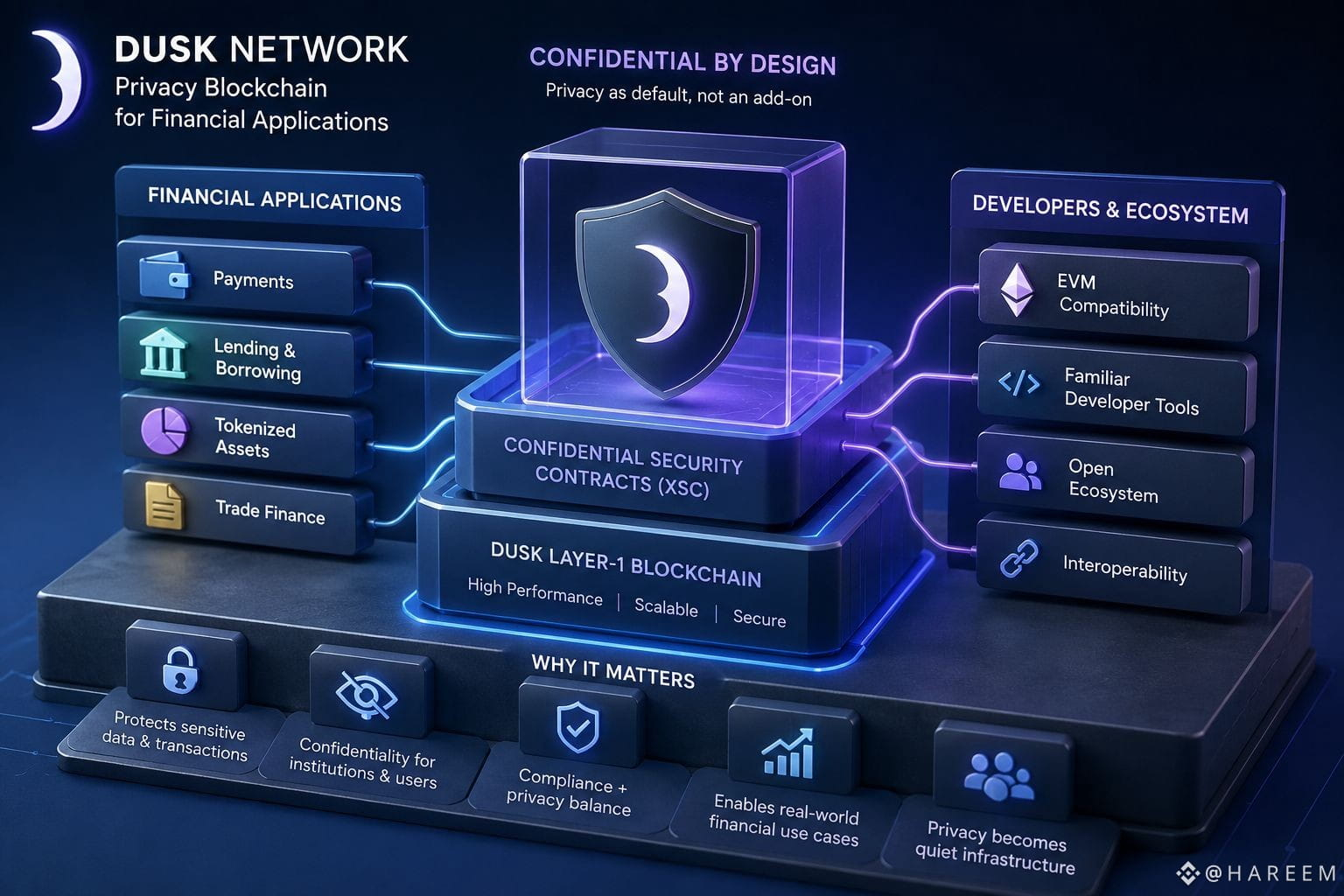
Something about Dusk feels worth watching for a reason that has little to do with the word “privacy.”
I’ve seen this cycle before: a project builds clever infrastructure, the market loves the architecture, then nobody really changes their behavior. The interesting part of Dusk is whether it can avoid that trap by making privacy feel less like a feature and more like the default plumbing for financial activity.
That distinction matters. Financial applications often need confidentiality around balances, transactions, counterparties, and sensitive business logic, but they also need predictable execution, familiar developer tools, and access to a wider ecosystem. Dusk seems to be working toward that balance rather than treating privacy as an isolated technical achievement.
I’m still skeptical. Good infrastructure doesn’t automatically create demand, and the financial market has no shortage of impressive chains that never reached meaningful usage.
What I’m watching is much simpler: do developers eventually choose Dusk because hiding sensitive information is practical, not because privacy is fashionable?
That would be the real signal to me. Privacy becomes valuable when users stop talking about it and simply expect it.
#dusk $DUSK @Dusk
Something about Dusk feels worth watching for a reason that has little to do with the word “privacy.”
I’ve seen this cycle before: a project builds clever infrastructure, the market loves the architecture, then nobody really changes their behavior. The interesting part of Dusk is whether it can avoid that trap by making privacy feel less like a feature and more like the default plumbing for financial activity.
That distinction matters. Financial applications often need confidentiality around balances, transactions, counterparties, and sensitive business logic, but they also need predictable execution, familiar developer tools, and access to a wider ecosystem. Dusk seems to be working toward that balance rather than treating privacy as an isolated technical achievement.
I’m still skeptical. Good infrastructure doesn’t automatically create demand, and the financial market has no shortage of impressive chains that never reached meaningful usage.
What I’m watching is much simpler: do developers eventually choose Dusk because hiding sensitive information is practical, not because privacy is fashionable?
That would be the real signal to me. Privacy becomes valuable when users stop talking about it and simply expect it.
Something about Dusk feels worth watching for a reason that has little to do with the word “privacy.”
I’ve seen this cycle before: a project builds clever infrastructure, the market loves the architecture, then nobody really changes their behavior. The interesting part of Dusk is whether it can avoid that trap by making privacy feel less like a feature and more like the default plumbing for financial activity.
That distinction matters. Financial applications often need confidentiality around balances, transactions, counterparties, and sensitive business logic, but they also need predictable execution, familiar developer tools, and access to a wider ecosystem. Dusk seems to be working toward that balance rather than treating privacy as an isolated technical achievement.
I’m still skeptical. Good infrastructure doesn’t automatically create demand, and the financial market has no shortage of impressive chains that never reached meaningful usage.
What I’m watching is much simpler: do developers eventually choose Dusk because hiding sensitive information is practical, not because privacy is fashionable?
That would be the real signal to me. Privacy becomes valuable when users stop talking about it and simply expect it.
9
8
173
·
--
翻訳参照
#dusk $DUSK @Dusk_Foundation
I’ve been around enough crypto cycles to know that “privacy” can become just another word people throw around when they need a narrative.
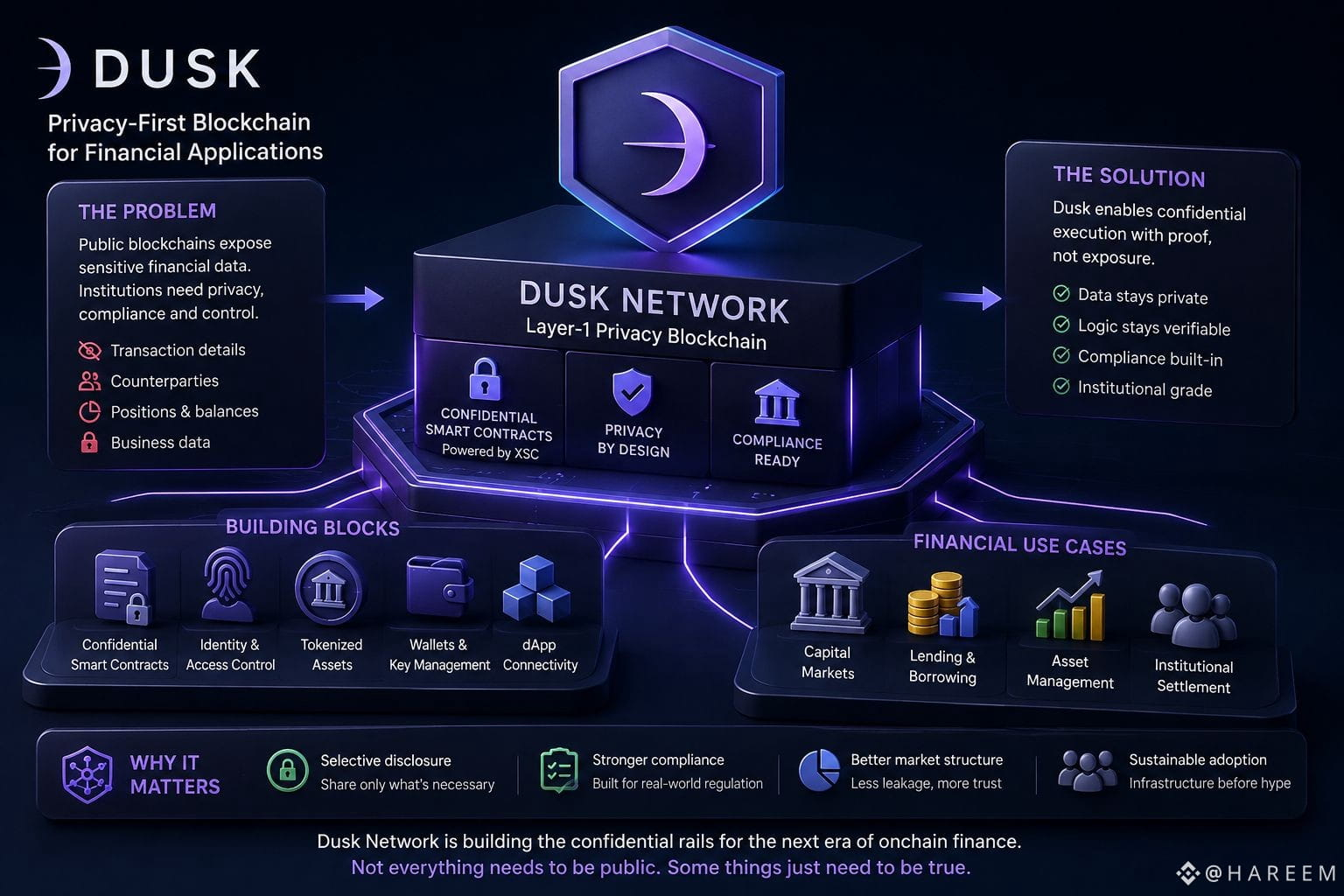
What makes Dusk a little more interesting to me is the problem underneath it. If real financial assets move onchain, I don’t think every detail should automatically be visible to everyone. Positions, identities, transactions and sensitive business data can’t always live in a glass house.
I keep noticing Dusk focusing on the less exciting parts of that puzzle: confidential smart contracts, identity, tokenized assets, wallets and the infrastructure needed for apps to actually use them.
I’m not saying that guarantees adoption. It doesn’t. I’ve seen plenty of technically solid projects struggle because the market simply didn’t care.
But I think the better question for Dusk isn’t “how big can privacy become?” It’s whether financial markets eventually decide that selective privacy is necessary, not optional.
If that happens, Dusk’s approach could make more sense in hindsight. For now, I’m watching the usage, not the promises.
#dusk $DUSK @Dusk
I’ve been around enough crypto cycles to know that “privacy” can become just another word people throw around when they need a narrative.
What makes Dusk a little more interesting to me is the problem underneath it. If real financial assets move onchain, I don’t think every detail should automatically be visible to everyone. Positions, identities, transactions and sensitive business data can’t always live in a glass house.
I keep noticing Dusk focusing on the less exciting parts of that puzzle: confidential smart contracts, identity, tokenized assets, wallets and the infrastructure needed for apps to actually use them.
I’m not saying that guarantees adoption. It doesn’t. I’ve seen plenty of technically solid projects struggle because the market simply didn’t care.
But I think the better question for Dusk isn’t “how big can privacy become?” It’s whether financial markets eventually decide that selective privacy is necessary, not optional.
If that happens, Dusk’s approach could make more sense in hindsight. For now, I’m watching the usage, not the promises.
I’ve been around enough crypto cycles to know that “privacy” can become just another word people throw around when they need a narrative.
What makes Dusk a little more interesting to me is the problem underneath it. If real financial assets move onchain, I don’t think every detail should automatically be visible to everyone. Positions, identities, transactions and sensitive business data can’t always live in a glass house.
I keep noticing Dusk focusing on the less exciting parts of that puzzle: confidential smart contracts, identity, tokenized assets, wallets and the infrastructure needed for apps to actually use them.
I’m not saying that guarantees adoption. It doesn’t. I’ve seen plenty of technically solid projects struggle because the market simply didn’t care.
But I think the better question for Dusk isn’t “how big can privacy become?” It’s whether financial markets eventually decide that selective privacy is necessary, not optional.
If that happens, Dusk’s approach could make more sense in hindsight. For now, I’m watching the usage, not the promises.
19
15
162
·
--
翻訳参照
#dusk $DUSK @Dusk_Foundation
I’ve started thinking about Dusk a little differently.
At first, the privacy angle sounded like the usual crypto story. Then I looked closer and realized the harder problem isn’t making transactions private. It’s making them private without making the whole system impossible to verify.
That distinction matters.
Dusk lets different kinds of activity have different visibility: public accounts, shielded transfers, and selective disclosure when someone actually needs proof. Its XSC standard pushes that idea into confidential smart contracts, while DuskEVM gives developers a more familiar route into the ecosystem.
I keep coming back to that balance because financial markets have never really been “fully transparent.” They run on controlled information.
The recent push around Dusk Connect, the new wallet, and the broader EVM direction makes me more interested in whether the infrastructure can become usable, not just technically impressive.
I’m still cautious. A good design doesn’t automatically create demand. But if Dusk can make privacy feel like a normal part of financial infrastructure rather than a special feature, that’s where I think the real thesis starts.
#dusk $DUSK @Dusk
I’ve started thinking about Dusk a little differently.
At first, the privacy angle sounded like the usual crypto story. Then I looked closer and realized the harder problem isn’t making transactions private. It’s making them private without making the whole system impossible to verify.
That distinction matters.
Dusk lets different kinds of activity have different visibility: public accounts, shielded transfers, and selective disclosure when someone actually needs proof. Its XSC standard pushes that idea into confidential smart contracts, while DuskEVM gives developers a more familiar route into the ecosystem.
I keep coming back to that balance because financial markets have never really been “fully transparent.” They run on controlled information.
The recent push around Dusk Connect, the new wallet, and the broader EVM direction makes me more interested in whether the infrastructure can become usable, not just technically impressive.
I’m still cautious. A good design doesn’t automatically create demand. But if Dusk can make privacy feel like a normal part of financial infrastructure rather than a special feature, that’s where I think the real thesis starts.
I’ve started thinking about Dusk a little differently.
At first, the privacy angle sounded like the usual crypto story. Then I looked closer and realized the harder problem isn’t making transactions private. It’s making them private without making the whole system impossible to verify.
That distinction matters.
Dusk lets different kinds of activity have different visibility: public accounts, shielded transfers, and selective disclosure when someone actually needs proof. Its XSC standard pushes that idea into confidential smart contracts, while DuskEVM gives developers a more familiar route into the ecosystem.
I keep coming back to that balance because financial markets have never really been “fully transparent.” They run on controlled information.
The recent push around Dusk Connect, the new wallet, and the broader EVM direction makes me more interested in whether the infrastructure can become usable, not just technically impressive.
I’m still cautious. A good design doesn’t automatically create demand. But if Dusk can make privacy feel like a normal part of financial infrastructure rather than a special feature, that’s where I think the real thesis starts.
5
2
124
·
--
翻訳参照
#dusk $DUSK @Dusk_Foundation
I’ve been watching Dusk for a while, and I think the interesting part isn’t simply “privacy on a blockchain.” That phrase has been used so many times that it barely tells me anything anymore.
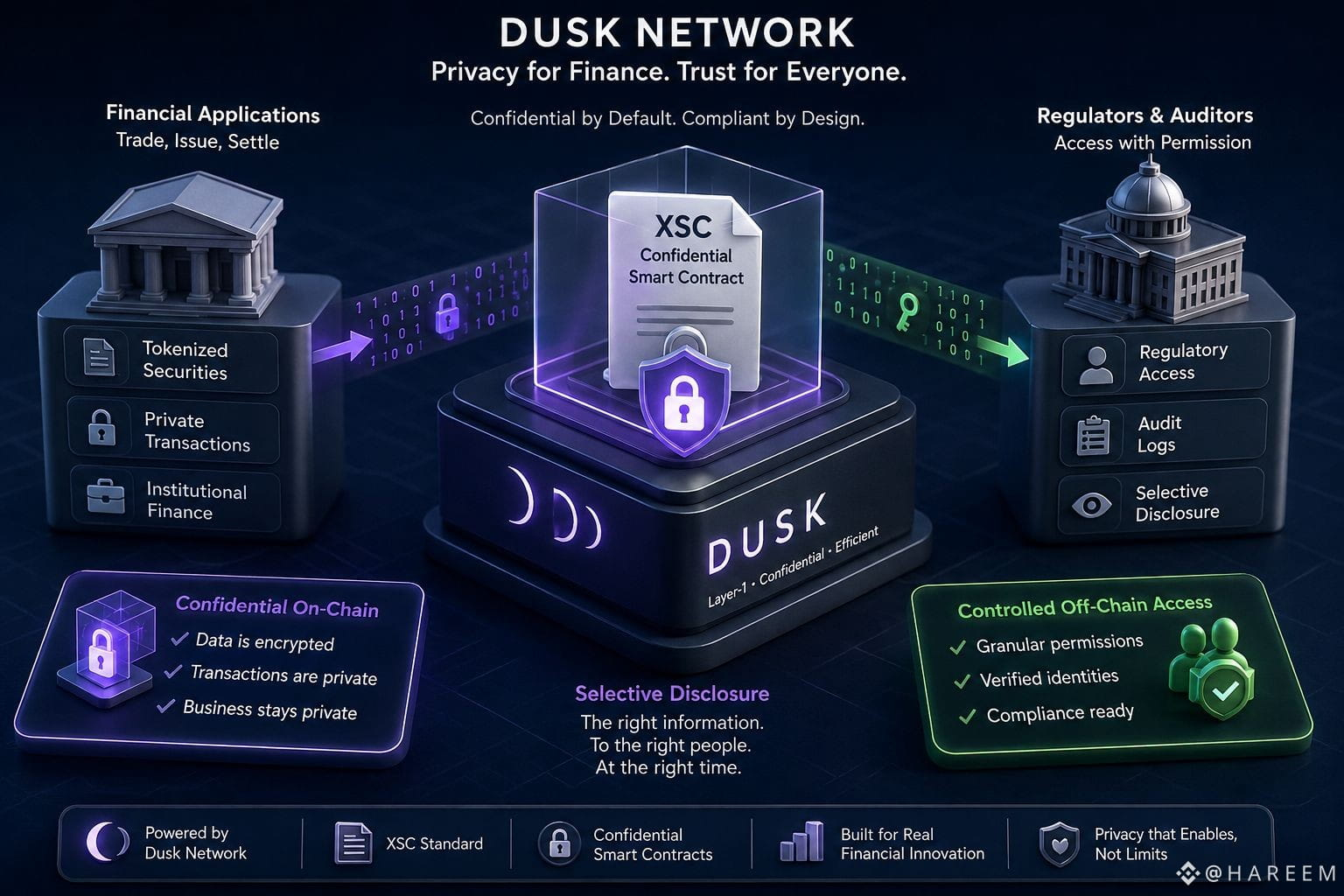
What catches my attention is the problem Dusk is trying to sit between: financial markets need confidentiality, but they also need rules, verification, and controlled access to information. You can’t realistically put every trade, balance, or business detail in full public view and expect serious financial institutions to be comfortable with it.
That’s where the XSC approach and confidential smart contracts start to make more sense to me. Recent work around Dusk’s wallet, Dusk Connect, and its growing focus on tokenized financial assets makes the idea feel less theoretical.
But I’m still not convinced. I’ve seen this cycle before: partnerships get announced, narratives get louder, and actual usage stays quiet.
So I’m not watching Dusk for hype. I’m watching to see if it can make privacy feel boring and practical. If financial applications eventually use confidential blockchain infrastructure without users even thinking about it, that would be far more meaningful than another short-lived crypto narrative.
#dusk $DUSK @Dusk
I’ve been watching Dusk for a while, and I think the interesting part isn’t simply “privacy on a blockchain.” That phrase has been used so many times that it barely tells me anything anymore.
What catches my attention is the problem Dusk is trying to sit between: financial markets need confidentiality, but they also need rules, verification, and controlled access to information. You can’t realistically put every trade, balance, or business detail in full public view and expect serious financial institutions to be comfortable with it.
That’s where the XSC approach and confidential smart contracts start to make more sense to me. Recent work around Dusk’s wallet, Dusk Connect, and its growing focus on tokenized financial assets makes the idea feel less theoretical.
But I’m still not convinced. I’ve seen this cycle before: partnerships get announced, narratives get louder, and actual usage stays quiet.
So I’m not watching Dusk for hype. I’m watching to see if it can make privacy feel boring and practical. If financial applications eventually use confidential blockchain infrastructure without users even thinking about it, that would be far more meaningful than another short-lived crypto narrative.
I’ve been watching Dusk for a while, and I think the interesting part isn’t simply “privacy on a blockchain.” That phrase has been used so many times that it barely tells me anything anymore.
What catches my attention is the problem Dusk is trying to sit between: financial markets need confidentiality, but they also need rules, verification, and controlled access to information. You can’t realistically put every trade, balance, or business detail in full public view and expect serious financial institutions to be comfortable with it.
That’s where the XSC approach and confidential smart contracts start to make more sense to me. Recent work around Dusk’s wallet, Dusk Connect, and its growing focus on tokenized financial assets makes the idea feel less theoretical.
But I’m still not convinced. I’ve seen this cycle before: partnerships get announced, narratives get louder, and actual usage stays quiet.
So I’m not watching Dusk for hype. I’m watching to see if it can make privacy feel boring and practical. If financial applications eventually use confidential blockchain infrastructure without users even thinking about it, that would be far more meaningful than another short-lived crypto narrative.
3
3
103
·
--
翻訳参照
#dusk $DUSK @Dusk_Foundation
I’ve seen the privacy narrative come around in crypto more times than I can count. Usually it starts with a strong idea, then slowly turns into another list of technical features. That’s why I’m looking at Dusk a little differently.
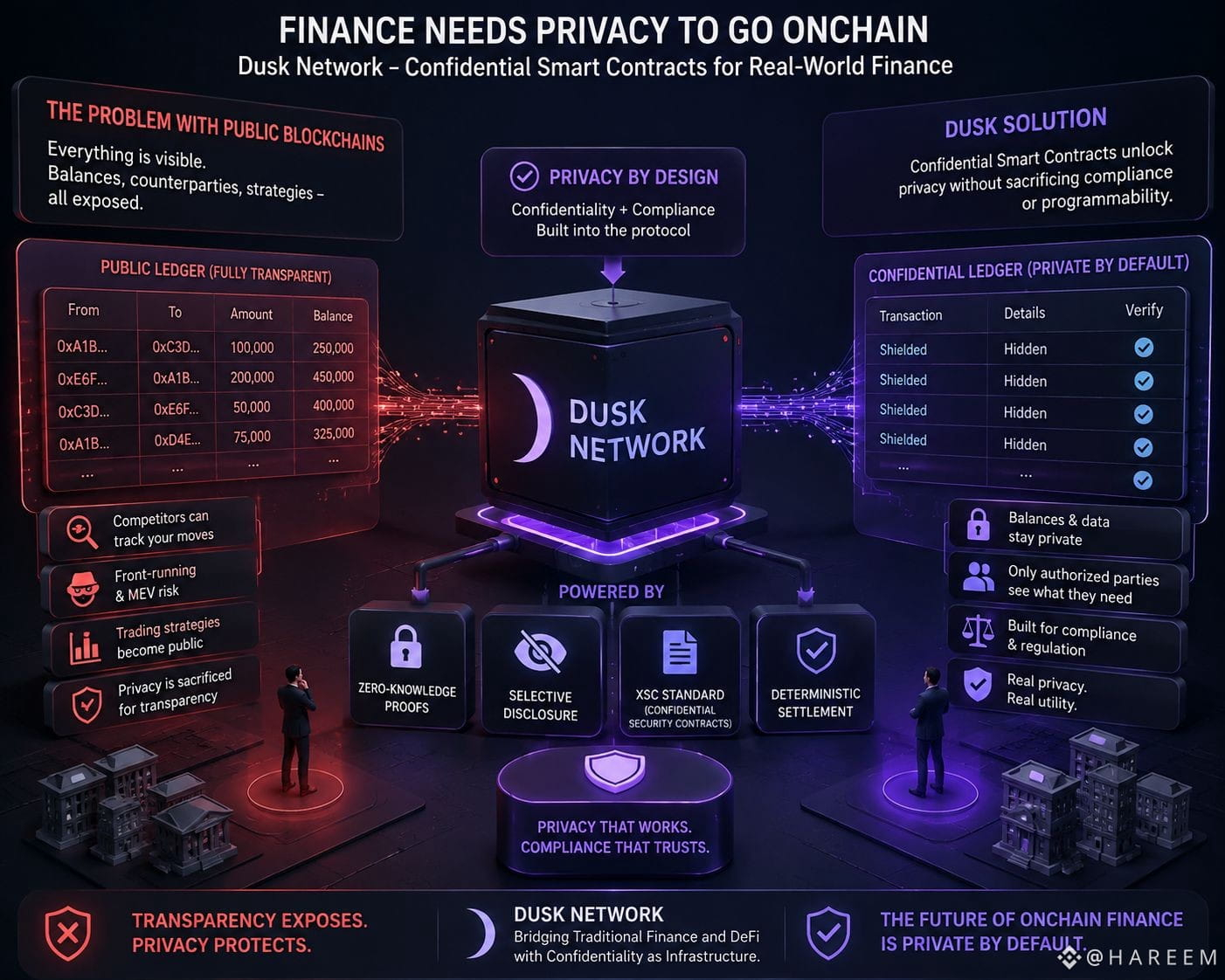
What interests me isn’t simply that Dusk wants transactions to be private. It’s the problem underneath that idea: financial markets can’t realistically put every balance, trade and business relationship on a public ledger and expect serious participants to be comfortable with that.
Dusk is trying to build around this with confidential smart contracts, zero-knowledge proofs, selective disclosure and its XSC framework for financial assets. I like the direction, but I’m not ready to call it a success. Crypto has plenty of projects with impressive architecture that never found real users.
I keep coming back to one simple question: what happens when institutions want the benefits of blockchain without turning their financial activity into public data?
If Dusk can answer that in practice, privacy stops being a narrative. It becomes part of the infrastructure people actually need.
#dusk $DUSK @Dusk
I’ve seen the privacy narrative come around in crypto more times than I can count. Usually it starts with a strong idea, then slowly turns into another list of technical features. That’s why I’m looking at Dusk a little differently.
What interests me isn’t simply that Dusk wants transactions to be private. It’s the problem underneath that idea: financial markets can’t realistically put every balance, trade and business relationship on a public ledger and expect serious participants to be comfortable with that.
Dusk is trying to build around this with confidential smart contracts, zero-knowledge proofs, selective disclosure and its XSC framework for financial assets. I like the direction, but I’m not ready to call it a success. Crypto has plenty of projects with impressive architecture that never found real users.
I keep coming back to one simple question: what happens when institutions want the benefits of blockchain without turning their financial activity into public data?
If Dusk can answer that in practice, privacy stops being a narrative. It becomes part of the infrastructure people actually need.
I’ve seen the privacy narrative come around in crypto more times than I can count. Usually it starts with a strong idea, then slowly turns into another list of technical features. That’s why I’m looking at Dusk a little differently.
What interests me isn’t simply that Dusk wants transactions to be private. It’s the problem underneath that idea: financial markets can’t realistically put every balance, trade and business relationship on a public ledger and expect serious participants to be comfortable with that.
Dusk is trying to build around this with confidential smart contracts, zero-knowledge proofs, selective disclosure and its XSC framework for financial assets. I like the direction, but I’m not ready to call it a success. Crypto has plenty of projects with impressive architecture that never found real users.
I keep coming back to one simple question: what happens when institutions want the benefits of blockchain without turning their financial activity into public data?
If Dusk can answer that in practice, privacy stops being a narrative. It becomes part of the infrastructure people actually need.
3
3
111
·
--
翻訳参照
#dusk $DUSK @Dusk_Foundation
I’ve become more skeptical of privacy-chain narratives after watching enough cycles. “Private” sounds useful, but in finance the harder question is what you can prove without exposing everything. That’s where Dusk gets my attention.
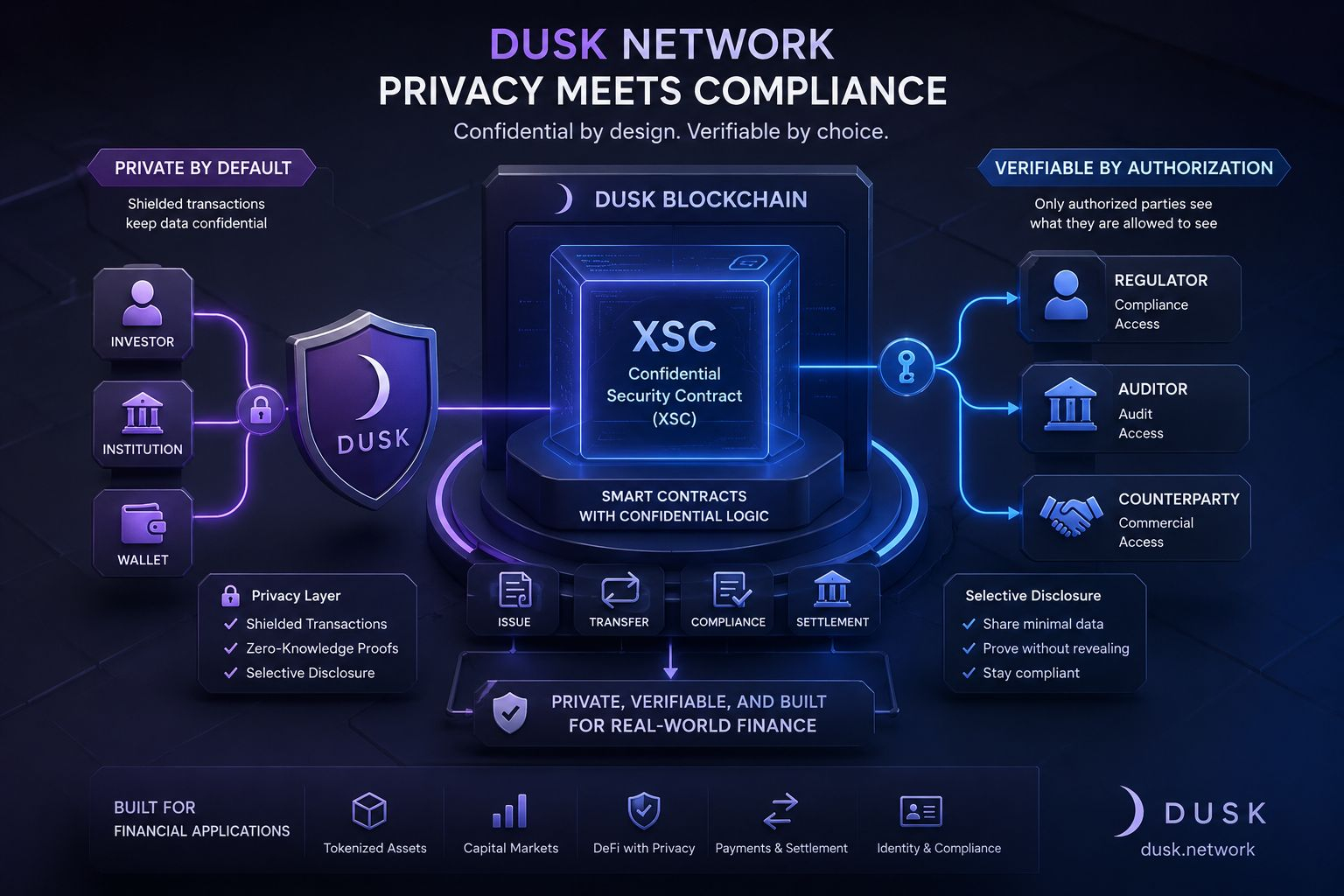
Its XSC model treats confidentiality as part of the contract, with controlled access to encrypted information. Recent work around Dusk Trade, tokenized assets, identity and settlement makes the idea more practical than simply building another chain where transactions are harder to see.
I’m not saying Dusk has solved it. We’ve all watched technically impressive networks struggle to find users. What interests me is whether privacy can become infrastructure rather than a feature.
If regulated markets move onchain, they won’t want every position exposed. But they also won’t accept a black box. Dusk is trying to sit in that middle.
That’s what I’m watching: whether privacy and verification can work together well enough for finance to care.
#dusk $DUSK @Dusk
I’ve become more skeptical of privacy-chain narratives after watching enough cycles. “Private” sounds useful, but in finance the harder question is what you can prove without exposing everything. That’s where Dusk gets my attention.
Its XSC model treats confidentiality as part of the contract, with controlled access to encrypted information. Recent work around Dusk Trade, tokenized assets, identity and settlement makes the idea more practical than simply building another chain where transactions are harder to see.
I’m not saying Dusk has solved it. We’ve all watched technically impressive networks struggle to find users. What interests me is whether privacy can become infrastructure rather than a feature.
If regulated markets move onchain, they won’t want every position exposed. But they also won’t accept a black box. Dusk is trying to sit in that middle.
That’s what I’m watching: whether privacy and verification can work together well enough for finance to care.
I’ve become more skeptical of privacy-chain narratives after watching enough cycles. “Private” sounds useful, but in finance the harder question is what you can prove without exposing everything. That’s where Dusk gets my attention.
Its XSC model treats confidentiality as part of the contract, with controlled access to encrypted information. Recent work around Dusk Trade, tokenized assets, identity and settlement makes the idea more practical than simply building another chain where transactions are harder to see.
I’m not saying Dusk has solved it. We’ve all watched technically impressive networks struggle to find users. What interests me is whether privacy can become infrastructure rather than a feature.
If regulated markets move onchain, they won’t want every position exposed. But they also won’t accept a black box. Dusk is trying to sit in that middle.
That’s what I’m watching: whether privacy and verification can work together well enough for finance to care.
7
3
137
·
--
ブリッシュ
翻訳参照
#dusk $DUSK @Dusk_Foundation
I’ve seen the privacy narrative come and go enough times that I don’t get excited just because a project says “confidential finance.”
What keeps me looking at Dusk is a little different.
The real problem isn’t hiding everything. Financial systems can’t work that way. Someone still needs to verify ownership, enforce rules, settle transactions and know what they’re actually allowed to see. The interesting question is whether you can do all of that without turning every user’s financial activity into public data.
That’s where Dusk’s XSC approach and confidential contracts start to make more sense to me. And the recent focus on things like Dusk Connect, wallet infrastructure and security work makes me think the team understands that the hard part isn’t just building privacy technology. It’s making the whole experience usable and trustworthy.
I’m still skeptical. I’ve watched too many projects confuse clever technology with real adoption.
But Dusk has a more interesting test ahead: can privacy become something users barely think about?
If it can, that’s when I’d start paying much closer attention.
#dusk $DUSK @Dusk
I’ve seen the privacy narrative come and go enough times that I don’t get excited just because a project says “confidential finance.”
What keeps me looking at Dusk is a little different.
The real problem isn’t hiding everything. Financial systems can’t work that way. Someone still needs to verify ownership, enforce rules, settle transactions and know what they’re actually allowed to see. The interesting question is whether you can do all of that without turning every user’s financial activity into public data.
That’s where Dusk’s XSC approach and confidential contracts start to make more sense to me. And the recent focus on things like Dusk Connect, wallet infrastructure and security work makes me think the team understands that the hard part isn’t just building privacy technology. It’s making the whole experience usable and trustworthy.
I’m still skeptical. I’ve watched too many projects confuse clever technology with real adoption.
But Dusk has a more interesting test ahead: can privacy become something users barely think about?
If it can, that’s when I’d start paying much closer attention.
I’ve seen the privacy narrative come and go enough times that I don’t get excited just because a project says “confidential finance.”
What keeps me looking at Dusk is a little different.
The real problem isn’t hiding everything. Financial systems can’t work that way. Someone still needs to verify ownership, enforce rules, settle transactions and know what they’re actually allowed to see. The interesting question is whether you can do all of that without turning every user’s financial activity into public data.
That’s where Dusk’s XSC approach and confidential contracts start to make more sense to me. And the recent focus on things like Dusk Connect, wallet infrastructure and security work makes me think the team understands that the hard part isn’t just building privacy technology. It’s making the whole experience usable and trustworthy.
I’m still skeptical. I’ve watched too many projects confuse clever technology with real adoption.
But Dusk has a more interesting test ahead: can privacy become something users barely think about?
If it can, that’s when I’d start paying much closer attention.
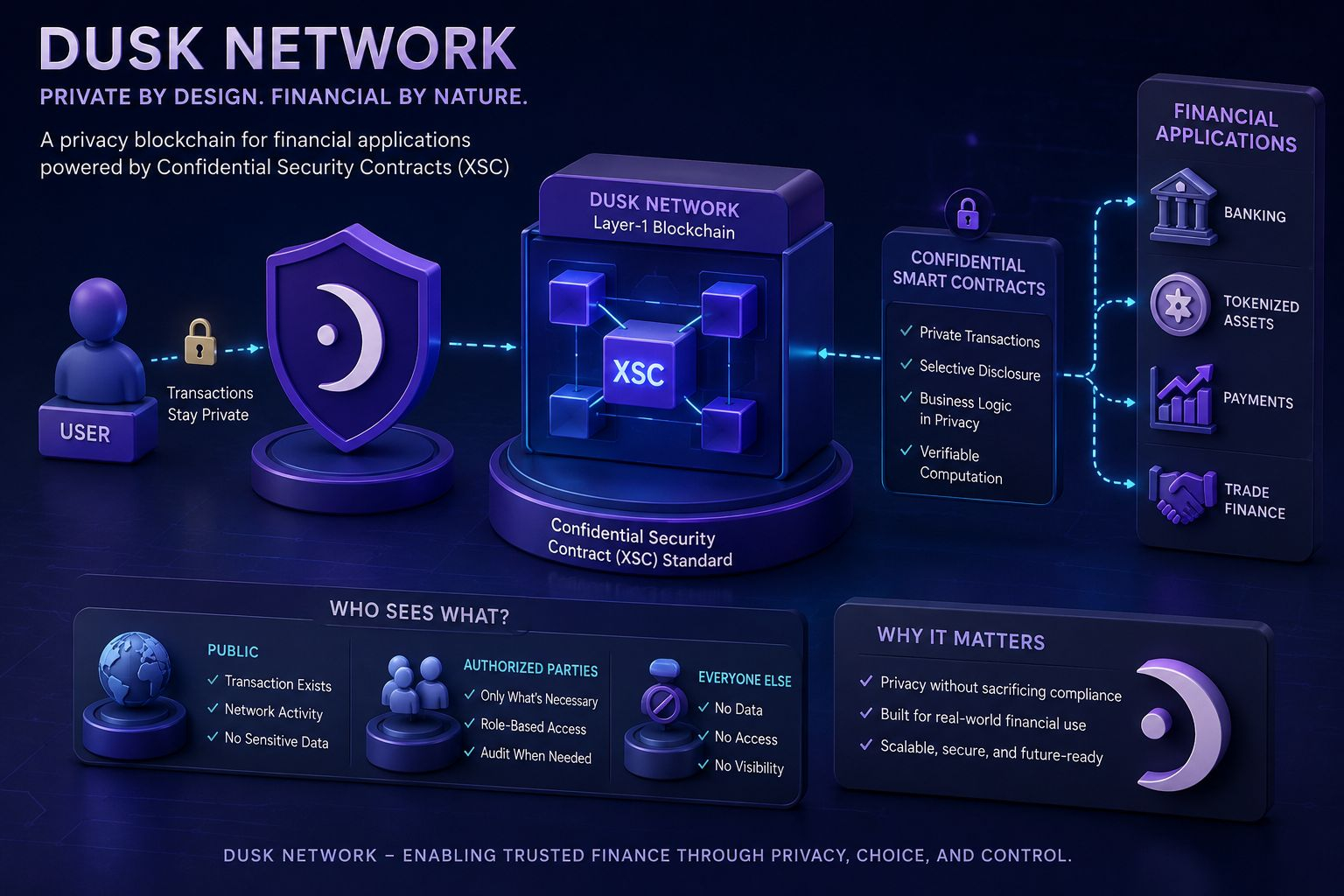
5
5
139
·
--
ブリッシュ
翻訳参照
#dusk $DUSK @Dusk_Foundation
I’ve been thinking about Dusk a little differently lately.
Privacy sounds simple until you put real financial activity into the picture. You don’t just want everything hidden. You still need rules, permissions, compliance, and some way to prove what happened without exposing everything behind it.
That’s the part I find interesting about Dusk.
The XSC approach is basically trying to make confidentiality part of how financial contracts work, instead of treating privacy like an extra layer added later. I like that direction, but I’m not ready to assume it works just because the architecture looks good on paper.
I’ve seen this before with crypto projects: strong technology gets attention, but the harder test comes when developers have to build something people actually use.
So I’m watching the ecosystem more than the narrative.
If developers eventually start using confidential execution simply because it makes financial products easier to build, that would matter to me far more than another privacy statistic.
For Dusk, the interesting question isn’t “Can blockchain be private?”
It’s whether privacy can become normal financial infrastructure.
#dusk $DUSK @Dusk
I’ve been thinking about Dusk a little differently lately.
Privacy sounds simple until you put real financial activity into the picture. You don’t just want everything hidden. You still need rules, permissions, compliance, and some way to prove what happened without exposing everything behind it.
That’s the part I find interesting about Dusk.
The XSC approach is basically trying to make confidentiality part of how financial contracts work, instead of treating privacy like an extra layer added later. I like that direction, but I’m not ready to assume it works just because the architecture looks good on paper.
I’ve seen this before with crypto projects: strong technology gets attention, but the harder test comes when developers have to build something people actually use.
So I’m watching the ecosystem more than the narrative.
If developers eventually start using confidential execution simply because it makes financial products easier to build, that would matter to me far more than another privacy statistic.
For Dusk, the interesting question isn’t “Can blockchain be private?”
It’s whether privacy can become normal financial infrastructure.
I’ve been thinking about Dusk a little differently lately.
Privacy sounds simple until you put real financial activity into the picture. You don’t just want everything hidden. You still need rules, permissions, compliance, and some way to prove what happened without exposing everything behind it.
That’s the part I find interesting about Dusk.
The XSC approach is basically trying to make confidentiality part of how financial contracts work, instead of treating privacy like an extra layer added later. I like that direction, but I’m not ready to assume it works just because the architecture looks good on paper.
I’ve seen this before with crypto projects: strong technology gets attention, but the harder test comes when developers have to build something people actually use.
So I’m watching the ecosystem more than the narrative.
If developers eventually start using confidential execution simply because it makes financial products easier to build, that would matter to me far more than another privacy statistic.
For Dusk, the interesting question isn’t “Can blockchain be private?”
It’s whether privacy can become normal financial infrastructure.
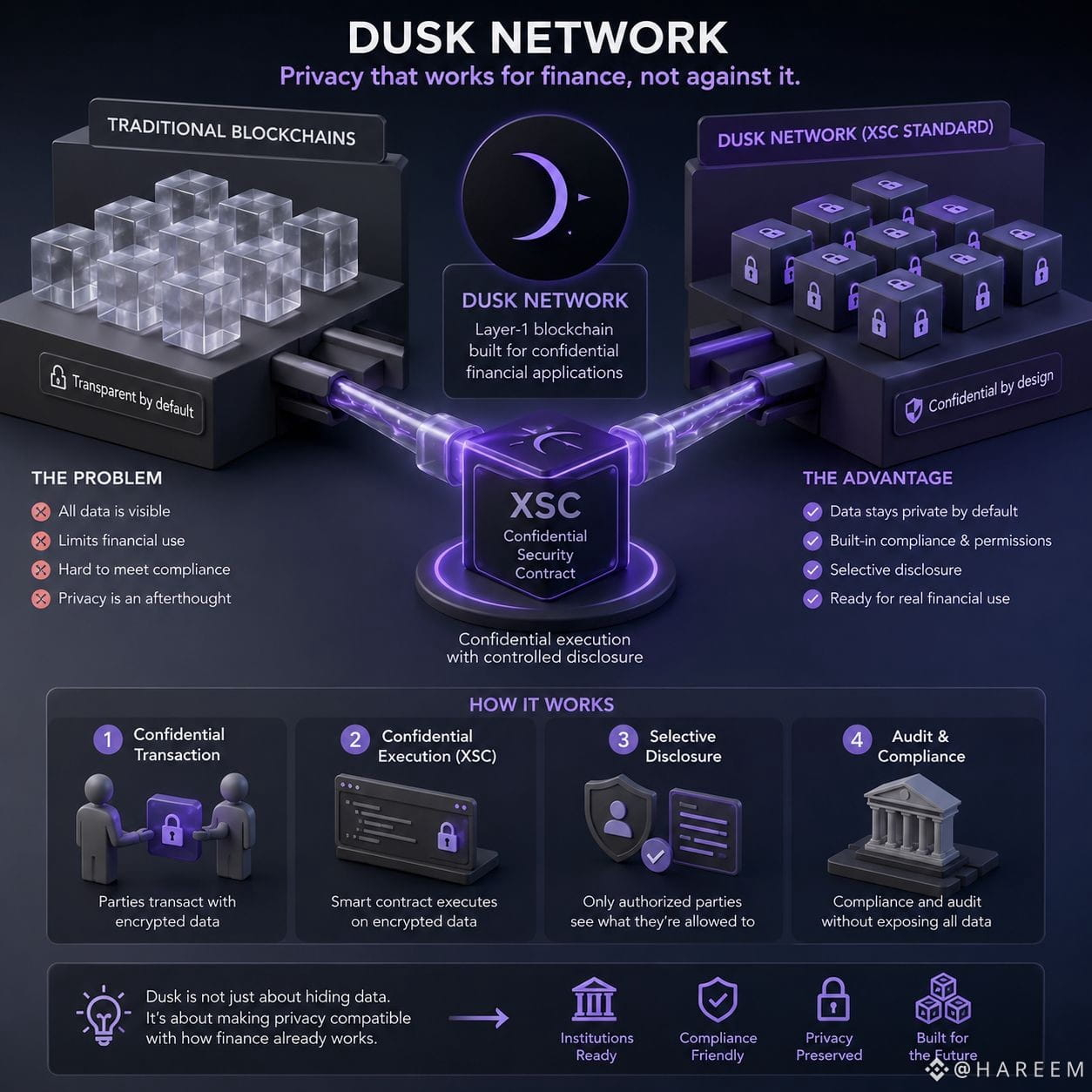
6
6
124
·
--
ブリッシュ
#baby $BABY @babylonlabs_io
最近、バビロンについて少し違った見方をするようになりました。いまも多くの会話は、TVL、ステーキング数、あるいはビットコインを他のネットワークを保護するための担保にそもそも関与させるべきかどうかといった話題に偏りがちです。もちろん、そうした問いはもっともです。しかし、ここで実際に試されている本質に届いているかは、私は確信が持てません。
私が繰り返し立ち返っているのは、人間の行動です。ビットコイン保有者は何年も、何かひとつのことをするように条件付けされてきました。つまり、コインを保有し、不必要なリスクは避けることです。バビロンは、静かにその考え方に挑みます。そこで投げかけられるのは、別の問いです。つまり「自分のBTCが、セルフカストディを手放さずにネットワークのセキュリティに貢献できるとしたらどうなるだろう?」ということ。これは、技術の話だけではなく信頼の話だから、聞こえる以上に大きな変化です。
私は、目を引く指標を持つ暗号資産プロジェクトが、インセンティブが薄れると消えていくのを何度も見てきました。報酬が高ければ流動性は集めやすい。しかし長期的な行動を変えるのは、はるかに難しい。だからこそ、私はバビロンに興味を持っています。BABYのステーキングをめぐる最近の進展や、より広い「ビットコインで保護されたネットワーク(Bitcoin Secured Network)」のビジョンがどれほど重要かは、私にとっては、熱が冷めた後も人々が参加し続けるかどうかのほうがはるかに大きいのです。
もしかすると、それが本当の実験なのかもしれません。ビットコインが、価値の源になっている原則を損なうことなく、単なる価値の保存手段にとどまらず、分散型セキュリティのための能動的な基盤へと進化するなら、それは「本物の進歩」を感じさせるでしょう。そうでなければ、実際よりも大きく見えた別の物語で終わってしまうはずです。
#baby $BABY @BabylonLabs_io
最近、バビロンについて少し違った見方をするようになりました。いまも多くの会話は、TVL、ステーキング数、あるいはビットコインを他のネットワークを保護するための担保にそもそも関与させるべきかどうかといった話題に偏りがちです。もちろん、そうした問いはもっともです。しかし、ここで実際に試されている本質に届いているかは、私は確信が持てません。
私が繰り返し立ち返っているのは、人間の行動です。ビットコイン保有者は何年も、何かひとつのことをするように条件付けされてきました。つまり、コインを保有し、不必要なリスクは避けることです。バビロンは、静かにその考え方に挑みます。そこで投げかけられるのは、別の問いです。つまり「自分のBTCが、セルフカストディを手放さずにネットワークのセキュリティに貢献できるとしたらどうなるだろう?」ということ。これは、技術の話だけではなく信頼の話だから、聞こえる以上に大きな変化です。
私は、目を引く指標を持つ暗号資産プロジェクトが、インセンティブが薄れると消えていくのを何度も見てきました。報酬が高ければ流動性は集めやすい。しかし長期的な行動を変えるのは、はるかに難しい。だからこそ、私はバビロンに興味を持っています。BABYのステーキングをめぐる最近の進展や、より広い「ビットコインで保護されたネットワーク(Bitcoin Secured Network)」のビジョンがどれほど重要かは、私にとっては、熱が冷めた後も人々が参加し続けるかどうかのほうがはるかに大きいのです。
もしかすると、それが本当の実験なのかもしれません。ビットコインが、価値の源になっている原則を損なうことなく、単なる価値の保存手段にとどまらず、分散型セキュリティのための能動的な基盤へと進化するなら、それは「本物の進歩」を感じさせるでしょう。そうでなければ、実際よりも大きく見えた別の物語で終わってしまうはずです。
最近、バビロンについて少し違った見方をするようになりました。いまも多くの会話は、TVL、ステーキング数、あるいはビットコインを他のネットワークを保護するための担保にそもそも関与させるべきかどうかといった話題に偏りがちです。もちろん、そうした問いはもっともです。しかし、ここで実際に試されている本質に届いているかは、私は確信が持てません。
私が繰り返し立ち返っているのは、人間の行動です。ビットコイン保有者は何年も、何かひとつのことをするように条件付けされてきました。つまり、コインを保有し、不必要なリスクは避けることです。バビロンは、静かにその考え方に挑みます。そこで投げかけられるのは、別の問いです。つまり「自分のBTCが、セルフカストディを手放さずにネットワークのセキュリティに貢献できるとしたらどうなるだろう?」ということ。これは、技術の話だけではなく信頼の話だから、聞こえる以上に大きな変化です。
私は、目を引く指標を持つ暗号資産プロジェクトが、インセンティブが薄れると消えていくのを何度も見てきました。報酬が高ければ流動性は集めやすい。しかし長期的な行動を変えるのは、はるかに難しい。だからこそ、私はバビロンに興味を持っています。BABYのステーキングをめぐる最近の進展や、より広い「ビットコインで保護されたネットワーク(Bitcoin Secured Network)」のビジョンがどれほど重要かは、私にとっては、熱が冷めた後も人々が参加し続けるかどうかのほうがはるかに大きいのです。
もしかすると、それが本当の実験なのかもしれません。ビットコインが、価値の源になっている原則を損なうことなく、単なる価値の保存手段にとどまらず、分散型セキュリティのための能動的な基盤へと進化するなら、それは「本物の進歩」を感じさせるでしょう。そうでなければ、実際よりも大きく見えた別の物語で終わってしまうはずです。
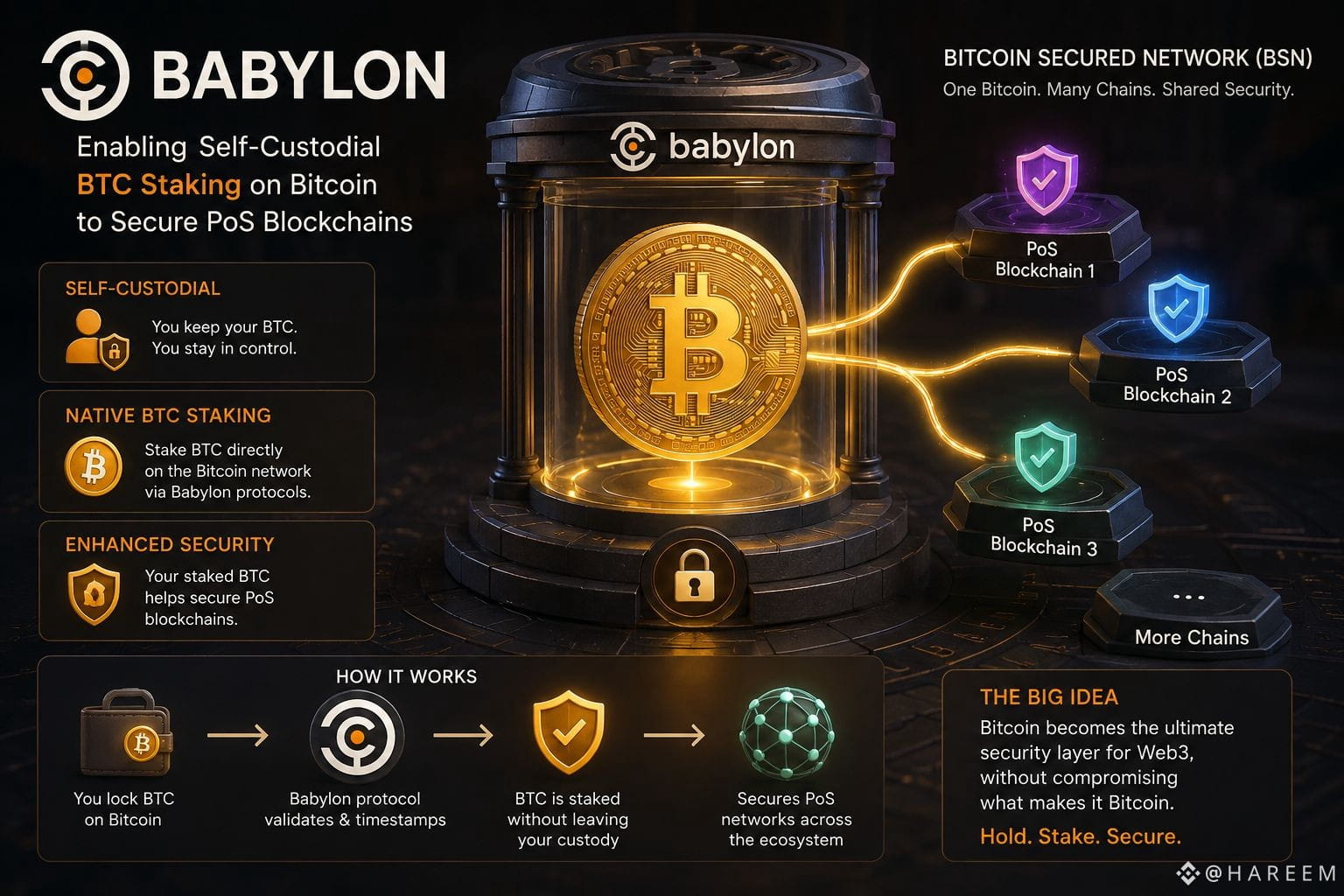
92
38
680
·
--
ブリッシュ
#baby $BABY @babylonlabs_io
最近、バビロンについて少し違った見方をしているんです。皆がBTCのステーキング額がどれだけあるか、あるいはエコシステムがどれだけ速く成長しているかにばかり注目しています。でも、その数字だけでは物語の全てを語ってはいないと思うんです。
私の関心を引くのは、ずっとシンプルな問いです。もし報酬が明日から魅力を失ってしまったら、それでも人々はそれを使う価値があると感じるでしょうか?暗号資産のサイクルを何度も見てきたので、インセンティブとして預け入れが増えることはありますが、居続けるには通常もっと深い理由が必要だと分かっています。
だからこそ、私はバビロンに興味を持っています。これは、利回りを得るためにビットコイン保有者にカストディ(預かり)を手放すよう説得しようとしているわけではありません。ビットコインが、ビットコインであり続けながら他のネットワークのセキュリティに貢献できるのかを検証しているんです。多くの人が思っている以上に、意義のある実験だと感じます。
私はまだ結果に確信がありませんし、誰もまだそうであるべきではないと思っています。とはいえ、ユーザーが「簡単に得られる報酬」が主な理由ではなくなっても参加し続けるなら、それはTVLのグラフや見出しなど、どんなものよりもはるかに多くを私に教えてくれるはずです。
#baby $BABY @BabylonLabs_io
最近、バビロンについて少し違った見方をしているんです。皆がBTCのステーキング額がどれだけあるか、あるいはエコシステムがどれだけ速く成長しているかにばかり注目しています。でも、その数字だけでは物語の全てを語ってはいないと思うんです。
私の関心を引くのは、ずっとシンプルな問いです。もし報酬が明日から魅力を失ってしまったら、それでも人々はそれを使う価値があると感じるでしょうか?暗号資産のサイクルを何度も見てきたので、インセンティブとして預け入れが増えることはありますが、居続けるには通常もっと深い理由が必要だと分かっています。
だからこそ、私はバビロンに興味を持っています。これは、利回りを得るためにビットコイン保有者にカストディ(預かり)を手放すよう説得しようとしているわけではありません。ビットコインが、ビットコインであり続けながら他のネットワークのセキュリティに貢献できるのかを検証しているんです。多くの人が思っている以上に、意義のある実験だと感じます。
私はまだ結果に確信がありませんし、誰もまだそうであるべきではないと思っています。とはいえ、ユーザーが「簡単に得られる報酬」が主な理由ではなくなっても参加し続けるなら、それはTVLのグラフや見出しなど、どんなものよりもはるかに多くを私に教えてくれるはずです。
最近、バビロンについて少し違った見方をしているんです。皆がBTCのステーキング額がどれだけあるか、あるいはエコシステムがどれだけ速く成長しているかにばかり注目しています。でも、その数字だけでは物語の全てを語ってはいないと思うんです。
私の関心を引くのは、ずっとシンプルな問いです。もし報酬が明日から魅力を失ってしまったら、それでも人々はそれを使う価値があると感じるでしょうか?暗号資産のサイクルを何度も見てきたので、インセンティブとして預け入れが増えることはありますが、居続けるには通常もっと深い理由が必要だと分かっています。
だからこそ、私はバビロンに興味を持っています。これは、利回りを得るためにビットコイン保有者にカストディ(預かり)を手放すよう説得しようとしているわけではありません。ビットコインが、ビットコインであり続けながら他のネットワークのセキュリティに貢献できるのかを検証しているんです。多くの人が思っている以上に、意義のある実験だと感じます。
私はまだ結果に確信がありませんし、誰もまだそうであるべきではないと思っています。とはいえ、ユーザーが「簡単に得られる報酬」が主な理由ではなくなっても参加し続けるなら、それはTVLのグラフや見出しなど、どんなものよりもはるかに多くを私に教えてくれるはずです。
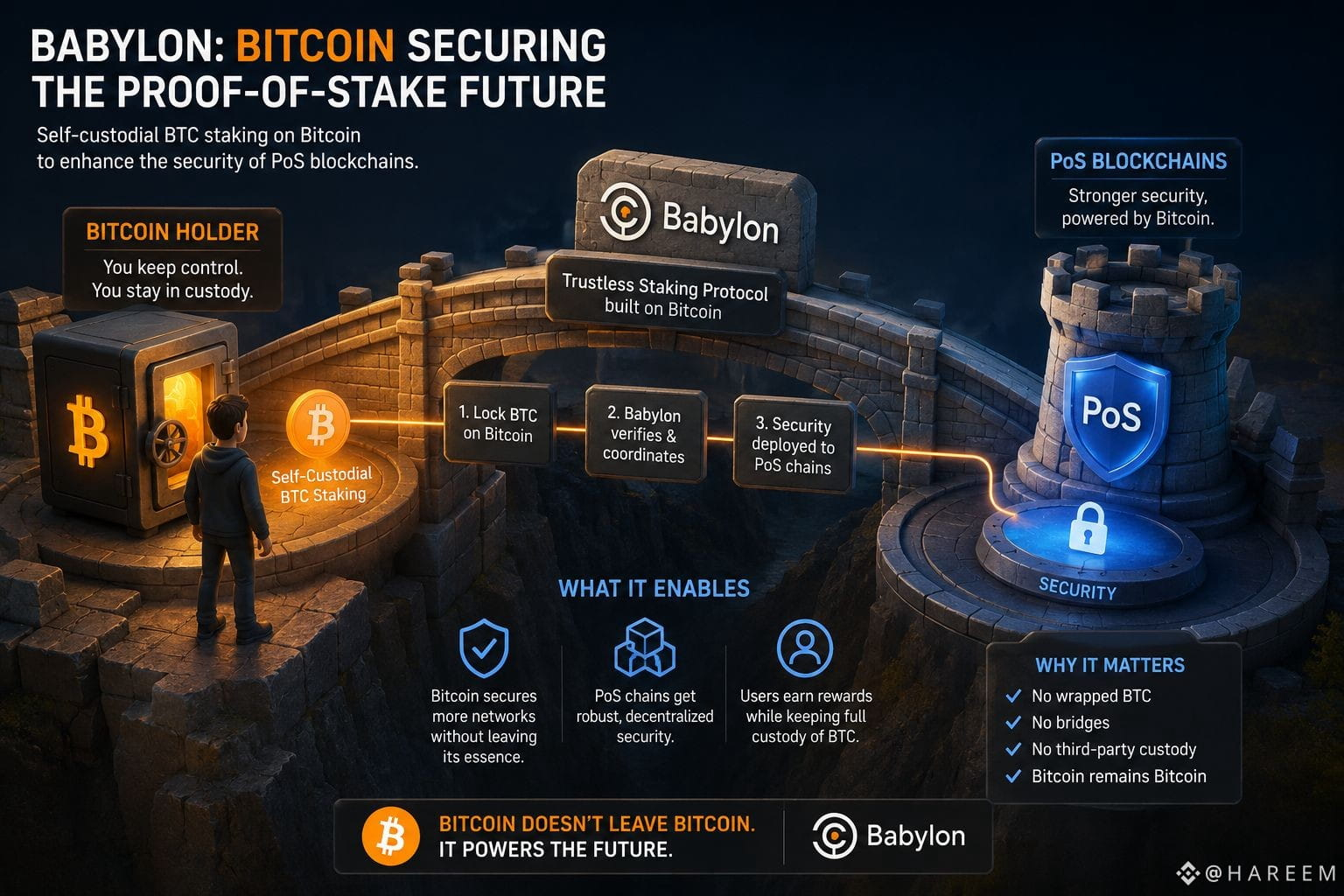
108
48
713
·
--
#baby $BABY @babylonlabs_io
バビロンを見るたびに、同じ考えが頭に浮かびます。たぶん私たちは、間違った問いを投げているのではないかと。ビットコインが利回りを生み出せるという話はよく聞きますが、もっと面白い問いは、それが最初からビットコインに価値を与えていた原則を手放さずに、他のネットワークを強化できるのかどうかだと思います。
私は十分に多くのクリプト・サイクルを見てきました。魅力的なインセンティブがあれば、しばらくの間はほとんど何でも成功しているように見えることを知っています。重要なのは、熱が冷めた後に人々が何をするかです。だから私は、短期の数字よりもバビロンのエコシステムがどう進化しているかに、より注意を向けています。ビルダー、バリデーター、そしてBTCホルダーが、簡単な報酬が主な理由ではなくなっても参加し続けるなら、それはどんな見出しよりもはっきりしたシグナルになるはずです。
私はまだ結果に確信は持てていませんし、誰もまだ断定すべきではないとも思います。しかし、バビロンが「自己管理(セルフカストディ)」されたビットコインが、所有権を損なうことなく他のチェーンのためのセキュリティ層になり得ることを証明できるなら、それは単なる別のプロトコルでは終わりません。ビットコインが、より広いクリプト・エコシステムの中でどう位置づけられるかを、静かに作り変える可能性があります。
#baby $BABY @BabylonLabs_io
バビロンを見るたびに、同じ考えが頭に浮かびます。たぶん私たちは、間違った問いを投げているのではないかと。ビットコインが利回りを生み出せるという話はよく聞きますが、もっと面白い問いは、それが最初からビットコインに価値を与えていた原則を手放さずに、他のネットワークを強化できるのかどうかだと思います。
私は十分に多くのクリプト・サイクルを見てきました。魅力的なインセンティブがあれば、しばらくの間はほとんど何でも成功しているように見えることを知っています。重要なのは、熱が冷めた後に人々が何をするかです。だから私は、短期の数字よりもバビロンのエコシステムがどう進化しているかに、より注意を向けています。ビルダー、バリデーター、そしてBTCホルダーが、簡単な報酬が主な理由ではなくなっても参加し続けるなら、それはどんな見出しよりもはっきりしたシグナルになるはずです。
私はまだ結果に確信は持てていませんし、誰もまだ断定すべきではないとも思います。しかし、バビロンが「自己管理(セルフカストディ)」されたビットコインが、所有権を損なうことなく他のチェーンのためのセキュリティ層になり得ることを証明できるなら、それは単なる別のプロトコルでは終わりません。ビットコインが、より広いクリプト・エコシステムの中でどう位置づけられるかを、静かに作り変える可能性があります。
バビロンを見るたびに、同じ考えが頭に浮かびます。たぶん私たちは、間違った問いを投げているのではないかと。ビットコインが利回りを生み出せるという話はよく聞きますが、もっと面白い問いは、それが最初からビットコインに価値を与えていた原則を手放さずに、他のネットワークを強化できるのかどうかだと思います。
私は十分に多くのクリプト・サイクルを見てきました。魅力的なインセンティブがあれば、しばらくの間はほとんど何でも成功しているように見えることを知っています。重要なのは、熱が冷めた後に人々が何をするかです。だから私は、短期の数字よりもバビロンのエコシステムがどう進化しているかに、より注意を向けています。ビルダー、バリデーター、そしてBTCホルダーが、簡単な報酬が主な理由ではなくなっても参加し続けるなら、それはどんな見出しよりもはっきりしたシグナルになるはずです。
私はまだ結果に確信は持てていませんし、誰もまだ断定すべきではないとも思います。しかし、バビロンが「自己管理(セルフカストディ)」されたビットコインが、所有権を損なうことなく他のチェーンのためのセキュリティ層になり得ることを証明できるなら、それは単なる別のプロトコルでは終わりません。ビットコインが、より広いクリプト・エコシステムの中でどう位置づけられるかを、静かに作り変える可能性があります。
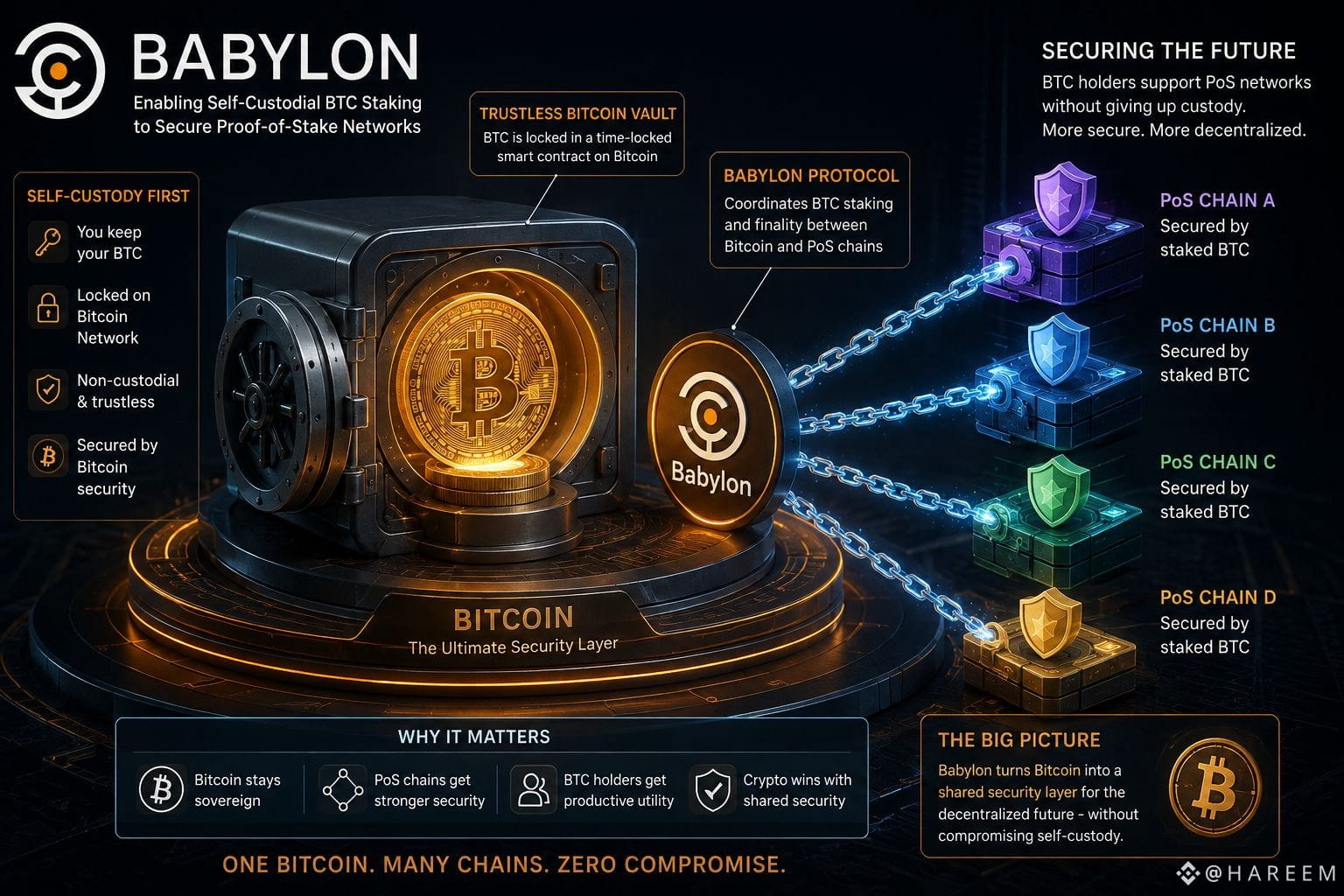
95
37
930
·
--
#baby $BABY @babylonlabs_io
最近、バビロンを別の角度から考えるようになりました。多くの会話は今でもBTCのステーキング中心ですが、それは表面に過ぎない気がしています。私の関心を引くのは、もっと大きな問いです――ビットコインが、本来の価値を失うことなく、他のネットワークのためのセキュリティ層になり得るのか?
市場のサイクルを十分に見てきたので、流動性が流れているときは物語は簡単に作れると分かっています。難しいのはその後で、インセンティブが冷めても、実際に課題を解決するから使い続けられるのか、という局面です。私はまさにそこに注目しています。
バビロンにはどこか違う雰囲気があります。成功が、人々にビットコインを捨てさせるよう説得することに結びついていないからです。自己管理(セルフカストディ)を中心に据えたまま、ビットコインができることを広げようとしているのです。まだ、それを実証済みのモデルだとは言い切れませんが、焦点を当てるべき正しいチャレンジだと思っています。興奮が冷めた後も実際の利用が続くなら、どんな短期の価格変動よりもはるかに多くのことを教えてくれるでしょう。
#baby $BABY @BabylonLabs_io
最近、バビロンを別の角度から考えるようになりました。多くの会話は今でもBTCのステーキング中心ですが、それは表面に過ぎない気がしています。私の関心を引くのは、もっと大きな問いです――ビットコインが、本来の価値を失うことなく、他のネットワークのためのセキュリティ層になり得るのか?
市場のサイクルを十分に見てきたので、流動性が流れているときは物語は簡単に作れると分かっています。難しいのはその後で、インセンティブが冷めても、実際に課題を解決するから使い続けられるのか、という局面です。私はまさにそこに注目しています。
バビロンにはどこか違う雰囲気があります。成功が、人々にビットコインを捨てさせるよう説得することに結びついていないからです。自己管理(セルフカストディ)を中心に据えたまま、ビットコインができることを広げようとしているのです。まだ、それを実証済みのモデルだとは言い切れませんが、焦点を当てるべき正しいチャレンジだと思っています。興奮が冷めた後も実際の利用が続くなら、どんな短期の価格変動よりもはるかに多くのことを教えてくれるでしょう。
最近、バビロンを別の角度から考えるようになりました。多くの会話は今でもBTCのステーキング中心ですが、それは表面に過ぎない気がしています。私の関心を引くのは、もっと大きな問いです――ビットコインが、本来の価値を失うことなく、他のネットワークのためのセキュリティ層になり得るのか?
市場のサイクルを十分に見てきたので、流動性が流れているときは物語は簡単に作れると分かっています。難しいのはその後で、インセンティブが冷めても、実際に課題を解決するから使い続けられるのか、という局面です。私はまさにそこに注目しています。
バビロンにはどこか違う雰囲気があります。成功が、人々にビットコインを捨てさせるよう説得することに結びついていないからです。自己管理(セルフカストディ)を中心に据えたまま、ビットコインができることを広げようとしているのです。まだ、それを実証済みのモデルだとは言い切れませんが、焦点を当てるべき正しいチャレンジだと思っています。興奮が冷めた後も実際の利用が続くなら、どんな短期の価格変動よりもはるかに多くのことを教えてくれるでしょう。
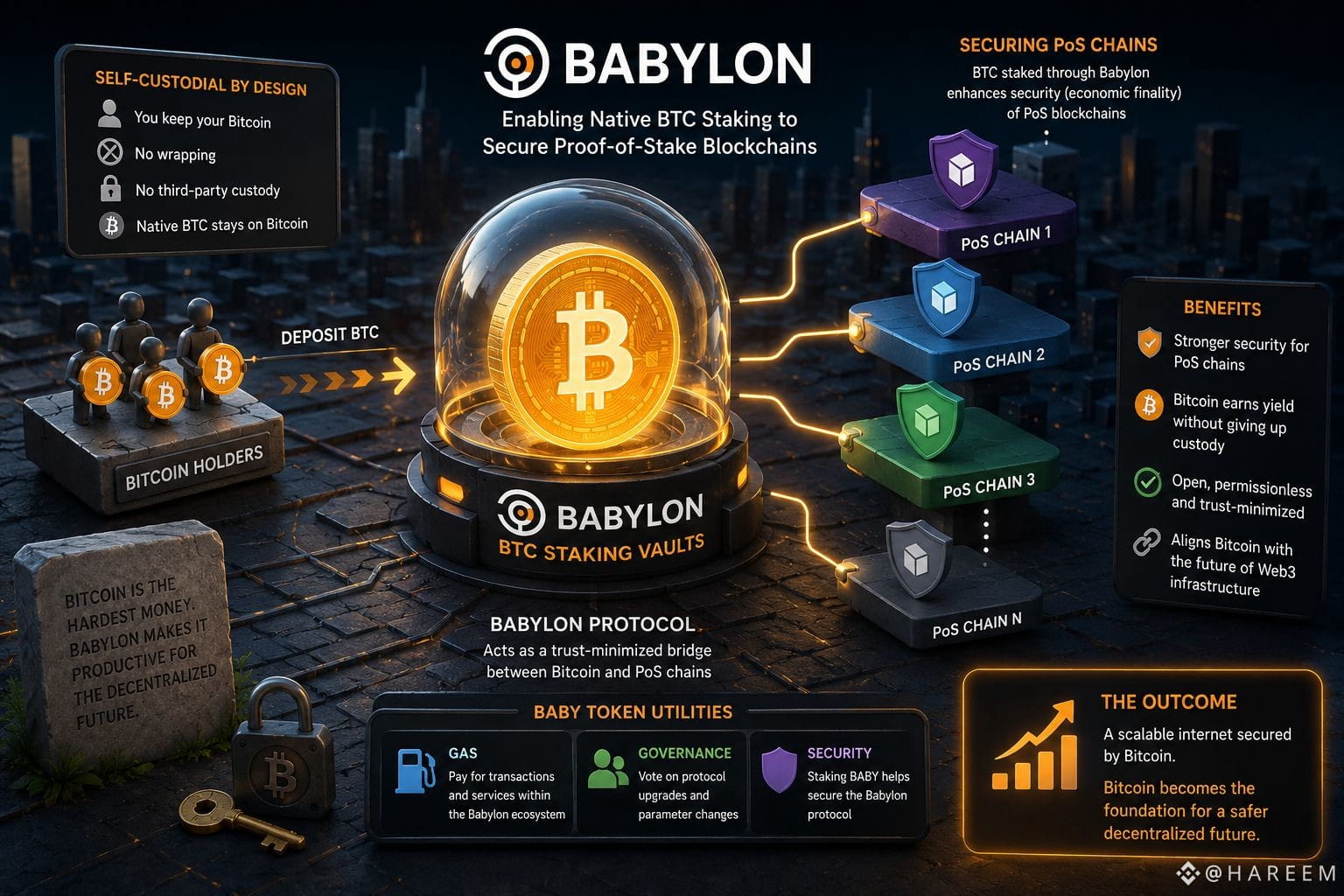
110
40
281
·
--
ブリッシュ
#baby $BABY @babylonlabs_io
最近、バビロンについて少し違う見方をしています。これまでの会話の多くはBTCのステーキングにばかり焦点が当たっていますが、注目すべきはそこではないと思っています。私が惹かれているのは、ビットコインが、自己保管(セルフカストディ)のまま他のネットワークのセキュリティ層へ静かに変わっていくという考え方です。これが一貫して機能するなら、別のステーキング商品よりもはるかに大きな転換になります。
私は暗号資産のサイクルを十分に見てきて、良いナラティブは良いインフラよりも速く広がることを知っています。生き残るプロジェクトは、たいてい最も騒がしいものではありません。人々が熱狂が冷めた後も使い続けるものです。だから私は、短期の価格変動よりも、生態系の成長、バリデータの参加、そして実際の統合により注意を払っています。
ただ、まだ慎重です。どのプロトコルも、センチメントが強いときは説得力があるように見えます。本当の試練は、市場が退屈になっても人々がそれでも使い続けるかどうかです。もしバビロンが、保有者に資産のコントロールを手放させることなく、ビットコインがPoSのエコシステムをセキュアにできることを引き続き証明できるなら、最大の成果は利回りではありません。ビットコインが、自身のチェーンを超えて価値を生み出す方法を変えることになるはずです。
#baby $BABY @BabylonLabs_io
最近、バビロンについて少し違う見方をしています。これまでの会話の多くはBTCのステーキングにばかり焦点が当たっていますが、注目すべきはそこではないと思っています。私が惹かれているのは、ビットコインが、自己保管(セルフカストディ)のまま他のネットワークのセキュリティ層へ静かに変わっていくという考え方です。これが一貫して機能するなら、別のステーキング商品よりもはるかに大きな転換になります。
私は暗号資産のサイクルを十分に見てきて、良いナラティブは良いインフラよりも速く広がることを知っています。生き残るプロジェクトは、たいてい最も騒がしいものではありません。人々が熱狂が冷めた後も使い続けるものです。だから私は、短期の価格変動よりも、生態系の成長、バリデータの参加、そして実際の統合により注意を払っています。
ただ、まだ慎重です。どのプロトコルも、センチメントが強いときは説得力があるように見えます。本当の試練は、市場が退屈になっても人々がそれでも使い続けるかどうかです。もしバビロンが、保有者に資産のコントロールを手放させることなく、ビットコインがPoSのエコシステムをセキュアにできることを引き続き証明できるなら、最大の成果は利回りではありません。ビットコインが、自身のチェーンを超えて価値を生み出す方法を変えることになるはずです。
最近、バビロンについて少し違う見方をしています。これまでの会話の多くはBTCのステーキングにばかり焦点が当たっていますが、注目すべきはそこではないと思っています。私が惹かれているのは、ビットコインが、自己保管(セルフカストディ)のまま他のネットワークのセキュリティ層へ静かに変わっていくという考え方です。これが一貫して機能するなら、別のステーキング商品よりもはるかに大きな転換になります。
私は暗号資産のサイクルを十分に見てきて、良いナラティブは良いインフラよりも速く広がることを知っています。生き残るプロジェクトは、たいてい最も騒がしいものではありません。人々が熱狂が冷めた後も使い続けるものです。だから私は、短期の価格変動よりも、生態系の成長、バリデータの参加、そして実際の統合により注意を払っています。
ただ、まだ慎重です。どのプロトコルも、センチメントが強いときは説得力があるように見えます。本当の試練は、市場が退屈になっても人々がそれでも使い続けるかどうかです。もしバビロンが、保有者に資産のコントロールを手放させることなく、ビットコインがPoSのエコシステムをセキュアにできることを引き続き証明できるなら、最大の成果は利回りではありません。ビットコインが、自身のチェーンを超えて価値を生み出す方法を変えることになるはずです。
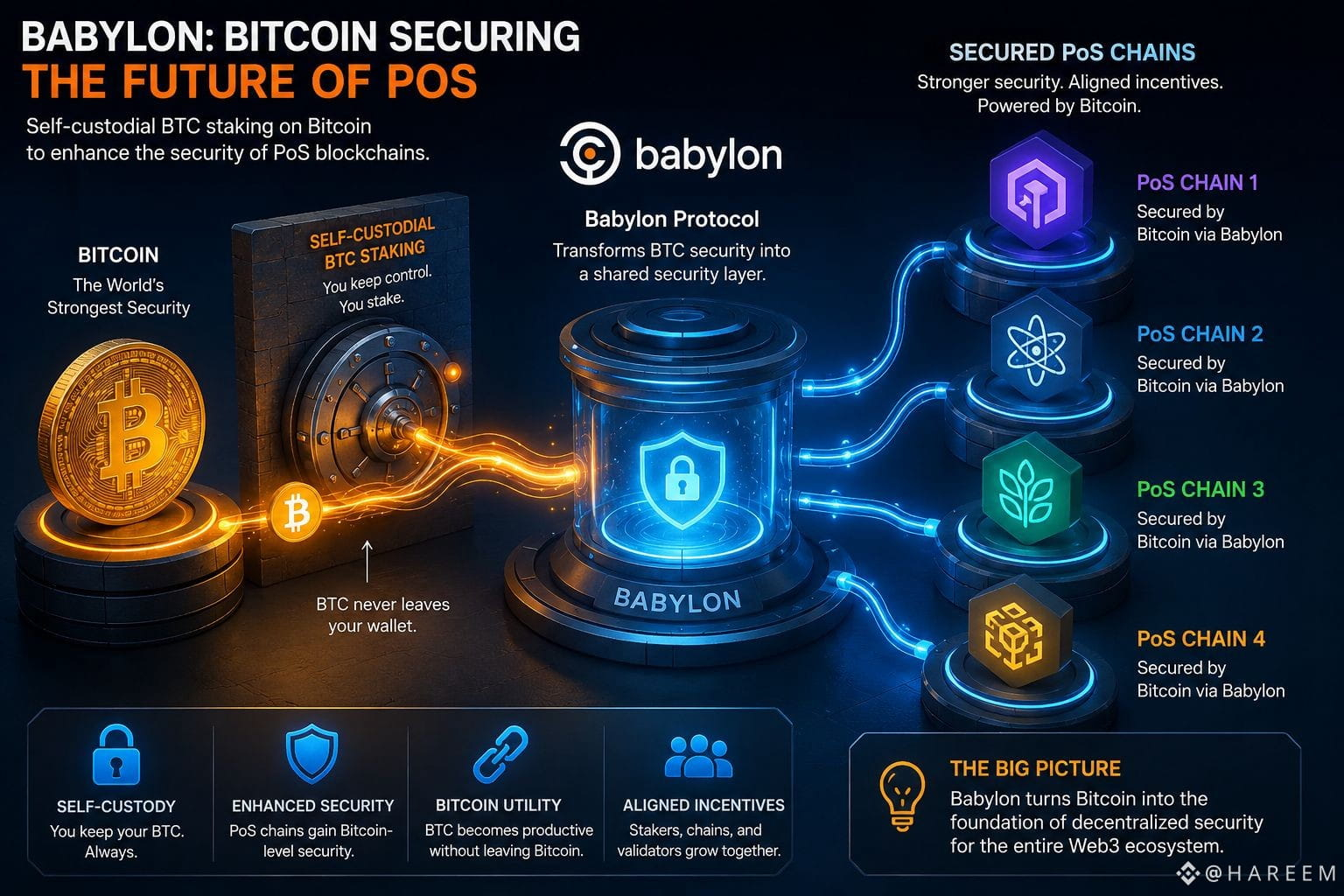
83
34
508
·
--
ブリッシュ
#baby $BABY @babylonlabs_io
私は暗号資産に十分長く関わっていて、どのサイクルでもビットコインに“新しい役割”を与えようとする流れがあるのを見てきました。中には数か月で消えていくアイデアもあれば、スポットライトが別の場所に移っても、静かに進化し続けるものもあります。だからこそ私はバビロンを繰り返し見直しています。私が惹かれているのは、ステーキング報酬の約束や別のTVL(総預かり資産残高)のマイルストーンではありません。プロトコルが投げかけている、もっと大きな問いです――「ビットコインは、その価値の源泉になっている性質を手放すことなく、他のネットワークを強化できるのか?」
私は多くのプロジェクトが、金融工学を“本当の革新”と取り違えるのを見てきました。バビロンは違うと感じます。核心となる発想が驚くほどシンプルだからです。ビットコイン保有者に、自分の資産を別のチェーンに預けて“任せる”よう求めるのではなく、自分で管理する体制(セルフカストディ)を維持しつつ、ビットコインのセキュリティをPoS(プルーフ・オブ・ステーク)エコシステムの支えとして活用することに焦点を当てています。紙の上では簡単に見えますが、実際に両立させるのは難しいバランスです。
私は今も慎重です。新しい暗号資産の物語には、さまざまな市場環境で検証されるまで懐疑的であるべきです。でもバビロンには、何か引きつけられるものがあります。もし、ビットコインが自分自身のネットワークの外へセキュリティを広げても、コアとなる原則を損なわないことが証明できるなら、その長期的なインパクトは、単なる一時的な利回りの物語よりも、はるかに大きなものになるかもしれません。時に最も強い革新とは、ビットコインに“もっとやらせる”ことではなく、ビットコインが本来のままであり続けながら、その周りのものを静かに強くしていくこと――それなのだと思います。
#baby $BABY @BabylonLabs_io
私は暗号資産に十分長く関わっていて、どのサイクルでもビットコインに“新しい役割”を与えようとする流れがあるのを見てきました。中には数か月で消えていくアイデアもあれば、スポットライトが別の場所に移っても、静かに進化し続けるものもあります。だからこそ私はバビロンを繰り返し見直しています。私が惹かれているのは、ステーキング報酬の約束や別のTVL(総預かり資産残高)のマイルストーンではありません。プロトコルが投げかけている、もっと大きな問いです――「ビットコインは、その価値の源泉になっている性質を手放すことなく、他のネットワークを強化できるのか?」
私は多くのプロジェクトが、金融工学を“本当の革新”と取り違えるのを見てきました。バビロンは違うと感じます。核心となる発想が驚くほどシンプルだからです。ビットコイン保有者に、自分の資産を別のチェーンに預けて“任せる”よう求めるのではなく、自分で管理する体制(セルフカストディ)を維持しつつ、ビットコインのセキュリティをPoS(プルーフ・オブ・ステーク)エコシステムの支えとして活用することに焦点を当てています。紙の上では簡単に見えますが、実際に両立させるのは難しいバランスです。
私は今も慎重です。新しい暗号資産の物語には、さまざまな市場環境で検証されるまで懐疑的であるべきです。でもバビロンには、何か引きつけられるものがあります。もし、ビットコインが自分自身のネットワークの外へセキュリティを広げても、コアとなる原則を損なわないことが証明できるなら、その長期的なインパクトは、単なる一時的な利回りの物語よりも、はるかに大きなものになるかもしれません。時に最も強い革新とは、ビットコインに“もっとやらせる”ことではなく、ビットコインが本来のままであり続けながら、その周りのものを静かに強くしていくこと――それなのだと思います。
私は暗号資産に十分長く関わっていて、どのサイクルでもビットコインに“新しい役割”を与えようとする流れがあるのを見てきました。中には数か月で消えていくアイデアもあれば、スポットライトが別の場所に移っても、静かに進化し続けるものもあります。だからこそ私はバビロンを繰り返し見直しています。私が惹かれているのは、ステーキング報酬の約束や別のTVL(総預かり資産残高)のマイルストーンではありません。プロトコルが投げかけている、もっと大きな問いです――「ビットコインは、その価値の源泉になっている性質を手放すことなく、他のネットワークを強化できるのか?」
私は多くのプロジェクトが、金融工学を“本当の革新”と取り違えるのを見てきました。バビロンは違うと感じます。核心となる発想が驚くほどシンプルだからです。ビットコイン保有者に、自分の資産を別のチェーンに預けて“任せる”よう求めるのではなく、自分で管理する体制(セルフカストディ)を維持しつつ、ビットコインのセキュリティをPoS(プルーフ・オブ・ステーク)エコシステムの支えとして活用することに焦点を当てています。紙の上では簡単に見えますが、実際に両立させるのは難しいバランスです。
私は今も慎重です。新しい暗号資産の物語には、さまざまな市場環境で検証されるまで懐疑的であるべきです。でもバビロンには、何か引きつけられるものがあります。もし、ビットコインが自分自身のネットワークの外へセキュリティを広げても、コアとなる原則を損なわないことが証明できるなら、その長期的なインパクトは、単なる一時的な利回りの物語よりも、はるかに大きなものになるかもしれません。時に最も強い革新とは、ビットコインに“もっとやらせる”ことではなく、ビットコインが本来のままであり続けながら、その周りのものを静かに強くしていくこと――それなのだと思います。
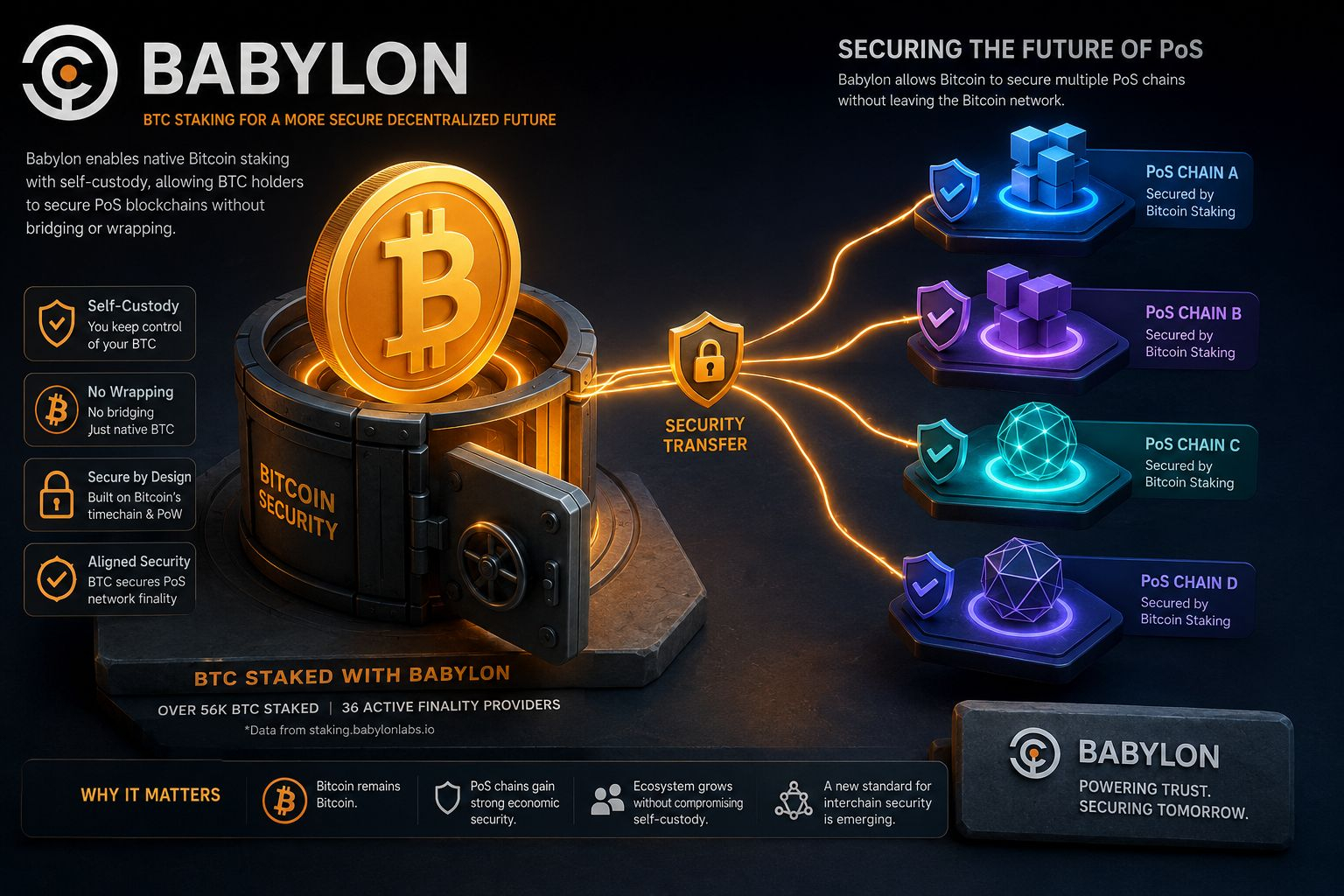
56
28
563
·
--
#FedSeptHikeOddsJumpToAbout82%
#USTreasuryYieldsRetreat
#OilExtendsDecline
$ON
{future}(ONUSDT)
$LAB
{future}(LABUSDT)
$DEXE
{spot}(DEXEUSDT)
バビロンを見ているほど、実際のストーリーがステーキング報酬に関するものだとは思えなくなってきました。むしろ、ビットコインそのものをいかに丁寧に扱っているかの話だと思います。私は十分に長く業界を見てきたので、「BTCをアンロックする」といった約束を掲げるプロジェクトがたくさんあるのを知っています。でも最終的には、別のブリッジ、別のカストディアン、あるいは別の複雑さをユーザーに信じさせる形に行き着いてしまうことが多い。だからこそ、私はバビロンをマーケティングで判断していないんです。
惹きつけられるのは、デザインの背後にあるマインドセットです。ビットコインを何でもかんでもに変えようとするのではなく、ビットコインが他のネットワークを強化することに集中しつつ、自己管理(セルフカストディ)を中心に据えているように見えます。それは、より現実的なアプローチだと感じます。
私はまだ慎重です。仮想通貨には、きちんと検証される前に、あらゆる新しいアイデアを「革命的」に聞こえさせてしまう癖があります。ですが、もしバビロンが成功するなら、それは別の利回りチャンスを生み出したからではないと思います。ビットコインが、価値の源泉である原則を手放さずに、他のエコシステムへ貢献できることを証明したからだと思う。私にとって追う価値があるのは、まさにその問いであって、誇大広告(ハイプ)ではありません。
#FedSeptHikeOddsJumpToAbout82%
#USTreasuryYieldsRetreat
#OilExtendsDecline
$ON
$LAB
$DEXE
バビロンを見ているほど、実際のストーリーがステーキング報酬に関するものだとは思えなくなってきました。むしろ、ビットコインそのものをいかに丁寧に扱っているかの話だと思います。私は十分に長く業界を見てきたので、「BTCをアンロックする」といった約束を掲げるプロジェクトがたくさんあるのを知っています。でも最終的には、別のブリッジ、別のカストディアン、あるいは別の複雑さをユーザーに信じさせる形に行き着いてしまうことが多い。だからこそ、私はバビロンをマーケティングで判断していないんです。
惹きつけられるのは、デザインの背後にあるマインドセットです。ビットコインを何でもかんでもに変えようとするのではなく、ビットコインが他のネットワークを強化することに集中しつつ、自己管理(セルフカストディ)を中心に据えているように見えます。それは、より現実的なアプローチだと感じます。
私はまだ慎重です。仮想通貨には、きちんと検証される前に、あらゆる新しいアイデアを「革命的」に聞こえさせてしまう癖があります。ですが、もしバビロンが成功するなら、それは別の利回りチャンスを生み出したからではないと思います。ビットコインが、価値の源泉である原則を手放さずに、他のエコシステムへ貢献できることを証明したからだと思う。私にとって追う価値があるのは、まさにその問いであって、誇大広告(ハイプ)ではありません。
#USTreasuryYieldsRetreat
#OilExtendsDecline
$ON
$LAB
$DEXE
バビロンを見ているほど、実際のストーリーがステーキング報酬に関するものだとは思えなくなってきました。むしろ、ビットコインそのものをいかに丁寧に扱っているかの話だと思います。私は十分に長く業界を見てきたので、「BTCをアンロックする」といった約束を掲げるプロジェクトがたくさんあるのを知っています。でも最終的には、別のブリッジ、別のカストディアン、あるいは別の複雑さをユーザーに信じさせる形に行き着いてしまうことが多い。だからこそ、私はバビロンをマーケティングで判断していないんです。
惹きつけられるのは、デザインの背後にあるマインドセットです。ビットコインを何でもかんでもに変えようとするのではなく、ビットコインが他のネットワークを強化することに集中しつつ、自己管理(セルフカストディ)を中心に据えているように見えます。それは、より現実的なアプローチだと感じます。
私はまだ慎重です。仮想通貨には、きちんと検証される前に、あらゆる新しいアイデアを「革命的」に聞こえさせてしまう癖があります。ですが、もしバビロンが成功するなら、それは別の利回りチャンスを生み出したからではないと思います。ビットコインが、価値の源泉である原則を手放さずに、他のエコシステムへ貢献できることを証明したからだと思う。私にとって追う価値があるのは、まさにその問いであって、誇大広告(ハイプ)ではありません。
🔒 Security over yield
40%
🟠 Self-custody matters most
40%
⚖️ Too early to judge
0%
👀 Watching, not convinced yet
20%
5 投票 • 投票は終了しました
19
16
3.8k
·
--
#baby @babylonlabs_io $BABY
{spot}(BABYUSDT)
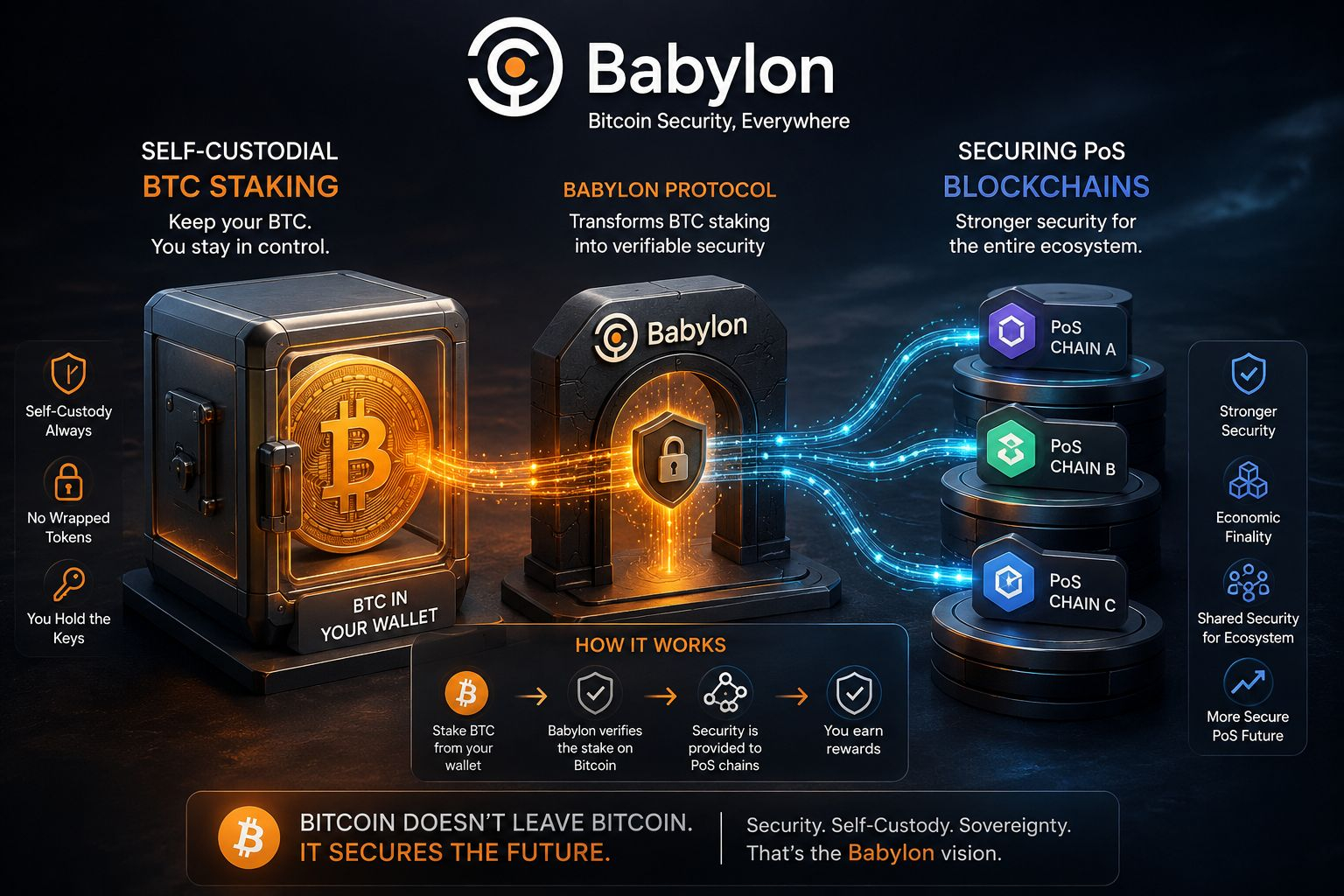
私は暗号の世界では、どんな新しいアイデアもすぐ次の大きな物語へと変えてしまうのを十分すぎるほど見てきました。ですが、実際のユーザーが難しい質問をし始めると、その多くの話は色あせて消えていきます。だからこそ私は、バビロンを別の角度から見続けています。私はそれを、ビットコインからさらに利回りを絞り出す別の手段だとは考えていません。ビットコインの最も強い特徴――そのセキュリティ――が、自己管理(セルフカストディ)を損なうことなく、自身のネットワークの外へ拡張できるのかを確かめる実験だと捉えています。それは、ずっと意義のある挑戦に思えます。
最近のエコシステムの進展、ステーキング基盤の拡充から新しい統合やツールまで、チームが単に期待感を煽るためではなく、システムをより使いやすくすることに注力していると私には伝わります。その姿勢には感謝しています。というのも、プロダクトそのものを改善するよりもマーケティングに時間を費やすプロジェクトを、私はあまりにも多く見てきたからです。
私はまだ慎重です。どんなプロトコルも、ストレスがかかるまではしっかりして見えます。市場環境の変化や想定外のインセンティブが現れたときにこそ、本当の設計が試されます。もしバビロンが成功するなら、それは最高の報酬を提示したからではありません。他のエコシステムを、ビットコインがセキュアにできることを証明しつつ、そもそも人々がそれを信じた原則に忠実でいられることを示したからだ、ということになるでしょう。私が見ているのは価格ではなく、その問いです。
#baby @BabylonLabs_io $BABY
私は暗号の世界では、どんな新しいアイデアもすぐ次の大きな物語へと変えてしまうのを十分すぎるほど見てきました。ですが、実際のユーザーが難しい質問をし始めると、その多くの話は色あせて消えていきます。だからこそ私は、バビロンを別の角度から見続けています。私はそれを、ビットコインからさらに利回りを絞り出す別の手段だとは考えていません。ビットコインの最も強い特徴――そのセキュリティ――が、自己管理(セルフカストディ)を損なうことなく、自身のネットワークの外へ拡張できるのかを確かめる実験だと捉えています。それは、ずっと意義のある挑戦に思えます。
最近のエコシステムの進展、ステーキング基盤の拡充から新しい統合やツールまで、チームが単に期待感を煽るためではなく、システムをより使いやすくすることに注力していると私には伝わります。その姿勢には感謝しています。というのも、プロダクトそのものを改善するよりもマーケティングに時間を費やすプロジェクトを、私はあまりにも多く見てきたからです。
私はまだ慎重です。どんなプロトコルも、ストレスがかかるまではしっかりして見えます。市場環境の変化や想定外のインセンティブが現れたときにこそ、本当の設計が試されます。もしバビロンが成功するなら、それは最高の報酬を提示したからではありません。他のエコシステムを、ビットコインがセキュアにできることを証明しつつ、そもそも人々がそれを信じた原則に忠実でいられることを示したからだ、ということになるでしょう。私が見ているのは価格ではなく、その問いです。
私は暗号の世界では、どんな新しいアイデアもすぐ次の大きな物語へと変えてしまうのを十分すぎるほど見てきました。ですが、実際のユーザーが難しい質問をし始めると、その多くの話は色あせて消えていきます。だからこそ私は、バビロンを別の角度から見続けています。私はそれを、ビットコインからさらに利回りを絞り出す別の手段だとは考えていません。ビットコインの最も強い特徴――そのセキュリティ――が、自己管理(セルフカストディ)を損なうことなく、自身のネットワークの外へ拡張できるのかを確かめる実験だと捉えています。それは、ずっと意義のある挑戦に思えます。
最近のエコシステムの進展、ステーキング基盤の拡充から新しい統合やツールまで、チームが単に期待感を煽るためではなく、システムをより使いやすくすることに注力していると私には伝わります。その姿勢には感謝しています。というのも、プロダクトそのものを改善するよりもマーケティングに時間を費やすプロジェクトを、私はあまりにも多く見てきたからです。
私はまだ慎重です。どんなプロトコルも、ストレスがかかるまではしっかりして見えます。市場環境の変化や想定外のインセンティブが現れたときにこそ、本当の設計が試されます。もしバビロンが成功するなら、それは最高の報酬を提示したからではありません。他のエコシステムを、ビットコインがセキュアにできることを証明しつつ、そもそも人々がそれを信じた原則に忠実でいられることを示したからだ、ということになるでしょう。私が見ているのは価格ではなく、その問いです。
49
30
848
·
--
ブリッシュ
#baby $BABY @babylonlabs_io
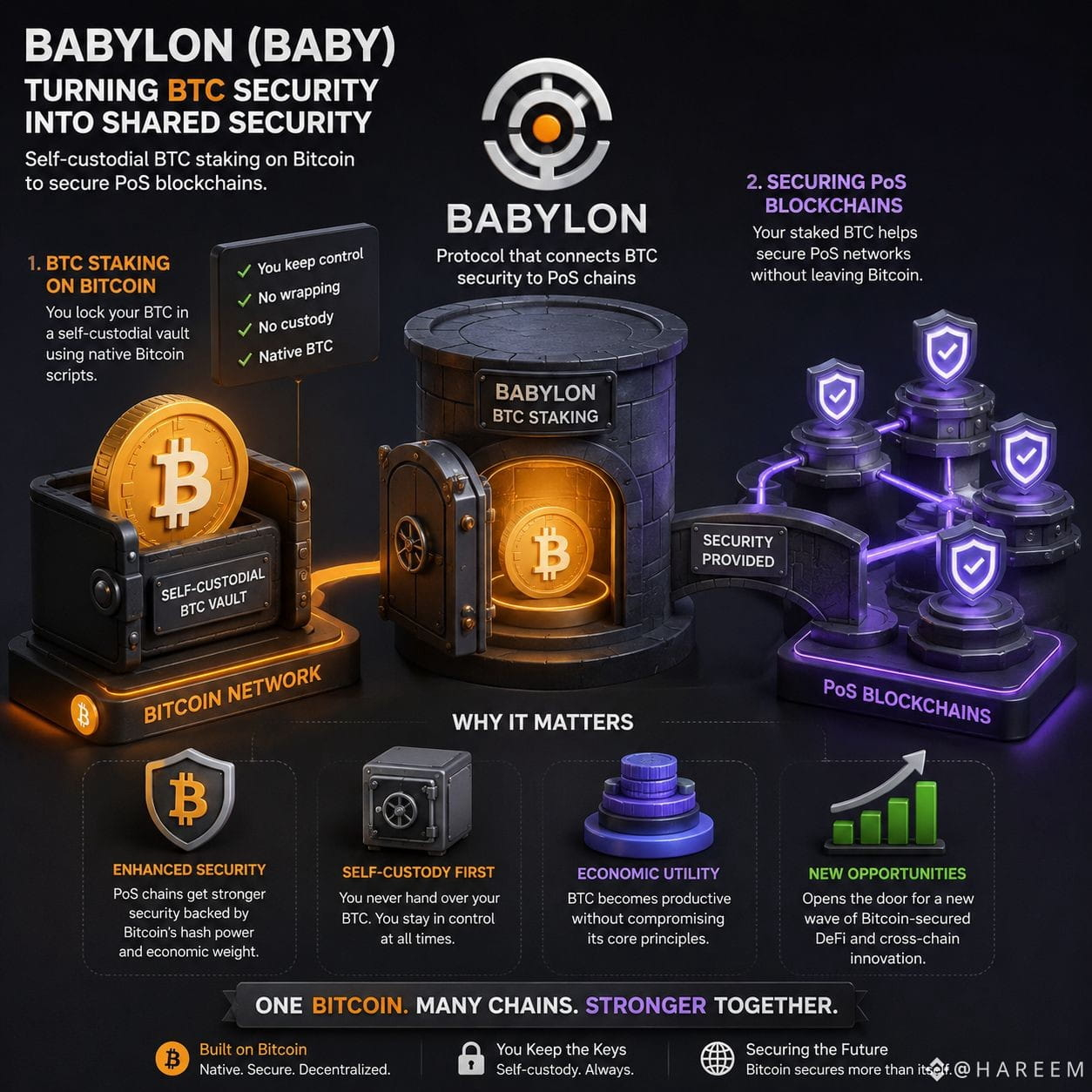
私はバビロンを見ていて、いちばん興味深く感じるのは「BTCステーキング」というラベルそのものではありません。保有者が最も大切にしている部分――すなわちコントロール――を手放すようには求めずに、自分で管理(セルフカストディ)できるビットコインに、より多くのことを可能にしようとする試みです。これは、聞こえるほど簡単な問題ではありません。多くの暗号資産プロジェクトは、BTCの周りにユーティリティを作りたいと言いますが、そのほとんどは静かに、追加の信頼、追加のラッパー、あるいは追加の前提に依存しています。バビロンは別の習慣を試しているように見えます。つまり、BTCはネイティブのまま、カストディは維持したままにし、その複雑さが明確に価値を追加する場合に限って、人々がその複雑さを受け入れるかどうかを見るのです。この取引(トレードオフ)に対して実際にどれほど需要があるのか、まだ確信はありません。ただ、市場はこのサインを見逃すべきではないと思います。本当の話はステーキングではありません。よりアクティブな金融システムの中で、ビットコインがビットコインであり続けながら、役に立つ存在になれるかどうかです。それははるかに狭い道筋であり、おそらくより正直な道筋でもあります。
#baby $BABY @BabylonLabs_io
私はバビロンを見ていて、いちばん興味深く感じるのは「BTCステーキング」というラベルそのものではありません。保有者が最も大切にしている部分――すなわちコントロール――を手放すようには求めずに、自分で管理(セルフカストディ)できるビットコインに、より多くのことを可能にしようとする試みです。これは、聞こえるほど簡単な問題ではありません。多くの暗号資産プロジェクトは、BTCの周りにユーティリティを作りたいと言いますが、そのほとんどは静かに、追加の信頼、追加のラッパー、あるいは追加の前提に依存しています。バビロンは別の習慣を試しているように見えます。つまり、BTCはネイティブのまま、カストディは維持したままにし、その複雑さが明確に価値を追加する場合に限って、人々がその複雑さを受け入れるかどうかを見るのです。この取引(トレードオフ)に対して実際にどれほど需要があるのか、まだ確信はありません。ただ、市場はこのサインを見逃すべきではないと思います。本当の話はステーキングではありません。よりアクティブな金融システムの中で、ビットコインがビットコインであり続けながら、役に立つ存在になれるかどうかです。それははるかに狭い道筋であり、おそらくより正直な道筋でもあります。
私はバビロンを見ていて、いちばん興味深く感じるのは「BTCステーキング」というラベルそのものではありません。保有者が最も大切にしている部分――すなわちコントロール――を手放すようには求めずに、自分で管理(セルフカストディ)できるビットコインに、より多くのことを可能にしようとする試みです。これは、聞こえるほど簡単な問題ではありません。多くの暗号資産プロジェクトは、BTCの周りにユーティリティを作りたいと言いますが、そのほとんどは静かに、追加の信頼、追加のラッパー、あるいは追加の前提に依存しています。バビロンは別の習慣を試しているように見えます。つまり、BTCはネイティブのまま、カストディは維持したままにし、その複雑さが明確に価値を追加する場合に限って、人々がその複雑さを受け入れるかどうかを見るのです。この取引(トレードオフ)に対して実際にどれほど需要があるのか、まだ確信はありません。ただ、市場はこのサインを見逃すべきではないと思います。本当の話はステーキングではありません。よりアクティブな金融システムの中で、ビットコインがビットコインであり続けながら、役に立つ存在になれるかどうかです。それははるかに狭い道筋であり、おそらくより正直な道筋でもあります。
6
7
118
ログインして、さらにコンテンツを読む
厳選トピックで世界の暗号資産トレーダーの仲間入り
⚡️ 暗号資産に関する最新かつ有益な情報が見つかります。
💬 世界最大の暗号資産取引所から信頼されています。
👍 認証を受けたクリエイターから、有益なインサイトを得られます。
メール / 電話番号
トレンドトピック
ClarityActFacesProceduralVoteSept15
閲覧回数 23,481
392人が討論中
#clarityactfacesproceduralvotesept15
🚨 透明性法案、9月15日に手続き上の採決が直面 🚨
上院議場は静まり返っているが、暗号資産市場はすでに時計を見ている。9月15日、ある手続き上の採決が、大規模な米国の暗号資産の市場構造に関する法案が前進する機会を得るかどうかを左右する可能性がある。
このCLARITY法案は当日に最終採決に臨むわけではない。上院議員は、上院のハードルを越えるために60票が必要な重要な手続きステップである「審議に進む動議」について投票する見込みだ。
この違いが重要だ。可決されても法案が法律になるわけではないが、その後の上院での検討や協議の扉が開かれることになる。
利害は大きい。今回の立法は、デジタル資産をめぐるより明確なルールを定め、米国の規制当局の責任分担がどのように決まるのかを明らかにすることを目的としている。
最新の630ページに及ぶ改訂版では、特定の非分散型の取引プロトコルに対応する条項も追加されている。一方で、いくつかの政治的・規制上の意見の相違は未解決のままだ。
私見:9月15日は勝利・敗北の日というより、信頼性の試金石として捉えるべきだ。手続き上の障壁をクリアできれば、米国の暗号資産の法整備がより明確な枠組みに向けて進んでいるという信頼感が強まる可能性がある。失敗すれば不確実性が長引くかもしれない。
暗号資産市場にとっては、規制の明確さが機関投資家の参加やビジネス上の意思決定、そして投資家が米国へのエクスポージャーをどのように価格付けするかに影響を与えうる。しかし、期待は法律そのものよりも速く動くことがある。
本当のシグナルは、暗号資産が一晩で明確さを得るかどうかではなく、議員たちがついに十分な合意を築いてプロセスを前に進められるかどうかだ。
9月15日の投票は、米国の暗号資産規制にとって転機になるのか、それとも別の遅れになるのか?
免責事項:この記事は教育目的のみに提供されており、金融アドバイスではありません。ご自身で調査を行い、リスクを慎重に管理してください。
#CryptoRegulation #Bitcoin #GrowWithSAC $SUI $NEAR $BNB
#ClarityActFacesProceduralVoteSept15
Sienna Leo-你真棒-带我走
·いいね:3件
·閲覧回数 2.8k
US2YearYieldRisesTo4.61%
閲覧回数 22,459
460人が討論中
US10YearTreasuryYieldNears5%
閲覧回数 11,476
261人が討論中