
EthanValeX
1.8k 投稿

EthanValeX
Sharing market insights, real-world DCA & futures strategies.
No hype. No FOMO. Just discipline.
Follow me.
100 フォロー
513 フォロワー
1.7K+ いいね
投稿
すべて
引用
動画
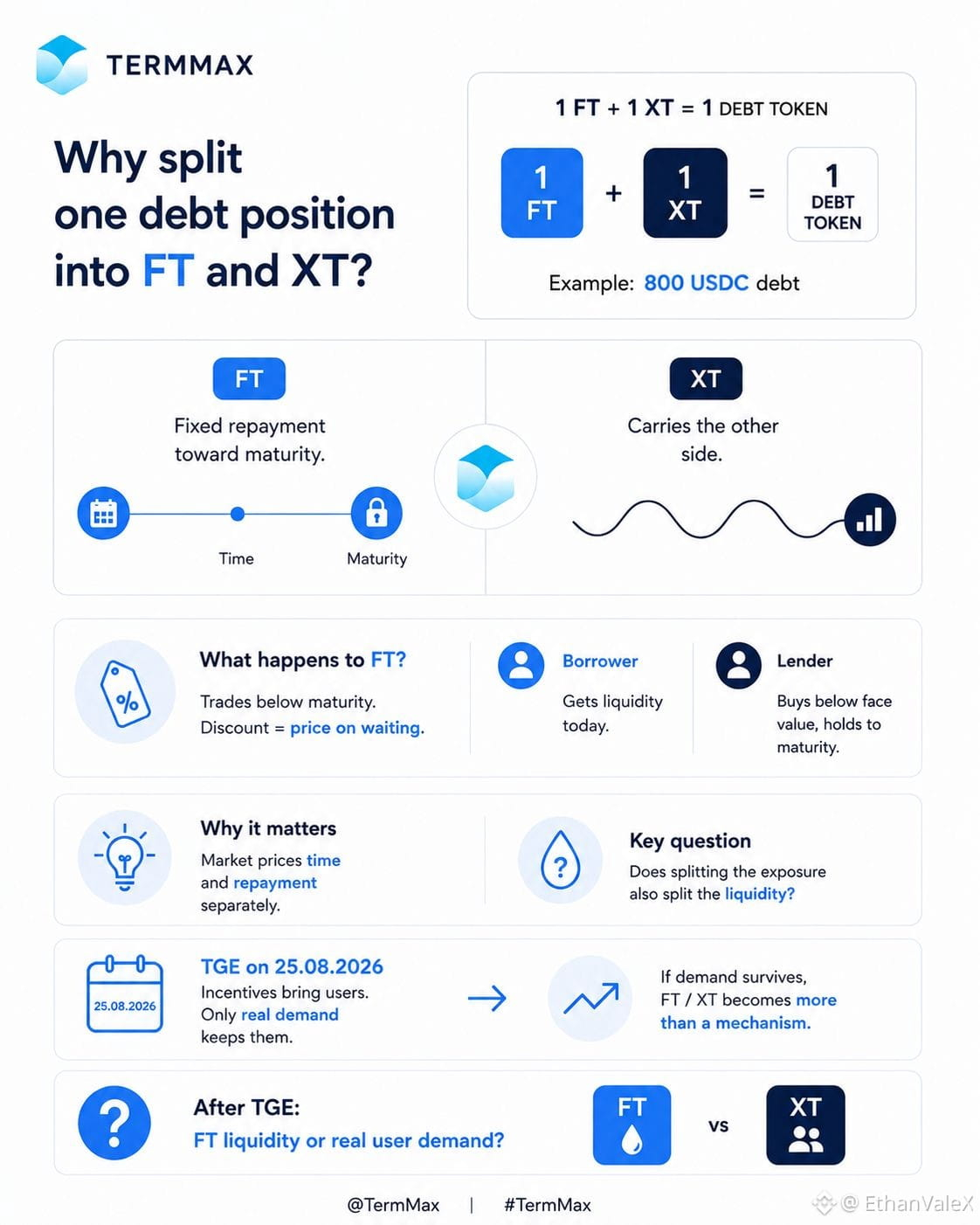
@TermMax を眺めながら考え続けていたのは、1つの疑問だった。そもそも、なぜ1つの債務ポジションをFTとXTに分ける必要があるのか?
関係はシンプルだ。1つのFT + 1つのXT = 1つの債務トークン。借り手が負債として800 USDCを持っているなら、FTは満期に向けた固定返済側を表し、XTはもう一方の側面を担う。
最初は、それは明確な理由もないのに別の層を追加しているだけに見えた。だが、その後FTがどうなるかを見てみた。
FTは満期価値を下回って取引され得る。つまり、そのディスカウントは事実上「待つこと」に価格を付けていることになる。借り手は将来の請求権を売ることで、今日の流動性を得られる。一方、貸し手は額面よりも安くそれを買い、満期まで保有できる。
ここが面白いと感じた部分だ。TermMaxは単にローンのAPRを固定するだけではない。返済や時間の扱いを、ポジションをまとめて固定するのではなく、市場が別様に扱えるような道を与えている。
ただ、無視できない別の疑問もある。
エクスポージャーを分割すれば、流動性も分割されるのだろうか?
市場が薄くなりすぎれば、分離しても実務上は大した意味を持たない。
TGEが25.08.2026に予定されている。より興味深い試験が始まる。インセンティブは人を市場に呼び込めるかもしれないが、ユーザーが実際に固定金利のエクスポージャー自体を求めているかどうかは教えてくれない。
報酬の重みが相対的に下がったときでも、その需要が残るなら、FT / XTの構造は単なる巧妙な仕組み以上のものに見えてくる。
その部分は、TGE後に私が注視しているところだ。
TGE後、あなたにとってより重要なのはFTの流動性か、それとも実ユーザーの需要か?
@TermMax #TermMax
関係はシンプルだ。1つのFT + 1つのXT = 1つの債務トークン。借り手が負債として800 USDCを持っているなら、FTは満期に向けた固定返済側を表し、XTはもう一方の側面を担う。
最初は、それは明確な理由もないのに別の層を追加しているだけに見えた。だが、その後FTがどうなるかを見てみた。
FTは満期価値を下回って取引され得る。つまり、そのディスカウントは事実上「待つこと」に価格を付けていることになる。借り手は将来の請求権を売ることで、今日の流動性を得られる。一方、貸し手は額面よりも安くそれを買い、満期まで保有できる。
ここが面白いと感じた部分だ。TermMaxは単にローンのAPRを固定するだけではない。返済や時間の扱いを、ポジションをまとめて固定するのではなく、市場が別様に扱えるような道を与えている。
ただ、無視できない別の疑問もある。
エクスポージャーを分割すれば、流動性も分割されるのだろうか?
市場が薄くなりすぎれば、分離しても実務上は大した意味を持たない。
TGEが25.08.2026に予定されている。より興味深い試験が始まる。インセンティブは人を市場に呼び込めるかもしれないが、ユーザーが実際に固定金利のエクスポージャー自体を求めているかどうかは教えてくれない。
報酬の重みが相対的に下がったときでも、その需要が残るなら、FT / XTの構造は単なる巧妙な仕組み以上のものに見えてくる。
その部分は、TGE後に私が注視しているところだ。
TGE後、あなたにとってより重要なのはFTの流動性か、それとも実ユーザーの需要か?
@TermMax #TermMax
#TermMax @TermMax
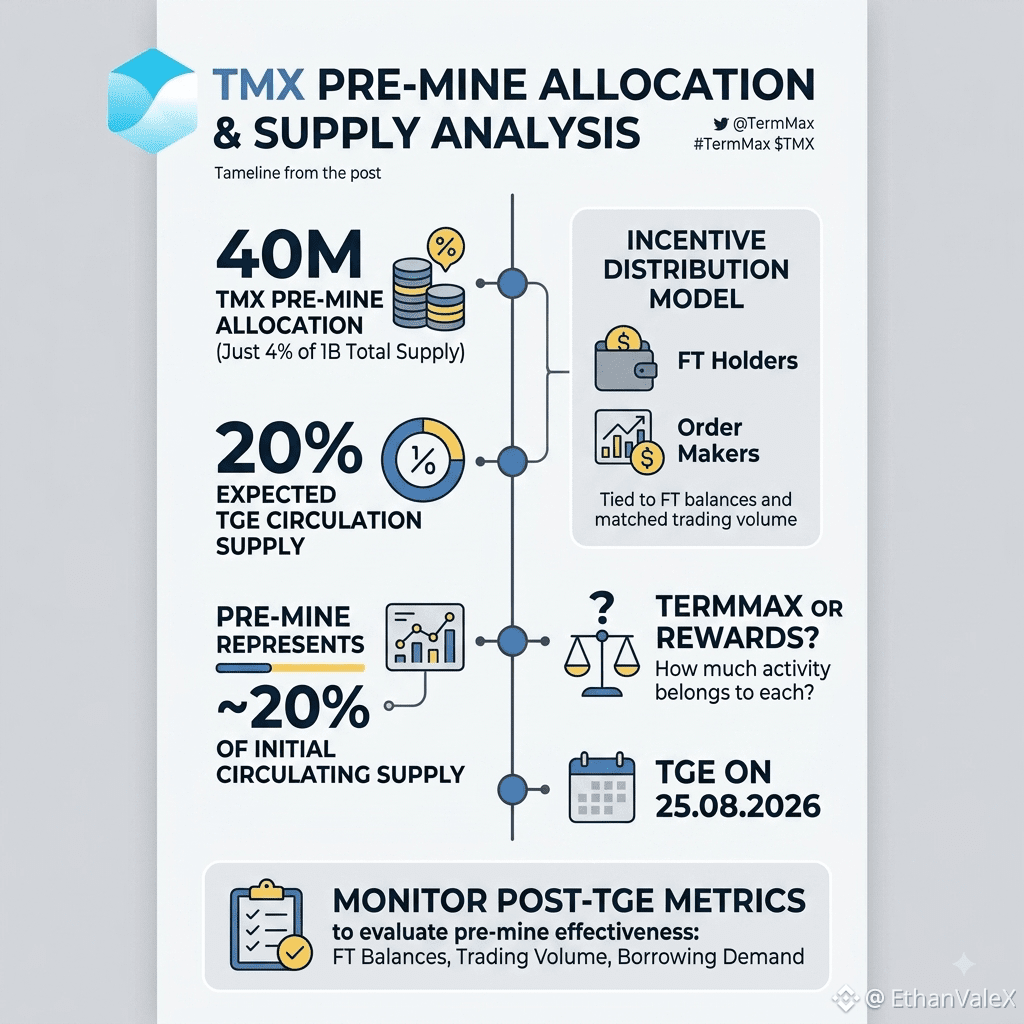
今日は @TermMax のプレマイに関する数字を確認していて、ある1つの数字で手が止まりました。
40M TMX はプレマイに割り当てられており、全1B供給量のわずか4%です。
それは小さく見えますが、別の数字と並べると話が変わります。TGE時点で流通しているのは、TMXのうち期待されるのが20%だけです。つまりプレマイだけで、初期の流通供給量の約20%を占めていることになります。
そこで私は、インセンティブ(報酬の仕組み)を別の観点から見始めました。
報酬は、すべてのウォレットにただトークンを配るのではなく、FT保有者およびオーダーメーカーに対して、FT残高とマッチした取引量に紐づいて支払われます。
ただ、まだ答えられない部分があります。
その活動のうち、実際に TermMax に帰属する割合はどれくらいで、どれくらいが報酬によるものなのでしょうか?
2026年08月25日のTGEまで待てば、はるかに良い判断材料が得られます。
それまでにどれだけのTMXが獲得されたかは、正直あまり重要ではありません。
TMXの報酬が参加の分かりやすい理由になっていない状況でも、FT残高・取引量・借入需要に裏付けとなるものがあるのかを見たいのです。
活動が保たれていれば、プレマイは市場を育てるのに役立ったように見えます。
すぐに薄れていくなら、私は40M TMX を別の見方で捉えるでしょう。
重要な見出しは40M TMXです。
私にとってもっと重要なのは、TGEの後に出てくる数値です。
まず最初にどの指標を見ますか:FT残高、取引量、それとも借入需要?
今日は @TermMax のプレマイに関する数字を確認していて、ある1つの数字で手が止まりました。
40M TMX はプレマイに割り当てられており、全1B供給量のわずか4%です。
それは小さく見えますが、別の数字と並べると話が変わります。TGE時点で流通しているのは、TMXのうち期待されるのが20%だけです。つまりプレマイだけで、初期の流通供給量の約20%を占めていることになります。
そこで私は、インセンティブ(報酬の仕組み)を別の観点から見始めました。
報酬は、すべてのウォレットにただトークンを配るのではなく、FT保有者およびオーダーメーカーに対して、FT残高とマッチした取引量に紐づいて支払われます。
ただ、まだ答えられない部分があります。
その活動のうち、実際に TermMax に帰属する割合はどれくらいで、どれくらいが報酬によるものなのでしょうか?
2026年08月25日のTGEまで待てば、はるかに良い判断材料が得られます。
それまでにどれだけのTMXが獲得されたかは、正直あまり重要ではありません。
TMXの報酬が参加の分かりやすい理由になっていない状況でも、FT残高・取引量・借入需要に裏付けとなるものがあるのかを見たいのです。
活動が保たれていれば、プレマイは市場を育てるのに役立ったように見えます。
すぐに薄れていくなら、私は40M TMX を別の見方で捉えるでしょう。
重要な見出しは40M TMXです。
私にとってもっと重要なのは、TGEの後に出てくる数値です。
まず最初にどの指標を見ますか:FT残高、取引量、それとも借入需要?
思っていたより注文IDのほうが重要だった
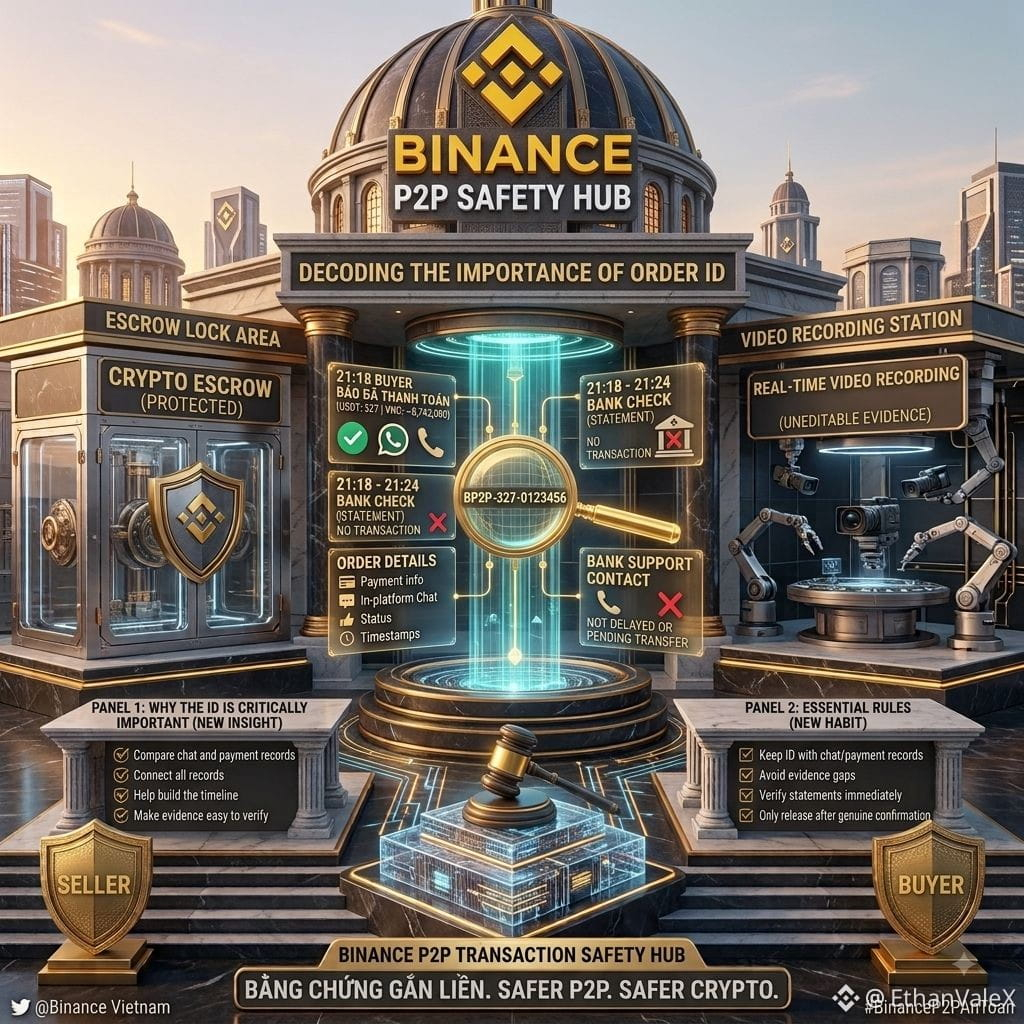
327 USDT(約8,742,000 VND相当)のBinance P2P注文に関わったことで、このことを学びました。買い手は21:18に支払い完了としてマークしていましたが、銀行残高と取引履歴を何度も確認しても何も見つかりませんでした。21:24の時点でも、その注文はまだ有効のままでした。
注文の詳細を開き、注文IDと照らし合わせてすべてを確認し始めました。支払い情報、アプリ内チャット、注文ステータス、タイムスタンプはいずれも同じ取引を指していました。
買い手は21:18に支払いが完了したと主張していましたが、私の銀行記録にはそれに対応する入金取引がありませんでした。そこで、支払いが遅延しているのか、あるいは保留の送金として滞留しているのかを確認するために銀行へ連絡しました。
そうではありませんでした。
そのとき、説明よりもタイムラインのほうが重要だと気づきました。注文IDは、買い手の主張、チャット、支払いの詳細、そして実際に銀行が表示している内容の、ひとつの基準点を与えてくれたのです。
注文が見直された際には、個別のスクリーンショットを送って、それぞれが何を意味するのかを説明しようとするのではなく、それらの記録をひとつのつながった事案として提示できました。
驚いたのは、注文IDそのものが何かを証明するわけではなかったことです。注文IDの価値は、他の証拠を同じ取引に照らして確認しやすくする点にありました。
それ以来、注文ID、アプリ内チャット、関連する支払い記録はまとめて保管しています。エスクローは注文が有効な間、暗号資産を保護しますが、良い記録があれば、何かが起きたときに取引をはるかに再構成しやすくなります。
以前は、良い証拠とはスクリーンショットが多いことだと思っていました。今は、隙間を減らしていくことだと思っています。
@Binance Vietnam #BinanceP2PAnToan
327 USDT(約8,742,000 VND相当)のBinance P2P注文に関わったことで、このことを学びました。買い手は21:18に支払い完了としてマークしていましたが、銀行残高と取引履歴を何度も確認しても何も見つかりませんでした。21:24の時点でも、その注文はまだ有効のままでした。
注文の詳細を開き、注文IDと照らし合わせてすべてを確認し始めました。支払い情報、アプリ内チャット、注文ステータス、タイムスタンプはいずれも同じ取引を指していました。
買い手は21:18に支払いが完了したと主張していましたが、私の銀行記録にはそれに対応する入金取引がありませんでした。そこで、支払いが遅延しているのか、あるいは保留の送金として滞留しているのかを確認するために銀行へ連絡しました。
そうではありませんでした。
そのとき、説明よりもタイムラインのほうが重要だと気づきました。注文IDは、買い手の主張、チャット、支払いの詳細、そして実際に銀行が表示している内容の、ひとつの基準点を与えてくれたのです。
注文が見直された際には、個別のスクリーンショットを送って、それぞれが何を意味するのかを説明しようとするのではなく、それらの記録をひとつのつながった事案として提示できました。
驚いたのは、注文IDそのものが何かを証明するわけではなかったことです。注文IDの価値は、他の証拠を同じ取引に照らして確認しやすくする点にありました。
それ以来、注文ID、アプリ内チャット、関連する支払い記録はまとめて保管しています。エスクローは注文が有効な間、暗号資産を保護しますが、良い記録があれば、何かが起きたときに取引をはるかに再構成しやすくなります。
以前は、良い証拠とはスクリーンショットが多いことだと思っていました。今は、隙間を減らしていくことだと思っています。
@Binance Vietnam #BinanceP2PAnToan
#TermMax @TermMax
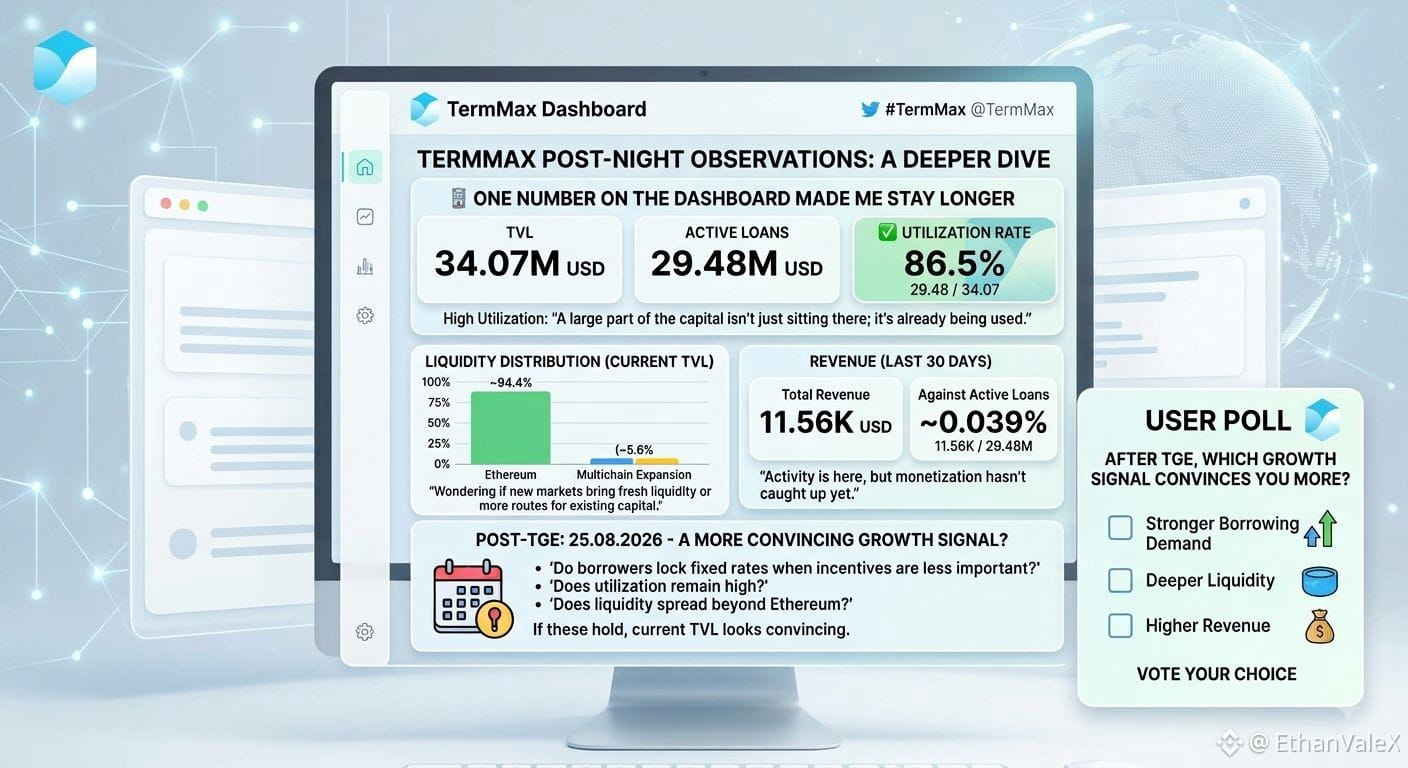
本来@TermMax は今夜中に終わる予定だったのですが、ダッシュボードのある数値が気になって、少しだけ長居してしまいました。
34.07M USDのTVL。29.48M USDのアクティブローン。
29.48 / 34.07 = 約86.5%。
固定金利の貸付市場では、最初に目に留まったのがこの数字です。資本の大部分がただ置かれているわけではなく、すでに使われています。
次に、その資本が実際にどこにあるのかを確認しました。
TVLの約94.4%はまだEthereum上にあります。TermMaxは複数チェーンに拡大してきましたが、現状の分布を見ると、新しい市場が新たな流動性を呼び込んでいるのか、それとも既存の資本に別ルートを与えているだけなのかが気になります。
収益も、慎重にならざるを得ないもう一つの理由です。
TermMaxは直近30日で約11.56K USDの収益を上げました。29.48M USDのアクティブローンに対して、これはおよそ0.039%です。
つまり動きはありますが、収益化がまだ追いついていないということです。
だから私は、別のTVL更新よりも、2026年08月25日のTGEまわりで何が起きるのかにより関心があります。
インセンティブの重要度が下がったときに、借り手が固定金利をロックする理由をまだ持っているのか、ローンの利用率が高いままなのか、そして流動性がEthereumの外に広がり始めるのかを見たいです。
これらの数字が維持されるなら、現在のTVLは私にとってずっと説得力のあるものに見えてきます。
TGEの後、TermMaxが本当に成長していると確信させてくれるのは、どれでしょう:より強い借入需要、より深い流動性、あるいはより高い収益?
本来@TermMax は今夜中に終わる予定だったのですが、ダッシュボードのある数値が気になって、少しだけ長居してしまいました。
34.07M USDのTVL。29.48M USDのアクティブローン。
29.48 / 34.07 = 約86.5%。
固定金利の貸付市場では、最初に目に留まったのがこの数字です。資本の大部分がただ置かれているわけではなく、すでに使われています。
次に、その資本が実際にどこにあるのかを確認しました。
TVLの約94.4%はまだEthereum上にあります。TermMaxは複数チェーンに拡大してきましたが、現状の分布を見ると、新しい市場が新たな流動性を呼び込んでいるのか、それとも既存の資本に別ルートを与えているだけなのかが気になります。
収益も、慎重にならざるを得ないもう一つの理由です。
TermMaxは直近30日で約11.56K USDの収益を上げました。29.48M USDのアクティブローンに対して、これはおよそ0.039%です。
つまり動きはありますが、収益化がまだ追いついていないということです。
だから私は、別のTVL更新よりも、2026年08月25日のTGEまわりで何が起きるのかにより関心があります。
インセンティブの重要度が下がったときに、借り手が固定金利をロックする理由をまだ持っているのか、ローンの利用率が高いままなのか、そして流動性がEthereumの外に広がり始めるのかを見たいです。
これらの数字が維持されるなら、現在のTVLは私にとってずっと説得力のあるものに見えてきます。
TGEの後、TermMaxが本当に成長していると確信させてくれるのは、どれでしょう:より強い借入需要、より深い流動性、あるいはより高い収益?
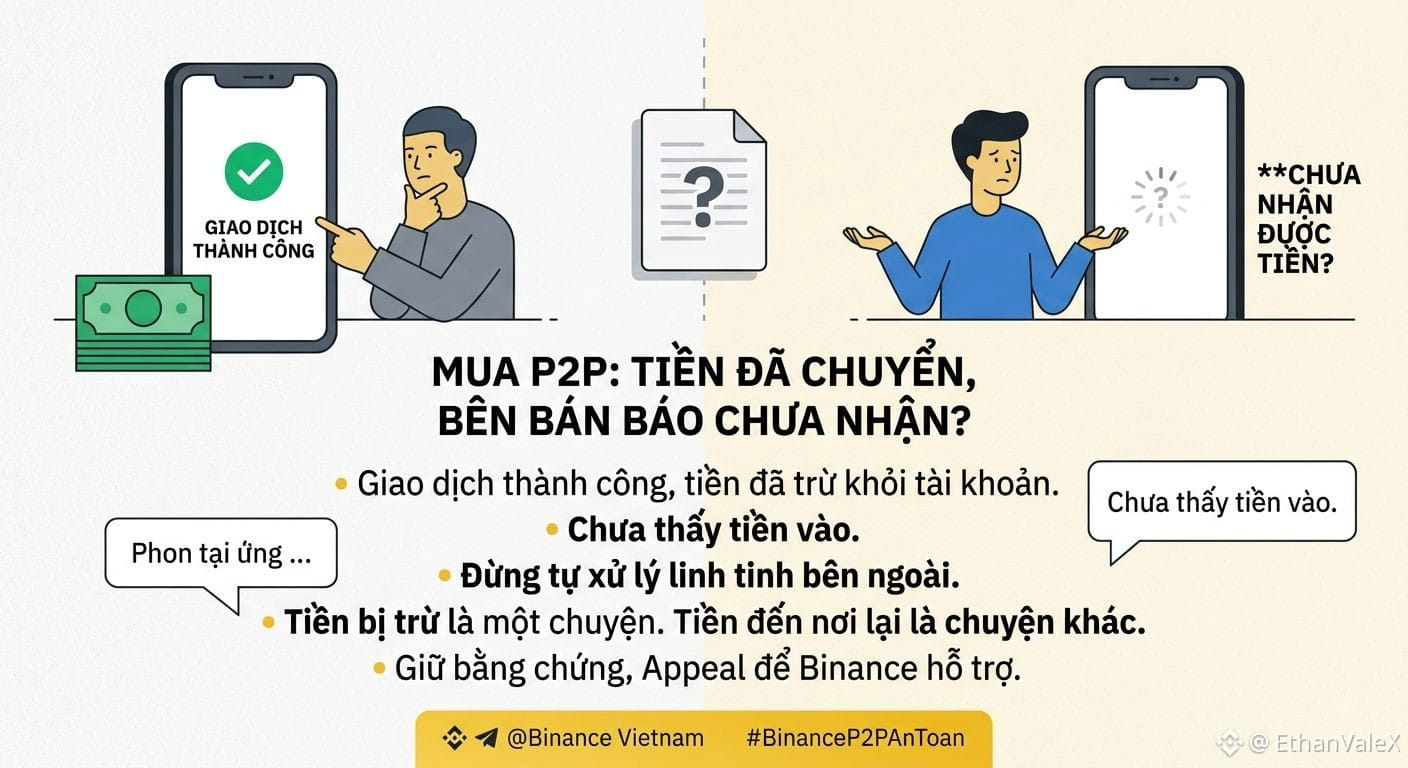
P2Pを購入したのに、送金済みのはずなのに販売側が「まだ受け取ってない」と言ってくる?
このケース、最初は自分もけっこうビビりましたね :))
P2Pの購入オーダーを出して、販売側から口座情報をもらったので、注文どおりの金額を送金しました。
銀行アプリでは取引が成功したと表示され、さらに口座からも引き落とされています。振込の控え(領収書)もあります。
でも販売側は「入金が確認できない」とメッセージしてきました。
ここからが一気にややこしい =))) 片方は銀行が成功と表示しているのに、もう片方は入金がないと言う。
もう一度送るのは確実に怖いし、かといって待つだけでもどれくらいか分からない。
そこで販売側にもう一度、口座情報が合っているか確認しつつ、金額と取引の時間も照らし合わせました。ありがたいことに、注文(Order)とチャットの文面をそのまま保持していたので、少なくとも照合する材料はあります。
そのとき自分も思いました。「早く解決したいからって、外部で勝手に判断して処理しない方がいい」と。
両者がまだ取引を確認できないなら、Orderの中にそのまま置いておき、必要ならAppealを開いてBinanceに確認してもらう。
そして覚えておきたいことがあって:
口座からお金が引かれた、というのは一つの事実。でも、そのお金が本当に販売側の口座に届いているかは別の話。
だからこういうケースでは、相手が「まだ受け取ってない」と言っても追加で送金はしないし、終わらせたいからといって勝手にReleaseもしない。証拠を保持して、Orderに沿って対応する方が安心です。
銀行では送金成功と出ているのに、受け取り側が「いつまで経ってもお金が入ってない」と言ってきた経験はありますか?
もしあったなら、みなさんはさらに待ちますか?それともすぐAppealしますか?
@Binance Vietnam #BinanceP2PAnToan
このケース、最初は自分もけっこうビビりましたね :))
P2Pの購入オーダーを出して、販売側から口座情報をもらったので、注文どおりの金額を送金しました。
銀行アプリでは取引が成功したと表示され、さらに口座からも引き落とされています。振込の控え(領収書)もあります。
でも販売側は「入金が確認できない」とメッセージしてきました。
ここからが一気にややこしい =))) 片方は銀行が成功と表示しているのに、もう片方は入金がないと言う。
もう一度送るのは確実に怖いし、かといって待つだけでもどれくらいか分からない。
そこで販売側にもう一度、口座情報が合っているか確認しつつ、金額と取引の時間も照らし合わせました。ありがたいことに、注文(Order)とチャットの文面をそのまま保持していたので、少なくとも照合する材料はあります。
そのとき自分も思いました。「早く解決したいからって、外部で勝手に判断して処理しない方がいい」と。
両者がまだ取引を確認できないなら、Orderの中にそのまま置いておき、必要ならAppealを開いてBinanceに確認してもらう。
そして覚えておきたいことがあって:
口座からお金が引かれた、というのは一つの事実。でも、そのお金が本当に販売側の口座に届いているかは別の話。
だからこういうケースでは、相手が「まだ受け取ってない」と言っても追加で送金はしないし、終わらせたいからといって勝手にReleaseもしない。証拠を保持して、Orderに沿って対応する方が安心です。
銀行では送金成功と出ているのに、受け取り側が「いつまで経ってもお金が入ってない」と言ってきた経験はありますか?
もしあったなら、みなさんはさらに待ちますか?それともすぐAppealしますか?
@Binance Vietnam #BinanceP2PAnToan
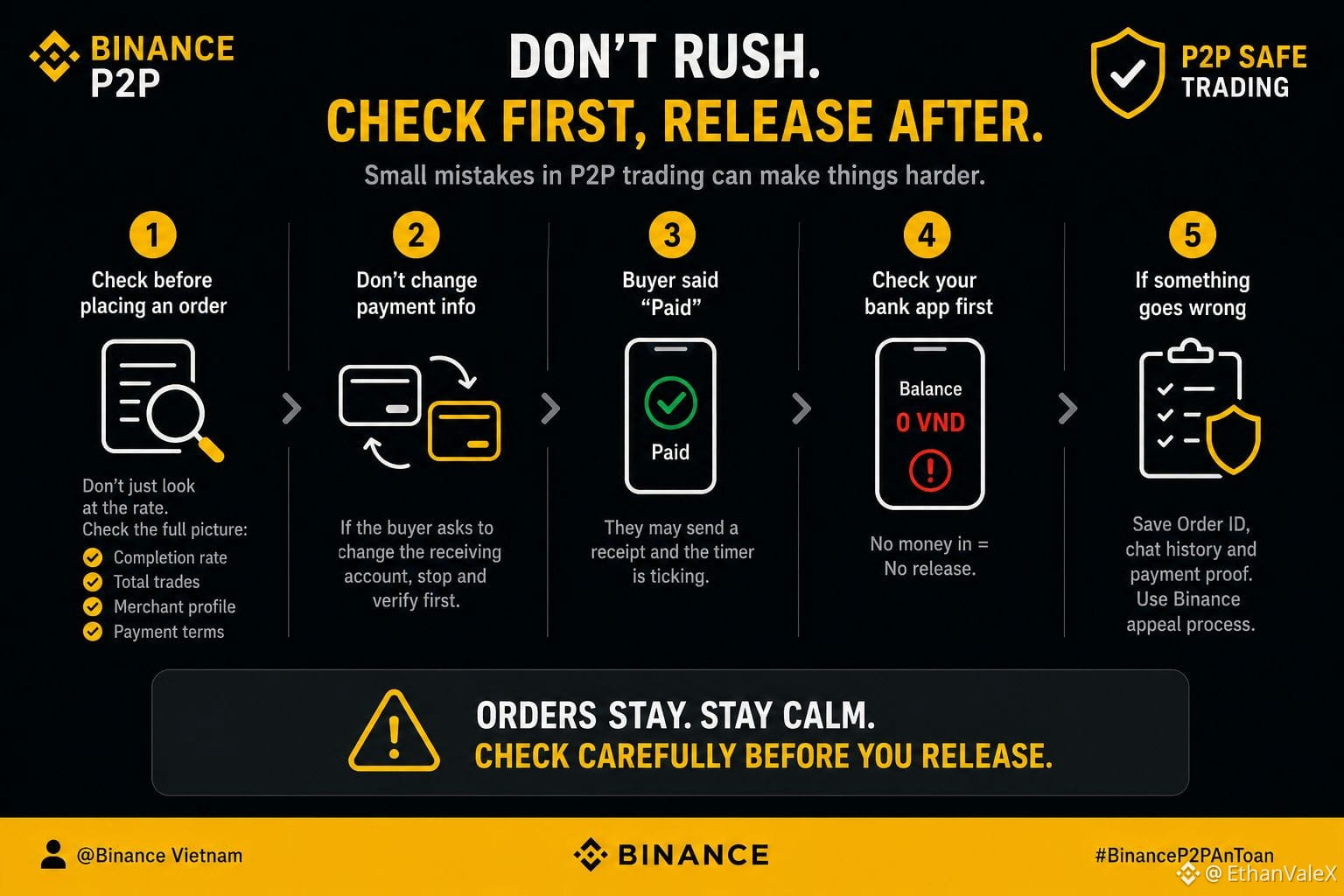
P2Pの注文には、最初から最後までわりと普通に進むものもあります。でも、途中で少し焦るだけで、そのあと自分で自分を苦しくしちゃうことがあります、兄弟のみんなよ!
たとえば、広告でレートがかなり良いのを見かけたとします。数字だけを見て発注してしまうと、完了率、取引件数、Merchantの情報、支払い条件などを見落としがちです。ここが私がよく「押す前に」しっかり確認するタイミングです。
注文を開いたあと、最初は問題なさそうでも、相手が途中で入金先の口座(受取口座)を変更したいと言ってくることがあります。この場合は、急いで取引を続けようとはしません。注文とは支払い情報が違うなら、必ずもう一度確認します。
それから相手が「支払った」と連絡してきます。
領収書の画像もある、注文上のステータスもある、しかもカウントダウンの時計まで動いています。ですが私は、それでも銀行アプリを開いて実際に入金されたか確認します。口座に入金が確認できるまでは、Releaseはしません。
これが一番メンタルを揺さぶられやすいタイミングでもあります。時計が進むほど相手が急かしてくるし、自分も気分でボタンを押したくなくなります。注文の時間が切れそうだからといってReleaseするより、少し遅れてでも確認した方がいいです。
取引で問題が起きたら、私はOrder ID、チャット履歴、領収書を残してAppealしたり、Binance Supportに助けを求めたりします。Binance P2PにはEscrow、チャット、異議申し立ての手順があります。それでも私は、プラットフォーム上で取引を行い、身を守るための正しい手順を守る必要があります。
要するに、注文がまだそこにあるうちは、落ち着いてチェックでいいんです。時計が動いてるのを見て焦って、最後までぶっ飛ばして終わらせようとしないでくださいね、みんな 😂
@Binance Vietnam #BinanceP2PAnToan
たとえば、広告でレートがかなり良いのを見かけたとします。数字だけを見て発注してしまうと、完了率、取引件数、Merchantの情報、支払い条件などを見落としがちです。ここが私がよく「押す前に」しっかり確認するタイミングです。
注文を開いたあと、最初は問題なさそうでも、相手が途中で入金先の口座(受取口座)を変更したいと言ってくることがあります。この場合は、急いで取引を続けようとはしません。注文とは支払い情報が違うなら、必ずもう一度確認します。
それから相手が「支払った」と連絡してきます。
領収書の画像もある、注文上のステータスもある、しかもカウントダウンの時計まで動いています。ですが私は、それでも銀行アプリを開いて実際に入金されたか確認します。口座に入金が確認できるまでは、Releaseはしません。
これが一番メンタルを揺さぶられやすいタイミングでもあります。時計が進むほど相手が急かしてくるし、自分も気分でボタンを押したくなくなります。注文の時間が切れそうだからといってReleaseするより、少し遅れてでも確認した方がいいです。
取引で問題が起きたら、私はOrder ID、チャット履歴、領収書を残してAppealしたり、Binance Supportに助けを求めたりします。Binance P2PにはEscrow、チャット、異議申し立ての手順があります。それでも私は、プラットフォーム上で取引を行い、身を守るための正しい手順を守る必要があります。
要するに、注文がまだそこにあるうちは、落ち着いてチェックでいいんです。時計が動いてるのを見て焦って、最後までぶっ飛ばして終わらせようとしないでくださいね、みんな 😂
@Binance Vietnam #BinanceP2PAnToan
取引が完了して送金したのに、Binance P2PのUSDTがなかなかロック解除されないケースに遭遇したことがある人いますか?
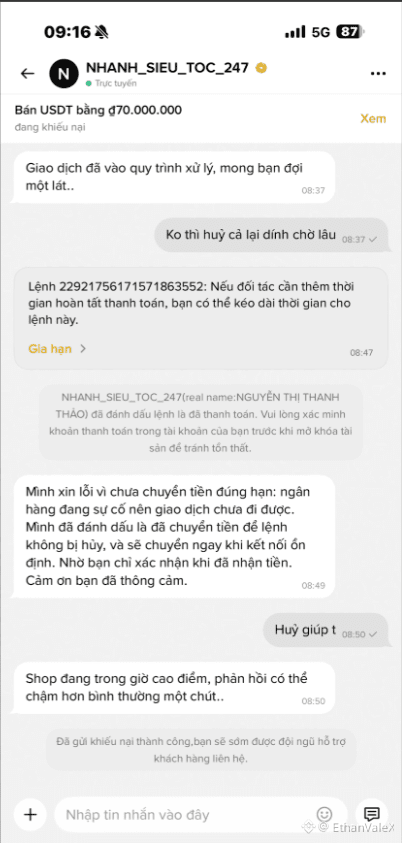
事の始まりは、2370 USDTをトレーダーのNHANH_SIEU_TOC_247に売ったことです。購入者は「支払い済み」にチェックを入れたのに、こちらの口座にまだ入金されていません。相手側は、銀行側でトラブルが起きていて取引が遅れているので、もう少し時間をくださいと言ってきました。
最初は、相手に問題があると結論づけられる材料がなかったので待っていました。でも30分後も、システムはさらに支払い猶予の延長を許可していて、私はかなり待っていたのでイライラし始めました。「キャンセルして」とすぐにメッセージを送り、それからBinance上で直接異議申立て(クレーム)して、サポートチームに確認してもらうことにしました。
私はそれを詐欺だとすぐには決めつけていません。相手側はいまも「銀行のエラーが出ている」と言っていたからです。異議申立てを開くときは、Orderの情報、ステータス、取引時間、相手とのチャット全文をすべて保持して、Supportが照合できるだけのデータを用意しました。さらに、やり取りは他のチャネルに移さず、Binance上でそのまま行いました。
約4時間後、Binanceのサポートから対応があり、資金がロック解除されました。そのとき初めてようやく肩の荷が下りました。
以前は、自分はP2PはMerchantを確認して、手順どおりに支払えば十分だと思っていました。この“7,000万VND(約7000万円)”のケースが、取引がうまくいかなくなったときは、完全な情報を保持し、適切なタイミングで異議申立てを開くことも同じくらい重要だと気づかせてくれました。
それ以降、自分にはもう一つの習慣ができました。取引に異常があったら、必ずOrderの全情報、取引ステータス、チャット履歴をBinance上に保存し、その上でSupportに連絡して、手順どおりに処理してもらうようにしています。
@Binance Vietnam
#BinanceP2PAnToan
事の始まりは、2370 USDTをトレーダーのNHANH_SIEU_TOC_247に売ったことです。購入者は「支払い済み」にチェックを入れたのに、こちらの口座にまだ入金されていません。相手側は、銀行側でトラブルが起きていて取引が遅れているので、もう少し時間をくださいと言ってきました。
最初は、相手に問題があると結論づけられる材料がなかったので待っていました。でも30分後も、システムはさらに支払い猶予の延長を許可していて、私はかなり待っていたのでイライラし始めました。「キャンセルして」とすぐにメッセージを送り、それからBinance上で直接異議申立て(クレーム)して、サポートチームに確認してもらうことにしました。
私はそれを詐欺だとすぐには決めつけていません。相手側はいまも「銀行のエラーが出ている」と言っていたからです。異議申立てを開くときは、Orderの情報、ステータス、取引時間、相手とのチャット全文をすべて保持して、Supportが照合できるだけのデータを用意しました。さらに、やり取りは他のチャネルに移さず、Binance上でそのまま行いました。
約4時間後、Binanceのサポートから対応があり、資金がロック解除されました。そのとき初めてようやく肩の荷が下りました。
以前は、自分はP2PはMerchantを確認して、手順どおりに支払えば十分だと思っていました。この“7,000万VND(約7000万円)”のケースが、取引がうまくいかなくなったときは、完全な情報を保持し、適切なタイミングで異議申立てを開くことも同じくらい重要だと気づかせてくれました。
それ以降、自分にはもう一つの習慣ができました。取引に異常があったら、必ずOrderの全情報、取引ステータス、チャット履歴をBinance上に保存し、その上でSupportに連絡して、手順どおりに処理してもらうようにしています。
@Binance Vietnam
#BinanceP2PAnToan
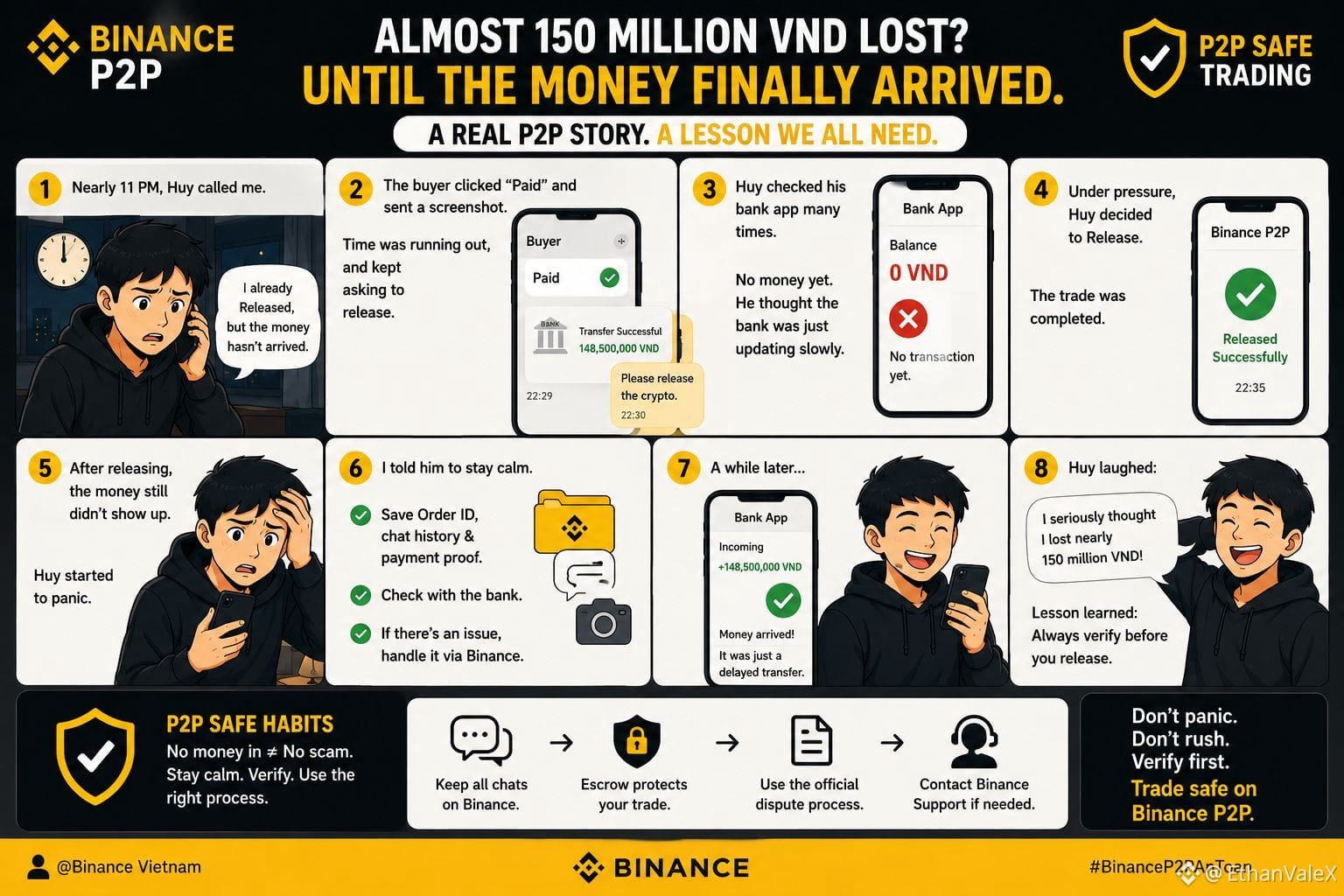
昨日の夜11時ごろ、Huyが自分に連絡してきた。Binance P2Pでおよそ1億5,000万ドン(約150万円相当)規模の取引についてで、当時の声がかなりあわてていた。「俺、もうReleaseしたのに、まだ金が入ってこない。」
Huyの話では、買い手が「支払い済み」を押して振込のスクリーンショットも送ってきたのに、取引の時間がほぼ終わっていたせいで相手が何度も「なぜまだHuyはクリプトをアンロックしないのか」とメッセージしてきたという。Huyは銀行アプリで何度も確認したが、入金は見つからなかった。最後には「銀行が反映するのが遅いだけだろう」と思い、結局そのままReleaseを押してしまった。
その後、Huyが口座を再確認したが、やはりお金はまだ表示されなかった。
そのときようやく本気で不安になった。P2Pを売ってしまった最悪のタイミングに当たったと思った。つまり、クリプトはアンロックされているのに、入金が来ない状態だ。
自分は「すぐに結論を出すな。まずOrder ID、チャット履歴、取引の画像を残して、銀行側で処理中の取引がないか確認しろ」と言った。さらに、問題があればすぐにBinance上で対応するようHuyに伝えた。
しばらくしてHuyが言ってきた。「金、入ってきた。」
どうやらその日は銀行の取引処理が遅くて、入金が通常より後になっただけだった。結局、詐欺なんてなかった。ただHuyが自分で自分に恐怖を煽ってしまっていただけだ。
Huyは笑いながら「さっき、150万円近く飛んだかと思ったわ」と言った。
自分も「次から、まだ入金が見えないなら落ち着いてまず確認しろ」と言うしかなかった。Binance P2Pにはエスクロー(保留)やチャット、そして異議申し立て(クレーム)手順がある。取引に問題が起きたら、最善なのはすべてをプラットフォーム上に残して、慌てて自己判断せず、公式の手順に任せることだ。
これも、自分が#BinanceP2PAnToan を通じて皆さんに共有したいことだ。特に初心者の方には、取引の際の安全な習慣を増やしてほしい。
@Binance Vietnam
Huyの話では、買い手が「支払い済み」を押して振込のスクリーンショットも送ってきたのに、取引の時間がほぼ終わっていたせいで相手が何度も「なぜまだHuyはクリプトをアンロックしないのか」とメッセージしてきたという。Huyは銀行アプリで何度も確認したが、入金は見つからなかった。最後には「銀行が反映するのが遅いだけだろう」と思い、結局そのままReleaseを押してしまった。
その後、Huyが口座を再確認したが、やはりお金はまだ表示されなかった。
そのときようやく本気で不安になった。P2Pを売ってしまった最悪のタイミングに当たったと思った。つまり、クリプトはアンロックされているのに、入金が来ない状態だ。
自分は「すぐに結論を出すな。まずOrder ID、チャット履歴、取引の画像を残して、銀行側で処理中の取引がないか確認しろ」と言った。さらに、問題があればすぐにBinance上で対応するようHuyに伝えた。
しばらくしてHuyが言ってきた。「金、入ってきた。」
どうやらその日は銀行の取引処理が遅くて、入金が通常より後になっただけだった。結局、詐欺なんてなかった。ただHuyが自分で自分に恐怖を煽ってしまっていただけだ。
Huyは笑いながら「さっき、150万円近く飛んだかと思ったわ」と言った。
自分も「次から、まだ入金が見えないなら落ち着いてまず確認しろ」と言うしかなかった。Binance P2Pにはエスクロー(保留)やチャット、そして異議申し立て(クレーム)手順がある。取引に問題が起きたら、最善なのはすべてをプラットフォーム上に残して、慌てて自己判断せず、公式の手順に任せることだ。
これも、自分が#BinanceP2PAnToan を通じて皆さんに共有したいことだ。特に初心者の方には、取引の際の安全な習慣を増やしてほしい。
@Binance Vietnam
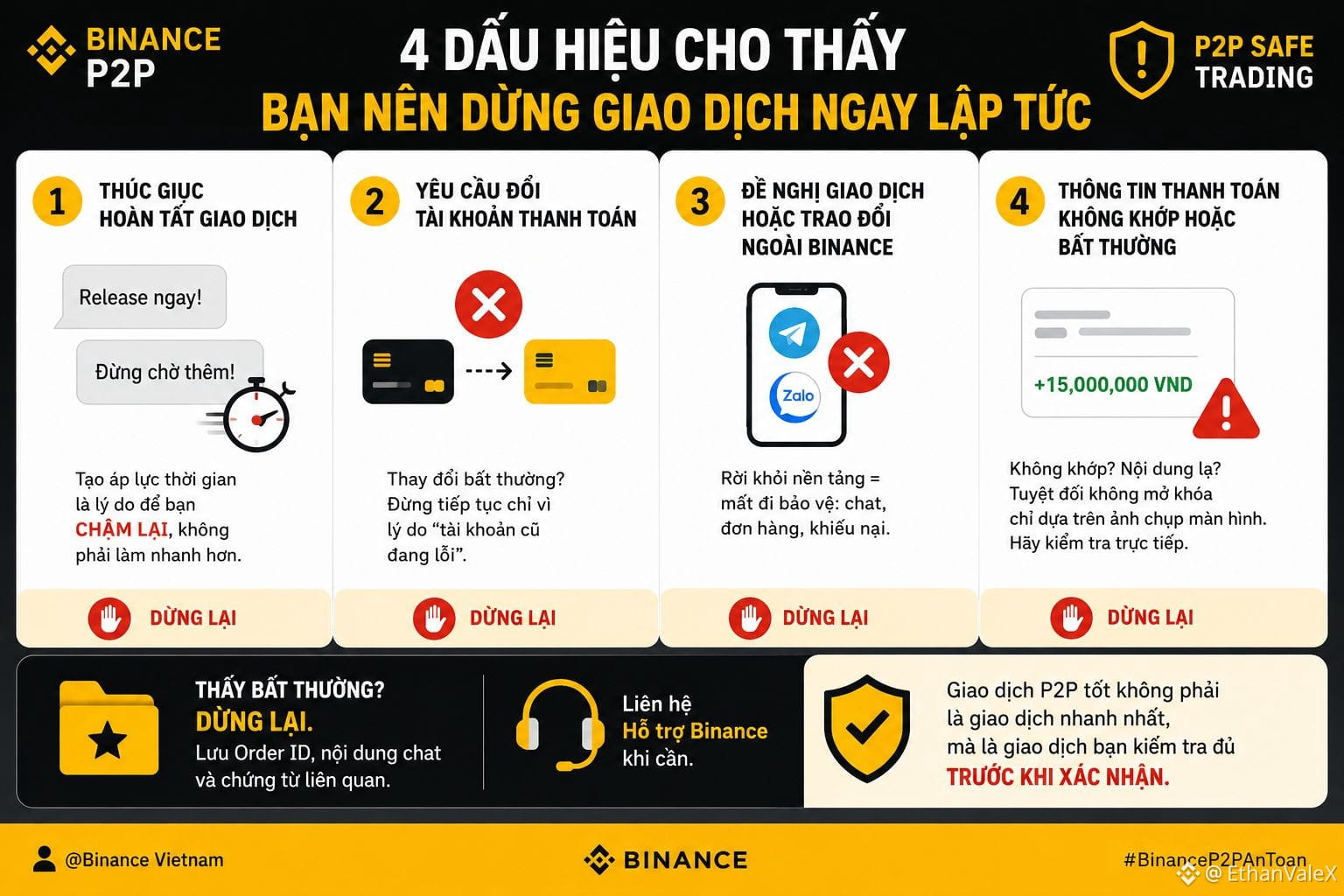
P2Pは順調に進んでいるが、次の4つのサインが出たら取引を続けないで
この前、私もP2P取引をしていました。最初は普通でした。取引が終わりに近づくと相手が急にメッセージを増やし始め、さらにいくつかのかなり変な要求が出てきました。そこで私は「念のため少し遅らせよう」と思ったんです。
最初はリリース(release)の件。相手は「ねえ、リリースしてくれない?」「送金したよ」と何度も何度も連絡してきます。こういうときは議論なんてしません。銀行アプリを開いて確認するだけです。お金が口座に入っていなければリリースしない。それだけです。
取引中に、今度は「別の口座に変更して、そっちで受け取って」と言ってくることもあります。これは私もすぐには対応しません。どの口座か、誰の名義か、情報がオーダーと一致しているかをきちんと確認してから次に進みます。
また、TelegramやWhatsAppに誘導して話をしよう、ついでにP2Pのオーダーはやめて直接OTCで取引しよう、しかも価格のほうがもっと良いよ……なんて言われることもあります。確かに魅力的に聞こえますが、私は遠慮します。Binanceで取引しているならBinanceのまま。問題が起きたときも、チャット履歴、注文情報、サポート処理の手順が残っていて安心だからです。
振込のスクリーンショット(画像)には騙されないでください。どんなにきれいな画像でも、自分で銀行を開いて「実際にお金が口座に入ったのを見る」ことには勝てません。まだ入っていないなら、待つだけです。
こういうことが取引中に起きたら、私はすぐ停止します:リリースを急かされる、入金先口座を変更させられる、Binance/OTCの外に誘導される、または振込画像を送って「リリースして」と言われる。
気になることがあれば、まずは落ち着いて。Order ID、領収書、そしてチャットのやり取りの部分を保存しておき、必要ならBinanceサポートに連絡してください。
P2Pで、取引をやめざるを得なかった状況に遭遇したことはありますか?
@Binance Vietnam #BinanceP2PAnToan #USJulyCPI&PPIDueThisWeek $GENIUS $PENGU
この前、私もP2P取引をしていました。最初は普通でした。取引が終わりに近づくと相手が急にメッセージを増やし始め、さらにいくつかのかなり変な要求が出てきました。そこで私は「念のため少し遅らせよう」と思ったんです。
最初はリリース(release)の件。相手は「ねえ、リリースしてくれない?」「送金したよ」と何度も何度も連絡してきます。こういうときは議論なんてしません。銀行アプリを開いて確認するだけです。お金が口座に入っていなければリリースしない。それだけです。
取引中に、今度は「別の口座に変更して、そっちで受け取って」と言ってくることもあります。これは私もすぐには対応しません。どの口座か、誰の名義か、情報がオーダーと一致しているかをきちんと確認してから次に進みます。
また、TelegramやWhatsAppに誘導して話をしよう、ついでにP2Pのオーダーはやめて直接OTCで取引しよう、しかも価格のほうがもっと良いよ……なんて言われることもあります。確かに魅力的に聞こえますが、私は遠慮します。Binanceで取引しているならBinanceのまま。問題が起きたときも、チャット履歴、注文情報、サポート処理の手順が残っていて安心だからです。
振込のスクリーンショット(画像)には騙されないでください。どんなにきれいな画像でも、自分で銀行を開いて「実際にお金が口座に入ったのを見る」ことには勝てません。まだ入っていないなら、待つだけです。
こういうことが取引中に起きたら、私はすぐ停止します:リリースを急かされる、入金先口座を変更させられる、Binance/OTCの外に誘導される、または振込画像を送って「リリースして」と言われる。
気になることがあれば、まずは落ち着いて。Order ID、領収書、そしてチャットのやり取りの部分を保存しておき、必要ならBinanceサポートに連絡してください。
P2Pで、取引をやめざるを得なかった状況に遭遇したことはありますか?
@Binance Vietnam #BinanceP2PAnToan #USJulyCPI&PPIDueThisWeek $GENIUS $PENGU
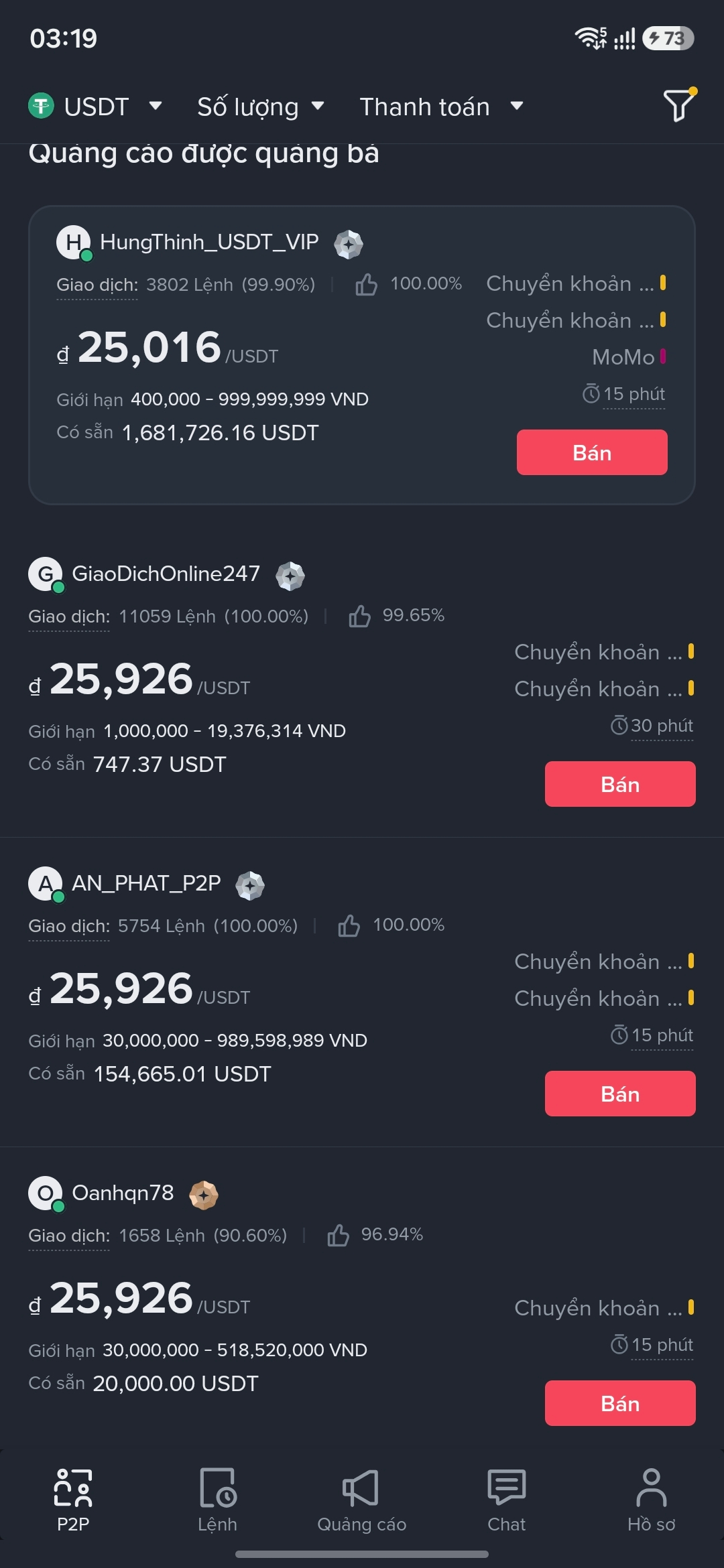
「この人は取引が多いし、たぶん大丈夫だろう」と思って、危うく早期に解除してしまった。
あるときBinance P2Pで600 USDTを売ったんだけど、そのマーチャントの完了率がほぼ100%で、取引履歴は数百件分。正確に何件かは覚えていないけど、パッと見た感じかなり安心できたんだ。値段も他の選択肢より良かったので、ほぼ即決してしまった。
買い手から「支払い済み」と連絡が来て、それから約30秒後に「確認して、早めに解除してほしい。取引を完了する必要がある」とメッセージが届いた。正直、そのときも「こんなにプロフィールが良いんだから大丈夫だろう」と一瞬思ってしまった。
取引が少ないアカウントで早期解除を求めてきたら、私はすぐに断る。でも、数百件の履歴があって完了率がほぼ100%の相手だと、反応は変わった。私は取引を確認する前に、reputationを信じ始めていた。
銀行アプリを開いて、でもまだ入金が見えない。私は「入金されたら解除する」と言ったのに、買い手の方は「送金しました。もう一度確認してください」とまだメッセージを送ってきた。
今回は急がなかった。Orderに戻って、金額と支払い情報を照合して、さらに待った。約90秒後に、ようやく本当に口座に入金された。もう一度確認してから解除し、取引は問題なく正常に完了した。
その日は何も起きなかったけど、「相手の履歴が良すぎる」というだけで手順を飛ばしそうになったあの感覚を、しばらくずっと覚えている。
それ以来、相手を選ぶときは取引履歴も見るようにしているけれど、「いつ解除するか」は履歴に決めさせない。
履歴が良いと安心できる。でも、次のステップを決めるのは、実際に口座へ入金があったかどうかだけだ。
@Binance Vietnam #BinanceP2PAnToan $BEAT $TUT $CYS
あるときBinance P2Pで600 USDTを売ったんだけど、そのマーチャントの完了率がほぼ100%で、取引履歴は数百件分。正確に何件かは覚えていないけど、パッと見た感じかなり安心できたんだ。値段も他の選択肢より良かったので、ほぼ即決してしまった。
買い手から「支払い済み」と連絡が来て、それから約30秒後に「確認して、早めに解除してほしい。取引を完了する必要がある」とメッセージが届いた。正直、そのときも「こんなにプロフィールが良いんだから大丈夫だろう」と一瞬思ってしまった。
取引が少ないアカウントで早期解除を求めてきたら、私はすぐに断る。でも、数百件の履歴があって完了率がほぼ100%の相手だと、反応は変わった。私は取引を確認する前に、reputationを信じ始めていた。
銀行アプリを開いて、でもまだ入金が見えない。私は「入金されたら解除する」と言ったのに、買い手の方は「送金しました。もう一度確認してください」とまだメッセージを送ってきた。
今回は急がなかった。Orderに戻って、金額と支払い情報を照合して、さらに待った。約90秒後に、ようやく本当に口座に入金された。もう一度確認してから解除し、取引は問題なく正常に完了した。
その日は何も起きなかったけど、「相手の履歴が良すぎる」というだけで手順を飛ばしそうになったあの感覚を、しばらくずっと覚えている。
それ以来、相手を選ぶときは取引履歴も見るようにしているけれど、「いつ解除するか」は履歴に決めさせない。
履歴が良いと安心できる。でも、次のステップを決めるのは、実際に口座へ入金があったかどうかだけだ。
@Binance Vietnam #BinanceP2PAnToan $BEAT $TUT $CYS
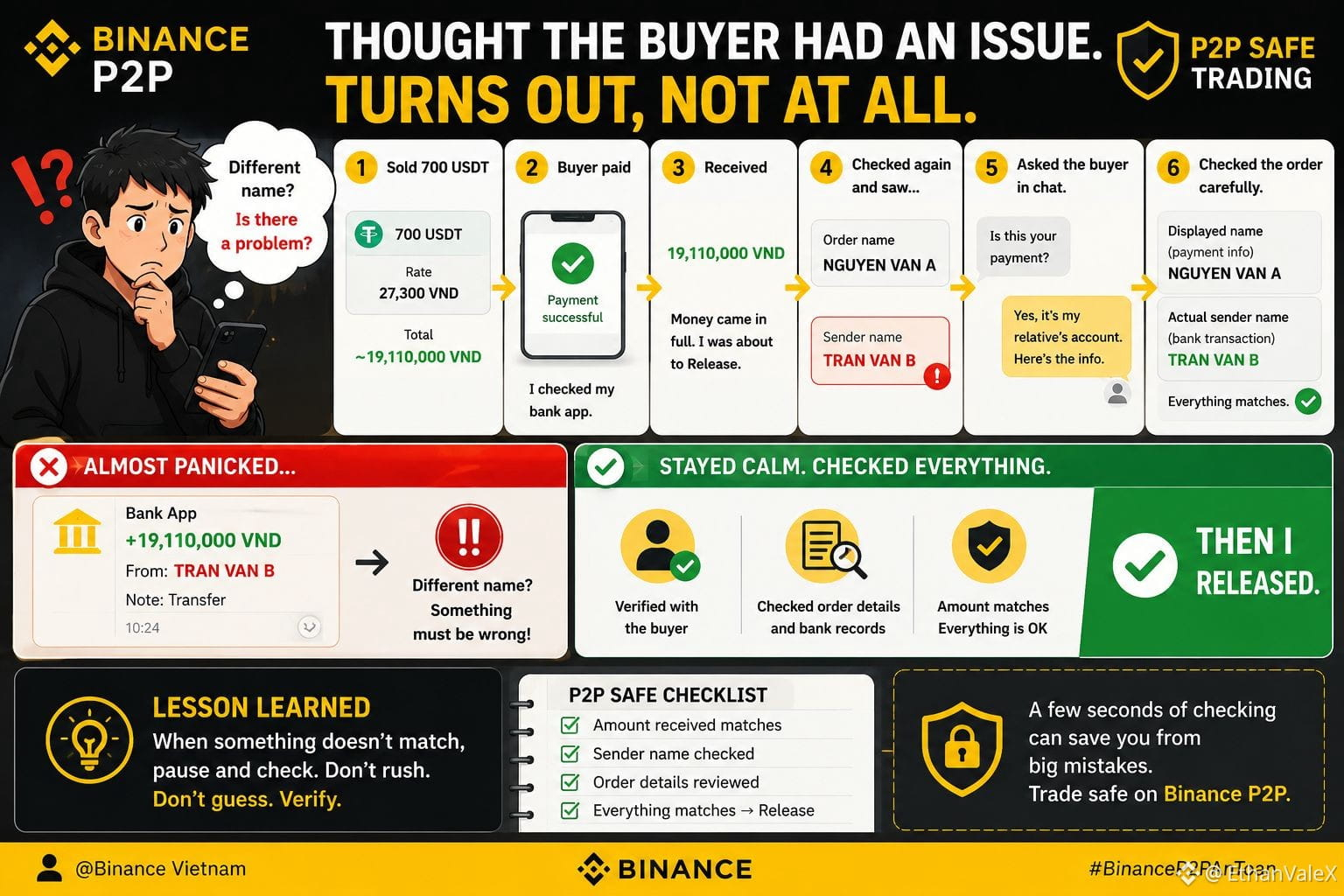
買い手に何か問題があるのかと思った。けど、違った。
その時自分はお金が必要で、BinanceのP2Pで700 USDTを売った。レートは当時約27,300 VNDで、合計は約19,11百万VND(約1,911万VND)だった。
自分は取引履歴がわりと安定しているMerchantを選び、注文を出したら、買い手の支払いを待った。
しばらくして買い手から「送金した」と連絡が来た。銀行のアプリを開いて確認すると、ちゃんと19,11百万VNDが口座に入っているのが見えた。
お金も足りていたので、すぐReleaseしようと思った。
でも、押す前に支払い情報をもう一度見直したら、送金者の名前がOrderの名前と一致していなかった。
その時は正直かなり焦った。口座には約20百万VND入っているのに、送金者の名前が違う。きっと何か問題があるんだろうと思った。
すぐにBinance P2Pのチャットで買い手に質問した。彼女は、これは身内の口座だと言って、追加情報も送ってくれた。
自分はまだReleaseしていなかった。
改めてOrderを確認して、初めて気づいたことがある。自分が見ていたのは支払い情報に表示されている自分の名前で、実際に送金した人の名前は銀行の取引のところに載っていた。これらの2つの情報は、最初からいつも同じ位置に表示されているとは限らない。
すべての情報を照合したところ、19,11百万VNDの金額もきちんと一致していた。その時ようやくほっとした。早合点して、情報を急いで見たせいで自分で勝手にパニックになっていたんだ。
よかったのは、急いでReleaseしなかったこと、そして買い手に問題があると決めつけもしなかったこと。
この件から学んだのは、P2P取引で何か1つでも一致しない点があれば、まず止まって確認すること。決めつけてはいけない。
P2Pで取引する仲間のみんなも、この1ステップだけ覚えておいてほしい:お金が入って十分でも、Releaseする前に「送金者名」と「Order」を再確認すること。
@Binance Vietnam #BinanceP2PAnToan $CYS
その時自分はお金が必要で、BinanceのP2Pで700 USDTを売った。レートは当時約27,300 VNDで、合計は約19,11百万VND(約1,911万VND)だった。
自分は取引履歴がわりと安定しているMerchantを選び、注文を出したら、買い手の支払いを待った。
しばらくして買い手から「送金した」と連絡が来た。銀行のアプリを開いて確認すると、ちゃんと19,11百万VNDが口座に入っているのが見えた。
お金も足りていたので、すぐReleaseしようと思った。
でも、押す前に支払い情報をもう一度見直したら、送金者の名前がOrderの名前と一致していなかった。
その時は正直かなり焦った。口座には約20百万VND入っているのに、送金者の名前が違う。きっと何か問題があるんだろうと思った。
すぐにBinance P2Pのチャットで買い手に質問した。彼女は、これは身内の口座だと言って、追加情報も送ってくれた。
自分はまだReleaseしていなかった。
改めてOrderを確認して、初めて気づいたことがある。自分が見ていたのは支払い情報に表示されている自分の名前で、実際に送金した人の名前は銀行の取引のところに載っていた。これらの2つの情報は、最初からいつも同じ位置に表示されているとは限らない。
すべての情報を照合したところ、19,11百万VNDの金額もきちんと一致していた。その時ようやくほっとした。早合点して、情報を急いで見たせいで自分で勝手にパニックになっていたんだ。
よかったのは、急いでReleaseしなかったこと、そして買い手に問題があると決めつけもしなかったこと。
この件から学んだのは、P2P取引で何か1つでも一致しない点があれば、まず止まって確認すること。決めつけてはいけない。
P2Pで取引する仲間のみんなも、この1ステップだけ覚えておいてほしい:お金が入って十分でも、Releaseする前に「送金者名」と「Order」を再確認すること。
@Binance Vietnam #BinanceP2PAnToan $CYS
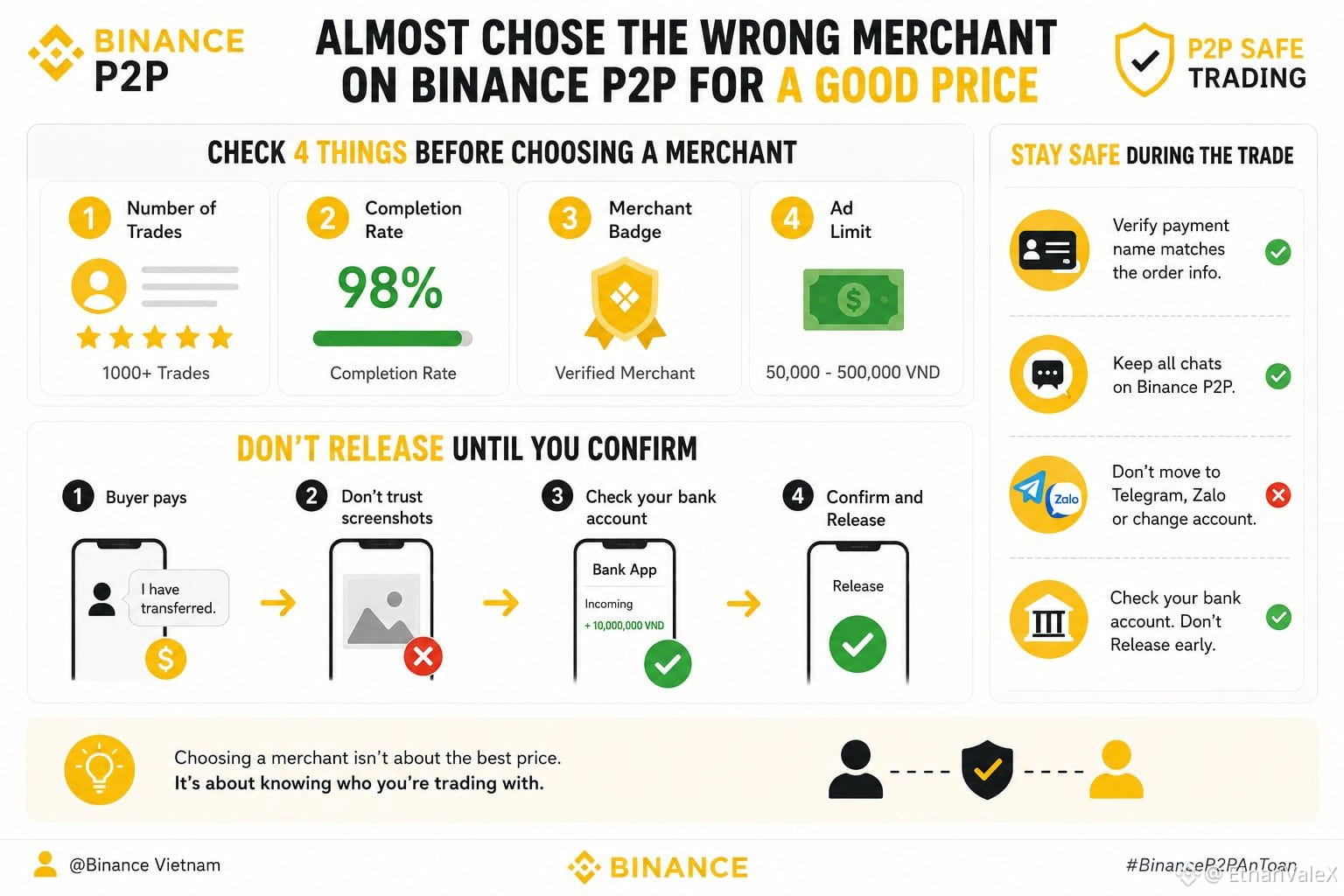
Binance P2Pでお得な価格につられて、Merchantを間違えそうになった話
最初は、Binance P2PのMerchant選びは簡単だと思っていました。良い価格を見つけたら選ぶだけ。何度か取引してみて、価格は決定要因のほんの一部にすぎないと気づきました。
今は、Merchantを選ぶ前に主に4つをチェックしています:取引件数、Completion Rate、Merchant Badge、そして広告の制限。
取引件数はMerchantのこれまでの履歴について、少しだけ情報をくれます。取引件数が多い=絶対に安全、とは思いませんが、相場が近い2つの広告があるなら、履歴がよりはっきりしている方を選びがちです。
Completion Rateも重視しています。2つの広告の条件が大きく違わない場合、完了率がより良いMerchantを優先します。Merchant Badgeも同様で、以前はあまり気にしていなかったのに、今は必ず取引前にプロフィールを確認しています。
広告の制限はシンプルです。自分が買う/売る必要がある金額が、Merchantが対応している範囲内かどうかだけ確認します。合わなければ別の広告を選びます。
ただ、Merchantを選んだだけではまだ即取引しません。支払い用のアカウント名を注文情報と照合し、やり取りはすべてBinance P2P上で行います。相手がTelegram、Zaloに移ろうとしたり、途中でアカウントを変更したりしたいと言ってきたら、私はそこで止めます。
支払いの段階でも、「送金した」というスクリーンショットやメッセージを受け取っただけでReleaseはしません。自分で口座を確認し、資金が実際に入金されたことを確認してからだけ暗号資産のロックを解除します。
私にとってMerchant選びは、最安値/最高値を探すことではありません。Confirmを押す前に「誰と取引しているのか」を把握することが大事です。
@Binance Vietnam #BinanceP2PAnToan
$GRVT #CreatorpadVN
最初は、Binance P2PのMerchant選びは簡単だと思っていました。良い価格を見つけたら選ぶだけ。何度か取引してみて、価格は決定要因のほんの一部にすぎないと気づきました。
今は、Merchantを選ぶ前に主に4つをチェックしています:取引件数、Completion Rate、Merchant Badge、そして広告の制限。
取引件数はMerchantのこれまでの履歴について、少しだけ情報をくれます。取引件数が多い=絶対に安全、とは思いませんが、相場が近い2つの広告があるなら、履歴がよりはっきりしている方を選びがちです。
Completion Rateも重視しています。2つの広告の条件が大きく違わない場合、完了率がより良いMerchantを優先します。Merchant Badgeも同様で、以前はあまり気にしていなかったのに、今は必ず取引前にプロフィールを確認しています。
広告の制限はシンプルです。自分が買う/売る必要がある金額が、Merchantが対応している範囲内かどうかだけ確認します。合わなければ別の広告を選びます。
ただ、Merchantを選んだだけではまだ即取引しません。支払い用のアカウント名を注文情報と照合し、やり取りはすべてBinance P2P上で行います。相手がTelegram、Zaloに移ろうとしたり、途中でアカウントを変更したりしたいと言ってきたら、私はそこで止めます。
支払いの段階でも、「送金した」というスクリーンショットやメッセージを受け取っただけでReleaseはしません。自分で口座を確認し、資金が実際に入金されたことを確認してからだけ暗号資産のロックを解除します。
私にとってMerchant選びは、最安値/最高値を探すことではありません。Confirmを押す前に「誰と取引しているのか」を把握することが大事です。
@Binance Vietnam #BinanceP2PAnToan
$GRVT #CreatorpadVN
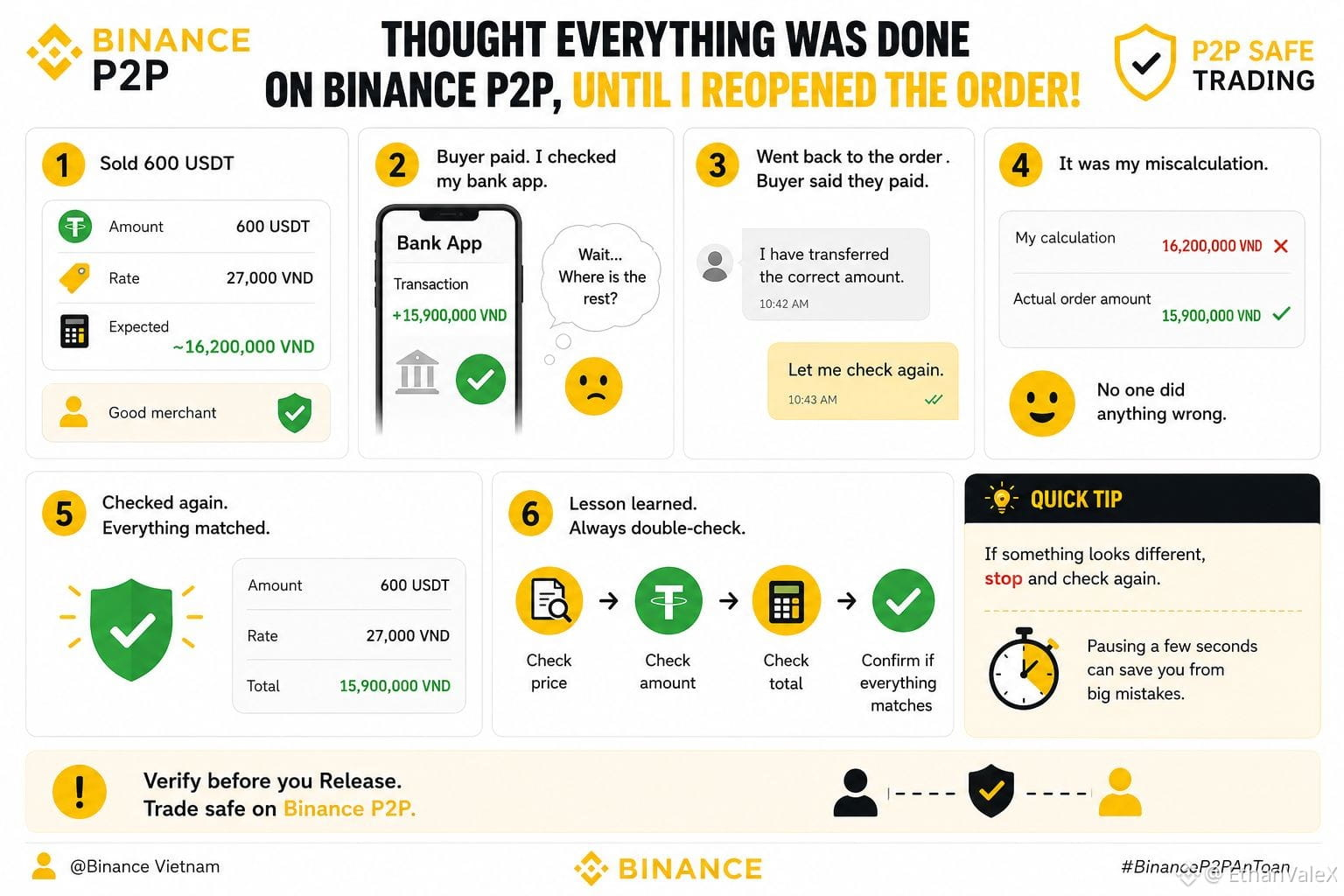
Binance P2Pで全部終わったと思ってたのに、注文(Order)をもう一度開くまで気づかなかった!!!
話としては、Binance P2Pで自分は600 USDTを売っていて、そのときのレートはだいたい27,000VND。計算すると受け取れる予定は約16,2百万VND。
取引履歴があり、完了率もまあまあ良いMerchant(出品者)を選びました。買い手が支払いを終えたので、自分は銀行アプリを開いて確認すると、口座に入っていたのは15,9百万VNDだけでした。
その瞬間、すぐにこう思いました:「えっ、あと約30万VND足りない?」
すぐに注文(Order)に戻って確認。買い手も取引情報を送ってきて、「ちゃんと指定の金額を送った」と言っていました。すぐに聞き返そうと思ったけど、さらにもう一度Orderをじっくりチェック。
わかったのは、16,2百万VNDは自分が最初にレートから勝手に計算した金額で、15,9百万VNDのほうが、情報が更新された後のOrderの実際の合計金額だったということ。
Merchantは不足分を送っていません。買い手も何か間違いをしたわけではありません。自分が見間違えていたんです。
良かったのは、まだReleaseしたり、別のチャネルに切り替えて処理したりしなかったこと。注文(Order)内でUSDTの数量、レート、合計金額を照合すると、すべて一致していました。
それ以来学んだこと:P2Pを確定する前に、必ずもう一度価格、数量、最終の合計金額をチェックすること。最初の計算と違うところがあれば、確認を止めずにその場で止まります。
取引が早い人たちでも、僕みたいに「一つのほうを見て、別のことを押してしまう」みたいなこと、きっと一度はありますよね。
取引前にOrderをよく確認してからにしましょう。特に、金額が数千万VND〜のレベルに上がっているときはね。仲間のみんな。
@Binance Vietnam #BinanceP2PAnToan
話としては、Binance P2Pで自分は600 USDTを売っていて、そのときのレートはだいたい27,000VND。計算すると受け取れる予定は約16,2百万VND。
取引履歴があり、完了率もまあまあ良いMerchant(出品者)を選びました。買い手が支払いを終えたので、自分は銀行アプリを開いて確認すると、口座に入っていたのは15,9百万VNDだけでした。
その瞬間、すぐにこう思いました:「えっ、あと約30万VND足りない?」
すぐに注文(Order)に戻って確認。買い手も取引情報を送ってきて、「ちゃんと指定の金額を送った」と言っていました。すぐに聞き返そうと思ったけど、さらにもう一度Orderをじっくりチェック。
わかったのは、16,2百万VNDは自分が最初にレートから勝手に計算した金額で、15,9百万VNDのほうが、情報が更新された後のOrderの実際の合計金額だったということ。
Merchantは不足分を送っていません。買い手も何か間違いをしたわけではありません。自分が見間違えていたんです。
良かったのは、まだReleaseしたり、別のチャネルに切り替えて処理したりしなかったこと。注文(Order)内でUSDTの数量、レート、合計金額を照合すると、すべて一致していました。
それ以来学んだこと:P2Pを確定する前に、必ずもう一度価格、数量、最終の合計金額をチェックすること。最初の計算と違うところがあれば、確認を止めずにその場で止まります。
取引が早い人たちでも、僕みたいに「一つのほうを見て、別のことを押してしまう」みたいなこと、きっと一度はありますよね。
取引前にOrderをよく確認してからにしましょう。特に、金額が数千万VND〜のレベルに上がっているときはね。仲間のみんな。
@Binance Vietnam #BinanceP2PAnToan
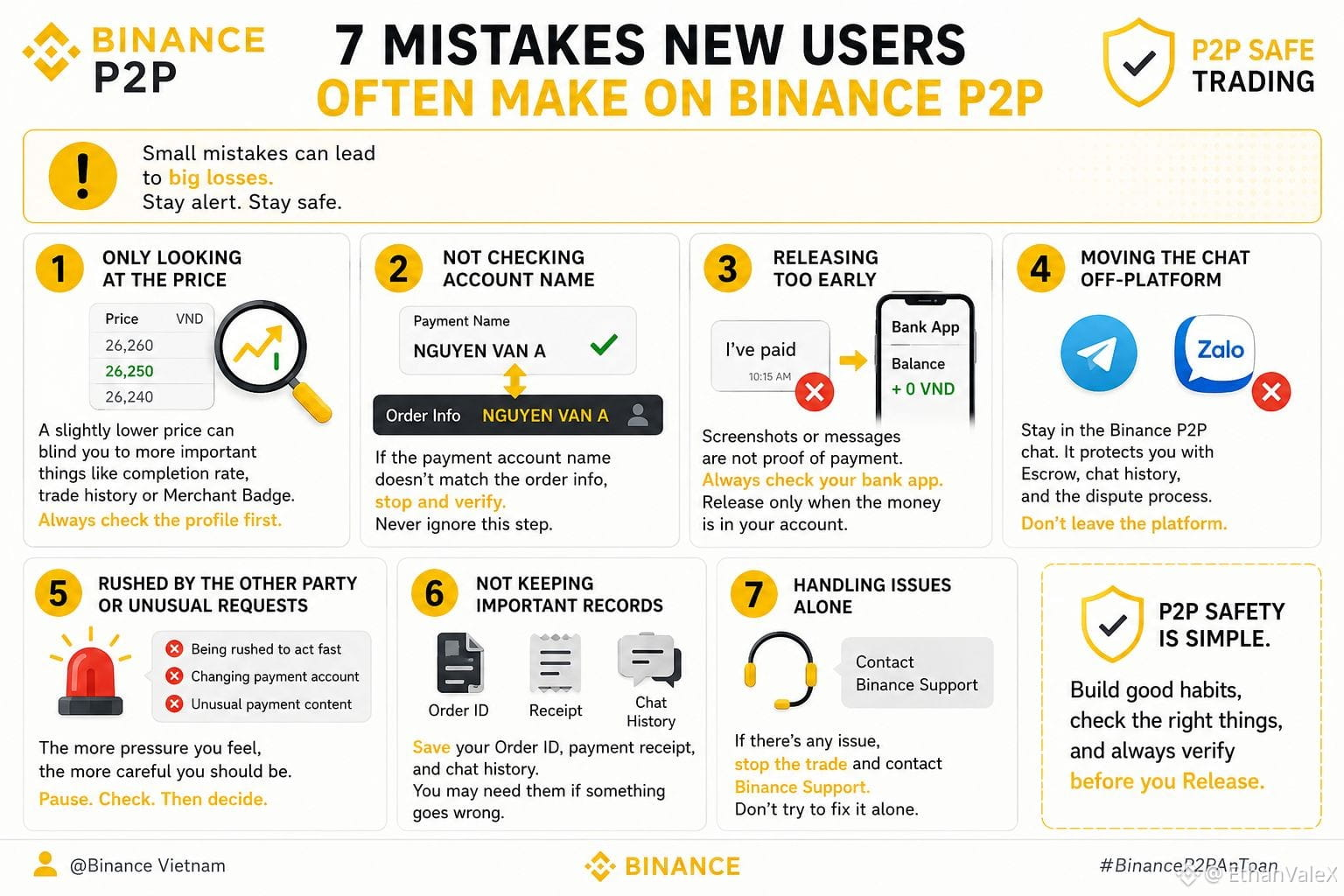
新規ユーザーはBinance P2Pでよくある7つのミス
以前は、Binance P2Pの取引はかなり簡単だと思っていました。良い価格を探して送金して、暗号資産を受け取るだけ。何度か取引してみて、いちばん簡単そうに見える「Buy(購入)」か「Sell(売却)」を押す前後にこそ、落とし穴があると気づきました。ミスはだいたいその前後の数秒に起きがちです。
最初のミスは価格だけを見ることです。ほんの少しの差があるだけで、完了率、取引履歴、Merchant Badgeなどのより重要な情報を見落としてしまうことがあります。今は、価格を見直す前に必ず相手のプロフィールを確認しています。
もう一つのミスは、支払い用口座名義を注文情報と照合しないことです。これは省略できる余計な手順だとは思いません。情報が一致しないだけで、そこで確認を止めるようにしています。
特に避けているのは、Release(解放)を早めにしてしまうことです。「送金しました」というスクリーンショットやメッセージは、資金が口座に入った証拠ではありません。私は必ず銀行アプリを開いて、実際の取引を確認してから暗号資産の解放を行います。
また、「手早くて便利だから」という理由だけで、会話をTelegramやZaloに移すこともしません。Binance P2P上でやり取りをすべて完結させることで、Escrow(エスクロー)、チャット履歴、問題が起きたときの異議申し立て手順が確保できます。
さらに私が必ず注意しているのは、すぐに処理するよう急かされること、途中で支払い口座を変えられること、または不自然な送金内容が出てくることです。急かされればされるほど、より慎重に確認します。
最後に、私は必ずOrder ID、レシート、チャット履歴を保持しています。何かトラブルがあれば、自分で勝手に処理を続けず、取引を止めてBinanceサポートに連絡します。
P2Pの安全性は、そんなに複雑にする必要はありません。私にとっては、良くない習慣をいくつかやめて、Releaseする前に大事なポイントをきちんと確認するだけで、結果はかなり変わります。
@Binance Vietnam #BinanceP2PAnToan
以前は、Binance P2Pの取引はかなり簡単だと思っていました。良い価格を探して送金して、暗号資産を受け取るだけ。何度か取引してみて、いちばん簡単そうに見える「Buy(購入)」か「Sell(売却)」を押す前後にこそ、落とし穴があると気づきました。ミスはだいたいその前後の数秒に起きがちです。
最初のミスは価格だけを見ることです。ほんの少しの差があるだけで、完了率、取引履歴、Merchant Badgeなどのより重要な情報を見落としてしまうことがあります。今は、価格を見直す前に必ず相手のプロフィールを確認しています。
もう一つのミスは、支払い用口座名義を注文情報と照合しないことです。これは省略できる余計な手順だとは思いません。情報が一致しないだけで、そこで確認を止めるようにしています。
特に避けているのは、Release(解放)を早めにしてしまうことです。「送金しました」というスクリーンショットやメッセージは、資金が口座に入った証拠ではありません。私は必ず銀行アプリを開いて、実際の取引を確認してから暗号資産の解放を行います。
また、「手早くて便利だから」という理由だけで、会話をTelegramやZaloに移すこともしません。Binance P2P上でやり取りをすべて完結させることで、Escrow(エスクロー)、チャット履歴、問題が起きたときの異議申し立て手順が確保できます。
さらに私が必ず注意しているのは、すぐに処理するよう急かされること、途中で支払い口座を変えられること、または不自然な送金内容が出てくることです。急かされればされるほど、より慎重に確認します。
最後に、私は必ずOrder ID、レシート、チャット履歴を保持しています。何かトラブルがあれば、自分で勝手に処理を続けず、取引を止めてBinanceサポートに連絡します。
P2Pの安全性は、そんなに複雑にする必要はありません。私にとっては、良くない習慣をいくつかやめて、Releaseする前に大事なポイントをきちんと確認するだけで、結果はかなり変わります。
@Binance Vietnam #BinanceP2PAnToan
@Binance Vietnam #BinanceP2PAnToan
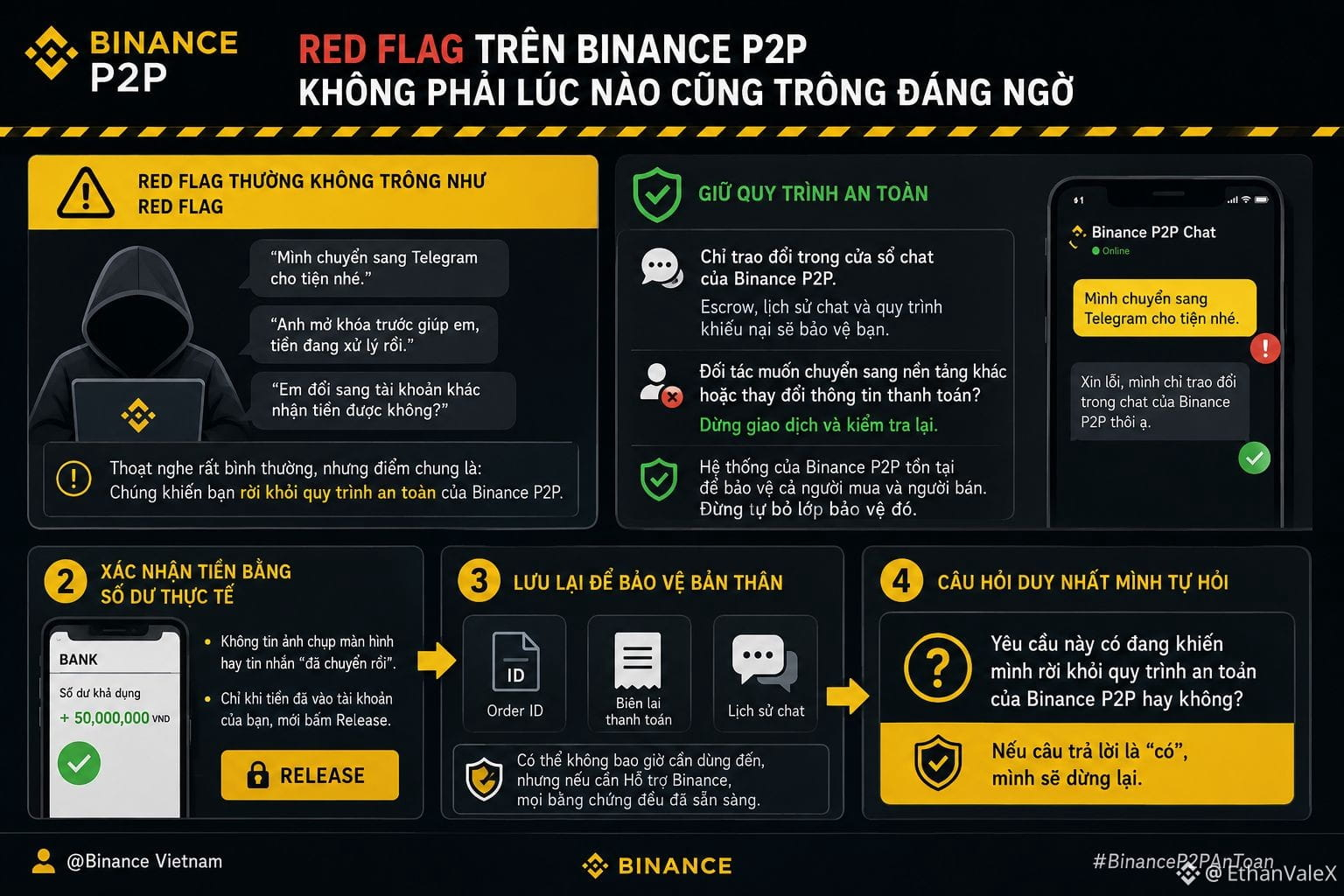
Binance P2Pのレッドフラグは、いつも怪しく見えるとは限らない
Binance P2Pで何度も取引して気づいたのは、「みんなが想像している形」ではめったに出てこない、という点でした。
誰も「すぐにあなたを騙します」とはメッセージしません。
その代わりに、「手早いのでTelegramに移します」とか、「先にロック解除してもらえますか? すでに処理中です」といったことを言うかもしれません。あるいは単に「入金用の別の口座に変更してもらえますか?」という場合もあります。
一見すると、これらの要求はどれもごく普通に聞こえます。でも、共通点があることに気づきました。それは、いずれも私をBinance P2Pが用意した安全な手順から外してしまうことです。
だから私は、とてもシンプルなルールを持っています。私はBinance P2Pのチャット画面内でのみやり取りします。そこにはエスクロー、チャット履歴、そして紛争時の異議申立て手順があり、トラブルが起きたときに自分を守れます。相手が途中で別のプラットフォームに会話を移したり、支払い情報を変更したりしたいと言ったら、私は取引を止めて再確認します。
また、スクリーンショットや「送金しました」というメッセージを見ただけでReleaseボタンは決して押しません。私が信じるのは、銀行アプリ上の実際の残高です。お金が口座に入ってから初めて、取引を完了します。
その後も、Order ID、領収書、チャット履歴を保存します。使うことが一度もないかもしれませんが、もしBinanceサポートに連絡する必要が出ても、あらゆる情報がすぐ用意できます。
今は、誰が善人か悪人かを当てようとはしていません。気になるのはただ一つ:この依頼は、Binance P2Pの安全な手順から自分を外させるものなのか?ということ。答えが「はい」なら、私は止まります。
Binance P2Pのレッドフラグは、いつも怪しく見えるとは限らない
Binance P2Pで何度も取引して気づいたのは、「みんなが想像している形」ではめったに出てこない、という点でした。
誰も「すぐにあなたを騙します」とはメッセージしません。
その代わりに、「手早いのでTelegramに移します」とか、「先にロック解除してもらえますか? すでに処理中です」といったことを言うかもしれません。あるいは単に「入金用の別の口座に変更してもらえますか?」という場合もあります。
一見すると、これらの要求はどれもごく普通に聞こえます。でも、共通点があることに気づきました。それは、いずれも私をBinance P2Pが用意した安全な手順から外してしまうことです。
だから私は、とてもシンプルなルールを持っています。私はBinance P2Pのチャット画面内でのみやり取りします。そこにはエスクロー、チャット履歴、そして紛争時の異議申立て手順があり、トラブルが起きたときに自分を守れます。相手が途中で別のプラットフォームに会話を移したり、支払い情報を変更したりしたいと言ったら、私は取引を止めて再確認します。
また、スクリーンショットや「送金しました」というメッセージを見ただけでReleaseボタンは決して押しません。私が信じるのは、銀行アプリ上の実際の残高です。お金が口座に入ってから初めて、取引を完了します。
その後も、Order ID、領収書、チャット履歴を保存します。使うことが一度もないかもしれませんが、もしBinanceサポートに連絡する必要が出ても、あらゆる情報がすぐ用意できます。
今は、誰が善人か悪人かを当てようとはしていません。気になるのはただ一つ:この依頼は、Binance P2Pの安全な手順から自分を外させるものなのか?ということ。答えが「はい」なら、私は止まります。
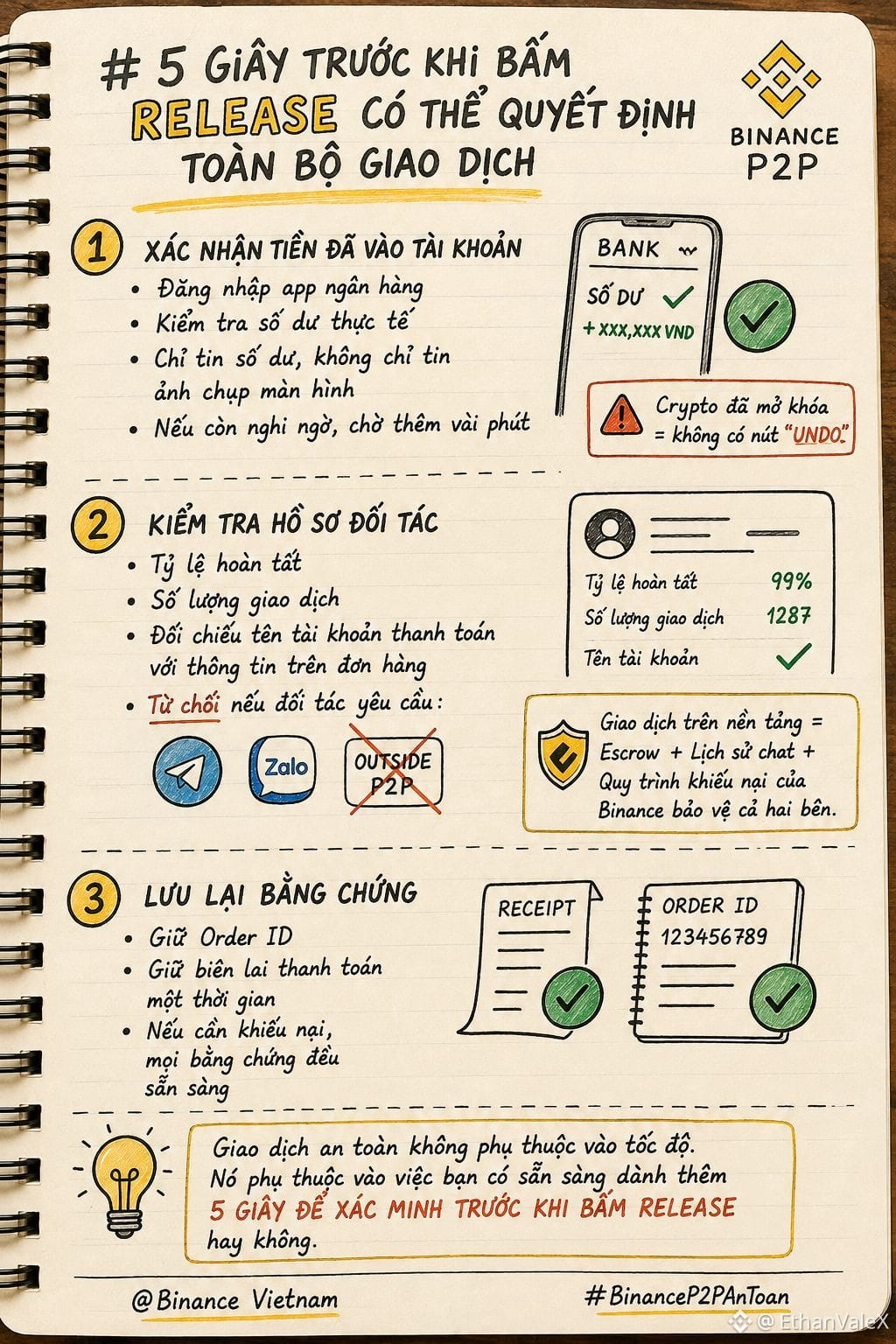
リリースボタンを押す5秒前が、取引のすべてを左右する
Binance P2Pで取引するたびに、僕にはひとつの習慣があります。Releaseを押す直前の約5秒間、立ち止まって確認することです。
簡単に聞こえるかもしれませんが、取引全体で最も重要な5秒だと思っています。
Binance P2Pは、個人間(P2P)の取引プラットフォームで、Binanceはエスクロー、チャット、そして紛争が起きた場合の異議申し立て手順によってユーザーを保護しています。だから僕は、すべてのやり取りをプラットフォーム上で行い、TelegramやZaloに移すよう求められても断ります。
取引前に、数秒かけてMerchant Badge(出品者バッジ)、完了率、取引件数を確認し、支払いアカウント名が注文情報と一致しているか照合します。相手が入金先アカウントを変更したいと言ってきたり、不審な兆候がある場合は、取引をキャンセルします。
支払いの段階では、銀行口座にある実際の残高だけを信じます。スクリーンショットを見たから、確認メッセージが来たから、あるいは「もう送金したよ」という催促があったからといって、暗号資産のロック解除は絶対にしません。送金内容に不審な点があったり、入金がまだ口座に反映されていなければ、引き続き待って確認します。
取引が終わった後も、Order ID、領収書、チャット履歴は保存します。使うことがないかもしれませんが、異議申し立てが必要になったときに、これらの情報があればBinanceサポートのチームがより迅速に対応できます。
僕の考えでは、安全な取引とは、Releaseをどれだけ早く押すかではありません。最終判断を下す前に、すべてを確認するための追加の5秒を確保することにあります。不安があるなら、立ち止まってBinanceサポートに連絡してください。
@Binance Vietnam #BinanceP2PAnToan $LAB
Binance P2Pで取引するたびに、僕にはひとつの習慣があります。Releaseを押す直前の約5秒間、立ち止まって確認することです。
簡単に聞こえるかもしれませんが、取引全体で最も重要な5秒だと思っています。
Binance P2Pは、個人間(P2P)の取引プラットフォームで、Binanceはエスクロー、チャット、そして紛争が起きた場合の異議申し立て手順によってユーザーを保護しています。だから僕は、すべてのやり取りをプラットフォーム上で行い、TelegramやZaloに移すよう求められても断ります。
取引前に、数秒かけてMerchant Badge(出品者バッジ)、完了率、取引件数を確認し、支払いアカウント名が注文情報と一致しているか照合します。相手が入金先アカウントを変更したいと言ってきたり、不審な兆候がある場合は、取引をキャンセルします。
支払いの段階では、銀行口座にある実際の残高だけを信じます。スクリーンショットを見たから、確認メッセージが来たから、あるいは「もう送金したよ」という催促があったからといって、暗号資産のロック解除は絶対にしません。送金内容に不審な点があったり、入金がまだ口座に反映されていなければ、引き続き待って確認します。
取引が終わった後も、Order ID、領収書、チャット履歴は保存します。使うことがないかもしれませんが、異議申し立てが必要になったときに、これらの情報があればBinanceサポートのチームがより迅速に対応できます。
僕の考えでは、安全な取引とは、Releaseをどれだけ早く押すかではありません。最終判断を下す前に、すべてを確認するための追加の5秒を確保することにあります。不安があるなら、立ち止まってBinanceサポートに連絡してください。
@Binance Vietnam #BinanceP2PAnToan $LAB
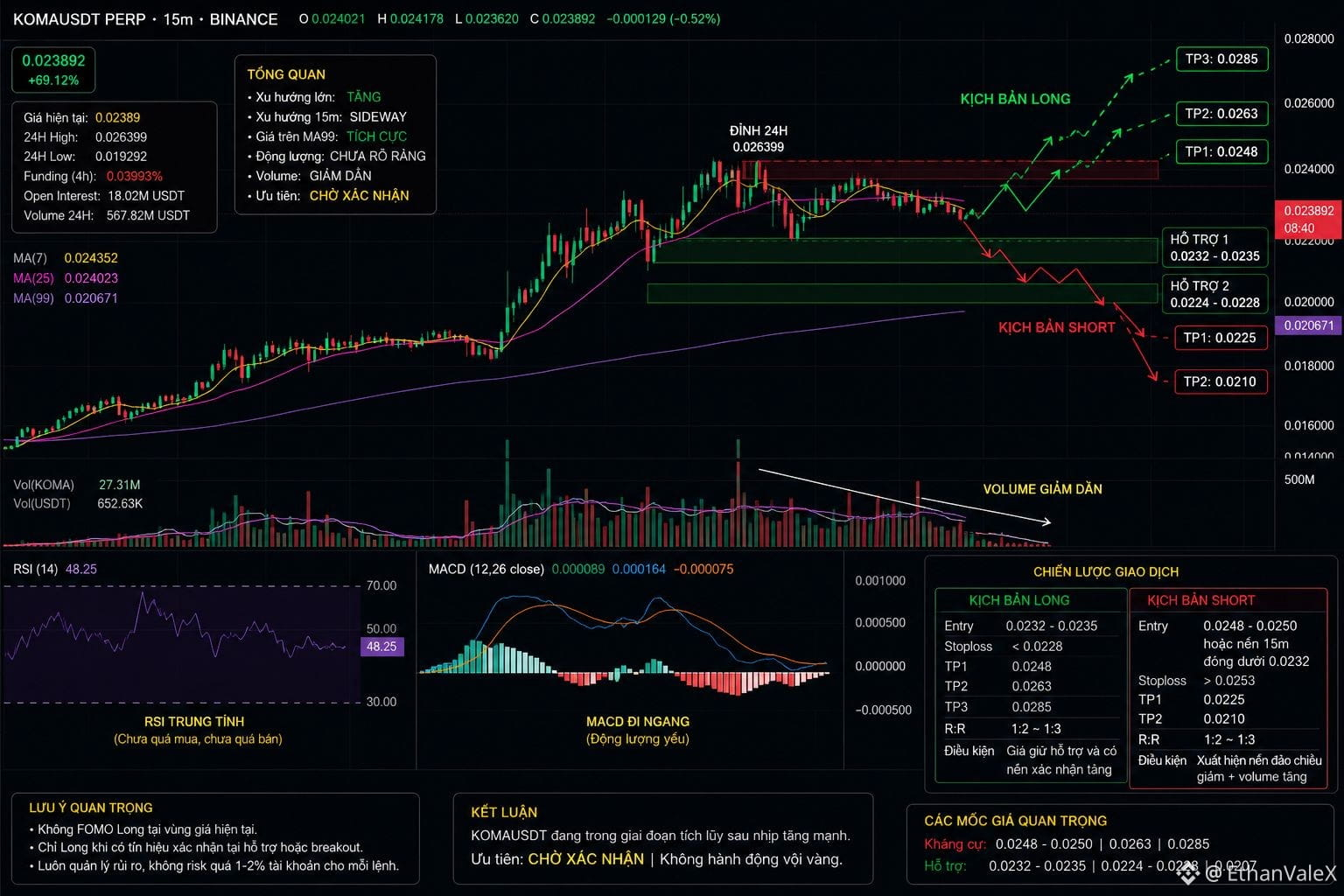
ロング $KOMA
エントリー
0.0237 - 0.0238
損切り
0.0228 未満。
利確
TP1: 0.0248
TP2: 0.0263
TP3: 0.0285 で高値を突破できた場合。
R:R 1:2 から 1:3
エントリー
0.0237 - 0.0238
損切り
0.0228 未満。
利確
TP1: 0.0248
TP2: 0.0263
TP3: 0.0285 で高値を突破できた場合。
R:R 1:2 から 1:3
確認済み
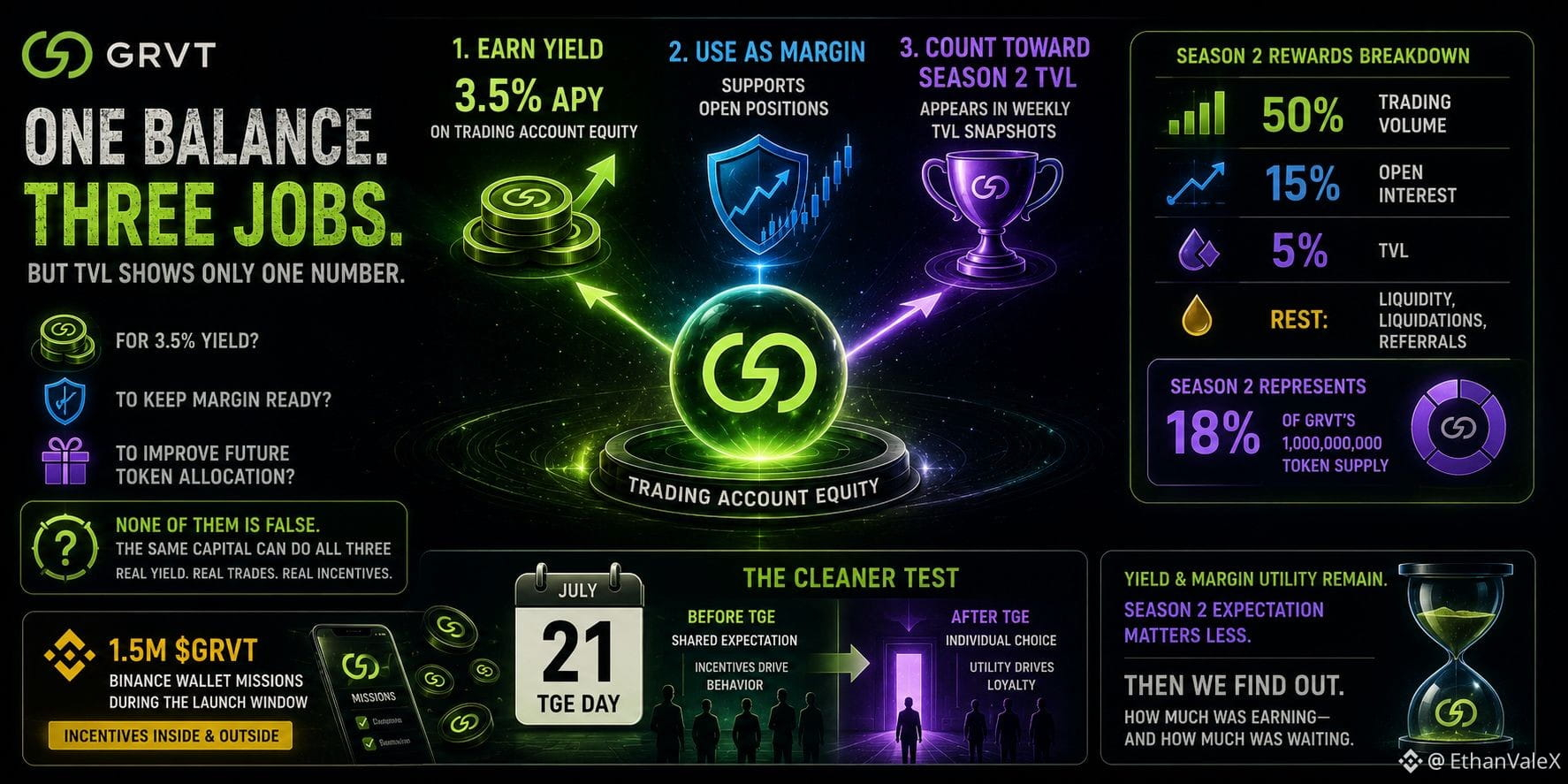
今朝、@grvt_io の「Earn on Equity」ページを2回読み直しました。資本の利回り3.5%(APY)は、マージンとしても使われ続け、さらにシーズン2のTVLにカウントされるはずがないと思っていたからです。
それでシーズン2のページにも戻って、別の2つの残高を混同していないか確認しました。
混同していませんでした。
4週間のサイクル内に5回の取引を完了すると、同じ取引口座のエクイティが利回りの解放、保有ポジションのサポート、そしてシーズン2報酬に使われるTVLスナップショットへの反映を同時に行えます。
TVLは週次ポイントの5%を受け取り、取引高は50%、建玉(オープン・インタレスト)はさらに15%。一方でシーズン2は、GRVTの固定された10億トークン供給の18%を占めます。
つまり、1つの残高が3つの役割を担っている。
しかし、そのTVLは数字を1つしか報告しません。
そこが、私が何度も行ったり来たりして気になった部分でした。
資本がGrvt上にとどまっているなら、その3.5%の利回りを得るためにそこにあるのでしょうか?
それともトレーダーは、別のポジションのためのマージンをすぐ使える状態にしているのでしょうか?
それとも、その残高は将来のトークン配分を改善し得る別のスナップショットを待っているのでしょうか?
私はそれについて行きつ戻りつしました。3つの説明のどれも、残高が「本物」であることを薄めませんでした。
同じ資本は、報酬の存在がそのまま保有判断に影響しているとしても、実際の利回りを生み、実際の取引も支えられる。
同じローンチウィンドウに、Binance Walletミッション経由でさらに150万ドル相当の$GRVTが入ってくることで、7月21日はより分かりやすいテストになります。
TGEの後も、利回りとマージンの利用価値は残りつつ、シーズン2の期待が持つ意味は次第に小さくなっていきます。
そして明らかになるのは、Grvtの残高のうちどれだけが稼いでいたのか——どれだけが待っていたのか。
#grvt $LAB
それでシーズン2のページにも戻って、別の2つの残高を混同していないか確認しました。
混同していませんでした。
4週間のサイクル内に5回の取引を完了すると、同じ取引口座のエクイティが利回りの解放、保有ポジションのサポート、そしてシーズン2報酬に使われるTVLスナップショットへの反映を同時に行えます。
TVLは週次ポイントの5%を受け取り、取引高は50%、建玉(オープン・インタレスト)はさらに15%。一方でシーズン2は、GRVTの固定された10億トークン供給の18%を占めます。
つまり、1つの残高が3つの役割を担っている。
しかし、そのTVLは数字を1つしか報告しません。
そこが、私が何度も行ったり来たりして気になった部分でした。
資本がGrvt上にとどまっているなら、その3.5%の利回りを得るためにそこにあるのでしょうか?
それともトレーダーは、別のポジションのためのマージンをすぐ使える状態にしているのでしょうか?
それとも、その残高は将来のトークン配分を改善し得る別のスナップショットを待っているのでしょうか?
私はそれについて行きつ戻りつしました。3つの説明のどれも、残高が「本物」であることを薄めませんでした。
同じ資本は、報酬の存在がそのまま保有判断に影響しているとしても、実際の利回りを生み、実際の取引も支えられる。
同じローンチウィンドウに、Binance Walletミッション経由でさらに150万ドル相当の$GRVTが入ってくることで、7月21日はより分かりやすいテストになります。
TGEの後も、利回りとマージンの利用価値は残りつつ、シーズン2の期待が持つ意味は次第に小さくなっていきます。
そして明らかになるのは、Grvtの残高のうちどれだけが稼いでいたのか——どれだけが待っていたのか。
#grvt $LAB
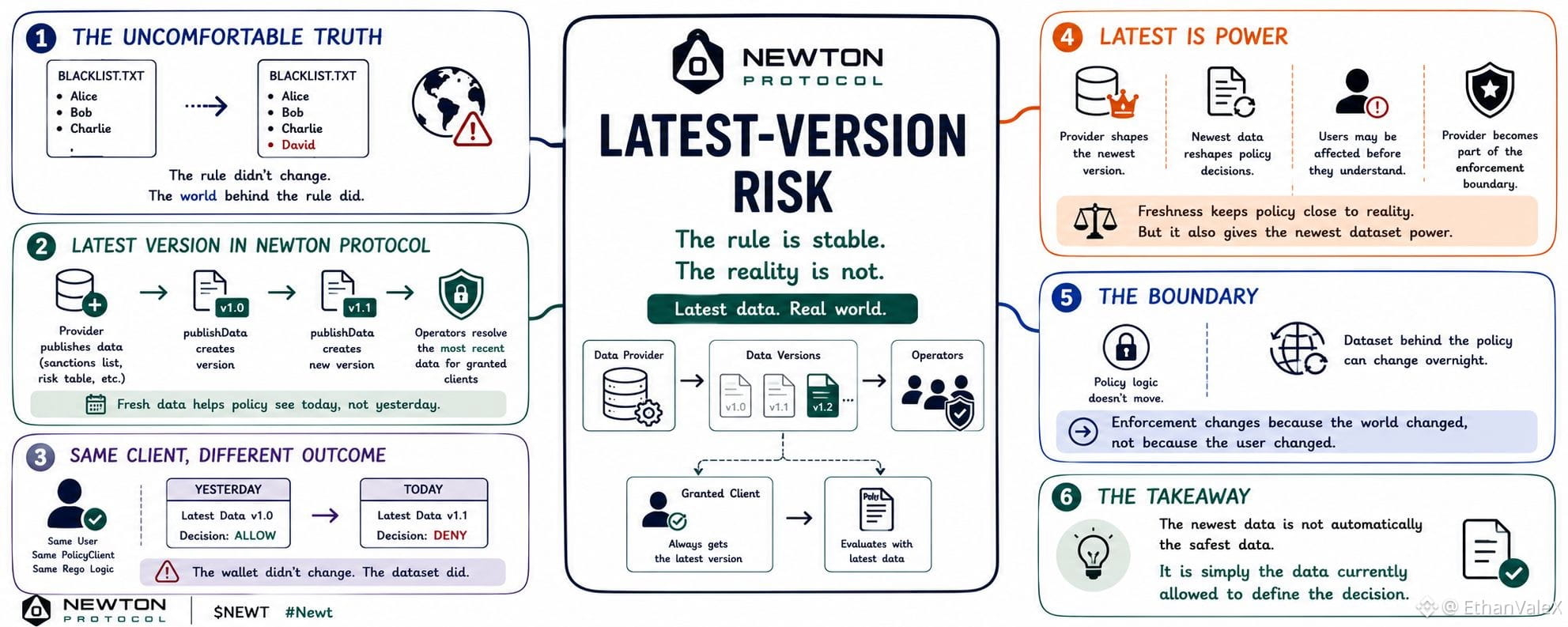
先日、古いブラックリストのファイルを眺めていたとき、ひとつ居心地の悪い考えが浮かびました。つまり、そのルール自体はまったく同じままでも、そのルールの背後にある世界は一晩で変わり得る、ということです。
昨日リストに載っていなかった名前が、今日そこにあるかもしれません。ポリシーの論理は動かないのに、そこから読まれる現実はすでに移り変わっている。
それが、Newton ProtocolのPrivacy Flowsにあったひとつの小さなディテールを、私の目に止めたのです。
latest version。
最初は、バージョニングは普通のデータ管理のように見えました。提供者が制裁リスト、ブラックリスト、リスクテーブル、またはコンプライアンス用データセットを公開し、publishDataが呼ばれるたびに新しいバージョンが作られる。そして、許可されたクライアントが必要とするときに、オペレーターは最新の機密データを解決する。
それはもっともに聞こえます。
コンプライアンスデータは、時間の中で凍結されるべきではありません。ブラックリストが変われば、ポリシーは更新を見て、リスクテーブルが変われば、認可フローは昨日の世界観を押し付けるのではなく、新しい現実に反応すべきです。
しかし考えれば考えるほど、「latest(最新)」という言葉が、新鮮さというより“力”のように感じられてきました。
@NewtonProtocol では、許可されたクライアントは自分自身を明示的な1つのバージョンに固定しません。彼らは最新のデータを読みます。つまり、同じPolicyClient、同じRegoのロジック、同じユーザーでも、今日、ポリシーの下にある機密データセットが変わったせいで、明日には別の判断が出る可能性がある、ということです。
ユーザーが拒否されるのは、ウォレットが変わったからではなく、ポリシーの背後にあるデータセットが変わったからかもしれません。
それが境界です。
提供者は単にデータを供給しているだけではありません。提供者の最新バージョンが、ポリシーが見るものを定義する手助けになるため、提供者は強制(enforcement)の境界の一部になります。
最新バージョンへのアクセスは、ポリシーを現実に近づけますが、それと同時に、ユーザーが何が変わったのかを十分に理解する前に、最新のデータセットが強制の形を変える力を得てしまうのです。
もしかすると、最新のデータが自動的に最も安全なデータとは限りません。
もしかすると、それは単に、いまの意思決定を定義するために許可されているデータにすぎないのです。
$LAB $NEWT #Newt
昨日リストに載っていなかった名前が、今日そこにあるかもしれません。ポリシーの論理は動かないのに、そこから読まれる現実はすでに移り変わっている。
それが、Newton ProtocolのPrivacy Flowsにあったひとつの小さなディテールを、私の目に止めたのです。
latest version。
最初は、バージョニングは普通のデータ管理のように見えました。提供者が制裁リスト、ブラックリスト、リスクテーブル、またはコンプライアンス用データセットを公開し、publishDataが呼ばれるたびに新しいバージョンが作られる。そして、許可されたクライアントが必要とするときに、オペレーターは最新の機密データを解決する。
それはもっともに聞こえます。
コンプライアンスデータは、時間の中で凍結されるべきではありません。ブラックリストが変われば、ポリシーは更新を見て、リスクテーブルが変われば、認可フローは昨日の世界観を押し付けるのではなく、新しい現実に反応すべきです。
しかし考えれば考えるほど、「latest(最新)」という言葉が、新鮮さというより“力”のように感じられてきました。
@NewtonProtocol では、許可されたクライアントは自分自身を明示的な1つのバージョンに固定しません。彼らは最新のデータを読みます。つまり、同じPolicyClient、同じRegoのロジック、同じユーザーでも、今日、ポリシーの下にある機密データセットが変わったせいで、明日には別の判断が出る可能性がある、ということです。
ユーザーが拒否されるのは、ウォレットが変わったからではなく、ポリシーの背後にあるデータセットが変わったからかもしれません。
それが境界です。
提供者は単にデータを供給しているだけではありません。提供者の最新バージョンが、ポリシーが見るものを定義する手助けになるため、提供者は強制(enforcement)の境界の一部になります。
最新バージョンへのアクセスは、ポリシーを現実に近づけますが、それと同時に、ユーザーが何が変わったのかを十分に理解する前に、最新のデータセットが強制の形を変える力を得てしまうのです。
もしかすると、最新のデータが自動的に最も安全なデータとは限りません。
もしかすると、それは単に、いまの意思決定を定義するために許可されているデータにすぎないのです。
$LAB $NEWT #Newt
ログインして、さらにコンテンツを読む