
Mr_Ethan
33.1k 投稿

Mr_Ethan
報告
ユーザーをブロック
Crypto Lover || Crypto influencer || BNB || Content Creator || Crypto influencer
取引を発注
高頻度トレーダー
11.9か月
1 フォロー
33.0K+ フォロワー
20.0K+ いいね
投稿
ポートフォリオ
すべて
引用
ライブ
·
--
ブリッシュ
$ETH 私は 30分足チャートで弱気のMACDクロスが出現したのを確認してから、BTCを注意深く監視しています。現在の価格はおよそ0.03081で、私にとっては取引を追いかける合図というより、慎重に構えるべきサインです。
こうした短期のクロスが大きな値動きを生むのを見てきましたが、MACDだけでは不十分だということも学びました。出来高、価格の構造、そして重要なサポート水準で弱さが裏付けられるのを確認したいのです。
イーサリアム(ETH)には依然として強いファンダメンタルズがあり、流動性も厚く、DeFi、L2、Web3の幅広い領域で大きな採用が進んでいます。とはいえ、BTCに対しては資金がビットコインへローテーションしたり、市場がより防衛的になる局面では、ETHが苦戦することがあります。
ここでの主なリスクは、弱気シグナルの誤発です。近くのレジスタンスを素早く上回る反発が起きれば、このセットアップが無効になり、ショートスクイーズが発生する可能性があります。
これらのペアをトレードして得た教訓はシンプルです。勢い(モメンタム)系のシグナルは、大きな市場構造と一致するときに最も効きます。より強い動きに出る前に、0.03081を注意深く見ています。
あなたは、ETHがBTCに対して強さを取り戻せると思いますか?それとも、さらなる下落が来そうですか?
{spot}(ETHUSDT)
$4
{future}(4USDT)
$BULLA
{future}(BULLAUSDT)
$ETH 私は 30分足チャートで弱気のMACDクロスが出現したのを確認してから、BTCを注意深く監視しています。現在の価格はおよそ0.03081で、私にとっては取引を追いかける合図というより、慎重に構えるべきサインです。
こうした短期のクロスが大きな値動きを生むのを見てきましたが、MACDだけでは不十分だということも学びました。出来高、価格の構造、そして重要なサポート水準で弱さが裏付けられるのを確認したいのです。
イーサリアム(ETH)には依然として強いファンダメンタルズがあり、流動性も厚く、DeFi、L2、Web3の幅広い領域で大きな採用が進んでいます。とはいえ、BTCに対しては資金がビットコインへローテーションしたり、市場がより防衛的になる局面では、ETHが苦戦することがあります。
ここでの主なリスクは、弱気シグナルの誤発です。近くのレジスタンスを素早く上回る反発が起きれば、このセットアップが無効になり、ショートスクイーズが発生する可能性があります。
これらのペアをトレードして得た教訓はシンプルです。勢い(モメンタム)系のシグナルは、大きな市場構造と一致するときに最も効きます。より強い動きに出る前に、0.03081を注意深く見ています。
あなたは、ETHがBTCに対して強さを取り戻せると思いますか?それとも、さらなる下落が来そうですか?
$4
$BULLA
こうした短期のクロスが大きな値動きを生むのを見てきましたが、MACDだけでは不十分だということも学びました。出来高、価格の構造、そして重要なサポート水準で弱さが裏付けられるのを確認したいのです。
イーサリアム(ETH)には依然として強いファンダメンタルズがあり、流動性も厚く、DeFi、L2、Web3の幅広い領域で大きな採用が進んでいます。とはいえ、BTCに対しては資金がビットコインへローテーションしたり、市場がより防衛的になる局面では、ETHが苦戦することがあります。
ここでの主なリスクは、弱気シグナルの誤発です。近くのレジスタンスを素早く上回る反発が起きれば、このセットアップが無効になり、ショートスクイーズが発生する可能性があります。
これらのペアをトレードして得た教訓はシンプルです。勢い(モメンタム)系のシグナルは、大きな市場構造と一致するときに最も効きます。より強い動きに出る前に、0.03081を注意深く見ています。
あなたは、ETHがBTCに対して強さを取り戻せると思いますか?それとも、さらなる下落が来そうですか?
$4
$BULLA
320
·
--
ブリッシュ
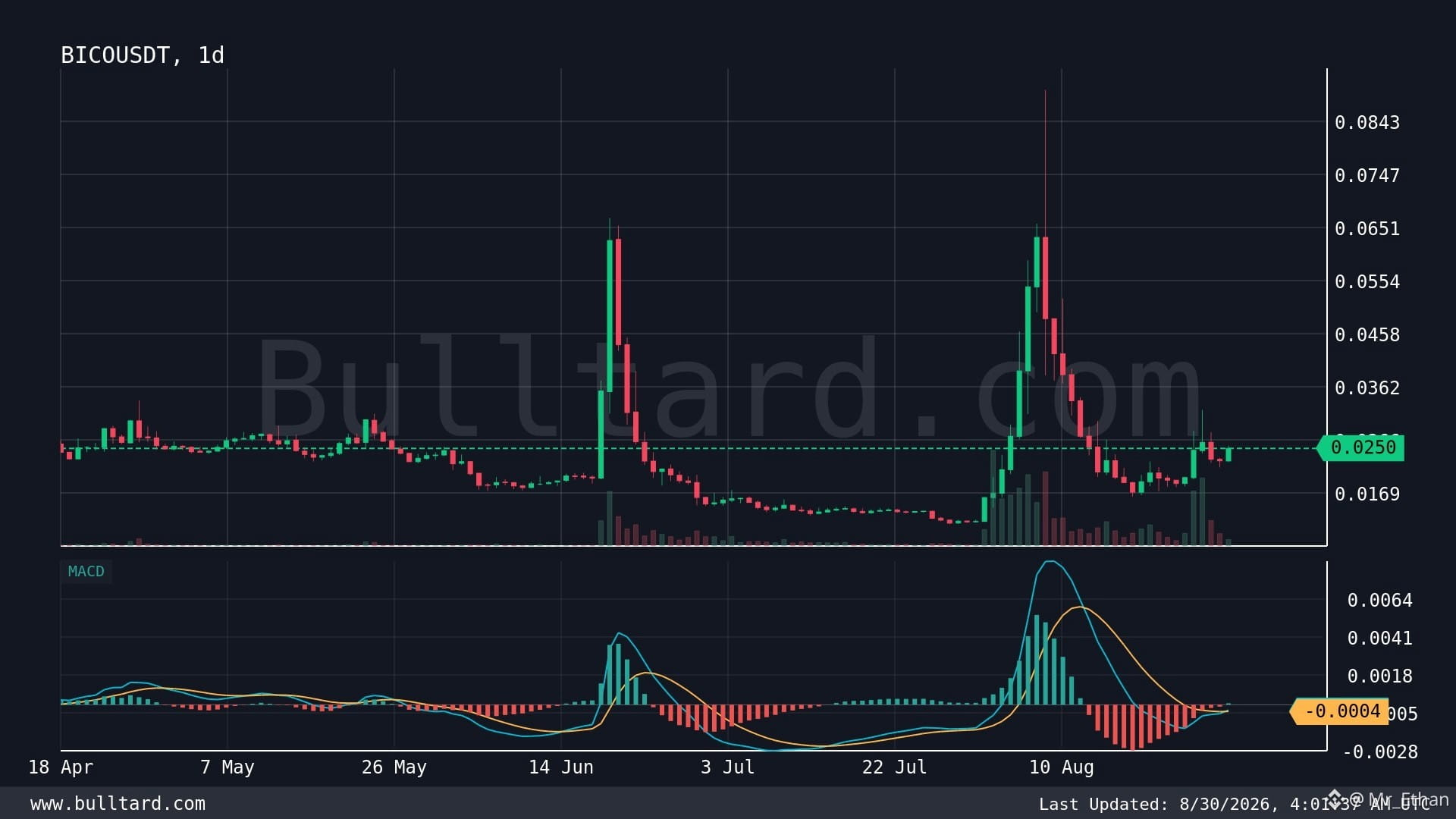
$BICO /USDTが送ってくるサインに、私は注意を向けています 👀🔥
毎日のMACDで強い強気のクロスが出たとき、私はそれを「即買い」のサインとしては扱いません。私は、それが勢いの流れが変わり始める合図かもしれない、と捉えます。今のBICOはだいたい$0.025あたりなので、この状況は間違いなく注目する価値があります。
Biconomyは、ブロックチェーン取引をシンプルにし、Web3アプリのユーザー体験を向上させることに注力しています。これは重要です。なぜなら、より良いインフラが、仮想通貨から一般ユーザーを遠ざけている障壁の一部を取り除く助けになるからです。
私はインフラ面と、より広いWeb3普及の可能性に惹かれています。でも期待は現実的に保っています。BICOには依然として競争、流動性リスク、市場のボラティリティがあります。それに加えて、「実際の利用が長期的なトークン価値につながるか」といういつもの課題もあります。
このようなトレード設定から得た最大の学びはシンプルです。MACDは勢いを示し得ますが、値動き(プライスアクション)がそれを裏付ける必要がある、ということです。最初の青いローソク足を追いかけるより、確認が取れてから遅れてでも入りたいです。
私は今、BICOを注意深く見ています。この日次のクロスが、もっと大きなトレンドにつながると思いますか?
$BICO
{spot}(BICOUSDT)
$BMT
{spot}(BMTUSDT)
$BICO /USDTが送ってくるサインに、私は注意を向けています 👀🔥
毎日のMACDで強い強気のクロスが出たとき、私はそれを「即買い」のサインとしては扱いません。私は、それが勢いの流れが変わり始める合図かもしれない、と捉えます。今のBICOはだいたい$0.025あたりなので、この状況は間違いなく注目する価値があります。
Biconomyは、ブロックチェーン取引をシンプルにし、Web3アプリのユーザー体験を向上させることに注力しています。これは重要です。なぜなら、より良いインフラが、仮想通貨から一般ユーザーを遠ざけている障壁の一部を取り除く助けになるからです。
私はインフラ面と、より広いWeb3普及の可能性に惹かれています。でも期待は現実的に保っています。BICOには依然として競争、流動性リスク、市場のボラティリティがあります。それに加えて、「実際の利用が長期的なトークン価値につながるか」といういつもの課題もあります。
このようなトレード設定から得た最大の学びはシンプルです。MACDは勢いを示し得ますが、値動き(プライスアクション)がそれを裏付ける必要がある、ということです。最初の青いローソク足を追いかけるより、確認が取れてから遅れてでも入りたいです。
私は今、BICOを注意深く見ています。この日次のクロスが、もっと大きなトレンドにつながると思いますか?
$BICO
$BMT
毎日のMACDで強い強気のクロスが出たとき、私はそれを「即買い」のサインとしては扱いません。私は、それが勢いの流れが変わり始める合図かもしれない、と捉えます。今のBICOはだいたい$0.025あたりなので、この状況は間違いなく注目する価値があります。
Biconomyは、ブロックチェーン取引をシンプルにし、Web3アプリのユーザー体験を向上させることに注力しています。これは重要です。なぜなら、より良いインフラが、仮想通貨から一般ユーザーを遠ざけている障壁の一部を取り除く助けになるからです。
私はインフラ面と、より広いWeb3普及の可能性に惹かれています。でも期待は現実的に保っています。BICOには依然として競争、流動性リスク、市場のボラティリティがあります。それに加えて、「実際の利用が長期的なトークン価値につながるか」といういつもの課題もあります。
このようなトレード設定から得た最大の学びはシンプルです。MACDは勢いを示し得ますが、値動き(プライスアクション)がそれを裏付ける必要がある、ということです。最初の青いローソク足を追いかけるより、確認が取れてから遅れてでも入りたいです。
私は今、BICOを注意深く見ています。この日次のクロスが、もっと大きなトレンドにつながると思いますか?
$BICO
$BMT
244
·
--
ブリッシュ
$GRAM /USDT。30mのMACDがちょうど強気のクロスを表示しました。価格は約1.358です。私は通常、こうしたシグナルに注目しています。これは短期の勢いが切り替わり始めていることを示す場合があるからです。
MACDのクロスだけでは私にとって十分ではないと学びました。出来高、価格の構造、そしてその後の値動き(フォロー・スルー)を見たいのです。買い手が今の水準を守り続け、勢いが積み上がっていくなら、これはより強い短期の動きに発展する可能性があります。
良い点は、早期の勢いシグナルです。弱点は、30mのシグナルは特に変動の大きい市場では素早く反転し得ることです。ダマしのブレイクアウトや突発的な流動性の刈り取りはいつでも起こり得るので、リスク管理は厳密に保っています。
このようなセットアップを取引して得た主な教訓は、クロスそのものよりも「確認」が重要だということです。最初の足を追いかけるより、より強い確認を得てから少し遅れてエントリーしたいです。
見ています。$GRAM
{spot}(GRAMUSDT)
$WET
{future}(WETUSDT)
$GRAM /USDT。30mのMACDがちょうど強気のクロスを表示しました。価格は約1.358です。私は通常、こうしたシグナルに注目しています。これは短期の勢いが切り替わり始めていることを示す場合があるからです。
MACDのクロスだけでは私にとって十分ではないと学びました。出来高、価格の構造、そしてその後の値動き(フォロー・スルー)を見たいのです。買い手が今の水準を守り続け、勢いが積み上がっていくなら、これはより強い短期の動きに発展する可能性があります。
良い点は、早期の勢いシグナルです。弱点は、30mのシグナルは特に変動の大きい市場では素早く反転し得ることです。ダマしのブレイクアウトや突発的な流動性の刈り取りはいつでも起こり得るので、リスク管理は厳密に保っています。
このようなセットアップを取引して得た主な教訓は、クロスそのものよりも「確認」が重要だということです。最初の足を追いかけるより、より強い確認を得てから少し遅れてエントリーしたいです。
見ています。$GRAM
$WET
MACDのクロスだけでは私にとって十分ではないと学びました。出来高、価格の構造、そしてその後の値動き(フォロー・スルー)を見たいのです。買い手が今の水準を守り続け、勢いが積み上がっていくなら、これはより強い短期の動きに発展する可能性があります。
良い点は、早期の勢いシグナルです。弱点は、30mのシグナルは特に変動の大きい市場では素早く反転し得ることです。ダマしのブレイクアウトや突発的な流動性の刈り取りはいつでも起こり得るので、リスク管理は厳密に保っています。
このようなセットアップを取引して得た主な教訓は、クロスそのものよりも「確認」が重要だということです。最初の足を追いかけるより、より強い確認を得てから少し遅れてエントリーしたいです。
見ています。$GRAM
$WET
324
·
--
ブリッシュ
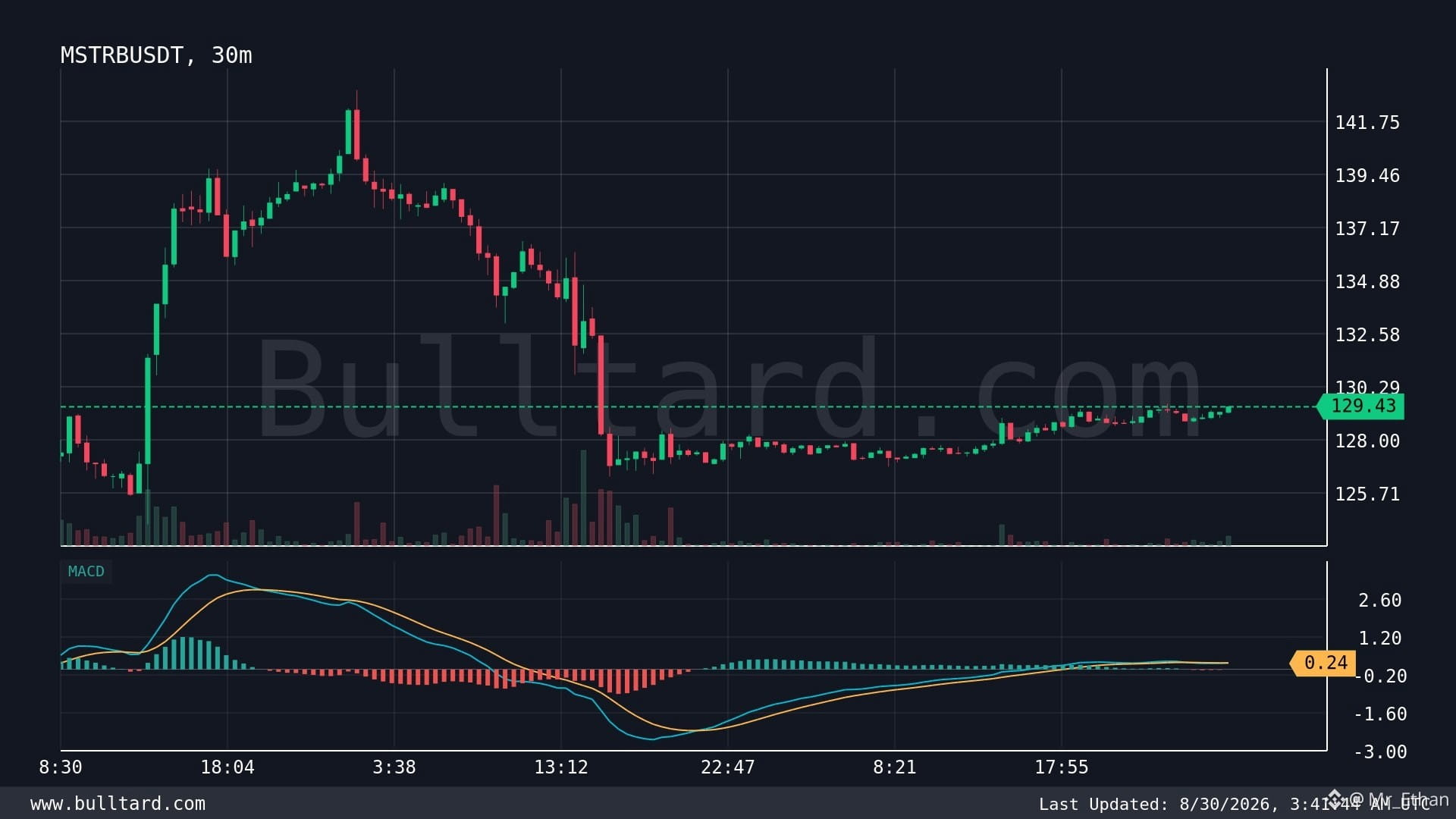
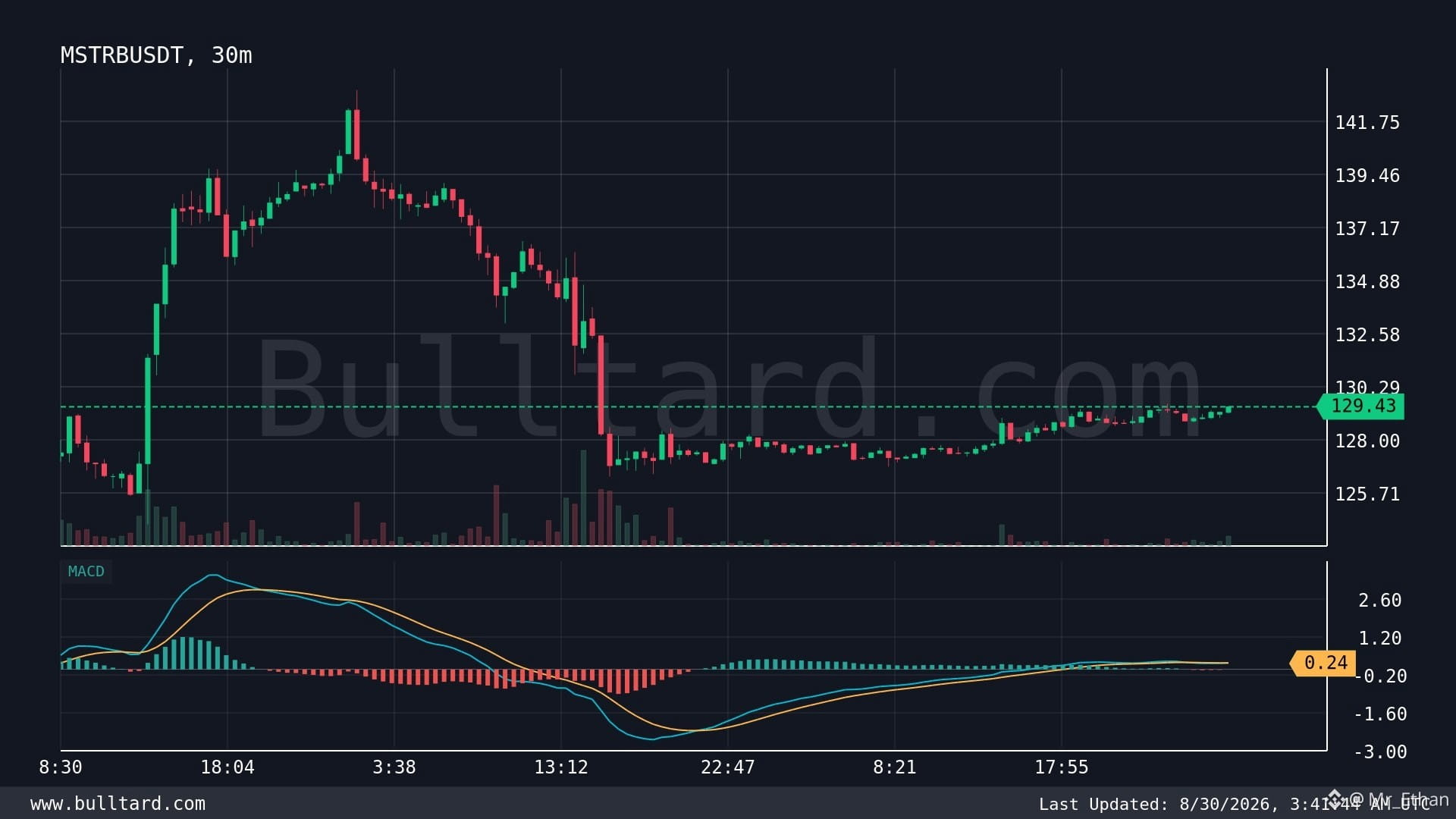
$MSTRB /USDTは30mチャートで強気のMACDクロスを表示していて、私はこれを注意深く見ています。
価格はだいたい$129.43付近で、私にとってここでの主なシグナルは、モメンタムがポジティブに切り替わり始めていることです。MACDのクロスが失敗するのをこれまでたくさん見てきたので、私はそれを確実な値動きだとは決して扱いません。フォロー(追随)が出ること、より強い出来高、そして近くのサポートを上回って価格が維持されることを見たいです。
良い点は、強気クロスが短期トレンド転換の初期段階をうまく捉えることがあるということです。ただしリスクはシンプルで、買い手のモメンタムが失われると、このシグナルがすぐにフェイクアウトに変わり得ます。
こうしたセットアップでの私の経験では、最初の緑の足を追いかけるよりも、忍耐がより重要です。値動きがすでに確定したと決めつけるのではなく、クロス後にどのように反応するかを見ています。
現時点では慎重に強気ですが、セットアップが崩れたら規律を保ってリスク管理をします。
次の上昇に向けて十分なモメンタムを作れると思いますか?
$MSTRB
{spot}(MSTRBUSDT)
$FGII.US
{stock_us}(FGII.US)
$MSTRB /USDTは30mチャートで強気のMACDクロスを表示していて、私はこれを注意深く見ています。
価格はだいたい$129.43付近で、私にとってここでの主なシグナルは、モメンタムがポジティブに切り替わり始めていることです。MACDのクロスが失敗するのをこれまでたくさん見てきたので、私はそれを確実な値動きだとは決して扱いません。フォロー(追随)が出ること、より強い出来高、そして近くのサポートを上回って価格が維持されることを見たいです。
良い点は、強気クロスが短期トレンド転換の初期段階をうまく捉えることがあるということです。ただしリスクはシンプルで、買い手のモメンタムが失われると、このシグナルがすぐにフェイクアウトに変わり得ます。
こうしたセットアップでの私の経験では、最初の緑の足を追いかけるよりも、忍耐がより重要です。値動きがすでに確定したと決めつけるのではなく、クロス後にどのように反応するかを見ています。
現時点では慎重に強気ですが、セットアップが崩れたら規律を保ってリスク管理をします。
次の上昇に向けて十分なモメンタムを作れると思いますか?
$MSTRB
$FGII.US
価格はだいたい$129.43付近で、私にとってここでの主なシグナルは、モメンタムがポジティブに切り替わり始めていることです。MACDのクロスが失敗するのをこれまでたくさん見てきたので、私はそれを確実な値動きだとは決して扱いません。フォロー(追随)が出ること、より強い出来高、そして近くのサポートを上回って価格が維持されることを見たいです。
良い点は、強気クロスが短期トレンド転換の初期段階をうまく捉えることがあるということです。ただしリスクはシンプルで、買い手のモメンタムが失われると、このシグナルがすぐにフェイクアウトに変わり得ます。
こうしたセットアップでの私の経験では、最初の緑の足を追いかけるよりも、忍耐がより重要です。値動きがすでに確定したと決めつけるのではなく、クロス後にどのように反応するかを見ています。
現時点では慎重に強気ですが、セットアップが崩れたら規律を保ってリスク管理をします。
次の上昇に向けて十分なモメンタムを作れると思いますか?
$MSTRB
$FGII.US
101
·
--
弱気相場
$RE は今かなり注目しています。
30分足チャートでは、MACDが強気のクロスを形成しており、価格はおおよそ$0.4892付近にあります。私はこの1回のクロスだけを、確実なポンプの保証とは見ませんが、経験上、こうした初期の勢いの変化は注意深く見ておく価値があります。特に、出来高がその動きを裏付け始めたときはなおさらです。
私にとって面白いのは、このシグナルの後にどう反応するかです。買い手が現状の価格帯を維持して、近くのレジスタンスを突破できるなら、このセットアップはより強い短期トレンドへ発展する可能性があります。ですが、出来高が弱いままだと警戒が必要です。MACDのシグナルは、レンジのように値動きが荒い市場では簡単にダマし(フェイクアウト)に変わってしまうことがあるからです。
仮想通貨を取引して学んだことの一つは、指標がグリーンになっただけで入るのは、たいていミスになりがちなことです。私は、プライスアクション、出来高、そして市場構造からの裏付けを待つ方が好きです。
ここでの強みは、モメンタムが改善している点です。リスクはシンプルで、売り手が引いてきた場合に限らず、クロスがすぐに失敗する可能性があります。
追いかけるのではなく、注意深く観察しています。
この強気のクロスを信じますか?それとも、より強い確認が出るまで待ちますか?
$RE
{spot}(REUSDT)
$RE は今かなり注目しています。
30分足チャートでは、MACDが強気のクロスを形成しており、価格はおおよそ$0.4892付近にあります。私はこの1回のクロスだけを、確実なポンプの保証とは見ませんが、経験上、こうした初期の勢いの変化は注意深く見ておく価値があります。特に、出来高がその動きを裏付け始めたときはなおさらです。
私にとって面白いのは、このシグナルの後にどう反応するかです。買い手が現状の価格帯を維持して、近くのレジスタンスを突破できるなら、このセットアップはより強い短期トレンドへ発展する可能性があります。ですが、出来高が弱いままだと警戒が必要です。MACDのシグナルは、レンジのように値動きが荒い市場では簡単にダマし(フェイクアウト)に変わってしまうことがあるからです。
仮想通貨を取引して学んだことの一つは、指標がグリーンになっただけで入るのは、たいていミスになりがちなことです。私は、プライスアクション、出来高、そして市場構造からの裏付けを待つ方が好きです。
ここでの強みは、モメンタムが改善している点です。リスクはシンプルで、売り手が引いてきた場合に限らず、クロスがすぐに失敗する可能性があります。
追いかけるのではなく、注意深く観察しています。
この強気のクロスを信じますか?それとも、より強い確認が出るまで待ちますか?
$RE
30分足チャートでは、MACDが強気のクロスを形成しており、価格はおおよそ$0.4892付近にあります。私はこの1回のクロスだけを、確実なポンプの保証とは見ませんが、経験上、こうした初期の勢いの変化は注意深く見ておく価値があります。特に、出来高がその動きを裏付け始めたときはなおさらです。
私にとって面白いのは、このシグナルの後にどう反応するかです。買い手が現状の価格帯を維持して、近くのレジスタンスを突破できるなら、このセットアップはより強い短期トレンドへ発展する可能性があります。ですが、出来高が弱いままだと警戒が必要です。MACDのシグナルは、レンジのように値動きが荒い市場では簡単にダマし(フェイクアウト)に変わってしまうことがあるからです。
仮想通貨を取引して学んだことの一つは、指標がグリーンになっただけで入るのは、たいていミスになりがちなことです。私は、プライスアクション、出来高、そして市場構造からの裏付けを待つ方が好きです。
ここでの強みは、モメンタムが改善している点です。リスクはシンプルで、売り手が引いてきた場合に限らず、クロスがすぐに失敗する可能性があります。
追いかけるのではなく、注意深く観察しています。
この強気のクロスを信じますか?それとも、より強い確認が出るまで待ちますか?
$RE
159
·
--
弱気相場
30分足チャートで強気のMACDクロスが出ているので、この動きをかなり注意深く見ています。
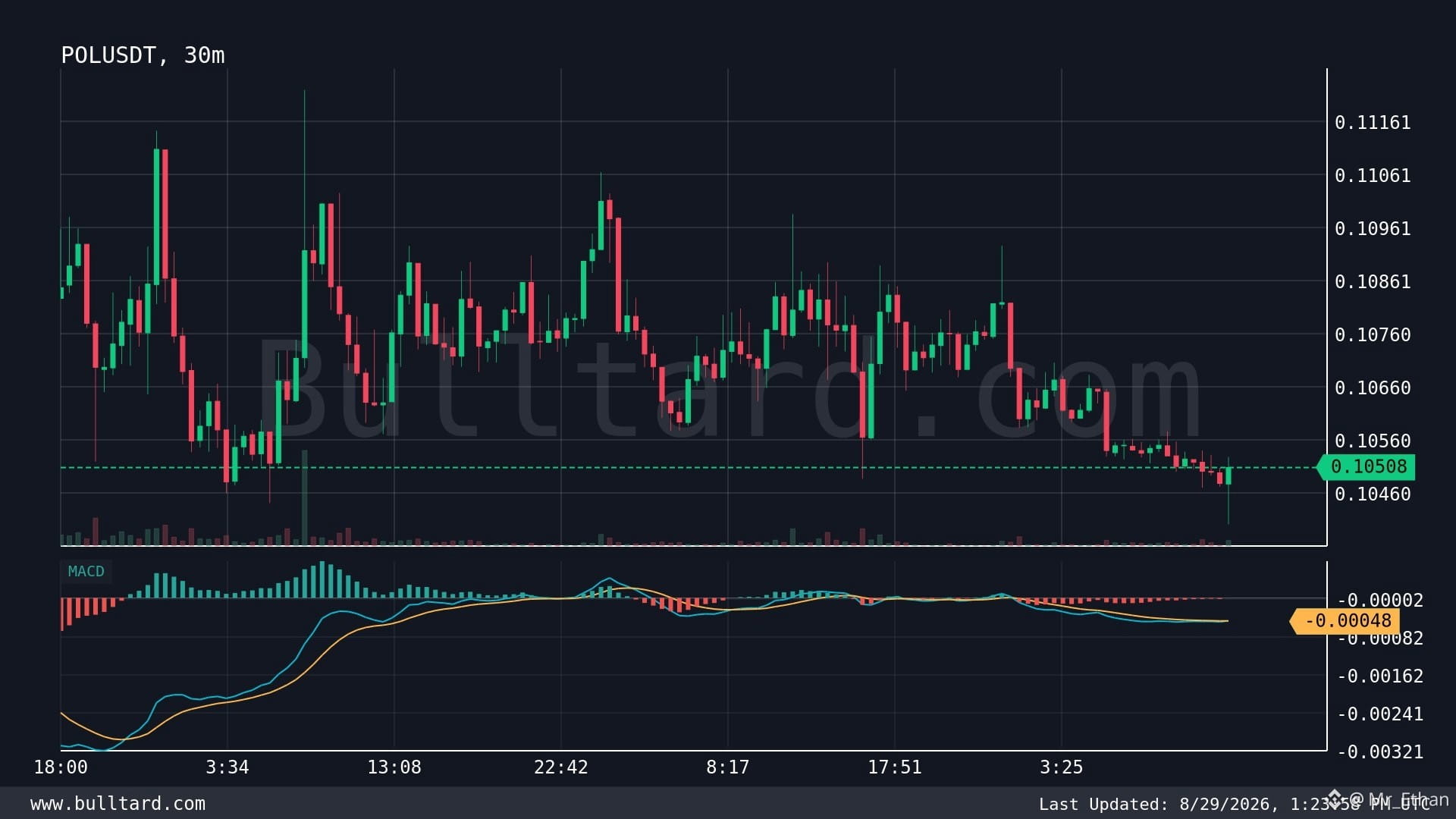
短期のサインは勢いの変化を早めに察知するのに役立つことは学びましたが、単一のクロスだけを“確実な取引”としては決して扱いません。いまPOLは約$0.10508なので、強気派の追随(フォロー)が出るのを確認してから、攻めすぎないようにしたいと考えています。
Polygonについて私が良いと思っているのは、Ethereumをスケールさせ、ブロックチェーンのアプリをより安く、より使いやすくすることに注力している点です。さらにPOLは、Polygonの進化するエコシステムの中でより幅広い役割を持っているため、純粋な投機以上の“ユーティリティの物語”があります。
それでもリスクは意識しています。30分足は、市場全体の流動性が弱いと特に、偽のサインをたくさん生み出しがちです。ビットコインの方向性次第でも、セットアップはすぐに変わることがあります。
このクロスを取引して学んだことの1つは、興奮よりも確認が重要だということです。最初の青いローソク足を追いかけるより、勢いが強まってから少し遅れて入るほうがいいと思っています。
次に見るのは出来高と値動きの構造です。
この強気のクロスを早めのエントリーとして取りますか?それとも確認を待ちますか?$POL
#USShortTermTreasuryYieldsJump
{spot}(POLUSDT)
30分足チャートで強気のMACDクロスが出ているので、この動きをかなり注意深く見ています。
短期のサインは勢いの変化を早めに察知するのに役立つことは学びましたが、単一のクロスだけを“確実な取引”としては決して扱いません。いまPOLは約$0.10508なので、強気派の追随(フォロー)が出るのを確認してから、攻めすぎないようにしたいと考えています。
Polygonについて私が良いと思っているのは、Ethereumをスケールさせ、ブロックチェーンのアプリをより安く、より使いやすくすることに注力している点です。さらにPOLは、Polygonの進化するエコシステムの中でより幅広い役割を持っているため、純粋な投機以上の“ユーティリティの物語”があります。
それでもリスクは意識しています。30分足は、市場全体の流動性が弱いと特に、偽のサインをたくさん生み出しがちです。ビットコインの方向性次第でも、セットアップはすぐに変わることがあります。
このクロスを取引して学んだことの1つは、興奮よりも確認が重要だということです。最初の青いローソク足を追いかけるより、勢いが強まってから少し遅れて入るほうがいいと思っています。
次に見るのは出来高と値動きの構造です。
この強気のクロスを早めのエントリーとして取りますか?それとも確認を待ちますか?$POL
#USShortTermTreasuryYieldsJump
短期のサインは勢いの変化を早めに察知するのに役立つことは学びましたが、単一のクロスだけを“確実な取引”としては決して扱いません。いまPOLは約$0.10508なので、強気派の追随(フォロー)が出るのを確認してから、攻めすぎないようにしたいと考えています。
Polygonについて私が良いと思っているのは、Ethereumをスケールさせ、ブロックチェーンのアプリをより安く、より使いやすくすることに注力している点です。さらにPOLは、Polygonの進化するエコシステムの中でより幅広い役割を持っているため、純粋な投機以上の“ユーティリティの物語”があります。
それでもリスクは意識しています。30分足は、市場全体の流動性が弱いと特に、偽のサインをたくさん生み出しがちです。ビットコインの方向性次第でも、セットアップはすぐに変わることがあります。
このクロスを取引して学んだことの1つは、興奮よりも確認が重要だということです。最初の青いローソク足を追いかけるより、勢いが強まってから少し遅れて入るほうがいいと思っています。
次に見るのは出来高と値動きの構造です。
この強気のクロスを早めのエントリーとして取りますか?それとも確認を待ちますか?$POL
#USShortTermTreasuryYieldsJump
140
·
--
また私の注意を引き始めています。🔥
私は30mチャートを注意深く見ています。なぜなら、MACDが0.03141付近で非常に強気なクロスオーバーを出したからです。私の経験では、これらのシグナルは短期モメンタムの変化を見つけるのに役立つことがあります。特に長い弱さの期間の後はなおさらです。
ここで重要なのは、単にクロスオーバーだけではありません。ETH/BTCは、ビットコインに対してイーサリアムがどう動いているかを示しています。このペアが上向きに動き始めると、資金がよりETHへ、そしてより広いアルトコイン市場へローテーションしやすくなってきていることを示唆する場合があります。
私はDeFi、ステーブルコイン、L2、そしてスマートコントラクト関連でのイーサリアムの強さが好きです。でも警戒もしています。MACDのシグナルはすぐに外れることがあり、BTCの強さがこの比率を簡単に押し下げてしまうこともあります。
私が学んだ一つの教訓は、クロスオーバーを盲目的に取引しないことです。価格の値動きの構造、出来高、そしてサポートが維持されているかによる確認が必要です。
とりあえず、私は0.03141を注意深く見ています。
ETHはついに再びBTCを上回る準備ができていると思いますか?$ETH
{spot}(ETHUSDT)
$BTC
{spot}(BTCUSDT)
$SOL
{spot}(SOLUSDT)
また私の注意を引き始めています。🔥
私は30mチャートを注意深く見ています。なぜなら、MACDが0.03141付近で非常に強気なクロスオーバーを出したからです。私の経験では、これらのシグナルは短期モメンタムの変化を見つけるのに役立つことがあります。特に長い弱さの期間の後はなおさらです。
ここで重要なのは、単にクロスオーバーだけではありません。ETH/BTCは、ビットコインに対してイーサリアムがどう動いているかを示しています。このペアが上向きに動き始めると、資金がよりETHへ、そしてより広いアルトコイン市場へローテーションしやすくなってきていることを示唆する場合があります。
私はDeFi、ステーブルコイン、L2、そしてスマートコントラクト関連でのイーサリアムの強さが好きです。でも警戒もしています。MACDのシグナルはすぐに外れることがあり、BTCの強さがこの比率を簡単に押し下げてしまうこともあります。
私が学んだ一つの教訓は、クロスオーバーを盲目的に取引しないことです。価格の値動きの構造、出来高、そしてサポートが維持されているかによる確認が必要です。
とりあえず、私は0.03141を注意深く見ています。
ETHはついに再びBTCを上回る準備ができていると思いますか?$ETH
$BTC
$SOL
私は30mチャートを注意深く見ています。なぜなら、MACDが0.03141付近で非常に強気なクロスオーバーを出したからです。私の経験では、これらのシグナルは短期モメンタムの変化を見つけるのに役立つことがあります。特に長い弱さの期間の後はなおさらです。
ここで重要なのは、単にクロスオーバーだけではありません。ETH/BTCは、ビットコインに対してイーサリアムがどう動いているかを示しています。このペアが上向きに動き始めると、資金がよりETHへ、そしてより広いアルトコイン市場へローテーションしやすくなってきていることを示唆する場合があります。
私はDeFi、ステーブルコイン、L2、そしてスマートコントラクト関連でのイーサリアムの強さが好きです。でも警戒もしています。MACDのシグナルはすぐに外れることがあり、BTCの強さがこの比率を簡単に押し下げてしまうこともあります。
私が学んだ一つの教訓は、クロスオーバーを盲目的に取引しないことです。価格の値動きの構造、出来高、そしてサポートが維持されているかによる確認が必要です。
とりあえず、私は0.03141を注意深く見ています。
ETHはついに再びBTCを上回る準備ができていると思いますか?$ETH
$BTC
$SOL
119
·
--
: 4時間足のモメンタム転換を注視
4HのMACDが強気のクロスオーバーを出した後、私は注意深く見ています。価格は約$0.3219で、単なるグリーンのサイン以上に興味深い状況です。
ボリュームがついてこないMACDのクロスオーバーは失敗するのを何度も見てきたので、これを確実なブレイクアウトとはみなしていません。買い手が現在の水準を守り、強気に切り上げる高値を作るところを確認してから、過度に攻めるつもりです。
KAITOが際立つのは、AI+暗号資産の物語の中で位置づけられており、注目・データ・コミュニティ活動がオンチェーン上で価値あるリソースになりつつあるからです。これは強いナラティブ(物語)を与えてくれますが、ナラティブだけでは不十分です。トークンのアンロック(解放)、売り圧力、弱い出来高、そしてより広い市場の弱さが、すぐにシナリオを台無しにすることがあります。
これらのサインをトレードして学んだ最大の教訓はシンプルです。MACDは、次に価格が必ずどうなるかを示すものではなく、モメンタムが変わりつつある可能性を教えてくれる、ということです。私はそれを、価格構造と出来高と併せた確認(コンファーム)として使っています。
今は$0.3219を注意深く見ています。
あなたは、KAITOがこの4Hのモメンタムを持続的な動きに変えられると思いますか?$KAITO
{spot}(KAITOUSDT)
$FF
{spot}(FFUSDT)
$AT
{spot}(ATUSDT)
: 4時間足のモメンタム転換を注視
4HのMACDが強気のクロスオーバーを出した後、私は注意深く見ています。価格は約$0.3219で、単なるグリーンのサイン以上に興味深い状況です。
ボリュームがついてこないMACDのクロスオーバーは失敗するのを何度も見てきたので、これを確実なブレイクアウトとはみなしていません。買い手が現在の水準を守り、強気に切り上げる高値を作るところを確認してから、過度に攻めるつもりです。
KAITOが際立つのは、AI+暗号資産の物語の中で位置づけられており、注目・データ・コミュニティ活動がオンチェーン上で価値あるリソースになりつつあるからです。これは強いナラティブ(物語)を与えてくれますが、ナラティブだけでは不十分です。トークンのアンロック(解放)、売り圧力、弱い出来高、そしてより広い市場の弱さが、すぐにシナリオを台無しにすることがあります。
これらのサインをトレードして学んだ最大の教訓はシンプルです。MACDは、次に価格が必ずどうなるかを示すものではなく、モメンタムが変わりつつある可能性を教えてくれる、ということです。私はそれを、価格構造と出来高と併せた確認(コンファーム)として使っています。
今は$0.3219を注意深く見ています。
あなたは、KAITOがこの4Hのモメンタムを持続的な動きに変えられると思いますか?$KAITO
$FF
$AT
4HのMACDが強気のクロスオーバーを出した後、私は注意深く見ています。価格は約$0.3219で、単なるグリーンのサイン以上に興味深い状況です。
ボリュームがついてこないMACDのクロスオーバーは失敗するのを何度も見てきたので、これを確実なブレイクアウトとはみなしていません。買い手が現在の水準を守り、強気に切り上げる高値を作るところを確認してから、過度に攻めるつもりです。
KAITOが際立つのは、AI+暗号資産の物語の中で位置づけられており、注目・データ・コミュニティ活動がオンチェーン上で価値あるリソースになりつつあるからです。これは強いナラティブ(物語)を与えてくれますが、ナラティブだけでは不十分です。トークンのアンロック(解放)、売り圧力、弱い出来高、そしてより広い市場の弱さが、すぐにシナリオを台無しにすることがあります。
これらのサインをトレードして学んだ最大の教訓はシンプルです。MACDは、次に価格が必ずどうなるかを示すものではなく、モメンタムが変わりつつある可能性を教えてくれる、ということです。私はそれを、価格構造と出来高と併せた確認(コンファーム)として使っています。
今は$0.3219を注意深く見ています。
あなたは、KAITOがこの4Hのモメンタムを持続的な動きに変えられると思いますか?$KAITO
$FF
$AT
1
712
·
--
#dusk @Dusk_Foundation $DUSK #dusk @Dusk_Foundation
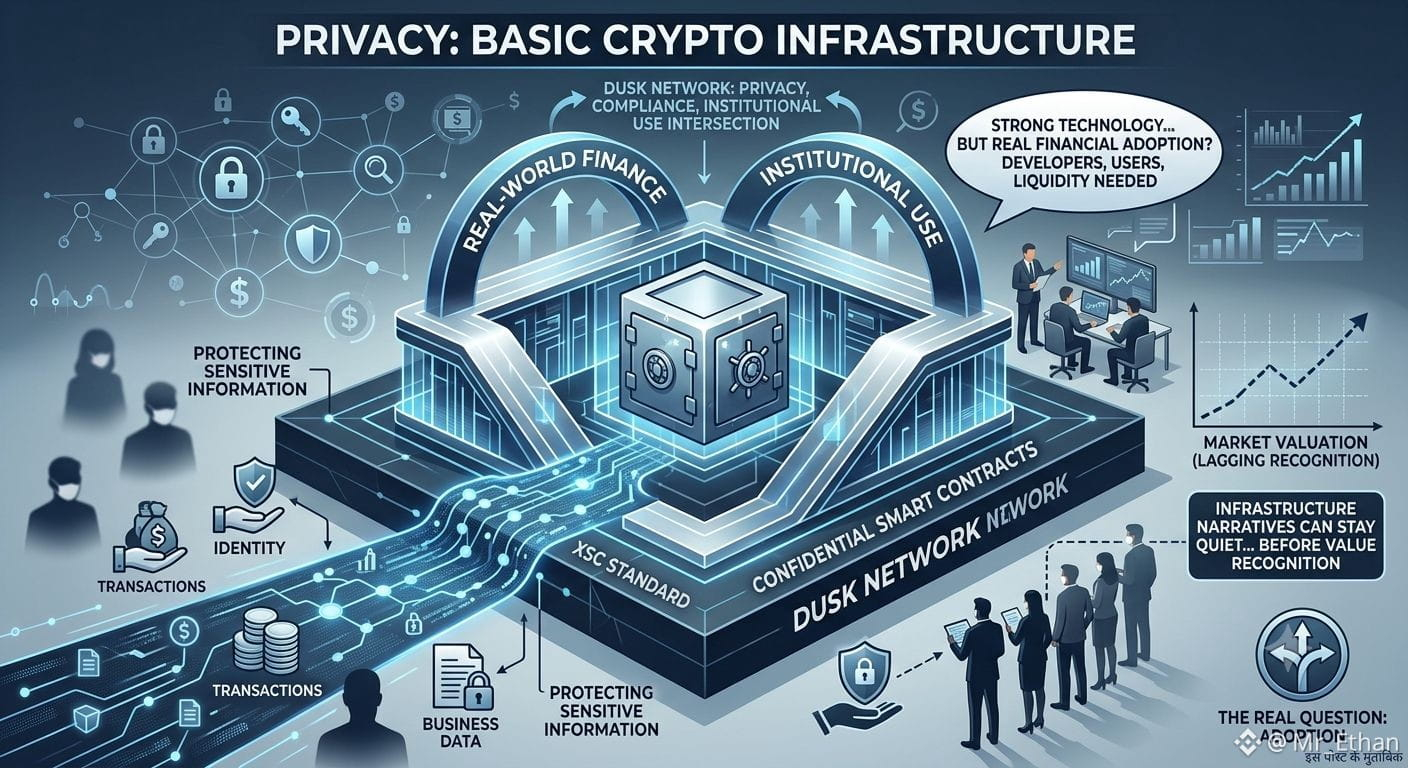
暗号におけるプライバシーは、贅沢品というよりは、基本的なインフラのように見えてきています。
多くのプライバシー関連プロジェクトがバブル期に注目を集めるのを見てきましたが、私にとって Dusk Network が際立つのは、単にプライベートな取引だけでなく、金融アプリケーションに重点を置いている点です。
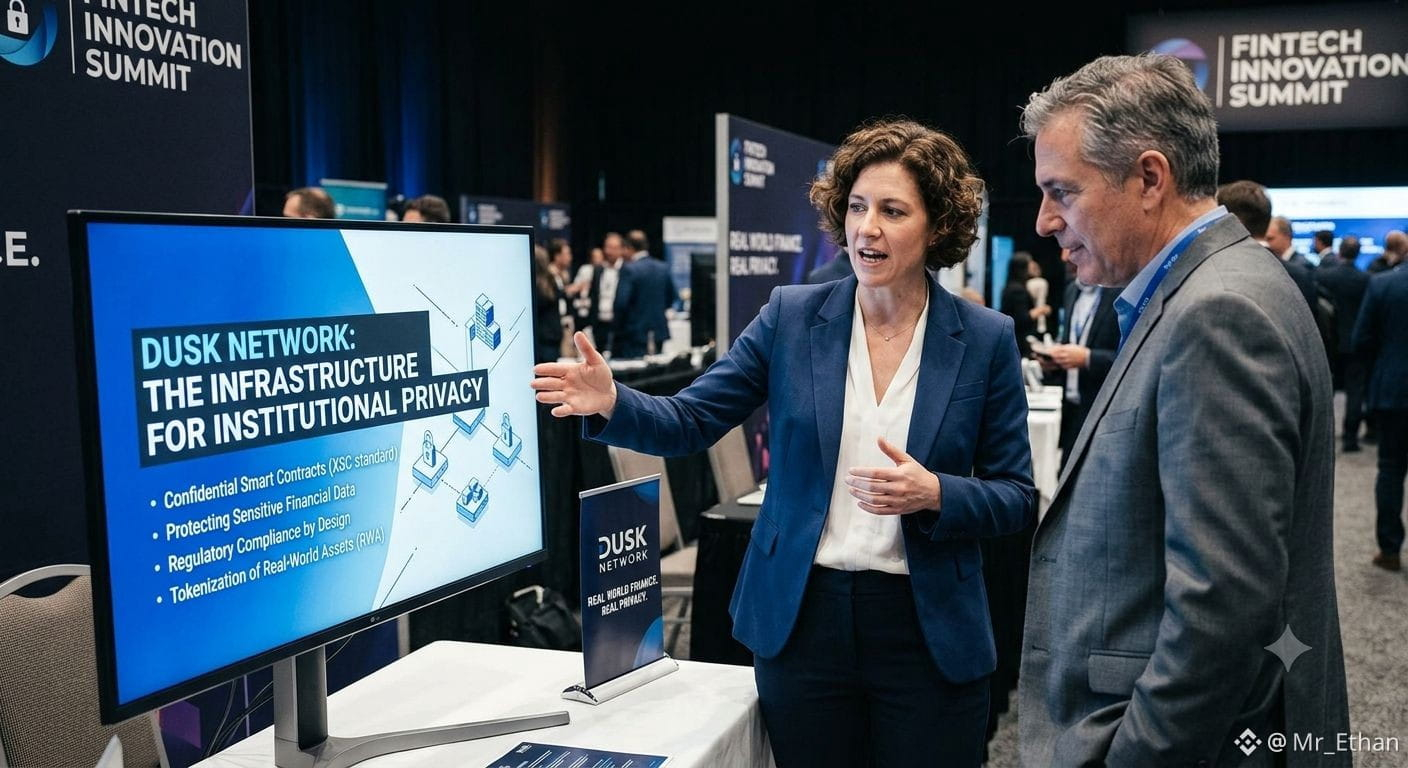
Dusk は、機密スマートコントラクトを中心に据えた Layer-1 で、Confidential Security Contract(XSC)標準を備えています。簡単に言えば、金融機関がブロックチェーンを利用しながら、機密情報を保護したままでいられるようにすることを目指しています。
これは強いアイデアです。現実の金融には、アイデンティティ、取引、ビジネスデータをめぐるプライバシーが必要です。Dusk は、プログラマブルなブロックチェーン・インフラの利点を手放さずに、それを解決しようとしています。
ただ、私は盲目的に強気ではありません。最大の疑問は「採用」です。競合するプライバシー重視・コンプライアンス重視のネットワークも進化しており、強力な技術があっても、開発者、ユーザー、流動性、そして実際のビジネス活動がなければ意味は小さいのです。
暗号から学んだことの一つは、インフラの物語が、マーケットが価値を認識するまで長い間静かなままになり得るということです。
私にとって Dusk が興味深いのは、それがプライバシー、コンプライアンス、そして機関投資家向けのブロックチェーン利用の交差点に位置しているからです。
本当の問いは、Dusk が強い技術を実際の金融の採用へとつなげられるかどうかです。
{spot}(DUSKUSDT)
$BMT
{spot}(BMTUSDT)
$PORTAL
{spot}(PORTALUSDT)
#dusk @Dusk $DUSK #dusk @Dusk
暗号におけるプライバシーは、贅沢品というよりは、基本的なインフラのように見えてきています。
多くのプライバシー関連プロジェクトがバブル期に注目を集めるのを見てきましたが、私にとって Dusk Network が際立つのは、単にプライベートな取引だけでなく、金融アプリケーションに重点を置いている点です。
Dusk は、機密スマートコントラクトを中心に据えた Layer-1 で、Confidential Security Contract(XSC)標準を備えています。簡単に言えば、金融機関がブロックチェーンを利用しながら、機密情報を保護したままでいられるようにすることを目指しています。
これは強いアイデアです。現実の金融には、アイデンティティ、取引、ビジネスデータをめぐるプライバシーが必要です。Dusk は、プログラマブルなブロックチェーン・インフラの利点を手放さずに、それを解決しようとしています。
ただ、私は盲目的に強気ではありません。最大の疑問は「採用」です。競合するプライバシー重視・コンプライアンス重視のネットワークも進化しており、強力な技術があっても、開発者、ユーザー、流動性、そして実際のビジネス活動がなければ意味は小さいのです。
暗号から学んだことの一つは、インフラの物語が、マーケットが価値を認識するまで長い間静かなままになり得るということです。
私にとって Dusk が興味深いのは、それがプライバシー、コンプライアンス、そして機関投資家向けのブロックチェーン利用の交差点に位置しているからです。
本当の問いは、Dusk が強い技術を実際の金融の採用へとつなげられるかどうかです。
$BMT
$PORTAL
暗号におけるプライバシーは、贅沢品というよりは、基本的なインフラのように見えてきています。
多くのプライバシー関連プロジェクトがバブル期に注目を集めるのを見てきましたが、私にとって Dusk Network が際立つのは、単にプライベートな取引だけでなく、金融アプリケーションに重点を置いている点です。
Dusk は、機密スマートコントラクトを中心に据えた Layer-1 で、Confidential Security Contract(XSC)標準を備えています。簡単に言えば、金融機関がブロックチェーンを利用しながら、機密情報を保護したままでいられるようにすることを目指しています。
これは強いアイデアです。現実の金融には、アイデンティティ、取引、ビジネスデータをめぐるプライバシーが必要です。Dusk は、プログラマブルなブロックチェーン・インフラの利点を手放さずに、それを解決しようとしています。
ただ、私は盲目的に強気ではありません。最大の疑問は「採用」です。競合するプライバシー重視・コンプライアンス重視のネットワークも進化しており、強力な技術があっても、開発者、ユーザー、流動性、そして実際のビジネス活動がなければ意味は小さいのです。
暗号から学んだことの一つは、インフラの物語が、マーケットが価値を認識するまで長い間静かなままになり得るということです。
私にとって Dusk が興味深いのは、それがプライバシー、コンプライアンス、そして機関投資家向けのブロックチェーン利用の交差点に位置しているからです。
本当の問いは、Dusk が強い技術を実際の金融の採用へとつなげられるかどうかです。
$BMT
$PORTAL
4
3
124
·
--
弱気相場
夕暮れは、プライバシーがブロックチェーンの会話において徐々により大きな要素になっているため、私がずっと見守っているプロジェクトの一つです。
これまで多くのプライバシーに関する物語が登場しては消えていきましたが、Dusk Networkはより現実的な課題に焦点を当てているように感じます。つまり、機密取引とスマートコントラクトを金融市場に持ち込むことです。そのLayer-1はConfidential Security Contract(XSC)標準を中心に構築されており、アプリケーションが、すべてを公開せずにセンシティブなデータと連携できるようにしています。
私が最も気に入っているのは、金融面の切り口です。機関は、プライバシー、コンプライアンス、そして管理されたデータアクセスを必要としています。Duskは、そのニーズをブロックチェーン基盤と組み合わせようとしています。
ただし、リスクを見て見ぬふりはしていません。導入(アダプション)が依然として最大の疑問です。強力な技術があっても、開発者、機関、そして利用者が実際にそれを使って構築しなければ意味がありません。プライバシー重視の他のチェーンからの競争もまた課題の一つです。
暗号資産から得た私の最大の学びはシンプルです。物語が良さそうに聞こえるからといって、投資するわけではありません。私は利用状況、流動性、開発、市場の挙動を見ています。
私にとって、DUSKが興味深いのは、プライバシーが「取引の物語」だけでなくインフラになり得るからです。
機密性のあるブロックチェーン基盤が、金融分野の次の波における必須要件になっていくと思いますか?
$TAC $PROM $DUSK
#dusk @Dusk_Foundation
{future}(TUTUSDT)
{future}(PROMUSDT)
{future}(TACUSDT)
夕暮れは、プライバシーがブロックチェーンの会話において徐々により大きな要素になっているため、私がずっと見守っているプロジェクトの一つです。
これまで多くのプライバシーに関する物語が登場しては消えていきましたが、Dusk Networkはより現実的な課題に焦点を当てているように感じます。つまり、機密取引とスマートコントラクトを金融市場に持ち込むことです。そのLayer-1はConfidential Security Contract(XSC)標準を中心に構築されており、アプリケーションが、すべてを公開せずにセンシティブなデータと連携できるようにしています。
私が最も気に入っているのは、金融面の切り口です。機関は、プライバシー、コンプライアンス、そして管理されたデータアクセスを必要としています。Duskは、そのニーズをブロックチェーン基盤と組み合わせようとしています。
ただし、リスクを見て見ぬふりはしていません。導入(アダプション)が依然として最大の疑問です。強力な技術があっても、開発者、機関、そして利用者が実際にそれを使って構築しなければ意味がありません。プライバシー重視の他のチェーンからの競争もまた課題の一つです。
暗号資産から得た私の最大の学びはシンプルです。物語が良さそうに聞こえるからといって、投資するわけではありません。私は利用状況、流動性、開発、市場の挙動を見ています。
私にとって、DUSKが興味深いのは、プライバシーが「取引の物語」だけでなくインフラになり得るからです。
機密性のあるブロックチェーン基盤が、金融分野の次の波における必須要件になっていくと思いますか?
$TAC $PROM $DUSK
#dusk @Dusk
これまで多くのプライバシーに関する物語が登場しては消えていきましたが、Dusk Networkはより現実的な課題に焦点を当てているように感じます。つまり、機密取引とスマートコントラクトを金融市場に持ち込むことです。そのLayer-1はConfidential Security Contract(XSC)標準を中心に構築されており、アプリケーションが、すべてを公開せずにセンシティブなデータと連携できるようにしています。
私が最も気に入っているのは、金融面の切り口です。機関は、プライバシー、コンプライアンス、そして管理されたデータアクセスを必要としています。Duskは、そのニーズをブロックチェーン基盤と組み合わせようとしています。
ただし、リスクを見て見ぬふりはしていません。導入(アダプション)が依然として最大の疑問です。強力な技術があっても、開発者、機関、そして利用者が実際にそれを使って構築しなければ意味がありません。プライバシー重視の他のチェーンからの競争もまた課題の一つです。
暗号資産から得た私の最大の学びはシンプルです。物語が良さそうに聞こえるからといって、投資するわけではありません。私は利用状況、流動性、開発、市場の挙動を見ています。
私にとって、DUSKが興味深いのは、プライバシーが「取引の物語」だけでなくインフラになり得るからです。
機密性のあるブロックチェーン基盤が、金融分野の次の波における必須要件になっていくと思いますか?
$TAC $PROM $DUSK
#dusk @Dusk
✅ $TAC
100%
👆 $PROM
0%
💚 $LAB
0%
2 投票 • 投票は終了しました
131
·
--
ブリッシュ
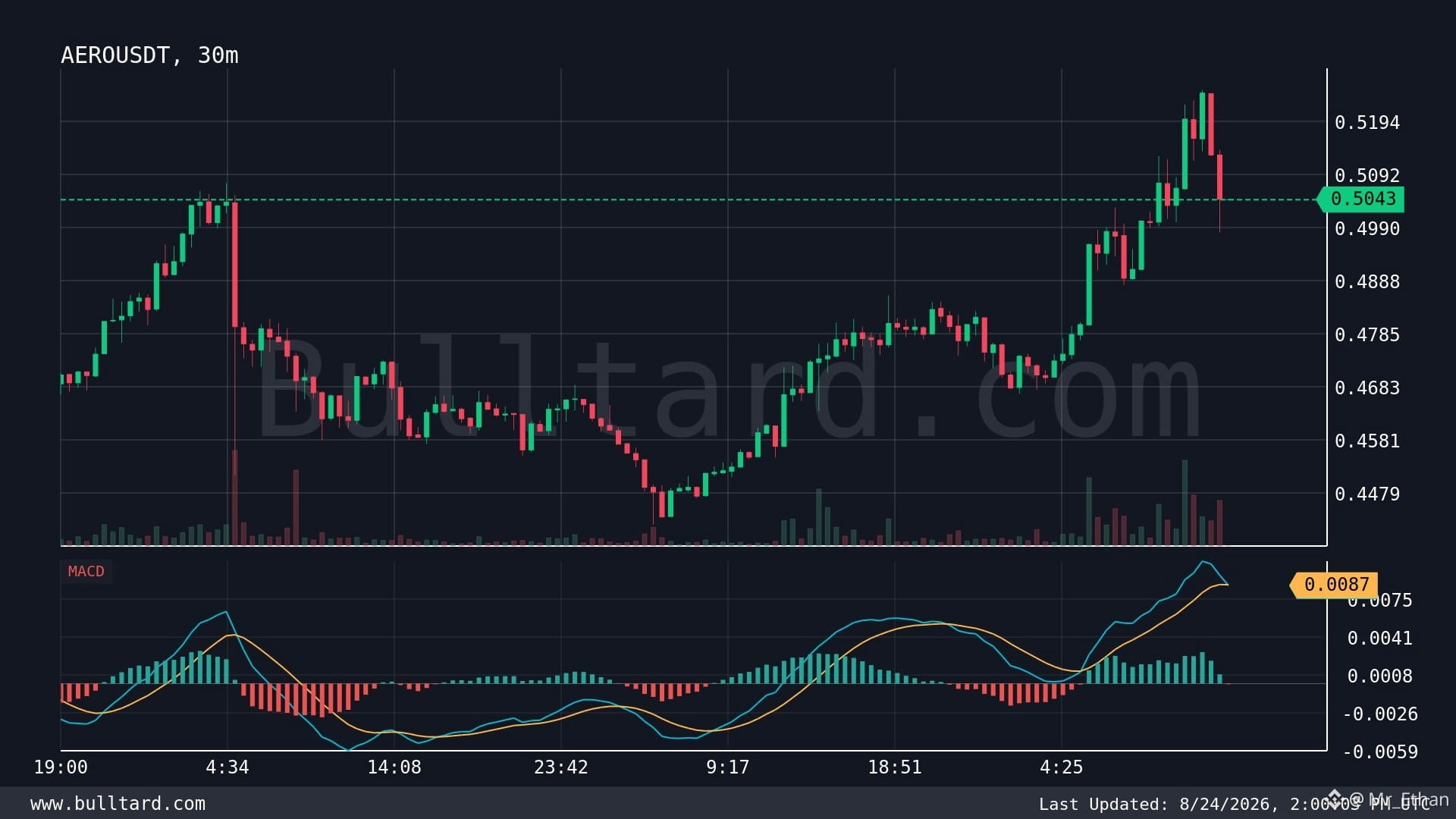
強いプロジェクトでも慎重なエントリーが必要な理由を教えてくれています。
私はAerodromeを注意深く見ていますが、Baseエコシステムにもたらすものが気に入っています。単なる別のトークンではありません。Aerodromeはトレーディングと流動性を中心に作られており、ユーザーが資産をスワップできるよう支援し、流動性プロバイダーにはインセンティブが得られる仕組みです。
特に、Baseとのつながりと、オンチェーンの流動性に対する需要が伸びている点が好きです。多くの小規模なDEXトークンと比べて、活動的なエコシステムの中での役割がより明確です。そのことが、私の見解ではより強いファンダメンタルの物語につながっています。
ただ、リスクを無視しているわけではありません。DeFiの競争は激しく、トークンの発行(エミッション)は売り圧力を生む可能性がありますし、相変わらず広い市場のセンチメント次第で大きく動くこともあります。流動性が枯れてしまうと、良い状態であってもすぐに失敗することがあります。
こうしたサイクルを取引して学んだのは、ファンダメンタルは重要ですが、タイミングも同じくらい重要だということです。間違ったタイミングで買った強いプロジェクトでも、ポートフォリオを傷つける可能性があります。
私は、すべての青いローソク足を追いかけるのではなく、モメンタム、流動性、ユーザーの活動を見ています。
エコシステムの成長に合わせて保有しますか、それともより良いエントリーを待ちますか?
$AERO #aero @aero
{spot}(AEROUSDT)
$TUT
{spot}(TUTUSDT)
$TURTLE
{spot}(TURTLEUSDT)
強いプロジェクトでも慎重なエントリーが必要な理由を教えてくれています。
私はAerodromeを注意深く見ていますが、Baseエコシステムにもたらすものが気に入っています。単なる別のトークンではありません。Aerodromeはトレーディングと流動性を中心に作られており、ユーザーが資産をスワップできるよう支援し、流動性プロバイダーにはインセンティブが得られる仕組みです。
特に、Baseとのつながりと、オンチェーンの流動性に対する需要が伸びている点が好きです。多くの小規模なDEXトークンと比べて、活動的なエコシステムの中での役割がより明確です。そのことが、私の見解ではより強いファンダメンタルの物語につながっています。
ただ、リスクを無視しているわけではありません。DeFiの競争は激しく、トークンの発行(エミッション)は売り圧力を生む可能性がありますし、相変わらず広い市場のセンチメント次第で大きく動くこともあります。流動性が枯れてしまうと、良い状態であってもすぐに失敗することがあります。
こうしたサイクルを取引して学んだのは、ファンダメンタルは重要ですが、タイミングも同じくらい重要だということです。間違ったタイミングで買った強いプロジェクトでも、ポートフォリオを傷つける可能性があります。
私は、すべての青いローソク足を追いかけるのではなく、モメンタム、流動性、ユーザーの活動を見ています。
エコシステムの成長に合わせて保有しますか、それともより良いエントリーを待ちますか?
$AERO #aero @Aero
$TUT
$TURTLE
私はAerodromeを注意深く見ていますが、Baseエコシステムにもたらすものが気に入っています。単なる別のトークンではありません。Aerodromeはトレーディングと流動性を中心に作られており、ユーザーが資産をスワップできるよう支援し、流動性プロバイダーにはインセンティブが得られる仕組みです。
特に、Baseとのつながりと、オンチェーンの流動性に対する需要が伸びている点が好きです。多くの小規模なDEXトークンと比べて、活動的なエコシステムの中での役割がより明確です。そのことが、私の見解ではより強いファンダメンタルの物語につながっています。
ただ、リスクを無視しているわけではありません。DeFiの競争は激しく、トークンの発行(エミッション)は売り圧力を生む可能性がありますし、相変わらず広い市場のセンチメント次第で大きく動くこともあります。流動性が枯れてしまうと、良い状態であってもすぐに失敗することがあります。
こうしたサイクルを取引して学んだのは、ファンダメンタルは重要ですが、タイミングも同じくらい重要だということです。間違ったタイミングで買った強いプロジェクトでも、ポートフォリオを傷つける可能性があります。
私は、すべての青いローソク足を追いかけるのではなく、モメンタム、流動性、ユーザーの活動を見ています。
エコシステムの成長に合わせて保有しますか、それともより良いエントリーを待ちますか?
$AERO #aero @Aero
$TUT
$TURTLE
284
·
--
弱気相場
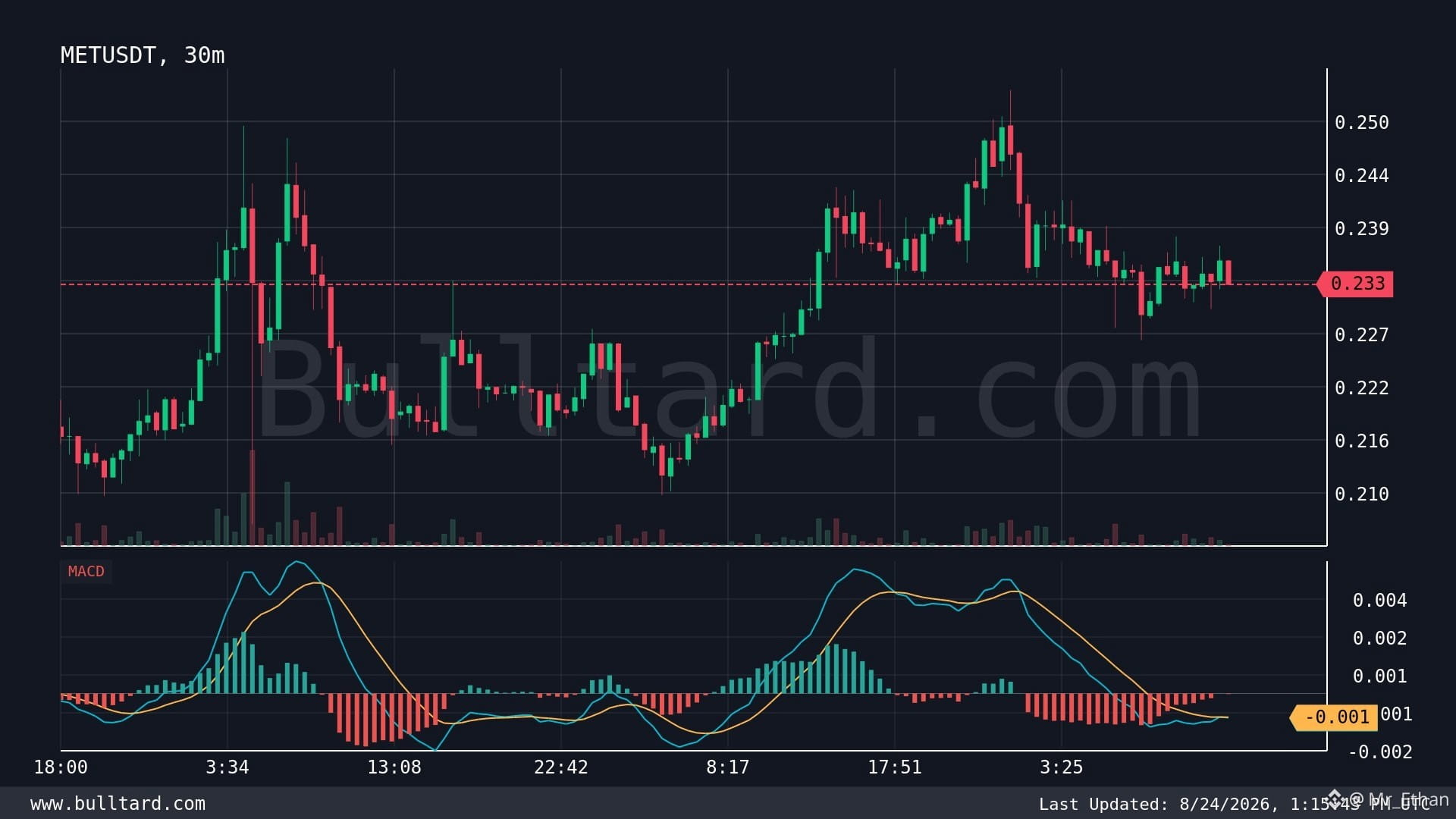
30分足チャートで弱気のMACDクロスが出ているのを示しており、私はそれに注目しています。
これらのシグナルが役立つことは学んできましたが、より大きな全体像も見るときに最も効果的です。$0.2325あたりで、METは現在短期的な弱さを示しており、売り手が主導権を握り始めている可能性があります。
METの良いところは、Web3インフラ分野での役割が大きいこと、そして導入が進めば実用性につながる可能性があることです。ただし、その強さがリスクを消すわけではありません。暗号資産の流動性はすぐに変わることがあり、買い手が強い出来高とともに戻ってくれば、弱気のクロスでも失敗することがあります。
このようなセットアップの取引で私が得た最大の学びはシンプルです。私は1つの指標だけを「確実な方向性」として決め打ちしません。価格の構造、出来高、サポート水準、そしてBTCがどう動いているかを見てから判断します。
現時点では、勢いを追いかけるというより慎重です。買い手が勢いを取り戻せば、そのシグナルはすぐに弱まるかもしれません。
あなたは$METでの確認を待ちますか?それとも、この弱気のクロスを早期の警告として見ますか?
$SUPER
{spot}(SUPERUSDT)
$UAI
{future}(UAIUSDT)
$MET
{spot}(METUSDT)
30分足チャートで弱気のMACDクロスが出ているのを示しており、私はそれに注目しています。
これらのシグナルが役立つことは学んできましたが、より大きな全体像も見るときに最も効果的です。$0.2325あたりで、METは現在短期的な弱さを示しており、売り手が主導権を握り始めている可能性があります。
METの良いところは、Web3インフラ分野での役割が大きいこと、そして導入が進めば実用性につながる可能性があることです。ただし、その強さがリスクを消すわけではありません。暗号資産の流動性はすぐに変わることがあり、買い手が強い出来高とともに戻ってくれば、弱気のクロスでも失敗することがあります。
このようなセットアップの取引で私が得た最大の学びはシンプルです。私は1つの指標だけを「確実な方向性」として決め打ちしません。価格の構造、出来高、サポート水準、そしてBTCがどう動いているかを見てから判断します。
現時点では、勢いを追いかけるというより慎重です。買い手が勢いを取り戻せば、そのシグナルはすぐに弱まるかもしれません。
あなたは$MET での確認を待ちますか?それとも、この弱気のクロスを早期の警告として見ますか?
$SUPER
$UAI
$MET
これらのシグナルが役立つことは学んできましたが、より大きな全体像も見るときに最も効果的です。$0.2325あたりで、METは現在短期的な弱さを示しており、売り手が主導権を握り始めている可能性があります。
METの良いところは、Web3インフラ分野での役割が大きいこと、そして導入が進めば実用性につながる可能性があることです。ただし、その強さがリスクを消すわけではありません。暗号資産の流動性はすぐに変わることがあり、買い手が強い出来高とともに戻ってくれば、弱気のクロスでも失敗することがあります。
このようなセットアップの取引で私が得た最大の学びはシンプルです。私は1つの指標だけを「確実な方向性」として決め打ちしません。価格の構造、出来高、サポート水準、そしてBTCがどう動いているかを見てから判断します。
現時点では、勢いを追いかけるというより慎重です。買い手が勢いを取り戻せば、そのシグナルはすぐに弱まるかもしれません。
あなたは$MET での確認を待ちますか?それとも、この弱気のクロスを早期の警告として見ますか?
$SUPER
$UAI
$MET
1
2
263
·
--
ブリッシュ
$DUSK 82.7 USDT(30日間の取引)
$DUSK #dusk @Dusk_Foundation
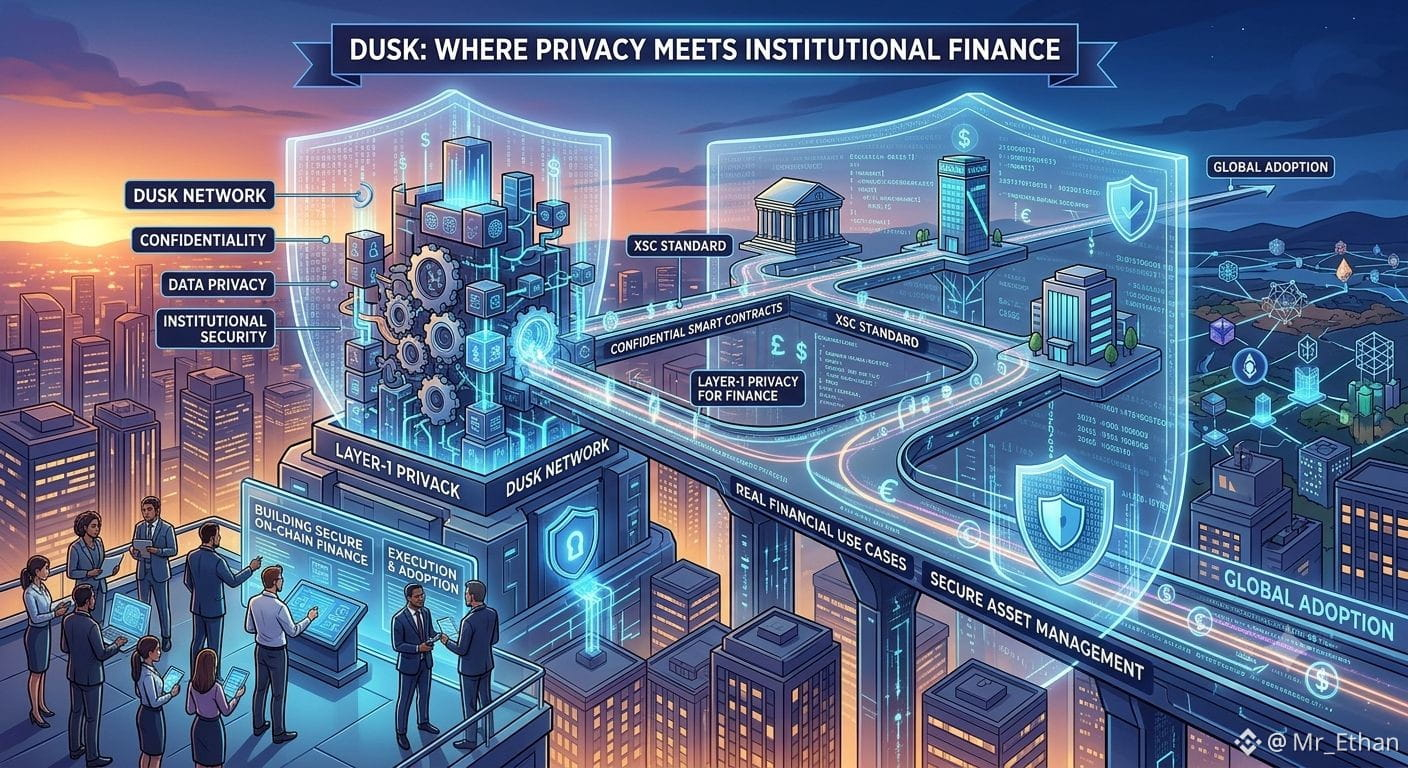
DUSKは、マーケットがプライバシーや実際の金融ユースケースについて真剣に語り始めたとき、より注目されるべきプロジェクトの一つだと思います。
暗号の物語が、純粋な投機から、実際に課題を解決できるインフラへと移り変わっていくのを見てきました。そこで注目したいのがDusk Networkです。Dusk Networkは、金融アプリケーション向けのプライバシーを基盤にしたレイヤー1で、機密スマートコントラクトと、Confidential Security Contract(XSC)標準を備えています。
良い点は「フォーカス」です。Duskは、何でもかんでも同時にやろうとしていません。狙っているのは現実の課題です。金融機関は、機密性の高い取引やビジネスデータを公開せずに、ブロックチェーンの恩恵を得る必要があります。
強みは明確な実用性ですが、リスクについては現実的にも見ています。最大の疑問は採用(アダプション)です。優れた技術だけでは、ユーザー、流動性、開発者の活動が自然に保証されるわけではありません。プライバシー分野や、機関向けのブロックチェーン・インフラとの競争も、かなり厳しいです。
私が暗号から学んだ一つの教訓は、物語(ナラティブ)が注目を生むことはあっても、持続的な価値を生むのは採用だということです。私は、誇大宣伝よりも実行力としてDUSKを見ています。
もしプライバシーがオンチェーン・ファイナンスにおける主要な要件になったなら、Duskは恩恵を受けるネットワークの一つになれるのでしょうか?$PROM $TUT
{future}(TUTUSDT)
{future}(PROMUSDT)
$DUSK #dusk @Dusk
DUSKは、マーケットがプライバシーや実際の金融ユースケースについて真剣に語り始めたとき、より注目されるべきプロジェクトの一つだと思います。
暗号の物語が、純粋な投機から、実際に課題を解決できるインフラへと移り変わっていくのを見てきました。そこで注目したいのがDusk Networkです。Dusk Networkは、金融アプリケーション向けのプライバシーを基盤にしたレイヤー1で、機密スマートコントラクトと、Confidential Security Contract(XSC)標準を備えています。
良い点は「フォーカス」です。Duskは、何でもかんでも同時にやろうとしていません。狙っているのは現実の課題です。金融機関は、機密性の高い取引やビジネスデータを公開せずに、ブロックチェーンの恩恵を得る必要があります。
強みは明確な実用性ですが、リスクについては現実的にも見ています。最大の疑問は採用(アダプション)です。優れた技術だけでは、ユーザー、流動性、開発者の活動が自然に保証されるわけではありません。プライバシー分野や、機関向けのブロックチェーン・インフラとの競争も、かなり厳しいです。
私が暗号から学んだ一つの教訓は、物語(ナラティブ)が注目を生むことはあっても、持続的な価値を生むのは採用だということです。私は、誇大宣伝よりも実行力としてDUSKを見ています。
もしプライバシーがオンチェーン・ファイナンスにおける主要な要件になったなら、Duskは恩恵を受けるネットワークの一つになれるのでしょうか?$PROM $TUT
DUSKは、マーケットがプライバシーや実際の金融ユースケースについて真剣に語り始めたとき、より注目されるべきプロジェクトの一つだと思います。
暗号の物語が、純粋な投機から、実際に課題を解決できるインフラへと移り変わっていくのを見てきました。そこで注目したいのがDusk Networkです。Dusk Networkは、金融アプリケーション向けのプライバシーを基盤にしたレイヤー1で、機密スマートコントラクトと、Confidential Security Contract(XSC)標準を備えています。
良い点は「フォーカス」です。Duskは、何でもかんでも同時にやろうとしていません。狙っているのは現実の課題です。金融機関は、機密性の高い取引やビジネスデータを公開せずに、ブロックチェーンの恩恵を得る必要があります。
強みは明確な実用性ですが、リスクについては現実的にも見ています。最大の疑問は採用(アダプション)です。優れた技術だけでは、ユーザー、流動性、開発者の活動が自然に保証されるわけではありません。プライバシー分野や、機関向けのブロックチェーン・インフラとの競争も、かなり厳しいです。
私が暗号から学んだ一つの教訓は、物語(ナラティブ)が注目を生むことはあっても、持続的な価値を生むのは採用だということです。私は、誇大宣伝よりも実行力としてDUSKを見ています。
もしプライバシーがオンチェーン・ファイナンスにおける主要な要件になったなら、Duskは恩恵を受けるネットワークの一つになれるのでしょうか?$PROM $TUT
2
1
107
·
--
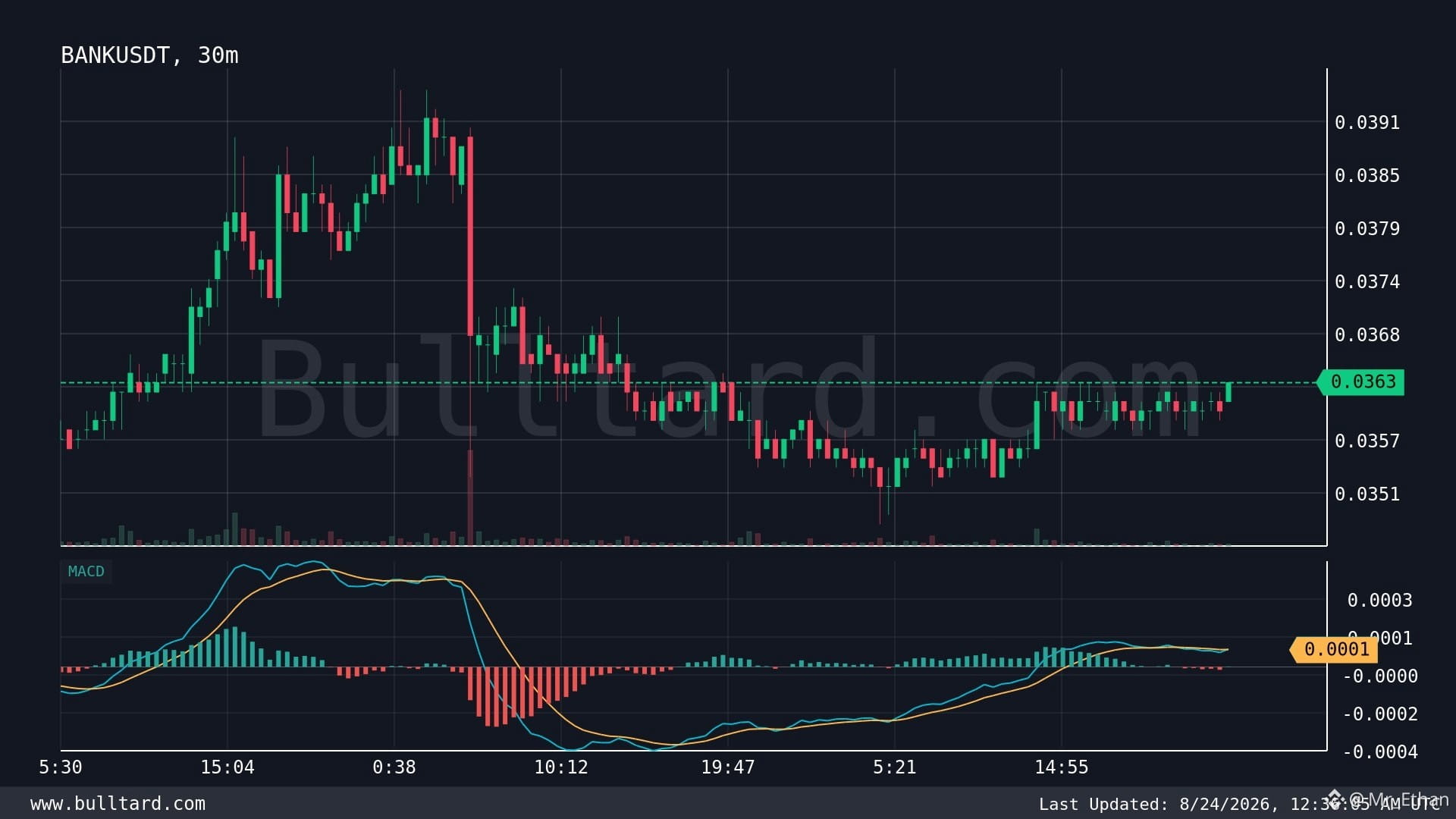
$BANK /USDTは30分足チャートで強気のMACDゴールデンクロスを示していて、これを注意深く見ています。
直近価格はだいたい$0.0363です。私の経験では、このような短期のMACDサインはモメンタムの転換が始まるときに役立つことがありますが、1回のクロスを「確実な値動き」とは決して見なしません。出来高と値動き(プライスアクション)で裏付けるのを見たいです。
BANKについて私が興味を持っているのは、投機だけに頼らず、ブロックチェーン・プロジェクトとして実際のユーティリティを築こうとしている点です。そうすれば、より強い長期の物語(ナラティブ)につながる可能性がありますが、実行力(実装)、採用、流動性、そしてトークン供給量は依然としてとても重要です。
強気のクロスはポジティブな短期シグナルですが、リスクはシンプルで、30分足ではモメンタムがすぐに消えることがあります。クロスの時点では完璧に見えた取引でも、数本の足で反転するのを何度も見てきました。
私の最大の学びは、MACDを「確認材料」として使い、戦略のすべてにしないことです。BANKが現状のゾーンを維持できるのか、そしてより高い高値を作れるのかを見ています。
この強気のセットアップを取引しますか、それとも、より強い確証が出るのを待ちますか?
{spot}(BANKUSDT)
$TUT
{spot}(TUTUSDT)
$LAB
{future}(LABUSDT)
#BitcoinStrongestWeekSinceMarch2023 #AnthropicIPOCouldTopSpaceXRecordReportsSay #NvidiaAIServerPricesRiseOver15%
$BANK /USDTは30分足チャートで強気のMACDゴールデンクロスを示していて、これを注意深く見ています。
直近価格はだいたい$0.0363です。私の経験では、このような短期のMACDサインはモメンタムの転換が始まるときに役立つことがありますが、1回のクロスを「確実な値動き」とは決して見なしません。出来高と値動き(プライスアクション)で裏付けるのを見たいです。
BANKについて私が興味を持っているのは、投機だけに頼らず、ブロックチェーン・プロジェクトとして実際のユーティリティを築こうとしている点です。そうすれば、より強い長期の物語(ナラティブ)につながる可能性がありますが、実行力(実装)、採用、流動性、そしてトークン供給量は依然としてとても重要です。
強気のクロスはポジティブな短期シグナルですが、リスクはシンプルで、30分足ではモメンタムがすぐに消えることがあります。クロスの時点では完璧に見えた取引でも、数本の足で反転するのを何度も見てきました。
私の最大の学びは、MACDを「確認材料」として使い、戦略のすべてにしないことです。BANKが現状のゾーンを維持できるのか、そしてより高い高値を作れるのかを見ています。
この強気のセットアップを取引しますか、それとも、より強い確証が出るのを待ちますか?
$TUT
$LAB
#BitcoinStrongestWeekSinceMarch2023 #AnthropicIPOCouldTopSpaceXRecordReportsSay #NvidiaAIServerPricesRiseOver15%
直近価格はだいたい$0.0363です。私の経験では、このような短期のMACDサインはモメンタムの転換が始まるときに役立つことがありますが、1回のクロスを「確実な値動き」とは決して見なしません。出来高と値動き(プライスアクション)で裏付けるのを見たいです。
BANKについて私が興味を持っているのは、投機だけに頼らず、ブロックチェーン・プロジェクトとして実際のユーティリティを築こうとしている点です。そうすれば、より強い長期の物語(ナラティブ)につながる可能性がありますが、実行力(実装)、採用、流動性、そしてトークン供給量は依然としてとても重要です。
強気のクロスはポジティブな短期シグナルですが、リスクはシンプルで、30分足ではモメンタムがすぐに消えることがあります。クロスの時点では完璧に見えた取引でも、数本の足で反転するのを何度も見てきました。
私の最大の学びは、MACDを「確認材料」として使い、戦略のすべてにしないことです。BANKが現状のゾーンを維持できるのか、そしてより高い高値を作れるのかを見ています。
この強気のセットアップを取引しますか、それとも、より強い確証が出るのを待ちますか?
$TUT
$LAB
#BitcoinStrongestWeekSinceMarch2023 #AnthropicIPOCouldTopSpaceXRecordReportsSay #NvidiaAIServerPricesRiseOver15%
1
2
794
·
--
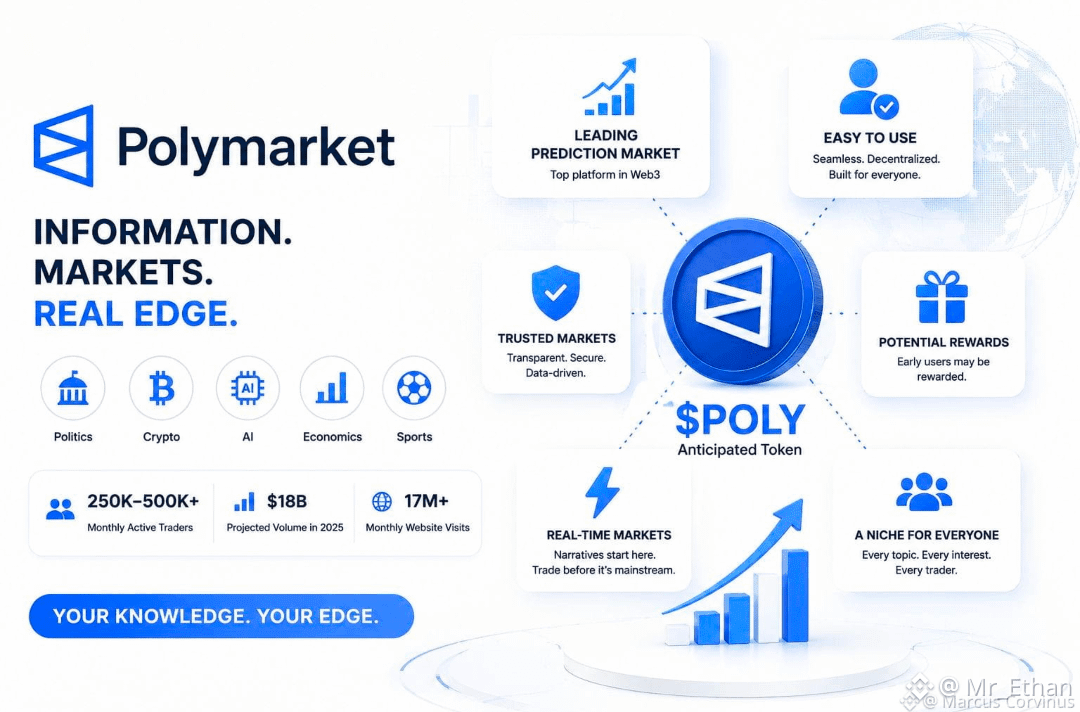
$POLY: 私が注目しているパートI
最も面白い暗号資産プロジェクトは、必ずしも一番騒がれているものではないことを学びました。POLYを見ているのは、大きな物語が「実際のブロックチェーン活用」にあるからです。さらに✅プロジェクトがインフラを✅人々が実際に使うものへと変えていく方法にも注目しています。
⚖️私の経験では、市場はしばしばまず物語を値付けし、後からファンダメンタルズを評価します。これは強い上昇トレンドを生むこともありますが、弱い普及があるとすぐに痛手になることもあります。POLYについては、👆実用的なブロックチェーン活用にある可能性が気に入っていますが、リスクを無視しているわけではありません。$PENGU
強みは、ユーティリティ面と、オンチェーンでの普及が拡大し続ければ恩恵を受けられる可能性があることです。弱みはシンプルです。強い技術$DOOD だけでは需要は保証されません。競争も激しく、流動性、トークン経済、開発活動、そして実際のユーザーの存在のほうが、見出しよりも重要になります。$MASK
😭学んだことの一つは、物語が良さそうだからといってトークンを買うのをやめることです。私はユーザー数、取引量、開発、そして継続的な関心を見たいです。
私はPOLYをウォッチリストに入れていますが、突然のポンプを追いかけるよりも、実際の成長を追いたいです。
あなたは、どれが最も重要になると思いますか?:普及、技術、または市場の勢い?
#Polymarket #POLY
$POLY: 私が注目しているパートI
最も面白い暗号資産プロジェクトは、必ずしも一番騒がれているものではないことを学びました。POLYを見ているのは、大きな物語が「実際のブロックチェーン活用」にあるからです。さらに✅プロジェクトがインフラを✅人々が実際に使うものへと変えていく方法にも注目しています。
⚖️私の経験では、市場はしばしばまず物語を値付けし、後からファンダメンタルズを評価します。これは強い上昇トレンドを生むこともありますが、弱い普及があるとすぐに痛手になることもあります。POLYについては、👆実用的なブロックチェーン活用にある可能性が気に入っていますが、リスクを無視しているわけではありません。$PENGU
強みは、ユーティリティ面と、オンチェーンでの普及が拡大し続ければ恩恵を受けられる可能性があることです。弱みはシンプルです。強い技術$DOOD だけでは需要は保証されません。競争も激しく、流動性、トークン経済、開発活動、そして実際のユーザーの存在のほうが、見出しよりも重要になります。$MASK
😭学んだことの一つは、物語が良さそうだからといってトークンを買うのをやめることです。私はユーザー数、取引量、開発、そして継続的な関心を見たいです。
私はPOLYをウォッチリストに入れていますが、突然のポンプを追いかけるよりも、実際の成長を追いたいです。
あなたは、どれが最も重要になると思いますか?:普及、技術、または市場の勢い?
#Polymarket #POLY
最も面白い暗号資産プロジェクトは、必ずしも一番騒がれているものではないことを学びました。POLYを見ているのは、大きな物語が「実際のブロックチェーン活用」にあるからです。さらに✅プロジェクトがインフラを✅人々が実際に使うものへと変えていく方法にも注目しています。
⚖️私の経験では、市場はしばしばまず物語を値付けし、後からファンダメンタルズを評価します。これは強い上昇トレンドを生むこともありますが、弱い普及があるとすぐに痛手になることもあります。POLYについては、👆実用的なブロックチェーン活用にある可能性が気に入っていますが、リスクを無視しているわけではありません。$PENGU
強みは、ユーティリティ面と、オンチェーンでの普及が拡大し続ければ恩恵を受けられる可能性があることです。弱みはシンプルです。強い技術$DOOD だけでは需要は保証されません。競争も激しく、流動性、トークン経済、開発活動、そして実際のユーザーの存在のほうが、見出しよりも重要になります。$MASK
😭学んだことの一つは、物語が良さそうだからといってトークンを買うのをやめることです。私はユーザー数、取引量、開発、そして継続的な関心を見たいです。
私はPOLYをウォッチリストに入れていますが、突然のポンプを追いかけるよりも、実際の成長を追いたいです。
あなたは、どれが最も重要になると思いますか?:普及、技術、または市場の勢い?
#Polymarket #POLY
2
281
·
--
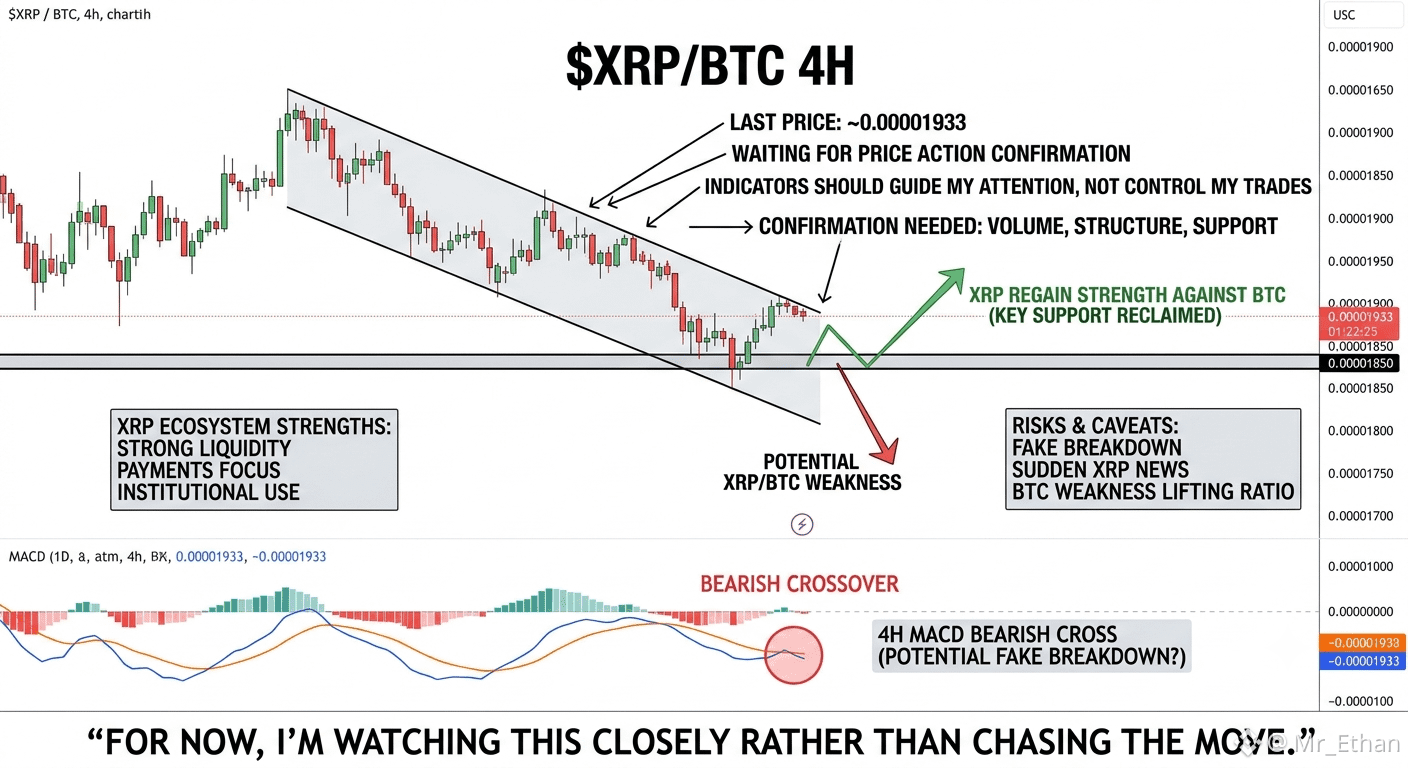
$XRP/BTCは弱気の4時間足MACDクロスオーバーを示しており、私はこれに注目しています。
現在の価格はだいたい0.00001933前後で、私の経験上、こうしたより上位足のクロスオーバーは、より広い市場が反応する前にモメンタムの変化が起き始めるときに役立つことがあります。ただし私は、このシグナルを自動的なショートの根拠とは見なしません。価格アクションがそれを裏付けるのを待ちます。
XRPが興味深いのは、強い流動性があり、確立されたエコシステムを持ち、支払い分野や機関投資家の利用に対する注目が高まっているからです。でもXRP/BTCは別の物語を伝えます。これはXRPの強さをビットコインに対して測る指標なので、USD建てでXRPが上昇しても、BTCに対しては優勢を失う可能性があります。
暗号資産では、こうしたことを何度も見てきました。弱気のMACDクロスオーバーは説得力がありそうに見えても、買い手が重要な水準を取り戻すと失敗することがあります。ここでの主なリスクは、見せかけのブレイクダウン、突然のXRPニュース、あるいはBTCの弱さが予想外にこの比率を押し上げることです。
私の学びはシンプルです。指標は私の注意を導くものであって、取引を支配するものではありません。深刻なリスクを取る前に、出来高、値動きの構造、サポートからの確認が欲しいのです。
今のところ、私はこの動きを追いかけるのではなく、注意深く見ています。
あなたは
がここからBTCに対して再び強さを取り戻せると思いますか?
$XRP/BTCは弱気の4時間足MACDクロスオーバーを示しており、私はこれに注目しています。
現在の価格はだいたい0.00001933前後で、私の経験上、こうしたより上位足のクロスオーバーは、より広い市場が反応する前にモメンタムの変化が起き始めるときに役立つことがあります。ただし私は、このシグナルを自動的なショートの根拠とは見なしません。価格アクションがそれを裏付けるのを待ちます。
XRPが興味深いのは、強い流動性があり、確立されたエコシステムを持ち、支払い分野や機関投資家の利用に対する注目が高まっているからです。でもXRP/BTCは別の物語を伝えます。これはXRPの強さをビットコインに対して測る指標なので、USD建てでXRPが上昇しても、BTCに対しては優勢を失う可能性があります。
暗号資産では、こうしたことを何度も見てきました。弱気のMACDクロスオーバーは説得力がありそうに見えても、買い手が重要な水準を取り戻すと失敗することがあります。ここでの主なリスクは、見せかけのブレイクダウン、突然のXRPニュース、あるいはBTCの弱さが予想外にこの比率を押し上げることです。
私の学びはシンプルです。指標は私の注意を導くものであって、取引を支配するものではありません。深刻なリスクを取る前に、出来高、値動きの構造、サポートからの確認が欲しいのです。
今のところ、私はこの動きを追いかけるのではなく、注意深く見ています。
あなたは
がここからBTCに対して再び強さを取り戻せると思いますか?
現在の価格はだいたい0.00001933前後で、私の経験上、こうしたより上位足のクロスオーバーは、より広い市場が反応する前にモメンタムの変化が起き始めるときに役立つことがあります。ただし私は、このシグナルを自動的なショートの根拠とは見なしません。価格アクションがそれを裏付けるのを待ちます。
XRPが興味深いのは、強い流動性があり、確立されたエコシステムを持ち、支払い分野や機関投資家の利用に対する注目が高まっているからです。でもXRP/BTCは別の物語を伝えます。これはXRPの強さをビットコインに対して測る指標なので、USD建てでXRPが上昇しても、BTCに対しては優勢を失う可能性があります。
暗号資産では、こうしたことを何度も見てきました。弱気のMACDクロスオーバーは説得力がありそうに見えても、買い手が重要な水準を取り戻すと失敗することがあります。ここでの主なリスクは、見せかけのブレイクダウン、突然のXRPニュース、あるいはBTCの弱さが予想外にこの比率を押し上げることです。
私の学びはシンプルです。指標は私の注意を導くものであって、取引を支配するものではありません。深刻なリスクを取る前に、出来高、値動きの構造、サポートからの確認が欲しいのです。
今のところ、私はこの動きを追いかけるのではなく、注意深く見ています。
あなたは
がここからBTCに対して再び強さを取り戻せると思いますか?
155
·
--
弱気相場
$DUSK #dusk @Dusk_Foundation
DUSKは、プライバシーがブロックチェーンの物語の中で徐々に大きな要素になってきているので、私がずっと注目し続けているプロジェクトのひとつです。
プライバシー重視のコインはハイプのサイクル中に注目を集めることが多い一方で、Dusk Networkは別の道を選んでいます。Dusk Networkは、金融アプリケーション向けのレイヤー1で、Confidential Security Contract(XSC)標準による機密スマートコントラクトを備えています。
私が良いと思うのは、現実の金融ユースケースへの重点です。機関は、機密性の高い取引、保有、そしてコンプライアンスに関してプライバシーを必要とします。パブリック・ブロックチェーンは強力ですが、すべての金融取引を完全に透明化できるわけではありません。
そこで、DUSKが面白い切り口を持っています。
リスクは採用です。強い技術だけでは、ユーザー、開発者、あるいは流動性が集まることは保証されません。レイヤー1やプライバシー・インフラの競争もまた、かなり厳しいものです。
仮想通貨から得た私の最大の学びはシンプルです。良さそうに聞こえるだけの「物語」を買うことはしない。人々が本当にその技術を使っているかを見るのです。
私にとってDuskは、ブロックチェーンのプライバシーと現実の金融を結びつけている点が興味深いです。
プライバシー重視の金融向けブロックチェーンは、主要な暗号資産セクターになっていくと思いますか?
$TUT $PORTAL
{future}(LABUSDT)
{future}(PORTALUSDT)
{future}(TUTUSDT)
$DUSK #dusk @Dusk
DUSKは、プライバシーがブロックチェーンの物語の中で徐々に大きな要素になってきているので、私がずっと注目し続けているプロジェクトのひとつです。
プライバシー重視のコインはハイプのサイクル中に注目を集めることが多い一方で、Dusk Networkは別の道を選んでいます。Dusk Networkは、金融アプリケーション向けのレイヤー1で、Confidential Security Contract(XSC)標準による機密スマートコントラクトを備えています。
私が良いと思うのは、現実の金融ユースケースへの重点です。機関は、機密性の高い取引、保有、そしてコンプライアンスに関してプライバシーを必要とします。パブリック・ブロックチェーンは強力ですが、すべての金融取引を完全に透明化できるわけではありません。
そこで、DUSKが面白い切り口を持っています。
リスクは採用です。強い技術だけでは、ユーザー、開発者、あるいは流動性が集まることは保証されません。レイヤー1やプライバシー・インフラの競争もまた、かなり厳しいものです。
仮想通貨から得た私の最大の学びはシンプルです。良さそうに聞こえるだけの「物語」を買うことはしない。人々が本当にその技術を使っているかを見るのです。
私にとってDuskは、ブロックチェーンのプライバシーと現実の金融を結びつけている点が興味深いです。
プライバシー重視の金融向けブロックチェーンは、主要な暗号資産セクターになっていくと思いますか?
$TUT $PORTAL
DUSKは、プライバシーがブロックチェーンの物語の中で徐々に大きな要素になってきているので、私がずっと注目し続けているプロジェクトのひとつです。
プライバシー重視のコインはハイプのサイクル中に注目を集めることが多い一方で、Dusk Networkは別の道を選んでいます。Dusk Networkは、金融アプリケーション向けのレイヤー1で、Confidential Security Contract(XSC)標準による機密スマートコントラクトを備えています。
私が良いと思うのは、現実の金融ユースケースへの重点です。機関は、機密性の高い取引、保有、そしてコンプライアンスに関してプライバシーを必要とします。パブリック・ブロックチェーンは強力ですが、すべての金融取引を完全に透明化できるわけではありません。
そこで、DUSKが面白い切り口を持っています。
リスクは採用です。強い技術だけでは、ユーザー、開発者、あるいは流動性が集まることは保証されません。レイヤー1やプライバシー・インフラの競争もまた、かなり厳しいものです。
仮想通貨から得た私の最大の学びはシンプルです。良さそうに聞こえるだけの「物語」を買うことはしない。人々が本当にその技術を使っているかを見るのです。
私にとってDuskは、ブロックチェーンのプライバシーと現実の金融を結びつけている点が興味深いです。
プライバシー重視の金融向けブロックチェーンは、主要な暗号資産セクターになっていくと思いますか?
$TUT $PORTAL

3
3
613
·
--
弱気相場
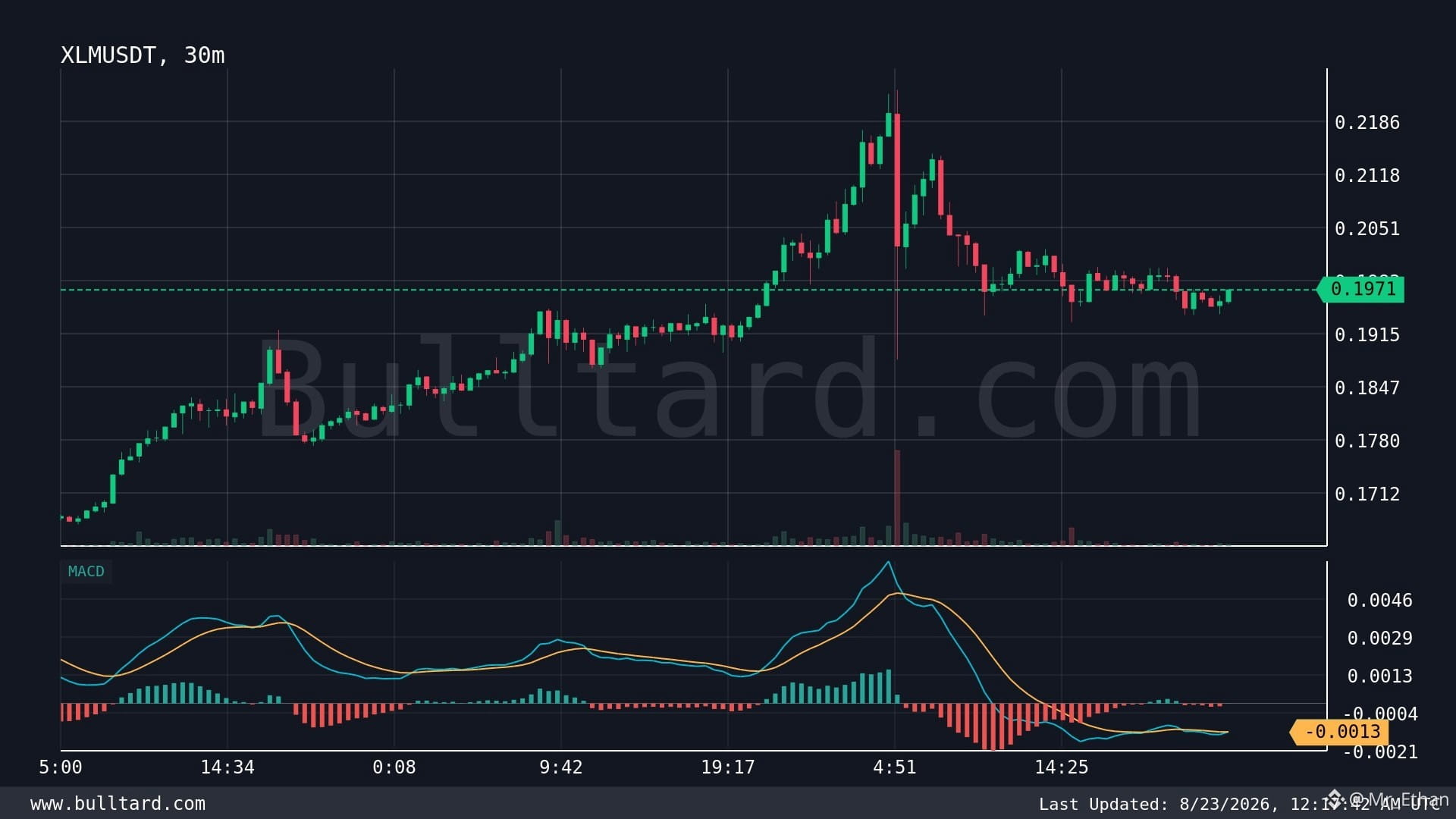
この超強気の30分足MACDクロスオーバーの後、$XLM/USDTをかなり注意深く見ています。価格はだいたい$0.1971で、モメンタムの変化は間違いなく注目に値します。
私の経験では、MACDクロスオーバーは実際の出来高を伴い、その後の追随があるときに最も効果的です。買い手が活発でないと強気シグナルが失敗するのを何度も見てきたので、これは確実な値動きだと見なしていません。
スター(Stellar)について気に入っているのは、スピーディで低コストな決済と、国境を越えた価値の移動に注力している点です。多くの古いブロックチェーン・プロジェクトと比べても、明確なユースケースとシンプルなネットワーク設計があります。それが持続力になります。
ただ、リスクも見ています。XRP、ステーブルコイン、そして新しい決済ネットワークからの競争は強いです。強気のチャートは、それらのファンダメンタルを消し去るわけではありません。
取引シグナルから得た私の最大の学びはシンプルです。クロスオーバーは注目を集めてくれますが、価格の確認があって初めてトレードを続けられる、ということ。
現在の水準より上で勢いを維持できるかどうかを見ています。
このクロスオーバーを信じますか?それとも、より強い確認を待ちますか。$XLM
{spot}(XLMUSDT)
$LA
{spot}(LAUSDT)
$ETC
{spot}(ETCUSDT)
この超強気の30分足MACDクロスオーバーの後、$XLM /USDTをかなり注意深く見ています。価格はだいたい$0.1971で、モメンタムの変化は間違いなく注目に値します。
私の経験では、MACDクロスオーバーは実際の出来高を伴い、その後の追随があるときに最も効果的です。買い手が活発でないと強気シグナルが失敗するのを何度も見てきたので、これは確実な値動きだと見なしていません。
スター(Stellar)について気に入っているのは、スピーディで低コストな決済と、国境を越えた価値の移動に注力している点です。多くの古いブロックチェーン・プロジェクトと比べても、明確なユースケースとシンプルなネットワーク設計があります。それが持続力になります。
ただ、リスクも見ています。XRP、ステーブルコイン、そして新しい決済ネットワークからの競争は強いです。強気のチャートは、それらのファンダメンタルを消し去るわけではありません。
取引シグナルから得た私の最大の学びはシンプルです。クロスオーバーは注目を集めてくれますが、価格の確認があって初めてトレードを続けられる、ということ。
現在の水準より上で勢いを維持できるかどうかを見ています。
このクロスオーバーを信じますか?それとも、より強い確認を待ちますか。$XLM
$LA
$ETC
私の経験では、MACDクロスオーバーは実際の出来高を伴い、その後の追随があるときに最も効果的です。買い手が活発でないと強気シグナルが失敗するのを何度も見てきたので、これは確実な値動きだと見なしていません。
スター(Stellar)について気に入っているのは、スピーディで低コストな決済と、国境を越えた価値の移動に注力している点です。多くの古いブロックチェーン・プロジェクトと比べても、明確なユースケースとシンプルなネットワーク設計があります。それが持続力になります。
ただ、リスクも見ています。XRP、ステーブルコイン、そして新しい決済ネットワークからの競争は強いです。強気のチャートは、それらのファンダメンタルを消し去るわけではありません。
取引シグナルから得た私の最大の学びはシンプルです。クロスオーバーは注目を集めてくれますが、価格の確認があって初めてトレードを続けられる、ということ。
現在の水準より上で勢いを維持できるかどうかを見ています。
このクロスオーバーを信じますか?それとも、より強い確認を待ちますか。$XLM
$LA
$ETC
2
257
·
--
@Dusk_Foundation : プライバシーが「期待(ハイプ)」より重要になるかもしれない理由
最近、暗号資産におけるプライバシー面をより注意深く見ていて、DUSKは興味深いプロジェクトだと感じています。
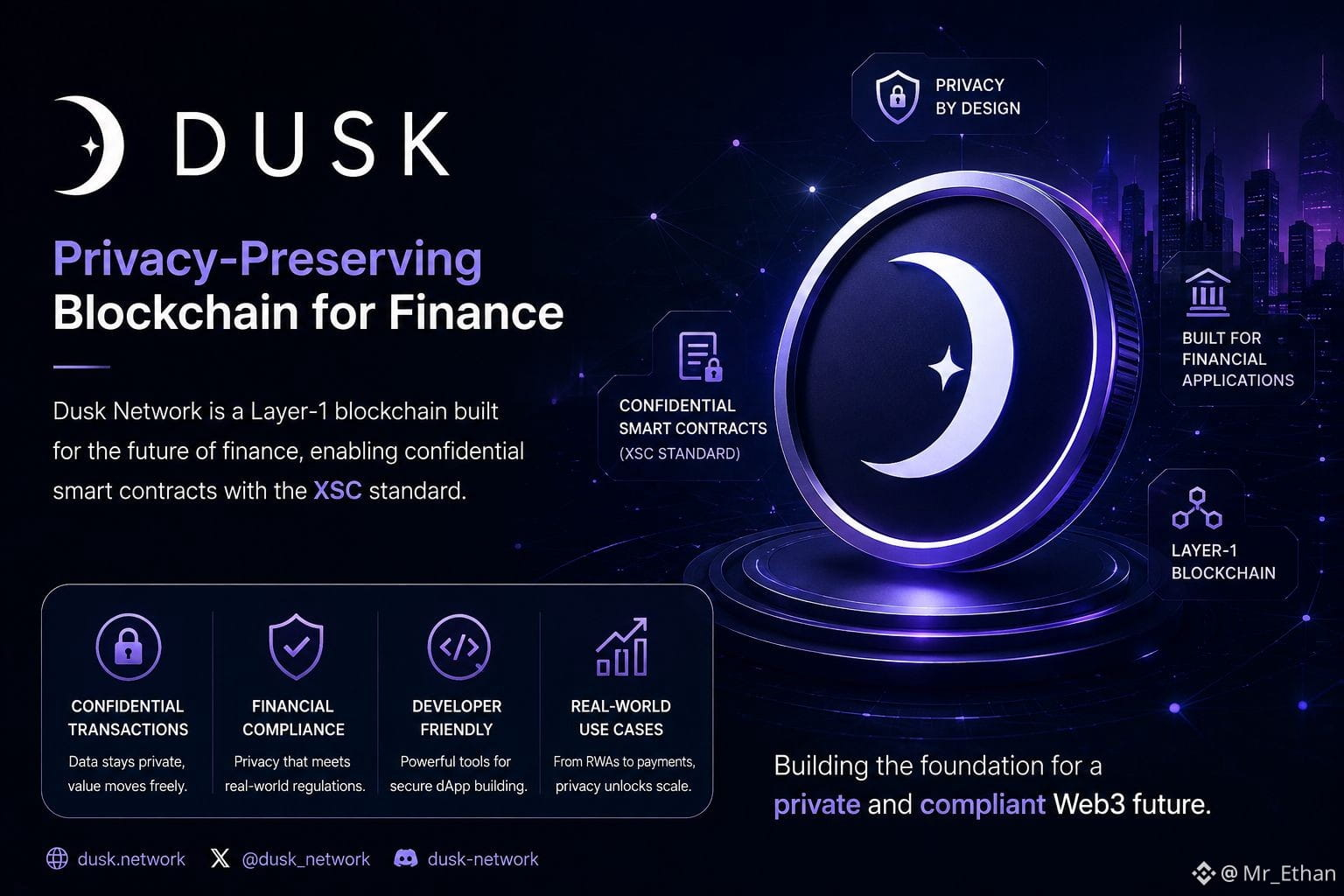
Dusk Networkは、金融アプリケーション向けのプライバシーを基盤にしたレイヤー1です。簡単に言うと、企業が機密情報を非公開のままブロックチェーンを利用できるようにすることを目指しています。そのConfidential Security Contract(XSC)標準は、機密性のあるスマートコントラクト向けに設計されています。
私が良いと思うのは、注目を集めることを追いかけるのではなく、実際の金融ユースケースに焦点を当てている点です。プライバシー、コンプライアンス、アイデンティティ、そして規制対象資産は、機関がオンチェーンへ進むにつれて、より大きなテーマになっていく可能性があります。
ただ、私は無条件に強気ではありません。最大の問いは採用です。競争も強く、また市場が継続的な価値を与える前に、プライバシー基盤には実際のユーザー、開発者、流動性が必要です。
これまでのサイクルから学んだことですが、良い技術だけでは良いトークン投資につながるとは限りません。実行力と採用の方が、物語(ナラティブ)よりも重要であることが多いです。
私にとってDUSKは、プライバシー+RWAという物語が展開していく中で、注目に値します。
あなたは、プライバシーが暗号資産の次の成長フェーズの大きな要素だと思いますか?
#dusk $DUSK @Dusk_Foundation
$TRUMP
{future}(TRUMPUSDT)
$MELANIA
{future}(MELANIAUSDT)
{spot}(DUSKUSDT)
@Dusk : プライバシーが「期待(ハイプ)」より重要になるかもしれない理由
最近、暗号資産におけるプライバシー面をより注意深く見ていて、DUSKは興味深いプロジェクトだと感じています。
Dusk Networkは、金融アプリケーション向けのプライバシーを基盤にしたレイヤー1です。簡単に言うと、企業が機密情報を非公開のままブロックチェーンを利用できるようにすることを目指しています。そのConfidential Security Contract(XSC)標準は、機密性のあるスマートコントラクト向けに設計されています。
私が良いと思うのは、注目を集めることを追いかけるのではなく、実際の金融ユースケースに焦点を当てている点です。プライバシー、コンプライアンス、アイデンティティ、そして規制対象資産は、機関がオンチェーンへ進むにつれて、より大きなテーマになっていく可能性があります。
ただ、私は無条件に強気ではありません。最大の問いは採用です。競争も強く、また市場が継続的な価値を与える前に、プライバシー基盤には実際のユーザー、開発者、流動性が必要です。
これまでのサイクルから学んだことですが、良い技術だけでは良いトークン投資につながるとは限りません。実行力と採用の方が、物語(ナラティブ)よりも重要であることが多いです。
私にとってDUSKは、プライバシー+RWAという物語が展開していく中で、注目に値します。
あなたは、プライバシーが暗号資産の次の成長フェーズの大きな要素だと思いますか?
#dusk $DUSK @Dusk
$TRUMP
$MELANIA
最近、暗号資産におけるプライバシー面をより注意深く見ていて、DUSKは興味深いプロジェクトだと感じています。
Dusk Networkは、金融アプリケーション向けのプライバシーを基盤にしたレイヤー1です。簡単に言うと、企業が機密情報を非公開のままブロックチェーンを利用できるようにすることを目指しています。そのConfidential Security Contract(XSC)標準は、機密性のあるスマートコントラクト向けに設計されています。
私が良いと思うのは、注目を集めることを追いかけるのではなく、実際の金融ユースケースに焦点を当てている点です。プライバシー、コンプライアンス、アイデンティティ、そして規制対象資産は、機関がオンチェーンへ進むにつれて、より大きなテーマになっていく可能性があります。
ただ、私は無条件に強気ではありません。最大の問いは採用です。競争も強く、また市場が継続的な価値を与える前に、プライバシー基盤には実際のユーザー、開発者、流動性が必要です。
これまでのサイクルから学んだことですが、良い技術だけでは良いトークン投資につながるとは限りません。実行力と採用の方が、物語(ナラティブ)よりも重要であることが多いです。
私にとってDUSKは、プライバシー+RWAという物語が展開していく中で、注目に値します。
あなたは、プライバシーが暗号資産の次の成長フェーズの大きな要素だと思いますか?
#dusk $DUSK @Dusk
$TRUMP
$MELANIA
6
7
490
·
--
ここで4時間足のチャートを注意深く見ています。
4HのMACDが弱気に転じたとき、それがたとえプロジェクトの長期ストーリーとしてはまだ面白そうに見えていても、私は無視しないと学びました。HEMIは、ビットコインとイーサリアムを中心に、相互運用性、スケーラビリティ、そしてチェーンをまたぐ活動をより実用的にすることを重視しながらブロックチェーン基盤を構築しています。
それが私がHEMIを好きな理由です。狙っている課題は本物です。暗号資産にはまだ断片化が多すぎて、エコシステム同士を効率的につなげるインフラには強い可能性があります。
ただし、私にとっては値動きが最優先です。直近の4H MACDの弱気クロス(約$0.01017)は、モメンタムが冷えていることを示唆しています。私は、跳ねる動きを追いかけるよりも、確証を待ちたいです。
主なリスクは、市場の流動性が弱いこと、他の相互運用性やレイヤー2プロジェクトとの競争、そして強い技術が実際の普及につながるまで時間がかかる可能性です。
このような局面を取引して学んだことの一つは、良いプロジェクトでもチャートが悪くなり得るということです。
今のところ私は慎重で、HEMIがモメンタムを取り戻せるかどうかを見守っています。
あなたは強気の反転を待ちますか、それとも今の弱さを取引しますか? $ALB.US
{stock_us}(ALB.US)
$LAB
{future}(LABUSDT)
$HEMI
{spot}(HEMIUSDT)
ここで4時間足のチャートを注意深く見ています。
4HのMACDが弱気に転じたとき、それがたとえプロジェクトの長期ストーリーとしてはまだ面白そうに見えていても、私は無視しないと学びました。HEMIは、ビットコインとイーサリアムを中心に、相互運用性、スケーラビリティ、そしてチェーンをまたぐ活動をより実用的にすることを重視しながらブロックチェーン基盤を構築しています。
それが私がHEMIを好きな理由です。狙っている課題は本物です。暗号資産にはまだ断片化が多すぎて、エコシステム同士を効率的につなげるインフラには強い可能性があります。
ただし、私にとっては値動きが最優先です。直近の4H MACDの弱気クロス(約$0.01017)は、モメンタムが冷えていることを示唆しています。私は、跳ねる動きを追いかけるよりも、確証を待ちたいです。
主なリスクは、市場の流動性が弱いこと、他の相互運用性やレイヤー2プロジェクトとの競争、そして強い技術が実際の普及につながるまで時間がかかる可能性です。
このような局面を取引して学んだことの一つは、良いプロジェクトでもチャートが悪くなり得るということです。
今のところ私は慎重で、HEMIがモメンタムを取り戻せるかどうかを見守っています。
あなたは強気の反転を待ちますか、それとも今の弱さを取引しますか? $ALB.US
$LAB
$HEMI
4HのMACDが弱気に転じたとき、それがたとえプロジェクトの長期ストーリーとしてはまだ面白そうに見えていても、私は無視しないと学びました。HEMIは、ビットコインとイーサリアムを中心に、相互運用性、スケーラビリティ、そしてチェーンをまたぐ活動をより実用的にすることを重視しながらブロックチェーン基盤を構築しています。
それが私がHEMIを好きな理由です。狙っている課題は本物です。暗号資産にはまだ断片化が多すぎて、エコシステム同士を効率的につなげるインフラには強い可能性があります。
ただし、私にとっては値動きが最優先です。直近の4H MACDの弱気クロス(約$0.01017)は、モメンタムが冷えていることを示唆しています。私は、跳ねる動きを追いかけるよりも、確証を待ちたいです。
主なリスクは、市場の流動性が弱いこと、他の相互運用性やレイヤー2プロジェクトとの競争、そして強い技術が実際の普及につながるまで時間がかかる可能性です。
このような局面を取引して学んだことの一つは、良いプロジェクトでもチャートが悪くなり得るということです。
今のところ私は慎重で、HEMIがモメンタムを取り戻せるかどうかを見守っています。
あなたは強気の反転を待ちますか、それとも今の弱さを取引しますか? $ALB.US
$LAB
$HEMI
✅$ALB
50%
⚖️$LAB
43%
👆$MET
7%
105 投票 • 投票は終了しました
1
8k
ログインして、さらにコンテンツを読む
厳選トピックで世界の暗号資産トレーダーの仲間入り
⚡️ 暗号資産に関する最新かつ有益な情報が見つかります。
💬 世界最大の暗号資産取引所から信頼されています。
👍 認証を受けたクリエイターから、有益なインサイトを得られます。
メール / 電話番号