

Gregory_fs
20 投稿

Gregory_fs
報告
ユーザーをブロック
NOTHING is imposible.
Crypto Market can be predicted,
You just need to be persistant and patient.
取引を発注
低高頻度トレーダー
5.6年
7 フォロー
2 フォロワー
12 いいね
投稿
ポートフォリオ
·
--
ブリッシュ
翻訳参照
#TrendingTopic
Do you think you’ve already missed the chance to invest?
NO—in 90% of cases, it’s not too late.
YES, investing involves risk, but risk is what generates profit. TAKE ADVANTAGE OF THAT.
$DOT $RAY $BTC
#TrendingTopic
Do you think you’ve already missed the chance to invest?
NO—in 90% of cases, it’s not too late.
YES, investing involves risk, but risk is what generates profit. TAKE ADVANTAGE OF THAT.
$DOT $RAY $BTC
Do you think you’ve already missed the chance to invest?
NO—in 90% of cases, it’s not too late.
YES, investing involves risk, but risk is what generates profit. TAKE ADVANTAGE OF THAT.
$DOT $RAY $BTC
112
·
--

記事
Ethereum – Part 2: すべてを変えたハック
#trandingtopic
$ETH の公開後
, スマートコントラクトという概念は、ますます大きな関心を集め始めました。
お金とルールをブロックチェーン上に直接プログラムできるなら、中央の権限なしに動作する組織、金融アプリケーション、そしてシステムを構築しようとすることができます。
2016年、最も野心的な試みのひとつが「The DAO」でした。
DAOは、当時としては非常に大量のイーサを集めました。
すべてが計画どおりに進んでいるように見えました。
誰かがコード内の脆弱性を見つけるまでは。
#trandingtopic
$ETH の公開後
, スマートコントラクトという概念は、ますます大きな関心を集め始めました。
お金とルールをブロックチェーン上に直接プログラムできるなら、中央の権限なしに動作する組織、金融アプリケーション、そしてシステムを構築しようとすることができます。
2016年、最も野心的な試みのひとつが「The DAO」でした。
DAOは、当時としては非常に大量のイーサを集めました。
すべてが計画どおりに進んでいるように見えました。
誰かがコード内の脆弱性を見つけるまでは。
Ethereum – Part 2: すべてを変えたハック
#trandingtopic
$ETH の公開後
, スマートコントラクトという概念は、ますます大きな関心を集め始めました。
お金とルールをブロックチェーン上に直接プログラムできるなら、中央の権限なしに動作する組織、金融アプリケーション、そしてシステムを構築しようとすることができます。
2016年、最も野心的な試みのひとつが「The DAO」でした。
DAOは、当時としては非常に大量のイーサを集めました。
すべてが計画どおりに進んでいるように見えました。
誰かがコード内の脆弱性を見つけるまでは。
73
·
--

記事
翻訳参照
Ethereum – Part 1: How It All Began #story
By 2013, Bitcoin had already demonstrated that money could exist on the internet without being controlled by a bank. For most people, that was already complex enough.
For Vitalik Buterin, however, it wasn't enough.
The young programmer began to wonder if the technology behind Bitcoin—blockchain—could be used for something more than just transferring money.
His idea was ambitious: if a blockchain can store transactions, why couldn't it also store programs that execute automatically?
That is how the concept of Ethereum emerged.
In November 2013, Vitalik published the Ethereum Whitepaper, describing a generalized blockchain platform capable of running smart contracts and decentralized applications.
In short, Bitcoin said:
"We can transfer money without a bank."
Ethereum proposed:
"Yes, but what if we also built a decentralized computer?"
And, apparently, no one told him it would be simpler to just stop there.
2014: The Project Comes to Life
In 2014, the Ethereum project began to transform from an idea into a real project.
Key team members joined, and the technical components required for the future network were developed.
Gavin Wood’s "Yellow Paper" was also published, formally describing the technical aspects of the Ethereum protocol.
The Ethereum crowdsale also took place in 2014.
Investors could purchase Ether using Bitcoin. The campaign raised approximately 31,000 BTC—equivalent to about $18 million at the time. And here comes one of the favorite jokes in crypto history.
31,000 BTC.
If someone had held onto those bitcoins until today, the math would likely have become far more interesting than any economics lesson.
2015: Ethereum enters the scene
On July 30, 2015, Ethereum officially launched its mainnet.
The first block was mined, and the network became operational.
However, Ethereum wasn't yet the giant we know today.
It was, in essence, a new, experimental infrastructure designed primarily for developers.
But the concept was revolutionary.
Ethereum offered more than just a currency.
It offered developers the ability to build programs that run on the blockchain.
And that was set to completely change the crypto industry.
The catch?
If you build a platform that is interesting enough, people will inevitably start doing very interesting things on it.
And sometimes, very, very expensive things.
Because the next chapter of Ethereum was about to begin with a project called The DAO.
And that is where the story gets much more complicated.
$ETH $USDC $USDT
{spot}(ETHUSDT)
Ethereum – Part 1: How It All Began
#story
By 2013, Bitcoin had already demonstrated that money could exist on the internet without being controlled by a bank. For most people, that was already complex enough.
For Vitalik Buterin, however, it wasn't enough.
The young programmer began to wonder if the technology behind Bitcoin—blockchain—could be used for something more than just transferring money.
His idea was ambitious: if a blockchain can store transactions, why couldn't it also store programs that execute automatically?
That is how the concept of Ethereum emerged.
In November 2013, Vitalik published the Ethereum Whitepaper, describing a generalized blockchain platform capable of running smart contracts and decentralized applications.
In short, Bitcoin said:
"We can transfer money without a bank."
Ethereum proposed:
"Yes, but what if we also built a decentralized computer?"
And, apparently, no one told him it would be simpler to just stop there.
2014: The Project Comes to Life
In 2014, the Ethereum project began to transform from an idea into a real project.
Key team members joined, and the technical components required for the future network were developed.
Gavin Wood’s "Yellow Paper" was also published, formally describing the technical aspects of the Ethereum protocol.
The Ethereum crowdsale also took place in 2014.
Investors could purchase Ether using Bitcoin. The campaign raised approximately 31,000 BTC—equivalent to about $18 million at the time. And here comes one of the favorite jokes in crypto history.
31,000 BTC.
If someone had held onto those bitcoins until today, the math would likely have become far more interesting than any economics lesson.
2015: Ethereum enters the scene
On July 30, 2015, Ethereum officially launched its mainnet.
The first block was mined, and the network became operational.
However, Ethereum wasn't yet the giant we know today.
It was, in essence, a new, experimental infrastructure designed primarily for developers.
But the concept was revolutionary.
Ethereum offered more than just a currency.
It offered developers the ability to build programs that run on the blockchain.
And that was set to completely change the crypto industry.
The catch?
If you build a platform that is interesting enough, people will inevitably start doing very interesting things on it.
And sometimes, very, very expensive things.
Because the next chapter of Ethereum was about to begin with a project called The DAO.
And that is where the story gets much more complicated.
$ETH $USDC $USDT
By 2013, Bitcoin had already demonstrated that money could exist on the internet without being controlled by a bank. For most people, that was already complex enough.
For Vitalik Buterin, however, it wasn't enough.
The young programmer began to wonder if the technology behind Bitcoin—blockchain—could be used for something more than just transferring money.
His idea was ambitious: if a blockchain can store transactions, why couldn't it also store programs that execute automatically?
That is how the concept of Ethereum emerged.
In November 2013, Vitalik published the Ethereum Whitepaper, describing a generalized blockchain platform capable of running smart contracts and decentralized applications.
In short, Bitcoin said:
"We can transfer money without a bank."
Ethereum proposed:
"Yes, but what if we also built a decentralized computer?"
And, apparently, no one told him it would be simpler to just stop there.
2014: The Project Comes to Life
In 2014, the Ethereum project began to transform from an idea into a real project.
Key team members joined, and the technical components required for the future network were developed.
Gavin Wood’s "Yellow Paper" was also published, formally describing the technical aspects of the Ethereum protocol.
The Ethereum crowdsale also took place in 2014.
Investors could purchase Ether using Bitcoin. The campaign raised approximately 31,000 BTC—equivalent to about $18 million at the time. And here comes one of the favorite jokes in crypto history.
31,000 BTC.
If someone had held onto those bitcoins until today, the math would likely have become far more interesting than any economics lesson.
2015: Ethereum enters the scene
On July 30, 2015, Ethereum officially launched its mainnet.
The first block was mined, and the network became operational.
However, Ethereum wasn't yet the giant we know today.
It was, in essence, a new, experimental infrastructure designed primarily for developers.
But the concept was revolutionary.
Ethereum offered more than just a currency.
It offered developers the ability to build programs that run on the blockchain.
And that was set to completely change the crypto industry.
The catch?
If you build a platform that is interesting enough, people will inevitably start doing very interesting things on it.
And sometimes, very, very expensive things.
Because the next chapter of Ethereum was about to begin with a project called The DAO.
And that is where the story gets much more complicated.
$ETH $USDC $USDT
76
·
--
ブリッシュ
#TradingCommunity
$USDT 暗号資産市場は、朝アプリを開いたら20%もリッチになっていることに気づく――そんなふうに“夢みたいな現実”を体験できる、数少ない場所の一つです。そして夕方には、本当に夢じゃなかったのかと不思議に思う。
$RAY 暗号資産では、確実なのは不確実性だけです。あとはただ、チャート、確率、そして驚くほどの確信をもって「月まで行ける(to the moon)」と言う人たちだけ。 🚀🚀🚀🚀🚀🚀
$DOT
{spot}(DOTUSDT)
#TradingCommunity
$USDT 暗号資産市場は、朝アプリを開いたら20%もリッチになっていることに気づく――そんなふうに“夢みたいな現実”を体験できる、数少ない場所の一つです。そして夕方には、本当に夢じゃなかったのかと不思議に思う。
$RAY 暗号資産では、確実なのは不確実性だけです。あとはただ、チャート、確率、そして驚くほどの確信をもって「月まで行ける(to the moon)」と言う人たちだけ。 🚀🚀🚀🚀🚀🚀
$DOT
$USDT 暗号資産市場は、朝アプリを開いたら20%もリッチになっていることに気づく――そんなふうに“夢みたいな現実”を体験できる、数少ない場所の一つです。そして夕方には、本当に夢じゃなかったのかと不思議に思う。
$RAY 暗号資産では、確実なのは不確実性だけです。あとはただ、チャート、確率、そして驚くほどの確信をもって「月まで行ける(to the moon)」と言う人たちだけ。 🚀🚀🚀🚀🚀🚀
$DOT
263
·
--
ブリッシュ
翻訳参照
#TrendingTopic
$RAY
{spot}(RAYUSDT)
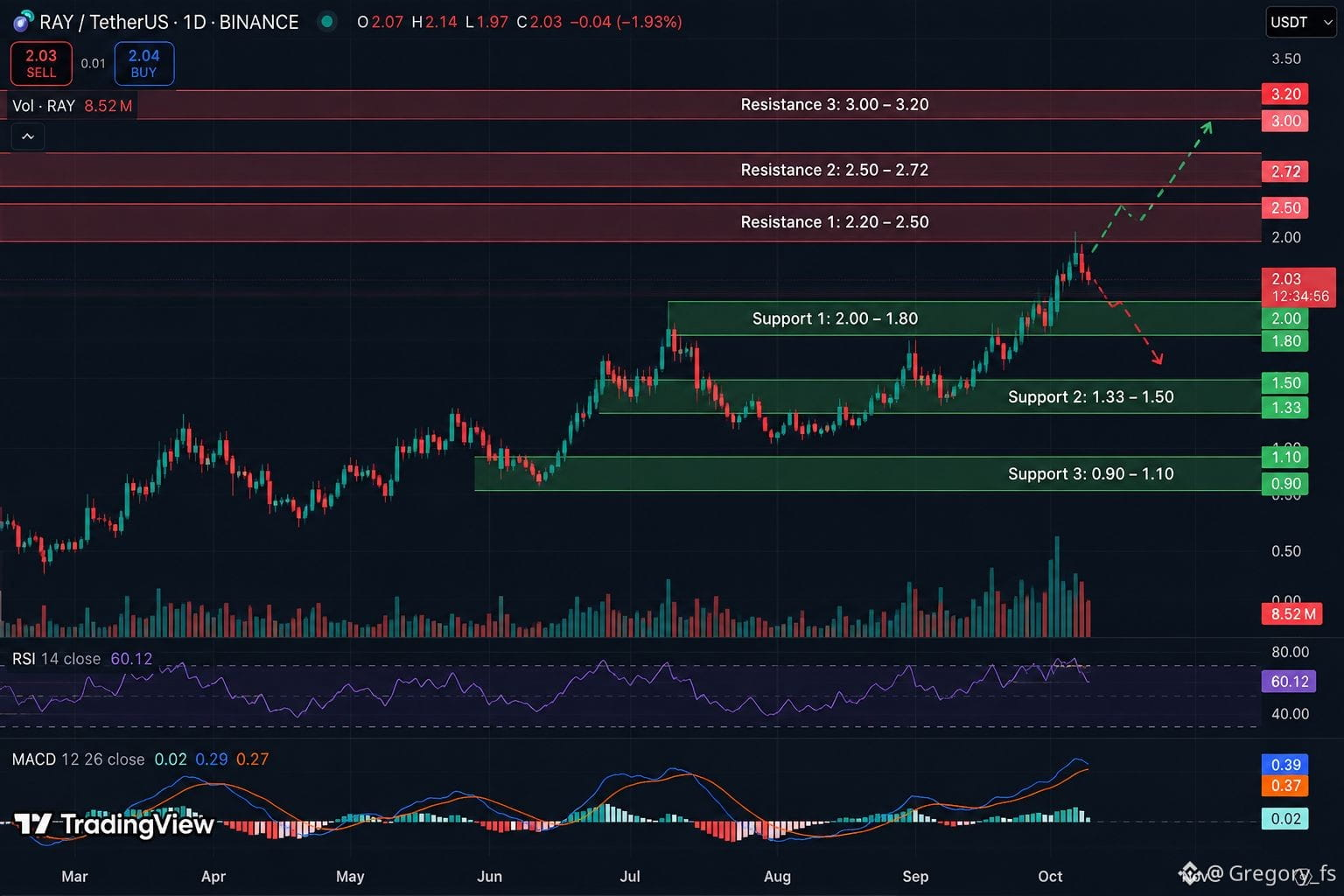
is currently trading around $2.0–2.1, showing strong momentum with significant gains over the past month. Raydium’s fundamentals remain supported by high TVL, growing trading activity, and RAY buybacks funded by protocol fees. Technically, $2.00 is an important support, while a break above $2.50 could open the way toward $3.00. For the next month, RAY could trade within a highly volatile $1.40–3.20 range, depending on overall crypto and Solana market conditions.
What do you think about it?
$USDT
#TrendingTopic
$RAY
is currently trading around $2.0–2.1, showing strong momentum with significant gains over the past month. Raydium’s fundamentals remain supported by high TVL, growing trading activity, and RAY buybacks funded by protocol fees. Technically, $2.00 is an important support, while a break above $2.50 could open the way toward $3.00. For the next month, RAY could trade within a highly volatile $1.40–3.20 range, depending on overall crypto and Solana market conditions.
What do you think about it?
$USDT
$RAY
is currently trading around $2.0–2.1, showing strong momentum with significant gains over the past month. Raydium’s fundamentals remain supported by high TVL, growing trading activity, and RAY buybacks funded by protocol fees. Technically, $2.00 is an important support, while a break above $2.50 could open the way toward $3.00. For the next month, RAY could trade within a highly volatile $1.40–3.20 range, depending on overall crypto and Solana market conditions.
What do you think about it?
$USDT
1
465
·
--
ブリッシュ
翻訳参照
#TradingSignals
How are you feeling today?
What did I tell you last week?
This is just the beginning—take my word for it, the future is promising.
$RAY
$XRP
$DOT
#TradingSignals
How are you feeling today?
What did I tell you last week?
This is just the beginning—take my word for it, the future is promising.
$RAY
$XRP
$DOT
How are you feeling today?
What did I tell you last week?
This is just the beginning—take my word for it, the future is promising.
$RAY
$XRP
$DOT

3
765
·
--
ブリッシュ
#TrendingTopic
仮説的な状況を考えてみましょう。
より後悔しているのは誰でしょうか?
暗号資産を買ったものの、今は少し赤字になっている人、または
買わなかった人で、市場が上昇した今、得るものが何もない人。
少しだけ買ってください。あとで私に感謝することになります。
$APT
$DOT
$RAY
{spot}(RAYUSDT)
#TrendingTopic
仮説的な状況を考えてみましょう。
より後悔しているのは誰でしょうか?
暗号資産を買ったものの、今は少し赤字になっている人、または
買わなかった人で、市場が上昇した今、得るものが何もない人。
少しだけ買ってください。あとで私に感謝することになります。
$APT
$DOT
$RAY
仮説的な状況を考えてみましょう。
より後悔しているのは誰でしょうか?
暗号資産を買ったものの、今は少し赤字になっている人、または
買わなかった人で、市場が上昇した今、得るものが何もない人。
少しだけ買ってください。あとで私に感謝することになります。
$APT
$DOT
$RAY
Person 1
88%
Person 2
12%
8 投票 • 投票は終了しました
2
2.2k

·
--
ブリッシュ
#TrendingTopic
#TradingCommunity
自信はありますか?
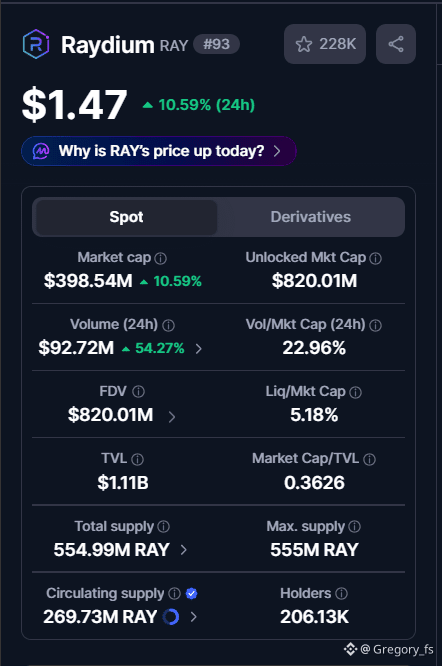
もちろんあります――私はRAYを本当に信じています。可能性があり、最新の結果がさらに確信を深めてくれました。
私のポートフォリオは主に $RAY で構成されており、ほかに $DOT と $INJ があります。今すぐ参加すれば、あなたも私たち両方が利益を楽しめます。
あなたも一緒に来ますか?
#TrendingTopic
#TradingCommunity
自信はありますか?
もちろんあります――私はRAYを本当に信じています。可能性があり、最新の結果がさらに確信を深めてくれました。
私のポートフォリオは主に $RAY で構成されており、ほかに $DOT と $INJ があります。今すぐ参加すれば、あなたも私たち両方が利益を楽しめます。
あなたも一緒に来ますか?
#TradingCommunity
自信はありますか?
もちろんあります――私はRAYを本当に信じています。可能性があり、最新の結果がさらに確信を深めてくれました。
私のポートフォリオは主に $RAY で構成されており、ほかに $DOT と $INJ があります。今すぐ参加すれば、あなたも私たち両方が利益を楽しめます。
あなたも一緒に来ますか?
591
·
--
ブリッシュ
{spot}(TRUMPUSDT)
#TrendingTopic
CLARITY法は、米国における暗号資産の規制のあり方を変える。
デジタル資産の監督はSECとCFTCの間で分担されることになり、主に訴訟に依存していた分断された仕組みに代わる。
ドナルド・トランプは、暗号資産に関する新たな倫理ルールを受け入れた。
連邦政府の当局者とその配偶者は、重要な暗号資産保有を売却するか、またはブラインド・トラストに預けることが求められ、在任中はデジタル資産の発行や後援を禁じられる。
この合意は、長年にわたる政治的な対立の結果だ。
法案は、倫理規制に対するホワイトハウスの反対により数か月間停滞していたが、最終文言では、州の司法長官もこれらのルールを執行できるようになった。
あなたはどう思う?
カブーム・リコ?
$USDT
{spot}(USDCUSDT)
#TrendingTopic
CLARITY法は、米国における暗号資産の規制のあり方を変える。
デジタル資産の監督はSECとCFTCの間で分担されることになり、主に訴訟に依存していた分断された仕組みに代わる。
ドナルド・トランプは、暗号資産に関する新たな倫理ルールを受け入れた。
連邦政府の当局者とその配偶者は、重要な暗号資産保有を売却するか、またはブラインド・トラストに預けることが求められ、在任中はデジタル資産の発行や後援を禁じられる。
この合意は、長年にわたる政治的な対立の結果だ。
法案は、倫理規制に対するホワイトハウスの反対により数か月間停滞していたが、最終文言では、州の司法長官もこれらのルールを執行できるようになった。
あなたはどう思う?
カブーム・リコ?
$USDT
CLARITY法は、米国における暗号資産の規制のあり方を変える。
デジタル資産の監督はSECとCFTCの間で分担されることになり、主に訴訟に依存していた分断された仕組みに代わる。
ドナルド・トランプは、暗号資産に関する新たな倫理ルールを受け入れた。
連邦政府の当局者とその配偶者は、重要な暗号資産保有を売却するか、またはブラインド・トラストに預けることが求められ、在任中はデジタル資産の発行や後援を禁じられる。
この合意は、長年にわたる政治的な対立の結果だ。
法案は、倫理規制に対するホワイトハウスの反対により数か月間停滞していたが、最終文言では、州の司法長官もこれらのルールを執行できるようになった。
あなたはどう思う?
カブーム・リコ?
$USDT
KABOOM
75%
NO kaboom
25%
12 投票 • 投票は終了しました
3
2k
·
--
$ARB トリガーがヒットしました。
TP1--- 0.159
TP2--- 0.165
TP3--- 0.171
結果をコメントで見せてください。
{spot}(ARBUSDT)
$ARB トリガーがヒットしました。
TP1--- 0.159
TP2--- 0.165
TP3--- 0.171
結果をコメントで見せてください。
TP1--- 0.159
TP2--- 0.165
TP3--- 0.171
結果をコメントで見せてください。
2
79
·
--
ブリッシュ
$SYN 今こそ買い時。\nTP1--- 0.145\nTP2--- 0.149\nTP3--- 0.155\n{spot}(SYNUSDT)
$SYN 今こそ買い時。\nTP1--- 0.145\nTP2--- 0.149\nTP3--- 0.155\n
57
·
--
ブリッシュ
#fedratewatch
次に何が起きるのか、それが良いのか悪いのかは分からないけど、リスクを取ることは必ず報われるんだ。だから、コインの中には「ドカン」といくものもあるかもしれない。みんな、それを待ってる。
$ETH $RAY $DOT
ほら、確かめてみてよ。
#fedratewatch
次に何が起きるのか、それが良いのか悪いのかは分からないけど、リスクを取ることは必ず報われるんだ。だから、コインの中には「ドカン」といくものもあるかもしれない。みんな、それを待ってる。
$ETH $RAY $DOT
ほら、確かめてみてよ。
次に何が起きるのか、それが良いのか悪いのかは分からないけど、リスクを取ることは必ず報われるんだ。だから、コインの中には「ドカン」といくものもあるかもしれない。みんな、それを待ってる。
$ETH $RAY $DOT
ほら、確かめてみてよ。
1
1
394

ログインして、さらにコンテンツを読む
厳選トピックで世界の暗号資産トレーダーの仲間入り
⚡️ 暗号資産に関する最新かつ有益な情報が見つかります。
💬 世界最大の暗号資産取引所から信頼されています。
👍 認証を受けたクリエイターから、有益なインサイトを得られます。
メール / 電話番号
トレンドトピック
BitcoinClears$85200
閲覧回数 7,168
179人が討論中
動きが出て、$BTC はデータがあった直前にあった場所にそのまま立っています。取引における本当の忍耐ってこういうことです。
データは混ざって入ってきましたが、いくつか重要な数字がありました。ADP 非農業部門雇用者数は予想の73Kに対して90Kでした。一方でコアPCEは、予想の0.3%に対して0.2%です。最終的なGDPも予想の1.5%に対して2.2%と強めでした。個人消費は予想の0.8%に対して0.9%でした。同時に、個人所得は予想の0.5%に対して0.2%で未達でした。
BTCは最初に85,600ドルまで急騰しましたが、今は必要なところに戻っています。私は引き続き、82,759ドルと80,000ドルの流動性の低いレンジを見ています。上側の流動性はもう終わって、あとは塵も残っていないからです。
データ発表中にライブセッションを行いました。その中で、市場は83,800ドル→85,600ドル→そして83,000ドル付近へと戻っていくのを見ました。それでも私たちは取引に入りませんでした。
それが忍耐です。
市場に明確な方向性がないときは、無理にエントリーはできません。同じレンジがまだ注目ポイントで、相場がセットアップを提示してくれるまで待ちます。
みなさん、セッションはどうでしたか? それから、尊敬するメンバーの皆さんともっと定期的にセッションをするべきでしょうか。そうすれば、市場について適切に議論できます。
#BitcoinClears$85200 #AltcoinSeasonIndexHoldsAbove60For5Days #USADPAdds90000JobsInSeptember #BitcoinSlipsBelow$84000 #SECToClarifyOnChainFundraisingRules
Crypto_LUX
·いいね:24件
·閲覧回数 13.5k
AltcoinSeasonIndexHoldsAbove60For5Days
閲覧回数 37,223
978人が討論中
USADPAdds90000JobsInSeptember
閲覧回数 17,534
559人が討論中