Binance Square

Darnell Gray

Sharing insights, analysis, and real trading experiences from the futures .
取引を発注
2.6か月
173 フォロー
161 フォロワー
230 いいね
32 共有
投稿
ポートフォリオ
·
--
#USJoblessClaimsNearTwo-YearLow 🇺🇸 *アメリカの労働市場の最新情報:** 新しいデータは失業保険の申請が202,000件に急減したことを確認し、予想よりも大幅に低いことを示しています。このマイルストーンは、**#USJoblessClaimsNearTwo-YearLow**という物語を確固たるものにし、経済の驚異的な回復力を強調しています。一部のセクターが軟化する中、全体的な解雇は歴史的にまれであり、継続的な成長と制度的な信頼のための強固な基盤を提供しています。 📈🚀 #経済 #雇用市場 #雇用 #労働データ #市場ニュース #回復力 #USJob Growth$XRP {spot}(XRPUSDT) $BTC {spot}(BTCUSDT) $USDC {spot}(USDCUSDT)
#USJoblessClaimsNearTwo-YearLow
🇺🇸 *アメリカの労働市場の最新情報:** 新しいデータは失業保険の申請が202,000件に急減したことを確認し、予想よりも大幅に低いことを示しています。このマイルストーンは、**#USJoblessClaimsNearTwo-YearLow**という物語を確固たるものにし、経済の驚異的な回復力を強調しています。一部のセクターが軟化する中、全体的な解雇は歴史的にまれであり、継続的な成長と制度的な信頼のための強固な基盤を提供しています。 📈🚀 #経済 #雇用市場 #雇用 #労働データ #市場ニュース #回復力 #USJob Growth$XRP
$BTC
$USDC
翻訳参照
ADP Jobs Beat and $1.32B Bitcoin ETF Inflows Support Markets as Iran Signals Hormuz Reopening📈 Market Update: The U.S. economy shows resilience as **ADP reports 62,000 new private sector jobs** for March, beating expectations of 40,000. This labor strength is paired with massive institutional confidence, seen in **$1.32B Bitcoin ETF inflows** led by BlackRock's IBIT. Geopolitical tensions also saw a shift; while Iran signals a "new maritime regime" for the **Strait of Hormuz**, officials suggest the vital waterway will reopen for vessels that comply with new Iranian laws. 🚀💼 #Finance #ADP #Bitcoin #MarketNews #Hormuz $BTC {spot}(BTCUSDT)

ADP Jobs Beat and $1.32B Bitcoin ETF Inflows Support Markets as Iran Signals Hormuz Reopening

📈 Market Update:
The U.S. economy shows resilience as **ADP reports 62,000 new private sector jobs** for March, beating expectations of 40,000. This labor strength is paired with massive institutional confidence, seen in **$1.32B Bitcoin ETF inflows** led by BlackRock's IBIT.
Geopolitical tensions also saw a shift; while Iran signals a "new maritime regime" for the **Strait of Hormuz**, officials suggest the vital waterway will reopen for vessels that comply with new Iranian laws. 🚀💼

#Finance #ADP #Bitcoin #MarketNews #Hormuz $BTC
翻訳参照
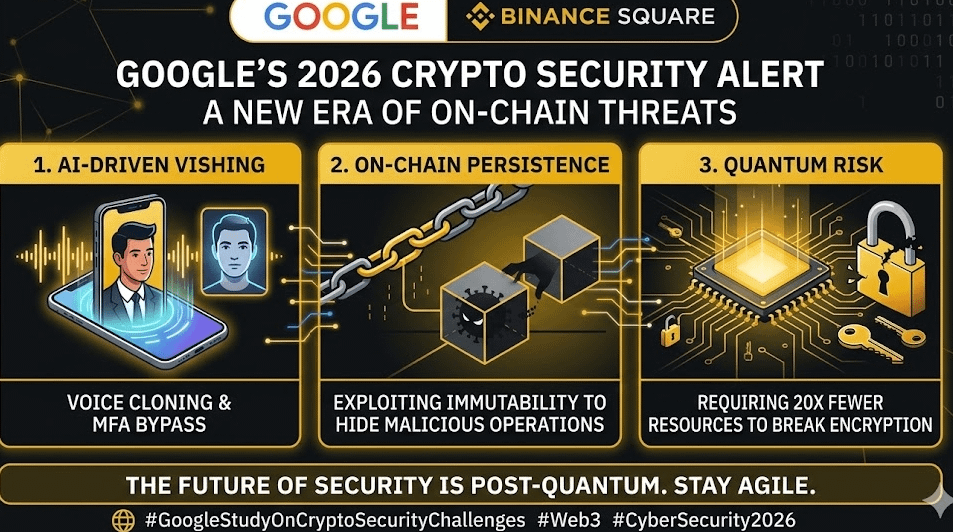
#GoogleStudyOnCryptoSecurityChallenges 🛡️ Google’s 2026 Crypto Security Alert Google’s latest **Cybersecurity Forecast** reveals a "new era" of on-chain threats. As finance migrates to the blockchain, attackers are pivoting too. Key 2026 Challenges: AI-Driven Vishing:** Scammers use voice-cloning to bypass MFA. *On-Chain Persistence:** Hackers exploit blockchain immutability to hide malicious operations. * **Quantum Risk:** Google researchers found breaking crypto encryption may require **20x fewer** resources than once thought. Stay agile. The future of security is Post-Quantum.$USDC {spot}(USDCUSDT) #GoogleStudyOnCryptoSecurityChallenges #Web3 #CyberSecurity2026
#GoogleStudyOnCryptoSecurityChallenges
🛡️ Google’s 2026 Crypto Security Alert

Google’s latest **Cybersecurity Forecast** reveals a "new era" of on-chain threats. As finance migrates to the blockchain, attackers are pivoting too.

Key 2026 Challenges:
AI-Driven Vishing:** Scammers use voice-cloning to bypass MFA.
*On-Chain Persistence:** Hackers exploit blockchain immutability to hide malicious operations.
* **Quantum Risk:** Google researchers found breaking crypto encryption may require **20x fewer** resources than once thought.

Stay agile. The future of security is Post-Quantum.$USDC

#GoogleStudyOnCryptoSecurityChallenges #Web3 #CyberSecurity2026
翻訳参照
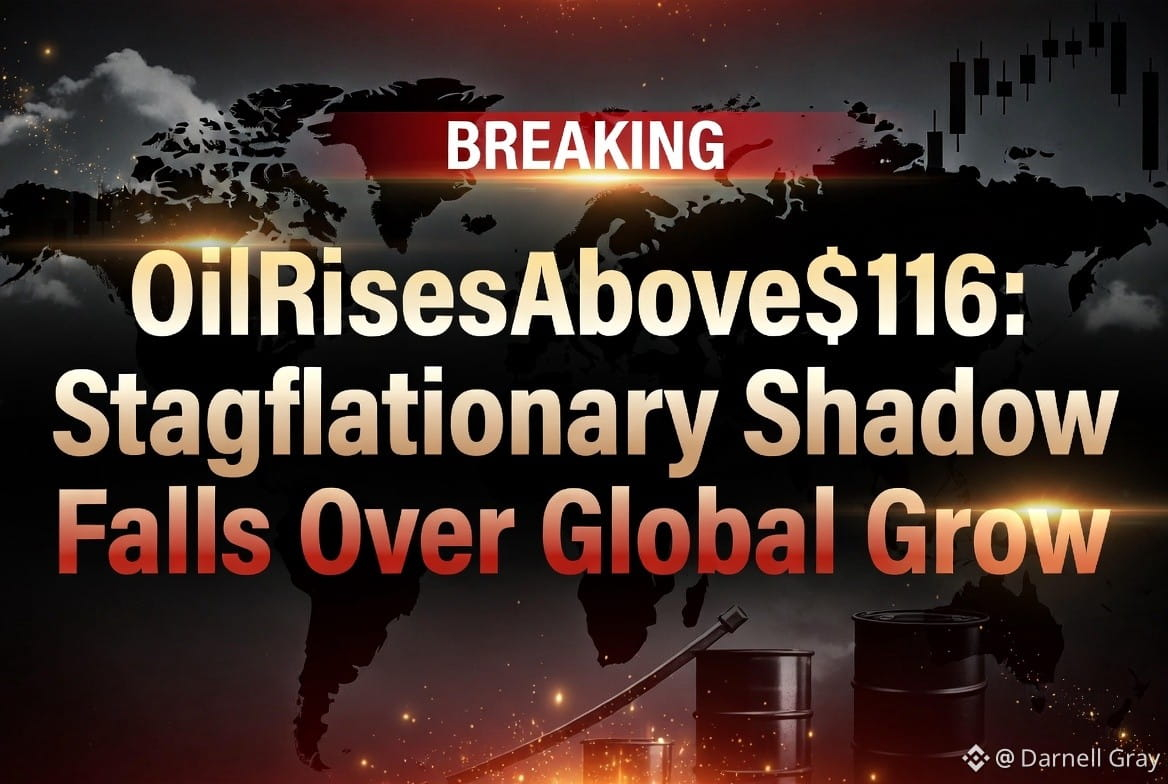
#OilRisesAbove$116 OilRisesAbove$116: Stagflationary Shadow Falls Over Global Growth 🛢️ Geopolitical instability in major producing regions has pushed Brent crude to a new high, officially crossing the **$116** mark. This price point, a critical dynamic previously discussed on image_6.png, is intensifying global stagflationary concerns. **The Economic Strain:** * **Inflation Engine:** Soaring fuel and transportation costs are accelerating inflation, placing massive pressure on central banks to raise interest rates while economies are already slowing. * **Asian Headwinds:** As seen during the image_6.png, energy-dependent Asian economies face immediate threats. Exporters in Japan and South Korea are seeing their manufacturing costs spiral, compressing margins and risking industrial slowdowns. * **The "Trap":** The $116 level forces policymakers into a corner: raising rates to fight energy-driven inflation risks crushing consumer spending and tipping economies into recession. The $116 surge is no longer a temporary fluctuation; it is rewriting the economic outlook for 2026. #EnergyCrisis #Macro #Inflation $BNB {spot}(BNBUSDT) $XRP {spot}(XRPUSDT) #Marketupdatetoday
#OilRisesAbove$116
OilRisesAbove$116: Stagflationary Shadow Falls Over Global Growth 🛢️

Geopolitical instability in major producing regions has pushed Brent crude to a new high, officially crossing the **$116** mark. This price point, a critical dynamic previously discussed on image_6.png, is intensifying global stagflationary concerns.

**The Economic Strain:**
* **Inflation Engine:** Soaring fuel and transportation costs are accelerating inflation, placing massive pressure on central banks to raise interest rates while economies are already slowing.
* **Asian Headwinds:** As seen during the image_6.png, energy-dependent Asian economies face immediate threats. Exporters in Japan and South Korea are seeing their manufacturing costs spiral, compressing margins and risking industrial slowdowns.
* **The "Trap":** The $116 level forces policymakers into a corner: raising rates to fight energy-driven inflation risks crushing consumer spending and tipping economies into recession.

The $116 surge is no longer a temporary fluctuation; it is rewriting the economic outlook for 2026.

#EnergyCrisis #Macro #Inflation $BNB
$XRP
#Marketupdatetoday
翻訳参照
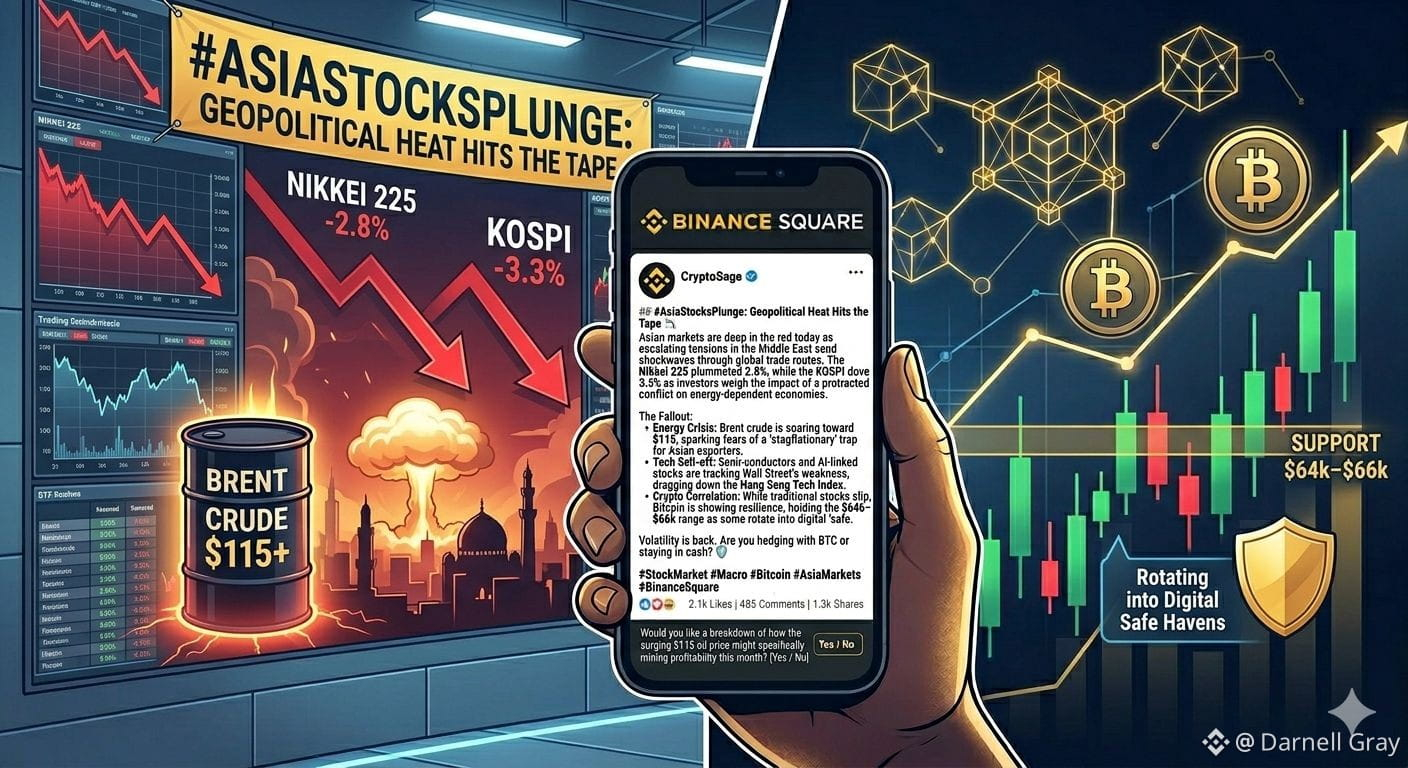
#AsiaStocksPlunge AsiaStocksPlunge: Geopolitical Heat Hits the Tape 📉 Asian markets are deep in the red today as escalating tensions in the Middle East send shockwaves through global trade routes. The **Nikkei 225** plummeted **2.8%**, while the **KOSPI** dove **3.3%** as investors weigh the impact of a protracted conflict on energy-dependent economies. **The Fallout:** * **Energy Crisis:** Brent crude is soaring toward **$115**, sparking fears of a "stagflationary" trap for Asian exporters. * **Tech Sell-off:** Semi-conductors and AI-linked stocks are tracking Wall Street's weakness, dragging down the **Hang Seng Tech Index**. * **Crypto Correlation:** While traditional stocks slip, Bitcoin is showing resilience, holding the **$64k–$66k** range as some rotate into digital "safe havens." Volatility is back. Are you hedging with BTC or staying in cash? 🛡️ #StockMarket #Macro #bitcoin #AsiaStocksPlunge $BTC {spot}(BTCUSDT) $ETH {spot}(ETHUSDT)
#AsiaStocksPlunge
AsiaStocksPlunge: Geopolitical Heat Hits the Tape 📉

Asian markets are deep in the red today as escalating tensions in the Middle East send shockwaves through global trade routes. The **Nikkei 225** plummeted **2.8%**, while the **KOSPI** dove **3.3%** as investors weigh the impact of a protracted conflict on energy-dependent economies.

**The Fallout:**
* **Energy Crisis:** Brent crude is soaring toward **$115**, sparking fears of a "stagflationary" trap for Asian exporters.
* **Tech Sell-off:** Semi-conductors and AI-linked stocks are tracking Wall Street's weakness, dragging down the **Hang Seng Tech Index**.
* **Crypto Correlation:** While traditional stocks slip, Bitcoin is showing resilience, holding the **$64k–$66k** range as some rotate into digital "safe havens."

Volatility is back. Are you hedging with BTC or staying in cash? 🛡️

#StockMarket #Macro #bitcoin #AsiaStocksPlunge $BTC
$ETH
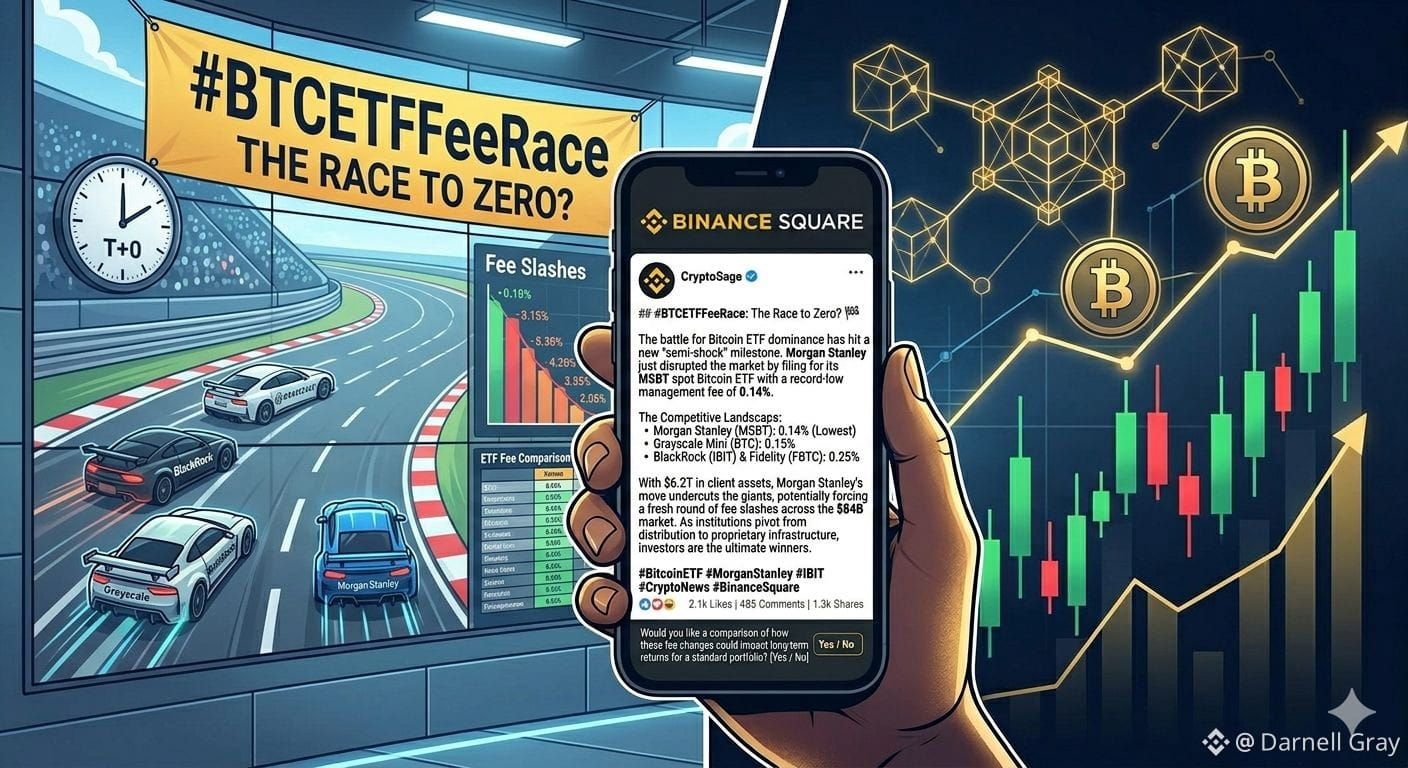
#BTCETFFeeRace BTCETFFeeRace: ゼロへのレース? 🏁 ビットコインETFの支配権を巡る戦いは、新たな「準ショック」マイルストーンに達しました。**モルガン・スタンレー**は、記録的に低い管理手数料**0.14%**で**MSBT**スポットビットコインETFの申請を行い、市場を混乱させました。 **競争の状況:** * **モルガン・スタンレー (MSBT):** 0.14% (最低) * **グレースケールミニ (BTC):** 0.15% * **ブラックロック (IBIT) & フィデリティ (FBTC):** 0.25% クライアント資産が$6.2Tに達する中、モルガン・スタンレーの動きは巨人たちを下回り、**$84B**市場全体で手数料削減の新たなラウンドを強いる可能性があります。機関投資家が流通から独自のインフラへと移行する中、投資家が最終的な勝者となります。 #BitcoinETF #MorganStanley #IBITETF #CryptonewswithJack
#BTCETFFeeRace
BTCETFFeeRace: ゼロへのレース? 🏁

ビットコインETFの支配権を巡る戦いは、新たな「準ショック」マイルストーンに達しました。**モルガン・スタンレー**は、記録的に低い管理手数料**0.14%**で**MSBT**スポットビットコインETFの申請を行い、市場を混乱させました。

**競争の状況:**
* **モルガン・スタンレー (MSBT):** 0.14% (最低)
* **グレースケールミニ (BTC):** 0.15%
* **ブラックロック (IBIT) & フィデリティ (FBTC):** 0.25%

クライアント資産が$6.2Tに達する中、モルガン・スタンレーの動きは巨人たちを下回り、**$84B**市場全体で手数料削減の新たなラウンドを強いる可能性があります。機関投資家が流通から独自のインフラへと移行する中、投資家が最終的な勝者となります。

#BitcoinETF #MorganStanley #IBITETF #CryptonewswithJack
#USNoKingsProtests USNoKingsProtests: 不確実性の中の安定性? 🏛️ 米国全土で行われている大規模な「ノー・キングス」集会は、数百万人が街頭に繰り出すという市民表現の歴史的瞬間を示しています。ガバナンスと政策に焦点を当てる一方で、暗号市場は注意深く見守っています。 **市場への影響:** * **ボラティリティ:** ビットコインは「リスクオン」資産として、国内の安定性に反応しています。 * **安全な避難所?** 一部の人々はBTCを機関の変化に対するヘッジとして見ますが、他の人々は「スマートマネー」がリスクを軽減する中で短期的な変動を期待しています。 📉 注意を怠らず、ボリュームを観察し、トレンドを取引しましょう—ノイズではなく。 #NoKings #bitcoin #USPolitics #BinanceSquare
#USNoKingsProtests
USNoKingsProtests: 不確実性の中の安定性? 🏛️

米国全土で行われている大規模な「ノー・キングス」集会は、数百万人が街頭に繰り出すという市民表現の歴史的瞬間を示しています。ガバナンスと政策に焦点を当てる一方で、暗号市場は注意深く見守っています。

**市場への影響:**
* **ボラティリティ:** ビットコインは「リスクオン」資産として、国内の安定性に反応しています。
* **安全な避難所?** 一部の人々はBTCを機関の変化に対するヘッジとして見ますが、他の人々は「スマートマネー」がリスクを軽減する中で短期的な変動を期待しています。 📉

注意を怠らず、ボリュームを観察し、トレンドを取引しましょう—ノイズではなく。

#NoKings #bitcoin #USPolitics #BinanceSquare
#BitcoinPrices ビットコイン価格: 蓄積か配分か? 📊 ビットコインは現在**$66,000**の近くで安定しており、過去50日間と同様にレンジ内に留まっています。最近の**3.39%の下落**にもかかわらず、ゴールドマン・サックスとK33リサーチのアナリストは、我々が「感情主導の一時停止」を見ていると示唆しています。 **注目すべきキーレベル:** * **サポート:** ~$65,000 * **レジスタンス:** $68,000 – $70,000 * **機関投資家の動き:** クジラは供給を吸収し続け、**$100k**への回復を狙っています。🐋 #BTC #CryptoNews #BitcoinAnalysis #Marketupdater $BTC {spot}(BTCUSDT)
#BitcoinPrices
ビットコイン価格: 蓄積か配分か? 📊

ビットコインは現在**$66,000**の近くで安定しており、過去50日間と同様にレンジ内に留まっています。最近の**3.39%の下落**にもかかわらず、ゴールドマン・サックスとK33リサーチのアナリストは、我々が「感情主導の一時停止」を見ていると示唆しています。

**注目すべきキーレベル:**
* **サポート:** ~$65,000
* **レジスタンス:** $68,000 – $70,000
* **機関投資家の動き:** クジラは供給を吸収し続け、**$100k**への回復を狙っています。🐋

#BTC #CryptoNews #BitcoinAnalysis #Marketupdater $BTC
ウォール街がオンチェーンに移行 🚀 機関投資家たちはもはや「探っている」のではなく、移行しています。**NYSE、ナスダック、CME**はすべてトークン化プランを発表し、市場インフラの大きなシフトを示しています。 **データ:** * **クジラの積み増し:** 大口保有者(10–10k BTC)が今月**61,568 BTC**を買い占めました。 * **OTCの急増:** バイナンスのOTC取引量が急上昇しており、ビットコインが取引の**45.8%**を占めています。 * **赤信号:** 疑わしい取引からの**$143M**の異常利益が内部活動への懸念を引き起こしています。 クジラたちは下落を買い、一般投資家はためらっています。あなたは賢いお金を追っていますか? 🐋 #bitcoin #WallStreet #CryptoNews #Tokenization #BinanceSquare $BTC {spot}(BTCUSDT) $BNB {spot}(BNBUSDT)
ウォール街がオンチェーンに移行 🚀

機関投資家たちはもはや「探っている」のではなく、移行しています。**NYSE、ナスダック、CME**はすべてトークン化プランを発表し、市場インフラの大きなシフトを示しています。

**データ:**
* **クジラの積み増し:** 大口保有者(10–10k BTC)が今月**61,568 BTC**を買い占めました。
* **OTCの急増:** バイナンスのOTC取引量が急上昇しており、ビットコインが取引の**45.8%**を占めています。
* **赤信号:** 疑わしい取引からの**$143M**の異常利益が内部活動への懸念を引き起こしています。

クジラたちは下落を買い、一般投資家はためらっています。あなたは賢いお金を追っていますか? 🐋

#bitcoin #WallStreet #CryptoNews #Tokenization #BinanceSquare $BTC
$BNB
#CLARITYActHitAnotherRoadblock .CLARITY法案が別の障害に直面 CLARITY法案は別の遅延に直面しており、暗号業界全体に不確実性をもたらしています。規制の明確さは、機関投資家の採用と長期的な成長にとって重要な要素です。各障害は進捗を遅らせ、投資家を慎重にし、市場は政策の変化に反応しています。すべての目は今、法律制定者に向けられており、将来の決定がデジタル資産とその分野におけるイノベーションの方向性を形作る可能性があります。 $BTC {spot}(BTCUSDT) $ETH {spot}(ETHUSDT)
#CLARITYActHitAnotherRoadblock .CLARITY法案が別の障害に直面

CLARITY法案は別の遅延に直面しており、暗号業界全体に不確実性をもたらしています。規制の明確さは、機関投資家の採用と長期的な成長にとって重要な要素です。各障害は進捗を遅らせ、投資家を慎重にし、市場は政策の変化に反応しています。すべての目は今、法律制定者に向けられており、将来の決定がデジタル資産とその分野におけるイノベーションの方向性を形作る可能性があります。
$BTC
$ETH

翻訳参照
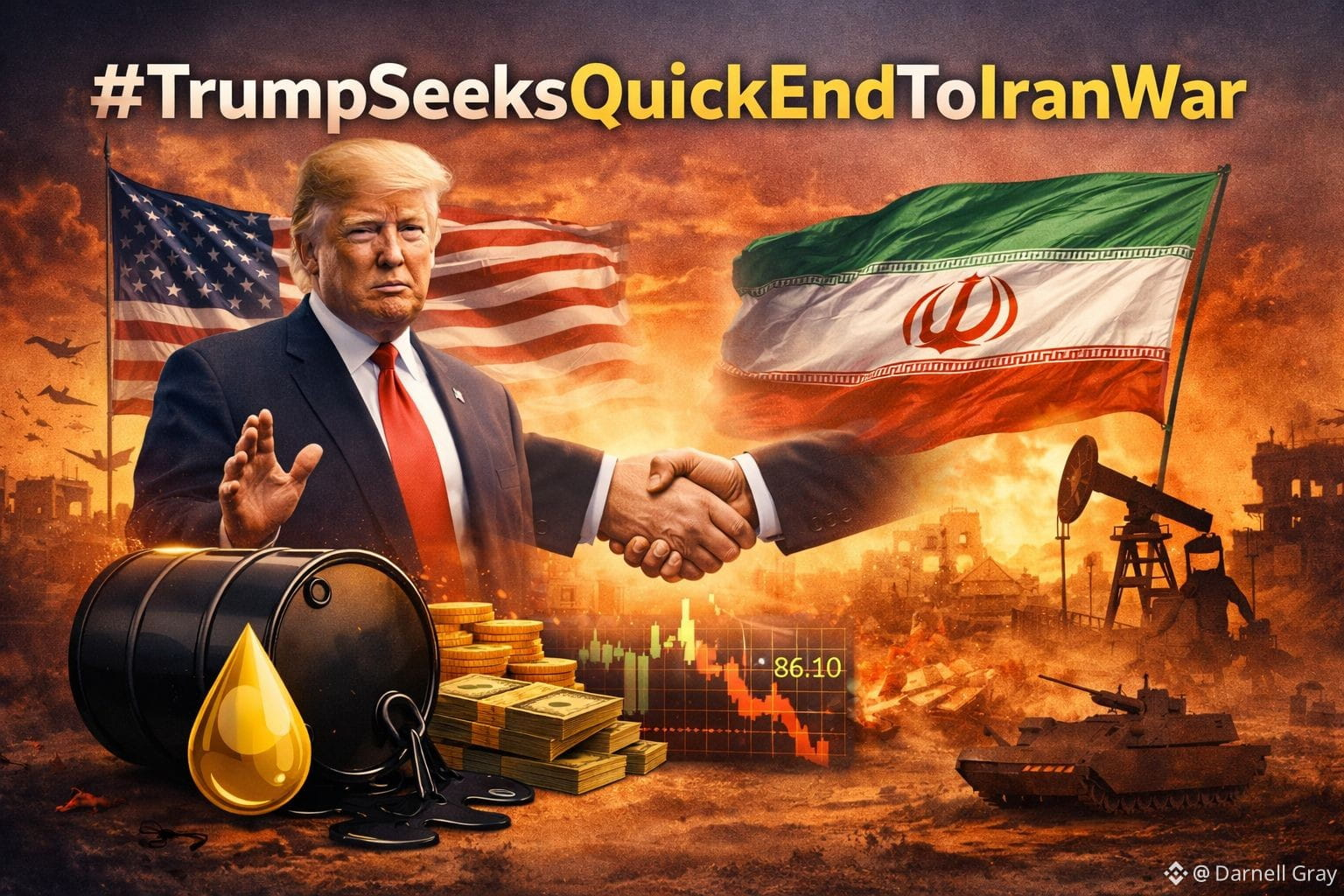
#TrumpSeeksQuickEndToIranWar #TrumpSeeksQuickEndToIranWar Rising tensions between the U.S. and Iran have sparked global concern, but calls for a quick resolution are gaining attention. A potential de-escalation could stabilize oil markets, ease geopolitical risks, and restore investor confidence. Markets remain sensitive to every update, as any shift in policy or diplomacy may impact energy prices, global trade, and overall financial stability. #TrumpSeeksQuickEndToIranWar $BTC {spot}(BTCUSDT)
#TrumpSeeksQuickEndToIranWar

Rising tensions between the U.S. and Iran have sparked global concern, but calls for a quick resolution are gaining attention. A potential de-escalation could stabilize oil markets, ease geopolitical risks, and restore investor confidence. Markets remain sensitive to every update, as any shift in policy or diplomacy may impact energy prices, global trade, and overall financial stability.

#TrumpSeeksQuickEndToIranWar $BTC
#TrumpSeeksQuickEndToIranWar トランプがイラン戦争の迅速な終結を求める アメリカとイランの間の緊張が高まっており、世界的な懸念を引き起こしていますが、迅速な解決を求める声が注目を集めています。潜在的な緊張緩和は、石油市場を安定させ、地政学的リスクを和らげ、投資家の信頼を回復させる可能性があります。市場はあらゆる更新に敏感であり、政策や外交の変化がエネルギー価格、世界貿易、全体的な金融安定に影響を与える可能性があります。
#TrumpSeeksQuickEndToIranWar
トランプがイラン戦争の迅速な終結を求める

アメリカとイランの間の緊張が高まっており、世界的な懸念を引き起こしていますが、迅速な解決を求める声が注目を集めています。潜在的な緊張緩和は、石油市場を安定させ、地政学的リスクを和らげ、投資家の信頼を回復させる可能性があります。市場はあらゆる更新に敏感であり、政策や外交の変化がエネルギー価格、世界貿易、全体的な金融安定に影響を与える可能性があります。
翻訳参照
A Deep Dive into Geopolitical Risk and Asset VolatilityThe escalating conflict in the Middle East has sent shockwaves through global markets, reshaping investor sentiment and forcing a fundamental reassessment of portfolio risk. What began with military tensions on February 28, 2026, has evolved into a complex geopolitical crisis that challenges conventional wisdom about safe-haven assets and reveals how modern crypto markets behave during periods of extreme uncertainty. The Crisis Timeline: From Escalation to Diplomatic HopeFebruary 28 – Operation Epic Fury Begins nitial strikes on Iran triggered immediate market reactions. The closure of the Strait of Hormuz—a maritime chokepoint through which roughly 20% of the world's traded oil flows—created existential supply fears. Markets spiraled into crisis mode, with oil prices spiking and equities selling off as investors rushed to price in a multi-month energy supply crunch. March 2-22 – The Whipsaw Period Every major escalation—retaliatory missiles on March 2, Trump's ultimatum on March 22 threatening strikes on Iranian power plants—unfolded on weekends when equity markets were closed but crypto markets remained open 24/7. This timing asymmetry created explosive volatility. Bitcoin peaked at $75,000 on March 17 before crashing below $68,000 after the Saturday ultimatum. The pattern repeated with each headline: panic selling followed by rapid recovery as investors digested the true severity of the threat. March 20-25 – The Pivot to DiplomacyThe inflection point came when the U.S. Treasury authorized a 30-day sanctions waiver allowing the sale of stranded Iranian crude oil. Simultaneously, reports of a 15-point peace plan—including nuclear restrictions and a proposed one-month ceasefire—signaled a shift from military escalation to negotiation. Brent crude fell 4.7% below $100 for the first time in weeks. Bitcoin stabilized above $71,000, and broader risk assets rallied. Oil: The Primary Shock Transmitter Oil has been the crisis's most volatile asset, rising 44% from pre-conflict levels to peak above $113 per barrel. The fear was straightforward: with the Strait of Hormuz effectively closed and Iran's production offline due to strikes, global oil supply would contract precipitously. Why This Matters for Markets Oil at $100+ pins inflation expectations higher, which prevents the Federal Reserve from cutting interest rates. Without rate cuts, the liquidity tailwind that typically supports risk assets evaporates. Every dollar of crude price decline marginally improves the odds of Fed accommodation, directly influencing the investment landscape for equities and crypto. The Supply Question The March 20 sanctions waiver was a critical policy move. Treasury officials argued that roughly 140 million barrels of Iranian crude were already being hoarded by Chinese buyers at discounted prices. By authorizing their sale through official channels, the U.S. aimed to increase global supply while simultaneously managing the conflict's economic fallout. However, this created an unusual paradox: the same administration authorizing strikes on Iranian targets was also ensuring Iranian oil revenue continued to flow. The contradiction underscored the genuine dilemma policymakers faced—an unchecked energy price spiral was unacceptable, even during active military conflict. Bitcoin: Resilient But Not Invincible Bitcoin's behavior during this crisis has defied conventional expectations about its role as a safe-haven asset. Rather than acting as a hedge, the cryptocurrency has moved in lockstep with broader equities and other risk assets, responding to the same macro triggers dominating traditional markets. The Resilience Story Since the conflict began on February 28, Bitcoin has actually gained roughly **7%**, outperforming the S&P 500 (down 1%), the Nasdaq (flat), gold (down 3%), and silver (down 9%). This performance is genuinely impressive given the backdrop of extreme market stress. Bitcoin's ability to hold above $70,000 through multiple 48-hour crises suggests institutional demand remains robust and that buyers view further selloffs as opportunities. The Correlation Problem However, Bitcoin's correlation with the S&P 500 spiked to **89%** and with gold to **95%** during the worst panic selling on March 19. This near-perfect correlation reveals that sophisticated allocators are not treating Bitcoin as a distinct asset class during crisis periods. Instead, they're using it as a risk asset that needs to be pruned when portfolio risk is being reassessed. The Weekly Whipsaw Bitcoin's weekly chart tells the story: up 7% from the conflict's start, but volatile intra-week swings of 10%+ are common. On one day last week, Bitcoin was down 6.4% on the week while up 0.9% on the day—a pattern reflecting the exhaustion of panicked sellers and the gradual emergence of buyers at lower prices. Key Price Levels - **$75,000**: Resistance (peak on March 17) - **$71,000**: Current trading level and recent support - **$70,000**: Psychological level holding above for three consecutive days - **$67,000**: Pre-breakout level and critical support zone - **$65,000**: Next notable support if $67K fails Gold vs. Bitcoin: A Tale of Two Hedges The crisis has exposed a crucial distinction between gold and Bitcoin that challenges assumptions many crypto advocates make about Bitcoin as a store of value during systemic stress. Gold's Institutional Preference Gold has been the go-to safe haven across every major modern geopolitical crisis. During the 1973 oil embargo, the 1990 Gulf War, post-9/11 chaos, and the 2022 Russia-Ukraine invasion, central banks and sovereign wealth funds consistently bought gold. This time is no different, despite gold being down from its January peak. The institutional confidence in gold is structural: central banks added gold to reserves aggressively after the 2022 seizure of Russian assets proved that dollar-denominated reserves could be frozen by geopolitical decree. Goldman Sachs analysts cite "conflict-driven surges" as a structural component of geopolitical risk, not a temporary blip, supporting their year-end gold price targets of $5,400–$5,500. Bitcoin's Different Role Bitcoin's relationship to crisis is inverted. It thrives when crises pass and central banks ease policy to cushion the fallout. But during the acute crisis phase, when inflation fears dominate and central banks hold steady on rates, Bitcoin underperforms. This is not a verdict on Bitcoin's long-term value proposition—it's a clarification that Bitcoin and gold serve fundamentally different portfolio functions:** - **Gold** is a crisis-period asset (thrives during conflict) - **Bitcoin** is a post-crisis liquidity asset (thrives after resolution) Sophisticated allocators have understood this for years, and the 2026 Iran conflict is delivering a textbook case study. Diplomacy: The Market's Real Driver. The most significant development has been the emergence of concrete diplomatic pathways. The reported 15-point U.S. peace plan represents the most substantive de-escalation signal since the conflict began. what the Plan Includes The terms reportedly include: - Prohibition on Iran obtaining nuclear weapons or enriching radioactive material - One-month ceasefire framework - Commitments to avoid future weapons development - Delivered to Tehran via Pakistan While full details remain undisclosed, the framework signals a shift from military objectives to negotiated settlement. Market Implications.Each new diplomatic headline has immediately moved markets. When ceasefire reports surfaced on March 24, oil dropped 4% and Bitcoin jumped 1% in minutes. The speed of repricing underscores the genuine optionality in markets right now: **If negotiations succeed**: Oil could fall another $20-30 per barrel, rates become more dovish, and risk assets rally significantly - **If they fail**: Military escalation resumes, oil spikes another $20+, and equities/crypto face fresh downside The Broader Macro Backdrop The Iran conflict arrived at an already delicate moment in the global macro cycle. Inflation had moderated from 2022 peaks but remained sticky, especially in services. The Fed was expected to cut rates modestly in 2026, but the oil shock changed that calculus. Fed Policy Constraints With inflation pressures re-emerging and oil above $100, the Fed signaled on March 19 that rate cuts are **off the table** until energy prices stabilize. This means the liquidity environment remains tighter than equities and crypto would prefer. Every dollar of crude price decline materially improves the odds of future Fed accommodation, which is why oil—more than any geopolitical consideration—drives sentiment in risk assets. Equity Market Resilience Despite the conflict, U.S. equity indices have held up better than might be expected. The S&P 500 is down only ~1% since February 28, suggesting that allocators are pricing in either a near-term resolution or Fed accommodation to cushion any fallout. This backdrop is ultimately bullish for Bitcoin long-term, but only after diplomacy succeeds and the immediate crisis passes. What Happens Next: Three Scenarios Three potential scenarios are now in play, each with distinct implications for oil, Bitcoin, and equities. Scenario 1: Diplomacy Succeeds (60% Probability) f the peace plan progresses and a ceasefire takes hold within weeks: - The Strait of Hormuz reopens - Iranian oil flows resume - Oil falls to $70-80 per barrel within 60 days - Fed gains room to cut rates - Equities rally strongly - Bitcoin rallies harder as liquidity conditions ease - **Bitcoin target: $80,000–$90,000 by mid-2026** Scenario 2: Negotiations Stall (25% Probability) If peace talks bog down but military escalation pauses: - Oil settles in the $90-100 range - Bitcoin consolidates in the $65-75K range - Market enters a long period of elevated uncertainty - Intermittent rallies and sell-offs on headline shifts - Most likely scenario given historical complexity of Middle East negotiations Scenario 3: Escalation Resumes (15% Probability) If diplomacy breaks down and military strikes resume on Iranian energy infrastructure: - Oil could spike to $120+ - Bitcoin could retest $65K - Panic selling resumes - **However**: Markets have largely priced in key risks; policy interventions would likely follow to prevent systemic shock What Altcoins Are Doing While Bitcoin held above $70,000, major altcoins have underperformed: - XRP down 4-9% on the week - Most major altcoins down between 4-9% on the week - Bitcoin's 90-day correlation with S&P 500 remains elevated - But Bitcoin has shown asymmetric sensitivity—better able to hold its own during stress This suggests institutional demand for Bitcoin specifically, with rotation away from riskier altcoin exposure during the geopolitical crisis. Lessons for Crypto Markets and Investors 1. Bitcoin Is a Risk Asset, Not a Safe Haven This crisis definitively shows that during acute geopolitical crises, Bitcoin moves with equities, not against them. It benefits from post-crisis liquidity, not crisis-period demand. Investors seeking true hedges should maintain both gold and Bitcoin for different phases of the cycle. 2. 24/7 Markets Create Timing Mismatches Crypto's round-the-clock trading means geopolitical news hits instantly, often before traditional markets open. This creates violent intra-week swings. Position sizing should account for this intra-day/intra-week volatility, especially during geopolitical stress. 3. Oil Prices Drive Macro Sentiment More than any other variable, oil prices determine whether central banks tighten or ease. Oil at $100+ forces tighter policy. Oil at $70-80 enables accommodation. Bitcoin traders should watch crude prices as closely as equity traders do, because the implications for Fed policy are equally significant. 4. Policy Responses Matter The Treasury's sanctions waiver was a game-changer. It signaled that policymakers understand energy price spirals are unacceptable even during military conflicts. This policy layer provides implicit downside protection for markets. Expect further interventions if the situation deteriorates. 5. Geopolitical Risk Premium Will Persist Even if the Iran conflict resolves, the geopolitical risk premium in oil markets will likely persist through 2026. This keeps inflation expectations elevated and acts as a headwind for rate cuts. The Fed won't cut aggressively until energy markets are materially calmer. Key Takeaways for Traders and Investors 1. **Watch Oil, Not Headlines**: Oil prices move markets more than geopolitical developments. Track Brent crude above/below key levels ($100, $95, $90) 2. **Bitcoin Follows the Fed Path**: Bitcoin's rally will be primarily driven by when the Fed can cut rates, not by geopolitical risk appetite. Oil controls the Fed path. 3. **Diplomacy > Military Action**: Market reaction has been consistently bullish on peace signals and bearish on escalation warnings. This pattern will likely persist. 4. **Diversification Works**: Bitcoin's 7% gain despite crisis shows the value of holding non-correlated assets. But the correlation during panic proves Bitcoin is still a risk asset, not a hedge. 5. **Institutional Demand Remains**: The fact that Bitcoin hasn't broken below $67K despite multiple panic days suggests serious institutional buyers are present at lower levels. 6. **Altcoin Rotation**: If you're holding altcoins, the geopolitical environment remains unfavorable. Bitcoin strength relative to alts will likely persist until the crisis fully resolves. Conclusion The Iran conflict has been the most significant geopolitical test for crypto markets in years. Bitcoin's ability to gain 7% while equities remain flat is genuinely impressive, and it suggests that the worst-case scenario pricing has largely passed. However, the whipsaw nature of the crisis—with weekend ultimatums followed by Monday reversals—underscores the genuine uncertainty still embedded in markets. The inflection point came when diplomacy entered the picture. A 15-point peace plan, sanctions waivers, and ceasefire signals have shifted the narrative from escalation to resolution. Oil below $100, Bitcoin above $71,000, and equities holding at record highs suggest that the market is pricing in a peaceful outcome. For Bitcoin investors, the key takeaway is this: **the crisis has clearly separated safe-haven assets (gold) from recovery beneficiaries (crypto)**. Bitcoin's real opportunity emerges in the post-crisis phase when central banks ease, liquidity expands, and risk appetite returns. Until then, volatility will remain elevated and correlation with equities will persist. The Market Has Spoken Markets are pricing in peace. Diplomacy has replaced escalation as the primary market driver. Oil dynamics matter more than military action. The Fed's willingness to ease after inflation moderates matters more than geopolitical headlines. If these assumptions hold, Bitcoin rallies significantly from current levels. If they break down, volatility persists and Bitcoin retest $65-67K. The next few weeks will determine whether market optimism was justified or premature.** Current Market Status (As of March 25, 2026) **Bitcoin**: $71,019 (up 0.9% / 24hr, down 6.4% / weekly) - **Brent Crude**: $99.55 (below $100 for first time in weeks) - **Asian Equities**: Up 1.9% (post-peace plan 2) - **U.S. Futures**: Positive - **Fed Stance**: Holding rates pending oil stabilization - **Diplomatic Status**: 15-point peace plan under negotiation $BTC This analysis is current as of March 25-26, 2026. Market conditions and geopolitical developments are fluid. Investors should monitor crude oil prices, Fed communications, and diplomatic progress as key indicators of direction.

A Deep Dive into Geopolitical Risk and Asset Volatility

The escalating conflict in the Middle East has sent shockwaves through global markets, reshaping investor sentiment and forcing a fundamental reassessment of portfolio risk. What began with military tensions on February 28, 2026, has evolved into a complex geopolitical crisis that challenges conventional wisdom about safe-haven assets and reveals how modern crypto markets behave during periods of extreme uncertainty.
The Crisis Timeline: From Escalation to Diplomatic HopeFebruary 28 – Operation Epic Fury Begins
nitial strikes on Iran triggered immediate market reactions. The closure of the Strait of Hormuz—a maritime chokepoint through which roughly 20% of the world's traded oil flows—created existential supply fears. Markets spiraled into crisis mode, with oil prices spiking and equities selling off as investors rushed to price in a multi-month energy supply crunch.
March 2-22 – The Whipsaw Period
Every major escalation—retaliatory missiles on March 2, Trump's ultimatum on March 22 threatening strikes on Iranian power plants—unfolded on weekends when equity markets were closed but crypto markets remained open 24/7. This timing asymmetry created explosive volatility. Bitcoin peaked at $75,000 on March 17 before crashing below $68,000 after the Saturday ultimatum. The pattern repeated with each headline: panic selling followed by rapid recovery as investors digested the true severity of the threat.
March 20-25 – The Pivot to DiplomacyThe inflection point came when the U.S. Treasury authorized a 30-day sanctions waiver allowing the sale of stranded Iranian crude oil. Simultaneously, reports of a 15-point peace plan—including nuclear restrictions and a proposed one-month ceasefire—signaled a shift from military escalation to negotiation. Brent crude fell 4.7% below $100 for the first time in weeks. Bitcoin stabilized above $71,000, and broader risk assets rallied.
Oil: The Primary Shock Transmitter
Oil has been the crisis's most volatile asset, rising 44% from pre-conflict levels to peak above $113 per barrel. The fear was straightforward: with the Strait of Hormuz effectively closed and Iran's production offline due to strikes, global oil supply would contract precipitously.

Why This Matters for Markets
Oil at $100+ pins inflation expectations higher, which prevents the Federal Reserve from cutting interest rates. Without rate cuts, the liquidity tailwind that typically supports risk assets evaporates. Every dollar of crude price decline marginally improves the odds of Fed accommodation, directly influencing the investment landscape for equities and crypto.
The Supply Question
The March 20 sanctions waiver was a critical policy move. Treasury officials argued that roughly 140 million barrels of Iranian crude were already being hoarded by Chinese buyers at discounted prices. By authorizing their sale through official channels, the U.S. aimed to increase global supply while simultaneously managing the conflict's economic fallout.
However, this created an unusual paradox: the same administration authorizing strikes on Iranian targets was also ensuring Iranian oil revenue continued to flow. The contradiction underscored the genuine dilemma policymakers faced—an unchecked energy price spiral was unacceptable, even during active military conflict.
Bitcoin: Resilient But Not Invincible
Bitcoin's behavior during this crisis has defied conventional expectations about its role as a safe-haven asset. Rather than acting as a hedge, the cryptocurrency has moved in lockstep with broader equities and other risk assets, responding to the same macro triggers dominating traditional markets.
The Resilience Story
Since the conflict began on February 28, Bitcoin has actually gained roughly **7%**, outperforming the S&P 500 (down 1%), the Nasdaq (flat), gold (down 3%), and silver (down 9%). This performance is genuinely impressive given the backdrop of extreme market stress. Bitcoin's ability to hold above $70,000 through multiple 48-hour crises suggests institutional demand remains robust and that buyers view further selloffs as opportunities.
The Correlation Problem
However, Bitcoin's correlation with the S&P 500 spiked to **89%** and with gold to **95%** during the worst panic selling on March 19. This near-perfect correlation reveals that sophisticated allocators are not treating Bitcoin as a distinct asset class during crisis periods. Instead, they're using it as a risk asset that needs to be pruned when portfolio risk is being reassessed.
The Weekly Whipsaw
Bitcoin's weekly chart tells the story: up 7% from the conflict's start, but volatile intra-week swings of 10%+ are common. On one day last week, Bitcoin was down 6.4% on the week while up 0.9% on the day—a pattern reflecting the exhaustion of panicked sellers and the gradual emergence of buyers at lower prices.

Key Price Levels
- **$75,000**: Resistance (peak on March 17)
- **$71,000**: Current trading level and recent support
- **$70,000**: Psychological level holding above for three consecutive days
- **$67,000**: Pre-breakout level and critical support zone
- **$65,000**: Next notable support if $67K fails

Gold vs. Bitcoin: A Tale of Two Hedges
The crisis has exposed a crucial distinction between gold and Bitcoin that challenges assumptions many crypto advocates make about Bitcoin as a store of value during systemic stress.
Gold's Institutional Preference
Gold has been the go-to safe haven across every major modern geopolitical crisis. During the 1973 oil embargo, the 1990 Gulf War, post-9/11 chaos, and the 2022 Russia-Ukraine invasion, central banks and sovereign wealth funds consistently bought gold. This time is no different, despite gold being down from its January peak.
The institutional confidence in gold is structural: central banks added gold to reserves aggressively after the 2022 seizure of Russian assets proved that dollar-denominated reserves could be frozen by geopolitical decree.
Goldman Sachs analysts cite "conflict-driven surges" as a structural component of geopolitical risk, not a temporary blip, supporting their year-end gold price targets of $5,400–$5,500.
Bitcoin's Different Role
Bitcoin's relationship to crisis is inverted. It thrives when crises pass and central banks ease policy to cushion the fallout. But during the acute crisis phase, when inflation fears dominate and central banks hold steady on rates, Bitcoin underperforms.

This is not a verdict on Bitcoin's long-term value proposition—it's a clarification that Bitcoin and gold serve fundamentally different portfolio functions:**
- **Gold** is a crisis-period asset (thrives during conflict)
- **Bitcoin** is a post-crisis liquidity asset (thrives after resolution)
Sophisticated allocators have understood this for years, and the 2026 Iran conflict is delivering a textbook case study.
Diplomacy: The Market's Real Driver.
The most significant development has been the emergence of concrete diplomatic pathways. The reported 15-point U.S. peace plan represents the most substantive de-escalation signal since the conflict began.
what the Plan Includes
The terms reportedly include:
- Prohibition on Iran obtaining nuclear weapons or enriching radioactive material
- One-month ceasefire framework
- Commitments to avoid future weapons development
- Delivered to Tehran via Pakistan
While full details remain undisclosed, the framework signals a shift from military objectives to negotiated settlement.

Market Implications.Each new diplomatic headline has immediately moved markets. When ceasefire reports surfaced on March 24, oil dropped 4% and Bitcoin jumped 1% in minutes. The speed of repricing underscores the genuine optionality in markets right now:
**If negotiations succeed**: Oil could fall another $20-30 per barrel, rates become more dovish, and risk assets rally significantly
- **If they fail**: Military escalation resumes, oil spikes another $20+, and equities/crypto face fresh downside

The Broader Macro Backdrop
The Iran conflict arrived at an already delicate moment in the global macro cycle. Inflation had moderated from 2022 peaks but remained sticky, especially in services. The Fed was expected to cut rates modestly in 2026, but the oil shock changed that calculus.

Fed Policy Constraints
With inflation pressures re-emerging and oil above $100, the Fed signaled on March 19 that rate cuts are **off the table** until energy prices stabilize. This means the liquidity environment remains tighter than equities and crypto would prefer. Every dollar of crude price decline materially improves the odds of future Fed accommodation, which is why oil—more than any geopolitical consideration—drives sentiment in risk assets.

Equity Market Resilience
Despite the conflict, U.S. equity indices have held up better than might be expected. The S&P 500 is down only ~1% since February 28, suggesting that allocators are pricing in either a near-term resolution or Fed accommodation to cushion any fallout. This backdrop is ultimately bullish for Bitcoin long-term, but only after diplomacy succeeds and the immediate crisis passes.
What Happens Next: Three Scenarios
Three potential scenarios are now in play, each with distinct implications for oil, Bitcoin, and equities.
Scenario 1: Diplomacy Succeeds (60% Probability)
f the peace plan progresses and a ceasefire takes hold within weeks:
- The Strait of Hormuz reopens
- Iranian oil flows resume
- Oil falls to $70-80 per barrel within 60 days
- Fed gains room to cut rates
- Equities rally strongly
- Bitcoin rallies harder as liquidity conditions ease
- **Bitcoin target: $80,000–$90,000 by mid-2026**

Scenario 2: Negotiations Stall (25% Probability)
If peace talks bog down but military escalation pauses:
- Oil settles in the $90-100 range
- Bitcoin consolidates in the $65-75K range
- Market enters a long period of elevated uncertainty
- Intermittent rallies and sell-offs on headline shifts
- Most likely scenario given historical complexity of Middle East negotiations

Scenario 3: Escalation Resumes (15% Probability)
If diplomacy breaks down and military strikes resume on Iranian energy infrastructure:
- Oil could spike to $120+
- Bitcoin could retest $65K
- Panic selling resumes
- **However**: Markets have largely priced in key risks; policy interventions would likely follow to prevent systemic shock
What Altcoins Are Doing
While Bitcoin held above $70,000, major altcoins have underperformed:
- XRP down 4-9% on the week
- Most major altcoins down between 4-9% on the week
- Bitcoin's 90-day correlation with S&P 500 remains elevated
- But Bitcoin has shown asymmetric sensitivity—better able to hold its own during stress
This suggests institutional demand for Bitcoin specifically, with rotation away from riskier altcoin exposure during the geopolitical crisis.
Lessons for Crypto Markets and Investors
1. Bitcoin Is a Risk Asset, Not a Safe Haven
This crisis definitively shows that during acute geopolitical crises, Bitcoin moves with equities, not against them. It benefits from post-crisis liquidity, not crisis-period demand. Investors seeking true hedges should maintain both gold and Bitcoin for different phases of the cycle.
2. 24/7 Markets Create Timing Mismatches
Crypto's round-the-clock trading means geopolitical news hits instantly, often before traditional markets open. This creates violent intra-week swings. Position sizing should account for this intra-day/intra-week volatility, especially during geopolitical stress.
3. Oil Prices Drive Macro Sentiment
More than any other variable, oil prices determine whether central banks tighten or ease. Oil at $100+ forces tighter policy. Oil at $70-80 enables accommodation. Bitcoin traders should watch crude prices as closely as equity traders do, because the implications for Fed policy are equally significant.
4. Policy Responses Matter
The Treasury's sanctions waiver was a game-changer. It signaled that policymakers understand energy price spirals are unacceptable even during military conflicts. This policy layer provides implicit downside protection for markets. Expect further interventions if the situation deteriorates.
5. Geopolitical Risk Premium Will Persist
Even if the Iran conflict resolves, the geopolitical risk premium in oil markets will likely persist through 2026. This keeps inflation expectations elevated and acts as a headwind for rate cuts. The Fed won't cut aggressively until energy markets are materially calmer.

Key Takeaways for Traders and Investors
1. **Watch Oil, Not Headlines**: Oil prices move markets more than geopolitical developments. Track Brent crude above/below key levels ($100, $95, $90)
2. **Bitcoin Follows the Fed Path**: Bitcoin's rally will be primarily driven by when the Fed can cut rates, not by geopolitical risk appetite. Oil controls the Fed path.
3. **Diplomacy > Military Action**: Market reaction has been consistently bullish on peace signals and bearish on escalation warnings. This pattern will likely persist.
4. **Diversification Works**: Bitcoin's 7% gain despite crisis shows the value of holding non-correlated assets. But the correlation during panic proves Bitcoin is still a risk asset, not a hedge.
5. **Institutional Demand Remains**: The fact that Bitcoin hasn't broken below $67K despite multiple panic days suggests serious institutional buyers are present at lower levels.
6. **Altcoin Rotation**: If you're holding altcoins, the geopolitical environment remains unfavorable. Bitcoin strength relative to alts will likely persist until the crisis fully resolves.
Conclusion
The Iran conflict has been the most significant geopolitical test for crypto markets in years. Bitcoin's ability to gain 7% while equities remain flat is genuinely impressive, and it suggests that the worst-case scenario pricing has largely passed. However, the whipsaw nature of the crisis—with weekend ultimatums followed by Monday reversals—underscores the genuine uncertainty still embedded in markets.
The inflection point came when diplomacy entered the picture. A 15-point peace plan, sanctions waivers, and ceasefire signals have shifted the narrative from escalation to resolution. Oil below $100, Bitcoin above $71,000, and equities holding at record highs suggest that the market is pricing in a peaceful outcome.
For Bitcoin investors, the key takeaway is this: **the crisis has clearly separated safe-haven assets (gold) from recovery beneficiaries (crypto)**. Bitcoin's real opportunity emerges in the post-crisis phase when central banks ease, liquidity expands, and risk appetite returns. Until then, volatility will remain elevated and correlation with equities will persist.
The Market Has Spoken
Markets are pricing in peace. Diplomacy has replaced escalation as the primary market driver. Oil dynamics matter more than military action. The Fed's willingness to ease after inflation moderates matters more than geopolitical headlines.
If these assumptions hold, Bitcoin rallies significantly from current levels. If they break down, volatility persists and Bitcoin retest $65-67K.
The next few weeks will determine whether market optimism was justified or premature.**
Current Market Status (As of March 25, 2026)
**Bitcoin**: $71,019 (up 0.9% / 24hr, down 6.4% / weekly)
- **Brent Crude**: $99.55 (below $100 for first time in weeks)
- **Asian Equities**: Up 1.9% (post-peace plan 2)
- **U.S. Futures**: Positive
- **Fed Stance**: Holding rates pending oil stabilization
- **Diplomatic Status**: 15-point peace plan under negotiation
$BTC This analysis is current as of March 25-26, 2026. Market conditions and geopolitical developments are fluid. Investors should monitor crude oil prices, Fed communications, and diplomatic progress as key indicators of direction.
翻訳参照
#OilPricesDrop 📉 Oil prices are falling, and markets are reacting fast. For crypto investors, this could signal lower inflation pressure and potential shifts in global liquidity. Smart traders watch macro trends like oil to predict market moves. Oil prices are declining, reflecting weaker demand expectations and shifting global economic conditions. This drop could ease inflation pressures and impact energy stocks, currencies, and overall market sentiment. Investors are closely watching how this trend influences financial markets, including crypto, as lower energy costs may support broader economic stability while signaling slowing growth in key sectors. $BTC {spot}(BTCUSDT) $XRP {spot}(XRPUSDT)
#OilPricesDrop
📉

Oil prices are falling, and markets are reacting fast. For crypto investors, this could signal lower inflation pressure and potential shifts in global liquidity. Smart traders watch macro trends like oil to predict market moves.

Oil prices are declining, reflecting weaker demand expectations and shifting global economic conditions. This drop could ease inflation pressures and impact energy stocks, currencies, and overall market sentiment. Investors are closely watching how this trend influences financial markets, including crypto, as lower energy costs may support broader economic stability while signaling slowing growth in key sectors.
$BTC
$XRP
翻訳参照
#signdigitalsovereigninfra $SIGN signdigitalsovereigninfra $SIGN** – The Rise of Sovereign Digital Infrastructure! 🚀 Sign Protocol (@SignOfficial) is building **S.I.G.N.** — Sovereign Infrastructure for Global Nations — a groundbreaking layer that powers national-scale systems for **money, identity, and capital**. Instead of relying on centralized databases, Sign delivers on-chain attestations, verifiable credentials, and privacy-preserving data exchange that governments and institutions can actually own and control. Think tokenized fiat, digital IDs, welfare distribution, voting infrastructure, and compliant RWAs — all with full auditability while protecting citizen privacy. Fresh off their major whitepaper “Sovereign Infra for Global Nations,” Sign is gaining massive traction in the Middle East and beyond. sign token powers the entire trust layer: staking, attestations, and ecosystem incentives. With real B2G adoption on the horizon, this isn’t just another DeFi play — it’s infrastructure for the next era of digital sovereignty. Recent price action shows strong momentum as institutions wake up to verifiable on-chain truth. Is sign the backbone for nation-state blockchain? Or still under-the-radar gem? Drop your thoughts! 📈💡 #Sign #DigitalSovereignty #Crypto #BinanceSquare $BTC {spot}(BTCUSDT) $USDC {spot}(USDCUSDT)
#signdigitalsovereigninfra $SIGN
signdigitalsovereigninfra $SIGN ** – The Rise of Sovereign Digital Infrastructure! 🚀

Sign Protocol (@SignOfficial) is building **S.I.G.N.** — Sovereign Infrastructure for Global Nations — a groundbreaking layer that powers national-scale systems for **money, identity, and capital**.

Instead of relying on centralized databases, Sign delivers on-chain attestations, verifiable credentials, and privacy-preserving data exchange that governments and institutions can actually own and control. Think tokenized fiat, digital IDs, welfare distribution, voting infrastructure, and compliant RWAs — all with full auditability while protecting citizen privacy.

Fresh off their major whitepaper “Sovereign Infra for Global Nations,” Sign is gaining massive traction in the Middle East and beyond. sign token powers the entire trust layer: staking, attestations, and ecosystem incentives.

With real B2G adoption on the horizon, this isn’t just another DeFi play — it’s infrastructure for the next era of digital sovereignty.

Recent price action shows strong momentum as institutions wake up to verifiable on-chain truth.

Is sign the backbone for nation-state blockchain? Or still under-the-radar gem? Drop your thoughts! 📈💡 #Sign #DigitalSovereignty #Crypto #BinanceSquare

$BTC
$USDC
翻訳参照
#AsiaStocksPlunge AsiaStocksPlunge Geopolitics Triggers Regional Bloodbath! 📉🚨 Asian markets are taking a beating as Trump’s 48-hour Iran ultimatum heads to its midnight deadline (March 23–24, 2026). Nikkei 225 plunged **–3.8%**, Hang Seng –4.2%**, Shanghai Composite **–3.1%**, and Kospi **–3.5%** in early Monday trading. Oil rocketed past **$112/bbl** on fears Iran will shut the Strait of Hormuz (20% of global supply). The risk-off wave is classic: energy shock → higher inflation → delayed Fed cuts → capital flight from growth-sensitive Asia. Tech, auto, and shipping stocks got hammered hardest. **Crypto spillover is real**: BTC dipped to **$69,800** intraday before finding support near $70K. ETH and major alts followed suit, but on-chain data shows whale accumulation and reduced selling pressure — hinting at resilience. If Iran blinks or a last-minute deal emerges, expect a sharp relief rally across Asia and crypto (BTC back to $75K+ fast). Prolonged closure? Fresh leg down to $65K–$68K possible. This is the exact moment macro meets crypto. Asia’s pain could be your opportunity. Are you buying the BTC dip or sitting in stables until the deadline passes? Drop your strategy below! 💬📈 #Bitcoin #OilCrisis
#AsiaStocksPlunge
AsiaStocksPlunge Geopolitics Triggers Regional Bloodbath! 📉🚨

Asian markets are taking a beating as Trump’s 48-hour Iran ultimatum heads to its midnight deadline (March 23–24, 2026).

Nikkei 225 plunged **–3.8%**, Hang Seng –4.2%**, Shanghai Composite **–3.1%**, and Kospi **–3.5%** in early Monday trading. Oil rocketed past **$112/bbl** on fears Iran will shut the Strait of Hormuz (20% of global supply).

The risk-off wave is classic: energy shock → higher inflation → delayed Fed cuts → capital flight from growth-sensitive Asia. Tech, auto, and shipping stocks got hammered hardest.

**Crypto spillover is real**: BTC dipped to **$69,800** intraday before finding support near $70K. ETH and major alts followed suit, but on-chain data shows whale accumulation and reduced selling pressure — hinting at resilience.

If Iran blinks or a last-minute deal emerges, expect a sharp relief rally across Asia and crypto (BTC back to $75K+ fast). Prolonged closure? Fresh leg down to $65K–$68K possible.

This is the exact moment macro meets crypto. Asia’s pain could be your opportunity.

Are you buying the BTC dip or sitting in stables until the deadline passes? Drop your strategy below! 💬📈 #Bitcoin #OilCrisis
#CZCallsBitcoinAHardAsset CZCallsBitcoinAHardAsset – CZが爆弾発言をしました!🔥 バイナンスの創設者チャンペン・ジャオ(@cz_binance)が本日(2026年3月23日)投稿しました:ビットコインはハードアセットです。(他の主要な暗号通貨も同様です。) 現在、$71K近くで推移している市場(ロシア/イランの石油に対する米国の制裁緩和後の戦争プレミアムにより)、CZはBTCを希少で供給が固定されたデジタルゴールドとして再定義しています — 不動産や貴金属のように堅牢で、単なる投機的なトークンではありません。 これは、石油が安定し、インフレ懸念が和らぎ、クジラが蓄積している中でのことです。オンチェーンデータは、HODLerの信念が高まり、取引所の準備金が減少していることを示しています。CZの影響力は依然として市場を動かしており、彼の「ハードアセット」というラベルは、FOMCの不確実性と世界的な変化の中でBTCの価値のストーリーを強化しています。 アナリストは、これが再び機関投資家の流入を引き起こし、$75K–$80Kの抵抗に押し上げる可能性があると言います。 ビットコインはついに究極のハードアセットとしての地位を得ているのでしょうか?それとも強力なストーリーの燃料に過ぎないのでしょうか?あなたの意見を下に!📈💎 #bitcoin #CZ #HardAsset #Crypto $BTC {spot}(BTCUSDT) $ETH {spot}(ETHUSDT)
#CZCallsBitcoinAHardAsset
CZCallsBitcoinAHardAsset – CZが爆弾発言をしました!🔥

バイナンスの創設者チャンペン・ジャオ(@cz_binance)が本日(2026年3月23日)投稿しました:ビットコインはハードアセットです。(他の主要な暗号通貨も同様です。)

現在、$71K近くで推移している市場(ロシア/イランの石油に対する米国の制裁緩和後の戦争プレミアムにより)、CZはBTCを希少で供給が固定されたデジタルゴールドとして再定義しています — 不動産や貴金属のように堅牢で、単なる投機的なトークンではありません。

これは、石油が安定し、インフレ懸念が和らぎ、クジラが蓄積している中でのことです。オンチェーンデータは、HODLerの信念が高まり、取引所の準備金が減少していることを示しています。CZの影響力は依然として市場を動かしており、彼の「ハードアセット」というラベルは、FOMCの不確実性と世界的な変化の中でBTCの価値のストーリーを強化しています。

アナリストは、これが再び機関投資家の流入を引き起こし、$75K–$80Kの抵抗に押し上げる可能性があると言います。

ビットコインはついに究極のハードアセットとしての地位を得ているのでしょうか?それとも強力なストーリーの燃料に過ぎないのでしょうか?あなたの意見を下に!📈💎 #bitcoin #CZ #HardAsset #Crypto $BTC
$ETH
Article
翻訳参照
Impact on BTC Price Trends from US Sanctions Relief📈🚨The US waivers on Russian/Iranian oil(stranded tankers + 140M barrels Iranian crude) and Belarus fertilizers (announced March 2026) are already shifting BTC dynamics. Short-Term Reaction (Last 48–72 Hours) - Oil prices spiked to $111–$114/bbl amid Iran war fears → BTC dipped below **$70K** (as low as ~$68.5K) on risk-off energy shock. - Relief announcements triggered instant rebound: BTC surged to **$71K+** (up 3–5% intraday), with total crypto market cap hitting $2.4T. Reason: Removes “war premium,” eases inflation pressure, and signals de-escalation → stronger risk appetite and ETF inflows. Medium-Term Outlook (Next 1–4 Weeks) Bullish catalysts: Cheaper energy → lower CPI prints → softer Fed tone (fewer 2026 rate hikes expected). This historically fuels BTC rallies (see 2023–2024 easing cycles). - Expected moves: Retest **$73K–$75K** resistance quickly. Sustained oil drop ($10–$15) could ignite push toward **$78K–$82K** if FOMC (this week) stays data-dependent/dovish. - Volume & sentiment: On-chain shows reduced exchange reserves + rising whale accumulation. $RDNT, $LYN, $SIREN (energy/RWA proxies) already seeing volume spikes — spillover to BTC likely. Risks & Bear Case Waivers are **temporary** (until mid-April) → if revoked or conflict escalates, oil spikes return and BTC could retest **$68K–$65K**. - “Sell the news” after initial pump common around macro events. Bottom line: This is net **bullish** for BTC trends — turning energy-driven downside into liquidity-driven upside. We’re seeing the shift in real-time (rally from $68K lows to $71K+). Watch oil below $90 and Powell’s tone for the next leg up. Position accordingly — relief rallies can be fast! What’s your target? #Bitcoin #OilSanction $BTC #crypto $BTC {spot}(BTCUSDT) $ETH {spot}(ETHUSDT)

Impact on BTC Price Trends from US Sanctions Relief📈🚨

The US waivers on Russian/Iranian oil(stranded tankers + 140M barrels Iranian crude) and Belarus fertilizers (announced March 2026) are already shifting BTC dynamics.
Short-Term Reaction (Last 48–72 Hours)
- Oil prices spiked to $111–$114/bbl amid Iran war fears → BTC dipped below **$70K** (as low as ~$68.5K) on risk-off energy shock.
- Relief announcements triggered instant rebound: BTC surged to **$71K+** (up 3–5% intraday), with total crypto market cap hitting $2.4T.
Reason: Removes “war premium,” eases inflation pressure, and signals de-escalation → stronger risk appetite and ETF inflows.
Medium-Term Outlook (Next 1–4 Weeks)
Bullish catalysts: Cheaper energy → lower CPI prints → softer Fed tone (fewer 2026 rate hikes expected). This historically fuels BTC rallies (see 2023–2024 easing cycles).
- Expected moves: Retest **$73K–$75K** resistance quickly. Sustained oil drop ($10–$15) could ignite push toward **$78K–$82K** if FOMC (this week) stays data-dependent/dovish.
- Volume & sentiment: On-chain shows reduced exchange reserves + rising whale accumulation. $RDNT, $LYN, $SIREN (energy/RWA proxies) already seeing volume spikes — spillover to BTC likely.
Risks & Bear Case
Waivers are **temporary** (until mid-April) → if revoked or conflict escalates, oil spikes return and BTC could retest **$68K–$65K**.
- “Sell the news” after initial pump common around macro events.
Bottom line: This is net **bullish** for BTC trends — turning energy-driven downside into liquidity-driven upside. We’re seeing the shift in real-time (rally from $68K lows to $71K+). Watch oil below $90 and Powell’s tone for the next leg up.
Position accordingly — relief rallies can be fast! What’s your target? #Bitcoin #OilSanction $BTC #crypto
$BTC
$ETH
#iOSSecurityUpdate *iOSセキュリティアップデート** – iPhoneユーザー向けの緊急パッチがリリースされました! 🔒🚨 Appleは初のバックグラウンドセキュリティ改善アップデートをリリースしました: iOS 26.3.1 (a) (2026年3月17日)。この軽量で静かな修正は、重要なWebKit脆弱性 (CVE-2026-20643) を対象としています — 悪意のあるウェブコンテンツがSafariやウェブベースのアプリで同一オリジンポリシーを回避する可能性があります。 暗号通貨保有者が今すぐ行動しなければならない理由 - モバイルウォレット、dApps、取引プラットフォームはSafari/WebKitに大きく依存しています。 - パッチが適用されていないデバイスは、ブラウザベースのエクスプロイト、フィッシングリダイレクト、またはウォレットの枯渇のリスクがあります。 - 古いiOSバージョン (13–14) は追加の警告を受け取ります — すぐにiOS 15+にアップデートしてください! 確認方法 設定 → プライバシー & セキュリティ → バックグラウンドセキュリティ改善 (自動インストールを有効にする)。 この新しいシステムは、主要なアップデートの間に迅速なパッチを提供します — Appleの最大のセキュリティ進化です。 BTC、ETHを保有している場合、またはiPhoneで取引している場合は、今日アップデートしてください。5分であなたの資産を守ることができます! すでにパッチを受け取った人は? 以下にシェアしてください 👇 #CryptoSecurity #applestore #iOS26 #BinanceSquare $BTC {spot}(BTCUSDT) $ETH {spot}(ETHUSDT)
#iOSSecurityUpdate
*iOSセキュリティアップデート** – iPhoneユーザー向けの緊急パッチがリリースされました! 🔒🚨

Appleは初のバックグラウンドセキュリティ改善アップデートをリリースしました: iOS 26.3.1 (a) (2026年3月17日)。この軽量で静かな修正は、重要なWebKit脆弱性 (CVE-2026-20643) を対象としています — 悪意のあるウェブコンテンツがSafariやウェブベースのアプリで同一オリジンポリシーを回避する可能性があります。

暗号通貨保有者が今すぐ行動しなければならない理由
- モバイルウォレット、dApps、取引プラットフォームはSafari/WebKitに大きく依存しています。
- パッチが適用されていないデバイスは、ブラウザベースのエクスプロイト、フィッシングリダイレクト、またはウォレットの枯渇のリスクがあります。
- 古いiOSバージョン (13–14) は追加の警告を受け取ります — すぐにiOS 15+にアップデートしてください!

確認方法
設定 → プライバシー & セキュリティ → バックグラウンドセキュリティ改善 (自動インストールを有効にする)。

この新しいシステムは、主要なアップデートの間に迅速なパッチを提供します — Appleの最大のセキュリティ進化です。

BTC、ETHを保有している場合、またはiPhoneで取引している場合は、今日アップデートしてください。5分であなたの資産を守ることができます!

すでにパッチを受け取った人は? 以下にシェアしてください 👇 #CryptoSecurity #applestore #iOS26 #BinanceSquare
$BTC
$ETH
翻訳参照
#TrumpConsidersEndingIranConflict {spot}(BTCUSDT) $BTC – Game-Changer for Markets? 🕊️📉 President Trump is reportedly exploring diplomatic off-ramps to end the escalating Iran conflict, including direct talks, sanctions relief, or phased ceasefires (sources March 21, 2026). After weeks of Red Sea/Persian Gulf disruptions, oil spikes to $85–$92/bbl, and global supply chain chaos, the White House signals “America First” de-escalation to protect U.S. economy and voters ahead of key policy deadlines. If realized, expect immediate oil price relief (potential $10–15 drop), lower inflation pressure, and softer Fed stance at upcoming meetings — hugely bullish for risk assets. BTC could reclaim $78K–$82K fast as “war premium” evaporates; altcoins and RWAs on Avalanche/Eth would surge on renewed capital inflows. But risks remain: hardliners in Tehran or Congress could stall progress, keeping volatility high. Peace = liquidity boost? Or just another headline pump? Your take matters! Drop thoughts below. #crypto #Geopolitics #OilPrices #TRUMP
#TrumpConsidersEndingIranConflict

$BTC – Game-Changer for Markets? 🕊️📉

President Trump is reportedly exploring diplomatic off-ramps to end the escalating Iran conflict, including direct talks, sanctions relief, or phased ceasefires (sources March 21, 2026). After weeks of Red Sea/Persian Gulf disruptions, oil spikes to $85–$92/bbl, and global supply chain chaos, the White House signals “America First” de-escalation to protect U.S. economy and voters ahead of key policy deadlines.

If realized, expect immediate oil price relief (potential $10–15 drop), lower inflation pressure, and softer Fed stance at upcoming meetings — hugely bullish for risk assets. BTC could reclaim $78K–$82K fast as “war premium” evaporates; altcoins and RWAs on Avalanche/Eth would surge on renewed capital inflows.

But risks remain: hardliners in Tehran or Congress could stall progress, keeping volatility high.

Peace = liquidity boost? Or just another headline pump? Your take matters! Drop thoughts below.

#crypto #Geopolitics #OilPrices #TRUMP
さらにコンテンツを探すには、ログインしてください
Binance Squareで世界の暗号資産トレーダーの仲間入り
⚡️ 暗号資産に関する最新かつ有益な情報が見つかります。
💬 世界最大の暗号資産取引所から信頼されています。
👍 認証を受けたクリエイターから、有益なインサイトを得られます。
メール / 電話番号
サイトマップ
Cookieの設定
プラットフォーム利用規約