

Gossom_03
1k 投稿

Gossom_03
報告
ユーザーをブロック
Crypto Breaker,Master of Blockchain
557 フォロー
5.7K+ フォロワー
943 いいね
投稿
すべて
引用
ライブ
PINNED
·
--
ブリッシュ
本人確認中
#newt $NEWT
最初にNEWTを$0.2で見たとき、ただの煽られたAIトークンで、結局は小口の投資家に投げて終わるんだろうと思ってました。でも、ちょっと早とちりだったかもしれません。
プロジェクトをよく見ると、Web3分野の巨大なボトルネックを実際に解決しようとしているんです。これは、AIによる自動取引と、AI開発者向けの実際のマーケットプレイスを組み合わせたセキュアなAIロールアップです。単なる基本的なボットを使うだけでなく、開発者はオンチェーン上で複雑なAIエージェントを直接構築し、収益化できます。Newton Protocol Document Siteで彼らの技術ドキュメントを確認したところ、これらの自動実行モデルを動かすためのフレームワークはかなりしっかりしているように見えました。
ここで良い点だと思うのは、Magic Labsのウォレット技術の統合です。これによってプロトコルが大規模なユーザーベースに即座に公開されます。[CoinMarketCapのNewton Page](https://coinmarketcap.com/currencies/newton-protocol/)を見ると、トークンのアンロックがあったにもかかわらず、最近メインネットβがかなり安定して立ち上がったことが分かります。2026年5月10日時点で、価格は安定した蓄積ゾーンを維持しています。これは、ただの投機的な運用(ファーミング)ではなく、実際の買い需要が流通供給を吸収していることを示唆してます。
ただし、リスクについて話す必要があります。だってクリプトは“お金を刷る機械”じゃないからね。IMHOで最大の懸念は、今年後半に予定されている供給アンロックです。トークノミクスを見ると、総供給の大きな部分はいまだロックされています。もし市場がマクロ的に弱気な局面に入れば、これらのアンロックが、流動性が薄い状況では対処しきれないほどの大量の売り圧力を生む可能性があります。最新のチャートも確認しましたが、技術は堅実でも、大きな上昇ラリーを支えるには取引量がかなり増えてくる必要があります。
まだ本物のPNLスクショはないので、偽物は投稿しません。CoinMarketCapと公式ドキュメントのデータです。
NEWTについてどう思いますか?この現在の水準で蓄積していますか、それともロックが解けるのを待っていますか?
@NewtonProtocol
#Newt
$NEWT
{future}(LABUSDT)
{future}(ETHUSDT)
{future}(NEWTUSDT)
#newt $NEWT
最初にNEWTを$0.2で見たとき、ただの煽られたAIトークンで、結局は小口の投資家に投げて終わるんだろうと思ってました。でも、ちょっと早とちりだったかもしれません。
プロジェクトをよく見ると、Web3分野の巨大なボトルネックを実際に解決しようとしているんです。これは、AIによる自動取引と、AI開発者向けの実際のマーケットプレイスを組み合わせたセキュアなAIロールアップです。単なる基本的なボットを使うだけでなく、開発者はオンチェーン上で複雑なAIエージェントを直接構築し、収益化できます。Newton Protocol Document Siteで彼らの技術ドキュメントを確認したところ、これらの自動実行モデルを動かすためのフレームワークはかなりしっかりしているように見えました。
ここで良い点だと思うのは、Magic Labsのウォレット技術の統合です。これによってプロトコルが大規模なユーザーベースに即座に公開されます。[CoinMarketCapのNewton Page](https://coinmarketcap.com/currencies/newton-protocol/)を見ると、トークンのアンロックがあったにもかかわらず、最近メインネットβがかなり安定して立ち上がったことが分かります。2026年5月10日時点で、価格は安定した蓄積ゾーンを維持しています。これは、ただの投機的な運用(ファーミング)ではなく、実際の買い需要が流通供給を吸収していることを示唆してます。
ただし、リスクについて話す必要があります。だってクリプトは“お金を刷る機械”じゃないからね。IMHOで最大の懸念は、今年後半に予定されている供給アンロックです。トークノミクスを見ると、総供給の大きな部分はいまだロックされています。もし市場がマクロ的に弱気な局面に入れば、これらのアンロックが、流動性が薄い状況では対処しきれないほどの大量の売り圧力を生む可能性があります。最新のチャートも確認しましたが、技術は堅実でも、大きな上昇ラリーを支えるには取引量がかなり増えてくる必要があります。
まだ本物のPNLスクショはないので、偽物は投稿しません。CoinMarketCapと公式ドキュメントのデータです。
NEWTについてどう思いますか?この現在の水準で蓄積していますか、それともロックが解けるのを待っていますか?
@NewtonProtocol
#Newt
$NEWT
最初にNEWTを$0.2で見たとき、ただの煽られたAIトークンで、結局は小口の投資家に投げて終わるんだろうと思ってました。でも、ちょっと早とちりだったかもしれません。
プロジェクトをよく見ると、Web3分野の巨大なボトルネックを実際に解決しようとしているんです。これは、AIによる自動取引と、AI開発者向けの実際のマーケットプレイスを組み合わせたセキュアなAIロールアップです。単なる基本的なボットを使うだけでなく、開発者はオンチェーン上で複雑なAIエージェントを直接構築し、収益化できます。Newton Protocol Document Siteで彼らの技術ドキュメントを確認したところ、これらの自動実行モデルを動かすためのフレームワークはかなりしっかりしているように見えました。
ここで良い点だと思うのは、Magic Labsのウォレット技術の統合です。これによってプロトコルが大規模なユーザーベースに即座に公開されます。[CoinMarketCapのNewton Page](https://coinmarketcap.com/currencies/newton-protocol/)を見ると、トークンのアンロックがあったにもかかわらず、最近メインネットβがかなり安定して立ち上がったことが分かります。2026年5月10日時点で、価格は安定した蓄積ゾーンを維持しています。これは、ただの投機的な運用(ファーミング)ではなく、実際の買い需要が流通供給を吸収していることを示唆してます。
ただし、リスクについて話す必要があります。だってクリプトは“お金を刷る機械”じゃないからね。IMHOで最大の懸念は、今年後半に予定されている供給アンロックです。トークノミクスを見ると、総供給の大きな部分はいまだロックされています。もし市場がマクロ的に弱気な局面に入れば、これらのアンロックが、流動性が薄い状況では対処しきれないほどの大量の売り圧力を生む可能性があります。最新のチャートも確認しましたが、技術は堅実でも、大きな上昇ラリーを支えるには取引量がかなり増えてくる必要があります。
まだ本物のPNLスクショはないので、偽物は投稿しません。CoinMarketCapと公式ドキュメントのデータです。
NEWTについてどう思いますか?この現在の水準で蓄積していますか、それともロックが解けるのを待っていますか?
@NewtonProtocol
#Newt
$NEWT
3
1
218
PINNED
·
--
本人確認中
NEWTは普通のAIゴーストチェーンじゃない――でも、バズに目がくらむな最初に私は$0.2でNEWTを見かけて、「やれやれ、また別のAIプロジェクトが、うちのローカルな仮想通貨コミュニティが高レバレッジで清算されてる最中なのに、バズ列車に乗ろうとしてるのか」と思ったんだ。まじで正直に言うぞ、ブロ。毎日、Twitterを開くかDiscordに入るかしてると、人工知能を使って世界を変えるなんて言う新しいトークンがどんどん出てくる。たいていは、ただの見栄えのいいWebサイト、ChatGPTからコピペしたみたいな立派なホワイトペーパー、そしてベンチャーキャピタルが資金を出してる“ド派手なマーケ費”だけ。つまり、俺たちみたいな個人トレーダーを踏み台にして投げ売りするためのやつだ。だから、少し前にNewton Protocolがスキャナーに引っかかったとき、俺の最初の反応は鼻で笑ってスルーすることだった。ただの、レベル2ロールアップと単なるAPIスクリプトの違いも分からないようなディジェンズから注目を集めて稼ごうとしてるプロジェクトだと思ったんだ。
NEWTは普通のAIゴーストチェーンじゃない――でも、バズに目がくらむな
最初に私は$0.2でNEWTを見かけて、「やれやれ、また別のAIプロジェクトが、うちのローカルな仮想通貨コミュニティが高レバレッジで清算されてる最中なのに、バズ列車に乗ろうとしてるのか」と思ったんだ。まじで正直に言うぞ、ブロ。毎日、Twitterを開くかDiscordに入るかしてると、人工知能を使って世界を変えるなんて言う新しいトークンがどんどん出てくる。たいていは、ただの見栄えのいいWebサイト、ChatGPTからコピペしたみたいな立派なホワイトペーパー、そしてベンチャーキャピタルが資金を出してる“ド派手なマーケ費”だけ。つまり、俺たちみたいな個人トレーダーを踏み台にして投げ売りするためのやつだ。だから、少し前にNewton Protocolがスキャナーに引っかかったとき、俺の最初の反応は鼻で笑ってスルーすることだった。ただの、レベル2ロールアップと単なるAPIスクリプトの違いも分からないようなディジェンズから注目を集めて稼ごうとしてるプロジェクトだと思ったんだ。
2
1
387
·
--
記事
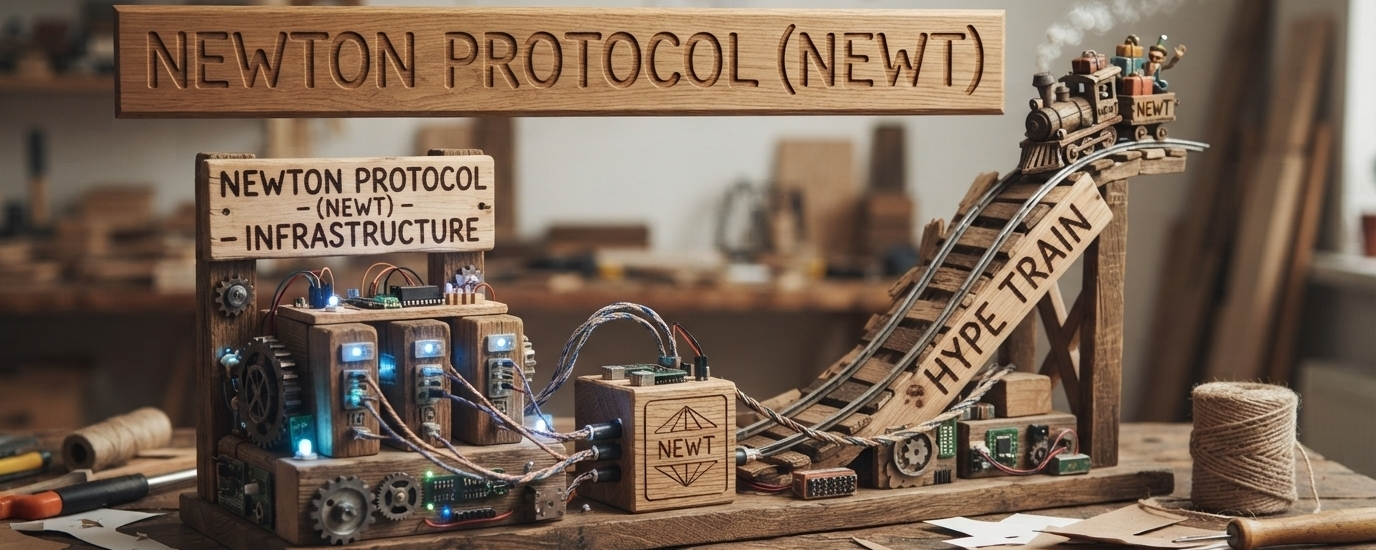
Newton Protocol(NEWT):本物のAIインフラか、それともただの誇大宣伝列車か
?AIと暗号の交差点を少し前から追いかけているんだけど、正直なところ大半はただの純粋なマーケティングの誇大宣伝だ。プロジェクトは「AI」を普通のERC-20トークンに貼り付けて、シンプルなチャットボットを立ち上げて、それで終わり。だけど、ニュートン・プロトコル(NEWT)は最近気になった。というのも、ここで実際に機能するものを作ろうとしているからだ。自動化されたAI駆動のトレーディング戦略と、開発者向けマーケットプレイスを扱うことに特化した、セキュアなロールアップを構築している。以下は、トレーダー目線でのNEWTに対する率直でフィルターなしの見解、そして俺がどうやって向き合っているかだ。
Newton Protocol(NEWT):本物のAIインフラか、それともただの誇大宣伝列車か ?
AIと暗号の交差点を少し前から追いかけているんだけど、正直なところ大半はただの純粋なマーケティングの誇大宣伝だ。プロジェクトは「AI」を普通のERC-20トークンに貼り付けて、シンプルなチャットボットを立ち上げて、それで終わり。だけど、ニュートン・プロトコル(NEWT)は最近気になった。というのも、ここで実際に機能するものを作ろうとしているからだ。自動化されたAI駆動のトレーディング戦略と、開発者向けマーケットプレイスを扱うことに特化した、セキュアなロールアップを構築している。以下は、トレーダー目線でのNEWTに対する率直でフィルターなしの見解、そして俺がどうやって向き合っているかだ。
5
92
·
--
ブリッシュ
本人確認中
#newt $NEWT
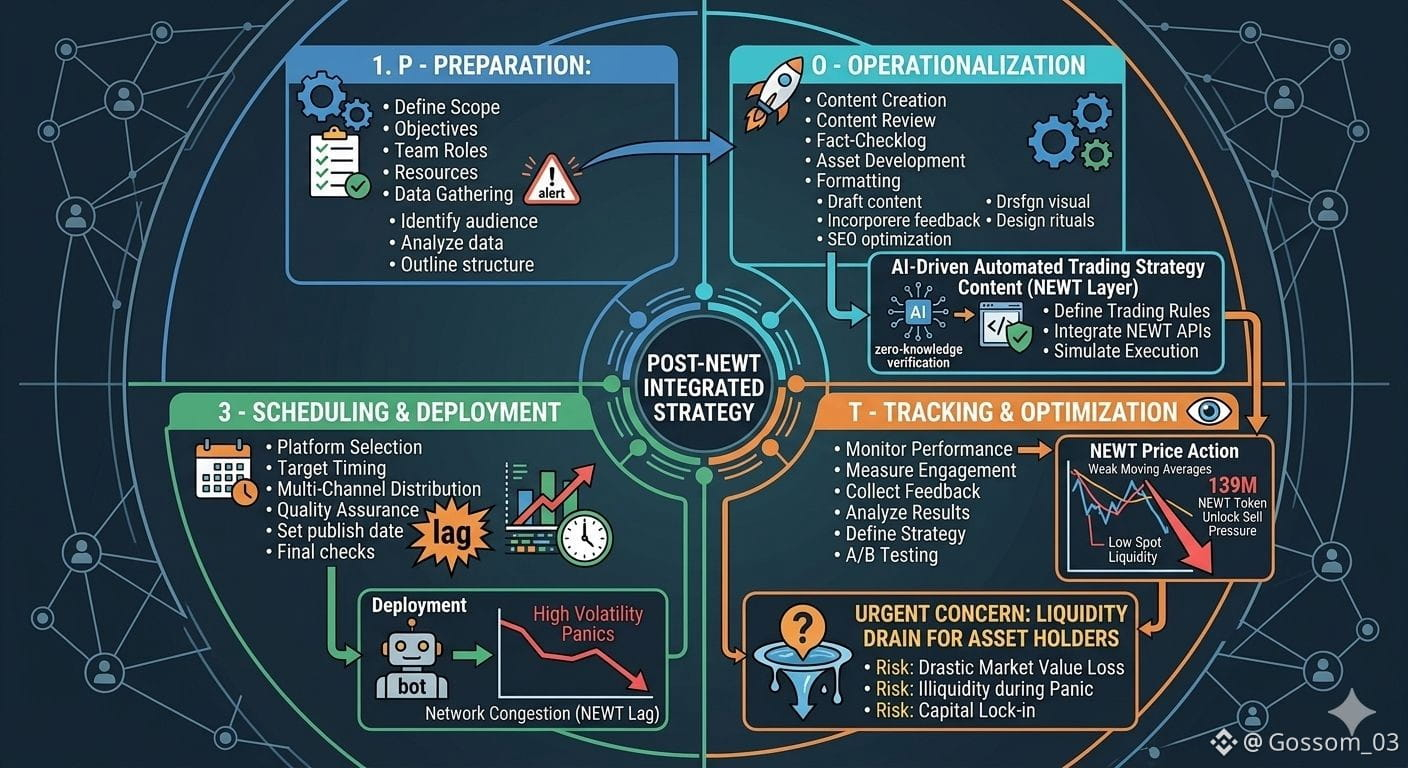
私たちは、複雑なAI駆動の自動売買戦略を安全に処理するために特別に設計されたカスタムレイヤーを展開する中で、Newton Protocol(NEWT)のエコシステムを綿密に注視しています。ゼロ知識証明により自動執行に伴うリスクを隔離するという同プロトコルのフレームワークには好感を持っていますが、今日のような高ボラティリティのパニック時に複数の取引ボットがネットワークに殺到すると、極端なネットワーク遅延が発生することを強く懸念しています。新たな懸念は、今日の弱い移動平均と低いスポット市場の流動性に起因しており、さらに1億3900万トークンの大規模アンロックに伴う売り圧力が残っていることが組み合わさることで、私たちのような資産保有者に対して突然の流動性の枯渇(ドレイン)を引き起こす可能性がある点です。
@NewtonProtocol
#Newt
$NEWT
{future}(ZECUSDT)
{future}(UNIUSDT)
{future}(NEWTUSDT)
#newt $NEWT
私たちは、複雑なAI駆動の自動売買戦略を安全に処理するために特別に設計されたカスタムレイヤーを展開する中で、Newton Protocol(NEWT)のエコシステムを綿密に注視しています。ゼロ知識証明により自動執行に伴うリスクを隔離するという同プロトコルのフレームワークには好感を持っていますが、今日のような高ボラティリティのパニック時に複数の取引ボットがネットワークに殺到すると、極端なネットワーク遅延が発生することを強く懸念しています。新たな懸念は、今日の弱い移動平均と低いスポット市場の流動性に起因しており、さらに1億3900万トークンの大規模アンロックに伴う売り圧力が残っていることが組み合わさることで、私たちのような資産保有者に対して突然の流動性の枯渇(ドレイン)を引き起こす可能性がある点です。
@NewtonProtocol
#Newt
$NEWT
私たちは、複雑なAI駆動の自動売買戦略を安全に処理するために特別に設計されたカスタムレイヤーを展開する中で、Newton Protocol(NEWT)のエコシステムを綿密に注視しています。ゼロ知識証明により自動執行に伴うリスクを隔離するという同プロトコルのフレームワークには好感を持っていますが、今日のような高ボラティリティのパニック時に複数の取引ボットがネットワークに殺到すると、極端なネットワーク遅延が発生することを強く懸念しています。新たな懸念は、今日の弱い移動平均と低いスポット市場の流動性に起因しており、さらに1億3900万トークンの大規模アンロックに伴う売り圧力が残っていることが組み合わさることで、私たちのような資産保有者に対して突然の流動性の枯渇(ドレイン)を引き起こす可能性がある点です。
@NewtonProtocol
#Newt
$NEWT
5
4
190
·
--
一部該当
記事
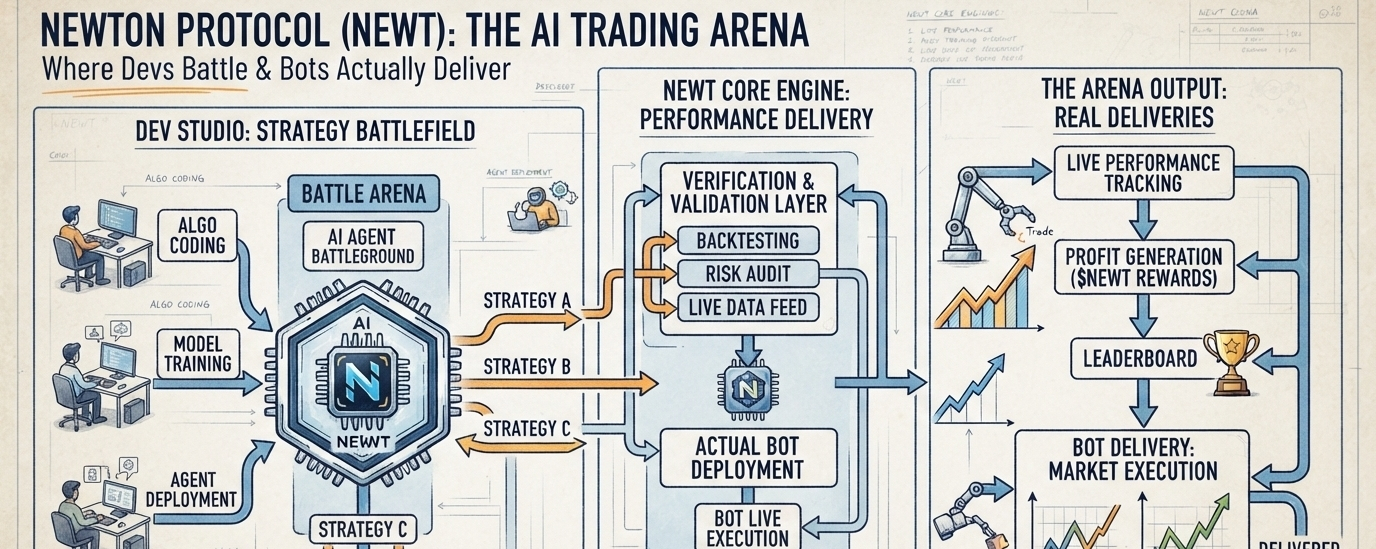
ニュートン・プロトコル(NEWT):開発者がしのぎを削り、ボットが本当に成果を出すAI取引アリーナ今朝の大半を使って、昨日クローズすべきだったポジションを閉じずにニュートン・プロトコルのドキュメントを掘り下げてしまいました——正直、取引はまだ赤字のままですが、調査する価値はありました。理由はこうです。
ロードマップに「AI」を掲げている多くの暗号プロジェクトは、トークンを付けただけの強化版ChatGPTラッパーを出しているのが実態です。ニュートン・プロトコルは、もっと厄介で面白いことに挑んでいます。AIエージェントがトレーダーを“補助する”だけではなく、“トレーダーそのもの”として振る舞う、専用のロールアップを構築しようとしているのです。彼らは、自動化されたストラテジーのために作られた、実行環境の中で動作します。
ニュートン・プロトコル(NEWT):開発者がしのぎを削り、ボットが本当に成果を出すAI取引アリーナ
今朝の大半を使って、昨日クローズすべきだったポジションを閉じずにニュートン・プロトコルのドキュメントを掘り下げてしまいました——正直、取引はまだ赤字のままですが、調査する価値はありました。理由はこうです。
ロードマップに「AI」を掲げている多くの暗号プロジェクトは、トークンを付けただけの強化版ChatGPTラッパーを出しているのが実態です。ニュートン・プロトコルは、もっと厄介で面白いことに挑んでいます。AIエージェントがトレーダーを“補助する”だけではなく、“トレーダーそのもの”として振る舞う、専用のロールアップを構築しようとしているのです。彼らは、自動化されたストラテジーのために作られた、実行環境の中で動作します。
ロードマップに「AI」を掲げている多くの暗号プロジェクトは、トークンを付けただけの強化版ChatGPTラッパーを出しているのが実態です。ニュートン・プロトコルは、もっと厄介で面白いことに挑んでいます。AIエージェントがトレーダーを“補助する”だけではなく、“トレーダーそのもの”として振る舞う、専用のロールアップを構築しようとしているのです。彼らは、自動化されたストラテジーのために作られた、実行環境の中で動作します。
20
6
172
·
--
🎙️ BTC、ETHはレンジでの値動きが続くので、追いかけて買わず売らず!高値で利確して安値で買い戻し、安定して確実に裁定取引、リズムは明快でポイントも正確。仮想通貨のバン(ビ)ン姐についていけば、各1回ごとの短期利益をラクに掴めます✨
終了
04 時間 54 分 01 秒
3.3k
4
11
·
--
本人確認中
#newt $NEWT
分散型金融(DeFi)分野は、Newton Protocol(NEWT)エコシステムの最近の拡大により、インフラ開発が引き続き進んでいることが観測されています。私たちの調査・分析によると、このインフラは、AI主導の戦略のための安全なロールアップ、ならびに自動実行と人工知能開発者向けの専用マーケットプレイスを確立することを目的としています。Trusted Execution Environments(信頼実行環境)とゼロ知識証明を統合することで、ネットワークは複雑な計算タスクに対して検証可能な環境を提供しようとしています。さらに本システムは、開発者が専門化されたモデルを収益化できるようにしつつ、トレーダーには自動化されたインフラを提供することを設計しています。
しかし、標準的な市場分析では、包括的な評価を要する明確なアーキテクチャ上および運用上のリスクが示されています。主な構造的懸念は、専用ロールアップが、既存のレイヤー1ネットワークから重要な流動性をうまく引き寄せ、維持できるという前提に関わるものです。さらに二次的な運用上の課題として、暗号学的フレームワークは戦略の実行を保証できても、その経済的な収益性を保証することはできないため、オンチェーンでAI主導の取引判断の実際の品質を検証することが本質的に難しい点が挙げられます。
2026年7月9日時点のこのアップデートでは、プラットフォームはメインネットβの展開後も、技術ロールアウトを継続しています。市場参加者は、開発者のオンボーディングがプロトコルの長期的な存続可能性を確保するための十分な規模に到達するかどうかを監視する必要があります。加えて、ネットワークが市場の高いボラティリティの期間における不規則なトラフィックスパイクをどのように扱うのかにも注目すべきです。結論として、この資産には資本配分の前に、徹底した独立した調査が必要です。
@NewtonProtocol
#Newt
$NEWT
{future}(POLUSDT)
{future}(VANRYUSDT)
{future}(NEWTUSDT)
#newt $NEWT
分散型金融(DeFi)分野は、Newton Protocol(NEWT)エコシステムの最近の拡大により、インフラ開発が引き続き進んでいることが観測されています。私たちの調査・分析によると、このインフラは、AI主導の戦略のための安全なロールアップ、ならびに自動実行と人工知能開発者向けの専用マーケットプレイスを確立することを目的としています。Trusted Execution Environments(信頼実行環境)とゼロ知識証明を統合することで、ネットワークは複雑な計算タスクに対して検証可能な環境を提供しようとしています。さらに本システムは、開発者が専門化されたモデルを収益化できるようにしつつ、トレーダーには自動化されたインフラを提供することを設計しています。
しかし、標準的な市場分析では、包括的な評価を要する明確なアーキテクチャ上および運用上のリスクが示されています。主な構造的懸念は、専用ロールアップが、既存のレイヤー1ネットワークから重要な流動性をうまく引き寄せ、維持できるという前提に関わるものです。さらに二次的な運用上の課題として、暗号学的フレームワークは戦略の実行を保証できても、その経済的な収益性を保証することはできないため、オンチェーンでAI主導の取引判断の実際の品質を検証することが本質的に難しい点が挙げられます。
2026年7月9日時点のこのアップデートでは、プラットフォームはメインネットβの展開後も、技術ロールアウトを継続しています。市場参加者は、開発者のオンボーディングがプロトコルの長期的な存続可能性を確保するための十分な規模に到達するかどうかを監視する必要があります。加えて、ネットワークが市場の高いボラティリティの期間における不規則なトラフィックスパイクをどのように扱うのかにも注目すべきです。結論として、この資産には資本配分の前に、徹底した独立した調査が必要です。
@NewtonProtocol
#Newt
$NEWT
分散型金融(DeFi)分野は、Newton Protocol(NEWT)エコシステムの最近の拡大により、インフラ開発が引き続き進んでいることが観測されています。私たちの調査・分析によると、このインフラは、AI主導の戦略のための安全なロールアップ、ならびに自動実行と人工知能開発者向けの専用マーケットプレイスを確立することを目的としています。Trusted Execution Environments(信頼実行環境)とゼロ知識証明を統合することで、ネットワークは複雑な計算タスクに対して検証可能な環境を提供しようとしています。さらに本システムは、開発者が専門化されたモデルを収益化できるようにしつつ、トレーダーには自動化されたインフラを提供することを設計しています。
しかし、標準的な市場分析では、包括的な評価を要する明確なアーキテクチャ上および運用上のリスクが示されています。主な構造的懸念は、専用ロールアップが、既存のレイヤー1ネットワークから重要な流動性をうまく引き寄せ、維持できるという前提に関わるものです。さらに二次的な運用上の課題として、暗号学的フレームワークは戦略の実行を保証できても、その経済的な収益性を保証することはできないため、オンチェーンでAI主導の取引判断の実際の品質を検証することが本質的に難しい点が挙げられます。
2026年7月9日時点のこのアップデートでは、プラットフォームはメインネットβの展開後も、技術ロールアウトを継続しています。市場参加者は、開発者のオンボーディングがプロトコルの長期的な存続可能性を確保するための十分な規模に到達するかどうかを監視する必要があります。加えて、ネットワークが市場の高いボラティリティの期間における不規則なトラフィックスパイクをどのように扱うのかにも注目すべきです。結論として、この資産には資本配分の前に、徹底した独立した調査が必要です。
@NewtonProtocol
#Newt
$NEWT
16
5
220
·
--
申し立て対象
記事
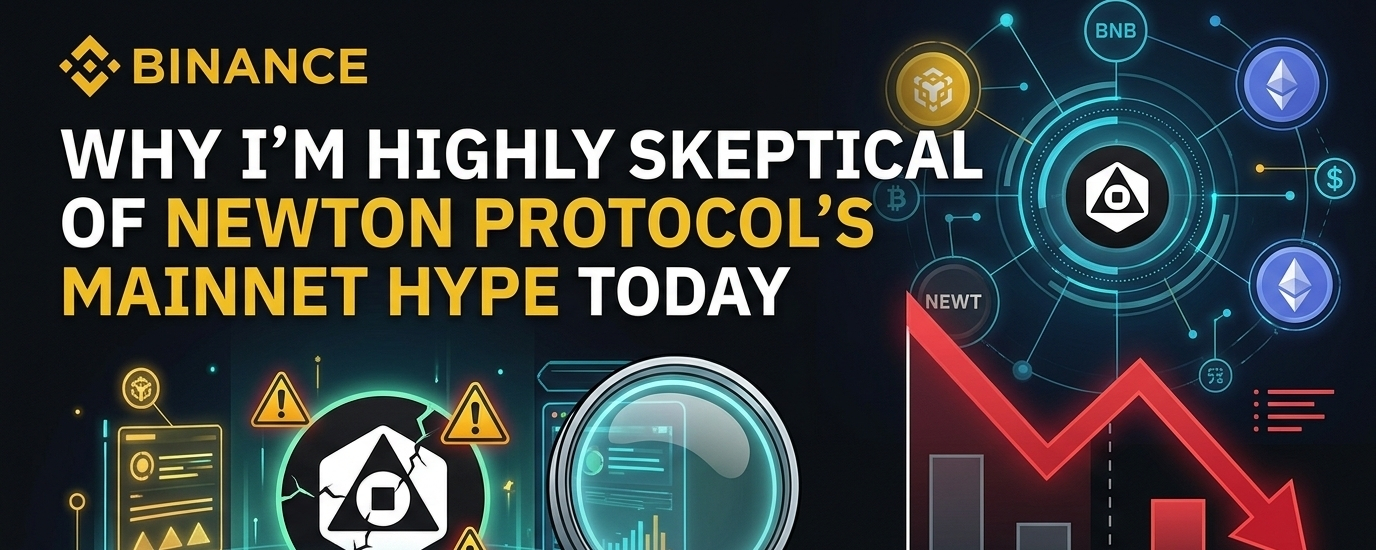
今日のNewton Protocolのメインネット盛り上がりに私は強く懐疑的です人工知能と分散型金融をつなぐ挑戦は、基本的なトレーディングボットの段階を公式に過ぎ去り、専用のインフラ領域へと進みました。私は過去48時間、Newton Protocol(NEWT)の技術ドキュメントに完全に埋もれていましたが、正直に言うと、私が非常に長い時間をかけて分析してきた中でも、最も賛否が分かれるアーキテクチャ設定のひとつだと言えます。フラッシュクラッシュの間に自分の自動化されたAPIキーが消し飛ばされるのを見てきた人や、自律エージェントが暴走して関連するウォレットを吸い上げてしまうことを心配してきた人にとって、本プロジェクトはまさにその悪夢を解決することを目指しています。これは、AI駆動の戦略、アルゴリズム取引の実行、分散型データモデルのための、不可変で暗号学的なボディーガードとして機能する、超専門化されたレイヤー2ロールアップです。スマートコントラクトの相互作用が、壊滅的なエッジケースを引き起こし得る標準的なパブリック・ブロックチェーンに依存するのではなく、NewtonはAIの意思決定エンジンと実際のライブ・リクイディティ・プールの間に位置する、厳格でプログラム可能な認可レイヤーを構築します。
今日のNewton Protocolのメインネット盛り上がりに私は強く懐疑的です
人工知能と分散型金融をつなぐ挑戦は、基本的なトレーディングボットの段階を公式に過ぎ去り、専用のインフラ領域へと進みました。私は過去48時間、Newton Protocol(NEWT)の技術ドキュメントに完全に埋もれていましたが、正直に言うと、私が非常に長い時間をかけて分析してきた中でも、最も賛否が分かれるアーキテクチャ設定のひとつだと言えます。フラッシュクラッシュの間に自分の自動化されたAPIキーが消し飛ばされるのを見てきた人や、自律エージェントが暴走して関連するウォレットを吸い上げてしまうことを心配してきた人にとって、本プロジェクトはまさにその悪夢を解決することを目指しています。これは、AI駆動の戦略、アルゴリズム取引の実行、分散型データモデルのための、不可変で暗号学的なボディーガードとして機能する、超専門化されたレイヤー2ロールアップです。スマートコントラクトの相互作用が、壊滅的なエッジケースを引き起こし得る標準的なパブリック・ブロックチェーンに依存するのではなく、NewtonはAIの意思決定エンジンと実際のライブ・リクイディティ・プールの間に位置する、厳格でプログラム可能な認可レイヤーを構築します。
19
8
344
·
--
一部該当
#newt $NEWT
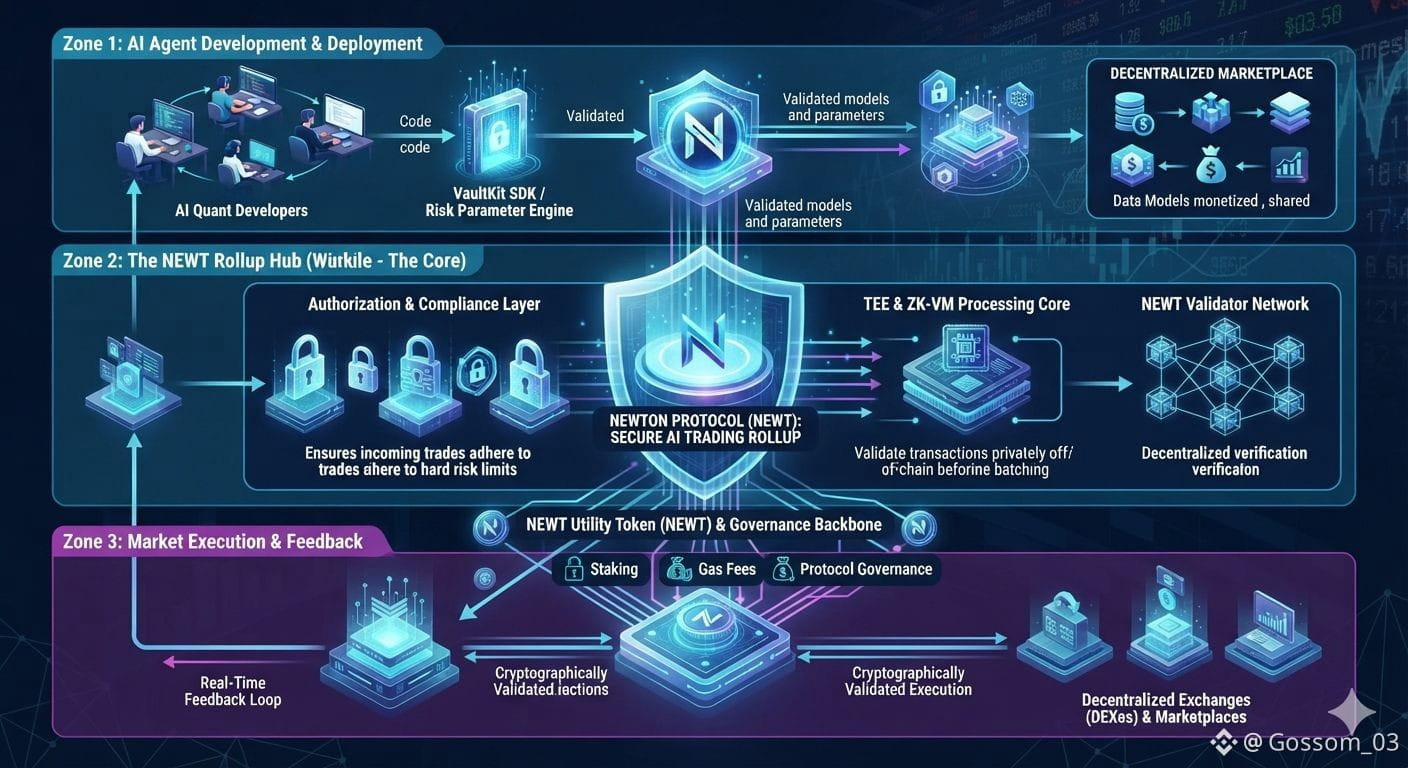
私は何時間もかけてNewton Protocol(NEWT)を掘り下げましたが、これはAI取引向けのワイルドなインフラ案件です。基本的には、セキュアな暗号化ボディーガードのロールアップとして機能します。自律型AIエージェントをそのまま暴れさせるのではなく、Newtonは厳格な認可レイヤーを構築し、開発者が支出限度や資産制限といった強いパラメータを組み込めるようにします。さらに、コアコードを漏らさずにモデルを収益化できる分散型マーケットプレイスもあり、ステーキングとガスはNEWTトークンで動きます。本日(2026年7月8日)に市場へ出てきた新鮮なデータによると、彼らはMainnet BetaとVaultKit SDKを投入したばかりです。トークンはおおむね$0.05あたりで安定していますが、いくつかのアンロック圧力は吸収しているようです。
しかし、懸念が3つあります。第一に、そのロールアップは実行を守るのであって、ロジックを守るわけではありません。もしモデルが悪いシグナルを掴んでオールインしてしまったら、Newtonはその金融的な大惨事をオンチェーンで完璧に確定してしまいます。第二に、ブラックスワン時のレイテンシーが怖い。高ボリュームでネットワークが遅くなると、同期したボットのためのリアルタイム前提が崩れます。第三に、TEEsのような外部ハードウェアへの依存が重いことです。新たに発見されたシリコンの脆弱性が、信頼を前提としない(trustlessな)セットアップ全体を即座に危うくしてしまう可能性があります。
@NewtonProtocol
#Newt
$NEWT
{future}(SPELLUSDT)
{spot}(BTCUSDT)
{future}(NEWTUSDT)
#newt $NEWT
私は何時間もかけてNewton Protocol(NEWT)を掘り下げましたが、これはAI取引向けのワイルドなインフラ案件です。基本的には、セキュアな暗号化ボディーガードのロールアップとして機能します。自律型AIエージェントをそのまま暴れさせるのではなく、Newtonは厳格な認可レイヤーを構築し、開発者が支出限度や資産制限といった強いパラメータを組み込めるようにします。さらに、コアコードを漏らさずにモデルを収益化できる分散型マーケットプレイスもあり、ステーキングとガスはNEWTトークンで動きます。本日(2026年7月8日)に市場へ出てきた新鮮なデータによると、彼らはMainnet BetaとVaultKit SDKを投入したばかりです。トークンはおおむね$0.05あたりで安定していますが、いくつかのアンロック圧力は吸収しているようです。
しかし、懸念が3つあります。第一に、そのロールアップは実行を守るのであって、ロジックを守るわけではありません。もしモデルが悪いシグナルを掴んでオールインしてしまったら、Newtonはその金融的な大惨事をオンチェーンで完璧に確定してしまいます。第二に、ブラックスワン時のレイテンシーが怖い。高ボリュームでネットワークが遅くなると、同期したボットのためのリアルタイム前提が崩れます。第三に、TEEsのような外部ハードウェアへの依存が重いことです。新たに発見されたシリコンの脆弱性が、信頼を前提としない(trustlessな)セットアップ全体を即座に危うくしてしまう可能性があります。
@NewtonProtocol
#Newt
$NEWT
私は何時間もかけてNewton Protocol(NEWT)を掘り下げましたが、これはAI取引向けのワイルドなインフラ案件です。基本的には、セキュアな暗号化ボディーガードのロールアップとして機能します。自律型AIエージェントをそのまま暴れさせるのではなく、Newtonは厳格な認可レイヤーを構築し、開発者が支出限度や資産制限といった強いパラメータを組み込めるようにします。さらに、コアコードを漏らさずにモデルを収益化できる分散型マーケットプレイスもあり、ステーキングとガスはNEWTトークンで動きます。本日(2026年7月8日)に市場へ出てきた新鮮なデータによると、彼らはMainnet BetaとVaultKit SDKを投入したばかりです。トークンはおおむね$0.05あたりで安定していますが、いくつかのアンロック圧力は吸収しているようです。
しかし、懸念が3つあります。第一に、そのロールアップは実行を守るのであって、ロジックを守るわけではありません。もしモデルが悪いシグナルを掴んでオールインしてしまったら、Newtonはその金融的な大惨事をオンチェーンで完璧に確定してしまいます。第二に、ブラックスワン時のレイテンシーが怖い。高ボリュームでネットワークが遅くなると、同期したボットのためのリアルタイム前提が崩れます。第三に、TEEsのような外部ハードウェアへの依存が重いことです。新たに発見されたシリコンの脆弱性が、信頼を前提としない(trustlessな)セットアップ全体を即座に危うくしてしまう可能性があります。
@NewtonProtocol
#Newt
$NEWT
12
2
171
·
--
#newt $NEWT
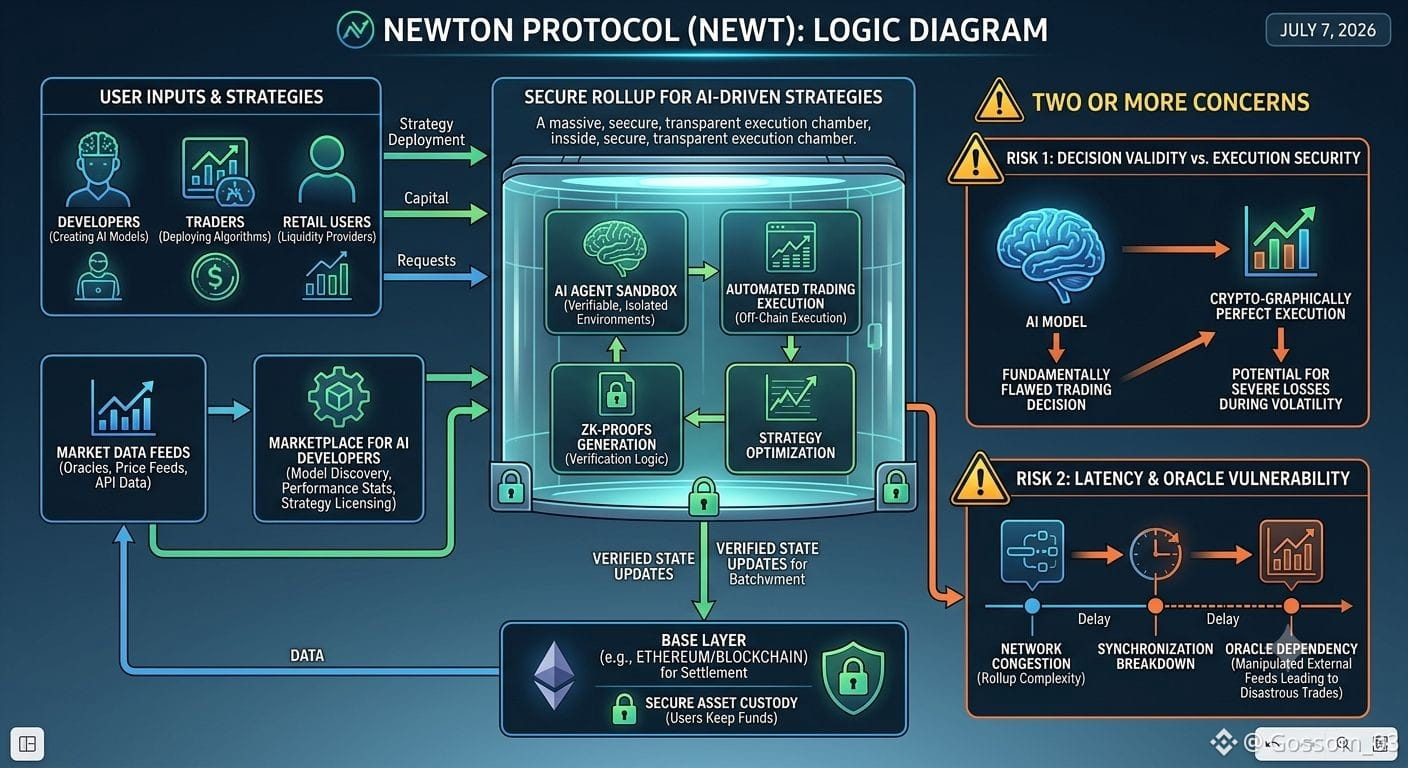
今週火曜日の2026年7月7日、ニュートン・プロトコル(NEWT)のエコシステムを朝から綿密に追跡していたんですが、今日の高頻度のグリッドトレードで完全にすっ転ばされた後、「彼らのセキュア・ロールアップが現実のストレスにどう耐えるのか」を掘り下げる必要があると確信しました。このプロジェクトは、オートメーションされたAI取引戦略や分散型エージェントのマーケットプレイス向けに特化した、ゼロ知識の実行環境を構築することを目指しています。概念としては、基盤となる自社のプロプライエタリなロジックを公開せずにアルゴリズムを展開したい人にとっては、まさに夢のように聞こえます。彼らが実行環境を分離し、開発者がモデルを安全に収益化でき、ユーザーは資本の保有(カストディ)を維持できるようにしている点は良いと思います。つまり、オフチェーンで自律エージェントが複雑な計算を行い、その後に検証済みの状態更新をベースレイヤーへ押し戻すためのサンドボックスを作っているわけです。
でも、宣伝文句の滑らかさを横に置いて深掘りすると、今すぐに大きな個人資本を投入するには、重大な懸念が2つ浮かび上がりました。最大の心配は、内在するオラクル依存性です。セキュア・ロールアップは、AIの実行経路が有効で改ざん不可能であることを保証できても、外部の価格フィードが不正確だったり操作されたりしても、それを修復することはできません。つまり、オラクルが侵害されていれば、暗号学的に完璧な精度で悲惨な取引を実行してしまう可能性が残ります。さらに、彼らの開発者向けマーケットプレイスの経済的脆弱性にも強く懸念しています。悪意ある者が、過去データに合わせて戦略を過剰最適化しカーブフィットする方法を見つけられれば、ペーパー上では信じられないほど儲かって見える毒性の高い高リスク・モデルをマーケットプレイスに大量に流し込めます。そして市場状況が少しでも変わった瞬間に、個人の流動性提供者を完全に壊滅させてしまうでしょう。私は、NEWTのポジションは当面、厳密に実験目的に留めています。次の大きなボラティリティの急変の間に、テストネットのストレスで本当に私の懸念が杞憂だと証明できるのかを見届けたいからです。
@NewtonProtocol
#Newt
$NEWT
{future}(VANRYUSDT)
{future}(NEWTUSDT)
{future}(ARXUSDT)
#newt $NEWT
今週火曜日の2026年7月7日、ニュートン・プロトコル(NEWT)のエコシステムを朝から綿密に追跡していたんですが、今日の高頻度のグリッドトレードで完全にすっ転ばされた後、「彼らのセキュア・ロールアップが現実のストレスにどう耐えるのか」を掘り下げる必要があると確信しました。このプロジェクトは、オートメーションされたAI取引戦略や分散型エージェントのマーケットプレイス向けに特化した、ゼロ知識の実行環境を構築することを目指しています。概念としては、基盤となる自社のプロプライエタリなロジックを公開せずにアルゴリズムを展開したい人にとっては、まさに夢のように聞こえます。彼らが実行環境を分離し、開発者がモデルを安全に収益化でき、ユーザーは資本の保有(カストディ)を維持できるようにしている点は良いと思います。つまり、オフチェーンで自律エージェントが複雑な計算を行い、その後に検証済みの状態更新をベースレイヤーへ押し戻すためのサンドボックスを作っているわけです。
でも、宣伝文句の滑らかさを横に置いて深掘りすると、今すぐに大きな個人資本を投入するには、重大な懸念が2つ浮かび上がりました。最大の心配は、内在するオラクル依存性です。セキュア・ロールアップは、AIの実行経路が有効で改ざん不可能であることを保証できても、外部の価格フィードが不正確だったり操作されたりしても、それを修復することはできません。つまり、オラクルが侵害されていれば、暗号学的に完璧な精度で悲惨な取引を実行してしまう可能性が残ります。さらに、彼らの開発者向けマーケットプレイスの経済的脆弱性にも強く懸念しています。悪意ある者が、過去データに合わせて戦略を過剰最適化しカーブフィットする方法を見つけられれば、ペーパー上では信じられないほど儲かって見える毒性の高い高リスク・モデルをマーケットプレイスに大量に流し込めます。そして市場状況が少しでも変わった瞬間に、個人の流動性提供者を完全に壊滅させてしまうでしょう。私は、NEWTのポジションは当面、厳密に実験目的に留めています。次の大きなボラティリティの急変の間に、テストネットのストレスで本当に私の懸念が杞憂だと証明できるのかを見届けたいからです。
@NewtonProtocol
#Newt
$NEWT
今週火曜日の2026年7月7日、ニュートン・プロトコル(NEWT)のエコシステムを朝から綿密に追跡していたんですが、今日の高頻度のグリッドトレードで完全にすっ転ばされた後、「彼らのセキュア・ロールアップが現実のストレスにどう耐えるのか」を掘り下げる必要があると確信しました。このプロジェクトは、オートメーションされたAI取引戦略や分散型エージェントのマーケットプレイス向けに特化した、ゼロ知識の実行環境を構築することを目指しています。概念としては、基盤となる自社のプロプライエタリなロジックを公開せずにアルゴリズムを展開したい人にとっては、まさに夢のように聞こえます。彼らが実行環境を分離し、開発者がモデルを安全に収益化でき、ユーザーは資本の保有(カストディ)を維持できるようにしている点は良いと思います。つまり、オフチェーンで自律エージェントが複雑な計算を行い、その後に検証済みの状態更新をベースレイヤーへ押し戻すためのサンドボックスを作っているわけです。
でも、宣伝文句の滑らかさを横に置いて深掘りすると、今すぐに大きな個人資本を投入するには、重大な懸念が2つ浮かび上がりました。最大の心配は、内在するオラクル依存性です。セキュア・ロールアップは、AIの実行経路が有効で改ざん不可能であることを保証できても、外部の価格フィードが不正確だったり操作されたりしても、それを修復することはできません。つまり、オラクルが侵害されていれば、暗号学的に完璧な精度で悲惨な取引を実行してしまう可能性が残ります。さらに、彼らの開発者向けマーケットプレイスの経済的脆弱性にも強く懸念しています。悪意ある者が、過去データに合わせて戦略を過剰最適化しカーブフィットする方法を見つけられれば、ペーパー上では信じられないほど儲かって見える毒性の高い高リスク・モデルをマーケットプレイスに大量に流し込めます。そして市場状況が少しでも変わった瞬間に、個人の流動性提供者を完全に壊滅させてしまうでしょう。私は、NEWTのポジションは当面、厳密に実験目的に留めています。次の大きなボラティリティの急変の間に、テストネットのストレスで本当に私の懸念が杞憂だと証明できるのかを見届けたいからです。
@NewtonProtocol
#Newt
$NEWT
20
8
481
·
--
本人確認中
記事
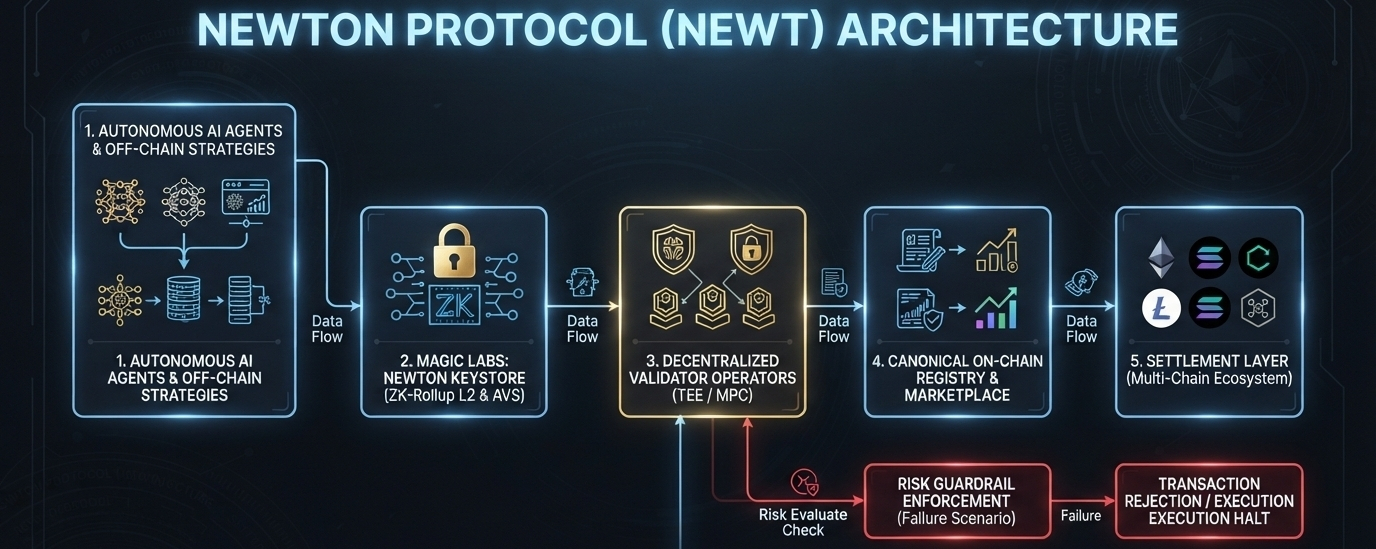
Newton Protocol(NEWT)を深掘りしてわかったこと:自律型取引を安全に担保する現実ここ数週間、Newton Protocol(NEWT)のアーキテクチャに深く潜り込み、当該エコシステムに関する私の調査から、自律型AIと分散型の実行レイヤーの間にある巨大なギャップを埋めるために設計された、非常に高度なフレームワークの存在が明らかになりました。現在の2026年のデジタル資産環境を分析する中で、従来の自動取引の設定には危険なトレードオフがあることを見つけました。トレーダーは、オフチェーンのクラウドボットに秘密鍵の完全な管理権限を委ねるか、あるいは単純で非効率なオンチェーンスクリプトに自分を限定しなければなりません。この特定の摩擦ポイントを解消するために、Magic LabsがNewton Keystoreを開発したことを私は突き止めました。これはマルチチェーン対応のレイヤー2ロールアップであり、安全で分散化されたゲートキーパーとして機能します。彼らのコード統合プロセスを評価する中で、このプロトコルが、決済レイヤーに到達する前に受信するトランザクションのペイロードを評価するActively Validated Service(AVS)として機能し、厳格なリスクルールをプログラム的に強制している様子を観察しました。
Newton Protocol(NEWT)を深掘りしてわかったこと:自律型取引を安全に担保する現実
ここ数週間、Newton Protocol(NEWT)のアーキテクチャに深く潜り込み、当該エコシステムに関する私の調査から、自律型AIと分散型の実行レイヤーの間にある巨大なギャップを埋めるために設計された、非常に高度なフレームワークの存在が明らかになりました。現在の2026年のデジタル資産環境を分析する中で、従来の自動取引の設定には危険なトレードオフがあることを見つけました。トレーダーは、オフチェーンのクラウドボットに秘密鍵の完全な管理権限を委ねるか、あるいは単純で非効率なオンチェーンスクリプトに自分を限定しなければなりません。この特定の摩擦ポイントを解消するために、Magic LabsがNewton Keystoreを開発したことを私は突き止めました。これはマルチチェーン対応のレイヤー2ロールアップであり、安全で分散化されたゲートキーパーとして機能します。彼らのコード統合プロセスを評価する中で、このプロトコルが、決済レイヤーに到達する前に受信するトランザクションのペイロードを評価するActively Validated Service(AVS)として機能し、厳格なリスクルールをプログラム的に強制している様子を観察しました。
12
2
415
·
--
一部該当
記事
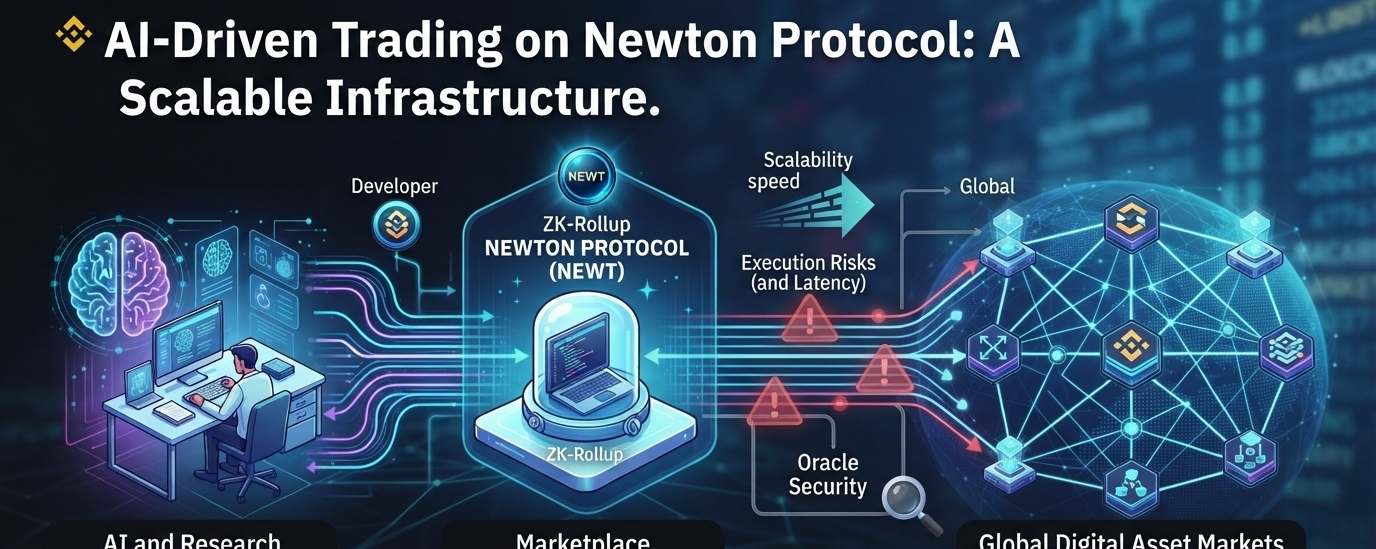
ニュートン・プロトコルの評価:AIのスケーラビリティと実行リスクへの深掘り分散型金融(DeFi)の急速な進化により、私は自動化されたアルゴリズム実行を確実に行うための高度なインフラストラクチャ・フレームワークを分析するに至りました。この分野を深く掘り下げる中で、私はニュートン・プロトコル(NEWT)を評価しました。これはAI主導のトレーディング戦略および開発者向けマーケットプレイスのために明確に設計された、安全なロールアップ・アーキテクチャを確立する専門プロジェクトです。デジタル資産市場において、機械学習モデルがますます資本配分を左右していくのを目の当たりにし、このプロトコルはレイヤー2のスケーラビリティ手段によって、実行リスクと高い計算コストを軽減しようとする真剣な取り組みであると考えています。
ニュートン・プロトコルの評価:AIのスケーラビリティと実行リスクへの深掘り
分散型金融(DeFi)の急速な進化により、私は自動化されたアルゴリズム実行を確実に行うための高度なインフラストラクチャ・フレームワークを分析するに至りました。この分野を深く掘り下げる中で、私はニュートン・プロトコル(NEWT)を評価しました。これはAI主導のトレーディング戦略および開発者向けマーケットプレイスのために明確に設計された、安全なロールアップ・アーキテクチャを確立する専門プロジェクトです。デジタル資産市場において、機械学習モデルがますます資本配分を左右していくのを目の当たりにし、このプロトコルはレイヤー2のスケーラビリティ手段によって、実行リスクと高い計算コストを軽減しようとする真剣な取り組みであると考えています。
1
395
·
--
#newt $NEWT
AIエージェントがポートフォリオを管理し、取引を実行し、市場にリアルタイムで反応することに、皆がわくわくしています。
しかし私は、私たちが尋ねるべき問いは別にあると思います。AIエージェントがどれほど賢いかを問うのではなく、どれほどの権限を与えるべきかを問うべきです。
AIはある日、見事な戦略を生み出しても、次の日には予期しない判断をすることがあります。オンチェーン資産への無制限のアクセスがある場合、小さなミスでさえ、誤ったデータソースや操作された入力が引き金となって、取り返しのつかない取引が発生し得ます。分散型金融(DeFi)には「元に戻す」ボタンがありません。
だからこそ、私は権限(パーミッション)のレイヤーが、AIモデルそのものと同じくらい重要になっていくと考えています。境界のない知能は、不要なリスクを生みます。AIエージェントは、資金を無制限に制御するのではなく、事前に定められたルール、検証可能な権限、そして安全な実行環境の範囲内で動くべきです。
それが、@NewtonProtocol (NEWT)の構想が私にとって興味深い理由です。AI駆動の戦略に焦点を当てた安全なロールアップを構築することは、単に自動化を速くするだけではありません。つまり、AIのアクションが現実の価値と相互作用する前に、それを統治し、検証し、制約できるインフラを作ることです。AIが金融の参加者になるなら、セキュリティは知能と同じ速度で進化しなければなりません。
私の最大の懸念は、業界が防御的なガードレールより先に自律的な能力を優先してしまうかもしれないことです。
あなたがオンチェーン資産をAIエージェントに任せると信頼できるようになるための、最大の要件は何ですか?
@NewtonProtocol #Newt $VANRY $LAB
{future}(NEWTUSDT)
{future}(LABUSDT)
{future}(VANRYUSDT)
#newt $NEWT
AIエージェントがポートフォリオを管理し、取引を実行し、市場にリアルタイムで反応することに、皆がわくわくしています。
しかし私は、私たちが尋ねるべき問いは別にあると思います。AIエージェントがどれほど賢いかを問うのではなく、どれほどの権限を与えるべきかを問うべきです。
AIはある日、見事な戦略を生み出しても、次の日には予期しない判断をすることがあります。オンチェーン資産への無制限のアクセスがある場合、小さなミスでさえ、誤ったデータソースや操作された入力が引き金となって、取り返しのつかない取引が発生し得ます。分散型金融(DeFi)には「元に戻す」ボタンがありません。
だからこそ、私は権限(パーミッション)のレイヤーが、AIモデルそのものと同じくらい重要になっていくと考えています。境界のない知能は、不要なリスクを生みます。AIエージェントは、資金を無制限に制御するのではなく、事前に定められたルール、検証可能な権限、そして安全な実行環境の範囲内で動くべきです。
それが、@NewtonProtocol (NEWT)の構想が私にとって興味深い理由です。AI駆動の戦略に焦点を当てた安全なロールアップを構築することは、単に自動化を速くするだけではありません。つまり、AIのアクションが現実の価値と相互作用する前に、それを統治し、検証し、制約できるインフラを作ることです。AIが金融の参加者になるなら、セキュリティは知能と同じ速度で進化しなければなりません。
私の最大の懸念は、業界が防御的なガードレールより先に自律的な能力を優先してしまうかもしれないことです。
あなたがオンチェーン資産をAIエージェントに任せると信頼できるようになるための、最大の要件は何ですか?
@NewtonProtocol #Newt $VANRY $LAB
AIエージェントがポートフォリオを管理し、取引を実行し、市場にリアルタイムで反応することに、皆がわくわくしています。
しかし私は、私たちが尋ねるべき問いは別にあると思います。AIエージェントがどれほど賢いかを問うのではなく、どれほどの権限を与えるべきかを問うべきです。
AIはある日、見事な戦略を生み出しても、次の日には予期しない判断をすることがあります。オンチェーン資産への無制限のアクセスがある場合、小さなミスでさえ、誤ったデータソースや操作された入力が引き金となって、取り返しのつかない取引が発生し得ます。分散型金融(DeFi)には「元に戻す」ボタンがありません。
だからこそ、私は権限(パーミッション)のレイヤーが、AIモデルそのものと同じくらい重要になっていくと考えています。境界のない知能は、不要なリスクを生みます。AIエージェントは、資金を無制限に制御するのではなく、事前に定められたルール、検証可能な権限、そして安全な実行環境の範囲内で動くべきです。
それが、@NewtonProtocol (NEWT)の構想が私にとって興味深い理由です。AI駆動の戦略に焦点を当てた安全なロールアップを構築することは、単に自動化を速くするだけではありません。つまり、AIのアクションが現実の価値と相互作用する前に、それを統治し、検証し、制約できるインフラを作ることです。AIが金融の参加者になるなら、セキュリティは知能と同じ速度で進化しなければなりません。
私の最大の懸念は、業界が防御的なガードレールより先に自律的な能力を優先してしまうかもしれないことです。
あなたがオンチェーン資産をAIエージェントに任せると信頼できるようになるための、最大の要件は何ですか?
@NewtonProtocol #Newt $VANRY $LAB
Permission controls
0%
Verifiable execution
0%
Proven trading performance
0%
Independent security audits
100%
1 投票 • 投票は終了しました
3
1
766
·
--
本人確認中
記事
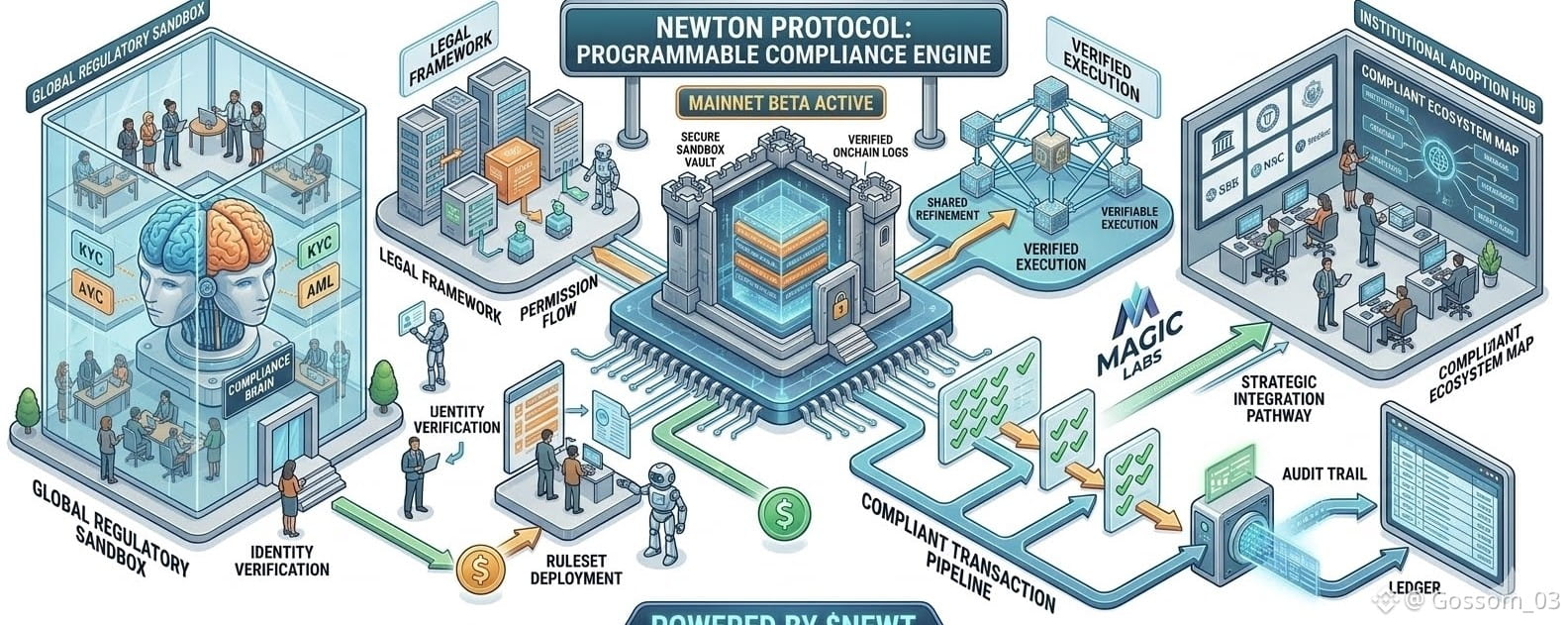
暗号資産の次の1兆ドルを開くかもしれない「退屈な言葉」:コンプライアンスAIの熱が少し冷めた今、ビルダーたちがどこへ向かっているのかを調べようとしている最中に、偶然@NewtonProtocol を見つけました。
暗号資産の注目は本当に速い。ある月はAIエージェント、次はモジュラー・チェーン、そしてリステーキング、次はRWAs。お金は、トレンドになっているものへ走ります。ビルダーは、何年も経ってから重要だと分かるようなものに取り組みがちです。ニュートンなんて、私のリストにはまったく入っていませんでした。
最初はただの別の自動化プロジェクトのように聞こえました。暗号資産にはそんなものが百万件あります。ウォレットを賢くして、取引を簡単にして、アプリをよりスムーズに感じさせる。たいていは些細な不満を直すだけです。けれども本当に大きなお金がこの分野に入ってこない根本的な理由を直すものは、ほとんどありません。
暗号資産の次の1兆ドルを開くかもしれない「退屈な言葉」:コンプライアンス
AIの熱が少し冷めた今、ビルダーたちがどこへ向かっているのかを調べようとしている最中に、偶然@NewtonProtocol を見つけました。
暗号資産の注目は本当に速い。ある月はAIエージェント、次はモジュラー・チェーン、そしてリステーキング、次はRWAs。お金は、トレンドになっているものへ走ります。ビルダーは、何年も経ってから重要だと分かるようなものに取り組みがちです。ニュートンなんて、私のリストにはまったく入っていませんでした。
最初はただの別の自動化プロジェクトのように聞こえました。暗号資産にはそんなものが百万件あります。ウォレットを賢くして、取引を簡単にして、アプリをよりスムーズに感じさせる。たいていは些細な不満を直すだけです。けれども本当に大きなお金がこの分野に入ってこない根本的な理由を直すものは、ほとんどありません。
暗号資産の注目は本当に速い。ある月はAIエージェント、次はモジュラー・チェーン、そしてリステーキング、次はRWAs。お金は、トレンドになっているものへ走ります。ビルダーは、何年も経ってから重要だと分かるようなものに取り組みがちです。ニュートンなんて、私のリストにはまったく入っていませんでした。
最初はただの別の自動化プロジェクトのように聞こえました。暗号資産にはそんなものが百万件あります。ウォレットを賢くして、取引を簡単にして、アプリをよりスムーズに感じさせる。たいていは些細な不満を直すだけです。けれども本当に大きなお金がこの分野に入ってこない根本的な理由を直すものは、ほとんどありません。
10
1
416
·
--
一部該当
#newt $NEWT
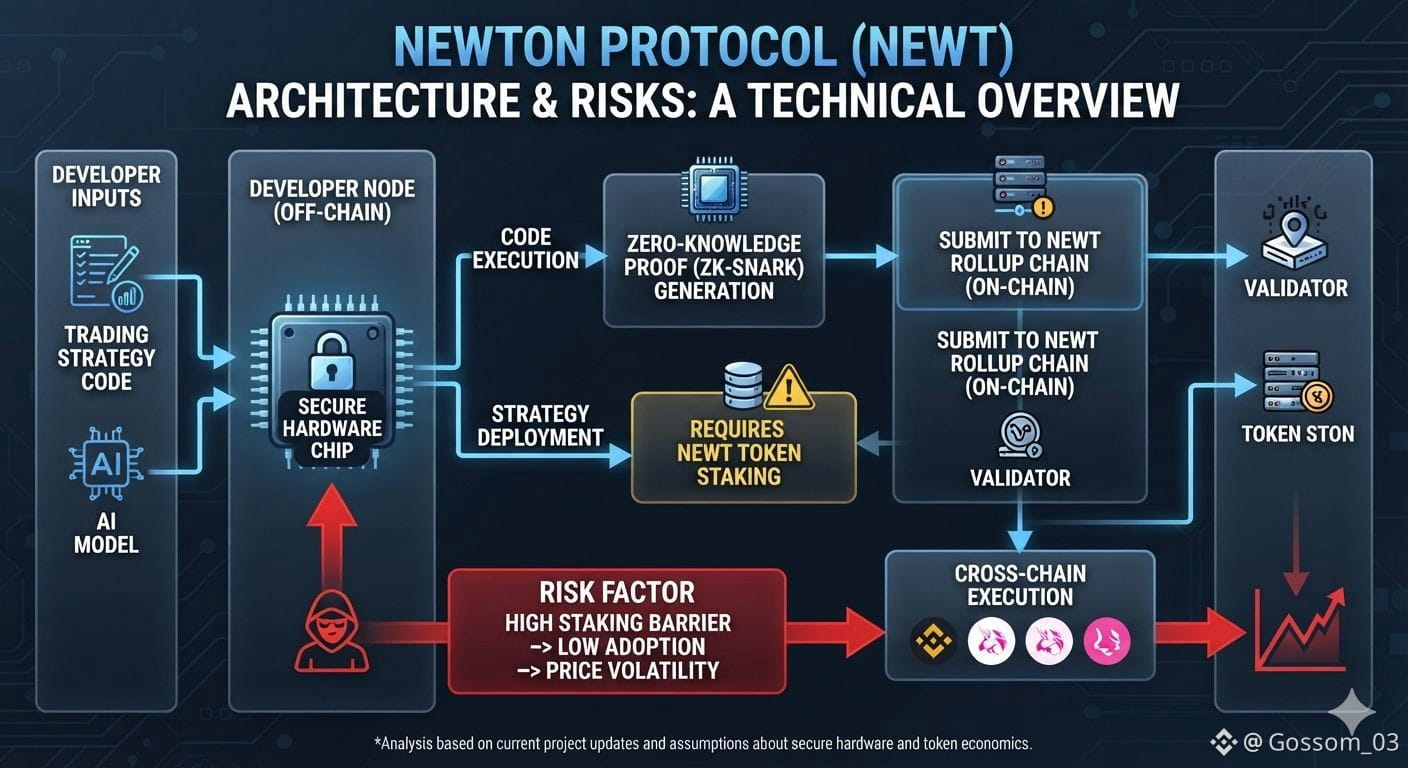
私たちは現在、Newton Protocol(NEWT)がメインネット・ベータを展開し、オフチェーンで人々が安全に自動化されたAI取引ストラテジーを実行できるようにする動きを、注意深く見守っています。実は今朝、彼らの技術アップデートを調べるために時間を費やしました。というのも、昨日私の取引ボットがフロントランナーによりひどく壊滅させられたので、彼らの技術が本当に機能するのかを確認したかったのです。見えている範囲では、彼らは安全なハードウェアチップとゼロ知識証明を組み合わせており、開発者が誰にも秘密のコードを盗まれずに取引モデルをホストできるようにしています。さらに、クロスチェーン取引のガス手数料を大幅に安くするための専用ロールアップも構築していることが分かりました。
しかし、調査の中で2つの大きな赤信号が見つかり、かなり心配しています。1つ目は、ネットワークのセキュリティを特定の物理的なハードウェアチップに固定することです。もしハッカーがそれらのチップにバックドアを見つけた場合、システム全体が破綻する可能性があります。2つ目は、人々に使ってもらう段階で大きな障壁にぶつかると考える点です。というのも、開発者は自分のストラテジーを投稿するだけでも大量のトークンをロックする必要があり、今月誰も参加しなければ大きな価格変動につながり得るからです。
@NewtonProtocol
#Newt
$NEWT
#newt $NEWT
私たちは現在、Newton Protocol(NEWT)がメインネット・ベータを展開し、オフチェーンで人々が安全に自動化されたAI取引ストラテジーを実行できるようにする動きを、注意深く見守っています。実は今朝、彼らの技術アップデートを調べるために時間を費やしました。というのも、昨日私の取引ボットがフロントランナーによりひどく壊滅させられたので、彼らの技術が本当に機能するのかを確認したかったのです。見えている範囲では、彼らは安全なハードウェアチップとゼロ知識証明を組み合わせており、開発者が誰にも秘密のコードを盗まれずに取引モデルをホストできるようにしています。さらに、クロスチェーン取引のガス手数料を大幅に安くするための専用ロールアップも構築していることが分かりました。
しかし、調査の中で2つの大きな赤信号が見つかり、かなり心配しています。1つ目は、ネットワークのセキュリティを特定の物理的なハードウェアチップに固定することです。もしハッカーがそれらのチップにバックドアを見つけた場合、システム全体が破綻する可能性があります。2つ目は、人々に使ってもらう段階で大きな障壁にぶつかると考える点です。というのも、開発者は自分のストラテジーを投稿するだけでも大量のトークンをロックする必要があり、今月誰も参加しなければ大きな価格変動につながり得るからです。
@NewtonProtocol
#Newt
$NEWT
私たちは現在、Newton Protocol(NEWT)がメインネット・ベータを展開し、オフチェーンで人々が安全に自動化されたAI取引ストラテジーを実行できるようにする動きを、注意深く見守っています。実は今朝、彼らの技術アップデートを調べるために時間を費やしました。というのも、昨日私の取引ボットがフロントランナーによりひどく壊滅させられたので、彼らの技術が本当に機能するのかを確認したかったのです。見えている範囲では、彼らは安全なハードウェアチップとゼロ知識証明を組み合わせており、開発者が誰にも秘密のコードを盗まれずに取引モデルをホストできるようにしています。さらに、クロスチェーン取引のガス手数料を大幅に安くするための専用ロールアップも構築していることが分かりました。
しかし、調査の中で2つの大きな赤信号が見つかり、かなり心配しています。1つ目は、ネットワークのセキュリティを特定の物理的なハードウェアチップに固定することです。もしハッカーがそれらのチップにバックドアを見つけた場合、システム全体が破綻する可能性があります。2つ目は、人々に使ってもらう段階で大きな障壁にぶつかると考える点です。というのも、開発者は自分のストラテジーを投稿するだけでも大量のトークンをロックする必要があり、今月誰も参加しなければ大きな価格変動につながり得るからです。
@NewtonProtocol
#Newt
$NEWT
1
1
103
·
--
#newt $NEWT
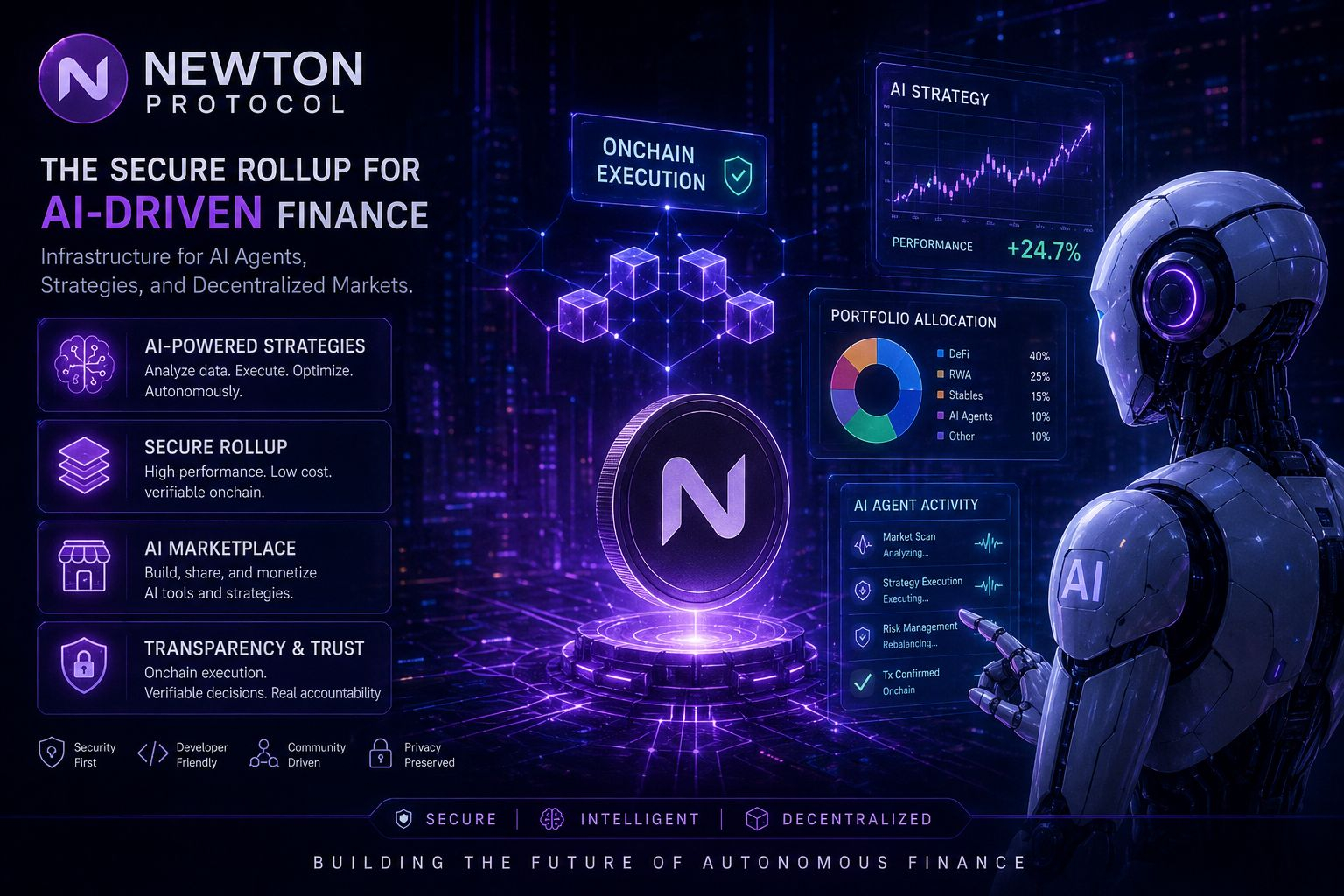
私は、AIをオンチェーン実行に統合しようとするさまざまなプロジェクトをもっと見かけるようになってきましたが、ニュートン・プロトコル(NEWT)が私の目を引いたのは別の理由です。AI主導のストラテジー、オートメーションされたトレーディング、そしてAI開発者がツールを作成し共有できるマーケットプレイスのための、セキュアなロールアップを構築するという発想は、自律型の金融を“ただのバズワード”ではなく、より実用的にするための一歩だと感じます。
とはいえ、確実な勝ちだと断言するほどの準備はまだできていません。AIはほとんどのトレーダーよりも速くデータを処理できますが、スピードが自動的により良い判断につながるわけではありません。悪いモデルでも、良いモデルが利益を伸ばすのと同じくらいの速さでミスを拡大できます。私は自分の取引の一つで、自動化を少し信じすぎたことで、その難しさを痛感しました。
もう一つ、ずっと考えているのは信頼性です。AIエージェントが実資金で意思決定を行うなら、透明性は“任意”ではいけません。ユーザーは、なぜ戦略が
そうした振る舞いをするのかを理解する必要があり、開発者には、単に注目(ハイプ)を追うのではなく、安全で信頼できるシステムを構築するための強いインセンティブが必要です。
私は、NEWTが目指している方向性が好きです。単にもう一つのAI物語を語るのではなく、インフラを提供しようとしているからです。もしチームが、自動化とセキュリティ、説明責任、そして開発者の革新性のバランスを取れるなら、次世代の分散型金融の中で、意味のある一部になり得ると思います。それでも私は、盲目的に強気になるのではなく、引き続き冷静に見守っています。
@NewtonProtocol
#Newt
#NEWT
#newt $NEWT
私は、AIをオンチェーン実行に統合しようとするさまざまなプロジェクトをもっと見かけるようになってきましたが、ニュートン・プロトコル(NEWT)が私の目を引いたのは別の理由です。AI主導のストラテジー、オートメーションされたトレーディング、そしてAI開発者がツールを作成し共有できるマーケットプレイスのための、セキュアなロールアップを構築するという発想は、自律型の金融を“ただのバズワード”ではなく、より実用的にするための一歩だと感じます。
とはいえ、確実な勝ちだと断言するほどの準備はまだできていません。AIはほとんどのトレーダーよりも速くデータを処理できますが、スピードが自動的により良い判断につながるわけではありません。悪いモデルでも、良いモデルが利益を伸ばすのと同じくらいの速さでミスを拡大できます。私は自分の取引の一つで、自動化を少し信じすぎたことで、その難しさを痛感しました。
もう一つ、ずっと考えているのは信頼性です。AIエージェントが実資金で意思決定を行うなら、透明性は“任意”ではいけません。ユーザーは、なぜ戦略が
そうした振る舞いをするのかを理解する必要があり、開発者には、単に注目(ハイプ)を追うのではなく、安全で信頼できるシステムを構築するための強いインセンティブが必要です。
私は、NEWTが目指している方向性が好きです。単にもう一つのAI物語を語るのではなく、インフラを提供しようとしているからです。もしチームが、自動化とセキュリティ、説明責任、そして開発者の革新性のバランスを取れるなら、次世代の分散型金融の中で、意味のある一部になり得ると思います。それでも私は、盲目的に強気になるのではなく、引き続き冷静に見守っています。
@NewtonProtocol
#Newt
#NEWT
私は、AIをオンチェーン実行に統合しようとするさまざまなプロジェクトをもっと見かけるようになってきましたが、ニュートン・プロトコル(NEWT)が私の目を引いたのは別の理由です。AI主導のストラテジー、オートメーションされたトレーディング、そしてAI開発者がツールを作成し共有できるマーケットプレイスのための、セキュアなロールアップを構築するという発想は、自律型の金融を“ただのバズワード”ではなく、より実用的にするための一歩だと感じます。
とはいえ、確実な勝ちだと断言するほどの準備はまだできていません。AIはほとんどのトレーダーよりも速くデータを処理できますが、スピードが自動的により良い判断につながるわけではありません。悪いモデルでも、良いモデルが利益を伸ばすのと同じくらいの速さでミスを拡大できます。私は自分の取引の一つで、自動化を少し信じすぎたことで、その難しさを痛感しました。
もう一つ、ずっと考えているのは信頼性です。AIエージェントが実資金で意思決定を行うなら、透明性は“任意”ではいけません。ユーザーは、なぜ戦略が
そうした振る舞いをするのかを理解する必要があり、開発者には、単に注目(ハイプ)を追うのではなく、安全で信頼できるシステムを構築するための強いインセンティブが必要です。
私は、NEWTが目指している方向性が好きです。単にもう一つのAI物語を語るのではなく、インフラを提供しようとしているからです。もしチームが、自動化とセキュリティ、説明責任、そして開発者の革新性のバランスを取れるなら、次世代の分散型金融の中で、意味のある一部になり得ると思います。それでも私は、盲目的に強気になるのではなく、引き続き冷静に見守っています。
@NewtonProtocol
#Newt
#NEWT
11
3
153
·
--
本人確認中
記事
AIがルールを破れないなら、あなたを踏み倒せない"*つまり今日はニュートン・メインネット・ベータに約3時間費やして、いろいろ考えたことがあるんだけど……たいていはぐちゃぐちゃしたやつ(笑)。
@newton_xyz はニュートン・プロトコルを構築中です。これは基本的に、AI駆動の戦略と自動トレードのためだけに作られた、安全なロールアップです。「AI」をロゴに貼っただけの別のEVMフォークじゃありません。仕組みとしては、この Keystore Rollup の考え方で全体が動いていて、前面には zkPermissions が置かれます。つまり、どんなエージェントでもあなたの資金を動かす前に、あなたのルールに従っていることを証明する必要があるということ。私は自分のルールを「単発の取引は >$150 まで、DeFi のデゲン遊びはなし」に設定したんですが、エージェントは……それを破れませんでした。なんだか不自然なくらい安全に感じた?
AIがルールを破れないなら、あなたを踏み倒せない"*
つまり今日はニュートン・メインネット・ベータに約3時間費やして、いろいろ考えたことがあるんだけど……たいていはぐちゃぐちゃしたやつ(笑)。
@newton_xyz はニュートン・プロトコルを構築中です。これは基本的に、AI駆動の戦略と自動トレードのためだけに作られた、安全なロールアップです。「AI」をロゴに貼っただけの別のEVMフォークじゃありません。仕組みとしては、この Keystore Rollup の考え方で全体が動いていて、前面には zkPermissions が置かれます。つまり、どんなエージェントでもあなたの資金を動かす前に、あなたのルールに従っていることを証明する必要があるということ。私は自分のルールを「単発の取引は >$150 まで、DeFi のデゲン遊びはなし」に設定したんですが、エージェントは……それを破れませんでした。なんだか不自然なくらい安全に感じた?
@newton_xyz はニュートン・プロトコルを構築中です。これは基本的に、AI駆動の戦略と自動トレードのためだけに作られた、安全なロールアップです。「AI」をロゴに貼っただけの別のEVMフォークじゃありません。仕組みとしては、この Keystore Rollup の考え方で全体が動いていて、前面には zkPermissions が置かれます。つまり、どんなエージェントでもあなたの資金を動かす前に、あなたのルールに従っていることを証明する必要があるということ。私は自分のルールを「単発の取引は >$150 まで、DeFi のデゲン遊びはなし」に設定したんですが、エージェントは……それを破れませんでした。なんだか不自然なくらい安全に感じた?
2
1
105
·
--
🎙️ 暗号資産相場の交流;初心者の質問に回答✅コミュニティづくりを継続🦅「自由の理念」を広めよう!生態系のバランスを守ろう!
終了
03 時間 18 分 10 秒
13.8k
14
90
·
--
ブリッシュ
#newt $NEWT
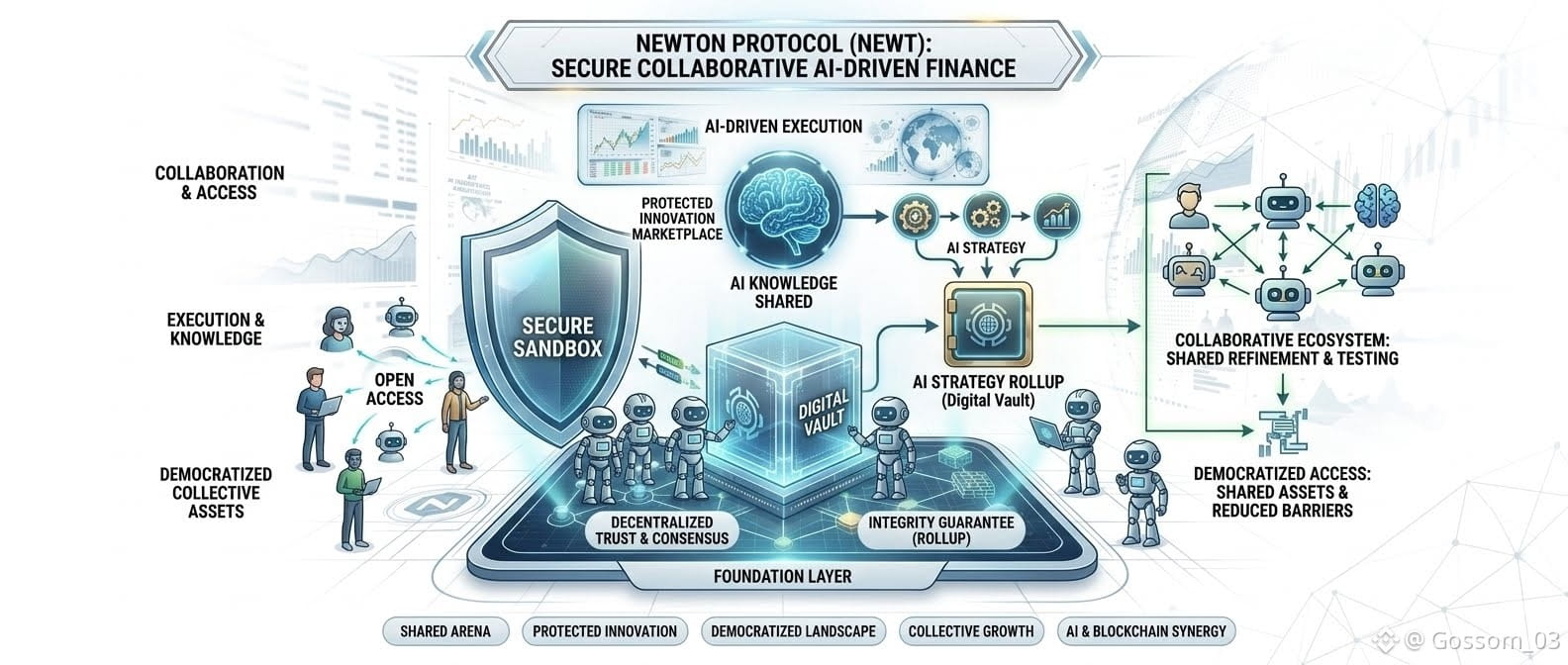
私の調査と分析から、@NewtonProtocol (NEWT)はAIやブロックチェーン領域における単なる別のツール以上のものだと見ています。これは、自動取引における「信頼」と「協働」について私たちが考える方法を変える可能性のあるゲームチェンジャーだと考えています。AIの戦略を孤立した、独自の資産として見るのではなく、$NEWT は、開発者とトレーダーが安全に自分のアイデアを磨き、展開できる共通の場を作ろうとしているように思えます。私の関心を引いたのは、「デジタル・ヴォールト(電子金庫)」のようなセキュアなロールアップという発想です。これは、戦略を束ねるだけでなく、実行に移される前にそれらの完全性を保証します。これにより、AI取引の世界でよくある、盗難や改ざんに関わるリスクを大幅に減らせるかもしれません。さらにセキュリティの面を超えて、NEWTは新しいタイプのエコシステムを育むプラットフォームになり得ると感じています。つまり、知識の流れがより自由になる一方で、その基盤技術によって保護される環境です。このアプローチは、開発者が自分のアイデアの主導権を失うことや、他者に横取りされてしまうことを心配しなくてよくなるため、より多くのイノベーションを促す可能性があります。まるで、従来の信頼メカニズムだけに頼るのではなく、信頼がシステムそのものに組み込まれたマーケットプレイスを構築するようなものです。また、これはより民主化された状況にもつながると思います。これまで高い障壁の裏側に閉じ込められていた高度なAIツールや戦略に、小規模なプレイヤーもアクセスできるようになるからです。ある意味で、NEWTは、AI戦略が「買って売るだけの商品」ではなく、共同の努力によって育っていく共有資産になる未来への道を切り開いているのかもしれません。これが、取引だけでなく、AI開発コミュニティ全体をどのように変えるのかを想像するのはわくわくします。よりオープンで、安全で、協働的なものにしていく可能性があるからです。
@NewtonProtocol #Newt $NEWT
{future}(NEWTUSDT)
#newt $NEWT
私の調査と分析から、@NewtonProtocol (NEWT)はAIやブロックチェーン領域における単なる別のツール以上のものだと見ています。これは、自動取引における「信頼」と「協働」について私たちが考える方法を変える可能性のあるゲームチェンジャーだと考えています。AIの戦略を孤立した、独自の資産として見るのではなく、$NEWT は、開発者とトレーダーが安全に自分のアイデアを磨き、展開できる共通の場を作ろうとしているように思えます。私の関心を引いたのは、「デジタル・ヴォールト(電子金庫)」のようなセキュアなロールアップという発想です。これは、戦略を束ねるだけでなく、実行に移される前にそれらの完全性を保証します。これにより、AI取引の世界でよくある、盗難や改ざんに関わるリスクを大幅に減らせるかもしれません。さらにセキュリティの面を超えて、NEWTは新しいタイプのエコシステムを育むプラットフォームになり得ると感じています。つまり、知識の流れがより自由になる一方で、その基盤技術によって保護される環境です。このアプローチは、開発者が自分のアイデアの主導権を失うことや、他者に横取りされてしまうことを心配しなくてよくなるため、より多くのイノベーションを促す可能性があります。まるで、従来の信頼メカニズムだけに頼るのではなく、信頼がシステムそのものに組み込まれたマーケットプレイスを構築するようなものです。また、これはより民主化された状況にもつながると思います。これまで高い障壁の裏側に閉じ込められていた高度なAIツールや戦略に、小規模なプレイヤーもアクセスできるようになるからです。ある意味で、NEWTは、AI戦略が「買って売るだけの商品」ではなく、共同の努力によって育っていく共有資産になる未来への道を切り開いているのかもしれません。これが、取引だけでなく、AI開発コミュニティ全体をどのように変えるのかを想像するのはわくわくします。よりオープンで、安全で、協働的なものにしていく可能性があるからです。
@NewtonProtocol #Newt $NEWT
私の調査と分析から、@NewtonProtocol (NEWT)はAIやブロックチェーン領域における単なる別のツール以上のものだと見ています。これは、自動取引における「信頼」と「協働」について私たちが考える方法を変える可能性のあるゲームチェンジャーだと考えています。AIの戦略を孤立した、独自の資産として見るのではなく、$NEWT は、開発者とトレーダーが安全に自分のアイデアを磨き、展開できる共通の場を作ろうとしているように思えます。私の関心を引いたのは、「デジタル・ヴォールト(電子金庫)」のようなセキュアなロールアップという発想です。これは、戦略を束ねるだけでなく、実行に移される前にそれらの完全性を保証します。これにより、AI取引の世界でよくある、盗難や改ざんに関わるリスクを大幅に減らせるかもしれません。さらにセキュリティの面を超えて、NEWTは新しいタイプのエコシステムを育むプラットフォームになり得ると感じています。つまり、知識の流れがより自由になる一方で、その基盤技術によって保護される環境です。このアプローチは、開発者が自分のアイデアの主導権を失うことや、他者に横取りされてしまうことを心配しなくてよくなるため、より多くのイノベーションを促す可能性があります。まるで、従来の信頼メカニズムだけに頼るのではなく、信頼がシステムそのものに組み込まれたマーケットプレイスを構築するようなものです。また、これはより民主化された状況にもつながると思います。これまで高い障壁の裏側に閉じ込められていた高度なAIツールや戦略に、小規模なプレイヤーもアクセスできるようになるからです。ある意味で、NEWTは、AI戦略が「買って売るだけの商品」ではなく、共同の努力によって育っていく共有資産になる未来への道を切り開いているのかもしれません。これが、取引だけでなく、AI開発コミュニティ全体をどのように変えるのかを想像するのはわくわくします。よりオープンで、安全で、協働的なものにしていく可能性があるからです。
@NewtonProtocol #Newt $NEWT
7
5
111
ログインして、さらにコンテンツを読む
厳選トピックで世界の暗号資産トレーダーの仲間入り
⚡️ 暗号資産に関する最新かつ有益な情報が見つかります。
💬 世界最大の暗号資産取引所から信頼されています。
👍 認証を受けたクリエイターから、有益なインサイトを得られます。
メール / 電話番号
トレンドトピック
BitcoinClears$85200
閲覧回数 396
64人が討論中
動きが出て、$BTC はデータがあった直前にあった場所にそのまま立っています。取引における本当の忍耐ってこういうことです。
データは混ざって入ってきましたが、いくつか重要な数字がありました。ADP 非農業部門雇用者数は予想の73Kに対して90Kでした。一方でコアPCEは、予想の0.3%に対して0.2%です。最終的なGDPも予想の1.5%に対して2.2%と強めでした。個人消費は予想の0.8%に対して0.9%でした。同時に、個人所得は予想の0.5%に対して0.2%で未達でした。
BTCは最初に85,600ドルまで急騰しましたが、今は必要なところに戻っています。私は引き続き、82,759ドルと80,000ドルの流動性の低いレンジを見ています。上側の流動性はもう終わって、あとは塵も残っていないからです。
データ発表中にライブセッションを行いました。その中で、市場は83,800ドル→85,600ドル→そして83,000ドル付近へと戻っていくのを見ました。それでも私たちは取引に入りませんでした。
それが忍耐です。
市場に明確な方向性がないときは、無理にエントリーはできません。同じレンジがまだ注目ポイントで、相場がセットアップを提示してくれるまで待ちます。
みなさん、セッションはどうでしたか? それから、尊敬するメンバーの皆さんともっと定期的にセッションをするべきでしょうか。そうすれば、市場について適切に議論できます。
#BitcoinClears$85200 #AltcoinSeasonIndexHoldsAbove60For5Days #USADPAdds90000JobsInSeptember #BitcoinSlipsBelow$84000 #SECToClarifyOnChainFundraisingRules
Crypto_LUX
·いいね:9件
·閲覧回数 1.7k
AltcoinSeasonIndexHoldsAbove60For5Days
閲覧回数 5,374
391人が討論中
USADPAdds90000JobsInSeptember
閲覧回数 1,073
184人が討論中