
GhadiD
47 投稿
GhadiD
報告
ユーザーをブロック
取引を発注
低高頻度トレーダー
2年
4 フォロー
15 フォロワー
72 いいね
投稿
ポートフォリオ
すべて
引用
·
--
史上最大のIPOが起きた。前回これが起きたとき、19日後にビットコインは底値をつけた。
Anthropicは昨日、1株83ドルで上場した。初値は111.50ドルで34%上昇。その後、97.17ドルで取引を終え、17%の上昇となった。IPOで調達した資金は約810億ドル。6月のSpaceXの約750億ドルを上回った。一方、$BTC は今朝、約61,300ドルまで下落し、7月以来の安値をつけた。
このパターンを3つに分けて見てみよう。
1. 上場前の資金流出
Anthropicの上場までの24日間に、ビットコインは22.7%下落した。6月のSpaceXのIPO前も、同じ期間に17%下落している(Coinspeaker)。
大型上場に備えて、トレーダーは最もリスクの高い投資を売却し、資金を確保する。810億ドル規模のIPOにはどこかから資金が必要で、暗号資産は最も売りやすい資産だ。
2. SpaceXの上場後に起きたこと
ビットコインはすぐには反発しなかった。下落を続け、上場から19日後の7月1日に57,800ドルで底をつけた。上場当日を9%下回る水準だった。
その後、23日目までに上場当日の価格を回復し、75日目には約24%上昇した。
3. 今回は違うかもしれない理由
ウォール街は祝賀ムードではない。S&P 500、ナスダック、ダウはいずれも昨日、約2%下落した。金利も上昇している。10年債利回りは5.11%に達し、FRBの議事要旨では、一部の当局者が0.25ポイントを超える利上げに前向きであることが示された。
6月には、資金は暗号資産から1銘柄へと流れた。今は、ほぼあらゆる資産から流出している。
より大きな教訓
超大型IPOは、まず暗号資産から資金を引き揚げさせる。歴史が示すところでは、その一部は戻ってくる可能性がある。ただし、FRBが逆風になっていないときに限り、歴史は繰り返す。
同じことが繰り返されるのか、それとも違うのか。BTCはSpaceXのパターンをたどるのか、それとも下落を続けるのか?
#Bitcoin #Anthropic #IPO
投資助言ではありません。
361
·
--
湾岸で戦争が起きているなか、金は14か月ぶりの安値をつけました。銀はピークから62%下落しています。
「安全資産」も暗号資産とともに値下がりしています。現状と、その理由を見てみましょう。
1. 2026年の高値からの推移
• 金:1月の約5,595ドルから、現在は約3,777ドル。約33%下落。
• 銀:1月の約121.65ドルから、現在は約45.65ドル。約62%下落。
• $BTC:2025年10月の約12万6,000ドルから、現在は約6万4,000ドル。約49%下落。
今日だけで金は約1.9%、銀は約3.4%下落しました(Kitco)。$PAXG のようなトークン化された金も同じ価格に連動します。
2. 恐怖ではなく、金利をめぐる取引
市場は、12月8〜9日にFRBが利上げする確率を95.7%と見ています。米10年債利回りは約5%。ドルは19か月ぶりの高値です。
金、銀、ビットコインには共通点があります。利息を生まないことです。リスクなしで米国債から5%の利回りが得られるなら、何も生まない金属やコインを持つコストは高くなります。だからこそ、戦争でさえ金を下支えできませんでした。
3. それでも買っているのは誰か
中央銀行は1月から9月にかけて、金を差し引き675トン購入しました。前年同期比で6%増です(ワールド・ゴールド・カウンシル)。ゴールドマン・サックスは、2026年末までに金が4,150ドルに達すると予想しており、現在の価格を上回っています。
投機筋は去りつつあります。辛抱強い買い手は去っていません。暴落と移転の違いはそこにあります。
より大きな教訓
「デジタルゴールド」とは、信頼が揺らぐとビットコインが上昇するという意味のはずでした。今年は別の意味で金のように動いています。お金を借りるコストが上がると、どちらも下落するのです。今の本当の安全資産は、5%の利息がつく現金です。
FRBがついに利上げを停止したとき、最初に反発するのは金、銀、それともビットコインでしょうか?
$BTC $PAXG #金 #銀 #ビットコイン
投資助言ではありません。
湾岸で戦争が起きているなか、金は14か月ぶりの安値をつけました。銀はピークから62%下落しています。
「安全資産」も暗号資産とともに値下がりしています。現状と、その理由を見てみましょう。
1. 2026年の高値からの推移
• 金:1月の約5,595ドルから、現在は約3,777ドル。約33%下落。
• 銀:1月の約121.65ドルから、現在は約45.65ドル。約62%下落。
• $BTC :2025年10月の約12万6,000ドルから、現在は約6万4,000ドル。約49%下落。
今日だけで金は約1.9%、銀は約3.4%下落しました(Kitco)。$PAXG のようなトークン化された金も同じ価格に連動します。
2. 恐怖ではなく、金利をめぐる取引
市場は、12月8〜9日にFRBが利上げする確率を95.7%と見ています。米10年債利回りは約5%。ドルは19か月ぶりの高値です。
金、銀、ビットコインには共通点があります。利息を生まないことです。リスクなしで米国債から5%の利回りが得られるなら、何も生まない金属やコインを持つコストは高くなります。だからこそ、戦争でさえ金を下支えできませんでした。
3. それでも買っているのは誰か
中央銀行は1月から9月にかけて、金を差し引き675トン購入しました。前年同期比で6%増です(ワールド・ゴールド・カウンシル)。ゴールドマン・サックスは、2026年末までに金が4,150ドルに達すると予想しており、現在の価格を上回っています。
投機筋は去りつつあります。辛抱強い買い手は去っていません。暴落と移転の違いはそこにあります。
より大きな教訓
「デジタルゴールド」とは、信頼が揺らぐとビットコインが上昇するという意味のはずでした。今年は別の意味で金のように動いています。お金を借りるコストが上がると、どちらも下落するのです。今の本当の安全資産は、5%の利息がつく現金です。
FRBがついに利上げを停止したとき、最初に反発するのは金、銀、それともビットコインでしょうか?
$BTC $PAXG #金 #銀 #ビットコイン
投資助言ではありません。
379
·
--
ウォール街が、あるAI銘柄に900億ドルを投じようとしています。$BTC は6万4,000ドル近辺で推移していますが、これは偶然ではありません。
今日は3つのことが重なり、暗号資産はその真っただ中にいます。
1. 史上最大のIPOが本日締め切り
AnthropicのIPOの申し込みは、米東部時間午後4時に締め切られます。ブルームバーグによると、価格は想定レンジの上限、またはそれ以上に設定され、評価額は約1兆4,000億ドル、調達額は900億ドル超となる見込みです。
大口ファンドは割り当てを受けるために現金が必要で、その一部は暗号資産のようなリスク資産を売って確保されたのではないか、と考えるトレーダーもいます。今週AI株を買う資金は、ビットコインを買いません。
2. エヌビディアが新CEOのもとで今夜決算発表
ジェンスン・フアン氏の退任後、エヌビディアにとって初の決算発表となり、暫定CEOのコレット・クレス氏が説明会に参加します。同社株は10月の高値を約40%下回っています。
暗号資産は今月、テック株のような値動きをしてきました。エヌビディアの決算が悪ければ、BTCにも打撃となる可能性があります。好決算なら、ようやく一息つけるかもしれません。
3. お金を借りるコストは過去20年で最も高い
米国の10年債利回りは5.15%です。市場は、FRBが12月に利上げする確率を93.5%と見ています(CME FedWatch)。FRB当局者のムサレム氏は、2027年春までに「数回」の追加利上げがある可能性に言及したばかりです。
安全資産である債券が5%超の利回りを生むなら、利息のつかないコインを保有し続ける理由を説明するのは難しくなります。
その結果、BTCは1週間で13%下落し、$ETH は1,820ドル近辺、恐怖・強欲指数は13で、極度の恐怖を示しています。
より大きな教訓は、今の暗号資産市場は暗号資産関連のニュースで動いていないということです。お金の価格とAI取引を材料に動いています。今夜のエヌビディアの決算説明会は、ビットコイン関連イベントのつもりで注目してください。今月は実際にそうなのです。
BTCは今も「デジタルゴールド」なのでしょうか。それとも、単なるテック株取引のひとつなのでしょうか?
$BTC #ETH #Bitcoin #Nvidia #CryptoMarket
投資助言ではありません。
1
485
·
--
彼は33年かけてNvidiaを築き上げた。それを失うのにかかったのは4日だった。
11月8日、Jensen Huangは社員に「妻に不誠実だった」と認めた。11月11日、The New York Timesは、今度は別のNvidia幹部との2度目の関係を報じた。同じ夜、取締役会はCEO、社長、取締役としての辞任を受理した。
CFOのColette Kressが暫定CEOに就任。木曜日の取引中、$NVDAは一時14%下落した。
前回、私はこう書いた。Bitcoinにはこの問題がない。今、その問題がどれほどの代償をもたらすのかが分かる。
1. 創業者リスクが現実になった
Nvidiaの時価総額は4兆ドルを超える。それでも、彼の私生活をめぐって、1週間も経たないうちにリーダーを失った。
Bitcoinの創設者は2011年に去り、戻ってこなかった。CEOも、取締役会も、辞任届もない。彼がいなくなってから15年間、ネットワークはブロックを生成し続けている。これは単なるスローガンではない。設計上の選択であり、今週の出来事はそれが重要な理由を示している。
2. ただし、正直に言おう。暗号資産の大半はBitcoinではない
多くのトークンは、創設者、財団、あるいは少人数のチームに依存している。そのリーダーがスキャンダルに直面すれば、トークンは$NVDAとまったく同じように、あるいはそれ以上に反応する可能性がある。
どんなコインを保有する前にも、自分に問いかけてほしい。創設者が明日姿を消したら、このプロジェクトはどうなるのか?
3. 暗号資産も依然としてAI関連の相場と連動している
NvidiaがCEOを失った同じ日、$BTCは約3.6%下落し、7万2,000ドル近辺で推移。一方、Nasdaqはほぼ横ばいだった。AI関連の取引と暗号資産市場は、同じ不安を抱える投資家を共有している。最大のAI銘柄が揺らぐと、あらゆる市場でリスク選好が縮小する。
より大きな教訓
企業は人によって動く。プロトコルはルールによって動く。一方は4日でリーダーを失うことがある。もう一方は、そもそもリーダーを必要としないように作られた。
あなたのポートフォリオにあるコインのうち、創設者を失っても生き残れるのはどれだろう?
$BTC $ETH #Nvidia #JensenHuang #Bitcoin
投資助言ではありません。
1
257
·
--
世界で最も価値の高い半導体企業が、ある人物をめぐって調査を受けています。ビットコインには、その問題がありません。
11月8日、ジェンセン・ファンCEOが外国の情報機関による工作の標的になったとの報道を受け、Nvidiaの取締役会は独立調査を開始しました。取締役会は、秘密が漏えいしたと「信じる理由はない」としています。それでも市場は先に売りに動きました。月曜日、$NVDAは約4.3%下落しました。
これが暗号資産にとって重要な理由を、3つに分けて見ていきましょう。
1. キーパーソンリスクに値札がついた
Nvidiaは時価総額1兆ドルの企業ですが、ある一人の人物をめぐるニュースで、株価は今も下落します。創業者を中心に成り立つものに潜むリスクです。
ビットコインには調査対象となるCEOも、取締役会も、圧力をかけられる相手もいません。BTCの価格について一日中議論することはできます。しかし、その創設者を調査対象にすることはできません。
2. 暗号資産は好材料ではなく悪材料に反応した
月曜日、ナスダックは2%を超える上昇で取引を終えました。Nvidiaは下落しましたが、市場のほかの銘柄は上昇しました。
暗号資産はその上昇に加わりませんでした。$BTCは約1%下落して74,800ドル近辺となり、$ETHは約4~5%下落しました。
注目すべきなのはこのパターンです。暗号資産は悪い日にはハイテク株のように動き、良い日には蚊帳の外に置かれます。上昇分を得られないまま、損失だけを被るのです。
3. AI取引と暗号資産は今や結びついている
多くのビットコインマイナーは現在、AIデータセンターも運営し、電力や機器をAI関連の顧客に貸し出しています。AI関連の取引が揺らげば、彼らの株価も揺れます。
そして同じ日、マイナーのMARAは、13,597 BTCを平均約81,039ドルで売却したと開示しました。総額はおよそ11億ドルです。マイナーでさえ、コインを現金に換えています。
より大きな教訓
多くのトレーダーはチャートを見ています。今年の大きな値動きは、暗号資産の外から始まりました。半導体株、AI投資、そして今度はCEOをめぐる調査です。暗号資産だけを見ていると、値動きが起きたあとで初めて気づくことになります。
暗号資産はハイテク株からいずれ切り離されると思いますか。それとも、もうこれらと一体化してしまったのでしょうか?
$BTC $ETH #Nvidia #AI #CryptoMarket
金融アドバイスではありません。
1
384
·
--
翻訳参照
Five governments wrote stablecoin rules in one week, and they all agree on one thing
While everyone watched the Binance hack, five governments quietly rewrote the rules for the money you trade with.
All in the same week of October:
🇺🇸 US (Oct 21): the OCC finalized its GENIUS Act rules for stablecoin issuers, covering reserves, redemption and custody. They take effect Jan 18, 2027.
🇨🇦 Canada (Oct 24): proposed rules require 100% reserves, redemption within 3 business days, fees capped at 1%, and no interest paid just for holding.
🇰🇷 South Korea (Oct 23): the Bank of Korea plans to amend its foreign-exchange law so stablecoins count as payment instruments.
🇹🇭 Thailand (Oct 19): opened consultation on baht stablecoins. Reserves must sit in bank deposits and can't earn interest.
🇭🇰 Hong Kong (Oct 23): HSBC's HKD stablecoin went live on the PayMe app, reported at 3.3M+ users.
The pattern nobody's saying out loud: governments have stopped trying to kill stablecoins. They're domesticating them. And look at the shared rule: holders don't get yield.
Why? Because a stablecoin that pays interest competes directly with bank deposits. Regulators are letting stablecoins be money, but not savings accounts.
What that means for us:
• Expect more local-currency stablecoins (KRW, THB, HKD, CAD), not just USD.
• "Earn" products built on stablecoins will keep getting squeezed in regulated markets.
• Issuers with a license win. Offshore issuers face more walls.
Is your country building its own stablecoin rules yet? Tell me where you're reading from.
$USDT $USDC #Stablecoins #CryptoRegulation Not financial advice.
104
·
--
翻訳参照
Binance got hacked. So why did $AAVE drop more than $BNB?
In the first 24 hours after the news:
• $BNB: down 8%
• $BTC: down 4.9%
• $AAVE: down 11.3%
• $UNI: down 10.7%
Aave and Uniswap weren't breached. They still fell harder than the token of the exchange that was. That's not logic. That's memory.
The FTX reflex. Since 2022, the words "withdrawals paused" trigger one instinct: get out of everything, ask questions later. Traders don't sell what's broken. They sell what they can sell fastest, and what feels most exposed.
The second-order fear. Aave temporarily froze USDT and USDC as collateral for new loans as a precaution. Sensible risk control, but to a scared crowd "freeze" reads like "problem", so DeFi got repriced on a headline.
The gauge. The Fear & Greed Index dropped to 30, its first visit to "fear" since August. Sentiment tends to overshoot in both directions, which is why extreme readings are worth noting but not worth trading on alone.
The lesson I keep relearning: in a panic, price shows you what people are afraid of, not what actually happened. The gap between the two is where the real analysis is.
For the record: Binance's Nov 2 proof of reserves showed major assets like BTC, ETH and USDT backed 1:1. The fear was louder than the facts.
Did you sell anything last week you'd now rather have kept?
$BNB $AAVE $UNI #CryptoPsychology #FearAndGreed
Not financial advice.
119
·
--
2014年以来最悪の10月となったビットコイン。その原因は1つではなく、3つあった
木曜日、Binanceのホットウォレットから18,270 BTCが11回の取引で流出した。Teslaが保有するビットコインよりも多い。
しかし、$BTCが2014年以来最悪の10月を迎えた理由は、ハッキングだけではない。
同じ48時間に、3つの打撃が重なった。
1. ハッキング。Binanceのホットウォレットから約63億ドル相当の暗号資産が盗まれ、記録上最大の暗号資産窃盗事件と報じられた。ブロックチェーン分析会社TRM Labsは、「高い確度で」北朝鮮のTraderTraitorグループとの関連を指摘している。同グループは、2025年にBybitで起きた15億ドルの損失についてFBIが非難したのと同じ部隊だ。
2. AI関連株の取引が崩れた。Intel株は第4四半期の見通しが弱かったことから、金曜日の取引開始時に30%近く下落した。
Nasdaqはこの日、一時3.4%下落。テクノロジー株が売られると、ファンドは換金しやすい資産を何でも売る。そしてBTCは24時間365日取引されている。
3. 金まで下落した。金価格は3,900ドルを割り込み、1年ぶりの安値をつけた。「安全」資産まで売られるときは、たいてい現金確保の動きであり、暗号資産だけに対する評価ではない。
結果:BTCは10月に約8%下落し、78,000ドル近辺で取引されている。2025年10月につけた約126,000ドルのピークから約38%安となり、ハッキング後には約16億ドルの清算が発生した。
価格よりも注目していること:
• ハッカーの19のアドレス(17のアドレスには金曜日時点で、それぞれちょうど1,000 BTCが保管されていた)。これらのコインがミキサーやOTCデスクに向けて動き始めたら、売り圧力になる。
• Binanceによると、影響を受けた資産の約95%を補填し、自社資金から63億4,000万ドルを確保した。準備金証明の完全版レポートは、11月3日火曜日に公開される見込み。
• 出金は本日、BTCから段階的に再開された。他のネットワークもセキュリティチェック後に続く。
価格は最後に動くものであり、人々が最初に話題にするものでもある。原因はその48時間前には見えていた。
あなたのポートフォリオに最も大きな打撃を与えたのは、3つのうちどれ?
$BTC $BNB #Bitcoin #BinanceHack
投資助言ではありません。
{spot}(BTCUSDT)
2014年以来最悪の10月となったビットコイン。その原因は1つではなく、3つあった
木曜日、Binanceのホットウォレットから18,270 BTCが11回の取引で流出した。Teslaが保有するビットコインよりも多い。
しかし、$BTCが2014年以来最悪の10月を迎えた理由は、ハッキングだけではない。
同じ48時間に、3つの打撃が重なった。
1. ハッキング。Binanceのホットウォレットから約63億ドル相当の暗号資産が盗まれ、記録上最大の暗号資産窃盗事件と報じられた。ブロックチェーン分析会社TRM Labsは、「高い確度で」北朝鮮のTraderTraitorグループとの関連を指摘している。同グループは、2025年にBybitで起きた15億ドルの損失についてFBIが非難したのと同じ部隊だ。
2. AI関連株の取引が崩れた。Intel株は第4四半期の見通しが弱かったことから、金曜日の取引開始時に30%近く下落した。
Nasdaqはこの日、一時3.4%下落。テクノロジー株が売られると、ファンドは換金しやすい資産を何でも売る。そしてBTCは24時間365日取引されている。
3. 金まで下落した。金価格は3,900ドルを割り込み、1年ぶりの安値をつけた。「安全」資産まで売られるときは、たいてい現金確保の動きであり、暗号資産だけに対する評価ではない。
結果:BTCは10月に約8%下落し、78,000ドル近辺で取引されている。2025年10月につけた約126,000ドルのピークから約38%安となり、ハッキング後には約16億ドルの清算が発生した。
価格よりも注目していること:
• ハッカーの19のアドレス(17のアドレスには金曜日時点で、それぞれちょうど1,000 BTCが保管されていた)。これらのコインがミキサーやOTCデスクに向けて動き始めたら、売り圧力になる。
• Binanceによると、影響を受けた資産の約95%を補填し、自社資金から63億4,000万ドルを確保した。準備金証明の完全版レポートは、11月3日火曜日に公開される見込み。
• 出金は本日、BTCから段階的に再開された。他のネットワークもセキュリティチェック後に続く。
価格は最後に動くものであり、人々が最初に話題にするものでもある。原因はその48時間前には見えていた。
あなたのポートフォリオに最も大きな打撃を与えたのは、3つのうちどれ?
$BTC $BNB #Bitcoin #BinanceHack
投資助言ではありません。
76
·
--
ブリッシュ


BullishBanter
·
--
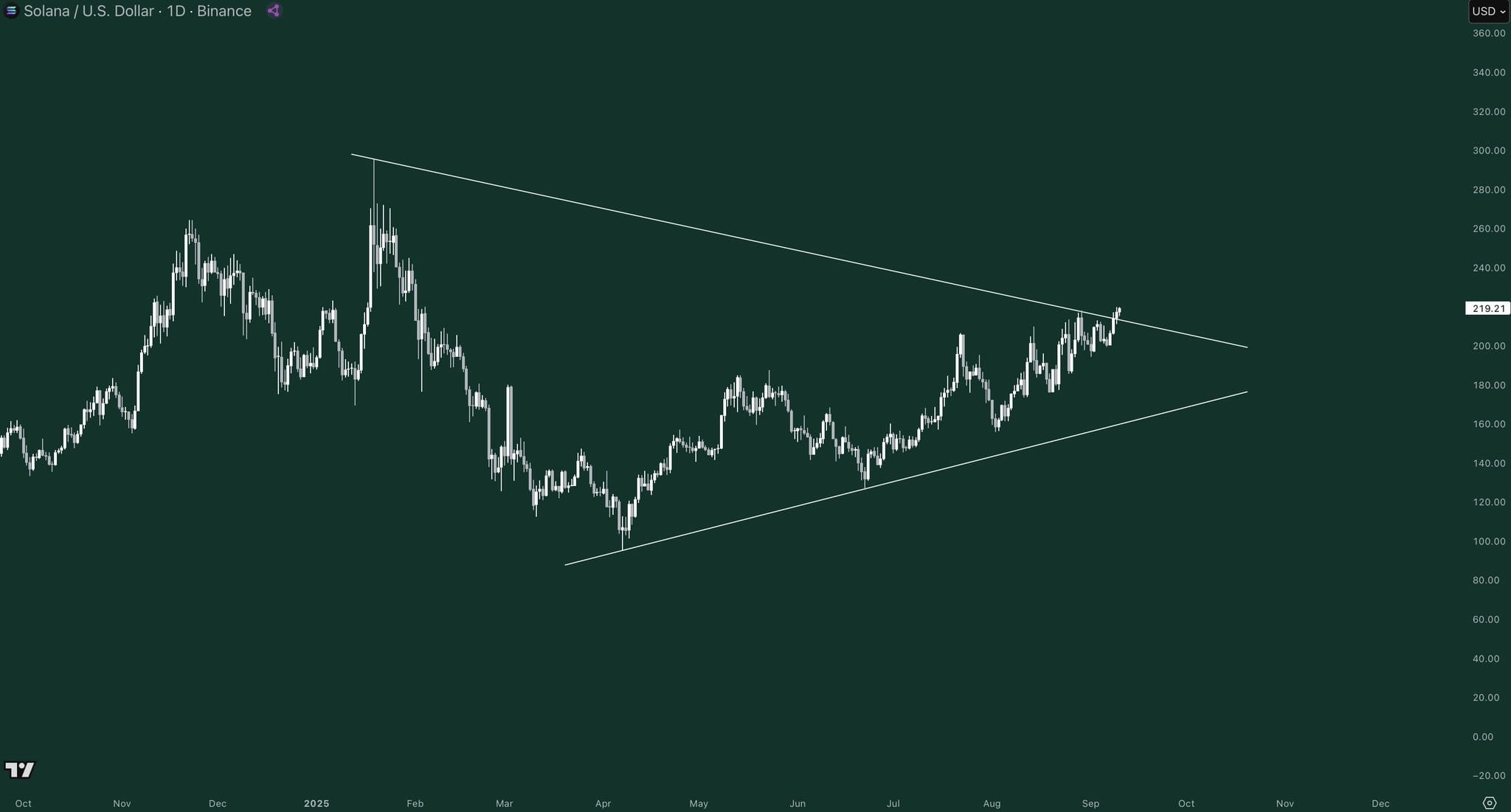
$SOL は、私たちがこれまでに見た中で最も衝撃的なランに向かっています。
誰にもそれを止めることはできません。
わかりますか?
$SOL
誰にもそれを止めることはできません。
わかりますか?
$SOL
1
3
·
--
イーサリアムの大暴走 🚀
イーサリアムは最近火がついており、過去数日間で価格が爆発し、暗号通貨で忍耐が報われる理由を思い出させています。
3月には、$ETH がはるかに低い価格に下落し、機会を見つけて購入した人々にとって、その瞬間はまさにゴールドでした。 📈
教訓?すべての下落には可能性がある。暗号通貨では、下落が次の大きな反発の種を植えることがよくあります。 🌱
あなたはETHが次にどこに向かうと思いますか? $ETH
{spot}(ETHUSDT)
#イーサリアム #ETH #暗号取引 #バイナンススクエア #ディップを買え
イーサリアムの大暴走 🚀
イーサリアムは最近火がついており、過去数日間で価格が爆発し、暗号通貨で忍耐が報われる理由を思い出させています。
3月には、$ETH がはるかに低い価格に下落し、機会を見つけて購入した人々にとって、その瞬間はまさにゴールドでした。 📈
教訓?すべての下落には可能性がある。暗号通貨では、下落が次の大きな反発の種を植えることがよくあります。 🌱
あなたはETHが次にどこに向かうと思いますか? $ETH
#イーサリアム #ETH #暗号取引 #バイナンススクエア #ディップを買え
イーサリアムは最近火がついており、過去数日間で価格が爆発し、暗号通貨で忍耐が報われる理由を思い出させています。
3月には、$ETH がはるかに低い価格に下落し、機会を見つけて購入した人々にとって、その瞬間はまさにゴールドでした。 📈
教訓?すべての下落には可能性がある。暗号通貨では、下落が次の大きな反発の種を植えることがよくあります。 🌱
あなたはETHが次にどこに向かうと思いますか? $ETH
#イーサリアム #ETH #暗号取引 #バイナンススクエア #ディップを買え
2
74
·
--
イーサリアムのジェットコースターの旅!
過去24時間で、イーサリアム $ETH は急激な下落を経験し — 弱気な手を振り落としました — その後、今日は力強く反発しました。📉➡️📈
この回復はETHの回復力を強調しており、暗号市場での感情がどれほど迅速に変化するかを示しています。サポートレベルがしっかりと保持され、買い手が入ってきているため、ブルはまだ終わっていないかもしれません。🐂
あなたは下落を買っていますか、それとも傍観していますか?
{spot}(ETHUSDT)
あなたの考えを下に書いてください!👇
イーサリアムのジェットコースターの旅!
過去24時間で、イーサリアム $ETH は急激な下落を経験し — 弱気な手を振り落としました — その後、今日は力強く反発しました。📉➡️📈
この回復はETHの回復力を強調しており、暗号市場での感情がどれほど迅速に変化するかを示しています。サポートレベルがしっかりと保持され、買い手が入ってきているため、ブルはまだ終わっていないかもしれません。🐂
あなたは下落を買っていますか、それとも傍観していますか?
あなたの考えを下に書いてください!👇
過去24時間で、イーサリアム $ETH は急激な下落を経験し — 弱気な手を振り落としました — その後、今日は力強く反発しました。📉➡️📈
この回復はETHの回復力を強調しており、暗号市場での感情がどれほど迅速に変化するかを示しています。サポートレベルがしっかりと保持され、買い手が入ってきているため、ブルはまだ終わっていないかもしれません。🐂
あなたは下落を買っていますか、それとも傍観していますか?
あなたの考えを下に書いてください!👇
1
68
·
--
ソラナ$SOL は、顕著な価格の急騰により、今日は強い勢いを示しています — 多くの主要アルトコインを上回っています。🟢
開発者活動の増加、DeFiプロジェクトの拡大、そしてユーザーの関心の高まりに伴い、ソラナはWeb3空間におけるそのレジリエンスとスケーラビリティを引き続き証明しています。
これはより大きな動きの始まりでしょうか?📈
下にあなたの考えを教えてください!👇
{spot}(SOLUSDT)
#ソラナ #クリプトニュース #バイナンススクエア #アルトコイン #Web3
ソラナ$SOL は、顕著な価格の急騰により、今日は強い勢いを示しています — 多くの主要アルトコインを上回っています。🟢
開発者活動の増加、DeFiプロジェクトの拡大、そしてユーザーの関心の高まりに伴い、ソラナはWeb3空間におけるそのレジリエンスとスケーラビリティを引き続き証明しています。
これはより大きな動きの始まりでしょうか?📈
下にあなたの考えを教えてください!👇
#ソラナ #クリプトニュース #バイナンススクエア #アルトコイン #Web3
開発者活動の増加、DeFiプロジェクトの拡大、そしてユーザーの関心の高まりに伴い、ソラナはWeb3空間におけるそのレジリエンスとスケーラビリティを引き続き証明しています。
これはより大きな動きの始まりでしょうか?📈
下にあなたの考えを教えてください!👇
#ソラナ #クリプトニュース #バイナンススクエア #アルトコイン #Web3
1
86
·
--
30日間の暗号知識:
第30日:暗号の最新情報を保持する
信頼できる情報源をフォローしてください:Binance Academy、CoinGecko、Crypto Twitter、プロジェクトのDiscord、ポッドキャスト。暗号では、教育は決して終わりません。
$BTC
{spot}(BTCUSDT)
$ETH
{spot}(ETHUSDT)
30日間の暗号知識:
第30日:暗号の最新情報を保持する
信頼できる情報源をフォローしてください:Binance Academy、CoinGecko、Crypto Twitter、プロジェクトのDiscord、ポッドキャスト。暗号では、教育は決して終わりません。
$BTC
$ETH
第30日:暗号の最新情報を保持する
信頼できる情報源をフォローしてください:Binance Academy、CoinGecko、Crypto Twitter、プロジェクトのDiscord、ポッドキャスト。暗号では、教育は決して終わりません。
$BTC
$ETH
1
35
·
--
30日間の暗号知識:
第29日: 暗号ポートフォリオの構築方法
マーケットキャップ、セクター(DeFi、NFT、Layer 1)、およびリスクレベルにわたって多様化します。定期的にリバランスし、失うことができる以上の投資はしないでください。
$BTC
{spot}(BTCUSDT)
$ETH
{spot}(ETHUSDT)
30日間の暗号知識:
第29日: 暗号ポートフォリオの構築方法
マーケットキャップ、セクター(DeFi、NFT、Layer 1)、およびリスクレベルにわたって多様化します。定期的にリバランスし、失うことができる以上の投資はしないでください。
$BTC
$ETH
第29日: 暗号ポートフォリオの構築方法
マーケットキャップ、セクター(DeFi、NFT、Layer 1)、およびリスクレベルにわたって多様化します。定期的にリバランスし、失うことができる以上の投資はしないでください。
$BTC
$ETH
2
52
·
--
30日間の暗号知識:
第28日:実世界のユースケース
暗号は、送金、マイクロペイメント、サプライチェーンの追跡、デジタルID、ゲーム資産などに使用されます。採用は特に不安定な通貨の地域で強いです。
$BTC
{spot}(BTCUSDT)
$ETH
{spot}(ETHUSDT)
30日間の暗号知識:
第28日:実世界のユースケース
暗号は、送金、マイクロペイメント、サプライチェーンの追跡、デジタルID、ゲーム資産などに使用されます。採用は特に不安定な通貨の地域で強いです。
$BTC
$ETH
第28日:実世界のユースケース
暗号は、送金、マイクロペイメント、サプライチェーンの追跡、デジタルID、ゲーム資産などに使用されます。採用は特に不安定な通貨の地域で強いです。
$BTC
$ETH
1
140
·
--
30日間の暗号知識:
第27日: 暗号と環境
プルーフ・オブ・ワークのブロックチェーンはエネルギーを消費します。イーサリアムのPoSへの移行やグリーンエネルギー採掘のようなプロジェクトは、環境への影響を減らすことを目指しています。持続可能性は業界の焦点です。
$BTC
{spot}(BTCUSDT)
$ETH
{spot}(ETHUSDT)
30日間の暗号知識:
第27日: 暗号と環境
プルーフ・オブ・ワークのブロックチェーンはエネルギーを消費します。イーサリアムのPoSへの移行やグリーンエネルギー採掘のようなプロジェクトは、環境への影響を減らすことを目指しています。持続可能性は業界の焦点です。
$BTC
$ETH
第27日: 暗号と環境
プルーフ・オブ・ワークのブロックチェーンはエネルギーを消費します。イーサリアムのPoSへの移行やグリーンエネルギー採掘のようなプロジェクトは、環境への影響を減らすことを目指しています。持続可能性は業界の焦点です。
$BTC
$ETH
1
12
·
--
30日間の暗号通貨の知識:
第26日: 暗号通貨の未来
暗号通貨は金融を超えて、アイデンティティ、ゲーム、メタバースへと進化しています。普及が進む中、日常のアプリやグローバルインフラに統合される可能性があります。
$BTC
{spot}(BTCUSDT)
$ETH
{spot}(ETHUSDT)
30日間の暗号通貨の知識:
第26日: 暗号通貨の未来
暗号通貨は金融を超えて、アイデンティティ、ゲーム、メタバースへと進化しています。普及が進む中、日常のアプリやグローバルインフラに統合される可能性があります。
$BTC
$ETH
第26日: 暗号通貨の未来
暗号通貨は金融を超えて、アイデンティティ、ゲーム、メタバースへと進化しています。普及が進む中、日常のアプリやグローバルインフラに統合される可能性があります。
$BTC
$ETH
3
58
·
--
30日間の暗号知識:
25日目: 世界の暗号規制
暗号規制は国によって大きく異なります。一部の国はそれを受け入れています(例: UAE、スイス)、一方で他の国は制限したり禁止したりしています(例: 中国)。規制の明確さは、採用の増加とともに高まっています。
30日間の暗号知識:
25日目: 世界の暗号規制
暗号規制は国によって大きく異なります。一部の国はそれを受け入れています(例: UAE、スイス)、一方で他の国は制限したり禁止したりしています(例: 中国)。規制の明確さは、採用の増加とともに高まっています。
25日目: 世界の暗号規制
暗号規制は国によって大きく異なります。一部の国はそれを受け入れています(例: UAE、スイス)、一方で他の国は制限したり禁止したりしています(例: 中国)。規制の明確さは、採用の増加とともに高まっています。
4
44
·
--
30日の暗号知識:
第24日: トークノミクスの説明
トークノミクスは、トークンの設計と配布を含みます: 供給、ユーティリティ、バーニングメカニズム、ベスティングスケジュール、およびインセンティブ。強力なトークノミクスは長期的な価値を支えます。
$BTC
{spot}(BTCUSDT)
$ETH
{spot}(ETHUSDT)
30日の暗号知識:
第24日: トークノミクスの説明
トークノミクスは、トークンの設計と配布を含みます: 供給、ユーティリティ、バーニングメカニズム、ベスティングスケジュール、およびインセンティブ。強力なトークノミクスは長期的な価値を支えます。
$BTC
$ETH
第24日: トークノミクスの説明
トークノミクスは、トークンの設計と配布を含みます: 供給、ユーティリティ、バーニングメカニズム、ベスティングスケジュール、およびインセンティブ。強力なトークノミクスは長期的な価値を支えます。
$BTC
$ETH
2
94
·
--
30日間の暗号知識:
第23日:エアドロップとは?
エアドロップは、ウォレット保有者への無料トークン配布であり、新しいプロジェクトを宣伝したり、忠誠心に報いるためにしばしば使用されます。ウォレットアクセスを求める偽のエアドロップに注意してください。
$BTC
{spot}(BTCUSDT)
$ETH
{spot}(ETHUSDT)
30日間の暗号知識:
第23日:エアドロップとは?
エアドロップは、ウォレット保有者への無料トークン配布であり、新しいプロジェクトを宣伝したり、忠誠心に報いるためにしばしば使用されます。ウォレットアクセスを求める偽のエアドロップに注意してください。
$BTC
$ETH
第23日:エアドロップとは?
エアドロップは、ウォレット保有者への無料トークン配布であり、新しいプロジェクトを宣伝したり、忠誠心に報いるためにしばしば使用されます。ウォレットアクセスを求める偽のエアドロップに注意してください。
$BTC
$ETH
2
78
ログインして、さらにコンテンツを読む
厳選トピックで世界の暗号資産トレーダーの仲間入り
⚡️ 暗号資産に関する最新かつ有益な情報が見つかります。
💬 世界最大の暗号資産取引所から信頼されています。
👍 認証を受けたクリエイターから、有益なインサイトを得られます。
メール / 電話番号