
GeoCrypto12
698 投稿

GeoCrypto12
報告
ユーザーをブロック
Altcoin hunter
57 フォロー
24 フォロワー
151 いいね
投稿
すべて
引用
·
--
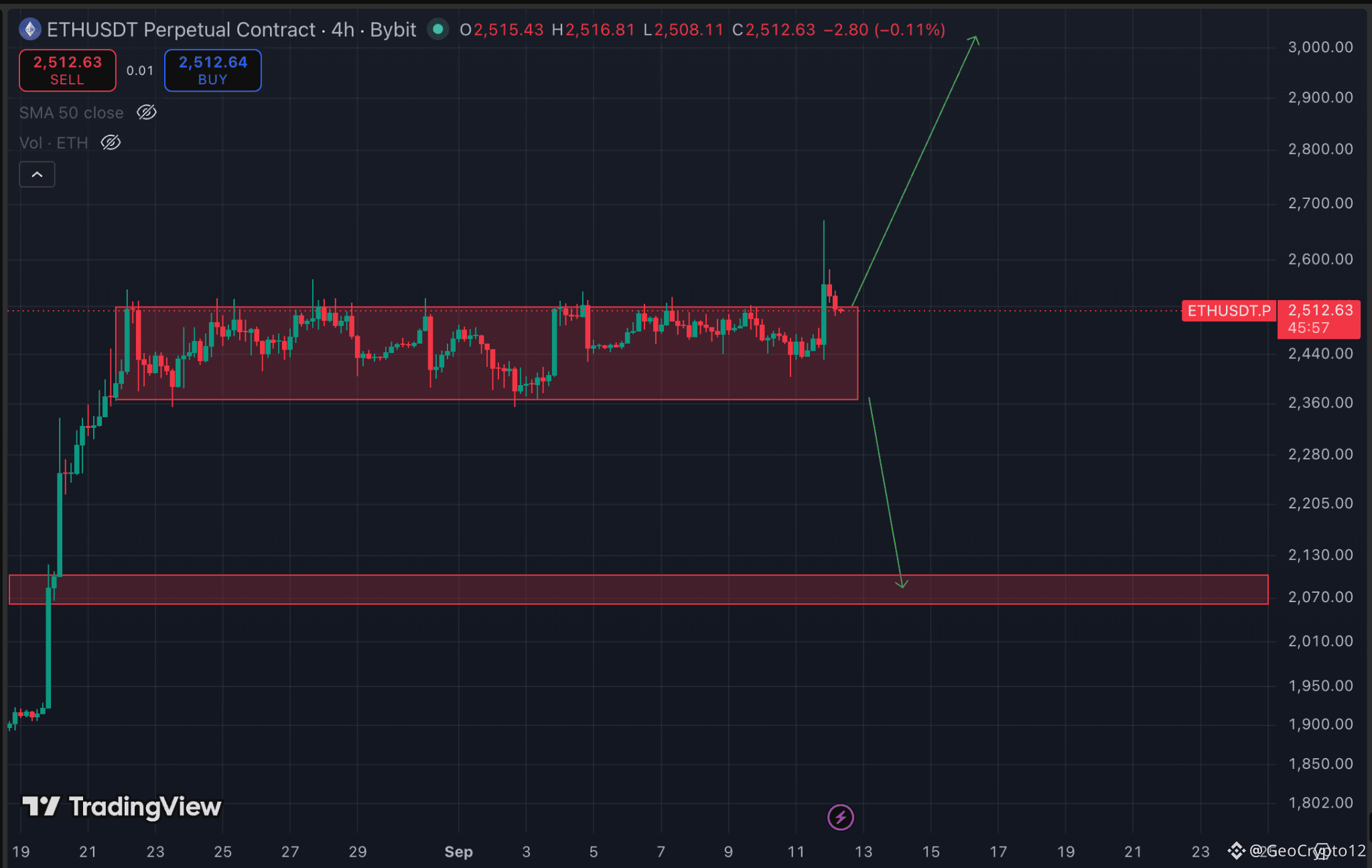
$ETHの「強気トラップ」か、それとも巨大なポンプの始まりか?
価格がレンジ上限を一瞬突き抜けたが、いまはブレイクアウトゾーンのすぐ近くに戻っている。
ここがすべてを決めるポイントだ。
$2,500を維持できれば、$ETHは$3Kへ向かうと思う。
もう一度レンジを失うなら、そのヒゲは釣りで、$2,100までの急落の前兆だっただけだ。
ここに中間はない。
強気派は今すぐ証明する必要がある。
$ETHの「強気トラップ」か、それとも巨大なポンプの始まりか?
価格がレンジ上限を一瞬突き抜けたが、いまはブレイクアウトゾーンのすぐ近くに戻っている。
ここがすべてを決めるポイントだ。
$2,500を維持できれば、$ETHは$3Kへ向かうと思う。
もう一度レンジを失うなら、そのヒゲは釣りで、$2,100までの急落の前兆だっただけだ。
ここに中間はない。
強気派は今すぐ証明する必要がある。
価格がレンジ上限を一瞬突き抜けたが、いまはブレイクアウトゾーンのすぐ近くに戻っている。
ここがすべてを決めるポイントだ。
$2,500を維持できれば、$ETHは$3Kへ向かうと思う。
もう一度レンジを失うなら、そのヒゲは釣りで、$2,100までの急落の前兆だっただけだ。
ここに中間はない。
強気派は今すぐ証明する必要がある。
372
·
--
翻訳参照
7 Mistakes That Lose Money When You Copy a Solana Wallet, and the Setting That Fixes Each
Seven mistakes sit behind most accounts that lose money after they copy a Solana wallet. $SOL memecoins punish each one within days.
1) Sizing the mirrored buy to match the wallet you copy. Fix: a fixed buy amount, so the trade costs the same no matter what the original wallet risked on that entry.
2) Buying the same token again every time the wallet you copy re-enters it. Fix: one entry per token on $SOL, so a repeat buy on a coin you already hold gets blocked automatically.
3) Running the copy with no exit rule at all. Fix: a stop loss, plus a trailing stop that moves up as the price does and locks in gains on the way.
4) Copying a wallet that is itself a copier, so you copy a Solana wallet with no edge of its own and get every trade two steps late. Fix: watch its entries next to another address for a day before adding it.
5) Copying wallets outside the market-cap band you actually trade, so a micro-cap wallet drags you into volatility you would never choose. Fix: a Min/Max Market Cap filter on the copy.
6) Following a wallet because of one lucky week, before it has traded through a red one. Fix: a 30-day minimum record before any wallet goes on the list.
7) Never reviewing a mirror that has gone quiet, so a wallet that stopped trading two months ago still sits in your copy list. Fix: a weekly review, unfollow anything silent for two weeks.
Settings named Buy Fixed, Buy Only Once, Trailing Stop Loss and Min/Max Market Cap, inside a copy trade tool such as Banana Gun, cover mistakes one, two, three and five. The other three are habits, and no setting replaces them.
A fixed buy amount caps the loss on a bad copy, and it caps the win on a good one too.
Which of these seven mistakes is sitting in your copy trade settings right now?
#Copytrading #solana
7 Mistakes That Lose Money When You Copy a Solana Wallet, and the Setting That Fixes Each
Seven mistakes sit behind most accounts that lose money after they copy a Solana wallet. $SOL memecoins punish each one within days.
1) Sizing the mirrored buy to match the wallet you copy. Fix: a fixed buy amount, so the trade costs the same no matter what the original wallet risked on that entry.
2) Buying the same token again every time the wallet you copy re-enters it. Fix: one entry per token on $SOL , so a repeat buy on a coin you already hold gets blocked automatically.
3) Running the copy with no exit rule at all. Fix: a stop loss, plus a trailing stop that moves up as the price does and locks in gains on the way.
4) Copying a wallet that is itself a copier, so you copy a Solana wallet with no edge of its own and get every trade two steps late. Fix: watch its entries next to another address for a day before adding it.
5) Copying wallets outside the market-cap band you actually trade, so a micro-cap wallet drags you into volatility you would never choose. Fix: a Min/Max Market Cap filter on the copy.
6) Following a wallet because of one lucky week, before it has traded through a red one. Fix: a 30-day minimum record before any wallet goes on the list.
7) Never reviewing a mirror that has gone quiet, so a wallet that stopped trading two months ago still sits in your copy list. Fix: a weekly review, unfollow anything silent for two weeks.
Settings named Buy Fixed, Buy Only Once, Trailing Stop Loss and Min/Max Market Cap, inside a copy trade tool such as Banana Gun, cover mistakes one, two, three and five. The other three are habits, and no setting replaces them.
A fixed buy amount caps the loss on a bad copy, and it caps the win on a good one too.
Which of these seven mistakes is sitting in your copy trade settings right now?
#Copytrading #solana
Seven mistakes sit behind most accounts that lose money after they copy a Solana wallet. $SOL memecoins punish each one within days.
1) Sizing the mirrored buy to match the wallet you copy. Fix: a fixed buy amount, so the trade costs the same no matter what the original wallet risked on that entry.
2) Buying the same token again every time the wallet you copy re-enters it. Fix: one entry per token on $SOL , so a repeat buy on a coin you already hold gets blocked automatically.
3) Running the copy with no exit rule at all. Fix: a stop loss, plus a trailing stop that moves up as the price does and locks in gains on the way.
4) Copying a wallet that is itself a copier, so you copy a Solana wallet with no edge of its own and get every trade two steps late. Fix: watch its entries next to another address for a day before adding it.
5) Copying wallets outside the market-cap band you actually trade, so a micro-cap wallet drags you into volatility you would never choose. Fix: a Min/Max Market Cap filter on the copy.
6) Following a wallet because of one lucky week, before it has traded through a red one. Fix: a 30-day minimum record before any wallet goes on the list.
7) Never reviewing a mirror that has gone quiet, so a wallet that stopped trading two months ago still sits in your copy list. Fix: a weekly review, unfollow anything silent for two weeks.
Settings named Buy Fixed, Buy Only Once, Trailing Stop Loss and Min/Max Market Cap, inside a copy trade tool such as Banana Gun, cover mistakes one, two, three and five. The other three are habits, and no setting replaces them.
A fixed buy amount caps the loss on a bad copy, and it caps the win on a good one too.
Which of these seven mistakes is sitting in your copy trade settings right now?
#Copytrading #solana

70
·
--
翻訳参照
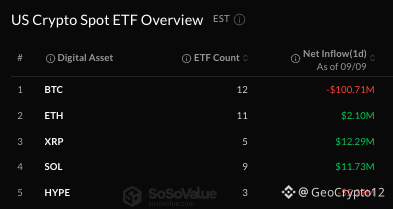
BTC ETF flows are bleeding while alts are quietly catching bids.
1D net flows:
$BTC: -$100.7M
$ETH: +$2.1M
$XRP: +$12.3M
$SOL: +$11.7M
$HYPE: -$5.3M
That’s the part worth watching.
Money isn’t leaving crypto equally.
It’s rotating.
BTC takes the outflow, while XRP and SOL are getting fresh ETF inflows.
If this keeps up, alt rotation gets very real.
BTC ETF flows are bleeding while alts are quietly catching bids.
1D net flows:
$BTC: -$100.7M
$ETH: +$2.1M
$XRP: +$12.3M
$SOL: +$11.7M
$HYPE: -$5.3M
That’s the part worth watching.
Money isn’t leaving crypto equally.
It’s rotating.
BTC takes the outflow, while XRP and SOL are getting fresh ETF inflows.
If this keeps up, alt rotation gets very real.
1D net flows:
$BTC: -$100.7M
$ETH: +$2.1M
$XRP: +$12.3M
$SOL: +$11.7M
$HYPE: -$5.3M
That’s the part worth watching.
Money isn’t leaving crypto equally.
It’s rotating.
BTC takes the outflow, while XRP and SOL are getting fresh ETF inflows.
If this keeps up, alt rotation gets very real.
88
·
--
コピー取引(Copy Trade)に最適なPolymarketウォレットの見つけ方:勝率、賭け金額、カテゴリ
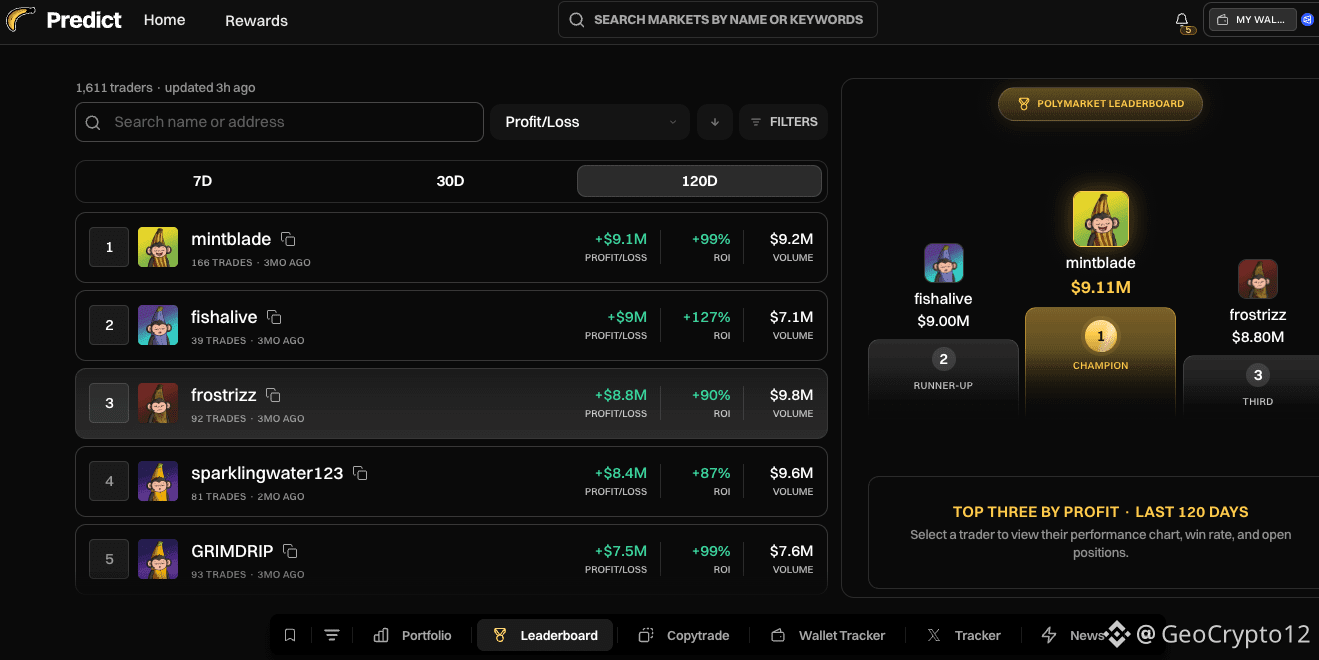
コピー取引に最適なPolymarketウォレットは、P/Lで並ぶランキングの一番上にあるものではありません。
そのボードのすべての賭けはPolygon上で決済されるため、$POL がそれらすべての下に入り込んでいても、並べ替えはスキルについて何も教えてくれません。
ウォレットを特定するには3つの確認が有効です:市場数に対する勝率、賭け金額、そしてカテゴリの広がり(分散)。
Binance SquareのBiteyeガイドでも、ポイントをはっきり述べています。$200,000も含むようなアドレスでも、50回の安定した勝ちが積み上がった結果かもしれませんし、二度と繰り返さない運だけの1回の勝負かもしれません。ドル総額では判別できません。
P/Lで並べ替えると、マーケットの決済直前に最後の数セントを買いに来たアドレスも拾ってしまいます。
$POL がガスになっているPolygonでは、結果としてほぼ100%の勝率になりやすい一方、利益はほとんど出ません。
裁定取引(Arbitrage)ボットは同じランキングに高い勝率で現れますが、コピー取引はできません。
確認1:勝率(市場数の横)
勝率をP/Lと、さらにそのアドレスが触れた市場数と照らし合わせて読みます。
市場300件で勝率70%は、市場10件で勝率80%よりも強いです。市場数が非常に多い場合、それだけでボットが動かしている可能性が高いことが多いです。
確認2:賭け金額
コピー可能なウォレットは、ケリーのロジックのように賭けを組み立てます。ホットな連勝が今いくら支払っているかを追いかけるのではなく、自信(確信度)と運用資金(バンクロール)に応じて賭け金を調整します。1つのポジションで1か月分の勝ちを吹き飛ばしてしまうほど大きくなることはありません。
確認3:カテゴリの広がり
$BANANA Predictでトレーダープロフィールを開き、カテゴリ内訳を勝率と照らし合わせて確認してください。
3つか4つの話題で勝てるウォレットは、政治分野でしか勝たないウォレットより読み取りやすいです。
市場数が30未満なら、どれも当てはまりません。勝率はノイズであり、サンプルが小さすぎて、そのウォレットを「コピー取引に最適なPolymarketウォレット」とは断言できません。
この3つの確認のうち、あなたの現在のコピーリストは最初にどれで失格になるでしょうか?
#Polymarket #PredictionMarkets #CopyTrading #Write2Earn
コピー取引(Copy Trade)に最適なPolymarketウォレットの見つけ方:勝率、賭け金額、カテゴリ
コピー取引に最適なPolymarketウォレットは、P/Lで並ぶランキングの一番上にあるものではありません。
そのボードのすべての賭けはPolygon上で決済されるため、$POL がそれらすべての下に入り込んでいても、並べ替えはスキルについて何も教えてくれません。
ウォレットを特定するには3つの確認が有効です:市場数に対する勝率、賭け金額、そしてカテゴリの広がり(分散)。
Binance SquareのBiteyeガイドでも、ポイントをはっきり述べています。$200,000も含むようなアドレスでも、50回の安定した勝ちが積み上がった結果かもしれませんし、二度と繰り返さない運だけの1回の勝負かもしれません。ドル総額では判別できません。
P/Lで並べ替えると、マーケットの決済直前に最後の数セントを買いに来たアドレスも拾ってしまいます。
$POL がガスになっているPolygonでは、結果としてほぼ100%の勝率になりやすい一方、利益はほとんど出ません。
裁定取引(Arbitrage)ボットは同じランキングに高い勝率で現れますが、コピー取引はできません。
確認1:勝率(市場数の横)
勝率をP/Lと、さらにそのアドレスが触れた市場数と照らし合わせて読みます。
市場300件で勝率70%は、市場10件で勝率80%よりも強いです。市場数が非常に多い場合、それだけでボットが動かしている可能性が高いことが多いです。
確認2:賭け金額
コピー可能なウォレットは、ケリーのロジックのように賭けを組み立てます。ホットな連勝が今いくら支払っているかを追いかけるのではなく、自信(確信度)と運用資金(バンクロール)に応じて賭け金を調整します。1つのポジションで1か月分の勝ちを吹き飛ばしてしまうほど大きくなることはありません。
確認3:カテゴリの広がり
$BANANA Predictでトレーダープロフィールを開き、カテゴリ内訳を勝率と照らし合わせて確認してください。
3つか4つの話題で勝てるウォレットは、政治分野でしか勝たないウォレットより読み取りやすいです。
市場数が30未満なら、どれも当てはまりません。勝率はノイズであり、サンプルが小さすぎて、そのウォレットを「コピー取引に最適なPolymarketウォレット」とは断言できません。
この3つの確認のうち、あなたの現在のコピーリストは最初にどれで失格になるでしょうか?
#Polymarket #PredictionMarkets #CopyTrading #Write2Earn
コピー取引に最適なPolymarketウォレットは、P/Lで並ぶランキングの一番上にあるものではありません。
そのボードのすべての賭けはPolygon上で決済されるため、$POL がそれらすべての下に入り込んでいても、並べ替えはスキルについて何も教えてくれません。
ウォレットを特定するには3つの確認が有効です:市場数に対する勝率、賭け金額、そしてカテゴリの広がり(分散)。
Binance SquareのBiteyeガイドでも、ポイントをはっきり述べています。$200,000も含むようなアドレスでも、50回の安定した勝ちが積み上がった結果かもしれませんし、二度と繰り返さない運だけの1回の勝負かもしれません。ドル総額では判別できません。
P/Lで並べ替えると、マーケットの決済直前に最後の数セントを買いに来たアドレスも拾ってしまいます。
$POL がガスになっているPolygonでは、結果としてほぼ100%の勝率になりやすい一方、利益はほとんど出ません。
裁定取引(Arbitrage)ボットは同じランキングに高い勝率で現れますが、コピー取引はできません。
確認1:勝率(市場数の横)
勝率をP/Lと、さらにそのアドレスが触れた市場数と照らし合わせて読みます。
市場300件で勝率70%は、市場10件で勝率80%よりも強いです。市場数が非常に多い場合、それだけでボットが動かしている可能性が高いことが多いです。
確認2:賭け金額
コピー可能なウォレットは、ケリーのロジックのように賭けを組み立てます。ホットな連勝が今いくら支払っているかを追いかけるのではなく、自信(確信度)と運用資金(バンクロール)に応じて賭け金を調整します。1つのポジションで1か月分の勝ちを吹き飛ばしてしまうほど大きくなることはありません。
確認3:カテゴリの広がり
$BANANA Predictでトレーダープロフィールを開き、カテゴリ内訳を勝率と照らし合わせて確認してください。
3つか4つの話題で勝てるウォレットは、政治分野でしか勝たないウォレットより読み取りやすいです。
市場数が30未満なら、どれも当てはまりません。勝率はノイズであり、サンプルが小さすぎて、そのウォレットを「コピー取引に最適なPolymarketウォレット」とは断言できません。
この3つの確認のうち、あなたの現在のコピーリストは最初にどれで失格になるでしょうか?
#Polymarket #PredictionMarkets #CopyTrading #Write2Earn
1
141
·
--
翻訳参照
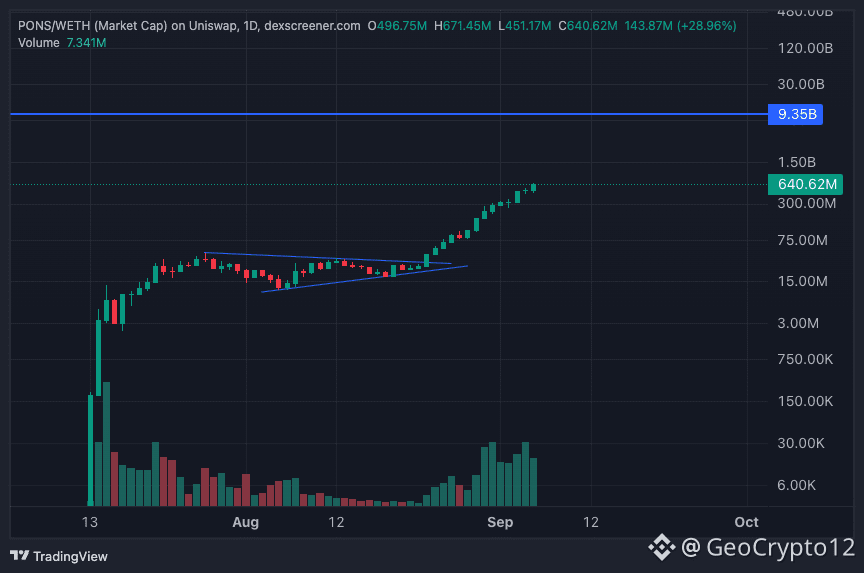
$PONS is heading for that first real target: $9B mcap.
Current mcap is around $640M, so that’s still roughly a 14x from here.
And honestly?
You can hate it, fade it, call it stupid, whatever.
The chart does not care.
Robinhood Chain is becoming the bridge for Wall Street money to enter memecoins, and $PONS is leading the whole thing like a final boss.
#pons welcoming trillions.
Only in crypto.
Sidelined?
$PONS is heading for that first real target: $9B mcap.
Current mcap is around $640M, so that’s still roughly a 14x from here.
And honestly?
You can hate it, fade it, call it stupid, whatever.
The chart does not care.
Robinhood Chain is becoming the bridge for Wall Street money to enter memecoins, and $PONS is leading the whole thing like a final boss.
#pons welcoming trillions.
Only in crypto.
Sidelined?
Current mcap is around $640M, so that’s still roughly a 14x from here.
And honestly?
You can hate it, fade it, call it stupid, whatever.
The chart does not care.
Robinhood Chain is becoming the bridge for Wall Street money to enter memecoins, and $PONS is leading the whole thing like a final boss.
#pons welcoming trillions.
Only in crypto.
Sidelined?
1
87
·
--
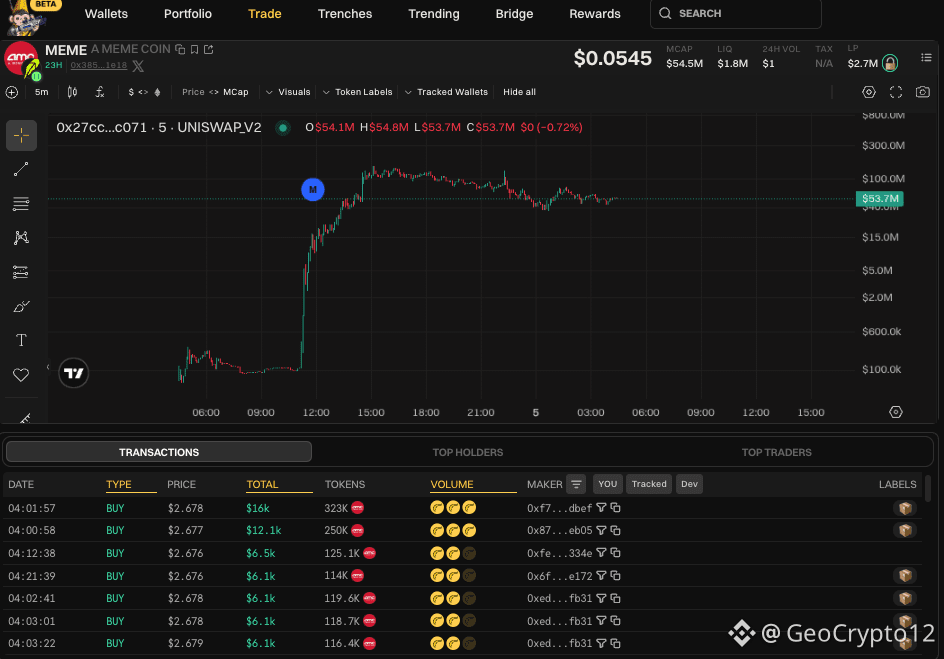
オンチェーンのミームコインを買っただけで、持っているだけで$AMCの株式配当がもらえるところを想像してみてください。
それが、まさに今、現実に起きています。
私はさっき Robinhood Chain で @BananaGunBot bot を使って $MEME を一気に買いました。
ウォレットに入れて保有していると、$AMC の配当はそのまま私の $BANANA bot ウォレットに送られます。
株式報酬つきのミームコインは今もう稼働中なのに、ほとんどの人はまだその存在を知りません。
まだ始まったばかりです。
オンチェーンのミームコインを買っただけで、持っているだけで$AMCの株式配当がもらえるところを想像してみてください。
それが、まさに今、現実に起きています。
私はさっき Robinhood Chain で @BananaGun bot を使って $MEME を一気に買いました。
ウォレットに入れて保有していると、$AMC の配当はそのまま私の $BANANA bot ウォレットに送られます。
株式報酬つきのミームコインは今もう稼働中なのに、ほとんどの人はまだその存在を知りません。
まだ始まったばかりです。
それが、まさに今、現実に起きています。
私はさっき Robinhood Chain で @BananaGun bot を使って $MEME を一気に買いました。
ウォレットに入れて保有していると、$AMC の配当はそのまま私の $BANANA bot ウォレットに送られます。
株式報酬つきのミームコインは今もう稼働中なのに、ほとんどの人はまだその存在を知りません。
まだ始まったばかりです。
1
160
·
--
ブリッシュ
翻訳参照
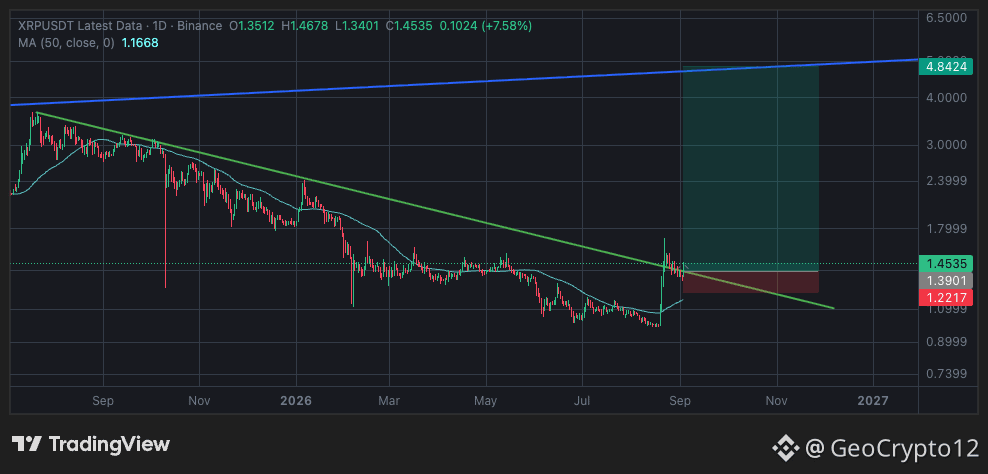
$XRP finally broke the monthly downtrend.
Retest already happened, now it’s grinding back up.
This is the kind of setup I like:
Entry zone: $1.35-$1.45
Better bids: $1.25-$1.30
Invalidation: below $1.20-$1.22
First target: $1.80
Next target: $2.40-$3.00
Main target: $4.80
As long as $XRP holds above the breakout/retest zone, bulls still have control.
Break $1.60 clean and this probably starts moving faster.
Chart looks ready for the next leg.
$XRP finally broke the monthly downtrend.
Retest already happened, now it’s grinding back up.
This is the kind of setup I like:
Entry zone: $1.35-$1.45
Better bids: $1.25-$1.30
Invalidation: below $1.20-$1.22
First target: $1.80
Next target: $2.40-$3.00
Main target: $4.80
As long as $XRP holds above the breakout/retest zone, bulls still have control.
Break $1.60 clean and this probably starts moving faster.
Chart looks ready for the next leg.
Retest already happened, now it’s grinding back up.
This is the kind of setup I like:
Entry zone: $1.35-$1.45
Better bids: $1.25-$1.30
Invalidation: below $1.20-$1.22
First target: $1.80
Next target: $2.40-$3.00
Main target: $4.80
As long as $XRP holds above the breakout/retest zone, bulls still have control.
Break $1.60 clean and this probably starts moving faster.
Chart looks ready for the next leg.
99
·
--
翻訳参照
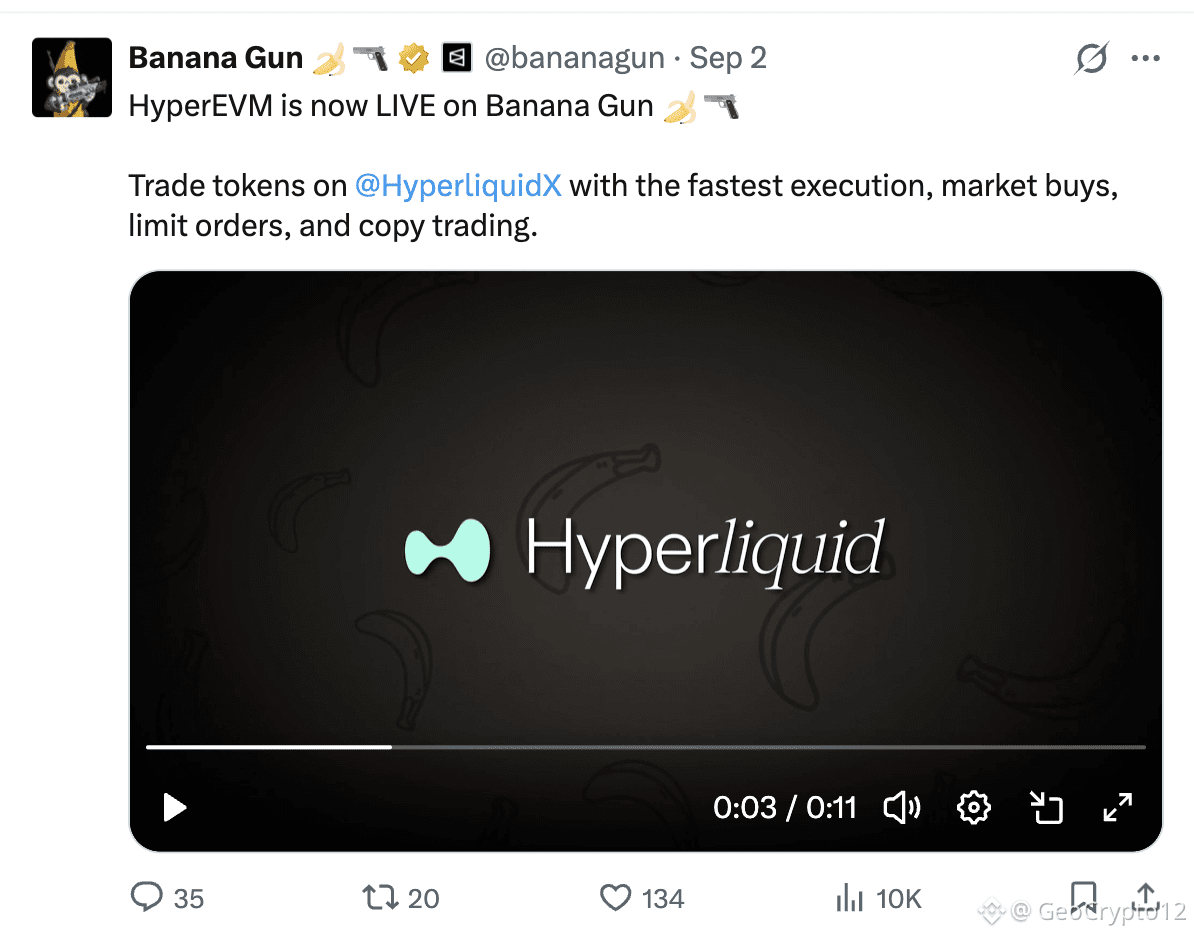
Holy shit I’m getting even more bullish on $BANANA
@BananaGunBot just expanded into the Hyperliquid trenches with HyperEVM.
Another chain means another place for traders to use Banana Bot and Pro.
More users coming in. I like where this is going.
Holy shit I’m getting even more bullish on $BANANA
@BananaGun just expanded into the Hyperliquid trenches with HyperEVM.
Another chain means another place for traders to use Banana Bot and Pro.
More users coming in. I like where this is going.
@BananaGun just expanded into the Hyperliquid trenches with HyperEVM.
Another chain means another place for traders to use Banana Bot and Pro.
More users coming in. I like where this is going.
146
·
--
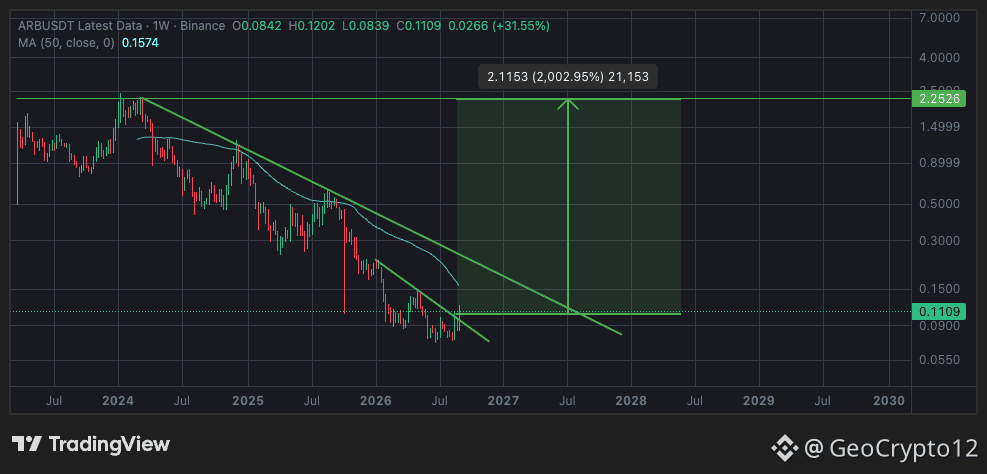
今から$ARB のところに10,000ドルを入れます。
今この瞬間、ボード上でかなり分かりやすい(手堅い)スポットポジションの一つに見えます。
チャートは0.11ドル前後で、地下室の奥みたいなところにいます。一方で、古いブレイクアウトゾーンはまだ2.25ドル付近にあります。
もし#ARB がそこに再び戻ってきたら、その10Kはおよそ203Kになります。
手数料を差し引く前の利益は約193Kです。
仕組みはシンプルです:
0.09〜0.10ドル = まだ底が生きている
0.15〜0.16ドルを回復 = トレンドが変わり始める
週足の下降トレンドをブレイク = 本当の値動きが始まる
目標ゾーン = 2ドル+
みんな今はそれを嫌がっています。
だいたい、そういうときこそ一番簡単な仕込み(有利な場面)のチャンスが生まれます。
今から$ARB のところに10,000ドルを入れます。
今この瞬間、ボード上でかなり分かりやすい(手堅い)スポットポジションの一つに見えます。
チャートは0.11ドル前後で、地下室の奥みたいなところにいます。一方で、古いブレイクアウトゾーンはまだ2.25ドル付近にあります。
もし#ARB がそこに再び戻ってきたら、その10Kはおよそ203Kになります。
手数料を差し引く前の利益は約193Kです。
仕組みはシンプルです:
0.09〜0.10ドル = まだ底が生きている
0.15〜0.16ドルを回復 = トレンドが変わり始める
週足の下降トレンドをブレイク = 本当の値動きが始まる
目標ゾーン = 2ドル+
みんな今はそれを嫌がっています。
だいたい、そういうときこそ一番簡単な仕込み(有利な場面)のチャンスが生まれます。
今この瞬間、ボード上でかなり分かりやすい(手堅い)スポットポジションの一つに見えます。
チャートは0.11ドル前後で、地下室の奥みたいなところにいます。一方で、古いブレイクアウトゾーンはまだ2.25ドル付近にあります。
もし#ARB がそこに再び戻ってきたら、その10Kはおよそ203Kになります。
手数料を差し引く前の利益は約193Kです。
仕組みはシンプルです:
0.09〜0.10ドル = まだ底が生きている
0.15〜0.16ドルを回復 = トレンドが変わり始める
週足の下降トレンドをブレイク = 本当の値動きが始まる
目標ゾーン = 2ドル+
みんな今はそれを嫌がっています。
だいたい、そういうときこそ一番簡単な仕込み(有利な場面)のチャンスが生まれます。
124
·
--
ここ($BANANA )について、私はかなり強気です。
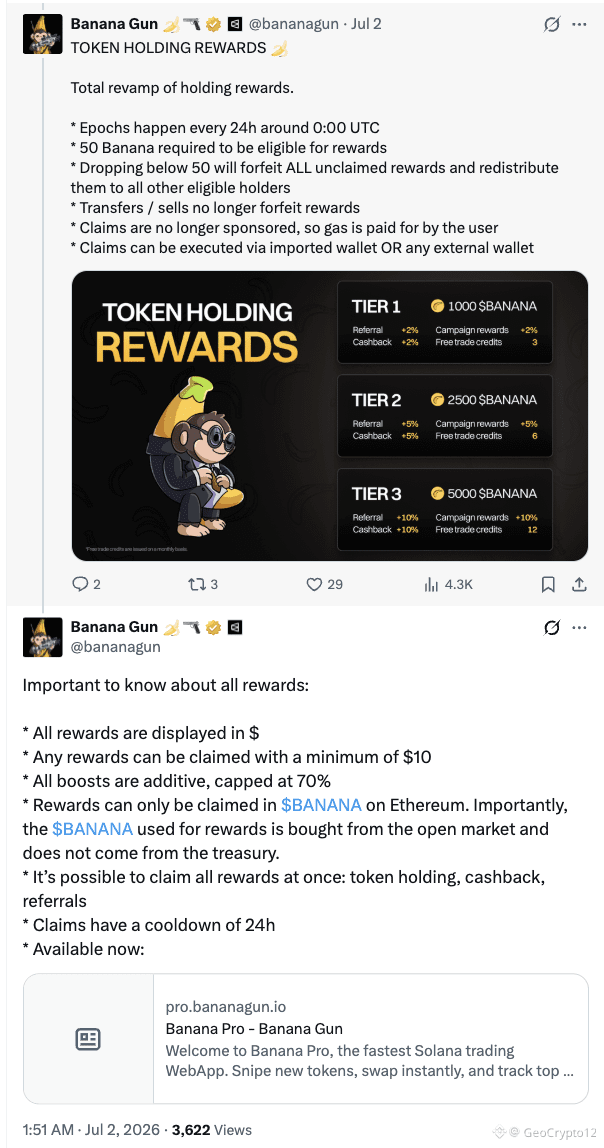
ミームコイン・シーズンがまた加熱してきていて、バナナはすでに7月に報酬システムを丸ごと刷新しました。
そのアップデートは底をつけたように見えます。
トークン保有報酬、キャッシュバックのブースト、無料のトレードクレジット、紹介、キャンペーン報酬、そしてオープンマーケットで購入したバナナにより獲得した報酬。
最後の部分が重要です。
利用が増えるほど、報酬が増える=バナナの需要が増える。
塹壕がまた動き出していて、バナナはミームコインの取引量が戻ってきたときに実際に恩恵を受ける数少ないボットトークンの一つです。
市場はまだこれを過小評価していると思います。BANANA
ここ($BANANA )について、私はかなり強気です。
ミームコイン・シーズンがまた加熱してきていて、バナナはすでに7月に報酬システムを丸ごと刷新しました。
そのアップデートは底をつけたように見えます。
トークン保有報酬、キャッシュバックのブースト、無料のトレードクレジット、紹介、キャンペーン報酬、そしてオープンマーケットで購入したバナナにより獲得した報酬。
最後の部分が重要です。
利用が増えるほど、報酬が増える=バナナの需要が増える。
塹壕がまた動き出していて、バナナはミームコインの取引量が戻ってきたときに実際に恩恵を受ける数少ないボットトークンの一つです。
市場はまだこれを過小評価していると思います。BANANA
ミームコイン・シーズンがまた加熱してきていて、バナナはすでに7月に報酬システムを丸ごと刷新しました。
そのアップデートは底をつけたように見えます。
トークン保有報酬、キャッシュバックのブースト、無料のトレードクレジット、紹介、キャンペーン報酬、そしてオープンマーケットで購入したバナナにより獲得した報酬。
最後の部分が重要です。
利用が増えるほど、報酬が増える=バナナの需要が増える。
塹壕がまた動き出していて、バナナはミームコインの取引量が戻ってきたときに実際に恩恵を受ける数少ないボットトークンの一つです。
市場はまだこれを過小評価していると思います。BANANA
128
·
--
$3.80のサポート + そのトークンの背後にあるアクティブなプロダクトは、ただランダムなアルトの反発を追いかけるだけよりずっと良い構えだ
$3.80のサポート + そのトークンの背後にあるアクティブなプロダクトは、ただランダムなアルトの反発を追いかけるだけよりずっと良い構えだ

One Idea
·
--
🍌 $BANANA | LONGの準備 — 上昇の反転可能性
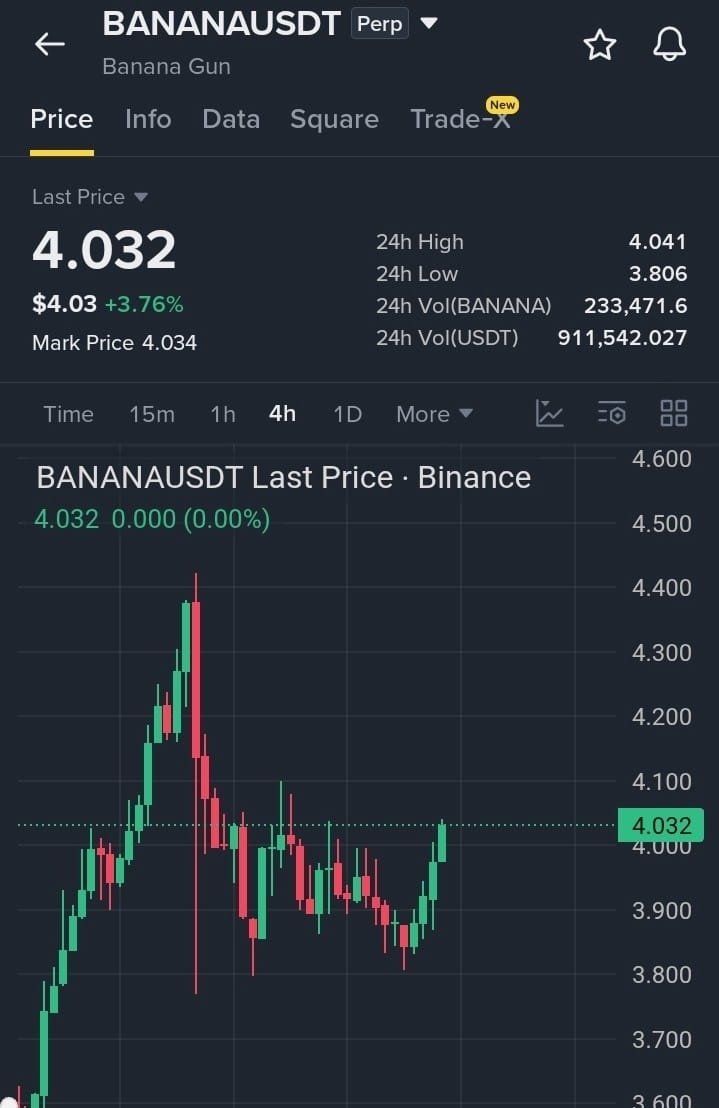
$BANANA は、サポート$3.80のゾーンから強い回復を示しており、4H足ではより高い安値の形成が始まり、買い圧の回帰が見られます。現在、価格は$4.00のレジスタンスをテストしており、次の値動きを確認する鍵は$4.05です。 📈
🟢 取引プラン
エントリーエリア: $3.96 – $4.03
🛑 損切り: $3.82
🎯 TP1: $4.10
🎯 TP2: $4.22
🎯 TP3: $4.50
$BANANA
$BANANA は、サポート$3.80のゾーンから強い回復を示しており、4H足ではより高い安値の形成が始まり、買い圧の回帰が見られます。現在、価格は$4.00のレジスタンスをテストしており、次の値動きを確認する鍵は$4.05です。 📈
🟢 取引プラン
エントリーエリア: $3.96 – $4.03
🛑 損切り: $3.82
🎯 TP1: $4.10
🎯 TP2: $4.22
🎯 TP3: $4.50
$BANANA
·
--
このベースは思われているより健康的に見えます。製品の使用+4.05ドルを超えるクリーンな区切りで、$BANANAがすぐに目を覚ますかもしれません
このベースは思われているより健康的に見えます。製品の使用+4.05ドルを超えるクリーンな区切りで、$BANANAがすぐに目を覚ますかもしれません

Mafia Internet Trade
·
--
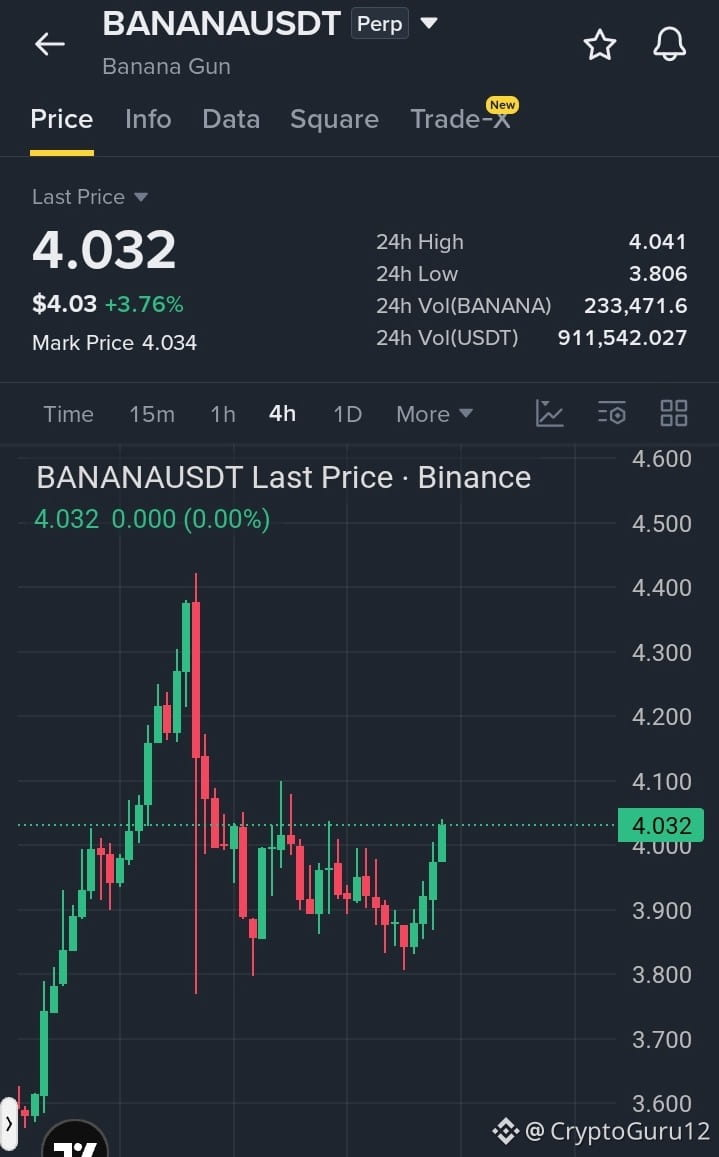
$BANANA 爆発的なモメンタムを構築:買い手がサポートを守り、売りの流動性を吸収する! ⚡ 🐂
エントリー:3.96 - 4.03 ⚡
目標:4.15 / 4.30 / 4.50 🚀
損切り:3.82 ⚠️
$BANANA は$3.80の水準に強固なフロアを築き、4Hチャートで一貫した高値切り上げを形成しながら、強気の買いが$4.00のレジスタンス壁に食い込むように入ってきています。📊
決定的な$4.05超えが起これば、上方向への拡大に向けた道が開け、遅れてショートした人たちは素早い流動性スイープ(清算の刈り取り)で露出したままになります。💡
大口資金は、主な加速局面が展開される前に、静かにこの構造的な土台を強化しています。💬 あなたはこの$4.05が反転する前に先回りしますか?それとも確証を待ちますか?👇
⚠️ これは金融アドバイスではありません。必ずリスク管理をしてください。🛡️
🏷️ #BANANA #BullishReversal #Breakout #Crypto
⚡ 💎
エントリー:3.96 - 4.03 ⚡
目標:4.15 / 4.30 / 4.50 🚀
損切り:3.82 ⚠️
$BANANA は$3.80の水準に強固なフロアを築き、4Hチャートで一貫した高値切り上げを形成しながら、強気の買いが$4.00のレジスタンス壁に食い込むように入ってきています。📊
決定的な$4.05超えが起これば、上方向への拡大に向けた道が開け、遅れてショートした人たちは素早い流動性スイープ(清算の刈り取り)で露出したままになります。💡
大口資金は、主な加速局面が展開される前に、静かにこの構造的な土台を強化しています。💬 あなたはこの$4.05が反転する前に先回りしますか?それとも確証を待ちますか?👇
⚠️ これは金融アドバイスではありません。必ずリスク管理をしてください。🛡️
🏷️ #BANANA #BullishReversal #Breakout #Crypto
⚡ 💎
105
·
--
ええ、このレンジはだんだんタイトになってきてますね。バナナ Pro + ボットの使用は、チャートだけの場合よりも強気でいる理由をもっと与えてくれます
ええ、このレンジはだんだんタイトになってきてますね。バナナ Pro + ボットの使用は、チャートだけの場合よりも強気でいる理由をもっと与えてくれます
NightHawkTraderPro
·
--
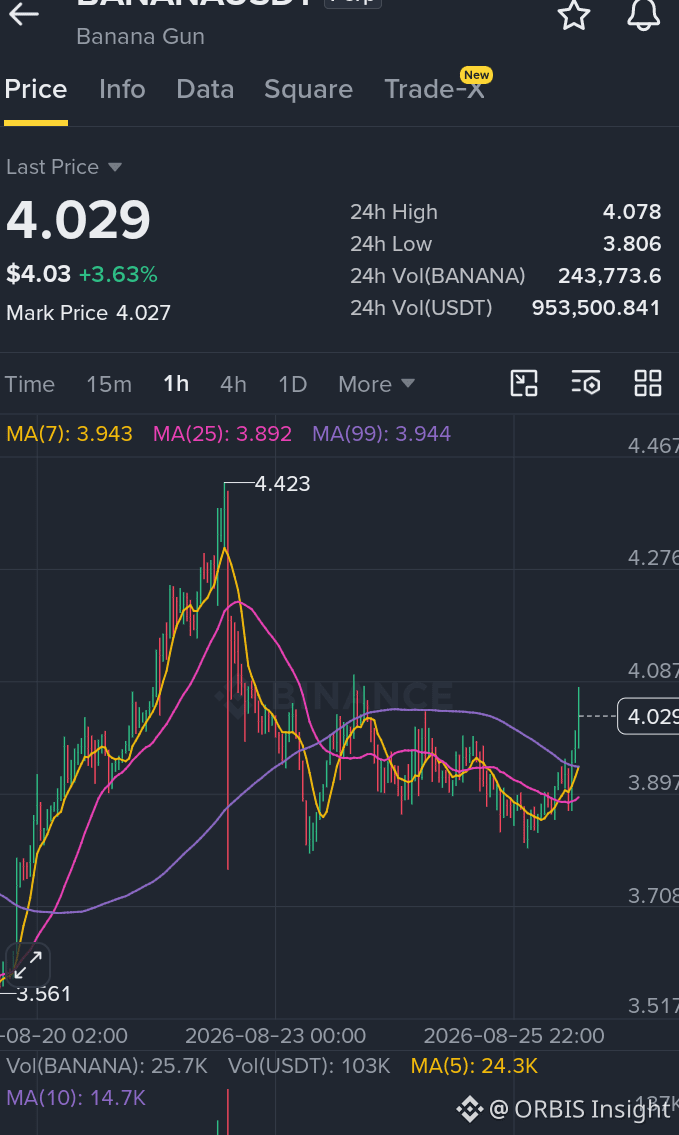
💥 $BANANA より高い安値を印刷し、スマートマネーが爆発的ブレイクに備える! 📈
エントリー: 3.96 - 4.03 ⚡
目標: 4.15 - 4.30 - 4.50 🚀
ストップロス: 3.82 ⚠️
4Hチャート($BANANA )は、明確な切り上げの安値の連続を描いており、どの押しでも着実に買いが吸収されています。📊 上方の抵抗は急速に薄れており、価格が重要な水準のすぐ下でエネルギーを蓄えるにつれて売り手が脆くなっています。
📌 ここでポジションを確立することで、勢いが入る前の最適なリスク・リワードを捉えられます。⚡ 心理的な抵抗が反転したら、オーダーフローが強い押しを生み、過去の高値付近へ向かって進む可能性が高いです。💬 これの拡大を先回りしますか、それともブレイクの確定を待ちますか?👇
⚠️ 金融アドバイスではありません。常にリスク管理を行ってください。🛡️
🏷️ #BANANA #LongSetup #Breakout #Crypto #Altcoins
🔥 💎
エントリー: 3.96 - 4.03 ⚡
目標: 4.15 - 4.30 - 4.50 🚀
ストップロス: 3.82 ⚠️
4Hチャート($BANANA )は、明確な切り上げの安値の連続を描いており、どの押しでも着実に買いが吸収されています。📊 上方の抵抗は急速に薄れており、価格が重要な水準のすぐ下でエネルギーを蓄えるにつれて売り手が脆くなっています。
📌 ここでポジションを確立することで、勢いが入る前の最適なリスク・リワードを捉えられます。⚡ 心理的な抵抗が反転したら、オーダーフローが強い押しを生み、過去の高値付近へ向かって進む可能性が高いです。💬 これの拡大を先回りしますか、それともブレイクの確定を待ちますか?👇
⚠️ 金融アドバイスではありません。常にリスク管理を行ってください。🛡️
🏷️ #BANANA #LongSetup #Breakout #Crypto #Altcoins
🔥 💎
26
·
--
買い手がこのゾーンを守り続け、さらにバナナが取引商品の拡大を続けるなら、その組み合わせはより大きな$BANANAの値動きを支えられるタイプです
買い手がこのゾーンを守り続け、さらにバナナが取引商品の拡大を続けるなら、その組み合わせはより大きな$BANANAの値動きを支えられるタイプです
TradeNexus2000
·
--
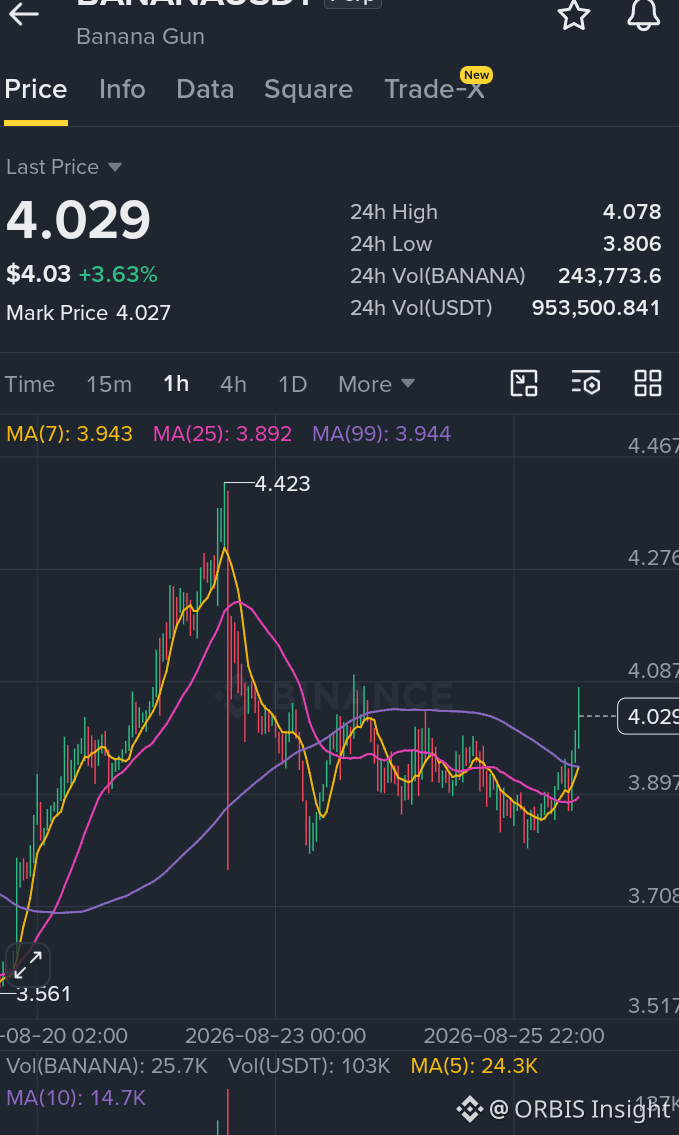
🚨 $BANANA より高値安値を形成中:機関投資家の蓄積による動き!拡大の準備が整った!⚡
エントリー:3.96 - 4.03 ⚡
目標:4.15 - 4.30 - 4.50 🚀
ストップロス:3.82 ⚠️
📌 $BANANA は4時間足で教科書的な構造的強さを見せており、継続して切り上げの安値を出しながら上値の流動性を吸収しています。🔍 直近のレジスタンス付近にある供給が大幅に薄れてきており、オーダーフローが差し迫って攻勢的な拡大フェーズへ移行することを示唆しています。
💡 スマートマネーが需要ゾーンを防衛し、残っていた売りの圧力を一掃しているため、上側の流動性プールへ向けた急速な上昇が仕掛けられる状態にあります。💬 この構造的な転換を先回りしますか?それとも、レジスタンス上抜けのクリーンな日足終値を待ちますか?👇
⚠️ 金融助言ではありません。常にリスク管理をしてください。🛡️
🏷️ #BANANA #Altcoins #MarketStructure #Breakout #Crypto
🎯 ⚡
エントリー:3.96 - 4.03 ⚡
目標:4.15 - 4.30 - 4.50 🚀
ストップロス:3.82 ⚠️
📌 $BANANA は4時間足で教科書的な構造的強さを見せており、継続して切り上げの安値を出しながら上値の流動性を吸収しています。🔍 直近のレジスタンス付近にある供給が大幅に薄れてきており、オーダーフローが差し迫って攻勢的な拡大フェーズへ移行することを示唆しています。
💡 スマートマネーが需要ゾーンを防衛し、残っていた売りの圧力を一掃しているため、上側の流動性プールへ向けた急速な上昇が仕掛けられる状態にあります。💬 この構造的な転換を先回りしますか?それとも、レジスタンス上抜けのクリーンな日足終値を待ちますか?👇
⚠️ 金融助言ではありません。常にリスク管理をしてください。🛡️
🏷️ #BANANA #Altcoins #MarketStructure #Breakout #Crypto
🎯 ⚡
94
·
--
翻訳参照
if Banana keeps growing the ecosystem while price holds this range, that’s a pretty solid setup for a bigger move later
if Banana keeps growing the ecosystem while price holds this range, that’s a pretty solid setup for a bigger move later


Jackson Liam
·
--
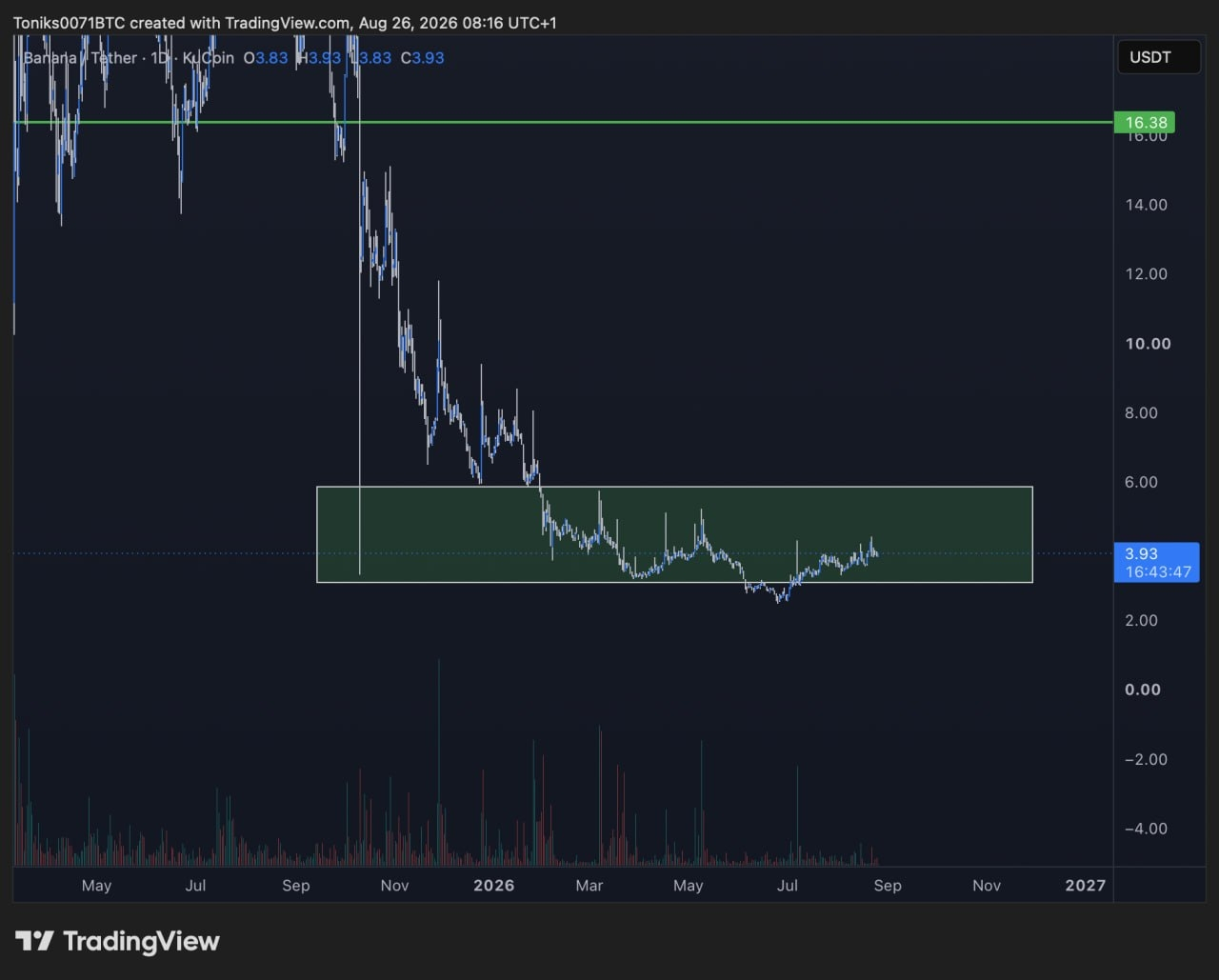
ブリッシュ$BANANA 🍌は今、かなり興味深い水準に座っています。
10/10/2025のあの巨大なヒゲは、もはやチャート上の昔のローソク足ではありません。それはアルトにとっての重要な集積ゾーンに変わり、BANANAは“最も影響し得る”そのエリアのど真ん中で取引されています。📊
私にとって本当のチャンスは$3〜$6の間です。
ここが、追いかけて大きなポンプを追うのではなく、注意深く見ながらポジションを組む場所です。💰
買い手がこのレンジを守り続け、モメンタムがアルト市場に戻ってくるなら、BANANAはとても素早く目を覚ますかもしれません。こうした静かなゾーンこそ、最も面白い動きが始まることが多いのです。
青い(上昇の)ローソク足を追いかける必要はありません。
ゾーンを見てください。
ボリューム(出来高)を見てください。
価格がどう反応するかを見てください。
$3〜$6は私の監視エリアです。🍌
今の忍耐が、後でワクワクに変わるかもしれません。
※これは投資助言ではありません。必ずリスク管理をしてください。
10/10/2025のあの巨大なヒゲは、もはやチャート上の昔のローソク足ではありません。それはアルトにとっての重要な集積ゾーンに変わり、BANANAは“最も影響し得る”そのエリアのど真ん中で取引されています。📊
私にとって本当のチャンスは$3〜$6の間です。
ここが、追いかけて大きなポンプを追うのではなく、注意深く見ながらポジションを組む場所です。💰
買い手がこのレンジを守り続け、モメンタムがアルト市場に戻ってくるなら、BANANAはとても素早く目を覚ますかもしれません。こうした静かなゾーンこそ、最も面白い動きが始まることが多いのです。
青い(上昇の)ローソク足を追いかける必要はありません。
ゾーンを見てください。
ボリューム(出来高)を見てください。
価格がどう反応するかを見てください。
$3〜$6は私の監視エリアです。🍌
今の忍耐が、後でワクワクに変わるかもしれません。
※これは投資助言ではありません。必ずリスク管理をしてください。
48
·
--
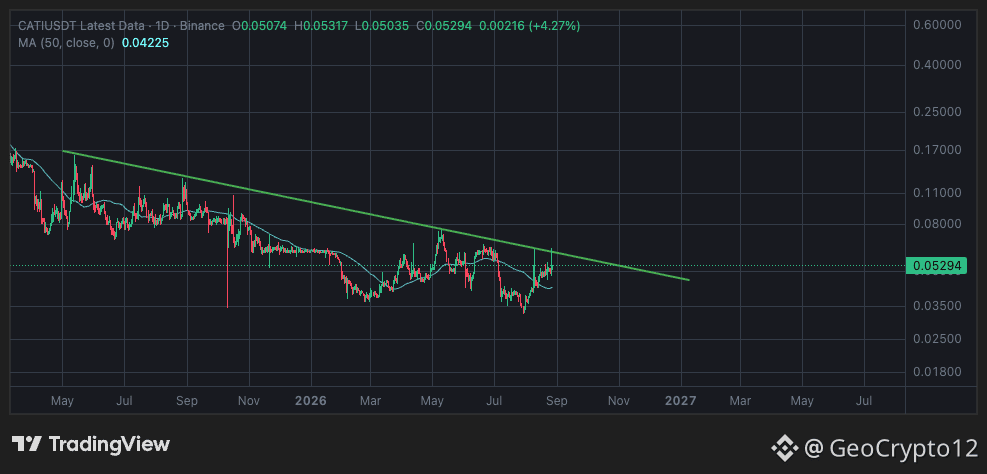
$CATI が再び面白くなってきたようです。
Binance Spotでトレンド入りし、価格が50D MAを上抜けており、さらにこれまでのバウンスをことごとく跳ね返してきた長い下降トレンドに“そのまま突っ込んで”います。
ここが重要な水準です。
$0.055〜$0.06を突破して維持できれば、$CATI は突然目を覚ますような、ああいう死にかけたTelegram/GameFi銘柄の1つに見えてきます。
$0.042を割り込むと、この仕掛けは弱くなります。
昔の相場の流れが戻ってくるのか、それともただの煽り(テイザー)に過ぎないのか?
$CATI が再び面白くなってきたようです。
Binance Spotでトレンド入りし、価格が50D MAを上抜けており、さらにこれまでのバウンスをことごとく跳ね返してきた長い下降トレンドに“そのまま突っ込んで”います。
ここが重要な水準です。
$0.055〜$0.06を突破して維持できれば、$CATI は突然目を覚ますような、ああいう死にかけたTelegram/GameFi銘柄の1つに見えてきます。
$0.042を割り込むと、この仕掛けは弱くなります。
昔の相場の流れが戻ってくるのか、それともただの煽り(テイザー)に過ぎないのか?
Binance Spotでトレンド入りし、価格が50D MAを上抜けており、さらにこれまでのバウンスをことごとく跳ね返してきた長い下降トレンドに“そのまま突っ込んで”います。
ここが重要な水準です。
$0.055〜$0.06を突破して維持できれば、$CATI は突然目を覚ますような、ああいう死にかけたTelegram/GameFi銘柄の1つに見えてきます。
$0.042を割り込むと、この仕掛けは弱くなります。
昔の相場の流れが戻ってくるのか、それともただの煽り(テイザー)に過ぎないのか?
71
·
--
翻訳参照
When the Solana Wallet You Copy Goes Quiet: What to Do With a Dead MirrorEvery copy trading setup on $SOL eventually runs into this. The wallet you followed, screened carefully and sized properly simply stops trading.
No blow up, no bad run, just silence. A week passes, then two. The setup is still live, still configured, still allocated, and producing nothing at all.
Silence is a signal, it just is not a clear one
A wallet going quiet can mean several things and the chain does not tell you which.
The trader may have moved to another address, which happens constantly and for ordinary reasons. They may have rotated to a different network. They may have stepped back deliberately because they do not like the current market, which is often the most competent thing a trader does.
Or they may have taken a loss large enough to stop. That version exists too, and it looks identical from outside.
You cannot distinguish these, so the useful question is not why. It is how long you are willing to keep capital committed to an address that is doing nothing.
The cost of a dead follow is not zero
This is the part people underestimate, because a quiet wallet generates no trades and therefore no visible losses.
The cost is allocation. Capital reserved for a wallet that has stopped trading is capital not working anywhere else. If you are running a small number of follows, one going dormant can idle a meaningful share of your account without ever showing up as a loss.
There is a second cost that is subtler. A dormant follow that suddenly wakes up after a month is not the wallet you screened. Whatever caused the pause may have changed how the person trades, and your settings were tuned to the version that existed before.
Set a review interval before you need one
The fix is a rule you write at setup time rather than a decision you make while wondering.
Pick a dormancy window and hold yourself to it. Something like two weeks with no activity triggers a review, and four weeks triggers a removal. The exact numbers matter less than having them fixed in advance, because otherwise dormant follows accumulate quietly and nobody ever prunes them.
When the review triggers, check whether the trader is visibly active elsewhere before deciding. A wallet quiet on $SOL may simply be busy on another chain.
Tools covering several networks make that check quick. Banana Gun spans Solana, Ethereum, Base, BNB Chain, MegaETH and Robinhood Chain, which puts the question in one place rather than three explorers.
Reallocate rather than replace in a hurry
The instinct when a follow dies is to find a new wallet immediately. Resist it for a moment.
Rushed replacements are how weak wallets enter a follow list. The screening standard drops because the slot feels empty and you want it filled, and the wallet you pick under that pressure is rarely one you would have chosen calmly.
Better sequence: pull the allocation back, redistribute it to follows that are working, and take your time finding the replacement. A concentrated position on a wallet you trust beats a diversified position that includes one you settled for.
If nothing meets your standard, running fewer follows for a while is a legitimate state. Cash sitting idle deliberately is different from cash sitting idle by accident.
Reactivation deserves the same scrutiny as a new follow
If a dormant wallet starts trading again, treat that as a fresh application rather than a resumption.
Look at the first handful of trades on their own terms. Are the sizes consistent with what you screened originally? Is the token selection recognisable? Is the holding period the same?
A trader returning after a break sometimes comes back more aggressive, trying to make up ground. That is exactly the phase you do not want to be attached to, and it is easy to miss because the address is already in your list and already approved.
Re-screening takes ten minutes and prevents the most avoidable version of a copy trading loss: the one where the wallet you vetted months ago is no longer the wallet you are following.
Maintenance is most of this practice. The setup is quick, the discipline is ongoing, and the traders who do well at it are usually the ones treating their follow list like a portfolio rather than a set and forget configuration.
How long do you let a quiet wallet sit before you pull the allocation?
#CopyTrading #Solana #CryptoTrading #TradingStrategy
When the Solana Wallet You Copy Goes Quiet: What to Do With a Dead Mirror
Every copy trading setup on $SOL eventually runs into this. The wallet you followed, screened carefully and sized properly simply stops trading.
No blow up, no bad run, just silence. A week passes, then two. The setup is still live, still configured, still allocated, and producing nothing at all.
Silence is a signal, it just is not a clear one
A wallet going quiet can mean several things and the chain does not tell you which.
The trader may have moved to another address, which happens constantly and for ordinary reasons. They may have rotated to a different network. They may have stepped back deliberately because they do not like the current market, which is often the most competent thing a trader does.
Or they may have taken a loss large enough to stop. That version exists too, and it looks identical from outside.
You cannot distinguish these, so the useful question is not why. It is how long you are willing to keep capital committed to an address that is doing nothing.
The cost of a dead follow is not zero
This is the part people underestimate, because a quiet wallet generates no trades and therefore no visible losses.
The cost is allocation. Capital reserved for a wallet that has stopped trading is capital not working anywhere else. If you are running a small number of follows, one going dormant can idle a meaningful share of your account without ever showing up as a loss.
There is a second cost that is subtler. A dormant follow that suddenly wakes up after a month is not the wallet you screened. Whatever caused the pause may have changed how the person trades, and your settings were tuned to the version that existed before.
Set a review interval before you need one
The fix is a rule you write at setup time rather than a decision you make while wondering.
Pick a dormancy window and hold yourself to it. Something like two weeks with no activity triggers a review, and four weeks triggers a removal. The exact numbers matter less than having them fixed in advance, because otherwise dormant follows accumulate quietly and nobody ever prunes them.
When the review triggers, check whether the trader is visibly active elsewhere before deciding. A wallet quiet on $SOL may simply be busy on another chain.
Tools covering several networks make that check quick. Banana Gun spans Solana, Ethereum, Base, BNB Chain, MegaETH and Robinhood Chain, which puts the question in one place rather than three explorers.
Reallocate rather than replace in a hurry
The instinct when a follow dies is to find a new wallet immediately. Resist it for a moment.
Rushed replacements are how weak wallets enter a follow list. The screening standard drops because the slot feels empty and you want it filled, and the wallet you pick under that pressure is rarely one you would have chosen calmly.
Better sequence: pull the allocation back, redistribute it to follows that are working, and take your time finding the replacement. A concentrated position on a wallet you trust beats a diversified position that includes one you settled for.
If nothing meets your standard, running fewer follows for a while is a legitimate state. Cash sitting idle deliberately is different from cash sitting idle by accident.
Reactivation deserves the same scrutiny as a new follow
If a dormant wallet starts trading again, treat that as a fresh application rather than a resumption.
Look at the first handful of trades on their own terms. Are the sizes consistent with what you screened originally? Is the token selection recognisable? Is the holding period the same?
A trader returning after a break sometimes comes back more aggressive, trying to make up ground. That is exactly the phase you do not want to be attached to, and it is easy to miss because the address is already in your list and already approved.
Re-screening takes ten minutes and prevents the most avoidable version of a copy trading loss: the one where the wallet you vetted months ago is no longer the wallet you are following.
Maintenance is most of this practice. The setup is quick, the discipline is ongoing, and the traders who do well at it are usually the ones treating their follow list like a portfolio rather than a set and forget configuration.
How long do you let a quiet wallet sit before you pull the allocation?
#CopyTrading #Solana #CryptoTrading #TradingStrategy
No blow up, no bad run, just silence. A week passes, then two. The setup is still live, still configured, still allocated, and producing nothing at all.
Silence is a signal, it just is not a clear one
A wallet going quiet can mean several things and the chain does not tell you which.
The trader may have moved to another address, which happens constantly and for ordinary reasons. They may have rotated to a different network. They may have stepped back deliberately because they do not like the current market, which is often the most competent thing a trader does.
Or they may have taken a loss large enough to stop. That version exists too, and it looks identical from outside.
You cannot distinguish these, so the useful question is not why. It is how long you are willing to keep capital committed to an address that is doing nothing.
The cost of a dead follow is not zero
This is the part people underestimate, because a quiet wallet generates no trades and therefore no visible losses.
The cost is allocation. Capital reserved for a wallet that has stopped trading is capital not working anywhere else. If you are running a small number of follows, one going dormant can idle a meaningful share of your account without ever showing up as a loss.
There is a second cost that is subtler. A dormant follow that suddenly wakes up after a month is not the wallet you screened. Whatever caused the pause may have changed how the person trades, and your settings were tuned to the version that existed before.
Set a review interval before you need one
The fix is a rule you write at setup time rather than a decision you make while wondering.
Pick a dormancy window and hold yourself to it. Something like two weeks with no activity triggers a review, and four weeks triggers a removal. The exact numbers matter less than having them fixed in advance, because otherwise dormant follows accumulate quietly and nobody ever prunes them.
When the review triggers, check whether the trader is visibly active elsewhere before deciding. A wallet quiet on $SOL may simply be busy on another chain.
Tools covering several networks make that check quick. Banana Gun spans Solana, Ethereum, Base, BNB Chain, MegaETH and Robinhood Chain, which puts the question in one place rather than three explorers.
Reallocate rather than replace in a hurry
The instinct when a follow dies is to find a new wallet immediately. Resist it for a moment.
Rushed replacements are how weak wallets enter a follow list. The screening standard drops because the slot feels empty and you want it filled, and the wallet you pick under that pressure is rarely one you would have chosen calmly.
Better sequence: pull the allocation back, redistribute it to follows that are working, and take your time finding the replacement. A concentrated position on a wallet you trust beats a diversified position that includes one you settled for.
If nothing meets your standard, running fewer follows for a while is a legitimate state. Cash sitting idle deliberately is different from cash sitting idle by accident.
Reactivation deserves the same scrutiny as a new follow
If a dormant wallet starts trading again, treat that as a fresh application rather than a resumption.
Look at the first handful of trades on their own terms. Are the sizes consistent with what you screened originally? Is the token selection recognisable? Is the holding period the same?
A trader returning after a break sometimes comes back more aggressive, trying to make up ground. That is exactly the phase you do not want to be attached to, and it is easy to miss because the address is already in your list and already approved.
Re-screening takes ten minutes and prevents the most avoidable version of a copy trading loss: the one where the wallet you vetted months ago is no longer the wallet you are following.
Maintenance is most of this practice. The setup is quick, the discipline is ongoing, and the traders who do well at it are usually the ones treating their follow list like a portfolio rather than a set and forget configuration.
How long do you let a quiet wallet sit before you pull the allocation?
#CopyTrading #Solana #CryptoTrading #TradingStrategy
81
·
--
ブリッシュ
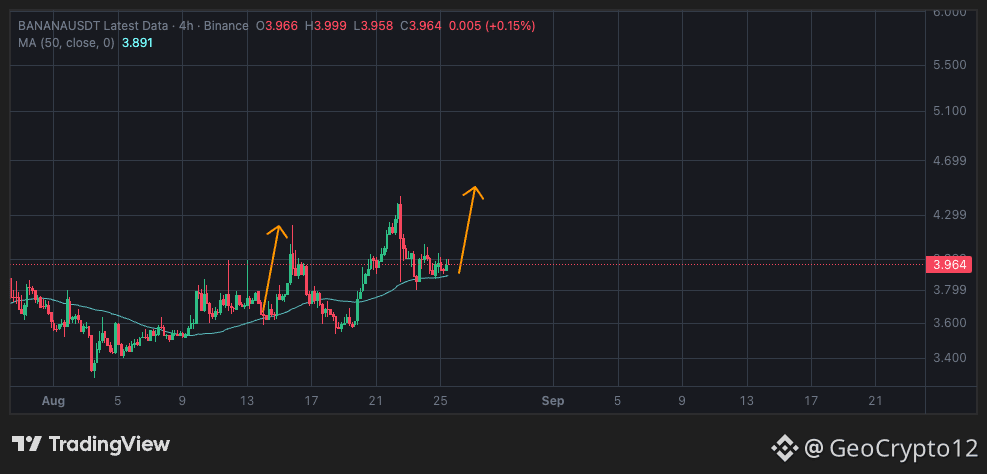
もう一回 $BANANA 回の跳ねに備えていますか?
チャートは再び4時間足のMAを押さえています。同じ場所で、前回の上昇の前に買い手が入りました。
さて、次の発表が何になるのか気になってきました。
バナナの開発陣は7月からずっと休まず仕込んでいます。それでもなぜか、#BANANA にはまだ人々が注目していません。
まだ早い感じ。
かなり早いです。
もう一回 $BANANA 回の跳ねに備えていますか?
チャートは再び4時間足のMAを押さえています。同じ場所で、前回の上昇の前に買い手が入りました。
さて、次の発表が何になるのか気になってきました。
バナナの開発陣は7月からずっと休まず仕込んでいます。それでもなぜか、#BANANA にはまだ人々が注目していません。
まだ早い感じ。
かなり早いです。
チャートは再び4時間足のMAを押さえています。同じ場所で、前回の上昇の前に買い手が入りました。
さて、次の発表が何になるのか気になってきました。
バナナの開発陣は7月からずっと休まず仕込んでいます。それでもなぜか、#BANANA にはまだ人々が注目していません。
まだ早い感じ。
かなり早いです。
147
·
--
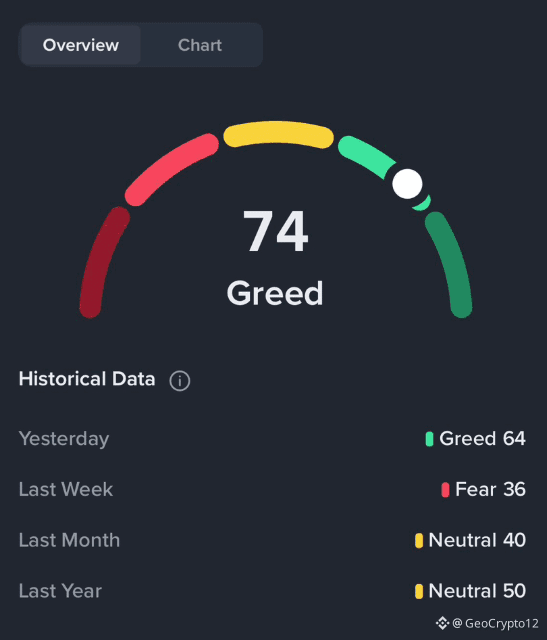
$BTC はまた欲に座っていて、みんな突然、上がるだけだと思っている。
だいたいそのあたりから、用心し始める。
前回これを無視して、すでに動いたあとにロングを長く持ちすぎて、ショートへ切り替えるのが早すぎた。
同じミスは繰り返さない。
私は長期では強気のままだが、短期ではフラッシュ(投げ)を監視している。
欲は、後になって強気の入るタイミングがいちばん最悪になることが多い。
$BTC はまた欲に座っていて、みんな突然、上がるだけだと思っている。
だいたいそのあたりから、用心し始める。
前回これを無視して、すでに動いたあとにロングを長く持ちすぎて、ショートへ切り替えるのが早すぎた。
同じミスは繰り返さない。
私は長期では強気のままだが、短期ではフラッシュ(投げ)を監視している。
欲は、後になって強気の入るタイミングがいちばん最悪になることが多い。
だいたいそのあたりから、用心し始める。
前回これを無視して、すでに動いたあとにロングを長く持ちすぎて、ショートへ切り替えるのが早すぎた。
同じミスは繰り返さない。
私は長期では強気のままだが、短期ではフラッシュ(投げ)を監視している。
欲は、後になって強気の入るタイミングがいちばん最悪になることが多い。
84
·
--
ブリッシュ
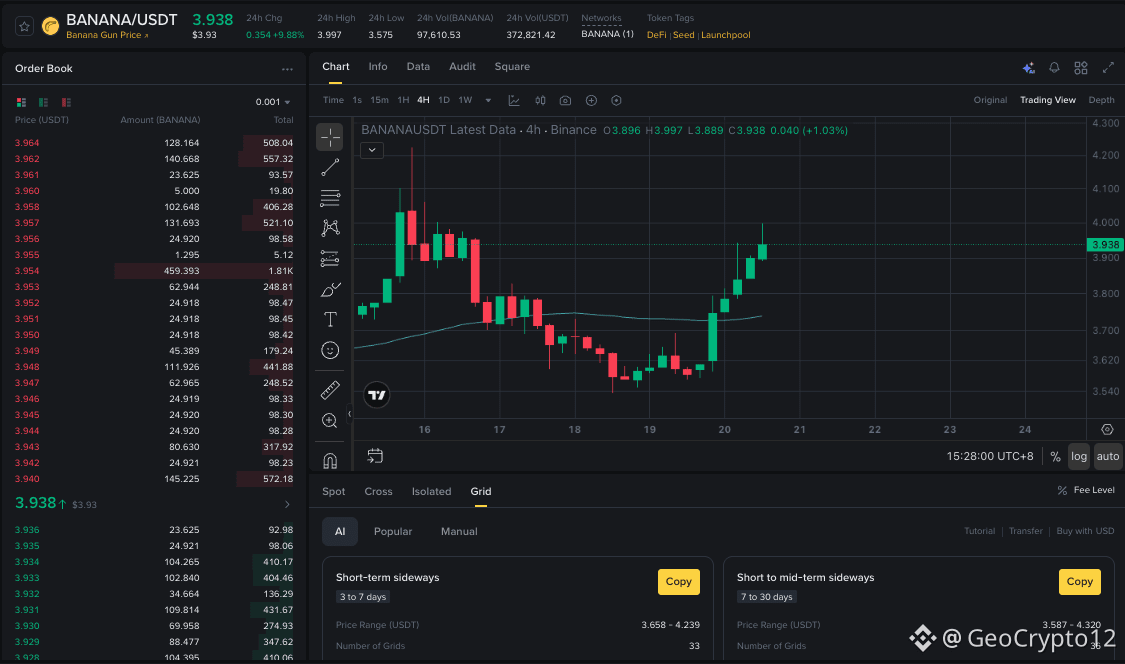
$BANANA は今かなり勢いよく動いていて、$ETH と同じ強さで追随しているように見えます。
本日、Binanceスポットで約10%上昇し、$4の水準付近まで押し戻しています。
ここからが面白いところです。
イーサリアムが動き、オンチェーンの活動が戻り、OGのミームコイントレーダーが再び活発になり、Bananaのようなツールが注目され始めるのがよくある流れです。
この動きはまだ終わっていないと思います。
$BANANA は今かなり勢いよく動いていて、$ETH と同じ強さで追随しているように見えます。
本日、Binanceスポットで約10%上昇し、$4の水準付近まで押し戻しています。
ここからが面白いところです。
イーサリアムが動き、オンチェーンの活動が戻り、OGのミームコイントレーダーが再び活発になり、Bananaのようなツールが注目され始めるのがよくある流れです。
この動きはまだ終わっていないと思います。
本日、Binanceスポットで約10%上昇し、$4の水準付近まで押し戻しています。
ここからが面白いところです。
イーサリアムが動き、オンチェーンの活動が戻り、OGのミームコイントレーダーが再び活発になり、Bananaのようなツールが注目され始めるのがよくある流れです。
この動きはまだ終わっていないと思います。
191
ログインして、さらにコンテンツを読む
厳選トピックで世界の暗号資産トレーダーの仲間入り
⚡️ 暗号資産に関する最新かつ有益な情報が見つかります。
💬 世界最大の暗号資産取引所から信頼されています。
👍 認証を受けたクリエイターから、有益なインサイトを得られます。
メール / 電話番号
トレンドトピック
ClarityActFacesProceduralVoteSept15
閲覧回数 3,189
95人が討論中
🏦 規制アラート:来週の米国での重要な投票
9月中旬の仮想通貨エコシステムを揺るがす、最大級の規制ニュースです。CLARITY Actが、今度の火曜日である9月15日に米上院で行われる決定的な採決に直面しています。
この法案は、米国におけるデジタル資産に対して厳格な規制枠組みと明確な市場構造を与えることを目的としています。多くの専門家にとって、この採決の結果は年末に向けた市場のトレンドを左右することになります。
注目すべき理由:
🟩 強気シナリオ:もし可決されれば、下院選挙(中間選挙)前に上院での法案審議へ正式に道が開かれます。AIの予測モデルでは、「プラスのシグナル」と「FRB(連邦準備制度)の緩和」が組み合わさることで、ビットコインが10万ドルの水準を大きく超える可能性があると見積もられています。
🟥 弱気シナリオ:不成立、あるいは法案が行き詰まった場合、短期的にはボラティリティの再燃と、テクニカルな調整が懸念されており、ビットコインの価格が6万8000ドル前後まで戻る可能性があります。
ちなみに米国の仮想通貨ロビーは裏で動いており、大規模なテレビ広告キャンペーンを立ち上げて、議会に行動を促そうとしています。
規制の明確さは、大衆導入のカギなのでしょうか?それとも、イノベーションを制限してしまうのではないかと心配していますか?コメントであなたの意見を教えてください!👇
#Crypto #Clari #ClarityActFacesProceduralVoteSept15 Tact #RegulatoryOverreach tion #Bitcoin #Finance #Blockchain #Web3
#ClarityActFacesProceduralVoteSept15
Djambario
·いいね:0件
·閲覧回数 66
US2YearYieldRisesTo4.61%
閲覧回数 9,970
227人が討論中
US10YearTreasuryYieldNears5%
閲覧回数 5,332
135人が討論中