

Tony Daily
293 投稿

Tony Daily
報告
ユーザーをブロック
Crypto Insights - Trading investment
取引を発注
高頻度トレーダー
2.4年
5 フォロー
559 フォロワー
251 いいね
投稿
ポートフォリオ
すべて
引用
·
--
あの日、自分はUSDTを約1億5000万ドン(150ミリオン)で売る注文を出しました。買い手から「送金した」と連絡があり、自分は銀行アプリで確認すると、確かに入金はありました。けれど、よく金額を見てみると、どこかおかしい点がありました。
相手は一部の0を省いており、15ミリオンになっていたのです。
つまり、150ミリオンをきちんと送ってもらうはずが、実際に受け取った金額は想像以上に大幅に少ない。もしその時、入金通知だけを見て取引が成功していると判断し、そのままUSDTをリリースしていたら、間違いなく大きな損をしていたでしょう。
すぐに再確認を依頼すると、買い手は「引き続き処理する」と言いました。ですが、その後さらに取引情報を調べてみると、別の事実が判明しました。送金元の口座名義が、こちらとP2Pで取引している相手の名前と一致していなかったのです。
ここで自分は止めました。
その資金に問題があると断定しているわけではありません。自分は実際の資金がどこから来たのか分からないからです。別名義の口座を使うことには、通常あり得る理由があるのかもしれません。でも、取引額が150ミリオンにもなると、賭けたくないのです。
自分は、正しい金額をきちんと送り直し、適切な口座で処理するよう要求しました。その間は絶対にUSDTをリリースしませんでした。
P2Pで売っている人は、価格・スプレッド・取引件数といったことにだけ集中しがちですが、自分は、こういった小さな細部こそが本当に重要だと思っています。
口座にお金が入ったからといって、すぐにリリースしなければならないわけではありません。
自分はいつも、リリースを押す前に、正しい金額か、送金者名か、取引内容が何か、そしてP2Pの注文と照合します。
150ミリオンでも、0が一つでも欠けていたら十分痛いです。さらに、自分が分からない資金源に由来するリスクまで加わるなら、なおさら割に合いません。
#binancep2pantoan @Binance_Vietnam
$RE $BTW $HYPE
あの日、自分はUSDTを約1億5000万ドン(150ミリオン)で売る注文を出しました。買い手から「送金した」と連絡があり、自分は銀行アプリで確認すると、確かに入金はありました。けれど、よく金額を見てみると、どこかおかしい点がありました。
相手は一部の0を省いており、15ミリオンになっていたのです。
つまり、150ミリオンをきちんと送ってもらうはずが、実際に受け取った金額は想像以上に大幅に少ない。もしその時、入金通知だけを見て取引が成功していると判断し、そのままUSDTをリリースしていたら、間違いなく大きな損をしていたでしょう。
すぐに再確認を依頼すると、買い手は「引き続き処理する」と言いました。ですが、その後さらに取引情報を調べてみると、別の事実が判明しました。送金元の口座名義が、こちらとP2Pで取引している相手の名前と一致していなかったのです。
ここで自分は止めました。
その資金に問題があると断定しているわけではありません。自分は実際の資金がどこから来たのか分からないからです。別名義の口座を使うことには、通常あり得る理由があるのかもしれません。でも、取引額が150ミリオンにもなると、賭けたくないのです。
自分は、正しい金額をきちんと送り直し、適切な口座で処理するよう要求しました。その間は絶対にUSDTをリリースしませんでした。
P2Pで売っている人は、価格・スプレッド・取引件数といったことにだけ集中しがちですが、自分は、こういった小さな細部こそが本当に重要だと思っています。
口座にお金が入ったからといって、すぐにリリースしなければならないわけではありません。
自分はいつも、リリースを押す前に、正しい金額か、送金者名か、取引内容が何か、そしてP2Pの注文と照合します。
150ミリオンでも、0が一つでも欠けていたら十分痛いです。さらに、自分が分からない資金源に由来するリスクまで加わるなら、なおさら割に合いません。
#binancep2pantoan @Binance Vietnam
$RE $BTW $HYPE
相手は一部の0を省いており、15ミリオンになっていたのです。
つまり、150ミリオンをきちんと送ってもらうはずが、実際に受け取った金額は想像以上に大幅に少ない。もしその時、入金通知だけを見て取引が成功していると判断し、そのままUSDTをリリースしていたら、間違いなく大きな損をしていたでしょう。
すぐに再確認を依頼すると、買い手は「引き続き処理する」と言いました。ですが、その後さらに取引情報を調べてみると、別の事実が判明しました。送金元の口座名義が、こちらとP2Pで取引している相手の名前と一致していなかったのです。
ここで自分は止めました。
その資金に問題があると断定しているわけではありません。自分は実際の資金がどこから来たのか分からないからです。別名義の口座を使うことには、通常あり得る理由があるのかもしれません。でも、取引額が150ミリオンにもなると、賭けたくないのです。
自分は、正しい金額をきちんと送り直し、適切な口座で処理するよう要求しました。その間は絶対にUSDTをリリースしませんでした。
P2Pで売っている人は、価格・スプレッド・取引件数といったことにだけ集中しがちですが、自分は、こういった小さな細部こそが本当に重要だと思っています。
口座にお金が入ったからといって、すぐにリリースしなければならないわけではありません。
自分はいつも、リリースを押す前に、正しい金額か、送金者名か、取引内容が何か、そしてP2Pの注文と照合します。
150ミリオンでも、0が一つでも欠けていたら十分痛いです。さらに、自分が分からない資金源に由来するリスクまで加わるなら、なおさら割に合いません。
#binancep2pantoan @Binance Vietnam
$RE $BTW $HYPE
15,000,000
67%
150,000,000
33%
9 投票 • 投票は終了しました
1
3.8k
·
--
#binancep2pantoan @Binance_Vietnam
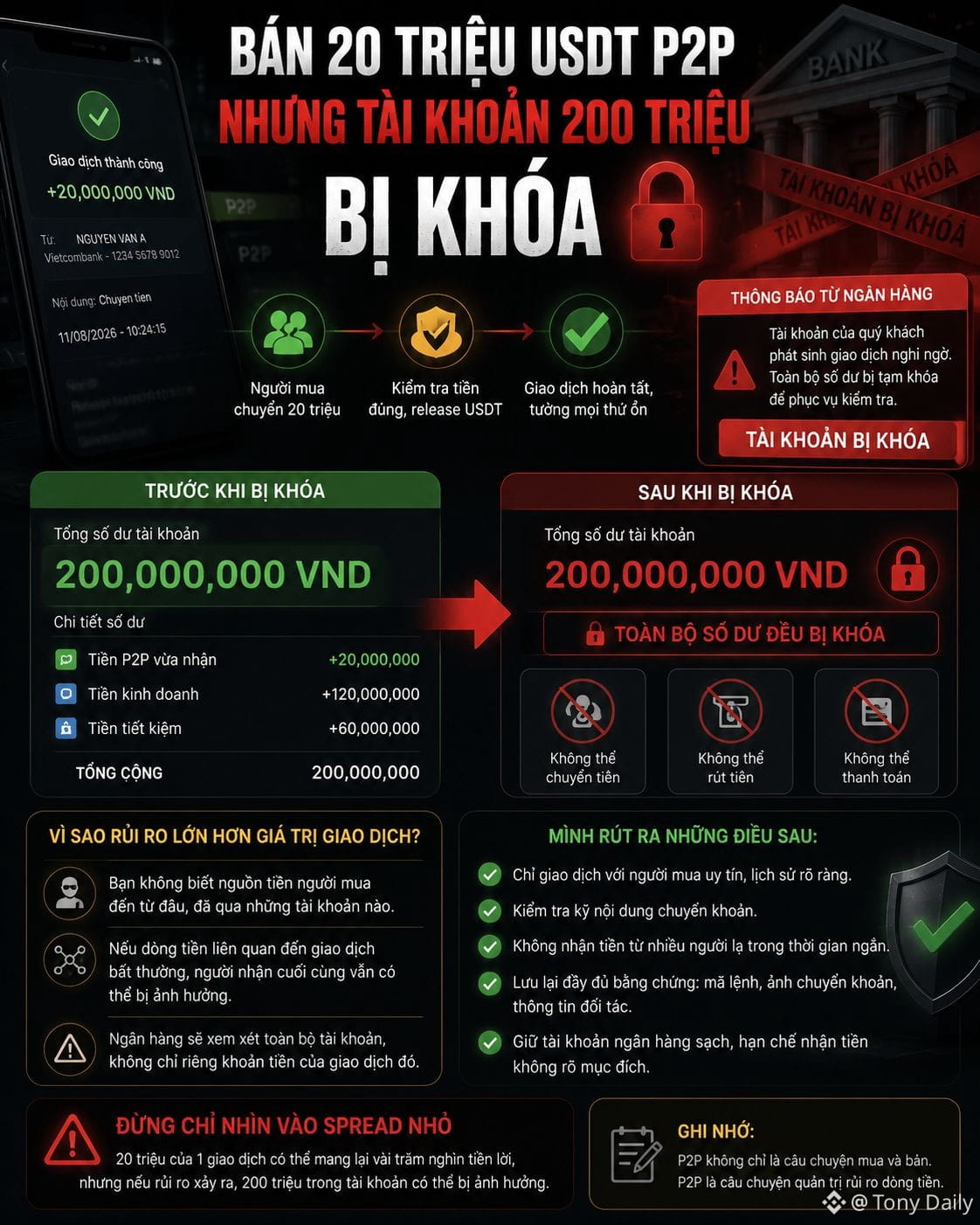
USDT P2Pを2,000万VNDで販売したが、銀行口座の2億VNDが凍結された。
最近、私が知っているあるケースでは、別の見え方になるP2P取引があることを実感しました。
その日、USDT P2Pの売り手が約2,000万VNDの取引を実行しました。買い手は正しい金額を送金し、P2P上の取引も通常どおり行われました。特にこれが問題のある取引だと考える材料は何もありませんでした。
しかし数日後、疑わしい取引に関連して、銀行口座に問題が発生しました。
注目すべき点は、その口座には2,000万VNDだけが入っていたわけではないことです。
合計残高は約2億VNDでした。
そして影響を受けたのは、P2P取引で受け取った2,000万VNDだけではありませんでした。口座内の残高全体が凍結され、売り手はほぼ自分の資金を通常どおり使えなくなりました。
ここが、私がP2Pには多くの初心者が見落としがちな種類のリスクがあると感じた部分です。
USDTを売るとき、私はいつも次の点だけを気にしていました。買い手に信頼性があるか、送金が正しく行われたか、取引が完了しているか。
でも、私の口座に届く前の資金の全履歴は見ることができません。
買い手が自分には問題なく送金してきても、その資金が何らかの問題を含む一連の取引の流れの中にあった場合、最終的にお金を受け取った側が説明を求められる可能性があります。
2,000万は大した額に聞こえます。
しかし、たった1回の2,000万の取引がきっかけで、口座内の2億が影響を受けるなら、リスクの問題はまったく別物になってしまいます。
それ以来、私はP2Pで売る仲間には、必ず何でも残す習慣をつけるべきだと思うようになりました。取引コード、時間、取引相手の情報、振込内容、関連する証拠などです。$BTW $HEMI $MUBARAK
#binancep2pantoan @Binance Vietnam
USDT P2Pを2,000万VNDで販売したが、銀行口座の2億VNDが凍結された。
最近、私が知っているあるケースでは、別の見え方になるP2P取引があることを実感しました。
その日、USDT P2Pの売り手が約2,000万VNDの取引を実行しました。買い手は正しい金額を送金し、P2P上の取引も通常どおり行われました。特にこれが問題のある取引だと考える材料は何もありませんでした。
しかし数日後、疑わしい取引に関連して、銀行口座に問題が発生しました。
注目すべき点は、その口座には2,000万VNDだけが入っていたわけではないことです。
合計残高は約2億VNDでした。
そして影響を受けたのは、P2P取引で受け取った2,000万VNDだけではありませんでした。口座内の残高全体が凍結され、売り手はほぼ自分の資金を通常どおり使えなくなりました。
ここが、私がP2Pには多くの初心者が見落としがちな種類のリスクがあると感じた部分です。
USDTを売るとき、私はいつも次の点だけを気にしていました。買い手に信頼性があるか、送金が正しく行われたか、取引が完了しているか。
でも、私の口座に届く前の資金の全履歴は見ることができません。
買い手が自分には問題なく送金してきても、その資金が何らかの問題を含む一連の取引の流れの中にあった場合、最終的にお金を受け取った側が説明を求められる可能性があります。
2,000万は大した額に聞こえます。
しかし、たった1回の2,000万の取引がきっかけで、口座内の2億が影響を受けるなら、リスクの問題はまったく別物になってしまいます。
それ以来、私はP2Pで売る仲間には、必ず何でも残す習慣をつけるべきだと思うようになりました。取引コード、時間、取引相手の情報、振込内容、関連する証拠などです。$BTW $HEMI $MUBARAK
USDT P2Pを2,000万VNDで販売したが、銀行口座の2億VNDが凍結された。
最近、私が知っているあるケースでは、別の見え方になるP2P取引があることを実感しました。
その日、USDT P2Pの売り手が約2,000万VNDの取引を実行しました。買い手は正しい金額を送金し、P2P上の取引も通常どおり行われました。特にこれが問題のある取引だと考える材料は何もありませんでした。
しかし数日後、疑わしい取引に関連して、銀行口座に問題が発生しました。
注目すべき点は、その口座には2,000万VNDだけが入っていたわけではないことです。
合計残高は約2億VNDでした。
そして影響を受けたのは、P2P取引で受け取った2,000万VNDだけではありませんでした。口座内の残高全体が凍結され、売り手はほぼ自分の資金を通常どおり使えなくなりました。
ここが、私がP2Pには多くの初心者が見落としがちな種類のリスクがあると感じた部分です。
USDTを売るとき、私はいつも次の点だけを気にしていました。買い手に信頼性があるか、送金が正しく行われたか、取引が完了しているか。
でも、私の口座に届く前の資金の全履歴は見ることができません。
買い手が自分には問題なく送金してきても、その資金が何らかの問題を含む一連の取引の流れの中にあった場合、最終的にお金を受け取った側が説明を求められる可能性があります。
2,000万は大した額に聞こえます。
しかし、たった1回の2,000万の取引がきっかけで、口座内の2億が影響を受けるなら、リスクの問題はまったく別物になってしまいます。
それ以来、私はP2Pで売る仲間には、必ず何でも残す習慣をつけるべきだと思うようになりました。取引コード、時間、取引相手の情報、振込内容、関連する証拠などです。$BTW $HEMI $MUBARAK
430
·
--
#binancep2pantoan @Binance_Vietnam
口座が不審な取引の発生により凍結されました 😲
最初は取引がまったく普通に進みました。買い手が自分の銀行口座に送金し、入金額が指示どおりに正しいことを確認してから取引を完了しました。その時点では特に問題があるとは思っていませんでした。資金は口座に入り、P2P上の取引も完了していたからです。
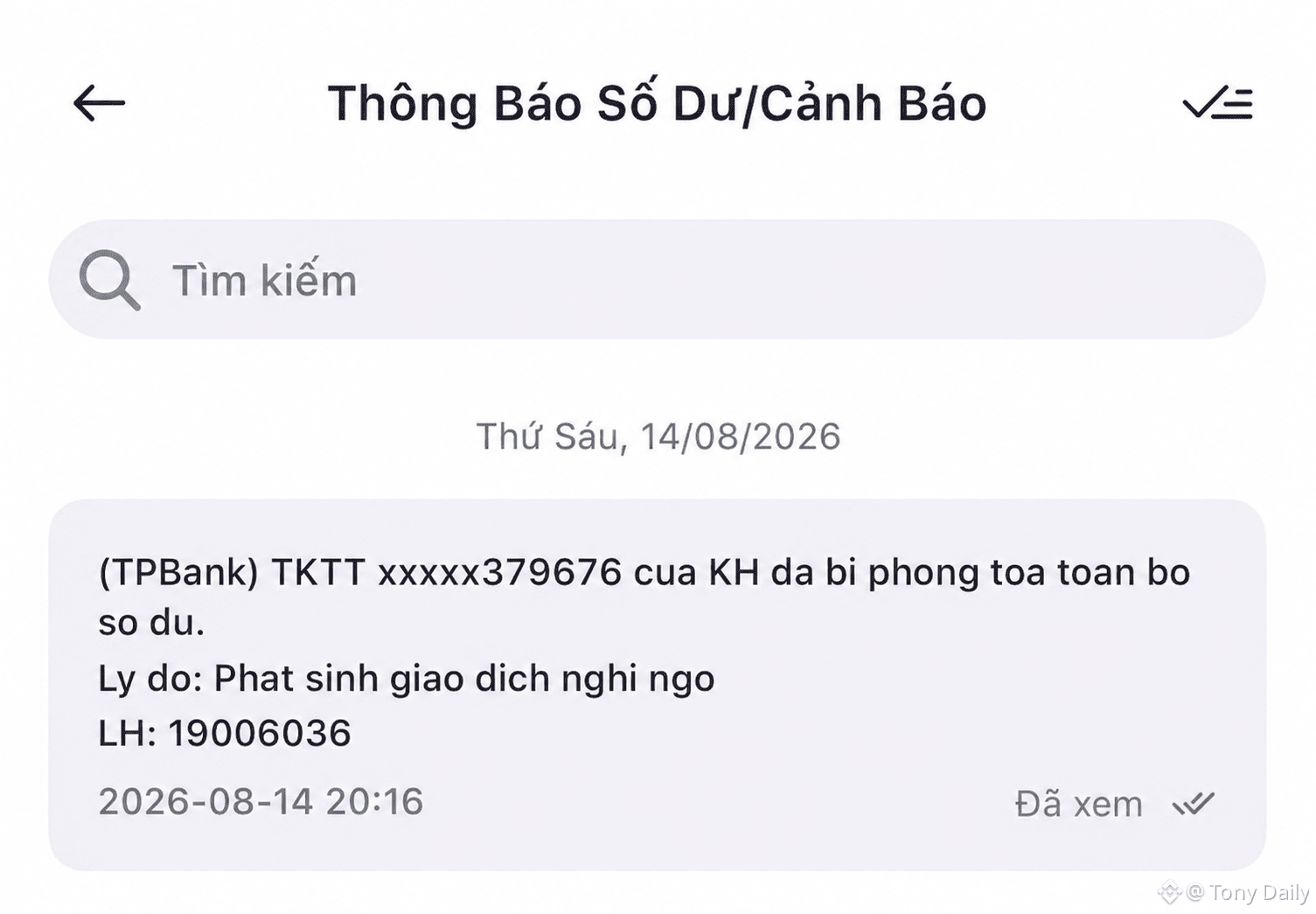
しかし数日後、銀行から通知が届き、かなり驚きました。不審な取引が発生したとして、口座内の全残高が凍結されたのです。
特筆すべきは、その口座の資金がP2P取引の分だけではないことです。残高はすべて影響を受け、口座の利用がほぼ止まってしまいました。
取引履歴を改めて確認してみると、「お金が口座に入ったら終わり」という話ではないことが分かりました。私はP2PでUSDTを売ったとき、実際には相手がどんな資金の出どころを持っているのか分からない人物から入金を受けていました。その資金の出どころが異常な取引に関連している場合、入金を受け取った側も、自分は何が起きたのか知らなくても説明が求められる可能性があります。
このケースから、かなり明確な教訓を得ました。P2Pには暗号資産を失うリスクだけでなく、銀行の資金の流れに関わるリスクもあるのです。
そのため今後は、P2Pでお金を受け取る際にこれまで以上に慎重になります。特に、買い手の情報の確認、振込内容の確認、そして各取引の証拠をすべてきちんと保存します。
$TUT $ACE $GPS
#binancep2pantoan @Binance Vietnam
口座が不審な取引の発生により凍結されました 😲
最初は取引がまったく普通に進みました。買い手が自分の銀行口座に送金し、入金額が指示どおりに正しいことを確認してから取引を完了しました。その時点では特に問題があるとは思っていませんでした。資金は口座に入り、P2P上の取引も完了していたからです。
しかし数日後、銀行から通知が届き、かなり驚きました。不審な取引が発生したとして、口座内の全残高が凍結されたのです。
特筆すべきは、その口座の資金がP2P取引の分だけではないことです。残高はすべて影響を受け、口座の利用がほぼ止まってしまいました。
取引履歴を改めて確認してみると、「お金が口座に入ったら終わり」という話ではないことが分かりました。私はP2PでUSDTを売ったとき、実際には相手がどんな資金の出どころを持っているのか分からない人物から入金を受けていました。その資金の出どころが異常な取引に関連している場合、入金を受け取った側も、自分は何が起きたのか知らなくても説明が求められる可能性があります。
このケースから、かなり明確な教訓を得ました。P2Pには暗号資産を失うリスクだけでなく、銀行の資金の流れに関わるリスクもあるのです。
そのため今後は、P2Pでお金を受け取る際にこれまで以上に慎重になります。特に、買い手の情報の確認、振込内容の確認、そして各取引の証拠をすべてきちんと保存します。
$TUT $ACE $GPS
口座が不審な取引の発生により凍結されました 😲
最初は取引がまったく普通に進みました。買い手が自分の銀行口座に送金し、入金額が指示どおりに正しいことを確認してから取引を完了しました。その時点では特に問題があるとは思っていませんでした。資金は口座に入り、P2P上の取引も完了していたからです。
しかし数日後、銀行から通知が届き、かなり驚きました。不審な取引が発生したとして、口座内の全残高が凍結されたのです。
特筆すべきは、その口座の資金がP2P取引の分だけではないことです。残高はすべて影響を受け、口座の利用がほぼ止まってしまいました。
取引履歴を改めて確認してみると、「お金が口座に入ったら終わり」という話ではないことが分かりました。私はP2PでUSDTを売ったとき、実際には相手がどんな資金の出どころを持っているのか分からない人物から入金を受けていました。その資金の出どころが異常な取引に関連している場合、入金を受け取った側も、自分は何が起きたのか知らなくても説明が求められる可能性があります。
このケースから、かなり明確な教訓を得ました。P2Pには暗号資産を失うリスクだけでなく、銀行の資金の流れに関わるリスクもあるのです。
そのため今後は、P2Pでお金を受け取る際にこれまで以上に慎重になります。特に、買い手の情報の確認、振込内容の確認、そして各取引の証拠をすべてきちんと保存します。
$TUT $ACE $GPS
259
·
--
ある時、私の友人がかなりパニック状態で私にメッセージしてきました。『ねえ、P2Pを買ったばかりなんだけど、たぶん問題があるみたい。』
彼女は、取引中に相手が何度も急かしてきて、普段彼女がやる手順以外のいくつかのステップを実行するよう指示してきたと話してくれました。取引が初めてだったため、彼女は気づけず、異常の兆候を見つけたときにはお金はすでに送金されてしまっていました。
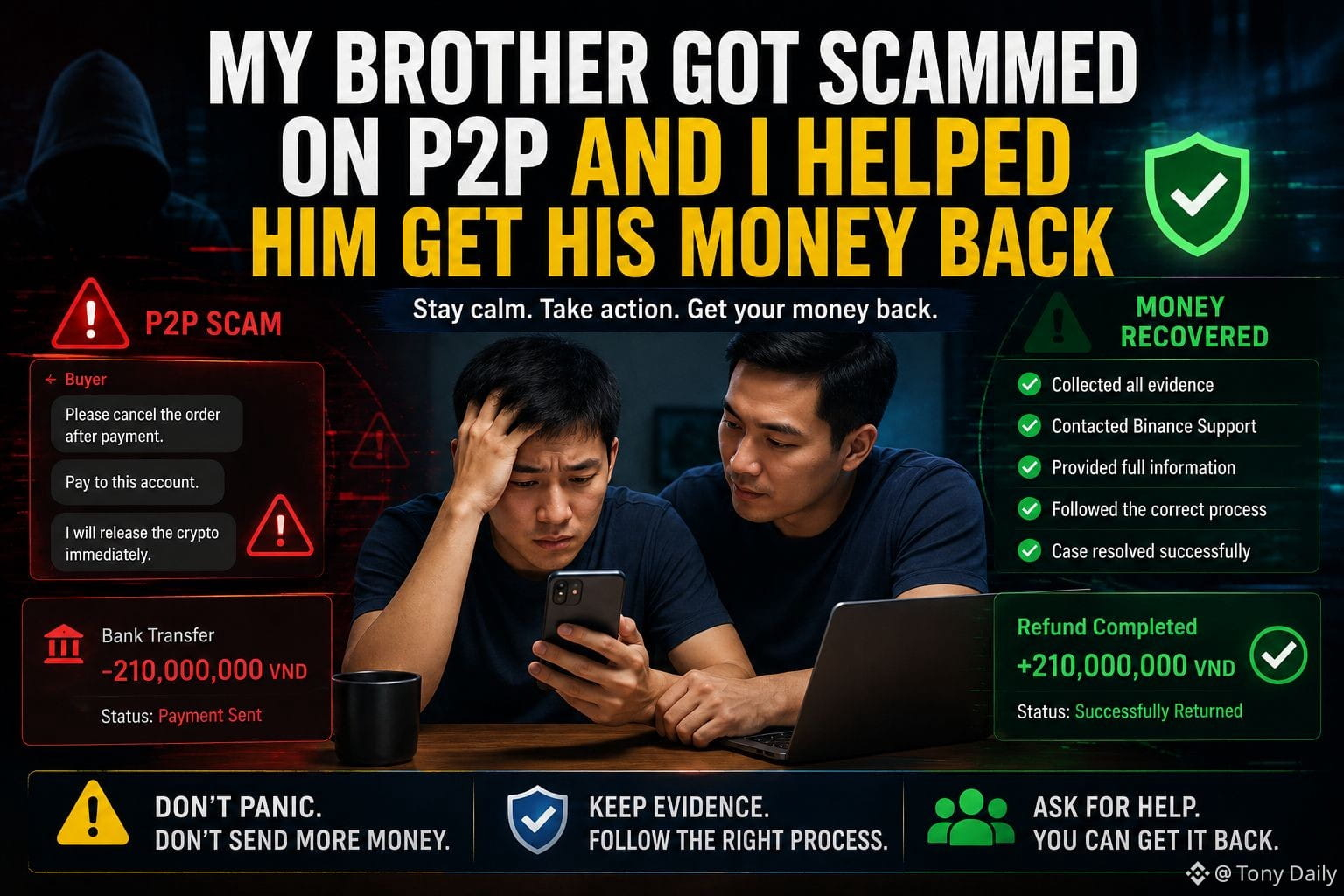
最初に私がしたことは、彼女を不注意のせいで責めることではありませんでした。私は彼女に、これ以上の取引を止めること、追加でお金を送らないこと、そして相手からのどんな要求にも従わないことを伝えました。
その後、私は彼女と一緒に全履歴を見直しました。P2Pの注文コード、金額、取引の時間、入金先口座の情報、送金履歴、そしてチャットの内容です。私は彼女に、証拠をすべて保存し、何も消さないよう求めました。
幸いなことに、正しい手順で対応し、必要な情報をすべて提供した後、彼女のお金は回収のために処理されました。私にとってそれは、とても大きな学びでした。
私が一番悔やんだのは、彼女に経験がなかったことではなく、あまりにも相手を信じてしまい、パニックの状態で対応してしまったことです。
この話を通して、伝えたいことがあります。P2Pの取引にどんな異常な点があっても、追加でお金を送ったり、見知らぬ人の指示に従ったりして対処しようとしないでください。
立ち止まって、証拠を保存し、正しいサポート窓口に連絡してください。
お金を失うのは怖いですが、冷静さを失うと、状況はさらにずっと悪くなる可能性があります。
#binancep2pantoan @Binance_Vietnam
$CYS $ACE $APR
ある時、私の友人がかなりパニック状態で私にメッセージしてきました。『ねえ、P2Pを買ったばかりなんだけど、たぶん問題があるみたい。』
彼女は、取引中に相手が何度も急かしてきて、普段彼女がやる手順以外のいくつかのステップを実行するよう指示してきたと話してくれました。取引が初めてだったため、彼女は気づけず、異常の兆候を見つけたときにはお金はすでに送金されてしまっていました。
最初に私がしたことは、彼女を不注意のせいで責めることではありませんでした。私は彼女に、これ以上の取引を止めること、追加でお金を送らないこと、そして相手からのどんな要求にも従わないことを伝えました。
その後、私は彼女と一緒に全履歴を見直しました。P2Pの注文コード、金額、取引の時間、入金先口座の情報、送金履歴、そしてチャットの内容です。私は彼女に、証拠をすべて保存し、何も消さないよう求めました。
幸いなことに、正しい手順で対応し、必要な情報をすべて提供した後、彼女のお金は回収のために処理されました。私にとってそれは、とても大きな学びでした。
私が一番悔やんだのは、彼女に経験がなかったことではなく、あまりにも相手を信じてしまい、パニックの状態で対応してしまったことです。
この話を通して、伝えたいことがあります。P2Pの取引にどんな異常な点があっても、追加でお金を送ったり、見知らぬ人の指示に従ったりして対処しようとしないでください。
立ち止まって、証拠を保存し、正しいサポート窓口に連絡してください。
お金を失うのは怖いですが、冷静さを失うと、状況はさらにずっと悪くなる可能性があります。
#binancep2pantoan @Binance Vietnam
$CYS $ACE $APR
彼女は、取引中に相手が何度も急かしてきて、普段彼女がやる手順以外のいくつかのステップを実行するよう指示してきたと話してくれました。取引が初めてだったため、彼女は気づけず、異常の兆候を見つけたときにはお金はすでに送金されてしまっていました。
最初に私がしたことは、彼女を不注意のせいで責めることではありませんでした。私は彼女に、これ以上の取引を止めること、追加でお金を送らないこと、そして相手からのどんな要求にも従わないことを伝えました。
その後、私は彼女と一緒に全履歴を見直しました。P2Pの注文コード、金額、取引の時間、入金先口座の情報、送金履歴、そしてチャットの内容です。私は彼女に、証拠をすべて保存し、何も消さないよう求めました。
幸いなことに、正しい手順で対応し、必要な情報をすべて提供した後、彼女のお金は回収のために処理されました。私にとってそれは、とても大きな学びでした。
私が一番悔やんだのは、彼女に経験がなかったことではなく、あまりにも相手を信じてしまい、パニックの状態で対応してしまったことです。
この話を通して、伝えたいことがあります。P2Pの取引にどんな異常な点があっても、追加でお金を送ったり、見知らぬ人の指示に従ったりして対処しようとしないでください。
立ち止まって、証拠を保存し、正しいサポート窓口に連絡してください。
お金を失うのは怖いですが、冷静さを失うと、状況はさらにずっと悪くなる可能性があります。
#binancep2pantoan @Binance Vietnam
$CYS $ACE $APR
200
·
--
#binancep2pantoan @Binance_Vietnam
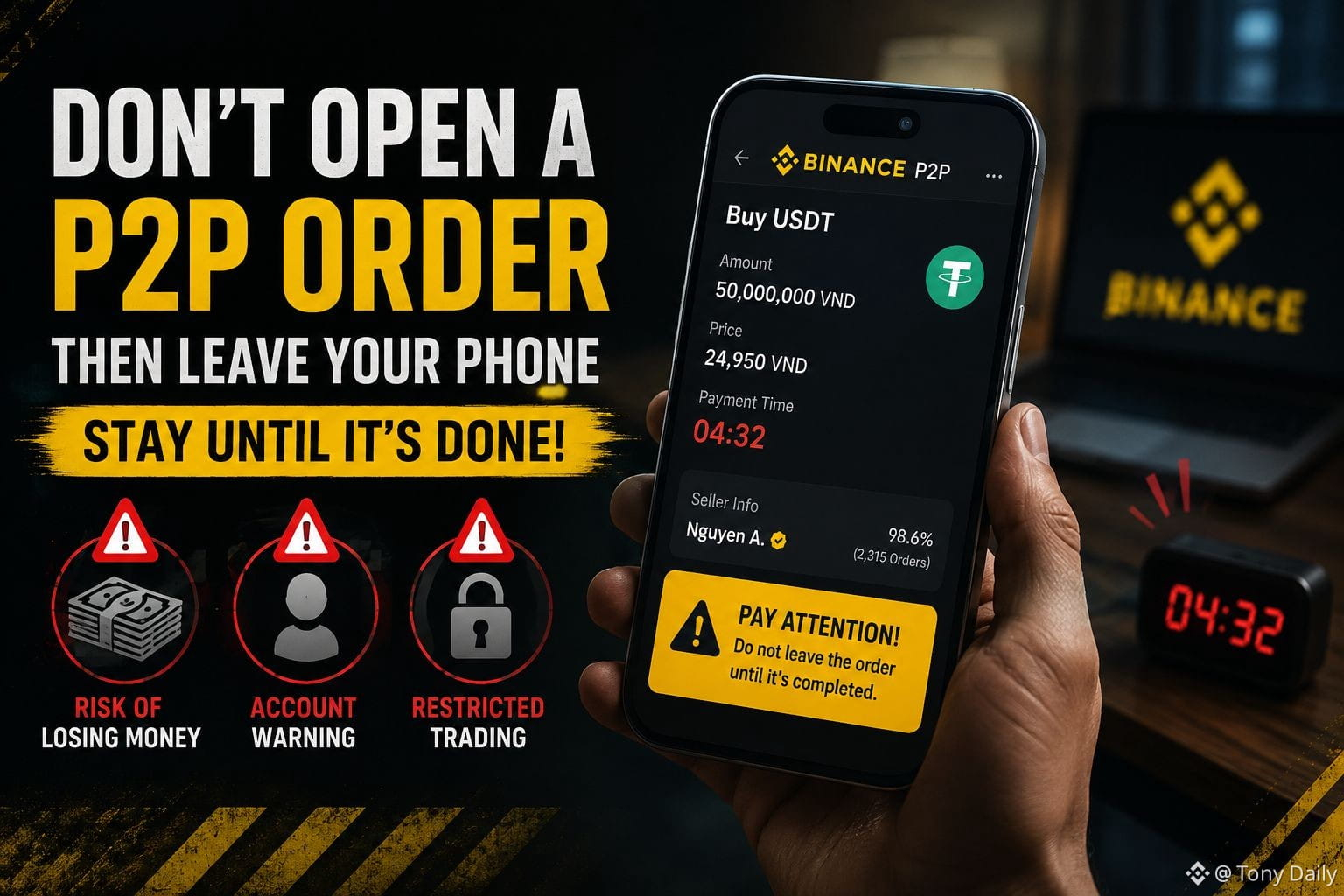
私がいつもP2P取引をする人に伝えている習慣があります。それは、注文を出したら他の用事に行ってスマホを放置しないことです。
私は以前、多くの人がUSDTの購入注文を作った後に用事があって、支払いの期限時間を監視しないのを見ました。戻ってきたときには注文の期限がほとんど切れていて、取引が完了しない、あるいは問題が発生して処理に非常に多くの時間を取られることがあります。
さらに深刻なのは、手順を正しく追わないとお金を失ったり、トラブル(紛争)に巻き込まれたりする可能性があることです。ユーザーの中には、金額を間違えて送金したのに状態を確認しなかったり、プラットフォームからの通知を見落としたりするケースもあります。その場合、対応はとても複雑になり、規定違反をするとアカウントが警告されたり、取引が制限されたりすることさえあります。
私がP2Pの注文を開くときは、取引が完了するまで必ず見守ります。送金する前に、金額、受取人情報、支払い期限、注文のステータスを確認します。その後、取引をもう一度確認し、証拠を保存します。
P2Pは速くて便利ですが、「数分で終わる取引だから」と思って油断しないでください。
スマホを置いて席を外すだけで、あなたがお金を失うこともあれば、処理に時間がかかることもあり、さらにはアカウントに影響が出ることもあります。
忙しいときは、暇になってから取引したいです。注文を開いたら、完了するまで追跡しなければなりません。
$ACE $AKE $VELVET
#binancep2pantoan @Binance Vietnam
私がいつもP2P取引をする人に伝えている習慣があります。それは、注文を出したら他の用事に行ってスマホを放置しないことです。
私は以前、多くの人がUSDTの購入注文を作った後に用事があって、支払いの期限時間を監視しないのを見ました。戻ってきたときには注文の期限がほとんど切れていて、取引が完了しない、あるいは問題が発生して処理に非常に多くの時間を取られることがあります。
さらに深刻なのは、手順を正しく追わないとお金を失ったり、トラブル(紛争)に巻き込まれたりする可能性があることです。ユーザーの中には、金額を間違えて送金したのに状態を確認しなかったり、プラットフォームからの通知を見落としたりするケースもあります。その場合、対応はとても複雑になり、規定違反をするとアカウントが警告されたり、取引が制限されたりすることさえあります。
私がP2Pの注文を開くときは、取引が完了するまで必ず見守ります。送金する前に、金額、受取人情報、支払い期限、注文のステータスを確認します。その後、取引をもう一度確認し、証拠を保存します。
P2Pは速くて便利ですが、「数分で終わる取引だから」と思って油断しないでください。
スマホを置いて席を外すだけで、あなたがお金を失うこともあれば、処理に時間がかかることもあり、さらにはアカウントに影響が出ることもあります。
忙しいときは、暇になってから取引したいです。注文を開いたら、完了するまで追跡しなければなりません。
$ACE $AKE $VELVET
私がいつもP2P取引をする人に伝えている習慣があります。それは、注文を出したら他の用事に行ってスマホを放置しないことです。
私は以前、多くの人がUSDTの購入注文を作った後に用事があって、支払いの期限時間を監視しないのを見ました。戻ってきたときには注文の期限がほとんど切れていて、取引が完了しない、あるいは問題が発生して処理に非常に多くの時間を取られることがあります。
さらに深刻なのは、手順を正しく追わないとお金を失ったり、トラブル(紛争)に巻き込まれたりする可能性があることです。ユーザーの中には、金額を間違えて送金したのに状態を確認しなかったり、プラットフォームからの通知を見落としたりするケースもあります。その場合、対応はとても複雑になり、規定違反をするとアカウントが警告されたり、取引が制限されたりすることさえあります。
私がP2Pの注文を開くときは、取引が完了するまで必ず見守ります。送金する前に、金額、受取人情報、支払い期限、注文のステータスを確認します。その後、取引をもう一度確認し、証拠を保存します。
P2Pは速くて便利ですが、「数分で終わる取引だから」と思って油断しないでください。
スマホを置いて席を外すだけで、あなたがお金を失うこともあれば、処理に時間がかかることもあり、さらにはアカウントに影響が出ることもあります。
忙しいときは、暇になってから取引したいです。注文を開いたら、完了するまで追跡しなければなりません。
$ACE $AKE $VELVET
99
·
--
#binancep2pantoan @Binance_Vietnam
P2Pの商人をやっていて、私がかなり頻繁に受け取る依頼はこうです:「少し値下げしてもらえませんか?」
最初は私も単純に考えていました。客が聞いてきたら、数ドル(少額)下げてすぐに成約しよう、と。ですが長くやってみて初めて分かったのは、値下げのたびに必ず私の原価と利益に直結しているということです。
市場が好調な時期もあります。その場合は私のUSDTの価格が十分競争力を持っているので、値下げはしません。本当に購入が必要なら、私の広告は取引履歴が安定していて処理も迅速なので、取引を選ぶことは引き続き可能です。
ただ、時には市場が変わり、複数の商人が同時に値下げすることもあります。そのときはもう一度考え直さなければなりません。強引に高い価格を維持すると、広告が魅力を失い、資金の回転速度が落ちてしまう可能性があります。
私はP2Pでは「いちばん安い価格=いつも最適」ではないことに気づきました。原価、取引量、資金の回転スピード、そして実際の利益水準もすべて考慮する必要があります。
よく取引してくれるお客様に対しては、長期的な関係を保つために、多少調整することもあります。1回の取引で得られる利益が少なくなるかもしれませんが、何度も戻ってきてくれるなら、総合的な価値はまったく別物になります。
しばらくP2Pをやってみて、顧客は単にUSDTを買っているだけではなく、スピード、安定性、そして信頼性も買っているのだと理解しました。
なので、お客様が「少し値下げできますか?」と聞いてきたとき、私はすぐには答えません。市場を見て、原価を見てから、双方にとって適切な価格を決めます。$APR $ACU $MYX
#binancep2pantoan @Binance Vietnam
P2Pの商人をやっていて、私がかなり頻繁に受け取る依頼はこうです:「少し値下げしてもらえませんか?」
最初は私も単純に考えていました。客が聞いてきたら、数ドル(少額)下げてすぐに成約しよう、と。ですが長くやってみて初めて分かったのは、値下げのたびに必ず私の原価と利益に直結しているということです。
市場が好調な時期もあります。その場合は私のUSDTの価格が十分競争力を持っているので、値下げはしません。本当に購入が必要なら、私の広告は取引履歴が安定していて処理も迅速なので、取引を選ぶことは引き続き可能です。
ただ、時には市場が変わり、複数の商人が同時に値下げすることもあります。そのときはもう一度考え直さなければなりません。強引に高い価格を維持すると、広告が魅力を失い、資金の回転速度が落ちてしまう可能性があります。
私はP2Pでは「いちばん安い価格=いつも最適」ではないことに気づきました。原価、取引量、資金の回転スピード、そして実際の利益水準もすべて考慮する必要があります。
よく取引してくれるお客様に対しては、長期的な関係を保つために、多少調整することもあります。1回の取引で得られる利益が少なくなるかもしれませんが、何度も戻ってきてくれるなら、総合的な価値はまったく別物になります。
しばらくP2Pをやってみて、顧客は単にUSDTを買っているだけではなく、スピード、安定性、そして信頼性も買っているのだと理解しました。
なので、お客様が「少し値下げできますか?」と聞いてきたとき、私はすぐには答えません。市場を見て、原価を見てから、双方にとって適切な価格を決めます。$APR $ACU $MYX
P2Pの商人をやっていて、私がかなり頻繁に受け取る依頼はこうです:「少し値下げしてもらえませんか?」
最初は私も単純に考えていました。客が聞いてきたら、数ドル(少額)下げてすぐに成約しよう、と。ですが長くやってみて初めて分かったのは、値下げのたびに必ず私の原価と利益に直結しているということです。
市場が好調な時期もあります。その場合は私のUSDTの価格が十分競争力を持っているので、値下げはしません。本当に購入が必要なら、私の広告は取引履歴が安定していて処理も迅速なので、取引を選ぶことは引き続き可能です。
ただ、時には市場が変わり、複数の商人が同時に値下げすることもあります。そのときはもう一度考え直さなければなりません。強引に高い価格を維持すると、広告が魅力を失い、資金の回転速度が落ちてしまう可能性があります。
私はP2Pでは「いちばん安い価格=いつも最適」ではないことに気づきました。原価、取引量、資金の回転スピード、そして実際の利益水準もすべて考慮する必要があります。
よく取引してくれるお客様に対しては、長期的な関係を保つために、多少調整することもあります。1回の取引で得られる利益が少なくなるかもしれませんが、何度も戻ってきてくれるなら、総合的な価値はまったく別物になります。
しばらくP2Pをやってみて、顧客は単にUSDTを買っているだけではなく、スピード、安定性、そして信頼性も買っているのだと理解しました。
なので、お客様が「少し値下げできますか?」と聞いてきたとき、私はすぐには答えません。市場を見て、原価を見てから、双方にとって適切な価格を決めます。$APR $ACU $MYX
P2P
33%
Uy tín
67%
An toàn
0%
3 投票 • 投票は終了しました
5.6k
·
--
#binancep2pantoan @Binance_Vietnam
私が特に起こりやすいミスだと思うのは、振込金額の入力間違いです。たとえば、購入の注文では支払いが10.000.000ドンになっているのに、私は10.500.000ドンを送ってしまったり、銀行アプリで操作している最中に数字を誤って入力してしまうことがあります。
このような状況になったら、まず私は慌てず、「埋め合わせ」のために勝手に別の取引を増やしたりしません。すぐに、振り込んだ金額、取引コード、振込の時間、そしてP2Pの注文ステータスを再確認します。
その後、銀行の取引のスクリーンショットと、P2Pの注文に関するすべての情報を保存します。実際に送った金額が注文上の金額と一致しない場合は、チャットで直ちに確認・やり取りし、すべての情報が分かりやすく記録されるようにします。
絶対に避けたいのは、十分に確認せずに、別の口座へ追加で送金したり、別の口座を通じて返金の取り決めをしたりすることです。大金の場合は、相手が急かしてきても、私はなおさら慌てて対応しません。
私の考えでは、P2P取引では「送信を押す前に金額を一度確認する」ほうが、そのあと誤送金の取引を処理するよりずっと簡単です。
特に支払いを確定する前には、私は必ず少なくとも3つを照合します。金額、受取人の情報、そして注文コードです。
P2Pは速くて便利ですが、1回入力を間違えるだけで、取引が非常に面倒になることがあります。
$BEAT $BLUAI $VELVET
#binancep2pantoan @Binance Vietnam
私が特に起こりやすいミスだと思うのは、振込金額の入力間違いです。たとえば、購入の注文では支払いが10.000.000ドンになっているのに、私は10.500.000ドンを送ってしまったり、銀行アプリで操作している最中に数字を誤って入力してしまうことがあります。
このような状況になったら、まず私は慌てず、「埋め合わせ」のために勝手に別の取引を増やしたりしません。すぐに、振り込んだ金額、取引コード、振込の時間、そしてP2Pの注文ステータスを再確認します。
その後、銀行の取引のスクリーンショットと、P2Pの注文に関するすべての情報を保存します。実際に送った金額が注文上の金額と一致しない場合は、チャットで直ちに確認・やり取りし、すべての情報が分かりやすく記録されるようにします。
絶対に避けたいのは、十分に確認せずに、別の口座へ追加で送金したり、別の口座を通じて返金の取り決めをしたりすることです。大金の場合は、相手が急かしてきても、私はなおさら慌てて対応しません。
私の考えでは、P2P取引では「送信を押す前に金額を一度確認する」ほうが、そのあと誤送金の取引を処理するよりずっと簡単です。
特に支払いを確定する前には、私は必ず少なくとも3つを照合します。金額、受取人の情報、そして注文コードです。
P2Pは速くて便利ですが、1回入力を間違えるだけで、取引が非常に面倒になることがあります。
$BEAT $BLUAI $VELVET
私が特に起こりやすいミスだと思うのは、振込金額の入力間違いです。たとえば、購入の注文では支払いが10.000.000ドンになっているのに、私は10.500.000ドンを送ってしまったり、銀行アプリで操作している最中に数字を誤って入力してしまうことがあります。
このような状況になったら、まず私は慌てず、「埋め合わせ」のために勝手に別の取引を増やしたりしません。すぐに、振り込んだ金額、取引コード、振込の時間、そしてP2Pの注文ステータスを再確認します。
その後、銀行の取引のスクリーンショットと、P2Pの注文に関するすべての情報を保存します。実際に送った金額が注文上の金額と一致しない場合は、チャットで直ちに確認・やり取りし、すべての情報が分かりやすく記録されるようにします。
絶対に避けたいのは、十分に確認せずに、別の口座へ追加で送金したり、別の口座を通じて返金の取り決めをしたりすることです。大金の場合は、相手が急かしてきても、私はなおさら慌てて対応しません。
私の考えでは、P2P取引では「送信を押す前に金額を一度確認する」ほうが、そのあと誤送金の取引を処理するよりずっと簡単です。
特に支払いを確定する前には、私は必ず少なくとも3つを照合します。金額、受取人の情報、そして注文コードです。
P2Pは速くて便利ですが、1回入力を間違えるだけで、取引が非常に面倒になることがあります。
$BEAT $BLUAI $VELVET
P2P
0%
OTC
0%
0 投票 • 投票は終了しました
1
2.1k
·
--
P2P取引には、皆さんが特に注意すべき状況があります。USDTを購入し、Binance上で取引は完了したのに、その後、銀行から「送金に問題がある」と連絡が来たケースです。
この場合は、決して軽視せず、相手(取引相手)の言葉を鵜呑みにして勝手に対応もしません。まず最初にやるのは、すべての証拠を保全することです。P2Pの注文コード、金額、取引の時間、支払い情報、振込履歴、そして取引中のやり取りの全メッセージです。
また、取引履歴やチャットの内容を急いで削除もしません。これらの情報は、後で取引の出所を説明したり、銀行やプラットフォームと連携したりする必要が生じた際に、とても重要になり得ます。
特に避けたいのは、相手から「銀行に問題があるので、別の口座に返金してほしい」とメッセージが来たからといって、自分から相手へ逆送金してしまうことです。何か不審な要求があれば、情報を再確認し、外部で勝手に合意するのではなく、Binanceの正しいサポート手順を使います。
実際、P2Pは単にUSDTの価格を見て「買う」だけのものではありません。私は常に、相手が誰なのか、取引履歴はどうなっているのか、支払い方法は何か、そして注文上の情報と実際の内容が完全に一致しているかに注意しています。
私の考えでは、最も重要なのは、「Binanceで取引が完了したのだから、銀行の支払いに関する問題も自動的に消える」と考えないことです。異常があれば、証拠を保ち、落ち着いて確認し、正しいサポート窓口に連絡しましょう。
#binancep2pantoan @Binance_Vietnam
$BMT $WLD $TUT
P2P取引には、皆さんが特に注意すべき状況があります。USDTを購入し、Binance上で取引は完了したのに、その後、銀行から「送金に問題がある」と連絡が来たケースです。
この場合は、決して軽視せず、相手(取引相手)の言葉を鵜呑みにして勝手に対応もしません。まず最初にやるのは、すべての証拠を保全することです。P2Pの注文コード、金額、取引の時間、支払い情報、振込履歴、そして取引中のやり取りの全メッセージです。
また、取引履歴やチャットの内容を急いで削除もしません。これらの情報は、後で取引の出所を説明したり、銀行やプラットフォームと連携したりする必要が生じた際に、とても重要になり得ます。
特に避けたいのは、相手から「銀行に問題があるので、別の口座に返金してほしい」とメッセージが来たからといって、自分から相手へ逆送金してしまうことです。何か不審な要求があれば、情報を再確認し、外部で勝手に合意するのではなく、Binanceの正しいサポート手順を使います。
実際、P2Pは単にUSDTの価格を見て「買う」だけのものではありません。私は常に、相手が誰なのか、取引履歴はどうなっているのか、支払い方法は何か、そして注文上の情報と実際の内容が完全に一致しているかに注意しています。
私の考えでは、最も重要なのは、「Binanceで取引が完了したのだから、銀行の支払いに関する問題も自動的に消える」と考えないことです。異常があれば、証拠を保ち、落ち着いて確認し、正しいサポート窓口に連絡しましょう。
#binancep2pantoan @Binance Vietnam
$BMT $WLD $TUT
この場合は、決して軽視せず、相手(取引相手)の言葉を鵜呑みにして勝手に対応もしません。まず最初にやるのは、すべての証拠を保全することです。P2Pの注文コード、金額、取引の時間、支払い情報、振込履歴、そして取引中のやり取りの全メッセージです。
また、取引履歴やチャットの内容を急いで削除もしません。これらの情報は、後で取引の出所を説明したり、銀行やプラットフォームと連携したりする必要が生じた際に、とても重要になり得ます。
特に避けたいのは、相手から「銀行に問題があるので、別の口座に返金してほしい」とメッセージが来たからといって、自分から相手へ逆送金してしまうことです。何か不審な要求があれば、情報を再確認し、外部で勝手に合意するのではなく、Binanceの正しいサポート手順を使います。
実際、P2Pは単にUSDTの価格を見て「買う」だけのものではありません。私は常に、相手が誰なのか、取引履歴はどうなっているのか、支払い方法は何か、そして注文上の情報と実際の内容が完全に一致しているかに注意しています。
私の考えでは、最も重要なのは、「Binanceで取引が完了したのだから、銀行の支払いに関する問題も自動的に消える」と考えないことです。異常があれば、証拠を保ち、落ち着いて確認し、正しいサポート窓口に連絡しましょう。
#binancep2pantoan @Binance Vietnam
$BMT $WLD $TUT
322
·
--
なぜ私がBinanceの外でP2P取引しないのか?
P2P取引で私が常に守っているルールは、取引を始めたらその取引はすべてBinance上で完結させ、Telegram、Zalo、または個別の別チャネルに切り替えて、交渉のために移動することはしないという点です。
買い手または売り手が、「より良い価格」「より速い」「注文を作る必要がない」などの理由で、外部で取引するよう求めてきた場合は、そこで立ち止まり、徹底的に慎重に確認します。
ほんの1つの不注意なステップでも、もし紛争が発生したときに、取引が厄介なものになってしまうことがあります。
私は特に、「先に送金して、USDTはあとで送る」というような口約束だけを根拠に送金することは決してしません。
P2Pでは、確認する前に必ず、広告内容、取引相手(商人)の名前、金額、支払い方法、そして注文のステータスをきちんと確認します。
私の考えでは、数千ドン(数千円ではなく数千ドン相当)の差額のために、取引全体の安全性を犠牲にする価値はありません。
P2Pはとても便利ですが、私は常に次の原則を優先します。手順どおりに取引し、細かく確認し、取引をプラットフォーム外に出さないこと。
#binancep2pantoan @Binance_Vietnam
$TUT $BMT $BICO
なぜ私がBinanceの外でP2P取引しないのか?
P2P取引で私が常に守っているルールは、取引を始めたらその取引はすべてBinance上で完結させ、Telegram、Zalo、または個別の別チャネルに切り替えて、交渉のために移動することはしないという点です。
買い手または売り手が、「より良い価格」「より速い」「注文を作る必要がない」などの理由で、外部で取引するよう求めてきた場合は、そこで立ち止まり、徹底的に慎重に確認します。
ほんの1つの不注意なステップでも、もし紛争が発生したときに、取引が厄介なものになってしまうことがあります。
私は特に、「先に送金して、USDTはあとで送る」というような口約束だけを根拠に送金することは決してしません。
P2Pでは、確認する前に必ず、広告内容、取引相手(商人)の名前、金額、支払い方法、そして注文のステータスをきちんと確認します。
私の考えでは、数千ドン(数千円ではなく数千ドン相当)の差額のために、取引全体の安全性を犠牲にする価値はありません。
P2Pはとても便利ですが、私は常に次の原則を優先します。手順どおりに取引し、細かく確認し、取引をプラットフォーム外に出さないこと。
#binancep2pantoan @Binance Vietnam
$TUT $BMT $BICO
P2P取引で私が常に守っているルールは、取引を始めたらその取引はすべてBinance上で完結させ、Telegram、Zalo、または個別の別チャネルに切り替えて、交渉のために移動することはしないという点です。
買い手または売り手が、「より良い価格」「より速い」「注文を作る必要がない」などの理由で、外部で取引するよう求めてきた場合は、そこで立ち止まり、徹底的に慎重に確認します。
ほんの1つの不注意なステップでも、もし紛争が発生したときに、取引が厄介なものになってしまうことがあります。
私は特に、「先に送金して、USDTはあとで送る」というような口約束だけを根拠に送金することは決してしません。
P2Pでは、確認する前に必ず、広告内容、取引相手(商人)の名前、金額、支払い方法、そして注文のステータスをきちんと確認します。
私の考えでは、数千ドン(数千円ではなく数千ドン相当)の差額のために、取引全体の安全性を犠牲にする価値はありません。
P2Pはとても便利ですが、私は常に次の原則を優先します。手順どおりに取引し、細かく確認し、取引をプラットフォーム外に出さないこと。
#binancep2pantoan @Binance Vietnam
$TUT $BMT $BICO
437
·
--
バイナンスでP2P取引をしていて一番印象に残っているのは、市場がかなり大きく変動していて、成行注文のためにUSDTをとにかく急いで買う必要があったときです。
最初は見知らぬ相手との取引なので少し不安もありましたが、評価が多くて完了率が高い出品者だけを選びました。
振り込み後、1分も経たないうちにUSDTがウォレットに入金されました。すべてがとても速く、明確で、取引が完了するまでバイナンスが担保資産を保護してくれるので、常に安心できました。
それ以来、入金や出金が必要になるたびに、これまで自分が思っていた以上に、P2Pを優先しています。便利で速いだけでなく、感じる安心感がとても大きいからです。
#binancep2pantoan @Binance_Vietnam
$GWEI $BICO $SKYAI
バイナンスでP2P取引をしていて一番印象に残っているのは、市場がかなり大きく変動していて、成行注文のためにUSDTをとにかく急いで買う必要があったときです。
最初は見知らぬ相手との取引なので少し不安もありましたが、評価が多くて完了率が高い出品者だけを選びました。
振り込み後、1分も経たないうちにUSDTがウォレットに入金されました。すべてがとても速く、明確で、取引が完了するまでバイナンスが担保資産を保護してくれるので、常に安心できました。
それ以来、入金や出金が必要になるたびに、これまで自分が思っていた以上に、P2Pを優先しています。便利で速いだけでなく、感じる安心感がとても大きいからです。
#binancep2pantoan @Binance Vietnam
$GWEI $BICO $SKYAI
最初は見知らぬ相手との取引なので少し不安もありましたが、評価が多くて完了率が高い出品者だけを選びました。
振り込み後、1分も経たないうちにUSDTがウォレットに入金されました。すべてがとても速く、明確で、取引が完了するまでバイナンスが担保資産を保護してくれるので、常に安心できました。
それ以来、入金や出金が必要になるたびに、これまで自分が思っていた以上に、P2Pを優先しています。便利で速いだけでなく、感じる安心感がとても大きいからです。
#binancep2pantoan @Binance Vietnam
$GWEI $BICO $SKYAI
An toàn
22%
Nhanh chóng
22%
Uy tín
56%
9 投票 • 投票は終了しました
4.6k
ログインして、さらにコンテンツを読む
厳選トピックで世界の暗号資産トレーダーの仲間入り
⚡️ 暗号資産に関する最新かつ有益な情報が見つかります。
💬 世界最大の暗号資産取引所から信頼されています。
👍 認証を受けたクリエイターから、有益なインサイトを得られます。
メール / 電話番号