

BTC VIVA
14.3k 投稿

BTC VIVA
 厳選トピック確認済+
報告
ユーザーをブロック
CRYPTO MEN , BINANCER !
取引を発注
低高頻度トレーダー
4.4年
1.4K+ フォロー
57.4K+ フォロワー
60.9K+ いいね
投稿
ポートフォリオ
すべて
引用
動画
ライブ
PINNED
·
--
緊急速報:🚨🚨🚨🚨🚨🚨🚨
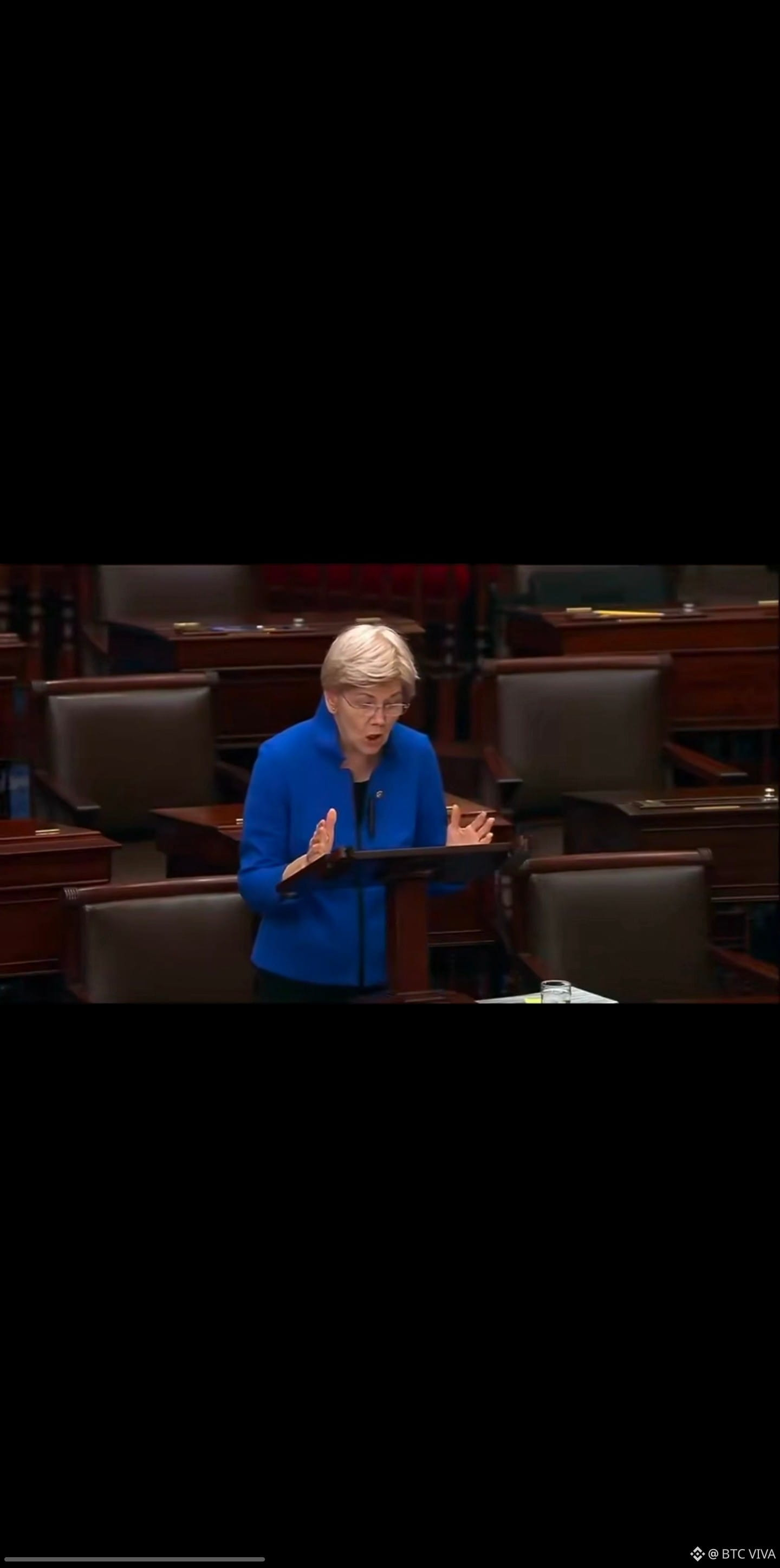
透明性法案(CLARITY ACT)は次の段階へ進むために必要な60票を獲得できていません。
ただいま入った情報:🚨🚨🚨🚨🚨🚨🚨
エリザベス・ウォーレン上院議員が、議会に対し暗号の透明性法案を阻止するよう求めています。
ただいま入った情報:🚨🚨🚨🚨🚨🚨🚨
エリザベス・ウォーレン上院議員は、CLARITY法の可決は米国を経済クラッシュの危険にさらし得ると警告しています。
#FedRateWatch
#USSenateBlocksClarityAct
#ClarityActOddsHalveOnPolymarket
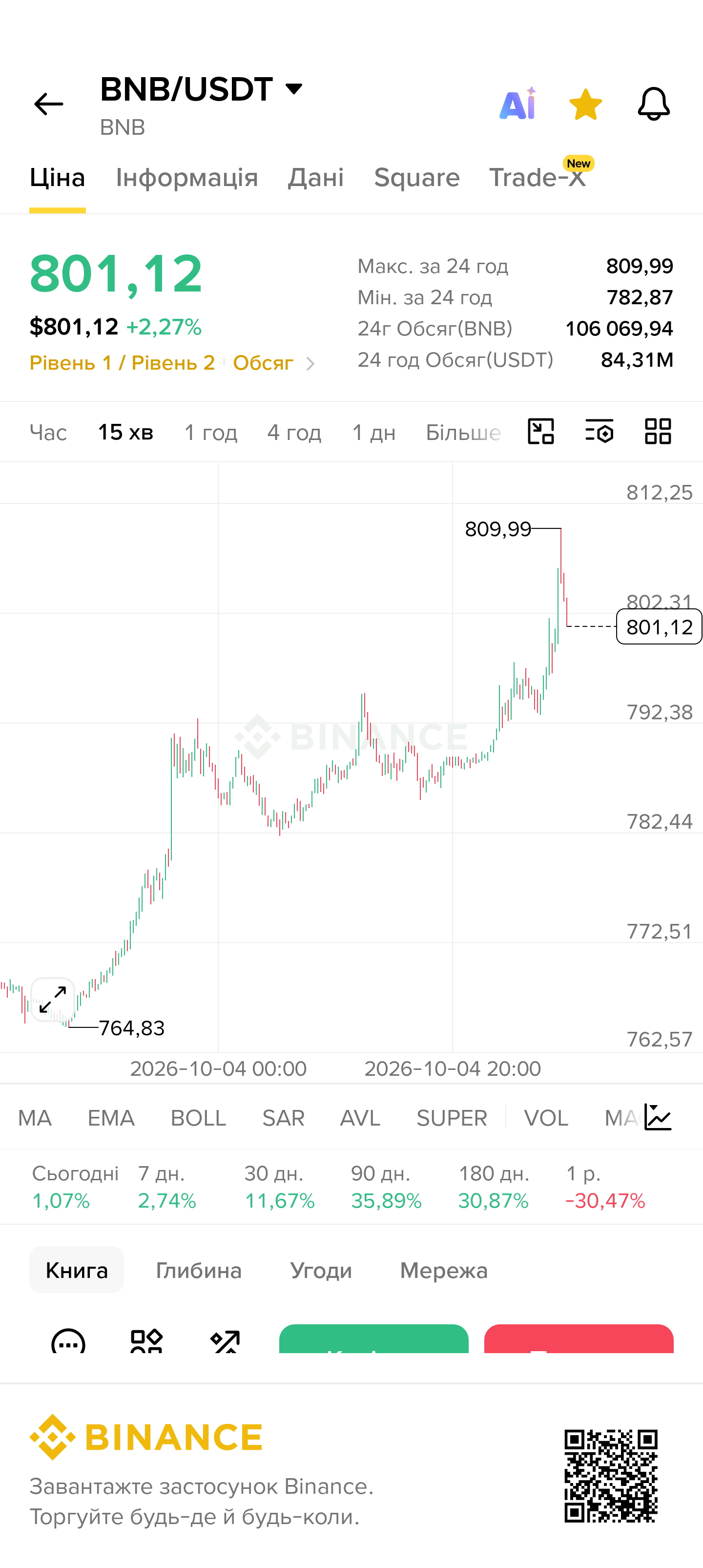
$BNB
{spot}(BNBUSDT)
緊急速報:🚨🚨🚨🚨🚨🚨🚨
透明性法案(CLARITY ACT)は次の段階へ進むために必要な60票を獲得できていません。
ただいま入った情報:🚨🚨🚨🚨🚨🚨🚨
エリザベス・ウォーレン上院議員が、議会に対し暗号の透明性法案を阻止するよう求めています。
ただいま入った情報:🚨🚨🚨🚨🚨🚨🚨
エリザベス・ウォーレン上院議員は、CLARITY法の可決は米国を経済クラッシュの危険にさらし得ると警告しています。
#FedRateWatch
#USSenateBlocksClarityAct
#ClarityActOddsHalveOnPolymarket
$BNB
透明性法案(CLARITY ACT)は次の段階へ進むために必要な60票を獲得できていません。
ただいま入った情報:🚨🚨🚨🚨🚨🚨🚨
エリザベス・ウォーレン上院議員が、議会に対し暗号の透明性法案を阻止するよう求めています。
ただいま入った情報:🚨🚨🚨🚨🚨🚨🚨
エリザベス・ウォーレン上院議員は、CLARITY法の可決は米国を経済クラッシュの危険にさらし得ると警告しています。
#FedRateWatch
#USSenateBlocksClarityAct
#ClarityActOddsHalveOnPolymarket
$BNB
18
3
120
170.8k
·
--
本人確認中
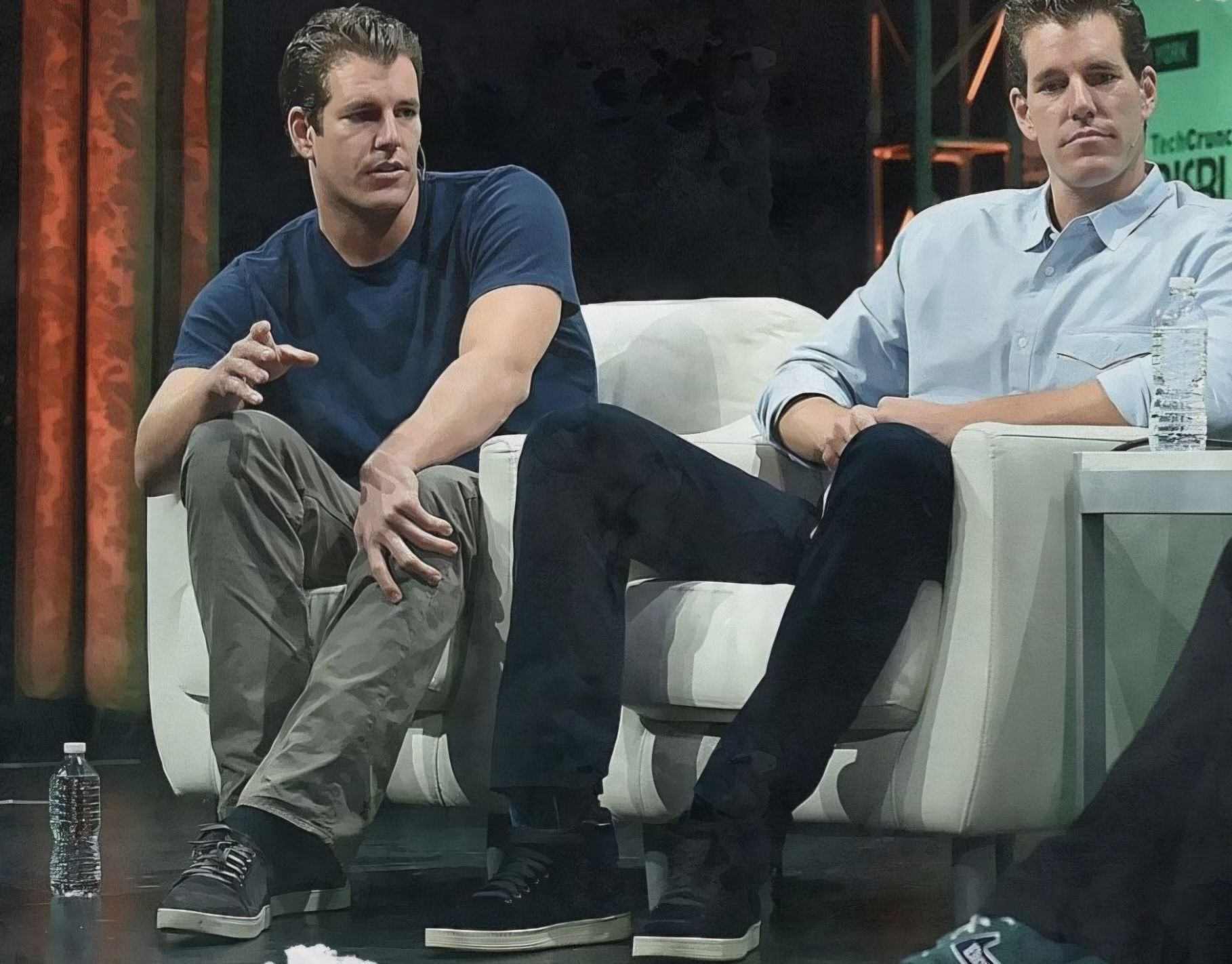
🚀 Zcash ETFの申請 Winklevoss Asset Servicesは、現物Zcash ETFのS-1登録届出書をSECに提出しました。
📊 このファンドはZECを直接保有する予定で、承認されれば、ティッカーシンボル「WINK」でナスダックに上場する可能性があります。これにより、米国のZcash ETF市場での競争が激化します。
#SECApproves3XBitcoinETF
#zcash
$ZEC
{spot}(ZECUSDT)
🚀 Zcash ETFの申請 Winklevoss Asset Servicesは、現物Zcash ETFのS-1登録届出書をSECに提出しました。
📊 このファンドはZECを直接保有する予定で、承認されれば、ティッカーシンボル「WINK」でナスダックに上場する可能性があります。これにより、米国のZcash ETF市場での競争が激化します。
#SECApproves3XBitcoinETF
#zcash
$ZEC
📊 このファンドはZECを直接保有する予定で、承認されれば、ティッカーシンボル「WINK」でナスダックに上場する可能性があります。これにより、米国のZcash ETF市場での競争が激化します。
#SECApproves3XBitcoinETF
#zcash
$ZEC
1
3
233
·
--
翻訳参照
JUST IN:
💰💰💰💰💰💰💰
Hyperliquid co-founder Jeff Yan said the perps trading platform is not trying to compete with any company and is instead meant to be a tool.
"No one is trying to compete with the internet," Yan said during Token2049 Singapore.
#Hyperliquid
$HYPE
{spot}(HYPEUSDT)
JUST IN:
💰💰💰💰💰💰💰
Hyperliquid co-founder Jeff Yan said the perps trading platform is not trying to compete with any company and is instead meant to be a tool.
"No one is trying to compete with the internet," Yan said during Token2049 Singapore.
#Hyperliquid
$HYPE
💰💰💰💰💰💰💰
Hyperliquid co-founder Jeff Yan said the perps trading platform is not trying to compete with any company and is instead meant to be a tool.
"No one is trying to compete with the internet," Yan said during Token2049 Singapore.
#Hyperliquid
$HYPE
1
3
106
·
--
翻訳参照
🚨🚨🚨🚨🚨🚨🚨
Pump fun sold another 102,495 $SOL ($12.41M) 8 hours ago.
In total, pump.fun has sold 5,347,925 $SOL ($861.47M) at an average price of $161.
#pumpfun
$SOL
{spot}(SOLUSDT)
🚨🚨🚨🚨🚨🚨🚨
Pump fun sold another 102,495 $SOL ($12.41M) 8 hours ago.
In total, pump.fun has sold 5,347,925 $SOL ($861.47M) at an average price of $161.
#pumpfun
$SOL
Pump fun sold another 102,495 $SOL ($12.41M) 8 hours ago.
In total, pump.fun has sold 5,347,925 $SOL ($861.47M) at an average price of $161.
#pumpfun
$SOL
6
175
·
--
翻訳参照
JUST IN :
🔥🔥🔥🔥🔥🔥🔥📈 📈📈📈📈📈📈
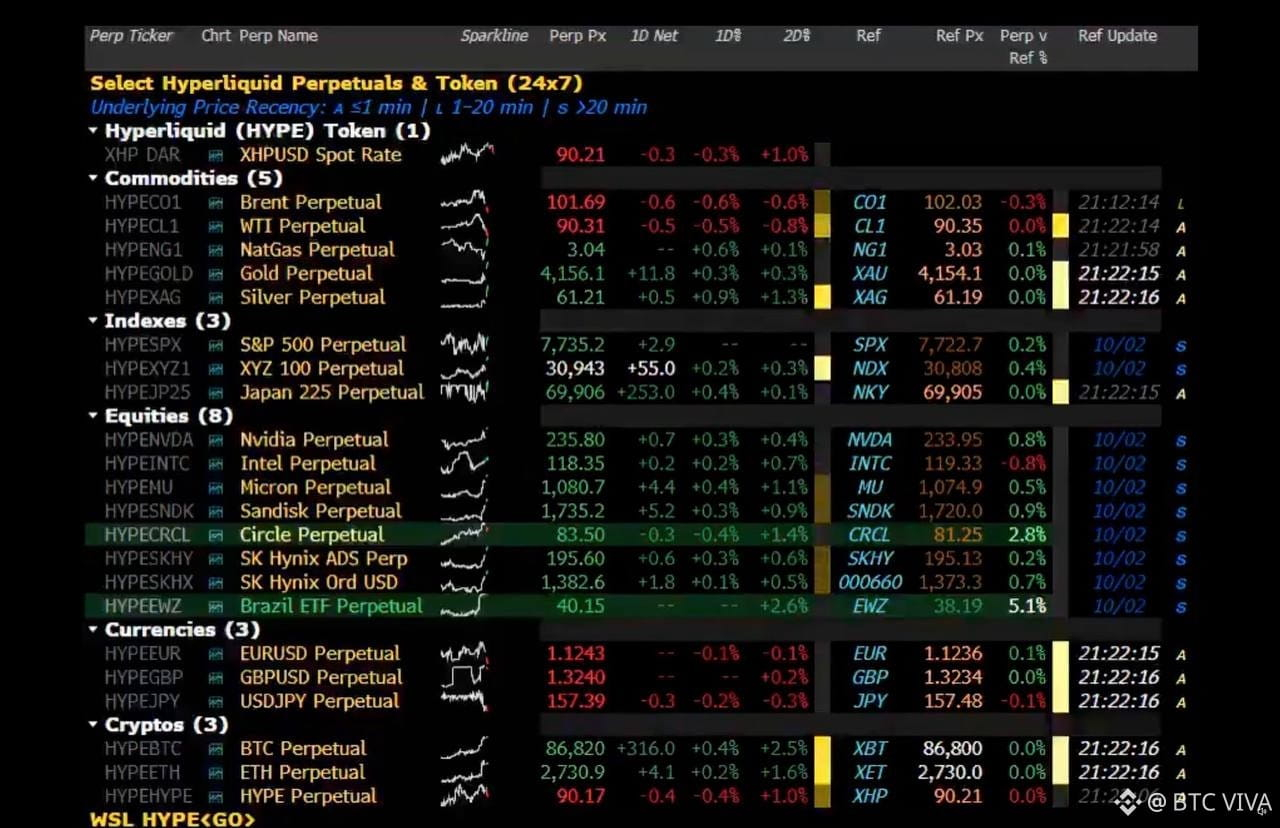
Bloomberg Terminal now streams 24/7 prices for select Hyperliquid perpetuals through its WSL HYPE function, covering commodities, indexes, equities, currencies, and crypto.
#Bloomberg #Hyperliquid
$HYPE
{spot}(HYPEUSDT)
JUST IN :
🔥🔥🔥🔥🔥🔥🔥📈 📈📈📈📈📈📈
Bloomberg Terminal now streams 24/7 prices for select Hyperliquid perpetuals through its WSL HYPE function, covering commodities, indexes, equities, currencies, and crypto.
#Bloomberg #Hyperliquid
$HYPE
🔥🔥🔥🔥🔥🔥🔥📈 📈📈📈📈📈📈
Bloomberg Terminal now streams 24/7 prices for select Hyperliquid perpetuals through its WSL HYPE function, covering commodities, indexes, equities, currencies, and crypto.
#Bloomberg #Hyperliquid
$HYPE
5
162
·
--
本人確認中
翻訳参照
JUST IN :
💰💰💰💰💰💰💰
Strategy reports $21B Q3 gain on digital assets, holds 848,000 BTC and $5.7B USD.
#strategy
$BTC
{spot}(BTCUSDT)
JUST IN :
💰💰💰💰💰💰💰
Strategy reports $21B Q3 gain on digital assets, holds 848,000 BTC and $5.7B USD.
#strategy
$BTC
💰💰💰💰💰💰💰
Strategy reports $21B Q3 gain on digital assets, holds 848,000 BTC and $5.7B USD.
#strategy
$BTC
7
190
·
--
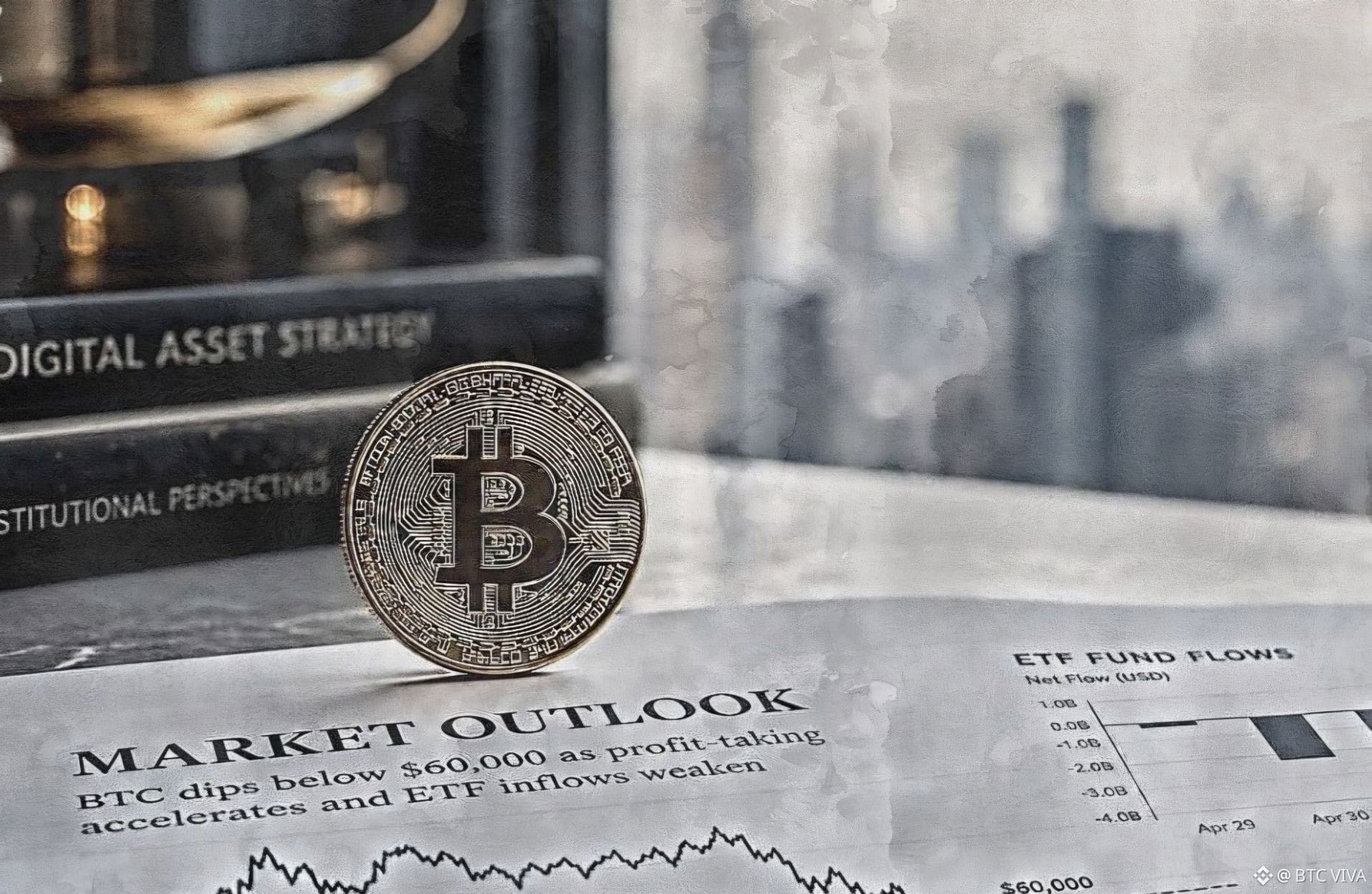
🔥 ビットコイン、87,000ドルを下回って停滞
10月6日、BTC/USDは87,000ドルの水準突破を3度目に試みて失敗し、86,000ドル付近で取引されています。
📊 需要は安定していますが、米国の現物ETFへの資金流入は、もはや市場に明確なシグナルを示していません。
87,200ドルを上抜ければ、新たな上昇の勢いにつながる可能性があります
#ETFvsBTC
$BTC
{spot}(BTCUSDT)
🔥 ビットコイン、87,000ドルを下回って停滞
10月6日、BTC/USDは87,000ドルの水準突破を3度目に試みて失敗し、86,000ドル付近で取引されています。
📊 需要は安定していますが、米国の現物ETFへの資金流入は、もはや市場に明確なシグナルを示していません。
87,200ドルを上抜ければ、新たな上昇の勢いにつながる可能性があります
#ETFvsBTC
$BTC
10月6日、BTC/USDは87,000ドルの水準突破を3度目に試みて失敗し、86,000ドル付近で取引されています。
📊 需要は安定していますが、米国の現物ETFへの資金流入は、もはや市場に明確なシグナルを示していません。
87,200ドルを上抜ければ、新たな上昇の勢いにつながる可能性があります
#ETFvsBTC
$BTC
7
169
·
--
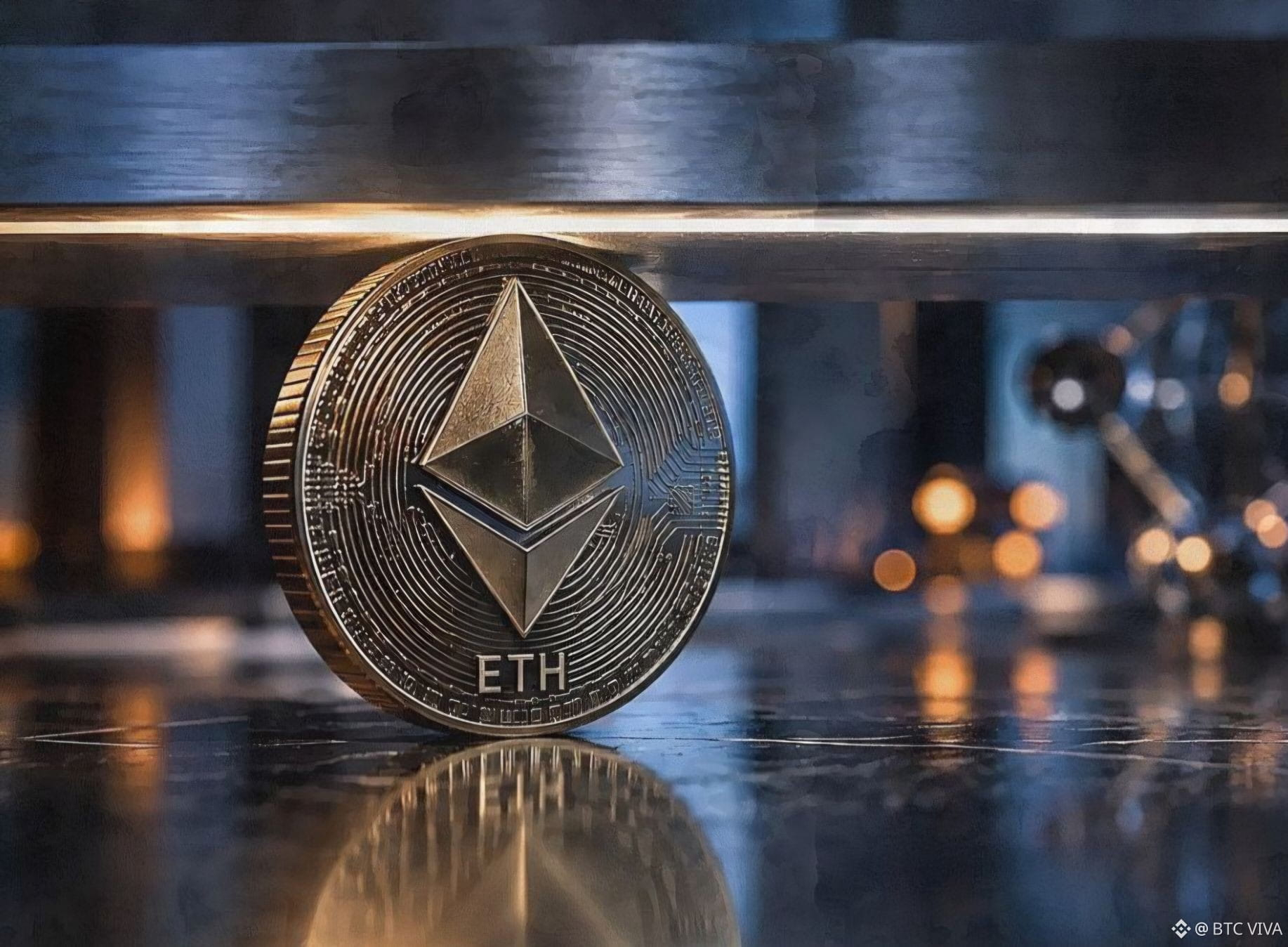
🔥🔥🔥🔥🔥🔥🔥 「アップトーバー」を前にイーサリアムが軟調
10月6日、米国の現物ETFから新たな資金流出があり、イーサリアムは2,700ドルを下回って取引されています。
📊「グラムステルダム」アップデートはセポリアでローンチされますが、価格はまだ2,720ドルのレジスタンスを突破できていません。
10月の不安定な滑り出しにより、ETHが2,550ドルに向かうのか、それとも2,900ドルまで反発するのかが決まる可能性があります。
#ETHUp70%InQ3ButLiquidityFalls
#ETFEthereum
$ETH
{spot}(ETHUSDT)
🔥🔥🔥🔥🔥🔥🔥 「アップトーバー」を前にイーサリアムが軟調
10月6日、米国の現物ETFから新たな資金流出があり、イーサリアムは2,700ドルを下回って取引されています。
📊「グラムステルダム」アップデートはセポリアでローンチされますが、価格はまだ2,720ドルのレジスタンスを突破できていません。
10月の不安定な滑り出しにより、ETHが2,550ドルに向かうのか、それとも2,900ドルまで反発するのかが決まる可能性があります。
#ETHUp70%InQ3ButLiquidityFalls
#ETFEthereum
$ETH
10月6日、米国の現物ETFから新たな資金流出があり、イーサリアムは2,700ドルを下回って取引されています。
📊「グラムステルダム」アップデートはセポリアでローンチされますが、価格はまだ2,720ドルのレジスタンスを突破できていません。
10月の不安定な滑り出しにより、ETHが2,550ドルに向かうのか、それとも2,900ドルまで反発するのかが決まる可能性があります。
#ETHUp70%InQ3ButLiquidityFalls
#ETFEthereum
$ETH
1
6
321
·
--
速報:
🔥🇺🇸🔥🇺🇲🔥🇺🇲🔥🇺🇲🔥🇺🇲🔥🇺🇲🔥🇺🇲
米財務省は、自己管理型ウォレットと暗号資産ミキサーを対象とする暗号資産報告規則案を撤回。
#US #FedOctoberHoldOdds82.3%
$BNB
{spot}(BNBUSDT)
速報:
🔥🇺🇸🔥🇺🇲🔥🇺🇲🔥🇺🇲🔥🇺🇲🔥🇺🇲🔥🇺🇲
米財務省は、自己管理型ウォレットと暗号資産ミキサーを対象とする暗号資産報告規則案を撤回。
#US #FedOctoberHoldOdds82.3%
$BNB
🔥🇺🇸🔥🇺🇲🔥🇺🇲🔥🇺🇲🔥🇺🇲🔥🇺🇲🔥🇺🇲
米財務省は、自己管理型ウォレットと暗号資産ミキサーを対象とする暗号資産報告規則案を撤回。
#US #FedOctoberHoldOdds82.3%
$BNB
10
1.2k
·
--
💰🚨💰🚨💰🚨💰🚨💰🚨💰🚨💰🚨
Ethereumの初期保有者「0xa2F6」が6か月ぶりに、さらに13,330 $ETH (3,637万ドル相当)を売却しました。
この初期保有者はICOで、$ETH を1枚あたり0.31ドルの安値で170,000枚購入しました(購入額は5万2,700ドル、現在の価値は4億6,140万ドル)。
#ETHUp70%InQ3ButLiquidityFalls
#EthStakingExitQueueHits2026High
#EthereumValidatorExitQueueJumps392%
$ETH
{spot}(ETHUSDT)
💰🚨💰🚨💰🚨💰🚨💰🚨💰🚨💰🚨
Ethereumの初期保有者「0xa2F6」が6か月ぶりに、さらに13,330 $ETH (3,637万ドル相当)を売却しました。
この初期保有者はICOで、$ETH を1枚あたり0.31ドルの安値で170,000枚購入しました(購入額は5万2,700ドル、現在の価値は4億6,140万ドル)。
#ETHUp70%InQ3ButLiquidityFalls
#EthStakingExitQueueHits2026High
#EthereumValidatorExitQueueJumps392%
$ETH
Ethereumの初期保有者「0xa2F6」が6か月ぶりに、さらに13,330 $ETH (3,637万ドル相当)を売却しました。
この初期保有者はICOで、$ETH を1枚あたり0.31ドルの安値で170,000枚購入しました(購入額は5万2,700ドル、現在の価値は4億6,140万ドル)。
#ETHUp70%InQ3ButLiquidityFalls
#EthStakingExitQueueHits2026High
#EthereumValidatorExitQueueJumps392%
$ETH
6
404
·
--
本人確認中
🚀🚀🚀🚀🚀🚀🚀
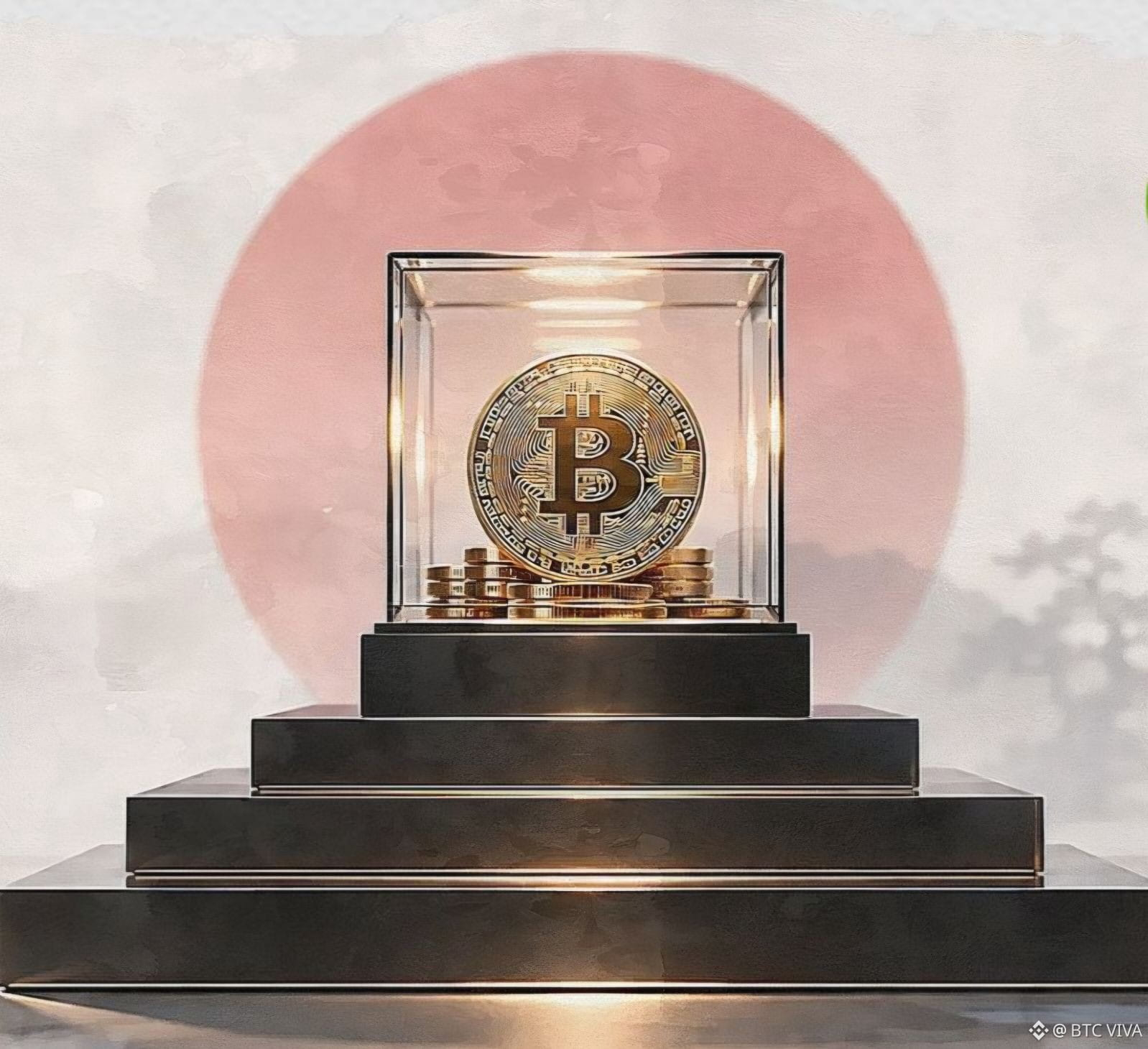
メタプラネット、ビットコインの保有量を増加
2026年第3四半期、メタプラネットは保有量を44,000 BTCに拡大しました。
📊 同社は資産の85~90%をビットコインで保有する計画です。
メタプラネットは、アジアを代表するビットコイン金融企業を目指しています。
#metaplanet #ETFvsBTC
$BTC
{spot}(BTCUSDT)
🚀🚀🚀🚀🚀🚀🚀
メタプラネット、ビットコインの保有量を増加
2026年第3四半期、メタプラネットは保有量を44,000 BTCに拡大しました。
📊 同社は資産の85~90%をビットコインで保有する計画です。
メタプラネットは、アジアを代表するビットコイン金融企業を目指しています。
#metaplanet #ETFvsBTC
$BTC
メタプラネット、ビットコインの保有量を増加
2026年第3四半期、メタプラネットは保有量を44,000 BTCに拡大しました。
📊 同社は資産の85~90%をビットコインで保有する計画です。
メタプラネットは、アジアを代表するビットコイン金融企業を目指しています。
#metaplanet #ETFvsBTC
$BTC
1
7
646
·
--
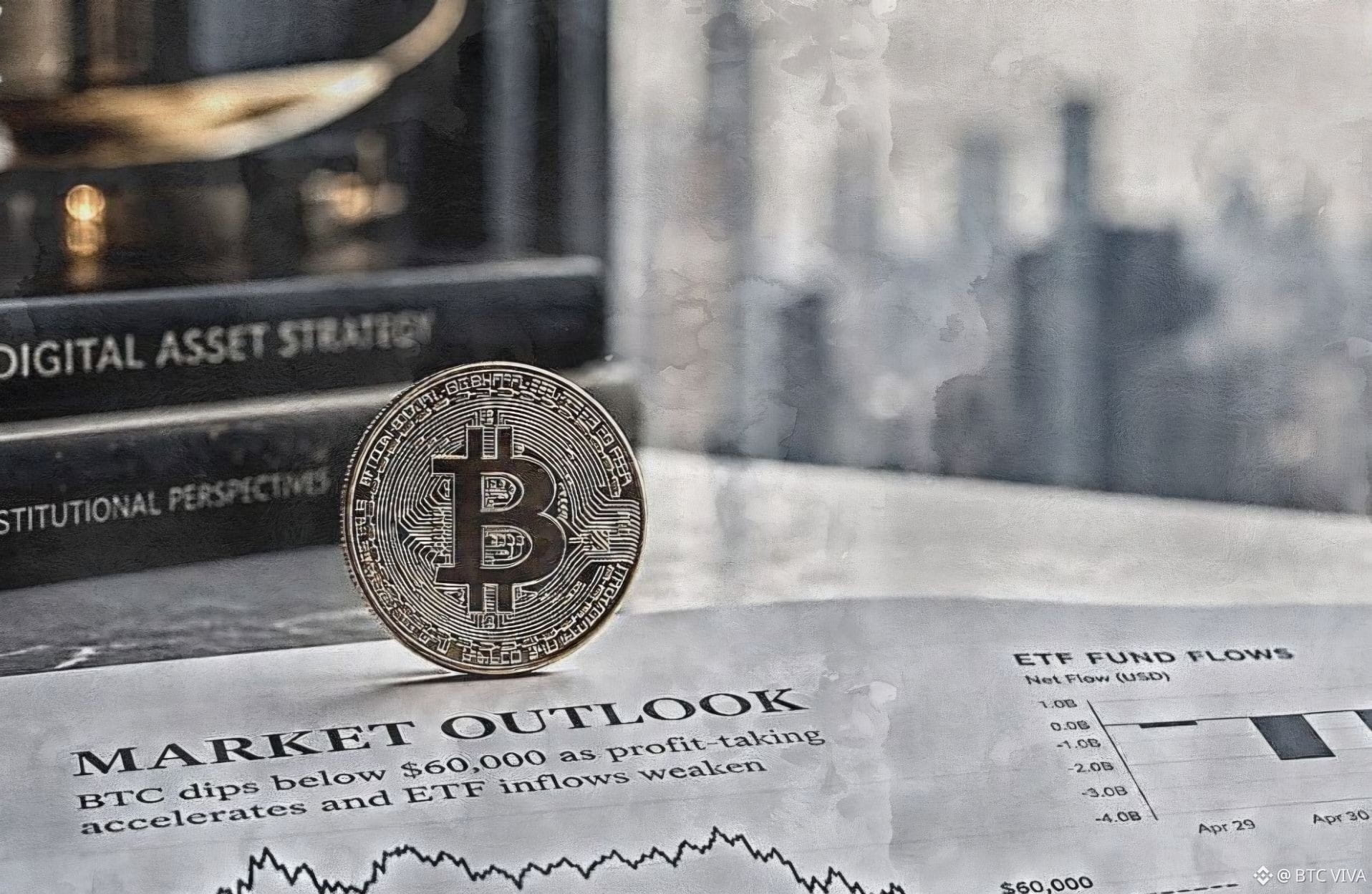
🔥 BTCは86,000ドル付近
10月5日、BTC/USDは反発し、86,500〜87,500ドルのレジスタンスゾーンに接近した後、86,000ドル付近を維持しています。
📊 米国の雇用統計の弱さとETFへの資金流入が、ビットコイン需要を支えています。
歴史的に、10月はビットコインにとって好調な月ですが、現在は87,000ドルの水準が上抜けを阻んでいます。
#ETFvsBTC
$BTC
{spot}(BTCUSDT)
🔥 BTCは86,000ドル付近
10月5日、BTC/USDは反発し、86,500〜87,500ドルのレジスタンスゾーンに接近した後、86,000ドル付近を維持しています。
📊 米国の雇用統計の弱さとETFへの資金流入が、ビットコイン需要を支えています。
歴史的に、10月はビットコインにとって好調な月ですが、現在は87,000ドルの水準が上抜けを阻んでいます。
#ETFvsBTC
$BTC
10月5日、BTC/USDは反発し、86,500〜87,500ドルのレジスタンスゾーンに接近した後、86,000ドル付近を維持しています。
📊 米国の雇用統計の弱さとETFへの資金流入が、ビットコイン需要を支えています。
歴史的に、10月はビットコインにとって好調な月ですが、現在は87,000ドルの水準が上抜けを阻んでいます。
#ETFvsBTC
$BTC
1
1
8
1k
·
--
本人確認中
🚨🚨🚨🚨🚨🚨🚨
イーサリアム、2,720ドル付近で足踏み
イーサリアムは再び2,720ドルのレジスタンス水準を試していますが、市場ではまだ明確な上抜けは確認されていません。
📉 ETFからの1億3,800万ドルの資金流出と初期投資家による売却が、ETHへの売り圧力を強めています。
10月6日に予定されているセポリアネットワークでの「Glamsterdam」アップグレードは、価格変動の新たなきっかけとなる可能性があります。
#EthereumValidatorExitQueueJumps392%
#ETFEthereum
$ETH
{spot}(ETHUSDT)
🚨🚨🚨🚨🚨🚨🚨
イーサリアム、2,720ドル付近で足踏み
イーサリアムは再び2,720ドルのレジスタンス水準を試していますが、市場ではまだ明確な上抜けは確認されていません。
📉 ETFからの1億3,800万ドルの資金流出と初期投資家による売却が、ETHへの売り圧力を強めています。
10月6日に予定されているセポリアネットワークでの「Glamsterdam」アップグレードは、価格変動の新たなきっかけとなる可能性があります。
#EthereumValidatorExitQueueJumps392%
#ETFEthereum
$ETH
イーサリアム、2,720ドル付近で足踏み
イーサリアムは再び2,720ドルのレジスタンス水準を試していますが、市場ではまだ明確な上抜けは確認されていません。
📉 ETFからの1億3,800万ドルの資金流出と初期投資家による売却が、ETHへの売り圧力を強めています。
10月6日に予定されているセポリアネットワークでの「Glamsterdam」アップグレードは、価格変動の新たなきっかけとなる可能性があります。
#EthereumValidatorExitQueueJumps392%
#ETFEthereum
$ETH
2
6
715

ログインして、さらにコンテンツを読む
厳選トピックで世界の暗号資産トレーダーの仲間入り
⚡️ 暗号資産に関する最新かつ有益な情報が見つかります。
💬 世界最大の暗号資産取引所から信頼されています。
👍 認証を受けたクリエイターから、有益なインサイトを得られます。
メール / 電話番号