
BNB Fox
3.3k 投稿

BNB Fox
 厳選トピック確認済
報告
ユーザーをブロック
Tired of crypto noise? I share what actually matters. No hype, just clarity. Follow for the edge 🦊 X: @Fox_BNB_
取引を発注
高頻度トレーダー
2.2年
565 フォロー
30.0K+ フォロワー
5.1K+ いいね
投稿
ポートフォリオ
·
--
記事
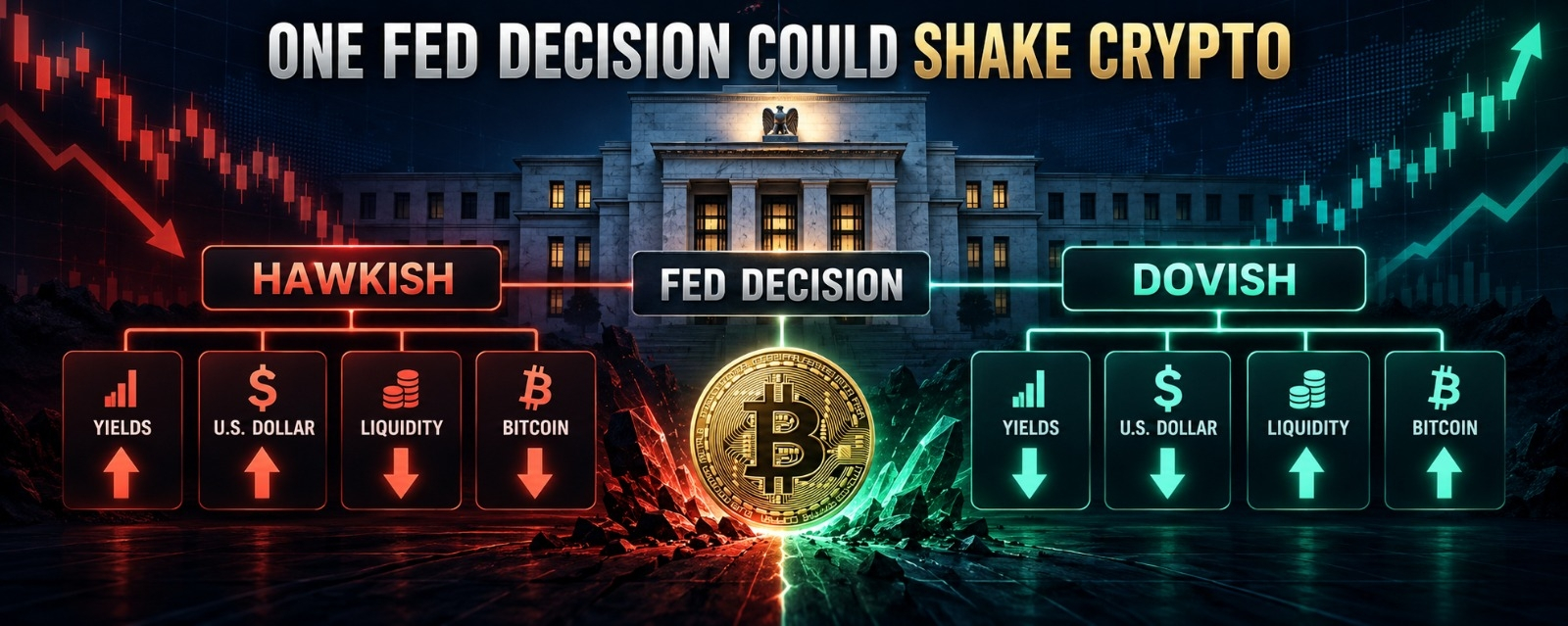
FRBの1つの決定がクリプトを揺るがし得る私は、期待がここまで割れている状態でFRBの会合が近づいているのを見たことはめったにありません。FRBは9月16日に次の利上げ・利下げの決定を発表し、市場はもはや「据え置き」か「利下げ」かという単純な選択肢を議論している段階ではありません。利上げが現実的な可能性として戻ってきました。この不確実性が重要なのは、暗号資産(クリプト)がここ数か月、「金融環境は最終的により緩和されるはずだ」という考え方に適応してきたからです。
米連邦準備制度理事会(FRB)の決定は、持続的なインフレ、粘り強い雇用、そして上昇するエネルギー価格という、居心地の悪い組み合わせの中に存在しています。強い経済指標は一見すると前向きに見えるかもしれませんが、それは政策担当者に対して、より低い金利で成長を支える理由をこれまで以上に与えにくくします。原油が100ドルを超えると、輸送や生産のコストが経済全体に波及し得るため、別の問題が生じます。FRBがインフレが再び加速する可能性があると考えるなら、警告を添える形で金利を据え置くか、あるいは金利をそのまま引き上げる可能性もあります。
FRBの1つの決定がクリプトを揺るがし得る
私は、期待がここまで割れている状態でFRBの会合が近づいているのを見たことはめったにありません。FRBは9月16日に次の利上げ・利下げの決定を発表し、市場はもはや「据え置き」か「利下げ」かという単純な選択肢を議論している段階ではありません。利上げが現実的な可能性として戻ってきました。この不確実性が重要なのは、暗号資産(クリプト)がここ数か月、「金融環境は最終的により緩和されるはずだ」という考え方に適応してきたからです。
米連邦準備制度理事会(FRB)の決定は、持続的なインフレ、粘り強い雇用、そして上昇するエネルギー価格という、居心地の悪い組み合わせの中に存在しています。強い経済指標は一見すると前向きに見えるかもしれませんが、それは政策担当者に対して、より低い金利で成長を支える理由をこれまで以上に与えにくくします。原油が100ドルを超えると、輸送や生産のコストが経済全体に波及し得るため、別の問題が生じます。FRBがインフレが再び加速する可能性があると考えるなら、警告を添える形で金利を据え置くか、あるいは金利をそのまま引き上げる可能性もあります。
米連邦準備制度理事会(FRB)の決定は、持続的なインフレ、粘り強い雇用、そして上昇するエネルギー価格という、居心地の悪い組み合わせの中に存在しています。強い経済指標は一見すると前向きに見えるかもしれませんが、それは政策担当者に対して、より低い金利で成長を支える理由をこれまで以上に与えにくくします。原油が100ドルを超えると、輸送や生産のコストが経済全体に波及し得るため、別の問題が生じます。FRBがインフレが再び加速する可能性があると考えるなら、警告を添える形で金利を据え置くか、あるいは金利をそのまま引き上げる可能性もあります。
91
·
--

記事
ビットコイン vs. 100ドルのオイルブレント原油が1ドル100に戻るのは、単なる別のコモディティの見出しではありません。これは、世界経済が深刻な供給ショックに直面したとき、ビットコインがどう振る舞うかの直接的なテストだと見ています。オイルが高くなっているのは、市場が生産の寸断、脆弱な海上輸送ルート、そして地政学的な不安定さを心配しているからです。一方でビットコインは、投資家がそれを金融の混乱からの防衛(ヘッジ)として扱うのか、それとも不確実性が高まると売られる「もう一つのリスク資産」として扱うのかを、はっきり証明することを迫られています。
オイルとビットコインはどちらも「希少資産」として語られますが、その希少性の働きは異なります。オイルは物理的に限られており、地理的に偏在し、運搬が難しく、日々の経済活動に不可欠です。ビットコインはデジタル的に希少であり、世界中に移転可能で、発行は固定されたスケジュールによって統治されています。オイルは物理的な経済の動きを支えます。ビットコインは、中央当局が供給を管理しなくても運用できるマネーネットワークを提供します。
ビットコイン vs. 100ドルのオイル
ブレント原油が1ドル100に戻るのは、単なる別のコモディティの見出しではありません。これは、世界経済が深刻な供給ショックに直面したとき、ビットコインがどう振る舞うかの直接的なテストだと見ています。オイルが高くなっているのは、市場が生産の寸断、脆弱な海上輸送ルート、そして地政学的な不安定さを心配しているからです。一方でビットコインは、投資家がそれを金融の混乱からの防衛(ヘッジ)として扱うのか、それとも不確実性が高まると売られる「もう一つのリスク資産」として扱うのかを、はっきり証明することを迫られています。
オイルとビットコインはどちらも「希少資産」として語られますが、その希少性の働きは異なります。オイルは物理的に限られており、地理的に偏在し、運搬が難しく、日々の経済活動に不可欠です。ビットコインはデジタル的に希少であり、世界中に移転可能で、発行は固定されたスケジュールによって統治されています。オイルは物理的な経済の動きを支えます。ビットコインは、中央当局が供給を管理しなくても運用できるマネーネットワークを提供します。
オイルとビットコインはどちらも「希少資産」として語られますが、その希少性の働きは異なります。オイルは物理的に限られており、地理的に偏在し、運搬が難しく、日々の経済活動に不可欠です。ビットコインはデジタル的に希少であり、世界中に移転可能で、発行は固定されたスケジュールによって統治されています。オイルは物理的な経済の動きを支えます。ビットコインは、中央当局が供給を管理しなくても運用できるマネーネットワークを提供します。
112
·
--
記事
スマートマネーが今動き出している今の暗号資産を見渡すと、私が何度も立ち返るのはひとつの観察です。資本が、これまでとは違う動きを始めているということです。
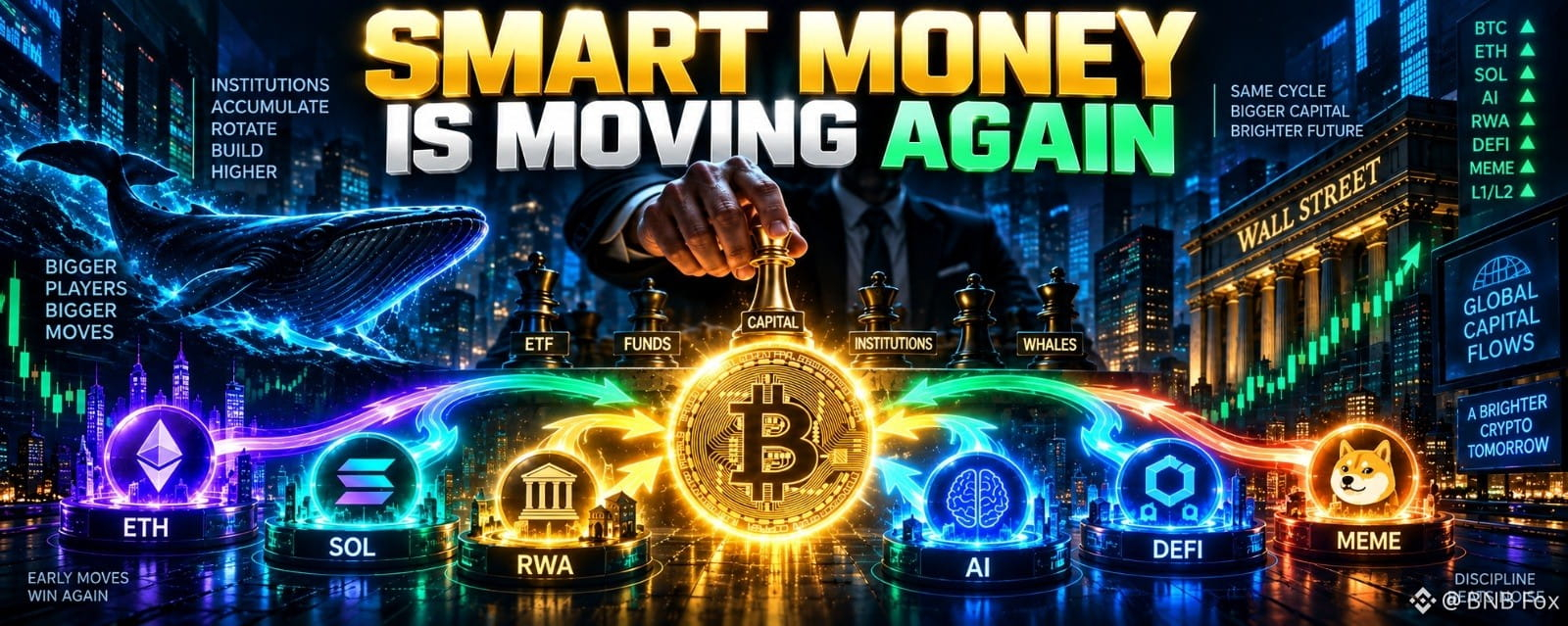
すべてに単純に流れ込んでいるわけではありません。ビットコインはETFを通じて大きな機関投資家の需要を受け取っており、HYPEは、多くのトレーダーが比較的若いDeFiの資産とは結びつけないようなポートフォリオの中に現れています。さらに、プライバシーコインは突如として市場の最も強い一角のひとつになり、投機的な流動性が再びソラナ周辺で姿を見せています。私は、この組み合わせにこそ、個別の価格の足場面以上の関心を抱いています。
スマートマネーが今動き出している
今の暗号資産を見渡すと、私が何度も立ち返るのはひとつの観察です。資本が、これまでとは違う動きを始めているということです。
すべてに単純に流れ込んでいるわけではありません。ビットコインはETFを通じて大きな機関投資家の需要を受け取っており、HYPEは、多くのトレーダーが比較的若いDeFiの資産とは結びつけないようなポートフォリオの中に現れています。さらに、プライバシーコインは突如として市場の最も強い一角のひとつになり、投機的な流動性が再びソラナ周辺で姿を見せています。私は、この組み合わせにこそ、個別の価格の足場面以上の関心を抱いています。
すべてに単純に流れ込んでいるわけではありません。ビットコインはETFを通じて大きな機関投資家の需要を受け取っており、HYPEは、多くのトレーダーが比較的若いDeFiの資産とは結びつけないようなポートフォリオの中に現れています。さらに、プライバシーコインは突如として市場の最も強い一角のひとつになり、投機的な流動性が再びソラナ周辺で姿を見せています。私は、この組み合わせにこそ、個別の価格の足場面以上の関心を抱いています。
204
·
--

記事
誰もが見ている間違ったコイン誰もがビットコインが約80,000ドルの周りにあるのを見ている。私は、まったく動かないように設計されたコインを、ますます注目している。USDTだ。
それは奇妙に聞こえるかもしれないが、仮に「実際に暗号資産市場を動かしているのは何か」と考えれば話は別だ。価格には流動性が必要だ。ビットコイン、イーサリアム、ソラナ、あるいはそれより小さなトークンで、資本が緑のローソク足になって動き出す前に、しばしばその“意味のある量”は、システムのどこかに待機しているステーブルコインの流動性として存在している。いまはそれによって、ビットコインが次のレジスタンスを突破できるかどうかという別の議論よりも、私にとってUSDTのほうがより興味深くなっている。
誰もが見ている間違ったコイン
誰もがビットコインが約80,000ドルの周りにあるのを見ている。私は、まったく動かないように設計されたコインを、ますます注目している。USDTだ。
それは奇妙に聞こえるかもしれないが、仮に「実際に暗号資産市場を動かしているのは何か」と考えれば話は別だ。価格には流動性が必要だ。ビットコイン、イーサリアム、ソラナ、あるいはそれより小さなトークンで、資本が緑のローソク足になって動き出す前に、しばしばその“意味のある量”は、システムのどこかに待機しているステーブルコインの流動性として存在している。いまはそれによって、ビットコインが次のレジスタンスを突破できるかどうかという別の議論よりも、私にとってUSDTのほうがより興味深くなっている。
それは奇妙に聞こえるかもしれないが、仮に「実際に暗号資産市場を動かしているのは何か」と考えれば話は別だ。価格には流動性が必要だ。ビットコイン、イーサリアム、ソラナ、あるいはそれより小さなトークンで、資本が緑のローソク足になって動き出す前に、しばしばその“意味のある量”は、システムのどこかに待機しているステーブルコインの流動性として存在している。いまはそれによって、ビットコインが次のレジスタンスを突破できるかどうかという別の議論よりも、私にとってUSDTのほうがより興味深くなっている。
132
·
--
記事
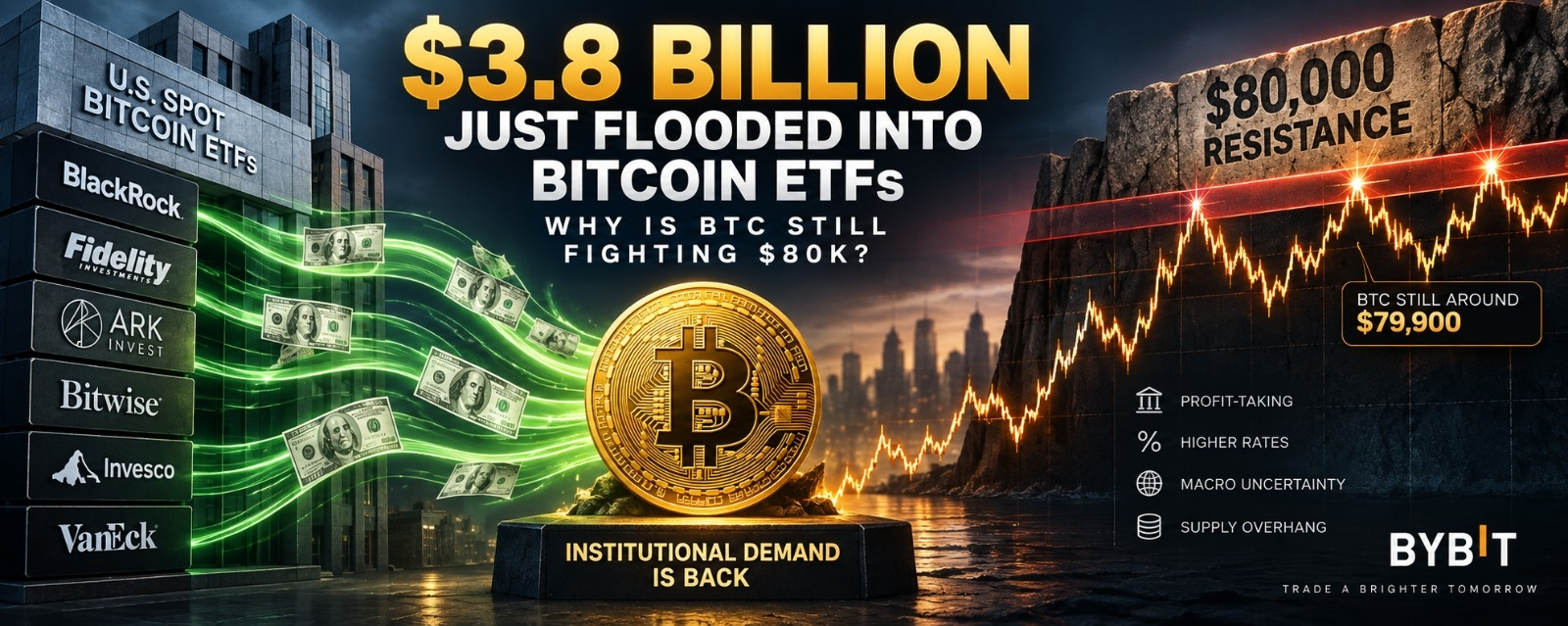
ビットコインETFに38億ドル流入。それでもBTCが8万ドルで足踏みしているのはなぜか?過去3週間で、米国の現物ビットコインETFには約38億ドルが流入しましたが、ビットコインは依然として8万ドル付近でもみ合っています。そこが、私が市場で最も興味深い部分だと感じているところです。
流入は明らかに意味のあるものです。機関投資家の需要は力強く戻っており、最近のETFの動きは2026年でも屈指の好調な期間の一つでした。しかし、ETF需要が自動的に価格上昇を強いるわけではありません。買い手がいれば、依然として売り手も必要です。
つまり、他の投資家が利益確定したり、エクスポージャーを減らしたり、上昇局面で売っている間にも、ETFを通じて数十億ドルが流入し得るということです。ビットコインが8万ドル付近まで回復した後、市場の上にはかなりの供給が控えているように見えます。長期保有者は利益を確定しているのかもしれず、トレーダーはリスクを減らしているのかもしれず、価格がレジスタンスに近づくにつれてマーケットメーカーはポジションを再調整しているのかもしれません。
ビットコインETFに38億ドル流入。それでもBTCが8万ドルで足踏みしているのはなぜか?
過去3週間で、米国の現物ビットコインETFには約38億ドルが流入しましたが、ビットコインは依然として8万ドル付近でもみ合っています。そこが、私が市場で最も興味深い部分だと感じているところです。
流入は明らかに意味のあるものです。機関投資家の需要は力強く戻っており、最近のETFの動きは2026年でも屈指の好調な期間の一つでした。しかし、ETF需要が自動的に価格上昇を強いるわけではありません。買い手がいれば、依然として売り手も必要です。
つまり、他の投資家が利益確定したり、エクスポージャーを減らしたり、上昇局面で売っている間にも、ETFを通じて数十億ドルが流入し得るということです。ビットコインが8万ドル付近まで回復した後、市場の上にはかなりの供給が控えているように見えます。長期保有者は利益を確定しているのかもしれず、トレーダーはリスクを減らしているのかもしれず、価格がレジスタンスに近づくにつれてマーケットメーカーはポジションを再調整しているのかもしれません。
流入は明らかに意味のあるものです。機関投資家の需要は力強く戻っており、最近のETFの動きは2026年でも屈指の好調な期間の一つでした。しかし、ETF需要が自動的に価格上昇を強いるわけではありません。買い手がいれば、依然として売り手も必要です。
つまり、他の投資家が利益確定したり、エクスポージャーを減らしたり、上昇局面で売っている間にも、ETFを通じて数十億ドルが流入し得るということです。ビットコインが8万ドル付近まで回復した後、市場の上にはかなりの供給が控えているように見えます。長期保有者は利益を確定しているのかもしれず、トレーダーはリスクを減らしているのかもしれず、価格がレジスタンスに近づくにつれてマーケットメーカーはポジションを再調整しているのかもしれません。
189
·
--
記事
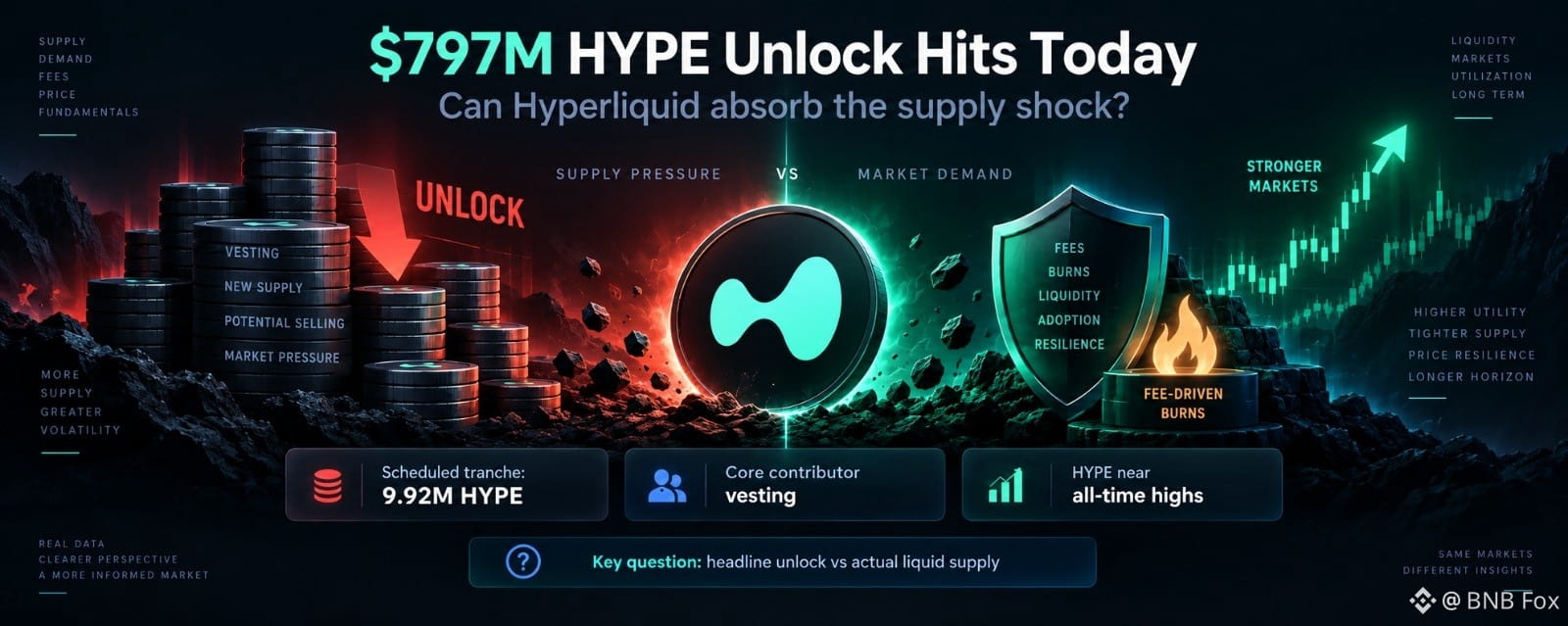
$797M HYPEのアンロックが今日発生 — でも供給ショックは本当に起きているのか?今日誰もが目にしている数字は7億9700万ドルです。より重要なのは、そのはるかに小さい数字だと思います。
Hyperliquidの9月6日のスケジュールにより、コア・コントリビューターに約992万HYPEが利用可能になります。7億9700万ドルという数字は、そのトランシェの当時の評価額でした。現在HYPEは約86〜88ドルなので、その理論上の価値は約8.5億ドルに近くなります。ただし、問題はその全額が突然市場に出てくるのかどうかではありません。重要なのは、どれだけが流動化し、どれだけが取引所へ向かい、そして実際の需要がそれを吸収できるかです。現在の追跡では、このイベント向けにコミットされているのは約433,000 HYPEで、価値は約3700万ドル程度にすぎません。
$797M HYPEのアンロックが今日発生 — でも供給ショックは本当に起きているのか?
今日誰もが目にしている数字は7億9700万ドルです。より重要なのは、そのはるかに小さい数字だと思います。
Hyperliquidの9月6日のスケジュールにより、コア・コントリビューターに約992万HYPEが利用可能になります。7億9700万ドルという数字は、そのトランシェの当時の評価額でした。現在HYPEは約86〜88ドルなので、その理論上の価値は約8.5億ドルに近くなります。ただし、問題はその全額が突然市場に出てくるのかどうかではありません。重要なのは、どれだけが流動化し、どれだけが取引所へ向かい、そして実際の需要がそれを吸収できるかです。現在の追跡では、このイベント向けにコミットされているのは約433,000 HYPEで、価値は約3700万ドル程度にすぎません。
Hyperliquidの9月6日のスケジュールにより、コア・コントリビューターに約992万HYPEが利用可能になります。7億9700万ドルという数字は、そのトランシェの当時の評価額でした。現在HYPEは約86〜88ドルなので、その理論上の価値は約8.5億ドルに近くなります。ただし、問題はその全額が突然市場に出てくるのかどうかではありません。重要なのは、どれだけが流動化し、どれだけが取引所へ向かい、そして実際の需要がそれを吸収できるかです。現在の追跡では、このイベント向けにコミットされているのは約433,000 HYPEで、価値は約3700万ドル程度にすぎません。
125
·
--
ブリッシュ
🚨 $SNXXB は絶対に急加速中!
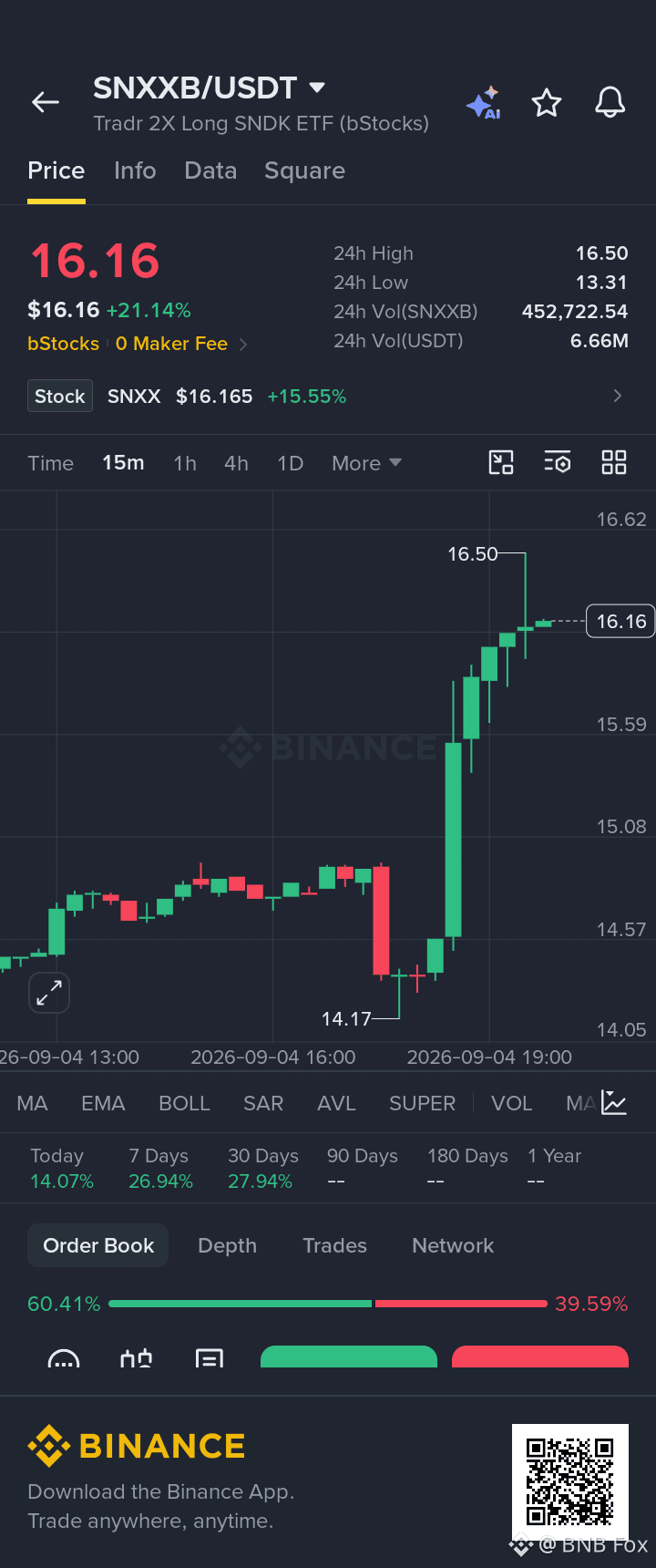
買い手が一気に参入し、$SNXXB は約 $14.17 → $16.50 へと押し上げられました。さらに、ペアは直近24Hでおよそ +21% の上昇中です。🔥
15Mチャートでは、強い上昇の拡大の後に高値付近で価格が維持されています――まさに面白くなる局面です。
👀 注目の水準:$16.50
これをブレイクして上で定着 → 強気派は次の拡大局面へ進む可能性。
ここでの反落 → 直近のブレイクアウト・ゾーン方向への押し戻しに注目。
現在の板情報では、買い(bids)が約60%に対して売り(asks)が40%で、短期的な強気圧力を後押ししています。
縦に伸びる(急騰の)ローソク足を盲目的に追いかけないでください。次の動きは市場の確認を待ちましょう。
$SNXXB の強気派――次は $16.50 を突破しますか?🚀
⚠️ 投資助言ではありません。リスク管理をしてください。
🚨 $SNXXB は絶対に急加速中!
買い手が一気に参入し、$SNXXB は約 $14.17 → $16.50 へと押し上げられました。さらに、ペアは直近24Hでおよそ +21% の上昇中です。🔥
15Mチャートでは、強い上昇の拡大の後に高値付近で価格が維持されています――まさに面白くなる局面です。
👀 注目の水準:$16.50
これをブレイクして上で定着 → 強気派は次の拡大局面へ進む可能性。
ここでの反落 → 直近のブレイクアウト・ゾーン方向への押し戻しに注目。
現在の板情報では、買い(bids)が約60%に対して売り(asks)が40%で、短期的な強気圧力を後押ししています。
縦に伸びる(急騰の)ローソク足を盲目的に追いかけないでください。次の動きは市場の確認を待ちましょう。
$SNXXB の強気派――次は $16.50 を突破しますか?🚀
⚠️ 投資助言ではありません。リスク管理をしてください。
買い手が一気に参入し、$SNXXB は約 $14.17 → $16.50 へと押し上げられました。さらに、ペアは直近24Hでおよそ +21% の上昇中です。🔥
15Mチャートでは、強い上昇の拡大の後に高値付近で価格が維持されています――まさに面白くなる局面です。
👀 注目の水準:$16.50
これをブレイクして上で定着 → 強気派は次の拡大局面へ進む可能性。
ここでの反落 → 直近のブレイクアウト・ゾーン方向への押し戻しに注目。
現在の板情報では、買い(bids)が約60%に対して売り(asks)が40%で、短期的な強気圧力を後押ししています。
縦に伸びる(急騰の)ローソク足を盲目的に追いかけないでください。次の動きは市場の確認を待ちましょう。
$SNXXB の強気派――次は $16.50 を突破しますか?🚀
⚠️ 投資助言ではありません。リスク管理をしてください。
86
·
--
ブリッシュ
🚨 $AR ロングセットアップ — 爆発的ブレイクアウト、強気はもっと欲しい!
{spot}(ARUSDT)
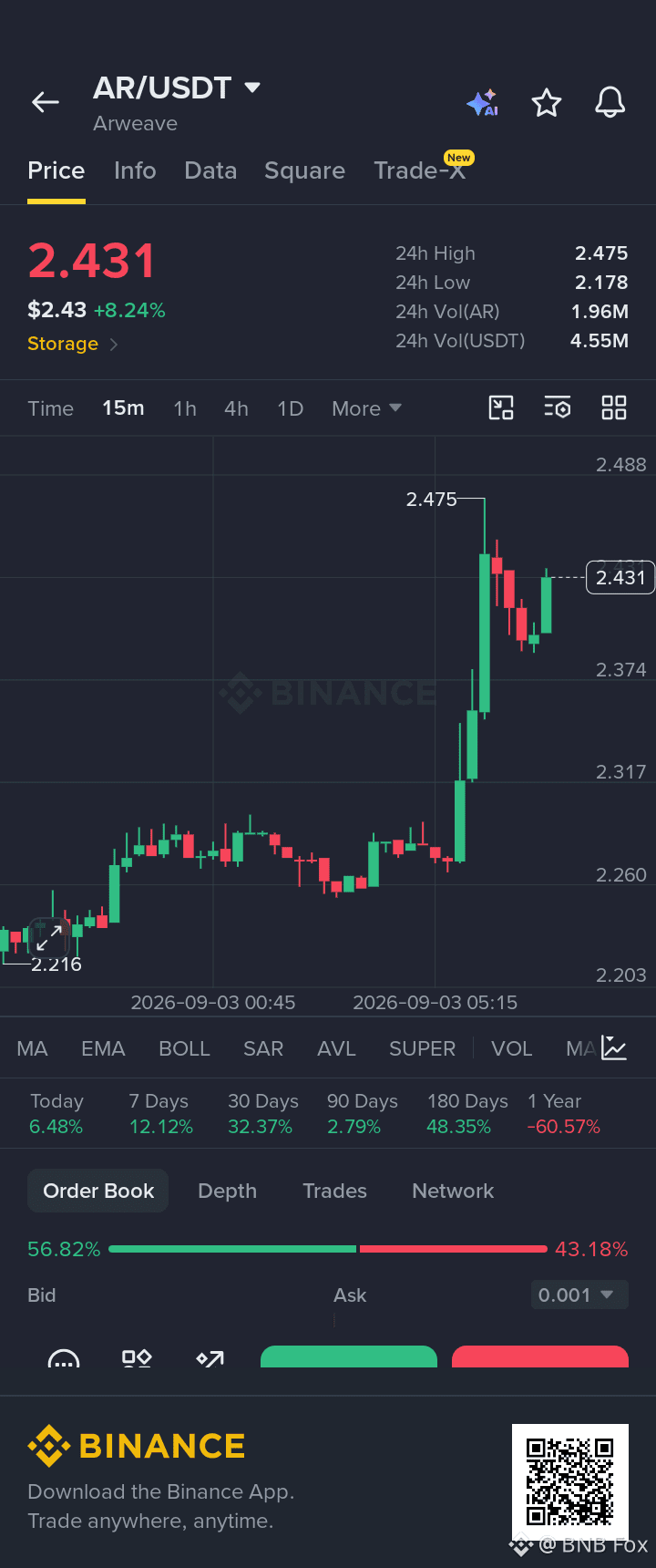
$AR は現在約$2.431で取引されており、$2.26のエリアから激しくブレイクして$2.475に到達した後、+8.24%上昇しています。
🟢 エントリーゾーン: $2.39–$2.43
🎯 TP1: $2.475
🎯 TP2: $2.52
🎯 TP3: $2.60
🛑 損切り: $2.36
$2.475からの最初の拒否(リジェクト)はすぐに買いで吸収され、価格は再び上昇しようとしています。
🔥 重要なトリガー: $2.475
$2.475を突破 → $2.50+ はかなり早く来る可能性があります。
🚀 $2.40以上を維持 → 強気が支配を継続。
⚠️ $2.374を失う → ブレイクアウトの勢いが弱まる。
表示されている板(オーダーブック)も、買い注文が約57%で売り注文が43%と、買いが有利です。
$AR はまだ高値に戻っていませんが — 強気はすでに再びドアを叩いています。👀🔥
※これは金融アドバイスではありません。リスク管理を行ってください。
🚨 $AR ロングセットアップ — 爆発的ブレイクアウト、強気はもっと欲しい!
$AR は現在約$2.431で取引されており、$2.26のエリアから激しくブレイクして$2.475に到達した後、+8.24%上昇しています。
🟢 エントリーゾーン: $2.39–$2.43
🎯 TP1: $2.475
🎯 TP2: $2.52
🎯 TP3: $2.60
🛑 損切り: $2.36
$2.475からの最初の拒否(リジェクト)はすぐに買いで吸収され、価格は再び上昇しようとしています。
🔥 重要なトリガー: $2.475
$2.475を突破 → $2.50+ はかなり早く来る可能性があります。
🚀 $2.40以上を維持 → 強気が支配を継続。
⚠️ $2.374を失う → ブレイクアウトの勢いが弱まる。
表示されている板(オーダーブック)も、買い注文が約57%で売り注文が43%と、買いが有利です。
$AR はまだ高値に戻っていませんが — 強気はすでに再びドアを叩いています。👀🔥
※これは金融アドバイスではありません。リスク管理を行ってください。
$AR は現在約$2.431で取引されており、$2.26のエリアから激しくブレイクして$2.475に到達した後、+8.24%上昇しています。
🟢 エントリーゾーン: $2.39–$2.43
🎯 TP1: $2.475
🎯 TP2: $2.52
🎯 TP3: $2.60
🛑 損切り: $2.36
$2.475からの最初の拒否(リジェクト)はすぐに買いで吸収され、価格は再び上昇しようとしています。
🔥 重要なトリガー: $2.475
$2.475を突破 → $2.50+ はかなり早く来る可能性があります。
🚀 $2.40以上を維持 → 強気が支配を継続。
⚠️ $2.374を失う → ブレイクアウトの勢いが弱まる。
表示されている板(オーダーブック)も、買い注文が約57%で売り注文が43%と、買いが有利です。
$AR はまだ高値に戻っていませんが — 強気はすでに再びドアを叩いています。👀🔥
※これは金融アドバイスではありません。リスク管理を行ってください。
141
·
--
ブリッシュ
🚨 $ZAMA ロングセットアップ — 強気が高値を押し上げている!
{spot}(ZAMAUSDT)
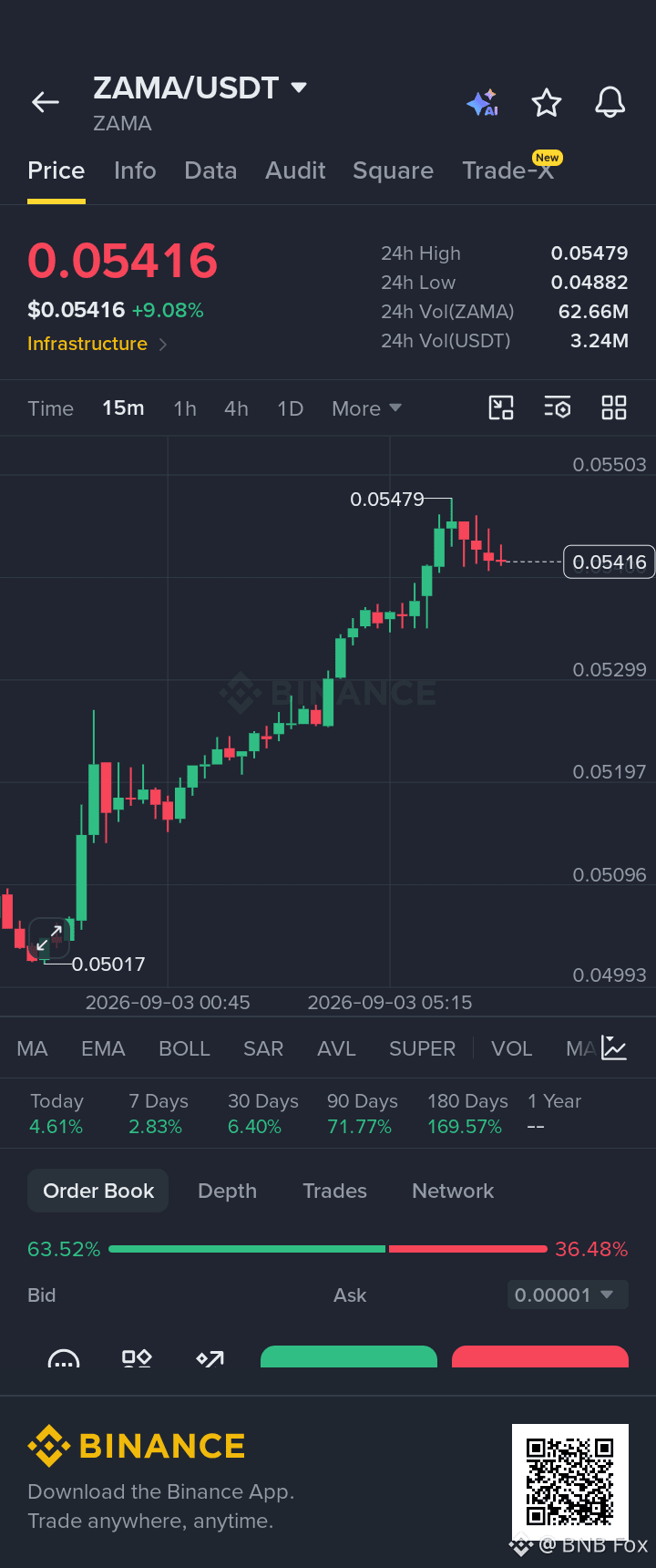
$ZAMA は約$0.05416で取引されており、+9.08%上昇中。$0.05017前後から$0.05479までの綺麗な階段状の上昇(ラリー)を経てきました。
🟢 エントリーゾーン: $0.05380〜$0.05415
🎯 TP1: $0.05479
🎯 TP2: $0.05550
🎯 TP3: $0.05620
🛑 ストップロス: $0.05290
15Mの構造は依然として強気で、高値の切り上げ+安値の切り上げが明確な流れを維持しています。現在は$0.05479のレジスタンスの直下で調整(足踏み)中です。
🔥 $0.05479をブレイク → モメンタムが一気に加速する可能性。
🚀 $0.05500以上を維持 → 次のゾーンとして$0.05600+が視野。
⚠️ $0.05299を割れる → 強気の構造が弱まり始めます。
表示されている板(オーダーブック)も、売り(asks)36.5%に対して買い(bids)がおよそ63.5%と、買い手に有利です。
$ZAMA はブレイクの扉のすぐ下にいます。強い陽線が入れば扉が開くかもしれません。👀🔥
投資助言ではありません。リスク管理を行ってください。
🚨 $ZAMA ロングセットアップ — 強気が高値を押し上げている!
$ZAMA は約$0.05416で取引されており、+9.08%上昇中。$0.05017前後から$0.05479までの綺麗な階段状の上昇(ラリー)を経てきました。
🟢 エントリーゾーン: $0.05380〜$0.05415
🎯 TP1: $0.05479
🎯 TP2: $0.05550
🎯 TP3: $0.05620
🛑 ストップロス: $0.05290
15Mの構造は依然として強気で、高値の切り上げ+安値の切り上げが明確な流れを維持しています。現在は$0.05479のレジスタンスの直下で調整(足踏み)中です。
🔥 $0.05479をブレイク → モメンタムが一気に加速する可能性。
🚀 $0.05500以上を維持 → 次のゾーンとして$0.05600+が視野。
⚠️ $0.05299を割れる → 強気の構造が弱まり始めます。
表示されている板(オーダーブック)も、売り(asks)36.5%に対して買い(bids)がおよそ63.5%と、買い手に有利です。
$ZAMA はブレイクの扉のすぐ下にいます。強い陽線が入れば扉が開くかもしれません。👀🔥
投資助言ではありません。リスク管理を行ってください。
$ZAMA は約$0.05416で取引されており、+9.08%上昇中。$0.05017前後から$0.05479までの綺麗な階段状の上昇(ラリー)を経てきました。
🟢 エントリーゾーン: $0.05380〜$0.05415
🎯 TP1: $0.05479
🎯 TP2: $0.05550
🎯 TP3: $0.05620
🛑 ストップロス: $0.05290
15Mの構造は依然として強気で、高値の切り上げ+安値の切り上げが明確な流れを維持しています。現在は$0.05479のレジスタンスの直下で調整(足踏み)中です。
🔥 $0.05479をブレイク → モメンタムが一気に加速する可能性。
🚀 $0.05500以上を維持 → 次のゾーンとして$0.05600+が視野。
⚠️ $0.05299を割れる → 強気の構造が弱まり始めます。
表示されている板(オーダーブック)も、売り(asks)36.5%に対して買い(bids)がおよそ63.5%と、買い手に有利です。
$ZAMA はブレイクの扉のすぐ下にいます。強い陽線が入れば扉が開くかもしれません。👀🔥
投資助言ではありません。リスク管理を行ってください。
48
·
--
ブリッシュ
🚨 $PYTH ロング・セットアップ — 買い手が一歩下がっている!
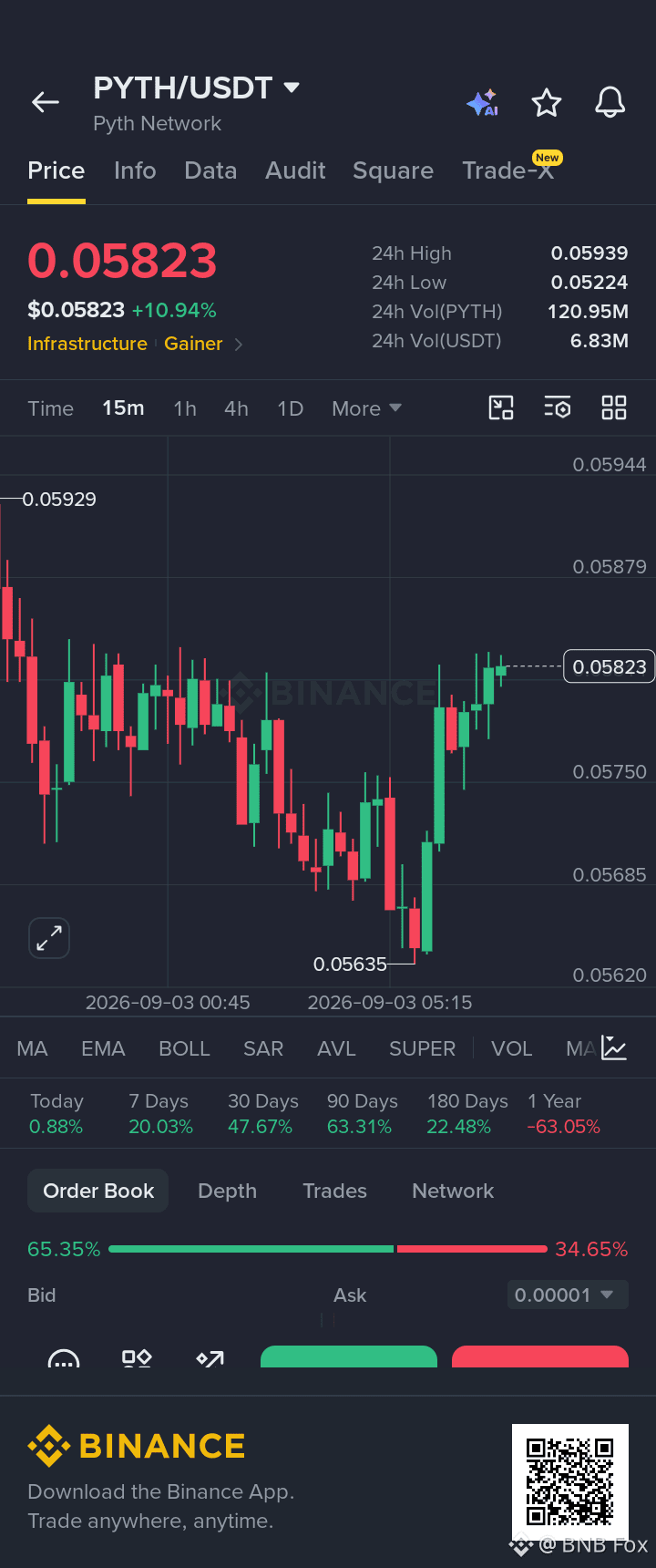
$PYTH は約0.05823ドルで取引されており、直近24Hで+11%近く上昇。0.05635ドルの直近安値から鋭く反発した後です。
🟢 エントリーゾーン: $0.05770–$0.05820
🎯 TP1: $0.05880
🎯 TP2: $0.05930
🎯 TP3: $0.06000
🛑 ストップロス: $0.05680
15Mチャートでは力強いリバウンドが見られ、価格がセッション高値付近へ押し戻されています。買い手は表示されている板のうち約65%で、売り(アスク)35%です。
🔥 注目の水準は$0.0593。
強気派がこれを突破して維持できれば、$0.0600が素早く視野に入る可能性があります。
$0.0575を維持 → 強気の勢いが生き続ける。
$0.0593を突破 → 次の拡大が始まるかもしれない。 🚀
耐性(レジスタンス)へはFOMOしないでください。まず下方向のリスクを管理しましょう。
投資助言ではありません。
🚨 $PYTH ロング・セットアップ — 買い手が一歩下がっている!
$PYTH は約0.05823ドルで取引されており、直近24Hで+11%近く上昇。0.05635ドルの直近安値から鋭く反発した後です。
🟢 エントリーゾーン: $0.05770–$0.05820
🎯 TP1: $0.05880
🎯 TP2: $0.05930
🎯 TP3: $0.06000
🛑 ストップロス: $0.05680
15Mチャートでは力強いリバウンドが見られ、価格がセッション高値付近へ押し戻されています。買い手は表示されている板のうち約65%で、売り(アスク)35%です。
🔥 注目の水準は$0.0593。
強気派がこれを突破して維持できれば、$0.0600が素早く視野に入る可能性があります。
$0.0575を維持 → 強気の勢いが生き続ける。
$0.0593を突破 → 次の拡大が始まるかもしれない。 🚀
耐性(レジスタンス)へはFOMOしないでください。まず下方向のリスクを管理しましょう。
投資助言ではありません。
$PYTH は約0.05823ドルで取引されており、直近24Hで+11%近く上昇。0.05635ドルの直近安値から鋭く反発した後です。
🟢 エントリーゾーン: $0.05770–$0.05820
🎯 TP1: $0.05880
🎯 TP2: $0.05930
🎯 TP3: $0.06000
🛑 ストップロス: $0.05680
15Mチャートでは力強いリバウンドが見られ、価格がセッション高値付近へ押し戻されています。買い手は表示されている板のうち約65%で、売り(アスク)35%です。
🔥 注目の水準は$0.0593。
強気派がこれを突破して維持できれば、$0.0600が素早く視野に入る可能性があります。
$0.0575を維持 → 強気の勢いが生き続ける。
$0.0593を突破 → 次の拡大が始まるかもしれない。 🚀
耐性(レジスタンス)へはFOMOしないでください。まず下方向のリスクを管理しましょう。
投資助言ではありません。
65
·
--
ブリッシュ
🚨 $ASTSB
{spot}(ASTSBUSDT)
突破セットアップ — スパイク後も強気が維持!
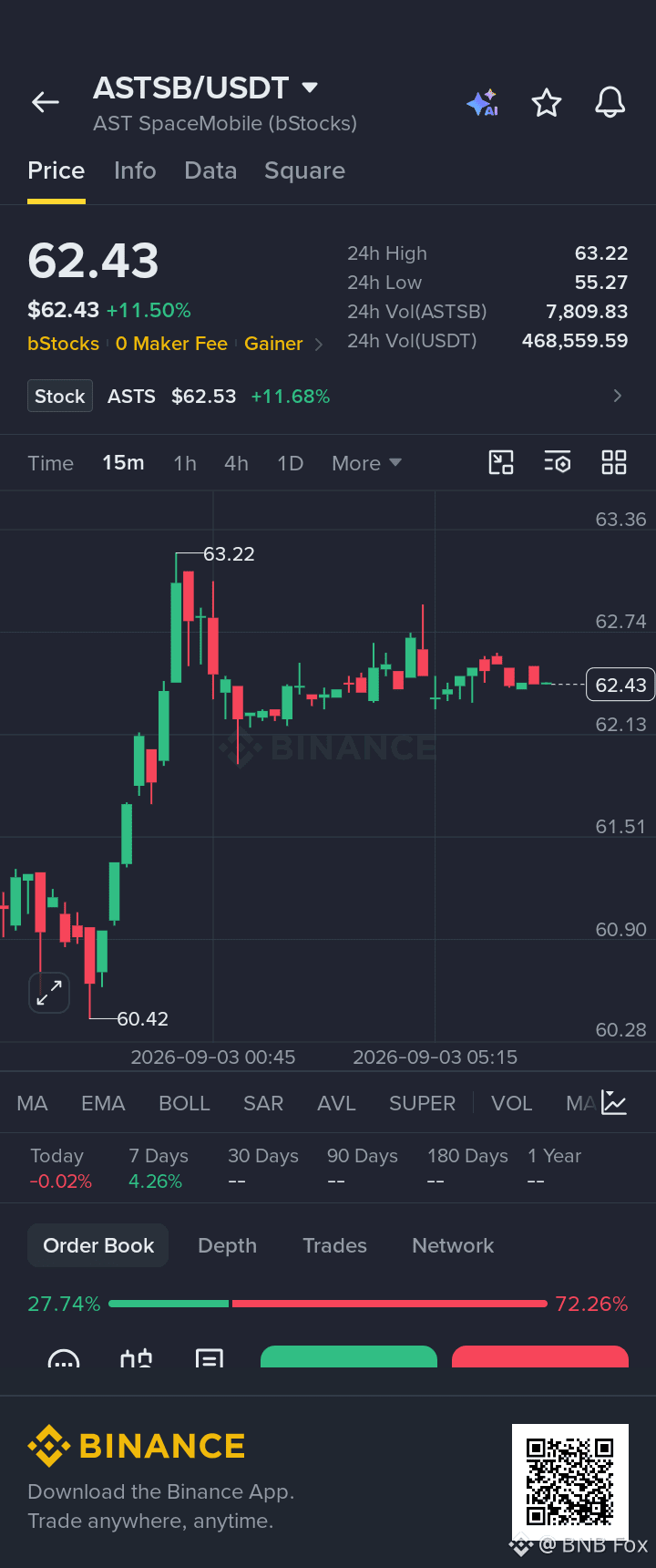
$ASTSB は約$62.43で取引されており、過去24Hでおよそ+11.5%上昇しています。$60.42から$63.22まで爆発的に上昇した後、値動きは大幅な下落でその分を完全に帳消しにするのではなく、狭いレンジでの推移(タイトなコンソリデーション)に入っています。
🟢 エントリーゾーン: $62.15–$62.45
🎯 TP1: $62.75
🎯 TP2: $63.22
🎯 TP3: $63.80
🛑 ロスカット: $61.90
🔥 重要ライン: $63.22
直前の高値を明確に上抜ければ、次のモメンタムの波が発動する可能性があります。
ただし大きな警告があります:表示されている板(オーダーブック)は、売り注文(asks)が約72%に対して買い注文(bids)が28%で、現時点で売り圧力が強いことを示しています。
$62.13を維持 → 強気の構造が生き残る。
$63.22を上抜け → 強気が再び主導権を握る可能性。🚀
追いかけずに—確認を待ちましょう。
※投資助言ではありません。リスク管理を行ってください。
🚨 $ASTSB
突破セットアップ — スパイク後も強気が維持!
$ASTSB は約$62.43で取引されており、過去24Hでおよそ+11.5%上昇しています。$60.42から$63.22まで爆発的に上昇した後、値動きは大幅な下落でその分を完全に帳消しにするのではなく、狭いレンジでの推移(タイトなコンソリデーション)に入っています。
🟢 エントリーゾーン: $62.15–$62.45
🎯 TP1: $62.75
🎯 TP2: $63.22
🎯 TP3: $63.80
🛑 ロスカット: $61.90
🔥 重要ライン: $63.22
直前の高値を明確に上抜ければ、次のモメンタムの波が発動する可能性があります。
ただし大きな警告があります:表示されている板(オーダーブック)は、売り注文(asks)が約72%に対して買い注文(bids)が28%で、現時点で売り圧力が強いことを示しています。
$62.13を維持 → 強気の構造が生き残る。
$63.22を上抜け → 強気が再び主導権を握る可能性。🚀
追いかけずに—確認を待ちましょう。
※投資助言ではありません。リスク管理を行ってください。
突破セットアップ — スパイク後も強気が維持!
$ASTSB は約$62.43で取引されており、過去24Hでおよそ+11.5%上昇しています。$60.42から$63.22まで爆発的に上昇した後、値動きは大幅な下落でその分を完全に帳消しにするのではなく、狭いレンジでの推移(タイトなコンソリデーション)に入っています。
🟢 エントリーゾーン: $62.15–$62.45
🎯 TP1: $62.75
🎯 TP2: $63.22
🎯 TP3: $63.80
🛑 ロスカット: $61.90
🔥 重要ライン: $63.22
直前の高値を明確に上抜ければ、次のモメンタムの波が発動する可能性があります。
ただし大きな警告があります:表示されている板(オーダーブック)は、売り注文(asks)が約72%に対して買い注文(bids)が28%で、現時点で売り圧力が強いことを示しています。
$62.13を維持 → 強気の構造が生き残る。
$63.22を上抜け → 強気が再び主導権を握る可能性。🚀
追いかけずに—確認を待ちましょう。
※投資助言ではありません。リスク管理を行ってください。
22
ログインして、さらにコンテンツを読む
厳選トピックで世界の暗号資産トレーダーの仲間入り
⚡️ 暗号資産に関する最新かつ有益な情報が見つかります。
💬 世界最大の暗号資産取引所から信頼されています。
👍 認証を受けたクリエイターから、有益なインサイトを得られます。
メール / 電話番号
トレンドトピック
SaylorHintsStrategyBitcoinBuy
閲覧回数 2.3M
12,308人が討論中
#saylorhintsstrategybitcoinbuy
🚨 サイヤーが日曜の $BTC ヒントを投下 👀
マイケル・セイラーがいつものビットコインチャートをまたリポストしました。
もし歴史が繰り返されるなら、あのオレンジの点が別の Strategy BTC の購入が近いことを示しているかもしれません。 🟠
そしてセイラーが買うと、市場は注目します。
🐋 巨大なBTC保有
💰 継続的な蓄積戦略
📈 短期的なセンチメントの押し上げの可能性
ただし重要なのはここ:
リポストは 購入の確証ではありません。
本当のシグナルは、Strategy が公式に取引を報告したときに出ます。
🔥 もし別の大規模なBTC買いが発表されれば、今度は市場は反応するでしょうか?
それとも、セイラーの蓄積があまりに日常化していて、トレーダーがほとんど反応しなくなってきているのでしょうか?
👀 発表を見守りましょう。
$MSTRB
#BTC #strategy #crypto #BitcoinNews
sdatta
·いいね:5件
·閲覧回数 5.7k
BOJRaisesRatesTo31YearHigh
閲覧回数 241,007
3,209人が討論中
BuffettStepsDownAsBerkshireChairman
閲覧回数 116,876
1,713人が討論中