
F_Crypto Signals
334 投稿
F_Crypto Signals
報告
ユーザーをブロック
I love Profit trading .
取引を発注
高頻度トレーダー
2.8年
36 フォロー
1.2K+ フォロワー
332 いいね
投稿
ポートフォリオ
すべて
引用
PINNED
🎁🫴🏻**賢く投資しよう: ミームコインよりもステーブルコイン**
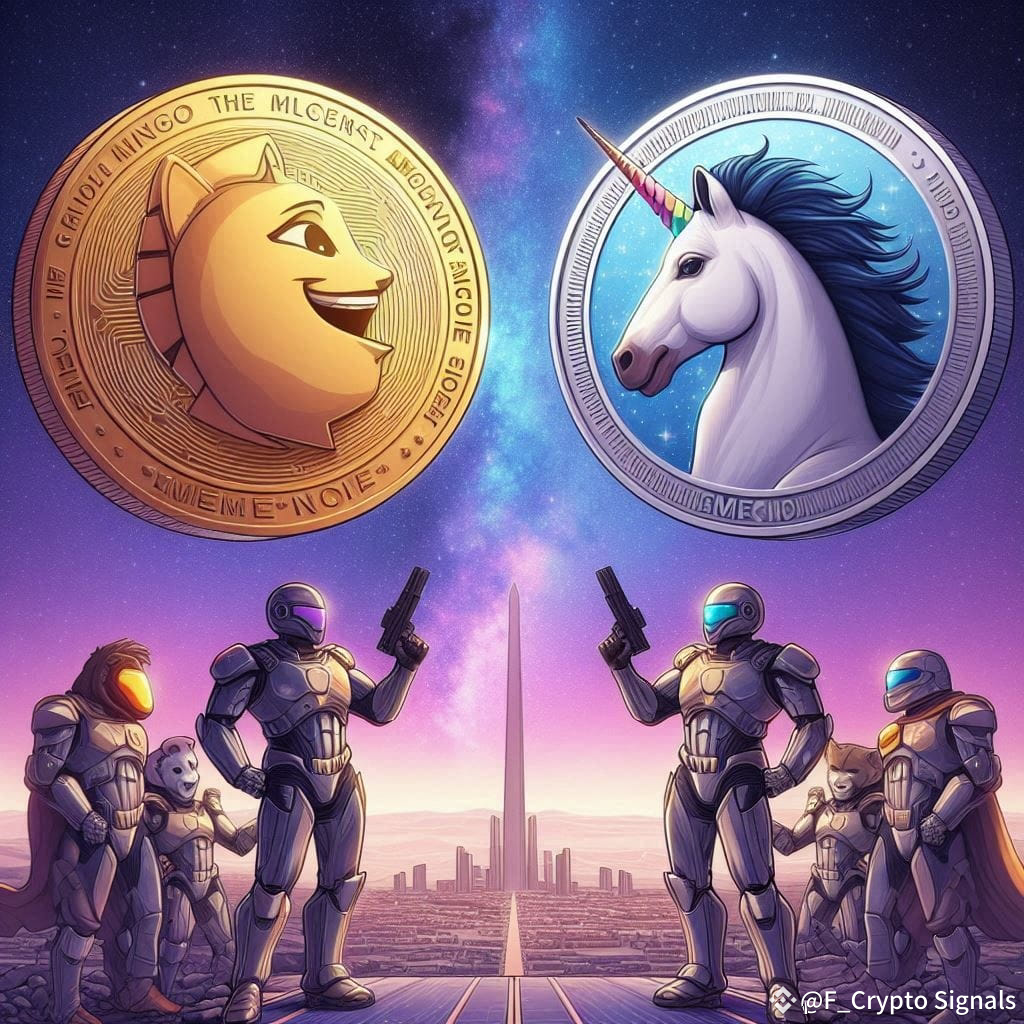
常に進化する暗号通貨の世界では、賢い投資選択をすることが長期的な成功と財政的安定のために重要です。ミームコインはエンターテイメント性があり、迅速かつリスクの高いリターンを提供することがありますが、ステーブルコインはより安全で信頼性の高い投資オプションを示します。
**なぜステーブルコインを選ぶのか?**
1. **安定性**: 名前が示す通り、ステーブルコインは安定した価値を維持するように設計されており、通常は米ドルのような法定通貨にペッグされています。この安定性は、ミームコインでしばしば見られる極端なボラティリティから投資を守るのに役立ちます。
2. **予測可能なリターン**: ステーブルコインは、ミームコインに比べてより予測可能なリターンを提供します。ミームコインは市場の投機やソーシャルメディアの盛り上がりによって大きく変動する可能性があります。ステーブルコインを使うことで、将来の計画や貯蓄を自信を持って行うことができます。
3. **リスクの軽減**: ステーブルコインへの投資は、大きな財務損失のリスクを軽減します。一方で、ミームコインは非常に投機的であり、市場が逆風になるとかなりの損失を招く可能性があります。
4. **利益の可能性**: ステーブルコインはミームコインのような爆発的な利益を提供することはないかもしれませんが、利息を得るプラットフォームや分散型金融(DeFi)アプリケーションを通じて利益を得る機会を提供します。
😎💎ステーブルコインをミームコインよりも選ぶことで、あなたの財政的未来が安全で利益を上げることができます。今日、ステーブルコインに投資して安定性と予測可能な成長を優先しましょう。
$BTC
$ETH
$BNB
{spot}(BNBUSDT)
#BTCDipOrRebound #Write2Earn
🎁🫴🏻**賢く投資しよう: ミームコインよりもステーブルコイン**
常に進化する暗号通貨の世界では、賢い投資選択をすることが長期的な成功と財政的安定のために重要です。ミームコインはエンターテイメント性があり、迅速かつリスクの高いリターンを提供することがありますが、ステーブルコインはより安全で信頼性の高い投資オプションを示します。
**なぜステーブルコインを選ぶのか?**
1. **安定性**: 名前が示す通り、ステーブルコインは安定した価値を維持するように設計されており、通常は米ドルのような法定通貨にペッグされています。この安定性は、ミームコインでしばしば見られる極端なボラティリティから投資を守るのに役立ちます。
2. **予測可能なリターン**: ステーブルコインは、ミームコインに比べてより予測可能なリターンを提供します。ミームコインは市場の投機やソーシャルメディアの盛り上がりによって大きく変動する可能性があります。ステーブルコインを使うことで、将来の計画や貯蓄を自信を持って行うことができます。
3. **リスクの軽減**: ステーブルコインへの投資は、大きな財務損失のリスクを軽減します。一方で、ミームコインは非常に投機的であり、市場が逆風になるとかなりの損失を招く可能性があります。
4. **利益の可能性**: ステーブルコインはミームコインのような爆発的な利益を提供することはないかもしれませんが、利息を得るプラットフォームや分散型金融(DeFi)アプリケーションを通じて利益を得る機会を提供します。
😎💎ステーブルコインをミームコインよりも選ぶことで、あなたの財政的未来が安全で利益を上げることができます。今日、ステーブルコインに投資して安定性と予測可能な成長を優先しましょう。
$BTC
$ETH
$BNB
#BTCDipOrRebound #Write2Earn
常に進化する暗号通貨の世界では、賢い投資選択をすることが長期的な成功と財政的安定のために重要です。ミームコインはエンターテイメント性があり、迅速かつリスクの高いリターンを提供することがありますが、ステーブルコインはより安全で信頼性の高い投資オプションを示します。
**なぜステーブルコインを選ぶのか?**
1. **安定性**: 名前が示す通り、ステーブルコインは安定した価値を維持するように設計されており、通常は米ドルのような法定通貨にペッグされています。この安定性は、ミームコインでしばしば見られる極端なボラティリティから投資を守るのに役立ちます。
2. **予測可能なリターン**: ステーブルコインは、ミームコインに比べてより予測可能なリターンを提供します。ミームコインは市場の投機やソーシャルメディアの盛り上がりによって大きく変動する可能性があります。ステーブルコインを使うことで、将来の計画や貯蓄を自信を持って行うことができます。
3. **リスクの軽減**: ステーブルコインへの投資は、大きな財務損失のリスクを軽減します。一方で、ミームコインは非常に投機的であり、市場が逆風になるとかなりの損失を招く可能性があります。
4. **利益の可能性**: ステーブルコインはミームコインのような爆発的な利益を提供することはないかもしれませんが、利息を得るプラットフォームや分散型金融(DeFi)アプリケーションを通じて利益を得る機会を提供します。
😎💎ステーブルコインをミームコインよりも選ぶことで、あなたの財政的未来が安全で利益を上げることができます。今日、ステーブルコインに投資して安定性と予測可能な成長を優先しましょう。
$BTC
$ETH
$BNB
#BTCDipOrRebound #Write2Earn
1.1k
本気の解答者のためのクイズ🏆!
サクッと10問の暗号資産クイズです。答えは「1A 2C 3B...」のように返信してください。
1. BTCは何の略ですか?
A. Blockchain Token
B. Bitcoin
C. Bank Transfer Coin
D. Bit Trade Cash
2. ブロックチェーンとは何ですか?
A. 一種のウォレット
B. 中央集権型の銀行台帳
C. 分散型のデジタル台帳
D. マイニング装置
3. イーサリアムでガス代(手数料)を支払うのによく使われるコインはどれ?
A. BTC
B. XRP
C. ETH
D. SOL
4. 暗号資産のスラングで「HODL」は通常どういう意味?
A. すぐ売る
B. 長期で資産を保有する
C. 暗号資産を担保に借りる
D. ステーブルコインに換える
5. ステーブルコインは何のために設計されていますか?
A. 価格が常に上がるようにする
B. USDのような基準資産に連動して維持する
C. すべての暗号資産を置き換える
D. ブロックチェーン手数料を完全に回避する
6. 秘密鍵(プライベートキー)とは何ですか?
A. 公開ウォレットのニックネーム
B. 資金へのアクセスを制御するパスワードのような秘密
C. 取引所のアカウントIDの一種
D. トークンのコントラクトアドレス
7. 「時価総額(market cap)」はどういう意味?
A. コインの最高価格
B. 流通しているコインの総価値
C. 日次の取引量
D. 保有者の数
8. 詐欺トークンの最も大きい危険サインはどれ?
A. 検証済みのスマートコントラクトだけ
B. アクティブなコミュニティだけ
C. リスクなしで必ず大きな利益が出る
D. 取引所に上場している
9. 暗号資産投資における分散(diversification)とは?
A. 資金を1つのコインにすべて入れる
B. 複数の資産に投資を広げる
C. 毎時間トレードする
D. ミームコインだけ買う
10. Binanceは主に何に使われていますか?
A. クラウドストレージ
B. 暗号資産の取引と関連サービス
C. 映像配信
D. オンラインゲーム
#Write2Earn! #BinanceTurns9
本気の解答者のためのクイズ🏆!
サクッと10問の暗号資産クイズです。答えは「1A 2C 3B...」のように返信してください。
1. BTCは何の略ですか?
A. Blockchain Token
B. Bitcoin
C. Bank Transfer Coin
D. Bit Trade Cash
2. ブロックチェーンとは何ですか?
A. 一種のウォレット
B. 中央集権型の銀行台帳
C. 分散型のデジタル台帳
D. マイニング装置
3. イーサリアムでガス代(手数料)を支払うのによく使われるコインはどれ?
A. BTC
B. XRP
C. ETH
D. SOL
4. 暗号資産のスラングで「HODL」は通常どういう意味?
A. すぐ売る
B. 長期で資産を保有する
C. 暗号資産を担保に借りる
D. ステーブルコインに換える
5. ステーブルコインは何のために設計されていますか?
A. 価格が常に上がるようにする
B. USDのような基準資産に連動して維持する
C. すべての暗号資産を置き換える
D. ブロックチェーン手数料を完全に回避する
6. 秘密鍵(プライベートキー)とは何ですか?
A. 公開ウォレットのニックネーム
B. 資金へのアクセスを制御するパスワードのような秘密
C. 取引所のアカウントIDの一種
D. トークンのコントラクトアドレス
7. 「時価総額(market cap)」はどういう意味?
A. コインの最高価格
B. 流通しているコインの総価値
C. 日次の取引量
D. 保有者の数
8. 詐欺トークンの最も大きい危険サインはどれ?
A. 検証済みのスマートコントラクトだけ
B. アクティブなコミュニティだけ
C. リスクなしで必ず大きな利益が出る
D. 取引所に上場している
9. 暗号資産投資における分散(diversification)とは?
A. 資金を1つのコインにすべて入れる
B. 複数の資産に投資を広げる
C. 毎時間トレードする
D. ミームコインだけ買う
10. Binanceは主に何に使われていますか?
A. クラウドストレージ
B. 暗号資産の取引と関連サービス
C. 映像配信
D. オンラインゲーム
#Write2Earn! #BinanceTurns9
サクッと10問の暗号資産クイズです。答えは「1A 2C 3B...」のように返信してください。
1. BTCは何の略ですか?
A. Blockchain Token
B. Bitcoin
C. Bank Transfer Coin
D. Bit Trade Cash
2. ブロックチェーンとは何ですか?
A. 一種のウォレット
B. 中央集権型の銀行台帳
C. 分散型のデジタル台帳
D. マイニング装置
3. イーサリアムでガス代(手数料)を支払うのによく使われるコインはどれ?
A. BTC
B. XRP
C. ETH
D. SOL
4. 暗号資産のスラングで「HODL」は通常どういう意味?
A. すぐ売る
B. 長期で資産を保有する
C. 暗号資産を担保に借りる
D. ステーブルコインに換える
5. ステーブルコインは何のために設計されていますか?
A. 価格が常に上がるようにする
B. USDのような基準資産に連動して維持する
C. すべての暗号資産を置き換える
D. ブロックチェーン手数料を完全に回避する
6. 秘密鍵(プライベートキー)とは何ですか?
A. 公開ウォレットのニックネーム
B. 資金へのアクセスを制御するパスワードのような秘密
C. 取引所のアカウントIDの一種
D. トークンのコントラクトアドレス
7. 「時価総額(market cap)」はどういう意味?
A. コインの最高価格
B. 流通しているコインの総価値
C. 日次の取引量
D. 保有者の数
8. 詐欺トークンの最も大きい危険サインはどれ?
A. 検証済みのスマートコントラクトだけ
B. アクティブなコミュニティだけ
C. リスクなしで必ず大きな利益が出る
D. 取引所に上場している
9. 暗号資産投資における分散(diversification)とは?
A. 資金を1つのコインにすべて入れる
B. 複数の資産に投資を広げる
C. 毎時間トレードする
D. ミームコインだけ買う
10. Binanceは主に何に使われていますか?
A. クラウドストレージ
B. 暗号資産の取引と関連サービス
C. 映像配信
D. オンラインゲーム
#Write2Earn! #BinanceTurns9
58

記事
💢暗号の専門家(読んで学ぼう)🍀暗号(クリプト)とは?
暗号通貨は、ブロックチェーン上で動くデジタルマネーです。1つの銀行が記録を管理するのではなく、多くのコンピューターが検証し、保存するのを手助けします。
🚀ブロックチェーンとは
ブロックチェーンは共有されたデジタル台帳です。取引をブロックに記録し、そのブロック同士をつなげていきます。
要点:一度記録されると、データを変更するのは難しい。
人気の暗号通貨カテゴリ
ビットコイン(BTC):主に「デジタルの価値保存」として見られています
イーサリアム(ETH):スマートコントラクトを動かし、多くの暗号アプリを支えています
ステーブルコイン(USDT、USDCなど):米ドルのような資産に連動するよう設計されています
💢暗号の専門家(読んで学ぼう)
🍀暗号(クリプト)とは?
暗号通貨は、ブロックチェーン上で動くデジタルマネーです。1つの銀行が記録を管理するのではなく、多くのコンピューターが検証し、保存するのを手助けします。
🚀ブロックチェーンとは
ブロックチェーンは共有されたデジタル台帳です。取引をブロックに記録し、そのブロック同士をつなげていきます。
要点:一度記録されると、データを変更するのは難しい。
人気の暗号通貨カテゴリ
ビットコイン(BTC):主に「デジタルの価値保存」として見られています
イーサリアム(ETH):スマートコントラクトを動かし、多くの暗号アプリを支えています
ステーブルコイン(USDT、USDCなど):米ドルのような資産に連動するよう設計されています
暗号通貨は、ブロックチェーン上で動くデジタルマネーです。1つの銀行が記録を管理するのではなく、多くのコンピューターが検証し、保存するのを手助けします。
🚀ブロックチェーンとは
ブロックチェーンは共有されたデジタル台帳です。取引をブロックに記録し、そのブロック同士をつなげていきます。
要点:一度記録されると、データを変更するのは難しい。
人気の暗号通貨カテゴリ
ビットコイン(BTC):主に「デジタルの価値保存」として見られています
イーサリアム(ETH):スマートコントラクトを動かし、多くの暗号アプリを支えています
ステーブルコイン(USDT、USDCなど):米ドルのような資産に連動するよう設計されています
135
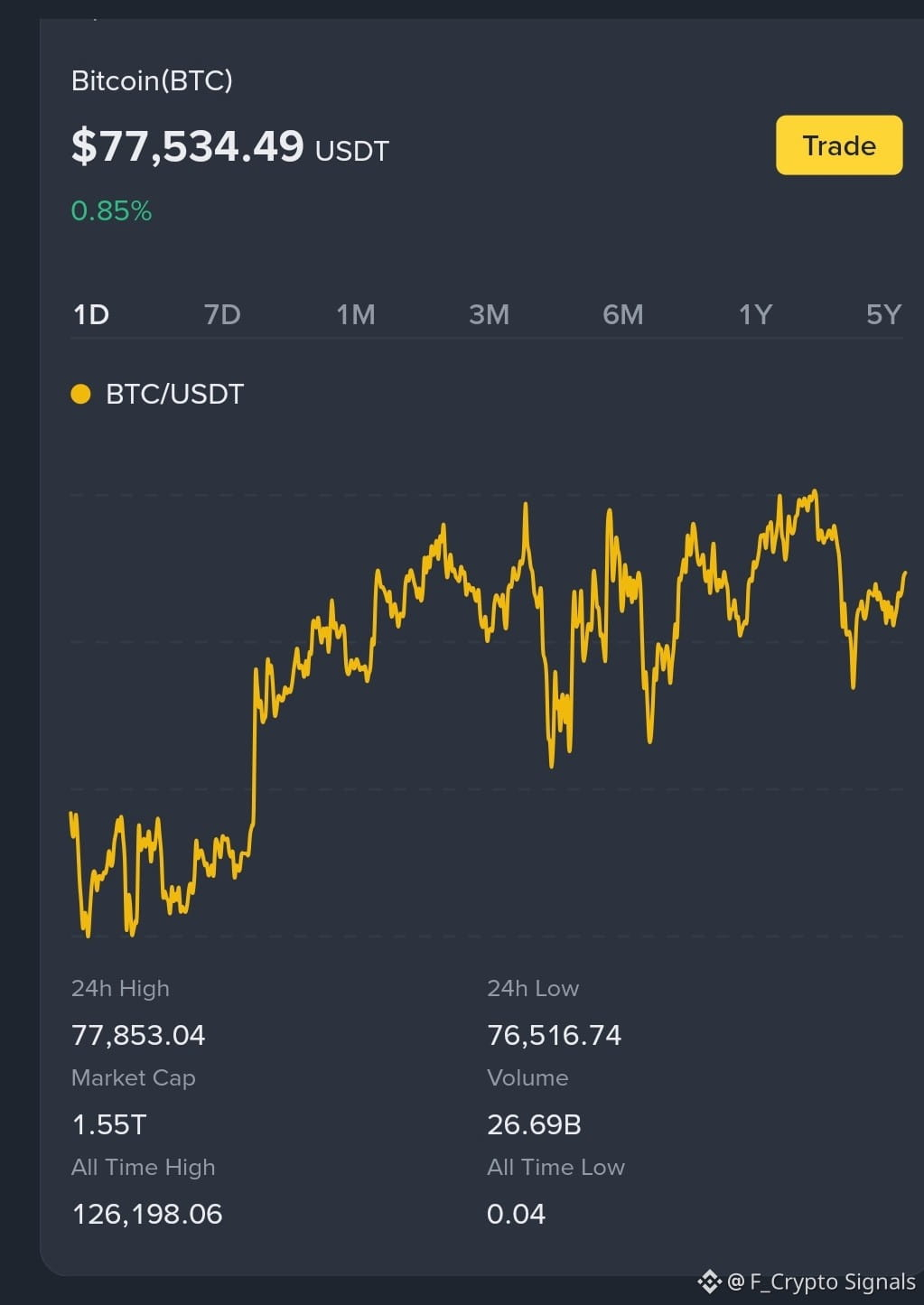
BTC市場更新 (BTC/USDT, スポット):
現在の価格: ¥77,543.37
24時間の変化: +0.86% (24時間オープン ¥76,884.52)
24時間のレンジ: ¥76,516.74 → ¥77,853.04
24時間のボリューム: 11,281.70 BTC (≈ ¥871.95M)
$BTC $ETH $BNB
#GoogleLaunchesGemini3.5Flash #BTC #Learn2Earn
BTC市場更新 (BTC/USDT, スポット):
現在の価格: ¥77,543.37
24時間の変化: +0.86% (24時間オープン ¥76,884.52)
24時間のレンジ: ¥76,516.74 → ¥77,853.04
24時間のボリューム: 11,281.70 BTC (≈ ¥871.95M)
$BTC $ETH $BNB
#GoogleLaunchesGemini3.5Flash #BTC #Learn2Earn
現在の価格: ¥77,543.37
24時間の変化: +0.86% (24時間オープン ¥76,884.52)
24時間のレンジ: ¥76,516.74 → ¥77,853.04
24時間のボリューム: 11,281.70 BTC (≈ ¥871.95M)
$BTC $ETH $BNB
#GoogleLaunchesGemini3.5Flash #BTC #Learn2Earn
148
グループチャットであなたの投稿が恋しい。
グループチャットであなたの投稿が恋しい。


RayhanBros
·
--
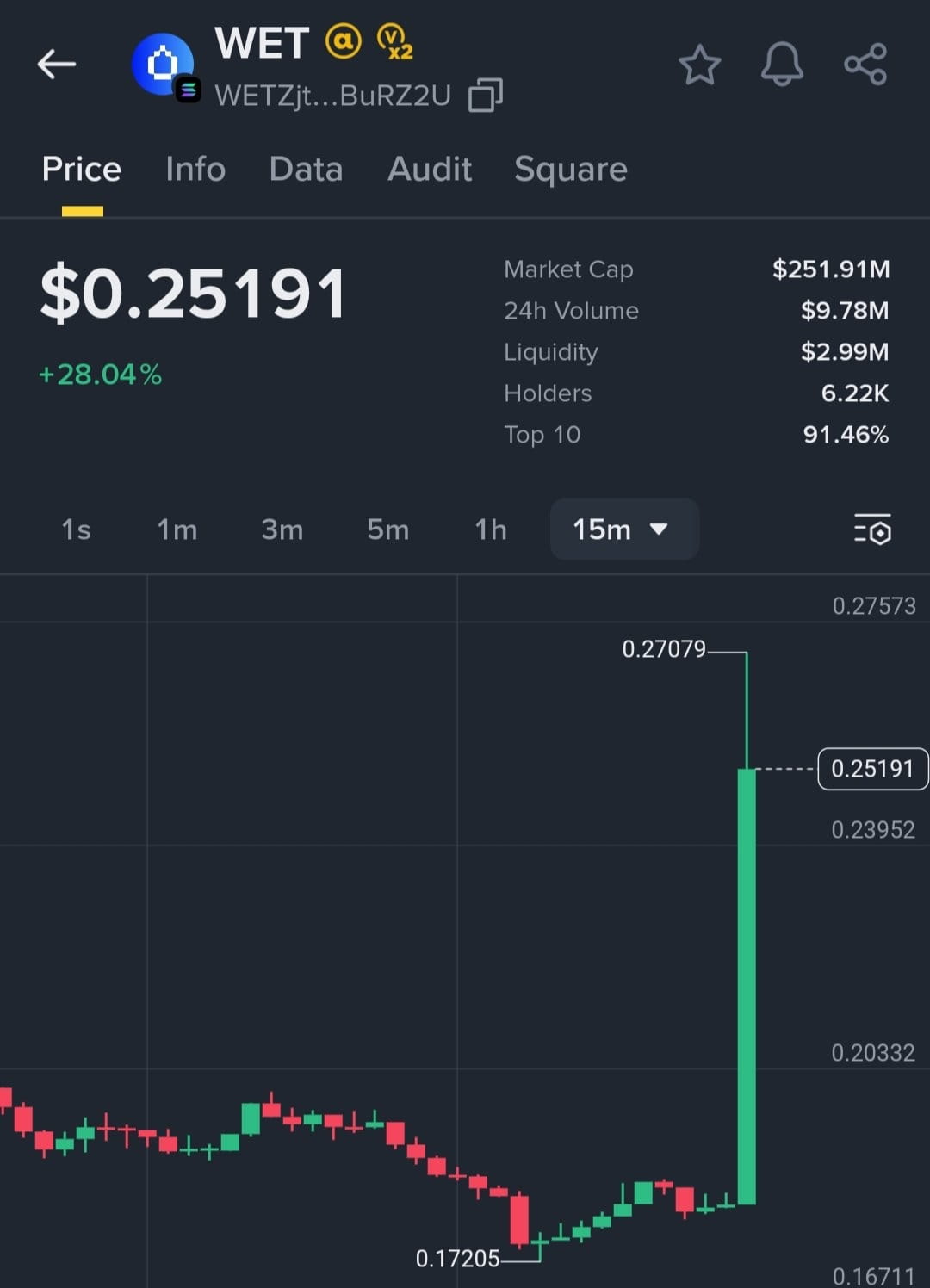
ブリッシュ$WET は急速に動いています 🔥
Upbit と Bithumb の上場の勢いが高まっています。
これは単なる上場のポンプでしょうか…それとも本当の価格発見の始まりでしょうか? 👀
Upbit と Bithumb の上場の勢いが高まっています。
これは単なる上場のポンプでしょうか…それとも本当の価格発見の始まりでしょうか? 👀
82
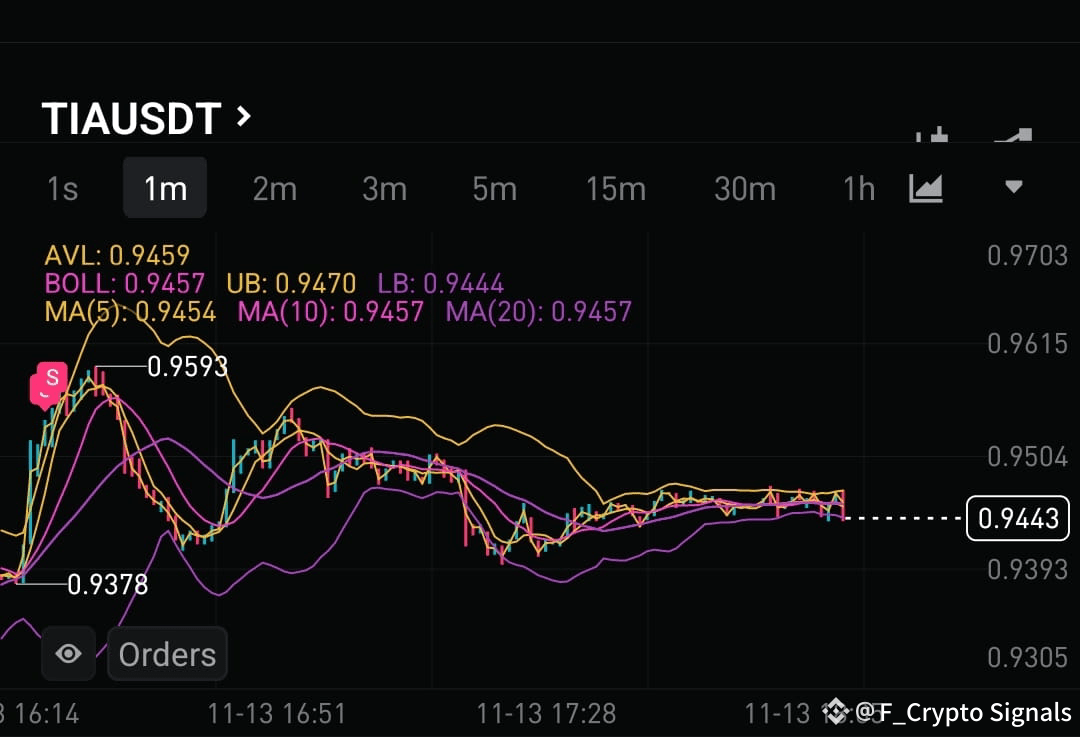
🕯️ 銘柄の理解 (TIAUSDT, 1分チャート)
各キャンドルは1分間の取引を表しています。最新のキャンドルは以下を示しています:
- 価格は0.9443 USDTで閉じ、オープニング価格をわずかに下回り、小さな弱気のキャンドルを形成しています。
- 本体の上下にあるウィックは決定力の欠如を示しています—バイヤーとセラーの両方が活動していますが、どちらも優位に立っていません。
- 0.9598のピークと0.9378の安値は最近のボラティリティを示しています。
このキャンドルは短期的な売り圧力を示唆していますが、強いトレンドの反転はありません。
---
🔮 TIAUSDTの予測(短期)
現在の指標とキャンドルの動作に基づいて:
- シナリオ1: 反発の可能性
- 価格が0.9440以上を維持し、0.9470(上ボリンジャーバンド)を突破すれば、0.9500–0.9550に向かう動きが期待されます。
- 売られすぎの信号と安定した移動平均によって支持されています。
- シナリオ2: 横ばいの統合
- 価格が0.9440–0.9470の間に留まる場合、トレーダーがより強い信号を待っているため、レンジ内の動きが予想されます。
- シナリオ3: 弱気の継続
- 価格が0.9440を下回り、ボリュームが増加した場合、次のサポートは0.9400–0.9378の周辺です。
確率は穏やかな反発または横ばいの動きを支持しますが、外部のニュースやボリュームの急増がモメンタムを変えることがあります。
出典: ジェミニキャンドルガイド, ビットユニックスクリプトチャート分析, キャンドルキャストAI予測
#BinanceHODLerALLO #ProjectCrypto #Write2Earn #
🕯️ 銘柄の理解 (TIAUSDT, 1分チャート)
各キャンドルは1分間の取引を表しています。最新のキャンドルは以下を示しています:
- 価格は0.9443 USDTで閉じ、オープニング価格をわずかに下回り、小さな弱気のキャンドルを形成しています。
- 本体の上下にあるウィックは決定力の欠如を示しています—バイヤーとセラーの両方が活動していますが、どちらも優位に立っていません。
- 0.9598のピークと0.9378の安値は最近のボラティリティを示しています。
このキャンドルは短期的な売り圧力を示唆していますが、強いトレンドの反転はありません。
---
🔮 TIAUSDTの予測(短期)
現在の指標とキャンドルの動作に基づいて:
- シナリオ1: 反発の可能性
- 価格が0.9440以上を維持し、0.9470(上ボリンジャーバンド)を突破すれば、0.9500–0.9550に向かう動きが期待されます。
- 売られすぎの信号と安定した移動平均によって支持されています。
- シナリオ2: 横ばいの統合
- 価格が0.9440–0.9470の間に留まる場合、トレーダーがより強い信号を待っているため、レンジ内の動きが予想されます。
- シナリオ3: 弱気の継続
- 価格が0.9440を下回り、ボリュームが増加した場合、次のサポートは0.9400–0.9378の周辺です。
確率は穏やかな反発または横ばいの動きを支持しますが、外部のニュースやボリュームの急増がモメンタムを変えることがあります。
出典: ジェミニキャンドルガイド, ビットユニックスクリプトチャート分析, キャンドルキャストAI予測
#BinanceHODLerALLO #ProjectCrypto #Write2Earn #
各キャンドルは1分間の取引を表しています。最新のキャンドルは以下を示しています:
- 価格は0.9443 USDTで閉じ、オープニング価格をわずかに下回り、小さな弱気のキャンドルを形成しています。
- 本体の上下にあるウィックは決定力の欠如を示しています—バイヤーとセラーの両方が活動していますが、どちらも優位に立っていません。
- 0.9598のピークと0.9378の安値は最近のボラティリティを示しています。
このキャンドルは短期的な売り圧力を示唆していますが、強いトレンドの反転はありません。
---
🔮 TIAUSDTの予測(短期)
現在の指標とキャンドルの動作に基づいて:
- シナリオ1: 反発の可能性
- 価格が0.9440以上を維持し、0.9470(上ボリンジャーバンド)を突破すれば、0.9500–0.9550に向かう動きが期待されます。
- 売られすぎの信号と安定した移動平均によって支持されています。
- シナリオ2: 横ばいの統合
- 価格が0.9440–0.9470の間に留まる場合、トレーダーがより強い信号を待っているため、レンジ内の動きが予想されます。
- シナリオ3: 弱気の継続
- 価格が0.9440を下回り、ボリュームが増加した場合、次のサポートは0.9400–0.9378の周辺です。
確率は穏やかな反発または横ばいの動きを支持しますが、外部のニュースやボリュームの急増がモメンタムを変えることがあります。
出典: ジェミニキャンドルガイド, ビットユニックスクリプトチャート分析, キャンドルキャストAI予測
#BinanceHODLerALLO #ProjectCrypto #Write2Earn #
164
記事
ビットコイン 💲💲スポットBTCインサイト 20251014 11:00 UTC
TLDR @Top_Gmofassair
ビットコインの価格は最近、マクロ経済の懸念とクジラの活動の影響を受けて下落しましたが、強さと増加する機関投資家の関心を示しています。これがその理由です。
1. 市場の低迷とクジラの影響: ビットコインは、米中関税や大規模なクジラのショートポジションからの持続的な弱気圧力など、マクロ経済要因により大幅な価格下落を経験しました。
2. 機関投資家の成長とBTCの強さ: ボラティリティにもかかわらず、ビットコインは引き続き機関投資家の採用が増加しており、最近の市場の混乱においてアルトコインに比べて優れたレジリエンスを示しています。
ビットコイン 💲💲
スポットBTCインサイト 20251014 11:00 UTC
TLDR @Mofassair
ビットコインの価格は最近、マクロ経済の懸念とクジラの活動の影響を受けて下落しましたが、強さと増加する機関投資家の関心を示しています。これがその理由です。
1. 市場の低迷とクジラの影響: ビットコインは、米中関税や大規模なクジラのショートポジションからの持続的な弱気圧力など、マクロ経済要因により大幅な価格下落を経験しました。
2. 機関投資家の成長とBTCの強さ: ボラティリティにもかかわらず、ビットコインは引き続き機関投資家の採用が増加しており、最近の市場の混乱においてアルトコインに比べて優れたレジリエンスを示しています。
TLDR @Mofassair
ビットコインの価格は最近、マクロ経済の懸念とクジラの活動の影響を受けて下落しましたが、強さと増加する機関投資家の関心を示しています。これがその理由です。
1. 市場の低迷とクジラの影響: ビットコインは、米中関税や大規模なクジラのショートポジションからの持続的な弱気圧力など、マクロ経済要因により大幅な価格下落を経験しました。
2. 機関投資家の成長とBTCの強さ: ボラティリティにもかかわらず、ビットコインは引き続き機関投資家の採用が増加しており、最近の市場の混乱においてアルトコインに比べて優れたレジリエンスを示しています。
1
25
見てみましょう
見てみましょう

CRYPTO MECHANIC
·
--
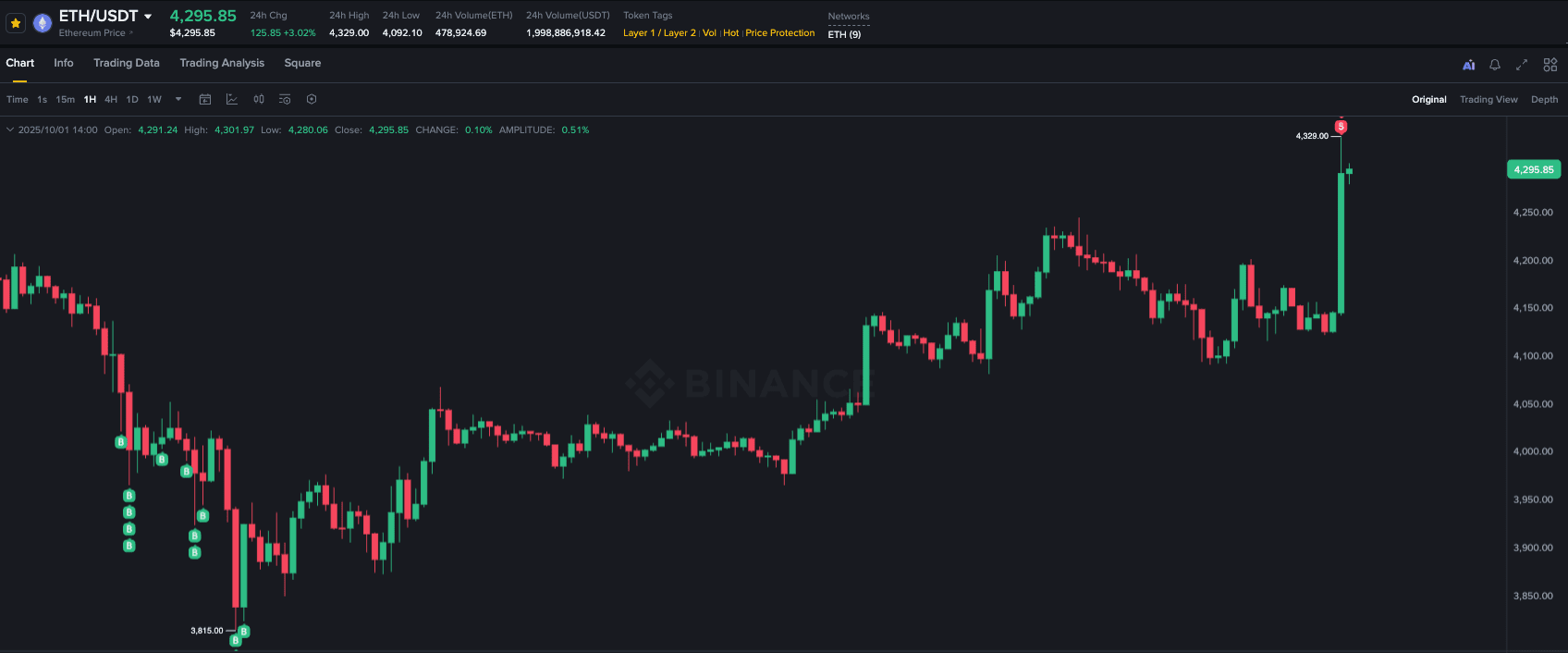
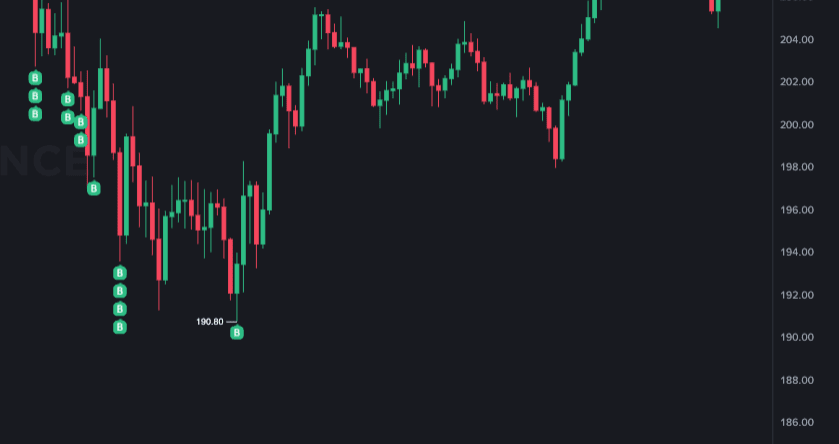
私はあなたに4000ドル未満のEthereumと200ドル未満のSolを盛り付けて渡しました。
あなたがうまくやっていることを願っています。
あなたがうまくやっていることを願っています。
41
いいね
いいね
RayhanBros
·
--
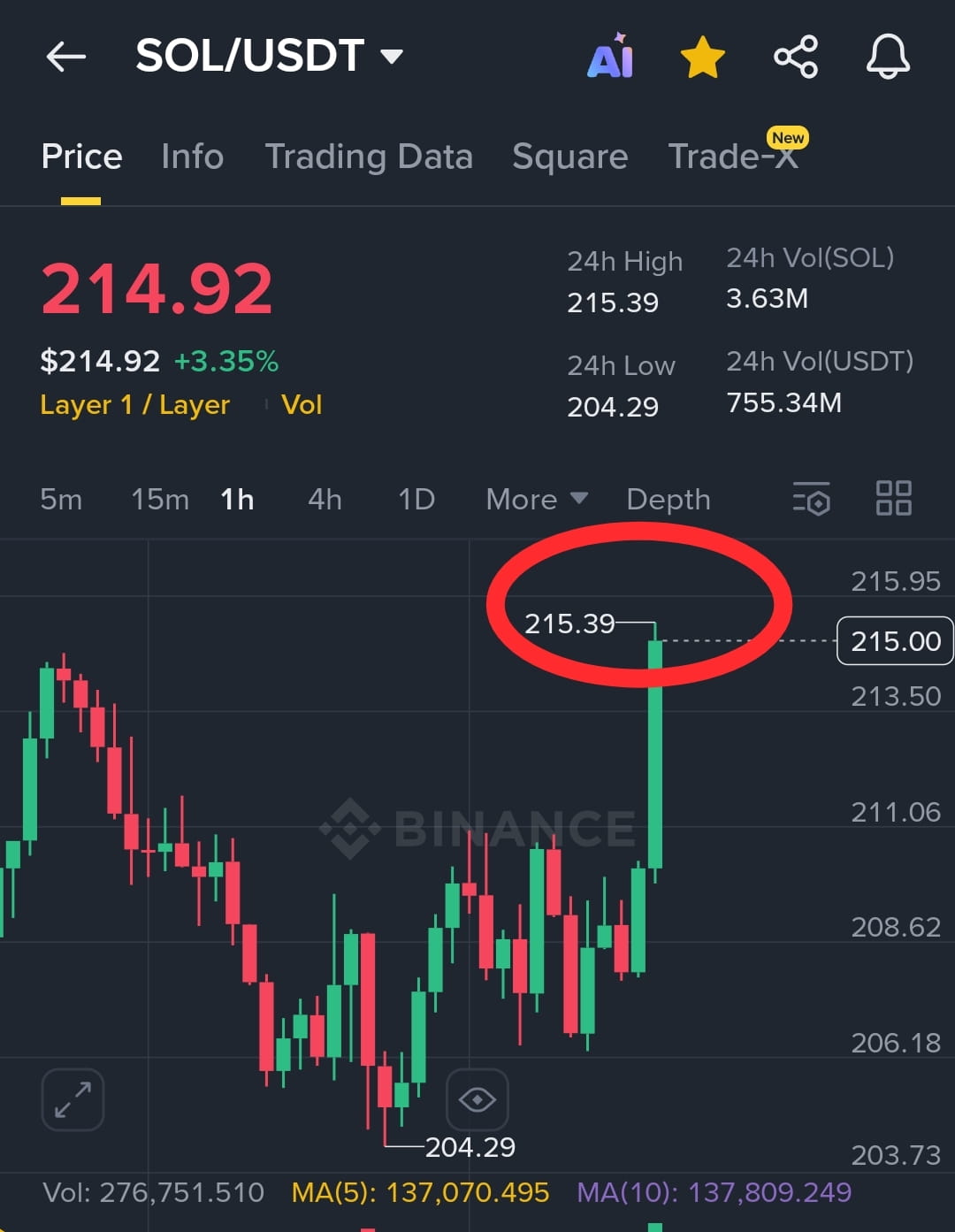
ブリッシュ神に感謝します.. $SOL ついに215ドルに達しました 💥🥵
あなたたちはどこにいる…私を侮辱した人たちは?😂、SOLは215に達しないの?😂😂
あなたたちはどこにいる…私を侮辱した人たちは?😂、SOLは215に達しないの?😂😂
24
UP
70%
Down
20%
Neutral or Stable
10%
105 投票 • 投票は終了しました
1
1
3
1.1k
🚨 BTCの速報
現在、市場は非常に不安定です 🤔
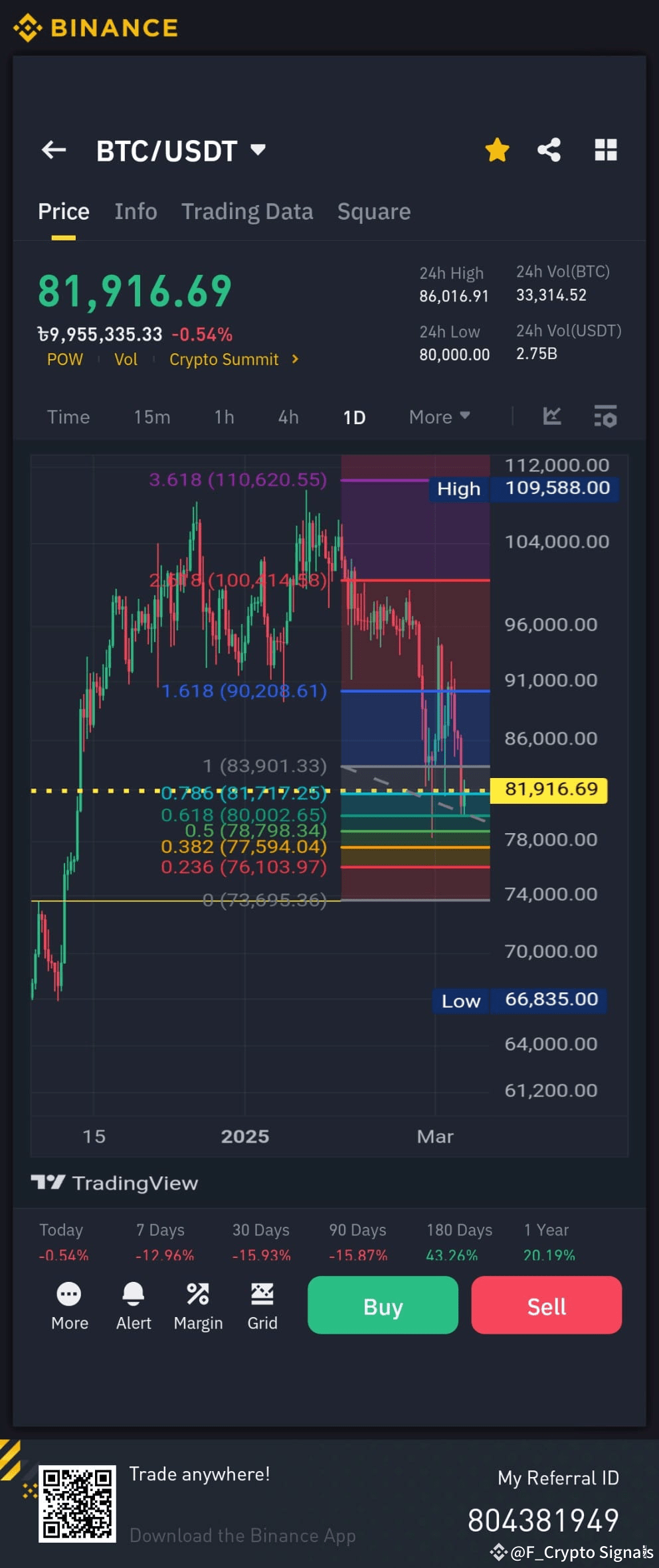
ダンプが続き、BTCが最後のサポートを破った場合、76450に向かいます。さらに続けば74kになります。
友人やフォロワーに注意して、自分を守ってください。私の投稿にいいね、コメント、シェアをしてくれた皆さんに感謝します。
$BTC
{spot}(BTCUSDT)
#Write2Earn #BTC
🚨 BTCの速報
現在、市場は非常に不安定です 🤔
ダンプが続き、BTCが最後のサポートを破った場合、76450に向かいます。さらに続けば74kになります。
友人やフォロワーに注意して、自分を守ってください。私の投稿にいいね、コメント、シェアをしてくれた皆さんに感謝します。
$BTC
#Write2Earn #BTC
現在、市場は非常に不安定です 🤔
ダンプが続き、BTCが最後のサポートを破った場合、76450に向かいます。さらに続けば74kになります。
友人やフォロワーに注意して、自分を守ってください。私の投稿にいいね、コメント、シェアをしてくれた皆さんに感謝します。
$BTC
#Write2Earn #BTC
467
💥 3月は暗号通貨の月になる — FOXジャーナリスト エレノア・テレット:
🟣 3月6日: CFTCは企業幹部とのフォーラムを開催し、トークン化資産とステーブルコインについて議論します。
🟣 3月7日: ホワイトハウスはドナルド・トランプとの暗号通貨サミットを開催します。
🟣 3月10日-14日: 上院銀行委員会はステーブルコイン法案について投票します。
🟣 3月21日: SECは5回の暗号通貨ラウンドテーブルの最初の会合を開催します。
あなたは準備ができていますか?
🔥 - はい
⚡️ - やったああああああああ
$BTC
{spot}(BTCUSDT)
#Write2Earn #BTC
💥 3月は暗号通貨の月になる — FOXジャーナリスト エレノア・テレット:
🟣 3月6日: CFTCは企業幹部とのフォーラムを開催し、トークン化資産とステーブルコインについて議論します。
🟣 3月7日: ホワイトハウスはドナルド・トランプとの暗号通貨サミットを開催します。
🟣 3月10日-14日: 上院銀行委員会はステーブルコイン法案について投票します。
🟣 3月21日: SECは5回の暗号通貨ラウンドテーブルの最初の会合を開催します。
あなたは準備ができていますか?
🔥 - はい
⚡️ - やったああああああああ
$BTC
#Write2Earn #BTC
🟣 3月6日: CFTCは企業幹部とのフォーラムを開催し、トークン化資産とステーブルコインについて議論します。
🟣 3月7日: ホワイトハウスはドナルド・トランプとの暗号通貨サミットを開催します。
🟣 3月10日-14日: 上院銀行委員会はステーブルコイン法案について投票します。
🟣 3月21日: SECは5回の暗号通貨ラウンドテーブルの最初の会合を開催します。
あなたは準備ができていますか?
🔥 - はい
⚡️ - やったああああああああ
$BTC
#Write2Earn #BTC
63
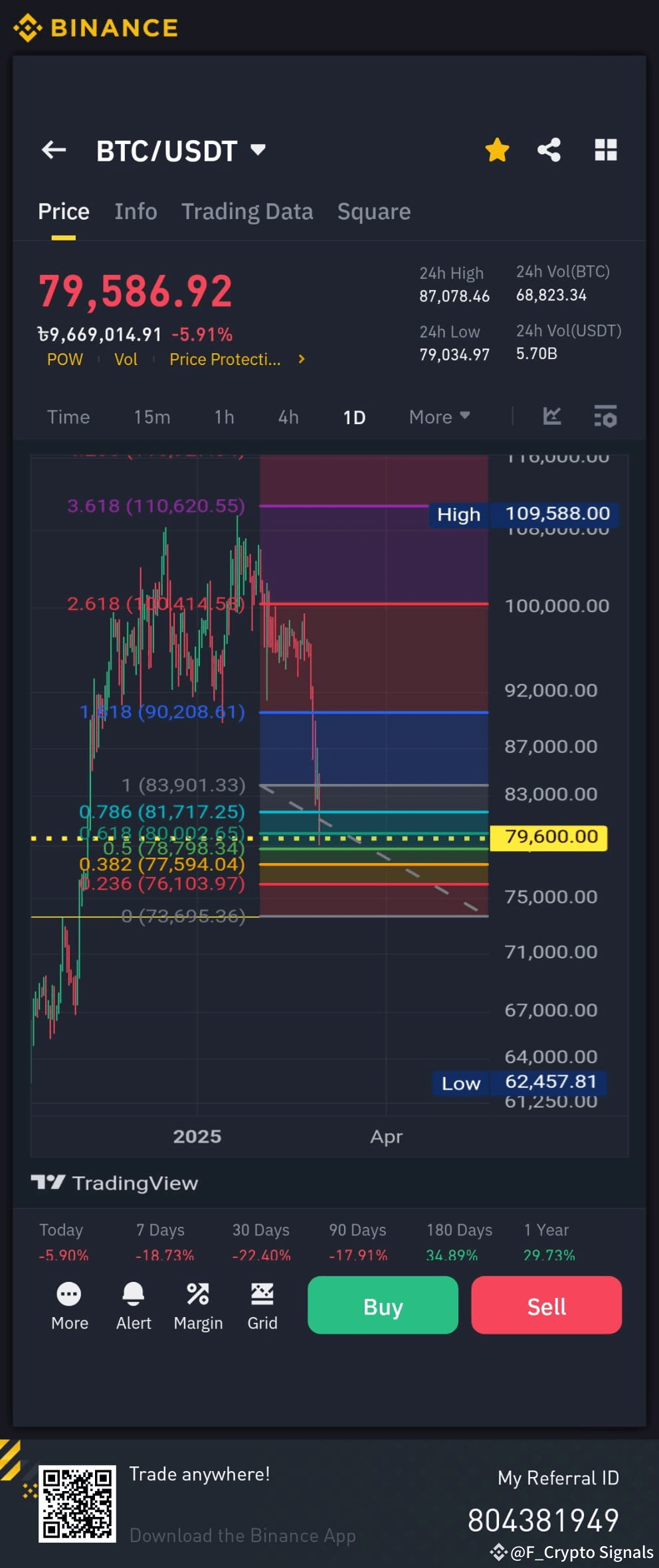
🚨🚨ビットコインが72k & イーサリアムが1700🚨
フォロワーと友人のために詳細をもっと読む ******†***""""""""👇🏻👇🏻👇🏻👇🏻
**暗号市場におけるCMEギャップの理解**
CMEギャップは、特にビットコインとイーサリアムの取引において重要な現象です。これらのギャップは、シカゴマーカンタイル取引所(CME)が週末や祝日のために閉じている間に発生し、そのダウンタイム中にビットコインまたはイーサリアムの価格が大きく動くときに生じます。市場が再開されると、金曜日の閉場価格と月曜日の開場価格の間に「ギャップ」が現れます。
### CMEギャップが重要な理由
1. **価格マグネット**: 歴史的に、価格はこれらのギャップを「埋める」ために再訪することが多く、トレーダーが注目すべき重要なゾーンとなります。
2. **市場センチメント**: ギャップは、「ギャップアップ」または「ギャップダウン」に応じて、強い強気または弱気のモメンタムを示すことがあります。
3. **取引機会**: これらのギャップはしばしばサポートまたはレジスタンスレベルとして機能し、トレーダーに潜在的なエントリまたはエグジットポイントを提供します。
### 現在の観察
- ビットコインについては、既存のCMEギャップを埋めるための**$72,000**への動きについて議論があります。
### トレーダーへの注意
- **ボラティリティ**: 市場がこれらのギャップを埋めようとする際に突然の価格変動に備えましょう。
- **リスク管理**: リスクを軽減するためにストップロス注文とポジションサイズを使用してください。
- **最新情報を保持**: CME先物チャートや市場ニュースを監視して、潜在的なギャップ埋めの動きについて知識を保ってください。
CMEギャップを理解し活用することは、あなたの取引戦略に貴重な洞察を提供することができます。常に慎重に取引し、情報を得ておいてください! 🚀
$BTC $ETH
#SHELLAirdropOnBinance #BTC #Write2Earn
🚨🚨ビットコインが72k & イーサリアムが1700🚨
フォロワーと友人のために詳細をもっと読む ******†***""""""""👇🏻👇🏻👇🏻👇🏻
**暗号市場におけるCMEギャップの理解**
CMEギャップは、特にビットコインとイーサリアムの取引において重要な現象です。これらのギャップは、シカゴマーカンタイル取引所(CME)が週末や祝日のために閉じている間に発生し、そのダウンタイム中にビットコインまたはイーサリアムの価格が大きく動くときに生じます。市場が再開されると、金曜日の閉場価格と月曜日の開場価格の間に「ギャップ」が現れます。
### CMEギャップが重要な理由
1. **価格マグネット**: 歴史的に、価格はこれらのギャップを「埋める」ために再訪することが多く、トレーダーが注目すべき重要なゾーンとなります。
2. **市場センチメント**: ギャップは、「ギャップアップ」または「ギャップダウン」に応じて、強い強気または弱気のモメンタムを示すことがあります。
3. **取引機会**: これらのギャップはしばしばサポートまたはレジスタンスレベルとして機能し、トレーダーに潜在的なエントリまたはエグジットポイントを提供します。
### 現在の観察
- ビットコインについては、既存のCMEギャップを埋めるための**$72,000**への動きについて議論があります。
### トレーダーへの注意
- **ボラティリティ**: 市場がこれらのギャップを埋めようとする際に突然の価格変動に備えましょう。
- **リスク管理**: リスクを軽減するためにストップロス注文とポジションサイズを使用してください。
- **最新情報を保持**: CME先物チャートや市場ニュースを監視して、潜在的なギャップ埋めの動きについて知識を保ってください。
CMEギャップを理解し活用することは、あなたの取引戦略に貴重な洞察を提供することができます。常に慎重に取引し、情報を得ておいてください! 🚀
$BTC $ETH
#SHELLAirdropOnBinance #BTC #Write2Earn
フォロワーと友人のために詳細をもっと読む ******†***""""""""👇🏻👇🏻👇🏻👇🏻
**暗号市場におけるCMEギャップの理解**
CMEギャップは、特にビットコインとイーサリアムの取引において重要な現象です。これらのギャップは、シカゴマーカンタイル取引所(CME)が週末や祝日のために閉じている間に発生し、そのダウンタイム中にビットコインまたはイーサリアムの価格が大きく動くときに生じます。市場が再開されると、金曜日の閉場価格と月曜日の開場価格の間に「ギャップ」が現れます。
### CMEギャップが重要な理由
1. **価格マグネット**: 歴史的に、価格はこれらのギャップを「埋める」ために再訪することが多く、トレーダーが注目すべき重要なゾーンとなります。
2. **市場センチメント**: ギャップは、「ギャップアップ」または「ギャップダウン」に応じて、強い強気または弱気のモメンタムを示すことがあります。
3. **取引機会**: これらのギャップはしばしばサポートまたはレジスタンスレベルとして機能し、トレーダーに潜在的なエントリまたはエグジットポイントを提供します。
### 現在の観察
- ビットコインについては、既存のCMEギャップを埋めるための**$72,000**への動きについて議論があります。
### トレーダーへの注意
- **ボラティリティ**: 市場がこれらのギャップを埋めようとする際に突然の価格変動に備えましょう。
- **リスク管理**: リスクを軽減するためにストップロス注文とポジションサイズを使用してください。
- **最新情報を保持**: CME先物チャートや市場ニュースを監視して、潜在的なギャップ埋めの動きについて知識を保ってください。
CMEギャップを理解し活用することは、あなたの取引戦略に貴重な洞察を提供することができます。常に慎重に取引し、情報を得ておいてください! 🚀
$BTC $ETH
#SHELLAirdropOnBinance #BTC #Write2Earn
1.1k
現在、BTC のポジションが表示されています。
$BTC
$ETH
現在、BTC のポジションが表示されています。
$BTC
$ETH
$BTC
$ETH
F_Crypto Signals
·
--
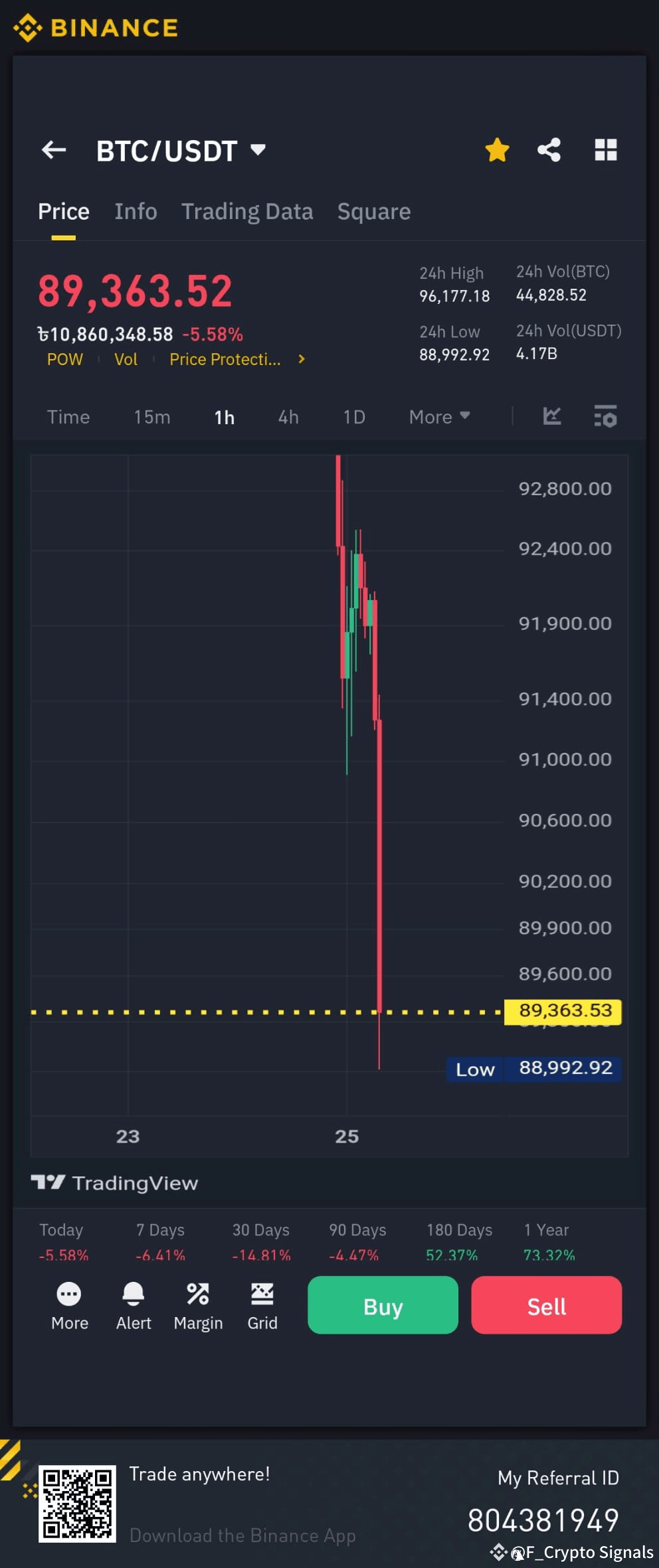
🚨💥 BTCが89922を下回ると、80Kレベルに向かうので、フォロワーと友人に現在の市場ポジションを注意してください ........
$BTC
#BTCDipOrRebound #SaylorBTCPurchase #Write2Earn
$BTC
#BTCDipOrRebound #SaylorBTCPurchase #Write2Earn
679
🚨💥 BTCが89922を下回ると、80Kレベルに向かうので、フォロワーと友人に現在の市場ポジションを注意してください ........
$BTC
{spot}(BTCUSDT)
#BTCDipOrRebound #SaylorBTCPurchase #Write2Earn
🚨💥 BTCが89922を下回ると、80Kレベルに向かうので、フォロワーと友人に現在の市場ポジションを注意してください ........
$BTC
#BTCDipOrRebound #SaylorBTCPurchase #Write2Earn
$BTC
#BTCDipOrRebound #SaylorBTCPurchase #Write2Earn
1
678
決定
決定
F_Crypto Signals
·
--
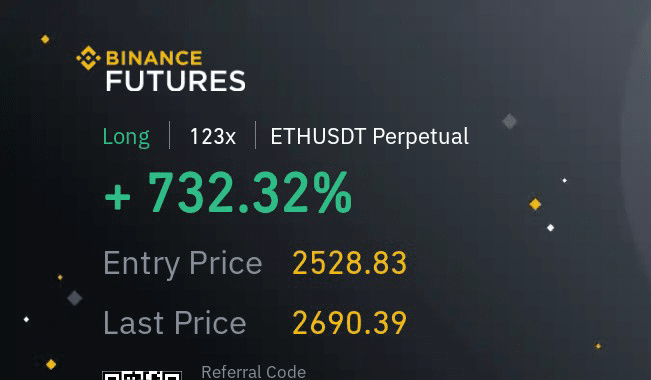
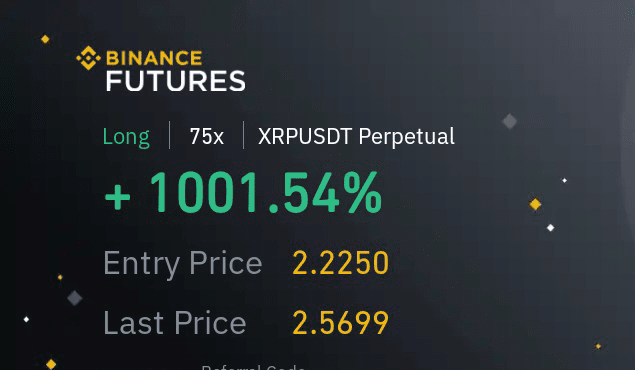
弱気相場🚨 再びビットコインが来る 👇🏻
95000未満ですので、友人やフォロワーの皆さん、注意してください。いつでも起こり得ますし、起こらなければ108000の範囲に上がります。
常に市場の動向を更新して確認してください。皆さんに幸運を。
$BTC
95000未満ですので、友人やフォロワーの皆さん、注意してください。いつでも起こり得ますし、起こらなければ108000の範囲に上がります。
常に市場の動向を更新して確認してください。皆さんに幸運を。
$BTC
61
ログインして、さらにコンテンツを読む
厳選トピックで世界の暗号資産トレーダーの仲間入り
⚡️ 暗号資産に関する最新かつ有益な情報が見つかります。
💬 世界最大の暗号資産取引所から信頼されています。
👍 認証を受けたクリエイターから、有益なインサイトを得られます。
メール / 電話番号
トレンドトピック
SECReceivesGrayscaleLitecoinTrustETFFiling
閲覧回数 80,254
1,369人が討論中
#secreceivesgrayscalelitecointrustetffiling
SEC、グレースケールのライトコインETF申請を受理:LTCがまた注目を浴びる 🚨
市場は静かに動いていたところに、別のライトコインの見出しが飛び込んできました。傍観しているトレーダーにとって、立ち止まってこう考えたくなるような申請です――機関投資家のアクセスは、いよいよ近づいてきているのでしょうか?
グレースケールのライトコイン・トラストは、提案されている移行とNYSE Arcaの上場プロセスに関連する最近の申請により、ETF構造に向けてさらに一歩進みました。SECの記録には、グレースケールのライトコイン提案をめぐる過去の手続きが示されており、最新の申請活動によってこのストーリーは引き続き生きています。
重要なのは、申請は承認ではないという点です。投資家は、規制の進展と、すぐにETFがローンチされるといった期待を切り分けて考えるべきです。
私の見解:より大きなテーマは「アクセスのしやすさ」です。ETFの形になれば、暗号資産を直接保有するのではなく、規制された市場商品を好む従来型の投資家にとって、LTCへのエクスポージャーがより簡単になる可能性があります。
ライトコインは現在、Binanceで約$53.69で取引されています。資産の24時間の値動きは小さめです。これにより、単なるヘッドライン主導の価格反応を追うよりも、規制の展開のほうが興味深いものになります。
真の試練は次に来ます。規制上の判断、市場の需要、流動性、そして機関投資家の関心が、書類の後に本当に続くかどうかです。
申請は扉を開けるかもしれませんが、開いた後に何が起きるかは需要が決めます。
❓グレースケールのライトコインETFは、LTCの機関投資家による需要を実質的に変え得ると思いますか?
免責事項:本内容は情報提供のみを目的としており、投資助言ではありません。暗号資産は価格変動が大きく、規制の結果は不確実です。
#Litecoin #CryptoETF #GrowWithSAC $LTC $ETH $SOL
#SECReceivesGrayscaleLitecoinTrustETFFiling
Sienna Leo-你真棒-带我走
·いいね:3件
·閲覧回数 2.2k
ClarityActFacesProceduralVoteSept15
閲覧回数 204,345
2,289人が討論中
US10YearTreasuryYieldNears5%
閲覧回数 71,760
1,256人が討論中