
FeryX Trades
21.4k 投稿

FeryX Trades
 厳選トピック確認済+
報告
ユーザーをブロック
فريال | متداولة شرسة لا تعرف التراجع 📊
أحلل بذكاء، أقتنص الفرص، وأبني نجاحي بثقة.
هدفي الحرية المالية وصناعة اسمي بقوة في عالم التداول.
高頻度トレーダー
2.3年
4.3K+ フォロー
38.0K+ フォロワー
36.3K+ いいね
投稿
すべて
引用
ライブ
·
--
ブリッシュ
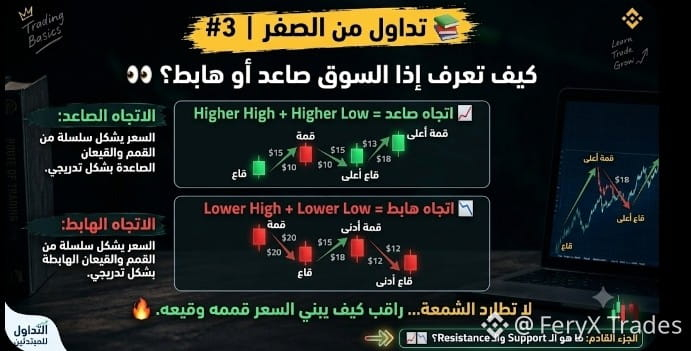
📚 ゼロから学ぶ取引 | #3
相場が上昇トレンドか下降トレンドか、どう見分ける? 👀
Higher High(高値の切り上げ) + Higher Low(安値の切り上げ)=上昇トレンド 📈 Lower High(高値の切り下げ) + Lower Low(安値の切り下げ)=下降トレンド 📉
ローソク足を追いかけないで… 価格がどのように高値と安値を作っていくかを見よう。 🔥
次回:Support(サポート)とResistance(レジスタンス)とは何?
$VVV $ARB
📚 ゼロから学ぶ取引 | #3
相場が上昇トレンドか下降トレンドか、どう見分ける? 👀
Higher High(高値の切り上げ) + Higher Low(安値の切り上げ)=上昇トレンド 📈 Lower High(高値の切り下げ) + Lower Low(安値の切り下げ)=下降トレンド 📉
ローソク足を追いかけないで… 価格がどのように高値と安値を作っていくかを見よう。 🔥
次回:Support(サポート)とResistance(レジスタンス)とは何?
$VVV $ARB
相場が上昇トレンドか下降トレンドか、どう見分ける? 👀
Higher High(高値の切り上げ) + Higher Low(安値の切り上げ)=上昇トレンド 📈 Lower High(高値の切り下げ) + Lower Low(安値の切り下げ)=下降トレンド 📉
ローソク足を追いかけないで… 価格がどのように高値と安値を作っていくかを見よう。 🔥
次回:Support(サポート)とResistance(レジスタンス)とは何?
$VVV $ARB
1
379
·
--
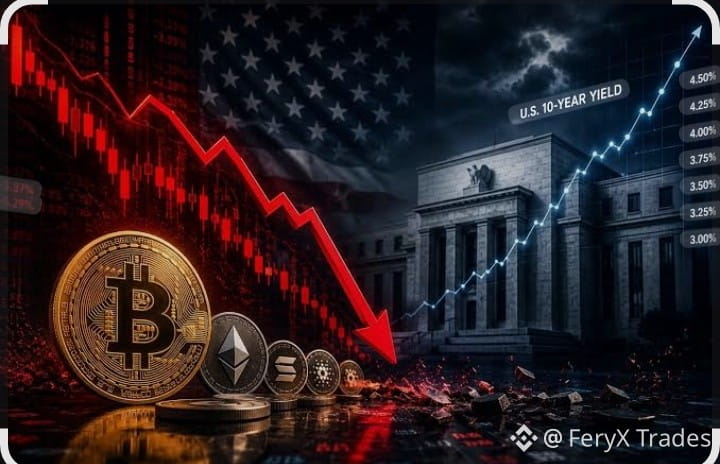
📊 今日のマーケット概況:
$BTC は $76K のゾーンを取り戻そうとし、$ETH と $BNB はリスク選好の改善に伴って強く動いています。🔥
ただし、連邦の圧力と流動性の状況はまだ残っています… ですので、強いブレイク、またはレジスタンスからの反落が今日の値動きを決める可能性があります。👀
まず BTC を監視してください。アルトはたいていその方向に追随します。🚂
📊 今日のマーケット概況:
$BTC は $76K のゾーンを取り戻そうとし、$ETH と $BNB はリスク選好の改善に伴って強く動いています。🔥
ただし、連邦の圧力と流動性の状況はまだ残っています… ですので、強いブレイク、またはレジスタンスからの反落が今日の値動きを決める可能性があります。👀
まず BTC を監視してください。アルトはたいていその方向に追随します。🚂
$BTC は $76K のゾーンを取り戻そうとし、$ETH と $BNB はリスク選好の改善に伴って強く動いています。🔥
ただし、連邦の圧力と流動性の状況はまだ残っています… ですので、強いブレイク、またはレジスタンスからの反落が今日の値動きを決める可能性があります。👀
まず BTC を監視してください。アルトはたいていその方向に追随します。🚂
2
434
·
--
弱気相場
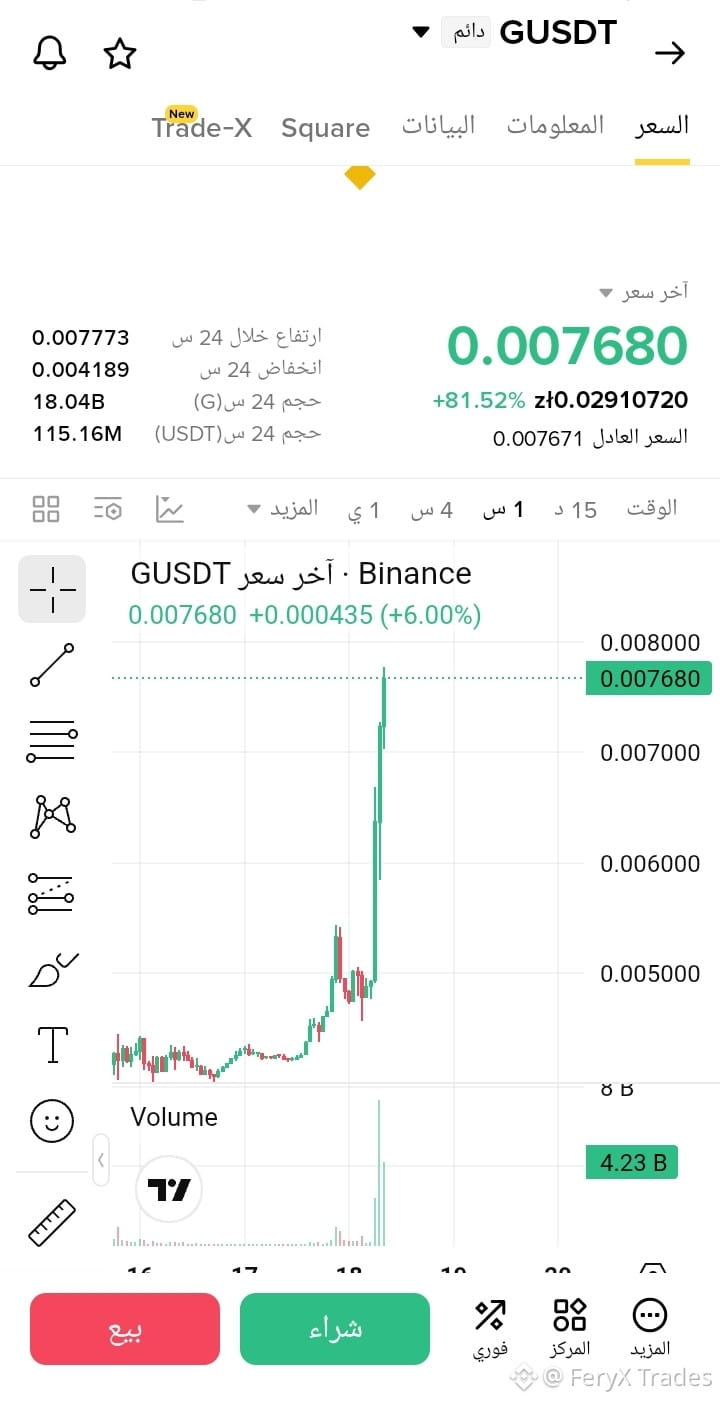
$G 崩壊を待て!すぐに論理を言え:上昇→急落の4回連続、(主催者)はツールを使って、長期・短期の取引に対して二重の爆発(ダブルの爆発)が起こるようにする。今回も同じシナリオ:もし崩れたら、少なくとも40%。ようこそ、船に乗り込んでください!
{future}(GUSDT)
$G 崩壊を待て!すぐに論理を言え:上昇→急落の4回連続、(主催者)はツールを使って、長期・短期の取引に対して二重の爆発(ダブルの爆発)が起こるようにする。今回も同じシナリオ:もし崩れたら、少なくとも40%。ようこそ、船に乗り込んでください!
1
419
·
--
ブリッシュ
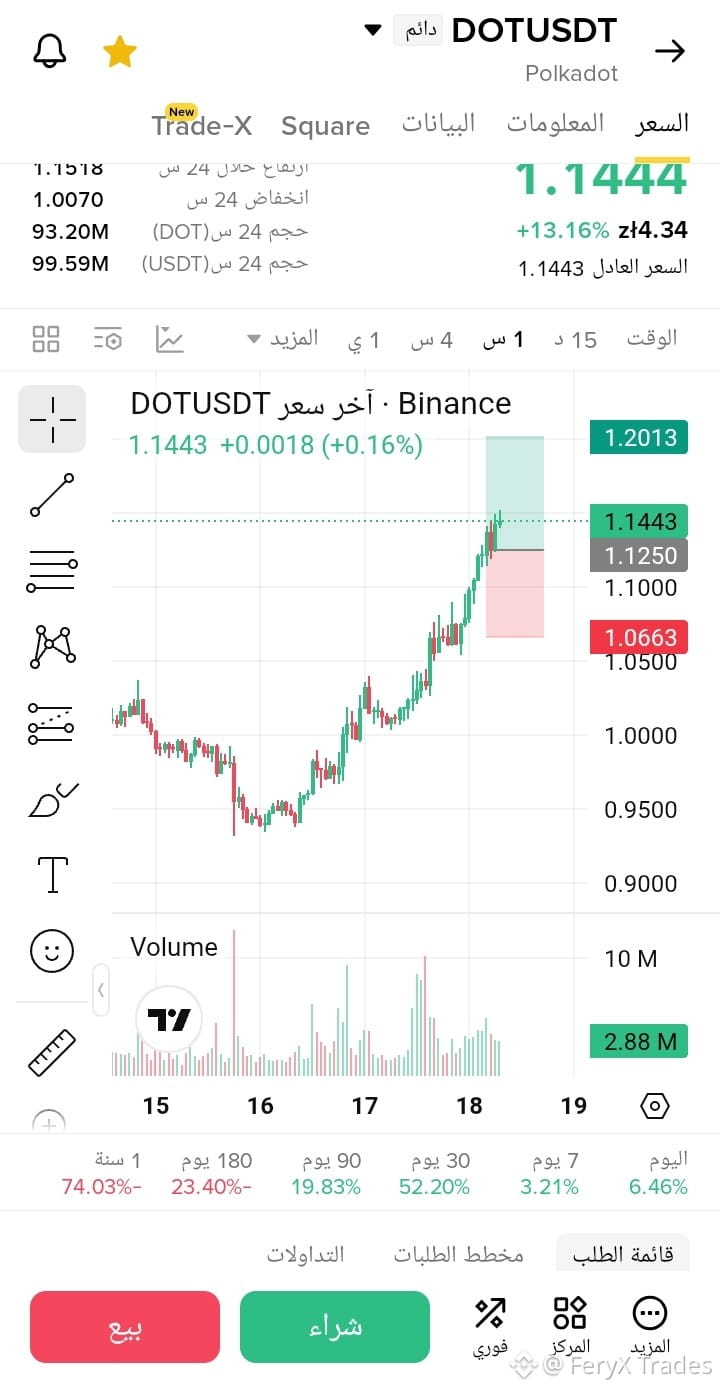
$DOT 着地のほこりをミサイルの反動で払って、流動性が再び需要エリアに集まり、強気のリカバリーレースが抵抗線をなぎ倒します! 🚀
さあロング(レバレッジ10x Max)を 1.10 - 1.125$ の間で開けよう!
🎯 目標: 1.15 / 1.18 / 1.20$ \vert{} 🛑 想定損切り: 1.06$
リカバリーは本物で、勢いは倍増——すぐにポジションを固めて、上昇の波が離れる前に掴め! 🦅⚡👇
{future}(DOTUSDT)
$DOT 着地のほこりをミサイルの反動で払って、流動性が再び需要エリアに集まり、強気のリカバリーレースが抵抗線をなぎ倒します! 🚀
さあロング(レバレッジ10x Max)を 1.10 - 1.125$ の間で開けよう!
🎯 目標: 1.15 / 1.18 / 1.20$ \vert{} 🛑 想定損切り: 1.06$
リカバリーは本物で、勢いは倍増——すぐにポジションを固めて、上昇の波が離れる前に掴め! 🦅⚡👇
さあロング(レバレッジ10x Max)を 1.10 - 1.125$ の間で開けよう!
🎯 目標: 1.15 / 1.18 / 1.20$ \vert{} 🛑 想定損切り: 1.06$
リカバリーは本物で、勢いは倍増——すぐにポジションを固めて、上昇の波が離れる前に掴め! 🦅⚡👇
2
641
·
--
弱気相場
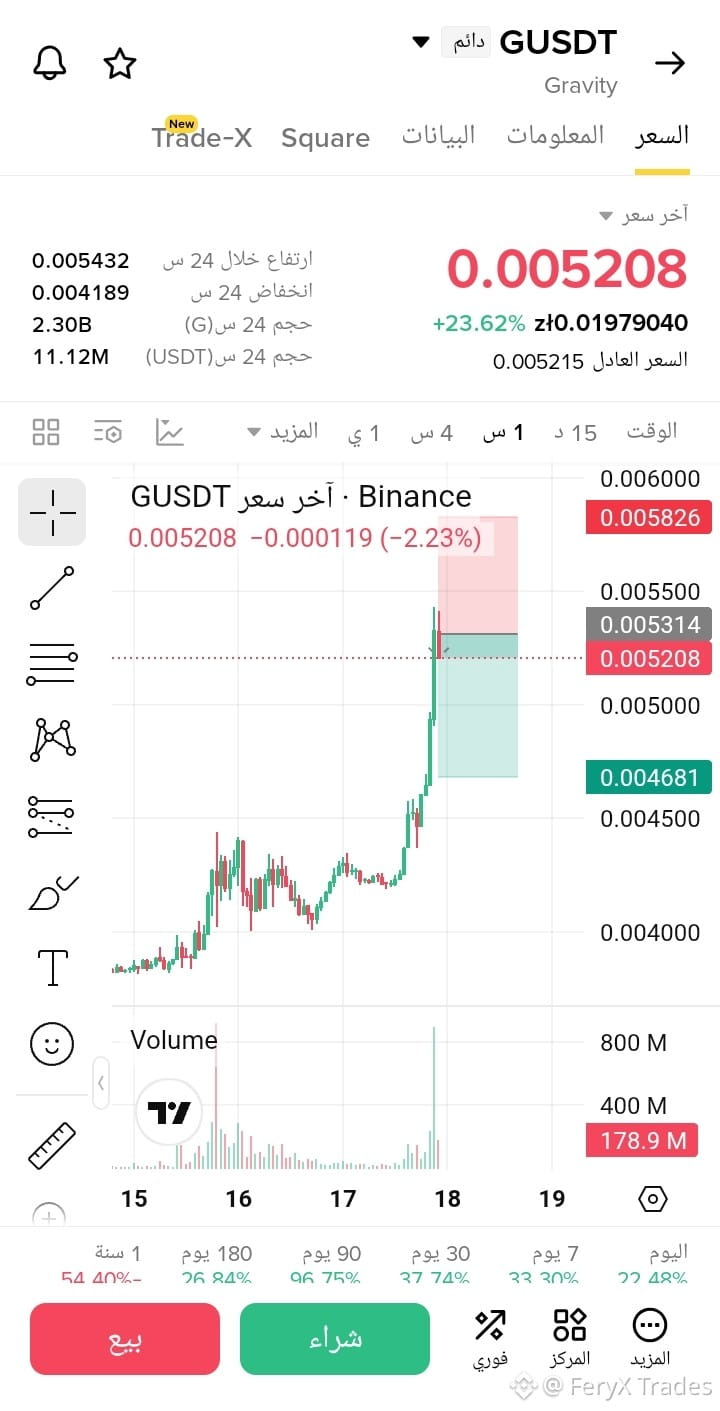
$G での突進トライが、表示エリアで行き止まりの壁に衝突。さらに、スマート・リクイディティは価格を底へ向けて叩き落とすためのランディング用のマンネル(ごとく)を準備中です! 📉
さあ、0.005400 - 0.005550$の間でショート(Scalp)をすぐに開きましょう!
🎯 目標: 0.005200 / 0.005100 / 0.004900 / 0.004800$ \vert{} 🛑 ストップ: 0.005850$
高値は蒸発し、ブレイクが来る。すぐに集中して、落下の急降下が始まる前に“誤った出血”を素早く掴め! 🦅⚡👇
$G
{future}(GUSDT)
$G での突進トライが、表示エリアで行き止まりの壁に衝突。さらに、スマート・リクイディティは価格を底へ向けて叩き落とすためのランディング用のマンネル(ごとく)を準備中です! 📉
さあ、0.005400 - 0.005550$の間でショート(Scalp)をすぐに開きましょう!
🎯 目標: 0.005200 / 0.005100 / 0.004900 / 0.004800$ \vert{} 🛑 ストップ: 0.005850$
高値は蒸発し、ブレイクが来る。すぐに集中して、落下の急降下が始まる前に“誤った出血”を素早く掴め! 🦅⚡👇
$G
さあ、0.005400 - 0.005550$の間でショート(Scalp)をすぐに開きましょう!
🎯 目標: 0.005200 / 0.005100 / 0.004900 / 0.004800$ \vert{} 🛑 ストップ: 0.005850$
高値は蒸発し、ブレイクが来る。すぐに集中して、落下の急降下が始まる前に“誤った出血”を素早く掴め! 🦅⚡👇
$G
3
669
·
--
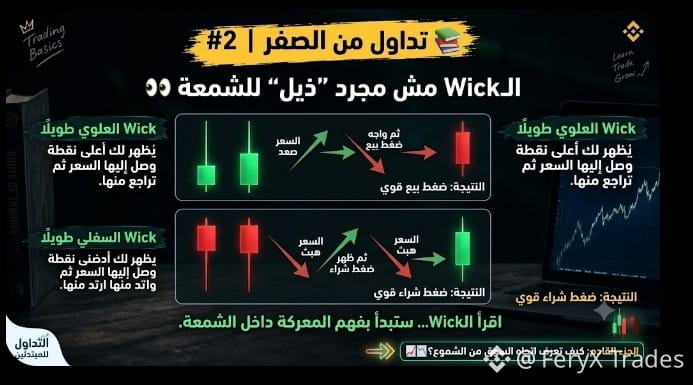
📚 ゼロから始めるトレード | #2
ウィック(Wick)はキャンドルの「ただの尻尾」じゃない 👀
上側のウィックが長いなら、価格は上昇したのに、その後に売りの圧力に遭ったということ。
下側のウィックが長い? 価格は下落したが、その後に買いの圧力が現れた。 🔥
ウィックを読め…すると、キャンドルの中で繰り広げられた戦いがわかり始めます。
次回:どのようにしてローソク足から相場の方向を見分けるのか? 📈📉
$BTC $ZEC $SOL
📚 ゼロから始めるトレード | #2
ウィック(Wick)はキャンドルの「ただの尻尾」じゃない 👀
上側のウィックが長いなら、価格は上昇したのに、その後に売りの圧力に遭ったということ。
下側のウィックが長い? 価格は下落したが、その後に買いの圧力が現れた。 🔥
ウィックを読め…すると、キャンドルの中で繰り広げられた戦いがわかり始めます。
次回:どのようにしてローソク足から相場の方向を見分けるのか? 📈📉
$BTC $ZEC $SOL
ウィック(Wick)はキャンドルの「ただの尻尾」じゃない 👀
上側のウィックが長いなら、価格は上昇したのに、その後に売りの圧力に遭ったということ。
下側のウィックが長い? 価格は下落したが、その後に買いの圧力が現れた。 🔥
ウィックを読め…すると、キャンドルの中で繰り広げられた戦いがわかり始めます。
次回:どのようにしてローソク足から相場の方向を見分けるのか? 📈📉
$BTC $ZEC $SOL
1
1.7k
·
--
🚨 今日の機関投資家向け暗号ニュース
📉 FRBが利上げ — 米連邦準備制度(FRB)が政策金利を25ベーシスポイント(0.25%)引き上げ、4.00%にしました。2023年以来初の利上げです。市場は比較的落ち着いてこのニュースを受け止めましたが、金融引き締めはリスク資産に対する目に見えない圧力として残ります。(CoinMarketCap)
⚖️ CLARITY法が上院で不成立 — 米上院は1票差(49-50)で、デジタル資産市場の明確化を目的とした「Digital Asset Market Clarity」法の議論を開始しませんでした。これはCFTCとSECの規制権限を分担する狙いがありました。この不成立により、ビットコインは約3%下落、イーサリアムは5%下落しました。とはいえ、CFTCのマイク・シリーグ議長は、議会とは無関係に新たな暗号関連規制で前進する準備ができていると述べました。(CoinMarketCap)
🏦 ウォール街がオンチェーンへ — SECは9月17日に、BlackRockやNASDAQなどの主要プレイヤーと円卓会議を開催し、株式の取引をブロックチェーンへ移行することを検討しました。株式取引のインフラとして24時間稼働を担う基盤を目指すうえで、イーサリアムとソラナの競争が激化しています。(CoinMarketCap)
🏛️ ドイツ銀行がカストディ参入 — ドイツ銀行は、規制当局の承認を待ちながら、今年ヨーロッパの機関投資家向けにデジタル資産の保管サービス(カストディ)を開始する計画です。
💰 Aaveが10億ドル突破 — Aave V4の預金が10億ドルを超えました(過去最高)。さらに、Avalanche上で専門のRWA(実世界資産)向け貸付市場をローンチする準備を進めており、機関投資家がトークン化された金融資産(tokenized)を担保に借り入れられるようになります。
$ETH $ZEC $SOL
🚨 今日の機関投資家向け暗号ニュース
📉 FRBが利上げ — 米連邦準備制度(FRB)が政策金利を25ベーシスポイント(0.25%)引き上げ、4.00%にしました。2023年以来初の利上げです。市場は比較的落ち着いてこのニュースを受け止めましたが、金融引き締めはリスク資産に対する目に見えない圧力として残ります。(CoinMarketCap)
⚖️ CLARITY法が上院で不成立 — 米上院は1票差(49-50)で、デジタル資産市場の明確化を目的とした「Digital Asset Market Clarity」法の議論を開始しませんでした。これはCFTCとSECの規制権限を分担する狙いがありました。この不成立により、ビットコインは約3%下落、イーサリアムは5%下落しました。とはいえ、CFTCのマイク・シリーグ議長は、議会とは無関係に新たな暗号関連規制で前進する準備ができていると述べました。(CoinMarketCap)
🏦 ウォール街がオンチェーンへ — SECは9月17日に、BlackRockやNASDAQなどの主要プレイヤーと円卓会議を開催し、株式の取引をブロックチェーンへ移行することを検討しました。株式取引のインフラとして24時間稼働を担う基盤を目指すうえで、イーサリアムとソラナの競争が激化しています。(CoinMarketCap)
🏛️ ドイツ銀行がカストディ参入 — ドイツ銀行は、規制当局の承認を待ちながら、今年ヨーロッパの機関投資家向けにデジタル資産の保管サービス(カストディ)を開始する計画です。
💰 Aaveが10億ドル突破 — Aave V4の預金が10億ドルを超えました(過去最高)。さらに、Avalanche上で専門のRWA(実世界資産)向け貸付市場をローンチする準備を進めており、機関投資家がトークン化された金融資産(tokenized)を担保に借り入れられるようになります。
$ETH $ZEC $SOL
📉 FRBが利上げ — 米連邦準備制度(FRB)が政策金利を25ベーシスポイント(0.25%)引き上げ、4.00%にしました。2023年以来初の利上げです。市場は比較的落ち着いてこのニュースを受け止めましたが、金融引き締めはリスク資産に対する目に見えない圧力として残ります。(CoinMarketCap)
⚖️ CLARITY法が上院で不成立 — 米上院は1票差(49-50)で、デジタル資産市場の明確化を目的とした「Digital Asset Market Clarity」法の議論を開始しませんでした。これはCFTCとSECの規制権限を分担する狙いがありました。この不成立により、ビットコインは約3%下落、イーサリアムは5%下落しました。とはいえ、CFTCのマイク・シリーグ議長は、議会とは無関係に新たな暗号関連規制で前進する準備ができていると述べました。(CoinMarketCap)
🏦 ウォール街がオンチェーンへ — SECは9月17日に、BlackRockやNASDAQなどの主要プレイヤーと円卓会議を開催し、株式の取引をブロックチェーンへ移行することを検討しました。株式取引のインフラとして24時間稼働を担う基盤を目指すうえで、イーサリアムとソラナの競争が激化しています。(CoinMarketCap)
🏛️ ドイツ銀行がカストディ参入 — ドイツ銀行は、規制当局の承認を待ちながら、今年ヨーロッパの機関投資家向けにデジタル資産の保管サービス(カストディ)を開始する計画です。
💰 Aaveが10億ドル突破 — Aave V4の預金が10億ドルを超えました(過去最高)。さらに、Avalanche上で専門のRWA(実世界資産)向け貸付市場をローンチする準備を進めており、機関投資家がトークン化された金融資産(tokenized)を担保に借り入れられるようになります。
$ETH $ZEC $SOL
1
3.3k
·
--
ブリッシュ
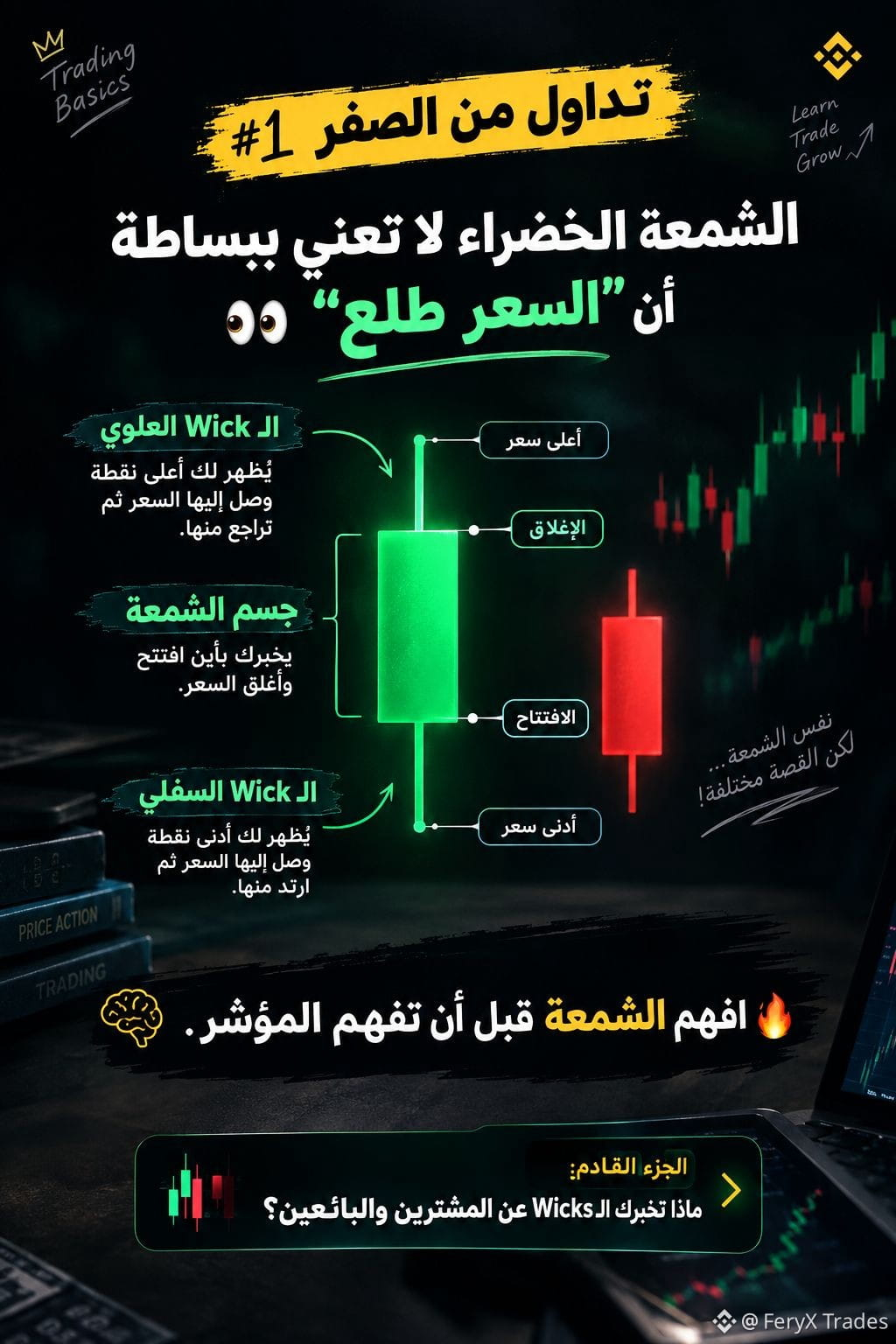
📚 ゼロから始める取引 | #1
緑のローソク足は、単に「価格が上がった」という意味ではありません 👀
ローソク足の本体は、価格がどこで始まりどこで終わったかを教えてくれます。Wick(ヒゲ)は、価格が動いてからどこへ戻ってきたかを示します。
指標を理解する前に、ローソク足を理解しよう。 🔥
次回:Wicksは買い手と売り手について何を教えてくれるの?
$ETH $ZEC $BR
📚 ゼロから始める取引 | #1
緑のローソク足は、単に「価格が上がった」という意味ではありません 👀
ローソク足の本体は、価格がどこで始まりどこで終わったかを教えてくれます。Wick(ヒゲ)は、価格が動いてからどこへ戻ってきたかを示します。
指標を理解する前に、ローソク足を理解しよう。 🔥
次回:Wicksは買い手と売り手について何を教えてくれるの?
$ETH $ZEC $BR
緑のローソク足は、単に「価格が上がった」という意味ではありません 👀
ローソク足の本体は、価格がどこで始まりどこで終わったかを教えてくれます。Wick(ヒゲ)は、価格が動いてからどこへ戻ってきたかを示します。
指標を理解する前に、ローソク足を理解しよう。 🔥
次回:Wicksは買い手と売り手について何を教えてくれるの?
$ETH $ZEC $BR
1
925
ログインして、さらにコンテンツを読む
厳選トピックで世界の暗号資産トレーダーの仲間入り
⚡️ 暗号資産に関する最新かつ有益な情報が見つかります。
💬 世界最大の暗号資産取引所から信頼されています。
👍 認証を受けたクリエイターから、有益なインサイトを得られます。
メール / 電話番号
トレンドトピック
BTCBreaks80K
閲覧回数 158,582
2,543人が討論中
サプライズな精算か、それとも流動性の狩り?ビットコインの$80Kの裏側の真実 📉🚀
$80,000近辺のショートポジションを持っていたなら、ここ数時間のプレッシャーをおそらく感じたはずです。多くの人は、この急な上昇を「出来高のない操作」と分類しますが、先物市場のメカニズムがまったく別の話を伝えています。
これは、週足の裏で実際に起きたことです:
1️⃣ 注文板が薄い:市場の大半が下方向(ショート)にポジションを取っていると、価格上側の売り指値注文が非常に少なくなります。適度な買いの量で、ストップを一掃できてしまうのです。
2️⃣ カスケード効果(ショートスクイーズ):ショートの清算ラインに触れると、取引所は損失を抱えたそのポジションをクローズするために、自動的に成行買いを実行します。「隠れた操作者が価格を押し上げた」のではなく、売り手自身のストップロスがポンプの資金になったのです。
3️⃣ 週足のクローズ:アルゴリズムや機関投資家は、ローソク足の切り替わり前に重要な移動平均線の上でクローズを狙うことがよくあります。
リスク管理の教訓:技術的に適切な位置にストップを置かずに、レバレッジ取引を決して行わないでください。また、市場が売り過多で過負荷になっているときにショートに入るのは避けましょう。
あなたはどう思いますか? $80Kを上抜けて定着し、新しい高値を狙いにいく展開ですか、それとも$78,000ゾーンへのリテストが来そうですか?コメントで教えてください!
$BTC #BTC #BTCBreaks80K #BinanceSquar
Angelo_Coin
·いいね:0件
·閲覧回数 1.2k
比特币突破8万
閲覧回数 111,477
328人が討論中
BitcoinMarketCapTopsTesla
閲覧回数 1,455
138人が討論中