

Fateemah090
63 投稿

Fateemah090
報告
ユーザーをブロック
Content Writer | Spot Trader | web3 Leaner | Community Manager BP-9EA7ABE38842
2.3年
67 フォロー
79 フォロワー
102 いいね
投稿
すべて
引用
·
--
ブリッシュ
翻訳参照
STONfi’s Stoncat: How to Mint Your Own NFT
This STONfi update introduces Stoncat, an evolving NFT companion that you can create and customize using GEMSTON.
But what does that actually mean, and how do you get one?
Step-by-step: How to mint your Stoncat
1. Visit the official Stoncat website
Go to stoncat.com and connect your compatible $TON wallet.
2. Mint your base Stoncat
Start by minting a base Stoncat NFT. This gives you your starting cat, which you can develop and customize.
3. Use GEMSTON to feed your Stoncat
GEMSTON is part of the Stoncat progression system. You can use it to feed your Stoncat and help it evolve.
4. Roll for Purrks
Purrks are traits or characteristics that can change your Stoncat's appearance and rarity.
This is where each Stoncat can become different.
5. Equip your Purrks
Choose which traits to equip and shape your cat's appearance.
Some Purrks are rarer than others, so the traits you obtain can affect your Stoncat's overall rarity.
6. Watch your Stoncat evolve
As your Stoncat progresses through different stages, new traits can become available.
Your choices help determine how your companion develops.
7. Check the rarity leaderboard
The rarer the Purrks you equip, the higher your Stoncat can potentially rank in the rarity system.
So you're not simply minting an NFT and leaving it there you are building and customizing your own evolving companion.
The simple idea
Think of it like:
Mint → Feed → Roll Purrks → Equip traits → Evolve → Build rarity
The interesting part is that two people can start with a base Stoncat and end up with completely different companions depending on the traits they obtain and equip.
This makes Stoncat more than just a static NFT. It combines NFT ownership, customization, progression, rarity, and GEMSTON utility into one experience.
If you're new, start with the base mint and learn each step before spending more GEMSTON.
Your Stoncat. Your traits. Your choices.
🔗 Mint: [stoncat.com](https://stoncat.com/?utm_source=chatgpt.com)
#STONfi #Stoncat #GEMSTON #TON #NFT
STONfi’s Stoncat: How to Mint Your Own NFT
This STONfi update introduces Stoncat, an evolving NFT companion that you can create and customize using GEMSTON.
But what does that actually mean, and how do you get one?
Step-by-step: How to mint your Stoncat
1. Visit the official Stoncat website
Go to stoncat.com and connect your compatible $TON wallet.
2. Mint your base Stoncat
Start by minting a base Stoncat NFT. This gives you your starting cat, which you can develop and customize.
3. Use GEMSTON to feed your Stoncat
GEMSTON is part of the Stoncat progression system. You can use it to feed your Stoncat and help it evolve.
4. Roll for Purrks
Purrks are traits or characteristics that can change your Stoncat's appearance and rarity.
This is where each Stoncat can become different.
5. Equip your Purrks
Choose which traits to equip and shape your cat's appearance.
Some Purrks are rarer than others, so the traits you obtain can affect your Stoncat's overall rarity.
6. Watch your Stoncat evolve
As your Stoncat progresses through different stages, new traits can become available.
Your choices help determine how your companion develops.
7. Check the rarity leaderboard
The rarer the Purrks you equip, the higher your Stoncat can potentially rank in the rarity system.
So you're not simply minting an NFT and leaving it there you are building and customizing your own evolving companion.
The simple idea
Think of it like:
Mint → Feed → Roll Purrks → Equip traits → Evolve → Build rarity
The interesting part is that two people can start with a base Stoncat and end up with completely different companions depending on the traits they obtain and equip.
This makes Stoncat more than just a static NFT. It combines NFT ownership, customization, progression, rarity, and GEMSTON utility into one experience.
If you're new, start with the base mint and learn each step before spending more GEMSTON.
Your Stoncat. Your traits. Your choices.
🔗 Mint: [stoncat.com](https://stoncat.com/?utm_source=chatgpt.com)
#STONfi #Stoncat #GEMSTON #TON #NFT
This STONfi update introduces Stoncat, an evolving NFT companion that you can create and customize using GEMSTON.
But what does that actually mean, and how do you get one?
Step-by-step: How to mint your Stoncat
1. Visit the official Stoncat website
Go to stoncat.com and connect your compatible $TON wallet.
2. Mint your base Stoncat
Start by minting a base Stoncat NFT. This gives you your starting cat, which you can develop and customize.
3. Use GEMSTON to feed your Stoncat
GEMSTON is part of the Stoncat progression system. You can use it to feed your Stoncat and help it evolve.
4. Roll for Purrks
Purrks are traits or characteristics that can change your Stoncat's appearance and rarity.
This is where each Stoncat can become different.
5. Equip your Purrks
Choose which traits to equip and shape your cat's appearance.
Some Purrks are rarer than others, so the traits you obtain can affect your Stoncat's overall rarity.
6. Watch your Stoncat evolve
As your Stoncat progresses through different stages, new traits can become available.
Your choices help determine how your companion develops.
7. Check the rarity leaderboard
The rarer the Purrks you equip, the higher your Stoncat can potentially rank in the rarity system.
So you're not simply minting an NFT and leaving it there you are building and customizing your own evolving companion.
The simple idea
Think of it like:
Mint → Feed → Roll Purrks → Equip traits → Evolve → Build rarity
The interesting part is that two people can start with a base Stoncat and end up with completely different companions depending on the traits they obtain and equip.
This makes Stoncat more than just a static NFT. It combines NFT ownership, customization, progression, rarity, and GEMSTON utility into one experience.
If you're new, start with the base mint and learn each step before spending more GEMSTON.
Your Stoncat. Your traits. Your choices.
🔗 Mint: [stoncat.com](https://stoncat.com/?utm_source=chatgpt.com)
#STONfi #Stoncat #GEMSTON #TON #NFT
9
·
--
翻訳参照
I'm super bullish on Stonfi
I'm super bullish on Stonfi
Fateemah090
·
--
STON.fi × Stonks: Connecting the Token Launch Journey
A TON ecosystem update that deserves more attention:
Stonks has integrated with STON.fi infrastructure.
At first, this might look like just another partnership.
But the interesting part is what happens to a token after it is created.
Stonks is building an on-chain environment where teams can build, launch, tokenize and trade projects. Its platform currently reports 2,170 projects launched and 12,000+ monthly active users.
Now connect that with STON.fi.
1. It starts with the token launch
A project can begin on Stonks by developing an idea and creating a token.
Stonks supports token launches and custom tokenomics, including bonding-curve based launches.
A bonding curve is a mechanism where the price of a token changes according to buying and selling activity according to predefined rules.
So the token can have an initial market structure before it reaches a traditional liquidity pool.
2. Then comes the liquidity transition
This is where the STON.fi integration becomes interesting.
Instead of treating the launch and the DEX as completely separate stages, the integration creates a path from:
Launch → Bonding Curve → Trading → Liquidity → STON.fi
Once liquidity is seeded into STON.fi pools, users can interact with that liquidity through STON.fi's swap infrastructure.
STON.fi already supports token swaps, liquidity provision and farming, while its developer infrastructure allows other applications to integrate its swap functionality.
3. Why Omniston matters
There is another important layer here:
Omniston.
Omniston is STON.fi's liquidity aggregation and execution infrastructure. It can connect applications to available liquidity sources and handle routing rather than forcing every application to build its own routing system from scratch.
For developers, this matters because building a swap system is much more than adding a “Swap” button.
You need to think about:
• Finding liquidity
• Comparing routes
• Executing trades
• Managing integrations
• Maintaining infrastructure
• Providing a smooth user experience
STON.fi's SDK/API and Omniston are designed to reduce that infrastructure burden for builders.
4. What this means for builders
The bigger idea is composability.
Stonks doesn't have to build every piece of DeFi infrastructure itself.
STON.fi doesn't have to build every token-launch application itself.
Instead, different protocols can specialize in different parts of the ecosystem and connect their infrastructure together.
That is one of the important ideas behind DeFi:
Build one useful layer, then make it possible for other applications to build on top of it.
5. What this means for the TON ecosystem
Think about the complete journey of a token:
Someone has an idea.
↓
The project builds and launches.
↓
The token starts trading.
↓
Liquidity develops.
↓
The token can move into deeper DeFi infrastructure.
↓
Users can interact with that liquidity through connected applications.
The Stonks × STON.fi integration helps connect different parts of that journey instead of keeping them isolated.
And that is more meaningful than simply saying:
“Another project integrated with STON.fi.”
It shows how $TON DeFi infrastructure is becoming increasingly composable.
One application can focus on launching and building.
Another can focus on liquidity and swaps.
Infrastructure such as Omniston can help connect those experiences.
That is how an ecosystem becomes more interconnected over time.
The real update isn't just about one integration.
It's about reducing the distance between creating a token and giving that to
ken access to DeFi liquidity.
That is the part I'm watching.
#STONfi #TON #Stonks #Omniston #DeFi #Web3
Stonks has integrated with STON.fi infrastructure.
At first, this might look like just another partnership.
But the interesting part is what happens to a token after it is created.
Stonks is building an on-chain environment where teams can build, launch, tokenize and trade projects. Its platform currently reports 2,170 projects launched and 12,000+ monthly active users.
Now connect that with STON.fi.
1. It starts with the token launch
A project can begin on Stonks by developing an idea and creating a token.
Stonks supports token launches and custom tokenomics, including bonding-curve based launches.
A bonding curve is a mechanism where the price of a token changes according to buying and selling activity according to predefined rules.
So the token can have an initial market structure before it reaches a traditional liquidity pool.
2. Then comes the liquidity transition
This is where the STON.fi integration becomes interesting.
Instead of treating the launch and the DEX as completely separate stages, the integration creates a path from:
Launch → Bonding Curve → Trading → Liquidity → STON.fi
Once liquidity is seeded into STON.fi pools, users can interact with that liquidity through STON.fi's swap infrastructure.
STON.fi already supports token swaps, liquidity provision and farming, while its developer infrastructure allows other applications to integrate its swap functionality.
3. Why Omniston matters
There is another important layer here:
Omniston.
Omniston is STON.fi's liquidity aggregation and execution infrastructure. It can connect applications to available liquidity sources and handle routing rather than forcing every application to build its own routing system from scratch.
For developers, this matters because building a swap system is much more than adding a “Swap” button.
You need to think about:
• Finding liquidity
• Comparing routes
• Executing trades
• Managing integrations
• Maintaining infrastructure
• Providing a smooth user experience
STON.fi's SDK/API and Omniston are designed to reduce that infrastructure burden for builders.
4. What this means for builders
The bigger idea is composability.
Stonks doesn't have to build every piece of DeFi infrastructure itself.
STON.fi doesn't have to build every token-launch application itself.
Instead, different protocols can specialize in different parts of the ecosystem and connect their infrastructure together.
That is one of the important ideas behind DeFi:
Build one useful layer, then make it possible for other applications to build on top of it.
5. What this means for the TON ecosystem
Think about the complete journey of a token:
Someone has an idea.
↓
The project builds and launches.
↓
The token starts trading.
↓
Liquidity develops.
↓
The token can move into deeper DeFi infrastructure.
↓
Users can interact with that liquidity through connected applications.
The Stonks × STON.fi integration helps connect different parts of that journey instead of keeping them isolated.
And that is more meaningful than simply saying:
“Another project integrated with STON.fi.”
It shows how $TON DeFi infrastructure is becoming increasingly composable.
One application can focus on launching and building.
Another can focus on liquidity and swaps.
Infrastructure such as Omniston can help connect those experiences.
That is how an ecosystem becomes more interconnected over time.
The real update isn't just about one integration.
It's about reducing the distance between creating a token and giving that to
ken access to DeFi liquidity.
That is the part I'm watching.
#STONfi #TON #Stonks #Omniston #DeFi #Web3
1
2
3
·
--
記事
翻訳参照
STON.fi × Stonks: Connecting the Token Launch JourneyA TON ecosystem update that deserves more attention:
Stonks has integrated with STON.fi infrastructure.
At first, this might look like just another partnership.
But the interesting part is what happens to a token after it is created.
Stonks is building an on-chain environment where teams can build, launch, tokenize and trade projects. Its platform currently reports 2,170 projects launched and 12,000+ monthly active users.
Now connect that with STON.fi.
1. It starts with the token launch
A project can begin on Stonks by developing an idea and creating a token.
Stonks supports token launches and custom tokenomics, including bonding-curve based launches.
A bonding curve is a mechanism where the price of a token changes according to buying and selling activity according to predefined rules.
So the token can have an initial market structure before it reaches a traditional liquidity pool.
2. Then comes the liquidity transition
This is where the STON.fi integration becomes interesting.
Instead of treating the launch and the DEX as completely separate stages, the integration creates a path from:
Launch → Bonding Curve → Trading → Liquidity → STON.fi
Once liquidity is seeded into STON.fi pools, users can interact with that liquidity through STON.fi's swap infrastructure.
STON.fi already supports token swaps, liquidity provision and farming, while its developer infrastructure allows other applications to integrate its swap functionality.
3. Why Omniston matters
There is another important layer here:
Omniston.
Omniston is STON.fi's liquidity aggregation and execution infrastructure. It can connect applications to available liquidity sources and handle routing rather than forcing every application to build its own routing system from scratch.
For developers, this matters because building a swap system is much more than adding a “Swap” button.
You need to think about:
• Finding liquidity
• Comparing routes
• Executing trades
• Managing integrations
• Maintaining infrastructure
• Providing a smooth user experience
STON.fi's SDK/API and Omniston are designed to reduce that infrastructure burden for builders.
4. What this means for builders
The bigger idea is composability.
Stonks doesn't have to build every piece of DeFi infrastructure itself.
STON.fi doesn't have to build every token-launch application itself.
Instead, different protocols can specialize in different parts of the ecosystem and connect their infrastructure together.
That is one of the important ideas behind DeFi:
Build one useful layer, then make it possible for other applications to build on top of it.
5. What this means for the TON ecosystem
Think about the complete journey of a token:
Someone has an idea.
↓
The project builds and launches.
↓
The token starts trading.
↓
Liquidity develops.
↓
The token can move into deeper DeFi infrastructure.
↓
Users can interact with that liquidity through connected applications.
The Stonks × STON.fi integration helps connect different parts of that journey instead of keeping them isolated.
And that is more meaningful than simply saying:
“Another project integrated with STON.fi.”
It shows how $TON DeFi infrastructure is becoming increasingly composable.
One application can focus on launching and building.
Another can focus on liquidity and swaps.
Infrastructure such as Omniston can help connect those experiences.
That is how an ecosystem becomes more interconnected over time.
The real update isn't just about one integration.
It's about reducing the distance between creating a token and giving that to
ken access to DeFi liquidity.
That is the part I'm watching.
#STONfi #TON #Stonks #Omniston #DeFi #Web3
STON.fi × Stonks: Connecting the Token Launch Journey
A TON ecosystem update that deserves more attention:
Stonks has integrated with STON.fi infrastructure.
At first, this might look like just another partnership.
But the interesting part is what happens to a token after it is created.
Stonks is building an on-chain environment where teams can build, launch, tokenize and trade projects. Its platform currently reports 2,170 projects launched and 12,000+ monthly active users.
Now connect that with STON.fi.
1. It starts with the token launch
A project can begin on Stonks by developing an idea and creating a token.
Stonks supports token launches and custom tokenomics, including bonding-curve based launches.
A bonding curve is a mechanism where the price of a token changes according to buying and selling activity according to predefined rules.
So the token can have an initial market structure before it reaches a traditional liquidity pool.
2. Then comes the liquidity transition
This is where the STON.fi integration becomes interesting.
Instead of treating the launch and the DEX as completely separate stages, the integration creates a path from:
Launch → Bonding Curve → Trading → Liquidity → STON.fi
Once liquidity is seeded into STON.fi pools, users can interact with that liquidity through STON.fi's swap infrastructure.
STON.fi already supports token swaps, liquidity provision and farming, while its developer infrastructure allows other applications to integrate its swap functionality.
3. Why Omniston matters
There is another important layer here:
Omniston.
Omniston is STON.fi's liquidity aggregation and execution infrastructure. It can connect applications to available liquidity sources and handle routing rather than forcing every application to build its own routing system from scratch.
For developers, this matters because building a swap system is much more than adding a “Swap” button.
You need to think about:
• Finding liquidity
• Comparing routes
• Executing trades
• Managing integrations
• Maintaining infrastructure
• Providing a smooth user experience
STON.fi's SDK/API and Omniston are designed to reduce that infrastructure burden for builders.
4. What this means for builders
The bigger idea is composability.
Stonks doesn't have to build every piece of DeFi infrastructure itself.
STON.fi doesn't have to build every token-launch application itself.
Instead, different protocols can specialize in different parts of the ecosystem and connect their infrastructure together.
That is one of the important ideas behind DeFi:
Build one useful layer, then make it possible for other applications to build on top of it.
5. What this means for the TON ecosystem
Think about the complete journey of a token:
Someone has an idea.
↓
The project builds and launches.
↓
The token starts trading.
↓
Liquidity develops.
↓
The token can move into deeper DeFi infrastructure.
↓
Users can interact with that liquidity through connected applications.
The Stonks × STON.fi integration helps connect different parts of that journey instead of keeping them isolated.
And that is more meaningful than simply saying:
“Another project integrated with STON.fi.”
It shows how $TON DeFi infrastructure is becoming increasingly composable.
One application can focus on launching and building.
Another can focus on liquidity and swaps.
Infrastructure such as Omniston can help connect those experiences.
That is how an ecosystem becomes more interconnected over time.
The real update isn't just about one integration.
It's about reducing the distance between creating a token and giving that to
ken access to DeFi liquidity.
That is the part I'm watching.
#STONfi #TON #Stonks #Omniston #DeFi #Web3
Stonks has integrated with STON.fi infrastructure.
At first, this might look like just another partnership.
But the interesting part is what happens to a token after it is created.
Stonks is building an on-chain environment where teams can build, launch, tokenize and trade projects. Its platform currently reports 2,170 projects launched and 12,000+ monthly active users.
Now connect that with STON.fi.
1. It starts with the token launch
A project can begin on Stonks by developing an idea and creating a token.
Stonks supports token launches and custom tokenomics, including bonding-curve based launches.
A bonding curve is a mechanism where the price of a token changes according to buying and selling activity according to predefined rules.
So the token can have an initial market structure before it reaches a traditional liquidity pool.
2. Then comes the liquidity transition
This is where the STON.fi integration becomes interesting.
Instead of treating the launch and the DEX as completely separate stages, the integration creates a path from:
Launch → Bonding Curve → Trading → Liquidity → STON.fi
Once liquidity is seeded into STON.fi pools, users can interact with that liquidity through STON.fi's swap infrastructure.
STON.fi already supports token swaps, liquidity provision and farming, while its developer infrastructure allows other applications to integrate its swap functionality.
3. Why Omniston matters
There is another important layer here:
Omniston.
Omniston is STON.fi's liquidity aggregation and execution infrastructure. It can connect applications to available liquidity sources and handle routing rather than forcing every application to build its own routing system from scratch.
For developers, this matters because building a swap system is much more than adding a “Swap” button.
You need to think about:
• Finding liquidity
• Comparing routes
• Executing trades
• Managing integrations
• Maintaining infrastructure
• Providing a smooth user experience
STON.fi's SDK/API and Omniston are designed to reduce that infrastructure burden for builders.
4. What this means for builders
The bigger idea is composability.
Stonks doesn't have to build every piece of DeFi infrastructure itself.
STON.fi doesn't have to build every token-launch application itself.
Instead, different protocols can specialize in different parts of the ecosystem and connect their infrastructure together.
That is one of the important ideas behind DeFi:
Build one useful layer, then make it possible for other applications to build on top of it.
5. What this means for the TON ecosystem
Think about the complete journey of a token:
Someone has an idea.
↓
The project builds and launches.
↓
The token starts trading.
↓
Liquidity develops.
↓
The token can move into deeper DeFi infrastructure.
↓
Users can interact with that liquidity through connected applications.
The Stonks × STON.fi integration helps connect different parts of that journey instead of keeping them isolated.
And that is more meaningful than simply saying:
“Another project integrated with STON.fi.”
It shows how $TON DeFi infrastructure is becoming increasingly composable.
One application can focus on launching and building.
Another can focus on liquidity and swaps.
Infrastructure such as Omniston can help connect those experiences.
That is how an ecosystem becomes more interconnected over time.
The real update isn't just about one integration.
It's about reducing the distance between creating a token and giving that to
ken access to DeFi liquidity.
That is the part I'm watching.
#STONfi #TON #Stonks #Omniston #DeFi #Web3
1
2
17
·
--
記事
STON.fi + Arc:つながるステーブルコイン流動性に向けたもう一歩STON.fi + Arc:つながるステーブルコイン流動性に向けたもう一歩
CircleのArcネットワークが、@ston_fiのクロスチェーン・スワップ基盤に追加されました。これにより、ユーザーはArc上でUSDCを、接続された他のネットワーク上の対応アセットとスワップできるようになりました。
しかし、このアップデートの重要なポイントは、単に別のチェーンを追加すること以上のところにあります。
🔹 Arcとは?
Arcは、ステーブルコインに基づく金融を軸に設計されたEVM互換のレイヤー1です。USDCはネイティブのガス資産として使われ、支払い、FX、資本市場、トークン化された資産などのユースケースを想定した設計になっています。
STON.fi + Arc:つながるステーブルコイン流動性に向けたもう一歩
STON.fi + Arc:つながるステーブルコイン流動性に向けたもう一歩
CircleのArcネットワークが、@ston_fiのクロスチェーン・スワップ基盤に追加されました。これにより、ユーザーはArc上でUSDCを、接続された他のネットワーク上の対応アセットとスワップできるようになりました。
しかし、このアップデートの重要なポイントは、単に別のチェーンを追加すること以上のところにあります。
🔹 Arcとは?
Arcは、ステーブルコインに基づく金融を軸に設計されたEVM互換のレイヤー1です。USDCはネイティブのガス資産として使われ、支払い、FX、資本市場、トークン化された資産などのユースケースを想定した設計になっています。
CircleのArcネットワークが、@ston_fiのクロスチェーン・スワップ基盤に追加されました。これにより、ユーザーはArc上でUSDCを、接続された他のネットワーク上の対応アセットとスワップできるようになりました。
しかし、このアップデートの重要なポイントは、単に別のチェーンを追加すること以上のところにあります。
🔹 Arcとは?
Arcは、ステーブルコインに基づく金融を軸に設計されたEVM互換のレイヤー1です。USDCはネイティブのガス資産として使われ、支払い、FX、資本市場、トークン化された資産などのユースケースを想定した設計になっています。
2
102
·
--
記事
翻訳参照
STON.fi × TONCO: Making Cross-Chain Swaps More Accessible STON.fi × TONCO: Making Cross-Chain Swaps More Accessible
STON.fi has another interesting ecosystem integration: TONCO now has Omniston cross-chain swaps built directly into its interface.
But what does that actually mean for users and builders?
First, what is TONCO?
TONCO is a decentralized exchange on $TON that uses concentrated liquidity.
Instead of spreading liquidity evenly across every possible price, liquidity providers can concentrate their capital around specific price ranges.
The goal is to make capital more efficient and give traders access to deeper liquidity with potentially lower price impact.
What changed with Omniston?
TONCO users can now access cross-chain swaps directly through TONCO.
So users aren't limited to swapping only within the $TON ecosystem. For supported assets and networks, Omniston provides the infrastructure needed to connect the swap with liquidity and execution across chains.
The important part is that TONCO doesn't have to build an entire cross-chain execution system from zero.
That's where Omniston comes in.
STON.fi and TONCO are also connected on the liquidity side
There's another important detail in the announcement:
TONCO pools are available on STON.fi, while TONCO is now integrating Omniston on its own platform.
So the relationship isn't simply about putting a button on another DEX.
It's about connecting different pieces of TON's DeFi infrastructure.
Why should builders care?
This is perhaps the biggest takeaway.
A wallet, DeFi app, or other $TON product that wants to offer cross-chain swaps doesn't necessarily need to build every component itself.
With STON.fi SDK + Omniston, builders can integrate existing infrastructure and focus more on creating their own user experience.
Think of it as:
Builder → integrates infrastructure → users get access to more liquidity and swap routes
The bigger picture
DeFi doesn't need every application to rebuild the same infrastructure.
If different products can connect to shared liquidity and execution infrastructure, users can access more functionality from the applications they already use.
That's what makes this TONCO integration interesting.
More integrations can mean more entry points into cross-chain DeFi, while builders spend less time reinventing the underlying infrastructure.
#STONfi #TONCO #Omniston #TON #DeFi #CrossChain
STON.fi × TONCO: Making Cross-Chain Swaps More Accessible
STON.fi × TONCO: Making Cross-Chain Swaps More Accessible
STON.fi has another interesting ecosystem integration: TONCO now has Omniston cross-chain swaps built directly into its interface.
But what does that actually mean for users and builders?
First, what is TONCO?
TONCO is a decentralized exchange on $TON that uses concentrated liquidity.
Instead of spreading liquidity evenly across every possible price, liquidity providers can concentrate their capital around specific price ranges.
The goal is to make capital more efficient and give traders access to deeper liquidity with potentially lower price impact.
What changed with Omniston?
TONCO users can now access cross-chain swaps directly through TONCO.
So users aren't limited to swapping only within the $TON ecosystem. For supported assets and networks, Omniston provides the infrastructure needed to connect the swap with liquidity and execution across chains.
The important part is that TONCO doesn't have to build an entire cross-chain execution system from zero.
That's where Omniston comes in.
STON.fi and TONCO are also connected on the liquidity side
There's another important detail in the announcement:
TONCO pools are available on STON.fi, while TONCO is now integrating Omniston on its own platform.
So the relationship isn't simply about putting a button on another DEX.
It's about connecting different pieces of TON's DeFi infrastructure.
Why should builders care?
This is perhaps the biggest takeaway.
A wallet, DeFi app, or other $TON product that wants to offer cross-chain swaps doesn't necessarily need to build every component itself.
With STON.fi SDK + Omniston, builders can integrate existing infrastructure and focus more on creating their own user experience.
Think of it as:
Builder → integrates infrastructure → users get access to more liquidity and swap routes
The bigger picture
DeFi doesn't need every application to rebuild the same infrastructure.
If different products can connect to shared liquidity and execution infrastructure, users can access more functionality from the applications they already use.
That's what makes this TONCO integration interesting.
More integrations can mean more entry points into cross-chain DeFi, while builders spend less time reinventing the underlying infrastructure.
#STONfi #TONCO #Omniston #TON #DeFi #CrossChain
STON.fi has another interesting ecosystem integration: TONCO now has Omniston cross-chain swaps built directly into its interface.
But what does that actually mean for users and builders?
First, what is TONCO?
TONCO is a decentralized exchange on $TON that uses concentrated liquidity.
Instead of spreading liquidity evenly across every possible price, liquidity providers can concentrate their capital around specific price ranges.
The goal is to make capital more efficient and give traders access to deeper liquidity with potentially lower price impact.
What changed with Omniston?
TONCO users can now access cross-chain swaps directly through TONCO.
So users aren't limited to swapping only within the $TON ecosystem. For supported assets and networks, Omniston provides the infrastructure needed to connect the swap with liquidity and execution across chains.
The important part is that TONCO doesn't have to build an entire cross-chain execution system from zero.
That's where Omniston comes in.
STON.fi and TONCO are also connected on the liquidity side
There's another important detail in the announcement:
TONCO pools are available on STON.fi, while TONCO is now integrating Omniston on its own platform.
So the relationship isn't simply about putting a button on another DEX.
It's about connecting different pieces of TON's DeFi infrastructure.
Why should builders care?
This is perhaps the biggest takeaway.
A wallet, DeFi app, or other $TON product that wants to offer cross-chain swaps doesn't necessarily need to build every component itself.
With STON.fi SDK + Omniston, builders can integrate existing infrastructure and focus more on creating their own user experience.
Think of it as:
Builder → integrates infrastructure → users get access to more liquidity and swap routes
The bigger picture
DeFi doesn't need every application to rebuild the same infrastructure.
If different products can connect to shared liquidity and execution infrastructure, users can access more functionality from the applications they already use.
That's what makes this TONCO integration interesting.
More integrations can mean more entry points into cross-chain DeFi, while builders spend less time reinventing the underlying infrastructure.
#STONfi #TONCO #Omniston #TON #DeFi #CrossChain
2
61
·
--
ブリッシュ
STON.fi Education なぜTVLがDeFiで重要なのか
TVLは実際にDeFiプロトコルについて何を教えてくれるのでしょうか?
TVLはTotal Value Locked(預かり総額)を意味し、プロトコルの流動性プールやその他の対応するDeFiメカニズムに預け入れられた資産の推定価値を指します。
STON.fiのようなDEXでは、TVLはエコシステム内で利用可能な流動性の規模を理解するのに役立ちます。
なぜそれが重要なのでしょうか?
🔹 より多くの流動性は、より大きな取引を支える助けになります。
🔹 より深いプールは、価格への影響(スリッページ)を抑えられる可能性があります。
🔹 アクティブな流動性は、市場をトレーダーが使いやすくします。
🔹 成長するTVLは、資本参加の増加を示すことがあります。
しかし重要なのはここです:
TVLはプロトコルの品質や収益性を保証するものではありません。
TVLはトークン価格の変動や、ユーザーが流動性を追加・削除することで変わります。また、取引量、流動性の分布、リスクについてのすべてを教えてくれるわけでもありません。
そのため、STON.fiや任意のDeFiプロトコルを調べるときは、TVLだけを見ないでください。
全体像を見ましょう:
TVL + 取引量 + 流動性の深さ + ユーザー + プロトコルの活動 + リスク。
真の学び:
大きなTVLの数は興味深いものですが、その流動性がどこにあり、どのように使われているかを理解することのほうが、はるかに意味があります。
DeFiでは、1つの指標だけで物語のすべてが語られることはほとんどありません。
#STONfi #STON #TON #DeFi #TVL #Liquidity #CryptoEducation
STON.fi Education なぜTVLがDeFiで重要なのか
TVLは実際にDeFiプロトコルについて何を教えてくれるのでしょうか?
TVLはTotal Value Locked(預かり総額)を意味し、プロトコルの流動性プールやその他の対応するDeFiメカニズムに預け入れられた資産の推定価値を指します。
STON.fiのようなDEXでは、TVLはエコシステム内で利用可能な流動性の規模を理解するのに役立ちます。
なぜそれが重要なのでしょうか?
🔹 より多くの流動性は、より大きな取引を支える助けになります。
🔹 より深いプールは、価格への影響(スリッページ)を抑えられる可能性があります。
🔹 アクティブな流動性は、市場をトレーダーが使いやすくします。
🔹 成長するTVLは、資本参加の増加を示すことがあります。
しかし重要なのはここです:
TVLはプロトコルの品質や収益性を保証するものではありません。
TVLはトークン価格の変動や、ユーザーが流動性を追加・削除することで変わります。また、取引量、流動性の分布、リスクについてのすべてを教えてくれるわけでもありません。
そのため、STON.fiや任意のDeFiプロトコルを調べるときは、TVLだけを見ないでください。
全体像を見ましょう:
TVL + 取引量 + 流動性の深さ + ユーザー + プロトコルの活動 + リスク。
真の学び:
大きなTVLの数は興味深いものですが、その流動性がどこにあり、どのように使われているかを理解することのほうが、はるかに意味があります。
DeFiでは、1つの指標だけで物語のすべてが語られることはほとんどありません。
#STONfi #STON #TON #DeFi #TVL #Liquidity #CryptoEducation
TVLは実際にDeFiプロトコルについて何を教えてくれるのでしょうか?
TVLはTotal Value Locked(預かり総額)を意味し、プロトコルの流動性プールやその他の対応するDeFiメカニズムに預け入れられた資産の推定価値を指します。
STON.fiのようなDEXでは、TVLはエコシステム内で利用可能な流動性の規模を理解するのに役立ちます。
なぜそれが重要なのでしょうか?
🔹 より多くの流動性は、より大きな取引を支える助けになります。
🔹 より深いプールは、価格への影響(スリッページ)を抑えられる可能性があります。
🔹 アクティブな流動性は、市場をトレーダーが使いやすくします。
🔹 成長するTVLは、資本参加の増加を示すことがあります。
しかし重要なのはここです:
TVLはプロトコルの品質や収益性を保証するものではありません。
TVLはトークン価格の変動や、ユーザーが流動性を追加・削除することで変わります。また、取引量、流動性の分布、リスクについてのすべてを教えてくれるわけでもありません。
そのため、STON.fiや任意のDeFiプロトコルを調べるときは、TVLだけを見ないでください。
全体像を見ましょう:
TVL + 取引量 + 流動性の深さ + ユーザー + プロトコルの活動 + リスク。
真の学び:
大きなTVLの数は興味深いものですが、その流動性がどこにあり、どのように使われているかを理解することのほうが、はるかに意味があります。
DeFiでは、1つの指標だけで物語のすべてが語られることはほとんどありません。
#STONfi #STON #TON #DeFi #TVL #Liquidity #CryptoEducation
2
83
·
--
記事
STON.fi 週次まとめ:STON.fi 週次まとめ:数字以上のもの
STON.fiの最新の週次アップデートは、$TON DeFiの状況が、Telegram連携、クロスチェーン基盤、新しいウォレットアクセス、そして拡大するDeFi活動によって、いかに迅速に一体化してきているかを示しています。これらすべてが同時に進んでいます。
このアップデートが実際に何を意味するのか、分解してみましょう。👇
1. STON.fiの最新のマイルストーン
アップデートによると、STON.fiは:
月次の財務的にアクティブなウォレット数による、100の$TON アプリのうち #4
TON DeFiプロトコルの中で #1
これは重要な指標です。財務的にアクティブなウォレットは、単に資産を保有しているだけでなく、実際に金融アプリケーションとやり取りしているユーザーを示すからです。
STON.fi 週次まとめ:
STON.fi 週次まとめ:数字以上のもの
STON.fiの最新の週次アップデートは、$TON DeFiの状況が、Telegram連携、クロスチェーン基盤、新しいウォレットアクセス、そして拡大するDeFi活動によって、いかに迅速に一体化してきているかを示しています。これらすべてが同時に進んでいます。
このアップデートが実際に何を意味するのか、分解してみましょう。👇
1. STON.fiの最新のマイルストーン
アップデートによると、STON.fiは:
月次の財務的にアクティブなウォレット数による、100の$TON アプリのうち #4
TON DeFiプロトコルの中で #1
これは重要な指標です。財務的にアクティブなウォレットは、単に資産を保有しているだけでなく、実際に金融アプリケーションとやり取りしているユーザーを示すからです。
STON.fiの最新の週次アップデートは、$TON DeFiの状況が、Telegram連携、クロスチェーン基盤、新しいウォレットアクセス、そして拡大するDeFi活動によって、いかに迅速に一体化してきているかを示しています。これらすべてが同時に進んでいます。
このアップデートが実際に何を意味するのか、分解してみましょう。👇
1. STON.fiの最新のマイルストーン
アップデートによると、STON.fiは:
月次の財務的にアクティブなウォレット数による、100の$TON アプリのうち #4
TON DeFiプロトコルの中で #1
これは重要な指標です。財務的にアクティブなウォレットは、単に資産を保有しているだけでなく、実際に金融アプリケーションとやり取りしているユーザーを示すからです。
2
77
·
--
ブリッシュ
多くのチェーンにまたがってDeFiの流動性が分断されると、何が起きるのでしょうか?
たとえば、あるネットワークから別のネットワークへ$USDTを$USDCにスワップしたいとします。
資産は存在するかもしれません。
流動性も存在するかもしれません。
しかし、適切なルートを見つけるのは複雑になりえます。
これは、クロスチェーンのアグリゲーションが解決しようとしている問題のひとつです。
Omnistonを通じて、STON.fiは対応するネットワーク間で、見積もりから決済までクロスチェーンのスワップルートを連携できるインフラストラクチャを構築しています。
つまり、ユーザーは本来の目的に集中できます:
「この資産をあの資産にスワップしたい。」
手作業で次のことを考える代わりに:
🔹 どのチェーンに流動性があるのか?
🔹 どのDEXを使うべきか?
🔹 どのルートがより良いのか?
🔹 ネットワーク間で資産をどう移動するのか?
その裏側の複雑さを、インフラが多くを引き受けます。
そして、TONがより多くのエコシステムと接続していくにつれて、この重要性は増していきます。
将来のクロスチェーンDeFiは、必ずしもユーザーがブロックチェーンのナビゲーションに長けるようにすることが中心ではありません。
ブロックチェーンの分断が目立ちにくくなるようなインフラを構築することが本質です。
最良のクロスチェーン体験とは、将来的に「どのチェーンを使っているか」をユーザーが考える必要すらないものになるかもしれません。
よりつながった流動性。摩擦の少なさ。より良いDeFi体験。
#STONfi #STON #TON #Omniston #DeFi #CrossChain #Liquidity #Web3
多くのチェーンにまたがってDeFiの流動性が分断されると、何が起きるのでしょうか?
たとえば、あるネットワークから別のネットワークへ$USDTを$USDCにスワップしたいとします。
資産は存在するかもしれません。
流動性も存在するかもしれません。
しかし、適切なルートを見つけるのは複雑になりえます。
これは、クロスチェーンのアグリゲーションが解決しようとしている問題のひとつです。
Omnistonを通じて、STON.fiは対応するネットワーク間で、見積もりから決済までクロスチェーンのスワップルートを連携できるインフラストラクチャを構築しています。
つまり、ユーザーは本来の目的に集中できます:
「この資産をあの資産にスワップしたい。」
手作業で次のことを考える代わりに:
🔹 どのチェーンに流動性があるのか?
🔹 どのDEXを使うべきか?
🔹 どのルートがより良いのか?
🔹 ネットワーク間で資産をどう移動するのか?
その裏側の複雑さを、インフラが多くを引き受けます。
そして、TONがより多くのエコシステムと接続していくにつれて、この重要性は増していきます。
将来のクロスチェーンDeFiは、必ずしもユーザーがブロックチェーンのナビゲーションに長けるようにすることが中心ではありません。
ブロックチェーンの分断が目立ちにくくなるようなインフラを構築することが本質です。
最良のクロスチェーン体験とは、将来的に「どのチェーンを使っているか」をユーザーが考える必要すらないものになるかもしれません。
よりつながった流動性。摩擦の少なさ。より良いDeFi体験。
#STONfi #STON #TON #Omniston #DeFi #CrossChain #Liquidity #Web3
たとえば、あるネットワークから別のネットワークへ$USDTを$USDCにスワップしたいとします。
資産は存在するかもしれません。
流動性も存在するかもしれません。
しかし、適切なルートを見つけるのは複雑になりえます。
これは、クロスチェーンのアグリゲーションが解決しようとしている問題のひとつです。
Omnistonを通じて、STON.fiは対応するネットワーク間で、見積もりから決済までクロスチェーンのスワップルートを連携できるインフラストラクチャを構築しています。
つまり、ユーザーは本来の目的に集中できます:
「この資産をあの資産にスワップしたい。」
手作業で次のことを考える代わりに:
🔹 どのチェーンに流動性があるのか?
🔹 どのDEXを使うべきか?
🔹 どのルートがより良いのか?
🔹 ネットワーク間で資産をどう移動するのか?
その裏側の複雑さを、インフラが多くを引き受けます。
そして、TONがより多くのエコシステムと接続していくにつれて、この重要性は増していきます。
将来のクロスチェーンDeFiは、必ずしもユーザーがブロックチェーンのナビゲーションに長けるようにすることが中心ではありません。
ブロックチェーンの分断が目立ちにくくなるようなインフラを構築することが本質です。
最良のクロスチェーン体験とは、将来的に「どのチェーンを使っているか」をユーザーが考える必要すらないものになるかもしれません。
よりつながった流動性。摩擦の少なさ。より良いDeFi体験。
#STONfi #STON #TON #Omniston #DeFi #CrossChain #Liquidity #Web3
1
84
·
--
記事
OmnistonはDeFiをウォレットにさらに近づけています OmnistonはDeFiをウォレットにさらに近づけています
STON.fiは、もう1つ重要なインフラインテグレーションを共有しました。My Walletは、そのスワップ集約(アグリゲーター)にOmnistonを直接統合しています。
しかし、それはユーザーや開発者にとって実際にはどういう意味なのでしょうか?
分解してみましょう👇
1️⃣ My Walletとは何ですか?
My Walletは、$TON と他のネットワーク(EthereumやSolanaを含む)をサポートする非カストディアルのWeb3ウォレットです。
非カストディアルとは、ユーザーが中央集権型取引所に資産の保管(カストディ)を渡すのではなく、自分の資産とウォレット鍵を管理し続けることを意味します。
OmnistonはDeFiをウォレットにさらに近づけています
OmnistonはDeFiをウォレットにさらに近づけています
STON.fiは、もう1つ重要なインフラインテグレーションを共有しました。My Walletは、そのスワップ集約(アグリゲーター)にOmnistonを直接統合しています。
しかし、それはユーザーや開発者にとって実際にはどういう意味なのでしょうか?
分解してみましょう👇
1️⃣ My Walletとは何ですか?
My Walletは、$TON と他のネットワーク(EthereumやSolanaを含む)をサポートする非カストディアルのWeb3ウォレットです。
非カストディアルとは、ユーザーが中央集権型取引所に資産の保管(カストディ)を渡すのではなく、自分の資産とウォレット鍵を管理し続けることを意味します。
STON.fiは、もう1つ重要なインフラインテグレーションを共有しました。My Walletは、そのスワップ集約(アグリゲーター)にOmnistonを直接統合しています。
しかし、それはユーザーや開発者にとって実際にはどういう意味なのでしょうか?
分解してみましょう👇
1️⃣ My Walletとは何ですか?
My Walletは、$TON と他のネットワーク(EthereumやSolanaを含む)をサポートする非カストディアルのWeb3ウォレットです。
非カストディアルとは、ユーザーが中央集権型取引所に資産の保管(カストディ)を渡すのではなく、自分の資産とウォレット鍵を管理し続けることを意味します。
1
89
·
--
ブリッシュ
規制のある金融における最も難しい問題の一つは、オンチェーン上で資産を移すことだけではありません。
必要以上の個人情報をさらすことなく、それらに誰がアクセスできるかを把握することです。
ここでCitadelが、@Dusk_Foundation アーキテクチャの興味深い一部になります。
Citadelは、選択的開示を支えるアイデンティティおよびアクセスレイヤーとして設計されています。利用者に、あらゆる個人情報をすべて開示させるのではなく、関連する場面において特定の属性を証明できるようにします。
規制のある投資を想像してみてください。
あるアプリケーションは、誰かが一定の適格要件を満たしているかどうかを知る必要があるかもしれません。しかし、そのアプリケーションは本当に、その人のあらゆるアイデンティティ情報プロファイルにアクセスする必要があるのでしょうか?
必ずしもそうではありません。
選択的開示では、必要なものだけを検証可能にし、必要以上の情報は開示しないことが目的です。
これは、一見すると相反することもある2つの要件の間に重要なバランスを生み出します。
• 機微な情報を保護する
• コンプライアンスに必要な情報を証明する
規制のあるデジタル資産において、アイデンティティとアクセスは単なる付加機能ではありません。金融のワークフローそのものの一部になり得ます。
だからこそCitadelは、Duskのより広いインフラの重要な構成要素なのです。つまり、「コンプライアンス」を理由にすべてを公開するのではなく、アイデンティティ、プライバシー、そして統制されたアクセスをつなぎます。
オンチェーン・ファイナンスの未来は、すべてを公開することではないかもしれません。
それは、適切なタイミングで、適切な相手に、必要な情報が検証可能になるようにすることかもしれません。
#dusk $DUSK
規制のある金融における最も難しい問題の一つは、オンチェーン上で資産を移すことだけではありません。
必要以上の個人情報をさらすことなく、それらに誰がアクセスできるかを把握することです。
ここでCitadelが、@Dusk アーキテクチャの興味深い一部になります。
Citadelは、選択的開示を支えるアイデンティティおよびアクセスレイヤーとして設計されています。利用者に、あらゆる個人情報をすべて開示させるのではなく、関連する場面において特定の属性を証明できるようにします。
規制のある投資を想像してみてください。
あるアプリケーションは、誰かが一定の適格要件を満たしているかどうかを知る必要があるかもしれません。しかし、そのアプリケーションは本当に、その人のあらゆるアイデンティティ情報プロファイルにアクセスする必要があるのでしょうか?
必ずしもそうではありません。
選択的開示では、必要なものだけを検証可能にし、必要以上の情報は開示しないことが目的です。
これは、一見すると相反することもある2つの要件の間に重要なバランスを生み出します。
• 機微な情報を保護する
• コンプライアンスに必要な情報を証明する
規制のあるデジタル資産において、アイデンティティとアクセスは単なる付加機能ではありません。金融のワークフローそのものの一部になり得ます。
だからこそCitadelは、Duskのより広いインフラの重要な構成要素なのです。つまり、「コンプライアンス」を理由にすべてを公開するのではなく、アイデンティティ、プライバシー、そして統制されたアクセスをつなぎます。
オンチェーン・ファイナンスの未来は、すべてを公開することではないかもしれません。
それは、適切なタイミングで、適切な相手に、必要な情報が検証可能になるようにすることかもしれません。
#dusk $DUSK
必要以上の個人情報をさらすことなく、それらに誰がアクセスできるかを把握することです。
ここでCitadelが、@Dusk アーキテクチャの興味深い一部になります。
Citadelは、選択的開示を支えるアイデンティティおよびアクセスレイヤーとして設計されています。利用者に、あらゆる個人情報をすべて開示させるのではなく、関連する場面において特定の属性を証明できるようにします。
規制のある投資を想像してみてください。
あるアプリケーションは、誰かが一定の適格要件を満たしているかどうかを知る必要があるかもしれません。しかし、そのアプリケーションは本当に、その人のあらゆるアイデンティティ情報プロファイルにアクセスする必要があるのでしょうか?
必ずしもそうではありません。
選択的開示では、必要なものだけを検証可能にし、必要以上の情報は開示しないことが目的です。
これは、一見すると相反することもある2つの要件の間に重要なバランスを生み出します。
• 機微な情報を保護する
• コンプライアンスに必要な情報を証明する
規制のあるデジタル資産において、アイデンティティとアクセスは単なる付加機能ではありません。金融のワークフローそのものの一部になり得ます。
だからこそCitadelは、Duskのより広いインフラの重要な構成要素なのです。つまり、「コンプライアンス」を理由にすべてを公開するのではなく、アイデンティティ、プライバシー、そして統制されたアクセスをつなぎます。
オンチェーン・ファイナンスの未来は、すべてを公開することではないかもしれません。
それは、適切なタイミングで、適切な相手に、必要な情報が検証可能になるようにすることかもしれません。
#dusk $DUSK

1
1
77
·
--
ブリッシュ
DEXが取引の場以上の価値を持つのはなぜ?
分散型取引所(DEX)は、単に人々がトークンを交換する場所ではありません。
強力なDEXは、エコシステム全体のインフラになり得ます。
単一のスワップに結びつくものを考えてみてください:
🔹 流動性が、トレーダーに市場へのアクセスを提供します。
🔹 スマートコントラクトが実行を自動化します。
🔹 ルーティングが適切な流動性を見つけるのに役立ちます。
🔹 自己管理(セルフカストディ)により、ユーザーが自分の資産をコントロールし続けられます。
🔹 クロスチェーンのインフラが、ネットワークをまたいで流動性をつなげます。
そしてここが、$TONの中でSTON.fiが面白くなるポイントです。
その役割は、ただ取引の場を提供することだけではありません。より広い目標は、分散型の流動性をより利用しやすく、そしてネットワークとしてつながったものにするインフラを構築することです。
より大きな学び:
最も重要なDeFiプロトコルとは、必ずしも機能が一番多いものではありません。
エコシステムへのアクセスをより簡単にし、構築しやすくし、そしてよりつながりを強くするものです。
そして$TONが拡大し続ける中で、そのインフラ層はますます重要になっていく可能性があります。
DeFiは単なるトークンのスワップではありません。トークンの周りに、オープンな金融システムを構築することです。
#STONfi #STON #TON #DeFi #Omniston #Web3 #CryptoEducation
DEXが取引の場以上の価値を持つのはなぜ?
分散型取引所(DEX)は、単に人々がトークンを交換する場所ではありません。
強力なDEXは、エコシステム全体のインフラになり得ます。
単一のスワップに結びつくものを考えてみてください:
🔹 流動性が、トレーダーに市場へのアクセスを提供します。
🔹 スマートコントラクトが実行を自動化します。
🔹 ルーティングが適切な流動性を見つけるのに役立ちます。
🔹 自己管理(セルフカストディ)により、ユーザーが自分の資産をコントロールし続けられます。
🔹 クロスチェーンのインフラが、ネットワークをまたいで流動性をつなげます。
そしてここが、$TONの中でSTON.fiが面白くなるポイントです。
その役割は、ただ取引の場を提供することだけではありません。より広い目標は、分散型の流動性をより利用しやすく、そしてネットワークとしてつながったものにするインフラを構築することです。
より大きな学び:
最も重要なDeFiプロトコルとは、必ずしも機能が一番多いものではありません。
エコシステムへのアクセスをより簡単にし、構築しやすくし、そしてよりつながりを強くするものです。
そして$TONが拡大し続ける中で、そのインフラ層はますます重要になっていく可能性があります。
DeFiは単なるトークンのスワップではありません。トークンの周りに、オープンな金融システムを構築することです。
#STONfi #STON #TON #DeFi #Omniston #Web3 #CryptoEducation
分散型取引所(DEX)は、単に人々がトークンを交換する場所ではありません。
強力なDEXは、エコシステム全体のインフラになり得ます。
単一のスワップに結びつくものを考えてみてください:
🔹 流動性が、トレーダーに市場へのアクセスを提供します。
🔹 スマートコントラクトが実行を自動化します。
🔹 ルーティングが適切な流動性を見つけるのに役立ちます。
🔹 自己管理(セルフカストディ)により、ユーザーが自分の資産をコントロールし続けられます。
🔹 クロスチェーンのインフラが、ネットワークをまたいで流動性をつなげます。
そしてここが、$TONの中でSTON.fiが面白くなるポイントです。
その役割は、ただ取引の場を提供することだけではありません。より広い目標は、分散型の流動性をより利用しやすく、そしてネットワークとしてつながったものにするインフラを構築することです。
より大きな学び:
最も重要なDeFiプロトコルとは、必ずしも機能が一番多いものではありません。
エコシステムへのアクセスをより簡単にし、構築しやすくし、そしてよりつながりを強くするものです。
そして$TONが拡大し続ける中で、そのインフラ層はますます重要になっていく可能性があります。
DeFiは単なるトークンのスワップではありません。トークンの周りに、オープンな金融システムを構築することです。
#STONfi #STON #TON #DeFi #Omniston #Web3 #CryptoEducation
2
69
·
--
ブリッシュ
ブロックチェーンは「ひとつのやり方」で構築することを意味する必要はありません。
@Dusk_Foundation のアーキテクチャにおける興味深いポイントです。
Duskは2つの異なる実行環境を提供します。DuskVMとDuskEVMです。
DuskVMはネイティブの実行環境であり、プライバシーやゼロ知識機能など、Duskの機能に直接アクセスしたいアプリケーション向けに設計されています。
DuskEVMは別のアプローチを取ります。開発者にEVM互換の環境を提供し、Duskのエコシステム内で構築しながら、馴染みのあるEthereumの開発ツールや言語を使えるようにします。
なぜこれが重要なのでしょうか?
開発者にはさまざまなニーズがあるからです。
Duskのネイティブ機能やプロトコルとのより深い統合を活かせるアプリケーションもあれば、Ethereum開発環境の慣れ親しんだ使い方や既存のツール群を重視する人もいます。
すべての開発者を1つの開発モデルに無理に押し込むのではなく、Duskは同じより大きな基盤へつながる複数の道を用意しています。
そして大局的な視点も重要です。これらの実行環境は、規制されたデジタル資産と金融のために設計されたブロックチェーンの中にあります。そこでは、プライバシー、管理されたアクセス、そして決済が、スマートコントラクトの機能と同じくらい重要になる可能性があります。
つまりDuskは、次のことだけを問うのではありません。
「何を作れますか?」
それに加えて、次のことも問うています。
「開発者は、アプリケーションに最適な環境でどうやってそれを作れるのですか?」
この柔軟性は、より多くの金融アプリケーションがオンチェーンへ移行していく中で重要になるかもしれません。
#dusk $DUSK
ブロックチェーンは「ひとつのやり方」で構築することを意味する必要はありません。
@Dusk のアーキテクチャにおける興味深いポイントです。
Duskは2つの異なる実行環境を提供します。DuskVMとDuskEVMです。
DuskVMはネイティブの実行環境であり、プライバシーやゼロ知識機能など、Duskの機能に直接アクセスしたいアプリケーション向けに設計されています。
DuskEVMは別のアプローチを取ります。開発者にEVM互換の環境を提供し、Duskのエコシステム内で構築しながら、馴染みのあるEthereumの開発ツールや言語を使えるようにします。
なぜこれが重要なのでしょうか?
開発者にはさまざまなニーズがあるからです。
Duskのネイティブ機能やプロトコルとのより深い統合を活かせるアプリケーションもあれば、Ethereum開発環境の慣れ親しんだ使い方や既存のツール群を重視する人もいます。
すべての開発者を1つの開発モデルに無理に押し込むのではなく、Duskは同じより大きな基盤へつながる複数の道を用意しています。
そして大局的な視点も重要です。これらの実行環境は、規制されたデジタル資産と金融のために設計されたブロックチェーンの中にあります。そこでは、プライバシー、管理されたアクセス、そして決済が、スマートコントラクトの機能と同じくらい重要になる可能性があります。
つまりDuskは、次のことだけを問うのではありません。
「何を作れますか?」
それに加えて、次のことも問うています。
「開発者は、アプリケーションに最適な環境でどうやってそれを作れるのですか?」
この柔軟性は、より多くの金融アプリケーションがオンチェーンへ移行していく中で重要になるかもしれません。
#dusk $DUSK
@Dusk のアーキテクチャにおける興味深いポイントです。
Duskは2つの異なる実行環境を提供します。DuskVMとDuskEVMです。
DuskVMはネイティブの実行環境であり、プライバシーやゼロ知識機能など、Duskの機能に直接アクセスしたいアプリケーション向けに設計されています。
DuskEVMは別のアプローチを取ります。開発者にEVM互換の環境を提供し、Duskのエコシステム内で構築しながら、馴染みのあるEthereumの開発ツールや言語を使えるようにします。
なぜこれが重要なのでしょうか?
開発者にはさまざまなニーズがあるからです。
Duskのネイティブ機能やプロトコルとのより深い統合を活かせるアプリケーションもあれば、Ethereum開発環境の慣れ親しんだ使い方や既存のツール群を重視する人もいます。
すべての開発者を1つの開発モデルに無理に押し込むのではなく、Duskは同じより大きな基盤へつながる複数の道を用意しています。
そして大局的な視点も重要です。これらの実行環境は、規制されたデジタル資産と金融のために設計されたブロックチェーンの中にあります。そこでは、プライバシー、管理されたアクセス、そして決済が、スマートコントラクトの機能と同じくらい重要になる可能性があります。
つまりDuskは、次のことだけを問うのではありません。
「何を作れますか?」
それに加えて、次のことも問うています。
「開発者は、アプリケーションに最適な環境でどうやってそれを作れるのですか?」
この柔軟性は、より多くの金融アプリケーションがオンチェーンへ移行していく中で重要になるかもしれません。
#dusk $DUSK

2
95
·
--
ブリッシュ
トークン化は、実世界の資産をブロックチェーン上に載せるだけだと、単純に説明されることがよくあります。
しかし、トークンを作ることはそれで終わりではありません。
実際の金融市場には、投資家のオンボーディング、適格性チェック、管理された移転、支払いの連携、開示、そして決済も必要です。これらの要素がなければ、トークン化された資産がオンチェーンに存在していても、規制された市場に必要な完全なインフラが備わっていない状態になります。
ここで @Dusk_Foundation が興味深い存在になります。
Dusk Trade は、トークン化された金融資産のためのアプリケーション層として構築されており、投資家のオンボーディング、ウォレットの紐づけ、管理された移転、コンプライアンスに準拠した決済といった、実際の市場のワークフローに焦点を当てています。
より大きな構想は、トークン化が「資産のデジタル表現を作ること」で止まるべきではない、という点です。
アクセスできる相手から、どのように譲渡できるか、そして取引がどのように決済されるかまで、資産のライフサイクル全体が一体となって機能する必要があります。
Dusk は、規制対応の資産インフラとプライバシー、選択的な開示、決定論的な決済を組み合わせることで、そのモデルに向けて構築を進めています。
それによって、トークン化は「資産をオンチェーンに載せる」以上のものになり得ます。
つまり、オンチェーン上に実際の金融市場を構築することです。
#dusk $DUSK
トークン化は、実世界の資産をブロックチェーン上に載せるだけだと、単純に説明されることがよくあります。
しかし、トークンを作ることはそれで終わりではありません。
実際の金融市場には、投資家のオンボーディング、適格性チェック、管理された移転、支払いの連携、開示、そして決済も必要です。これらの要素がなければ、トークン化された資産がオンチェーンに存在していても、規制された市場に必要な完全なインフラが備わっていない状態になります。
ここで @Dusk が興味深い存在になります。
Dusk Trade は、トークン化された金融資産のためのアプリケーション層として構築されており、投資家のオンボーディング、ウォレットの紐づけ、管理された移転、コンプライアンスに準拠した決済といった、実際の市場のワークフローに焦点を当てています。
より大きな構想は、トークン化が「資産のデジタル表現を作ること」で止まるべきではない、という点です。
アクセスできる相手から、どのように譲渡できるか、そして取引がどのように決済されるかまで、資産のライフサイクル全体が一体となって機能する必要があります。
Dusk は、規制対応の資産インフラとプライバシー、選択的な開示、決定論的な決済を組み合わせることで、そのモデルに向けて構築を進めています。
それによって、トークン化は「資産をオンチェーンに載せる」以上のものになり得ます。
つまり、オンチェーン上に実際の金融市場を構築することです。
#dusk $DUSK
しかし、トークンを作ることはそれで終わりではありません。
実際の金融市場には、投資家のオンボーディング、適格性チェック、管理された移転、支払いの連携、開示、そして決済も必要です。これらの要素がなければ、トークン化された資産がオンチェーンに存在していても、規制された市場に必要な完全なインフラが備わっていない状態になります。
ここで @Dusk が興味深い存在になります。
Dusk Trade は、トークン化された金融資産のためのアプリケーション層として構築されており、投資家のオンボーディング、ウォレットの紐づけ、管理された移転、コンプライアンスに準拠した決済といった、実際の市場のワークフローに焦点を当てています。
より大きな構想は、トークン化が「資産のデジタル表現を作ること」で止まるべきではない、という点です。
アクセスできる相手から、どのように譲渡できるか、そして取引がどのように決済されるかまで、資産のライフサイクル全体が一体となって機能する必要があります。
Dusk は、規制対応の資産インフラとプライバシー、選択的な開示、決定論的な決済を組み合わせることで、そのモデルに向けて構築を進めています。
それによって、トークン化は「資産をオンチェーンに載せる」以上のものになり得ます。
つまり、オンチェーン上に実際の金融市場を構築することです。
#dusk $DUSK

1
62
·
--
ブリッシュ
DeFiプロトコルを形作るのは誰?
分散型金融(DeFi)にまつわる興味深いアイデアのひとつは、利用者が単なる「顧客」以上になれるという点です。
DAOのガバナンスを通じて、資格のあるコミュニティメンバーは、プロトコルがどのように発展していくかに影響する意思決定に参加できます。
STON.fiエコシステムでは、$STONのステーキングにより、トークン保有者をSTONfi DAOにつなぐARKE NSTONを通じてガバナンス参加へのアクセスが可能になります。
これにより重要な変化が生まれます:
プロトコルを使うことは一つのことです。将来を形作る手助けをするのは別のことです。
しかし、ガバナンスは参加者が自分が投票している提案を理解し、短期的な利害を超えて考えるときにのみ機能します。
より大きな学びとは:
分散化とは、単に中央の権限を取り除くことではありません。
それはまた、コミュニティが参加し、連携し、生態系の方向性に責任を持てるような仕組みを作ることでもあります。
技術はガバナンスを可能にするかもしれませんが、その意味を与えるのは情報に基づいた参加です。
#STONfi #STON #TON #DAO #DeFi #Governance #Web3 #CryptoEducation
DeFiプロトコルを形作るのは誰?
分散型金融(DeFi)にまつわる興味深いアイデアのひとつは、利用者が単なる「顧客」以上になれるという点です。
DAOのガバナンスを通じて、資格のあるコミュニティメンバーは、プロトコルがどのように発展していくかに影響する意思決定に参加できます。
STON.fiエコシステムでは、$STONのステーキングにより、トークン保有者をSTONfi DAOにつなぐARKE NSTONを通じてガバナンス参加へのアクセスが可能になります。
これにより重要な変化が生まれます:
プロトコルを使うことは一つのことです。将来を形作る手助けをするのは別のことです。
しかし、ガバナンスは参加者が自分が投票している提案を理解し、短期的な利害を超えて考えるときにのみ機能します。
より大きな学びとは:
分散化とは、単に中央の権限を取り除くことではありません。
それはまた、コミュニティが参加し、連携し、生態系の方向性に責任を持てるような仕組みを作ることでもあります。
技術はガバナンスを可能にするかもしれませんが、その意味を与えるのは情報に基づいた参加です。
#STONfi #STON #TON #DAO #DeFi #Governance #Web3 #CryptoEducation
分散型金融(DeFi)にまつわる興味深いアイデアのひとつは、利用者が単なる「顧客」以上になれるという点です。
DAOのガバナンスを通じて、資格のあるコミュニティメンバーは、プロトコルがどのように発展していくかに影響する意思決定に参加できます。
STON.fiエコシステムでは、$STONのステーキングにより、トークン保有者をSTONfi DAOにつなぐARKE NSTONを通じてガバナンス参加へのアクセスが可能になります。
これにより重要な変化が生まれます:
プロトコルを使うことは一つのことです。将来を形作る手助けをするのは別のことです。
しかし、ガバナンスは参加者が自分が投票している提案を理解し、短期的な利害を超えて考えるときにのみ機能します。
より大きな学びとは:
分散化とは、単に中央の権限を取り除くことではありません。
それはまた、コミュニティが参加し、連携し、生態系の方向性に責任を持てるような仕組みを作ることでもあります。
技術はガバナンスを可能にするかもしれませんが、その意味を与えるのは情報に基づいた参加です。
#STONfi #STON #TON #DAO #DeFi #Governance #Web3 #CryptoEducation
1
86
·
--
ほとんどの人は「プライバシー」という言葉を聞くと、情報を隠すことをすぐに思い浮かべます。
しかし@Dusk_Foundation は、別の観点からプライバシーにアプローチしています。
目標は、プライバシー、コンプライアンス、そして透明性がすべて共存する必要がある、規制のある市場向けにブロックチェーンベースの金融インフラをより実用的にすることです。
重要なのは、機関が常に、あらゆるセンシティブな金融データを完全に公開の場に置けるとは限らないからです。
DUSKは、取引や金融資産がプライバシーの恩恵を受けつつ、規制環境の要件にも確実に対応できるインフラを構築しています。
それによって、より大きな構想が面白くなります:
ブロックチェーンの採用は、速く動くことだけが目的ではありません。
プライバシー、検証、そしてコンプライアンスが共存できるシステムを作ることでもあるのです。
だからこそ、私はDUSKのエコシステムを注意深く見ています。
#dusk $DUSK
ほとんどの人は「プライバシー」という言葉を聞くと、情報を隠すことをすぐに思い浮かべます。
しかし@Dusk は、別の観点からプライバシーにアプローチしています。
目標は、プライバシー、コンプライアンス、そして透明性がすべて共存する必要がある、規制のある市場向けにブロックチェーンベースの金融インフラをより実用的にすることです。
重要なのは、機関が常に、あらゆるセンシティブな金融データを完全に公開の場に置けるとは限らないからです。
DUSKは、取引や金融資産がプライバシーの恩恵を受けつつ、規制環境の要件にも確実に対応できるインフラを構築しています。
それによって、より大きな構想が面白くなります:
ブロックチェーンの採用は、速く動くことだけが目的ではありません。
プライバシー、検証、そしてコンプライアンスが共存できるシステムを作ることでもあるのです。
だからこそ、私はDUSKのエコシステムを注意深く見ています。
#dusk $DUSK
しかし@Dusk は、別の観点からプライバシーにアプローチしています。
目標は、プライバシー、コンプライアンス、そして透明性がすべて共存する必要がある、規制のある市場向けにブロックチェーンベースの金融インフラをより実用的にすることです。
重要なのは、機関が常に、あらゆるセンシティブな金融データを完全に公開の場に置けるとは限らないからです。
DUSKは、取引や金融資産がプライバシーの恩恵を受けつつ、規制環境の要件にも確実に対応できるインフラを構築しています。
それによって、より大きな構想が面白くなります:
ブロックチェーンの採用は、速く動くことだけが目的ではありません。
プライバシー、検証、そしてコンプライアンスが共存できるシステムを作ることでもあるのです。
だからこそ、私はDUSKのエコシステムを注意深く見ています。
#dusk $DUSK
2
3
84
·
--
あなたは「Swap」を押します。次に何が起こるのでしょうか?
DeFi のトランザクションは、驚くほどシンプルに見えることがあります:
トークンを選ぶ → 金額を入力する → 「Swap」を押す → 待つ。
しかし、そのシンプルなインターフェースの裏では、いくつかのことがオンチェーンで進行しています。
あなたのトランザクションはネットワークに送信され、スマートコントラクトが指示を処理し、スワップはプロトコルのルールに従って実行され、ブロックチェーンが結果を確定します。
ここで「決済(settlement)」が重要になります。
送信されたからといって、そのトランザクションが本当に役立つとは限りません。ユーザーには、ブロックチェーンがそれを処理したこと、そして最終状態が記録されたことへの確信が必要です。
それが、DeFi においてブロックチェーン基盤が非常に重要である理由のひとつです。
STON.fi を $TON で使うと、ユーザーはシンプルなインターフェースで操作します。一方で、その裏ではブロックチェーンとプロトコル基盤が複雑な実行を担っています。
こう考えてみてください:
DeFi が使いやすくなるほど、画面の裏で動く技術の重要性が増していきます。
あなたはボタンを見ます。
基盤が仕事をします。
そして、この違いを理解することが、単に DeFi を使うだけでなく、実際に DeFi を理解するための第一歩になります。
#STONfi #STON #TON #DeFi #Web3 #CryptoEducation #Blockchain
あなたは「Swap」を押します。次に何が起こるのでしょうか?
DeFi のトランザクションは、驚くほどシンプルに見えることがあります:
トークンを選ぶ → 金額を入力する → 「Swap」を押す → 待つ。
しかし、そのシンプルなインターフェースの裏では、いくつかのことがオンチェーンで進行しています。
あなたのトランザクションはネットワークに送信され、スマートコントラクトが指示を処理し、スワップはプロトコルのルールに従って実行され、ブロックチェーンが結果を確定します。
ここで「決済(settlement)」が重要になります。
送信されたからといって、そのトランザクションが本当に役立つとは限りません。ユーザーには、ブロックチェーンがそれを処理したこと、そして最終状態が記録されたことへの確信が必要です。
それが、DeFi においてブロックチェーン基盤が非常に重要である理由のひとつです。
STON.fi を $TON で使うと、ユーザーはシンプルなインターフェースで操作します。一方で、その裏ではブロックチェーンとプロトコル基盤が複雑な実行を担っています。
こう考えてみてください:
DeFi が使いやすくなるほど、画面の裏で動く技術の重要性が増していきます。
あなたはボタンを見ます。
基盤が仕事をします。
そして、この違いを理解することが、単に DeFi を使うだけでなく、実際に DeFi を理解するための第一歩になります。
#STONfi #STON #TON #DeFi #Web3 #CryptoEducation #Blockchain
DeFi のトランザクションは、驚くほどシンプルに見えることがあります:
トークンを選ぶ → 金額を入力する → 「Swap」を押す → 待つ。
しかし、そのシンプルなインターフェースの裏では、いくつかのことがオンチェーンで進行しています。
あなたのトランザクションはネットワークに送信され、スマートコントラクトが指示を処理し、スワップはプロトコルのルールに従って実行され、ブロックチェーンが結果を確定します。
ここで「決済(settlement)」が重要になります。
送信されたからといって、そのトランザクションが本当に役立つとは限りません。ユーザーには、ブロックチェーンがそれを処理したこと、そして最終状態が記録されたことへの確信が必要です。
それが、DeFi においてブロックチェーン基盤が非常に重要である理由のひとつです。
STON.fi を $TON で使うと、ユーザーはシンプルなインターフェースで操作します。一方で、その裏ではブロックチェーンとプロトコル基盤が複雑な実行を担っています。
こう考えてみてください:
DeFi が使いやすくなるほど、画面の裏で動く技術の重要性が増していきます。
あなたはボタンを見ます。
基盤が仕事をします。
そして、この違いを理解することが、単に DeFi を使うだけでなく、実際に DeFi を理解するための第一歩になります。
#STONfi #STON #TON #DeFi #Web3 #CryptoEducation #Blockchain
2
62
·
--
ブリッシュ
プライバシーはすべてを隠すことを意味しません。
それが、@Dusk_Foundation を興味深くする考えのひとつです。
金融市場には機密性が必要ですが、同時にコンプライアンスと検証も必要です。Duskは、プライバシー技術と選択的開示によって、この両方を支えるよう設計されています。
Moonlightが透明な口座フローをサポートし、Phoenixが機密性のある送金を可能にすることで、Duskはオンチェーン上で金融情報を扱う方法に柔軟なアプローチを採用します。
すべてを公開するのでも、すべてを完全に隠すのでもなく、目的は、機微な情報を保護しつつ、許可された当事者が必要なものを検証できるようにすることです。
これは、とりわけ規制対象のデジタル・アセットやトークン化された有価証券において重要です。そこでは、プライバシー、アクセス制御、信頼できる決済がすべて関わってきます。
透明性が役立つときは公開。機密性が必要なときは非公開。検証が必要なときは選択的開示。
これは、規制された金融をオンチェーンに持ち込むための強力なモデルです。
#dusk $DUSK
プライバシーはすべてを隠すことを意味しません。
それが、@Dusk を興味深くする考えのひとつです。
金融市場には機密性が必要ですが、同時にコンプライアンスと検証も必要です。Duskは、プライバシー技術と選択的開示によって、この両方を支えるよう設計されています。
Moonlightが透明な口座フローをサポートし、Phoenixが機密性のある送金を可能にすることで、Duskはオンチェーン上で金融情報を扱う方法に柔軟なアプローチを採用します。
すべてを公開するのでも、すべてを完全に隠すのでもなく、目的は、機微な情報を保護しつつ、許可された当事者が必要なものを検証できるようにすることです。
これは、とりわけ規制対象のデジタル・アセットやトークン化された有価証券において重要です。そこでは、プライバシー、アクセス制御、信頼できる決済がすべて関わってきます。
透明性が役立つときは公開。機密性が必要なときは非公開。検証が必要なときは選択的開示。
これは、規制された金融をオンチェーンに持ち込むための強力なモデルです。
#dusk $DUSK
それが、@Dusk を興味深くする考えのひとつです。
金融市場には機密性が必要ですが、同時にコンプライアンスと検証も必要です。Duskは、プライバシー技術と選択的開示によって、この両方を支えるよう設計されています。
Moonlightが透明な口座フローをサポートし、Phoenixが機密性のある送金を可能にすることで、Duskはオンチェーン上で金融情報を扱う方法に柔軟なアプローチを採用します。
すべてを公開するのでも、すべてを完全に隠すのでもなく、目的は、機微な情報を保護しつつ、許可された当事者が必要なものを検証できるようにすることです。
これは、とりわけ規制対象のデジタル・アセットやトークン化された有価証券において重要です。そこでは、プライバシー、アクセス制御、信頼できる決済がすべて関わってきます。
透明性が役立つときは公開。機密性が必要なときは非公開。検証が必要なときは選択的開示。
これは、規制された金融をオンチェーンに持ち込むための強力なモデルです。
#dusk $DUSK

1
1
81
·
--
ブリッシュ
なぜオンチェーン透明性がDeFiで重要なのか
伝統的金融とDeFiの最大の違いの一つは、透明性です。
ブロックチェーン上では、取引やスマートコントラクトの活動を公開で記録し、チェーン上で検証できます。これにより、中央集権的な機関が「何が起きたか」を説明するのを全面的に頼るのではなく、ユーザーが活動を確認できるようになります。
STON.fiのような分散型取引所にとって、この透明性は、より広いDeFiモデルの重要な一部です。
しかし、透明性は「見えるものを何でも無条件に信じてよい」という意味ではありません。
ユーザーは、プロトコルを理解し、取引の詳細を確認し、コントラクトとのやり取りを検証し、ウォレットを責任を持って管理する必要があります。
今日の学び:
DeFiを使うだけでなく、検証することを学びましょう。
オンチェーン上の活動を独自に確認できることは、分散型金融が従来のシステムと異なる理由の土台の一つです。
取引の裏で何が起きているのかを理解すればするほど、より自信を持ってWeb3をナビゲートできます。
#STONfi #STON #TON #DeFi #Web3 #CryptoEducation #Blockchain #OnChain
なぜオンチェーン透明性がDeFiで重要なのか
伝統的金融とDeFiの最大の違いの一つは、透明性です。
ブロックチェーン上では、取引やスマートコントラクトの活動を公開で記録し、チェーン上で検証できます。これにより、中央集権的な機関が「何が起きたか」を説明するのを全面的に頼るのではなく、ユーザーが活動を確認できるようになります。
STON.fiのような分散型取引所にとって、この透明性は、より広いDeFiモデルの重要な一部です。
しかし、透明性は「見えるものを何でも無条件に信じてよい」という意味ではありません。
ユーザーは、プロトコルを理解し、取引の詳細を確認し、コントラクトとのやり取りを検証し、ウォレットを責任を持って管理する必要があります。
今日の学び:
DeFiを使うだけでなく、検証することを学びましょう。
オンチェーン上の活動を独自に確認できることは、分散型金融が従来のシステムと異なる理由の土台の一つです。
取引の裏で何が起きているのかを理解すればするほど、より自信を持ってWeb3をナビゲートできます。
#STONfi #STON #TON #DeFi #Web3 #CryptoEducation #Blockchain #OnChain
伝統的金融とDeFiの最大の違いの一つは、透明性です。
ブロックチェーン上では、取引やスマートコントラクトの活動を公開で記録し、チェーン上で検証できます。これにより、中央集権的な機関が「何が起きたか」を説明するのを全面的に頼るのではなく、ユーザーが活動を確認できるようになります。
STON.fiのような分散型取引所にとって、この透明性は、より広いDeFiモデルの重要な一部です。
しかし、透明性は「見えるものを何でも無条件に信じてよい」という意味ではありません。
ユーザーは、プロトコルを理解し、取引の詳細を確認し、コントラクトとのやり取りを検証し、ウォレットを責任を持って管理する必要があります。
今日の学び:
DeFiを使うだけでなく、検証することを学びましょう。
オンチェーン上の活動を独自に確認できることは、分散型金融が従来のシステムと異なる理由の土台の一つです。
取引の裏で何が起きているのかを理解すればするほど、より自信を持ってWeb3をナビゲートできます。
#STONfi #STON #TON #DeFi #Web3 #CryptoEducation #Blockchain #OnChain
3
73
·
--
ブリッシュ
なぜダスクは存在するのか?
ブロックチェーンに資産を載せることは、オンチェーンで金融市場を実現するための一部にすぎません。実際の金融インフラには、プライバシー、コンプライアンス、アクセス制御、予測可能な決済、そして必要なときにだけ情報を開示できる能力も求められます。
この課題を解決するために設計されたのが@Dusk_Foundation です。
ダスクは、規制対象のデジタル資産と金融のためのインフラです。すべての取引を「完全に公開」か「完全に非公開」のどちらかとして扱うのではなく、ワークフローの要件に応じて情報の扱い方をさまざまな形で提供します。
そのアーキテクチャは、ムーンライトによる公開アカウントのフロー、フェニックスによる秘匿転送、ゼロ知識技術、そして選択的開示を組み合わせています。これにより、機微情報は保護されたままにしつつ、正当な権限を持つ当事者は自分たちが正当に必要とする情報を引き続き受け取ることができます。
またダスクは、DuskDS、DuskVM、DuskEVMのようなコンポーネントを通じて、決済と実行を分離しています。これにより、ダスクが規制された市場と決定論的な決済に注力し続けながら、開発者はアプリケーションを構築するための異なる道筋を選べます。
より大きな発想はシンプルです:
金融市場は、透明性、プライバシー、コンプライアンス、そしてプログラマブルな決済の間で選ばなければならないべきではありません。
ダスクは、これらの要件がオンチェーン上で共に機能できるインフラを構築しています。
だからダスクは、ただの別のブロックチェーンではありません。デジタル資産、規制、プライバシー、決済が一緒に動く必要がある金融の世界に向けた、市場インフラを作ろうとする試みです。
#dusk $DUSK
なぜダスクは存在するのか?
ブロックチェーンに資産を載せることは、オンチェーンで金融市場を実現するための一部にすぎません。実際の金融インフラには、プライバシー、コンプライアンス、アクセス制御、予測可能な決済、そして必要なときにだけ情報を開示できる能力も求められます。
この課題を解決するために設計されたのが@Dusk です。
ダスクは、規制対象のデジタル資産と金融のためのインフラです。すべての取引を「完全に公開」か「完全に非公開」のどちらかとして扱うのではなく、ワークフローの要件に応じて情報の扱い方をさまざまな形で提供します。
そのアーキテクチャは、ムーンライトによる公開アカウントのフロー、フェニックスによる秘匿転送、ゼロ知識技術、そして選択的開示を組み合わせています。これにより、機微情報は保護されたままにしつつ、正当な権限を持つ当事者は自分たちが正当に必要とする情報を引き続き受け取ることができます。
またダスクは、DuskDS、DuskVM、DuskEVMのようなコンポーネントを通じて、決済と実行を分離しています。これにより、ダスクが規制された市場と決定論的な決済に注力し続けながら、開発者はアプリケーションを構築するための異なる道筋を選べます。
より大きな発想はシンプルです:
金融市場は、透明性、プライバシー、コンプライアンス、そしてプログラマブルな決済の間で選ばなければならないべきではありません。
ダスクは、これらの要件がオンチェーン上で共に機能できるインフラを構築しています。
だからダスクは、ただの別のブロックチェーンではありません。デジタル資産、規制、プライバシー、決済が一緒に動く必要がある金融の世界に向けた、市場インフラを作ろうとする試みです。
#dusk $DUSK
ブロックチェーンに資産を載せることは、オンチェーンで金融市場を実現するための一部にすぎません。実際の金融インフラには、プライバシー、コンプライアンス、アクセス制御、予測可能な決済、そして必要なときにだけ情報を開示できる能力も求められます。
この課題を解決するために設計されたのが@Dusk です。
ダスクは、規制対象のデジタル資産と金融のためのインフラです。すべての取引を「完全に公開」か「完全に非公開」のどちらかとして扱うのではなく、ワークフローの要件に応じて情報の扱い方をさまざまな形で提供します。
そのアーキテクチャは、ムーンライトによる公開アカウントのフロー、フェニックスによる秘匿転送、ゼロ知識技術、そして選択的開示を組み合わせています。これにより、機微情報は保護されたままにしつつ、正当な権限を持つ当事者は自分たちが正当に必要とする情報を引き続き受け取ることができます。
またダスクは、DuskDS、DuskVM、DuskEVMのようなコンポーネントを通じて、決済と実行を分離しています。これにより、ダスクが規制された市場と決定論的な決済に注力し続けながら、開発者はアプリケーションを構築するための異なる道筋を選べます。
より大きな発想はシンプルです:
金融市場は、透明性、プライバシー、コンプライアンス、そしてプログラマブルな決済の間で選ばなければならないべきではありません。
ダスクは、これらの要件がオンチェーン上で共に機能できるインフラを構築しています。
だからダスクは、ただの別のブロックチェーンではありません。デジタル資産、規制、プライバシー、決済が一緒に動く必要がある金融の世界に向けた、市場インフラを作ろうとする試みです。
#dusk $DUSK

1
2
90
·
--
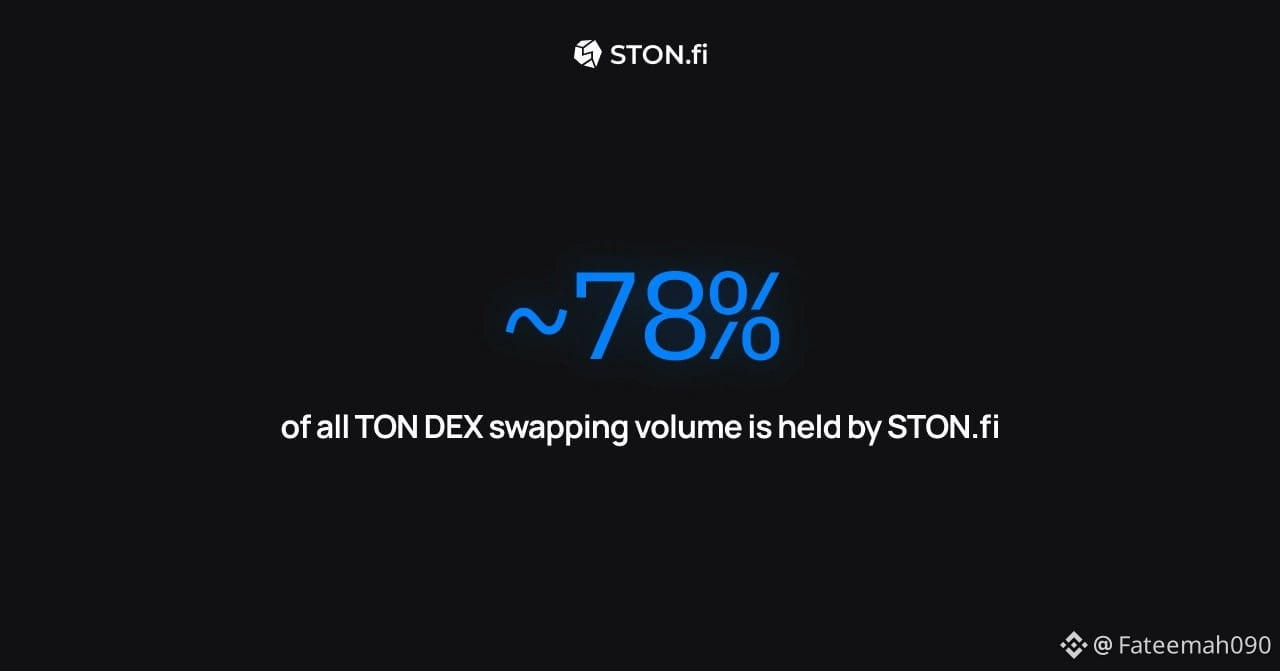
STON.fiのTON DEXの数字が重要な理由
最近のTON DeFiの動向を見ると、STON.fiがDEXスワップ出来高の約78%を取り扱っている一方で、ユーザーシェアはおよそ59%です。
これらの数字は確かに印象的ですが、より重要なのは次の問いです:
それらはエコシステムについて何を教えてくれるのでしょうか?
取引量が多いということは、プロトコルを通じて大きな活動が流れていることを意味します。ユーザーシェアが大きいことは、STON.fiが「$TON 」で資産をスワップしたい人々にとって主要な目的地になっていることも示唆します。
しかし、見落としてはいけないもう1つの要素があります。それがOmnistonです。
Omnistonは複数のソースから流動性を集約し、接続されたネットワーク間でスワップの実行を調整するよう設計されています。つまり、STON.fiの役割は、従来の単一会場型DEXの統計が示す以上に広がり得るということです。
こう考えてみてください:
強いDeFiエコシステムには、ユーザーや取引量だけでは不十分です。
必要なのは、流動性 + インフラ + 効率的な実行 + ビルダー + ユーザーが一体となって機能することです。
STON.fiの現在の「$TON 」DeFiにおける位置づけは、エコシステムが成長するにつれてインフラがどれほど重要になり得るかを示しています。
そして本当のチャンスは、単に今日の数字を維持することにあるのではありません。
明日のユーザー、アプリケーション、そして流動性を支えられるインフラを、継続して構築していくことにあります。
$TON DeFiは成長しています。これを支えるインフラは、数字と同じくらい重要です。
#STONfi #STON #TON #DeFi #Omniston #Web3 #CryptoEducation #Blockchain #TONCommunity
STON.fiのTON DEXの数字が重要な理由
最近のTON DeFiの動向を見ると、STON.fiがDEXスワップ出来高の約78%を取り扱っている一方で、ユーザーシェアはおよそ59%です。
これらの数字は確かに印象的ですが、より重要なのは次の問いです:
それらはエコシステムについて何を教えてくれるのでしょうか?
取引量が多いということは、プロトコルを通じて大きな活動が流れていることを意味します。ユーザーシェアが大きいことは、STON.fiが「$TON 」で資産をスワップしたい人々にとって主要な目的地になっていることも示唆します。
しかし、見落としてはいけないもう1つの要素があります。それがOmnistonです。
Omnistonは複数のソースから流動性を集約し、接続されたネットワーク間でスワップの実行を調整するよう設計されています。つまり、STON.fiの役割は、従来の単一会場型DEXの統計が示す以上に広がり得るということです。
こう考えてみてください:
強いDeFiエコシステムには、ユーザーや取引量だけでは不十分です。
必要なのは、流動性 + インフラ + 効率的な実行 + ビルダー + ユーザーが一体となって機能することです。
STON.fiの現在の「$TON 」DeFiにおける位置づけは、エコシステムが成長するにつれてインフラがどれほど重要になり得るかを示しています。
そして本当のチャンスは、単に今日の数字を維持することにあるのではありません。
明日のユーザー、アプリケーション、そして流動性を支えられるインフラを、継続して構築していくことにあります。
$TON DeFiは成長しています。これを支えるインフラは、数字と同じくらい重要です。
#STONfi #STON #TON #DeFi #Omniston #Web3 #CryptoEducation #Blockchain #TONCommunity
最近のTON DeFiの動向を見ると、STON.fiがDEXスワップ出来高の約78%を取り扱っている一方で、ユーザーシェアはおよそ59%です。
これらの数字は確かに印象的ですが、より重要なのは次の問いです:
それらはエコシステムについて何を教えてくれるのでしょうか?
取引量が多いということは、プロトコルを通じて大きな活動が流れていることを意味します。ユーザーシェアが大きいことは、STON.fiが「$TON 」で資産をスワップしたい人々にとって主要な目的地になっていることも示唆します。
しかし、見落としてはいけないもう1つの要素があります。それがOmnistonです。
Omnistonは複数のソースから流動性を集約し、接続されたネットワーク間でスワップの実行を調整するよう設計されています。つまり、STON.fiの役割は、従来の単一会場型DEXの統計が示す以上に広がり得るということです。
こう考えてみてください:
強いDeFiエコシステムには、ユーザーや取引量だけでは不十分です。
必要なのは、流動性 + インフラ + 効率的な実行 + ビルダー + ユーザーが一体となって機能することです。
STON.fiの現在の「$TON 」DeFiにおける位置づけは、エコシステムが成長するにつれてインフラがどれほど重要になり得るかを示しています。
そして本当のチャンスは、単に今日の数字を維持することにあるのではありません。
明日のユーザー、アプリケーション、そして流動性を支えられるインフラを、継続して構築していくことにあります。
$TON DeFiは成長しています。これを支えるインフラは、数字と同じくらい重要です。
#STONfi #STON #TON #DeFi #Omniston #Web3 #CryptoEducation #Blockchain #TONCommunity
1
70
ログインして、さらにコンテンツを読む
厳選トピックで世界の暗号資産トレーダーの仲間入り
⚡️ 暗号資産に関する最新かつ有益な情報が見つかります。
💬 世界最大の暗号資産取引所から信頼されています。
👍 認証を受けたクリエイターから、有益なインサイトを得られます。
メール / 電話番号
トレンドトピック
UKFCAWinsCourtOrderToRecover851400Pounds
閲覧回数 1,225
179人が討論中
昨日ロンドンのカフェで、隣の席の2人の商人が、英国金融行為規制局(FCA)の最新動向について話しているのを耳にしました。彼らが言及していた案件の結果には驚かされました。英国金融コンサルティング協会(UKFCA)が法廷で訴訟に勝利し、最大851,400ポンドの顧客資金を取り戻したのです。どうやらこの件は、不誠実な金融コンサルティングを受けたことによって顧客が損失を被ったことに端を発していました。UKFCAは2年以上にわたる調査を経て、最終的に法廷で勝訴を勝ち取りました。この知らせはその場にいた人々を大いに元気づけただけでなく、金融業界における規制の重要性を私にも思い起こさせました。結局のところ、投資家の権利を守ることこそが、金融規制の中核となる使命です。FCAが述べているとおり、本件は規制当局が金融詐欺に対して一切の容赦をしない姿勢を示しています。これで、投資家はより安心できるようです。#UKFCAWinsCourtOrderToRecover851400Pounds
castbot_io
·いいね:0件
·閲覧回数 21
ChainlinkLaunchesCCIP2WithEnterpriseVerification
閲覧回数 10,578
479人が討論中
GoldFallsTo$4144
閲覧回数 5,124
105人が討論中