

FARID PK
1.8k 投稿

FARID PK
報告
ユーザーをブロック
آنسو کو لاکھ سمجھایا تنہائی میں آیا کروں یوں بھری محفل میں تماشہ نہ بنایا کروں فرید آنسو بھی تو پھر آنسو ہے تڑپ کر بولا تجھے بری محفل میں اکیلا پایا تو چلا آیا
取引を発注
超高頻度トレーダー
2.4年
3.5K+ フォロー
13.5K+ フォロワー
3.4K+ いいね
投稿
ポートフォリオ
すべて
引用
動画
ライブ
·
--
誰かが「どうしてそんなに穏やかに座っているの?」と聞いてきた。
私は「私が怖れていたことは、すべて起きてしまったから。」と言った。
誰かが「どうしてそんなに穏やかに座っているの?」と聞いてきた。
私は「私が怖れていたことは、すべて起きてしまったから。」と言った。
私は「私が怖れていたことは、すべて起きてしまったから。」と言った。

2
141
·
--
今日、私は2〜3回の取引をクローズしなければならなかった。金額は小さかったけど、正直に言うと、先月半ばくらいの間ずっと持っていたんだ。そして今日は、ようやく自分でクローズしないといけなくなった。
それらはミームコインで、ミームコインから利益を出すのは本当に難しい。
とにかく、今日はミームコインの日にしよう。パキスタン時間の23時に何が起きるか見て、それから新しい判断をする。$BULLA $AKE $TAC #Write2Earn
今日、私は2〜3回の取引をクローズしなければならなかった。金額は小さかったけど、正直に言うと、先月半ばくらいの間ずっと持っていたんだ。そして今日は、ようやく自分でクローズしないといけなくなった。
それらはミームコインで、ミームコインから利益を出すのは本当に難しい。
とにかく、今日はミームコインの日にしよう。パキスタン時間の23時に何が起きるか見て、それから新しい判断をする。$BULLA $AKE $TAC #Write2Earn
それらはミームコインで、ミームコインから利益を出すのは本当に難しい。
とにかく、今日はミームコインの日にしよう。パキスタン時間の23時に何が起きるか見て、それから新しい判断をする。$BULLA $AKE $TAC #Write2Earn
579
·
--
記事
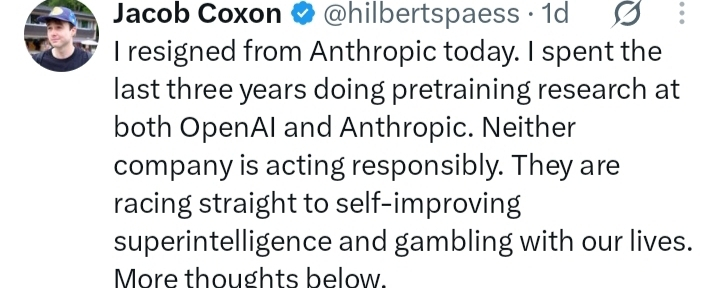
Anthropicの研究者が辞任、AIレースは人類を危険にさらし得ると警告本日、私はAnthropicを退職しました。過去3年間、OpenAIとAnthropicの両方で事前学習(pretraining)の研究に取り組んでいました。どちらの企業も責任ある行動を取っていません。彼らは自己改善する超知能に向けてまっすぐ突き進んでおり、私たちの命を賭けにしているのです。以下、さらに考えを記します。
このレースを受け入れ、「エンドゲーム」に参入することは、傲慢な賭けであり、民間企業のSlackから立ち上げるべきものではありません。アラインメント(整合化)をスピードランして前進させようとするなら、より良い進路が存在しないという、並外れた確信が必要です。
Anthropicの研究者が辞任、AIレースは人類を危険にさらし得ると警告
本日、私はAnthropicを退職しました。過去3年間、OpenAIとAnthropicの両方で事前学習(pretraining)の研究に取り組んでいました。どちらの企業も責任ある行動を取っていません。彼らは自己改善する超知能に向けてまっすぐ突き進んでおり、私たちの命を賭けにしているのです。以下、さらに考えを記します。
このレースを受け入れ、「エンドゲーム」に参入することは、傲慢な賭けであり、民間企業のSlackから立ち上げるべきものではありません。アラインメント(整合化)をスピードランして前進させようとするなら、より良い進路が存在しないという、並外れた確信が必要です。
このレースを受け入れ、「エンドゲーム」に参入することは、傲慢な賭けであり、民間企業のSlackから立ち上げるべきものではありません。アラインメント(整合化)をスピードランして前進させようとするなら、より良い進路が存在しないという、並外れた確信が必要です。
388
·
--
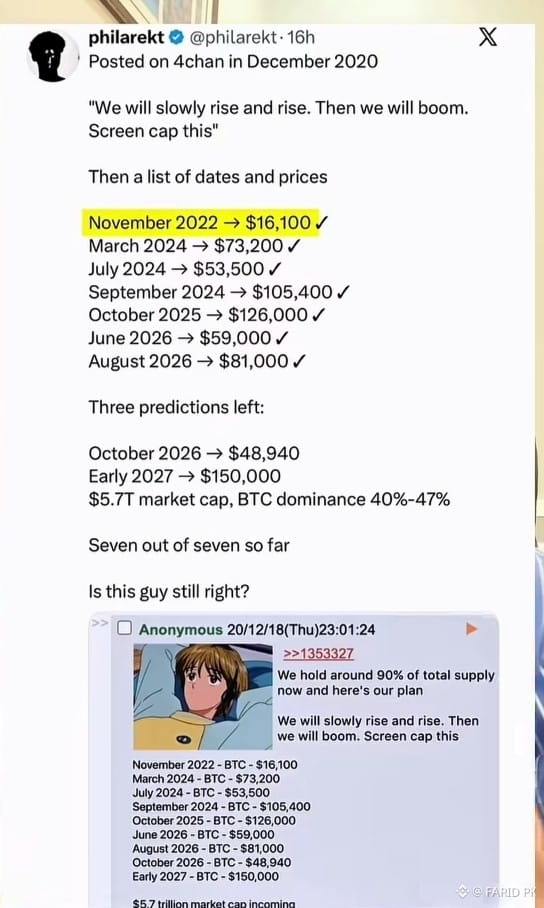
原油の動きや、関税をめぐる背景、さらに一部の生産者コストがまだかなり粘着的であることを踏まえると……PPIは0.5%で見ています。
市場は0.4%を織り込んでいますが、もう少し強めの数字になると思います。取り立てて大きくはないです。ただ、利上げ観測の話が生きている状態を保つ程度です。
指標が出る前の私の見立て。
原油の動きや、関税をめぐる背景、さらに一部の生産者コストがまだかなり粘着的であることを踏まえると……PPIは0.5%で見ています。
市場は0.4%を織り込んでいますが、もう少し強めの数字になると思います。取り立てて大きくはないです。ただ、利上げ観測の話が生きている状態を保つ程度です。
指標が出る前の私の見立て。
市場は0.4%を織り込んでいますが、もう少し強めの数字になると思います。取り立てて大きくはないです。ただ、利上げ観測の話が生きている状態を保つ程度です。
指標が出る前の私の見立て。
139
·
--
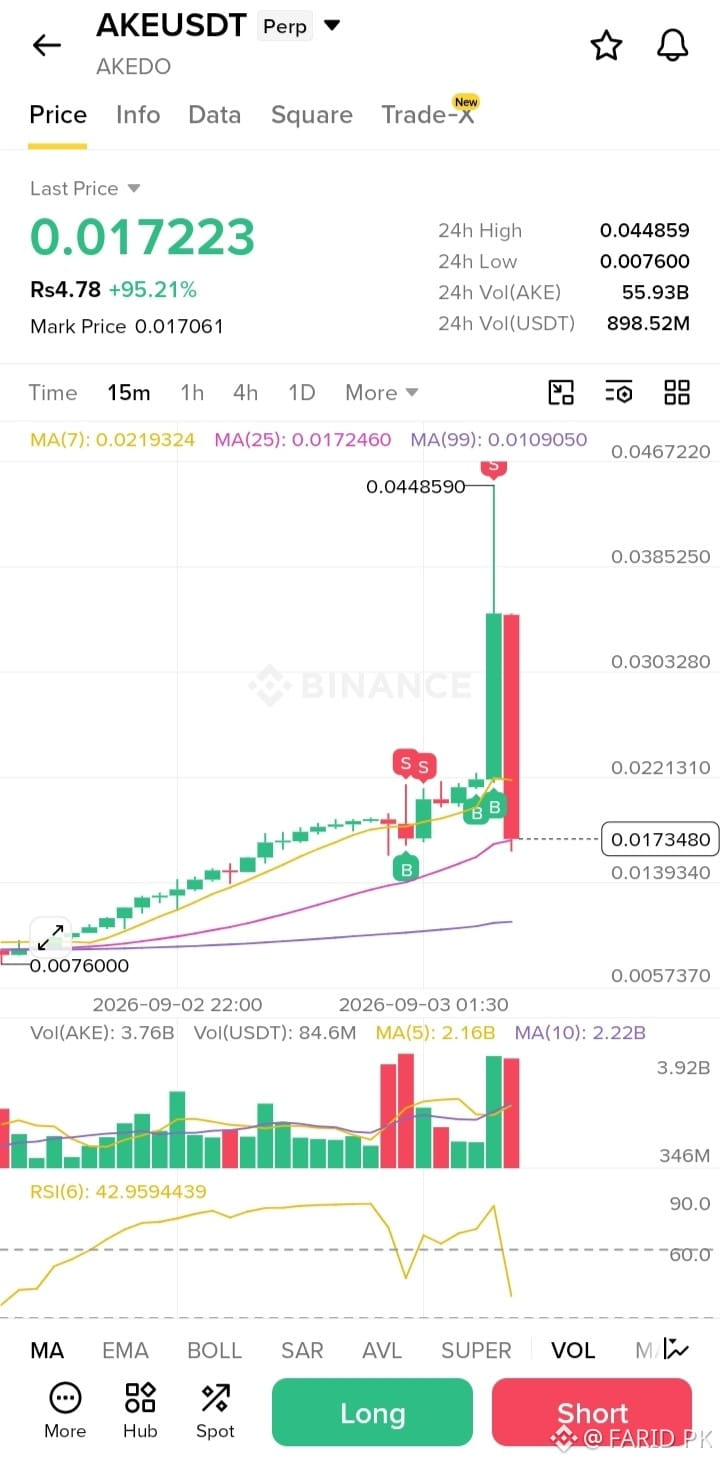
AKEは15分以内に巨大なキャンドルを作りました。
トレーダーとして、ここで一体何を予測することになっているのでしょうか?
RSI?移動平均?出来高?マーケット構造?隠れたデータ?
この短時間でコインがこれほど急激に動くと、通常のテクニカル分析はほとんど役に立たなくなることがあります。チャートにあらゆる指標を書き込むことはできますが、それで次のローソク足を予測できるわけではありません。
では、実際にここで何を分析するのでしょうか?
これはトレードする価値のあるセットアップなのか、それとも現実的な確信をもって予測できないただの値動きなのか?
私もトレーダーですが、正直なところ、この種の値動きだけではAKEについて信頼できる予測はできません。
時には、チャートが次に何が起こるかを予測するのに十分な情報を与えてくれていないと認めることが、最善の分析になることもあります。$AKE #Write2Earn
AKEは15分以内に巨大なキャンドルを作りました。
トレーダーとして、ここで一体何を予測することになっているのでしょうか?
RSI?移動平均?出来高?マーケット構造?隠れたデータ?
この短時間でコインがこれほど急激に動くと、通常のテクニカル分析はほとんど役に立たなくなることがあります。チャートにあらゆる指標を書き込むことはできますが、それで次のローソク足を予測できるわけではありません。
では、実際にここで何を分析するのでしょうか?
これはトレードする価値のあるセットアップなのか、それとも現実的な確信をもって予測できないただの値動きなのか?
私もトレーダーですが、正直なところ、この種の値動きだけではAKEについて信頼できる予測はできません。
時には、チャートが次に何が起こるかを予測するのに十分な情報を与えてくれていないと認めることが、最善の分析になることもあります。$AKE #Write2Earn
トレーダーとして、ここで一体何を予測することになっているのでしょうか?
RSI?移動平均?出来高?マーケット構造?隠れたデータ?
この短時間でコインがこれほど急激に動くと、通常のテクニカル分析はほとんど役に立たなくなることがあります。チャートにあらゆる指標を書き込むことはできますが、それで次のローソク足を予測できるわけではありません。
では、実際にここで何を分析するのでしょうか?
これはトレードする価値のあるセットアップなのか、それとも現実的な確信をもって予測できないただの値動きなのか?
私もトレーダーですが、正直なところ、この種の値動きだけではAKEについて信頼できる予測はできません。
時には、チャートが次に何が起こるかを予測するのに十分な情報を与えてくれていないと認めることが、最善の分析になることもあります。$AKE #Write2Earn
576
ログインして、さらにコンテンツを読む
厳選トピックで世界の暗号資産トレーダーの仲間入り
⚡️ 暗号資産に関する最新かつ有益な情報が見つかります。
💬 世界最大の暗号資産取引所から信頼されています。
👍 認証を受けたクリエイターから、有益なインサイトを得られます。
メール / 電話番号
トレンドトピック
DriftHackVictimsBeginClaims
閲覧回数 27,183
446人が討論中
🚨失った金額1ドルにつき1セント
#DriftHackVictimsBeginClaims
Drift Foundationは、4月に発生した2億9,540万ドルのエクスプロイト被害に関するDFXの申請受付を開始しました。被害者は失った金額1ドルにつき約1セントを受け取れる可能性があり、Velocityの収益と回収資金によって、基金は2028年まで拡大する予定です。
$DRIFT
$1000000BOB
$GTC
Jacob trade
·いいね:0件
·閲覧回数 144
SolanaTokenizedStockVolumeTops$4.4BInSeptember
閲覧回数 4,446
53人が討論中
BitcoinSpotETFsDraw$6.34BInflowsInQ3
閲覧回数 15,519
168人が討論中