

noyami69
234 投稿

noyami69
報告
ユーザーをブロック
Web3 Explorer
取引を発注
低高頻度トレーダー
3年
11 フォロー
420 フォロワー
402 いいね
投稿
ポートフォリオ
すべて
引用
·
--
ブリッシュ
本人確認中
RedStone × Morpho:共に築く3年間
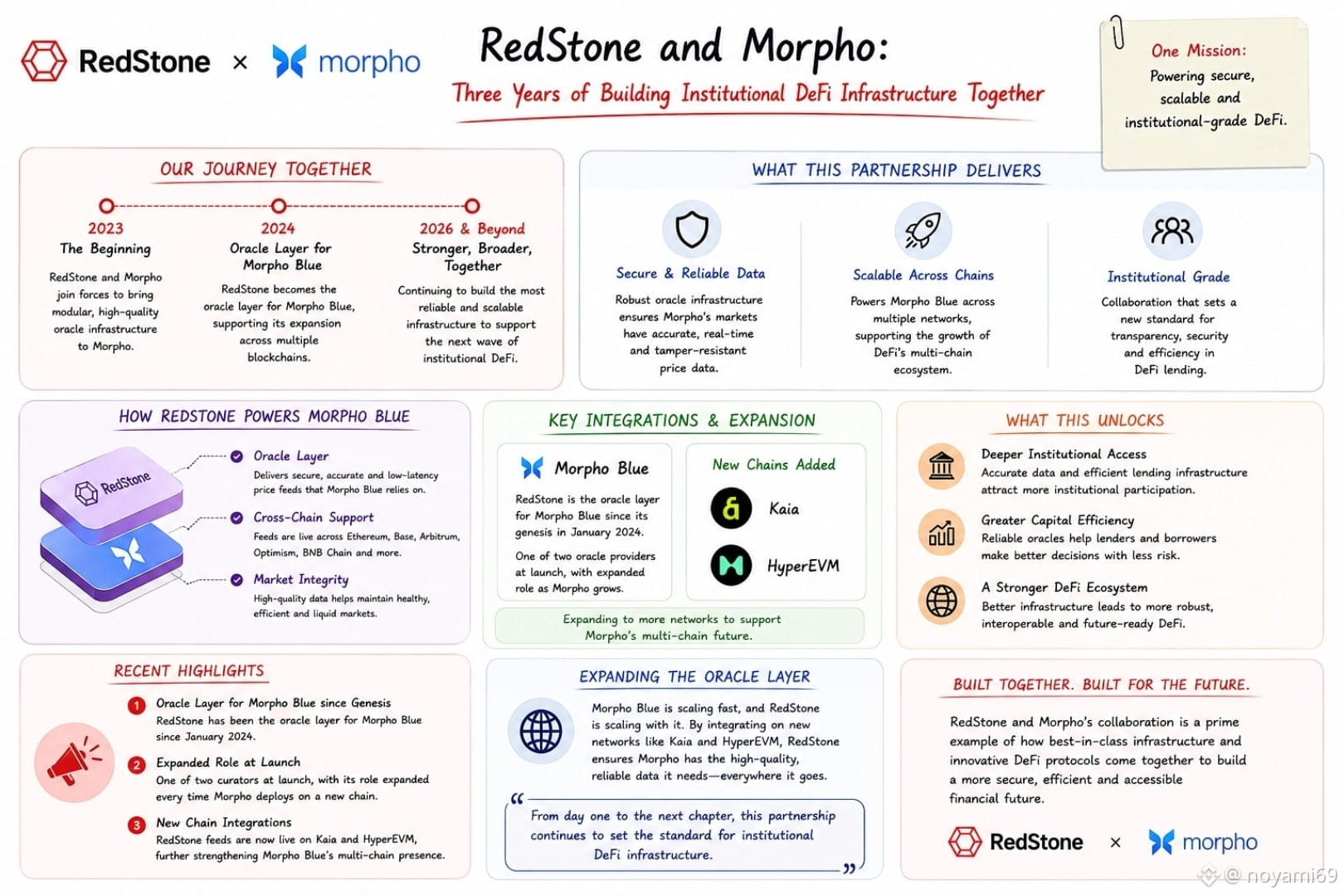
いくつかのパートナーシップは行き来しますが、こちらは継続的に成長してきました。ローンチ以来Morpho Blueを支援し、KaiaやHyperEVMのようなネットワークへと拡大していく中で、RedStoneは融資市場が依存する信頼性の高いオラクル基盤を一貫して提供してきました。
Morphoがより多くのチェーンへと広がるにつれ、RedStoneも安全で正確、かつ低遅延の価格フィードでそれに合わせてスケールします。つまり、より強固な市場、より良いリスク管理、そして貸し手と借り手双方にとってよりスムーズな体験が実現します。
これまでの道のりを見てみると、これは単なる別の統合ではありません。DeFiを適切な形でスケールさせるための基盤づくりに焦点を当てた長期的な協力関係です。
$RED
$MORPHO
RedStone × Morpho:共に築く3年間
いくつかのパートナーシップは行き来しますが、こちらは継続的に成長してきました。ローンチ以来Morpho Blueを支援し、KaiaやHyperEVMのようなネットワークへと拡大していく中で、RedStoneは融資市場が依存する信頼性の高いオラクル基盤を一貫して提供してきました。
Morphoがより多くのチェーンへと広がるにつれ、RedStoneも安全で正確、かつ低遅延の価格フィードでそれに合わせてスケールします。つまり、より強固な市場、より良いリスク管理、そして貸し手と借り手双方にとってよりスムーズな体験が実現します。
これまでの道のりを見てみると、これは単なる別の統合ではありません。DeFiを適切な形でスケールさせるための基盤づくりに焦点を当てた長期的な協力関係です。
$RED
$MORPHO
いくつかのパートナーシップは行き来しますが、こちらは継続的に成長してきました。ローンチ以来Morpho Blueを支援し、KaiaやHyperEVMのようなネットワークへと拡大していく中で、RedStoneは融資市場が依存する信頼性の高いオラクル基盤を一貫して提供してきました。
Morphoがより多くのチェーンへと広がるにつれ、RedStoneも安全で正確、かつ低遅延の価格フィードでそれに合わせてスケールします。つまり、より強固な市場、より良いリスク管理、そして貸し手と借り手双方にとってよりスムーズな体験が実現します。
これまでの道のりを見てみると、これは単なる別の統合ではありません。DeFiを適切な形でスケールさせるための基盤づくりに焦点を当てた長期的な協力関係です。
$RED
$MORPHO
6
6
199
·
--
ブリッシュ
これは、実際のエコシステムの成長が、静かにそして着実に起こる方法です。
これは、実際のエコシステムの成長が、静かにそして着実に起こる方法です。

Vinicius Araujo RedStone
·
--
ブリッシュRedStone $RED + Stellar $XLM : オラクルのための1つの標準、RWAsのためのさらなるスケール。
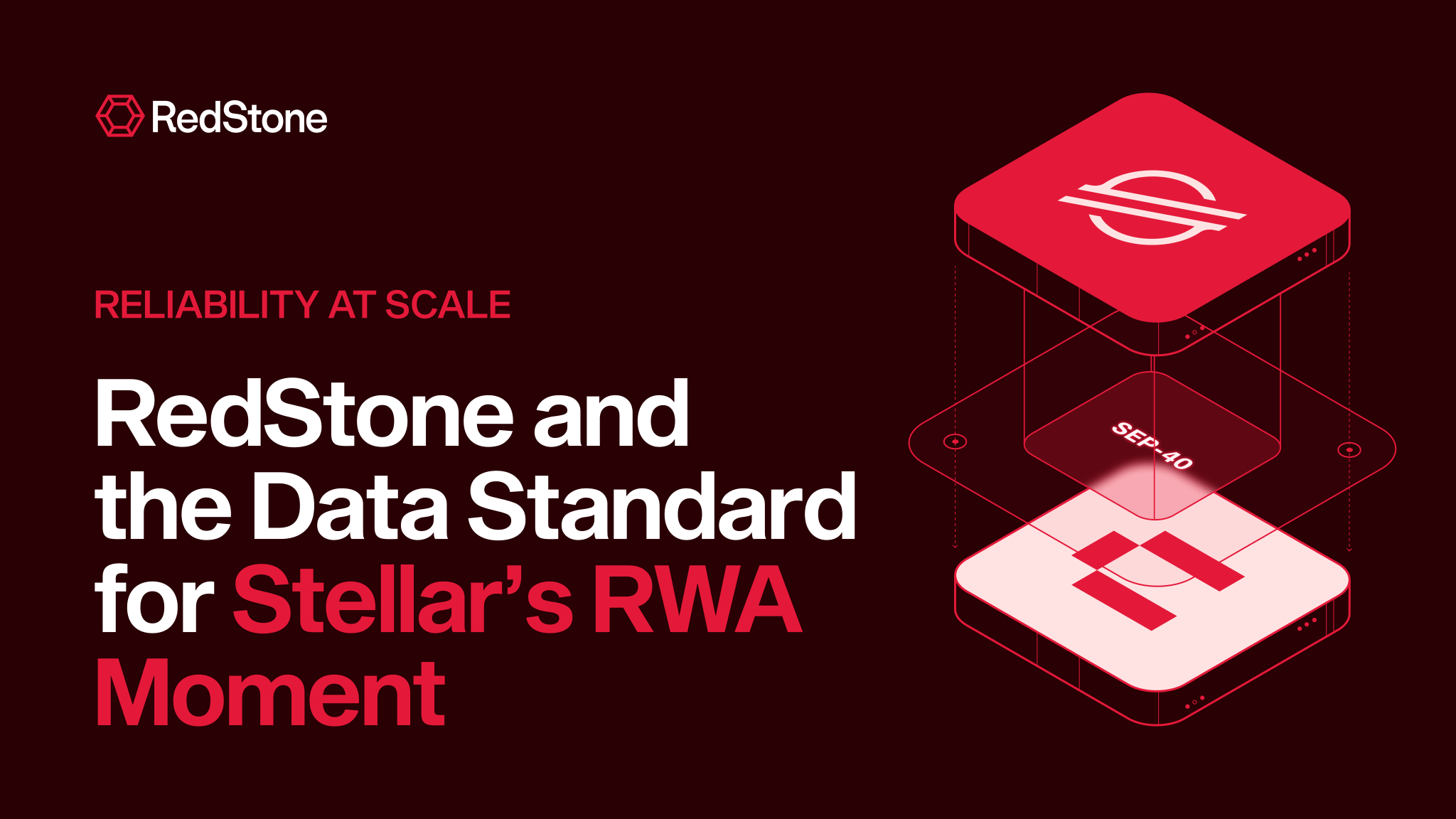
Stellarには問題がありました。すべてのプロトコルが、それぞれのやり方で価格オラクルを統合しなければならなかったのです。そのせいで、トークン化された実世界資産(RWA)エコシステムのスケールが難しくなっていました。
RedStoneは、Stellar上でSEP-40標準を実装することでこの課題を解決しました。
→ どのスマートコントラクトも、同じインターフェースを通じて価格データを要求できます。
→ もはや、プロトコルごとにカスタムのオラクル統合は不要です。
→ この標準はすでに9つのアセットに対応しており、RedStoneはBENJIや、Franklin Templetonのトークン化ファンドなどの機関投資家向けアセットの価格フィードも提供しています。
では結果は? StellarのRWA市場は、約1年で数億ドル規模から、トークン化アセットとして20億ドル超へと成長しました。
ただし明確にしておくと、この成長はRedStoneだけによるものではありません。主要な発行体の参入、Stellarのインフラの改善、そしてトークン化アセット全体の普及が背景にあります。しかし、標準化されたオラクル基盤は、そのエコシステムが効率的にスケールするための重要な要素です。
標準化は華やかな部分ではありません。
本当に重要なのは、実世界資産の上にDeFiが成長することを可能にするインフラです。
#redstone #RED #RWA #defi
Stellarには問題がありました。すべてのプロトコルが、それぞれのやり方で価格オラクルを統合しなければならなかったのです。そのせいで、トークン化された実世界資産(RWA)エコシステムのスケールが難しくなっていました。
RedStoneは、Stellar上でSEP-40標準を実装することでこの課題を解決しました。
→ どのスマートコントラクトも、同じインターフェースを通じて価格データを要求できます。
→ もはや、プロトコルごとにカスタムのオラクル統合は不要です。
→ この標準はすでに9つのアセットに対応しており、RedStoneはBENJIや、Franklin Templetonのトークン化ファンドなどの機関投資家向けアセットの価格フィードも提供しています。
では結果は? StellarのRWA市場は、約1年で数億ドル規模から、トークン化アセットとして20億ドル超へと成長しました。
ただし明確にしておくと、この成長はRedStoneだけによるものではありません。主要な発行体の参入、Stellarのインフラの改善、そしてトークン化アセット全体の普及が背景にあります。しかし、標準化されたオラクル基盤は、そのエコシステムが効率的にスケールするための重要な要素です。
標準化は華やかな部分ではありません。
本当に重要なのは、実世界資産の上にDeFiが成長することを可能にするインフラです。
#redstone #RED #RWA #defi
4
·
--
ブリッシュ
ほとんどの人は利回りに注目します。機関投資家はインフラに注目します。
そこでRedStoneが際立ちます。
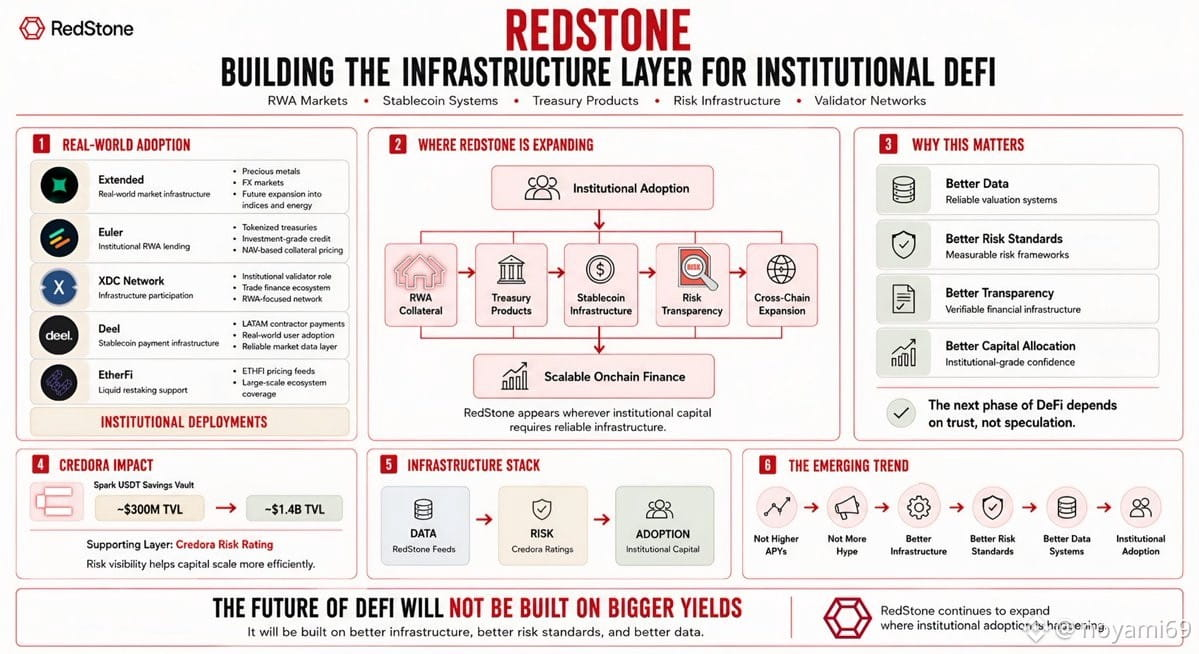
RWAsやトークン化された国債からステーブルコイン、リスク・インフラまで、RedStoneは機関投資家向けDeFiの基盤づくりを支援しています。
より良いデータ。
より良いリスク基準。より良い普及。
DeFiの未来は、誇大宣伝ではなく信頼の上に築かれます。
$RED
ほとんどの人は利回りに注目します。機関投資家はインフラに注目します。
そこでRedStoneが際立ちます。
RWAsやトークン化された国債からステーブルコイン、リスク・インフラまで、RedStoneは機関投資家向けDeFiの基盤づくりを支援しています。
より良いデータ。
より良いリスク基準。より良い普及。
DeFiの未来は、誇大宣伝ではなく信頼の上に築かれます。
$RED
そこでRedStoneが際立ちます。
RWAsやトークン化された国債からステーブルコイン、リスク・インフラまで、RedStoneは機関投資家向けDeFiの基盤づくりを支援しています。
より良いデータ。
より良いリスク基準。より良い普及。
DeFiの未来は、誇大宣伝ではなく信頼の上に築かれます。
$RED
2
2
109
·
--
ブリッシュ
みんなTVLや利回りの話をしています。
でも、実際に機関型DeFiを可能にするインフラについて語る人は、ほとんどいません。
だからこそ、最近の私にはRedStoneが際立って見えます。
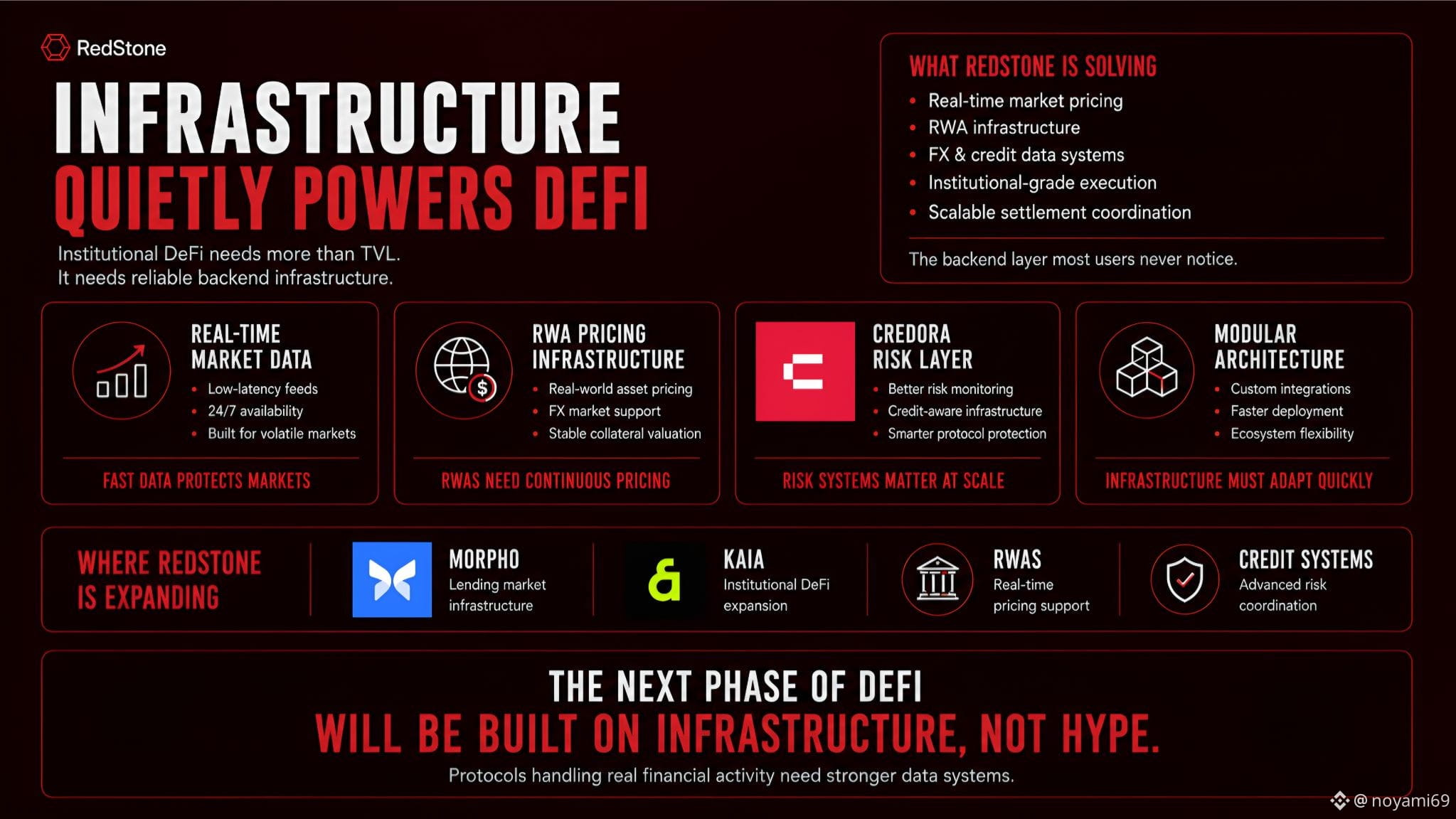
Kaia上でMorphoのマーケットを稼働させることから、RWA、FX、信用システムに対するリアルタイムの価格提供を支えることまで——ユーザーが普段は気づかない一方で、あらゆる本格的なプロトコルに必要な“バックエンドの層”を彼らは構築しています。
私が良いと思うのは、汎用的なオラクル設計ではなく、専門性に注力している点です:
• 低レイテンシのマーケットデータ
• カスタム連携
• リアルタイムのRWA価格
• Credoraによるより良いリスク・インフラ
• スケーラブルな決済システム
次のDeFiのフェーズは、単なる話題(ハイプ)だけで推進されるものではありません。
それは、規模に応じて実際の金融活動を扱えるプロトコルによって進み、RedStoneのようなインフラ企業が、その変化の重要な一部として静かに存在感を増していくはずです。
$RED $KAIA $MORPHO
みんなTVLや利回りの話をしています。
でも、実際に機関型DeFiを可能にするインフラについて語る人は、ほとんどいません。
だからこそ、最近の私にはRedStoneが際立って見えます。
Kaia上でMorphoのマーケットを稼働させることから、RWA、FX、信用システムに対するリアルタイムの価格提供を支えることまで——ユーザーが普段は気づかない一方で、あらゆる本格的なプロトコルに必要な“バックエンドの層”を彼らは構築しています。
私が良いと思うのは、汎用的なオラクル設計ではなく、専門性に注力している点です:
• 低レイテンシのマーケットデータ
• カスタム連携
• リアルタイムのRWA価格
• Credoraによるより良いリスク・インフラ
• スケーラブルな決済システム
次のDeFiのフェーズは、単なる話題(ハイプ)だけで推進されるものではありません。
それは、規模に応じて実際の金融活動を扱えるプロトコルによって進み、RedStoneのようなインフラ企業が、その変化の重要な一部として静かに存在感を増していくはずです。
$RED $KAIA $MORPHO
でも、実際に機関型DeFiを可能にするインフラについて語る人は、ほとんどいません。
だからこそ、最近の私にはRedStoneが際立って見えます。
Kaia上でMorphoのマーケットを稼働させることから、RWA、FX、信用システムに対するリアルタイムの価格提供を支えることまで——ユーザーが普段は気づかない一方で、あらゆる本格的なプロトコルに必要な“バックエンドの層”を彼らは構築しています。
私が良いと思うのは、汎用的なオラクル設計ではなく、専門性に注力している点です:
• 低レイテンシのマーケットデータ
• カスタム連携
• リアルタイムのRWA価格
• Credoraによるより良いリスク・インフラ
• スケーラブルな決済システム
次のDeFiのフェーズは、単なる話題(ハイプ)だけで推進されるものではありません。
それは、規模に応じて実際の金融活動を扱えるプロトコルによって進み、RedStoneのようなインフラ企業が、その変化の重要な一部として静かに存在感を増していくはずです。
$RED $KAIA $MORPHO
3
367
·
--
ブリッシュ
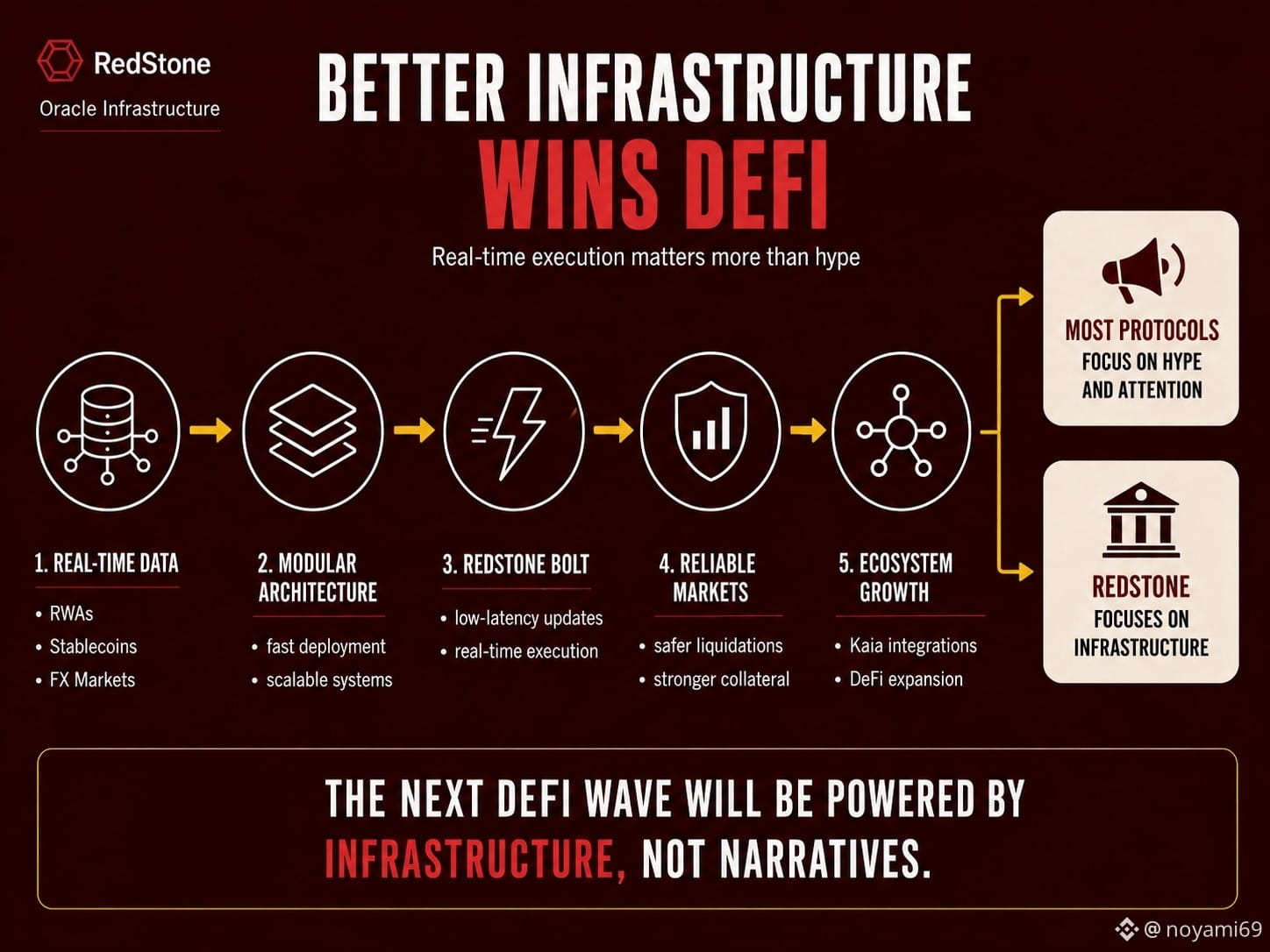
次の10億ドル規模のDeFiブームが、より良い話題ではなく、より優れたオラクル基盤に左右されるとしたら?
RedStoneは、その転換点の中心に静かに位置づけています。
• RWAとDeFiのためのリアルタイムデータを提供
• Kaiaのようなエコシステムをまたいだ統合を拡大
• 迅速なスケーリングに備えたモジュール型アーキテクチャ
• 変動の大きい市場での信頼できる価格インフラ
• Atom、Bolt、Stackのようなプロダクトで、さまざまなデータニーズに対応
多くのプロトコルは注目を競い合います。
RedStoneは、いずれ誰もが必要になるインフラを作っています。
$RED
次の10億ドル規模のDeFiブームが、より良い話題ではなく、より優れたオラクル基盤に左右されるとしたら?
RedStoneは、その転換点の中心に静かに位置づけています。
• RWAとDeFiのためのリアルタイムデータを提供
• Kaiaのようなエコシステムをまたいだ統合を拡大
• 迅速なスケーリングに備えたモジュール型アーキテクチャ
• 変動の大きい市場での信頼できる価格インフラ
• Atom、Bolt、Stackのようなプロダクトで、さまざまなデータニーズに対応
多くのプロトコルは注目を競い合います。
RedStoneは、いずれ誰もが必要になるインフラを作っています。
$RED
RedStoneは、その転換点の中心に静かに位置づけています。
• RWAとDeFiのためのリアルタイムデータを提供
• Kaiaのようなエコシステムをまたいだ統合を拡大
• 迅速なスケーリングに備えたモジュール型アーキテクチャ
• 変動の大きい市場での信頼できる価格インフラ
• Atom、Bolt、Stackのようなプロダクトで、さまざまなデータニーズに対応
多くのプロトコルは注目を競い合います。
RedStoneは、いずれ誰もが必要になるインフラを作っています。
$RED
3
3
182
·
--
記事
すべてを一つに価格が動いたときにオラクルの話題になることは誰もが知っていますが、その価格がチェーンに到達した後に実際に何が起きるのかについては、語る人がほとんどいません。
清算、貸付における担保のセキュリティ、担保の健全性、RWAの決済、そしてリスク管理はすべて、信頼できるデータの一つに依存しています。
ここがRedStoneの強みです。
ほとんどの従来型オラクルシステムは、より遅いDeFiの時代を前提に作られてきました。シンプルな価格フィードにはうまく機能しますが、現代のDeFiには「今の価格はいくらか?」以上のものが必要です。
必要なのはスピードです。必要なのは柔軟性です。必要なのは、実際の実行のために作られたインフラです。
すべてを一つに
価格が動いたときにオラクルの話題になることは誰もが知っていますが、その価格がチェーンに到達した後に実際に何が起きるのかについては、語る人がほとんどいません。
清算、貸付における担保のセキュリティ、担保の健全性、RWAの決済、そしてリスク管理はすべて、信頼できるデータの一つに依存しています。
ここがRedStoneの強みです。
ほとんどの従来型オラクルシステムは、より遅いDeFiの時代を前提に作られてきました。シンプルな価格フィードにはうまく機能しますが、現代のDeFiには「今の価格はいくらか?」以上のものが必要です。
必要なのはスピードです。必要なのは柔軟性です。必要なのは、実際の実行のために作られたインフラです。
清算、貸付における担保のセキュリティ、担保の健全性、RWAの決済、そしてリスク管理はすべて、信頼できるデータの一つに依存しています。
ここがRedStoneの強みです。
ほとんどの従来型オラクルシステムは、より遅いDeFiの時代を前提に作られてきました。シンプルな価格フィードにはうまく機能しますが、現代のDeFiには「今の価格はいくらか?」以上のものが必要です。
必要なのはスピードです。必要なのは柔軟性です。必要なのは、実際の実行のために作られたインフラです。
2
10
·
--

記事
RWAの成長が需要ではなくインフラに依存する理由ほとんどの人はRWAの問題は需要だと思っている。
違うよ。
本当の問題はインフラだ。
みんなは数兆の現実世界の資産をオンチェーンに持ってくることについて話すけど、トークン化の後、そういう資産が価格設定、清算、準備金の検証、DeFi内でのリアルタイム実行が必要になることについてはほとんど誰も話さない。
そこが通常ぶっ壊れるところだ。
通常のDeFiでは、清算が速い。リスクのあるポジションはすぐにクローズされ、悪い債務は抑えられ、システムは動き続ける。
RWAは異なる。
RWAの成長が需要ではなくインフラに依存する理由
ほとんどの人はRWAの問題は需要だと思っている。
違うよ。
本当の問題はインフラだ。
みんなは数兆の現実世界の資産をオンチェーンに持ってくることについて話すけど、トークン化の後、そういう資産が価格設定、清算、準備金の検証、DeFi内でのリアルタイム実行が必要になることについてはほとんど誰も話さない。
そこが通常ぶっ壊れるところだ。
通常のDeFiでは、清算が速い。リスクのあるポジションはすぐにクローズされ、悪い債務は抑えられ、システムは動き続ける。
RWAは異なる。
違うよ。
本当の問題はインフラだ。
みんなは数兆の現実世界の資産をオンチェーンに持ってくることについて話すけど、トークン化の後、そういう資産が価格設定、清算、準備金の検証、DeFi内でのリアルタイム実行が必要になることについてはほとんど誰も話さない。
そこが通常ぶっ壊れるところだ。
通常のDeFiでは、清算が速い。リスクのあるポジションはすぐにクローズされ、悪い債務は抑えられ、システムは動き続ける。
RWAは異なる。
2
4
198
·
--
記事
RedStone Settleみんなリアルワールドアセット(RWAs)をオンチェーンに持ち込むことについて話してるよ。
本当の問題、すなわち決済について話す人はごく少数だ。
資産をトークン化することはDeFiに対応するわけではない。
財務省証券、債券、またはプライベートクレジットはオンチェーンで表現できるけど、清算に30-180日かかるなら、真のDeFi担保として機能しないんだ。
それがボトルネックだ。
DeFiは即時実行で動く。
清算は数秒で行われる。
リスク管理はスピードに依存する。
RWAsは動き方が違う。
遅い償還は以下を生む:
• 非効率な清算
RedStone Settle
みんなリアルワールドアセット(RWAs)をオンチェーンに持ち込むことについて話してるよ。
本当の問題、すなわち決済について話す人はごく少数だ。
資産をトークン化することはDeFiに対応するわけではない。
財務省証券、債券、またはプライベートクレジットはオンチェーンで表現できるけど、清算に30-180日かかるなら、真のDeFi担保として機能しないんだ。
それがボトルネックだ。
DeFiは即時実行で動く。
清算は数秒で行われる。
リスク管理はスピードに依存する。
RWAsは動き方が違う。
遅い償還は以下を生む:
• 非効率な清算
本当の問題、すなわち決済について話す人はごく少数だ。
資産をトークン化することはDeFiに対応するわけではない。
財務省証券、債券、またはプライベートクレジットはオンチェーンで表現できるけど、清算に30-180日かかるなら、真のDeFi担保として機能しないんだ。
それがボトルネックだ。
DeFiは即時実行で動く。
清算は数秒で行われる。
リスク管理はスピードに依存する。
RWAsは動き方が違う。
遅い償還は以下を生む:
• 非効率な清算
3
4
324
·
--
ブリッシュ
#USNationalDebt が前例のないレベルを越えるにつれて、法定通貨への信頼が揺らいでいます。投資家たちは代替手段を見つめており、暗号通貨が注目を集めています。ビットコインの固定供給と分散型の性質により、インフレや負債主導の金融政策に対する現代のヘッジとなっています。政策立案者たちが債務上限について議論している間、Web3のビルダーたちと暗号通貨#USNationalDebt
#USNationalDebt が前例のないレベルを越えるにつれて、法定通貨への信頼が揺らいでいます。投資家たちは代替手段を見つめており、暗号通貨が注目を集めています。ビットコインの固定供給と分散型の性質により、インフレや負債主導の金融政策に対する現代のヘッジとなっています。政策立案者たちが債務上限について議論している間、Web3のビルダーたちと暗号通貨#USNationalDebt
16
·
--
#USNationalDebt #USNationalDebt が前例のないレベルを超える中、法定通貨への信頼が揺らいでいる。投資家たちは代替手段に目を向けており、暗号通貨が注目を集めている。ビットコインの供給が固定されていることと分散型の特性により、インフレや負債主導の金融政策に対する現代のヘッジとなりつつある。政策立案者たちが負債の上限について議論している間、Web3のビルダーや暗号愛好家たちは新たな金融のフロンティアを築いている。イーサリアムやソラナのようなアルトコインが注目を集めており、単なる価値の保存を超えたユーティリティを提供している。暗号通貨のトレンドは単なるハイプではなく、システム上の問題に対する応答である。負債に溺れる世界で、デジタル資産は命綱となるかもしれない。 #Crypto #Bitcoin #Web3
#USNationalDebt #USNationalDebt が前例のないレベルを超える中、法定通貨への信頼が揺らいでいる。投資家たちは代替手段に目を向けており、暗号通貨が注目を集めている。ビットコインの供給が固定されていることと分散型の特性により、インフレや負債主導の金融政策に対する現代のヘッジとなりつつある。政策立案者たちが負債の上限について議論している間、Web3のビルダーや暗号愛好家たちは新たな金融のフロンティアを築いている。イーサリアムやソラナのようなアルトコインが注目を集めており、単なる価値の保存を超えたユーティリティを提供している。暗号通貨のトレンドは単なるハイプではなく、システム上の問題に対する応答である。負債に溺れる世界で、デジタル資産は命綱となるかもしれない。 #Crypto #Bitcoin #Web3
69
·
--
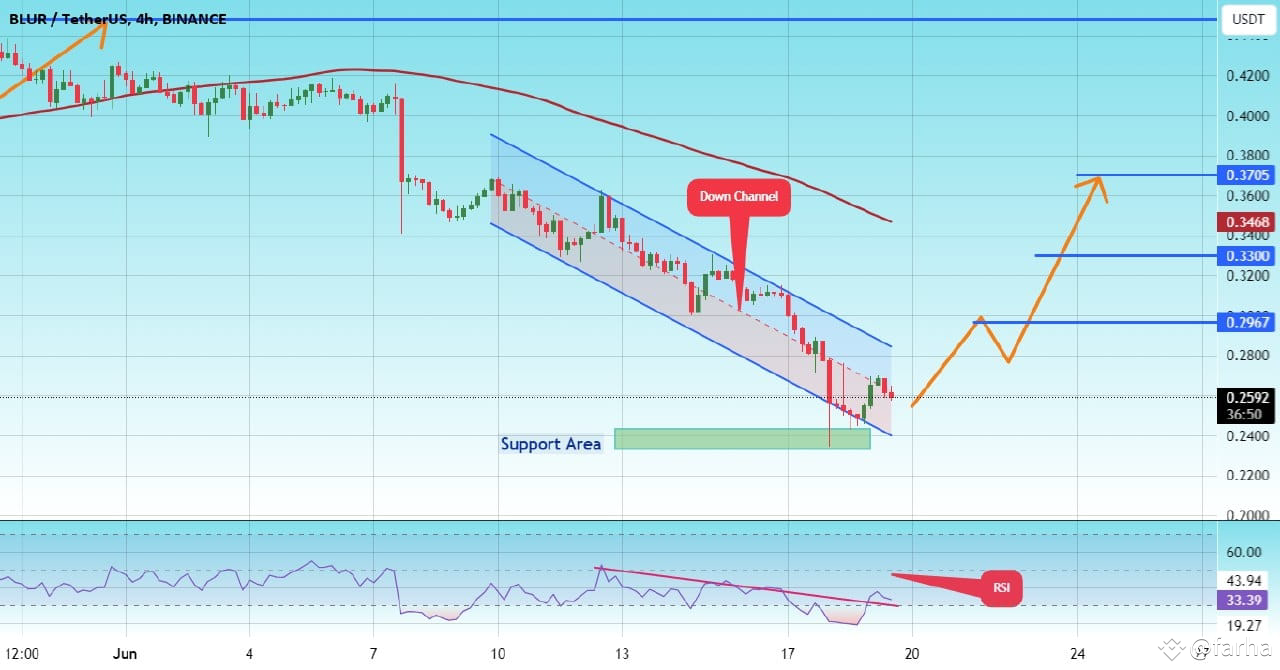
📈 LONG: $BLUR USDT (4時間)
弱気チャネルの価格は、0.2300のサポートで上向きにブレイクし、エントリーポイント0から0.2967、0.3300、0.3700をターゲットにすると予想されます。
📈 LONG: $BLUR USDT (4時間)
弱気チャネルの価格は、0.2300のサポートで上向きにブレイクし、エントリーポイント0から0.2967、0.3300、0.3700をターゲットにすると予想されます。
弱気チャネルの価格は、0.2300のサポートで上向きにブレイクし、エントリーポイント0から0.2967、0.3300、0.3700をターゲットにすると予想されます。
2
784
·
--
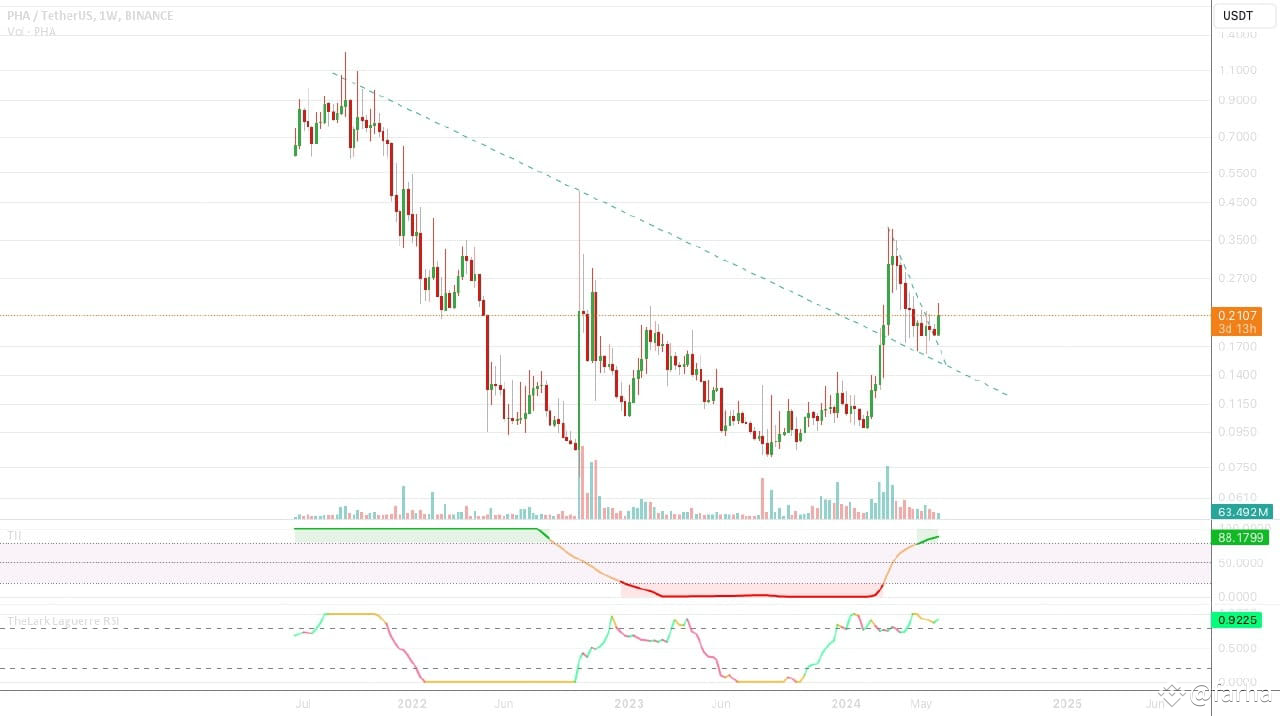
📈 LONG: $PHA USDT (1W)
ユーザーは、独自のビジネス モデル、優れたユース ケース、持続可能なインフレ モデルを理由に、AI に重点を置いたコイン PHA への投資に関心を持っています。
📈 LONG: $PHA USDT (1W)
ユーザーは、独自のビジネス モデル、優れたユース ケース、持続可能なインフレ モデルを理由に、AI に重点を置いたコイン PHA への投資に関心を持っています。
ユーザーは、独自のビジネス モデル、優れたユース ケース、持続可能なインフレ モデルを理由に、AI に重点を置いたコイン PHA への投資に関心を持っています。
1
782
·
--
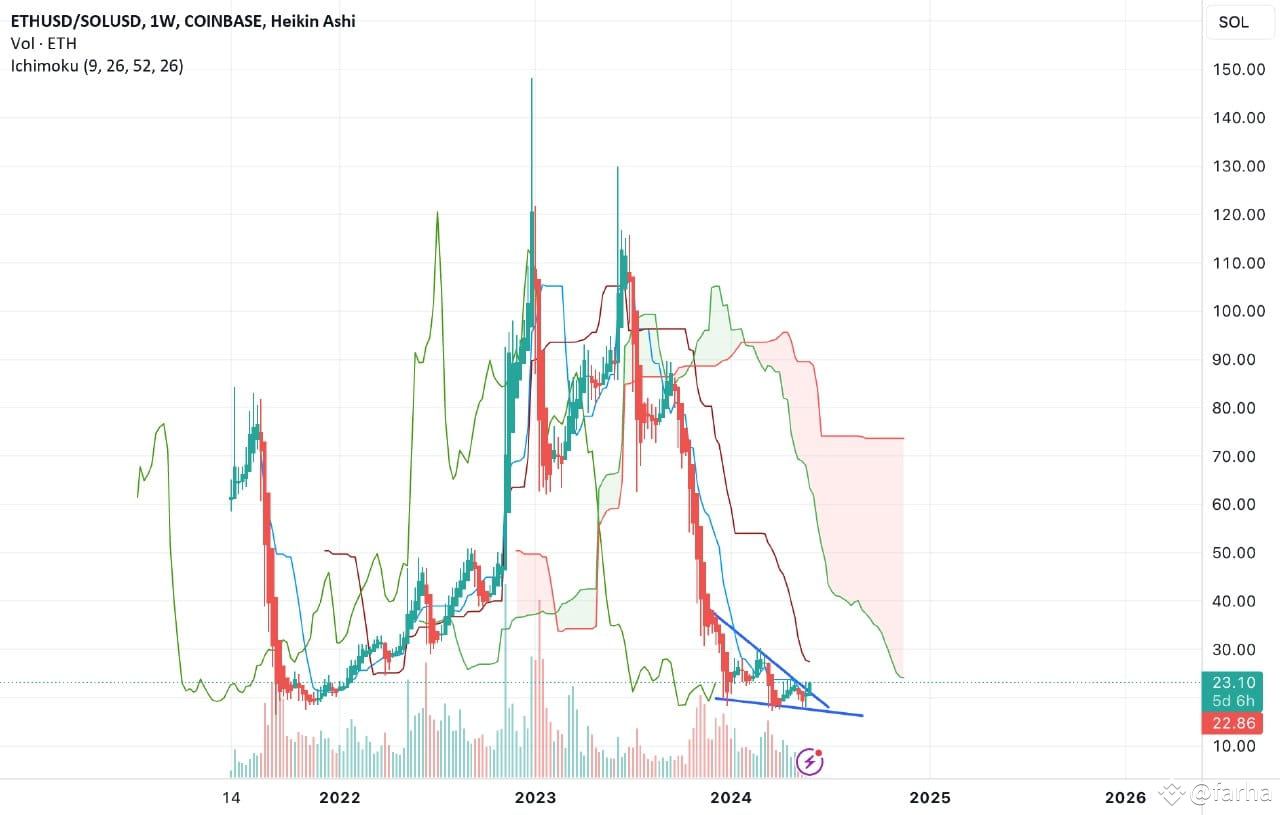
📈 LONG: $ETH USD (1W)
イーサリアム資産はまもなくソラナ資産を上回ると予想されます。
📈 LONG: $ETH USD (1W)
イーサリアム資産はまもなくソラナ資産を上回ると予想されます。
イーサリアム資産はまもなくソラナ資産を上回ると予想されます。
1
538
·
--
📊 ニュートラル: $PEPE2 USDT (1D)
Pepe2 は 8400 の抵抗をテストしており、突破した場合は上昇の可能性があり、失敗の場合は三角形のパターン内でリトレースメントする可能性があります。
📊 ニュートラル: $PEPE2 USDT (1D)
Pepe2 は 8400 の抵抗をテストしており、突破した場合は上昇の可能性があり、失敗の場合は三角形のパターン内でリトレースメントする可能性があります。
Pepe2 は 8400 の抵抗をテストしており、突破した場合は上昇の可能性があり、失敗の場合は三角形のパターン内でリトレースメントする可能性があります。
1
7
4k
·
--
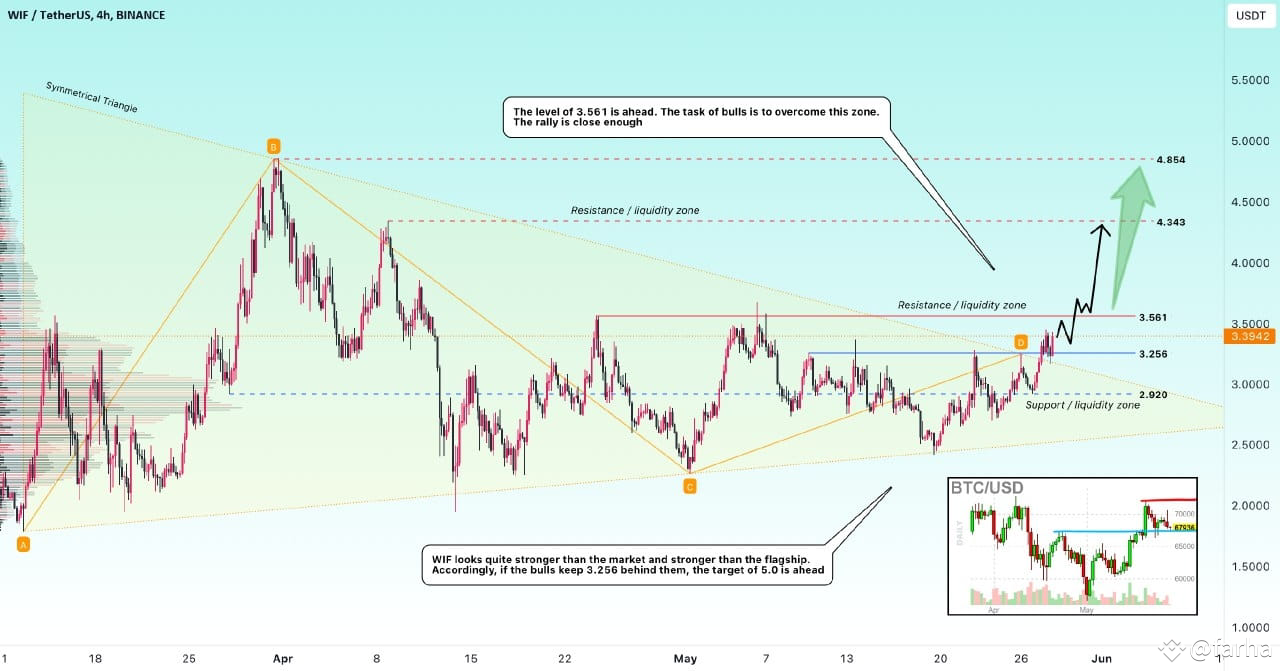
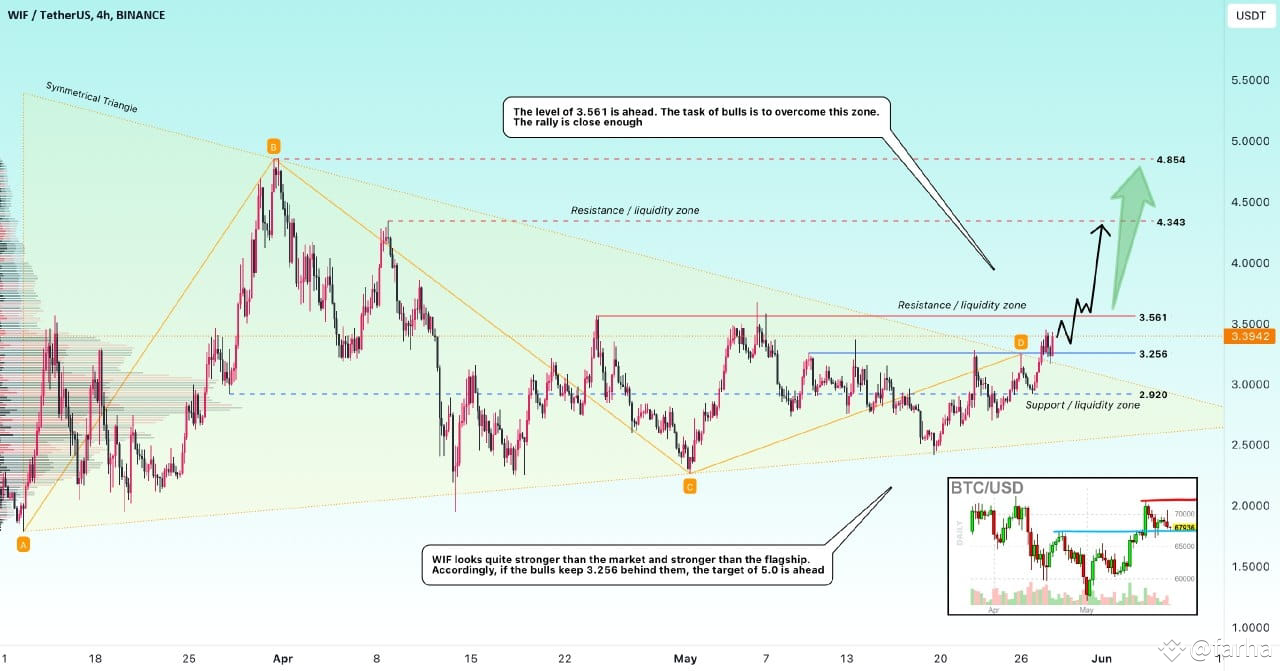
📈 LONG: $WIF USDT (4時間)
BinanceのWIFUSDTコインは、3.561と4.343の抵抗レベルを超える上昇の可能性を示しています。
📈 LONG: $WIF USDT (4時間)
BinanceのWIFUSDTコインは、3.561と4.343の抵抗レベルを超える上昇の可能性を示しています。
BinanceのWIFUSDTコインは、3.561と4.343の抵抗レベルを超える上昇の可能性を示しています。
3
5
2.5k
·
--
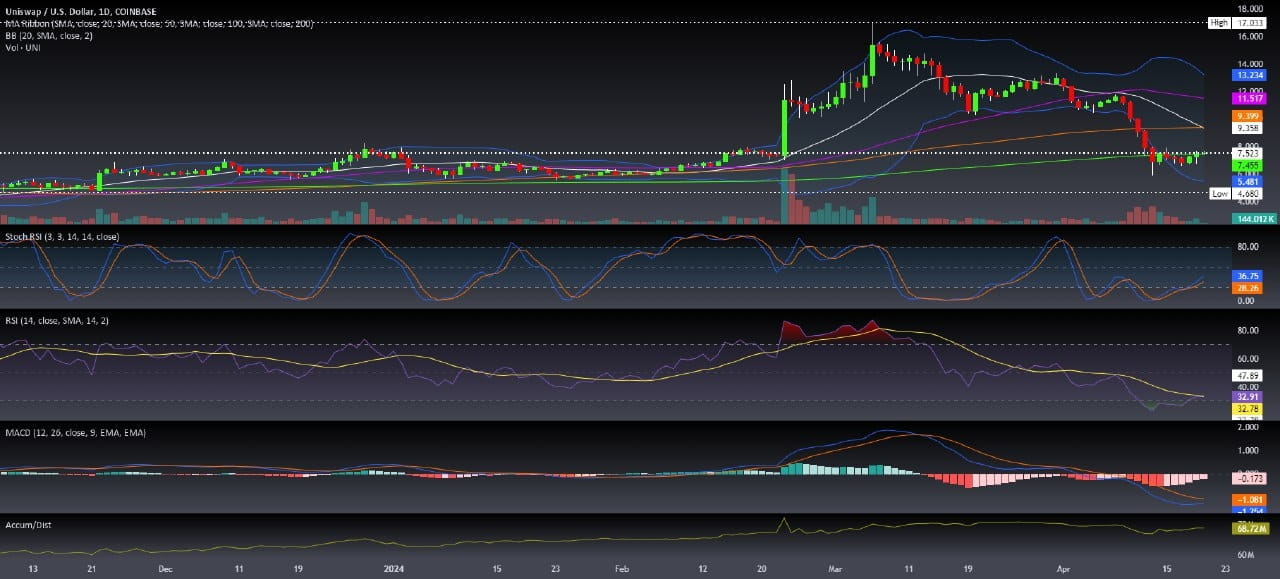
📈 LONG: $UNI USD (1D)
Uniswap UNI/USD は、SEC の監視にもかかわらず、SMA200 で買いシグナルを示しています。
📈 LONG: $UNI USD (1D)
Uniswap UNI/USD は、SEC の監視にもかかわらず、SMA200 で買いシグナルを示しています。
Uniswap UNI/USD は、SEC の監視にもかかわらず、SMA200 で買いシグナルを示しています。
150
·
--
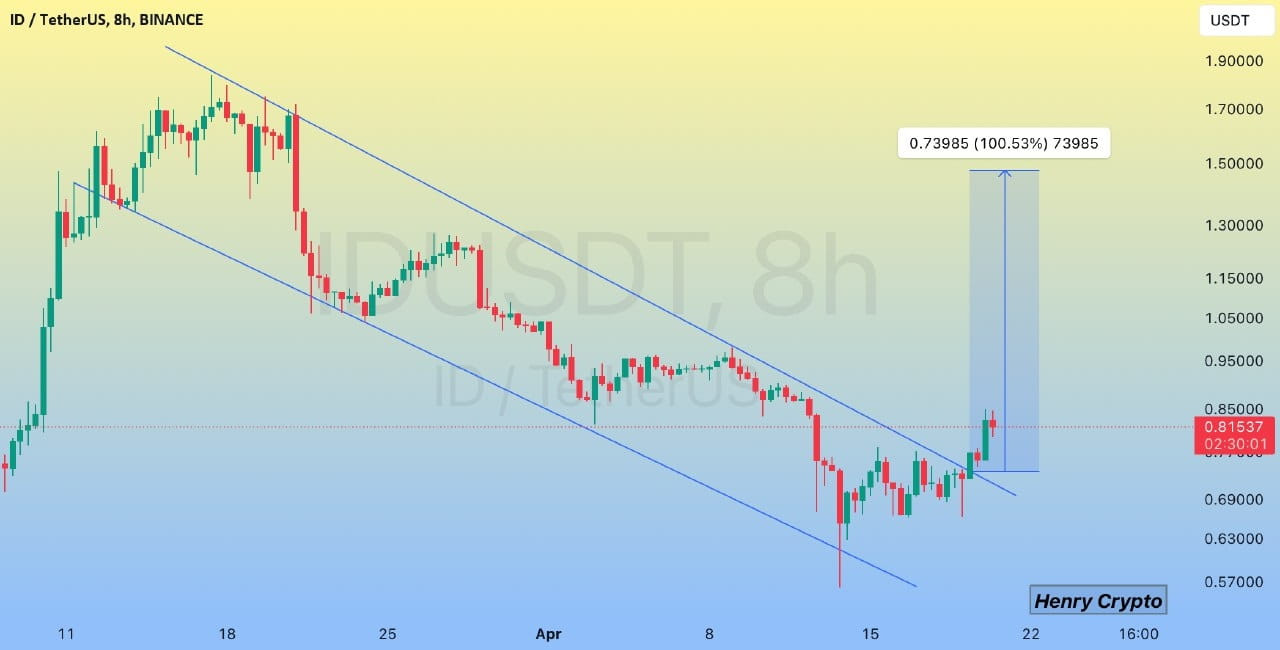
📈 LONG: $ID USDT (8 時間)
分析によると、ID は 8 時間枠で強気のブレイクアウトを予想しています。
📈 LONG: $ID USDT (8 時間)
分析によると、ID は 8 時間枠で強気のブレイクアウトを予想しています。
分析によると、ID は 8 時間枠で強気のブレイクアウトを予想しています。
4
932
·
--
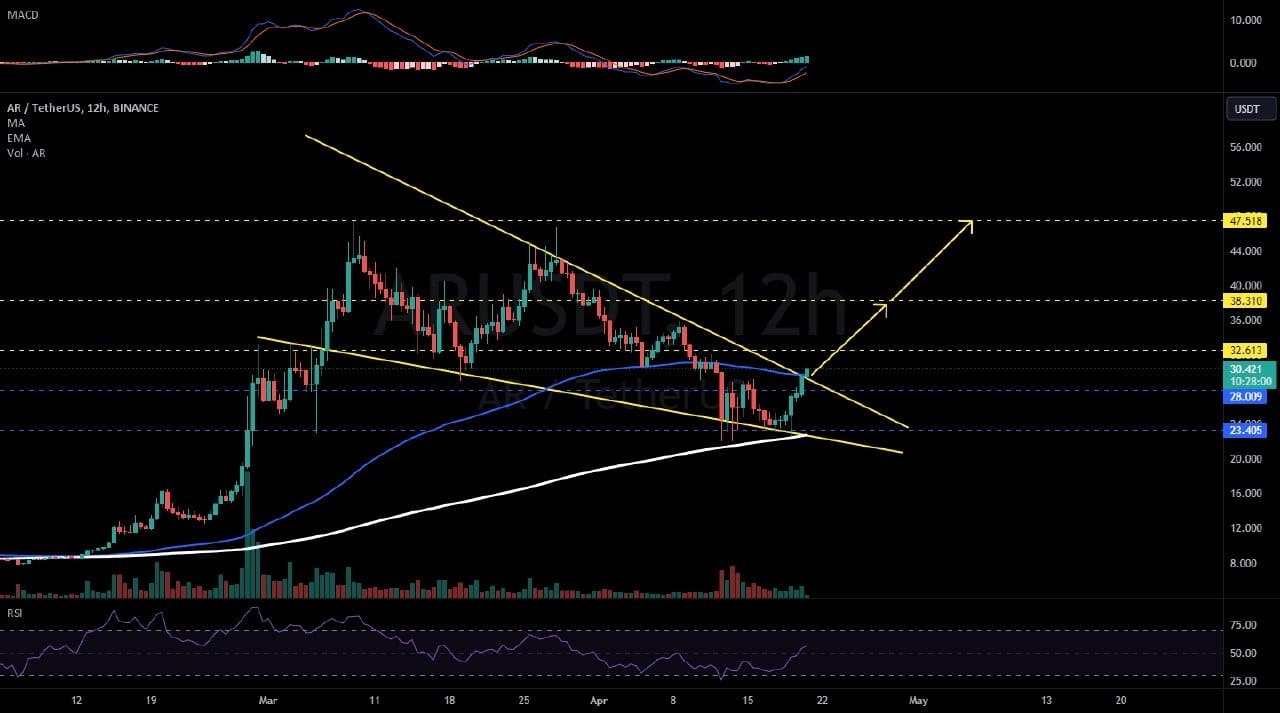
📊 ニュートラル: $AR USDT (12 時間)
AR は主要なテクニカル レベルを上回り、強気の勢いを示しています。ターゲットは 32.613 ドル、38.310 ドル、47.518 ドル、サポートは 28.009 ドルと 23.405 ドルです。
📊 ニュートラル: $AR USDT (12 時間)
AR は主要なテクニカル レベルを上回り、強気の勢いを示しています。ターゲットは 32.613 ドル、38.310 ドル、47.518 ドル、サポートは 28.009 ドルと 23.405 ドルです。
AR は主要なテクニカル レベルを上回り、強気の勢いを示しています。ターゲットは 32.613 ドル、38.310 ドル、47.518 ドル、サポートは 28.009 ドルと 23.405 ドルです。
2
1.5k
ログインして、さらにコンテンツを読む
厳選トピックで世界の暗号資産トレーダーの仲間入り
⚡️ 暗号資産に関する最新かつ有益な情報が見つかります。
💬 世界最大の暗号資産取引所から信頼されています。
👍 認証を受けたクリエイターから、有益なインサイトを得られます。
メール / 電話番号
トレンドトピック
CircleMints500MUSDCOnSolana
閲覧回数 494
68人が討論中
#CircleMints500MUSDCOnSolana
🚨🔥 ソラナで$500M USDCがまさに発行!🟣
💰 Circleはソラナネットワーク上で$500 MILLIONのUSDCを発行しました。
つまり、フレッシュなステーブルコインの流動性がソラナのエコシステムに流入しています。👀
でも私は見出しを追いかけてはいません。
チャートを見ています:
流動性 → 取引量 → ブレイクアウト → リテスト → 確認 📈
もし$SOL が本物の買い圧力で反応するなら、セットアップは面白くなるかもしれません。⚡
👀 ソラナは次の大きな動きに備えているのでしょうか?
$FIL
$PHA
DYOR • NFA • リスク管理
#PHA #fil #news
Shourov Saha-01
·いいね:0件
·閲覧回数 59
PolymarketBankFailureBetsDrawFDICConcern
閲覧回数 9,277
349人が討論中
BlackRockBuildsTokenizedPortfoliosForOndo
閲覧回数 7,182
242人が討論中