
SARFARAZ WORLDD
105 投稿

SARFARAZ WORLDD
報告
ユーザーをブロック
Crypto Simplified for Everyone Breaking News | Price Updates Pi Network Bitcoin Altcoins Reels Knowledge Profit Turn on
取引を発注
高頻度トレーダー
3.1年
11 フォロー
18 フォロワー
55 いいね
投稿
ポートフォリオ
すべて
引用
動画
記事
翻訳参照
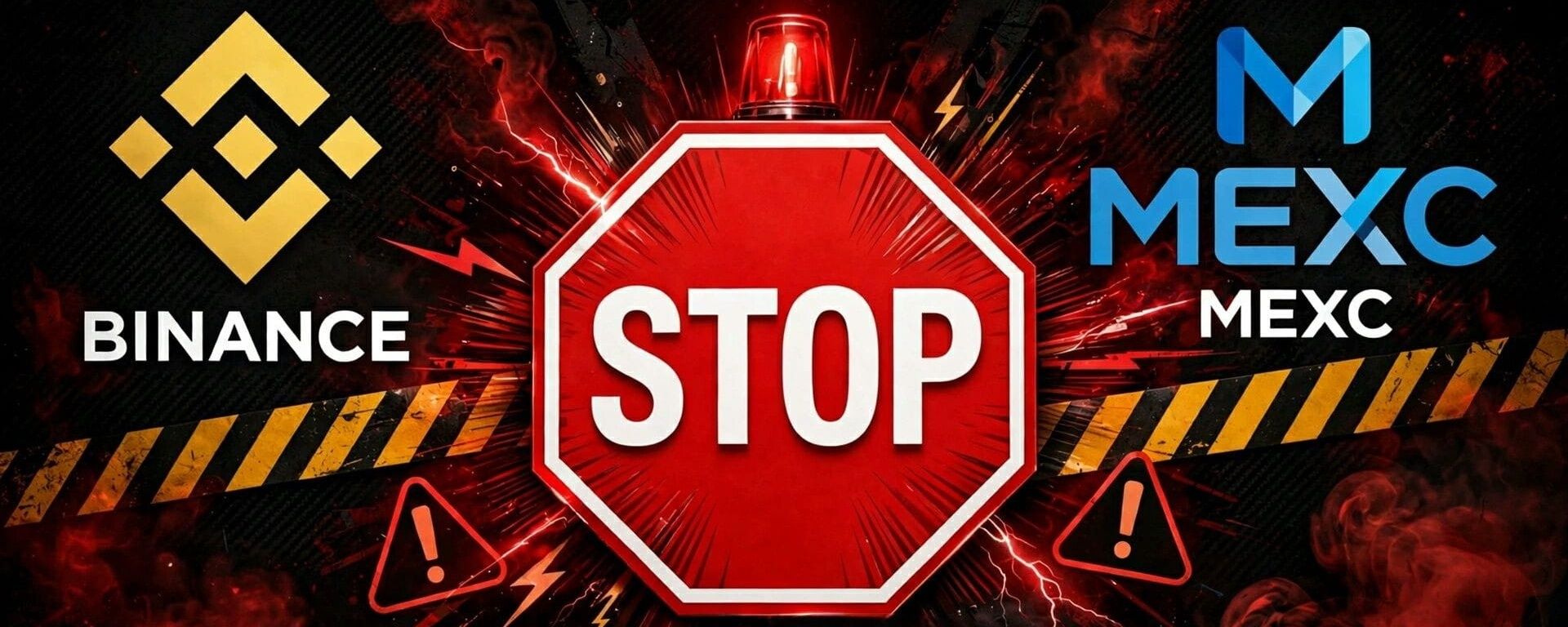
Binance Tightens Restrictions on MEXC: 2026 Essential Compliance GuideRegulatory scrutiny across global exchanges just reached a critical turning point as Binance tightens restrictions on transfers connected to MEXC. Following a Primary Money Laundering Concern designation under FinCEN frameworks, direct and indirect transaction corridors between these platforms face immediate operational blocks. Protecting your capital and maintaining account standing now requires a clear understanding of exchange risk boundaries.
1. 🚫 Outbound Transfer Blocks: Direct Flow Halts
Binance is actively declining direct withdrawal attempts routed toward known MEXC deposit addresses. This measure prevents liquidity from exiting into venues designated as elevated regulatory liabilities under anti-money laundering (AML) protocols. If you initiate a transfer to an address linked to MEXC, the transaction will be automatically rejected and canceled.
• Strategy: Always verify destination wallet ownership before executing withdrawals to avoid having your assets temporarily frozen in automated review queues.
[Insert Banner/Image: Graphic demonstrating a canceled withdrawal alert banner on a mobile trading dashboard]
2. 🔍 Inbound Flagging: Deep On-Chain Screening
Depositing crypto into Binance from MEXC wallets now triggers immediate automated compliance reviews. High-grade blockchain analytics tools map transaction hops, meaning incoming tokens tied to high-risk pools are marked for source-of-funds verification. If the transaction history raises flags, your deposit will be held pending manual compliance clearance.
• 2026 Insight: Centralized exchanges now deploy real-time taint analysis that traces deposits across several wallet hops, not just direct sender addresses.
[Insert Banner/Image: Visual flow chart showing on-chain taint analysis tracing a deposit from source to exchange review]
3. ⚠️ Account Standing Risks: Freeze and Closure Warnings
Interacting with flagged exchange pools exposes user accounts to tiered administrative sanctions. Depending on exposure volume and transaction frequency, penalties range from temporary withdrawal locks to complete account termination. Preserving your access to primary liquidity hubs requires strictly separating routine trading funds from unverified sources.
• Pro-Tip: Never attempt to test small transfers between restricted exchanges, as single small-balance interactions can trigger systemic compliance audits.
[Insert Banner/Image: Infographic outlining Binance compliance status levels from clear to restricted]
4. 🔀 Intermediary Pitfalls: Hop Transfers Do Not Work
Routing tokens through a personal software wallet or decentralized bridge does not bypass exchange compliance algorithms. Modern transaction clustering models identify intermediary transit wallets that pass funds through within short time windows. Attempting to mask the origin through a single-hop intermediary often increases the risk score assigned to your wallet.
• Why use it: Understanding blockchain transparency prevents traders from wasting network gas fees on transfers that still trigger automated account restrictions.
[Insert Banner/Image: Diagram showing an intermediary private wallet failing a cluster check between two exchange addresses]
5. 🛡️ Self-Custodial Isolation: Clean Wallet Hygiene
Safeguarding your assets across multiple exchanges requires building a disciplined air-gapped wallet strategy. Use dedicated hardware or self-custody wallets for off-exchange storage, ensuring your primary centralized accounts interact only with clean, self-sovereign keys. Establishing distinct addresses for separate activities prevents cross-contamination across your broader portfolio.
• Strategy: Dedicate individual on-chain addresses to specific centralized platforms so that activity on one venue never impacts the compliance rating of another.
[Insert Banner/Image: Clean setup guide illustrating segregated self-custody hardware wallets linked to separate platforms]
6. 📋 Compliance Documentation: Preparing Proof of Funds
If your incoming transaction gets flagged, resolving the restriction requires providing comprehensive source-of-funds documentation. Users must supply unedited transaction histories, signed wallet messages, or trade receipts establishing legitimate ownership of the deposited capital. Responding promptly with verifiable logs is the fastest way to restore full account functionality.
• Pro-Tip: Export and store monthly CSV transaction histories and withdrawal receipts from all platforms to maintain an accessible paper trail.
✅ Final Thoughts
Crypto compliance standards continue to accelerate, making proactive account risk management just as vital as charting your trades. Preserving full access to your funds means staying informed on regulatory shifts, practicing strict wallet hygiene, and respecting platform policies. Treat security, compliance, and self-custody as non-negotiable foundations of your trading routine.
Have you started separating your exchange activity with dedicated private wallets, or are you still relying on direct transfers? Share your experience in the comments!
BNBBTC ETHSOL
#BinanceSquare #cryptoTrading #CryptoCompliance
Binance Tightens Restrictions on MEXC: 2026 Essential Compliance Guide
Regulatory scrutiny across global exchanges just reached a critical turning point as Binance tightens restrictions on transfers connected to MEXC. Following a Primary Money Laundering Concern designation under FinCEN frameworks, direct and indirect transaction corridors between these platforms face immediate operational blocks. Protecting your capital and maintaining account standing now requires a clear understanding of exchange risk boundaries.
1. 🚫 Outbound Transfer Blocks: Direct Flow Halts
Binance is actively declining direct withdrawal attempts routed toward known MEXC deposit addresses. This measure prevents liquidity from exiting into venues designated as elevated regulatory liabilities under anti-money laundering (AML) protocols. If you initiate a transfer to an address linked to MEXC, the transaction will be automatically rejected and canceled.
• Strategy: Always verify destination wallet ownership before executing withdrawals to avoid having your assets temporarily frozen in automated review queues.
[Insert Banner/Image: Graphic demonstrating a canceled withdrawal alert banner on a mobile trading dashboard]
2. 🔍 Inbound Flagging: Deep On-Chain Screening
Depositing crypto into Binance from MEXC wallets now triggers immediate automated compliance reviews. High-grade blockchain analytics tools map transaction hops, meaning incoming tokens tied to high-risk pools are marked for source-of-funds verification. If the transaction history raises flags, your deposit will be held pending manual compliance clearance.
• 2026 Insight: Centralized exchanges now deploy real-time taint analysis that traces deposits across several wallet hops, not just direct sender addresses.
[Insert Banner/Image: Visual flow chart showing on-chain taint analysis tracing a deposit from source to exchange review]
3. ⚠️ Account Standing Risks: Freeze and Closure Warnings
Interacting with flagged exchange pools exposes user accounts to tiered administrative sanctions. Depending on exposure volume and transaction frequency, penalties range from temporary withdrawal locks to complete account termination. Preserving your access to primary liquidity hubs requires strictly separating routine trading funds from unverified sources.
• Pro-Tip: Never attempt to test small transfers between restricted exchanges, as single small-balance interactions can trigger systemic compliance audits.
[Insert Banner/Image: Infographic outlining Binance compliance status levels from clear to restricted]
4. 🔀 Intermediary Pitfalls: Hop Transfers Do Not Work
Routing tokens through a personal software wallet or decentralized bridge does not bypass exchange compliance algorithms. Modern transaction clustering models identify intermediary transit wallets that pass funds through within short time windows. Attempting to mask the origin through a single-hop intermediary often increases the risk score assigned to your wallet.
• Why use it: Understanding blockchain transparency prevents traders from wasting network gas fees on transfers that still trigger automated account restrictions.
[Insert Banner/Image: Diagram showing an intermediary private wallet failing a cluster check between two exchange addresses]
5. 🛡️ Self-Custodial Isolation: Clean Wallet Hygiene
Safeguarding your assets across multiple exchanges requires building a disciplined air-gapped wallet strategy. Use dedicated hardware or self-custody wallets for off-exchange storage, ensuring your primary centralized accounts interact only with clean, self-sovereign keys. Establishing distinct addresses for separate activities prevents cross-contamination across your broader portfolio.
• Strategy: Dedicate individual on-chain addresses to specific centralized platforms so that activity on one venue never impacts the compliance rating of another.
[Insert Banner/Image: Clean setup guide illustrating segregated self-custody hardware wallets linked to separate platforms]
6. 📋 Compliance Documentation: Preparing Proof of Funds
If your incoming transaction gets flagged, resolving the restriction requires providing comprehensive source-of-funds documentation. Users must supply unedited transaction histories, signed wallet messages, or trade receipts establishing legitimate ownership of the deposited capital. Responding promptly with verifiable logs is the fastest way to restore full account functionality.
• Pro-Tip: Export and store monthly CSV transaction histories and withdrawal receipts from all platforms to maintain an accessible paper trail.
✅ Final Thoughts
Crypto compliance standards continue to accelerate, making proactive account risk management just as vital as charting your trades. Preserving full access to your funds means staying informed on regulatory shifts, practicing strict wallet hygiene, and respecting platform policies. Treat security, compliance, and self-custody as non-negotiable foundations of your trading routine.
Have you started separating your exchange activity with dedicated private wallets, or are you still relying on direct transfers? Share your experience in the comments!
BNBBTC ETHSOL
#BinanceSquare #cryptoTrading #CryptoCompliance
56
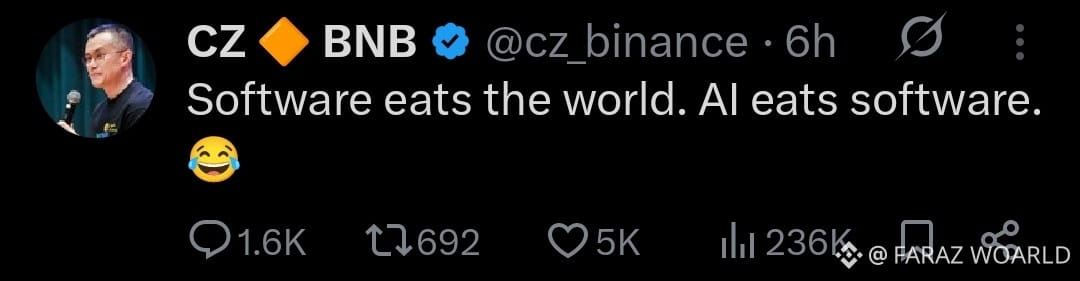
NEW: @cz_binance は "ソフトウェアが世界を食べる。AIがソフトウェアを食べる。😂"
NEW: @cz_binance は "ソフトウェアが世界を食べる。AIがソフトウェアを食べる。😂"
2
58

JUST IN: 🇺🇸 ホワイトハウス: “アメリカは今、世界の暗号資産の中心地です”
JUST IN: 🇺🇸 ホワイトハウス: “アメリカは今、世界の暗号資産の中心地です”

1
66
1
1


加密之王1688
·
--
20:37 エンクレプト夜報|総市場時価総額$3.21兆ドル(-0.8%)、BTC $91,850(+0.96%)V字回復、ETH $3,132(-0.27%)サポートを維持、市場感情指数26(極度の恐慌)。注目ポイント:24時間で清算額$4.61億を記録した後、売り圧力が解放され、ETF資金流出の縮小;XRPが主流コインをリード、Memeコインが週間大幅上昇。戦略:$90,000/$3,050のサポートを注視し、非農データ発表前に軽資産でポジションを構築し、下落耐性の高い主流コインと機関投資家が注目する銘柄を優先。#エンクレプト底打ち回復 #BTC V字回復 #ETF資金動向 #非农行情 #BTC #bnb

🚦 アメリカの初回失業保険申請データ👇
実績: 214K
予想: 224K
前回: 224K
🚦 アメリカの初回失業保険申請データ👇
実績: 214K
予想: 224K
前回: 224K
実績: 214K
予想: 224K
前回: 224K
1
1
161
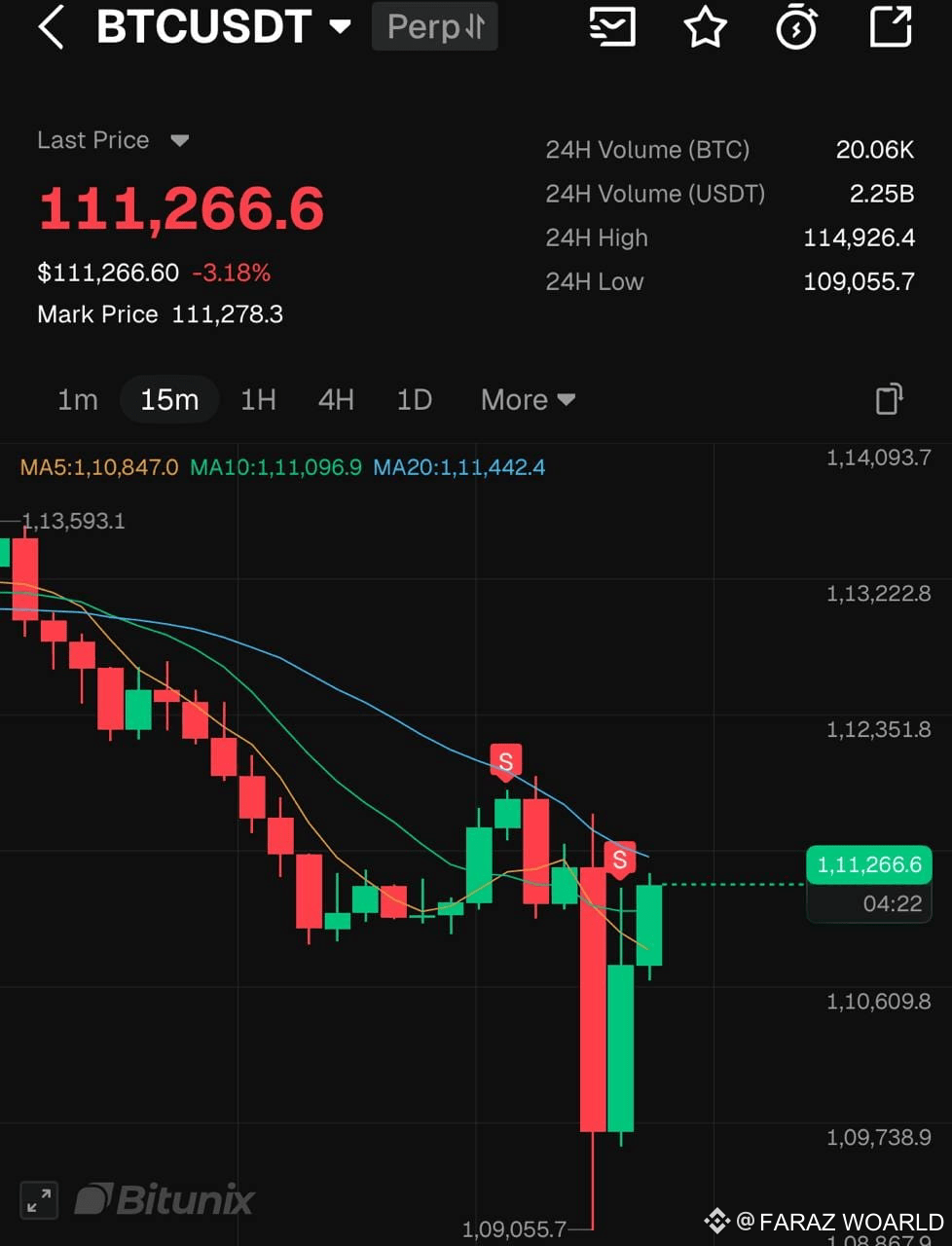
Aa gye na market vhe , bolra tha audio mei and reel mei .. market m liquidity khaynge longs walo ki phele ..
ニュースに基づく取引の経験が必要です .. 残りはチャートのテクニカルに従ってください ..
清算はどこにあるか、トレンドは何か ..
世界的なニュースの取引は非常に役立ち、最初に損失を経験することが多いです 😃 ..
清算を食べたので今はただslを食べています 🤣🦾
Aa gye na market vhe , bolra tha audio mei and reel mei .. market m liquidity khaynge longs walo ki phele ..
ニュースに基づく取引の経験が必要です .. 残りはチャートのテクニカルに従ってください ..
清算はどこにあるか、トレンドは何か ..
世界的なニュースの取引は非常に役立ち、最初に損失を経験することが多いです 😃 ..
清算を食べたので今はただslを食べています 🤣🦾
ニュースに基づく取引の経験が必要です .. 残りはチャートのテクニカルに従ってください ..
清算はどこにあるか、トレンドは何か ..
世界的なニュースの取引は非常に役立ち、最初に損失を経験することが多いです 😃 ..
清算を食べたので今はただslを食べています 🤣🦾
1
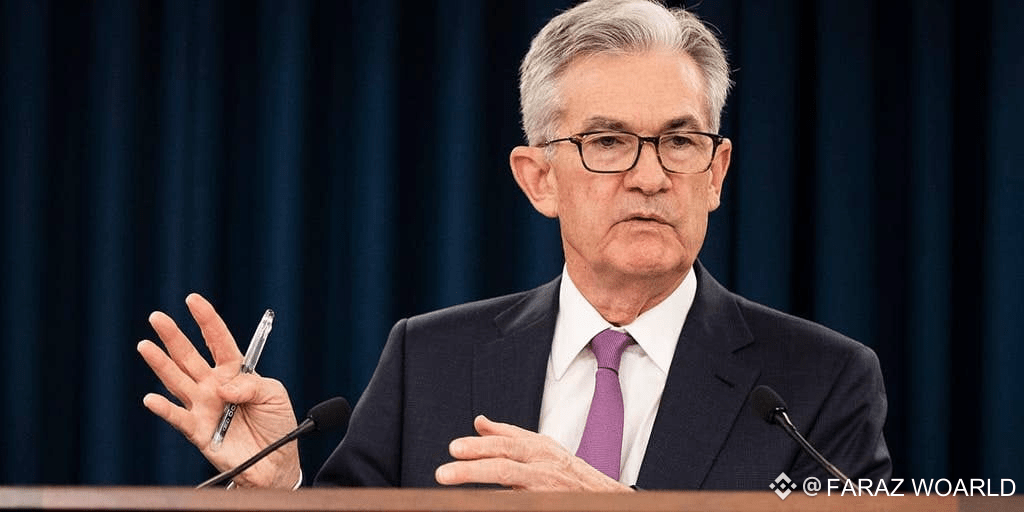
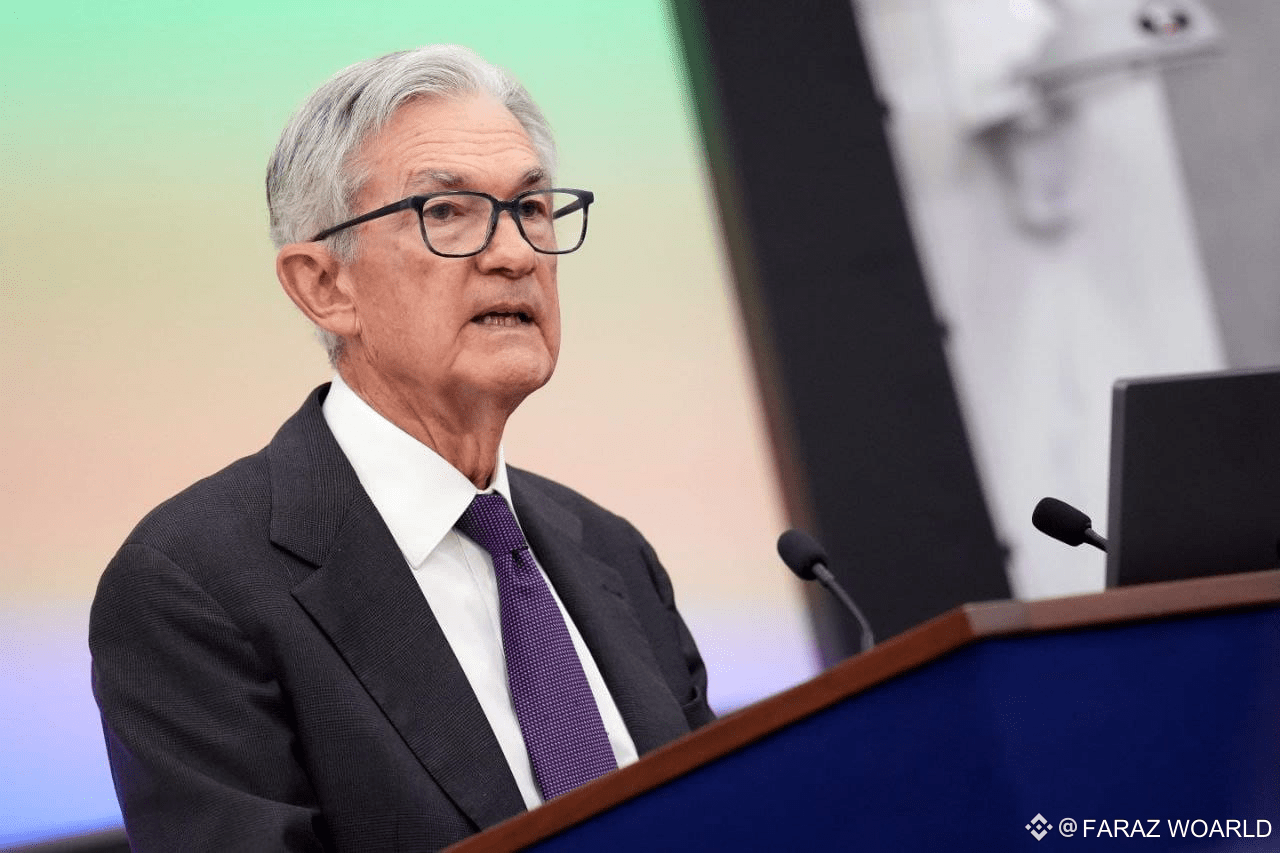
JUST IN: 🇺🇸 フェデラル・リザーブ議長ジェローム・パウエルは、トランプ大統領の関税が「全体的なインフレを高めている」と述べています。
JUST IN: 🇺🇸 フェデラル・リザーブ議長ジェローム・パウエルは、トランプ大統領の関税が「全体的なインフレを高めている」と述べています。
🇺🇸 ETFフロー:米国の現物BTC ETFは20.3百万ドルの流入を見た一方で、ETH ETFは10月23日に127.4百万ドルの流出を見た。
🇺🇸 ETFフロー:米国の現物BTC ETFは20.3百万ドルの流入を見た一方で、ETH ETFは10月23日に127.4百万ドルの流出を見た。
1
更新: 🇺🇸 米国スポットETFフロー (10月20日)
📉 ビットコイン: -372 BTC ($40M)
📉 イーサリアム: -36,600 ETH ($146M)
📈 ソラナ: +143,790 SOL ($27M)
更新: 🇺🇸 米国スポットETFフロー (10月20日)
📉 ビットコイン: -372 BTC ($40M)
📉 イーサリアム: -36,600 ETH ($146M)
📈 ソラナ: +143,790 SOL ($27M)
📉 ビットコイン: -372 BTC ($40M)
📉 イーサリアム: -36,600 ETH ($146M)
📈 ソラナ: +143,790 SOL ($27M)
3
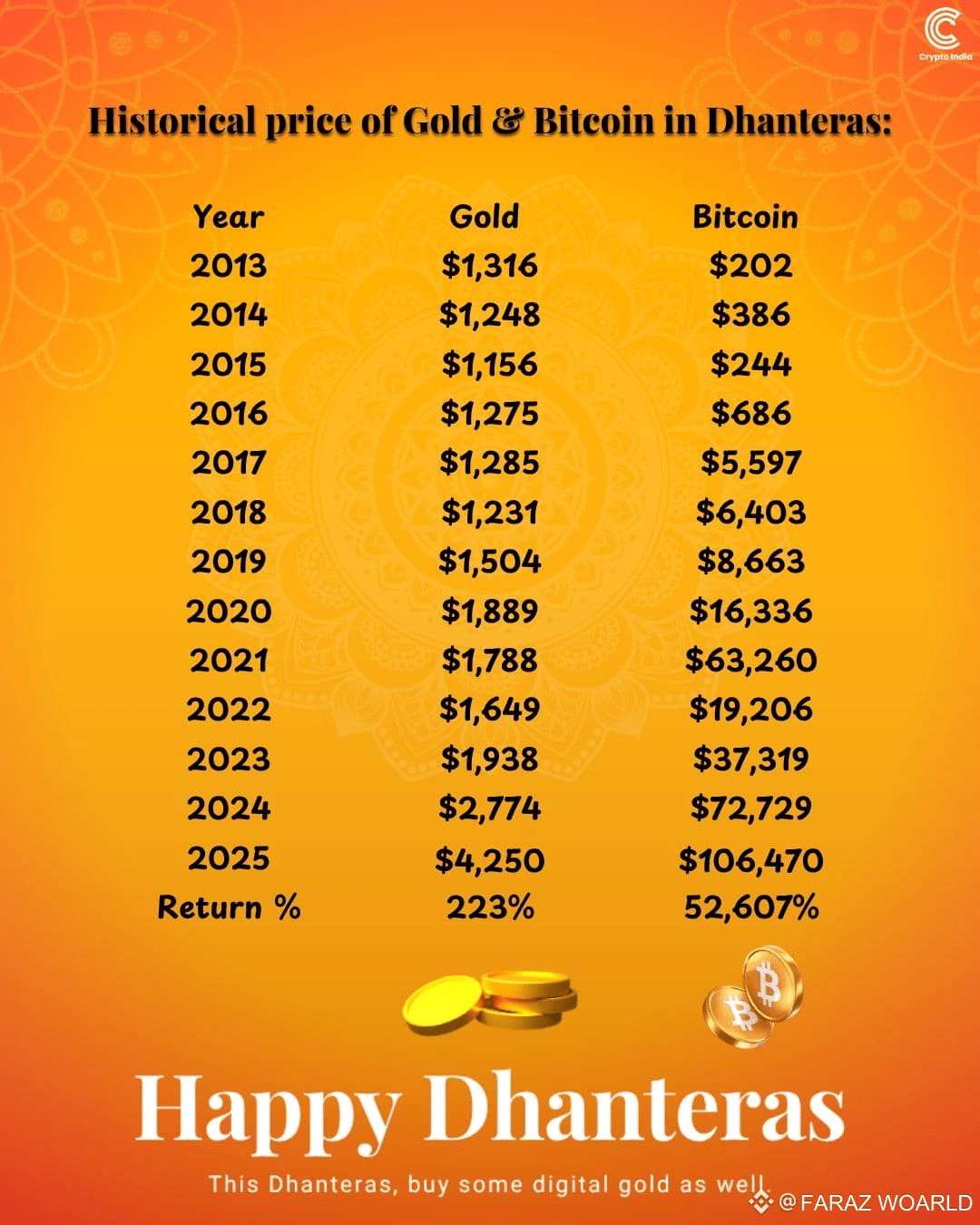
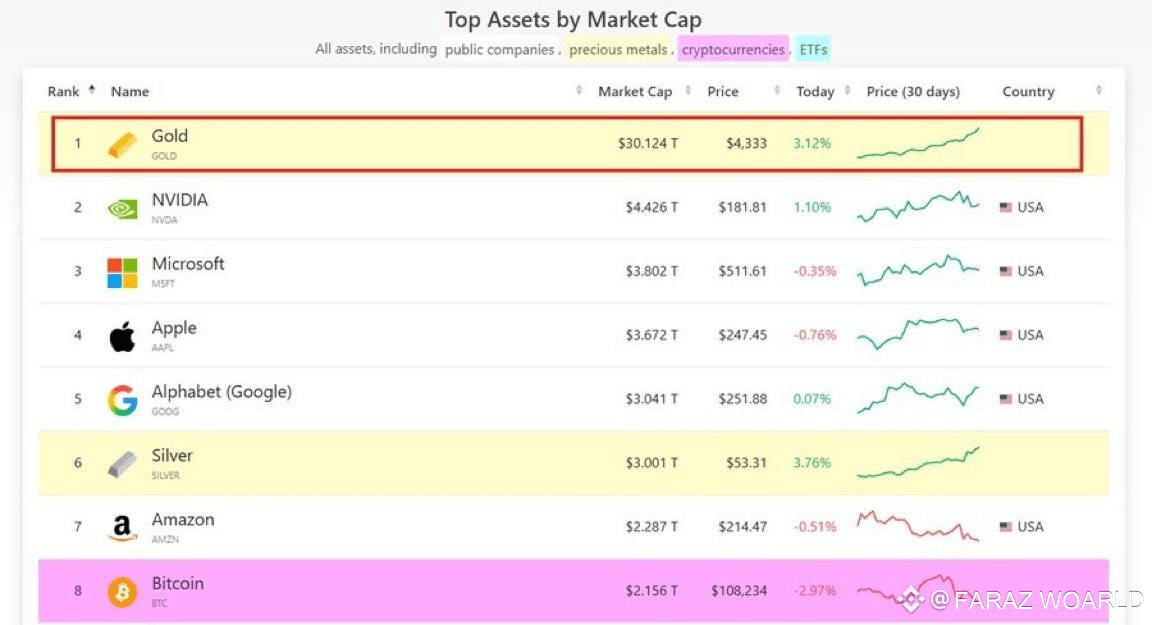
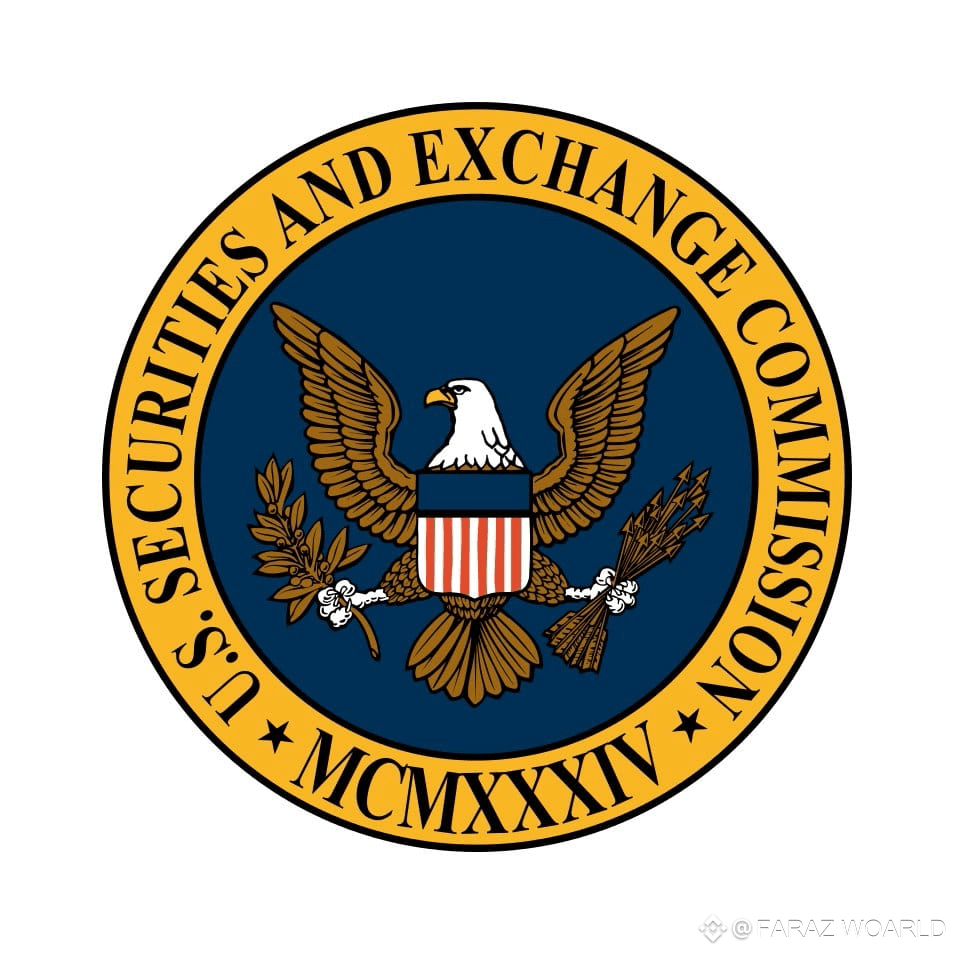
速報: 🇺🇸 SECの議長ポール・アトキンスは、暗号通貨とトークン化が「最優先事項」であると述べています。
速報: 🇺🇸 SECの議長ポール・アトキンスは、暗号通貨とトークン化が「最優先事項」であると述べています。

1
1
28
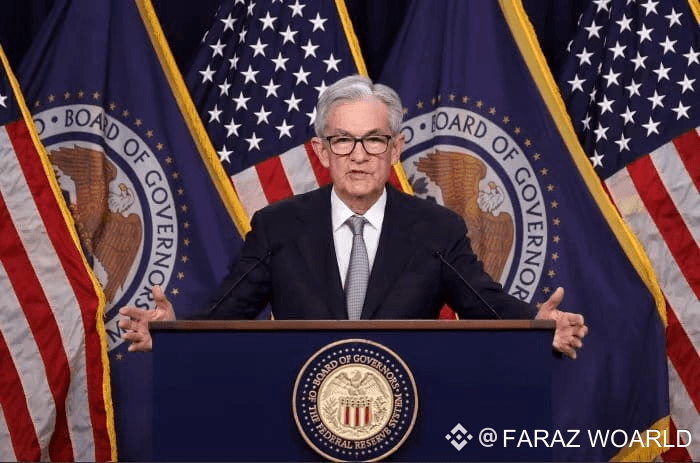
🚨速報:
パウエル氏は、連邦準備制度が今後数ヶ月で量的緩和を終了すると述べています
あなたは、これから起こることに備えていません
🚨速報:
パウエル氏は、連邦準備制度が今後数ヶ月で量的緩和を終了すると述べています
あなたは、これから起こることに備えていません
パウエル氏は、連邦準備制度が今後数ヶ月で量的緩和を終了すると述べています
あなたは、これから起こることに備えていません
3
ログインして、さらにコンテンツを読む
厳選トピックで世界の暗号資産トレーダーの仲間入り
⚡️ 暗号資産に関する最新かつ有益な情報が見つかります。
💬 世界最大の暗号資産取引所から信頼されています。
👍 認証を受けたクリエイターから、有益なインサイトを得られます。
メール / 電話番号