

-X Y Z-
8.8k 投稿

-X Y Z-
報告
ユーザーをブロック
低高頻度トレーダー
3.4年
4 フォロー
16.3K+ フォロワー
18.1K+ いいね
投稿
すべて
引用
動画
ライブ
·
--
あなたのライブに参加できてとても嬉しいです。$USD1 & $WLFI について、素晴らしい情報を伝えてくれてありがとうございます。みなさん、すぐに参加してください
あなたのライブに参加できてとても嬉しいです。$USD1 & $WLFI について、素晴らしい情報を伝えてくれてありがとうございます。みなさん、すぐに参加してください
引用されたコンテンツは削除されました
1
316
·
--
Netflix (NFLX) 株式アップデート
Netflixの株は現在、およそ$73.9で取引されており、52週高値の$126.71からかなり下にあります。
ポジティブ要因:
下落後でバリュエーションが魅力的
同社のフリー・キャッシュ・フローが強い
広告付きプランや、可能性のあるライブスポーツ配信によって成長の新たな選択肢が生まれている
懸念点:
売上成長がやや鈍化している
ストリーミング市場での競争が激しい
総合的に見ると、長期投資家にとってこの下落は興味深い機会になり得ますが、判断を下す前に必ずご自身で調査してください。
免責事項:これは単なる情報であり、金融アドバイスではありません。$NFLXB
Netflix (NFLX) 株式アップデート
Netflixの株は現在、およそ$73.9で取引されており、52週高値の$126.71からかなり下にあります。
ポジティブ要因:
下落後でバリュエーションが魅力的
同社のフリー・キャッシュ・フローが強い
広告付きプランや、可能性のあるライブスポーツ配信によって成長の新たな選択肢が生まれている
懸念点:
売上成長がやや鈍化している
ストリーミング市場での競争が激しい
総合的に見ると、長期投資家にとってこの下落は興味深い機会になり得ますが、判断を下す前に必ずご自身で調査してください。
免責事項:これは単なる情報であり、金融アドバイスではありません。$NFLXB
Netflixの株は現在、およそ$73.9で取引されており、52週高値の$126.71からかなり下にあります。
ポジティブ要因:
下落後でバリュエーションが魅力的
同社のフリー・キャッシュ・フローが強い
広告付きプランや、可能性のあるライブスポーツ配信によって成長の新たな選択肢が生まれている
懸念点:
売上成長がやや鈍化している
ストリーミング市場での競争が激しい
総合的に見ると、長期投資家にとってこの下落は興味深い機会になり得ますが、判断を下す前に必ずご自身で調査してください。
免責事項:これは単なる情報であり、金融アドバイスではありません。$NFLXB
349
·
--
これなにか知ってる?俺がやってるこれ、本物のクソだよ。信じててさ、ちょっとしたクランチー付きで..
$BLESS $HEI $KOMA
これなにか知ってる?俺がやってるこれ、本物のクソだよ。信じててさ、ちょっとしたクランチー付きで..
$BLESS $HEI $KOMA
$BLESS $HEI $KOMA
497
·
--
$HEI
市場はまたあなたを欺こうとしている…今のところ誰もこれから何が起きるか分からない。世界に“本物のトレーダー”はわずか5%しかいない。
$KOMA
& さらに、ほとんどの人が毎日、あらゆる取引所で罠にかかっている…他人のいくつかの良い利益を見ているだけで。& そして愚か者は、投げ売り(ダンプ)に飛び込む…
$BICO
$HEI
市場はまたあなたを欺こうとしている…今のところ誰もこれから何が起きるか分からない。世界に“本物のトレーダー”はわずか5%しかいない。
$KOMA
& さらに、ほとんどの人が毎日、あらゆる取引所で罠にかかっている…他人のいくつかの良い利益を見ているだけで。& そして愚か者は、投げ売り(ダンプ)に飛び込む…
$BICO
市場はまたあなたを欺こうとしている…今のところ誰もこれから何が起きるか分からない。世界に“本物のトレーダー”はわずか5%しかいない。
$KOMA
& さらに、ほとんどの人が毎日、あらゆる取引所で罠にかかっている…他人のいくつかの良い利益を見ているだけで。& そして愚か者は、投げ売り(ダンプ)に飛び込む…
$BICO
303
·
--
あなたはとても上手に書いています。ありがとうございます…ぜひこれからも調査を続けて、このような素晴らしい洞察を私たちに共有してください。$BABY $KOMA $BICO
あなたはとても上手に書いています。ありがとうございます…ぜひこれからも調査を続けて、このような素晴らしい洞察を私たちに共有してください。$BABY $KOMA $BICO

Crazy Hami
·
--
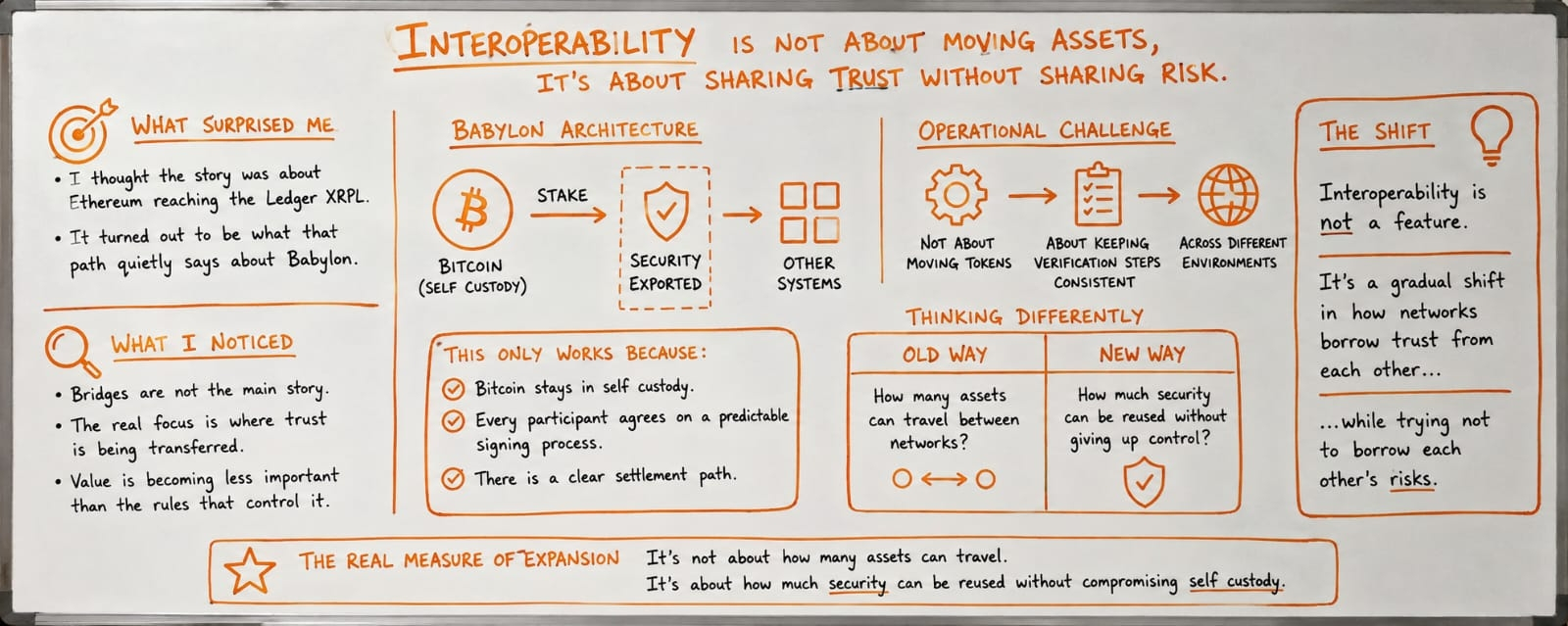
#baby 「面白いのは、イーサリアムがレジャーXRPLに到達することだと思っていました。しかし実際には、その道筋がバビロンについて静かに語っている内容がそれでした。
バビロンのアーキテクチャを、クロスネットワーク・インフラをめぐる最近の議論と比べるほど、ブリッジが主役だとは見えなくなりました。私が注目し始めたのは、「信頼」が実際にどこへ移転されているのかという点です。バビロンはすでに、ビットコインを、資産そのものを移さずに他のシステムを支えられる経済的なセキュリティとして扱っています。イーサリアムがレジャーXRPLへ拡張していく方向性も同様で、価値そのものより、それを制御するルールが重要になってきていることを示しています。
その後、バビロンのステーキング設計とバリデータの前提に立ち返りました。ビットコインは自己保管のまま、セキュリティは別の場所へエクスポートされます。これは、すべての参加者が予測可能な署名プロセスと、明確な決済の道筋に合意しているからこそ成り立ちます。異なるエコシステムが、そうした前提を通じて接続し始めると、運用上の課題は「トークンを動かす」ことから、「異なる環境でも検証の各ステップを一貫させ続ける」ことへと移っていきます。
また、それによって流動性について考え方が変わりました。多くの人は、ネットワーク間でどれだけの資産が移動できるかで拡張の度合いを測ります。私は、より重要なのは、ユーザーが資産のコントロールを手放すことを強いられずに、どれだけセキュリティを再利用できるかだと考え始めています。そこにはまったく別のインセンティブがあります。
すべてを読み合わせた結果、私は相互運用性を「機能」として見るのをやめました。むしろそれは、ネットワーク同士が互いからリスクを借りないようにしながら、互いから信頼を借りていくための、段階的なシフトのように見えます。多くの発表が伝えるよりも、ずっと静かな変化に感じられます。
@BabylonLabs_io
$BABY
バビロンのアーキテクチャを、クロスネットワーク・インフラをめぐる最近の議論と比べるほど、ブリッジが主役だとは見えなくなりました。私が注目し始めたのは、「信頼」が実際にどこへ移転されているのかという点です。バビロンはすでに、ビットコインを、資産そのものを移さずに他のシステムを支えられる経済的なセキュリティとして扱っています。イーサリアムがレジャーXRPLへ拡張していく方向性も同様で、価値そのものより、それを制御するルールが重要になってきていることを示しています。
その後、バビロンのステーキング設計とバリデータの前提に立ち返りました。ビットコインは自己保管のまま、セキュリティは別の場所へエクスポートされます。これは、すべての参加者が予測可能な署名プロセスと、明確な決済の道筋に合意しているからこそ成り立ちます。異なるエコシステムが、そうした前提を通じて接続し始めると、運用上の課題は「トークンを動かす」ことから、「異なる環境でも検証の各ステップを一貫させ続ける」ことへと移っていきます。
また、それによって流動性について考え方が変わりました。多くの人は、ネットワーク間でどれだけの資産が移動できるかで拡張の度合いを測ります。私は、より重要なのは、ユーザーが資産のコントロールを手放すことを強いられずに、どれだけセキュリティを再利用できるかだと考え始めています。そこにはまったく別のインセンティブがあります。
すべてを読み合わせた結果、私は相互運用性を「機能」として見るのをやめました。むしろそれは、ネットワーク同士が互いからリスクを借りないようにしながら、互いから信頼を借りていくための、段階的なシフトのように見えます。多くの発表が伝えるよりも、ずっと静かな変化に感じられます。
@BabylonLabs_io
$BABY
630
·
--
時には、最も強い人というのは、誰にも見えない戦いをしている人たちです。
あなたが消えれば、みんなはあなたのことを忘れる。あなたがもがけば、みんなは黙っている。あなたが戻れば、すべてが変わっている。
でも、痛みは慰めでは決して教えてくれないことを教えてくれる。
旅がどれほど壊れたように感じても、私はまだ、より良い日々が来ると信じています。
🖤 誰もあなたに拍手しなくても、歩みを止めないで。
時には、最も強い人というのは、誰にも見えない戦いをしている人たちです。
あなたが消えれば、みんなはあなたのことを忘れる。あなたがもがけば、みんなは黙っている。あなたが戻れば、すべてが変わっている。
でも、痛みは慰めでは決して教えてくれないことを教えてくれる。
旅がどれほど壊れたように感じても、私はまだ、より良い日々が来ると信じています。
🖤 誰もあなたに拍手しなくても、歩みを止めないで。
あなたが消えれば、みんなはあなたのことを忘れる。あなたがもがけば、みんなは黙っている。あなたが戻れば、すべてが変わっている。
でも、痛みは慰めでは決して教えてくれないことを教えてくれる。
旅がどれほど壊れたように感じても、私はまだ、より良い日々が来ると信じています。
🖤 誰もあなたに拍手しなくても、歩みを止めないで。

1
2.8k
·
--
Binance Square チーム様
あなた方の行動は、発言と一致していません。
公正なキャンペーンに関するルールを発表し、約束を繰り返している一方で、いざそれを実際に適用して取り締まる段階になると、何もしていないのです。どのキャンペーンも組織的なエンゲージメントによって溢れています。人々はいいねやコメントを交換してリーチを操作し、低品質なコンテンツでさえ、真に価値のある投稿よりも多くのポイントを獲得してしまっています。
不正なエンゲージメントに関与したユーザーは失格にすると、あなた方は明確に述べました。しかしそれは一度も実行されていません。そうしたアカウントは引き続き利益を得ている一方で、誠実なクリエイターは取り残されています。では、そうした告知を出したいったい何の意味があったのでしょうか。実行する意思がないなら、なぜ発表したのですか。
さらに腹立たしいのは、モデレーションがまったく一貫していないように見えることです。システムを公然と悪用している人々に対して行動するのではなく、ルールを守っているクリエイターを標的にしてしまうことが多いのです。
約束して守らないことをやめてください。公平さと実力が本当にBinance Squareにとって重要なら、空虚な発言ではなく行動で証明してください。
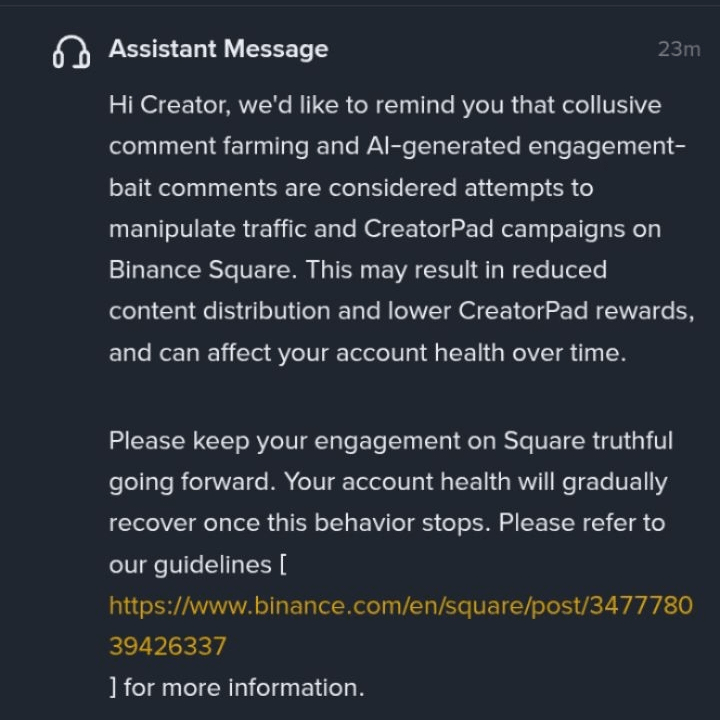
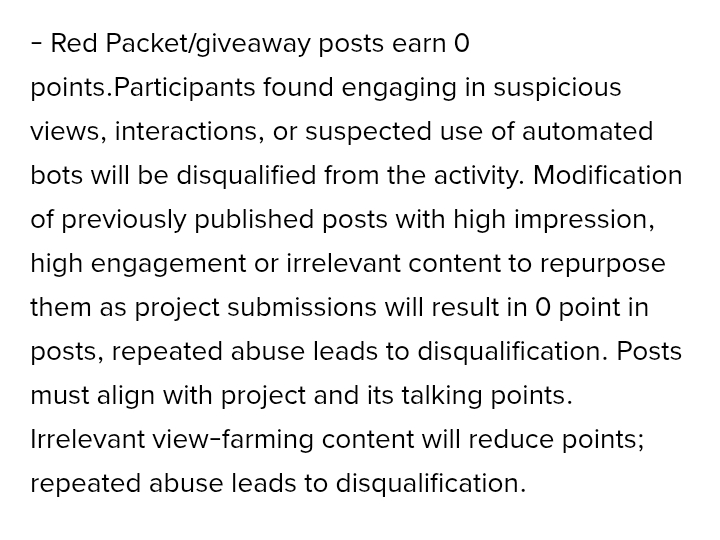
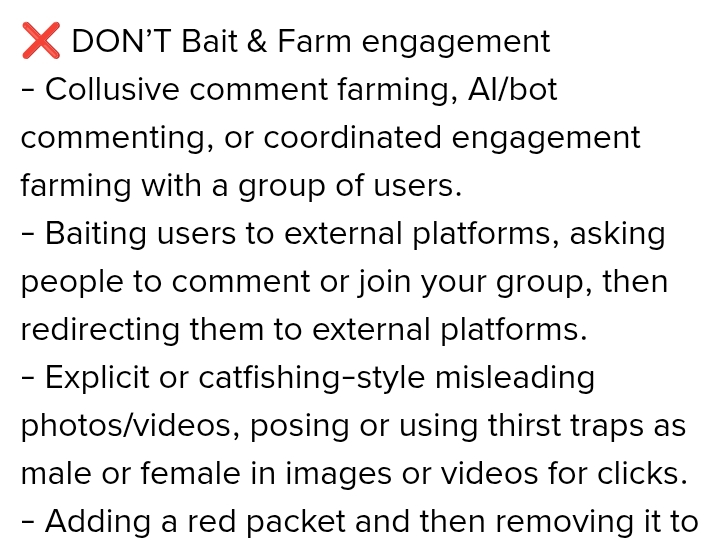
あなた方が発表したルールが写った、あなた方自身の画像を添付します。もう一度読み直して、それが実際にプラットフォーム上で起きていることと照らし合わせてください。あなた方の言葉と行動の差は、これ以上ないほど明確です。@Binance_Square_Official @Binance_Announcement @CZ @babylonlabs_io @BiBi
Binance Square チーム様
あなた方の行動は、発言と一致していません。
公正なキャンペーンに関するルールを発表し、約束を繰り返している一方で、いざそれを実際に適用して取り締まる段階になると、何もしていないのです。どのキャンペーンも組織的なエンゲージメントによって溢れています。人々はいいねやコメントを交換してリーチを操作し、低品質なコンテンツでさえ、真に価値のある投稿よりも多くのポイントを獲得してしまっています。
不正なエンゲージメントに関与したユーザーは失格にすると、あなた方は明確に述べました。しかしそれは一度も実行されていません。そうしたアカウントは引き続き利益を得ている一方で、誠実なクリエイターは取り残されています。では、そうした告知を出したいったい何の意味があったのでしょうか。実行する意思がないなら、なぜ発表したのですか。
さらに腹立たしいのは、モデレーションがまったく一貫していないように見えることです。システムを公然と悪用している人々に対して行動するのではなく、ルールを守っているクリエイターを標的にしてしまうことが多いのです。
約束して守らないことをやめてください。公平さと実力が本当にBinance Squareにとって重要なら、空虚な発言ではなく行動で証明してください。
あなた方が発表したルールが写った、あなた方自身の画像を添付します。もう一度読み直して、それが実際にプラットフォーム上で起きていることと照らし合わせてください。あなた方の言葉と行動の差は、これ以上ないほど明確です。@Binance Square Official @Binance Announcement @CZ @BabylonLabs_io @Binance BiBi
あなた方の行動は、発言と一致していません。
公正なキャンペーンに関するルールを発表し、約束を繰り返している一方で、いざそれを実際に適用して取り締まる段階になると、何もしていないのです。どのキャンペーンも組織的なエンゲージメントによって溢れています。人々はいいねやコメントを交換してリーチを操作し、低品質なコンテンツでさえ、真に価値のある投稿よりも多くのポイントを獲得してしまっています。
不正なエンゲージメントに関与したユーザーは失格にすると、あなた方は明確に述べました。しかしそれは一度も実行されていません。そうしたアカウントは引き続き利益を得ている一方で、誠実なクリエイターは取り残されています。では、そうした告知を出したいったい何の意味があったのでしょうか。実行する意思がないなら、なぜ発表したのですか。
さらに腹立たしいのは、モデレーションがまったく一貫していないように見えることです。システムを公然と悪用している人々に対して行動するのではなく、ルールを守っているクリエイターを標的にしてしまうことが多いのです。
約束して守らないことをやめてください。公平さと実力が本当にBinance Squareにとって重要なら、空虚な発言ではなく行動で証明してください。
あなた方が発表したルールが写った、あなた方自身の画像を添付します。もう一度読み直して、それが実際にプラットフォーム上で起きていることと照らし合わせてください。あなた方の言葉と行動の差は、これ以上ないほど明確です。@Binance Square Official @Binance Announcement @CZ @BabylonLabs_io @Binance BiBi
5
12
1.8k
·
--
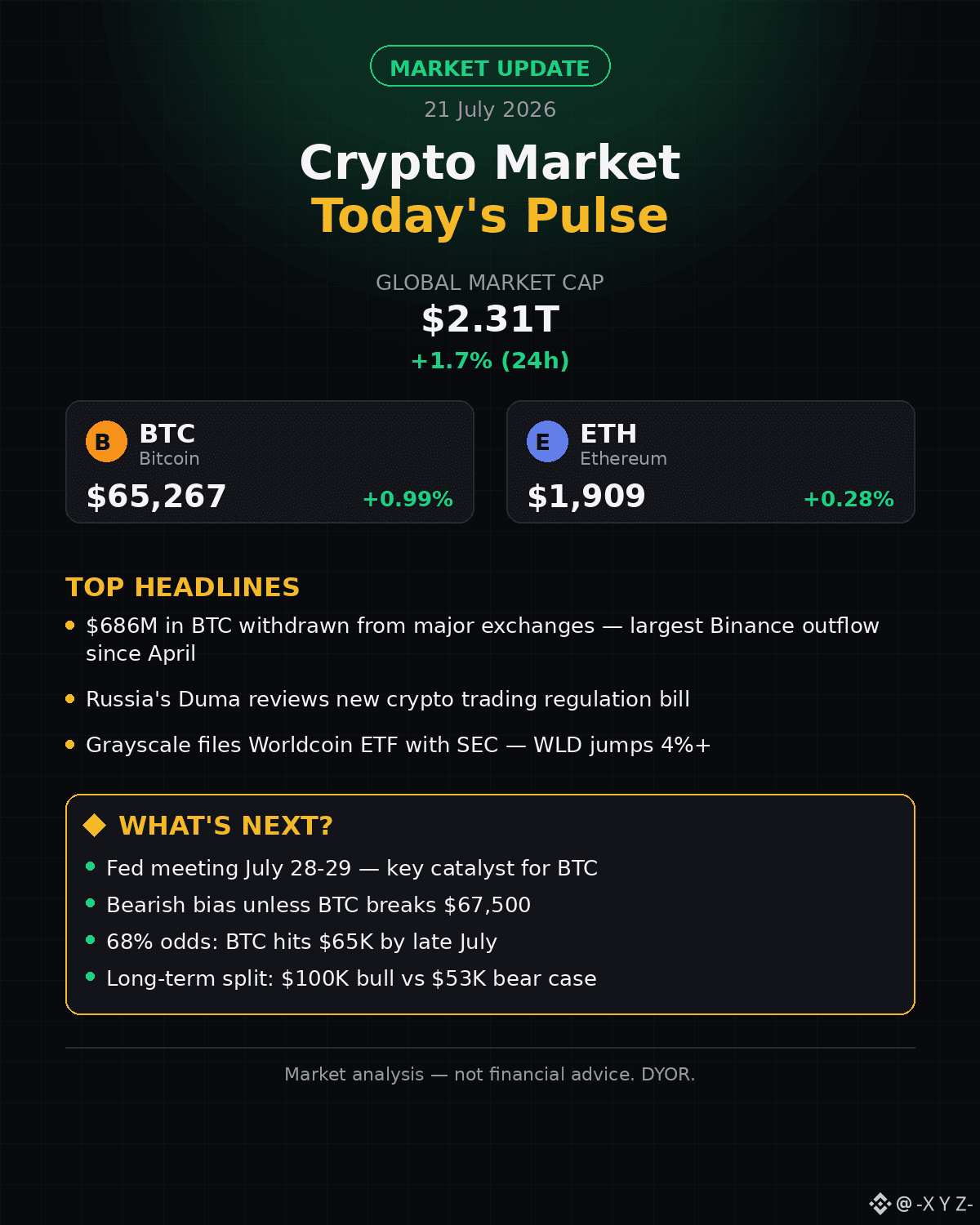
暗号資産市場アップデート — 2026年7月21日
時価総額:2.31兆ドル(+1.7%/24時間)
センチメント:極度の恐怖
BTCの支配率:56.5%
現在の価格
ビットコイン(BTC):約$65,267(+0.99%)
イーサリアム(ETH):約$1,909(+0.28%)
主な上昇銘柄:ポルカドット、XRPレジャー・エコシステム
主要ヘッドライン
Binance、Coinbase、Bybitから1日で6億8600万ドルのビットコインが引き出し—4月以来のBinance最大の純流出。売り圧力の低下を示す強気シグナル。
規制の動き:ロシアのドゥーマが暗号資産取引法案を審議中。ベトナムは新たな罰則枠組みを導入(9月から施行)。
機関投資家の関心:ADGMがテザー・ゴールドを受け入れ可能な商品として認定;GrayscaleがSECに対してワールドコイン(WLD)ETFを申請—WLDは日中で+4%。
次に何が起きる?
注目は米連邦準備制度(FRB)の会合(7月28〜29日)—今月のBTCの方向性を決める最大のカタリストです。
BTCが$67,500のレジスタンスを突破しない限り、弱気バイアスは維持。
予測市場:7月末までにBTCが$65Kに到達する確率は68%、$60Kのサポートが維持される確率は64%です。
長期見通し:スタンダード・チャータードは期末(年末)目標を$100Kと見込み;弱気の銀行は下落して$53Kまでのリスクを示しています。
これは市場ニュースと分析であり、金融助言ではありません。投資前に必ずDYOR(自己調査)してください。
暗号資産市場アップデート — 2026年7月21日
時価総額:2.31兆ドル(+1.7%/24時間)
センチメント:極度の恐怖
BTCの支配率:56.5%
現在の価格
ビットコイン(BTC):約$65,267(+0.99%)
イーサリアム(ETH):約$1,909(+0.28%)
主な上昇銘柄:ポルカドット、XRPレジャー・エコシステム
主要ヘッドライン
Binance、Coinbase、Bybitから1日で6億8600万ドルのビットコインが引き出し—4月以来のBinance最大の純流出。売り圧力の低下を示す強気シグナル。
規制の動き:ロシアのドゥーマが暗号資産取引法案を審議中。ベトナムは新たな罰則枠組みを導入(9月から施行)。
機関投資家の関心:ADGMがテザー・ゴールドを受け入れ可能な商品として認定;GrayscaleがSECに対してワールドコイン(WLD)ETFを申請—WLDは日中で+4%。
次に何が起きる?
注目は米連邦準備制度(FRB)の会合(7月28〜29日)—今月のBTCの方向性を決める最大のカタリストです。
BTCが$67,500のレジスタンスを突破しない限り、弱気バイアスは維持。
予測市場:7月末までにBTCが$65Kに到達する確率は68%、$60Kのサポートが維持される確率は64%です。
長期見通し:スタンダード・チャータードは期末(年末)目標を$100Kと見込み;弱気の銀行は下落して$53Kまでのリスクを示しています。
これは市場ニュースと分析であり、金融助言ではありません。投資前に必ずDYOR(自己調査)してください。
時価総額:2.31兆ドル(+1.7%/24時間)
センチメント:極度の恐怖
BTCの支配率:56.5%
現在の価格
ビットコイン(BTC):約$65,267(+0.99%)
イーサリアム(ETH):約$1,909(+0.28%)
主な上昇銘柄:ポルカドット、XRPレジャー・エコシステム
主要ヘッドライン
Binance、Coinbase、Bybitから1日で6億8600万ドルのビットコインが引き出し—4月以来のBinance最大の純流出。売り圧力の低下を示す強気シグナル。
規制の動き:ロシアのドゥーマが暗号資産取引法案を審議中。ベトナムは新たな罰則枠組みを導入(9月から施行)。
機関投資家の関心:ADGMがテザー・ゴールドを受け入れ可能な商品として認定;GrayscaleがSECに対してワールドコイン(WLD)ETFを申請—WLDは日中で+4%。
次に何が起きる?
注目は米連邦準備制度(FRB)の会合(7月28〜29日)—今月のBTCの方向性を決める最大のカタリストです。
BTCが$67,500のレジスタンスを突破しない限り、弱気バイアスは維持。
予測市場:7月末までにBTCが$65Kに到達する確率は68%、$60Kのサポートが維持される確率は64%です。
長期見通し:スタンダード・チャータードは期末(年末)目標を$100Kと見込み;弱気の銀行は下落して$53Kまでのリスクを示しています。
これは市場ニュースと分析であり、金融助言ではありません。投資前に必ずDYOR(自己調査)してください。
10
208
·
--
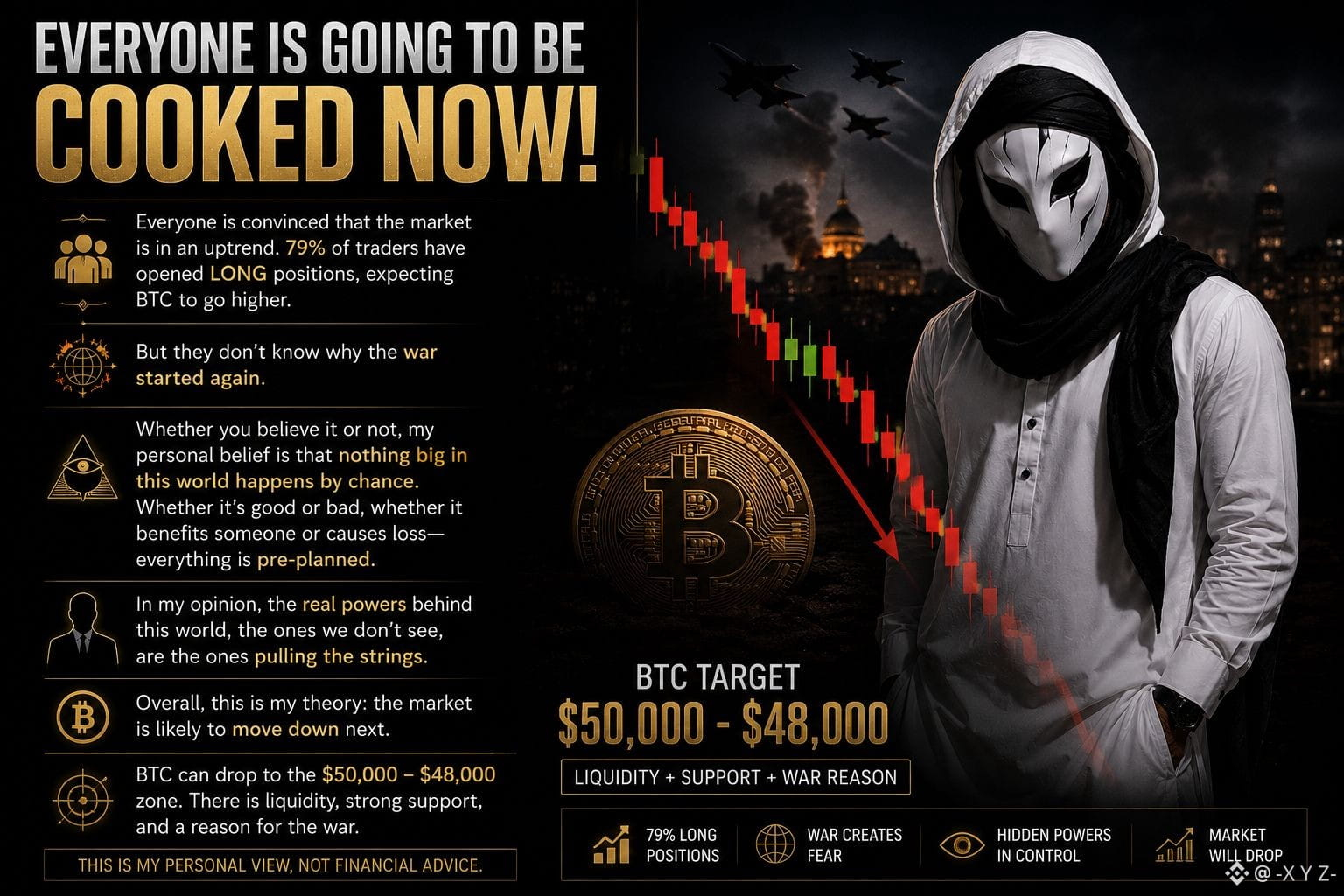
市場が強い上昇トレンドにあると、皆が確信しているように見えます。現在、約79%のトレーダーがロングポジションを保有しており、BTCがさらに高値へ向かい続けることを期待しています。
ですが、私の考えはこうです……
多くの人が「なぜまた別の戦争が始まったのか」と疑問に思っています。あなたが私に同意するかどうかは別として、私は個人的に、この世界で大きなことが完全に偶然で起きることはないと考えています。大きな出来事—それが人々にとって利益であれ害であれ—しばしば、もっと大きな計画の一部のように感じられます。私の見方では、こうした出来事を形作る力が、私たちの目に見えるものと常に一致しているとは限りません。
市場について言えば、これはあくまで私の個人的な仮説です。ビットコインは、持続的な上昇の前に、もう一段大きな下方向への動きがある可能性があると思います。私が注目しているのは$50,000〜$48,000のゾーンです。そこは強い流動性、重要なサポート、そして現在の地政学的状況によって生まれている不確実性が一致しているからです。
これは私個人の見解であり、金融助言ではありません。常に自分で調べ、自分のリスクを管理してください。 $XEC #SanDiskFalls12.63% #HYPEFalls8%
市場が強い上昇トレンドにあると、皆が確信しているように見えます。現在、約79%のトレーダーがロングポジションを保有しており、BTCがさらに高値へ向かい続けることを期待しています。
ですが、私の考えはこうです……
多くの人が「なぜまた別の戦争が始まったのか」と疑問に思っています。あなたが私に同意するかどうかは別として、私は個人的に、この世界で大きなことが完全に偶然で起きることはないと考えています。大きな出来事—それが人々にとって利益であれ害であれ—しばしば、もっと大きな計画の一部のように感じられます。私の見方では、こうした出来事を形作る力が、私たちの目に見えるものと常に一致しているとは限りません。
市場について言えば、これはあくまで私の個人的な仮説です。ビットコインは、持続的な上昇の前に、もう一段大きな下方向への動きがある可能性があると思います。私が注目しているのは$50,000〜$48,000のゾーンです。そこは強い流動性、重要なサポート、そして現在の地政学的状況によって生まれている不確実性が一致しているからです。
これは私個人の見解であり、金融助言ではありません。常に自分で調べ、自分のリスクを管理してください。 $XEC #SanDiskFalls12.63% #HYPEFalls8%
ですが、私の考えはこうです……
多くの人が「なぜまた別の戦争が始まったのか」と疑問に思っています。あなたが私に同意するかどうかは別として、私は個人的に、この世界で大きなことが完全に偶然で起きることはないと考えています。大きな出来事—それが人々にとって利益であれ害であれ—しばしば、もっと大きな計画の一部のように感じられます。私の見方では、こうした出来事を形作る力が、私たちの目に見えるものと常に一致しているとは限りません。
市場について言えば、これはあくまで私の個人的な仮説です。ビットコインは、持続的な上昇の前に、もう一段大きな下方向への動きがある可能性があると思います。私が注目しているのは$50,000〜$48,000のゾーンです。そこは強い流動性、重要なサポート、そして現在の地政学的状況によって生まれている不確実性が一致しているからです。
これは私個人の見解であり、金融助言ではありません。常に自分で調べ、自分のリスクを管理してください。 $XEC #SanDiskFalls12.63% #HYPEFalls8%
9
316
·
--
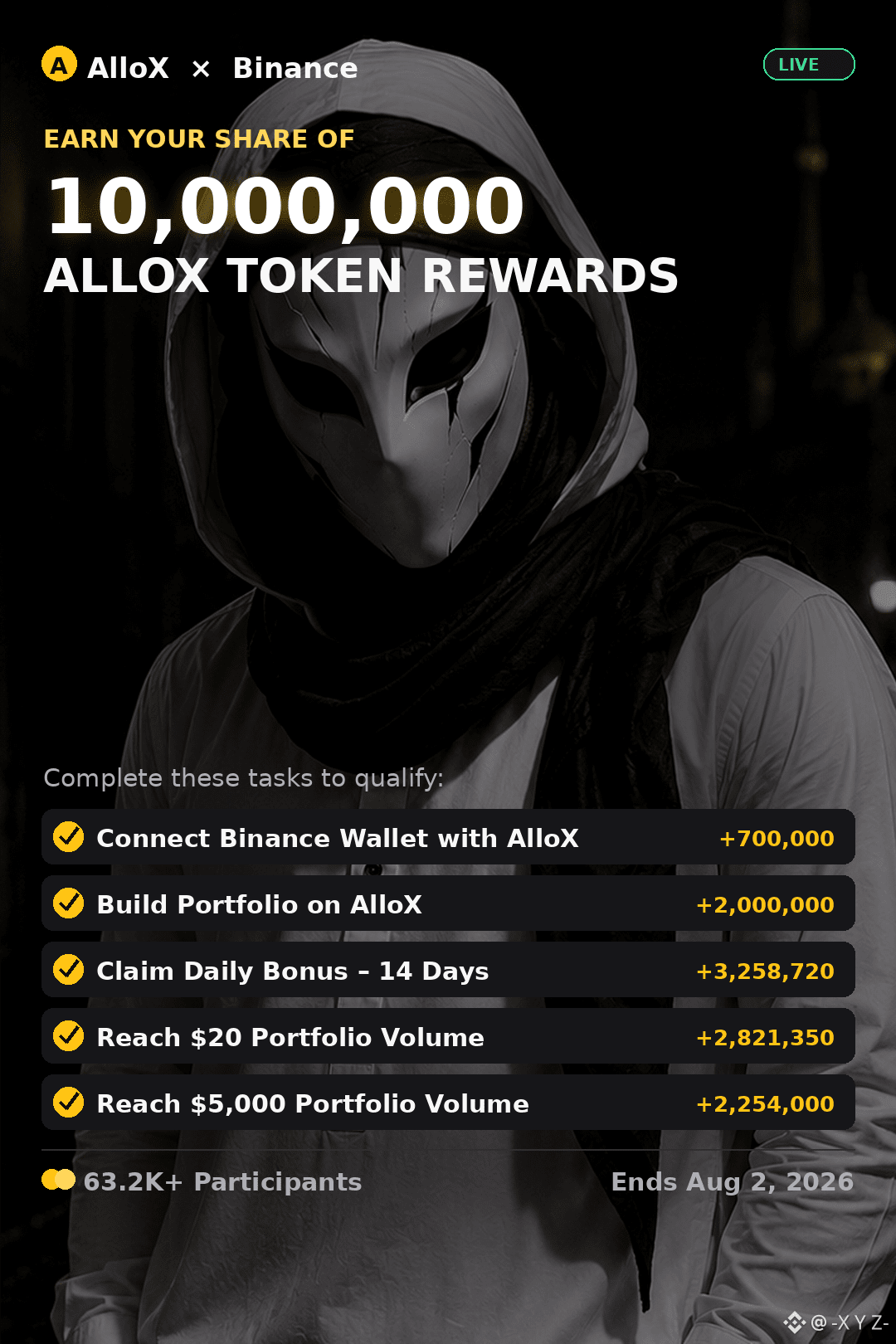
BinanceウォレットをAlloXに接続して、超大型の10,000,000 ALLOXトークン報酬プールへのアクセスをアンロックしました!
これまでに完了したこと:
♦️AlloXでBinanceウォレットを接続
♦️AlloXでポートフォリオを作成
♦️14日間のデイリーボーナスを獲得
♦️$20のポートフォリオボリュームに到達
♦️$5,000のポートフォリオボリュームに到達
すでに63.2K人以上のユーザーが参加しており、キャンペーンは2026年8月2日までです。BNBチェーンで活動しているなら、すでにやっているかもしれないタスクで追加のALLOXトークンを稼ぐ良いチャンスです。
締め切り前にぜひ試してみてください!
#AlloX #Binance #Crypto #BNBChain #Airdrop
BinanceウォレットをAlloXに接続して、超大型の10,000,000 ALLOXトークン報酬プールへのアクセスをアンロックしました!
これまでに完了したこと:
♦️AlloXでBinanceウォレットを接続
♦️AlloXでポートフォリオを作成
♦️14日間のデイリーボーナスを獲得
♦️$20のポートフォリオボリュームに到達
♦️$5,000のポートフォリオボリュームに到達
すでに63.2K人以上のユーザーが参加しており、キャンペーンは2026年8月2日までです。BNBチェーンで活動しているなら、すでにやっているかもしれないタスクで追加のALLOXトークンを稼ぐ良いチャンスです。
締め切り前にぜひ試してみてください!
#AlloX #Binance #Crypto #BNBChain #Airdrop
これまでに完了したこと:
♦️AlloXでBinanceウォレットを接続
♦️AlloXでポートフォリオを作成
♦️14日間のデイリーボーナスを獲得
♦️$20のポートフォリオボリュームに到達
♦️$5,000のポートフォリオボリュームに到達
すでに63.2K人以上のユーザーが参加しており、キャンペーンは2026年8月2日までです。BNBチェーンで活動しているなら、すでにやっているかもしれないタスクで追加のALLOXトークンを稼ぐ良いチャンスです。
締め切り前にぜひ試してみてください!
#AlloX #Binance #Crypto #BNBChain #Airdrop
8
248
·
--
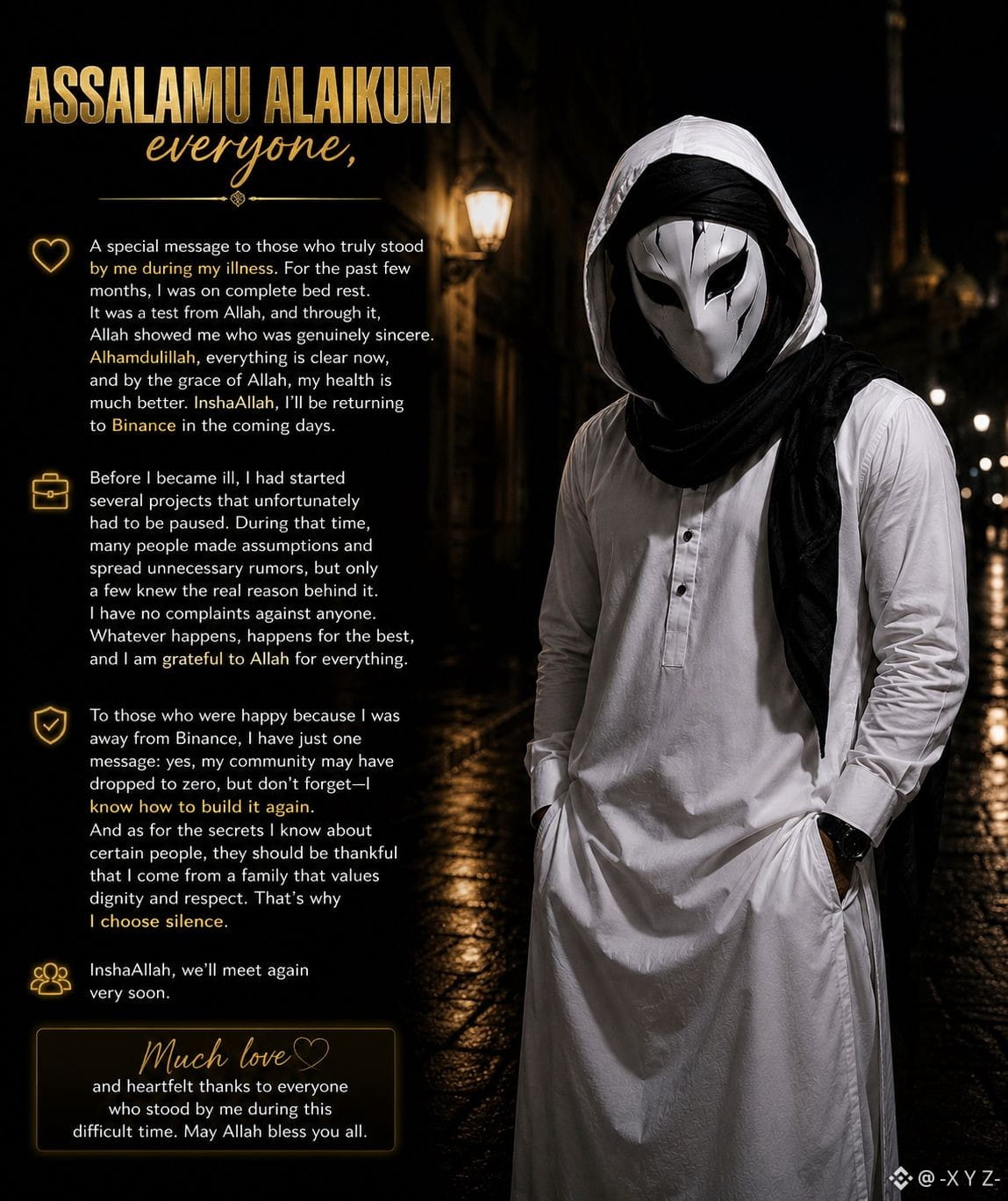
皆さん、アッサラーム・アライクム。
病気の間、真に私のそばにいてくれた方々への特別なメッセージです。ここ数か月、私は完全な安静の状態でした。これはアッラーからの試練であり、その中で、アッラーは本当に誠実であったのは誰かを私に示してくれました。アルハムドゥリッラー、すべてがはっきりしており、そしてアッラーのお恵みにより、私の健康状態はかなり良くなりました。インシャッラー、近いうちにバイナンスに戻ります。
体調を崩す前、私はいくつかのプロジェクトを始めていましたが、残念ながら一時停止せざるを得ませんでした。その間、多くの人が憶測をし、不必要な噂を広めましたが、本当の理由を知っていたのはほんの一部の人だけでした。私は誰に対しても不満はありません。何が起きても最善のためであり、すべてに対してアッラーに感謝しています。
バイナンスから離れていたことで喜んでいた方々へ、メッセージはひとつだけです。はい、私のコミュニティはゼロにまで落ちたかもしれませんが、忘れないでください——私はそれをもう一度作り直す方法を知っています。そして、特定の人々について私が知っている秘密のことですが、私が品位と尊重を大切にする家族から来ていることに感謝すべきです。だからこそ、私は沈黙を選びます。
インシャッラー、私たちはすぐにまた会いましょう。
この大変な時期に私を支えてくれたすべての皆さんへ、深い愛と心からの感謝を。アッラーが皆さんを祝福されますように。
皆さん、アッサラーム・アライクム。
病気の間、真に私のそばにいてくれた方々への特別なメッセージです。ここ数か月、私は完全な安静の状態でした。これはアッラーからの試練であり、その中で、アッラーは本当に誠実であったのは誰かを私に示してくれました。アルハムドゥリッラー、すべてがはっきりしており、そしてアッラーのお恵みにより、私の健康状態はかなり良くなりました。インシャッラー、近いうちにバイナンスに戻ります。
体調を崩す前、私はいくつかのプロジェクトを始めていましたが、残念ながら一時停止せざるを得ませんでした。その間、多くの人が憶測をし、不必要な噂を広めましたが、本当の理由を知っていたのはほんの一部の人だけでした。私は誰に対しても不満はありません。何が起きても最善のためであり、すべてに対してアッラーに感謝しています。
バイナンスから離れていたことで喜んでいた方々へ、メッセージはひとつだけです。はい、私のコミュニティはゼロにまで落ちたかもしれませんが、忘れないでください——私はそれをもう一度作り直す方法を知っています。そして、特定の人々について私が知っている秘密のことですが、私が品位と尊重を大切にする家族から来ていることに感謝すべきです。だからこそ、私は沈黙を選びます。
インシャッラー、私たちはすぐにまた会いましょう。
この大変な時期に私を支えてくれたすべての皆さんへ、深い愛と心からの感謝を。アッラーが皆さんを祝福されますように。
病気の間、真に私のそばにいてくれた方々への特別なメッセージです。ここ数か月、私は完全な安静の状態でした。これはアッラーからの試練であり、その中で、アッラーは本当に誠実であったのは誰かを私に示してくれました。アルハムドゥリッラー、すべてがはっきりしており、そしてアッラーのお恵みにより、私の健康状態はかなり良くなりました。インシャッラー、近いうちにバイナンスに戻ります。
体調を崩す前、私はいくつかのプロジェクトを始めていましたが、残念ながら一時停止せざるを得ませんでした。その間、多くの人が憶測をし、不必要な噂を広めましたが、本当の理由を知っていたのはほんの一部の人だけでした。私は誰に対しても不満はありません。何が起きても最善のためであり、すべてに対してアッラーに感謝しています。
バイナンスから離れていたことで喜んでいた方々へ、メッセージはひとつだけです。はい、私のコミュニティはゼロにまで落ちたかもしれませんが、忘れないでください——私はそれをもう一度作り直す方法を知っています。そして、特定の人々について私が知っている秘密のことですが、私が品位と尊重を大切にする家族から来ていることに感謝すべきです。だからこそ、私は沈黙を選びます。
インシャッラー、私たちはすぐにまた会いましょう。
この大変な時期に私を支えてくれたすべての皆さんへ、深い愛と心からの感謝を。アッラーが皆さんを祝福されますように。
4
6
351
·
--
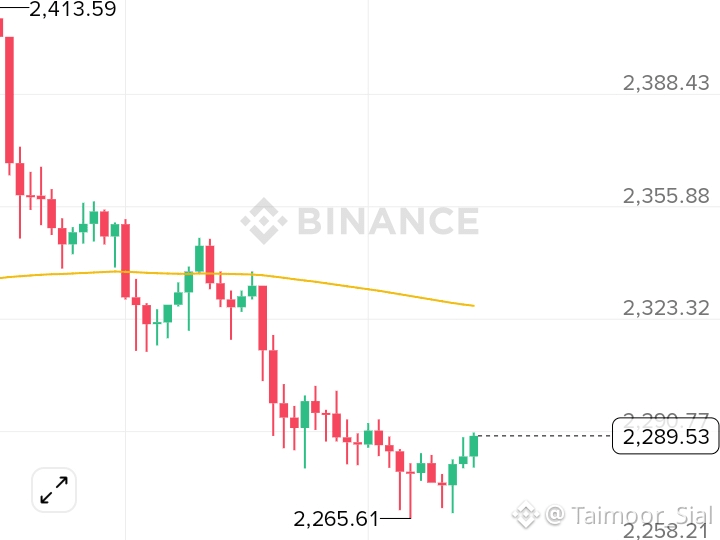
ETHの重い売り圧力の後、ようやく少し安定しているように見えます。
2265ゾーンで反発がありましたが、価格はまだ主要なEMAレジスタンスの下で取引されています。
これは、この回復がまだ確認を必要とすることを意味します。
もし$ETH の強さを示すなら、アルトコインにもエネルギーが入る可能性がありますが、弱い拒否があれば市場は再び恐怖モードに入るかもしれません。
このフェーズでは、感情的なトレードよりもスマートなリスク管理が重要です。
ETHの重い売り圧力の後、ようやく少し安定しているように見えます。
2265ゾーンで反発がありましたが、価格はまだ主要なEMAレジスタンスの下で取引されています。
これは、この回復がまだ確認を必要とすることを意味します。
もし$ETH の強さを示すなら、アルトコインにもエネルギーが入る可能性がありますが、弱い拒否があれば市場は再び恐怖モードに入るかもしれません。
このフェーズでは、感情的なトレードよりもスマートなリスク管理が重要です。
2265ゾーンで反発がありましたが、価格はまだ主要なEMAレジスタンスの下で取引されています。
これは、この回復がまだ確認を必要とすることを意味します。
もし$ETH の強さを示すなら、アルトコインにもエネルギーが入る可能性がありますが、弱い拒否があれば市場は再び恐怖モードに入るかもしれません。
このフェーズでは、感情的なトレードよりもスマートなリスク管理が重要です。
1
173
·
--
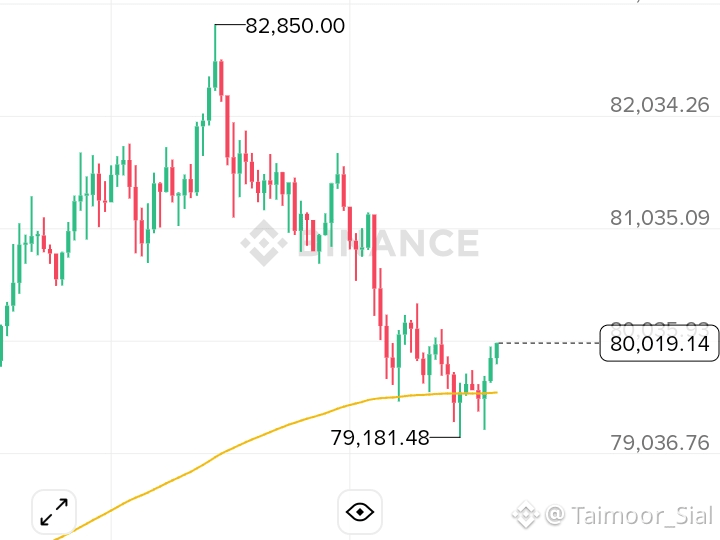
BTCは今79K–80Kゾーンで戦っている。
価格はEMA200から一時的にバウンスしているが、市場の構造はまだ完全に安全に感じられない。
こういう動きでは、トレーダーが早くブルに転じることが多い…その後、突然のボラティリティが彼らを驚かせる。
もし$BTC が強いリクレイムをすると、モメンタムが速くシフトする可能性がある。
さもなければ、流動性を掴んだ後にもう一つのシャープな動きも可能だ。
今、市場は忍耐のあるトレーダーのテストを行っている。
BTCは今79K–80Kゾーンで戦っている。
価格はEMA200から一時的にバウンスしているが、市場の構造はまだ完全に安全に感じられない。
こういう動きでは、トレーダーが早くブルに転じることが多い…その後、突然のボラティリティが彼らを驚かせる。
もし$BTC が強いリクレイムをすると、モメンタムが速くシフトする可能性がある。
さもなければ、流動性を掴んだ後にもう一つのシャープな動きも可能だ。
今、市場は忍耐のあるトレーダーのテストを行っている。
価格はEMA200から一時的にバウンスしているが、市場の構造はまだ完全に安全に感じられない。
こういう動きでは、トレーダーが早くブルに転じることが多い…その後、突然のボラティリティが彼らを驚かせる。
もし$BTC が強いリクレイムをすると、モメンタムが速くシフトする可能性がある。
さもなければ、流動性を掴んだ後にもう一つのシャープな動きも可能だ。
今、市場は忍耐のあるトレーダーのテストを行っている。
1
197
·
--
記事
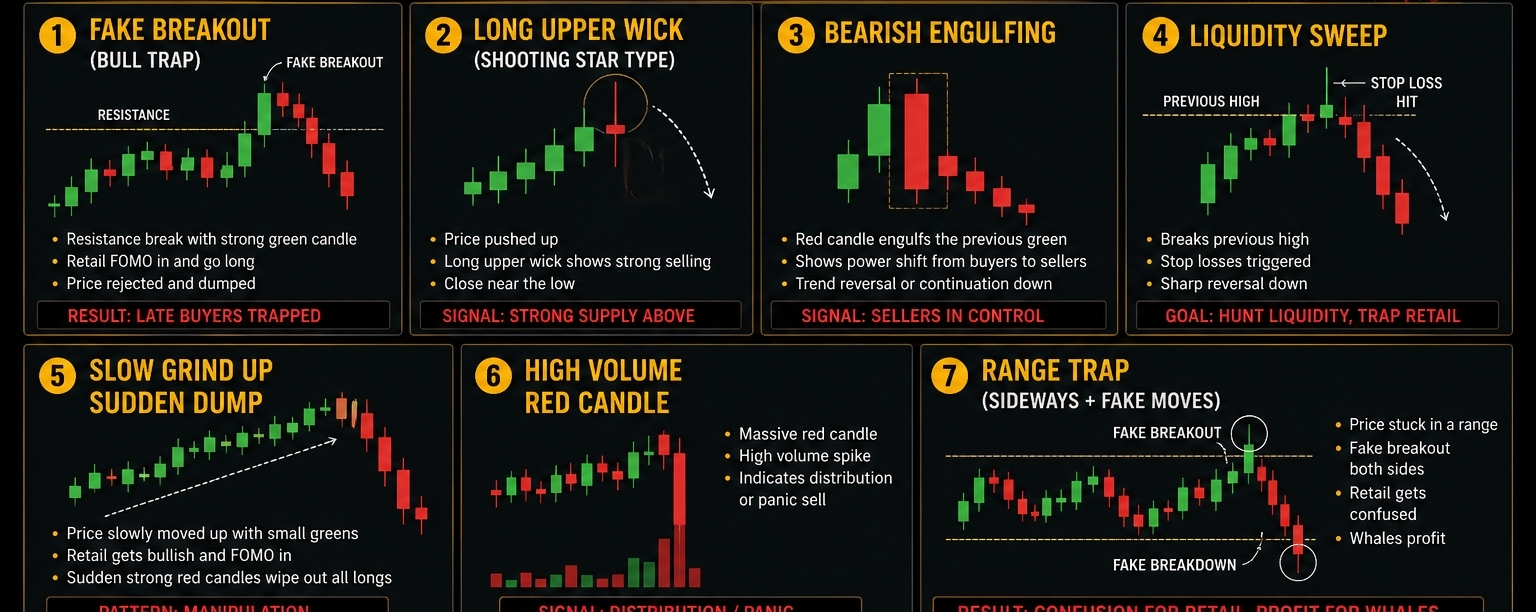
売り手の操作キャンドル 市場の隠れたゲーム すべてのトレーダーが理解すべきことクリプト市場は単なるチャートとインジケーターのゲームではありません…
これは心理的な戦場であり、スマートマネー(クジラ)がリテールトレーダーを操作します。
もし価格だけを見てトレードしているなら…
あなたはトラップの一部になってしまった可能性が高いです。
この記事では、売り手が市場をコントロールするために使用する特定のキャンドル(キャンドルスティック)について理解します。
⚠️ 1. フェイクブレイクアウト — 最大のトラップ
これは、価格が強いグリーンキャンドルとともにレジスタンスを突破する瞬間です…
売り手の操作キャンドル 市場の隠れたゲーム すべてのトレーダーが理解すべきこと
クリプト市場は単なるチャートとインジケーターのゲームではありません…
これは心理的な戦場であり、スマートマネー(クジラ)がリテールトレーダーを操作します。
もし価格だけを見てトレードしているなら…
あなたはトラップの一部になってしまった可能性が高いです。
この記事では、売り手が市場をコントロールするために使用する特定のキャンドル(キャンドルスティック)について理解します。
⚠️ 1. フェイクブレイクアウト — 最大のトラップ
これは、価格が強いグリーンキャンドルとともにレジスタンスを突破する瞬間です…
これは心理的な戦場であり、スマートマネー(クジラ)がリテールトレーダーを操作します。
もし価格だけを見てトレードしているなら…
あなたはトラップの一部になってしまった可能性が高いです。
この記事では、売り手が市場をコントロールするために使用する特定のキャンドル(キャンドルスティック)について理解します。
⚠️ 1. フェイクブレイクアウト — 最大のトラップ
これは、価格が強いグリーンキャンドルとともにレジスタンスを突破する瞬間です…
1
104
·
--
BTCアップデート — クジラ活動アラート
チャートがはっきりしてるぜ…
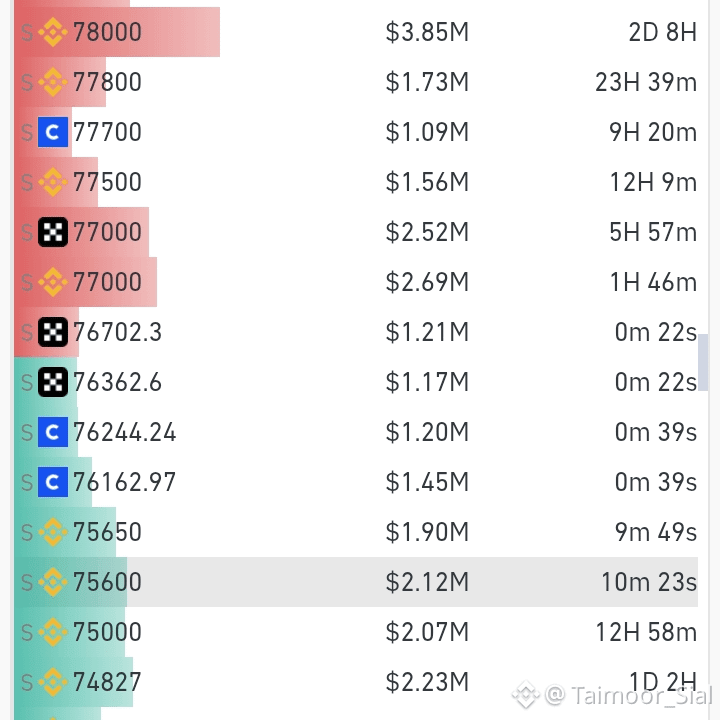
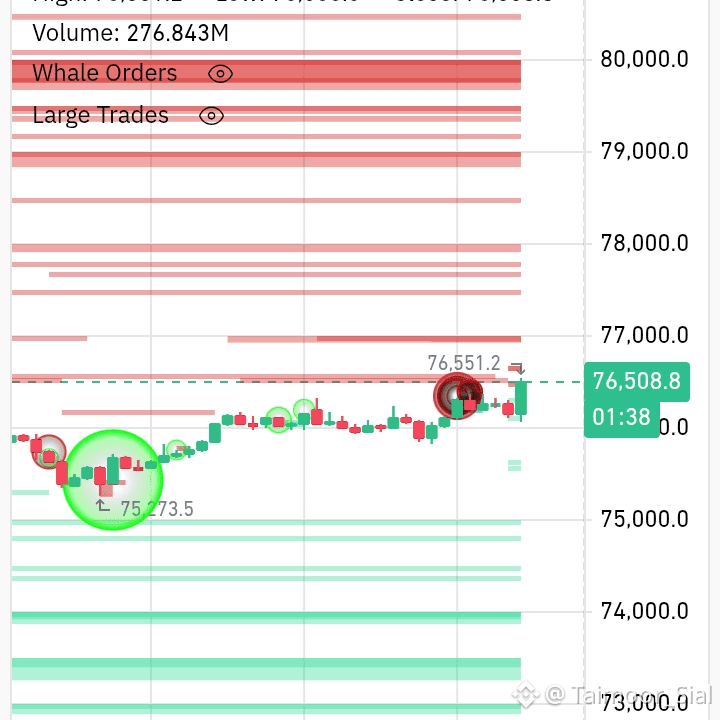
上にヘビーな売り壁(77k – 79k)
下に強力な買いサポート(75kゾーン)
つまり、マーケットは今レンジ + トラップモードにあるってわけ
➡️ フェイクブレイクアウトの可能性あり
➡️ みんなFOMOでロングするだろう
➡️ そして突然のダンプ
これ完全にクジラのゲームに見える
スマートトレーダーは待つんだ
リテールは早めにエントリーする
トレードは慎重に、今はマーケットがクリーンじゃないから。$BTC
BTCアップデート — クジラ活動アラート
チャートがはっきりしてるぜ…
上にヘビーな売り壁(77k – 79k)
下に強力な買いサポート(75kゾーン)
つまり、マーケットは今レンジ + トラップモードにあるってわけ
➡️ フェイクブレイクアウトの可能性あり
➡️ みんなFOMOでロングするだろう
➡️ そして突然のダンプ
これ完全にクジラのゲームに見える
スマートトレーダーは待つんだ
リテールは早めにエントリーする
トレードは慎重に、今はマーケットがクリーンじゃないから。$BTC
チャートがはっきりしてるぜ…
上にヘビーな売り壁(77k – 79k)
下に強力な買いサポート(75kゾーン)
つまり、マーケットは今レンジ + トラップモードにあるってわけ
➡️ フェイクブレイクアウトの可能性あり
➡️ みんなFOMOでロングするだろう
➡️ そして突然のダンプ
これ完全にクジラのゲームに見える
スマートトレーダーは待つんだ
リテールは早めにエントリーする
トレードは慎重に、今はマーケットがクリーンじゃないから。$BTC
1
123
·
--
簡単にお金を稼ぐ方法、ABCを書いてランダムなリワードをゲットしよう… 20ドルのレッドパケットを追加したので、急いで請求してね…
$CHIP $HYPE $TRADOOR
簡単にお金を稼ぐ方法、ABCを書いてランダムなリワードをゲットしよう… 20ドルのレッドパケットを追加したので、急いで請求してね…
$CHIP $HYPE $TRADOOR
$CHIP $HYPE $TRADOOR
14
3
172
·
--
IQテスト ... 次のうち、4、8、1、9を含むのはどれですか?
$CHIP
IQテスト ... 次のうち、4、8、1、9を含むのはどれですか?
$CHIP
$CHIP
88889
33%
4819
17%
888819
33%
489
17%
6 投票 • 投票は終了しました
2
124
·
--
記事
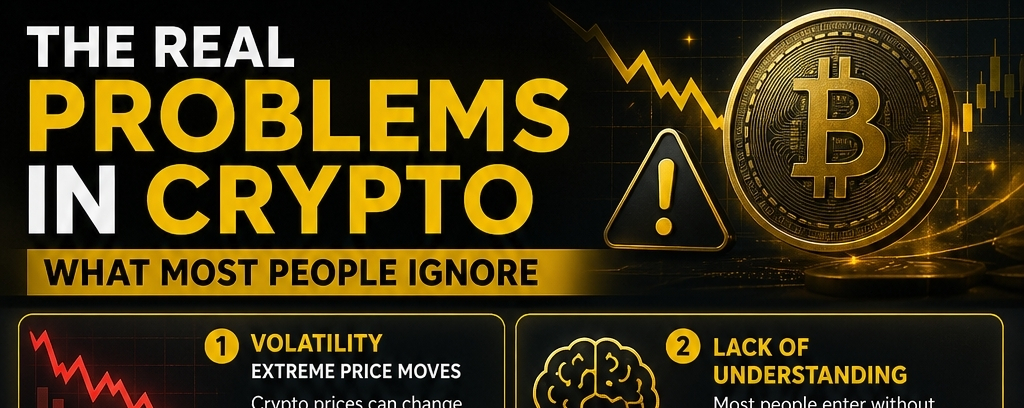
仮想通貨の本当の問題 - ほとんどの人が無視していること仮想通貨について話すとき、ほとんどの人は「どれだけポンプされるか」、「どれだけのXが得られるか」といった利益にだけ焦点を当てがち。しかし、もっと重要なのは問題を理解すること。なぜなら、仮想通貨は単なるチャンスではなく、高リスクの環境でもあるからだ。
すべてのトレーダーが直面する最初の問題はボラティリティだ。仮想通貨市場はいつでも急激に動く可能性がある。今日は価格が上昇しているかもしれないが、明日は警告なしに下落する。初心者にとって、これは最も危険な状況であり、計画なしでエントリーし、パニックになってエグジットしてしまう。
仮想通貨の本当の問題 - ほとんどの人が無視していること
仮想通貨について話すとき、ほとんどの人は「どれだけポンプされるか」、「どれだけのXが得られるか」といった利益にだけ焦点を当てがち。しかし、もっと重要なのは問題を理解すること。なぜなら、仮想通貨は単なるチャンスではなく、高リスクの環境でもあるからだ。
すべてのトレーダーが直面する最初の問題はボラティリティだ。仮想通貨市場はいつでも急激に動く可能性がある。今日は価格が上昇しているかもしれないが、明日は警告なしに下落する。初心者にとって、これは最も危険な状況であり、計画なしでエントリーし、パニックになってエグジットしてしまう。
すべてのトレーダーが直面する最初の問題はボラティリティだ。仮想通貨市場はいつでも急激に動く可能性がある。今日は価格が上昇しているかもしれないが、明日は警告なしに下落する。初心者にとって、これは最も危険な状況であり、計画なしでエントリーし、パニックになってエグジットしてしまう。
1
185
ログインして、さらにコンテンツを読む
厳選トピックで世界の暗号資産トレーダーの仲間入り
⚡️ 暗号資産に関する最新かつ有益な情報が見つかります。
💬 世界最大の暗号資産取引所から信頼されています。
👍 認証を受けたクリエイターから、有益なインサイトを得られます。
メール / 電話番号
トレンドトピック
ZcashETFPostsFirstWeeklyOutflow$93.6M
閲覧回数 51
20人が討論中
ZCASH ETFアップデート
ZcashのETFは8月のローンチ以来、初めて週次の純流出を記録しました。
投資家は、$ZEC が1,300ドルへ向かって下落する中、9,360万ドルを引き揚げました。SoSoValueによると、GrayscaleのZCSHは2週間前に9,820万ドルを集めていたものの、9月22日以降は日次の純流入は記録されていません。
ZECは10月3日時点で約1,308ドルで、週次では約17.5%下落し、直近の1,690ドルの高値からはおよそ23%下落しています。
$ZEC
Vicky-143
·いいね:0件
·閲覧回数 146
GreekPoliceBustCryptoScamRingArrest17
閲覧回数 324
68人が討論中
BitcoinRejectedAt$87K
閲覧回数 49,390
87人が討論中