

Shizuka_ 22
5.6k 投稿

Shizuka_ 22
報告
ユーザーをブロック
Crypto Enthusiast, Investor, KOL & Gem Holder Long term Holder of Memecoin
104 フォロー
20.2K+ フォロワー
5.6K+ いいね
投稿
すべて
引用
ライブ
·
--
すごい投稿
すごい投稿

Crazy Hami
·
--
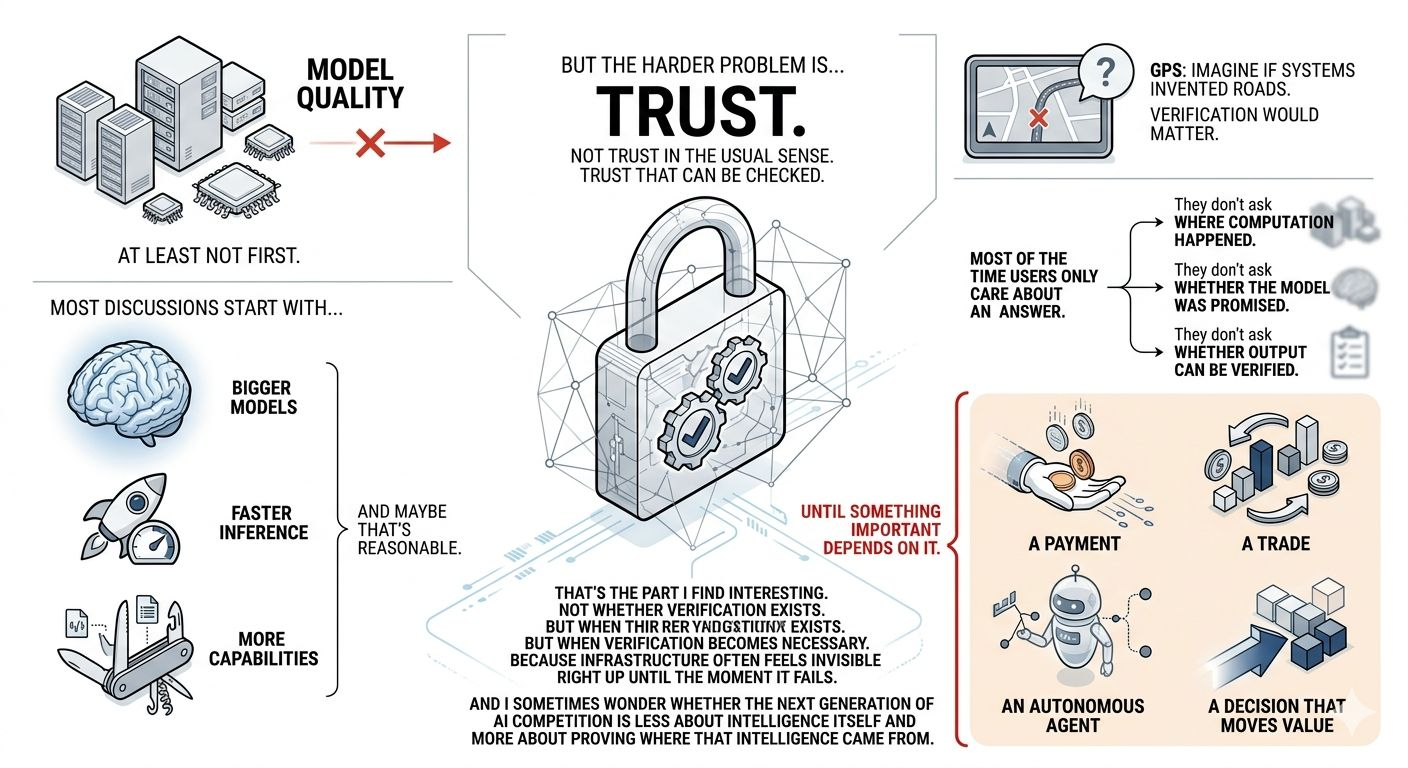
分散型AIについて私が何度も考え直すのは、モデルの品質ではないんだ。
少なくとも最初はね。
ほとんどの議論は大きなモデルから始まる。
OpenGradientの高速な推論。
もっと多機能。
それは合理的かもしれない。
でも、考えれば考えるほど、より難しい問題は信頼の方なんじゃないかと思う。
通常の意味での信頼じゃなくて。
確認できる信頼。
なんでかGPSを考えていたんだ。
ほとんどの人はそれを疑わない。
ルートが表示される。 #opg
彼らはそれに従う。
完了。
でも、もしすべてのナビゲーションシステムが時々存在しない道路を作り出したらどうなるか想像してみてほしい。
突然、検証がもっと重要になる。
もしかしたらAIも同じように機能するのかもしれない。
ほとんどの時間、ユーザーはただ答えを得ることにしか興味がない。
彼らは計算がどこで行われたかを尋ねない。OPGトークンは単なる支払いツールではなく、システム的なプレッシャーの一形態として機能する。ノードはそれを稼ぎ続けるために、一貫して有効な作業を示す必要がある。
彼らはモデルが約束されたものであったかどうかを問わない。
出力が検証できるかどうかも問わない。
重要な何かがそれに依存するまで。
支払い。
取引。
自律エージェント。
価値を移動させる決定。
そこが私が興味を持つ部分なんだ。
OpenGradientは非常に速くてユニークなプロジェクトで、私はそれが好きだ。
検証が存在するかどうかではなく。
検証が必要になる時。
なぜなら、インフラはしばしば、失敗する瞬間まで見えないように感じるからだ。
そして、次世代のAI競争が、知性そのものよりも、その知性がどこから来たのかを証明することに関連しているのか時々疑問に思う。
@OpenGradient #OPG
$OPG
少なくとも最初はね。
ほとんどの議論は大きなモデルから始まる。
OpenGradientの高速な推論。
もっと多機能。
それは合理的かもしれない。
でも、考えれば考えるほど、より難しい問題は信頼の方なんじゃないかと思う。
通常の意味での信頼じゃなくて。
確認できる信頼。
なんでかGPSを考えていたんだ。
ほとんどの人はそれを疑わない。
ルートが表示される。 #opg
彼らはそれに従う。
完了。
でも、もしすべてのナビゲーションシステムが時々存在しない道路を作り出したらどうなるか想像してみてほしい。
突然、検証がもっと重要になる。
もしかしたらAIも同じように機能するのかもしれない。
ほとんどの時間、ユーザーはただ答えを得ることにしか興味がない。
彼らは計算がどこで行われたかを尋ねない。OPGトークンは単なる支払いツールではなく、システム的なプレッシャーの一形態として機能する。ノードはそれを稼ぎ続けるために、一貫して有効な作業を示す必要がある。
彼らはモデルが約束されたものであったかどうかを問わない。
出力が検証できるかどうかも問わない。
重要な何かがそれに依存するまで。
支払い。
取引。
自律エージェント。
価値を移動させる決定。
そこが私が興味を持つ部分なんだ。
OpenGradientは非常に速くてユニークなプロジェクトで、私はそれが好きだ。
検証が存在するかどうかではなく。
検証が必要になる時。
なぜなら、インフラはしばしば、失敗する瞬間まで見えないように感じるからだ。
そして、次世代のAI競争が、知性そのものよりも、その知性がどこから来たのかを証明することに関連しているのか時々疑問に思う。
@OpenGradient #OPG
$OPG
62
·
--
本人確認中
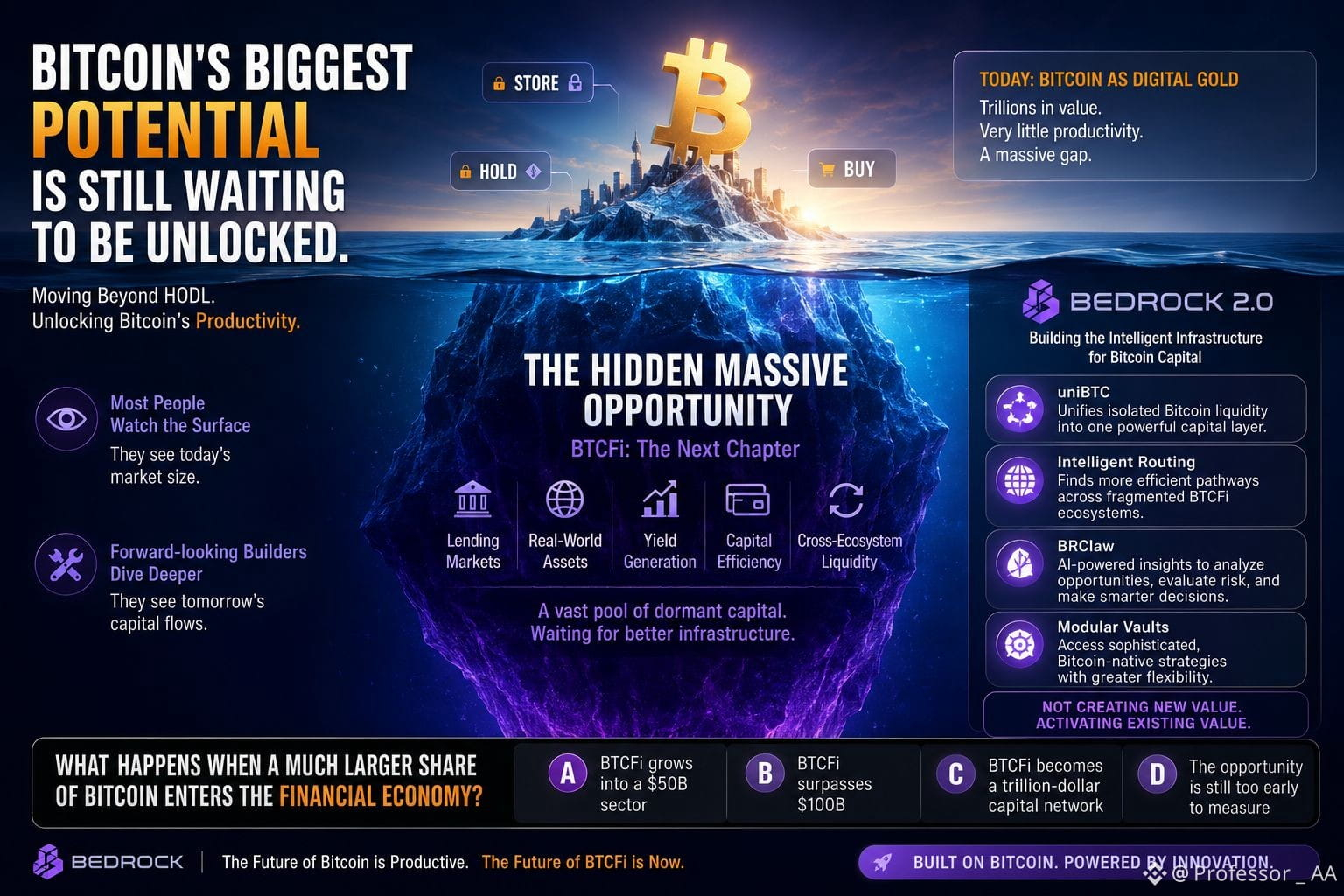
🚨 ビットコインの最大のチャンスはまだ完全には解放されていない。
ビットコインはすでに世界をリードするデジタル資産としての地位を証明している。
しかし、市場が今聞き始めている一つの質問がある:
ビットコインが価値の保管手段以上のものになるとしたら、どうなるのか?
今日、数兆ドルがビットコイン内に存在するが、実際に金融アプリケーションで使用されているのはごく一部に過ぎない。
何年もの間、戦略はシンプルだった:
✔ 購入
✔ 保持
✔ 待つ
今、BTCFiは異なる可能性を提示している。
🏦 貸出市場
🌐 実世界の資産
📈 利回りの機会
💳 より大きな資本効率
🔄 クロスエコシステム流動性
氷山の比喩が現在の状況を完璧に表している。
今日見えるのは、目に見える層だけだ。
その下には、働かせるインフラを待っている膨大な量の眠っている資本がある。
ここがBedrock 2.0の焦点だ。
uniBTCは断片化されたビットコイン流動性を接続する。
インテリジェントルーティングはエコシステム間の資本の動きを改善する。
$BR ClawはAI駆動のインサイトを提供し、よりスマートな意思決定を助ける。
モジュラーボールトは、より高度なビットコインネイティブ戦略を可能にする。
目標は新しい価値を創出することではない。
それは、ビットコインがすでに持っている価値を解放することだ。
👇 BTCFiはどれほど大きくなれるのか?
A) $50B
B) $100B+
C) $1T+ 資本ネットワーク
D) まだ見積もるには早すぎる
@Bedrock
#Bedrock #BTCFi $BR
🚨 ビットコインの最大のチャンスはまだ完全には解放されていない。
ビットコインはすでに世界をリードするデジタル資産としての地位を証明している。
しかし、市場が今聞き始めている一つの質問がある:
ビットコインが価値の保管手段以上のものになるとしたら、どうなるのか?
今日、数兆ドルがビットコイン内に存在するが、実際に金融アプリケーションで使用されているのはごく一部に過ぎない。
何年もの間、戦略はシンプルだった:
✔ 購入
✔ 保持
✔ 待つ
今、BTCFiは異なる可能性を提示している。
🏦 貸出市場
🌐 実世界の資産
📈 利回りの機会
💳 より大きな資本効率
🔄 クロスエコシステム流動性
氷山の比喩が現在の状況を完璧に表している。
今日見えるのは、目に見える層だけだ。
その下には、働かせるインフラを待っている膨大な量の眠っている資本がある。
ここがBedrock 2.0の焦点だ。
uniBTCは断片化されたビットコイン流動性を接続する。
インテリジェントルーティングはエコシステム間の資本の動きを改善する。
$BR ClawはAI駆動のインサイトを提供し、よりスマートな意思決定を助ける。
モジュラーボールトは、より高度なビットコインネイティブ戦略を可能にする。
目標は新しい価値を創出することではない。
それは、ビットコインがすでに持っている価値を解放することだ。
👇 BTCFiはどれほど大きくなれるのか?
A) $50B
B) $100B+
C) $1T+ 資本ネットワーク
D) まだ見積もるには早すぎる
@Bedrock
#Bedrock #BTCFi $BR
ビットコインはすでに世界をリードするデジタル資産としての地位を証明している。
しかし、市場が今聞き始めている一つの質問がある:
ビットコインが価値の保管手段以上のものになるとしたら、どうなるのか?
今日、数兆ドルがビットコイン内に存在するが、実際に金融アプリケーションで使用されているのはごく一部に過ぎない。
何年もの間、戦略はシンプルだった:
✔ 購入
✔ 保持
✔ 待つ
今、BTCFiは異なる可能性を提示している。
🏦 貸出市場
🌐 実世界の資産
📈 利回りの機会
💳 より大きな資本効率
🔄 クロスエコシステム流動性
氷山の比喩が現在の状況を完璧に表している。
今日見えるのは、目に見える層だけだ。
その下には、働かせるインフラを待っている膨大な量の眠っている資本がある。
ここがBedrock 2.0の焦点だ。
uniBTCは断片化されたビットコイン流動性を接続する。
インテリジェントルーティングはエコシステム間の資本の動きを改善する。
$BR ClawはAI駆動のインサイトを提供し、よりスマートな意思決定を助ける。
モジュラーボールトは、より高度なビットコインネイティブ戦略を可能にする。
目標は新しい価値を創出することではない。
それは、ビットコインがすでに持っている価値を解放することだ。
👇 BTCFiはどれほど大きくなれるのか?
A) $50B
B) $100B+
C) $1T+ 資本ネットワーク
D) まだ見積もるには早すぎる
@Bedrock
#Bedrock #BTCFi $BR
8
5
232
·
--
本人確認中
ビットコインの次の大きなチャンスはまだ私たちの前にあるかもしれません。
ほとんどの投資家は、既に存在するものに焦点を当てます。
真の勝者は、まだ始まったばかりのものに注目することが多いです。
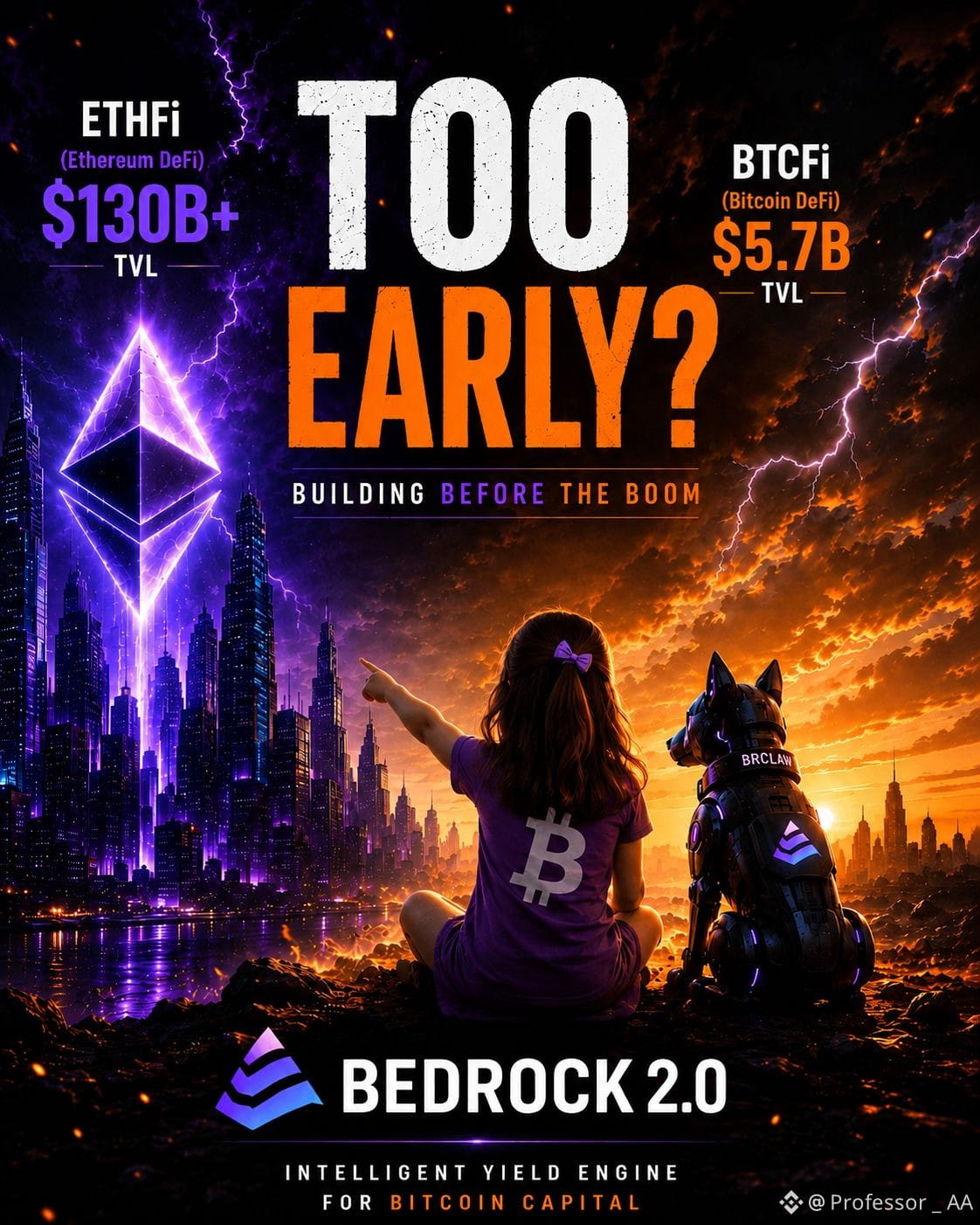
イーサリアムのDeFiエコシステムは、既にオンチェーンファイナンスの力を示し、数十億の流動性を引き寄せ、全く新しい金融市場を創出しています。
しかし、ビットコインファイナンスはまだ初期段階にあります。
それがBTCFiを非常に魅力的にしている理由です。
問題は、今日の市場がどれほど大きいかではありません。
問題は、ビットコインが受動的な価値の保存から生産的な資本に進化するにつれて、どれほど大きくなる可能性があるかです。
私たちは、ビットコインの周りに新しい金融レイヤーの基盤が築かれているのを目撃しています。
このエコシステムが拡大するにつれて、資本は貸出プロトコル、トークン化されたリアルワールドアセット、利回り戦略、そして他の新たなチャンスにますます流れていくでしょう。
しかし、成長は複雑さをもたらします。
より多くのプロトコル。
より多くの選択肢。
より断片化された流動性。
ここでベッドロック2.0が際立ちます。
そのビジョンは、BTCFiに単に参加することを超えて、以下を通じてビットコインキャピタルを簡素化し最適化することを目指しています:
🔹 uniBTC — 統一された資本レイヤーを通じてビットコインの流動性を接続します。
🔹 インテリジェントルーティング — 機会を通じて資本が効率的に移動するのを助けます。
🔹 BRClaw — よりスマートな意思決定とリスク評価をサポートするために設計されたAI駆動のオンチェーンアナリスト。
そのモジュラーヴォールトフレームワークにより、ベッドロックはビットコインファイナンスの次のフェーズのためのインフラを構築しています。
BTCFiは$100Bに達するかもしれません。
それを完全に超えるかもしれません。
いずれにせよ、最大のチャンスは、群衆がそれに気づくずっと前に発見されることが多いです。
@Bedrock
$BR
#Bedrock
ビットコインの次の大きなチャンスはまだ私たちの前にあるかもしれません。
ほとんどの投資家は、既に存在するものに焦点を当てます。
真の勝者は、まだ始まったばかりのものに注目することが多いです。
イーサリアムのDeFiエコシステムは、既にオンチェーンファイナンスの力を示し、数十億の流動性を引き寄せ、全く新しい金融市場を創出しています。
しかし、ビットコインファイナンスはまだ初期段階にあります。
それがBTCFiを非常に魅力的にしている理由です。
問題は、今日の市場がどれほど大きいかではありません。
問題は、ビットコインが受動的な価値の保存から生産的な資本に進化するにつれて、どれほど大きくなる可能性があるかです。
私たちは、ビットコインの周りに新しい金融レイヤーの基盤が築かれているのを目撃しています。
このエコシステムが拡大するにつれて、資本は貸出プロトコル、トークン化されたリアルワールドアセット、利回り戦略、そして他の新たなチャンスにますます流れていくでしょう。
しかし、成長は複雑さをもたらします。
より多くのプロトコル。
より多くの選択肢。
より断片化された流動性。
ここでベッドロック2.0が際立ちます。
そのビジョンは、BTCFiに単に参加することを超えて、以下を通じてビットコインキャピタルを簡素化し最適化することを目指しています:
🔹 uniBTC — 統一された資本レイヤーを通じてビットコインの流動性を接続します。
🔹 インテリジェントルーティング — 機会を通じて資本が効率的に移動するのを助けます。
🔹 BRClaw — よりスマートな意思決定とリスク評価をサポートするために設計されたAI駆動のオンチェーンアナリスト。
そのモジュラーヴォールトフレームワークにより、ベッドロックはビットコインファイナンスの次のフェーズのためのインフラを構築しています。
BTCFiは$100Bに達するかもしれません。
それを完全に超えるかもしれません。
いずれにせよ、最大のチャンスは、群衆がそれに気づくずっと前に発見されることが多いです。
@Bedrock
$BR
#Bedrock
ほとんどの投資家は、既に存在するものに焦点を当てます。
真の勝者は、まだ始まったばかりのものに注目することが多いです。
イーサリアムのDeFiエコシステムは、既にオンチェーンファイナンスの力を示し、数十億の流動性を引き寄せ、全く新しい金融市場を創出しています。
しかし、ビットコインファイナンスはまだ初期段階にあります。
それがBTCFiを非常に魅力的にしている理由です。
問題は、今日の市場がどれほど大きいかではありません。
問題は、ビットコインが受動的な価値の保存から生産的な資本に進化するにつれて、どれほど大きくなる可能性があるかです。
私たちは、ビットコインの周りに新しい金融レイヤーの基盤が築かれているのを目撃しています。
このエコシステムが拡大するにつれて、資本は貸出プロトコル、トークン化されたリアルワールドアセット、利回り戦略、そして他の新たなチャンスにますます流れていくでしょう。
しかし、成長は複雑さをもたらします。
より多くのプロトコル。
より多くの選択肢。
より断片化された流動性。
ここでベッドロック2.0が際立ちます。
そのビジョンは、BTCFiに単に参加することを超えて、以下を通じてビットコインキャピタルを簡素化し最適化することを目指しています:
🔹 uniBTC — 統一された資本レイヤーを通じてビットコインの流動性を接続します。
🔹 インテリジェントルーティング — 機会を通じて資本が効率的に移動するのを助けます。
🔹 BRClaw — よりスマートな意思決定とリスク評価をサポートするために設計されたAI駆動のオンチェーンアナリスト。
そのモジュラーヴォールトフレームワークにより、ベッドロックはビットコインファイナンスの次のフェーズのためのインフラを構築しています。
BTCFiは$100Bに達するかもしれません。
それを完全に超えるかもしれません。
いずれにせよ、最大のチャンスは、群衆がそれに気づくずっと前に発見されることが多いです。
@Bedrock
$BR
#Bedrock
9
7
220
·
--
本人確認中
Bedrock DAOのガバナンスフライホイール
Bedrock DAOの最も魅力的な側面の一つは、ガバナンスを単なる投票システムとして扱うのではなく、成長エンジンに変えることです。
分散型ガバナンス機関として、これはコミュニティに、$BR ガバナンストークンを通じてプロトコルの未来を形成する重要な役割を与えます。
ガバナンスフライホイールは、参加が価値を生み出し、価値がさらに大きな参加を促進するというシンプルでありながら強力なアイデアに基づいています。
コミュニティメンバーが積極的にガバナンスに参加し、アイデアを提供し、重要な提案に投票することで、プロトコルは強化され、ユーザーに対してより敏感になります。これにより、より多くの流動性、エコシステム統合、および採用が促進され、ガバナンス決定の重要性と影響力が高まります。
私が注目するのは、インセンティブの整合性です。ガバナンスが少数のグループによって制御されるのではなく、@Bedrock DAOはステークホルダーがプロトコルの方向性に直接影響を与える機会を創出し、長期的な成長から利益を得られるようにしています。私の見解では、これは持続可能な分散型エコシステムを構築するための重要な要素の一つです。
プロトコルが拡大するにつれて、ガバナンスはより価値が高まり、コミュニティの関与が深まり、フライホイールは加速し続けます—これがBedrockエコシステム全体の革新性、レジリエンス、長期的な成長を促進します。
@Bedrock
$BR
#Bedrock
$FTT
Bedrock DAOのガバナンスフライホイール
Bedrock DAOの最も魅力的な側面の一つは、ガバナンスを単なる投票システムとして扱うのではなく、成長エンジンに変えることです。
分散型ガバナンス機関として、これはコミュニティに、$BR ガバナンストークンを通じてプロトコルの未来を形成する重要な役割を与えます。
ガバナンスフライホイールは、参加が価値を生み出し、価値がさらに大きな参加を促進するというシンプルでありながら強力なアイデアに基づいています。
コミュニティメンバーが積極的にガバナンスに参加し、アイデアを提供し、重要な提案に投票することで、プロトコルは強化され、ユーザーに対してより敏感になります。これにより、より多くの流動性、エコシステム統合、および採用が促進され、ガバナンス決定の重要性と影響力が高まります。
私が注目するのは、インセンティブの整合性です。ガバナンスが少数のグループによって制御されるのではなく、@Bedrock DAOはステークホルダーがプロトコルの方向性に直接影響を与える機会を創出し、長期的な成長から利益を得られるようにしています。私の見解では、これは持続可能な分散型エコシステムを構築するための重要な要素の一つです。
プロトコルが拡大するにつれて、ガバナンスはより価値が高まり、コミュニティの関与が深まり、フライホイールは加速し続けます—これがBedrockエコシステム全体の革新性、レジリエンス、長期的な成長を促進します。
@Bedrock
$BR
#Bedrock
$FTT
Bedrock DAOの最も魅力的な側面の一つは、ガバナンスを単なる投票システムとして扱うのではなく、成長エンジンに変えることです。
分散型ガバナンス機関として、これはコミュニティに、$BR ガバナンストークンを通じてプロトコルの未来を形成する重要な役割を与えます。
ガバナンスフライホイールは、参加が価値を生み出し、価値がさらに大きな参加を促進するというシンプルでありながら強力なアイデアに基づいています。
コミュニティメンバーが積極的にガバナンスに参加し、アイデアを提供し、重要な提案に投票することで、プロトコルは強化され、ユーザーに対してより敏感になります。これにより、より多くの流動性、エコシステム統合、および採用が促進され、ガバナンス決定の重要性と影響力が高まります。
私が注目するのは、インセンティブの整合性です。ガバナンスが少数のグループによって制御されるのではなく、@Bedrock DAOはステークホルダーがプロトコルの方向性に直接影響を与える機会を創出し、長期的な成長から利益を得られるようにしています。私の見解では、これは持続可能な分散型エコシステムを構築するための重要な要素の一つです。
プロトコルが拡大するにつれて、ガバナンスはより価値が高まり、コミュニティの関与が深まり、フライホイールは加速し続けます—これがBedrockエコシステム全体の革新性、レジリエンス、長期的な成長を促進します。
@Bedrock
$BR
#Bedrock
$FTT
1
1
281
·
--
本人確認中
異なるDeFiプロトコルを探求する時間が増えるにつれて、気づいたことの一つは、ガバナンスが実際の成長と切り離されているように感じることです。トークン保有者は提案に投票し、決定が下され、プロトコルは前進しますが、経済的利益は必ずしもガバナンスに積極的に参加している人々と密接に結びついているわけではありません。
Bedrockを調査している間に、私にとって最初に目立ったことの一つがそれでした。
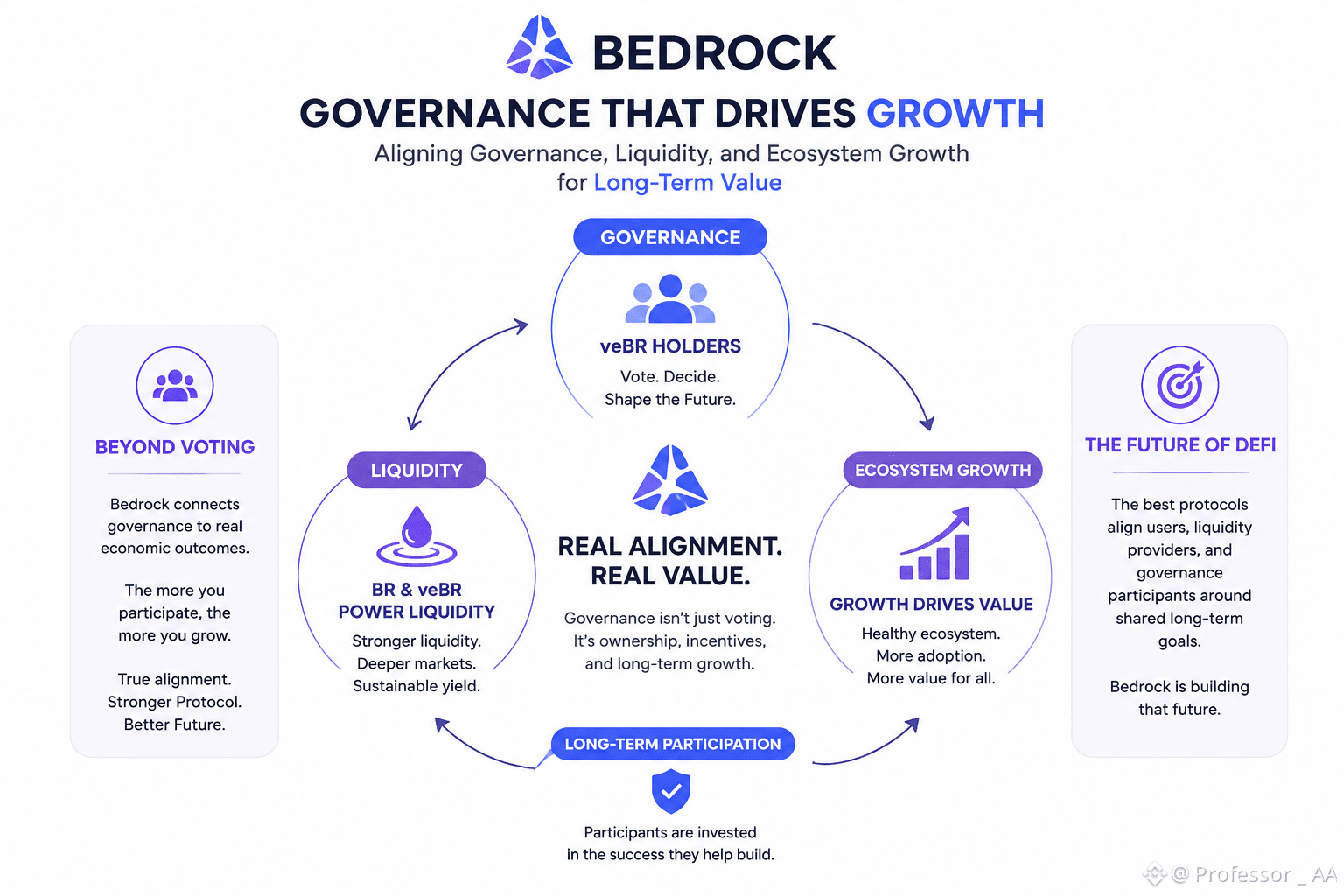
Bedrockは、ガバナンス、流動性、エコシステムの成長を結びつける形で$BR とveBRを組み合わせて、ガバナンスにアプローチしています。ガバナンスが投票に限定されるのではなく、長期的な参加と調整を促すように設計されたより広い経済システムの一部になります。
私がこのモデルで個人的に好きな点は、意思決定と結果の間により強い関係を築くことです。プロトコルの形成を手助けする人々は、その成功にも投資しています。私にとって、これがガバナンスの在り方です。参加者が実際にリスクを負っていると、決定は短期的な利益だけに焦点を当てるのではなく、より長期的な視点で行われる傾向があります。$FIDA
もう一つ私の注意を引いたのは、@Bedrock がガバナンスをエコシステムの積極的な要素として扱い、脇に存在する機能ではないということです。多くのプロトコルでは、ガバナンスは後回しにされることがあります。ここでは、インセンティブを指導し、成長を支援する中心的な役割を果たしているようです。
もちろん、完璧なガバナンスモデルは存在せず、真の試練は時間の経過とともにどのように機能するかです。しかし、私の視点から見ると、Bedrockは非常に理にかなった方向性を探求しています。DeFiは、単にトークン保有者に投票権を与えるだけでは成熟していません。次のステップは、実際の経済的価値を生み出し、意味のある参加を促すガバナンスシステムを作ることです。
個人的には、未来において最も成功するプロトコルは、ユーザー、流動性提供者、ガバナンス参加者を同じ長期的な目標に沿わせるものだと信じています。これまで見てきた限りでは、Bedrockのアプローチはそれがどのように見えるかの興味深い例です。
@Bedrock
$BR
#Bedrock
異なるDeFiプロトコルを探求する時間が増えるにつれて、気づいたことの一つは、ガバナンスが実際の成長と切り離されているように感じることです。トークン保有者は提案に投票し、決定が下され、プロトコルは前進しますが、経済的利益は必ずしもガバナンスに積極的に参加している人々と密接に結びついているわけではありません。
Bedrockを調査している間に、私にとって最初に目立ったことの一つがそれでした。
Bedrockは、ガバナンス、流動性、エコシステムの成長を結びつける形で$BR とveBRを組み合わせて、ガバナンスにアプローチしています。ガバナンスが投票に限定されるのではなく、長期的な参加と調整を促すように設計されたより広い経済システムの一部になります。
私がこのモデルで個人的に好きな点は、意思決定と結果の間により強い関係を築くことです。プロトコルの形成を手助けする人々は、その成功にも投資しています。私にとって、これがガバナンスの在り方です。参加者が実際にリスクを負っていると、決定は短期的な利益だけに焦点を当てるのではなく、より長期的な視点で行われる傾向があります。$FIDA
もう一つ私の注意を引いたのは、@Bedrock がガバナンスをエコシステムの積極的な要素として扱い、脇に存在する機能ではないということです。多くのプロトコルでは、ガバナンスは後回しにされることがあります。ここでは、インセンティブを指導し、成長を支援する中心的な役割を果たしているようです。
もちろん、完璧なガバナンスモデルは存在せず、真の試練は時間の経過とともにどのように機能するかです。しかし、私の視点から見ると、Bedrockは非常に理にかなった方向性を探求しています。DeFiは、単にトークン保有者に投票権を与えるだけでは成熟していません。次のステップは、実際の経済的価値を生み出し、意味のある参加を促すガバナンスシステムを作ることです。
個人的には、未来において最も成功するプロトコルは、ユーザー、流動性提供者、ガバナンス参加者を同じ長期的な目標に沿わせるものだと信じています。これまで見てきた限りでは、Bedrockのアプローチはそれがどのように見えるかの興味深い例です。
@Bedrock
$BR
#Bedrock
Bedrockを調査している間に、私にとって最初に目立ったことの一つがそれでした。
Bedrockは、ガバナンス、流動性、エコシステムの成長を結びつける形で$BR とveBRを組み合わせて、ガバナンスにアプローチしています。ガバナンスが投票に限定されるのではなく、長期的な参加と調整を促すように設計されたより広い経済システムの一部になります。
私がこのモデルで個人的に好きな点は、意思決定と結果の間により強い関係を築くことです。プロトコルの形成を手助けする人々は、その成功にも投資しています。私にとって、これがガバナンスの在り方です。参加者が実際にリスクを負っていると、決定は短期的な利益だけに焦点を当てるのではなく、より長期的な視点で行われる傾向があります。$FIDA
もう一つ私の注意を引いたのは、@Bedrock がガバナンスをエコシステムの積極的な要素として扱い、脇に存在する機能ではないということです。多くのプロトコルでは、ガバナンスは後回しにされることがあります。ここでは、インセンティブを指導し、成長を支援する中心的な役割を果たしているようです。
もちろん、完璧なガバナンスモデルは存在せず、真の試練は時間の経過とともにどのように機能するかです。しかし、私の視点から見ると、Bedrockは非常に理にかなった方向性を探求しています。DeFiは、単にトークン保有者に投票権を与えるだけでは成熟していません。次のステップは、実際の経済的価値を生み出し、意味のある参加を促すガバナンスシステムを作ることです。
個人的には、未来において最も成功するプロトコルは、ユーザー、流動性提供者、ガバナンス参加者を同じ長期的な目標に沿わせるものだと信じています。これまで見てきた限りでは、Bedrockのアプローチはそれがどのように見えるかの興味深い例です。
@Bedrock
$BR
#Bedrock
16
8
415
·
--
本人確認中
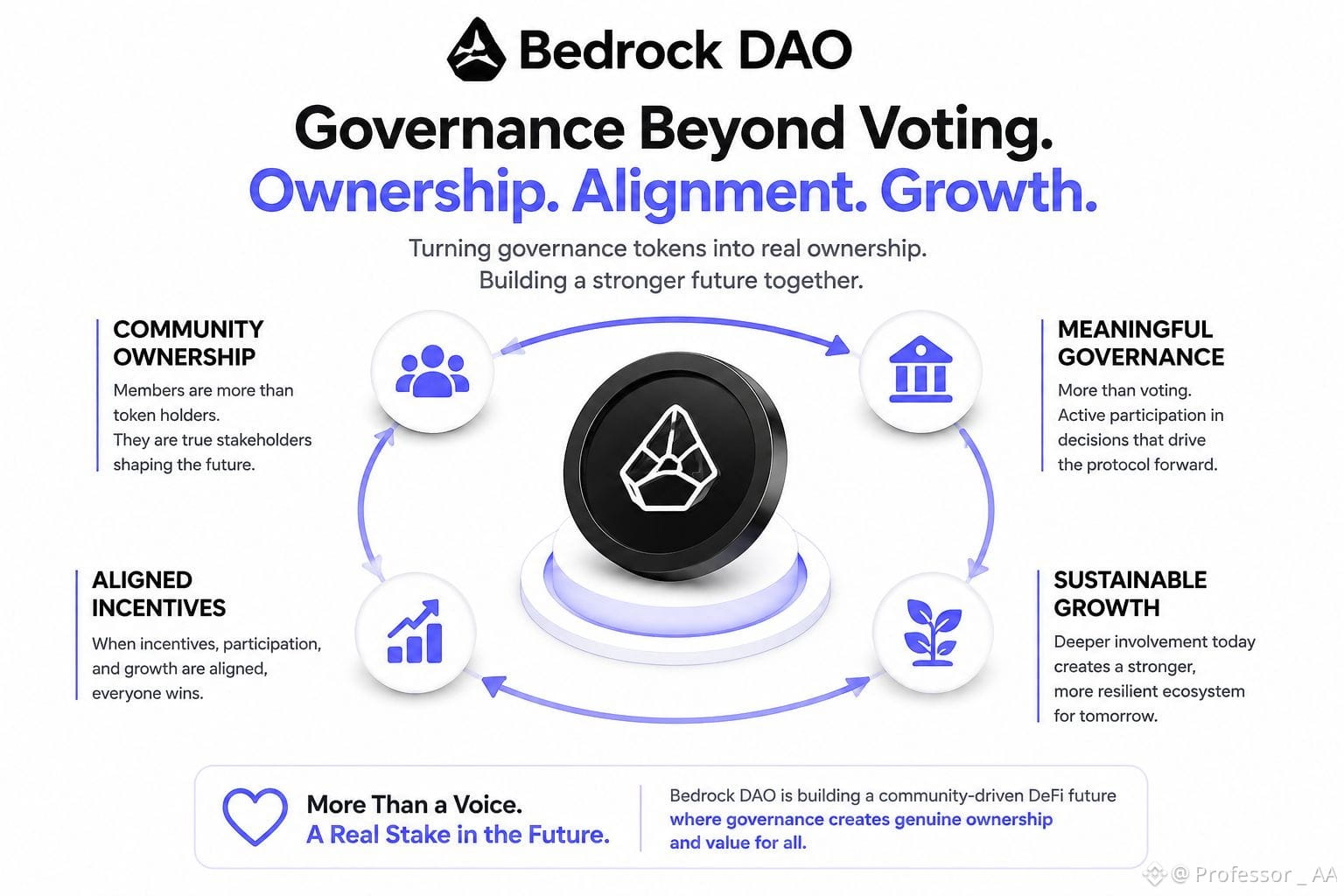
@Bedrock DAOを探求しているうちに、ガバナンストークンについての考え方が変わってきました。DeFiの歴史の大部分において、ガバナンスは主に投票に関するものでしたが、私はそのモデルが多くの可能性を見逃していると感じていました。私の視点では、プロトコルの未来を形作ることに積極的に参加する人々は、彼らが創造する価値に対してより強い結びつきを持つべきです。
Bedrock DAOについて私が興味を持っているのは、ガバナンスを単なる提案投票以上の何かに変えるというアイデアです。
私は、最も成功したコミュニティは、メンバーがパッシブなトークンホルダーではなく、真のステークホルダーと感じるときに築かれると信じています。インセンティブ、参加、プロトコルの成長が一致すると、人々はより長期的に関与し、貢献する可能性が高くなります。$BR
個人的には、ガバナンストークンが大部分の存在をウォレットの中で無駄に過ごすべきではないと思います。
それらは、より深い関与を促し、コミュニティメンバーにエコシステムの成功に投資し続ける理由を与えるべきです。これが、Bedrock DAOが私の注意を引いた理由の一つです。それは、ガバナンスが単に声を持つことだけでなく、本物の所有権を創造することに関わる、コミュニティ主導の成長のより広いビジョンを反映しています。私にとって、それはDeFiにとってより持続可能な方向性であり、業界が進化し続ける中で注目に値するモデルのように感じます。
@Bedrock
$BR
#Bedrock
@Bedrock DAOを探求しているうちに、ガバナンストークンについての考え方が変わってきました。DeFiの歴史の大部分において、ガバナンスは主に投票に関するものでしたが、私はそのモデルが多くの可能性を見逃していると感じていました。私の視点では、プロトコルの未来を形作ることに積極的に参加する人々は、彼らが創造する価値に対してより強い結びつきを持つべきです。
Bedrock DAOについて私が興味を持っているのは、ガバナンスを単なる提案投票以上の何かに変えるというアイデアです。
私は、最も成功したコミュニティは、メンバーがパッシブなトークンホルダーではなく、真のステークホルダーと感じるときに築かれると信じています。インセンティブ、参加、プロトコルの成長が一致すると、人々はより長期的に関与し、貢献する可能性が高くなります。$BR
個人的には、ガバナンストークンが大部分の存在をウォレットの中で無駄に過ごすべきではないと思います。
それらは、より深い関与を促し、コミュニティメンバーにエコシステムの成功に投資し続ける理由を与えるべきです。これが、Bedrock DAOが私の注意を引いた理由の一つです。それは、ガバナンスが単に声を持つことだけでなく、本物の所有権を創造することに関わる、コミュニティ主導の成長のより広いビジョンを反映しています。私にとって、それはDeFiにとってより持続可能な方向性であり、業界が進化し続ける中で注目に値するモデルのように感じます。
@Bedrock
$BR
#Bedrock
Bedrock DAOについて私が興味を持っているのは、ガバナンスを単なる提案投票以上の何かに変えるというアイデアです。
私は、最も成功したコミュニティは、メンバーがパッシブなトークンホルダーではなく、真のステークホルダーと感じるときに築かれると信じています。インセンティブ、参加、プロトコルの成長が一致すると、人々はより長期的に関与し、貢献する可能性が高くなります。$BR
個人的には、ガバナンストークンが大部分の存在をウォレットの中で無駄に過ごすべきではないと思います。
それらは、より深い関与を促し、コミュニティメンバーにエコシステムの成功に投資し続ける理由を与えるべきです。これが、Bedrock DAOが私の注意を引いた理由の一つです。それは、ガバナンスが単に声を持つことだけでなく、本物の所有権を創造することに関わる、コミュニティ主導の成長のより広いビジョンを反映しています。私にとって、それはDeFiにとってより持続可能な方向性であり、業界が進化し続ける中で注目に値するモデルのように感じます。
@Bedrock
$BR
#Bedrock
12
9
196
·
--
記事
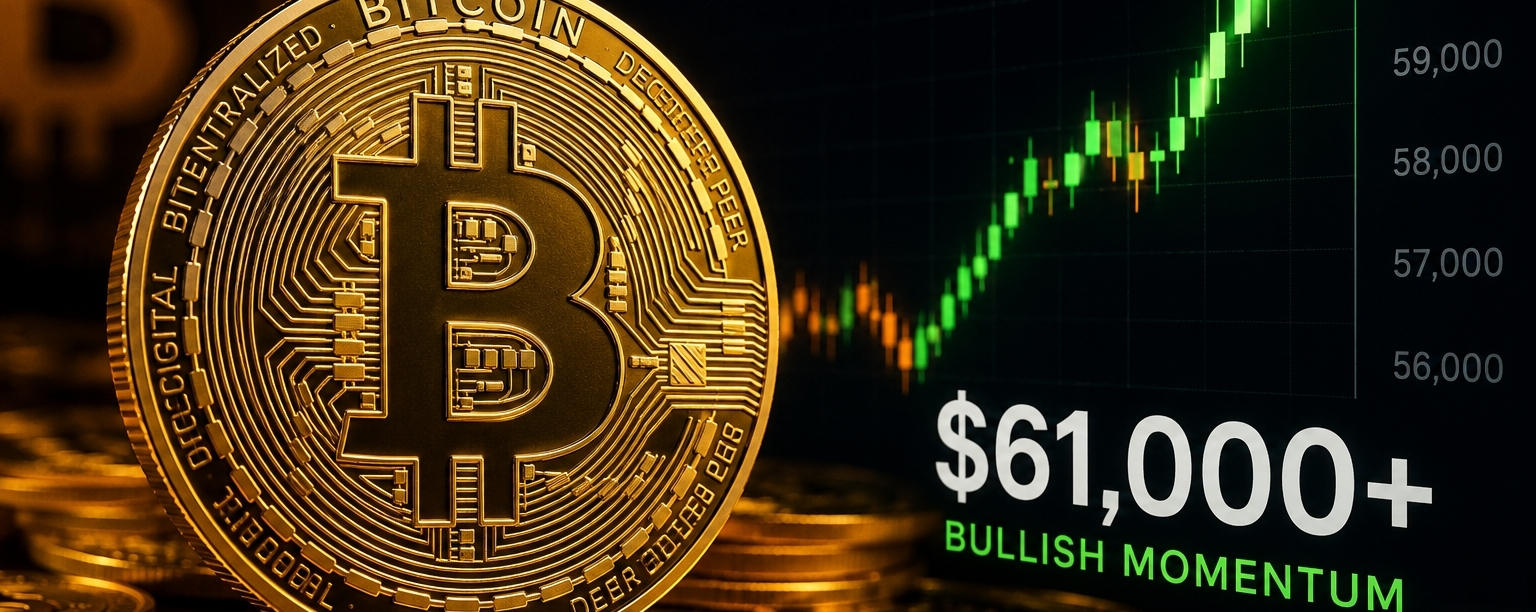
ビットコインブレイクアウト: $61K以上のラリーが市場の楽観主義を引き起こすビットコインは再び$61,000のレベルを突破し、暗号市場のトレーダーや投資家の注目を集めています。数日間、比較的狭いレンジで取引されていましたが、BTCは重要なレジスタンスエリアを突破し、市場参加者の間で新たな力強さと楽観主義の高まりを示しています。
この動きの背後にある主な理由の一つは、ポジティブな市場センチメントの復活のようです。ビットコイン関連の投資商品に対する関心は依然として強く、多くの投資家がビットコインを貴重な長期資産として見ています。一方で、従来の金融市場の不確実性が一部の資本を暗号資産を含む代替資産に流入させる要因となっています。$BTC
ビットコインブレイクアウト: $61K以上のラリーが市場の楽観主義を引き起こす
ビットコインは再び$61,000のレベルを突破し、暗号市場のトレーダーや投資家の注目を集めています。数日間、比較的狭いレンジで取引されていましたが、BTCは重要なレジスタンスエリアを突破し、市場参加者の間で新たな力強さと楽観主義の高まりを示しています。
この動きの背後にある主な理由の一つは、ポジティブな市場センチメントの復活のようです。ビットコイン関連の投資商品に対する関心は依然として強く、多くの投資家がビットコインを貴重な長期資産として見ています。一方で、従来の金融市場の不確実性が一部の資本を暗号資産を含む代替資産に流入させる要因となっています。$BTC
この動きの背後にある主な理由の一つは、ポジティブな市場センチメントの復活のようです。ビットコイン関連の投資商品に対する関心は依然として強く、多くの投資家がビットコインを貴重な長期資産として見ています。一方で、従来の金融市場の不確実性が一部の資本を暗号資産を含む代替資産に流入させる要因となっています。$BTC
3
3
187
·
--
本人確認中
記事
XRPホルダーの皆さん:銀行口座にお金があるなら、これを読まなきゃダメだ。ここ数ヶ月、グローバル経済や銀行セクター、そして今後の動向についてじっくり調べてきたよ。
データを掘り下げれば掘り下げるほど、心配になってくる。
銀行が明日倒産するとは言っていない。でも、無視すべきでない警告サインが確実に存在する。
最大の問題の一つは負債だ。
何年も、政府や企業は金利が歴史的な低水準にある間に多額の借入をしてきた。今や借入コストがずっと高くなって、負債の借り換えが非常に高くつくようになった。今後数年で満期を迎える商業用不動産の負債が大量にあり、デフォルトがすでに増加し始めている。
XRPホルダーの皆さん:銀行口座にお金があるなら、これを読まなきゃダメだ。
ここ数ヶ月、グローバル経済や銀行セクター、そして今後の動向についてじっくり調べてきたよ。
データを掘り下げれば掘り下げるほど、心配になってくる。
銀行が明日倒産するとは言っていない。でも、無視すべきでない警告サインが確実に存在する。
最大の問題の一つは負債だ。
何年も、政府や企業は金利が歴史的な低水準にある間に多額の借入をしてきた。今や借入コストがずっと高くなって、負債の借り換えが非常に高くつくようになった。今後数年で満期を迎える商業用不動産の負債が大量にあり、デフォルトがすでに増加し始めている。
データを掘り下げれば掘り下げるほど、心配になってくる。
銀行が明日倒産するとは言っていない。でも、無視すべきでない警告サインが確実に存在する。
最大の問題の一つは負債だ。
何年も、政府や企業は金利が歴史的な低水準にある間に多額の借入をしてきた。今や借入コストがずっと高くなって、負債の借り換えが非常に高くつくようになった。今後数年で満期を迎える商業用不動産の負債が大量にあり、デフォルトがすでに増加し始めている。
4
692
·
--
なぜBedrock DAOがガバナンスの課題であふれる世界で重要なのか
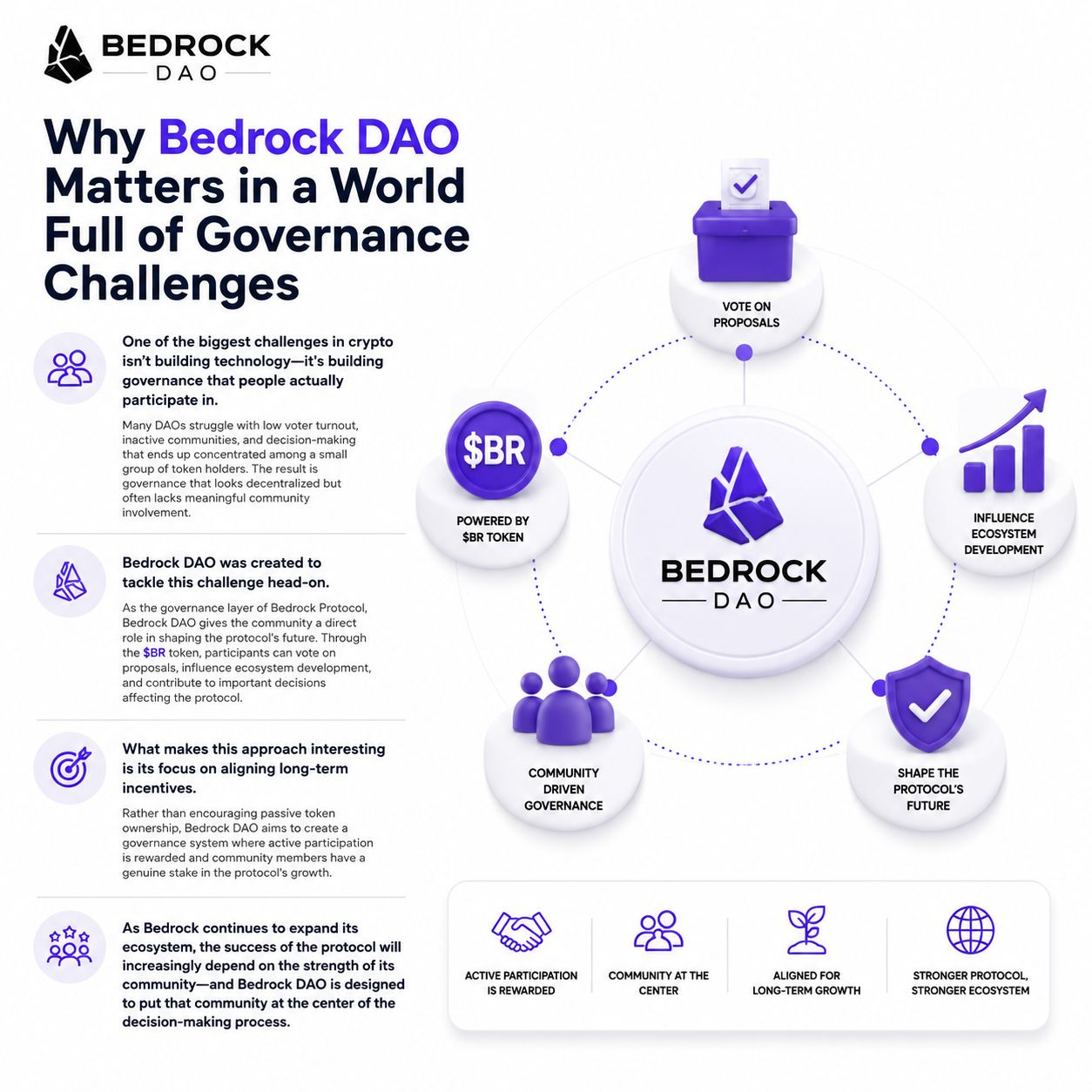
暗号業界での最大の課題の一つは、技術を構築することではなく、人々が実際に参加するガバナンスを構築することです。
多くのDAOは、低い投票率、非アクティブなコミュニティ、そしてトークン保有者の小さなグループに集中する意思決定に苦労しています。その結果、ガバナンスは分散化されているように見えますが、実際にはコミュニティの意味のある関与が欠けています。
Bedrock DAOは、この課題に真正面から取り組むために設立されました。
Bedrockプロトコルのガバナンスレイヤーとして、@Bedrock DAOはコミュニティにプロトコルの未来を形作る直接的な役割を与えます。$BR トークンを通じて、参加者は提案に投票し、エコシステムの発展に影響を与え、プロトコルに影響を与える重要な意思決定に貢献することができます。
このアプローチの興味深い点は、長期的なインセンティブを整えることに焦点を当てていることです。
パッシブなトークン所有を奨励するのではなく、Bedrock DAOはアクティブな参加が報われるガバナンスシステムを作成し、コミュニティメンバーがプロトコルの成長に真剣に関与できるようにすることを目指しています。
Bedrockがエコシステムを拡大し続ける中で、プロトコルの成功はますますそのコミュニティの強さに依存することになります—そしてBedrock DAOはそのコミュニティを意思決定プロセスの中心に置くように設計されています。
@Bedrock
$BR
#Bedrock
なぜBedrock DAOがガバナンスの課題であふれる世界で重要なのか
暗号業界での最大の課題の一つは、技術を構築することではなく、人々が実際に参加するガバナンスを構築することです。
多くのDAOは、低い投票率、非アクティブなコミュニティ、そしてトークン保有者の小さなグループに集中する意思決定に苦労しています。その結果、ガバナンスは分散化されているように見えますが、実際にはコミュニティの意味のある関与が欠けています。
Bedrock DAOは、この課題に真正面から取り組むために設立されました。
Bedrockプロトコルのガバナンスレイヤーとして、@Bedrock DAOはコミュニティにプロトコルの未来を形作る直接的な役割を与えます。$BR トークンを通じて、参加者は提案に投票し、エコシステムの発展に影響を与え、プロトコルに影響を与える重要な意思決定に貢献することができます。
このアプローチの興味深い点は、長期的なインセンティブを整えることに焦点を当てていることです。
パッシブなトークン所有を奨励するのではなく、Bedrock DAOはアクティブな参加が報われるガバナンスシステムを作成し、コミュニティメンバーがプロトコルの成長に真剣に関与できるようにすることを目指しています。
Bedrockがエコシステムを拡大し続ける中で、プロトコルの成功はますますそのコミュニティの強さに依存することになります—そしてBedrock DAOはそのコミュニティを意思決定プロセスの中心に置くように設計されています。
@Bedrock
$BR
#Bedrock
暗号業界での最大の課題の一つは、技術を構築することではなく、人々が実際に参加するガバナンスを構築することです。
多くのDAOは、低い投票率、非アクティブなコミュニティ、そしてトークン保有者の小さなグループに集中する意思決定に苦労しています。その結果、ガバナンスは分散化されているように見えますが、実際にはコミュニティの意味のある関与が欠けています。
Bedrock DAOは、この課題に真正面から取り組むために設立されました。
Bedrockプロトコルのガバナンスレイヤーとして、@Bedrock DAOはコミュニティにプロトコルの未来を形作る直接的な役割を与えます。$BR トークンを通じて、参加者は提案に投票し、エコシステムの発展に影響を与え、プロトコルに影響を与える重要な意思決定に貢献することができます。
このアプローチの興味深い点は、長期的なインセンティブを整えることに焦点を当てていることです。
パッシブなトークン所有を奨励するのではなく、Bedrock DAOはアクティブな参加が報われるガバナンスシステムを作成し、コミュニティメンバーがプロトコルの成長に真剣に関与できるようにすることを目指しています。
Bedrockがエコシステムを拡大し続ける中で、プロトコルの成功はますますそのコミュニティの強さに依存することになります—そしてBedrock DAOはそのコミュニティを意思決定プロセスの中心に置くように設計されています。
@Bedrock
$BR
#Bedrock
1
216
·
--
記事
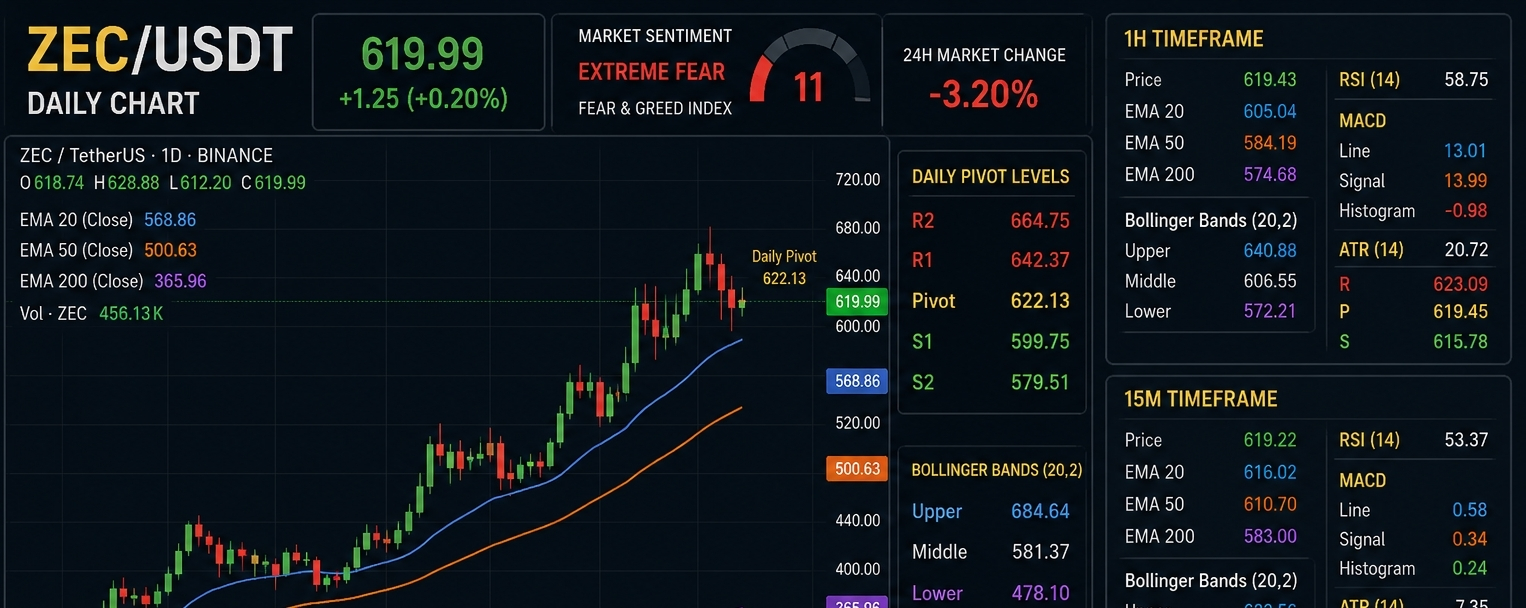
ZECは市場の不確実性にもかかわらずレジリエンスを示し、トレーダーは次の大きな動きを注視$ZEC は現在、強気の力と短期的な警戒が衝突している重要な価格ゾーンの近くで取引されています。最近、広範な暗号通貨市場が売り圧力に直面しているにもかかわらず、ZECは主要なテクニカルレベルの上に留まっており、構造的に健全な市場を反映しています。この資産は大きな崩壊の兆候を示しておらず、説得力のあるブレイクアウトも提供していないため、トレーダーは攻撃的なポジションを取る前に確認を重視しています。
全体的に見ると、トレンドは買い手にとって好ましい状態を維持しています。価格は主要な移動平均線の上で取引され続けており、これは長期的な方向性がまだ上向きであることを示しています。この整合性は通常、弱気な期間が現れても強気のセンチメントが支配的であることを示しています。しかし、最近の数週間にわたる強い上昇の後、モメンタムは冷却し始めました。このような動きは、長いラリーの後によく見られるもので、市場は次の方向を選択する前に利益を吸収するために一時停止することが多いです。
ZECは市場の不確実性にもかかわらずレジリエンスを示し、トレーダーは次の大きな動きを注視
$ZEC は現在、強気の力と短期的な警戒が衝突している重要な価格ゾーンの近くで取引されています。最近、広範な暗号通貨市場が売り圧力に直面しているにもかかわらず、ZECは主要なテクニカルレベルの上に留まっており、構造的に健全な市場を反映しています。この資産は大きな崩壊の兆候を示しておらず、説得力のあるブレイクアウトも提供していないため、トレーダーは攻撃的なポジションを取る前に確認を重視しています。
全体的に見ると、トレンドは買い手にとって好ましい状態を維持しています。価格は主要な移動平均線の上で取引され続けており、これは長期的な方向性がまだ上向きであることを示しています。この整合性は通常、弱気な期間が現れても強気のセンチメントが支配的であることを示しています。しかし、最近の数週間にわたる強い上昇の後、モメンタムは冷却し始めました。このような動きは、長いラリーの後によく見られるもので、市場は次の方向を選択する前に利益を吸収するために一時停止することが多いです。
全体的に見ると、トレンドは買い手にとって好ましい状態を維持しています。価格は主要な移動平均線の上で取引され続けており、これは長期的な方向性がまだ上向きであることを示しています。この整合性は通常、弱気な期間が現れても強気のセンチメントが支配的であることを示しています。しかし、最近の数週間にわたる強い上昇の後、モメンタムは冷却し始めました。このような動きは、長いラリーの後によく見られるもので、市場は次の方向を選択する前に利益を吸収するために一時停止することが多いです。
1
221
·
--
ブリッシュ
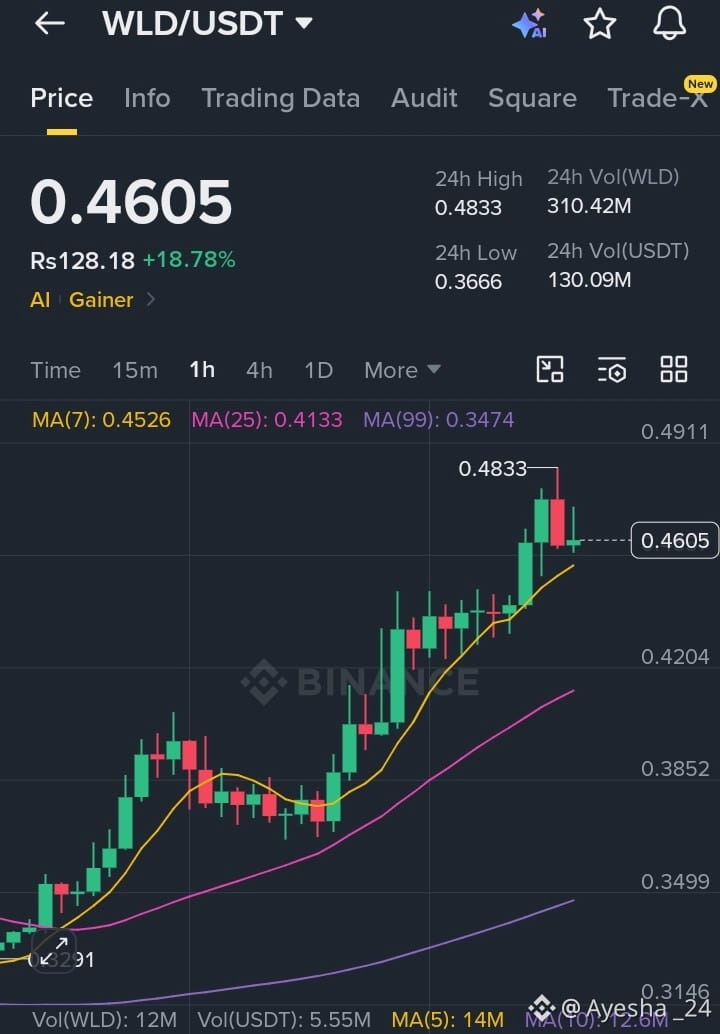
プロのヒント: 強いトレンド資産は、インパルスムーブ中よりもリテスト時に最良のエントリーを提供することが多い。
$WLD は主要サポートゾーンを守ることで積極的な買いが見られ、より深い修正を防いだ。
成功した防衛はモメンタムを上向きに保ち、トレンドの強さを維持する。
エントリープライス (EP): Rs124.00 – Rs129.00
テイクプロフィット (TP): Rs140.00 → Rs155.00
ストップロス (SL): Rs118.50
トレードターゲット:
TG1: Rs140.00
TG2: Rs147.50
TG3: Rs155.00
トレード判断: 重要なサポートの上で強気。
#BlockchainAssocBacks401kCrypto #JapanLDPBlockchainNationalStrategy
プロのヒント: 強いトレンド資産は、インパルスムーブ中よりもリテスト時に最良のエントリーを提供することが多い。
$WLD は主要サポートゾーンを守ることで積極的な買いが見られ、より深い修正を防いだ。
成功した防衛はモメンタムを上向きに保ち、トレンドの強さを維持する。
エントリープライス (EP): Rs124.00 – Rs129.00
テイクプロフィット (TP): Rs140.00 → Rs155.00
ストップロス (SL): Rs118.50
トレードターゲット:
TG1: Rs140.00
TG2: Rs147.50
TG3: Rs155.00
トレード判断: 重要なサポートの上で強気。
#BlockchainAssocBacks401kCrypto #JapanLDPBlockchainNationalStrategy
$WLD は主要サポートゾーンを守ることで積極的な買いが見られ、より深い修正を防いだ。
成功した防衛はモメンタムを上向きに保ち、トレンドの強さを維持する。
エントリープライス (EP): Rs124.00 – Rs129.00
テイクプロフィット (TP): Rs140.00 → Rs155.00
ストップロス (SL): Rs118.50
トレードターゲット:
TG1: Rs140.00
TG2: Rs147.50
TG3: Rs155.00
トレード判断: 重要なサポートの上で強気。
#BlockchainAssocBacks401kCrypto #JapanLDPBlockchainNationalStrategy
1
303
·
--
ブリッシュ
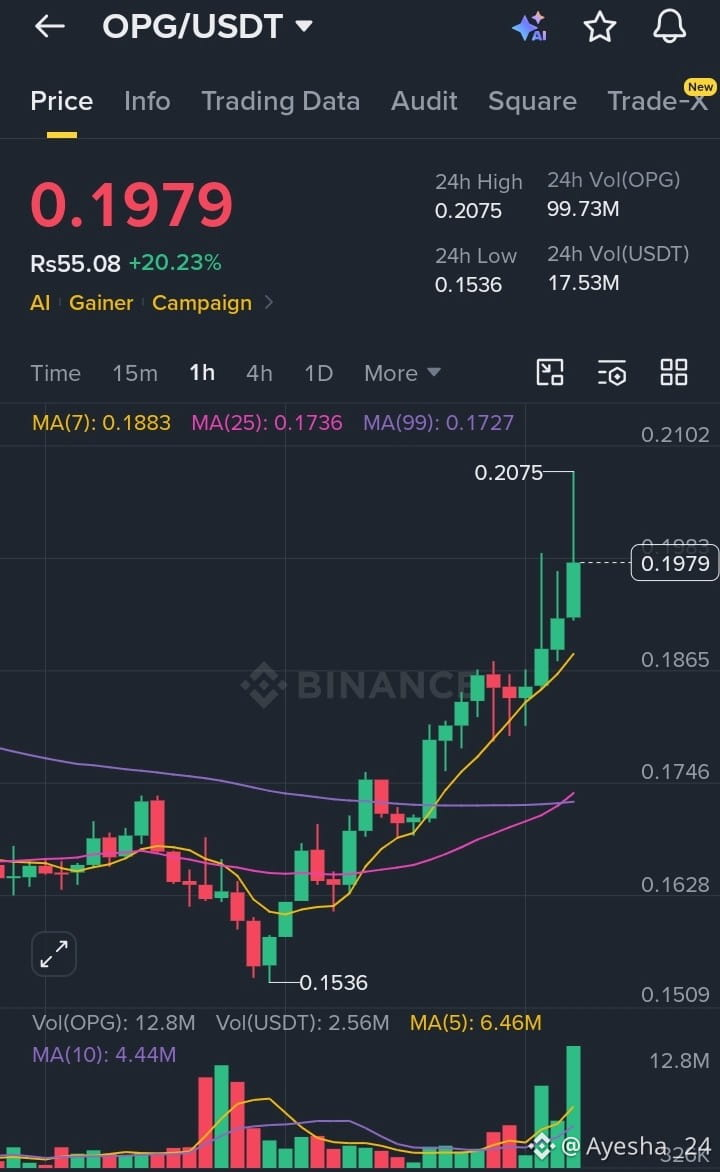
プロのヒント:ボリュームが増加するブレイクアウトは、コントロールされた統合が続くときに最もパフォーマンスが良い傾向があります。
$OPG は利益確定圧力を吸収した後、重要なブレイクアウトレベルを守り、強気の構造を維持しています。
この防御は、さらなるアップサイドのモメンタムを強化します。
エントリープライス (EP): Rs53.50 – Rs55.00
テイクプロフィット (TP): Rs61.00 → Rs67.00
ストップロス (SL): Rs50.80
トレードターゲット:
TG1: Rs61.00
TG2: Rs64.00
TG3: Rs67.00
#BlockchainAssocBacks401kCrypto #AIAgentsRecreateGoogleQuantumBreakthrough
プロのヒント:ボリュームが増加するブレイクアウトは、コントロールされた統合が続くときに最もパフォーマンスが良い傾向があります。
$OPG は利益確定圧力を吸収した後、重要なブレイクアウトレベルを守り、強気の構造を維持しています。
この防御は、さらなるアップサイドのモメンタムを強化します。
エントリープライス (EP): Rs53.50 – Rs55.00
テイクプロフィット (TP): Rs61.00 → Rs67.00
ストップロス (SL): Rs50.80
トレードターゲット:
TG1: Rs61.00
TG2: Rs64.00
TG3: Rs67.00
#BlockchainAssocBacks401kCrypto #AIAgentsRecreateGoogleQuantumBreakthrough
$OPG は利益確定圧力を吸収した後、重要なブレイクアウトレベルを守り、強気の構造を維持しています。
この防御は、さらなるアップサイドのモメンタムを強化します。
エントリープライス (EP): Rs53.50 – Rs55.00
テイクプロフィット (TP): Rs61.00 → Rs67.00
ストップロス (SL): Rs50.80
トレードターゲット:
TG1: Rs61.00
TG2: Rs64.00
TG3: Rs67.00
#BlockchainAssocBacks401kCrypto #AIAgentsRecreateGoogleQuantumBreakthrough
1
196
·
--
ブリッシュ
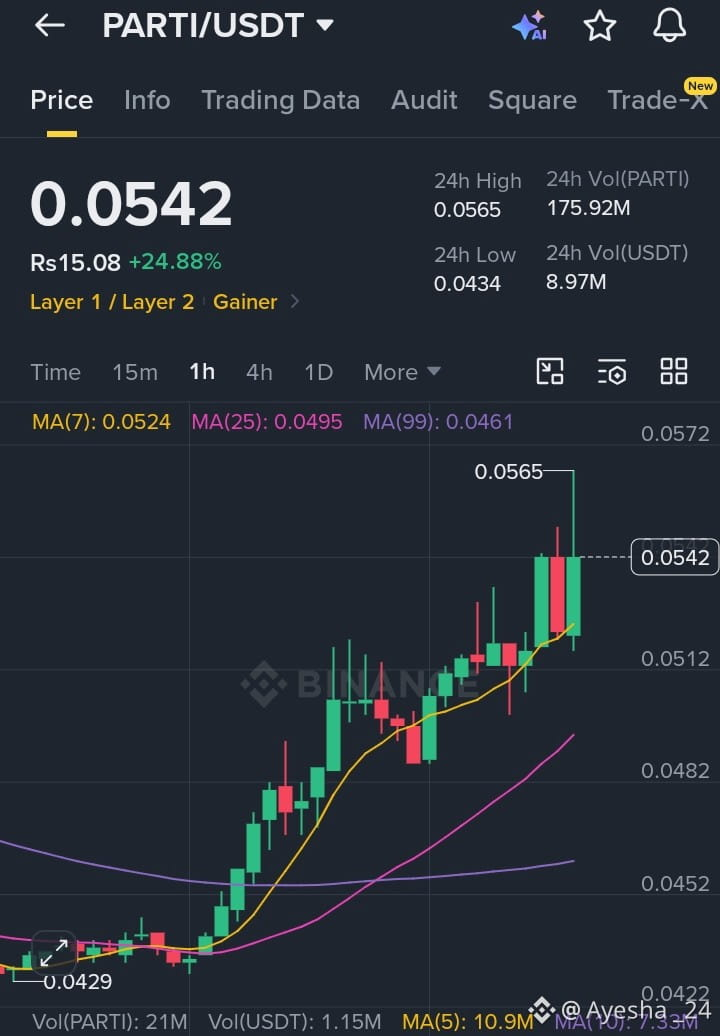
プロのヒント: 流動性がサポートを下回り、すぐに回復すると、しばしば囚われた売り手を示します。
$PARTI は下方向の流動性スイープを完了し、その後急激に回復したため、売り圧力が吸収されたことを示しています。
この種の反応は、回復ゾーンが保持される限り、トレンドの継続を好む傾向があります。
エントリープライス (EP): Rs14.80 – Rs15.30
テイクプロフィット (TP): Rs17.20 → Rs19.00
ストップロス (SL): Rs13.90
トレードターゲット:
TG1: Rs17.20
TG2: Rs18.10
TG3: Rs19.00
トレード決定: サポートへのプルバックに対して強気。\n#BlockchainAssocBacks401kCrypto #JapanLDPBlockchainNationalStrategy
プロのヒント: 流動性がサポートを下回り、すぐに回復すると、しばしば囚われた売り手を示します。
$PARTI は下方向の流動性スイープを完了し、その後急激に回復したため、売り圧力が吸収されたことを示しています。
この種の反応は、回復ゾーンが保持される限り、トレンドの継続を好む傾向があります。
エントリープライス (EP): Rs14.80 – Rs15.30
テイクプロフィット (TP): Rs17.20 → Rs19.00
ストップロス (SL): Rs13.90
トレードターゲット:
TG1: Rs17.20
TG2: Rs18.10
TG3: Rs19.00
トレード決定: サポートへのプルバックに対して強気。\n#BlockchainAssocBacks401kCrypto #JapanLDPBlockchainNationalStrategy
$PARTI は下方向の流動性スイープを完了し、その後急激に回復したため、売り圧力が吸収されたことを示しています。
この種の反応は、回復ゾーンが保持される限り、トレンドの継続を好む傾向があります。
エントリープライス (EP): Rs14.80 – Rs15.30
テイクプロフィット (TP): Rs17.20 → Rs19.00
ストップロス (SL): Rs13.90
トレードターゲット:
TG1: Rs17.20
TG2: Rs18.10
TG3: Rs19.00
トレード決定: サポートへのプルバックに対して強気。\n#BlockchainAssocBacks401kCrypto #JapanLDPBlockchainNationalStrategy
147
·
--
ブリッシュ
プロのヒント: 強いパーセンテージの動きは最初にリトレースすることが多いので、キャンドルを追いかけるのではなく、レベルディフェンスに注目しましょう。
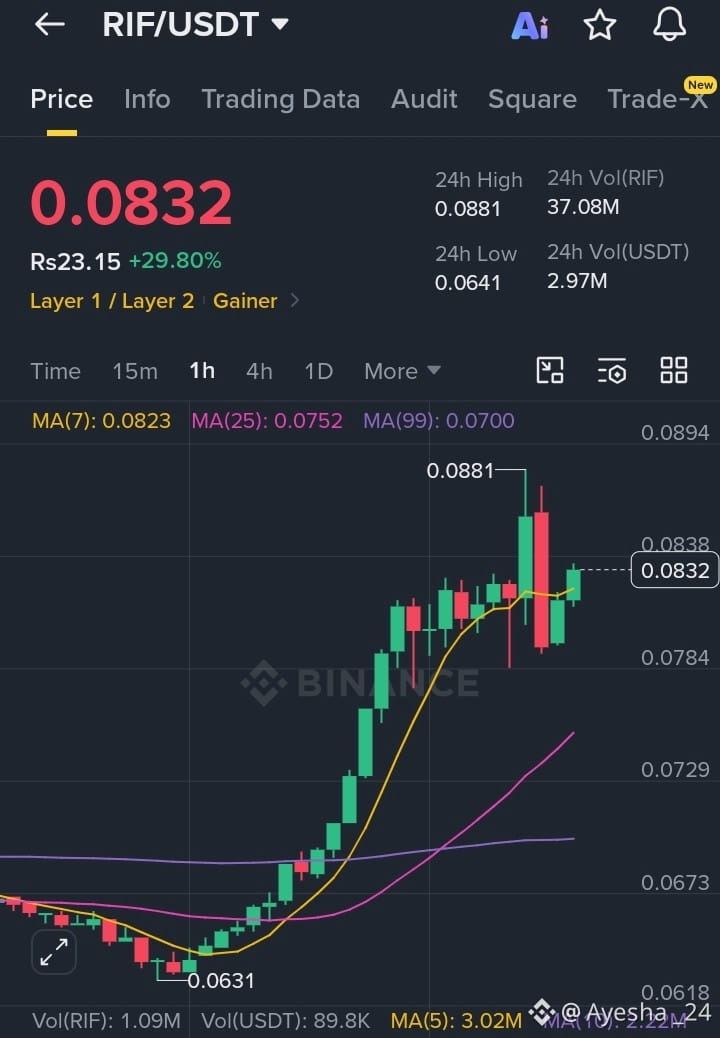
$RIF は、主要な需要エリア周辺で売り圧力を吸収し、下落価格を拒否し、再び買い手の関心を示しました。
モメンタムは上昇に戻り、サポートが維持される限り、上昇傾向を示しています。
エントリープライス (EP): Rs22.60 – Rs23.30
テイクプロフィット (TP): Rs25.80 → Rs28.50
ストップロス (SL): Rs21.40
トレードターゲット:
TG1: Rs25.80
TG2: Rs27.10
TG3: Rs28.50
トレード判断: サポートの上で中程度に強気。
#BlockchainAssocBacks401kCrypto #JapanLDPBlockchainNationalStrategy
プロのヒント: 強いパーセンテージの動きは最初にリトレースすることが多いので、キャンドルを追いかけるのではなく、レベルディフェンスに注目しましょう。
$RIF は、主要な需要エリア周辺で売り圧力を吸収し、下落価格を拒否し、再び買い手の関心を示しました。
モメンタムは上昇に戻り、サポートが維持される限り、上昇傾向を示しています。
エントリープライス (EP): Rs22.60 – Rs23.30
テイクプロフィット (TP): Rs25.80 → Rs28.50
ストップロス (SL): Rs21.40
トレードターゲット:
TG1: Rs25.80
TG2: Rs27.10
TG3: Rs28.50
トレード判断: サポートの上で中程度に強気。
#BlockchainAssocBacks401kCrypto #JapanLDPBlockchainNationalStrategy
$RIF は、主要な需要エリア周辺で売り圧力を吸収し、下落価格を拒否し、再び買い手の関心を示しました。
モメンタムは上昇に戻り、サポートが維持される限り、上昇傾向を示しています。
エントリープライス (EP): Rs22.60 – Rs23.30
テイクプロフィット (TP): Rs25.80 → Rs28.50
ストップロス (SL): Rs21.40
トレードターゲット:
TG1: Rs25.80
TG2: Rs27.10
TG3: Rs28.50
トレード判断: サポートの上で中程度に強気。
#BlockchainAssocBacks401kCrypto #JapanLDPBlockchainNationalStrategy
153
·
--
ブリッシュ
プロのヒント:強力なブレイクアウトの後は、価格が回復したレベルの上で安定するのを待ってからエクスポージャーを追加しましょう。
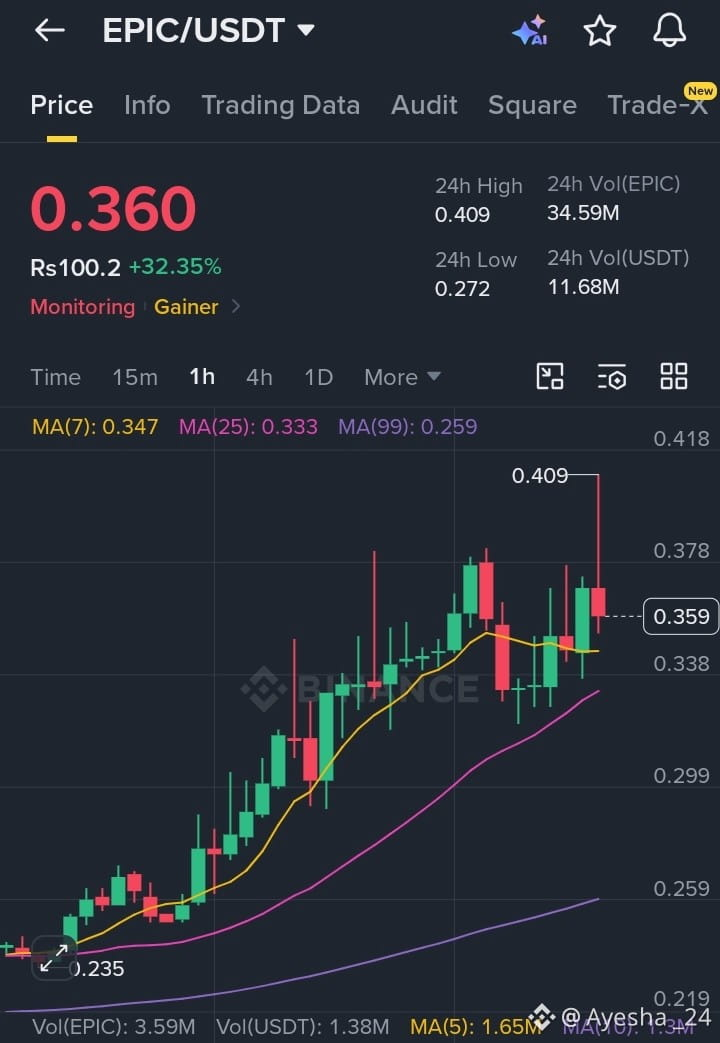
ショートスクイーズが$EPIC を近くの抵抗を突破させ、売り手をカバーさせ、上昇モメンタムを加速させました。
この動きは、バイヤーがコントロールを維持していることを示しており、流動性が高まることが続いています。
エントリープライス (EP):Rs98.50 – Rs101.00
テイクプロフィット (TP):Rs108.00 → Rs118.00
ストップロス (SL):Rs92.80
トレードターゲット:
TG1:Rs108.00
TG2:Rs113.50
TG3:Rs118.00
トレード判断:ブレイクアウトゾーンの上で保持している限りブルリッシュ。
#BlockchainAssocBacks401kCrypto #JapanLDPBlockchainNationalStrategy
プロのヒント:強力なブレイクアウトの後は、価格が回復したレベルの上で安定するのを待ってからエクスポージャーを追加しましょう。
ショートスクイーズが$EPIC を近くの抵抗を突破させ、売り手をカバーさせ、上昇モメンタムを加速させました。
この動きは、バイヤーがコントロールを維持していることを示しており、流動性が高まることが続いています。
エントリープライス (EP):Rs98.50 – Rs101.00
テイクプロフィット (TP):Rs108.00 → Rs118.00
ストップロス (SL):Rs92.80
トレードターゲット:
TG1:Rs108.00
TG2:Rs113.50
TG3:Rs118.00
トレード判断:ブレイクアウトゾーンの上で保持している限りブルリッシュ。
#BlockchainAssocBacks401kCrypto #JapanLDPBlockchainNationalStrategy
ショートスクイーズが$EPIC を近くの抵抗を突破させ、売り手をカバーさせ、上昇モメンタムを加速させました。
この動きは、バイヤーがコントロールを維持していることを示しており、流動性が高まることが続いています。
エントリープライス (EP):Rs98.50 – Rs101.00
テイクプロフィット (TP):Rs108.00 → Rs118.00
ストップロス (SL):Rs92.80
トレードターゲット:
TG1:Rs108.00
TG2:Rs113.50
TG3:Rs118.00
トレード判断:ブレイクアウトゾーンの上で保持している限りブルリッシュ。
#BlockchainAssocBacks401kCrypto #JapanLDPBlockchainNationalStrategy
155
·
--
記事
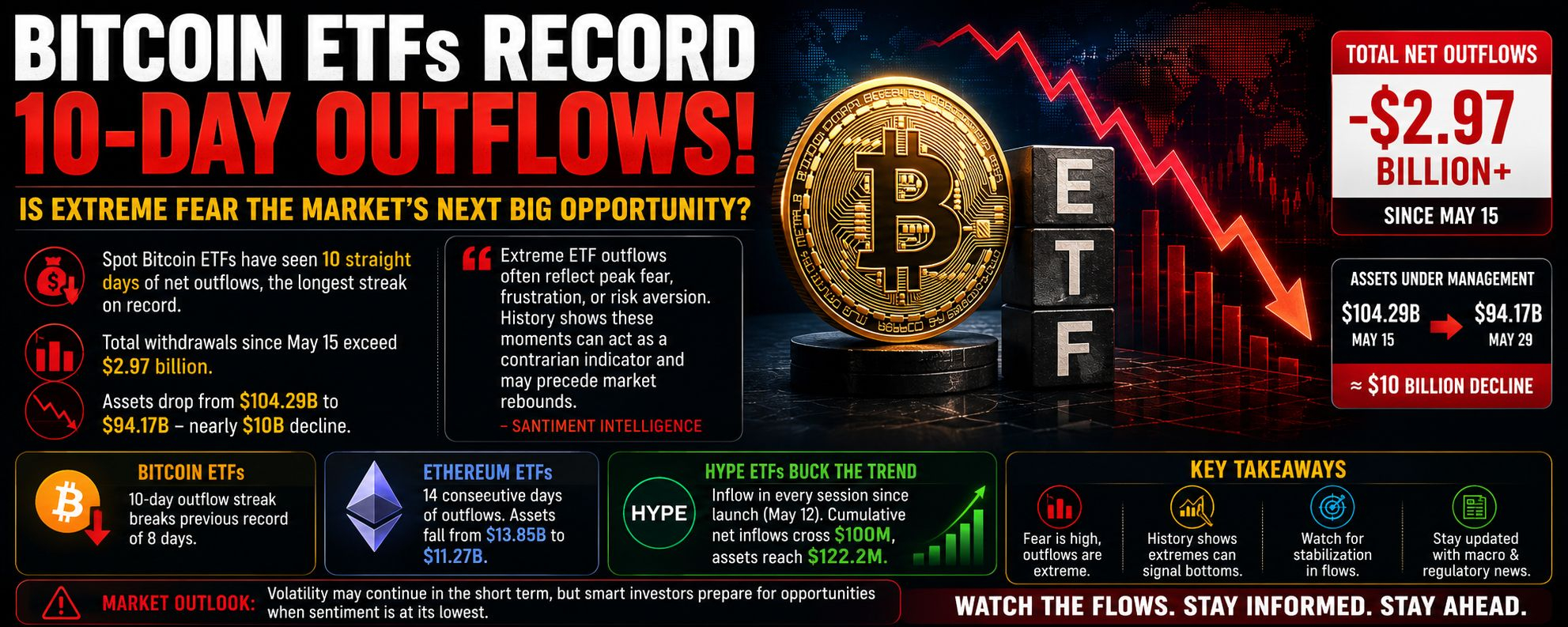
ビットコインETFが前例のない引き出しの連鎖を目撃 – これは市場の転換点を示しているのか?2026年5月 – スポットビットコインETFは、投資家が暗号投資商品から数十億ドルを引き出し続ける中、開始以来最も困難な時期の一つを経験しています。最近のマーケットデータによると、ビットコインETFは現在、連続して10回の取引セッションでネット流出を記録しており、機関投資家の間での慎重さの高まりを浮き彫りにしています。
大規模な資本流出がビットコインETF市場を揺るがす
5月中旬以来、投資家はスポットビットコインETFからほぼ30億ドルを引き出しました。日々の償還額は、数千万ドルから一回のセッションで数億ドルにまで大きく変動しています。この持続的な売り圧力により、ビットコインETFが管理する総資産はわずか2週間で約100億ドル減少しました。
ビットコインETFが前例のない引き出しの連鎖を目撃 – これは市場の転換点を示しているのか?
2026年5月 – スポットビットコインETFは、投資家が暗号投資商品から数十億ドルを引き出し続ける中、開始以来最も困難な時期の一つを経験しています。最近のマーケットデータによると、ビットコインETFは現在、連続して10回の取引セッションでネット流出を記録しており、機関投資家の間での慎重さの高まりを浮き彫りにしています。
大規模な資本流出がビットコインETF市場を揺るがす
5月中旬以来、投資家はスポットビットコインETFからほぼ30億ドルを引き出しました。日々の償還額は、数千万ドルから一回のセッションで数億ドルにまで大きく変動しています。この持続的な売り圧力により、ビットコインETFが管理する総資産はわずか2週間で約100億ドル減少しました。
大規模な資本流出がビットコインETF市場を揺るがす
5月中旬以来、投資家はスポットビットコインETFからほぼ30億ドルを引き出しました。日々の償還額は、数千万ドルから一回のセッションで数億ドルにまで大きく変動しています。この持続的な売り圧力により、ビットコインETFが管理する総資産はわずか2週間で約100億ドル減少しました。
2
194
·
--
記事
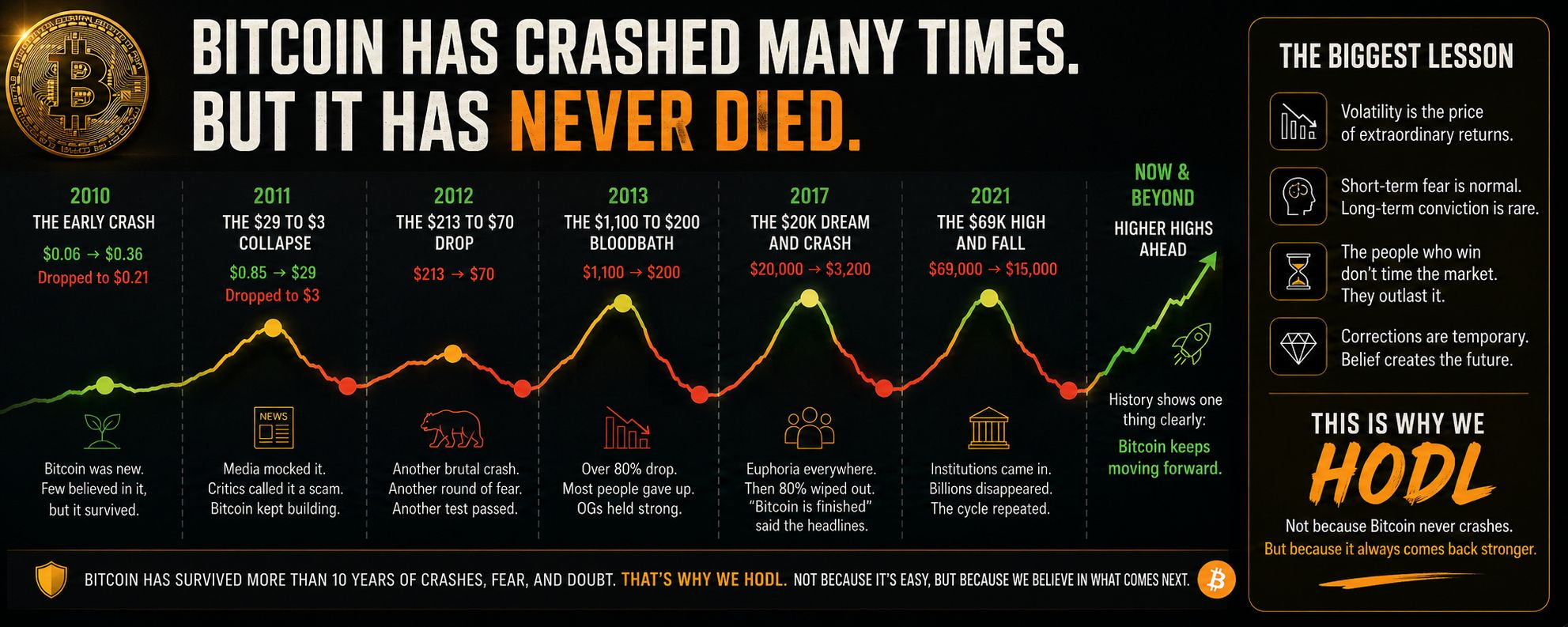
ビットコインの最大の下落がそのストーリーを変えなかった理由ビットコインのサイクルで繰り返されるパターンに気づいたよ。
価格が上昇しているとき、みんなビットコインの話をしたがる。新しい投資家が殺到し、SNSは強気の予測で溢れ、人々は価格が上がる一方だと信じ始める。
それから市場が修正する。
興奮が恐怖に変わる。自信が疑念に変わる。そして突然、数週間前に盛り上がっていた同じ人たちが、ビットコインの旅が終わったのかと尋ね始める。
多くの人が理解できていないのは、急激な修正がビットコインの歴史の一部であるということ。
ビットコインの最大の下落がそのストーリーを変えなかった理由
ビットコインのサイクルで繰り返されるパターンに気づいたよ。
価格が上昇しているとき、みんなビットコインの話をしたがる。新しい投資家が殺到し、SNSは強気の予測で溢れ、人々は価格が上がる一方だと信じ始める。
それから市場が修正する。
興奮が恐怖に変わる。自信が疑念に変わる。そして突然、数週間前に盛り上がっていた同じ人たちが、ビットコインの旅が終わったのかと尋ね始める。
多くの人が理解できていないのは、急激な修正がビットコインの歴史の一部であるということ。
価格が上昇しているとき、みんなビットコインの話をしたがる。新しい投資家が殺到し、SNSは強気の予測で溢れ、人々は価格が上がる一方だと信じ始める。
それから市場が修正する。
興奮が恐怖に変わる。自信が疑念に変わる。そして突然、数週間前に盛り上がっていた同じ人たちが、ビットコインの旅が終わったのかと尋ね始める。
多くの人が理解できていないのは、急激な修正がビットコインの歴史の一部であるということ。
2
245
·
--
ドージコインの次の動きが短期的なトレンドを定義する可能性がある理由
ドージコインを注意深く監視していて、現在のセッティングがますます重要になってきている。
DOGEは次の大きな動きを決定する可能性がある価格帯に入った。市場は比較的静かだが、$0.10周辺のエリアはトレーダーや投資家からの注目を引き続き集めている。
このレベルがそんなに重要なのは、その歴史があるからだ。最近数ヶ月、ドージコインはこのゾーンで何度も反応し、異なる市場フェーズでサポートとレジスタンスの両方として機能してきた。そのため、多くの市場参加者がこれを重要な決定ポイントとして扱っている。
ドージコインを注意深く監視していて、現在のセッティングがますます重要になってきている。
DOGEは次の大きな動きを決定する可能性がある価格帯に入った。市場は比較的静かだが、$0.10周辺のエリアはトレーダーや投資家からの注目を引き続き集めている。
このレベルがそんなに重要なのは、その歴史があるからだ。最近数ヶ月、ドージコインはこのゾーンで何度も反応し、異なる市場フェーズでサポートとレジスタンスの両方として機能してきた。そのため、多くの市場参加者がこれを重要な決定ポイントとして扱っている。
ドージコインの次の動きが短期的なトレンドを定義する可能性がある理由
ドージコインを注意深く監視していて、現在のセッティングがますます重要になってきている。
DOGEは次の大きな動きを決定する可能性がある価格帯に入った。市場は比較的静かだが、$0.10周辺のエリアはトレーダーや投資家からの注目を引き続き集めている。
このレベルがそんなに重要なのは、その歴史があるからだ。最近数ヶ月、ドージコインはこのゾーンで何度も反応し、異なる市場フェーズでサポートとレジスタンスの両方として機能してきた。そのため、多くの市場参加者がこれを重要な決定ポイントとして扱っている。
2
213
·
--
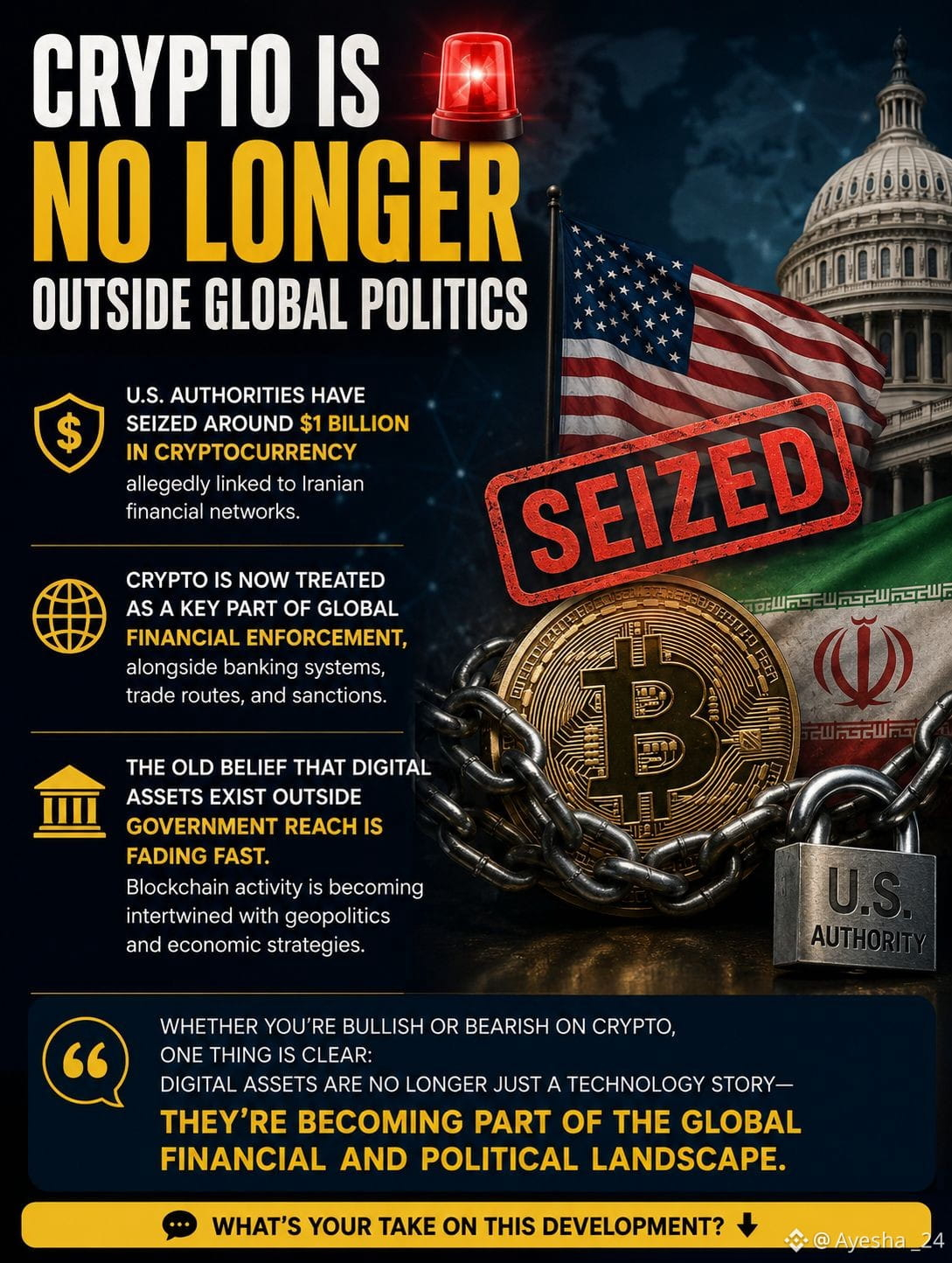
🚨 仮想通貨は地政学的資産になりつつある 🚨
最近、デジタル資産が世界中でどのように見られているかに大きな変化を感じています。
報告によれば、米国当局はイランに関連する金融操作に関係するとされる仮想通貨を約10億ドル押収したとのことです。金額はかなりのものですが、私が特に注目しているのはその広範な意味合いです。
仮想通貨はもはや独立した金融エコシステムとして扱われていません。政府は制裁の執行、経済安全保障、国際政策の戦略にブロックチェーン活動をますます統合しています。
つい最近まで、多くの人が仮想通貨は伝統的な機関の影響を超えて存在していると考えていました。今では、ブロックチェーンネットワークはグローバルな金融や地政学を形作る議論の一部になりつつあります。
仮想通貨に対する立場がどうであれ、デジタル資産がテクノロジーや投資を超えて進化していることは明らかです—国際問題の要因になりつつあるのです。
これが仮想通貨の未来に何を意味すると思いますか? 👇
#CryptoNews
#BlockchainNews
#BinanceSquare
#CryptoCommunity
#Web3News
🚨 仮想通貨は地政学的資産になりつつある 🚨
最近、デジタル資産が世界中でどのように見られているかに大きな変化を感じています。
報告によれば、米国当局はイランに関連する金融操作に関係するとされる仮想通貨を約10億ドル押収したとのことです。金額はかなりのものですが、私が特に注目しているのはその広範な意味合いです。
仮想通貨はもはや独立した金融エコシステムとして扱われていません。政府は制裁の執行、経済安全保障、国際政策の戦略にブロックチェーン活動をますます統合しています。
つい最近まで、多くの人が仮想通貨は伝統的な機関の影響を超えて存在していると考えていました。今では、ブロックチェーンネットワークはグローバルな金融や地政学を形作る議論の一部になりつつあります。
仮想通貨に対する立場がどうであれ、デジタル資産がテクノロジーや投資を超えて進化していることは明らかです—国際問題の要因になりつつあるのです。
これが仮想通貨の未来に何を意味すると思いますか? 👇
#CryptoNews
#BlockchainNews
#BinanceSquare
#CryptoCommunity
#Web3News
最近、デジタル資産が世界中でどのように見られているかに大きな変化を感じています。
報告によれば、米国当局はイランに関連する金融操作に関係するとされる仮想通貨を約10億ドル押収したとのことです。金額はかなりのものですが、私が特に注目しているのはその広範な意味合いです。
仮想通貨はもはや独立した金融エコシステムとして扱われていません。政府は制裁の執行、経済安全保障、国際政策の戦略にブロックチェーン活動をますます統合しています。
つい最近まで、多くの人が仮想通貨は伝統的な機関の影響を超えて存在していると考えていました。今では、ブロックチェーンネットワークはグローバルな金融や地政学を形作る議論の一部になりつつあります。
仮想通貨に対する立場がどうであれ、デジタル資産がテクノロジーや投資を超えて進化していることは明らかです—国際問題の要因になりつつあるのです。
これが仮想通貨の未来に何を意味すると思いますか? 👇
#CryptoNews
#BlockchainNews
#BinanceSquare
#CryptoCommunity
#Web3News
2
3
434
·
--
ブリッシュ
Genius Terminalは、プロとしての私のオンチェーン取引を再定義しています。
これは、完全な自己管理でCEXのスピードと裁量を提供する初めてのプラットフォームです。
そのコアイノベーションはコンプライアンスプライバシーで、これは非常に重要です。BNBチェーンで立ち上げられたGh0stプライバシースタックは、私のメインウォレットと取引実行のリンクを断ち切り、実質的に「コピートレーディングを殺す」ことができます。
大きなポジションを持つとき、Ghost Orders機能は私の注文を数百の一時的なウォレットに分割し、フロントランニングボットから私を守りつつ、規制当局の監査可能性を犠牲にしません。
プライバシーを超えて、@GeniusOfficial はすべてを統一します。私は、9以上のチェーンでスポット、パーペチュアル、プレランチトークンを、ブリッジの摩擦なしで単一のノンカストディアルダッシュボードから取引できます。
インターフェースはサインレスで、チェーンが見えません—ポップアップ承認はもうありません。本当に「オンチェーンのバイナンス」のように感じます、特に彼らのAI駆動の分析が市場のノイズを切り抜けるのを助けてくれます。
YZi Labsの支援を受け、CZがアドバイザーとして関わっているので、これはDeFi実行の未来であることは明らかです。
@GeniusOfficial
$GENIUS
#genius
Genius Terminalは、プロとしての私のオンチェーン取引を再定義しています。
これは、完全な自己管理でCEXのスピードと裁量を提供する初めてのプラットフォームです。
そのコアイノベーションはコンプライアンスプライバシーで、これは非常に重要です。BNBチェーンで立ち上げられたGh0stプライバシースタックは、私のメインウォレットと取引実行のリンクを断ち切り、実質的に「コピートレーディングを殺す」ことができます。
大きなポジションを持つとき、Ghost Orders機能は私の注文を数百の一時的なウォレットに分割し、フロントランニングボットから私を守りつつ、規制当局の監査可能性を犠牲にしません。
プライバシーを超えて、@GeniusOfficial はすべてを統一します。私は、9以上のチェーンでスポット、パーペチュアル、プレランチトークンを、ブリッジの摩擦なしで単一のノンカストディアルダッシュボードから取引できます。
インターフェースはサインレスで、チェーンが見えません—ポップアップ承認はもうありません。本当に「オンチェーンのバイナンス」のように感じます、特に彼らのAI駆動の分析が市場のノイズを切り抜けるのを助けてくれます。
YZi Labsの支援を受け、CZがアドバイザーとして関わっているので、これはDeFi実行の未来であることは明らかです。
@GeniusOfficial
$GENIUS
#genius
これは、完全な自己管理でCEXのスピードと裁量を提供する初めてのプラットフォームです。
そのコアイノベーションはコンプライアンスプライバシーで、これは非常に重要です。BNBチェーンで立ち上げられたGh0stプライバシースタックは、私のメインウォレットと取引実行のリンクを断ち切り、実質的に「コピートレーディングを殺す」ことができます。
大きなポジションを持つとき、Ghost Orders機能は私の注文を数百の一時的なウォレットに分割し、フロントランニングボットから私を守りつつ、規制当局の監査可能性を犠牲にしません。
プライバシーを超えて、@GeniusOfficial はすべてを統一します。私は、9以上のチェーンでスポット、パーペチュアル、プレランチトークンを、ブリッジの摩擦なしで単一のノンカストディアルダッシュボードから取引できます。
インターフェースはサインレスで、チェーンが見えません—ポップアップ承認はもうありません。本当に「オンチェーンのバイナンス」のように感じます、特に彼らのAI駆動の分析が市場のノイズを切り抜けるのを助けてくれます。
YZi Labsの支援を受け、CZがアドバイザーとして関わっているので、これはDeFi実行の未来であることは明らかです。
@GeniusOfficial
$GENIUS
#genius

5
3
171
ログインして、さらにコンテンツを読む
厳選トピックで世界の暗号資産トレーダーの仲間入り
⚡️ 暗号資産に関する最新かつ有益な情報が見つかります。
💬 世界最大の暗号資産取引所から信頼されています。
👍 認証を受けたクリエイターから、有益なインサイトを得られます。
メール / 電話番号