

EthioCoinGiram1
3.1k 投稿

EthioCoinGiram1
報告
ユーザーをブロック
@EthioCoinGram delivers the latest on crypto markets, trends, blockchain, ETFs, Web3, and media news — simple, fresh, and made for traders and enthusiasts alike
取引を発注
高頻度トレーダー
2.4年
2.6K+ フォロー
7.3K+ フォロワー
5.9K+ いいね
投稿
ポートフォリオ
すべて
引用
動画
ライブ
·
--
自分がどこから来たのかを忘れないで。そうすれば、どこへ向かっているのかを見失わずに済む!
#BitcoinShortTermHoldersReach4.08MBTC #OctoberFedHikeOddsFallToAround17% #NEARRisesNearly10%
@EthioCoinGram1
自分がどこから来たのかを忘れないで。そうすれば、どこへ向かっているのかを見失わずに済む!
#BitcoinShortTermHoldersReach4.08MBTC #OctoberFedHikeOddsFallToAround17% #NEARRisesNearly10%
@EthioCoinGiram1
#BitcoinShortTermHoldersReach4.08MBTC #OctoberFedHikeOddsFallToAround17% #NEARRisesNearly10%
@EthioCoinGiram1
75
·
--
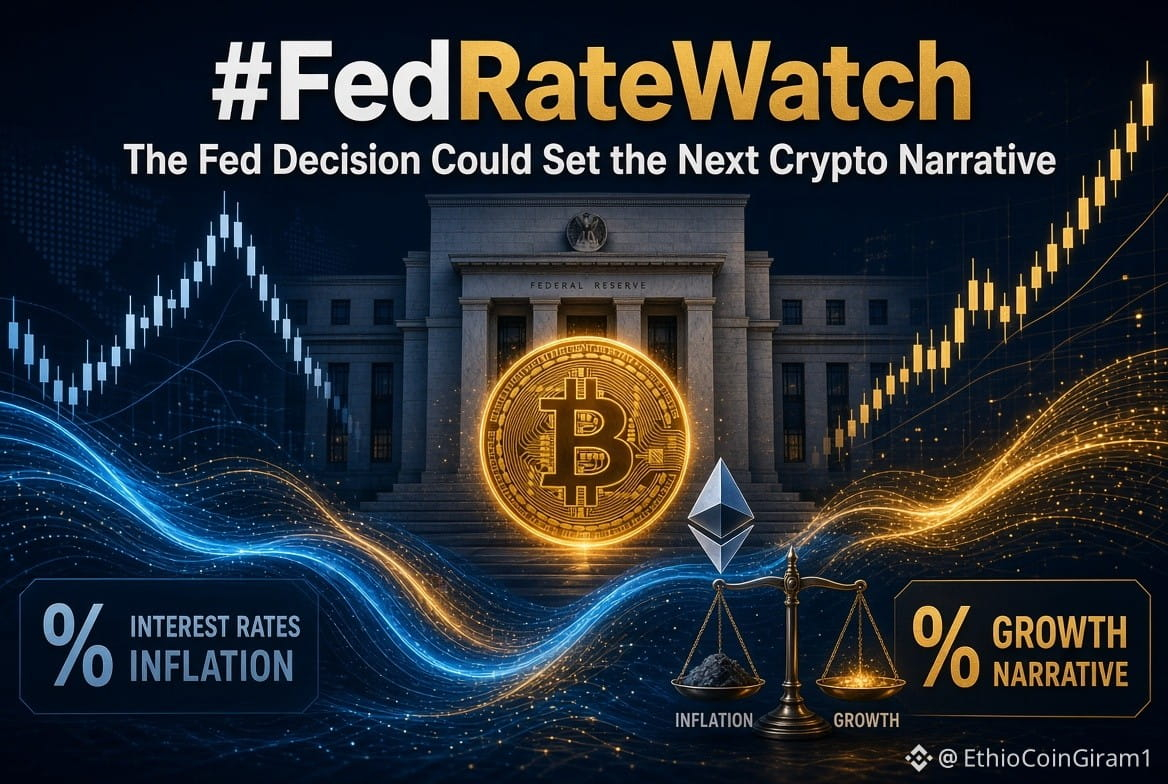
#fedratewatch #FedRateWatch: 連邦準備制度の判断が次の暗号資産の物語を決める可能性
私は、FRB(連邦準備制度)を注意深く見ています。今日の決定は、単一の金利の数字以上の意味を持つからです。
連邦準備制度の9月15~16日のFOMC会合は本日で結論が出て、その後に記者会見が行われます。
暗号資産トレーダーにとって重要な問いはシンプルです:
決定の後、流動性はどうなるのか?
🧠 なぜFRBはビットコインに関係するのか
金利が高い状態が続くと、現金や米国債利回りの魅力が増します。同時に、金融環境が引き締まったままになりやすく、高リスク資産(ビットコインやアルトコイン)への需要が減る可能性があります。
一方、市場が「より緩和的な政策」を見込むようになると、逆のダイナミクスが起き得ます。投資家はリスクを取ることに、より前向きになっていくかもしれません。
しかし、多くのトレーダーが見落としがちな重要な点があります:
暗号資産は、見出しとなる金利そのものよりも、FRBのメッセージに対して反応することが多いのです。
声明、経済見通し、記者会見は、今後数回の会合に対する期待を変えることがあります。
📊 今日私が注目していること
1. 金利決定
市場は9月会合の再評価を大きく進めています。最近、CME関連の市場データでは、インフレ指標の結果が出たことで、25ベーシスポイントの利上げ確率が大幅に上がっていることが示されていました。
2. パウエル氏の発言
FRBがインフレに対してより強い懸念を示す場合、市場はそれを先のタイトな政策のシグナルだと解釈するかもしれません。
政策当局が景気の弱さやインフレ圧力の低下を強調するなら、トレーダーは将来の緩和の可能性により強く注目することになり得ます。
3. ビットコインの反応
私は、発表直後の最初のローソク足に反応するよりも、BTCの出来高と価格構造を見たいです。
大きく動いたあと、すぐに反転するようなら、最初の反応は主にポジショニングによるものだった可能性を示唆します。
🔎 より大きな全体像
FRBはインフレと経済成長のバランスを取っています。その一方で、市場は同時に、米国債利回り、ドル、そしてより広い流動性の状況を見ています。#bitcoin #BTC #Ethereum
#fedratewatch #FedRateWatch: 連邦準備制度の判断が次の暗号資産の物語を決める可能性
私は、FRB(連邦準備制度)を注意深く見ています。今日の決定は、単一の金利の数字以上の意味を持つからです。
連邦準備制度の9月15~16日のFOMC会合は本日で結論が出て、その後に記者会見が行われます。
暗号資産トレーダーにとって重要な問いはシンプルです:
決定の後、流動性はどうなるのか?
🧠 なぜFRBはビットコインに関係するのか
金利が高い状態が続くと、現金や米国債利回りの魅力が増します。同時に、金融環境が引き締まったままになりやすく、高リスク資産(ビットコインやアルトコイン)への需要が減る可能性があります。
一方、市場が「より緩和的な政策」を見込むようになると、逆のダイナミクスが起き得ます。投資家はリスクを取ることに、より前向きになっていくかもしれません。
しかし、多くのトレーダーが見落としがちな重要な点があります:
暗号資産は、見出しとなる金利そのものよりも、FRBのメッセージに対して反応することが多いのです。
声明、経済見通し、記者会見は、今後数回の会合に対する期待を変えることがあります。
📊 今日私が注目していること
1. 金利決定
市場は9月会合の再評価を大きく進めています。最近、CME関連の市場データでは、インフレ指標の結果が出たことで、25ベーシスポイントの利上げ確率が大幅に上がっていることが示されていました。
2. パウエル氏の発言
FRBがインフレに対してより強い懸念を示す場合、市場はそれを先のタイトな政策のシグナルだと解釈するかもしれません。
政策当局が景気の弱さやインフレ圧力の低下を強調するなら、トレーダーは将来の緩和の可能性により強く注目することになり得ます。
3. ビットコインの反応
私は、発表直後の最初のローソク足に反応するよりも、BTCの出来高と価格構造を見たいです。
大きく動いたあと、すぐに反転するようなら、最初の反応は主にポジショニングによるものだった可能性を示唆します。
🔎 より大きな全体像
FRBはインフレと経済成長のバランスを取っています。その一方で、市場は同時に、米国債利回り、ドル、そしてより広い流動性の状況を見ています。#bitcoin #BTC #Ethereum
私は、FRB(連邦準備制度)を注意深く見ています。今日の決定は、単一の金利の数字以上の意味を持つからです。
連邦準備制度の9月15~16日のFOMC会合は本日で結論が出て、その後に記者会見が行われます。
暗号資産トレーダーにとって重要な問いはシンプルです:
決定の後、流動性はどうなるのか?
🧠 なぜFRBはビットコインに関係するのか
金利が高い状態が続くと、現金や米国債利回りの魅力が増します。同時に、金融環境が引き締まったままになりやすく、高リスク資産(ビットコインやアルトコイン)への需要が減る可能性があります。
一方、市場が「より緩和的な政策」を見込むようになると、逆のダイナミクスが起き得ます。投資家はリスクを取ることに、より前向きになっていくかもしれません。
しかし、多くのトレーダーが見落としがちな重要な点があります:
暗号資産は、見出しとなる金利そのものよりも、FRBのメッセージに対して反応することが多いのです。
声明、経済見通し、記者会見は、今後数回の会合に対する期待を変えることがあります。
📊 今日私が注目していること
1. 金利決定
市場は9月会合の再評価を大きく進めています。最近、CME関連の市場データでは、インフレ指標の結果が出たことで、25ベーシスポイントの利上げ確率が大幅に上がっていることが示されていました。
2. パウエル氏の発言
FRBがインフレに対してより強い懸念を示す場合、市場はそれを先のタイトな政策のシグナルだと解釈するかもしれません。
政策当局が景気の弱さやインフレ圧力の低下を強調するなら、トレーダーは将来の緩和の可能性により強く注目することになり得ます。
3. ビットコインの反応
私は、発表直後の最初のローソク足に反応するよりも、BTCの出来高と価格構造を見たいです。
大きく動いたあと、すぐに反転するようなら、最初の反応は主にポジショニングによるものだった可能性を示唆します。
🔎 より大きな全体像
FRBはインフレと経済成長のバランスを取っています。その一方で、市場は同時に、米国債利回り、ドル、そしてより広い流動性の状況を見ています。#bitcoin #BTC #Ethereum
663


·
--
記事
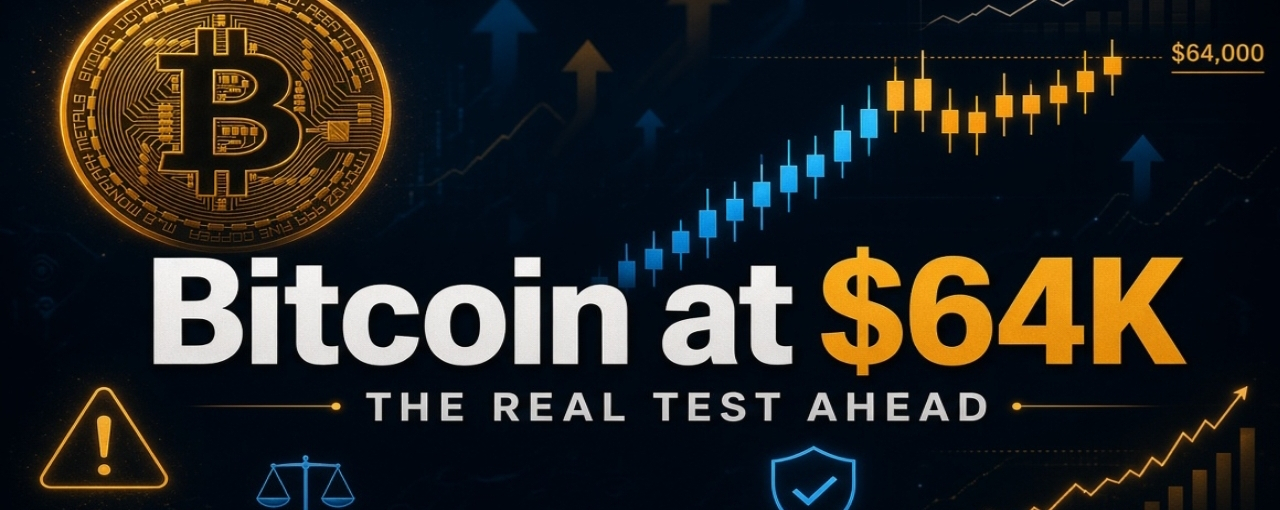
ビットコインは64Kドルで足踏み — しかし本当の試練はこれからかもしれない今日はビットコインを注意深く見ていますが、興味深いのは単にBTCが64,000ドル前後で推移していることだけではありません。問題は、市場が目の前にいくつかの潜在的な材料を抱えているにもかかわらず、より高い水準へ押し上げるのが難しい理由です。
ビットコインは最近、約62,600ドルから64,600ドル付近へ反発したものの、財務省利回りと原油価格が上昇するにつれて勢いが冷え始めています。ブレント原油は、60日間の米国・イラン停戦が新たな合意なく期限切れとなったことで、再び94ドル近辺まで戻してきました。これは重要です。エネルギー価格の上昇はインフレ懸念を強める可能性があり、それが金利見通しやリスク資産に対する下押し圧力につながり得るからです。
ビットコインは64Kドルで足踏み — しかし本当の試練はこれからかもしれない
今日はビットコインを注意深く見ていますが、興味深いのは単にBTCが64,000ドル前後で推移していることだけではありません。問題は、市場が目の前にいくつかの潜在的な材料を抱えているにもかかわらず、より高い水準へ押し上げるのが難しい理由です。
ビットコインは最近、約62,600ドルから64,600ドル付近へ反発したものの、財務省利回りと原油価格が上昇するにつれて勢いが冷え始めています。ブレント原油は、60日間の米国・イラン停戦が新たな合意なく期限切れとなったことで、再び94ドル近辺まで戻してきました。これは重要です。エネルギー価格の上昇はインフレ懸念を強める可能性があり、それが金利見通しやリスク資産に対する下押し圧力につながり得るからです。
ビットコインは最近、約62,600ドルから64,600ドル付近へ反発したものの、財務省利回りと原油価格が上昇するにつれて勢いが冷え始めています。ブレント原油は、60日間の米国・イラン停戦が新たな合意なく期限切れとなったことで、再び94ドル近辺まで戻してきました。これは重要です。エネルギー価格の上昇はインフレ懸念を強める可能性があり、それが金利見通しやリスク資産に対する下押し圧力につながり得るからです。
82
·
--
$COW: 私がこのトークンを密に見ている理由私は、暗号資産市場が単なる物語から、実際に問題を解決できるインフラへと移り変わっていくのを見てきました。AIは最大級のテーマになっていますが、その潮流の下で、別の物語も育っています。分散型ファイナンスを、より効率的で自動化され、使いやすくするにはどうすればよいのか。
それが、$COWが私の関心を引く理由のひとつです。
暗号資産は、いくつもの大きな物語(ナラティブ)のサイクルを経てきました。最初はスマートコントラクト、次にDeFi、そしてレイヤー2のスケーリング、さらにいまはAI主導のインフラです。各サイクルは、市場が価値あるものとして認める対象を変えてきました。しかし、そこには共通の教訓があります。物語は注目を集められますが、その注目が続くかどうかは、実際のユーティリティ(有用性)が決めるのです。
$COW: 私がこのトークンを密に見ている理由
私は、暗号資産市場が単なる物語から、実際に問題を解決できるインフラへと移り変わっていくのを見てきました。AIは最大級のテーマになっていますが、その潮流の下で、別の物語も育っています。分散型ファイナンスを、より効率的で自動化され、使いやすくするにはどうすればよいのか。
それが、$COWが私の関心を引く理由のひとつです。
暗号資産は、いくつもの大きな物語(ナラティブ)のサイクルを経てきました。最初はスマートコントラクト、次にDeFi、そしてレイヤー2のスケーリング、さらにいまはAI主導のインフラです。各サイクルは、市場が価値あるものとして認める対象を変えてきました。しかし、そこには共通の教訓があります。物語は注目を集められますが、その注目が続くかどうかは、実際のユーティリティ(有用性)が決めるのです。
それが、$COWが私の関心を引く理由のひとつです。
暗号資産は、いくつもの大きな物語(ナラティブ)のサイクルを経てきました。最初はスマートコントラクト、次にDeFi、そしてレイヤー2のスケーリング、さらにいまはAI主導のインフラです。各サイクルは、市場が価値あるものとして認める対象を変えてきました。しかし、そこには共通の教訓があります。物語は注目を集められますが、その注目が続くかどうかは、実際のユーティリティ(有用性)が決めるのです。
228
·
--
$APR
{alpha}(560x299ad4299da5b2b93fba4c96967b040c7f611099)
— 注目の銘柄 👀
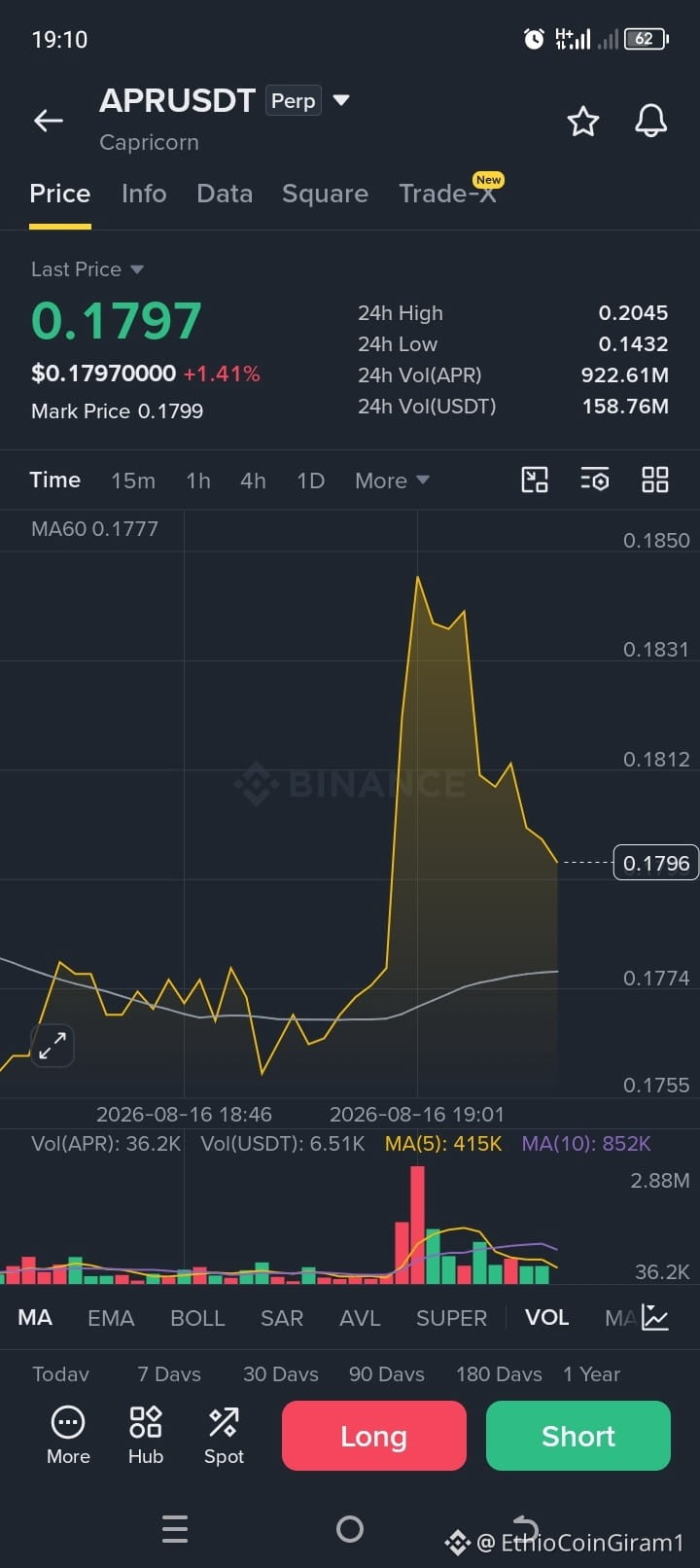
市場の注目が小型株の機会へ移る中、$APR を引き続き注視しています。重要なポイントは、出来高とモメンタムが継続的な上昇を支えられるかどうかです。
#APR #Crypto #BinanceSquare
$APR
— 注目の銘柄 👀
市場の注目が小型株の機会へ移る中、$APR を引き続き注視しています。重要なポイントは、出来高とモメンタムが継続的な上昇を支えられるかどうかです。
#APR #Crypto #BinanceSquare
— 注目の銘柄 👀
市場の注目が小型株の機会へ移る中、$APR を引き続き注視しています。重要なポイントは、出来高とモメンタムが継続的な上昇を支えられるかどうかです。
#APR #Crypto #BinanceSquare
159
·
--
Googleアカウントのハック後、ビットコイン保有者が取引所の資金を失う:セキュリティ上の目覚めを促す警鐘1つの侵害されたアカウントが暗号資産資金への入口になり得る
はじめに
ビットコイン保有者の最近のアカウント投稿は、過小評価されがちなセキュリティ上のリスクを浮き彫りにしました。暗号資産取引所は守られているかもしれませんが、取引所に紐づくメールやアカウントが最も弱いリンクになり得るのです。
報告された被害者は、フィッシング攻撃によって自分のGoogleアカウントが侵害され、パスワード、認証情報、取引所関連のメールへのアクセスが露出したと述べています。攻撃者は、そのアクセスを使って暗号資産取引所のアカウントに到達し、資金を引き出したとされています。
Googleアカウントのハック後、ビットコイン保有者が取引所の資金を失う:セキュリティ上の目覚めを促す警鐘
1つの侵害されたアカウントが暗号資産資金への入口になり得る
はじめに
ビットコイン保有者の最近のアカウント投稿は、過小評価されがちなセキュリティ上のリスクを浮き彫りにしました。暗号資産取引所は守られているかもしれませんが、取引所に紐づくメールやアカウントが最も弱いリンクになり得るのです。
報告された被害者は、フィッシング攻撃によって自分のGoogleアカウントが侵害され、パスワード、認証情報、取引所関連のメールへのアクセスが露出したと述べています。攻撃者は、そのアクセスを使って暗号資産取引所のアカウントに到達し、資金を引き出したとされています。
はじめに
ビットコイン保有者の最近のアカウント投稿は、過小評価されがちなセキュリティ上のリスクを浮き彫りにしました。暗号資産取引所は守られているかもしれませんが、取引所に紐づくメールやアカウントが最も弱いリンクになり得るのです。
報告された被害者は、フィッシング攻撃によって自分のGoogleアカウントが侵害され、パスワード、認証情報、取引所関連のメールへのアクセスが露出したと述べています。攻撃者は、そのアクセスを使って暗号資産取引所のアカウントに到達し、資金を引き出したとされています。
75
·
--
$SOL
{future}(SOLUSDT)
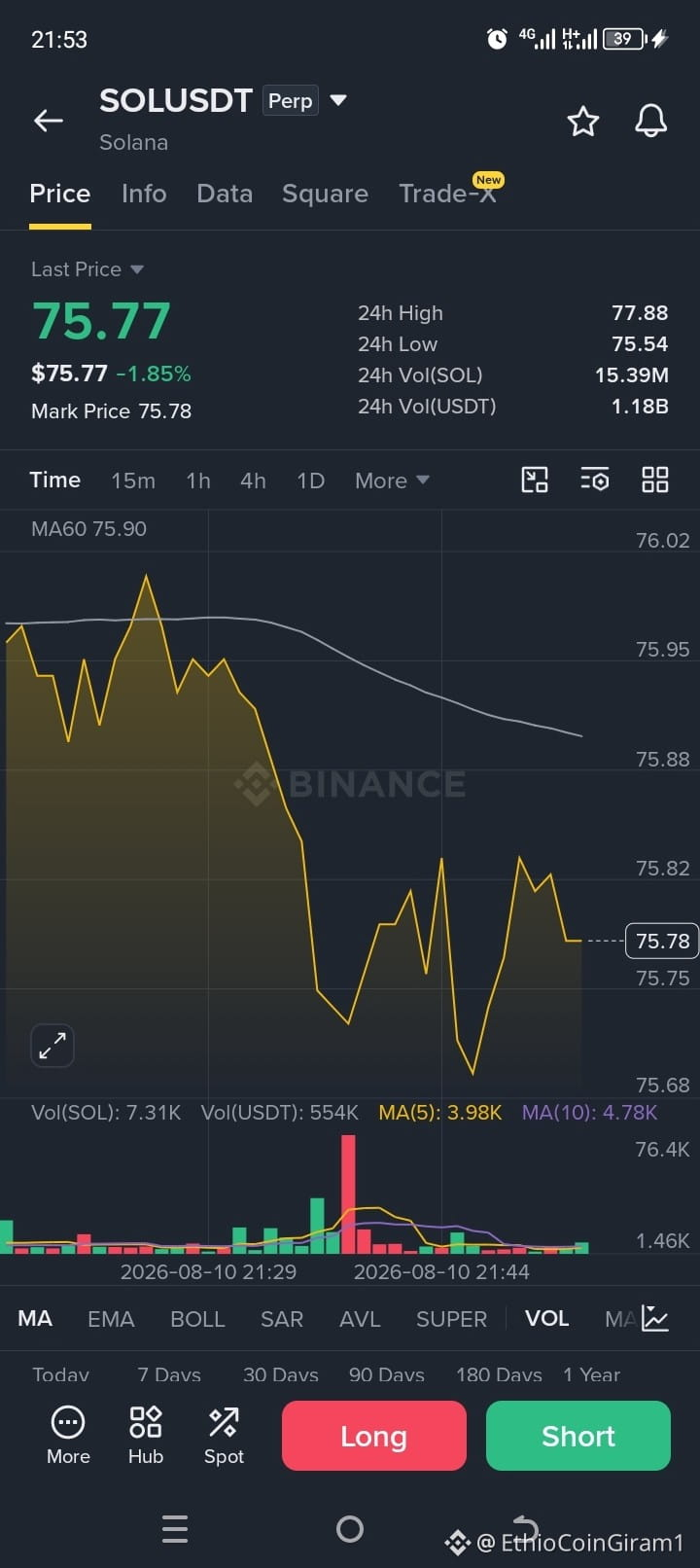
取引はおおむね$76前後で推移しており、市場は直近のリカバリーがより強いトレンドに発展できるかに注目している。現在の市場データではSOLは$75〜$77付近で推移しており、重要な短期のテクニカル水準はおおむね$76〜$78だ。
$76〜$78: 直近のレジスタンス/リカバリー・ゾーン
$80: 重要な心理的節目
$70〜$72: 売り圧力が再び戻ってきた場合に注目する領域
$80超: 短期の市場構造が改善する可能性
$70未満: 現在のリカバリーのセットアップが弱まる可能性
$SOL
取引はおおむね$76前後で推移しており、市場は直近のリカバリーがより強いトレンドに発展できるかに注目している。現在の市場データではSOLは$75〜$77付近で推移しており、重要な短期のテクニカル水準はおおむね$76〜$78だ。
$76〜$78: 直近のレジスタンス/リカバリー・ゾーン
$80: 重要な心理的節目
$70〜$72: 売り圧力が再び戻ってきた場合に注目する領域
$80超: 短期の市場構造が改善する可能性
$70未満: 現在のリカバリーのセットアップが弱まる可能性
取引はおおむね$76前後で推移しており、市場は直近のリカバリーがより強いトレンドに発展できるかに注目している。現在の市場データではSOLは$75〜$77付近で推移しており、重要な短期のテクニカル水準はおおむね$76〜$78だ。
$76〜$78: 直近のレジスタンス/リカバリー・ゾーン
$80: 重要な心理的節目
$70〜$72: 売り圧力が再び戻ってきた場合に注目する領域
$80超: 短期の市場構造が改善する可能性
$70未満: 現在のリカバリーのセットアップが弱まる可能性
1
121
·
--
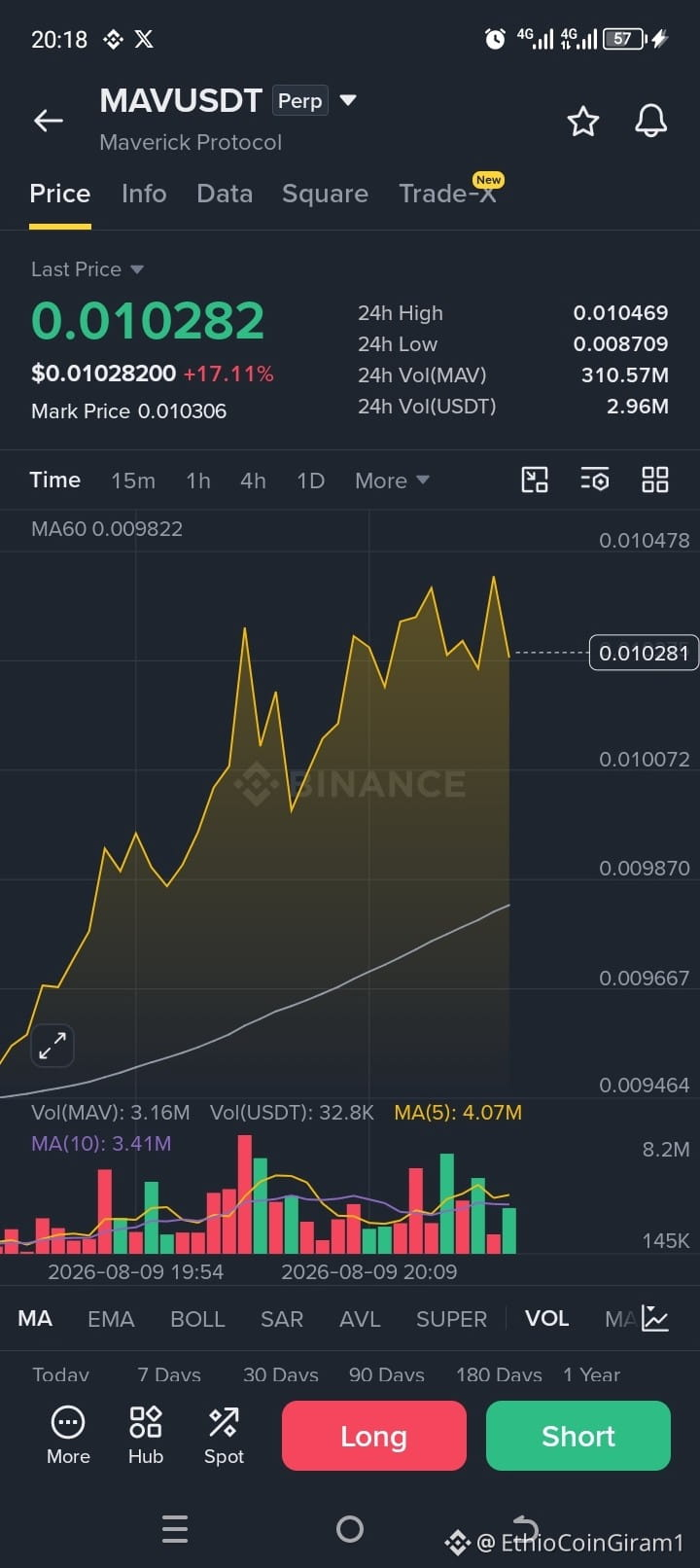
それがMaverick Protocol $MAV
{future}(MAVUSDT)
が面白くなるところです。
私が注目していること
Maverickの中核的な焦点は、自動マーケットメーカー(AMM)インフラストラクチャです。流動性提供者が、流動性をどこに集中させるかをより細かく制御できるように設計されています。このプロジェクトによれば、Maverick V2はさまざまなブロックチェーンのエコシステムへ継続的に拡大しており、最近のアップデートでは、資本効率の高い流動性やDeFiとの統合が強調されています。
私が特に注目している開発の1つは、ポイント(points)システムの可能性です。うまく実装されれば、インセンティブによって流動性を呼び込み、ユーザーの活動を高められるかもしれません。ただし、インセンティブだけでは持続可能な成長が保証されるわけではありません。"
#SaylorHintsStrategyBitcoinBuy #BIP110SoftForkAttemptBegins #Write2Earn
それがMaverick Protocol $MAV
が面白くなるところです。
私が注目していること
Maverickの中核的な焦点は、自動マーケットメーカー(AMM)インフラストラクチャです。流動性提供者が、流動性をどこに集中させるかをより細かく制御できるように設計されています。このプロジェクトによれば、Maverick V2はさまざまなブロックチェーンのエコシステムへ継続的に拡大しており、最近のアップデートでは、資本効率の高い流動性やDeFiとの統合が強調されています。
私が特に注目している開発の1つは、ポイント(points)システムの可能性です。うまく実装されれば、インセンティブによって流動性を呼び込み、ユーザーの活動を高められるかもしれません。ただし、インセンティブだけでは持続可能な成長が保証されるわけではありません。"
#SaylorHintsStrategyBitcoinBuy #BIP110SoftForkAttemptBegins #Write2Earn
が面白くなるところです。
私が注目していること
Maverickの中核的な焦点は、自動マーケットメーカー(AMM)インフラストラクチャです。流動性提供者が、流動性をどこに集中させるかをより細かく制御できるように設計されています。このプロジェクトによれば、Maverick V2はさまざまなブロックチェーンのエコシステムへ継続的に拡大しており、最近のアップデートでは、資本効率の高い流動性やDeFiとの統合が強調されています。
私が特に注目している開発の1つは、ポイント(points)システムの可能性です。うまく実装されれば、インセンティブによって流動性を呼び込み、ユーザーの活動を高められるかもしれません。ただし、インセンティブだけでは持続可能な成長が保証されるわけではありません。"
#SaylorHintsStrategyBitcoinBuy #BIP110SoftForkAttemptBegins #Write2Earn
1
1
186
·
--
📊 $BTC Pull
今朝ビットコインは約64,700ドル近辺で取引されており、昨日のオープンからおよそ235ドル上昇しています。この上げは、驚くほど弱い7月の雇用統計によってもたらされています——見込みに反して23,000人の雇用が失われ、失業率も4.1%へと低下。これが、リスク資産全般で利下げ期待を後押ししています。
ただ、俯瞰するとBTCは依然として、1年前に取引されていた水準から約52,750ドル下にあり、2025年10月6日に付けた史上最高値126,198ドルからも大きく離れています。次の本当の試練は、今月のあらゆる上昇局面を押し返してきた、65,000〜70,000ドルのレジスタンス帯を奪還できるかどうかです。
とはいえ、ファンダメンタルズは変わっていません。時価総額は依然として約1.33兆ドルで、供給は固定されており、機関投資家向けの基盤もさらに厚みを増しています。
あなたは65,000ドルを上抜けするブレイクアウトを待っていますか?それとも今月はさらなるレンジ相場を警戒していますか?下に意見をドロップしてください。👇
$BTC
{future}(BTCUSDT)
#BTC #CryptoMarket #Binance
📊 $BTC Pull
今朝ビットコインは約64,700ドル近辺で取引されており、昨日のオープンからおよそ235ドル上昇しています。この上げは、驚くほど弱い7月の雇用統計によってもたらされています——見込みに反して23,000人の雇用が失われ、失業率も4.1%へと低下。これが、リスク資産全般で利下げ期待を後押ししています。
ただ、俯瞰するとBTCは依然として、1年前に取引されていた水準から約52,750ドル下にあり、2025年10月6日に付けた史上最高値126,198ドルからも大きく離れています。次の本当の試練は、今月のあらゆる上昇局面を押し返してきた、65,000〜70,000ドルのレジスタンス帯を奪還できるかどうかです。
とはいえ、ファンダメンタルズは変わっていません。時価総額は依然として約1.33兆ドルで、供給は固定されており、機関投資家向けの基盤もさらに厚みを増しています。
あなたは65,000ドルを上抜けするブレイクアウトを待っていますか?それとも今月はさらなるレンジ相場を警戒していますか?下に意見をドロップしてください。👇
$BTC
#BTC #CryptoMarket #Binance
今朝ビットコインは約64,700ドル近辺で取引されており、昨日のオープンからおよそ235ドル上昇しています。この上げは、驚くほど弱い7月の雇用統計によってもたらされています——見込みに反して23,000人の雇用が失われ、失業率も4.1%へと低下。これが、リスク資産全般で利下げ期待を後押ししています。
ただ、俯瞰するとBTCは依然として、1年前に取引されていた水準から約52,750ドル下にあり、2025年10月6日に付けた史上最高値126,198ドルからも大きく離れています。次の本当の試練は、今月のあらゆる上昇局面を押し返してきた、65,000〜70,000ドルのレジスタンス帯を奪還できるかどうかです。
とはいえ、ファンダメンタルズは変わっていません。時価総額は依然として約1.33兆ドルで、供給は固定されており、機関投資家向けの基盤もさらに厚みを増しています。
あなたは65,000ドルを上抜けするブレイクアウトを待っていますか?それとも今月はさらなるレンジ相場を警戒していますか?下に意見をドロップしてください。👇
$BTC
#BTC #CryptoMarket #Binance
42
ログインして、さらにコンテンツを読む
厳選トピックで世界の暗号資産トレーダーの仲間入り
⚡️ 暗号資産に関する最新かつ有益な情報が見つかります。
💬 世界最大の暗号資産取引所から信頼されています。
👍 認証を受けたクリエイターから、有益なインサイトを得られます。
メール / 電話番号