

Espresso Foundation
42 投稿

Espresso Foundation
 厳選トピック確認済
報告
ユーザーをブロック
Real-time settlement and sub-second finality for custom, sovereign chains. Built for enterprises that demand performance and control in a multi-chain world.
0 フォロー
295 フォロワー
50 いいね
投稿
すべて
動画
翻訳参照
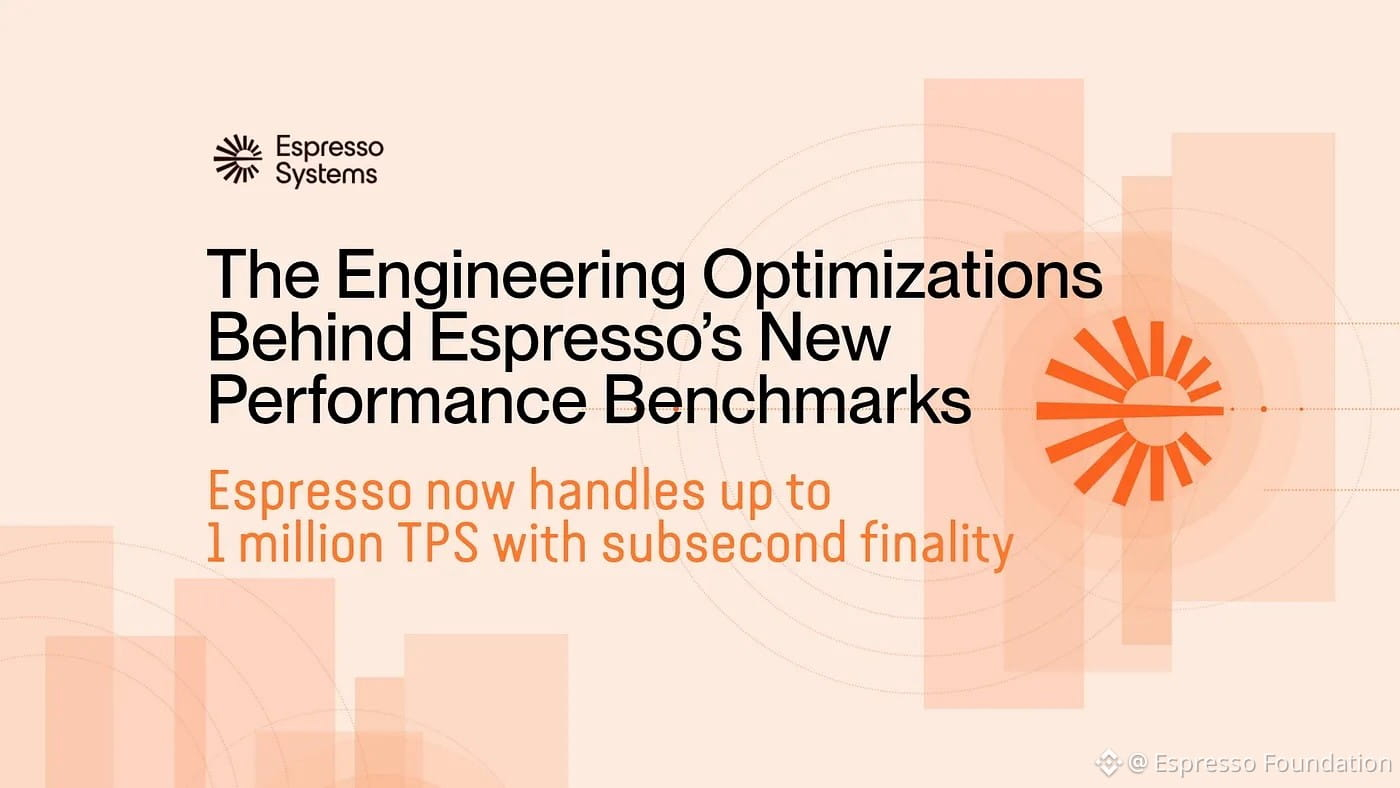
Getting Espresso to 1 million TPS meant rebuilding consensus, networking, block building, and data availability as one system, instead of tuning four separate ones.
Here’s a deep dive about how our engineers did it: https://medium.com/@espressosys/the-engineering-optimizations-behind-espressos-new-performance-benchmarks-b81f105e73e1 $ESP
{spot}(ESPUSDT)
Getting Espresso to 1 million TPS meant rebuilding consensus, networking, block building, and data availability as one system, instead of tuning four separate ones.
Here’s a deep dive about how our engineers did it: https://medium.com/@espressosys/the-engineering-optimizations-behind-espressos-new-performance-benchmarks-b81f105e73e1 $ESP
Here’s a deep dive about how our engineers did it: https://medium.com/@espressosys/the-engineering-optimizations-behind-espressos-new-performance-benchmarks-b81f105e73e1 $ESP
1
76
本人確認中
ブログでさらに詳しくお読みください:
https://medium.com/@espressosys/scale-without-sacrificing-speed-espresso-now-handles-up-to-1-million-tps-with-subsecond-finality-312c40ac7ca5?sharedUserId=espressosys
$ESP
ブログでさらに詳しくお読みください:
https://medium.com/@espressosys/scale-without-sacrificing-speed-espresso-now-handles-up-to-1-million-tps-with-subsecond-finality-312c40ac7ca5?sharedUserId=espressosys
$ESP
https://medium.com/@espressosys/scale-without-sacrificing-speed-espresso-now-handles-up-to-1-million-tps-with-subsecond-finality-312c40ac7ca5?sharedUserId=espressosys
$ESP
245
Espressoメインネットは、1秒未満のファイナリティをピーク負荷時にも維持しながら、毎秒最大100万件のトランザクションを処理できるようになりました。
新たなベンチマークでは、グローバルネットワークを模したレイテンシ条件のもと、100ノードで毎秒181 MBのデータスループットを計測しました。ステーブルコインの送金サイズを平均180バイトとすると、これは毎秒100万件超に相当します。
参考までに、毎秒181 MBという数値は、他の主要チェーンの最大スループットと比べても優れています。Solana(29.68 MB/s)、Tempo(3.74 MB/s)、BNB Chain(1.18 MB/s)、Arc(0.48 MB/s)、Avalanche(0.43 MB/s)、Ethereum(0.35 MB/s)です。
ただし、速度を維持できなければ、スループットに意味はありません。多くのチェーンは、どちらか一方を犠牲にしています。Espressoは違います。
- 通常負荷時の平均ファイナリティ:337 ms
- ピーク負荷時(181 MB/s)の平均ファイナリティ:778 ms
どうやって実現したのでしょうか?Espressoは、将来の機関投資家向けアプリやエンタープライズアプリがベースレイヤーに求めるものを提供するため、原理原則から設計されました。トランザクションの順序付けとDAにおける高速かつ決定論的なファイナリティ、そしてピーク需要や、耐量子署名やプライバシー証明に必要となる大容量のトランザクションに対応できるスループットです。
実行はその要件に含まれていないため、EspressoにはVMがありません。そのため、世界各地に分散する100のバリデーターは、トランザクションの順序付けとDAについて、できる限り速くコンセンサスに到達することだけに集中できます。
VMがないことで、ApeChainのような統合チェーンや、まもなく対応予定のCeloとMegaETHは、Espressoのリアルタイムなファイナリティと高いスループットを継承しながら、VM、手数料モデル、シーケンサー、プライバシーおよびコンプライアンスのルールを自由に選択できます。
重要な理由:ステーブルコインは決済、財務管理、商取引へと用途を広げ、AIエージェントもますます自ら決済を開始するようになっています。どちらにも共通する課題があります。資産が多数のチェーンに分散しており、価値の移転には依然として数分かかったり、信頼できる仲介者が必要だったりすることです。機械の速度で動くソフトウェアは、遅いファイナリティを待てません。
1秒未満の決定論的なファイナリティがあれば、あらゆるチェーン、取引所、エージェント、システムが、Espressoと統合されたチェーンの状態を即座に信頼できます。これにより、決済そのものにほぼ匹敵する速さで完了するクロスチェーン送金が可能になります。$ESP
Espressoメインネットは、1秒未満のファイナリティをピーク負荷時にも維持しながら、毎秒最大100万件のトランザクションを処理できるようになりました。
新たなベンチマークでは、グローバルネットワークを模したレイテンシ条件のもと、100ノードで毎秒181 MBのデータスループットを計測しました。ステーブルコインの送金サイズを平均180バイトとすると、これは毎秒100万件超に相当します。
参考までに、毎秒181 MBという数値は、他の主要チェーンの最大スループットと比べても優れています。Solana(29.68 MB/s)、Tempo(3.74 MB/s)、BNB Chain(1.18 MB/s)、Arc(0.48 MB/s)、Avalanche(0.43 MB/s)、Ethereum(0.35 MB/s)です。
ただし、速度を維持できなければ、スループットに意味はありません。多くのチェーンは、どちらか一方を犠牲にしています。Espressoは違います。
- 通常負荷時の平均ファイナリティ:337 ms
- ピーク負荷時(181 MB/s)の平均ファイナリティ:778 ms
どうやって実現したのでしょうか?Espressoは、将来の機関投資家向けアプリやエンタープライズアプリがベースレイヤーに求めるものを提供するため、原理原則から設計されました。トランザクションの順序付けとDAにおける高速かつ決定論的なファイナリティ、そしてピーク需要や、耐量子署名やプライバシー証明に必要となる大容量のトランザクションに対応できるスループットです。
実行はその要件に含まれていないため、EspressoにはVMがありません。そのため、世界各地に分散する100のバリデーターは、トランザクションの順序付けとDAについて、できる限り速くコンセンサスに到達することだけに集中できます。
VMがないことで、ApeChainのような統合チェーンや、まもなく対応予定のCeloとMegaETHは、Espressoのリアルタイムなファイナリティと高いスループットを継承しながら、VM、手数料モデル、シーケンサー、プライバシーおよびコンプライアンスのルールを自由に選択できます。
重要な理由:ステーブルコインは決済、財務管理、商取引へと用途を広げ、AIエージェントもますます自ら決済を開始するようになっています。どちらにも共通する課題があります。資産が多数のチェーンに分散しており、価値の移転には依然として数分かかったり、信頼できる仲介者が必要だったりすることです。機械の速度で動くソフトウェアは、遅いファイナリティを待てません。
1秒未満の決定論的なファイナリティがあれば、あらゆるチェーン、取引所、エージェント、システムが、Espressoと統合されたチェーンの状態を即座に信頼できます。これにより、決済そのものにほぼ匹敵する速さで完了するクロスチェーン送金が可能になります。$ESP
新たなベンチマークでは、グローバルネットワークを模したレイテンシ条件のもと、100ノードで毎秒181 MBのデータスループットを計測しました。ステーブルコインの送金サイズを平均180バイトとすると、これは毎秒100万件超に相当します。
参考までに、毎秒181 MBという数値は、他の主要チェーンの最大スループットと比べても優れています。Solana(29.68 MB/s)、Tempo(3.74 MB/s)、BNB Chain(1.18 MB/s)、Arc(0.48 MB/s)、Avalanche(0.43 MB/s)、Ethereum(0.35 MB/s)です。
ただし、速度を維持できなければ、スループットに意味はありません。多くのチェーンは、どちらか一方を犠牲にしています。Espressoは違います。
- 通常負荷時の平均ファイナリティ:337 ms
- ピーク負荷時(181 MB/s)の平均ファイナリティ:778 ms
どうやって実現したのでしょうか?Espressoは、将来の機関投資家向けアプリやエンタープライズアプリがベースレイヤーに求めるものを提供するため、原理原則から設計されました。トランザクションの順序付けとDAにおける高速かつ決定論的なファイナリティ、そしてピーク需要や、耐量子署名やプライバシー証明に必要となる大容量のトランザクションに対応できるスループットです。
実行はその要件に含まれていないため、EspressoにはVMがありません。そのため、世界各地に分散する100のバリデーターは、トランザクションの順序付けとDAについて、できる限り速くコンセンサスに到達することだけに集中できます。
VMがないことで、ApeChainのような統合チェーンや、まもなく対応予定のCeloとMegaETHは、Espressoのリアルタイムなファイナリティと高いスループットを継承しながら、VM、手数料モデル、シーケンサー、プライバシーおよびコンプライアンスのルールを自由に選択できます。
重要な理由:ステーブルコインは決済、財務管理、商取引へと用途を広げ、AIエージェントもますます自ら決済を開始するようになっています。どちらにも共通する課題があります。資産が多数のチェーンに分散しており、価値の移転には依然として数分かかったり、信頼できる仲介者が必要だったりすることです。機械の速度で動くソフトウェアは、遅いファイナリティを待てません。
1秒未満の決定論的なファイナリティがあれば、あらゆるチェーン、取引所、エージェント、システムが、Espressoと統合されたチェーンの状態を即座に信頼できます。これにより、決済そのものにほぼ匹敵する速さで完了するクロスチェーン送金が可能になります。$ESP
264
共同創業者には、最近ブロックチェーン界隈であなたが使ったことのある何かに携わったことがあるかもしれない、Benedikt Buenzが名を連ねています。Benediktの初期の頃を知っている人はいますか??
https://x.com/humansofeth/status/1933197817570349200/photo/1
$ESP
{spot}(ESPUSDT)
共同創業者には、最近ブロックチェーン界隈であなたが使ったことのある何かに携わったことがあるかもしれない、Benedikt Buenzが名を連ねています。Benediktの初期の頃を知っている人はいますか??
https://x.com/humansofeth/status/1933197817570349200/photo/1
$ESP
https://x.com/humansofeth/status/1933197817570349200/photo/1
$ESP

1
316
8か月前、Espressoは完全な分散型プルーフ・オブ・ステークへと移行しました。最先端のブロックチェーンを支える基盤、ネットワークセキュリティ、手数料体系を整えました。
それ以来、パーミッションレスなネットワークを維持し、$ESPをステーキングする100人のバリデーターと連携し、HotShotをアップデートして1秒未満でブロックを確定できるようにし、エンタープライズ規模のスループットを実現しました。
私たちは今も開発を続けており、これからもさらに進化していきます。$ESP
{spot}(ESPUSDT)
8か月前、Espressoは完全な分散型プルーフ・オブ・ステークへと移行しました。最先端のブロックチェーンを支える基盤、ネットワークセキュリティ、手数料体系を整えました。
それ以来、パーミッションレスなネットワークを維持し、$ESP をステーキングする100人のバリデーターと連携し、HotShotをアップデートして1秒未満でブロックを確定できるようにし、エンタープライズ規模のスループットを実現しました。
私たちは今も開発を続けており、これからもさらに進化していきます。$ESP
それ以来、パーミッションレスなネットワークを維持し、$ESP をステーキングする100人のバリデーターと連携し、HotShotをアップデートして1秒未満でブロックを確定できるようにし、エンタープライズ規模のスループットを実現しました。
私たちは今も開発を続けており、これからもさらに進化していきます。$ESP
343
モノリシックな実行環境として構築された従来のL1とは異なり、Espressoは当初から他のチェーンのベースレイヤーとして構築されました。そのため、実行は完全に独立したチェーンに委ねられており、Espressoは1秒未満のファイナリティと、毎秒数百万件のトランザクション(TPS)に対応できるよう設計されたスループットを提供します。$ESP
モノリシックな実行環境として構築された従来のL1とは異なり、Espressoは当初から他のチェーンのベースレイヤーとして構築されました。そのため、実行は完全に独立したチェーンに委ねられており、Espressoは1秒未満のファイナリティと、毎秒数百万件のトランザクション(TPS)に対応できるよう設計されたスループットを提供します。$ESP
1
415
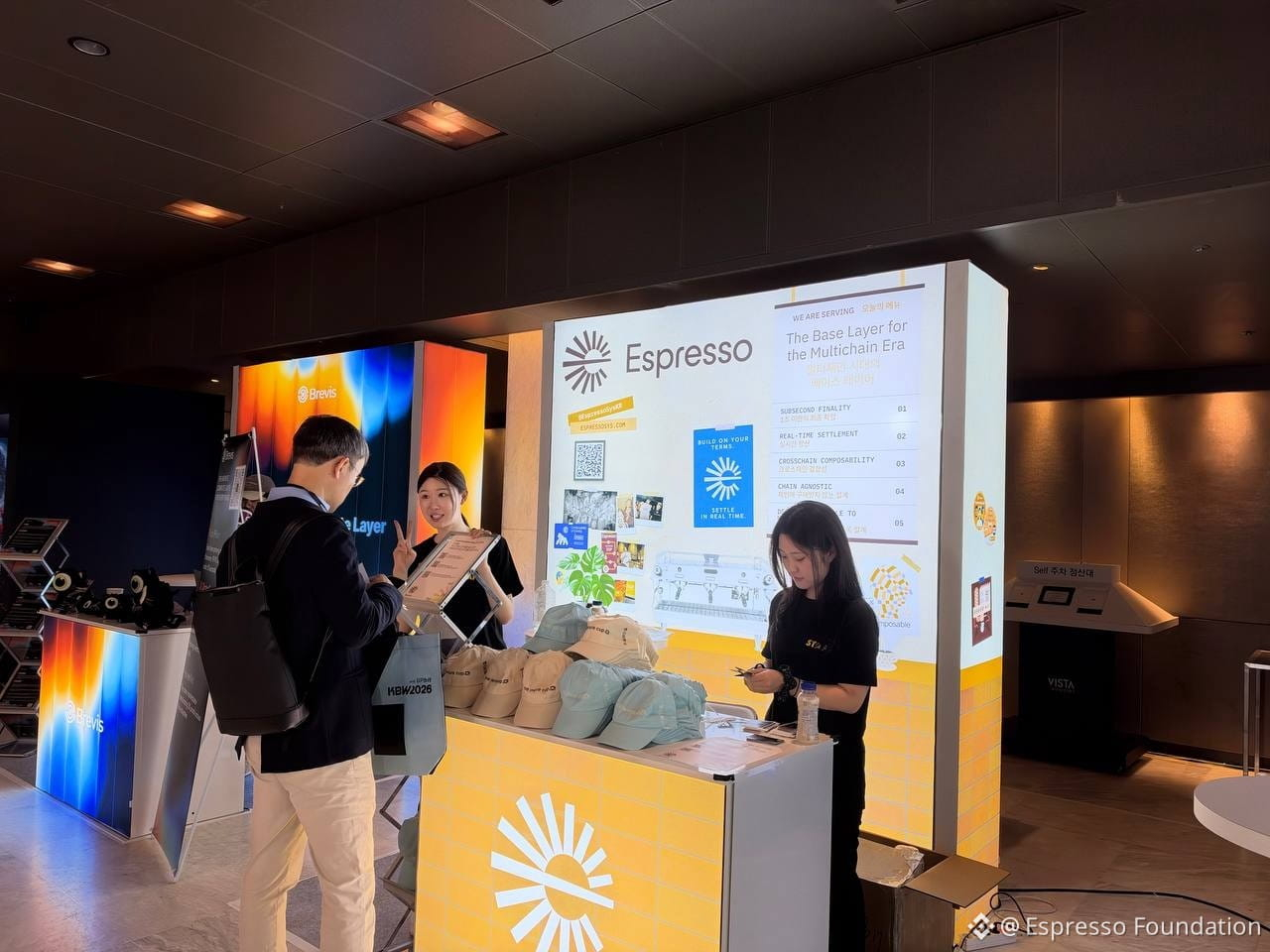
ソウル&KBW 2026は大成功でした!帽子を受け取りに来てくれた方、マルチチェーン時代のベースレイヤーについておしゃべりしてくれた方、そして共同創業者のチャールズ・ルーに会いに来てくれた方々に感謝します。下の「もう一杯 ☕️」帽子で自撮りを見せてください ⬇️ $ESP
{spot}(ESPUSDT)
ソウル&KBW 2026は大成功でした!帽子を受け取りに来てくれた方、マルチチェーン時代のベースレイヤーについておしゃべりしてくれた方、そして共同創業者のチャールズ・ルーに会いに来てくれた方々に感謝します。下の「もう一杯 ☕️」帽子で自撮りを見せてください ⬇️ $ESP
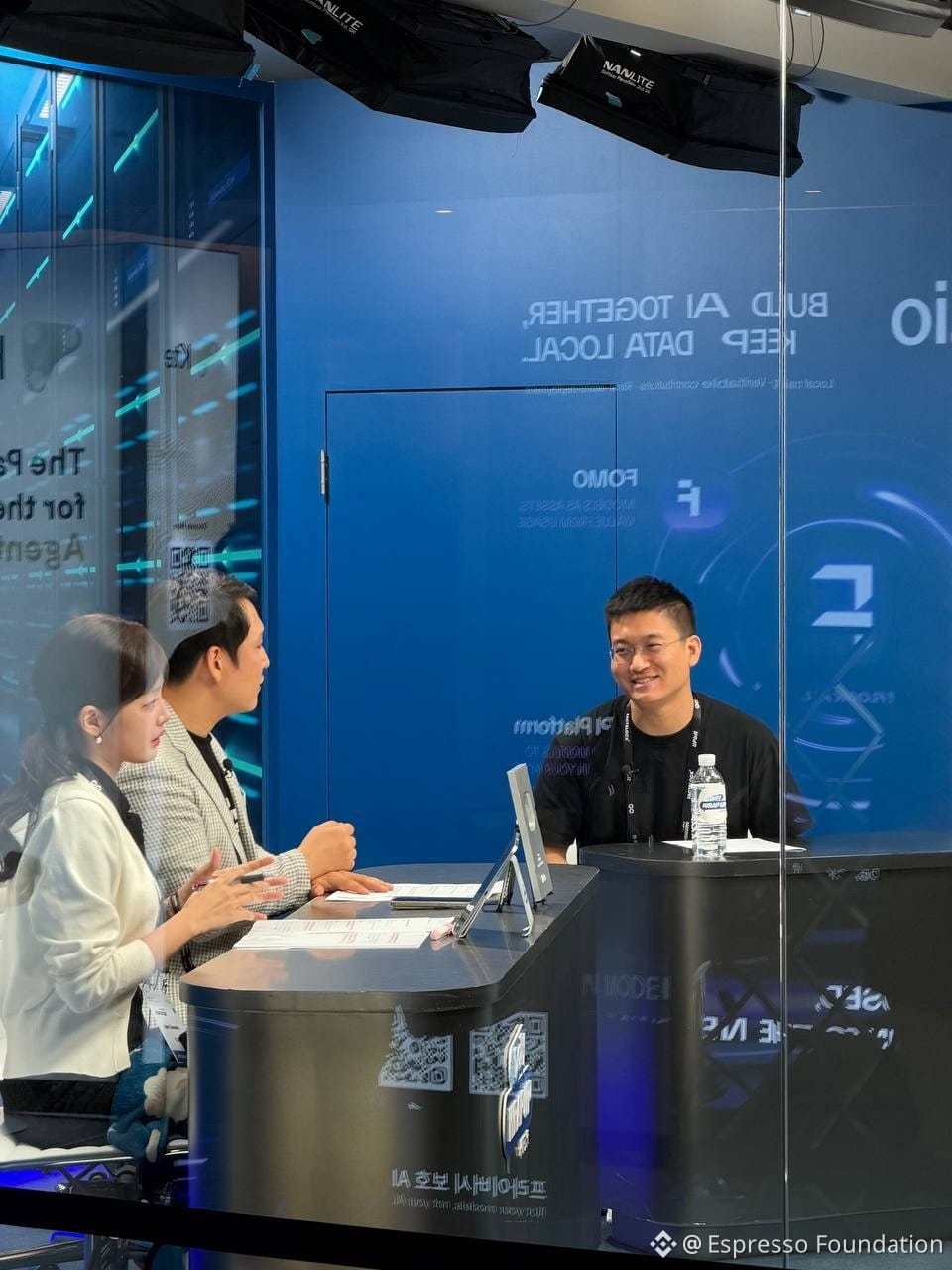
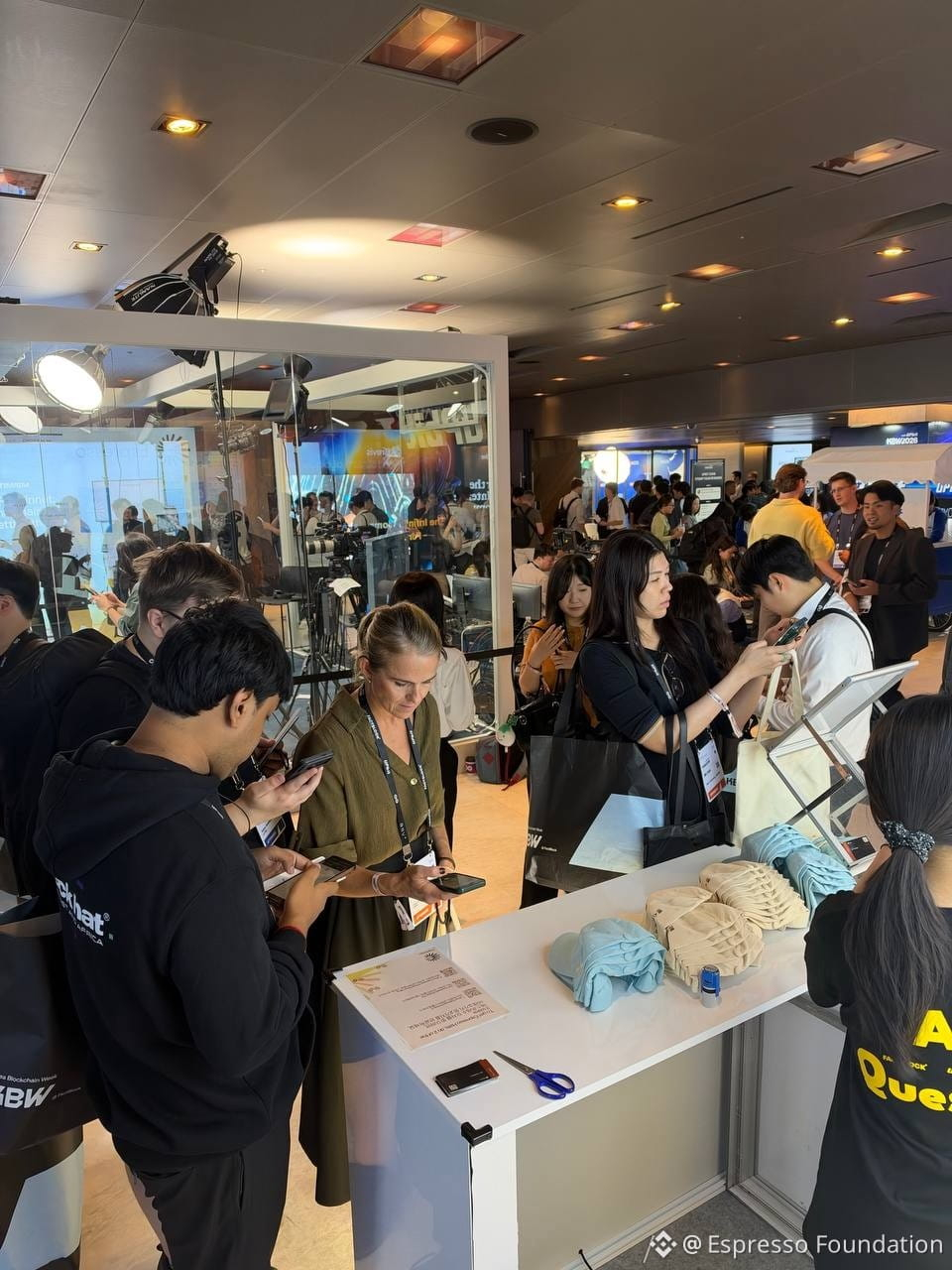
1
1
457
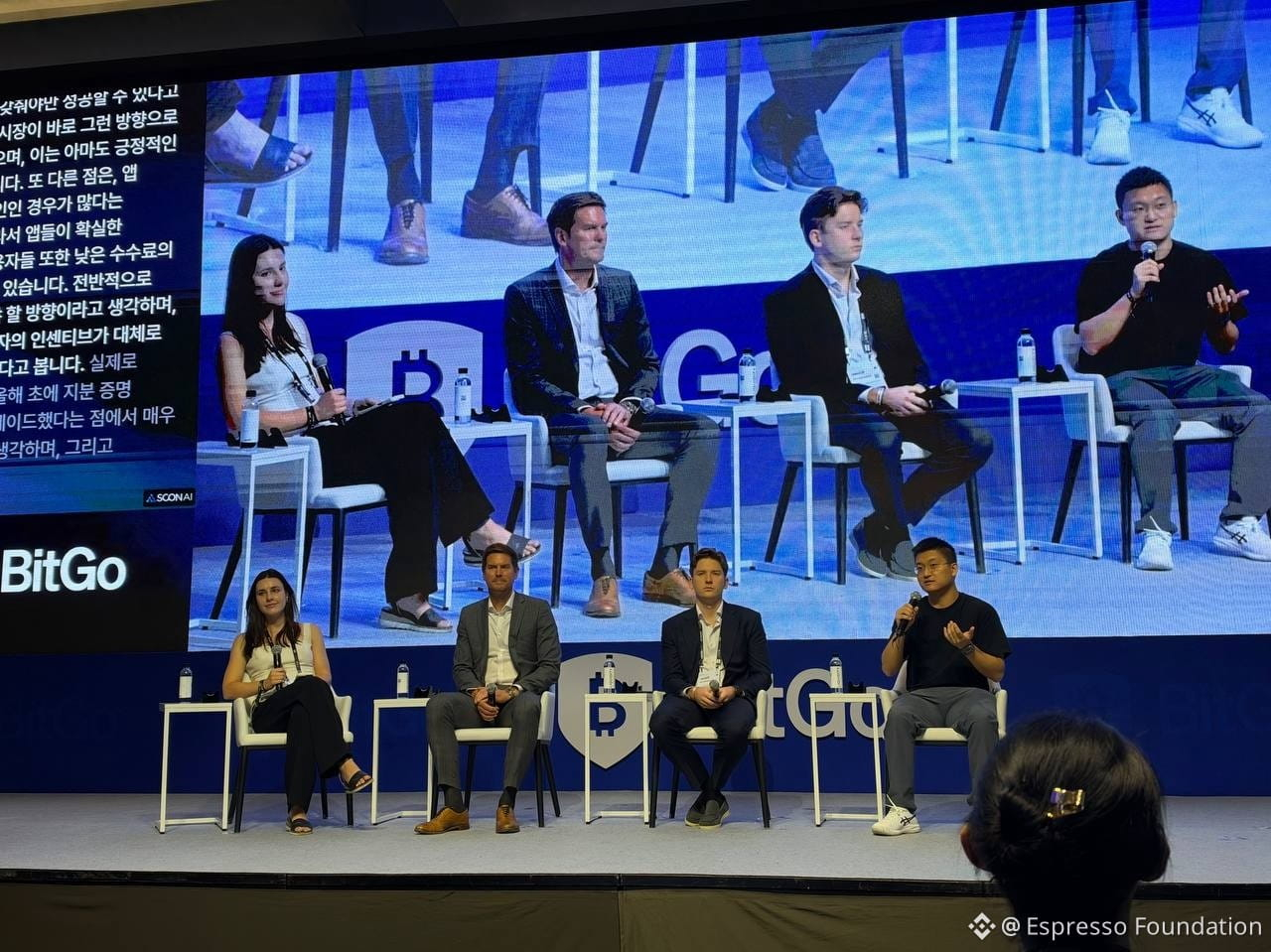
ソウルでKBW 2026に参加しているなら、今日ステージに登壇する共同創業者のCharles Luを見逃したくないはず。L2導入に関する“あの話”をたっぷり語ります 🫖
🔈パネル:L2導入は実現した?L2は勝った?
📍2026年10月1日 BitGo Stage - 11:20 AM $ESP
{spot}(ESPUSDT)
ソウルでKBW 2026に参加しているなら、今日ステージに登壇する共同創業者のCharles Luを見逃したくないはず。L2導入に関する“あの話”をたっぷり語ります 🫖
🔈パネル:L2導入は実現した?L2は勝った?
📍2026年10月1日 BitGo Stage - 11:20 AM $ESP
🔈パネル:L2導入は実現した?L2は勝った?
📍2026年10月1日 BitGo Stage - 11:20 AM $ESP

403
はい、この内容はAIで作成されました。でも実際にどれくらい正確かを確かめるには、ぜひ私たちのKBWブースまで直接来てくださいね😉 明日(9月30日〜10月1日)出展しています。ノベルティとコーヒーをご用意してお待ちしています!$ESP
はい、この内容はAIで作成されました。でも実際にどれくらい正確かを確かめるには、ぜひ私たちのKBWブースまで直接来てくださいね😉 明日(9月30日〜10月1日)出展しています。ノベルティとコーヒーをご用意してお待ちしています!$ESP
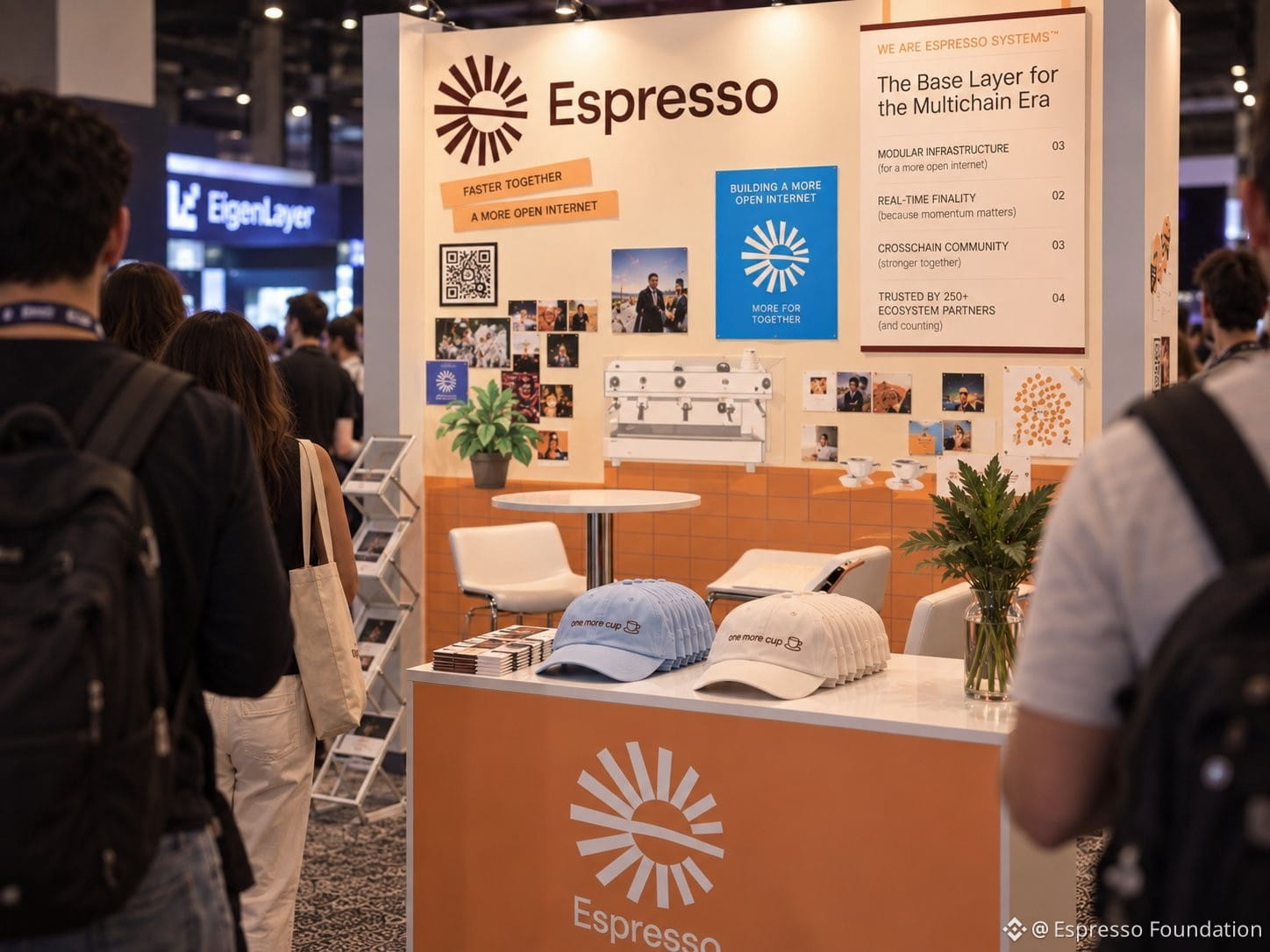
219
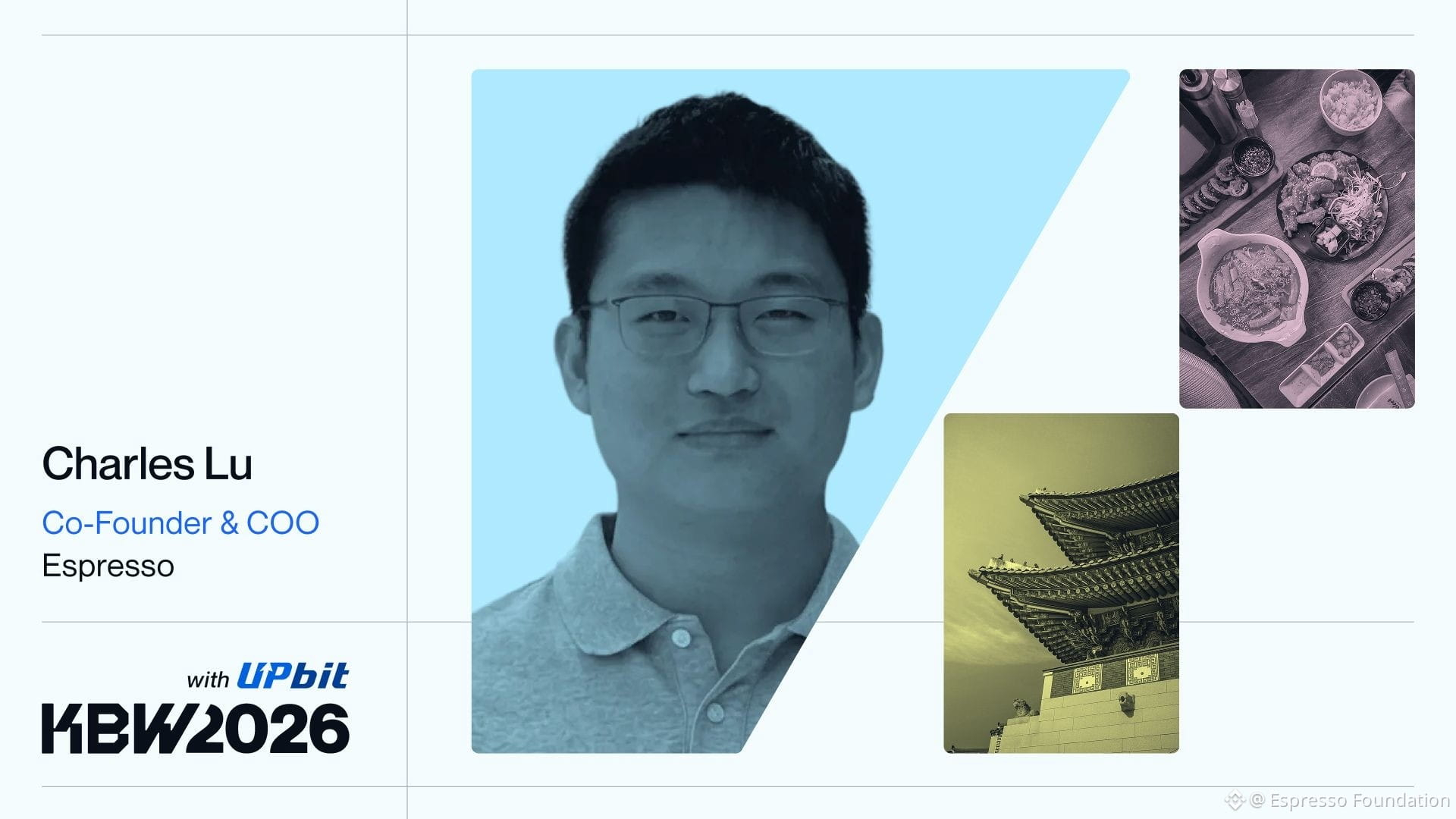
10月1日(木)にBitGoステージで共同創業者のCharles Luをぜひお迎えください 👏 $ESP
{spot}(ESPUSDT)
10月1日(木)にBitGoステージで共同創業者のCharles Luをぜひお迎えください 👏 $ESP
1
330
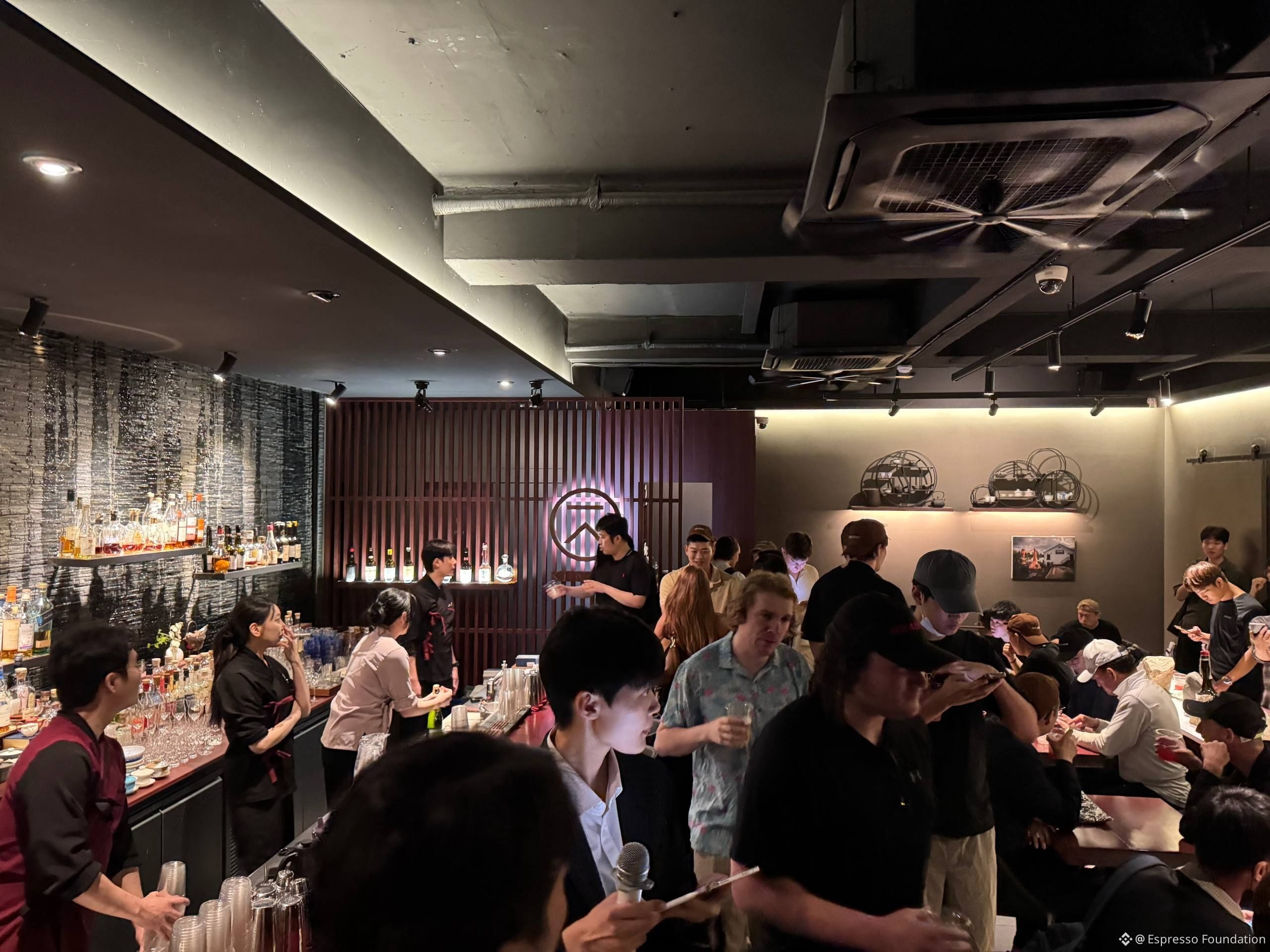
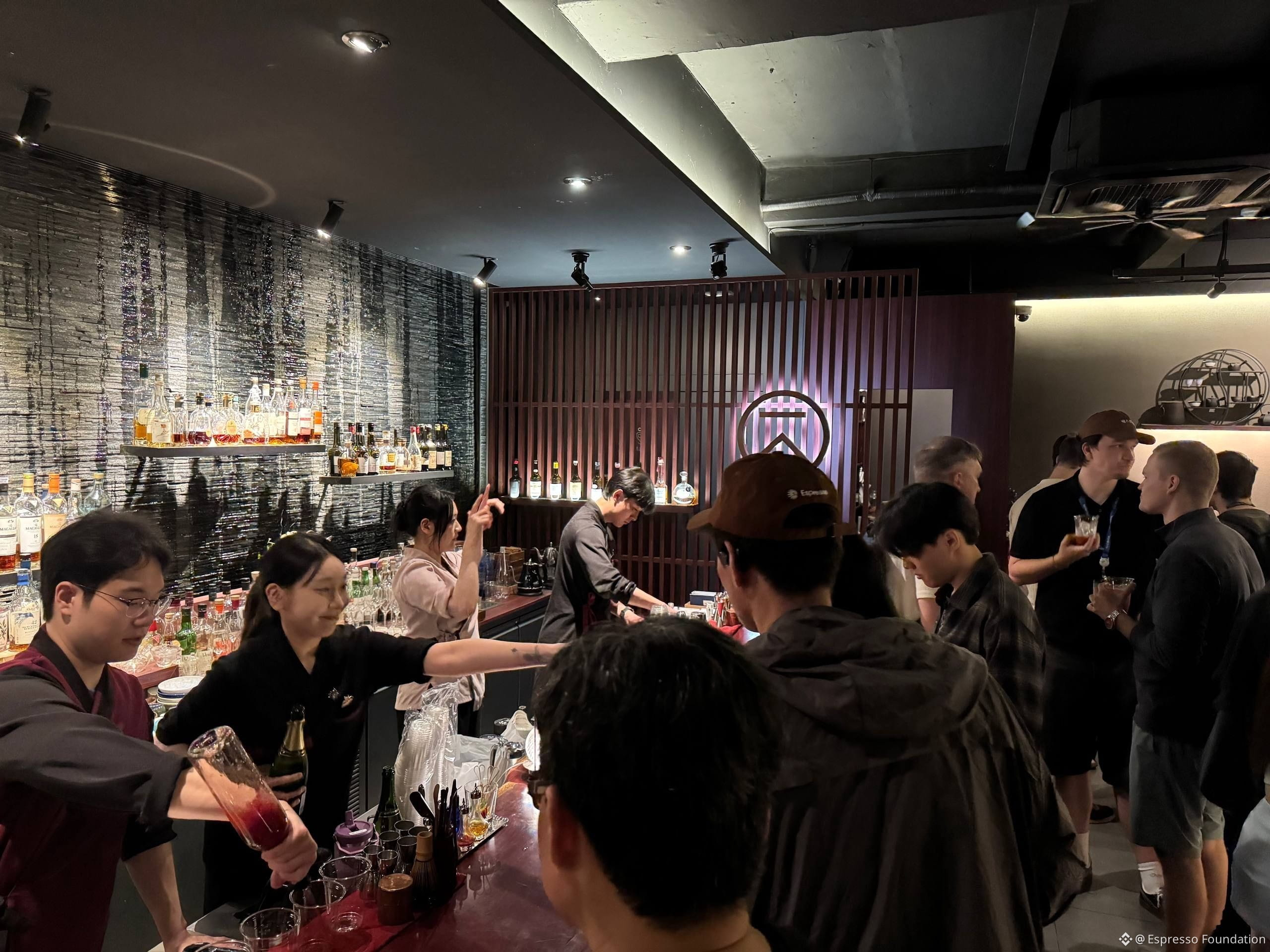
満員御礼で、日曜の夜のCelo & Espresso Brewsで皆さんにお会いできて最高の時間でした!来てくださって、私たちが仕込んでいる大きなことについてチームとおしゃべりしてくださった皆さんに感謝です 🔥
➡️ 次の目的地:KBW 2026 $ESP
{spot}(ESPUSDT)
満員御礼で、日曜の夜のCelo & Espresso Brewsで皆さんにお会いできて最高の時間でした!来てくださって、私たちが仕込んでいる大きなことについてチームとおしゃべりしてくださった皆さんに感謝です 🔥
➡️ 次の目的地:KBW 2026 $ESP
➡️ 次の目的地:KBW 2026 $ESP
272
私たちはリアルタイム決済とサブ秒のファイナリティを構築していますが、同時にKBW 2026であなたが訪問できる最高にクールなブースも準備しています。
共同創業者のCharles Luと韓国コミュニティアンバサダーのGotsamが、9月30日〜10月1日にUpbitゾーンでお待ちしています! ☕ $ESP
私たちはリアルタイム決済とサブ秒のファイナリティを構築していますが、同時にKBW 2026であなたが訪問できる最高にクールなブースも準備しています。
共同創業者のCharles Luと韓国コミュニティアンバサダーのGotsamが、9月30日〜10月1日にUpbitゾーンでお待ちしています! ☕ $ESP
共同創業者のCharles Luと韓国コミュニティアンバサダーのGotsamが、9月30日〜10月1日にUpbitゾーンでお待ちしています! ☕ $ESP
2
452
バリデータ スポットライト: deNodes
「私たちは、バリデータは稼働率(アップタイム)を超えて、技術的な専門知識とコミュニティ支援によってエコシステムの成長に貢献すべきだと考えています。」
deNodes は、Monad、Celestia、Aztec を含む複数のブロックチェーンネットワークにわたって信頼性の高いバリデータ基盤を維持する独立したチームです。
2024年9月に Espresso のテストネットに参加し、メインネットのローンチではジェネシス・バリデータとなりました。そして教育とツール群によって、エコシステムを通じて支援してきました。 $ESP
{spot}(ESPUSDT)
バリデータ スポットライト: deNodes
「私たちは、バリデータは稼働率(アップタイム)を超えて、技術的な専門知識とコミュニティ支援によってエコシステムの成長に貢献すべきだと考えています。」
deNodes は、Monad、Celestia、Aztec を含む複数のブロックチェーンネットワークにわたって信頼性の高いバリデータ基盤を維持する独立したチームです。
2024年9月に Espresso のテストネットに参加し、メインネットのローンチではジェネシス・バリデータとなりました。そして教育とツール群によって、エコシステムを通じて支援してきました。 $ESP
「私たちは、バリデータは稼働率(アップタイム)を超えて、技術的な専門知識とコミュニティ支援によってエコシステムの成長に貢献すべきだと考えています。」
deNodes は、Monad、Celestia、Aztec を含む複数のブロックチェーンネットワークにわたって信頼性の高いバリデータ基盤を維持する独立したチームです。
2024年9月に Espresso のテストネットに参加し、メインネットのローンチではジェネシス・バリデータとなりました。そして教育とツール群によって、エコシステムを通じて支援してきました。 $ESP
1
321
機械が機械へ支払いを行うエージェント経済では、支払いが最終確定するまでにかかる時間がペースを決めます。
エスプレッソは、多くの人がそれを予見するより前から、この未来のために構築されました。L2チェーンにサブ秒のファイナリティを提供すること、そして何百万TPSへスケールすることを目的としています。$ESP
{spot}(ESPUSDT)
機械が機械へ支払いを行うエージェント経済では、支払いが最終確定するまでにかかる時間がペースを決めます。
エスプレッソは、多くの人がそれを予見するより前から、この未来のために構築されました。L2チェーンにサブ秒のファイナリティを提供すること、そして何百万TPSへスケールすることを目的としています。$ESP
エスプレッソは、多くの人がそれを予見するより前から、この未来のために構築されました。L2チェーンにサブ秒のファイナリティを提供すること、そして何百万TPSへスケールすることを目的としています。$ESP

1
285
本人確認中
バリデーター・スポットライト:Nethermind
「待ちを速く。疑いを確実に取り除く。」
こうNethermindは、Espressoがもたらすものを説明しており、彼らはそれを裏づける信頼性も提供しています。
2017年以来、Ethereumにコア貢献しているNethermindは、ネットワーク上で最も広く展開されている実行クライアントの1つを構築し、保守しています。
大規模にステーキングおよびノード基盤を運用し、監査や形式的検証にまたがるセキュリティの実践も展開しています。
2025年10月からEspressoに参加しており、彼らは高速な共有ファイナリティを、現在のチェーンにおける未解決の課題の1つだと見ています。
Espressoの分散化は、自然な次のステップでした。$ESP
バリデーター・スポットライト:Nethermind
「待ちを速く。疑いを確実に取り除く。」
こうNethermindは、Espressoがもたらすものを説明しており、彼らはそれを裏づける信頼性も提供しています。
2017年以来、Ethereumにコア貢献しているNethermindは、ネットワーク上で最も広く展開されている実行クライアントの1つを構築し、保守しています。
大規模にステーキングおよびノード基盤を運用し、監査や形式的検証にまたがるセキュリティの実践も展開しています。
2025年10月からEspressoに参加しており、彼らは高速な共有ファイナリティを、現在のチェーンにおける未解決の課題の1つだと見ています。
Espressoの分散化は、自然な次のステップでした。$ESP
「待ちを速く。疑いを確実に取り除く。」
こうNethermindは、Espressoがもたらすものを説明しており、彼らはそれを裏づける信頼性も提供しています。
2017年以来、Ethereumにコア貢献しているNethermindは、ネットワーク上で最も広く展開されている実行クライアントの1つを構築し、保守しています。
大規模にステーキングおよびノード基盤を運用し、監査や形式的検証にまたがるセキュリティの実践も展開しています。
2025年10月からEspressoに参加しており、彼らは高速な共有ファイナリティを、現在のチェーンにおける未解決の課題の1つだと見ています。
Espressoの分散化は、自然な次のステップでした。$ESP

3
2
1.8k
70年代、市場の成長がインフラを上回りました。紙ベースのT+5決済では対応しきれず、その結果DTCCの創設につながりました。
今日、市場は同様の転換点に直面しており、オンチェーンへと向かっています。Espressoはこの次の時代に向けて構築されており、リアルタイム決済を土台としています。
70年代、市場の成長がインフラを上回りました。紙ベースのT+5決済では対応しきれず、その結果DTCCの創設につながりました。
今日、市場は同様の転換点に直面しており、オンチェーンへと向かっています。Espressoはこの次の時代に向けて構築されており、リアルタイム決済を土台としています。
今日、市場は同様の転換点に直面しており、オンチェーンへと向かっています。Espressoはこの次の時代に向けて構築されており、リアルタイム決済を土台としています。
2
7
181
情報のように速く動くべきです。
サブ秒の最終確定が、その実現へ向かっています。
情報のように速く動くべきです。
サブ秒の最終確定が、その実現へ向かっています。
サブ秒の最終確定が、その実現へ向かっています。
3
230
本人確認中
バリデーター・スポットライト:Omakase
「日本拠点のバリデーターとして、私たちはEspressoの地理的分散化に貢献し、ネットワークを初期段階から支えてきました。」
Omakaseは自らの役割をこう捉えています。SBIグループの一員として、彼らはそれに見合う機関としての信頼性をもたらします。
彼らは日本市場向けに、専用のインフラ設計、24時間365日の監視、インシデント対応を含むエンタープライズレベルのステーキングを提供しています。
KudasaiJPのルーツを通じて、グローバルなブロックチェーン・プロジェクトを日本のWeb3エコシステムへとつなぎます。
彼らは40以上のネットワークで運用しており、2024年からジェネシス・バリデーターとしてEspressoの検証を行っています。$ESP
バリデーター・スポットライト:Omakase
「日本拠点のバリデーターとして、私たちはEspressoの地理的分散化に貢献し、ネットワークを初期段階から支えてきました。」
Omakaseは自らの役割をこう捉えています。SBIグループの一員として、彼らはそれに見合う機関としての信頼性をもたらします。
彼らは日本市場向けに、専用のインフラ設計、24時間365日の監視、インシデント対応を含むエンタープライズレベルのステーキングを提供しています。
KudasaiJPのルーツを通じて、グローバルなブロックチェーン・プロジェクトを日本のWeb3エコシステムへとつなぎます。
彼らは40以上のネットワークで運用しており、2024年からジェネシス・バリデーターとしてEspressoの検証を行っています。$ESP
「日本拠点のバリデーターとして、私たちはEspressoの地理的分散化に貢献し、ネットワークを初期段階から支えてきました。」
Omakaseは自らの役割をこう捉えています。SBIグループの一員として、彼らはそれに見合う機関としての信頼性をもたらします。
彼らは日本市場向けに、専用のインフラ設計、24時間365日の監視、インシデント対応を含むエンタープライズレベルのステーキングを提供しています。
KudasaiJPのルーツを通じて、グローバルなブロックチェーン・プロジェクトを日本のWeb3エコシステムへとつなぎます。
彼らは40以上のネットワークで運用しており、2024年からジェネシス・バリデーターとしてEspressoの検証を行っています。$ESP
1
200
バリデーター・スポットライト:BlockPI
「RPCサービスにおいて、高速で信頼性の高いファイナリティは即時のデータ整合性を保証し、チェーンのリオーグ(巻き戻し)を解消します。」
そのためBlockPIはEspressoバリデーターを運用しています。APAC最大級のインフラ提供企業として、彼らは大規模環境での信頼性がどのようなものかを熟知しています。
8年以上の経験をもとに、BlockPIはRPC、バリデーター運用、リレイヤー、アカウント抽象化までを網羅するワンストップの高性能サービスを、50以上のネットワークにわたって提供しています。
毎月700億回超のリクエストを、数百万人のユーザーに対して処理しています。
検証サービスは30以上のネットワークにまたがり、担保された資産は1億3000万ドルです。
彼らは2024年1月、ジブラルタル・フェーズ中にEspressoテストネットへ申請し、最も早い参加者の一人となりました。$ESP
バリデーター・スポットライト:BlockPI
「RPCサービスにおいて、高速で信頼性の高いファイナリティは即時のデータ整合性を保証し、チェーンのリオーグ(巻き戻し)を解消します。」
そのためBlockPIはEspressoバリデーターを運用しています。APAC最大級のインフラ提供企業として、彼らは大規模環境での信頼性がどのようなものかを熟知しています。
8年以上の経験をもとに、BlockPIはRPC、バリデーター運用、リレイヤー、アカウント抽象化までを網羅するワンストップの高性能サービスを、50以上のネットワークにわたって提供しています。
毎月700億回超のリクエストを、数百万人のユーザーに対して処理しています。
検証サービスは30以上のネットワークにまたがり、担保された資産は1億3000万ドルです。
彼らは2024年1月、ジブラルタル・フェーズ中にEspressoテストネットへ申請し、最も早い参加者の一人となりました。$ESP
「RPCサービスにおいて、高速で信頼性の高いファイナリティは即時のデータ整合性を保証し、チェーンのリオーグ(巻き戻し)を解消します。」
そのためBlockPIはEspressoバリデーターを運用しています。APAC最大級のインフラ提供企業として、彼らは大規模環境での信頼性がどのようなものかを熟知しています。
8年以上の経験をもとに、BlockPIはRPC、バリデーター運用、リレイヤー、アカウント抽象化までを網羅するワンストップの高性能サービスを、50以上のネットワークにわたって提供しています。
毎月700億回超のリクエストを、数百万人のユーザーに対して処理しています。
検証サービスは30以上のネットワークにまたがり、担保された資産は1億3000万ドルです。
彼らは2024年1月、ジブラルタル・フェーズ中にEspressoテストネットへ申請し、最も早い参加者の一人となりました。$ESP
1
196
未来は多くの鎖だ。それぞれがカスタマイズと主権のために構築されている。
意図ブリッジやソルバーは助けになるが、エスプレッソCPOのエリー・デイビッドソンはこうはっきり言っている。彼らはただの絆創膏だと。真の解決策は、それらすべてにまたがるリアルタイムの相互運用性である。$ESP
未来は多くの鎖だ。それぞれがカスタマイズと主権のために構築されている。
意図ブリッジやソルバーは助けになるが、エスプレッソCPOのエリー・デイビッドソンはこうはっきり言っている。彼らはただの絆創膏だと。真の解決策は、それらすべてにまたがるリアルタイムの相互運用性である。$ESP
意図ブリッジやソルバーは助けになるが、エスプレッソCPOのエリー・デイビッドソンはこうはっきり言っている。彼らはただの絆創膏だと。真の解決策は、それらすべてにまたがるリアルタイムの相互運用性である。$ESP
2
237
ログインして、さらにコンテンツを読む
厳選トピックで世界の暗号資産トレーダーの仲間入り
⚡️ 暗号資産に関する最新かつ有益な情報が見つかります。
💬 世界最大の暗号資産取引所から信頼されています。
👍 認証を受けたクリエイターから、有益なインサイトを得られます。
メール / 電話番号