

DanniéX
10.3k 投稿

DanniéX
 厳選トピック確認済
報告
ユーザーをブロック
Binance KOL and Crypto Mentor ❎ Daniel_BNB1
534 フォロー
41.4K+ フォロワー
35.7K+ いいね
投稿
すべて
引用
動画
ライブ
PINNED
·
--
本人確認中
AIエージェントについて、私が何度も考えてしまうシンプルな疑問があります。
エージェントが実際に私の代わりに何かをできるとしたら、その費用はどうやって支払うのでしょうか?
これは小さな問題のように聞こえますが、エージェントがさまざまなサービスをまたいで動き始めると、はるかに大きな問題になります。
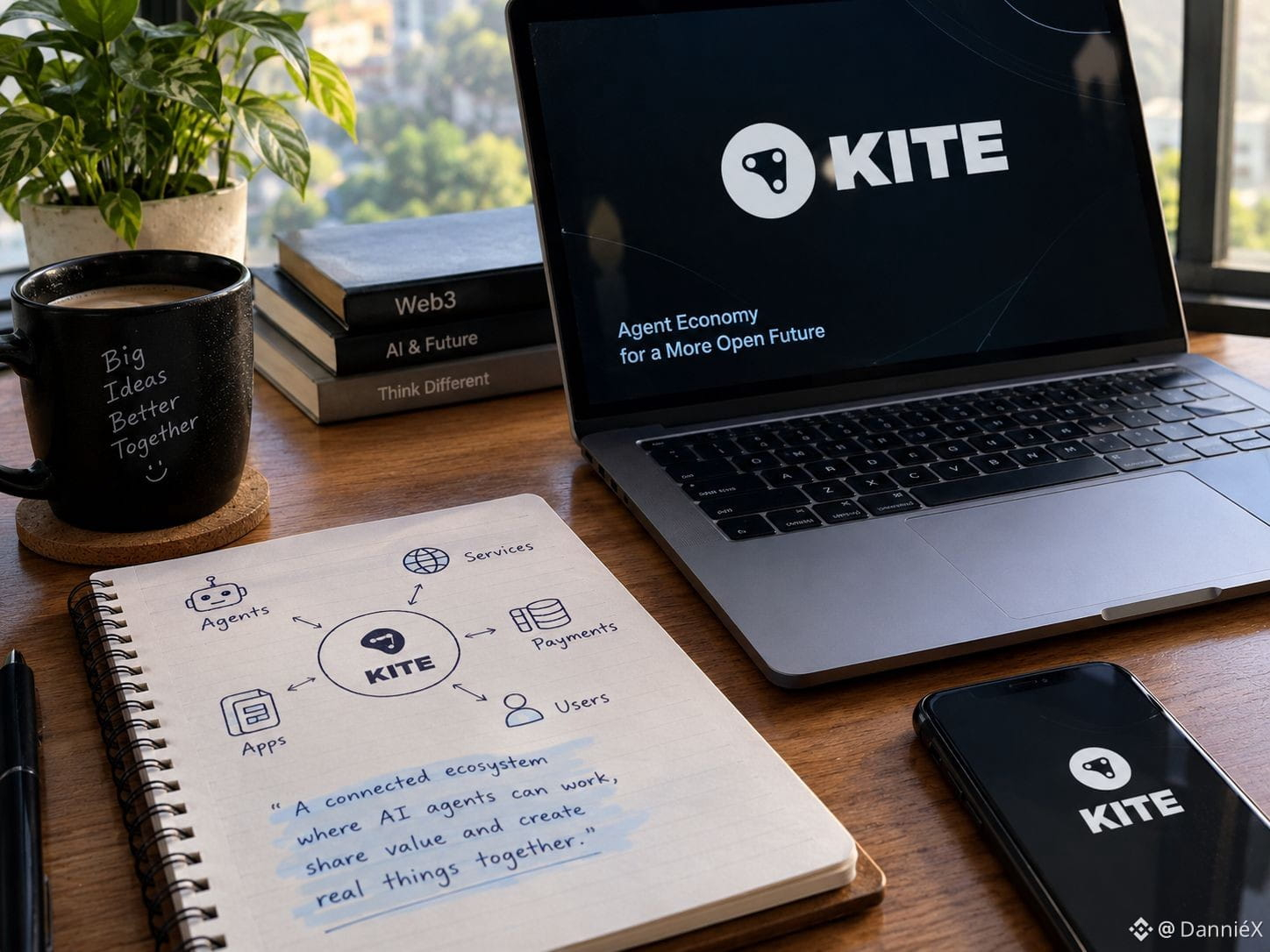
Kiteに興味を引かれるのは、インフラの側からこの問題に取り組んでいるからです。Agent Passportを使えば、ユーザーが主導権を保ったまま、エージェントは身元を持ち、支出ルールに従い、支払い機能を利用して活動できます。
これは重要な違いだと思います。
目指しているのは、AIがプロンプトへの回答を上手にできるようにすることだけではありません。アクセスできる範囲や支出額に明確な制限を設けながら、エージェントが実際のタスクを完了できるようにすることです。
エージェント同士のサービスが当たり前になるなら、信頼できる決済や認可は、エージェントの背後にある知能と同じくらい重要になるでしょう。
エージェント経済のなかで、私が注目していくのはその点です。
#KiteBBW $KITE
AIエージェントについて、私が何度も考えてしまうシンプルな疑問があります。
エージェントが実際に私の代わりに何かをできるとしたら、その費用はどうやって支払うのでしょうか?
これは小さな問題のように聞こえますが、エージェントがさまざまなサービスをまたいで動き始めると、はるかに大きな問題になります。
Kiteに興味を引かれるのは、インフラの側からこの問題に取り組んでいるからです。Agent Passportを使えば、ユーザーが主導権を保ったまま、エージェントは身元を持ち、支出ルールに従い、支払い機能を利用して活動できます。
これは重要な違いだと思います。
目指しているのは、AIがプロンプトへの回答を上手にできるようにすることだけではありません。アクセスできる範囲や支出額に明確な制限を設けながら、エージェントが実際のタスクを完了できるようにすることです。
エージェント同士のサービスが当たり前になるなら、信頼できる決済や認可は、エージェントの背後にある知能と同じくらい重要になるでしょう。
エージェント経済のなかで、私が注目していくのはその点です。
#KiteBBW $KITE
エージェントが実際に私の代わりに何かをできるとしたら、その費用はどうやって支払うのでしょうか?
これは小さな問題のように聞こえますが、エージェントがさまざまなサービスをまたいで動き始めると、はるかに大きな問題になります。
Kiteに興味を引かれるのは、インフラの側からこの問題に取り組んでいるからです。Agent Passportを使えば、ユーザーが主導権を保ったまま、エージェントは身元を持ち、支出ルールに従い、支払い機能を利用して活動できます。
これは重要な違いだと思います。
目指しているのは、AIがプロンプトへの回答を上手にできるようにすることだけではありません。アクセスできる範囲や支出額に明確な制限を設けながら、エージェントが実際のタスクを完了できるようにすることです。
エージェント同士のサービスが当たり前になるなら、信頼できる決済や認可は、エージェントの背後にある知能と同じくらい重要になるでしょう。
エージェント経済のなかで、私が注目していくのはその点です。
#KiteBBW $KITE
23
35
4.1k
·
--
翻訳参照
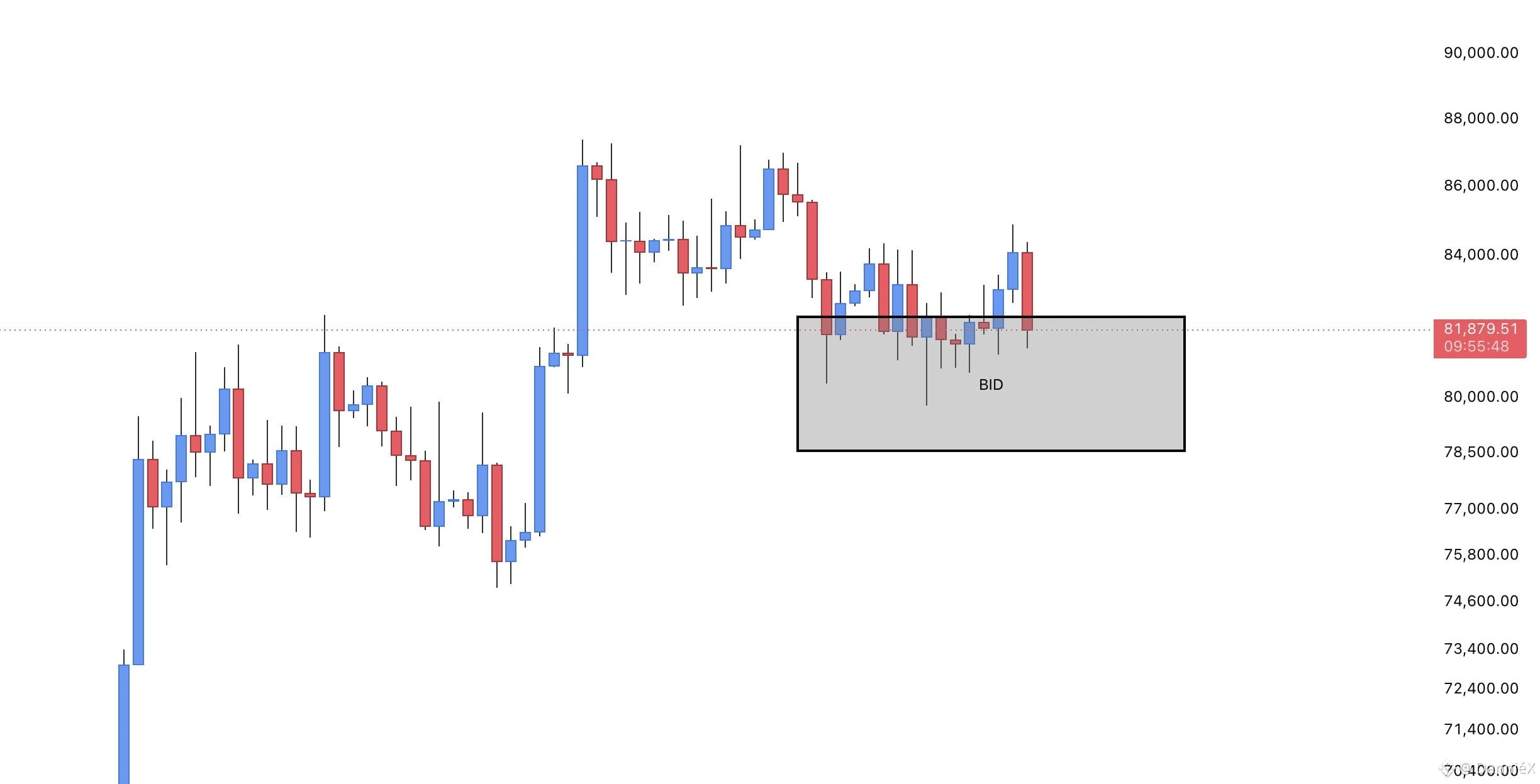
$BTC The bigger picture remains unchanged.
Market pullbacks can create opportunities for those who understand the bigger trend.
The goal isn't to catch the exact bottom. It's to position yourself for the next major move, and I still believe the upside potential remains.
Fear, uncertainty, and volatility often shake out impatient traders before the next trend develops.
Stay patient, manage risk, and avoid letting short-term price action dictate your long-term view.
The best opportunities often appear when confidence is at its lowest.
#Bitcoin #BTC
$BTC The bigger picture remains unchanged.
Market pullbacks can create opportunities for those who understand the bigger trend.
The goal isn't to catch the exact bottom. It's to position yourself for the next major move, and I still believe the upside potential remains.
Fear, uncertainty, and volatility often shake out impatient traders before the next trend develops.
Stay patient, manage risk, and avoid letting short-term price action dictate your long-term view.
The best opportunities often appear when confidence is at its lowest.
#Bitcoin #BTC
Market pullbacks can create opportunities for those who understand the bigger trend.
The goal isn't to catch the exact bottom. It's to position yourself for the next major move, and I still believe the upside potential remains.
Fear, uncertainty, and volatility often shake out impatient traders before the next trend develops.
Stay patient, manage risk, and avoid letting short-term price action dictate your long-term view.
The best opportunities often appear when confidence is at its lowest.
#Bitcoin #BTC

1
202
·
--
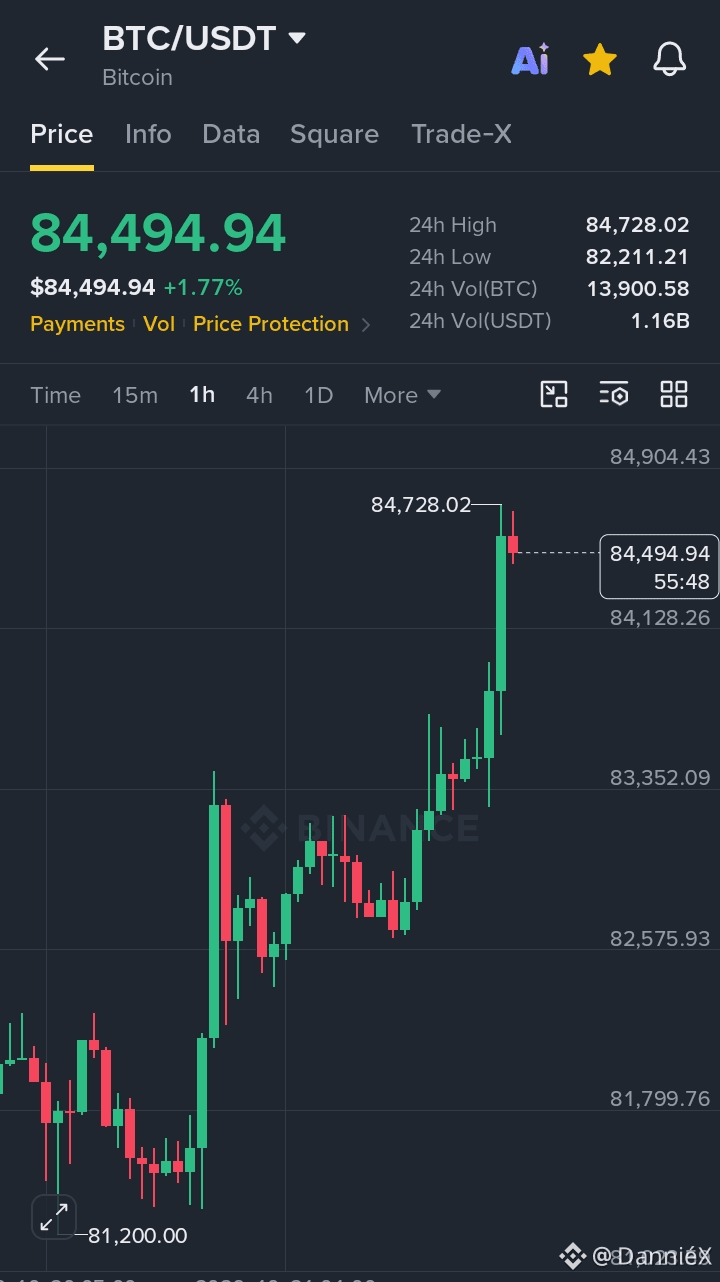
$BTC は83,000ドル付近を維持しており、直近のサポートゾーンを上回る限り、モメンタムは引き続き良好です。
エントリー:83,000~83,600ドル
目標:85,500ドル → 87,000ドル
無効化水準:81,800ドルを下回った場合
現在の値動いを追いかけるより、押し目やリテストを待ちたいです。
まずはリスク管理を優先してください。これは相場の見通しであり、金融アドバイスではありません。
#EarningsSeason
$BTC は83,000ドル付近を維持しており、直近のサポートゾーンを上回る限り、モメンタムは引き続き良好です。
エントリー:83,000~83,600ドル
目標:85,500ドル → 87,000ドル
無効化水準:81,800ドルを下回った場合
現在の値動いを追いかけるより、押し目やリテストを待ちたいです。
まずはリスク管理を優先してください。これは相場の見通しであり、金融アドバイスではありません。
#EarningsSeason
エントリー:83,000~83,600ドル
目標:85,500ドル → 87,000ドル
無効化水準:81,800ドルを下回った場合
現在の値動いを追いかけるより、押し目やリテストを待ちたいです。
まずはリスク管理を優先してください。これは相場の見通しであり、金融アドバイスではありません。
#EarningsSeason
1
246
·
--
$BTC マーケット構造アップデート 📊
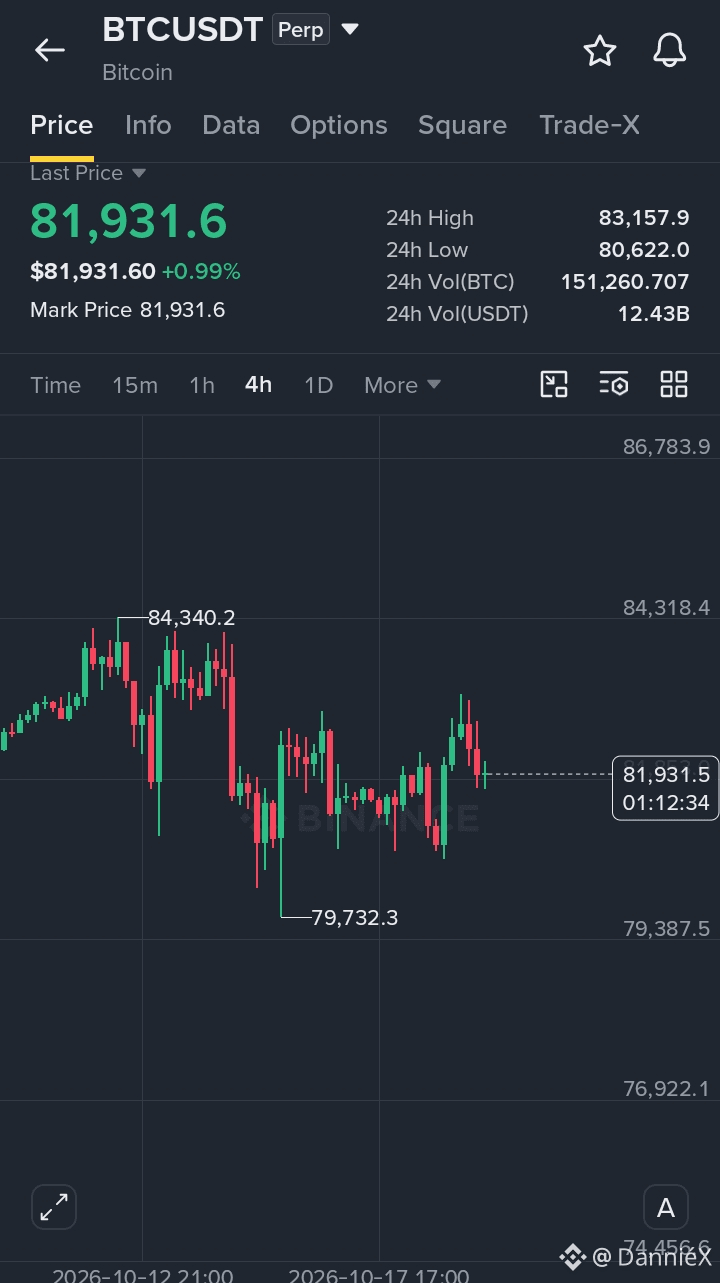
最近のボラティリティの後、ビットコインは安定を試みており、買い手は80Kドル付近を守っています。
現在注目している重要なゾーンは82.7K〜83Kドルです。
🔹 このゾーンを上回って4時間足が明確に確定すれば、回復が強まり、83.5K〜84Kドルが視野に入る可能性があります。
🔹 BTCが反落し、81.7K〜82Kドルを割り込めば、市場は81Kドルを再び試し、さらに80Kドルの需要ゾーンを再テストする可能性があります。
今のところ、値動いを追いかけるのではなく、レジスタンス付近での反応を見ています。
売買シグナルではありません。リスク管理を最優先に。
#BTC
{future}(BTCUSDT)
#Bitcoin #Crypto #trading
$BTC マーケット構造アップデート 📊
最近のボラティリティの後、ビットコインは安定を試みており、買い手は80Kドル付近を守っています。
現在注目している重要なゾーンは82.7K〜83Kドルです。
🔹 このゾーンを上回って4時間足が明確に確定すれば、回復が強まり、83.5K〜84Kドルが視野に入る可能性があります。
🔹 BTCが反落し、81.7K〜82Kドルを割り込めば、市場は81Kドルを再び試し、さらに80Kドルの需要ゾーンを再テストする可能性があります。
今のところ、値動いを追いかけるのではなく、レジスタンス付近での反応を見ています。
売買シグナルではありません。リスク管理を最優先に。
#BTC
#Bitcoin #Crypto #trading
最近のボラティリティの後、ビットコインは安定を試みており、買い手は80Kドル付近を守っています。
現在注目している重要なゾーンは82.7K〜83Kドルです。
🔹 このゾーンを上回って4時間足が明確に確定すれば、回復が強まり、83.5K〜84Kドルが視野に入る可能性があります。
🔹 BTCが反落し、81.7K〜82Kドルを割り込めば、市場は81Kドルを再び試し、さらに80Kドルの需要ゾーンを再テストする可能性があります。
今のところ、値動いを追いかけるのではなく、レジスタンス付近での反応を見ています。
売買シグナルではありません。リスク管理を最優先に。
#BTC
#Bitcoin #Crypto #trading
3
241
·
--
Blockchain 100 – Rising Star ⭐にノミネートされたことをお知らせできて、とても嬉しいです!
Web3での私の歩みを応援してくださっている方は、ぜひ投票していただけると本当に嬉しいです。皆さんの応援は、私にとって大きな力になります。🤝
投票方法:
1️⃣ 以下の投票リンクを開く
2️⃣ Rising Star部門に進む
3️⃣ DanniéXを検索する
4️⃣ 私の名前の横にある「Vote」をクリックする
5️⃣ これで完了です!✅
🗳️ 投票はこちら:
[https://app.binance.com/uni-qr/cact26user/517?uc=app_square_share_link&us=copylink](https://app.binance.com/uni-qr/cact26user/517?uc=app_square_share_link&us=copylink)
1分もかかりませんが、皆さんの応援が大きな力になります。
投票してくださった方は、コメントに⭐を残してください。直接お礼をお伝えします!
#crypto $ZEC
Blockchain 100 – Rising Star ⭐にノミネートされたことをお知らせできて、とても嬉しいです!
Web3での私の歩みを応援してくださっている方は、ぜひ投票していただけると本当に嬉しいです。皆さんの応援は、私にとって大きな力になります。🤝
投票方法:
1️⃣ 以下の投票リンクを開く
2️⃣ Rising Star部門に進む
3️⃣ DanniéXを検索する
4️⃣ 私の名前の横にある「Vote」をクリックする
5️⃣ これで完了です!✅
🗳️ 投票はこちら:
https://app.binance.com/uni-qr/cact26user/517?uc=app_square_share_link&us=copylink
1分もかかりませんが、皆さんの応援が大きな力になります。
投票してくださった方は、コメントに⭐を残してください。直接お礼をお伝えします!
#crypto $ZEC
Web3での私の歩みを応援してくださっている方は、ぜひ投票していただけると本当に嬉しいです。皆さんの応援は、私にとって大きな力になります。🤝
投票方法:
1️⃣ 以下の投票リンクを開く
2️⃣ Rising Star部門に進む
3️⃣ DanniéXを検索する
4️⃣ 私の名前の横にある「Vote」をクリックする
5️⃣ これで完了です!✅
🗳️ 投票はこちら:
https://app.binance.com/uni-qr/cact26user/517?uc=app_square_share_link&us=copylink
1分もかかりませんが、皆さんの応援が大きな力になります。
投票してくださった方は、コメントに⭐を残してください。直接お礼をお伝えします!
#crypto $ZEC

2
181
·
--
$ETH | 取引セットアップ
ETHは現在約2,417ドルで取引されており、直近の回復ゾーンを上回る水準を維持しています。
エントリー:2,400~2,420ドル
損切り:2,350ドル
利確目標1:2,480ドル
利確目標2:2,550ドル
利確目標3:2,650ドル
注目すべき重要なゾーンは2,450~2,500ドルです。このゾーンを力強く上抜けて、勢いを維持できれば、さらに高い目標価格を目指す展開が期待できます。
無効化条件:2,350ドルのサポートゾーンを下回ること。
適切なリスク管理のもとで取引してください。これはテクニカル分析に基づくセットアップであり、金融アドバイスではありません。
#ETH #Ethereum #cryptotrading
$ETH | 取引セットアップ
ETHは現在約2,417ドルで取引されており、直近の回復ゾーンを上回る水準を維持しています。
エントリー:2,400~2,420ドル
損切り:2,350ドル
利確目標1:2,480ドル
利確目標2:2,550ドル
利確目標3:2,650ドル
注目すべき重要なゾーンは2,450~2,500ドルです。このゾーンを力強く上抜けて、勢いを維持できれば、さらに高い目標価格を目指す展開が期待できます。
無効化条件:2,350ドルのサポートゾーンを下回ること。
適切なリスク管理のもとで取引してください。これはテクニカル分析に基づくセットアップであり、金融アドバイスではありません。
#ETH #Ethereum #cryptotrading
ETHは現在約2,417ドルで取引されており、直近の回復ゾーンを上回る水準を維持しています。
エントリー:2,400~2,420ドル
損切り:2,350ドル
利確目標1:2,480ドル
利確目標2:2,550ドル
利確目標3:2,650ドル
注目すべき重要なゾーンは2,450~2,500ドルです。このゾーンを力強く上抜けて、勢いを維持できれば、さらに高い目標価格を目指す展開が期待できます。
無効化条件:2,350ドルのサポートゾーンを下回ること。
適切なリスク管理のもとで取引してください。これはテクニカル分析に基づくセットアップであり、金融アドバイスではありません。
#ETH #Ethereum #cryptotrading
5
277
·
--
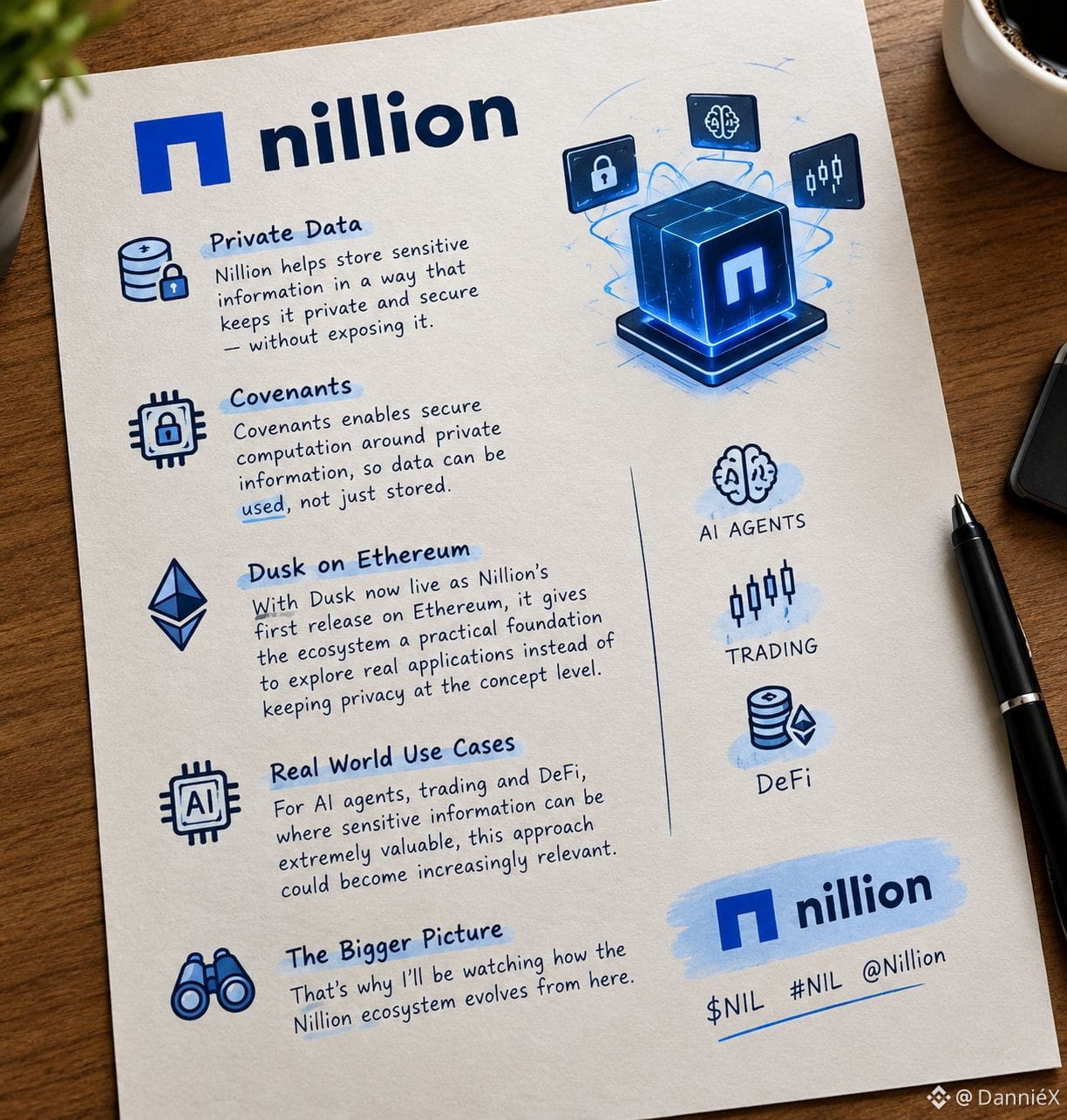
Nillionの興味深い点は、機密データを保管することだけではなく、そのデータを公開せずに活用できるようにすることです。
Covenantsは、プライベートな情報を使った安全な計算を可能にすることで、この考えをさらに発展させています。Nillion初のリリースとしてDuskがEthereum上で稼働を開始したことで、プライバシーを概念の域にとどめず、実際のアプリケーションを探るための実用的な基盤がエコシステムに整いました。
機密情報が非常に価値を持ちうるAIエージェント、トレーディング、DeFiの分野では、このアプローチの重要性が今後ますます高まるかもしれません。
だからこそ、これからNillionのエコシステムがどのように発展していくのか、注目していきたいと思います。
$NIL #NIL @nillionnetwork
#nil $NIL
Nillionの興味深い点は、機密データを保管することだけではなく、そのデータを公開せずに活用できるようにすることです。
Covenantsは、プライベートな情報を使った安全な計算を可能にすることで、この考えをさらに発展させています。Nillion初のリリースとしてDuskがEthereum上で稼働を開始したことで、プライバシーを概念の域にとどめず、実際のアプリケーションを探るための実用的な基盤がエコシステムに整いました。
機密情報が非常に価値を持ちうるAIエージェント、トレーディング、DeFiの分野では、このアプローチの重要性が今後ますます高まるかもしれません。
だからこそ、これからNillionのエコシステムがどのように発展していくのか、注目していきたいと思います。
$NIL #NIL @Nillion
#nil $NIL
Covenantsは、プライベートな情報を使った安全な計算を可能にすることで、この考えをさらに発展させています。Nillion初のリリースとしてDuskがEthereum上で稼働を開始したことで、プライバシーを概念の域にとどめず、実際のアプリケーションを探るための実用的な基盤がエコシステムに整いました。
機密情報が非常に価値を持ちうるAIエージェント、トレーディング、DeFiの分野では、このアプローチの重要性が今後ますます高まるかもしれません。
だからこそ、これからNillionのエコシステムがどのように発展していくのか、注目していきたいと思います。
$NIL #NIL @Nillion
#nil $NIL
2
6
947
·
--
$SNDK は、日中の急な下落を受け、現在1,403ドル付近で取引されています。目先の焦点は、買い手が1,350~1,400ドルの需要帯を守り、勢いを取り戻せるかどうかです。
重要な水準: • サポート:1,350~1,400ドル
• 最初のレジスタンス:1,460ドル
• 次のレジスタンス:1,520ドル
• 上値の主要水準:1,600ドル
トレード案:現在の売り局面でエントリーするよりも、1,400ドルを明確に回復し、その上を維持することを確認してからが望ましいです。サポートで強い反発があれば、上記のレジスタンス水準を目指す展開につながる可能性があります。
1,350ドルを明確に割り込んだ場合は、無理にロングポジションを取るのではなく、セットアップを再評価する必要があります。
私にとって、ここでの要点はシンプルです。まず確認し、その後にポジションを取ることです。
$SNDK は、日中の急な下落を受け、現在1,403ドル付近で取引されています。目先の焦点は、買い手が1,350~1,400ドルの需要帯を守り、勢いを取り戻せるかどうかです。
重要な水準: • サポート:1,350~1,400ドル
• 最初のレジスタンス:1,460ドル
• 次のレジスタンス:1,520ドル
• 上値の主要水準:1,600ドル
トレード案:現在の売り局面でエントリーするよりも、1,400ドルを明確に回復し、その上を維持することを確認してからが望ましいです。サポートで強い反発があれば、上記のレジスタンス水準を目指す展開につながる可能性があります。
1,350ドルを明確に割り込んだ場合は、無理にロングポジションを取るのではなく、セットアップを再評価する必要があります。
私にとって、ここでの要点はシンプルです。まず確認し、その後にポジションを取ることです。
重要な水準: • サポート:1,350~1,400ドル
• 最初のレジスタンス:1,460ドル
• 次のレジスタンス:1,520ドル
• 上値の主要水準:1,600ドル
トレード案:現在の売り局面でエントリーするよりも、1,400ドルを明確に回復し、その上を維持することを確認してからが望ましいです。サポートで強い反発があれば、上記のレジスタンス水準を目指す展開につながる可能性があります。
1,350ドルを明確に割り込んだ場合は、無理にロングポジションを取るのではなく、セットアップを再評価する必要があります。
私にとって、ここでの要点はシンプルです。まず確認し、その後にポジションを取ることです。
1
563

·
--
$ZEC
{future}(ZECUSDT)
| 圧力にさらされる市場構造
$ZEC を巡るウォレットの分布は、間違いなく注目に値します。
報告によると、上位4つのアドレスが流通供給量の約79%を保有しています。このような集中度は、市場の動きを大きく変える可能性があります。特に流動性が比較的薄く、大口保有者が価格に大きな影響を与えうる場合はなおさらです。
価格も最近大きく下落しており、ZECは過去7日間で約11.6%下げ、1,199ドル付近で取引されています。
テクニカル面では、日足チャートは依然として弱含みですが、売りは明確な投げ売りというより、緩やかな底固めの局面に入りつつあるように見えます。
私にとって重要なのは、ZECがすぐに反発するかどうかではありません。
買い手が売り圧力を吸収し、重要な日足の水準を取り戻し、安値を切り上げる構造を形成できるかどうかです。
そうなるまでは、焦らず、チャートが次の動きを示すのを待ちたいと思います。
売買シグナルではありません。常にリスクを管理し、ご自身でも調査してください。
$ZEC
| 圧力にさらされる市場構造
$ZEC を巡るウォレットの分布は、間違いなく注目に値します。
報告によると、上位4つのアドレスが流通供給量の約79%を保有しています。このような集中度は、市場の動きを大きく変える可能性があります。特に流動性が比較的薄く、大口保有者が価格に大きな影響を与えうる場合はなおさらです。
価格も最近大きく下落しており、ZECは過去7日間で約11.6%下げ、1,199ドル付近で取引されています。
テクニカル面では、日足チャートは依然として弱含みですが、売りは明確な投げ売りというより、緩やかな底固めの局面に入りつつあるように見えます。
私にとって重要なのは、ZECがすぐに反発するかどうかではありません。
買い手が売り圧力を吸収し、重要な日足の水準を取り戻し、安値を切り上げる構造を形成できるかどうかです。
そうなるまでは、焦らず、チャートが次の動きを示すのを待ちたいと思います。
売買シグナルではありません。常にリスクを管理し、ご自身でも調査してください。
| 圧力にさらされる市場構造
$ZEC を巡るウォレットの分布は、間違いなく注目に値します。
報告によると、上位4つのアドレスが流通供給量の約79%を保有しています。このような集中度は、市場の動きを大きく変える可能性があります。特に流動性が比較的薄く、大口保有者が価格に大きな影響を与えうる場合はなおさらです。
価格も最近大きく下落しており、ZECは過去7日間で約11.6%下げ、1,199ドル付近で取引されています。
テクニカル面では、日足チャートは依然として弱含みですが、売りは明確な投げ売りというより、緩やかな底固めの局面に入りつつあるように見えます。
私にとって重要なのは、ZECがすぐに反発するかどうかではありません。
買い手が売り圧力を吸収し、重要な日足の水準を取り戻し、安値を切り上げる構造を形成できるかどうかです。
そうなるまでは、焦らず、チャートが次の動きを示すのを待ちたいと思います。
売買シグナルではありません。常にリスクを管理し、ご自身でも調査してください。
5
866

·
--
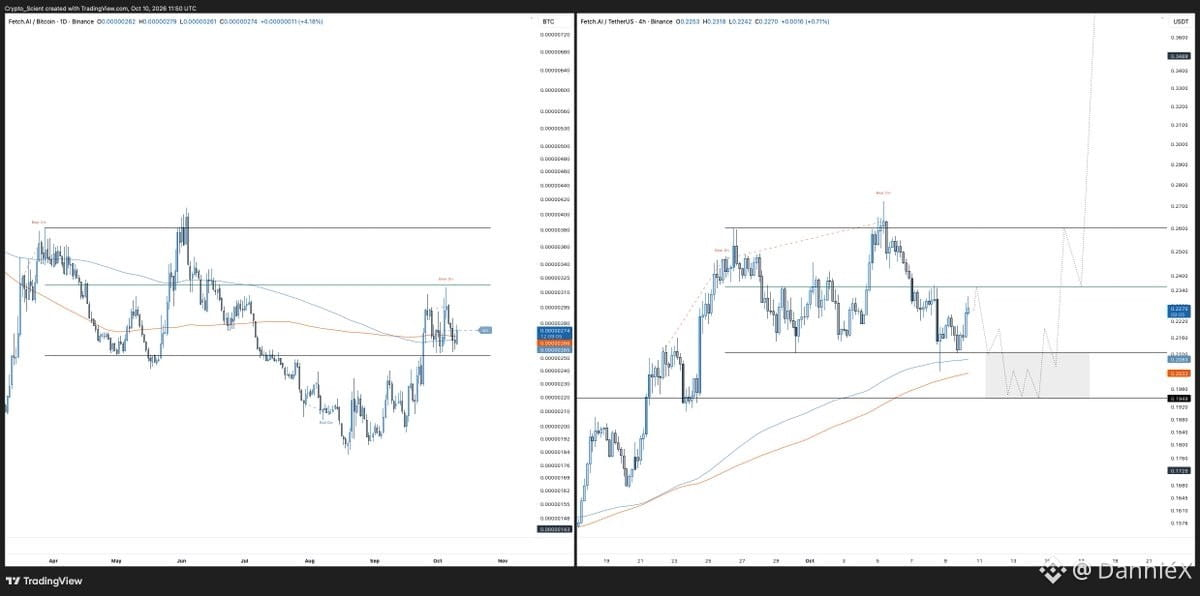
$FET は、大きな値動きの可能性に注目しているAI関連銘柄の一つです。
BTCペアでは、興味深い構造の変化が見られます。日足のレンジを一度下回った後に回復し、FET/BTCは現在、日足のMAトレンドが強気に転じています。
私が特に注目しているのは相対的な強さです。BTCに対して数か月にわたりアンダーパフォームした後、アルトコイン/BTCペアで明確な反転が起きると、モメンタムが戻った際に非常に大きな値動きにつながることがあります。
4時間足の構造も良好に見えます。価格は下の水準を一掃した後、現在は4時間足のトレンドを上から試しています。
ここで現物ポジションを組み直しました。構造が保たれるなら、さらに深く下げた場面で段階的に買い増してもよいと考えています。
FETは、力強いスイングになる可能性を見込んで注目しているAI関連銘柄の一つです。
金融アドバイスではありません。常にリスク管理を徹底してください。
$FET は、大きな値動きの可能性に注目しているAI関連銘柄の一つです。
BTCペアでは、興味深い構造の変化が見られます。日足のレンジを一度下回った後に回復し、FET/BTCは現在、日足のMAトレンドが強気に転じています。
私が特に注目しているのは相対的な強さです。BTCに対して数か月にわたりアンダーパフォームした後、アルトコイン/BTCペアで明確な反転が起きると、モメンタムが戻った際に非常に大きな値動きにつながることがあります。
4時間足の構造も良好に見えます。価格は下の水準を一掃した後、現在は4時間足のトレンドを上から試しています。
ここで現物ポジションを組み直しました。構造が保たれるなら、さらに深く下げた場面で段階的に買い増してもよいと考えています。
FETは、力強いスイングになる可能性を見込んで注目しているAI関連銘柄の一つです。
金融アドバイスではありません。常にリスク管理を徹底してください。
BTCペアでは、興味深い構造の変化が見られます。日足のレンジを一度下回った後に回復し、FET/BTCは現在、日足のMAトレンドが強気に転じています。
私が特に注目しているのは相対的な強さです。BTCに対して数か月にわたりアンダーパフォームした後、アルトコイン/BTCペアで明確な反転が起きると、モメンタムが戻った際に非常に大きな値動きにつながることがあります。
4時間足の構造も良好に見えます。価格は下の水準を一掃した後、現在は4時間足のトレンドを上から試しています。
ここで現物ポジションを組み直しました。構造が保たれるなら、さらに深く下げた場面で段階的に買い増してもよいと考えています。
FETは、力強いスイングになる可能性を見込んで注目しているAI関連銘柄の一つです。
金融アドバイスではありません。常にリスク管理を徹底してください。
2
460
·
--
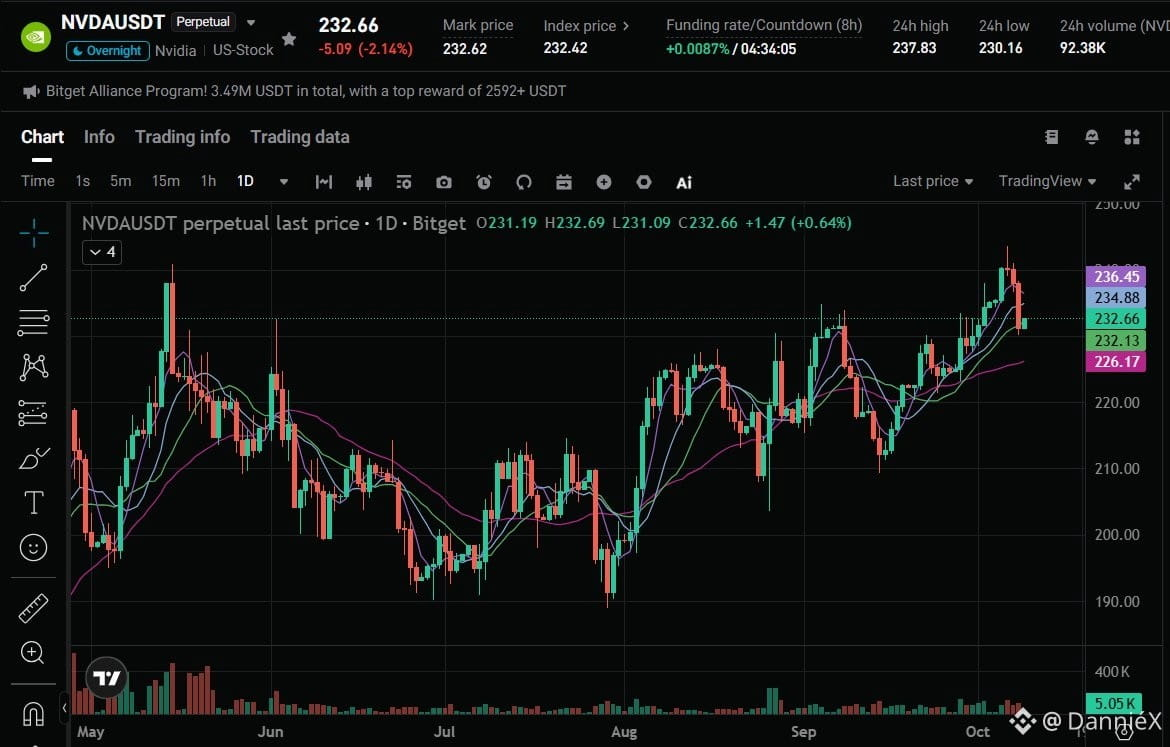
$NVDA は勢いが落ち着いてきています。押し目買いを急ぐつもりはありません。
237ドル付近から反落した後、私のチャート画像ではNVDAは232.66ドル前後で取引されています。AI関連の見通しは依然として強いものの、次の動きには値動きによる確認が必要です。
私の方針:
→ サポート反応があるか、230~232ドルを注視します。
→ モメンタムが戻れば、237ドル付近への回復に注目する価値がありそうです。
→ サポートが崩れた場合は、無理にエントリーせず、辛抱強く様子を見ます。
米国債利回りの高止まりはグロース株にとって引き続きリスクとなるため、FOMOに流されず、リスク管理を優先します。
#Write2Earn!
$NVDA は勢いが落ち着いてきています。押し目買いを急ぐつもりはありません。
237ドル付近から反落した後、私のチャート画像ではNVDAは232.66ドル前後で取引されています。AI関連の見通しは依然として強いものの、次の動きには値動きによる確認が必要です。
私の方針:
→ サポート反応があるか、230~232ドルを注視します。
→ モメンタムが戻れば、237ドル付近への回復に注目する価値がありそうです。
→ サポートが崩れた場合は、無理にエントリーせず、辛抱強く様子を見ます。
米国債利回りの高止まりはグロース株にとって引き続きリスクとなるため、FOMOに流されず、リスク管理を優先します。
#Write2Earn!
237ドル付近から反落した後、私のチャート画像ではNVDAは232.66ドル前後で取引されています。AI関連の見通しは依然として強いものの、次の動きには値動きによる確認が必要です。
私の方針:
→ サポート反応があるか、230~232ドルを注視します。
→ モメンタムが戻れば、237ドル付近への回復に注目する価値がありそうです。
→ サポートが崩れた場合は、無理にエントリーせず、辛抱強く様子を見ます。
米国債利回りの高止まりはグロース株にとって引き続きリスクとなるため、FOMOに流されず、リスク管理を優先します。
#Write2Earn!
1
380
·
--
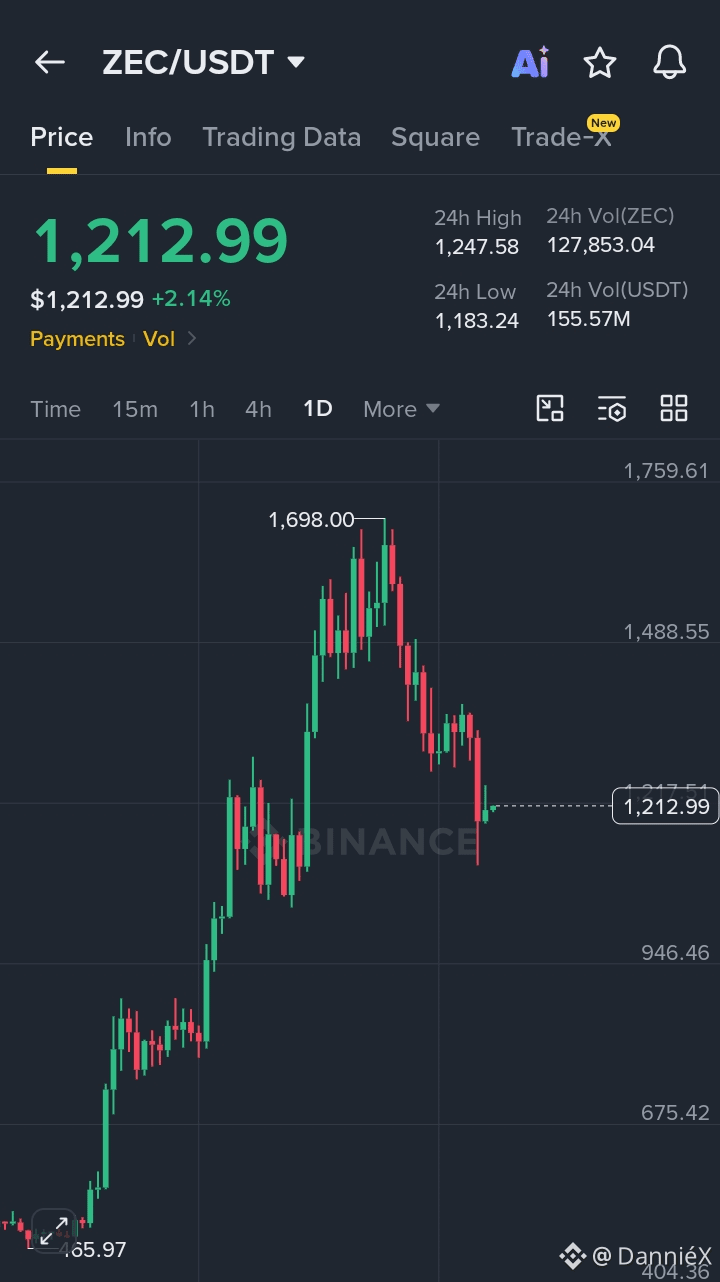
$ZEC は、急激な調整の後、回復の兆しを見せています。
価格は現在、買い手にとって重要なエリアとなった1,180~1,220ドルのサポートゾーン付近を維持しています。このゾーンが引き続き維持されれば、次に注目すべき重要な水準は1,300ドルです。
強い出来高を伴って1,300ドルを明確に回復すれば、1,400~1,500ドルに向けて上昇する可能性があります。
一方、1,180ドルを下回ると相場の構造が弱まり、1,100ドル付近まで下落する可能性があります。
今のところ、値動いを追いかけるのではなく、サポート付近での反応を見ています。
重要な水準:• サポート:1,180~1,220ドル • レジスタンス:1,300ドル • 次のレジスタンス:1,400~1,500ドル • 下抜け警戒ゾーン:1,180ドル未満
投資助言ではありません。常にリスクを管理し、確認を待ちましょう。
#ZEC #Zcash #Crypto #altcoins
$ZEC は、急激な調整の後、回復の兆しを見せています。
価格は現在、買い手にとって重要なエリアとなった1,180~1,220ドルのサポートゾーン付近を維持しています。このゾーンが引き続き維持されれば、次に注目すべき重要な水準は1,300ドルです。
強い出来高を伴って1,300ドルを明確に回復すれば、1,400~1,500ドルに向けて上昇する可能性があります。
一方、1,180ドルを下回ると相場の構造が弱まり、1,100ドル付近まで下落する可能性があります。
今のところ、値動いを追いかけるのではなく、サポート付近での反応を見ています。
重要な水準:• サポート:1,180~1,220ドル • レジスタンス:1,300ドル • 次のレジスタンス:1,400~1,500ドル • 下抜け警戒ゾーン:1,180ドル未満
投資助言ではありません。常にリスクを管理し、確認を待ちましょう。
#ZEC #Zcash #Crypto #altcoins
価格は現在、買い手にとって重要なエリアとなった1,180~1,220ドルのサポートゾーン付近を維持しています。このゾーンが引き続き維持されれば、次に注目すべき重要な水準は1,300ドルです。
強い出来高を伴って1,300ドルを明確に回復すれば、1,400~1,500ドルに向けて上昇する可能性があります。
一方、1,180ドルを下回ると相場の構造が弱まり、1,100ドル付近まで下落する可能性があります。
今のところ、値動いを追いかけるのではなく、サポート付近での反応を見ています。
重要な水準:• サポート:1,180~1,220ドル • レジスタンス:1,300ドル • 次のレジスタンス:1,400~1,500ドル • 下抜け警戒ゾーン:1,180ドル未満
投資助言ではありません。常にリスクを管理し、確認を待ちましょう。
#ZEC #Zcash #Crypto #altcoins
1
470
·
--
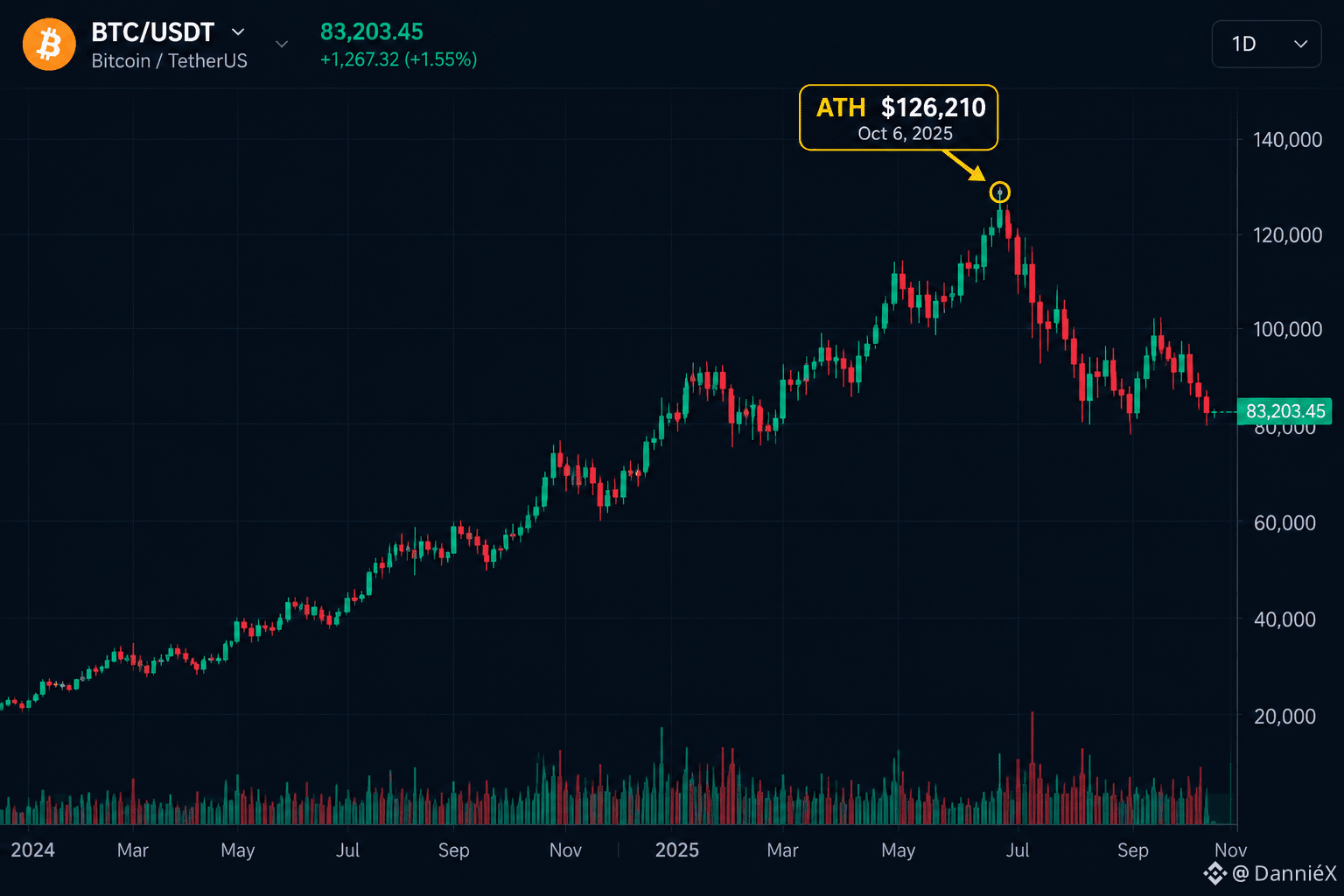
ビットコイン最高値更新1周年
ちょうど1年前の今日、2025年10月6日、ビットコインは約12万6,200ドルという歴史的な最高値を記録しました。
$BTC
{future}(BTCUSDT)
365日が経った今も、BTCはそのピークを下回る水準で取引されています。より長い時間軸で見るうえで、注目すべき重要な水準です。
📌 12万6,000ドルは引き続き、最高値に対する主要なレジスタンス
📌 この水準を奪回すれば、新たな価格発見局面の始まりとなる
📌 それまでは、見出しよりも市場構造と流動性が重要
今、より重要な問いはBTCがいつ最高値を再び試すかではなく、
市場がそこを突破し、その上を維持できるだけの強さを築けるかどうかです。
焦らずに。FOMOよりも。ノイズよりも構造を。📊
#ETHUp70%InQ3ButLiquidityFalls
ビットコイン最高値更新1周年
ちょうど1年前の今日、2025年10月6日、ビットコインは約12万6,200ドルという歴史的な最高値を記録しました。
$BTC
365日が経った今も、BTCはそのピークを下回る水準で取引されています。より長い時間軸で見るうえで、注目すべき重要な水準です。
📌 12万6,000ドルは引き続き、最高値に対する主要なレジスタンス
📌 この水準を奪回すれば、新たな価格発見局面の始まりとなる
📌 それまでは、見出しよりも市場構造と流動性が重要
今、より重要な問いはBTCがいつ最高値を再び試すかではなく、
市場がそこを突破し、その上を維持できるだけの強さを築けるかどうかです。
焦らずに。FOMOよりも。ノイズよりも構造を。📊
#ETHUp70%InQ3ButLiquidityFalls
ちょうど1年前の今日、2025年10月6日、ビットコインは約12万6,200ドルという歴史的な最高値を記録しました。
$BTC
365日が経った今も、BTCはそのピークを下回る水準で取引されています。より長い時間軸で見るうえで、注目すべき重要な水準です。
📌 12万6,000ドルは引き続き、最高値に対する主要なレジスタンス
📌 この水準を奪回すれば、新たな価格発見局面の始まりとなる
📌 それまでは、見出しよりも市場構造と流動性が重要
今、より重要な問いはBTCがいつ最高値を再び試すかではなく、
市場がそこを突破し、その上を維持できるだけの強さを築けるかどうかです。
焦らずに。FOMOよりも。ノイズよりも構造を。📊
#ETHUp70%InQ3ButLiquidityFalls
1
249
·
--
🎙️ バイナンススクエアを盛り上げて、BNBを保有|火曜日、またレンジ相場に。皆さんはどんなポジションを持っていますか?話しましょう

終了
04 時間 44 分 23 秒
11.5k
40
50
·
--
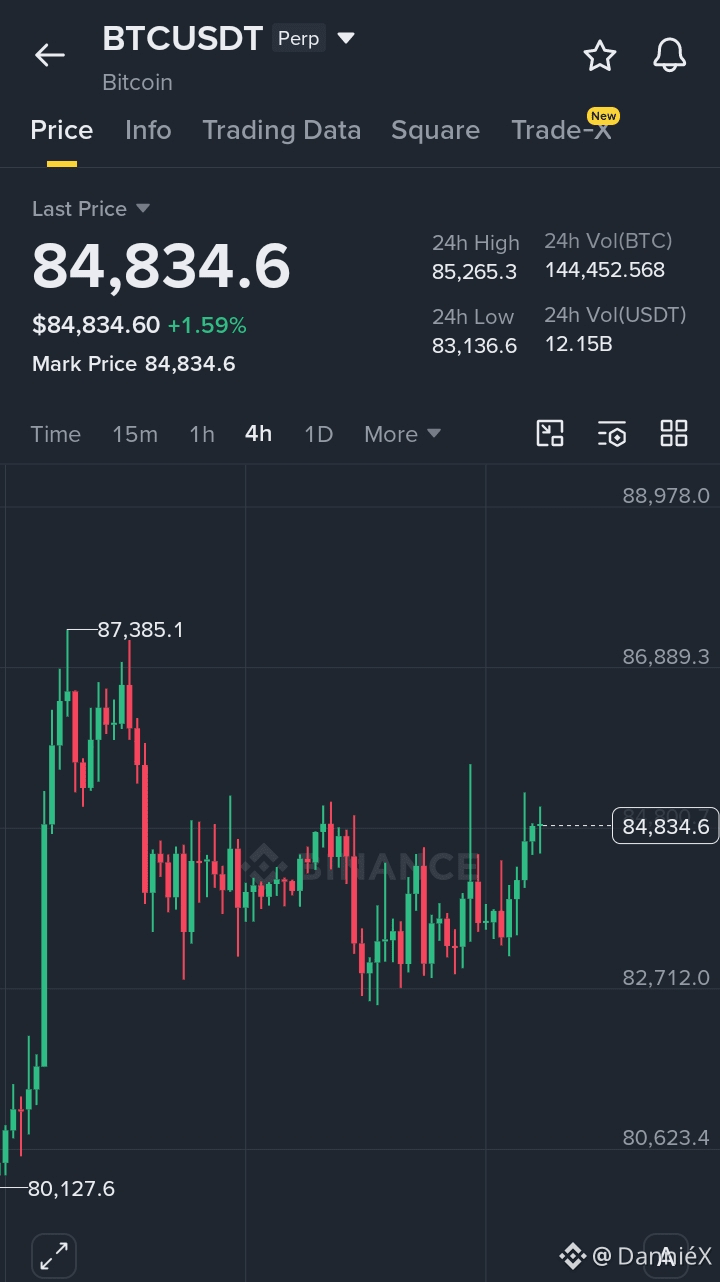
$BTC 私はここで見ているものに惹かれている
ビットコインは約84,700ドルで取引されており、買い手が85Kゾーン付近へ押し戻しています。👀
私はこのエリアを注意深く見ています。BTCが現行ゾーンを維持できれば、短期の構造はポジティブな状態を保てます。
🟢 ロングエントリー: $84,500 – $84,750
🛑 SL: $83,950
🎯 TP1: $85,050
🎯 TP2: $85,400
🎯 TP3: $85,800
私にとって重要なのは85Kのエリアです。そこを明確に上で維持できれば、さらに上昇する追い風になるかもしれません。
ここで価格がどう反応するか見ていきましょう。ローソク足を追いかける必要はありません。
自己判断で調べて、自分のリスクを管理してください。
#BTC突破7万大关 #DannieX
$BTC 私はここで見ているものに惹かれている
ビットコインは約84,700ドルで取引されており、買い手が85Kゾーン付近へ押し戻しています。👀
私はこのエリアを注意深く見ています。BTCが現行ゾーンを維持できれば、短期の構造はポジティブな状態を保てます。
🟢 ロングエントリー: $84,500 – $84,750
🛑 SL: $83,950
🎯 TP1: $85,050
🎯 TP2: $85,400
🎯 TP3: $85,800
私にとって重要なのは85Kのエリアです。そこを明確に上で維持できれば、さらに上昇する追い風になるかもしれません。
ここで価格がどう反応するか見ていきましょう。ローソク足を追いかける必要はありません。
自己判断で調べて、自分のリスクを管理してください。
#BTC突破7万大关 #DannieX
ビットコインは約84,700ドルで取引されており、買い手が85Kゾーン付近へ押し戻しています。👀
私はこのエリアを注意深く見ています。BTCが現行ゾーンを維持できれば、短期の構造はポジティブな状態を保てます。
🟢 ロングエントリー: $84,500 – $84,750
🛑 SL: $83,950
🎯 TP1: $85,050
🎯 TP2: $85,400
🎯 TP3: $85,800
私にとって重要なのは85Kのエリアです。そこを明確に上で維持できれば、さらに上昇する追い風になるかもしれません。
ここで価格がどう反応するか見ていきましょう。ローソク足を追いかける必要はありません。
自己判断で調べて、自分のリスクを管理してください。
#BTC突破7万大关 #DannieX
1
2
471
·
--
$BTC 朝のマーケットアップデート — 需要へ押し戻し
ビットコインは週の始まりを重要な短期レンジの中で迎えており、現在はその構造の下限に価格がテストをかけています。
📌 主要レンジ:83.7K~85.2K
🛡️ 主要サポート:83.7K
⚔️ レジスタンス:85.2K
📍 無効化ライン:82.7Kを下回った場合
83.7Kのエリアは複数回テストされており、重要なサポートゾーンとして機能し続けています。EMA 144–169チャネルもこの付近に位置しており、さらにテクニカル上の意義を高めています。
📈 想定されるロングセットアップ
BTCがこのエリアを維持し続けることを条件に、83.7Kの需要ゾーン付近で軽めのポジションロングを検討できます。
🎯 目標1:84.7K
🎯 目標2:85.2K
🛑 無効化ライン:82.7Kを下回った場合
慎重な確認(コンザバティブ・コンファメーション)
サポートに直接入るのではなく、83.7Kを下抜けてからスイープ(刈り取り)され、その後に水準をリクレーム(奪還)するのを待つこともできます。成功したリクレームは、モメンタムが買い手側に戻ってきていることをより強く示す可能性があります。
現時点では、83.7Kサポートと85.2Kレジスタンスの対比に注目しています。
$BTC 朝のマーケットアップデート — 需要へ押し戻し
ビットコインは週の始まりを重要な短期レンジの中で迎えており、現在はその構造の下限に価格がテストをかけています。
📌 主要レンジ:83.7K~85.2K
🛡️ 主要サポート:83.7K
⚔️ レジスタンス:85.2K
📍 無効化ライン:82.7Kを下回った場合
83.7Kのエリアは複数回テストされており、重要なサポートゾーンとして機能し続けています。EMA 144–169チャネルもこの付近に位置しており、さらにテクニカル上の意義を高めています。
📈 想定されるロングセットアップ
BTCがこのエリアを維持し続けることを条件に、83.7Kの需要ゾーン付近で軽めのポジションロングを検討できます。
🎯 目標1:84.7K
🎯 目標2:85.2K
🛑 無効化ライン:82.7Kを下回った場合
慎重な確認(コンザバティブ・コンファメーション)
サポートに直接入るのではなく、83.7Kを下抜けてからスイープ(刈り取り)され、その後に水準をリクレーム(奪還)するのを待つこともできます。成功したリクレームは、モメンタムが買い手側に戻ってきていることをより強く示す可能性があります。
現時点では、83.7Kサポートと85.2Kレジスタンスの対比に注目しています。
ビットコインは週の始まりを重要な短期レンジの中で迎えており、現在はその構造の下限に価格がテストをかけています。
📌 主要レンジ:83.7K~85.2K
🛡️ 主要サポート:83.7K
⚔️ レジスタンス:85.2K
📍 無効化ライン:82.7Kを下回った場合
83.7Kのエリアは複数回テストされており、重要なサポートゾーンとして機能し続けています。EMA 144–169チャネルもこの付近に位置しており、さらにテクニカル上の意義を高めています。
📈 想定されるロングセットアップ
BTCがこのエリアを維持し続けることを条件に、83.7Kの需要ゾーン付近で軽めのポジションロングを検討できます。
🎯 目標1:84.7K
🎯 目標2:85.2K
🛑 無効化ライン:82.7Kを下回った場合
慎重な確認(コンザバティブ・コンファメーション)
サポートに直接入るのではなく、83.7Kを下抜けてからスイープ(刈り取り)され、その後に水準をリクレーム(奪還)するのを待つこともできます。成功したリクレームは、モメンタムが買い手側に戻ってきていることをより強く示す可能性があります。
現時点では、83.7Kサポートと85.2Kレジスタンスの対比に注目しています。
399
·
--
$ZEC on flight because make new $BTC
目を閉じて....
$ZEC on flight because make new $BTC
目を閉じて....
目を閉じて....

68
2
2
328
·
--
🎙️ Binance Squareを築き、BNBを保有しよう|日曜日、BTCは84,000で数日間横ばい。次の上昇に向けてエネルギーをためているのかな?語り合おう〜

終了
05 時間 23 分 43 秒
14.8k
43
53
ログインして、さらにコンテンツを読む
厳選トピックで世界の暗号資産トレーダーの仲間入り
⚡️ 暗号資産に関する最新かつ有益な情報が見つかります。
💬 世界最大の暗号資産取引所から信頼されています。
👍 認証を受けたクリエイターから、有益なインサイトを得られます。
メール / 電話番号