

ØxEmma
55 投稿

ØxEmma
報告
ユーザーをブロック
12 フォロー
29 フォロワー
63 いいね
投稿
·
--
ブリッシュ
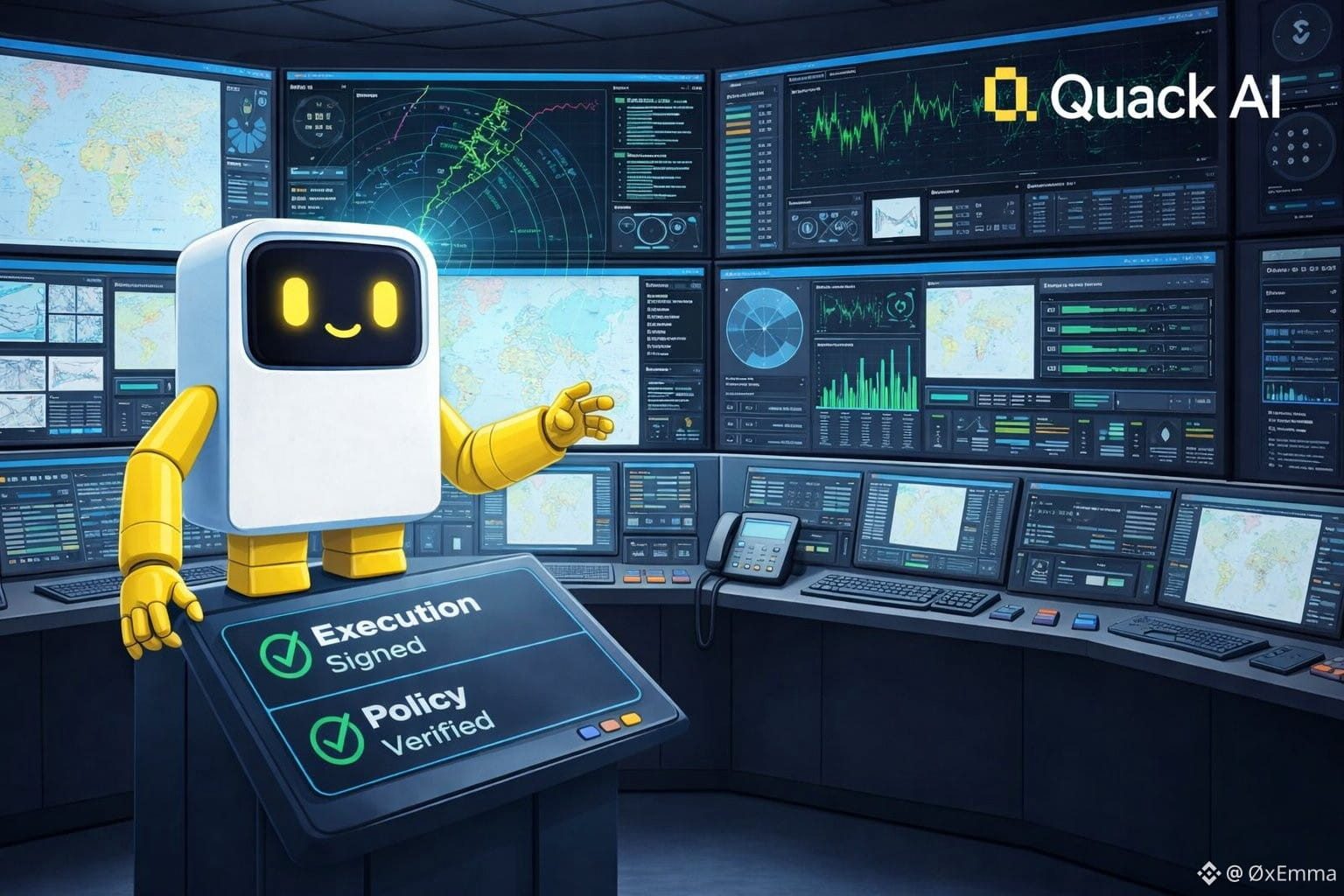
Q402 —> 次世代オンチェーンステーブルコイン決済のためのレール
Web3が進化し続ける中で、決済はエコシステムのコアレイヤーになりつつあります。
しかし、現在のオンチェーン取引はまだ課題に直面しています:
• 複数のステップ
• ガスの摩擦
• 一貫性のないユーザー体験
• 限られた自動化
ここで@QTalkLive エコシステム内のQ402が登場します。
#Q402 は、オンチェーンでのステーブルコイン取引を簡素化する実行および決済レールとして設計されています。
断片化されたプロセスの代わりに、以下を可能にします:
• ストリームラインされた実行フロー
• 取引摩擦の軽減
• 自動化された決済のサポート
• マシン間取引機能
目標は単に迅速な決済ではなく、
よりスマートで調整された決済インフラの構築です。
ステーブルコインの重要性が高まる中、Q402のようなシステムはスケーラブルで効率的なオンチェーン取引を可能にする鍵となるでしょう。
これはWeb3におけるよりシームレスな金融レイヤーへの基礎的なステップです。
#QuackAI #Q402 #AIxWeb3
Q402 —> 次世代オンチェーンステーブルコイン決済のためのレール
Web3が進化し続ける中で、決済はエコシステムのコアレイヤーになりつつあります。
しかし、現在のオンチェーン取引はまだ課題に直面しています:
• 複数のステップ
• ガスの摩擦
• 一貫性のないユーザー体験
• 限られた自動化
ここで@QTalk エコシステム内のQ402が登場します。
#Q402 は、オンチェーンでのステーブルコイン取引を簡素化する実行および決済レールとして設計されています。
断片化されたプロセスの代わりに、以下を可能にします:
• ストリームラインされた実行フロー
• 取引摩擦の軽減
• 自動化された決済のサポート
• マシン間取引機能
目標は単に迅速な決済ではなく、
よりスマートで調整された決済インフラの構築です。
ステーブルコインの重要性が高まる中、Q402のようなシステムはスケーラブルで効率的なオンチェーン取引を可能にする鍵となるでしょう。
これはWeb3におけるよりシームレスな金融レイヤーへの基礎的なステップです。
#QuackAI #Q402 #AIxWeb3
Web3が進化し続ける中で、決済はエコシステムのコアレイヤーになりつつあります。
しかし、現在のオンチェーン取引はまだ課題に直面しています:
• 複数のステップ
• ガスの摩擦
• 一貫性のないユーザー体験
• 限られた自動化
ここで@QTalk エコシステム内のQ402が登場します。
#Q402 は、オンチェーンでのステーブルコイン取引を簡素化する実行および決済レールとして設計されています。
断片化されたプロセスの代わりに、以下を可能にします:
• ストリームラインされた実行フロー
• 取引摩擦の軽減
• 自動化された決済のサポート
• マシン間取引機能
目標は単に迅速な決済ではなく、
よりスマートで調整された決済インフラの構築です。
ステーブルコインの重要性が高まる中、Q402のようなシステムはスケーラブルで効率的なオンチェーン取引を可能にする鍵となるでしょう。
これはWeb3におけるよりシームレスな金融レイヤーへの基礎的なステップです。
#QuackAI #Q402 #AIxWeb3
156

·
--
ブリッシュ
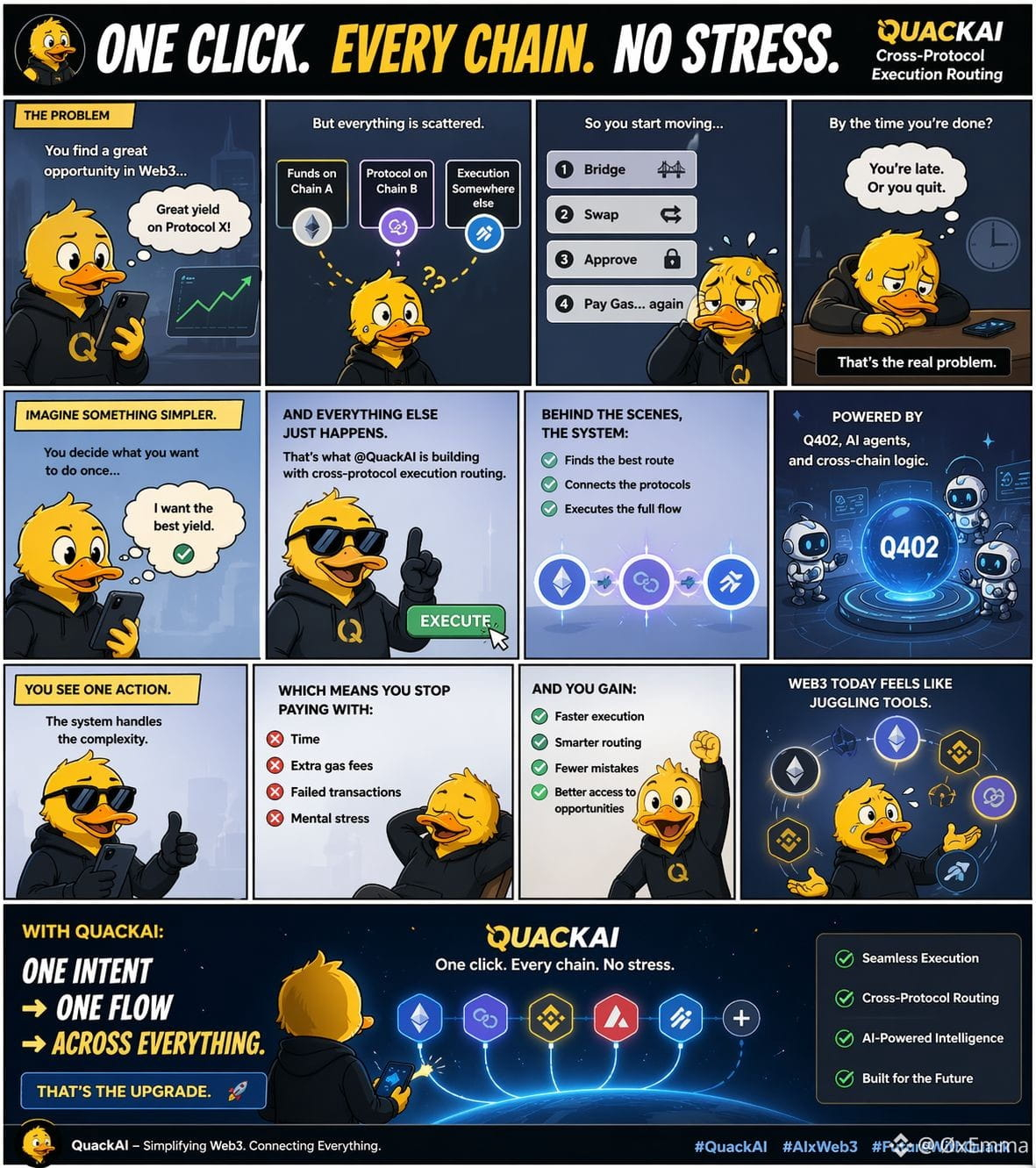
#QuackAI におけるクロスプロトコル実行ルーティング
Web3における最大の課題の一つは、分断です。
複数のチェーンやプロトコルに機会が存在しますが、ユーザーはしばしば段階的に移動することを余儀なくされています:
• アセットをブリッジする
• ネットワークを切り替える
• トランザクションを承認する
• ガスを何度も支払う
このプロセスは時間がかかるだけでなく、機会を逃したり、不要な複雑さを招く可能性があります。
もしそれをすべて簡略化できたらどうでしょう?
各ステップを手動で処理する代わりに、1つの決定を下すだけで、システムが全ての実行フローを処理します。
それが@QTalkLive クロスプロトコル実行ルーティングの背後にあるアイデアです。
それはどうやって実現されるのか?
QuackAIエコシステム内で、実行は以下を通じて調整されます:
• Q402実行レイヤー
• モジュラーAIエージェント
• クロスチェーン互換設計
これらのコンポーネントは連携して:
• 最適なルートを特定し
• 複数のプロトコルを接続し
• トランザクションをシームレスに実行します
すべてが裏で行われています。
その利点は技術的なものだけでなく、実用的です:
• トランザクションの摩擦を減少
• 繰り返しのガス料金を削減
• 実行エラーの可能性を低下
• かなりの時間の節約
Web3は孤立したシステムから
接続されたインフラに進化しています。
@QuackAIでは、目標はシンプルです:
1つの意図 → 1つの調整された実行 → 複数のプロトコルにわたって
#defi #QuackAI #q
#QuackAI におけるクロスプロトコル実行ルーティング
Web3における最大の課題の一つは、分断です。
複数のチェーンやプロトコルに機会が存在しますが、ユーザーはしばしば段階的に移動することを余儀なくされています:
• アセットをブリッジする
• ネットワークを切り替える
• トランザクションを承認する
• ガスを何度も支払う
このプロセスは時間がかかるだけでなく、機会を逃したり、不要な複雑さを招く可能性があります。
もしそれをすべて簡略化できたらどうでしょう?
各ステップを手動で処理する代わりに、1つの決定を下すだけで、システムが全ての実行フローを処理します。
それが@QTalk クロスプロトコル実行ルーティングの背後にあるアイデアです。
それはどうやって実現されるのか?
QuackAIエコシステム内で、実行は以下を通じて調整されます:
• Q402実行レイヤー
• モジュラーAIエージェント
• クロスチェーン互換設計
これらのコンポーネントは連携して:
• 最適なルートを特定し
• 複数のプロトコルを接続し
• トランザクションをシームレスに実行します
すべてが裏で行われています。
その利点は技術的なものだけでなく、実用的です:
• トランザクションの摩擦を減少
• 繰り返しのガス料金を削減
• 実行エラーの可能性を低下
• かなりの時間の節約
Web3は孤立したシステムから
接続されたインフラに進化しています。
@QuackAIでは、目標はシンプルです:
1つの意図 → 1つの調整された実行 → 複数のプロトコルにわたって
#defi #QuackAI #q
Web3における最大の課題の一つは、分断です。
複数のチェーンやプロトコルに機会が存在しますが、ユーザーはしばしば段階的に移動することを余儀なくされています:
• アセットをブリッジする
• ネットワークを切り替える
• トランザクションを承認する
• ガスを何度も支払う
このプロセスは時間がかかるだけでなく、機会を逃したり、不要な複雑さを招く可能性があります。
もしそれをすべて簡略化できたらどうでしょう?
各ステップを手動で処理する代わりに、1つの決定を下すだけで、システムが全ての実行フローを処理します。
それが@QTalk クロスプロトコル実行ルーティングの背後にあるアイデアです。
それはどうやって実現されるのか?
QuackAIエコシステム内で、実行は以下を通じて調整されます:
• Q402実行レイヤー
• モジュラーAIエージェント
• クロスチェーン互換設計
これらのコンポーネントは連携して:
• 最適なルートを特定し
• 複数のプロトコルを接続し
• トランザクションをシームレスに実行します
すべてが裏で行われています。
その利点は技術的なものだけでなく、実用的です:
• トランザクションの摩擦を減少
• 繰り返しのガス料金を削減
• 実行エラーの可能性を低下
• かなりの時間の節約
Web3は孤立したシステムから
接続されたインフラに進化しています。
@QuackAIでは、目標はシンプルです:
1つの意図 → 1つの調整された実行 → 複数のプロトコルにわたって
#defi #QuackAI #q
1
107
·
--
#QuackAI を使うことで、インターネットの未来に対する私の見方が変わりました。
長い間、インターネットはアプリやコンテンツ、情報を中心に構築されたスペースのように感じられました。
しかし今、次のフェーズが異なることが明らかになっています。それは、物事の動作に知性が埋め込まれるシステムへと進化しています。
単に情報を表示するのではなく、システムは次のことを始めています:
• コンテキストでデータを分析する
• プラットフォーム間で調整する
• 自動的にアクションを実行する
Q402のようなコンポーネント、モジュラーAIエージェント、埋め込まれたリスク管理が、@QTalkLive がその未来を垣間見せてくれます。
これは単なるスマートツールの話ではありません。
それは、システムが応答するだけでなく参加する、よりアクティブで適応的なインターネットについてです。
それこそが注目する価値のあるシフトです。
#QuackAI #AIxWeb3
#QuackAI を使うことで、インターネットの未来に対する私の見方が変わりました。
長い間、インターネットはアプリやコンテンツ、情報を中心に構築されたスペースのように感じられました。
しかし今、次のフェーズが異なることが明らかになっています。それは、物事の動作に知性が埋め込まれるシステムへと進化しています。
単に情報を表示するのではなく、システムは次のことを始めています:
• コンテキストでデータを分析する
• プラットフォーム間で調整する
• 自動的にアクションを実行する
Q402のようなコンポーネント、モジュラーAIエージェント、埋め込まれたリスク管理が、@QTalk がその未来を垣間見せてくれます。
これは単なるスマートツールの話ではありません。
それは、システムが応答するだけでなく参加する、よりアクティブで適応的なインターネットについてです。
それこそが注目する価値のあるシフトです。
#QuackAI #AIxWeb3
長い間、インターネットはアプリやコンテンツ、情報を中心に構築されたスペースのように感じられました。
しかし今、次のフェーズが異なることが明らかになっています。それは、物事の動作に知性が埋め込まれるシステムへと進化しています。
単に情報を表示するのではなく、システムは次のことを始めています:
• コンテキストでデータを分析する
• プラットフォーム間で調整する
• 自動的にアクションを実行する
Q402のようなコンポーネント、モジュラーAIエージェント、埋め込まれたリスク管理が、@QTalk がその未来を垣間見せてくれます。
これは単なるスマートツールの話ではありません。
それは、システムが応答するだけでなく参加する、よりアクティブで適応的なインターネットについてです。
それこそが注目する価値のあるシフトです。
#QuackAI #AIxWeb3

32
·
--
#QuackAI 今日 🦆
Q402にスポットライト ⚡
今日は、@QTalkLive エコシステムで最も重要なレイヤーの一つ、Q402について話そう。
Q402は、ユーザーとAIエージェントがオンチェーンで相互作用する方法を簡素化する実行レイヤーとして設計されている。
繰り返し承認や複数のウォレットプロンプト、ガスの摩擦に悩まされる代わりに、アイデアはシンプルだ:
一度サイン → シームレスに実行。
これにより、オンチェーン取引がスムーズになり、複雑さが減少し、ユーザーと自律的なAIシステムの両方にとってより良い体験が提供される。
便利さを超えて、Q402は以下もサポートしている:
• ポリシーベースの実行
• ガスレスのインタラクション
• 機械間の支払いフロー
• クロスレイヤー互換性
これは、断片化された取引フローから調整されたオンチェーン実行へのシフトを示している。
簡単に言えば:
摩擦が少なく、よりインテリジェントなインフラ。
だからこそ、Q402はQuackAIビジョンの重要な部分なんだ。
#QuackAI #Q402
#QuackAI 今日 🦆
Q402にスポットライト ⚡
今日は、@QTalk エコシステムで最も重要なレイヤーの一つ、Q402について話そう。
Q402は、ユーザーとAIエージェントがオンチェーンで相互作用する方法を簡素化する実行レイヤーとして設計されている。
繰り返し承認や複数のウォレットプロンプト、ガスの摩擦に悩まされる代わりに、アイデアはシンプルだ:
一度サイン → シームレスに実行。
これにより、オンチェーン取引がスムーズになり、複雑さが減少し、ユーザーと自律的なAIシステムの両方にとってより良い体験が提供される。
便利さを超えて、Q402は以下もサポートしている:
• ポリシーベースの実行
• ガスレスのインタラクション
• 機械間の支払いフロー
• クロスレイヤー互換性
これは、断片化された取引フローから調整されたオンチェーン実行へのシフトを示している。
簡単に言えば:
摩擦が少なく、よりインテリジェントなインフラ。
だからこそ、Q402はQuackAIビジョンの重要な部分なんだ。
#QuackAI #Q402
Q402にスポットライト ⚡
今日は、@QTalk エコシステムで最も重要なレイヤーの一つ、Q402について話そう。
Q402は、ユーザーとAIエージェントがオンチェーンで相互作用する方法を簡素化する実行レイヤーとして設計されている。
繰り返し承認や複数のウォレットプロンプト、ガスの摩擦に悩まされる代わりに、アイデアはシンプルだ:
一度サイン → シームレスに実行。
これにより、オンチェーン取引がスムーズになり、複雑さが減少し、ユーザーと自律的なAIシステムの両方にとってより良い体験が提供される。
便利さを超えて、Q402は以下もサポートしている:
• ポリシーベースの実行
• ガスレスのインタラクション
• 機械間の支払いフロー
• クロスレイヤー互換性
これは、断片化された取引フローから調整されたオンチェーン実行へのシフトを示している。
簡単に言えば:
摩擦が少なく、よりインテリジェントなインフラ。
だからこそ、Q402はQuackAIビジョンの重要な部分なんだ。
#QuackAI #Q402

1
29

·
--
埋め込まれたリスクパラメータ #QuackAl 🛡⚙️
Web3のスピードは強力です。
しかし、制限のないスピードはリスクをもたらす可能性があります。
だからこそ、埋め込まれたリスクパラメータは@QTalkLive エコシステム内で非常に重要なレイヤーです。
どんな戦略が実行される前でも、システムは事前に定義された境界内で動作できます:
• 資本配分の制限
• エクスポージャーの閾値
• ボラティリティトリガー
• 損失管理の条件
• 実行の境界
これは、インテリジェンスが単に機会を追い求めるだけではなく、ルールを尊重することを意味します。
目標はシンプルです:
自動化を規律ある実行に変えること。
条件が数秒で変わる分散型市場では、内蔵の安全策はオプションではありません。
それは攻撃的なシステムと回復力のあるインフラの違いです。
それがインテリジェントコントロールレイヤーの強さです。
埋め込まれたリスクパラメータ #QuackAl 🛡⚙️
Web3のスピードは強力です。
しかし、制限のないスピードはリスクをもたらす可能性があります。
だからこそ、埋め込まれたリスクパラメータは@QTalk エコシステム内で非常に重要なレイヤーです。
どんな戦略が実行される前でも、システムは事前に定義された境界内で動作できます:
• 資本配分の制限
• エクスポージャーの閾値
• ボラティリティトリガー
• 損失管理の条件
• 実行の境界
これは、インテリジェンスが単に機会を追い求めるだけではなく、ルールを尊重することを意味します。
目標はシンプルです:
自動化を規律ある実行に変えること。
条件が数秒で変わる分散型市場では、内蔵の安全策はオプションではありません。
それは攻撃的なシステムと回復力のあるインフラの違いです。
それがインテリジェントコントロールレイヤーの強さです。
Web3のスピードは強力です。
しかし、制限のないスピードはリスクをもたらす可能性があります。
だからこそ、埋め込まれたリスクパラメータは@QTalk エコシステム内で非常に重要なレイヤーです。
どんな戦略が実行される前でも、システムは事前に定義された境界内で動作できます:
• 資本配分の制限
• エクスポージャーの閾値
• ボラティリティトリガー
• 損失管理の条件
• 実行の境界
これは、インテリジェンスが単に機会を追い求めるだけではなく、ルールを尊重することを意味します。
目標はシンプルです:
自動化を規律ある実行に変えること。
条件が数秒で変わる分散型市場では、内蔵の安全策はオプションではありません。
それは攻撃的なシステムと回復力のあるインフラの違いです。
それがインテリジェントコントロールレイヤーの強さです。
102
·
--
ポートフォリオモニタリング & リスク管理 in quack Ai 📊🛡
Web3では、市場は決して眠りません。
価格は数秒で変動します。
流動性は警告なしにシフトします。
リスクエクスポージャーは静かに積み重なります。
だからこそ、ポートフォリオモニタリングとリスク管理は最も強力なレイヤーの一つです @QTalkLive
あなたのポジションを継続的に監視するインテリジェンスシステムを想像してみてください:
• オンチェーンウォレットアクティビティを追跡
• 市場のボラティリティを監視
• 過剰露出をフラグ
• リスク閾値をリアルタイムで調整
これは単なるアラートの話ではありません。
構造化された保護の話です。
損失が発生した後に反応するのではなく、システムは早期にリスクを特定し、エクスポージャーが蓄積される前によりスマートな実行をサポートします。
急速に動く分散型市場では、規律が優位性です。
それがQuackAIがこの絵にフィットする理由です。
#QuackAI #DeFi #q
ポートフォリオモニタリング & リスク管理 in quack Ai 📊🛡
Web3では、市場は決して眠りません。
価格は数秒で変動します。
流動性は警告なしにシフトします。
リスクエクスポージャーは静かに積み重なります。
だからこそ、ポートフォリオモニタリングとリスク管理は最も強力なレイヤーの一つです @QTalk
あなたのポジションを継続的に監視するインテリジェンスシステムを想像してみてください:
• オンチェーンウォレットアクティビティを追跡
• 市場のボラティリティを監視
• 過剰露出をフラグ
• リスク閾値をリアルタイムで調整
これは単なるアラートの話ではありません。
構造化された保護の話です。
損失が発生した後に反応するのではなく、システムは早期にリスクを特定し、エクスポージャーが蓄積される前によりスマートな実行をサポートします。
急速に動く分散型市場では、規律が優位性です。
それがQuackAIがこの絵にフィットする理由です。
#QuackAI #DeFi #q
Web3では、市場は決して眠りません。
価格は数秒で変動します。
流動性は警告なしにシフトします。
リスクエクスポージャーは静かに積み重なります。
だからこそ、ポートフォリオモニタリングとリスク管理は最も強力なレイヤーの一つです @QTalk
あなたのポジションを継続的に監視するインテリジェンスシステムを想像してみてください:
• オンチェーンウォレットアクティビティを追跡
• 市場のボラティリティを監視
• 過剰露出をフラグ
• リスク閾値をリアルタイムで調整
これは単なるアラートの話ではありません。
構造化された保護の話です。
損失が発生した後に反応するのではなく、システムは早期にリスクを特定し、エクスポージャーが蓄積される前によりスマートな実行をサポートします。
急速に動く分散型市場では、規律が優位性です。
それがQuackAIがこの絵にフィットする理由です。
#QuackAI #DeFi #q

279

·
--
#QuackAI 今日
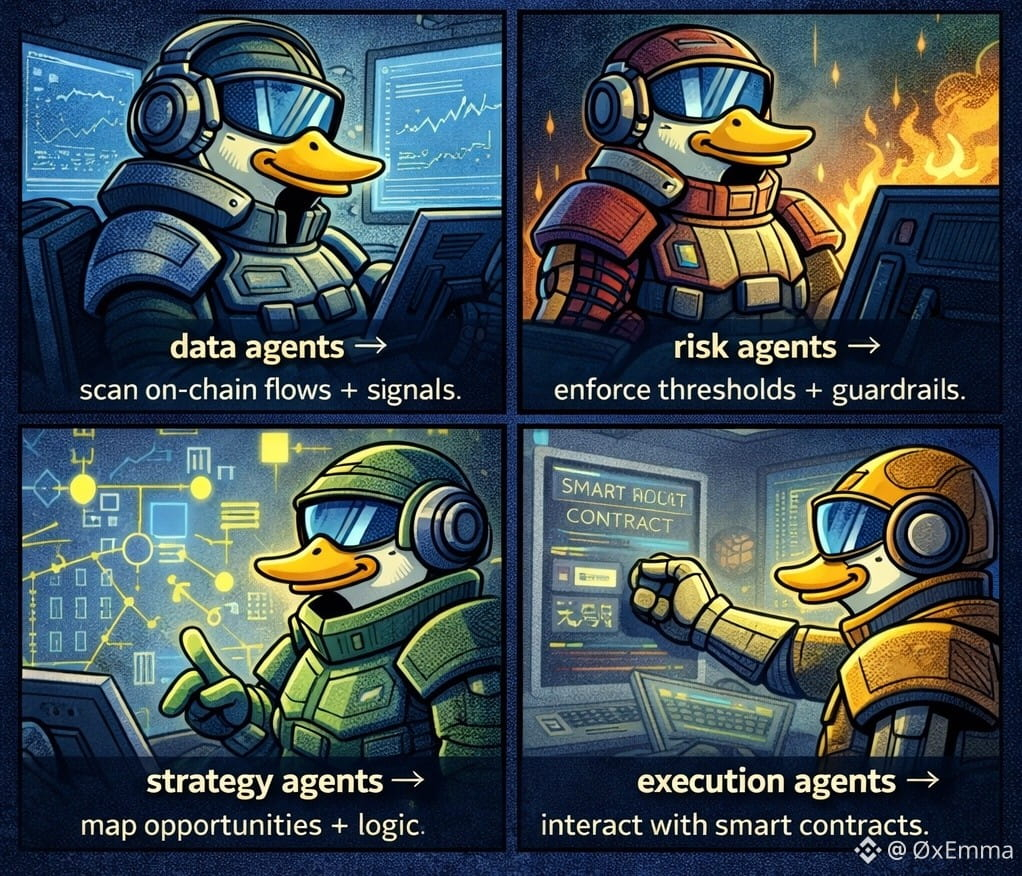
モジュラーAIエージェント 🤖
現代のAIシステムにおける最も強力なアイデアの一つはモジュラリティです。
すべてを行おうとする単一のモデルの代わりに、知性は特定の役割に合わせて設計された専門のエージェントに分割されます。
@QTalkLive エコシステム内では、これは異なるAIエージェントがWeb3スタックの異なるレイヤーに焦点を当てることを意味します。
例えば:
• データエージェント → オンチェーン活動と市場シグナルを監視
• リスクエージェント → エクスポージャー制限と安全ルールを施行
• ストラテジーエージェント → 機会と論理の流れを評価
• 実行エージェント → スマートコントラクトとプロトコルと相互作用
このモジュラー設計は、システムをより柔軟でスケーラブルにし、アップグレードを容易にします。
全体のフレームワークを再構築するのではなく、新しいエージェントはエコシステムの進化に応じて統合できます。
これが知的インフラストラクチャが適応的であり続ける方法です。
#QuackAI #DeFi!
#QuackAI 今日
モジュラーAIエージェント 🤖
現代のAIシステムにおける最も強力なアイデアの一つはモジュラリティです。
すべてを行おうとする単一のモデルの代わりに、知性は特定の役割に合わせて設計された専門のエージェントに分割されます。
@QTalk エコシステム内では、これは異なるAIエージェントがWeb3スタックの異なるレイヤーに焦点を当てることを意味します。
例えば:
• データエージェント → オンチェーン活動と市場シグナルを監視
• リスクエージェント → エクスポージャー制限と安全ルールを施行
• ストラテジーエージェント → 機会と論理の流れを評価
• 実行エージェント → スマートコントラクトとプロトコルと相互作用
このモジュラー設計は、システムをより柔軟でスケーラブルにし、アップグレードを容易にします。
全体のフレームワークを再構築するのではなく、新しいエージェントはエコシステムの進化に応じて統合できます。
これが知的インフラストラクチャが適応的であり続ける方法です。
#QuackAI #DeFi!
モジュラーAIエージェント 🤖
現代のAIシステムにおける最も強力なアイデアの一つはモジュラリティです。
すべてを行おうとする単一のモデルの代わりに、知性は特定の役割に合わせて設計された専門のエージェントに分割されます。
@QTalk エコシステム内では、これは異なるAIエージェントがWeb3スタックの異なるレイヤーに焦点を当てることを意味します。
例えば:
• データエージェント → オンチェーン活動と市場シグナルを監視
• リスクエージェント → エクスポージャー制限と安全ルールを施行
• ストラテジーエージェント → 機会と論理の流れを評価
• 実行エージェント → スマートコントラクトとプロトコルと相互作用
このモジュラー設計は、システムをより柔軟でスケーラブルにし、アップグレードを容易にします。
全体のフレームワークを再構築するのではなく、新しいエージェントはエコシステムの進化に応じて統合できます。
これが知的インフラストラクチャが適応的であり続ける方法です。
#QuackAI #DeFi!
1
51
·
--
QuackAI プラグアンドプレイインフラストラクチャ 🔌
Web3インフラストラクチャの最大の課題の1つは統合です。
多くのシステムは硬直しており、ビルダーが新しいプロトコルを追加したり、新しい戦略を展開したり、AIエージェントを統合したりすることが難しくなっています。
ここで@QTalkLive プラグアンドプレイインフラストラクチャが重要になります。
アイデアはシンプルです:
コンポーネントは簡単に接続でき、シームレスに連携するべきです。
これには以下が含まれます:
• 簡単なプロトコル統合
• モジュラーAIエージェントサポート
• 柔軟な戦略展開
• スケーラブルな実行レイヤー
ゼロから再構築する代わりに、ビルダーは既存のフレームワークに新しいコンポーネントをプラグインできます。
これにより摩擦が減り、革新が加速し、Web3が進化し続ける中でエコシステムがより適応可能になります。
急速に変化する環境では、柔軟性が実際の優位性です。
#QuackAI #DeFiInnovation
QuackAI プラグアンドプレイインフラストラクチャ 🔌
Web3インフラストラクチャの最大の課題の1つは統合です。
多くのシステムは硬直しており、ビルダーが新しいプロトコルを追加したり、新しい戦略を展開したり、AIエージェントを統合したりすることが難しくなっています。
ここで@QTalk プラグアンドプレイインフラストラクチャが重要になります。
アイデアはシンプルです:
コンポーネントは簡単に接続でき、シームレスに連携するべきです。
これには以下が含まれます:
• 簡単なプロトコル統合
• モジュラーAIエージェントサポート
• 柔軟な戦略展開
• スケーラブルな実行レイヤー
ゼロから再構築する代わりに、ビルダーは既存のフレームワークに新しいコンポーネントをプラグインできます。
これにより摩擦が減り、革新が加速し、Web3が進化し続ける中でエコシステムがより適応可能になります。
急速に変化する環境では、柔軟性が実際の優位性です。
#QuackAI #DeFiInnovation
Web3インフラストラクチャの最大の課題の1つは統合です。
多くのシステムは硬直しており、ビルダーが新しいプロトコルを追加したり、新しい戦略を展開したり、AIエージェントを統合したりすることが難しくなっています。
ここで@QTalk プラグアンドプレイインフラストラクチャが重要になります。
アイデアはシンプルです:
コンポーネントは簡単に接続でき、シームレスに連携するべきです。
これには以下が含まれます:
• 簡単なプロトコル統合
• モジュラーAIエージェントサポート
• 柔軟な戦略展開
• スケーラブルな実行レイヤー
ゼロから再構築する代わりに、ビルダーは既存のフレームワークに新しいコンポーネントをプラグインできます。
これにより摩擦が減り、革新が加速し、Web3が進化し続ける中でエコシステムがより適応可能になります。
急速に変化する環境では、柔軟性が実際の優位性です。
#QuackAI #DeFiInnovation

65
·
--
リスク & コントロールシステム in QuackAI
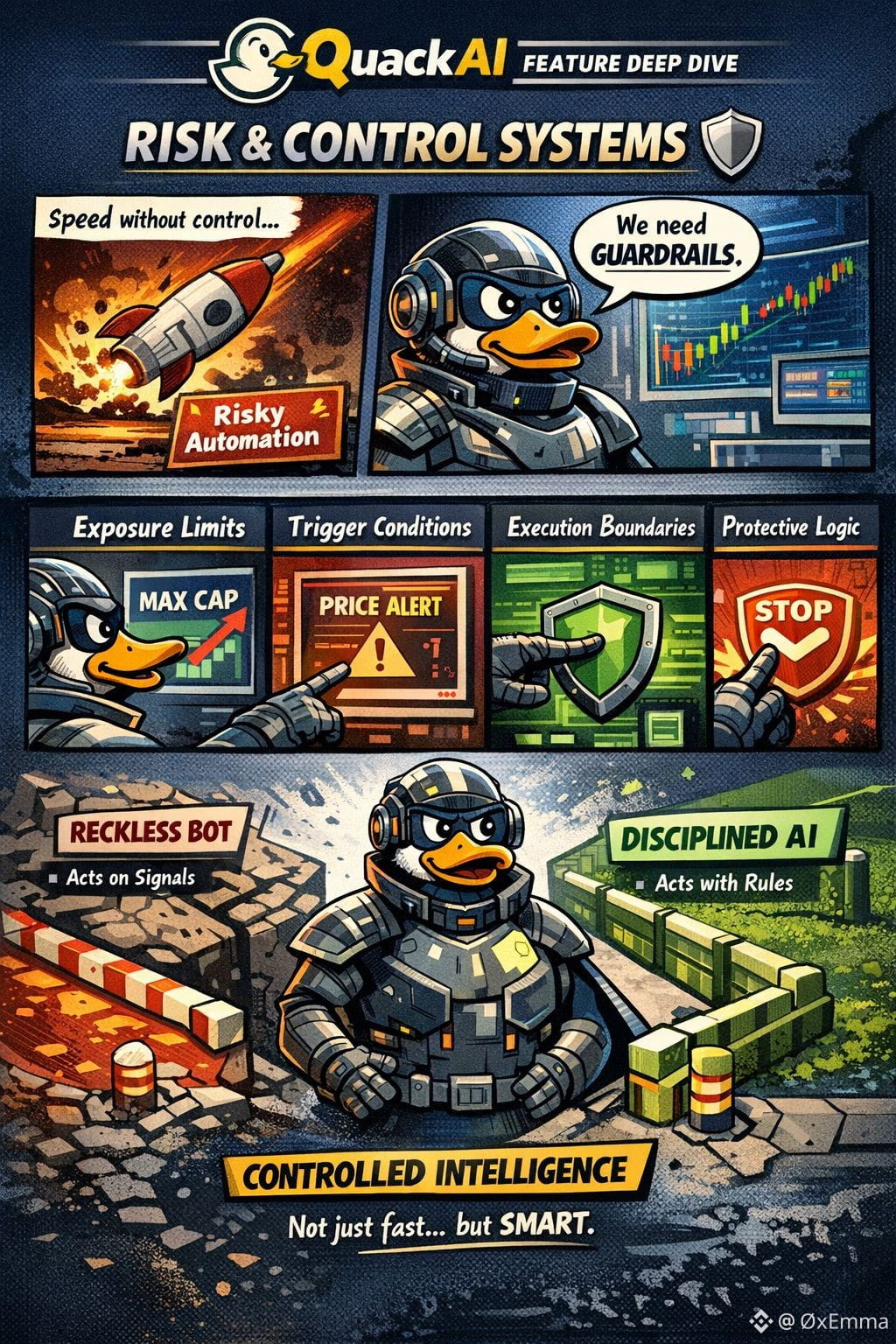
AI駆動のWeb3システムにおいて最も重要な層の一つはリスク管理です。
速度だけでは不十分です。
分散型市場では、安全策なしの自動化は、機会を捉えるのと同じくらい迅速に損失を拡大させる可能性があります。
ここで@QTalkLive リスク & コントロールシステムが不可欠になります。
実行が行われる前に、フレームワークは以下を定義できます。
• エクスポージャーの閾値 → どれだけの資本を配分できるか
• 条件付きトリガー → いつアクションを起こすべきか
• 実行の境界 → 戦略の行動に対する制限
• 保護ロジック → 過剰なエクスポージャーを防ぐルール
これにより、自動化は反応的ではなく、規律のあるものになります。
「AIは信号を見たときに行動する」のではなく、
システムは事前に定義されたパラメータ内で動作します。
簡単に言えば:
ガードレールを持つ知性。
そしてWeb3では、その区別が重要です。
#QuackAI #defi
リスク & コントロールシステム in QuackAI
AI駆動のWeb3システムにおいて最も重要な層の一つはリスク管理です。
速度だけでは不十分です。
分散型市場では、安全策なしの自動化は、機会を捉えるのと同じくらい迅速に損失を拡大させる可能性があります。
ここで@QTalk リスク & コントロールシステムが不可欠になります。
実行が行われる前に、フレームワークは以下を定義できます。
• エクスポージャーの閾値 → どれだけの資本を配分できるか
• 条件付きトリガー → いつアクションを起こすべきか
• 実行の境界 → 戦略の行動に対する制限
• 保護ロジック → 過剰なエクスポージャーを防ぐルール
これにより、自動化は反応的ではなく、規律のあるものになります。
「AIは信号を見たときに行動する」のではなく、
システムは事前に定義されたパラメータ内で動作します。
簡単に言えば:
ガードレールを持つ知性。
そしてWeb3では、その区別が重要です。
#QuackAI #defi
AI駆動のWeb3システムにおいて最も重要な層の一つはリスク管理です。
速度だけでは不十分です。
分散型市場では、安全策なしの自動化は、機会を捉えるのと同じくらい迅速に損失を拡大させる可能性があります。
ここで@QTalk リスク & コントロールシステムが不可欠になります。
実行が行われる前に、フレームワークは以下を定義できます。
• エクスポージャーの閾値 → どれだけの資本を配分できるか
• 条件付きトリガー → いつアクションを起こすべきか
• 実行の境界 → 戦略の行動に対する制限
• 保護ロジック → 過剰なエクスポージャーを防ぐルール
これにより、自動化は反応的ではなく、規律のあるものになります。
「AIは信号を見たときに行動する」のではなく、
システムは事前に定義されたパラメータ内で動作します。
簡単に言えば:
ガードレールを持つ知性。
そしてWeb3では、その区別が重要です。
#QuackAI #defi
26

·
--
QuackAI Today 🦆
“エコシステム全体での実行”
DeFiは機会によって制限されるのではなく、断片化によって制限されています。
流動性はチェーンにわたって広がっています。
プロトコルはサイロ内で動作します。
実行はそれらの間で効率的に移動することはほとんどありません。
Q402が@XLayerOfficialのようなエコシステムに拡大する中で、@QTalkLive はクロスレイヤーの調整に向けて進んでいます。
単なる実行ではなく、環境を超えて移動する実行です。
• クロスチェーン機能
• マルチプロトコル相互作用
• 構成可能な実行フロー
孤立したシステムから
接続されたインテリジェンスレイヤーへ。
そこが面白くなるところです。
#QuackAI #XLayer #q
QuackAI Today 🦆
“エコシステム全体での実行”
DeFiは機会によって制限されるのではなく、断片化によって制限されています。
流動性はチェーンにわたって広がっています。
プロトコルはサイロ内で動作します。
実行はそれらの間で効率的に移動することはほとんどありません。
Q402が@XLayerOfficialのようなエコシステムに拡大する中で、@QTalk はクロスレイヤーの調整に向けて進んでいます。
単なる実行ではなく、環境を超えて移動する実行です。
• クロスチェーン機能
• マルチプロトコル相互作用
• 構成可能な実行フロー
孤立したシステムから
接続されたインテリジェンスレイヤーへ。
そこが面白くなるところです。
#QuackAI #XLayer #q
“エコシステム全体での実行”
DeFiは機会によって制限されるのではなく、断片化によって制限されています。
流動性はチェーンにわたって広がっています。
プロトコルはサイロ内で動作します。
実行はそれらの間で効率的に移動することはほとんどありません。
Q402が@XLayerOfficialのようなエコシステムに拡大する中で、@QTalk はクロスレイヤーの調整に向けて進んでいます。
単なる実行ではなく、環境を超えて移動する実行です。
• クロスチェーン機能
• マルチプロトコル相互作用
• 構成可能な実行フロー
孤立したシステムから
接続されたインテリジェンスレイヤーへ。
そこが面白くなるところです。
#QuackAI #XLayer #q

141
·
--
ブリッシュ
QuackAI 今日 🦆
Xレイヤーへの拡張に伴い、今は新しいものに焦点が移ります。
@QTalkLive x @XLayerOfficial
#Q402 は現在Xレイヤーエコシステムの一部です。
これにより意味のあるアップグレードがもたらされます:
• より広範なプロトコルネットワークへのアクセス
• AI駆動システムのための新しい実行環境
• エコシステム間での構成可能性の向上
• レイヤー間の調整の機会が増加
これは単に別のチェーン上での存在についてではありません。
異なるレイヤー、プロトコル、および環境で知性がどのように機能するかを拡張することに関するものです。
Web3がスケールし続ける中で、
エコシステム間で調整する能力が重要な利点となります。
ここでこの動きが重要になってきます。
#QuackAI #Q402 #DeFi!
QuackAI 今日 🦆
Xレイヤーへの拡張に伴い、今は新しいものに焦点が移ります。
@QTalk x @XLayerOfficial
#Q402 は現在Xレイヤーエコシステムの一部です。
これにより意味のあるアップグレードがもたらされます:
• より広範なプロトコルネットワークへのアクセス
• AI駆動システムのための新しい実行環境
• エコシステム間での構成可能性の向上
• レイヤー間の調整の機会が増加
これは単に別のチェーン上での存在についてではありません。
異なるレイヤー、プロトコル、および環境で知性がどのように機能するかを拡張することに関するものです。
Web3がスケールし続ける中で、
エコシステム間で調整する能力が重要な利点となります。
ここでこの動きが重要になってきます。
#QuackAI #Q402 #DeFi!
Xレイヤーへの拡張に伴い、今は新しいものに焦点が移ります。
@QTalk x @XLayerOfficial
#Q402 は現在Xレイヤーエコシステムの一部です。
これにより意味のあるアップグレードがもたらされます:
• より広範なプロトコルネットワークへのアクセス
• AI駆動システムのための新しい実行環境
• エコシステム間での構成可能性の向上
• レイヤー間の調整の機会が増加
これは単に別のチェーン上での存在についてではありません。
異なるレイヤー、プロトコル、および環境で知性がどのように機能するかを拡張することに関するものです。
Web3がスケールし続ける中で、
エコシステム間で調整する能力が重要な利点となります。
ここでこの動きが重要になってきます。
#QuackAI #Q402 #DeFi!

1
21
ログインして、さらにコンテンツを読む
厳選トピックで世界の暗号資産トレーダーの仲間入り
⚡️ 暗号資産に関する最新かつ有益な情報が見つかります。
💬 世界最大の暗号資産取引所から信頼されています。
👍 認証を受けたクリエイターから、有益なインサイトを得られます。
メール / 電話番号
トレンドトピック
ADAGains10%Above$0.27
閲覧回数 5,755
125人が討論中
$ADA は本日大きく上昇し、10%超値上がりして027前後に達し、90日間の新高値を更新しました。
取引高も10億を超えて急増しており、市場の活況を示しています。
この動きは、$ADA が6月の安値から回復を続けるなか、最近のテクニカル面の形勢がより強気に転じたことを背景としています。
現在、027~028のゾーンが注目すべき重要な水準です。上抜けが続けば、さらに上の抵抗線を目指す展開となる可能性があります。
ただし、これほど急激な日中の値動きの後は、ボラティリティが高い状態が続く可能性があります。
#ADAGains10%Above$0.27 #crypto #ADA #Cardano #crypto #Write2Earn
AbdullahAbid_7
·いいね:0件
·閲覧回数 249
ETHUp70%InQ3ButLiquidityFalls
閲覧回数 66,248
723人が討論中
EthStakingExitQueueHits2026High
閲覧回数 24,218
579人が討論中