
Emiley jhon
6.8k 投稿

Emiley jhon
 厳選トピック確認済
報告
ユーザーをブロック
X;Emiley_jhon124
取引を発注
高頻度トレーダー
2年
546 フォロー
32.0K+ フォロワー
20.4K+ いいね
投稿
ポートフォリオ
すべて
引用
ライブ
·
--
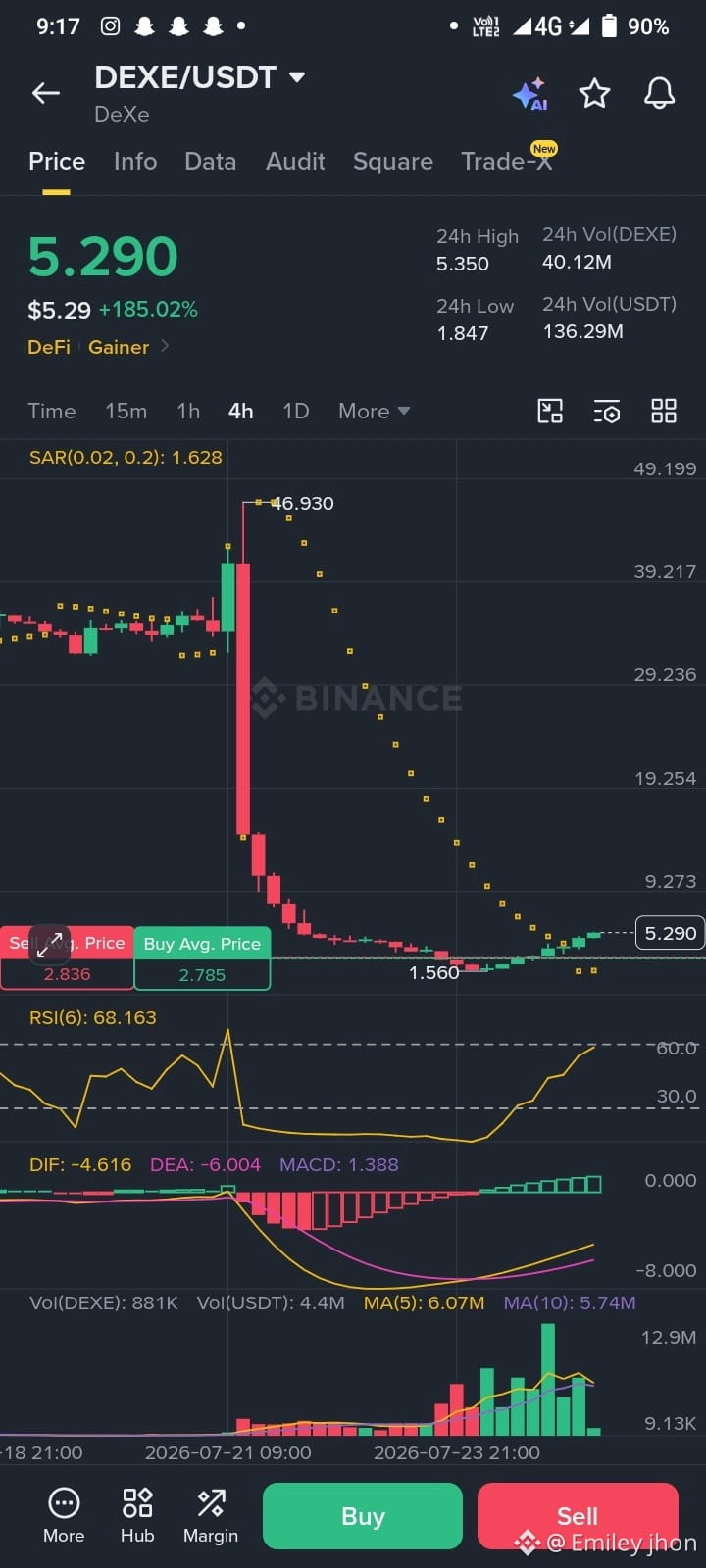
最近の低値から力強く回復した後、DEXEのDEX上で勢いが再び高まっており、買い手が着実に主導権を握っています。このブレイクアウトが継続するなら、このセットアップは有望に見えます。
コイン: DEXE/USDT
方向: ロング 📈
エントリーゾーン: 5.10–5.35
損切り: 4.70
TP1: 5.80
TP2: 6.40
TP3: 7.20
TP4: 8.00
#Write2Earn #dexe $DEXE
最近の低値から力強く回復した後、DEXEのDEX上で勢いが再び高まっており、買い手が着実に主導権を握っています。このブレイクアウトが継続するなら、このセットアップは有望に見えます。
コイン: DEXE/USDT
方向: ロング 📈
エントリーゾーン: 5.10–5.35
損切り: 4.70
TP1: 5.80
TP2: 6.40
TP3: 7.20
TP4: 8.00
#Write2Earn #dexe $DEXE
コイン: DEXE/USDT
方向: ロング 📈
エントリーゾーン: 5.10–5.35
損切り: 4.70
TP1: 5.80
TP2: 6.40
TP3: 7.20
TP4: 8.00
#Write2Earn #dexe $DEXE
1
2
565
·
--
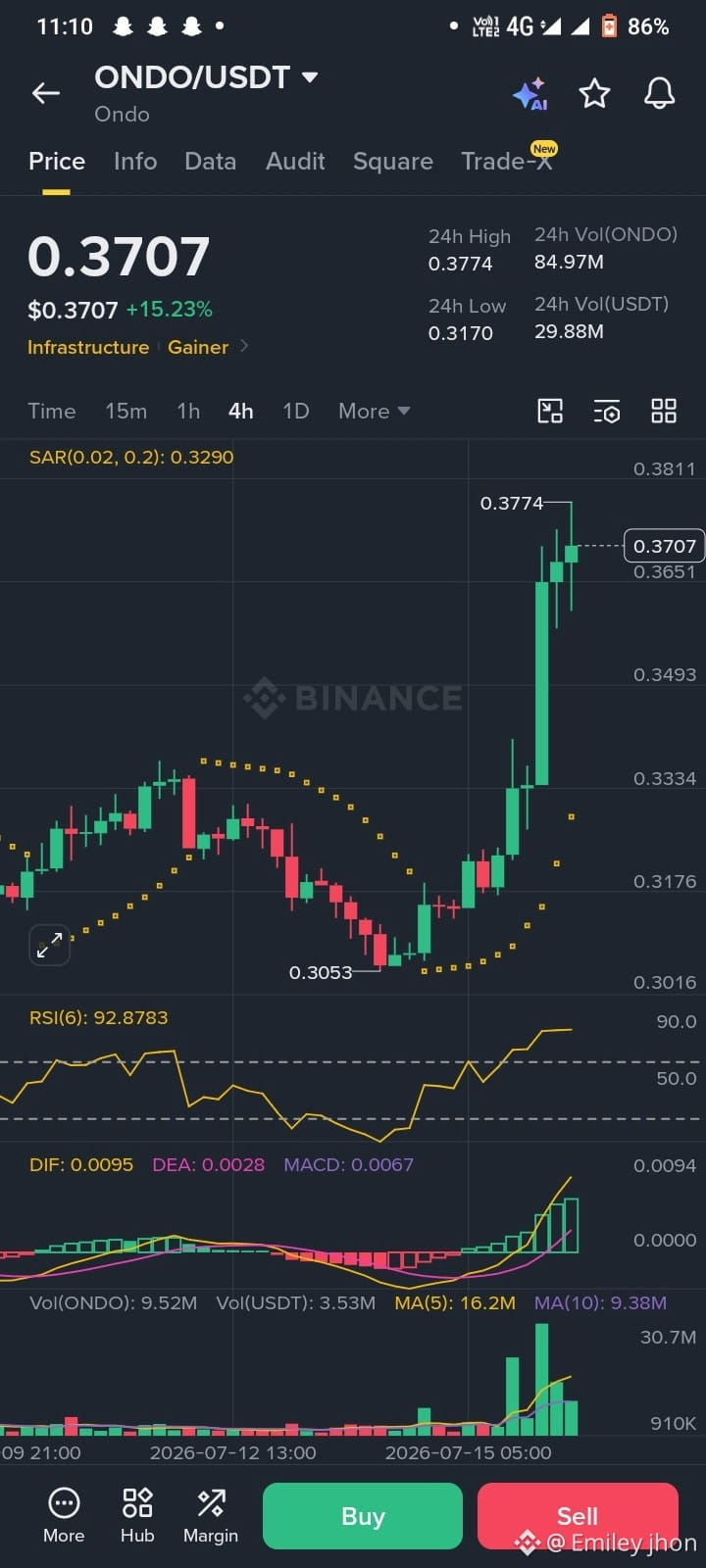
クリーンなブレイクアウトの後、ONDOは強い強気モメンタムを見せており、買い手が圧をかけ続けています。価格がブレイクアウトゾーンの上を維持する限り、このセットアップにはまだ上昇を伸ばす余地があります。
コイン: ONDO/USDT
方向: ロング 📈
エントリーゾーン: 0.367–0.371
損切り: 0.349
TP1: 0.377
TP2: 0.385
TP3: 0.395
TP4: 0.410
参加する人いる?👇#Write2Earn #BinanceSquare #ONDO $ONDO $AKE $US
{future}(USUSDT)
{future}(AKEUSDT)
{spot}(ONDOUSDT)
クリーンなブレイクアウトの後、ONDOは強い強気モメンタムを見せており、買い手が圧をかけ続けています。価格がブレイクアウトゾーンの上を維持する限り、このセットアップにはまだ上昇を伸ばす余地があります。
コイン: ONDO/USDT
方向: ロング 📈
エントリーゾーン: 0.367–0.371
損切り: 0.349
TP1: 0.377
TP2: 0.385
TP3: 0.395
TP4: 0.410
参加する人いる?👇#Write2Earn #BinanceSquare #ONDO $ONDO $AKE $US
コイン: ONDO/USDT
方向: ロング 📈
エントリーゾーン: 0.367–0.371
損切り: 0.349
TP1: 0.377
TP2: 0.385
TP3: 0.395
TP4: 0.410
参加する人いる?👇#Write2Earn #BinanceSquare #ONDO $ONDO $AKE $US
1
519
·
--
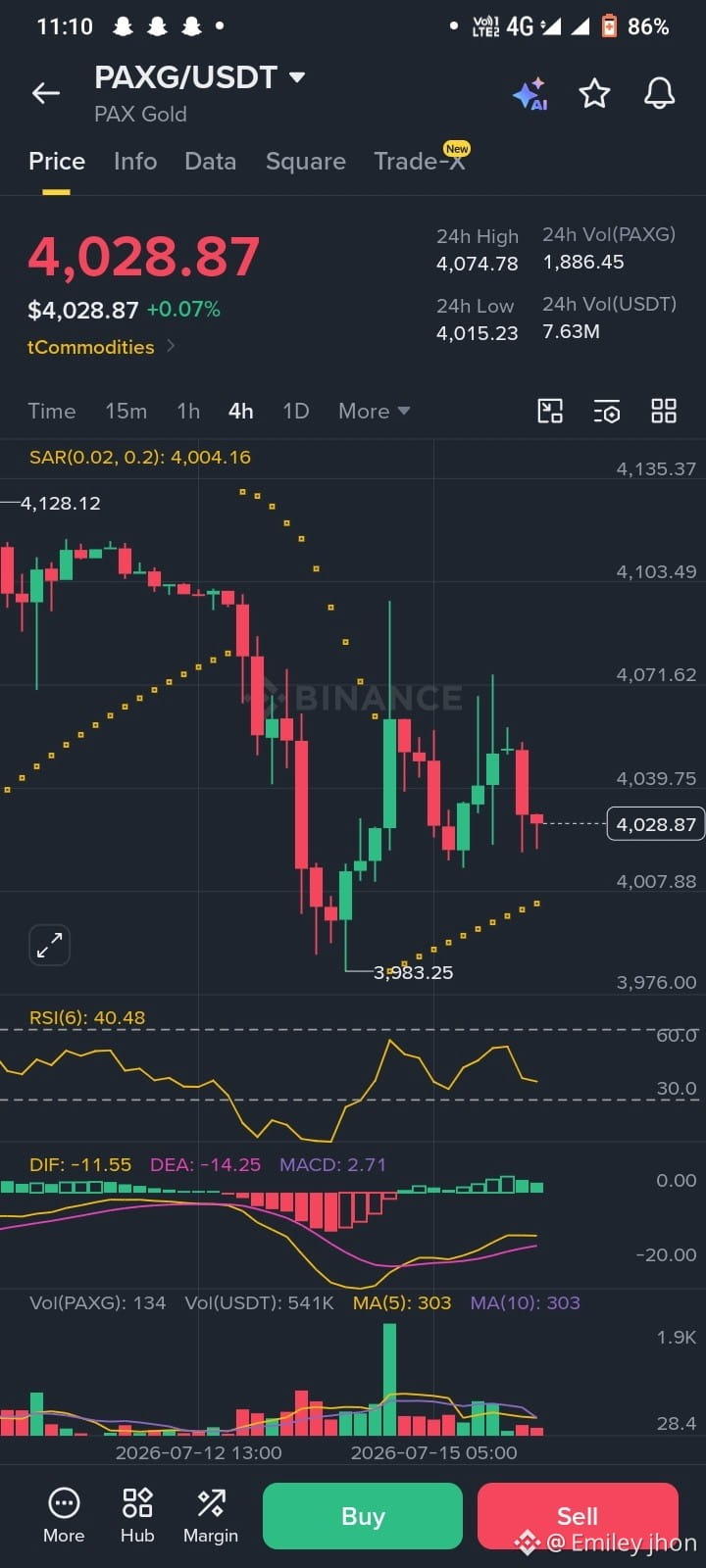
PAXGは最近の下落後に主要なサポートゾーンを維持しており、買い手がその水準を守り始めています。ここからモメンタムが形成されるなら、このセットアップは堅実なリカバリー(回復)動きの可能性があります。
コイン:PAXG/USDT
方向:ロング 📈
エントリーゾーン:4,025–4,035
損切り(Stop Loss):3,983
TP1:4,040
TP2:4,060
TP3:4,080
TP4:4,100
#PAXG $PAXG $AKE $US #Write2Earn #BinanceSquare
{future}(USUSDT)
{future}(AKEUSDT)
{spot}(PAXGUSDT)
PAXGは最近の下落後に主要なサポートゾーンを維持しており、買い手がその水準を守り始めています。ここからモメンタムが形成されるなら、このセットアップは堅実なリカバリー(回復)動きの可能性があります。
コイン:PAXG/USDT
方向:ロング 📈
エントリーゾーン:4,025–4,035
損切り(Stop Loss):3,983
TP1:4,040
TP2:4,060
TP3:4,080
TP4:4,100
#PAXG $PAXG $AKE $US #Write2Earn #BinanceSquare
コイン:PAXG/USDT
方向:ロング 📈
エントリーゾーン:4,025–4,035
損切り(Stop Loss):3,983
TP1:4,040
TP2:4,060
TP3:4,080
TP4:4,100
#PAXG $PAXG $AKE $US #Write2Earn #BinanceSquare
2
550
·
--
暗号資産マーケットアップデート
米国のリーダーたちが新しい暗号資産ルールについて話し続けていることから、暗号資産市場への関心がより高まっています。新たな会合があれば法案の前進に役立つ可能性があります。進展が良ければ、多くのトレーダーが市場に対する前向きなサインだと捉えるかもしれません。
ビットコインは依然として重要な価格水準の近辺を維持しています。イーサリアムも堅調さを示しています。現在、多くのトレーダーは大きな動きに出る前に、明確なニュースを待っています。落ち着いて取引計画に従う時期です。ニュースによって市場は非常に速く変わり得るため、焦って取引に飛び込まないでください。
良いニュースは市場の信頼感を高めることができますが、賢明なリスク管理こそが最良の選択です。市場を注意深く見守り、新しいポジションを取る前に明確な値動きを待ちましょう。
$BTC $ETH $AKE
{future}(AKEUSDT)
{spot}(ETHUSDT)
{spot}(BTCUSDT)
#BTC #ETH #CryptoNews #BinanceSquare #CryptoMarket
暗号資産マーケットアップデート
米国のリーダーたちが新しい暗号資産ルールについて話し続けていることから、暗号資産市場への関心がより高まっています。新たな会合があれば法案の前進に役立つ可能性があります。進展が良ければ、多くのトレーダーが市場に対する前向きなサインだと捉えるかもしれません。
ビットコインは依然として重要な価格水準の近辺を維持しています。イーサリアムも堅調さを示しています。現在、多くのトレーダーは大きな動きに出る前に、明確なニュースを待っています。落ち着いて取引計画に従う時期です。ニュースによって市場は非常に速く変わり得るため、焦って取引に飛び込まないでください。
良いニュースは市場の信頼感を高めることができますが、賢明なリスク管理こそが最良の選択です。市場を注意深く見守り、新しいポジションを取る前に明確な値動きを待ちましょう。
$BTC $ETH $AKE
#BTC #ETH #CryptoNews #BinanceSquare #CryptoMarket
米国のリーダーたちが新しい暗号資産ルールについて話し続けていることから、暗号資産市場への関心がより高まっています。新たな会合があれば法案の前進に役立つ可能性があります。進展が良ければ、多くのトレーダーが市場に対する前向きなサインだと捉えるかもしれません。
ビットコインは依然として重要な価格水準の近辺を維持しています。イーサリアムも堅調さを示しています。現在、多くのトレーダーは大きな動きに出る前に、明確なニュースを待っています。落ち着いて取引計画に従う時期です。ニュースによって市場は非常に速く変わり得るため、焦って取引に飛び込まないでください。
良いニュースは市場の信頼感を高めることができますが、賢明なリスク管理こそが最良の選択です。市場を注意深く見守り、新しいポジションを取る前に明確な値動きを待ちましょう。
$BTC $ETH $AKE
#BTC #ETH #CryptoNews #BinanceSquare #CryptoMarket
2
286
·
--
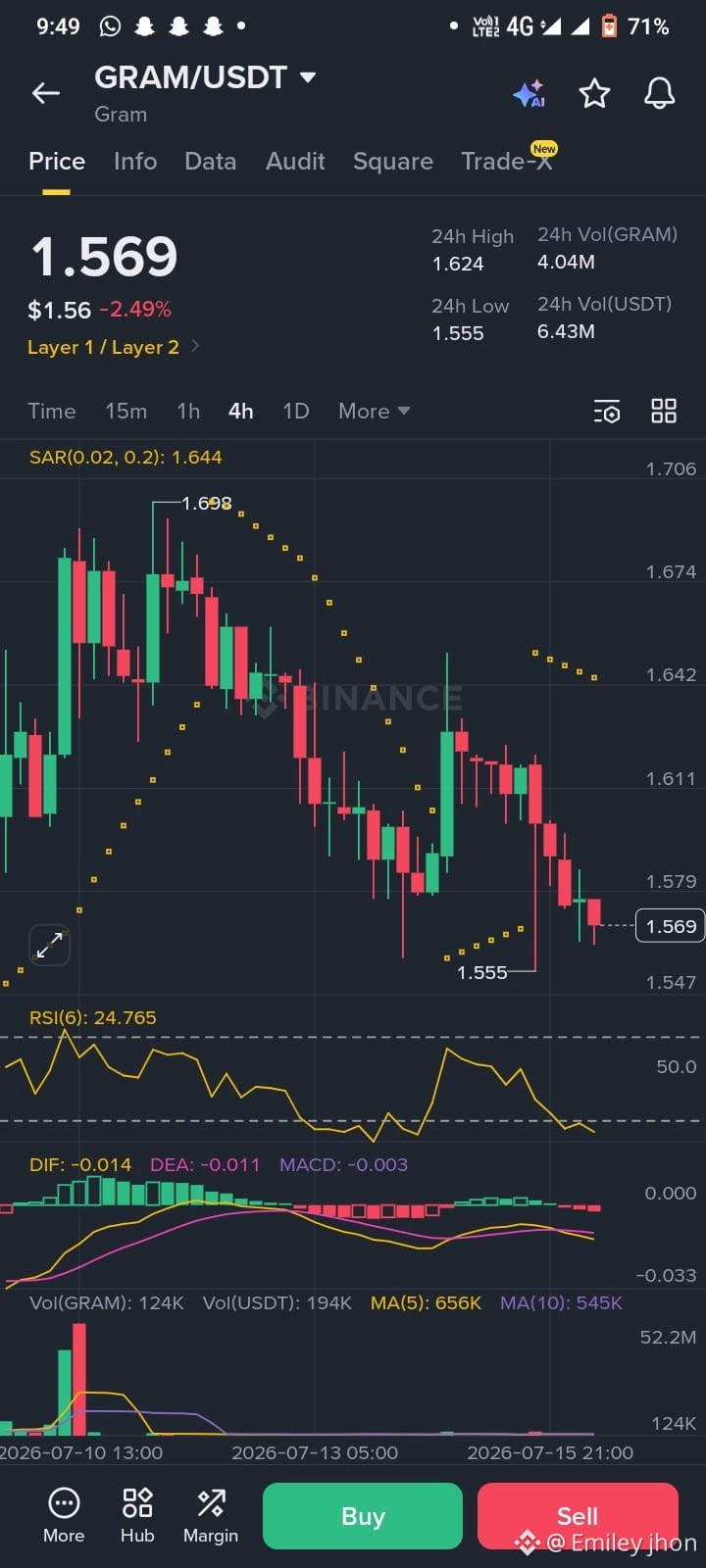
GRAM/USDTは最近の押し戻しの後、サポートエリア付近で取引されています。価格はまだ圧力を受けていますが、この水準からの強い反発があれば短期的な回復につながる可能性があります。リスクは小さく保ち、ポジションを追加する前に必ず確認を取りましょう。
📍 エントリー価格: 1.569
🛑 想定損切り: 1.540
🎯 利確目標レベル:
• TP1: 1.600
• TP2: 1.630
• TP3: 1.670
#GRAM $GRAM $AKE $US
{future}(USUSDT)
{future}(AKEUSDT)
{spot}(GRAMUSDT)
GRAM/USDTは最近の押し戻しの後、サポートエリア付近で取引されています。価格はまだ圧力を受けていますが、この水準からの強い反発があれば短期的な回復につながる可能性があります。リスクは小さく保ち、ポジションを追加する前に必ず確認を取りましょう。
📍 エントリー価格: 1.569
🛑 想定損切り: 1.540
🎯 利確目標レベル:
• TP1: 1.600
• TP2: 1.630
• TP3: 1.670
#GRAM $GRAM $AKE $US
📍 エントリー価格: 1.569
🛑 想定損切り: 1.540
🎯 利確目標レベル:
• TP1: 1.600
• TP2: 1.630
• TP3: 1.670
#GRAM $GRAM $AKE $US
431
·
--
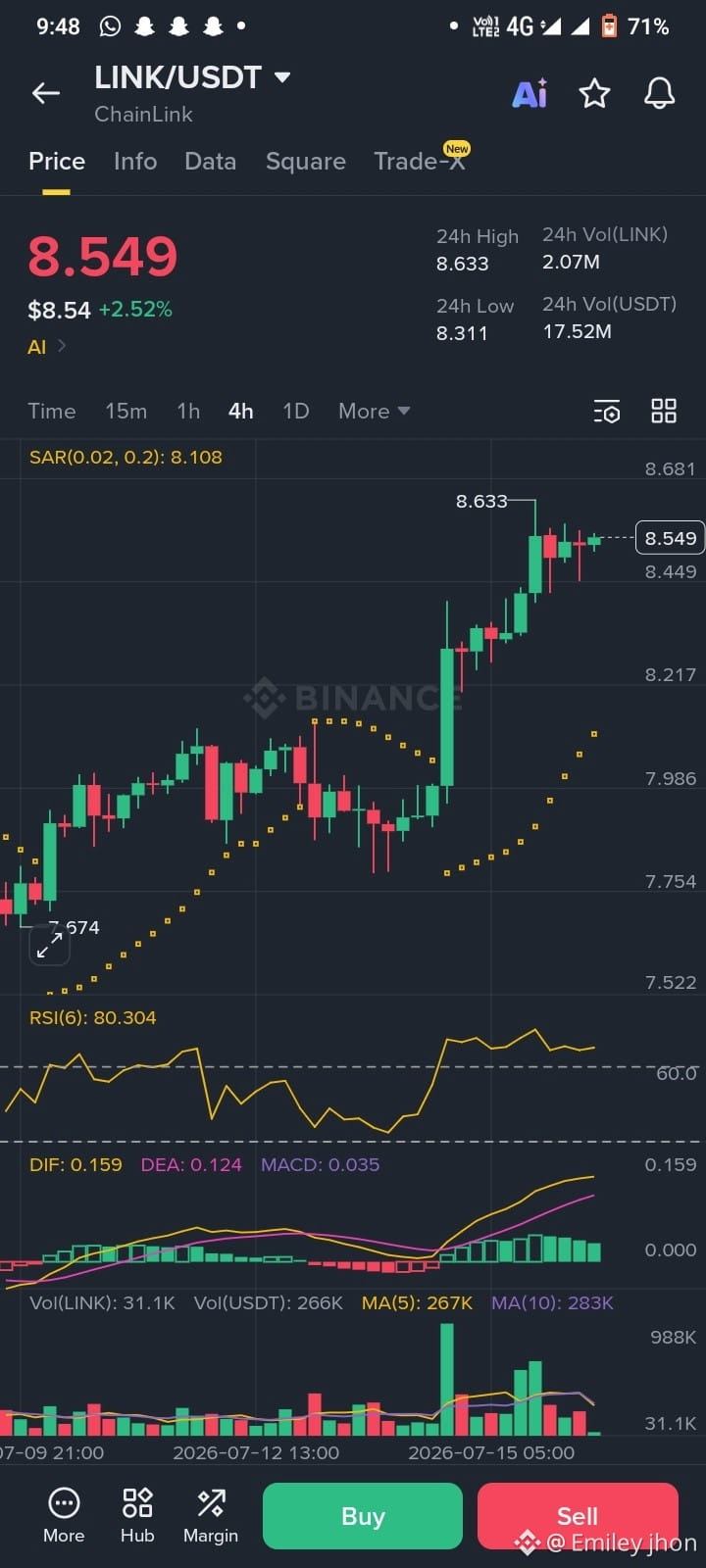
LINK/USDTは直近の上昇を維持しており、買い手の勢いもまだ強いです。価格がサポートを上回っている限り、トレンドはさらに上向きに継続する可能性があります。焦らず待ち、次の値動きを市場に確認してから、追加ポジションを持ちましょう。
📍 エントリー価格:8.549
🛑 損切り:8.300
🎯 利確目標レベル:
• TP1:8.650
• TP2:8.850
• TP3:9.100
#LINK $LINK $AKE $US
{future}(USUSDT)
{future}(AKEUSDT)
{spot}(LINKUSDT)
LINK/USDTは直近の上昇を維持しており、買い手の勢いもまだ強いです。価格がサポートを上回っている限り、トレンドはさらに上向きに継続する可能性があります。焦らず待ち、次の値動きを市場に確認してから、追加ポジションを持ちましょう。
📍 エントリー価格:8.549
🛑 損切り:8.300
🎯 利確目標レベル:
• TP1:8.650
• TP2:8.850
• TP3:9.100
#LINK $LINK $AKE $US
📍 エントリー価格:8.549
🛑 損切り:8.300
🎯 利確目標レベル:
• TP1:8.650
• TP2:8.850
• TP3:9.100
#LINK $LINK $AKE $US
1
261
·
--
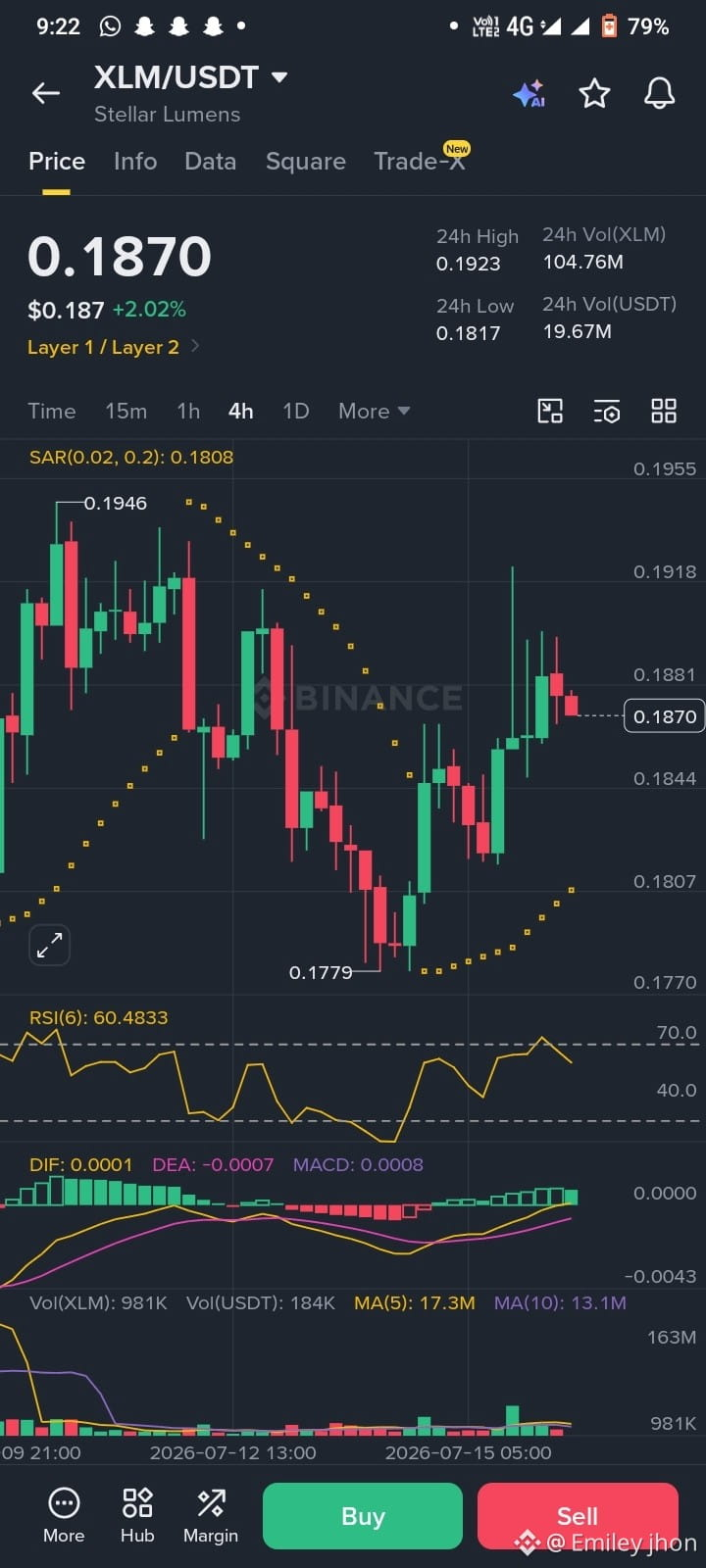
XLM/USDT はサポートから反発した後、堅調さを見せています。買い手が勢いを維持するなら、次のレジスタンス水準が意識される可能性があります。規律を保ち、セットアップが機能するのを待ちましょう。
📍 エントリー価格: 0.1870
🛑 損切り: 0.1815
🎯 利確目標:
• TP1: 0.1900
• TP2: 0.1925
• TP3: 0.1950
#XLM $XLM $AKE $BANK
{spot}(BANKUSDT)
{future}(AKEUSDT)
{spot}(XLMUSDT)
XLM/USDT はサポートから反発した後、堅調さを見せています。買い手が勢いを維持するなら、次のレジスタンス水準が意識される可能性があります。規律を保ち、セットアップが機能するのを待ちましょう。
📍 エントリー価格: 0.1870
🛑 損切り: 0.1815
🎯 利確目標:
• TP1: 0.1900
• TP2: 0.1925
• TP3: 0.1950
#XLM $XLM $AKE $BANK
📍 エントリー価格: 0.1870
🛑 損切り: 0.1815
🎯 利確目標:
• TP1: 0.1900
• TP2: 0.1925
• TP3: 0.1950
#XLM $XLM $AKE $BANK
409
·
--
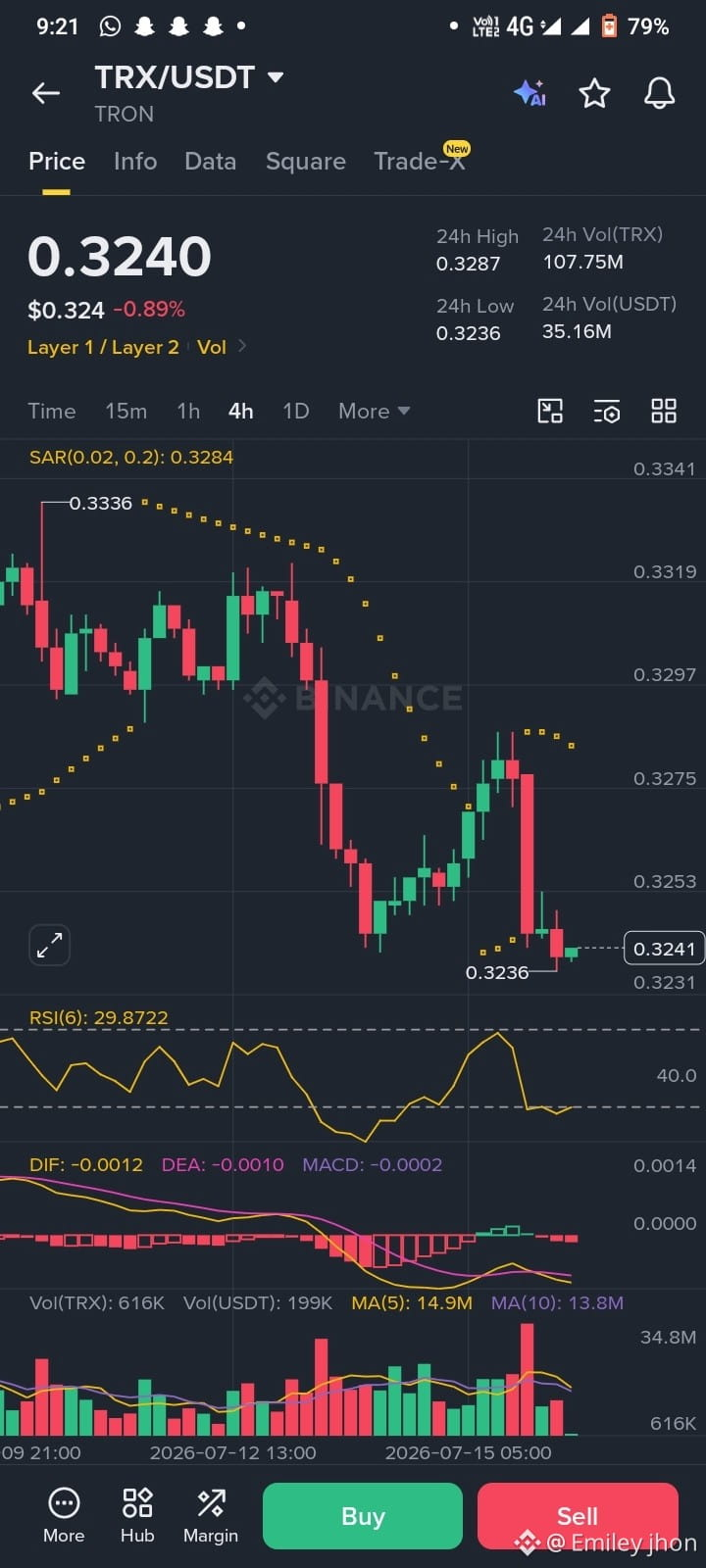
TRX/USDTは主要なサポート・ゾーンをテストしているように見えます。この水準を買い手が守れるなら、短期的なリバウンドの可能性もあります。とはいえ、リスク管理が最優先です。
📍 エントリー価格: 0.3240
🛑 損切り: 0.3215
🎯 利確目標(TP):
• TP1: 0.3275
• TP2: 0.3300
• TP3: 0.3335
#TRX $TRX $AKE $BANK
{spot}(BANKUSDT)
{future}(AKEUSDT)
{spot}(TRXUSDT)
TRX/USDTは主要なサポート・ゾーンをテストしているように見えます。この水準を買い手が守れるなら、短期的なリバウンドの可能性もあります。とはいえ、リスク管理が最優先です。
📍 エントリー価格: 0.3240
🛑 損切り: 0.3215
🎯 利確目標(TP):
• TP1: 0.3275
• TP2: 0.3300
• TP3: 0.3335
#TRX $TRX $AKE $BANK
📍 エントリー価格: 0.3240
🛑 損切り: 0.3215
🎯 利確目標(TP):
• TP1: 0.3275
• TP2: 0.3300
• TP3: 0.3335
#TRX $TRX $AKE $BANK
1
306
·
--
$SOL/USDT 取引アップデート 🌟
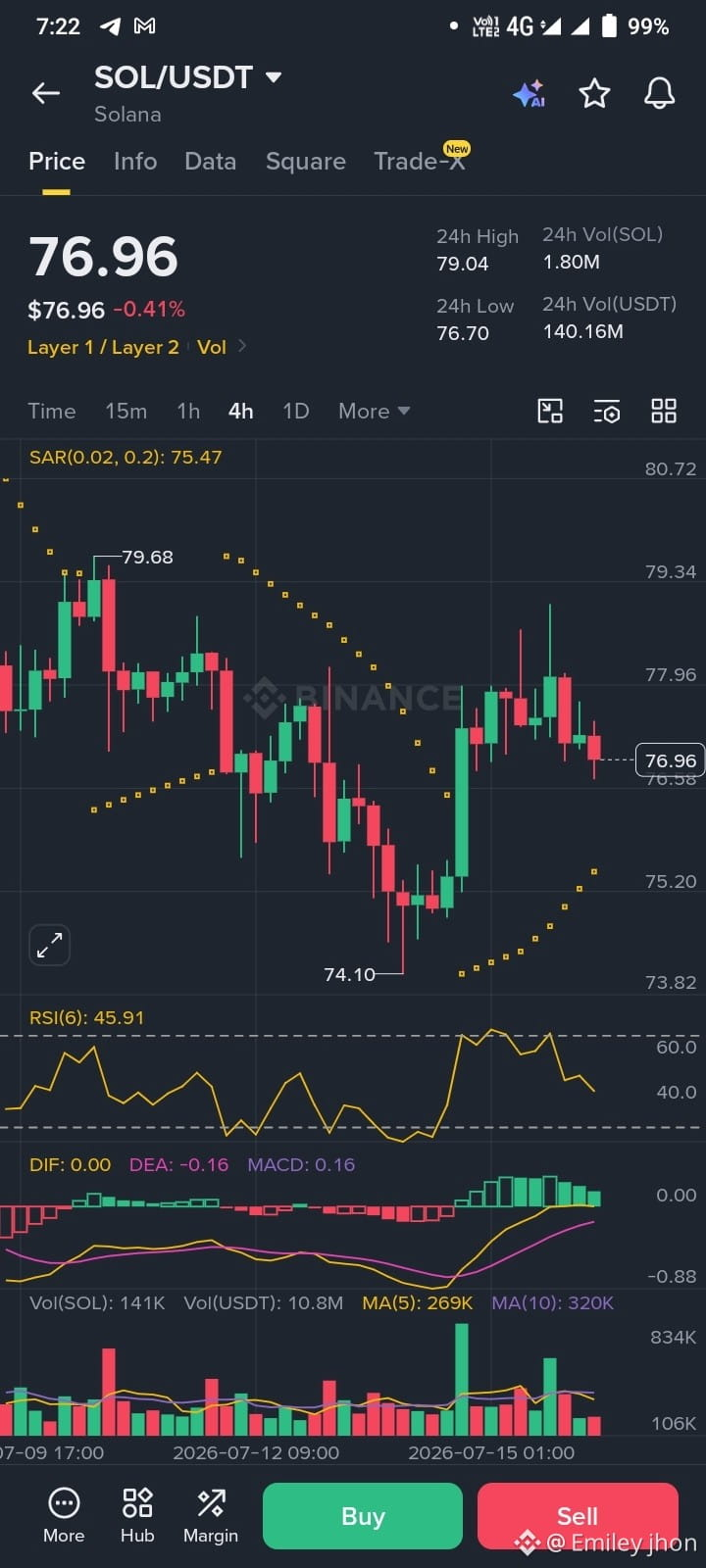
SOLは鋭い反発の後にいったん押し戻されていますが、全体の構造はまだ維持されています。サポートが崩れなければ、次の値動きは上方向に有利になる可能性があります。焦らず、セットアップがあなたのところに来るのを待ちましょう。
エントリー: 76.80 – 77.10
損切りライン: 75.40
利確目標:
🎯 TP1: 78.20
🎯 TP2: 79.00
🎯 TP3: 80.20
#sol #solana #Write2Earn $SOL $AKE $BANK
{spot}(BANKUSDT)
{future}(AKEUSDT)
{spot}(SOLUSDT)
$SOL /USDT 取引アップデート 🌟
SOLは鋭い反発の後にいったん押し戻されていますが、全体の構造はまだ維持されています。サポートが崩れなければ、次の値動きは上方向に有利になる可能性があります。焦らず、セットアップがあなたのところに来るのを待ちましょう。
エントリー: 76.80 – 77.10
損切りライン: 75.40
利確目標:
🎯 TP1: 78.20
🎯 TP2: 79.00
🎯 TP3: 80.20
#sol #solana #Write2Earn $SOL $AKE $BANK
SOLは鋭い反発の後にいったん押し戻されていますが、全体の構造はまだ維持されています。サポートが崩れなければ、次の値動きは上方向に有利になる可能性があります。焦らず、セットアップがあなたのところに来るのを待ちましょう。
エントリー: 76.80 – 77.10
損切りライン: 75.40
利確目標:
🎯 TP1: 78.20
🎯 TP2: 79.00
🎯 TP3: 80.20
#sol #solana #Write2Earn $SOL $AKE $BANK
244
·
--
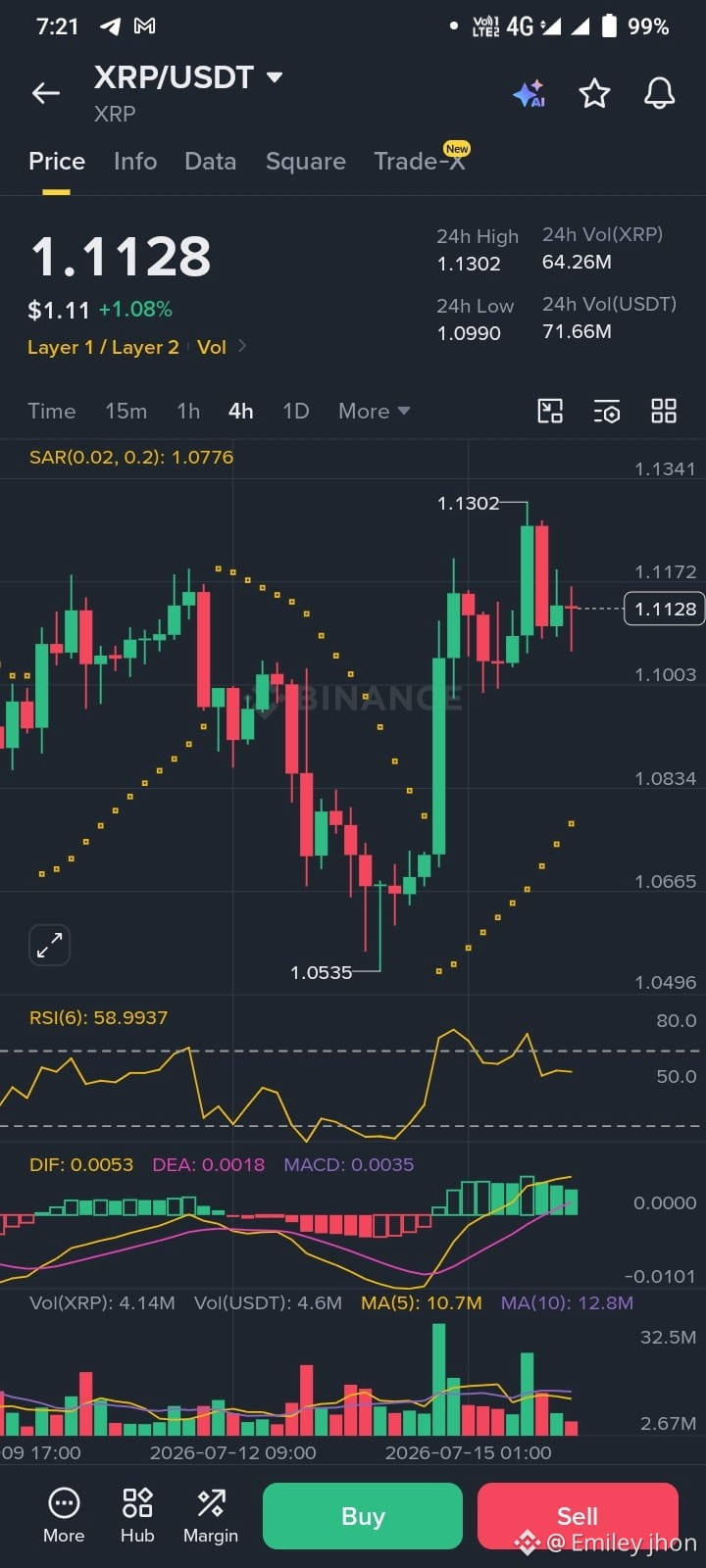
XRP/USDT 取引アップデート 💎
XRPは直近の上昇を維持しており、サポート上では依然として前向きな形です。買い手が活発であり続けるなら、次の上値目標はまだ視野に入っています。リスク管理を徹底してください。
エントリー: 1.1100 – 1.1140
ストップロス: 1.0990
テイクプロフィット:
🎯 TP1: 1.1230
🎯 TP2: 1.1300
🎯 TP3: 1.1420 #Write2Earn
#xrp #Xrp🔥🔥 $XRP $AKE $BANK
{spot}(BANKUSDT)
{future}(AKEUSDT)
{spot}(XRPUSDT)
XRP/USDT 取引アップデート 💎
XRPは直近の上昇を維持しており、サポート上では依然として前向きな形です。買い手が活発であり続けるなら、次の上値目標はまだ視野に入っています。リスク管理を徹底してください。
エントリー: 1.1100 – 1.1140
ストップロス: 1.0990
テイクプロフィット:
🎯 TP1: 1.1230
🎯 TP2: 1.1300
🎯 TP3: 1.1420 #Write2Earn
#xrp #Xrp🔥🔥 $XRP $AKE $BANK
XRPは直近の上昇を維持しており、サポート上では依然として前向きな形です。買い手が活発であり続けるなら、次の上値目標はまだ視野に入っています。リスク管理を徹底してください。
エントリー: 1.1100 – 1.1140
ストップロス: 1.0990
テイクプロフィット:
🎯 TP1: 1.1230
🎯 TP2: 1.1300
🎯 TP3: 1.1420 #Write2Earn
#xrp #Xrp🔥🔥 $XRP $AKE $BANK
84
·
--
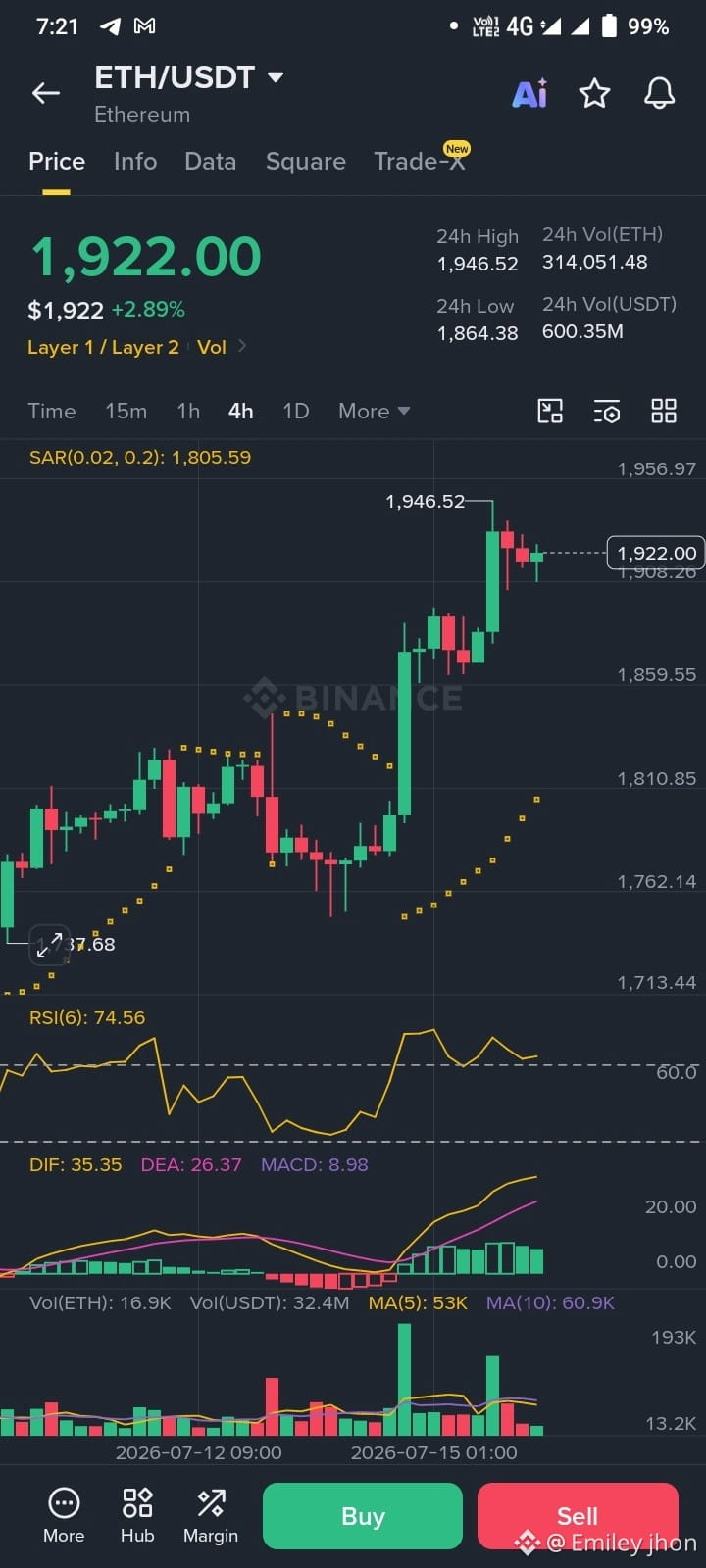
ETH/USDT 取引アップデート 🚀
最近のブレイクアウト後も、ETHは依然として堅調さを維持しています。健全な押し目が来れば、上昇トレンドが買い手に有利なままなので、より良いエントリーの機会になり得ます。
エントリー:1,915 – 1,925
損切り:1,885
利確:
🎯 TP1:1,945
🎯 TP2:1,970
🎯 TP3:2,000
#ETH $ETH $AKE
{future}(AKEUSDT)
{spot}(ETHUSDT)
ETH/USDT 取引アップデート 🚀
最近のブレイクアウト後も、ETHは依然として堅調さを維持しています。健全な押し目が来れば、上昇トレンドが買い手に有利なままなので、より良いエントリーの機会になり得ます。
エントリー:1,915 – 1,925
損切り:1,885
利確:
🎯 TP1:1,945
🎯 TP2:1,970
🎯 TP3:2,000
#ETH $ETH $AKE
最近のブレイクアウト後も、ETHは依然として堅調さを維持しています。健全な押し目が来れば、上昇トレンドが買い手に有利なままなので、より良いエントリーの機会になり得ます。
エントリー:1,915 – 1,925
損切り:1,885
利確:
🎯 TP1:1,945
🎯 TP2:1,970
🎯 TP3:2,000
#ETH $ETH $AKE
172
·
--
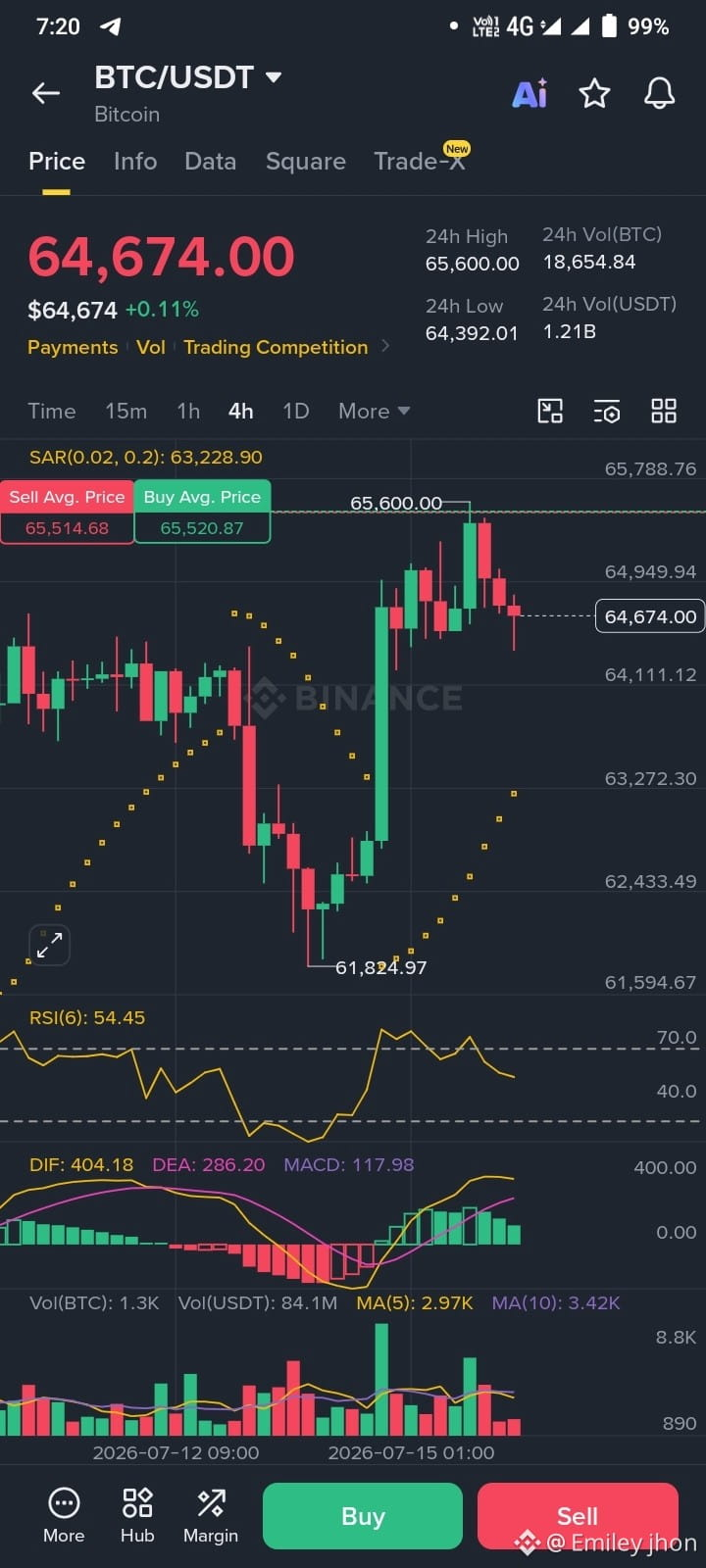
BTC/USDT 取引アップデート 📈
BTCは力強い回復の後、重要なサポート水準の上で維持しています。買い手が現在のゾーンを防衛できている限り、さらに上方向へのプッシュが可能です。リスク管理を行い、追いかけてエントリーしないでください。
エントリー: 64,600 – 64,750
損切り: 64,100
利確:
🎯 TP1: 64,950
🎯 TP2: 65,300
🎯 TP3: 65,600
#BTC $BTC $AKE
{future}(AKEUSDT)
{spot}(BTCUSDT)
BTC/USDT 取引アップデート 📈
BTCは力強い回復の後、重要なサポート水準の上で維持しています。買い手が現在のゾーンを防衛できている限り、さらに上方向へのプッシュが可能です。リスク管理を行い、追いかけてエントリーしないでください。
エントリー: 64,600 – 64,750
損切り: 64,100
利確:
🎯 TP1: 64,950
🎯 TP2: 65,300
🎯 TP3: 65,600
#BTC $BTC $AKE
BTCは力強い回復の後、重要なサポート水準の上で維持しています。買い手が現在のゾーンを防衛できている限り、さらに上方向へのプッシュが可能です。リスク管理を行い、追いかけてエントリーしないでください。
エントリー: 64,600 – 64,750
損切り: 64,100
利確:
🎯 TP1: 64,950
🎯 TP2: 65,300
🎯 TP3: 65,600
#BTC $BTC $AKE
201
·
--
暗号資産市場アップデート
ビットコインとイーサリアムはいったん弱さが見られましたが、どちらも再び強さを示しています。ビットコインは現在6万5000近辺まで戻っており、イーサリアムも上昇しています。これは買い手が依然として活発で、市場が回復しようとしていることを示しています。
多くのトレーダーは、ビットコインがこの水準を維持できるかどうかに注目しています。維持できれば、今後数日でさらなる上昇余地が出てくる可能性があります。イーサリアムも良いペースを保っており、市場が前向きな状態であれば追随するかもしれません。
市場は依然として毎日変化しているため、賢明なリスク管理が重要です。急いで取引をしないでください。明確な売買セットアップを待ち、常に自分のトレード計画に従いましょう。
今は冷静に、価格を注意深く見守る時です。重要な水準の上で強く維持できれば、暗号資産市場全体の信頼感を高める助けになります。
$BTC $ETH $AKE
{future}(AKEUSDT)
{spot}(ETHUSDT)
{spot}(BTCUSDT)
#BTC #Ethereum #ETH #BinanceSquare #MarketUpdate
暗号資産市場アップデート
ビットコインとイーサリアムはいったん弱さが見られましたが、どちらも再び強さを示しています。ビットコインは現在6万5000近辺まで戻っており、イーサリアムも上昇しています。これは買い手が依然として活発で、市場が回復しようとしていることを示しています。
多くのトレーダーは、ビットコインがこの水準を維持できるかどうかに注目しています。維持できれば、今後数日でさらなる上昇余地が出てくる可能性があります。イーサリアムも良いペースを保っており、市場が前向きな状態であれば追随するかもしれません。
市場は依然として毎日変化しているため、賢明なリスク管理が重要です。急いで取引をしないでください。明確な売買セットアップを待ち、常に自分のトレード計画に従いましょう。
今は冷静に、価格を注意深く見守る時です。重要な水準の上で強く維持できれば、暗号資産市場全体の信頼感を高める助けになります。
$BTC $ETH $AKE
#BTC #Ethereum #ETH #BinanceSquare #MarketUpdate
ビットコインとイーサリアムはいったん弱さが見られましたが、どちらも再び強さを示しています。ビットコインは現在6万5000近辺まで戻っており、イーサリアムも上昇しています。これは買い手が依然として活発で、市場が回復しようとしていることを示しています。
多くのトレーダーは、ビットコインがこの水準を維持できるかどうかに注目しています。維持できれば、今後数日でさらなる上昇余地が出てくる可能性があります。イーサリアムも良いペースを保っており、市場が前向きな状態であれば追随するかもしれません。
市場は依然として毎日変化しているため、賢明なリスク管理が重要です。急いで取引をしないでください。明確な売買セットアップを待ち、常に自分のトレード計画に従いましょう。
今は冷静に、価格を注意深く見守る時です。重要な水準の上で強く維持できれば、暗号資産市場全体の信頼感を高める助けになります。
$BTC $ETH $AKE
#BTC #Ethereum #ETH #BinanceSquare #MarketUpdate
1
367
·
--
暗号資産ニュース(今日)
ビットコインは今日の力強い値動きの後、65000付近に戻ってきました。買い手の関心が再び高まっており、今後数日が重要になります。BTCがこの水準を上回ったままなら、市場はさらに強さを積み上げ続ける可能性があります。
ビットコイン関連の投資ファンドにも新たな資金流入が見られました。これにより多くのトレーダーの自信が高まり、市場の前向きなムードを支えています。
主要なコインの多くがビットコインに連れて上昇しています。市場はまだ慎重ですが、日ごとにムードは良くなってきています。恐怖感は依然として高いものの、値動きには回復の兆しが見えています。
あるプロジェクトが、より多くのユーザーがそのプラットフォームに参加していることで注目を集めています。これは、ビットコインが市場をリードしている一方で、トレーダーたちが新しい機会を探し続けていることを示しています。
当面は多くのトレーダーが、ビットコインが65000を上回った水準を維持できるかを見ています。維持できれば、次の動きは暗号資産市場全体にさらなる自信をもたらすかもしれません。
$BTC $AKE $DODO
{spot}(DODOUSDT)
{future}(AKEUSDT)
{spot}(BTCUSDT)
#BTC #crypto #BinanceSquare #CryptoNews #MarketUpdate
暗号資産ニュース(今日)
ビットコインは今日の力強い値動きの後、65000付近に戻ってきました。買い手の関心が再び高まっており、今後数日が重要になります。BTCがこの水準を上回ったままなら、市場はさらに強さを積み上げ続ける可能性があります。
ビットコイン関連の投資ファンドにも新たな資金流入が見られました。これにより多くのトレーダーの自信が高まり、市場の前向きなムードを支えています。
主要なコインの多くがビットコインに連れて上昇しています。市場はまだ慎重ですが、日ごとにムードは良くなってきています。恐怖感は依然として高いものの、値動きには回復の兆しが見えています。
あるプロジェクトが、より多くのユーザーがそのプラットフォームに参加していることで注目を集めています。これは、ビットコインが市場をリードしている一方で、トレーダーたちが新しい機会を探し続けていることを示しています。
当面は多くのトレーダーが、ビットコインが65000を上回った水準を維持できるかを見ています。維持できれば、次の動きは暗号資産市場全体にさらなる自信をもたらすかもしれません。
$BTC $AKE $DODO
#BTC #crypto #BinanceSquare #CryptoNews #MarketUpdate
ビットコインは今日の力強い値動きの後、65000付近に戻ってきました。買い手の関心が再び高まっており、今後数日が重要になります。BTCがこの水準を上回ったままなら、市場はさらに強さを積み上げ続ける可能性があります。
ビットコイン関連の投資ファンドにも新たな資金流入が見られました。これにより多くのトレーダーの自信が高まり、市場の前向きなムードを支えています。
主要なコインの多くがビットコインに連れて上昇しています。市場はまだ慎重ですが、日ごとにムードは良くなってきています。恐怖感は依然として高いものの、値動きには回復の兆しが見えています。
あるプロジェクトが、より多くのユーザーがそのプラットフォームに参加していることで注目を集めています。これは、ビットコインが市場をリードしている一方で、トレーダーたちが新しい機会を探し続けていることを示しています。
当面は多くのトレーダーが、ビットコインが65000を上回った水準を維持できるかを見ています。維持できれば、次の動きは暗号資産市場全体にさらなる自信をもたらすかもしれません。
$BTC $AKE $DODO
#BTC #crypto #BinanceSquare #CryptoNews #MarketUpdate
241
·
--
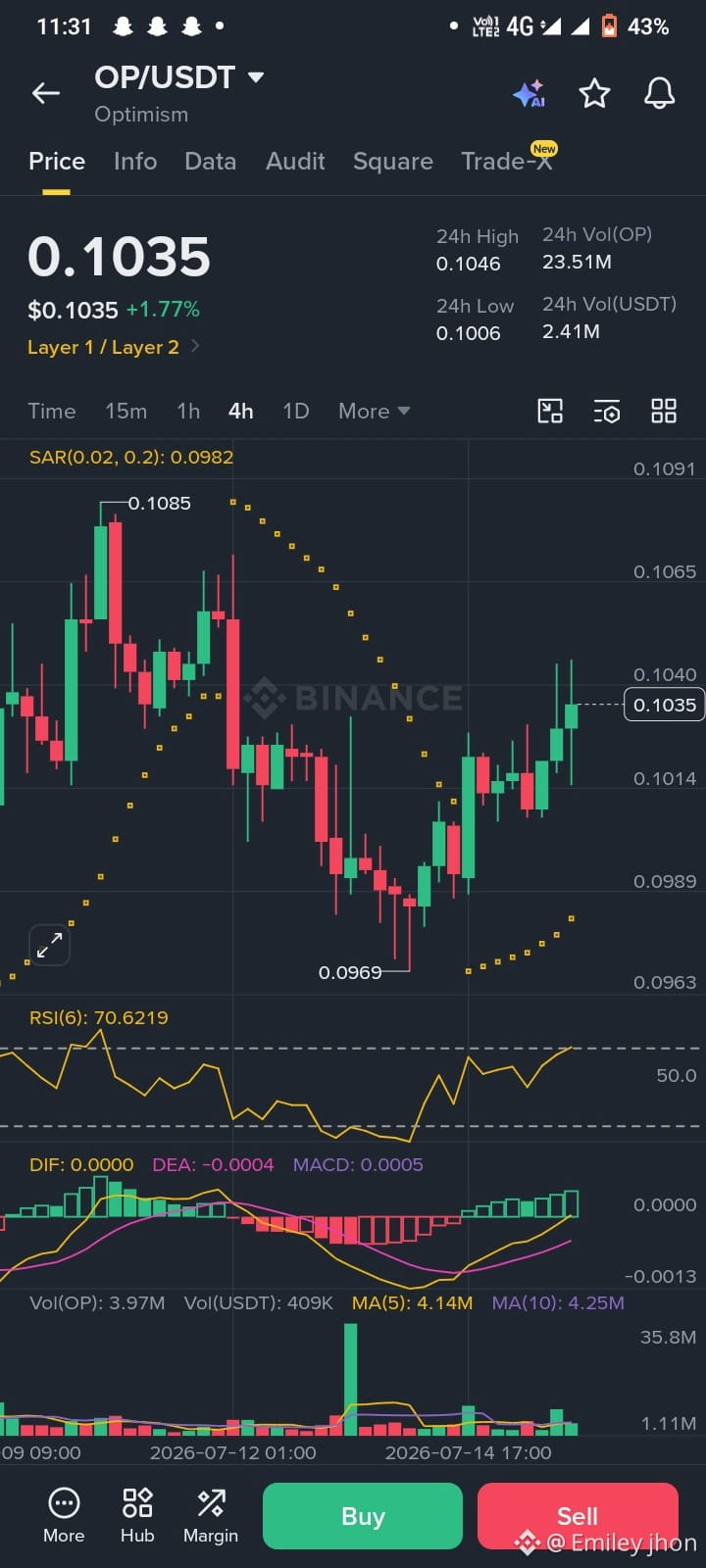
OP/USDT 更新📈
OPはサポートからの良い反発の後、ゆっくりと強さを構築しています。買い手はまだ活発で、チャートは現時点では安定して見えます。価格を追いかけるよりも、落ち着いたエントリーと良好なリスク管理のほうがより良い選択になり得ます。
エントリー: 0.1035
ストップロス: 0.0982
テイクプロフィット:
🎯 TP1: 0.1046
🎯 TP2: 0.1070
🎯 TP3: 0.1100
以下の「言及されたトークン」で取引できます👇
#OP #Optimism #Crypto #BinanceSquare #CryptoSignals $OP
{spot}(OPUSDT)
$AKE
{future}(AKEUSDT)
$DODO
{spot}(DODOUSDT)
OP/USDT 更新📈
OPはサポートからの良い反発の後、ゆっくりと強さを構築しています。買い手はまだ活発で、チャートは現時点では安定して見えます。価格を追いかけるよりも、落ち着いたエントリーと良好なリスク管理のほうがより良い選択になり得ます。
エントリー: 0.1035
ストップロス: 0.0982
テイクプロフィット:
🎯 TP1: 0.1046
🎯 TP2: 0.1070
🎯 TP3: 0.1100
以下の「言及されたトークン」で取引できます👇
#OP #Optimism #Crypto #BinanceSquare #CryptoSignals $OP
$AKE
$DODO
OPはサポートからの良い反発の後、ゆっくりと強さを構築しています。買い手はまだ活発で、チャートは現時点では安定して見えます。価格を追いかけるよりも、落ち着いたエントリーと良好なリスク管理のほうがより良い選択になり得ます。
エントリー: 0.1035
ストップロス: 0.0982
テイクプロフィット:
🎯 TP1: 0.1046
🎯 TP2: 0.1070
🎯 TP3: 0.1100
以下の「言及されたトークン」で取引できます👇
#OP #Optimism #Crypto #BinanceSquare #CryptoSignals $OP
$AKE
$DODO
240
·
--
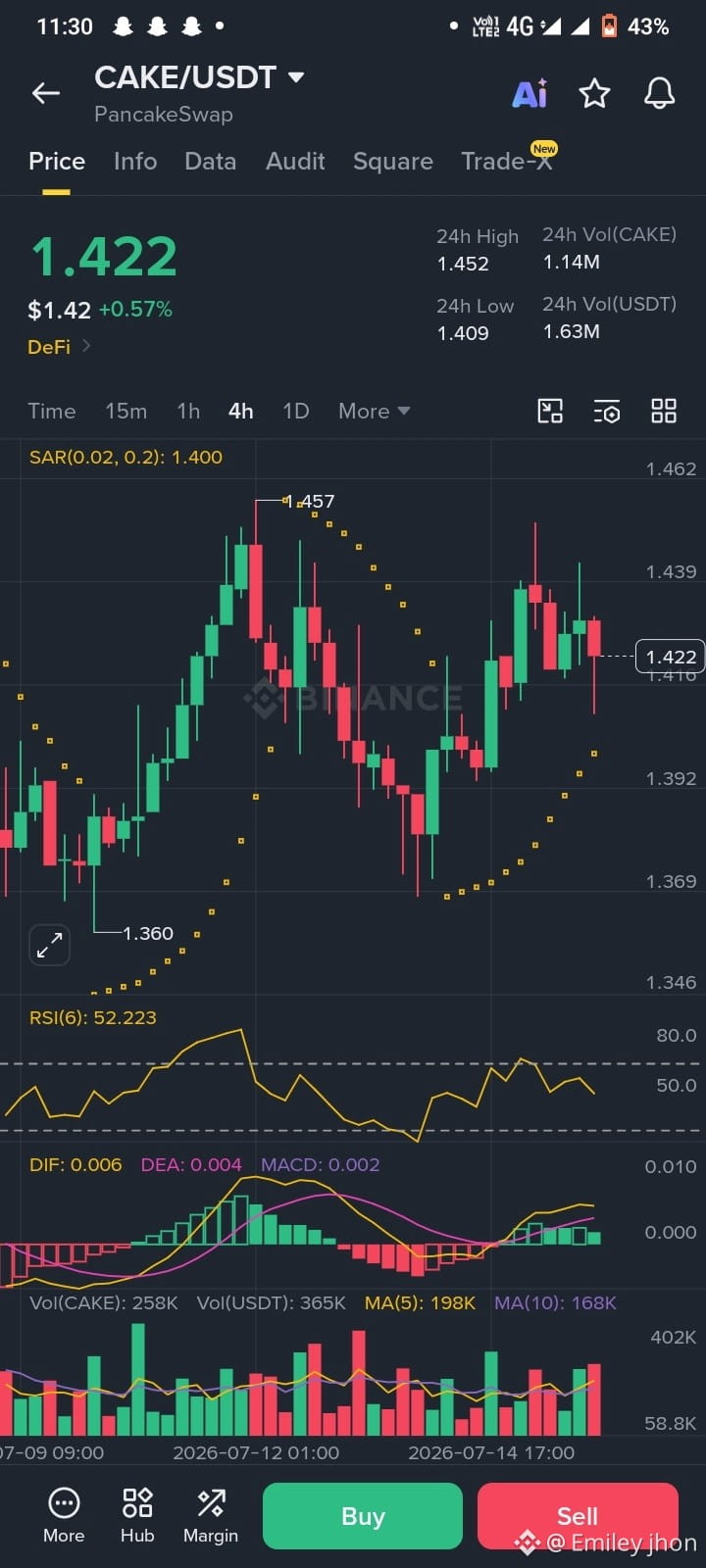
CAKE/USDT 更新 📈
CAKEは最近の回復後、健全なレンジ内で推移しています。買い手は依然としてトレンドを維持しており、価格がサポートを上回る限り、このセットアップは興味深いものに見えます。焦らずに取引し、常に資金を守りましょう。
エントリー:1.422
損切り:1.400
利確:
🎯 TP1:1.452
🎯 TP2:1.480
🎯 TP3:1.520
$CAKE $AKE $DODO
{spot}(DODOUSDT)
{future}(AKEUSDT)
{spot}(CAKEUSDT)
#CAKE #PancakeSwap #Crypto #BinanceSquare
CAKE/USDT 更新 📈
CAKEは最近の回復後、健全なレンジ内で推移しています。買い手は依然としてトレンドを維持しており、価格がサポートを上回る限り、このセットアップは興味深いものに見えます。焦らずに取引し、常に資金を守りましょう。
エントリー:1.422
損切り:1.400
利確:
🎯 TP1:1.452
🎯 TP2:1.480
🎯 TP3:1.520
$CAKE $AKE $DODO
#CAKE #PancakeSwap #Crypto #BinanceSquare
CAKEは最近の回復後、健全なレンジ内で推移しています。買い手は依然としてトレンドを維持しており、価格がサポートを上回る限り、このセットアップは興味深いものに見えます。焦らずに取引し、常に資金を守りましょう。
エントリー:1.422
損切り:1.400
利確:
🎯 TP1:1.452
🎯 TP2:1.480
🎯 TP3:1.520
$CAKE $AKE $DODO
#CAKE #PancakeSwap #Crypto #BinanceSquare
449
·
--
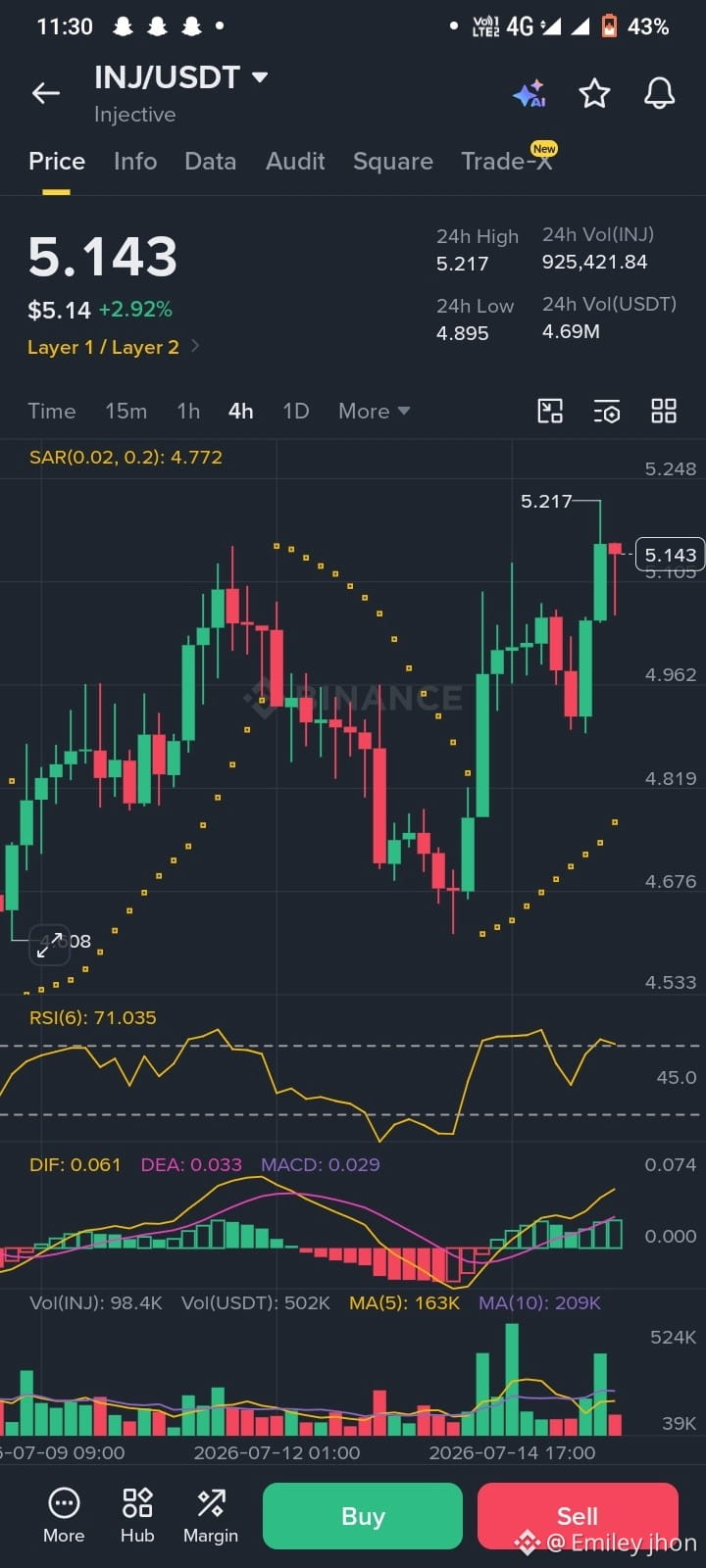
INJ/USDT 更新 📈
INJは直近の上昇を維持しており、買い手がまだ主導権を握っています。価格はしっかりとした強さで推移しており、動きに追いかけるよりも落ち着いたアプローチのほうが良さそうです。リスクは小さく抑え、取引が育つのを待ちましょう。
エントリー: 5.143
ストップロス: 4.772
テイクプロフィット:
🎯 TP1: 5.217
🎯 TP2: 5.350
🎯 TP3: 5.500
以下の「指定トークン」で取引できます👇
#INJ #Injective #BinanceSquare #CryptoSignals $INJ
{spot}(INJUSDT)
$AKE $DODO
{spot}(DODOUSDT)
{future}(AKEUSDT)
INJ/USDT 更新 📈
INJは直近の上昇を維持しており、買い手がまだ主導権を握っています。価格はしっかりとした強さで推移しており、動きに追いかけるよりも落ち着いたアプローチのほうが良さそうです。リスクは小さく抑え、取引が育つのを待ちましょう。
エントリー: 5.143
ストップロス: 4.772
テイクプロフィット:
🎯 TP1: 5.217
🎯 TP2: 5.350
🎯 TP3: 5.500
以下の「指定トークン」で取引できます👇
#INJ #Injective #BinanceSquare #CryptoSignals $INJ
$AKE $DODO
INJは直近の上昇を維持しており、買い手がまだ主導権を握っています。価格はしっかりとした強さで推移しており、動きに追いかけるよりも落ち着いたアプローチのほうが良さそうです。リスクは小さく抑え、取引が育つのを待ちましょう。
エントリー: 5.143
ストップロス: 4.772
テイクプロフィット:
🎯 TP1: 5.217
🎯 TP2: 5.350
🎯 TP3: 5.500
以下の「指定トークン」で取引できます👇
#INJ #Injective #BinanceSquare #CryptoSignals $INJ
$AKE $DODO
218
·
--
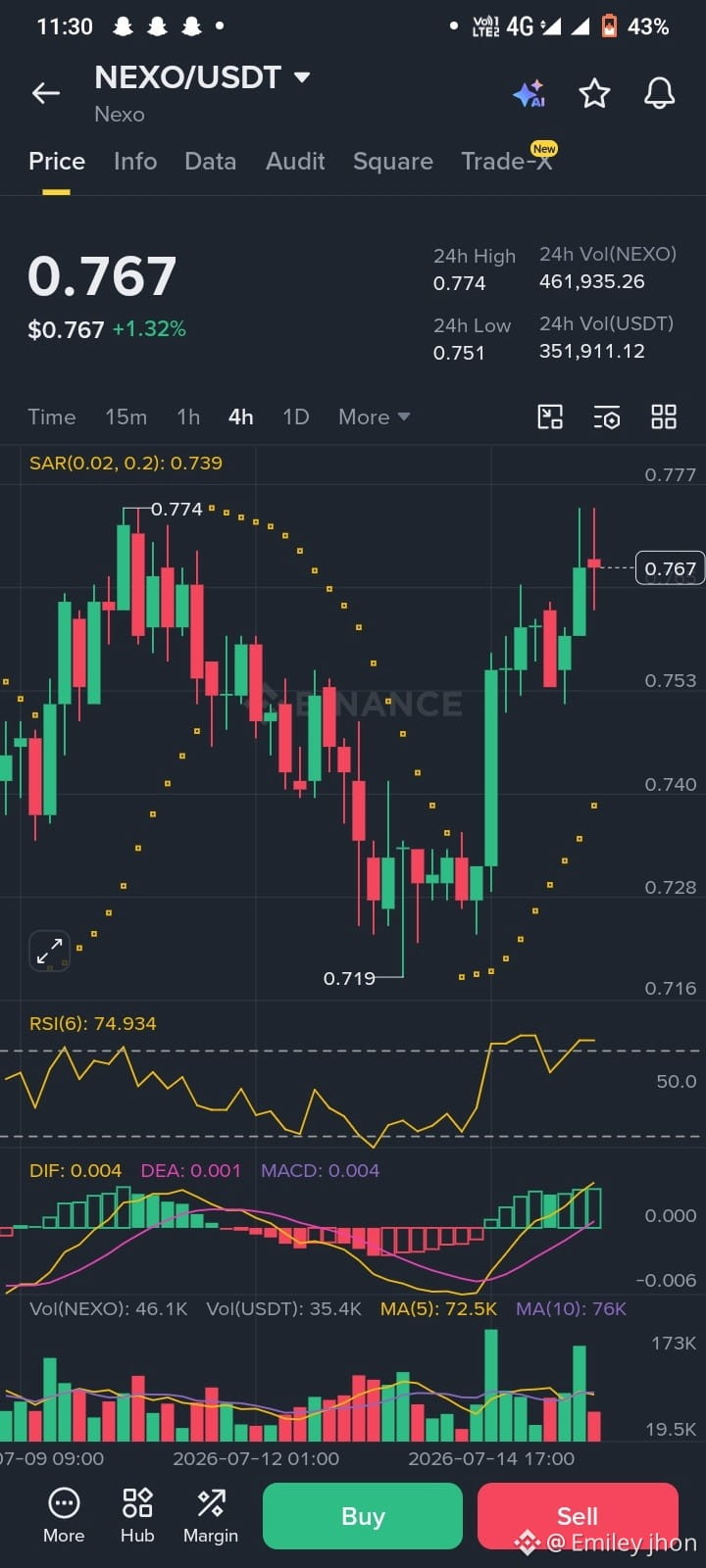
NEXO/USDT 更新📈
NEXOはクリーンな回復後、強い買いの関心を示しています。トレンドはまだ良好に見えますが、価格を追いかけるよりも、冷静に待ちつつリスク管理を行うことが大切です。勢いが続くなら、賢いエントリーがより良い報酬につながる可能性があります。
エントリー: 0.767
損切り: 0.739
利確:
🎯 TP1: 0.774
🎯 TP2: 0.785
🎯 TP3: 0.800
$AKE $DODO
{spot}(DODOUSDT)
{future}(AKEUSDT)
$NEXO
{spot}(NEXOUSDT)
#NEXO #Crypto #Trading #BinanceSquare #CryptoSignals
NEXO/USDT 更新📈
NEXOはクリーンな回復後、強い買いの関心を示しています。トレンドはまだ良好に見えますが、価格を追いかけるよりも、冷静に待ちつつリスク管理を行うことが大切です。勢いが続くなら、賢いエントリーがより良い報酬につながる可能性があります。
エントリー: 0.767
損切り: 0.739
利確:
🎯 TP1: 0.774
🎯 TP2: 0.785
🎯 TP3: 0.800
$AKE $DODO
$NEXO
#NEXO #Crypto #Trading #BinanceSquare #CryptoSignals
NEXOはクリーンな回復後、強い買いの関心を示しています。トレンドはまだ良好に見えますが、価格を追いかけるよりも、冷静に待ちつつリスク管理を行うことが大切です。勢いが続くなら、賢いエントリーがより良い報酬につながる可能性があります。
エントリー: 0.767
損切り: 0.739
利確:
🎯 TP1: 0.774
🎯 TP2: 0.785
🎯 TP3: 0.800
$AKE $DODO
$NEXO
#NEXO #Crypto #Trading #BinanceSquare #CryptoSignals
1
129
·
--
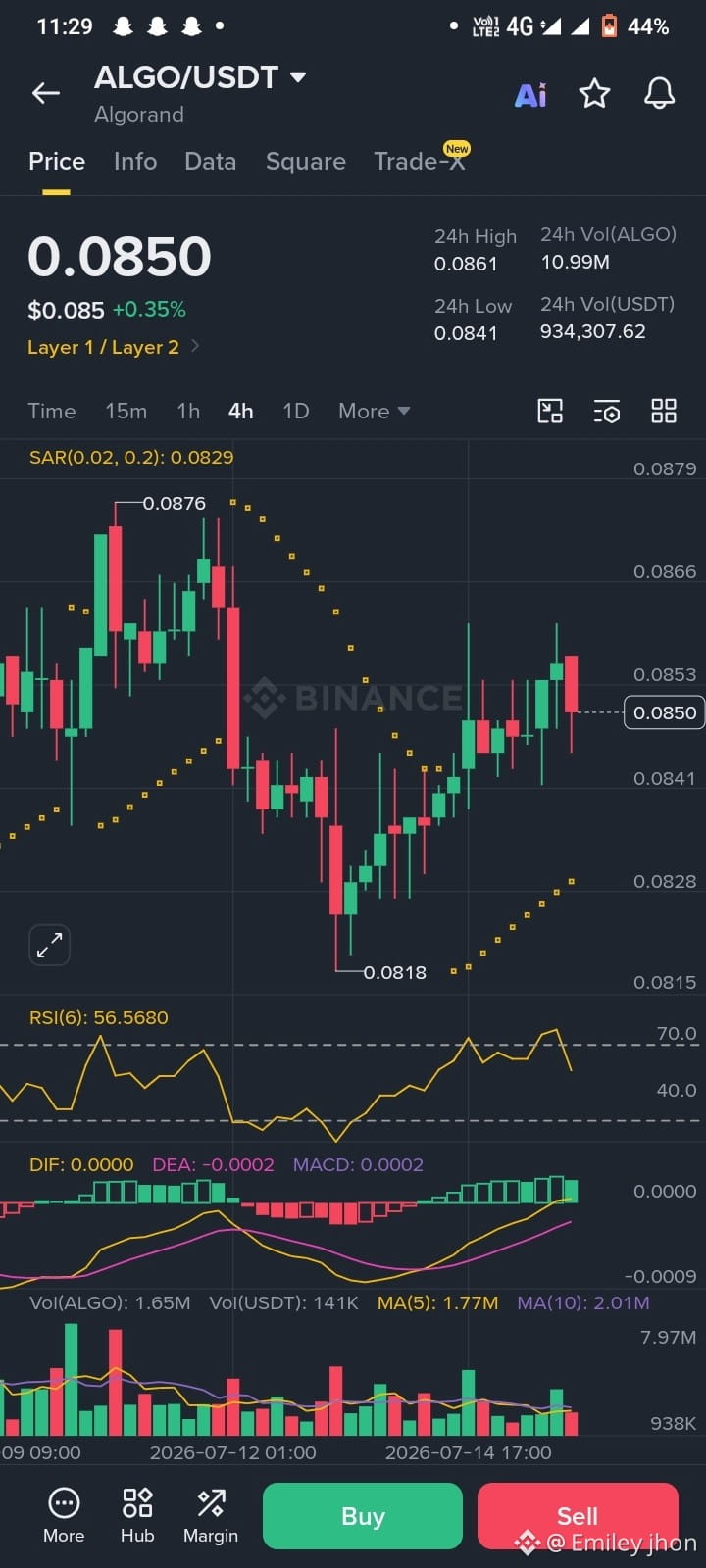
ALGO/USDT アップデート 📈
最近の安値からの良い回復の後、ALGOは安定した値動きを見せています。買い手はまだ活発で、サポートが維持される限りトレンドは前向きに見えます。適切なリスク管理を伴う辛抱強いエントリーは、より良いセットアップにつながる可能性があります。
エントリー: 0.0850
ストップロス: 0.0829
テイクプロフィット:
🎯 TP1: 0.0861
🎯 TP2: 0.0870
🎯 TP3: 0.0880
以下の指定トークンで取引できます👇
#ALGO #BinanceSquare #CryptoSignals #ALGOUSDT $ALGO $AKE $DODO
{spot}(DODOUSDT)
{future}(AKEUSDT)
{spot}(ALGOUSDT)
ALGO/USDT アップデート 📈
最近の安値からの良い回復の後、ALGOは安定した値動きを見せています。買い手はまだ活発で、サポートが維持される限りトレンドは前向きに見えます。適切なリスク管理を伴う辛抱強いエントリーは、より良いセットアップにつながる可能性があります。
エントリー: 0.0850
ストップロス: 0.0829
テイクプロフィット:
🎯 TP1: 0.0861
🎯 TP2: 0.0870
🎯 TP3: 0.0880
以下の指定トークンで取引できます👇
#ALGO #BinanceSquare #CryptoSignals #ALGOUSDT $ALGO $AKE $DODO
最近の安値からの良い回復の後、ALGOは安定した値動きを見せています。買い手はまだ活発で、サポートが維持される限りトレンドは前向きに見えます。適切なリスク管理を伴う辛抱強いエントリーは、より良いセットアップにつながる可能性があります。
エントリー: 0.0850
ストップロス: 0.0829
テイクプロフィット:
🎯 TP1: 0.0861
🎯 TP2: 0.0870
🎯 TP3: 0.0880
以下の指定トークンで取引できます👇
#ALGO #BinanceSquare #CryptoSignals #ALGOUSDT $ALGO $AKE $DODO
3
261
·
--
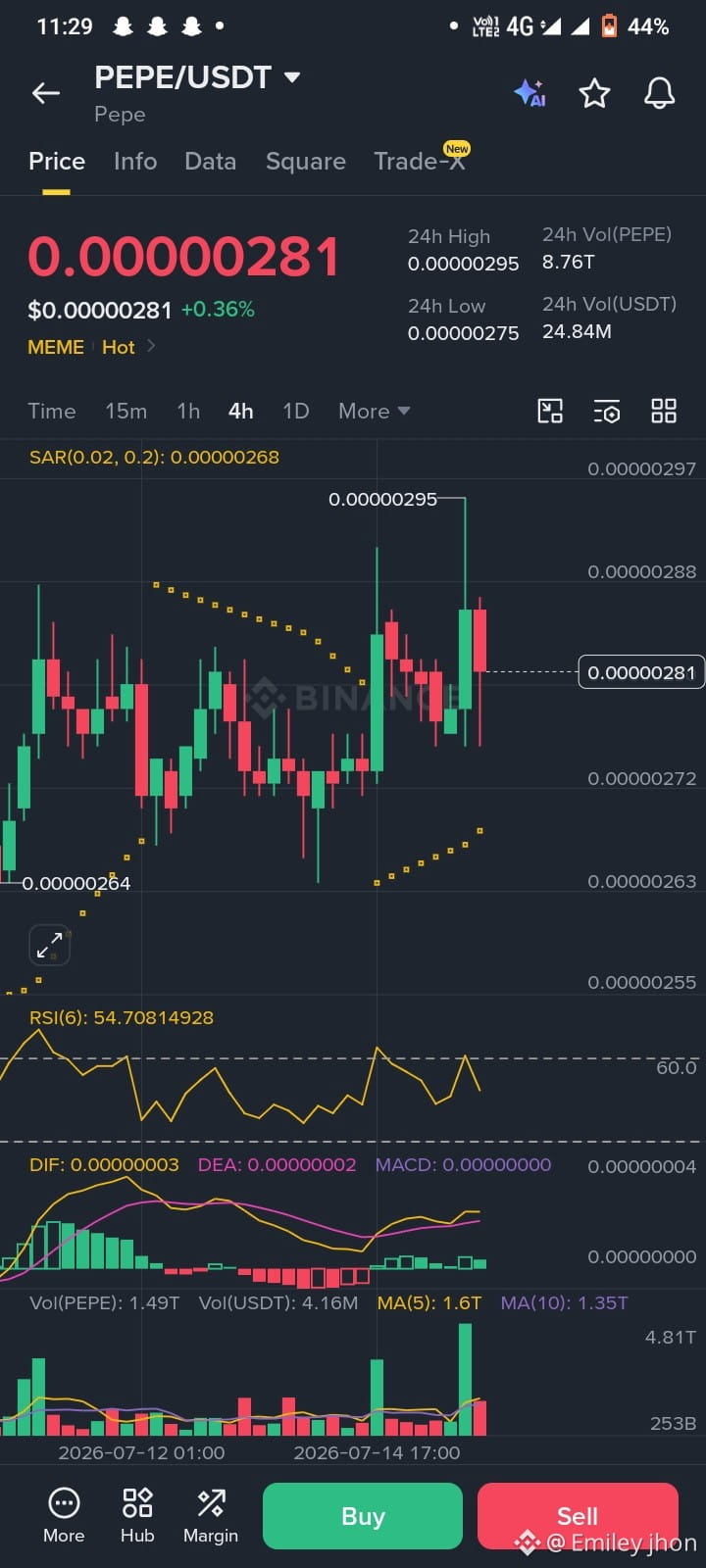
PEPE/USDT 更新 🐸
PEPEは良い反発の後、落ち着いて推移しており、買い手はまだ価格をしっかり維持しようとしています。勢いがこのまま続けば、さらに上方向への動きが見られるかもしれません。リスク管理を徹底し、大きなローソク足を追いかけないようにしてください。
エントリー: 0.00000281
ストップロス: 0.00000268
テイクプロフィット:
🎯 TP1: 0.00000290
🎯 TP2: 0.00000295
🎯 TP3: 0.00000300
#PEPE #BinanceSquare #memecoin #CryptoSignals #PEPEUSDT $PEPE $AKE
{future}(AKEUSDT)
$DODO
{spot}(DODOUSDT)
{spot}(PEPEUSDT)
PEPE/USDT 更新 🐸
PEPEは良い反発の後、落ち着いて推移しており、買い手はまだ価格をしっかり維持しようとしています。勢いがこのまま続けば、さらに上方向への動きが見られるかもしれません。リスク管理を徹底し、大きなローソク足を追いかけないようにしてください。
エントリー: 0.00000281
ストップロス: 0.00000268
テイクプロフィット:
🎯 TP1: 0.00000290
🎯 TP2: 0.00000295
🎯 TP3: 0.00000300
#PEPE #BinanceSquare #memecoin #CryptoSignals #PEPEUSDT $PEPE $AKE
$DODO
PEPEは良い反発の後、落ち着いて推移しており、買い手はまだ価格をしっかり維持しようとしています。勢いがこのまま続けば、さらに上方向への動きが見られるかもしれません。リスク管理を徹底し、大きなローソク足を追いかけないようにしてください。
エントリー: 0.00000281
ストップロス: 0.00000268
テイクプロフィット:
🎯 TP1: 0.00000290
🎯 TP2: 0.00000295
🎯 TP3: 0.00000300
#PEPE #BinanceSquare #memecoin #CryptoSignals #PEPEUSDT $PEPE $AKE
$DODO
1
210
ログインして、さらにコンテンツを読む
厳選トピックで世界の暗号資産トレーダーの仲間入り
⚡️ 暗号資産に関する最新かつ有益な情報が見つかります。
💬 世界最大の暗号資産取引所から信頼されています。
👍 認証を受けたクリエイターから、有益なインサイトを得られます。
メール / 電話番号
トレンドトピック
AnthropicCEOCallsForAISlowdown
閲覧回数 13,062
287人が討論中
#anthropicceocallsforaislowdown 世界トップの人工知能(AI)企業3社のCEOが土曜日、業界はペースを落とす必要があると考えていると発表しました。
土曜日、Anthropicのダリオ・アモデイ、OpenAIのサム・アルトマン、xAIのイーロン・マスクが、公に、AI企業がより強力なモデルを開発していくスピードを減速させるよう求める呼びかけを支持しました。$IOTX $WAXP $0G
Isabella-I
·いいね:1件
·閲覧回数 446
AnthropicChoosesNasdaqForPotentialIPO
閲覧回数 2,069
76人が討論中
SECReceivesGrayscaleLitecoinTrustETFFiling
閲覧回数 129,683
1,806人が討論中