

Eman098
3k 投稿

Eman098
報告
ユーザーをブロック
trading analysis Binance airdrop new campaign activities earn free money 💰 I will guide you how to Participate Binance trading competition.
超高頻度トレーダー
2.7年
644 フォロー
9.4K+ フォロワー
9.9K+ いいね
投稿
すべて
引用
ライブ
·
--
翻訳参照
@cryptology_7 Everyone please like and follow my little Brother Ahmed ❤️
@Cryptology_7 Everyone please like and follow my little Brother Ahmed ❤️

Cryptology_7
·
--
✨𝐏𝐑𝐎𝐕𝐈𝐃𝐈𝐍𝐆 𝐅𝐎𝐂𝐔𝐒 ON𝐈𝐌𝐏𝐑𝐎𝐕𝐈𝐍𝐆
🎀𝐏𝐑𝐎𝐕𝐈𝐃𝐈𝐍𝐆 𝐘𝐎𝐔𝐑𝐒𝐄𝐋𝐅 𝐃𝐎𝐍’𝐓
𝐈𝐓’𝐒 $𝟏𝐌 𝐅𝐑𝐎𝐌 𝐏𝐎𝐑𝐓𝐅𝐎𝐋𝐈𝐎 𝐰𝐈𝐓𝐇 𝐒𝐎𝐌𝐄𝐎𝐍𝐄 𝐄𝐋𝐒𝐄’𝐒 𝐃𝐎𝐍’𝐓 𝐂𝐎𝐌𝐏𝐀𝐑𝐄 𝐘𝐎𝐔𝐑 𝐏𝐎𝐑𝐓𝐅𝐎𝐋𝐈𝐎
𝐘𝐎𝐔 𝐃𝐎𝐍’𝐓 𝐊𝐍𝐎𝐖 𝐓𝐇𝐄𝐈𝐑 𝐉𝐎𝐔𝐑𝐍𝐄𝐘, 𝐑𝐈𝐒𝐊, 𝐋𝐎𝐒𝐒𝐄𝐒, 𝐎𝐑 𝐒𝐓𝐀𝐑𝐓𝐈𝐍𝐆 𝐏𝐎𝐈𝐍𝐓 ❤️🩹
$AIN
$龙虾
#CryptoPatience #BinanceSquareFamily #Cryptology_7
🎀𝐏𝐑𝐎𝐕𝐈𝐃𝐈𝐍𝐆 𝐘𝐎𝐔𝐑𝐒𝐄𝐋𝐅 𝐃𝐎𝐍’𝐓
𝐈𝐓’𝐒 $𝟏𝐌 𝐅𝐑𝐎𝐌 𝐏𝐎𝐑𝐓𝐅𝐎𝐋𝐈𝐎 𝐰𝐈𝐓𝐇 𝐒𝐎𝐌𝐄𝐎𝐍𝐄 𝐄𝐋𝐒𝐄’𝐒 𝐃𝐎𝐍’𝐓 𝐂𝐎𝐌𝐏𝐀𝐑𝐄 𝐘𝐎𝐔𝐑 𝐏𝐎𝐑𝐓𝐅𝐎𝐋𝐈𝐎
𝐘𝐎𝐔 𝐃𝐎𝐍’𝐓 𝐊𝐍𝐎𝐖 𝐓𝐇𝐄𝐈𝐑 𝐉𝐎𝐔𝐑𝐍𝐄𝐘, 𝐑𝐈𝐒𝐊, 𝐋𝐎𝐒𝐒𝐄𝐒, 𝐎𝐑 𝐒𝐓𝐀𝐑𝐓𝐈𝐍𝐆 𝐏𝐎𝐈𝐍𝐓 ❤️🩹
$AIN
$龙虾
#CryptoPatience #BinanceSquareFamily #Cryptology_7

1
1
88

·
--
アルハムドゥリッラー、シグナルの目標額805ドルに到達しました $BNB
アルハムドゥリッラー、シグナルの目標額805ドルに到達しました $BNB
Eman098
·
--
$BNB USDT | 4H | シグナル
ここをクリック 👇👇👇👇
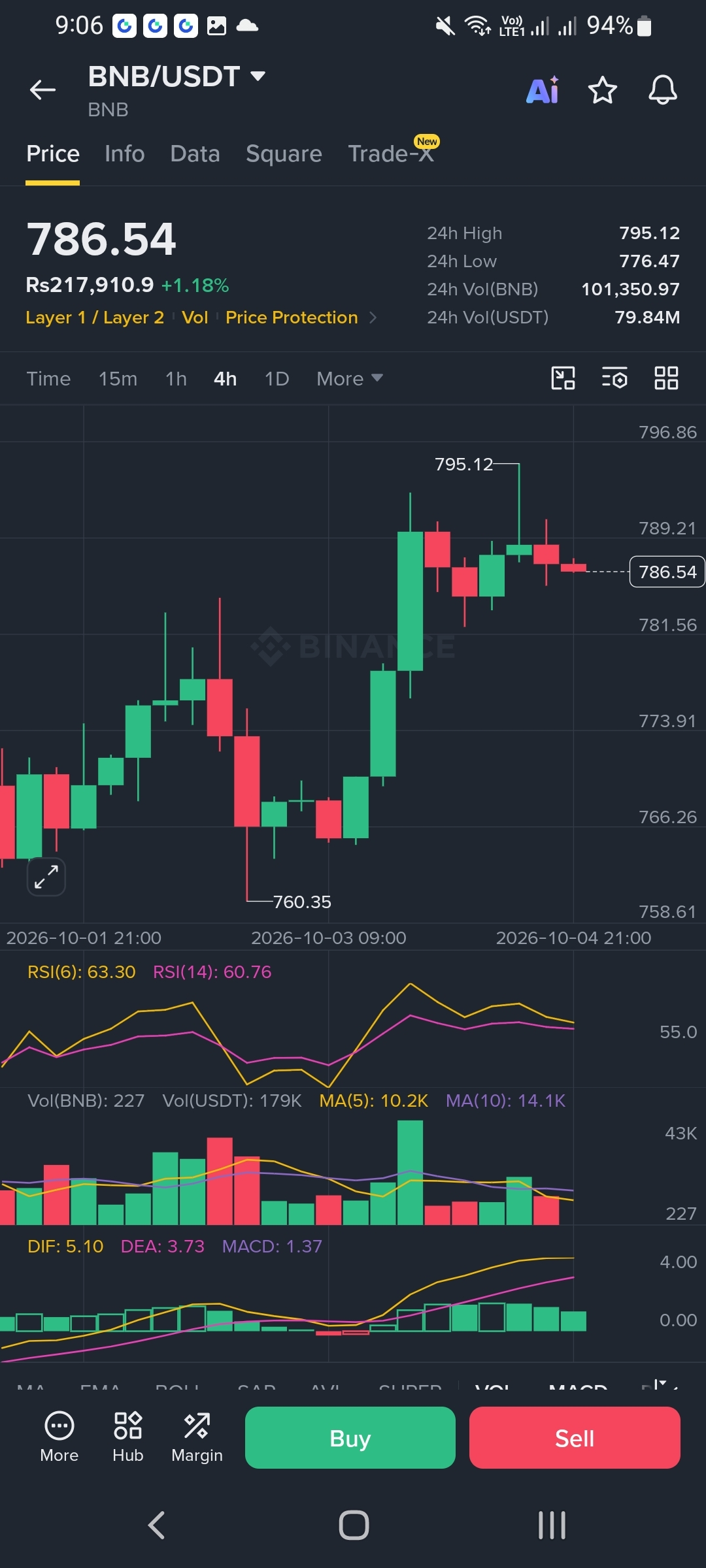
BNBは795.12を拒否した後、786.54で推移しており、価格は高値のすぐ下で推移(レンジ)しています。モメンタムはまだ健全です:RSI(6)が63.3、RSI(14)が60.8。MACDはプラスで、DIFがDEAを上回っています。押し目で出来高が減少しており、これは反転ではなく穏やかな一時停止です。
📈 戦略: 強気
🎯 エントリー: 781–784(押し目)
🛑 停止: 772
✅ 想定到達:795 / 805
4Hで795を上抜けて終値確定すれば、継続を確認します。
※投資助言ではありません。リスク管理を行ってください。
ここをクリック 👇👇👇👇
BNBは795.12を拒否した後、786.54で推移しており、価格は高値のすぐ下で推移(レンジ)しています。モメンタムはまだ健全です:RSI(6)が63.3、RSI(14)が60.8。MACDはプラスで、DIFがDEAを上回っています。押し目で出来高が減少しており、これは反転ではなく穏やかな一時停止です。
📈 戦略: 強気
🎯 エントリー: 781–784(押し目)
🛑 停止: 772
✅ 想定到達:795 / 805
4Hで795を上抜けて終値確定すれば、継続を確認します。
※投資助言ではありません。リスク管理を行ってください。
1
2
187
·
--
$BNB USDT | 4H | シグナル
ここをクリック 👇👇👇👇
{future}(BNBUSDT)
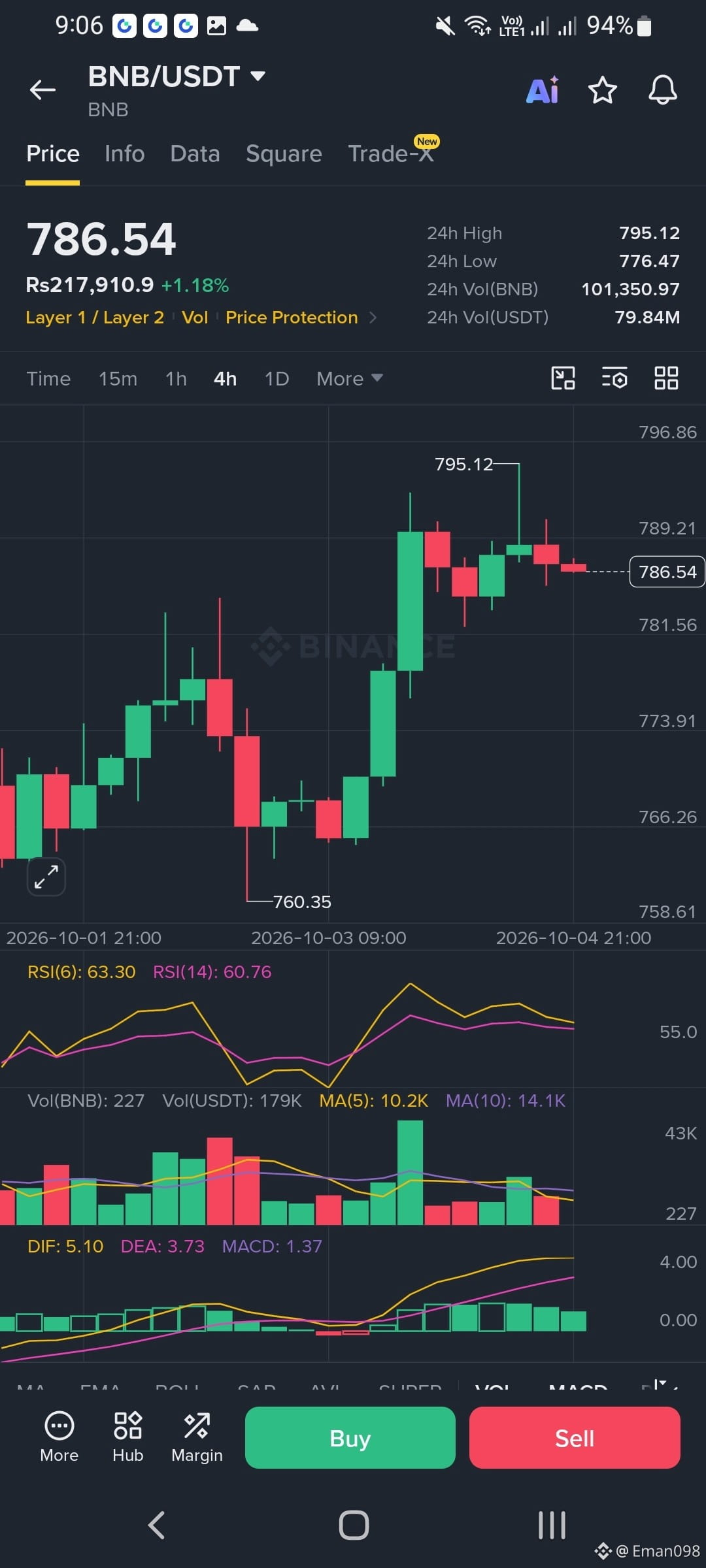
BNBは795.12を拒否した後、786.54で推移しており、価格は高値のすぐ下で推移(レンジ)しています。モメンタムはまだ健全です:RSI(6)が63.3、RSI(14)が60.8。MACDはプラスで、DIFがDEAを上回っています。押し目で出来高が減少しており、これは反転ではなく穏やかな一時停止です。
📈 戦略: 強気
🎯 エントリー: 781–784(押し目)
🛑 停止: 772
✅ 想定到達:795 / 805
4Hで795を上抜けて終値確定すれば、継続を確認します。
※投資助言ではありません。リスク管理を行ってください。
$BNB USDT | 4H | シグナル
ここをクリック 👇👇👇👇
BNBは795.12を拒否した後、786.54で推移しており、価格は高値のすぐ下で推移(レンジ)しています。モメンタムはまだ健全です:RSI(6)が63.3、RSI(14)が60.8。MACDはプラスで、DIFがDEAを上回っています。押し目で出来高が減少しており、これは反転ではなく穏やかな一時停止です。
📈 戦略: 強気
🎯 エントリー: 781–784(押し目)
🛑 停止: 772
✅ 想定到達:795 / 805
4Hで795を上抜けて終値確定すれば、継続を確認します。
※投資助言ではありません。リスク管理を行ってください。
ここをクリック 👇👇👇👇
BNBは795.12を拒否した後、786.54で推移しており、価格は高値のすぐ下で推移(レンジ)しています。モメンタムはまだ健全です:RSI(6)が63.3、RSI(14)が60.8。MACDはプラスで、DIFがDEAを上回っています。押し目で出来高が減少しており、これは反転ではなく穏やかな一時停止です。
📈 戦略: 強気
🎯 エントリー: 781–784(押し目)
🛑 停止: 772
✅ 想定到達:795 / 805
4Hで795を上抜けて終値確定すれば、継続を確認します。
※投資助言ではありません。リスク管理を行ってください。
1
1
2
187
·
--
一部該当
バイナンスが明日向けの“謎の発表”を投下したので、みんな憶測中です。👀
共有されたのは「2026年10月5日」という日付と、もう1行だけ:「もっと言えたらいいのに。
私の予想? 何か大きなこと。だけど、みんなの意見も聞きたい。👇
🗳️ 投票:バイナンスは何を発表する?
🅰️ 新規コインの上場 or Launchpool
🅱️ 新しい製品や機能
🅲 主要な提携や買収
🅳 報酬エアドロップ or 取引キャンペーン
コメント欄に理由をどうぞ。
⚠️ これはあくまで予想で、投資助言ではありません。最新ニュースは必ず公式のバイナンスのチャンネルをご確認ください。@Binance_Square_Official
バイナンスが明日向けの“謎の発表”を投下したので、みんな憶測中です。👀
共有されたのは「2026年10月5日」という日付と、もう1行だけ:「もっと言えたらいいのに。
私の予想? 何か大きなこと。だけど、みんなの意見も聞きたい。👇
🗳️ 投票:バイナンスは何を発表する?
🅰️ 新規コインの上場 or Launchpool
🅱️ 新しい製品や機能
🅲 主要な提携や買収
🅳 報酬エアドロップ or 取引キャンペーン
コメント欄に理由をどうぞ。
⚠️ これはあくまで予想で、投資助言ではありません。最新ニュースは必ず公式のバイナンスのチャンネルをご確認ください。@Binance Square Official
共有されたのは「2026年10月5日」という日付と、もう1行だけ:「もっと言えたらいいのに。
私の予想? 何か大きなこと。だけど、みんなの意見も聞きたい。👇
🗳️ 投票:バイナンスは何を発表する?
🅰️ 新規コインの上場 or Launchpool
🅱️ 新しい製品や機能
🅲 主要な提携や買収
🅳 報酬エアドロップ or 取引キャンペーン
コメント欄に理由をどうぞ。
⚠️ これはあくまで予想で、投資助言ではありません。最新ニュースは必ず公式のバイナンスのチャンネルをご確認ください。@Binance Square Official



Binance Square Official
·
--
金融のあらゆる領域に新たな知性の層を。
Binance Intelligenceのローンチ・ライブ配信に参加して、私たちが構築してきたものをいち早くご覧ください。
🗓 10月5日 | 12:00(UTC)
📍 Binance Square 公式
この投稿をリポストし、<t-2/> @Binance Square Official をタグ付けして、Binance Intelligenceに対するあなたのビジョンを共有してください。20 USDCの報酬を獲得するチャンスとして、選考で5名の方が選ばれます。
Binance Intelligenceのローンチ・ライブ配信に参加して、私たちが構築してきたものをいち早くご覧ください。
🗓 10月5日 | 12:00(UTC)
📍 Binance Square 公式
この投稿をリポストし、<t-2/> @Binance Square Official をタグ付けして、Binance Intelligenceに対するあなたのビジョンを共有してください。20 USDCの報酬を獲得するチャンスとして、選考で5名の方が選ばれます。
2
4
119
·
--
[click here join trading competition](https://www.binance.com/activity/trading-competition/spot-altcoin-festival-wave-PUMP-R1?ref=MEH098)
Binanceは、対象ユーザーがトークン・バウチャーで合計50,000,000 PUMPの賞金プールを分け合える「Pump.Fun(PUMP)取引トーナメント」の開催を発表できることを嬉しく思います!
さらに、Binanceは期間限定で「Sprint Reward」を導入します。取引するほど、追加報酬が高くなります!
キャンペーン期間:2026-09-30 10:00(UTC)から 2026-10-07 10:00(UTC)
対象となる取引ペア
取引ペア:PUMP/USDC
参加方法:
ランディングページの[今すぐ参加]ボタンをクリックして登録します。
プロモーション期間中に、Binanceの現物取引において、上記の対象取引ペアのいずれかで合計取引高が少なくとも500米ドル相当(USD相当)に到達すること。 この取引高の基準を満たさないユーザーは、本取引高トーナメントにおいて報酬の対象になりません。
残りの対象参加者すべて
{比例配分*10,000,000 PUMP(ただしユーザーあたり6,800 PUMPまで)}
$PUMP
{future}(PUMPUSDT)
click here join trading competition
Binanceは、対象ユーザーがトークン・バウチャーで合計50,000,000 PUMPの賞金プールを分け合える「Pump.Fun(PUMP)取引トーナメント」の開催を発表できることを嬉しく思います!
さらに、Binanceは期間限定で「Sprint Reward」を導入します。取引するほど、追加報酬が高くなります!
キャンペーン期間:2026-09-30 10:00(UTC)から 2026-10-07 10:00(UTC)
対象となる取引ペア
取引ペア:PUMP/USDC
参加方法:
ランディングページの[今すぐ参加]ボタンをクリックして登録します。
プロモーション期間中に、Binanceの現物取引において、上記の対象取引ペアのいずれかで合計取引高が少なくとも500米ドル相当(USD相当)に到達すること。 この取引高の基準を満たさないユーザーは、本取引高トーナメントにおいて報酬の対象になりません。
残りの対象参加者すべて
{比例配分*10,000,000 PUMP(ただしユーザーあたり6,800 PUMPまで)}
$PUMP
Binanceは、対象ユーザーがトークン・バウチャーで合計50,000,000 PUMPの賞金プールを分け合える「Pump.Fun(PUMP)取引トーナメント」の開催を発表できることを嬉しく思います!
さらに、Binanceは期間限定で「Sprint Reward」を導入します。取引するほど、追加報酬が高くなります!
キャンペーン期間:2026-09-30 10:00(UTC)から 2026-10-07 10:00(UTC)
対象となる取引ペア
取引ペア:PUMP/USDC
参加方法:
ランディングページの[今すぐ参加]ボタンをクリックして登録します。
プロモーション期間中に、Binanceの現物取引において、上記の対象取引ペアのいずれかで合計取引高が少なくとも500米ドル相当(USD相当)に到達すること。 この取引高の基準を満たさないユーザーは、本取引高トーナメントにおいて報酬の対象になりません。
残りの対象参加者すべて
{比例配分*10,000,000 PUMP(ただしユーザーあたり6,800 PUMPまで)}
$PUMP

1
1
7
175
·
--
Cryptology_7
·
--
𝙎𝙊𝙈𝙀𝙏𝙄𝙈𝙀𝙎 𝙏𝙃𝙀 𝘽𝙀𝙎𝙏 𝙏𝙍𝘼𝘿𝙀 𝙄𝙎
𝙉𝙊 𝙏𝙍𝘼𝘿𝙀 🌱 $LSK
#LSK #BinanceSquareTalks #Cryptology_7
𝙉𝙊 𝙏𝙍𝘼𝘿𝙀 🌱 $LSK
#LSK #BinanceSquareTalks #Cryptology_7

1
4
186
·
--
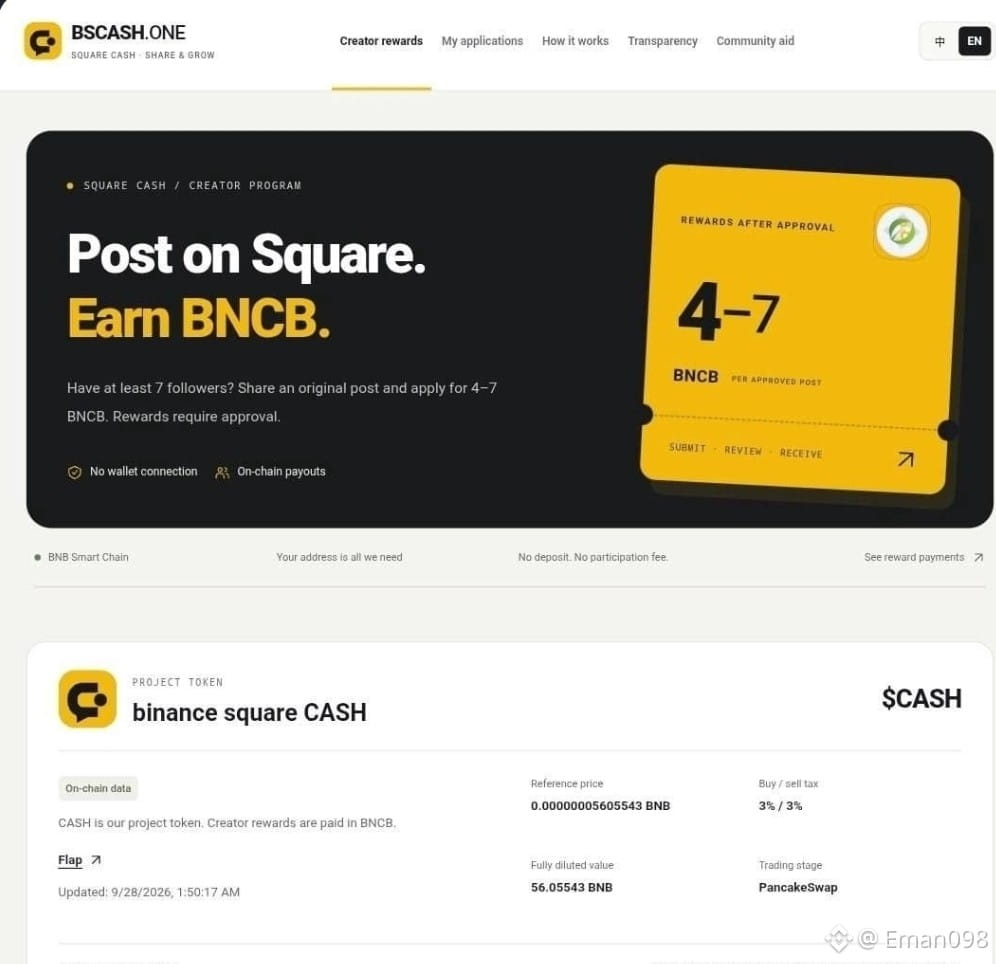
最近$CASHを見ているんだけど、正直に言うと惹かれているのはチャートじゃない。熱狂で価格は急騰することがあるけど、同じくらい速く冷めて下がることもある。だから、その下にあるものを見ようとしてるんだ。
僕にとって本当のテストはシンプルで、「実際に人が使ってるのか?」だよ。買って待つだけじゃなくて、毎日使われているのか。そういう需要こそ、長く続く。
それに、ここからエコシステムがどう成長していくのかも気になる。新しいビルダーは増えてる? 市場が静かになったとき、ユーザーは残り続ける?
そういう細部は、緑のローソク足よりずっと多くを教えてくれる。
どのサイクルでも物語はすぐ入れ替わる。生き残るのは、たいてい継続して出し続け、実際の導入につながって収益も得ているプロジェクトだ。
だから当面$CASHはウォッチリストに入れて、アップデートを注意深く追い続けるよ。※これは金融アドバイスではなく、あくまで自分の調査。
あなたが$cashで最も注目していることは何?
SR-933793B165F6D63D2A22B716
#Bsccash #cash
最近$CASHを見ているんだけど、正直に言うと惹かれているのはチャートじゃない。熱狂で価格は急騰することがあるけど、同じくらい速く冷めて下がることもある。だから、その下にあるものを見ようとしてるんだ。
僕にとって本当のテストはシンプルで、「実際に人が使ってるのか?」だよ。買って待つだけじゃなくて、毎日使われているのか。そういう需要こそ、長く続く。
それに、ここからエコシステムがどう成長していくのかも気になる。新しいビルダーは増えてる? 市場が静かになったとき、ユーザーは残り続ける?
そういう細部は、緑のローソク足よりずっと多くを教えてくれる。
どのサイクルでも物語はすぐ入れ替わる。生き残るのは、たいてい継続して出し続け、実際の導入につながって収益も得ているプロジェクトだ。
だから当面$CASHはウォッチリストに入れて、アップデートを注意深く追い続けるよ。※これは金融アドバイスではなく、あくまで自分の調査。
あなたが$cashで最も注目していることは何?
SR-933793B165F6D63D2A22B716
#Bsccash #cash
僕にとって本当のテストはシンプルで、「実際に人が使ってるのか?」だよ。買って待つだけじゃなくて、毎日使われているのか。そういう需要こそ、長く続く。
それに、ここからエコシステムがどう成長していくのかも気になる。新しいビルダーは増えてる? 市場が静かになったとき、ユーザーは残り続ける?
そういう細部は、緑のローソク足よりずっと多くを教えてくれる。
どのサイクルでも物語はすぐ入れ替わる。生き残るのは、たいてい継続して出し続け、実際の導入につながって収益も得ているプロジェクトだ。
だから当面$CASHはウォッチリストに入れて、アップデートを注意深く追い続けるよ。※これは金融アドバイスではなく、あくまで自分の調査。
あなたが$cashで最も注目していることは何?
SR-933793B165F6D63D2A22B716
#Bsccash #cash
3
11
978
·
--
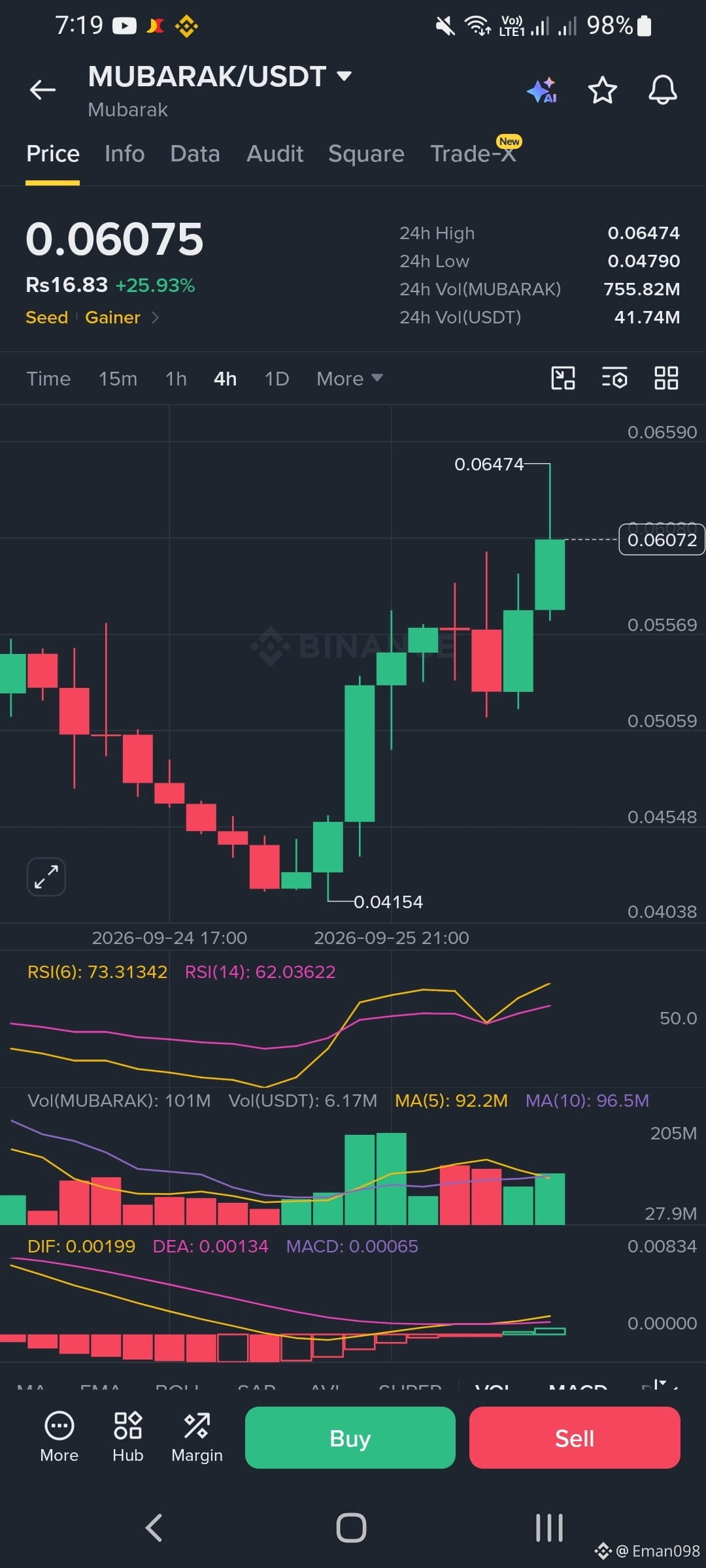
$MUBARAK USDT は 0.0415 から 0.0647 まで一直線に急騰し、当日 +25% 以上を記録。その後 0.0607 付近で少し落ち着いてきています。RSI(6) は 73 なので、短期的には買われ過ぎ状態。0.0647 からの押し戻し(プルバック)のウィックが出たのも納得です。
注目レベル:最初のサポートは 0.0557–0.0559(直近のブレイクアウト・ゾーン)。その下に 0.0505。上方向では、継続のために 0.0647 を取り返せるかがポイント。その上なら 0.0659 に向けて空間が広がっています。
MACD と MA(5) はまだ上向きで、モメンタムは維持されています。ただし、これは放物線的な値動きなので、ここから追いかけるのはリスクがあります。私は金融アドバイザーではなく、チャートを読んでいるだけです。
$MUBARAK USDT は 0.0415 から 0.0647 まで一直線に急騰し、当日 +25% 以上を記録。その後 0.0607 付近で少し落ち着いてきています。RSI(6) は 73 なので、短期的には買われ過ぎ状態。0.0647 からの押し戻し(プルバック)のウィックが出たのも納得です。
注目レベル:最初のサポートは 0.0557–0.0559(直近のブレイクアウト・ゾーン)。その下に 0.0505。上方向では、継続のために 0.0647 を取り返せるかがポイント。その上なら 0.0659 に向けて空間が広がっています。
MACD と MA(5) はまだ上向きで、モメンタムは維持されています。ただし、これは放物線的な値動きなので、ここから追いかけるのはリスクがあります。私は金融アドバイザーではなく、チャートを読んでいるだけです。
注目レベル:最初のサポートは 0.0557–0.0559(直近のブレイクアウト・ゾーン)。その下に 0.0505。上方向では、継続のために 0.0647 を取り返せるかがポイント。その上なら 0.0659 に向けて空間が広がっています。
MACD と MA(5) はまだ上向きで、モメンタムは維持されています。ただし、これは放物線的な値動きなので、ここから追いかけるのはリスクがあります。私は金融アドバイザーではなく、チャートを読んでいるだけです。
3
301
·
--
$PHA 30.6 USDT(30日間の取引)
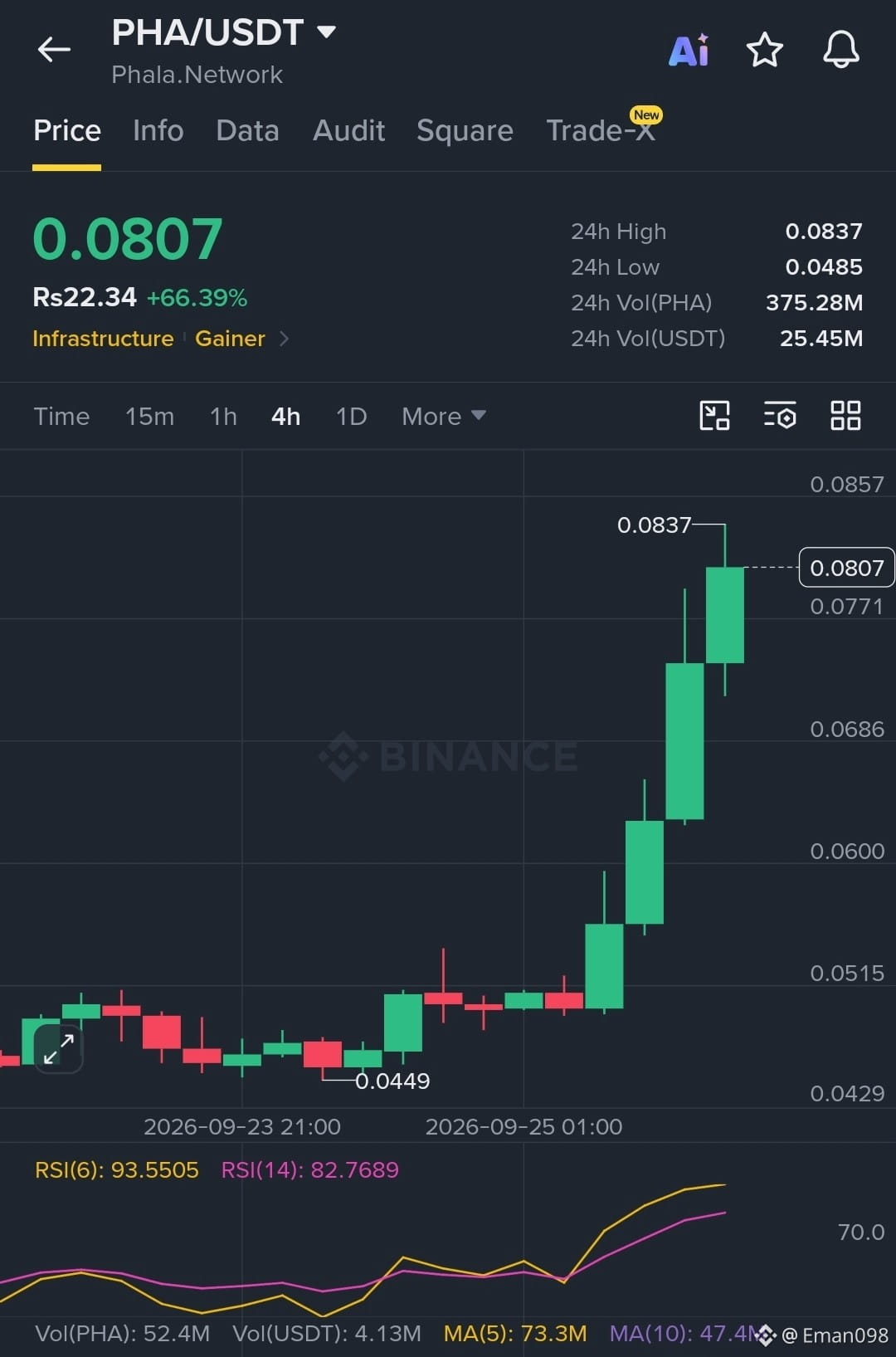
PHAは1日で66%上昇していて、正直それは健康的なモメンタムじゃなくてスパイクです。RSI(6)が93.5、RSI(14)が82.7で、どちらもかなりの買われ過ぎ領域にあります。かなり伸びきっています。
水準:
- レジスタンス:0.0837(今日の高値でまさにそこで拒否されました)
- サポート:0.0686(直前のブレイクアウトの足の安値)、その次に0.0600
- 本当に崩れるなら:0.0515〜0.0449(この値動きが始まったところ)へ戻る可能性
現実的には、0.0807で追いかけるのは遅いです。直近の足の長い上ヒゲと、0.0837でのそのリジェクトが示しているのは、買い手が疲れてきているということ。0.0686〜0.0600あたりまでの押し目を待って、それが新しいサポートとして機能するかを確認してから、エントリー(青い足を買う)を考えるのがいいでしょう。こういう“伸び切った状態”は、早く飛びついた誰かの出口の流動性になりがちです。※投資助言ではありません。チャートを読んでいるだけです。
$PHA
{future}(PHAUSDT)
PHAは1日で66%上昇していて、正直それは健康的なモメンタムじゃなくてスパイクです。RSI(6)が93.5、RSI(14)が82.7で、どちらもかなりの買われ過ぎ領域にあります。かなり伸びきっています。
水準:
- レジスタンス:0.0837(今日の高値でまさにそこで拒否されました)
- サポート:0.0686(直前のブレイクアウトの足の安値)、その次に0.0600
- 本当に崩れるなら:0.0515〜0.0449(この値動きが始まったところ)へ戻る可能性
現実的には、0.0807で追いかけるのは遅いです。直近の足の長い上ヒゲと、0.0837でのそのリジェクトが示しているのは、買い手が疲れてきているということ。0.0686〜0.0600あたりまでの押し目を待って、それが新しいサポートとして機能するかを確認してから、エントリー(青い足を買う)を考えるのがいいでしょう。こういう“伸び切った状態”は、早く飛びついた誰かの出口の流動性になりがちです。※投資助言ではありません。チャートを読んでいるだけです。
$PHA
水準:
- レジスタンス:0.0837(今日の高値でまさにそこで拒否されました)
- サポート:0.0686(直前のブレイクアウトの足の安値)、その次に0.0600
- 本当に崩れるなら:0.0515〜0.0449(この値動きが始まったところ)へ戻る可能性
現実的には、0.0807で追いかけるのは遅いです。直近の足の長い上ヒゲと、0.0837でのそのリジェクトが示しているのは、買い手が疲れてきているということ。0.0686〜0.0600あたりまでの押し目を待って、それが新しいサポートとして機能するかを確認してから、エントリー(青い足を買う)を考えるのがいいでしょう。こういう“伸び切った状態”は、早く飛びついた誰かの出口の流動性になりがちです。※投資助言ではありません。チャートを読んでいるだけです。
$PHA
3
604
·
--
$DASH 👇👇👇
{future}(DASHUSDT)
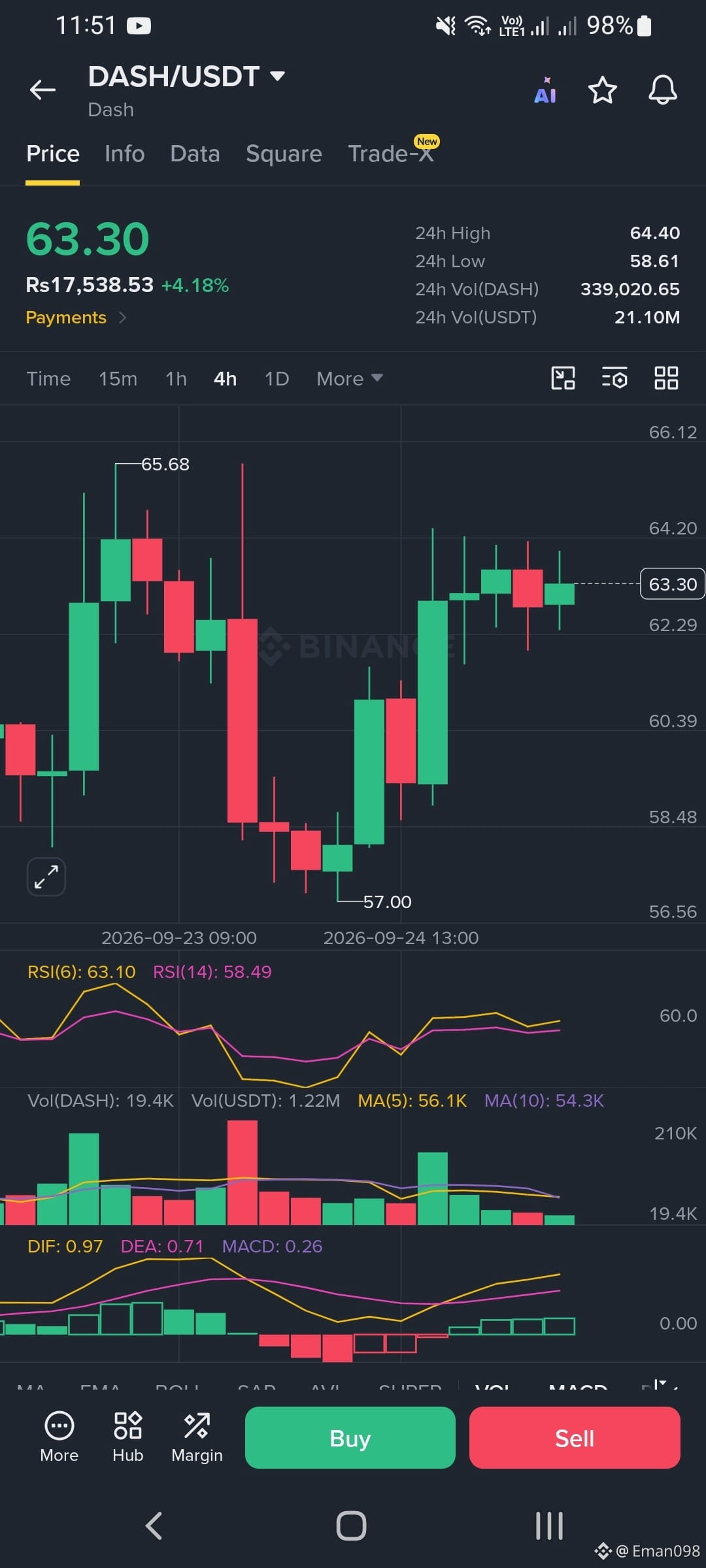
V字型の底から強く跳ね返るUSDT
DASHはスイング・ローから反発し、57.00を回復してから63.30まで上昇(当日+4.18%)。少し前には65.68付近でいったん頭打ちとなりました。これぞ典型的なV字形状です――急な売りの後に、同じくらい急な買い戻し。57が維持されると、買い手が強気に再参入しました。
RSI(6)が63、RSI(14)が58で、ともに上昇中ですが、まだ過熱圏には程遠く、伸びる余地があります。この状況を裏付けるのがMACDで、DIF(0.97)はDEA(0.71)より上、ヒストグラム(0.26)もまだ拡大しており、勢いは弱まるというより強気方向へ転じています。回復局面での出来高はまずまずありますが爆発的ではないため、投機的な急騰というよりは堅実なリクレイム(買い戻し)に整合します。
最重要ポイントはここ:価格が直近の62.29~64.20の供給ゾーンにかなり接近しており、そこでは前回の高値が形成されています。64.40(24時間高値)を明確に上抜けて維持できれば、65.68のスイング高値に向けた継続を確認できるでしょう。突破できなければ、60.39~58.48ゾーンまで再度下げてテストし、その後にもう一度挑戦する可能性があります。
※投資助言ではありません。チャートを読んだだけです。#BinanceWillListHyperliquid(HYPE) #FedOctoberRateHikeOddsRiseTo69.7% #DASH.24小时交易策略
$DASH 👇👇👇
V字型の底から強く跳ね返るUSDT
DASHはスイング・ローから反発し、57.00を回復してから63.30まで上昇(当日+4.18%)。少し前には65.68付近でいったん頭打ちとなりました。これぞ典型的なV字形状です――急な売りの後に、同じくらい急な買い戻し。57が維持されると、買い手が強気に再参入しました。
RSI(6)が63、RSI(14)が58で、ともに上昇中ですが、まだ過熱圏には程遠く、伸びる余地があります。この状況を裏付けるのがMACDで、DIF(0.97)はDEA(0.71)より上、ヒストグラム(0.26)もまだ拡大しており、勢いは弱まるというより強気方向へ転じています。回復局面での出来高はまずまずありますが爆発的ではないため、投機的な急騰というよりは堅実なリクレイム(買い戻し)に整合します。
最重要ポイントはここ:価格が直近の62.29~64.20の供給ゾーンにかなり接近しており、そこでは前回の高値が形成されています。64.40(24時間高値)を明確に上抜けて維持できれば、65.68のスイング高値に向けた継続を確認できるでしょう。突破できなければ、60.39~58.48ゾーンまで再度下げてテストし、その後にもう一度挑戦する可能性があります。
※投資助言ではありません。チャートを読んだだけです。#BinanceWillListHyperliquid(HYPE) #FedOctoberRateHikeOddsRiseTo69.7% #DASH.24小时交易策略
V字型の底から強く跳ね返るUSDT
DASHはスイング・ローから反発し、57.00を回復してから63.30まで上昇(当日+4.18%)。少し前には65.68付近でいったん頭打ちとなりました。これぞ典型的なV字形状です――急な売りの後に、同じくらい急な買い戻し。57が維持されると、買い手が強気に再参入しました。
RSI(6)が63、RSI(14)が58で、ともに上昇中ですが、まだ過熱圏には程遠く、伸びる余地があります。この状況を裏付けるのがMACDで、DIF(0.97)はDEA(0.71)より上、ヒストグラム(0.26)もまだ拡大しており、勢いは弱まるというより強気方向へ転じています。回復局面での出来高はまずまずありますが爆発的ではないため、投機的な急騰というよりは堅実なリクレイム(買い戻し)に整合します。
最重要ポイントはここ:価格が直近の62.29~64.20の供給ゾーンにかなり接近しており、そこでは前回の高値が形成されています。64.40(24時間高値)を明確に上抜けて維持できれば、65.68のスイング高値に向けた継続を確認できるでしょう。突破できなければ、60.39~58.48ゾーンまで再度下げてテストし、その後にもう一度挑戦する可能性があります。
※投資助言ではありません。チャートを読んだだけです。#BinanceWillListHyperliquid(HYPE) #FedOctoberRateHikeOddsRiseTo69.7% #DASH.24小时交易策略
1
2
510
·
--
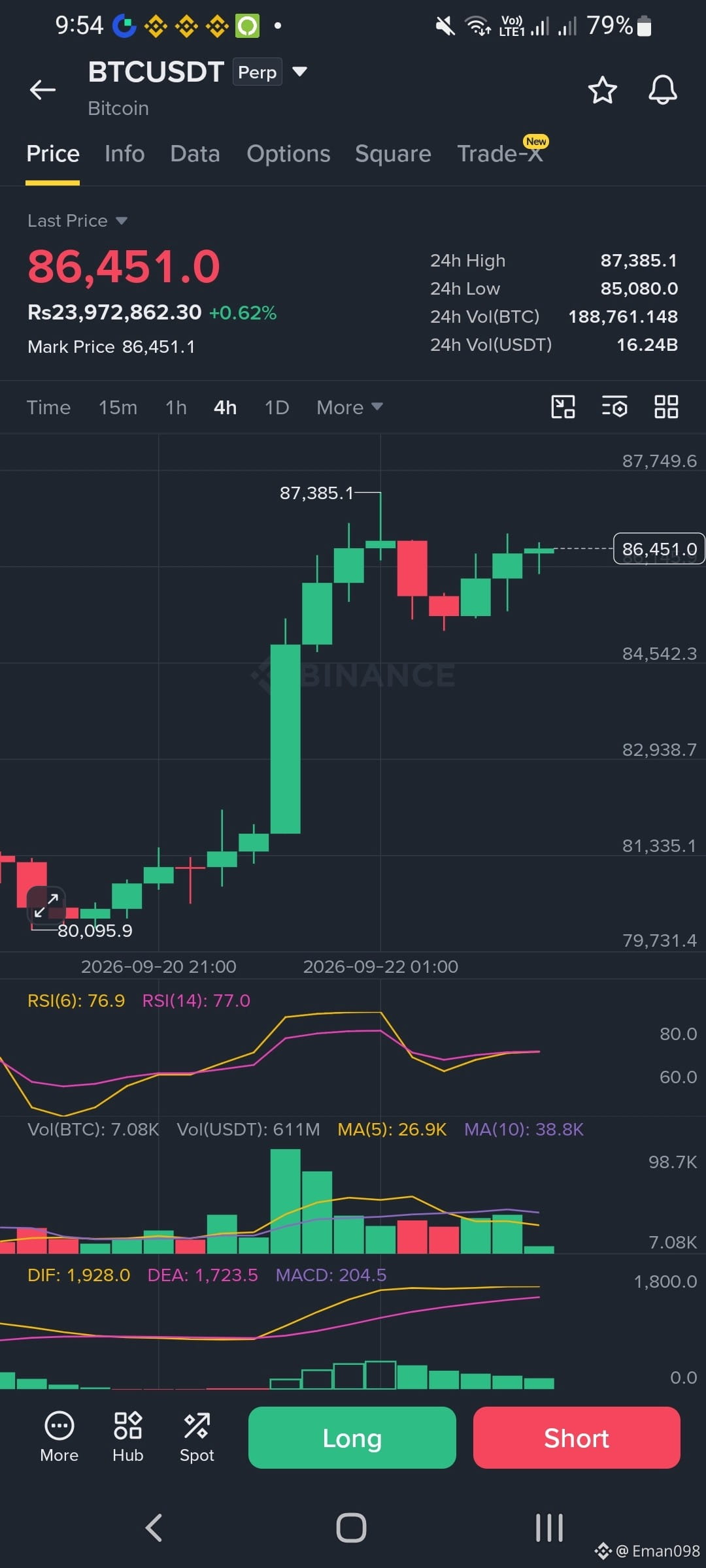
$BTC ビットコインに大きな下落が迫っているのか?
コネクション・キャピタルの創業者が警告:ビットコインは2026年Q4に50%下落し、3万〜4万ドルまで下がる可能性 Connection Capitalの創業者であり、Coin Bureauの元リサーチディレクターであるDan Krupka氏によれば、ビットコインが9万6,000ドルまで上昇した場合、2026年Q4に大きな調整が入り、下落は最大50%に達する可能性があるという。つまり、3万ドル〜4万ドルのレンジまで後退し得る。Krupka氏は、現在のテクニカル指標は強気に見えるものの、実際のパターンは新たな上昇相場の始まりというより、「教科書的なリリーフ・ラリー(戻り)」に近いと警告する。さらに、ビットコインの時価総額が、通常は分配局面と持続するブルマーケットのトレンドを見分けるために使われる月次ボリンジャーバンドのレジスタンス水準に接近している点も指摘している。一方でマクロ面のレジスタンスも表面化している。米ドル指数(DXY)が月次ボリンジャーバンドのレジスタンス水準に近づいており、欧州およびアジアでのエネルギー不足が継続しているためユーロや円が弱く、その結果、世界の資金がドルに流れ込んでリスク資産の売りにつながる可能性がある。
{future}(BTCUSDT)
#CardanoAddedToX402KitForADAPayments #BNBMarketCapPassesBNYMellon #AIStocksWhatNext
$BTC ビットコインに大きな下落が迫っているのか?
コネクション・キャピタルの創業者が警告:ビットコインは2026年Q4に50%下落し、3万〜4万ドルまで下がる可能性 Connection Capitalの創業者であり、Coin Bureauの元リサーチディレクターであるDan Krupka氏によれば、ビットコインが9万6,000ドルまで上昇した場合、2026年Q4に大きな調整が入り、下落は最大50%に達する可能性があるという。つまり、3万ドル〜4万ドルのレンジまで後退し得る。Krupka氏は、現在のテクニカル指標は強気に見えるものの、実際のパターンは新たな上昇相場の始まりというより、「教科書的なリリーフ・ラリー(戻り)」に近いと警告する。さらに、ビットコインの時価総額が、通常は分配局面と持続するブルマーケットのトレンドを見分けるために使われる月次ボリンジャーバンドのレジスタンス水準に接近している点も指摘している。一方でマクロ面のレジスタンスも表面化している。米ドル指数(DXY)が月次ボリンジャーバンドのレジスタンス水準に近づいており、欧州およびアジアでのエネルギー不足が継続しているためユーロや円が弱く、その結果、世界の資金がドルに流れ込んでリスク資産の売りにつながる可能性がある。
#CardanoAddedToX402KitForADAPayments #BNBMarketCapPassesBNYMellon #AIStocksWhatNext
コネクション・キャピタルの創業者が警告:ビットコインは2026年Q4に50%下落し、3万〜4万ドルまで下がる可能性 Connection Capitalの創業者であり、Coin Bureauの元リサーチディレクターであるDan Krupka氏によれば、ビットコインが9万6,000ドルまで上昇した場合、2026年Q4に大きな調整が入り、下落は最大50%に達する可能性があるという。つまり、3万ドル〜4万ドルのレンジまで後退し得る。Krupka氏は、現在のテクニカル指標は強気に見えるものの、実際のパターンは新たな上昇相場の始まりというより、「教科書的なリリーフ・ラリー(戻り)」に近いと警告する。さらに、ビットコインの時価総額が、通常は分配局面と持続するブルマーケットのトレンドを見分けるために使われる月次ボリンジャーバンドのレジスタンス水準に接近している点も指摘している。一方でマクロ面のレジスタンスも表面化している。米ドル指数(DXY)が月次ボリンジャーバンドのレジスタンス水準に近づいており、欧州およびアジアでのエネルギー不足が継続しているためユーロや円が弱く、その結果、世界の資金がドルに流れ込んでリスク資産の売りにつながる可能性がある。
#CardanoAddedToX402KitForADAPayments #BNBMarketCapPassesBNYMellon #AIStocksWhatNext
1
28
17.1k
·
--
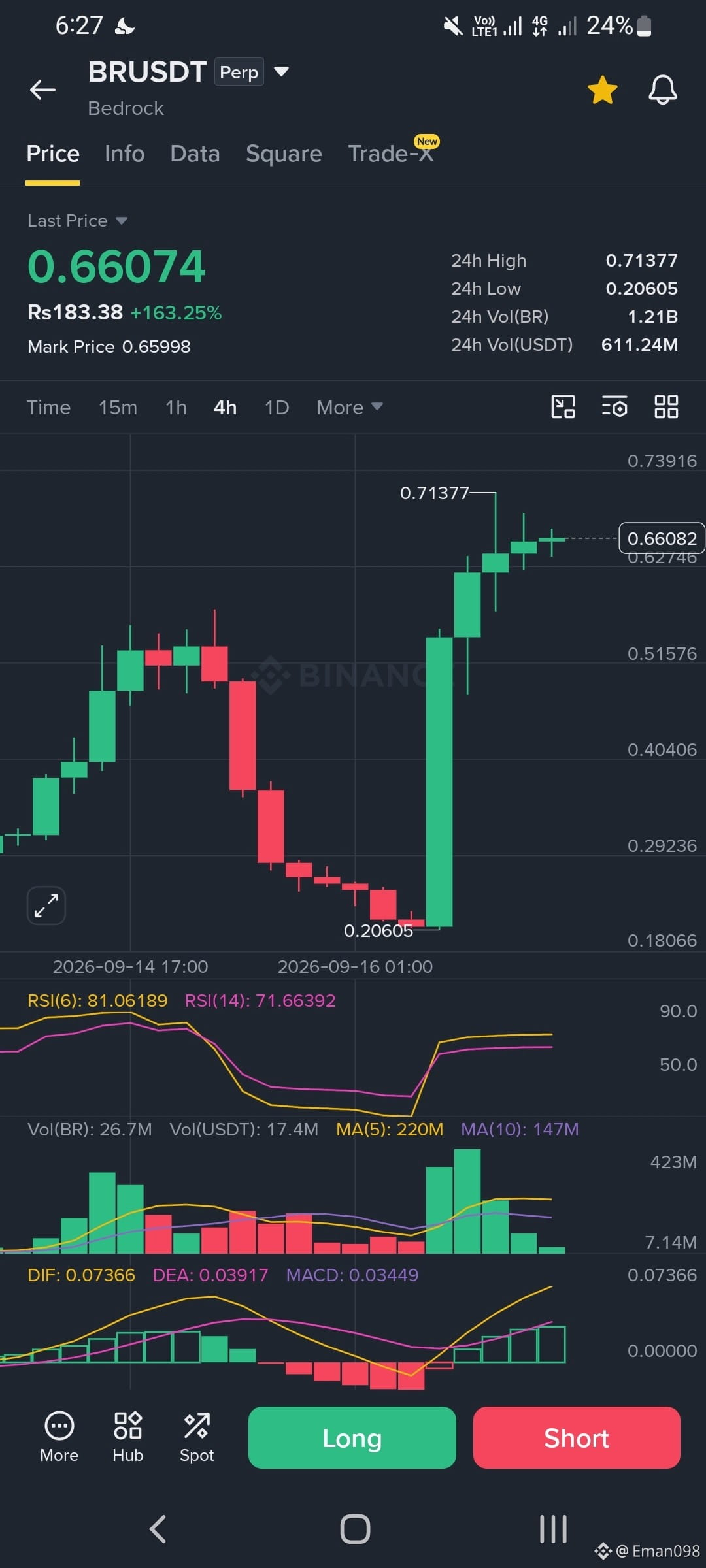
$BR 25.4 USDT(30日間の取引)
$BR USDT 4H 更新 🚀
BRは0.206から0.714までブッ飛び、ウィックではなく本物の買い需要を裏付ける巨大な緑の出来高キャンドルを形成。現在価格は0.66で、ブレイクアウトゾーンの上で維持されています。
サポートゾーン: 👇👇
0.51– 0.55(これまでのレジスタンスが反転した部分)および、より強いサポートが0.40。出来高を伴って0.51を割り込むなら、0.40へのリテストが見込まれます。
レジスタンス/売りゾーン: 👇👇
0.714(直近の高値)、その次が0.739。
RSI(14)が71で、買われ過ぎの勢いを示しています。強いトレンドですが、やや伸びすぎの状態です。MACDヒストグラムは依然として拡大中で、強気方向。弱気のダイバージェンスはまだ確認されていません。
見通し(バイアス): 0.51の上にいる間は強気。ただし、ここで追いかけるのは注意して。
投資助言ではありません。DYOR(自己責任で調査を)。
$BR USDT 4H 更新 🚀
BRは0.206から0.714までブッ飛び、ウィックではなく本物の買い需要を裏付ける巨大な緑の出来高キャンドルを形成。現在価格は0.66で、ブレイクアウトゾーンの上で維持されています。
サポートゾーン: 👇👇
0.51– 0.55(これまでのレジスタンスが反転した部分)および、より強いサポートが0.40。出来高を伴って0.51を割り込むなら、0.40へのリテストが見込まれます。
レジスタンス/売りゾーン: 👇👇
0.714(直近の高値)、その次が0.739。
RSI(14)が71で、買われ過ぎの勢いを示しています。強いトレンドですが、やや伸びすぎの状態です。MACDヒストグラムは依然として拡大中で、強気方向。弱気のダイバージェンスはまだ確認されていません。
見通し(バイアス): 0.51の上にいる間は強気。ただし、ここで追いかけるのは注意して。
投資助言ではありません。DYOR(自己責任で調査を)。
BRは0.206から0.714までブッ飛び、ウィックではなく本物の買い需要を裏付ける巨大な緑の出来高キャンドルを形成。現在価格は0.66で、ブレイクアウトゾーンの上で維持されています。
サポートゾーン: 👇👇
0.51– 0.55(これまでのレジスタンスが反転した部分)および、より強いサポートが0.40。出来高を伴って0.51を割り込むなら、0.40へのリテストが見込まれます。
レジスタンス/売りゾーン: 👇👇
0.714(直近の高値)、その次が0.739。
RSI(14)が71で、買われ過ぎの勢いを示しています。強いトレンドですが、やや伸びすぎの状態です。MACDヒストグラムは依然として拡大中で、強気方向。弱気のダイバージェンスはまだ確認されていません。
見通し(バイアス): 0.51の上にいる間は強気。ただし、ここで追いかけるのは注意して。
投資助言ではありません。DYOR(自己責任で調査を)。
7
281
·
--
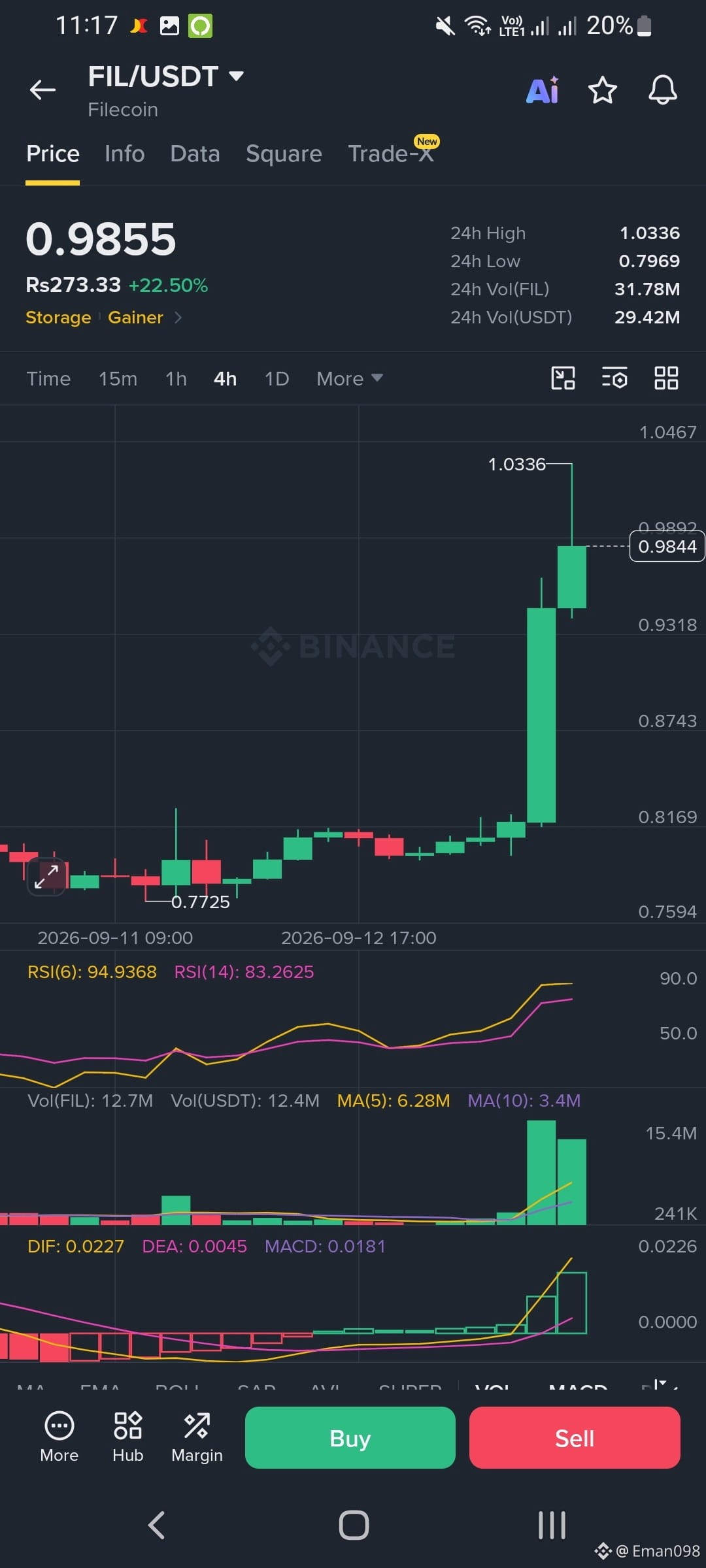
$FIL
{future}(FILUSDT)
USDTは24時間で22.5%上昇し、約0.77から高値1.0336までブレイクアウト。現在は0.9855付近で推移(レンジ形成)しています。RSI(6)が94.9、RSI(14)が83.2で強い買われ過ぎの状態を示しており、次の上昇の前に押し目や一時停止が起こりそうです。MACDは依然として強気で、ヒストグラムの上昇が勢いの継続を裏付けていますが、やや過熱気味です。
エントリー / マンゾーン:
0.93–0.95(ブレイクアウトしたローソク足の実体)。ここで再テストがあれば、現価格を追いかけるよりもリスク/リターンが良くなります。
ストップロス:
0.87未満(直前のサポート)。
ターゲット:1.03–1.05(直近の高値)。
これはテクニカル上の所見であり、投資助言ではありません。FILはここで非常に値動きが大きいため、ポジションサイズは慎重に調整してください。
$FIL
USDTは24時間で22.5%上昇し、約0.77から高値1.0336までブレイクアウト。現在は0.9855付近で推移(レンジ形成)しています。RSI(6)が94.9、RSI(14)が83.2で強い買われ過ぎの状態を示しており、次の上昇の前に押し目や一時停止が起こりそうです。MACDは依然として強気で、ヒストグラムの上昇が勢いの継続を裏付けていますが、やや過熱気味です。
エントリー / マンゾーン:
0.93–0.95(ブレイクアウトしたローソク足の実体)。ここで再テストがあれば、現価格を追いかけるよりもリスク/リターンが良くなります。
ストップロス:
0.87未満(直前のサポート)。
ターゲット:1.03–1.05(直近の高値)。
これはテクニカル上の所見であり、投資助言ではありません。FILはここで非常に値動きが大きいため、ポジションサイズは慎重に調整してください。
USDTは24時間で22.5%上昇し、約0.77から高値1.0336までブレイクアウト。現在は0.9855付近で推移(レンジ形成)しています。RSI(6)が94.9、RSI(14)が83.2で強い買われ過ぎの状態を示しており、次の上昇の前に押し目や一時停止が起こりそうです。MACDは依然として強気で、ヒストグラムの上昇が勢いの継続を裏付けていますが、やや過熱気味です。
エントリー / マンゾーン:
0.93–0.95(ブレイクアウトしたローソク足の実体)。ここで再テストがあれば、現価格を追いかけるよりもリスク/リターンが良くなります。
ストップロス:
0.87未満(直前のサポート)。
ターゲット:1.03–1.05(直近の高値)。
これはテクニカル上の所見であり、投資助言ではありません。FILはここで非常に値動きが大きいため、ポジションサイズは慎重に調整してください。
2
12
1.2k
ログインして、さらにコンテンツを読む
厳選トピックで世界の暗号資産トレーダーの仲間入り
⚡️ 暗号資産に関する最新かつ有益な情報が見つかります。
💬 世界最大の暗号資産取引所から信頼されています。
👍 認証を受けたクリエイターから、有益なインサイトを得られます。
メール / 電話番号
トレンドトピック
BinanceLaunchesBinanceIntelligence
閲覧回数 461,184
3,275人が討論中
nce
🔥 暗号資産取引は「AIアシスタント」の時代に突入するかもしれません。
Binance Intelligenceは、AIを取引ワークフローに直接取り入れます。
手動で次々と切り替える代わりに:
📊 市場調査
🔔 アラート
💼 ポートフォリオの追跡
🧠 戦略のアイデア
⚙️ 取引の実行
AIなら、これらすべてを1つのシステムにまとめられます。
これは重要です。トレーダーにとって最大の強みは、必ずしもより多くの情報を見つけることではなく、
情報をより速く処理することだからです。
AIが市場を要約し、リスクを明らかにし、ポートフォリオを追跡し、戦略の立案を支援できるなら…
プロ向けツールと個人トレーダー向けツールの差は縮まり始めるかもしれません。
ただし、重要な点があります。
AIは意思決定を改善できますが、リスクをなくすことはできません。
AIをうまく活用するトレーダーは、競争上の優位性を得られるかもしれません。
一方、考えずにAIに従うだけの人は、ただより速く損失を出すことになるかもしれません。
あなたは、取引プロセスの一部としてAIを信頼しますか? 👀
$BTC
$XRP
$ETH
#BinanceAI #crypto #AI #trading $NVDAB #BinanceLaunchesBinanceIntelligence
MARFl
·いいね:0件
·閲覧回数 110
BitcoinTargets2026OpenAt$87570
閲覧回数 3,150
84人が討論中
BitcoinRejectedAt$87KThirdTime
閲覧回数 2,944
66人が討論中