

Nimzy 786
6.6k 投稿

Nimzy 786
報告
ユーザーをブロック
取引を発注
高頻度トレーダー
1.3年
712 フォロー
12.6K+ フォロワー
12.6K+ いいね
投稿
ポートフォリオ
すべて
ライブ
·
--
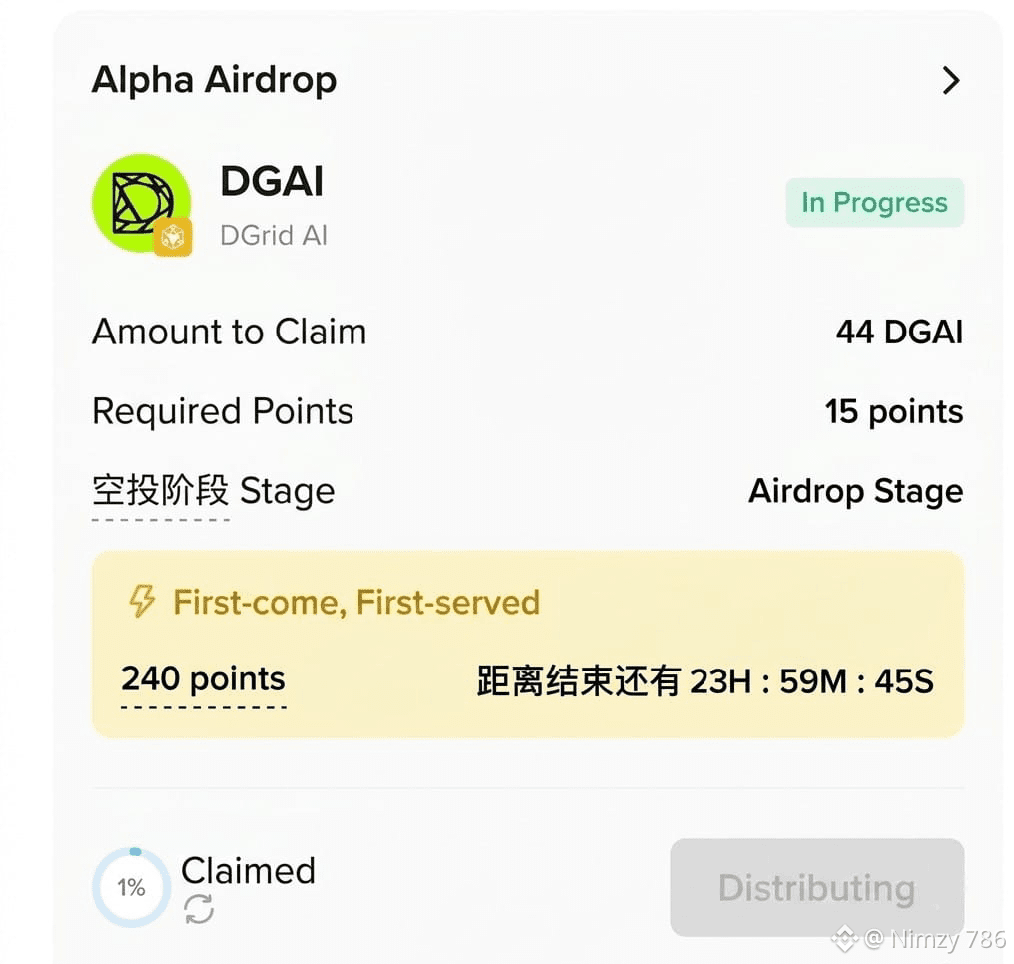
#DGAI 💥💥🚀🚀
長い待ち時間の末、ようやく$DGAI のエアドロップを獲得できました!💰⛓️
さらに、現在の価格がすぐに下がり続けるとは限らないと考えているので、市場から追加で$DGAI も拾いました。📈⚡
投資助言ではありません—必ず自分で調べてください。🚀💎
$DGAI
{alpha}(560x10d4183389e99233db3cc981c43443ebd28ebd5e)
#DGAI 💥💥🚀🚀
長い待ち時間の末、ようやく$DGAI のエアドロップを獲得できました!💰⛓️
さらに、現在の価格がすぐに下がり続けるとは限らないと考えているので、市場から追加で$DGAI も拾いました。📈⚡
投資助言ではありません—必ず自分で調べてください。🚀💎
$DGAI
長い待ち時間の末、ようやく$DGAI のエアドロップを獲得できました!💰⛓️
さらに、現在の価格がすぐに下がり続けるとは限らないと考えているので、市場から追加で$DGAI も拾いました。📈⚡
投資助言ではありません—必ず自分で調べてください。🚀💎
$DGAI
1
2
475
·
--
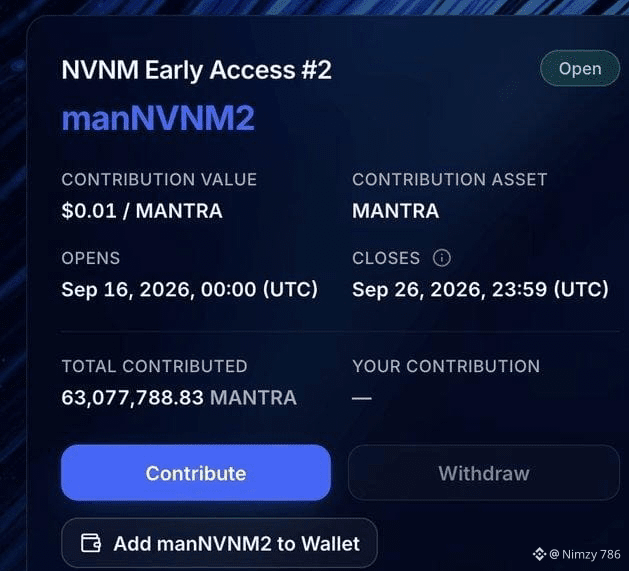
NVNM Early Access #2 は正式に公開されました!🚀
先日のコミュニティ・コネクトで共有されたとおり、MANTRAコミュニティのメンバーは、ラウンド1で見られた圧倒的な関心を受けて、今回さらに参加するチャンスが与えられました。
この限定ラウンドでは、MANTRAコミュニティが $NVNM の割り当て確保に向けて $MANTRA を拠出できます。
⏳ 参加受付は2026年9月26日までです。
🔗 こちらから参加:early.nvnmchain.io
$MANTRA
{spot}(MANTRAUSDT)
NVNM Early Access #2 は正式に公開されました!🚀
先日のコミュニティ・コネクトで共有されたとおり、MANTRAコミュニティのメンバーは、ラウンド1で見られた圧倒的な関心を受けて、今回さらに参加するチャンスが与えられました。
この限定ラウンドでは、MANTRAコミュニティが $NVNM の割り当て確保に向けて $MANTRA を拠出できます。
⏳ 参加受付は2026年9月26日までです。
🔗 こちらから参加:early.nvnmchain.io
$MANTRA
先日のコミュニティ・コネクトで共有されたとおり、MANTRAコミュニティのメンバーは、ラウンド1で見られた圧倒的な関心を受けて、今回さらに参加するチャンスが与えられました。
この限定ラウンドでは、MANTRAコミュニティが $NVNM の割り当て確保に向けて $MANTRA を拠出できます。
⏳ 参加受付は2026年9月26日までです。
🔗 こちらから参加:early.nvnmchain.io
$MANTRA
1
191
·
--
本人確認中
CPIはFRBを追加利上げへ導くのか? 📊
最新の非農業部門雇用者数(NFP)報告が上振れの162Kとなり、多くが見込んでいたよりも雇用市場は依然として強いことを示しました。今注目されているのは本日のCPI(消費者物価指数)発表で、来週の会合におけるFRBの判断を大きく左右する可能性があります。
PPI(生産者物価指数)がすでに、持続的なインフレ圧力を示唆しているため、市場の見方はより強硬(ハト派ではない)に傾き、トレーダーは再度の利上げの可能性を織り込み始めています。
📉 私の見解:予想よりも高いCPIは株式に重しとなり、より引き締め的な金融政策を支持する材料になるかもしれません。
🥇 金(ゴールド):不確実性に対する長期のヘッジとして依然として魅力的ですが、米国債利回りの上昇が短期的な逆風になり得ます。
CPI発表当日の見通しはどうですか—強気(ブル)か弱気(ベア)か? 👀
数値が出る前に、あなたの株式または金のポジションを下に書き込み、戦略を比べましょう。
#CPIWatch #Fed #Inflation #Gold #Stocks #Markets $RAYSOL
{future}(RAYSOLUSDT)
$FLORK
{alpha}(560xf40592daacb3e5abf358789f5688c0b4f64d7777)
CPIはFRBを追加利上げへ導くのか? 📊
最新の非農業部門雇用者数(NFP)報告が上振れの162Kとなり、多くが見込んでいたよりも雇用市場は依然として強いことを示しました。今注目されているのは本日のCPI(消費者物価指数)発表で、来週の会合におけるFRBの判断を大きく左右する可能性があります。
PPI(生産者物価指数)がすでに、持続的なインフレ圧力を示唆しているため、市場の見方はより強硬(ハト派ではない)に傾き、トレーダーは再度の利上げの可能性を織り込み始めています。
📉 私の見解:予想よりも高いCPIは株式に重しとなり、より引き締め的な金融政策を支持する材料になるかもしれません。
🥇 金(ゴールド):不確実性に対する長期のヘッジとして依然として魅力的ですが、米国債利回りの上昇が短期的な逆風になり得ます。
CPI発表当日の見通しはどうですか—強気(ブル)か弱気(ベア)か? 👀
数値が出る前に、あなたの株式または金のポジションを下に書き込み、戦略を比べましょう。
#CPIWatch #Fed #Inflation #Gold #Stocks #Markets $RAYSOL
$FLORK
最新の非農業部門雇用者数(NFP)報告が上振れの162Kとなり、多くが見込んでいたよりも雇用市場は依然として強いことを示しました。今注目されているのは本日のCPI(消費者物価指数)発表で、来週の会合におけるFRBの判断を大きく左右する可能性があります。
PPI(生産者物価指数)がすでに、持続的なインフレ圧力を示唆しているため、市場の見方はより強硬(ハト派ではない)に傾き、トレーダーは再度の利上げの可能性を織り込み始めています。
📉 私の見解:予想よりも高いCPIは株式に重しとなり、より引き締め的な金融政策を支持する材料になるかもしれません。
🥇 金(ゴールド):不確実性に対する長期のヘッジとして依然として魅力的ですが、米国債利回りの上昇が短期的な逆風になり得ます。
CPI発表当日の見通しはどうですか—強気(ブル)か弱気(ベア)か? 👀
数値が出る前に、あなたの株式または金のポジションを下に書き込み、戦略を比べましょう。
#CPIWatch #Fed #Inflation #Gold #Stocks #Markets $RAYSOL
$FLORK

1
280
·
--
($4Stock)市場スナップショット 📊
$4Stock は現在、$0.0307付近で取引されており、本日は約6.7%下落しています。価格が$0.0738まで急騰し、その後$0.000017まで急落するという非常に値動きの激しいデビューの後、現在は$0.03近辺で安定しつつあります。時価総額とFDVはそれぞれ約$30.7M、流動性は約$2.37M、そして保有者は21K人超です。日々の取引活動は依然として活発で、急激なボラティリティにもかかわらず市場の関心が継続していることを示しています。
📌 主要レジスタンス:$0.0450 → $0.0613 → $0.0775
📌 主要サポート:$0.01256
多くの新しくローンチされたAlphaトークンと同様に、値動きは非常に憶測的であり、トレーダーは高いボラティリティや、センチメントの急速な変化が起こり得ることを想定すべきです。
#USAugustPPIRisesLessThanExpected #SECApprovesNasdaqTexasCommodityTrustRul
{alpha}(560xd270d4e1ec6e6e0d28c0ecb8be966ec75997ffff)
($4Stock)市場スナップショット 📊
$4Stock は現在、$0.0307付近で取引されており、本日は約6.7%下落しています。価格が$0.0738まで急騰し、その後$0.000017まで急落するという非常に値動きの激しいデビューの後、現在は$0.03近辺で安定しつつあります。時価総額とFDVはそれぞれ約$30.7M、流動性は約$2.37M、そして保有者は21K人超です。日々の取引活動は依然として活発で、急激なボラティリティにもかかわらず市場の関心が継続していることを示しています。
📌 主要レジスタンス:$0.0450 → $0.0613 → $0.0775
📌 主要サポート:$0.01256
多くの新しくローンチされたAlphaトークンと同様に、値動きは非常に憶測的であり、トレーダーは高いボラティリティや、センチメントの急速な変化が起こり得ることを想定すべきです。
#USAugustPPIRisesLessThanExpected #SECApprovesNasdaqTexasCommodityTrustRul
$4Stock は現在、$0.0307付近で取引されており、本日は約6.7%下落しています。価格が$0.0738まで急騰し、その後$0.000017まで急落するという非常に値動きの激しいデビューの後、現在は$0.03近辺で安定しつつあります。時価総額とFDVはそれぞれ約$30.7M、流動性は約$2.37M、そして保有者は21K人超です。日々の取引活動は依然として活発で、急激なボラティリティにもかかわらず市場の関心が継続していることを示しています。
📌 主要レジスタンス:$0.0450 → $0.0613 → $0.0775
📌 主要サポート:$0.01256
多くの新しくローンチされたAlphaトークンと同様に、値動きは非常に憶測的であり、トレーダーは高いボラティリティや、センチメントの急速な変化が起こり得ることを想定すべきです。
#USAugustPPIRisesLessThanExpected #SECApprovesNasdaqTexasCommodityTrustRul

1.4k
·
--
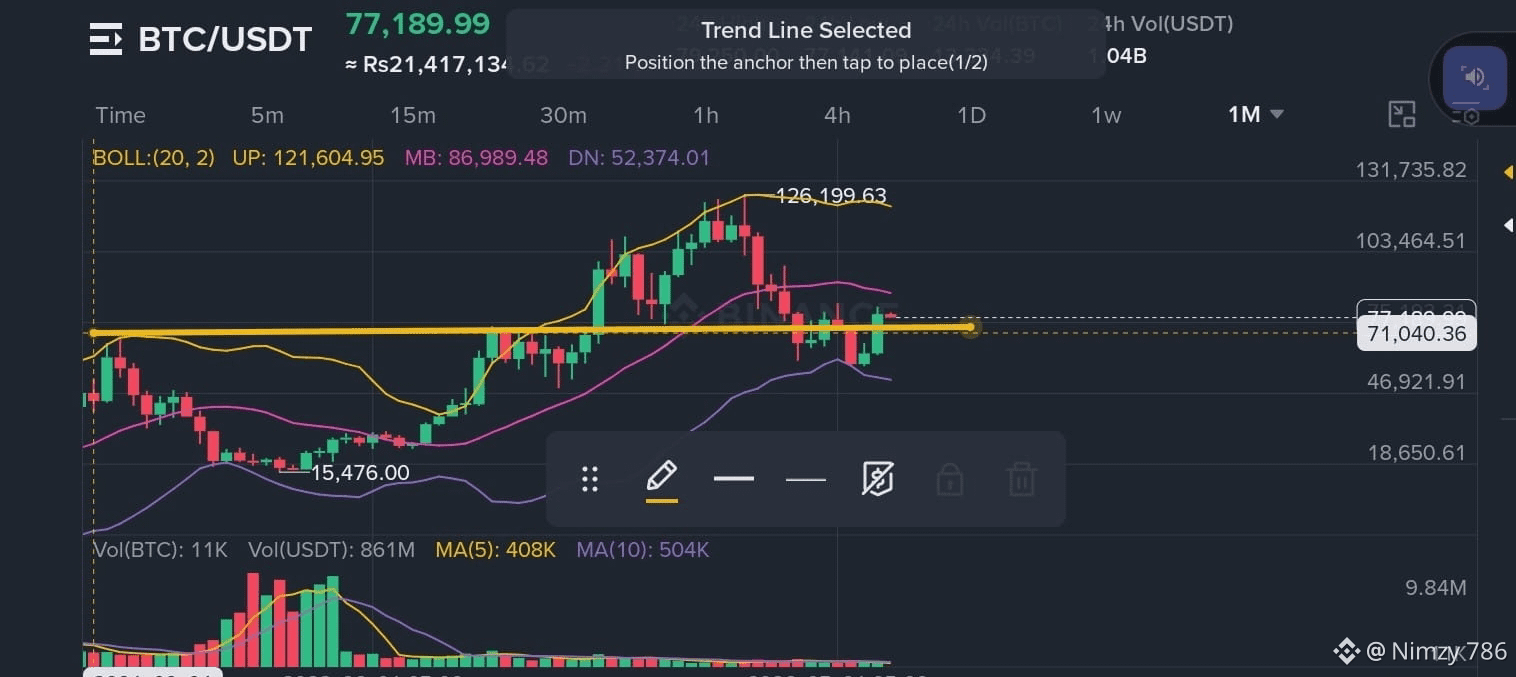
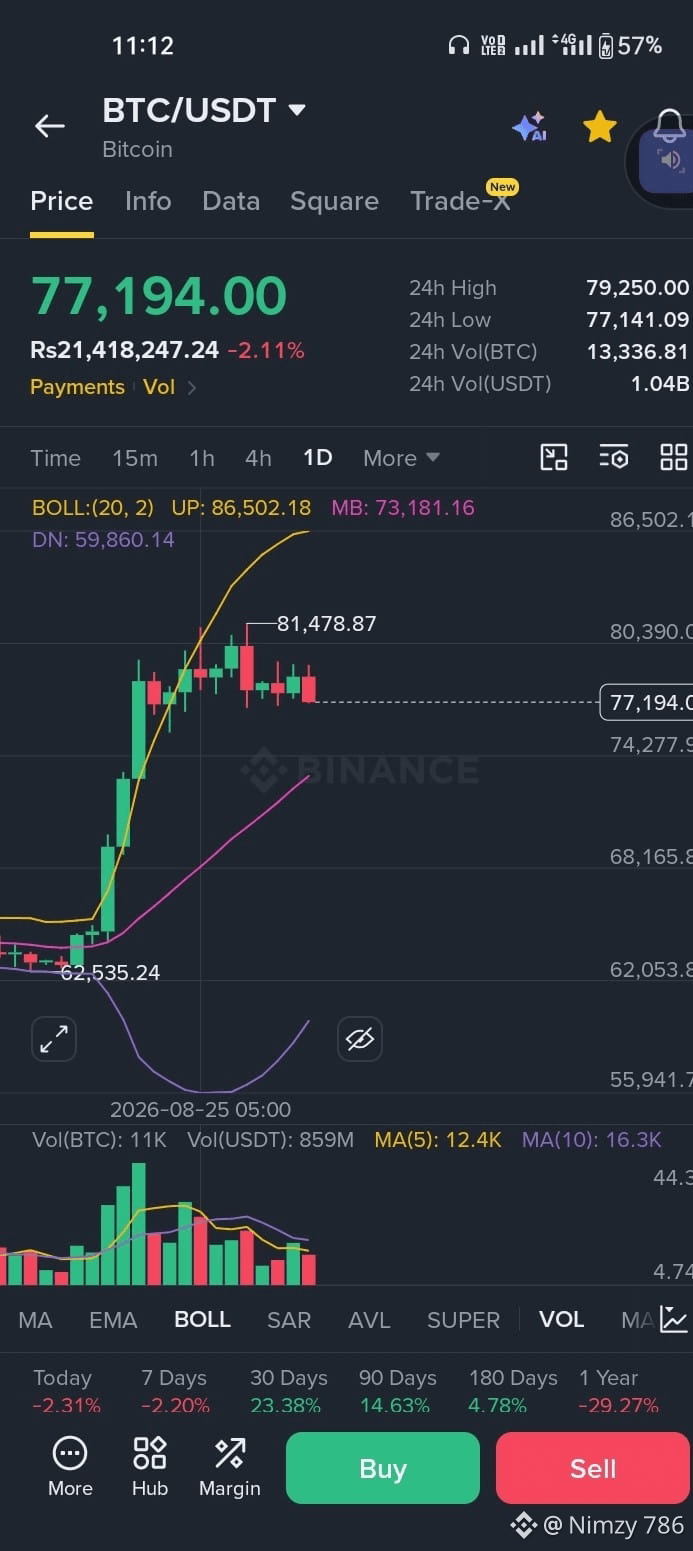
ビットコイン市場アップデート:$72Kへの動きは目前か? 📉
ビットコインは現在$77,000を上回って取引されていますが、テクニカル指標は調整の可能性が育っていることを示唆しています。弱気の勢いが強まれば、$72,000の水準が次の注目すべき重要なサポートゾーンになるかもしれません。 🔻📊
ビットコイン市場アップデート:$72Kへの動きは目前か? 📉
ビットコインは現在$77,000を上回って取引されていますが、テクニカル指標は調整の可能性が育っていることを示唆しています。弱気の勢いが強まれば、$72,000の水準が次の注目すべき重要なサポートゾーンになるかもしれません。 🔻📊
ビットコインは現在$77,000を上回って取引されていますが、テクニカル指標は調整の可能性が育っていることを示唆しています。弱気の勢いが強まれば、$72,000の水準が次の注目すべき重要なサポートゾーンになるかもしれません。 🔻📊
163
·
--
#dusk $DUSK @Dusk_Foundation
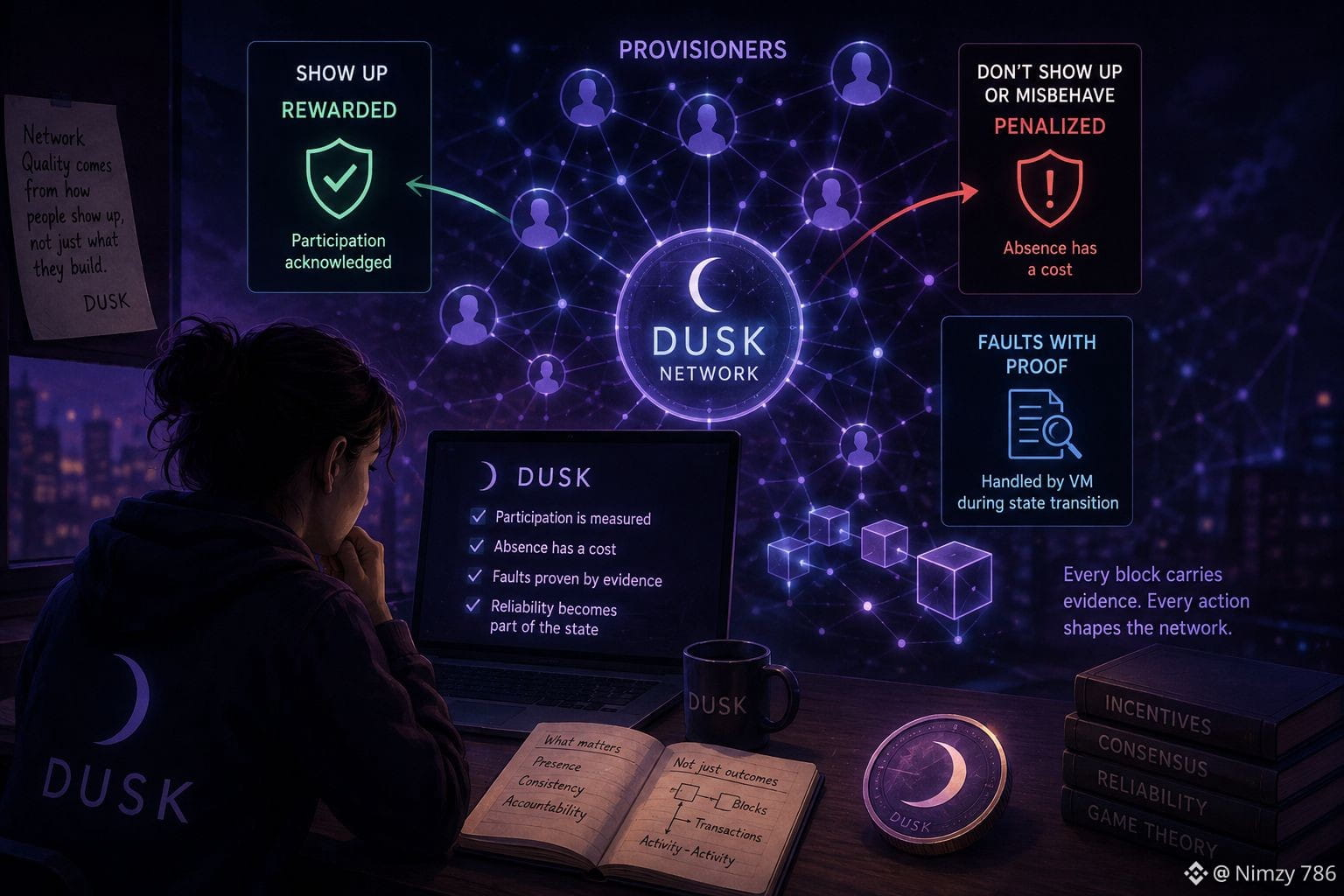
Duskの「参加そのもの」の扱い方に従っているうちに、想定よりもずっと長い時間を費やしてしまい、その間にネットワークで私が注意を向ける対象が静かに変わっていった。
多くの市場の会話は結果へと私を引き寄せる。ブロックは生成され、取引は決済され、活動は続く。Duskにおけるプロビジョナーの役割を読み進める中で、私は結果から注意を逸らし、プレゼンス(そこにいること)へと向かわせられた。システムは、必要なときに参加者が現れるだろうと単純に仮定するだけではない。その仮定に対して、帰結を結びつけている。
私の中に残ったのは、「信頼性が状態遷移そのものの一部になる」という考えだった。参加は認められ、不在にはコストが伴い、欠陥は評判ではなく証拠によって扱われる。ネットワークは計算を調整するだけではない。割り当てられた順番が来たとき、誰が協調に貢献しているのかを、継続的に計測している。@Dusk_Foundation
それによって、DUSKをめぐる確信がどのように形成されるのかを、私は別の見方で捉えるようになった。議論はしばしば機能に焦点を当てるが、ネットワークの質のかなりの部分は、時間の経過の中で参加者の振る舞いがどう形づくられるかから生まれているように思われる。技術も重要だが、誰も注意を払っていないときでも人々が頼れる状態を保ち続けることを促す構造もまた重要だ。
その考えをじっと考える時間が長くなるほど、ネットワーク性能を、それを静かに支えるインセンティブから切り離すことが難しくなっていった。
$DUSK
#dusk $DUSK @Dusk
Duskの「参加そのもの」の扱い方に従っているうちに、想定よりもずっと長い時間を費やしてしまい、その間にネットワークで私が注意を向ける対象が静かに変わっていった。
多くの市場の会話は結果へと私を引き寄せる。ブロックは生成され、取引は決済され、活動は続く。Duskにおけるプロビジョナーの役割を読み進める中で、私は結果から注意を逸らし、プレゼンス(そこにいること)へと向かわせられた。システムは、必要なときに参加者が現れるだろうと単純に仮定するだけではない。その仮定に対して、帰結を結びつけている。
私の中に残ったのは、「信頼性が状態遷移そのものの一部になる」という考えだった。参加は認められ、不在にはコストが伴い、欠陥は評判ではなく証拠によって扱われる。ネットワークは計算を調整するだけではない。割り当てられた順番が来たとき、誰が協調に貢献しているのかを、継続的に計測している。@Dusk
それによって、DUSKをめぐる確信がどのように形成されるのかを、私は別の見方で捉えるようになった。議論はしばしば機能に焦点を当てるが、ネットワークの質のかなりの部分は、時間の経過の中で参加者の振る舞いがどう形づくられるかから生まれているように思われる。技術も重要だが、誰も注意を払っていないときでも人々が頼れる状態を保ち続けることを促す構造もまた重要だ。
その考えをじっと考える時間が長くなるほど、ネットワーク性能を、それを静かに支えるインセンティブから切り離すことが難しくなっていった。
$DUSK
Duskの「参加そのもの」の扱い方に従っているうちに、想定よりもずっと長い時間を費やしてしまい、その間にネットワークで私が注意を向ける対象が静かに変わっていった。
多くの市場の会話は結果へと私を引き寄せる。ブロックは生成され、取引は決済され、活動は続く。Duskにおけるプロビジョナーの役割を読み進める中で、私は結果から注意を逸らし、プレゼンス(そこにいること)へと向かわせられた。システムは、必要なときに参加者が現れるだろうと単純に仮定するだけではない。その仮定に対して、帰結を結びつけている。
私の中に残ったのは、「信頼性が状態遷移そのものの一部になる」という考えだった。参加は認められ、不在にはコストが伴い、欠陥は評判ではなく証拠によって扱われる。ネットワークは計算を調整するだけではない。割り当てられた順番が来たとき、誰が協調に貢献しているのかを、継続的に計測している。@Dusk
それによって、DUSKをめぐる確信がどのように形成されるのかを、私は別の見方で捉えるようになった。議論はしばしば機能に焦点を当てるが、ネットワークの質のかなりの部分は、時間の経過の中で参加者の振る舞いがどう形づくられるかから生まれているように思われる。技術も重要だが、誰も注意を払っていないときでも人々が頼れる状態を保ち続けることを促す構造もまた重要だ。
その考えをじっと考える時間が長くなるほど、ネットワーク性能を、それを静かに支えるインセンティブから切り離すことが難しくなっていった。
$DUSK
15
11
720
·
--
#dusk $DUSK @Dusk_Foundation
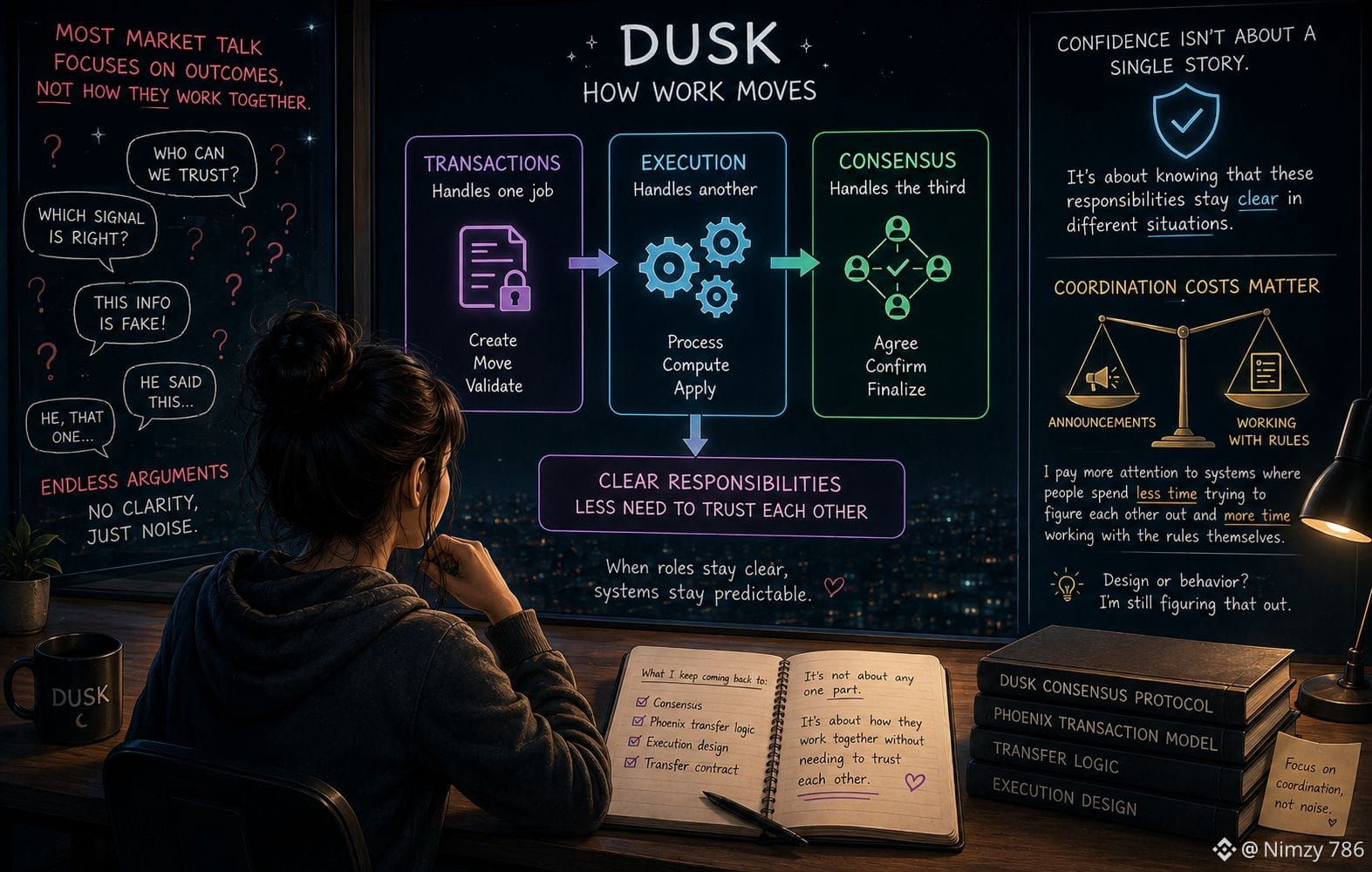
私は、いつもの市場トークを聞くよりも、仕事がダスクの中でどう進んでいくのかを見ている時間が増えてしまって、そのことで自分が注目するものが変わりました。合意形成の各パート、フェニックスのトランスファーのロジック、実行設計を見ていくうちに、結局いつも同じ考えに行き着きました。多くの市場の会話は「結果」についてです。人々は、互いに常に信頼し合う必要がないのに、いくつもの異なる部分が一緒にうまく働けるかどうかに本当に頼っています。@Dusk_Foundation
私の注意を引いたのは、どれか一つの部品ではありませんでした。面白かったのは、責任の所在がきちんと焦点を保ったままであることです。トランザクションは一つのことを行い、実行は別のことを行い、合意形成はさらに別のことをします。これは普通のことに感じますが、暗号の議論が「どの信号を誰が信頼すべきか」という争いに変わる頻度を考えると、急に普通ではなく思えてきます。私がダスクのセンチメントをさまざまな時期に見ていると、それは一つの物語に対する確信というより、人々が状況ごとにその責任の輪郭がはっきり保たれていると思っているかどうかに関係しているように見えました。
その考えが、アナウンスの調整コストをより詳しく見させてくれました。私がいちばん惹かれるのは、人々が互いを理解しようと時間をかけ、さらにルールそのものと一緒に働く時間をより多く取っているようなシステムです。
それが設計によるものなのか、人々が実際に何をしているのかによるものなのか、私はまだどれくらいの割合か分かりません。でも、その違いが考える価値のあるものだと感じます。
$DUSK
{spot}(DUSKUSDT)
#dusk $DUSK @Dusk
私は、いつもの市場トークを聞くよりも、仕事がダスクの中でどう進んでいくのかを見ている時間が増えてしまって、そのことで自分が注目するものが変わりました。合意形成の各パート、フェニックスのトランスファーのロジック、実行設計を見ていくうちに、結局いつも同じ考えに行き着きました。多くの市場の会話は「結果」についてです。人々は、互いに常に信頼し合う必要がないのに、いくつもの異なる部分が一緒にうまく働けるかどうかに本当に頼っています。@Dusk
私の注意を引いたのは、どれか一つの部品ではありませんでした。面白かったのは、責任の所在がきちんと焦点を保ったままであることです。トランザクションは一つのことを行い、実行は別のことを行い、合意形成はさらに別のことをします。これは普通のことに感じますが、暗号の議論が「どの信号を誰が信頼すべきか」という争いに変わる頻度を考えると、急に普通ではなく思えてきます。私がダスクのセンチメントをさまざまな時期に見ていると、それは一つの物語に対する確信というより、人々が状況ごとにその責任の輪郭がはっきり保たれていると思っているかどうかに関係しているように見えました。
その考えが、アナウンスの調整コストをより詳しく見させてくれました。私がいちばん惹かれるのは、人々が互いを理解しようと時間をかけ、さらにルールそのものと一緒に働く時間をより多く取っているようなシステムです。
それが設計によるものなのか、人々が実際に何をしているのかによるものなのか、私はまだどれくらいの割合か分かりません。でも、その違いが考える価値のあるものだと感じます。
$DUSK
私は、いつもの市場トークを聞くよりも、仕事がダスクの中でどう進んでいくのかを見ている時間が増えてしまって、そのことで自分が注目するものが変わりました。合意形成の各パート、フェニックスのトランスファーのロジック、実行設計を見ていくうちに、結局いつも同じ考えに行き着きました。多くの市場の会話は「結果」についてです。人々は、互いに常に信頼し合う必要がないのに、いくつもの異なる部分が一緒にうまく働けるかどうかに本当に頼っています。@Dusk
私の注意を引いたのは、どれか一つの部品ではありませんでした。面白かったのは、責任の所在がきちんと焦点を保ったままであることです。トランザクションは一つのことを行い、実行は別のことを行い、合意形成はさらに別のことをします。これは普通のことに感じますが、暗号の議論が「どの信号を誰が信頼すべきか」という争いに変わる頻度を考えると、急に普通ではなく思えてきます。私がダスクのセンチメントをさまざまな時期に見ていると、それは一つの物語に対する確信というより、人々が状況ごとにその責任の輪郭がはっきり保たれていると思っているかどうかに関係しているように見えました。
その考えが、アナウンスの調整コストをより詳しく見させてくれました。私がいちばん惹かれるのは、人々が互いを理解しようと時間をかけ、さらにルールそのものと一緒に働く時間をより多く取っているようなシステムです。
それが設計によるものなのか、人々が実際に何をしているのかによるものなのか、私はまだどれくらいの割合か分かりません。でも、その違いが考える価値のあるものだと感じます。
$DUSK
1
2
161
·
--
#dusk $DUSK @Dusk_Foundation
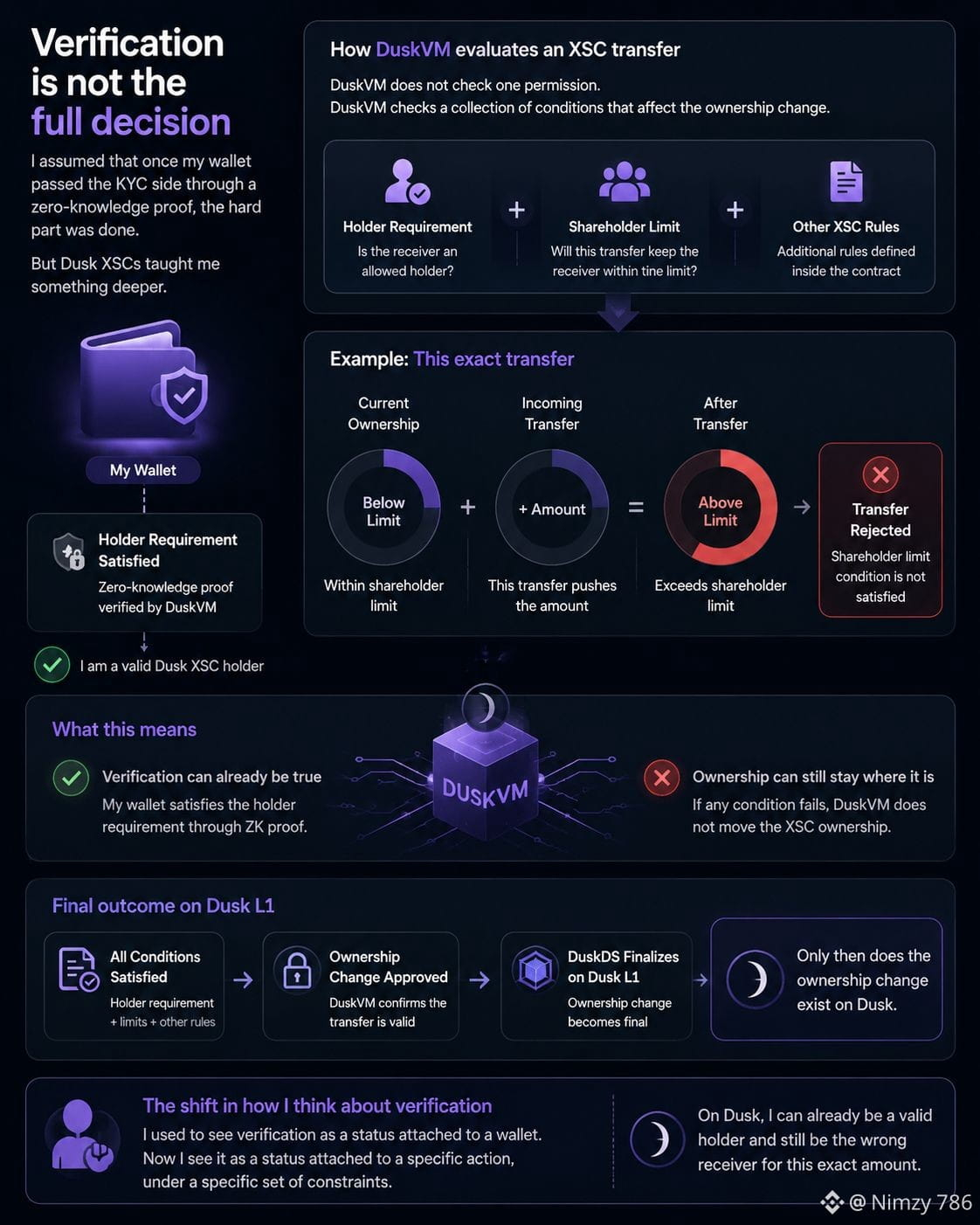
私は、Dusk XSC の周りの細部をほどくのに思ったより時間を費やしました。検証すれば意思決定全体が決着すると考えていたからです。
私の頭の中では、難しい部分はもう終わっていました。私のウォレットはゼロ知識証明によって保有者要件を満たしていたので、そこから先は簡単だと思い込んでいました。論理を追うほど、その前提は薄れていきました。@Dusk_Foundation
つまずいたのは、DuskVM が 1 つの権限だけを評価するわけではないと気づいたことです。DuskVM は、所有権の変更に影響する一連の条件を評価します。
私のウォレットは保有者としての資格を満たしていても、譲渡に失敗することがあります。保有者要件は 1 つの問いに答えます。株主の上限は別の問いに答えます。最初に通っても、2 つ目が緩くなるわけではありません。
それによって、Dusk における検証の捉え方が変わりました。以前は、Dusk の検証はウォレットに付随するステータスだと見ていました。今は、Dusk の検証は、特定の制約の下での、特定の行為に紐づくステータスだと感じます。
その視点があると、DUSK に関するいくつかの議論もより筋が通って見えてきます。所有権がそのままの状態でも、検証がすでに真であることはあり得ます。
$DUSK
{spot}(DUSKUSDT)
#dusk $DUSK @Dusk
私は、Dusk XSC の周りの細部をほどくのに思ったより時間を費やしました。検証すれば意思決定全体が決着すると考えていたからです。
私の頭の中では、難しい部分はもう終わっていました。私のウォレットはゼロ知識証明によって保有者要件を満たしていたので、そこから先は簡単だと思い込んでいました。論理を追うほど、その前提は薄れていきました。@Dusk
つまずいたのは、DuskVM が 1 つの権限だけを評価するわけではないと気づいたことです。DuskVM は、所有権の変更に影響する一連の条件を評価します。
私のウォレットは保有者としての資格を満たしていても、譲渡に失敗することがあります。保有者要件は 1 つの問いに答えます。株主の上限は別の問いに答えます。最初に通っても、2 つ目が緩くなるわけではありません。
それによって、Dusk における検証の捉え方が変わりました。以前は、Dusk の検証はウォレットに付随するステータスだと見ていました。今は、Dusk の検証は、特定の制約の下での、特定の行為に紐づくステータスだと感じます。
その視点があると、DUSK に関するいくつかの議論もより筋が通って見えてきます。所有権がそのままの状態でも、検証がすでに真であることはあり得ます。
$DUSK
私は、Dusk XSC の周りの細部をほどくのに思ったより時間を費やしました。検証すれば意思決定全体が決着すると考えていたからです。
私の頭の中では、難しい部分はもう終わっていました。私のウォレットはゼロ知識証明によって保有者要件を満たしていたので、そこから先は簡単だと思い込んでいました。論理を追うほど、その前提は薄れていきました。@Dusk
つまずいたのは、DuskVM が 1 つの権限だけを評価するわけではないと気づいたことです。DuskVM は、所有権の変更に影響する一連の条件を評価します。
私のウォレットは保有者としての資格を満たしていても、譲渡に失敗することがあります。保有者要件は 1 つの問いに答えます。株主の上限は別の問いに答えます。最初に通っても、2 つ目が緩くなるわけではありません。
それによって、Dusk における検証の捉え方が変わりました。以前は、Dusk の検証はウォレットに付随するステータスだと見ていました。今は、Dusk の検証は、特定の制約の下での、特定の行為に紐づくステータスだと感じます。
その視点があると、DUSK に関するいくつかの議論もより筋が通って見えてきます。所有権がそのままの状態でも、検証がすでに真であることはあり得ます。
$DUSK
10
6
325

·
--
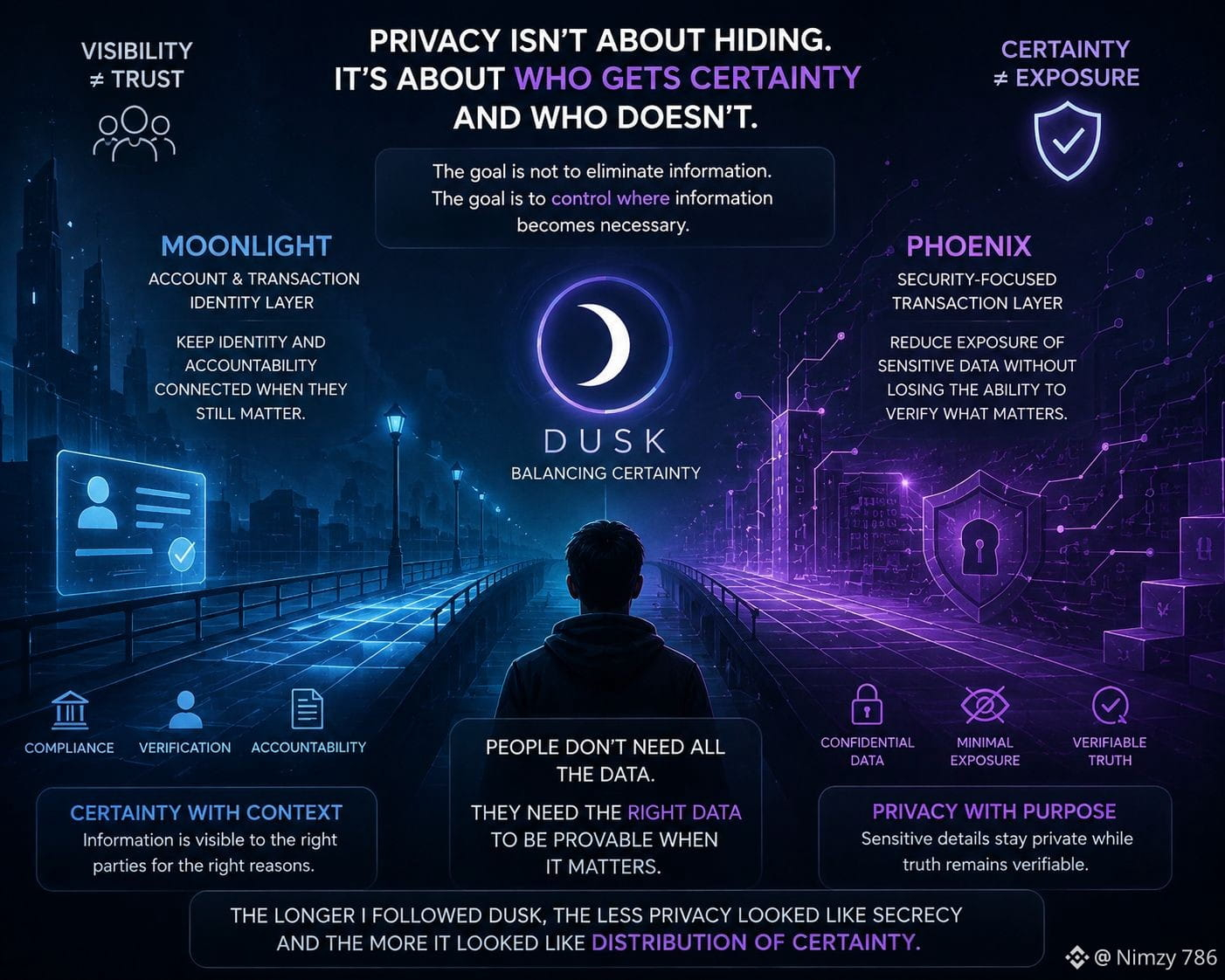
ダスクに来て、プライバシーとは特定のデータの一部を隠すことだと思っていました。しばらくネットワークの周りにいるうちに、本当に物事を確かめられるのは誰で、どれだけの人が暗闇に取り残されるのか—その違いについて考え始めました。
市場に関する話では、人々は「可視性」と「信頼」がまったく同じものだかのように振る舞います。全員がすべての動きを見られれば、全員が自信を感じるはずだと考えているのです。ダスクは、この考え方が間違っているかもしれないと私に気づかせてくれました。
ネットワーク上の活動を見つめるほど、私はムーンライトとフェニックスの違いについて考えるようになりました。ムーンライトは、私にはプライバシーのためのツールという感覚がありません。むしろ、ムーンライトは、アイデンティティと説明責任を、まだそれらが重要であるときに結びつけたままにする方法のように感じます。フェニックスは別の側面から問題に取り組みます。フェニックスは取引の詳細を隠し、それが外にさらされないようにしますが、それでも、実際に検証が必要なものは検証できるようにしています。
この違いが、不確実性に対する私の見方を変えました。目標は情報をなくすことではないと気づいたのです。本当の目標は、情報が必要になる場所を決めることです。
人々がコインに対して抱いていた感覚にも、このパターンが見えました。静かな時期には、人々はどれくらいのデータが出回っているかにはあまり関心がないようでした。代わりに関心があったのは、本当に必要なときに、その「正しいデータ」が証明できるかどうかでした。
ダスクを追いかけて過ごした時間を通じて、私がますます確信したのは、プライバシーは「秘匿」にあるのではないということです。私にとってプライバシーとは、確実性を丁寧に配り渡すための仕組みのように見えます。#dusk @Dusk_Foundation $DUSK
ダスクに来て、プライバシーとは特定のデータの一部を隠すことだと思っていました。しばらくネットワークの周りにいるうちに、本当に物事を確かめられるのは誰で、どれだけの人が暗闇に取り残されるのか—その違いについて考え始めました。
市場に関する話では、人々は「可視性」と「信頼」がまったく同じものだかのように振る舞います。全員がすべての動きを見られれば、全員が自信を感じるはずだと考えているのです。ダスクは、この考え方が間違っているかもしれないと私に気づかせてくれました。
ネットワーク上の活動を見つめるほど、私はムーンライトとフェニックスの違いについて考えるようになりました。ムーンライトは、私にはプライバシーのためのツールという感覚がありません。むしろ、ムーンライトは、アイデンティティと説明責任を、まだそれらが重要であるときに結びつけたままにする方法のように感じます。フェニックスは別の側面から問題に取り組みます。フェニックスは取引の詳細を隠し、それが外にさらされないようにしますが、それでも、実際に検証が必要なものは検証できるようにしています。
この違いが、不確実性に対する私の見方を変えました。目標は情報をなくすことではないと気づいたのです。本当の目標は、情報が必要になる場所を決めることです。
人々がコインに対して抱いていた感覚にも、このパターンが見えました。静かな時期には、人々はどれくらいのデータが出回っているかにはあまり関心がないようでした。代わりに関心があったのは、本当に必要なときに、その「正しいデータ」が証明できるかどうかでした。
ダスクを追いかけて過ごした時間を通じて、私がますます確信したのは、プライバシーは「秘匿」にあるのではないということです。私にとってプライバシーとは、確実性を丁寧に配り渡すための仕組みのように見えます。#dusk @Dusk $DUSK
市場に関する話では、人々は「可視性」と「信頼」がまったく同じものだかのように振る舞います。全員がすべての動きを見られれば、全員が自信を感じるはずだと考えているのです。ダスクは、この考え方が間違っているかもしれないと私に気づかせてくれました。
ネットワーク上の活動を見つめるほど、私はムーンライトとフェニックスの違いについて考えるようになりました。ムーンライトは、私にはプライバシーのためのツールという感覚がありません。むしろ、ムーンライトは、アイデンティティと説明責任を、まだそれらが重要であるときに結びつけたままにする方法のように感じます。フェニックスは別の側面から問題に取り組みます。フェニックスは取引の詳細を隠し、それが外にさらされないようにしますが、それでも、実際に検証が必要なものは検証できるようにしています。
この違いが、不確実性に対する私の見方を変えました。目標は情報をなくすことではないと気づいたのです。本当の目標は、情報が必要になる場所を決めることです。
人々がコインに対して抱いていた感覚にも、このパターンが見えました。静かな時期には、人々はどれくらいのデータが出回っているかにはあまり関心がないようでした。代わりに関心があったのは、本当に必要なときに、その「正しいデータ」が証明できるかどうかでした。
ダスクを追いかけて過ごした時間を通じて、私がますます確信したのは、プライバシーは「秘匿」にあるのではないということです。私にとってプライバシーとは、確実性を丁寧に配り渡すための仕組みのように見えます。#dusk @Dusk $DUSK
5
7
227
·
--
本人確認中
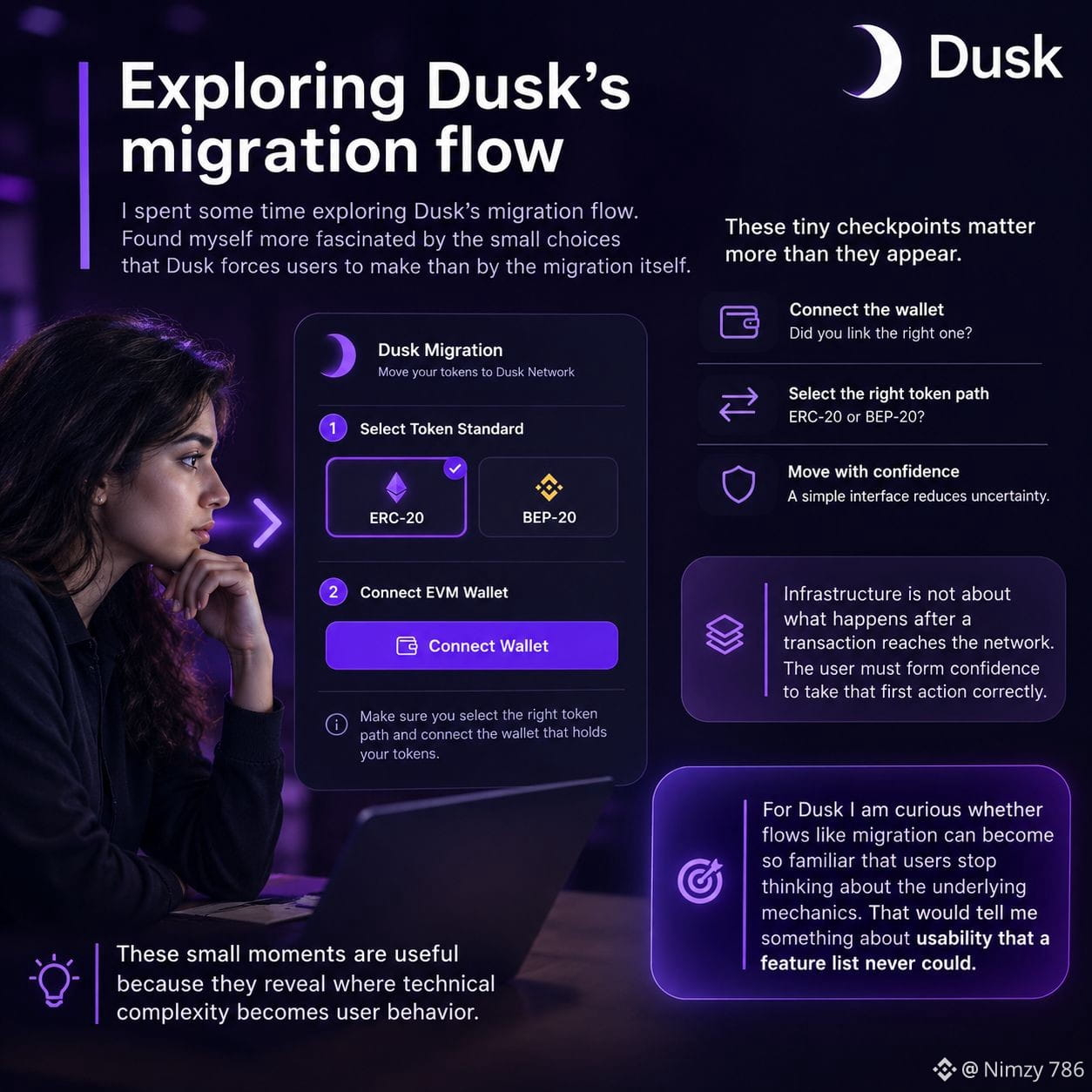
私はしばらくDusksの移行フローを調べてみました。移行そのものよりも、Duskがユーザーに選ばせる小さな選択肢のほうに、より強く惹かれてしまいました。このプロセスは、DuskがまずトークンがERC-20かBEP-20かを選ばせ、次にそれらを実際に保有しているEVMウォレットに接続させるところから始まります。それは一見すると当たり前のように聞こえます。ですがDuskは、これらの小さなチェックポイントこそが、見た目以上に重要だと考えています。@Dusk_Foundation
環境をまたいで資産を移すとき、私はいつも一つのことを考えます。つまり、ウォレットを接続して正しいトークンの経路を選んだかどうかです。シンプルなインターフェースは不安を減らせますが、分かりにくいインターフェースは、たとえ単純な移行であっても危険に感じさせてしまいます。
それで私は、Duskの参加のあり方を別の視点で見直すことになりました。インフラとは、取引がネットワークに到達した後に何が起きるかだけの話ではありません。ユーザーは、最初の行動を正しく取るための確信を得る必要があります。
こうした小さな瞬間は、技術的な複雑さがどこでユーザーの行動へと姿を変えるのかを教えてくれるので、私にとって役立ちます。
Duskに関して、移行のようなフローがあまりに馴染みになってしまい、ユーザーがその根底にある仕組みについて考えなくなることはあるのだろうか、と私は気になっています。それが分かれば、機能一覧では決して伝わらないような、ユーザビリティの何かが見えてくるはずです。#dusk @Dusk_Foundation $DUSK
{spot}(DUSKUSDT)
$LAB
{future}(LABUSDT)
$RE
{spot}(REUSDT)
私はしばらくDusksの移行フローを調べてみました。移行そのものよりも、Duskがユーザーに選ばせる小さな選択肢のほうに、より強く惹かれてしまいました。このプロセスは、DuskがまずトークンがERC-20かBEP-20かを選ばせ、次にそれらを実際に保有しているEVMウォレットに接続させるところから始まります。それは一見すると当たり前のように聞こえます。ですがDuskは、これらの小さなチェックポイントこそが、見た目以上に重要だと考えています。@Dusk
環境をまたいで資産を移すとき、私はいつも一つのことを考えます。つまり、ウォレットを接続して正しいトークンの経路を選んだかどうかです。シンプルなインターフェースは不安を減らせますが、分かりにくいインターフェースは、たとえ単純な移行であっても危険に感じさせてしまいます。
それで私は、Duskの参加のあり方を別の視点で見直すことになりました。インフラとは、取引がネットワークに到達した後に何が起きるかだけの話ではありません。ユーザーは、最初の行動を正しく取るための確信を得る必要があります。
こうした小さな瞬間は、技術的な複雑さがどこでユーザーの行動へと姿を変えるのかを教えてくれるので、私にとって役立ちます。
Duskに関して、移行のようなフローがあまりに馴染みになってしまい、ユーザーがその根底にある仕組みについて考えなくなることはあるのだろうか、と私は気になっています。それが分かれば、機能一覧では決して伝わらないような、ユーザビリティの何かが見えてくるはずです。#dusk @Dusk $DUSK
$LAB
$RE
環境をまたいで資産を移すとき、私はいつも一つのことを考えます。つまり、ウォレットを接続して正しいトークンの経路を選んだかどうかです。シンプルなインターフェースは不安を減らせますが、分かりにくいインターフェースは、たとえ単純な移行であっても危険に感じさせてしまいます。
それで私は、Duskの参加のあり方を別の視点で見直すことになりました。インフラとは、取引がネットワークに到達した後に何が起きるかだけの話ではありません。ユーザーは、最初の行動を正しく取るための確信を得る必要があります。
こうした小さな瞬間は、技術的な複雑さがどこでユーザーの行動へと姿を変えるのかを教えてくれるので、私にとって役立ちます。
Duskに関して、移行のようなフローがあまりに馴染みになってしまい、ユーザーがその根底にある仕組みについて考えなくなることはあるのだろうか、と私は気になっています。それが分かれば、機能一覧では決して伝わらないような、ユーザビリティの何かが見えてくるはずです。#dusk @Dusk $DUSK
$LAB
$RE
17
4
243
·
--
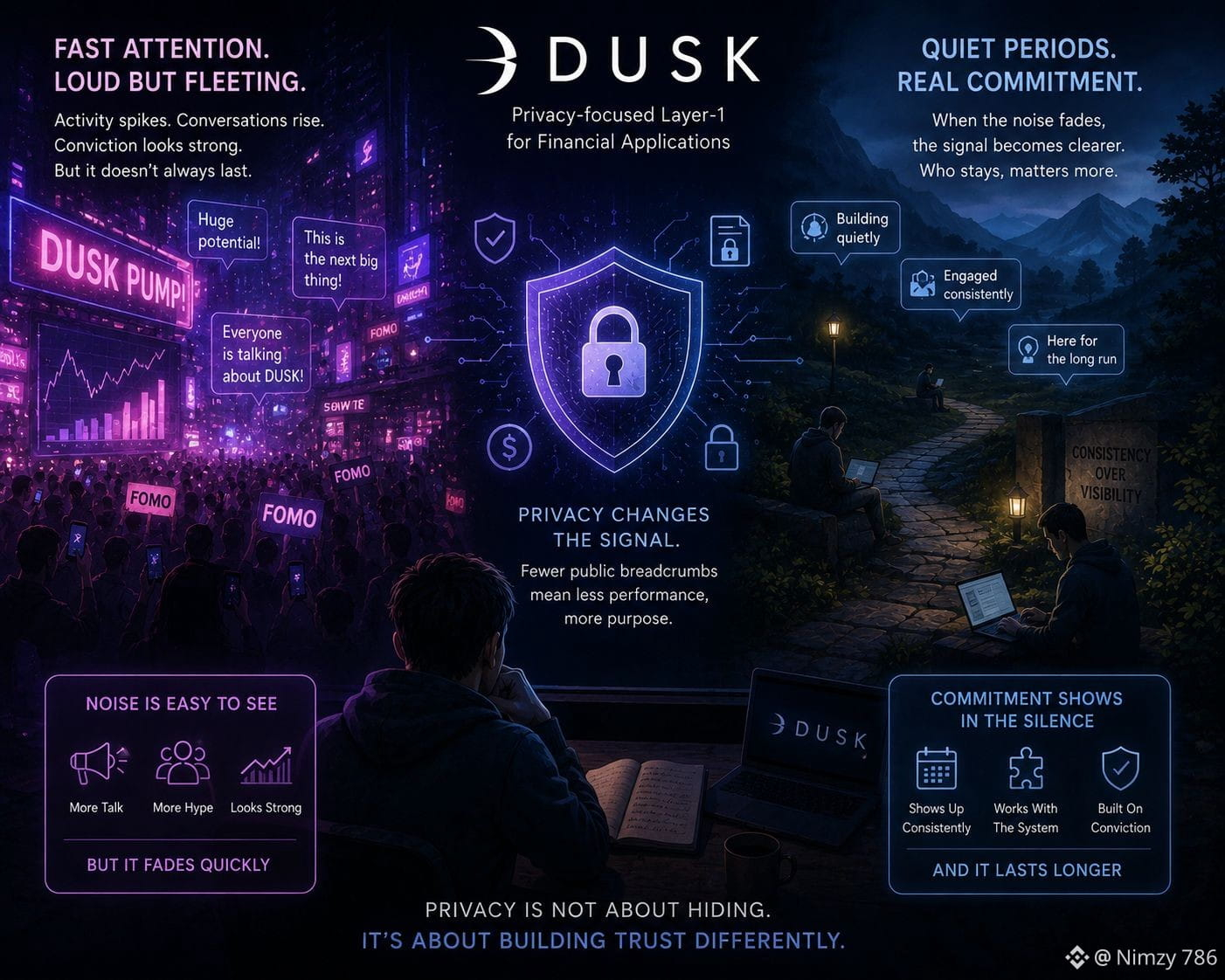
静かな時間帯に、注意が一瞬戻ってきたときに姿を見せる人よりも、DUSKに関わり続けていた人の方に、より多くの時間を勉強として割くようになっていました。@Dusk_Foundation
素早く動く市場では、参加は実際よりも大きく見えがちです。活動は高まり、会話は増え、確信も一週間前より強く感じられるようになります。しばらくDUSKを追っていると、そうした瞬間が過ぎた後に何が起きたのかに、より関心が向くようになりました。
目立ったのは、プライバシーに重点を置くネットワークが、人々の「コミットメント」を判断するための信号をどう変えるかでした。金融活動や契約のロジックが機密性を前提に設計されていると、人が追うための公に見える手がかりが少なくなります。その結果、参加は「演じている」感じが薄れ、外から測りにくくもなります。
だからこそ、私は「見えること」ではなく「一貫性」に注目するようになりました。関わり続けていた参加者は、たいてい最も騒がしさを生み出していた人たちではありません。注意が別の場所へ移ったあとも、ただそこに残っていたのです。
この流れは、DUSKコインをめぐるいくつかの変化にも表れているようでした。確信は、絶え間ない露出によって積み上がるというより、同じ仕組みとの反復的なやり取りによって、時間をかけて少しずつ育っているように見えました。
そのパターンが繰り返されるのを長く見ているほど、プライバシーを基盤にしたネットワークにおいて、可視性がコミットメントを理解する最良の方法だと確信できなくなっていきました。
#dusk @Dusk_Foundation $DUSK
{spot}(DUSKUSDT)
$RE
{spot}(REUSDT)
$LAB
{future}(LABUSDT)
静かな時間帯に、注意が一瞬戻ってきたときに姿を見せる人よりも、DUSKに関わり続けていた人の方に、より多くの時間を勉強として割くようになっていました。@Dusk
素早く動く市場では、参加は実際よりも大きく見えがちです。活動は高まり、会話は増え、確信も一週間前より強く感じられるようになります。しばらくDUSKを追っていると、そうした瞬間が過ぎた後に何が起きたのかに、より関心が向くようになりました。
目立ったのは、プライバシーに重点を置くネットワークが、人々の「コミットメント」を判断するための信号をどう変えるかでした。金融活動や契約のロジックが機密性を前提に設計されていると、人が追うための公に見える手がかりが少なくなります。その結果、参加は「演じている」感じが薄れ、外から測りにくくもなります。
だからこそ、私は「見えること」ではなく「一貫性」に注目するようになりました。関わり続けていた参加者は、たいてい最も騒がしさを生み出していた人たちではありません。注意が別の場所へ移ったあとも、ただそこに残っていたのです。
この流れは、DUSKコインをめぐるいくつかの変化にも表れているようでした。確信は、絶え間ない露出によって積み上がるというより、同じ仕組みとの反復的なやり取りによって、時間をかけて少しずつ育っているように見えました。
そのパターンが繰り返されるのを長く見ているほど、プライバシーを基盤にしたネットワークにおいて、可視性がコミットメントを理解する最良の方法だと確信できなくなっていきました。
#dusk @Dusk $DUSK
$RE
$LAB
素早く動く市場では、参加は実際よりも大きく見えがちです。活動は高まり、会話は増え、確信も一週間前より強く感じられるようになります。しばらくDUSKを追っていると、そうした瞬間が過ぎた後に何が起きたのかに、より関心が向くようになりました。
目立ったのは、プライバシーに重点を置くネットワークが、人々の「コミットメント」を判断するための信号をどう変えるかでした。金融活動や契約のロジックが機密性を前提に設計されていると、人が追うための公に見える手がかりが少なくなります。その結果、参加は「演じている」感じが薄れ、外から測りにくくもなります。
だからこそ、私は「見えること」ではなく「一貫性」に注目するようになりました。関わり続けていた参加者は、たいてい最も騒がしさを生み出していた人たちではありません。注意が別の場所へ移ったあとも、ただそこに残っていたのです。
この流れは、DUSKコインをめぐるいくつかの変化にも表れているようでした。確信は、絶え間ない露出によって積み上がるというより、同じ仕組みとの反復的なやり取りによって、時間をかけて少しずつ育っているように見えました。
そのパターンが繰り返されるのを長く見ているほど、プライバシーを基盤にしたネットワークにおいて、可視性がコミットメントを理解する最良の方法だと確信できなくなっていきました。
#dusk @Dusk $DUSK
$RE
$LAB
20
7
825
·
--
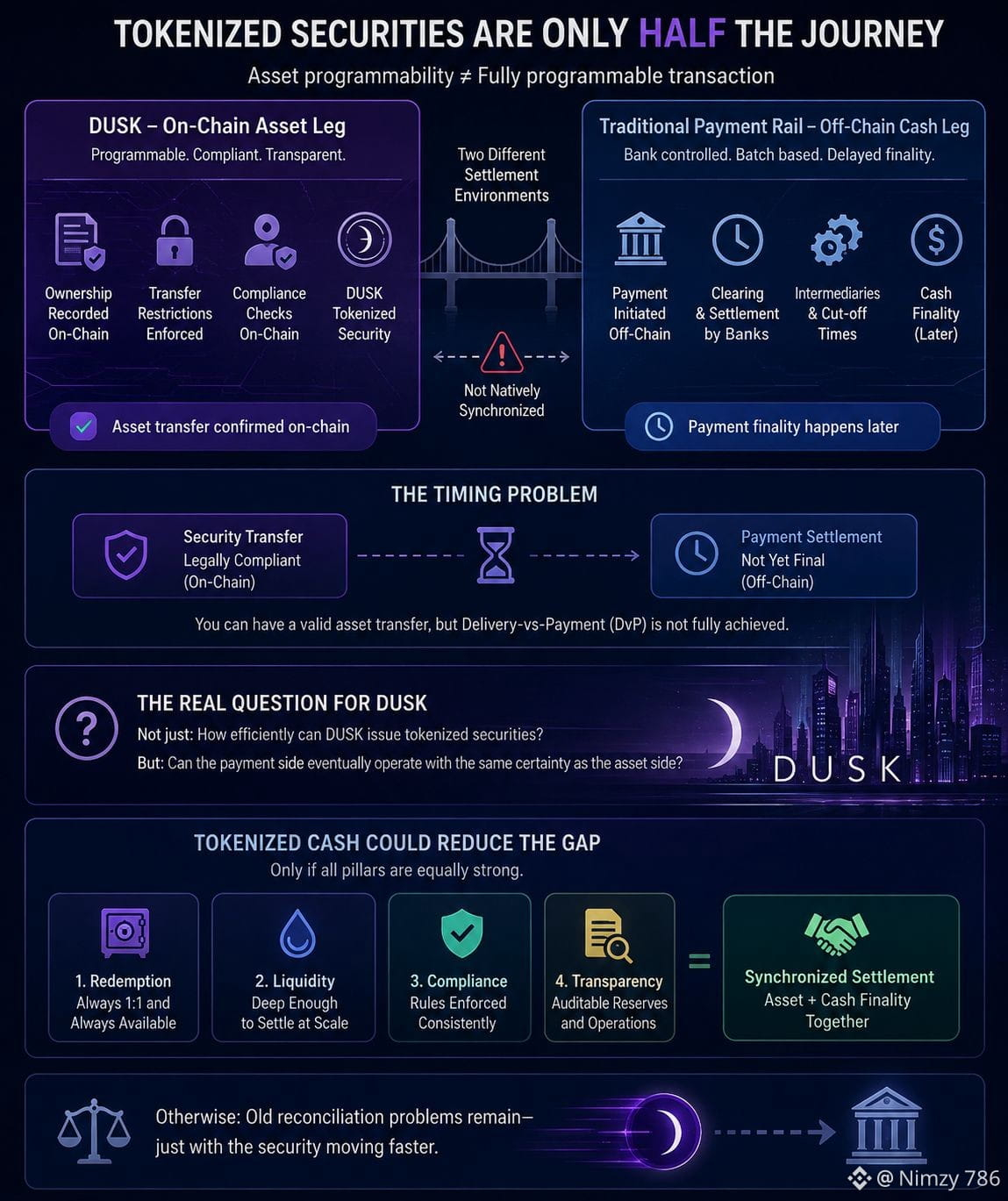
#dusk DUSKは、トークン化された有価証券の資産レグをよりプログラマブルにしますが、それが自動的に取引全体をプログラマブルにするわけではありません。
その区別は見落とされやすいです。
所有権、譲渡制限、コンプライアンス確認がオンチェーンにあり、一方で現金の支払いが銀行のレールに結びついたままだと、取引は依然として2つの決済環境をまたぎます。ブロックチェーンは有価証券の移転を確認できますが、買い手と売り手は、支払いシステムがそれぞれの最終状態に到達するのをまだ待っている可能性があります。
それはタイミングの問題を生みます。
法的に準拠した資産の移転は、配達対支払い(DvP)を完全に同期させなくても成立し得ます。
私にとってDUSKに関するより大きな問いは、したがって、トークン化された有価証券をどれだけ効率よく発行できるか、という単純な話ではありません。支払い側が、資産側と同じ確実性で、最終的に運用できるかどうかです。
トークン化された現金はそのギャップを縮められるかもしれませんが、償還、流動性、コンプライアンスのルールが同じだけ確実である場合に限ります。
そうでなければ、古い照合作業の問題が残り続けます——ただし、証券の移動がより速くなるだけです。@Dusk_Foundation Foundation #dusk @Dusk_Foundation #dusk $DUSK
{spot}(DUSKUSDT)
$RE
{spot}(REUSDT)
$LAB
{future}(LABUSDT)
#dusk DUSKは、トークン化された有価証券の資産レグをよりプログラマブルにしますが、それが自動的に取引全体をプログラマブルにするわけではありません。
その区別は見落とされやすいです。
所有権、譲渡制限、コンプライアンス確認がオンチェーンにあり、一方で現金の支払いが銀行のレールに結びついたままだと、取引は依然として2つの決済環境をまたぎます。ブロックチェーンは有価証券の移転を確認できますが、買い手と売り手は、支払いシステムがそれぞれの最終状態に到達するのをまだ待っている可能性があります。
それはタイミングの問題を生みます。
法的に準拠した資産の移転は、配達対支払い(DvP)を完全に同期させなくても成立し得ます。
私にとってDUSKに関するより大きな問いは、したがって、トークン化された有価証券をどれだけ効率よく発行できるか、という単純な話ではありません。支払い側が、資産側と同じ確実性で、最終的に運用できるかどうかです。
トークン化された現金はそのギャップを縮められるかもしれませんが、償還、流動性、コンプライアンスのルールが同じだけ確実である場合に限ります。
そうでなければ、古い照合作業の問題が残り続けます——ただし、証券の移動がより速くなるだけです。@Dusk Foundation #dusk @Dusk #dusk $DUSK
$RE
$LAB
その区別は見落とされやすいです。
所有権、譲渡制限、コンプライアンス確認がオンチェーンにあり、一方で現金の支払いが銀行のレールに結びついたままだと、取引は依然として2つの決済環境をまたぎます。ブロックチェーンは有価証券の移転を確認できますが、買い手と売り手は、支払いシステムがそれぞれの最終状態に到達するのをまだ待っている可能性があります。
それはタイミングの問題を生みます。
法的に準拠した資産の移転は、配達対支払い(DvP)を完全に同期させなくても成立し得ます。
私にとってDUSKに関するより大きな問いは、したがって、トークン化された有価証券をどれだけ効率よく発行できるか、という単純な話ではありません。支払い側が、資産側と同じ確実性で、最終的に運用できるかどうかです。
トークン化された現金はそのギャップを縮められるかもしれませんが、償還、流動性、コンプライアンスのルールが同じだけ確実である場合に限ります。
そうでなければ、古い照合作業の問題が残り続けます——ただし、証券の移動がより速くなるだけです。@Dusk Foundation #dusk @Dusk #dusk $DUSK
$RE
$LAB
29
11
294
·
--
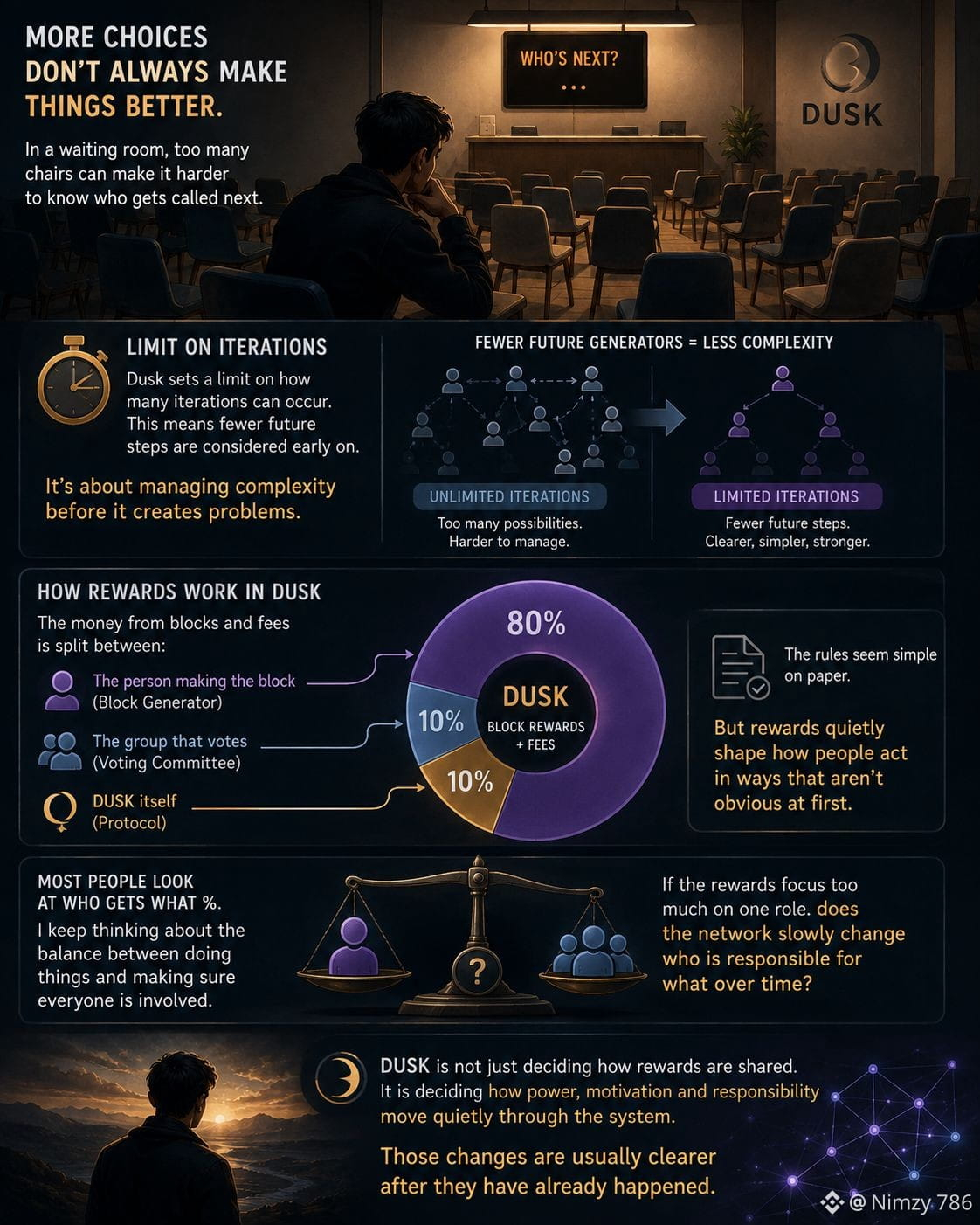
今日は待合室にいました。変なのは、椅子を置いただけでは必ずしも状況が良くなるわけではないことです。選択肢が多いと、次に誰が呼ばれるのかを把握しにくくなることもあります。@Dusk_Foundation
その考えは、私がDuskについて読んでいるときに心に引っかかりました。Duskは、ある出来事が起こりうる回数に上限を設けます。つまり、将来の手順のうち考慮されるものが序盤では減るということです。最初は技術的な話に見えますが、実はシステムの中で問題を引き起こす前に複雑さを管理することが本質です。
報酬の仕組みがもう一つの層を加えています。Duskでは、ブロックと手数料から得られるお金は、ブロックを作る人、投票するグループ、そしてDusk自身の間で分配されます。紙の上ではルールはシンプルに見えます。ですが、報酬には、最初は気づきにくい形で人の行動を変えてしまう力があります。
多くの人は、どれだけの割合が誰に渡るかを見ます。私は、行動することと、全員が関わっていることのバランスについて考え続けています。もし報酬がある役割に大きく偏っていたら、ネットワークは時間をかけて、誰が何を担うかをゆっくりと変えていくのでしょうか?
たぶんそれがその部分です。Duskは、報酬の分け方を決めるだけではありません。権力、モチベーション、そして責任が、静かにシステムの中を移動していくさまを決めているのです。そうした変化は、すでに起きてしまった後になってから、よりはっきりと見えてくるのが普通です。
#dusk @Dusk_Foundation $DUSK
{spot}(DUSKUSDT)
$SOXSB
{spot}(SOXSBUSDT)
今日は待合室にいました。変なのは、椅子を置いただけでは必ずしも状況が良くなるわけではないことです。選択肢が多いと、次に誰が呼ばれるのかを把握しにくくなることもあります。@Dusk
その考えは、私がDuskについて読んでいるときに心に引っかかりました。Duskは、ある出来事が起こりうる回数に上限を設けます。つまり、将来の手順のうち考慮されるものが序盤では減るということです。最初は技術的な話に見えますが、実はシステムの中で問題を引き起こす前に複雑さを管理することが本質です。
報酬の仕組みがもう一つの層を加えています。Duskでは、ブロックと手数料から得られるお金は、ブロックを作る人、投票するグループ、そしてDusk自身の間で分配されます。紙の上ではルールはシンプルに見えます。ですが、報酬には、最初は気づきにくい形で人の行動を変えてしまう力があります。
多くの人は、どれだけの割合が誰に渡るかを見ます。私は、行動することと、全員が関わっていることのバランスについて考え続けています。もし報酬がある役割に大きく偏っていたら、ネットワークは時間をかけて、誰が何を担うかをゆっくりと変えていくのでしょうか?
たぶんそれがその部分です。Duskは、報酬の分け方を決めるだけではありません。権力、モチベーション、そして責任が、静かにシステムの中を移動していくさまを決めているのです。そうした変化は、すでに起きてしまった後になってから、よりはっきりと見えてくるのが普通です。
#dusk @Dusk $DUSK
$SOXSB
その考えは、私がDuskについて読んでいるときに心に引っかかりました。Duskは、ある出来事が起こりうる回数に上限を設けます。つまり、将来の手順のうち考慮されるものが序盤では減るということです。最初は技術的な話に見えますが、実はシステムの中で問題を引き起こす前に複雑さを管理することが本質です。
報酬の仕組みがもう一つの層を加えています。Duskでは、ブロックと手数料から得られるお金は、ブロックを作る人、投票するグループ、そしてDusk自身の間で分配されます。紙の上ではルールはシンプルに見えます。ですが、報酬には、最初は気づきにくい形で人の行動を変えてしまう力があります。
多くの人は、どれだけの割合が誰に渡るかを見ます。私は、行動することと、全員が関わっていることのバランスについて考え続けています。もし報酬がある役割に大きく偏っていたら、ネットワークは時間をかけて、誰が何を担うかをゆっくりと変えていくのでしょうか?
たぶんそれがその部分です。Duskは、報酬の分け方を決めるだけではありません。権力、モチベーション、そして責任が、静かにシステムの中を移動していくさまを決めているのです。そうした変化は、すでに起きてしまった後になってから、よりはっきりと見えてくるのが普通です。
#dusk @Dusk $DUSK
$SOXSB
34
1
18
360
·
--
本人確認中
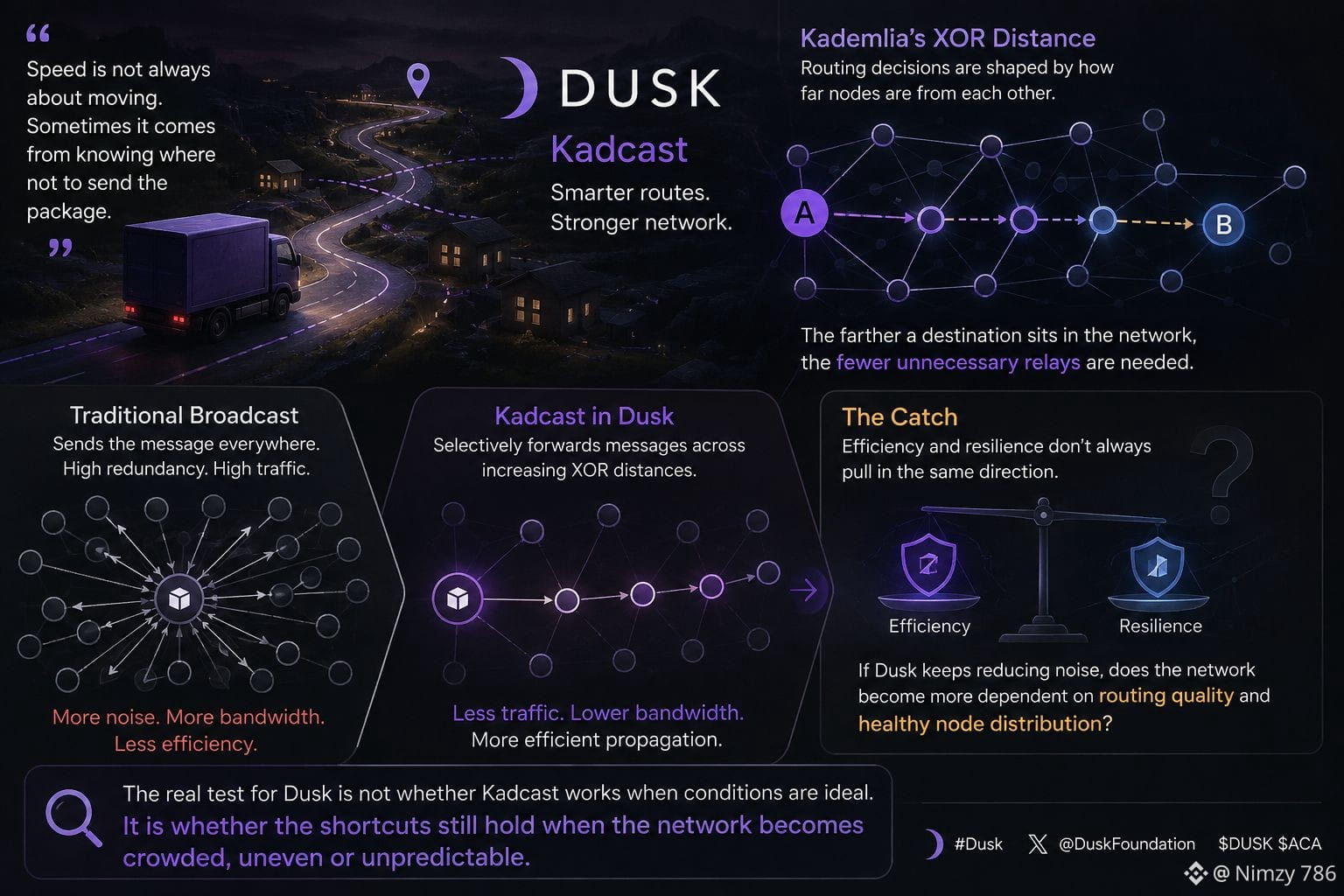
私は、荷物が配送ネットワークを通過していく様子を観察していました。奇妙なのは、速度がつねに「動かすこと」から生まれるわけではない点です。ときには、どこへ送らないかを知ることから生まれます。
この考えは、DuskにおけるKadcastについて読んでいるときに再びよみがえりました。多くの人は、メッセージの伝播をネットワーキングの詳細として捉えます。私はそれは正しくないと思います。DuskはKademliasのXOR距離に依存しており、ルーティングの判断は、Duskネットワーク内でノード同士が互いにどれだけ離れているかによって形作られます。宛先がDuskネットワークの中でどれだけ遠くに位置しているかが大きいほど、Duskで必要になる無駄なリレーは少なくなります。
私が興味を持つのは、Duskの表面の下で生まれるこの圧力です。従来のブロードキャスト手法では、信頼性を確保するためにメッセージをネットワーク中のあちこちへ送ることで解決することがよくあります。Duskは経路を取ります。DuskにおけるKadcastは、Dusk内でXOR距離が大きくなるにつれてメッセージを選択的に転送し、Duskネットワークのトラフィックと帯域幅の消費を抑えます。@Dusk_Foundation
ただし、効率とレジリエンスは、Duskの方向性として必ずしも同じ方向を向くとは限りません。もしDuskがDuskネットワーク内のノイズを減らし続けるなら、Duskネットワークは、ルーティングの品質や、健全なノード分布により一層依存するようになるのでしょうか。私はDuskについて、この点があまり議論されているのを見かけません。
たぶん、Duskの本当の試金石は、条件が理想的なDuskネットワークでKadcastが機能するかどうかではありません。Duskネットワークが混雑し、偏りが生じ、あるいは予測不能になったときでも、そのショートカットが成り立つかどうかです。#Dusk @Dusk_Foundation $DUSK
{spot}(DUSKUSDT)
$ACE
$XOS.US
私は、荷物が配送ネットワークを通過していく様子を観察していました。奇妙なのは、速度がつねに「動かすこと」から生まれるわけではない点です。ときには、どこへ送らないかを知ることから生まれます。
この考えは、DuskにおけるKadcastについて読んでいるときに再びよみがえりました。多くの人は、メッセージの伝播をネットワーキングの詳細として捉えます。私はそれは正しくないと思います。DuskはKademliasのXOR距離に依存しており、ルーティングの判断は、Duskネットワーク内でノード同士が互いにどれだけ離れているかによって形作られます。宛先がDuskネットワークの中でどれだけ遠くに位置しているかが大きいほど、Duskで必要になる無駄なリレーは少なくなります。
私が興味を持つのは、Duskの表面の下で生まれるこの圧力です。従来のブロードキャスト手法では、信頼性を確保するためにメッセージをネットワーク中のあちこちへ送ることで解決することがよくあります。Duskは経路を取ります。DuskにおけるKadcastは、Dusk内でXOR距離が大きくなるにつれてメッセージを選択的に転送し、Duskネットワークのトラフィックと帯域幅の消費を抑えます。@Dusk
ただし、効率とレジリエンスは、Duskの方向性として必ずしも同じ方向を向くとは限りません。もしDuskがDuskネットワーク内のノイズを減らし続けるなら、Duskネットワークは、ルーティングの品質や、健全なノード分布により一層依存するようになるのでしょうか。私はDuskについて、この点があまり議論されているのを見かけません。
たぶん、Duskの本当の試金石は、条件が理想的なDuskネットワークでKadcastが機能するかどうかではありません。Duskネットワークが混雑し、偏りが生じ、あるいは予測不能になったときでも、そのショートカットが成り立つかどうかです。#Dusk @Dusk $DUSK
$ACE
$XOS.US
この考えは、DuskにおけるKadcastについて読んでいるときに再びよみがえりました。多くの人は、メッセージの伝播をネットワーキングの詳細として捉えます。私はそれは正しくないと思います。DuskはKademliasのXOR距離に依存しており、ルーティングの判断は、Duskネットワーク内でノード同士が互いにどれだけ離れているかによって形作られます。宛先がDuskネットワークの中でどれだけ遠くに位置しているかが大きいほど、Duskで必要になる無駄なリレーは少なくなります。
私が興味を持つのは、Duskの表面の下で生まれるこの圧力です。従来のブロードキャスト手法では、信頼性を確保するためにメッセージをネットワーク中のあちこちへ送ることで解決することがよくあります。Duskは経路を取ります。DuskにおけるKadcastは、Dusk内でXOR距離が大きくなるにつれてメッセージを選択的に転送し、Duskネットワークのトラフィックと帯域幅の消費を抑えます。@Dusk
ただし、効率とレジリエンスは、Duskの方向性として必ずしも同じ方向を向くとは限りません。もしDuskがDuskネットワーク内のノイズを減らし続けるなら、Duskネットワークは、ルーティングの品質や、健全なノード分布により一層依存するようになるのでしょうか。私はDuskについて、この点があまり議論されているのを見かけません。
たぶん、Duskの本当の試金石は、条件が理想的なDuskネットワークでKadcastが機能するかどうかではありません。Duskネットワークが混雑し、偏りが生じ、あるいは予測不能になったときでも、そのショートカットが成り立つかどうかです。#Dusk @Dusk $DUSK
$ACE
$XOS.US
47
24
1.1k
·
--
本人確認中
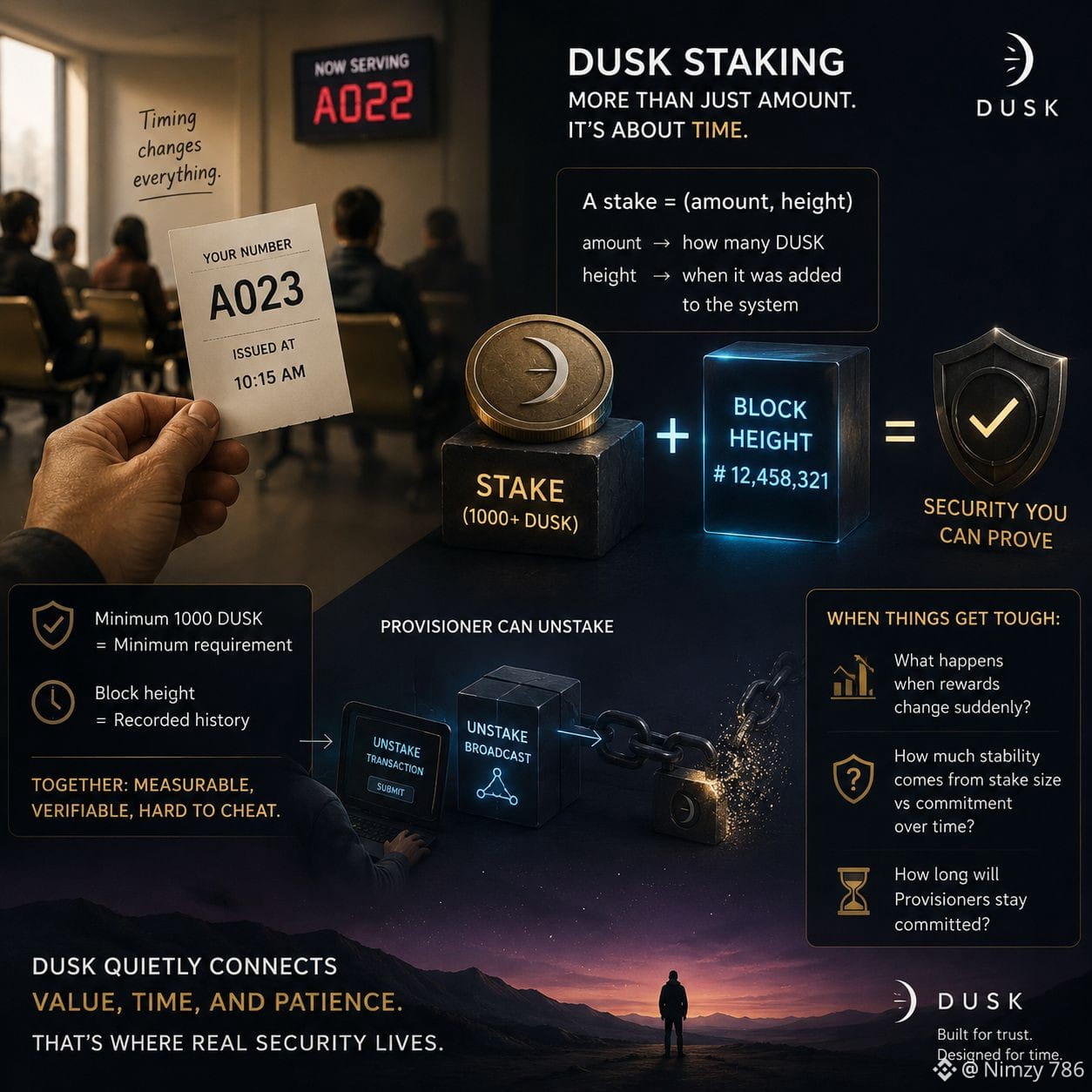
その日、待合室の整理券を見ていました。多くの人が気づくのは、その番号です。…でも、ほとんど誰も、その番号をいつ渡されたのかは考えません。実際に重要なのは、番号をいつ受け取ったかで、誰が最初に手助けされるかが変わり得ることです。
これは、Duskがステーク(担保)とどう関わるのかを考えさせました。ステークは、持っているDUSKの量だけの話ではありません。2つの要素です。いくつのDUSKを持っているか、そしてそれをいつシステムに追加したか。最初は、DUSKの量が重要に見えます。追加した時期は細部のように思えるかもしれません。でも、それは正しくないと思います。@Dusk_Foundation
すぐには分かりにくい点は、「セキュリティ」が「コミットしているかどうか」ではなく、「コミットしていることを証明できるかどうか」だということです。Duskは、ステークに使われているDUSKの量だけを気にするのではありません。それらのDUSKがネットワークに追加されたタイミングを重視します。最低1000 DUSKが必要というルールは、最低要件を作ります。そして、それらのDUSKが追加された時期には履歴が生まれます。この2つが組み合わさって、ステーキングは測定しやすくなり、改ざんもしにくくなります。
多くの人は、おそらく得られる報酬や、参加の方法、柔軟性がどうなるかを考えるでしょう。私は、状況が厳しくなったときに何が起きるのかを考え続けています。Provisionerがトランザクションを送ってステークを外せるのだとしたら、報酬が突然変わったとき、どうなるのでしょう?ネットワークが安定していることのうち、ステークの大きさがどれほど依存し、どれほどは、人々がどのくらいの期間ステークを維持し続ける意思があるかに依存しているのでしょう?
もしかすると、Duskについて面白いのは、ステークそのものではありません。価値・時間・忍耐を、プロトコルが静かに結びつけるその仕組みなのかもしれません。#Dusk @Dusk_Foundation $DUSK
{spot}(DUSKUSDT)
$SNDK
{future}(SNDKUSDT)
その日、待合室の整理券を見ていました。多くの人が気づくのは、その番号です。…でも、ほとんど誰も、その番号をいつ渡されたのかは考えません。実際に重要なのは、番号をいつ受け取ったかで、誰が最初に手助けされるかが変わり得ることです。
これは、Duskがステーク(担保)とどう関わるのかを考えさせました。ステークは、持っているDUSKの量だけの話ではありません。2つの要素です。いくつのDUSKを持っているか、そしてそれをいつシステムに追加したか。最初は、DUSKの量が重要に見えます。追加した時期は細部のように思えるかもしれません。でも、それは正しくないと思います。@Dusk
すぐには分かりにくい点は、「セキュリティ」が「コミットしているかどうか」ではなく、「コミットしていることを証明できるかどうか」だということです。Duskは、ステークに使われているDUSKの量だけを気にするのではありません。それらのDUSKがネットワークに追加されたタイミングを重視します。最低1000 DUSKが必要というルールは、最低要件を作ります。そして、それらのDUSKが追加された時期には履歴が生まれます。この2つが組み合わさって、ステーキングは測定しやすくなり、改ざんもしにくくなります。
多くの人は、おそらく得られる報酬や、参加の方法、柔軟性がどうなるかを考えるでしょう。私は、状況が厳しくなったときに何が起きるのかを考え続けています。Provisionerがトランザクションを送ってステークを外せるのだとしたら、報酬が突然変わったとき、どうなるのでしょう?ネットワークが安定していることのうち、ステークの大きさがどれほど依存し、どれほどは、人々がどのくらいの期間ステークを維持し続ける意思があるかに依存しているのでしょう?
もしかすると、Duskについて面白いのは、ステークそのものではありません。価値・時間・忍耐を、プロトコルが静かに結びつけるその仕組みなのかもしれません。#Dusk @Dusk $DUSK
$SNDK
これは、Duskがステーク(担保)とどう関わるのかを考えさせました。ステークは、持っているDUSKの量だけの話ではありません。2つの要素です。いくつのDUSKを持っているか、そしてそれをいつシステムに追加したか。最初は、DUSKの量が重要に見えます。追加した時期は細部のように思えるかもしれません。でも、それは正しくないと思います。@Dusk
すぐには分かりにくい点は、「セキュリティ」が「コミットしているかどうか」ではなく、「コミットしていることを証明できるかどうか」だということです。Duskは、ステークに使われているDUSKの量だけを気にするのではありません。それらのDUSKがネットワークに追加されたタイミングを重視します。最低1000 DUSKが必要というルールは、最低要件を作ります。そして、それらのDUSKが追加された時期には履歴が生まれます。この2つが組み合わさって、ステーキングは測定しやすくなり、改ざんもしにくくなります。
多くの人は、おそらく得られる報酬や、参加の方法、柔軟性がどうなるかを考えるでしょう。私は、状況が厳しくなったときに何が起きるのかを考え続けています。Provisionerがトランザクションを送ってステークを外せるのだとしたら、報酬が突然変わったとき、どうなるのでしょう?ネットワークが安定していることのうち、ステークの大きさがどれほど依存し、どれほどは、人々がどのくらいの期間ステークを維持し続ける意思があるかに依存しているのでしょう?
もしかすると、Duskについて面白いのは、ステークそのものではありません。価値・時間・忍耐を、プロトコルが静かに結びつけるその仕組みなのかもしれません。#Dusk @Dusk $DUSK
$SNDK
64
23
724
·
--
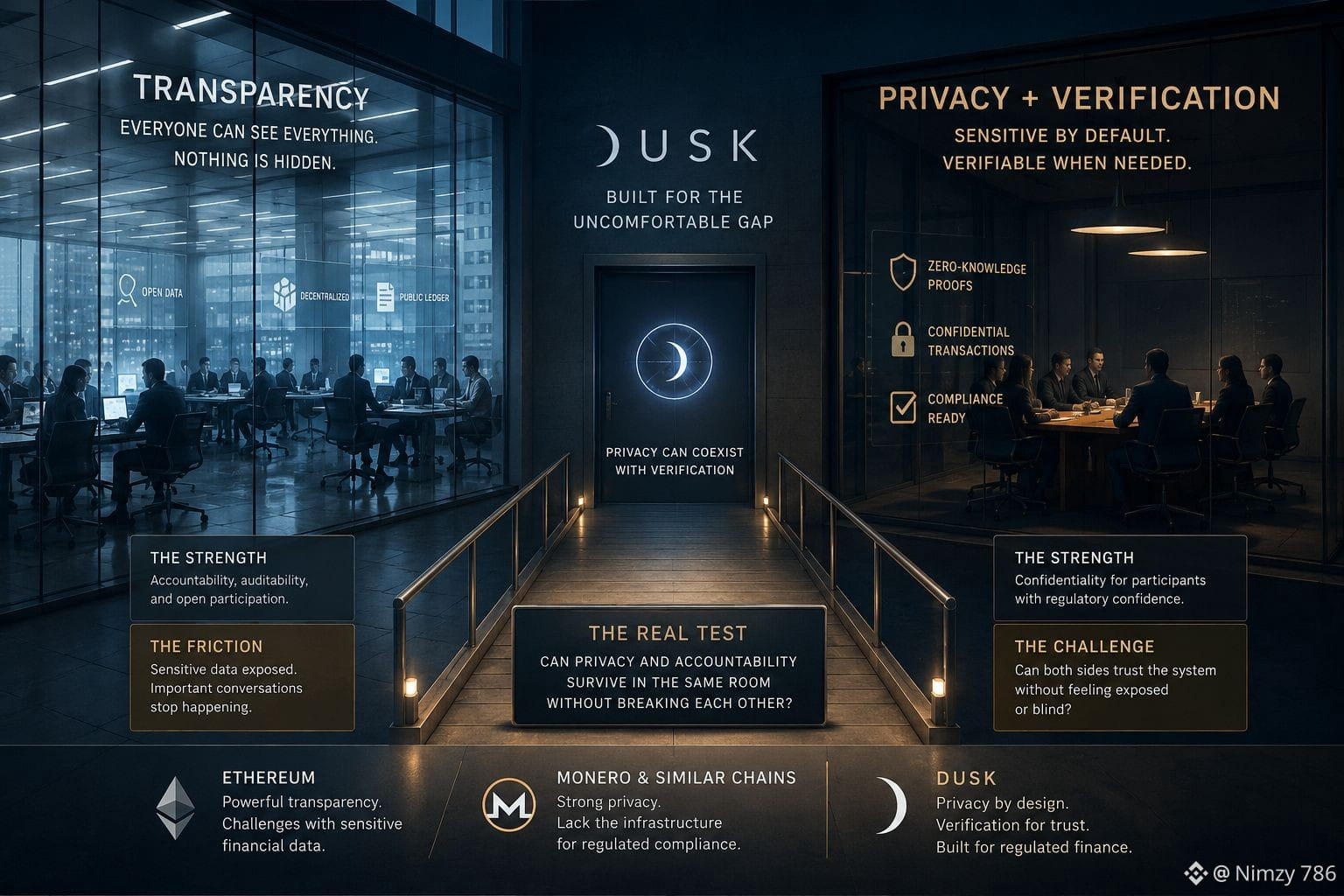
私は、すべてのオフィスがガラスの壁でできている建物のことを考え続けました。最初は効率的に感じます。誰もがすべてを見渡せる。隠されるものはない。しばらくすると、「いつも監視されているせいで、重要な会話がどれだけただ止まってしまうのだろう」と疑い始めます。@Dusk_Foundation
この緊張感が、開放性のために作られたネットワークと、規制された金融活動を支えるためのシステムを比べるたびに、私の頭の中に繰り返し浮かんできます。イーサリアムは、透明性がどれほど強力になり得るかを証明しました。ですが、透明性だけでは、機微な金融データ、コンプライアンス要件、そして機関としての説明責任が互いにぶつかり合い始めると摩擦が生まれます。プライバシー重視のチェーンは問題を解決しましたが、多くの場合、規制当局や監査人が頼る可視性から距離を置くことで解決していました。
私がDuskに惹かれるのは、その“居心地の悪いギャップ”の中に位置しているように見えるからです。Duskは、取引をどうやって非公開のままにできるかだけを問いません。さらに、プライバシーが検証とどう共存できるのかも問いかけています。それは簡単そうに聞こえますが、実際にはこれらの目標はしばしば互いに反する方向へ引っ張られます。
多くの人はまずプライバシー層に気づきます。より難しい課題は信頼だと思います。Duskは、参加者の機密性を守りつつ、ルールが守られていることを機関が確信できる形を提供できるのでしょうか。双方は、さらけ出される不安や、見えないままの不安を感じることなく、そのシステムを受け入れられるのでしょうか?
たぶん、それがDuskの試験です。プライバシーが機能するかどうかではありません。同じ部屋に、プライバシーと説明責任が共存して、最終的に互いを壊してしまわずにいられるのか。
@Dusk_Foundation $DUSK #dusk
私は、すべてのオフィスがガラスの壁でできている建物のことを考え続けました。最初は効率的に感じます。誰もがすべてを見渡せる。隠されるものはない。しばらくすると、「いつも監視されているせいで、重要な会話がどれだけただ止まってしまうのだろう」と疑い始めます。@Dusk
この緊張感が、開放性のために作られたネットワークと、規制された金融活動を支えるためのシステムを比べるたびに、私の頭の中に繰り返し浮かんできます。イーサリアムは、透明性がどれほど強力になり得るかを証明しました。ですが、透明性だけでは、機微な金融データ、コンプライアンス要件、そして機関としての説明責任が互いにぶつかり合い始めると摩擦が生まれます。プライバシー重視のチェーンは問題を解決しましたが、多くの場合、規制当局や監査人が頼る可視性から距離を置くことで解決していました。
私がDuskに惹かれるのは、その“居心地の悪いギャップ”の中に位置しているように見えるからです。Duskは、取引をどうやって非公開のままにできるかだけを問いません。さらに、プライバシーが検証とどう共存できるのかも問いかけています。それは簡単そうに聞こえますが、実際にはこれらの目標はしばしば互いに反する方向へ引っ張られます。
多くの人はまずプライバシー層に気づきます。より難しい課題は信頼だと思います。Duskは、参加者の機密性を守りつつ、ルールが守られていることを機関が確信できる形を提供できるのでしょうか。双方は、さらけ出される不安や、見えないままの不安を感じることなく、そのシステムを受け入れられるのでしょうか?
たぶん、それがDuskの試験です。プライバシーが機能するかどうかではありません。同じ部屋に、プライバシーと説明責任が共存して、最終的に互いを壊してしまわずにいられるのか。
@Dusk $DUSK #dusk
この緊張感が、開放性のために作られたネットワークと、規制された金融活動を支えるためのシステムを比べるたびに、私の頭の中に繰り返し浮かんできます。イーサリアムは、透明性がどれほど強力になり得るかを証明しました。ですが、透明性だけでは、機微な金融データ、コンプライアンス要件、そして機関としての説明責任が互いにぶつかり合い始めると摩擦が生まれます。プライバシー重視のチェーンは問題を解決しましたが、多くの場合、規制当局や監査人が頼る可視性から距離を置くことで解決していました。
私がDuskに惹かれるのは、その“居心地の悪いギャップ”の中に位置しているように見えるからです。Duskは、取引をどうやって非公開のままにできるかだけを問いません。さらに、プライバシーが検証とどう共存できるのかも問いかけています。それは簡単そうに聞こえますが、実際にはこれらの目標はしばしば互いに反する方向へ引っ張られます。
多くの人はまずプライバシー層に気づきます。より難しい課題は信頼だと思います。Duskは、参加者の機密性を守りつつ、ルールが守られていることを機関が確信できる形を提供できるのでしょうか。双方は、さらけ出される不安や、見えないままの不安を感じることなく、そのシステムを受け入れられるのでしょうか?
たぶん、それがDuskの試験です。プライバシーが機能するかどうかではありません。同じ部屋に、プライバシーと説明責任が共存して、最終的に互いを壊してしまわずにいられるのか。
@Dusk $DUSK #dusk
93
43
535
·
--
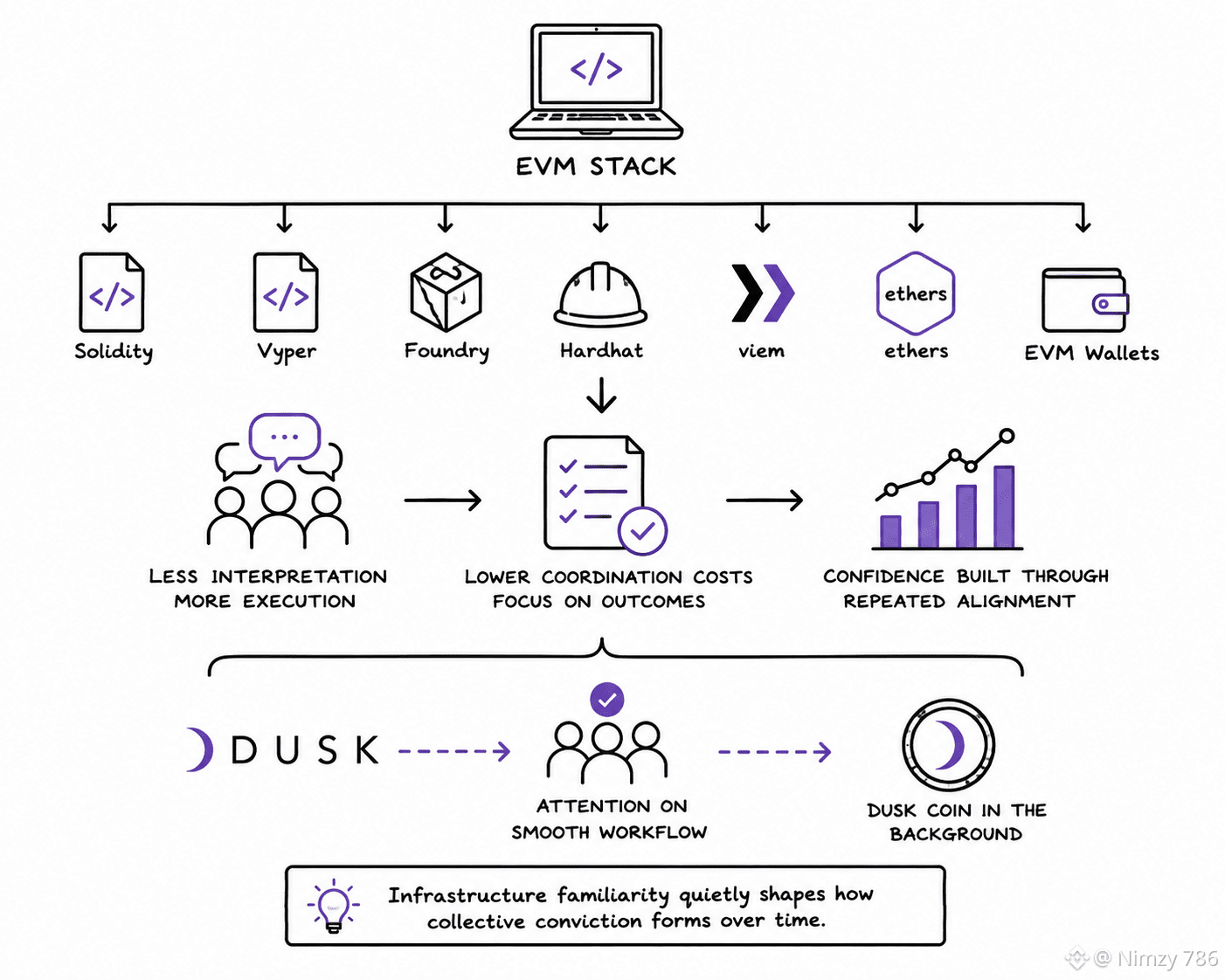
SolidityのワークフローをFoundry、Hardhat、viem、ethers、そして一般的なウォレット操作で一通りこなした後、DUSKコインよりもEVMスタックのことを考える時間が増えている自分に気づいた。@Dusk_Foundation
目立ったのはツールそのものではなく、それによって意思決定のあり方に何が起きたかだった。会話は、解釈を重ねるというより実行に寄っているように見えた。参加者がすでに慣れ親しんだパターンの中で動いていたため、アイデアを実際に動く手順へ翻訳するための議論は減っていた。
それは、ネットワーク内で情報がどう流れるかも変えた。連携コストが下がると、人々はプロセスを議論するよりも、結果を評価することにより多くの注意を向けているように見えた。興味深いのは、自信が約束や物語から生まれているようには見えなかったことだ。期待と結果がずっと一致した、繰り返されるやり取りの中でそれが形成されていた。
DUSKの周辺で起きる活動を追う間、注意はしばしば資産そのものから離れ、摩擦なく仕事を前に進められるかどうかへ移っていくことに気づいた。コインは参加の背景にはあり続けていたが、会話の中心であるとは限らなかった。
そうしたパターンをより長く追うほど、インフラへの慣れは、単なる開発者の利便性というよりも、時間の経過とともに集団の確信が形づくられていく方法に対する、さりげない影響のように見えてきた。
#dusk @Dusk_Foundation $DUSK
{spot}(DUSKUSDT)
SolidityのワークフローをFoundry、Hardhat、viem、ethers、そして一般的なウォレット操作で一通りこなした後、DUSKコインよりもEVMスタックのことを考える時間が増えている自分に気づいた。@Dusk
目立ったのはツールそのものではなく、それによって意思決定のあり方に何が起きたかだった。会話は、解釈を重ねるというより実行に寄っているように見えた。参加者がすでに慣れ親しんだパターンの中で動いていたため、アイデアを実際に動く手順へ翻訳するための議論は減っていた。
それは、ネットワーク内で情報がどう流れるかも変えた。連携コストが下がると、人々はプロセスを議論するよりも、結果を評価することにより多くの注意を向けているように見えた。興味深いのは、自信が約束や物語から生まれているようには見えなかったことだ。期待と結果がずっと一致した、繰り返されるやり取りの中でそれが形成されていた。
DUSKの周辺で起きる活動を追う間、注意はしばしば資産そのものから離れ、摩擦なく仕事を前に進められるかどうかへ移っていくことに気づいた。コインは参加の背景にはあり続けていたが、会話の中心であるとは限らなかった。
そうしたパターンをより長く追うほど、インフラへの慣れは、単なる開発者の利便性というよりも、時間の経過とともに集団の確信が形づくられていく方法に対する、さりげない影響のように見えてきた。
#dusk @Dusk $DUSK
目立ったのはツールそのものではなく、それによって意思決定のあり方に何が起きたかだった。会話は、解釈を重ねるというより実行に寄っているように見えた。参加者がすでに慣れ親しんだパターンの中で動いていたため、アイデアを実際に動く手順へ翻訳するための議論は減っていた。
それは、ネットワーク内で情報がどう流れるかも変えた。連携コストが下がると、人々はプロセスを議論するよりも、結果を評価することにより多くの注意を向けているように見えた。興味深いのは、自信が約束や物語から生まれているようには見えなかったことだ。期待と結果がずっと一致した、繰り返されるやり取りの中でそれが形成されていた。
DUSKの周辺で起きる活動を追う間、注意はしばしば資産そのものから離れ、摩擦なく仕事を前に進められるかどうかへ移っていくことに気づいた。コインは参加の背景にはあり続けていたが、会話の中心であるとは限らなかった。
そうしたパターンをより長く追うほど、インフラへの慣れは、単なる開発者の利便性というよりも、時間の経過とともに集団の確信が形づくられていく方法に対する、さりげない影響のように見えてきた。
#dusk @Dusk $DUSK
31
21
338
·
--
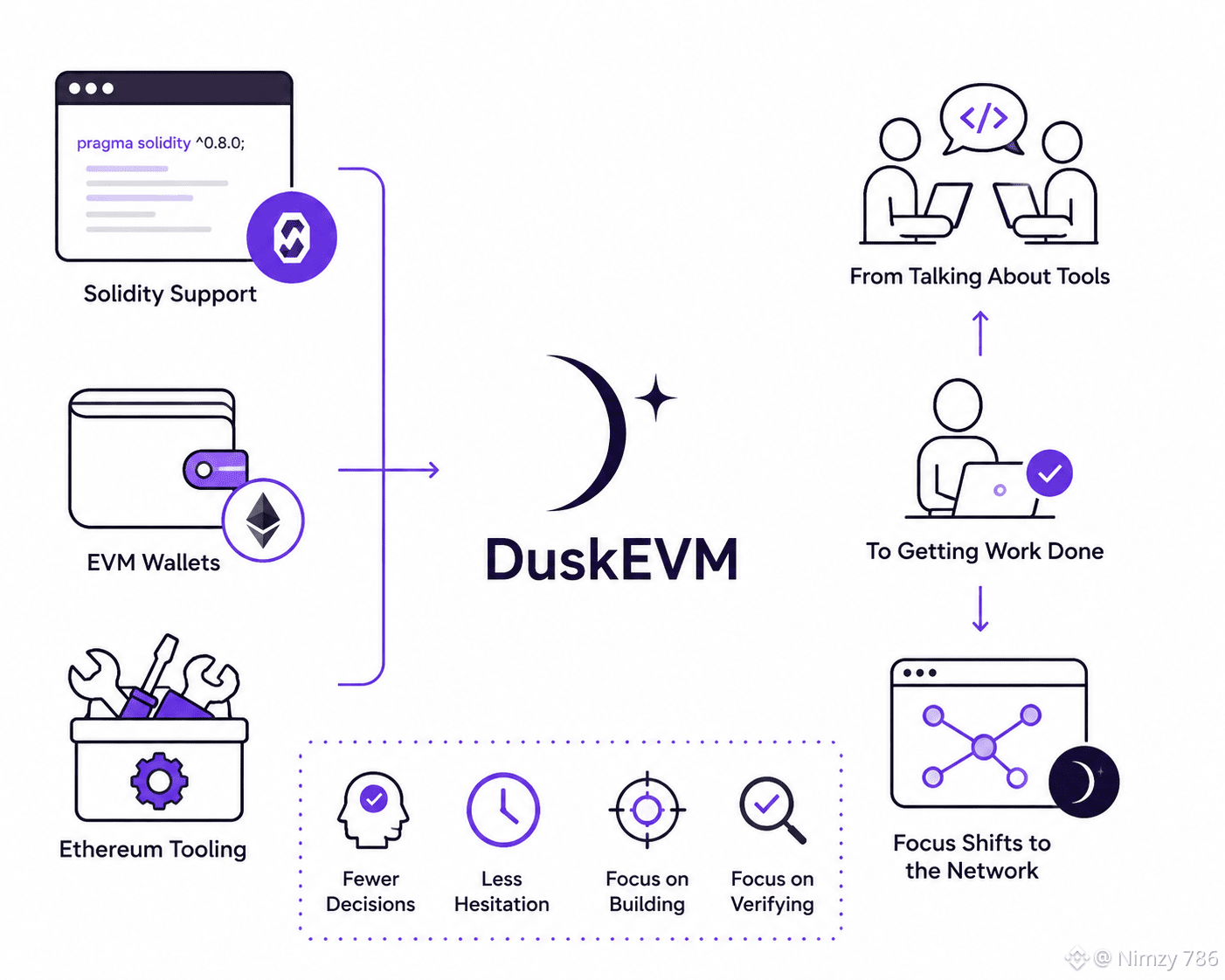
開発者がDuskEVMについて語る方法がとても興味深いと気づきました。それは、ネットワークが成長していく仕方についての私の考えを変えました。人々がDuskEVMについて話すとき、長い間機能のことに固執しませんでした。私が見続けていたのは、人々がツールについて話すことから、実際に取り組むことについて話すことへといかに速く移っていくかという点です。@Dusk_Foundation Solidityをサポートし、ウォレットを使うことで、人々にとって物事が簡単になります。さらに、人々が慣れたやり方があるというのも助けになります。しかし、人々がどのように参加しているのかをより見ていくほど、真の違いは別のところにあるのではないかと思うようになりました。調整すべきことがあると、人々はより少ない判断をする必要があります。判断する回数が減るほど、DuskEVMへの参加の前にためらう可能性が低くなります。この小さな変化、つまり人々が働くやり方の変化は、一見した以上に重要に感じます。これで、人々はDuskEVMに参加する前に新しい環境を学ぶ必要がなくなります。代わりに、人々は自分たちが実際に構築しているもの、そして確認していることに集中できます。
また、ワークフローについて人々が話すほど、DUSKのことについて話す量が減っていくのも面白いと感じました。人々はコインにばかり注目するのをやめました。中断されることなく働ける場所としてネットワークを考え始めたのです。
この変化が起きるのをより長く見ているほど、DuskEVMは物事を互換にするための方法のようには見えなくなりました。それは、人々の注意の向け先を静かに変えるための方法のようでした。時間が経ったときにどれほどの影響があるのかはまだ確信が持てないものの、DuskEVMは人々の参加の仕方を本当に変えているのだと思います。
#dusk @Dusk_Foundation $DUSK
{spot}(DUSKUSDT)
開発者がDuskEVMについて語る方法がとても興味深いと気づきました。それは、ネットワークが成長していく仕方についての私の考えを変えました。人々がDuskEVMについて話すとき、長い間機能のことに固執しませんでした。私が見続けていたのは、人々がツールについて話すことから、実際に取り組むことについて話すことへといかに速く移っていくかという点です。@Dusk Solidityをサポートし、ウォレットを使うことで、人々にとって物事が簡単になります。さらに、人々が慣れたやり方があるというのも助けになります。しかし、人々がどのように参加しているのかをより見ていくほど、真の違いは別のところにあるのではないかと思うようになりました。調整すべきことがあると、人々はより少ない判断をする必要があります。判断する回数が減るほど、DuskEVMへの参加の前にためらう可能性が低くなります。この小さな変化、つまり人々が働くやり方の変化は、一見した以上に重要に感じます。これで、人々はDuskEVMに参加する前に新しい環境を学ぶ必要がなくなります。代わりに、人々は自分たちが実際に構築しているもの、そして確認していることに集中できます。
また、ワークフローについて人々が話すほど、DUSKのことについて話す量が減っていくのも面白いと感じました。人々はコインにばかり注目するのをやめました。中断されることなく働ける場所としてネットワークを考え始めたのです。
この変化が起きるのをより長く見ているほど、DuskEVMは物事を互換にするための方法のようには見えなくなりました。それは、人々の注意の向け先を静かに変えるための方法のようでした。時間が経ったときにどれほどの影響があるのかはまだ確信が持てないものの、DuskEVMは人々の参加の仕方を本当に変えているのだと思います。
#dusk @Dusk $DUSK
また、ワークフローについて人々が話すほど、DUSKのことについて話す量が減っていくのも面白いと感じました。人々はコインにばかり注目するのをやめました。中断されることなく働ける場所としてネットワークを考え始めたのです。
この変化が起きるのをより長く見ているほど、DuskEVMは物事を互換にするための方法のようには見えなくなりました。それは、人々の注意の向け先を静かに変えるための方法のようでした。時間が経ったときにどれほどの影響があるのかはまだ確信が持てないものの、DuskEVMは人々の参加の仕方を本当に変えているのだと思います。
#dusk @Dusk $DUSK
59
35
1.1k
ログインして、さらにコンテンツを読む
厳選トピックで世界の暗号資産トレーダーの仲間入り
⚡️ 暗号資産に関する最新かつ有益な情報が見つかります。
💬 世界最大の暗号資産取引所から信頼されています。
👍 認証を受けたクリエイターから、有益なインサイトを得られます。
メール / 電話番号
トレンドトピック
ZcashETFPostsFirstWeeklyOutflow$93.6M
閲覧回数 47,950
143人が討論中
#ZcashETFPostsFirstWeeklyOutflow$93.6M
Zcash ETFの初の週次資金流出(9,360万ドル)は、投資家需要の弱まりと、利益確定の可能性を示しています。これにより、短期的にZECの価格に圧力がかかり、プライバシー重視の暗号資産全体のセンチメントが悪化するおそれがあります。トレーダーはポジションを取る前に、サポート水準とその後の資金フローを注視すべきです。
Eram Trading Lab
·いいね:1件
·閲覧回数 223
GreekPoliceBustCryptoScamRingArrest17
閲覧回数 127,497
917人が討論中
BitcoinRejectedAt$87K
閲覧回数 144,534
200人が討論中