

Eli Root_67
5k 投稿

Eli Root_67
報告
ユーザーをブロック
Crypto Enthusiast Trade Master GEN KOL
339 フォロー
16.3K+ フォロワー
1.8K+ いいね
投稿
すべて
引用
ライブ
·
--
🎙️ バイナンス広場を建設、BNBを定期積立|今日はBTCを先頭に全面がプラス(緑)で、全部おいしく食べた?話しましょう〜

終了
05 時間 31 分 16 秒
16.8k
42
59
·
--
ブリッシュ
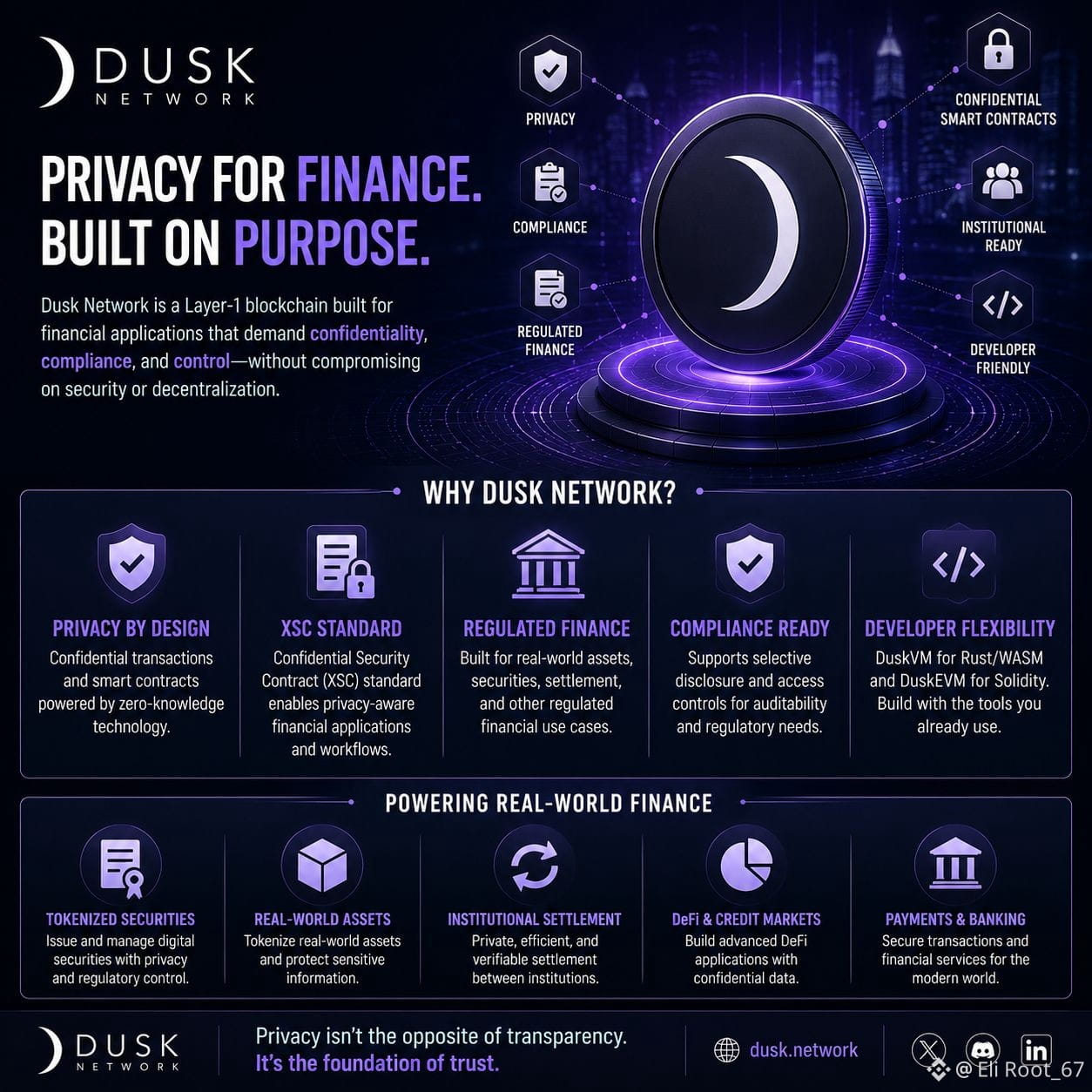
DUSKは、オンチェーン・ファイナンスの次のフェーズに必要なものを構築しています。それは「管理可能なプライバシー」です。
同社のレイヤー1インフラは、機密性、コンプライアンス、検証可能性のすべてが重要となる金融アプリケーションのために設計されています。
機密スマートコントラクトとXSC標準により、DUSKは、トークン化された証券、規制対象資産、機関投資家の決済といった現実の金融ユースケースを目指しています。
要点は、すべてを非公開にすることではありません。
ユーザーや機関が、何を開示するのか、誰に開示するのか、いつ開示するのかをコントロールできるようにすることです。
それは、規制された金融にとってはるかに強力な提案です。
DUSKは、ブロックチェーンを透明性の低いものにしようとしているわけではありません。
透明性を「選択的に」、有用で、かつ金融におけるプライバシーと両立できるものにしていくことに取り組んでいます。
私にとって、そのことが本当の主張です:
プライバシーはオンチェーン・ファイナンスの障壁ではありません。
オンチェーン・ファイナンスを可能にするインフラになり得ます
@Dusk_Foundation $DUSK #dusk
{future}(DUSKUSDT)
DUSKは、オンチェーン・ファイナンスの次のフェーズに必要なものを構築しています。それは「管理可能なプライバシー」です。
同社のレイヤー1インフラは、機密性、コンプライアンス、検証可能性のすべてが重要となる金融アプリケーションのために設計されています。
機密スマートコントラクトとXSC標準により、DUSKは、トークン化された証券、規制対象資産、機関投資家の決済といった現実の金融ユースケースを目指しています。
要点は、すべてを非公開にすることではありません。
ユーザーや機関が、何を開示するのか、誰に開示するのか、いつ開示するのかをコントロールできるようにすることです。
それは、規制された金融にとってはるかに強力な提案です。
DUSKは、ブロックチェーンを透明性の低いものにしようとしているわけではありません。
透明性を「選択的に」、有用で、かつ金融におけるプライバシーと両立できるものにしていくことに取り組んでいます。
私にとって、そのことが本当の主張です:
プライバシーはオンチェーン・ファイナンスの障壁ではありません。
オンチェーン・ファイナンスを可能にするインフラになり得ます
@Dusk $DUSK #dusk
同社のレイヤー1インフラは、機密性、コンプライアンス、検証可能性のすべてが重要となる金融アプリケーションのために設計されています。
機密スマートコントラクトとXSC標準により、DUSKは、トークン化された証券、規制対象資産、機関投資家の決済といった現実の金融ユースケースを目指しています。
要点は、すべてを非公開にすることではありません。
ユーザーや機関が、何を開示するのか、誰に開示するのか、いつ開示するのかをコントロールできるようにすることです。
それは、規制された金融にとってはるかに強力な提案です。
DUSKは、ブロックチェーンを透明性の低いものにしようとしているわけではありません。
透明性を「選択的に」、有用で、かつ金融におけるプライバシーと両立できるものにしていくことに取り組んでいます。
私にとって、そのことが本当の主張です:
プライバシーはオンチェーン・ファイナンスの障壁ではありません。
オンチェーン・ファイナンスを可能にするインフラになり得ます
@Dusk $DUSK #dusk
101
·
--
ブリッシュ
$ACE
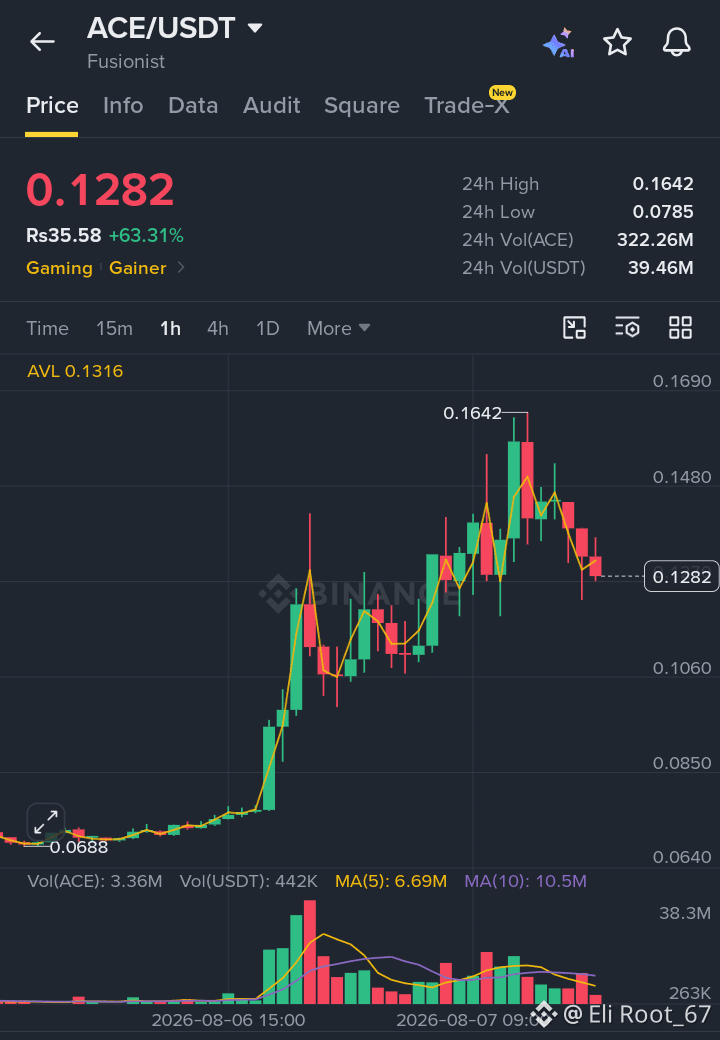
ACEは目覚ましい89.31%の上昇で、今日の市場をリードしています。強力なブレイク後、上昇するモメンタムと出来高に支えられ、買い手が完全に主導権を握りました。この強さが続くなら、トレーダーは価格が利益を手放すのではなく、新たなサポートゾーンを確立できるかに注目するでしょう。このような爆発的な値動きの後は、忍耐が重要です。
#SKHynixToInvest19.1TWonInM17Plant
#TSEPlansReReviewForMajorBusinessChanges #GoldBreaksOutFromJanuaryDowntrend
{future}(ACEUSDT)
$ACE
ACEは目覚ましい89.31%の上昇で、今日の市場をリードしています。強力なブレイク後、上昇するモメンタムと出来高に支えられ、買い手が完全に主導権を握りました。この強さが続くなら、トレーダーは価格が利益を手放すのではなく、新たなサポートゾーンを確立できるかに注目するでしょう。このような爆発的な値動きの後は、忍耐が重要です。
#SKHynixToInvest19.1TWonInM17Plant
#TSEPlansReReviewForMajorBusinessChanges #GoldBreaksOutFromJanuaryDowntrend
ACEは目覚ましい89.31%の上昇で、今日の市場をリードしています。強力なブレイク後、上昇するモメンタムと出来高に支えられ、買い手が完全に主導権を握りました。この強さが続くなら、トレーダーは価格が利益を手放すのではなく、新たなサポートゾーンを確立できるかに注目するでしょう。このような爆発的な値動きの後は、忍耐が重要です。
#SKHynixToInvest19.1TWonInM17Plant
#TSEPlansReReviewForMajorBusinessChanges #GoldBreaksOutFromJanuaryDowntrend
254
·
--
ブリッシュ
$KORUB
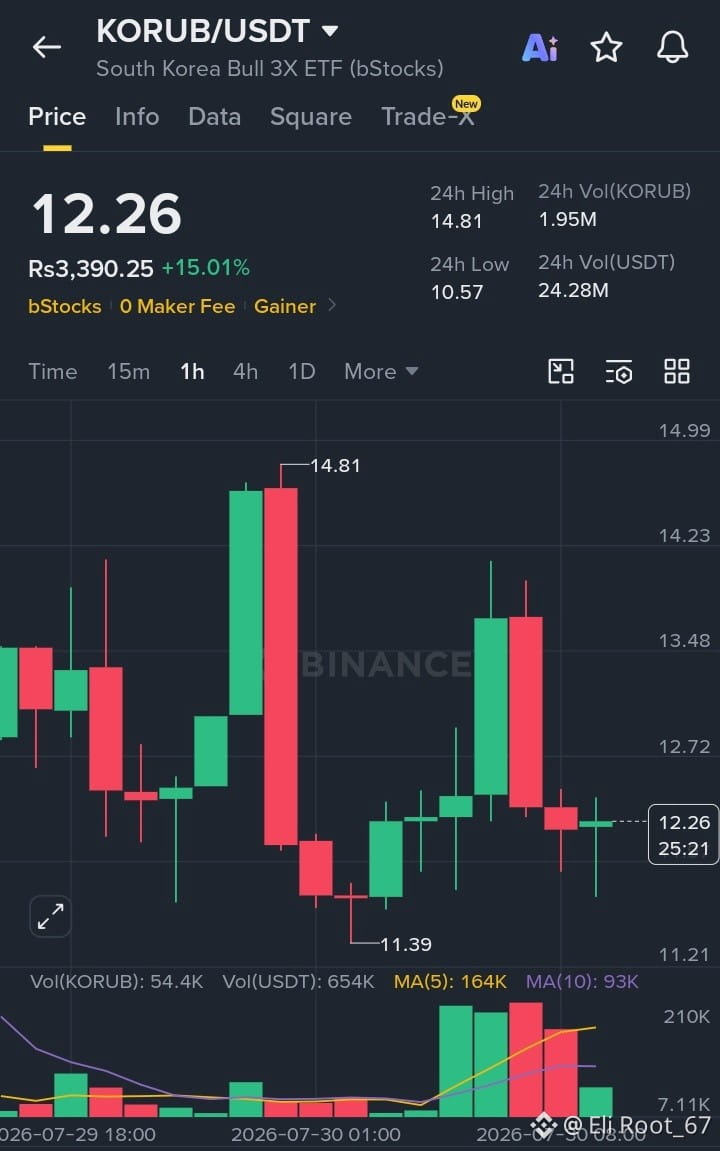
市場イベント:下方向への試行が拒否され、大きな需要ゾーンを防衛しました。モメンタム示唆:買い手が主導権を維持しており、構造は建設的なままです。
水準:• EP: 11.95–12.15 • TG1: 12.80 • TG2: 13.50 • TG3: 14.20 • SL: 11.55
取引判断:より安値の切り上げ(higher-low)構造が維持されている限り、ロングを優先。
クローズ:サポート防衛が続いているため、トレンドはポジティブ。
#US30YearYieldClimbsToNear5.23% #SenatorsReachClarityActEthicsCompromise
{future}(KORUUSDT)
$KORUB
市場イベント:下方向への試行が拒否され、大きな需要ゾーンを防衛しました。モメンタム示唆:買い手が主導権を維持しており、構造は建設的なままです。
水準:• EP: 11.95–12.15 • TG1: 12.80 • TG2: 13.50 • TG3: 14.20 • SL: 11.55
取引判断:より安値の切り上げ(higher-low)構造が維持されている限り、ロングを優先。
クローズ:サポート防衛が続いているため、トレンドはポジティブ。
#US30YearYieldClimbsToNear5.23% #SenatorsReachClarityActEthicsCompromise
市場イベント:下方向への試行が拒否され、大きな需要ゾーンを防衛しました。モメンタム示唆:買い手が主導権を維持しており、構造は建設的なままです。
水準:• EP: 11.95–12.15 • TG1: 12.80 • TG2: 13.50 • TG3: 14.20 • SL: 11.55
取引判断:より安値の切り上げ(higher-low)構造が維持されている限り、ロングを優先。
クローズ:サポート防衛が続いているため、トレンドはポジティブ。
#US30YearYieldClimbsToNear5.23% #SenatorsReachClarityActEthicsCompromise
62
·
--
ブリッシュ
$SOXSB
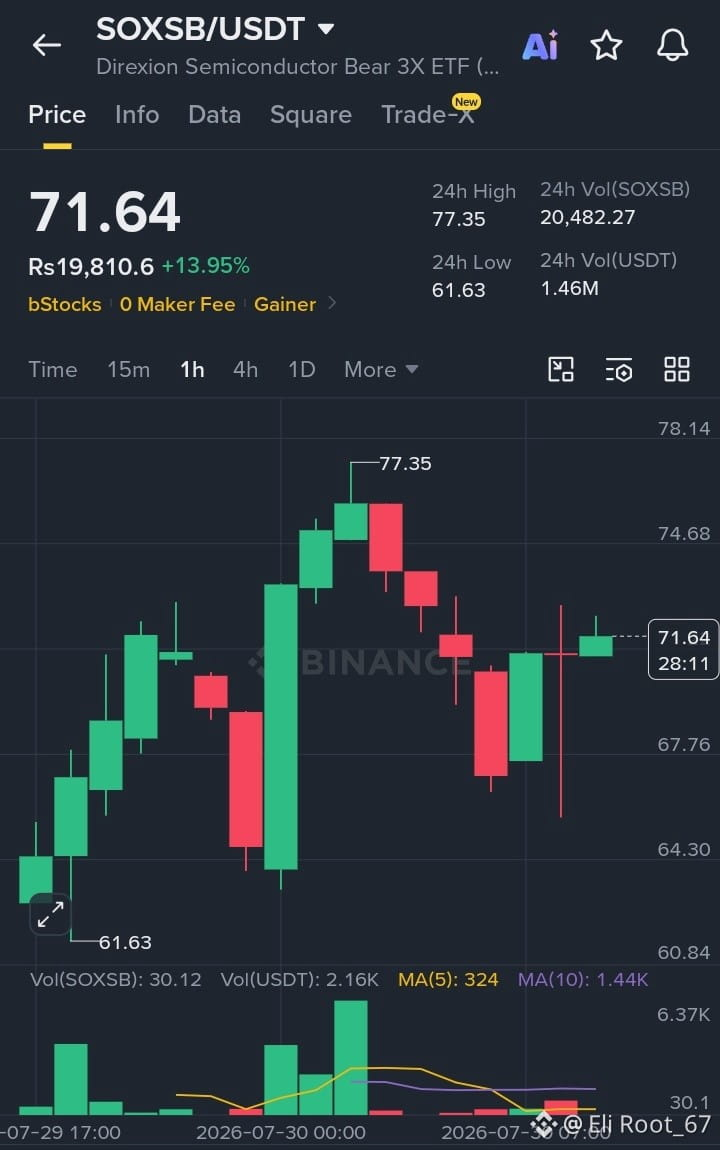
市場イベント:持続的な重要水準の防衛の後、価格がコンソリデーションを上抜けました。モメンタム示唆:ブレイク水準が維持されている限り、トレンド継続が依然として優勢です。
水準:• EP:71.50–72.30 • TG1:74.50 • TG2:77.00 • TG3:80.00 • SL:69.80
取引判断:サポートへのコントロールされた押し目買いのみ。
クローズ:ブレイクアウト・ゾーンを維持できていることは、より高い価格を支持します。
#US30YearYieldClimbsToNear5.23% #USLaunchesFreshStrikesOnIRGC
{spot}(SOXSBUSDT)
$SOXSB
市場イベント:持続的な重要水準の防衛の後、価格がコンソリデーションを上抜けました。モメンタム示唆:ブレイク水準が維持されている限り、トレンド継続が依然として優勢です。
水準:• EP:71.50–72.30 • TG1:74.50 • TG2:77.00 • TG3:80.00 • SL:69.80
取引判断:サポートへのコントロールされた押し目買いのみ。
クローズ:ブレイクアウト・ゾーンを維持できていることは、より高い価格を支持します。
#US30YearYieldClimbsToNear5.23% #USLaunchesFreshStrikesOnIRGC
市場イベント:持続的な重要水準の防衛の後、価格がコンソリデーションを上抜けました。モメンタム示唆:ブレイク水準が維持されている限り、トレンド継続が依然として優勢です。
水準:• EP:71.50–72.30 • TG1:74.50 • TG2:77.00 • TG3:80.00 • SL:69.80
取引判断:サポートへのコントロールされた押し目買いのみ。
クローズ:ブレイクアウト・ゾーンを維持できていることは、より高い価格を支持します。
#US30YearYieldClimbsToNear5.23% #USLaunchesFreshStrikesOnIRGC
82
·
--
ブリッシュ
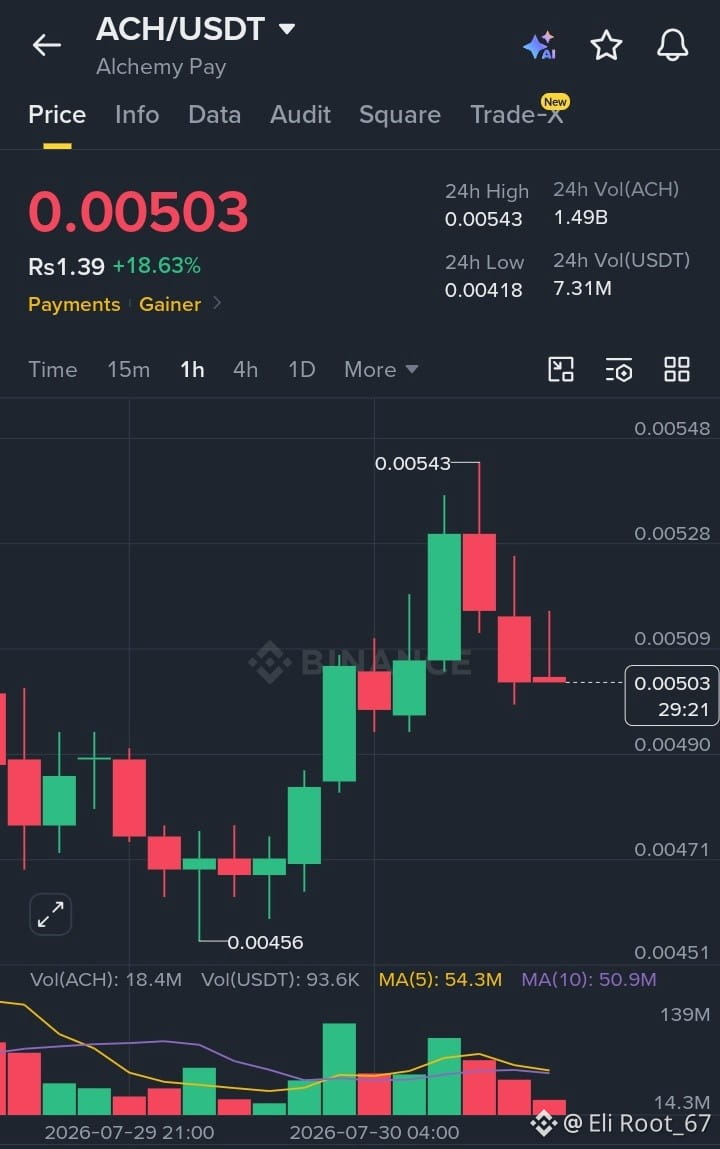
$ACH
マーケットイベント:価格はレンジ下のサポートを流動性スイープで一度下抜けた後、レンジを取り戻しました。モメンタムの含意:ブレイクダウンの失敗は、しばしば新たな買いの関心を引き寄せます。
レベル:• EP:0.00500–0.00510 • TG1:0.00545 • TG2:0.00580 • TG3:0.00620 • SL:0.00482
取引判断:取り戻したレンジが防衛されている間、ロングのエクスポージャーは有効です。
クローズ:サポートを維持できれば、リカバリーは保たれます。
#USLaunchesFreshStrikesOnIRGC #SenatorsReachClarityActEthicsCompromise
{future}(ACHUSDT)
$ACH
マーケットイベント:価格はレンジ下のサポートを流動性スイープで一度下抜けた後、レンジを取り戻しました。モメンタムの含意:ブレイクダウンの失敗は、しばしば新たな買いの関心を引き寄せます。
レベル:• EP:0.00500–0.00510 • TG1:0.00545 • TG2:0.00580 • TG3:0.00620 • SL:0.00482
取引判断:取り戻したレンジが防衛されている間、ロングのエクスポージャーは有効です。
クローズ:サポートを維持できれば、リカバリーは保たれます。
#USLaunchesFreshStrikesOnIRGC #SenatorsReachClarityActEthicsCompromise
マーケットイベント:価格はレンジ下のサポートを流動性スイープで一度下抜けた後、レンジを取り戻しました。モメンタムの含意:ブレイクダウンの失敗は、しばしば新たな買いの関心を引き寄せます。
レベル:• EP:0.00500–0.00510 • TG1:0.00545 • TG2:0.00580 • TG3:0.00620 • SL:0.00482
取引判断:取り戻したレンジが防衛されている間、ロングのエクスポージャーは有効です。
クローズ:サポートを維持できれば、リカバリーは保たれます。
#USLaunchesFreshStrikesOnIRGC #SenatorsReachClarityActEthicsCompromise
108
·
--
ブリッシュ
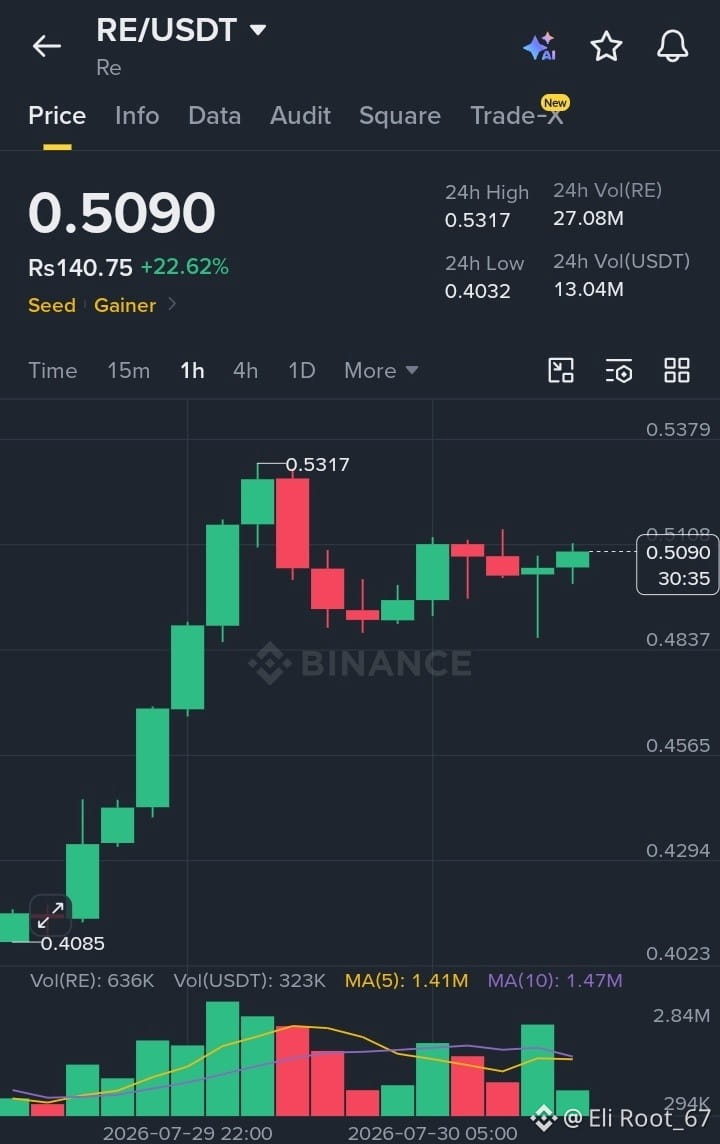
$RE
市場イベント:価格は主要なサポートを防衛し、下方向の圧力を強い形で跳ね返しました。モメンタム示唆:買い手が現在のベースを守る限り、モメンタムはもう一段上方向への動きを支持します。
レベル:• EP:0.5010–0.5090 • TG1:0.5300 • TG2:0.5550 • TG3:0.5850 • SL:0.4890
取引判断:より高い安値が形成され続ける限り、強気姿勢を維持します。
クローズ:防衛が続くことで、更なる上昇余地が支持されます。
#US30YearYieldClimbsToNear5.23% #USCourtRejectsCFTCWisconsinInjunctionBid
{spot}(REUSDT)
$RE
市場イベント:価格は主要なサポートを防衛し、下方向の圧力を強い形で跳ね返しました。モメンタム示唆:買い手が現在のベースを守る限り、モメンタムはもう一段上方向への動きを支持します。
レベル:• EP:0.5010–0.5090 • TG1:0.5300 • TG2:0.5550 • TG3:0.5850 • SL:0.4890
取引判断:より高い安値が形成され続ける限り、強気姿勢を維持します。
クローズ:防衛が続くことで、更なる上昇余地が支持されます。
#US30YearYieldClimbsToNear5.23% #USCourtRejectsCFTCWisconsinInjunctionBid
市場イベント:価格は主要なサポートを防衛し、下方向の圧力を強い形で跳ね返しました。モメンタム示唆:買い手が現在のベースを守る限り、モメンタムはもう一段上方向への動きを支持します。
レベル:• EP:0.5010–0.5090 • TG1:0.5300 • TG2:0.5550 • TG3:0.5850 • SL:0.4890
取引判断:より高い安値が形成され続ける限り、強気姿勢を維持します。
クローズ:防衛が続くことで、更なる上昇余地が支持されます。
#US30YearYieldClimbsToNear5.23% #USCourtRejectsCFTCWisconsinInjunctionBid
129
·
--
ブリッシュ
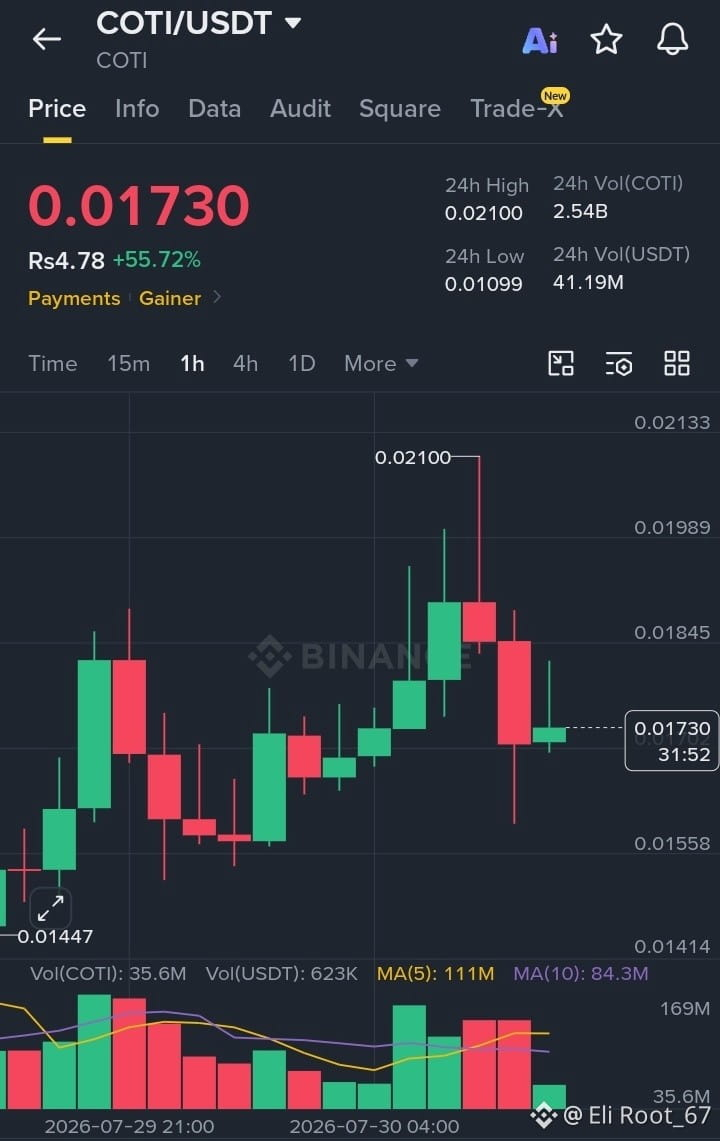
$COTI
マーケットイベント:価格がショートスクイーズを完了し、重要なレジスタンスゾーンを取り戻したことで、遅れて売った人たちが買い戻し(カバー)を余儀なくされました。モメンタムの示唆:取り戻した水準を上回って推移している間は、買い手が主導権を維持します。
レベル:• EP: 0.01690–0.01720 • TG1: 0.01820 • TG2: 0.01940 • TG3: 0.02100 • SL: 0.01620
トレード判断:価格が取り戻したサポートを尊重している間だけ、強気バイアスを維持します。
クローズ:この水準を維持できれば、継続が視野に入ります。
#US30YearYieldClimbsToNear5.23% #USCourtRejectsCFTCWisconsinInjunctionBid
{future}(COTIUSDT)
$COTI
マーケットイベント:価格がショートスクイーズを完了し、重要なレジスタンスゾーンを取り戻したことで、遅れて売った人たちが買い戻し(カバー)を余儀なくされました。モメンタムの示唆:取り戻した水準を上回って推移している間は、買い手が主導権を維持します。
レベル:• EP: 0.01690–0.01720 • TG1: 0.01820 • TG2: 0.01940 • TG3: 0.02100 • SL: 0.01620
トレード判断:価格が取り戻したサポートを尊重している間だけ、強気バイアスを維持します。
クローズ:この水準を維持できれば、継続が視野に入ります。
#US30YearYieldClimbsToNear5.23% #USCourtRejectsCFTCWisconsinInjunctionBid
マーケットイベント:価格がショートスクイーズを完了し、重要なレジスタンスゾーンを取り戻したことで、遅れて売った人たちが買い戻し(カバー)を余儀なくされました。モメンタムの示唆:取り戻した水準を上回って推移している間は、買い手が主導権を維持します。
レベル:• EP: 0.01690–0.01720 • TG1: 0.01820 • TG2: 0.01940 • TG3: 0.02100 • SL: 0.01620
トレード判断:価格が取り戻したサポートを尊重している間だけ、強気バイアスを維持します。
クローズ:この水準を維持できれば、継続が視野に入ります。
#US30YearYieldClimbsToNear5.23% #USCourtRejectsCFTCWisconsinInjunctionBid
1
253
·
--
ブリッシュ
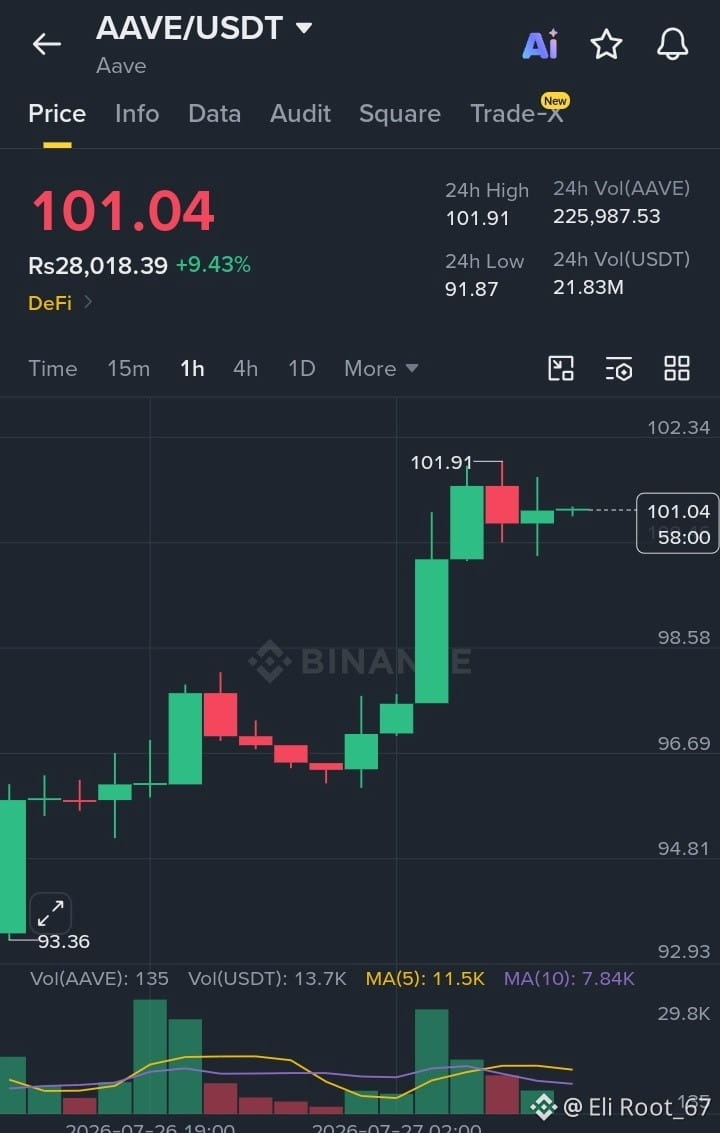
$AAVE
市場イベント:流動性のサイクリング(ストップ狩り)の後、主要サポートが防衛され、力強く反発しました。
モメンタムの示唆:回復の構造が維持されている限り、買い手は主導権を保ちます。
レベル:
EP: 100.40–101.20
TG1: 103.50
TG2: 106.80
TG3: 110.50
SL: 98.60
取引判断:価格が防衛されたサポートの上にある間のみ、継続を探します。
クローズ:重要な水準を維持すれば、トレンドはさらに延長する余地があります。
#SHIBSurges36%
{future}(AAVEUSDT)
$AAVE
市場イベント:流動性のサイクリング(ストップ狩り)の後、主要サポートが防衛され、力強く反発しました。
モメンタムの示唆:回復の構造が維持されている限り、買い手は主導権を保ちます。
レベル:
EP: 100.40–101.20
TG1: 103.50
TG2: 106.80
TG3: 110.50
SL: 98.60
取引判断:価格が防衛されたサポートの上にある間のみ、継続を探します。
クローズ:重要な水準を維持すれば、トレンドはさらに延長する余地があります。
#SHIBSurges36%
市場イベント:流動性のサイクリング(ストップ狩り)の後、主要サポートが防衛され、力強く反発しました。
モメンタムの示唆:回復の構造が維持されている限り、買い手は主導権を保ちます。
レベル:
EP: 100.40–101.20
TG1: 103.50
TG2: 106.80
TG3: 110.50
SL: 98.60
取引判断:価格が防衛されたサポートの上にある間のみ、継続を探します。
クローズ:重要な水準を維持すれば、トレンドはさらに延長する余地があります。
#SHIBSurges36%
85
·
--
ブリッシュ
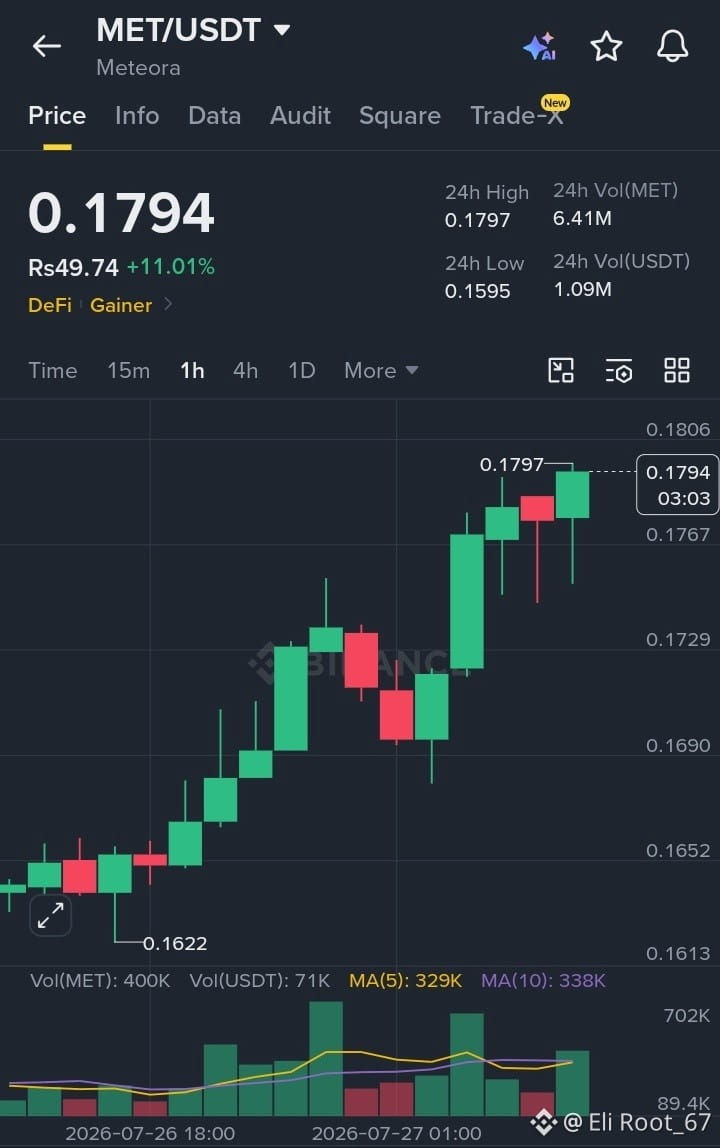
$MET
市場イベント:価格はより低い水準を拒否し、改善するオーダーフローによって重要なレジスタンスを取り戻した。
モメンタムの示唆:回復は買い手がサポートを失わない限り、継続を支持する。
レベル:
EP: 0.1775–0.1790
TG1: 0.1840
TG2: 0.1895
TG3: 0.1960
SL: 0.1735
取引判断:取り戻した水準が防衛されている限り、ロングのバイアスは有効のまま。
クローズ:現在の構造を維持すれば、継続が見込まれる。
#PensionFundsTurnNetBuyersOfKoreanShares #BitcoinMiningDifficultyMayFall1.2%
{spot}(METUSDT)
$MET
市場イベント:価格はより低い水準を拒否し、改善するオーダーフローによって重要なレジスタンスを取り戻した。
モメンタムの示唆:回復は買い手がサポートを失わない限り、継続を支持する。
レベル:
EP: 0.1775–0.1790
TG1: 0.1840
TG2: 0.1895
TG3: 0.1960
SL: 0.1735
取引判断:取り戻した水準が防衛されている限り、ロングのバイアスは有効のまま。
クローズ:現在の構造を維持すれば、継続が見込まれる。
#PensionFundsTurnNetBuyersOfKoreanShares #BitcoinMiningDifficultyMayFall1.2%
市場イベント:価格はより低い水準を拒否し、改善するオーダーフローによって重要なレジスタンスを取り戻した。
モメンタムの示唆:回復は買い手がサポートを失わない限り、継続を支持する。
レベル:
EP: 0.1775–0.1790
TG1: 0.1840
TG2: 0.1895
TG3: 0.1960
SL: 0.1735
取引判断:取り戻した水準が防衛されている限り、ロングのバイアスは有効のまま。
クローズ:現在の構造を維持すれば、継続が見込まれる。
#PensionFundsTurnNetBuyersOfKoreanShares #BitcoinMiningDifficultyMayFall1.2%
101
·
--
ブリッシュ
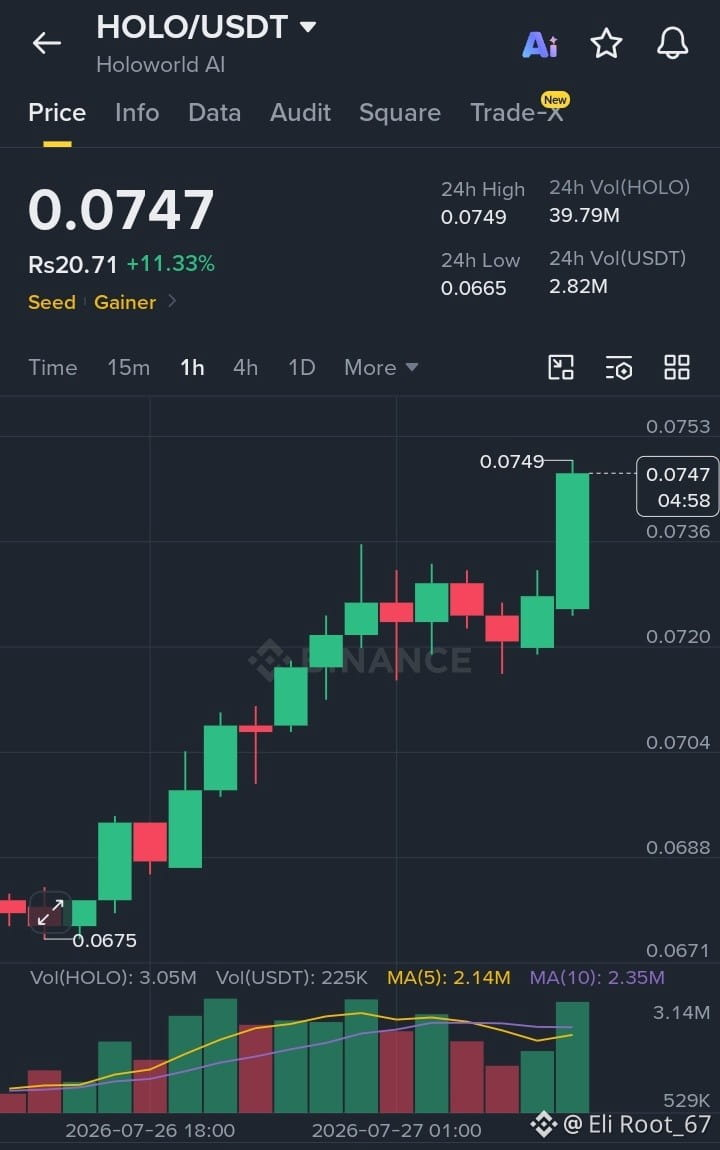
$HOLO
マーケットイベント:下方向の流動性を一掃した後に重要な水準を防衛し、新たな買いが流入しました。
モメンタムの含意:より高い安値が形成され続ける中、買い手が主導権を維持しています。
水準:
EP: 0.0738–0.0745
TG1: 0.0765
TG2: 0.0788
TG3: 0.0810
SL: 0.0724
取引判断:サポートが維持されている間はトレンドに乗ります。
クローズ:サポートが保たれるなら、さらなる上昇余地が優勢です。
#USPausesIranStrikesSecondNight #TeslaFallsNearly20%ThisWeek
{future}(HOLOUSDT)
$HOLO
マーケットイベント:下方向の流動性を一掃した後に重要な水準を防衛し、新たな買いが流入しました。
モメンタムの含意:より高い安値が形成され続ける中、買い手が主導権を維持しています。
水準:
EP: 0.0738–0.0745
TG1: 0.0765
TG2: 0.0788
TG3: 0.0810
SL: 0.0724
取引判断:サポートが維持されている間はトレンドに乗ります。
クローズ:サポートが保たれるなら、さらなる上昇余地が優勢です。
#USPausesIranStrikesSecondNight #TeslaFallsNearly20%ThisWeek
マーケットイベント:下方向の流動性を一掃した後に重要な水準を防衛し、新たな買いが流入しました。
モメンタムの含意:より高い安値が形成され続ける中、買い手が主導権を維持しています。
水準:
EP: 0.0738–0.0745
TG1: 0.0765
TG2: 0.0788
TG3: 0.0810
SL: 0.0724
取引判断:サポートが維持されている間はトレンドに乗ります。
クローズ:サポートが保たれるなら、さらなる上昇余地が優勢です。
#USPausesIranStrikesSecondNight #TeslaFallsNearly20%ThisWeek
102
·
--
ブリッシュ
私は常に、ビットコインの最大の強みは比類のないセキュリティにあると信じてきました。ですが、ひとつの疑問がずっと頭から離れませんでした。あのセキュリティは、ビットコインそのもののネットワーク以上のものを守れるのでしょうか?
だからこそ、バビロン(BABY)が私の目に留まります。
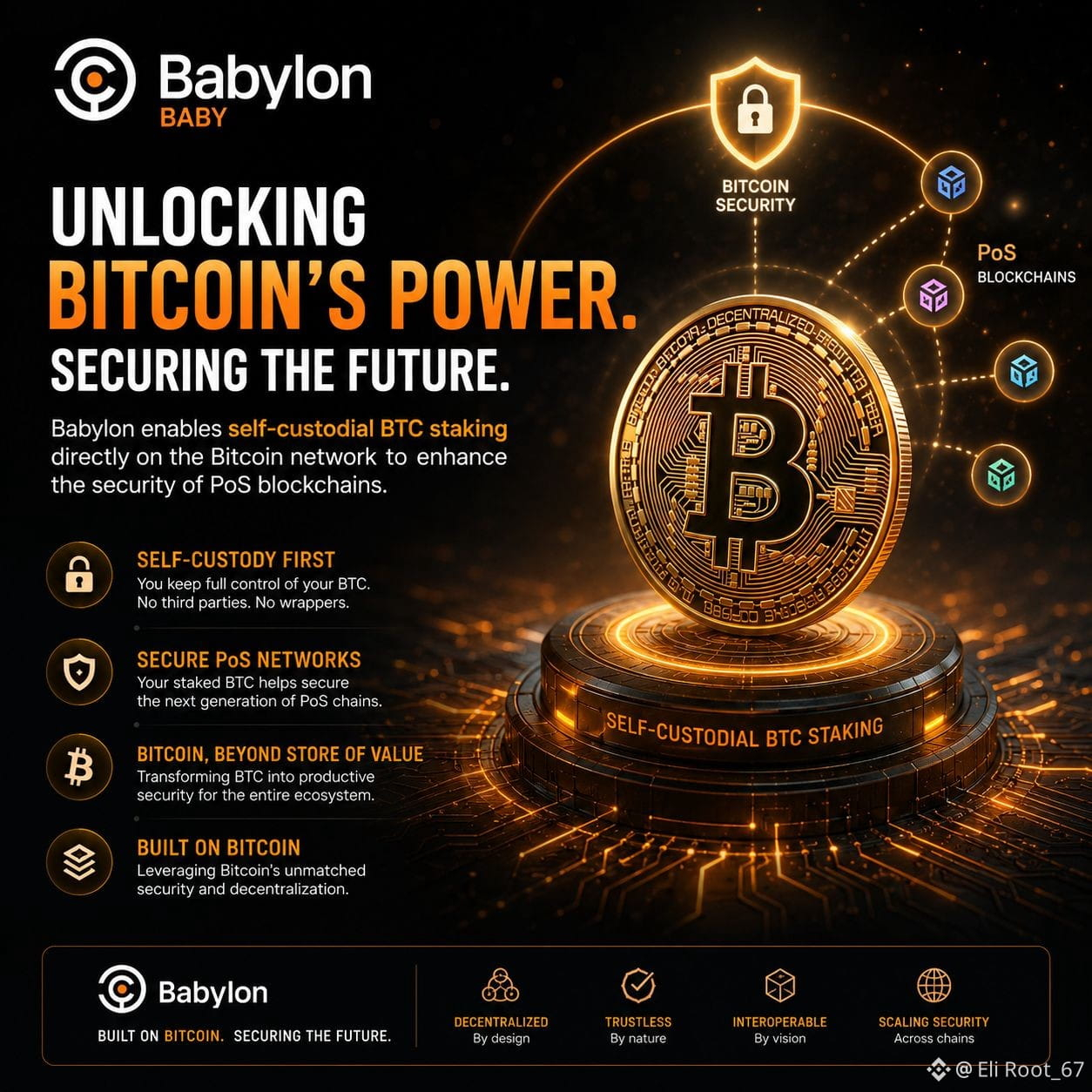
私にBTCの保管権を手放すよう求めるのではなく、バビロンはビットコインネットワーク上で自己保管型のビットコイン・ステーキングを導入します。私は自分のビットコインを管理したまま、プルーフ・オブ・ステーク・ブロックチェーンのセキュリティ強化にも貢献できます。所有と有用性のバランスこそが、このプロジェクトを他と違うものにしています。
これは、ビットコインの次の章で最も重要なアイデアのひとつになり得ると思います。長年、BTCは主にデジタルゴールドとして扱われてきました。バビロンは、価値の根幹を最初から支えてきた原則を損なうことなく、ビットコインが拡大するブロックチェーン・エコシステムのための共有セキュリティ基盤になっていく可能性を切り開きます。
もちろん、本当の試金石はコンセプトではありません。実行です。採用、ネットワークのレジリエンス、そして長期的な信頼性が、バビロンがビジョンを実現できるかどうかを決めます。私は短期的な価格の値動きや市場の熱狂ではなく、そこを見届けるつもりです。
私にとって、最もワクワクする革新は、うるさいものではありません。実際の問題を静かに解決し、そして中核となる原則に忠実であるものです。バビロンは、そうしたタイプのプロジェクトに感じられます。うまく実行を続けられるなら、ビットコインが分散型ネットワークの未来にどう貢献していくかを再定義する可能性もあります。
@babylonlabs_io
$BABY
#baby
{future}(BABYUSDT)
私は常に、ビットコインの最大の強みは比類のないセキュリティにあると信じてきました。ですが、ひとつの疑問がずっと頭から離れませんでした。あのセキュリティは、ビットコインそのもののネットワーク以上のものを守れるのでしょうか?
だからこそ、バビロン(BABY)が私の目に留まります。
私にBTCの保管権を手放すよう求めるのではなく、バビロンはビットコインネットワーク上で自己保管型のビットコイン・ステーキングを導入します。私は自分のビットコインを管理したまま、プルーフ・オブ・ステーク・ブロックチェーンのセキュリティ強化にも貢献できます。所有と有用性のバランスこそが、このプロジェクトを他と違うものにしています。
これは、ビットコインの次の章で最も重要なアイデアのひとつになり得ると思います。長年、BTCは主にデジタルゴールドとして扱われてきました。バビロンは、価値の根幹を最初から支えてきた原則を損なうことなく、ビットコインが拡大するブロックチェーン・エコシステムのための共有セキュリティ基盤になっていく可能性を切り開きます。
もちろん、本当の試金石はコンセプトではありません。実行です。採用、ネットワークのレジリエンス、そして長期的な信頼性が、バビロンがビジョンを実現できるかどうかを決めます。私は短期的な価格の値動きや市場の熱狂ではなく、そこを見届けるつもりです。
私にとって、最もワクワクする革新は、うるさいものではありません。実際の問題を静かに解決し、そして中核となる原則に忠実であるものです。バビロンは、そうしたタイプのプロジェクトに感じられます。うまく実行を続けられるなら、ビットコインが分散型ネットワークの未来にどう貢献していくかを再定義する可能性もあります。
@BabylonLabs_io
$BABY
#baby
だからこそ、バビロン(BABY)が私の目に留まります。
私にBTCの保管権を手放すよう求めるのではなく、バビロンはビットコインネットワーク上で自己保管型のビットコイン・ステーキングを導入します。私は自分のビットコインを管理したまま、プルーフ・オブ・ステーク・ブロックチェーンのセキュリティ強化にも貢献できます。所有と有用性のバランスこそが、このプロジェクトを他と違うものにしています。
これは、ビットコインの次の章で最も重要なアイデアのひとつになり得ると思います。長年、BTCは主にデジタルゴールドとして扱われてきました。バビロンは、価値の根幹を最初から支えてきた原則を損なうことなく、ビットコインが拡大するブロックチェーン・エコシステムのための共有セキュリティ基盤になっていく可能性を切り開きます。
もちろん、本当の試金石はコンセプトではありません。実行です。採用、ネットワークのレジリエンス、そして長期的な信頼性が、バビロンがビジョンを実現できるかどうかを決めます。私は短期的な価格の値動きや市場の熱狂ではなく、そこを見届けるつもりです。
私にとって、最もワクワクする革新は、うるさいものではありません。実際の問題を静かに解決し、そして中核となる原則に忠実であるものです。バビロンは、そうしたタイプのプロジェクトに感じられます。うまく実行を続けられるなら、ビットコインが分散型ネットワークの未来にどう貢献していくかを再定義する可能性もあります。
@BabylonLabs_io
$BABY
#baby
52
·
--
ブリッシュ
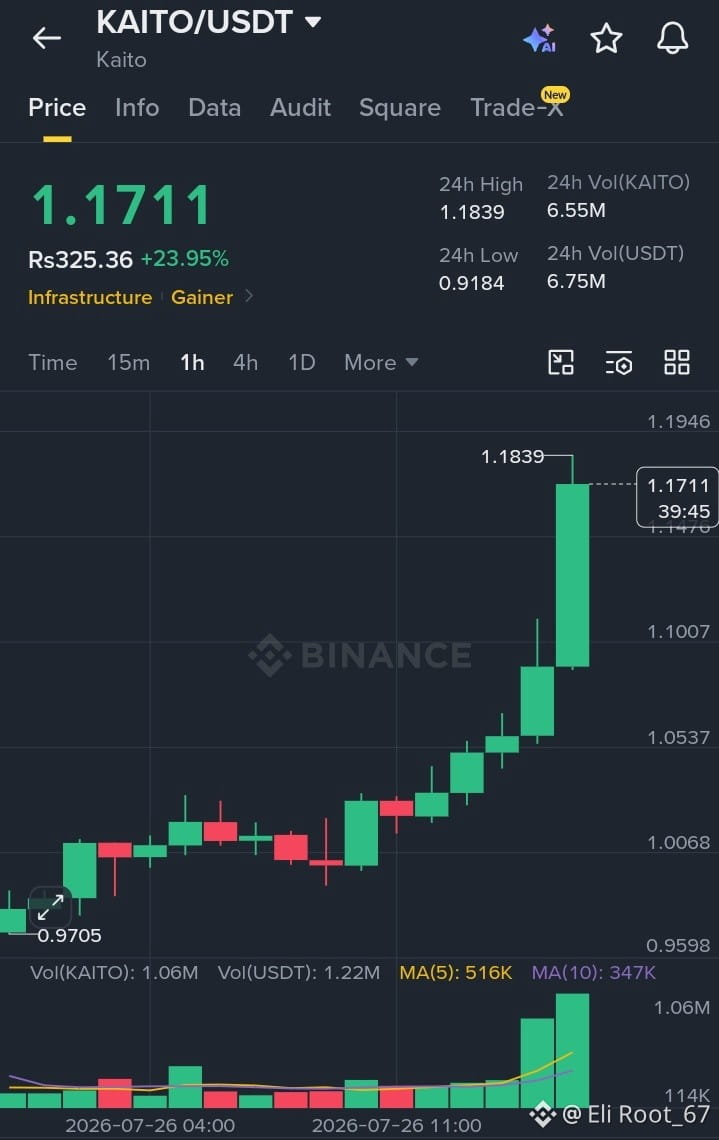
$KAITO
市場イベント:価格は主要なサポート・エリアを維持し、新たなブレイクアウトを引き起こしました。
モメンタムの含意:モメンタムがポジティブである限り、構造は継続を支持します。
レベル:
EP: $1.090–$1.105
TG1: $1.145
TG2: $1.190
TG3: $1.250
SL: $1.055
取引判断:価格が防衛されたサポートを上回って取引されている間は、強気の姿勢を維持します。
クローズ:ブレイクアウト・ゾーンを維持し、さらなる上昇が優勢です。
#TeslaFallsNearly20%ThisWeek
{future}(KAITOUSDT)
$KAITO
市場イベント:価格は主要なサポート・エリアを維持し、新たなブレイクアウトを引き起こしました。
モメンタムの含意:モメンタムがポジティブである限り、構造は継続を支持します。
レベル:
EP: $1.090–$1.105
TG1: $1.145
TG2: $1.190
TG3: $1.250
SL: $1.055
取引判断:価格が防衛されたサポートを上回って取引されている間は、強気の姿勢を維持します。
クローズ:ブレイクアウト・ゾーンを維持し、さらなる上昇が優勢です。
#TeslaFallsNearly20%ThisWeek
市場イベント:価格は主要なサポート・エリアを維持し、新たなブレイクアウトを引き起こしました。
モメンタムの含意:モメンタムがポジティブである限り、構造は継続を支持します。
レベル:
EP: $1.090–$1.105
TG1: $1.145
TG2: $1.190
TG3: $1.250
SL: $1.055
取引判断:価格が防衛されたサポートを上回って取引されている間は、強気の姿勢を維持します。
クローズ:ブレイクアウト・ゾーンを維持し、さらなる上昇が優勢です。
#TeslaFallsNearly20%ThisWeek
136
·
--
ブリッシュ
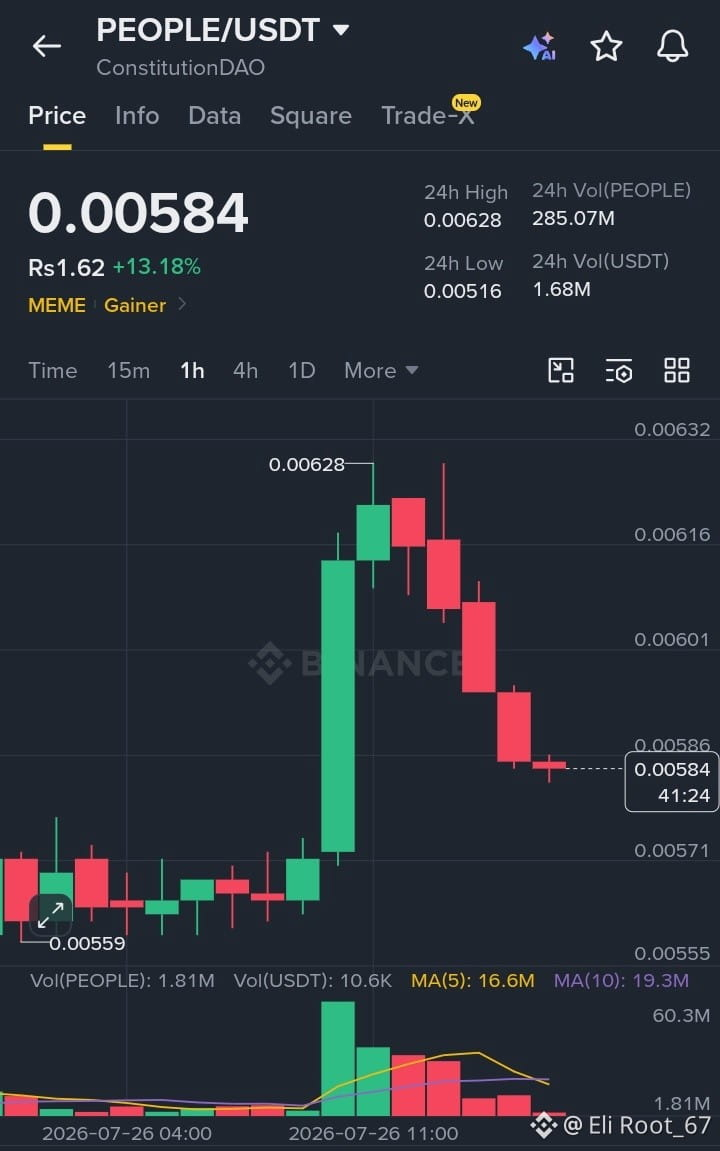
$PEOPLE
市場イベント:価格は下位のローカル安値を一度スイープした後、日中のサポートを上回って反転しました。
モメンタム示唆:回復局面は、買い手がベースを防衛し続けるなら、継続の動きを好みます。
レベル:
EP: $0.00584–$0.00592
TG1: $0.00610
TG2: $0.00635
TG3: $0.00660
SL: $0.00560
取引判断:価格が取り戻したサポートを上回っている間のみ、継続を狙います。
Close: この構造を維持し、買い手が優位性を保ちます。
#TeslaFallsNearly20%ThisWeek #USPausesIranStrikesSecondNight
{future}(PEOPLEUSDT)
$PEOPLE
市場イベント:価格は下位のローカル安値を一度スイープした後、日中のサポートを上回って反転しました。
モメンタム示唆:回復局面は、買い手がベースを防衛し続けるなら、継続の動きを好みます。
レベル:
EP: $0.00584–$0.00592
TG1: $0.00610
TG2: $0.00635
TG3: $0.00660
SL: $0.00560
取引判断:価格が取り戻したサポートを上回っている間のみ、継続を狙います。
Close: この構造を維持し、買い手が優位性を保ちます。
#TeslaFallsNearly20%ThisWeek #USPausesIranStrikesSecondNight
市場イベント:価格は下位のローカル安値を一度スイープした後、日中のサポートを上回って反転しました。
モメンタム示唆:回復局面は、買い手がベースを防衛し続けるなら、継続の動きを好みます。
レベル:
EP: $0.00584–$0.00592
TG1: $0.00610
TG2: $0.00635
TG3: $0.00660
SL: $0.00560
取引判断:価格が取り戻したサポートを上回っている間のみ、継続を狙います。
Close: この構造を維持し、買い手が優位性を保ちます。
#TeslaFallsNearly20%ThisWeek #USPausesIranStrikesSecondNight
166
·
--
ブリッシュ
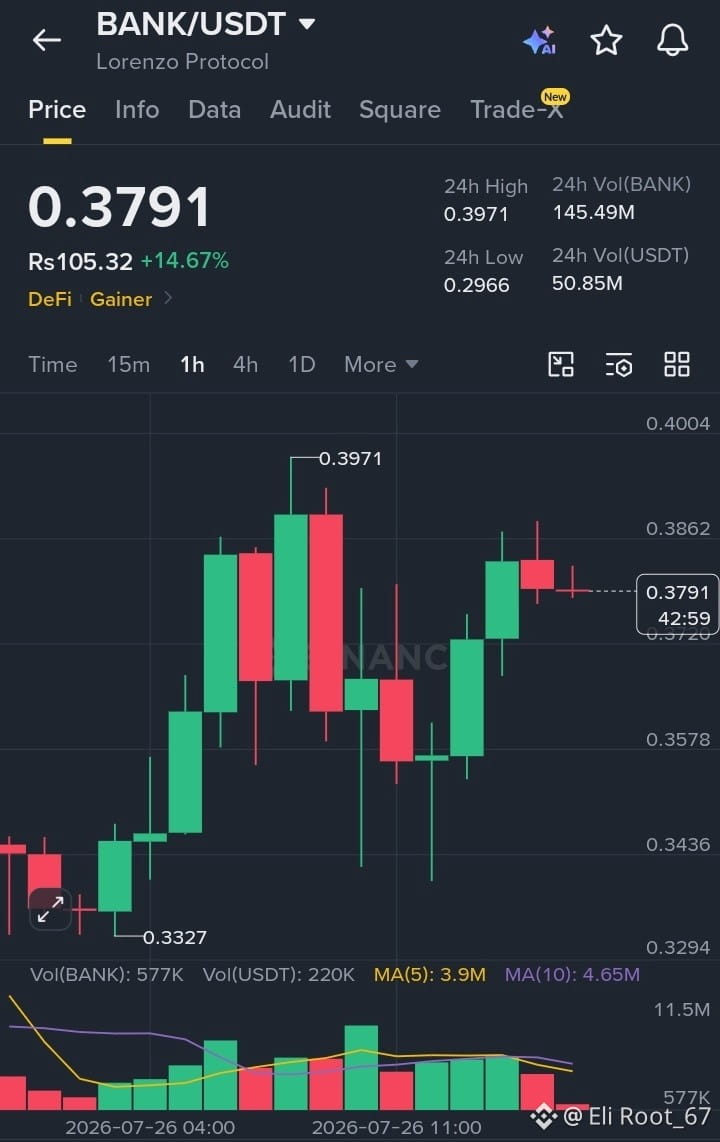
$BANK
市場イベント:衝動的なブレイクアウトの後、価格は重要なサポート・ゾーンを防衛しました。
モメンタム示唆:この水準を維持できれば、トレンドにおける買い手の優位が保たれます。
レベル:
EP: $0.378–$0.384
TG1: $0.398
TG2: $0.415
TG3: $0.435
SL: $0.365
取引判断:サポートが維持されている間は、強気バイアスを維持します。
クローズ:防衛が続けば、トレンドの延長確率が高まります。
#USPausesIranStrikesSecondNight #BitcoinMiningDifficultyMayFall1.2%
{future}(BANKUSDT)
$BANK
市場イベント:衝動的なブレイクアウトの後、価格は重要なサポート・ゾーンを防衛しました。
モメンタム示唆:この水準を維持できれば、トレンドにおける買い手の優位が保たれます。
レベル:
EP: $0.378–$0.384
TG1: $0.398
TG2: $0.415
TG3: $0.435
SL: $0.365
取引判断:サポートが維持されている間は、強気バイアスを維持します。
クローズ:防衛が続けば、トレンドの延長確率が高まります。
#USPausesIranStrikesSecondNight #BitcoinMiningDifficultyMayFall1.2%
市場イベント:衝動的なブレイクアウトの後、価格は重要なサポート・ゾーンを防衛しました。
モメンタム示唆:この水準を維持できれば、トレンドにおける買い手の優位が保たれます。
レベル:
EP: $0.378–$0.384
TG1: $0.398
TG2: $0.415
TG3: $0.435
SL: $0.365
取引判断:サポートが維持されている間は、強気バイアスを維持します。
クローズ:防衛が続けば、トレンドの延長確率が高まります。
#USPausesIranStrikesSecondNight #BitcoinMiningDifficultyMayFall1.2%
240
·
--
弱気相場
私はBabylon(BABY)を注意深く見てきましたが、私が注目しているのは技術だけではありません。その背後にある哲学です。
私は、Bitcoinが何年もの間、最も安全な分散型ネットワークになり得ることを証明してきたと思っています。これまでずっと問われてきたのは「そのセキュリティは、Bitcoin自体を超えて役に立てるのか?」という点でした。Babylonは、その答えに真剣に取り組んだ最初期の試みの一つのように感じます。
私が気に入っているのは、利便性と所有権のどちらかを選ばなくてよいところです。もしBTCをステーキングするなら、それは自分の管理下に置きたい。セルフカストディは私にとって「機能」ではなく、「土台」です。Babylonは、その前提のもとで設計されており、ユーザーに妥協を求めません。
また、より大きな全体像にも目を向けています。PoSネットワークが、BTCをBitcoinネットワークから移さずにBitcoinの経済的なセキュリティから恩恵を受けられるなら、それは大きな変化です。これは、Bitcoinがより広いエコシステムの中で果たす役割について、私の考え方を変えてくれます。
私はBABYを単なるもう一つのトークンとして見ていません。プロトコルが長く使えるインフラを生み出せるかどうかを見ています。成功すれば、人々はBabylonを「Bitcoinを別のものに変えようとする」のではなく、「Bitcoinができることを広げる」取り組みとして記憶するのではないかと思います。
実行が重要なので、私は現実的に見ています。しかし、チームがビジョンを成し遂げるなら、BabylonはBitcoinを次世代のブロックチェーンネットワークにつなぐ、最も重要なインフラプロジェクトの一つになり得ると考えています。
@babylonlabs_io
$BABY
#baby
{future}(BABYUSDT)
私はBabylon(BABY)を注意深く見てきましたが、私が注目しているのは技術だけではありません。その背後にある哲学です。
私は、Bitcoinが何年もの間、最も安全な分散型ネットワークになり得ることを証明してきたと思っています。これまでずっと問われてきたのは「そのセキュリティは、Bitcoin自体を超えて役に立てるのか?」という点でした。Babylonは、その答えに真剣に取り組んだ最初期の試みの一つのように感じます。
私が気に入っているのは、利便性と所有権のどちらかを選ばなくてよいところです。もしBTCをステーキングするなら、それは自分の管理下に置きたい。セルフカストディは私にとって「機能」ではなく、「土台」です。Babylonは、その前提のもとで設計されており、ユーザーに妥協を求めません。
また、より大きな全体像にも目を向けています。PoSネットワークが、BTCをBitcoinネットワークから移さずにBitcoinの経済的なセキュリティから恩恵を受けられるなら、それは大きな変化です。これは、Bitcoinがより広いエコシステムの中で果たす役割について、私の考え方を変えてくれます。
私はBABYを単なるもう一つのトークンとして見ていません。プロトコルが長く使えるインフラを生み出せるかどうかを見ています。成功すれば、人々はBabylonを「Bitcoinを別のものに変えようとする」のではなく、「Bitcoinができることを広げる」取り組みとして記憶するのではないかと思います。
実行が重要なので、私は現実的に見ています。しかし、チームがビジョンを成し遂げるなら、BabylonはBitcoinを次世代のブロックチェーンネットワークにつなぐ、最も重要なインフラプロジェクトの一つになり得ると考えています。
@BabylonLabs_io
$BABY
#baby
私は、Bitcoinが何年もの間、最も安全な分散型ネットワークになり得ることを証明してきたと思っています。これまでずっと問われてきたのは「そのセキュリティは、Bitcoin自体を超えて役に立てるのか?」という点でした。Babylonは、その答えに真剣に取り組んだ最初期の試みの一つのように感じます。
私が気に入っているのは、利便性と所有権のどちらかを選ばなくてよいところです。もしBTCをステーキングするなら、それは自分の管理下に置きたい。セルフカストディは私にとって「機能」ではなく、「土台」です。Babylonは、その前提のもとで設計されており、ユーザーに妥協を求めません。
また、より大きな全体像にも目を向けています。PoSネットワークが、BTCをBitcoinネットワークから移さずにBitcoinの経済的なセキュリティから恩恵を受けられるなら、それは大きな変化です。これは、Bitcoinがより広いエコシステムの中で果たす役割について、私の考え方を変えてくれます。
私はBABYを単なるもう一つのトークンとして見ていません。プロトコルが長く使えるインフラを生み出せるかどうかを見ています。成功すれば、人々はBabylonを「Bitcoinを別のものに変えようとする」のではなく、「Bitcoinができることを広げる」取り組みとして記憶するのではないかと思います。
実行が重要なので、私は現実的に見ています。しかし、チームがビジョンを成し遂げるなら、BabylonはBitcoinを次世代のブロックチェーンネットワークにつなぐ、最も重要なインフラプロジェクトの一つになり得ると考えています。
@BabylonLabs_io
$BABY
#baby

39
·
--
ブリッシュ
$BEAMX
市場イベント:流動性の低いゾーンを拒否した後、価格は重要な需要ゾーンを防衛しました。
モメンタム示唆:サポート上での安定は、リカバリーフェーズへの回復確率を高めます。
レベル:
EP: 0.00164–0.00168
TG1: 0.00178
TG2: 0.00190
TG3: 0.00205
SL: 0.00157
取引判断:需要ゾーンが保護された状態の間のみ、ロングのバイアスを維持します。
クローズ:サポートが維持され続けるなら、緩やかな上方向への継続が引き続き優勢です。
#Nasdaq100FallsInBackToBackWeeklyLoss #TrumpImposes10%To12.5%TariffsOn99.4%OfImports
{future}(BEAMXUSDT)
$BEAMX
市場イベント:流動性の低いゾーンを拒否した後、価格は重要な需要ゾーンを防衛しました。
モメンタム示唆:サポート上での安定は、リカバリーフェーズへの回復確率を高めます。
レベル:
EP: 0.00164–0.00168
TG1: 0.00178
TG2: 0.00190
TG3: 0.00205
SL: 0.00157
取引判断:需要ゾーンが保護された状態の間のみ、ロングのバイアスを維持します。
クローズ:サポートが維持され続けるなら、緩やかな上方向への継続が引き続き優勢です。
#Nasdaq100FallsInBackToBackWeeklyLoss #TrumpImposes10%To12.5%TariffsOn99.4%OfImports
市場イベント:流動性の低いゾーンを拒否した後、価格は重要な需要ゾーンを防衛しました。
モメンタム示唆:サポート上での安定は、リカバリーフェーズへの回復確率を高めます。
レベル:
EP: 0.00164–0.00168
TG1: 0.00178
TG2: 0.00190
TG3: 0.00205
SL: 0.00157
取引判断:需要ゾーンが保護された状態の間のみ、ロングのバイアスを維持します。
クローズ:サポートが維持され続けるなら、緩やかな上方向への継続が引き続き優勢です。
#Nasdaq100FallsInBackToBackWeeklyLoss #TrumpImposes10%To12.5%TariffsOn99.4%OfImports

97
·
--
ブリッシュ
$PYR
市場イベント:強い買いで水準を取り戻す前に、価格が支持線の近くの流動性を下に掃き切りました。
モメンタム示唆:このリジェクションは、売り手が主導権を失い、買い手がモメンタムを取り戻したことを示唆します。
レベル:
EP: 0.090–0.093
TG1: 0.098
TG2: 0.104
TG3: 0.112
SL: 0.086
取引判断:取り戻した支持線が守られている限り、ロングポジションは依然として有利です。
クローズ:買い手がリクレイムを防衛できれば、より高い目標に向けた継続が起こりやすいです。
#Nasdaq100FallsInBackToBackWeeklyLoss #TrumpImposes10%To12.5%TariffsOn99.4%OfImports
{spot}(PYRUSDT)
$PYR
市場イベント:強い買いで水準を取り戻す前に、価格が支持線の近くの流動性を下に掃き切りました。
モメンタム示唆:このリジェクションは、売り手が主導権を失い、買い手がモメンタムを取り戻したことを示唆します。
レベル:
EP: 0.090–0.093
TG1: 0.098
TG2: 0.104
TG3: 0.112
SL: 0.086
取引判断:取り戻した支持線が守られている限り、ロングポジションは依然として有利です。
クローズ:買い手がリクレイムを防衛できれば、より高い目標に向けた継続が起こりやすいです。
#Nasdaq100FallsInBackToBackWeeklyLoss #TrumpImposes10%To12.5%TariffsOn99.4%OfImports
市場イベント:強い買いで水準を取り戻す前に、価格が支持線の近くの流動性を下に掃き切りました。
モメンタム示唆:このリジェクションは、売り手が主導権を失い、買い手がモメンタムを取り戻したことを示唆します。
レベル:
EP: 0.090–0.093
TG1: 0.098
TG2: 0.104
TG3: 0.112
SL: 0.086
取引判断:取り戻した支持線が守られている限り、ロングポジションは依然として有利です。
クローズ:買い手がリクレイムを防衛できれば、より高い目標に向けた継続が起こりやすいです。
#Nasdaq100FallsInBackToBackWeeklyLoss #TrumpImposes10%To12.5%TariffsOn99.4%OfImports

203
·
--
ブリッシュ
$EUL
市場イベント:下値のサポートからの下方リジェクションにより新たな買いが入り、現在のトレンドを保護しました。
モメンタムの示唆:高値更新(上昇基調)となる安値が継続して形成されているため、構造は依然として建設的です。
レベル:
EP: 1.16–1.19
TG1: 1.25
TG2: 1.34
TG3: 1.45
SL: 1.10
取引判断:買い手が直近のサポート・ゾーンを防衛している限り、ロングのバイアスは有効です。
決済:より高い安値が維持されるなら、次のレジスタンスに向けた継続が見込まれます。
#Nasdaq100FallsInBackToBackWeeklyLoss #TrumpImposes10%To12.5%TariffsOn99.4%OfImports
{future}(EULUSDT)
$EUL
市場イベント:下値のサポートからの下方リジェクションにより新たな買いが入り、現在のトレンドを保護しました。
モメンタムの示唆:高値更新(上昇基調)となる安値が継続して形成されているため、構造は依然として建設的です。
レベル:
EP: 1.16–1.19
TG1: 1.25
TG2: 1.34
TG3: 1.45
SL: 1.10
取引判断:買い手が直近のサポート・ゾーンを防衛している限り、ロングのバイアスは有効です。
決済:より高い安値が維持されるなら、次のレジスタンスに向けた継続が見込まれます。
#Nasdaq100FallsInBackToBackWeeklyLoss #TrumpImposes10%To12.5%TariffsOn99.4%OfImports
市場イベント:下値のサポートからの下方リジェクションにより新たな買いが入り、現在のトレンドを保護しました。
モメンタムの示唆:高値更新(上昇基調)となる安値が継続して形成されているため、構造は依然として建設的です。
レベル:
EP: 1.16–1.19
TG1: 1.25
TG2: 1.34
TG3: 1.45
SL: 1.10
取引判断:買い手が直近のサポート・ゾーンを防衛している限り、ロングのバイアスは有効です。
決済:より高い安値が維持されるなら、次のレジスタンスに向けた継続が見込まれます。
#Nasdaq100FallsInBackToBackWeeklyLoss #TrumpImposes10%To12.5%TariffsOn99.4%OfImports

1
134
ログインして、さらにコンテンツを読む
厳選トピックで世界の暗号資産トレーダーの仲間入り
⚡️ 暗号資産に関する最新かつ有益な情報が見つかります。
💬 世界最大の暗号資産取引所から信頼されています。
👍 認証を受けたクリエイターから、有益なインサイトを得られます。
メール / 電話番号
トレンドトピック
FedMinutesFocusOnOctoberPause
閲覧回数 361,247
2,221人が討論中
🚨 FRBが重大な手がかりを示唆:10月に利上げ停止か?
ウォール街は、FRBが10月にブレーキを踏むと見ています。暗号資産のトレーダーたちも注目しています。👀
最新のFOMC議事録を受け、10月27日・28日の会合で利上げが見送られる可能性に注目が集まっています。
📊 市場の見通し:
🔥 10月に金利を据え置く確率:最新の公表データで約82.8%。
🔥 利上げの確率:約17.2%。
🔥 労働市場の弱まりにより、直ちに利上げを正当化するのは難しくなっています。
しかし、ここで話は変わります。
利上げ停止は、利下げではありません。
FRBは10月に金利を据え置きつつ、その後、金融引き締めを再開する可能性を残すこともできます。
$BTC、$ETH、$XAUにとって、この違いは重要です。
利上げ停止は、リスク資産への当面の圧力を和らげる可能性があります。しかし、根強いインフレと高水準の米国債利回りが、上昇の勢いを抑える可能性は依然としてあります。
⚠️ 最大の疑問:
ウォール街は暗号資産の上昇ブレイクアウトに備えているのでしょうか?それとも、次のFRBの決定を前に、またしても大規模なブルトラップを仕掛けようとしているのでしょうか?
$BTC $ETH $BNB $SOL $XAU
#fedminutesfocusonoctoberpause #BinanceLaunchesBinanceIntelligence #EvernorthDelaysNasdaqDebutToOct12 #RobinhoodAdds25MInBitcoinToBalanceSheet $25MInBitcoinToBalanceSh #SP500AndNasdaqHitRecordHighs
Carmelita Gilliland zXSW
·いいね:9件
·閲覧回数 13.4k
VitalikWarnsAICouldWeakenCryptographySecurity
閲覧回数 91
42人が討論中
XRPSpotETFsHold$1.7BWeeklyInflowsSlow
閲覧回数 216
18人が討論中