
Magnus_eth
6 投稿

Magnus_eth
報告
ユーザーをブロック
Verifying my Binance Square account for YZi Labs Amplify via EchoHunt: EH-DER8FH
取引を発注
高頻度トレーダー
4.4年
39 フォロー
2 フォロワー
7 いいね
投稿
ポートフォリオ
·
--
EchoHunt経由でYZi Labs AmplifyのBinance Squareアカウントを確認する:EH-DER8FH
EchoHunt経由でYZi Labs AmplifyのBinance Squareアカウントを確認する:EH-DER8FH
1
1
9
·
--
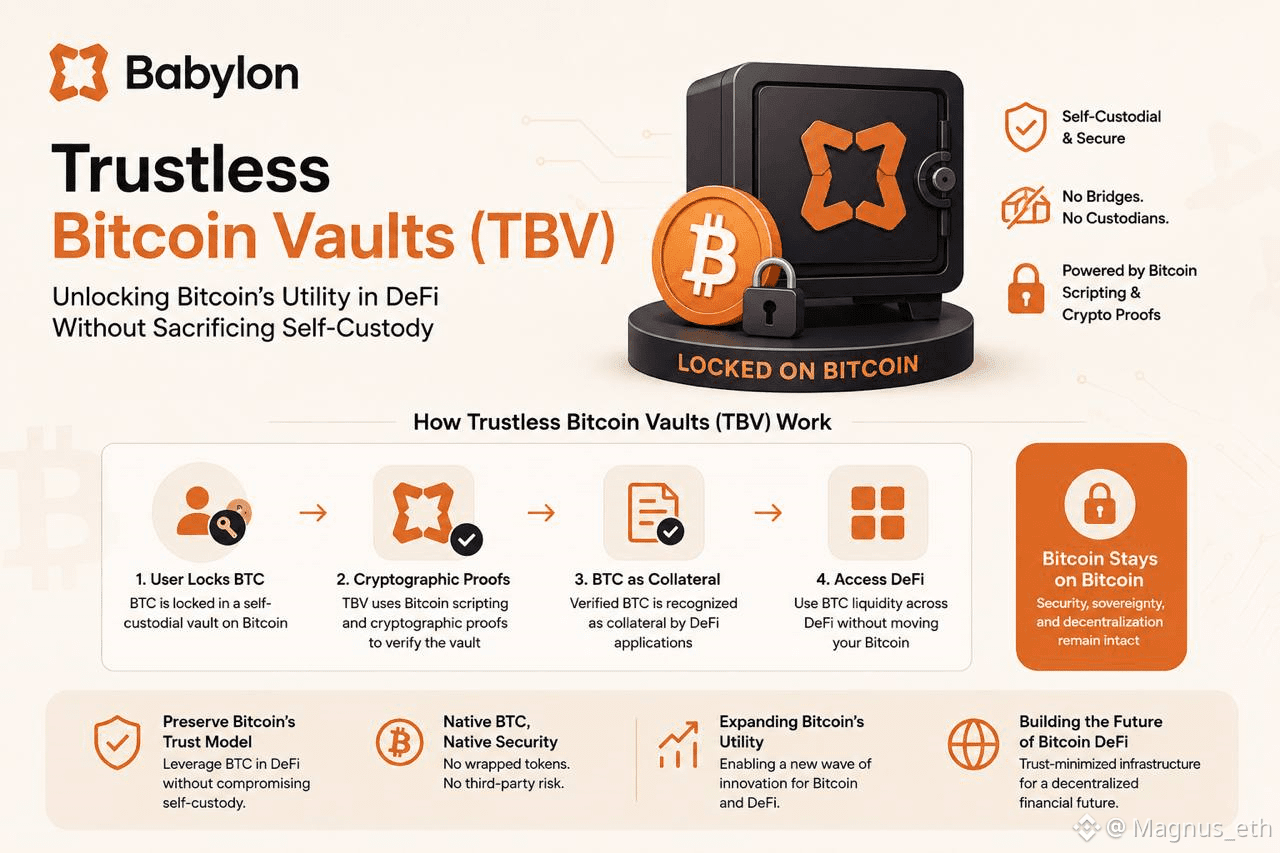
ビットコインは常に最も信頼される価値の保存手段でしたが、DeFiでBTCを使う場合、ブリッジ、ラッパー、またはカストディアンによって自己管理を犠牲にすることが多いのが現状でした。
だからこそ、Trustless Bitcoin Vaults(TBV)である@babylonlabs_io が際立ちます。
BTCをビットコインの外へ移すのではなく、TBVではネイティブなBTCを自己管理型の金庫としてビットコインネットワーク上にロックしたまま、DeFiアプリケーションの担保として利用できます。このプロトコルは、信頼できる仲介者ではなく暗号学的な証明とビットコインのスクリプト機能に依拠しており、カストディ型のブリッジやラップド・アセットの必要性を減らします。
これにより、私の中では議論の焦点が「どうやってビットコインをブリッジするか?」から「ビットコインの信頼モデルを維持しつつ、その有用性を拡張するにはどうするか?」へと移ります。
もしビットコインがDeFiでより大きな役割を担うのであれば、TBVのような信頼を最小化したインフラは注目すべき重要な方向性です。
@babylonlabs_io $BABY #baby
ビットコインは常に最も信頼される価値の保存手段でしたが、DeFiでBTCを使う場合、ブリッジ、ラッパー、またはカストディアンによって自己管理を犠牲にすることが多いのが現状でした。
だからこそ、Trustless Bitcoin Vaults(TBV)である@BabylonLabs_io が際立ちます。
BTCをビットコインの外へ移すのではなく、TBVではネイティブなBTCを自己管理型の金庫としてビットコインネットワーク上にロックしたまま、DeFiアプリケーションの担保として利用できます。このプロトコルは、信頼できる仲介者ではなく暗号学的な証明とビットコインのスクリプト機能に依拠しており、カストディ型のブリッジやラップド・アセットの必要性を減らします。
これにより、私の中では議論の焦点が「どうやってビットコインをブリッジするか?」から「ビットコインの信頼モデルを維持しつつ、その有用性を拡張するにはどうするか?」へと移ります。
もしビットコインがDeFiでより大きな役割を担うのであれば、TBVのような信頼を最小化したインフラは注目すべき重要な方向性です。
@BabylonLabs_io $BABY #baby
だからこそ、Trustless Bitcoin Vaults(TBV)である@BabylonLabs_io が際立ちます。
BTCをビットコインの外へ移すのではなく、TBVではネイティブなBTCを自己管理型の金庫としてビットコインネットワーク上にロックしたまま、DeFiアプリケーションの担保として利用できます。このプロトコルは、信頼できる仲介者ではなく暗号学的な証明とビットコインのスクリプト機能に依拠しており、カストディ型のブリッジやラップド・アセットの必要性を減らします。
これにより、私の中では議論の焦点が「どうやってビットコインをブリッジするか?」から「ビットコインの信頼モデルを維持しつつ、その有用性を拡張するにはどうするか?」へと移ります。
もしビットコインがDeFiでより大きな役割を担うのであれば、TBVのような信頼を最小化したインフラは注目すべき重要な方向性です。
@BabylonLabs_io $BABY #baby
1
49
·
--
弱気相場
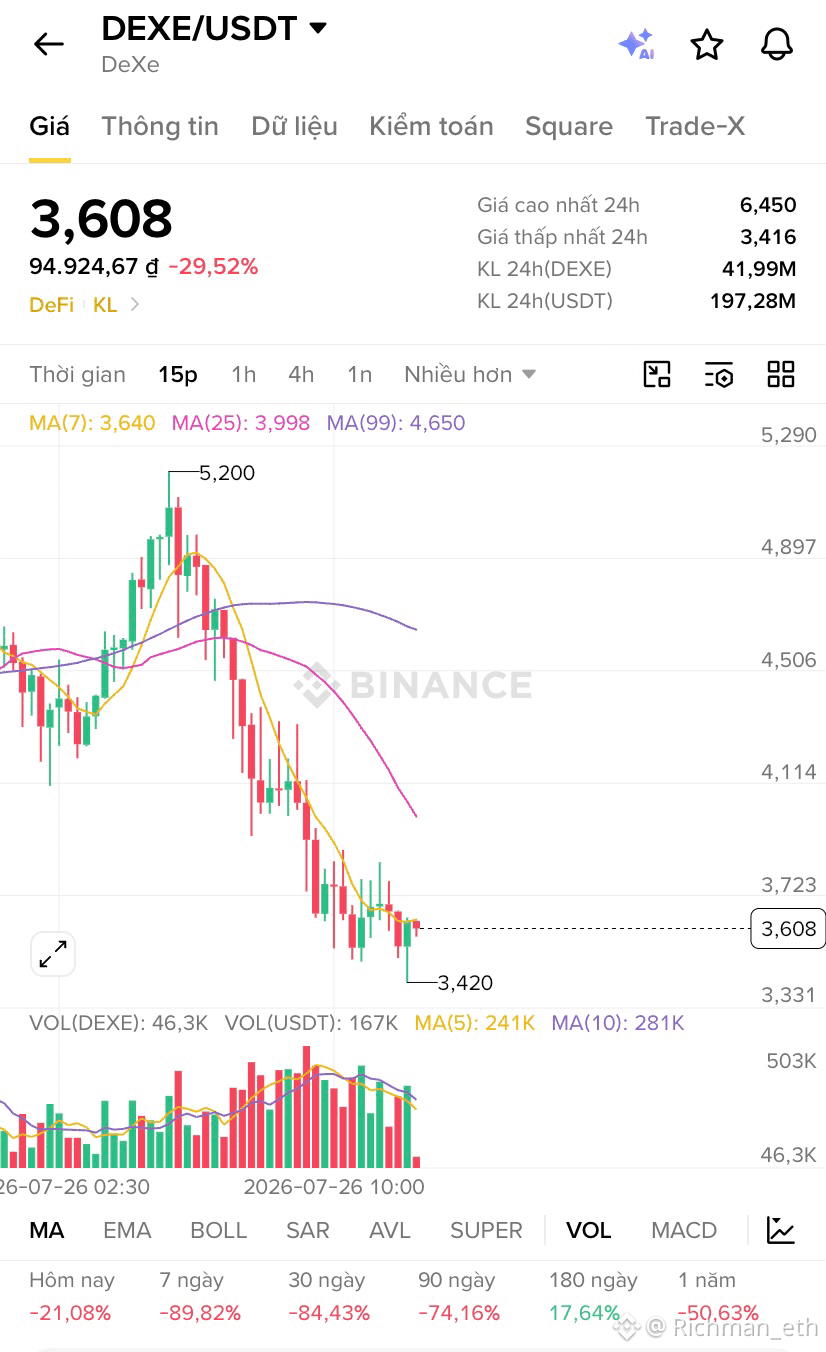
$DEXE は本日、強い売り圧力下にあります。
急な下落が必ずしもトレンドの終わりを意味するわけではありませんが、リスク管理を最優先にすべきだということを改めて思い出させてくれます。
$DEXE は本日、強い売り圧力下にあります。
急な下落が必ずしもトレンドの終わりを意味するわけではありませんが、リスク管理を最優先にすべきだということを改めて思い出させてくれます。
急な下落が必ずしもトレンドの終わりを意味するわけではありませんが、リスク管理を最優先にすべきだということを改めて思い出させてくれます。
3
483
·
--
記事
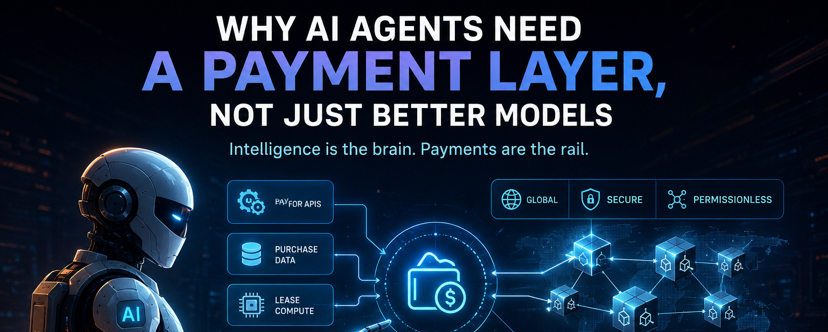
なぜAIエージェントには、より良いモデルだけでなく決済レイヤーが必要なのか人工知能は急速に進化していますが、知能だけでは真のAI経済を生み出すには不十分です。
AIエージェントが意思決定できるようになるにつれ、APIの利用料を支払い、データを購入し、計算処理能力をリースし、他の自律的なエージェントとやり取りする必要が出てきます。信頼できる決済レイヤーがなければ、こうしたやり取りは限定されたままです。
従来の決済システムは機械のために設計されていません。人の確認が必要だったり、銀行の営業時間に依存したり、高い手数料がかかったり、地域によって制限されたりすることがよくあります。これらの制約により、自律的でリアルタイムな取引には非効率になります。
なぜAIエージェントには、より良いモデルだけでなく決済レイヤーが必要なのか
人工知能は急速に進化していますが、知能だけでは真のAI経済を生み出すには不十分です。
AIエージェントが意思決定できるようになるにつれ、APIの利用料を支払い、データを購入し、計算処理能力をリースし、他の自律的なエージェントとやり取りする必要が出てきます。信頼できる決済レイヤーがなければ、こうしたやり取りは限定されたままです。
従来の決済システムは機械のために設計されていません。人の確認が必要だったり、銀行の営業時間に依存したり、高い手数料がかかったり、地域によって制限されたりすることがよくあります。これらの制約により、自律的でリアルタイムな取引には非効率になります。
AIエージェントが意思決定できるようになるにつれ、APIの利用料を支払い、データを購入し、計算処理能力をリースし、他の自律的なエージェントとやり取りする必要が出てきます。信頼できる決済レイヤーがなければ、こうしたやり取りは限定されたままです。
従来の決済システムは機械のために設計されていません。人の確認が必要だったり、銀行の営業時間に依存したり、高い手数料がかかったり、地域によって制限されたりすることがよくあります。これらの制約により、自律的でリアルタイムな取引には非効率になります。
1
164
ログインして、さらにコンテンツを読む
厳選トピックで世界の暗号資産トレーダーの仲間入り
⚡️ 暗号資産に関する最新かつ有益な情報が見つかります。
💬 世界最大の暗号資産取引所から信頼されています。
👍 認証を受けたクリエイターから、有益なインサイトを得られます。
メール / 電話番号
トレンドトピック
SECReceivesGrayscaleLitecoinTrustETFFiling
閲覧回数 57,720
1,132人が討論中
#secreceivesgrayscalelitecointrustetffiling
SEC、グレースケールのライトコインETF申請を受理:LTCがまた注目を浴びる 🚨
市場は静かに動いていたところに、別のライトコインの見出しが飛び込んできました。傍観しているトレーダーにとって、立ち止まってこう考えたくなるような申請です――機関投資家のアクセスは、いよいよ近づいてきているのでしょうか?
グレースケールのライトコイン・トラストは、提案されている移行とNYSE Arcaの上場プロセスに関連する最近の申請により、ETF構造に向けてさらに一歩進みました。SECの記録には、グレースケールのライトコイン提案をめぐる過去の手続きが示されており、最新の申請活動によってこのストーリーは引き続き生きています。
重要なのは、申請は承認ではないという点です。投資家は、規制の進展と、すぐにETFがローンチされるといった期待を切り分けて考えるべきです。
私の見解:より大きなテーマは「アクセスのしやすさ」です。ETFの形になれば、暗号資産を直接保有するのではなく、規制された市場商品を好む従来型の投資家にとって、LTCへのエクスポージャーがより簡単になる可能性があります。
ライトコインは現在、Binanceで約$53.69で取引されています。資産の24時間の値動きは小さめです。これにより、単なるヘッドライン主導の価格反応を追うよりも、規制の展開のほうが興味深いものになります。
真の試練は次に来ます。規制上の判断、市場の需要、流動性、そして機関投資家の関心が、書類の後に本当に続くかどうかです。
申請は扉を開けるかもしれませんが、開いた後に何が起きるかは需要が決めます。
❓グレースケールのライトコインETFは、LTCの機関投資家による需要を実質的に変え得ると思いますか?
免責事項:本内容は情報提供のみを目的としており、投資助言ではありません。暗号資産は価格変動が大きく、規制の結果は不確実です。
#Litecoin #CryptoETF #GrowWithSAC $LTC $ETH $SOL
#SECReceivesGrayscaleLitecoinTrustETFFiling
Sienna Leo-你真棒-带我走
·いいね:2件
·閲覧回数 2k
ClarityActFacesProceduralVoteSept15
閲覧回数 179,026
2,031人が討論中
US10YearTreasuryYieldNears5%
閲覧回数 60,953
1,113人が討論中