

Eddie Walker
8.2k 投稿

Eddie Walker
 厳選トピック確認済+
報告
ユーザーをブロック
No excuses,Just progress X: @Eddie_Walker_
高頻度トレーダー
2.5年
24 フォロー
33.9K+ フォロワー
59.2K+ いいね
投稿
すべて
引用
ライブ
·
--
本人確認中
たった一本の悪いヒゲで、完璧なトレードが台無しになることがあります。トレーダーなら誰もがその感覚を知っています。
だからこそ、@Aevoxyz は注目に値すると思います。
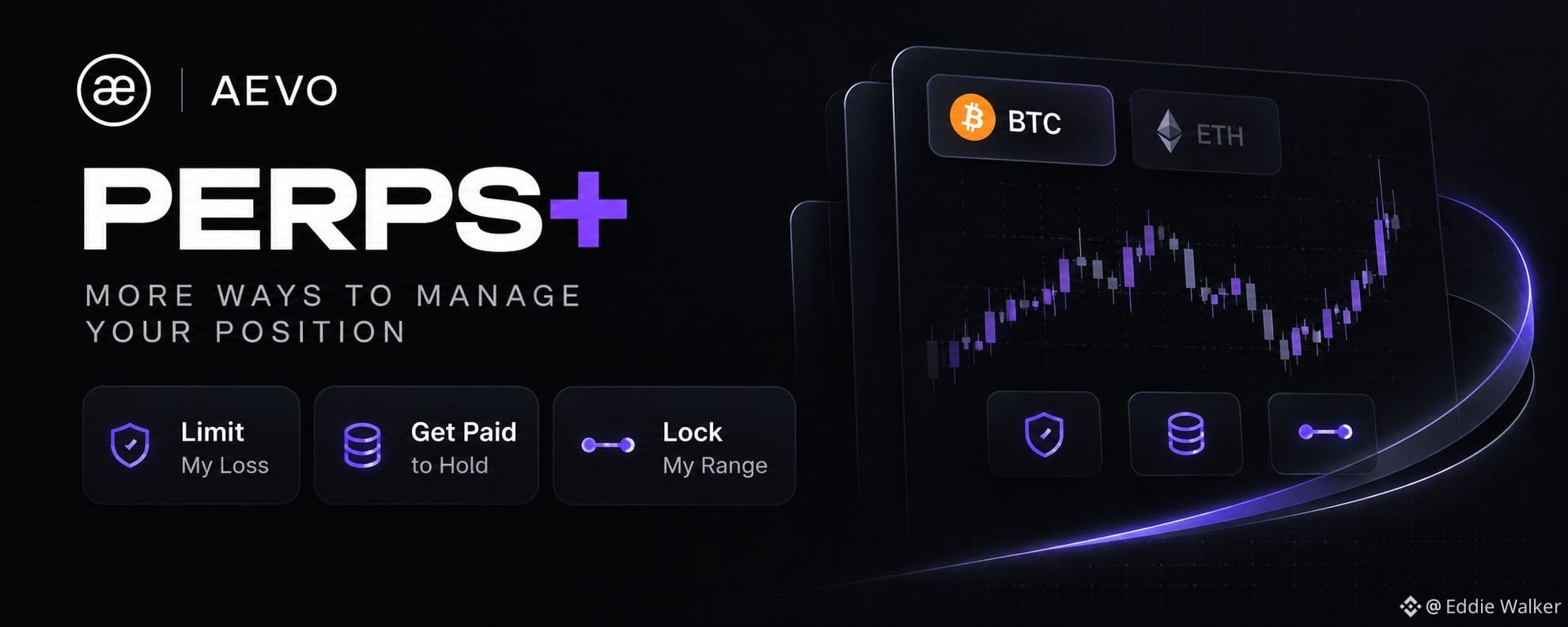
PERPS+では、「損失を限定」「保有して報酬を獲得」「レンジを固定」といった機能を通じて、トレーダーは$BTC や$ETH のポジションを管理する方法をより多く選べます。
常に大きな利益を追い求めることが大事なわけではありません。トレードをよりうまくコントロールできるだけで、大きな違いが生まれることもあります。
AEVOがここで目指している方向性はいいと思います。トレードは、ポジションのエントリーと決済だけではありません。
$AEVO とともに彼らが築いているものに期待しています
たった一本の悪いヒゲで、完璧なトレードが台無しになることがあります。トレーダーなら誰もがその感覚を知っています。
だからこそ、@Aevo は注目に値すると思います。
PERPS+では、「損失を限定」「保有して報酬を獲得」「レンジを固定」といった機能を通じて、トレーダーは$BTC や$ETH のポジションを管理する方法をより多く選べます。
常に大きな利益を追い求めることが大事なわけではありません。トレードをよりうまくコントロールできるだけで、大きな違いが生まれることもあります。
AEVOがここで目指している方向性はいいと思います。トレードは、ポジションのエントリーと決済だけではありません。
$AEVO とともに彼らが築いているものに期待しています
だからこそ、@Aevo は注目に値すると思います。
PERPS+では、「損失を限定」「保有して報酬を獲得」「レンジを固定」といった機能を通じて、トレーダーは$BTC や$ETH のポジションを管理する方法をより多く選べます。
常に大きな利益を追い求めることが大事なわけではありません。トレードをよりうまくコントロールできるだけで、大きな違いが生まれることもあります。
AEVOがここで目指している方向性はいいと思います。トレードは、ポジションのエントリーと決済だけではありません。
$AEVO とともに彼らが築いているものに期待しています
9
14
6.5k
·
--
ブリッシュ
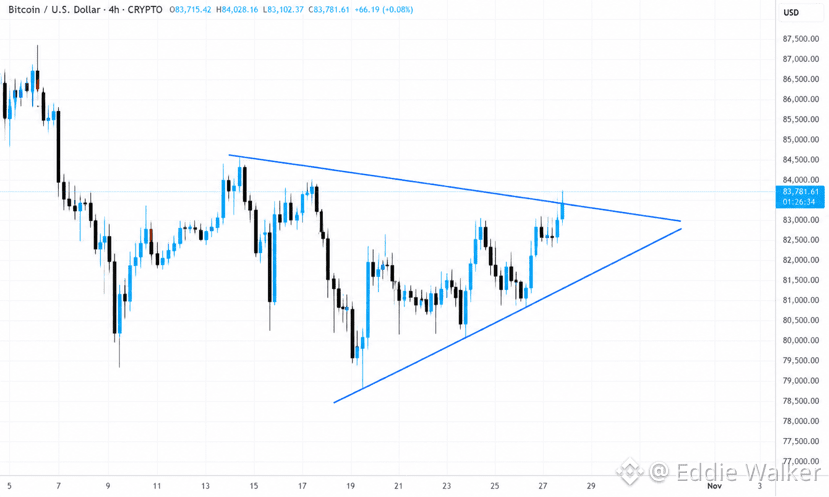
$BTC はレジスタンスを試しており、圧力が高まっています。
一度きれいにブレイクすれば、市場が急騰する可能性があります🚀
$BTC はレジスタンスを試しており、圧力が高まっています。
一度きれいにブレイクすれば、市場が急騰する可能性があります🚀
一度きれいにブレイクすれば、市場が急騰する可能性があります🚀
9
1
27
20.7k
·
--
本人確認中
@PythNetwork について調べれば調べるほど、金融市場におけるその役割が興味深くなってきます。
多くの人は取引に注目しますが、市場を裏側で支えているのは正確な市場データです。
そこで存在感を発揮するのがPythです。
従来のデータ仲介業者に頼るのではなく、Pythは機関や市場参加者から直接価格情報を取得しています。
そして、その成長にも注目する価値があります。
→ 710社以上の企業がPythのデータを利用
→ 累計3.25兆ドル以上の取引高を保護
→ 125以上の機関がデータを配信
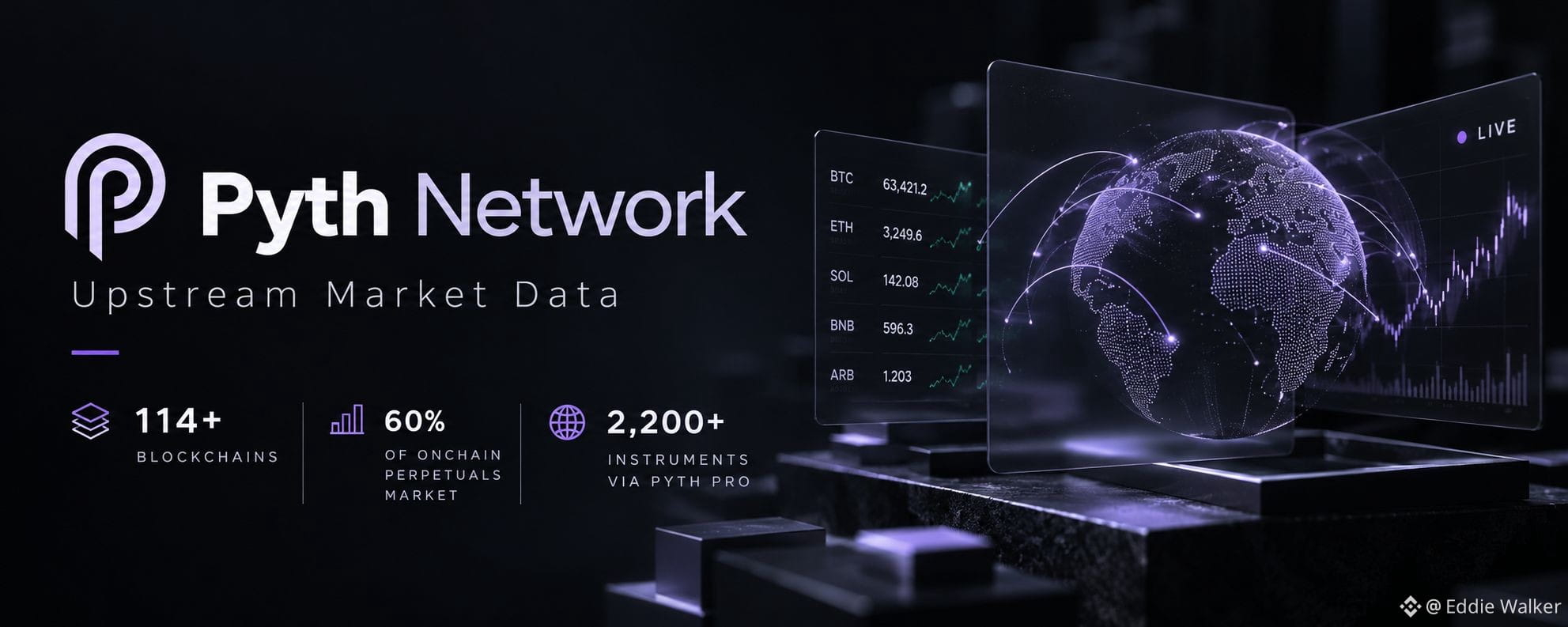
→ 114以上のブロックチェーンに対応
→ オンチェーン無期限先物市場の60%を占める
特に関心を引かれるのはPyth Proです。1つの統合を通じて、複数の資産にわたる機関投資家向け品質の市場データを提供します。
RWA、予測市場、マルチアセット取引所が成長を続けるなか、信頼できる価格データはますます重要になります。
Pythは、こうした市場が実際に必要とするインフラを構築しています。
だからこそ、長期的な発展に注目する価値があるのです。
#pythnetwork
@Pyth Network について調べれば調べるほど、金融市場におけるその役割が興味深くなってきます。
多くの人は取引に注目しますが、市場を裏側で支えているのは正確な市場データです。
そこで存在感を発揮するのがPythです。
従来のデータ仲介業者に頼るのではなく、Pythは機関や市場参加者から直接価格情報を取得しています。
そして、その成長にも注目する価値があります。
→ 710社以上の企業がPythのデータを利用
→ 累計3.25兆ドル以上の取引高を保護
→ 125以上の機関がデータを配信
→ 114以上のブロックチェーンに対応
→ オンチェーン無期限先物市場の60%を占める
特に関心を引かれるのはPyth Proです。1つの統合を通じて、複数の資産にわたる機関投資家向け品質の市場データを提供します。
RWA、予測市場、マルチアセット取引所が成長を続けるなか、信頼できる価格データはますます重要になります。
Pythは、こうした市場が実際に必要とするインフラを構築しています。
だからこそ、長期的な発展に注目する価値があるのです。
#pythnetwork
多くの人は取引に注目しますが、市場を裏側で支えているのは正確な市場データです。
そこで存在感を発揮するのがPythです。
従来のデータ仲介業者に頼るのではなく、Pythは機関や市場参加者から直接価格情報を取得しています。
そして、その成長にも注目する価値があります。
→ 710社以上の企業がPythのデータを利用
→ 累計3.25兆ドル以上の取引高を保護
→ 125以上の機関がデータを配信
→ 114以上のブロックチェーンに対応
→ オンチェーン無期限先物市場の60%を占める
特に関心を引かれるのはPyth Proです。1つの統合を通じて、複数の資産にわたる機関投資家向け品質の市場データを提供します。
RWA、予測市場、マルチアセット取引所が成長を続けるなか、信頼できる価格データはますます重要になります。
Pythは、こうした市場が実際に必要とするインフラを構築しています。
だからこそ、長期的な発展に注目する価値があるのです。
#pythnetwork
22
24
10k
·
--
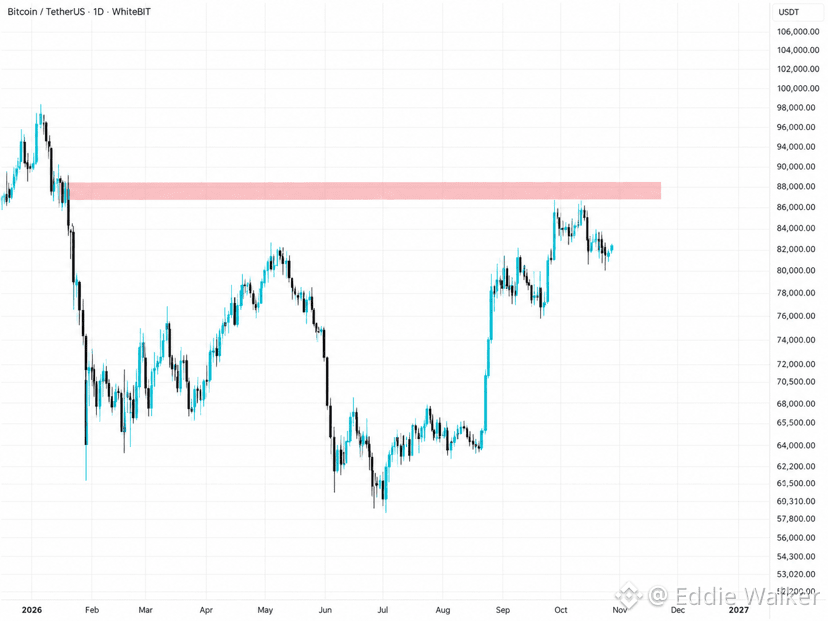
ビットコインは重要なレジスタンスゾーンに近づいています。
$BTC がこれを上抜け、その上を維持できれば、次の大きな目標は10万ドルになる可能性があります。
一度きれいにブレイクアウトすれば、すべてが変わるかもしれません
ビットコインは重要なレジスタンスゾーンに近づいています。
$BTC がこれを上抜け、その上を維持できれば、次の大きな目標は10万ドルになる可能性があります。
一度きれいにブレイクアウトすれば、すべてが変わるかもしれません
$BTC がこれを上抜け、その上を維持できれば、次の大きな目標は10万ドルになる可能性があります。
一度きれいにブレイクアウトすれば、すべてが変わるかもしれません
5
8
5.5k
·
--
最近、@polymarket に注目することが増えました。それには理由があります。
市場はいつもニュースを待っているわけではありません。見出しが出るずっと前から、予想が変わり始めることもあります。
だからこそ、Polymarketは興味深いのです。
暗号資産やAIから、政治、スポーツ、世界経済の動向まで、現実世界の出来事の結果を取引できます。
私が特に役立つと感じるのは、新しい情報が入るにつれて市場の確率がどう変化するかを見守ることです。
何もかも正確に予測することが目的ではありません。人々が何を予想し、その予想がどう変化するかを理解することが大切です。
もちろん、市場のオッズは保証ではなく、実際に資金を失うリスクもあります。
それでも、予測市場が成長を続けるなか、Polymarketのようなプラットフォームは注目する価値が高まっていると思います。
時には、センチメントの変化が見出しそのものより大きな物語を伝えてくれます。
#polymarket
最近、@Polymarket に注目することが増えました。それには理由があります。
市場はいつもニュースを待っているわけではありません。見出しが出るずっと前から、予想が変わり始めることもあります。
だからこそ、Polymarketは興味深いのです。
暗号資産やAIから、政治、スポーツ、世界経済の動向まで、現実世界の出来事の結果を取引できます。
私が特に役立つと感じるのは、新しい情報が入るにつれて市場の確率がどう変化するかを見守ることです。
何もかも正確に予測することが目的ではありません。人々が何を予想し、その予想がどう変化するかを理解することが大切です。
もちろん、市場のオッズは保証ではなく、実際に資金を失うリスクもあります。
それでも、予測市場が成長を続けるなか、Polymarketのようなプラットフォームは注目する価値が高まっていると思います。
時には、センチメントの変化が見出しそのものより大きな物語を伝えてくれます。
#polymarket
市場はいつもニュースを待っているわけではありません。見出しが出るずっと前から、予想が変わり始めることもあります。
だからこそ、Polymarketは興味深いのです。
暗号資産やAIから、政治、スポーツ、世界経済の動向まで、現実世界の出来事の結果を取引できます。
私が特に役立つと感じるのは、新しい情報が入るにつれて市場の確率がどう変化するかを見守ることです。
何もかも正確に予測することが目的ではありません。人々が何を予想し、その予想がどう変化するかを理解することが大切です。
もちろん、市場のオッズは保証ではなく、実際に資金を失うリスクもあります。
それでも、予測市場が成長を続けるなか、Polymarketのようなプラットフォームは注目する価値が高まっていると思います。
時には、センチメントの変化が見出しそのものより大きな物語を伝えてくれます。
#polymarket
17
23
8k
·
--
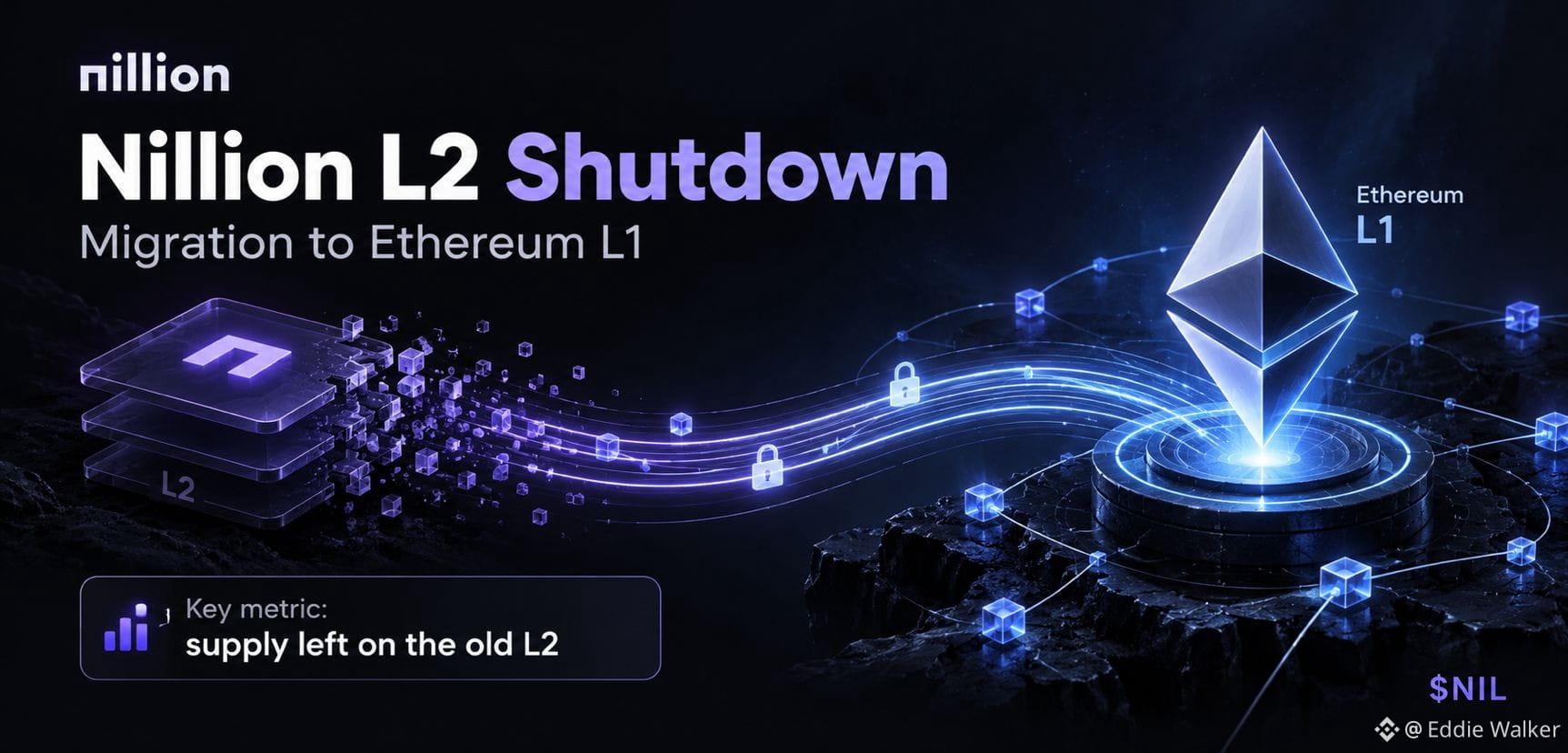
@nillionnetwork はL2を停止し、ユーザーをEthereum L1に戻す決定を下しました。ここで重要な疑問が浮かびます。そのL2は、存在を正当化できるだけの十分な支持を得ていたのでしょうか?
最近の移行通知を受けて、ユーザーがトークンを移動させている可能性があります。また、10月24日のロック解除も、ポジション取りに影響しているかもしれません。どちらの要因も関係している可能性があります。
私が注目しているのは、より大きな方向性です。Covenantsの最初のリリースであるDuskがEthereumメインネットで稼働を開始した後、NillionはユーザーをEthereum L1へ移行させています。L2エコシステムを拡大するのではなく、Ethereumを中心に集約しているのです。
これはL2が限られた支持しか得られなかったことを示唆している可能性がありますが、単なる戦略的な移行なのかもしれません。ブリッジの取引データを確認しないかぎり、確かな結論を出すのは時期尚早です。
私にとって、来週注目すべき重要な指標は$NIL の価格ではなく、停止が近づくなかで旧L2にどれだけの供給量が残っているかです。
#NIL を今Ethereumにブリッジしますか?それとも期限が近づくまで待ちますか?
#nil $NIL @nillionnetwork
@Nillion はL2を停止し、ユーザーをEthereum L1に戻す決定を下しました。ここで重要な疑問が浮かびます。そのL2は、存在を正当化できるだけの十分な支持を得ていたのでしょうか?
最近の移行通知を受けて、ユーザーがトークンを移動させている可能性があります。また、10月24日のロック解除も、ポジション取りに影響しているかもしれません。どちらの要因も関係している可能性があります。
私が注目しているのは、より大きな方向性です。Covenantsの最初のリリースであるDuskがEthereumメインネットで稼働を開始した後、NillionはユーザーをEthereum L1へ移行させています。L2エコシステムを拡大するのではなく、Ethereumを中心に集約しているのです。
これはL2が限られた支持しか得られなかったことを示唆している可能性がありますが、単なる戦略的な移行なのかもしれません。ブリッジの取引データを確認しないかぎり、確かな結論を出すのは時期尚早です。
私にとって、来週注目すべき重要な指標は$NIL の価格ではなく、停止が近づくなかで旧L2にどれだけの供給量が残っているかです。
#NIL を今Ethereumにブリッジしますか?それとも期限が近づくまで待ちますか?
#nil $NIL @Nillion
最近の移行通知を受けて、ユーザーがトークンを移動させている可能性があります。また、10月24日のロック解除も、ポジション取りに影響しているかもしれません。どちらの要因も関係している可能性があります。
私が注目しているのは、より大きな方向性です。Covenantsの最初のリリースであるDuskがEthereumメインネットで稼働を開始した後、NillionはユーザーをEthereum L1へ移行させています。L2エコシステムを拡大するのではなく、Ethereumを中心に集約しているのです。
これはL2が限られた支持しか得られなかったことを示唆している可能性がありますが、単なる戦略的な移行なのかもしれません。ブリッジの取引データを確認しないかぎり、確かな結論を出すのは時期尚早です。
私にとって、来週注目すべき重要な指標は$NIL の価格ではなく、停止が近づくなかで旧L2にどれだけの供給量が残っているかです。
#NIL を今Ethereumにブリッジしますか?それとも期限が近づくまで待ちますか?
#nil $NIL @Nillion
10
17
1.4k
·
--
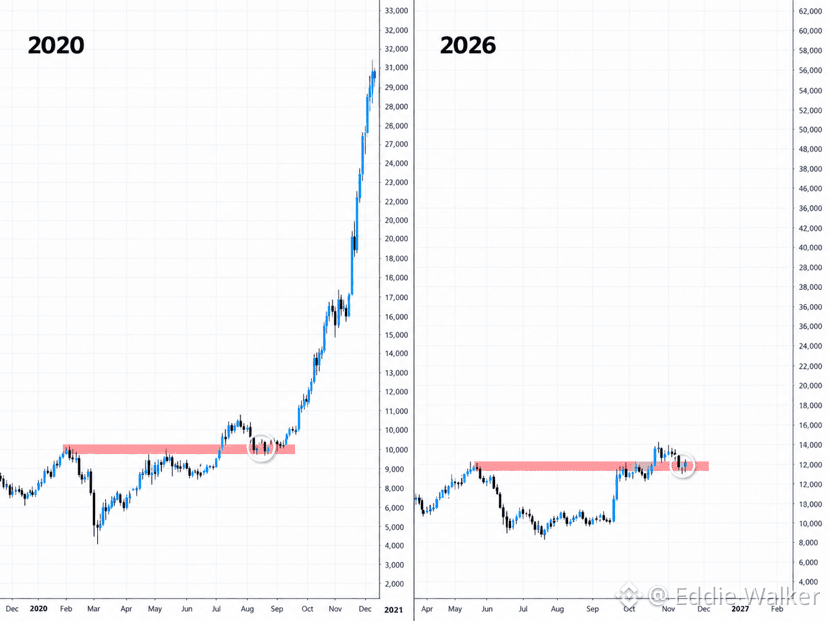
$BTC is が 2020 を繰り返していたら?
同じ設定、同じ再テスト。
また大きな上昇相場が来るのか?
$BTC is が 2020 を繰り返していたら?
同じ設定、同じ再テスト。
また大きな上昇相場が来るのか?
同じ設定、同じ再テスト。
また大きな上昇相場が来るのか?
19
1
48
44.2k
·
--
@polymarket は、暗号資産業界で最も有力なプロダクトの一つへと、いつの間にか成長しました。
そして、驚くべきなのは、これがまだ始まりにすぎないかもしれないということです。
複雑な利用開始手続きはありません。
終わりのないノイズもありません。
世界最大級のイベントを軸にした、リアルタイム市場があるだけです。
→ 政治、暗号資産、AI、スポーツ、そして世界のトレンド。
→ 月間トレーダー数50万人以上。
→ 月間訪問数1,700万回以上。
→ 2025年には、取引高が数十億ドルに達する見込み。
この数字が物語るのは、興味深いストーリーです。
Polymarketは、予測市場のトレンドを追いかけているだけではありません。その先頭に立つ一翼を担っています。
すでに大きな支持を集めているこのプロダクトに、注目する人が増え始めています。
次の章は、さらに大きなものになるかもしれません。
@Polymarket は、暗号資産業界で最も有力なプロダクトの一つへと、いつの間にか成長しました。
そして、驚くべきなのは、これがまだ始まりにすぎないかもしれないということです。
複雑な利用開始手続きはありません。
終わりのないノイズもありません。
世界最大級のイベントを軸にした、リアルタイム市場があるだけです。
→ 政治、暗号資産、AI、スポーツ、そして世界のトレンド。
→ 月間トレーダー数50万人以上。
→ 月間訪問数1,700万回以上。
→ 2025年には、取引高が数十億ドルに達する見込み。
この数字が物語るのは、興味深いストーリーです。
Polymarketは、予測市場のトレンドを追いかけているだけではありません。その先頭に立つ一翼を担っています。
すでに大きな支持を集めているこのプロダクトに、注目する人が増え始めています。
次の章は、さらに大きなものになるかもしれません。
そして、驚くべきなのは、これがまだ始まりにすぎないかもしれないということです。
複雑な利用開始手続きはありません。
終わりのないノイズもありません。
世界最大級のイベントを軸にした、リアルタイム市場があるだけです。
→ 政治、暗号資産、AI、スポーツ、そして世界のトレンド。
→ 月間トレーダー数50万人以上。
→ 月間訪問数1,700万回以上。
→ 2025年には、取引高が数十億ドルに達する見込み。
この数字が物語るのは、興味深いストーリーです。
Polymarketは、予測市場のトレンドを追いかけているだけではありません。その先頭に立つ一翼を担っています。
すでに大きな支持を集めているこのプロダクトに、注目する人が増え始めています。
次の章は、さらに大きなものになるかもしれません。
11
10
6.1k
·
--
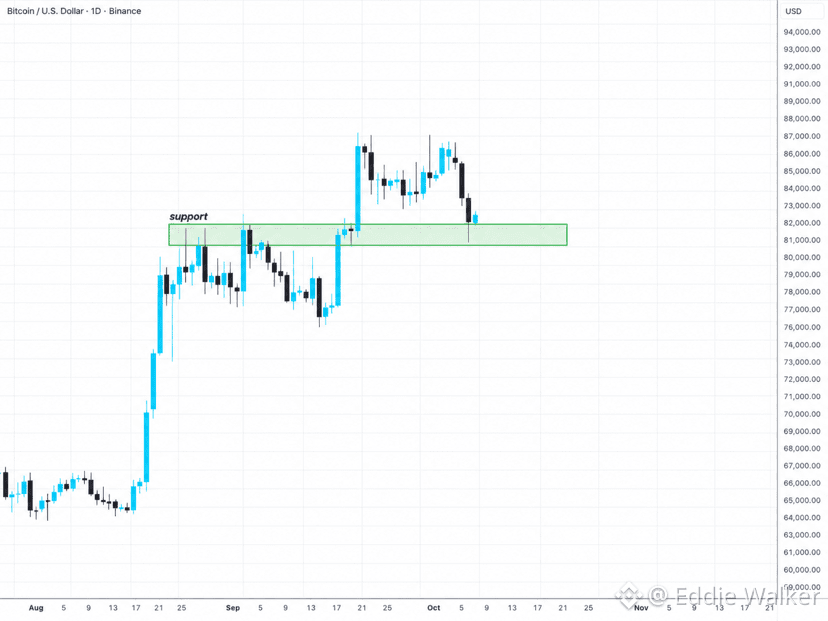
$BTC は重要なサポートゾーンの真上に位置しています。
この水準を維持する必要があります。
買い手がここを割り込めば、次の調整は急速に厳しいものになる可能性があります。
#btc
$BTC は重要なサポートゾーンの真上に位置しています。
この水準を維持する必要があります。
買い手がここを割り込めば、次の調整は急速に厳しいものになる可能性があります。
#btc
この水準を維持する必要があります。
買い手がここを割り込めば、次の調整は急速に厳しいものになる可能性があります。
#btc
13
15
3.4k
·
--
本人確認中
誰もが金融の未来について語りますが、それを支えるインフラに気づく人は多くありません。
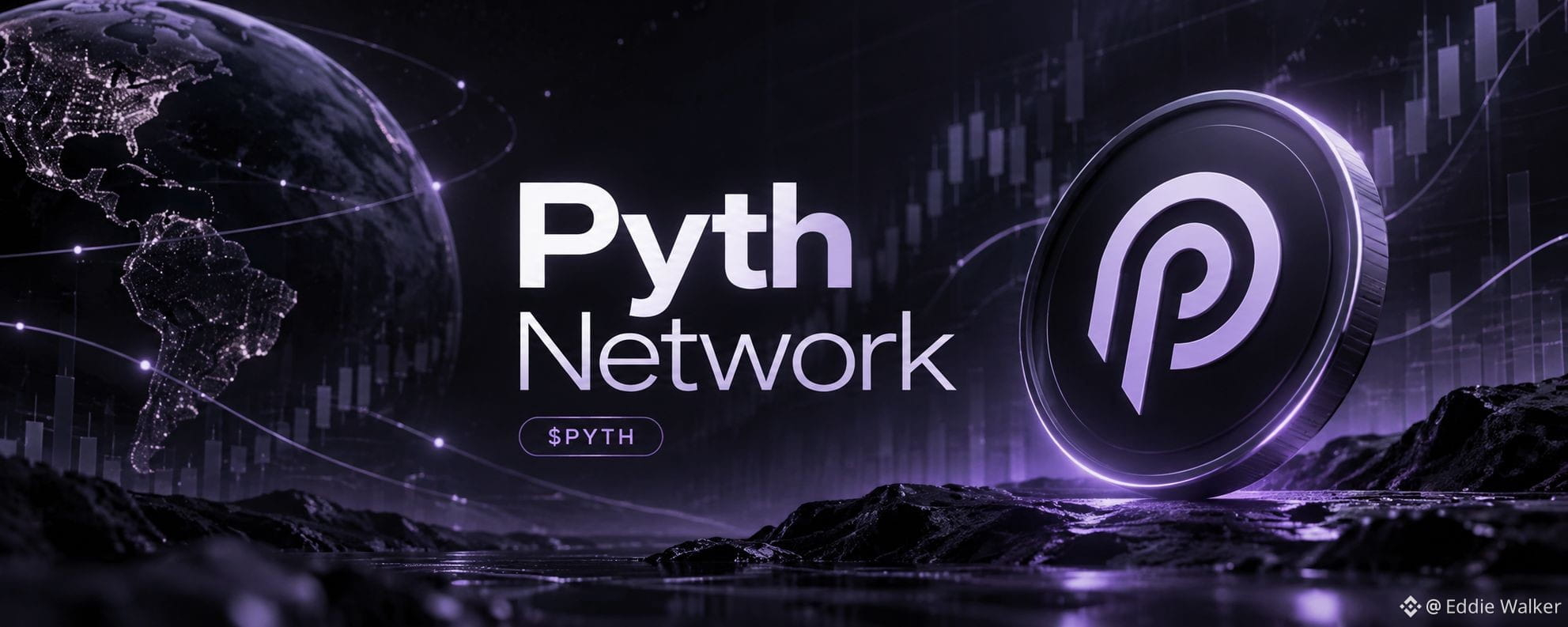
そこで、@PythNetwork が着実に大きな動きを見せています。
あらゆる取引、清算、そして市場決済は、信頼できる価格データに依存しています。そしてPythは、それを機関(インスティテューショナル)ソースから直接提供します。
数字がすべてを物語っています:
→ 累積出来高 $3.25T+ 確保
→ Pythデータを利用する 710+ の企業
→ 125+ の機関向け出版社
では、これから何が起きるのでしょうか。
→ 暗号資産が主流へ
→ RWAsが勢いを増す
→ 予測市場が拡大
→ 24/7の金融市場が現実になる
そのすべてには、正確でリアルタイムな価格が必要です。
誰もが次の大きなトレンドを追いかける一方で、Pythはその裏側にあるインフラを構築しています。
$PYTHに強気
誰もが金融の未来について語りますが、それを支えるインフラに気づく人は多くありません。
そこで、@Pyth Network が着実に大きな動きを見せています。
あらゆる取引、清算、そして市場決済は、信頼できる価格データに依存しています。そしてPythは、それを機関(インスティテューショナル)ソースから直接提供します。
数字がすべてを物語っています:
→ 累積出来高 $3.25T+ 確保
→ Pythデータを利用する 710+ の企業
→ 125+ の機関向け出版社
では、これから何が起きるのでしょうか。
→ 暗号資産が主流へ
→ RWAsが勢いを増す
→ 予測市場が拡大
→ 24/7の金融市場が現実になる
そのすべてには、正確でリアルタイムな価格が必要です。
誰もが次の大きなトレンドを追いかける一方で、Pythはその裏側にあるインフラを構築しています。
$PYTH に強気
そこで、@Pyth Network が着実に大きな動きを見せています。
あらゆる取引、清算、そして市場決済は、信頼できる価格データに依存しています。そしてPythは、それを機関(インスティテューショナル)ソースから直接提供します。
数字がすべてを物語っています:
→ 累積出来高 $3.25T+ 確保
→ Pythデータを利用する 710+ の企業
→ 125+ の機関向け出版社
では、これから何が起きるのでしょうか。
→ 暗号資産が主流へ
→ RWAsが勢いを増す
→ 予測市場が拡大
→ 24/7の金融市場が現実になる
そのすべてには、正確でリアルタイムな価格が必要です。
誰もが次の大きなトレンドを追いかける一方で、Pythはその裏側にあるインフラを構築しています。
$PYTH に強気
16
21
10.9k
·
--
一部該当
Polymarketは、大きなニュースが動き始めたとき、人々が真っ先に注目する場所のひとつになりつつあります。
暗号資産 → 政治 → スポーツ → AI → マクロ経済
他の人たちがまだ見出しについて議論している間に、Polymarketではすでに群衆がどちらに傾いているかが示されています。
月間アクティブトレーダーは約25万〜50万人、月間訪問数は1,700万回超。この注目度は、もはや無視できません。
@polymarket は、単にナラティブを追っているだけではありません。
リアルタイムでその価値を織り込んでいるのです。
Polymarketは、大きなニュースが動き始めたとき、人々が真っ先に注目する場所のひとつになりつつあります。
暗号資産 → 政治 → スポーツ → AI → マクロ経済
他の人たちがまだ見出しについて議論している間に、Polymarketではすでに群衆がどちらに傾いているかが示されています。
月間アクティブトレーダーは約25万〜50万人、月間訪問数は1,700万回超。この注目度は、もはや無視できません。
@Polymarket は、単にナラティブを追っているだけではありません。
リアルタイムでその価値を織り込んでいるのです。
暗号資産 → 政治 → スポーツ → AI → マクロ経済
他の人たちがまだ見出しについて議論している間に、Polymarketではすでに群衆がどちらに傾いているかが示されています。
月間アクティブトレーダーは約25万〜50万人、月間訪問数は1,700万回超。この注目度は、もはや無視できません。
@Polymarket は、単にナラティブを追っているだけではありません。
リアルタイムでその価値を織り込んでいるのです。

10
12
7.2k
·
--
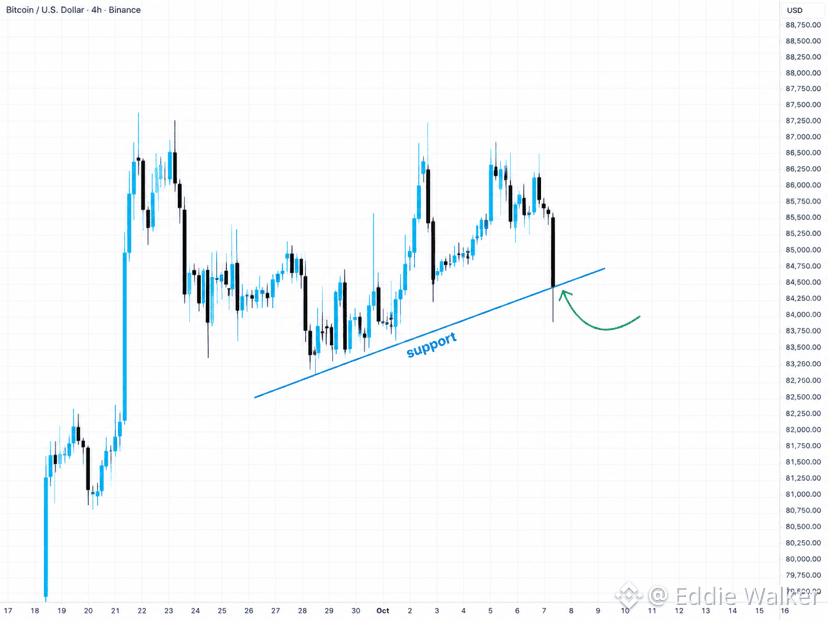
$BTC は今、重要なサポートライン一本でかろうじて持ちこたえている。この水準を明確に割り込めば、事態はあっという間にかなり悪化しかねない。
ここを失ったら、もう終わりだ。
#Btc
$BTC は今、重要なサポートライン一本でかろうじて持ちこたえている。この水準を明確に割り込めば、事態はあっという間にかなり悪化しかねない。
ここを失ったら、もう終わりだ。
#Btc
ここを失ったら、もう終わりだ。
#Btc
7
10
2.1k
·
--
ニュースを追うようになってから、私にとってますます面白くなりました。@polymarket
見出しは「何が起きたか」を教えてくれます。市場は「次に何が起きると人々が期待しているか」を示し、そして新しい情報が出るとすぐにオッズが動きます。ある結果に「63%」が表示されているのを見るのは、人々がその数字の裏にお金を賭けている状況ではまた別の感覚になります。
それに、暗号資産の“ほんの小さな片隅”というわけでもありません。毎月およそ25万〜50万人のトレーダーが活動していて、サイトへの訪問は1700万回以上、そして数千ものマーケットがあるので、あなたがすでにフォローしている話題について、ほぼ常に何かが見つかります。
それが私がいちばん好きなところです。新しいスキルは不要で、ただ「すでに自分が気にしていること」に沿うだけ。
確率を見て、自分なりの見方を作りましょう。そして市場がズレていると思ったらポジションを取り、新しい情報が入ってきたときに調整します。小さなサイズで全然大丈夫です。
#polymarket #EtherGains70.9%InQ3
ニュースを追うようになってから、私にとってますます面白くなりました。@Polymarket
見出しは「何が起きたか」を教えてくれます。市場は「次に何が起きると人々が期待しているか」を示し、そして新しい情報が出るとすぐにオッズが動きます。ある結果に「63%」が表示されているのを見るのは、人々がその数字の裏にお金を賭けている状況ではまた別の感覚になります。
それに、暗号資産の“ほんの小さな片隅”というわけでもありません。毎月およそ25万〜50万人のトレーダーが活動していて、サイトへの訪問は1700万回以上、そして数千ものマーケットがあるので、あなたがすでにフォローしている話題について、ほぼ常に何かが見つかります。
それが私がいちばん好きなところです。新しいスキルは不要で、ただ「すでに自分が気にしていること」に沿うだけ。
確率を見て、自分なりの見方を作りましょう。そして市場がズレていると思ったらポジションを取り、新しい情報が入ってきたときに調整します。小さなサイズで全然大丈夫です。
#polymarket #EtherGains70.9%InQ3
見出しは「何が起きたか」を教えてくれます。市場は「次に何が起きると人々が期待しているか」を示し、そして新しい情報が出るとすぐにオッズが動きます。ある結果に「63%」が表示されているのを見るのは、人々がその数字の裏にお金を賭けている状況ではまた別の感覚になります。
それに、暗号資産の“ほんの小さな片隅”というわけでもありません。毎月およそ25万〜50万人のトレーダーが活動していて、サイトへの訪問は1700万回以上、そして数千ものマーケットがあるので、あなたがすでにフォローしている話題について、ほぼ常に何かが見つかります。
それが私がいちばん好きなところです。新しいスキルは不要で、ただ「すでに自分が気にしていること」に沿うだけ。
確率を見て、自分なりの見方を作りましょう。そして市場がズレていると思ったらポジションを取り、新しい情報が入ってきたときに調整します。小さなサイズで全然大丈夫です。
#polymarket #EtherGains70.9%InQ3

15
12
4.7k
·
--
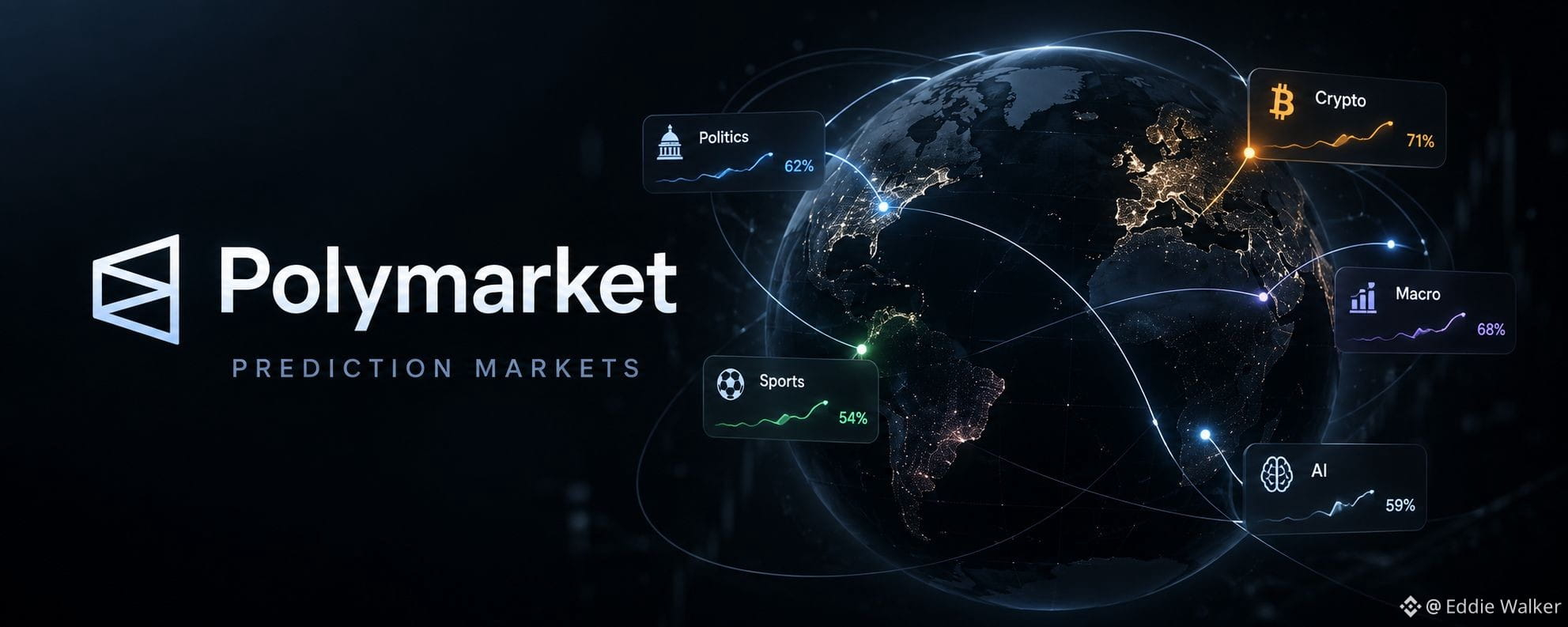
@polymarket 現実の出来事がまったく別のものに感じられるようになる。
政治、暗号資産、スポーツ、マクロ、AI——すべてが、情報が入ってくるたびに確率が変わり続ける“ライブ市場”になる。
→ たった1つの見出しでオッズが動く
→ 1つの更新でセンチメントが反転する
→ 1つのサプライズで市場全体が変わる
だからこそ、私にとってPolymarketは面白い。
人々がどう思っているかを読むだけじゃない。期待がリアルタイムで動いていくのを見ているんだ。
そして時には、物語がまだ終わっていないのに、市場が先に反応することもある。
#Polymarket #QNT朝の高値から40%下落
@Polymarket 現実の出来事がまったく別のものに感じられるようになる。
政治、暗号資産、スポーツ、マクロ、AI——すべてが、情報が入ってくるたびに確率が変わり続ける“ライブ市場”になる。
→ たった1つの見出しでオッズが動く
→ 1つの更新でセンチメントが反転する
→ 1つのサプライズで市場全体が変わる
だからこそ、私にとってPolymarketは面白い。
人々がどう思っているかを読むだけじゃない。期待がリアルタイムで動いていくのを見ているんだ。
そして時には、物語がまだ終わっていないのに、市場が先に反応することもある。
#Polymarket #QNT朝の高値から40%下落
政治、暗号資産、スポーツ、マクロ、AI——すべてが、情報が入ってくるたびに確率が変わり続ける“ライブ市場”になる。
→ たった1つの見出しでオッズが動く
→ 1つの更新でセンチメントが反転する
→ 1つのサプライズで市場全体が変わる
だからこそ、私にとってPolymarketは面白い。
人々がどう思っているかを読むだけじゃない。期待がリアルタイムで動いていくのを見ているんだ。
そして時には、物語がまだ終わっていないのに、市場が先に反応することもある。
#Polymarket #QNT朝の高値から40%下落
24
20
8.9k
·
--
本人確認中
ウォール街のデータがまったく新しい市場に入ろうとしており、@PythNetwork がそれを実現しています。
Pythは、Pyth Data Marketplaceを通じてNasdaq Basicの外部ディストリビューターになりました。
これは、機関投資家向けのマーケットデータにとって重要な一歩です。
そのもたらすもの:
→ 米国株のリアルタイムの株価(見積値)と取引。
→ Nasdaqの公式な寄り付き・引け値。
→ 米国内の上場証券すべてにまたがるカバレッジ。
→ フィンテックおよびブロックチェーンネイティブのアプリケーション向けの単一API。
そして注目すべき点は? Nasdaqが自社データへの帰属表示と商業的な管理権を保持していることです。
銀行、証券会社、オンチェーンのアプリケーションは、Pythの配信基盤を通じてNasdaq Basicに今すぐアクセスできます。
#PythNetwork は価格フィードの先へ進んでいます。機関投資家向けの金融データを次世代のマーケットへ取り込むのに役立っています。
ウォール街のデータがまったく新しい市場に入ろうとしており、@Pyth Network がそれを実現しています。
Pythは、Pyth Data Marketplaceを通じてNasdaq Basicの外部ディストリビューターになりました。
これは、機関投資家向けのマーケットデータにとって重要な一歩です。
そのもたらすもの:
→ 米国株のリアルタイムの株価(見積値)と取引。
→ Nasdaqの公式な寄り付き・引け値。
→ 米国内の上場証券すべてにまたがるカバレッジ。
→ フィンテックおよびブロックチェーンネイティブのアプリケーション向けの単一API。
そして注目すべき点は? Nasdaqが自社データへの帰属表示と商業的な管理権を保持していることです。
銀行、証券会社、オンチェーンのアプリケーションは、Pythの配信基盤を通じてNasdaq Basicに今すぐアクセスできます。
#PythNetwork は価格フィードの先へ進んでいます。機関投資家向けの金融データを次世代のマーケットへ取り込むのに役立っています。
Pythは、Pyth Data Marketplaceを通じてNasdaq Basicの外部ディストリビューターになりました。
これは、機関投資家向けのマーケットデータにとって重要な一歩です。
そのもたらすもの:
→ 米国株のリアルタイムの株価(見積値)と取引。
→ Nasdaqの公式な寄り付き・引け値。
→ 米国内の上場証券すべてにまたがるカバレッジ。
→ フィンテックおよびブロックチェーンネイティブのアプリケーション向けの単一API。
そして注目すべき点は? Nasdaqが自社データへの帰属表示と商業的な管理権を保持していることです。
銀行、証券会社、オンチェーンのアプリケーションは、Pythの配信基盤を通じてNasdaq Basicに今すぐアクセスできます。
#PythNetwork は価格フィードの先へ進んでいます。機関投資家向けの金融データを次世代のマーケットへ取り込むのに役立っています。

24
23
8.7k
·
--
本人確認中
@Aevoxyz は静かにデリバティブ取引をより面白くしています。
考えてみてください。なぜトレーダーは、異なる戦略を実行するだけで複数のプラットフォームを必要とするのでしょうか?
パーペチュアル用。オプション用。さらに伝統的な市場へのエクスポージャー用の別口座。
Aevoはそれを一つにまとめます。
→ クリプトのパーペチュアルとオプション
→ エクイティのパーペチュアルとコモディティ
→ 1つの口座、1つの担保プール
そして対象となるトレーダーには、ポートフォリオ・マージンによって、ポジションが相殺し合う際の必要証拠金を減らすのに役立ちます。
ここで私が気に入っているのは柔軟性です。
市場の値動きを取引し、オプション戦略を探り、資本を頻繁に移動させることなく、異なる資産クラスにまたがるエクスポージャーを管理できます。
取引はすでに十分に複雑です。裏側のインフラが、それをさらに難しくしてはいけません。
それが、#aevo 私にとって興味深い理由です。
@Aevo は静かにデリバティブ取引をより面白くしています。
考えてみてください。なぜトレーダーは、異なる戦略を実行するだけで複数のプラットフォームを必要とするのでしょうか?
パーペチュアル用。オプション用。さらに伝統的な市場へのエクスポージャー用の別口座。
Aevoはそれを一つにまとめます。
→ クリプトのパーペチュアルとオプション
→ エクイティのパーペチュアルとコモディティ
→ 1つの口座、1つの担保プール
そして対象となるトレーダーには、ポートフォリオ・マージンによって、ポジションが相殺し合う際の必要証拠金を減らすのに役立ちます。
ここで私が気に入っているのは柔軟性です。
市場の値動きを取引し、オプション戦略を探り、資本を頻繁に移動させることなく、異なる資産クラスにまたがるエクスポージャーを管理できます。
取引はすでに十分に複雑です。裏側のインフラが、それをさらに難しくしてはいけません。
それが、#aevo 私にとって興味深い理由です。
考えてみてください。なぜトレーダーは、異なる戦略を実行するだけで複数のプラットフォームを必要とするのでしょうか?
パーペチュアル用。オプション用。さらに伝統的な市場へのエクスポージャー用の別口座。
Aevoはそれを一つにまとめます。
→ クリプトのパーペチュアルとオプション
→ エクイティのパーペチュアルとコモディティ
→ 1つの口座、1つの担保プール
そして対象となるトレーダーには、ポートフォリオ・マージンによって、ポジションが相殺し合う際の必要証拠金を減らすのに役立ちます。
ここで私が気に入っているのは柔軟性です。
市場の値動きを取引し、オプション戦略を探り、資本を頻繁に移動させることなく、異なる資産クラスにまたがるエクスポージャーを管理できます。
取引はすでに十分に複雑です。裏側のインフラが、それをさらに難しくしてはいけません。
それが、#aevo 私にとって興味深い理由です。

26
21
6.6k
·
--
本人確認中
@Midnight_Network は、今回は実世界でのユースケースとともに、プライバシーを改めて面白くしています。
これは単体のレイヤー1で、ユーザーは個人情報をすべて公開することなく、必要なことだけを証明できます。
→ KYCおよびコンプライアンスのための選択的開示
→ 銀行・決済・RWAsのためのプライバシー
→ $NIGHT とDUSTのデュアルトークンモデル
何が私の目を引いた? Google Cloud、MoneyGram、eToro、Worldpayがバリデータ・エコシステムの一部であり、一方でMonument Bankは顧客預金の最大£250Mをトークン化する取り組みを進めています。
プライバシーは、データを隠すだけのものではなくなりました。共有するものを自分でコントロールできることが本質です。
そしてそれこそが、Midnightを注目する価値がある理由です。
#MidnightNetwork #night
情報提供のみ。金融助言ではありません。
@Midnight Network は、今回は実世界でのユースケースとともに、プライバシーを改めて面白くしています。
これは単体のレイヤー1で、ユーザーは個人情報をすべて公開することなく、必要なことだけを証明できます。
→ KYCおよびコンプライアンスのための選択的開示
→ 銀行・決済・RWAsのためのプライバシー
→ $NIGHT とDUSTのデュアルトークンモデル
何が私の目を引いた? Google Cloud、MoneyGram、eToro、Worldpayがバリデータ・エコシステムの一部であり、一方でMonument Bankは顧客預金の最大£250Mをトークン化する取り組みを進めています。
プライバシーは、データを隠すだけのものではなくなりました。共有するものを自分でコントロールできることが本質です。
そしてそれこそが、Midnightを注目する価値がある理由です。
#MidnightNetwork #night
情報提供のみ。金融助言ではありません。
これは単体のレイヤー1で、ユーザーは個人情報をすべて公開することなく、必要なことだけを証明できます。
→ KYCおよびコンプライアンスのための選択的開示
→ 銀行・決済・RWAsのためのプライバシー
→ $NIGHT とDUSTのデュアルトークンモデル
何が私の目を引いた? Google Cloud、MoneyGram、eToro、Worldpayがバリデータ・エコシステムの一部であり、一方でMonument Bankは顧客預金の最大£250Mをトークン化する取り組みを進めています。
プライバシーは、データを隠すだけのものではなくなりました。共有するものを自分でコントロールできることが本質です。
そしてそれこそが、Midnightを注目する価値がある理由です。
#MidnightNetwork #night
情報提供のみ。金融助言ではありません。
29
20
4.7k
·
--
ブリッシュ
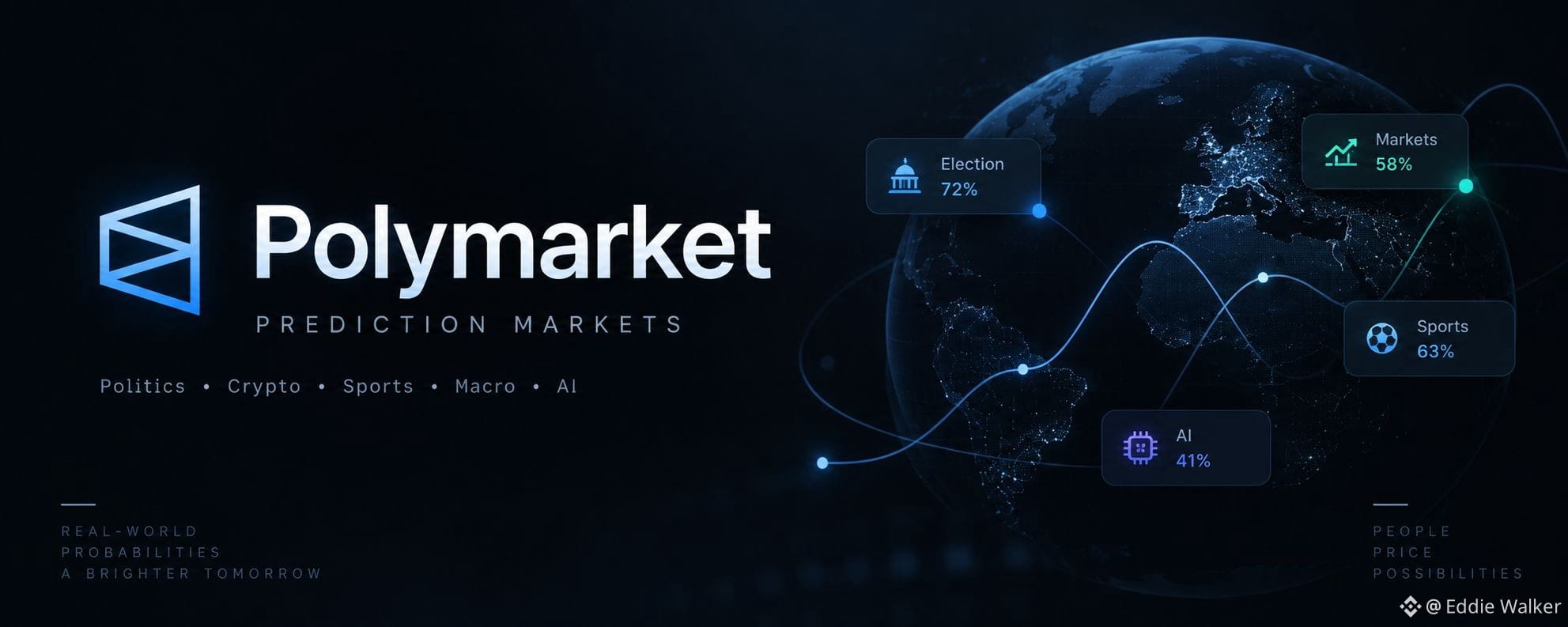
@polymarket は予測市場をより面白くしています。
ニュースをただ追うだけではなく、現実の出来事を探して、人々がさまざまな結果にどう価格を付けているかを見られます。
そして、探索できることはたくさんあります:
→ 政治&主要選挙
→ 暗号資産&ビットコインの節目
→ スポーツ&世界大会
→ FRBの判断&経済イベント
→ AI、テクノロジー&世界情勢
私が一番好きなのは、状況が変わる速さです。予想外の発表、主要な見出し、あるいは新しい経済データによって、確率が数分で変わることもあります。
理解できる市場をフォローし、期待がリアルタイムでどう変化していくかを見ながら、起こり得る結果に対してポジションを取ることができます。
それが、私にとってPolymarketが面白い理由です。どのイベントにも物語があり、そして新しいアップデートが、その物語の結末を変えられるのです。
#polymarket #DogecoinRises15% #BNBMarketCapPassesBNYMellon
@Polymarket は予測市場をより面白くしています。
ニュースをただ追うだけではなく、現実の出来事を探して、人々がさまざまな結果にどう価格を付けているかを見られます。
そして、探索できることはたくさんあります:
→ 政治&主要選挙
→ 暗号資産&ビットコインの節目
→ スポーツ&世界大会
→ FRBの判断&経済イベント
→ AI、テクノロジー&世界情勢
私が一番好きなのは、状況が変わる速さです。予想外の発表、主要な見出し、あるいは新しい経済データによって、確率が数分で変わることもあります。
理解できる市場をフォローし、期待がリアルタイムでどう変化していくかを見ながら、起こり得る結果に対してポジションを取ることができます。
それが、私にとってPolymarketが面白い理由です。どのイベントにも物語があり、そして新しいアップデートが、その物語の結末を変えられるのです。
#polymarket #DogecoinRises15% #BNBMarketCapPassesBNYMellon
ニュースをただ追うだけではなく、現実の出来事を探して、人々がさまざまな結果にどう価格を付けているかを見られます。
そして、探索できることはたくさんあります:
→ 政治&主要選挙
→ 暗号資産&ビットコインの節目
→ スポーツ&世界大会
→ FRBの判断&経済イベント
→ AI、テクノロジー&世界情勢
私が一番好きなのは、状況が変わる速さです。予想外の発表、主要な見出し、あるいは新しい経済データによって、確率が数分で変わることもあります。
理解できる市場をフォローし、期待がリアルタイムでどう変化していくかを見ながら、起こり得る結果に対してポジションを取ることができます。
それが、私にとってPolymarketが面白い理由です。どのイベントにも物語があり、そして新しいアップデートが、その物語の結末を変えられるのです。
#polymarket #DogecoinRises15% #BNBMarketCapPassesBNYMellon
25
20
3.9k
·
--
ブリッシュ
本人確認中
@PythNetwork は、多くの人がほとんど気づかないところで面白いことをしているんです。すべての取引、すべての清算、すべての市場の決済は、ひとつのことに依存しています――信頼できる価格データ。
そしてPythは、そのデータを“それを生み出している機関”から直接届けています。
その規模はすでに無視できないほど大きいです:
→ 累計の確保ボリューム $3.25T+
→ Pythデータを利用する 710+ の事業者
→ 125+ の機関向けパブリッシャー
私をワクワクさせるのは、これがどこへ向かっているかです。暗号資産、RWAs、コモディティ、予測市場はすべて、より速く、常時稼働する金融インフラへと移行しています。
そして、その裏側で起きているすべての動きの中で、誰かが価格を届ける必要があります。
Pythが市場のために築いているのが、その部分です。
#PythNetwork
@Pyth Network は、多くの人がほとんど気づかないところで面白いことをしているんです。すべての取引、すべての清算、すべての市場の決済は、ひとつのことに依存しています――信頼できる価格データ。
そしてPythは、そのデータを“それを生み出している機関”から直接届けています。
その規模はすでに無視できないほど大きいです:
→ 累計の確保ボリューム $3.25T+
→ Pythデータを利用する 710+ の事業者
→ 125+ の機関向けパブリッシャー
私をワクワクさせるのは、これがどこへ向かっているかです。暗号資産、RWAs、コモディティ、予測市場はすべて、より速く、常時稼働する金融インフラへと移行しています。
そして、その裏側で起きているすべての動きの中で、誰かが価格を届ける必要があります。
Pythが市場のために築いているのが、その部分です。
#PythNetwork
そしてPythは、そのデータを“それを生み出している機関”から直接届けています。
その規模はすでに無視できないほど大きいです:
→ 累計の確保ボリューム $3.25T+
→ Pythデータを利用する 710+ の事業者
→ 125+ の機関向けパブリッシャー
私をワクワクさせるのは、これがどこへ向かっているかです。暗号資産、RWAs、コモディティ、予測市場はすべて、より速く、常時稼働する金融インフラへと移行しています。
そして、その裏側で起きているすべての動きの中で、誰かが価格を届ける必要があります。
Pythが市場のために築いているのが、その部分です。
#PythNetwork
18
14
7.8k
ログインして、さらにコンテンツを読む
厳選トピックで世界の暗号資産トレーダーの仲間入り
⚡️ 暗号資産に関する最新かつ有益な情報が見つかります。
💬 世界最大の暗号資産取引所から信頼されています。
👍 認証を受けたクリエイターから、有益なインサイトを得られます。
メール / 電話番号