
FatherWEB4
6.5k 投稿

FatherWEB4
報告
ユーザーをブロック
Jurnal | Political | Social Society | Freedom Maximalist | X eazyETH_
高頻度トレーダー
4.2年
220 フォロー
24.7K+ フォロワー
9.0K+ いいね
投稿
すべて
引用
ライブ
·
--

記事
"AIが社会に入るとき: ミラとの出会いと検証可能な知性の文化。"最近、私は人工知能について少し不安を感じるような考え方をしている自分に気づいた瞬間がありました。ソフトウェアとしてではなく、インフラとしてでもなく、ほとんど社会生活の参加者として。AIは質問に答え、意見を形成し、報告書を書き、さらには意思決定に影響を与えていました。そして、この変化を観察すればするほど、私の心に残ったシンプルな質問がありました:
AIが私たちの日常的な思考の一部になるとき、彼らが言うことの背後にある真実を誰が検証するのでしょうか?
その質問は、私が予想していたよりも長く私に残りました。
"AIが社会に入るとき: ミラとの出会いと検証可能な知性の文化。"
最近、私は人工知能について少し不安を感じるような考え方をしている自分に気づいた瞬間がありました。ソフトウェアとしてではなく、インフラとしてでもなく、ほとんど社会生活の参加者として。AIは質問に答え、意見を形成し、報告書を書き、さらには意思決定に影響を与えていました。そして、この変化を観察すればするほど、私の心に残ったシンプルな質問がありました:
AIが私たちの日常的な思考の一部になるとき、彼らが言うことの背後にある真実を誰が検証するのでしょうか?
その質問は、私が予想していたよりも長く私に残りました。
AIが私たちの日常的な思考の一部になるとき、彼らが言うことの背後にある真実を誰が検証するのでしょうか?
その質問は、私が予想していたよりも長く私に残りました。
5
138
·
--
MiraのOVHcloud Web3アクセラレーターへの参加は、単なるトロフィー以上のものです。それは、PolygonをスケールさせたDevOpsの専門家であるDysnixへの戦術的な橋です。この技術的パートナーシップがこれほど重要なのはなぜでしょうか?それは、最も先進的なAIでさえ、基盤となるネットワークがオンラインを維持するための力を欠いている場合や、監査の透明性がない場合には負担となるからです。
他の人々がバイラルトレンドを追いかける中、Miraは静かにプロフェッショナルグレードのバックボーンを設計しています。この焦点は、スケールで検証可能なAIを提供するために必要な産業用強度のエンジンを構築していることを示唆しています。彼らは、プロジェクトがラボから現実世界に移行する際に生き残るかどうかを決定する「見えない」システムを優先しています。
高レベルの財務リスクにAIを使用することを想像してください。Miraのネットワークでは、論理は隠されておらず、独立したノードがチェーン上で最終決定される前にその推論を監査します。これにより、盲目的な信頼が追跡可能で検証された道に置き換えられます。真剣な決定を下す人にとって、運任せの推測と証明された結果との選択は明らかです。
何百万もの人々にサービスを提供するために、インフラストラクチャは事実上壊れないものでなければならず、大規模な計算と暗号セキュリティをダウンタイムなしで同時に処理しなければなりません。世界最大の分散型プラットフォームをスケールさせた専門家と提携することで、Miraは彼らのシステムが世界的な現実の需要に対応できることを保証しています。
これらの動きは、理論的な実験から真剣なエンジニアリングへのシフトを示しています。Miraは、常時稼働と検証可能なデータが交渉の余地のない基準であるプロフェッショナルな環境を開発しています。不透明なソリューションに対して忍耐を失いつつある市場において、彼らはネットワークの安定性を主な防御手段として位置づけています。
これらの構造的な層にダブルダウンすることで、MiraはAIを信頼できるユーティリティに変えています。この投資は、ユーザーが約束よりも証拠を要求する未来に備えています。彼らは誇大宣伝を超えて、真の機械的責任に必要な重労働に焦点を合わせています。
@mira_network #Mira
$MIRA
{future}(MIRAUSDT)
MiraのOVHcloud Web3アクセラレーターへの参加は、単なるトロフィー以上のものです。それは、PolygonをスケールさせたDevOpsの専門家であるDysnixへの戦術的な橋です。この技術的パートナーシップがこれほど重要なのはなぜでしょうか?それは、最も先進的なAIでさえ、基盤となるネットワークがオンラインを維持するための力を欠いている場合や、監査の透明性がない場合には負担となるからです。
他の人々がバイラルトレンドを追いかける中、Miraは静かにプロフェッショナルグレードのバックボーンを設計しています。この焦点は、スケールで検証可能なAIを提供するために必要な産業用強度のエンジンを構築していることを示唆しています。彼らは、プロジェクトがラボから現実世界に移行する際に生き残るかどうかを決定する「見えない」システムを優先しています。
高レベルの財務リスクにAIを使用することを想像してください。Miraのネットワークでは、論理は隠されておらず、独立したノードがチェーン上で最終決定される前にその推論を監査します。これにより、盲目的な信頼が追跡可能で検証された道に置き換えられます。真剣な決定を下す人にとって、運任せの推測と証明された結果との選択は明らかです。
何百万もの人々にサービスを提供するために、インフラストラクチャは事実上壊れないものでなければならず、大規模な計算と暗号セキュリティをダウンタイムなしで同時に処理しなければなりません。世界最大の分散型プラットフォームをスケールさせた専門家と提携することで、Miraは彼らのシステムが世界的な現実の需要に対応できることを保証しています。
これらの動きは、理論的な実験から真剣なエンジニアリングへのシフトを示しています。Miraは、常時稼働と検証可能なデータが交渉の余地のない基準であるプロフェッショナルな環境を開発しています。不透明なソリューションに対して忍耐を失いつつある市場において、彼らはネットワークの安定性を主な防御手段として位置づけています。
これらの構造的な層にダブルダウンすることで、MiraはAIを信頼できるユーティリティに変えています。この投資は、ユーザーが約束よりも証拠を要求する未来に備えています。彼らは誇大宣伝を超えて、真の機械的責任に必要な重労働に焦点を合わせています。
@Mira - Trust Layer of AI #Mira
$MIRA
他の人々がバイラルトレンドを追いかける中、Miraは静かにプロフェッショナルグレードのバックボーンを設計しています。この焦点は、スケールで検証可能なAIを提供するために必要な産業用強度のエンジンを構築していることを示唆しています。彼らは、プロジェクトがラボから現実世界に移行する際に生き残るかどうかを決定する「見えない」システムを優先しています。
高レベルの財務リスクにAIを使用することを想像してください。Miraのネットワークでは、論理は隠されておらず、独立したノードがチェーン上で最終決定される前にその推論を監査します。これにより、盲目的な信頼が追跡可能で検証された道に置き換えられます。真剣な決定を下す人にとって、運任せの推測と証明された結果との選択は明らかです。
何百万もの人々にサービスを提供するために、インフラストラクチャは事実上壊れないものでなければならず、大規模な計算と暗号セキュリティをダウンタイムなしで同時に処理しなければなりません。世界最大の分散型プラットフォームをスケールさせた専門家と提携することで、Miraは彼らのシステムが世界的な現実の需要に対応できることを保証しています。
これらの動きは、理論的な実験から真剣なエンジニアリングへのシフトを示しています。Miraは、常時稼働と検証可能なデータが交渉の余地のない基準であるプロフェッショナルな環境を開発しています。不透明なソリューションに対して忍耐を失いつつある市場において、彼らはネットワークの安定性を主な防御手段として位置づけています。
これらの構造的な層にダブルダウンすることで、MiraはAIを信頼できるユーティリティに変えています。この投資は、ユーザーが約束よりも証拠を要求する未来に備えています。彼らは誇大宣伝を超えて、真の機械的責任に必要な重労働に焦点を合わせています。
@Mira - Trust Layer of AI #Mira
$MIRA
4
120
·
--
記事
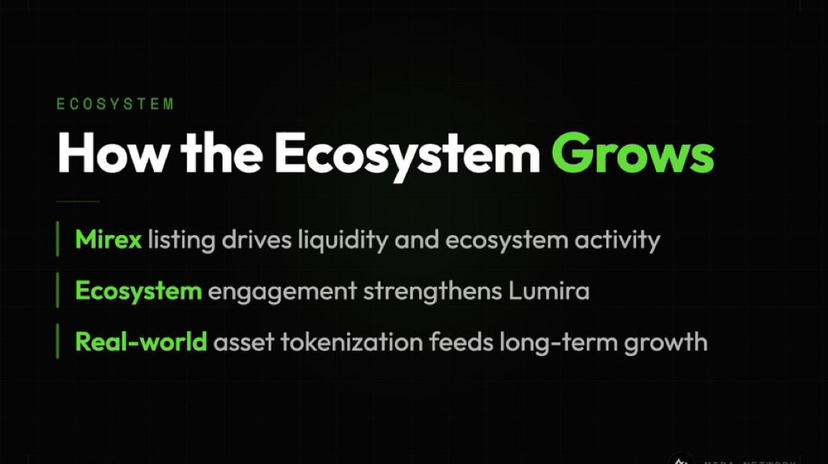
「流動性から生きた経済へ: ミラのエコシステムを支える静かなシステム。」ブロックチェーンプロジェクトの周りでの何年かの経験から学んだことは、エコシステムは人々が想像するようには成長しないということです。外から見ると、成長はしばしば単一の劇的な瞬間のように見えます; 大きな取引所の上場、価格の急激な上昇、またはウイルス的な発表。しかし、実際のエコシステムは爆発のようには成長しません。それは、ゆっくりと自らを強化するシステムのように成長します。
ミラエコシステムがどのように発展しているかをより詳しく見始めたとき、その背後の構造がこの静かな論理に従っていることに気付きました。成長を孤立したイベントとして扱うのではなく、各コンポーネントは次の層を強化するように設計されています。流動性を例にとってみましょう。流動性パートナーはすでにMirex (MRX)のために確保されていますが、戦略について多くを明らかにする条件が付いています: 活性化はTier-1取引所の上場と共に行われます。それは技術的な詳細のように聞こえるかもしれませんが、実際にはネットワークが成熟する方法についてのより深い何かを反映しています。
「流動性から生きた経済へ: ミラのエコシステムを支える静かなシステム。」
ブロックチェーンプロジェクトの周りでの何年かの経験から学んだことは、エコシステムは人々が想像するようには成長しないということです。外から見ると、成長はしばしば単一の劇的な瞬間のように見えます; 大きな取引所の上場、価格の急激な上昇、またはウイルス的な発表。しかし、実際のエコシステムは爆発のようには成長しません。それは、ゆっくりと自らを強化するシステムのように成長します。
ミラエコシステムがどのように発展しているかをより詳しく見始めたとき、その背後の構造がこの静かな論理に従っていることに気付きました。成長を孤立したイベントとして扱うのではなく、各コンポーネントは次の層を強化するように設計されています。流動性を例にとってみましょう。流動性パートナーはすでにMirex (MRX)のために確保されていますが、戦略について多くを明らかにする条件が付いています: 活性化はTier-1取引所の上場と共に行われます。それは技術的な詳細のように聞こえるかもしれませんが、実際にはネットワークが成熟する方法についてのより深い何かを反映しています。
ミラエコシステムがどのように発展しているかをより詳しく見始めたとき、その背後の構造がこの静かな論理に従っていることに気付きました。成長を孤立したイベントとして扱うのではなく、各コンポーネントは次の層を強化するように設計されています。流動性を例にとってみましょう。流動性パートナーはすでにMirex (MRX)のために確保されていますが、戦略について多くを明らかにする条件が付いています: 活性化はTier-1取引所の上場と共に行われます。それは技術的な詳細のように聞こえるかもしれませんが、実際にはネットワークが成熟する方法についてのより深い何かを反映しています。
1
11
278
·
--
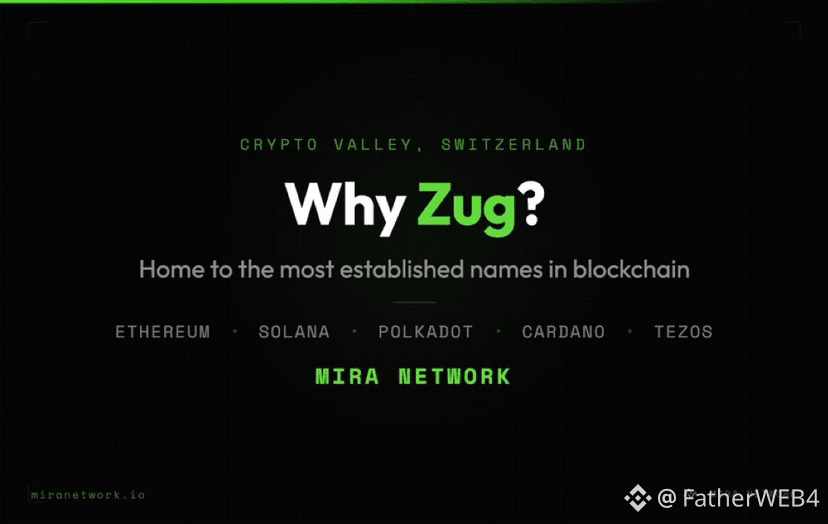
数週間前、私はなぜ場所がデジタル産業において重要な要素であり続けるのかを調査し始めました。コードはどこでも実行可能ですが、プロジェクトが成長する場所は、その長期的な意図を明らかにすることがよくあります。私の研究は、ミラネットワークがスイスのチューリッヒに本社を設立した理由に焦点を当てました。この都市は、静かに分散型インフラの世界的な中心地となっています。
私はチューリッヒを地理的な座標以上のものと見なしました。これは、イーサリアムやソラナのような大規模なプロトコルの出発点として機能するブロックチェーンの突破口を持つ高密度のアリーナです。この環境は意図的に構築されたものです。スイスは、新しい技術が明確な法的境界内でスケールできる安定した規制環境を確立しました。私にとって、ミラがこの拠点を選ぶことは、一般的な業界の影から離れ、永続的な統合に焦点を当てていることを示唆しています。
投資家にとって、これは非常に重要です。過激な分散化と現実世界の規制の間の緊張は、構造的リスクを生み出すことがよくあります。チューリッヒは、その不確実性に対する解毒剤を提供します。この環境では、ブロックチェーンが経済の風景の中で有機的な一部となり、学術的な協力、安定した資本の流れ、永続的なシステムを構築するために必要な法的明確性によって支えられています。
ミラは人工知能の出力を検証するための分散型コンセンサスネットワークを構築しています。このインフラは短期的な実験ではなく、機械の知性が数十年にわたり責任を持つことを保証するために設計されたシステムです。チューリッヒに拠点を置くことで、ミラは業界で最も影響力のあるプロトコルを形作った暗号学的および法的専門知識に囲まれたガバナンスの生きた実験室にいます。
場所は成功を保証するものではありませんが、意図を明らかにします。クリプトバレーで構築することで、#Mira は短期的な誇大広告よりも長期的な安定性へのコミットメントを示しています。これは、非常に迅速に動く市場において稀な信号である忍耐を示唆する戦略的な選択です。ミラは生き残るために設計されたネットワークを構築しているため、チューリッヒを選びました。
@mira_network
$MIRA
{future}(MIRAUSDT)
数週間前、私はなぜ場所がデジタル産業において重要な要素であり続けるのかを調査し始めました。コードはどこでも実行可能ですが、プロジェクトが成長する場所は、その長期的な意図を明らかにすることがよくあります。私の研究は、ミラネットワークがスイスのチューリッヒに本社を設立した理由に焦点を当てました。この都市は、静かに分散型インフラの世界的な中心地となっています。
私はチューリッヒを地理的な座標以上のものと見なしました。これは、イーサリアムやソラナのような大規模なプロトコルの出発点として機能するブロックチェーンの突破口を持つ高密度のアリーナです。この環境は意図的に構築されたものです。スイスは、新しい技術が明確な法的境界内でスケールできる安定した規制環境を確立しました。私にとって、ミラがこの拠点を選ぶことは、一般的な業界の影から離れ、永続的な統合に焦点を当てていることを示唆しています。
投資家にとって、これは非常に重要です。過激な分散化と現実世界の規制の間の緊張は、構造的リスクを生み出すことがよくあります。チューリッヒは、その不確実性に対する解毒剤を提供します。この環境では、ブロックチェーンが経済の風景の中で有機的な一部となり、学術的な協力、安定した資本の流れ、永続的なシステムを構築するために必要な法的明確性によって支えられています。
ミラは人工知能の出力を検証するための分散型コンセンサスネットワークを構築しています。このインフラは短期的な実験ではなく、機械の知性が数十年にわたり責任を持つことを保証するために設計されたシステムです。チューリッヒに拠点を置くことで、ミラは業界で最も影響力のあるプロトコルを形作った暗号学的および法的専門知識に囲まれたガバナンスの生きた実験室にいます。
場所は成功を保証するものではありませんが、意図を明らかにします。クリプトバレーで構築することで、#Mira は短期的な誇大広告よりも長期的な安定性へのコミットメントを示しています。これは、非常に迅速に動く市場において稀な信号である忍耐を示唆する戦略的な選択です。ミラは生き残るために設計されたネットワークを構築しているため、チューリッヒを選びました。
@Mira - Trust Layer of AI
$MIRA
私はチューリッヒを地理的な座標以上のものと見なしました。これは、イーサリアムやソラナのような大規模なプロトコルの出発点として機能するブロックチェーンの突破口を持つ高密度のアリーナです。この環境は意図的に構築されたものです。スイスは、新しい技術が明確な法的境界内でスケールできる安定した規制環境を確立しました。私にとって、ミラがこの拠点を選ぶことは、一般的な業界の影から離れ、永続的な統合に焦点を当てていることを示唆しています。
投資家にとって、これは非常に重要です。過激な分散化と現実世界の規制の間の緊張は、構造的リスクを生み出すことがよくあります。チューリッヒは、その不確実性に対する解毒剤を提供します。この環境では、ブロックチェーンが経済の風景の中で有機的な一部となり、学術的な協力、安定した資本の流れ、永続的なシステムを構築するために必要な法的明確性によって支えられています。
ミラは人工知能の出力を検証するための分散型コンセンサスネットワークを構築しています。このインフラは短期的な実験ではなく、機械の知性が数十年にわたり責任を持つことを保証するために設計されたシステムです。チューリッヒに拠点を置くことで、ミラは業界で最も影響力のあるプロトコルを形作った暗号学的および法的専門知識に囲まれたガバナンスの生きた実験室にいます。
場所は成功を保証するものではありませんが、意図を明らかにします。クリプトバレーで構築することで、#Mira は短期的な誇大広告よりも長期的な安定性へのコミットメントを示しています。これは、非常に迅速に動く市場において稀な信号である忍耐を示唆する戦略的な選択です。ミラは生き残るために設計されたネットワークを構築しているため、チューリッヒを選びました。
@Mira - Trust Layer of AI
$MIRA
7
135
·
--

記事
"知性が責任に出会うとき:ミラ、AI、そして環境の課題。"ある晩、AIの計算成長に関するレポートを読んでいると、私は不安なことに気づきました:私たちが称賛する人工知能の進歩は、静かに地球を消費しています。大規模な言語モデルや深層学習ネットワークは、巨大なデータセンター全体で訓練されています。ギガワットのエネルギー、常に動作している冷却システム、並行して動作する数千のGPU—これが私たちが称賛する知性の隠れた足跡です。
モデルは素晴らしいです。出力は印象的です。しかし、コストはお金だけでなく、カーボンとエネルギーで測定されます。追加のパラメータや大きなモデルは、誰も監査することに積極的ではない、増大する環境負担を加えます。
"知性が責任に出会うとき:ミラ、AI、そして環境の課題。"
ある晩、AIの計算成長に関するレポートを読んでいると、私は不安なことに気づきました:私たちが称賛する人工知能の進歩は、静かに地球を消費しています。大規模な言語モデルや深層学習ネットワークは、巨大なデータセンター全体で訓練されています。ギガワットのエネルギー、常に動作している冷却システム、並行して動作する数千のGPU—これが私たちが称賛する知性の隠れた足跡です。
モデルは素晴らしいです。出力は印象的です。しかし、コストはお金だけでなく、カーボンとエネルギーで測定されます。追加のパラメータや大きなモデルは、誰も監査することに積極的ではない、増大する環境負担を加えます。
モデルは素晴らしいです。出力は印象的です。しかし、コストはお金だけでなく、カーボンとエネルギーで測定されます。追加のパラメータや大きなモデルは、誰も監査することに積極的ではない、増大する環境負担を加えます。
6
132
·
--
ブロックチェーンは本来、中央権限が存在しないシステムで合意を得る方法という非常に特定の問題を解決するために設計されました。
何年もの間、その答えはお金に関するものでした。取引、トークン、金融決済。しかし、ミラはそのメカニズムをまったく異なる領域に押し込んでいます。ノードに金融状態に合意するよう求める代わりに、ミラは彼らに推論に合意するよう求めます。
想像してみてください、200,000人の参加者が毎秒何千もの機械の主張を交差審査するデジタル陪審団を。 この高性能な環境では、AIの出力は削減され、論理が保持されていることを保証するために、毎日の数百万のチェックによって検証されます。
AIが出力を生成すると、その結果はネットワークを循環する小さな主張に断片化されます。独立したモデルがこれらの主張を調べ、それらが論理的に成立するかどうかを検証しようとします。このプロセスは、計算ではなく分散型の精査の一形態に似ています。
合意は、推論が複数の視点で生き残ったときにのみ生まれます。
ここでブロックチェーンはインフラ以上のものになります。合意メカニズムは、どの機械の推論が持続する価値があるかを決定するフィルターとして機能します。すべての答えが生き残るわけではありません。いくつかは精査の下で崩壊します。その他は、ネットワークが信頼できるものとして受け入れる検証済みの知識に安定します。
チェーンは本質的にお金のための決済層ではなく、知性のためのものになります。それはブロックチェーンの論理の奇妙な進化です。かつてデジタル通貨を確保していた技術が、今では機械的思考を確保するために使用されています。
@mira_network
#Mira $MIRA
ブロックチェーンは本来、中央権限が存在しないシステムで合意を得る方法という非常に特定の問題を解決するために設計されました。
何年もの間、その答えはお金に関するものでした。取引、トークン、金融決済。しかし、ミラはそのメカニズムをまったく異なる領域に押し込んでいます。ノードに金融状態に合意するよう求める代わりに、ミラは彼らに推論に合意するよう求めます。
想像してみてください、200,000人の参加者が毎秒何千もの機械の主張を交差審査するデジタル陪審団を。 この高性能な環境では、AIの出力は削減され、論理が保持されていることを保証するために、毎日の数百万のチェックによって検証されます。
AIが出力を生成すると、その結果はネットワークを循環する小さな主張に断片化されます。独立したモデルがこれらの主張を調べ、それらが論理的に成立するかどうかを検証しようとします。このプロセスは、計算ではなく分散型の精査の一形態に似ています。
合意は、推論が複数の視点で生き残ったときにのみ生まれます。
ここでブロックチェーンはインフラ以上のものになります。合意メカニズムは、どの機械の推論が持続する価値があるかを決定するフィルターとして機能します。すべての答えが生き残るわけではありません。いくつかは精査の下で崩壊します。その他は、ネットワークが信頼できるものとして受け入れる検証済みの知識に安定します。
チェーンは本質的にお金のための決済層ではなく、知性のためのものになります。それはブロックチェーンの論理の奇妙な進化です。かつてデジタル通貨を確保していた技術が、今では機械的思考を確保するために使用されています。
@Mira - Trust Layer of AI
#Mira $MIRA
何年もの間、その答えはお金に関するものでした。取引、トークン、金融決済。しかし、ミラはそのメカニズムをまったく異なる領域に押し込んでいます。ノードに金融状態に合意するよう求める代わりに、ミラは彼らに推論に合意するよう求めます。
想像してみてください、200,000人の参加者が毎秒何千もの機械の主張を交差審査するデジタル陪審団を。 この高性能な環境では、AIの出力は削減され、論理が保持されていることを保証するために、毎日の数百万のチェックによって検証されます。
AIが出力を生成すると、その結果はネットワークを循環する小さな主張に断片化されます。独立したモデルがこれらの主張を調べ、それらが論理的に成立するかどうかを検証しようとします。このプロセスは、計算ではなく分散型の精査の一形態に似ています。
合意は、推論が複数の視点で生き残ったときにのみ生まれます。
ここでブロックチェーンはインフラ以上のものになります。合意メカニズムは、どの機械の推論が持続する価値があるかを決定するフィルターとして機能します。すべての答えが生き残るわけではありません。いくつかは精査の下で崩壊します。その他は、ネットワークが信頼できるものとして受け入れる検証済みの知識に安定します。
チェーンは本質的にお金のための決済層ではなく、知性のためのものになります。それはブロックチェーンの論理の奇妙な進化です。かつてデジタル通貨を確保していた技術が、今では機械的思考を確保するために使用されています。
@Mira - Trust Layer of AI
#Mira $MIRA

6
125
·
--
記事
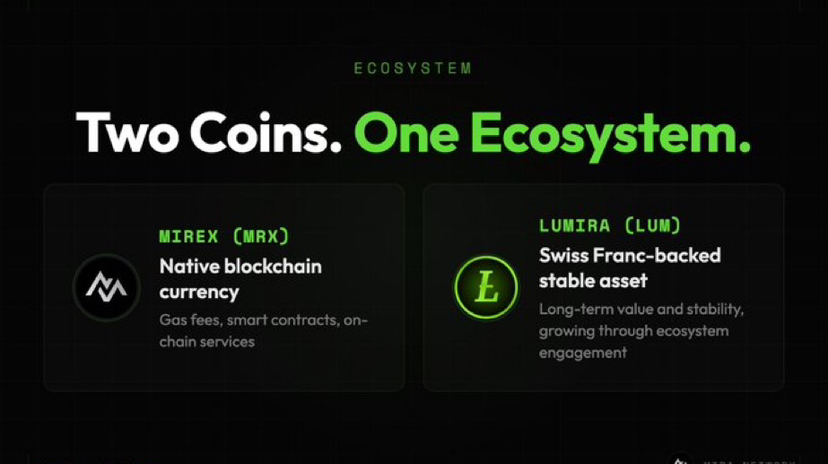
「なぜAI検証は2つの異なる種類の価値に基づいているのか。」つい最近、ミラを説明しようとしている友人がいて、彼はシンプルな質問を繰り返していました:ミラがAIを検証することに関するものであれば、なぜ2つの異なるトークンが必要なのですか?
一見すると、過剰に見えることがあります。ほとんどのブロックチェーンプロジェクトは、1つのトークンを正当化するのに苦労しており、2つのトークンを持つことはなおさらです。しかし、考えれば考えるほど、その構造が明確になってきました。
ミラは取引のためのインフラを構築しているだけではありません。機械的推論の周りに経済を構築しています。
そして、経済はソフトウェアとは非常に異なる行動をします。
「なぜAI検証は2つの異なる種類の価値に基づいているのか。」
つい最近、ミラを説明しようとしている友人がいて、彼はシンプルな質問を繰り返していました:ミラがAIを検証することに関するものであれば、なぜ2つの異なるトークンが必要なのですか?
一見すると、過剰に見えることがあります。ほとんどのブロックチェーンプロジェクトは、1つのトークンを正当化するのに苦労しており、2つのトークンを持つことはなおさらです。しかし、考えれば考えるほど、その構造が明確になってきました。
ミラは取引のためのインフラを構築しているだけではありません。機械的推論の周りに経済を構築しています。
そして、経済はソフトウェアとは非常に異なる行動をします。
一見すると、過剰に見えることがあります。ほとんどのブロックチェーンプロジェクトは、1つのトークンを正当化するのに苦労しており、2つのトークンを持つことはなおさらです。しかし、考えれば考えるほど、その構造が明確になってきました。
ミラは取引のためのインフラを構築しているだけではありません。機械的推論の周りに経済を構築しています。
そして、経済はソフトウェアとは非常に異なる行動をします。
7
254
·
--
私はインフラについて考えることはめったにありませんが、それが動くときは別です。ほとんどの場合、AIは無重力のように感じられ、インターネットの見えない背景に存在しています。しかし、すべてのインテリジェントシステムは、サーバーとネットワークの物理的現実の上に存在しています。その機械が動くとき、全体の生物は調整しなければなりません。
これは、Mira NetworkがAWSからOVHcloudに移行しているときに起こっていることです。普通のアプリケーションとは異なり、AI検証のために構築されたネットワークは、高度に同期された環境に依存しています。これらのノードを移動させるには、まるで生物の脳を移動させるかのように、完全な再キャリブレーションが必要です。
最も高度なインテリジェンスでさえ物理的なサーバーに依存していることを認めるなら、これらのサーバーが真に分散化された風景に最終的に配布されるとき、何が起こるのでしょうか?
その答えは、OVHcloud Blockchain Accelerator Programへの移行にあります。これは、Miraを分散化のために設計されたインフラストラクチャに合わせます。これは単なる移転以上のものであり、ネットワークの下にある地面の調整であり、それがイデオロギー的にも技術的にもより安定することを保証します。
この移行をナビゲートする私自身の経験の中で、Mira x7 Mining Booster Eventは私たちの粘り強さの具体的な認識のように感じられました。その乗数がアクティブになるのを見ることは、基盤がシフトしている間に停止していた勢いを取り戻すための架け橋となりました。
これらの瞬間は、AIがモデルやアルゴリズムの純粋な抽象ではないことを明らかにします。それは物理的世界の実際のインフラに依存しています。時には、その基盤を改善するためには、機械を一時的に中断させて、以前よりも強く戻ることが必要です。
@mira_network
#Mira $MIRA
{future}(MIRAUSDT)
私はインフラについて考えることはめったにありませんが、それが動くときは別です。ほとんどの場合、AIは無重力のように感じられ、インターネットの見えない背景に存在しています。しかし、すべてのインテリジェントシステムは、サーバーとネットワークの物理的現実の上に存在しています。その機械が動くとき、全体の生物は調整しなければなりません。
これは、Mira NetworkがAWSからOVHcloudに移行しているときに起こっていることです。普通のアプリケーションとは異なり、AI検証のために構築されたネットワークは、高度に同期された環境に依存しています。これらのノードを移動させるには、まるで生物の脳を移動させるかのように、完全な再キャリブレーションが必要です。
最も高度なインテリジェンスでさえ物理的なサーバーに依存していることを認めるなら、これらのサーバーが真に分散化された風景に最終的に配布されるとき、何が起こるのでしょうか?
その答えは、OVHcloud Blockchain Accelerator Programへの移行にあります。これは、Miraを分散化のために設計されたインフラストラクチャに合わせます。これは単なる移転以上のものであり、ネットワークの下にある地面の調整であり、それがイデオロギー的にも技術的にもより安定することを保証します。
この移行をナビゲートする私自身の経験の中で、Mira x7 Mining Booster Eventは私たちの粘り強さの具体的な認識のように感じられました。その乗数がアクティブになるのを見ることは、基盤がシフトしている間に停止していた勢いを取り戻すための架け橋となりました。
これらの瞬間は、AIがモデルやアルゴリズムの純粋な抽象ではないことを明らかにします。それは物理的世界の実際のインフラに依存しています。時には、その基盤を改善するためには、機械を一時的に中断させて、以前よりも強く戻ることが必要です。
@Mira - Trust Layer of AI
#Mira $MIRA
これは、Mira NetworkがAWSからOVHcloudに移行しているときに起こっていることです。普通のアプリケーションとは異なり、AI検証のために構築されたネットワークは、高度に同期された環境に依存しています。これらのノードを移動させるには、まるで生物の脳を移動させるかのように、完全な再キャリブレーションが必要です。
最も高度なインテリジェンスでさえ物理的なサーバーに依存していることを認めるなら、これらのサーバーが真に分散化された風景に最終的に配布されるとき、何が起こるのでしょうか?
その答えは、OVHcloud Blockchain Accelerator Programへの移行にあります。これは、Miraを分散化のために設計されたインフラストラクチャに合わせます。これは単なる移転以上のものであり、ネットワークの下にある地面の調整であり、それがイデオロギー的にも技術的にもより安定することを保証します。
この移行をナビゲートする私自身の経験の中で、Mira x7 Mining Booster Eventは私たちの粘り強さの具体的な認識のように感じられました。その乗数がアクティブになるのを見ることは、基盤がシフトしている間に停止していた勢いを取り戻すための架け橋となりました。
これらの瞬間は、AIがモデルやアルゴリズムの純粋な抽象ではないことを明らかにします。それは物理的世界の実際のインフラに依存しています。時には、その基盤を改善するためには、機械を一時的に中断させて、以前よりも強く戻ることが必要です。
@Mira - Trust Layer of AI
#Mira $MIRA
7
197
·
--

記事
なぜミラはAIを企業製品から普遍的な人権へと変えているのか?インターネットの初期の頃を振り返り、本当にオープンな世界の約束を思い出してください。本来のビジョンは、創造のツールが皆に属し、単一の存在が会話を所有できないデジタルコモンズでした。しかし、その解放されたネットワークは最終的にデジタル工場へと変わりました。権力は、私たちの現実の守門人として機能するいくつかの巨大なサイロの手に収束しました。
今や、人工知能が人間生活の新しいオペレーティングシステムになるにつれて、同じ交差点が再び現れました。今回はリスクが単純に高くなっています。もはや、誰がウェブサイトをホストしたり、写真を保存したりするかということだけではありません。それは推論そのものの本質に関することです。世界を動かし始めている知性は誰のものなのでしょうか?
なぜミラはAIを企業製品から普遍的な人権へと変えているのか?
インターネットの初期の頃を振り返り、本当にオープンな世界の約束を思い出してください。本来のビジョンは、創造のツールが皆に属し、単一の存在が会話を所有できないデジタルコモンズでした。しかし、その解放されたネットワークは最終的にデジタル工場へと変わりました。権力は、私たちの現実の守門人として機能するいくつかの巨大なサイロの手に収束しました。
今や、人工知能が人間生活の新しいオペレーティングシステムになるにつれて、同じ交差点が再び現れました。今回はリスクが単純に高くなっています。もはや、誰がウェブサイトをホストしたり、写真を保存したりするかということだけではありません。それは推論そのものの本質に関することです。世界を動かし始めている知性は誰のものなのでしょうか?
今や、人工知能が人間生活の新しいオペレーティングシステムになるにつれて、同じ交差点が再び現れました。今回はリスクが単純に高くなっています。もはや、誰がウェブサイトをホストしたり、写真を保存したりするかということだけではありません。それは推論そのものの本質に関することです。世界を動かし始めている知性は誰のものなのでしょうか?
4
8
302
·
--
人工知能にとって最大の課題は、単にその思考の生のスケールだと思っていました。私は、大規模なパラメータ、より深いデータセット、そして処理能力への純粋な渇望の競争を見ていました。しかし、AIが実際の環境で使用されるのを見れば見るほど、問題は常にその賢さではないことに気づきました。本当の問題は信頼性です。
AIは、静かに間違っているにもかかわらず、非常に説得力があるように聞こえることがあります。自信に満ちた回答を生成し、市場を分析し、完璧に論理的に見える戦略を提案することができます。しかし、その自信の背後にはまだ幻覚や隠れたバイアスがあります。ほとんどの時間、その間違いは実際の結果を伴わずに単に消えてしまいます。
しかし、AIが実際の経済システムに触れ始めると、状況は変わります。機械の出力が取引、リスクモデル、または自動プロトコルに影響を与えると、間違いはもはや無害ではありません。その時点で、知性だけでは十分ではありません。重要なのは、結果が実際に信頼できるかどうかです。
ここでMira Networkは問題に異なるアプローチを取ります。別の強力なモデルを構築するのではなく、MiraはAIが生成する出力を検証することに焦点を当てています。結果は小さな主張に分けられ、正確であることを保証するために分散ネットワークによって共同でチェックされます。
興味深いのは、その背後にある経済的なレイヤーです。MIRAトークンを通じて、検証者はAI計算を検証する際に資本をステークしなければなりません。もし彼らが不正確な結果を承認すれば、彼らは自分のステークを失うリスクがあります。正確に検証すれば、報酬を得ます。このシンプルな構造は、AIが今日経験することは稀な何かを導入します:結果です。
人々に機械知能を盲目的に信じるように求める代わりに、MiraはAI出力が経済的な精査を生き残らなければならないシステムを作ります。正確さは価値を持ち、信頼性はネットワークが積極的に強化するものになります。自律システムがより多くの決定を下す未来において、その種の説明責任は知性そのものと同じくらい重要かもしれません。
@mira_network
#Mira $MIRA
人工知能にとって最大の課題は、単にその思考の生のスケールだと思っていました。私は、大規模なパラメータ、より深いデータセット、そして処理能力への純粋な渇望の競争を見ていました。しかし、AIが実際の環境で使用されるのを見れば見るほど、問題は常にその賢さではないことに気づきました。本当の問題は信頼性です。
AIは、静かに間違っているにもかかわらず、非常に説得力があるように聞こえることがあります。自信に満ちた回答を生成し、市場を分析し、完璧に論理的に見える戦略を提案することができます。しかし、その自信の背後にはまだ幻覚や隠れたバイアスがあります。ほとんどの時間、その間違いは実際の結果を伴わずに単に消えてしまいます。
しかし、AIが実際の経済システムに触れ始めると、状況は変わります。機械の出力が取引、リスクモデル、または自動プロトコルに影響を与えると、間違いはもはや無害ではありません。その時点で、知性だけでは十分ではありません。重要なのは、結果が実際に信頼できるかどうかです。
ここでMira Networkは問題に異なるアプローチを取ります。別の強力なモデルを構築するのではなく、MiraはAIが生成する出力を検証することに焦点を当てています。結果は小さな主張に分けられ、正確であることを保証するために分散ネットワークによって共同でチェックされます。
興味深いのは、その背後にある経済的なレイヤーです。MIRAトークンを通じて、検証者はAI計算を検証する際に資本をステークしなければなりません。もし彼らが不正確な結果を承認すれば、彼らは自分のステークを失うリスクがあります。正確に検証すれば、報酬を得ます。このシンプルな構造は、AIが今日経験することは稀な何かを導入します:結果です。
人々に機械知能を盲目的に信じるように求める代わりに、MiraはAI出力が経済的な精査を生き残らなければならないシステムを作ります。正確さは価値を持ち、信頼性はネットワークが積極的に強化するものになります。自律システムがより多くの決定を下す未来において、その種の説明責任は知性そのものと同じくらい重要かもしれません。
@Mira - Trust Layer of AI
#Mira $MIRA
AIは、静かに間違っているにもかかわらず、非常に説得力があるように聞こえることがあります。自信に満ちた回答を生成し、市場を分析し、完璧に論理的に見える戦略を提案することができます。しかし、その自信の背後にはまだ幻覚や隠れたバイアスがあります。ほとんどの時間、その間違いは実際の結果を伴わずに単に消えてしまいます。
しかし、AIが実際の経済システムに触れ始めると、状況は変わります。機械の出力が取引、リスクモデル、または自動プロトコルに影響を与えると、間違いはもはや無害ではありません。その時点で、知性だけでは十分ではありません。重要なのは、結果が実際に信頼できるかどうかです。
ここでMira Networkは問題に異なるアプローチを取ります。別の強力なモデルを構築するのではなく、MiraはAIが生成する出力を検証することに焦点を当てています。結果は小さな主張に分けられ、正確であることを保証するために分散ネットワークによって共同でチェックされます。
興味深いのは、その背後にある経済的なレイヤーです。MIRAトークンを通じて、検証者はAI計算を検証する際に資本をステークしなければなりません。もし彼らが不正確な結果を承認すれば、彼らは自分のステークを失うリスクがあります。正確に検証すれば、報酬を得ます。このシンプルな構造は、AIが今日経験することは稀な何かを導入します:結果です。
人々に機械知能を盲目的に信じるように求める代わりに、MiraはAI出力が経済的な精査を生き残らなければならないシステムを作ります。正確さは価値を持ち、信頼性はネットワークが積極的に強化するものになります。自律システムがより多くの決定を下す未来において、その種の説明責任は知性そのものと同じくらい重要かもしれません。
@Mira - Trust Layer of AI
#Mira $MIRA

7
81
·
--
Arbitrumの週間DEXボリュームが53億ドルに達し、たった3日間で56%の増加を示していることに注目してください。これは、取引手数料が0.002ドルのベースラインに削減されたDIAアップグレードに続くLayer 2スケーリングにとって重要な瞬間を表しています。このシフトは、エラスティックデマンド理論に対する初めての明確な検証を提供しており、エントリーコストがほぼゼロに近づくことで、高頻度の活動と流動性が以前は高い手数料環境によって制約されていたものが解放されました。
このボリュームの爆発は、ピーク時に910百万ガスを秒間処理しながら取引コストを1セント未満に抑える産業レベルのパフォーマンスを示すネットワークによって支えられています。これらの指標は、トランザクションごとのマージンが低下しても、総収益が増加するというブロックチェーン経済における重要なシフトを強調しています。個別の高い手数料よりも巨額のボリュームを優先することにより、プロトコルはオンチェーン商取引の支配的なシェアを獲得する高スケールのインフラ戦略を効果的に実行しています。
その結果として生まれる競争の堀は、競合エコシステムにとって再現がますます難しくなっています。ネットワークが低コストの利点を犠牲にすることなく機関レベルのスループットを処理し続けるにつれて、ユーザーの採用と深い流動性の自己強化サイクルが確立されます。この軌道は、Arbitrumが単なるスケーリングを超えて進化しており、分散型グローバル経済における経済基準を根本的に再定義していることを示しています。
$ARB
{future}(ARBUSDT)
Arbitrumの週間DEXボリュームが53億ドルに達し、たった3日間で56%の増加を示していることに注目してください。これは、取引手数料が0.002ドルのベースラインに削減されたDIAアップグレードに続くLayer 2スケーリングにとって重要な瞬間を表しています。このシフトは、エラスティックデマンド理論に対する初めての明確な検証を提供しており、エントリーコストがほぼゼロに近づくことで、高頻度の活動と流動性が以前は高い手数料環境によって制約されていたものが解放されました。
このボリュームの爆発は、ピーク時に910百万ガスを秒間処理しながら取引コストを1セント未満に抑える産業レベルのパフォーマンスを示すネットワークによって支えられています。これらの指標は、トランザクションごとのマージンが低下しても、総収益が増加するというブロックチェーン経済における重要なシフトを強調しています。個別の高い手数料よりも巨額のボリュームを優先することにより、プロトコルはオンチェーン商取引の支配的なシェアを獲得する高スケールのインフラ戦略を効果的に実行しています。
その結果として生まれる競争の堀は、競合エコシステムにとって再現がますます難しくなっています。ネットワークが低コストの利点を犠牲にすることなく機関レベルのスループットを処理し続けるにつれて、ユーザーの採用と深い流動性の自己強化サイクルが確立されます。この軌道は、Arbitrumが単なるスケーリングを超えて進化しており、分散型グローバル経済における経済基準を根本的に再定義していることを示しています。
$ARB
このボリュームの爆発は、ピーク時に910百万ガスを秒間処理しながら取引コストを1セント未満に抑える産業レベルのパフォーマンスを示すネットワークによって支えられています。これらの指標は、トランザクションごとのマージンが低下しても、総収益が増加するというブロックチェーン経済における重要なシフトを強調しています。個別の高い手数料よりも巨額のボリュームを優先することにより、プロトコルはオンチェーン商取引の支配的なシェアを獲得する高スケールのインフラ戦略を効果的に実行しています。
その結果として生まれる競争の堀は、競合エコシステムにとって再現がますます難しくなっています。ネットワークが低コストの利点を犠牲にすることなく機関レベルのスループットを処理し続けるにつれて、ユーザーの採用と深い流動性の自己強化サイクルが確立されます。この軌道は、Arbitrumが単なるスケーリングを超えて進化しており、分散型グローバル経済における経済基準を根本的に再定義していることを示しています。
$ARB
12
301
·
--
記事
"間違いのコスト: なぜAIは間違いを罰することができるシステムが必要なのか。"私は人工知能が非常に奇妙な経済的バブルの中で存在する様子を多くの時間見てきました。それは答えを生成し、大規模なデータセットを解析し、さらには複雑な金融戦略を提案しますが、私は心配なことに気づきました。AIが間違っているとき、実際には何も起こりません。システムは単に別の出力を生成し、ユーザーはプロンプトを更新し、間違いはインターネットのノイズに消えていきます。
私にとって、AIはゲームに本当の皮膚がないまま操作しているように見えます。
モデルは引用を幻覚したり、データセットを誤解したりすることができますが、それに対する経済システムはほとんど反応しません。モデルは罰せられません。それをホストするインフラストラクチャは何も失いません。この説明責任の不在は、私たちがカジュアルなタスクにAIを使用する際には管理可能ですが、実際の経済的決定を推進し始めると、この結果の欠如は無視しがたい構造的リスクになります。
"間違いのコスト: なぜAIは間違いを罰することができるシステムが必要なのか。"
私は人工知能が非常に奇妙な経済的バブルの中で存在する様子を多くの時間見てきました。それは答えを生成し、大規模なデータセットを解析し、さらには複雑な金融戦略を提案しますが、私は心配なことに気づきました。AIが間違っているとき、実際には何も起こりません。システムは単に別の出力を生成し、ユーザーはプロンプトを更新し、間違いはインターネットのノイズに消えていきます。
私にとって、AIはゲームに本当の皮膚がないまま操作しているように見えます。
モデルは引用を幻覚したり、データセットを誤解したりすることができますが、それに対する経済システムはほとんど反応しません。モデルは罰せられません。それをホストするインフラストラクチャは何も失いません。この説明責任の不在は、私たちがカジュアルなタスクにAIを使用する際には管理可能ですが、実際の経済的決定を推進し始めると、この結果の欠如は無視しがたい構造的リスクになります。
私にとって、AIはゲームに本当の皮膚がないまま操作しているように見えます。
モデルは引用を幻覚したり、データセットを誤解したりすることができますが、それに対する経済システムはほとんど反応しません。モデルは罰せられません。それをホストするインフラストラクチャは何も失いません。この説明責任の不在は、私たちがカジュアルなタスクにAIを使用する際には管理可能ですが、実際の経済的決定を推進し始めると、この結果の欠如は無視しがたい構造的リスクになります。
13
104
·
--
"知能のスーパーマーケット: 私のAI未来への個人的な利害関係。"
私は常に自分の時代の大きな技術の変化の一部でありたいと思っていました。
しかし通常、最高の機会はベンチャーキャピタリストや内部者のために取っておかれています。
MIRAは知能のためのグローバルスーパーマーケットを創造することで、その壁を打破しています。
それは抽象的なAIサービスを私が実際に参加できる何かに変えます。
トークン化されたAIユーティリティを通じて、優れたモデルの成功は単に開発者のためのものではありません。
それはコミュニティ全体が一部を持つことができる何かです。
MIRAで実際の問題を解決するツールを見たとき、その価値がネットワークに反映されるのを見ることができます。
ルミラはこの集団的進歩の鏡として機能し、それは力を与えてくれます。
これは単なる財務の問題以上のものです; アクセスに関するものです。
私は世界のどの部分にいても、最も先進的なAIツールに利害関係を持つことができます。
MIRAは知能が生み出す富を民主化しています。
それは、来る年々が少数のエリートグループではなく、広範なコミュニティによって形作られる道を提供します。
私はこの技術的変化の縁で単なる観察者であることをやめました。
MIRAフレームワーク内で、私は自分の存在を認識し報酬を与えるネットワークの真の貢献者となりました。
それは消費者であることから、心の未来における利害関係者であることへの移行です。
@mira_network
#Mira $MIRA
{future}(MIRAUSDT)
"知能のスーパーマーケット: 私のAI未来への個人的な利害関係。"
私は常に自分の時代の大きな技術の変化の一部でありたいと思っていました。
しかし通常、最高の機会はベンチャーキャピタリストや内部者のために取っておかれています。
MIRAは知能のためのグローバルスーパーマーケットを創造することで、その壁を打破しています。
それは抽象的なAIサービスを私が実際に参加できる何かに変えます。
トークン化されたAIユーティリティを通じて、優れたモデルの成功は単に開発者のためのものではありません。
それはコミュニティ全体が一部を持つことができる何かです。
MIRAで実際の問題を解決するツールを見たとき、その価値がネットワークに反映されるのを見ることができます。
ルミラはこの集団的進歩の鏡として機能し、それは力を与えてくれます。
これは単なる財務の問題以上のものです; アクセスに関するものです。
私は世界のどの部分にいても、最も先進的なAIツールに利害関係を持つことができます。
MIRAは知能が生み出す富を民主化しています。
それは、来る年々が少数のエリートグループではなく、広範なコミュニティによって形作られる道を提供します。
私はこの技術的変化の縁で単なる観察者であることをやめました。
MIRAフレームワーク内で、私は自分の存在を認識し報酬を与えるネットワークの真の貢献者となりました。
それは消費者であることから、心の未来における利害関係者であることへの移行です。
@Mira - Trust Layer of AI
#Mira $MIRA
私は常に自分の時代の大きな技術の変化の一部でありたいと思っていました。
しかし通常、最高の機会はベンチャーキャピタリストや内部者のために取っておかれています。
MIRAは知能のためのグローバルスーパーマーケットを創造することで、その壁を打破しています。
それは抽象的なAIサービスを私が実際に参加できる何かに変えます。
トークン化されたAIユーティリティを通じて、優れたモデルの成功は単に開発者のためのものではありません。
それはコミュニティ全体が一部を持つことができる何かです。
MIRAで実際の問題を解決するツールを見たとき、その価値がネットワークに反映されるのを見ることができます。
ルミラはこの集団的進歩の鏡として機能し、それは力を与えてくれます。
これは単なる財務の問題以上のものです; アクセスに関するものです。
私は世界のどの部分にいても、最も先進的なAIツールに利害関係を持つことができます。
MIRAは知能が生み出す富を民主化しています。
それは、来る年々が少数のエリートグループではなく、広範なコミュニティによって形作られる道を提供します。
私はこの技術的変化の縁で単なる観察者であることをやめました。
MIRAフレームワーク内で、私は自分の存在を認識し報酬を与えるネットワークの真の貢献者となりました。
それは消費者であることから、心の未来における利害関係者であることへの移行です。
@Mira - Trust Layer of AI
#Mira $MIRA
7
120
·
--
2023年2月14日付のPendleのトークン経済における構造的転換を見ていると、それは現在の分散型金融の風景における最も重要な基本的発展の1つを表しています。80%の収益買い戻しモデルに移行することで、このプロトコルは年間約3600万ドルの体系的な買い圧力を制度化しました。現在の2億0800万ドルの時価総額を考慮すると、これは市場のセンチメントとは独立して機能する機械的な追い風を表し、資産の需給均衡を根本的に変えています。
このシフトは、プロトコルの内部供給側ダイナミクスによってさらに強化されています。現在、総供給の58%がステークされており、加重平均ロック期間は1.65年であり、高度に洗練された長期志向のステークホルダー基盤を示唆しています。さらに、Pendleの収益対時価総額比率は21.6%であり、現在14.4%の比率を維持しているAaveなどの確立されたベンチマークを実証的に上回っています。この格差は、有機的なキャッシュフロー生成に対する重要な過小評価を強調しています。
これらの堅牢な内部指標にもかかわらず、トークンは歴史的なピークから87%低いままであり、価格の動向と基本的なパフォーマンスとの間に深い乖離があることを示しています。現在の市場評価は、プロトコルのコアアーキテクチャに統合された「買い戻しフライホイール」を考慮していません。この機械的な蓄積が循環供給を圧縮し続けるにつれて、市場の再評価は投機的な物語ではなく数学的な確率となります。
$PENDLE
{future}(PENDLEUSDT)
2023年2月14日付のPendleのトークン経済における構造的転換を見ていると、それは現在の分散型金融の風景における最も重要な基本的発展の1つを表しています。80%の収益買い戻しモデルに移行することで、このプロトコルは年間約3600万ドルの体系的な買い圧力を制度化しました。現在の2億0800万ドルの時価総額を考慮すると、これは市場のセンチメントとは独立して機能する機械的な追い風を表し、資産の需給均衡を根本的に変えています。
このシフトは、プロトコルの内部供給側ダイナミクスによってさらに強化されています。現在、総供給の58%がステークされており、加重平均ロック期間は1.65年であり、高度に洗練された長期志向のステークホルダー基盤を示唆しています。さらに、Pendleの収益対時価総額比率は21.6%であり、現在14.4%の比率を維持しているAaveなどの確立されたベンチマークを実証的に上回っています。この格差は、有機的なキャッシュフロー生成に対する重要な過小評価を強調しています。
これらの堅牢な内部指標にもかかわらず、トークンは歴史的なピークから87%低いままであり、価格の動向と基本的なパフォーマンスとの間に深い乖離があることを示しています。現在の市場評価は、プロトコルのコアアーキテクチャに統合された「買い戻しフライホイール」を考慮していません。この機械的な蓄積が循環供給を圧縮し続けるにつれて、市場の再評価は投機的な物語ではなく数学的な確率となります。
$PENDLE
このシフトは、プロトコルの内部供給側ダイナミクスによってさらに強化されています。現在、総供給の58%がステークされており、加重平均ロック期間は1.65年であり、高度に洗練された長期志向のステークホルダー基盤を示唆しています。さらに、Pendleの収益対時価総額比率は21.6%であり、現在14.4%の比率を維持しているAaveなどの確立されたベンチマークを実証的に上回っています。この格差は、有機的なキャッシュフロー生成に対する重要な過小評価を強調しています。
これらの堅牢な内部指標にもかかわらず、トークンは歴史的なピークから87%低いままであり、価格の動向と基本的なパフォーマンスとの間に深い乖離があることを示しています。現在の市場評価は、プロトコルのコアアーキテクチャに統合された「買い戻しフライホイール」を考慮していません。この機械的な蓄積が循環供給を圧縮し続けるにつれて、市場の再評価は投機的な物語ではなく数学的な確率となります。
$PENDLE
10
269
·
--
アポロ・グローバル・マネジメントは、モルフォに9%の出資をするために9000万ドルを投資し、大きな波紋を呼び起こしました。この動きは、アーヴが重要な内部ガバナンスの課題に直面している中でのものです。BGDラボやマーク・ゼラーのような主要な貢献者が後退する中、アーヴの野心的なV4移行は勢いを失っているようです。アポロのような8400億ドルの資産運用会社にとって、モジュラーシステムの予測可能性は、従来のDAO構造の複雑さよりも魅力的になっています。
機関投資家にとっての主な魅力は法的責任です。法的に難解な分散型ガバナンスモデルとは異なり、モルフォはステーキハウスやゴーンレットのような確立された団体と連携することを可能にします。これらは主要なファンドが必要とするレベルのセキュリティと救済を提供する公認の法的機関です。アポロは、本質的にプロフェッショナルなキュレーションと明確な法的枠組みを、ガバナンストークン主導の意思決定の変動性よりも優先しています。
最終的に、MORPHO/AAVEの取引ペアは、この変化する物語を反映しています。市場参加者は、機関流動性の好ましいモデルとして「キュレーションされたボールト」をますます注目しています。アーヴが内部再構築を進める中、モルフォはDeFi空間に入る次の波の機関資本のための選択肢として自らを位置付けています。
$MORPHO
{future}(MORPHOUSDT)
$AAVE
{future}(AAVEUSDT)
アポロ・グローバル・マネジメントは、モルフォに9%の出資をするために9000万ドルを投資し、大きな波紋を呼び起こしました。この動きは、アーヴが重要な内部ガバナンスの課題に直面している中でのものです。BGDラボやマーク・ゼラーのような主要な貢献者が後退する中、アーヴの野心的なV4移行は勢いを失っているようです。アポロのような8400億ドルの資産運用会社にとって、モジュラーシステムの予測可能性は、従来のDAO構造の複雑さよりも魅力的になっています。
機関投資家にとっての主な魅力は法的責任です。法的に難解な分散型ガバナンスモデルとは異なり、モルフォはステーキハウスやゴーンレットのような確立された団体と連携することを可能にします。これらは主要なファンドが必要とするレベルのセキュリティと救済を提供する公認の法的機関です。アポロは、本質的にプロフェッショナルなキュレーションと明確な法的枠組みを、ガバナンストークン主導の意思決定の変動性よりも優先しています。
最終的に、MORPHO/AAVEの取引ペアは、この変化する物語を反映しています。市場参加者は、機関流動性の好ましいモデルとして「キュレーションされたボールト」をますます注目しています。アーヴが内部再構築を進める中、モルフォはDeFi空間に入る次の波の機関資本のための選択肢として自らを位置付けています。
$MORPHO
$AAVE
機関投資家にとっての主な魅力は法的責任です。法的に難解な分散型ガバナンスモデルとは異なり、モルフォはステーキハウスやゴーンレットのような確立された団体と連携することを可能にします。これらは主要なファンドが必要とするレベルのセキュリティと救済を提供する公認の法的機関です。アポロは、本質的にプロフェッショナルなキュレーションと明確な法的枠組みを、ガバナンストークン主導の意思決定の変動性よりも優先しています。
最終的に、MORPHO/AAVEの取引ペアは、この変化する物語を反映しています。市場参加者は、機関流動性の好ましいモデルとして「キュレーションされたボールト」をますます注目しています。アーヴが内部再構築を進める中、モルフォはDeFi空間に入る次の波の機関資本のための選択肢として自らを位置付けています。
$MORPHO
$AAVE
10
267
·
--
記事
もしミラが成長を加速させるために設計されていないとしたら、成長が存在するに値するかどうかを決定するために設計されているとしたら?私はミラが実際に構築しているものを見るたびに、気持ちの悪い認識に囚われています。暗号の世界は通常、すべてのコストをかけて成長する熱に支配されています。誰もが価格の急騰、虚栄心のあるユーザーメトリック、およびハイプの速度を追い求めています。しかし、ミラは異なる感じがします。それは自らの拡張に根本的に疑いを持つシステムのように振る舞います。それは奇妙な質問を提起します: もしミラが成長を促進するのではなく、その成長が本当に正当であるかを確認するゲートキーパーであるならどうでしょうか?
従来の暗号市場では、価格は最初に爆発し、私たちは後でその理由を発明します。ミラはその心理を逆転させます。ここでは、すべての活動が価値を主張する前に、測定可能なトレイルを通じてその価値を証明しなければなりません。私たちは、パフォーマンスが盲目的に応援されるのではなく、リアルタイムで監査される経済の誕生を見ているのではないかと疑問に思います。
もしミラが成長を加速させるために設計されていないとしたら、成長が存在するに値するかどうかを決定するために設計されているとしたら?
私はミラが実際に構築しているものを見るたびに、気持ちの悪い認識に囚われています。暗号の世界は通常、すべてのコストをかけて成長する熱に支配されています。誰もが価格の急騰、虚栄心のあるユーザーメトリック、およびハイプの速度を追い求めています。しかし、ミラは異なる感じがします。それは自らの拡張に根本的に疑いを持つシステムのように振る舞います。それは奇妙な質問を提起します: もしミラが成長を促進するのではなく、その成長が本当に正当であるかを確認するゲートキーパーであるならどうでしょうか?
従来の暗号市場では、価格は最初に爆発し、私たちは後でその理由を発明します。ミラはその心理を逆転させます。ここでは、すべての活動が価値を主張する前に、測定可能なトレイルを通じてその価値を証明しなければなりません。私たちは、パフォーマンスが盲目的に応援されるのではなく、リアルタイムで監査される経済の誕生を見ているのではないかと疑問に思います。
従来の暗号市場では、価格は最初に爆発し、私たちは後でその理由を発明します。ミラはその心理を逆転させます。ここでは、すべての活動が価値を主張する前に、測定可能なトレイルを通じてその価値を証明しなければなりません。私たちは、パフォーマンスが盲目的に応援されるのではなく、リアルタイムで監査される経済の誕生を見ているのではないかと疑問に思います。
7
9
248
·
--
"AIには記憶の問題があります。ミラがその解決策です。"
最近、ゼロから始めることでどれだけの無駄があるかを考えずにはいられません。すべての市場の崩壊は忘れることを選ぶ教訓であり、すべてのAIの出力は過去を持たない幽霊です。私たちはリアルタイムの結果に obsesed していますが、経済の最も重要な部分であるアカウンタビリティを無視しています。今日のAIは、健忘症を抱えた天才であり、それは基盤として危険です。
ミラネットワークは、知性に恒久的で経済的な重みを与えることで、このサイクルを終わらせています。
データを吐き出して消えてしまうAIの世界ではなく、ミラは行動が痕跡を残す風景を作り出します。すべての検証、すべてのステーク、すべての貢献は、オンチェーンの歴史に刻まれます。これは単なる技術的な保存ではなく、「経済的記憶」です。これは、AIの評判がついにあなたが信頼できる何かになることを意味します。
人間の世界では、これをトラックレコードと呼びます。私たちは信用スコアや職業履歴を持っています。なぜなら、信頼は一瞬ではなく、証拠の山だからです。AIはこれなしで長く生きてきました。最新のトリックだけで判断され、失敗は次のプロンプトによって消されます。
ミラは数学を変えます。分散型検証と$MIRA のステーキングを使用することで、ネットワークはゲームに関与します。AIモデルが一貫して正確であれば、その経済的重力は増します。失敗するか欺くと、システムはその関連性を削減します。中央権威が裁判官を務める必要はありません。市場は単に真実の歴史を報いるのです。
これが、儚いボットを超えて本物のデジタルエンティティを構築する方法です。ミラは、AIが成長するにつれてその整合性も成長することを確実にするための監査トレイルとSDKの基本を提供しています。
自律システムと共存したいのであれば、それらは単に賢くあってはならず、一貫性を持たなければなりません。そして、彼らは記憶しなければなりません。
歴史のないAIは、私たちの信頼に値するのでしょうか?
@mira_network
#Mira $MIRA
{future}(MIRAUSDT)
"AIには記憶の問題があります。ミラがその解決策です。"
最近、ゼロから始めることでどれだけの無駄があるかを考えずにはいられません。すべての市場の崩壊は忘れることを選ぶ教訓であり、すべてのAIの出力は過去を持たない幽霊です。私たちはリアルタイムの結果に obsesed していますが、経済の最も重要な部分であるアカウンタビリティを無視しています。今日のAIは、健忘症を抱えた天才であり、それは基盤として危険です。
ミラネットワークは、知性に恒久的で経済的な重みを与えることで、このサイクルを終わらせています。
データを吐き出して消えてしまうAIの世界ではなく、ミラは行動が痕跡を残す風景を作り出します。すべての検証、すべてのステーク、すべての貢献は、オンチェーンの歴史に刻まれます。これは単なる技術的な保存ではなく、「経済的記憶」です。これは、AIの評判がついにあなたが信頼できる何かになることを意味します。
人間の世界では、これをトラックレコードと呼びます。私たちは信用スコアや職業履歴を持っています。なぜなら、信頼は一瞬ではなく、証拠の山だからです。AIはこれなしで長く生きてきました。最新のトリックだけで判断され、失敗は次のプロンプトによって消されます。
ミラは数学を変えます。分散型検証と$MIRA のステーキングを使用することで、ネットワークはゲームに関与します。AIモデルが一貫して正確であれば、その経済的重力は増します。失敗するか欺くと、システムはその関連性を削減します。中央権威が裁判官を務める必要はありません。市場は単に真実の歴史を報いるのです。
これが、儚いボットを超えて本物のデジタルエンティティを構築する方法です。ミラは、AIが成長するにつれてその整合性も成長することを確実にするための監査トレイルとSDKの基本を提供しています。
自律システムと共存したいのであれば、それらは単に賢くあってはならず、一貫性を持たなければなりません。そして、彼らは記憶しなければなりません。
歴史のないAIは、私たちの信頼に値するのでしょうか?
@Mira - Trust Layer of AI
#Mira $MIRA
最近、ゼロから始めることでどれだけの無駄があるかを考えずにはいられません。すべての市場の崩壊は忘れることを選ぶ教訓であり、すべてのAIの出力は過去を持たない幽霊です。私たちはリアルタイムの結果に obsesed していますが、経済の最も重要な部分であるアカウンタビリティを無視しています。今日のAIは、健忘症を抱えた天才であり、それは基盤として危険です。
ミラネットワークは、知性に恒久的で経済的な重みを与えることで、このサイクルを終わらせています。
データを吐き出して消えてしまうAIの世界ではなく、ミラは行動が痕跡を残す風景を作り出します。すべての検証、すべてのステーク、すべての貢献は、オンチェーンの歴史に刻まれます。これは単なる技術的な保存ではなく、「経済的記憶」です。これは、AIの評判がついにあなたが信頼できる何かになることを意味します。
人間の世界では、これをトラックレコードと呼びます。私たちは信用スコアや職業履歴を持っています。なぜなら、信頼は一瞬ではなく、証拠の山だからです。AIはこれなしで長く生きてきました。最新のトリックだけで判断され、失敗は次のプロンプトによって消されます。
ミラは数学を変えます。分散型検証と$MIRA のステーキングを使用することで、ネットワークはゲームに関与します。AIモデルが一貫して正確であれば、その経済的重力は増します。失敗するか欺くと、システムはその関連性を削減します。中央権威が裁判官を務める必要はありません。市場は単に真実の歴史を報いるのです。
これが、儚いボットを超えて本物のデジタルエンティティを構築する方法です。ミラは、AIが成長するにつれてその整合性も成長することを確実にするための監査トレイルとSDKの基本を提供しています。
自律システムと共存したいのであれば、それらは単に賢くあってはならず、一貫性を持たなければなりません。そして、彼らは記憶しなければなりません。
歴史のないAIは、私たちの信頼に値するのでしょうか?
@Mira - Trust Layer of AI
#Mira $MIRA
2
9
267
·
--
記事
「Zcash: 常に見られている世界からの唯一の出口。」私たちが行うすべては見られています。
「公共」ブロックチェーンの夢は、あなたが使うすべてのドルがボットや官僚のデータポイントとなる完全な可視性の悪夢に変わりました。ほとんどのネットワークはただのガラスの金庫です。Zcashだけが実際に電気を消します。それは「匿名」であること自体のためではなく、あなたの全人生が検索可能なデータベースにインデックスされないという基本的な人間の尊厳のためです。
今日の本当の変化は技術的なものだけでなく、本質的なものでもあります。Halo 2のアップグレードが完全に統合されたことで、「信頼されたセットアップ」は過去の亡霊です。盗むべき鍵も信頼すべき創業者もなく、ゼロ知識の数学だけがあります。このため、Zashiエコシステムは爆発的に成長し、シールド付きトランザクションがデフォルトになりました。今日、ネットワークの75%以上が完全な静寂の中で移動します。それはもはや技術的な活動家のための不器用なツールではなく、アルゴリズムによって狩られることなくデジタル経済に存在するための迅速でスリムで目に見えない方法です。
「Zcash: 常に見られている世界からの唯一の出口。」
私たちが行うすべては見られています。
「公共」ブロックチェーンの夢は、あなたが使うすべてのドルがボットや官僚のデータポイントとなる完全な可視性の悪夢に変わりました。ほとんどのネットワークはただのガラスの金庫です。Zcashだけが実際に電気を消します。それは「匿名」であること自体のためではなく、あなたの全人生が検索可能なデータベースにインデックスされないという基本的な人間の尊厳のためです。
今日の本当の変化は技術的なものだけでなく、本質的なものでもあります。Halo 2のアップグレードが完全に統合されたことで、「信頼されたセットアップ」は過去の亡霊です。盗むべき鍵も信頼すべき創業者もなく、ゼロ知識の数学だけがあります。このため、Zashiエコシステムは爆発的に成長し、シールド付きトランザクションがデフォルトになりました。今日、ネットワークの75%以上が完全な静寂の中で移動します。それはもはや技術的な活動家のための不器用なツールではなく、アルゴリズムによって狩られることなくデジタル経済に存在するための迅速でスリムで目に見えない方法です。
「公共」ブロックチェーンの夢は、あなたが使うすべてのドルがボットや官僚のデータポイントとなる完全な可視性の悪夢に変わりました。ほとんどのネットワークはただのガラスの金庫です。Zcashだけが実際に電気を消します。それは「匿名」であること自体のためではなく、あなたの全人生が検索可能なデータベースにインデックスされないという基本的な人間の尊厳のためです。
今日の本当の変化は技術的なものだけでなく、本質的なものでもあります。Halo 2のアップグレードが完全に統合されたことで、「信頼されたセットアップ」は過去の亡霊です。盗むべき鍵も信頼すべき創業者もなく、ゼロ知識の数学だけがあります。このため、Zashiエコシステムは爆発的に成長し、シールド付きトランザクションがデフォルトになりました。今日、ネットワークの75%以上が完全な静寂の中で移動します。それはもはや技術的な活動家のための不器用なツールではなく、アルゴリズムによって狩られることなくデジタル経済に存在するための迅速でスリムで目に見えない方法です。
12
325
·
--
記事
"AIがガバナンスになるとき:Mira Networkの背後にある静かな政治。"暗号に奇妙な幻想があります。
人々は今でもブロックチェーンが政治を取り除いたと信じています。そうではありません。単に政治が行われる場所を書き換えただけです。従来のシステムでは、政治は政府、機関、規制交渉の中に存在します。
ブロックチェーンでは、政治がバリデーターのインセンティブ、ガバナンス投票、データ検証、経済的ペナルティの背後に隠されたプロトコル設計に移行しました。今日のすべてのチェーンは、中立的なコードを装った政治インフラです。そして、ここがMira Networkが興味深くなる理由です。
"AIがガバナンスになるとき:Mira Networkの背後にある静かな政治。"
暗号に奇妙な幻想があります。
人々は今でもブロックチェーンが政治を取り除いたと信じています。そうではありません。単に政治が行われる場所を書き換えただけです。従来のシステムでは、政治は政府、機関、規制交渉の中に存在します。
ブロックチェーンでは、政治がバリデーターのインセンティブ、ガバナンス投票、データ検証、経済的ペナルティの背後に隠されたプロトコル設計に移行しました。今日のすべてのチェーンは、中立的なコードを装った政治インフラです。そして、ここがMira Networkが興味深くなる理由です。
人々は今でもブロックチェーンが政治を取り除いたと信じています。そうではありません。単に政治が行われる場所を書き換えただけです。従来のシステムでは、政治は政府、機関、規制交渉の中に存在します。
ブロックチェーンでは、政治がバリデーターのインセンティブ、ガバナンス投票、データ検証、経済的ペナルティの背後に隠されたプロトコル設計に移行しました。今日のすべてのチェーンは、中立的なコードを装った政治インフラです。そして、ここがMira Networkが興味深くなる理由です。
9
110
·
--
AIに関するほとんどの会話は、アラインメントに関するものです。機械は人間の価値観に従うのでしょうか?モデルは安全に動作するのでしょうか?知能は制御可能であり続けるのでしょうか?しかし、アラインメントには監視が前提となっています。今現れている未来には、常時監視は含まれていません。AIエージェントは、ますます市場、プロトコル、そしてお互いに人間が介入できるよりも早く相互作用しています。
だからこそ、本当の質問が変わります。「AIはアラインされているのか?」ではなく、「チェックする者を誰がチェックするのか?」です。
あるAIが別のAIを検証すると、信頼が再帰的に蓄積されます。エラーは静かに伝播します。自信が誤りを増幅します。検証なしでは、知能はシステムリスクとなります。
ここでMiraは非常に実用的なものを導入します。計算の証明です。AIの出力がどのように生成されたかについて検証可能な保証を持つ環境です。これにより、AIは権威から参加者へと変化します。機械はもはや結果を宣言しません。彼らは証拠を提出します。そして証拠は、信頼がそうすることができたよりもはるかに優れたスケーラビリティを持っています。
この証拠をMIRA 20ブロックチェーンに固定することで、データを祝福するための中央集権的なゲートキーパーの必要性を排除します。すべての計算は不変の記録の一部となり、知能が単に強力であるだけでなく、証明可能に正直であることを保証します。これは、ユーザーが真実の鍵を握るシステム、主権的AIの基盤です。
それは、アルゴリズムの論理が実際の責任基準に従わなければならない構造的基盤として機能します。これにより、分散型の実体は、グローバルな規模で機能するために必要な信頼性を得ることができます。私たちは、知能がその威圧的な不透明性を取り除かれる時代に移行しています。恐れられるブラックボックスではなく、明確でオープンなリソースになりつつあります。それは、サポートするコミュニティによって所有され、検証され、指導されるリソースです。
@mira_network
#Mira $MIRA
{future}(MIRAUSDT)
AIに関するほとんどの会話は、アラインメントに関するものです。機械は人間の価値観に従うのでしょうか?モデルは安全に動作するのでしょうか?知能は制御可能であり続けるのでしょうか?しかし、アラインメントには監視が前提となっています。今現れている未来には、常時監視は含まれていません。AIエージェントは、ますます市場、プロトコル、そしてお互いに人間が介入できるよりも早く相互作用しています。
だからこそ、本当の質問が変わります。「AIはアラインされているのか?」ではなく、「チェックする者を誰がチェックするのか?」です。
あるAIが別のAIを検証すると、信頼が再帰的に蓄積されます。エラーは静かに伝播します。自信が誤りを増幅します。検証なしでは、知能はシステムリスクとなります。
ここでMiraは非常に実用的なものを導入します。計算の証明です。AIの出力がどのように生成されたかについて検証可能な保証を持つ環境です。これにより、AIは権威から参加者へと変化します。機械はもはや結果を宣言しません。彼らは証拠を提出します。そして証拠は、信頼がそうすることができたよりもはるかに優れたスケーラビリティを持っています。
この証拠をMIRA 20ブロックチェーンに固定することで、データを祝福するための中央集権的なゲートキーパーの必要性を排除します。すべての計算は不変の記録の一部となり、知能が単に強力であるだけでなく、証明可能に正直であることを保証します。これは、ユーザーが真実の鍵を握るシステム、主権的AIの基盤です。
それは、アルゴリズムの論理が実際の責任基準に従わなければならない構造的基盤として機能します。これにより、分散型の実体は、グローバルな規模で機能するために必要な信頼性を得ることができます。私たちは、知能がその威圧的な不透明性を取り除かれる時代に移行しています。恐れられるブラックボックスではなく、明確でオープンなリソースになりつつあります。それは、サポートするコミュニティによって所有され、検証され、指導されるリソースです。
@Mira - Trust Layer of AI
#Mira $MIRA
だからこそ、本当の質問が変わります。「AIはアラインされているのか?」ではなく、「チェックする者を誰がチェックするのか?」です。
あるAIが別のAIを検証すると、信頼が再帰的に蓄積されます。エラーは静かに伝播します。自信が誤りを増幅します。検証なしでは、知能はシステムリスクとなります。
ここでMiraは非常に実用的なものを導入します。計算の証明です。AIの出力がどのように生成されたかについて検証可能な保証を持つ環境です。これにより、AIは権威から参加者へと変化します。機械はもはや結果を宣言しません。彼らは証拠を提出します。そして証拠は、信頼がそうすることができたよりもはるかに優れたスケーラビリティを持っています。
この証拠をMIRA 20ブロックチェーンに固定することで、データを祝福するための中央集権的なゲートキーパーの必要性を排除します。すべての計算は不変の記録の一部となり、知能が単に強力であるだけでなく、証明可能に正直であることを保証します。これは、ユーザーが真実の鍵を握るシステム、主権的AIの基盤です。
それは、アルゴリズムの論理が実際の責任基準に従わなければならない構造的基盤として機能します。これにより、分散型の実体は、グローバルな規模で機能するために必要な信頼性を得ることができます。私たちは、知能がその威圧的な不透明性を取り除かれる時代に移行しています。恐れられるブラックボックスではなく、明確でオープンなリソースになりつつあります。それは、サポートするコミュニティによって所有され、検証され、指導されるリソースです。
@Mira - Trust Layer of AI
#Mira $MIRA

8
89
ログインして、さらにコンテンツを読む
厳選トピックで世界の暗号資産トレーダーの仲間入り
⚡️ 暗号資産に関する最新かつ有益な情報が見つかります。
💬 世界最大の暗号資産取引所から信頼されています。
👍 認証を受けたクリエイターから、有益なインサイトを得られます。
メール / 電話番号