
Earlycrow
234 投稿

Earlycrow
Community Manager, farmer, Social media Manager
取引を発注
低高頻度トレーダー
6.7年
8 フォロー
289 フォロワー
141 いいね
投稿
ポートフォリオ
すべて
引用
動画
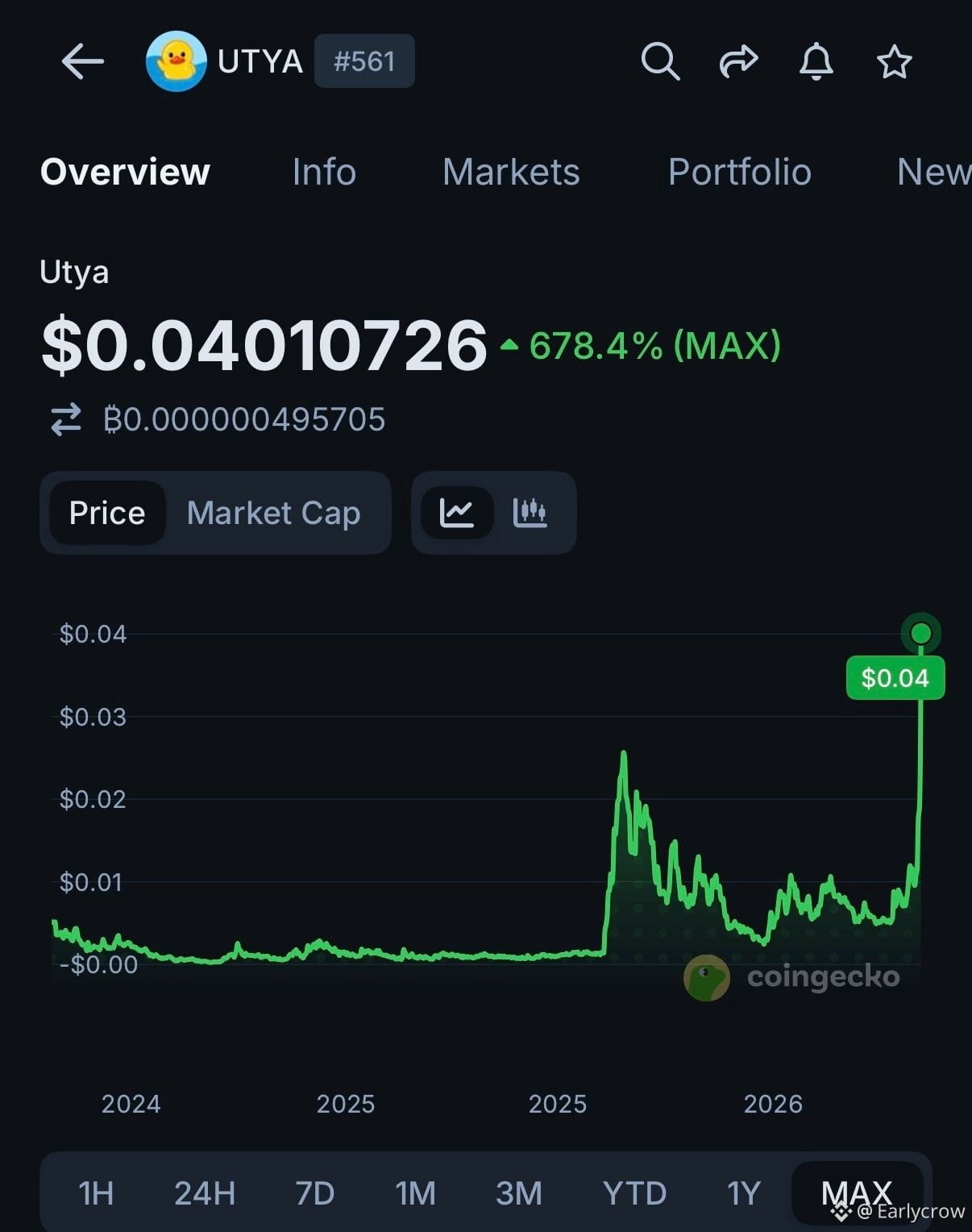
$ETH 約$2,350は重要な転換点として機能し続けており、価格は徐々に短期構造を取り戻しつつあり、モメンタムが築かれ始めています。MACDのポジティブな転換やRSIの上昇などの指標は初期の強さを示唆していますが、このゾーンの上での持続的な受容に依存するため、確認が必要です。
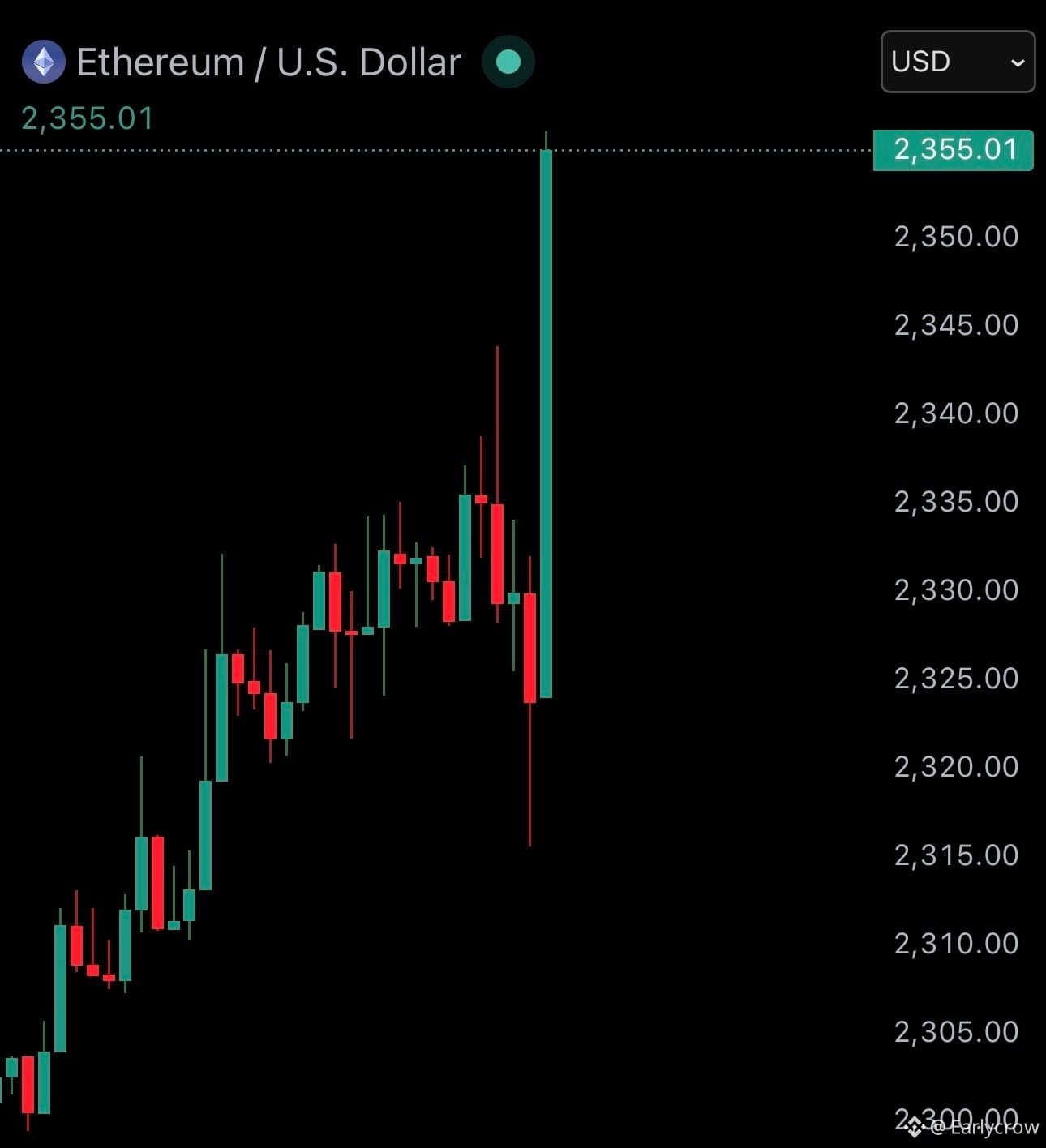
同時に、$BILL のBingXでの上場はすでに強い初期反応を示しています。初期の価格アクションは、立ち上がりから急激な拡張を示しており、価格は$0.020の領域から$0.034を超えるまで積極的に動いており、即時の需要と高い取引興味を反映しています。ボリュームの拡大とモメンタム指標も迅速に整列し、新たに上場された資産が早期の流動性を引き寄せるのが典型的です。
このような動きは、新しいナラティブがどのように迅速に注目を集めるかを強調しており、特に広範な市場がまだ統合段階にあるときに顕著です。Ethereumがより徐々に構造を築く一方で、BILLは新たに上場された資産におけるモメンタムがどのように迅速に加速できるかを示しています。
両方のシナリオは、市場の挙動の異なる段階を反映しており、一方は構造的確認に焦点を当て、もう一方は初期段階の価格発見に注目しており、モメンタムが発展するにつれて両方とも注意深く監視する価値があります。
同時に、$BILL のBingXでの上場はすでに強い初期反応を示しています。初期の価格アクションは、立ち上がりから急激な拡張を示しており、価格は$0.020の領域から$0.034を超えるまで積極的に動いており、即時の需要と高い取引興味を反映しています。ボリュームの拡大とモメンタム指標も迅速に整列し、新たに上場された資産が早期の流動性を引き寄せるのが典型的です。
このような動きは、新しいナラティブがどのように迅速に注目を集めるかを強調しており、特に広範な市場がまだ統合段階にあるときに顕著です。Ethereumがより徐々に構造を築く一方で、BILLは新たに上場された資産におけるモメンタムがどのように迅速に加速できるかを示しています。
両方のシナリオは、市場の挙動の異なる段階を反映しており、一方は構造的確認に焦点を当て、もう一方は初期段階の価格発見に注目しており、モメンタムが発展するにつれて両方とも注意深く監視する価値があります。
テスラは昨年、自社のエコシステム内での取引によって5億7300万ドルの収益を上げました。
表面的には、ただの内部取引ですが、これは価値が外に出ず、循環するという大きな流れを反映しています。各レイヤーが次のレイヤーを支え合い、自己持続的なモメンタムを生み出しています。
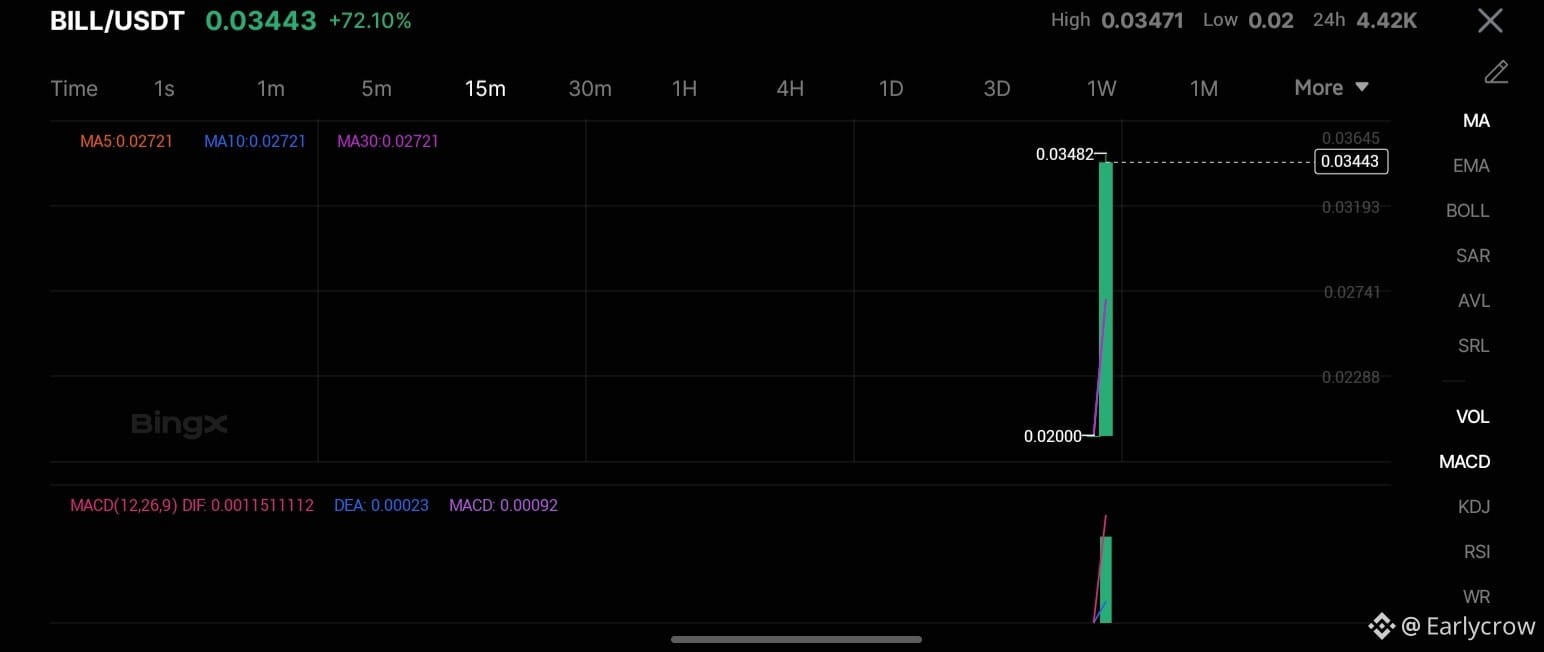
市場でも似たようなパターンが見え始めています。$XRP が今日、約1.37ドルの範囲でホールドしていることは、動きの中での安定性を示しています。価格が上がったり下がったりするだけではなく、構造、フロー、そして資本がシステム内でどのように動くかが重要です。
ここでの参加は異なります。もはや一回のトレードだけではなく、モメンタムが高まる中で関与し続けることが重要です。
BingXのMEGAトレーディングカーニバルはこの考え方にフィットしています。5万USDTの報酬があり、継続的な活動を促進し、タスクを完了し、報酬を得て、サイクルに留まることを奨励しています。
なぜなら、こうしたシステムでは、価値はただ現れるのではなく…循環するからです。
表面的には、ただの内部取引ですが、これは価値が外に出ず、循環するという大きな流れを反映しています。各レイヤーが次のレイヤーを支え合い、自己持続的なモメンタムを生み出しています。
市場でも似たようなパターンが見え始めています。$XRP が今日、約1.37ドルの範囲でホールドしていることは、動きの中での安定性を示しています。価格が上がったり下がったりするだけではなく、構造、フロー、そして資本がシステム内でどのように動くかが重要です。
ここでの参加は異なります。もはや一回のトレードだけではなく、モメンタムが高まる中で関与し続けることが重要です。
BingXのMEGAトレーディングカーニバルはこの考え方にフィットしています。5万USDTの報酬があり、継続的な活動を促進し、タスクを完了し、報酬を得て、サイクルに留まることを奨励しています。
なぜなら、こうしたシステムでは、価値はただ現れるのではなく…循環するからです。
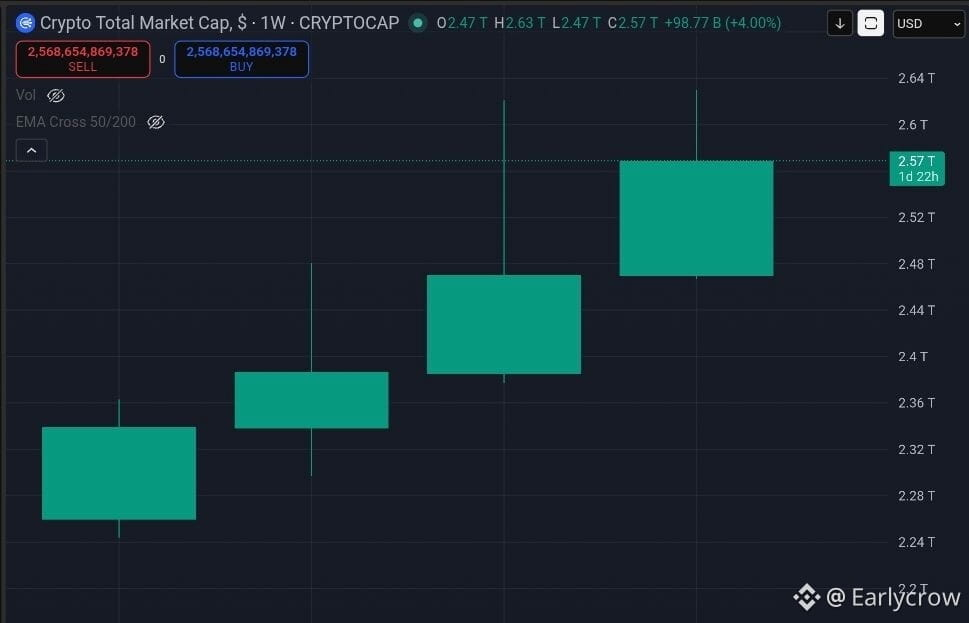
暗号市場はたった4週間で3100億ドルを追加しました。
これはスパイクではなく、安定した成長です。4つの緑のキャンドルが、各々が構造を保ちながら、さらに高く押し上げています。静かなモメンタムですが、非常に意図的です。
市場がこう動くと、何かが変わります。自信が戻り、資本が回転し、注目がすでに上昇したものを超えて向けられ始めます。
そこで$OPG が登場します。AIと分散型インフラの交差点に位置し、市場が拡大する中で静かに整列しています。OPGリスティングカーニバルはこの瞬間にぴったりで、BingXで8万ドルの報酬があります。
こうした市場では、本当のアドバンテージは単に動きを追うことではなく、次に何が形成されるかを見抜くことです。
#AaveAnnouncesDeFiUnitedReliefFund
これはスパイクではなく、安定した成長です。4つの緑のキャンドルが、各々が構造を保ちながら、さらに高く押し上げています。静かなモメンタムですが、非常に意図的です。
市場がこう動くと、何かが変わります。自信が戻り、資本が回転し、注目がすでに上昇したものを超えて向けられ始めます。
そこで$OPG が登場します。AIと分散型インフラの交差点に位置し、市場が拡大する中で静かに整列しています。OPGリスティングカーニバルはこの瞬間にぴったりで、BingXで8万ドルの報酬があります。
こうした市場では、本当のアドバンテージは単に動きを追うことではなく、次に何が形成されるかを見抜くことです。
#AaveAnnouncesDeFiUnitedReliefFund
財務長官スコット・ベッセントは、イラン戦争前の水準を下回るガス価格が、紛争が終われば実現する可能性があると述べています。
最初は単純な予測のように聞こえますが、よく見ると、市場がすでに先を見越して動いていることを反映しています。原油は現在の緊張に反応しているだけでなく、条件が緩和され始める未来を静かに価格に織り込んでいます。
ここでの対比が興味深い点です。マクロ的な圧力は今も存在しますが、市場の一部はすでに異なる動きをしています。明らかな方法ではなく、ポジショニングや構造の微妙な変化を通じてです。
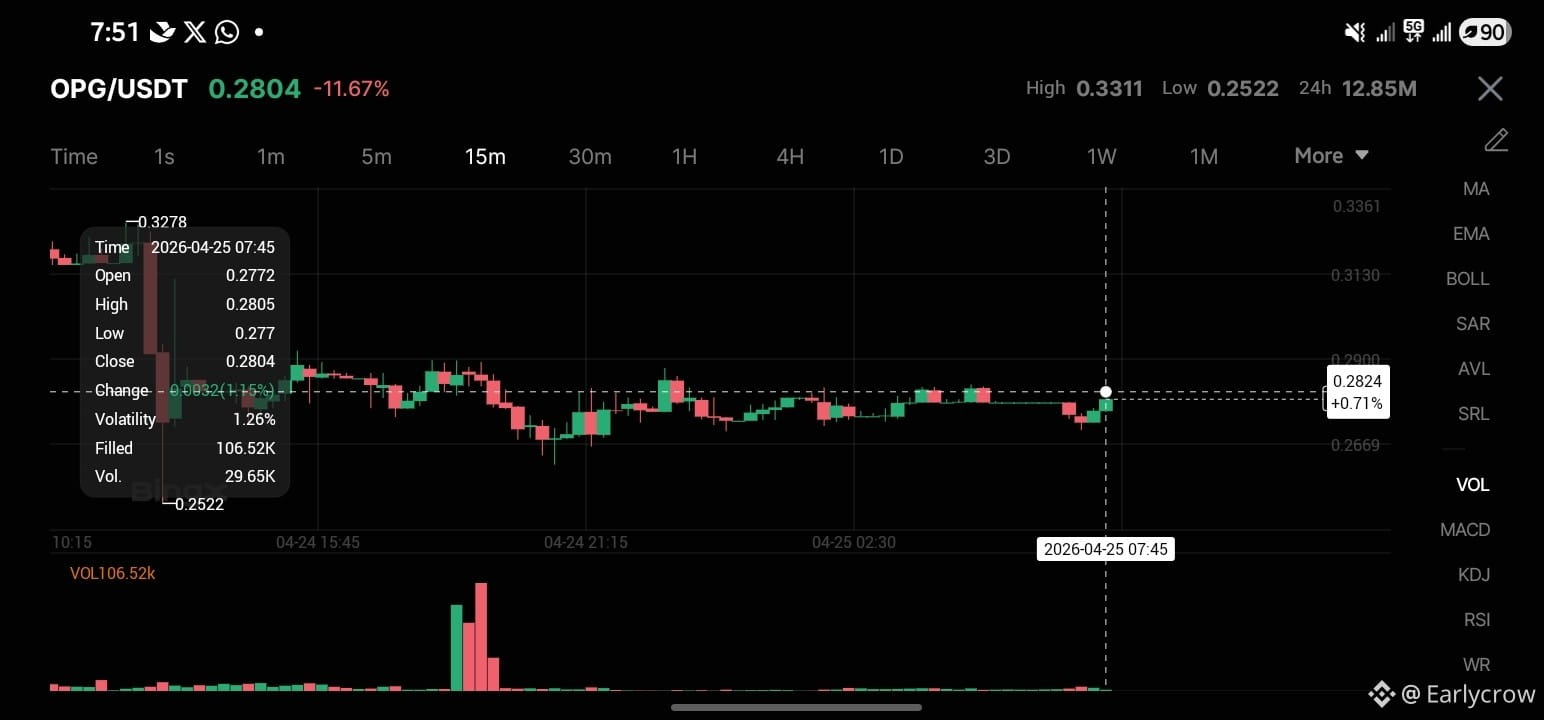
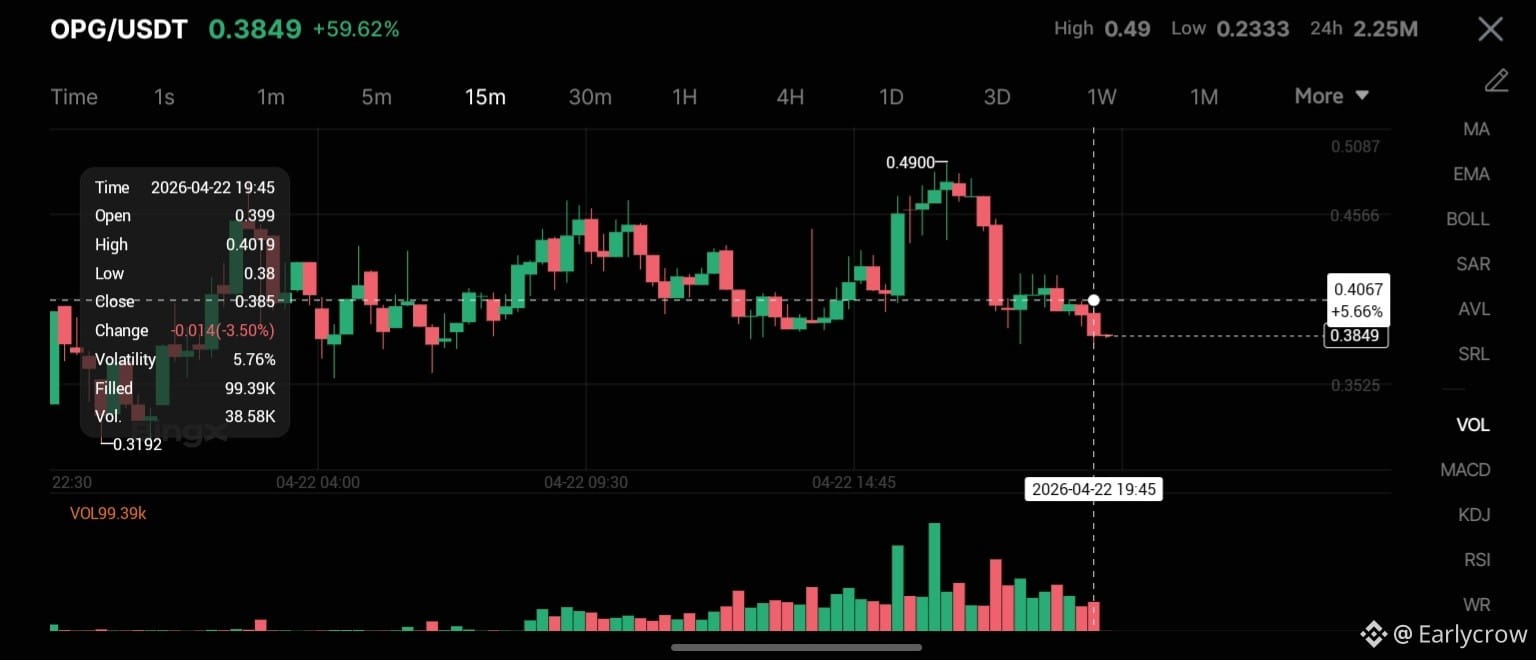
OPGを見てみると、チャートはこの動きを明確に捉えています。強い上昇、$0.49付近のピーク、その後の調整と$0.38から$0.40の範囲での安定。これはランダムなボラティリティではなく、価格発見の初期段階であり、モメンタムが冷却し、市場が方向性を定義し始める瞬間です。
その動きの背後には、より広い物語があります。$OPG はAIと分散型インフラの交差点に位置し、計算がオンチェーンで検証可能で信頼できるシステムを導入しています。これは単なるハイプに頼るのではなく、時間とともに価値がどのように構造されるかに基づく概念です。
現在BingXで取引中のOPGは、注目が現在の条件に反応することから次に何が来るかを予測する方向にゆっくりとシフトしている瞬間に市場に登場します。
もし原油市場がすでに現在の緊張を超えた未来を価格に織り込んでいるなら、OPGのような資産が構造を形成し始めている場合、より大きな疑問が浮かび上がります:
次のフェーズが完全に展開する前に、何が静かにポジショニングされているのか?
#JustinSunSuesWorldLibertyFinancial
最初は単純な予測のように聞こえますが、よく見ると、市場がすでに先を見越して動いていることを反映しています。原油は現在の緊張に反応しているだけでなく、条件が緩和され始める未来を静かに価格に織り込んでいます。
ここでの対比が興味深い点です。マクロ的な圧力は今も存在しますが、市場の一部はすでに異なる動きをしています。明らかな方法ではなく、ポジショニングや構造の微妙な変化を通じてです。
OPGを見てみると、チャートはこの動きを明確に捉えています。強い上昇、$0.49付近のピーク、その後の調整と$0.38から$0.40の範囲での安定。これはランダムなボラティリティではなく、価格発見の初期段階であり、モメンタムが冷却し、市場が方向性を定義し始める瞬間です。
その動きの背後には、より広い物語があります。$OPG はAIと分散型インフラの交差点に位置し、計算がオンチェーンで検証可能で信頼できるシステムを導入しています。これは単なるハイプに頼るのではなく、時間とともに価値がどのように構造されるかに基づく概念です。
現在BingXで取引中のOPGは、注目が現在の条件に反応することから次に何が来るかを予測する方向にゆっくりとシフトしている瞬間に市場に登場します。
もし原油市場がすでに現在の緊張を超えた未来を価格に織り込んでいるなら、OPGのような資産が構造を形成し始めている場合、より大きな疑問が浮かび上がります:
次のフェーズが完全に展開する前に、何が静かにポジショニングされているのか?
#JustinSunSuesWorldLibertyFinancial

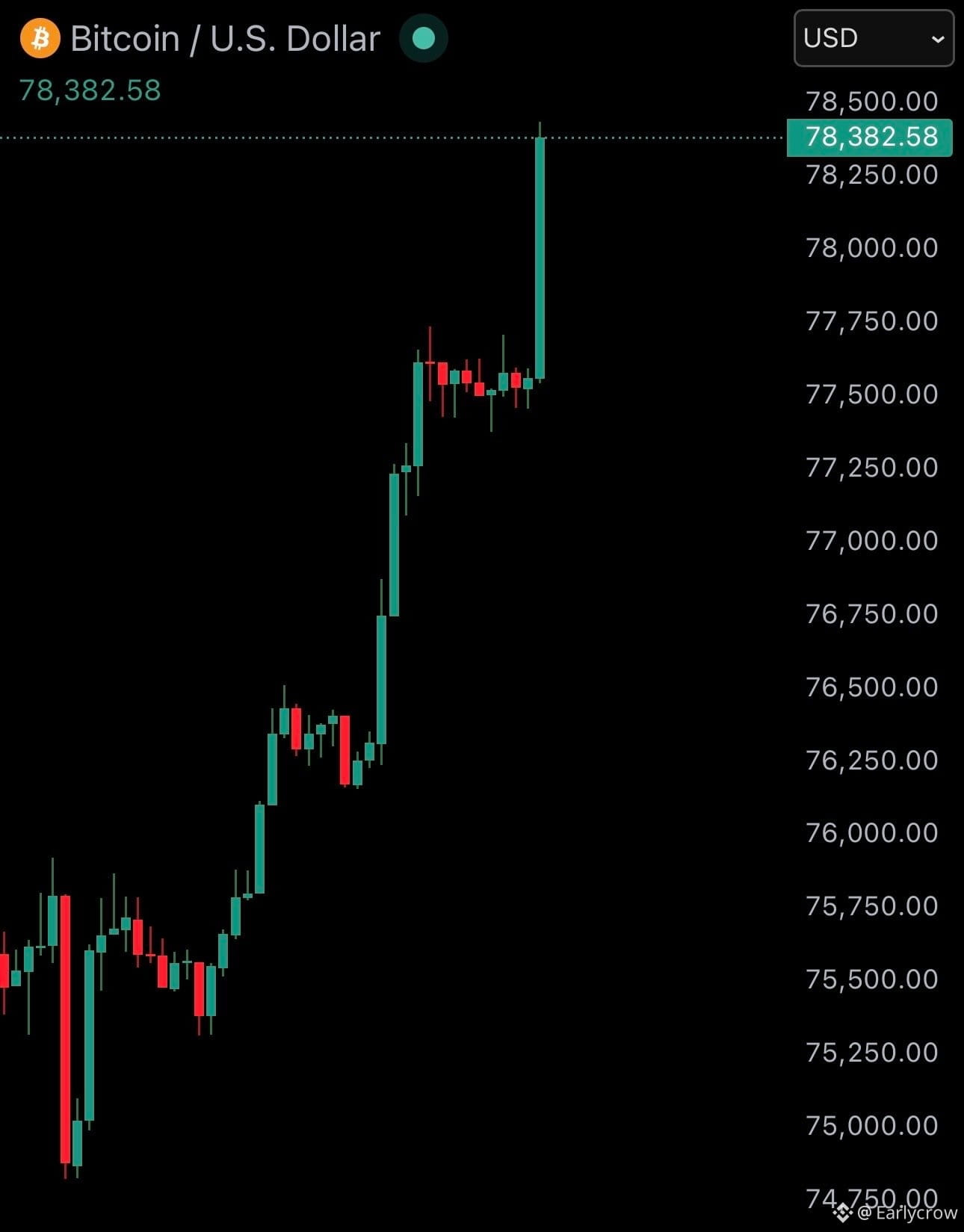
価格の動きだけでなく、市場全体のトーンの変化も感じられる。統合の期間を経て、$BTC が上昇し、それに伴いおなじみのパターンが現れる:自信が再構築され、モメンタムが加速し、注目が徐々に明白なものを超えて移動していく。
ビットコインが高いレベルで安定すると、市場は一時停止することなく拡大する。流動性は新しい方向を探し始め、確立された資産だけでなく、まだ完全に展開されていない新興の物語にまで目を向ける。このあたりから次のフェーズが静かに始まることが多い。
その物語の一つは、AIインフラとオンチェーンファイナンスの交差点で形成されている。ここでUSD.AIが登場するのは、単なる投機的な資産としてではなく、実際の経済活動に基づいたモデルとしてである。GPUインフラとコンピュート生成された収益に裏打ちされた貸し出しと借り入れを可能にすることで、資本が生産的な成果に結びつく枠組みを導入している。
$CHIP がBingXで利用可能になったことで、この資産はモメンタムが戻り、参加者がポジショニングを再評価しているタイミングで市場に入る。自信が強まると、資本は通常、主要な資産を超えて探求を始めるため、タイミングは注目に値する。
ビットコインが高い地盤を取り戻すと、焦点は徐々に価格だけでなく次に何が起こるかに移る。このような市場では、実際の問いは単に継続性についてではなく、注目が広がる中でどの物語が浮上するかということである。
#KelpDAOExploitFreeze
ビットコインが高いレベルで安定すると、市場は一時停止することなく拡大する。流動性は新しい方向を探し始め、確立された資産だけでなく、まだ完全に展開されていない新興の物語にまで目を向ける。このあたりから次のフェーズが静かに始まることが多い。
その物語の一つは、AIインフラとオンチェーンファイナンスの交差点で形成されている。ここでUSD.AIが登場するのは、単なる投機的な資産としてではなく、実際の経済活動に基づいたモデルとしてである。GPUインフラとコンピュート生成された収益に裏打ちされた貸し出しと借り入れを可能にすることで、資本が生産的な成果に結びつく枠組みを導入している。
$CHIP がBingXで利用可能になったことで、この資産はモメンタムが戻り、参加者がポジショニングを再評価しているタイミングで市場に入る。自信が強まると、資本は通常、主要な資産を超えて探求を始めるため、タイミングは注目に値する。
ビットコインが高い地盤を取り戻すと、焦点は徐々に価格だけでなく次に何が起こるかに移る。このような市場では、実際の問いは単に継続性についてではなく、注目が広がる中でどの物語が浮上するかということである。
#KelpDAOExploitFreeze
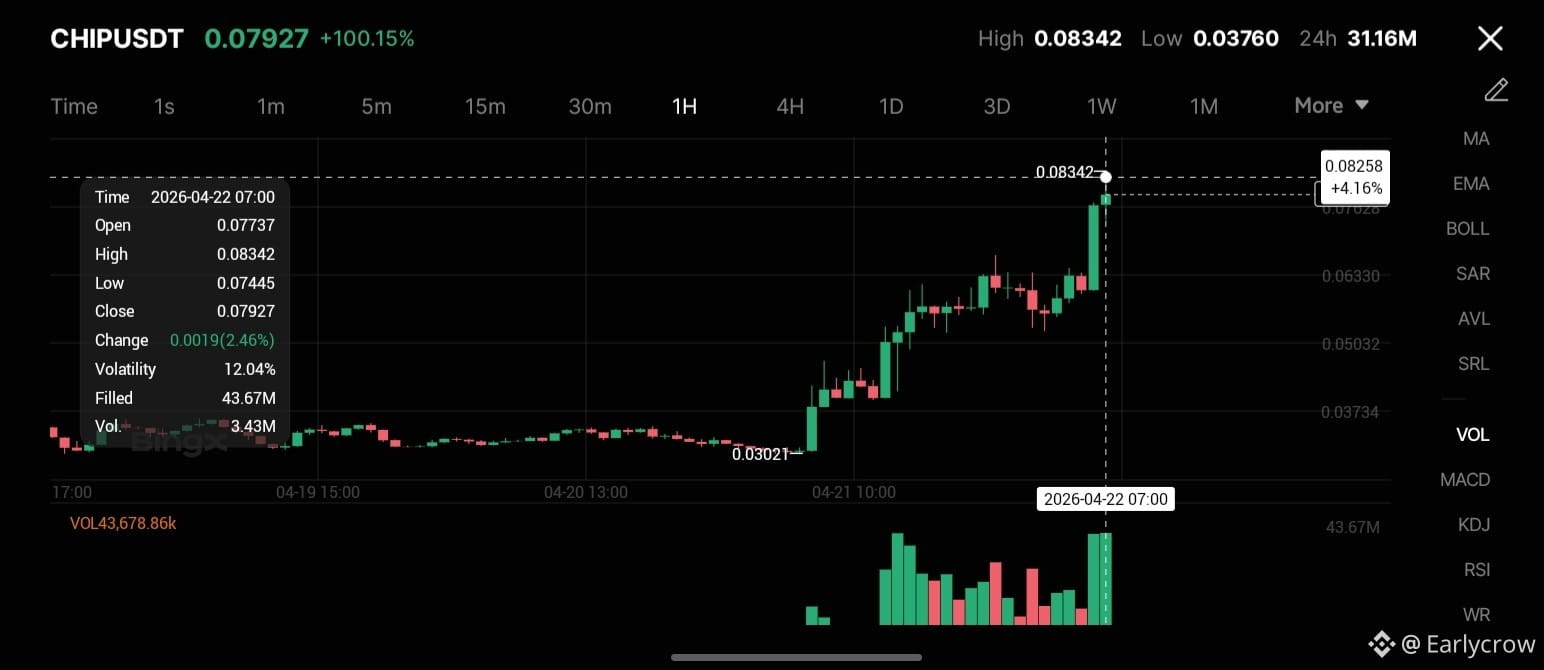
米国株式市場は、ナスダックとS&P 500が7連続のグリーンキャンドルを記録する中、わずか7回の取引セッションで約5兆ドルを追加しました。このような勢いは、リスクオンの感情が強く戻ってきていることを反映しており、資本が決定的に流入し、投資家の信頼が明らかに強化されています。
しかし、この規模のラリーは自然と持続可能性に関する疑問を引き起こします。これは、より広範な拡張サイクルの始まりなのか、それとも感情とポジショニングに駆動される短期的な動きなのか?歴史的に見て、株式がこのように急加速する場合、流動性は伝統的な市場に集中し、参加者がリスクと機会を再評価するにつれて徐々に代替資産にローテーションする傾向があります。
対照的に、暗号市場は依然としてより断片的な構造を示しており、特定の資産は依然としてボラティリティと価格発見を経験しています。この乖離は重要なダイナミクスを際立たせています:マクロの感情が改善する一方で、市場のすべてのセグメントが同調して動くわけではありません。タイミングと選択的なポジショニングは依然として重要です。
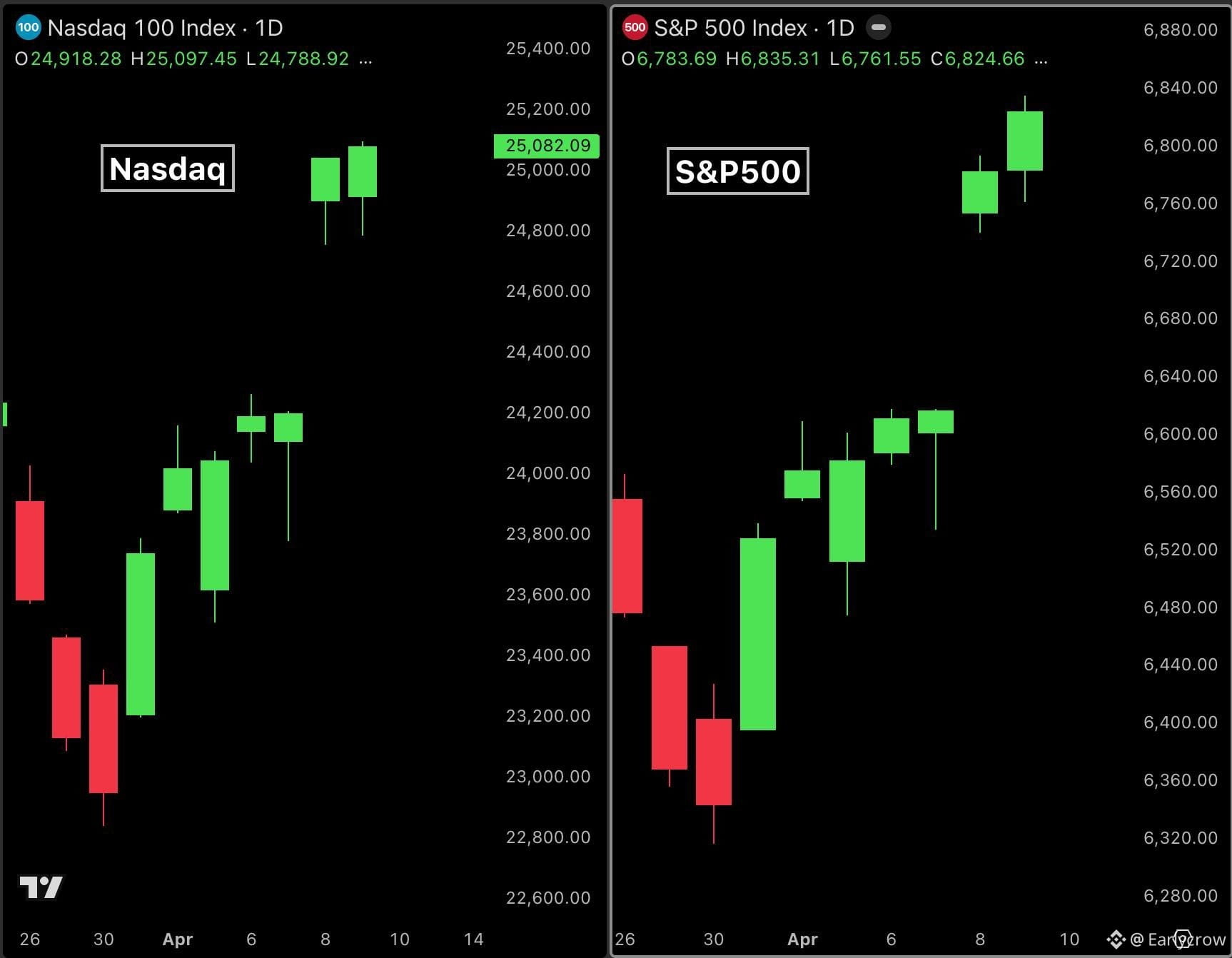
この環境内で、$OFCの上場などの発展は、現実世界の関与を中心に新しい物語を紹介します。グローバルなサッカーの観客とWeb3ベースのインタラクションおよび報酬を結びつけることにより、OFCは純粋に投機的な関心ではなく、ユーティリティ主導のエコシステムへのより広範なシフトを反映しています。この資産は現在BingXで取引可能であり、注意が依然として主に伝統的な金融に固定されている時期に市場に参入しています。
株式の勢いが高まり、暗号が安定し続ける中、より広範な疑問は残ります:
資本は伝統的な市場に集中し続けるのか、それとも徐々にデジタル資産の新たな機会にローテーションするのか?
#BinanceWalletLaunchesPredictionMarkets
しかし、この規模のラリーは自然と持続可能性に関する疑問を引き起こします。これは、より広範な拡張サイクルの始まりなのか、それとも感情とポジショニングに駆動される短期的な動きなのか?歴史的に見て、株式がこのように急加速する場合、流動性は伝統的な市場に集中し、参加者がリスクと機会を再評価するにつれて徐々に代替資産にローテーションする傾向があります。
対照的に、暗号市場は依然としてより断片的な構造を示しており、特定の資産は依然としてボラティリティと価格発見を経験しています。この乖離は重要なダイナミクスを際立たせています:マクロの感情が改善する一方で、市場のすべてのセグメントが同調して動くわけではありません。タイミングと選択的なポジショニングは依然として重要です。
この環境内で、$OFCの上場などの発展は、現実世界の関与を中心に新しい物語を紹介します。グローバルなサッカーの観客とWeb3ベースのインタラクションおよび報酬を結びつけることにより、OFCは純粋に投機的な関心ではなく、ユーティリティ主導のエコシステムへのより広範なシフトを反映しています。この資産は現在BingXで取引可能であり、注意が依然として主に伝統的な金融に固定されている時期に市場に参入しています。
株式の勢いが高まり、暗号が安定し続ける中、より広範な疑問は残ります:
資本は伝統的な市場に集中し続けるのか、それとも徐々にデジタル資産の新たな機会にローテーションするのか?
#BinanceWalletLaunchesPredictionMarkets
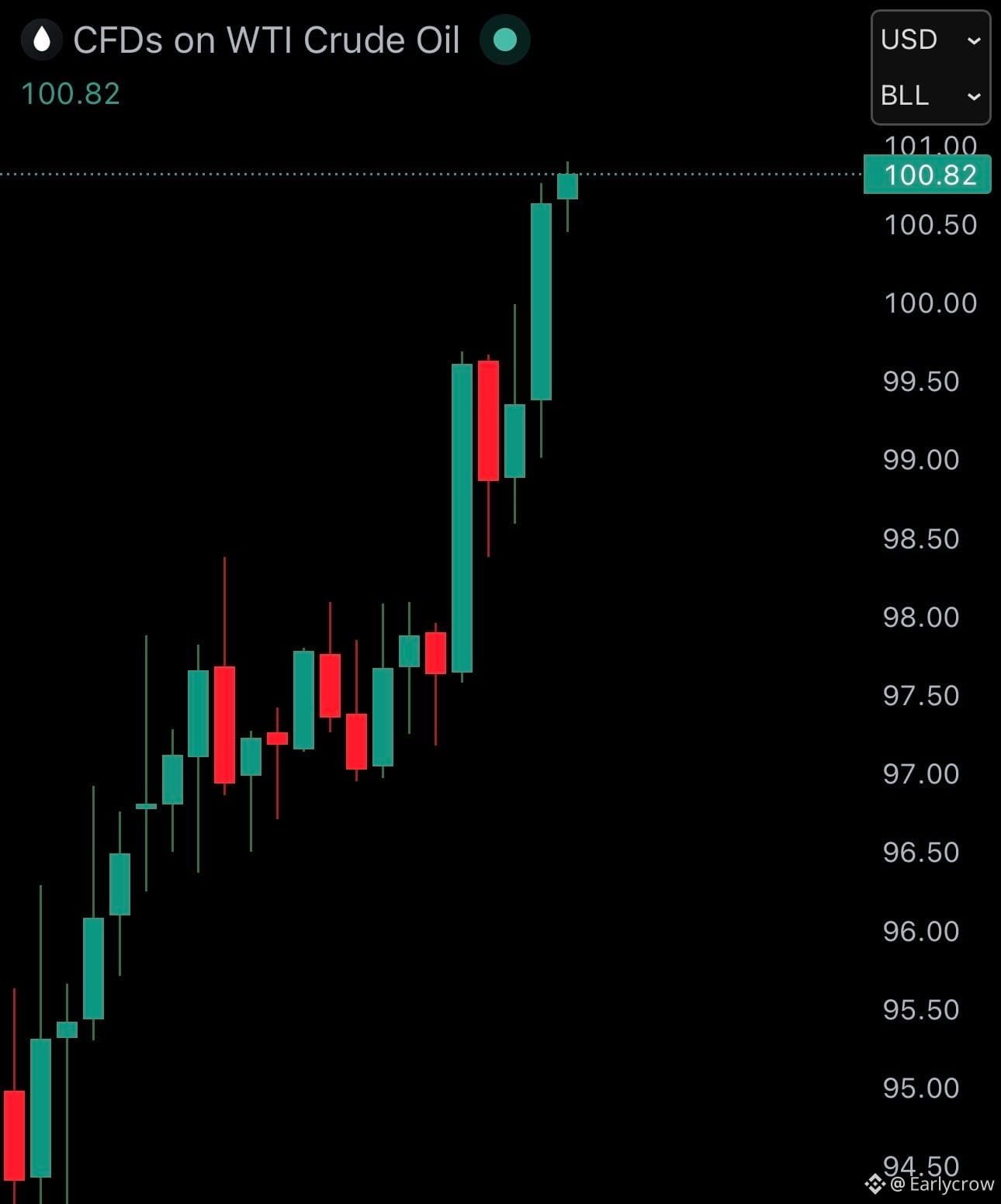
ただ今: 🇺🇸 米国の石油価格は$100を再び上回りました。
この発展はエネルギーセクターを超え、中央銀行の政策、流動性条件、そして全体的な市場感情に影響を与えるインフレ圧力を強化します。このような環境では、マクロ経済の不確実性が増す中で、投資家はより慎重なアプローチを採用する可能性が高いです。
金融市場、特にデジタル資産にとって、これはより複雑なダイナミクスをもたらします。高いエネルギーコストは短期的には資本の流れを引き締めるかもしれませんが、参加者がリスクエクスポージャーを再評価し、資産クラス全体でバランスの取れた機会を求めるにつれて、長期的なポジショニングにも影響を与える傾向があります。
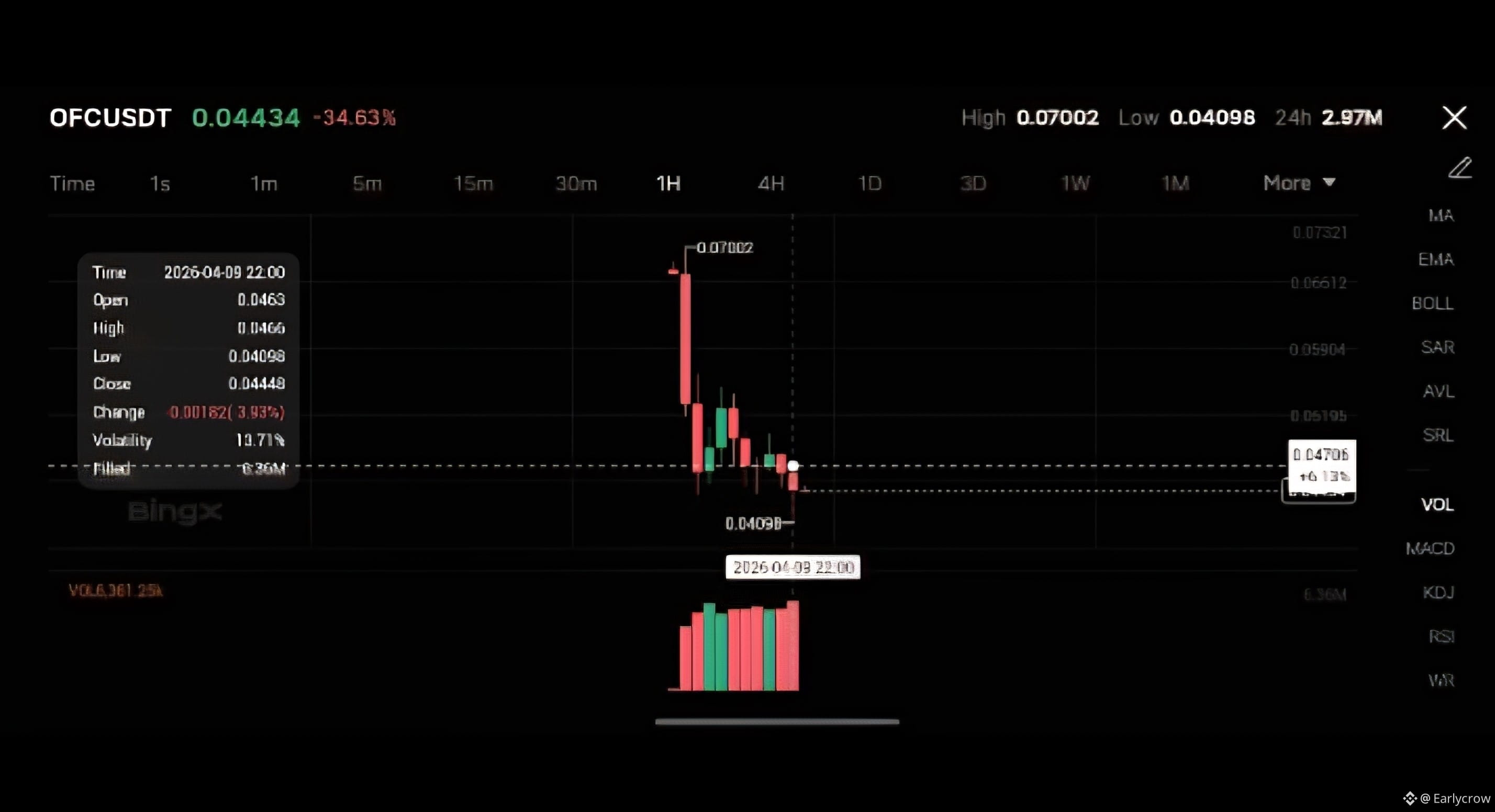
同時に、暗号エコシステム内での活動は継続しています。#Bitvia 上場カーニバルのようなイニシアティブは、マクロ条件が進化する中でも、BingXでの参加と市場の相互作用に基づいて取引の関与が構築され続けていることを強調しています。
世界的な経済信号が展開し続ける中、マクロトレンドとデジタル資産市場との相互作用は引き続き重要な焦点となるでしょう。
上昇する石油価格が近い将来の暗号市場の行動にどのように影響を与えると考えますか?
この発展はエネルギーセクターを超え、中央銀行の政策、流動性条件、そして全体的な市場感情に影響を与えるインフレ圧力を強化します。このような環境では、マクロ経済の不確実性が増す中で、投資家はより慎重なアプローチを採用する可能性が高いです。
金融市場、特にデジタル資産にとって、これはより複雑なダイナミクスをもたらします。高いエネルギーコストは短期的には資本の流れを引き締めるかもしれませんが、参加者がリスクエクスポージャーを再評価し、資産クラス全体でバランスの取れた機会を求めるにつれて、長期的なポジショニングにも影響を与える傾向があります。
同時に、暗号エコシステム内での活動は継続しています。#Bitvia 上場カーニバルのようなイニシアティブは、マクロ条件が進化する中でも、BingXでの参加と市場の相互作用に基づいて取引の関与が構築され続けていることを強調しています。
世界的な経済信号が展開し続ける中、マクロトレンドとデジタル資産市場との相互作用は引き続き重要な焦点となるでしょう。
上昇する石油価格が近い将来の暗号市場の行動にどのように影響を与えると考えますか?
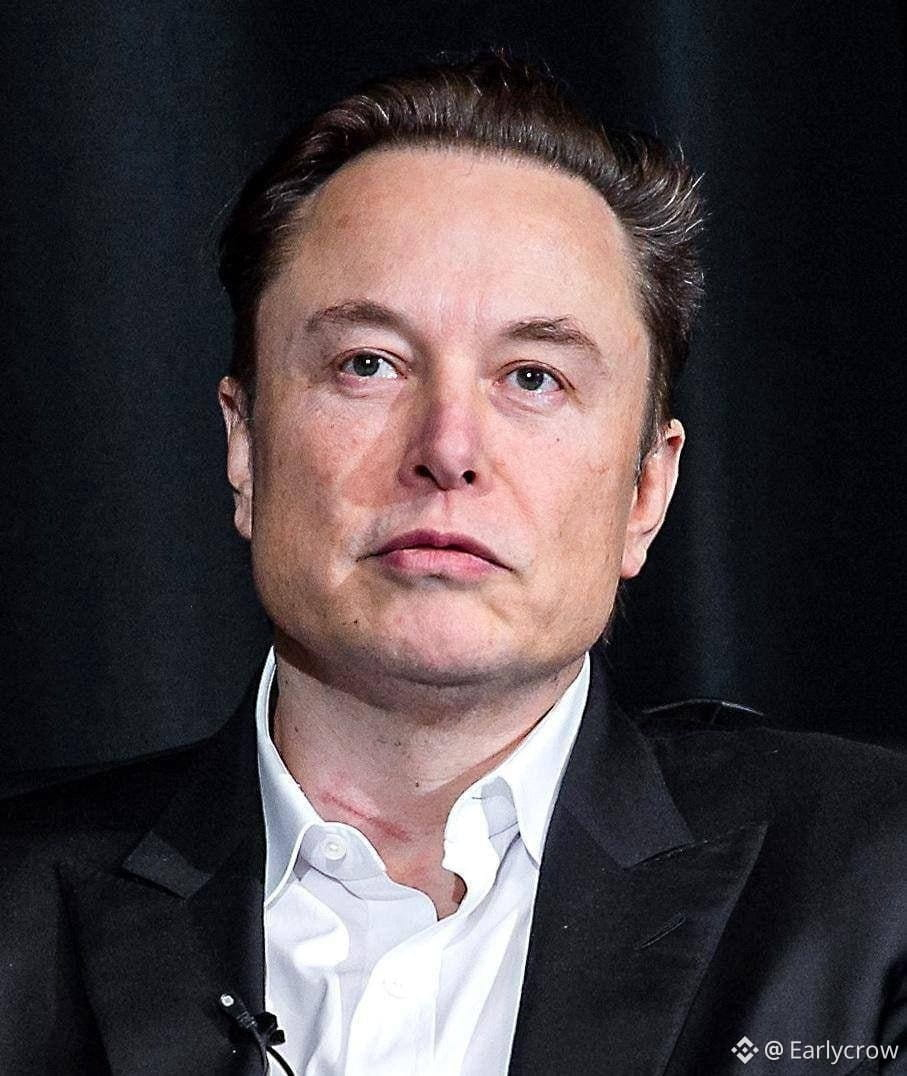
イーロン・マスクは、量子コンピューティングがいつか失われた暗号通貨のウォレットパスワードを回復できる可能性があると言っています。
未来的に聞こえますが、それは暗号通貨に対する考え方を微妙に再形成します。アクセスとセキュリティが進化すれば、実際のシフトはウォレットだけに留まらず…それらの背後にあるインフラに及ぶでしょう。ほとんどの人が物語を見守っている間に、一部のプロジェクトはすでに次のフェーズに向けて構築しています。
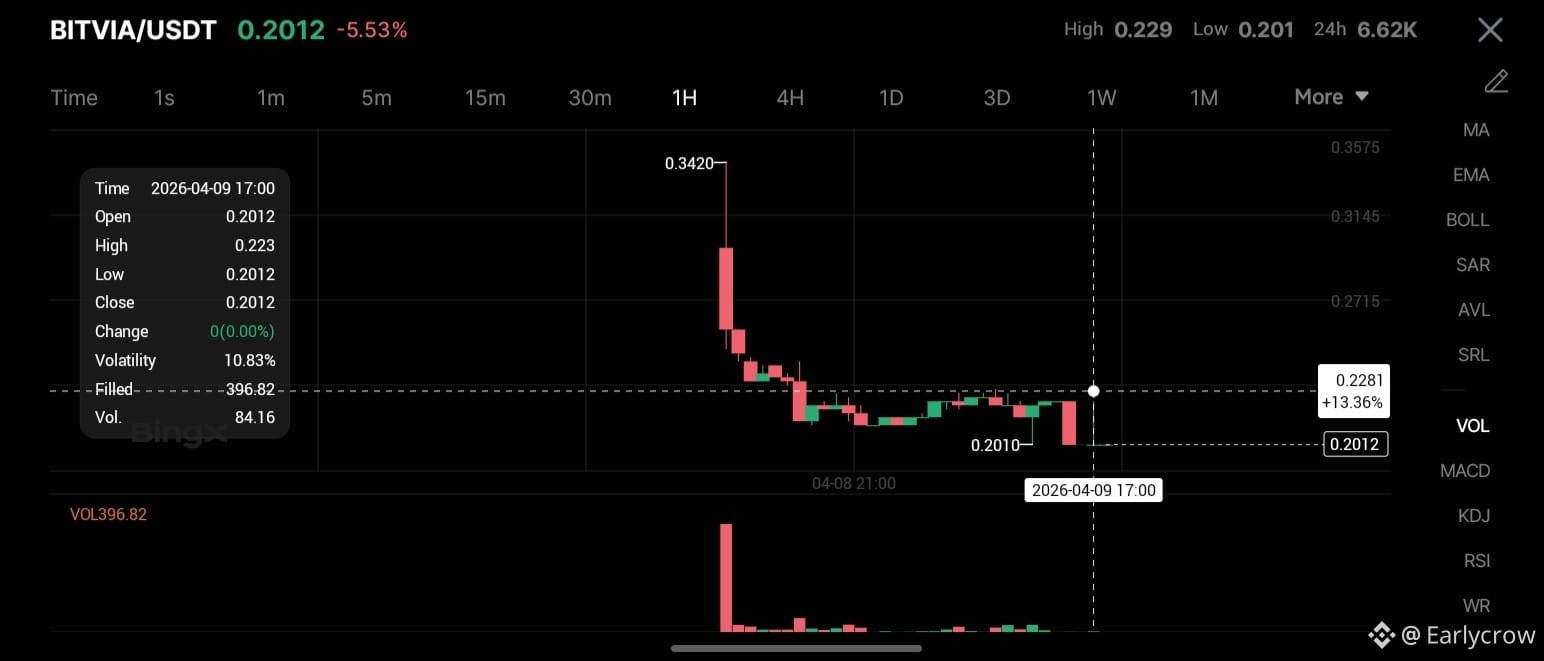
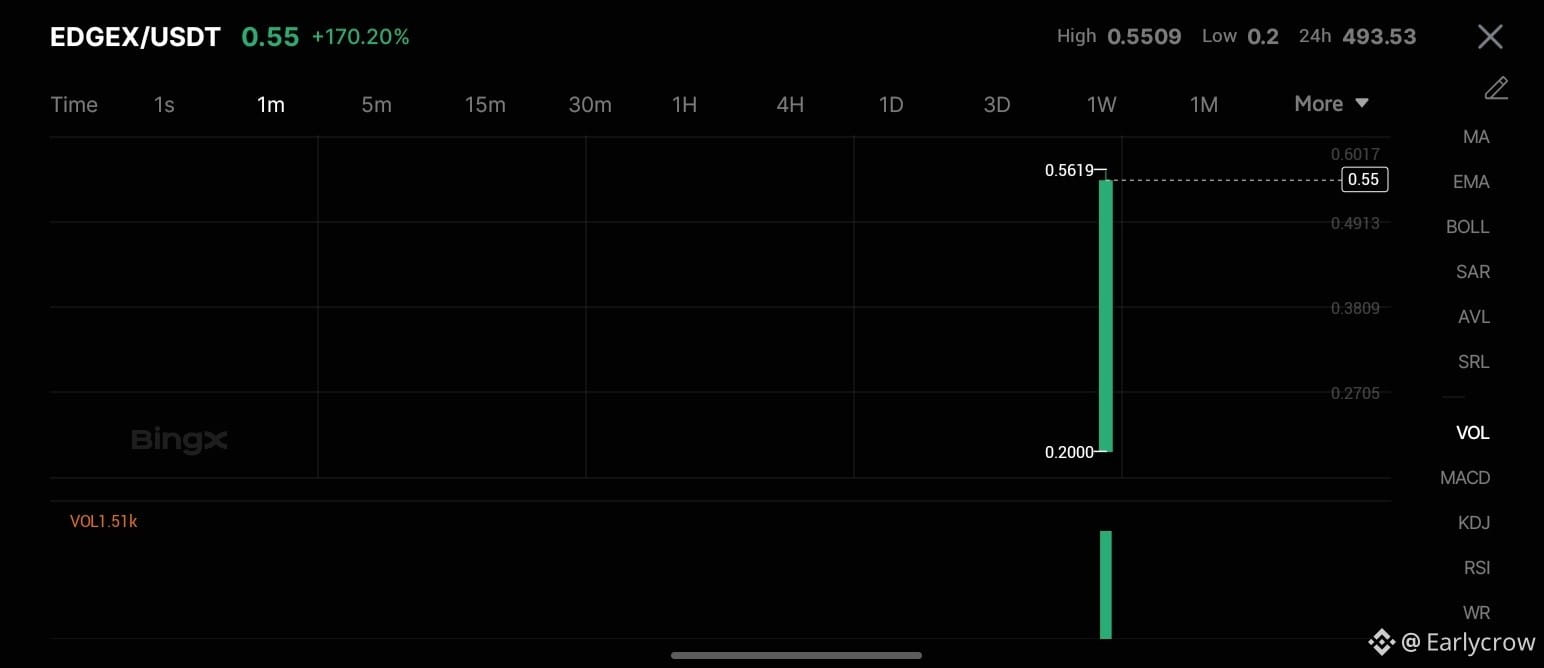
BingXが$0.5619で$EDGE を上場したのに気づきましたか?それはその方向にぴったり合っています。高性能の実行、低遅延、並列処理、オンチェーン取引が向かっている場所に向けて構築されています。
ゼロ手数料のウィンドウを追加すると、注目が集まる前の初期的なポジショニングのように見え始めます。ハイプのようには感じられず、むしろ準備のように感じます。
ここからEDGEXがどのように取引されるかを詳しく見てみる価値があるかもしれません。
未来的に聞こえますが、それは暗号通貨に対する考え方を微妙に再形成します。アクセスとセキュリティが進化すれば、実際のシフトはウォレットだけに留まらず…それらの背後にあるインフラに及ぶでしょう。ほとんどの人が物語を見守っている間に、一部のプロジェクトはすでに次のフェーズに向けて構築しています。
BingXが$0.5619で$EDGE を上場したのに気づきましたか?それはその方向にぴったり合っています。高性能の実行、低遅延、並列処理、オンチェーン取引が向かっている場所に向けて構築されています。
ゼロ手数料のウィンドウを追加すると、注目が集まる前の初期的なポジショニングのように見え始めます。ハイプのようには感じられず、むしろ準備のように感じます。
ここからEDGEXがどのように取引されるかを詳しく見てみる価値があるかもしれません。
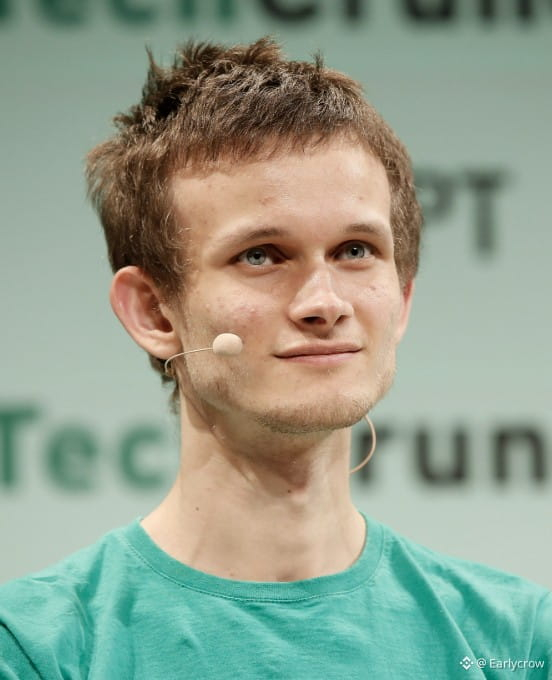
ヴィタリック・ブテリンが197,944 USDCを購入し、平均$1.25で157,869 ZCHFを蓄積します。わずか数時間で。
無視するような動きではありません。それは微妙ですが、多くを語ります。安定した価値の物語が静かに再び注目を集めています。大声ではなく、派手でもなく、ただ着実なポジショニングです。
そして、注目がそちらに移り始める一方で、同時に私の目を引いた別の何かがあります。
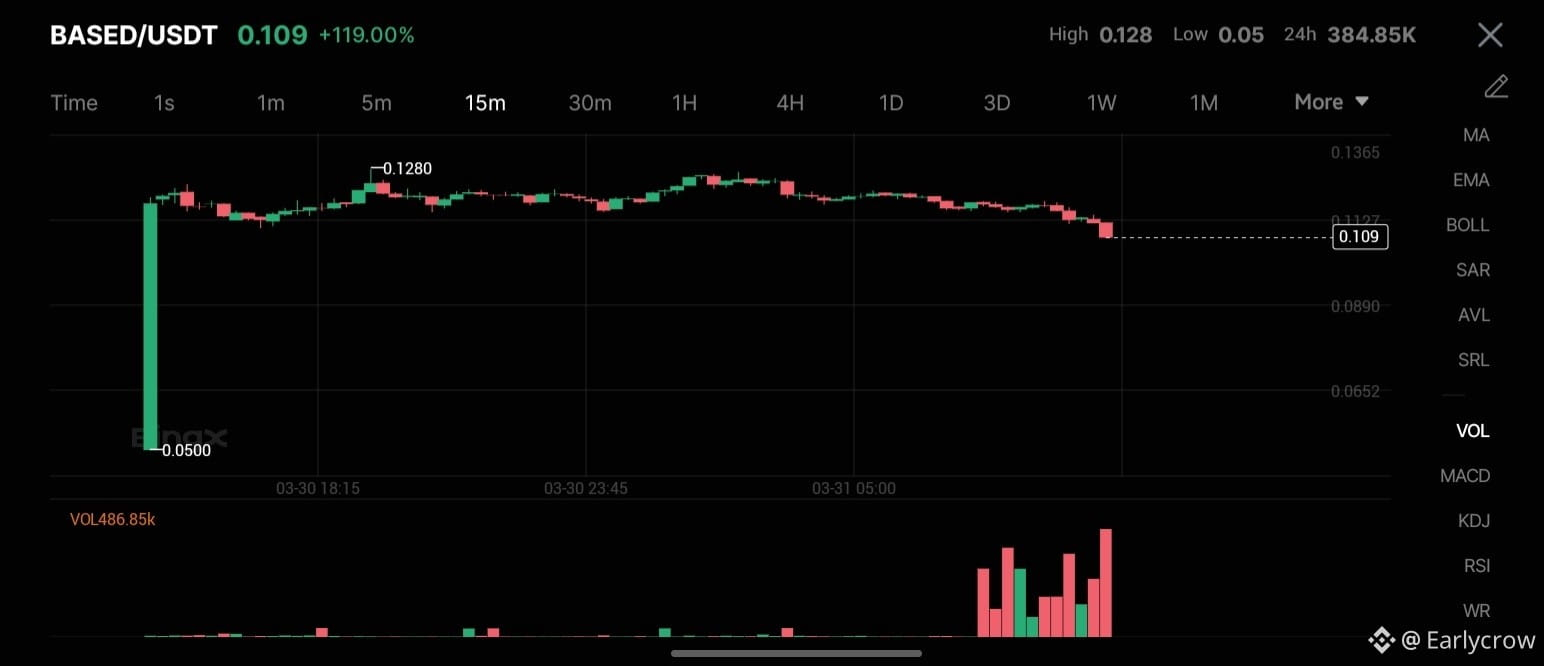
BingXが$BASEDを上場させたばかりで、それは人々が最初に見落としがちな初期段階のエコシステムプレイの一つのように感じます。
それは単なるトークンではありません。より広いシステムに結びついており、手数料の割引、先進的なツールへのアクセス、ガバナンス参加、統合プラットフォーム全体での報酬のブーストに関連しています。実際に使用と共に成長するユーティリティの種類であり、単なる投機ではありません。
タイミングも興味深いです。ローンチ時のゼロ手数料の取引ウィンドウはあまり見られないものであり、それだけで人々のエントリーへのアプローチを変えることができます。
私はパターンを見始めています:資本が静かに回転し、物語が続き、ユーティリティが後で価格に織り込まれます。
これは動きではないとは言っていません。しかし、早めにあなたのレーダーに入れておくべきものです。
時には、真のエッジは流行を追いかけることではなく、まだ流行していないものに気づくことです。
#AsiaStocksPlunge
無視するような動きではありません。それは微妙ですが、多くを語ります。安定した価値の物語が静かに再び注目を集めています。大声ではなく、派手でもなく、ただ着実なポジショニングです。
そして、注目がそちらに移り始める一方で、同時に私の目を引いた別の何かがあります。
BingXが$BASEDを上場させたばかりで、それは人々が最初に見落としがちな初期段階のエコシステムプレイの一つのように感じます。
それは単なるトークンではありません。より広いシステムに結びついており、手数料の割引、先進的なツールへのアクセス、ガバナンス参加、統合プラットフォーム全体での報酬のブーストに関連しています。実際に使用と共に成長するユーティリティの種類であり、単なる投機ではありません。
タイミングも興味深いです。ローンチ時のゼロ手数料の取引ウィンドウはあまり見られないものであり、それだけで人々のエントリーへのアプローチを変えることができます。
私はパターンを見始めています:資本が静かに回転し、物語が続き、ユーティリティが後で価格に織り込まれます。
これは動きではないとは言っていません。しかし、早めにあなたのレーダーに入れておくべきものです。
時には、真のエッジは流行を追いかけることではなく、まだ流行していないものに気づくことです。
#AsiaStocksPlunge
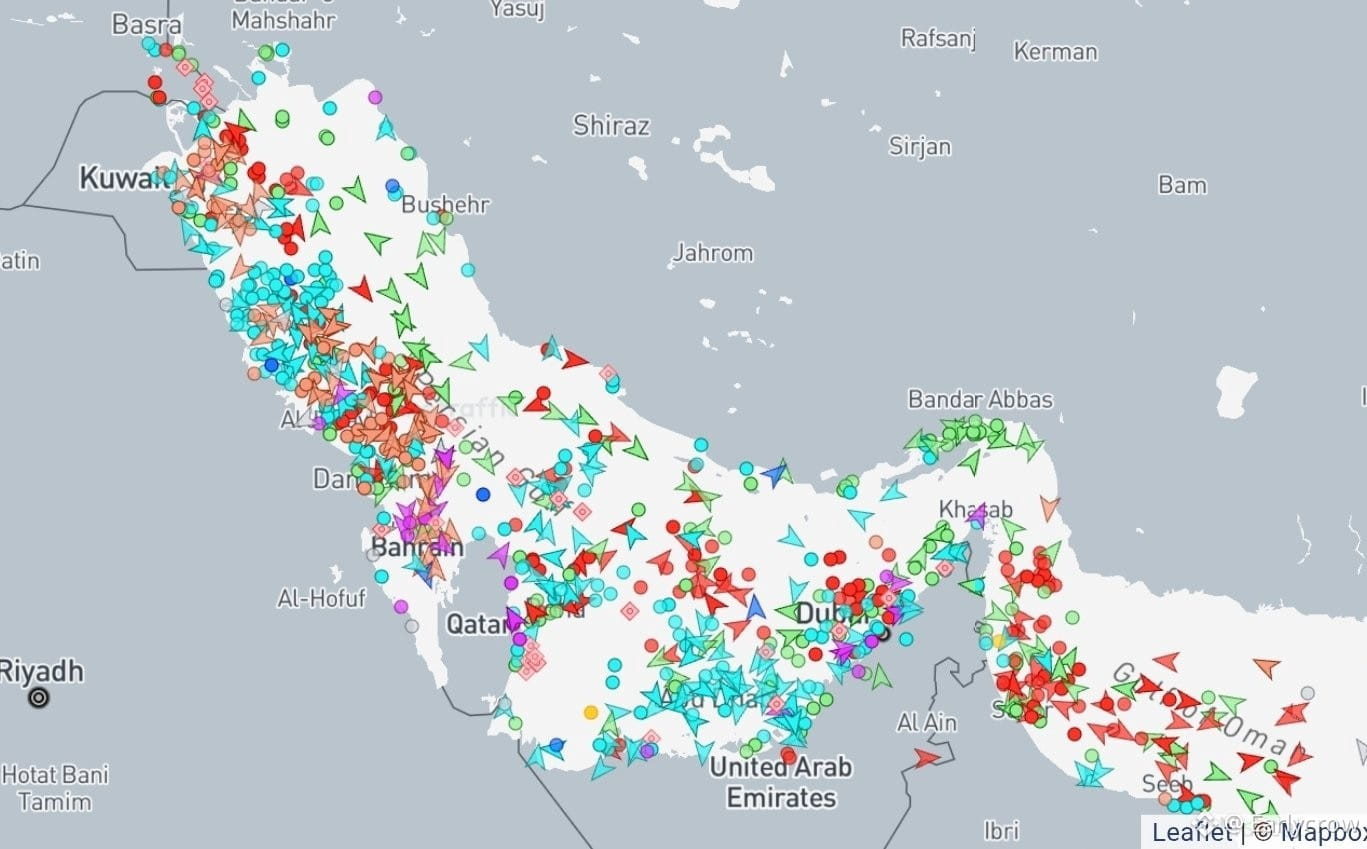
ホルムズ海峡からの船舶交通データを見て、詳しく調べることにしました。
過去24時間で動きが大幅に減少しており、それは単なるノイズではなく、マクロシグナルです。
このような瞬間は本当の機会が形成される場所ですが、早めにキャッチしなければなりません。
また、この市場の状況で何か新しいものをからかっている取引所も見ました。
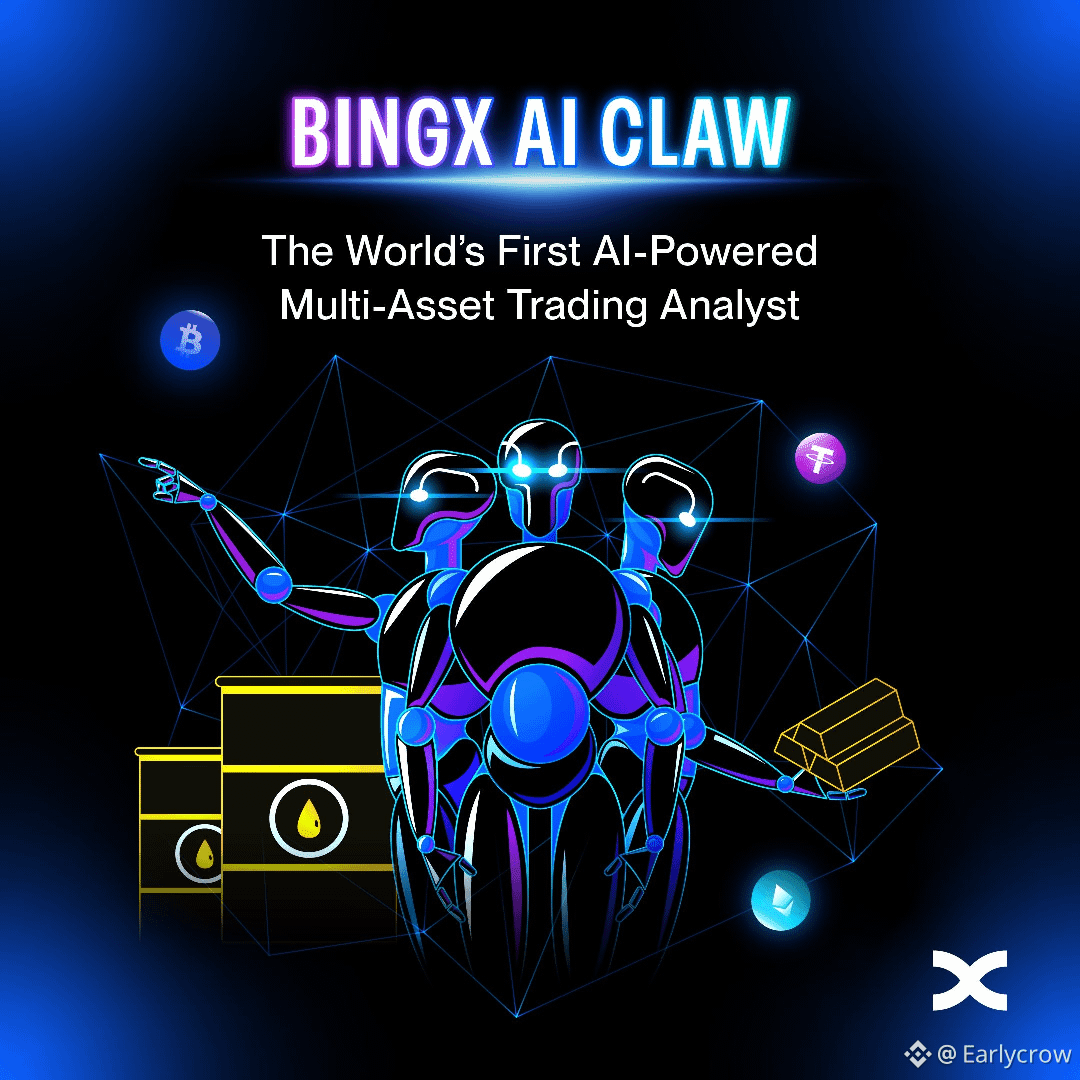
それは、市場を24時間365日スキャンし、リアルタイムデータを引き出し、潜在的な取引シグナルを浮き上がらせるために構築されたBingX AI Clawです。
目立つのは、これは自動取引ではないということです。あなたが制御を維持し、シグナル発見を手助けします。
このようなセットアップでテストして、実際に機能するかどうかを確認してみるかもしれません。 #BingXAIClaw
過去24時間で動きが大幅に減少しており、それは単なるノイズではなく、マクロシグナルです。
このような瞬間は本当の機会が形成される場所ですが、早めにキャッチしなければなりません。
また、この市場の状況で何か新しいものをからかっている取引所も見ました。
それは、市場を24時間365日スキャンし、リアルタイムデータを引き出し、潜在的な取引シグナルを浮き上がらせるために構築されたBingX AI Clawです。
目立つのは、これは自動取引ではないということです。あなたが制御を維持し、シグナル発見を手助けします。
このようなセットアップでテストして、実際に機能するかどうかを確認してみるかもしれません。 #BingXAIClaw
XRPは保有者の収益性がマイナスに転じる中、重要なフェーズに突入
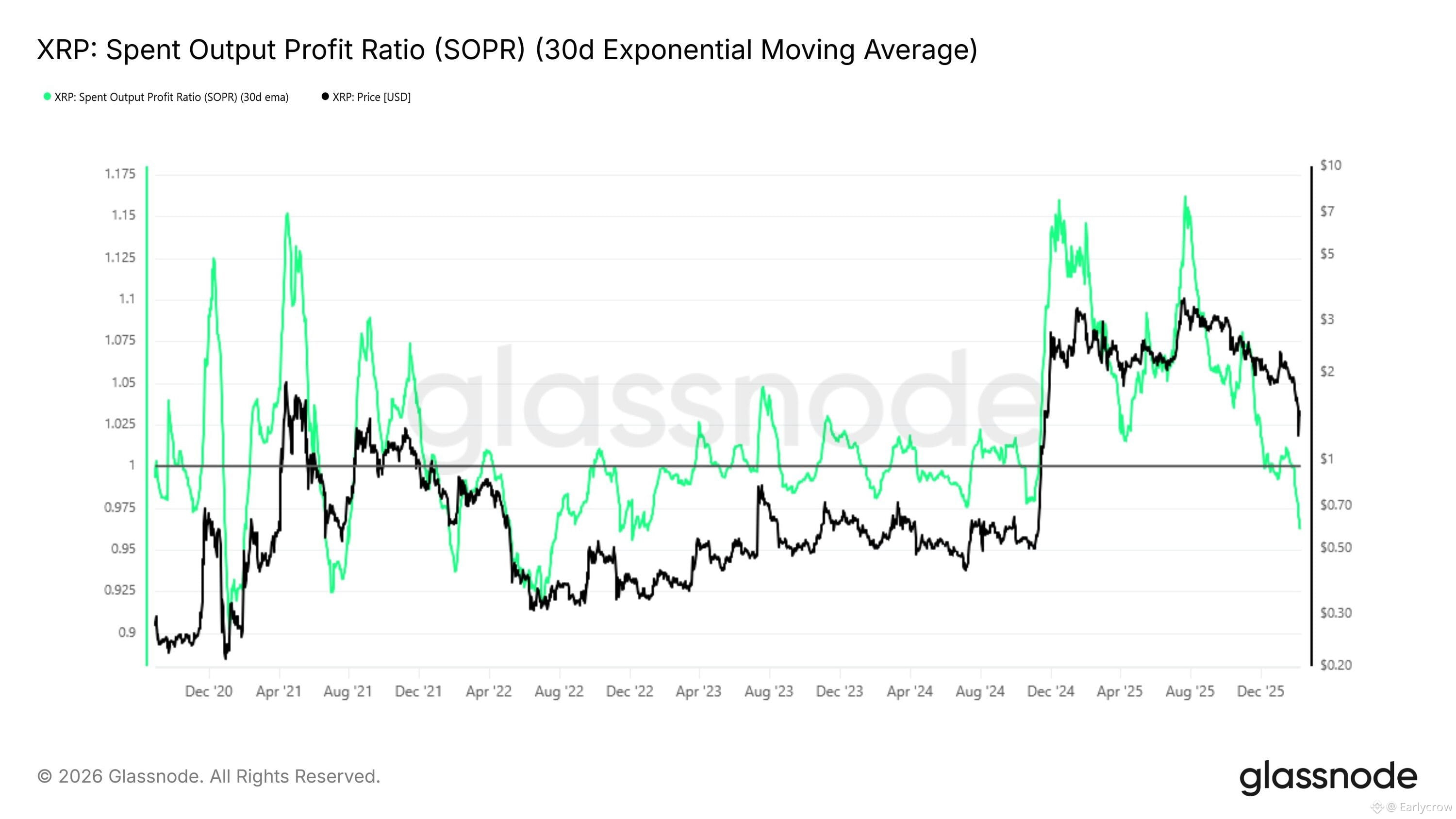
$XRP の周りの市場心理は、Glassnodeからの新しいオンチェーンデータがこの資産がその集約保有者コスト基準を下回っていることを示しているため、微妙なフェーズに入っています。Spent Output Profit Ratio (SOPR)は$1.16から$0.96に低下しており、多くの保有者が損失を出して売却していることを示しており、短期的な市場心理が慎重になっていることの古典的な兆候です。
興味深いことに、この設定は2021年9月から2022年5月までの統合期間に非常に似ており、市場は最終的に安定する前に数ヶ月のボラティリティを経て動いていました。このような瞬間はしばしば信念を試し、弱い手を振るいながら忍耐強い参加者が静かに再配置します。
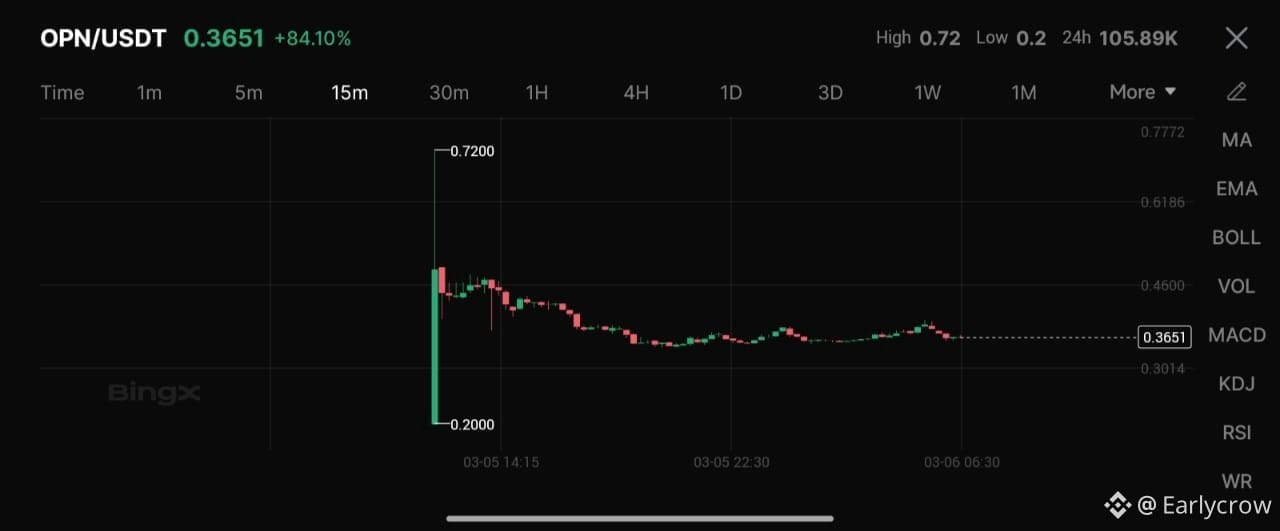
XRPがこの不確実な瞬間をナビゲートする中、より広範な暗号空間は前進し続けています。$OPN Listing Carnival on BingXのようなイニシアチブは、トレーダーに新しい資産と関わり、報酬を得る機会を提供しており、市場のプレッシャーの中でもイノベーションと参加は決して本当に停滞しないことを示しています。
このパニック主導のフェーズは、より深い圧力の始まりなのでしょうか、それとも次の蓄積の波の前の静けさなのでしょうか?
$XRP の周りの市場心理は、Glassnodeからの新しいオンチェーンデータがこの資産がその集約保有者コスト基準を下回っていることを示しているため、微妙なフェーズに入っています。Spent Output Profit Ratio (SOPR)は$1.16から$0.96に低下しており、多くの保有者が損失を出して売却していることを示しており、短期的な市場心理が慎重になっていることの古典的な兆候です。
興味深いことに、この設定は2021年9月から2022年5月までの統合期間に非常に似ており、市場は最終的に安定する前に数ヶ月のボラティリティを経て動いていました。このような瞬間はしばしば信念を試し、弱い手を振るいながら忍耐強い参加者が静かに再配置します。
XRPがこの不確実な瞬間をナビゲートする中、より広範な暗号空間は前進し続けています。$OPN Listing Carnival on BingXのようなイニシアチブは、トレーダーに新しい資産と関わり、報酬を得る機会を提供しており、市場のプレッシャーの中でもイノベーションと参加は決して本当に停滞しないことを示しています。
このパニック主導のフェーズは、より深い圧力の始まりなのでしょうか、それとも次の蓄積の波の前の静けさなのでしょうか?
ユーティリティが最初に動くと、アクセスが続く
$SOL 総支払量の成長におけるリーダーシップは、実際の採用が物語が追いつくずっと前に加速するという市場の真実を強化します。使用は、摩擦なく仕事をする取引、決済、インフラストラクチャーを通じて静かに累積し、スケールが否定できなくなるまで続きます。
同じダイナミクスが、早期の機会がどのように形成されるかを定義することがよくあります。価格発見が完全に成熟する前に、ポジショニングはモメンタムではなく参加によって形作られます。ここに、構造化されたアクセスを中心に構築されたフレームワークである$MOVAの立ち上げとともにBingX Xpoolが登場します。
初期の取引行動はこのトーンを反映しています。#MOVA は$1.35の近くで統合されており、最近のサポートの上に留まり、ローンチ後の調整を経ています。ボリュームは高いが秩序が保たれており、過剰なしに関心が続いていることを示唆しています。チャートは、市場が供給を吸収し、流動性が落ち着き、構造が形成されるのを示しています。
表面下に耐久性を持たせるのは、MOVAが機関決済や実世界の資産のためのモジュール式ブロックチェーンインフラストラクチャーに焦点を当てていることです。これは、使用が、宣伝ではなく、時間とともにスケールする傾向がある場所に沿った物語です。
活動を通じて関連性が得られる市場では、早期アクセスはしばしば、価値がどのように動くかを観察している人々に属します。価格がどのように反応するかだけでなく。
ユーティリティが先導し、構造が静かに形成されるとき、機会は群衆が気づく前に明らかになるのでしょうか?
$SOL 総支払量の成長におけるリーダーシップは、実際の採用が物語が追いつくずっと前に加速するという市場の真実を強化します。使用は、摩擦なく仕事をする取引、決済、インフラストラクチャーを通じて静かに累積し、スケールが否定できなくなるまで続きます。
同じダイナミクスが、早期の機会がどのように形成されるかを定義することがよくあります。価格発見が完全に成熟する前に、ポジショニングはモメンタムではなく参加によって形作られます。ここに、構造化されたアクセスを中心に構築されたフレームワークである$MOVAの立ち上げとともにBingX Xpoolが登場します。
初期の取引行動はこのトーンを反映しています。#MOVA は$1.35の近くで統合されており、最近のサポートの上に留まり、ローンチ後の調整を経ています。ボリュームは高いが秩序が保たれており、過剰なしに関心が続いていることを示唆しています。チャートは、市場が供給を吸収し、流動性が落ち着き、構造が形成されるのを示しています。
表面下に耐久性を持たせるのは、MOVAが機関決済や実世界の資産のためのモジュール式ブロックチェーンインフラストラクチャーに焦点を当てていることです。これは、使用が、宣伝ではなく、時間とともにスケールする傾向がある場所に沿った物語です。
活動を通じて関連性が得られる市場では、早期アクセスはしばしば、価値がどのように動くかを観察している人々に属します。価格がどのように反応するかだけでなく。
ユーティリティが先導し、構造が静かに形成されるとき、機会は群衆が気づく前に明らかになるのでしょうか?
$ETH $2,000ゾーンに向けた安定した回復は、市場全体に穏やかなテンポを設定し、緊急性が減り、観察が増えています。これらの段階では、注意が急激な価格変動から、静かに参加が増えている場所へと移ることがよくあります。
その変化は、最近BingXに上場された#WAR の周りで見られ、現在は上場カーニバルフェーズに入っています。初回の上場後の調整の後、$WARは$0.0237近くで安定し、$0.017周辺の以前の安値から反発し、取引量は活発ですが制御されています。拡張を追いかけるのではなく、市場は価格発見に落ち着いているようで、圧力なしで流動性が回転できるようになっています。
初期の段階は方向性よりも行動に関することが多い傾向があります。WARが最初のレンジを通じて取引され、カーニバルが展開する中で、本当のシグナルは、ノイズが収まった後にトレーダーがどれだけ一貫して現れるかにあるかもしれません。
インセンティブが冷却市場に出会うと、参加は深まるのか、それとも注意は次の動きに移るのでしょうか?
その変化は、最近BingXに上場された#WAR の周りで見られ、現在は上場カーニバルフェーズに入っています。初回の上場後の調整の後、$WARは$0.0237近くで安定し、$0.017周辺の以前の安値から反発し、取引量は活発ですが制御されています。拡張を追いかけるのではなく、市場は価格発見に落ち着いているようで、圧力なしで流動性が回転できるようになっています。
初期の段階は方向性よりも行動に関することが多い傾向があります。WARが最初のレンジを通じて取引され、カーニバルが展開する中で、本当のシグナルは、ノイズが収まった後にトレーダーがどれだけ一貫して現れるかにあるかもしれません。
インセンティブが冷却市場に出会うと、参加は深まるのか、それとも注意は次の動きに移るのでしょうか?
価格再設定の瞬間:信念が鈍化し、構造が浮かび上がる
ビットコインよりもボラティリティが高い$XAU の取引は、伝統的な仮定が再検討されているという静かな信号です。このような状況では、資本は通常、遅くなり、観察し、信念が実際にどこに形成されるかを再評価します。
その同じ忍耐は、BingXでの$TRIA の初期価格動向にも見られます。$0.0196付近でピークに達した後、価格は秩序正しく引き戻され、現在は$0.0144付近で落ち着いており、$0.0123付近でサポートが形成されています。ボリュームは$31Mの時価総額に対して約$188Mで安定しており、強制的な動きの兆候なしに継続的な関心を示しています。
構造は、初期のインパルスに反応するのではなく、バランスが取れたように見え、統合が続き、モメンタムは冷却するが壊れない状態です。これらは、物語が完全に形を成す前に、本当のポジショニングが始まることが多い段階です。
市場が確実性から観察へ移行する時、あなたは明確さを待ちますか、それともリアルタイムで構造が形成される様子を見守りますか?
#GoldSilverRebound
ビットコインよりもボラティリティが高い$XAU の取引は、伝統的な仮定が再検討されているという静かな信号です。このような状況では、資本は通常、遅くなり、観察し、信念が実際にどこに形成されるかを再評価します。
その同じ忍耐は、BingXでの$TRIA の初期価格動向にも見られます。$0.0196付近でピークに達した後、価格は秩序正しく引き戻され、現在は$0.0144付近で落ち着いており、$0.0123付近でサポートが形成されています。ボリュームは$31Mの時価総額に対して約$188Mで安定しており、強制的な動きの兆候なしに継続的な関心を示しています。
構造は、初期のインパルスに反応するのではなく、バランスが取れたように見え、統合が続き、モメンタムは冷却するが壊れない状態です。これらは、物語が完全に形を成す前に、本当のポジショニングが始まることが多い段階です。
市場が確実性から観察へ移行する時、あなたは明確さを待ちますか、それともリアルタイムで構造が形成される様子を見守りますか?
#GoldSilverRebound
Do you wait for clarity
71%
Watch structure form realtime
29%
41 投票 • 投票は終了しました
Vitalikの控えめな$70Kの利益は、Polymarketにおいては予測市場のことではありませんでした。それは、確率がファンダメンタルから離れていく瞬間を認識すること、物語がデータを圧倒し、自信が膨れ上がり、価格が現実よりも感情を反映し始める時に関するものでした。そのような状況下では、群衆を外し、ファンダメンタルが落ち着くのを待つことは、モメンタムを追いかけるよりも効果的であることが多いです。
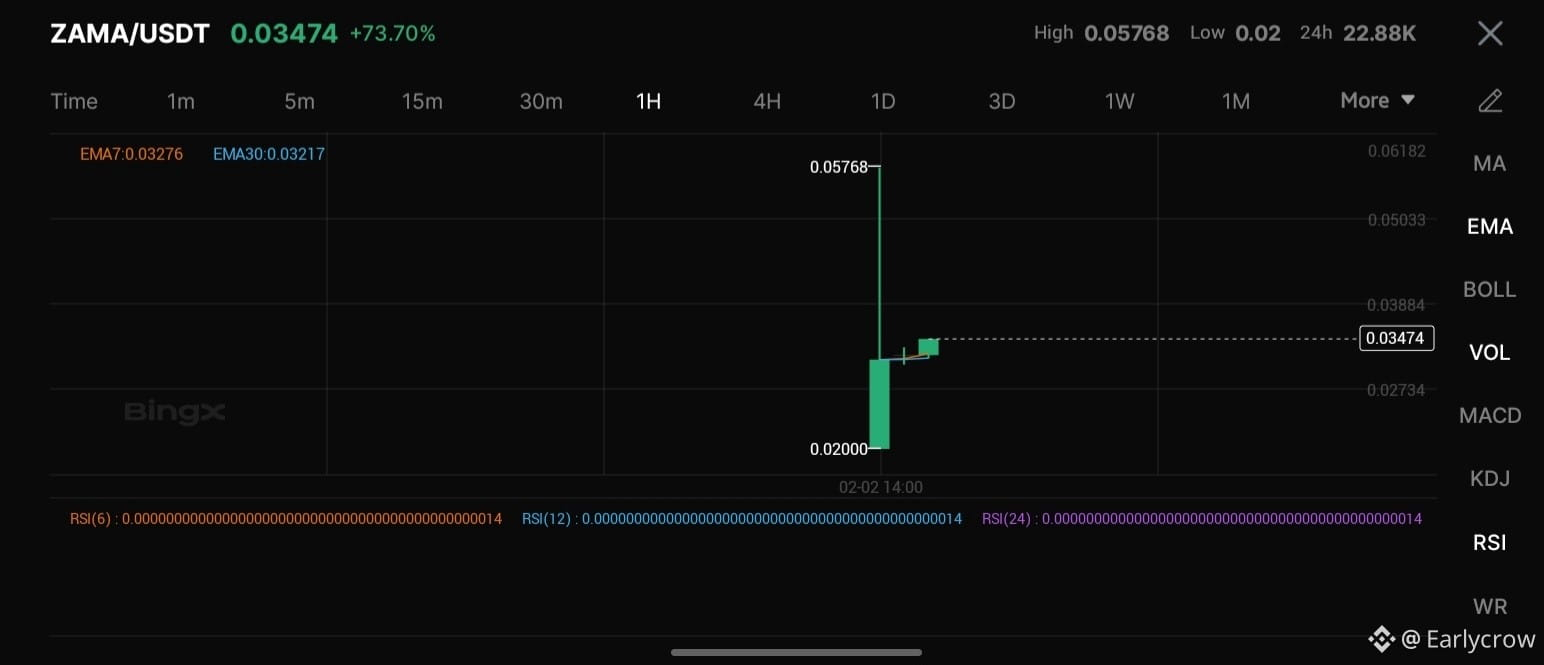
同じダイナミクスは、まだ市場によって完全に文脈化されていない初期の上場周辺に現れる傾向があります。$ZAMA 最近の主要CEX、BingXを含む登場は、決定的な瞬間というよりも観察のフェーズのように感じられます。イーサリアムネイティブで完全同型暗号を基に構築されており、表面的な機能よりも機密計算に焦点を当てたインフラストラクチャのカテゴリーに位置しています。
流動性がまだ形成中で、参加パターンが現れ始めています。ボリュームの挙動、ポジショニング、忍耐は、見出しよりも重要である傾向があります。歴史的に、ここが合意が形成されるずっと前に理解が静かに発展する場所です。
しばしば確信の前に抑制を奨励する市場において、あなたは明確さが明らかになるのを待つのか、それともまだ現れている間に注意深く観察するのか?
同じダイナミクスは、まだ市場によって完全に文脈化されていない初期の上場周辺に現れる傾向があります。$ZAMA 最近の主要CEX、BingXを含む登場は、決定的な瞬間というよりも観察のフェーズのように感じられます。イーサリアムネイティブで完全同型暗号を基に構築されており、表面的な機能よりも機密計算に焦点を当てたインフラストラクチャのカテゴリーに位置しています。
流動性がまだ形成中で、参加パターンが現れ始めています。ボリュームの挙動、ポジショニング、忍耐は、見出しよりも重要である傾向があります。歴史的に、ここが合意が形成されるずっと前に理解が静かに発展する場所です。
しばしば確信の前に抑制を奨励する市場において、あなたは明確さが明らかになるのを待つのか、それともまだ現れている間に注意深く観察するのか?

イーサリアムの手数料が2017年の水準に戻る ネットワークからの静かなシグナル
$ETH トランザクション手数料は、2017年5月以来の最低点にまで下落したと、Glassnodeのデータが示しており、オンチェーンの状況における顕著な変化を示しています。
手数料が低下することは、通常、混雑の減少とネットワークの効率の向上を反映しており、ユーザー、開発者、分散型アプリケーションにとってよりアクセスしやすい環境を作り出しています。これは弱さを示すのではなく、イーサリアムが摩擦を減らして運営されていることを示唆しており、長期的な採用を支援するために設計されたインフラストラクチャにとって重要な特性です。
歴史的に、似たような手数料圧縮期間は、市場のリセット時に発生しており、投機的な活動が冷却し、基盤となる使用が優先される際に起こります。これらの静かな間隔は、参加が徐々に戻る中で、再び成長するための基盤を築くことがよくあります。
注目のサイクルが変動する中で、ネットワークの基本は表面下で進化し続けています。手数料の動態は見出しを支配するものではないかもしれませんが、イーサリアムが次の活動段階に向けてどれだけ効率的に位置づけられているかの重要な指標であり続けています。
暗号通貨では、進展は常に大きな音ではなく、時には手数料チャートの静けさとして現れます。ネットワークは次の需要の波に静かに備えているのでしょうか?
#USIranStandoff
$ETH トランザクション手数料は、2017年5月以来の最低点にまで下落したと、Glassnodeのデータが示しており、オンチェーンの状況における顕著な変化を示しています。
手数料が低下することは、通常、混雑の減少とネットワークの効率の向上を反映しており、ユーザー、開発者、分散型アプリケーションにとってよりアクセスしやすい環境を作り出しています。これは弱さを示すのではなく、イーサリアムが摩擦を減らして運営されていることを示唆しており、長期的な採用を支援するために設計されたインフラストラクチャにとって重要な特性です。
歴史的に、似たような手数料圧縮期間は、市場のリセット時に発生しており、投機的な活動が冷却し、基盤となる使用が優先される際に起こります。これらの静かな間隔は、参加が徐々に戻る中で、再び成長するための基盤を築くことがよくあります。
注目のサイクルが変動する中で、ネットワークの基本は表面下で進化し続けています。手数料の動態は見出しを支配するものではないかもしれませんが、イーサリアムが次の活動段階に向けてどれだけ効率的に位置づけられているかの重要な指標であり続けています。
暗号通貨では、進展は常に大きな音ではなく、時には手数料チャートの静けさとして現れます。ネットワークは次の需要の波に静かに備えているのでしょうか?
#USIranStandoff
資本がコミットすると、ファウンデーションが優先される
兆は投機で動きません。意図を持って動きます。
UBSがクライアントにビットコインと暗号通貨の取引を導入する準備を進める中、デジタル資産はもはや金融の周辺に留まっていません。それらはそのコアに統合されています。この議論は、暗号通貨が場所を持つかどうかを超えて、どのネットワークがスケールでそれをサポートできるかに向かって進化しています。
Mangoはその要件を念頭に置いて構築されています。BNBチェーンで運営されており、水平方向のスケーラビリティ、コスト効率、および動的なオンチェーンアプリケーションをサポートするために設計された開発者向けツールを強調しています。適応型デジタル資産からユーティリティ駆動型経済まで。
機関投資家の関心が長期的なインフラにますます向けられる中、Mango Networkのネイティブトークン、$MGO は、BingXでの上場を通じて活発な取引市場に入っています。
市場は物語が成熟するのを待つことはほとんどありません。
持続可能なシステムに配分されます。
あなたは単に移行を見守っているのですか、それともそれに備えているのですか?
兆は投機で動きません。意図を持って動きます。
UBSがクライアントにビットコインと暗号通貨の取引を導入する準備を進める中、デジタル資産はもはや金融の周辺に留まっていません。それらはそのコアに統合されています。この議論は、暗号通貨が場所を持つかどうかを超えて、どのネットワークがスケールでそれをサポートできるかに向かって進化しています。
Mangoはその要件を念頭に置いて構築されています。BNBチェーンで運営されており、水平方向のスケーラビリティ、コスト効率、および動的なオンチェーンアプリケーションをサポートするために設計された開発者向けツールを強調しています。適応型デジタル資産からユーティリティ駆動型経済まで。
機関投資家の関心が長期的なインフラにますます向けられる中、Mango Networkのネイティブトークン、$MGO は、BingXでの上場を通じて活発な取引市場に入っています。
市場は物語が成熟するのを待つことはほとんどありません。
持続可能なシステムに配分されます。
あなたは単に移行を見守っているのですか、それともそれに備えているのですか?
思考する機械のための市場の構築
イーロン・マスクは、AIが来年中に人間の知能を超え、10年の終わりまでには集団知能を超える可能性があると示唆しています。その軌道が続けば、市場のリーダーシップは、知的システムが依存するレールを誰が制御するかにますます依存することになります。
データ、計算、資本、そして調整はもはや抽象的な概念ではありません。それらは自律経済の基盤を形作る戦略的資産です。
AIがアシスタントからオペレーターに進化するにつれて、金融システムは信頼に基づく仲介者に依存せずに継続的に機能しなければなりません。ここで暗号が重要な役割を果たし、常時稼働するマシンネイティブなインタラクションのために設計されたインフラを提供します。
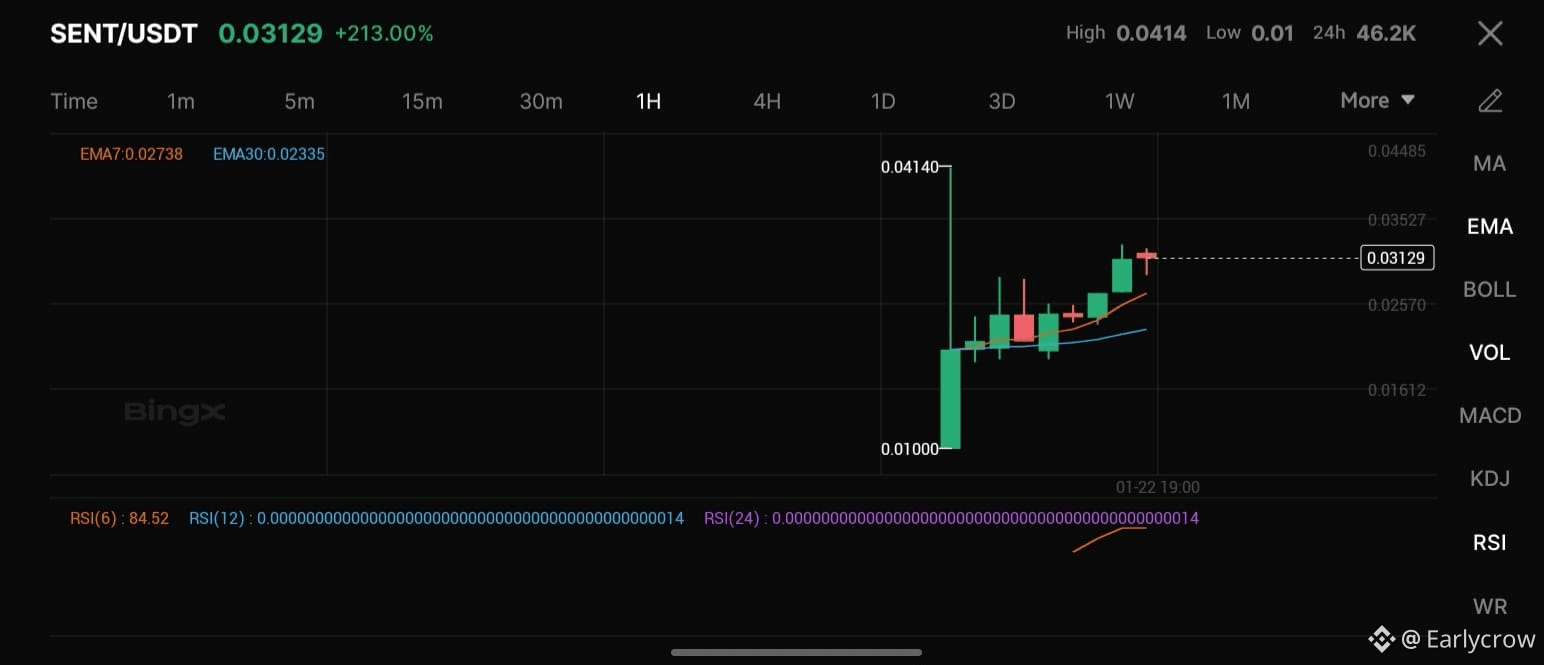
ここで$SENT が会話に入ります。
BingXなどのプラットフォームでの上場は、人間のペースでの実行ではなく、自律活動を支えるために構築された市場へのより広いシフトを反映しています。
市場が眠らない知能に適応するにつれて、問題はもはやスピードや投機についてではなく、準備が整っているかどうかです。待たない金融環境で運営する準備はできていますか?
イーロン・マスクは、AIが来年中に人間の知能を超え、10年の終わりまでには集団知能を超える可能性があると示唆しています。その軌道が続けば、市場のリーダーシップは、知的システムが依存するレールを誰が制御するかにますます依存することになります。
データ、計算、資本、そして調整はもはや抽象的な概念ではありません。それらは自律経済の基盤を形作る戦略的資産です。
AIがアシスタントからオペレーターに進化するにつれて、金融システムは信頼に基づく仲介者に依存せずに継続的に機能しなければなりません。ここで暗号が重要な役割を果たし、常時稼働するマシンネイティブなインタラクションのために設計されたインフラを提供します。
ここで$SENT が会話に入ります。
BingXなどのプラットフォームでの上場は、人間のペースでの実行ではなく、自律活動を支えるために構築された市場へのより広いシフトを反映しています。
市場が眠らない知能に適応するにつれて、問題はもはやスピードや投機についてではなく、準備が整っているかどうかです。待たない金融環境で運営する準備はできていますか?

信頼性が重要なとき: クリプトの未来を形作る制度的シグナル
$XRP 2026 の予測シグナルは、ノイズから基盤へのシフトを示しています。
ステーブルコインが運用ツールになりつつあります。実世界の資産が機関の信頼とともにオンチェーンに移動しています。カストディとコンプライアンスが国際基準に整合しています。AIは、期待を煽るのではなく、市場構造を静かに強化しています。
クリプトはもはや伝統的な金融と競争していません。それに統合されています。
この同じ進化は、フェラーリの2026年のスポンサーシップラインアップにも見られます。HP、シェル、IBM、ユニクレジット、CEVAロジスティクス、精度、リスク管理、スケールを重視するブランドです。フェラーリの公式パートナーの中にBingXが登場することは、クリプトプラットフォームが現在どのように評価されているかを反映しています: モメンタムではなく、信頼性によって。
フェラーリのパートナーシップは、注目ではなく耐久性のために構築されています。クリプトの機関の段階は、同じ青写真に従っているようです。
もし正当性が今や決定的な要因であるなら、市場はまだ間違ったシグナルに焦点を当てているのでしょうか?
$XRP 2026 の予測シグナルは、ノイズから基盤へのシフトを示しています。
ステーブルコインが運用ツールになりつつあります。実世界の資産が機関の信頼とともにオンチェーンに移動しています。カストディとコンプライアンスが国際基準に整合しています。AIは、期待を煽るのではなく、市場構造を静かに強化しています。
クリプトはもはや伝統的な金融と競争していません。それに統合されています。
この同じ進化は、フェラーリの2026年のスポンサーシップラインアップにも見られます。HP、シェル、IBM、ユニクレジット、CEVAロジスティクス、精度、リスク管理、スケールを重視するブランドです。フェラーリの公式パートナーの中にBingXが登場することは、クリプトプラットフォームが現在どのように評価されているかを反映しています: モメンタムではなく、信頼性によって。
フェラーリのパートナーシップは、注目ではなく耐久性のために構築されています。クリプトの機関の段階は、同じ青写真に従っているようです。
もし正当性が今や決定的な要因であるなら、市場はまだ間違ったシグナルに焦点を当てているのでしょうか?
ログインして、さらにコンテンツを読む