

Adam-94
2.4k 投稿

Adam-94
報告
ユーザーをブロック
crypto lover analysis
275 フォロー
4.7K+ フォロワー
1.4K+ いいね
投稿
すべて
引用
ライブ
·
--
ブリッシュ
⚡ ビットコインは新しい時代へ ⚡
長年、ビットコインは究極の価値の保存手段として知られてきました。ですが、もしあなたのBTCが、あなたの管理から一度も離れることなく、分散型ネットワークの未来を確保するために役立つとしたら?それこそが、Babylon(BABY)が掲げるビジョンです。
自己保管型のBTCステーキングにより、保有者は自分のビットコインの所有権を保持したまま、Proof-of-Stakeブロックチェーンのセキュリティに貢献できます。ラップなし、カストディ(管理)の放棄なし——BTCをより賢く活用するだけです。
これは、単なる別のブロックチェーン・プロジェクト以上のものです。ビットコインの比類なきセキュリティを、拡大するPoSエコシステムの世界と結びつけ、新たな可能性を、ビルダー、バリデーター、そして長期的にBTCを信じる人々に解き放つための大胆な一歩です。
イノベーションとは、常に既に機能しているものを置き換えることを意味するわけではありません。時には、最も強固なネットワークに、Web3の未来を形づくるためのより大きな役割を与えることが、イノベーションになるのです。
@babylonlabs_io #baby $BABY
{spot}(BABYUSDT)
⚡ ビットコインは新しい時代へ ⚡
長年、ビットコインは究極の価値の保存手段として知られてきました。ですが、もしあなたのBTCが、あなたの管理から一度も離れることなく、分散型ネットワークの未来を確保するために役立つとしたら?それこそが、Babylon(BABY)が掲げるビジョンです。
自己保管型のBTCステーキングにより、保有者は自分のビットコインの所有権を保持したまま、Proof-of-Stakeブロックチェーンのセキュリティに貢献できます。ラップなし、カストディ(管理)の放棄なし——BTCをより賢く活用するだけです。
これは、単なる別のブロックチェーン・プロジェクト以上のものです。ビットコインの比類なきセキュリティを、拡大するPoSエコシステムの世界と結びつけ、新たな可能性を、ビルダー、バリデーター、そして長期的にBTCを信じる人々に解き放つための大胆な一歩です。
イノベーションとは、常に既に機能しているものを置き換えることを意味するわけではありません。時には、最も強固なネットワークに、Web3の未来を形づくるためのより大きな役割を与えることが、イノベーションになるのです。
@BabylonLabs_io #baby $BABY
長年、ビットコインは究極の価値の保存手段として知られてきました。ですが、もしあなたのBTCが、あなたの管理から一度も離れることなく、分散型ネットワークの未来を確保するために役立つとしたら?それこそが、Babylon(BABY)が掲げるビジョンです。
自己保管型のBTCステーキングにより、保有者は自分のビットコインの所有権を保持したまま、Proof-of-Stakeブロックチェーンのセキュリティに貢献できます。ラップなし、カストディ(管理)の放棄なし——BTCをより賢く活用するだけです。
これは、単なる別のブロックチェーン・プロジェクト以上のものです。ビットコインの比類なきセキュリティを、拡大するPoSエコシステムの世界と結びつけ、新たな可能性を、ビルダー、バリデーター、そして長期的にBTCを信じる人々に解き放つための大胆な一歩です。
イノベーションとは、常に既に機能しているものを置き換えることを意味するわけではありません。時には、最も強固なネットワークに、Web3の未来を形づくるためのより大きな役割を与えることが、イノベーションになるのです。
@BabylonLabs_io #baby $BABY
Project
0%
Bitcoin
0%
Babylon
0%
0 投票 • 投票は終了しました
1
1
94
·
--
記事
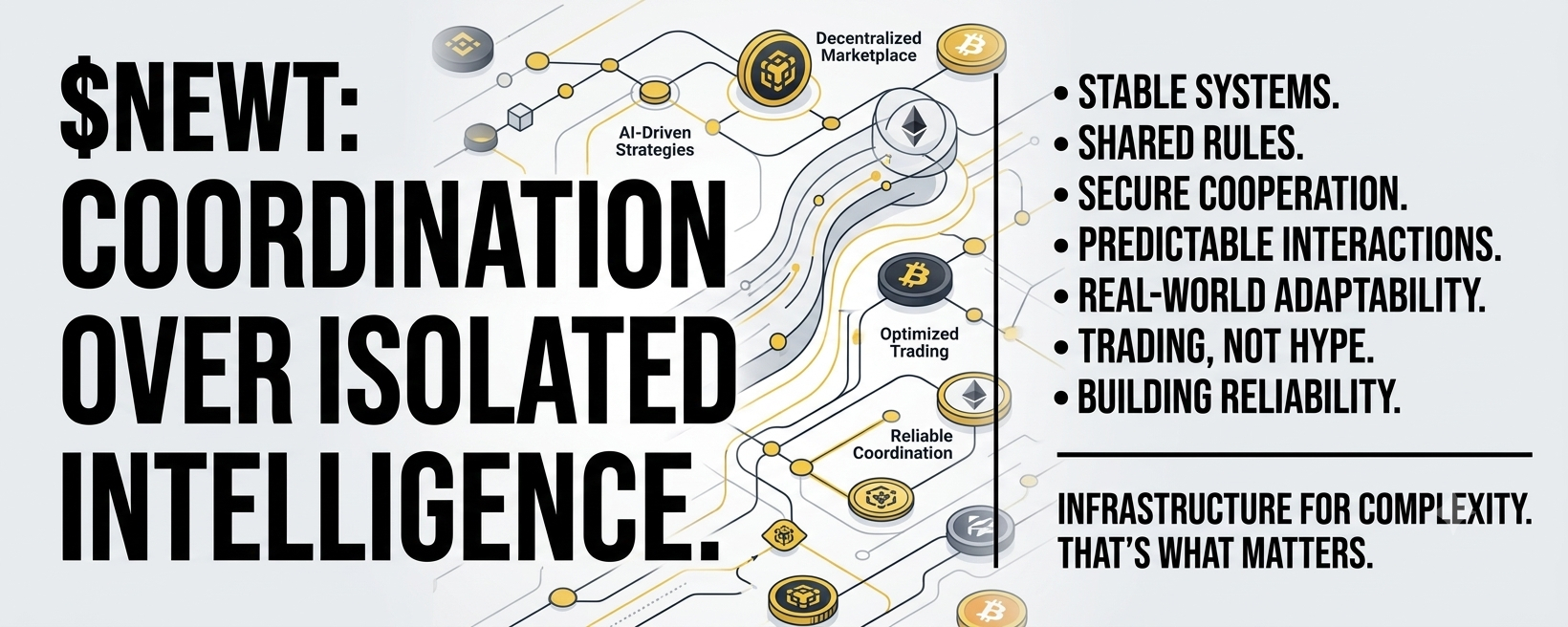
知能よりも「協調」について考え続けてしまう理由ここ数年で、私はあることに気づきました。
人々がAIについて話すとき、会話は通常、モデルがどれほど賢くなったかという話題にとどまります。より難しい問題を解けるようになり、より速く答えられるようになり、文章も上手に書けるようになり、より長く推論できるようになった、といったことです。
もちろん、それらは重要です。
しかし、私は別の問いに何度も立ち返ってしまいます。
知能が単独で機能することをやめたら、何が起きるのでしょうか?
でも、その部分は妙に掘り下げられていないように感じます。
一つの有能なシステムは興味深いものです。
毎秒、何千もの有能なシステムが互いに相互作用するというのは、まったく別の話です。
知能よりも「協調」について考え続けてしまう理由
ここ数年で、私はあることに気づきました。
人々がAIについて話すとき、会話は通常、モデルがどれほど賢くなったかという話題にとどまります。より難しい問題を解けるようになり、より速く答えられるようになり、文章も上手に書けるようになり、より長く推論できるようになった、といったことです。
もちろん、それらは重要です。
しかし、私は別の問いに何度も立ち返ってしまいます。
知能が単独で機能することをやめたら、何が起きるのでしょうか?
でも、その部分は妙に掘り下げられていないように感じます。
一つの有能なシステムは興味深いものです。
毎秒、何千もの有能なシステムが互いに相互作用するというのは、まったく別の話です。
人々がAIについて話すとき、会話は通常、モデルがどれほど賢くなったかという話題にとどまります。より難しい問題を解けるようになり、より速く答えられるようになり、文章も上手に書けるようになり、より長く推論できるようになった、といったことです。
もちろん、それらは重要です。
しかし、私は別の問いに何度も立ち返ってしまいます。
知能が単独で機能することをやめたら、何が起きるのでしょうか?
でも、その部分は妙に掘り下げられていないように感じます。
一つの有能なシステムは興味深いものです。
毎秒、何千もの有能なシステムが互いに相互作用するというのは、まったく別の話です。
5
3
314
·
--
何千もの知的なシステムが同時に意思決定を始めると、いったいその後に何が起きるのか──そういうことばかり考えてしまいます。
そこで、スピードだけでは足りなくなります。
調整は、ひそかに部屋で最も難しい問題へと変わっていきます
。
Newton Protocol(NEWT)は、その課題を探っています。
AI主導の戦略、自動取引、そしてAI開発者が貢献できるマーケットプレイスのための、安全なロールアップを構築しています。
この発想は、AIをより賢くすることにあるというより──
複雑なシステムが、プレッシャーの中でもより大きな信頼をもって動作できるよう助けることにあるように感じます。
私は十分に実際のシステムを見てきました。失敗は、うるさい警告とともにやって来ることはめったにないと知っています。
たいていは些細な遅延から始まります。
矛盾する前提。
あるいは、情報がある参加者にほんの少しだけ遅れて届くこと。
そうした小さな亀裂は、誰もが想像するよりずっと大きくなっていくことがよくあります。
どんなプロトコルも、不確実性を完全に取り除くことはできません。
Newton Protocolがそれを可能だと主張しているとは思いません。
しかし、「摩擦があること」を前提にインフラを作り、摩擦が存在しないふりをしないことは、完璧なパフォーマンスを追いかけるよりも、はるかに価値があるのかもしれません。
AIがますますつながっていく中で、大きなブレイクスルーは、知能そのものからではないかもしれません。
周囲が予測不能になったときにも、知能をうまく連携させ続ける見えないシステムから生まれるのかもしれません。
#newt $NEWT @NewtonProtocol #NEWT
$POL $NVDAB #bnb #ARB
#USJoblessClaimsFallTo215K
{future}(NEWTUSDT)
{future}(POLUSDT)
自動化されたシステムがプレッシャー下で動作する場合、最も重要な要因は何でしょうか?
何千もの知的なシステムが同時に意思決定を始めると、いったいその後に何が起きるのか──そういうことばかり考えてしまいます。
そこで、スピードだけでは足りなくなります。
調整は、ひそかに部屋で最も難しい問題へと変わっていきます
。
Newton Protocol(NEWT)は、その課題を探っています。
AI主導の戦略、自動取引、そしてAI開発者が貢献できるマーケットプレイスのための、安全なロールアップを構築しています。
この発想は、AIをより賢くすることにあるというより──
複雑なシステムが、プレッシャーの中でもより大きな信頼をもって動作できるよう助けることにあるように感じます。
私は十分に実際のシステムを見てきました。失敗は、うるさい警告とともにやって来ることはめったにないと知っています。
たいていは些細な遅延から始まります。
矛盾する前提。
あるいは、情報がある参加者にほんの少しだけ遅れて届くこと。
そうした小さな亀裂は、誰もが想像するよりずっと大きくなっていくことがよくあります。
どんなプロトコルも、不確実性を完全に取り除くことはできません。
Newton Protocolがそれを可能だと主張しているとは思いません。
しかし、「摩擦があること」を前提にインフラを作り、摩擦が存在しないふりをしないことは、完璧なパフォーマンスを追いかけるよりも、はるかに価値があるのかもしれません。
AIがますますつながっていく中で、大きなブレイクスルーは、知能そのものからではないかもしれません。
周囲が予測不能になったときにも、知能をうまく連携させ続ける見えないシステムから生まれるのかもしれません。
#newt $NEWT @NewtonProtocol #NEWT
$POL $NVDAB #bnb #ARB
#USJoblessClaimsFallTo215K
自動化されたシステムがプレッシャー下で動作する場合、最も重要な要因は何でしょうか?
そこで、スピードだけでは足りなくなります。
調整は、ひそかに部屋で最も難しい問題へと変わっていきます
。
Newton Protocol(NEWT)は、その課題を探っています。
AI主導の戦略、自動取引、そしてAI開発者が貢献できるマーケットプレイスのための、安全なロールアップを構築しています。
この発想は、AIをより賢くすることにあるというより──
複雑なシステムが、プレッシャーの中でもより大きな信頼をもって動作できるよう助けることにあるように感じます。
私は十分に実際のシステムを見てきました。失敗は、うるさい警告とともにやって来ることはめったにないと知っています。
たいていは些細な遅延から始まります。
矛盾する前提。
あるいは、情報がある参加者にほんの少しだけ遅れて届くこと。
そうした小さな亀裂は、誰もが想像するよりずっと大きくなっていくことがよくあります。
どんなプロトコルも、不確実性を完全に取り除くことはできません。
Newton Protocolがそれを可能だと主張しているとは思いません。
しかし、「摩擦があること」を前提にインフラを作り、摩擦が存在しないふりをしないことは、完璧なパフォーマンスを追いかけるよりも、はるかに価値があるのかもしれません。
AIがますますつながっていく中で、大きなブレイクスルーは、知能そのものからではないかもしれません。
周囲が予測不能になったときにも、知能をうまく連携させ続ける見えないシステムから生まれるのかもしれません。
#newt $NEWT @NewtonProtocol #NEWT
$POL $NVDAB #bnb #ARB
#USJoblessClaimsFallTo215K
自動化されたシステムがプレッシャー下で動作する場合、最も重要な要因は何でしょうか?
🟢 Trust and reliability
0%
🔵 Raw intelligence
100%
🟠 Maximum speed
0%
1 投票 • 投票は終了しました
10
2
591
·
--
AIが一人で働くのをやめ、何千もの他のAIシステムと並行して意思決定を始めた瞬間、本当の課題が始まります。
知能は素晴らしい。
しかし、プレッシャー下での連携となると話は別です。
そこで、小さな遅延、相互に矛盾する行動、そして前提の崩れが、静かに重大なリスクへと変わっていきます。
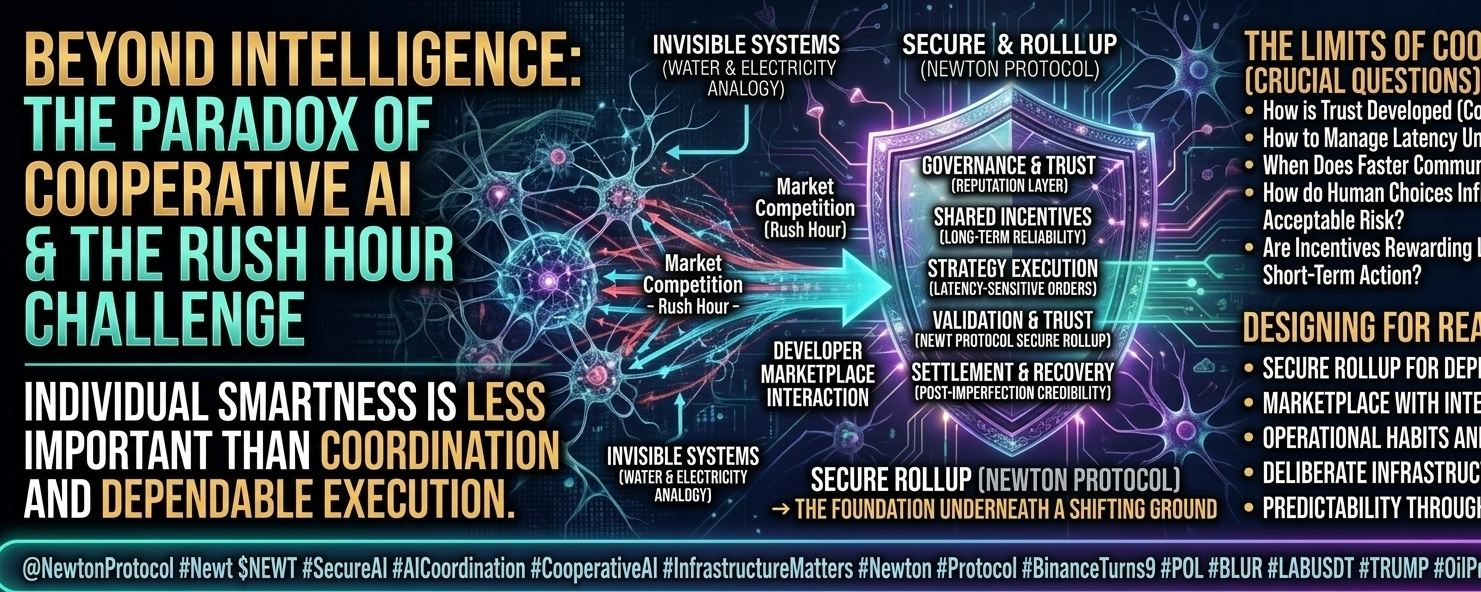
私はラッシュアワーの道路のことを考え続けています。
車が一台レーンを変えるのは普通のこと。
しかし何千台も同時に反応すれば、都市全体が凍りつくこともあります。
市場や自動化システムは、驚くほど似た振る舞いをします。
プレッシャーは、たいてい一つの判断から生まれるわけではありません。
同時に到着する多くの判断から生まれます。
だからこそ、私にとってNewton Protocolが際立って見えるのです。
AIをより賢くすることだけに集中するのではなく、AI主導の戦略、オートメーテッド・トレーディング、そしてAI開発者が貢献できるマーケットプレイスのための、安全なロールアップを構築しています。
私には、それは交通を制御できなくなる前にインフラを強化することのように感じられます。
どのプロトコルも、不確実性をなくすことはできません。
ネットワークは遅くなります。
情報は遅れて届きます。
参加者は想定と異なる振る舞いをします。
こうした現実は、ソフトウェアがより進歩したからといって消えません。
たぶん、AIの未来は「どのモデルが最速に考えるか」では定義されないでしょう。
「条件がめちゃくちゃになり、コミュニケーションが不完全になり、信頼が試されても、どのシステムが稼働を続けられるか」で定義されるかもしれません。
それは、ずっと難しい問題です。
そして、おそらくもっと重要な問題です。
#newt $NEWT @NewtonProtocol
$TAC $POL
#SYN
#USLaunchesNewStrikesAgainstIran #Ethereum #binnace
{spot}(NEWTUSDT)
{future}(POLUSDT)
{future}(TACUSDT)
大規模なAIにとって、最も重要になるのは何でしょうか?
AIが一人で働くのをやめ、何千もの他のAIシステムと並行して意思決定を始めた瞬間、本当の課題が始まります。
知能は素晴らしい。
しかし、プレッシャー下での連携となると話は別です。
そこで、小さな遅延、相互に矛盾する行動、そして前提の崩れが、静かに重大なリスクへと変わっていきます。
私はラッシュアワーの道路のことを考え続けています。
車が一台レーンを変えるのは普通のこと。
しかし何千台も同時に反応すれば、都市全体が凍りつくこともあります。
市場や自動化システムは、驚くほど似た振る舞いをします。
プレッシャーは、たいてい一つの判断から生まれるわけではありません。
同時に到着する多くの判断から生まれます。
だからこそ、私にとってNewton Protocolが際立って見えるのです。
AIをより賢くすることだけに集中するのではなく、AI主導の戦略、オートメーテッド・トレーディング、そしてAI開発者が貢献できるマーケットプレイスのための、安全なロールアップを構築しています。
私には、それは交通を制御できなくなる前にインフラを強化することのように感じられます。
どのプロトコルも、不確実性をなくすことはできません。
ネットワークは遅くなります。
情報は遅れて届きます。
参加者は想定と異なる振る舞いをします。
こうした現実は、ソフトウェアがより進歩したからといって消えません。
たぶん、AIの未来は「どのモデルが最速に考えるか」では定義されないでしょう。
「条件がめちゃくちゃになり、コミュニケーションが不完全になり、信頼が試されても、どのシステムが稼働を続けられるか」で定義されるかもしれません。
それは、ずっと難しい問題です。
そして、おそらくもっと重要な問題です。
#newt $NEWT @NewtonProtocol
$TAC $POL
#SYN
#USLaunchesNewStrikesAgainstIran #Ethereum #binnace
大規模なAIにとって、最も重要になるのは何でしょうか?
知能は素晴らしい。
しかし、プレッシャー下での連携となると話は別です。
そこで、小さな遅延、相互に矛盾する行動、そして前提の崩れが、静かに重大なリスクへと変わっていきます。
私はラッシュアワーの道路のことを考え続けています。
車が一台レーンを変えるのは普通のこと。
しかし何千台も同時に反応すれば、都市全体が凍りつくこともあります。
市場や自動化システムは、驚くほど似た振る舞いをします。
プレッシャーは、たいてい一つの判断から生まれるわけではありません。
同時に到着する多くの判断から生まれます。
だからこそ、私にとってNewton Protocolが際立って見えるのです。
AIをより賢くすることだけに集中するのではなく、AI主導の戦略、オートメーテッド・トレーディング、そしてAI開発者が貢献できるマーケットプレイスのための、安全なロールアップを構築しています。
私には、それは交通を制御できなくなる前にインフラを強化することのように感じられます。
どのプロトコルも、不確実性をなくすことはできません。
ネットワークは遅くなります。
情報は遅れて届きます。
参加者は想定と異なる振る舞いをします。
こうした現実は、ソフトウェアがより進歩したからといって消えません。
たぶん、AIの未来は「どのモデルが最速に考えるか」では定義されないでしょう。
「条件がめちゃくちゃになり、コミュニケーションが不完全になり、信頼が試されても、どのシステムが稼働を続けられるか」で定義されるかもしれません。
それは、ずっと難しい問題です。
そして、おそらくもっと重要な問題です。
#newt $NEWT @NewtonProtocol
$TAC $POL
#SYN
#USLaunchesNewStrikesAgainstIran #Ethereum #binnace
大規模なAIにとって、最も重要になるのは何でしょうか?
Smarter models
100%
Reliable infrastructure
0%
Faster execution
0%
1 投票 • 投票は終了しました
5
1
306
·
--
記事
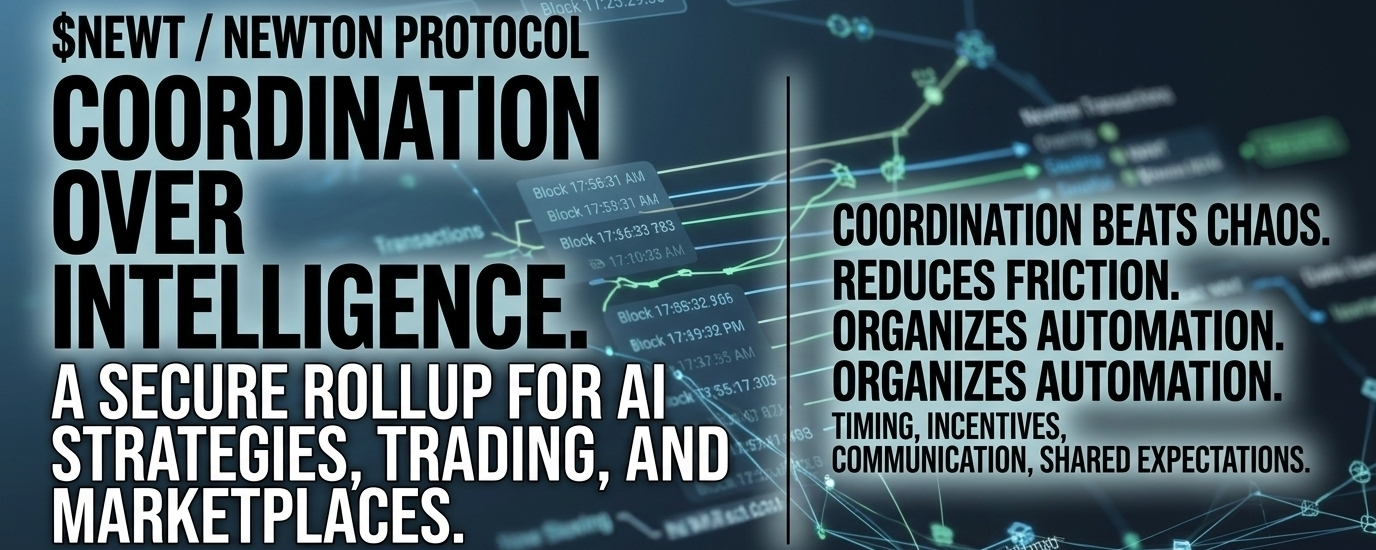
AIが別々にではなく一緒に行動し始めるとき私は、AIシステムがどれほど知的になっていくかについて考えるよりも、それらが同時に行動し始めたときに何が起こるのかを考えるようになりました。
その違いは最初は小さく感じられますが、私はそれはないと思います。
ひとつの賢いシステムが一人で働くのは興味深いことです。1万ものシステムが一緒に意思決定をするのは、まったく別の問題です。
見方が間違っているのかもしれませんが、私は知能というよりも協調を考える方向に何度も戻ってきます。
人々はしばしば、オートメーションを何か滑らかなもののように想像します。
依頼が入り、答えが出て、そしてすべてがほとんど瞬時に起こります。
AIが別々にではなく一緒に行動し始めるとき
私は、AIシステムがどれほど知的になっていくかについて考えるよりも、それらが同時に行動し始めたときに何が起こるのかを考えるようになりました。
その違いは最初は小さく感じられますが、私はそれはないと思います。
ひとつの賢いシステムが一人で働くのは興味深いことです。1万ものシステムが一緒に意思決定をするのは、まったく別の問題です。
見方が間違っているのかもしれませんが、私は知能というよりも協調を考える方向に何度も戻ってきます。
人々はしばしば、オートメーションを何か滑らかなもののように想像します。
依頼が入り、答えが出て、そしてすべてがほとんど瞬時に起こります。
その違いは最初は小さく感じられますが、私はそれはないと思います。
ひとつの賢いシステムが一人で働くのは興味深いことです。1万ものシステムが一緒に意思決定をするのは、まったく別の問題です。
見方が間違っているのかもしれませんが、私は知能というよりも協調を考える方向に何度も戻ってきます。
人々はしばしば、オートメーションを何か滑らかなもののように想像します。
依頼が入り、答えが出て、そしてすべてがほとんど瞬時に起こります。
3
3
111
·
--
記事
AIが一斉に行動を始めると、インフラこそが本当の物語になる私は、AIシステムがどれほど賢くなっているかという点よりも、そうしたものが多数になって同時に行動を決めたときに何が起きるのかを考えるようになってきました。
その違いは一見小さく見えるかもしれませんが、私はそうは思いません。
単独の賢いシステムでも、それ自体が印象的でありえます。しかし、金融市場やその他の変化の速い環境の中で、それらが数千も協働して動くとなると、まったく別の問題が生まれます。
もしかすると、私は見方が間違っているのかもしれませんが、連携は知能よりもずっと難しいと感じます。
AIが一斉に行動を始めると、インフラこそが本当の物語になる
私は、AIシステムがどれほど賢くなっているかという点よりも、そうしたものが多数になって同時に行動を決めたときに何が起きるのかを考えるようになってきました。
その違いは一見小さく見えるかもしれませんが、私はそうは思いません。
単独の賢いシステムでも、それ自体が印象的でありえます。しかし、金融市場やその他の変化の速い環境の中で、それらが数千も協働して動くとなると、まったく別の問題が生まれます。
もしかすると、私は見方が間違っているのかもしれませんが、連携は知能よりもずっと難しいと感じます。
その違いは一見小さく見えるかもしれませんが、私はそうは思いません。
単独の賢いシステムでも、それ自体が印象的でありえます。しかし、金融市場やその他の変化の速い環境の中で、それらが数千も協働して動くとなると、まったく別の問題が生まれます。
もしかすると、私は見方が間違っているのかもしれませんが、連携は知能よりもずっと難しいと感じます。
1
89
·
--
弱気相場
AIにおける次のブレイクスルーは、より賢いモデルから生まれるとは限りません。
それは、混乱した市場の中で何千もの知的な意思決定を同期させ続けるインフラから生まれるかもしれないのです。さらに、1ミリ秒の重要性が増す局面でも、その同期を保つ仕組みが鍵になります。
だからこそ、Newton Protocol(NEWT)は私の注目を集めています。
AI駆動の戦略、自動取引、そしてAI開発者のためのマーケットプレイスに向けた、セキュアなロールアップを構築することは、単にスピードのためだけではありません。
それは、あらゆる隠れた弱点が圧力によって露わになる局面で秩序を作り出すことです。
実際のシステムは、静かな瞬間にはめったに失敗しません。
失敗するのは、レイテンシが増大し、情報が偏って到着し、利害が衝突し、自動化された意思決定がお互いを増幅し始めたときです。
その基盤が揺らぎ始めているのなら、知性だけではこうした問題を解決できません。
私は、この違いを理解するプロトコルこそが未来を切り開くと思っています。
すべての課題を取り除けるわけではありません。
しかし、強靭なインフラなら、衝撃を増幅するのではなく吸収できます。
たぶん、AIにおける最大の競争は、もはや最も賢いエージェントを作ることではないのかもしれません。
たぶん、すべての知的な意思決定の下にある、最も強い基盤を作ることなのです。
#newt $NEWT @NewtonProtocol
$POL $BLUR #BinanceTurns9 #LABUSDT #TRUMP #OilPrice
{spot}(NEWTUSDT)
{future}(POLUSDT)
{future}(BLURUSDT)
AIにおける次のブレイクスルーは、より賢いモデルから生まれるとは限りません。
それは、混乱した市場の中で何千もの知的な意思決定を同期させ続けるインフラから生まれるかもしれないのです。さらに、1ミリ秒の重要性が増す局面でも、その同期を保つ仕組みが鍵になります。
だからこそ、Newton Protocol(NEWT)は私の注目を集めています。
AI駆動の戦略、自動取引、そしてAI開発者のためのマーケットプレイスに向けた、セキュアなロールアップを構築することは、単にスピードのためだけではありません。
それは、あらゆる隠れた弱点が圧力によって露わになる局面で秩序を作り出すことです。
実際のシステムは、静かな瞬間にはめったに失敗しません。
失敗するのは、レイテンシが増大し、情報が偏って到着し、利害が衝突し、自動化された意思決定がお互いを増幅し始めたときです。
その基盤が揺らぎ始めているのなら、知性だけではこうした問題を解決できません。
私は、この違いを理解するプロトコルこそが未来を切り開くと思っています。
すべての課題を取り除けるわけではありません。
しかし、強靭なインフラなら、衝撃を増幅するのではなく吸収できます。
たぶん、AIにおける最大の競争は、もはや最も賢いエージェントを作ることではないのかもしれません。
たぶん、すべての知的な意思決定の下にある、最も強い基盤を作ることなのです。
#newt $NEWT @NewtonProtocol
$POL $BLUR #BinanceTurns9 #LABUSDT #TRUMP #OilPrice
それは、混乱した市場の中で何千もの知的な意思決定を同期させ続けるインフラから生まれるかもしれないのです。さらに、1ミリ秒の重要性が増す局面でも、その同期を保つ仕組みが鍵になります。
だからこそ、Newton Protocol(NEWT)は私の注目を集めています。
AI駆動の戦略、自動取引、そしてAI開発者のためのマーケットプレイスに向けた、セキュアなロールアップを構築することは、単にスピードのためだけではありません。
それは、あらゆる隠れた弱点が圧力によって露わになる局面で秩序を作り出すことです。
実際のシステムは、静かな瞬間にはめったに失敗しません。
失敗するのは、レイテンシが増大し、情報が偏って到着し、利害が衝突し、自動化された意思決定がお互いを増幅し始めたときです。
その基盤が揺らぎ始めているのなら、知性だけではこうした問題を解決できません。
私は、この違いを理解するプロトコルこそが未来を切り開くと思っています。
すべての課題を取り除けるわけではありません。
しかし、強靭なインフラなら、衝撃を増幅するのではなく吸収できます。
たぶん、AIにおける最大の競争は、もはや最も賢いエージェントを作ることではないのかもしれません。
たぶん、すべての知的な意思決定の下にある、最も強い基盤を作ることなのです。
#newt $NEWT @NewtonProtocol
$POL $BLUR #BinanceTurns9 #LABUSDT #TRUMP #OilPrice
1
143
·
--
記事
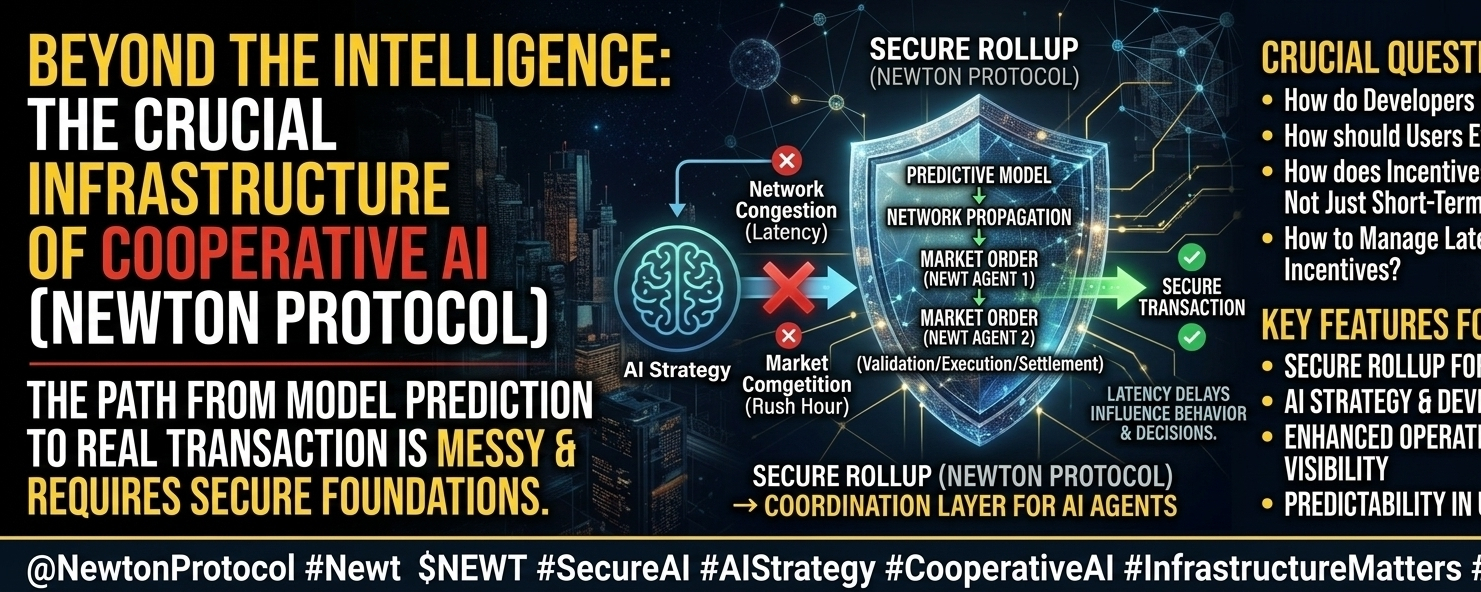
AIが一緒に意思決定をし始めるとき、知能よりもインフラが重要になる「AIは毎月のように賢くなっている」と人々が言っているのを、よく聞きます。もしかすると本当なのかもしれません。ですが、私は知能は物語のほんの一部にすぎないことに気づきました。私の関心を強く引くのは、モデルが答えを出した後に何が起こるかです。そこが、ソフトウェアが単なる面白い実験ではなくなり、遅延や制限、コストといった現実のシステム、さらに同時に意思決定を行う他の人々ともやり取りし始める瞬間です。
その違いは見落としやすいと思います。
モデルはほんの一瞬で、優れた取引アイデアを生み出せます。私が知っている誰よりも速く、パターンを認識できます。ですが、その後は注文がネットワークを通って移動し、市場に到達し、数千もの他の注文と競合し、そして最終的に実際の取引になります。その道のりは、予測そのものよりもはるかに厄介です。
AIが一緒に意思決定をし始めるとき、知能よりもインフラが重要になる
「AIは毎月のように賢くなっている」と人々が言っているのを、よく聞きます。もしかすると本当なのかもしれません。ですが、私は知能は物語のほんの一部にすぎないことに気づきました。私の関心を強く引くのは、モデルが答えを出した後に何が起こるかです。そこが、ソフトウェアが単なる面白い実験ではなくなり、遅延や制限、コストといった現実のシステム、さらに同時に意思決定を行う他の人々ともやり取りし始める瞬間です。
その違いは見落としやすいと思います。
モデルはほんの一瞬で、優れた取引アイデアを生み出せます。私が知っている誰よりも速く、パターンを認識できます。ですが、その後は注文がネットワークを通って移動し、市場に到達し、数千もの他の注文と競合し、そして最終的に実際の取引になります。その道のりは、予測そのものよりもはるかに厄介です。
その違いは見落としやすいと思います。
モデルはほんの一瞬で、優れた取引アイデアを生み出せます。私が知っている誰よりも速く、パターンを認識できます。ですが、その後は注文がネットワークを通って移動し、市場に到達し、数千もの他の注文と競合し、そして最終的に実際の取引になります。その道のりは、予測そのものよりもはるかに厄介です。
9
4
242
·
--
最も大きなブレイクスルーは、めったに前触れとともに訪れません。
静かに現れ、そして突然、誰もがルールが変わったことに気づきます。
私は、何千ものAIシステムがまったく同じタイミングで金融判断を始めたとき、何が起きるのだろうと考え続けています。
そこで速度はもはや優位ではなくなり、インフラが本当の戦場になります。
Newton Protocol @NewtonProtocol は、その課題に取り組むために、AI主導の戦略のためのセキュアなロールアップを構築し、自動取引、そしてAI開発者が貢献できるマーケットプレイスを提供することで探求しています。
知能だけでは不十分なのは、プレッシャーが高まったときに実行が失敗すれば意味がないからです。
市場は決して完璧な理論に報酬を与えません。
報酬を与えるのは、レイテンシが増え、ボラティリティが急上昇し、通信が弱まり、想定外の挙動が現れても動き続けるシステムです。
それは、約束されるものではなく信頼が獲得される環境です。
私は、どのプロトコルも不確実性を完全に排除できるとは思いません。
しかし、AIが拡張してもレジリエントであり続けるインフラを設計することは、解く価値のある最も難しい課題の一つだと感じます。
次の時代は、最も賢いモデルのものではないかもしれません。それは最も強固な基盤のものになるかもしれません。
#newt $NEWT #B #binnacesqure
#IMFWarnsTokenizationShiftsRiskToCode
$POL
$VANRY
{spot}(NEWTUSDT)
{future}(POLUSDT)
{future}(VANRYUSDT)
あなたが最も関心を持っている Newton Protocol の機能はどれですか?
最も大きなブレイクスルーは、めったに前触れとともに訪れません。
静かに現れ、そして突然、誰もがルールが変わったことに気づきます。
私は、何千ものAIシステムがまったく同じタイミングで金融判断を始めたとき、何が起きるのだろうと考え続けています。
そこで速度はもはや優位ではなくなり、インフラが本当の戦場になります。
Newton Protocol @NewtonProtocol は、その課題に取り組むために、AI主導の戦略のためのセキュアなロールアップを構築し、自動取引、そしてAI開発者が貢献できるマーケットプレイスを提供することで探求しています。
知能だけでは不十分なのは、プレッシャーが高まったときに実行が失敗すれば意味がないからです。
市場は決して完璧な理論に報酬を与えません。
報酬を与えるのは、レイテンシが増え、ボラティリティが急上昇し、通信が弱まり、想定外の挙動が現れても動き続けるシステムです。
それは、約束されるものではなく信頼が獲得される環境です。
私は、どのプロトコルも不確実性を完全に排除できるとは思いません。
しかし、AIが拡張してもレジリエントであり続けるインフラを設計することは、解く価値のある最も難しい課題の一つだと感じます。
次の時代は、最も賢いモデルのものではないかもしれません。それは最も強固な基盤のものになるかもしれません。
#newt $NEWT #B #binnacesqure
#IMFWarnsTokenizationShiftsRiskToCode
$POL
$VANRY
あなたが最も関心を持っている Newton Protocol の機能はどれですか?
静かに現れ、そして突然、誰もがルールが変わったことに気づきます。
私は、何千ものAIシステムがまったく同じタイミングで金融判断を始めたとき、何が起きるのだろうと考え続けています。
そこで速度はもはや優位ではなくなり、インフラが本当の戦場になります。
Newton Protocol @NewtonProtocol は、その課題に取り組むために、AI主導の戦略のためのセキュアなロールアップを構築し、自動取引、そしてAI開発者が貢献できるマーケットプレイスを提供することで探求しています。
知能だけでは不十分なのは、プレッシャーが高まったときに実行が失敗すれば意味がないからです。
市場は決して完璧な理論に報酬を与えません。
報酬を与えるのは、レイテンシが増え、ボラティリティが急上昇し、通信が弱まり、想定外の挙動が現れても動き続けるシステムです。
それは、約束されるものではなく信頼が獲得される環境です。
私は、どのプロトコルも不確実性を完全に排除できるとは思いません。
しかし、AIが拡張してもレジリエントであり続けるインフラを設計することは、解く価値のある最も難しい課題の一つだと感じます。
次の時代は、最も賢いモデルのものではないかもしれません。それは最も強固な基盤のものになるかもしれません。
#newt $NEWT #B #binnacesqure
#IMFWarnsTokenizationShiftsRiskToCode
$POL
$VANRY
あなたが最も関心を持っている Newton Protocol の機能はどれですか?
AI-driven strategies
0%
Automated trading
0%
AI developer marketplace
0%
0 投票 • 投票は終了しました
1
268
·
--
記事
ニュートン・プロトコルが、AIよりも周りのあらゆるものについて考えさせてくれた人工知能について話すと、会話がすぐにそのモデルがどれだけ能力があるかという話題に流れていくことに、私はずっと気づいています。
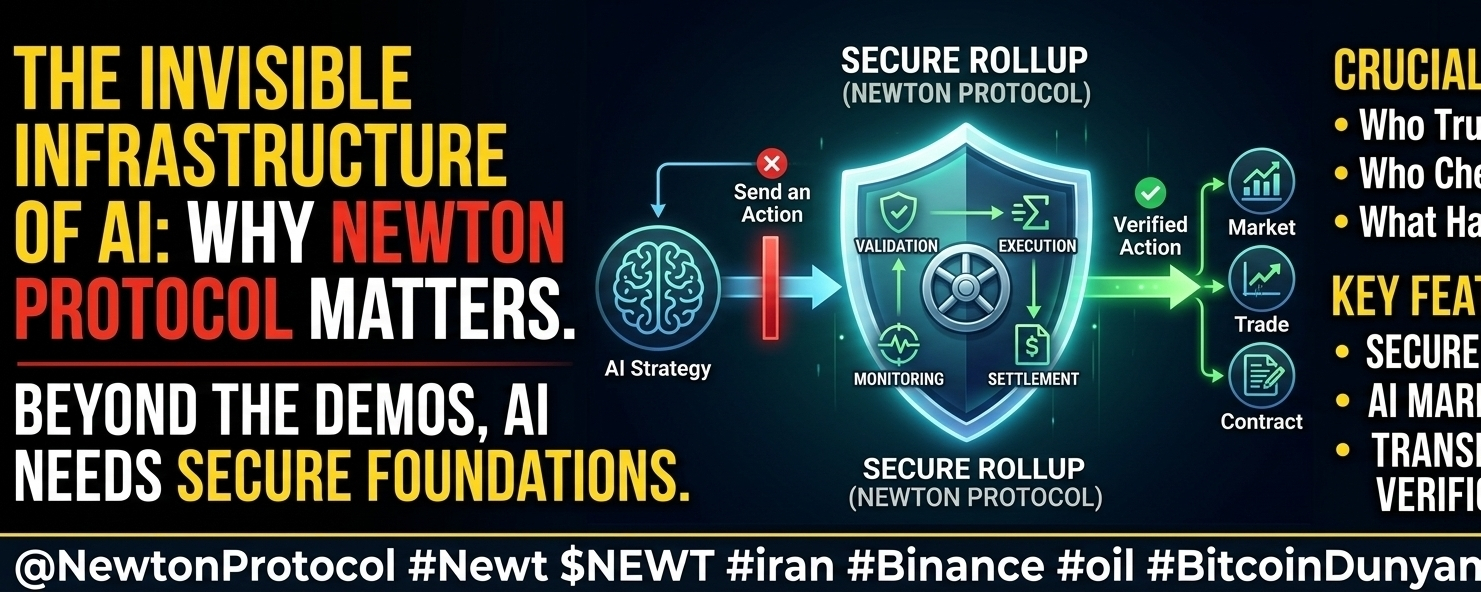
より大きなモデル、より速い応答、より低いコスト。もちろん、それらは大事です。けれども私は、もっと見えにくい何かに注目し始めました。AIがある判断を下したあと、いったい何が起きるのだろうと自問しています。その判断はどこへ行くのか?誰がそれを信頼するのか?誰がそれを確認するのか?
そうした判断が、単なる簡単なデモの中に閉じこもらず、お互いに相互作用し始めたら、何が起きるでしょうか?
ニュートン・プロトコルが、AIよりも周りのあらゆるものについて考えさせてくれた
人工知能について話すと、会話がすぐにそのモデルがどれだけ能力があるかという話題に流れていくことに、私はずっと気づいています。
より大きなモデル、より速い応答、より低いコスト。もちろん、それらは大事です。けれども私は、もっと見えにくい何かに注目し始めました。AIがある判断を下したあと、いったい何が起きるのだろうと自問しています。その判断はどこへ行くのか?誰がそれを信頼するのか?誰がそれを確認するのか?
そうした判断が、単なる簡単なデモの中に閉じこもらず、お互いに相互作用し始めたら、何が起きるでしょうか?
より大きなモデル、より速い応答、より低いコスト。もちろん、それらは大事です。けれども私は、もっと見えにくい何かに注目し始めました。AIがある判断を下したあと、いったい何が起きるのだろうと自問しています。その判断はどこへ行くのか?誰がそれを信頼するのか?誰がそれを確認するのか?
そうした判断が、単なる簡単なデモの中に閉じこもらず、お互いに相互作用し始めたら、何が起きるでしょうか?
9
3
170
·
--
誰もが「AIがより賢くなる」と話しています。
私は、何千ものAIの判断が同時に現実の市場に影響したらどうなるのか、ずっと気になっています。スピードは魅力的ですが、プレッシャーは表面の下に隠れているものをすべて明らかにします。
だからこそ、@NewtonProtocol が私の目を引きました。
Newton Protocolは、AI駆動の戦略、オートメーション化されたトレーディング、そしてAI開発者が貢献できるマーケットプレイスのための、安全なロールアップを構築しています。最大の課題は「知能を作ること」ではありません。ネットワークが遅くなり、市場が不安定になり、信頼が試される状況でも、その知能が確実に動作できるようにすることです。
最も強いシステムは、たいてい一番うるさいわけではありません。
条件が予測不能になっても動き続けるものです。インフラは、障害が起きるまで見えません。そしてAIにおいては、そうした“見えない層”が、誰が適応し、誰が取り残されるかを決めてしまうかもしれません。
私は、どのプロトコルもすべての問題を解決できると言っているわけではありません。
技術は、人間の行動、市場の感情、あるいは想定外の出来事を制御できません。ですが、摩擦を減らし、連携を改善し、透明性のある実行を作ることは、本当に重要だと思える進歩です。
だからこそ、私は Newton Protocol を注意深く見守っていきます。
有償パートナーシップ。本コンテンツは情報提供のみを目的としており、金融アドバイスではありません。
#newt $NEWT #Binance #oil #iran #pol
$NFP
$POL
{spot}(NEWTUSDT)
{spot}(NFPUSDT)
{future}(POLUSDT)
Newton Protocolのどの部分に一番関心がありますか?
誰もが「AIがより賢くなる」と話しています。
私は、何千ものAIの判断が同時に現実の市場に影響したらどうなるのか、ずっと気になっています。スピードは魅力的ですが、プレッシャーは表面の下に隠れているものをすべて明らかにします。
だからこそ、@NewtonProtocol が私の目を引きました。
Newton Protocolは、AI駆動の戦略、オートメーション化されたトレーディング、そしてAI開発者が貢献できるマーケットプレイスのための、安全なロールアップを構築しています。最大の課題は「知能を作ること」ではありません。ネットワークが遅くなり、市場が不安定になり、信頼が試される状況でも、その知能が確実に動作できるようにすることです。
最も強いシステムは、たいてい一番うるさいわけではありません。
条件が予測不能になっても動き続けるものです。インフラは、障害が起きるまで見えません。そしてAIにおいては、そうした“見えない層”が、誰が適応し、誰が取り残されるかを決めてしまうかもしれません。
私は、どのプロトコルもすべての問題を解決できると言っているわけではありません。
技術は、人間の行動、市場の感情、あるいは想定外の出来事を制御できません。ですが、摩擦を減らし、連携を改善し、透明性のある実行を作ることは、本当に重要だと思える進歩です。
だからこそ、私は Newton Protocol を注意深く見守っていきます。
有償パートナーシップ。本コンテンツは情報提供のみを目的としており、金融アドバイスではありません。
#newt $NEWT #Binance #oil #iran #pol
$NFP
$POL
Newton Protocolのどの部分に一番関心がありますか?
私は、何千ものAIの判断が同時に現実の市場に影響したらどうなるのか、ずっと気になっています。スピードは魅力的ですが、プレッシャーは表面の下に隠れているものをすべて明らかにします。
だからこそ、@NewtonProtocol が私の目を引きました。
Newton Protocolは、AI駆動の戦略、オートメーション化されたトレーディング、そしてAI開発者が貢献できるマーケットプレイスのための、安全なロールアップを構築しています。最大の課題は「知能を作ること」ではありません。ネットワークが遅くなり、市場が不安定になり、信頼が試される状況でも、その知能が確実に動作できるようにすることです。
最も強いシステムは、たいてい一番うるさいわけではありません。
条件が予測不能になっても動き続けるものです。インフラは、障害が起きるまで見えません。そしてAIにおいては、そうした“見えない層”が、誰が適応し、誰が取り残されるかを決めてしまうかもしれません。
私は、どのプロトコルもすべての問題を解決できると言っているわけではありません。
技術は、人間の行動、市場の感情、あるいは想定外の出来事を制御できません。ですが、摩擦を減らし、連携を改善し、透明性のある実行を作ることは、本当に重要だと思える進歩です。
だからこそ、私は Newton Protocol を注意深く見守っていきます。
有償パートナーシップ。本コンテンツは情報提供のみを目的としており、金融アドバイスではありません。
#newt $NEWT #Binance #oil #iran #pol
$NFP
$POL
Newton Protocolのどの部分に一番関心がありますか?
AI-driven strategies
0%
Automated trading
0%
AI developer marketplace
0%
0 投票 • 投票は終了しました
3
1
203
·
--
私は、人々がAIモデルがどれほど強力かにばかり注目しているのをよく見かけますが、もっと大きな問題は、それらの周りにあるインフラが現実のプレッシャーに耐えられる準備ができているかどうかだと思っています。
だからこそ、Newton Protocolに注目しました。
同プロトコルは、AI駆動の戦略、オートメーションされた取引、そしてAI開発者が貢献し、インテリジェントなシステムを改善できるマーケットプレイスのための、安全なロールアップを構築しています。
その構想は有望に見えますが、私は技術だけであらゆる問題が解決されるとは信じていません。
現実の市場はすぐに変わります。
ネットワークには遅延が起きます。
データは遅れて届くことがあります。
強力なAI戦略でさえ、信頼できる実行、透明な検証、そして裏側での安全な連携に依存しています。
私にとっての本当の価値は、まさにそこにあるのかもしれません。
最も強いシステムは、たいてい最も大きな約束をするものではありません。状況が厳しくなったときにも、動き続けるものです。
エコシステムが成長するにつれて、Newton Protocolがオートメーションとセキュリティ、インセンティブ、そして信頼のバランスをどう取っていくのか見守りたいと思います。こうしたトレードオフこそが、インフラが長期的に成功できるかどうかを左右することが多いのです。
本コンテンツは情報提供のみを目的としており、金融アドバイスとはみなされるべきではありません。
#newt $NEWT @NewtonProtocol $VANRY
$TLM #BitcoinFallsOver50%FromOctoberHigh #IranIsraelConflict #oil #Binance
{spot}(NEWTUSDT)
{future}(TLMUSDT)
{future}(VANRYUSDT)
あなたが考える、AI搭載のブロックチェーン・システムにとって最大の課題は何でしょうか?
私は、人々がAIモデルがどれほど強力かにばかり注目しているのをよく見かけますが、もっと大きな問題は、それらの周りにあるインフラが現実のプレッシャーに耐えられる準備ができているかどうかだと思っています。
だからこそ、Newton Protocolに注目しました。
同プロトコルは、AI駆動の戦略、オートメーションされた取引、そしてAI開発者が貢献し、インテリジェントなシステムを改善できるマーケットプレイスのための、安全なロールアップを構築しています。
その構想は有望に見えますが、私は技術だけであらゆる問題が解決されるとは信じていません。
現実の市場はすぐに変わります。
ネットワークには遅延が起きます。
データは遅れて届くことがあります。
強力なAI戦略でさえ、信頼できる実行、透明な検証、そして裏側での安全な連携に依存しています。
私にとっての本当の価値は、まさにそこにあるのかもしれません。
最も強いシステムは、たいてい最も大きな約束をするものではありません。状況が厳しくなったときにも、動き続けるものです。
エコシステムが成長するにつれて、Newton Protocolがオートメーションとセキュリティ、インセンティブ、そして信頼のバランスをどう取っていくのか見守りたいと思います。こうしたトレードオフこそが、インフラが長期的に成功できるかどうかを左右することが多いのです。
本コンテンツは情報提供のみを目的としており、金融アドバイスとはみなされるべきではありません。
#newt $NEWT @NewtonProtocol $VANRY
$TLM #BitcoinFallsOver50%FromOctoberHigh #IranIsraelConflict #oil #Binance
あなたが考える、AI搭載のブロックチェーン・システムにとって最大の課題は何でしょうか?
だからこそ、Newton Protocolに注目しました。
同プロトコルは、AI駆動の戦略、オートメーションされた取引、そしてAI開発者が貢献し、インテリジェントなシステムを改善できるマーケットプレイスのための、安全なロールアップを構築しています。
その構想は有望に見えますが、私は技術だけであらゆる問題が解決されるとは信じていません。
現実の市場はすぐに変わります。
ネットワークには遅延が起きます。
データは遅れて届くことがあります。
強力なAI戦略でさえ、信頼できる実行、透明な検証、そして裏側での安全な連携に依存しています。
私にとっての本当の価値は、まさにそこにあるのかもしれません。
最も強いシステムは、たいてい最も大きな約束をするものではありません。状況が厳しくなったときにも、動き続けるものです。
エコシステムが成長するにつれて、Newton Protocolがオートメーションとセキュリティ、インセンティブ、そして信頼のバランスをどう取っていくのか見守りたいと思います。こうしたトレードオフこそが、インフラが長期的に成功できるかどうかを左右することが多いのです。
本コンテンツは情報提供のみを目的としており、金融アドバイスとはみなされるべきではありません。
#newt $NEWT @NewtonProtocol $VANRY
$TLM #BitcoinFallsOver50%FromOctoberHigh #IranIsraelConflict #oil #Binance
あなたが考える、AI搭載のブロックチェーン・システムにとって最大の課題は何でしょうか?
Trust & security
100%
Data quality
0%
User adoption
0%
1 投票 • 投票は終了しました
8
3
110
·
--
記事
ニュートン・プロトコルが、AIに本当に必要なものを見直させてくれた私はしばらくの間、ニュートン・プロトコルについて考えてきました。
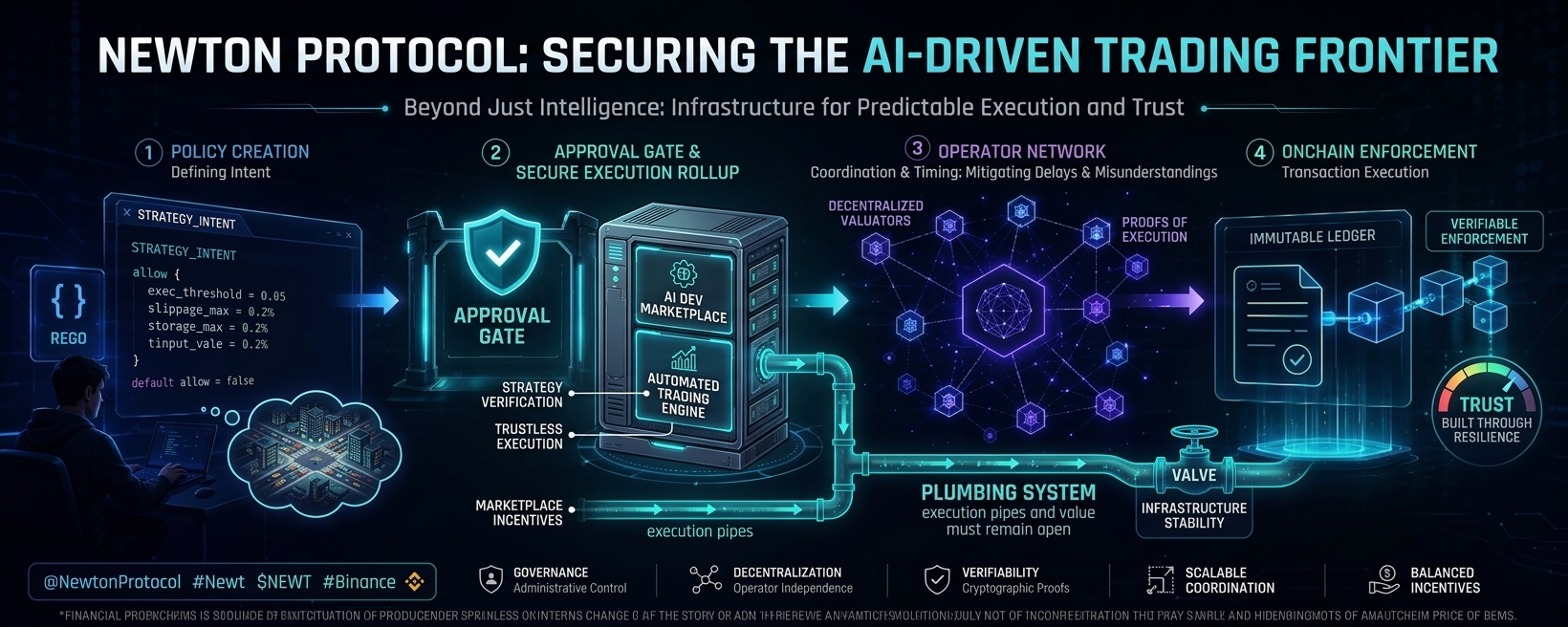
ただし、AIの周りのあらゆる問題を1つのプロトコルで解決できると期待しているからではありません。多くの人が無視している問いを投げかけているからです。AI戦略がテスト環境を離れ、実際の資金と実際の結果がある意思決定をし始めた後、どうなるのでしょうか?
そこで、すべてが変わります。
ニュートン・プロトコルは、AI駆動の戦略、オートメーテッド・トレーディング、そしてAI開発者のためのマーケットプレイスのための、安全なロールアップを構築しています。
聞こえとしては、紙の上ではとても面白い話です。
ニュートン・プロトコルが、AIに本当に必要なものを見直させてくれた
私はしばらくの間、ニュートン・プロトコルについて考えてきました。
ただし、AIの周りのあらゆる問題を1つのプロトコルで解決できると期待しているからではありません。多くの人が無視している問いを投げかけているからです。AI戦略がテスト環境を離れ、実際の資金と実際の結果がある意思決定をし始めた後、どうなるのでしょうか?
そこで、すべてが変わります。
ニュートン・プロトコルは、AI駆動の戦略、オートメーテッド・トレーディング、そしてAI開発者のためのマーケットプレイスのための、安全なロールアップを構築しています。
聞こえとしては、紙の上ではとても面白い話です。
ただし、AIの周りのあらゆる問題を1つのプロトコルで解決できると期待しているからではありません。多くの人が無視している問いを投げかけているからです。AI戦略がテスト環境を離れ、実際の資金と実際の結果がある意思決定をし始めた後、どうなるのでしょうか?
そこで、すべてが変わります。
ニュートン・プロトコルは、AI駆動の戦略、オートメーテッド・トレーディング、そしてAI開発者のためのマーケットプレイスのための、安全なロールアップを構築しています。
聞こえとしては、紙の上ではとても面白い話です。
6
2
259
·
--
ブリッシュ
AIはより速くなっています。
しかし、スピードだけでは信頼は生まれません。
だからこそ、Newton Protocol(NEWT)が際立っています。
それは、賢い判断だけでなく、セキュアな実行に焦点を当てています。
優れたAIモデルも、それを支えるシステムがプレッシャー下で機能できなければ意味がありません。
市場が不安定になると、すべてが変わります。
流動性が移動します。
レイテンシーが増加します。
自動化された戦略は同時に反応します。
そのとき、インフラが本当に試されます。
Newton Protocolは、AI駆動の戦略のためのセキュアなロールアップを構築しています。
さらに、開発者がAIソリューションを作り、共有できるマーケットプレイスも提供します。
ビジョンは単なる自動化だけではありません。
それは、連携、透明性、そして信頼できる実行のためのものです。
どのプロトコルも、すべての市場の動きを予測できるわけではありません。
どのAIも、不確実性を取り除くことはできません。
しかし、より強固なインフラは摩擦を減らし、状況が厳しくなったときの信頼感を高められます。
それが、注目する価値のある違いです。
Web3におけるAIの未来は、最も賢いモデルだけのものにはならないでしょう。
それは、最も強い基盤のものになります。
そしてNewton Protocolは、まさにそれを築こうとしています。
#NEWT #Web3 #BinanceSquare
#newt $NEWT @NewtonProtocol #2026footballseason
$GALA $TLM
{future}(NEWTUSDT)
{future}(GALAUSDT)
{future}(TLMUSDT)
Newton Protocol(NEWT)のどの機能に一番興味がありますか?
AIはより速くなっています。
しかし、スピードだけでは信頼は生まれません。
だからこそ、Newton Protocol(NEWT)が際立っています。
それは、賢い判断だけでなく、セキュアな実行に焦点を当てています。
優れたAIモデルも、それを支えるシステムがプレッシャー下で機能できなければ意味がありません。
市場が不安定になると、すべてが変わります。
流動性が移動します。
レイテンシーが増加します。
自動化された戦略は同時に反応します。
そのとき、インフラが本当に試されます。
Newton Protocolは、AI駆動の戦略のためのセキュアなロールアップを構築しています。
さらに、開発者がAIソリューションを作り、共有できるマーケットプレイスも提供します。
ビジョンは単なる自動化だけではありません。
それは、連携、透明性、そして信頼できる実行のためのものです。
どのプロトコルも、すべての市場の動きを予測できるわけではありません。
どのAIも、不確実性を取り除くことはできません。
しかし、より強固なインフラは摩擦を減らし、状況が厳しくなったときの信頼感を高められます。
それが、注目する価値のある違いです。
Web3におけるAIの未来は、最も賢いモデルだけのものにはならないでしょう。
それは、最も強い基盤のものになります。
そしてNewton Protocolは、まさにそれを築こうとしています。
#NEWT #Web3 #BinanceSquare
#newt $NEWT @NewtonProtocol #2026footballseason
$GALA $TLM
Newton Protocol(NEWT)のどの機能に一番興味がありますか?
しかし、スピードだけでは信頼は生まれません。
だからこそ、Newton Protocol(NEWT)が際立っています。
それは、賢い判断だけでなく、セキュアな実行に焦点を当てています。
優れたAIモデルも、それを支えるシステムがプレッシャー下で機能できなければ意味がありません。
市場が不安定になると、すべてが変わります。
流動性が移動します。
レイテンシーが増加します。
自動化された戦略は同時に反応します。
そのとき、インフラが本当に試されます。
Newton Protocolは、AI駆動の戦略のためのセキュアなロールアップを構築しています。
さらに、開発者がAIソリューションを作り、共有できるマーケットプレイスも提供します。
ビジョンは単なる自動化だけではありません。
それは、連携、透明性、そして信頼できる実行のためのものです。
どのプロトコルも、すべての市場の動きを予測できるわけではありません。
どのAIも、不確実性を取り除くことはできません。
しかし、より強固なインフラは摩擦を減らし、状況が厳しくなったときの信頼感を高められます。
それが、注目する価値のある違いです。
Web3におけるAIの未来は、最も賢いモデルだけのものにはならないでしょう。
それは、最も強い基盤のものになります。
そしてNewton Protocolは、まさにそれを築こうとしています。
#NEWT #Web3 #BinanceSquare
#newt $NEWT @NewtonProtocol #2026footballseason
$GALA $TLM
Newton Protocol(NEWT)のどの機能に一番興味がありますか?
🔹 AI-driven strategies
0%
🔹 Secure rollup
0%
🔹 AI developer marketplace
0%
🔹 Automated trading
0%
0 投票 • 投票は終了しました
5
4
170
·
--
記事
ニュートン・プロトコルと、AIが本当の意思決定をし始めるときだけ現れる静かな問題AI取引について人が話すたびに、同じ考えがよみがえってきます。議論はたいてい「知性」から始まります。
より良いモデル。より良い予測。より良い自動化。しかし何年も金融システムを見てきた正直な感想としては、知性は物語のほんの一部にすぎないと思っています。
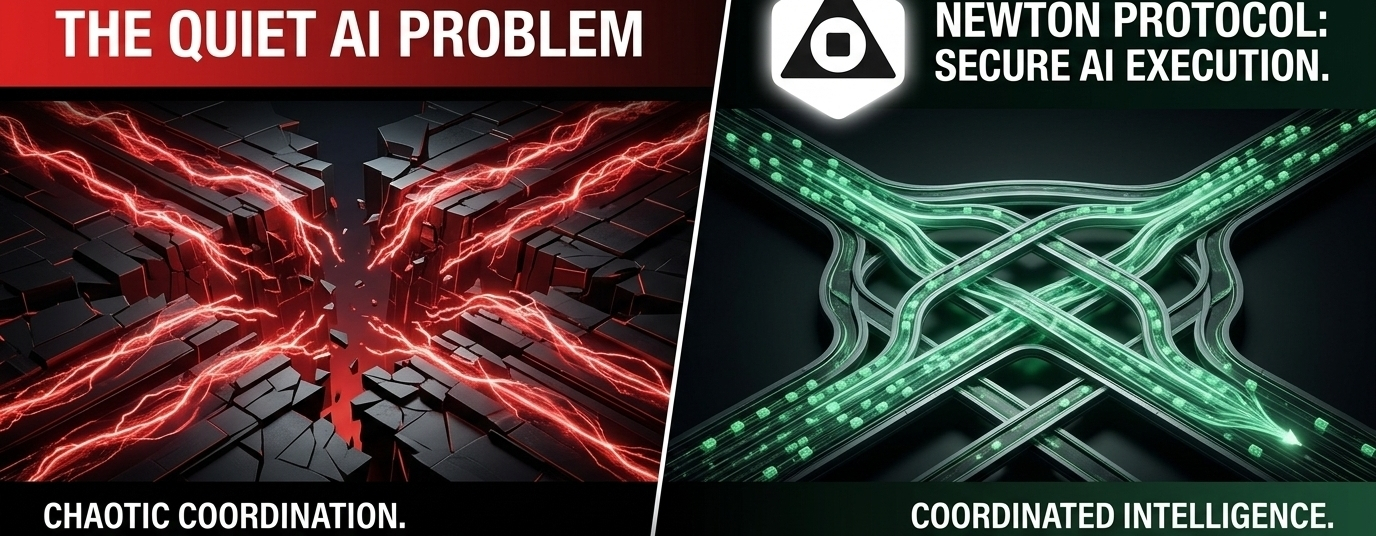
より難しい問いのほうは、ずっと面白みがありません。AIが意思決定をしたあと、その決定が実際のインフラを通過し、他の何千もの参加者と相互作用し、想定外の市場状況にも耐え、そして人々が信頼できるとみなす結果をなお生み出すにはどうなるのでしょうか?
ニュートン・プロトコルと、AIが本当の意思決定をし始めるときだけ現れる静かな問題
AI取引について人が話すたびに、同じ考えがよみがえってきます。議論はたいてい「知性」から始まります。
より良いモデル。より良い予測。より良い自動化。しかし何年も金融システムを見てきた正直な感想としては、知性は物語のほんの一部にすぎないと思っています。
より難しい問いのほうは、ずっと面白みがありません。AIが意思決定をしたあと、その決定が実際のインフラを通過し、他の何千もの参加者と相互作用し、想定外の市場状況にも耐え、そして人々が信頼できるとみなす結果をなお生み出すにはどうなるのでしょうか?
より良いモデル。より良い予測。より良い自動化。しかし何年も金融システムを見てきた正直な感想としては、知性は物語のほんの一部にすぎないと思っています。
より難しい問いのほうは、ずっと面白みがありません。AIが意思決定をしたあと、その決定が実際のインフラを通過し、他の何千もの参加者と相互作用し、想定外の市場状況にも耐え、そして人々が信頼できるとみなす結果をなお生み出すにはどうなるのでしょうか?
5
2
181
·
--
本人確認中
AIが素晴らしい戦略を生み出したとしても……そのインフラがそれを確実に実行できないとしたら、何が起きるのでしょう?
それが、次世代のWeb3における最大級の問いのひとつだと考えています。
問題は、AIをより賢くすることだけではありません。
AIをより信頼できるものにすることが重要です。
だからこそ、@NewtonProtocol が私の注目を集めました。
このプロジェクトは、AI駆動の戦略のためのセキュアなロールアップを構築しています。
また、自動化された実行をサポートし、AI開発者が新しいアプリケーションを作って貢献できるマーケットプレイスも用意されています。
Newton Mainnet Betaは重要なマイルストーンです。
現実のネットワークは、理想的な条件下で動くわけではありません。
レイテンシ(遅延)が発生します。
トラフィックが増えます。
予期しない出来事が起きます。
環境が難しくなっても、インフラは動き続ける必要があります。
どのプロトコルも、あらゆるリスクを完全に排除することはできません。
市場は引き続き予測不可能です。
人間の行動も変化します。
技術も進化し続けます。
しかし、より強固なインフラなら、不必要な摩擦を減らし、エコシステム全体の信頼を高められるはずです。
私も、長期的な成功は開発者によってもたらされると考えています。
ビルダーがAIアプリケーションを作り、テストし、デプロイできる場を提供することは、セキュリティをネットワークの中心に保ちながら、イノベーションの加速につながる可能性があります。
Mainnet Betaに、より多くのユーザー、開発者、そしてAI対応アプリケーションが参加していくにつれて、Newtonエコシステムがどう成長していくのか見守りたいと思います。
最も賢いAIは価値があります。
しかし、信頼できる実行こそが、良いアイデアを現実の成果へと変えるのです。
@NewtonProtocol #Newt $NEWT
#NEWT #Web3 #BinanceSquare
$ARB $TLM
{spot}(NEWTUSDT)
{future}(TLMUSDT)
{future}(ARBUSDT)
AIが素晴らしい戦略を生み出したとしても……そのインフラがそれを確実に実行できないとしたら、何が起きるのでしょう?
それが、次世代のWeb3における最大級の問いのひとつだと考えています。
問題は、AIをより賢くすることだけではありません。
AIをより信頼できるものにすることが重要です。
だからこそ、@NewtonProtocol が私の注目を集めました。
このプロジェクトは、AI駆動の戦略のためのセキュアなロールアップを構築しています。
また、自動化された実行をサポートし、AI開発者が新しいアプリケーションを作って貢献できるマーケットプレイスも用意されています。
Newton Mainnet Betaは重要なマイルストーンです。
現実のネットワークは、理想的な条件下で動くわけではありません。
レイテンシ(遅延)が発生します。
トラフィックが増えます。
予期しない出来事が起きます。
環境が難しくなっても、インフラは動き続ける必要があります。
どのプロトコルも、あらゆるリスクを完全に排除することはできません。
市場は引き続き予測不可能です。
人間の行動も変化します。
技術も進化し続けます。
しかし、より強固なインフラなら、不必要な摩擦を減らし、エコシステム全体の信頼を高められるはずです。
私も、長期的な成功は開発者によってもたらされると考えています。
ビルダーがAIアプリケーションを作り、テストし、デプロイできる場を提供することは、セキュリティをネットワークの中心に保ちながら、イノベーションの加速につながる可能性があります。
Mainnet Betaに、より多くのユーザー、開発者、そしてAI対応アプリケーションが参加していくにつれて、Newtonエコシステムがどう成長していくのか見守りたいと思います。
最も賢いAIは価値があります。
しかし、信頼できる実行こそが、良いアイデアを現実の成果へと変えるのです。
@NewtonProtocol #Newt $NEWT
#NEWT #Web3 #BinanceSquare
$ARB $TLM
それが、次世代のWeb3における最大級の問いのひとつだと考えています。
問題は、AIをより賢くすることだけではありません。
AIをより信頼できるものにすることが重要です。
だからこそ、@NewtonProtocol が私の注目を集めました。
このプロジェクトは、AI駆動の戦略のためのセキュアなロールアップを構築しています。
また、自動化された実行をサポートし、AI開発者が新しいアプリケーションを作って貢献できるマーケットプレイスも用意されています。
Newton Mainnet Betaは重要なマイルストーンです。
現実のネットワークは、理想的な条件下で動くわけではありません。
レイテンシ(遅延)が発生します。
トラフィックが増えます。
予期しない出来事が起きます。
環境が難しくなっても、インフラは動き続ける必要があります。
どのプロトコルも、あらゆるリスクを完全に排除することはできません。
市場は引き続き予測不可能です。
人間の行動も変化します。
技術も進化し続けます。
しかし、より強固なインフラなら、不必要な摩擦を減らし、エコシステム全体の信頼を高められるはずです。
私も、長期的な成功は開発者によってもたらされると考えています。
ビルダーがAIアプリケーションを作り、テストし、デプロイできる場を提供することは、セキュリティをネットワークの中心に保ちながら、イノベーションの加速につながる可能性があります。
Mainnet Betaに、より多くのユーザー、開発者、そしてAI対応アプリケーションが参加していくにつれて、Newtonエコシステムがどう成長していくのか見守りたいと思います。
最も賢いAIは価値があります。
しかし、信頼できる実行こそが、良いアイデアを現実の成果へと変えるのです。
@NewtonProtocol #Newt $NEWT
#NEWT #Web3 #BinanceSquare
$ARB $TLM
🔹 Smarter AI models
0%
🔹 Secure infrastructure
0%
🔹 Faster transactions
0%
0 投票 • 投票は終了しました
3
4
2.1k
·
--
記事
Newton Protocol(NEWT):なぜ安全なAI自動化はスピードよりも信頼に左右されるのか私はしばらくNewton Protocol(NEWT)について考えてきましたが、いつも頭に浮かんでくるのはAIそのものではありません。鍵になるのは信頼です。人々は、オートメーションされた取引、AIエージェント、そして人の常時の関与なしに判断を行うスマートなシステムにしばしば大いに興奮します。しかし、難しいのはモデルが判断を下した後から始まるのだと思います。そこが、実際のシステムが通常いちばん面白くなる場所です。戦略はテストでは素晴らしく見えても、現実のインフラとやり取りしなければならなくなった瞬間、市場が変化し、情報が遅延し、そして人間の期待が絡んでくると、すべてがはるかに予測しづらくなります。
Newton Protocol(NEWT):なぜ安全なAI自動化はスピードよりも信頼に左右されるのか
私はしばらくNewton Protocol(NEWT)について考えてきましたが、いつも頭に浮かんでくるのはAIそのものではありません。鍵になるのは信頼です。人々は、オートメーションされた取引、AIエージェント、そして人の常時の関与なしに判断を行うスマートなシステムにしばしば大いに興奮します。しかし、難しいのはモデルが判断を下した後から始まるのだと思います。そこが、実際のシステムが通常いちばん面白くなる場所です。戦略はテストでは素晴らしく見えても、現実のインフラとやり取りしなければならなくなった瞬間、市場が変化し、情報が遅延し、そして人間の期待が絡んでくると、すべてがはるかに予測しづらくなります。
10
8
280
·
--
一部該当
$FET、$TAO、$ASIのようなAIプロジェクトがイノベーションを牽引する一方で、$ETH、$ARB、$OPはスケーラブルなブロックチェーン基盤の価値を引き続き証明し続けています。
ここで@NewtonProtocol が際立ちます。単に別のAIアプリを作るのではなく、AI主導の戦略、自動トレーディング、そしてAI開発者がインテリジェントなオンチェーンソリューションを構築・デプロイできるマーケットプレイスのための、安全なロールアップを開発しています。
Newton Mainnet Betaは重要なマイルストーンであり、開発者がライブ環境でパフォーマンス、安全性、そして現実世界のAIオートメーションをテストする機会を提供します。
強固なインフラこそが、革新的なアイデアを実用的なエコシステムへと変えることがよくあります。
AIが引き続きWeb3を再構築していくなら、安全性、スケーラビリティ、そして自動化を組み合わせたプロジェクトは、ますます重要になっていくかもしれません。
Newton Protocolは、エコシステムが進化していく中で間違いなく注目すべき存在です。
あなたはどう思いますか?AIネイティブのロールアップが、暗号資産における次の大きな物語になる可能性はありますか?
$NEWT $ETH $ARB
#Newt #Web3 #Blockchain #Layer2 #Crypto
{spot}(NEWTUSDT)
{spot}(ETHUSDT)
{spot}(ARBUSDT)
$FET、$TAO、$ASIのようなAIプロジェクトがイノベーションを牽引する一方で、$ETH 、$ARB 、$OPはスケーラブルなブロックチェーン基盤の価値を引き続き証明し続けています。
ここで@NewtonProtocol が際立ちます。単に別のAIアプリを作るのではなく、AI主導の戦略、自動トレーディング、そしてAI開発者がインテリジェントなオンチェーンソリューションを構築・デプロイできるマーケットプレイスのための、安全なロールアップを開発しています。
Newton Mainnet Betaは重要なマイルストーンであり、開発者がライブ環境でパフォーマンス、安全性、そして現実世界のAIオートメーションをテストする機会を提供します。
強固なインフラこそが、革新的なアイデアを実用的なエコシステムへと変えることがよくあります。
AIが引き続きWeb3を再構築していくなら、安全性、スケーラビリティ、そして自動化を組み合わせたプロジェクトは、ますます重要になっていくかもしれません。
Newton Protocolは、エコシステムが進化していく中で間違いなく注目すべき存在です。
あなたはどう思いますか?AIネイティブのロールアップが、暗号資産における次の大きな物語になる可能性はありますか?
$NEWT $ETH $ARB
#Newt #Web3 #Blockchain #Layer2 #Crypto
ここで@NewtonProtocol が際立ちます。単に別のAIアプリを作るのではなく、AI主導の戦略、自動トレーディング、そしてAI開発者がインテリジェントなオンチェーンソリューションを構築・デプロイできるマーケットプレイスのための、安全なロールアップを開発しています。
Newton Mainnet Betaは重要なマイルストーンであり、開発者がライブ環境でパフォーマンス、安全性、そして現実世界のAIオートメーションをテストする機会を提供します。
強固なインフラこそが、革新的なアイデアを実用的なエコシステムへと変えることがよくあります。
AIが引き続きWeb3を再構築していくなら、安全性、スケーラビリティ、そして自動化を組み合わせたプロジェクトは、ますます重要になっていくかもしれません。
Newton Protocolは、エコシステムが進化していく中で間違いなく注目すべき存在です。
あなたはどう思いますか?AIネイティブのロールアップが、暗号資産における次の大きな物語になる可能性はありますか?
$NEWT $ETH $ARB
#Newt #Web3 #Blockchain #Layer2 #Crypto
Real-World Assets (RWA)
50%
Layer-2 Scaling
50%
AI Infrastructure
0%
2 投票 • 投票は終了しました
4
2
632
·
--
記事
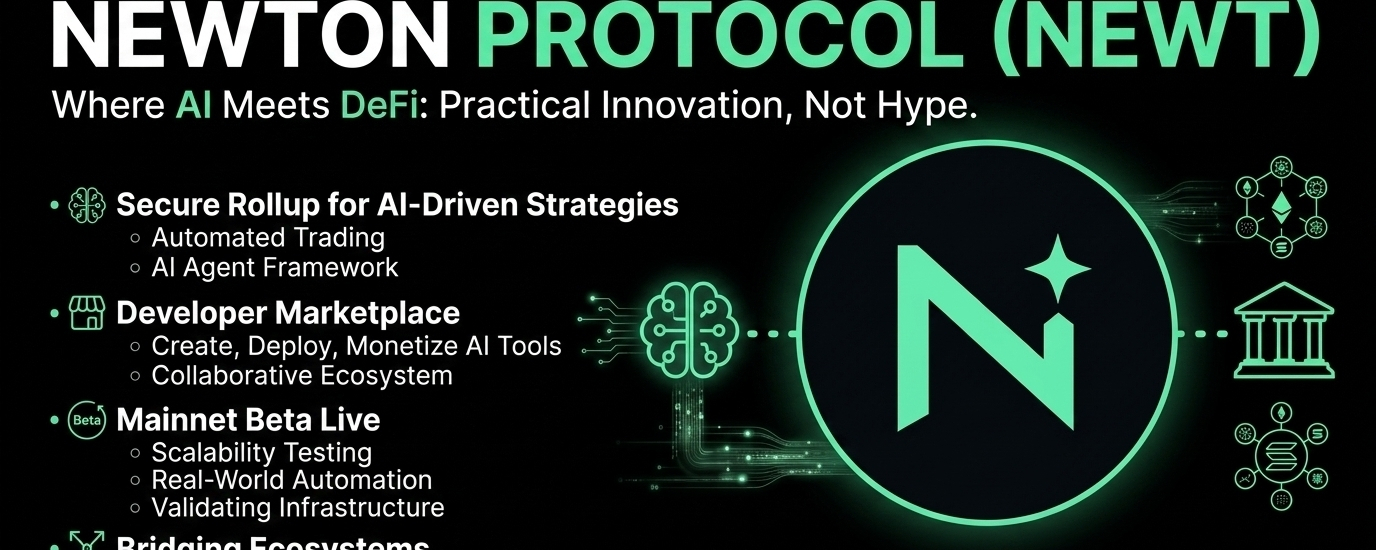
Newton Protocol:AIパワード・ロールアップがWeb3の次世代を形作り得る理由人工知能はブロックチェーンにおける最大級のテーマの一つになりつつありますが、長期的な成功は、誇大宣伝だけではなく、セキュアなインフラにかかっています。
<c-4/>AI駆動の戦略、自動取引、そして開発者がAIパワードのアプリケーションを作成・デプロイし、収益化できるマーケットプレイスに焦点を当てた、安全なロールアップを構築することで、別のアプローチを取っています。
Newton Mainnet Betaのローンチは重要なマイルストーンです。これにより、開発者や初期参加者が、ライブ環境でプロトコルを体験できるようになります。
Newton Protocol:AIパワード・ロールアップがWeb3の次世代を形作り得る理由
人工知能はブロックチェーンにおける最大級のテーマの一つになりつつありますが、長期的な成功は、誇大宣伝だけではなく、セキュアなインフラにかかっています。
<c-4/>AI駆動の戦略、自動取引、そして開発者がAIパワードのアプリケーションを作成・デプロイし、収益化できるマーケットプレイスに焦点を当てた、安全なロールアップを構築することで、別のアプローチを取っています。
Newton Mainnet Betaのローンチは重要なマイルストーンです。これにより、開発者や初期参加者が、ライブ環境でプロトコルを体験できるようになります。
<c-4/>AI駆動の戦略、自動取引、そして開発者がAIパワードのアプリケーションを作成・デプロイし、収益化できるマーケットプレイスに焦点を当てた、安全なロールアップを構築することで、別のアプローチを取っています。
Newton Mainnet Betaのローンチは重要なマイルストーンです。これにより、開発者や初期参加者が、ライブ環境でプロトコルを体験できるようになります。
2
2
84
·
--
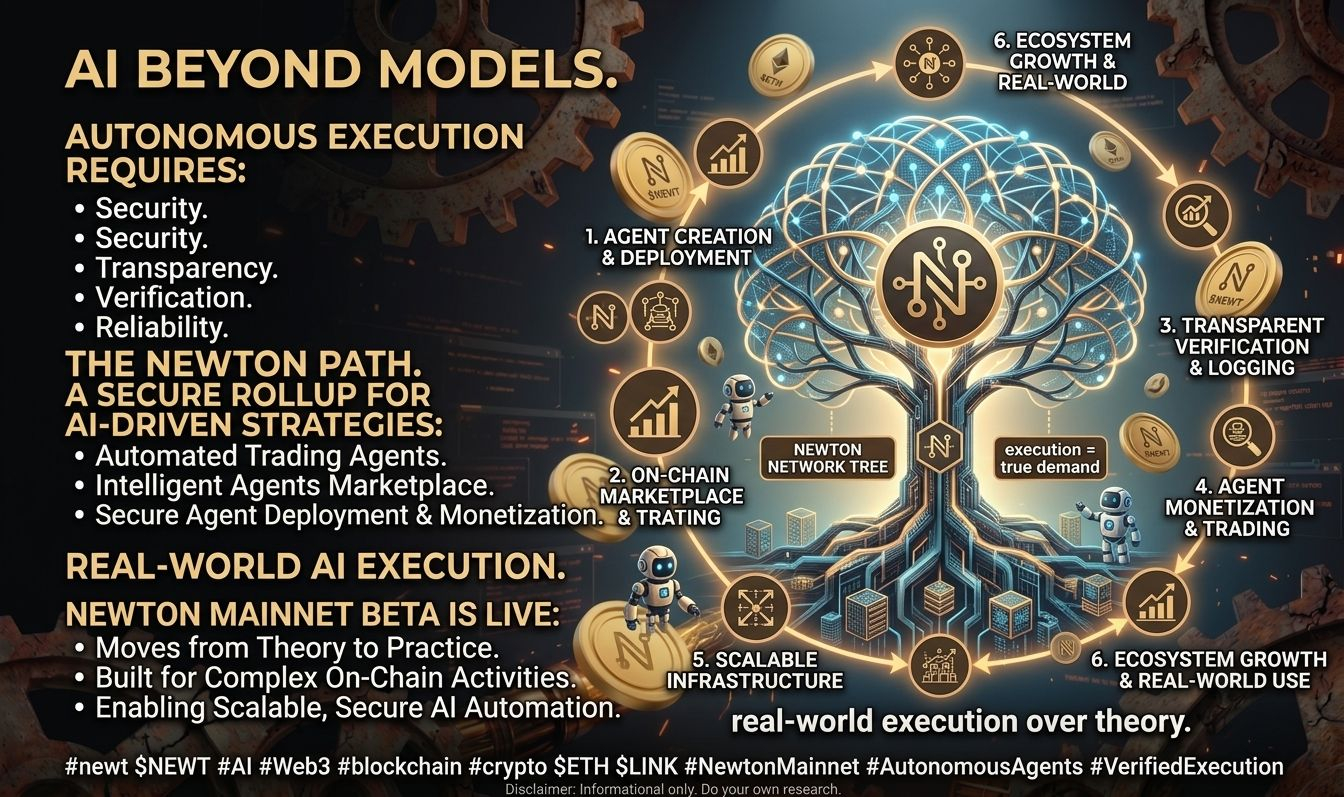
多くのAIプロジェクトはより賢いモデルを構築することに重点を置いていますが、真の課題は、自律的な実行を安全に、透明に、そして検証可能にすることです。
そこで <0-9]{11}>@NewtonProtocol </0-9]{11}> は別の道を選んでいます。
多くのブロックチェーン×AIの物語が主にインフラやAIツールを提供するのに対し、Newton Protocol は、AI駆動の戦略、オートトレーディング、そしてAI開発者がインテリジェントなエージェントを作成・デプロイし、収益化できるマーケットプレイスのために特化した、安全なロールアップを構築しています。
Newton Mainnet Beta は重要なマイルストーンです。これは、単なる机上の理論ではなく、実世界での実行にプロジェクトを近づけるものです。
自律エージェントがますます複雑なオンチェーン業務を扱うようになるにつれて、安全なAIオートメーション、透明な検証、そしてスケーラブルなインフラは不可欠になり得ます。
AIとブロックチェーンを組み合わせるプロジェクトは急速に成長していますが、長期的な成功はセキュリティ、信頼、そして信頼性の高い実行にかかっています。
Newton Protocol は、最新のAIトレンドを追うだけではなく、こうした基礎の周りに自社を位置づけています。
Newton Mainnet Beta がどのようにエコシステムを拡大し、その上で開発者が何を作るのか楽しみにしています。
免責事項:本コンテンツは情報提供のみを目的としており、金融アドバイスではありません。必ずご自身で調査してください。
#newt $NEWT #MainnetBeta #AI #blockchain #Crypto $BNB $ETH
多くのAIプロジェクトはより賢いモデルを構築することに重点を置いていますが、真の課題は、自律的な実行を安全に、透明に、そして検証可能にすることです。
そこで <0-9]{11}>@NewtonProtocol </0-9]{11}> は別の道を選んでいます。
多くのブロックチェーン×AIの物語が主にインフラやAIツールを提供するのに対し、Newton Protocol は、AI駆動の戦略、オートトレーディング、そしてAI開発者がインテリジェントなエージェントを作成・デプロイし、収益化できるマーケットプレイスのために特化した、安全なロールアップを構築しています。
Newton Mainnet Beta は重要なマイルストーンです。これは、単なる机上の理論ではなく、実世界での実行にプロジェクトを近づけるものです。
自律エージェントがますます複雑なオンチェーン業務を扱うようになるにつれて、安全なAIオートメーション、透明な検証、そしてスケーラブルなインフラは不可欠になり得ます。
AIとブロックチェーンを組み合わせるプロジェクトは急速に成長していますが、長期的な成功はセキュリティ、信頼、そして信頼性の高い実行にかかっています。
Newton Protocol は、最新のAIトレンドを追うだけではなく、こうした基礎の周りに自社を位置づけています。
Newton Mainnet Beta がどのようにエコシステムを拡大し、その上で開発者が何を作るのか楽しみにしています。
免責事項:本コンテンツは情報提供のみを目的としており、金融アドバイスではありません。必ずご自身で調査してください。
#newt $NEWT #MainnetBeta #AI #blockchain #Crypto $BNB $ETH
そこで <0-9]{11}>@NewtonProtocol </0-9]{11}> は別の道を選んでいます。
多くのブロックチェーン×AIの物語が主にインフラやAIツールを提供するのに対し、Newton Protocol は、AI駆動の戦略、オートトレーディング、そしてAI開発者がインテリジェントなエージェントを作成・デプロイし、収益化できるマーケットプレイスのために特化した、安全なロールアップを構築しています。
Newton Mainnet Beta は重要なマイルストーンです。これは、単なる机上の理論ではなく、実世界での実行にプロジェクトを近づけるものです。
自律エージェントがますます複雑なオンチェーン業務を扱うようになるにつれて、安全なAIオートメーション、透明な検証、そしてスケーラブルなインフラは不可欠になり得ます。
AIとブロックチェーンを組み合わせるプロジェクトは急速に成長していますが、長期的な成功はセキュリティ、信頼、そして信頼性の高い実行にかかっています。
Newton Protocol は、最新のAIトレンドを追うだけではなく、こうした基礎の周りに自社を位置づけています。
Newton Mainnet Beta がどのようにエコシステムを拡大し、その上で開発者が何を作るのか楽しみにしています。
免責事項:本コンテンツは情報提供のみを目的としており、金融アドバイスではありません。必ずご自身で調査してください。
#newt $NEWT #MainnetBeta #AI #blockchain #Crypto $BNB $ETH
2
1
84
ログインして、さらにコンテンツを読む
厳選トピックで世界の暗号資産トレーダーの仲間入り
⚡️ 暗号資産に関する最新かつ有益な情報が見つかります。
💬 世界最大の暗号資産取引所から信頼されています。
👍 認証を受けたクリエイターから、有益なインサイトを得られます。
メール / 電話番号
トレンドトピック
ZcashETFPostsFirstWeeklyOutflow$93.6M
閲覧回数 47,950
143人が討論中
#ZcashETFPostsFirstWeeklyOutflow$93.6M
Zcash ETFの初の週次資金流出(9,360万ドル)は、投資家需要の弱まりと、利益確定の可能性を示しています。これにより、短期的にZECの価格に圧力がかかり、プライバシー重視の暗号資産全体のセンチメントが悪化するおそれがあります。トレーダーはポジションを取る前に、サポート水準とその後の資金フローを注視すべきです。
Eram Trading Lab
·いいね:1件
·閲覧回数 223
GreekPoliceBustCryptoScamRingArrest17
閲覧回数 127,497
917人が討論中
BitcoinRejectedAt$87K
閲覧回数 144,534
200人が討論中