
Doric Network
733 投稿

Doric Network
報告
ユーザーをブロック
Doric Network is a blockchain platform dedicated to revolutionizing asset tokenization.
Visit https://doric.network/
16 フォロー
479 フォロワー
1.0K+ いいね
投稿
すべて
動画
PINNED
イーロン・マスクが新たに設立した政府効率省(D.O.G.E)は、連邦支出から2兆ドルを削減することを目指しており、この動きはアメリカ経済を不安定にする可能性があります。批評家たちは、積極的なレイオフや機関の解体が政府閉鎖につながる恐れがあり、2018-2019年のコストのかかる閉鎖を思い起こさせると警告しています。この閉鎖は110億ドルの費用がかかりました。さらに、連邦予算の75%が義務的支出であるため、このような削減を達成することは非現実的であり、国の負債を悪化させ、経済的混乱を引き起こす可能性があります。マスクの影響はすでに市場の不安を生んでおり、投資家たちは「デフレーションショック」と消費支出の減少を恐れています。
イーロン・マスクが新たに設立した政府効率省(D.O.G.E)は、連邦支出から2兆ドルを削減することを目指しており、この動きはアメリカ経済を不安定にする可能性があります。批評家たちは、積極的なレイオフや機関の解体が政府閉鎖につながる恐れがあり、2018-2019年のコストのかかる閉鎖を思い起こさせると警告しています。この閉鎖は110億ドルの費用がかかりました。さらに、連邦予算の75%が義務的支出であるため、このような削減を達成することは非現実的であり、国の負債を悪化させ、経済的混乱を引き起こす可能性があります。マスクの影響はすでに市場の不安を生んでおり、投資家たちは「デフレーションショック」と消費支出の減少を恐れています。

14
11
66
69.4k
翻訳参照
🚀 ZCASH JUST BROKE ABOVE $1,200 — BUT CAN ZEC REALLY REACH $2,200? 👀
$ZEC is back in the spotlight after surging into a decade-high zone near $1,200+, putting one of crypto’s oldest privacy coins firmly back on traders’ radar. 🔥
📈 Momentum remains strong, with $1,254 emerging as an important breakout level. If buyers can push ZEC convincingly above that zone, traders could start watching $1,400–$1,450 next — while an ambitious $2,200 target is already entering the discussion.
But there’s a catch. ⚠️
ZEC’s RSI has climbed into heavily overbought territory, meaning this rally could remain explosive — or face a sharp correction if momentum cools.
Meanwhile, MemeToro is taking a different route, developing open-source fair-launch infrastructure designed to improve transparency and reduce hidden insider allocations in AI-driven token launches. 🤖🔗
💡 Takeaway: ZEC has momentum, but after a move this aggressive, chasing price without watching confirmation and risk could be dangerous. The next battle around $1,254 may tell traders whether this rally still has fuel. 📊
🔗 https://cryptonews.net/33427764/?utm_source=CryptoNews&utm_medium=app&utm_campaign=shared
Follow for more crypto market updates, breakout levels, and emerging opportunities. 🚀
#Zcash #ZEC #Altcoins #CryptoNews #CryptoTrading
🚀 ZCASH JUST BROKE ABOVE $1,200 — BUT CAN ZEC REALLY REACH $2,200? 👀
$ZEC is back in the spotlight after surging into a decade-high zone near $1,200+, putting one of crypto’s oldest privacy coins firmly back on traders’ radar. 🔥
📈 Momentum remains strong, with $1,254 emerging as an important breakout level. If buyers can push ZEC convincingly above that zone, traders could start watching $1,400–$1,450 next — while an ambitious $2,200 target is already entering the discussion.
But there’s a catch. ⚠️
ZEC’s RSI has climbed into heavily overbought territory, meaning this rally could remain explosive — or face a sharp correction if momentum cools.
Meanwhile, MemeToro is taking a different route, developing open-source fair-launch infrastructure designed to improve transparency and reduce hidden insider allocations in AI-driven token launches. 🤖🔗
💡 Takeaway: ZEC has momentum, but after a move this aggressive, chasing price without watching confirmation and risk could be dangerous. The next battle around $1,254 may tell traders whether this rally still has fuel. 📊
🔗 https://cryptonews.net/33427764/?utm_source=CryptoNews&utm_medium=app&utm_campaign=shared
Follow for more crypto market updates, breakout levels, and emerging opportunities. 🚀
#Zcash #ZEC #Altcoins #CryptoNews #CryptoTrading
$ZEC is back in the spotlight after surging into a decade-high zone near $1,200+, putting one of crypto’s oldest privacy coins firmly back on traders’ radar. 🔥
📈 Momentum remains strong, with $1,254 emerging as an important breakout level. If buyers can push ZEC convincingly above that zone, traders could start watching $1,400–$1,450 next — while an ambitious $2,200 target is already entering the discussion.
But there’s a catch. ⚠️
ZEC’s RSI has climbed into heavily overbought territory, meaning this rally could remain explosive — or face a sharp correction if momentum cools.
Meanwhile, MemeToro is taking a different route, developing open-source fair-launch infrastructure designed to improve transparency and reduce hidden insider allocations in AI-driven token launches. 🤖🔗
💡 Takeaway: ZEC has momentum, but after a move this aggressive, chasing price without watching confirmation and risk could be dangerous. The next battle around $1,254 may tell traders whether this rally still has fuel. 📊
🔗 https://cryptonews.net/33427764/?utm_source=CryptoNews&utm_medium=app&utm_campaign=shared
Follow for more crypto market updates, breakout levels, and emerging opportunities. 🚀
#Zcash #ZEC #Altcoins #CryptoNews #CryptoTrading

114
翻訳参照
🔥 CZ: Crypto Markets Keep Creating Opportunities — But the Right Decision Matters!
Binance founder Changpeng Zhao (CZ) just delivered a simple but powerful reminder for crypto traders: the market constantly gives you opportunities to enter AND exit. 📈📉
His point? You don’t need to catch every move. You need to recognize the right opportunities and make disciplined decisions when they appear. 🎯
With crypto volatility remaining high, dips can create potential entry zones while strong rallies may offer opportunities to take profits or manage risk. But CZ stopped short of naming any specific coin or price target.
💡 Key takeaway: Successful trading isn’t only about finding the next big token—it’s about timing, patience, risk management, and knowing when to act.
In crypto, opportunities come repeatedly. The challenge is making the right decision when they do. 🚀🧠
🔗 https://cryptonews.net/33422866/?utm_source=CryptoNews&utm_medium=app&utm_campaign=shared
#Bitcoin #Crypto #Binance #CZ #Cryptocurrency
🔥 CZ: Crypto Markets Keep Creating Opportunities — But the Right Decision Matters!
Binance founder Changpeng Zhao (CZ) just delivered a simple but powerful reminder for crypto traders: the market constantly gives you opportunities to enter AND exit. 📈📉
His point? You don’t need to catch every move. You need to recognize the right opportunities and make disciplined decisions when they appear. 🎯
With crypto volatility remaining high, dips can create potential entry zones while strong rallies may offer opportunities to take profits or manage risk. But CZ stopped short of naming any specific coin or price target.
💡 Key takeaway: Successful trading isn’t only about finding the next big token—it’s about timing, patience, risk management, and knowing when to act.
In crypto, opportunities come repeatedly. The challenge is making the right decision when they do. 🚀🧠
🔗 https://cryptonews.net/33422866/?utm_source=CryptoNews&utm_medium=app&utm_campaign=shared
#Bitcoin #Crypto #Binance #CZ #Cryptocurrency
Binance founder Changpeng Zhao (CZ) just delivered a simple but powerful reminder for crypto traders: the market constantly gives you opportunities to enter AND exit. 📈📉
His point? You don’t need to catch every move. You need to recognize the right opportunities and make disciplined decisions when they appear. 🎯
With crypto volatility remaining high, dips can create potential entry zones while strong rallies may offer opportunities to take profits or manage risk. But CZ stopped short of naming any specific coin or price target.
💡 Key takeaway: Successful trading isn’t only about finding the next big token—it’s about timing, patience, risk management, and knowing when to act.
In crypto, opportunities come repeatedly. The challenge is making the right decision when they do. 🚀🧠
🔗 https://cryptonews.net/33422866/?utm_source=CryptoNews&utm_medium=app&utm_campaign=shared
#Bitcoin #Crypto #Binance #CZ #Cryptocurrency

65
🚨 XRP はるかに大きな機関投資家向けの重要ストーリーの前で待機しているかもしれません。
報道によれば、リップルのトレジャリー(企業の資金管理)インフラを通じて、企業トレジャリー全体で約13兆ドル規模の決済ボリュームが発生していると注目を集めています。 🤯💰
そして、さらに大きなサインは? 🌐
リップル・トレジャリーは、SWIFT が主催する世界有数の銀行・決済イベントであるシボス2026に向かいます。これにより、拡大するリップルのトレジャリー・エコシステムが、世界の金融機関の目の前に直接届くことになります。 🏦⚡
従来の銀行インフラとデジタル資産がますます近づいている今、リップル・トレジャリーの話題の中に SWIFT、JPMorgan、そしてゴールドマン・サックスの名前が出てくることで、XRP保有者の間でも話題が広がっています。 👀
📊 まとめ:XRP の次の大きな物語は、単なる個人投資家の憶測や価格チャートだけではないかもしれません。真のテーマは、リップルが機関投資家向けの決済、企業トレジャリー、そしてブロックチェーンによる流動性へと強く進出していることかもしれないのです。
伝統的な金融への導入がさらに深まっていくなら、XRP は市場で最も注目され続ける資産の一つであり得ます。 🚀
👀 さらに詳しくは、暗号資産市場のインサイト、XRP の最新情報、機関導入トレンドをフォローしてください。
🔗 https://cryptonews.net/33416393/?utm_source=CryptoNews&utm_medium=app&utm_campaign=shared
#XRP #Ripple #Crypto #Blockchain #Altcoins
🚨 XRP はるかに大きな機関投資家向けの重要ストーリーの前で待機しているかもしれません。
報道によれば、リップルのトレジャリー(企業の資金管理)インフラを通じて、企業トレジャリー全体で約13兆ドル規模の決済ボリュームが発生していると注目を集めています。 🤯💰
そして、さらに大きなサインは? 🌐
リップル・トレジャリーは、SWIFT が主催する世界有数の銀行・決済イベントであるシボス2026に向かいます。これにより、拡大するリップルのトレジャリー・エコシステムが、世界の金融機関の目の前に直接届くことになります。 🏦⚡
従来の銀行インフラとデジタル資産がますます近づいている今、リップル・トレジャリーの話題の中に SWIFT、JPMorgan、そしてゴールドマン・サックスの名前が出てくることで、XRP保有者の間でも話題が広がっています。 👀
📊 まとめ:XRP の次の大きな物語は、単なる個人投資家の憶測や価格チャートだけではないかもしれません。真のテーマは、リップルが機関投資家向けの決済、企業トレジャリー、そしてブロックチェーンによる流動性へと強く進出していることかもしれないのです。
伝統的な金融への導入がさらに深まっていくなら、XRP は市場で最も注目され続ける資産の一つであり得ます。 🚀
👀 さらに詳しくは、暗号資産市場のインサイト、XRP の最新情報、機関導入トレンドをフォローしてください。
🔗 https://cryptonews.net/33416393/?utm_source=CryptoNews&utm_medium=app&utm_campaign=shared
#XRP #Ripple #Crypto #Blockchain #Altcoins
報道によれば、リップルのトレジャリー(企業の資金管理)インフラを通じて、企業トレジャリー全体で約13兆ドル規模の決済ボリュームが発生していると注目を集めています。 🤯💰
そして、さらに大きなサインは? 🌐
リップル・トレジャリーは、SWIFT が主催する世界有数の銀行・決済イベントであるシボス2026に向かいます。これにより、拡大するリップルのトレジャリー・エコシステムが、世界の金融機関の目の前に直接届くことになります。 🏦⚡
従来の銀行インフラとデジタル資産がますます近づいている今、リップル・トレジャリーの話題の中に SWIFT、JPMorgan、そしてゴールドマン・サックスの名前が出てくることで、XRP保有者の間でも話題が広がっています。 👀
📊 まとめ:XRP の次の大きな物語は、単なる個人投資家の憶測や価格チャートだけではないかもしれません。真のテーマは、リップルが機関投資家向けの決済、企業トレジャリー、そしてブロックチェーンによる流動性へと強く進出していることかもしれないのです。
伝統的な金融への導入がさらに深まっていくなら、XRP は市場で最も注目され続ける資産の一つであり得ます。 🚀
👀 さらに詳しくは、暗号資産市場のインサイト、XRP の最新情報、機関導入トレンドをフォローしてください。
🔗 https://cryptonews.net/33416393/?utm_source=CryptoNews&utm_medium=app&utm_campaign=shared
#XRP #Ripple #Crypto #Blockchain #Altcoins

82
🚨 ビットコインETFの需要が復活 — でも2026年はまだ“緑”ではない! ₿📊
米国のスポット・ビットコインETFが強い復調を見せている一方で、まだ大きなハードルが残っています。2026年に関しては、ネットフロー(純流入)ベースでおよそ10億ドル($1 BILLION)規模の赤字のままです。👀
🔥 8月は約35.2億ドルの新規流入
💰 9月はすでに約7.7億ドルを追加
📉 しかし、それでも今年初めの大規模な資金流出—特に6月の45.1億ドルの流出—がYTD(年初来)合計を圧迫し続けています。
では今、何が重要?
次の10億ドル。💵
インフレ懸念、金利の高止まり、マクロ不確実性がある中でもETF需要が強さを保つなら、もっと大きな兆しになるかもしれません。つまり:機関投資家のビットコインへの関心が再び強まっている可能性です。🚀
📌 まとめ:ETFの勢いは急速に改善していますが、2026年をプラス圏へ切り込むことは、BTCブル(買い手)にとって重要な心理的マイルストーンになるかもしれません。
フローを見続けてください。価格が動く前に、ビットコインの行き先が示されるかもしれません。👀📈
暗号資産市場の最新情報、トレンド、洞察をもっとお届けします。🔔
#Bitcoin #BTC #BitcoinETF #CryptoNews #Crypto
🚨 ビットコインETFの需要が復活 — でも2026年はまだ“緑”ではない! ₿📊
米国のスポット・ビットコインETFが強い復調を見せている一方で、まだ大きなハードルが残っています。2026年に関しては、ネットフロー(純流入)ベースでおよそ10億ドル($1 BILLION)規模の赤字のままです。👀
🔥 8月は約35.2億ドルの新規流入
💰 9月はすでに約7.7億ドルを追加
📉 しかし、それでも今年初めの大規模な資金流出—特に6月の45.1億ドルの流出—がYTD(年初来)合計を圧迫し続けています。
では今、何が重要?
次の10億ドル。💵
インフレ懸念、金利の高止まり、マクロ不確実性がある中でもETF需要が強さを保つなら、もっと大きな兆しになるかもしれません。つまり:機関投資家のビットコインへの関心が再び強まっている可能性です。🚀
📌 まとめ:ETFの勢いは急速に改善していますが、2026年をプラス圏へ切り込むことは、BTCブル(買い手)にとって重要な心理的マイルストーンになるかもしれません。
フローを見続けてください。価格が動く前に、ビットコインの行き先が示されるかもしれません。👀📈
暗号資産市場の最新情報、トレンド、洞察をもっとお届けします。🔔
#Bitcoin #BTC #BitcoinETF #CryptoNews #Crypto
米国のスポット・ビットコインETFが強い復調を見せている一方で、まだ大きなハードルが残っています。2026年に関しては、ネットフロー(純流入)ベースでおよそ10億ドル($1 BILLION)規模の赤字のままです。👀
🔥 8月は約35.2億ドルの新規流入
💰 9月はすでに約7.7億ドルを追加
📉 しかし、それでも今年初めの大規模な資金流出—特に6月の45.1億ドルの流出—がYTD(年初来)合計を圧迫し続けています。
では今、何が重要?
次の10億ドル。💵
インフレ懸念、金利の高止まり、マクロ不確実性がある中でもETF需要が強さを保つなら、もっと大きな兆しになるかもしれません。つまり:機関投資家のビットコインへの関心が再び強まっている可能性です。🚀
📌 まとめ:ETFの勢いは急速に改善していますが、2026年をプラス圏へ切り込むことは、BTCブル(買い手)にとって重要な心理的マイルストーンになるかもしれません。
フローを見続けてください。価格が動く前に、ビットコインの行き先が示されるかもしれません。👀📈
暗号資産市場の最新情報、トレンド、洞察をもっとお届けします。🔔
#Bitcoin #BTC #BitcoinETF #CryptoNews #Crypto

70
翻訳参照
🚀 $1.68 BILLION into XRP ETFs — institutional demand is getting harder to ignore.
U.S. spot XRP ETFs have now attracted approximately $1.68 billion in cumulative net inflows, signaling growing investor appetite for regulated XRP exposure. 📈🔥
As of September 4, the funds held roughly $1.48 billion in combined net assets, while Bitwise’s XRP ETF alone reportedly held around 362 million XRP worth more than $500 million.
What makes this interesting? 👀
💰 Capital continues flowing into XRP investment products
🏦 Institutional participation is becoming more visible
📊 ETF adoption gives traditional investors easier XRP exposure
⚡ Growing demand could strengthen XRP’s position in the institutional crypto market
Daily flows may still fluctuate, but the bigger trend is becoming clearer: XRP is increasingly moving beyond retail speculation and into mainstream investment portfolios.
🎯 Key takeaway: Watch ETF flows closely. Sustained institutional demand could become an important catalyst for XRP’s next major market move.
Are XRP ETFs setting the stage for the next big XRP rally? 👇
🔗 https://cryptonews.net/33405592/?utm_source=CryptoNews&utm_medium=app&utm_campaign=shared
#XRP #Ripple #XRPETF #CryptoNews #Altcoins
🚀 $1.68 BILLION into XRP ETFs — institutional demand is getting harder to ignore.
U.S. spot XRP ETFs have now attracted approximately $1.68 billion in cumulative net inflows, signaling growing investor appetite for regulated XRP exposure. 📈🔥
As of September 4, the funds held roughly $1.48 billion in combined net assets, while Bitwise’s XRP ETF alone reportedly held around 362 million XRP worth more than $500 million.
What makes this interesting? 👀
💰 Capital continues flowing into XRP investment products
🏦 Institutional participation is becoming more visible
📊 ETF adoption gives traditional investors easier XRP exposure
⚡ Growing demand could strengthen XRP’s position in the institutional crypto market
Daily flows may still fluctuate, but the bigger trend is becoming clearer: XRP is increasingly moving beyond retail speculation and into mainstream investment portfolios.
🎯 Key takeaway: Watch ETF flows closely. Sustained institutional demand could become an important catalyst for XRP’s next major market move.
Are XRP ETFs setting the stage for the next big XRP rally? 👇
🔗 https://cryptonews.net/33405592/?utm_source=CryptoNews&utm_medium=app&utm_campaign=shared
#XRP #Ripple #XRPETF #CryptoNews #Altcoins
U.S. spot XRP ETFs have now attracted approximately $1.68 billion in cumulative net inflows, signaling growing investor appetite for regulated XRP exposure. 📈🔥
As of September 4, the funds held roughly $1.48 billion in combined net assets, while Bitwise’s XRP ETF alone reportedly held around 362 million XRP worth more than $500 million.
What makes this interesting? 👀
💰 Capital continues flowing into XRP investment products
🏦 Institutional participation is becoming more visible
📊 ETF adoption gives traditional investors easier XRP exposure
⚡ Growing demand could strengthen XRP’s position in the institutional crypto market
Daily flows may still fluctuate, but the bigger trend is becoming clearer: XRP is increasingly moving beyond retail speculation and into mainstream investment portfolios.
🎯 Key takeaway: Watch ETF flows closely. Sustained institutional demand could become an important catalyst for XRP’s next major market move.
Are XRP ETFs setting the stage for the next big XRP rally? 👇
🔗 https://cryptonews.net/33405592/?utm_source=CryptoNews&utm_medium=app&utm_campaign=shared
#XRP #Ripple #XRPETF #CryptoNews #Altcoins

1
86
翻訳参照
🚨 DID EL SALVADOR SELL ITS BITCOIN? BUKELE FIRES BACK 🇸🇻₿
Rumors surrounding El Salvador’s massive Bitcoin holdings are heating up — but President Nayib Bukele is pushing back. 👀🔥
Reports sparked speculation that control of the country’s 7,763+ BTC reserve had been transferred to a private operator. Bukele disputed that interpretation, with the key distinction being this: the private-sector transfer referenced by the IMF concerns the Chivo Bitcoin wallet — not El Salvador’s strategic Bitcoin reserves.
There’s another interesting twist. 🧩
The IMF says Bitcoin added to the country’s holdings since June 2025 came from documented private donations rather than public funds.
📊 Market takeaway: El Salvador remains one of the most closely watched sovereign Bitcoin experiments in the world. Any real change in its BTC strategy could send a powerful signal about how governments may approach digital assets in the future.
For now, the headline appears less like “El Salvador sold its Bitcoin” and more like a debate over who controls what — and how the country’s BTC accumulation is being funded. ₿🌎
👀 Keep watching. Sovereign Bitcoin adoption is becoming an economic story bigger than just price action.
🔗 https://cryptonews.net/33403860/?utm_source=CryptoNews&utm_medium=app&utm_campaign=shared
#Bitcoin #BTC #ElSalvador #CryptoNews #NayibBukele
🚨 DID EL SALVADOR SELL ITS BITCOIN? BUKELE FIRES BACK 🇸🇻₿
Rumors surrounding El Salvador’s massive Bitcoin holdings are heating up — but President Nayib Bukele is pushing back. 👀🔥
Reports sparked speculation that control of the country’s 7,763+ BTC reserve had been transferred to a private operator. Bukele disputed that interpretation, with the key distinction being this: the private-sector transfer referenced by the IMF concerns the Chivo Bitcoin wallet — not El Salvador’s strategic Bitcoin reserves.
There’s another interesting twist. 🧩
The IMF says Bitcoin added to the country’s holdings since June 2025 came from documented private donations rather than public funds.
📊 Market takeaway: El Salvador remains one of the most closely watched sovereign Bitcoin experiments in the world. Any real change in its BTC strategy could send a powerful signal about how governments may approach digital assets in the future.
For now, the headline appears less like “El Salvador sold its Bitcoin” and more like a debate over who controls what — and how the country’s BTC accumulation is being funded. ₿🌎
👀 Keep watching. Sovereign Bitcoin adoption is becoming an economic story bigger than just price action.
🔗 https://cryptonews.net/33403860/?utm_source=CryptoNews&utm_medium=app&utm_campaign=shared
#Bitcoin #BTC #ElSalvador #CryptoNews #NayibBukele
Rumors surrounding El Salvador’s massive Bitcoin holdings are heating up — but President Nayib Bukele is pushing back. 👀🔥
Reports sparked speculation that control of the country’s 7,763+ BTC reserve had been transferred to a private operator. Bukele disputed that interpretation, with the key distinction being this: the private-sector transfer referenced by the IMF concerns the Chivo Bitcoin wallet — not El Salvador’s strategic Bitcoin reserves.
There’s another interesting twist. 🧩
The IMF says Bitcoin added to the country’s holdings since June 2025 came from documented private donations rather than public funds.
📊 Market takeaway: El Salvador remains one of the most closely watched sovereign Bitcoin experiments in the world. Any real change in its BTC strategy could send a powerful signal about how governments may approach digital assets in the future.
For now, the headline appears less like “El Salvador sold its Bitcoin” and more like a debate over who controls what — and how the country’s BTC accumulation is being funded. ₿🌎
👀 Keep watching. Sovereign Bitcoin adoption is becoming an economic story bigger than just price action.
🔗 https://cryptonews.net/33403860/?utm_source=CryptoNews&utm_medium=app&utm_campaign=shared
#Bitcoin #BTC #ElSalvador #CryptoNews #NayibBukele

1
80
翻訳参照
🚨 BITCOIN DROPS BELOW $80K — AND MACRO IS BACK IN CONTROL. 📉₿
Bitcoin slipped below $80,000 after a hotter-than-expected August U.S. jobs report shifted expectations around the Federal Reserve’s next policy moves. 🇺🇸📊
Why does this matter? Strong labor data can reduce the urgency for aggressive rate cuts — and that can pressure risk assets like crypto as traders rethink liquidity expectations. 💵⚖️
For Bitcoin, the key question now is whether buyers defend the current zone or whether macro uncertainty triggers another round of profit-taking.
🔥 Market takeaway: BTC’s long-term story may remain intact, but in the short term, Fed expectations and upcoming economic data could dictate the next major move.
Stay alert, manage risk, and watch how Bitcoin reacts around key support levels. 👀📈
🔗 https://cryptonews.net/33401163/?utm_source=CryptoNews&utm_medium=app&utm_campaign=shared
#Bitcoin #BTC #CryptoMarket #FederalReserve #Cryptocurrency
🚨 BITCOIN DROPS BELOW $80K — AND MACRO IS BACK IN CONTROL. 📉₿
Bitcoin slipped below $80,000 after a hotter-than-expected August U.S. jobs report shifted expectations around the Federal Reserve’s next policy moves. 🇺🇸📊
Why does this matter? Strong labor data can reduce the urgency for aggressive rate cuts — and that can pressure risk assets like crypto as traders rethink liquidity expectations. 💵⚖️
For Bitcoin, the key question now is whether buyers defend the current zone or whether macro uncertainty triggers another round of profit-taking.
🔥 Market takeaway: BTC’s long-term story may remain intact, but in the short term, Fed expectations and upcoming economic data could dictate the next major move.
Stay alert, manage risk, and watch how Bitcoin reacts around key support levels. 👀📈
🔗 https://cryptonews.net/33401163/?utm_source=CryptoNews&utm_medium=app&utm_campaign=shared
#Bitcoin #BTC #CryptoMarket #FederalReserve #Cryptocurrency
Bitcoin slipped below $80,000 after a hotter-than-expected August U.S. jobs report shifted expectations around the Federal Reserve’s next policy moves. 🇺🇸📊
Why does this matter? Strong labor data can reduce the urgency for aggressive rate cuts — and that can pressure risk assets like crypto as traders rethink liquidity expectations. 💵⚖️
For Bitcoin, the key question now is whether buyers defend the current zone or whether macro uncertainty triggers another round of profit-taking.
🔥 Market takeaway: BTC’s long-term story may remain intact, but in the short term, Fed expectations and upcoming economic data could dictate the next major move.
Stay alert, manage risk, and watch how Bitcoin reacts around key support levels. 👀📈
🔗 https://cryptonews.net/33401163/?utm_source=CryptoNews&utm_medium=app&utm_campaign=shared
#Bitcoin #BTC #CryptoMarket #FederalReserve #Cryptocurrency

1
106

🚀 SOLANA は $150 に向けてノックしている—そしてチャートがついに面白くなった。
ソラナは重要なレジスタンスラインを突破し、$SOL は $150 ゾーンを狙う中で強気(ブル)の勢いが一段と増している。📈🔥
最新の市場状況によると、$SOL が心理的ターゲットに向けてより強い上昇を見せる前に、残っている大きな障壁は 2 つだけだ。
⚡ トレーダーが注目する理由: • 主要なレジスタンスはすでに突破済み
• 強気の勢いが高まっている
• $150 が次の主要な価格の磁石になりつつある
• 残りの障壁を綺麗に上抜けできれば、さらに多くの買い手を引き込む可能性
💡 要点:SOL の勢いは強そうだが、次のレジスタンス帯が重要になる。ブルが主導権を維持し、出来高がこの動きを支えられるなら、$150 はターゲットから次の戦場へと姿を変えるかもしれない。
👀 SOL をウォッチリストに入れておこう—次のブレイクが、この上昇にまだ余地があるのかを教えてくれるかもしれない。
🔗 詳細はこちら: https://cryptonews.net/33395960/?utm_source=CryptoNews&utm_medium=app&utm_campaign=shared
暗号資産市場の最新情報、ブレイクアウトの仕掛け、トレーディングの洞察をもっとお届け。 🚀
#Solana #SOL #Crypto #Altcoins #CryptoTrading
🚀 SOLANA は $150 に向けてノックしている—そしてチャートがついに面白くなった。
ソラナは重要なレジスタンスラインを突破し、$SOL は $150 ゾーンを狙う中で強気(ブル)の勢いが一段と増している。📈🔥
最新の市場状況によると、$SOL が心理的ターゲットに向けてより強い上昇を見せる前に、残っている大きな障壁は 2 つだけだ。
⚡ トレーダーが注目する理由: • 主要なレジスタンスはすでに突破済み
• 強気の勢いが高まっている
• $150 が次の主要な価格の磁石になりつつある
• 残りの障壁を綺麗に上抜けできれば、さらに多くの買い手を引き込む可能性
💡 要点:SOL の勢いは強そうだが、次のレジスタンス帯が重要になる。ブルが主導権を維持し、出来高がこの動きを支えられるなら、$150 はターゲットから次の戦場へと姿を変えるかもしれない。
👀 SOL をウォッチリストに入れておこう—次のブレイクが、この上昇にまだ余地があるのかを教えてくれるかもしれない。
🔗 詳細はこちら: https://cryptonews.net/33395960/?utm_source=CryptoNews&utm_medium=app&utm_campaign=shared
暗号資産市場の最新情報、ブレイクアウトの仕掛け、トレーディングの洞察をもっとお届け。 🚀
#Solana #SOL #Crypto #Altcoins #CryptoTrading
ソラナは重要なレジスタンスラインを突破し、$SOL は $150 ゾーンを狙う中で強気(ブル)の勢いが一段と増している。📈🔥
最新の市場状況によると、$SOL が心理的ターゲットに向けてより強い上昇を見せる前に、残っている大きな障壁は 2 つだけだ。
⚡ トレーダーが注目する理由: • 主要なレジスタンスはすでに突破済み
• 強気の勢いが高まっている
• $150 が次の主要な価格の磁石になりつつある
• 残りの障壁を綺麗に上抜けできれば、さらに多くの買い手を引き込む可能性
💡 要点:SOL の勢いは強そうだが、次のレジスタンス帯が重要になる。ブルが主導権を維持し、出来高がこの動きを支えられるなら、$150 はターゲットから次の戦場へと姿を変えるかもしれない。
👀 SOL をウォッチリストに入れておこう—次のブレイクが、この上昇にまだ余地があるのかを教えてくれるかもしれない。
🔗 詳細はこちら: https://cryptonews.net/33395960/?utm_source=CryptoNews&utm_medium=app&utm_campaign=shared
暗号資産市場の最新情報、ブレイクアウトの仕掛け、トレーディングの洞察をもっとお届け。 🚀
#Solana #SOL #Crypto #Altcoins #CryptoTrading

93
🐕 DOGEは唯一の敗者だった——そして今、この日本企業がビットコインに全力投球している 👀₿
東証上場のRemixpointが、暗号資産のトレジャリー戦略を大きく転換しました。
同社はイーサリアム、ソラナ、XRP、そしてドージコイン(DOGE)の保有分を売却しましたが、DOGEだけが期初の評価額に対して損失を記録しました。 📉
🔹 ETH: 約+379K(利益)
🔹 SOL: 約+311K(利益)
🔹 XRP: 約+72K(利益)
🔻 DOGE: 約-21K(損失)
DOGEのつまずきにもかかわらず、Remixpointは4つのポジション合計で純益およそ742Kドルを手にしました。 💰
より大きなポイントは? Remixpointは現在、暗号資産ポートフォリオをビットコインに全面的に集中しており、報じられた木曜の価格で1,506BTC(1億1,500万ドル超相当)を保有しています。 ₿🔥
💡 市場の見どころ: これは必ずしもDOGEに対する弱気な判断を意味するわけではありません。ですが、注目すべきトレンドが浮き彫りになっています。企業の暗号資産保有者がリスクを見直す際、ビットコインが次第に集約先の資産として選ばれる可能性が高いのです。
企業のトレジャリーは、分散したアルトコイン・ポートフォリオよりもBTCをゆっくり選び始めているのでしょうか? 🤔
暗号資産市場のさらなる洞察、速報、トレンドはフォローで。 🚀
#Bitcoin #Dogecoin #CryptoNews #BTC #Altcoins
🐕 DOGEは唯一の敗者だった——そして今、この日本企業がビットコインに全力投球している 👀₿
東証上場のRemixpointが、暗号資産のトレジャリー戦略を大きく転換しました。
同社はイーサリアム、ソラナ、XRP、そしてドージコイン(DOGE)の保有分を売却しましたが、DOGEだけが期初の評価額に対して損失を記録しました。 📉
🔹 ETH: 約+379K(利益)
🔹 SOL: 約+311K(利益)
🔹 XRP: 約+72K(利益)
🔻 DOGE: 約-21K(損失)
DOGEのつまずきにもかかわらず、Remixpointは4つのポジション合計で純益およそ742Kドルを手にしました。 💰
より大きなポイントは? Remixpointは現在、暗号資産ポートフォリオをビットコインに全面的に集中しており、報じられた木曜の価格で1,506BTC(1億1,500万ドル超相当)を保有しています。 ₿🔥
💡 市場の見どころ: これは必ずしもDOGEに対する弱気な判断を意味するわけではありません。ですが、注目すべきトレンドが浮き彫りになっています。企業の暗号資産保有者がリスクを見直す際、ビットコインが次第に集約先の資産として選ばれる可能性が高いのです。
企業のトレジャリーは、分散したアルトコイン・ポートフォリオよりもBTCをゆっくり選び始めているのでしょうか? 🤔
暗号資産市場のさらなる洞察、速報、トレンドはフォローで。 🚀
#Bitcoin #Dogecoin #CryptoNews #BTC #Altcoins
東証上場のRemixpointが、暗号資産のトレジャリー戦略を大きく転換しました。
同社はイーサリアム、ソラナ、XRP、そしてドージコイン(DOGE)の保有分を売却しましたが、DOGEだけが期初の評価額に対して損失を記録しました。 📉
🔹 ETH: 約+379K(利益)
🔹 SOL: 約+311K(利益)
🔹 XRP: 約+72K(利益)
🔻 DOGE: 約-21K(損失)
DOGEのつまずきにもかかわらず、Remixpointは4つのポジション合計で純益およそ742Kドルを手にしました。 💰
より大きなポイントは? Remixpointは現在、暗号資産ポートフォリオをビットコインに全面的に集中しており、報じられた木曜の価格で1,506BTC(1億1,500万ドル超相当)を保有しています。 ₿🔥
💡 市場の見どころ: これは必ずしもDOGEに対する弱気な判断を意味するわけではありません。ですが、注目すべきトレンドが浮き彫りになっています。企業の暗号資産保有者がリスクを見直す際、ビットコインが次第に集約先の資産として選ばれる可能性が高いのです。
企業のトレジャリーは、分散したアルトコイン・ポートフォリオよりもBTCをゆっくり選び始めているのでしょうか? 🤔
暗号資産市場のさらなる洞察、速報、トレンドはフォローで。 🚀
#Bitcoin #Dogecoin #CryptoNews #BTC #Altcoins

1
158

63
📈 インフレ懸念の高まりで、米利上げの確率が72%に急上昇
インフレが落ち着かなければ、連邦準備制度理事会(FRB)のマイケル・バー総裁が「決定的な利上げ」を支持する姿勢を示したことで、米国の金融政策がより引き締まるとの見方が強まっている。
Polymarketの予測市場では、2026年に少なくとも1回FRBが利上げする確率が72%とされており、9月の会合で25ベーシスポイントの利上げが行われる確率は約57%だ。
バーは、インフレがFRBの2%目標をなお上回っていることを強調し、9月15〜16日の政策会合に向けて雇用とインフレのデータが重要になるとした。
💡 それが暗号資産にとって重要な理由:高い金利はドルを押し上げ、国債利回りを引き上げ、ビットコインやその他の暗号資産のようなリスク資産に向かう流動性を減らす可能性がある。そのため、今後数週間は、米国の主要な経済指標の発表ごとに市場が敏感に反応し続けるかもしれない。
🔗 出典:CryptoNewsの全文レポートを読む
#FederalReserve #Bitcoin #Crypto #Inflation #FinancialMarkets
📈 インフレ懸念の高まりで、米利上げの確率が72%に急上昇
インフレが落ち着かなければ、連邦準備制度理事会(FRB)のマイケル・バー総裁が「決定的な利上げ」を支持する姿勢を示したことで、米国の金融政策がより引き締まるとの見方が強まっている。
Polymarketの予測市場では、2026年に少なくとも1回FRBが利上げする確率が72%とされており、9月の会合で25ベーシスポイントの利上げが行われる確率は約57%だ。
バーは、インフレがFRBの2%目標をなお上回っていることを強調し、9月15〜16日の政策会合に向けて雇用とインフレのデータが重要になるとした。
💡 それが暗号資産にとって重要な理由:高い金利はドルを押し上げ、国債利回りを引き上げ、ビットコインやその他の暗号資産のようなリスク資産に向かう流動性を減らす可能性がある。そのため、今後数週間は、米国の主要な経済指標の発表ごとに市場が敏感に反応し続けるかもしれない。
🔗 出典:CryptoNewsの全文レポートを読む
#FederalReserve #Bitcoin #Crypto #Inflation #FinancialMarkets
インフレが落ち着かなければ、連邦準備制度理事会(FRB)のマイケル・バー総裁が「決定的な利上げ」を支持する姿勢を示したことで、米国の金融政策がより引き締まるとの見方が強まっている。
Polymarketの予測市場では、2026年に少なくとも1回FRBが利上げする確率が72%とされており、9月の会合で25ベーシスポイントの利上げが行われる確率は約57%だ。
バーは、インフレがFRBの2%目標をなお上回っていることを強調し、9月15〜16日の政策会合に向けて雇用とインフレのデータが重要になるとした。
💡 それが暗号資産にとって重要な理由:高い金利はドルを押し上げ、国債利回りを引き上げ、ビットコインやその他の暗号資産のようなリスク資産に向かう流動性を減らす可能性がある。そのため、今後数週間は、米国の主要な経済指標の発表ごとに市場が敏感に反応し続けるかもしれない。
🔗 出典:CryptoNewsの全文レポートを読む
#FederalReserve #Bitcoin #Crypto #Inflation #FinancialMarkets

74
記事
機関投資家はオンチェーン市場で実際にリスクをどう測っているのか?分散型金融(DeFi)やトークン化された実世界資産への機関投資家資本の流入は、現代の金融史における決定的な転換を示しています。数十年にわたり、投資銀行、ヘッジファンド、ソブリン・ウェルス・マネージャー、保険会社といった従来型の金融機関は、中央集権的な清算機関、四半期ごとの規制当局への提出書類、手作業のスプレッドシート、そして法的仲裁を通じてリスクを管理してきました。その旧来の環境において、リスク担当者は、遅延した企業の貸借対照表、外部機関が付与する信用格付け、そして司法によって執行されることを前提とした法的約束に基づいて、取引相手の支払能力を評価していました。しかし、数兆ドル規模の短期の国債、民間の信用ローン、不動産の権利証、そして構造化されたデジタル商品がパブリック・ブロックチェーン・ネットワークへ移行するにつれ、この従来のリスク評価の枠組みは時代遅れになります。
機関投資家はオンチェーン市場で実際にリスクをどう測っているのか?
分散型金融(DeFi)やトークン化された実世界資産への機関投資家資本の流入は、現代の金融史における決定的な転換を示しています。数十年にわたり、投資銀行、ヘッジファンド、ソブリン・ウェルス・マネージャー、保険会社といった従来型の金融機関は、中央集権的な清算機関、四半期ごとの規制当局への提出書類、手作業のスプレッドシート、そして法的仲裁を通じてリスクを管理してきました。その旧来の環境において、リスク担当者は、遅延した企業の貸借対照表、外部機関が付与する信用格付け、そして司法によって執行されることを前提とした法的約束に基づいて、取引相手の支払能力を評価していました。しかし、数兆ドル規模の短期の国債、民間の信用ローン、不動産の権利証、そして構造化されたデジタル商品がパブリック・ブロックチェーン・ネットワークへ移行するにつれ、この従来のリスク評価の枠組みは時代遅れになります。
225
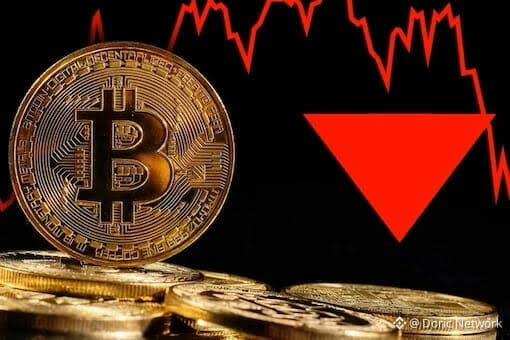
🚨 ビットコインが一服—でも上昇ラリーは本当に終わったのか? ₿📉
ビットコインは、報じられるところによると約30億ドル($3 billion)の流入によって支えられたETF主導の急騰の後、一息ついています。 💰🔥
好調な走りの後に多少冷めることは、さほど不思議ではありません。トレーダーは利確に動いている可能性があります。一方で、市場は「機関投資家の需要が次の上げ局面をけん引するだけの勢いを持っているのか」を再評価しているのです。
📊 今、重要なのは?
👉 ETFフロー — 追加の機関投資家の買いが新たな支えになる可能性。
👉 利確 — 急騰は短期的な売りを呼び込みやすい。
👉 市場心理 — 健全な調整は終了ではなく、勢いをリセットする場合がある。
👉 マクロ環境 — 金利、流動性、リスク選好は重要な材料。
💡 重要ポイント:大きなETF主導の急騰の後のビットコイン下落は、自動的に弱気の反転を意味するわけではありません。より大きな論点は、最初の熱気が冷めた後も機関投資家の資金が流れ続けるかどうかです。 👀₿
次のETFフローの数値が、これが単なる「一時停止」なのか—それともビットコインの次の大きな動きの始まりなのかを教えてくれるかもしれません。 🚀
暗号資産市場のさらなる洞察、トレンド、最新情報をフォローしてください。 📈
🔗 続きを読む:
https://cryptonews.net/33366777/?utm_source=CryptoNews&utm_medium=app&utm_campaign=shared
#Bitcoin #BTC #Crypto #BitcoinETF #CryptoNews
🚨 ビットコインが一服—でも上昇ラリーは本当に終わったのか? ₿📉
ビットコインは、報じられるところによると約30億ドル($3 billion)の流入によって支えられたETF主導の急騰の後、一息ついています。 💰🔥
好調な走りの後に多少冷めることは、さほど不思議ではありません。トレーダーは利確に動いている可能性があります。一方で、市場は「機関投資家の需要が次の上げ局面をけん引するだけの勢いを持っているのか」を再評価しているのです。
📊 今、重要なのは?
👉 ETFフロー — 追加の機関投資家の買いが新たな支えになる可能性。
👉 利確 — 急騰は短期的な売りを呼び込みやすい。
👉 市場心理 — 健全な調整は終了ではなく、勢いをリセットする場合がある。
👉 マクロ環境 — 金利、流動性、リスク選好は重要な材料。
💡 重要ポイント:大きなETF主導の急騰の後のビットコイン下落は、自動的に弱気の反転を意味するわけではありません。より大きな論点は、最初の熱気が冷めた後も機関投資家の資金が流れ続けるかどうかです。 👀₿
次のETFフローの数値が、これが単なる「一時停止」なのか—それともビットコインの次の大きな動きの始まりなのかを教えてくれるかもしれません。 🚀
暗号資産市場のさらなる洞察、トレンド、最新情報をフォローしてください。 📈
🔗 続きを読む:
https://cryptonews.net/33366777/?utm_source=CryptoNews&utm_medium=app&utm_campaign=shared
#Bitcoin #BTC #Crypto #BitcoinETF #CryptoNews
ビットコインは、報じられるところによると約30億ドル($3 billion)の流入によって支えられたETF主導の急騰の後、一息ついています。 💰🔥
好調な走りの後に多少冷めることは、さほど不思議ではありません。トレーダーは利確に動いている可能性があります。一方で、市場は「機関投資家の需要が次の上げ局面をけん引するだけの勢いを持っているのか」を再評価しているのです。
📊 今、重要なのは?
👉 ETFフロー — 追加の機関投資家の買いが新たな支えになる可能性。
👉 利確 — 急騰は短期的な売りを呼び込みやすい。
👉 市場心理 — 健全な調整は終了ではなく、勢いをリセットする場合がある。
👉 マクロ環境 — 金利、流動性、リスク選好は重要な材料。
💡 重要ポイント:大きなETF主導の急騰の後のビットコイン下落は、自動的に弱気の反転を意味するわけではありません。より大きな論点は、最初の熱気が冷めた後も機関投資家の資金が流れ続けるかどうかです。 👀₿
次のETFフローの数値が、これが単なる「一時停止」なのか—それともビットコインの次の大きな動きの始まりなのかを教えてくれるかもしれません。 🚀
暗号資産市場のさらなる洞察、トレンド、最新情報をフォローしてください。 📈
🔗 続きを読む:
https://cryptonews.net/33366777/?utm_source=CryptoNews&utm_medium=app&utm_campaign=shared
#Bitcoin #BTC #Crypto #BitcoinETF #CryptoNews
99
🚀 ビットコインは81,000ドルを“突破した”だけではありません。そこを超えて爆発しました。何が導火線に火をつけたのか。
BTCは65,000ドルを下回る水準から、3か月ぶりの高値となる81,000ドル超まで急騰しました。その背景には4つの強力な要因があります:
🏦 米国債の買い戻し(買い入れ)拡大により、市場の流動性が改善
💵 弱いドルが「デバースメント(通貨の価値下げ)取引」を呼び戻し、希少な資産へ資金が向かった
💧 金融システムの流動性が一段と高まるとの期待が、リスク選好を押し上げた
📈 スポット型ビットコインETFへの流入が約20億ドル—さらに4,000百万ドル超のショート(売り)清算が加わり、ブレイクアウトが加速
🔥 重要なポイント:今回の上昇は、ただの“過熱感”だけで起きたわけではありません。マクロの不確実性が火花を生み、機関投資家の需要が燃料を供給し、強制的なショートカバーがそれを爆発へと変えました。
では大きな疑問です:ビットコインは80,000ドル超を維持し、このブレイクアウトを持続的な強気相場の動きへ転換できるのでしょうか? 👀
暗号資産の速報、マーケットの洞察、取引アップデートをフォローしてください。
🔗 読んで共有: https://cryptonews.net/33346082/?utm_source=CryptoNews&utm_medium=app&utm_campaign=shared
#Bitcoin #BTC #CryptoNews #BitcoinETF #CryptoMarket
🚀 ビットコインは81,000ドルを“突破した”だけではありません。そこを超えて爆発しました。何が導火線に火をつけたのか。
BTCは65,000ドルを下回る水準から、3か月ぶりの高値となる81,000ドル超まで急騰しました。その背景には4つの強力な要因があります:
🏦 米国債の買い戻し(買い入れ)拡大により、市場の流動性が改善
💵 弱いドルが「デバースメント(通貨の価値下げ)取引」を呼び戻し、希少な資産へ資金が向かった
💧 金融システムの流動性が一段と高まるとの期待が、リスク選好を押し上げた
📈 スポット型ビットコインETFへの流入が約20億ドル—さらに4,000百万ドル超のショート(売り)清算が加わり、ブレイクアウトが加速
🔥 重要なポイント:今回の上昇は、ただの“過熱感”だけで起きたわけではありません。マクロの不確実性が火花を生み、機関投資家の需要が燃料を供給し、強制的なショートカバーがそれを爆発へと変えました。
では大きな疑問です:ビットコインは80,000ドル超を維持し、このブレイクアウトを持続的な強気相場の動きへ転換できるのでしょうか? 👀
暗号資産の速報、マーケットの洞察、取引アップデートをフォローしてください。
🔗 読んで共有: https://cryptonews.net/33346082/?utm_source=CryptoNews&utm_medium=app&utm_campaign=shared
#Bitcoin #BTC #CryptoNews #BitcoinETF #CryptoMarket
BTCは65,000ドルを下回る水準から、3か月ぶりの高値となる81,000ドル超まで急騰しました。その背景には4つの強力な要因があります:
🏦 米国債の買い戻し(買い入れ)拡大により、市場の流動性が改善
💵 弱いドルが「デバースメント(通貨の価値下げ)取引」を呼び戻し、希少な資産へ資金が向かった
💧 金融システムの流動性が一段と高まるとの期待が、リスク選好を押し上げた
📈 スポット型ビットコインETFへの流入が約20億ドル—さらに4,000百万ドル超のショート(売り)清算が加わり、ブレイクアウトが加速
🔥 重要なポイント:今回の上昇は、ただの“過熱感”だけで起きたわけではありません。マクロの不確実性が火花を生み、機関投資家の需要が燃料を供給し、強制的なショートカバーがそれを爆発へと変えました。
では大きな疑問です:ビットコインは80,000ドル超を維持し、このブレイクアウトを持続的な強気相場の動きへ転換できるのでしょうか? 👀
暗号資産の速報、マーケットの洞察、取引アップデートをフォローしてください。
🔗 読んで共有: https://cryptonews.net/33346082/?utm_source=CryptoNews&utm_medium=app&utm_campaign=shared
#Bitcoin #BTC #CryptoNews #BitcoinETF #CryptoMarket
98

記事
オラクルはどのようにオンチェーン上で現実データの信頼性を保つのか?分散型デジタル経済の急速な拡大により、公的ブロックチェーン台帳とオフチェーンの物理データとの間でシームレスな通信を行うための、差し迫った必要性が生まれました。ブロックチェーンは、内部取引を改ざん不能で暗号学的に安全な記録として維持する点に優れており、デジタル資産が二重払いされることや、恣意的に変更されることがないようにできます。しかし、公的ブロックチェーンのネットワークは、孤立した実行用サンドボックスとして動作しており、スマートコントラクトのコードの外に存在する現実世界を完全に認識できません。たとえば、Ethereum や Solana にデプロイされたスマートコントラクトには、ロンドンの気温を読み取ること、株式市場指数の現在の価格を確認すること、フライトの遅延を検証すること、または太平洋を越えて移動する物理的な貨物コンテナを追跡することなどを、ネイティブに行う機能はありません。
オラクルはどのようにオンチェーン上で現実データの信頼性を保つのか?
分散型デジタル経済の急速な拡大により、公的ブロックチェーン台帳とオフチェーンの物理データとの間でシームレスな通信を行うための、差し迫った必要性が生まれました。ブロックチェーンは、内部取引を改ざん不能で暗号学的に安全な記録として維持する点に優れており、デジタル資産が二重払いされることや、恣意的に変更されることがないようにできます。しかし、公的ブロックチェーンのネットワークは、孤立した実行用サンドボックスとして動作しており、スマートコントラクトのコードの外に存在する現実世界を完全に認識できません。たとえば、Ethereum や Solana にデプロイされたスマートコントラクトには、ロンドンの気温を読み取ること、株式市場指数の現在の価格を確認すること、フライトの遅延を検証すること、または太平洋を越えて移動する物理的な貨物コンテナを追跡することなどを、ネイティブに行う機能はありません。
1
163
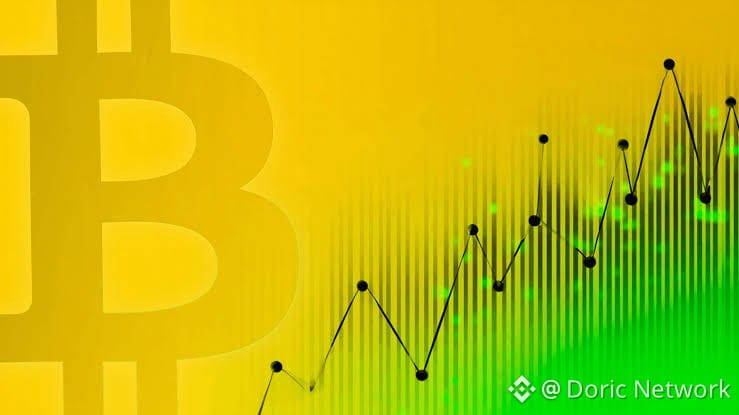
🚀 ビットコインは$180Kへ?大きなマクロの逆風がついに和らぐかもしれない。 ₿🔥
米国財務省が債券の買い戻し(バイバック)プログラムを拡大したことで、ビットコインが再び注目を集めています。これにより市場の流動性が改善し、長期金利の高止まりによる圧力がいくらか軽減される可能性があります。 📉💵
財務省は最近、一部の長期デュレーション債の買い戻しの規模を少なくとも2倍にする動きを見せ、緊張していた債券市場を落ち着かせるのに役立ちました。ビットコインは大きく反応し、投資家がリスク資産に戻ってきたことで$70,000を再び上回って上昇しました。
🎯 では、$180Kという目標はどこから来るのか?
債券市場の投資家マーク・コナーズは、財務省の買い戻しが続けば流動性の条件が改善し、ビットコインの次の主要な動きにつながるマクロ環境が形成され得る、つまり潜在的に$180,000へ向かう可能性があると指摘しています。
もう一つ心強い兆候があります。米国の現物ビットコインETFは、リバウンド局面で約5億1700万ドルの純流入を記録—3か月以上で最大の日次流入となりました。 💰📈
しかし、トレーダーは“きっかけ”を“保証”と取り違えないほうがいいでしょう。⚠️ 財務省の買い戻しは流動性のストレスを和らげる可能性がありますが、インフレ、政府債務、金利、財政赤字に関する懸念は依然として残っています。ロイターによれば、今回の介入によってそれらの根本的な圧力が解消されたわけではないとのことです。
💡 要点:
ビットコインの$180Kへの道のりは、誇大な期待だけに左右されません。財務省の利回り、グローバルな流動性、ETFのフロー、そして機関投資家の需要を注視してください。流動性が改善し続け、需要が加速するなら、BTCの次の大きな拡大はさらに面白いものになるかもしれません。 👀🚀
私たちは、ビットコインの次の大きなマクロ主導サイクルの始まりを見ているのでしょうか? ₿🔥
👉 さらにビットコイン、暗号資産市場、マクロの最新情報はこちらで。
🔗 出典:CoinDesk — 財務省の買い戻しが重要なマクロ逆風を和らげる中、ビットコインは$180Kを見据える
#Bitcoin #BTC #Crypto #BitcoinNews #CryptoMarket
🚀 ビットコインは$180Kへ?大きなマクロの逆風がついに和らぐかもしれない。 ₿🔥
米国財務省が債券の買い戻し(バイバック)プログラムを拡大したことで、ビットコインが再び注目を集めています。これにより市場の流動性が改善し、長期金利の高止まりによる圧力がいくらか軽減される可能性があります。 📉💵
財務省は最近、一部の長期デュレーション債の買い戻しの規模を少なくとも2倍にする動きを見せ、緊張していた債券市場を落ち着かせるのに役立ちました。ビットコインは大きく反応し、投資家がリスク資産に戻ってきたことで$70,000を再び上回って上昇しました。
🎯 では、$180Kという目標はどこから来るのか?
債券市場の投資家マーク・コナーズは、財務省の買い戻しが続けば流動性の条件が改善し、ビットコインの次の主要な動きにつながるマクロ環境が形成され得る、つまり潜在的に$180,000へ向かう可能性があると指摘しています。
もう一つ心強い兆候があります。米国の現物ビットコインETFは、リバウンド局面で約5億1700万ドルの純流入を記録—3か月以上で最大の日次流入となりました。 💰📈
しかし、トレーダーは“きっかけ”を“保証”と取り違えないほうがいいでしょう。⚠️ 財務省の買い戻しは流動性のストレスを和らげる可能性がありますが、インフレ、政府債務、金利、財政赤字に関する懸念は依然として残っています。ロイターによれば、今回の介入によってそれらの根本的な圧力が解消されたわけではないとのことです。
💡 要点:
ビットコインの$180Kへの道のりは、誇大な期待だけに左右されません。財務省の利回り、グローバルな流動性、ETFのフロー、そして機関投資家の需要を注視してください。流動性が改善し続け、需要が加速するなら、BTCの次の大きな拡大はさらに面白いものになるかもしれません。 👀🚀
私たちは、ビットコインの次の大きなマクロ主導サイクルの始まりを見ているのでしょうか? ₿🔥
👉 さらにビットコイン、暗号資産市場、マクロの最新情報はこちらで。
🔗 出典:CoinDesk — 財務省の買い戻しが重要なマクロ逆風を和らげる中、ビットコインは$180Kを見据える
#Bitcoin #BTC #Crypto #BitcoinNews #CryptoMarket
米国財務省が債券の買い戻し(バイバック)プログラムを拡大したことで、ビットコインが再び注目を集めています。これにより市場の流動性が改善し、長期金利の高止まりによる圧力がいくらか軽減される可能性があります。 📉💵
財務省は最近、一部の長期デュレーション債の買い戻しの規模を少なくとも2倍にする動きを見せ、緊張していた債券市場を落ち着かせるのに役立ちました。ビットコインは大きく反応し、投資家がリスク資産に戻ってきたことで$70,000を再び上回って上昇しました。
🎯 では、$180Kという目標はどこから来るのか?
債券市場の投資家マーク・コナーズは、財務省の買い戻しが続けば流動性の条件が改善し、ビットコインの次の主要な動きにつながるマクロ環境が形成され得る、つまり潜在的に$180,000へ向かう可能性があると指摘しています。
もう一つ心強い兆候があります。米国の現物ビットコインETFは、リバウンド局面で約5億1700万ドルの純流入を記録—3か月以上で最大の日次流入となりました。 💰📈
しかし、トレーダーは“きっかけ”を“保証”と取り違えないほうがいいでしょう。⚠️ 財務省の買い戻しは流動性のストレスを和らげる可能性がありますが、インフレ、政府債務、金利、財政赤字に関する懸念は依然として残っています。ロイターによれば、今回の介入によってそれらの根本的な圧力が解消されたわけではないとのことです。
💡 要点:
ビットコインの$180Kへの道のりは、誇大な期待だけに左右されません。財務省の利回り、グローバルな流動性、ETFのフロー、そして機関投資家の需要を注視してください。流動性が改善し続け、需要が加速するなら、BTCの次の大きな拡大はさらに面白いものになるかもしれません。 👀🚀
私たちは、ビットコインの次の大きなマクロ主導サイクルの始まりを見ているのでしょうか? ₿🔥
👉 さらにビットコイン、暗号資産市場、マクロの最新情報はこちらで。
🔗 出典:CoinDesk — 財務省の買い戻しが重要なマクロ逆風を和らげる中、ビットコインは$180Kを見据える
#Bitcoin #BTC #Crypto #BitcoinNews #CryptoMarket
1
82
🚨 ビットコインが強力な市場シグナルを送った — その理由と重要性
米国財務省が長期の国債買い戻しプログラムの拡大を発表したことで利回りが低下し、市場心理が改善。その結果、ビットコインは8.7%急騰しました。
大きなポイントは、値動きそのものだけではありません。暗号資産とグローバルな流動性のつながりです。
債券利回りが下がり、金融環境が緩和されると、投資家はビットコインのようなリスク資産に目を向けることがよくあります。この上昇は、BTCが暗号資産固有のニュースだけでなく、マクロの変化にもますます敏感になっていることを示しています。
📈 重要な要点:ビットコインのトレーダーは、流動性・金利・ドルの動きを注意深く見るべきです。次の大きな値動きは、誇大宣伝よりも、この市場環境の変化が続くかどうかに左右されるかもしれません。
暗号資産市場は、マクロのトレンドを理解することで大きな優位性を生み出せる局面に入っています。
詳細な暗号資産インサイト、市場アップデート、そして重要なシグナルをフォローしてください。🚀
出典: https://cryptonews.net/33321947/
#Bitcoin #CryptoMarket #BTC #CryptoNews #Altcoins
🚨 ビットコインが強力な市場シグナルを送った — その理由と重要性
米国財務省が長期の国債買い戻しプログラムの拡大を発表したことで利回りが低下し、市場心理が改善。その結果、ビットコインは8.7%急騰しました。
大きなポイントは、値動きそのものだけではありません。暗号資産とグローバルな流動性のつながりです。
債券利回りが下がり、金融環境が緩和されると、投資家はビットコインのようなリスク資産に目を向けることがよくあります。この上昇は、BTCが暗号資産固有のニュースだけでなく、マクロの変化にもますます敏感になっていることを示しています。
📈 重要な要点:ビットコインのトレーダーは、流動性・金利・ドルの動きを注意深く見るべきです。次の大きな値動きは、誇大宣伝よりも、この市場環境の変化が続くかどうかに左右されるかもしれません。
暗号資産市場は、マクロのトレンドを理解することで大きな優位性を生み出せる局面に入っています。
詳細な暗号資産インサイト、市場アップデート、そして重要なシグナルをフォローしてください。🚀
出典: https://cryptonews.net/33321947/
#Bitcoin #CryptoMarket #BTC #CryptoNews #Altcoins
米国財務省が長期の国債買い戻しプログラムの拡大を発表したことで利回りが低下し、市場心理が改善。その結果、ビットコインは8.7%急騰しました。
大きなポイントは、値動きそのものだけではありません。暗号資産とグローバルな流動性のつながりです。
債券利回りが下がり、金融環境が緩和されると、投資家はビットコインのようなリスク資産に目を向けることがよくあります。この上昇は、BTCが暗号資産固有のニュースだけでなく、マクロの変化にもますます敏感になっていることを示しています。
📈 重要な要点:ビットコインのトレーダーは、流動性・金利・ドルの動きを注意深く見るべきです。次の大きな値動きは、誇大宣伝よりも、この市場環境の変化が続くかどうかに左右されるかもしれません。
暗号資産市場は、マクロのトレンドを理解することで大きな優位性を生み出せる局面に入っています。
詳細な暗号資産インサイト、市場アップデート、そして重要なシグナルをフォローしてください。🚀
出典: https://cryptonews.net/33321947/
#Bitcoin #CryptoMarket #BTC #CryptoNews #Altcoins
88
🚨 TikTokがDMを決済レールに変えようとしているかもしれない — そして暗号資産トレーダーは注目すべきです。💸📱
TikTokの米国向けiPhoneアプリ内で見つかったコードによると、メッセージを通じてユーザーが直接お金を送受信できる、潜在的なP2P決済機能の可能性が示唆されています。受取側は「タップして承認する」だけで支払いを受けられるかもしれません。👀
TikTokは、この機能は現在テスト中ではないとしています。つまりまだ初期段階ですが、より大きな潮流は無視できません。
🔥 SNSと決済が急速に収束しています。
何十億ものユーザーが、メッセージを送るのと同じくらい簡単にお金を送れるようになれば、次の論点となるバトルフィールドはステーブルコイン、トークン化された資産、そして暗号資産を活用した決済かもしれません。🌐🪙
💡 市場の要点:暗号資産の普及は、人々がビットコインを買うことから始まるとは限りません。デジタルマネーが「見えなく」なり、瞬時になり、毎日すでに使っているアプリに組み込まれたときに始まるのかもしれません。
今日のTikTok。明日のステーブルコイン?👀🚀
暗号資産の市場トレンド、普及の兆し、そして最新の重要アップデートはフォローで。🔔
🔗 出典 / Easy Share:https://cryptonews.net/33317255/?utm_source=CryptoNews&utm_medium=app&utm_campaign=shared
#CryptoNews #Bitcoin #Stablecoins #Web3 #Crypto
🚨 TikTokがDMを決済レールに変えようとしているかもしれない — そして暗号資産トレーダーは注目すべきです。💸📱
TikTokの米国向けiPhoneアプリ内で見つかったコードによると、メッセージを通じてユーザーが直接お金を送受信できる、潜在的なP2P決済機能の可能性が示唆されています。受取側は「タップして承認する」だけで支払いを受けられるかもしれません。👀
TikTokは、この機能は現在テスト中ではないとしています。つまりまだ初期段階ですが、より大きな潮流は無視できません。
🔥 SNSと決済が急速に収束しています。
何十億ものユーザーが、メッセージを送るのと同じくらい簡単にお金を送れるようになれば、次の論点となるバトルフィールドはステーブルコイン、トークン化された資産、そして暗号資産を活用した決済かもしれません。🌐🪙
💡 市場の要点:暗号資産の普及は、人々がビットコインを買うことから始まるとは限りません。デジタルマネーが「見えなく」なり、瞬時になり、毎日すでに使っているアプリに組み込まれたときに始まるのかもしれません。
今日のTikTok。明日のステーブルコイン?👀🚀
暗号資産の市場トレンド、普及の兆し、そして最新の重要アップデートはフォローで。🔔
🔗 出典 / Easy Share:https://cryptonews.net/33317255/?utm_source=CryptoNews&utm_medium=app&utm_campaign=shared
#CryptoNews #Bitcoin #Stablecoins #Web3 #Crypto
TikTokの米国向けiPhoneアプリ内で見つかったコードによると、メッセージを通じてユーザーが直接お金を送受信できる、潜在的なP2P決済機能の可能性が示唆されています。受取側は「タップして承認する」だけで支払いを受けられるかもしれません。👀
TikTokは、この機能は現在テスト中ではないとしています。つまりまだ初期段階ですが、より大きな潮流は無視できません。
🔥 SNSと決済が急速に収束しています。
何十億ものユーザーが、メッセージを送るのと同じくらい簡単にお金を送れるようになれば、次の論点となるバトルフィールドはステーブルコイン、トークン化された資産、そして暗号資産を活用した決済かもしれません。🌐🪙
💡 市場の要点:暗号資産の普及は、人々がビットコインを買うことから始まるとは限りません。デジタルマネーが「見えなく」なり、瞬時になり、毎日すでに使っているアプリに組み込まれたときに始まるのかもしれません。
今日のTikTok。明日のステーブルコイン?👀🚀
暗号資産の市場トレンド、普及の兆し、そして最新の重要アップデートはフォローで。🔔
🔗 出典 / Easy Share:https://cryptonews.net/33317255/?utm_source=CryptoNews&utm_medium=app&utm_campaign=shared
#CryptoNews #Bitcoin #Stablecoins #Web3 #Crypto

1
78
ログインして、さらにコンテンツを読む
厳選トピックで世界の暗号資産トレーダーの仲間入り
⚡️ 暗号資産に関する最新かつ有益な情報が見つかります。
💬 世界最大の暗号資産取引所から信頼されています。
👍 認証を受けたクリエイターから、有益なインサイトを得られます。
メール / 電話番号
トレンドトピック
CPIWatch
閲覧回数 87.1M
503,244人が討論中
トレンドハッシュタグキャンペーンでシェア&ウィンしてトラフィック報酬を獲得
✨トピック:CPIが利上げの引き金になる?
👉参加方法:
ハッシュタグ #CPIWatch を付けて短い投稿または記事を公開
以下の2つの切り口に基づいてコンテンツを作成:
- 雇用統計(非農業部門雇用者数)が予想を上回り、CPIの発表も間近。FRBは利上げすると思いますか?それとも据え置き?
- 強気(ブル)か弱気(ベア)か?あなたの見解を共有し、取引共有ウィジェットを使って保有している株やゴールドの取引/保有状況を見せてください。
🚀キャンペーン期間:
- 2026-09-11 3:00 - 2026-09-12 9:00(UTC)
🎁報酬:
- 上記のガイドラインを遵守し、100語以上を含む条件を満たした投稿は審査され、抽選で500〜3,000ビューのランダムなトラフィック増加が付与される場合があります。投稿が選ばれた場合、フィード担当秘書から通知が届きます。
- Binance Square公式で記事が掲載されるチャンス
投稿のアイデアが必要ですか?トピックページ #CPIWatch または Square Guide on How to Post for Better Reach にアクセスしてください。
Binance Square Official
·いいね:575件
·閲覧回数 1.5M
EtherRalliesAsBearishBetsLiquidate
閲覧回数 377
43人が討論中
EthereumHits$2600FirstTimeInSevenMonths
閲覧回数 408
8人が討論中