
dev_coder
42 投稿

dev_coder
報告
ユーザーをブロック
Crypto content create & Love code. Profession Android App Developer & Web Developer
取引を発注
低高頻度トレーダー
4年
12 フォロー
35 フォロワー
58 いいね
投稿
ポートフォリオ
すべて
引用
·
--
id:505495985
私はすべてのバイナンストレードに助けを求めています。誰か私に少しドルを寄付してくれませんか?私には大いに助けになります。
id:505495985
私はすべてのバイナンストレードに助けを求めています。誰か私に少しドルを寄付してくれませんか?私には大いに助けになります。
私はすべてのバイナンストレードに助けを求めています。誰か私に少しドルを寄付してくれませんか?私には大いに助けになります。
1
34
·
--
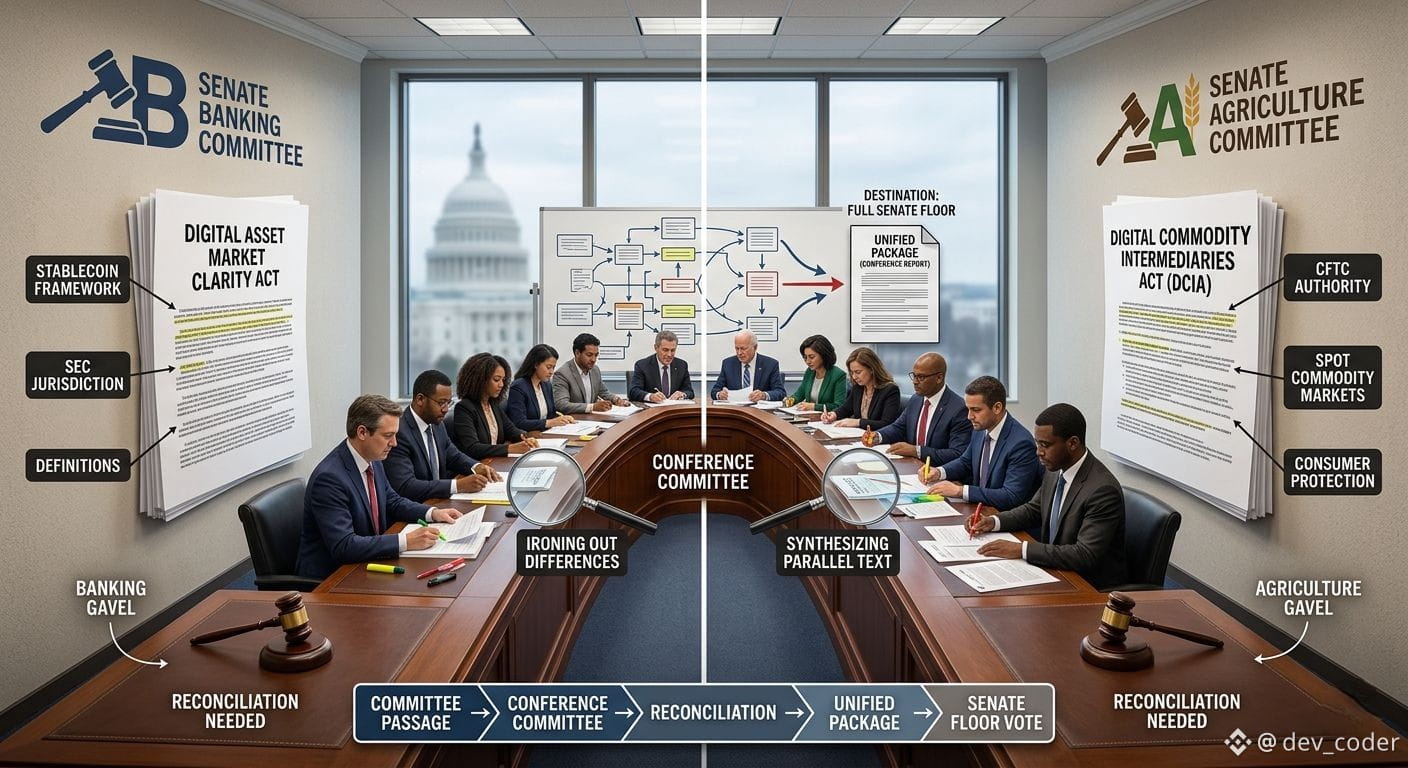
銀行委員会のバージョンは、上院農業委員会からの平行する暗号市場法案と無事に調整される必要があります。統一されたパッケージが市場に出る前に。$XRP $BNB #SPCXxIPOCampaignOnBinanceWallet
銀行委員会のバージョンは、上院農業委員会からの平行する暗号市場法案と無事に調整される必要があります。統一されたパッケージが市場に出る前に。$XRP $BNB #SPCXxIPOCampaignOnBinanceWallet
1
248
·
--
$ETH
イーサリアム (ETH) は最近急激な下落圧力を受けており、6月の初めから約16.5%の下落を記録しています。$2,000を超えていた価格から$1,524近くまで落ち込み、その後$1,670 USD(約205,400 BDT)あたりで少し安定しています。
2026年の全体像を見てみると、先進的なスポットイーサリアムETF—例えばiShares Ethereum Trust (ETHA)—は、年初来で約46%から47%の価値を失っています。
$ETH
イーサリアム (ETH) は最近急激な下落圧力を受けており、6月の初めから約16.5%の下落を記録しています。$2,000を超えていた価格から$1,524近くまで落ち込み、その後$1,670 USD(約205,400 BDT)あたりで少し安定しています。
2026年の全体像を見てみると、先進的なスポットイーサリアムETF—例えばiShares Ethereum Trust (ETHA)—は、年初来で約46%から47%の価値を失っています。
イーサリアム (ETH) は最近急激な下落圧力を受けており、6月の初めから約16.5%の下落を記録しています。$2,000を超えていた価格から$1,524近くまで落ち込み、その後$1,670 USD(約205,400 BDT)あたりで少し安定しています。
2026年の全体像を見てみると、先進的なスポットイーサリアムETF—例えばiShares Ethereum Trust (ETHA)—は、年初来で約46%から47%の価値を失っています。
1
96
·
--
$ETH $XRP
XRP:XRPレジャー上で動作し、独自のコンセンサスプロトコルを使用しています。独立した信頼できるバリデーターノードのネットワークがトランザクションをレビューし、3〜5秒ごとに合意に達します。マイニングが関与していないため、ほぼ瞬時に決済され、基本的なメールサーバーを運用するよりも少ない電力を必要とします。
$ETH $XRP
XRP:XRPレジャー上で動作し、独自のコンセンサスプロトコルを使用しています。独立した信頼できるバリデーターノードのネットワークがトランザクションをレビューし、3〜5秒ごとに合意に達します。マイニングが関与していないため、ほぼ瞬時に決済され、基本的なメールサーバーを運用するよりも少ない電力を必要とします。
XRP:XRPレジャー上で動作し、独自のコンセンサスプロトコルを使用しています。独立した信頼できるバリデーターノードのネットワークがトランザクションをレビューし、3〜5秒ごとに合意に達します。マイニングが関与していないため、ほぼ瞬時に決済され、基本的なメールサーバーを運用するよりも少ない電力を必要とします。
1
120
·
--
私は個人の貯蓄を積み上げていて、長期的な成長のためにアメリカ市場に多様化する方法を探しています。テクノロジーセクターに偏っているので、そこへのエクスポージャーを求めていますが、少しジレンマに直面しています。個別のハイグローステク株に投資するのと、QQQやXLKのような広範なセクターETFを保持するのとで、どうバランスを取るべきでしょうか?個別企業のファンダメンタルを深く分析して、分散ファンドに対する追加リスクを正当化するのが難しくなることがよくあります。忙しい日常を管理している人にとって、ETFよりも単一の米国株を選ぶべき時を決める戦略は何ですか? #MyStocksQue
私は個人の貯蓄を積み上げていて、長期的な成長のためにアメリカ市場に多様化する方法を探しています。テクノロジーセクターに偏っているので、そこへのエクスポージャーを求めていますが、少しジレンマに直面しています。個別のハイグローステク株に投資するのと、QQQやXLKのような広範なセクターETFを保持するのとで、どうバランスを取るべきでしょうか?個別企業のファンダメンタルを深く分析して、分散ファンドに対する追加リスクを正当化するのが難しくなることがよくあります。忙しい日常を管理している人にとって、ETFよりも単一の米国株を選ぶべき時を決める戦略は何ですか? #MyStocksQue
1
188
·
--
アメリカの株ポートフォリオを構築しようとして、主要な市場トレンドやセクターのモメンタムを追いかけているんだけど、エントリーのタイミングを取るのが難しいんだ。特定のセクターが盛り上がるたびに、その動きをすべてキャッチするために専門的なETFを買うべきか、それともそのグループの中で一番パフォーマンスが良い株を探すべきか決めかねている。いつもラリーが始まった後に躊躇して買ってしまうんだ。アメリカのトレンドセクターをETFでプレイするのが安全か、トップウェイテッドな個別株でプレイするのが安全かをどうやって評価するの? #MyStocksQuestion
アメリカの株ポートフォリオを構築しようとして、主要な市場トレンドやセクターのモメンタムを追いかけているんだけど、エントリーのタイミングを取るのが難しいんだ。特定のセクターが盛り上がるたびに、その動きをすべてキャッチするために専門的なETFを買うべきか、それともそのグループの中で一番パフォーマンスが良い株を探すべきか決めかねている。いつもラリーが始まった後に躊躇して買ってしまうんだ。アメリカのトレンドセクターをETFでプレイするのが安全か、トップウェイテッドな個別株でプレイするのが安全かをどうやって評価するの? #MyStocksQuestion
2
327
·
--
市場を狙うのに疲れましたか?代わりにこれを試してみてください 📉📈絶対的な底で買って、正確なトップで売るのは、ストレスの多い推測ゲームです—プロでもそうです。そこでドルコスト平均法(DCA)が登場します。
どのように機能するのか:
一度に$1,000を投資する代わりに、価格に関係なく毎週または毎月固定額(例えば$50)を投資します。
なぜこれが機能するのか:
感情的な意思決定を排除します。
価格が低いときに自動的に多く買い、価格が高いときには少なくなります。
長期的に市場のボラティリティを平滑化します。
あなたはチームDCAですか、それともチーム一括投資ですか?教えてください!
市場を狙うのに疲れましたか?代わりにこれを試してみてください 📉📈
絶対的な底で買って、正確なトップで売るのは、ストレスの多い推測ゲームです—プロでもそうです。そこでドルコスト平均法(DCA)が登場します。
どのように機能するのか:
一度に$1,000を投資する代わりに、価格に関係なく毎週または毎月固定額(例えば$50)を投資します。
なぜこれが機能するのか:
感情的な意思決定を排除します。
価格が低いときに自動的に多く買い、価格が高いときには少なくなります。
長期的に市場のボラティリティを平滑化します。
あなたはチームDCAですか、それともチーム一括投資ですか?教えてください!
どのように機能するのか:
一度に$1,000を投資する代わりに、価格に関係なく毎週または毎月固定額(例えば$50)を投資します。
なぜこれが機能するのか:
感情的な意思決定を排除します。
価格が低いときに自動的に多く買い、価格が高いときには少なくなります。
長期的に市場のボラティリティを平滑化します。
あなたはチームDCAですか、それともチーム一括投資ですか?教えてください!
165
·
--
#genius $GENIUS
10個のタブを切り替えたり、ブリッジを使ったり、無限のウォレット承認をするのに疲れたら、@GeniusOfficialをチェックしてみて。スポット、パーペチュアル、そしてイールドを一つのターミナルに統合しているんだ。署名なしのトレーディングとチェーンに見えない実行で、ユーザー体験はシームレス。$GENIUSには大きな未来が待ってるよ。#genius
#genius $GENIUS
10個のタブを切り替えたり、ブリッジを使ったり、無限のウォレット承認をするのに疲れたら、@GeniusOfficialをチェックしてみて。スポット、パーペチュアル、そしてイールドを一つのターミナルに統合しているんだ。署名なしのトレーディングとチェーンに見えない実行で、ユーザー体験はシームレス。$GENIUS には大きな未来が待ってるよ。#genius
10個のタブを切り替えたり、ブリッジを使ったり、無限のウォレット承認をするのに疲れたら、@GeniusOfficialをチェックしてみて。スポット、パーペチュアル、そしてイールドを一つのターミナルに統合しているんだ。署名なしのトレーディングとチェーンに見えない実行で、ユーザー体験はシームレス。$GENIUS には大きな未来が待ってるよ。#genius
114
·
--
記事
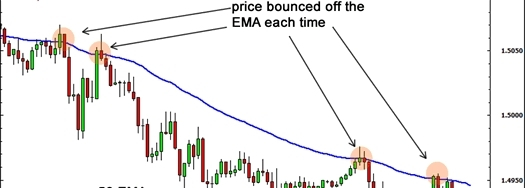
移動平均を「ダイナミック」サポート&レジスタンスとして標準ラインは静的(固定価格)である一方、移動平均(MAs)はトレンドに従って動くまたはシフトする境界として機能する。
暗号トレーディングでは、デイリーまたは4時間チャートで最も重要な移動平均は3つ:20 EMA(短期モメンタム用)、50 EMA(中期用)、200 SMA(マクロなライン)。
上のチャートで価格が移動平均線とどのように相互作用するかを見てみてください:
1. ダイナミックレジスタンス:ダウントレンド中に価格が移動平均線に触れるまで反発するが、常に下に拒否される(天井として機能する)。
移動平均を「ダイナミック」サポート&レジスタンスとして
標準ラインは静的(固定価格)である一方、移動平均(MAs)はトレンドに従って動くまたはシフトする境界として機能する。
暗号トレーディングでは、デイリーまたは4時間チャートで最も重要な移動平均は3つ:20 EMA(短期モメンタム用)、50 EMA(中期用)、200 SMA(マクロなライン)。
上のチャートで価格が移動平均線とどのように相互作用するかを見てみてください:
1. ダイナミックレジスタンス:ダウントレンド中に価格が移動平均線に触れるまで反発するが、常に下に拒否される(天井として機能する)。
暗号トレーディングでは、デイリーまたは4時間チャートで最も重要な移動平均は3つ:20 EMA(短期モメンタム用)、50 EMA(中期用)、200 SMA(マクロなライン)。
上のチャートで価格が移動平均線とどのように相互作用するかを見てみてください:
1. ダイナミックレジスタンス:ダウントレンド中に価格が移動平均線に触れるまで反発するが、常に下に拒否される(天井として機能する)。
1
44
·
--
#Binance
境界を見極める:サポートとレジスタンス
トレードを開始する前に、価格が反発している場所を特定する必要があります。レンジは、2つの重要なレベルから成り立っています:
サポート(フロア):購入意欲が売り圧力を上回る強い価格レベルで、資産が再び反発する原因となります。
レジスタンス(天井):売り圧力が購入意欲を上回る価格レベルで、$BTC 価格が再び下がる原因となります。
#BinanceSquareTalks #BinanceSquareFamily
#Binance
境界を見極める:サポートとレジスタンス
トレードを開始する前に、価格が反発している場所を特定する必要があります。レンジは、2つの重要なレベルから成り立っています:
サポート(フロア):購入意欲が売り圧力を上回る強い価格レベルで、資産が再び反発する原因となります。
レジスタンス(天井):売り圧力が購入意欲を上回る価格レベルで、$BTC 価格が再び下がる原因となります。
#BinanceSquareTalks #BinanceSquareFamily
境界を見極める:サポートとレジスタンス
トレードを開始する前に、価格が反発している場所を特定する必要があります。レンジは、2つの重要なレベルから成り立っています:
サポート(フロア):購入意欲が売り圧力を上回る強い価格レベルで、資産が再び反発する原因となります。
レジスタンス(天井):売り圧力が購入意欲を上回る価格レベルで、$BTC 価格が再び下がる原因となります。
#BinanceSquareTalks #BinanceSquareFamily
1
48
·
--
構造的なサポートは、サイクルがシフトすると同じくらい速く崩れることがあります。
$SOL はピーク時に上の$257ターゲットを無事にクリアしましたが、今の現実は数年の計画がいかにボラティリティに富むかを示しています。実際、2026年の予想レンジの下限($85.17)をクリーンに割り込み、現在#solana が$65から$68ゾーンでサポートを争っています。
いくつかの重要な要因がこの即時の圧力を引き起こし、長期的なテストを行っています。
$SOL #SolanaUSTD #BinanceMegadrop
#BinanceSquareFamily
{future}(SOLUSDT)
構造的なサポートは、サイクルがシフトすると同じくらい速く崩れることがあります。
$SOL はピーク時に上の$257ターゲットを無事にクリアしましたが、今の現実は数年の計画がいかにボラティリティに富むかを示しています。実際、2026年の予想レンジの下限($85.17)をクリーンに割り込み、現在#solana が$65から$68ゾーンでサポートを争っています。
いくつかの重要な要因がこの即時の圧力を引き起こし、長期的なテストを行っています。
$SOL #SolanaUSTD #BinanceMegadrop
#BinanceSquareFamily
$SOL はピーク時に上の$257ターゲットを無事にクリアしましたが、今の現実は数年の計画がいかにボラティリティに富むかを示しています。実際、2026年の予想レンジの下限($85.17)をクリーンに割り込み、現在#solana が$65から$68ゾーンでサポートを争っています。
いくつかの重要な要因がこの即時の圧力を引き起こし、長期的なテストを行っています。
$SOL #SolanaUSTD #BinanceMegadrop
#BinanceSquareFamily
3
207
·
--
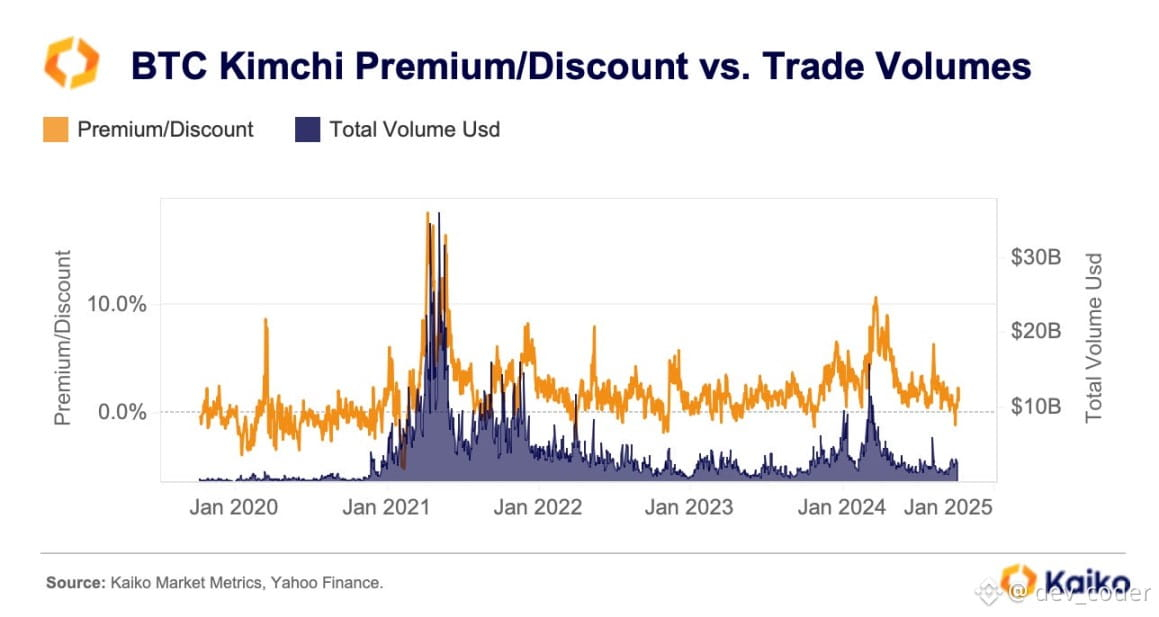
キムチプレミアムは、基本的にローカライズされた価格ギャップです。これは、韓国の取引所(UpbitやBithumbなど)で仮想通貨が、BinanceやCoinbaseなどの国際的なプラットフォームに比べて明らかに高い価格で取引されるときに発生します。
なぜこれが起こるのか、そしてなぜ#Xrp🔥🔥 が激しいボラティリティにさらされるのかを理解するには、このプレミアムが取引活動にどれだけ密接に結びついているかを見ると役立ちます。
$XRP
{future}(XRPUSDT)
Kaikoの歴史的データから示されているように、取引量が大幅に増加すると、国内と国際の価格のギャップが劇的に広がります。その特定のチャートはビットコインを追跡していますが、同じ構造的および心理的な力が#XRPUSDT🚨 にも適用されることが多く、しばしばはるかに高い速度で動きます。
ここに、このメカニズムが#Xrp🔥🔥 の価格変動をどのように引き起こすかの正確な内訳があります。
#BTC
#USDT🔥🔥🔥
キムチプレミアムは、基本的にローカライズされた価格ギャップです。これは、韓国の取引所(UpbitやBithumbなど)で仮想通貨が、BinanceやCoinbaseなどの国際的なプラットフォームに比べて明らかに高い価格で取引されるときに発生します。
なぜこれが起こるのか、そしてなぜ#Xrp🔥🔥 が激しいボラティリティにさらされるのかを理解するには、このプレミアムが取引活動にどれだけ密接に結びついているかを見ると役立ちます。
$XRP
Kaikoの歴史的データから示されているように、取引量が大幅に増加すると、国内と国際の価格のギャップが劇的に広がります。その特定のチャートはビットコインを追跡していますが、同じ構造的および心理的な力が#XRPUSDT🚨 にも適用されることが多く、しばしばはるかに高い速度で動きます。
ここに、このメカニズムが#Xrp🔥🔥 の価格変動をどのように引き起こすかの正確な内訳があります。
#BTC
#USDT🔥🔥🔥
なぜこれが起こるのか、そしてなぜ#Xrp🔥🔥 が激しいボラティリティにさらされるのかを理解するには、このプレミアムが取引活動にどれだけ密接に結びついているかを見ると役立ちます。
$XRP
Kaikoの歴史的データから示されているように、取引量が大幅に増加すると、国内と国際の価格のギャップが劇的に広がります。その特定のチャートはビットコインを追跡していますが、同じ構造的および心理的な力が#XRPUSDT🚨 にも適用されることが多く、しばしばはるかに高い速度で動きます。
ここに、このメカニズムが#Xrp🔥🔥 の価格変動をどのように引き起こすかの正確な内訳があります。
#BTC
#USDT🔥🔥🔥
1
170
·
--
#BTC走势分析
私たちは主要な構造的ピボットポイントの真っ只中にいます。もし$60,000が保持されれば、これはリリーフラリーのための教科書的な蓄積ゾーンです。もし高いボリュームでクリーンに割れると、次の主要な歴史的公正価値ギャップは$50,000〜$55,000に近いです。
{future}(BTCUSDT)
$60,000のサポートレベルに入札していますか、それともより深いキャピテュレーションのドロップを待って現金を温存していますか?
👇 上のライブ価格チャートウィジェットをクリックしてオーダーブックの深さを監視し、買いの壁が積み上がり始めているかを確認してください。
#Bitcoin❗ #BTC #CryptoMystery #TechnicalAnalysis
#BTC走势分析
私たちは主要な構造的ピボットポイントの真っ只中にいます。もし$60,000が保持されれば、これはリリーフラリーのための教科書的な蓄積ゾーンです。もし高いボリュームでクリーンに割れると、次の主要な歴史的公正価値ギャップは$50,000〜$55,000に近いです。
$60,000のサポートレベルに入札していますか、それともより深いキャピテュレーションのドロップを待って現金を温存していますか?
👇 上のライブ価格チャートウィジェットをクリックしてオーダーブックの深さを監視し、買いの壁が積み上がり始めているかを確認してください。
#Bitcoin❗ #BTC #CryptoMystery #TechnicalAnalysis
私たちは主要な構造的ピボットポイントの真っ只中にいます。もし$60,000が保持されれば、これはリリーフラリーのための教科書的な蓄積ゾーンです。もし高いボリュームでクリーンに割れると、次の主要な歴史的公正価値ギャップは$50,000〜$55,000に近いです。
$60,000のサポートレベルに入札していますか、それともより深いキャピテュレーションのドロップを待って現金を温存していますか?
👇 上のライブ価格チャートウィジェットをクリックしてオーダーブックの深さを監視し、買いの壁が積み上がり始めているかを確認してください。
#Bitcoin❗ #BTC #CryptoMystery #TechnicalAnalysis
1
191
·
--
ブリッシュ
#MyStocksQuestion
🚨 今週ビットコインETFから14億ドル以上が流出しました。底値は入ったのでしょうか?
ほとんどの個人トレーダーは最近のフラッシュにパニック売りしていますが、賢いお金はある特定のインジケーターに注目しています。ここで盲目的に買ったりショートしたりしていると、危険なゲームをしていることになります。ハードデータを見てみましょう。
#bitcoin $BTC
#MyStocksQuestion
🚨 今週ビットコインETFから14億ドル以上が流出しました。底値は入ったのでしょうか?
ほとんどの個人トレーダーは最近のフラッシュにパニック売りしていますが、賢いお金はある特定のインジケーターに注目しています。ここで盲目的に買ったりショートしたりしていると、危険なゲームをしていることになります。ハードデータを見てみましょう。
#bitcoin $BTC
🚨 今週ビットコインETFから14億ドル以上が流出しました。底値は入ったのでしょうか?
ほとんどの個人トレーダーは最近のフラッシュにパニック売りしていますが、賢いお金はある特定のインジケーターに注目しています。ここで盲目的に買ったりショートしたりしていると、危険なゲームをしていることになります。ハードデータを見てみましょう。
#bitcoin $BTC
2
196
·
--
#genius $GENIUS
騒音と常時監視に取り憑かれた市場では、戦略的な裁量が全てです。@GeniusOfficialは、混乱を切り裂くプライベートで最終的なオンチェーンターミナルを構築しています。単なるハイプではなく、明確で気を散らさない実行と真のユーザーコントロールを優先するプロジェクトを見るのは新鮮です。$GENIUSに注目しています。#genius
#genius $GENIUS
騒音と常時監視に取り憑かれた市場では、戦略的な裁量が全てです。@GeniusOfficialは、混乱を切り裂くプライベートで最終的なオンチェーンターミナルを構築しています。単なるハイプではなく、明確で気を散らさない実行と真のユーザーコントロールを優先するプロジェクトを見るのは新鮮です。$GENIUS に注目しています。#genius
騒音と常時監視に取り憑かれた市場では、戦略的な裁量が全てです。@GeniusOfficialは、混乱を切り裂くプライベートで最終的なオンチェーンターミナルを構築しています。単なるハイプではなく、明確で気を散らさない実行と真のユーザーコントロールを優先するプロジェクトを見るのは新鮮です。$GENIUS に注目しています。#genius
2
1
73
·
--
#MyStocksQuestion
トレンドを特定する: 指数移動平均 (EMA 20, 50, 200) を使って市場の方向性を瞬時に検出します。価格が200 EMAの上にきれいにある場合は、買い/ロングの機会を探し、下にある場合はショートや蓄積ゾーンを探します。
{spot}(BTCUSDT)
#MyStocksQuestion
トレンドを特定する: 指数移動平均 (EMA 20, 50, 200) を使って市場の方向性を瞬時に検出します。価格が200 EMAの上にきれいにある場合は、買い/ロングの機会を探し、下にある場合はショートや蓄積ゾーンを探します。
トレンドを特定する: 指数移動平均 (EMA 20, 50, 200) を使って市場の方向性を瞬時に検出します。価格が200 EMAの上にきれいにある場合は、買い/ロングの機会を探し、下にある場合はショートや蓄積ゾーンを探します。
1
168
·
--
ブリッシュ
1
110
·
--
#MtGoxRepayments #BinanceLaunchpoolDOGS
最も有名な暗号通貨取引所である Binance は、BNB と FDUSD によるファーミングを備えた Dogs (DOGS) ミーム コインの Launchpool を立ち上げました。$DOGE
Binance は最新のアップデートで、Telegram コミュニティに結び付けられ、TON ブロックチェーンに根ざしたミーム コインである Dogs (DOGS) を Binance Launchpool の 57 番目のプロジェクトとして導入する計画を明らかにしました。
{spot}(DOGEUSDT)
#MtGoxRepayments #BinanceLaunchpoolDOGS
最も有名な暗号通貨取引所である Binance は、BNB と FDUSD によるファーミングを備えた Dogs (DOGS) ミーム コインの Launchpool を立ち上げました。$DOGE
Binance は最新のアップデートで、Telegram コミュニティに結び付けられ、TON ブロックチェーンに根ざしたミーム コインである Dogs (DOGS) を Binance Launchpool の 57 番目のプロジェクトとして導入する計画を明らかにしました。
最も有名な暗号通貨取引所である Binance は、BNB と FDUSD によるファーミングを備えた Dogs (DOGS) ミーム コインの Launchpool を立ち上げました。$DOGE
Binance は最新のアップデートで、Telegram コミュニティに結び付けられ、TON ブロックチェーンに根ざしたミーム コインである Dogs (DOGS) を Binance Launchpool の 57 番目のプロジェクトとして導入する計画を明らかにしました。
1
·
--
こんにちは、親愛なる読者の皆さん。今日は、何日も経ってから、BNB コインで最大 100 ドルの Binance ギフトについてお知らせします。私はすでに取引所で 4.3 ドル相当の BNB を無料で受け取り、それを使って 202 TRON (TRX) コインを購入しました。
ギフト カードに参加して参加するのはとても簡単です。Binance アカウントを作成し、アカウント >> マイ ギフト >> 無料ギフトを請求をクリックするだけです。そして、ブーム!!
$BNB $TRX #BinanceTurns7
こんにちは、親愛なる読者の皆さん。今日は、何日も経ってから、BNB コインで最大 100 ドルの Binance ギフトについてお知らせします。私はすでに取引所で 4.3 ドル相当の BNB を無料で受け取り、それを使って 202 TRON (TRX) コインを購入しました。
ギフト カードに参加して参加するのはとても簡単です。Binance アカウントを作成し、アカウント >> マイ ギフト >> 無料ギフトを請求をクリックするだけです。そして、ブーム!!
$BNB $TRX #BinanceTurns7
ギフト カードに参加して参加するのはとても簡単です。Binance アカウントを作成し、アカウント >> マイ ギフト >> 無料ギフトを請求をクリックするだけです。そして、ブーム!!
$BNB $TRX #BinanceTurns7

2
2
ログインして、さらにコンテンツを読む
厳選トピックで世界の暗号資産トレーダーの仲間入り
⚡️ 暗号資産に関する最新かつ有益な情報が見つかります。
💬 世界最大の暗号資産取引所から信頼されています。
👍 認証を受けたクリエイターから、有益なインサイトを得られます。
メール / 電話番号
トレンドトピック
AnthropicCEOCallsForAISlowdown
閲覧回数 7,603
194人が討論中
#AnthropicCEOCallsForAISlowdown Anthropic CEO、AIのスローダウンを呼びかけ
AIレースは信じられない速さで進んでいますが、AnthropicのCEOは、より慎重なアプローチを求めています。🤖⚠️
メッセージはシンプルです。革新は安全の犠牲にしてはならないということです。AIモデルがより強力になるにつれ、企業は限界をさらに押し広げる前に、より強いテスト、セーフガード、そして責任ある導入が必要になるかもしれません。
AIは産業、マーケット、そして日常生活を変えられます——しかし開発が速まるほど、責任ある開発の重要性は増します。🌍🧠$LSK
$VOD.US
Crypto_With_Kinza
·いいね:0件
·閲覧回数 6
AnthropicChoosesNasdaqForPotentialIPO
閲覧回数 0
12人が討論中
SECReceivesGrayscaleLitecoinTrustETFFiling
閲覧回数 120,852
1,732人が討論中