

Notorious_Analyst
183 投稿

Notorious_Analyst
報告
ユーザーをブロック
Crypto Alpha!! Sharing Experience.
高頻度トレーダー
5.2年
148 フォロー
7.7K+ フォロワー
421 いいね
投稿
PINNED
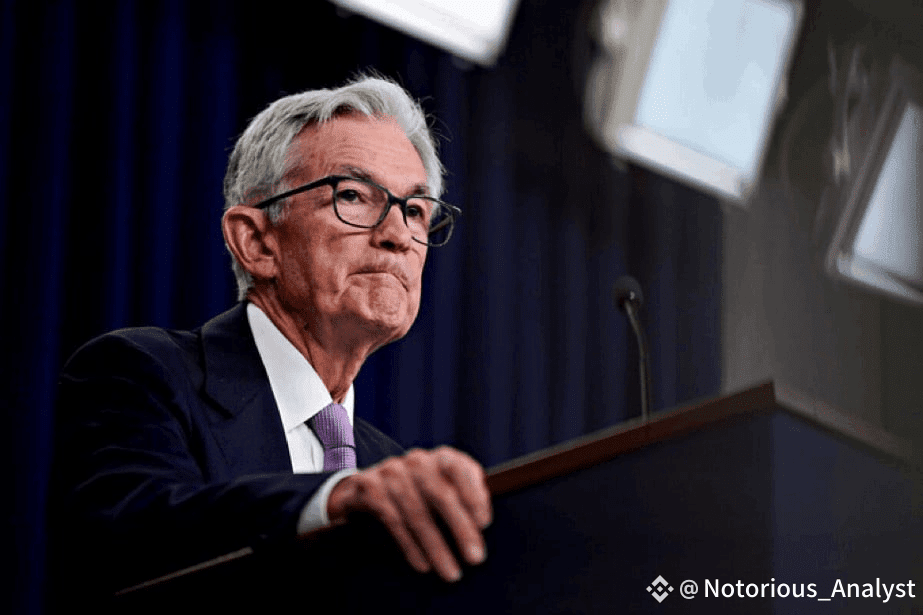
🚨 トレーダーは警戒を怠らないでください (高いボラティリティが待っています)
📌 今夜: FOMC議事録が午後11時30分ISTに発表されます
📌 明日: 初回失業保険申請
この2日間は🇺🇸の利下げ期待にとって重要です。
#PowellWatch #ETHInstitutionalFlows #AltcoinSeasonLoading
🚨 トレーダーは警戒を怠らないでください (高いボラティリティが待っています)
📌 今夜: FOMC議事録が午後11時30分ISTに発表されます
📌 明日: 初回失業保険申請
この2日間は🇺🇸の利下げ期待にとって重要です。
#PowellWatch #ETHInstitutionalFlows #AltcoinSeasonLoading
📌 今夜: FOMC議事録が午後11時30分ISTに発表されます
📌 明日: 初回失業保険申請
この2日間は🇺🇸の利下げ期待にとって重要です。
#PowellWatch #ETHInstitutionalFlows #AltcoinSeasonLoading
7
5.4k
🧠 Nillion ($NIL ):プライバシー保護コンピューティングとクリエイター報酬をチェック
Nillionとは?
Nillionは、機密データを保護しながらアプリケーションで活用できるようにする、プライバシー重視のインフラを構築しています。そのエコシステムは、コア製品のCovenantsと、Ethereum上で初めてリリースされたDuskという2つの主要な要素で構成されています。
Binance SquareではNillionをテーマにしたクリエイターキャンペーンが始まり、2つの部門で合計458,900 NILの報酬が用意されています。
🎯 参加方法:
1️⃣ Binance Squareのフォロワーが1,000人以上で、キャンペーンの直近の投稿要件を満たしていること。
2️⃣ Binance Squareおよび各ソーシャルメディアでNillionをフォローすること。
3️⃣ CreatorPadのキャンペーンページからオリジナル投稿を1件公開すること。
4️⃣ #NIL と@Nillionを添えて、20ドル相当以上の条件を満たす$NIL の現物または先物取引シェアカードを含めること。
5️⃣ Covenants、Dusk、またはNillionのロードマップについて、英語または中国語で100文字以上書くこと。
🏆 報酬の内訳
• すべてのタスクを完了した対象クリエイター向けに、344,100 NILの報酬プールを用意。1人あたりの上限は50ドル相当です。
• 共有されたNILの損益で上位100位に入った対象クリエイター向けに、さらに114,800 NILの報酬プールを用意。1人あたりの上限は200ドル相当です。
📅 締切:2026年10月26日 02:00(UTC)
重要:タスクは公式のCreatorPadキャンペーンページから完了してください。別の場所に投稿しただけでは対象になりません。KYCやその他の参加条件が適用されます。
参加前にキャンペーンの詳細を確認し、暗号資産は価格変動が大きいことをお忘れなく。
{future}(NILUSDT)
#NIL #NillionNIL #BinanceSquareFamilyFeed #Web3
🧠 Nillion ($NIL ):プライバシー保護コンピューティングとクリエイター報酬をチェック
Nillionとは?
Nillionは、機密データを保護しながらアプリケーションで活用できるようにする、プライバシー重視のインフラを構築しています。そのエコシステムは、コア製品のCovenantsと、Ethereum上で初めてリリースされたDuskという2つの主要な要素で構成されています。
Binance SquareではNillionをテーマにしたクリエイターキャンペーンが始まり、2つの部門で合計458,900 NILの報酬が用意されています。
🎯 参加方法:
1️⃣ Binance Squareのフォロワーが1,000人以上で、キャンペーンの直近の投稿要件を満たしていること。
2️⃣ Binance Squareおよび各ソーシャルメディアでNillionをフォローすること。
3️⃣ CreatorPadのキャンペーンページからオリジナル投稿を1件公開すること。
4️⃣ #NIL と@Nillionを添えて、20ドル相当以上の条件を満たす$NIL の現物または先物取引シェアカードを含めること。
5️⃣ Covenants、Dusk、またはNillionのロードマップについて、英語または中国語で100文字以上書くこと。
🏆 報酬の内訳
• すべてのタスクを完了した対象クリエイター向けに、344,100 NILの報酬プールを用意。1人あたりの上限は50ドル相当です。
• 共有されたNILの損益で上位100位に入った対象クリエイター向けに、さらに114,800 NILの報酬プールを用意。1人あたりの上限は200ドル相当です。
📅 締切:2026年10月26日 02:00(UTC)
重要:タスクは公式のCreatorPadキャンペーンページから完了してください。別の場所に投稿しただけでは対象になりません。KYCやその他の参加条件が適用されます。
参加前にキャンペーンの詳細を確認し、暗号資産は価格変動が大きいことをお忘れなく。
#NIL #NillionNIL #BinanceSquareFamilyFeed #Web3
Nillionとは?
Nillionは、機密データを保護しながらアプリケーションで活用できるようにする、プライバシー重視のインフラを構築しています。そのエコシステムは、コア製品のCovenantsと、Ethereum上で初めてリリースされたDuskという2つの主要な要素で構成されています。
Binance SquareではNillionをテーマにしたクリエイターキャンペーンが始まり、2つの部門で合計458,900 NILの報酬が用意されています。
🎯 参加方法:
1️⃣ Binance Squareのフォロワーが1,000人以上で、キャンペーンの直近の投稿要件を満たしていること。
2️⃣ Binance Squareおよび各ソーシャルメディアでNillionをフォローすること。
3️⃣ CreatorPadのキャンペーンページからオリジナル投稿を1件公開すること。
4️⃣ #NIL と@Nillionを添えて、20ドル相当以上の条件を満たす$NIL の現物または先物取引シェアカードを含めること。
5️⃣ Covenants、Dusk、またはNillionのロードマップについて、英語または中国語で100文字以上書くこと。
🏆 報酬の内訳
• すべてのタスクを完了した対象クリエイター向けに、344,100 NILの報酬プールを用意。1人あたりの上限は50ドル相当です。
• 共有されたNILの損益で上位100位に入った対象クリエイター向けに、さらに114,800 NILの報酬プールを用意。1人あたりの上限は200ドル相当です。
📅 締切:2026年10月26日 02:00(UTC)
重要:タスクは公式のCreatorPadキャンペーンページから完了してください。別の場所に投稿しただけでは対象になりません。KYCやその他の参加条件が適用されます。
参加前にキャンペーンの詳細を確認し、暗号資産は価格変動が大きいことをお忘れなく。
#NIL #NillionNIL #BinanceSquareFamilyFeed #Web3
2
175
·
--
ブリッシュ
一部該当
BREAKINGGGGG🚨🚨:
PANDAの歴史の中でも最大級のトークンバーンが、ついに発生しました。
PANDAチームと直接つながったところ、公式ローンチの前にもう一度別のトークンバーンが行われる見込みだと分かりました。🔥
これは、トークン供給量が大幅に抑えられ、コミュニティの注目が高まることで、PANDAにとって強力で、非常に期待されたローンチにつながる可能性があります。
また、PANDAチームは主要取引所への上場についても示唆しており、私たちはいま最終発表を待っているところです。👀🚀
もし次の上場が、私たちが期待している“主要取引所”であることが判明すれば、PANDAへの露出はまったく新しい次元に到達するかもしれません。
そして勢いが続けば、ローンチ当日には$20が注目に値する数になる可能性もあります。📈🐼
次の発表がすべてを変えるかもしれません。
Binance はまもなく登場🔥
#PANDA
BREAKINGGGGG🚨🚨:
PANDAの歴史の中でも最大級のトークンバーンが、ついに発生しました。
PANDAチームと直接つながったところ、公式ローンチの前にもう一度別のトークンバーンが行われる見込みだと分かりました。🔥
これは、トークン供給量が大幅に抑えられ、コミュニティの注目が高まることで、PANDAにとって強力で、非常に期待されたローンチにつながる可能性があります。
また、PANDAチームは主要取引所への上場についても示唆しており、私たちはいま最終発表を待っているところです。👀🚀
もし次の上場が、私たちが期待している“主要取引所”であることが判明すれば、PANDAへの露出はまったく新しい次元に到達するかもしれません。
そして勢いが続けば、ローンチ当日には$20が注目に値する数になる可能性もあります。📈🐼
次の発表がすべてを変えるかもしれません。
Binance はまもなく登場🔥
#PANDA
PANDAの歴史の中でも最大級のトークンバーンが、ついに発生しました。
PANDAチームと直接つながったところ、公式ローンチの前にもう一度別のトークンバーンが行われる見込みだと分かりました。🔥
これは、トークン供給量が大幅に抑えられ、コミュニティの注目が高まることで、PANDAにとって強力で、非常に期待されたローンチにつながる可能性があります。
また、PANDAチームは主要取引所への上場についても示唆しており、私たちはいま最終発表を待っているところです。👀🚀
もし次の上場が、私たちが期待している“主要取引所”であることが判明すれば、PANDAへの露出はまったく新しい次元に到達するかもしれません。
そして勢いが続けば、ローンチ当日には$20が注目に値する数になる可能性もあります。📈🐼
次の発表がすべてを変えるかもしれません。
Binance はまもなく登場🔥
#PANDA

2
388
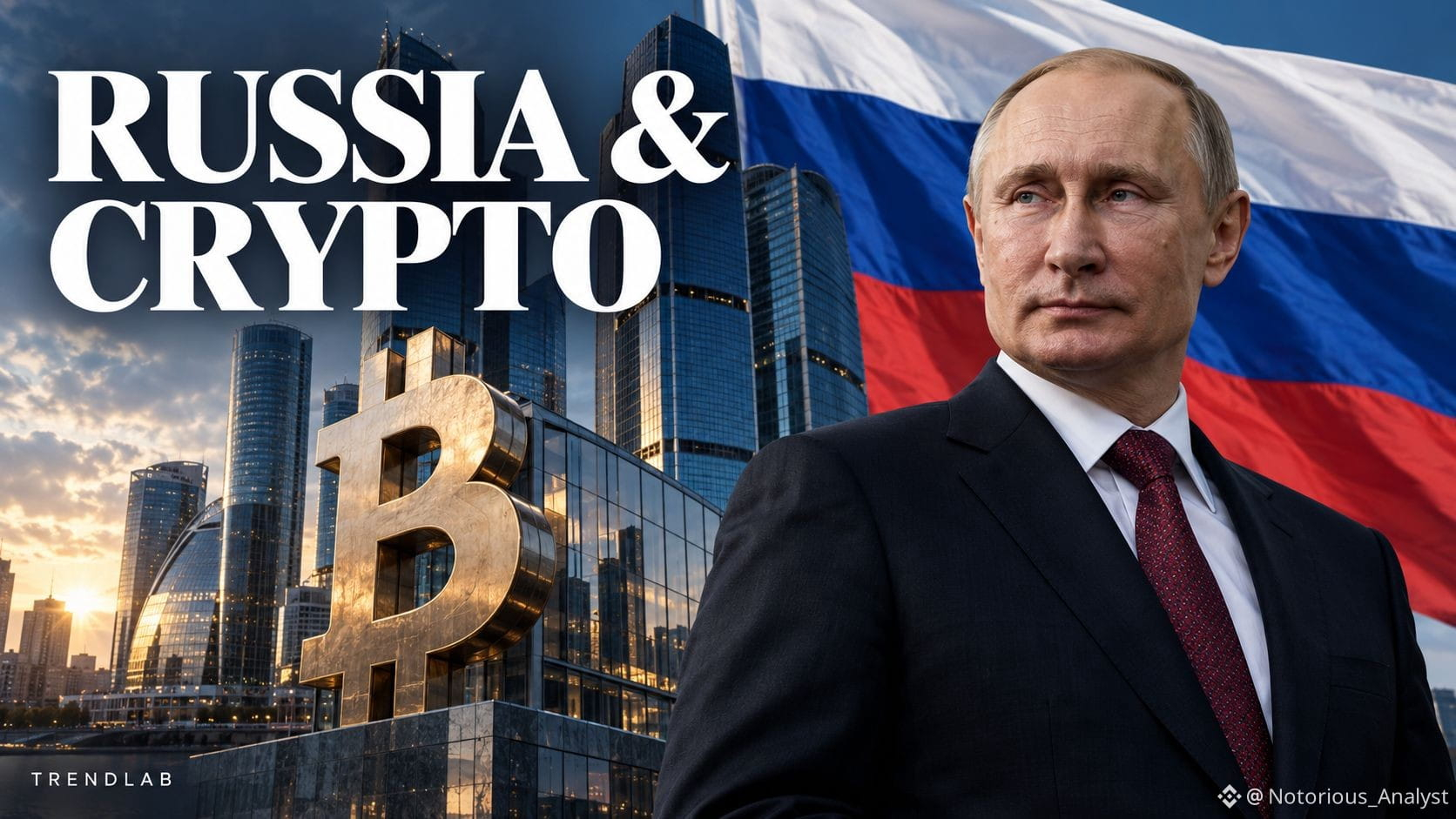
ロシアの暗号資産市場、伝統的金融機関に門戸を開く
暗号資産仲介業者に関する新たな登録規則が、2026年10月5日に施行されました。
T-Technologiesグループ各社はすでに申請を提出しています。Atomyzeはデジタル預託機関の登録簿に、T-Invest Labは暗号資産交換サービスの登録簿に、それぞれ登録を申請しました。申請は承認を意味するものではありません。
既存の金融機関は簡素化された参入手続きを利用できるため、独立系の暗号資産事業者に対して潜在的な優位性を得る可能性があります。
私の見解:これにより、銀行の顧客にとって、規制下での$BTC へのアクセスがより身近になる一方、小規模事業者は提携や統合を迫られる可能性があります。
次の試金石は実行です。実際にどのサービスが開始され、料金はいくらで、利用者に実質的な選択肢がもたらされるのかが注目されます。
これによって暗号資産市場に新たな参加者が加わるのでしょうか。それとも、既存の取引が大手金融グループの手に集中するのでしょうか?
{future}(BTCUSDT)
ロシアの暗号資産市場、伝統的金融機関に門戸を開く
暗号資産仲介業者に関する新たな登録規則が、2026年10月5日に施行されました。
T-Technologiesグループ各社はすでに申請を提出しています。Atomyzeはデジタル預託機関の登録簿に、T-Invest Labは暗号資産交換サービスの登録簿に、それぞれ登録を申請しました。申請は承認を意味するものではありません。
既存の金融機関は簡素化された参入手続きを利用できるため、独立系の暗号資産事業者に対して潜在的な優位性を得る可能性があります。
私の見解:これにより、銀行の顧客にとって、規制下での$BTC へのアクセスがより身近になる一方、小規模事業者は提携や統合を迫られる可能性があります。
次の試金石は実行です。実際にどのサービスが開始され、料金はいくらで、利用者に実質的な選択肢がもたらされるのかが注目されます。
これによって暗号資産市場に新たな参加者が加わるのでしょうか。それとも、既存の取引が大手金融グループの手に集中するのでしょうか?
暗号資産仲介業者に関する新たな登録規則が、2026年10月5日に施行されました。
T-Technologiesグループ各社はすでに申請を提出しています。Atomyzeはデジタル預託機関の登録簿に、T-Invest Labは暗号資産交換サービスの登録簿に、それぞれ登録を申請しました。申請は承認を意味するものではありません。
既存の金融機関は簡素化された参入手続きを利用できるため、独立系の暗号資産事業者に対して潜在的な優位性を得る可能性があります。
私の見解:これにより、銀行の顧客にとって、規制下での$BTC へのアクセスがより身近になる一方、小規模事業者は提携や統合を迫られる可能性があります。
次の試金石は実行です。実際にどのサービスが開始され、料金はいくらで、利用者に実質的な選択肢がもたらされるのかが注目されます。
これによって暗号資産市場に新たな参加者が加わるのでしょうか。それとも、既存の取引が大手金融グループの手に集中するのでしょうか?
1
72
·
--
ブリッシュ
大手暗号資産トレジャリーのうち2社が、今週の購入状況を報告しました
🟠 ストラテジーは10月1日から4日にかけて334 $BTC を追加し、平均価格約85,839ドルで約2,870万ドルを投じました。保有総量は現在848,000 BTCで、1コインあたりの平均取得価格は約75,441ドルです。
注目すべきは、これが2026年におけるストラテジーのビットコイン購入額としては、プラスとなったものの最小だったことです。同じ週に、同社はSTRC優先株の買い戻しに1億7,630万ドルを投じました。つまり今のところ、資金の大部分はBTCの積み増しではなく、優先株の支援に回っています。
🔷 BitMineは購入を続け、先週さらに15,112 $ETH を購入しました。同社のトレジャリーは現在6,016,414 ETHを保有しており、総供給量の約4.9%に相当します。これにより、「5%への錬金術」という目標の99%に到達しました。そのうち500万ETH以上はすでにステーキングされています。
ストラテジーは今、明らかに資本構成を調整している一方、BitMineは毎週欠かさず購入を続け、目標達成まであとわずかです。BitMineが5%に達したらどうするのか、注目ですね🤔
大手暗号資産トレジャリーのうち2社が、今週の購入状況を報告しました
🟠 ストラテジーは10月1日から4日にかけて334 $BTC を追加し、平均価格約85,839ドルで約2,870万ドルを投じました。保有総量は現在848,000 BTCで、1コインあたりの平均取得価格は約75,441ドルです。
注目すべきは、これが2026年におけるストラテジーのビットコイン購入額としては、プラスとなったものの最小だったことです。同じ週に、同社はSTRC優先株の買い戻しに1億7,630万ドルを投じました。つまり今のところ、資金の大部分はBTCの積み増しではなく、優先株の支援に回っています。
🔷 BitMineは購入を続け、先週さらに15,112 $ETH を購入しました。同社のトレジャリーは現在6,016,414 ETHを保有しており、総供給量の約4.9%に相当します。これにより、「5%への錬金術」という目標の99%に到達しました。そのうち500万ETH以上はすでにステーキングされています。
ストラテジーは今、明らかに資本構成を調整している一方、BitMineは毎週欠かさず購入を続け、目標達成まであとわずかです。BitMineが5%に達したらどうするのか、注目ですね🤔
🟠 ストラテジーは10月1日から4日にかけて334 $BTC を追加し、平均価格約85,839ドルで約2,870万ドルを投じました。保有総量は現在848,000 BTCで、1コインあたりの平均取得価格は約75,441ドルです。
注目すべきは、これが2026年におけるストラテジーのビットコイン購入額としては、プラスとなったものの最小だったことです。同じ週に、同社はSTRC優先株の買い戻しに1億7,630万ドルを投じました。つまり今のところ、資金の大部分はBTCの積み増しではなく、優先株の支援に回っています。
🔷 BitMineは購入を続け、先週さらに15,112 $ETH を購入しました。同社のトレジャリーは現在6,016,414 ETHを保有しており、総供給量の約4.9%に相当します。これにより、「5%への錬金術」という目標の99%に到達しました。そのうち500万ETH以上はすでにステーキングされています。
ストラテジーは今、明らかに資本構成を調整している一方、BitMineは毎週欠かさず購入を続け、目標達成まであとわずかです。BitMineが5%に達したらどうするのか、注目ですね🤔
1
64

記事
Stellarは静かに、注目すべき最重要RWAネットワークの一つになりつつあるトークン化された実世界資産が1日で9,650万ドル拡大したからといって、トレンドの証明にはなりません。しかし、資金の流入先と資産の発行主体を見ると、RWA市場がますます必要とするものをStellarが築き上げたことがうかがえます。
実世界資産(RWA)市場は、もはや単なる暗号資産の物語として片付けられないほど大きくなりつつあります。直近24時間のデータは、トークン化の次の段階がどこで形作られようとしているのかを知る手がかりとなります。
Token Terminalが追跡する時価総額上位10のブロックチェーンネットワーク全体で、トークン化されたRWAの時価総額は24時間で9,650万ドル増加しました。この増加分のうち3,640万ドルをStellarが取り込み、BNB Chainも2,320万ドルを上積みしました。この2つのネットワークで、当日の増加分の62%を占めました。COINOTAG
Stellarは静かに、注目すべき最重要RWAネットワークの一つになりつつある
トークン化された実世界資産が1日で9,650万ドル拡大したからといって、トレンドの証明にはなりません。しかし、資金の流入先と資産の発行主体を見ると、RWA市場がますます必要とするものをStellarが築き上げたことがうかがえます。
実世界資産(RWA)市場は、もはや単なる暗号資産の物語として片付けられないほど大きくなりつつあります。直近24時間のデータは、トークン化の次の段階がどこで形作られようとしているのかを知る手がかりとなります。
Token Terminalが追跡する時価総額上位10のブロックチェーンネットワーク全体で、トークン化されたRWAの時価総額は24時間で9,650万ドル増加しました。この増加分のうち3,640万ドルをStellarが取り込み、BNB Chainも2,320万ドルを上積みしました。この2つのネットワークで、当日の増加分の62%を占めました。COINOTAG
実世界資産(RWA)市場は、もはや単なる暗号資産の物語として片付けられないほど大きくなりつつあります。直近24時間のデータは、トークン化の次の段階がどこで形作られようとしているのかを知る手がかりとなります。
Token Terminalが追跡する時価総額上位10のブロックチェーンネットワーク全体で、トークン化されたRWAの時価総額は24時間で9,650万ドル増加しました。この増加分のうち3,640万ドルをStellarが取り込み、BNB Chainも2,320万ドルを上積みしました。この2つのネットワークで、当日の増加分の62%を占めました。COINOTAG
1
110
記事
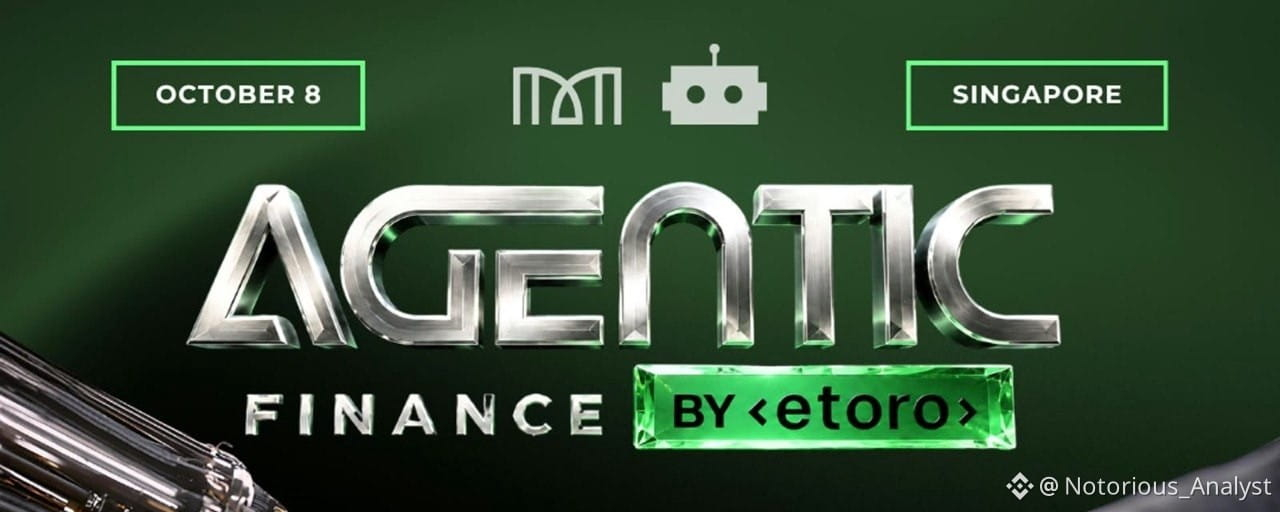
More & More、TOKEN20開催期間中にetoro、Pantera Capital、ChainlinkとAgentic Finance Summitを開催シンガポール、2026年10月5日 — More & Moreは、TOKEN2049 Singaporeの公式サイドイベントとして、2026年10月8日にSuntec Singapore Convention and Exhibition CentreでAgentic Finance Summitを開催します。etoroは本サミットのリードパートナーです。
招待制の本プログラムには、ウォレットを保有し、取引を実行し、決済を行うAIエージェントに取り組む銀行、取引所、決済ネットワーク、ファンド、規制当局から、上級意思決定者400名が参加します。参加企業には、etoro、Coinbase、Pantera Capital、AWS、KPMG、Chainlink、Aave、Fireblocks、Alpaca、Gateが含まれます。
More & More、TOKEN20開催期間中にetoro、Pantera Capital、ChainlinkとAgentic Finance Summitを開催
シンガポール、2026年10月5日 — More & Moreは、TOKEN2049 Singaporeの公式サイドイベントとして、2026年10月8日にSuntec Singapore Convention and Exhibition CentreでAgentic Finance Summitを開催します。etoroは本サミットのリードパートナーです。
招待制の本プログラムには、ウォレットを保有し、取引を実行し、決済を行うAIエージェントに取り組む銀行、取引所、決済ネットワーク、ファンド、規制当局から、上級意思決定者400名が参加します。参加企業には、etoro、Coinbase、Pantera Capital、AWS、KPMG、Chainlink、Aave、Fireblocks、Alpaca、Gateが含まれます。
招待制の本プログラムには、ウォレットを保有し、取引を実行し、決済を行うAIエージェントに取り組む銀行、取引所、決済ネットワーク、ファンド、規制当局から、上級意思決定者400名が参加します。参加企業には、etoro、Coinbase、Pantera Capital、AWS、KPMG、Chainlink、Aave、Fireblocks、Alpaca、Gateが含まれます。
1
23

記事
The Best EventがToken2049ウィークに合わせてシンガポールのキャピトル・シアターでAFTERDARKを開催シンガポール
Tujamoが、アジア屈指の由緒ある会場のひとつで行われる収容3,000人規模の夜に確定。ヘッドライナーの発表はまだ予定されています。
「The Best Event」は、世界24都市で130回以上のイベントを手がけてきたプロダクションハウスであり、10月5日にシンガポールのキャピトル・シアターでAFTERDARKを開催します。これは、Token2049の週とシンガポール・グランプリが同じカレンダー上でぶつかることに合わせて作られた、単独の一夜限りの開催です。ラインナップにはTujamoが確定しています。ヘッドライナーの発表はまだ予定されておらず、加えて今後数週間のうちに追加アーティストが発表される予定です。
The Best EventがToken2049ウィークに合わせてシンガポールのキャピトル・シアターでAFTERDARKを開催
シンガポール
Tujamoが、アジア屈指の由緒ある会場のひとつで行われる収容3,000人規模の夜に確定。ヘッドライナーの発表はまだ予定されています。
「The Best Event」は、世界24都市で130回以上のイベントを手がけてきたプロダクションハウスであり、10月5日にシンガポールのキャピトル・シアターでAFTERDARKを開催します。これは、Token2049の週とシンガポール・グランプリが同じカレンダー上でぶつかることに合わせて作られた、単独の一夜限りの開催です。ラインナップにはTujamoが確定しています。ヘッドライナーの発表はまだ予定されておらず、加えて今後数週間のうちに追加アーティストが発表される予定です。
Tujamoが、アジア屈指の由緒ある会場のひとつで行われる収容3,000人規模の夜に確定。ヘッドライナーの発表はまだ予定されています。
「The Best Event」は、世界24都市で130回以上のイベントを手がけてきたプロダクションハウスであり、10月5日にシンガポールのキャピトル・シアターでAFTERDARKを開催します。これは、Token2049の週とシンガポール・グランプリが同じカレンダー上でぶつかることに合わせて作られた、単独の一夜限りの開催です。ラインナップにはTujamoが確定しています。ヘッドライナーの発表はまだ予定されておらず、加えて今後数週間のうちに追加アーティストが発表される予定です。
1
107
$LSK が再び注目を集め始めています。
でも、この動きが価格だけの話だとは思いません。
Liskは過去1年、Ethereumおよびレイヤー2インフラの周辺に自社の立ち位置を再設定し、Ethereumのセキュリティの恩恵を受けながら、開発者がアプリケーションを作りやすくなるようにしてきました。
その転換が、ようやく認められ始めています。
市場は通常、技術がローンチされたときではなく、物語(ナラティブ)が変わった後にプロジェクトへ報酬を与えます。
私の見解は?👇
大きなグリーンの足(急騰)にFOMOするのはやめておくべきです。
出来高が高い状態のまま維持されるか、そして開発者がエコシステム上で出荷(リリース)を継続しているかを見てください。ナラティブに続いて採用が進むなら、このトレンドはまだ伸びる余地があります。そうでなければ、値動きの荒さ(ボラティリティ)が見込まれます。
強いトレンドは、良い1週間だけではなく、継続した関心によって築かれます。
これはLiskの復活の始まりなのでしょうか……
それとも、忘れられたアルトコインへの単なる短期的なローテーションなのでしょうか?
#LISK
$LSK が再び注目を集め始めています。
でも、この動きが価格だけの話だとは思いません。
Liskは過去1年、Ethereumおよびレイヤー2インフラの周辺に自社の立ち位置を再設定し、Ethereumのセキュリティの恩恵を受けながら、開発者がアプリケーションを作りやすくなるようにしてきました。
その転換が、ようやく認められ始めています。
市場は通常、技術がローンチされたときではなく、物語(ナラティブ)が変わった後にプロジェクトへ報酬を与えます。
私の見解は?👇
大きなグリーンの足(急騰)にFOMOするのはやめておくべきです。
出来高が高い状態のまま維持されるか、そして開発者がエコシステム上で出荷(リリース)を継続しているかを見てください。ナラティブに続いて採用が進むなら、このトレンドはまだ伸びる余地があります。そうでなければ、値動きの荒さ(ボラティリティ)が見込まれます。
強いトレンドは、良い1週間だけではなく、継続した関心によって築かれます。
これはLiskの復活の始まりなのでしょうか……
それとも、忘れられたアルトコインへの単なる短期的なローテーションなのでしょうか?
#LISK
でも、この動きが価格だけの話だとは思いません。
Liskは過去1年、Ethereumおよびレイヤー2インフラの周辺に自社の立ち位置を再設定し、Ethereumのセキュリティの恩恵を受けながら、開発者がアプリケーションを作りやすくなるようにしてきました。
その転換が、ようやく認められ始めています。
市場は通常、技術がローンチされたときではなく、物語(ナラティブ)が変わった後にプロジェクトへ報酬を与えます。
私の見解は?👇
大きなグリーンの足(急騰)にFOMOするのはやめておくべきです。
出来高が高い状態のまま維持されるか、そして開発者がエコシステム上で出荷(リリース)を継続しているかを見てください。ナラティブに続いて採用が進むなら、このトレンドはまだ伸びる余地があります。そうでなければ、値動きの荒さ(ボラティリティ)が見込まれます。
強いトレンドは、良い1週間だけではなく、継続した関心によって築かれます。
これはLiskの復活の始まりなのでしょうか……
それとも、忘れられたアルトコインへの単なる短期的なローテーションなのでしょうか?
#LISK
1
567
·
--
ブリッシュ
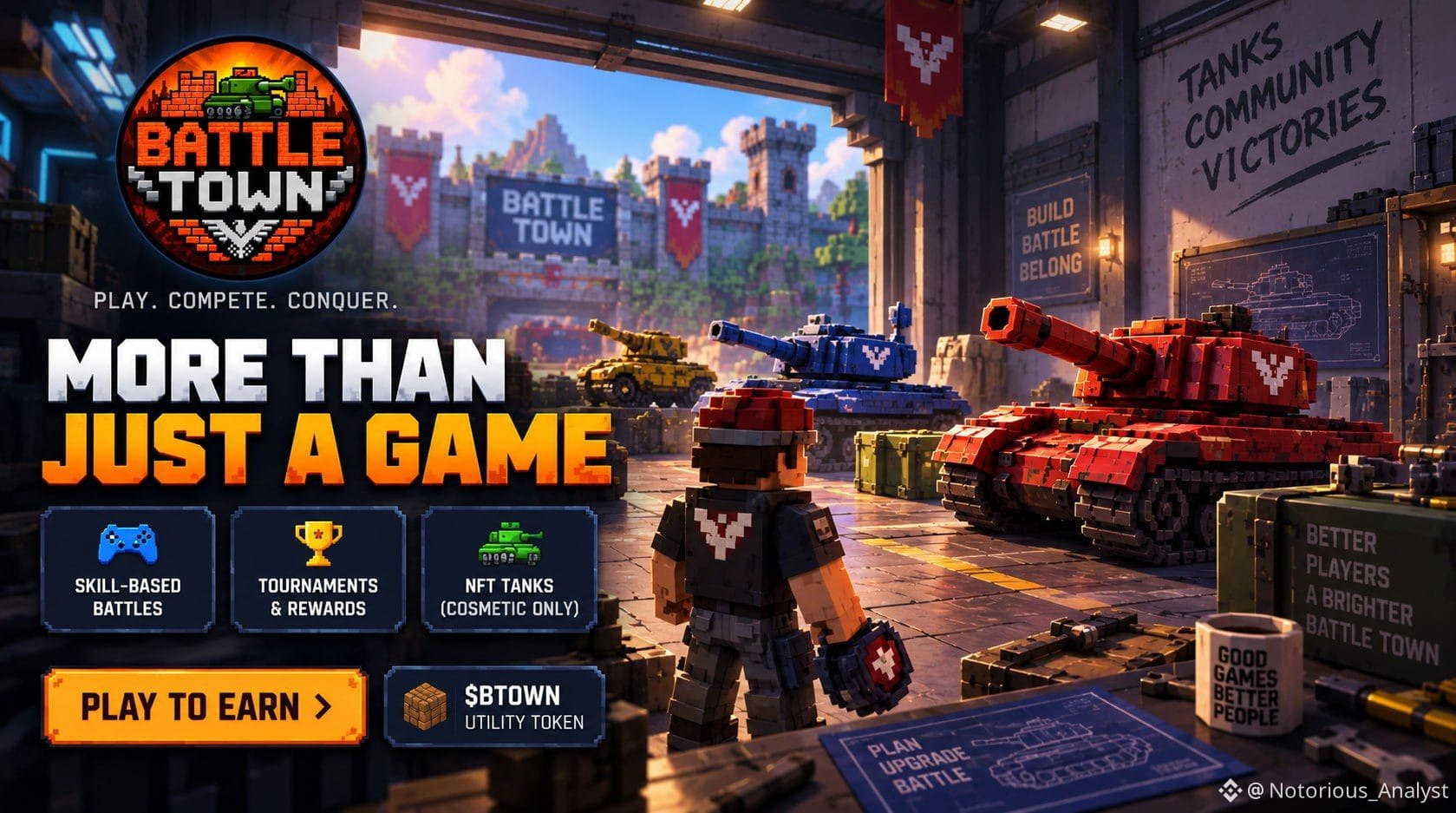
👀 Web3ゲームプロジェクト「BattleTown」を注視しておく。
なぜ?
それは、いくつかのよく知られた概念を組み合わせたエコシステムだからです:
🎮 レトロなタンクアクション
🛡️ タンクの成長(進捗)10レベル
🧩 NFT機能
🌐 Web3連携
📊 複数ラウンドのプレセール構造
📈 次のラウンドで発表される価格が高くなる
このプロジェクトは本質的に、実績のあるゲームの公式を取り、それをWeb3の経済圏として構築しています。
トークンの開発の道のりを眺めるより、こちらのほうがずっと面白い。
ここから重要なマイルストーンは以下です:
🎮 ゲームプレイの進化
🏆 タンクの成長の説明
🛡️ エコシステムとのプレイヤー同士の関わり
🌐 Web3の仕組みが体験にどう組み込まれるか
結局のところ、最強のGameFiプロジェクトはまず「ゲームを楽しくする」必要があるからです。
BattleTownにはその考えがあります。
何かをする前にDYORを。
#BattleTown #BTOWN #GameFi #Web3Gaming
👀 Web3ゲームプロジェクト「BattleTown」を注視しておく。
なぜ?
それは、いくつかのよく知られた概念を組み合わせたエコシステムだからです:
🎮 レトロなタンクアクション
🛡️ タンクの成長(進捗)10レベル
🧩 NFT機能
🌐 Web3連携
📊 複数ラウンドのプレセール構造
📈 次のラウンドで発表される価格が高くなる
このプロジェクトは本質的に、実績のあるゲームの公式を取り、それをWeb3の経済圏として構築しています。
トークンの開発の道のりを眺めるより、こちらのほうがずっと面白い。
ここから重要なマイルストーンは以下です:
🎮 ゲームプレイの進化
🏆 タンクの成長の説明
🛡️ エコシステムとのプレイヤー同士の関わり
🌐 Web3の仕組みが体験にどう組み込まれるか
結局のところ、最強のGameFiプロジェクトはまず「ゲームを楽しくする」必要があるからです。
BattleTownにはその考えがあります。
何かをする前にDYORを。
#BattleTown #BTOWN #GameFi #Web3Gaming
なぜ?
それは、いくつかのよく知られた概念を組み合わせたエコシステムだからです:
🎮 レトロなタンクアクション
🛡️ タンクの成長(進捗)10レベル
🧩 NFT機能
🌐 Web3連携
📊 複数ラウンドのプレセール構造
📈 次のラウンドで発表される価格が高くなる
このプロジェクトは本質的に、実績のあるゲームの公式を取り、それをWeb3の経済圏として構築しています。
トークンの開発の道のりを眺めるより、こちらのほうがずっと面白い。
ここから重要なマイルストーンは以下です:
🎮 ゲームプレイの進化
🏆 タンクの成長の説明
🛡️ エコシステムとのプレイヤー同士の関わり
🌐 Web3の仕組みが体験にどう組み込まれるか
結局のところ、最強のGameFiプロジェクトはまず「ゲームを楽しくする」必要があるからです。
BattleTownにはその考えがあります。
何かをする前にDYORを。
#BattleTown #BTOWN #GameFi #Web3Gaming
11
3
3.6k
本人確認中

記事
Web3ゲームスタートアップ『Battle Town』が、1,350万ドル超のトークンセールに先駆けて大規模な投資関心を獲得アーケード・タンクシューター『Battle Town』は、プロジェクトがネイティブトークンのプレセールに向けて準備を進める中、初期の投資家からの強い関心が寄せられていると報告しています。予定されている一般向けトークンセール「$BTOWN」は2026年9月15日に開始されます。競争型のブロックチェーン・ゲーミングに対する独自のアプローチによって、『Battle Town』は1億トークン(100,000,000)の販売を通じて最大1,351万6,000ドル($13,516,000)の調達を目指しています。
プロジェクトの戦略では、着手前に安全なベースラインを確保するため、最低資金調達額として200万ドル($2,000,000)を設定しています。開発チームは、この資本がゲーム開発、市場の流動性、マーケティング活動に充てられると述べています。
Web3ゲームスタートアップ『Battle Town』が、1,350万ドル超のトークンセールに先駆けて大規模な投資関心を獲得
アーケード・タンクシューター『Battle Town』は、プロジェクトがネイティブトークンのプレセールに向けて準備を進める中、初期の投資家からの強い関心が寄せられていると報告しています。予定されている一般向けトークンセール「$BTOWN」は2026年9月15日に開始されます。競争型のブロックチェーン・ゲーミングに対する独自のアプローチによって、『Battle Town』は1億トークン(100,000,000)の販売を通じて最大1,351万6,000ドル($13,516,000)の調達を目指しています。
プロジェクトの戦略では、着手前に安全なベースラインを確保するため、最低資金調達額として200万ドル($2,000,000)を設定しています。開発チームは、この資本がゲーム開発、市場の流動性、マーケティング活動に充てられると述べています。
プロジェクトの戦略では、着手前に安全なベースラインを確保するため、最低資金調達額として200万ドル($2,000,000)を設定しています。開発チームは、この資本がゲーム開発、市場の流動性、マーケティング活動に充てられると述べています。
3
2
327
·
--
ブリッシュ
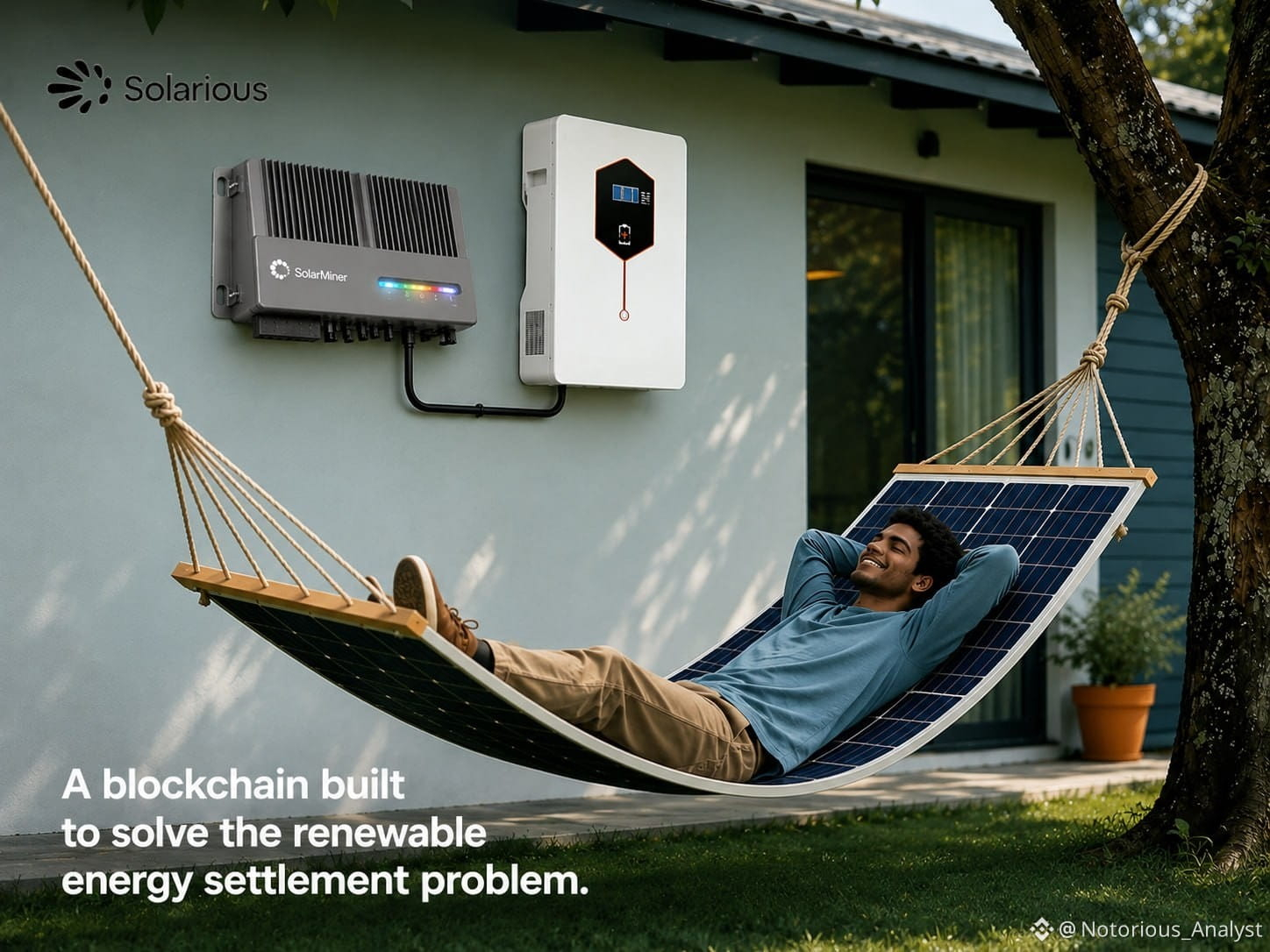
最近Solariousを見かけて、その発想がかなり面白いと思いました。特に、DePIN+現実世界のユーティリティ領域に興味があるならなおさらです。
彼らは「Proof-of-Energy」と呼ばれるものを軸に構築していて、ソーラーパネルに接続して、その発電量を追跡するSolar Minerを開発しています。
面白いのは、このデータがただそこに蓄積されるだけではないことです。このデバイスは、Solariousネットワークに送信できる検証可能な証明を生成します。
つまり、実際の太陽光発電が、ブロックチェーンが本当に検証できるものになるわけです。
DePINに対するかなり異なるアプローチで、ここから彼らがどう展開していくのか楽しみです。
詳細はこちらで確認できます: Solarious.us ☀️
#Solarious #defi
最近Solariousを見かけて、その発想がかなり面白いと思いました。特に、DePIN+現実世界のユーティリティ領域に興味があるならなおさらです。
彼らは「Proof-of-Energy」と呼ばれるものを軸に構築していて、ソーラーパネルに接続して、その発電量を追跡するSolar Minerを開発しています。
面白いのは、このデータがただそこに蓄積されるだけではないことです。このデバイスは、Solariousネットワークに送信できる検証可能な証明を生成します。
つまり、実際の太陽光発電が、ブロックチェーンが本当に検証できるものになるわけです。
DePINに対するかなり異なるアプローチで、ここから彼らがどう展開していくのか楽しみです。
詳細はこちらで確認できます: Solarious.us ☀️
#Solarious #defi
彼らは「Proof-of-Energy」と呼ばれるものを軸に構築していて、ソーラーパネルに接続して、その発電量を追跡するSolar Minerを開発しています。
面白いのは、このデータがただそこに蓄積されるだけではないことです。このデバイスは、Solariousネットワークに送信できる検証可能な証明を生成します。
つまり、実際の太陽光発電が、ブロックチェーンが本当に検証できるものになるわけです。
DePINに対するかなり異なるアプローチで、ここから彼らがどう展開していくのか楽しみです。
詳細はこちらで確認できます: Solarious.us ☀️
#Solarious #defi
19
5
647
$BTC は、今まさに注目を集めている中心の一角であるのは間違いありませんが、トレンド(急上昇)リストに、ここ最近ではいくつかの小型銘柄がより頻繁に登場しているのに気づいています。
$VET はその一つです。VeChainは長年存在してきましたが、実世界でのユーティリティに対する関心が再燃し、そのエコシステムが注目を集めていることで、トークンが会話の中心に戻ってきています。
そして$TAO Bittensorは、分散型AIという物語のど真ん中に位置しています。AIトークンに勢いが出始めると、TAOはだいたいすぐに注目されることが多いです。
MAMOは面白い存在ですが、理由がかなり異なります。最近のMoonwellの一件の後からトレンド入りしているため、急に注目が集まっていることが必ずしも強気材料とは限りません。むしろ、追いかけるよりも注意深く観察すべき銘柄です。
またANSEMも、直近の値動きの後に注目を集めています。これはそうした中でも小型の部類で、勢いが変わるのがとても速いタイプです。
興味深いのは、4つともまったく違う理由でトレンド入りしている点です。
BTCとETHがより広い市場を牽引しているのかもしれませんが、アルトコイン側では、かなり異なる物語(ナラティブ)が育っているのを見て取れます。
あなたは今、どれを見ていますか?
$BTC は、今まさに注目を集めている中心の一角であるのは間違いありませんが、トレンド(急上昇)リストに、ここ最近ではいくつかの小型銘柄がより頻繁に登場しているのに気づいています。
$VET はその一つです。VeChainは長年存在してきましたが、実世界でのユーティリティに対する関心が再燃し、そのエコシステムが注目を集めていることで、トークンが会話の中心に戻ってきています。
そして$TAO Bittensorは、分散型AIという物語のど真ん中に位置しています。AIトークンに勢いが出始めると、TAOはだいたいすぐに注目されることが多いです。
MAMOは面白い存在ですが、理由がかなり異なります。最近のMoonwellの一件の後からトレンド入りしているため、急に注目が集まっていることが必ずしも強気材料とは限りません。むしろ、追いかけるよりも注意深く観察すべき銘柄です。
またANSEMも、直近の値動きの後に注目を集めています。これはそうした中でも小型の部類で、勢いが変わるのがとても速いタイプです。
興味深いのは、4つともまったく違う理由でトレンド入りしている点です。
BTCとETHがより広い市場を牽引しているのかもしれませんが、アルトコイン側では、かなり異なる物語(ナラティブ)が育っているのを見て取れます。
あなたは今、どれを見ていますか?
$VET はその一つです。VeChainは長年存在してきましたが、実世界でのユーティリティに対する関心が再燃し、そのエコシステムが注目を集めていることで、トークンが会話の中心に戻ってきています。
そして$TAO Bittensorは、分散型AIという物語のど真ん中に位置しています。AIトークンに勢いが出始めると、TAOはだいたいすぐに注目されることが多いです。
MAMOは面白い存在ですが、理由がかなり異なります。最近のMoonwellの一件の後からトレンド入りしているため、急に注目が集まっていることが必ずしも強気材料とは限りません。むしろ、追いかけるよりも注意深く観察すべき銘柄です。
またANSEMも、直近の値動きの後に注目を集めています。これはそうした中でも小型の部類で、勢いが変わるのがとても速いタイプです。
興味深いのは、4つともまったく違う理由でトレンド入りしている点です。
BTCとETHがより広い市場を牽引しているのかもしれませんが、アルトコイン側では、かなり異なる物語(ナラティブ)が育っているのを見て取れます。
あなたは今、どれを見ていますか?


3
182
$VIRTUAL は、私が今まさにより注意深く見ているプロジェクトの1つです 👀
面白いのは、単にトークンが動いていることだけではありません。
AIエージェントの物語が再び注目を集めているようで、それを回す中で恩恵を受けられるだけの既存の認知度(マインドシェア)を持つ名前の一つが VIRTUAL です。
私たちはこれを暗号資産の世界で何度も見てきました 🔄
物語がしばらく静かになり、流動性が別の場所へ移り、誰もそれについて話さなくなる…
そして突然、同じセクターがトレーダーのウォッチリストに再び登場し始めます。
VIRTUAL はすでに AIエージェントのエコシステムの中で認知されているポジションを持っています 🤖
だから私は、今のローソク足を追いかけることにあまり興味がなく、ここから出来高、エコシステム活動、そしてコミュニティの注目が積み上がり続けるかを見守りたいのです。
もしAIエージェントが再び主要な物語になるなら、VIRTUAL は無視されにくいでしょう。 🚀
#VirtualsProtocol
$VIRTUAL は、私が今まさにより注意深く見ているプロジェクトの1つです 👀
面白いのは、単にトークンが動いていることだけではありません。
AIエージェントの物語が再び注目を集めているようで、それを回す中で恩恵を受けられるだけの既存の認知度(マインドシェア)を持つ名前の一つが VIRTUAL です。
私たちはこれを暗号資産の世界で何度も見てきました 🔄
物語がしばらく静かになり、流動性が別の場所へ移り、誰もそれについて話さなくなる…
そして突然、同じセクターがトレーダーのウォッチリストに再び登場し始めます。
VIRTUAL はすでに AIエージェントのエコシステムの中で認知されているポジションを持っています 🤖
だから私は、今のローソク足を追いかけることにあまり興味がなく、ここから出来高、エコシステム活動、そしてコミュニティの注目が積み上がり続けるかを見守りたいのです。
もしAIエージェントが再び主要な物語になるなら、VIRTUAL は無視されにくいでしょう。 🚀
#VirtualsProtocol
面白いのは、単にトークンが動いていることだけではありません。
AIエージェントの物語が再び注目を集めているようで、それを回す中で恩恵を受けられるだけの既存の認知度(マインドシェア)を持つ名前の一つが VIRTUAL です。
私たちはこれを暗号資産の世界で何度も見てきました 🔄
物語がしばらく静かになり、流動性が別の場所へ移り、誰もそれについて話さなくなる…
そして突然、同じセクターがトレーダーのウォッチリストに再び登場し始めます。
VIRTUAL はすでに AIエージェントのエコシステムの中で認知されているポジションを持っています 🤖
だから私は、今のローソク足を追いかけることにあまり興味がなく、ここから出来高、エコシステム活動、そしてコミュニティの注目が積み上がり続けるかを見守りたいのです。
もしAIエージェントが再び主要な物語になるなら、VIRTUAL は無視されにくいでしょう。 🚀
#VirtualsProtocol
1
125
·
--
ブリッシュ
一部該当
多くの人が、暗号資産が従来の銀行を置き換えると言っています。
しかし率直に言うと、ユーザーが実際に好んでいる銀行の一部はまだあります。
その一つがプライバシーです。
誰も、自分の口座残高が見ず知らずの人に見えることを期待していません。
誰も、自分がこれまで下してきたあらゆる金融判断が、公開検索可能になることを期待していません。
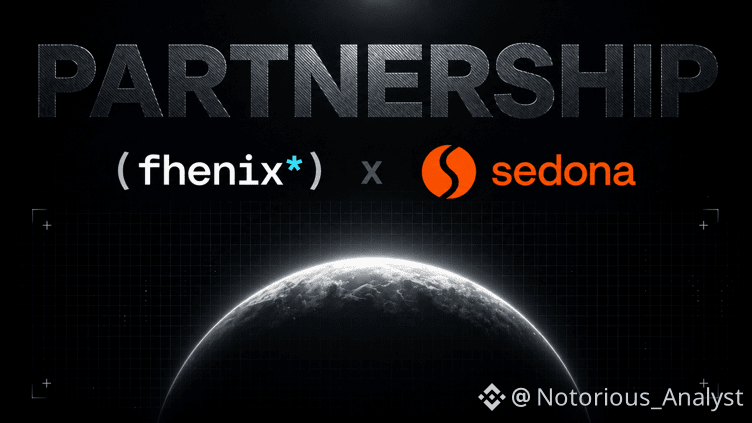
$ARB におけるSedonaとFhenixのパートナーシップが興味深いのは、それらの期待をオンチェーンの金融にも取り込もうとしているからです。
資産は自分で管理できますが、その過程で金融情報を公開する必要はありません。
それは「機能」というより、一般的な普及のための「要件」に近いと感じます。
🔗 詳しくはこちら:
https://x.com/fhenix
#Fhenix #Arbitrum #Privacy #DeFi
多くの人が、暗号資産が従来の銀行を置き換えると言っています。
しかし率直に言うと、ユーザーが実際に好んでいる銀行の一部はまだあります。
その一つがプライバシーです。
誰も、自分の口座残高が見ず知らずの人に見えることを期待していません。
誰も、自分がこれまで下してきたあらゆる金融判断が、公開検索可能になることを期待していません。
$ARB におけるSedonaとFhenixのパートナーシップが興味深いのは、それらの期待をオンチェーンの金融にも取り込もうとしているからです。
資産は自分で管理できますが、その過程で金融情報を公開する必要はありません。
それは「機能」というより、一般的な普及のための「要件」に近いと感じます。
🔗 詳しくはこちら:
https://x.com/fhenix
#Fhenix #Arbitrum #Privacy #DeFi
しかし率直に言うと、ユーザーが実際に好んでいる銀行の一部はまだあります。
その一つがプライバシーです。
誰も、自分の口座残高が見ず知らずの人に見えることを期待していません。
誰も、自分がこれまで下してきたあらゆる金融判断が、公開検索可能になることを期待していません。
$ARB におけるSedonaとFhenixのパートナーシップが興味深いのは、それらの期待をオンチェーンの金融にも取り込もうとしているからです。
資産は自分で管理できますが、その過程で金融情報を公開する必要はありません。
それは「機能」というより、一般的な普及のための「要件」に近いと感じます。
🔗 詳しくはこちら:
https://x.com/fhenix
#Fhenix #Arbitrum #Privacy #DeFi
10
4
3.2k
·
--
ブリッシュ
長年、「プライバシー」と「自己保管」の間で選ばなければならないように感じていました。
資産を完全にコントロールすることはできても、ウォレットアドレスを知っている誰にでも、残高やポジション、アクティビティが見えてしまうのです。そのようなトレードオフは、私にはあまり納得できませんでした。
結局のところ、お金を自分で所有することが、財務上のプライバシーを手放すことにつながる必要はないはずです。
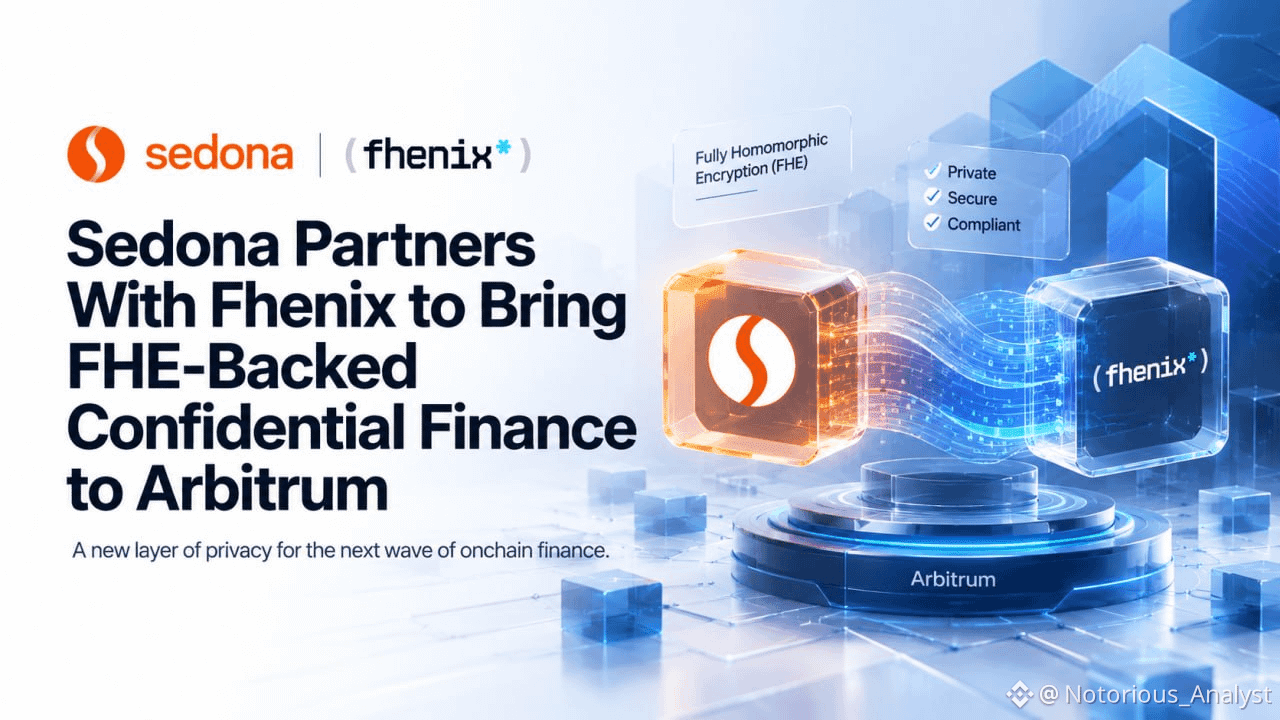
だからこそ、$ARB に関するSedonaとFhenixのパートナーシップに注目しました。彼らは、その選択がもう必要ないことを証明しようとしているのです。秘密のインフラストラクチャを通じて、ユーザーは自己保管を完全に維持しながら、残高やポジションを暗号化したまま保てます。
自己保管は、必ずしも財務の透明性を自動的に意味するべきではありません。
暗号資産が従来の金融の現実的な代替になっていくなら、この取り組みは、その方向性にとても重要な一歩だと感じます。
DeFiの未来に向けた、かなり説得力のあるビジョンです。
🔗 詳しくはこちら:
https://x.com/fhenix
#Fhenix #ARBİTRUM #Privacy #DeFi
長年、「プライバシー」と「自己保管」の間で選ばなければならないように感じていました。
資産を完全にコントロールすることはできても、ウォレットアドレスを知っている誰にでも、残高やポジション、アクティビティが見えてしまうのです。そのようなトレードオフは、私にはあまり納得できませんでした。
結局のところ、お金を自分で所有することが、財務上のプライバシーを手放すことにつながる必要はないはずです。
だからこそ、$ARB に関するSedonaとFhenixのパートナーシップに注目しました。彼らは、その選択がもう必要ないことを証明しようとしているのです。秘密のインフラストラクチャを通じて、ユーザーは自己保管を完全に維持しながら、残高やポジションを暗号化したまま保てます。
自己保管は、必ずしも財務の透明性を自動的に意味するべきではありません。
暗号資産が従来の金融の現実的な代替になっていくなら、この取り組みは、その方向性にとても重要な一歩だと感じます。
DeFiの未来に向けた、かなり説得力のあるビジョンです。
🔗 詳しくはこちら:
https://x.com/fhenix
#Fhenix #ARBİTRUM #Privacy #DeFi
資産を完全にコントロールすることはできても、ウォレットアドレスを知っている誰にでも、残高やポジション、アクティビティが見えてしまうのです。そのようなトレードオフは、私にはあまり納得できませんでした。
結局のところ、お金を自分で所有することが、財務上のプライバシーを手放すことにつながる必要はないはずです。
だからこそ、$ARB に関するSedonaとFhenixのパートナーシップに注目しました。彼らは、その選択がもう必要ないことを証明しようとしているのです。秘密のインフラストラクチャを通じて、ユーザーは自己保管を完全に維持しながら、残高やポジションを暗号化したまま保てます。
自己保管は、必ずしも財務の透明性を自動的に意味するべきではありません。
暗号資産が従来の金融の現実的な代替になっていくなら、この取り組みは、その方向性にとても重要な一歩だと感じます。
DeFiの未来に向けた、かなり説得力のあるビジョンです。
🔗 詳しくはこちら:
https://x.com/fhenix
#Fhenix #ARBİTRUM #Privacy #DeFi
10
5
3.4k
記事
Sedona はハードウェアベースのプライバシーを見直し、Fhenix とともに Arbitrum へ移行自己管理型の取引プラットフォーム Sedona は、基盤となる技術に大きな変更を加えています。同社は Arbitrum へ移行し、プライバシー・インフラ提供企業の Fhenix と提携することで、オンチェーン上でのユーザーデータの保護のあり方を根本から見直す考えです。
7月16日に発表された今回の発表は、Sedona が掲げる長期ビジョン、つまりユーザーが機密情報をパブリック・ブロックチェーンに公開することなく、取引し、ストラテジーを自動化し、資産を管理できる金融プラットフォームを作るという構想における重要な一歩となります。
Seismic のエコシステムからの移行が完了次第、Sedona は Fhenix の機密コンピューティング基盤を統合し、新しいプライバシー重視の体験を実現する計画です。
Sedona はハードウェアベースのプライバシーを見直し、Fhenix とともに Arbitrum へ移行
自己管理型の取引プラットフォーム Sedona は、基盤となる技術に大きな変更を加えています。同社は Arbitrum へ移行し、プライバシー・インフラ提供企業の Fhenix と提携することで、オンチェーン上でのユーザーデータの保護のあり方を根本から見直す考えです。
7月16日に発表された今回の発表は、Sedona が掲げる長期ビジョン、つまりユーザーが機密情報をパブリック・ブロックチェーンに公開することなく、取引し、ストラテジーを自動化し、資産を管理できる金融プラットフォームを作るという構想における重要な一歩となります。
Seismic のエコシステムからの移行が完了次第、Sedona は Fhenix の機密コンピューティング基盤を統合し、新しいプライバシー重視の体験を実現する計画です。
7月16日に発表された今回の発表は、Sedona が掲げる長期ビジョン、つまりユーザーが機密情報をパブリック・ブロックチェーンに公開することなく、取引し、ストラテジーを自動化し、資産を管理できる金融プラットフォームを作るという構想における重要な一歩となります。
Seismic のエコシステムからの移行が完了次第、Sedona は Fhenix の機密コンピューティング基盤を統合し、新しいプライバシー重視の体験を実現する計画です。
5
1.5k

記事
なぜORBSトークンは暗号資産界で最も予想外の地政学的な代理取引になったのか昨日、米国とイスラエルの部隊がイランの施設を攻撃したというニュースが出たとき、より広い暗号資産市場はほとんど反応しませんでした。大半のアルトコインは横ばいで取引されました。
しかし $ORBS ではありません。
そのトークンは数時間で約20%急上昇しました。
これは偶然ではありません。パターンです。非常に特定的で、頑固なほど持続する市場の現象。2023年後半から、中東で緊張が高まるたびにORBSが急騰しています。そして、その購買力のほとんどは一か所から来ています——韓国です。
それでは、厳密なデータを見てみましょう。現場の事実です。
なぜORBSトークンは暗号資産界で最も予想外の地政学的な代理取引になったのか
昨日、米国とイスラエルの部隊がイランの施設を攻撃したというニュースが出たとき、より広い暗号資産市場はほとんど反応しませんでした。大半のアルトコインは横ばいで取引されました。
しかし $ORBS ではありません。
そのトークンは数時間で約20%急上昇しました。
これは偶然ではありません。パターンです。非常に特定的で、頑固なほど持続する市場の現象。2023年後半から、中東で緊張が高まるたびにORBSが急騰しています。そして、その購買力のほとんどは一か所から来ています——韓国です。
それでは、厳密なデータを見てみましょう。現場の事実です。
しかし $ORBS ではありません。
そのトークンは数時間で約20%急上昇しました。
これは偶然ではありません。パターンです。非常に特定的で、頑固なほど持続する市場の現象。2023年後半から、中東で緊張が高まるたびにORBSが急騰しています。そして、その購買力のほとんどは一か所から来ています——韓国です。
それでは、厳密なデータを見てみましょう。現場の事実です。
3
192
記事
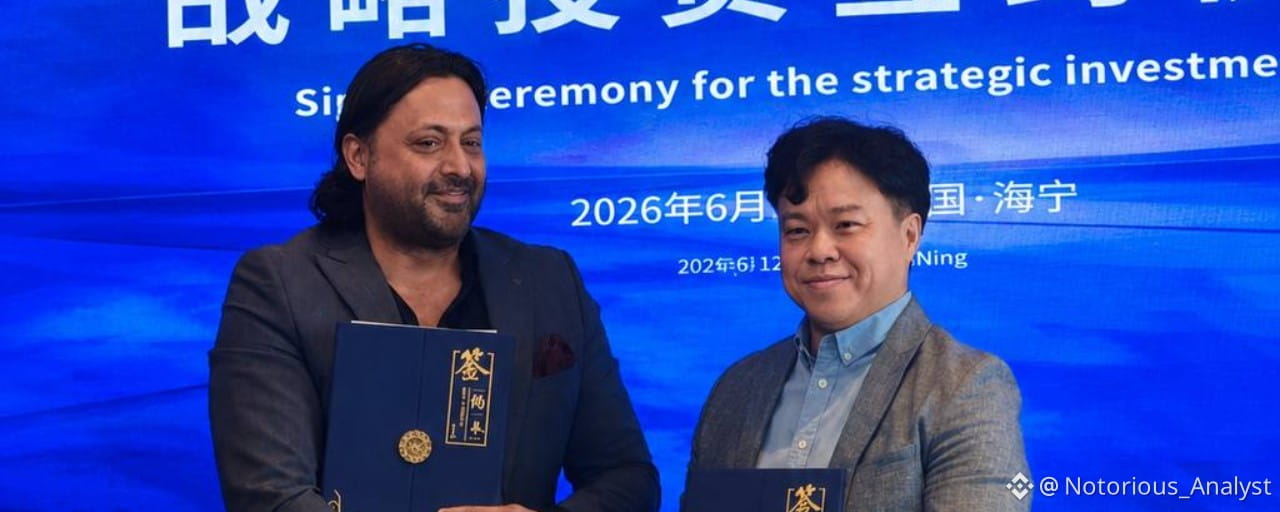
RWA Global Incは中国の新エネルギー・ブームを世界の投資家に開こうとしている3億ドルのアドバイザリー業務契約により、RWA Global Incは、いまだ多くの企業が法的に触れられない市場の最前線に自社を位置づけています。
過去10年にわたって、中国の電気自動車(EV)ストーリーに直接投資しようとした人に聞けば、ほぼ同じ不満の声が返ってくるでしょう。成長は明らかだったのに、アクセスできなかったのです。車は売れました。充電ネットワークも拡大しました。数字は伸び続けました。そして、外国資本は主に傍観するだけでした。資本規制と、参加の余地がほとんどない規制の柵によって締め出されていたからです。
RWA Global Incは中国の新エネルギー・ブームを世界の投資家に開こうとしている
3億ドルのアドバイザリー業務契約により、RWA Global Incは、いまだ多くの企業が法的に触れられない市場の最前線に自社を位置づけています。
過去10年にわたって、中国の電気自動車(EV)ストーリーに直接投資しようとした人に聞けば、ほぼ同じ不満の声が返ってくるでしょう。成長は明らかだったのに、アクセスできなかったのです。車は売れました。充電ネットワークも拡大しました。数字は伸び続けました。そして、外国資本は主に傍観するだけでした。資本規制と、参加の余地がほとんどない規制の柵によって締め出されていたからです。
過去10年にわたって、中国の電気自動車(EV)ストーリーに直接投資しようとした人に聞けば、ほぼ同じ不満の声が返ってくるでしょう。成長は明らかだったのに、アクセスできなかったのです。車は売れました。充電ネットワークも拡大しました。数字は伸び続けました。そして、外国資本は主に傍観するだけでした。資本規制と、参加の余地がほとんどない規制の柵によって締め出されていたからです。
3
174
記事
ShodaiとClawBankを通じて、AIエージェントが初の法的に執行可能なリカード契約を実行30年にわたり、サイバーパンクやリーガルテックの先駆者たちは、ある特定の捉えどころのない到達点を追い求めてきた。すなわち、標準的な法文のように読める一つの合意で、法廷で法的拘束力を持ち、さらにソフトウェアコードとして自動的に実行されるものだ。
2026年6月18日、その理論上のアイデアがついに現実のビジネスへと踏み出し、それを実現した最初の2者はいずれもAIボットだった。
完全に法人化された法的主体として、2つの自律型AIエージェントは、法的に拘束力のある「リカード契約」をめぐり、交渉し、署名し、実行することに成功した。テック企業ClawBankとShodaiが開発したインフラに基づくこの実運用の商取引は、企業が通常の膨大なバックオフィス事務作業の山を伴わずに取引を成立させる方法における重要な転換点を示している。
ShodaiとClawBankを通じて、AIエージェントが初の法的に執行可能なリカード契約を実行
30年にわたり、サイバーパンクやリーガルテックの先駆者たちは、ある特定の捉えどころのない到達点を追い求めてきた。すなわち、標準的な法文のように読める一つの合意で、法廷で法的拘束力を持ち、さらにソフトウェアコードとして自動的に実行されるものだ。
2026年6月18日、その理論上のアイデアがついに現実のビジネスへと踏み出し、それを実現した最初の2者はいずれもAIボットだった。
完全に法人化された法的主体として、2つの自律型AIエージェントは、法的に拘束力のある「リカード契約」をめぐり、交渉し、署名し、実行することに成功した。テック企業ClawBankとShodaiが開発したインフラに基づくこの実運用の商取引は、企業が通常の膨大なバックオフィス事務作業の山を伴わずに取引を成立させる方法における重要な転換点を示している。
2026年6月18日、その理論上のアイデアがついに現実のビジネスへと踏み出し、それを実現した最初の2者はいずれもAIボットだった。
完全に法人化された法的主体として、2つの自律型AIエージェントは、法的に拘束力のある「リカード契約」をめぐり、交渉し、署名し、実行することに成功した。テック企業ClawBankとShodaiが開発したインフラに基づくこの実運用の商取引は、企業が通常の膨大なバックオフィス事務作業の山を伴わずに取引を成立させる方法における重要な転換点を示している。
2
206
ログインして、さらにコンテンツを読む
厳選トピックで世界の暗号資産トレーダーの仲間入り
⚡️ 暗号資産に関する最新かつ有益な情報が見つかります。
💬 世界最大の暗号資産取引所から信頼されています。
👍 認証を受けたクリエイターから、有益なインサイトを得られます。
メール / 電話番号