
Decentralised News
504 投稿

Decentralised News
報告
ユーザーをブロック
X: @decentraliseda
Coinmarketcap @decentralisednews
0 フォロー
890 フォロワー
1.6K+ いいね
投稿
翻訳参照
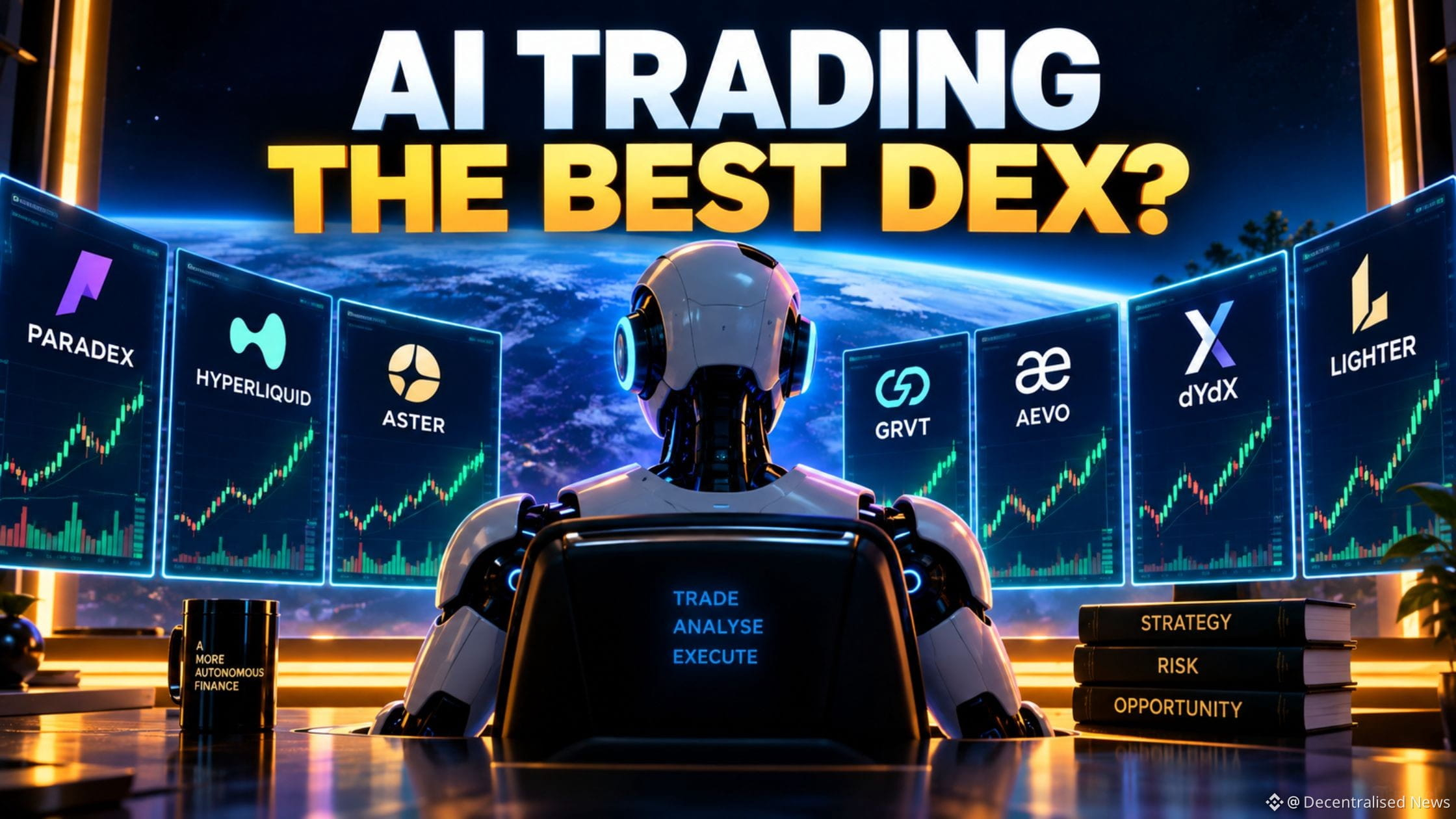
Which Perp DEX Would You Trust an AI Agent to Trade On?
The strongest exchange for a human trader may not be the strongest exchange for an AI trading agent.
That distinction is becoming increasingly important.
Most exchange comparisons still focus on:
fees
liquidity
leverage
markets
UI
But autonomous financial systems introduce an entirely different set of requirements.
An AI trader must be able to determine:
Was the order accepted?
Was it rejected?
Did it partially fill?
Did a WebSocket disconnect hide an update?
Was the timeout a failed trade or merely a failed response?
Can the credential withdraw money?
Can the process be revoked independently?
Can resting orders disappear automatically if the agent crashes?
This leads to what we call:
Agent Execution Certainty
The degree of confidence with which an autonomous trading system can establish its canonical economic state before issuing another financially consequential instruction.
Our latest Decentralised News research benchmarks seven perpetual-trading venues against this emerging standard:
Aster
Paradex
Hyperliquid
GRVT
Aevo
dYdX
Lighter
The study evaluates documented infrastructure including:
• delegated trading credentials
• withdrawal isolation
• credential expiry
• subaccounts
• client order IDs
• private order and fill streams
• sequence integrity
• reduce-only execution
• emergency cancellation
• reconciliation
• agent-native interfaces
One especially important principle emerges:
ACK is not execution.
A timeout does not prove rejection.
A successful API response does not necessarily prove a fill.
And an AI system should never update its portfolio simply because it intended to trade.
That state needs authoritative evidence.
We also introduce several additional concepts:
Position State Lag
Order Identity Integrity
Autonomous Perp Safety Envelope
Read the complete research and use the DN Autonomous Perp Agent Readiness Calculator on Decentralised.News
#AgenticFinance #AITrading
Which Perp DEX Would You Trust an AI Agent to Trade On?
The strongest exchange for a human trader may not be the strongest exchange for an AI trading agent.
That distinction is becoming increasingly important.
Most exchange comparisons still focus on:
fees
liquidity
leverage
markets
UI
But autonomous financial systems introduce an entirely different set of requirements.
An AI trader must be able to determine:
Was the order accepted?
Was it rejected?
Did it partially fill?
Did a WebSocket disconnect hide an update?
Was the timeout a failed trade or merely a failed response?
Can the credential withdraw money?
Can the process be revoked independently?
Can resting orders disappear automatically if the agent crashes?
This leads to what we call:
Agent Execution Certainty
The degree of confidence with which an autonomous trading system can establish its canonical economic state before issuing another financially consequential instruction.
Our latest Decentralised News research benchmarks seven perpetual-trading venues against this emerging standard:
Aster
Paradex
Hyperliquid
GRVT
Aevo
dYdX
Lighter
The study evaluates documented infrastructure including:
• delegated trading credentials
• withdrawal isolation
• credential expiry
• subaccounts
• client order IDs
• private order and fill streams
• sequence integrity
• reduce-only execution
• emergency cancellation
• reconciliation
• agent-native interfaces
One especially important principle emerges:
ACK is not execution.
A timeout does not prove rejection.
A successful API response does not necessarily prove a fill.
And an AI system should never update its portfolio simply because it intended to trade.
That state needs authoritative evidence.
We also introduce several additional concepts:
Position State Lag
Order Identity Integrity
Autonomous Perp Safety Envelope
Read the complete research and use the DN Autonomous Perp Agent Readiness Calculator on Decentralised.News
#AgenticFinance #AITrading
The strongest exchange for a human trader may not be the strongest exchange for an AI trading agent.
That distinction is becoming increasingly important.
Most exchange comparisons still focus on:
fees
liquidity
leverage
markets
UI
But autonomous financial systems introduce an entirely different set of requirements.
An AI trader must be able to determine:
Was the order accepted?
Was it rejected?
Did it partially fill?
Did a WebSocket disconnect hide an update?
Was the timeout a failed trade or merely a failed response?
Can the credential withdraw money?
Can the process be revoked independently?
Can resting orders disappear automatically if the agent crashes?
This leads to what we call:
Agent Execution Certainty
The degree of confidence with which an autonomous trading system can establish its canonical economic state before issuing another financially consequential instruction.
Our latest Decentralised News research benchmarks seven perpetual-trading venues against this emerging standard:
Aster
Paradex
Hyperliquid
GRVT
Aevo
dYdX
Lighter
The study evaluates documented infrastructure including:
• delegated trading credentials
• withdrawal isolation
• credential expiry
• subaccounts
• client order IDs
• private order and fill streams
• sequence integrity
• reduce-only execution
• emergency cancellation
• reconciliation
• agent-native interfaces
One especially important principle emerges:
ACK is not execution.
A timeout does not prove rejection.
A successful API response does not necessarily prove a fill.
And an AI system should never update its portfolio simply because it intended to trade.
That state needs authoritative evidence.
We also introduce several additional concepts:
Position State Lag
Order Identity Integrity
Autonomous Perp Safety Envelope
Read the complete research and use the DN Autonomous Perp Agent Readiness Calculator on Decentralised.News
#AgenticFinance #AITrading
1
1
1.1k
翻訳参照
The Next Billion Crypto Users May Never Know They’re Using Crypto
Crypto’s next phase of adoption may come from people who never think of themselves as crypto users.
That sounds counterintuitive.
But it is how major technologies usually mature.
Most people never learned TCP/IP before using the internet.
They never studied mobile operating systems before downloading apps.
Infrastructure becomes transformative when it disappears behind useful interfaces.
We think crypto may now be approaching that transition.
+ World Money is combining stablecoins, payments, investing, earning, identity and Mini Apps inside one financial application.
+ Robinhood is combining brokerage, crypto, tokenized stocks, DeFi, self-custody, perpetuals and agentic trading while building its own blockchain infrastructure.
+ At the institutional level, BlackRock is expanding digital-asset investment products while J.P. Morgan is operating blockchain-based settlement and deposit infrastructure.
These developments appear separate.
They may actually be parts of the same transition.
The Financial App Layer
We define this as the layer that converts:
blockchain infrastructure
into:
familiar financial actions
Instead of:
wallet → bridge → chain → DEX → gas
the user experiences:
pay → invest → save → borrow → trade
That shift could matter more to mass adoption than another blockchain throughput increase.
The data also highlights an important gap.
There are hundreds of millions of estimated crypto owners globally, but estimates of regularly active users remain dramatically lower.
That leads to what we call the:
Ownership-to-Activity Conversion Gap
The next growth opportunity may therefore not be finding a billion completely new people.
It may be activating hundreds of millions who already have digital-asset exposure but rarely use the underlying financial infrastructure.
Read the complete analysis and check out the DN Billion-User Financialization Engine on Decentralised.News
#DigitalAssets #Crypto #Tokenization #Stablecoins #FinTech
The Next Billion Crypto Users May Never Know They’re Using Crypto
Crypto’s next phase of adoption may come from people who never think of themselves as crypto users.
That sounds counterintuitive.
But it is how major technologies usually mature.
Most people never learned TCP/IP before using the internet.
They never studied mobile operating systems before downloading apps.
Infrastructure becomes transformative when it disappears behind useful interfaces.
We think crypto may now be approaching that transition.
+ World Money is combining stablecoins, payments, investing, earning, identity and Mini Apps inside one financial application.
+ Robinhood is combining brokerage, crypto, tokenized stocks, DeFi, self-custody, perpetuals and agentic trading while building its own blockchain infrastructure.
+ At the institutional level, BlackRock is expanding digital-asset investment products while J.P. Morgan is operating blockchain-based settlement and deposit infrastructure.
These developments appear separate.
They may actually be parts of the same transition.
The Financial App Layer
We define this as the layer that converts:
blockchain infrastructure
into:
familiar financial actions
Instead of:
wallet → bridge → chain → DEX → gas
the user experiences:
pay → invest → save → borrow → trade
That shift could matter more to mass adoption than another blockchain throughput increase.
The data also highlights an important gap.
There are hundreds of millions of estimated crypto owners globally, but estimates of regularly active users remain dramatically lower.
That leads to what we call the:
Ownership-to-Activity Conversion Gap
The next growth opportunity may therefore not be finding a billion completely new people.
It may be activating hundreds of millions who already have digital-asset exposure but rarely use the underlying financial infrastructure.
Read the complete analysis and check out the DN Billion-User Financialization Engine on Decentralised.News
#DigitalAssets #Crypto #Tokenization #Stablecoins #FinTech
Crypto’s next phase of adoption may come from people who never think of themselves as crypto users.
That sounds counterintuitive.
But it is how major technologies usually mature.
Most people never learned TCP/IP before using the internet.
They never studied mobile operating systems before downloading apps.
Infrastructure becomes transformative when it disappears behind useful interfaces.
We think crypto may now be approaching that transition.
+ World Money is combining stablecoins, payments, investing, earning, identity and Mini Apps inside one financial application.
+ Robinhood is combining brokerage, crypto, tokenized stocks, DeFi, self-custody, perpetuals and agentic trading while building its own blockchain infrastructure.
+ At the institutional level, BlackRock is expanding digital-asset investment products while J.P. Morgan is operating blockchain-based settlement and deposit infrastructure.
These developments appear separate.
They may actually be parts of the same transition.
The Financial App Layer
We define this as the layer that converts:
blockchain infrastructure
into:
familiar financial actions
Instead of:
wallet → bridge → chain → DEX → gas
the user experiences:
pay → invest → save → borrow → trade
That shift could matter more to mass adoption than another blockchain throughput increase.
The data also highlights an important gap.
There are hundreds of millions of estimated crypto owners globally, but estimates of regularly active users remain dramatically lower.
That leads to what we call the:
Ownership-to-Activity Conversion Gap
The next growth opportunity may therefore not be finding a billion completely new people.
It may be activating hundreds of millions who already have digital-asset exposure but rarely use the underlying financial infrastructure.
Read the complete analysis and check out the DN Billion-User Financialization Engine on Decentralised.News
#DigitalAssets #Crypto #Tokenization #Stablecoins #FinTech

142
翻訳参照
The AI Capital Absorption Test: When the Compute Boom Must Prove Itself
AI may be one of the most important technologies in modern history.
That does not mean every dollar being spent to build it will earn an acceptable return.
Big Tech is now committing roughly $700B+ annually to infrastructure across Amazon, Microsoft, Alphabet and Meta.
Yet the operating evidence still looks remarkably strong:
Microsoft commercial RPO: $678B
Google Cloud growth: +82%
AWS growth: +37%
Nvidia Data Center: +117%
AMD Data Center: +107%
Broadcom AI semiconductor revenue: +221%
So is AI already overbuilt?
Our conclusion is:
Probably not yet.
The stronger risk appears later.
The huge 2025–2027 infrastructure wave still has to enter service.
Then comes the real test:
Can AI generate enough gross profit before the hardware economically ages?
Our new Decentralised News research introduces the:
AI Capital Absorption Test 2027–2028
We analyze:
• hyperscaler CapEx
• cloud backlogs
• GPU demand
• data-center utilization
• inference-price deflation
• depreciation
• free cash flow
• power constraints
• interest rates
• agentic AI workload growth
The most important hypothesis:
2026 still looks primarily like scarcity and installation.
2027–2028 may be the real Capital Absorption Window.
That is when today's infrastructure has to start proving its economics.
And agentic AI may decide the outcome.
Read the complete insights and use the free AI Capital Absorption Stress Engine on Decentralised.News
#ArtificialIntelligence #AI #AIBubble #DataCenters
The AI Capital Absorption Test: When the Compute Boom Must Prove Itself
AI may be one of the most important technologies in modern history.
That does not mean every dollar being spent to build it will earn an acceptable return.
Big Tech is now committing roughly $700B+ annually to infrastructure across Amazon, Microsoft, Alphabet and Meta.
Yet the operating evidence still looks remarkably strong:
Microsoft commercial RPO: $678B
Google Cloud growth: +82%
AWS growth: +37%
Nvidia Data Center: +117%
AMD Data Center: +107%
Broadcom AI semiconductor revenue: +221%
So is AI already overbuilt?
Our conclusion is:
Probably not yet.
The stronger risk appears later.
The huge 2025–2027 infrastructure wave still has to enter service.
Then comes the real test:
Can AI generate enough gross profit before the hardware economically ages?
Our new Decentralised News research introduces the:
AI Capital Absorption Test 2027–2028
We analyze:
• hyperscaler CapEx
• cloud backlogs
• GPU demand
• data-center utilization
• inference-price deflation
• depreciation
• free cash flow
• power constraints
• interest rates
• agentic AI workload growth
The most important hypothesis:
2026 still looks primarily like scarcity and installation.
2027–2028 may be the real Capital Absorption Window.
That is when today's infrastructure has to start proving its economics.
And agentic AI may decide the outcome.
Read the complete insights and use the free AI Capital Absorption Stress Engine on Decentralised.News
#ArtificialIntelligence #AI #AIBubble #DataCenters
AI may be one of the most important technologies in modern history.
That does not mean every dollar being spent to build it will earn an acceptable return.
Big Tech is now committing roughly $700B+ annually to infrastructure across Amazon, Microsoft, Alphabet and Meta.
Yet the operating evidence still looks remarkably strong:
Microsoft commercial RPO: $678B
Google Cloud growth: +82%
AWS growth: +37%
Nvidia Data Center: +117%
AMD Data Center: +107%
Broadcom AI semiconductor revenue: +221%
So is AI already overbuilt?
Our conclusion is:
Probably not yet.
The stronger risk appears later.
The huge 2025–2027 infrastructure wave still has to enter service.
Then comes the real test:
Can AI generate enough gross profit before the hardware economically ages?
Our new Decentralised News research introduces the:
AI Capital Absorption Test 2027–2028
We analyze:
• hyperscaler CapEx
• cloud backlogs
• GPU demand
• data-center utilization
• inference-price deflation
• depreciation
• free cash flow
• power constraints
• interest rates
• agentic AI workload growth
The most important hypothesis:
2026 still looks primarily like scarcity and installation.
2027–2028 may be the real Capital Absorption Window.
That is when today's infrastructure has to start proving its economics.
And agentic AI may decide the outcome.
Read the complete insights and use the free AI Capital Absorption Stress Engine on Decentralised.News
#ArtificialIntelligence #AI #AIBubble #DataCenters

67
AIエージェント向けベスト・クリプト・プラットフォーム 2027 | エージェント型ファイナンス・ランキング
次世代の暗号資産プラットフォームは、ユーザーのクリックではなく、自律エージェントをめぐって競争する可能性があります。
それは、金融プラットフォームの評価方法をほぼすべて変えてしまいます。
強力なモバイルアプリは、人間にとって重要です。
しかしAIエージェントが気にするのは別のことです:
構造化API、機械可読なドキュメント、MCPアクセス、スコープ付き権限、資格情報のセキュリティ、決定論的な実行、ウォレット、決済レール、監査可能性、そして何か問題が起きたときに復旧できること。
そこで私たちは最新の分散型ニュース調査記事を作成しました:
AIエージェント向けベスト・クリプト・プラットフォーム 2027
当社は、[Binance](https://www.binance.com/en/activity/referral-entry/CPA?fromActivityPage=true&ref=CPA_00SXKU7IO9)、Gate、Bitget、Coinbase、Bybit、Gemini、Krakenを、エージェントの準備度(agent readiness)の6つの次元で比較しました。いくつかの点が際立ちました。Binanceは引き続き流動性のリーダーです。Gateは、中央集権型取引、Web3、ウォレット、データにまたがる非常に幅広いフルスタックのエージェント層を構築しています。
Bitgetの専用エージェント・アカウント・アーキテクチャは特に興味深いです。なぜなら、それがエージェント型ファイナンスにおける最大級の課題の1つ、つまり自律システムがアクセスできる資本の量を制限することに取り組んでいるからです。
Coinbaseは、エージェント、ウォレット、x402を通じて、より広い「マシン経済」に戦略的に位置付けられています。一方で他社は、MCP、CLI、Skills、読み取り専用の運用、ローカル鍵管理による強力なローカル・コントロール方式を採っています。
そして、より大きな結論は、どの個別ランキングよりも重要です:
金融の分配は、検索→ウェブサイト→人の判断から、意図→エージェント比較→マシンの選定→実行へと、ますます移行していくかもしれません。
もしそうなるなら、取引所は人間だけでなく、資本をどこへ移すべきかを判断する機械に対しても最適化しなければならなくなります。
また、読者が汎用的なランキングに頼るのではなく、ユースケース別にプラットフォームを比較できるように、独自のDN AI Agent Crypto Platform Matcherも構築しました。
分散型ニュース完全ガイド
#AgenticFinance #AIAgents
AIエージェント向けベスト・クリプト・プラットフォーム 2027 | エージェント型ファイナンス・ランキング
次世代の暗号資産プラットフォームは、ユーザーのクリックではなく、自律エージェントをめぐって競争する可能性があります。
それは、金融プラットフォームの評価方法をほぼすべて変えてしまいます。
強力なモバイルアプリは、人間にとって重要です。
しかしAIエージェントが気にするのは別のことです:
構造化API、機械可読なドキュメント、MCPアクセス、スコープ付き権限、資格情報のセキュリティ、決定論的な実行、ウォレット、決済レール、監査可能性、そして何か問題が起きたときに復旧できること。
そこで私たちは最新の分散型ニュース調査記事を作成しました:
AIエージェント向けベスト・クリプト・プラットフォーム 2027
当社は、Binance、Gate、Bitget、Coinbase、Bybit、Gemini、Krakenを、エージェントの準備度(agent readiness)の6つの次元で比較しました。いくつかの点が際立ちました。Binanceは引き続き流動性のリーダーです。Gateは、中央集権型取引、Web3、ウォレット、データにまたがる非常に幅広いフルスタックのエージェント層を構築しています。
Bitgetの専用エージェント・アカウント・アーキテクチャは特に興味深いです。なぜなら、それがエージェント型ファイナンスにおける最大級の課題の1つ、つまり自律システムがアクセスできる資本の量を制限することに取り組んでいるからです。
Coinbaseは、エージェント、ウォレット、x402を通じて、より広い「マシン経済」に戦略的に位置付けられています。一方で他社は、MCP、CLI、Skills、読み取り専用の運用、ローカル鍵管理による強力なローカル・コントロール方式を採っています。
そして、より大きな結論は、どの個別ランキングよりも重要です:
金融の分配は、検索→ウェブサイト→人の判断から、意図→エージェント比較→マシンの選定→実行へと、ますます移行していくかもしれません。
もしそうなるなら、取引所は人間だけでなく、資本をどこへ移すべきかを判断する機械に対しても最適化しなければならなくなります。
また、読者が汎用的なランキングに頼るのではなく、ユースケース別にプラットフォームを比較できるように、独自のDN AI Agent Crypto Platform Matcherも構築しました。
分散型ニュース完全ガイド
#AgenticFinance #AIAgents
次世代の暗号資産プラットフォームは、ユーザーのクリックではなく、自律エージェントをめぐって競争する可能性があります。
それは、金融プラットフォームの評価方法をほぼすべて変えてしまいます。
強力なモバイルアプリは、人間にとって重要です。
しかしAIエージェントが気にするのは別のことです:
構造化API、機械可読なドキュメント、MCPアクセス、スコープ付き権限、資格情報のセキュリティ、決定論的な実行、ウォレット、決済レール、監査可能性、そして何か問題が起きたときに復旧できること。
そこで私たちは最新の分散型ニュース調査記事を作成しました:
AIエージェント向けベスト・クリプト・プラットフォーム 2027
当社は、Binance、Gate、Bitget、Coinbase、Bybit、Gemini、Krakenを、エージェントの準備度(agent readiness)の6つの次元で比較しました。いくつかの点が際立ちました。Binanceは引き続き流動性のリーダーです。Gateは、中央集権型取引、Web3、ウォレット、データにまたがる非常に幅広いフルスタックのエージェント層を構築しています。
Bitgetの専用エージェント・アカウント・アーキテクチャは特に興味深いです。なぜなら、それがエージェント型ファイナンスにおける最大級の課題の1つ、つまり自律システムがアクセスできる資本の量を制限することに取り組んでいるからです。
Coinbaseは、エージェント、ウォレット、x402を通じて、より広い「マシン経済」に戦略的に位置付けられています。一方で他社は、MCP、CLI、Skills、読み取り専用の運用、ローカル鍵管理による強力なローカル・コントロール方式を採っています。
そして、より大きな結論は、どの個別ランキングよりも重要です:
金融の分配は、検索→ウェブサイト→人の判断から、意図→エージェント比較→マシンの選定→実行へと、ますます移行していくかもしれません。
もしそうなるなら、取引所は人間だけでなく、資本をどこへ移すべきかを判断する機械に対しても最適化しなければならなくなります。
また、読者が汎用的なランキングに頼るのではなく、ユースケース別にプラットフォームを比較できるように、独自のDN AI Agent Crypto Platform Matcherも構築しました。
分散型ニュース完全ガイド
#AgenticFinance #AIAgents

5
エージェント対応暗号取引所インデックス 2027 | AIエージェントに最適な取引所
次の暗号取引所の戦いは、人間のユーザーをめぐって繰り広げられるとは限りません。自律エージェントをめぐって行われるかもしれません。
AIシステムが質問に答える段階から、金融行動を実行する段階へ進化するにつれて、取引所に求められるインフラ要件は変化します。
優れたモバイルアプリだけでは不十分です。
エージェントには、構造化された市場データ、決定論的な実行、機械可読なドキュメント、スコープ付きの権限、ストリーミング接続、監査可能なアクション、そして信頼できるAPIがますます必要になります。
そこで私たちは「分散型ニュース エージェント対応 暗号取引所インデックス 2027」を作成しました。
バージョン1.0では、6つの次元にわたって主要な会場を評価します:
• ネイティブなエージェント基盤
• 実行APIの幅
• 接続性
• 権限とコントロール
• 開発者の使いやすさ
• 運用上の透明性
[Binance,](https://www.binance.com/en/activity/referral-entry/CPA?fromActivityPage=true&ref=CPA_00SXKU7IO9) 現在、CoinbaseとBitgetが、ドキュメントに基づくエージェント対応度ランキングで首位に立っています。一方でKrakenとBybitは、特にAPIネイティブな会場として強みを維持しています。
さらに、読者が自分のユースケースにとって最も重要な特性に重み付けできるよう、独自のDNエージェント対応取引所セレクターも構築しました。
私たちのより広い見立てはシンプルです:
金融活動がますますエージェント化するにつれ、取引所は、人間が訪れる場所から、ソフトウェアの呼び出しによって実行される金融機能へと進化する可能性があります。
それにより、暗号市場におけるまったく新しい競争の層が生まれます。
分散型ニュースでベンチマーク全文を読む
#AgenticFinance #ArtificialIntelligence #AIAgents #Crypto #FinTech #TradingTechnology #MCP #DigitalAssets
エージェント対応暗号取引所インデックス 2027 | AIエージェントに最適な取引所
次の暗号取引所の戦いは、人間のユーザーをめぐって繰り広げられるとは限りません。自律エージェントをめぐって行われるかもしれません。
AIシステムが質問に答える段階から、金融行動を実行する段階へ進化するにつれて、取引所に求められるインフラ要件は変化します。
優れたモバイルアプリだけでは不十分です。
エージェントには、構造化された市場データ、決定論的な実行、機械可読なドキュメント、スコープ付きの権限、ストリーミング接続、監査可能なアクション、そして信頼できるAPIがますます必要になります。
そこで私たちは「分散型ニュース エージェント対応 暗号取引所インデックス 2027」を作成しました。
バージョン1.0では、6つの次元にわたって主要な会場を評価します:
• ネイティブなエージェント基盤
• 実行APIの幅
• 接続性
• 権限とコントロール
• 開発者の使いやすさ
• 運用上の透明性
Binance, 現在、CoinbaseとBitgetが、ドキュメントに基づくエージェント対応度ランキングで首位に立っています。一方でKrakenとBybitは、特にAPIネイティブな会場として強みを維持しています。
さらに、読者が自分のユースケースにとって最も重要な特性に重み付けできるよう、独自のDNエージェント対応取引所セレクターも構築しました。
私たちのより広い見立てはシンプルです:
金融活動がますますエージェント化するにつれ、取引所は、人間が訪れる場所から、ソフトウェアの呼び出しによって実行される金融機能へと進化する可能性があります。
それにより、暗号市場におけるまったく新しい競争の層が生まれます。
分散型ニュースでベンチマーク全文を読む
#AgenticFinance #ArtificialIntelligence #AIAgents #Crypto #FinTech #TradingTechnology #MCP #DigitalAssets
次の暗号取引所の戦いは、人間のユーザーをめぐって繰り広げられるとは限りません。自律エージェントをめぐって行われるかもしれません。
AIシステムが質問に答える段階から、金融行動を実行する段階へ進化するにつれて、取引所に求められるインフラ要件は変化します。
優れたモバイルアプリだけでは不十分です。
エージェントには、構造化された市場データ、決定論的な実行、機械可読なドキュメント、スコープ付きの権限、ストリーミング接続、監査可能なアクション、そして信頼できるAPIがますます必要になります。
そこで私たちは「分散型ニュース エージェント対応 暗号取引所インデックス 2027」を作成しました。
バージョン1.0では、6つの次元にわたって主要な会場を評価します:
• ネイティブなエージェント基盤
• 実行APIの幅
• 接続性
• 権限とコントロール
• 開発者の使いやすさ
• 運用上の透明性
Binance, 現在、CoinbaseとBitgetが、ドキュメントに基づくエージェント対応度ランキングで首位に立っています。一方でKrakenとBybitは、特にAPIネイティブな会場として強みを維持しています。
さらに、読者が自分のユースケースにとって最も重要な特性に重み付けできるよう、独自のDNエージェント対応取引所セレクターも構築しました。
私たちのより広い見立てはシンプルです:
金融活動がますますエージェント化するにつれ、取引所は、人間が訪れる場所から、ソフトウェアの呼び出しによって実行される金融機能へと進化する可能性があります。
それにより、暗号市場におけるまったく新しい競争の層が生まれます。
分散型ニュースでベンチマーク全文を読む
#AgenticFinance #ArtificialIntelligence #AIAgents #Crypto #FinTech #TradingTechnology #MCP #DigitalAssets

48
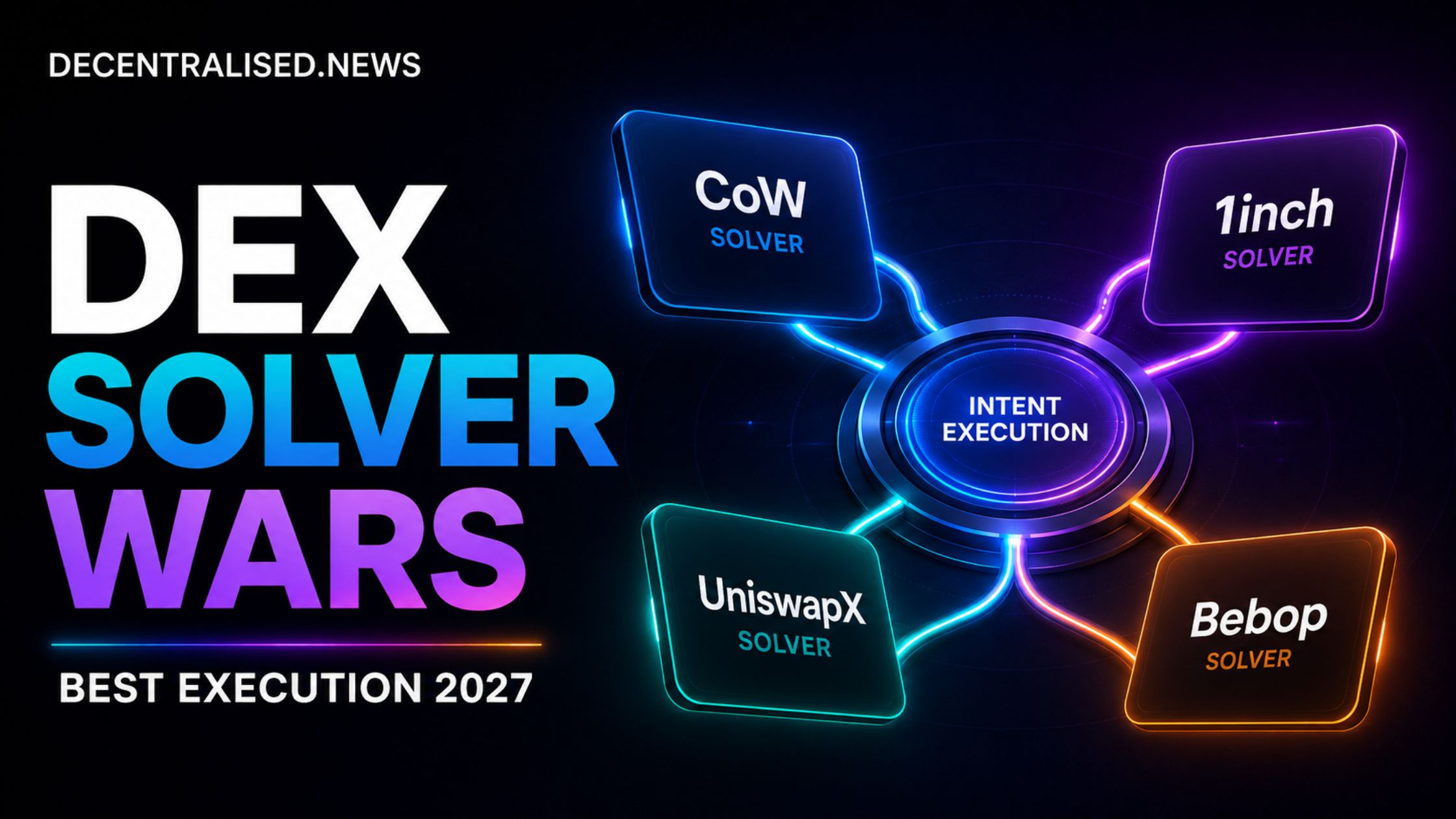
最良のインテント型DEX 2026-2027:どのソルバーが本当にあなたの取引を改善するのか?
次の段階のDEX競争は、単に流動性が最も深いことや最良のクオートを提示することだけではありません。
ますます重要なのは、あなたの取引インテントを最も適切に実行できるのは誰かという点です。
最新の分散型ニュース調査では、DN インテント・ソルバー品質ベンチマーク 2027 を紹介します。これは、CoW Protocol、1inch Fusion、UniswapX、Bebop の背後にある実行モデルを検証します。
見出しのクオートを比較するのではなく、より難しい問いを投げかけます。
そのソルバーは、同等のダイレクト・ルートと比べて、実際により使いやすい価値を生成したのか?
以下の指標を導入します:
• ネット・ソルバー改善
• ガス調整後の実行上の優位
• 約定の信頼性
• 約定までの時間
• クオートから約定までの整合性
• 有害な実行のテール(極端な悪化)
• 実行の一貫性
• 実効的なソルバー競争
さらに、+5bps の改善が、$1,000 のスワップと $1 million の取引で意味するものがまったく異なるため、このフレームワークでは複数の取引規模にわたって実行を評価します。
記事内には独自の DN ソルバー結果シミュレーターもあります。
「ガスレス」「MEV保護済み」「最良価格」などの主張を超えて、取引者が実際に受け取るものを測定し始めることが目的です。
Decentralised.News の調査全文を読む
#DeFi #DEX #CryptoTrading #MarketStructure #Web3 #Ethereum #CoWSwap #UniswapX #1inch #DigitalAssets
最良のインテント型DEX 2026-2027:どのソルバーが本当にあなたの取引を改善するのか?
次の段階のDEX競争は、単に流動性が最も深いことや最良のクオートを提示することだけではありません。
ますます重要なのは、あなたの取引インテントを最も適切に実行できるのは誰かという点です。
最新の分散型ニュース調査では、DN インテント・ソルバー品質ベンチマーク 2027 を紹介します。これは、CoW Protocol、1inch Fusion、UniswapX、Bebop の背後にある実行モデルを検証します。
見出しのクオートを比較するのではなく、より難しい問いを投げかけます。
そのソルバーは、同等のダイレクト・ルートと比べて、実際により使いやすい価値を生成したのか?
以下の指標を導入します:
• ネット・ソルバー改善
• ガス調整後の実行上の優位
• 約定の信頼性
• 約定までの時間
• クオートから約定までの整合性
• 有害な実行のテール(極端な悪化)
• 実行の一貫性
• 実効的なソルバー競争
さらに、+5bps の改善が、$1,000 のスワップと $1 million の取引で意味するものがまったく異なるため、このフレームワークでは複数の取引規模にわたって実行を評価します。
記事内には独自の DN ソルバー結果シミュレーターもあります。
「ガスレス」「MEV保護済み」「最良価格」などの主張を超えて、取引者が実際に受け取るものを測定し始めることが目的です。
Decentralised.News の調査全文を読む
#DeFi #DEX #CryptoTrading #MarketStructure #Web3 #Ethereum #CoWSwap #UniswapX #1inch #DigitalAssets
次の段階のDEX競争は、単に流動性が最も深いことや最良のクオートを提示することだけではありません。
ますます重要なのは、あなたの取引インテントを最も適切に実行できるのは誰かという点です。
最新の分散型ニュース調査では、DN インテント・ソルバー品質ベンチマーク 2027 を紹介します。これは、CoW Protocol、1inch Fusion、UniswapX、Bebop の背後にある実行モデルを検証します。
見出しのクオートを比較するのではなく、より難しい問いを投げかけます。
そのソルバーは、同等のダイレクト・ルートと比べて、実際により使いやすい価値を生成したのか?
以下の指標を導入します:
• ネット・ソルバー改善
• ガス調整後の実行上の優位
• 約定の信頼性
• 約定までの時間
• クオートから約定までの整合性
• 有害な実行のテール(極端な悪化)
• 実行の一貫性
• 実効的なソルバー競争
さらに、+5bps の改善が、$1,000 のスワップと $1 million の取引で意味するものがまったく異なるため、このフレームワークでは複数の取引規模にわたって実行を評価します。
記事内には独自の DN ソルバー結果シミュレーターもあります。
「ガスレス」「MEV保護済み」「最良価格」などの主張を超えて、取引者が実際に受け取るものを測定し始めることが目的です。
Decentralised.News の調査全文を読む
#DeFi #DEX #CryptoTrading #MarketStructure #Web3 #Ethereum #CoWSwap #UniswapX #1inch #DigitalAssets
378
一部該当
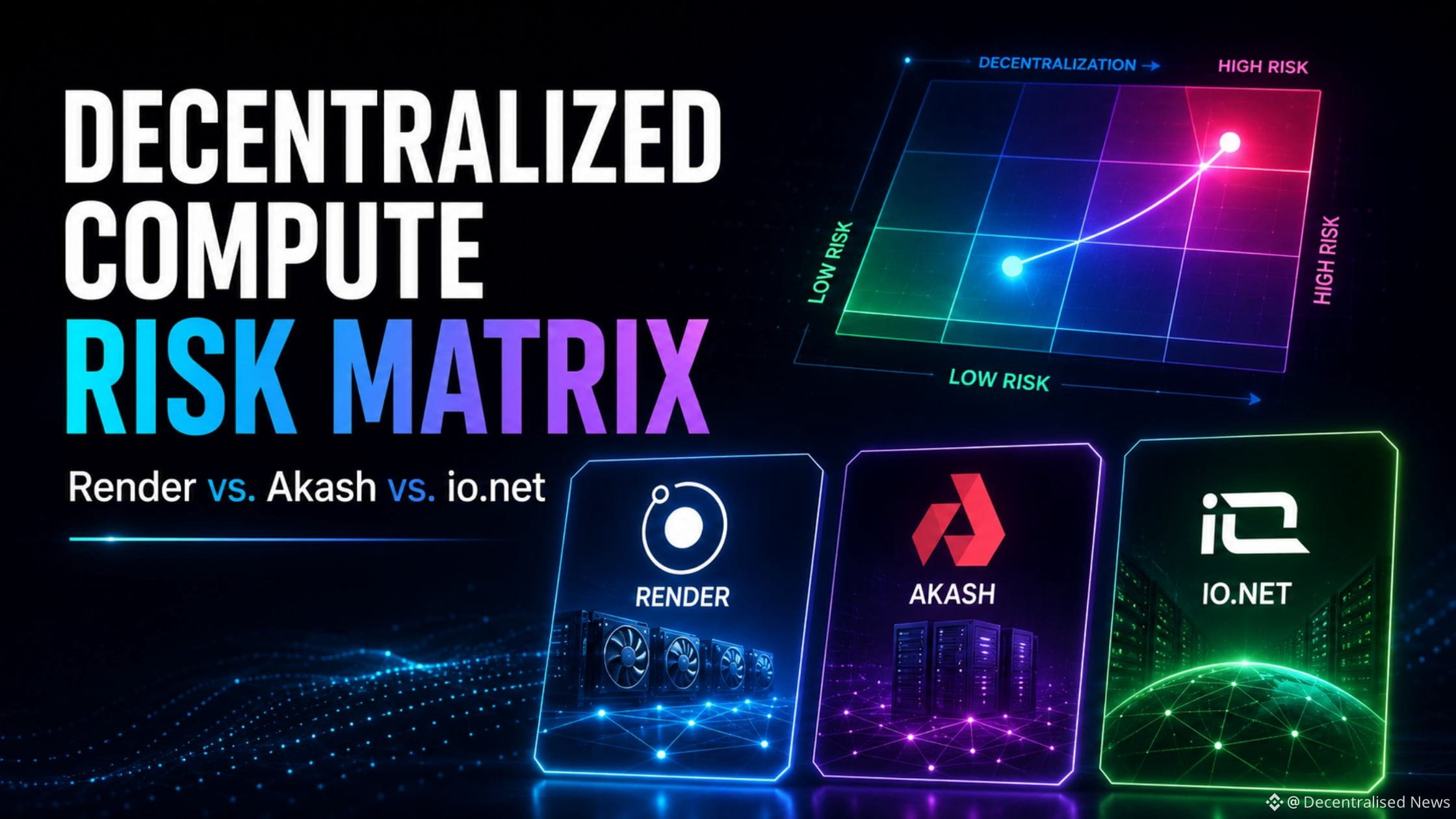
分散型コンピュート・リスク・マトリクス:Render vs. Akash vs. io.net(コスト比較:AWS vs. 分散型GPUクラウド:AIトレーニングコストを70%削減)
高性能GPUコンピュートへの企業需要が急増する中、分散型物理インフラ・ネットワーク(DePIN)は、AWS、GCP、Azureのような中央集権型クラウド独占に代わる選択肢を提供します。
しかし、分散型コンピュートには運用上のトレードオフがあります。ノードのレイテンシーばらつき、クラスタ間接続のボトルネック、ホスト脱落のリスクです。
Decentralised Newsは、Render Network、Akash Network、io.netを評価した「分散型コンピュート・リスク・マトリクス2026」を公開しました。
主な調査結果:
- コスト削減:DePINプロバイダーは、従来の大手ハイパースケーラーと比べて60〜80%の節約を提供。
- ハードウェア検証:プローフ・オブ・コンピュートの仕組みは、不正なアクター・ノードを防ぐ点で大きく異なります。
- 稼働SLA:クラスタの安定性が、LLMの事前学習において最大の差別化要因として残ります。
完全な実証ベンチマークを読み、当社独自ツールでワークロードの節約を検証してください:👉 Decentralised.Newsのフル記事
#DePIN #AICompute #AkashNetwork #RenderNetwork #ionet #CloudComputing #Web3 #DecentralisedNews
分散型コンピュート・リスク・マトリクス:Render vs. Akash vs. io.net(コスト比較:AWS vs. 分散型GPUクラウド:AIトレーニングコストを70%削減)
高性能GPUコンピュートへの企業需要が急増する中、分散型物理インフラ・ネットワーク(DePIN)は、AWS、GCP、Azureのような中央集権型クラウド独占に代わる選択肢を提供します。
しかし、分散型コンピュートには運用上のトレードオフがあります。ノードのレイテンシーばらつき、クラスタ間接続のボトルネック、ホスト脱落のリスクです。
Decentralised Newsは、Render Network、Akash Network、io.netを評価した「分散型コンピュート・リスク・マトリクス2026」を公開しました。
主な調査結果:
- コスト削減:DePINプロバイダーは、従来の大手ハイパースケーラーと比べて60〜80%の節約を提供。
- ハードウェア検証:プローフ・オブ・コンピュートの仕組みは、不正なアクター・ノードを防ぐ点で大きく異なります。
- 稼働SLA:クラスタの安定性が、LLMの事前学習において最大の差別化要因として残ります。
完全な実証ベンチマークを読み、当社独自ツールでワークロードの節約を検証してください:👉 Decentralised.Newsのフル記事
#DePIN #AICompute #AkashNetwork #RenderNetwork #ionet #CloudComputing #Web3 #DecentralisedNews
高性能GPUコンピュートへの企業需要が急増する中、分散型物理インフラ・ネットワーク(DePIN)は、AWS、GCP、Azureのような中央集権型クラウド独占に代わる選択肢を提供します。
しかし、分散型コンピュートには運用上のトレードオフがあります。ノードのレイテンシーばらつき、クラスタ間接続のボトルネック、ホスト脱落のリスクです。
Decentralised Newsは、Render Network、Akash Network、io.netを評価した「分散型コンピュート・リスク・マトリクス2026」を公開しました。
主な調査結果:
- コスト削減:DePINプロバイダーは、従来の大手ハイパースケーラーと比べて60〜80%の節約を提供。
- ハードウェア検証:プローフ・オブ・コンピュートの仕組みは、不正なアクター・ノードを防ぐ点で大きく異なります。
- 稼働SLA:クラスタの安定性が、LLMの事前学習において最大の差別化要因として残ります。
完全な実証ベンチマークを読み、当社独自ツールでワークロードの節約を検証してください:👉 Decentralised.Newsのフル記事
#DePIN #AICompute #AkashNetwork #RenderNetwork #ionet #CloudComputing #Web3 #DecentralisedNews
1
263
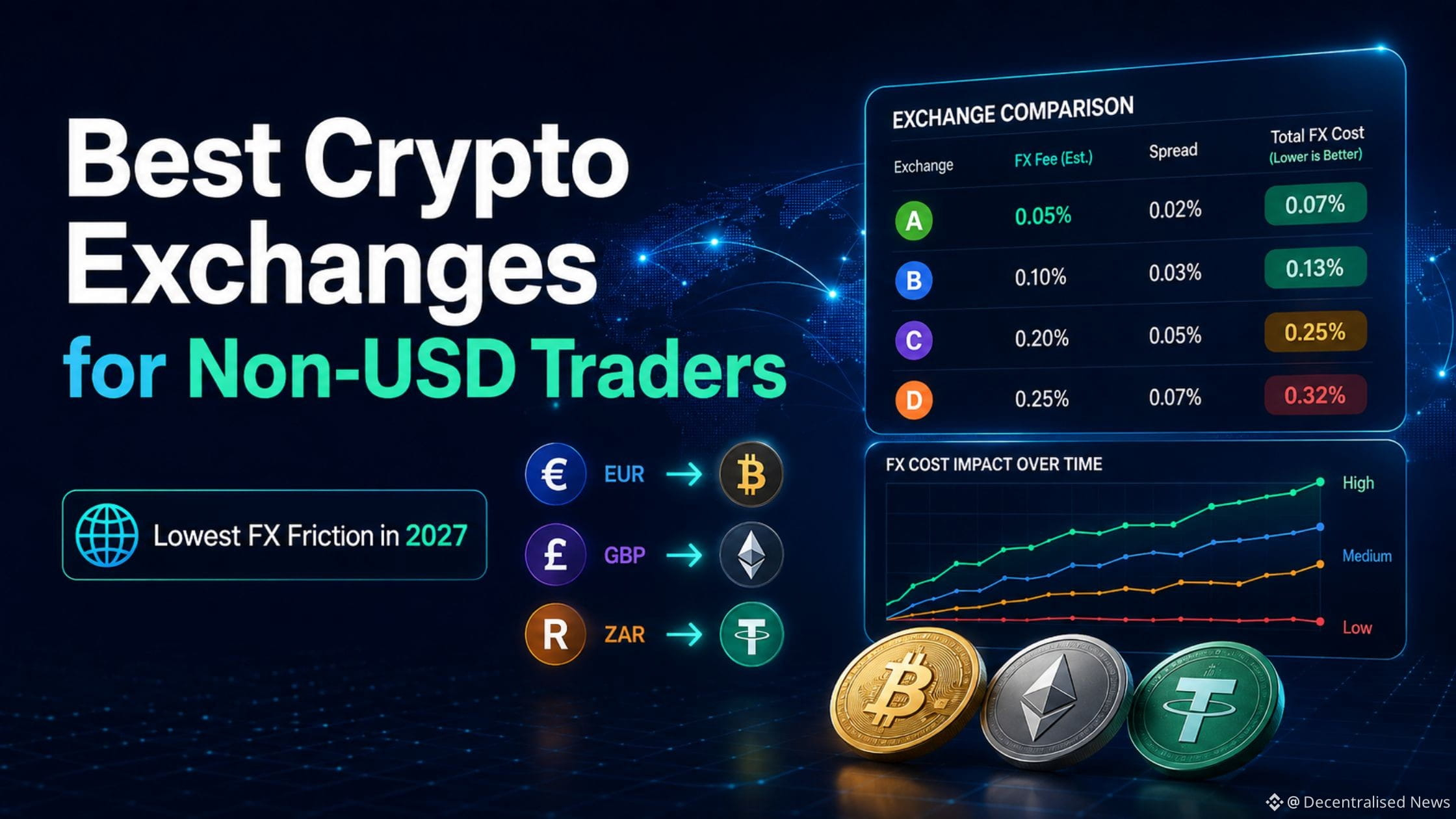
非米ドルトレーダー向けのおすすめ暗号資産取引所:EUR、GBP、ZARなどの最小FX摩擦!
多くの暗号資産取引所の手数料比較には、隠れた前提があります:
あなたが米ドルで資金を運用している、ということです。
しかし実際の資産運用が次の通貨なら:
• EUR
• GBP
• ZAR
• AUD
• CAD
• CHF
• BRL
取引手数料は、支払うコストの中でも最小のものになる可能性があります。
例えばユーザーは:
0.10%の取引手数料
を見たとしても、知らないうちに次の流れを踏んでしまうかもしれません:
通貨(ホーム) → USD → USDT → 暗号資産
そして出金時に逆の手順を辿ります。
この場合、次のようなコストが発生し得ます:
• 銀行のFX上乗せ
• ステーブルコイン換算コスト
• カードのFX手数料
• P2Pプレミアム
• スプレッドの拡大
• 追加の出金手数料
そこでDN Hidden FX Cost Index(DN 隠れたFXコスト指数)を作りました。
Binance、Kraken、Bybit、Bitget、VALR、CEX、Lunoを次の観点で比較しました:
• 自国通貨の対応
• ローカル銀行の入金
• ローカル銀行の出金
• 直接の法定通貨取引ペア
• ステーブルコイン換算
• FX上乗せ
• カード関連コスト
• P2Pの価格設定
• ローカル決済ネットワーク
• 制限と透明性
現在の調査結果:
[Binance](https://www.binance.com/en/activity/referral-entry/CPA?fromActivityPage=true&ref=CPA_00SXKU7IO9) は、P2Pが主要な現地通貨ブリッジである限り、依然として重要です。
Krakenは、EUR、GBP、AUD、CAD、CHFの強固なインフラにより、非米ドルトレーダー全体で首位です。
BybitとBitgetは、地域の法定通貨の銀行対応を急速に拡大し続けています。
南アフリカ向けでは、世界ランキングがまったく変わります:
VALRは現在、ZARネイティブルートとして最強であり、Lunoは強力なローカル代替として残っています。
重要な学び:
通貨換算ルートのコストがさらに1.5%かかるなら、0.1%の取引手数料はほとんど意味がありません。
適切な比較は:
通貨(ホーム) → 暗号資産 → 通貨(ホーム)
単に:
メーカー手数料 vs テイカー手数料
ではありません。
2027年の完全なベンチマークを読み、Decentralised NewsのDN Hidden FX Cost Calculator(DN 隠れたFXコスト計算機)を使ってください
#Crypto #Bitcoin #Forex #FX #CryptoExchange #Kraken #OKX #Bybit #Bitget #VALR #Luno #EUR #GBP #ZAR #DigitalAssets
非米ドルトレーダー向けのおすすめ暗号資産取引所:EUR、GBP、ZARなどの最小FX摩擦!
多くの暗号資産取引所の手数料比較には、隠れた前提があります:
あなたが米ドルで資金を運用している、ということです。
しかし実際の資産運用が次の通貨なら:
• EUR
• GBP
• ZAR
• AUD
• CAD
• CHF
• BRL
取引手数料は、支払うコストの中でも最小のものになる可能性があります。
例えばユーザーは:
0.10%の取引手数料
を見たとしても、知らないうちに次の流れを踏んでしまうかもしれません:
通貨(ホーム) → USD → USDT → 暗号資産
そして出金時に逆の手順を辿ります。
この場合、次のようなコストが発生し得ます:
• 銀行のFX上乗せ
• ステーブルコイン換算コスト
• カードのFX手数料
• P2Pプレミアム
• スプレッドの拡大
• 追加の出金手数料
そこでDN Hidden FX Cost Index(DN 隠れたFXコスト指数)を作りました。
Binance、Kraken、Bybit、Bitget、VALR、CEX、Lunoを次の観点で比較しました:
• 自国通貨の対応
• ローカル銀行の入金
• ローカル銀行の出金
• 直接の法定通貨取引ペア
• ステーブルコイン換算
• FX上乗せ
• カード関連コスト
• P2Pの価格設定
• ローカル決済ネットワーク
• 制限と透明性
現在の調査結果:
Binance は、P2Pが主要な現地通貨ブリッジである限り、依然として重要です。
Krakenは、EUR、GBP、AUD、CAD、CHFの強固なインフラにより、非米ドルトレーダー全体で首位です。
BybitとBitgetは、地域の法定通貨の銀行対応を急速に拡大し続けています。
南アフリカ向けでは、世界ランキングがまったく変わります:
VALRは現在、ZARネイティブルートとして最強であり、Lunoは強力なローカル代替として残っています。
重要な学び:
通貨換算ルートのコストがさらに1.5%かかるなら、0.1%の取引手数料はほとんど意味がありません。
適切な比較は:
通貨(ホーム) → 暗号資産 → 通貨(ホーム)
単に:
メーカー手数料 vs テイカー手数料
ではありません。
2027年の完全なベンチマークを読み、Decentralised NewsのDN Hidden FX Cost Calculator(DN 隠れたFXコスト計算機)を使ってください
#Crypto #Bitcoin #Forex #FX #CryptoExchange #Kraken #OKX #Bybit #Bitget #VALR #Luno #EUR #GBP #ZAR #DigitalAssets
多くの暗号資産取引所の手数料比較には、隠れた前提があります:
あなたが米ドルで資金を運用している、ということです。
しかし実際の資産運用が次の通貨なら:
• EUR
• GBP
• ZAR
• AUD
• CAD
• CHF
• BRL
取引手数料は、支払うコストの中でも最小のものになる可能性があります。
例えばユーザーは:
0.10%の取引手数料
を見たとしても、知らないうちに次の流れを踏んでしまうかもしれません:
通貨(ホーム) → USD → USDT → 暗号資産
そして出金時に逆の手順を辿ります。
この場合、次のようなコストが発生し得ます:
• 銀行のFX上乗せ
• ステーブルコイン換算コスト
• カードのFX手数料
• P2Pプレミアム
• スプレッドの拡大
• 追加の出金手数料
そこでDN Hidden FX Cost Index(DN 隠れたFXコスト指数)を作りました。
Binance、Kraken、Bybit、Bitget、VALR、CEX、Lunoを次の観点で比較しました:
• 自国通貨の対応
• ローカル銀行の入金
• ローカル銀行の出金
• 直接の法定通貨取引ペア
• ステーブルコイン換算
• FX上乗せ
• カード関連コスト
• P2Pの価格設定
• ローカル決済ネットワーク
• 制限と透明性
現在の調査結果:
Binance は、P2Pが主要な現地通貨ブリッジである限り、依然として重要です。
Krakenは、EUR、GBP、AUD、CAD、CHFの強固なインフラにより、非米ドルトレーダー全体で首位です。
BybitとBitgetは、地域の法定通貨の銀行対応を急速に拡大し続けています。
南アフリカ向けでは、世界ランキングがまったく変わります:
VALRは現在、ZARネイティブルートとして最強であり、Lunoは強力なローカル代替として残っています。
重要な学び:
通貨換算ルートのコストがさらに1.5%かかるなら、0.1%の取引手数料はほとんど意味がありません。
適切な比較は:
通貨(ホーム) → 暗号資産 → 通貨(ホーム)
単に:
メーカー手数料 vs テイカー手数料
ではありません。
2027年の完全なベンチマークを読み、Decentralised NewsのDN Hidden FX Cost Calculator(DN 隠れたFXコスト計算機)を使ってください
#Crypto #Bitcoin #Forex #FX #CryptoExchange #Kraken #OKX #Bybit #Bitget #VALR #Luno #EUR #GBP #ZAR #DigitalAssets
12
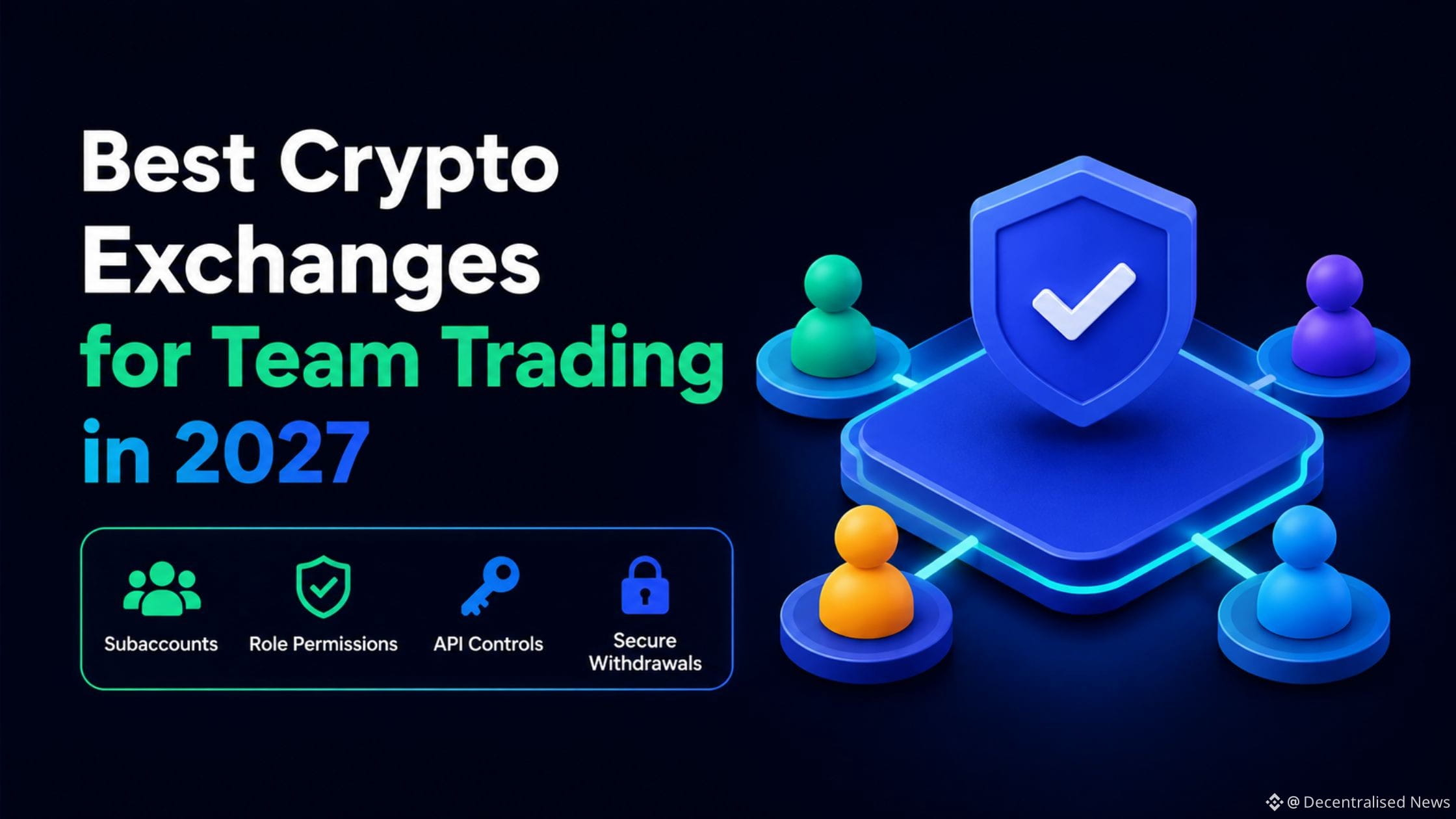
2027年のチーム取引に最適な暗号資産取引所:サブアカウント、権限、API、出金コントロールをランキング
最もプロフェッショナルな暗号資産トレーディングチームは、1つの共有取引所ログインで運用すべきではありません。
取引会社には、たとえば次のような役割があります。
• リサーチャー
• 人間のトレーダー
• クオンツ開発者
• 取引ボット
• オペレーション担当
• 資金(トレジャリー)管理者
• 出金承認者
そして、全員が同じ権限であるべきではありません。
そこで私たちは、組織がどれだけうまく分離できるかという観点から暗号資産取引所を比較するために、DN Trading Team Control Matrix(チーム・コントロール・マトリクス)を作成しました。
つまり、
• トレーディング権限と資金(トレジャリー)権限の分離
を比較します。
Binance、Kraken Organizations、Coinbase Prime、Deribit、OKX、Bybit、Bitgetを次の項目で検証しました。
• サブアカウント
• ロールベースの権限
• 読み取り専用アクセス
• 取引のみのユーザー
• 出金権限
• 複数者による承認
• APIキーのスコープ
• IP制限
• アカウント分離
• ポートフォリオ・マージン
• 監査ログ
• マスターアカウントのコントロール
現在の調査結果:
+ [Binance](https://www.binance.com/en/activity/referral-entry/CPA?fromActivityPage=true&ref=CPA_00SXKU7IO9) は、大規模なAPI駆動かつマルチ戦略の取引オペレーションに対して非常に高い競争力を維持しています。
+ Kraken Organizations は、分離されたアカウント、きめ細かなロール、承認ワークフローの組み合わせにおいて全体的にリードしています。
+ Coinbase Prime は、機関投資家の合意形成とトレジャリーのガバナンス面で際立っています。
+ Deribit は、独立した担保・マージンプールが必要なオプションおよびデリバティブのチームに特に強いです。
+ Bybit と Bitget は、より小規模、または急速に拡大しているデスクでも特にうまく機能し得る、分かりやすいサブアカウント構造を提供します。
重要な違い:
サブアカウントは権限とは同じではありません。
あるプラットフォームが 20 のサブアカウントを作成できるとしても、誰が次を行えるかについてのコントロールが弱い場合があります。
• 取引
• 資金の移動
• APIの作成
• 権限の変更
• 資産の出金
最も強力なアーキテクチャは、次のシンプルなルールに従います。
トレーダーは、トレジャリーを動かす権限を自動的に持つことなく取引できるべきです。
全文ガイドを読む & Decentralised.News の DN Trading Team Control Matrix を利用
2027年のチーム取引に最適な暗号資産取引所:サブアカウント、権限、API、出金コントロールをランキング
最もプロフェッショナルな暗号資産トレーディングチームは、1つの共有取引所ログインで運用すべきではありません。
取引会社には、たとえば次のような役割があります。
• リサーチャー
• 人間のトレーダー
• クオンツ開発者
• 取引ボット
• オペレーション担当
• 資金(トレジャリー)管理者
• 出金承認者
そして、全員が同じ権限であるべきではありません。
そこで私たちは、組織がどれだけうまく分離できるかという観点から暗号資産取引所を比較するために、DN Trading Team Control Matrix(チーム・コントロール・マトリクス)を作成しました。
つまり、
• トレーディング権限と資金(トレジャリー)権限の分離
を比較します。
Binance、Kraken Organizations、Coinbase Prime、Deribit、OKX、Bybit、Bitgetを次の項目で検証しました。
• サブアカウント
• ロールベースの権限
• 読み取り専用アクセス
• 取引のみのユーザー
• 出金権限
• 複数者による承認
• APIキーのスコープ
• IP制限
• アカウント分離
• ポートフォリオ・マージン
• 監査ログ
• マスターアカウントのコントロール
現在の調査結果:
+ Binance は、大規模なAPI駆動かつマルチ戦略の取引オペレーションに対して非常に高い競争力を維持しています。
+ Kraken Organizations は、分離されたアカウント、きめ細かなロール、承認ワークフローの組み合わせにおいて全体的にリードしています。
+ Coinbase Prime は、機関投資家の合意形成とトレジャリーのガバナンス面で際立っています。
+ Deribit は、独立した担保・マージンプールが必要なオプションおよびデリバティブのチームに特に強いです。
+ Bybit と Bitget は、より小規模、または急速に拡大しているデスクでも特にうまく機能し得る、分かりやすいサブアカウント構造を提供します。
重要な違い:
サブアカウントは権限とは同じではありません。
あるプラットフォームが 20 のサブアカウントを作成できるとしても、誰が次を行えるかについてのコントロールが弱い場合があります。
• 取引
• 資金の移動
• APIの作成
• 権限の変更
• 資産の出金
最も強力なアーキテクチャは、次のシンプルなルールに従います。
トレーダーは、トレジャリーを動かす権限を自動的に持つことなく取引できるべきです。
全文ガイドを読む & Decentralised.News の DN Trading Team Control Matrix を利用
最もプロフェッショナルな暗号資産トレーディングチームは、1つの共有取引所ログインで運用すべきではありません。
取引会社には、たとえば次のような役割があります。
• リサーチャー
• 人間のトレーダー
• クオンツ開発者
• 取引ボット
• オペレーション担当
• 資金(トレジャリー)管理者
• 出金承認者
そして、全員が同じ権限であるべきではありません。
そこで私たちは、組織がどれだけうまく分離できるかという観点から暗号資産取引所を比較するために、DN Trading Team Control Matrix(チーム・コントロール・マトリクス)を作成しました。
つまり、
• トレーディング権限と資金(トレジャリー)権限の分離
を比較します。
Binance、Kraken Organizations、Coinbase Prime、Deribit、OKX、Bybit、Bitgetを次の項目で検証しました。
• サブアカウント
• ロールベースの権限
• 読み取り専用アクセス
• 取引のみのユーザー
• 出金権限
• 複数者による承認
• APIキーのスコープ
• IP制限
• アカウント分離
• ポートフォリオ・マージン
• 監査ログ
• マスターアカウントのコントロール
現在の調査結果:
+ Binance は、大規模なAPI駆動かつマルチ戦略の取引オペレーションに対して非常に高い競争力を維持しています。
+ Kraken Organizations は、分離されたアカウント、きめ細かなロール、承認ワークフローの組み合わせにおいて全体的にリードしています。
+ Coinbase Prime は、機関投資家の合意形成とトレジャリーのガバナンス面で際立っています。
+ Deribit は、独立した担保・マージンプールが必要なオプションおよびデリバティブのチームに特に強いです。
+ Bybit と Bitget は、より小規模、または急速に拡大しているデスクでも特にうまく機能し得る、分かりやすいサブアカウント構造を提供します。
重要な違い:
サブアカウントは権限とは同じではありません。
あるプラットフォームが 20 のサブアカウントを作成できるとしても、誰が次を行えるかについてのコントロールが弱い場合があります。
• 取引
• 資金の移動
• APIの作成
• 権限の変更
• 資産の出金
最も強力なアーキテクチャは、次のシンプルなルールに従います。
トレーダーは、トレジャリーを動かす権限を自動的に持つことなく取引できるべきです。
全文ガイドを読む & Decentralised.News の DN Trading Team Control Matrix を利用
73
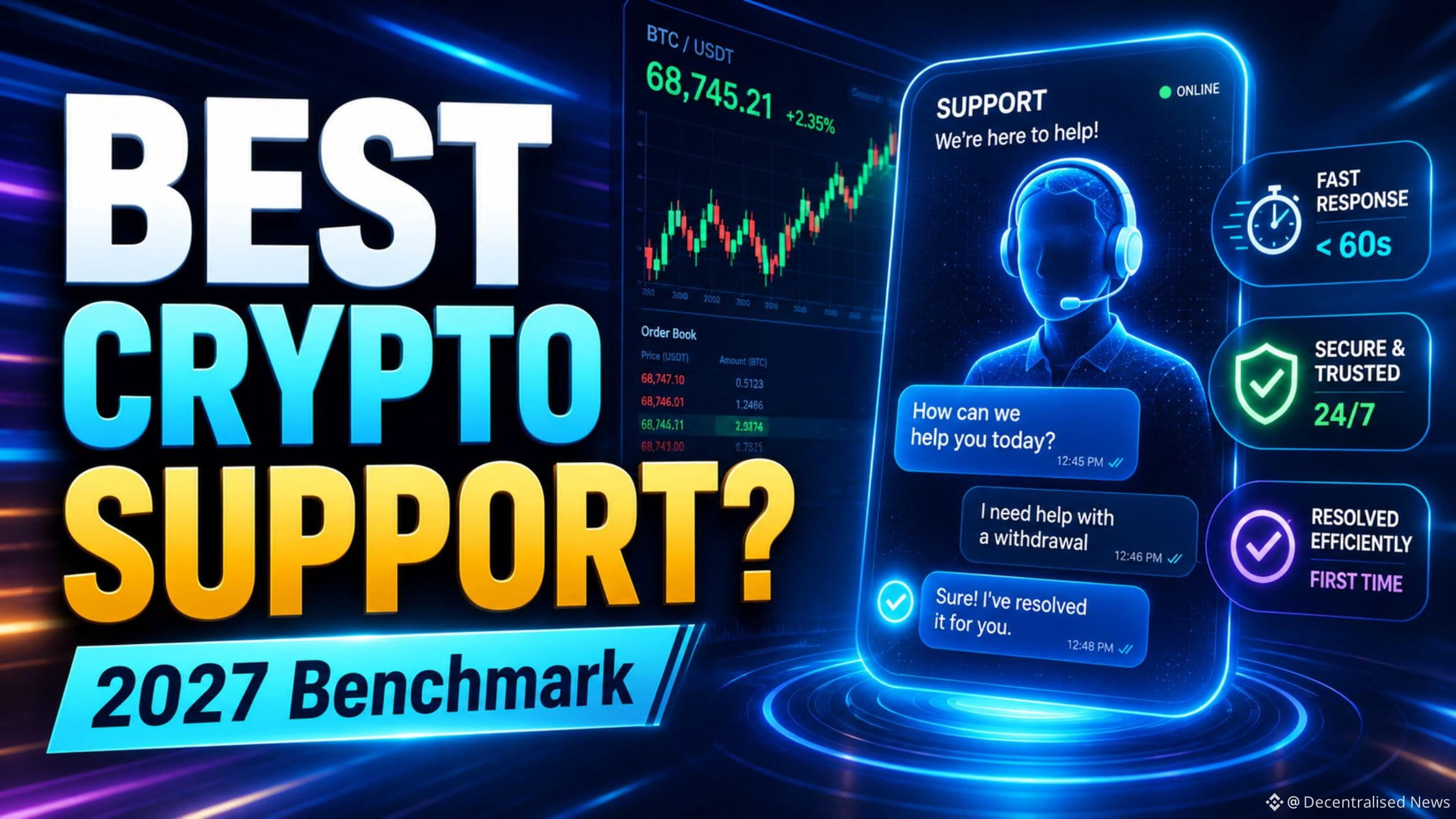
最高のカスタマーサポートを提供する暗号資産(仮想通貨)取引所はどこ?レスポンスタイム・ベンチマーク 2026
多くの暗号資産取引所のレビューは、手数料、流動性、取引ツールを比較することにページを費やしています。
しかし、出金が止まったときや、アカウントがロックされたとき、KYCが失敗したときに本当に重要なのは、次の一点だけです。
「カスタマーサポートは実際に問題を解決できるのか?」
私たちは、よくある「24/7ライブチャット」という宣伝文句の域を超えて、暗号資産取引所のサポート力を測るためのDN Support Resolution Index(サポート解決指数)を構築しました。
このベンチマークは以下を評価します:
• 最初の意味のある返信
• компетent な担当者(人)に到達するまでの時間
• 返信の有用性
• 完全な解決までの時間
• チケットの追跡
• アカウントロック手順
• 出金のエスカレーション
• 弁護(アピール)および苦情チャネル
• 利用可能な言語
Binance、Coinbase、Kraken、OKX、Bybit、VALR、Bitget、CEX、Luno のサポート基盤を調査しました。
いくつかの早期の差は、すでに明確です。
[Binance](https://www.binance.com/en/activity/referral-entry/CPA?fromActivityPage=true&ref=CPA_00SXKU7IO9):大規模な24/7サポート
Coinbaseは、マルチチャネルの小口向け(リテール)サポート体制が最も幅広い部類に入ります。
Krakenは、セキュリティと出金のエスカレーションが記録(文書)で裏付けられている点が際立っています。
Bybitは、チケット追跡の環境が強固な部類に入ります。
VALRは、南アフリカのユーザー向けに非常に強い正式な苦情対応の枠組みを備えています。
しかし、より重要なのは次のフェーズです。
DNのベンチマークは、標準化された日時付きサポートテストを実行できるよう設計されており、次の差を測定できます:
素早いボットの応答と、実際の人間による解決の違い。
「24/7サポート」と言っていても、誰も問題を直せないなら意味はほとんどありません。
Decentralised.Newsで完全なベンチマークを読む
#Crypto #Bitcoin #CryptoExchange #CustomerSupport #Fintech #DigitalAssets #CryptoTrading
最高のカスタマーサポートを提供する暗号資産(仮想通貨)取引所はどこ?レスポンスタイム・ベンチマーク 2026
多くの暗号資産取引所のレビューは、手数料、流動性、取引ツールを比較することにページを費やしています。
しかし、出金が止まったときや、アカウントがロックされたとき、KYCが失敗したときに本当に重要なのは、次の一点だけです。
「カスタマーサポートは実際に問題を解決できるのか?」
私たちは、よくある「24/7ライブチャット」という宣伝文句の域を超えて、暗号資産取引所のサポート力を測るためのDN Support Resolution Index(サポート解決指数)を構築しました。
このベンチマークは以下を評価します:
• 最初の意味のある返信
• компетent な担当者(人)に到達するまでの時間
• 返信の有用性
• 完全な解決までの時間
• チケットの追跡
• アカウントロック手順
• 出金のエスカレーション
• 弁護(アピール)および苦情チャネル
• 利用可能な言語
Binance、Coinbase、Kraken、OKX、Bybit、VALR、Bitget、CEX、Luno のサポート基盤を調査しました。
いくつかの早期の差は、すでに明確です。
Binance:大規模な24/7サポート
Coinbaseは、マルチチャネルの小口向け(リテール)サポート体制が最も幅広い部類に入ります。
Krakenは、セキュリティと出金のエスカレーションが記録(文書)で裏付けられている点が際立っています。
Bybitは、チケット追跡の環境が強固な部類に入ります。
VALRは、南アフリカのユーザー向けに非常に強い正式な苦情対応の枠組みを備えています。
しかし、より重要なのは次のフェーズです。
DNのベンチマークは、標準化された日時付きサポートテストを実行できるよう設計されており、次の差を測定できます:
素早いボットの応答と、実際の人間による解決の違い。
「24/7サポート」と言っていても、誰も問題を直せないなら意味はほとんどありません。
Decentralised.Newsで完全なベンチマークを読む
#Crypto #Bitcoin #CryptoExchange #CustomerSupport #Fintech #DigitalAssets #CryptoTrading
多くの暗号資産取引所のレビューは、手数料、流動性、取引ツールを比較することにページを費やしています。
しかし、出金が止まったときや、アカウントがロックされたとき、KYCが失敗したときに本当に重要なのは、次の一点だけです。
「カスタマーサポートは実際に問題を解決できるのか?」
私たちは、よくある「24/7ライブチャット」という宣伝文句の域を超えて、暗号資産取引所のサポート力を測るためのDN Support Resolution Index(サポート解決指数)を構築しました。
このベンチマークは以下を評価します:
• 最初の意味のある返信
• компетent な担当者(人)に到達するまでの時間
• 返信の有用性
• 完全な解決までの時間
• チケットの追跡
• アカウントロック手順
• 出金のエスカレーション
• 弁護(アピール)および苦情チャネル
• 利用可能な言語
Binance、Coinbase、Kraken、OKX、Bybit、VALR、Bitget、CEX、Luno のサポート基盤を調査しました。
いくつかの早期の差は、すでに明確です。
Binance:大規模な24/7サポート
Coinbaseは、マルチチャネルの小口向け(リテール)サポート体制が最も幅広い部類に入ります。
Krakenは、セキュリティと出金のエスカレーションが記録(文書)で裏付けられている点が際立っています。
Bybitは、チケット追跡の環境が強固な部類に入ります。
VALRは、南アフリカのユーザー向けに非常に強い正式な苦情対応の枠組みを備えています。
しかし、より重要なのは次のフェーズです。
DNのベンチマークは、標準化された日時付きサポートテストを実行できるよう設計されており、次の差を測定できます:
素早いボットの応答と、実際の人間による解決の違い。
「24/7サポート」と言っていても、誰も問題を直せないなら意味はほとんどありません。
Decentralised.Newsで完全なベンチマークを読む
#Crypto #Bitcoin #CryptoExchange #CustomerSupport #Fintech #DigitalAssets #CryptoTrading
74
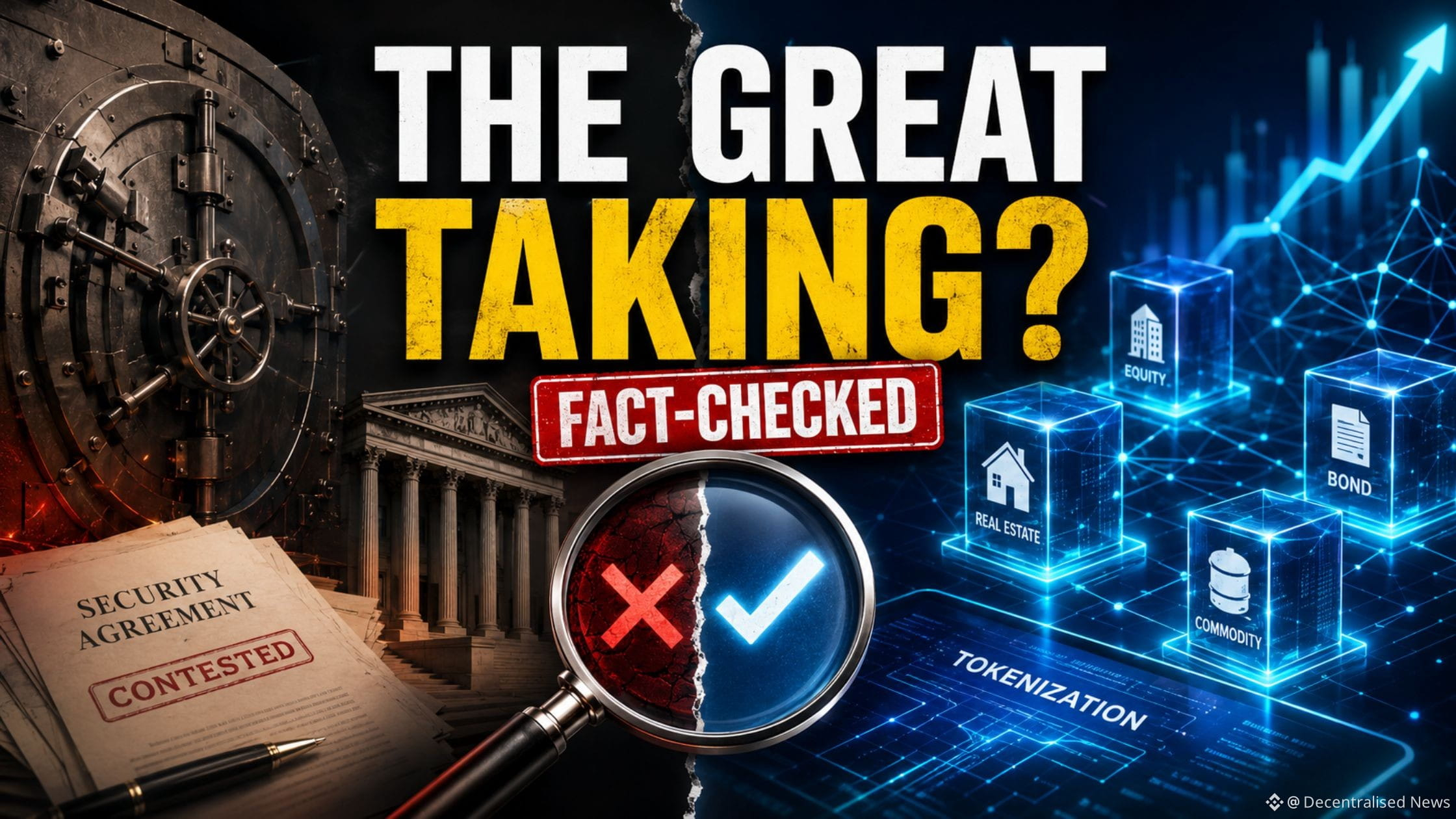
検証済み:偉大なる「テイキング」—何が本当で、何が争点か、そしてトークン化がなぜ改めて問いを重要にするのか
既存のツールは、伝統的アセットとデジタルアセットの両方にわたり、Webb自身の4ステップ・フレームワークを一貫して適用し、「保有者が自分のものだと信じているもの」との間に、法律上どれほどのリンクが存在するのかを正確にスコア化することをできていません。DN Custody Chain Depth Scannerがそれを実現します。すなわち、当該保有がどのように登録されているか、プールド(集合)口座か分離(セグリゲーテッド)口座か、質権設定や貸付が同意されているか、破産セーフハーバーのカテゴリに該当するか、デジタルアセットでは実際に誰がプライベートキーを管理しているか——これらを確認し、そのうえで、保有形態が保有者本人による直接保有(ベアラーレベル)から、完全にプールドで、質権設定可能で、セーフハーバーに該当するエクスポージャーまでの、透明性のある「カストディ深度スコア」と平易な言語によるティア(段階)を生成します。Webbが読者に求める洞察を、抽象的な懸念として残さず、アセットごとに実際に適用できるようになります。
完全版のガイドを読み、Decentralised.NewsのWebサイトでDN Custody Chain Depth Scannerをご利用ください。
#macro #assetcustody #crypto #bitcoin #economics #tradefi #defi #decentralisednews
検証済み:偉大なる「テイキング」—何が本当で、何が争点か、そしてトークン化がなぜ改めて問いを重要にするのか
既存のツールは、伝統的アセットとデジタルアセットの両方にわたり、Webb自身の4ステップ・フレームワークを一貫して適用し、「保有者が自分のものだと信じているもの」との間に、法律上どれほどのリンクが存在するのかを正確にスコア化することをできていません。DN Custody Chain Depth Scannerがそれを実現します。すなわち、当該保有がどのように登録されているか、プールド(集合)口座か分離(セグリゲーテッド)口座か、質権設定や貸付が同意されているか、破産セーフハーバーのカテゴリに該当するか、デジタルアセットでは実際に誰がプライベートキーを管理しているか——これらを確認し、そのうえで、保有形態が保有者本人による直接保有(ベアラーレベル)から、完全にプールドで、質権設定可能で、セーフハーバーに該当するエクスポージャーまでの、透明性のある「カストディ深度スコア」と平易な言語によるティア(段階)を生成します。Webbが読者に求める洞察を、抽象的な懸念として残さず、アセットごとに実際に適用できるようになります。
完全版のガイドを読み、Decentralised.NewsのWebサイトでDN Custody Chain Depth Scannerをご利用ください。
#macro #assetcustody #crypto #bitcoin #economics #tradefi #defi #decentralisednews
既存のツールは、伝統的アセットとデジタルアセットの両方にわたり、Webb自身の4ステップ・フレームワークを一貫して適用し、「保有者が自分のものだと信じているもの」との間に、法律上どれほどのリンクが存在するのかを正確にスコア化することをできていません。DN Custody Chain Depth Scannerがそれを実現します。すなわち、当該保有がどのように登録されているか、プールド(集合)口座か分離(セグリゲーテッド)口座か、質権設定や貸付が同意されているか、破産セーフハーバーのカテゴリに該当するか、デジタルアセットでは実際に誰がプライベートキーを管理しているか——これらを確認し、そのうえで、保有形態が保有者本人による直接保有(ベアラーレベル)から、完全にプールドで、質権設定可能で、セーフハーバーに該当するエクスポージャーまでの、透明性のある「カストディ深度スコア」と平易な言語によるティア(段階)を生成します。Webbが読者に求める洞察を、抽象的な懸念として残さず、アセットごとに実際に適用できるようになります。
完全版のガイドを読み、Decentralised.NewsのWebサイトでDN Custody Chain Depth Scannerをご利用ください。
#macro #assetcustody #crypto #bitcoin #economics #tradefi #defi #decentralisednews
93
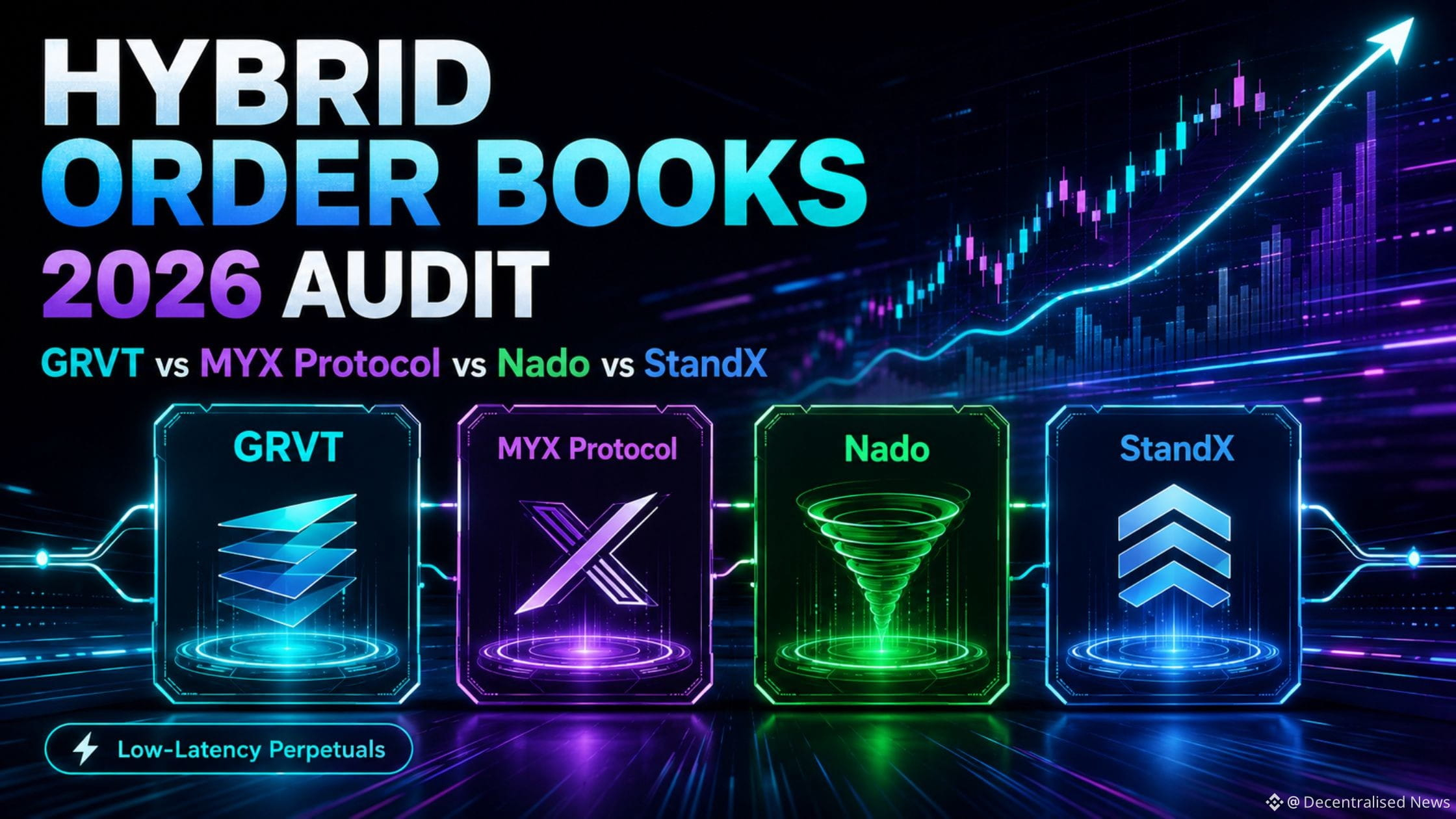
ハイブリッド注文帳監査 2026:GRVT vs. MYX プロトコル vs. Nado vs. StandX
CEXの実行速度と、Web3の自己保全(セルフカストディ)による安全性を両立。
オフチェーンでの注文照合と、オンチェーンのZKプルーフ決済を分離することで、ハイブリッド・パーペチュアルDEXは、注文の編集に対してガス費用ゼロで、20ms未満のスピードで取引を実行します。私たちは2026年の主要なハイブリッド・デリバティブ・プラットフォームを監査しました:
🔹 GRVT:機関投資家向けのZKプライバシーを備えたZKsync Hyperchain L2/L3
🔹 MYX Protocol:ゼロの執行スリッページを実現するマッチング・プール・エンジン(MPM)
🔹 Nado:アクティブなスキャルパー向けに設計された高スループットのL2注文帳エンジン
🔹 StandX:ガス上限(リミット)なしでの編集と、低いマーカー/テイカー手数料のティア
Decentralised.Newsでハイブリッド・デリバティブの監査全文を読む
#defi #perpdexes #decentralisednews #cryptotrading
ハイブリッド注文帳監査 2026:GRVT vs. MYX プロトコル vs. Nado vs. StandX
CEXの実行速度と、Web3の自己保全(セルフカストディ)による安全性を両立。
オフチェーンでの注文照合と、オンチェーンのZKプルーフ決済を分離することで、ハイブリッド・パーペチュアルDEXは、注文の編集に対してガス費用ゼロで、20ms未満のスピードで取引を実行します。私たちは2026年の主要なハイブリッド・デリバティブ・プラットフォームを監査しました:
🔹 GRVT:機関投資家向けのZKプライバシーを備えたZKsync Hyperchain L2/L3
🔹 MYX Protocol:ゼロの執行スリッページを実現するマッチング・プール・エンジン(MPM)
🔹 Nado:アクティブなスキャルパー向けに設計された高スループットのL2注文帳エンジン
🔹 StandX:ガス上限(リミット)なしでの編集と、低いマーカー/テイカー手数料のティア
Decentralised.Newsでハイブリッド・デリバティブの監査全文を読む
#defi #perpdexes #decentralisednews #cryptotrading
CEXの実行速度と、Web3の自己保全(セルフカストディ)による安全性を両立。
オフチェーンでの注文照合と、オンチェーンのZKプルーフ決済を分離することで、ハイブリッド・パーペチュアルDEXは、注文の編集に対してガス費用ゼロで、20ms未満のスピードで取引を実行します。私たちは2026年の主要なハイブリッド・デリバティブ・プラットフォームを監査しました:
🔹 GRVT:機関投資家向けのZKプライバシーを備えたZKsync Hyperchain L2/L3
🔹 MYX Protocol:ゼロの執行スリッページを実現するマッチング・プール・エンジン(MPM)
🔹 Nado:アクティブなスキャルパー向けに設計された高スループットのL2注文帳エンジン
🔹 StandX:ガス上限(リミット)なしでの編集と、低いマーカー/テイカー手数料のティア
Decentralised.Newsでハイブリッド・デリバティブの監査全文を読む
#defi #perpdexes #decentralisednews #cryptotrading
1
477
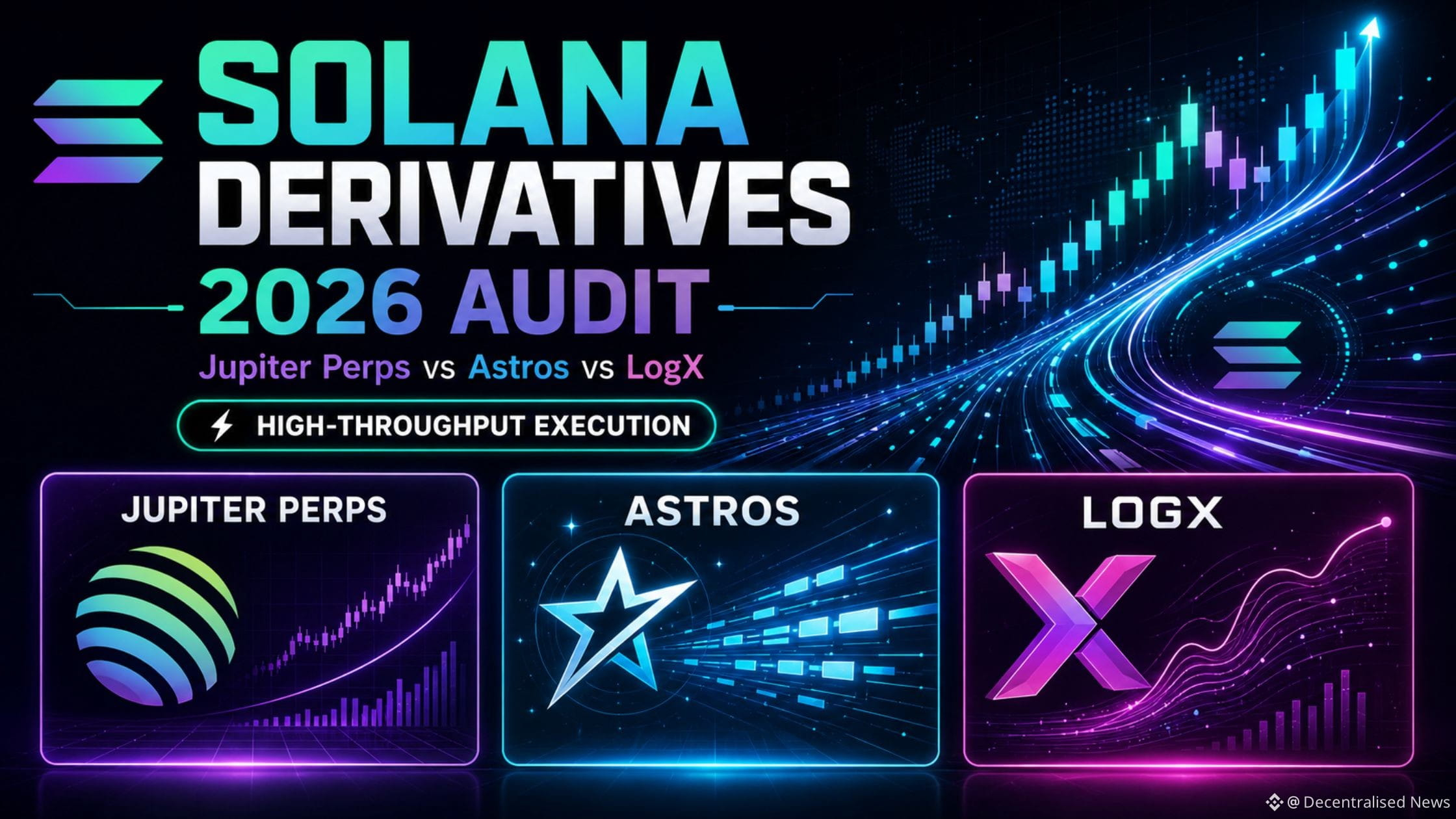
ソラナ・トレーダーのガイド:ゼロスリッページ・プール&オムニチェーン・ルーティング
ソラナ・バーチャル・マシン(SVM)上で並列化された実行スレッドにより、ソラナのデリバティブ・プラットフォームはサブ400msのトランザクション完了性を実現し、秒あたり数千件の注文リクエストを、サブセントのネットワーク・ガス手数料で処理します。
Jupiter Perpsは、ソラナ上のプール型合成執行を支配しており、マルチアセットのJLP Vaultをバックに、数十万ドル規模の成行注文に対してゼロ価格影響の約定を提供します。
Astrosは高スループットなパーペチュアル執行を実現し、低レイテンシーな注文マッチングと、高ベータのアルトコインおよびミーム・パーペチュアルに対する迅速なポジション建てを目標としています。
LogX Routerは、ソラナ・トレーダーにとって不可欠なオムニチェーン集約レイヤーであり、注文ペイロードを複数の執行会場へインテリジェントにルーティングして価格影響を最小化し、クロスチェーンの流動性を一元化します。
Decentralised.Newsで完全なガイドを読む
#solana #jupiter #astros #logx #defi #decentralisednews
ソラナ・トレーダーのガイド:ゼロスリッページ・プール&オムニチェーン・ルーティング
ソラナ・バーチャル・マシン(SVM)上で並列化された実行スレッドにより、ソラナのデリバティブ・プラットフォームはサブ400msのトランザクション完了性を実現し、秒あたり数千件の注文リクエストを、サブセントのネットワーク・ガス手数料で処理します。
Jupiter Perpsは、ソラナ上のプール型合成執行を支配しており、マルチアセットのJLP Vaultをバックに、数十万ドル規模の成行注文に対してゼロ価格影響の約定を提供します。
Astrosは高スループットなパーペチュアル執行を実現し、低レイテンシーな注文マッチングと、高ベータのアルトコインおよびミーム・パーペチュアルに対する迅速なポジション建てを目標としています。
LogX Routerは、ソラナ・トレーダーにとって不可欠なオムニチェーン集約レイヤーであり、注文ペイロードを複数の執行会場へインテリジェントにルーティングして価格影響を最小化し、クロスチェーンの流動性を一元化します。
Decentralised.Newsで完全なガイドを読む
#solana #jupiter #astros #logx #defi #decentralisednews
ソラナ・バーチャル・マシン(SVM)上で並列化された実行スレッドにより、ソラナのデリバティブ・プラットフォームはサブ400msのトランザクション完了性を実現し、秒あたり数千件の注文リクエストを、サブセントのネットワーク・ガス手数料で処理します。
Jupiter Perpsは、ソラナ上のプール型合成執行を支配しており、マルチアセットのJLP Vaultをバックに、数十万ドル規模の成行注文に対してゼロ価格影響の約定を提供します。
Astrosは高スループットなパーペチュアル執行を実現し、低レイテンシーな注文マッチングと、高ベータのアルトコインおよびミーム・パーペチュアルに対する迅速なポジション建てを目標としています。
LogX Routerは、ソラナ・トレーダーにとって不可欠なオムニチェーン集約レイヤーであり、注文ペイロードを複数の執行会場へインテリジェントにルーティングして価格影響を最小化し、クロスチェーンの流動性を一元化します。
Decentralised.Newsで完全なガイドを読む
#solana #jupiter #astros #logx #defi #decentralisednews
129
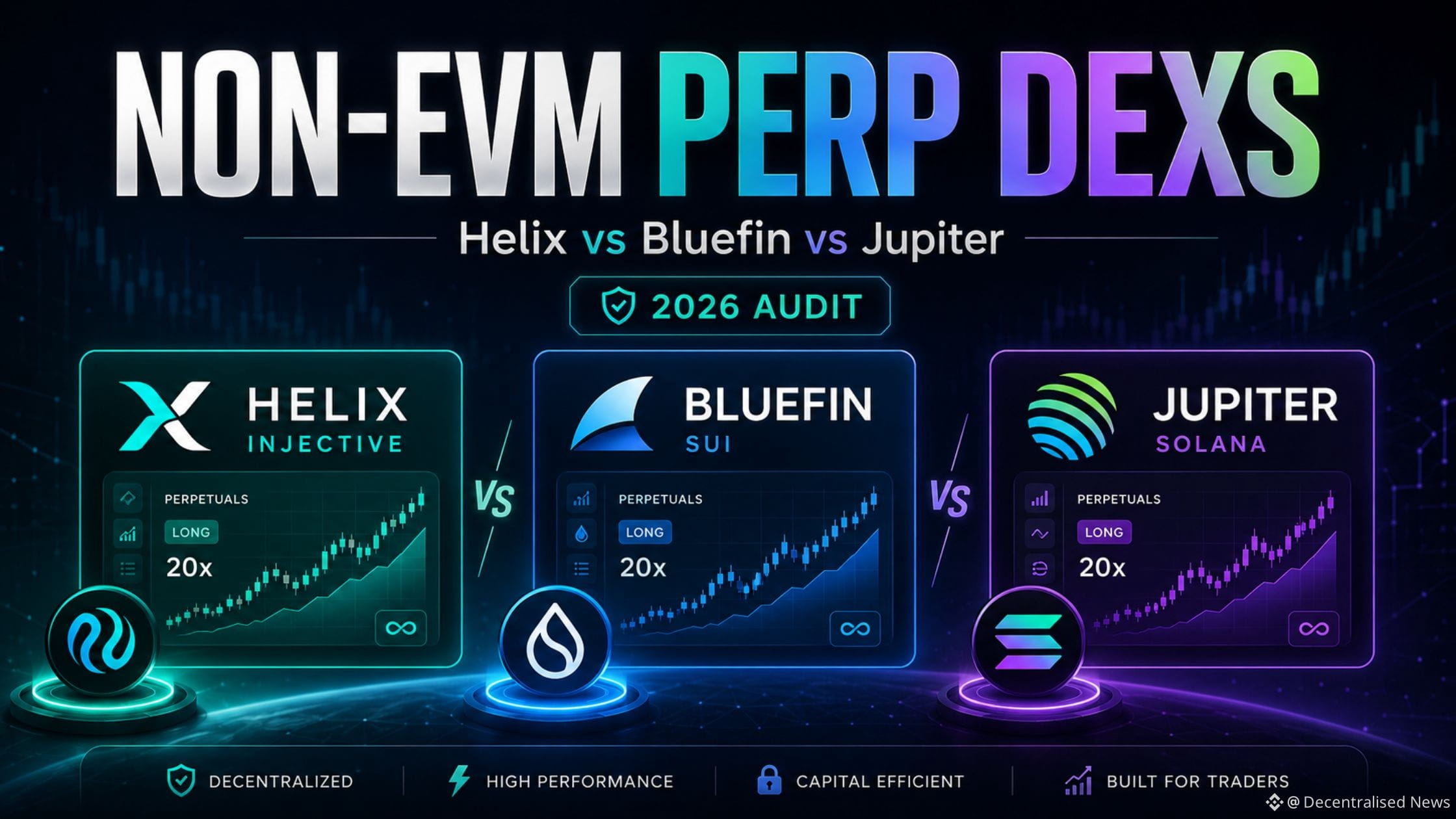
非EVM&アプリチェーン型のパーペチュアルDEX:Helix(Injective)vs. Bluefin(Sui)vs. Jupiter(Solana)(2026年監査)
汎用のEVMブロックチェーンは、しばしば状態の肥大化や共有ブロックスペースの混雑に悩まされます。用途特化のLayer-1アプリチェーンや、並列化された非EVM実行環境(CosmWasm、Move VM、Solana SVM)は、サブ秒のブロック最終確定と、高ボリュームなデリバティブ向けに調整されたサブ20msのトランザクション処理を実現します。
Helix(Injective)は、ネイティブのCosmWasmアプリチェーンとして構築された、機関投資家向けの完全オンチェーン型セントラルリミットオーダーブック(CLOB)を提供します。リミットオーダーのガス費用はゼロで、MEVに耐性のある頻繁なバッチオークションを実現しています。
Bluefin(Sui)は、Move VMの並列実行を活用し、高速でサブ30msのオーダー処理と、高頻度スキャルピング向けの低レイテンシーを提供します。
Jupiter Perps(Solana)は、非EVMの流動性プールにおいて引き続きリーダーであり、JLPマルチアセットプールを利用して、数十万ドル規模の市場投入に対するゼロ・プライスインパクトの約定を実現します。
Decentralised.Newsの完全ガイドを読む
#evm #perpdex #decentralisednews #cryptotrading #defi
非EVM&アプリチェーン型のパーペチュアルDEX:Helix(Injective)vs. Bluefin(Sui)vs. Jupiter(Solana)(2026年監査)
汎用のEVMブロックチェーンは、しばしば状態の肥大化や共有ブロックスペースの混雑に悩まされます。用途特化のLayer-1アプリチェーンや、並列化された非EVM実行環境(CosmWasm、Move VM、Solana SVM)は、サブ秒のブロック最終確定と、高ボリュームなデリバティブ向けに調整されたサブ20msのトランザクション処理を実現します。
Helix(Injective)は、ネイティブのCosmWasmアプリチェーンとして構築された、機関投資家向けの完全オンチェーン型セントラルリミットオーダーブック(CLOB)を提供します。リミットオーダーのガス費用はゼロで、MEVに耐性のある頻繁なバッチオークションを実現しています。
Bluefin(Sui)は、Move VMの並列実行を活用し、高速でサブ30msのオーダー処理と、高頻度スキャルピング向けの低レイテンシーを提供します。
Jupiter Perps(Solana)は、非EVMの流動性プールにおいて引き続きリーダーであり、JLPマルチアセットプールを利用して、数十万ドル規模の市場投入に対するゼロ・プライスインパクトの約定を実現します。
Decentralised.Newsの完全ガイドを読む
#evm #perpdex #decentralisednews #cryptotrading #defi
汎用のEVMブロックチェーンは、しばしば状態の肥大化や共有ブロックスペースの混雑に悩まされます。用途特化のLayer-1アプリチェーンや、並列化された非EVM実行環境(CosmWasm、Move VM、Solana SVM)は、サブ秒のブロック最終確定と、高ボリュームなデリバティブ向けに調整されたサブ20msのトランザクション処理を実現します。
Helix(Injective)は、ネイティブのCosmWasmアプリチェーンとして構築された、機関投資家向けの完全オンチェーン型セントラルリミットオーダーブック(CLOB)を提供します。リミットオーダーのガス費用はゼロで、MEVに耐性のある頻繁なバッチオークションを実現しています。
Bluefin(Sui)は、Move VMの並列実行を活用し、高速でサブ30msのオーダー処理と、高頻度スキャルピング向けの低レイテンシーを提供します。
Jupiter Perps(Solana)は、非EVMの流動性プールにおいて引き続きリーダーであり、JLPマルチアセットプールを利用して、数十万ドル規模の市場投入に対するゼロ・プライスインパクトの約定を実現します。
Decentralised.Newsの完全ガイドを読む
#evm #perpdex #decentralisednews #cryptotrading #defi
135
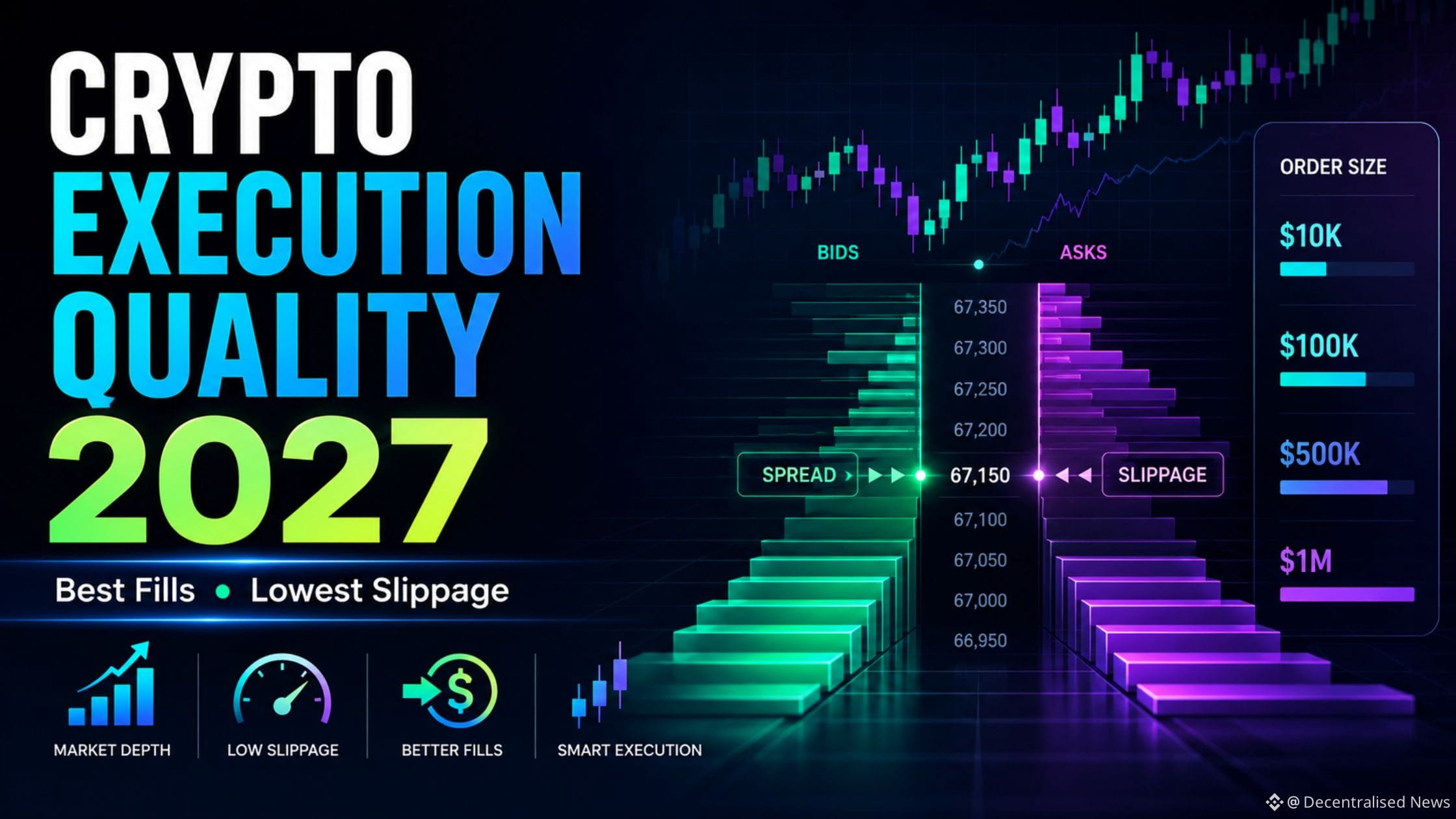
暗号の執行品質指数:どの取引所が本当にトレーダーに最良の約定(フィル)を提供するのか?
取引手数料が最も低い取引所が、取引コスト面で最安とは限りません。
BTCの注文が10,000ドルの場合、その差は小さく見えることがあります。
しかし10万ドル、50万ドル、100万ドルになると、スプレッド、執行可能な板の厚み(実行深さ)、スリッページ、そしてマーケットインパクトが、見出しの手数料差を完全に上回ってしまう可能性があります。
私たちは、高ボリュームのトレーダー、ファンド、マーケットメイカー、システマティック・トレーダーにとって重要な変数を調べるために、DNクリプト執行品質指数2027を構築しました。
本調査は、宣伝されている手数料の先を見据え、次を評価します:
• 執行可能な注文板の厚み
• 実現(realised)およびモデル化(modelled)されたスリッページ
• マーケットインパクト
• メイカー/テイカーの経済性
• APIおよび注文処理インフラ
• ストレス下での市場レジリエンス
• BTC/ETHとアルトコインの流動性の違い
• 10K、100K、500K、1Mドルにおける執行の差
現時点の証拠では、大口のBTC執行に関してはバイナンスが総合的に最も強いケースを示しています。一方でOKX、Bitget、Bybitは非常に競争力のある挑戦者グループです。
しかし、より重要な結論は次のとおりです:
執行品質は直線的ではありません。
10Kドルの注文に最適な取引所が、そのまま1Mドルの注文にも最適とは限りません。
また、最も狭いと見える提示スプレッドを示す取引所が、最良の出来高加重平均(ボリューム・ウェイト)約定を提供するとは限りません。
そのため、プロのトレーダーは次を評価すべきです:
総執行コスト = 手数料 + スプレッド + スリッページ + マーケットインパクト + 執行失敗コスト
新しい調査では、暗号取引インフラの継続的に更新されるベンチマークへと発展することを目的とした、独自のDN 執行品質スコアも導入しています。
Decentralised Newsで「暗号の執行品質指数」を全文読む
#Crypto #Bitcoin #Trading #QuantTrading #AlgorithmicTrading #MarketMaking #CryptoTrading #InstitutionalTrading #Liquidity #Execution #Derivatives #FinTech
暗号の執行品質指数:どの取引所が本当にトレーダーに最良の約定(フィル)を提供するのか?
取引手数料が最も低い取引所が、取引コスト面で最安とは限りません。
BTCの注文が10,000ドルの場合、その差は小さく見えることがあります。
しかし10万ドル、50万ドル、100万ドルになると、スプレッド、執行可能な板の厚み(実行深さ)、スリッページ、そしてマーケットインパクトが、見出しの手数料差を完全に上回ってしまう可能性があります。
私たちは、高ボリュームのトレーダー、ファンド、マーケットメイカー、システマティック・トレーダーにとって重要な変数を調べるために、DNクリプト執行品質指数2027を構築しました。
本調査は、宣伝されている手数料の先を見据え、次を評価します:
• 執行可能な注文板の厚み
• 実現(realised)およびモデル化(modelled)されたスリッページ
• マーケットインパクト
• メイカー/テイカーの経済性
• APIおよび注文処理インフラ
• ストレス下での市場レジリエンス
• BTC/ETHとアルトコインの流動性の違い
• 10K、100K、500K、1Mドルにおける執行の差
現時点の証拠では、大口のBTC執行に関してはバイナンスが総合的に最も強いケースを示しています。一方でOKX、Bitget、Bybitは非常に競争力のある挑戦者グループです。
しかし、より重要な結論は次のとおりです:
執行品質は直線的ではありません。
10Kドルの注文に最適な取引所が、そのまま1Mドルの注文にも最適とは限りません。
また、最も狭いと見える提示スプレッドを示す取引所が、最良の出来高加重平均(ボリューム・ウェイト)約定を提供するとは限りません。
そのため、プロのトレーダーは次を評価すべきです:
総執行コスト = 手数料 + スプレッド + スリッページ + マーケットインパクト + 執行失敗コスト
新しい調査では、暗号取引インフラの継続的に更新されるベンチマークへと発展することを目的とした、独自のDN 執行品質スコアも導入しています。
Decentralised Newsで「暗号の執行品質指数」を全文読む
#Crypto #Bitcoin #Trading #QuantTrading #AlgorithmicTrading #MarketMaking #CryptoTrading #InstitutionalTrading #Liquidity #Execution #Derivatives #FinTech
取引手数料が最も低い取引所が、取引コスト面で最安とは限りません。
BTCの注文が10,000ドルの場合、その差は小さく見えることがあります。
しかし10万ドル、50万ドル、100万ドルになると、スプレッド、執行可能な板の厚み(実行深さ)、スリッページ、そしてマーケットインパクトが、見出しの手数料差を完全に上回ってしまう可能性があります。
私たちは、高ボリュームのトレーダー、ファンド、マーケットメイカー、システマティック・トレーダーにとって重要な変数を調べるために、DNクリプト執行品質指数2027を構築しました。
本調査は、宣伝されている手数料の先を見据え、次を評価します:
• 執行可能な注文板の厚み
• 実現(realised)およびモデル化(modelled)されたスリッページ
• マーケットインパクト
• メイカー/テイカーの経済性
• APIおよび注文処理インフラ
• ストレス下での市場レジリエンス
• BTC/ETHとアルトコインの流動性の違い
• 10K、100K、500K、1Mドルにおける執行の差
現時点の証拠では、大口のBTC執行に関してはバイナンスが総合的に最も強いケースを示しています。一方でOKX、Bitget、Bybitは非常に競争力のある挑戦者グループです。
しかし、より重要な結論は次のとおりです:
執行品質は直線的ではありません。
10Kドルの注文に最適な取引所が、そのまま1Mドルの注文にも最適とは限りません。
また、最も狭いと見える提示スプレッドを示す取引所が、最良の出来高加重平均(ボリューム・ウェイト)約定を提供するとは限りません。
そのため、プロのトレーダーは次を評価すべきです:
総執行コスト = 手数料 + スプレッド + スリッページ + マーケットインパクト + 執行失敗コスト
新しい調査では、暗号取引インフラの継続的に更新されるベンチマークへと発展することを目的とした、独自のDN 執行品質スコアも導入しています。
Decentralised Newsで「暗号の執行品質指数」を全文読む
#Crypto #Bitcoin #Trading #QuantTrading #AlgorithmicTrading #MarketMaking #CryptoTrading #InstitutionalTrading #Liquidity #Execution #Derivatives #FinTech
105
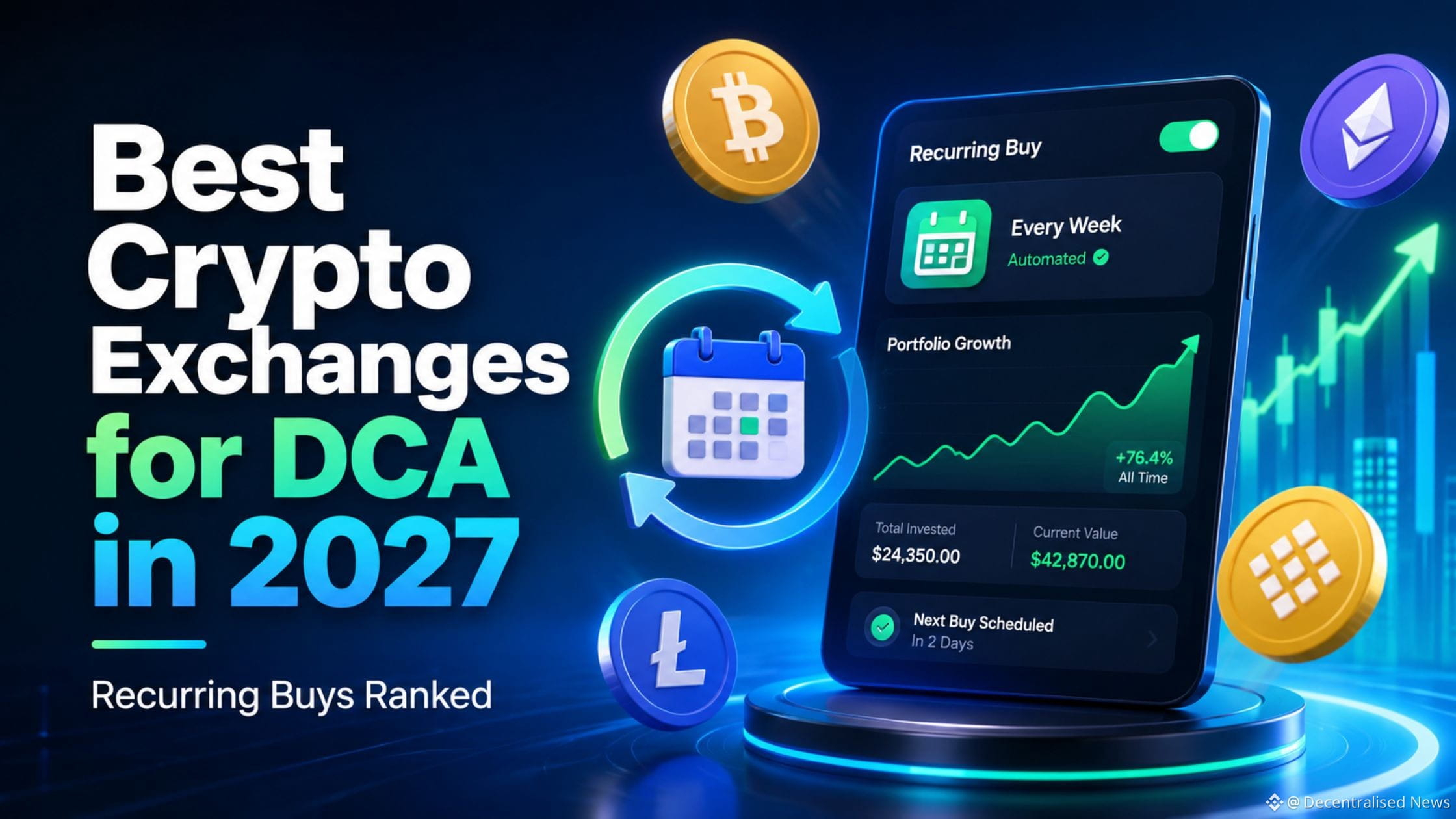
2027年のDCAに最適な仮想通貨取引所:定期購入の手数料、スプレッド、真のコストを比較
仮想通貨のドルコスト平均法はシンプルに見えます。
取引所を選び、定期的なビットコイン購入を設定して、それで終わり。
しかし、広告上の取引手数料は、その戦略が実際にかかるコストについて意外と情報が少ないかもしれません。
定期的な仮想通貨購入には次のような要素が含まれます:
• 購入手数料
• 隠れたスプレッド
• 為替(FX)換算
• 銀行またはカードの入金にかかるコスト
• 出金手数料
そのため、見出しの手数料が低いプラットフォームでも、見た目ではより高そうな競合より高くつくことがあります。
私たちはKraken、Binance、OKX、Bitget、Bybit、Coinbase、VALR、Lunoを、定期的な仮想通貨購入を前提に比較し、広告上の手数料の先を見て検討しました。
現在の調査結果:
Binanceは、取り扱い資産の幅とエコシステムの奥深さで依然として最も魅力的です。
Krakenは、シンプルなDCAに強い選択肢です。
BitgetとBybitは、単純な定期購入の域を超えて使いたいユーザー向けに、より高度な自動化を提供しています。
また、購入の「DN DCA Friction Score(摩擦スコア)」を独自に作成し、次を測定しました:
購入手数料 + スプレッド + FXコスト + 資金調達コスト + 出金コスト
さらに、スケジューリングの柔軟性、失敗した支払いの復旧、最低購入額、自分で保管する(セルフカストディ)オプションなど、運用上の摩擦も含めています。
アクティブトレーディングに最適な取引所が、必ずしも給料日ごとにビットコインを買うのに最適とは限りません。
Decentralised Newsで2027年の完全な比較を読む
#Bitcoin #Crypto #DCA #BitcoinDCA #CryptoInvesting #Cryptocurrency #Binance #Fintech #DigitalAssets
2027年のDCAに最適な仮想通貨取引所:定期購入の手数料、スプレッド、真のコストを比較
仮想通貨のドルコスト平均法はシンプルに見えます。
取引所を選び、定期的なビットコイン購入を設定して、それで終わり。
しかし、広告上の取引手数料は、その戦略が実際にかかるコストについて意外と情報が少ないかもしれません。
定期的な仮想通貨購入には次のような要素が含まれます:
• 購入手数料
• 隠れたスプレッド
• 為替(FX)換算
• 銀行またはカードの入金にかかるコスト
• 出金手数料
そのため、見出しの手数料が低いプラットフォームでも、見た目ではより高そうな競合より高くつくことがあります。
私たちはKraken、Binance、OKX、Bitget、Bybit、Coinbase、VALR、Lunoを、定期的な仮想通貨購入を前提に比較し、広告上の手数料の先を見て検討しました。
現在の調査結果:
Binanceは、取り扱い資産の幅とエコシステムの奥深さで依然として最も魅力的です。
Krakenは、シンプルなDCAに強い選択肢です。
BitgetとBybitは、単純な定期購入の域を超えて使いたいユーザー向けに、より高度な自動化を提供しています。
また、購入の「DN DCA Friction Score(摩擦スコア)」を独自に作成し、次を測定しました:
購入手数料 + スプレッド + FXコスト + 資金調達コスト + 出金コスト
さらに、スケジューリングの柔軟性、失敗した支払いの復旧、最低購入額、自分で保管する(セルフカストディ)オプションなど、運用上の摩擦も含めています。
アクティブトレーディングに最適な取引所が、必ずしも給料日ごとにビットコインを買うのに最適とは限りません。
Decentralised Newsで2027年の完全な比較を読む
#Bitcoin #Crypto #DCA #BitcoinDCA #CryptoInvesting #Cryptocurrency #Binance #Fintech #DigitalAssets
仮想通貨のドルコスト平均法はシンプルに見えます。
取引所を選び、定期的なビットコイン購入を設定して、それで終わり。
しかし、広告上の取引手数料は、その戦略が実際にかかるコストについて意外と情報が少ないかもしれません。
定期的な仮想通貨購入には次のような要素が含まれます:
• 購入手数料
• 隠れたスプレッド
• 為替(FX)換算
• 銀行またはカードの入金にかかるコスト
• 出金手数料
そのため、見出しの手数料が低いプラットフォームでも、見た目ではより高そうな競合より高くつくことがあります。
私たちはKraken、Binance、OKX、Bitget、Bybit、Coinbase、VALR、Lunoを、定期的な仮想通貨購入を前提に比較し、広告上の手数料の先を見て検討しました。
現在の調査結果:
Binanceは、取り扱い資産の幅とエコシステムの奥深さで依然として最も魅力的です。
Krakenは、シンプルなDCAに強い選択肢です。
BitgetとBybitは、単純な定期購入の域を超えて使いたいユーザー向けに、より高度な自動化を提供しています。
また、購入の「DN DCA Friction Score(摩擦スコア)」を独自に作成し、次を測定しました:
購入手数料 + スプレッド + FXコスト + 資金調達コスト + 出金コスト
さらに、スケジューリングの柔軟性、失敗した支払いの復旧、最低購入額、自分で保管する(セルフカストディ)オプションなど、運用上の摩擦も含めています。
アクティブトレーディングに最適な取引所が、必ずしも給料日ごとにビットコインを買うのに最適とは限りません。
Decentralised Newsで2027年の完全な比較を読む
#Bitcoin #Crypto #DCA #BitcoinDCA #CryptoInvesting #Cryptocurrency #Binance #Fintech #DigitalAssets
115
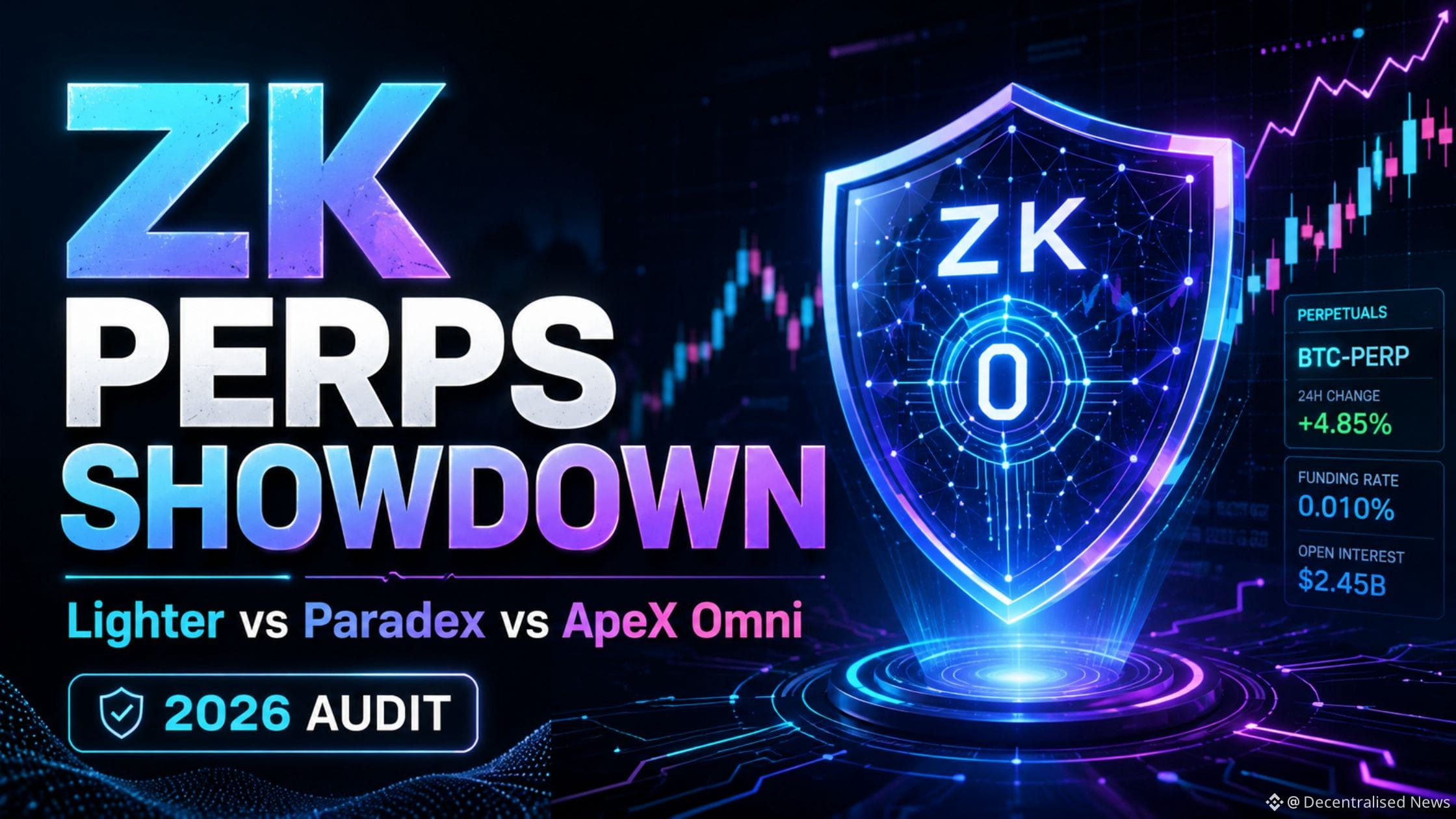
ゼロ知識デリバティブ監査 2026:Lighter vs. Paradex vs. ApeX Omni
ZKパワーのデリバティブ取引所は、レガシーDeFiの主要なトレードオフを排除し、ゼロ知識による有効性証明を用いた暗号技術ベースの非カストディ型オンチェーン決済により、オフチェーンの高速マッチング(50ms未満)を提供します。
リミットオーダーはオフチェーンでマッチされ、バッチのZKプローフで検証されるため、見積り(クオート)はパブリックなメンプールに入らず、フロントランやサンドイッチ攻撃を不可能にします。
Lighter DEXは、Ethereum上で純粋なゼロ知識Validiumの注文帳取引を提供し、Paradexは機関投資家向けのプライバシーのためにStarkNetのZK-STARKを利用し、Apex Omniは、オーダー編集におけるゼロガスでのマルチチェーンの意図実行を提供します。
Decentralised.Newsで完全なガイドを読む
#zkproofs #defi #cryptotrading
ゼロ知識デリバティブ監査 2026:Lighter vs. Paradex vs. ApeX Omni
ZKパワーのデリバティブ取引所は、レガシーDeFiの主要なトレードオフを排除し、ゼロ知識による有効性証明を用いた暗号技術ベースの非カストディ型オンチェーン決済により、オフチェーンの高速マッチング(50ms未満)を提供します。
リミットオーダーはオフチェーンでマッチされ、バッチのZKプローフで検証されるため、見積り(クオート)はパブリックなメンプールに入らず、フロントランやサンドイッチ攻撃を不可能にします。
Lighter DEXは、Ethereum上で純粋なゼロ知識Validiumの注文帳取引を提供し、Paradexは機関投資家向けのプライバシーのためにStarkNetのZK-STARKを利用し、Apex Omniは、オーダー編集におけるゼロガスでのマルチチェーンの意図実行を提供します。
Decentralised.Newsで完全なガイドを読む
#zkproofs #defi #cryptotrading
ZKパワーのデリバティブ取引所は、レガシーDeFiの主要なトレードオフを排除し、ゼロ知識による有効性証明を用いた暗号技術ベースの非カストディ型オンチェーン決済により、オフチェーンの高速マッチング(50ms未満)を提供します。
リミットオーダーはオフチェーンでマッチされ、バッチのZKプローフで検証されるため、見積り(クオート)はパブリックなメンプールに入らず、フロントランやサンドイッチ攻撃を不可能にします。
Lighter DEXは、Ethereum上で純粋なゼロ知識Validiumの注文帳取引を提供し、Paradexは機関投資家向けのプライバシーのためにStarkNetのZK-STARKを利用し、Apex Omniは、オーダー編集におけるゼロガスでのマルチチェーンの意図実行を提供します。
Decentralised.Newsで完全なガイドを読む
#zkproofs #defi #cryptotrading
61
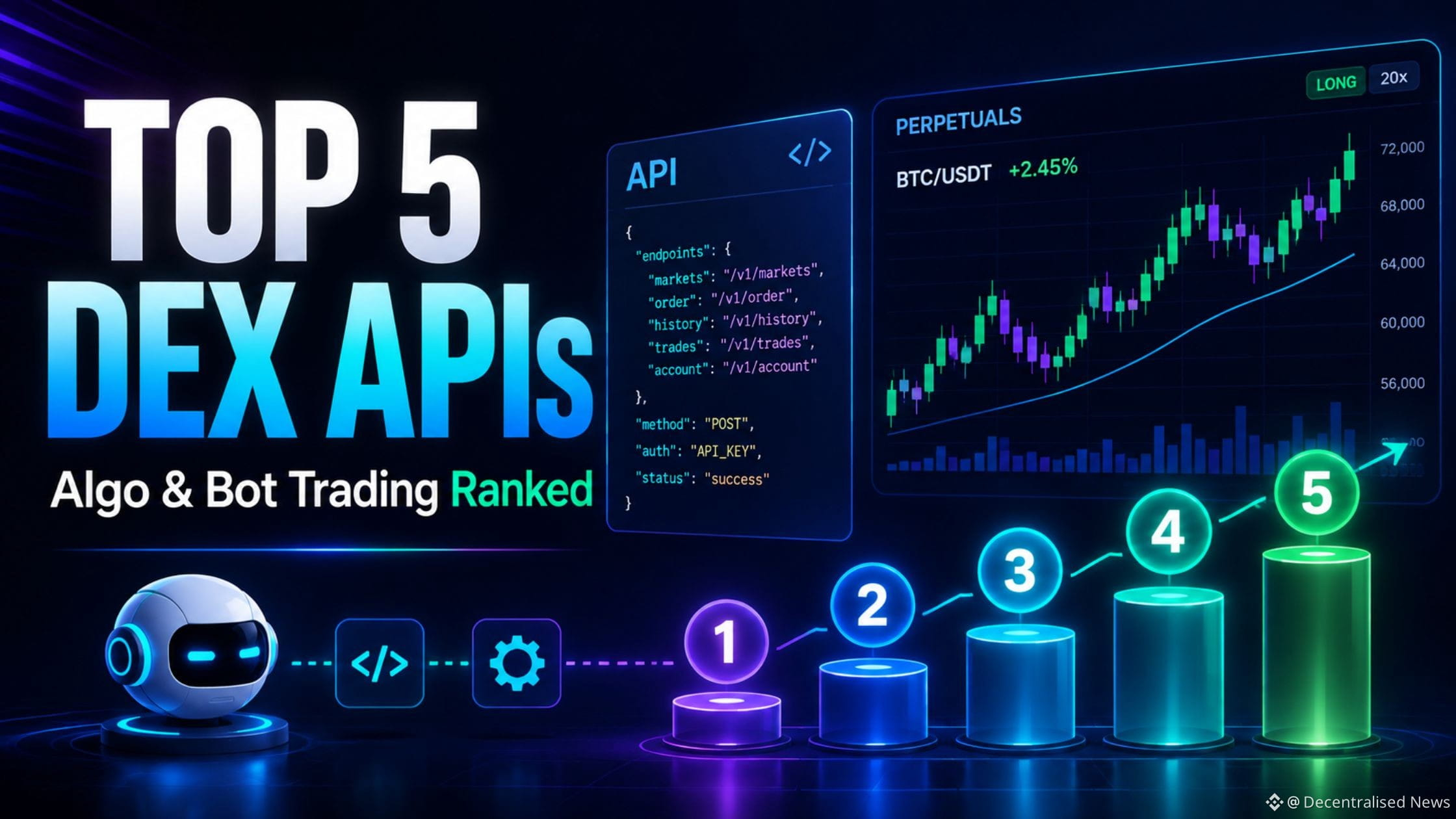
ランキング:アルゴリズム&ボット取引向け 最高の常時稼働(パーペチュアル)DEX API トップ5
CEXから分散型デリバティブへの機関レベルの移行は、いま転換点に到達しました... しかし、オンチェーンで高頻度アルゴリズムを稼働させるには、APIのレート制限、WebSocketの切断(ドロップアウト)、そしてMEVによるフロントランを扱う必要があります。
主要な5つのエンジニアリング指標に基づいて、主要なPerp DEXプラットフォームを評価しました:
注文送信レイテンシ(OSL)、WebSocketティック頻度、流動性の厚み、APIのしきい値、そして再注文の安全性。
最新の深掘り記事では、以下を解説します:
+ 実データに基づくレイテンシ順位(Evedex、Aevo、Apex Omni、gTrade)
+ オンチェーンで市場中立・ボラティリティ・アービトラージ戦略を実行する方法
+ 低レイテンシの注文板ストリームに接続するための、本番投入向けPythonコード
完全なベンチマーク分析を読み、Decentralised.Newsで優先開発者ポータルキーにアクセスしてください
#perpdexapis #cryptotrading #algorithmictrading
ランキング:アルゴリズム&ボット取引向け 最高の常時稼働(パーペチュアル)DEX API トップ5
CEXから分散型デリバティブへの機関レベルの移行は、いま転換点に到達しました... しかし、オンチェーンで高頻度アルゴリズムを稼働させるには、APIのレート制限、WebSocketの切断(ドロップアウト)、そしてMEVによるフロントランを扱う必要があります。
主要な5つのエンジニアリング指標に基づいて、主要なPerp DEXプラットフォームを評価しました:
注文送信レイテンシ(OSL)、WebSocketティック頻度、流動性の厚み、APIのしきい値、そして再注文の安全性。
最新の深掘り記事では、以下を解説します:
+ 実データに基づくレイテンシ順位(Evedex、Aevo、Apex Omni、gTrade)
+ オンチェーンで市場中立・ボラティリティ・アービトラージ戦略を実行する方法
+ 低レイテンシの注文板ストリームに接続するための、本番投入向けPythonコード
完全なベンチマーク分析を読み、Decentralised.Newsで優先開発者ポータルキーにアクセスしてください
#perpdexapis #cryptotrading #algorithmictrading
CEXから分散型デリバティブへの機関レベルの移行は、いま転換点に到達しました... しかし、オンチェーンで高頻度アルゴリズムを稼働させるには、APIのレート制限、WebSocketの切断(ドロップアウト)、そしてMEVによるフロントランを扱う必要があります。
主要な5つのエンジニアリング指標に基づいて、主要なPerp DEXプラットフォームを評価しました:
注文送信レイテンシ(OSL)、WebSocketティック頻度、流動性の厚み、APIのしきい値、そして再注文の安全性。
最新の深掘り記事では、以下を解説します:
+ 実データに基づくレイテンシ順位(Evedex、Aevo、Apex Omni、gTrade)
+ オンチェーンで市場中立・ボラティリティ・アービトラージ戦略を実行する方法
+ 低レイテンシの注文板ストリームに接続するための、本番投入向けPythonコード
完全なベンチマーク分析を読み、Decentralised.Newsで優先開発者ポータルキーにアクセスしてください
#perpdexapis #cryptotrading #algorithmictrading
230
本人確認中
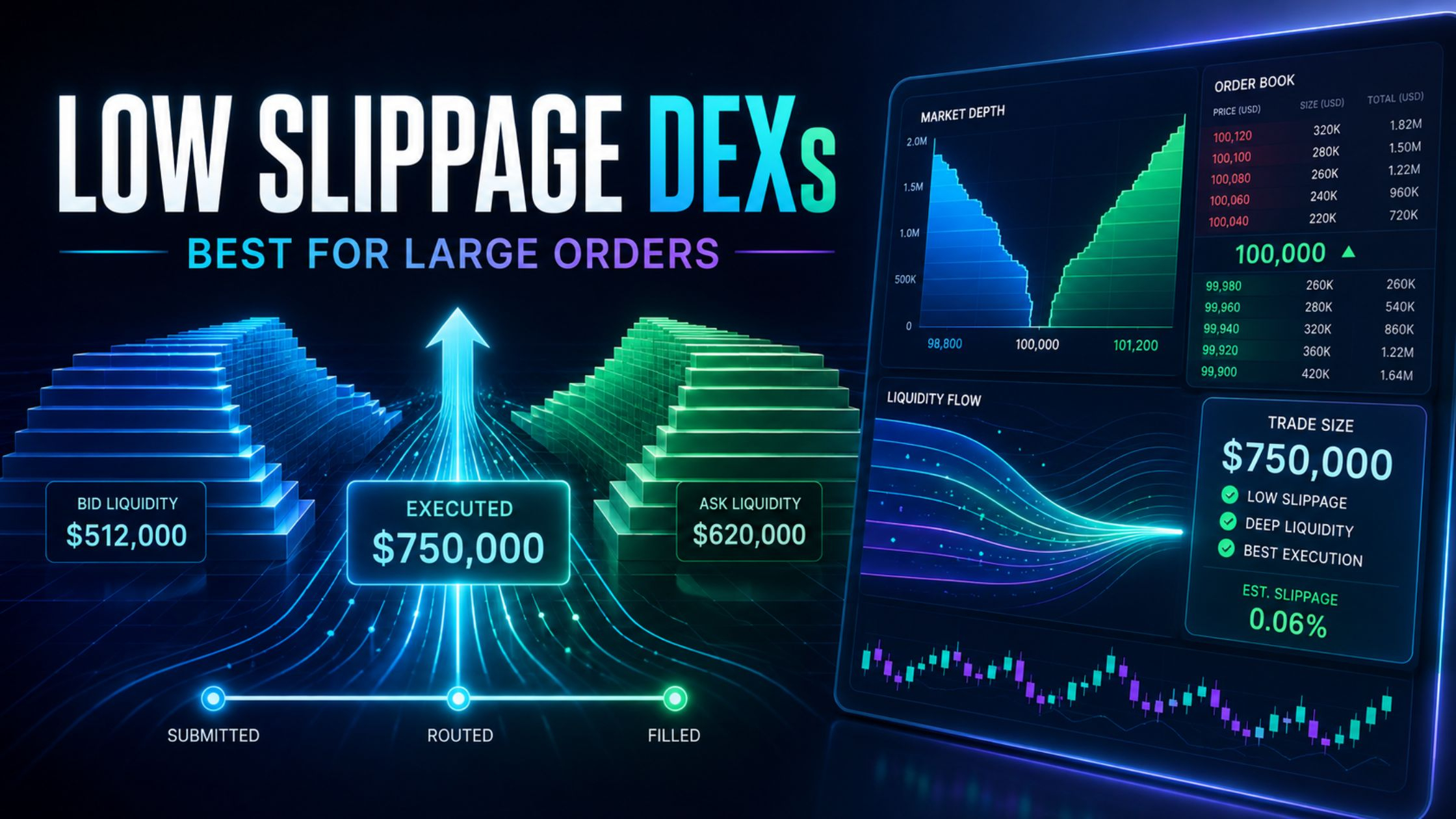
大口注文と低スリッページに最適な無期限DEX
無期限取引所は、2,000ドルの取引では安く見えても、100万ドルでは非常に高くつくことがあります。
100万ドルの想定元本の場合:
• 基準点(1bps)は100ドル
• 0.04%のテイカー手数料は400ドル
• 0.25%の市場インパクトは2,500ドル
• 1%の約定エラーは10,000ドル
そのため、大口向けの無期限DEXを比較するときは、ヘッドラインのメーカー手数料・テイカー手数料だけでは不十分です。
最新の「Decentralised News」ランキングでは、以下を検証しています:
✓ 1, 2, 5, 10, 25bps以内の板(オーダーブック)深さ
✓ 10万ドルおよび100万ドルの執行テスト手法
✓ RFQおよびプライベートなブロック取引システム
✓ 隠し注文(アイスバーグ)やスケールされた注文
✓ TWAPおよび執行分割
✓ AMMの流動性とプールの偏り
✓ 実装上の取りこぼし(implementation shortfall)と市場インパクト
✓ オラクル、インデックス、ならびにマーク価格の乖離
✓ フィナンシング(資金調達)および借入コスト
✓ 流入(エントリー)時の流動性と、退出(アウト)の対応余力
✓ APIの信頼性と自動キャンセル制御
主要プラットフォームには以下が含まれます:
Kalshi Perps(米国規制下の無期限取引)
GRVT(機関投資家向けの注文板執行)
Lighter(測定可能な深さと、手数料ゼロのスタンダード口座)
Paradex(プライベートポジションとプロフェッショナルAPI)
Aevo(RFQおよびブロック執行)
Aster(隠し注文・スケール注文)
ADEN(アイスバーグ、TWAP、幅広い市場カバー)
edgeX(競争力のある注文板取引)
ApeX Omni(厳格な価格・約定(フィル)制御)
MYX(オラクル価格のゼロスリッページ・アーキテクチャ)
gTrade(透明な合成市場インパクト)
GMTrade(プール・バランシング執行)
Ondo Perps(大口の株式、インデックス、コモディティ・ポジション)
最大の学びはシンプルです:
取引手数料がゼロでも、執行コストがゼロとは限りません。
スプレッドが広い、流動性が薄い、あるいは大口注文が市場を動かす場合は、手数料無料のプラットフォームでもより高くつくことがあります。
最も強力な執行手法は、取引によっても異なるかもしれません:
• 緊急性が重要なときの成行注文
• 時間に余裕があるときのTWAP
• 情報漏えいが問題になるときのアイスバーグ/隠し注文
• 部分約定が許されないときのFill or Kill
• 公開板では注文が大きすぎるときのRFQ
大口注文と低スリッページに最適な無期限DEX
無期限取引所は、2,000ドルの取引では安く見えても、100万ドルでは非常に高くつくことがあります。
100万ドルの想定元本の場合:
• 基準点(1bps)は100ドル
• 0.04%のテイカー手数料は400ドル
• 0.25%の市場インパクトは2,500ドル
• 1%の約定エラーは10,000ドル
そのため、大口向けの無期限DEXを比較するときは、ヘッドラインのメーカー手数料・テイカー手数料だけでは不十分です。
最新の「Decentralised News」ランキングでは、以下を検証しています:
✓ 1, 2, 5, 10, 25bps以内の板(オーダーブック)深さ
✓ 10万ドルおよび100万ドルの執行テスト手法
✓ RFQおよびプライベートなブロック取引システム
✓ 隠し注文(アイスバーグ)やスケールされた注文
✓ TWAPおよび執行分割
✓ AMMの流動性とプールの偏り
✓ 実装上の取りこぼし(implementation shortfall)と市場インパクト
✓ オラクル、インデックス、ならびにマーク価格の乖離
✓ フィナンシング(資金調達)および借入コスト
✓ 流入(エントリー)時の流動性と、退出(アウト)の対応余力
✓ APIの信頼性と自動キャンセル制御
主要プラットフォームには以下が含まれます:
Kalshi Perps(米国規制下の無期限取引)
GRVT(機関投資家向けの注文板執行)
Lighter(測定可能な深さと、手数料ゼロのスタンダード口座)
Paradex(プライベートポジションとプロフェッショナルAPI)
Aevo(RFQおよびブロック執行)
Aster(隠し注文・スケール注文)
ADEN(アイスバーグ、TWAP、幅広い市場カバー)
edgeX(競争力のある注文板取引)
ApeX Omni(厳格な価格・約定(フィル)制御)
MYX(オラクル価格のゼロスリッページ・アーキテクチャ)
gTrade(透明な合成市場インパクト)
GMTrade(プール・バランシング執行)
Ondo Perps(大口の株式、インデックス、コモディティ・ポジション)
最大の学びはシンプルです:
取引手数料がゼロでも、執行コストがゼロとは限りません。
スプレッドが広い、流動性が薄い、あるいは大口注文が市場を動かす場合は、手数料無料のプラットフォームでもより高くつくことがあります。
最も強力な執行手法は、取引によっても異なるかもしれません:
• 緊急性が重要なときの成行注文
• 時間に余裕があるときのTWAP
• 情報漏えいが問題になるときのアイスバーグ/隠し注文
• 部分約定が許されないときのFill or Kill
• 公開板では注文が大きすぎるときのRFQ
無期限取引所は、2,000ドルの取引では安く見えても、100万ドルでは非常に高くつくことがあります。
100万ドルの想定元本の場合:
• 基準点(1bps)は100ドル
• 0.04%のテイカー手数料は400ドル
• 0.25%の市場インパクトは2,500ドル
• 1%の約定エラーは10,000ドル
そのため、大口向けの無期限DEXを比較するときは、ヘッドラインのメーカー手数料・テイカー手数料だけでは不十分です。
最新の「Decentralised News」ランキングでは、以下を検証しています:
✓ 1, 2, 5, 10, 25bps以内の板(オーダーブック)深さ
✓ 10万ドルおよび100万ドルの執行テスト手法
✓ RFQおよびプライベートなブロック取引システム
✓ 隠し注文(アイスバーグ)やスケールされた注文
✓ TWAPおよび執行分割
✓ AMMの流動性とプールの偏り
✓ 実装上の取りこぼし(implementation shortfall)と市場インパクト
✓ オラクル、インデックス、ならびにマーク価格の乖離
✓ フィナンシング(資金調達)および借入コスト
✓ 流入(エントリー)時の流動性と、退出(アウト)の対応余力
✓ APIの信頼性と自動キャンセル制御
主要プラットフォームには以下が含まれます:
Kalshi Perps(米国規制下の無期限取引)
GRVT(機関投資家向けの注文板執行)
Lighter(測定可能な深さと、手数料ゼロのスタンダード口座)
Paradex(プライベートポジションとプロフェッショナルAPI)
Aevo(RFQおよびブロック執行)
Aster(隠し注文・スケール注文)
ADEN(アイスバーグ、TWAP、幅広い市場カバー)
edgeX(競争力のある注文板取引)
ApeX Omni(厳格な価格・約定(フィル)制御)
MYX(オラクル価格のゼロスリッページ・アーキテクチャ)
gTrade(透明な合成市場インパクト)
GMTrade(プール・バランシング執行)
Ondo Perps(大口の株式、インデックス、コモディティ・ポジション)
最大の学びはシンプルです:
取引手数料がゼロでも、執行コストがゼロとは限りません。
スプレッドが広い、流動性が薄い、あるいは大口注文が市場を動かす場合は、手数料無料のプラットフォームでもより高くつくことがあります。
最も強力な執行手法は、取引によっても異なるかもしれません:
• 緊急性が重要なときの成行注文
• 時間に余裕があるときのTWAP
• 情報漏えいが問題になるときのアイスバーグ/隠し注文
• 部分約定が許されないときのFill or Kill
• 公開板では注文が大きすぎるときのRFQ
643
AIエージェント費用計算機 2027:自社で作る?買う?それとも代行(代理店)に依頼?
AIエージェントの価格は、宣伝される月額サブスクリプションよりもはるかに複雑です。
プラットフォームは月に数百ドル程度で済む場合もありますが、実際の導入には次のような要件が加わることがあります:
• データ準備
• ワークフロー設計
• CRMおよびソフトウェア統合
• 従業員のトレーニング
• モデルおよびAPI利用
• 人による承認システム
• モニタリングとメンテナンス
• セキュリティとガバナンス
• 継続的な代理店またはエンジニアリング支援
カスタムAIエージェントはAPIコストが比較的低い一方で、かなり大きな開発予算が必要になることがあります。
導入代行会社は最初の費用が高くなる場合もありますが、本番までの到達が早く、社内の専門チームを雇うコストを削減できます。
では、どのルートが最も財務的に理にかなっているのでしょうか?
新しい「Decentralised News」のガイドでは、以下を比較します:
✅ AIエージェントSaaSプラットフォームを購入する
✅ 内製でカスタムエージェントを構築する
✅ AIオートメーションの代行会社に依頼する
✅ SaaS、カスタムロジック、マネージド導入を組み合わせる
また、独自の「DN AI Agent Cost Calculator」を作成しました。これにより以下を計算します:
• 初年度コスト
• 3年または5年の保有コスト
• 月間の運用費
• リスク調整後のビジネス価値
• 推定ROI
• 回収期間
• 戦略的適合性
• 構築・購入・代理店の適合スコア
結論はシンプルです:
コモディティ(汎用)な機能は購入する。差別化を生む部分は構築する。実行体制の不足が制約である場合は、専門性を持つチームを雇う。
最も安い開始オプションが、必ずしも長期的な投資として最良とは限らず、最も高度なカスタムシステムが、常に最も商業的に合理的な選択とは限りません。
完全な分析を読み、Decentralised Newsで計算機をご利用ください
#ArtificialIntelligence #AIAgents #AIAutomation #BusinessAI #GenerativeAI #AIImplementation #DigitalTransformation #SaaS #SoftwareDevelopment #AutomationAgency #BusinessTechnology #AIConsulting #TechnologyStrategy #ROI #CostCalculator #EnterpriseAI #WorkflowAutomation #DecentralisedNews
AIエージェント費用計算機 2027:自社で作る?買う?それとも代行(代理店)に依頼?
AIエージェントの価格は、宣伝される月額サブスクリプションよりもはるかに複雑です。
プラットフォームは月に数百ドル程度で済む場合もありますが、実際の導入には次のような要件が加わることがあります:
• データ準備
• ワークフロー設計
• CRMおよびソフトウェア統合
• 従業員のトレーニング
• モデルおよびAPI利用
• 人による承認システム
• モニタリングとメンテナンス
• セキュリティとガバナンス
• 継続的な代理店またはエンジニアリング支援
カスタムAIエージェントはAPIコストが比較的低い一方で、かなり大きな開発予算が必要になることがあります。
導入代行会社は最初の費用が高くなる場合もありますが、本番までの到達が早く、社内の専門チームを雇うコストを削減できます。
では、どのルートが最も財務的に理にかなっているのでしょうか?
新しい「Decentralised News」のガイドでは、以下を比較します:
✅ AIエージェントSaaSプラットフォームを購入する
✅ 内製でカスタムエージェントを構築する
✅ AIオートメーションの代行会社に依頼する
✅ SaaS、カスタムロジック、マネージド導入を組み合わせる
また、独自の「DN AI Agent Cost Calculator」を作成しました。これにより以下を計算します:
• 初年度コスト
• 3年または5年の保有コスト
• 月間の運用費
• リスク調整後のビジネス価値
• 推定ROI
• 回収期間
• 戦略的適合性
• 構築・購入・代理店の適合スコア
結論はシンプルです:
コモディティ(汎用)な機能は購入する。差別化を生む部分は構築する。実行体制の不足が制約である場合は、専門性を持つチームを雇う。
最も安い開始オプションが、必ずしも長期的な投資として最良とは限らず、最も高度なカスタムシステムが、常に最も商業的に合理的な選択とは限りません。
完全な分析を読み、Decentralised Newsで計算機をご利用ください
#ArtificialIntelligence #AIAgents #AIAutomation #BusinessAI #GenerativeAI #AIImplementation #DigitalTransformation #SaaS #SoftwareDevelopment #AutomationAgency #BusinessTechnology #AIConsulting #TechnologyStrategy #ROI #CostCalculator #EnterpriseAI #WorkflowAutomation #DecentralisedNews
AIエージェントの価格は、宣伝される月額サブスクリプションよりもはるかに複雑です。
プラットフォームは月に数百ドル程度で済む場合もありますが、実際の導入には次のような要件が加わることがあります:
• データ準備
• ワークフロー設計
• CRMおよびソフトウェア統合
• 従業員のトレーニング
• モデルおよびAPI利用
• 人による承認システム
• モニタリングとメンテナンス
• セキュリティとガバナンス
• 継続的な代理店またはエンジニアリング支援
カスタムAIエージェントはAPIコストが比較的低い一方で、かなり大きな開発予算が必要になることがあります。
導入代行会社は最初の費用が高くなる場合もありますが、本番までの到達が早く、社内の専門チームを雇うコストを削減できます。
では、どのルートが最も財務的に理にかなっているのでしょうか?
新しい「Decentralised News」のガイドでは、以下を比較します:
✅ AIエージェントSaaSプラットフォームを購入する
✅ 内製でカスタムエージェントを構築する
✅ AIオートメーションの代行会社に依頼する
✅ SaaS、カスタムロジック、マネージド導入を組み合わせる
また、独自の「DN AI Agent Cost Calculator」を作成しました。これにより以下を計算します:
• 初年度コスト
• 3年または5年の保有コスト
• 月間の運用費
• リスク調整後のビジネス価値
• 推定ROI
• 回収期間
• 戦略的適合性
• 構築・購入・代理店の適合スコア
結論はシンプルです:
コモディティ(汎用)な機能は購入する。差別化を生む部分は構築する。実行体制の不足が制約である場合は、専門性を持つチームを雇う。
最も安い開始オプションが、必ずしも長期的な投資として最良とは限らず、最も高度なカスタムシステムが、常に最も商業的に合理的な選択とは限りません。
完全な分析を読み、Decentralised Newsで計算機をご利用ください
#ArtificialIntelligence #AIAgents #AIAutomation #BusinessAI #GenerativeAI #AIImplementation #DigitalTransformation #SaaS #SoftwareDevelopment #AutomationAgency #BusinessTechnology #AIConsulting #TechnologyStrategy #ROI #CostCalculator #EnterpriseAI #WorkflowAutomation #DecentralisedNews

78
ログインして、さらにコンテンツを読む
厳選トピックで世界の暗号資産トレーダーの仲間入り
⚡️ 暗号資産に関する最新かつ有益な情報が見つかります。
💬 世界最大の暗号資産取引所から信頼されています。
👍 認証を受けたクリエイターから、有益なインサイトを得られます。
メール / 電話番号
トレンドトピック
BOJRaisesRatesTo31YearHigh
閲覧回数 59,258
1,037人が討論中
#bojraisesratesto31yearhigh ¿日銀は31年ぶり高値、そしてビットコインは上昇中?1つのグラフで見る$BTC の機関投資家としての成熟度 🇯🇵📈⚡
日本銀行は政策金利を1.25%に引き上げました(3十年以上で過去最高)。多くの人が予測していたキャリートレード崩壊は起きず、むしろ仮想通貨市場が最もクリーンに見せる強さが出てきたのです。
🧠 テクニカル面からの重要な3つの読み取り:
1️⃣ マクロのデカップリング:従来のアナリストが想定したように円が強くはならず、その一方でBTCは力強いリバウンド。スポット需要がまだ健在であることを示しています。
2️⃣ ハイテク巨人を上回る:時価総額が1.63兆ドル超のビットコインが、テスラ(1.438B)を再び上回り、世界的な準備資産かつ流動性の避難先としての役割を再確認します。
3️⃣ 4Hと1Dの構造:サポートでの吸収が、マクロの下げ局面が機関投資家による蓄積の“窓”であり、投げ売り(キャピトュレーション)ではないことを裏付けています。
小売は金利に関する見出しにパニックになっていても、プロの運用は“実際の流動性”の動きを追い続けます。 💎🛡️
💬 コミュニティ向けの議論:このデカップリングは、史上最高値更新に向かう上昇サイクルの最終局面が始まったことを示していると思いますか?それとも、世界的な流動性がまだサポートを試しに来るのでしょうか?分析を下に書き込んでください!👇🔥
#bojraisesratesto31yearhigh #MacroEconomy #Trading #BinanceSquare
Jacktraders
·いいね:1件
·閲覧回数 3.8k
BuffettStepsDownAsBerkshireChairman
閲覧回数 24,655
475人が討論中
XRPExchangeReservesHitSevenYearLow
閲覧回数 30,589
449人が討論中