

David_John
16.9k 投稿

David_John
 厳選トピック確認済+
報告
ユーザーをブロック
Risk It all & Make It Worth It. Chasing Goals Not people • X • @David_John_555
102 フォロー
44.1K+ フォロワー
72.3K+ いいね
投稿
すべて
動画
ライブ
·
--
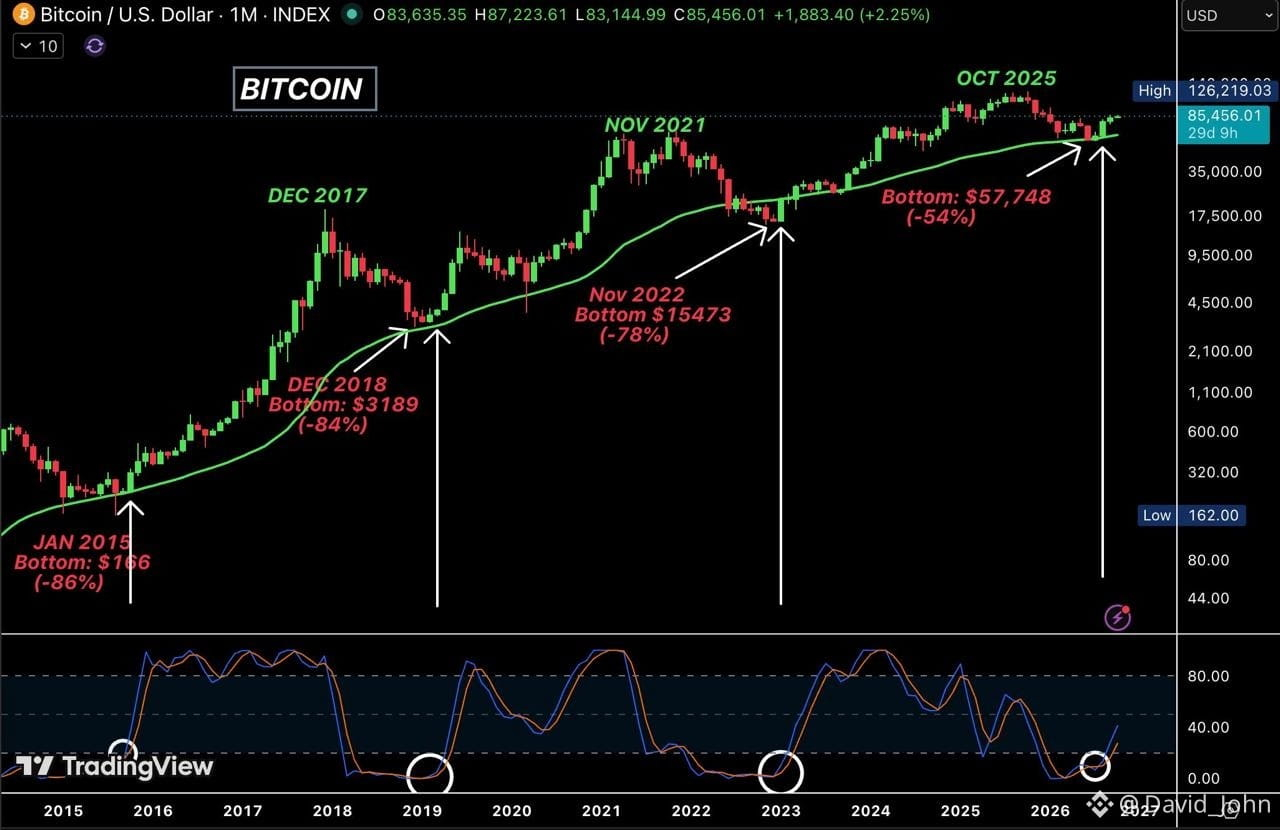
🚨 ビットコイン月次分析
$BTC が+6.35%の月間上昇を見事に達成し、9ヶ月高値でクローズしました。🔥
さらに大きい話:ビットコインは第3四半期を+43%で終え、2017年以来の最高の第3四半期パフォーマンスを記録。📈
勢いが加速しています:
• 月次ストキャスティクスRSIが強い上昇モメンタムを点滅表示—大規模な強気相場フェーズの始まり付近に、過去にはよく見られたセットアップです。
• $BTC は月次MA 50からきれいに跳ね返されました。ここは歴史的に、強いリスク/リワード機会を提供してきたエリアです。
🎯 重要なサポートゾーン:
➡️ 週次MA 50: 約$77,670
➡️ 週次MA 200: 約$65,000
トレンドが強まり、モメンタムが構築されており、ビットコインは重要なゾーンに入っています。⚡️
次の一手は爆発的になり得ます。🚀
🚨 ビットコイン月次分析
$BTC が+6.35%の月間上昇を見事に達成し、9ヶ月高値でクローズしました。🔥
さらに大きい話:ビットコインは第3四半期を+43%で終え、2017年以来の最高の第3四半期パフォーマンスを記録。📈
勢いが加速しています:
• 月次ストキャスティクスRSIが強い上昇モメンタムを点滅表示—大規模な強気相場フェーズの始まり付近に、過去にはよく見られたセットアップです。
• $BTC は月次MA 50からきれいに跳ね返されました。ここは歴史的に、強いリスク/リワード機会を提供してきたエリアです。
🎯 重要なサポートゾーン:
➡️ 週次MA 50: 約$77,670
➡️ 週次MA 200: 約$65,000
トレンドが強まり、モメンタムが構築されており、ビットコインは重要なゾーンに入っています。⚡️
次の一手は爆発的になり得ます。🚀
$BTC が+6.35%の月間上昇を見事に達成し、9ヶ月高値でクローズしました。🔥
さらに大きい話:ビットコインは第3四半期を+43%で終え、2017年以来の最高の第3四半期パフォーマンスを記録。📈
勢いが加速しています:
• 月次ストキャスティクスRSIが強い上昇モメンタムを点滅表示—大規模な強気相場フェーズの始まり付近に、過去にはよく見られたセットアップです。
• $BTC は月次MA 50からきれいに跳ね返されました。ここは歴史的に、強いリスク/リワード機会を提供してきたエリアです。
🎯 重要なサポートゾーン:
➡️ 週次MA 50: 約$77,670
➡️ 週次MA 200: 約$65,000
トレンドが強まり、モメンタムが構築されており、ビットコインは重要なゾーンに入っています。⚡️
次の一手は爆発的になり得ます。🚀
1
3
407
·
--
ブリッシュ
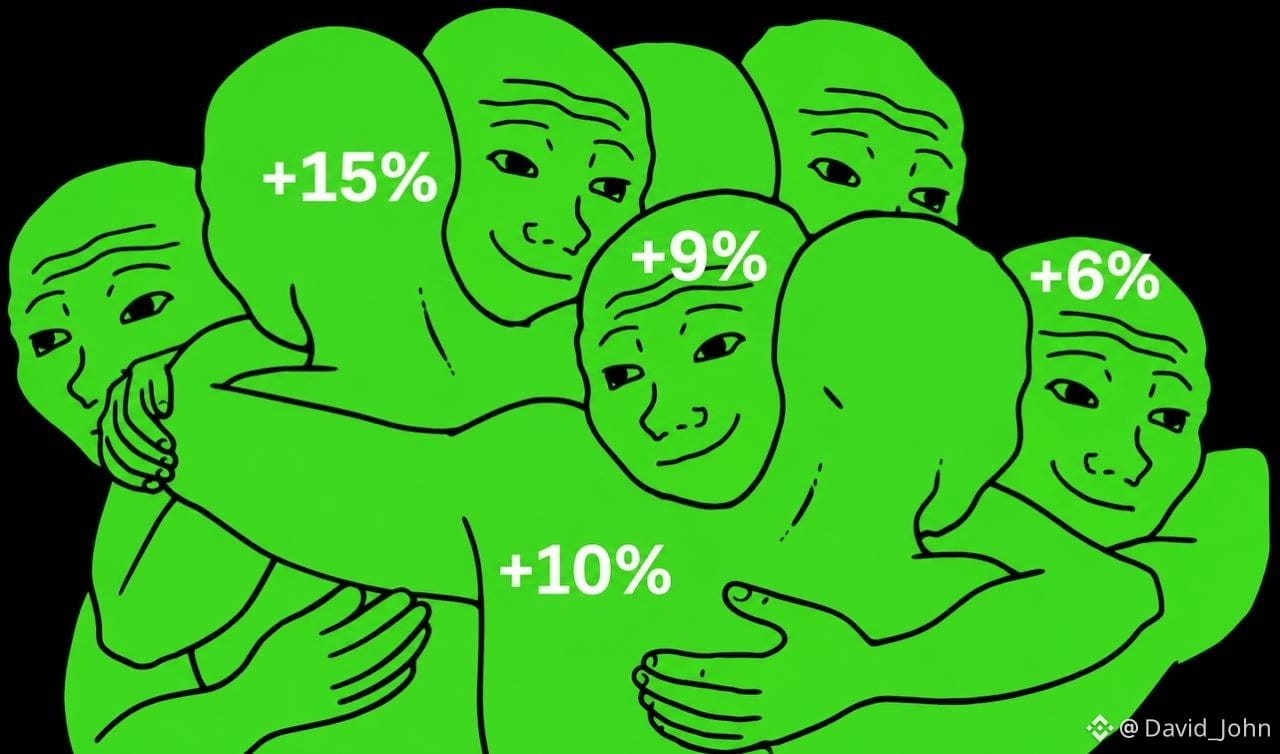
🚀 暗号資産にとって9月はまさに“圧倒的”だった。
上院で「Clarity Act(明確化法案)」が失敗し、FRBが利上げしたにもかかわらず、暗号資産は完全に流れを変えて“怪物級”のラリーを達成した。🔥
何が起きたのか:
1️⃣ BTCは50W移動平均線を取り戻し、2週連続でその上でクローズ — 大きなトレンド転換のサイン。
2️⃣ BTCは$87K、ETHは$2.8K、SOLは$120に到達。いずれも約8か月ぶりにその水準へ復帰し、さらに9か月ぶりの最高の月間終値も記録した。
3️⃣ 暗号資産の総時価総額が8か月ぶりに$3Tを回復。💰
4️⃣ BTC ETFは$26.5億($2.65B)を流入させ、ETH ETFは$8.324億($832.4M)を集めた — ETHにとって今年2番目に大きい月間流入。
5️⃣ ETH/BTCがついに、約5年に及ぶ下落トレンドをブレイク。より強いアルトコイン・サイクルへの道が開ける可能性がある。
6️⃣ SECとCFTCが新たな暗号資産ルールの導入を開始。Clarity Actがなくても規制へ向けた動きが進んでいることを示す。
7️⃣ 2つの主要な暗号資産法案が前進:Strategic Bitcoin Reserve(戦略的ビットコイン準備)法案と、暗号資産の税制法案。
8️⃣ SECはステーキング・トークンとトークン買い戻しは証券ではないと述べ、FRBは銀行が自社の暗号資産ステーブルコインを発行できるようにするルールを提案した。
9️⃣ Xが暗号資産取引所と提携し、ユーザーがタイムラインから直接暗号資産を取引できる道を開いた。
🔟 ブラックロックはトークン化された投資ポートフォリオへのアクセスを拡大。さらにNYは、トークン化された米国株を4,400万(44M)の暗号資産口座へ届けるため提携した。
🔥 UPTEMBER がやり切った。
あとは唯一の疑問…
CAN UPTober GO EVEN BIGGER? 🚀📈
叶えていこう。👀
🚀 暗号資産にとって9月はまさに“圧倒的”だった。
上院で「Clarity Act(明確化法案)」が失敗し、FRBが利上げしたにもかかわらず、暗号資産は完全に流れを変えて“怪物級”のラリーを達成した。🔥
何が起きたのか:
1️⃣ BTCは50W移動平均線を取り戻し、2週連続でその上でクローズ — 大きなトレンド転換のサイン。
2️⃣ BTCは$87K、ETHは$2.8K、SOLは$120に到達。いずれも約8か月ぶりにその水準へ復帰し、さらに9か月ぶりの最高の月間終値も記録した。
3️⃣ 暗号資産の総時価総額が8か月ぶりに$3Tを回復。💰
4️⃣ BTC ETFは$26.5億($2.65B)を流入させ、ETH ETFは$8.324億($832.4M)を集めた — ETHにとって今年2番目に大きい月間流入。
5️⃣ ETH/BTCがついに、約5年に及ぶ下落トレンドをブレイク。より強いアルトコイン・サイクルへの道が開ける可能性がある。
6️⃣ SECとCFTCが新たな暗号資産ルールの導入を開始。Clarity Actがなくても規制へ向けた動きが進んでいることを示す。
7️⃣ 2つの主要な暗号資産法案が前進:Strategic Bitcoin Reserve(戦略的ビットコイン準備)法案と、暗号資産の税制法案。
8️⃣ SECはステーキング・トークンとトークン買い戻しは証券ではないと述べ、FRBは銀行が自社の暗号資産ステーブルコインを発行できるようにするルールを提案した。
9️⃣ Xが暗号資産取引所と提携し、ユーザーがタイムラインから直接暗号資産を取引できる道を開いた。
🔟 ブラックロックはトークン化された投資ポートフォリオへのアクセスを拡大。さらにNYは、トークン化された米国株を4,400万(44M)の暗号資産口座へ届けるため提携した。
🔥 UPTEMBER がやり切った。
あとは唯一の疑問…
CAN UPTober GO EVEN BIGGER? 🚀📈
叶えていこう。👀
上院で「Clarity Act(明確化法案)」が失敗し、FRBが利上げしたにもかかわらず、暗号資産は完全に流れを変えて“怪物級”のラリーを達成した。🔥
何が起きたのか:
1️⃣ BTCは50W移動平均線を取り戻し、2週連続でその上でクローズ — 大きなトレンド転換のサイン。
2️⃣ BTCは$87K、ETHは$2.8K、SOLは$120に到達。いずれも約8か月ぶりにその水準へ復帰し、さらに9か月ぶりの最高の月間終値も記録した。
3️⃣ 暗号資産の総時価総額が8か月ぶりに$3Tを回復。💰
4️⃣ BTC ETFは$26.5億($2.65B)を流入させ、ETH ETFは$8.324億($832.4M)を集めた — ETHにとって今年2番目に大きい月間流入。
5️⃣ ETH/BTCがついに、約5年に及ぶ下落トレンドをブレイク。より強いアルトコイン・サイクルへの道が開ける可能性がある。
6️⃣ SECとCFTCが新たな暗号資産ルールの導入を開始。Clarity Actがなくても規制へ向けた動きが進んでいることを示す。
7️⃣ 2つの主要な暗号資産法案が前進:Strategic Bitcoin Reserve(戦略的ビットコイン準備)法案と、暗号資産の税制法案。
8️⃣ SECはステーキング・トークンとトークン買い戻しは証券ではないと述べ、FRBは銀行が自社の暗号資産ステーブルコインを発行できるようにするルールを提案した。
9️⃣ Xが暗号資産取引所と提携し、ユーザーがタイムラインから直接暗号資産を取引できる道を開いた。
🔟 ブラックロックはトークン化された投資ポートフォリオへのアクセスを拡大。さらにNYは、トークン化された米国株を4,400万(44M)の暗号資産口座へ届けるため提携した。
🔥 UPTEMBER がやり切った。
あとは唯一の疑問…
CAN UPTober GO EVEN BIGGER? 🚀📈
叶えていこう。👀
1
229
·
--
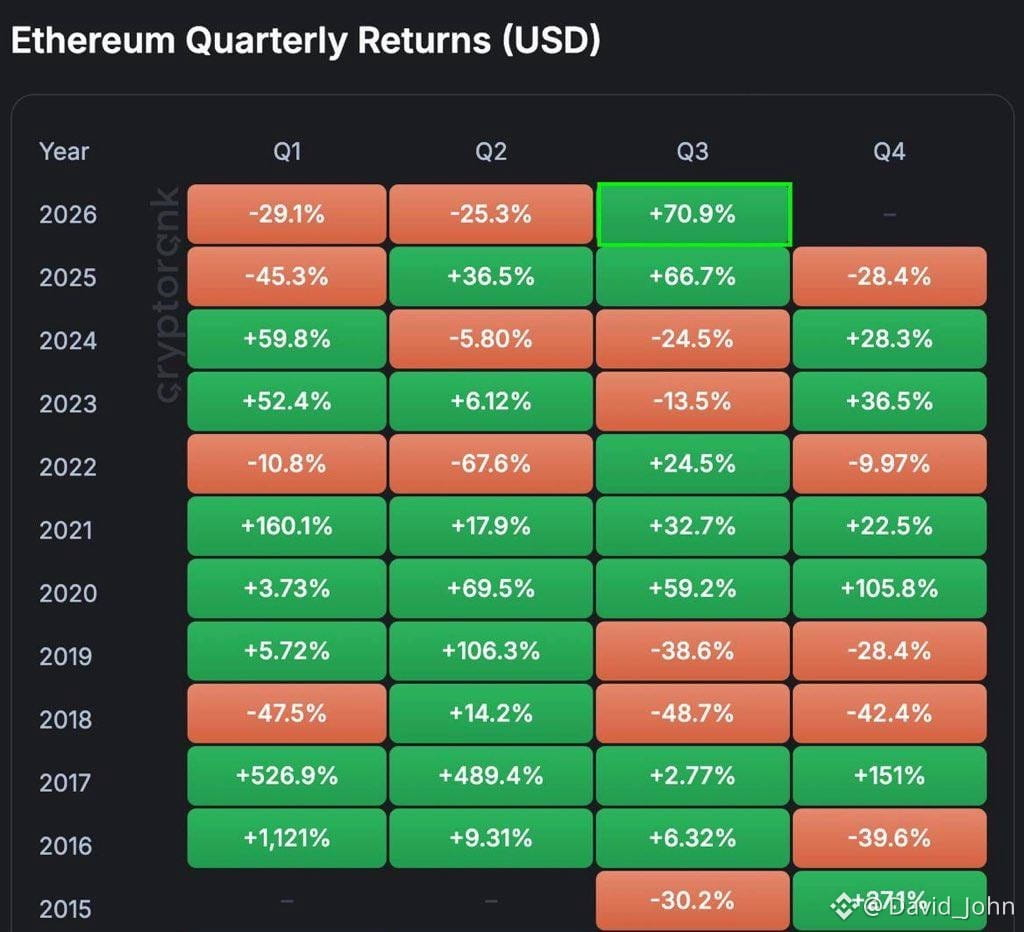
🚨 $ETH が歴史を塗り替えました 🚨
$ETH は、史上最強のQ3をついに公式に締めくくりました。🔥
イーサリアムは2026年のQ3を、四半期の上昇率が約+70.5%〜+71%となる形で終了し、2025年に記録されたそれまでのQ3最高記録(約+66.5%)を上回りました。
そして、もうひとつの大きなポイントが…
$ETH は9月に約$2.67Kで着地し、2026年で最も高い月間クローズを実現。さらに、四半期も年内の回復レンジの上位付近で締めました。オンチェーン/市場データでは、ETHはQ3開始時点の約$1,570から、9月のクローズ時点で約$2,677〜$2,689へと上昇しています。
この動きを考えてみてください:
ETHはQ3開始時点で約$1.57K
➡️ $2Kを超えて爆発的に上昇
➡️ $2.4Kを回復
➡️ $2.7K〜$2.8Kのレンジへ押し上げ
➡️ Q3を約$2.68Kでクローズ
これは単なるリバウンドではありません。
それは大きな四半期トレンドの転換です。⚡
しかも、ファンダメンタル面の背景もさらに面白くなってきています。
🏦 機関投資家の需要
米国のスポットETH ETFは、9月末にかけても資金流入を継続しました。9月29日までの5営業日で、追跡対象のスポットETH ETFは約$287.5Mの純流入を記録。追跡対象ファンドに保有されているのは約5.91M ETHです。
一方、Bitmineは9月27日時点で6百万ETH以上が保有されていると報告しており、これはイーサリアムの総供給量の約4.9%に相当。さらに、5百万ETH以上がステーキングされています。
⚙️ イーサリアムのプロトコル・ロードマップも動いています
イーサリアム財団は9月にGlamsterdamテストネットのフェーズを発表しました。このアップグレードは、主要なスケーリングとブロック生成の改善に重点を置いており、提案者・ビルダー分離の導入(ePBS)や、ブロック単位のアクセスリスト(BALs)などが含まれます。Sepoliaの有効化は2026年10月6日に予定されています。
ではチャートを見てください…
ETHはQ3の高値を約$2,775で記録。一方、より広い回復局面では価格が$1,500台から、$2,000台後半へと押し上げられています。
🔥 いまの重要水準:$2,800
ETHはこのゾーンに何度も接近しており、注視すべき重要な領域です。
$2,800を説得力ある形でブレイクし、そこを維持できれば、心理的節目の$3,000がそのまま焦点になります。
🚨 $ETH が歴史を塗り替えました 🚨
$ETH は、史上最強のQ3をついに公式に締めくくりました。🔥
イーサリアムは2026年のQ3を、四半期の上昇率が約+70.5%〜+71%となる形で終了し、2025年に記録されたそれまでのQ3最高記録(約+66.5%)を上回りました。
そして、もうひとつの大きなポイントが…
$ETH は9月に約$2.67Kで着地し、2026年で最も高い月間クローズを実現。さらに、四半期も年内の回復レンジの上位付近で締めました。オンチェーン/市場データでは、ETHはQ3開始時点の約$1,570から、9月のクローズ時点で約$2,677〜$2,689へと上昇しています。
この動きを考えてみてください:
ETHはQ3開始時点で約$1.57K
➡️ $2Kを超えて爆発的に上昇
➡️ $2.4Kを回復
➡️ $2.7K〜$2.8Kのレンジへ押し上げ
➡️ Q3を約$2.68Kでクローズ
これは単なるリバウンドではありません。
それは大きな四半期トレンドの転換です。⚡
しかも、ファンダメンタル面の背景もさらに面白くなってきています。
🏦 機関投資家の需要
米国のスポットETH ETFは、9月末にかけても資金流入を継続しました。9月29日までの5営業日で、追跡対象のスポットETH ETFは約$287.5Mの純流入を記録。追跡対象ファンドに保有されているのは約5.91M ETHです。
一方、Bitmineは9月27日時点で6百万ETH以上が保有されていると報告しており、これはイーサリアムの総供給量の約4.9%に相当。さらに、5百万ETH以上がステーキングされています。
⚙️ イーサリアムのプロトコル・ロードマップも動いています
イーサリアム財団は9月にGlamsterdamテストネットのフェーズを発表しました。このアップグレードは、主要なスケーリングとブロック生成の改善に重点を置いており、提案者・ビルダー分離の導入(ePBS)や、ブロック単位のアクセスリスト(BALs)などが含まれます。Sepoliaの有効化は2026年10月6日に予定されています。
ではチャートを見てください…
ETHはQ3の高値を約$2,775で記録。一方、より広い回復局面では価格が$1,500台から、$2,000台後半へと押し上げられています。
🔥 いまの重要水準:$2,800
ETHはこのゾーンに何度も接近しており、注視すべき重要な領域です。
$2,800を説得力ある形でブレイクし、そこを維持できれば、心理的節目の$3,000がそのまま焦点になります。
$ETH は、史上最強のQ3をついに公式に締めくくりました。🔥
イーサリアムは2026年のQ3を、四半期の上昇率が約+70.5%〜+71%となる形で終了し、2025年に記録されたそれまでのQ3最高記録(約+66.5%)を上回りました。
そして、もうひとつの大きなポイントが…
$ETH は9月に約$2.67Kで着地し、2026年で最も高い月間クローズを実現。さらに、四半期も年内の回復レンジの上位付近で締めました。オンチェーン/市場データでは、ETHはQ3開始時点の約$1,570から、9月のクローズ時点で約$2,677〜$2,689へと上昇しています。
この動きを考えてみてください:
ETHはQ3開始時点で約$1.57K
➡️ $2Kを超えて爆発的に上昇
➡️ $2.4Kを回復
➡️ $2.7K〜$2.8Kのレンジへ押し上げ
➡️ Q3を約$2.68Kでクローズ
これは単なるリバウンドではありません。
それは大きな四半期トレンドの転換です。⚡
しかも、ファンダメンタル面の背景もさらに面白くなってきています。
🏦 機関投資家の需要
米国のスポットETH ETFは、9月末にかけても資金流入を継続しました。9月29日までの5営業日で、追跡対象のスポットETH ETFは約$287.5Mの純流入を記録。追跡対象ファンドに保有されているのは約5.91M ETHです。
一方、Bitmineは9月27日時点で6百万ETH以上が保有されていると報告しており、これはイーサリアムの総供給量の約4.9%に相当。さらに、5百万ETH以上がステーキングされています。
⚙️ イーサリアムのプロトコル・ロードマップも動いています
イーサリアム財団は9月にGlamsterdamテストネットのフェーズを発表しました。このアップグレードは、主要なスケーリングとブロック生成の改善に重点を置いており、提案者・ビルダー分離の導入(ePBS)や、ブロック単位のアクセスリスト(BALs)などが含まれます。Sepoliaの有効化は2026年10月6日に予定されています。
ではチャートを見てください…
ETHはQ3の高値を約$2,775で記録。一方、より広い回復局面では価格が$1,500台から、$2,000台後半へと押し上げられています。
🔥 いまの重要水準:$2,800
ETHはこのゾーンに何度も接近しており、注視すべき重要な領域です。
$2,800を説得力ある形でブレイクし、そこを維持できれば、心理的節目の$3,000がそのまま焦点になります。
1
2
529
·
--
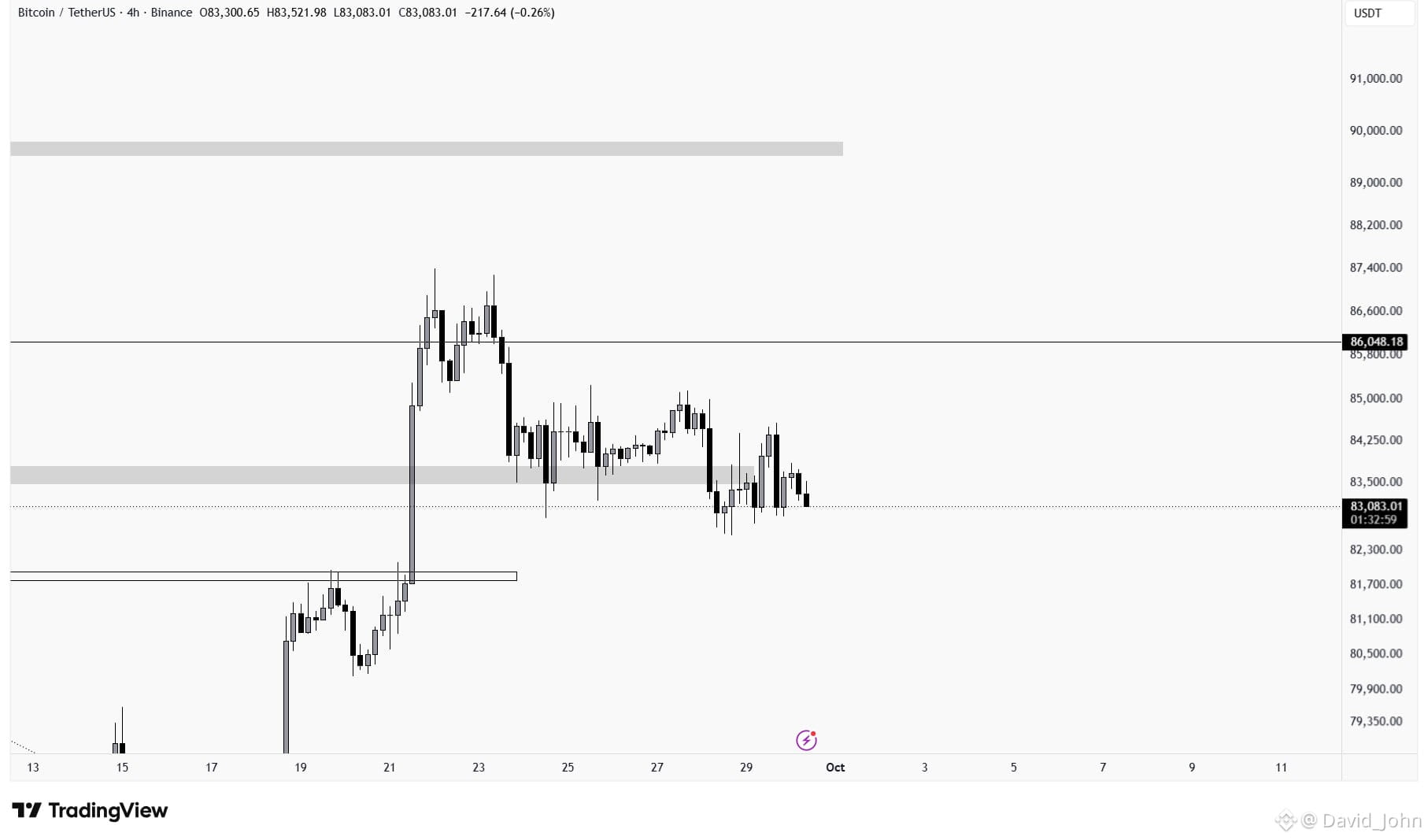
$BTC 🚨
$BTC は、$83,083付近で4H(4時間足)に弱気の圧力がかかっており、$83.5Kのサポートゾーンが今まさに脅かされています。このエリアを下抜けしてからのクリーンなリジェクション/リテストが起これば、さらに下方向への道が開ける可能性があります。⚡
EP: $83,150–$83,650
TP1: $82,300
TP2: $81,850
TP3: $80,500
SL: $84,300
🔥 重要なレジスタンス: $86,048
🧱 大口の供給帯: $89,500–$89,800
トリガー: $83.5Kを下回る4Hでの確定(アクシデンス)→弱気継続。
無効化条件: $84.3K以上への強い取り返し。
$BTC — ブレイクダウンの仕込みが加速中です。📉🔥
$BTC 🚨
$BTC は、$83,083付近で4H(4時間足)に弱気の圧力がかかっており、$83.5Kのサポートゾーンが今まさに脅かされています。このエリアを下抜けしてからのクリーンなリジェクション/リテストが起これば、さらに下方向への道が開ける可能性があります。⚡
EP: $83,150–$83,650
TP1: $82,300
TP2: $81,850
TP3: $80,500
SL: $84,300
🔥 重要なレジスタンス: $86,048
🧱 大口の供給帯: $89,500–$89,800
トリガー: $83.5Kを下回る4Hでの確定(アクシデンス)→弱気継続。
無効化条件: $84.3K以上への強い取り返し。
$BTC — ブレイクダウンの仕込みが加速中です。📉🔥
$BTC は、$83,083付近で4H(4時間足)に弱気の圧力がかかっており、$83.5Kのサポートゾーンが今まさに脅かされています。このエリアを下抜けしてからのクリーンなリジェクション/リテストが起これば、さらに下方向への道が開ける可能性があります。⚡
EP: $83,150–$83,650
TP1: $82,300
TP2: $81,850
TP3: $80,500
SL: $84,300
🔥 重要なレジスタンス: $86,048
🧱 大口の供給帯: $89,500–$89,800
トリガー: $83.5Kを下回る4Hでの確定(アクシデンス)→弱気継続。
無効化条件: $84.3K以上への強い取り返し。
$BTC — ブレイクダウンの仕込みが加速中です。📉🔥
3
407
·
--
🚨 $BTC は次の一手を待機中!
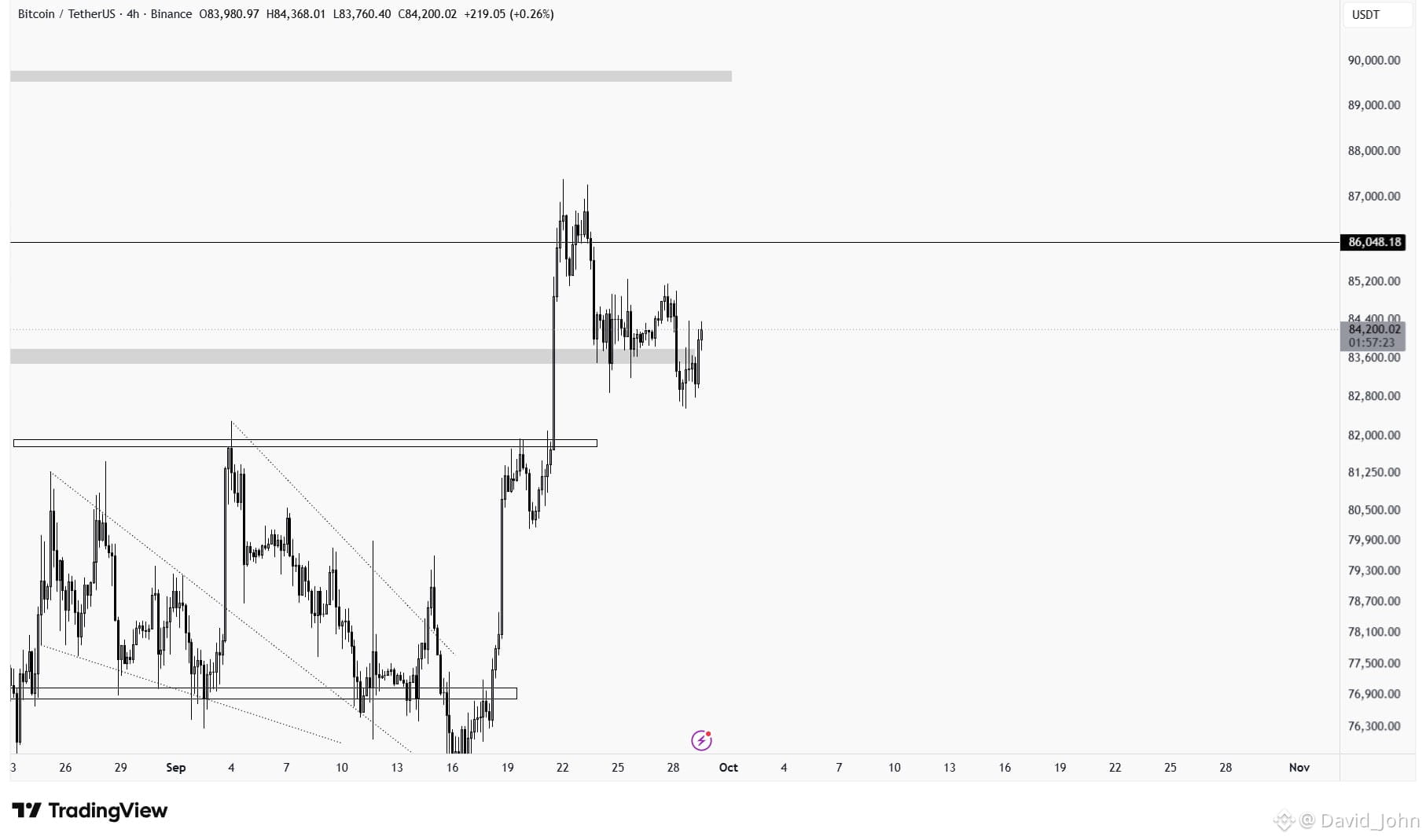
BTCは4Hで約84,200ドルで取引されており、76,900ドルからの強い上昇の後、重要な83,600ドルのサポートゾーンを上回って推移しています。
🔥 重要レベル • 買いゾーン:83,600–84,000ドル
• TP1:86,048ドル
• TP2:87,000ドル
• TP3:89,400–90,000ドル
• SL:82,800ドル
⚡ 86,048ドルを上抜ける明確な4Hブレイクが出れば、次の拡大局面が87K → 89.4K+に向けて点火する可能性があります。
83.6Kを失うと、BTCは82Kを再テストする可能性があります。
$BTC —ボラティリティが高まっています。ブレイクに注目!🚀
🚨 $BTC は次の一手を待機中!
BTCは4Hで約84,200ドルで取引されており、76,900ドルからの強い上昇の後、重要な83,600ドルのサポートゾーンを上回って推移しています。
🔥 重要レベル • 買いゾーン:83,600–84,000ドル
• TP1:86,048ドル
• TP2:87,000ドル
• TP3:89,400–90,000ドル
• SL:82,800ドル
⚡ 86,048ドルを上抜ける明確な4Hブレイクが出れば、次の拡大局面が87K → 89.4K+に向けて点火する可能性があります。
83.6Kを失うと、BTCは82Kを再テストする可能性があります。
$BTC —ボラティリティが高まっています。ブレイクに注目!🚀
BTCは4Hで約84,200ドルで取引されており、76,900ドルからの強い上昇の後、重要な83,600ドルのサポートゾーンを上回って推移しています。
🔥 重要レベル • 買いゾーン:83,600–84,000ドル
• TP1:86,048ドル
• TP2:87,000ドル
• TP3:89,400–90,000ドル
• SL:82,800ドル
⚡ 86,048ドルを上抜ける明確な4Hブレイクが出れば、次の拡大局面が87K → 89.4K+に向けて点火する可能性があります。
83.6Kを失うと、BTCは82Kを再テストする可能性があります。
$BTC —ボラティリティが高まっています。ブレイクに注目!🚀
2
269
·
--
🚨 $BTC 4H 設定 — 大きな動きのローディング?
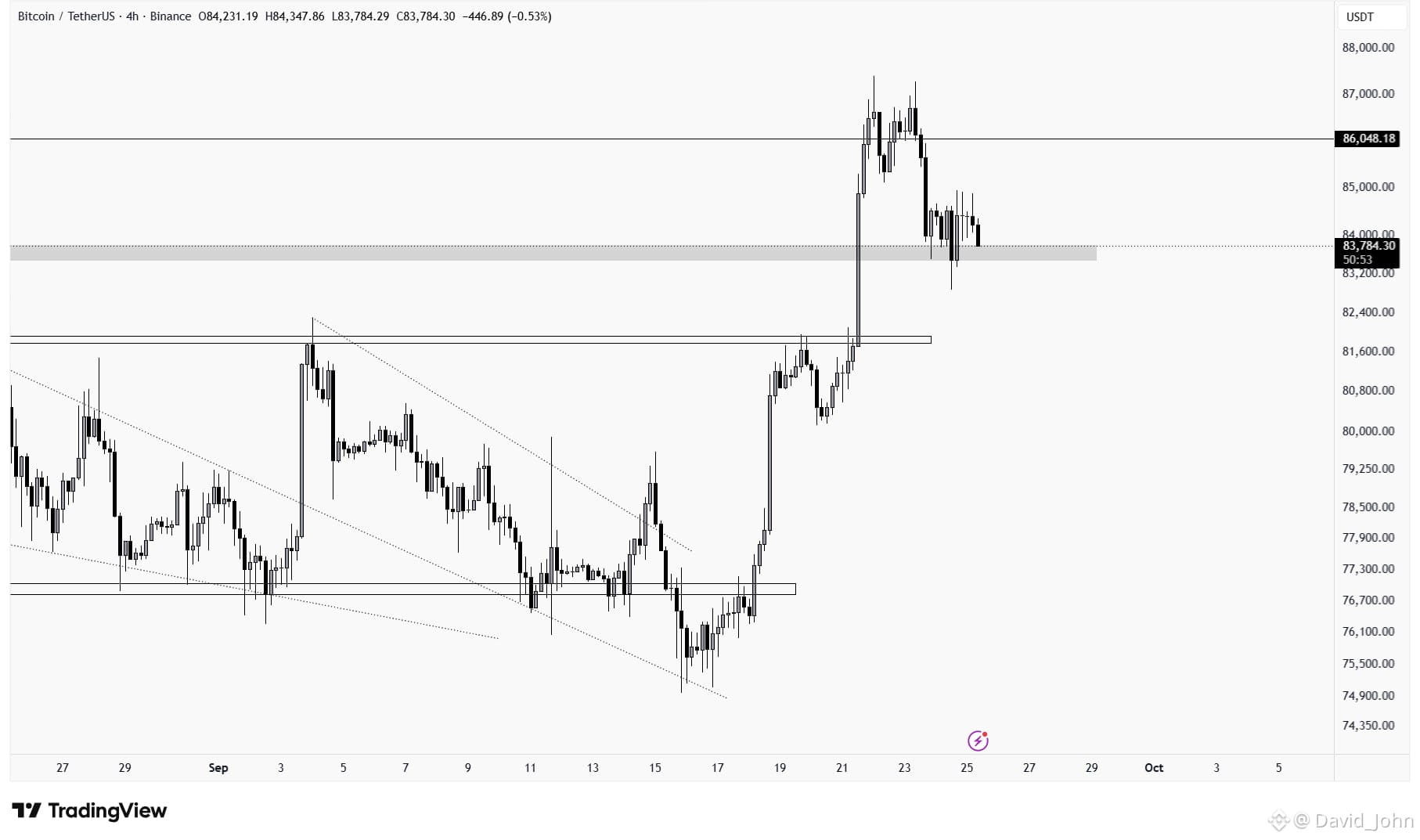
ビットコインは、$81.6K付近からの急なブレイクアウト後、$83,784 前後で値固めしています。
🟢 重要サポート:$83.2K〜$83.9K
🔥 大きなレジスタンス:$86.05K
🎯 ブレイクアウト水準:$87K → $88K
⚠️ ダウンブレイクのリスク:$83.2Kを下回ると、$81.6Kに向けた動きが始まる可能性
構造は依然として堅い:サポートを維持し、$86.05Kを取り戻す=モメンタム拡大の準備。
グレーゾーンを失うと、ブレイクアウト構造が試されます。
BTCは意思決定ゾーンにあります。👀⚡
#BTC #Bitcoin #Crypto #Trading #BTCUSDT
🚨 $BTC 4H 設定 — 大きな動きのローディング?
ビットコインは、$81.6K付近からの急なブレイクアウト後、$83,784 前後で値固めしています。
🟢 重要サポート:$83.2K〜$83.9K
🔥 大きなレジスタンス:$86.05K
🎯 ブレイクアウト水準:$87K → $88K
⚠️ ダウンブレイクのリスク:$83.2Kを下回ると、$81.6Kに向けた動きが始まる可能性
構造は依然として堅い:サポートを維持し、$86.05Kを取り戻す=モメンタム拡大の準備。
グレーゾーンを失うと、ブレイクアウト構造が試されます。
BTCは意思決定ゾーンにあります。👀⚡
#BTC #Bitcoin #Crypto #Trading #BTCUSDT
ビットコインは、$81.6K付近からの急なブレイクアウト後、$83,784 前後で値固めしています。
🟢 重要サポート:$83.2K〜$83.9K
🔥 大きなレジスタンス:$86.05K
🎯 ブレイクアウト水準:$87K → $88K
⚠️ ダウンブレイクのリスク:$83.2Kを下回ると、$81.6Kに向けた動きが始まる可能性
構造は依然として堅い:サポートを維持し、$86.05Kを取り戻す=モメンタム拡大の準備。
グレーゾーンを失うと、ブレイクアウト構造が試されます。
BTCは意思決定ゾーンにあります。👀⚡
#BTC #Bitcoin #Crypto #Trading #BTCUSDT
3
905
·
--
🚨 ビットコインのライトニングに量子シールドが登場 ⚡️
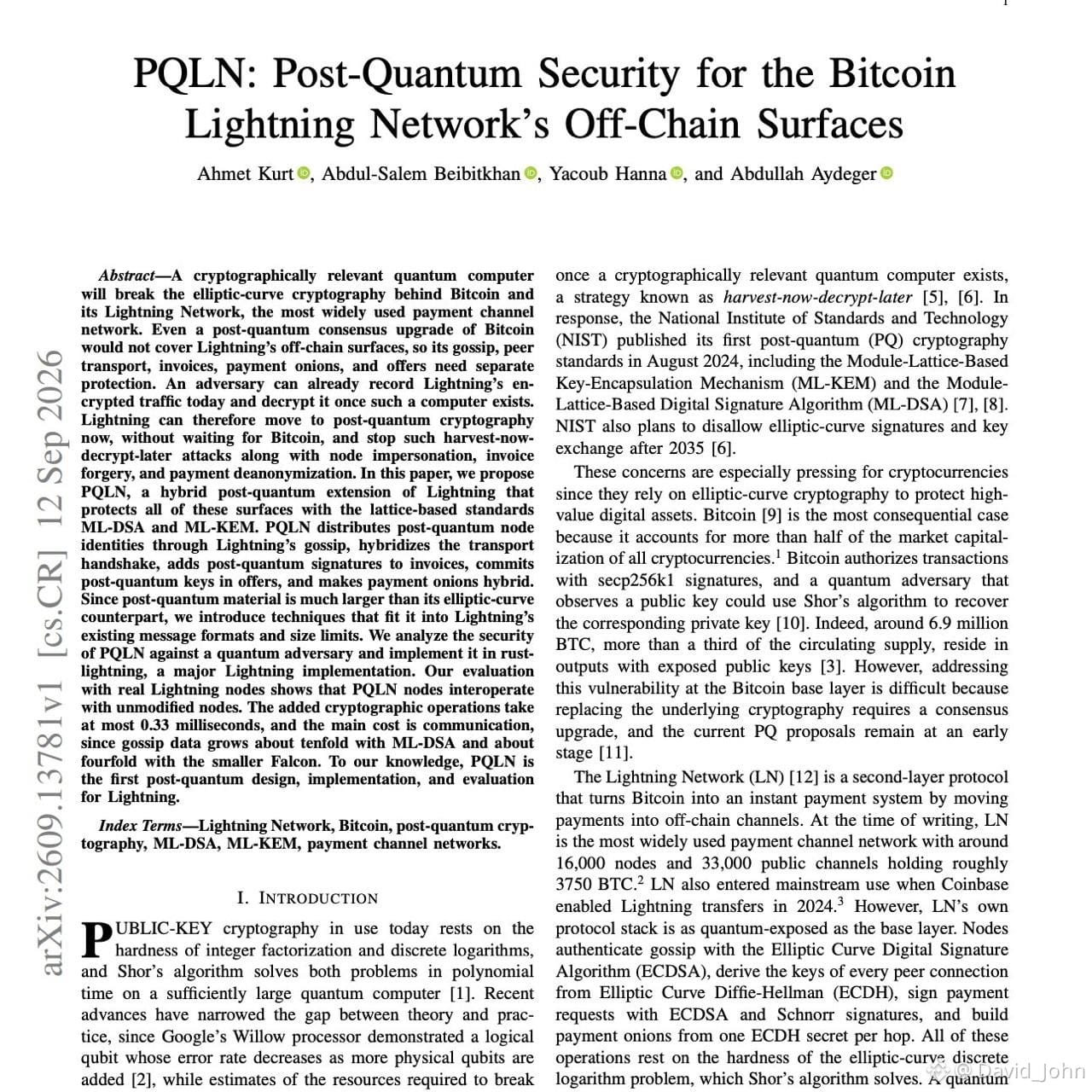
イーストテキサスA&M大学の研究チームが、将来の量子攻撃からビットコインのライトニングネットワークを守るためのポスト量子セキュリティ層「PQLN」を構築しました。
🔐 ML-DSA + ML-KEM の格子ベース暗号を使用
⚙️ rust-lightning に約11,000行を追加
⚡ 暗号オーバーヘッド:1操作あたり ≤0.33 ms
🌐 従来ノード+アップグレード済みノードの混在12シナリオでテスト
✅ 相互運用性テストで「詰まり(スタック)」した支払いはゼロ
📡 主なトレードオフ:ML-DSAによりゴシップ帯域が約10倍に増加
そして一番すごい点は?
PQLNは、ビットコインのベース層を変更せずに、既存のライトニングノードと並行して動かせます。
注意点:守られるのはライトニングのオフチェーン領域であって、ビットコインの基盤となるオンチェーンの資金そのものではありません。
量子コンピューティングはまだ数年先かもしれませんが――ビットコインのライトニングネットワークはすでに備えを始めています。 🔥🟠
#Bitcoin #BTC #LightningNetwork #QuantumComputing #Crypto
🚨 ビットコインのライトニングに量子シールドが登場 ⚡️
イーストテキサスA&M大学の研究チームが、将来の量子攻撃からビットコインのライトニングネットワークを守るためのポスト量子セキュリティ層「PQLN」を構築しました。
🔐 ML-DSA + ML-KEM の格子ベース暗号を使用
⚙️ rust-lightning に約11,000行を追加
⚡ 暗号オーバーヘッド:1操作あたり ≤0.33 ms
🌐 従来ノード+アップグレード済みノードの混在12シナリオでテスト
✅ 相互運用性テストで「詰まり(スタック)」した支払いはゼロ
📡 主なトレードオフ:ML-DSAによりゴシップ帯域が約10倍に増加
そして一番すごい点は?
PQLNは、ビットコインのベース層を変更せずに、既存のライトニングノードと並行して動かせます。
注意点:守られるのはライトニングのオフチェーン領域であって、ビットコインの基盤となるオンチェーンの資金そのものではありません。
量子コンピューティングはまだ数年先かもしれませんが――ビットコインのライトニングネットワークはすでに備えを始めています。 🔥🟠
#Bitcoin #BTC #LightningNetwork #QuantumComputing #Crypto
イーストテキサスA&M大学の研究チームが、将来の量子攻撃からビットコインのライトニングネットワークを守るためのポスト量子セキュリティ層「PQLN」を構築しました。
🔐 ML-DSA + ML-KEM の格子ベース暗号を使用
⚙️ rust-lightning に約11,000行を追加
⚡ 暗号オーバーヘッド:1操作あたり ≤0.33 ms
🌐 従来ノード+アップグレード済みノードの混在12シナリオでテスト
✅ 相互運用性テストで「詰まり(スタック)」した支払いはゼロ
📡 主なトレードオフ:ML-DSAによりゴシップ帯域が約10倍に増加
そして一番すごい点は?
PQLNは、ビットコインのベース層を変更せずに、既存のライトニングノードと並行して動かせます。
注意点:守られるのはライトニングのオフチェーン領域であって、ビットコインの基盤となるオンチェーンの資金そのものではありません。
量子コンピューティングはまだ数年先かもしれませんが――ビットコインのライトニングネットワークはすでに備えを始めています。 🔥🟠
#Bitcoin #BTC #LightningNetwork #QuantumComputing #Crypto
1
251
·
--
$BTC 🚀
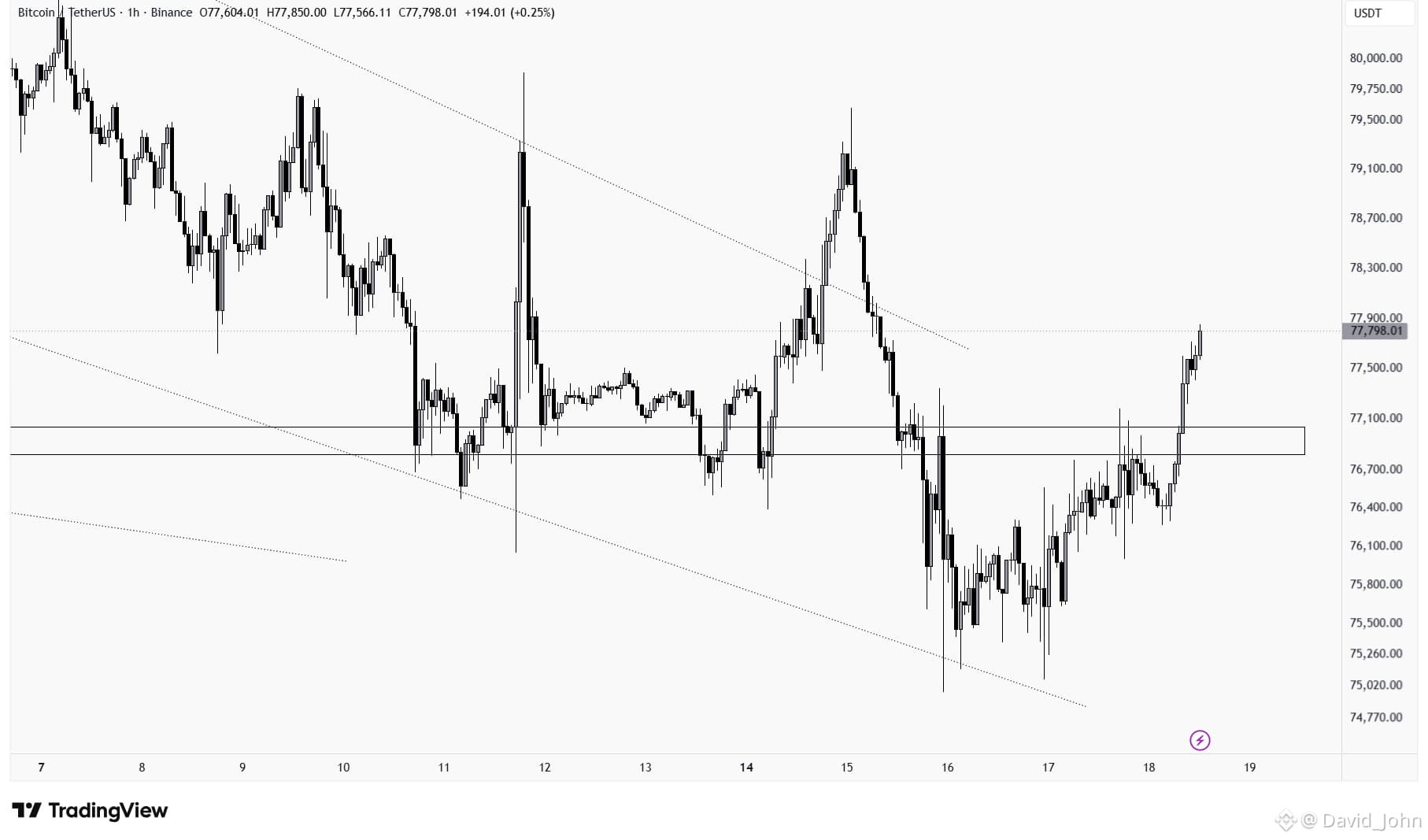
$BTC は1Hチャートで高値更新を続けており、$76,800〜$77,100のレジスタンス帯を奪還して$77,798まで上昇しています。
📍 買いゾーン: $77,500〜$77,800
🎯 TP1: $78,300
🎯 TP2: $78,700
🎯 TP3: $79,100
🛑 SL: $77,050
$77,100を明確に上抜けて維持できれば、$78.7K〜$79.1Kへ向かう可能性が開けます。モメンタムが加熱中 — ブレイクアウトに注目!⚡
$BTC 🚀
$BTC は1Hチャートで高値更新を続けており、$76,800〜$77,100のレジスタンス帯を奪還して$77,798まで上昇しています。
📍 買いゾーン: $77,500〜$77,800
🎯 TP1: $78,300
🎯 TP2: $78,700
🎯 TP3: $79,100
🛑 SL: $77,050
$77,100を明確に上抜けて維持できれば、$78.7K〜$79.1Kへ向かう可能性が開けます。モメンタムが加熱中 — ブレイクアウトに注目!⚡
$BTC は1Hチャートで高値更新を続けており、$76,800〜$77,100のレジスタンス帯を奪還して$77,798まで上昇しています。
📍 買いゾーン: $77,500〜$77,800
🎯 TP1: $78,300
🎯 TP2: $78,700
🎯 TP3: $79,100
🛑 SL: $77,050
$77,100を明確に上抜けて維持できれば、$78.7K〜$79.1Kへ向かう可能性が開けます。モメンタムが加熱中 — ブレイクアウトに注目!⚡
3
282
·
--
🚨速報:🇺🇸 ビットコイン準備法案が前進
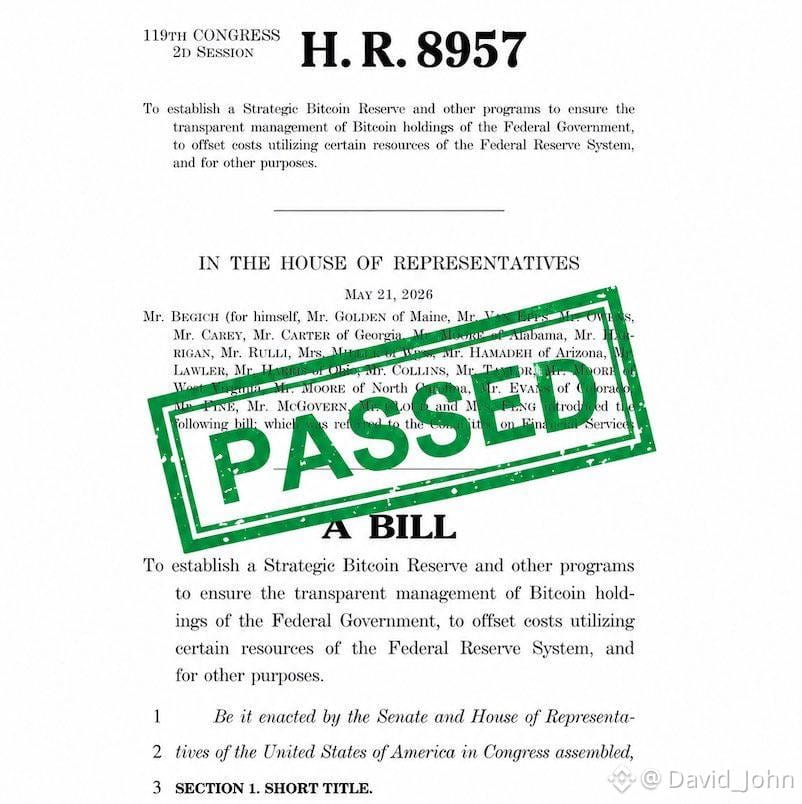
米国下院金融サービス委員会は、戦略的ビットコイン準備を設立することを目指した法案を前進させました。🇺🇸₿
これは、より広範なCLARITY法が上院で停滞している一方で、ビットコインが米国の政策論争の中心へさらに踏み込むことを意味します。
🔥 暗号資産市場で注目すべき大きな進展です。
#Bitcoin #BTC #Crypto #BitcoinReserv
🚨速報:🇺🇸 ビットコイン準備法案が前進
米国下院金融サービス委員会は、戦略的ビットコイン準備を設立することを目指した法案を前進させました。🇺🇸₿
これは、より広範なCLARITY法が上院で停滞している一方で、ビットコインが米国の政策論争の中心へさらに踏み込むことを意味します。
🔥 暗号資産市場で注目すべき大きな進展です。
#Bitcoin #BTC #Crypto #BitcoinReserv
米国下院金融サービス委員会は、戦略的ビットコイン準備を設立することを目指した法案を前進させました。🇺🇸₿
これは、より広範なCLARITY法が上院で停滞している一方で、ビットコインが米国の政策論争の中心へさらに踏み込むことを意味します。
🔥 暗号資産市場で注目すべき大きな進展です。
#Bitcoin #BTC #Crypto #BitcoinReserv

1
689
·
--
🚨 暗号資産が重大なテストに失敗。
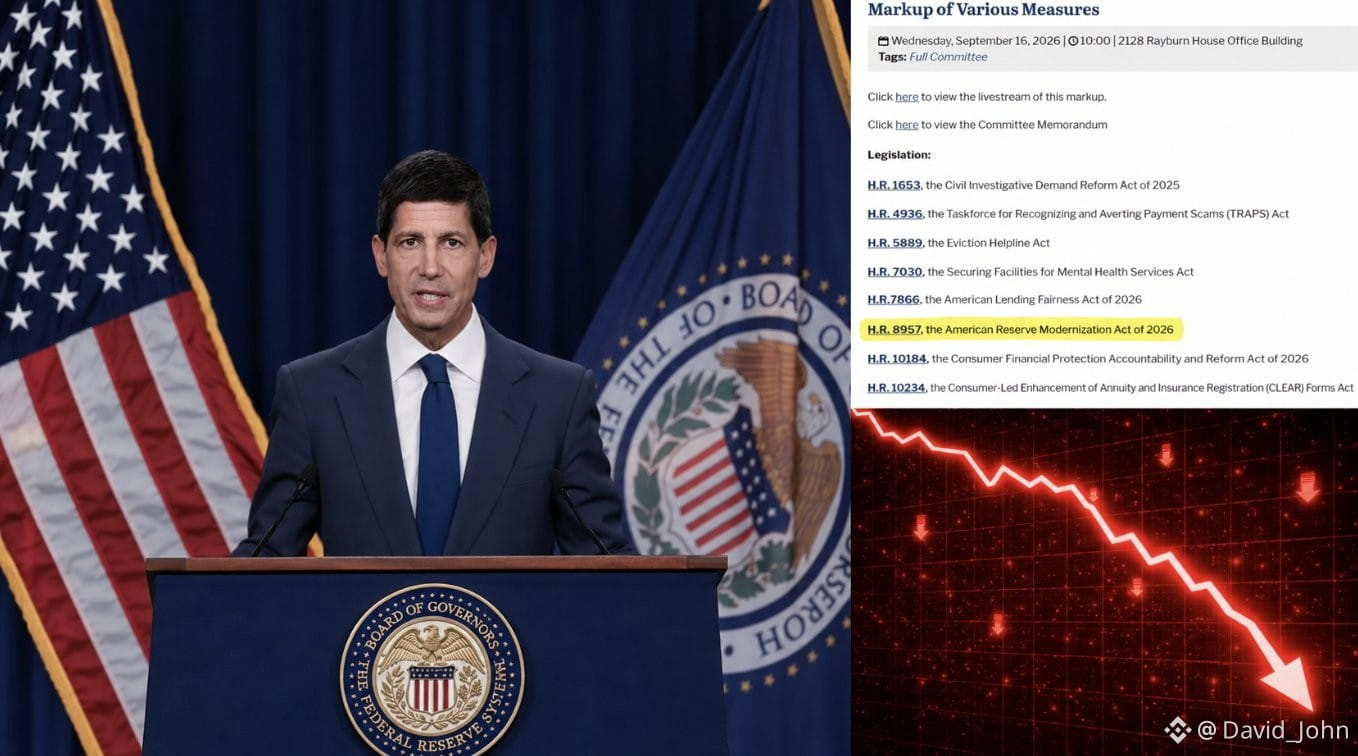
米上院がCLARITY法案の前進に失敗し、暗号資産市場にもう一つ警告を発しました。📉
ここからは、今日のFRB決定と「戦略的ビットコイン準備(SBR)」法案に注目が集まっています。
🏦 FRB:市場は25bpsの利上げを見込んでいます——しかし本当の危険は、ケビン・ウォーシュからのタカ派的なメッセージです。
₿ SBR法案:可決されれば、切実に必要とされる強気シグナルになる可能性があります。失敗すれば、暗号資産はさらにもう一度売りの波に見舞われるかもしれません。
規制+FRBの政策=暗号資産にとって重要な一日。
🔥 ボラティリティは大きくなる可能性があります。警戒を続けましょう。
🚨 暗号資産が重大なテストに失敗。
米上院がCLARITY法案の前進に失敗し、暗号資産市場にもう一つ警告を発しました。📉
ここからは、今日のFRB決定と「戦略的ビットコイン準備(SBR)」法案に注目が集まっています。
🏦 FRB:市場は25bpsの利上げを見込んでいます——しかし本当の危険は、ケビン・ウォーシュからのタカ派的なメッセージです。
₿ SBR法案:可決されれば、切実に必要とされる強気シグナルになる可能性があります。失敗すれば、暗号資産はさらにもう一度売りの波に見舞われるかもしれません。
規制+FRBの政策=暗号資産にとって重要な一日。
🔥 ボラティリティは大きくなる可能性があります。警戒を続けましょう。
米上院がCLARITY法案の前進に失敗し、暗号資産市場にもう一つ警告を発しました。📉
ここからは、今日のFRB決定と「戦略的ビットコイン準備(SBR)」法案に注目が集まっています。
🏦 FRB:市場は25bpsの利上げを見込んでいます——しかし本当の危険は、ケビン・ウォーシュからのタカ派的なメッセージです。
₿ SBR法案:可決されれば、切実に必要とされる強気シグナルになる可能性があります。失敗すれば、暗号資産はさらにもう一度売りの波に見舞われるかもしれません。
規制+FRBの政策=暗号資産にとって重要な一日。
🔥 ボラティリティは大きくなる可能性があります。警戒を続けましょう。
1
253
·
--
本人確認中
9月のFOMCは利上げ以上の意味がある
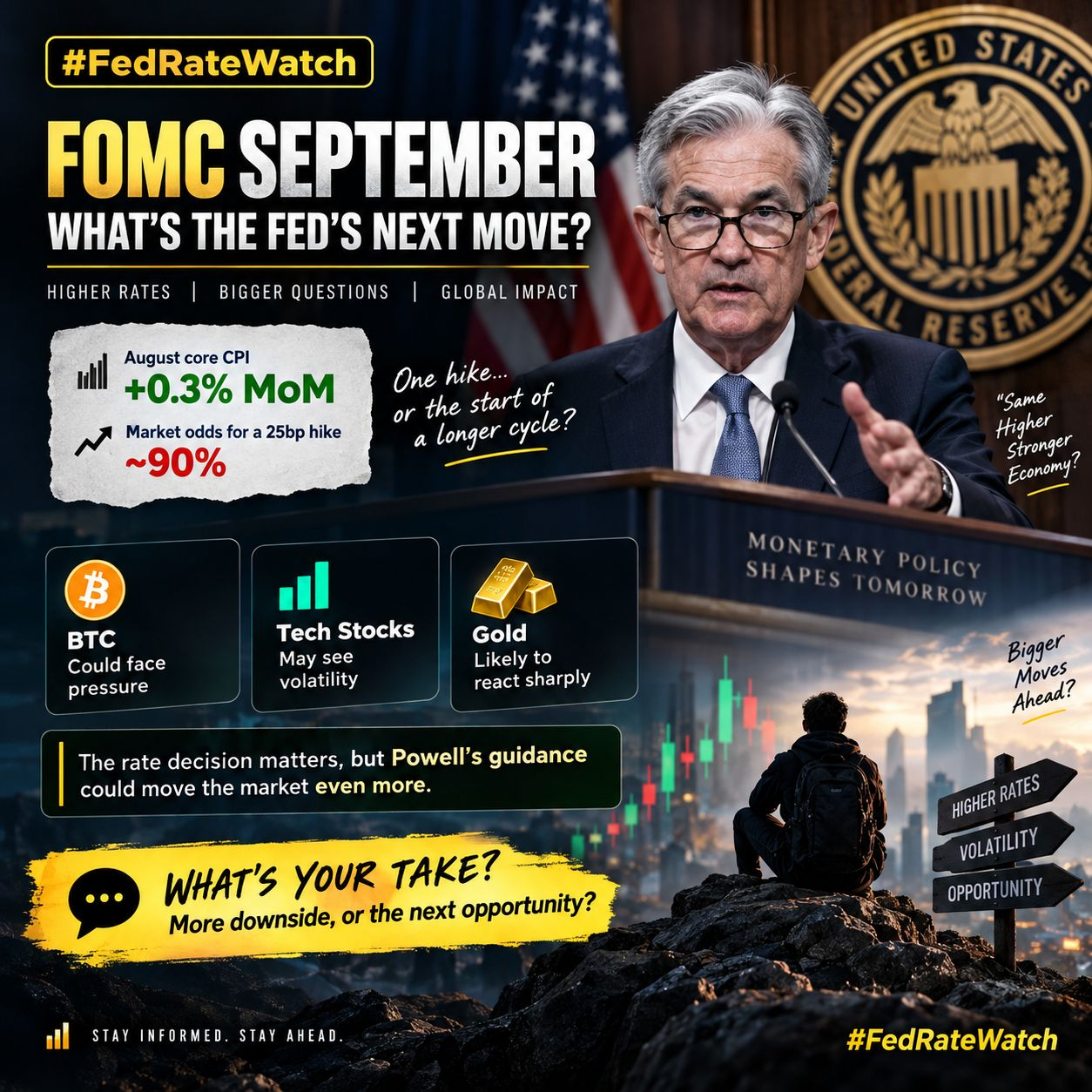
FRBの会合が直近に迫っており、マーケットはすでに多くを織り込んでいます。
8月のコアCPIは前月比0.3%となった一方で、25bpの利上げ確率は現在約90%です。私にとってのより大きな論点は、FRBが利上げするかどうかだけではなく、その後に何が起きるかです。
これは単発の動きにとどまるのか、それともより長い利上げ局面の始まりなのでしょうか?
そして、もし利上げが実施されるなら、BTC、ハイテク株、金はいずれも圧力を受ける可能性があります。個人的には、見出しとなる決定よりも、パウエルのトーンと今後のガイダンスにより注目します。
たった一つの誤った言葉が、マーケットを素早く動かし得ます。
あなたが想定しているのは、さらなる下落でしょうか?それとも、次のチャンスにつながる可能性があるのでしょうか?
#FedRateWatch
9月のFOMCは利上げ以上の意味がある
FRBの会合が直近に迫っており、マーケットはすでに多くを織り込んでいます。
8月のコアCPIは前月比0.3%となった一方で、25bpの利上げ確率は現在約90%です。私にとってのより大きな論点は、FRBが利上げするかどうかだけではなく、その後に何が起きるかです。
これは単発の動きにとどまるのか、それともより長い利上げ局面の始まりなのでしょうか?
そして、もし利上げが実施されるなら、BTC、ハイテク株、金はいずれも圧力を受ける可能性があります。個人的には、見出しとなる決定よりも、パウエルのトーンと今後のガイダンスにより注目します。
たった一つの誤った言葉が、マーケットを素早く動かし得ます。
あなたが想定しているのは、さらなる下落でしょうか?それとも、次のチャンスにつながる可能性があるのでしょうか?
#FedRateWatch
FRBの会合が直近に迫っており、マーケットはすでに多くを織り込んでいます。
8月のコアCPIは前月比0.3%となった一方で、25bpの利上げ確率は現在約90%です。私にとってのより大きな論点は、FRBが利上げするかどうかだけではなく、その後に何が起きるかです。
これは単発の動きにとどまるのか、それともより長い利上げ局面の始まりなのでしょうか?
そして、もし利上げが実施されるなら、BTC、ハイテク株、金はいずれも圧力を受ける可能性があります。個人的には、見出しとなる決定よりも、パウエルのトーンと今後のガイダンスにより注目します。
たった一つの誤った言葉が、マーケットを素早く動かし得ます。
あなたが想定しているのは、さらなる下落でしょうか?それとも、次のチャンスにつながる可能性があるのでしょうか?
#FedRateWatch
1
1.3k
·
--
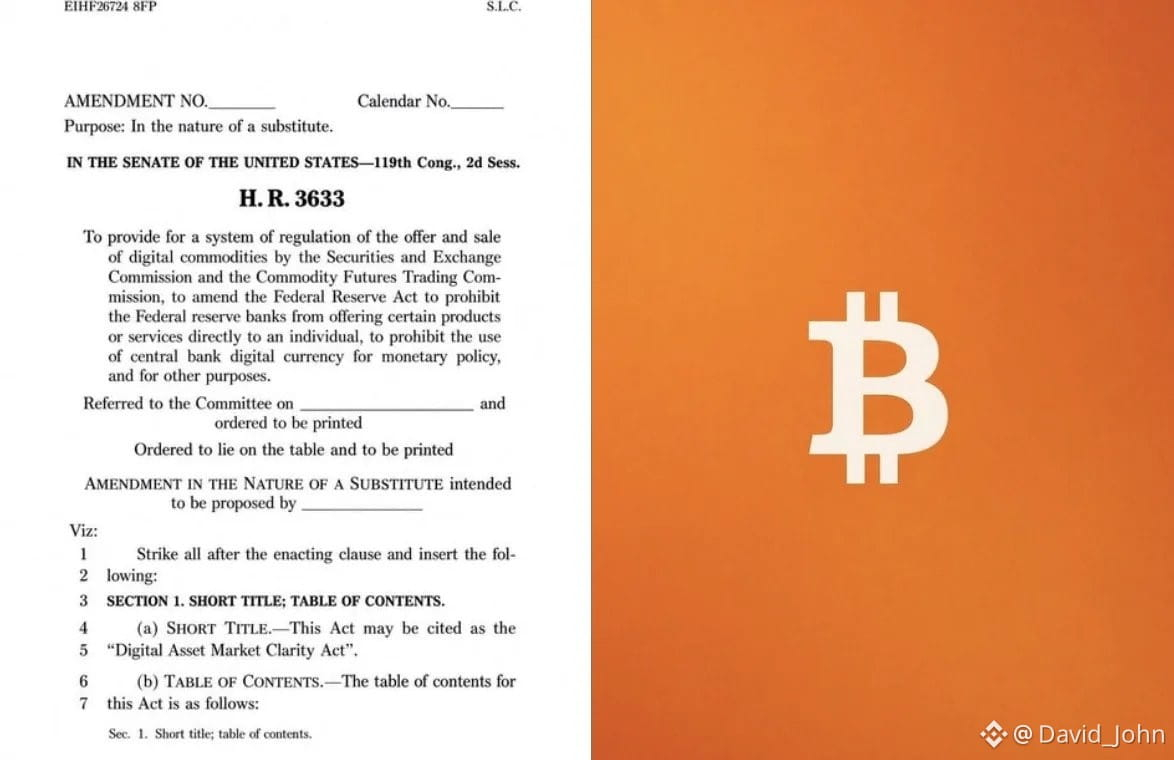
🚨 暗号資産界最大の政治的試練が今日到来
上院は、9月15日火曜の米東部時間午後2時15分に「CLARITY法」をめぐる可決を左右する採決に臨む。これは法案を前進させるためのクローチャー(打ち切り)採決であり、最終通過の採決ではない。成立には60票が必要だ。
共和党は53議席を占めているため、前進させるには少なくとも7票の民主党または無所属の賛成票が必要となる。1年以上に及ぶ交渉の末、シンシア・ラミス上院議員と共和党指導部は、民主党が求めた126の主要な変更を追加した。内容には、より厳格な倫理規定、開発者保護、マネーロンダリング対策、ステーブルコインをめぐるセーフガードが含まれる。
トランプは、暗号資産の発行に結び付いた制限や、特定の当局者に暗号資産保有の売却を求める、またはブラインド・トラストに預けることを求める要件などを含む、提案された倫理パッケージの約80%も支持している。州の司法長官にも執行権限が与えられる。
重要な追加として、財務省には、ステーブルコイン主導によるコミュニティバンクからの預金流出に対して行動する権限が付与される。
下院はすでに、2025年7月に第294対134で自らのバージョンを可決している。上院が進め、最終的に法案が可決されれば、両院は大統領に届ける前に、同一の文言の承認をまだ受ける必要がある。
そして争点は極めて大きい。今日失敗しても法案が永久に消えるわけではないが、2026年の中間選挙が迫る中で、立法の時間的な窓は急速に狭まっている。
🔥 9月15日は、米国の暗号資産規制にとって決定的な日になるかもしれない。
🚨 暗号資産界最大の政治的試練が今日到来
上院は、9月15日火曜の米東部時間午後2時15分に「CLARITY法」をめぐる可決を左右する採決に臨む。これは法案を前進させるためのクローチャー(打ち切り)採決であり、最終通過の採決ではない。成立には60票が必要だ。
共和党は53議席を占めているため、前進させるには少なくとも7票の民主党または無所属の賛成票が必要となる。1年以上に及ぶ交渉の末、シンシア・ラミス上院議員と共和党指導部は、民主党が求めた126の主要な変更を追加した。内容には、より厳格な倫理規定、開発者保護、マネーロンダリング対策、ステーブルコインをめぐるセーフガードが含まれる。
トランプは、暗号資産の発行に結び付いた制限や、特定の当局者に暗号資産保有の売却を求める、またはブラインド・トラストに預けることを求める要件などを含む、提案された倫理パッケージの約80%も支持している。州の司法長官にも執行権限が与えられる。
重要な追加として、財務省には、ステーブルコイン主導によるコミュニティバンクからの預金流出に対して行動する権限が付与される。
下院はすでに、2025年7月に第294対134で自らのバージョンを可決している。上院が進め、最終的に法案が可決されれば、両院は大統領に届ける前に、同一の文言の承認をまだ受ける必要がある。
そして争点は極めて大きい。今日失敗しても法案が永久に消えるわけではないが、2026年の中間選挙が迫る中で、立法の時間的な窓は急速に狭まっている。
🔥 9月15日は、米国の暗号資産規制にとって決定的な日になるかもしれない。
上院は、9月15日火曜の米東部時間午後2時15分に「CLARITY法」をめぐる可決を左右する採決に臨む。これは法案を前進させるためのクローチャー(打ち切り)採決であり、最終通過の採決ではない。成立には60票が必要だ。
共和党は53議席を占めているため、前進させるには少なくとも7票の民主党または無所属の賛成票が必要となる。1年以上に及ぶ交渉の末、シンシア・ラミス上院議員と共和党指導部は、民主党が求めた126の主要な変更を追加した。内容には、より厳格な倫理規定、開発者保護、マネーロンダリング対策、ステーブルコインをめぐるセーフガードが含まれる。
トランプは、暗号資産の発行に結び付いた制限や、特定の当局者に暗号資産保有の売却を求める、またはブラインド・トラストに預けることを求める要件などを含む、提案された倫理パッケージの約80%も支持している。州の司法長官にも執行権限が与えられる。
重要な追加として、財務省には、ステーブルコイン主導によるコミュニティバンクからの預金流出に対して行動する権限が付与される。
下院はすでに、2025年7月に第294対134で自らのバージョンを可決している。上院が進め、最終的に法案が可決されれば、両院は大統領に届ける前に、同一の文言の承認をまだ受ける必要がある。
そして争点は極めて大きい。今日失敗しても法案が永久に消えるわけではないが、2026年の中間選挙が迫る中で、立法の時間的な窓は急速に狭まっている。
🔥 9月15日は、米国の暗号資産規制にとって決定的な日になるかもしれない。
3
960
·
--
ブリッシュ
本人確認中
🔥 CPIはFRBの次なる大きな決断トリガーになり得る — 利上げか据え置きか?
市場は、爆発的なインフレ局面に向かって進んでいます。
米国の非農業部門雇用者数は8月に強い結果となり、162Kの雇用が追加されました。予想を上回り、労働市場にはまだ底堅さがあることを示しています。失業率は4.1%のままです。
そして次に来る、より大きな試練。それが米国CPIです。
8月のCPIは9月11日に予定されており、見通しは月次で約0.4%のインフレ、前年比で3.4%です。一方、コアCPIは月次で約0.2%、前年比で2.4%と予想されています。
ここからが面白くなるところです 👀
もしCPIが予想より熱い(特にコアインフレが加速する)結果になれば、FRBは政策を引き締め的に維持する、あるいはさらに25bpsの利上げを実施するためのより強い根拠を持つ可能性があります。市場は、より強いインフレ指標を受けて、9月利上げの確率をすでに引き上げています。
しかし、取引にはもう一つの側面があります。
もしCPIが弱ければ、追加の引き締めが正当化されにくくなり、リスク資産全体で強気のセンチメントが再び勢いを取り戻すかもしれません。
📈 私の見解:ヘッドラインの数値よりも、コアCPIの方をより注意深く見ています。下振れのサプライズは株式や金にとって強気材料になり得ますが、強い結果(ホットな数字)はドルを押し上げ、リスク資産に圧力をかける可能性があります。
🟢 強気シナリオ:CPIが冷え込む → FRBの圧力が和らぐ → リスク資産に勢い。
🔴 弱気シナリオ:CPIが上振れ → 利上げ期待が上昇 → 利回り&USDが強含み → 株に下押し圧力。
そして金は? インフレがどちらの方向にサプライズするか次第で、最も面白い取引のひとつになり得ます。
本当の問いは:
CPIはインフレの鈍化を裏付けるのか…それともFRBに強気姿勢を維持させるのか?
🔥 強気か弱気か? CPI前に持っているのは — 株、金、それとも現金?
あなたの取引アイデアを共有して、コミュニティがどこに立っているのか見てみましょう。
#CPIWatch
$ZEC
{spot}(ZECUSDT)
$RAYSOL
{future}(RAYSOLUSDT)
$NVDA.US
{stock_us}(NVDA.US)
🔥 CPIはFRBの次なる大きな決断トリガーになり得る — 利上げか据え置きか?
市場は、爆発的なインフレ局面に向かって進んでいます。
米国の非農業部門雇用者数は8月に強い結果となり、162Kの雇用が追加されました。予想を上回り、労働市場にはまだ底堅さがあることを示しています。失業率は4.1%のままです。
そして次に来る、より大きな試練。それが米国CPIです。
8月のCPIは9月11日に予定されており、見通しは月次で約0.4%のインフレ、前年比で3.4%です。一方、コアCPIは月次で約0.2%、前年比で2.4%と予想されています。
ここからが面白くなるところです 👀
もしCPIが予想より熱い(特にコアインフレが加速する)結果になれば、FRBは政策を引き締め的に維持する、あるいはさらに25bpsの利上げを実施するためのより強い根拠を持つ可能性があります。市場は、より強いインフレ指標を受けて、9月利上げの確率をすでに引き上げています。
しかし、取引にはもう一つの側面があります。
もしCPIが弱ければ、追加の引き締めが正当化されにくくなり、リスク資産全体で強気のセンチメントが再び勢いを取り戻すかもしれません。
📈 私の見解:ヘッドラインの数値よりも、コアCPIの方をより注意深く見ています。下振れのサプライズは株式や金にとって強気材料になり得ますが、強い結果(ホットな数字)はドルを押し上げ、リスク資産に圧力をかける可能性があります。
🟢 強気シナリオ:CPIが冷え込む → FRBの圧力が和らぐ → リスク資産に勢い。
🔴 弱気シナリオ:CPIが上振れ → 利上げ期待が上昇 → 利回り&USDが強含み → 株に下押し圧力。
そして金は? インフレがどちらの方向にサプライズするか次第で、最も面白い取引のひとつになり得ます。
本当の問いは:
CPIはインフレの鈍化を裏付けるのか…それともFRBに強気姿勢を維持させるのか?
🔥 強気か弱気か? CPI前に持っているのは — 株、金、それとも現金?
あなたの取引アイデアを共有して、コミュニティがどこに立っているのか見てみましょう。
#CPIWatch
$ZEC
$RAYSOL
$NVDA.US
市場は、爆発的なインフレ局面に向かって進んでいます。
米国の非農業部門雇用者数は8月に強い結果となり、162Kの雇用が追加されました。予想を上回り、労働市場にはまだ底堅さがあることを示しています。失業率は4.1%のままです。
そして次に来る、より大きな試練。それが米国CPIです。
8月のCPIは9月11日に予定されており、見通しは月次で約0.4%のインフレ、前年比で3.4%です。一方、コアCPIは月次で約0.2%、前年比で2.4%と予想されています。
ここからが面白くなるところです 👀
もしCPIが予想より熱い(特にコアインフレが加速する)結果になれば、FRBは政策を引き締め的に維持する、あるいはさらに25bpsの利上げを実施するためのより強い根拠を持つ可能性があります。市場は、より強いインフレ指標を受けて、9月利上げの確率をすでに引き上げています。
しかし、取引にはもう一つの側面があります。
もしCPIが弱ければ、追加の引き締めが正当化されにくくなり、リスク資産全体で強気のセンチメントが再び勢いを取り戻すかもしれません。
📈 私の見解:ヘッドラインの数値よりも、コアCPIの方をより注意深く見ています。下振れのサプライズは株式や金にとって強気材料になり得ますが、強い結果(ホットな数字)はドルを押し上げ、リスク資産に圧力をかける可能性があります。
🟢 強気シナリオ:CPIが冷え込む → FRBの圧力が和らぐ → リスク資産に勢い。
🔴 弱気シナリオ:CPIが上振れ → 利上げ期待が上昇 → 利回り&USDが強含み → 株に下押し圧力。
そして金は? インフレがどちらの方向にサプライズするか次第で、最も面白い取引のひとつになり得ます。
本当の問いは:
CPIはインフレの鈍化を裏付けるのか…それともFRBに強気姿勢を維持させるのか?
🔥 強気か弱気か? CPI前に持っているのは — 株、金、それとも現金?
あなたの取引アイデアを共有して、コミュニティがどこに立っているのか見てみましょう。
#CPIWatch
$ZEC
$RAYSOL
$NVDA.US
🟢 Stocks
34%
🟡 Gold
18%
🔴 Cash
21%
🔵 Crypto
27%
33 投票 • 投票は終了しました
1
7
2.3k
·
--
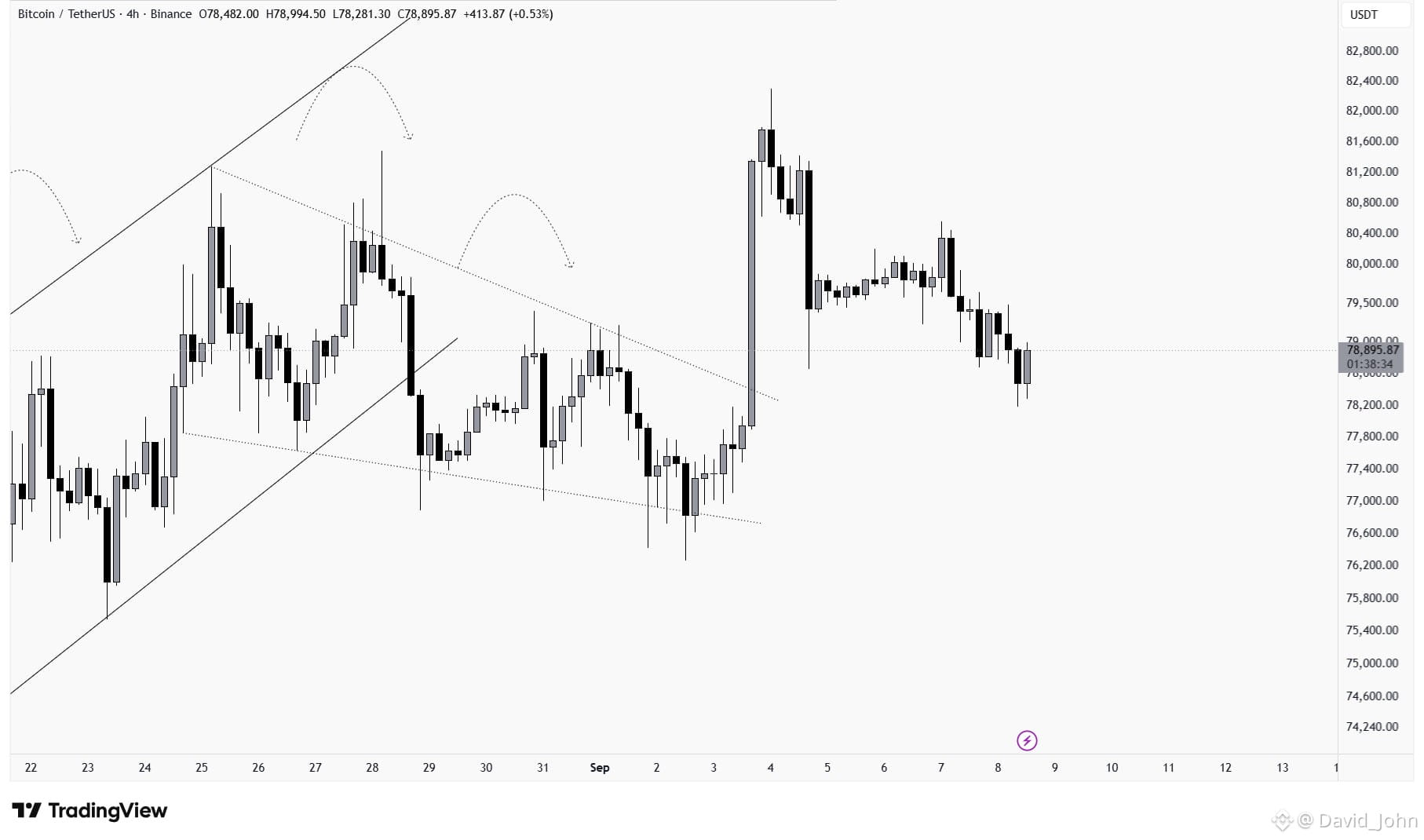
⚠️ $BTC 短期セットアップが加熱中!🔥
$BTC は、$81.6K〜$81.8Kのゾーンを拒否した後、4Hチャートで急に弱気へ転じ、$78,895付近で推移しています。
📉 エントリー(EP):$78,850〜$79,050
🎯 TP1:$78,200
🎯 TP2:$77,400
🎯 TP3:$76,600
🛑 SL:$79,650
弱気の勢いが高まっています――$79Kを下抜けする明確なリジェクションがあれば、BTCは下側のサポートゾーンへ素早く向かう可能性があります。🚨
$79Kに注目してください。BTCの弱気勢は準備完了!🐻🔥
⚠️ $BTC 短期セットアップが加熱中!🔥
$BTC は、$81.6K〜$81.8Kのゾーンを拒否した後、4Hチャートで急に弱気へ転じ、$78,895付近で推移しています。
📉 エントリー(EP):$78,850〜$79,050
🎯 TP1:$78,200
🎯 TP2:$77,400
🎯 TP3:$76,600
🛑 SL:$79,650
弱気の勢いが高まっています――$79Kを下抜けする明確なリジェクションがあれば、BTCは下側のサポートゾーンへ素早く向かう可能性があります。🚨
$79Kに注目してください。BTCの弱気勢は準備完了!🐻🔥
$BTC は、$81.6K〜$81.8Kのゾーンを拒否した後、4Hチャートで急に弱気へ転じ、$78,895付近で推移しています。
📉 エントリー(EP):$78,850〜$79,050
🎯 TP1:$78,200
🎯 TP2:$77,400
🎯 TP3:$76,600
🛑 SL:$79,650
弱気の勢いが高まっています――$79Kを下抜けする明確なリジェクションがあれば、BTCは下側のサポートゾーンへ素早く向かう可能性があります。🚨
$79Kに注目してください。BTCの弱気勢は準備完了!🐻🔥
3
2.4k
·
--
本人確認中
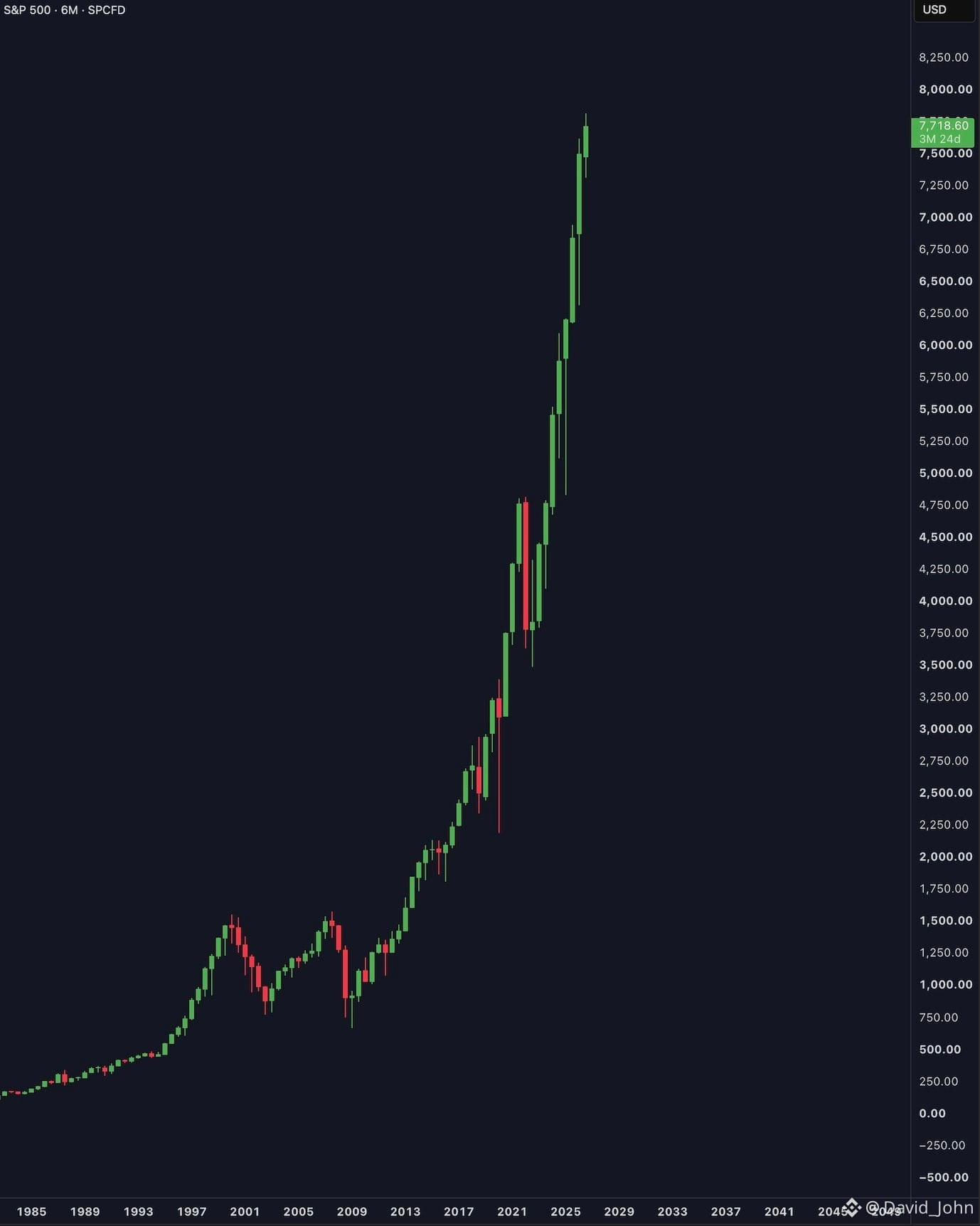
🚨 緊急速報:🇺🇸 Binance創業者CZがIPOの動きがON-CHAIN(オンチェーン)へ移行しているのを見ている。
そして大きな流れはさらに強気だ——SECは、24時間365日オンチェーンで株式を取引できるようにするための取り組みを進めている。
📈 数兆ドル規模のお金が、最終的に仮想通貨のレールへ流れ込む可能性がある。
これは単なるアップグレードではない。ウォール街とブロックチェーンをつなぐ架け橋になり得る。🔥
🚨 緊急速報:🇺🇸 Binance創業者CZがIPOの動きがON-CHAIN(オンチェーン)へ移行しているのを見ている。
そして大きな流れはさらに強気だ——SECは、24時間365日オンチェーンで株式を取引できるようにするための取り組みを進めている。
📈 数兆ドル規模のお金が、最終的に仮想通貨のレールへ流れ込む可能性がある。
これは単なるアップグレードではない。ウォール街とブロックチェーンをつなぐ架け橋になり得る。🔥
そして大きな流れはさらに強気だ——SECは、24時間365日オンチェーンで株式を取引できるようにするための取り組みを進めている。
📈 数兆ドル規模のお金が、最終的に仮想通貨のレールへ流れ込む可能性がある。
これは単なるアップグレードではない。ウォール街とブロックチェーンをつなぐ架け橋になり得る。🔥

1
4
1.2k
·
--
ブリッシュ
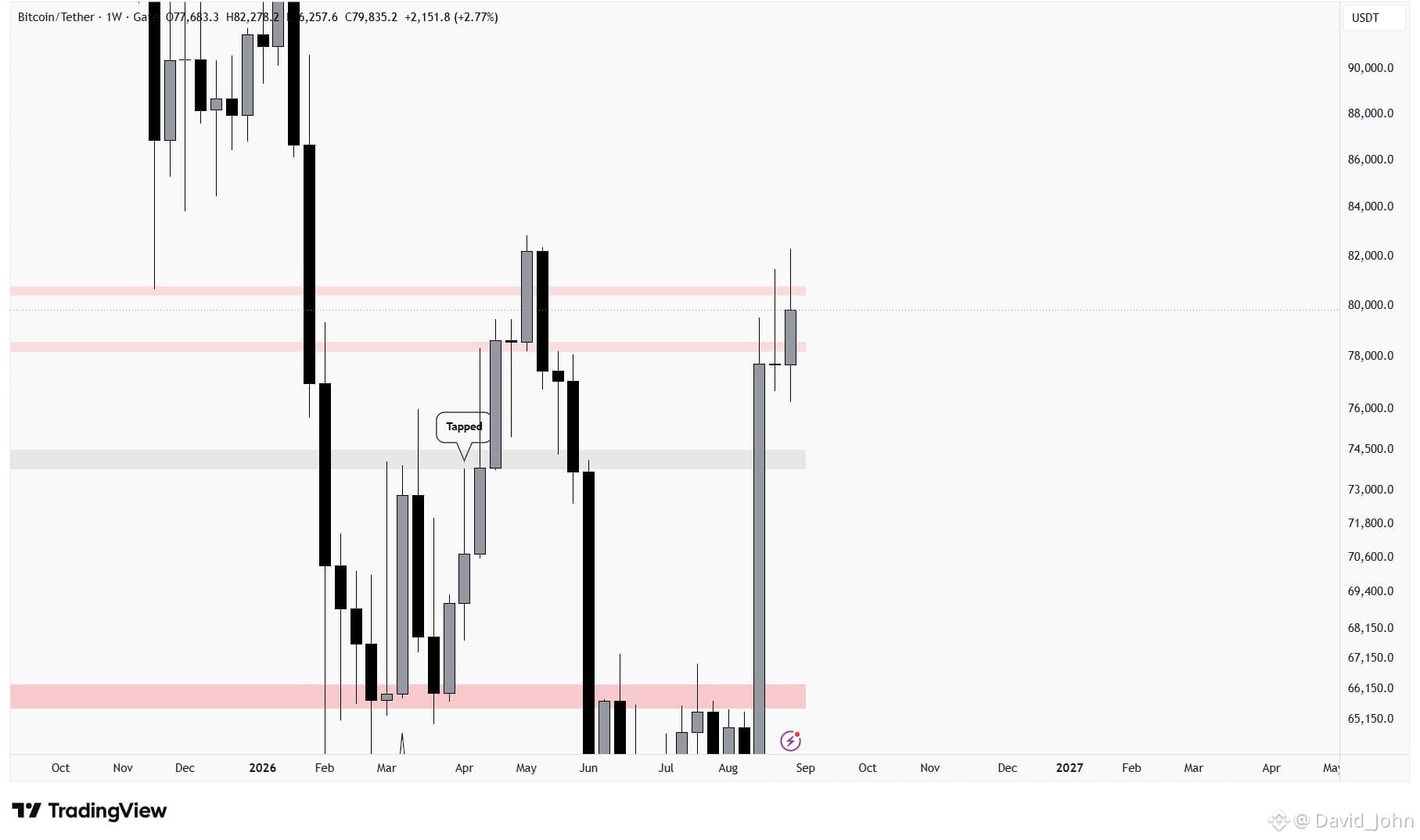
$BTC 🔥
ビットコインは、$79,835(+2.77%)まで力強く反発した後、$80.4K〜$80.8K付近の主要な週次レジスタンス・ゾーンをテストしています。
⚡ 重要なレベル:
レジスタンス: $80.4K〜$80.8K
サポート: $78.2K〜$78.5K
主要サポート: $74.0K〜$74.5K
ディープサポート: $66.0K〜$66.5K
$80.8Kを上抜ける週次ブレイクアウトが起きれば、$82K+へ向かう道が開ける可能性があります。 しかし、ここでの拒否(レジスタンスで跳ね返される)なら、BTCは$78K、あるいは$74.5Kへと戻るかもしれません。
🚀 BTCは分岐点にあります――ブレイクアウトか、それとも拒否か?
{spot}(BTCUSDT)
$BTC 🔥
ビットコインは、$79,835(+2.77%)まで力強く反発した後、$80.4K〜$80.8K付近の主要な週次レジスタンス・ゾーンをテストしています。
⚡ 重要なレベル:
レジスタンス: $80.4K〜$80.8K
サポート: $78.2K〜$78.5K
主要サポート: $74.0K〜$74.5K
ディープサポート: $66.0K〜$66.5K
$80.8Kを上抜ける週次ブレイクアウトが起きれば、$82K+へ向かう道が開ける可能性があります。 しかし、ここでの拒否(レジスタンスで跳ね返される)なら、BTCは$78K、あるいは$74.5Kへと戻るかもしれません。
🚀 BTCは分岐点にあります――ブレイクアウトか、それとも拒否か?
ビットコインは、$79,835(+2.77%)まで力強く反発した後、$80.4K〜$80.8K付近の主要な週次レジスタンス・ゾーンをテストしています。
⚡ 重要なレベル:
レジスタンス: $80.4K〜$80.8K
サポート: $78.2K〜$78.5K
主要サポート: $74.0K〜$74.5K
ディープサポート: $66.0K〜$66.5K
$80.8Kを上抜ける週次ブレイクアウトが起きれば、$82K+へ向かう道が開ける可能性があります。 しかし、ここでの拒否(レジスタンスで跳ね返される)なら、BTCは$78K、あるいは$74.5Kへと戻るかもしれません。
🚀 BTCは分岐点にあります――ブレイクアウトか、それとも拒否か?
247
·
--
ブリッシュ
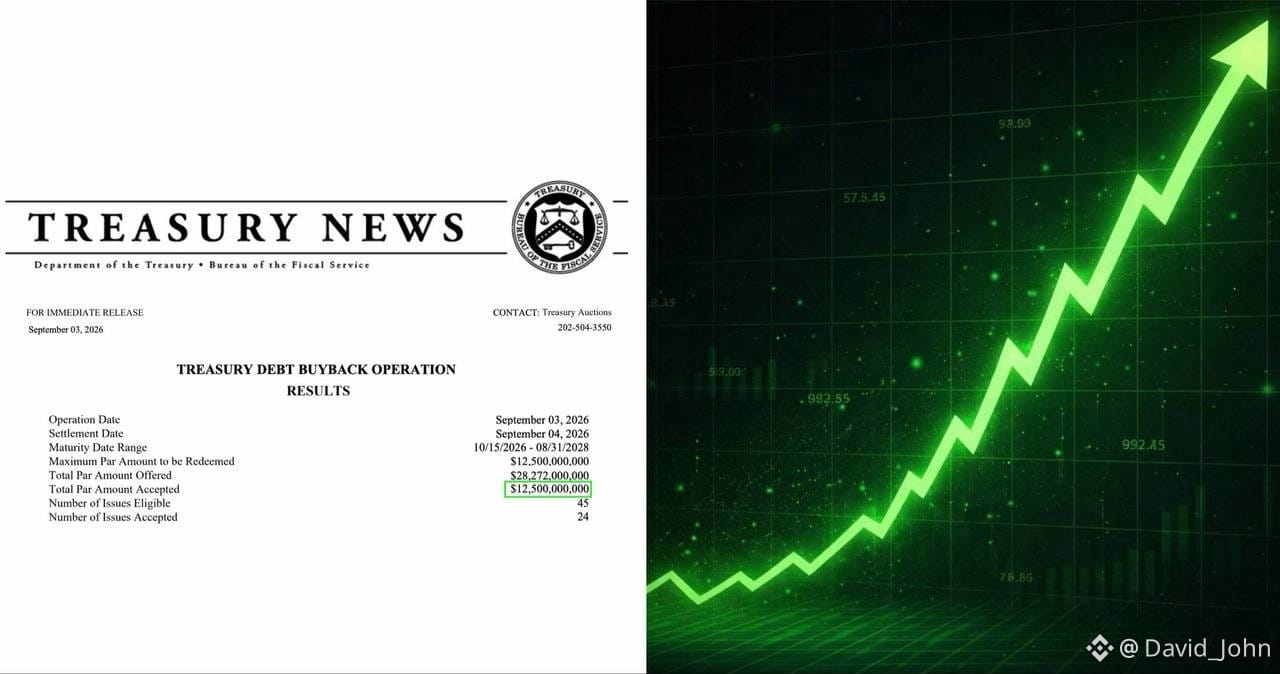
🚨速報: 🇺🇸 米国が大規模な米国債買い戻し!
米財務省は、なんと125億ドル相当の自国債務を買い戻したばかりです。💰
これは財務省市場での大きな動きであり、債券、利回り、流動性、株式、暗号資産に波及効果をもたらす可能性があります。
大きな資金が動いています。👀📈
🚨速報: 🇺🇸 米国が大規模な米国債買い戻し!
米財務省は、なんと125億ドル相当の自国債務を買い戻したばかりです。💰
これは財務省市場での大きな動きであり、債券、利回り、流動性、株式、暗号資産に波及効果をもたらす可能性があります。
大きな資金が動いています。👀📈
米財務省は、なんと125億ドル相当の自国債務を買い戻したばかりです。💰
これは財務省市場での大きな動きであり、債券、利回り、流動性、株式、暗号資産に波及効果をもたらす可能性があります。
大きな資金が動いています。👀📈
258
·
--
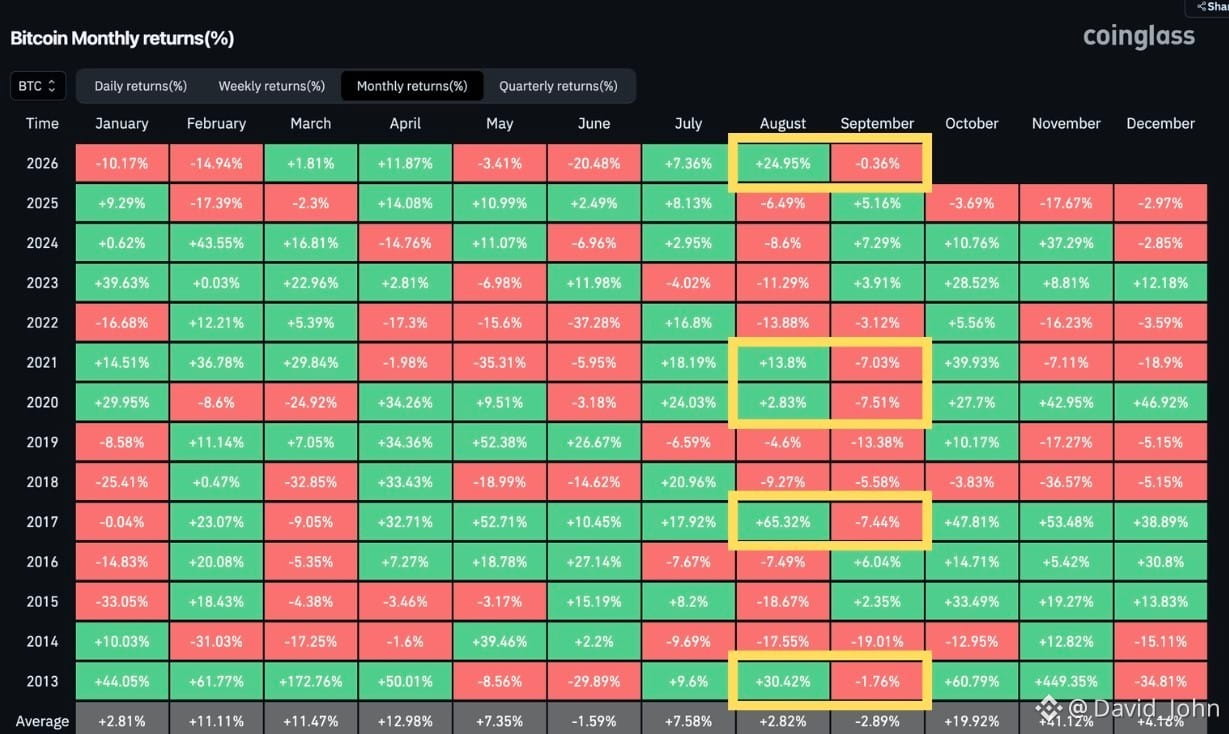
🚨 ビットコインの9月の警告?
歴史が見慣れたシグナルを点滅させています 👀
過去のこれらのサイクルで $BTC が8月を緑で終えるたびに、9月はしばしば月足終値が赤になりました:
📅 2026年8月: +24.95% → 9月: -0.36%
📅 2021年8月: +13.80% → 9月: -7.03%
📅 2020年8月: +2.83% → 9月: -7.51%
📅 2017年8月: +65.32% → 9月: -7.44%
📅 2013年8月: +30.42% → 9月: -1.76%
⚠️ パターンは明らかです:8月が緑 → 9月が赤、という流れは何度も起きています。
しかし、$BTC は2026年にそのパターンを崩すのでしょうか? 🔥
今年の9月は、これまでと大きく違うかもしれません。
🚨 ビットコインの9月の警告?
歴史が見慣れたシグナルを点滅させています 👀
過去のこれらのサイクルで $BTC が8月を緑で終えるたびに、9月はしばしば月足終値が赤になりました:
📅 2026年8月: +24.95% → 9月: -0.36%
📅 2021年8月: +13.80% → 9月: -7.03%
📅 2020年8月: +2.83% → 9月: -7.51%
📅 2017年8月: +65.32% → 9月: -7.44%
📅 2013年8月: +30.42% → 9月: -1.76%
⚠️ パターンは明らかです:8月が緑 → 9月が赤、という流れは何度も起きています。
しかし、$BTC は2026年にそのパターンを崩すのでしょうか? 🔥
今年の9月は、これまでと大きく違うかもしれません。
歴史が見慣れたシグナルを点滅させています 👀
過去のこれらのサイクルで $BTC が8月を緑で終えるたびに、9月はしばしば月足終値が赤になりました:
📅 2026年8月: +24.95% → 9月: -0.36%
📅 2021年8月: +13.80% → 9月: -7.03%
📅 2020年8月: +2.83% → 9月: -7.51%
📅 2017年8月: +65.32% → 9月: -7.44%
📅 2013年8月: +30.42% → 9月: -1.76%
⚠️ パターンは明らかです:8月が緑 → 9月が赤、という流れは何度も起きています。
しかし、$BTC は2026年にそのパターンを崩すのでしょうか? 🔥
今年の9月は、これまでと大きく違うかもしれません。
215
·
--
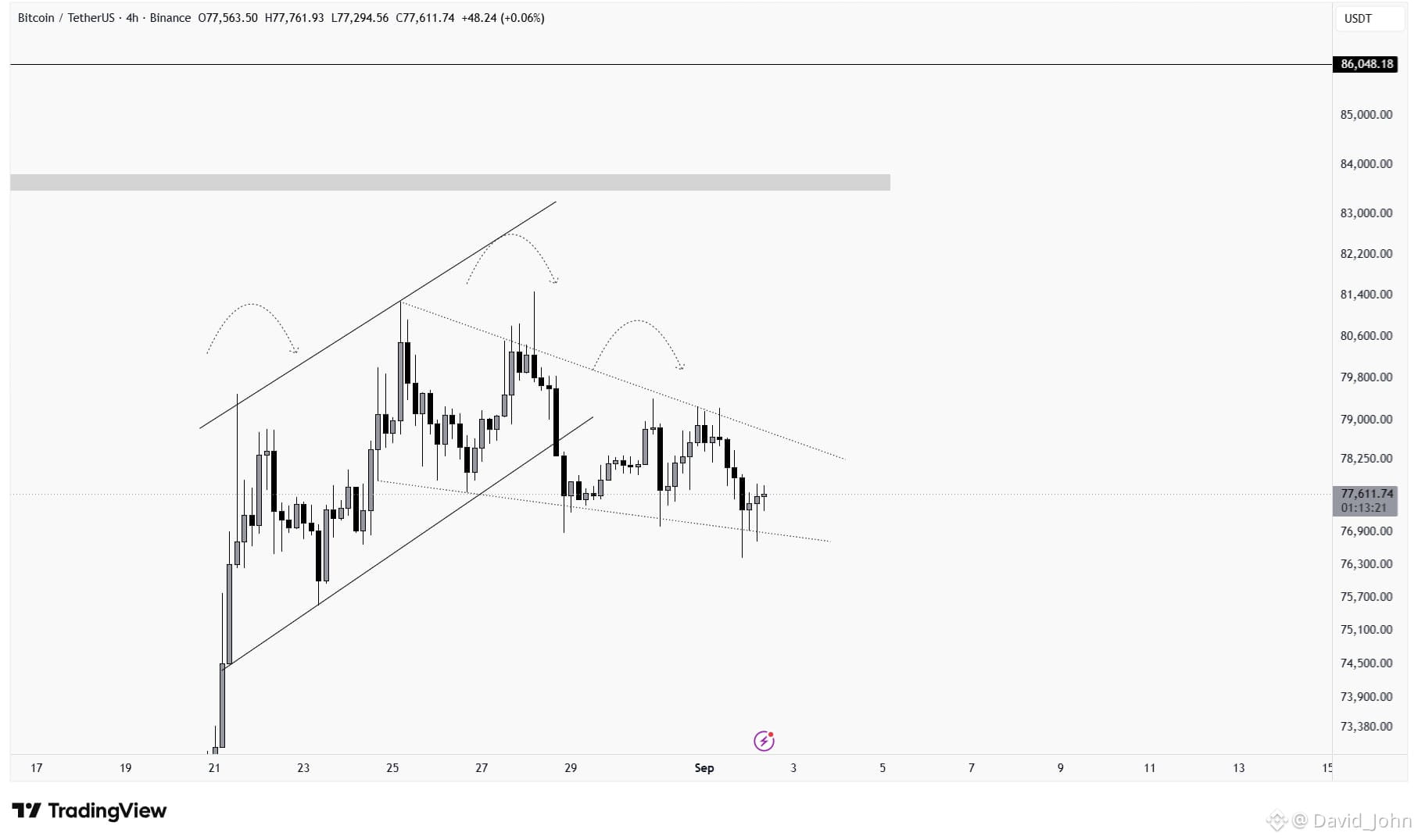
🚨 $BTC 4H — 大きな動きが始まる準備中!
ビットコインは約$77,611で取引されており、$76.9K付近の下側トレンドラインのサポートを圧迫しています。
🔥 強気のブレイクアウト:$79.8K〜$80.6Kを奪還 → 目標は$81.4K → $82.2K → $83.5K。
⚠️ 弱気のブレイクダウン:$76.9Kを失うと、下落のモメンタムが加速する可能性。
BTCは決定的な局面にいます。ブレイクに注目! 👀📈
{spot}(BTCUSDT)
🚨 $BTC 4H — 大きな動きが始まる準備中!
ビットコインは約$77,611で取引されており、$76.9K付近の下側トレンドラインのサポートを圧迫しています。
🔥 強気のブレイクアウト:$79.8K〜$80.6Kを奪還 → 目標は$81.4K → $82.2K → $83.5K。
⚠️ 弱気のブレイクダウン:$76.9Kを失うと、下落のモメンタムが加速する可能性。
BTCは決定的な局面にいます。ブレイクに注目! 👀📈
ビットコインは約$77,611で取引されており、$76.9K付近の下側トレンドラインのサポートを圧迫しています。
🔥 強気のブレイクアウト:$79.8K〜$80.6Kを奪還 → 目標は$81.4K → $82.2K → $83.5K。
⚠️ 弱気のブレイクダウン:$76.9Kを失うと、下落のモメンタムが加速する可能性。
BTCは決定的な局面にいます。ブレイクに注目! 👀📈
1
305
·
--
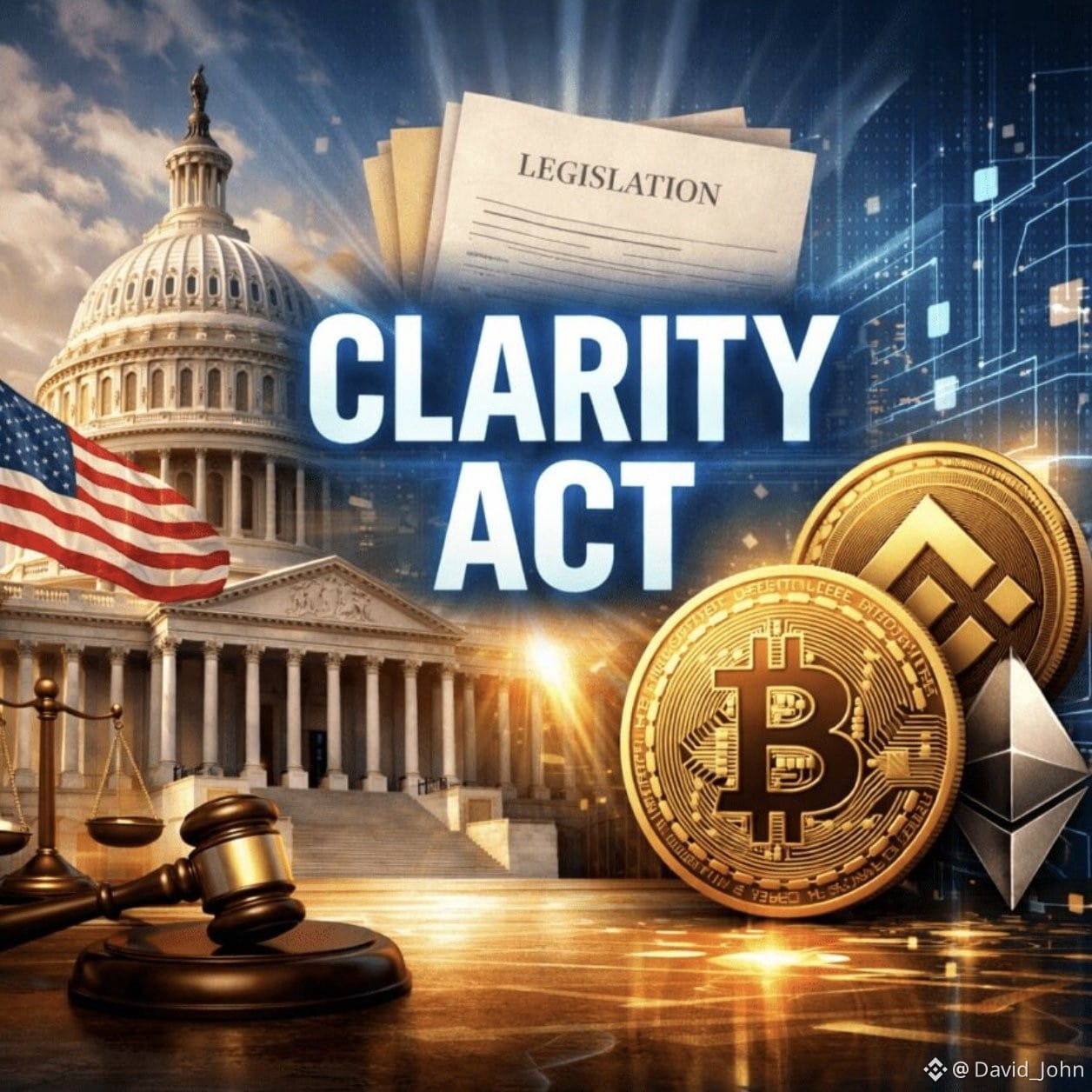
🚨 ブライアン・アームストロングが銀行に反撃!
CoinbaseのCEOブライアン・アームストロングは、CLARITY法案に反対する銀行は消費者を本当に守っているわけではなく、ビジネスモデルを守っているだけだと述べています。
彼のメッセージは? 👇
🏦 銀行は暗号資産の競争を望んでいない。
💰 顧客により高い金利を支払いたくない。
⚡ 暗号資産によって、従来の金融が競争を迫られる可能性がある。
CLARITY法案をめぐる争いは、規制以上のものかもしれません——お金の未来を誰が握るのか、という話になり得ます。 👀🔥
🚨 ブライアン・アームストロングが銀行に反撃!
CoinbaseのCEOブライアン・アームストロングは、CLARITY法案に反対する銀行は消費者を本当に守っているわけではなく、ビジネスモデルを守っているだけだと述べています。
彼のメッセージは? 👇
🏦 銀行は暗号資産の競争を望んでいない。
💰 顧客により高い金利を支払いたくない。
⚡ 暗号資産によって、従来の金融が競争を迫られる可能性がある。
CLARITY法案をめぐる争いは、規制以上のものかもしれません——お金の未来を誰が握るのか、という話になり得ます。 👀🔥
CoinbaseのCEOブライアン・アームストロングは、CLARITY法案に反対する銀行は消費者を本当に守っているわけではなく、ビジネスモデルを守っているだけだと述べています。
彼のメッセージは? 👇
🏦 銀行は暗号資産の競争を望んでいない。
💰 顧客により高い金利を支払いたくない。
⚡ 暗号資産によって、従来の金融が競争を迫られる可能性がある。
CLARITY法案をめぐる争いは、規制以上のものかもしれません——お金の未来を誰が握るのか、という話になり得ます。 👀🔥
1
322
ログインして、さらにコンテンツを読む
厳選トピックで世界の暗号資産トレーダーの仲間入り
⚡️ 暗号資産に関する最新かつ有益な情報が見つかります。
💬 世界最大の暗号資産取引所から信頼されています。
👍 認証を受けたクリエイターから、有益なインサイトを得られます。
メール / 電話番号