

Daneliya
4k 投稿

Daneliya
報告
ユーザーをブロック
取引を発注
低高頻度トレーダー
1.2年
206 フォロー
22.2K+ フォロワー
14.1K+ いいね
投稿
ポートフォリオ
すべて
引用
動画
ライブ
PINNED
·
--
ブロックチェーンやAIのアプリケーションが扱う機密データはかつてないほど増えており、プライバシーと安全な計算の重要性が高まっています。
Nillionが興味深いのは、まさにこの点です。そのブラインド計算技術により、データを暗号化したまま保存・処理できるため、元のデータをさらすことなく機密情報を扱う必要があるアプリケーションの可能性が広がります。
さらに注目したいのが、プライベートな条件ベースの実行を可能にするCovenantsです。機密性の高い指示を保護することが重要なDeFiや自動取引に、新たな可能性をもたらすかもしれません。
DUSKがEthereumメインネットで稼働を開始したことで、Nillionはこのビジョンをさらに一歩前進させています。Covenantsと暗号化計算が、Web3全体でプライバシーを重視したアプリケーションをどのように支えられるのか、特に注目しています。
Nillion 7時代のロードマップに沿ってエコシステムが発展するなかで、どのような機能が登場し、開発者がそれらをどう活用するのかを見るのが楽しみです。
プライバシーはブロックチェーンやAIをめぐる議論で重要なテーマになりつつあり、Nillionはこの課題に対する独自のアプローチに取り組んでいます。
#nil $NIL @nillionnetwork
ブロックチェーンやAIのアプリケーションが扱う機密データはかつてないほど増えており、プライバシーと安全な計算の重要性が高まっています。
Nillionが興味深いのは、まさにこの点です。そのブラインド計算技術により、データを暗号化したまま保存・処理できるため、元のデータをさらすことなく機密情報を扱う必要があるアプリケーションの可能性が広がります。
さらに注目したいのが、プライベートな条件ベースの実行を可能にするCovenantsです。機密性の高い指示を保護することが重要なDeFiや自動取引に、新たな可能性をもたらすかもしれません。
DUSKがEthereumメインネットで稼働を開始したことで、Nillionはこのビジョンをさらに一歩前進させています。Covenantsと暗号化計算が、Web3全体でプライバシーを重視したアプリケーションをどのように支えられるのか、特に注目しています。
Nillion 7時代のロードマップに沿ってエコシステムが発展するなかで、どのような機能が登場し、開発者がそれらをどう活用するのかを見るのが楽しみです。
プライバシーはブロックチェーンやAIをめぐる議論で重要なテーマになりつつあり、Nillionはこの課題に対する独自のアプローチに取り組んでいます。
#nil $NIL @Nillion
Nillionが興味深いのは、まさにこの点です。そのブラインド計算技術により、データを暗号化したまま保存・処理できるため、元のデータをさらすことなく機密情報を扱う必要があるアプリケーションの可能性が広がります。
さらに注目したいのが、プライベートな条件ベースの実行を可能にするCovenantsです。機密性の高い指示を保護することが重要なDeFiや自動取引に、新たな可能性をもたらすかもしれません。
DUSKがEthereumメインネットで稼働を開始したことで、Nillionはこのビジョンをさらに一歩前進させています。Covenantsと暗号化計算が、Web3全体でプライバシーを重視したアプリケーションをどのように支えられるのか、特に注目しています。
Nillion 7時代のロードマップに沿ってエコシステムが発展するなかで、どのような機能が登場し、開発者がそれらをどう活用するのかを見るのが楽しみです。
プライバシーはブロックチェーンやAIをめぐる議論で重要なテーマになりつつあり、Nillionはこの課題に対する独自のアプローチに取り組んでいます。
#nil $NIL @Nillion

12
7
111
·
--
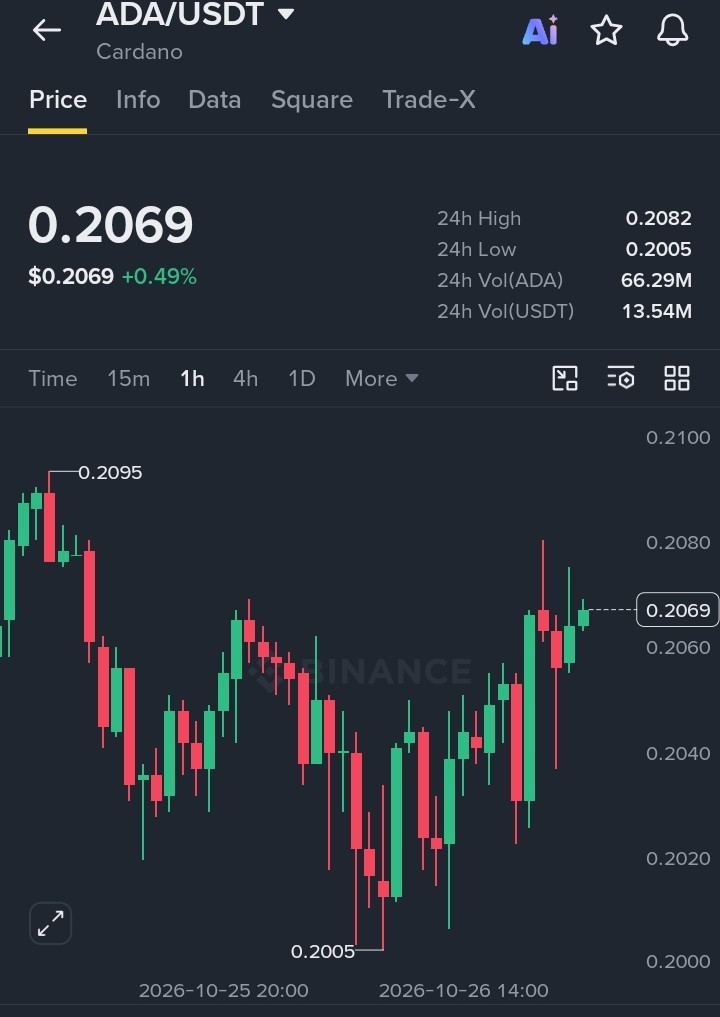
$ADA は、0.2005ドルから反発した後、上昇の勢いをつけようとしています。
価格は現在0.2069ドル前後で、次に注目される上値抵抗線は0.2082ドルです。明確に上抜ければ、0.2095ドルを目指す展開が期待できます。
サポートは0.2050~0.2040ドル付近です。回復が続くには、このゾーンを維持することが重要です。
動く前に、確認のサインを待っています。👀
#ADA
{spot}(ADAUSDT)
$ADA は、0.2005ドルから反発した後、上昇の勢いをつけようとしています。
価格は現在0.2069ドル前後で、次に注目される上値抵抗線は0.2082ドルです。明確に上抜ければ、0.2095ドルを目指す展開が期待できます。
サポートは0.2050~0.2040ドル付近です。回復が続くには、このゾーンを維持することが重要です。
動く前に、確認のサインを待っています。👀
#ADA
価格は現在0.2069ドル前後で、次に注目される上値抵抗線は0.2082ドルです。明確に上抜ければ、0.2095ドルを目指す展開が期待できます。
サポートは0.2050~0.2040ドル付近です。回復が続くには、このゾーンを維持することが重要です。
動く前に、確認のサインを待っています。👀
#ADA
239
·
--
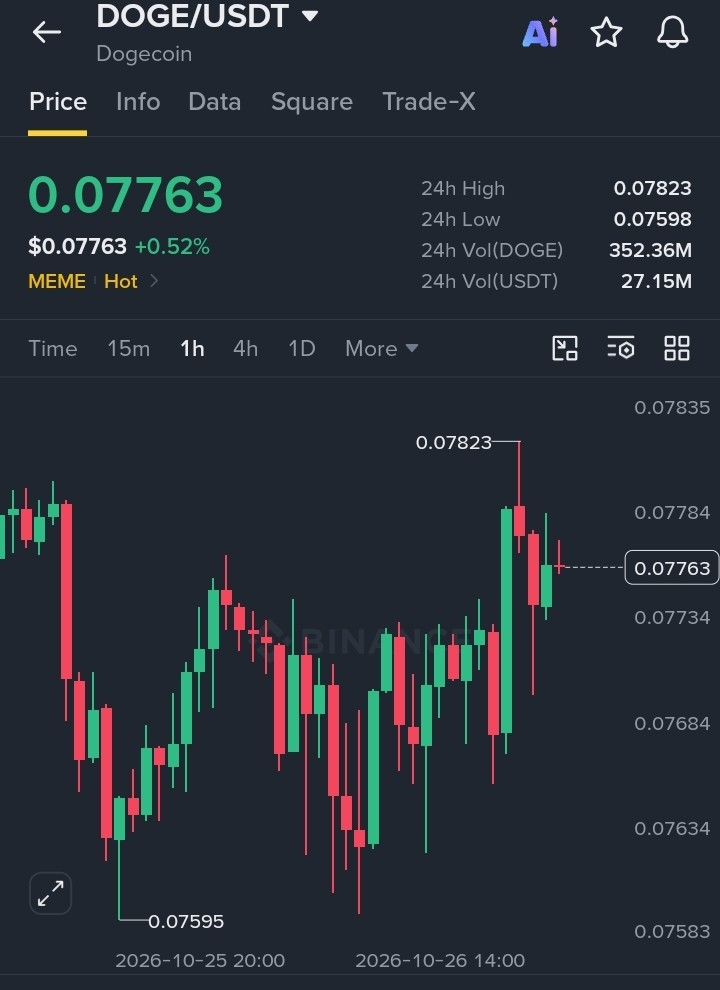
$DOGE は、$0.07595から反発し、回復を見せています。
価格は$0.07763付近で推移しており、目先のレジスタンスは$0.07823です。この水準を上抜ければ、$0.0785が視野に入る可能性があります。
下値では、$0.0770〜$0.0768のゾーンがサポートとして注目されます。
次の動きは、買い手がレジスタンスを突破できるかどうかにかかっています。 👀
#DOGE
{spot}(DOGEUSDT)
$DOGE は、$0.07595から反発し、回復を見せています。
価格は$0.07763付近で推移しており、目先のレジスタンスは$0.07823です。この水準を上抜ければ、$0.0785が視野に入る可能性があります。
下値では、$0.0770〜$0.0768のゾーンがサポートとして注目されます。
次の動きは、買い手がレジスタンスを突破できるかどうかにかかっています。 👀
#DOGE
価格は$0.07763付近で推移しており、目先のレジスタンスは$0.07823です。この水準を上抜ければ、$0.0785が視野に入る可能性があります。
下値では、$0.0770〜$0.0768のゾーンがサポートとして注目されます。
次の動きは、買い手がレジスタンスを突破できるかどうかにかかっています。 👀
#DOGE
159
·
--
翻訳参照
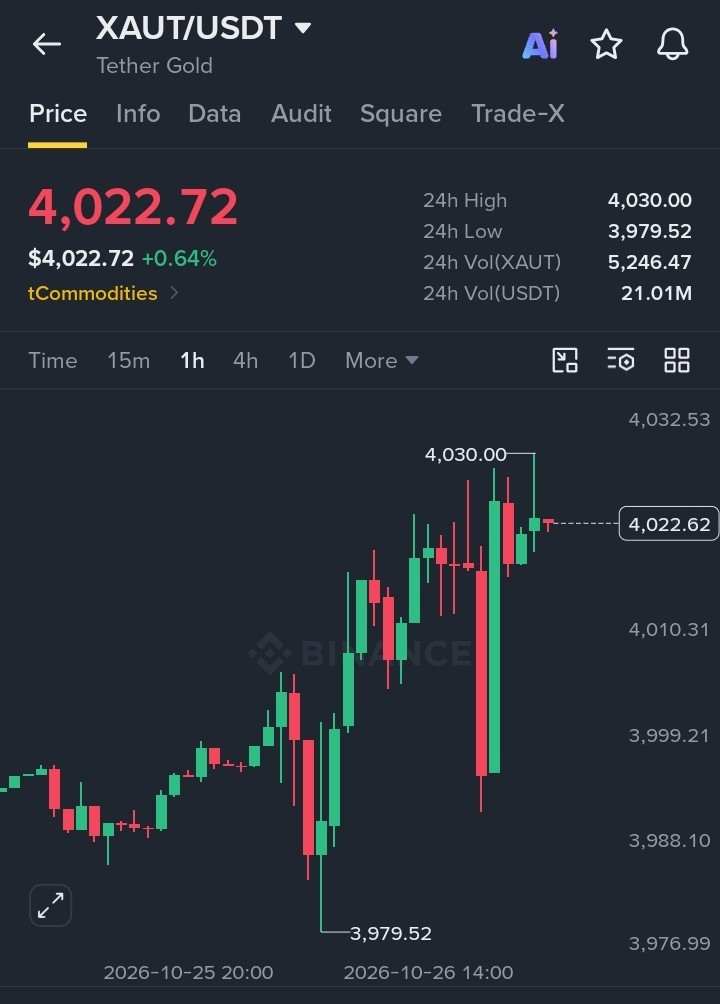
$XAUT is holding near $4,022 after a strong recovery from $3,979.52.
Price is approaching resistance around $4,030. A clear break above this level could support further upside.
If resistance holds, $4,010 and $4,000 are important areas to watch on a pullback.
Buyers are showing strength, but confirmation is still needed near resistance.
#XAUT
{spot}(XAUTUSDT)
$XAUT is holding near $4,022 after a strong recovery from $3,979.52.
Price is approaching resistance around $4,030. A clear break above this level could support further upside.
If resistance holds, $4,010 and $4,000 are important areas to watch on a pullback.
Buyers are showing strength, but confirmation is still needed near resistance.
#XAUT
Price is approaching resistance around $4,030. A clear break above this level could support further upside.
If resistance holds, $4,010 and $4,000 are important areas to watch on a pullback.
Buyers are showing strength, but confirmation is still needed near resistance.
#XAUT
172
·
--
AIエージェントが自律的に動くには、知能だけでは不十分です。利用するサービスの料金を安全に支払う方法も必要です。
KiteAIは、この分野で変化を起こそうとしています。
Kite Agent Passportを使えば、ユーザーは資金を入れたウォレットへのアクセス権をエージェントに与え、支出方法を設定できます。総予算、1回あたりの支払い額、アクセスを有効にする期間に上限を設けられます。
所有者があらかじめルールを承認するため、エージェントが資金を無制限に扱うことはありません。
Kiteはx402決済にも対応しており、AIエージェントは作業の一環としてAPIサービスの料金を支払えます。
これはAIツールをもっと便利にする可能性があると思います。支払いが必要になるたびに作業を止めるのではなく、エージェントが最初から最後まで、より多くのタスクをこなせるようになるかもしれません。
それでも、何より大切なのは、すべてが安全かつ確実に機能することです。開発者は、人々が本当に使いたいと思うサービスを作る必要もあります。
これらがうまく組み合わされば、AIエージェントはもっと実用的なものになるでしょう。
だからこそ、Kiteが次に何を作るのか注目しています。
#KiteBBW $KITE
{spot}(KITEUSDT)
AIエージェントが自律的に動くには、知能だけでは不十分です。利用するサービスの料金を安全に支払う方法も必要です。
KiteAIは、この分野で変化を起こそうとしています。
Kite Agent Passportを使えば、ユーザーは資金を入れたウォレットへのアクセス権をエージェントに与え、支出方法を設定できます。総予算、1回あたりの支払い額、アクセスを有効にする期間に上限を設けられます。
所有者があらかじめルールを承認するため、エージェントが資金を無制限に扱うことはありません。
Kiteはx402決済にも対応しており、AIエージェントは作業の一環としてAPIサービスの料金を支払えます。
これはAIツールをもっと便利にする可能性があると思います。支払いが必要になるたびに作業を止めるのではなく、エージェントが最初から最後まで、より多くのタスクをこなせるようになるかもしれません。
それでも、何より大切なのは、すべてが安全かつ確実に機能することです。開発者は、人々が本当に使いたいと思うサービスを作る必要もあります。
これらがうまく組み合わされば、AIエージェントはもっと実用的なものになるでしょう。
だからこそ、Kiteが次に何を作るのか注目しています。
#KiteBBW $KITE
KiteAIは、この分野で変化を起こそうとしています。
Kite Agent Passportを使えば、ユーザーは資金を入れたウォレットへのアクセス権をエージェントに与え、支出方法を設定できます。総予算、1回あたりの支払い額、アクセスを有効にする期間に上限を設けられます。
所有者があらかじめルールを承認するため、エージェントが資金を無制限に扱うことはありません。
Kiteはx402決済にも対応しており、AIエージェントは作業の一環としてAPIサービスの料金を支払えます。
これはAIツールをもっと便利にする可能性があると思います。支払いが必要になるたびに作業を止めるのではなく、エージェントが最初から最後まで、より多くのタスクをこなせるようになるかもしれません。
それでも、何より大切なのは、すべてが安全かつ確実に機能することです。開発者は、人々が本当に使いたいと思うサービスを作る必要もあります。
これらがうまく組み合わされば、AIエージェントはもっと実用的なものになるでしょう。
だからこそ、Kiteが次に何を作るのか注目しています。
#KiteBBW $KITE

5
7
361
·
--
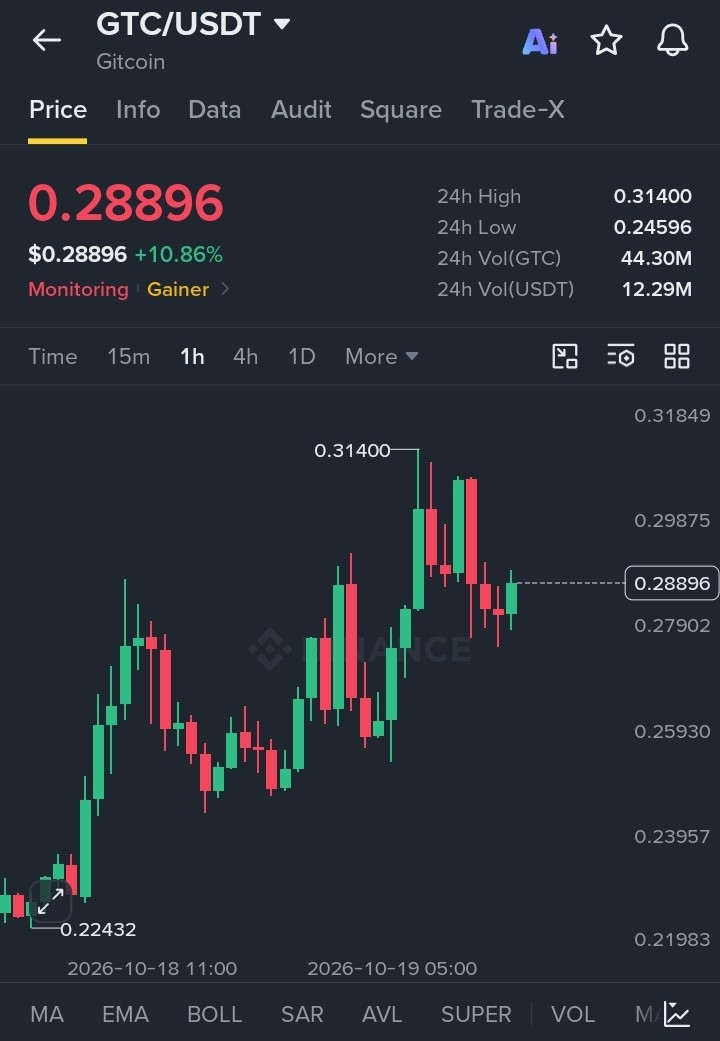
$GTC は、0.2243ドルから反発した後、強い勢いを見せています。
価格は現在約0.289ドルで、買い手は0.314ドルのレジスタンスに向けて押し上げています。0.279ドルを上回って維持できれば、強気の展開を保ちやすくなります。
0.314ドルを上抜ければ、さらに上昇する可能性があります。一方、0.279ドルを下回ると、反落する可能性があります。
追随する前に、動きを確認しています。#GTC
{spot}(GTCUSDT)
$GTC は、0.2243ドルから反発した後、強い勢いを見せています。
価格は現在約0.289ドルで、買い手は0.314ドルのレジスタンスに向けて押し上げています。0.279ドルを上回って維持できれば、強気の展開を保ちやすくなります。
0.314ドルを上抜ければ、さらに上昇する可能性があります。一方、0.279ドルを下回ると、反落する可能性があります。
追随する前に、動きを確認しています。#GTC
価格は現在約0.289ドルで、買い手は0.314ドルのレジスタンスに向けて押し上げています。0.279ドルを上回って維持できれば、強気の展開を保ちやすくなります。
0.314ドルを上抜ければ、さらに上昇する可能性があります。一方、0.279ドルを下回ると、反落する可能性があります。
追随する前に、動きを確認しています。#GTC
2
154
·
--
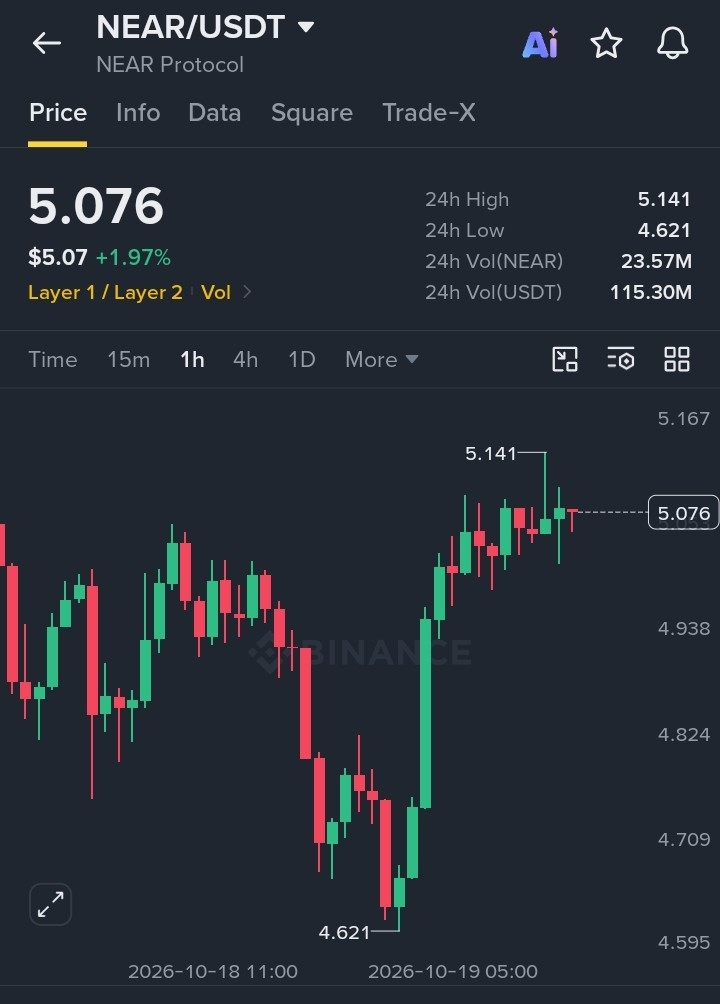
$NEAR は4.621ドルから反発し、力強く回復しています。現在は5.076ドル付近で値固めしています。
注目すべき重要な水準は、5.14ドルのレジスタンスです。明確に上抜ければ、価格は5.25ドル、さらには5.40ドルに向かう可能性があります。
買い手が5.00ドルを維持できなければ、4.94ドルを再び試す展開も考えられます。
モメンタムは良好に見えますが、確認が重要です。 #NEAR🚀🚀🚀
{spot}(NEARUSDT)
$NEAR は4.621ドルから反発し、力強く回復しています。現在は5.076ドル付近で値固めしています。
注目すべき重要な水準は、5.14ドルのレジスタンスです。明確に上抜ければ、価格は5.25ドル、さらには5.40ドルに向かう可能性があります。
買い手が5.00ドルを維持できなければ、4.94ドルを再び試す展開も考えられます。
モメンタムは良好に見えますが、確認が重要です。 #NEAR🚀🚀🚀
注目すべき重要な水準は、5.14ドルのレジスタンスです。明確に上抜ければ、価格は5.25ドル、さらには5.40ドルに向かう可能性があります。
買い手が5.00ドルを維持できなければ、4.94ドルを再び試す展開も考えられます。
モメンタムは良好に見えますが、確認が重要です。 #NEAR🚀🚀🚀
1
154
·
--
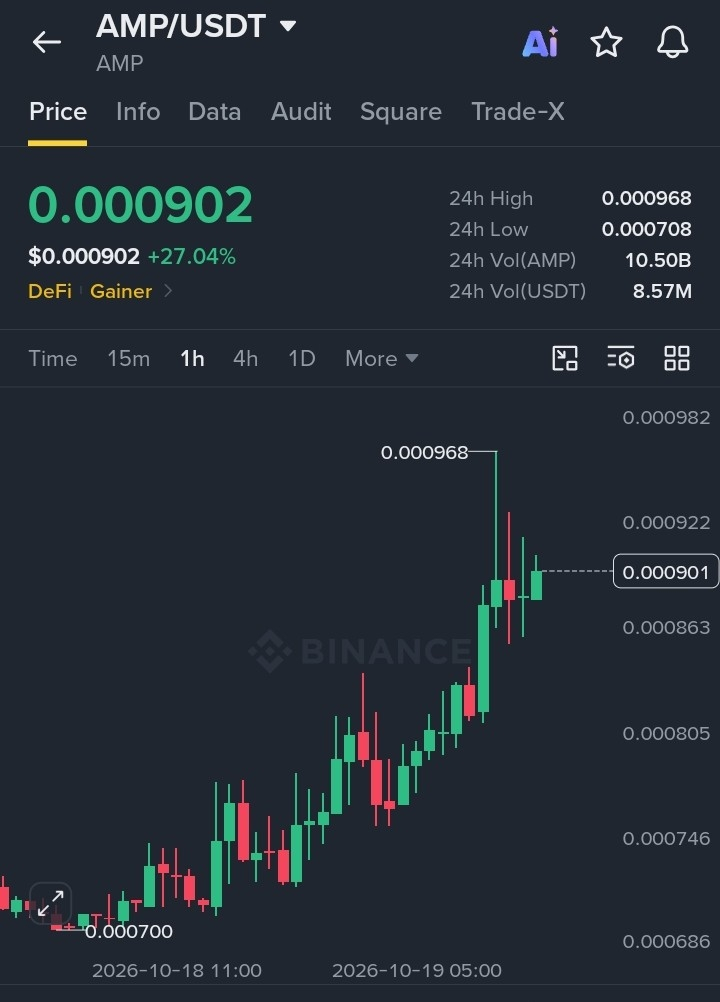
$AMP は勢いを見せており、価格は$0.000700から$0.000968に向けて上昇し、約27%高となっています。
直近高値で上値を抑えられた後、現在の価格は$0.000902付近です。
$0.000863を維持できれば、$0.000968への再挑戦を支える可能性があります。この水準を上抜ければ、$0.00100に向かう展開も期待できます。
これほど大きく上昇した後は、ある程度の調整が入るのが健全です。重要な水準を注視し、高値を追って飛び乗るのは避けましょう。
#AMP
{spot}(AMPUSDT)
$AMP は勢いを見せており、価格は$0.000700から$0.000968に向けて上昇し、約27%高となっています。
直近高値で上値を抑えられた後、現在の価格は$0.000902付近です。
$0.000863を維持できれば、$0.000968への再挑戦を支える可能性があります。この水準を上抜ければ、$0.00100に向かう展開も期待できます。
これほど大きく上昇した後は、ある程度の調整が入るのが健全です。重要な水準を注視し、高値を追って飛び乗るのは避けましょう。
#AMP
直近高値で上値を抑えられた後、現在の価格は$0.000902付近です。
$0.000863を維持できれば、$0.000968への再挑戦を支える可能性があります。この水準を上抜ければ、$0.00100に向かう展開も期待できます。
これほど大きく上昇した後は、ある程度の調整が入るのが健全です。重要な水準を注視し、高値を追って飛び乗るのは避けましょう。
#AMP
1
162
·
--
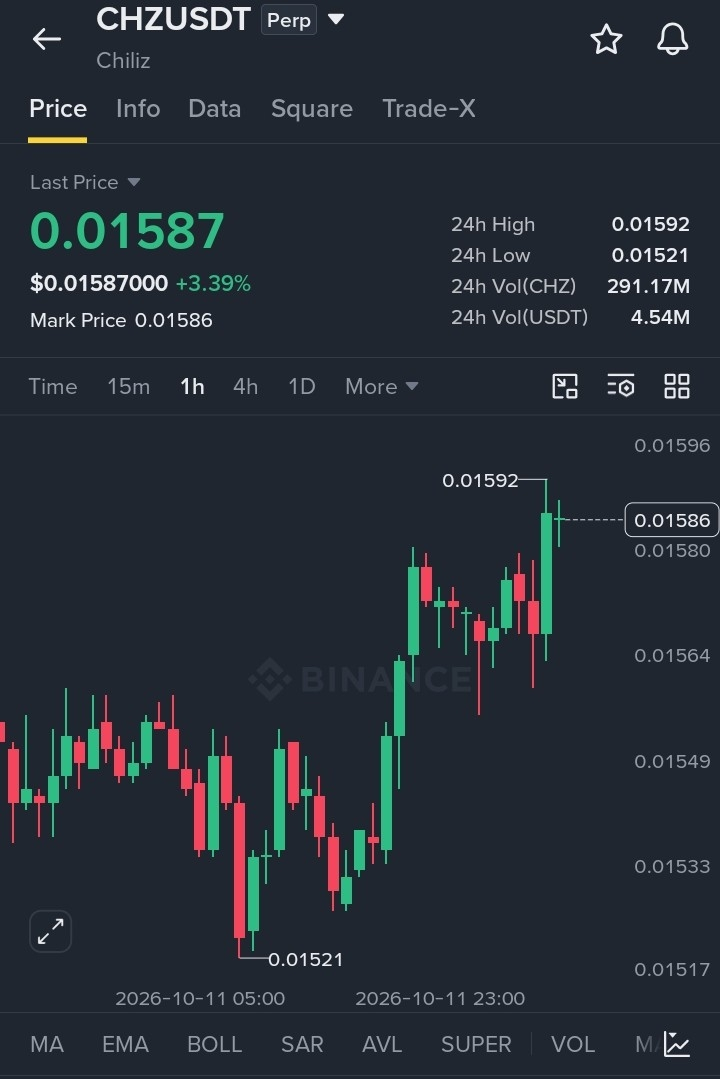
$CHZ は上昇の勢いを見せています 👀
$0.01521の安値から反発し、$0.01592のレジスタンスに向かって上昇した後、現在は$0.01587付近で取引されています。
$0.01592を明確に上抜ければ、$0.0160、さらにその先を目指す展開になる可能性があります。反落した場合は、サポートとなる$0.01564に注目しましょう。
値動いを追いかける前に、ブレイクアウトを確認しましょう。
#CHZ
{spot}(CHZUSDT)
$CHZ は上昇の勢いを見せています 👀
$0.01521の安値から反発し、$0.01592のレジスタンスに向かって上昇した後、現在は$0.01587付近で取引されています。
$0.01592を明確に上抜ければ、$0.0160、さらにその先を目指す展開になる可能性があります。反落した場合は、サポートとなる$0.01564に注目しましょう。
値動いを追いかける前に、ブレイクアウトを確認しましょう。
#CHZ
$0.01521の安値から反発し、$0.01592のレジスタンスに向かって上昇した後、現在は$0.01587付近で取引されています。
$0.01592を明確に上抜ければ、$0.0160、さらにその先を目指す展開になる可能性があります。反落した場合は、サポートとなる$0.01564に注目しましょう。
値動いを追いかける前に、ブレイクアウトを確認しましょう。
#CHZ
2
136
·
--
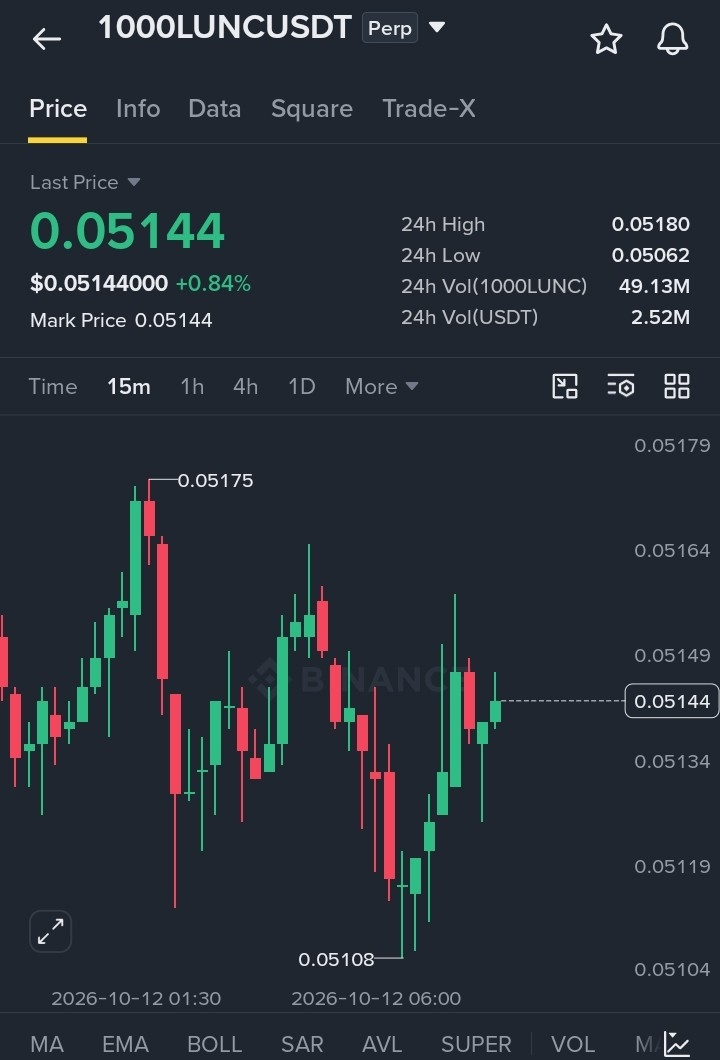
$LUNC は、0.05108まで下落した後、回復を試みています。
価格は現在0.05144付近ですが、強い上昇モメンタムを示すには、0.05149~0.05164のゾーンを奪回する必要があります。
上抜ければ、0.05175が再び注目される可能性があります。モメンタムが弱まった場合は、0.05134と0.05108が注目すべき重要な水準です。
無理に取引するより、確認を待つ方が賢明です。
#LUNC
{spot}(LUNCUSDT)
$LUNC は、0.05108まで下落した後、回復を試みています。
価格は現在0.05144付近ですが、強い上昇モメンタムを示すには、0.05149~0.05164のゾーンを奪回する必要があります。
上抜ければ、0.05175が再び注目される可能性があります。モメンタムが弱まった場合は、0.05134と0.05108が注目すべき重要な水準です。
無理に取引するより、確認を待つ方が賢明です。
#LUNC
価格は現在0.05144付近ですが、強い上昇モメンタムを示すには、0.05149~0.05164のゾーンを奪回する必要があります。
上抜ければ、0.05175が再び注目される可能性があります。モメンタムが弱まった場合は、0.05134と0.05108が注目すべき重要な水準です。
無理に取引するより、確認を待つ方が賢明です。
#LUNC
12
1.5k
·
--
$PYTH は力強い上昇を見せています!
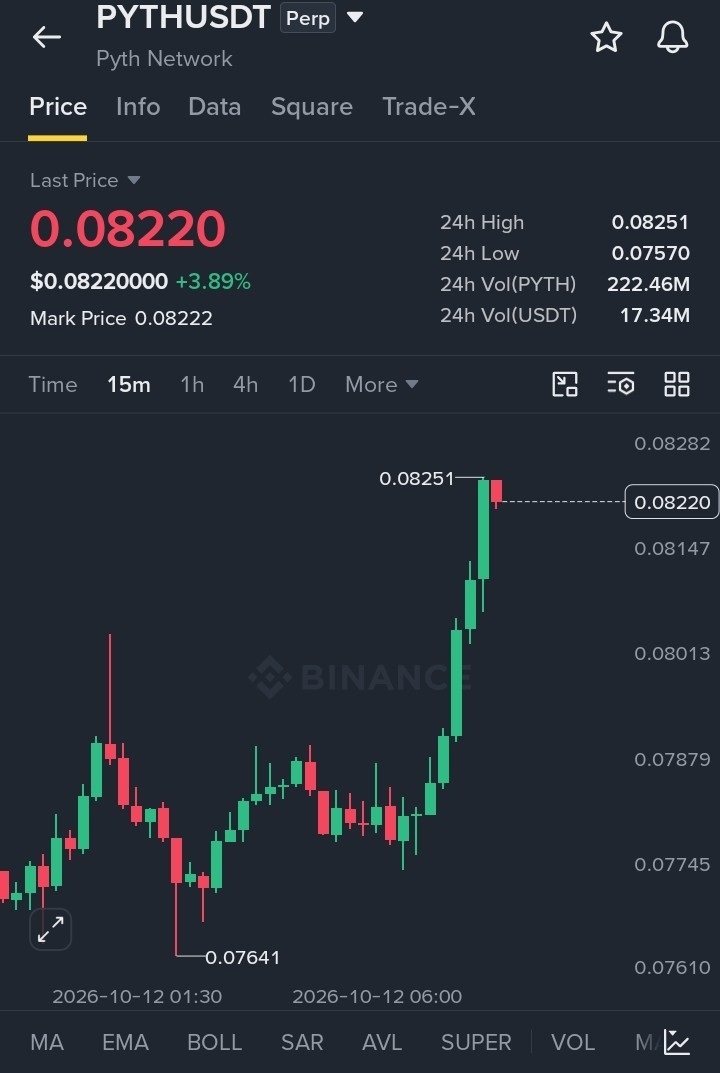
価格は、以前の保ち合いゾーンを上抜けた後、約$0.08220まで上昇し、現在は$0.08251が直近のレジスタンスとして機能しています。
この水準を明確に突破できれば、上昇はさらに続く可能性があります。一方で、$0.0815–$0.0801への押し戻しは、買い手が依然として主導権を握っているかを確認するチャンスとなるかもしれません。
勢いは強いですが、急騰を追いかけるのにはリスクがあります。
{spot}(PYTHUSDT)
$PYTH は力強い上昇を見せています!
価格は、以前の保ち合いゾーンを上抜けた後、約$0.08220まで上昇し、現在は$0.08251が直近のレジスタンスとして機能しています。
この水準を明確に突破できれば、上昇はさらに続く可能性があります。一方で、$0.0815–$0.0801への押し戻しは、買い手が依然として主導権を握っているかを確認するチャンスとなるかもしれません。
勢いは強いですが、急騰を追いかけるのにはリスクがあります。
価格は、以前の保ち合いゾーンを上抜けた後、約$0.08220まで上昇し、現在は$0.08251が直近のレジスタンスとして機能しています。
この水準を明確に突破できれば、上昇はさらに続く可能性があります。一方で、$0.0815–$0.0801への押し戻しは、買い手が依然として主導権を握っているかを確認するチャンスとなるかもしれません。
勢いは強いですが、急騰を追いかけるのにはリスクがあります。
269
·
--
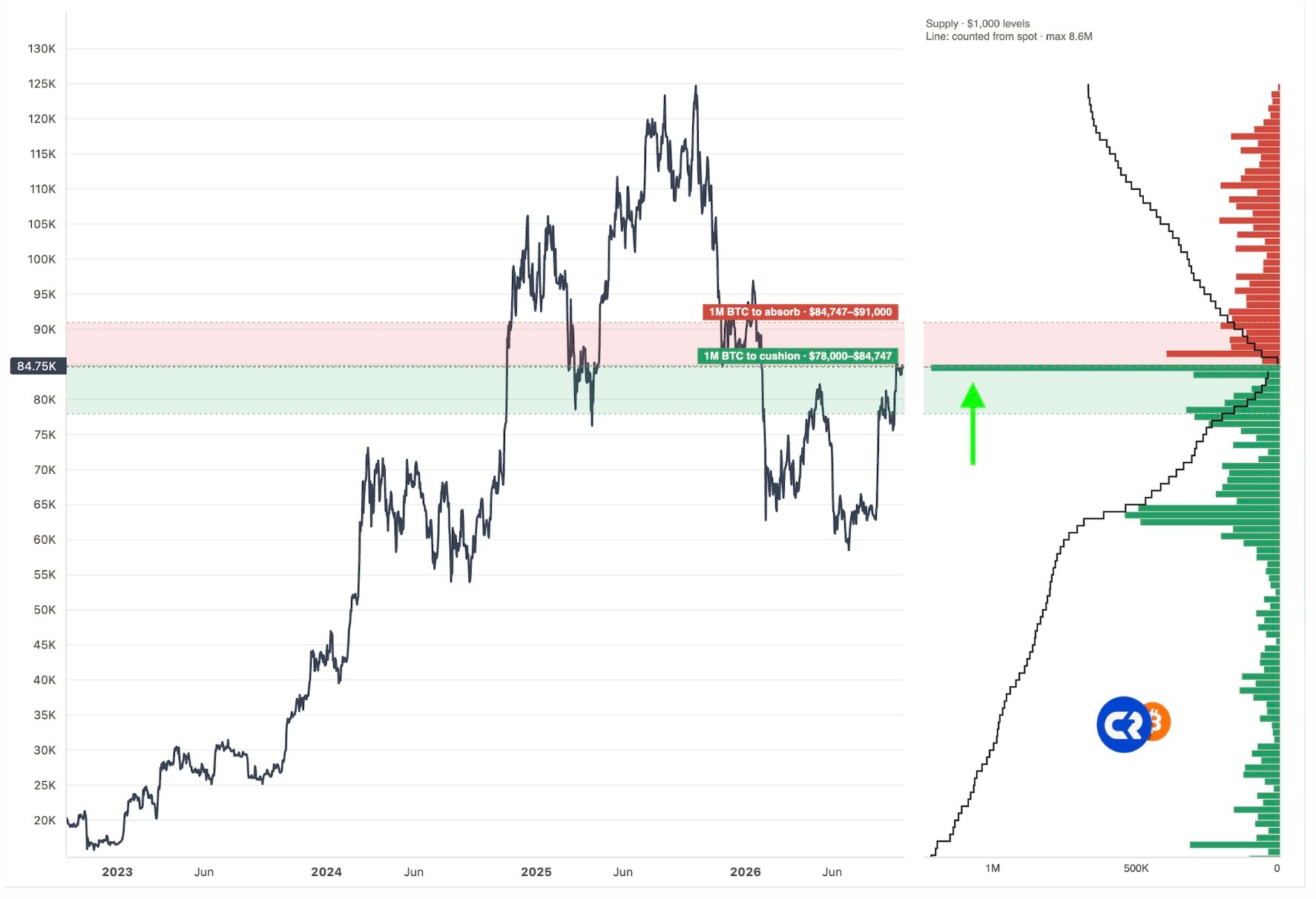
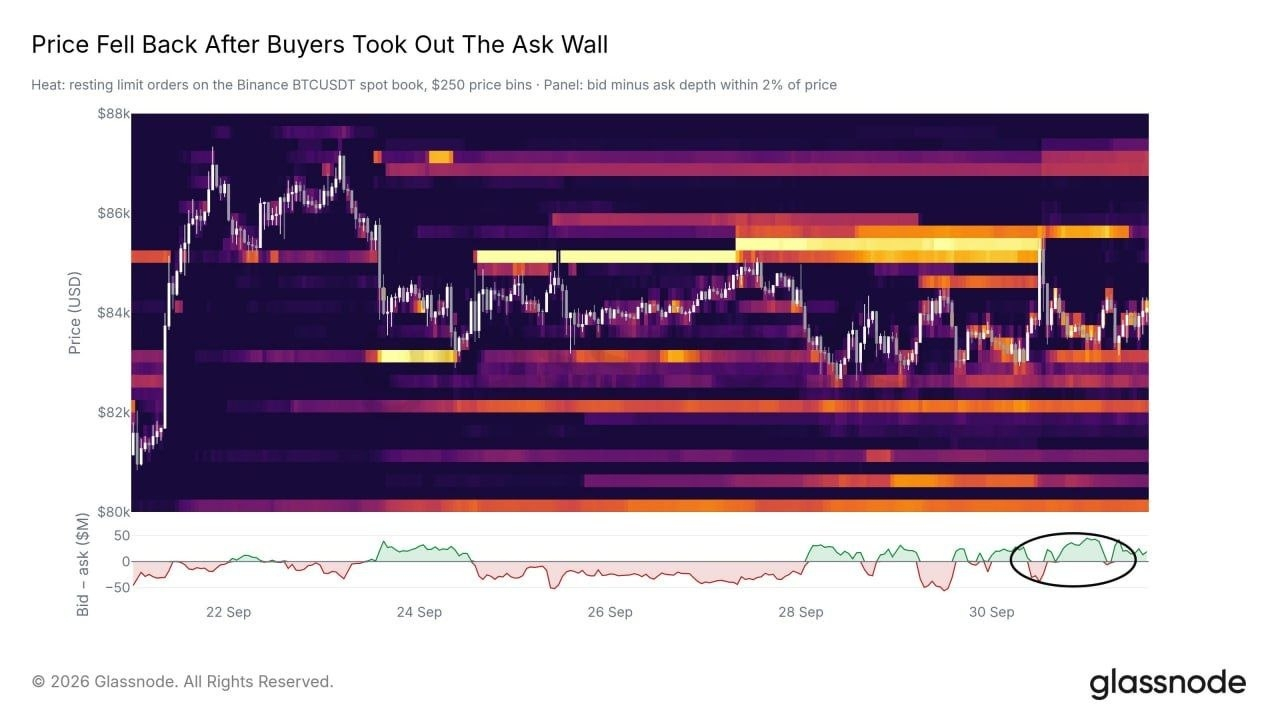
ビットコインの買い手が84K〜85K付近に強く入ってきています。
そのような需要は無視しにくいです。
$BTC が再び強気に見えています。
{future}(BTCUSDT)
ビットコインの買い手が84K〜85K付近に強く入ってきています。
そのような需要は無視しにくいです。
$BTC が再び強気に見えています。
そのような需要は無視しにくいです。
$BTC が再び強気に見えています。
107
·
--
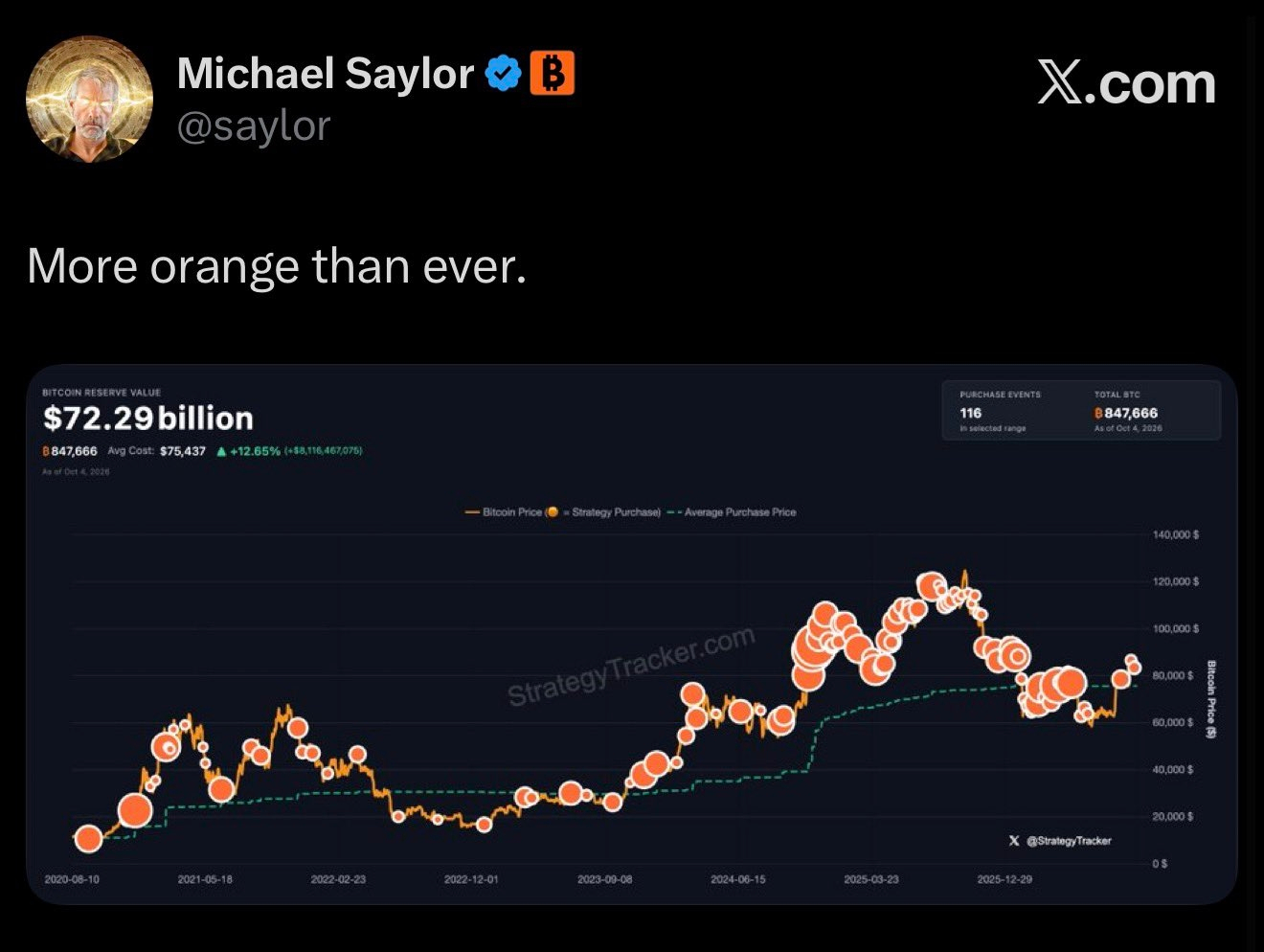
マイケル・セイラーが「さらにビットコインを買う」ことを示唆
セイラーが買う話を始めたら、$BTC という確信がまだ強いことはもう分かっています。
ビットコインの追加ロード?
マイケル・セイラーが「さらにビットコインを買う」ことを示唆
セイラーが買う話を始めたら、$BTC という確信がまだ強いことはもう分かっています。
ビットコインの追加ロード?
セイラーが買う話を始めたら、$BTC という確信がまだ強いことはもう分かっています。
ビットコインの追加ロード?
119
·
--
$NIGHT は大きな動きを見せています。
チャールズ・ホスキンソン氏が手がけるカルダノのプライバシー関連プロジェクト「Midnight」は、9月から10月初旬にかけて159%急騰しました。
プライバシー関連の話題が盛り上がるなか、$NIGHT も明らかに注目を集めています。
アルトシーズン到来の気配が強まっています。
{spot}(NIGHTUSDT)
$NIGHT は大きな動きを見せています。
チャールズ・ホスキンソン氏が手がけるカルダノのプライバシー関連プロジェクト「Midnight」は、9月から10月初旬にかけて159%急騰しました。
プライバシー関連の話題が盛り上がるなか、$NIGHT も明らかに注目を集めています。
アルトシーズン到来の気配が強まっています。
チャールズ・ホスキンソン氏が手がけるカルダノのプライバシー関連プロジェクト「Midnight」は、9月から10月初旬にかけて159%急騰しました。
プライバシー関連の話題が盛り上がるなか、$NIGHT も明らかに注目を集めています。
アルトシーズン到来の気配が強まっています。
65
·
--
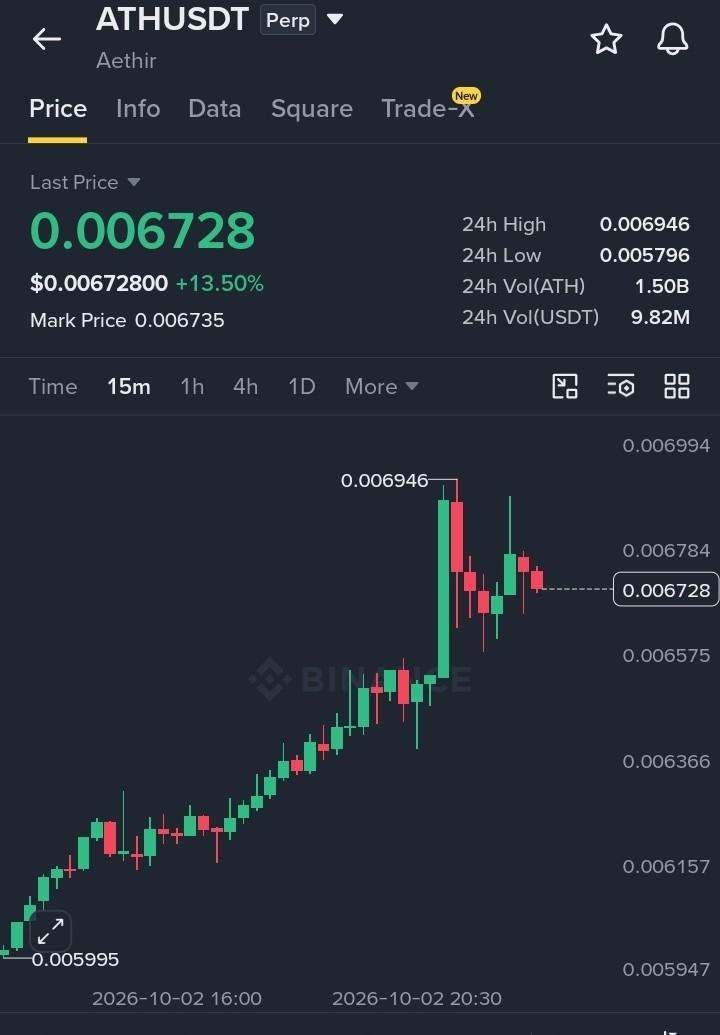
$ATH は、約$0.0060から$0.00695まで上昇し、強い勢いを見せています。
ブレイクアウト後、価格は現在$0.00673付近で持ち合っています。$0.0066~$0.0067の範囲を維持できれば、上昇基調は保たれます。
$0.00695を上抜ければ、$0.0070以上を目指す展開となる可能性があります。
現時点で重要なのは、買い手が直近のブレイクアウトゾーンを守れるかどうかです。
{future}(ATHUSDT)
$ATH は、約$0.0060から$0.00695まで上昇し、強い勢いを見せています。
ブレイクアウト後、価格は現在$0.00673付近で持ち合っています。$0.0066~$0.0067の範囲を維持できれば、上昇基調は保たれます。
$0.00695を上抜ければ、$0.0070以上を目指す展開となる可能性があります。
現時点で重要なのは、買い手が直近のブレイクアウトゾーンを守れるかどうかです。
ブレイクアウト後、価格は現在$0.00673付近で持ち合っています。$0.0066~$0.0067の範囲を維持できれば、上昇基調は保たれます。
$0.00695を上抜ければ、$0.0070以上を目指す展開となる可能性があります。
現時点で重要なのは、買い手が直近のブレイクアウトゾーンを守れるかどうかです。
234
·
--
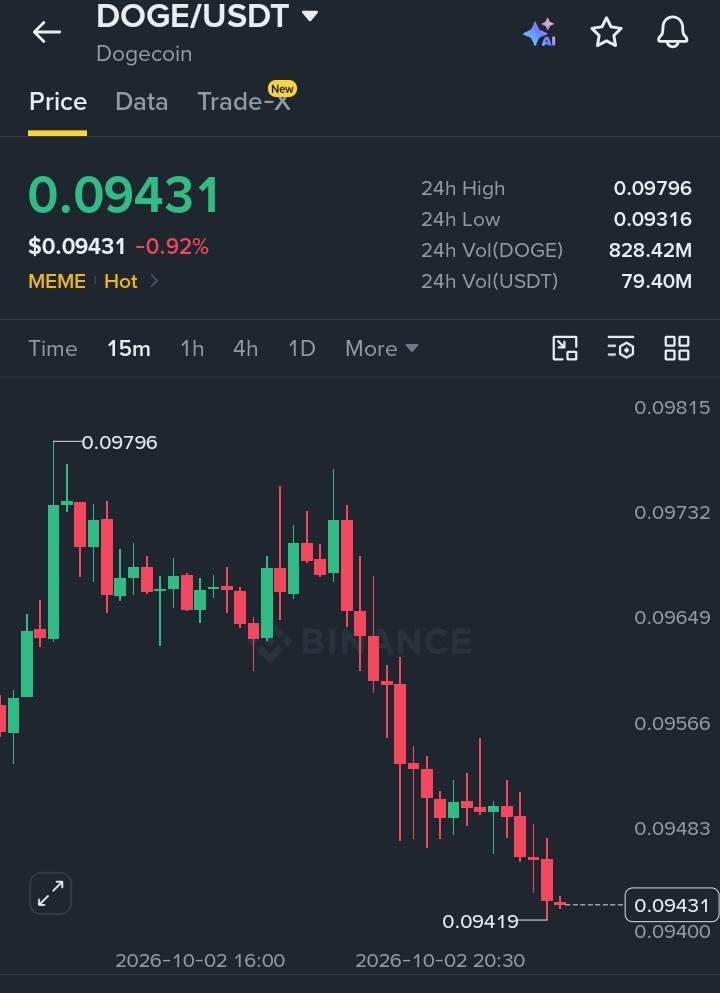
$DOGE は依然として圧力下にあり、拒否が$0.098近辺で起きた後も、売り手が主導権を維持しています。
価格は現在$0.0942の領域に到達しており、注目すべき重要なレベルです。
$0.0942が維持されれば、$0.0955〜$0.0965に向けた反発が形成される可能性があります。
しかし、このサポートを失うと、構造はさらに弱くなるでしょう。
今のところ、DOGEは買い手が再び入ってくる必要があります。
{spot}(DOGEUSDT)
$DOGE は依然として圧力下にあり、拒否が$0.098近辺で起きた後も、売り手が主導権を維持しています。
価格は現在$0.0942の領域に到達しており、注目すべき重要なレベルです。
$0.0942が維持されれば、$0.0955〜$0.0965に向けた反発が形成される可能性があります。
しかし、このサポートを失うと、構造はさらに弱くなるでしょう。
今のところ、DOGEは買い手が再び入ってくる必要があります。
価格は現在$0.0942の領域に到達しており、注目すべき重要なレベルです。
$0.0942が維持されれば、$0.0955〜$0.0965に向けた反発が形成される可能性があります。
しかし、このサポートを失うと、構造はさらに弱くなるでしょう。
今のところ、DOGEは買い手が再び入ってくる必要があります。
138
·
--
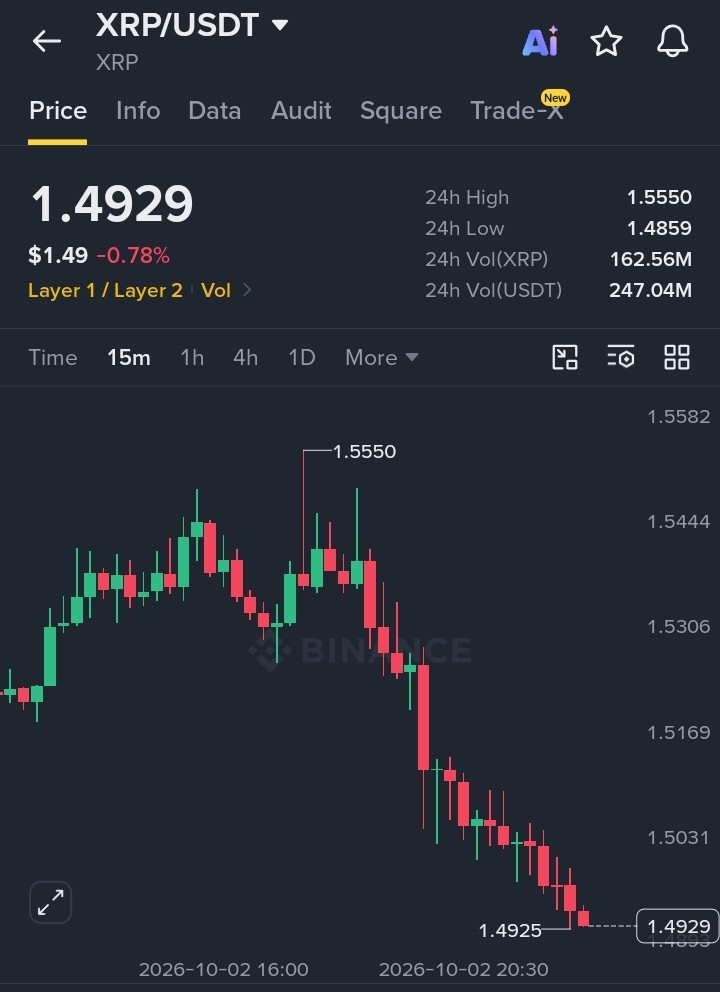
$XRP は、1.52ドル付近を維持できず、引き続き上値の重い展開となっています。
現在は1.49ドル付近を試しており、1.485~1.49ドルが重要なサポートゾーンとなっています。
1.50ドルを回復すれば、1.517ドル、続いて1.53ドルが再び意識される可能性があります。
そうなるまでは、短期的には売り手が依然として優勢です。
1.49ドルの水準を注視しています。
{spot}(XRPUSDT)
$XRP は、1.52ドル付近を維持できず、引き続き上値の重い展開となっています。
現在は1.49ドル付近を試しており、1.485~1.49ドルが重要なサポートゾーンとなっています。
1.50ドルを回復すれば、1.517ドル、続いて1.53ドルが再び意識される可能性があります。
そうなるまでは、短期的には売り手が依然として優勢です。
1.49ドルの水準を注視しています。
現在は1.49ドル付近を試しており、1.485~1.49ドルが重要なサポートゾーンとなっています。
1.50ドルを回復すれば、1.517ドル、続いて1.53ドルが再び意識される可能性があります。
そうなるまでは、短期的には売り手が依然として優勢です。
1.49ドルの水準を注視しています。
61
·
--
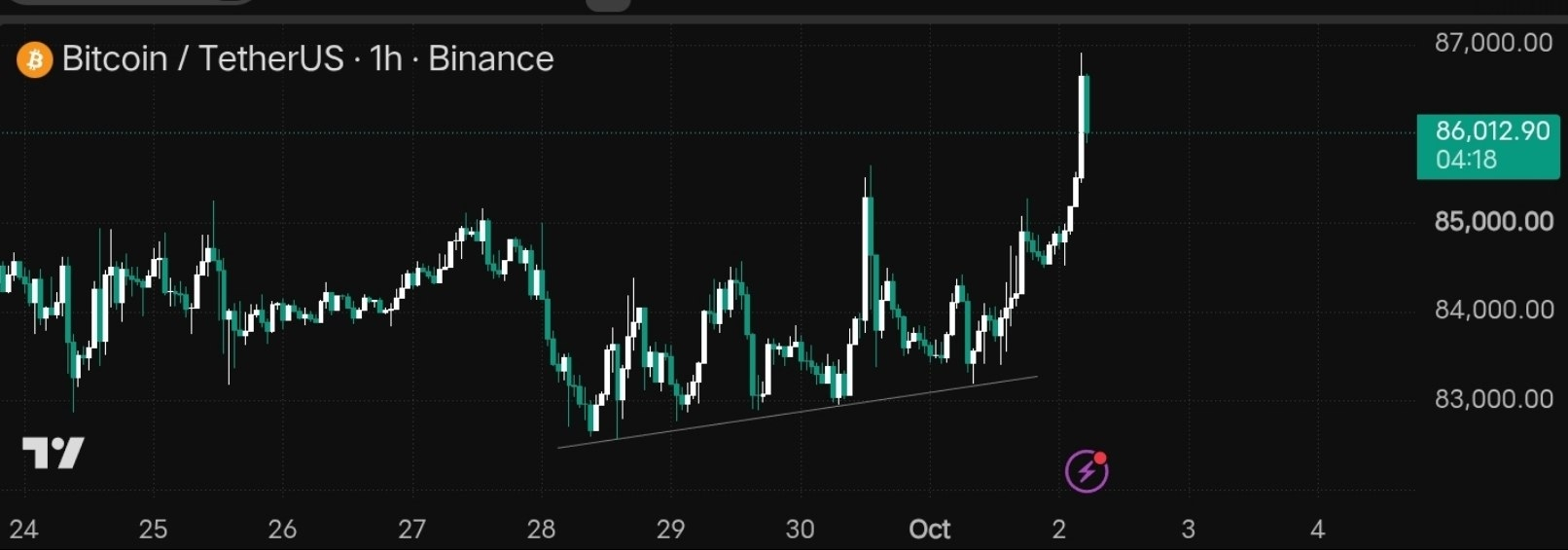
BTCはちょうどレンジを上抜けしました。👀
8.5万ドルの水準は力強い勢いで奪回され、価格は現在8.7万ドルに向かって上昇しています。
今のポイントはシンプルです:
8.5万ドルを維持 → 上昇継続
8.5万ドルを割る → 再テストの可能性
このブレイクアウトには確認が必要です。次の上昇局面に備えられていますか?
$BTC
{future}(BTCUSDT)
BTCはちょうどレンジを上抜けしました。👀
8.5万ドルの水準は力強い勢いで奪回され、価格は現在8.7万ドルに向かって上昇しています。
今のポイントはシンプルです:
8.5万ドルを維持 → 上昇継続
8.5万ドルを割る → 再テストの可能性
このブレイクアウトには確認が必要です。次の上昇局面に備えられていますか?
$BTC
8.5万ドルの水準は力強い勢いで奪回され、価格は現在8.7万ドルに向かって上昇しています。
今のポイントはシンプルです:
8.5万ドルを維持 → 上昇継続
8.5万ドルを割る → 再テストの可能性
このブレイクアウトには確認が必要です。次の上昇局面に備えられていますか?
$BTC
2
1
119
ログインして、さらにコンテンツを読む
厳選トピックで世界の暗号資産トレーダーの仲間入り
⚡️ 暗号資産に関する最新かつ有益な情報が見つかります。
💬 世界最大の暗号資産取引所から信頼されています。
👍 認証を受けたクリエイターから、有益なインサイトを得られます。
メール / 電話番号
トレンドトピック
BitcoinSlipsBelow$80KAgain
閲覧回数 1,161
25人が討論中
BTCは下落する一方、クジラは資金を移動——企業の買い支えと拮抗
7日間にわたる下落を主導したのは、個人投資家ではなかった。
状況:BTCは10月27日に約79,796ドルで取引を終え、7日間で約2.6%、30日間で約5.2%下落した。日足のRSI(12)は39.8。今週の値幅は、高値が10月22日の約84,377ドル、安値が10月24日の約79,220ドル。投げ売りを示すローソク足はない。84,000ドル台を回復する動きもない。ただ、じりじりと下げている。
供給側の動きが相場を物語っている。休眠状態のウォレットから2,571 BTC(約2億650万ドル)が機関投資家向け取引所へ移動した。これは取引所からの流出ではなく、取引所への供給の流入だ。企業の財務資金による買い意欲も冷え込み、StrategyはBTC購入ではなく、2億490万ドルを自社株買いに振り向けた。
下値を支えている買いは、投機筋ではなく企業によるものだ。Striveは6,182 BTC(約5億1,140万ドル)を取得し、上場企業は合計で6,200 BTC超を買い増した。これは79,700ドル近辺に実質的な下値支持があるという根拠になる。ただし、それはあくまで下値支持であり、上昇ブレイクのきっかけではない。
モメンタムは強気派に味方していない。MACDヒストグラムは−23.99で、価格は99 EMAを下回っている。この構造が反転するまでは、上値は約80,500ドル以下に抑えられる。
ポジションはやや強気だが、熱狂的というほどではない。Squareのコミュニティ投票では、3,830票のうち強気が2,116票、弱気が1,714票だった。サンプルは限られている。知っておく価値はあるが、これだけを根拠に取引するほどではない。
私の見立てでは、これは企業の買いに向けた売り抜けだ。下値支持は実在するが、モメンタムは伴っていない。今週の焦点は、79,200〜79,700ドルのゾーンが取引所への流入を吸収できるかどうかだ。
#BitcoinSlipsBelow$80KAgain
_Mr_Singh_
·いいね:0件
·閲覧回数 457
ThailandLaunchesWORPTStablecoinToQRPaymentApp
閲覧回数 1,604
67人が討論中
StrategySkipsBitcoinPurchasesSpends$205MOnSTRCBuybacks
閲覧回数 3,079
68人が討論中